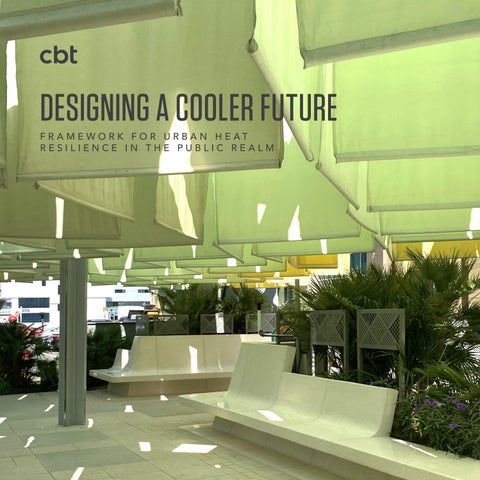
DESIGNING A COOLER FUTURE
FRAMEWORK FOR URBAN HEAT
RESILIENCE IN THE PUBLIC REALM
WE LIVE IN A HEATING WORLD
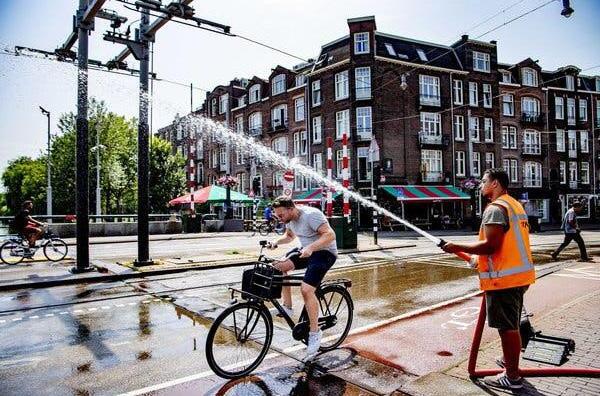
Exacerbated by climate change year after year, summers are getting longer and heat waves deadlier. The last three years marked the hottest years on record. Rising temperatures, longer summers, and more frequent heatwaves have further exacerbated the threat of extreme urban heat. With climate change exacerbating the length and intensity of summers worldwide, the once invisible threat of urban heat islands is now more pronounced and frequent. Due to the urban heat island effect (illustrated below), on average across the country, cities are even hotter and have been getting hotter faster than the adjacent rural areas.
FEELING THE HEAT
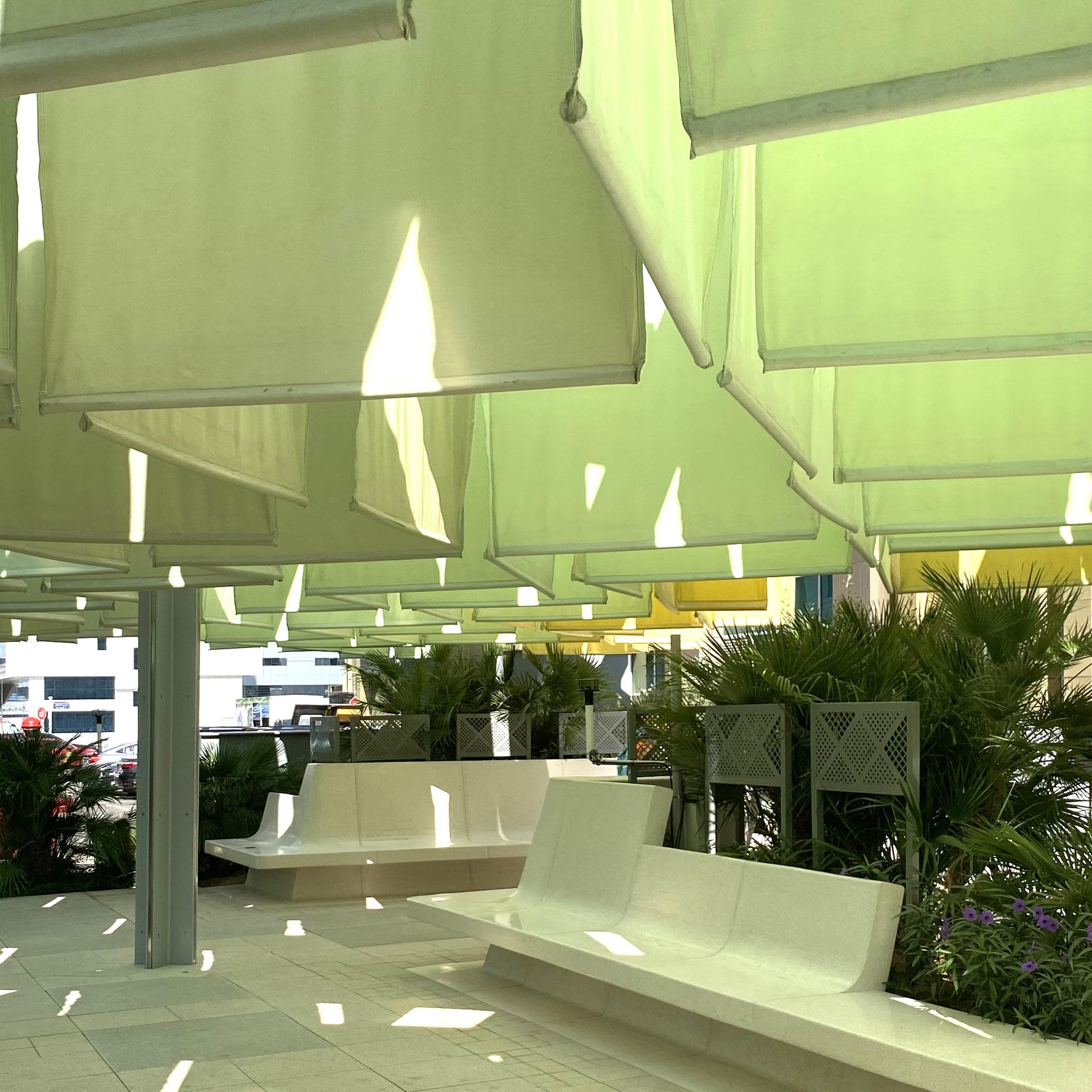
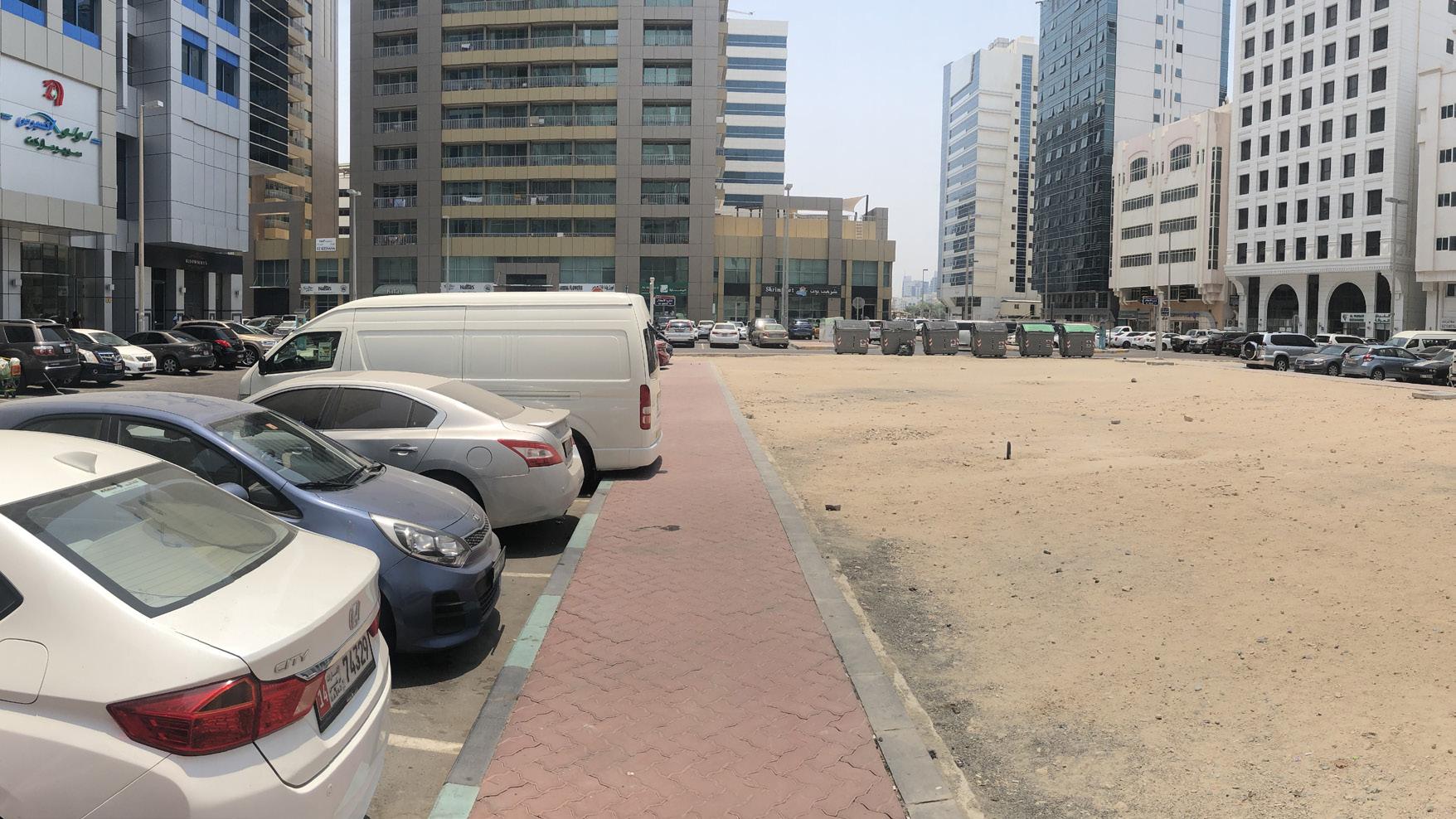
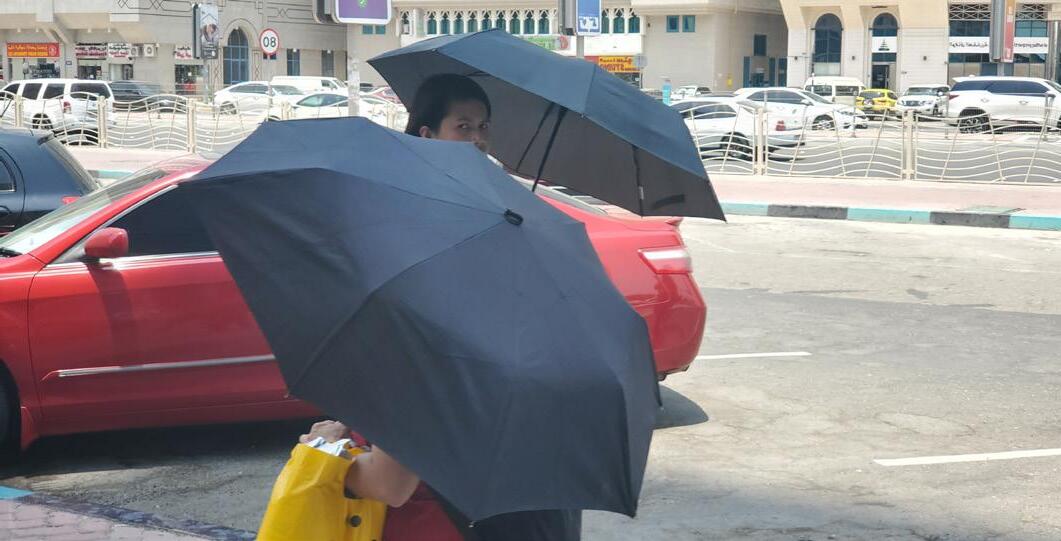
In Abu Dhabi, heat and harsh conditions have significantly limited outdoor activity throughout several months of the year, creating unsafe conditions in the public realm due to extreme thermal stress. In the face of this mounting challenge, the public realm, encompassing around 30% of cities, holds tremendous potential to mitigate scorching heat and enhance urban resiliency. As residents increasingly seek air-conditioned spaces, the promotion of a healthy outdoor culture in cities like Abu Dhabi becomes both a unique challenge and an opportunity for re-imagining public spaces.
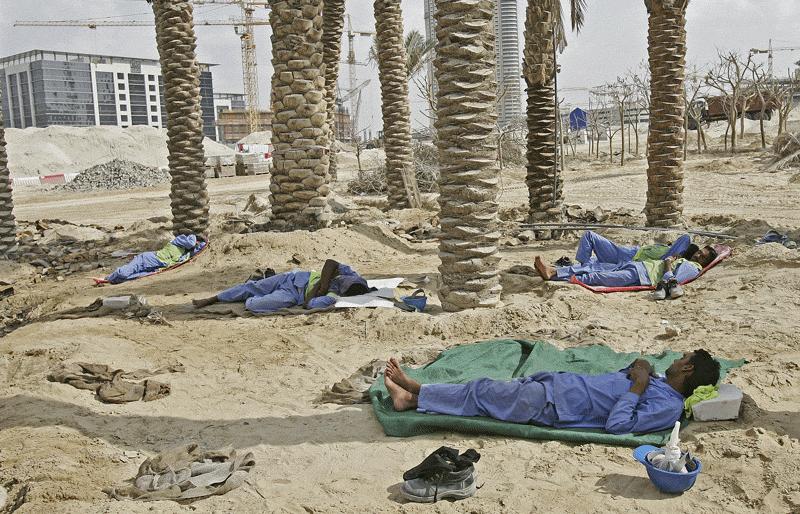
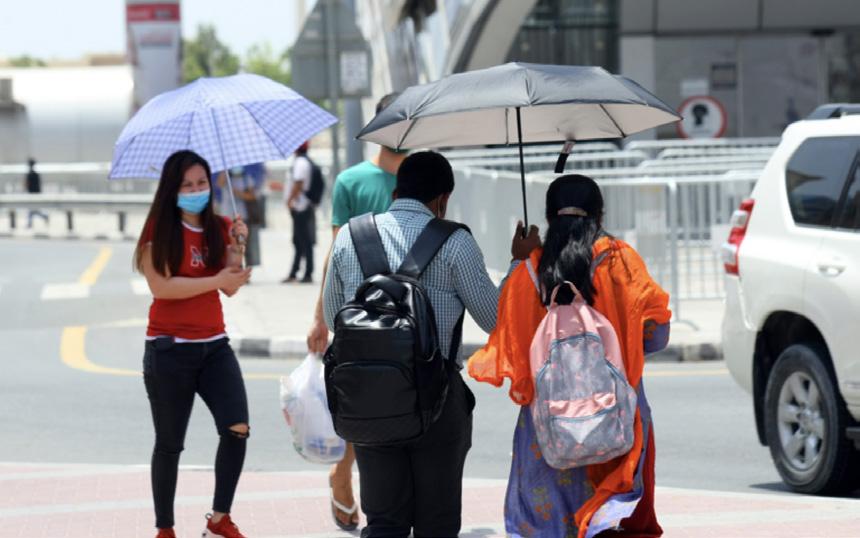
AS THE THREAT OF EXTREME HEAT CONTINUES TO GROW, THERE IS AN URGENT NEED TO DESIGN CITIES THAT ARE HEAT-RESILIENT AND COMFORTABLE THROUGHOUT THE YEAR.
SEEN V/S FELT: UNDERSTANDING URBAN HEAT
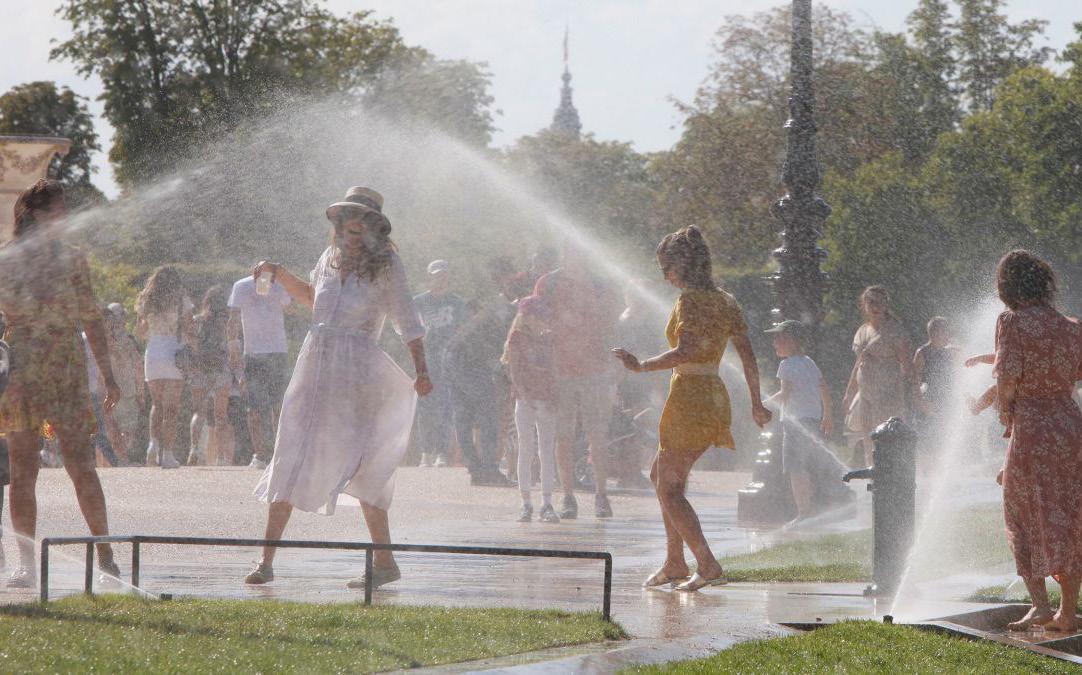
The discrepancy between seen and felt temperatures underscores the need to center the design of public spaces on the thermal comfort of its users. Seen Temperature refers to the actual air temperature, while the felt temperature is the temperature humans perceive. It’s influenced by various factors, including air temperature, humidity, wind speed, and solar radiation. For example, in a public park, the seen temperature might not accurately represent the comfort level of visitors. If the park lacks shade and there’s high humidity, visitors will feel much hotter than the reported temperature. These differences are key to optimizing the thermal comfort of the users.
CHALLENGES OF THE BUILT ENVIRONMENT
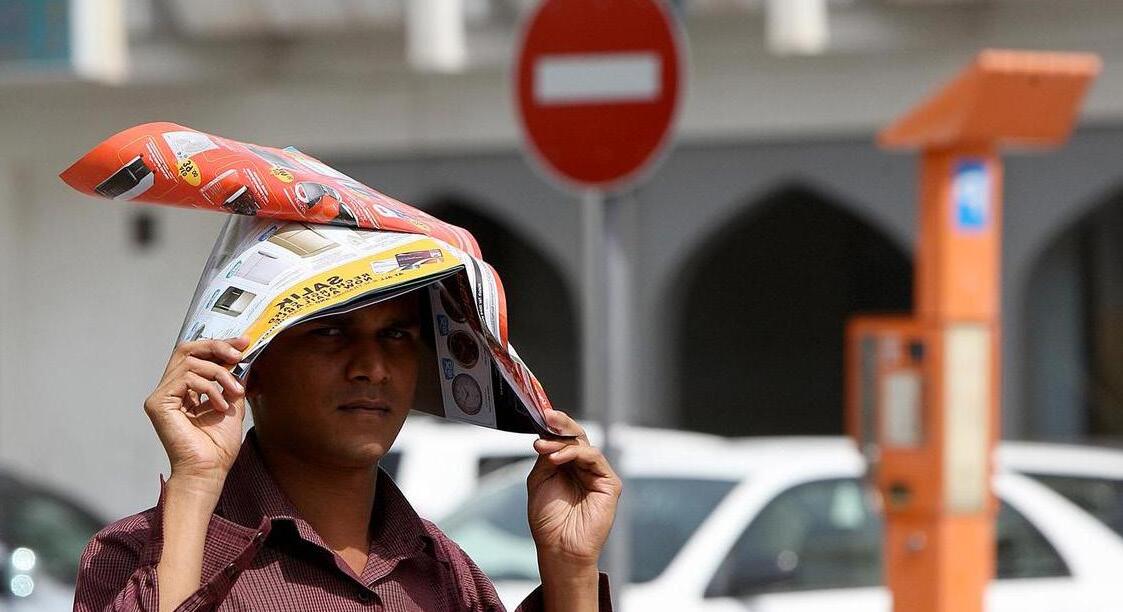
Today’s infrastructure, facing the increasing, invisible, and inequitable climate risk of heat, may not be built to withstand the temperatures of the coming decades.
LEARNING FROM THE PAST
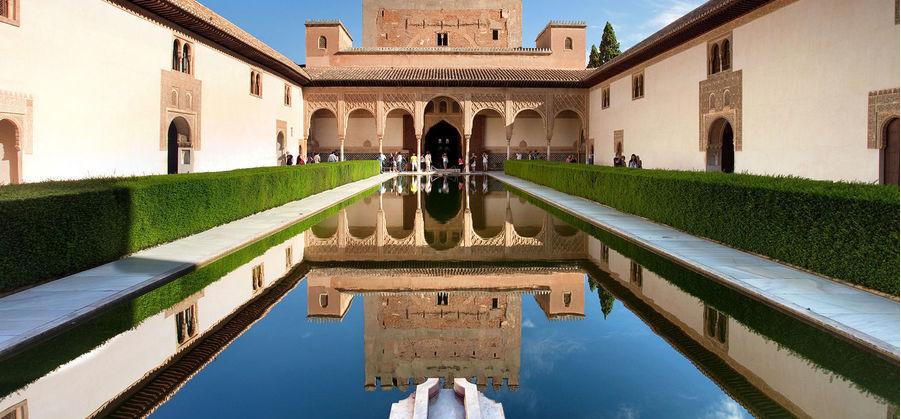
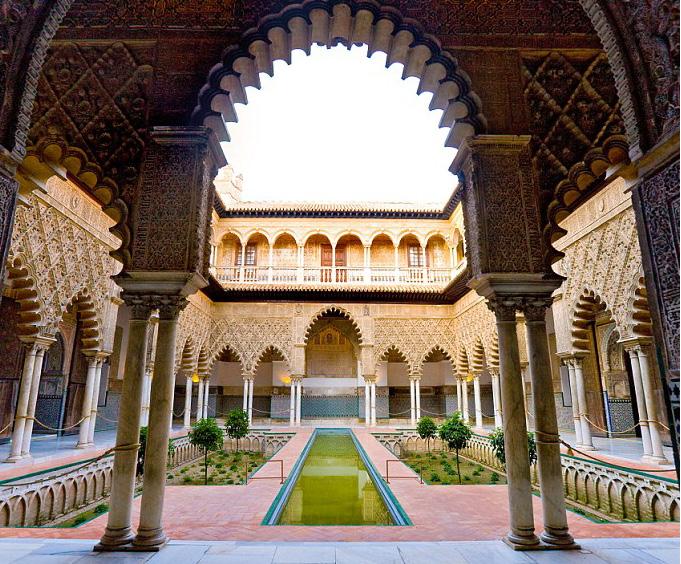
Traditional architecture, with its ingenious use of elements like courtyards, water bodies, and solar chimneys, skillfully harnessed natural methods for cooling. However, adapting these time-tested strategies to modern urban environments presents a multitude of challenges.
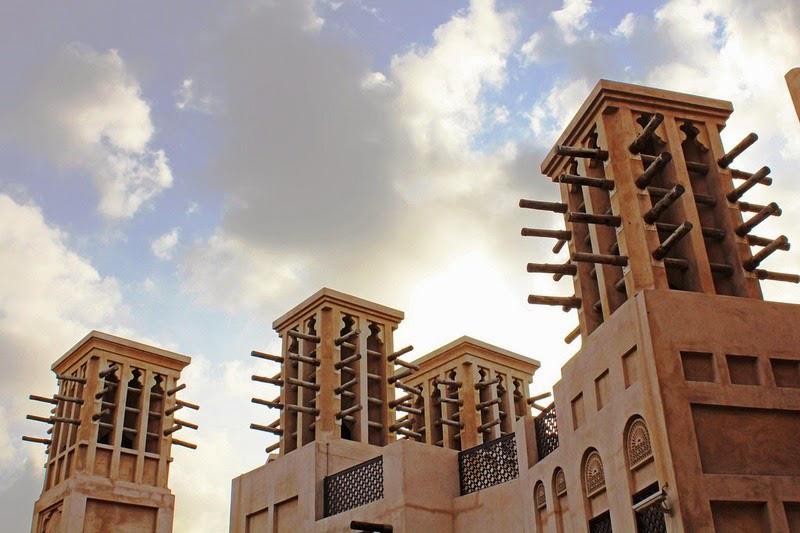
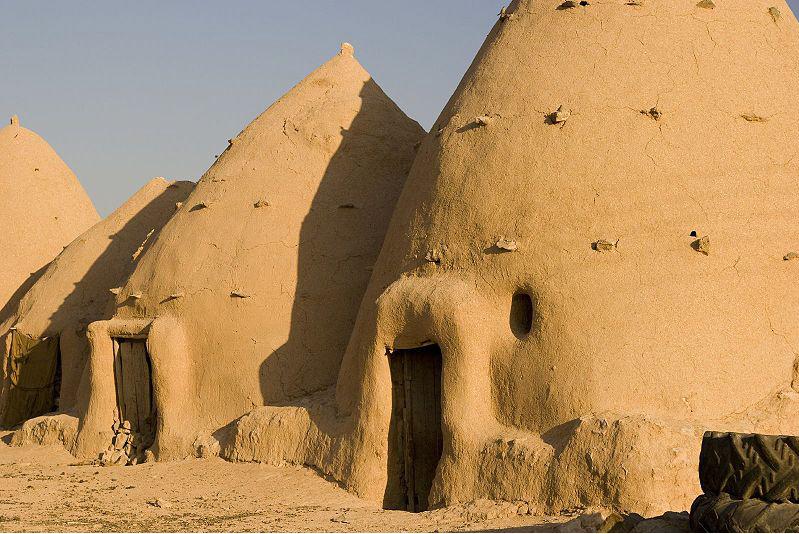
Badgir Wind Catcher
Court of Myrtles Pool / Fountain
Courtyard
URBAN NATURE: IDEAL, BUT NOT ALWAYS FEASIBLE
While popular strategies like urban forestry may seem like an obvious solution, hot urban environments prone to drought and limited by existing infrastructure could render such an effort ineffective, or at least seriously complicate its execution – especially in urban areas with daily pedestrian activity like sidewalks, bus stops, and spaces between buildings.
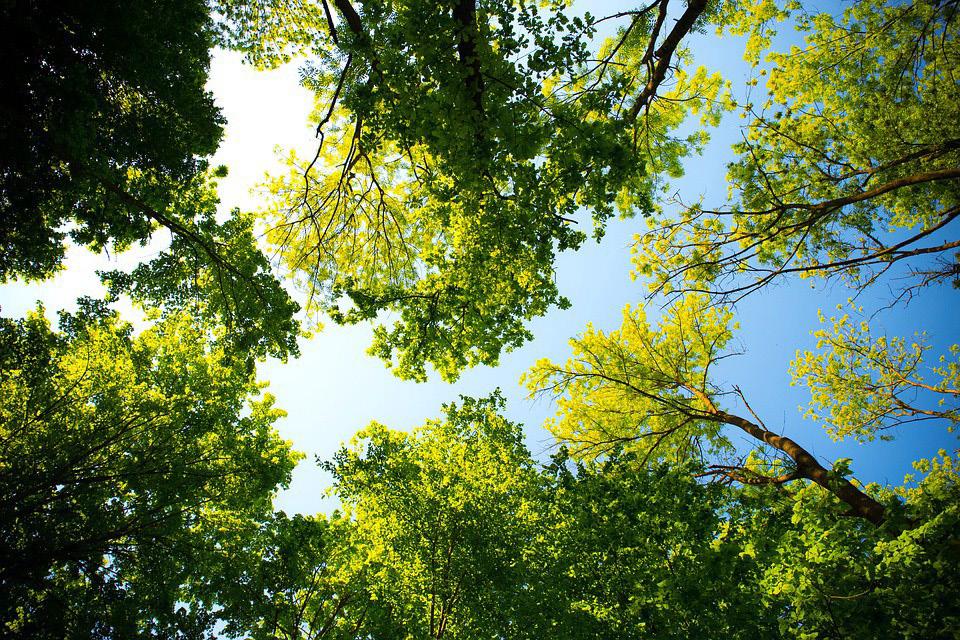


Shading Tree Canopy
Prairie Dog Burrow Earth Tube
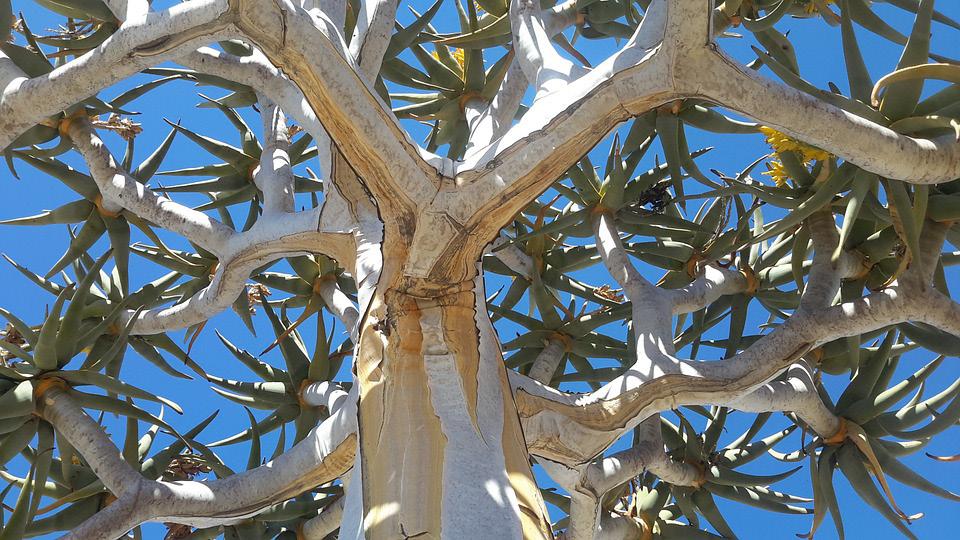
Quiver Tree Reflective
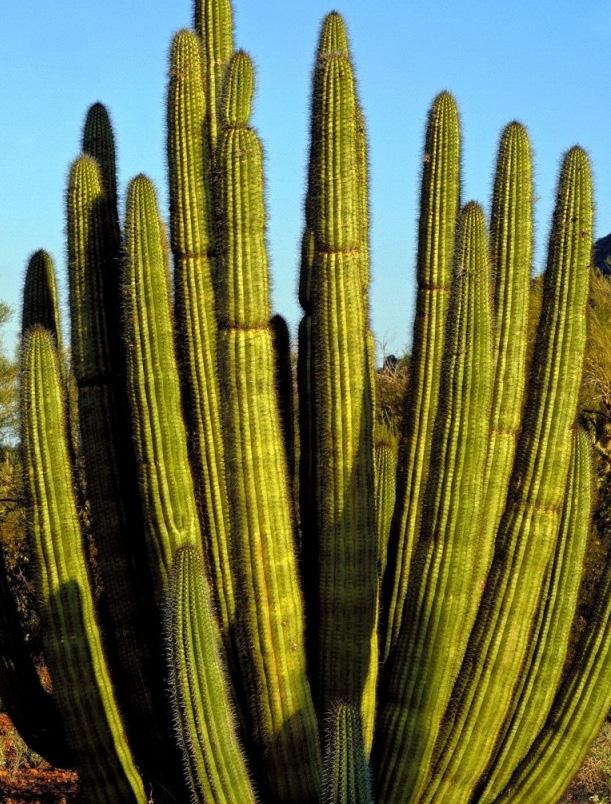
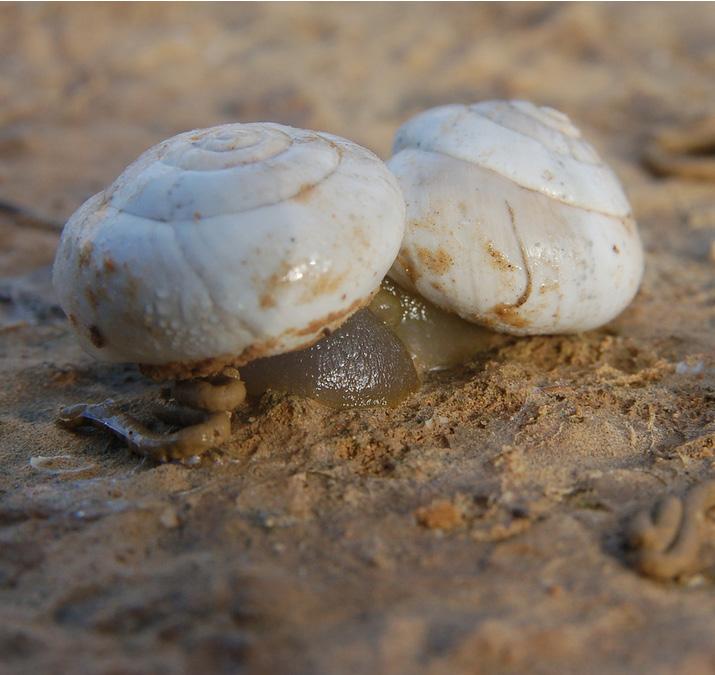
Cactus Self Shading Desert Snail Reflective / Air Insulation
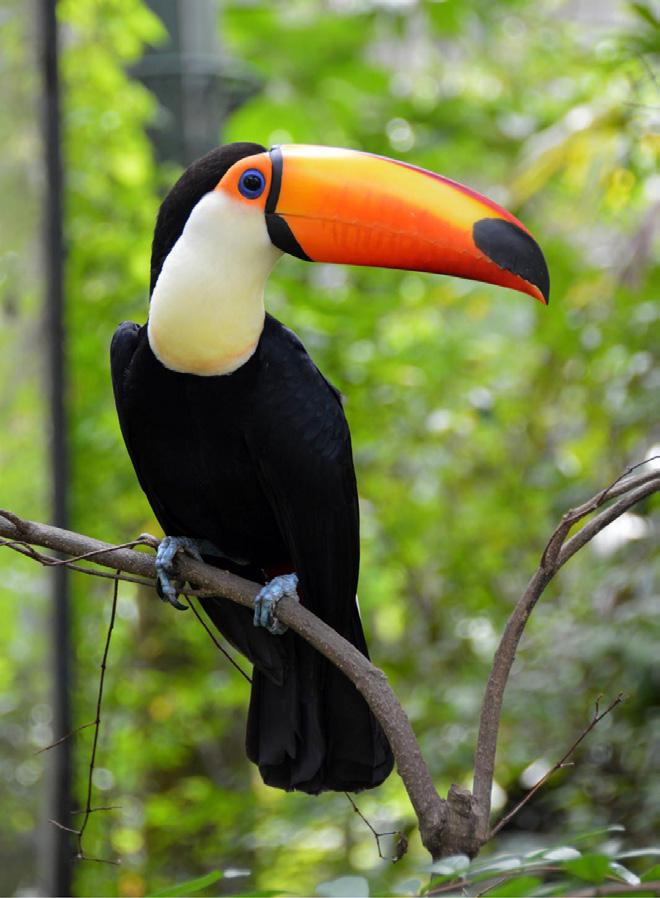
Toco Toucan Solar Chimney
Jack Rabbit Night Cooling
MULTI-LAYERED DESIGN APPROACH
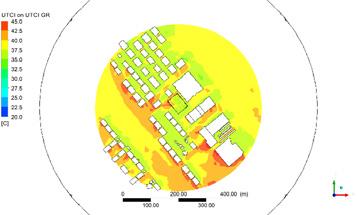
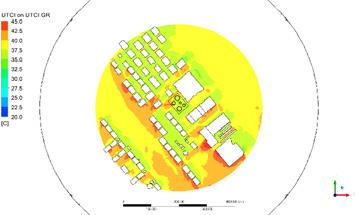
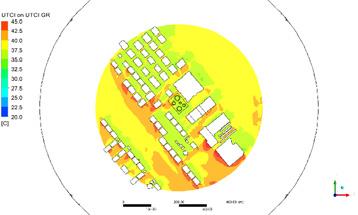
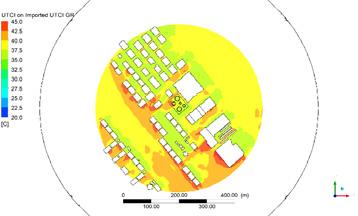
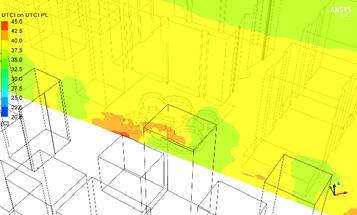
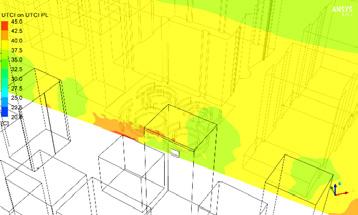
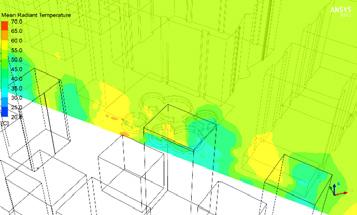
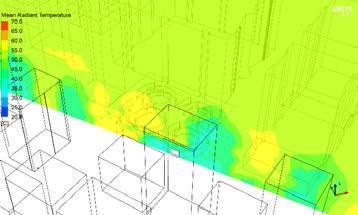
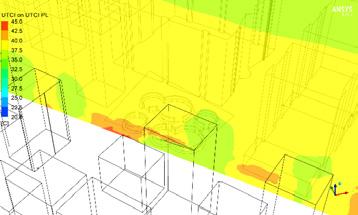
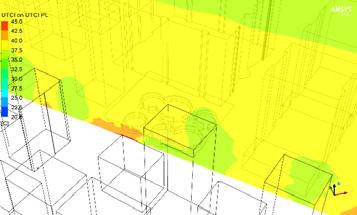
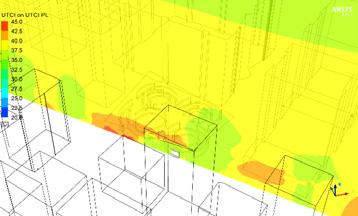
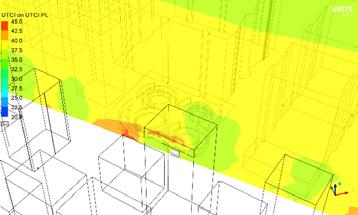
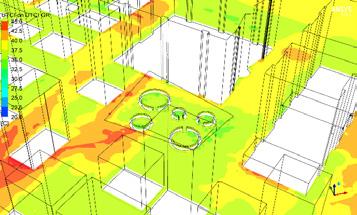
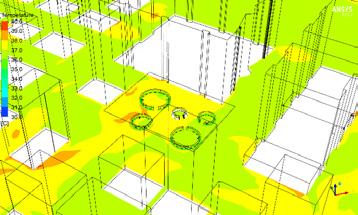
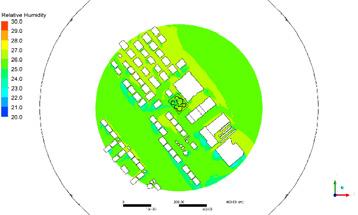
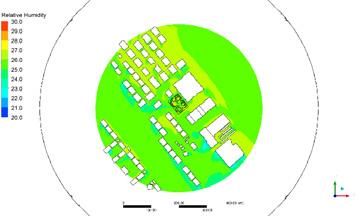
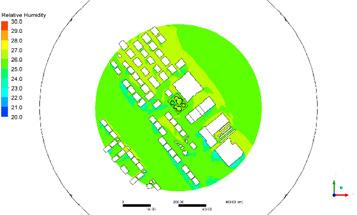
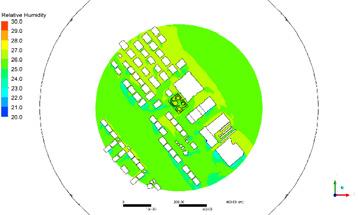
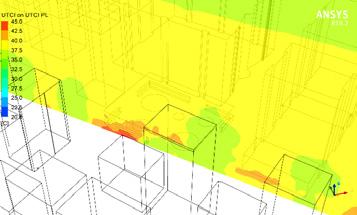
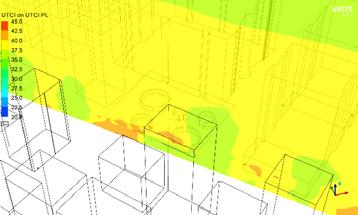
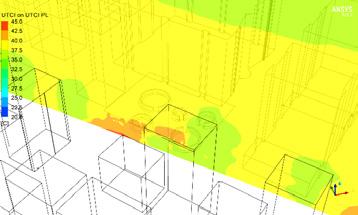
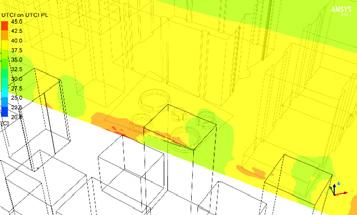
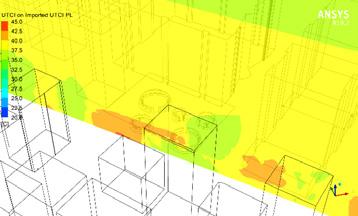
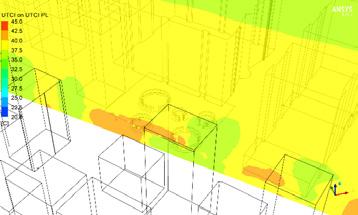
Using data from the universal thermal climate index ( UTCI ), which measures how humans experience outdoor thermal comfort within a particular set of conditions— considering air temperature, humidity, and wind—each pilot optimizes pedestrian comfort levels during shoulder periods, both annually (the months of May through October) and daily (approximately 8:00-10:00 am and 4:00-6:00 pm), when the selected sites experience the most traffic.
PASSIVE
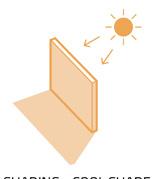
SHADING
SHADING

EVAPORATION (Humidity)
EVAPORATION (HUMIDITY)
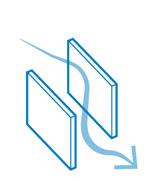
CONVECTION (Air)
CONVECTION (AIR)
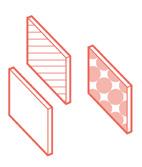
CONDUCTION (Radiation)
CONDUCTION (RADIATION)
Pool
Thermal Mass Night Cooling
Solar Chimney
Wind Catcher
ACTIVE / MECHANICAL
ROOTED IN EVIDENCE AND RESEARCH
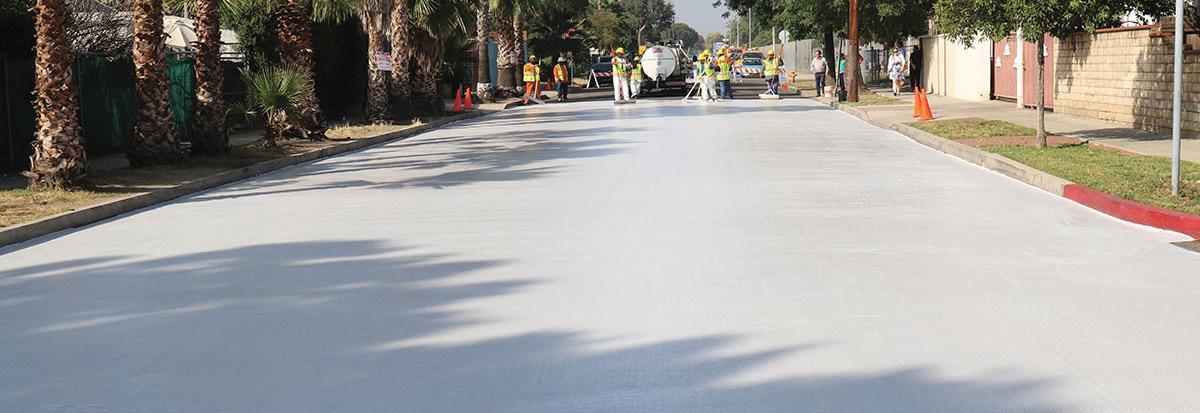
There is no one size fits all solution, as the nature and comfort of spaces like parks and playgrounds change with the time of day, season, and climate. For instance, a playground with equipment that reflects heat becomes uncomfortably hot during midday but cools down by evening, aligning with the times children are likely to use it. Similarly, Los Angeles’ Cool Streets program demonstrated that while reflective white paint on streets elevates daytime temperatures, it contributes to cooler nights. These examples highlight the importance of data-driven, context-specific solutions in creating public spaces that are both functional and comfortable across different times and conditions.






HOW CAN A NEW LANGUAGE FOR PUBLIC SPACE DESIGN FOSTER A CULTURAL SHIFT TOWARDS CREATING MORE
A THERMALLY COMFORTABLE AND INVITING PUBLIC REALM?
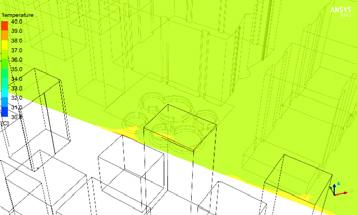
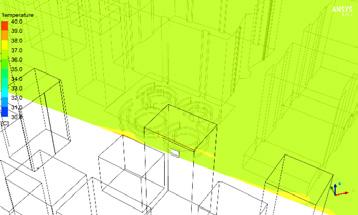
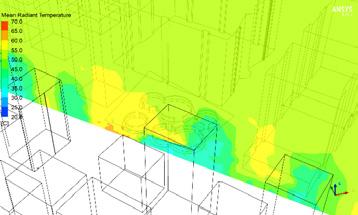
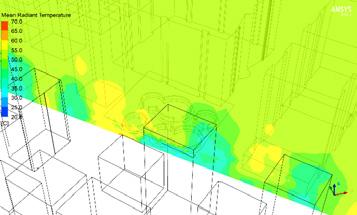
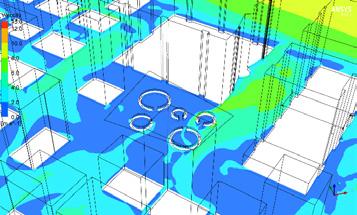
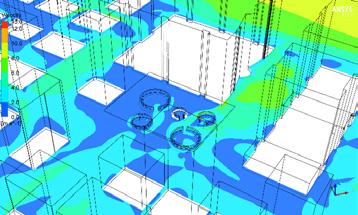
The Abu Dhabi Climate Resilience Initiative is a citywide public realm improvement program that focuses on improving pedestrian thermal comfort levels in an outdoor desert climate through a series of tactical urban interventions. The initiative introduces three climate intervention pilot projects—a pocket park, a mosque plaza, and an urban intersection. The pilots carefully layer multiple cooling strategies to create a comprehensive ecosystem of “cool zones” that optimizes and extends time for pedestrian outdoor comfort level. A new paradigm for public space design, the pilot programs serve as an example of effective, multi-layered resiliency solutions, contributing to the global effort to combat extreme urban heat.
COOL PATHS
COOL INTERSECTION
COOL ZONES
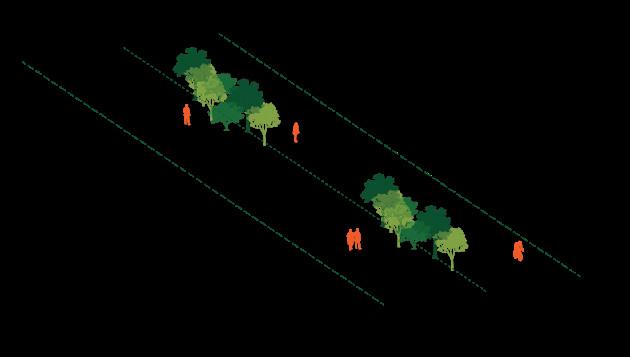
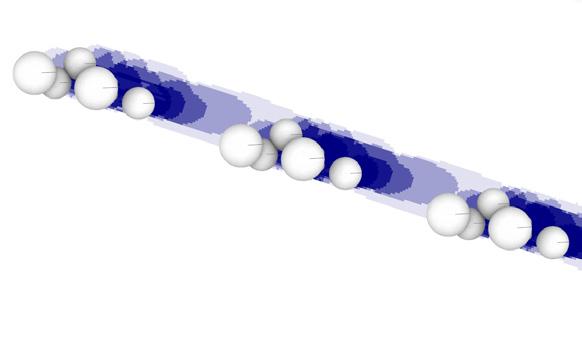
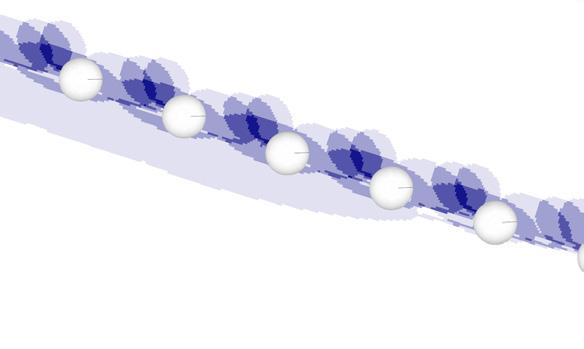
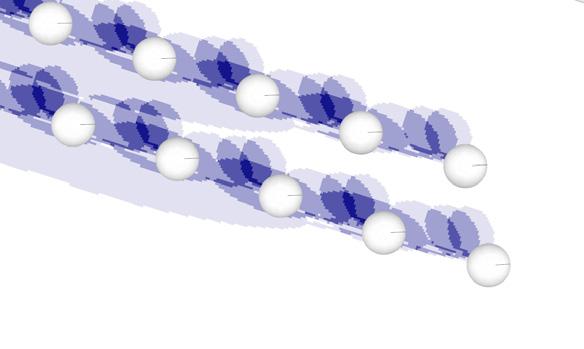
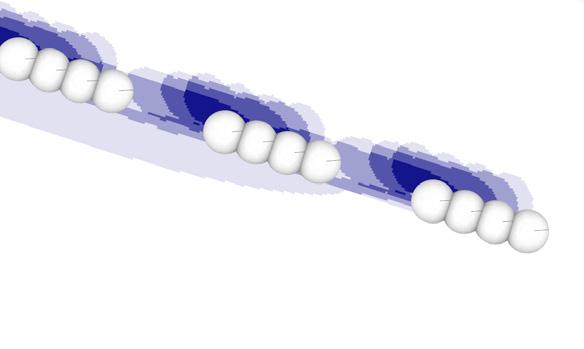
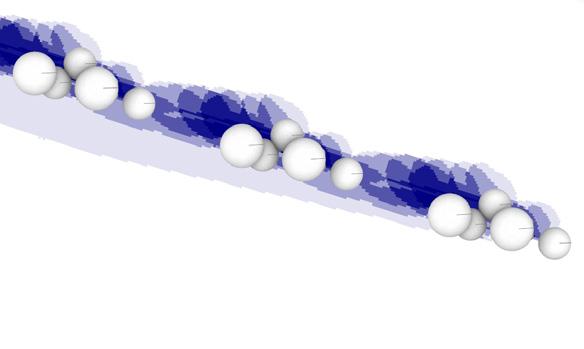
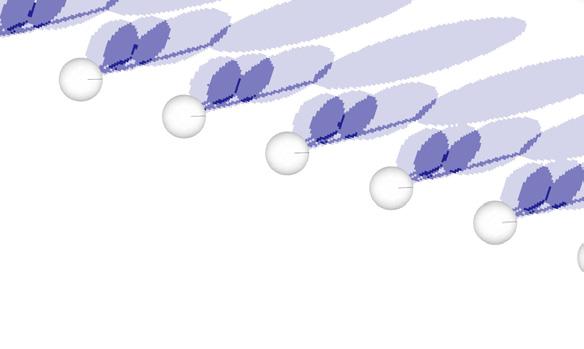
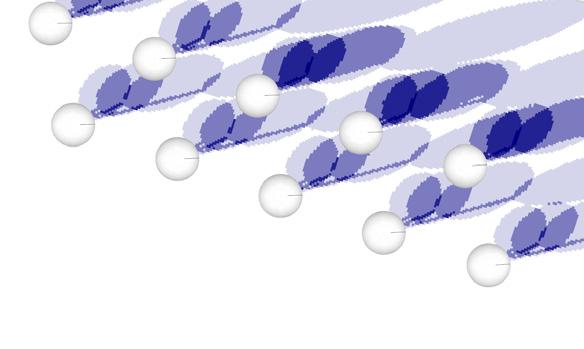
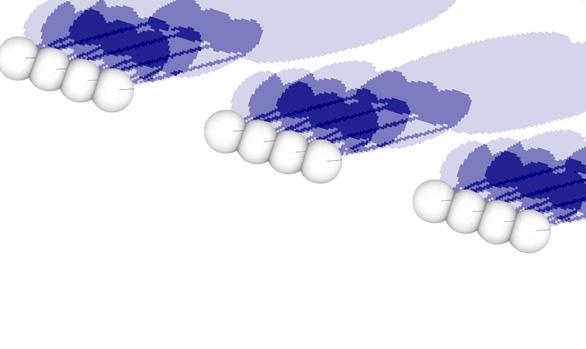
COOL PATHS: DESIGNED FOR COMFORT
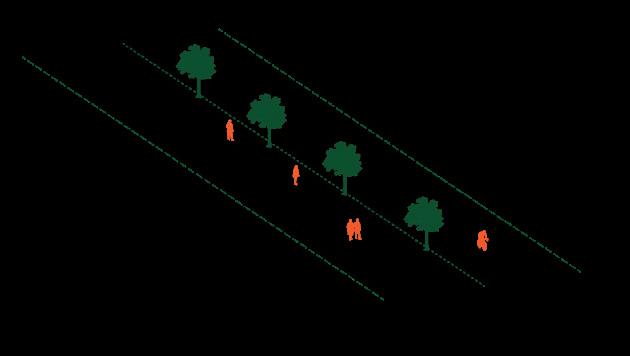
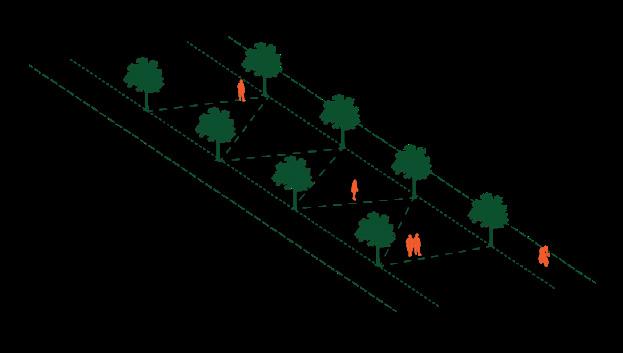
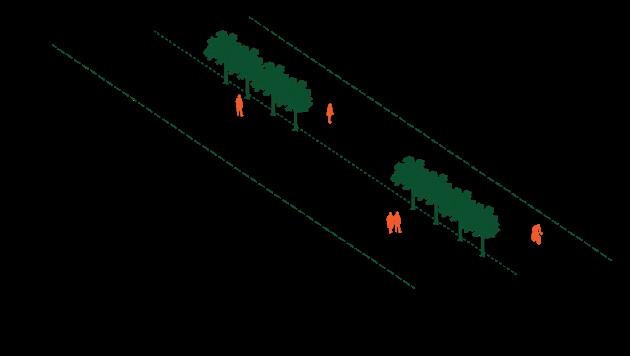
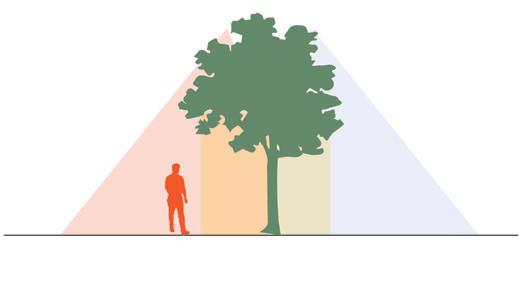
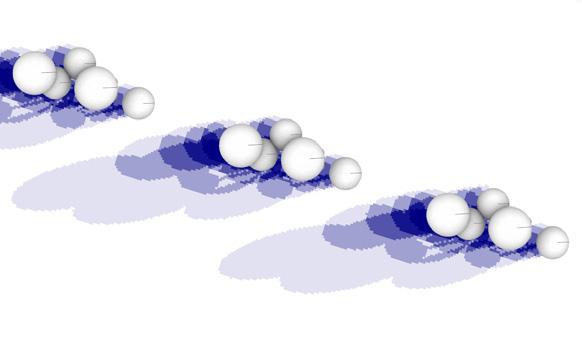
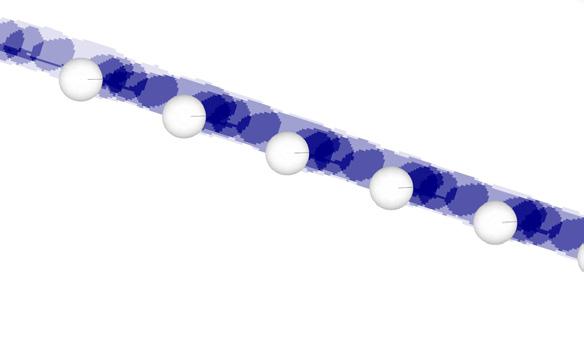
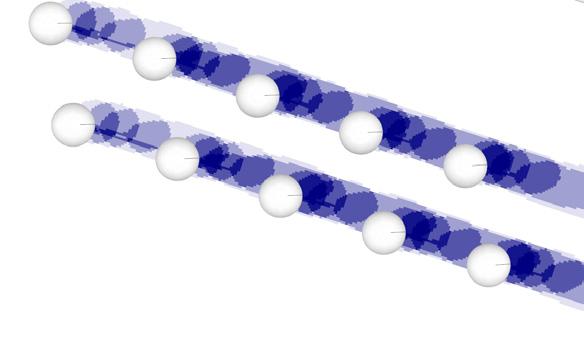
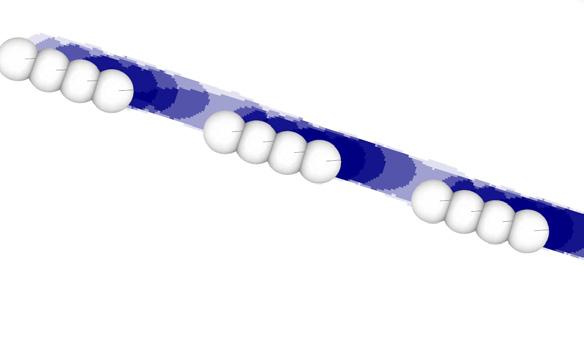
Single-Sided Tree Array
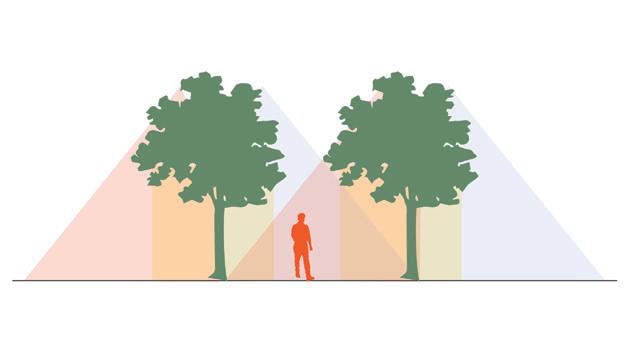
Double-Sided Tree Array
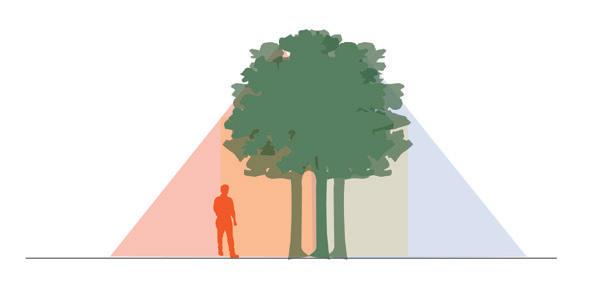
Linear Tree Cluster | Array Tree Cluster | Array
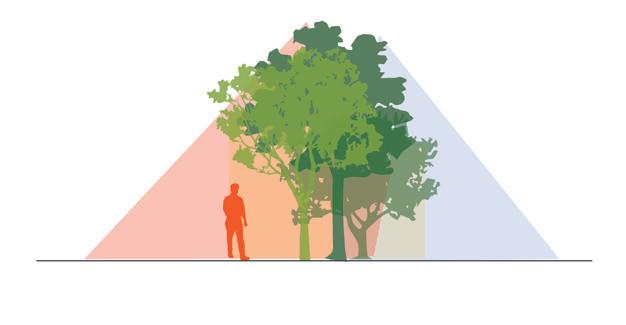
MID-MAY AM

COOL INTERSECTION
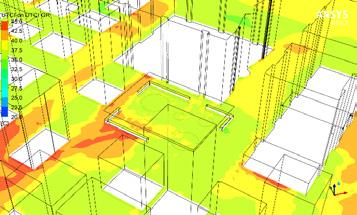
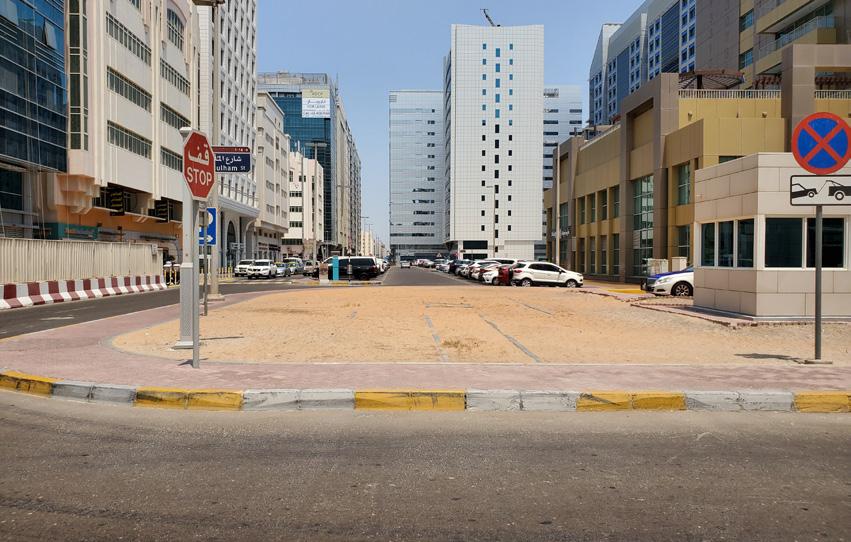
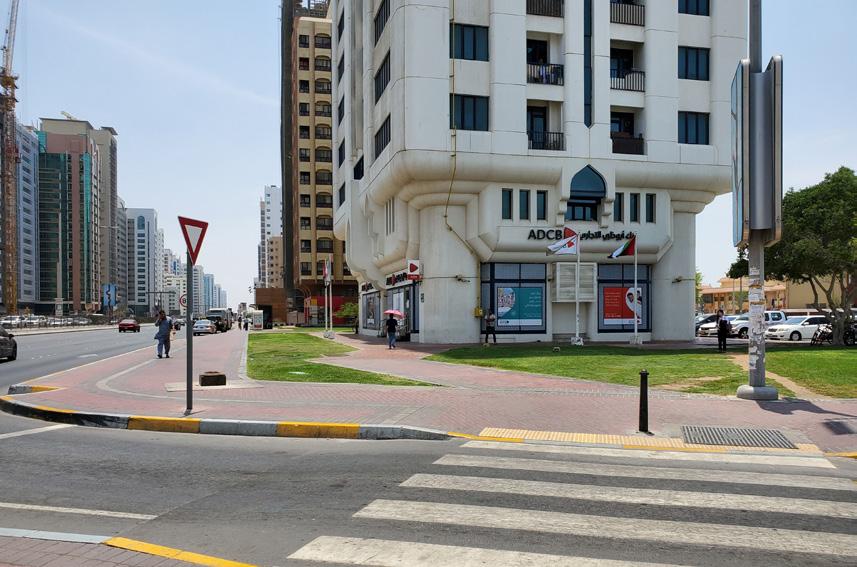
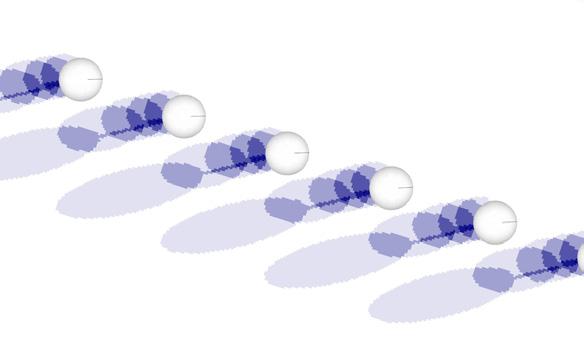
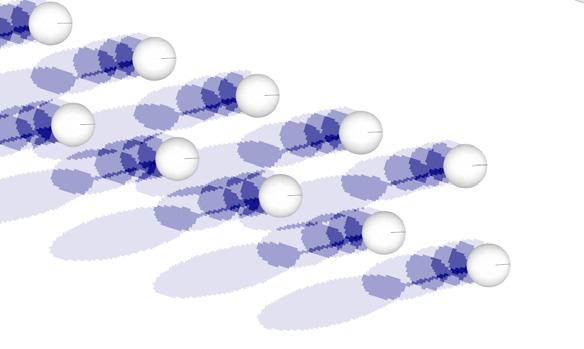
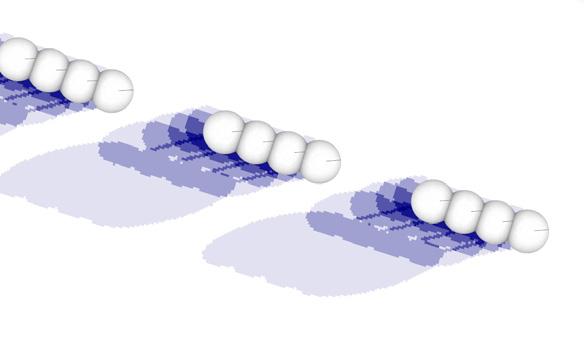
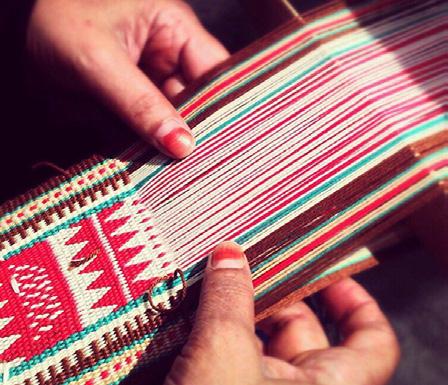
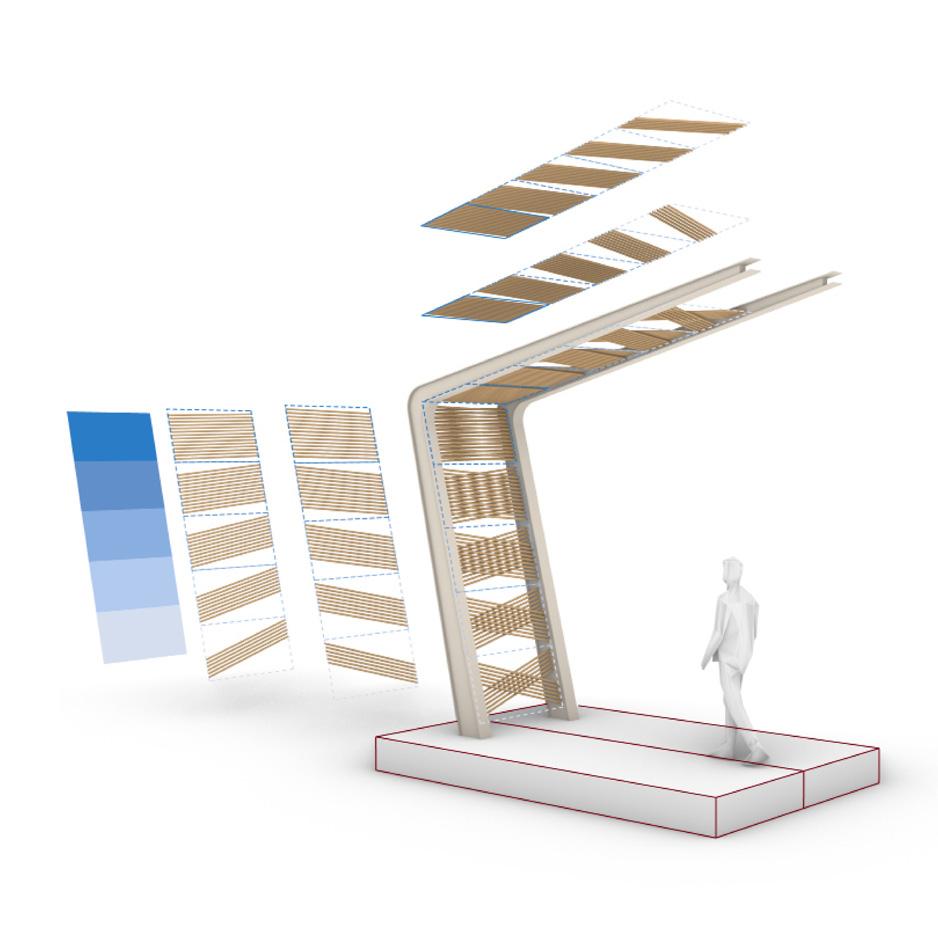
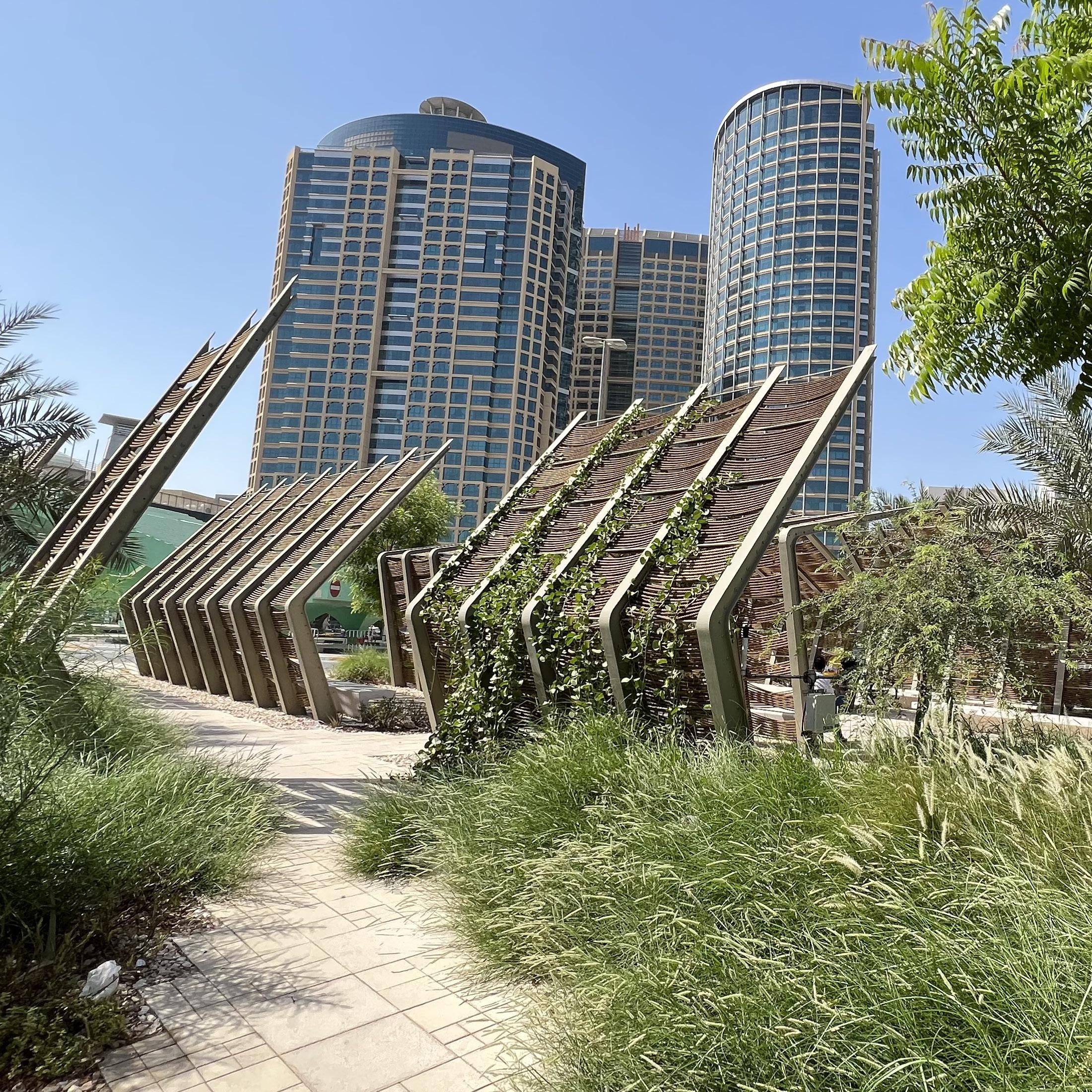
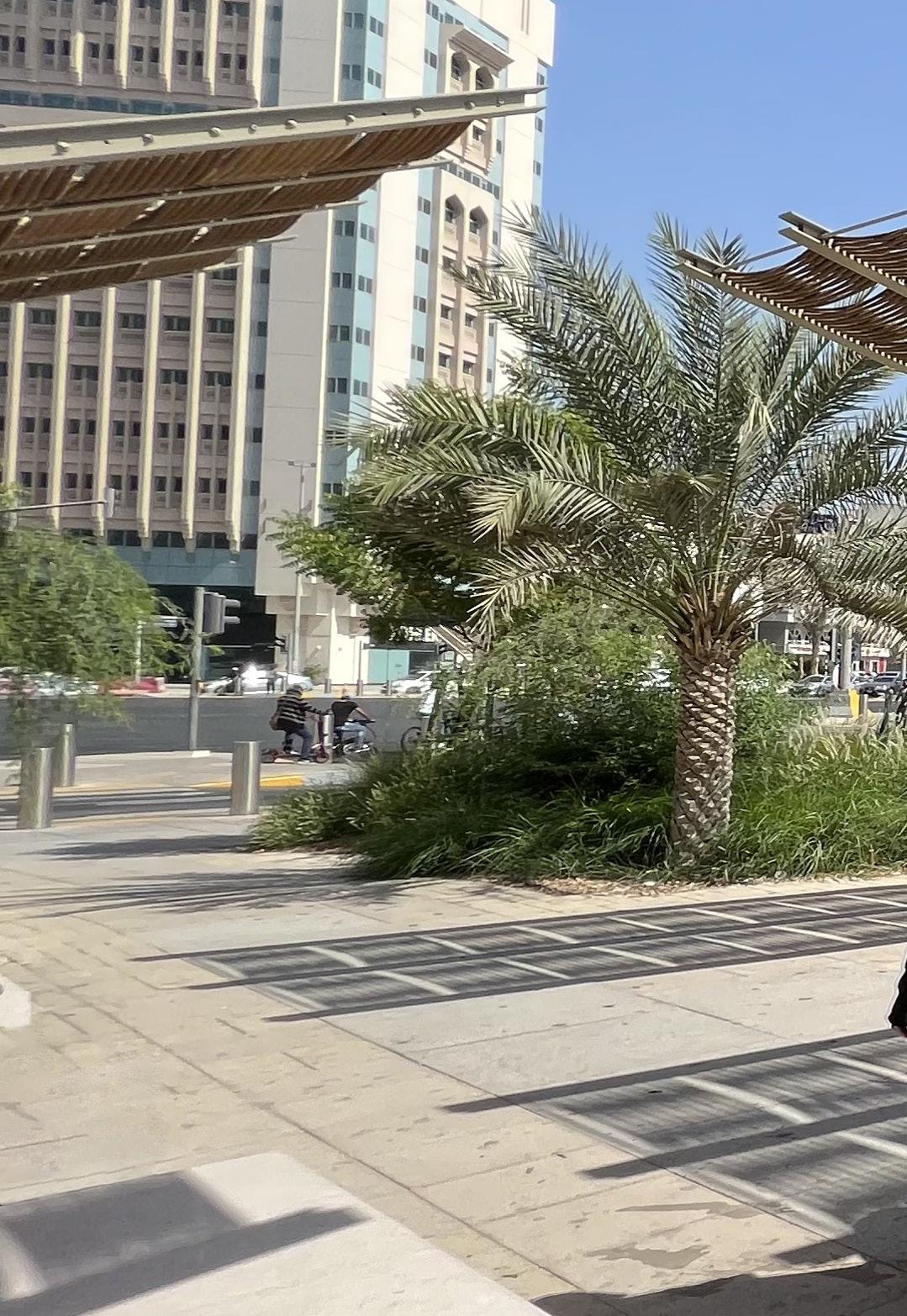
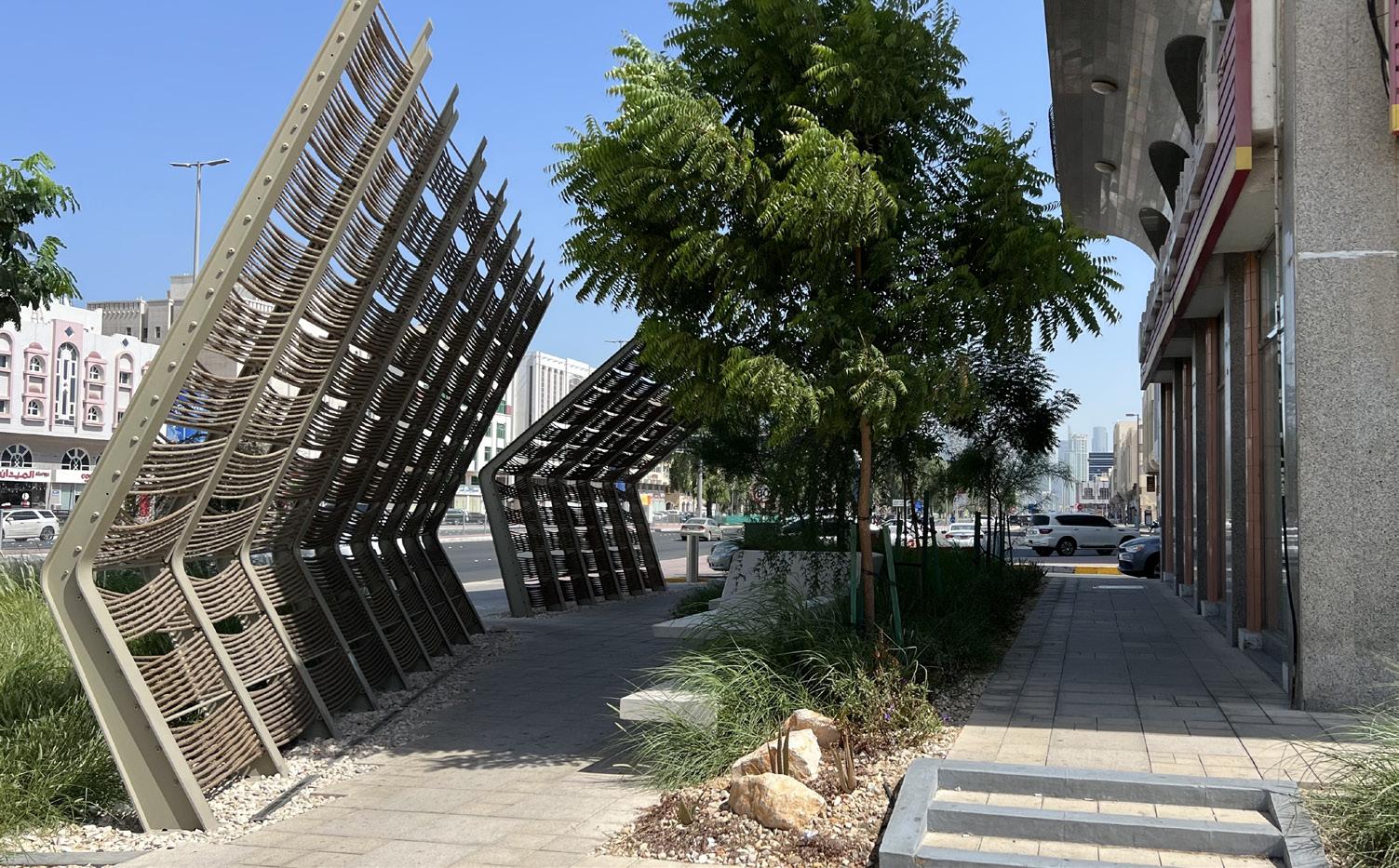
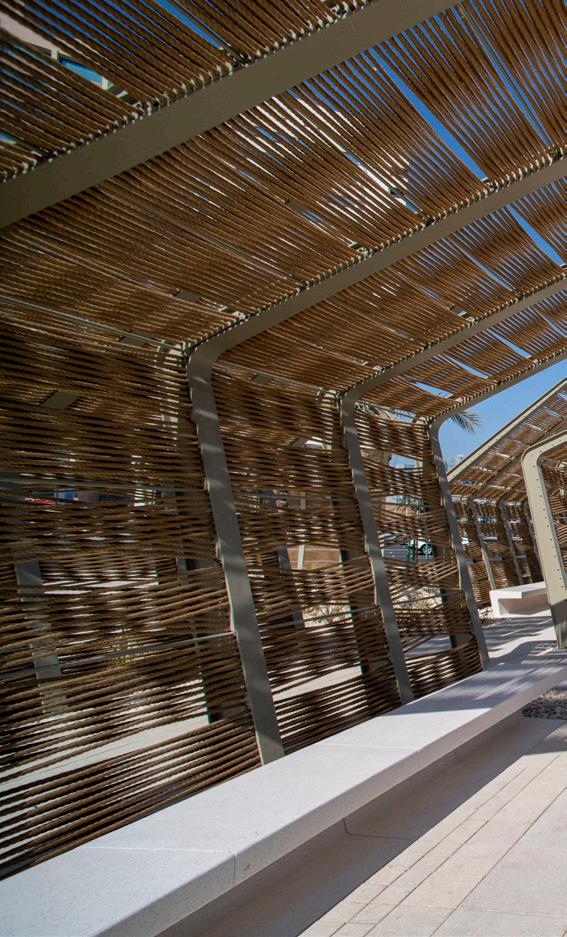
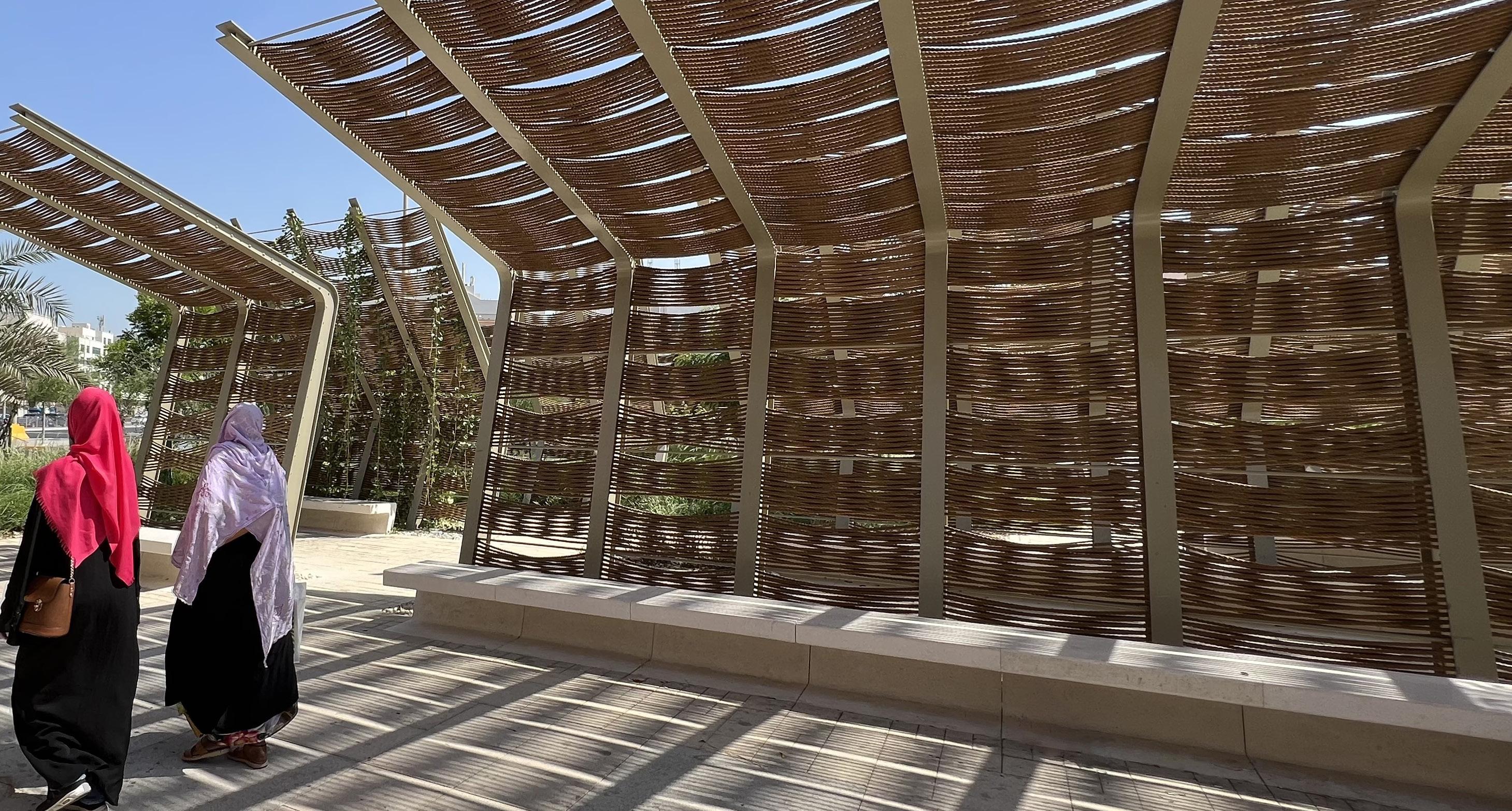
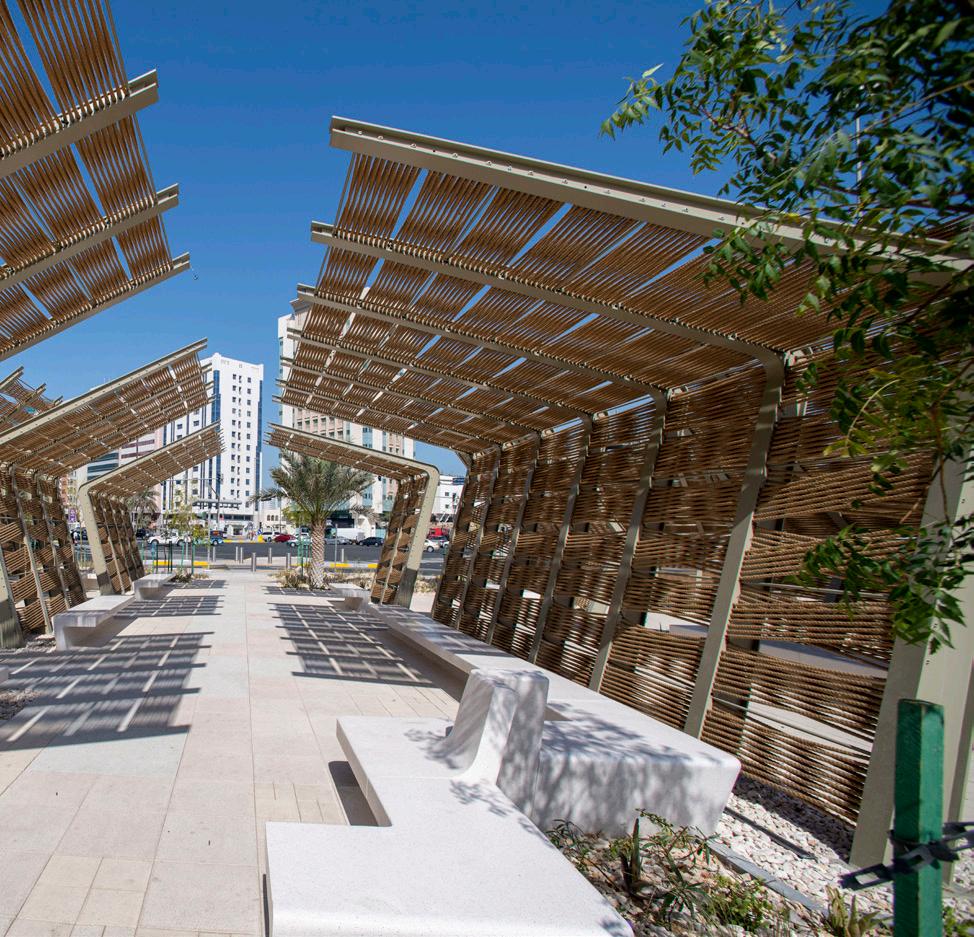
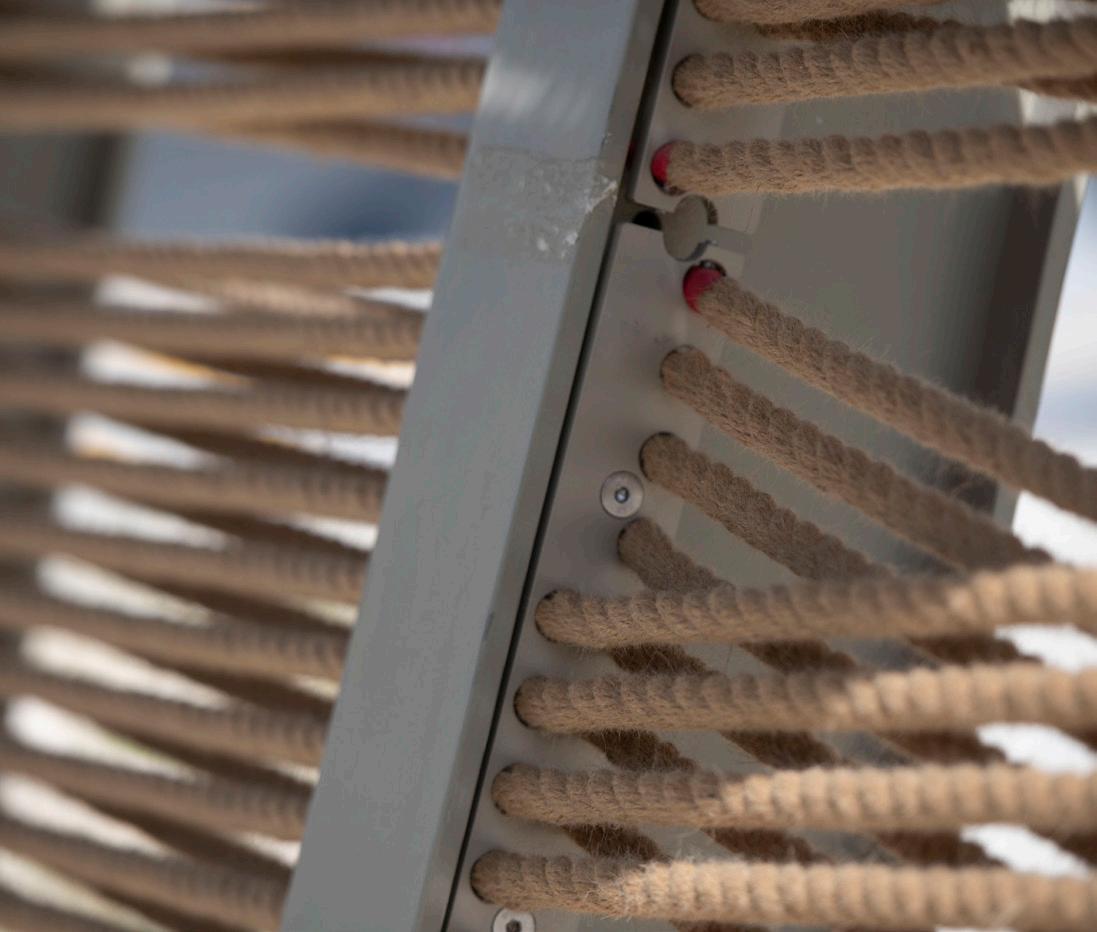
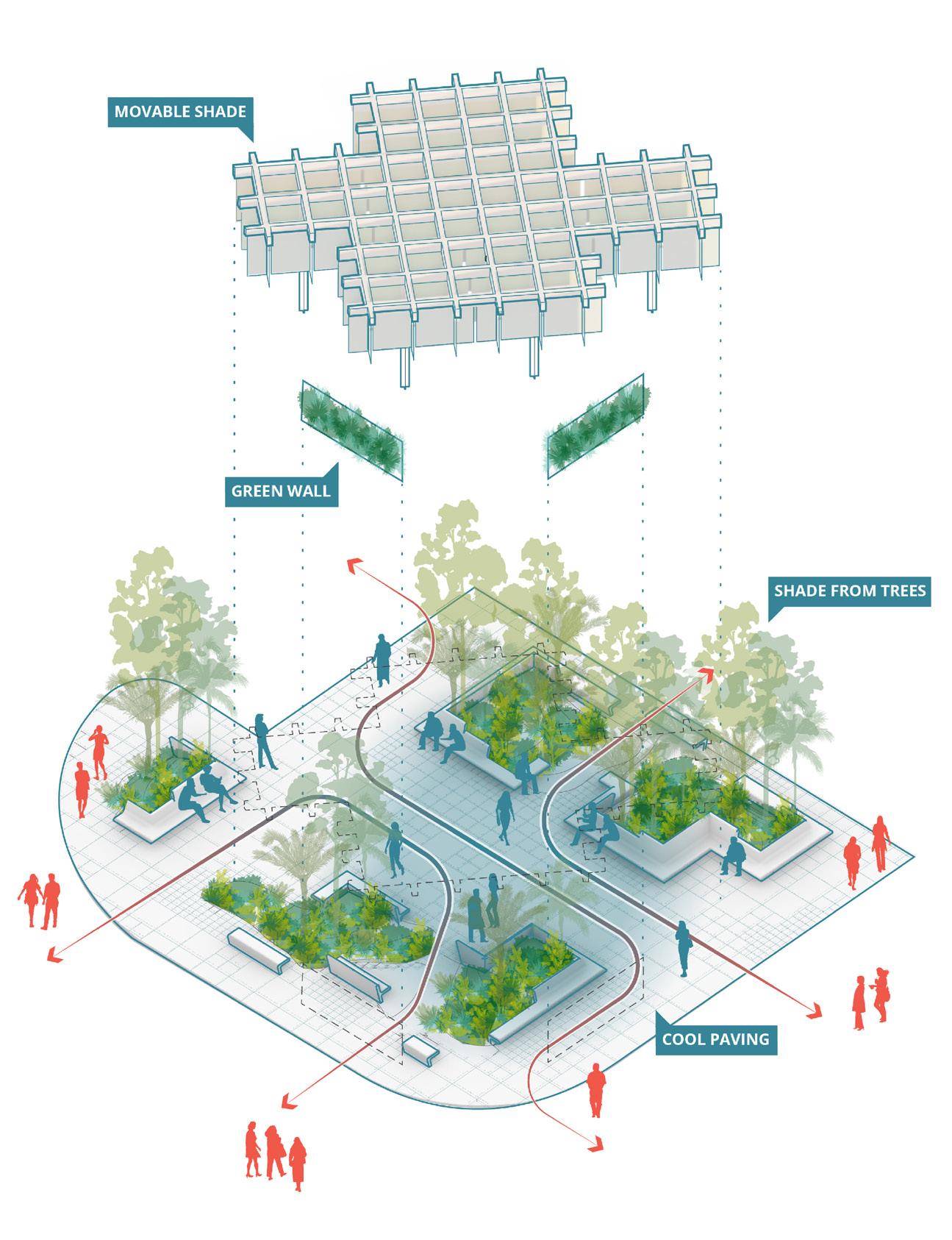
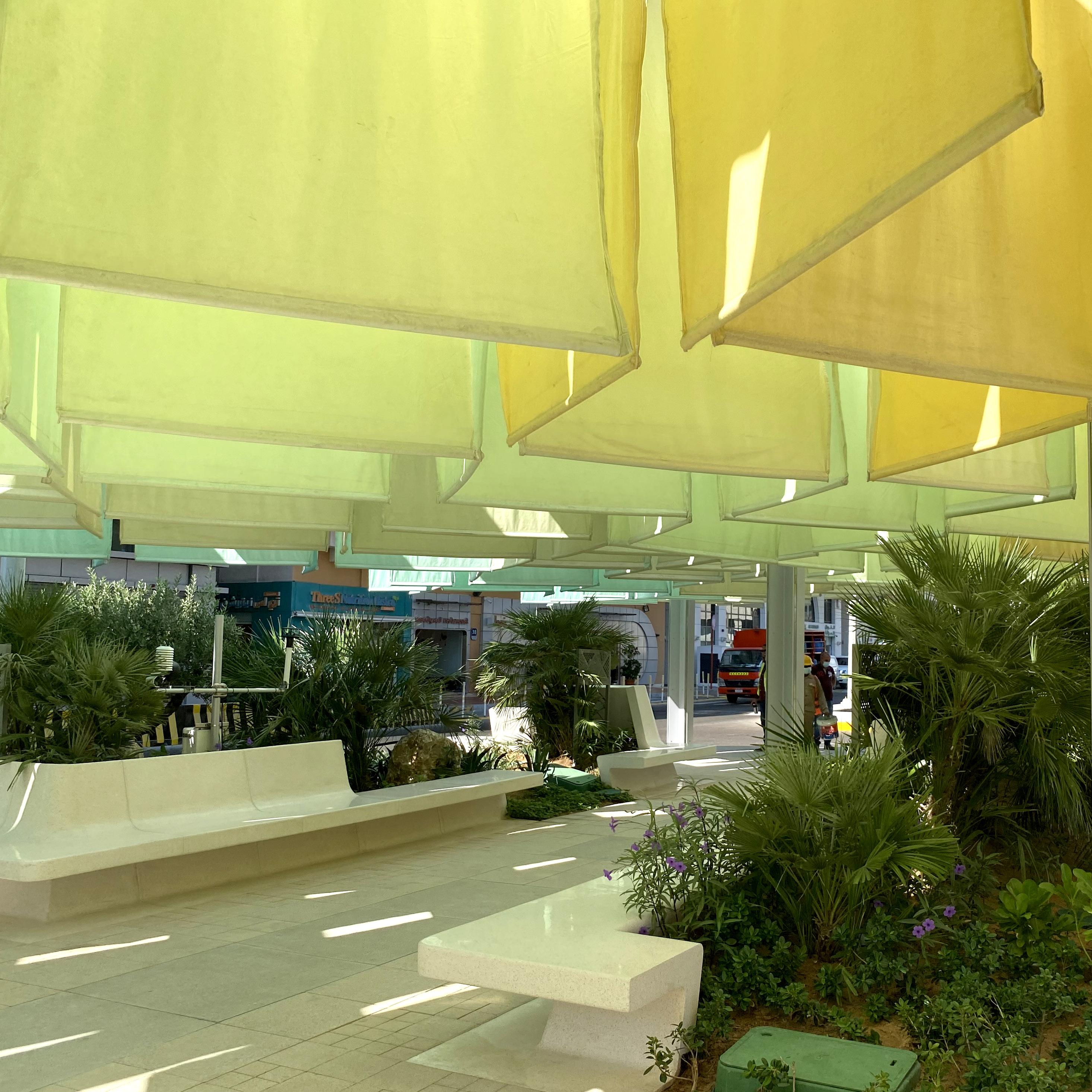
The third pilot intervention is an urban intersection located next to a busy bus terminal in Abu Dhabi and experiences heavy footfall. Similar to the other two interventions, this area produces extreme thermal stress for pedestrians as they wait to cross the street. A distinctive vertical shade structure is deployed on-site, that gently tapers to protect the pedestrians from both low and high angle sun.
Concept Diagram Shade, Protect, & Activate
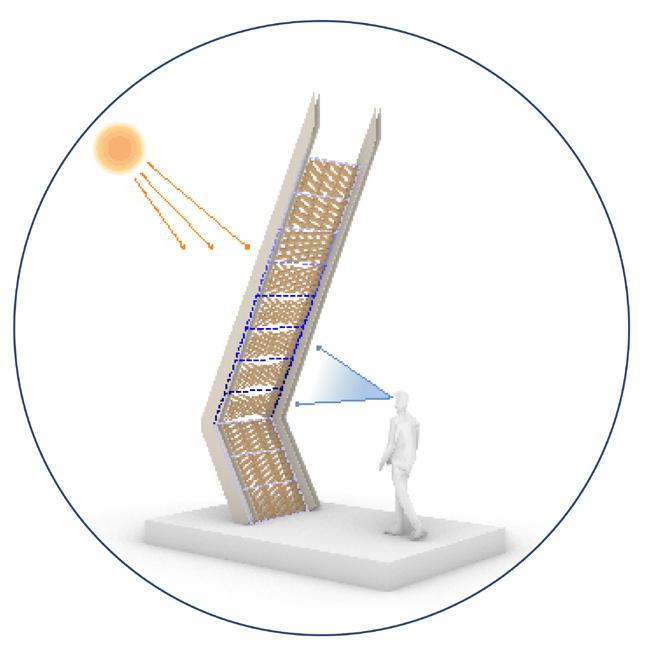
VERTICAL SHADING
MICRO CLIMATE
NATIVE PLANT SPECIES
A NEW DEFINITION OF “PEDESTRIAN PATHS”
Positioned along the pedestrian paths at all four corners of the site, the intervention also reduces heat re-radiation occurring from streets and vehicles while preserving visibility for the pedestrians. Effectively blocking the noise and heat radiated by the vehicles, a series of modular bench systems and native plant species are paired with the canopy structure where possible to further enhance the pedestrian experience.
COOL ZONES
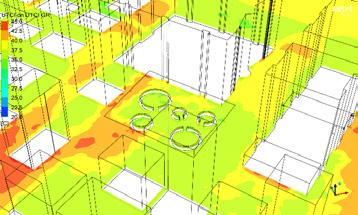
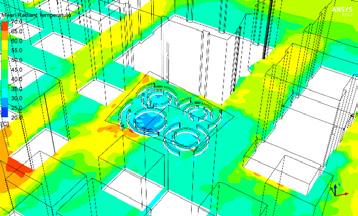
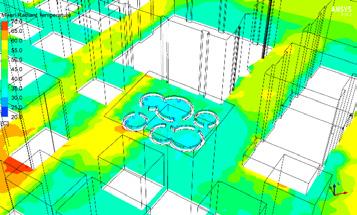
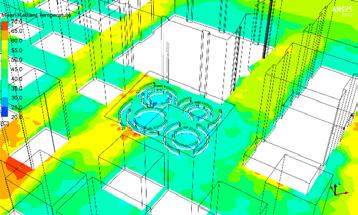
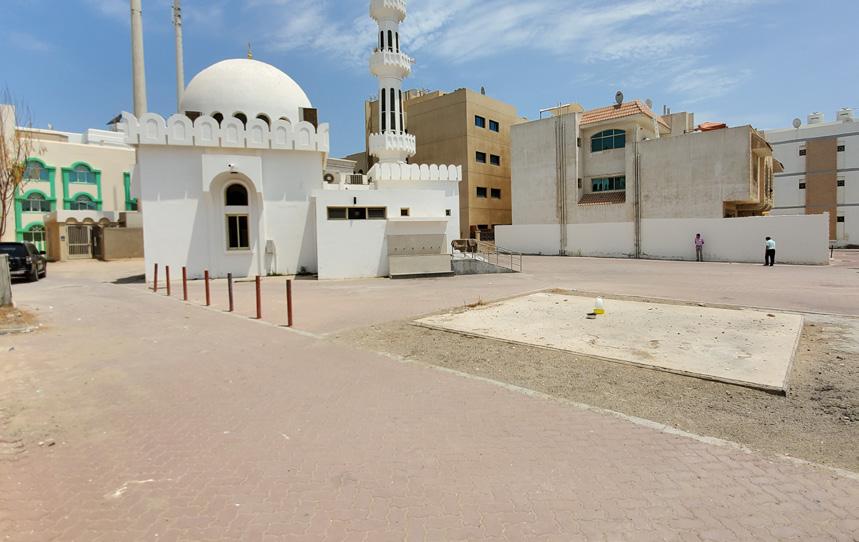
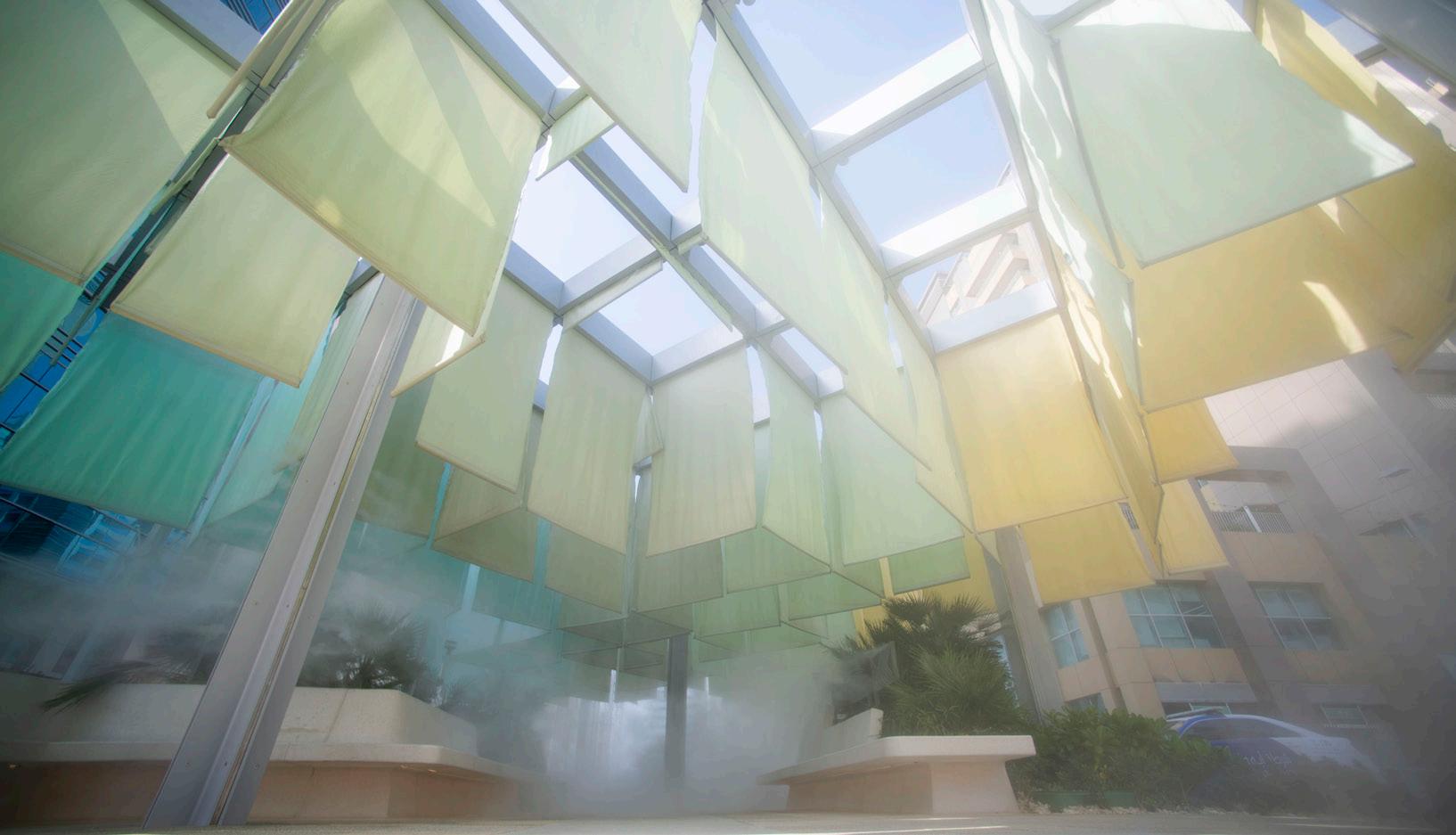
The first pilot intervention is a situated within a mediumdensity district in Abu Dhabi. The two plazas are a common public space prototype that is found extensively across Abu Dhabi. They are often frequented by visitors, tourists, and workers who experience high thermal stress during the peak hours of the day and the hot summer months.
The intervention is designed to offer a respite from the scorching heat during the peak hours of the day and the shoulder months of May and October.
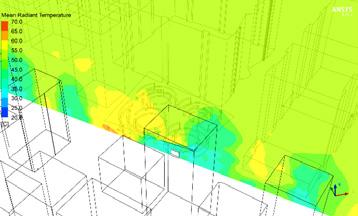
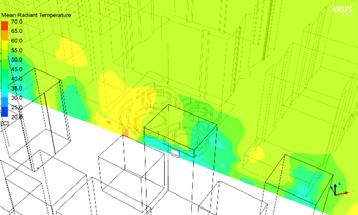
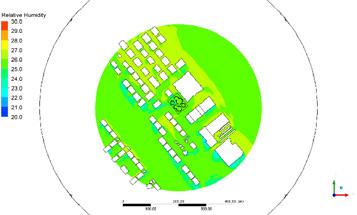
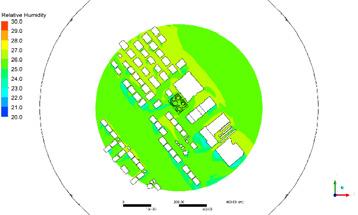
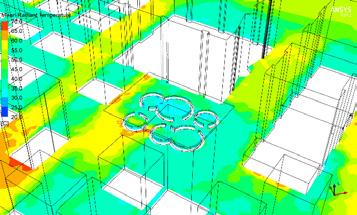
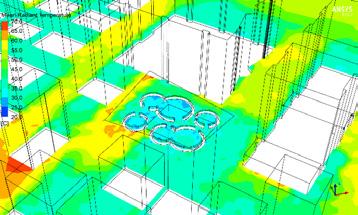
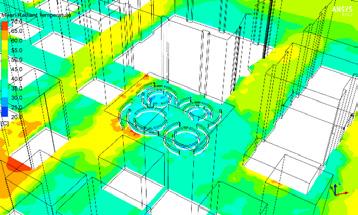
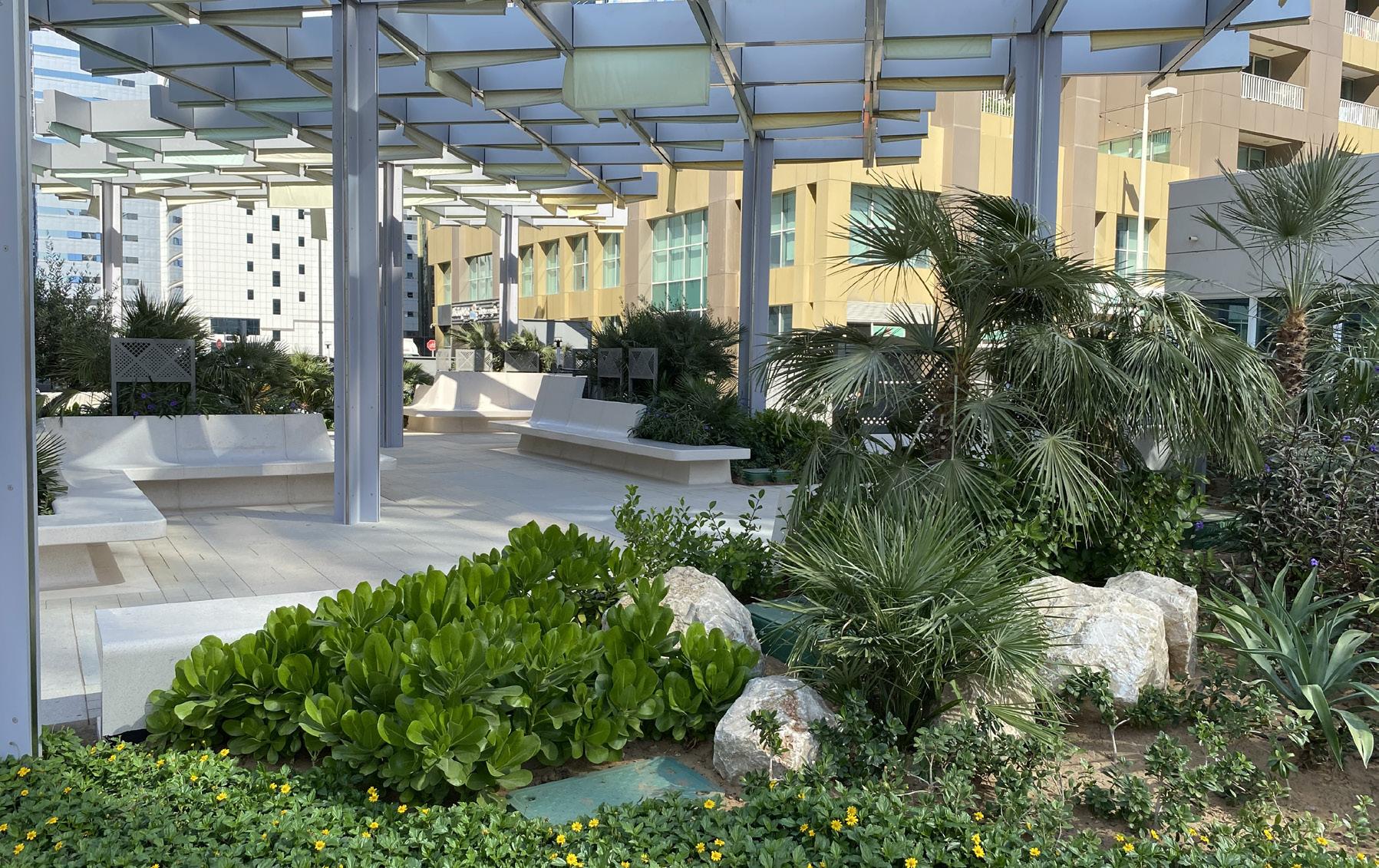
Various cooling strategies are integrated into a welldesigned ecosystem of “cool zones,” which are optimized to maximize pedestrian outdoor comfort during critical times such as shoulder months and peak hours of the day.
MISTING WATER BODY
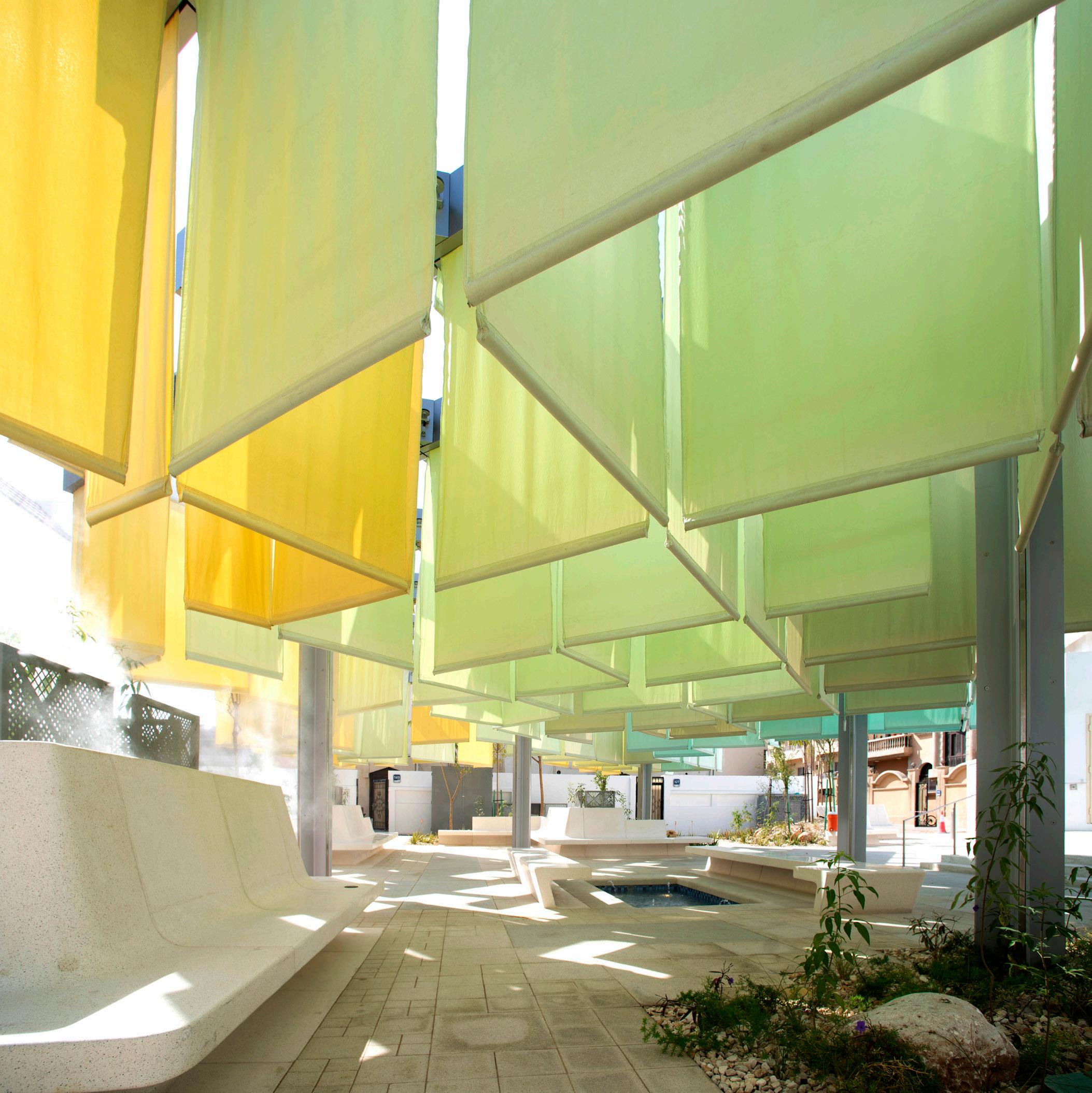
ROLLING SHADE
NATIVE PLANT SPECIES
HOW CAN THE PUBLIC REALM BE OPTIMIZED FOR DAY AND NIGHT USE?
By integrating sophisticated cooling solutions, our strategic design approach includes a variety of fundamental mitigation elements, namely ‘cool paths’, ‘cool walls’, ‘cool canopies’, and ‘cool spots’. Layering these strategies within a holistic ecosystem of ‘cool zones’ not only optimizes but also prolongs the duration of comfortable outdoor conditions for pedestrians. This is especially beneficial
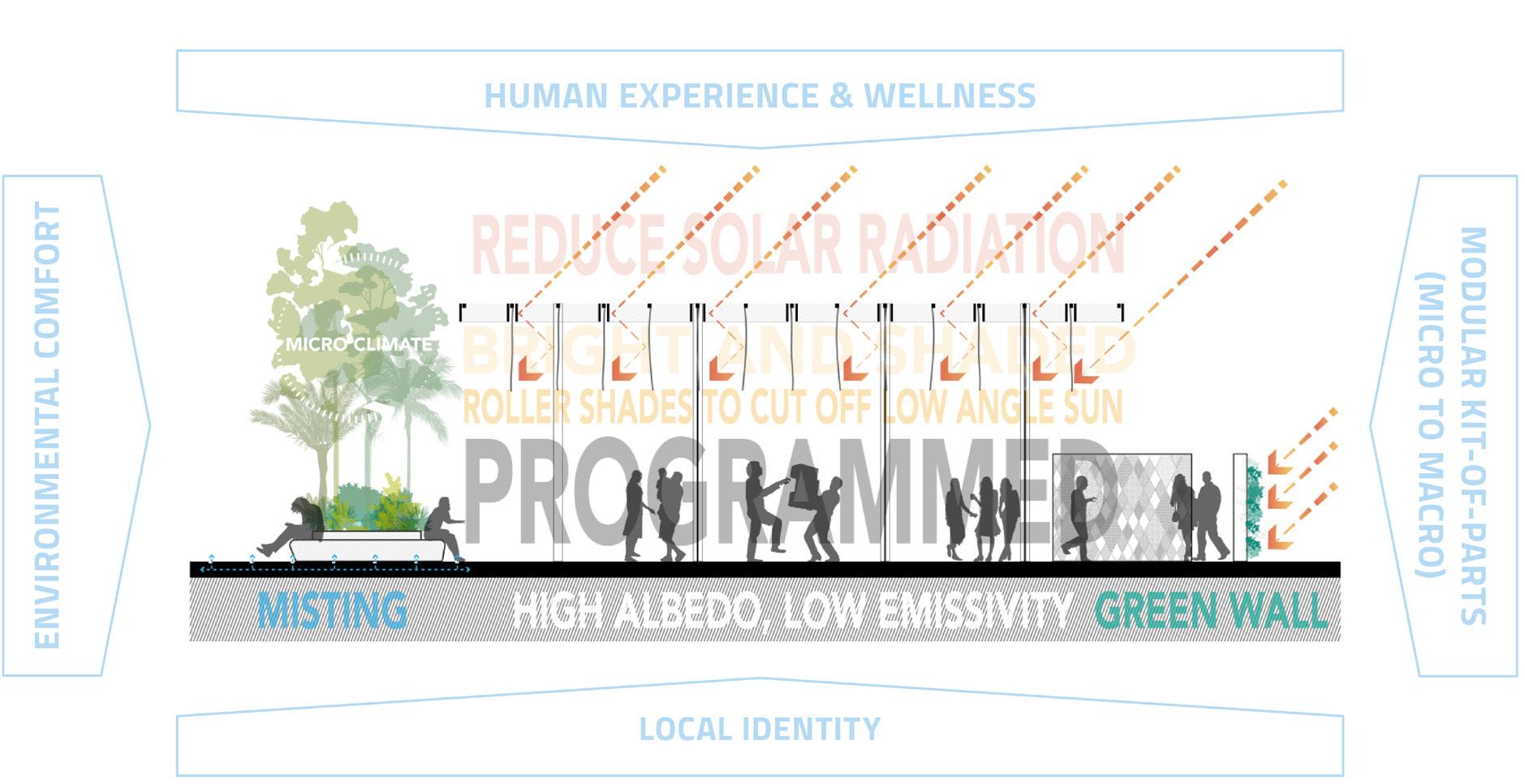
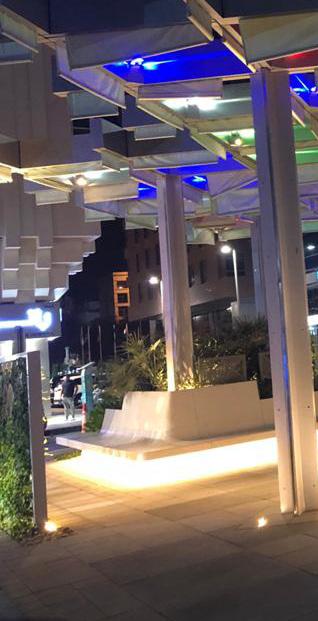
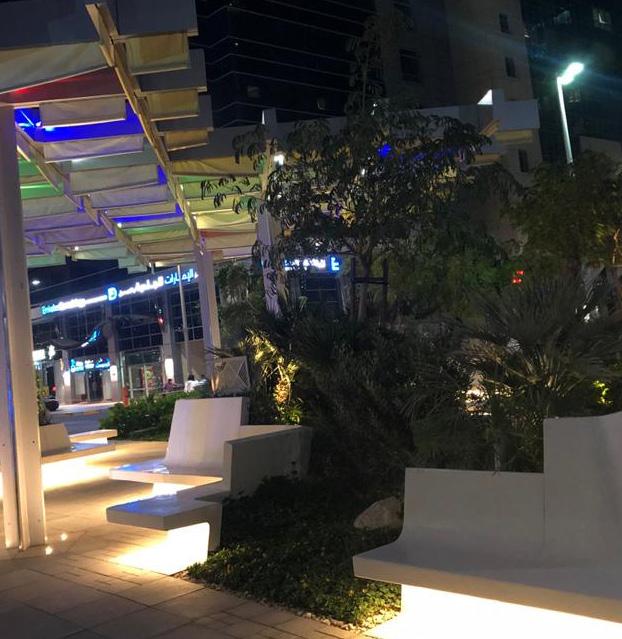
during the shoulder months and peak hours of the day. Moreover, this method proves exceptionally effective for night-time cooling, guaranteeing a comfortable outdoor atmosphere even during the warmer hours following sunset.

NIGHT
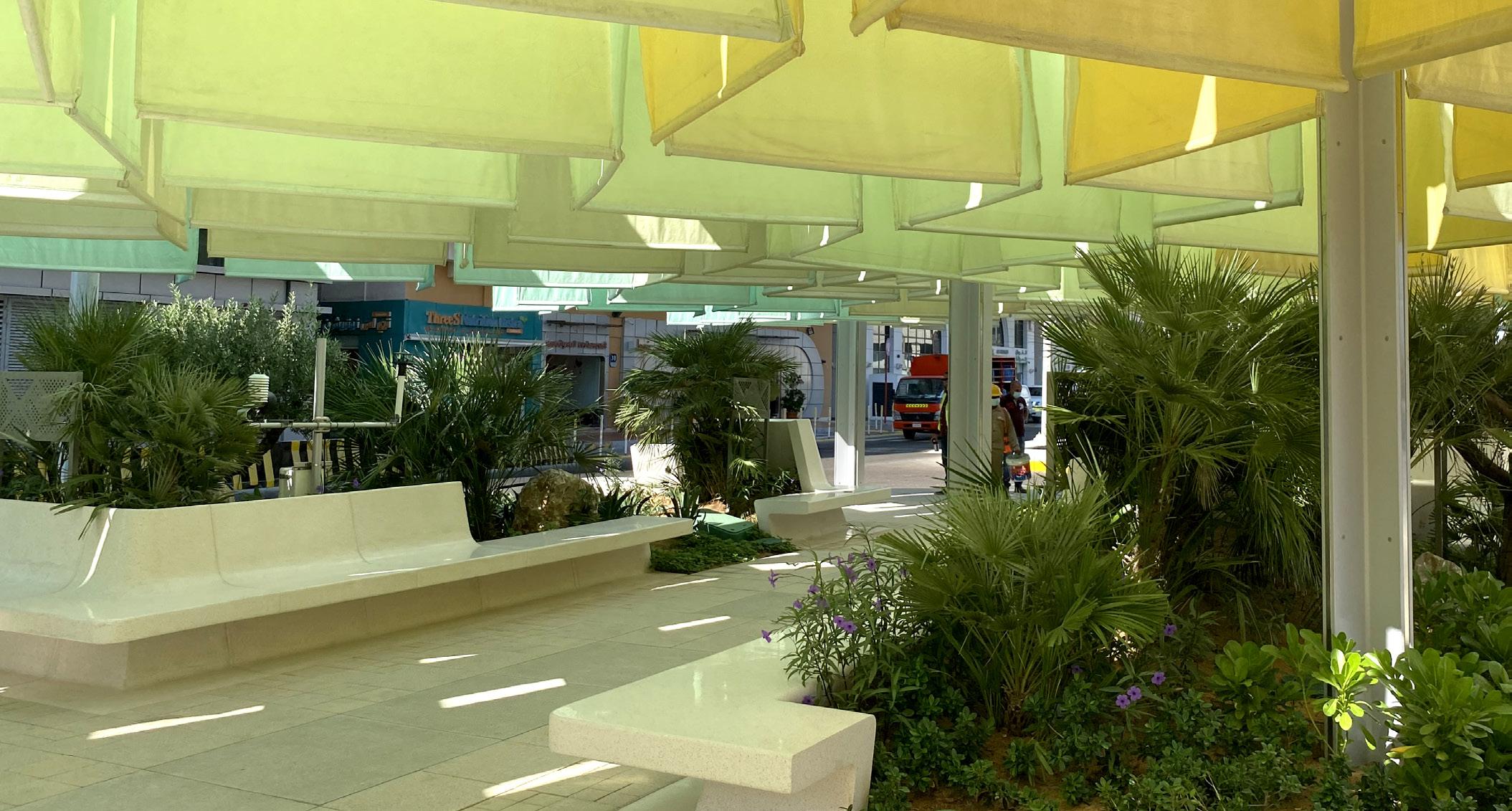

THERMAL COMFORT AS A KEY DESIGN CONSIDERATION
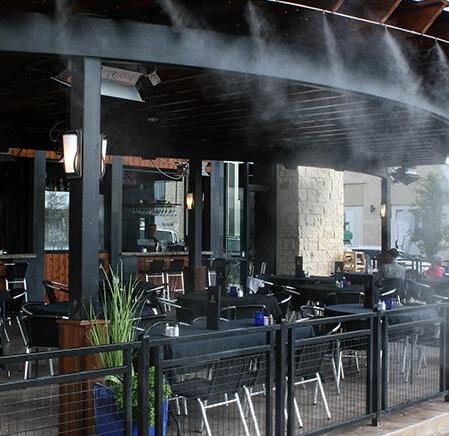
The design integrates various cooling techniques to create a comfortable and inviting social environment. It includes vertical canopy shades, green and aluminum walls for temperature control, lightweight concrete pavers, and native plants for a cooler microclimate. An added high-pressure misting system improves comfort. The space also features operable canopy shades for nighttime cooling and modular benches, for yearround enjoyment.
POST OCCUPANCY ANALYSIS
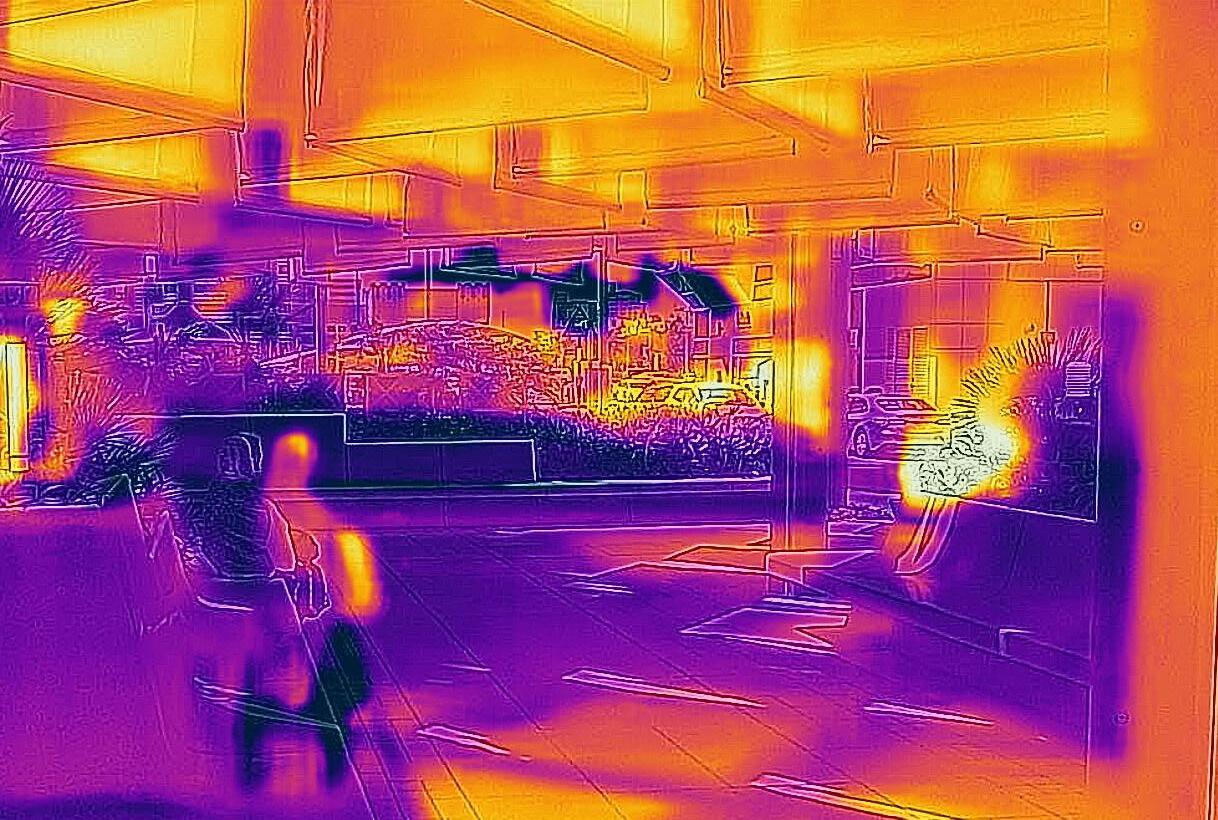
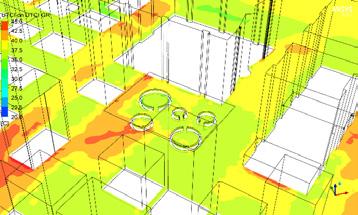
Reduction of Up to 10°C (50°F) UTCI at 10:00 am
Reduction of Up to 8°C (46.4°F) UTCI at 4:00 pm
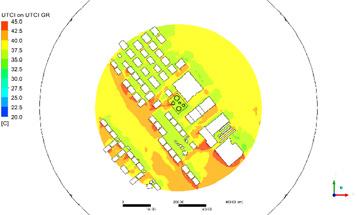
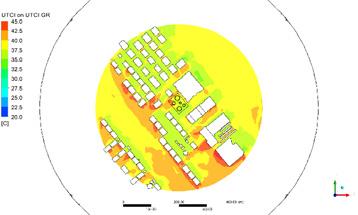
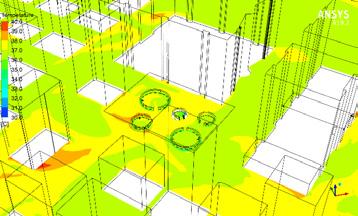
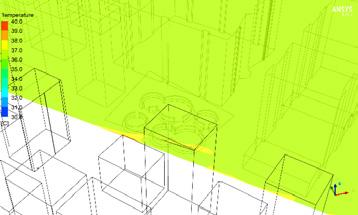
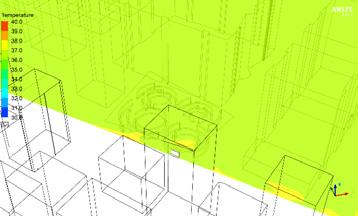
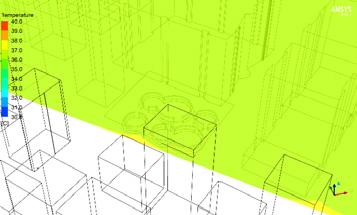
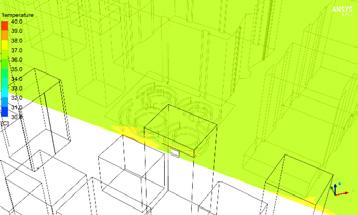
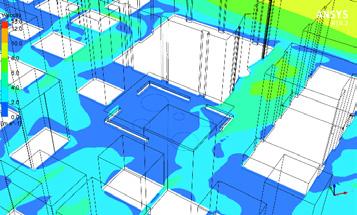
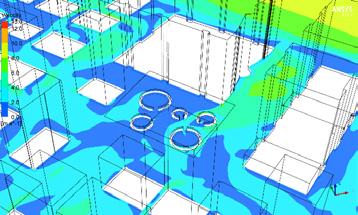
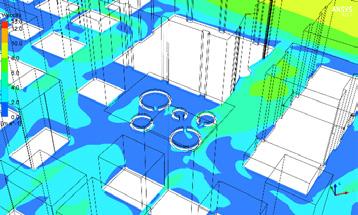
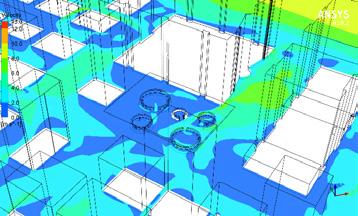
Post-occupancy data revealed that this data-driven, evidence-based approach successfully lowered the universal thermal comfort index (UTCI) by approximately 8-10 degrees at each pilot site during the targeted time frame.
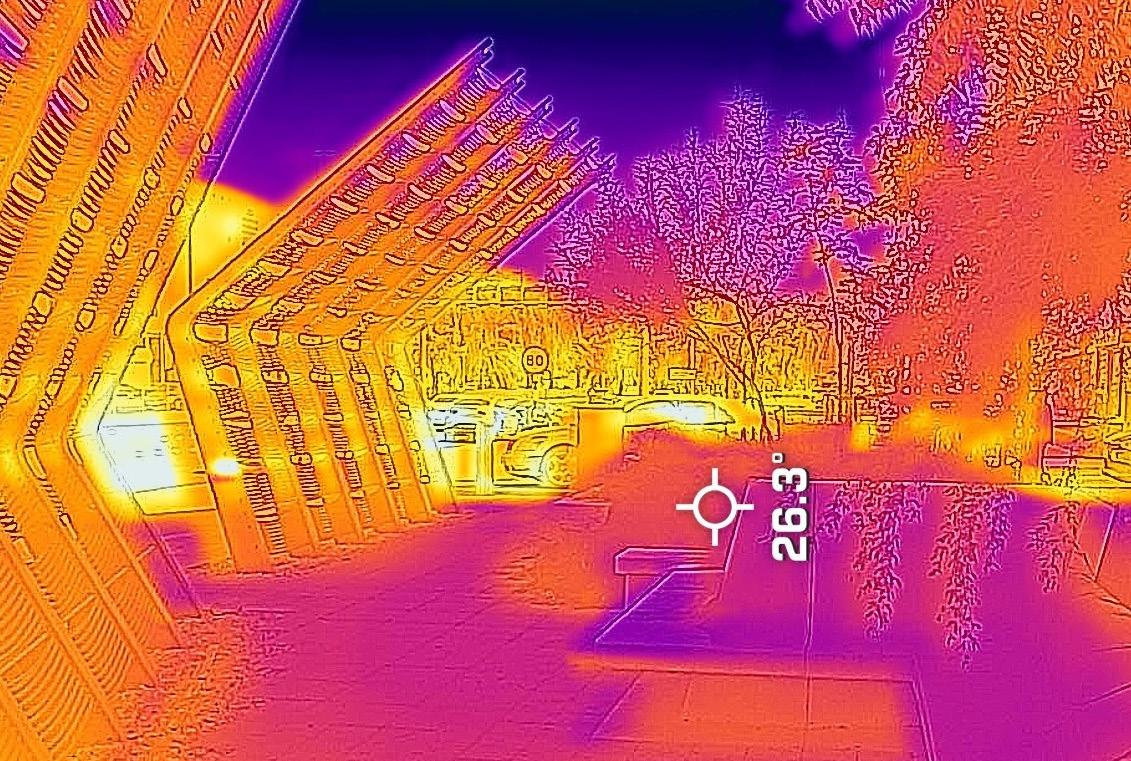
Reduction of Up to 9°C (48.2°F) UTCI at 10:00 am
Reduction of Up to 4°C (39.2°F) UTCI at 4:00 pm
This intervention provided the most thermal relief during the shoulder hours of 8:00 – 10:00 am and 4:00 – 6:00 pm, when pedestrian activity is highest on the site.
CBT is working nationally and internationally on projects that range from urban district master planning to large-scale mixed-use developments, civic and cultural venues, future-ready workplace interiors, and campus planning and design.
Based in Boston, we have 230 architects, urban planners, interior designers and other design professionals working together to deliver unique solutions that respond directly to our clients’ needs. cbtarchitects.com