Denver Urban Spectrum is a monthly publication dedicated to spreading the news about people of color. Contents of Denver Urban Spectrum are copyright 2026 by Bizzy Bee Enterprise. No portion may be reproduced without written permission of the publisher.
Denver Urban Spectrum circulates 7,500 copies throughout Colorado. Denver Urban Spectrum welcomes all letters, but reserves the right to edit for space, libelous material, grammar, and length. All letters must include name, address, and phone number. We will withhold author's name on request. Unsolicited articles are accepted without guarantee of publication or payment.
Write to Denver Urban Spectrum at P.O. Box 31001, Aurora, CO 80041.
For advertising, subscriptions, or other information, call 303-292-6446, email publisher@urbanspectrum or visit the Website at www. denverurbanspectrum.com.
MESSAGE
From The Publisher
Stories That Shift History
March invites us to pause, reflect, and celebrate the immeasurable impact of women whose courage, conviction, and commitment continue to shape our communities and our country. In recognition of Women’s History Month, we honor women who are breaking barriers and building bridges—rooted in purpose, fueled by community, and unwavering in their resolve to expand opportunity for others.
In this issue, we spotlight leaders across disciplines—authors, public servants, philanthropists, entrepreneurs, and artists—whose influence extends far beyond titles. They are not simply participating in history; they are shaping it.
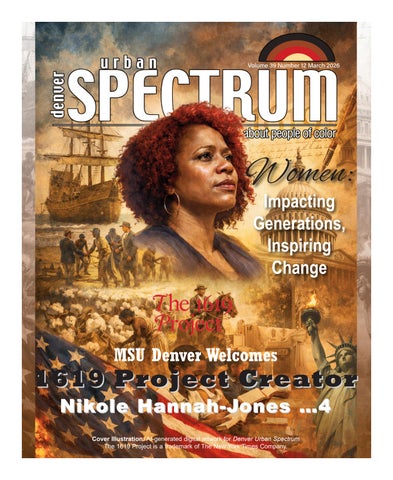
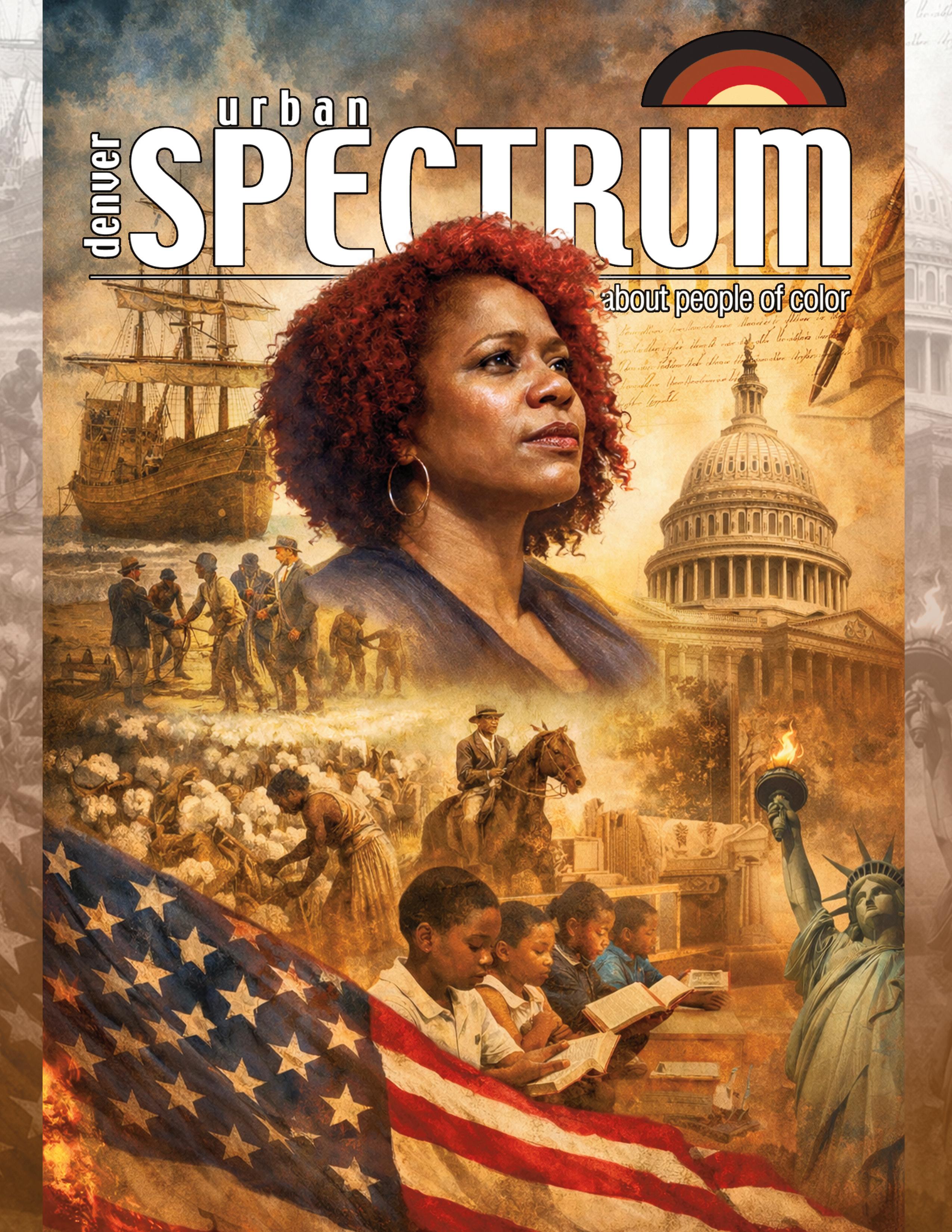
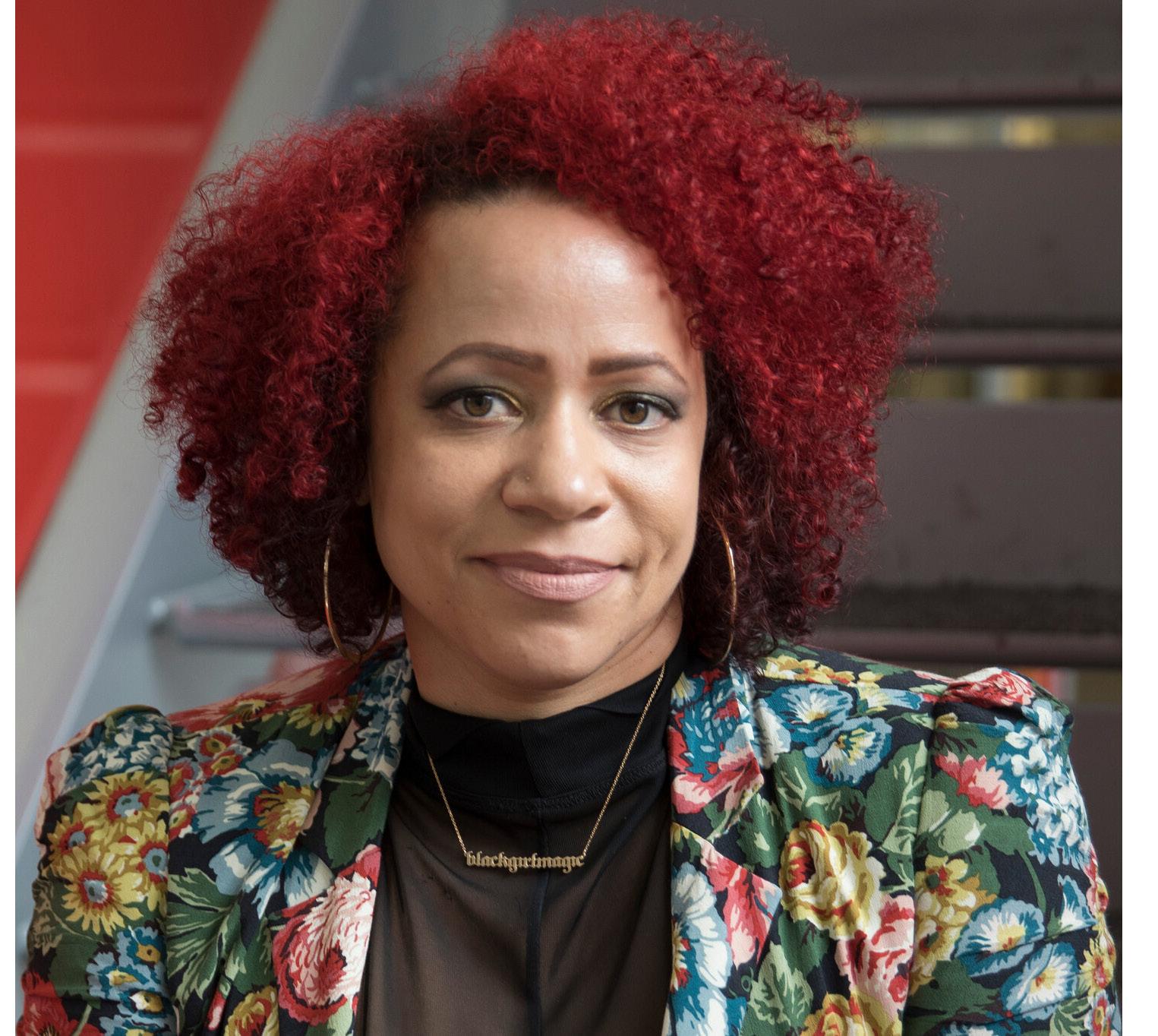
Our cover story, written by Elena Brown, explores why The 1619 Project creator Nikole Hannah-Jones is coming to Metropolitan State University of Denver and how her Pulitzer Prize–winning work aligns with the enduring legacy of Rachel B. Noel. Gabrielle West sits down with
Keisha Lance Bottoms to discuss her journey, her leadership philosophy, and her aspirations to serve as Georgia’s next governor.
Closer to home, our own Karen Davis interviews fellow team member Marion Boston about her vision for iBelieve, a new monthly empowerment magazine designed to amplify women’s voices and lived experiences. Contributor Thomas Holt-Russell takes us inside Women We Should Know, highlighting extraordinary women whose stories deserve center stage. We also preview the dynamic women artists set to grace audiences at the second annual Denver Jazz Festival.
This issue also celebrates profound acts of generosity and resilience. Cathie Hitchcock’s lifesaving organ donation reminds us of the ultimate gift. Black Women for Political Action President Bianka Emerson shares how Black women across Colorado are answering the call to lead. And LaDawn Sullivan of the Black Resilience in Colorado Fund reflects on why resilient Black women
remain the backbone of community progress.
These women embody power, possibility, and purpose. They lead with vision. They speak with clarity. They act with courage.
We invite you to read their stories— and be inspired.
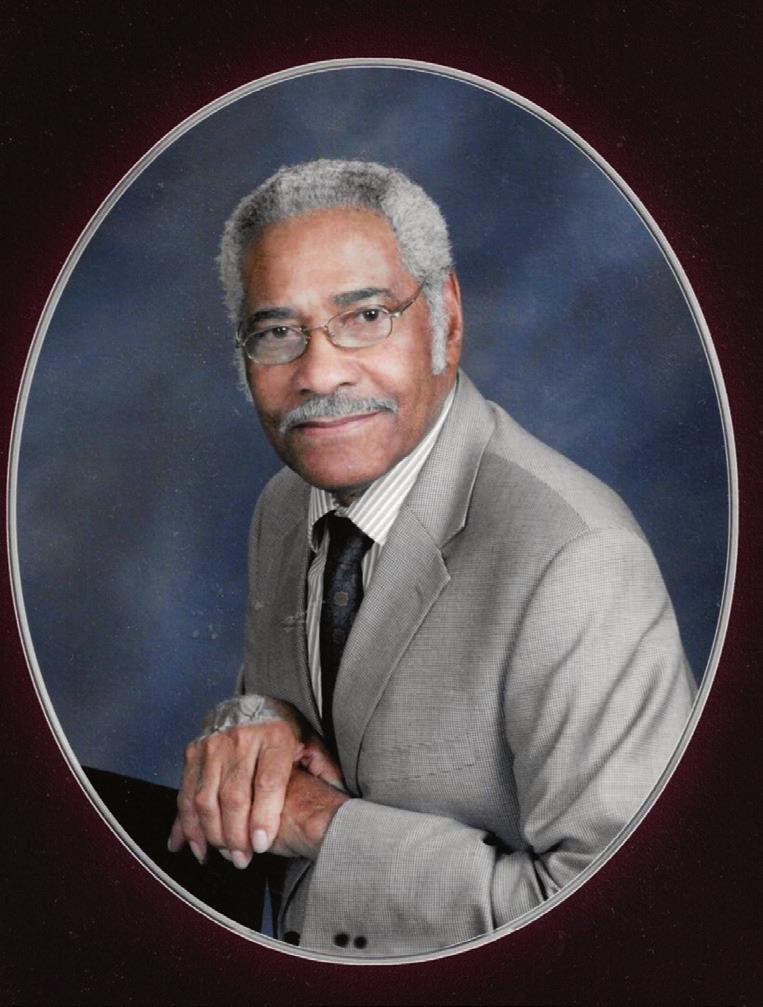
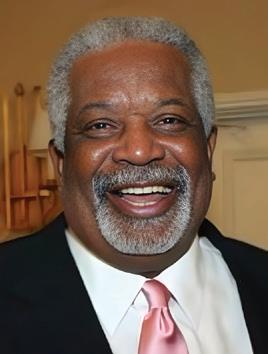
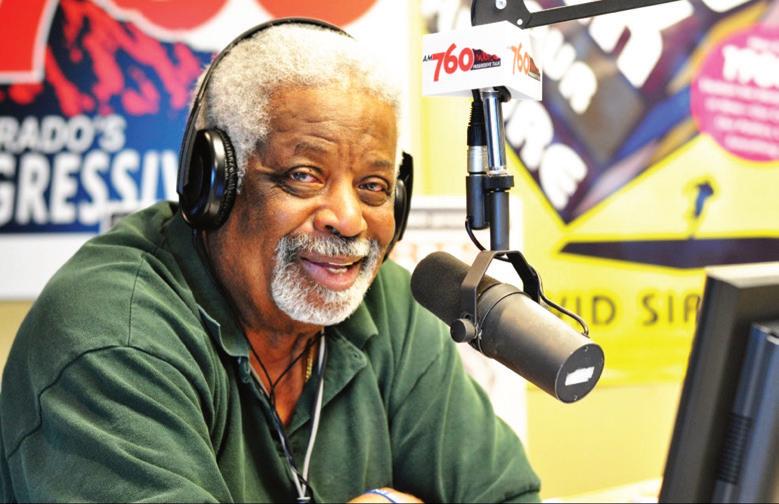
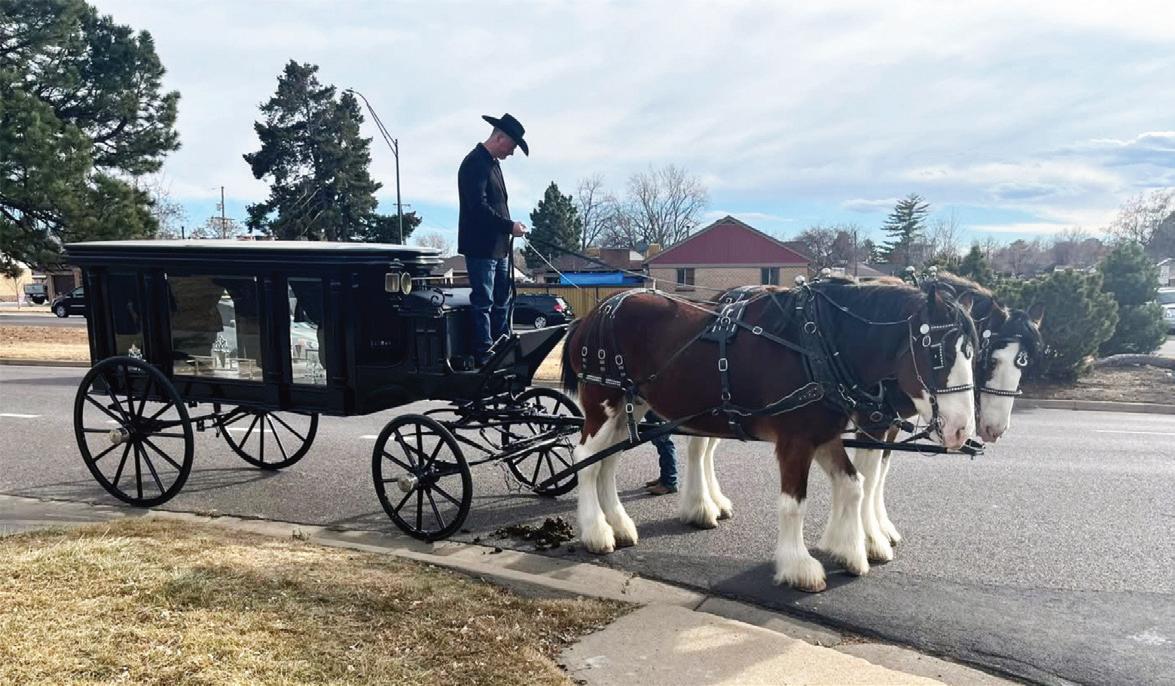
In this issue, we also pause to honor the lives of three cherished friends of our publication: Catherine Alexander, Roy S. Carroll, and James “Dr. Daddio” Walker. We dedicate this edition to their memory and lasting legacy.
With gratitude and pride,
Rosalind
“Bee” Harris
Publisher, Denver Urban Spectrum
LETTER TO THE EDITOR
Water, Wisdom, and Accountability
In what world does Wellington Webb live? When it comes to protecting water and other precious natural gifts, well, we missed that bus a long time ago
I am not certain where the concept profit came from, but since the idea of exploitation, for the purpose of individual gain was introduced, we have mismanaged the resources of the earth. Perhaps there is some dark force that wants to screw everything up, and it wants humans to be stupid. Whatever the case, we made the choice to allow ego to take control, thereby severing our connection to higher wisdom, to worship a false God or gods.
By turning away from the wisdom of the planet itself, and that of the universe, for what is mislabeled
progress, but in reality is not ecology friendly, we have become a disruption to nature. Ignoring the natural order, we over consume, pollute, waste, etc., etc. It was better when we lived in villages in harmony with nature.
I can’t say everything was perfect then but is everything perfect now? And what is perfection anyway? I would answer, the natural order we see around us without disruption. Of course we as stewards of the Earth, we can manipulate nature, but that manipulation should never be for the selfish purpose of making profit, unless that profit is for the common good.
So we have to push back against the corporate interest like AI that require vast amounts of water and electricity. In fact, our entire
system needs to be overturned and governance given back to the people who can better minister to their needs than an elite class of billionaires whose greed is insatiable.
Why does finance run the planet? It does so because humanity has lost sight of what is really important, choosing materialism over spiritual pursuit. What we have an allowed private interest to steal… we must take back!
I don’t see Wellington Webb or Dale Hunter standing up to the system and doing what is necessary to repair the wreck.
Antonious
Aurora, Colorado
THE 1619 Project Creator Nikole Hannah-Jones Serving As 2026 Rachel B. Noel Professor
Days after Martin Luther King
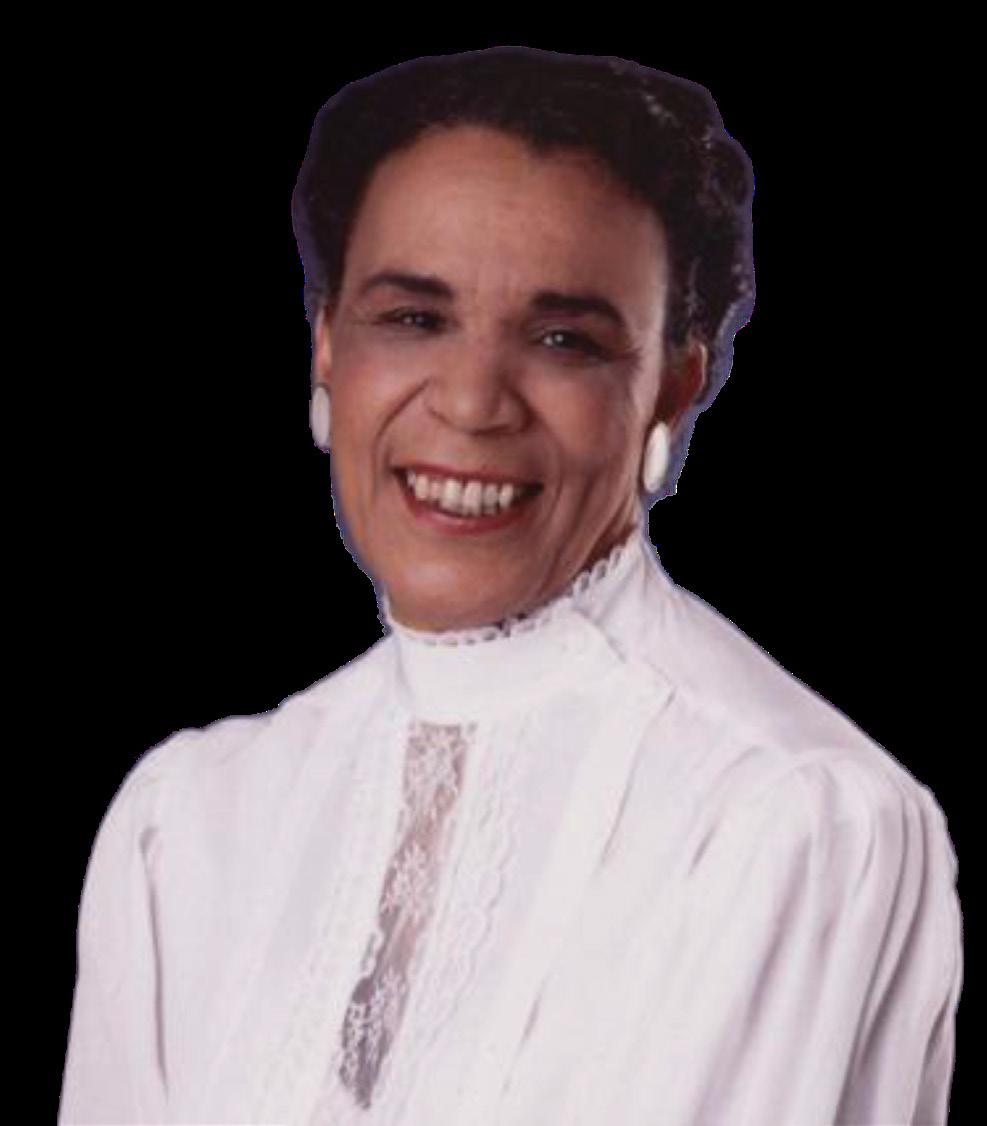
Jr.’s assassination in 1968 —a bullet that echoed from Memphis throughout the world, Denver resident Rachael B. Noel, disheartened but undeterred, knew the work wasn’t finished. But before work began, there needed to be a precise, visual roadmap to turn ideas into an executable plan, a blueprint.
Elected to the Denver Board of Education in 1965, Noel was serving as the first African American woman on the school board and the first elected to any public office in Colorado. With Board Member Auburn Edgar Benton beside her, they drafted Resolution 1490, also known as the Noel Resolution. The comprehensive blueprint for integration outlined decisive measures: magnet schools to pull kids across lines, busing routes snaking through white flight zones, and intercultural mandates—no more “separate but equal” lies. This wasn’t the time for half measures.
Pulitzer Prize-Winning Journalist To Lead Multicultural MSU Denver Programs Around Community
By Elena Brown
The resolution was passed by the school board with a strong majority, 5-2, in May 1968. Months later in 1969, new board members were elected and the resolution was repealed.
Noel’s unyielding push was vindicated in 1973, when the Supreme Court’s Keyes v. School District No. 1 ruling held that a single segregated pocket proved the entire Denver school system rotten. School officials—not families—had to disprove racist intent. Busing rolled out nationwide. That decision cracked open the North to busing wars, grouping Black and Latino kids as equal victims of whiteflight classrooms. As the blueprint won nationwide, de facto excuses died hard.
Noel later taught sociology at Metropolitan State University of Denver, and chaired the African American Studies Department from 1971 to 1980. The year after she left, the Rachael
1619
B. Noel Professorship was created to honor cultural heavyweights who don’t just lecture, but go further to spark debates on race and power, from classroom timelines to redlining walks. Beyond education and events at MSU Denver, the selected professors visit churches, high school gyms, and other community centers, turning theory into block-by-block action.
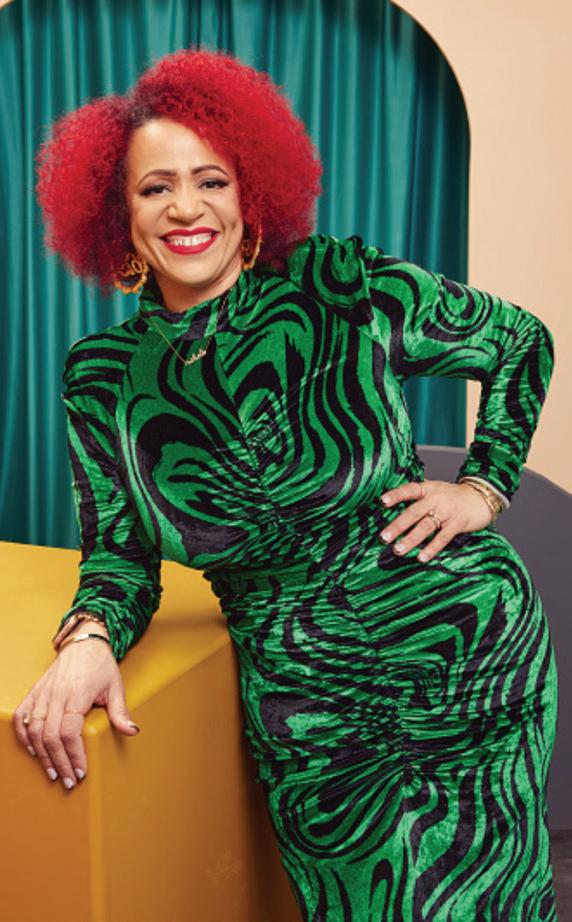
The professorship has pulled in Princeton professor and provocative democratic intellectual Cornel West for fiery talks, best-selling author and Emmy Award winner Iyanla Vanzant for healing circles, and local cultural legend Cleo Parker Robinson for dance that hits history hard. For 2026, the Noel Professorship will be held by Pulitzer Prize-winning Nikole Hannah-Jones who cut her teeth reporting on busing’s scars in Iowa.
Noel’s Legacy Carried on by Hannah-Jones
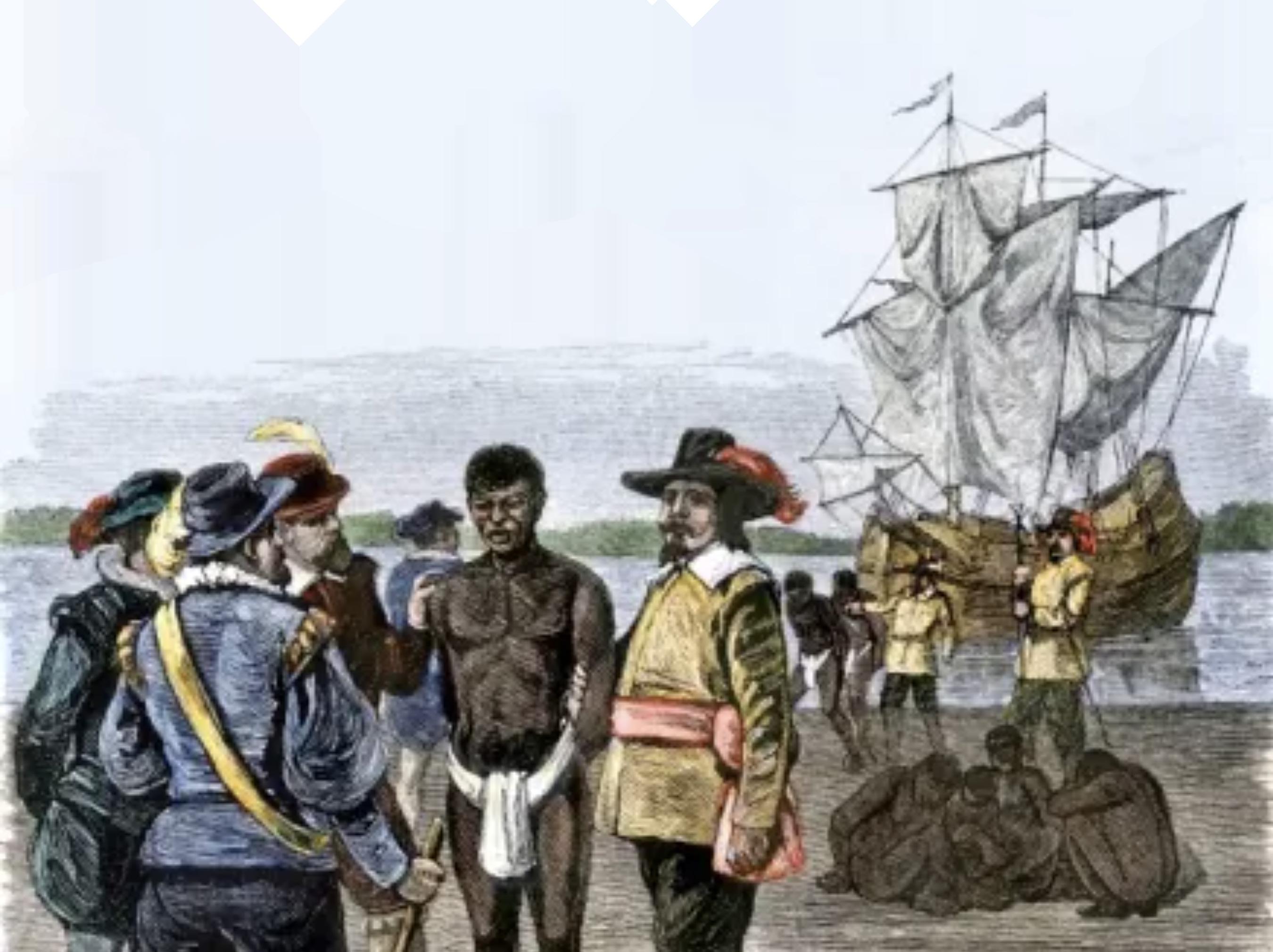
As Hannah-Jones arrives in Denver this month, her 1619 Project serves as both a battleground and a blueprint. Seven years after its original version was released, it continues to be a lightning rod in what some call “curriculum panic.” The 1619 Project asserts that the beginning of American slavery began when 20+ Africans landed in Jamestown, Virginia, one year before the Puritans and 157 years before English colonists in 1776.
Her work on the 1619 Project reframes American history similar to the way that Rachel B. Noel pushed Americans to rethink education, centering Black voices and lived experience as the foundation for real equity. Continuing Noel’s legacy, the professorship at MSU Denver invites a nationally recognized scholar, artist, or public figure to collaborate with students and faculty, and lead public discussions on race, justice, and community.
Emmy-winning journalist Tamara Banks has more than a decade of experience emceeing the event that introduces the new professor to the community. This year, Hannah-Jones will give the Noel Professorship community keynote at Shorter AME Community Church on March 17, followed by a Student Leaders Lunch and a Campus Keynote at on March 18 on campus. The campus keynote will be moderated by MSU Denver Vice President for Diversity and Inclusion Dr. Michael Benitez.
Hannah-Jones fits with Noel’s legacy, said Banks, especially during this chaotic time where the debate is about ‘whose America is this?’ and our right to tell our own stories.
Hannah-Jones covers racial injustice and civil rights for The New York Times Magazine and serves as Knight Chair in Race and Journalism at Howard University, where she founded the Center for Journalism & She has earned a Pulitzer Prize, a MacArthur “Genius” Grant, and multiple National Magazine Awards, among other honors for her work. Her passion traces back to her middle and high school years in Iowa, when she reported on school
desegregation for ProPublica, The Oregonian, and The News & Observer.
Though Denver civil rights pioneer and educator Noel died at 90 in 2008, Hannah-Jones joins the many renowned artists and public figures in picking up the fight for concise education and equity. She doesn’t mince words on her website: “We’ve got to face our hypocrisy and the ugly truths we dodge.”
The 1619 Project kicked off with a New York Times Magazine story in 2019, then exploded into books, lesson plans, podcasts, and a Hulu series, which attracted 1.63 million viewers during its ABC premiere on May 31, 2023, according to USTVDB.com, the U.S. Television Database that analyzes viewership trends.
The six-episode series digs into six pillars shaped by slavery: Democracy, Race, Music, Capitalism, Fear, and Justice. Each unpacks how the history of 1619 threads through America’s core.
Noel lived those historical consequences firsthand, having drafted that her education resolution just days after King’s assassination on April 25,
1968. Her proposals aroused fierce backlash that brought death threats and hate mail to her family.
For Hannah-Jones, the historical consequences were also not abstract— they echo through her own childhood. She has spoken extensively about growing up in Waterloo, Iowa, with a voluntary desegregation busing program, riding an hour each way to an all-white school—an experience that would shape how she reports on segregation.
2026
Her work on The 1619 Project reframes American history by centering slavery and Black experiences as foundational to the United States, a move that echoes Noel’s push for Denver schools to rethink curriculum and integration by foregrounding students’ lived experiences as the foundation for real equity.
From Essays to Classroom Reality
The 1619 Project became a flashpoint in the national debate over teaching race, and was slammed it as “revisionist history.” Reactions to the ideas in The 1619 Project, often not even read by those who criticized the loudest, led to laws against teaching Critical Race Theory in at least 25 states. The intent has been to limit discussions of systemic racism or “divisive concepts” in classrooms, kindergarten through 12th grade. Even though The 1619 project was never adopted in any statewide curriculums, it was specifically banned in Texas, Iowa, Mississippi, Missouri, Arkansas, South Dakota, and Louisiana. Texas banned its materials outright, and Iowa threatened to withhold school funding from districts that used them.
if today we choose not to do the right and necessary thing, that burden we own.”
The 1619 Project has quietly grown beyond a magazine feature into infrastructure: A K-12 curriculum connected to teacher conferences, grants, and a growing network of classroom projects and local history initiatives. The Pulitzer Center’s 1619 Education Conference takes place annually, and the 1619 Education Impact Grant supports teacherdesigned projects.
Just as a blueprint outlines a building’s structure before the walls go up, The 1619 Project maps out slavery’s lasting impact.
Hannah-Jones writes, “None of us can be held responsible for the wrongs of our ancestors. But
The Noel children, Buddy and Angie, regularly attend the professorship events named for their mother. They recall how she admitted that praying before some of those hostile Denver school board meetings are what got her through. It wasn’t just faith and action, she said, but it was also prayer and action. Both needed then, and both sorely needed now, the children agreed.
“This is the perfect time to read or reread The 1619 Project and to get involved with the readers, the scholars, and the people doing the research,” said Banks. “One person can make a difference.” ♦
Editor’s note: For times and more information about the Rachel B. Noel Professorship Keynote events on March 17 and 18, see Featured Events links at https://www.msudenver.edu/noelprofessorship/.
Credit:
Emily Assiran/Getty Images
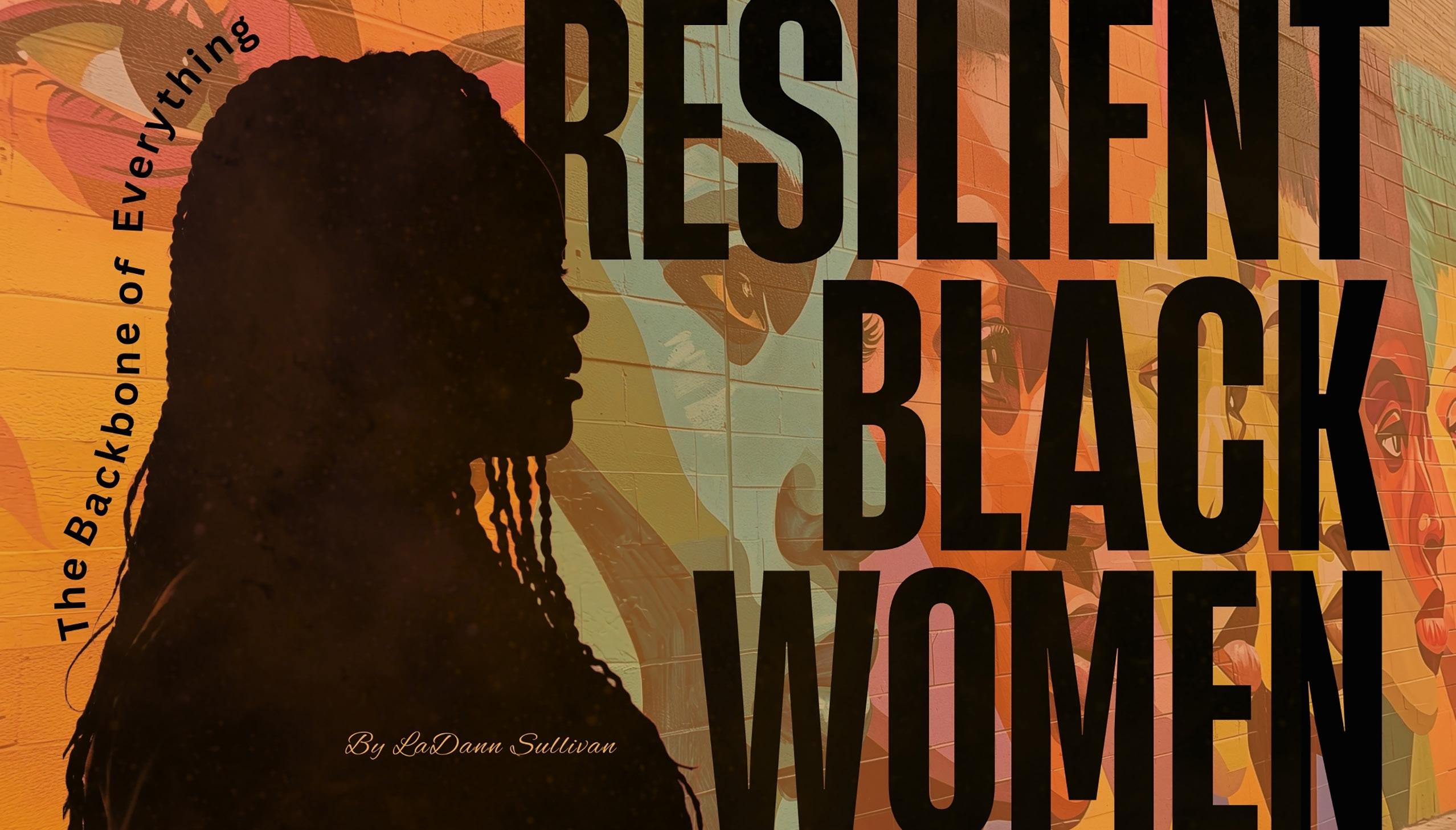
By LaDawn Sullivan, Black Resilience in Colorado Fund, Executive Director
If resilience had a face, a cadence, a walk, and a “don’t try me today” look — it would be a Black woman.
Because while headlines casually note that over 300,000 Black women lost their jobs, the stories rarely unpack what that actually means. Not just paychecks disappearing, but households recalibrating, communities absorbing the shock, children watching their mothers do what Black women have always done: figure it out, hold it together, and keep it moving… again.
And somehow, even in crisis, we’re still expected to be unbothered, unbroken, and unlimited. The stereotypes are tired. The expectations are wild.
We’re told we’re too strong until systems lean on that strength to justify inequity. We’re called resilient as if that erases the harm that made resilience necessary in the first place. We’re praised as the backbone of humanity, the forever nurturer, the load bearer, the fixer, the healer… but rarely resourced like it actually matters.
Clearly, resilience should never be mistaken for consent. Black women didn’t sign up to carry broken systems
on our backs. We adapted because survival demanded it. Excellence followed because mediocrity was never afforded to us. And when Black women begin to feel the squeeze: when jobs disappear first, wages stall longest, and opportunities narrow fastest, it’s rarely just about us. Black women have long been the canary in the coal mine, signaling early when systems are cracking and when the promises of equity are more performance than practice.
And let’s talk about the contradiction that never gets enough daylight. Black women are the most educated demographic in this country, yet are among the most undervalued in wages/ compensation, wealth accumulation, and institutional power. Degrees stacked. Credentials earned. Experience deep. Still, we’re asked to do more with less, lead without authority, and save institutions that don’t invest in us.
Make that make sense. Yet… here we are.
Black women are shaping classrooms as educators and administrators, raising the intellectual floor for generations. We’re building businesses at one of the fastest rates. Entrepreneurship, not as a trend, but as a strategy for autonomy when systems fail to deliver equity. We’re cultural
and economic influencers, driving markets, movements, and meaning – often without the capital or credit. And politically? Let’s not play games. Black women are a decisive voting power base, consistently showing up, organizing, mobilizing, and protecting democracy even when democracy hasn’t protected us. We’re also stepping into and holding leadership roles that shift power as community leaders, lawmakers, policy architects, legal advocates, and government officials shaping decisions that move resources, redefine justice, and build more equitable communities. When Black women move voters, shift public will, and organize toward justice, the nation bends—sometimes slowly, sometimes kicking and screaming—but it bends. That’s not accidental. That’s not luck. That’s power.
Resilience isn’t just something Black women have. It’s something we have defined.
Our history is a thunderous testimony, echoing through every generation that refused erasure, every mother who turned scarcity into strategy, every leader who built something out of nothing and dared to call it legacy. We have survived enslavement, exclusion, underpayment, overwork, invisibility, and impossibly
high expectations—while still loving, leading, and lifting as we climb. Our economic presence, voting strength, and influence continue to signal where this country is headed and whether it is truly committed to building equitable communities.
Let me make it plain: the world does not move forward without Black women. It never has. So the question is no longer whether Black women are resilient. That’s settled. The real question is: when will systems stop relying on our resilience as a substitute for justice?
Black women are not just holding things together — we are shaping what comes next. And if history is any indication, the future will bear our fingerprints all over it.
Resilience has a name, and it’s written in bold - Black Women! ♦
Editor’s note: The Black Resilience in Colorado (BRIC) Fund exists to strengthen Black communities across this state by investing in Black-led and serving organizations and leaders rooted in resilience, innovation, and self-determination. For more information about upcoming grant opportunities, leadership programs and ways to contribute your time, talent, treasure, testimony and social ties, visit BRICfund.org
THE CALLS KEEP COMING And Black Women in Colorado Are Answering
Op-ed by Bianka Emerson
In the weeks after the 2024 election, Vice President Kamala Harris shared that she had been receiving calls from people saying, “I wish I had voted for you.”
Regret is a powerful teacher. But Black women have never had the luxury of political regret. We vote like our lives depend on it!
For decades, Black women have been the most consistent voting bloc in America. Election after election, we show up in record numbers, often outpacing every other demographic in turnout and party loyalty. We organize. We mobilize. We protect democracy even when democracy does not always protect us. We have carried elections on our backs—locally, statewide, and nationally—often without proportional representation in the halls of power.
But something is shifting in Colorado.
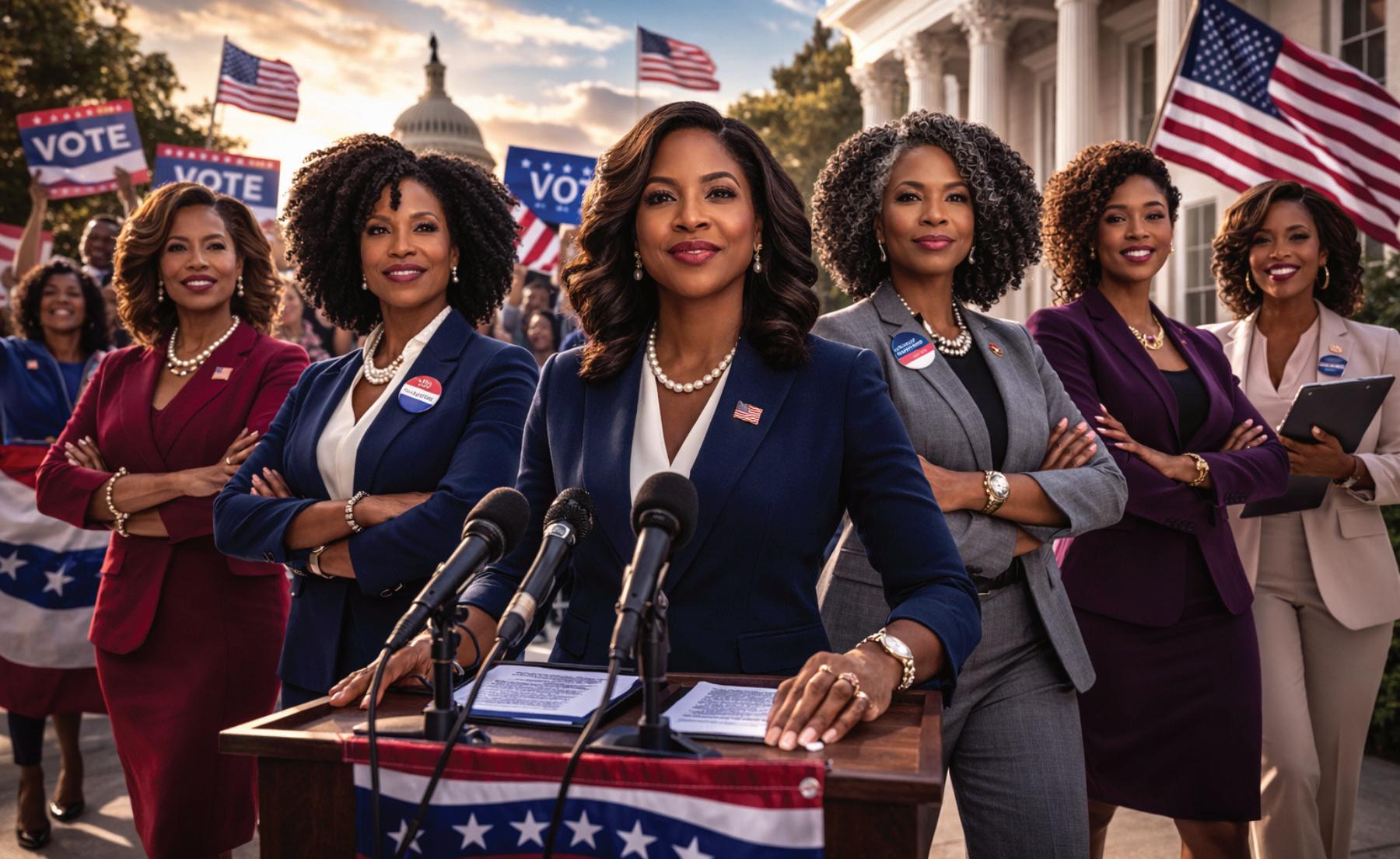
Women’s History Month is not just about honoring the past; it is about recognizing the present and investing in the future. And in Colorado, the future includes Black women who are no longer content to simply be the backbone of political coalitions—we are stepping forward to lead them.
For generations, Black women have shaped Colorado’s civic and political landscape as organizers, policy strategists, nonprofit leaders, educators, business owners, and faith leaders. We have written legislation, built coalitions, raised millions of dollars for causes, and trained the next generation of advocates. We have served as the moral compass in rooms where equity was an afterthought. That is what we have done for nearly fifty years at Colorado Black Women for Political Action.
Nationally, the Congressional Black Caucus has long been described as the “conscience of America.” From voting rights to healthcare access to economic justice, the CBC has consistently centered policies that protect the most vulnerable while strengthening the fabric of our democracy. Their leadership has been a reminder that representation is not symbolic—it is substantive. It shapes who gets heard,
who gets protected, and who gets prioritized.
And now, Colorado stands at the edge of history.
For the first time, we have the opportunity to send a Black woman to Congress: Wanda James.
Wanda James is not new to leadership. As an entrepreneur, veteran, and policy advocate, she has built businesses, navigated complex regulatory systems, and spoken boldly about criminal justice reform, economic opportunity, and equity in emerging industries. Her candidacy is not just about breaking a glass ceiling—it is about expanding who gets to define Colorado’s voice in Washington.
The significance cannot be overstated. Colorado has never elected a Black woman to Congress. In a state that prides itself on innovation and progress, this absence tells a story about structural barriers, access to capital, and the persistent underestimation of Black women’s leadership. But history is not destiny. It is an invitation. But we also honor the amazing and formidable work Congressman Neguse is doing on The Hill! But in the words of James Brown,
“This is a man’s world . . . But it would be nothing, nothing without a woman or a girl.”
Women’s History Month reminds us that every breakthrough once seemed impossible. There was a time when the idea of a Black woman serving as Vice President felt distant. Yet when Kamala Harris took the oath of office, little girls across the country saw new possibilities reflected back at them. Representation expands imagination. Imagination fuels ambition. Ambition builds change.
But representation alone is not enough. Black women running for office in Colorado today are bringing more than identity—they are bringing lived experience. They understand housing obtainability because they have fought for affordable housing. They understand reproductive freedom because they have advocated for bodily autonomy. They understand economic security because they have built businesses and balanced budgets. They understand public safety not just as policing, but as community health, transportation access, and environmental justice and immigration.
These new and upcoming voices are not waiting for permission. They are
stepping into campaigns with clarity and courage. They are fundraising in networks that historically excluded them. They are building digital platforms. They are organizing volunteers. They are crafting policy platforms rooted in data and lived reality.
And they are doing it while continuing to be the most reliable voters in the electorate.
Black women have long been the firewall of democracy. Now, we are claiming the frontlines of governance.
The calls of regret to Kamala Harris reflect something deeper than a single election. They reflect a recognition—too late for some—that Black women often see the storm coming before others do. We warn. We organize. We vote. And when necessary, we run.
Colorado has an opportunity this Women’s History Month to do more than celebrate Black women’s resilience. We can invest in Black women’s power. We can fund campaigns early. We can volunteer. We can mentor first-time candidates. We can challenge narratives that question electability while ignoring consistency.
Continued on Page 8
Continued From Page 7
But beyond one race, this moment is about a broader political evolution. It is about ensuring that the policies shaping our state reflect the people who sustain it. It is about moving from being the conscience in the community to being the conscience in Congress.
Black women have always shown up for America. The question now is whether America—and Colorado—will show up for Black women.
This Women’s History Month, let’s not wait for another round of regret-filled phone calls. Let’s make the choice in real time. Let’s send a Black woman to Congress for the first
time in Colorado. Let’s elevate new and upcoming voices in surrounding cities and highlight local leaders that have a record of doing the work, small business owners and education leaders who are ready from day one! Let’s align our ballots with our values.
Because history is watching. And Black women are ready. ♦
Editor’s note: Bianka Emerson is the president of Colorado Black Women for Political Action. The next “Political Leadership Training for our Times” for BIPOC Women will be held in April. For more information, visit cbwpa.org for more information.
ON HISTORY-MAKING Political Trail
Former Atlanta Mayor campaigning for May Primary Election for
G Former Atlanta Mayor campaigning for May Primary Election for Georgia Governor
By Gabrielle West
In the United States’ 250-year history, no Black woman has ever been elected governor of any of the 50 states. Keisha Lance Bottoms is running in Georgia to change that.
In a state where the political landscape has shifted dramatically over the past decade, Bottoms’ candidacy represents both history in the making and a test of how far voters are willing to redefine executive leadership.
She served as mayor of Atlanta from 2018 to 2022, after being elected to two terms on the Atlanta City Council. Her legal résumé includes work as both a prosecutor and a magistrate judge.
After leaving City Hall, she was tapped by President Joe Biden to lead the White House Office of Public Engagement in 2023. In that role, she served as a key liaison between the administration and communities across the country, elevating public concerns directly to the White House. She was also appointed to the President’s Export Council, and in 2020, was widely considered a top contender for Biden’s vice-presidential running mate.
I was first introduced to Bottoms and her leadership during the COVID-19 pandemic while working in former Denver Mayor Michael B. Hancock’s office. She had recently begun her first term as Atlanta mayor when she was thrust into crisis governance and the national spotlight. Like so many city leaders, she was forced to navigate
overlapping emergencies: a global pandemic, the economic instability that followed, the international reckoning after the murder of George Floyd, and the political tensions of Donald Trump’s presidency.
There was no playbook. Cities became ground zero for decisions that would affect millions. Mayors were suddenly responsible for public health mandates, business closures, protest management, and negotiations with state and federal officials–all while maintaining public trust. Watching Black mayors across the country lead through that period reshaped my understanding of executive leadership.
Bottoms emerged as a steady, resolute voice. She did not shy away from difficult conversations. She addressed residents directly and candidly, acknowledging both the gravity of the moment and the humanity of those affected. During the protests in Atlanta, her leadership drew national attention. At times, her protective instincts as a mother were unmistakable as she spoke not just as a mayor, but as someone deeply concerned about the safety and future of her city’s young people. She struck a delicate balance between defending the constitutional right to protest and ensuring public safety–blending empathy with firmness.
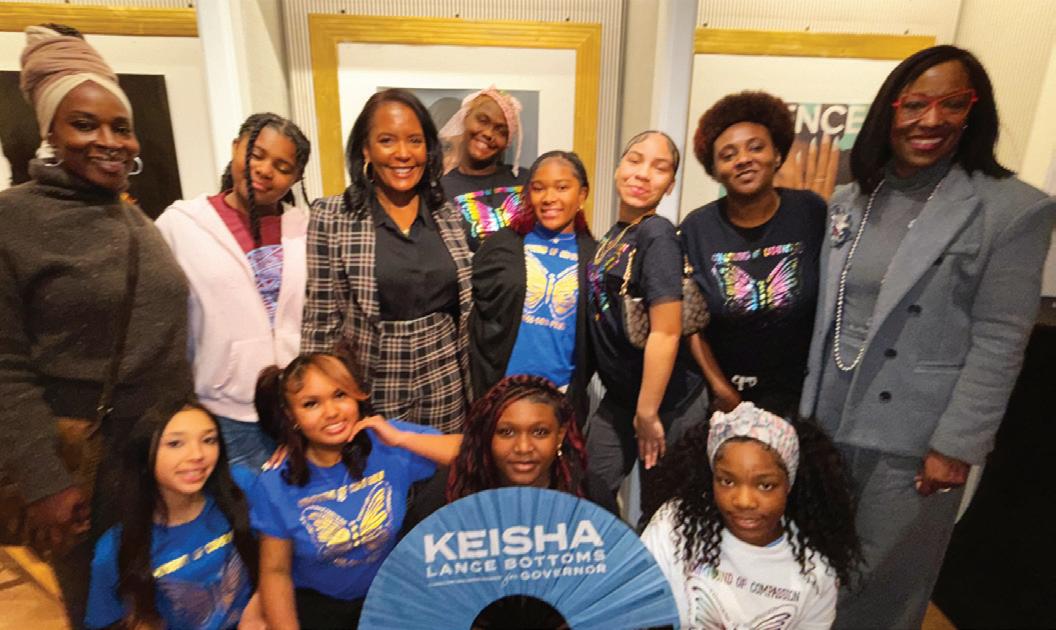
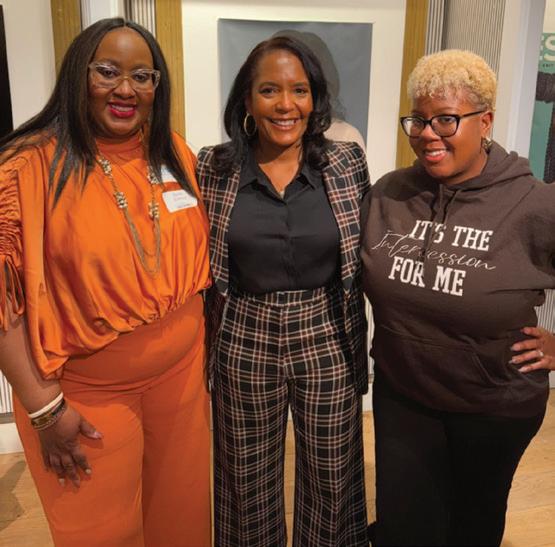
When we recently spoke during a January visit to Denver to meet with local leaders, community members, and elected officials, many of them Black women, Bottoms appeared both
reflective and reenergized. Known for her signature short haircut during her time as mayor, she now wears a longer look, a subtle shift that mirrors this new chapter of her leadership.
“There were so many lessons,” she said. “But leadership isn’t always about having the playbook — it’s about making the best decisions you can in the moment. When we were leading Atlanta, we couldn’t look to the governor, and we certainly couldn’t look to the president. We had to make decisions based on what was best for our people.”
Now she is seeking to bring that executive experience to the state level. Georgia stands at a political and economic crossroads. Rapid population growth, rural-urban divides, voting rights debates, healthcare access, and public education funding loom large in the state’s future. She argues that her background has prepared her to manage complex systems while keeping people at the center of policy.
If elected, her victory would reverberate far beyond Georgia. For Black women across the country, her candidacy represents possibility during an uncertain political climate.
“As a woman, you’re asked if you’re good enough or smart enough,” Bottoms shared. “As a Black woman, you’re also asked if you’re qualified or tough enough. Those questions are real, and race adds another layer. Being a Black woman in America comes with unique challenges, but I wouldn’t
trade it for anything. We are resilient, innovative, and extraordinary.”
Beyond symbolism lies substance. She entered a crowded race as the only Black woman competing against high-profile candidates, including Georgia’s lieutenant governor, secretary of state, and attorney general. Her policy priorities include expanding Medicaid, addressing affordability issues particularly housing, and eliminating state income taxes for teachers to help combat educator shortages.
The primary election will be held on May 19, 2026.
For Colorado’s Black political community, especially for those of us who watched her lead from afar while navigating similar pressures at home, her candidacy feels personal. For those who witnessed her leadership during one of the most turbulent periods in modern American history, the question is not whether she can lead. It is whether Georgia is ready for the kind of leadership she offers.
Whether voting in Georgia or Colorado, now is not the time for apathy. The news cycle can feel heavy and relentless. Bottoms offers this reminder: “Don’t give up on yourself because when you disengage, you give up on your freedom. Protect your peace. Step back from the news if you need to–but still vote. Educate yourself. As John Lewis said, the right to vote is sacred. If we don’t use it, we’ll lose it.”
To learn more about her campaign, visit www.keishaforgovernor.com. ♦
LIFESAVING MIRACLES Happen with the gift of organ donation
By Jane Dvorak
Editor’s note: This article was co-written by interns Antonio Bravo, Haley Forsyth, Hannah Kijner, and Ella Mork
Mark McIntosh is a man of passion. His infectious laugh, vivacious attitude and intense love for the Denver sports community isn’t lost on those who meet this sportscaster turned community activist. Mark remains in the hearts of many Coloradans who watched him daily as CBS Denver’s No. 1 sportscaster for decades. He now parlays that passion into educating Colorado residents about lifesaving organ donation.
Most of us won’t ever have to make a lifesaving choice, yet anyone of us can. That is what organ donation is all about – making the choice. That’s exactly what happened with Cathie Hitchcock. She could never have known her choice would be a lifesaving one for one of her favorite sportscasters. She knew Mark from his coverage of the Colorado Buffaloes athletic teams during ‘90s. In her professional life, Cathie gave back by grooming pets, educating inmates and providing transportation to children as a bus driver for Aurora Public Schools. Cathie’s support of those around her spoke to her community commitment and led the way to one of the most important choices in her life.
This summer, the Transplant Games of America will be held in Denver from June 18–23. The 2026 Games will unite transplant recipients, living donors, donor families, caregivers, those awaiting transplants, healthcare professionals, supporters, volunteers and spectators for an unforgettable week of competition, connection and celebration in the largest celebration of life.
The six-day festival brings an estimated 12,000 visitors to Colorado for more than 20 competitions,
including several public events that include a 5K and Youth Olympiad. For 33 years, the Games have brought together people moved by the miracle of organ donation and transplantation. Together, teams from across the U.S. will compete and honor the gift of giving or receiving a second chance at life.
Mark’s story would not have been possible without Cathie, the kidney donor he calls his “angel,” who now resides in Pueblo West. She had undergone testing to donate her kidney to her husband. The results were in, but she was not a match. That’s when her lifesaving choice became even more real. Mark’s name came to the top of the list and she knew that she could still help someone. So, she underwent surgery and donated her kidney to Mark. It saved his life.
Asked whether the surgery was worth saving Mark’s life, Cathie said, “It was totally worth it. I would do it again.” Her husband, Kirk Hitchcock, remains on the transplant waiting list today. Mark and Cathie continue to spend time together and advocate for organ donation on behalf of people like Kirk and others at risk of organ transplants.
Mark says, “the moment I first hugged Hitchcock, it settled in that she had given me a whole new chance at life. It was a miracle.” He still gets emotional at the thought. “Words are my profession,” he said, “and I still struggle to find the words to describe what that feeling was like.”
When Mark attended his treatment with hemodialysis, he stated that he was the only white person in the room of seven who came to be treated. “It opened my eyes to an even more pressing issue,” he said. “Do people of color experience a greater need for organ donations? And if so, why?”
The U.S. Department of Health and Human Services Office of Minority Health reports 72% of people waiting
for a donor are Hispanic, Black or Indigenous. These communities are often underrepresented in donor registries, resulting in longer wait times. Due to higher rates of heart disease and diabetes, genetic factors and limited access to insurance and medical care, people of color can be at higher risk of needing an organ transplant. These disparities show that building awareness, increasing donor registration and making lifesaving transplants available to everyone is critical to saving lives.
Denver is stepping up to the challenge to change this. The Transplant Games aim to help close this gap by reducing distrust in the healthcare system, raising awareness about the urgent need for organ donation within communities of color by educating and registering potential organ donors to the national registry. Mark is taking this challenge personally by educating residents across the state through the Colorado Caravan, a program presented to statewide business, civic and community organizations.
The Games are in Colorado for more than donor awareness, advocacy and
wellness. As host of the Transplant Games of America, Denver has a unique opportunity and responsibility to bring people together around health, compassion and community well-being. Increasing organ donation is important because it reduces preventable deaths, improves quality of life, lowers longterm health care costs and allows donors to create a legacy by saving others.
As Denver prepares to welcome the Transplant Games of America, the event stands as both a celebration and a call to action. For those whose lives have been saved, and for those still waiting, the Games serve as a reminder that one decision can mean a lifetime. The arrival of the Games in Denver represents more than a national event – it’s a movement. It calls for stronger donor advocacy, greater health equity and collective action to support those waiting for a second chance at life. ♦
Editor’s note: For more information on participating, volunteering or taking part in public events, visit www.transplantgamesofamerica.org.
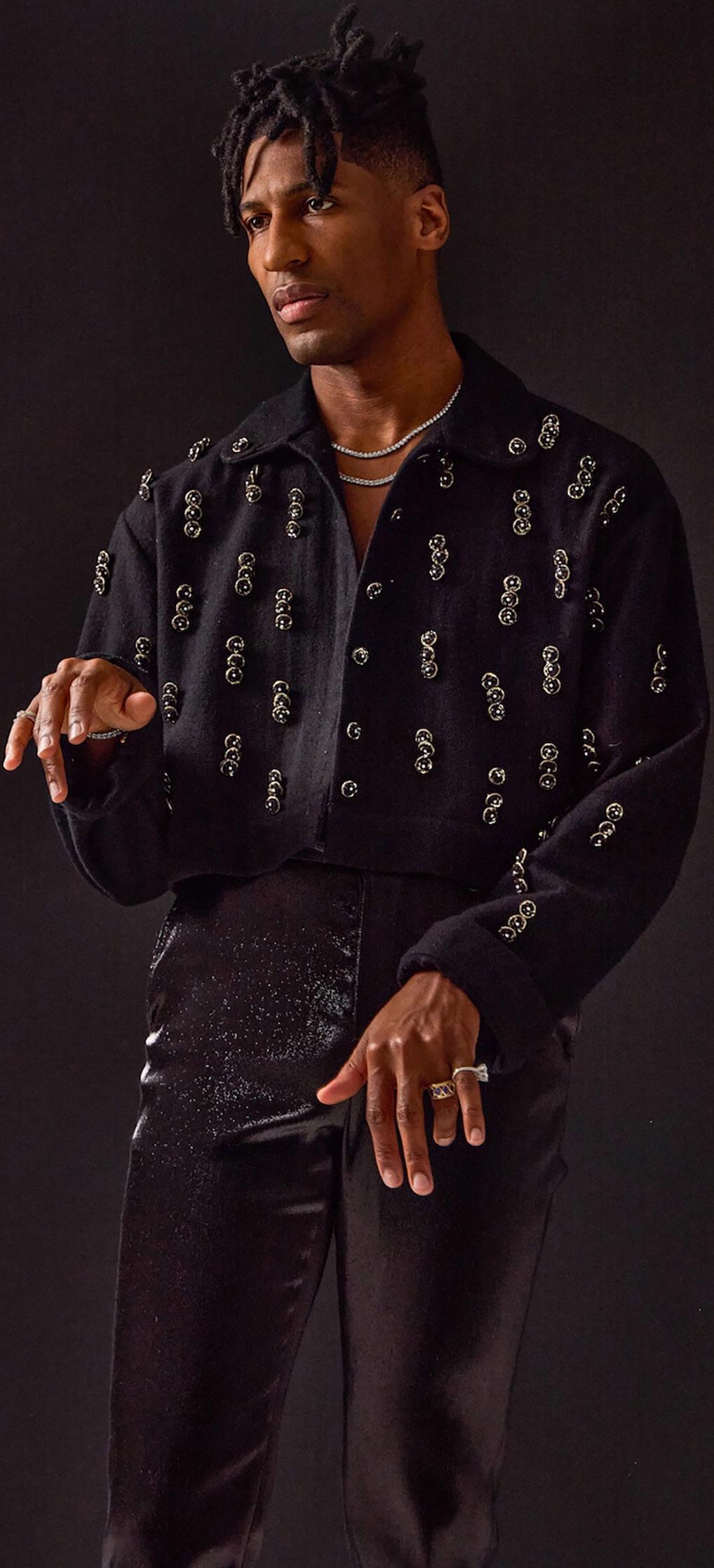
MUSIC WITH A MISSION: Jon Batiste Leads Symphony Gala
The Colorado Symphony will present An Evening with Jon Batiste and the Colorado Symphony on Saturday, May 9, 2026, at Boettcher Concert Hall — the featured performance of the Symphony’s annual Symphony in the City Gala.
Among the most celebrated musicians of his generation, Jon Batiste is a genre-defying artist whose work bridges jazz, classical, pop, R&B, and soul. An eight-time Grammy Award winner, Academy Award winner, and Emmy Award winner, Batiste is widely recognized for his electrifying performances and expansive musical vision. He previously served as bandleader and musical director of The Late Show with Stephen Colbert from 2015 to 2022.
Batiste’s latest album, BIG MONEY, draws from gospel, blues, soul, folk, and rock traditions. The project earned three Grammy nominations and won Best Americana Album. It followed Beethoven Blues (Batiste Piano Series, Vol. 1), which topped Billboard’s
Classical Albums chart for nine weeks and marked the first release in his solo piano series reimagining Beethoven through a contemporary lens.
In 2023, Batiste released World Music Radio, a globally inspired album that earned five Grammy nominations, including Album of the Year. That same year, he was the subject of the Netflix documentary American Symphony, which chronicled both his professional triumphs and his wife’s health battle. He co-wrote the film’s Oscar-nominated song, “It Never Went Away.”
Batiste also composed and performed music for Disney/Pixar’s Soul, earning an Academy Award for Best Original Score alongside Trent Reznor and Atticus Ross, as well as a Golden Globe, BAFTA, NAACP Image Award, and Critics’ Choice Award.
The May 9 performance will be led by Colorado Symphony Resident Conductor Christopher Dragon and serves as the centerpiece of the Symphony’s largest annual fundraising event.
While the concert anchors the Symphony in the City Gala, it is open to the public. A $25 donation from each ticket supports the Symphony’s education and community engagement programs. Gala sponsorships and ticket packages are available, with each gala ticket including concert admission.
Event Information
What: An Evening with Jon Batiste and the Colorado Symphony
When: May 9, 2026 at 8 p.m.
Where: Boettcher Concert Hall, Denver
Tickets and gala information are available at coloradosymphony. org. Early purchase is encouraged for this onenight-only performance.
About the Colorado Symphony
The Colorado Symphony is a nonprofit organization performing more than 150 concerts annually at Boettcher Concert Hall and throughout the state. Led by Music Director Peter Oundjian, the Symphony serves more than 340,000 people each year through performances, education initiatives,
partnerships. Celebrating 2023/24, the Symphony artistic excellence and
DENVER JAZZ FEST Recognizes Women’s History Month
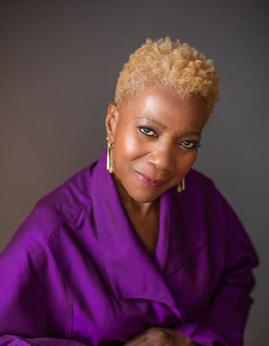
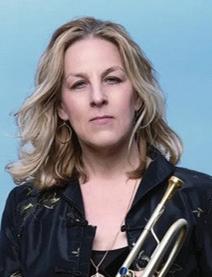
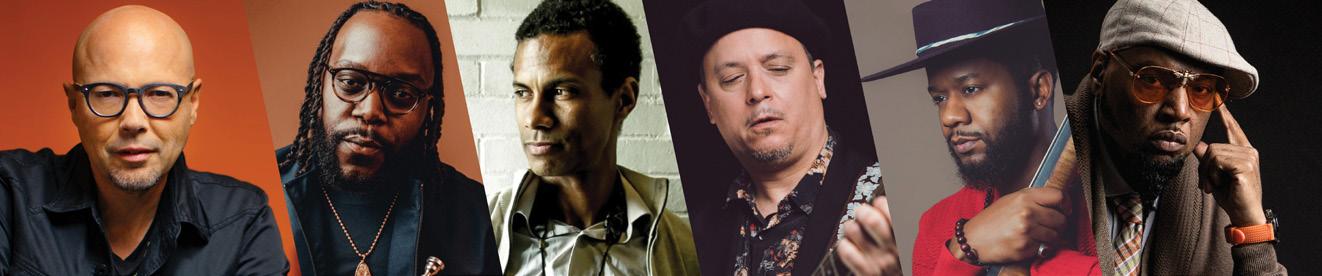
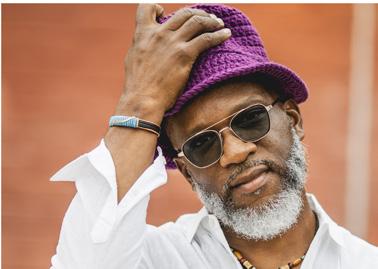
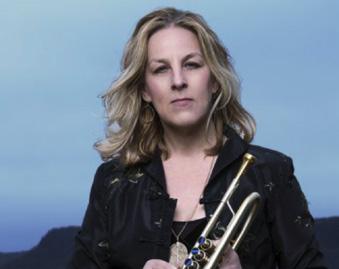
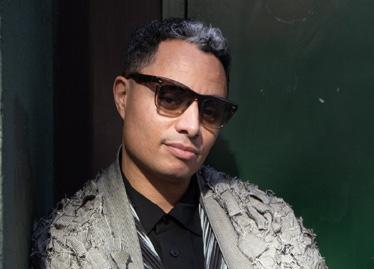
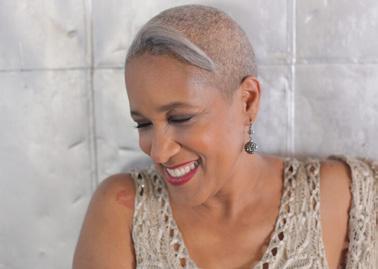
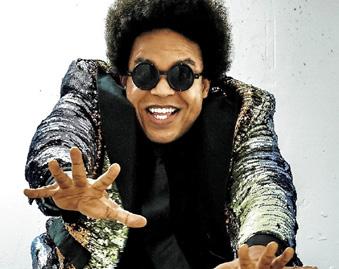
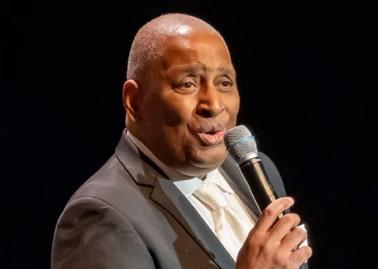
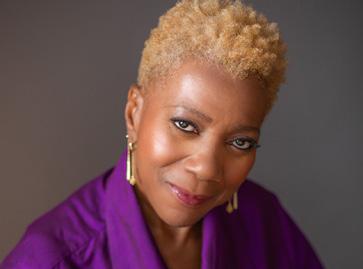
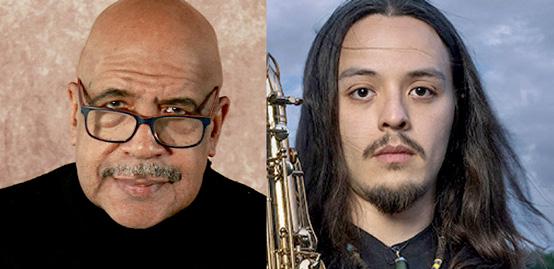
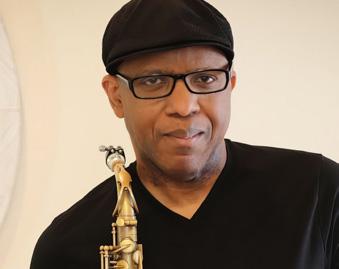
Hazel Miller, Carmen Lundy, Réne Marie, Ingrid Jensen and Clare Church Set to Perform in the Second Annual Event April 7-12, 2026
The second annual Denver Jazz Fest is set to run Tuesday, April 7 through Sunday, April 12 in 15 venues throughout Denver and Boulder counties. Forty performances by renowned national artists, regional and local performers are complimented by a robust education initiative through partnerships with Michigan State University and Metro State University. Among the many musicians to be featured are prominent women bandleaders including NEA Jazz Master Carmen Lundy, Réne Marie, Ingrid Jensen, Hazel Miller and Clare Church.
March is Women’s History Month and serves as a dedicated time to highlight the often-overlook contributions of women to history, culture and society. Historically, many women’s achievements-particularly in STEM-have been ignored, erased or attributed to men, a pattern known as the Matilda Effect. By reclaiming these narratives, the observance ensures these contributions are recognized celebrated and preserved for future generations.
By correcting historical narratives, WHM combats the “exclusion, silence, and absence” that has characterized much of recorded history, which was largely written from a male perspective. One of the core goals is empowering future generations: Representation matters; when young girls see women excelling in diverse fields, it sends a powerful message that they can do anything, helping them break free from gender stereotypes. WHM is also about fostering inclusivity and equity: The month acts as a call to action to address ongoing systemic barriers, such as gender-based violence,
reproductive rights, and professional discrimination.
WHM celebrates trailblazers like Harriet Tubman, Rosa Parks, and Amelia Earhart. They provide inspiration and a sense of possibility for others to reach new heights. Jazz is recognized as America’s only indigenous art form and many women have served the music as trailblazers, political activists and mentors to newer generations. The list is formidable including: Nina Simone, Billie Holiday, Mary Lou Williams, Maria Schneider, Marian McPartland, Bessie Smith, Josephine Baker, Hazel Scott, Terri Lyne Carrington, Dee Dee Bridgewater and Meshell Ndegeocello.
Carmen Lundy feels that “women continue to be a leading voice in the evolution of jazz and music, greatly impacting the arts in the world today. It’s important to support the work of creative women now more than ever.”
When asked how Réne Marie benefits from Women’s History Month, she sates, “Because, as a woman, I spent the bigger portion of my life seeking to please people, to soothe others by denying the stronger parts of myself, trying to become more accommodating and palatable. Women do this in our homes, with our friendships, at our jobs. So, we need reminders of the women in history who have broken through the trappings of being female. We need to hear about the legends, their names, their sacrifices, the indignities suffered, the risks taken, and the paths forged.”
Ingrid Jensen states, ““As a jazz musician, the significance of Women’s history month has always come with a question mark embedded in it. When
I fell in love with this music it had absolutely nothing to do with gender. I just loved all of it. From the singers to the great trumpet players to the big bands and more. I am often offered an abundance of work and sometimes interviews, during March (the month) and then it seems to be back to regular programming. I have a feeling Black History month carries a similar question mark with it. The obvious delegation of the shortest month of the year there (February) leads to even more head scratching for me. Should we not just aim harder for parity and equality in all programming? Not to mention how odd it feels to be making music year-round with my fellow non-women music makers and then suddenly feel the spotlight on me because of something
that has nothing to do with my creative music making process. So many questions...So many questions….”
Clare Church who co-owns Muse Performance Space with her husband Pete Lewis states, “It is so important to bring the stories of female musicians to light, along with the stories of the women who have contributed to every area of American life. In 2026 America, it can still be difficult to be taken seriously as a jazz musician, (especially as a drummer!) not to mention as a scientist, airline pilot, doctor, and so many other traditionally male dominated fields.”
Hazel Miller concludes, “I’m a woman who is a singer, entertainer, and band leader and proud to representing so many women in my life.” ♦
Editor’s note: For tickets visit www.denverjazz.org
The Aurora Fox Arts Center Presents
By Karen Davis
IVISION, VOICE, BEGINNING: Marion Boston Launches iBelieve Empowerment Magazine
n a media landscape shaped by rapid commentary and opinion-driven platforms, iBelieve Empowerment Magazine enters with a defined mission: to provide a faith-centered publication grounded in accountability, application, and community voice. The inaugural issue, themed “New Vision, New Voice, New Beginning,” reflects both the convictions of its publisher, Marion Boston, and what she describes as a significant spiritual and cultural moment.
For Boston, the launch is rooted in integrity and responsibility.
“I’m really protective of the people of God,” she says. “People’s lives are at stake and it’s important that they have the truth.”
She describes witnessing instances where individuals felt misled, discouraged, or spiritually wounded. She observed what she believes is a growing need for guidance and accountability in faith leadership, particularly in an era when public influence can outpace personal integrity.
“This magazine brings people to a place where they can learn, understand, and be understood,” she explains. “They have the freedom to speak and even ask questions. That connection can
facilitate their healing.”
The theme of alignment runs throughout her vision. Boston speaks of readers being awakened not only to survive, but to realign their lives with purpose — “aligned to be assigned,” as she describes it. The magazine’s debut reflects her belief that many people are seeking clarity and direction in their faith journey.
Faith in Professional and Civic Spaces
innovation, she argues, are extensions of lived experience rather than separate spheres.
A Broader Faith-Forward Movement
Boston describes the magazine not simply as a publication, but as part of a broader “faith-forward” movement across Colorado. The phrase signals forward motion and shared direction.
Being faith-forward, she explains, means leading “in a proactive, futurefocused way.” It denotes movement, growth, and collective purpose.
In practice, she envisions collaboration among churches, business leaders, and community voices. She speaks of synergy — coordinated effort that transcends division and encourages unity.
A defining feature of iBelieve Empowerment Magazine is its focus on faith in professional and civic spaces. Sections such as “Faith in the Marketplace” highlight leadership, entrepreneurship, and economic stewardship.
“Faith is not just in the church but in boardrooms, entrepreneurship, and economic influence,” Boston says. “This life of faith was never meant just to be on Sunday or Saturday. It is to be lived every day of the week.”
She frames faith as influencing realtime decisions — how leaders manage teams, steward resources, and navigate ethical challenges. She emphasizes that ministry, in her understanding, occurs wherever individuals operate classrooms, clinics, government offices, and corporate environments.
“Our decisions determine what seasons our lives will encounter, how resources are stewarded, as well as how you manage, lead, fund, and employ,” she explains.
By elevating conversations about faith within the marketplace, she positions the publication at the intersection of spirituality and strategy. Ethical leadership and principled
“If we do it all together and develop the synergy that’s necessary to make everyone’s life better, we can strategize and then synergize around this movement,” she says.
Through storytelling and dialogue, the magazine aims to function as a connective platform, amplifying voices that emphasize cooperation and shared accountability.
Elevating Spiritually Grounded Contributors
Central to the editorial strategy is elevating local contributors. Writers include pastors, teachers, counselors, entrepreneurs, and civic leaders across Colorado.
“Character, credibility, and the calling of God are non-negotiables,” she says.
As an ordained minister, Boston draws from established networks while emphasizing that spiritual grounding must be accompanied by public accountability and real-world credibility. Contributors are selected not only for theological understanding, but for testimony, track record, and lived experience.
“We expect contributors to bring a level of spiritual depth and real-world application,” she notes.
The editorial approach seeks to balance doctrinal alignment with practical insight, creating content that resonates with readers navigating everyday responsibilities.
Beyond Inspiration to Application
Boston was clear from the magazine’s inception that it would move beyond inspiration into application.
“When I sat with the board, I was clear that I don’t want it to just be merely informational,” she says. “I wanted it to be something that people can apply to their daily lives.”
Articles address calling, stewardship, leadership, and perseverance, often providing tangible guidance. She distinguishes between reading Scripture and understanding how to operationalize faith in personal and professional contexts.
“If I can read an article and understand this is how I need to pray, this is how I need to use this information so I can strengthen my relationship with God — it just helps,” she explains.
Strengthening that relationship, she believes, forms the foundation for effective leadership and sustainable influence.
A Focus on Doctrinal Integrity
Launching a faith-based publication carries influence and responsibility. Boston emphasizes that doctrinal integrity remains central.
“Influence without integrity is dangerous — especially in faith spaces,” she says. “For us, theological integrity begins with alignment. Everything we publish is rooted in Scripture.”
Accessibility, she notes, is about clarity rather than compromise. The publication seeks to present sound doctrine in language that is relatable and applicable.
“Our goal isn’t to impress people with theology — it’s to equip them,” she says. “We believe truth should transform, not intimidate.”
Collaborative input from pastors and marketplace leaders provides layers of accountability. As a licensed realtor, Boston frequently returns to the metaphor of houses built on the proper foundation, building something strong enough to endure.
Success through Transformation
Looking ahead, she anticipates growth in readership and reach. Yet she measures success through transformation rather than metrics alone.
“Five years from now, of course, I expect our circulation to grow,” she says. “But numbers alone will not define
success for us. Success will be lives changed.”
She envisions businesses launched and sustained by leaders operating with integrity, families strengthened and individuals stepping into their calling with confidence and accountability.
“If people can point to iBelieve and say, ‘That article helped me step into my purpose,’ or ‘That story gave me
the courage to start over,’ then we’ve succeeded,” she says. “For us, success isn’t just growth — it’s transformation.”
As iBelieve Empowerment Magazine establishes its presence within Colorado’s faith and civic communities, Boston’s objective is clear: to create a biblically anchored, practically applied platform where readers are invited not only to believe, but to lead with alignment and purpose. ♦
FRED HERSCH
JOSÉ JAMES CARMEN LUNDY
HUGH RAGIN / RICO JONES
ORRIN EVANS
INGRID JENSEN
BOB
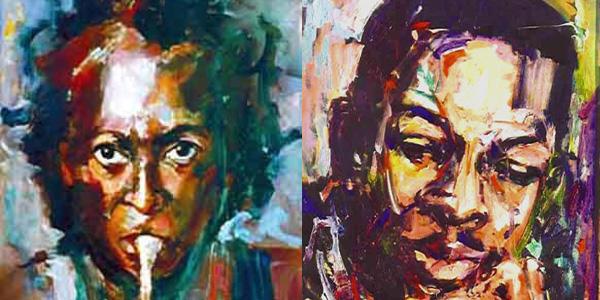
UNLIMITED MILES: MILES @ 100
REVEREND A Legacy of Hope
Op-ed by Chet Whye
Iwas sent to Denver in the ’80s as an aerospace missile engineer representing the Baltimore division of what was then Martin Marietta— now Lockheed Martin. What I did not know then was that the rocket launched in Denver had not a damn thing to do with aerospace.
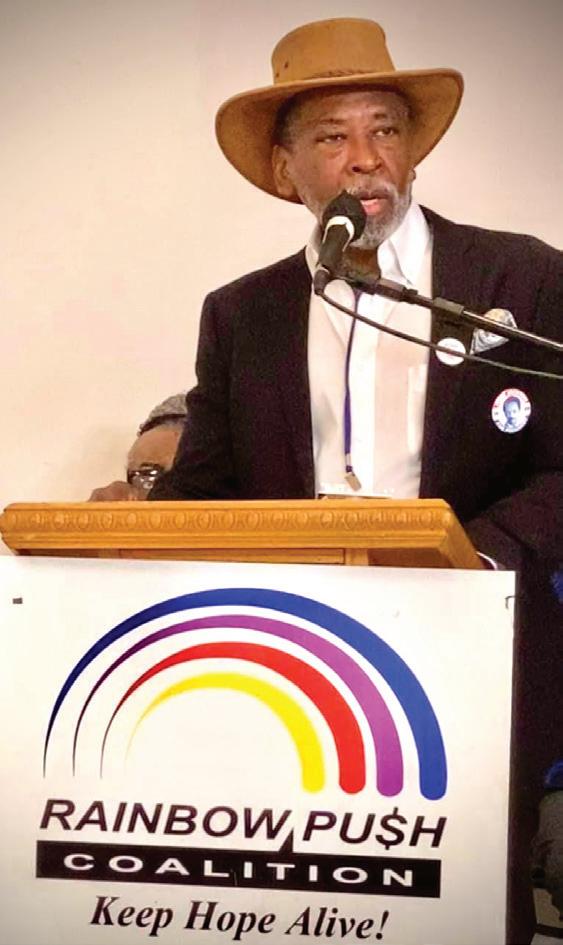
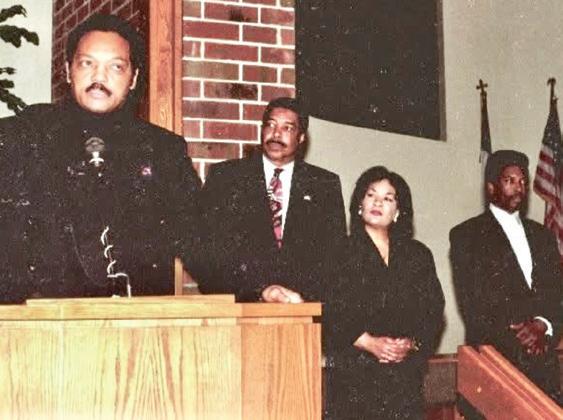
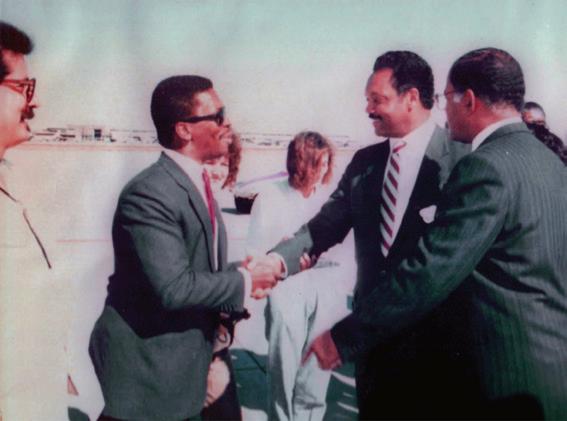
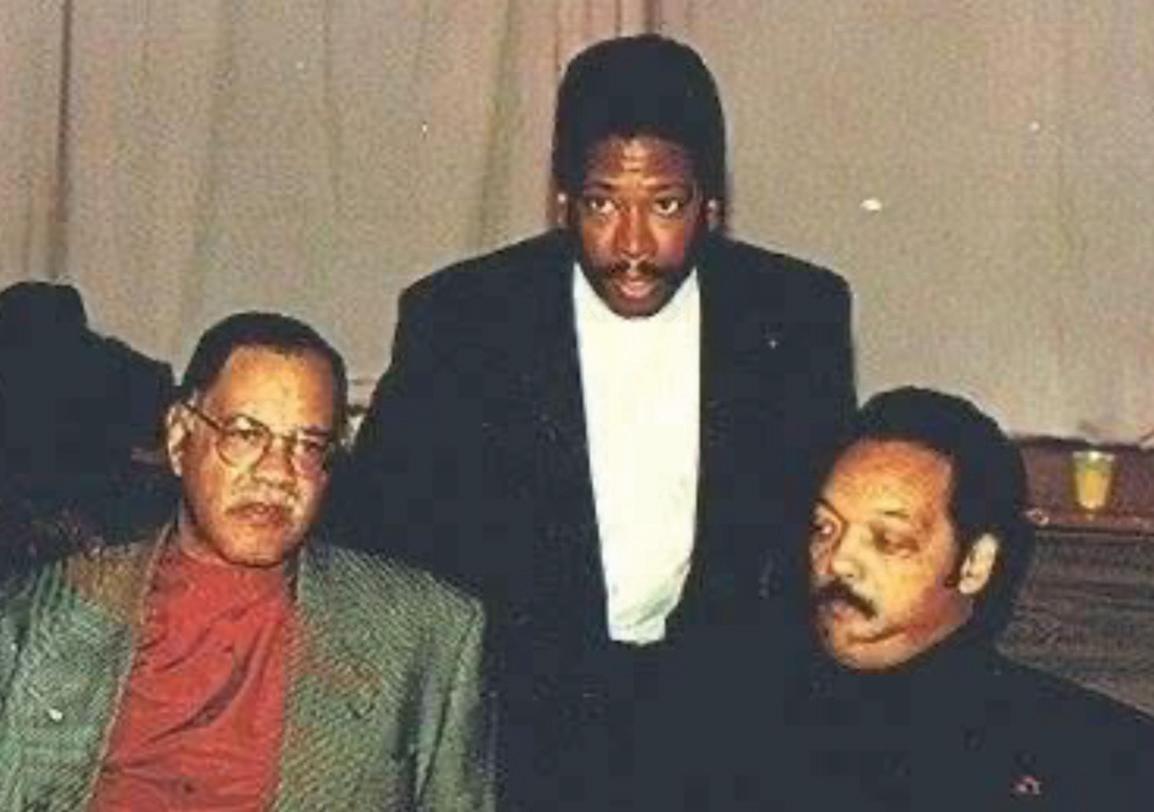
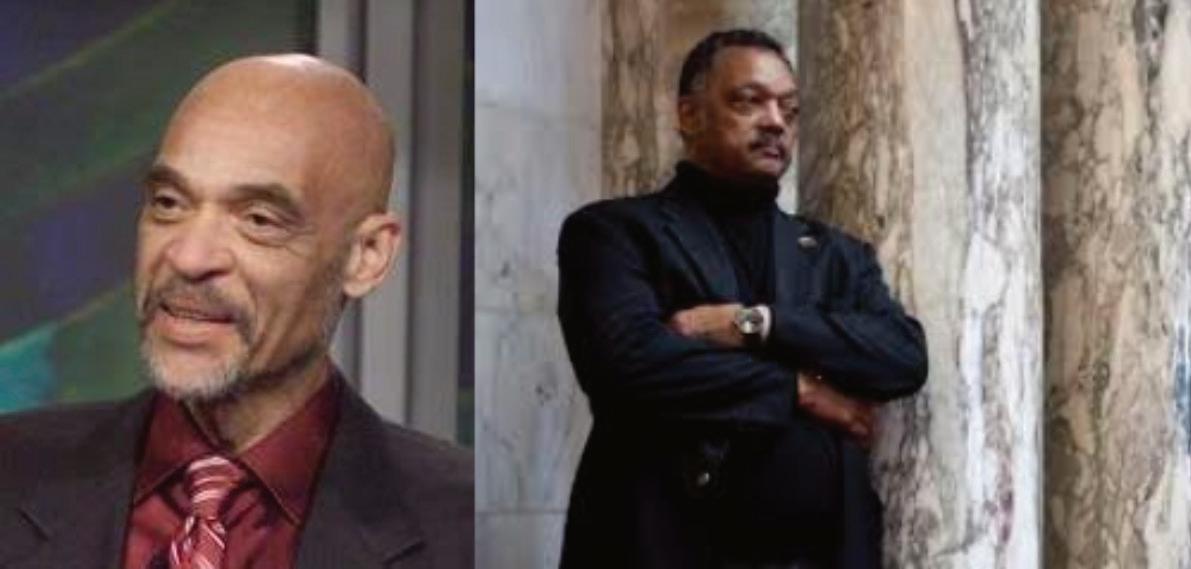
In 1988, I joined the Jesse Jackson for President campaign. With Reverend J. Langston Boyd and treasured colleagues like Joe Navarro and Frank Sullivan, we built a huge coalition campaign that we took from the big cities to the remote ranches, capturing the imagination of the entire state. Colorado had a Black population of only 4%, yet Reverend Jackson and our “patchwork quilt” garnered 40% of the vote.
Jesse Jackson nationally received 7 million votes while winning seven primaries and four caucuses in ’88. We lost the Democratic nomination that summer in Atlanta, but the changes that Reverend leveraged changed the game in fundamental ways, ultimately leading to the Obama presidency. Reverend challenged winner-take-all primaries that favored frontrunners to ensure that candidates received delegates proportional to their vote share. He demanded the “Big Tent” policy that structured and landed broader inclusivity.
When Reverend Jackson decided who would coordinate the National Rainbow Coalition in Colorado, Joe Navarro suggested me.
What most don’t understand is that Reverend Jackson’s mentorship was always more pastoral than political. Reverend taught me that people don’t just need you to be good—they need you to be good and good to them. He didn’t just teach me this ethos; he grounded me in it as I watched him interact with everyday people. We’d
be racing through the airport to board a flight, and when some astonished passerby would say his name, he would stop to give a quick hug.
I remember having breakfast in the Chicago Hilton with Reverend and Polly Baca. The waitress who brought his cereal was shaking like a leaf. He stopped talking, rose from the table, and just held her until she calmed down. He would give addresses in hotel ballrooms, and the maids and janitors would give up their lunch breaks to stand in the rear just to hear him. Reverend always acknowledged them directly from the podium. He was the epitome of Rudyard Kipling’s “If.”
His message was: if you are truly serving your people, then you must be the servant. That wisdom was echoed by Reverend’s longtime friend, my own beloved pastor, Rev. J. Langston Boyd of Shorter A.M.E. Church in Denver. The two of them, like a 1–2 punch, constantly worked me so that my moral compass was the true driver of my decisions and the empowering wind at my back. I was blessed to have their direction and their care. They, by example, configured my political DNA.
But Reverend Jackson had me at, “I am somebody.” With just three words, Reverend launched a direct confrontation to the psychological impact of racism and poverty in America by igniting a forest fire of personal dignity.
Conventional politicians have teams build pages of policy and spend millions pumping out advertising. Yet, a phrase empowers. Candidates for political office have teams drumming up policy pages that lay out green energy, poverty, education, inclusion, finance, and justice. But Reverend showed us it was better to have a coalition that connected all of those working elements, enlisting the people who drive those individual campaigns to blend expertise and energy into a political force that delivers.
The Jackson ’88 coalitions built in every state did not immediately fade away post-election. Those in-place networks redirected as a crucial element of winning campaigns around the nation, resulting in an explosion of Black mayors in major cities. David Dinkins was elected as the first Black mayor of New York City and Norman Rice of Seattle in 1989. The great Wellington Webb walked in sneakers from 7% to a landslide to be elected mayor of Denver in 1991 with Jackson ’88 alums (including me) in tow. Dennis Archer was elected mayor of Detroit, and Bill Campbell was elected mayor of Atlanta in 1993. The blast of Jackson ’88 propelled a reconstruction of national power that historians must not ignore. Jesse Jackson is arguably the most consequential figure in the elevation of Black political power in America. Obama’s “Yes We Can” was “Keep Hope Alive” with social media and laptops instead of fax machines and clipboards.
I spent the rest of my Denver years in service of the National Rainbow Coalition. That calling card enabled me to become President of the Colorado Black Roundtable, an award-winning political op-ed columnist for The Denver Post, and Chairman of Denver’s Public Safety Review Commission. After I moved to New York City, I was arrested on March 26, 1999, with Reverend Jackson by Rudy Giuliani’s NYPD as we marched with Rev. Sharpton to block the entrance to police headquarters to protest the killing of Amadou Diallo.
My service résumé is long, and the fire is still lit. I have watched Reverend serve his entire life, and I see him as the prototype.
On July 8, 2023, I was in Chicago to see Reverend on the day he retired as president of the National Rainbow Coalition. We had a reunion of leaders from his ’88 national presidential campaign. When I rose to speak, I asked the Democratic Party to do one thing for Jesse Jackson: I asked that Reverend Jackson be honored at the 2024 Democratic National Convention. I asked that they give him that moment to go before that vast
assembly of operatives and look out into the faces of thousands of people in political power who were inspired by him, who worked with him, and who came through him. He deserved that moment.
Reverend Jackson now belongs to the ages. We have become the custodians of his mission to genuinely democratize the Democratic Party. We have become the custodians of his declaration that “Politics can be a moral arena where people come together to find common ground.”
Reverend may have stepped back from the stage, but he left us with something to do: Keep hope alive. ♦
Editor’s note: Chet Whye is a noted political and organizational strategist in New York City who has helped win elections and raised millions for civic projects and charities. Whye organized for Barack Obama in 2008 for the New Hampshire primary. Upon his return to New York, he joined the great Harlem4Obama campaign, became campaign director and built it to a 2,700-member operation consisting of people of all colors, economic levels, ages, religions, and orientations.
AFRICAN AMERICAN WOMEN We Should Know
By Thomas Holt-Russell
We all seem to know and remember certain people in the public zeitgeist without effort. Many of the most famous people are in the entertainment industry whether in sports, movies, or music.
All of us have experienced someone disparaging a young person for knowing the lyrics to the latest song but knowing nothing about history or important contemporary issues. Entertainment can help people remember dates, names, and events more easily, and is tied to our emotions in ways that make data easier to recall, making learning through osmosis a viable option to standard teaching and learning.
Meanwhile, the most prominent people in America go about their business mostly unnoticed by popular culture, yet their work is far more significant and lasting than that of most entertainment entities. Some of the unnoticed but significant people are African American women. Many of us recognize that African American women are not only the heart and soul of America’s democratic political machine, but are also, as a group, the voice of conscience for our nation.
I am highlighting three women whom we should get to know better and who are making a huge impact. Aisha Nyandoro is pushing for guaranteed income for Black women, Kizzmekia S. Corbett-Helaire is a pioneering immunologist, and Ruha Benjamin is an insightful sociologist and professor.
Aisha Nyandoro
Aisha Nyandoro is the founding CEO of Springboard to Opportunities, a nonprofit headquartered in Mississippi that is dedicated to ending generational poverty. The organization provides programs and
services for families below the poverty line. Part of the vision is to transform community members into successful residents with opportunities that were previously available only to those with higher means. Through the Magnolia Mothers’ Trust, Nyandoro has supported hundreds of mothers across the country and sparked a movement uniquely tailored to the future economy.
Some experts think that many jobs that require routine cognitive and creative tasks will be lost to AI. While this new technology can foster a rich society, individuals will increasingly lose access to resources and services, creating a huge economic chasm.
Nyandoro believes a universal income would help people move out of poverty, and create a more equitable transition as AI changes the economy. Cash payments can act as a baseline for survival for economic stabilization. Money can give people time to retrain, provide for their families, and continue participating in the economy. It is thinking, “Let’s give them the money and see what good could come of it.”
Her idea of universal income closely mirrors that of Andrew Yang, a former presidential candidate. Both agree that poverty is not a moral issue but a policy failure, people can be trusted when given money, and aid should be restricted to work requirements. Both have concluded that cash works better than complex social programs. There is no need for these complex programs because people know best what they need. Nyandoro feels that economic pressures lead to insecurity and bad decision-making. Her organization’s views are shaped by data, not political or social ideology.
The major difference between the two universal income proposals is that Nyandoro focuses on low-income Black mothers in local communities, while Yang’s idea is for everyone nationwide. The largest difference is the program’s scale.
The two are solving the same problem for two very different reasons, even though both are pragmatic. Yang
“Poverty is a systemic failing, not an individual failing.” – Aisha Nyandoro
Poverty: The state of lacking sufficient income, resources, and access to basic necessities — such as food, clean water, shelter, and healthcare — needed for a minimum standard of living.
approaches it from a clinical perspective, seeking to address a systemic economic disruption. For Nyandoro, solving the problem is personal. She is addressing and combating intergenerational poverty, which she witnessed growing up in Mississippi. She sees poverty as a major problem among Black women like herself in communities where poverty is rampant.
Nyandoro, who comes from a family of social workers and advocates, is a self-described daughter of the South, who always knew she would remain in Mississippi and work there, because in her words, “I was always taught that you grow where you are planted.”
She believes that poverty is a systemic issue, and all citizens carry the responsibility to combat and eradicate it. She eventually realized that guaranteed income was a viable alternative to social programs.
She is the founder and CEO of Springboard to Opportunities, a nonprofit working with federallysubsidized housing residents to reach their school, work, and life goals. Her research showed that guaranteed income, or universal income, has been successfully implemented in other countries.
The organization’s program, Magnolia Mother’s Trust (MMT), is the longestrunning guaranteed income program in the United States. It provided $1,000 per month for 12 months, initially to 20 mothers during the pilot, and has expanded to more than 400 mothers across multiple cohorts. Children also receive a $1,000 deposit into a college savings account. Other benefits included a survey finding that participants were better able to pay their bills, kept all their public benefits while receiving cash, and had enough money budgeted for food. In 2024, she was recognized on TIME’s
annual list of 100 emerging leaders shaping the future and was added to the cover story.
Because of the leadership, creativity, and success of Nyandoro and Springboard, economic and financial experts agree that cash payments promote individual freedom and dignity by helping families meet basic needs, build savings, and stabilize budgets. She has pushed economic and financial theories to a new frontier.
She has built a holistic ecosystem that outpaces existing programs in effectiveness and positive outcomes. These facts are supported by empirical evidence and research, which show that her philosophy outperforms existing inefficient programs. The income provides a lane for financially challenged African American women to overcome economic hardship and achieve their life goals.
For more information on Aisha Nyandora, visit https://springboardto. org/about-us/leadership/.
Kizzmekia Corbett-Helaire
Dr. Kizzmekia Corbett-Helaire did not know she would be placed in a position of great esteem due to the arrival of a virus that devastated the world. At the beginning of the COVID-19 epidemic, she helped design a successful vaccine strategy in record time. Her success was forged years earlier as she researched SARS and MERS viruses, which helped identify a spike in (S) protein as the best target for immune protection. The stabilizing mutations identified in earlier research enabled clear imaging of the spike protein, helping her team determine its structure by cryogenic electron microscopy. And the rest is history.
“I never in a million years expected that there was actually going to be a pandemic. Luckily, I was ready. I’ve been preparing since I first stepped foot into a laboratory when I was 16 years old.”
– Kizzmekia Corbet-Helaire
“We are trapped inside the lopsided imagination of those that monopolize power and resources to benefit the few at the expense of the many.”
– Ruha Benjamin
Corbett-Helaire is from Hurdle Mills, North Carolina, and earned her Ph.D. in microbiology and immunology from the University of North Carolina. During her time at the university, she conducted research in Sri Lanka on human antibodies to the dengue virus. She recognized the commonality between the newer coronavirus and severe acute respiratory syndrome coronavirus. She successfully worked with her team at the National Institute of Allergy and Infectious Diseases (NIAID) Vaccine Research Center to protect the public from the coronavirus that led to the nation’s lockdown. Her role in developing the Moderna vaccine helped calm and heal the nation.
It is impossible to work in healthcare without addressing issues of bias and universal access. CorbettHelaire is using her credibility to speak on these issues of African Americans and health. She also teaches the history that makes some Americans uncomfortable, such as the Tuskegee Syphilis Study. She does not simply reflect on the past; she uses that information to peer into the future and explain to citizens how they can trust the healthcare system through readily available research and data.
She works for her community through engagements with churches, interviews, and forums, and speaks extensively to HBCUs, promoting healthcare safety and the benefits of STEM education. She has emphasized that more Black children should study STEM subjects in middle and high school and enter the information technology workforce, which has a low percentage of Black professionals relative to the population.
Corbett-Helaire has won many awards. To name just a few: the Benjamin Franklin NextGen Award recognized her outstanding contributions to life sciences, including COVID-19 vaccine development; the Albert B. Sabin Vaccine Institute Rising Star Award recognized her as a rising leader in vaccine science; Time100 Next (Innovators) highlighted her as one of the next generation of influential leaders; and the Fulbright Prize for
International Understanding (2022) awarded her jointly with Anthony Fauci for contributions to global health through vaccine science.
She became a target of anti-vaccine communities because they claimed vaccines are harmful even without evidence to support that view. Since she openly acknowledged historical health abuses, such as the Tuskegee Experiment, she opened herself up to more criticism from people who want their history to filter out anything that highlights America’s social ills.
She was criticized for her tweets concerning the lack of diversity on the White House Coronavirus Task Force. She received equal scrutiny for stating that African Americans were dying disproportionately from the coronavirus. She has criticized science’s lack of connection to Black society, pointing out that Harvard’s T.H. Chan School of Public Health is in the middle of a Black neighborhood that does not benefit from the institution at all.
Just like millions of Americans, some of my close friends and family including my big sister died from the coronavirus. It was a very dark time for me, and that sadness engulfed our country. It is very comforting to know that a Black woman began addressing these problems years before they arose. I am also grateful to her STEM teacher, who apparently had a positive influence on her, as Corbett-Helaire knew what she wanted to do from the moment she stepped into the laboratory. Her presence means that we are all safer today. And if another pandemic sweeps the world, our chances of survival are increased thanks to her and her team.
For more information on Dr. Kizzmekia Corbett-Helaire, visit https:// hsph.harvard.edu/ Video: https://www. youtube.com/watch?v=zMw4UWnBV7g
Ruha Benjamin
As I neared retirement from teaching high school STEM courses, I became more cynical about the future of education and the kind of world we were building for students’ futures. I did not feel good about it. I even wrote
a piece about it, “No Classroom for Old Men,” in my book “Binary Society.” This was during the First Trump administration. COVID was spreading across the world, and I witnessed firsthand an increase in racial rhetoric and tension among the students. As the only African American teacher at the school, I was particularly sensitive to these troubling changes. To add to the problems, telephones were, and still are, the most destructive thing ever placed in the pathway of education.
During this time, I was reading Ruha Benjamin’s book, “Race After Technology,” in which she takes an interesting view of the state of STEM education and how bias is built into technology, allowing the fingerprints of racism to be embedded in all systems.
There was a passage in her book that I particularly agreed with. She was speaking about the racism she found unsettling in her classroom and school. She witnessed how white supremacy has been planted in a younger generation, writing: “I knew such direct exposure to this type of unadulterated racism among people whom I encounter every day would quickly steal my enthusiasm for teaching.” She added that we will not age out of racism.
Benjamin is one of the most important voices on the topic of technological racism embedded in our networks and applications. She was born to an African American father and a Persian/Indian mother in India, but spent time in California, Africa, and South Carolina while growing up. Her educational background is in sociology and anthropology, and she received her Ph.D. in sociology from the University of California, Berkeley.
Her idea is that technology is not benign and often reinforces inequality through algorithms. Digital automation, which too often removes the human element from the decision-making process, often worsens the situation for those who try to use it. “Neural systems” also produce racial inequality, gender imbalance, and economic exclusion due to how information collected is
used. Benjamin also has a healthy skepticism about how AI will make things better, so-called innovation that ignores the human experience, and data-driven systems that replace human judgment.
Every student, teacher, or parent should read Benjamin’s warnings about our failing educational system. She writes that technology is often used to manage, monitor, and discipline marginalized populations. Surveillance cameras are always deployed first in the lowest socioeconomic areas, serving as a testing ground for all future technologies.
Race after Technology won the 2020 Oliver Cox Cromwell Book Prize, and that same year it won the Brooklyn Public Library Award for Nonfiction. In 2024, Benjamin won the MacArthur Award (Genius Grant) and was named a MacArthur Fellow, one of only 22 recipients chosen for their exceptional creativity. Her influence is powerful enough to drive policy changes on how we interact and manage our technology in educational settings.
For more information on Ruha Benjamin, visit https://www. ruhabenjamin.com/ ♦
Editor’s note: Thomas Holt Russell is founder and director of SEMtech, writer, educator, photographer, modern-day Luddite, existentialist, and secular humanist. For more information, visit http://thomasholtrussell.zenfolio.com/
ALPHA PHI ALPHA $17K Grant Supports Student Success at MSU Denver
By Gabrielle West
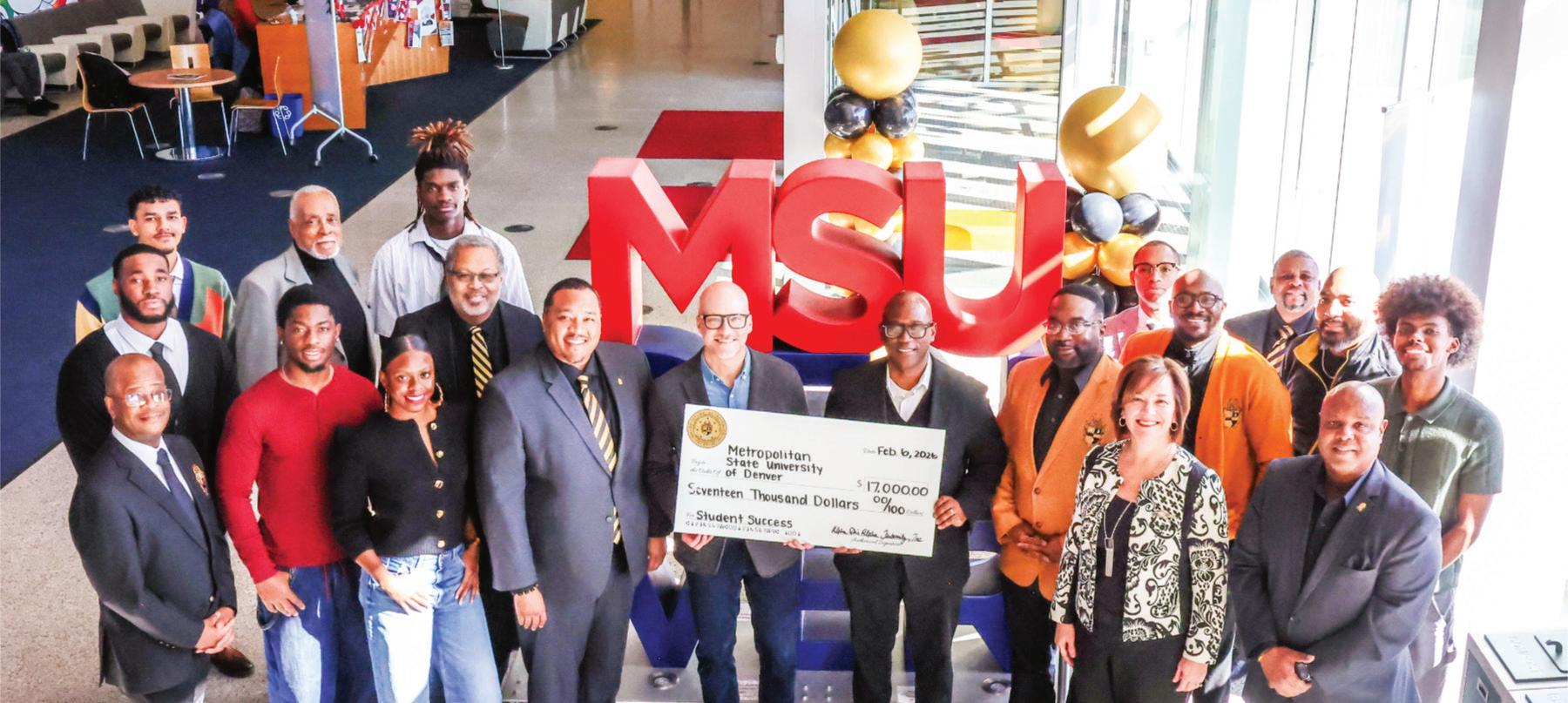
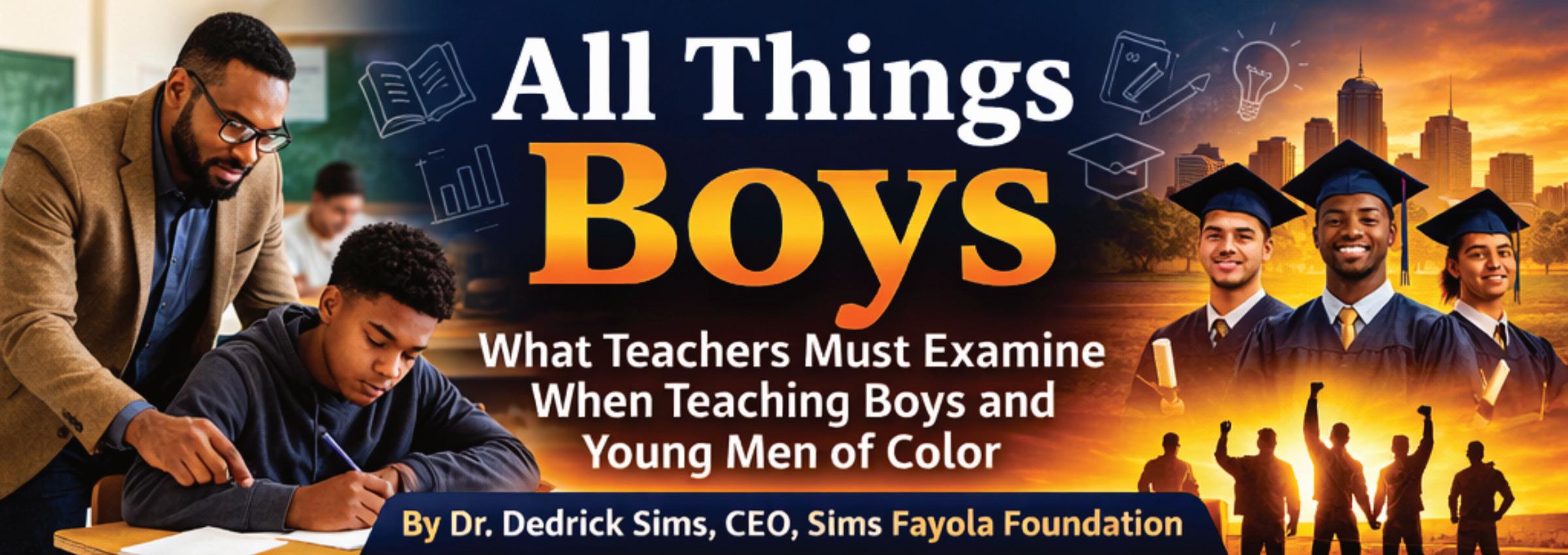
The Western Region of Alpha Phi Alpha Fraternity, Incorporated and its Denver-based Delta Psi Lambda Chapter awarded a $17,000 grant to the Metropolitan State University of Denver Foundation. The grant demonstrates the chapter’s continued commitment to educational equity and uplifting the next generation of leaders.
“This funding will elevate the experiences of Black students to better see themselves reflected in the fabric of the university, while supporting the Black faculty and staff that tirelessly mentor these students,” said Javon Brame, president of the Delta Psi Lambda Chapter of Alpha Phi Alpha Fraternity Incorporated (Denver Alumni). “Our hope is to help support MSU Denver in strengthening the ecosystem that will ultimately breed successful educational pathways for Black students who matriculate through its programs for generations to come.”
The funding will directly support initiatives at MSU Denver aimed at strengthening student success, enhancing leadership development, and expanding scholarship opportunities for Black students.
The grant will benefit the university’s Brother to Brother Program, initiatives led by the Black Faculty and Staff Association (BFSA), educational efforts highlighting National Pan-Hellenic Council (NPHC) organizations, and scholarships for students. Collectively, these efforts are designed to improve
persistence and completion rates while fostering a stronger sense of belonging on campus, particularly for students connected to the NPHC community and broader student success initiatives.
The Brother to Brother Program focuses on retention, mentorship, and academic achievement for MSU Denver’s male students of color. Through culturally responsive programming, leadership development, and peer support, the initiative helps students navigate both academic and personal challenges while building confidence and career readiness.
Support for the BFSA further reinforces the importance of representation and mentorship within higher education. By strengthening networks among Black faculty and staff, the initiative helps cultivate an
environment where students can see themselves reflected in leadership and scholarship.
A portion of the funding will also expand education and visibility surrounding NPHC organizations, most commonly known as the “Divine Nine.” These historically Black fraternities and sororities have long been pillars of civic engagement, scholarship, and social justice advocacy. Increased awareness and institutional support of NPHC organizations can deepen student engagement while honoring their historic contributions to the Black community in Colorado and beyond.
The $17,000 award is part of a broader national effort by Alpha Phi Alpha that has contributed more than $600,000 to Historically Black Colleges and Universities (HBCUs) and Minority-Serving Institutions (MSIs) nationwide. These investments aim to expand educational access, strengthen institutional programming, and increase student retention and completion.
Founded on December 4, 1906, at Cornell University, Alpha Phi Alpha was established as the first intercollegiate Greek-letter fraternity for African American men. For more than a century, the fraternity has championed scholarship, leadership, and service— principles that continue to guide its work today. The Delta Psi Lambda Chapter in Denver remains active in mentoring youth, supporting education initiatives, and partnering with local
institutions to strengthen community impact.
“This investment reflects Alpha Phi Alpha Fraternity, Inc.’s enduring commitment to educational access, achievement, and community service,” said Fred Jackson, western region vice president. “We are proud to partner with MSU Denver in advancing student support, strengthening affinity-based community, elevating awareness of NPHC organizations, and expanding scholarship opportunities that help students thrive.”
For MSU Denver, an institution known for serving a diverse and first-generation student population, partnerships like this one provide more than financial assistance, they signal a shared commitment to student achievement and equitable opportunity.
University leadership will collaborate with the Delta Psi Lambda Chapter to ensure alignment with shared goals and measurable outcomes. Beyond dollars, the partnership represents relationshipbuilding, mentorship, and sustained engagement between fraternity members and students.
At a time when higher education institutions across the country face funding challenges for supporting equity-based initiatives and programming, investments that prioritize belonging, scholarship, and leadership development are needed more than ever. ♦
A NEW WINDOW Opportunity for Homebuyers in 2026
By Barry Overton
As we move into the traditional spring and summer home-buying season, the outlook for prospective homeowners is noticeably brighter than it has been in several years. After a prolonged period of uncertainty marked by rising interest rates, tight inventory and affordability concerns, 2026 is shaping up to be the most optimistic environment for homebuyers we have seen in approximately four years.
One of the most significant factors behind this renewed optimism is the movement of mortgage interest rates. In December, rates reached a two-year low and, importantly, have remained relatively stable since. While rates are not as low as they were during the historic pandemic-era period, stability itself is valuable. Buyers can now make decisions with greater confidence, and lenders are once again able to forecast
programs and payment options with consistency. For many households, that stability has reopened conversations about purchasing a home that had previously been put on hold.
Equally encouraging is the increase in available homebuyer assistance. Many people still believe homeownership requires a large down payment and perfect credit. In reality, a number of programs exist that significantly lower the barrier to entry. Financial institutions such as Bank of America, Wells Fargo and CMG Home Loans are working alongside public and private initiatives to offer grants, assistance programs and specialized loan products. Some of these grants do not need to be repaid, which is an important distinction from traditional loans.
Government-backed mortgage options—including FHA, VA and other assistance programs — continue to provide pathways for buyers who may not have substantial savings. Many of these programs offer down payment assistance or flexible qualification guidelines designed to help responsible borrowers enter the market. When combined with stabilized interest rates, these programs create a unique alignment of conditions that strongly favors buyers in the coming months.
Perhaps the most innovative development, however, is a new approach to down payment support. A program called HomeFundIt, offered through CMG Home Loans, allows prospective buyers to create a dedicated savings account for their home purchase that functions similarly to a crowdfunding platform. Friends, family members and personal networks can contribute monetary gifts that are documented and eligible to be used as a down payment on a mortgage.
This concept changes the conversation around financial preparation for homeownership. Traditionally, young buyers relied solely on personal savings accumulated over many years. With this model, a buyer’s support network can become part of the process. Newly married or soonto-be-married couples, for example, can choose to create a home-purchase registry rather than a traditional retail registry. Instead of household items, guests contribute toward a future home.
The program also extends beyond personal relationships. Certain retail
partners deposit contributions into the account when participating businesses are used. Some employers also participate by contributing as much as $1,000 toward an employee’s future home purchase. Additionally, CMG Home Loans supplements the effort by contributing up to $2,000 into the account once qualifications are met.
This approach represents an “outside-the-box” perspective on housing affordability. While unconventional, it reflects how financial systems continue to evolve in response to modern economic realities. In many ways, it formalizes what families have historically done informally—helping the next generation purchase their first home—while ensuring the funds meet mortgage lending standards.
For communities across the Denver metro area, this is particularly meaningful. Homeownership has long been one of the primary ways families build stability and long-term wealth. Even modest homes can create equity growth over time, provide predictable housing costs and offer a sense of permanence that renting often cannot. When assistance programs, grants and innovative tools work together, they expand access to that opportunity.
The 2026 buying season presents a rare alignment: stabilized interest rates, supportive lending programs and
creative funding solutions. For many potential buyers who felt sidelined in recent years, the coming months may represent the ideal time to revisit their plans.
If you have questions about these programs or want to explore your options, reaching out to a qualified real estate professional and lender can provide clarity. Education is often the most important first step toward ownership.
Homeownership is not simply a transaction—it is a milestone. With the resources now available, more individuals and families may find the door open wider than expected. The opportunity is there, and with preparation and guidance, many will discover that owning a home is not a distant dream but an achievable goal worth pursuing. ♦
Editor’s note: Barry Overton is a Denver-based real estate advisor, veteran, and mentor. He helps investors, homeowners, and agents unlock wealth-building opportunities across the country. For more insights on market trends, AI in real estate, and personal development for entrepreneurs, visit www.barryovertonrealtor.com, email barrysellsdenver@msn.com or call 303-668-5433.
CARRYING THE THUNDER:
Julian “Zeus” McClurkin on Legacy, Faith, and the Harlem Globetrotters’ 100 Years
By Todd Davis
Founded in 1926 by Abe Saperstein in Chicago, the Harlem Globetrotters emerged as a groundbreaking exhibition team, showcasing elite Black basketball talent during an era of racial segregation. Over the past century, the Globetrotters have evolved into true Ambassadors of Goodwill, entertaining more than 48 million fans worldwide with their signature blend of elite athleticism, showmanship, and humor.
As part of their historic 100 Year Tour in 2026, the Globetrotters will return to Colorado to face their perennial rivals, the Washington Generals. On March 15, 2026, they will bring gravity-defying dunks, trick shots, and high-energy entertainment to the Denver Coliseum, marking a once-in-a-century milestone performance.
Contributor Todd Davis sat down for an up-close and personal conversation with Julian “Zeus” McClurkin—a worldrecord holder, fan favorite, and living example of how perseverance can transform setbacks into greatness.
TD: Zeus, first of all, welcome to Denver. The Harlem Globetrotters are celebrating 100 years, which is incredible. When you hear “100 years of the Harlem Globetrotters,” what does that legacy mean to you personally?
Z: Man, it’s humbling. When you put on this jersey, you’re not just playing basketball—you’re carrying history. So many legends came before us, not just on the court, but as ambassadors, as people who opened doors. To be part
of that legacy, especially during the centennial, it means everything. It’s bigger than me.
TD: I’m a huge fan of Grecian architecture, mathematics, and philosophy, so I have to ask—why “Zeus”?
Z: The Globetrotters give you your name when you make the team— and you’ve got to earn it. They said “Zeus” was the god of thunder, and my dunks are thunderous. There was already a guy named Thunder, so they said, “You’re Zeus.” I was like, I’ll take it.
TD: So you’re a rim-wrecker?
Z: Yes—still am. We’ve got a lot of world records as a team, and I’ve got a few dunk records myself. But my favorite is most slam dunks in a minute—sixteen.
TD: Sixteen? How?
Z: Magic. (Laughs.) Nah, it was crazy. It takes endurance. I had to run back behind the free-throw line between every dunk. My teammates were there cheering me on, keeping me locked in. I knew I could do it.
TD: So that’s basically a dunk every three to four seconds?
Z: Exactly. I had to stay on pace.
TD: Were these thunderous dunks?
Z: No—one leg, quick run-ups. Because of the time limit, they had to happen fast. It wasn’t about power; it was about precision.
TD: Is that your favorite record?
Z: Definitely.
TD: Another thing I noticed—while we’re talking, you’re spinning a basketball on your finger. Are you trying to impress me or intimidate me?
Z: (Laughs, basketball still spinning.) This actually helps me think.
TD: Do your thing, man. I also read that a key part of your day isn’t coffee—it’s prayer. Why is that so important to you?
Z: Faith has played a huge role in my development. I honestly wouldn’t be here without it.
TD: Your journey to becoming a Globetrotter wasn’t easy. You’ve shared that you were cut from teams growing up. How did that shape you?
Z: It shaped everything. I was cut from every team from seventh grade through tenth grade. That messes with your confidence as a kid. But it also taught me resilience. I had to decide— am I going to quit, or am I going to work? I chose to work. Those moments built the mental toughness I still rely on today.
TD: A lot of kids are dealing with rejection—sports, school, life. What would you say to them?
Z: Don’t let a “no” define you. A no just means not right now or not here. If you love something, keep showing up. Keep working when nobody’s watching. The journey is preparing you, even when it doesn’t feel like it.
TD: The Globetrotters are known for fun and creativity, but also for giving back. How important is the community side of what you do?
Z: That’s the heart of it. Basketball is the tool, but the mission is connection. We visit schools, hospitals, communities all over the world. Seeing kids smile—seeing them believe they can do more—that’s the real win. If I inspire even one kid to believe in themselves, I’ve done my job.
TD: You’re coming to Denver as part of the 100 Year Tour. What can fans expect?
Z: High energy, amazing basketball, comedy, crowd interaction—it’s a full experience. But most importantly, it’s family-friendly. Whether you’re five or fifty-five, you’re going to leave smiling. This tour is special because we’re honoring the past while showing the future of the Globetrotters.
TD: Last question — how do you want people to remember Zeus McClurkin?
Z: As someone who never gave up— and helped others believe they could do the same. If my story gives someone else hope, that’s legacy right there.
TD: Julian “Zeus” McClurkin, thank you for sharing your story and for carrying forward such an incredible legacy. ♦
Editor’s note: The Harlem Globetrotters will perform in Denver on Sunday, March 15 at 3 p.m. at the Denver Coliseum, 4600 Humboldt St. Tickets are available at AXS.com.
For a long time, we have framed the conversation about boys and young men of color as a student problem. Low achievement. Behavior challenges. Engagement gaps. The implication, even when unintended, is that something is missing in the child.
The reality is more complicated.
What we know from decades of research in education, psychology, and sociology is that outcomes are rarely random. They are patterned. And when outcomes are patterned across geography, race, and institution, we are no longer talking about individual deficit. We are talking about system design.
March is a useful checkpoint in the school year because by now, patterns are visible. Grades have stabilized. Referral data is clear. Engagement levels are consistent. This is the point in the year when we can ask a harder question: What, exactly, is the classroom producing?
If outcomes are predictable, design is responsible.
Belief Is the First Curriculum
Before curriculum maps and pacing guides, there is belief.
For a long time, we have underestimated how much belief shapes instruction. If a teacher unconsciously believes that boys of color struggle with focus, they will design shorter tasks. If they assume behavioral unpredictability, they will
restrict autonomy. If they believe rigor may overwhelm, they will simplify assignments in the name of support.
None of this is usually malicious. But it is consequential.
Research on stereotype threat, particularly the work of Claude Steele, demonstrates that when students sense they are being evaluated through a deficit lens, cognitive load increases. Working memory narrows. Risk tolerance declines. Performance shifts.
That shows up as disengagement. Or silence. Or resistance. The problem wasn’t the child. It was the signal.
When you think about boys and young men of color in your classroom, do you assume brilliance first? Or do you wait for it to prove itself?
Belief quietly becomes structure. And structure becomes outcome.
Structure Creates Predictability
Structure is often misunderstood as control. In reality, for many boys of color, structure communicates stability.
Many of these young men are navigating environments outside of school where rules shift and authority feels inconsistent. When school mirrors that instability, trust erodes.
Predictable classrooms reduce ambiguity. They lower anxiety. They create coherence.
Predictability is built through:
• Clear grading rubrics
• Consistent entry and exit routines
• Explicit participation expectations
• Transparent feedback cycles
• Stable responses to missteps
What we know from research on academic persistence, including the work of Carol Dweck, is that high expectations paired with belief in development increase resilience. But belief without structure feels hollow. And structure without belief feels punitive. Boys and young men of color can feel the difference. When expectations are clear and consistently enforced with dignity, belonging becomes stable rather than conditional.
Rigor Is an Ethical Choice
There is a quiet inequity that rarely gets named. In many classrooms, boys of color are offered support in the form of reduced cognitive demand. Shortened assignments. Simplified texts. Lower ceilings disguised as scaffolding.
The intention is often protective. The impact is limiting. Over time, limitation becomes internalized identity.
Rigor, when paired with support, communicates respect. It signals intellectual seriousness. It says, “I believe you can carry weight, and I am willing to help you build the strength to do it.”
Teachers must examine:
• Who is consistently invited into complex reasoning
• Who is recommended for advanced placement
• Who receives extension work instead of remediation
• Who is described as “gifted” versus “hardworking”
Numbers only tell part of the story. The daily distribution of cognitive demand tells the rest.
If rigor is unevenly distributed, outcomes will be uneven as well.
Identity Cannot Be Seasonal
Representation matters. But representation without integration is cosmetic.
When identity appears only during designated months or cultural celebrations, it communicates that it is supplemental rather than foundational.
Research on culturally relevant pedagogy, particularly the work of Gloria Ladson-Billings, makes clear that academic excellence and cultural competence reinforce one another. Identity affirmation is not separate from intellectual rigor. It strengthens it.
For boys and young men of color, intellectual belonging requires more than celebration. It requires integration.
That means asking:
• Whose authors anchor the syllabus?
• Whose scientific contributions are treated as foundational?
• Whose historical narratives are framed with complexity rather than deficit?
• Whose communities are discussed as producers of knowledge rather than subjects of study?
When students do not see themselves as contributors to knowledge, disengagement is rational. That disengagement is often mislabeled as apathy. It is more accurately a response to exclusion.
Discipline Is Interpretation
Behavior is data. Interpretation determines outcome. Two students can exhibit the same behavior and receive different consequences based on adult perception. Decades of discipline data confirm this pattern for Black and Brown boys.
Before we talk about solutions, we have to slow down interpretation.
• Is this defiance?
• Or is it frustration?
• Is this disrespect?
• Or is it embarrassment masked as bravado?
When reaction precedes reflection, stereotype shapes consequence.
React first. Listen later. Reversing that sequence changes trajectory. Restorative approaches, when grounded in structure, allow accountability and repair to coexist. The goal is not the absence of consequence. The goal is the absence of permanent labeling.
Once a boy is categorized primarily through behavior, every action confirms the narrative. And narrative shapes opportunity.
The Responsibility of Adults
It is tempting to externalize the problem. Family structure. Community instability. Cultural norms. Those factors are real, but they are not controllable inside the classroom.
Teachers control design.
• They control tone.
• They control how mistakes are interpreted.
• They control how rigor is distributed.
• They control whether belonging is predictable or conditional.
That is not a small responsibility.
When belief, structure, rigor and identity align, classrooms become places where boys and young men of color experience intellectual challenge and emotional steadiness simultaneously. Not because someone was inspired. Because someone was deliberate.
March is not too late to recalibrate. Look at the patterns. Examine the structure. Interrogate the belief
layer. If outcomes are predictable, redesign must be intentional. The question is not whether teachers care. The question is whether classroom systems are aligned with what boys and young men of color require in order to thrive. That responsibility belongs to adults.
And it does not expire at the end of the school year. ♦
Editor’s Note: The Sims Fayola Foundation is a Denver based nonprofit dedicated to improving the life outcomes of young men of color through direct programming and systems change. We envision a world where every boy is affirmed, challenged, and equipped to fulfill his potential. For more information, visit www.sffoundation. org or call 720-557-8443 or email dedrick@ sffoundation.org.
JESSE The Last Lion
By Earl Ofari Hutchinson
The news that civil rights icon the reverend Jesse Jackson passed has ignited an avalanche of media and public commentary, reflections, and tributes to him. Jackson for a lengthy period battled a rare neurological disorder that most people had never heard of. And it has often proved fatal. This prompted the first hard intense look at Jackson’s history, accomplishments, and place in the civil rights battles of the past half century. It also raised the perennial question what can replace that style, or even should it be replaced? That is Jackson and his style of aggressive, activist civil rights leadership?
It’s not just a question of Jackson. It’s also a question of the Trump era. This is a time when many Blacks say a Jackson is needed now more than ever. There’s much truth to that. However, the brutal reality is that it’s virtually impossible to envision that happening. Jackson’s brand of intense 1960s activism was a product of a different time, and different place in America.
Let’s start with what spawned a Jackson–the monumental 1963 March on Washington. The march punctuated by Dr. Martin Luther King’s towering “I Have a Dream” speech acted as a powerful wrecking ball that crumbled the walls of legal segregation and ushered in an era of unbridled opportunities for many Blacks. The results are unmistakable. Blacks are better educated, more prosperous, own more businesses, hold more positions in the professions, have more elected officials, and high-ranking corporate
officials, managers, and executives than ever before.
Yet that masked the harsh reality that the times and challenges now are far different and, in some ways, far more daunting than what Jackson faced.
As America unraveled in the 1960s in the anarchy of urban riots, campus takeovers, and anti-war street battles, the civil rights movement and its leaders fell apart, too. Many of them fell victim to their own success and failure. When they broke down the racially restricted doors of corporations, government agencies, and universities, middle class Blacks, not the poor, were the ones who rushed headlong through them.
King’s murder in 1968 was the turning point for race relations in America. The self-destruction from within and political sabotage from outside of Black organizations left the Black poor organizationally fragmented and politically rudderless. The Black poor lacking competitive technical skills and professional training, and shunned by many middle-class Black leaders, became expendable jail and street and cemetery fodder. Some turned to gangs, guns, and drugs to survive.
Countless studies have shown that the economic and social gaps between whites and African Americans have widened over the last few decades despite massive spending by federal and state governments, every imaginable state and federal civil rights law on the books, and two decades of affirmative action programs. The racial polarization has been endemic between
Blacks and whites on virtually every issue from the battle over and need for DEI to the gaping racial disparities, in health, education, and the criminal justice system.
The Trump assault on the civil rights gains that Jackson and other civil rights leaders were instrumental in ushering in is in a sense an escalation in the backlash to their brand of civil rights activism and accomplishment.
There’s no reason to expect Trump and his MAGA Nation millions will put pause to that. The series of No Kings marches were fightback against Trump’s brutal assault. They were a carbon copy of the style and techniques of mass protest that Jackson was at the center of for so many years.
But again, times were different. Jackson and the civil rights leaders years back had the sympathy and goodwill of millions of whites, politicians, and business leaders in the peak years of the civil rights movement. Much of that goodwill has vanished in the belief that Blacks have attained full equality.
Then there’s the reality that race matters in America can no longer be framed exclusively in Black and white. Latinos and Asians have become
major players in the fight for political and economic empowerment and figure big in the political strategies of Democratic and Republican presidential contenders. A Jackson replacement would have to figure out ways to balance the competing and contradictory needs of these and other ethnic groups and patch them into a workable coalition for change.
It’s grossly unfair to expect today’s civil rights leaders to be the charismatic, aggressive champions of civil rights that Jackson was. Or to think that another March on Washington could solve the seemingly intractable problems of the Black poor.
The times and circumstances have changed too much for that. Still today’s crop of civil rights activists can draw strength from Jackson’s courage, vision and dedication. They can fight the hardest they can against racial and economic injustices that have hardly disappeared. This is still a big and significant step toward again carrying the torch that Jackson carried for so long and so well. ♦
Editor’s note: Earl Ofari Hutchinson is an author and political analyst. His latest book is White-Supremacist-In-Chief (Middle Passage Press) He is the publisher of thehutchinsonreport.net
CELEBRATING The Life of Mary Catherine Alexandera
Sunrise: January 10, 1933 –Sunset: January 18, 2026
Mary Catherine Alexander was born on January 10, 1933, in Houston, Texas, to Harrison Bryant and Mary Louise Francis. One of two daughters, her early childhood was marked by profound loss when her mother passed away at just three years old. Her father later married Edythe Josephine Boston, whose loving guidance helped shape Mary Catherine and her sister into strong, capable young women.
After graduating from Phyllis Wheatley High School in Houston, Mary Catherine moved to Denver, Colorado, in 1950. There, she attended the University of Denver, where she met her first husband, Lawrence Velton Glover. Their union was blessed with three children: Lawrence, Lynette, and Sharon. Following Lawrence’s untimely passing, Mary Catherine found love again and, in April 1962, married Reverend Major
Warren D. Alexander, who was stationed at Lowry Air Force Base. Together they built a life rooted in faith, service, and family.
Professionally, Mary Catherine began her career at the Methodist Church headquarters in Denver, serving as an Administrative Assistant. She later
joined the University of Denver as an Administrator in the Office of the Vice Chancellor, where she was respected for her professionalism, discretion, and steady leadership.
Mary Catherine was deeply committed to her community. She served as PTA President at Smith Elementary School, led a Junior Girl Scouts troop, and was active in the Northeast Park Hill Civic Association. She volunteered with the Metro Denver Fair Housing Center and was a longtime member of Les Bon Ami Social Club. She was also a Silhouette with Kappa Alpha Psi Fraternity, an Owlet with the Owl Club of Denver, and graciously hosted meetings for the local Tuskegee Airmen Hooks Jones Chapter in her home.
A devoted woman of faith, Mary Catherine and her husband Warren were longtime members of Park Hill United Methodist Church, where they were among the early African
American families to help integrate the congregation. Her faith guided her life and anchored her role as matriarch of her family—a role she embraced with pride, grace, and strength.
She was preceded in death by her parents; her sister, Dorothy; her husbands, Lawrence Velton Glover and Warren D. Alexander; and her son-in-law, Barry Booker.
She leaves to cherish her memory her children, Lawrence (Judith) Alexander, Lynette Alexander Booker, and Sharon Alexander Holt; her grandchildren, Tyree (Stacey) Booker, Jamee Booker, Sheena Holt, and Brandon (Ada) Johnson; nine greatgrandchildren—Jayla, Jasmyne, Bryant, Baylen, Carlos (CJ), Josiah, Moriah, Kade, and Knox; and a host of relatives and dear friends.
Her legacy of faith, resilience, and devoted love will live on for generations. ♦
CELEBRATING Life of Roy Square Carroll
Sunrise: April 22, 1932 –Sunset: December 18, 2025
Roy Square Carroll passed away peacefully on December 18, 2025, leaving behind a legacy defined by faith, service, and quiet strength. A devoted father, grandfather, brother, and community servant, Roy lived with the steadfast belief that we are each called to care for one another.
Born on April 22, 1932, in Pelham, Texas—a close-knit Black farming community—Roy was the eighth of nine children born to Zeno Carroll, a school principal, and Laura Porter Carroll, a gifted pianist and teacher. He was the identical twin of Troy, a bond that would remain one of the most defining relationships of his life. Roy experienced profound loss early when his mother passed away around 1939. His father later remarried, and the family relocated to Colorado City, Texas, where resilience and faith continued to anchor their home.
At just 16 years old, Roy moved to Denver in June 1948 to join his sisters—Theresa, Eunice, Norma, and
Louise—who had already established roots there. He attended Manual High School, where he played the tuba simply because the band needed one. That small but telling decision reflected a lifelong pattern: when there was a need, Roy stepped forward.
Music remained a joy throughout his life. He later sang with the Spirituals Project Community Choir affiliated with the University of Denver, sharing his love of spiritual music and fellowship. His faith life was equally steadfast. He was a longtime member of Scott Methodist Church and later worshiped at People’s Presbyterian Church, where he found deep community.
Roy built a respected career with the United States Postal Service, serving as a supervisor at Denver’s Main Post Office. He approached his work with integrity, discipline, and consistency. Beyond his profession, Roy was civically engaged—registering voters, advocating for justice, and encouraging participation in the democratic process.
He married Dolly Wilson on June 27, 1954, often saying of her, “She was so beautiful.” Together they built a loving home at 3080 Krameria Street, where they raised four sons—Roderick, Michael, Dale, and Wayne. Their home became a gathering place filled with warmth, laughter, and purpose. Roy was a proud grandfather to Kerrie, Amina, and Te’Angela, offering them wisdom, gentleness, and unconditional love.
Roy was preceded in death by his parents; his beloved wife, Dolly; his son, Wayne; and several siblings.
He leaves to cherish his memory his twin brother Troy; his sons Roderick, Dale, and Michael (Cheryl); his granddaughters Kerri Ampry, Amina
Joyner, and Te’Angela Carroll; and a wide circle of family and friends.
Roy Carroll built more than a life— he built a legacy of faith, service, and enduring love. ♦
A ROYAL SEND OFF
James Frederick Walker, Sr. “Dr. Daddio”
April 24, 1939 — January 26, 2026
James
Frederick Walker, Sr. was born on April 24, 1939, in Ada-Taylor, Louisiana. Known as “Buster” in his youth, he was born into humble beginnings. His father, Batie Walker, passed away before his birth, leaving his mother, Mattie Frazier Walker—affectionately called “Mama Ludie”—to raise him and his siblings with faith, discipline, and fierce love. From tending the family farm to launching a childhood watermelon stand with his brother J.P., young James learned early the value of hard work and entrepreneurship.
He graduated from Coleman High School in 1958 and earned a Sociology degree from Southern University in 1963. At Southern, he discovered two lifelong passions: rhythm and purpose. As a drummer in the university band, he developed an ear for sound and an instinct for timing—gifts that would later shape his broadcasting brilliance.
His radio journey began in Houston at KCOH, where he was first known as “Dr. Jazzmo.” Inspired by legendary announcers, he eventually adopted the name “Dr. Daddio,” a persona that blended confidence, charisma, and cultural pride. After building experience in Texas and Louisiana, he made a bold decision in 1966. Spreading a map before his wife, Pat, he asked her to close her eyes and choose their future. Her finger landed on Denver, Colorado. And true to his word, he moved his
Celebrating the Life and Legacy of a Legend… James “Dr. Daddio” Walker
family there—determined to build something extraordinary.
At 1510 KDKO-AM, he introduced rhythm and blues to Denver’s airwaves, transforming the station’s sound and expanding its audience across racial lines. Over fourteen years, he rose through the ranks—sales manager, operations manager, program director, and beloved on-air personality.
In 1989, he achieved what many thought impossible: he became the first Black person west of the Mississippi to independently own a radio station when he purchased KDKO. Rebranded as Power 1510 KDKO, “The Soul of the Rockies,” the station became the heartbeat of Denver’s Black community. Its motto, “Unity in the Community,” was not marketing—it was ministry.
When Five Points faced decline, he moved the station into the neighborhood as an act of faith and investment. Beyond radio, he was a tireless entrepreneur, launching ventures ranging from entertainment promotions and record stores to restaurants and community job initiatives. Each endeavor reflected his belief in Black economic empowerment.
He founded Denver’s first Juneteenth celebration in Montbello. He mentored young broadcasters. He opened doors and insisted others walk through them. After selling KDKO in 2002, he continued broadcasting at KUVO and later on AM-760, proving retirement was never in his vocabulary.
In 2008, he was inducted into the Blacks in Colorado Hall of Fame. In 2022, he published his autobiography, Radio in My Soul. In 2023, he founded the Colorado Black Authors Guild to uplift emerging writers. Even in his later years, he was still building.
The Denver community gathered last month to bid farewell to a man whose voice, vision, and vitality helped define an era. James “Dr. Daddio” Walker did not simply receive a homegoing service — he was given a royal send off. Family, friends, civic leaders, radio personalities, and generations of listeners filled the sanctuary with music, memories, and gratitude. The program, emceed by longtime friend and community activist Brother Jeff, reflected the breadth of Dr. Daddio’s impact. Former KDKO voices, colleagues, elected officials, and community leaders shared reflections that moved seamlessly from laughter to tears. Tributes from former Mayor Wellington E. Webb and Wilma J. Webb, Mayor Mike Johnston, City Councilman Darrell Watson, and many others spoke not only to his professional accomplishments but to his humanity.
and great-grandfather, he led his family with wisdom and joy.
Yet for all his public accomplishments, his greatest pride was his family. He shared sixty devoted years with his childhood sweetheart, Pat Walker, the quiet strength behind his success. Together they built a life rooted in love, faith, and partnership. A proud father, grandfather,
He leaves to cherish his memory his children — Machelle (Ade), Yolanda, James Jr. “Ricky,” Michael (Jennifer), and Jasmine; seven grandchildren; five great-grandchildren; extended family; and a city forever changed by his voice.
Dr. Daddio was more than a broadcaster. He was a barrier breaker, a culture keeper, a mentor, a husband, a father, and a visionary. He believed deeply that unity was not optional — it was essential.
And though the microphone has gone silent, the echo of his life still
His daughter Yolanda honored those who stood faithfully beside the family during his final days, presenting roses in quiet gratitude. His granddaughter Lindsay offered a tender remembrance, recalling the playful facial gestures she and her grandfather shared—ending with a tearful request for him to “come visit sometime.” Rev. Reginald Holmes delivered a eulogy that was both heartfelt and humorous, capturing the essence of a man who could command a room yet make you feel like the only person in it.
The celebration concluded with a horse-drawn carriage procession through Denver’s historic Five Points neighborhood, ending at the home where he shared his voice for many years. As the carriage rolled through streets that once pulsed with his voice, people gathered in tribute, echoing his lifelong message: “Unity in the Community.”
reverberates through Denver’s streets, through Five Points, and through every life he touched.
The Soul of the Rockies now rests — but the music plays on. ♦
NBRPA Partners with Harlem Globetrotters for Centennial Celebration
The National Basketball Retired Players Association (NBRPA) has announced a historic partnership with the world-famous Harlem Globetrotters to celebrate 100 years of global basketball excellence, cultural influence, and community impact. The Globetrotters’ Centennial season tips off with a special event at Madison Square Garden on Sunday, December 14.
The collaboration unites two iconic institutions dedicated to supporting former players while inspiring future generations. The partnership is led by NBRPA Chairman Charles “Choo” Smith, NBRPA President & CEO Antonio Davis, and Keith Dawkins, President of the Harlem Globetrotters and Herschend Entertainment Studios.
“Being part of the Harlem Globetrotter family taught me the power of connection,” said Smith. “This partnership brings generations of players together to serve and inspire. It’s about honoring where the game has taken us and using that platform to impact the next generation.”
Davis emphasized the broader significance of the moment. “The Globetrotters have been cultural ambassadors and pioneers for basketball worldwide. Partnering during their 100th anniversary reflects our shared mission to uplift, empower, and unite former players across every league.”
Dawkins noted that the Centennial season creates new opportunities to expand basketball’s global reach. “With the NBRPA, we share a commitment not only to honoring our athletes’ history, but to shaping the future. From community initiatives to our worldwide
tour, we’re amplifying the impact of the game far beyond the court.”
Throughout the year, the partnership will feature:
National Events & Appearances – Joint community engagements with former Globetrotters and other basketball legends.
Storytelling & Digital Content –Social and multimedia campaigns celebrating alumni and the Globetrotters’ trailblazing legacy.
Legends Care Initiatives –Programs supporting former players through health, education, and career resources.
Youth Clinics & Mentorship –Activations promoting leadership, inclusion, and sportsmanship.
Founded in 1992, the NBRPA is a 501(c)(3) organization comprised of former NBA, ABA, WNBA, and Globetrotter players. Through its charitable arm, Legends Care, it supports members and communities through basketball-driven programs.
Now entering their 100th season, the Harlem Globetrotters remain global ambassadors of goodwill, entertainment, and athletic excellence. Inducted into the Naismith Memorial Basketball Hall of Fame, they have performed in more than 120 countries and continue to expand their legacy through touring, media, and community partnerships.
Together, the NBRPA and the Harlem Globetrotters are honoring a century of impact — while building the foundation for the next 100 years of basketball unity and opportunity. ♦
Spring is a Time for
HOPE Annual Brunch
The Denver-based Center for Health and Hope will host its annual Spring is a Time for HOPE brunch on April 11 at 11 a.m. at the University of Denver.
Celebrating 20 years as a 501(c)(3) nonprofit in 2026, the Center for Health and Hope works to improve the lives of individuals and families affected by HIV and AIDS — both in Colorado and around the world. One of its Colorado partners is It Takes a Village, a free HIV clinic in Aurora serving communities of color.
This year’s brunch will raise funds to support 330 children in Meru, Kenya, who have been orphaned due to AIDS. Led by social worker Glorie Gitonga — who lost her own parents to AIDS as a child — the program offers an inclusive, stigma-free environment that provides school fees, access to health care, and essential nutritional support.
In July 2025, Executive Director Justin Levy traveled to Kenya with eleven Center supporters to visit the children and other humanitarian initiatives in the region. “Spending
time with the children in our Gift of Hope program was one of the most meaningful experiences of the trip,” Levy said. “We returned home inspired and committed to ensuring each child has the opportunity to pursue an education and build a healthy future.”
Over the past 20 years, more than 1,300 children have benefited from the Gift of Hope program, with many graduates continuing on to postsecondary education.
Guests at the April 11 brunch will also hear from Ashirafu Tuyishime, a post-secondary student from Rwanda, who will share his personal story of resilience after losing his parents to AIDS in childhood. Past keynote speakers have included Carlotta Walls Lanier, a member of the Little Rock Nine who integrated Little Rock Central High School in 1957. ♦
Editor’s note: To learn more about the Spring is a Time for HOPE brunch or the work of the Center for Health and Hope, visit centerforhealthandhope.org.