the University of Michigan School of Dentistry Community | Fall 2025
the University of Michigan School of Dentistry Community | Fall 2025
Dear Alumni and Friends,
As we wind down the year-long celebration of the school’s sesquicentennial, it is fitting that our cover story features the inauguration of the Digital Dentistry Center (DDC). The emphasis this year has been to honor our illustrious past while continuing to push the clinical and scientific boundaries of the dental profession forward.
Since the days of Jonathan Taft, our founding dean, the school has defined the cutting edge of dentistry through its unwavering commitment to clinical excellence, research and innovation. Those early efforts became a compass that has continued to guide our school to this day, driving the international recognition that the school has earned from the very beginning and leading to our current standing as a top dental school in the world.
The DDC is another example of our ongoing efforts to lead in the implementation of the latest technology to enhance patient care and strengthen clinical education for both predoctoral and graduate students. Faculty and staff with wide-ranging experience and expertise are incorporating Digital Dentistry in our curriculum as we develop new learning opportunities for our students. The DDC will benefit patients across Michigan by decreasing the number of visits for some restorative procedures. Our goal is to ensure that every one of our graduates will be competent in Digital Dentistry workflows.
You will also learn in this issue about another forward-thinking improvement for the school. We will transition to a new electronic health record (Epic) by Fall 2026. It is a transformational moment as it will support patient safety by providing access to medical history records, and will improve patient experience through access to a portal (MyChart). Epic will strengthen the connection among patient care, education and research, while improving clinical outcomes.
The constant improvement and leadership across the many aspects of our educational enterprise was referenced in a proclamation entered into the U.S. Congressional Record in October by Congresswoman Debbie Dingell to commemorate our 150th anniversary.
“The dedication of its students, faculty, staff, and alumni to clinical excellence, scientific discovery, and community service has made a profound and lasting impact on public health,” the tribute said in part. “As UMSOD looks toward its next 150 years, we celebrate its enduring commitment to shaping the future of dentistry and thank this incredible institution for all it has contributed to both our personal and public health.”
For what’s next, Look to Michigan! And Go Blue!
Sincerely,

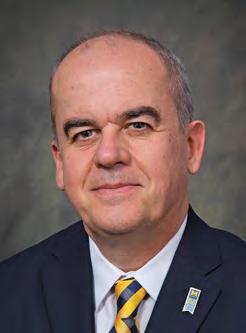
Jacques Nör, Dean
Donald A. Kerr Collegiate Professor of Dentistry
Fall 2025 Volume 41, Number 2
M Dentistry is published twice a year for alumni, students, faculty, staff and friends of the School of Dentistry. See the school website at www.dent.umich.edu for more news and features.
Dean Jacques Nör
Director of Marketing & Communications Raymond Aldrich
Editor .Lynn Monson
Magazine Design Ken Rieger
Photographers Leisa Thompson, Lon Horwedel, Lynn Monson, Celia Alcumbrack, Mary Lewandowski, Ken Rieger
University of Michigan School of Dentistry
Alumni Society Board of Governors:
Terms Expire Fall 2026:
Chair: Jake DeSnyder, DDS ’67, Plattsburgh, N.Y.
William Mason, DDS ’81, MS ’84, Saginaw, Mich.
Michael Palaszek, DDS ’82, Grand Rapids, Mich.
Scott Szotko, DDS ’99, La Jolla, Calif.
Elizabeth Milewski, BSDH ’15, Ionia, Mich.
Christine Farrell, BSDH ’81, Lansing, Mich.
Terms Expire Fall 2027:
Amin Jaffer, DDS ’97, Ann Arbor, Mich.
Mona Riaz, BSDH ’12, MS ’20, Farmington Hills, Mich.
Chair-elect: Riley Schaff, DDS ’17, Ann Arbor, Mich.
Joseph Yancho, DDS ’18, Traverse City, Mich.
Alicia Worden, BSDH ’19, Linden, Mich.
Robert Dost, DDS ’80, Lexington, Mich.
Terms Expire Fall 2028:
Immediate Past Chair: Debra Lisull, DH Cert ’74, BSDH ’79, DDS ’83, Ann Arbor, Mich.
Allan Padbury, Jr, DDS ’99, MS ’02, Jackson, Mich.
Ivy Wei, MS ’22, Ann Arbor, Mich.
Derik DeConinck, DDS ’95, Grad Cert ’98, Bloomfield Hills, Mich.
Maureen MacLellan, DH Cert ’77, BSDH ’86, Clinton Township, Mich. Brittany Forga, BSDH ’10, Van Buren Township, Mich.
Ex Officio Members: Jacques Nör, Dean
Carrie Towns, Chief Development Officer
The Regents of the University:
Jordan A. Acker, Michael J. Behm, Mark J. Bernstein, Paul W. Brown, Sarah Hubbard, Denise Ilitch, Carl J. Meyers, Katherine E. White, Domenico Grasso (ex officio)
Send comments and updates to: dentistry.communications@umich.edu or Communications, School of Dentistry, 1011 N. University Ave., Ann Arbor, MI 48109-1078
The University of Michigan, as an equal opportunity/affirmative action employer, complies with all applicable federal and state laws regarding nondiscrimination and affirmative action. The University of Michigan is committed to a policy of equal opportunity for all persons and does not discriminate on the basis of race, color, national origin, age, marital status, sex, sexual orientation, gender identity, gender expression, disability, religion, height, weight, or veteran status in employment, educational programs and activities, and admissions. Inquiries or complaints may be addressed to the Equity, Civil Rights and Title IX Office (ECRT), 2072 Administrative Services Building, Ann Arbor, Michigan 48109-1432, 734-763-0235, TTY 734-647-1388.
© 2025 The Regents of the University of Michigan
6
On the Cover
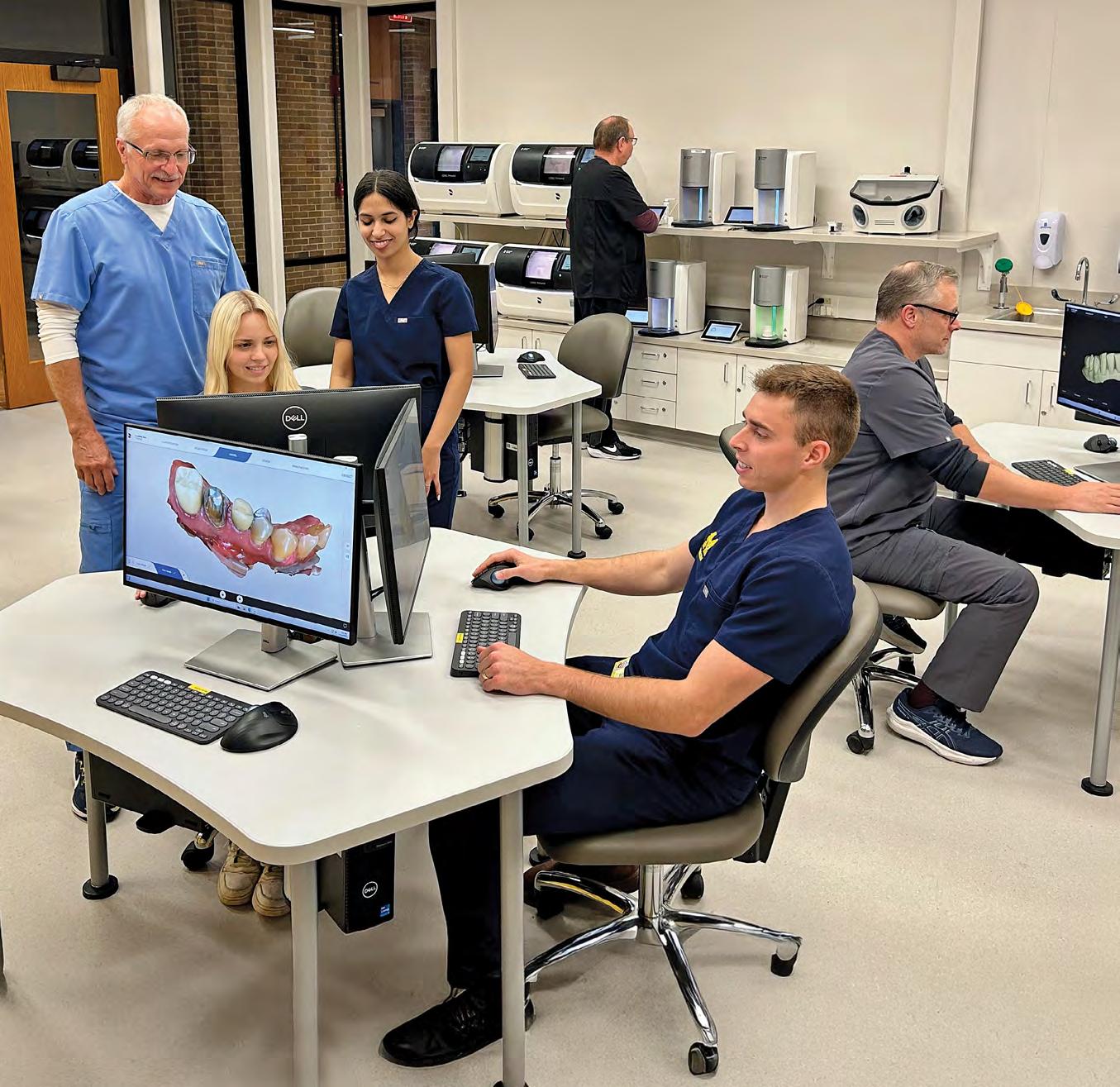
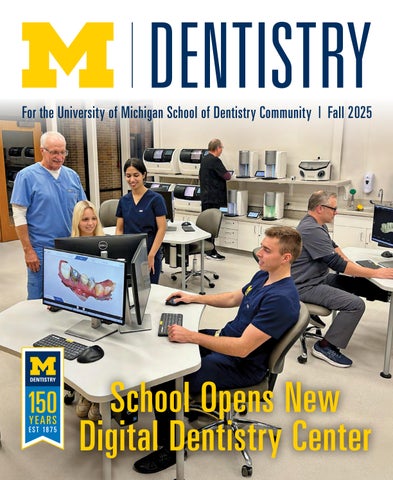
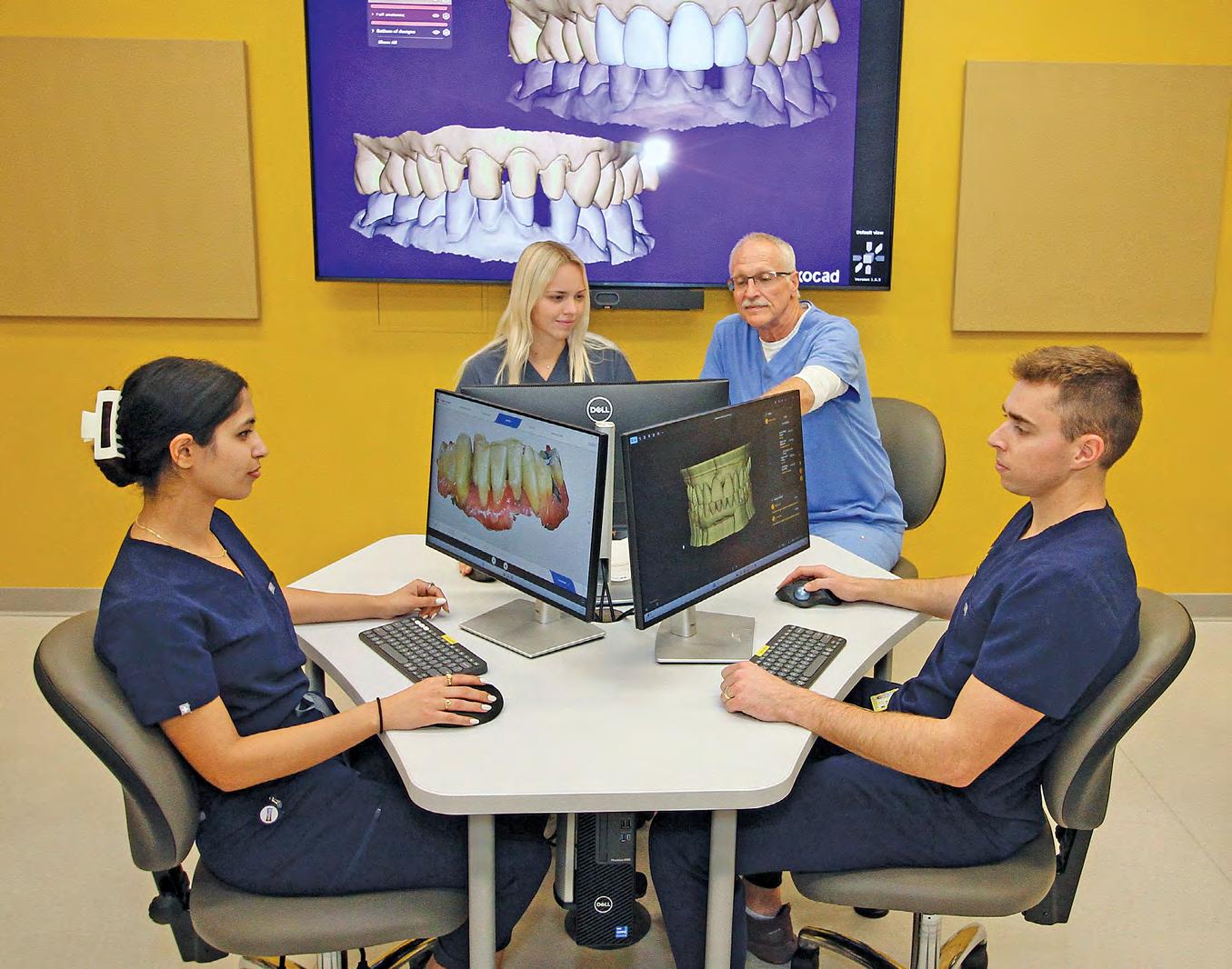
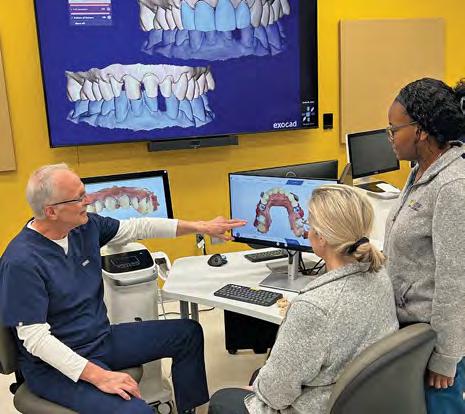
Faculty member Dr. Dennis Fasbinder (left), director of the new Digital Dentistry Center, works with three students, from left, Carmen Katje (D4), Zahra Husain (D4) and Sawyer Watterson (D3) at a computer station in the DDC. In the background is part-time lab technician Gary Mora and at far right is Trent Dobbs, the DDC’s full-time lab technician.
22 24 27 20 16
Faculty member Dr. Dennis Fasbinder (back right), director of the DDC, works with three students, from left, Zahra Husain (D4), Carmen Katje (D4) and Sawyer Watterson (D3) at a computer station.
An innovative new initiative that will improve care for patients around Michigan while advancing the education of dental students is underway at the School of Dentistry.
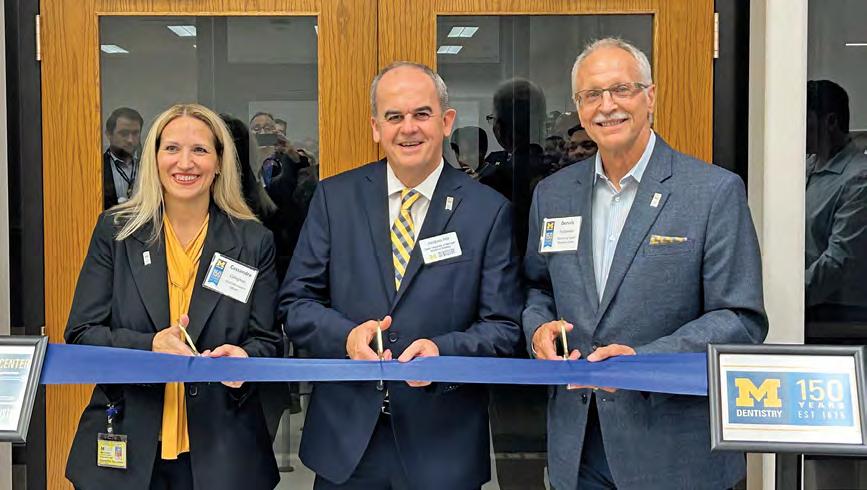
Faculty, students and staff attended a reception and ribbon-cutting on Oct. 10 to mark the opening of a new Digital Dentistry Center (DDC) that is a major milestone in the integration of digital technology into the dental school’s clinical and educational environment. The center is a state-of-the-art, in-house dental lab with the latest technology and equipment to streamline the process for various dental procedures and treatments.
Digital technology is not new to the school. Over the last 30 years, the school has helped lead the profession as a variety of new technologies emerged to revolutionize dentistry. Various departments and grad programs were early adopters when intraoral scanners, digital milling machines and other technological innovations first came on the market and were improved over time. The new DDC gathers the latest advanced equipment into one location. Equally important, faculty and staff educational experts have studied and implemented the best ways to integrate the teaching of the digital workflow into the curriculum for dental students, dental hygiene students and graduate students across the various dental specialties.
Faculty member Dr. Dennis Fasbinder is the DDC’s Director of Operations. An internationally recognized leader in CAD/CAM dentistry dating to the 1990s, Fasbinder will lead the center’s operations and logistics to determine best practices to enhance patient care and to support the expanding digital dentistry needs of the school’s clinics.
The DDC’s full-time lab technician, Trent Dobbs, comes to the school with more than 30 years of experience running a private dental lab. He will manage the day-to-day operations and help position the DDC as a leader in digital dental lab practices. Gary Mora, a longtime lab tech at the school, has come out of retirement as a part-time member of the DDC staff.
In remarks at the opening reception, Dean Jacques Nör cited the many advantages of digital workflows that allow dentists to deliver greater precision, efficiency and comfort for patients, reducing wait times and enabling more personalized treatment plans. “Our goal is to ensure every one of our graduates has the digital dentistry skills needed to provide outstanding and affordable care to their patients,” he said.
“By integrating a comprehensive digital flow in clinical care, we are not only equipping the next generation of dental professionals with advanced skills, but we are also expanding access to high-quality care for our patients,” Nör said. He noted that people throughout Michigan will benefit from this new center, because patients from all 83 counties in the state have been treated at the dental school in recent years.
Providing dental crowns, for example, has long required multiple appointments. Now, the ability to design, mill and place a crown in one appointment is a benefit for all
patients, but especially for those who travel long distances to come to the school.
“This makes a big difference, especially for patients who travel for several hours to come to our school from remote places throughout the state, including patients who come all the way from the Upper Peninsula to have care here in our school.”
Cassandra Callaghan, the dental school’s Chief Information Officer, who was a key member of the team that planned the DDC, said the dental school is leading the way as technological innovation drives dentistry forward.
“It’s important because this center will help us operate more effectively. It will reduce costs. It will shorten patient appointments. And it will lower that access barrier to care that we see.”
As director of the DDC, Fasbinder says the new facility is “a hub of innovation” that will evolve continually. “The DDC was developed with a very simple but powerful vision: How do we embrace digital technology and leverage it to improve our education, patient care and research within the building? It really gives us an advantage in how we can teach our students so that when they leave this place, they’re ready for that technology.”
He emphasized that the DDC will closely follow new technology and best practices.
“This is just the beginning,” he said.
“We intend to stay at the forefront of this technology. We intend to invest in new capabilities. We intend to develop new educational opportunities for our faculty and our students. And just like your cell phone, how often to you have to update those?
That’s the kind of vision we have for this place, to keep up with what we want to do.”
Fasbinder is the school’s de facto historian regarding CAD/CAM technology because he’s been involved with the digital dentistry revolution from its start in the early 1990s.
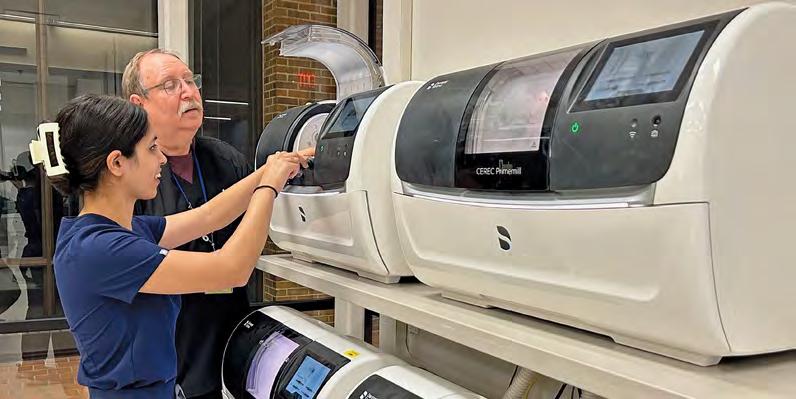
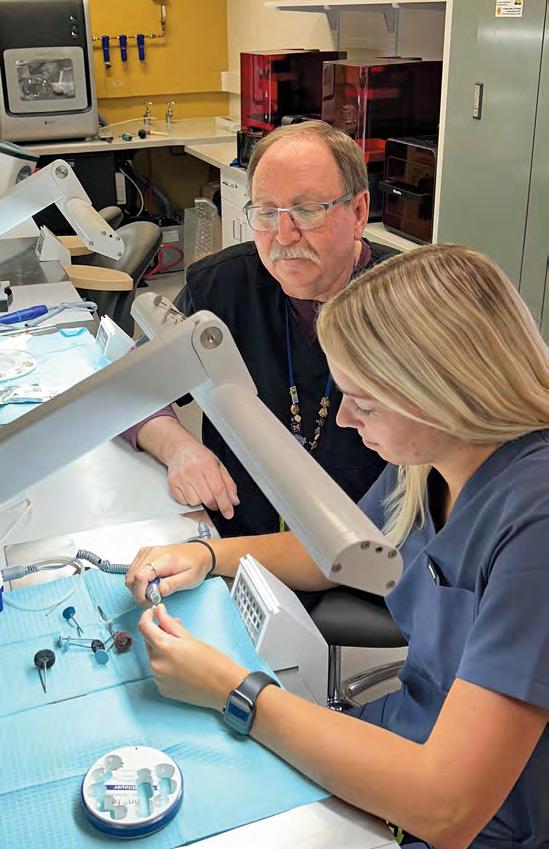
Dental student Carmen Katje receives pointers from lab technician Gary Mora as she practices refining a ceramic tooth at a finishing station in the DDC’s Digital Fabrication Lab
Alumni from that era, particularly those who were residents in graduate programs, will remember the early days of CEREC milling and early versions of intraoral scanners that were used in a few programs, classes and departments.
The School of Dentistry played a key role in the expansion to the U.S. of one of the most important early digital machines – the CEREC milling process that was developed in Europe in the mid-1980s. CEREC became widely used in Europe for several years and the company wanted to expand its sales to the U.S. market. In 1992, a year after Fasbinder joined the faculty, the company selected U-M and four other dental schools in the U.S. as demonstration sites.
Fasbinder said it was immediately obvious that this technology was the future of dentistry. He and two faculty colleagues, Drs. Joseph Dennison and Peter Yaman, became the school’s early adopters. They shepherded the new technology mainly in the restorative graduate programs and in the Advanced Education in General Dentistry (AEGD) program that was started under Fasbinder’s
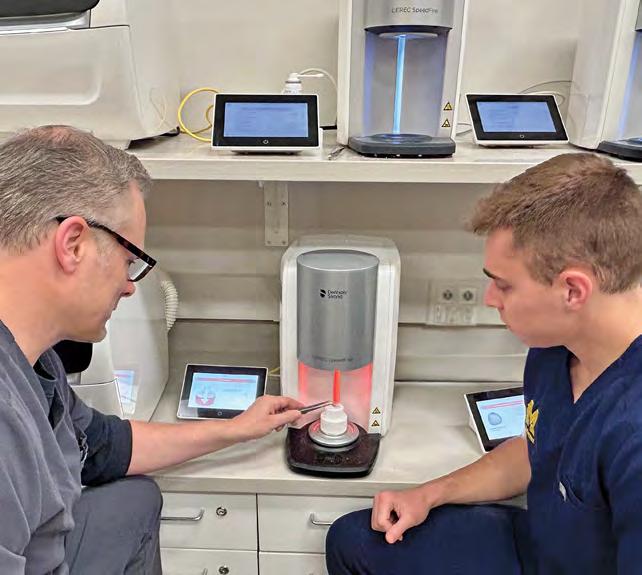
Dental student Zahra Husain, with guidance from lab tech Gary Mora, inserts a small block of ceramic material into a milling machine that will create a crown in the DDC’s Digital Design Lab.
direction in 1992. Not only were they using and teaching the new CAD/CAM equipment and methods, but they were also testing and reporting the results in clinical research papers. “Over the last 25 years, we’ve been the only chairside CAD/CAM research facility for CEREC in North America,” Fasbinder said.
Through the end of the 1990s and into the early 2000s, more companies developed more digital products, which the dental school monitored closely to determine its value to the profession and to student education. A limiting factor was the high cost, with a single unit often costing at or above six figures. Companies including CEREC and 3M, which developed its Lava COS (Chairside Oral Scanner) product in the mid-2000s, periodically donated equipment and software to the school, as did dental supply companies.
Over time, new equipment and methods were integrated into various departments, particularly those working in restorative dentistry. The initial foray into the DDS
curriculum was developed starting in 2008 by a committee with Drs. Don Heys, Ron Heys, Mark Fitzgerald and Fasbinder, and later Dr. Gisele Neiva, who became another champion of new technology through research and, most recently, collaborating with the group who developed the new DDC.
Integrating CAD/CAM equipment and education was led by the Department of Cariology, Restorative Sciences and Endodontics with resident seminars and classes, and eventually a few pre-doc courses. As technological advantages spread beyond the early emphasis on restorative dentistry, faculty in departments across the school found ways to blend new digital technologies into their specialized treatment needs and educational instruction for students.
In Orthodontics, for example, faculty member Dr. Hera Kim-Berman has in the last several years led work in 3-D printing and creating digital libraries of information that include 3-D images of teeth and craniofacial scans that students can easily access on their computers and smart phones. She is also immersed in evaluating the educational effectiveness of a variety of digital innovations, including Virtual Reality and Augmented Reality. Pairing Virtual Reality with data from cone beam computed tomography produces advanced 3-D images of patients so that students wearing high-tech headsets can electronically visualize and practice treatments.
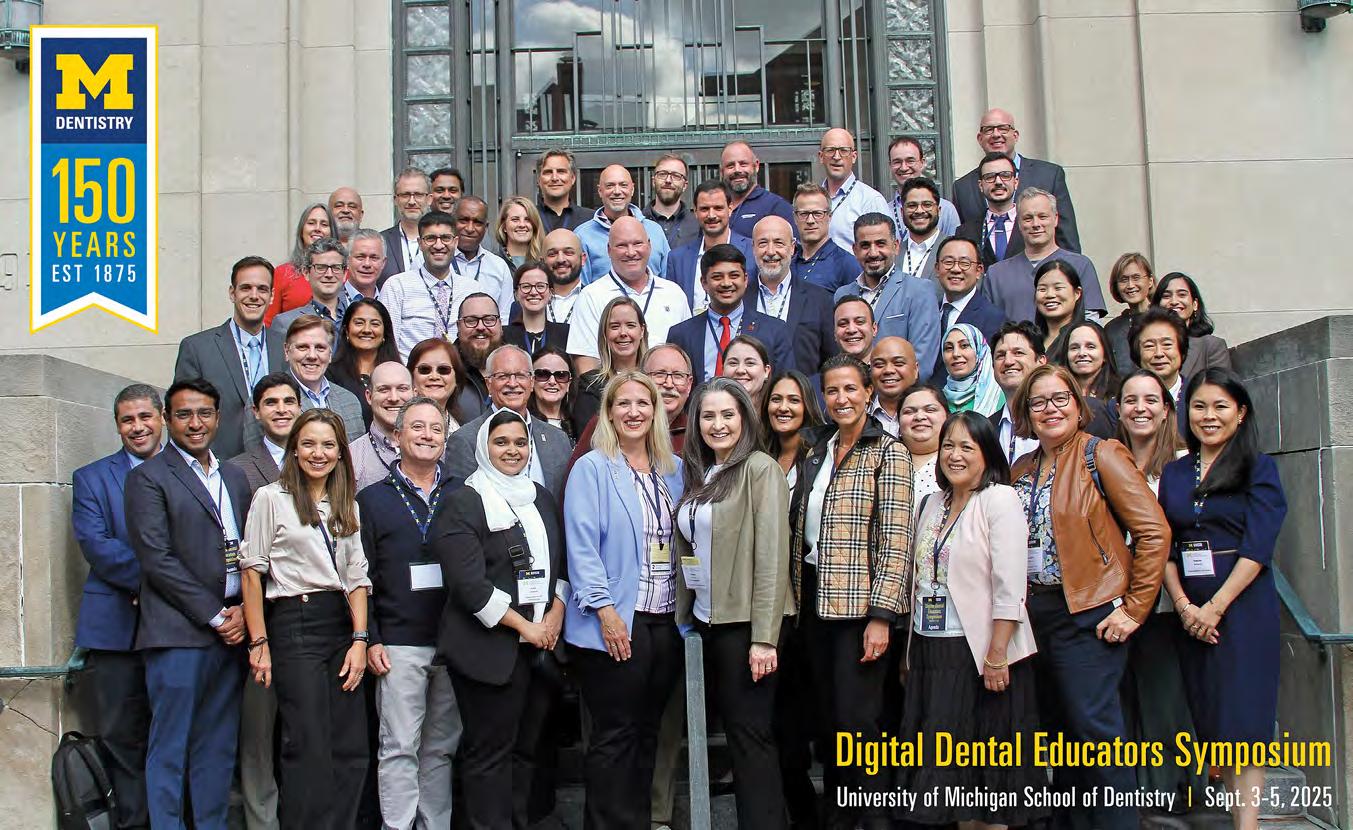
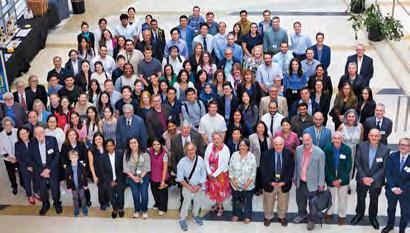
The School of Dentistry hosted this group of dental school educators from around the country at its two-day Digital Dentistry Educators Symposium in September. Faculty and leaders from 35 dental schools attended to discuss how digital technology is fundamentally transforming the practice of dentistry – from diagnostics and treatment planning to patient care. The symposium, which is held at different locations each year, focuses on fostering dialogue about the integration of digital workflows in simulation labs and clinical education in dental schools to ensure that curricula and training keep pace with industry innovation. Attendees toured the school’s new DDC facility. This year’s schedule and program of speakers was organized by Dr. Gisele Neiva, Clinical Professor in the Department of Cariology, Restorative Sciences and Endodontics, and Cassandra Callaghan, the dental school’s Chief Information Officer.
Creating a dedicated and centralized DDC has been on dental school planning agendas for the last decade, while the school navigated the Covid pandemic, the high cost of high-tech equipment, and the complexity of implementing new courses into the already-full schedules across all departments. Now that it has opened, faculty and staff report a steady and growing influx of students who are enthusiastically embracing what it has to offer.
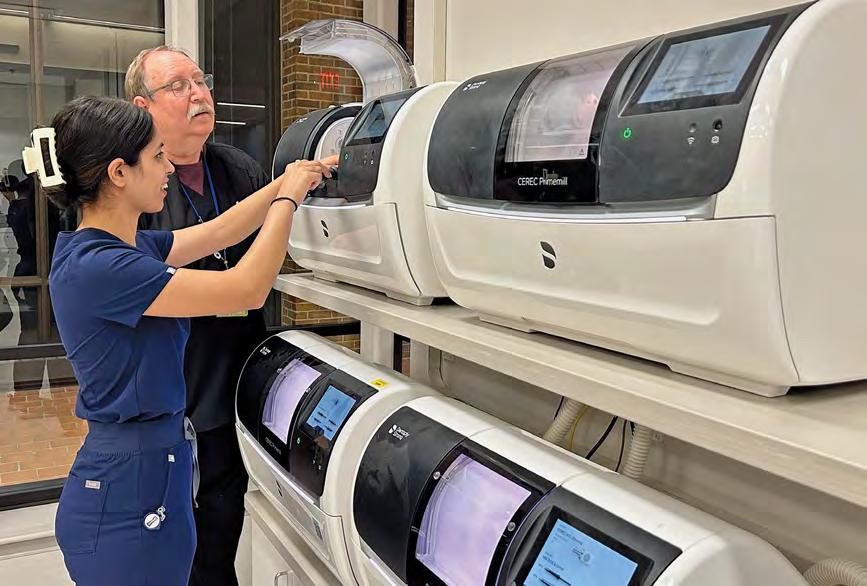
The center consists of two rooms – the Digital Design Lab and the Digital Fabrication Lab – across the hall from each other on the ground floor of the building. The Design Lab has six CEREC Primemills; four CEREC SpeedFire furnaces that can reach
2,850 degrees Fahrenheit; an air-abrasion unit; about 15 computer work stations; and assorted other equipment. The Fabrication Lab has two Finishing Stations, one with handpieces and assorted burs for refining the shape of porcelain teeth and the other for color staining and glazing; an Ivoclar Programat P510 porcelain furnace that can reach 1,600 degrees; a large 5-axis milling machine; 3-D printers; and another air-abrasion unit.
At the ribbon-cutting ceremony in October, Dean Nör thanked the DDC committee and others who transformed the school’s vision into reality, including the Henry Schein Cares Foundation, which provided equipment for the center through an ongoing partnership to support students, faculty and the patients at the dental school.
“We know that this center will improve the quality and increase the access to dental care for the communities we serve,” Nör said. “The opening of this DDC is a testament to what we can accomplish when we work together. Thank you all for all your dedication and partnership.” ■

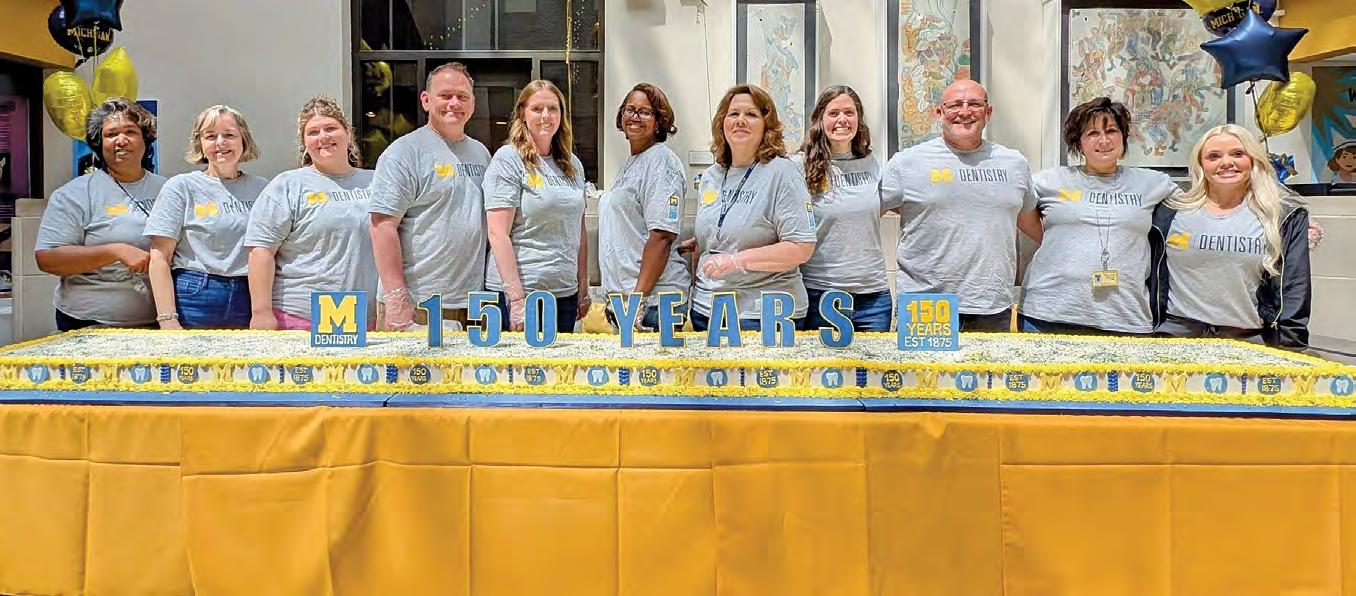
Throughout 2025 a celebratory air was present throughout the U-M School of Dentistry as it observed its sesquicentennial, marking 150 years of excellence in dental education, research and patient care. Established in 1875, the school has grown into a world-renowned institution, continually innovating and influencing the field of oral health. It is important to honor that expansive history, as well as the school’s founders and countless faculty, students and staff members who have contributed to this legacy of success.
Led by Chief of Staff Cathy Jenkins Newton; Erika Roberts, Executive Assistant to the Dean; and Gretchen Hannah, Assistant Director of Alumni and Donor Engagement; a team of volunteers created and implemented a schedule of memorable events throughout the year. Staff in every department contributed significantly to the plans, from major symposia to fun events for students, faculty and staff with food and 150th-themed t-shirts, pins and other memorabilia. The sesquicentennial theme was carried through for even regular annual events, such as commencement and the White Coat Ceremony, where participants were reminded of the significant milestone.
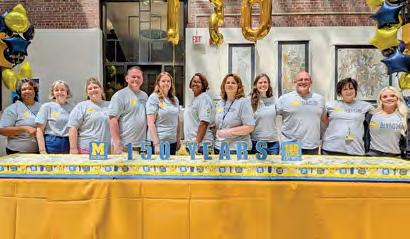
The largest single event came in May when the school’s atrium was filled with several hundred members of the school community wearing their sesquicentennial t-shirts and sharing what had to be the largest birthday cake in the history of the school. Here’s a look at photos from a variety of the events.
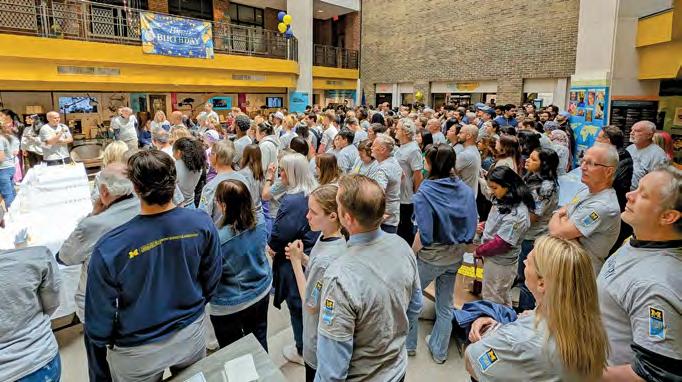
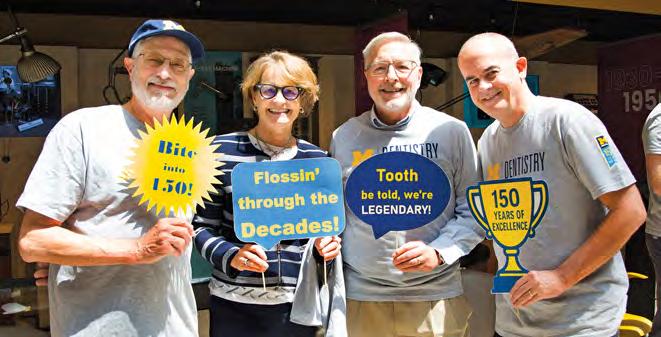
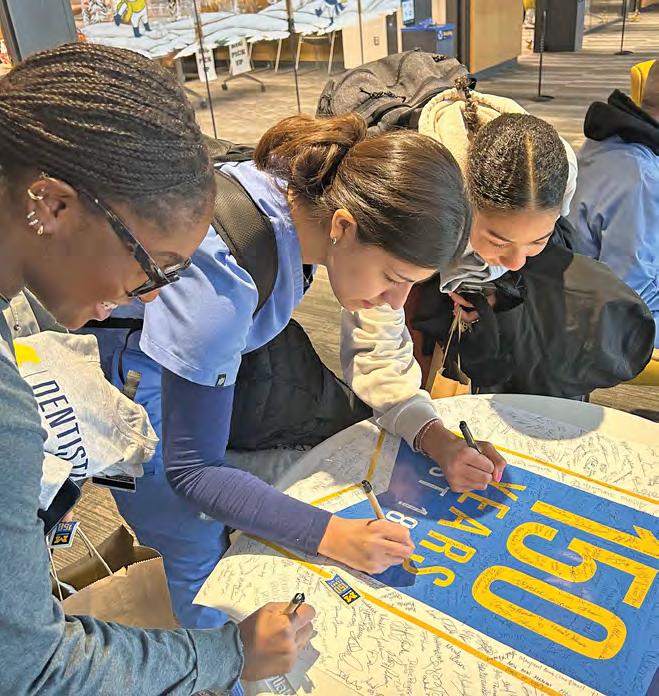
1, 2, 3 – May 30: Birthday party in the Sindecuse Atrium
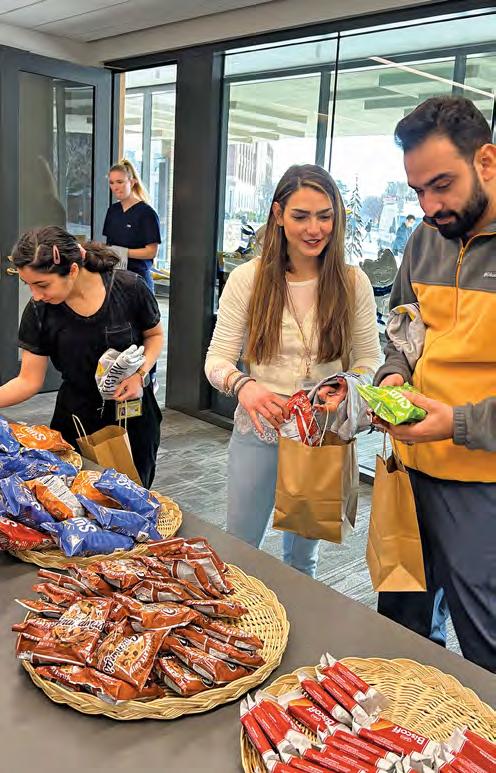
4, 5 – First week of January: Faculty and Staff Appreciation with 150th memorabilia, t-shirts
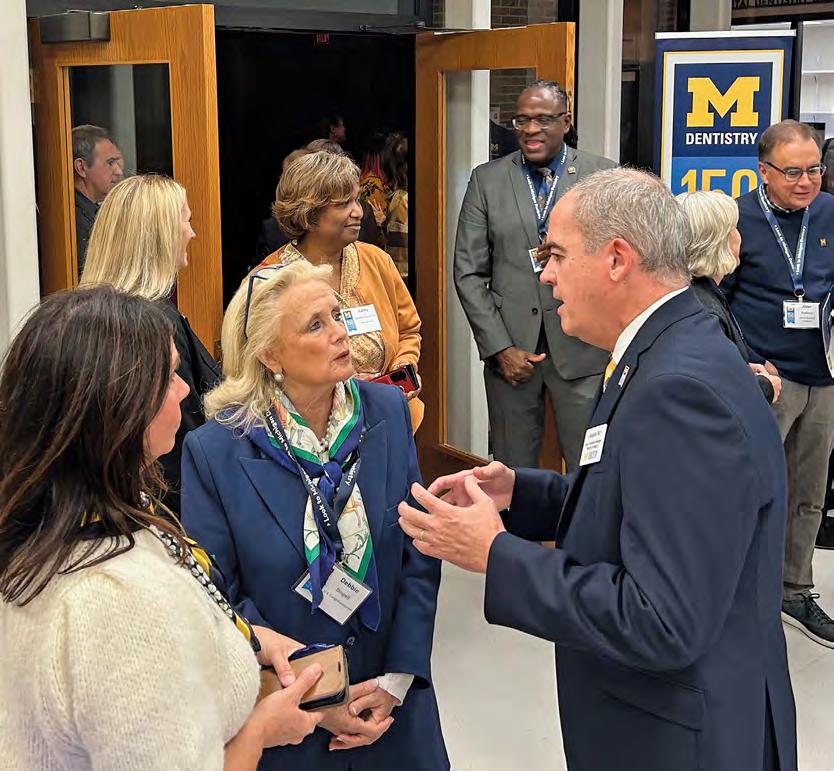
6 – Oct. 10: Digital Dentistry Center reception and ribbon-cutting
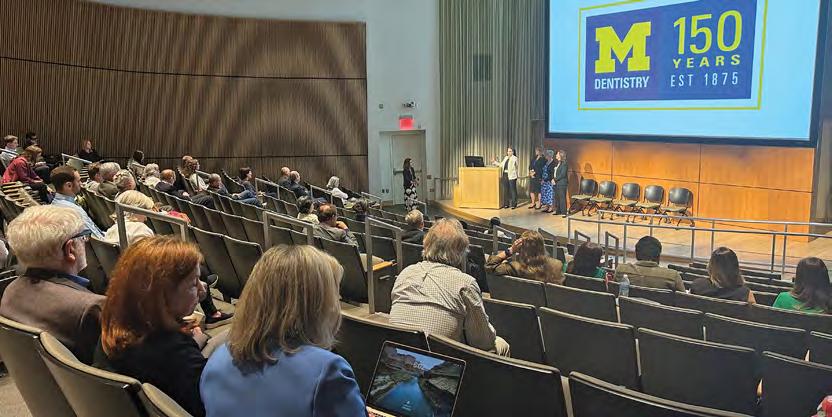
7 – June 12-13: Symposium “150 Years of Innovation in Oral Health Sciences”
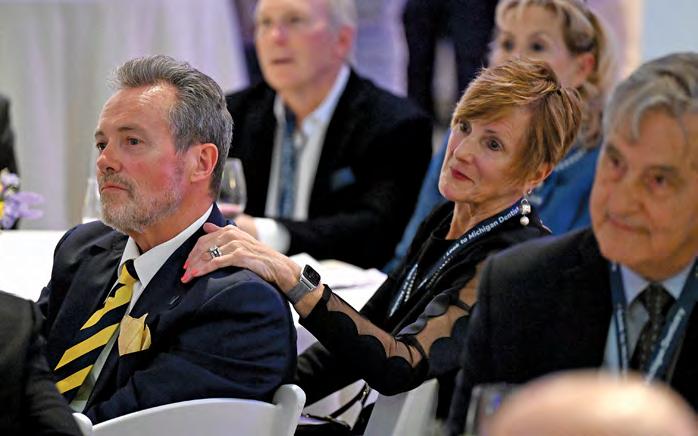
8 – April 4: “Donors and Scholars” reception at the U-M Museum of Art
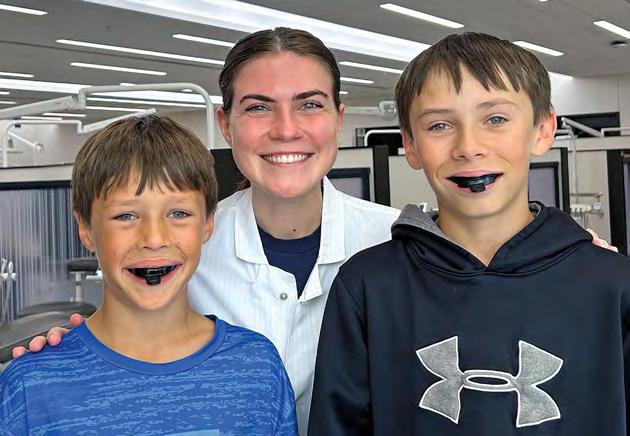
9 – August 2: Mouthguard clinic for local youth involved in sports
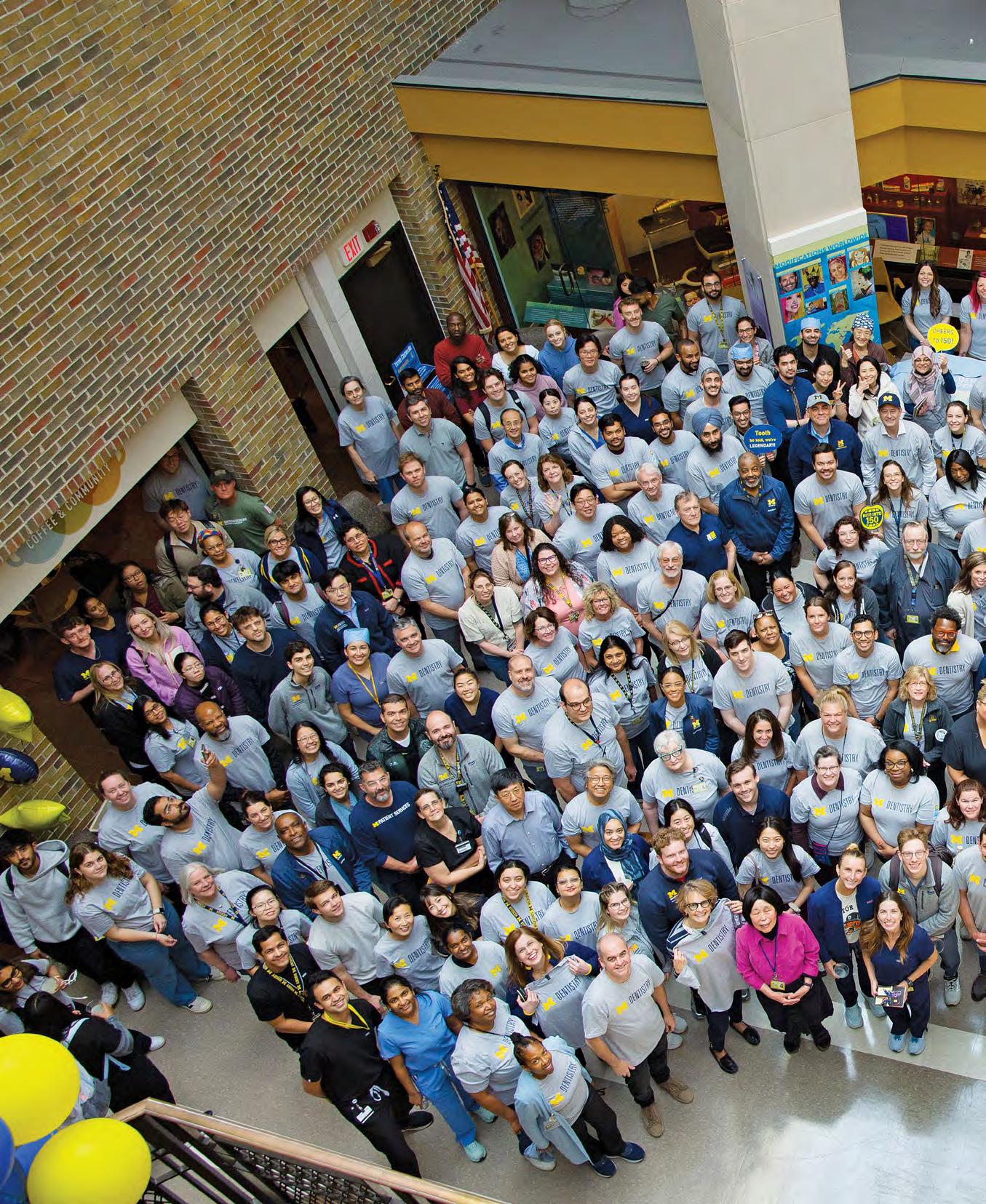
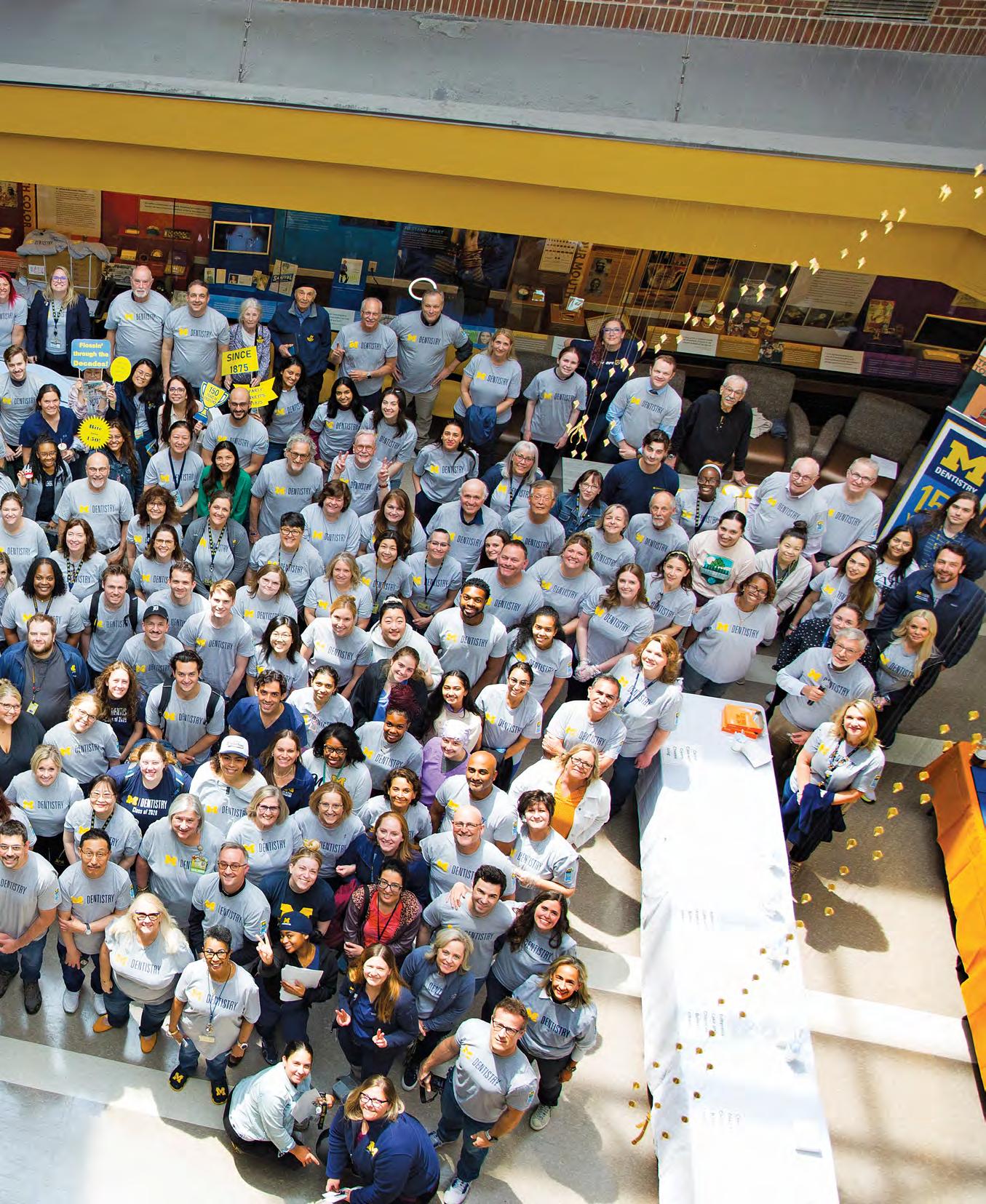
Several hundred students, faculty, staff and friends of the School of Dentistry pose for a group photo on May 30 during the 150th birthday celebration in the Sindecuse Atrium. No such group photo of the 1875 School of Dentistry community exists, unfortunately for historians. While this photo shows only a portion of the current school community, it will no doubt be a valuable record for historians in the next 150 years.
Dr. Sunčica (Suni) Travan was appointed Assistant Dean for Students at the School of Dentistry, effective Aug. 1, 2025, in an announcement by Dean Jacques Nör. Dr. Travan, a clinical associate professor in the Department of Periodontics and Oral Medicine, joined the dental school faculty in 2009 after completing a postdoctoral certificate and master’s degree in periodontics at the school in 2008.
As Assistant Dean for Students, she is responsible for ensuring that students have the support necessary to maximize their educational opportunities. She directs the Office of Student Services, which coordinates, develops and assesses student support services for predoctoral dental, dental hygiene, graduate and DDS/PhD students. The office focuses on recruiting and retaining students, while fostering their educational and career development in the school’s academic programs. The Assistant Dean for Students oversees DDS admissions, financial aid, and registrar
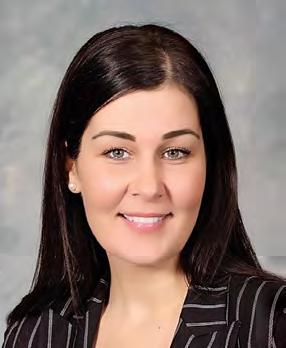
services, such as course registration and student support.
Travan earned a DDS degree from the University of Zagreb School of Dental Medicine in Croatia, then came to U-M for her advanced degree in periodontics. She is a Diplomate of the American Board of Periodontology and a Fellow of the International Congress of Oral Implantologists. She has published several scientific papers in peerreviewed journals related to her research interests in implant dentistry and clinical periodontics. She is active in clinical research related to bone and soft tissue augmentation, as well as novel techniques in implant and periodontal therapy. In 2021 Travan received the Faculty of the Year Award from the thirdyear DDS class at the school’s annual Evening of Appreciation.
Dr. Renee Duff previously directed the Office of Student Services before being promoted in June to Senior Associate Dean for the dental school.
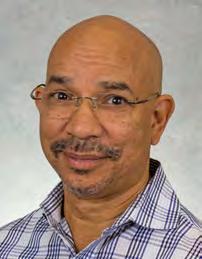
Dr. Elliott Hill, Clinical Associate Professor in the Department of Biologic and Materials Sciences & Prosthodontics, is the dental school’s new Director of the Community-Based Collaborative Care and Education (CBCE) program.
The appointment, effective in August, was announced by Dr. Sarah Tomaka, Assistant Dean for CBCE. Hill oversees one of the most comprehensive dental health service-learning curricula in the nation. Dental, dental hygiene and graduate dental residents gain practical dental experience in more than 15 clinics dedicated to providing care to underserved populations in multiple cities across Michigan. Also under his purview are student-run special clinics that provide free dental care to military veterans in the Brighton, Traverse City and Lansing areas as part of the Victors for Veterans program, previously directed by Dr. Howard Hamerink, who retired in August. Responsibilities of the CBCE director include regularly visiting clinics around the state to review precepting of adjunct faculty and clinical operations, and directing the calibration of faculty preceptors at all sites to ensure clinical competency and consistency. A 1978 graduate of the U-M dental school, Hill worked in private practice for almost 20 years before returning to U-M for his Master’s Degree in Prosthodontics as well as his PhD in Oral Health Sciences. Beginning in 2007, he has taught various coursework at the school, including dental implants, and has served on committees and other leadership capacities.
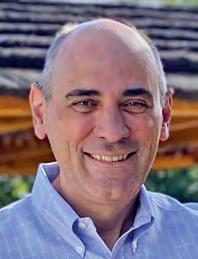
Faculty member Dr. Rogerio Castilho was appointed Director of the Global Initiatives in Oral and Craniofacial Health (GIOCH) program at the dental school, effective Oct. 1. Through GIOCH, dental school students travel with faculty to about a dozen countries for symposia, research and educational experiences that have resulted in several research projects and joint publications. Students and faculty perform patient care in some of the countries, collaborating with local dental schools and clinics. The dental school’s international partners currently include Kenya, Greece, Jordan, Israel, Egypt, China, India, Honduras, Jamaica, Brazil, Chile and Guatemala. As director, Castilho will identify and develop international programs for the School of Dentistry; explore globalization partnerships with other U-M schools and colleges; represent the dental school on university-wide activities in global affairs; and serve as an informational resource for faculty and students in the school who are pursuing international experiences and collaborations. Castilho is a professor of dentistry in the Department of Periodontics and Oral Medicine. He has extensive experience as a research scientist and educator in tissue regeneration, skin biology, and bioengineering of soft tissues.
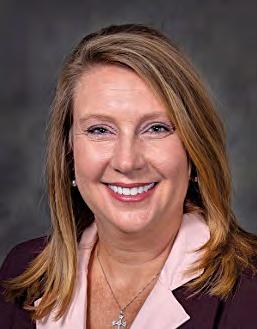
Martha McComas, a clinical associate professor of dentistry in the Division of Dental Hygiene, is the new Director of Interprofessional Education (IPE) at the School of Dentistry. The appointment, announced by Dean Jacques Nör, was effective May 1, 2025, for a three-year term.
The director coordinates and leads IPE initiatives within the dental school and represents the school across the U-M campus and the broader IPE community. Responsibilities include identifying IPE competencies for the dental and dental hygiene programs; aligning DDS and DH curricula with the U-M Center for IPE core curriculum; leading the implementation of IPE curriculum maps; helping integrate IPE activities in the school’s Integrated Special Care Clinic and the comprehensive care clinics; and exploring potential external Interprofessional Education and Care rotations. The director also develops collaborative opportunities for faculty providers and creates a development plan for faculty and staff related to IPE competencies. McComas joined the dental school in 2013. Her research includes cariology curriculum, teaching methodology, and peer assessments. She is currently program manager for the Dental Navigator, originally an IPE project, that has established a referral service between Michigan Medicine’s Emergency Department and the dental school for improved access to care and patient outcomes. McComas’s work on IPE issues was acknowledged recently when she was accepted into the National Academies of Practice (NAP) for
a 2026 Distinguished Practitioner Fellowship in the organization’s Oral Health-Dentistry Academy. NAP cited McComas’s outstanding achievements and leadership in both her profession and in interprofessional care. The induction takes place in March at NAP’s annual meeting and forum in Indianapolis.
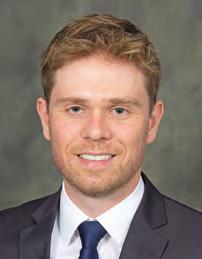
Faculty member Dr. Felipe Nör was named director of the Oral and Maxillofacial Pathology Biopsy Service at the school this summer. Established in 1948, the Biopsy Service is staffed by board-certified faculty with specialized expertise in diagnosing lesions of the head, neck and oral cavity through clinical, radiographic, and histologic interpretation. The service blends cutting-edge research with patient care, ensuing accurate diagnoses and state-of-the-art recommendations for disease management. Dr. Nör, a Clinical Assistant Professor in the Department of Periodontics and Oral Medicine, is a fellow of the American Academy of Oral and Maxillofacial Pathology and a diplomate of its board. His research centers on diagnostic markers of salivary gland tumors and innovative therapies for head and neck cancers. He earned his DDS and PhD in Oral Pathology from the Federal University of Rio Grande do Sul, Brazil and completed his Oral Sciences master’s, certificate and fellowship at the University of Iowa. For more information on the Biopsy service, go to this link on the School of Dentistry website: https://myumi.ch/rAw4x
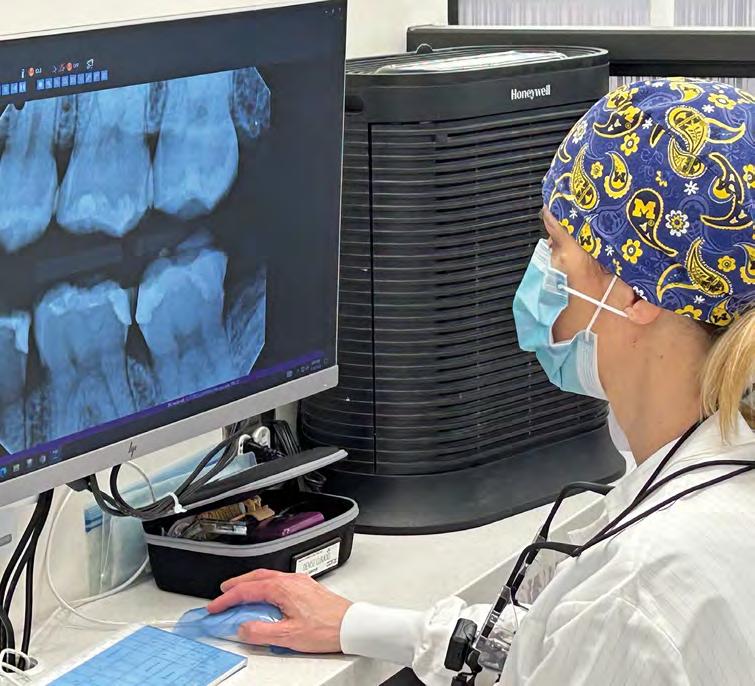
In November, the School of Dentistry selected Epic as its new electronic health record system, marking a significant milestone for the school’s future in patient care, education and research.
Epic enables a single, secure health record shared across clinical teams, fostering stronger collaboration and supporting the safety of patients. Providers will have access to a unified medical record containing patient information from other Epic-connected organizations –including Michigan Medicine, Trinity, Corewell and more. Patients will be able to use MyChart, a secure online portal where they can manage appointments, make payments and access treatment information on their smartphones.
The school will have access to Epic through PDS Health Technologies, a business unit of PDS Health that pioneered the deployment of Epic in dental clinics and other dental schools. Epic not only enhances patient safety and treatment outcomes, but also positions the school as a leader in connecting oral and systemic health.
The anticipated launch for Epic is fall 2026.
A wide-ranging versatility that combines excellence in dentistry, research, teaching, curriculum design and administrative leadership is the hallmark of the 49 years that Dr. Mark Fitzgerald has devoted to the School of Dentistry.
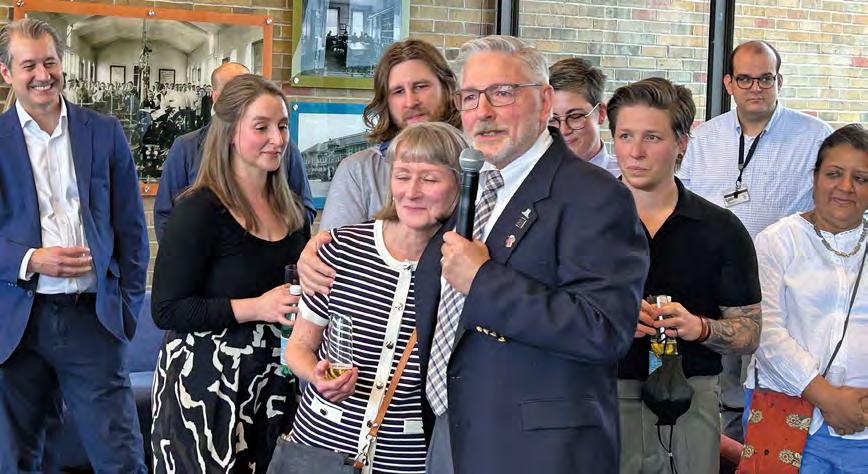
During his retirement reception in May, Fitzgerald received high praise from longtime colleagues who have watched him take on many roles, always with a steady, upbeat manner and positive personality focused on efficiency and success. It’s been consistent theme since his days as a student in the Class of 1980, through his master’s degree in restorative dentistry and on into his teaching and administrative duties.
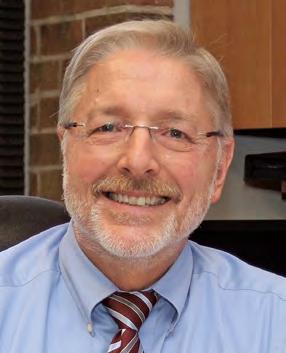
Fitzgerald pivoted to earn a Bachelor of General Studies degree with the intent of going to medical school. When he wasn’t accepted to med school right out of undergrad, he returned to Portage and found a job with a nearby company doing medical research, figuring he would log a year of experience before applying to med school again. The second application result was the same as the first, but medicine’s loss became dentistry’s gain, thanks to a U-M dentistry alumnus.
years of working in a research lab, Fitzgerald quickly connected with Professor James Avery, a world-class dental researcher who hired Fitzgerald to work in his lab. Faculty members Dan Chiego, Donald Heys and Ronald Heys also became research mentors for Fitzgerald, who seemed headed toward a research career based on his experience and accomplishments.
Retiring as the widely respected Senior Associate Dean of a dental school is a long way from where he thought his career would go after finishing high school in Portage, Michigan. Accepted into the engineering program at U-M, Fitzgerald planned to earn an engineering degree, then a law degree and specialize in contract and patent law – much like his father, who had negotiated labor contracts in the textile industry. That plan changed when Fitzgerald realized there was much about engineering courses that didn’t appeal to him.
The research lab job, which Fitzgerald had continued for a second year, required weekend work that didn’t mesh well with the weekday job of his wife, Maureen, who was a dental hygienist for a Portage dentist. So he often went to her office for lunch so that they could spend more time together. One day while he was there, the dentist, Dr. Ashraf Maher (U-M DDS 1973), asked Mark to assist with a patient.
Fitzgerald recalls Maher, in his usual demanding voice, saying, “Mark, you come here, I need you. You sit there. You hold this thing and you squirt water when I tell you.’ So I sat down and assisted him. I thought, ‘This is kind of cool. I kind of like this.’
And he later said to me, ‘You don’t need to be a doctor, you need to be a dentist. You go apply to dental school.’ I did and I got in. It is sort of a serendipitous thing, but Dr. Maher and my wife are the reasons I got into dentistry.”
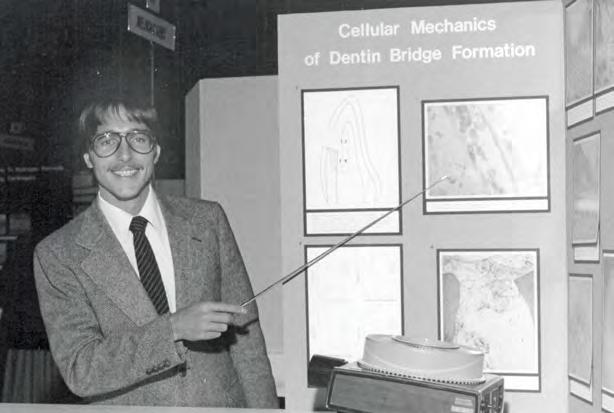
In his third year in 1979, Fitzgerald was the grand prize winner in what the dental school then called the Table Clinic program for his research project, “Cellular Mechanics of Dentin Bridge Formation.” That allowed him to represent the school at the national table clinic program later that year at the annual conference of the American Dental Association, where he also won first place. A related version of his research was published in the Journal of Dental Research and received second place in the Edward H. Hatton Awards competition for junior investigators at the annual conference of the International Association for Dental Research. In addition, he was elected by Academy of Operative Dentistry to receive its Outstanding Achievement Award for 1979.
Even as he was winning research awards, Fitzgerald was leaning toward a future in clinical dentistry. He admired and worked closely with the Heys brothers for his clinical training, and he learned from their clinical research, as he had done with Chiego in the science lab. “Those three were incredible mentors throughout my four years,” Fitzgerald said. “They are the reason why I am what I am today.”
When he arrived at the dental school in 1976, having just finished two
Fitzgerald said yes when, as a senior, he was asked by the Chair of Operative Dentistry, Dr. Jerry Charbeneau, if he would be interested in teaching at the dental school. Graduation was on a Sunday and Fitzgerald started as a part-time clinical instructor on Monday. He also started a dental practice in Ann Arbor, renting space in the practice of the Heys brothers during evenings and Saturday mornings when the owners weren’t practicing.
Fitzgerald enjoyed teaching, but to continue on that path he needed a graduate degree. In 1981, he was accepted into the dental school’s Restorative Dentistry graduate
In this 1979 photo, Mark Fitzgerald displays his research that won Grand Prize at the dental’s school table clinic, and later first prize at the annual American Dental Association, as well as other awards.
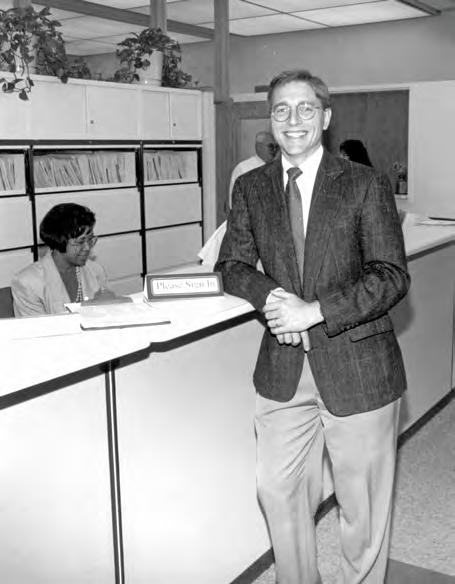
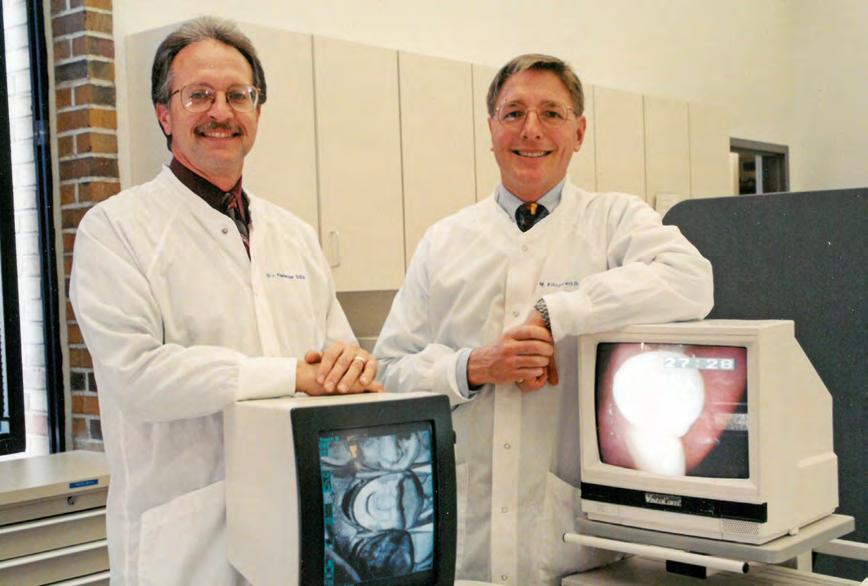
Mark Fitzgerald stands at the registration desk of Dental Faculty Associates in 1992, two years after he asked administrators to create the faculty clinic. He was DFA director for the first 20 years.
program, which he completed while still instructing and running his part-time practice. In 1984, he was hired as an assistant professor, a part-time appointment that grew to about 80 percent over the following six years as he continued in private practice. At that point the dental school changed its policy on part-time and adjunct faculty appointments. Faculty needed to be either full-time or an adjunct with less than a 50 percent appointment. Faced with that decision, Fitzgerald countered with a
proposal that would allow him to go full-time yet maintain his private practice: He proposed that the dental school open a clinic where faculty could practice. Administrators agreed and in 1990 Fitzgerald and colleague Dr. Jeff Shotwell became the first two faculty members of what is still today an important clinic at the dental school – the Dental Faculty Associates, or DFA. As originator of the idea, Fitzgerald became director of the DFA, for nearly 20 years.
Over the years – as dentistry, dental school leaders and the curriculum evolved through several eras – Fitzgerald was immersed in various combinations of didactic and clinical teaching across the school. He often absorbed additional classes after a faculty member left until a new one could be hired, and what was supposed to be temporary often lasted longer. Fitzgerald became a director of various courses and was sought out to develop or redesign curriculum as
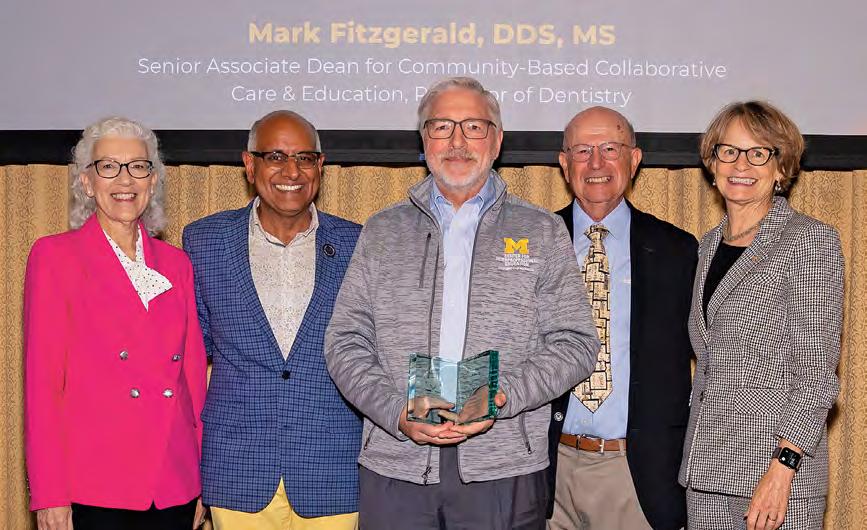
Mark Fitzgerald receives the inaugural Frank Ascione Award for Distinguished Leadership in Interprofessional Education from the University of Michigan Center for IPE in October. The presentation group is (from left) Carol Anne Murdoch-Kinch, a former faculty colleague of Fitzgerald at the U-M dental school and now Dean of the University of Indiana School of Dentistry; Rajesh Mangrulkar, Director of the U-M Center for IPE; Frank Ascione, Dean emeritus and professor emeritus of the U-M College of Pharmacy whose championing of IPE among health science schools on campus led to the founding of the Center; and U-M Provost Laurie McCauley, former Dean of the U-M dental school.
the school underwent wide and significant changes, including a major reduction and realignment of departments. His areas of influence included developing and teaching practice management courses, integrating computers and new technology into the curriculum and student resources, enhancing community dentistry offerings, and advocating interprofessional education (IPE) with other health-related schools on campus. His leadership in IPE earned him several U-M and national awards, including the Frank Ascione Award for Distinguished Leadership in Interprofessional Education, which is the top honor given by the University of Michigan Center for IPE. During the presentation ceremony earlier this fall, former dental school dean and now U-M Provost Laurie McCauley said Fitzgerald’s IPE commitment illustrated his “transformative leadership in designing innovative curricula and creating the conditions where collaboration becomes second nature to students and faculty alike.”
One of Fitzgerald’s most important collaborative successes was in the area of technology as the computer revolution swept the world – and dental schools. Suddenly gone were the days when, as Fitzgerald and his classmates had experienced in the 1970s, “To get the course material, you were either at the lecture or you bought the class notes.”
Personal computers, the Internet and other technological advances allowed the school to record – at first audio and later video – lectures and other course materials so that
students could access them repeatedly at times most convenient for them. Those were the days when even projecting PowerPoint slides onto a screen in a lecture hall was new-fangled technology that had to be worked out. The computer age allowed students and faculty far greater access to curricular materials than ever before, but someone – and Fitzgerald was almost always leading or involved in the initiatives – had to figure out the transition from the “old way” of doing things to the new way. It was an extensive project that even today requires never-ending updates as new discoveries and practices overrun outdated standards, both in science and clinical care.
Sweeping changes in dentistry and dental education became the norm during Fitzgerald’s tenure. “When I was in dental school, dental implants were a joke,” he says, providing another example. “They were considered laughable by the profession. They were considered to be malpractice, because they always failed. Now they are the standard of care. That’s the type of thing that shows the range of change in my time.”
He gradually transitioned to less teaching and more administrative leadership. Those roles have included serving as associate chair for the Cariology, Restorative Sciences and Endodontics Department, Associate Dean for Community-Based Collaborative Care and Education (CBCE), and ultimately Senior Associate Dean.
Despite his success with administrative leadership, Fitzgerald said the three areas he
enjoyed most were research, teaching and private practice. “I was fortunate enough to be involved in a lot of different things and I’ve always just done what needed to be done at the time,” he said. “I saw opportunities and decided to explore them. I was always looking for a better way to do X, Y or Z, and then experiment with them. I always had the attitude: Don’t let perfect paralyze good enough. Get it out there, use it and let real life modify it to get it to fit the way it should fit. I was never afraid of change.”
“And I think the other part of it, too, is that it is not a solo act,” he said. “I was very much a team person with the attitude of ‘get people involved and let’s make this happen together.’ There are very, very few things that I would say, yeah, that was me. It was usually a team effort, a group effort, and we were able to make it happen because of each person’s contribution and the group’s contribution.”
Fitzgerald said he feels fortunate to have worked at a place where the ethos is excellence. “Instead of being satisfied with the current standards, it has always been wanting to look at what’s next, what can we improve on, how can we improve on it, and not being afraid to change. Recognizing when change was needed and making that change,” he said. “And then on top of that, a lot of that is driven by the research culture here – what else is out there to be discovered? How can we discover it? How can we make it work? And then let’s see if it works and if it doesn’t work, well, there is a lot of progress in failure. That mindset filters down into the academic and clinical world, and I think that combination is really big together.”
“And the other part of that,” he said, “is the collaboration. If you talk to people who have been here and gone elsewhere, or who have come here from elsewhere, one of the common themes you will hear from them about what is different about Michigan is the collegiality, the collaborative culture, and this willingness to change and try something different, not to just sit on your laurels. I think there is an underlying engine here that has made that happen. It has just continued because of the people and the culture.”
Which, for 49 years, has included Mark Fitzgerald. ■
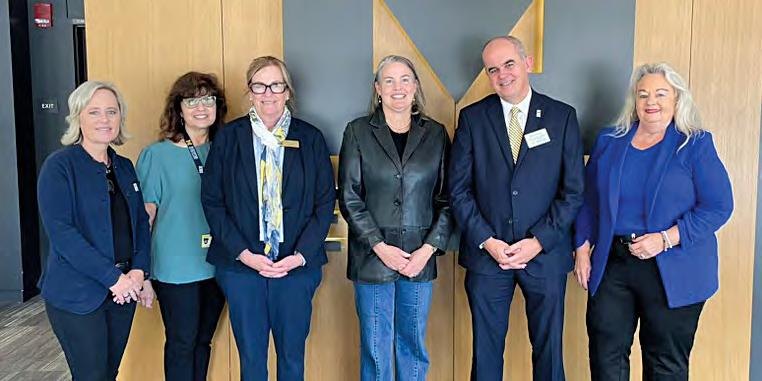
In October, three members of the Michigan House of Representatives and the State Senate visited the School of Dentistry as part of a one-day tour of U-M. The bipartisan Washtenaw County delegation included Jennifer Conlin, State House Representative for the 48th District; Sue Shink, State Senator for the 14th District; and Kathy Schmaltz, State House Representative for the 46th District. The group toured the school with special attention to the newly-renovated clinics, research labs and the new Digital Dentistry Center. School hosts included Dean Jacques Nör, Senior Associate Dean Renée Duff, and faculty member Domenica “Nikki” Sweier, Clinical Professor in the Department of Cariology, Restorative Sciences and Endodontics. Topics included the school’s outreach mission, including its Community-Based Collaborative Care and Education and the Victors for Veterans programs, the patient and training enhancements possible with the Digital Dentistry Center, and the recently passed state budget.
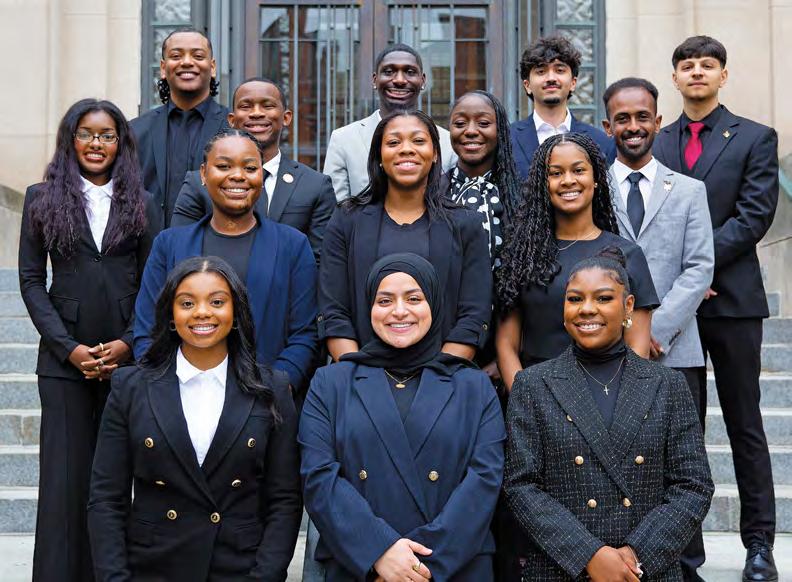
The 2025 Profile for Success students pose for a class photo at the U-M School of Dentistry in May. The aspiring dentists are undergraduates at universities across the country, including U-M. The six-week summer mentoring program, now in its 31st year, is designed to help increase the number of historically underrepresented minorities in the profession of dentistry.
Front row, from left: Madison Burns, Georgia State University; Huda Elnemr, University of Michigan; Jada Cunningham, University of Michigan.
Second row, from left: Abeni Fabre, Oakwood University; Bria Telemaque, Western Michigan University; Lia Banks, Oakwood University.
Third row, from left: Amaria Langhorne, University of Indianapolis; Kendrick William II, Morehouse College; FaDima Keita, Spelman College; Omer Amer Idris, Western Michigan University.
Top row, from left: Justin Lewis, North Carolina A&T; Othello Adjepong, Howard University; Nazeeh Hasan, University of Michigan; Outhman Asad, Bradley University.
Nikki
State
Dr. Paulo Zupelari
Surgery
Leading the
with an upbeat, team approach
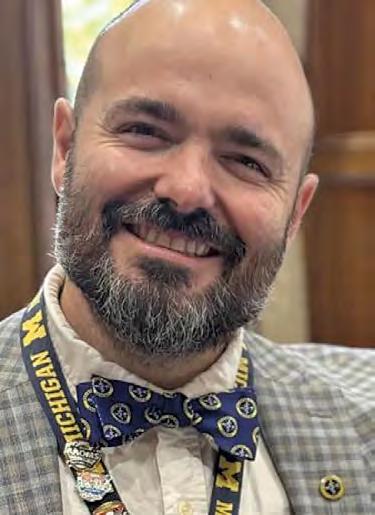
Dr. Paulo Zupelari Goncalves is at a point in his career as a dentist, maxillofacial surgeon and educator where he frequently uses the word “love” when asked what he “likes” about his role at the University of Michigan School of Dentistry.
“I am very fortunate in that I really love what I do,” he says. “I love it. I love being with these students. I love being with the residents. I love doing surgery. I love this environment here. I love the discussions with students and learning from them and teaching them.”
An assistant professor in the Department of Oral and Maxillofacial Surgery (OMFS), Zupelari is the director of the Oral Surgery Clinic and predoctoral courses. His days in the clinic on the second floor of the dental school are a busy mix of working with DDS students and maxillofacial surgery residents in a team approach to diagnosing and treating patients.
“I say that I love my ‘chaotic clinic,’ here’s where we thrive,” he said. On any given day, the schedule is full of cases that include sedations, implants, biopsies, dentoalaveolar surgery and other procedures in an organic environment between faculty, staff, residents and students. “This is how I talk about it. There is never a ‘no.’ We have a patient, we are going to treat them. This demands a very calibrated team, but I’m very lucky because we have it here. The faculty we have are just amazing, and the clinic managers and assistants. I come with all these ideas and the team help me to make it happen.It is awesome.”
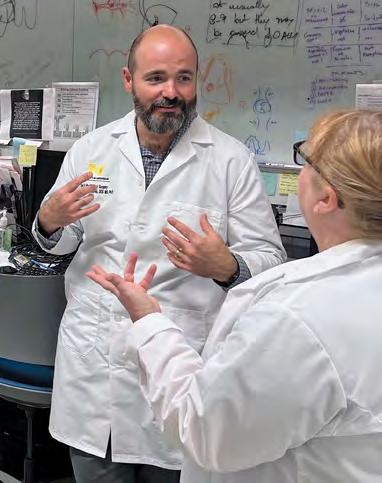
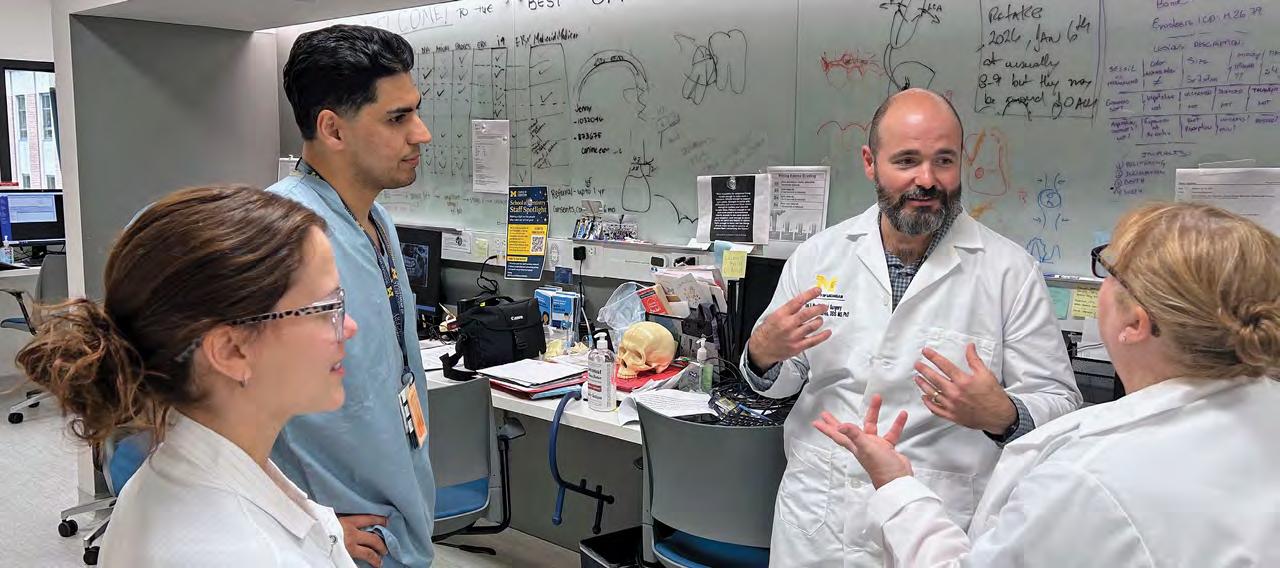
One of his first requests when he became director of the clinic was to have a large white board installed on a wide wall above the computer work station in the middle of the clinic. He initially received some perplexed responses since white boards
are usually a tool for didactic teaching in a classroom or lecture hall. Now two years later, Zupelari’s clinic version is covered with notes about treatment planning that are logged during collaborative discussions about best practices for certain procedures. (To conform with patient privacy standards, the notes don’t include patient names.)
“I said there is no better environment to teach anybody than in the clinic, that’s the best place,” he said. “Every single case, we are going to discuss the aspects of the patient and put it on the board. If we learn the patient has a medical co-morbidity, we are going to put that on the board and we are going to start talking about that. And then we go through what we should be aware of about that, and how we are going to avoid problems with that. And then we start talking about the surgery. And then the patient arrives and we hop into the operatory and treat the patient.”
The white board method is just one part of what Zupelari considers the most effective way to teach in a team setting. “I like to have my students around in clinic so they can see what is happening. They can learn from us about what we are thinking and considering when we are seeing a case, and then we can discuss it. I’m thinking about how I will spark the student who is looking at me with that little question mark on their face. If we show our students how passionate we are about what we are doing, they will begin to think: Why does this guy love this so much? Once you see where you can go, I feel this actually triggers the feeling that you need to learn together.”
Zupelari developed his teaching philosophy during his extensive maxillofacial surgery training and practice in his native Brazil. He earned his DDS in 2009 at the Bauru School of Dentistry at University of Sao Paulo, followed by an OMFS residency completed at the Bauru hospital in 2013. He earned his master’s degree in oral biology in 2016, also at the Bauru School of Dentistry, then a PhD in OMFS in 2019 from the Aracatuba School of Dentistry at the University of the State of Sao Paulo. He held several academic and administrative appointments as an OMFS surgeon at various Sao Paulo hospitals, and was director of the OMFS department at the University of Ourinhos in Sao Paulo.
His connection to the University of Michigan dates back to his fourth year of dental school, in 2009, when he came to Ann Arbor for three months as a visiting externship student in the Department of Oral and Maxillofacial Surgery at Michigan Medicine. He connected with several faculty members and was impressed by the surgery practices in U-M’s world-class healthcare system.
Ten years later, after Zupelari had finished his training and was working as a surgeon
and professor in Sao Paulo, he was at an international conference when he crossed paths with some of the U-M OMFS faculty he had met during his externship in 2009. They encouraged him to apply for a one-year fellowship in Temporomandibular Joint and Orthognathic Surgery that was open at Michigan Medicine. He weighed the idea of leaving Brazil for a year versus the professional benefits. Gaining broader OMFS experience at U-M was too good of an offer to pass up, particularly when his Sao Paulo employers said they would hold open his positions so he could return there after a year.
From 2020-21, he had what he calls “an amazing learning experience” with U-M Drs. Sean Edwards, Sharon Aronovich, Brent Ward and other faculty from the Department of Oral and Maxillofacial Surgery/Hospital Dentistry. At the end of the year, a more difficult decision arose when U-M offered to extend his fellowship for another year. His plan had been to return to Brazil with his newfound OMFS experience to bolster what was already a well-established career in Sao Paulo.
In the end, it came down to leaving the comfort zone that he had established in Brazil. “I was at a place in time that I was almost reaching the limit of what I could do in Brazil. I felt that I could help more patients and help more residents and students. I could do more and be able to reach more people if I came here. So I decided to stay.”
The second year of the fellowship, also focused on craniofacial procedures, was equally challenging and rewarding, and it came with a bonus at its conclusion – an offer to stay at U-M. In June 2022, he joined the dental school as a clinical lecturer in OMFS and served as the department’s interim director for more than a year. In December 2023, he became a clinical assistant professor and was named clinic director and director of the OMFS predoctoral program.
I’m thinking about how I will spark the student who is looking at me with that little question mark on their face.
One of his priorities is to mentor any DDS students who are interested in continuing into the OMFS specialty, including some in the Selectives portion of the school’s Pathways Program. “My goal with the Selectives is to help every single dentist who wants to be a surgeon to have a clear path,” he said. Last year was a particular success in that regard with a higher-than-average eight members
Dr. Paulo Zupelari Goncalves (second from right) leads a discussion in the Oral Surgery Clinic with (from left) fourth-year dental student Natalie Rivera, oral surgery resident Dr. Sagar Chadha and dental assistant Becky Levi.
of the DDS class being matched into OMFS residency programs all over the country.
That sort of commitment is one of the reasons Zupelari has become a popular faculty member among students and staff over the last three years at the dental school. They cite his mix of OMFS experience and expertise combined with his upbeat personality and teaching style relying on collegiality, collaboration and teamwork. Debra Sugiyama, Business Lead and Clinic Coordinator in the OMFS department, mentioned Zupelari in a recent interview for the dental school’s Staff Spotlight feature. As an example of the joy she finds in the people and purpose that surround her, she shared: “Every morning, I walk in and hear Dr. Zup greet us with, ‘Good morning, beautiful team!’ and it really sets the tone.”
It’s the way Zupelari approaches all of his daily life. “I always say that happiness is super important. We should try to stay happy and deal with everyday problems with a positive attitude. No matter what, we’ve got to face them anyway, and having a good mindset just makes life better. So, why not be happy?” ■
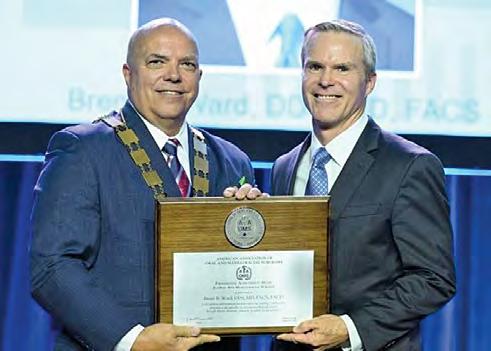
The American Association of Oral and Maxillofacial Surgeons (AAOMS) presented one of its top awards to faculty member Dr. Brent Ward in September at the organization’s annual meeting held in Washington, D.C. Ward received the Presidential Achievement Award, which recognizes the organization’s fellows and members for important long-standing contributions to the Oral and Maxillofacial Surgery specialty through clinical, academic, research or public service activities. Ward was honored for his long-standing contributions through clinical practice, research and education. Ward is the Chalmers J. Lyons Professor of Oral and Maxillofacial Surgery in the dental school’s Department of Oral and Maxillofacial Surgery/Hospital Dentistry. Ward’s research spans basic, translational and clinical science, with work in areas such as oral and head and neck cancer surgery, drug delivery and efficacy, nanotechnology and cancer diagnostics. He has served as an investigator on multiple projects supported by the National Institutes of Health, Department of Defense, Oral and Maxillofacial Surgery Foundation, and Osteo Science Foundation. Drawing on this experience, he co-developed the AAOMS Clinical Trials Methods Course to strengthen clinical research capacity within the specialty. Ward currently chairs the AAOMS Committee on Oral, Head and Neck Oncologic and Reconstructive Surgery and the Special Committee on Student Recruitment and Residency Program Strategies. He previously chaired the AAOMS Committee on Education and Training and the OMS Faculty Section, and served as a section editor for the Journal of Oral and Maxillofacial Surgery.
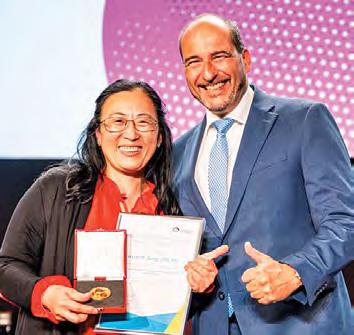
Dr. Hsiao Sung, Clinical Associate Professor in the Department of Oral and Maxillofacial Surgery/Hospital Dentistry, received a prestigious research award from the International Team for Implantology (ITI) at its annual conference in Paris, France, in May. Each year, ITI awards two research teams from around the world with the André Schroeder Research Prize, in preclinical and clinical categories. Sung received the preclinical award for her study, “Sclerostin antibody enhances implant osseointegration in bone with COL1a1 mutation.” Dr. Sung’s work has been conducted under the mentorship of Dr. Kenneth Kozloff from the Orthopaedic Research Laboratories in the Department of Orthopaedic Surgery at Michigan Medicine, as well as in collaboration with researchers in the Department of Rheumatology at Radboud Medical Centre in Nijmegen, the Netherlands, where Sung is currently pursuing her PhD. This research, published in 2024, was further strengthened by support from the Osteoscience Foundation, the NIDCR K08 award, and the Department of Oral and Maxillofacial Surgery, which was then chaired by Dr. Brent Ward. “Our study showed that sclerostin antibody treatment can enhance peri-implant osseointegration and strength in a model of osteogenesis imperfecta, potentially improving dental implant success rates for patients with low bone mass disorders,” Sung said in the ITI announcement of the award. “As an oral surgeon, my mission has been to elevate patient care, especially for those who are medically compromised. By specializing in implant and bone regeneration surgeries, I can address the unique and often complex needs of these patients.” ITI has 25,000 fellows and members worldwide who engage in implant dentistry and related fields.
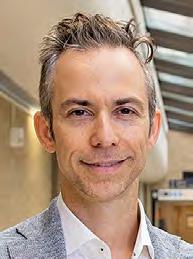
Dr. Sharon (Ron) Aronovich, clinical associate professor in the Department of Oral and Maxillofacial Surgery/Hospital Dentistry, was named the 2025 University of Michigan Clinical Simulation Center Scholar of the Year in August. The award is presented for significant contributions advancing the field of simulation-based health professions education through publications or presentations. Aronovich was cited for his dedication to best practices in team training for emergency response skills in the Anesthesia Simulation Training Curriculum for Oral and Maxillofacial Surgeons (ASTOMS). “This curriculum has demonstrated impact both in academic OMFS residency training programs and community practices,” said Dr. James Cooke, executive director of the Clinical Simulation Center (CSC), which is a unit of Michigan’s Medicine’s Department of Learning Health Sciences. The CSC is an innovative instructional environment and learning laboratory with an extensive array of simulators, mannequins and virtual reality devices that provide training for students, physicians, nurses and other healthcare professionals. Providers can practice a wide range of medical procedures and use the CSC to complete professional training modules. In a related development, also in August, the American Association of Oral and Maxillofacial Surgeons (AAOMS) certified Aronovich and the ASTOMS curriculum he developed at U-M as an equivalent program to the organization’s national anesthesia training program, which is required for AAOMS membership.
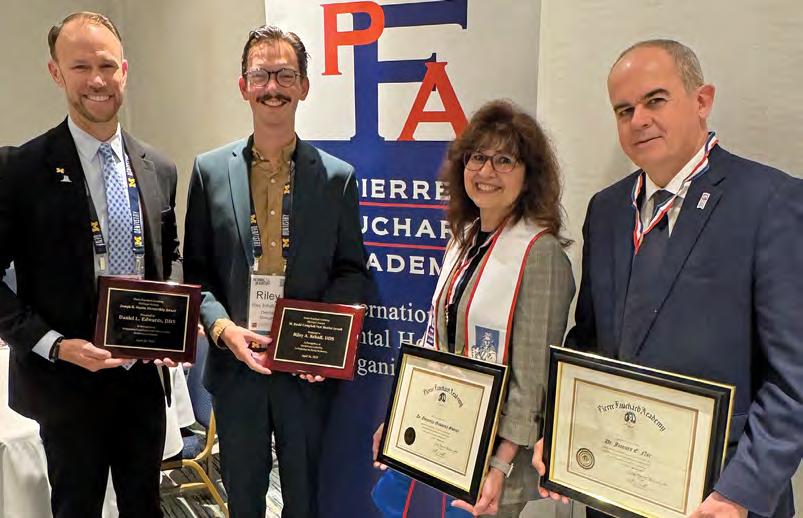
Two School of Dentistry faculty members were inducted as Fellows of the Pierre Fauchard Academy and three others received awards from the Michigan chapter at the organization’s annual meeting in conjunction with the Annual Session of the Michigan Dental Association, held in April in Detroit. Above from left: Dr. Dan Edwards, an adjunct clinical associate professor in the Department of Cariology, Restorative Sciences and Endodontics (CRSE), who received the Joseph B. Harris Mentorship Award; Dr. Riley Schaff, an adjunct clinical assistant professor in CRSE, who received the
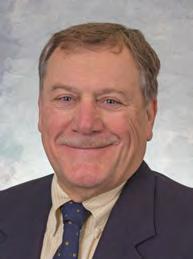
Dr. Howard A Hamerink, a longtime faculty member in prosthodontics, retired September 1. A clinical assistant professor in the Department of Biologic and Materials Science & Prosthodontics, Hamerink was also program manager and then associate director of the school’s Community Based Clinical Education program beginning in 2012. As part of the Health Care Delivery Pathways Program, which he co-directed, he was instrumental in founding and then directing the school’s Victors for Veterans clinics at several locations around the state over the last 13 years. Hamerink earned his DDS from U-M in 1976, then continued his studies and research in dental materials and fixed prosthodontics through 1978. He began a private practice in Plymouth, Michigan, in 1978 and from 1978-79 taught on the faculty of the thenUniversity of Detroit School of Dentistry. He joined the U-M dental school as a part-time faculty member in 1979 and continued in what was then the crown and bridge department through 1989. He was asked to return to U-M in 1999 as a part-time faculty member, serving as adjunct clinical assistant professor, adjunct clinical associate professor and clinical assistant professor, with his appointment increasing to 80 percent for the last several years. He still practices in Plymouth, with his son John Hamerink, and as an emeritus is continuing as the principal investigator in a clinical study of the quality of dental care for veterans.
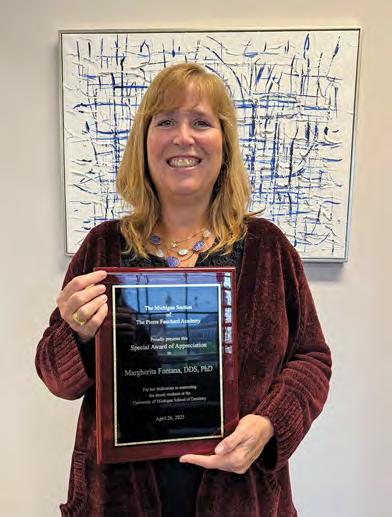
M. David Campbell New Dentist Award; new fellow Dr. Domenica Sweier, a professor in CRSE; and new fellow Dean Jacques Nör
Above right: Dr. Margherita Fontana received the Outstanding Dental Faculty Special Award of Appreciation for her dedication to mentoring the dental students at the School of Dentistry. The Pierre Fauchard Academy is an international honorary dental organization that focuses on professionalism, ethics, integrity, and the advancement of dentistry at the highest level.
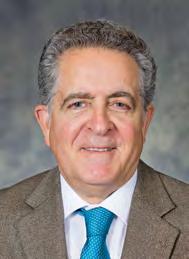
Dr. Renny T. Franceschi, the Marcus L. Ward Collegiate Professor of Dentistry and professor of biological chemistry at the U-M Medical School is retiring, effective Dec. 31, 2025. He received his bachelor’s degree from the University of Vermont (1971) and his Ph.D. from Purdue University (1978). After postdoctoral studies at the University of Wisconsin-Madison, he served on the faculty of Harvard University (1980-89) and the University of Texas Medical Center (1989-92). Franceschi joined U-M as an associate professor (1993) and was promoted to professor (2000). He was research director at the School of Dentistry (1998-2000), associate dean for research (2002-05), and associate director of the Michigan Integrative Musculoskeletal Health Center (2016-25). His research focused on skeletal development and regeneration. Franceschi and his colleagues also applied basic discoveries toward the development of tissue engineering and gene therapy approaches for bone regeneration. He coauthored more than 170 scholarly publications and was continuously funded by the National Institutes of Health for more than 40 years. He received the Distinguished Scientist Award for Basic Research in Biological Mineralization from the International Association for Dental Research (2008).
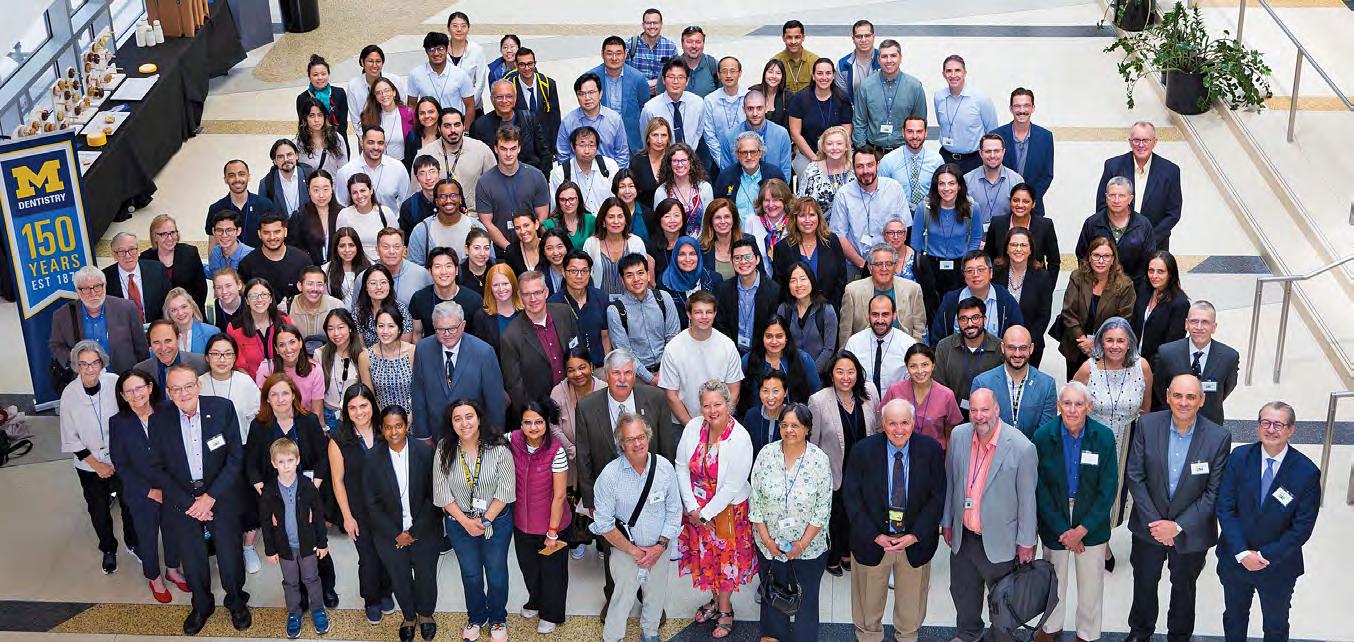
A collection of preeminent experts in dentistry, dental education, patient care, research and history participated in a symposium, “150 Years of Innovation in Oral Health Sciences,” on June 12-13, part of the School of Dentistry’s sesquicentennial celebration.
Organized by the Office of Research, the symposium looked at both the history of dentistry over the last century and a half as well as “Visionary Horizons: Transforming Oral and Craniofacial Health for the Next 150 Years.”
Current and emeritus faculty members from the dental school, along with thought leaders in dentistry and research from around the
country, were among the 25 speakers who addressed topics in various areas, including:
• AI in Oral Health: Transforming Research, Education and Clinical Care
• Dental Caries: from Basic into Clinical Research Driving Policies and Clinical Practice
• Advances in Regenerative Medicine and Restorative Dentistry through Biofabrication
• Transforming Oncology: Insights into Cancer Stem Cells and Patient Management
Among the speakers and moderators were James McNamara, a world renown U-M
Symposium
orthodontics researcher and professor emeritus; John Drach, a U-M professor emeritus of dentistry and medicinal chemistry; Jennifer Webster-Cyriaque, Deputy Director, National Institute of Dental and Craniofacial Research; Christian Stohler, former Dean of the Columbia University College of Dental Medicine; Margherita Fontana, U-M professor of dentistry and leading researcher in the field of childhood caries; Marco Bottino, a U-M professor with expertise in regenerative medicine; and Max Wicha, a professor of cancer oncology at Michigan Medicine.
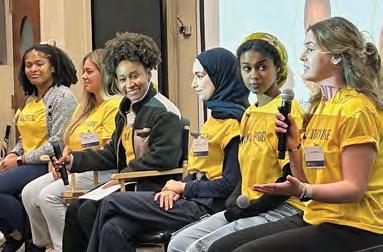
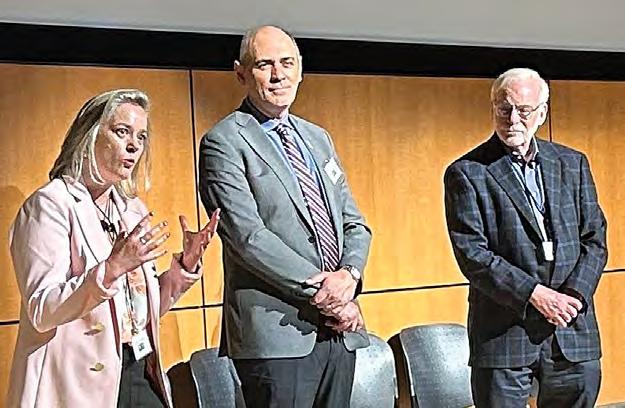
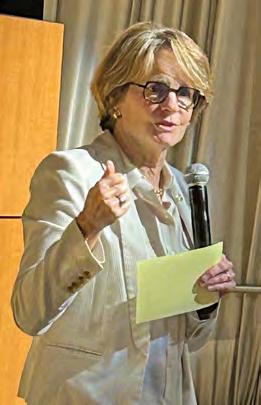
Left: Answering audience questions are symposium speakers (from left) Isabelle Lombaert, an associate professor in the Department of Biologic and Materials Sciences & Prosthodontics; Rogerio Castilho, a professor of dentistry in the Department of Periodontics and Oral Medicine; and Max Wicha, a professor of cancer oncology at Michigan Medicine. Right: U-M Provost Laurie McCauley, former Dean of the dental school, delivers the symposium’s concluding address.
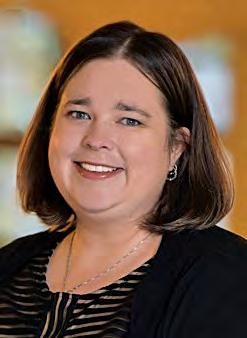
Melissa Karby, a Certified Research Administrator who previously worked at the dental school from 2016 to 2020, re-joined the school’s Office of Research as Director of Research Administration on August 25.
Dr. Vesa Kaartinen, the dental school’s Associate Dean for Research, noted that Karby has more than 23 years of experience in research administration. Most recently, Karby worked in the university’s Office of the Vice President for Research (OVPR) as Associate Director for Research Administration.
Karby works with Kaartinen and other leadership to identify research initiatives and explore ways to improve and enhance services.
The position oversees the strategic direction and operational effectiveness of the Office of Research, working with the Oral Health Sciences PhD and MS programs, the Human and Clinical Research Center, research facilities, research cores, the Grants and Contracts Service Center, and research compliance for the school.
Ann Decker, (PI), Joesph Decker (co-I), Darnell Kaigler (co-I) National Institutes of Health, $2,355,289. Mertk-driven regeneration of alveolar bone
Peter Ma, (PI), National Institutes of Health, $720,596. Regenerating Hyaline Cartilage Using Nanofibrous Hollow Microspheres and Synergizing TGF-ß and HIF
Joseph Decker, (PI), National Institutes of Health, $425,226. Biomaterial technologies to train innate immunity
James Boynton, (PI), Giovana Anovazzi Medeiros (co-I), Health Resources and Services Administration, $424,322. Leadership in Community Care: Embedding Social Epidemiology in Graduate Pediatric Dentistry Training
School of Dentistry faculty member Dr. Alexandre DaSilva and his co-Principal Investigators have received a major grant from the National Institute of Dental and Craniofacial Research for an extensive research project into Temporomandibular Disorders (TMD). In late September the team received a Notice of Award that the NIDCR has approved $3,017,704 for the project, “360° Collaborative Hub for AI in TMD Research.”
DaSilva and two other dental school faculty members, Drs. David Kohn and Yuji Mishina, are joining with researchers from Harvard University and Massachusetts General Hospital to gather large amounts of data regarding TMD conditions affecting the jaw joint and related muscles, which often result in jaw pain and co-morbidities like migraine headaches and fibromyalgia. Researchers will use Large Language Models of Artificial Intelligence and other methods to gather existing clinical data regarding TMD patients, as well as gathering new information and data for current patients. Using neuroscience studies and a whole-body approach, the intent is to find commonalities in symptoms and effective treatments that can be leveraged into improved best practices for treatment of the conditions.
DaSilva is the William K. and Mary Anne Najjar Endowed Professor of Oral Health Sciences and professor of dentistry, and professor of learning health sciences at the U-M Medical School. He is director of the H.O.P.E. lab (Headache & Orofacial Pain Effort), which is a multidisciplinary collaborative effort to investigate the brain as a research and therapeutic target for chronic trigeminal pain disorders.
AWARDS > $50,000 from April 1, 2025 to September 30, 2025
Yuji Mishina, (PI), National Institutes of Health, $386,100. Ectopic X-chromosome inactivation is critical for limb patterning
Marco Bottino, (PI), Renan Del Fabbro (PI), National Institutes of Health, $270,000. Bioinspired Synthetic High-Density Lipoprotein (sHDL) nanotherapeutics with immunomodulatory and regenerative potential in endodontics
Elizabeth Hatfield, (PI), Sharon Aronovich (PI), University of California Los Angeles (UCLA)/National Institutes of Health, $138,298. Local and Systemic Multi-omics of Temporomandibular Joint Disorders
Hsiao Hsin Sung, (PI) Amy Chin (co-I), Domenica Sweier (co-I), Chenxuan Wei (co-I), Michigan Health Endowment Fund, $500,000. Wellbeing with ImplantOverdentures for Michigan Seniors
Margherita Fontana, (PI), Procter & Gamble, $300,000. Clinical Capability Study 2025-27
Chenxuan Wei, (PI), Hsian Hsin Sung (co-I), American Academy of Sleep Medicine (AASM), $249,900. Dental Implant-Supported Oral Appliance Therapy for Obstructive Sleep Apnea in Edentulous Patients
Hom-Lay Wang, (PI), Javier Calatrava (co-I), Junying Li (co-I), GC America, Inc., $225,000. The Effectiveness of Carbonate Apatite Bone Graft for Alveolar Ridge Preservation
Purnima Kumar, (PI), Muhammad Saleh (co-I), The Osteology Foundation, $118,347. Immediate versus delayed surgical reconstruction of peri-implantitis defects: A parallel-arm, assessor-blind, randomized controlled trial
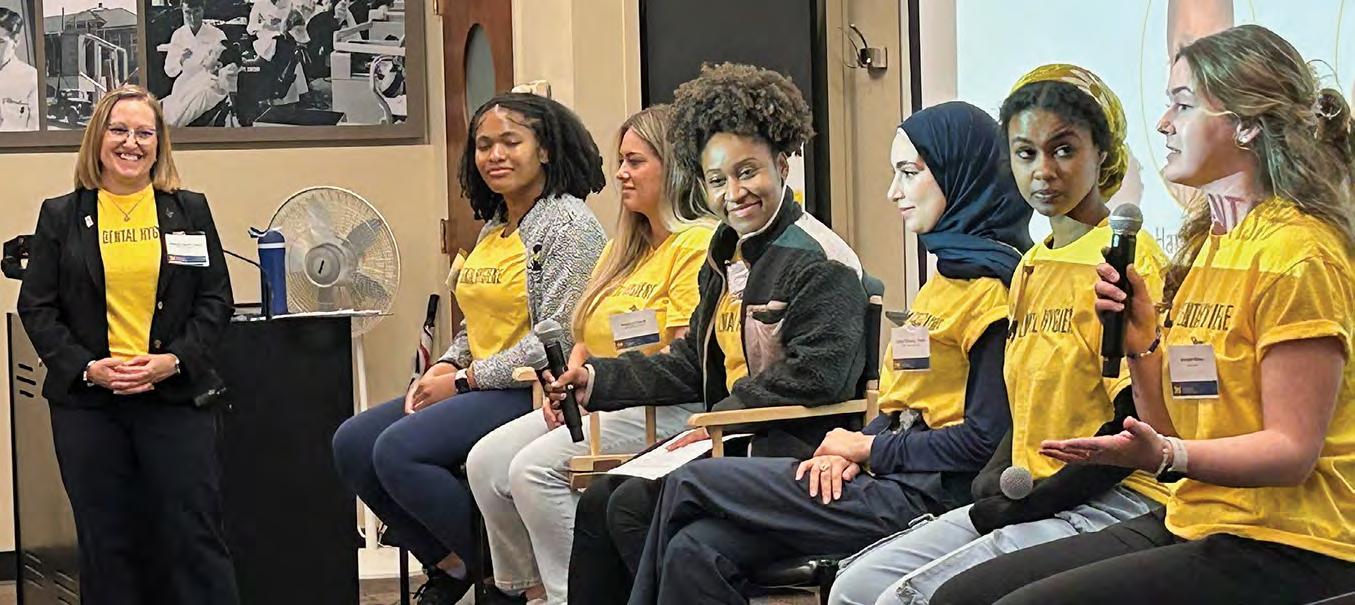
The Dental Hygiene division held a student recruiting Open House on Oct. 11, 2025, under the theme of “Discover Your Future in Dental Hygiene.”
Held during National Dental Hygiene Month, the event was open to current U-M students, community college transfers and high school seniors who were interested in learning more about the profession and what makes the U-M program exceptional. About 35 prospective students and 20 of their family members and friends attended.
“This event was designed to welcome and encourage not just students outside the university, but also cross-campus transfer students – anyone who wants to explore the dental hygiene profession and learn more about our entry-level program,” said Jennifer Cullen, director of the DH division.
In her welcome and overview of Dental Hygiene, Cullen noted that DH degree programs offer many career options, starting with hygienists, but also including research, education, public health administration and advocacy. “Careers in the oral health sciences are quite a bit broader than they were many decades ago. It is no longer just a dentist or a dental hygienist,” she said. “Now we have a whole team of oral
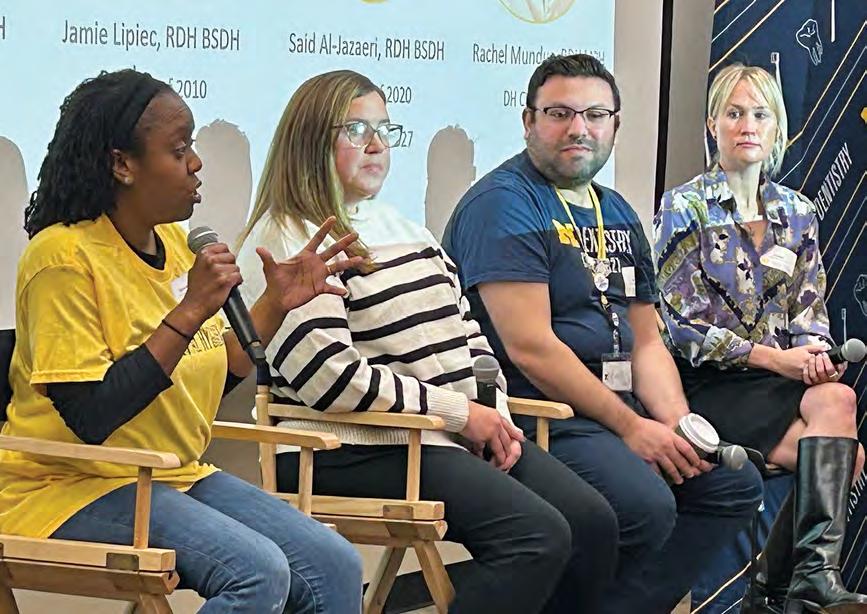
Elizabeth Pitts (left) describes her career journey during the alumni panel as other panelists Jamie Lipiec, Said Al-Jazaeri and Rachel Mundus listen.
health providers who have unique skills and important and distinct training. … It’s really important to choose the path that aligns with your personal and professional goals.”
Cullen and the DH faculty set up a creative, interactive presentation that made current students and graduates of the DH program the featured speakers. The first panel – “Why I Chose DH and Where it’s Taken Me” –featured four alumni who discussed their time as students, how the program provided career options, and how their careers have progressed since graduating. Panelists were: Jamie Lipiec, Class of 2010; Elizabeth Pitts,
The panel of current students were (from right) Morgan Miloser, Hamdia Said, Lana Moussa Aleecch, Isis Gibson, Madilyn Porritt Edwards and Nia Echols. In the background at left is Jennifer Cullen, DH Director and moderator.
Class of 2012; Said Al-Jazaeri, Classes of 2020 and 2017; and Rachel Mundus, Class of 2021.
The second panel was a mix of current third- and fourth-year students who spoke to the topic, “Why I Chose U-M and What it’s Really Like.” Talking about the daily life
of a student were Morgan Miloser (DH4), Hamdia Said (DH4), Lana Moussa Aleecch (DH3), Isis Gibson (DH3), Madilyn Porritt Edwards (DH3) and Nia Echols (DH3).
Both panels drew many questions from the audience on a wide variety of topics, including the difficulty of courses, study habits, the engagement of faculty, career options, the rewards of patient care and the flexibility of various course options in the program.
Also part of the program was a discussion of admissions requirements by faculty member Brittany Forga. Before the program, as prospective students arrived, a resource fair provided access to representatives of several organizations and U-M offices, including financial aid, dental hygiene student organizations, and school and university well-being and belonging advocates. The event finished with tours of various clinics around the school.
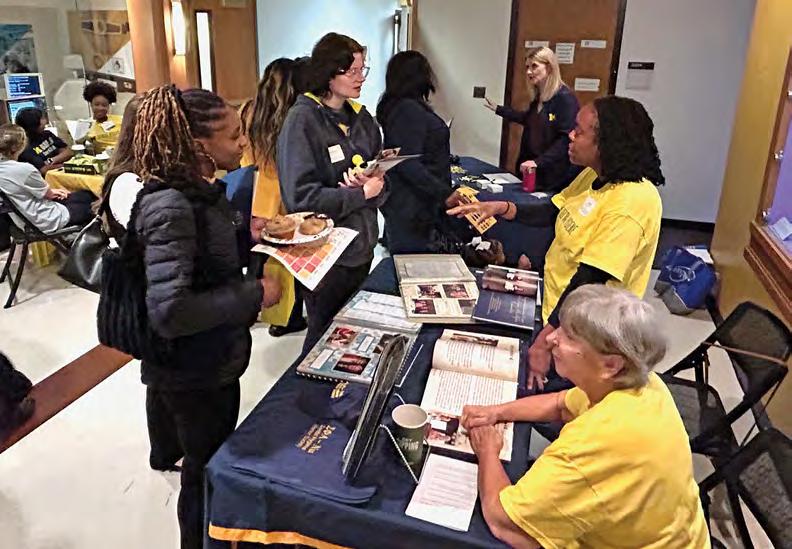
Prospective students talked with representatives of several organizations before the program.
The Dental Hygiene Division hosted a symposium, “Advancing Technologies in the Field of Clinical Dentistry,” on Sept. 19 that focused on the rapid integration of artificial intelligence, laser technologies, and other digital innovations that are revolutionizing clinical dentistry and transforming patient care. Symposium speakers discussed cutting-edge advances in Artificial Intelligence for periodontal disease management and oral pathology detection, therapeutic laser applications, and other emerging technologies that are reshaping dental practice.
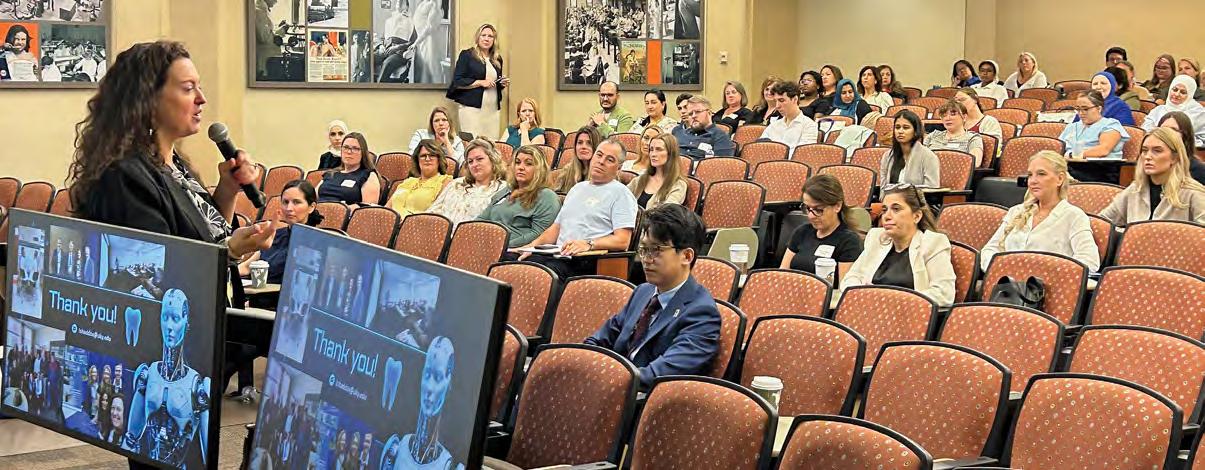
Dr. Luciana Shaddox, a professor and Associate Dean for Research at the University of Kentucky College of Dentistry, answers audience questions after her presentation on the challenges and limitations of using AI to Detect Periodontal Disease. Other speakers included Dr. Junying Li, Clinical Assistant Professor, University of Michigan School of Dentistry; Dr. Felipe Nör, Clinical Assistant Professor, University of Michigan School of Dentistry; and Dr. Marisa Roncati, Assistant Professor, University of Bologna, Italy.
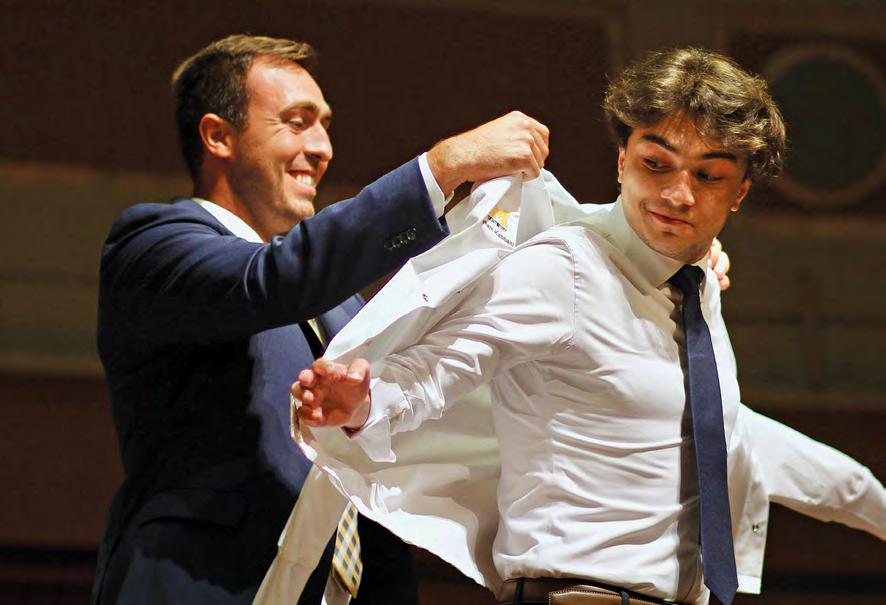
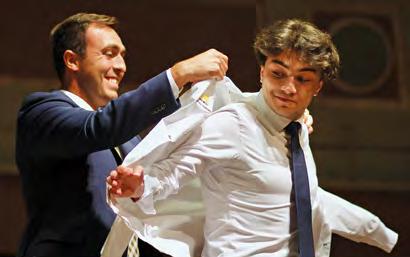
The new DDS Class of 2029 arrived in June and held its White Coat Ceremony in July.
Above: Class member Ayham Kabbani looks for the entrance to his right sleeve as he is helped into his coat by D4 Brennan Metzler. Some stats from the new class:
• 109 members admitted from 1,908 applications.
• 62 are in-state Michigan residents and 47 from elsewhere across the country, from California to New Jersey.
• With 71 women and 38 men, it is highest number of women – and the highest percentage (65) – of any class in school history.
• The class has undergraduate degrees from 11 Michigan universities and colleges.
https://myumi.ch/z9kP9

Dr. Alexandra Herzog, a resident in the Endodontics Graduate Program at the School of Dentistry, received one of three 2025 Freedom Scholarships awarded nationally by the Foundation for Endodontics and Dentsply Sirona. The three recipients were selected from among dozens of applicants in postgraduate, CODA-accredited endodontic programs in the United States and Canada, based on “their exceptional promise, passion, and commitment to the specialty of endodontics.” The $50,000 scholarships are intended to cover the cost of postgraduate endodontic tuition, courses, equipment, books, and-or fees for training related purposes.
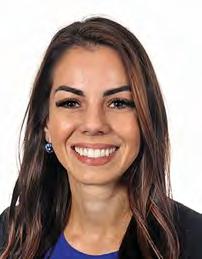
Herzog is in the second year of the threeyear Endo residency. She previously earned dual DDS-PhD degrees at the dental school, in 2024. The scholarship recipients were introduced at the Annual Program in Clinical Endodontics Symposium (APICES) in New Orleans, Louisiana, in August.
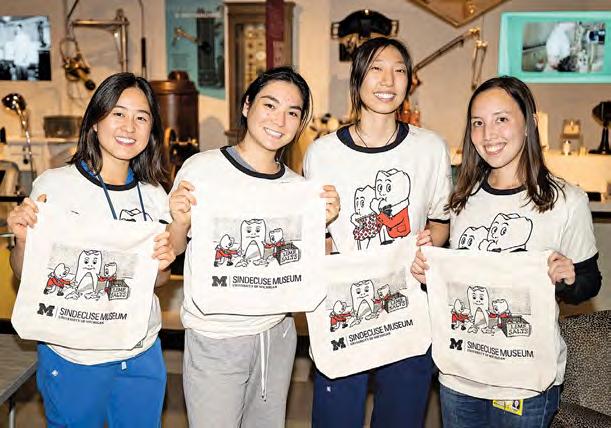
A team of four dental students won the first-ever Sindecuse Museum Dental Trivia Night on Oct. 23, organized by museum curator Tamara Barnes. Students, alumni, faculty and staff were invited to form teams to show their knowledge of general dental history and how closely they’ve paid attention to the content in the museum’s display areas, including the newly opened “Inside the Dental Practice: 1860-2000.”
The winning team members are, from left, D3 Kayley Te, D1 Nicole Freundl, D1 Liza Wan and D1 Marley Lowe. They won t-shirts and tote bags featuring cartoon images from a 1920s-era children’s book about healthy teeth that is in the Sindecuse collection. Among the facts the teams needed to know in a series of multiple-choice questions were: What piece of dental technology did William Thwaites invent in 1920? The safety x-ray machine. In what year did Colgate mass produce its first toothpaste? 1873. What revolutionary war hero was a dentist? Paul Revere. What was the first dental college to open in the U.S. in 1840? Baltimore College of Dental Surgery. What year was the American Dental Association formed? 1859.
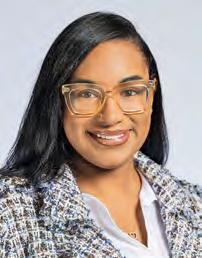
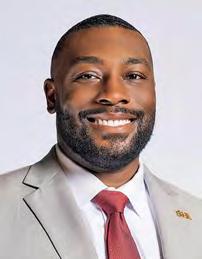
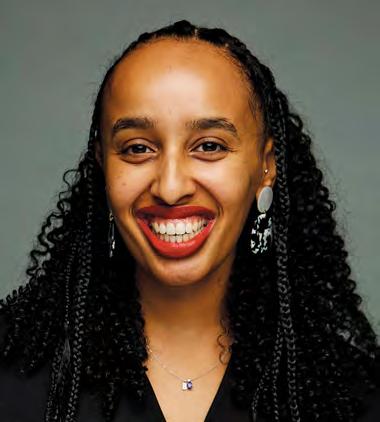
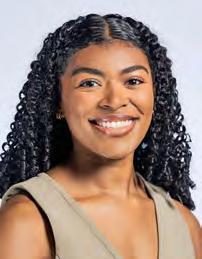
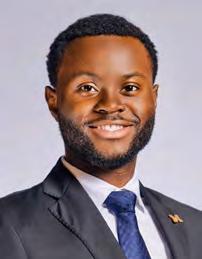
When D4 Brhan Eskinder needs to delegate tasks in her work as president of the Student National Dental Association, there are some familiar faces nearby who are ready – and required – to help.
That’s because as Eskinder serves her 2025-26 term as president of the national organization, five of the other 14 officers and leaders of the organization are also students at the University of Michigan School of Dentistry. All were elected in July at the SNDA’s annual convention, giving U-M a impressive bloc of dental student leadership at the national level.
Eskinder’s U-M colleagues at SNDA are:
• Vice President James Bennett III (D4)
• President-elect Cheyenne Love (D3)
• Treasurer-elect Anthony Gordon, Jr. (D2)
• National Recording Secretary Taliya Roberson (D3)
• Corporate Round Table Representative Kamaldeen Akorede (D2)
SNDA has about 600 active members, including 75 in the U-M chapter. The organization, which is affiliated with the National Dental Association, promotes and supports the academic and social environment of historically underrepresented students in dental schools while advocating for diversity in the dentistry profession.
Eskinder’s theme for the year is “Welcome Home, SNDA.” “For many of us, SNDA
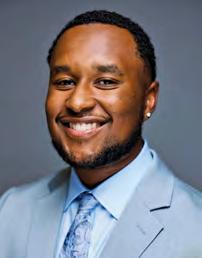
is a place that reminds us we are excellent, celebrated, and accepted,” she said in a message to members. “My goal is to continue nurturing our home so we can welcome others in for generations to come. Strategically, I have designed initiatives centered around evolving and expanding the SNDA institution.”
Those initiatives include:
• Mind Over Molar: “We’ve all spent countless hours testing the vitality of teeth, treatment planning for others, and doing what we can to keep our patients well,” Eskinder explained. “This initiative focuses on the continued planning and building of events that center the body, mind, and spirit of SNDA students nationwide.”

• Study Club: Based on feedback from students last year, this program will be continued. It includes a spring seminar series with continued interprofessional collaboration events, case discussions, skill-sharpening workshops, and experience-sharing events.
• The Apex Project: It involves remodeling SNDA’s brand visibility, with an updated and modernized logo, redesigned website and more robust digital footprint.
“I was a little nervous when I was inducted in July, but I quickly realized I was more than prepared for it, and was surrounded by many like-minded people who were ready to work right alongside with me,” Eskinder said. “No matter how big my dreams for the organization have been, my executive teammates are always like, ‘Cool, let’s make that happen!’ I never forget that my job is to care for this place so that SNDA’s light shines bright for generations of dental students to come. Right now, I just happen to have the torch.”
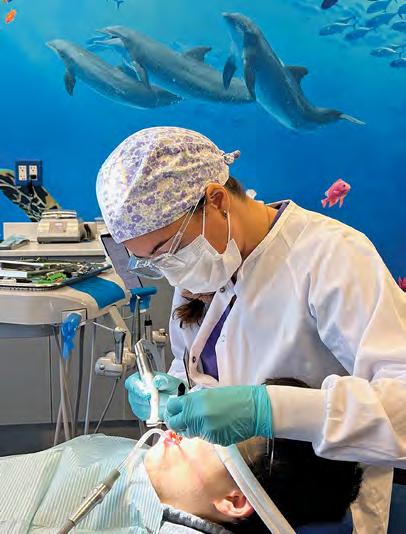
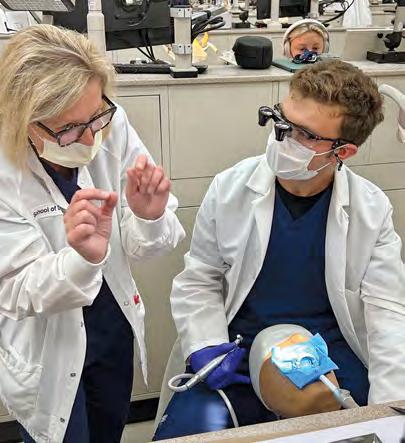
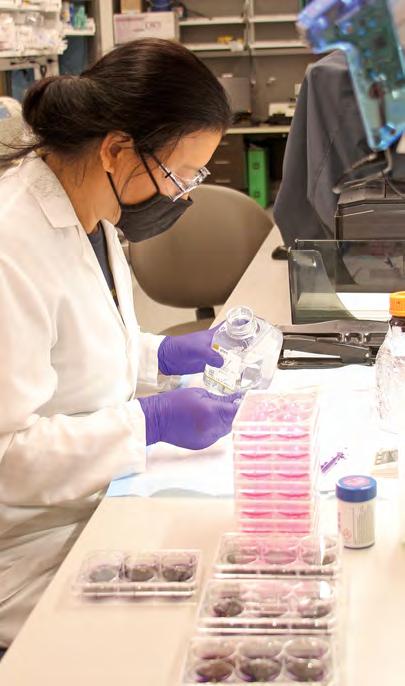
As part of the University of Michigan’s Look to Michigan campaign, we invite you to Look to Dentistry for the Future of Oral Health. Together with fellow alumni and donors, your voice, ideas, and generosity are essential as we look to Michigan for leadership and innovation over the next 150 years.
• Next Generation and Well-being: Facilitating student success and well-being from day one.
• Innovation and Research: Fuelingdiscovery and practice evolution that changes lives.
• Community of Culture and Health Equity: Promoting a welcoming community and open access to knowledge and service.
• Art, Aesthetics and Technology: Building spaces that inspire and equip us fortomorrow.
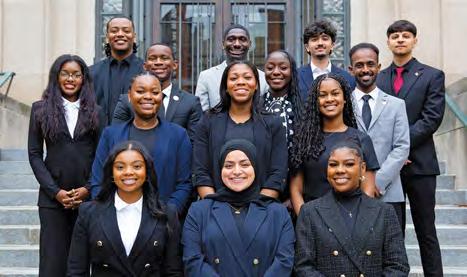
By participating, you will help guide decisions and identify opportunities for funding in student support, research, faculty and administration, facilities, and technology. Your involvement will ensure the world continues to Look to Michigan as the future of oral and systemic health.
Ready to help shape what’s next?
Join a volunteer-led group, lend your voice, and make an impactful contribution. Our next 150 years starts with you. Contact the Office of Alumni
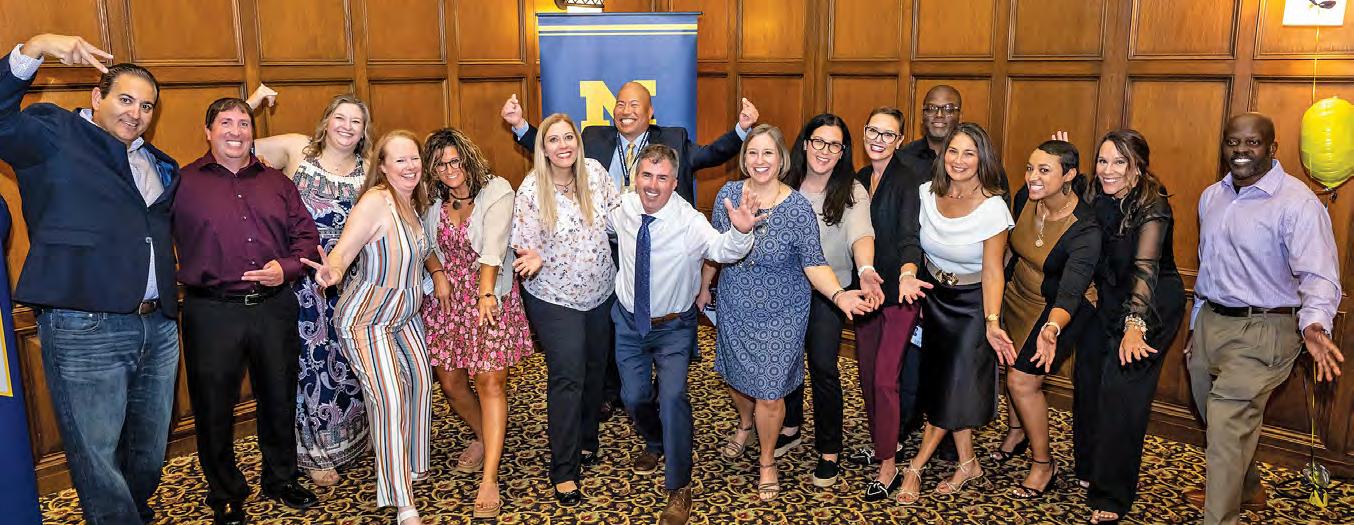
The halls of the University of Michigan School of Dentistry were bustling Thursday through Saturday, Sept. 11-13, as several hundred alumni returned during a series of Reunion Weekend events that allowed them to reconnect with longtime friends and, in some cases, long-lost friends they hadn’t talked to in decades.
The Office of Alumni Relations and Development created a lively schedule of events that included a salute to 50-year Emeritus graduates from the Class of 1975, an awards luncheon celebrating the achievements of several distinguished graduates and an evening reception that brought together proud alumni from a wide range of class graduation years.
For alumni who are football fans – aren’t they all? – the alumni relations staff organized a spirited pre-game tailgate on Saturday morning just outside Michigan Stadium as part of a year-long observance of the 150th anniversary of the dental school’s founding in 1875. About 260 alumni joined the event at “Wolverine One,” a former Greyhound bus that alumnus Dr. Tom Anderson (DDS 1989) converted in 2007 into a distinctive maize-and-blue tailgate bus covered with iconic images and slogans saluting Michigan football history. Several other Dentistry alumni hosted their own tailgates, spreading lots of Wolverine pride around the Big House. The fun morning was capped by an equally fun Wolverine win, 63-3, over Central Michigan University.
On Thursday, Dean Jacques Nör welcomed members and guests of the DDS, DH and MS
Classes of 1975 for a presentation of their personalized School of Dentistry 50-year emeritus medallion and a University of Michigan pin signifying they have joined the university’s emeritus alumni status. The emeritus presentation was followed by the school’s annual Awards Luncheon, attended by about 110 people, including alumni, award recipients, family and guests who celebrated the school’s Hall of Honor recipient, Distinguished Service Award and the Outstanding Dental Hygiene Alumni award.
Nör praised the alumni for their choice of a profession. “You achieved at a high level and went out into the world to help thousands of your patients improve their oral health,” he said “Without question, each of you has contributed to this atmosphere and tradition of ‘leaders and best’ at our school.”
Tours of the school, led by the Office of Alumni Relations and Development, brought alumni to see their newly renovated alma mater that many had not visited since their graduation 50 years ago. The tours highlighted the modern technology and new clinic designs that were finished three years ago during a major Blue Renew renovation and
Class of 1995 grads (from left) Drs. Al Ghazan-Fari, Eric Knudsen and Robert Rocco smile for the camera during the Friday evening alumni reception.
expansion. It was common to see small groups of alumni gathered around the DDS and DH class composite photos that line several hallways on the ground floor, as well as graduate classes on upper floors.
Friday featured two events – an optional Continuing Education (CE) course focused on safe and harm-free oral healthcare, presented by Dental Hygiene faculty member Martha McComas, and a Friday evening reception. The evening event brought together about 150 alumni from the classes of 1965, 1970, 1975 (Emeritus), 1980, 1985, 1990, 1995, 2000, 2005, 2010, 2015 and 2020. Dean Nör and other school leaders joined the lively conversations and spontaneous group photos that made for a nostalgic evening for the wide range of graduates who had walked the halls and earned their DDS and DH degrees in six different decades.
Members of the Class of 2000 strike an exuberant pose at the Friday evening School of Dentistry alumni reception. Continued
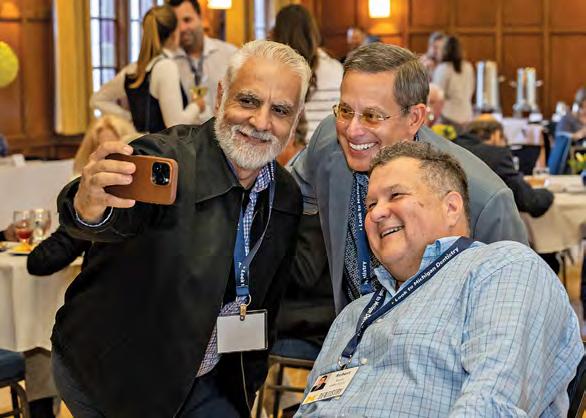
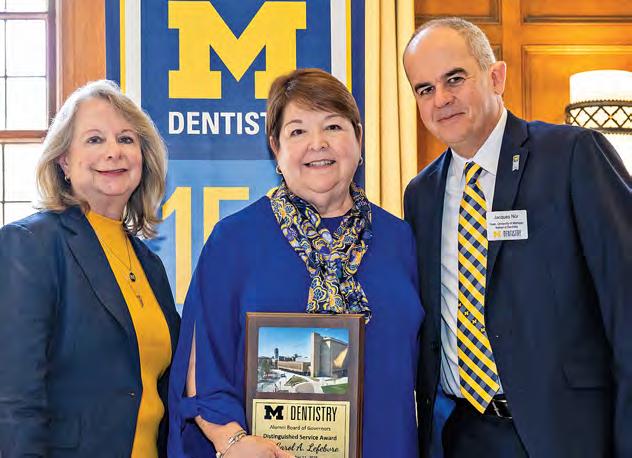
The award was created to give appropriate recognition and honor to individuals who have made outstanding contributions to the profession of dentistry. Nominees must be graduates of the school’s DDS, Dental Hygiene, Master’s or PhD programs; a faculty member; or a research staff member. The 2025 recipient is Carol A. Lefebvre, who received her DDS in 1983 and an MS in Prosthodontics in 1986, both from the U-M School of Dentistry. Dr. Lefebvre served as Dean at The Dental College of Georgia (DCG) at Augusta University for nine years after serving as the Vice Dean/ Associate Dean for Strategic Initiatives and Faculty Affairs and Section Director of Removable Prosthodontics. She is currently Dean Emerita and Professor Emerita. Dr. Lefebvre is a recipient of DCG’s Excellence in Teaching and Outstanding Faculty Member Awards. She is a Diplomate of the American Board of Prosthodontics and a Fellow in the Academy of Prosthodontics, American College of Prosthodontists, International College of Dentists, American College of Dentists and the Pierre Fauchard Academy, as well as a member of Omicron Kappa Upsilon. Dr. Lefebvre served as Editor-inChief for The Journal of Prosthetic Dentistry (JPD) for nine years and is currently ChairElect of the Editorial Council for the JPD. Dr. Lefebvre is a 2005-06 fellow of the
Hedwig van Ameringen
Executive Leadership in Academic Medicine (ELAM) program and a Certified Executive Leadership Coach through the University of Georgia. She is an advisor for the ELAM and ADEA Leadership Institute programs. In addition, she serves as an Executive Leadership Coach for the ELAM program. Dr. Lefebvre is the Chair of the Academy of Prosthodontics Foundation and
was the recipient of the Academy’s 2024 Distinguished Service Award.
This award was created to give recognition to a graduate of the U-M Dental Hygiene program who has contributed outstanding service to the profession. This
year’s recipient is Susan Welke, who has maintained her connection to U-M and the dental school for more than 65 years since earning her two degrees in the 1960s – a BSDH in 1961 and an MS in Public Health in 1964. Her husband, Dr. Robert Welke, is also a U-M alumnus, for both his undergraduate and medical degrees. Susan was a dental hygienist for two years in the private practice of dental school faculty member Dr. Donald Kerr while her husband finished his medical degree. After she earned her master’s in Public Health, the Welkes lived on the East and West Coasts because of Robert’s military commitment. After her initial years as a hygienist, Susan spent the rest of her professional career in various public health positions around the country before the couple settled near Champaign, Illinois. In 2018, a generous gift from the Welkes established the Dorothy Hard and Susan Welke Endowed Scholarship for
dental hygiene students at the dental school. Susan said she wanted to include Hard in the scholarship name because of the DH program director’s strong leadership and guidance for students from 1924-1968.
This award is presented posthumously by the school’s Alumni Society Board of Governors to recognize and honor individuals who have made outstanding contributions to the profession of dentistry. Since the Hall of Honor was created in 2003, 56 people have been honored with a plaque on the ground floor of the Kellogg Building at the school. This year’s recipient is Richard H. Kingery, who earned his DDS in 1924 and joined the faculty of the School of Dentistry, becoming a pillar of the prosthodontics world for many decades. He taught complete denture prosthodontics at U-M beginning in 1924, eventually chairing the department, leading graduate instruction starting in 1948, and devoting nearly 40 years as a faculty member before retiring in 1963. He passed away in 1979. Dr. Kingery’s national standing included his role as a founding member of the American Board of Prosthodontics, organized in 1946, and serving as its president in 1954, as well as an examiner for several years. He helped start the Journal of Prosthetic Dentistry and was a contributing editor from 1951-59. He served as president of the Academy of Denture Prosthesis in 1941. Dr. Kingery consulted widely, with a special interest in the care of veterans. Fellow faculty members and students notably said Dr. Kingery’s outstanding technical proficiency was matched by the personal kindness and wisdom he brought to teaching. In 1934, dental school students started a study club in Dr. Kingery’s honor. For many years, the club funded a Kingery DDS scholarship in removable prosthodontics, and today a larger scholarship for a graduate prosthodontics student. The School of Dentistry also administers the Richard H. Kingery Endowed Collegiate Professorship. ■
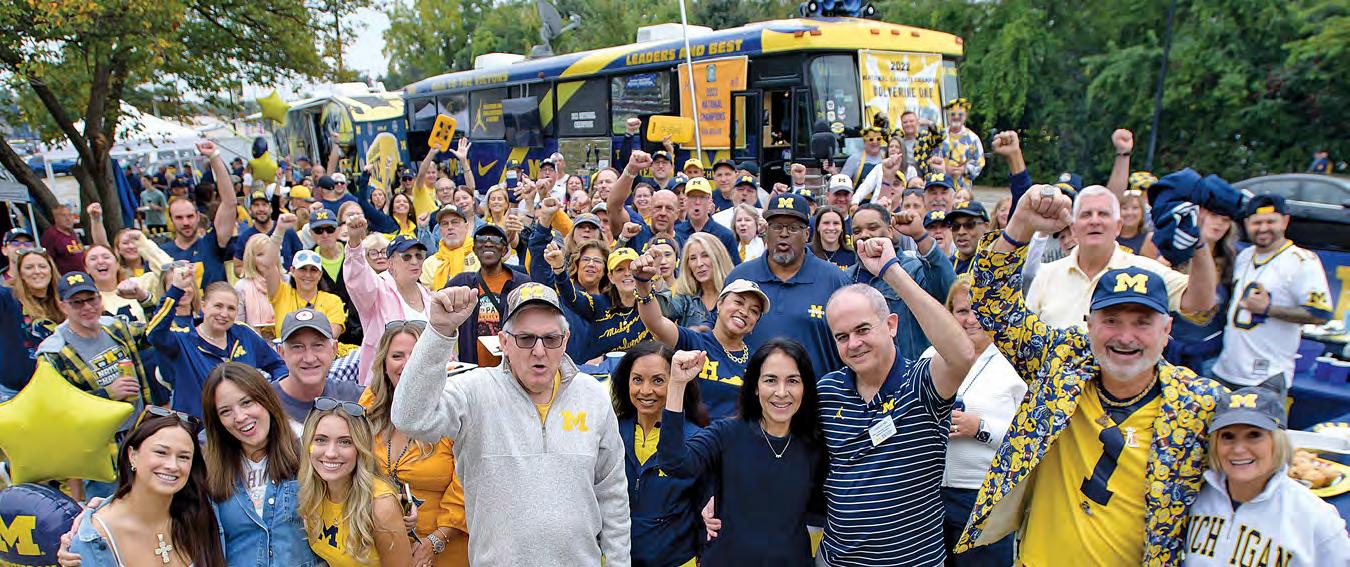
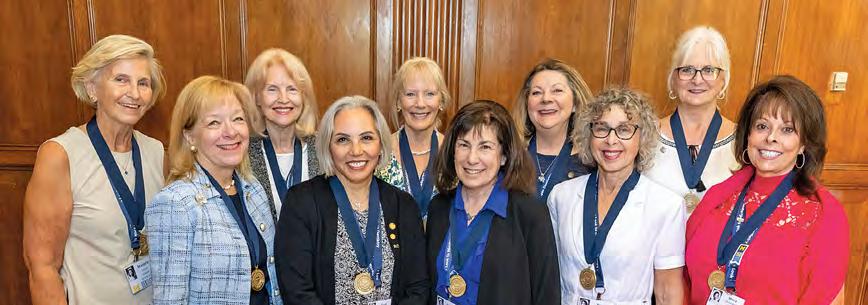
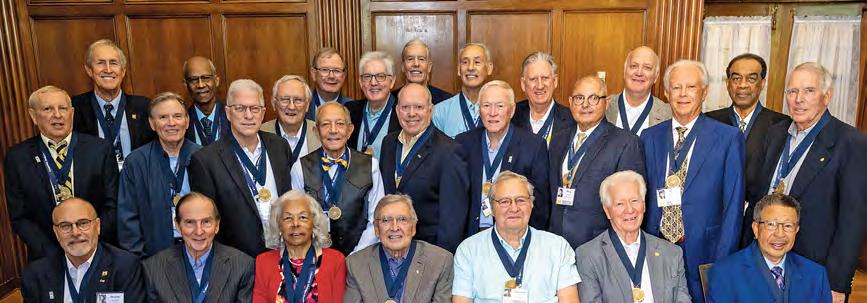
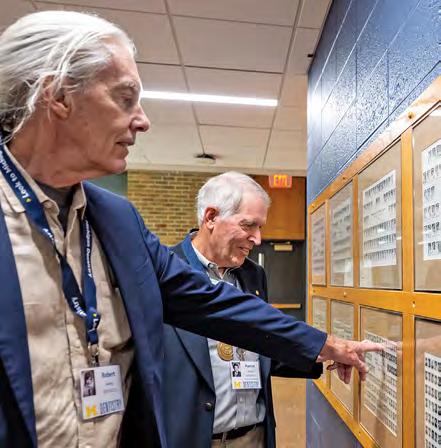
1. At the Saturday morning tailgate before the Central Michigan football game, alumni, family, and friends took timeout to pose for a group photo in front of Wolverine One, the former Greyhound bus owned by Dr. Tom Anderson (wearing jersey No. 1 at lower right, next to Dean Jacques Nör).
2. The Emeritus Dental Hygiene Class of 1975.
3. The Emeritus DDS Class of 1975.
4. Alumni Robert Avery (left) and Patrick Ainslie look at class photos on a wall at the School of Dentistry. Both earned DDS degrees in 1975 and Ainslie also holds a master’s degree from the school.
5. Class of 2010 classmates Drs. Michael Yurth (left) and Anthony Valentine pose with family members at the tailgate event prior to the Central Michigan vs. U-M football game.

Dr. Debra S. Peters (DDS 1993) was elected speaker of the American Dental Association House of Delegates in October, the first woman to hold the leadership position.
Peters’ new role includes serving as an officer of the ADA and presiding over the House of Delegates, the ADA’s policymaking body representing 53 constituent societies across the country. The Speaker guides the deliberative process during the annual meeting, ensuring that every voice is heard and the work of the House proceeds efficiently and respectfully. The Speaker also provides leadership training and support to delegates and standing
committees to strengthen the effectiveness and engagement of the ADA’s governance.
She has also served as chair of the ADA Council on Membership and Council Ethics, Bylaws & Judicial Affairs.
Peters has been active in the Michigan Dental Association (MDA) for many years. She is the longest serving speaker in its history, serving from 2008-2017 and from 2022 to present. She was president of the MDA in 2018-19.
Peters and her husband, Dan (DDS 1993), owned Peters Family Dentistry in Grand Rapids, Michigan, for 28 years.
Dr. Raymond Gist (DDS 1966) of Flint, Michigan, was inducted into the Health Care Hall of Fame by the Genesee Health Plan (GHP) during its annual awards ceremony in August.
Gist was honored for his “leadership, vision and advocacy for oral health access and community water fluoridation, which has made a significant impact on the work of GHP and its ability to develop programs to address the oral health needs of the Genesee County community.”
Gist grew up in Flint, which is located in Genesee County, and he practiced there for nearly 60 years. GHP is a nonprofit health
care organization that was launched in 2001 to provide health care coverage and life-saving services to the uninsured residents of Genesee County.
In thanking GHP for the award, Gist noted: “With the ongoing challenges we continue to face, I remain committed to patient care and advocacy, despite my official retirement. It is essential that we persist in our efforts to improve access to oral health care and support water fluoridation – our mission is not yet complete.”
During his distinguished career, Gist was active in many dentistry organizations and held numerous leadership positions. He was the first Black dentist to lead the Genesee District Dental Society as president, and achieved the same distinction as president of the Michigan Dental Association in 2003-04 and as president of the American Dental Association in 2010-11. He has received numerous awards from dentistry organizations and the School of Dentistry for his advocacy and volunteerism related to dental care for underserved patients.
Two 2024 MS graduates of the dental school’s Pediatric Dentistry Program have received the Graduate Student Research Award (GSRA) for 2025 from the American Academy of Pediatric Dentistry, giving U-M two of the eight national GSRA awards that the academy presents. Dr. Sekna Dabaja received the award for her research, “Comparison of Bitewing Radiography and Near Infrared Imaging in Diagnosis of Caries Lesions in Primary Molars.” She began her pediatric dental residency after practicing general dentistry for a short time in Canton, Monroe, and Roseville, in Michigan. Dr. Dabaja currently practices pediatric dentistry in Canton, Michigan. Dr. Stephanie Fotouhi received the GSRA for her research, “Dexmedetomidine vs, Midazolam Regimens for Procedural Sedation of the Child Dental Patient.” Upon graduation, Dr. Fotouhi became an Adjunct Clinical Assistant Professor in Orthodontics and Pediatric Dentistry and currently works full time as an attending faculty member at Mott Children’s Health Center/Hurley Medical Center in Flint.
School of Dentistry faculty member
Dr. Michael Behnan (MS Orthodontics 1979) is the 2024-26 president of the Charles H. Tweed International Foundation for Orthodontic Research and Education. The Tweed Foundation, headquartered in Tuscon, Arizona, is dedicated to advancing orthodontic education and research through specialized training and global collaboration. Dr. Behnan joined the dental school’s Department of Orthodontics and Pediatric Dentist in 1996. He is an Adjunct Clinical Professor teaching Standard Edgewise in the graduate orthodontic clinic. He is director of the Summer Biomechanics Program for incoming residents and is director of the Seminar in Clinical Orthodontics Course 762. He was in private practice in Clinton Township, Michigan, for 37 years. The 35th Tweed Biennial Meeting and workshop will be in Ann Arbor Aug. 19-22, 2026.
Dr. Steven Lash (MS orthodontics, 1972), an adjunct clinical professor in the dental school’s Craniofacial Orthodontic Clinic, exhibited three of his most recent period furniture reproductions during a two-day program at the Detroit Institute of Art in October. “Working Wood in the 18th Century” was sponsored by the Great Lakes Chapter of the Society of American Period Furniture Makers.
Lash’s pieces are, pictured from left:
• A small cabinet, called a cellarette, used to store bottles of wine or whiskey. Made primarily of mahogany, the piece was inspired by a cellarette design attributed to a furniture maker in Baltimore, Md., circa 1800.
• A Hill House Chair, circa 1902-04, designed as a piece of sculptural art, rather than a practical chair, for Hill House in Helensburgh, Scotland. Made of white oak.
• A Bouillotte table, which became popular in the 18th century and was used throughout the 19th century to accommodate the French card game by the same name. Primarily mahogany.
Lash is a longtime maker of extensively researched and finely crafted furniture, most of it Early American. His work has drawn national and international attention.
Lash co-founded the national society in 2000 and served as its first president for 10 years. It has a membership of about 2,000 amateur and professional woodworkers, educators, collectors, curators and conservators in 22 chapters around the country. One of Lash’s creations, a reproduction of the case that holds the glass armonica invented by Founding Father Benjamin Franklin, now resides at the Franklin Museum in Philadelphia. His pairing of orthodontics and furniture-making was described in an Alumni Profile on the School of Dentistry website in 2023.
Dr. Kyle Danek (DDS 2012), of Marquette, was appointed to the Michigan Board of Dentistry by Gov. Gretchen Whitmer for a term starting July 10, 2025, and expiring June 30, 2029. Danek will represent dentists on the board, which was formed to regulate the practice of dentistry and dental hygiene, authorize dental assistants, and certify specialists in the fields of orthodontics, endodontics, prosthodontics, pediatric dentistry, periodontics, oral and maxillofacial surgery, and oral pathology. Dr. Danek is president of Lincoln Dental Marquette. He succeeds another U-M School of Dentistry alumnus on the board, Dr. Mark Johnston (DDS 1985) of Lansing.
The more that Richard Ryan learned about the dentistry career of his father, Dr. Kenneth Ryan, the more he knew that he wanted to find a way to honor the remarkable contributions his father made to the profession.
Richard’s major gift to the School of Dentistry has created the Dr. Kenneth J. Ryan Endowed Scholarship Fund to support DDS students with demonstrated need. Preference is given to students involved in organized dentistry and community-based programs that are improving access to dental care in underserved communities.
The scholarship criteria reflect the commitment to patients that Kenneth Ryan demonstrated during the nearly 60 years he practiced in Flint, Michigan, as well as his forward-thinking vision and tireless national advocacy for pre-paid dental benefit plans in an era when they didn’t exist. His foresight and collaboration with other dentists in the Michigan Dental Association (MDA) helped create the initial dental service organization in the state in 1957. It evolved into today’s Delta Dental of Michigan, part of a national network that provides dental coverage for about 80 million people, most of whom receive benefits through their employers or workplace organizations.
When he was growing up in Flint, Richard knew about his father’s commitment to providing excellent care for his many long-time patients, but it was much later that he learned his father wasn’t just a traditional dentist with a successful practice. Richard remembers his father’s dental office as a fun
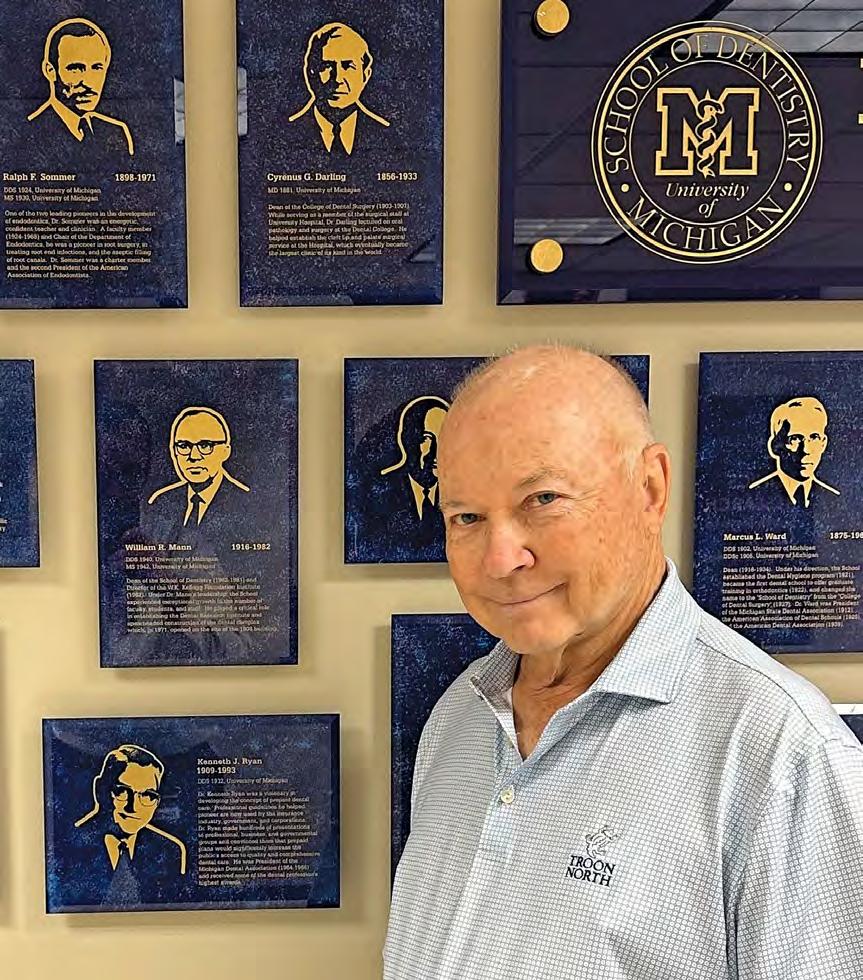
refuge for a kid in the late 1950s and 1960s. Located in a residential neighborhood, it had three dental chairs, a waiting area and a staff that included two longtime employees – a receptionist and a hygienist – who were like family. Many of the patients were auto industry workers and executives at a time when Flint was a major production center for General Motors.
During summers in his high school years, Richard worked as a chairside assistant for his father. Extractions and some of the other procedures were uncomfortable to watch for Richard, which was an early indication to his father that his youngest son wasn’t going to follow him into a dentistry career. “When they started using more of the smelling salts on me rather than the patients, he realized I
needed to do something different,” Richard says with a laugh.
A 1932 graduate of the University of Michigan School of Dentistry, Kenneth Ryan was a visionary who believed that prepaid dental plans would have widespread benefits for patients, dentists, employers and the overall profession of dentistry. Medical and surgical plans had been developed as early as the 1930s and ‘40s, but there was no dentistry equivalent.
Ryan had created a simple version in his own practice, offering patients the advantage of paying a set amount in advance that would provide whatever dental care the patient needed for a year. To expand the concept throughout the profession, he initially worked within the MDA, an organization he served
for many years. At first, his MDA focus was on ethics and professional dentistry standards. He was part of a collaboration between the MDA and the Michigan Board of Dentistry in the late 1940s and early 1950s that helped strengthen the MDA Standards of Ethics. After he was elected to the MDA Board of Trustees in 1954, he was part of an evaluation committee that revised the structure of the organization to better represent the dentists throughout the state.
Ryan’s adoption of prepaid dental plans as a cause took off after the Michigan Department of Social Services approached the MDA around 1955 about how to provide dental care for children in state institutions. “Ken Ryan saw this as an opportunity for the profession to develop the means for both government and employers to pay for dental services for various groups of persons, a concept that had previously been thought to be impractical,” according to an article in the MDA Journal in 1991. “Even though Ken sought out information from the few people involved in a similar movement on the West Coast, there was not a lot of ‘know how’ available. Key questions such as fees, how to separate necessary from optional services, how to recognize specialty training and still not discriminate against the general practitioner, the coordination of states when the serviced group overlapped state lines, financing methods, quality assurance and many others seemed almost unanswerable.”
Ryan and other members of the MDA Board of Trustees diligently worked through those obstacles and in 1957 MDA authorized funding to establish the Michigan Dental Service Corporation (MDSC) to begin formulating plans and a process, while generating interest from groups interested in dental coverage. An MDA Committee on Group Purchase Programs also was formed and Ryan worked closely with each entity, documenting progress and keeping the MDA membership updated. He also convinced the U.S. Public Health Service to lend, without cost, a chief executive to help steer the fledgling MDSC.
In 1963, when Michigan legislation was passed to allow the creation of nonprofit dental service corporations that could underwrite risk, a new entity, Dental Care, Inc., was formed and began signing coverage plan contracts around the state. The name was changed to Delta Dental Plan of Michigan
in 1970 and the decade saw considerable growth that included coverage plans for auto industry employees represented by the United Auto Workers. The next wave of growth provided dental benefits for employees of state government, public schools and many companies. As with any such massive change affecting so many people, there were countless problems to solve, complaints to answer and efficiencies to find for the MDA leadership and the Michigan dentists who were benefitting from the significant increase in patients that the new system created.
Ryan served as the second president of MDSC, for several years, and led the entire MDA as president from 1964-65. From 1966-69, as the Delta Dental concept expanded, Ryan was a founder, board member and the first president of the Delta Dental Plans Association (DDPA), the national coordinating organization for the Delta Dental plans in many states.
convincing for some of his audiences and were firmly rejected by others who equated group pre-payment plans with socialism. Ryan had developed many national contacts while serving 11 years in the ADA’s House of Delegates, beginning in the late 1950s. In 1965, he represented ADA at the National Conference of Health Services and also at the White House Conference on Health.
In 1966, he chaired the ADA Council on Dental Health that drafted and gained approval for the organization’s Children’s Dental Health Program.
Above: Kenneth Ryan’s graduation photo from the dental school’s Class of 1932 composite. Below: Dr. Kenneth Ryan, circa 1964-65 when he was president of the Michigan Dental Association.
As the care plan movement was taking shape in Michigan, Ryan took his advocacy to the national level. He traveled the country and made hundreds of presentations to groups including state and local dentistry organizations; the American Dental Association (ADA); employers of all sizes, from major corporations down to smaller companies; unions; and government agencies. During one year, he addressed 28 state dentistry conventions about the benefit of prepaid dental plans. He traveled so much that at one point he was practicing in Flint only about a day and a half each week. As with any trailblazing pioneer, his views were
In 1969, because of his longstanding work for ADA and growing name recognition, he was encouraged to run for president of the ADA. He lost the election, with opposition criticizing him as too closely tied to third-party dental plans, evidence that despite their growing popularity, the plans were still a divisive issue at the time.
“His passion was dentistry for the masses and that’s why he was so committed to going after the Delta Dental-type plan for paying for dental care,” Richard said. “A lot of his peers were a little bit upset with him, calling him a socialist. But his passion was that he would see people who needed help and he always wanted to help.”
Richard said his father later lamented that his advocacy for dental care plans was ahead of its time based on how many people initially pushed back against it. “He felt he would have been more impactful if he had waited a little longer. He said, ‘Maybe I shouldn’t have been a bull in a china shop and just eased into it a little differently.’ But he saw the opportunity and went for it.”
In the 1991 article on Ryan in the MDA Journal, Dr. John Nolen, who was executive Continued
director of the MDA from 1969-1990, said Kenneth Ryan “certainly deserves a spot in the annals of Michigan dentistry.” Writing in his “Looking Back” column, Nolen noted:
“Although many dentists were involved in the beginning of the Dental Service Corporation movement in Michigan, Ken Ryan was the ‘engine’ that made it go in its formative stage.”
“It is safe to say that dental care payment mechanisms would not be as successful and would not have had the professional input in their design if Ken Ryan had not balanced the interests of both consumers and the profession in such a manner that unions, employers and government could see the benefits.”
Kenneth’s ADA presidential bid may have been unsuccessful, but he continued his push for the dental plans even as he kept contributing to dentistry in other ways until his death in 1993. His work as a dentist and significant contributor to the MDA, ADA and Delta Dental were recognized by numerous state and national awards in the years before and after he retired in the late 1980s. The School of Dentistry inducted him into its Hall of Honor in 2004.
Richard Ryan had long wanted to find his own way to honor his father’s dedication to
dentistry and dental patients. The opportunity came at the end of Richard’s career, which was very different than his father’s, but just as successful.
After majoring in industrial management at Ferris State University in the early 1970s, Richard joined what was then the International Harvester Company, working at first as a sales trainee and later in various positions at the world headquarters in Chicago. He was sent to Columbia, South Carolina, to assess a truck dealership that was in bankruptcy. Richard liked what he saw, believed he could fix the problems and bought the dealership. Within a few years as CEO, his Carolina International Trucks was a thriving dealership selling medium- and heavy-duty trucks at six locations across South Carolina. Ten years after taking over the dealership, the parent company (which had become Navistar) named Richard the Dealer of the Year for all International truck sales around the country. A few years later he was named the national Truck Dealer of the Year by the American Truck Dealers, an association that represents all the major brands sold in the country. His business holdings included an equally successful truck-leasing component with 700 vehicles. When Richard retired and sold the business in 2023, he reaped the rewards of his
business acumen and leadership that had always focused on creating a family-like operation for his 250 employees. “One thing that my dad instilled in me is: don’t chase money, chase success. Money was never our driver. Our driver was, and is, success and happiness.”
The sale of his company allowed Richard to quickly take action on something he had thought about for years. He had attended his father’s Hall of Honor induction ceremony at the School of Dentistry in 2004 and had stopped by to see the display a few times in recent years during his trips back to campus as a devoted Wolverine football fan. But he wanted to do more to recognize his father’s contributions to dentistry and decided a student scholarship fund was an appropriate tribute.
The school will use the annual distributions from his $1 million gift to award the scholarship. “I wanted to give enough to make sure it goes on for many years, so that many students can benefit from the scholarship,” Richard said. “If you can’t give back in life after you’ve had some success, it’s really kind of a shame. Dad believed in giving to the future of dentistry. I believe in giving to the success of future dentists.” ■
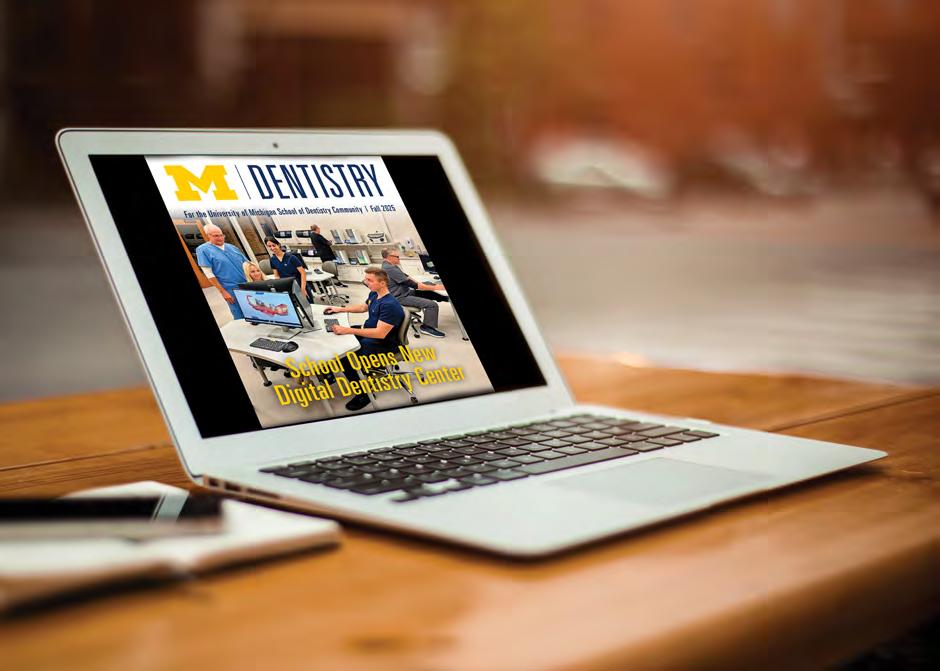
want to hear from you!
Dear Readers,
Please take our reader survey so we can learn more about what you want to see in our stories and coverage of the U-M School of Dentistry. We produce the magazine twice a year and seek your input in what you like, don’t like and want to see included about the school, its faculty, students, alumni and staff. Follow the QR-code or link below.
The survey is short and should take only about five minutes or less to complete. There are prizes! Two individuals who complete the survey will receive a $50 gift card for Rally House to stock up on all things Maize-and-Blue!
Please complete your survey by January 30, 2026, to be eligible for the gift card drawing. Thanks in advance for your feedback.
Go Blue!
Dr. Wayne N. Colquitt, associate professor emeritus of dentistry who taught at the U-M School of Dentistry from 1970 through his retirement in 1997, died Aug. 5, 2025, in Ann Arbor. He was 85.
Dr. Colquitt earned his DDS from U-M in 1968, then served as a captain in the U.S. Army from 1968-1970 as a general dentist and oral surgeon. He joined the dental school as a clinical instructor in 1970 and earned a master’s degree in 1975. He taught oral diagnosis and radiology while maintaining a part-time private practice in general dentistry. He served as director of the Patient Admitting and Emergency Services Clinic in 1990. He was active in the school’s teaching and clinical domains, serving on numerous committees, including the table clinic committee, the library committee, the faculty development committee, the continuing education committee, and the comprehensive care committee. Throughout his career, he participated in many local, regional and national associations and advocated for affordable dental care for underserved patients in his role as chairman of the Ann Arbor Community Dental Center. He also took his love of teaching overseas, teaching oral diagnosis and radiology in Cairo, Egypt, from 1975-76 with Project Hope, and serving as an external examiner in Lagos, Nigeria, in 1982 and 1983.
Dr. Ross Margeson, a faculty member who taught at the U-M School of Dentistry for 40 years, died Aug. 11, 2025, at age 100. A longtime resident of Ann Arbor, Dr. Margeson earned his DDS degree from U-M in 1949 and was asked to join the faculty after graduation as a clinical instructor of dentistry. He received an MS degree in Operative Dentistry from U-M in 1952, and was promoted to assistant professor in 1954 and associate professor in 1970. In addition to his half-time teaching responsibilities, he maintained a part-time practice in Ann Arbor from 1949 to 1992. Among his faculty accomplishments was a study on establishing time parameter guidelines for various patient treatment procedures in operative dentistry for third and fourth-year students. In 1966, he co-authored a definitive text book on operative dentistry that was in use for two decades, contributing the section on crown and bridge restorative procedures. Beyond other accomplishments, Margeson was saluted in his retirement memoir to U-M Regents for “his performance as a respected clinical teacher. He often assumed the role of special advisor by providing assistance and direction for students who were struggling.” He was cited for developing visual aids for his department, and organizing and directing the operative dentistry clinic in the dental assistant utilization program. He served for many years on the board of the Community Dental Center in Ann Arbor.
Michael Cangemi (DDS 1979), June 5, 2025, Woodbury, Minnesota.
Joseph Chasteen (DDS 1967), April 7, 2025, Lynwood, Washington.
Michael Comar (DDS 1964), Sept. 8, 2025, Boca Raton, Florida, formerly of Kalamazoo, Michigan.
Milo Danzeisen (DDS 1956), July 20, 2025, Sylvania, Ohio.
Alan J. Demsky (DDS 1976), Aug. 12, 2025, Pinckney, Michigan.
John Dillon (DDS 1985), Aug. 13, 2025, Farmington, Michigan.
Darrell (Flint) Duffield (BSDH 1953), Aug. 17, 2025, Lansing, Michigan.
Franklynn Duiven (DDS 1960), Sept. 30, 2025, Grand Rapids, Michigan.
John Duiven (DDS 1967), July 21, 2025. Grand Rapids, Michigan.
Joyce “Ann” (Peters) Eaton (BSDH 1959), July 19, 2025, Fenton, Michigan.
Rollin “Buz” Fender (DDS 1964), May 15, 2025, Lawton, Okla., formerly of Mt. Pleasant, Mich.
Barbara Anne (Stickney) Green (DH certificate 1947), Aug. 22, 2025, Stafford, Virginia.
Sally (Hacker) Gustke (BSDH 1957), April 18, 2025, Royal Oak, Michigan.
Edmund “Ted” Hagan (DDS 1954), Aug. 9, 2025, East Lansing, Michigan.
Dr. George Harris (DDS 1968, MS orthodontics 1972), Nov. 4, 2025, Marinette, Wisconsin.
Mark Hostetler (DDS 1985), Aug. 19, 2025, DeWitt, Michigan.
Michael Kress (DDS 1970), Sept. 22, 2025, Ann Arbor, Michigan.
John Marshall (DDS 1988), Oct. 26, 2025. Benzonia, Michigan.
Michael Z. McBride (DDS 1977), September 2025, Gilbert, Arizona, formerly of Escondido, California.
James McHale (DDS 1978), March 18, 2025, Brooklyn, Michigan.
Bernard Ozinga (DDS 1956), April 27, 2025, Zeeland, Michigan.
James Pocklington III (DDS 1965), June 2, 2025, Fort Gratiot, Michigan.
Randolph Stano (DDS 1969), July 16, 2025, Spring Lake, Michigan.
Michael “Mickey” Steinberg (DDS 1962), April 24, 2025, Scottsdale, Arizona.
James Strikwerda (DDS 1953), October 8, 2025, Holland, Michigan.
Maurice Sutton (DDS 1961), Aug. 27, 2025, Grand Rapids, Michigan.
Sally (Druskovich) Weathersby (DDS 1987), May 7, 2025, Ahmeek, Michigan.
Jacqueline (Lilac) Youngs (BSDH 1979, DDS 1985), June 4, 2025, Adrian, Michigan.
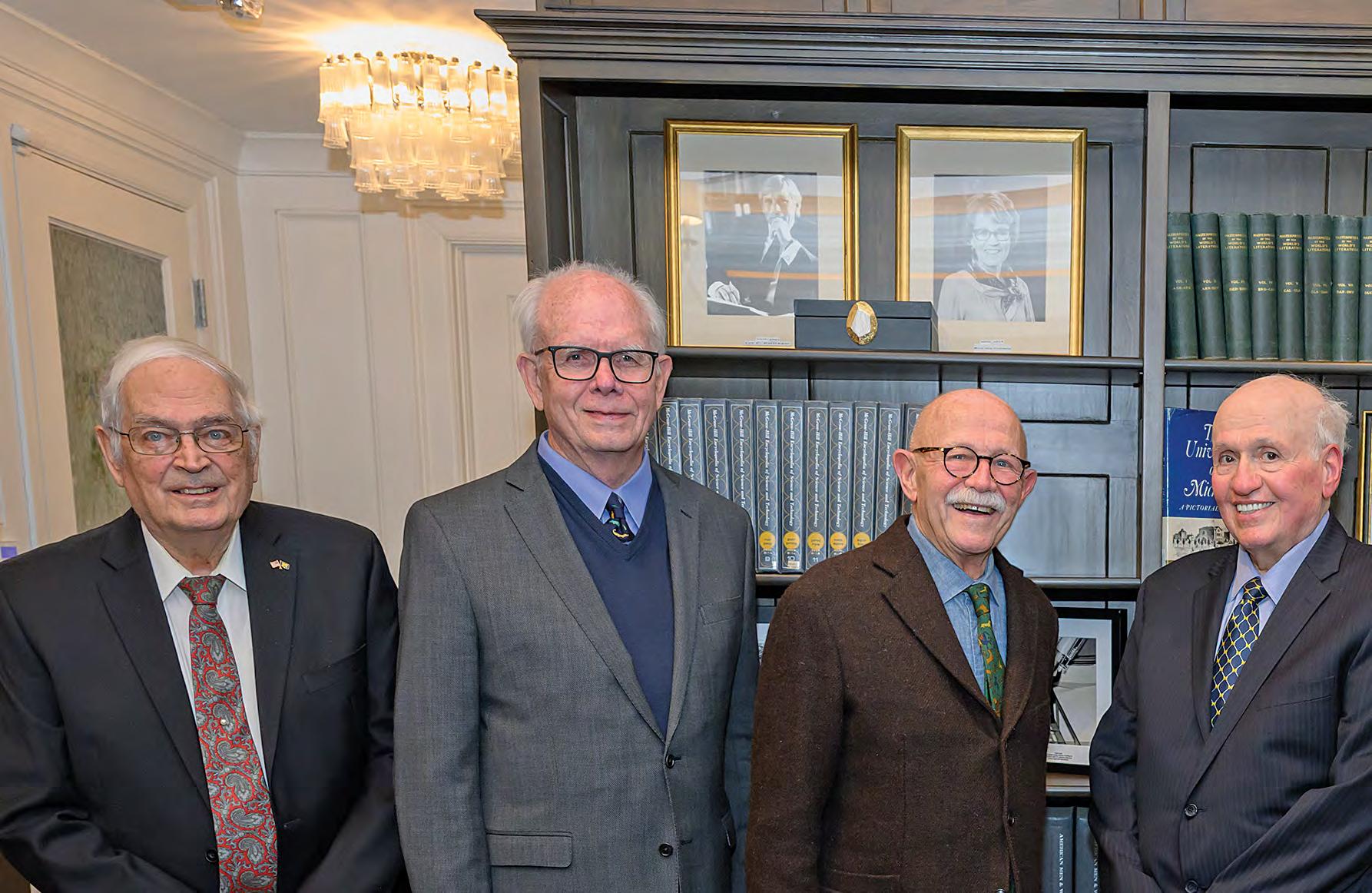
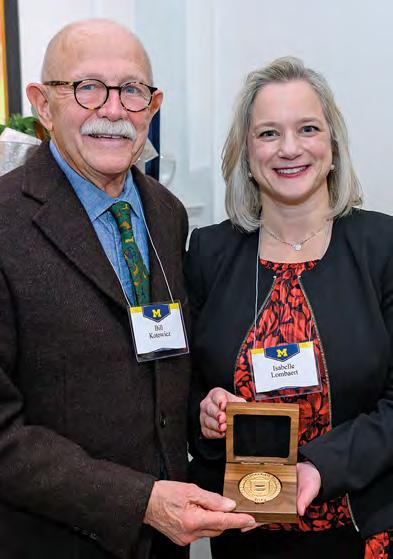
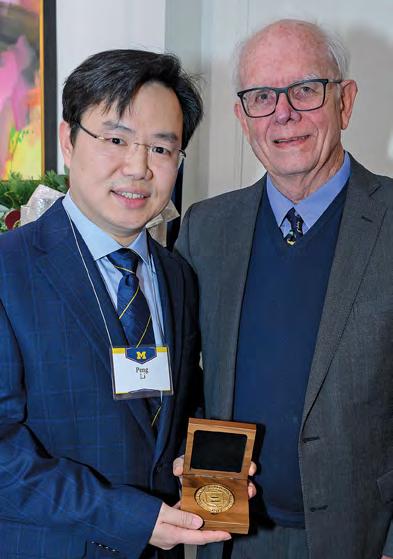
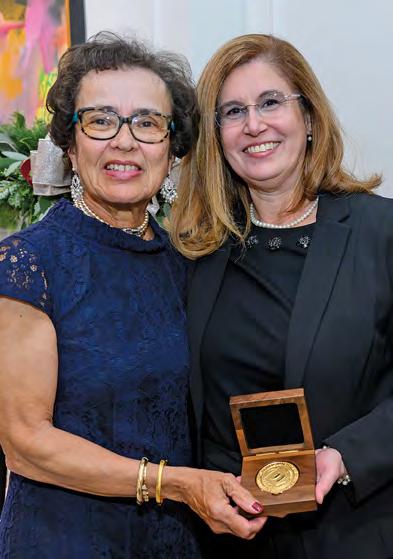
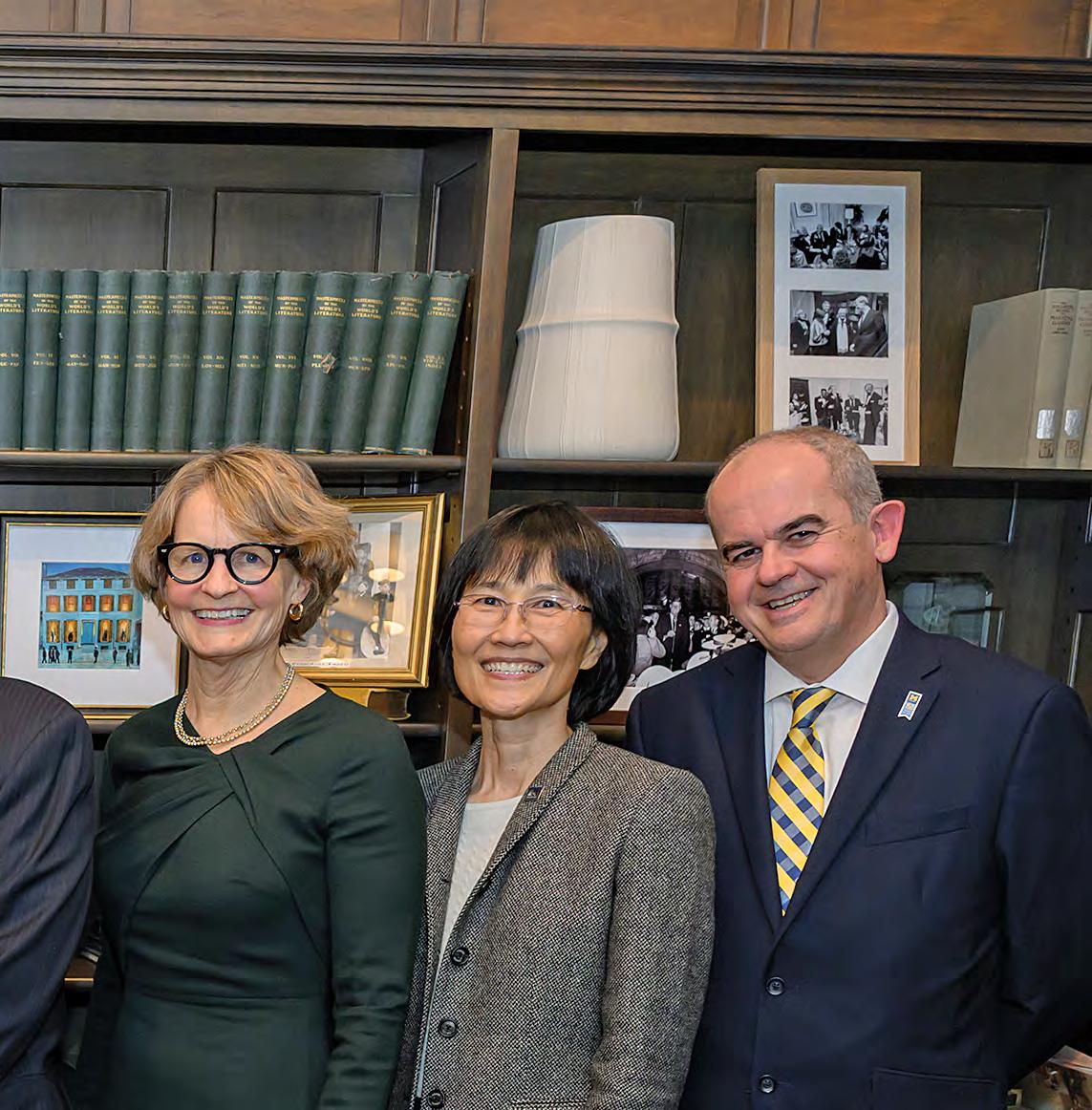
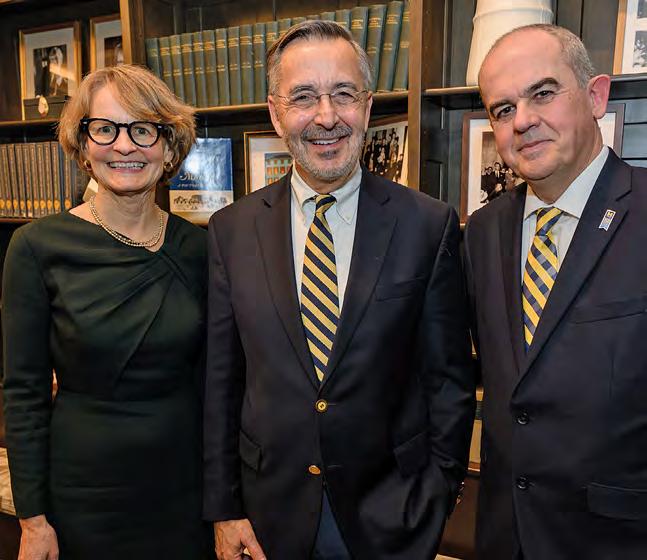
A reception celebrating three new named professorships for School of Dentistry faculty proved to be a historic event on Dec. 3, 2025, at the University of Michigan President’s House.
Hosted by U-M President Domenico Grasso, the event brought together the three faculty members with the former deans and assistant dean for whom their professorships are named:
• Dr. Isabelle Lombaert, an associate professor in the Department of Biologic and Materials Sciences & Prosthodontics, is the William E. Kotowicz Collegiate Professor of Dentistry. Dr. Kotowicz served as Interim Dean of the dental school from 1987-89 and as Dean from 1995-2002.
• Dr. Peng Li, an associate professor in the Department of Biologic and Materials Sciences & Prosthodontics and a Research Associate Professor at the U-M Life Sciences Institute, is the J. Bernard Machen Collegiate Professor in Life Sciences. Dr. Machen was Dean of the dental school from 1989-95.
• Dr. Cristiane Squarize, a professor in the Department of Periodontics and Oral Medicine and Associate Dean for Faculty Affairs, is the Marilyn W. Woolfolk Collegiate Professor of Dentistry. Dr. Woolfolk devoted 42 years of service to the school, retiring in 2014 as Professor Emerita of Dentistry and Assistant Dean Emerita of Student Services.
Speakers at the event included President Grasso; School of Dentistry Dean Jacques Nör; former dental school dean and now U-M Provost Laurie McCauley; and Dr. Machen.
To help commemorate the event, the School of Dentistry invited the other former deans of the dental school – Dr. Richard Christiansen, dean from 1982-87; Dr. Peter Polverini, dean from 2003-13; and Dr. Jan Hu, Interim Dean from 2022-23. When the seven deans gathered for a group photo, it was the most School of Dentistry deans gathered together in the 150-year history of the school.
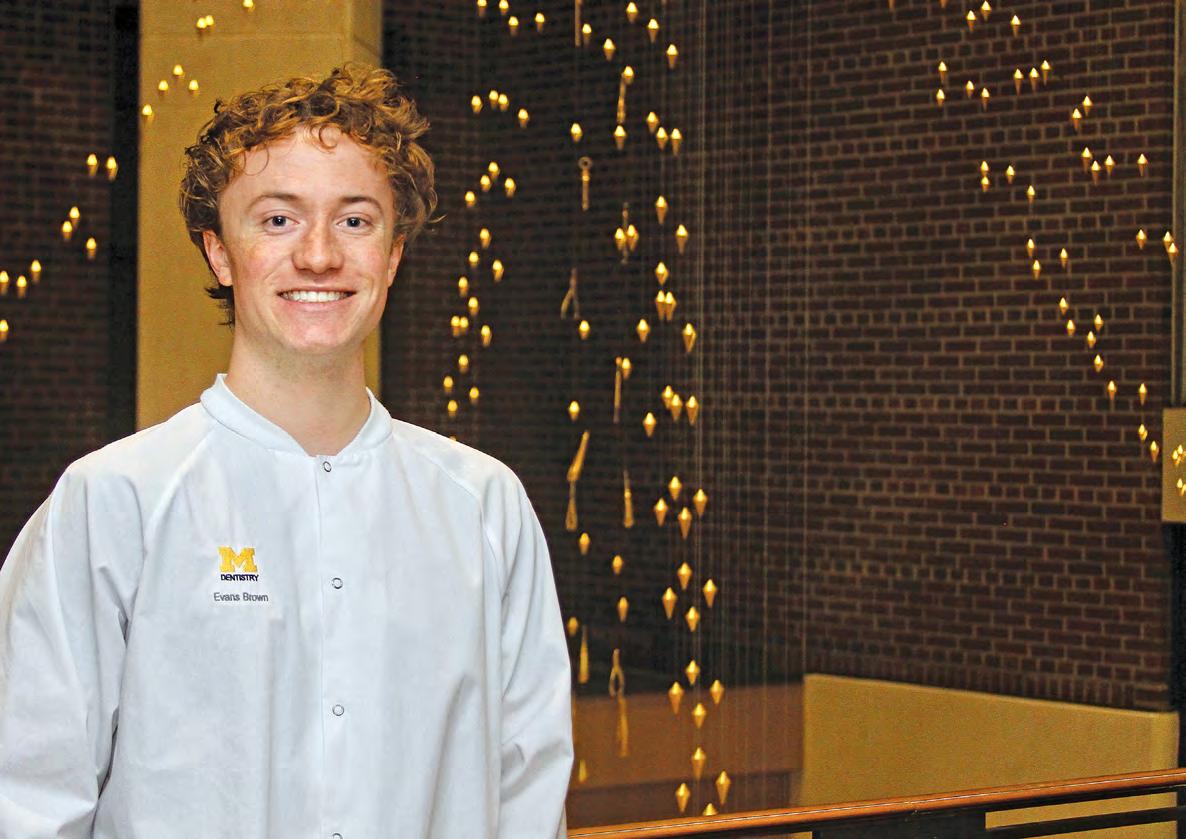
Hometown: Kalamazoo, Michigan
Undergraduate degree: Chemistry, University of Notre Dame
I really appreciate and value the investment people have made in me to get me to this point – my incredible faculty mentors, classmates and the donors who made my scholarships possible. Dental school is expensive, so you have to budget, but even taking the boards at the end is another $3,000. So I started my fourth year working part-time at a grocery store at nights after clinic and on Saturdays and Sundays. With the scholarships, I could work less and take advantage of more of the amazing opportunities here.