As in previous years, the 2025 ESG report was entirely developed through a collaborative international effort by our team. To enhance the report’s effectiveness, we utilized AI-driven tools with three specific and clearly defined objectives:
• Refining language to ensure accuracy and professionalism.
• Enhancing clarity and readability for a broader audience.
• Optimizing ESG terminology to align with industry standards and stakeholder expectations.
All AI-assisted edits were reviewed and validated by internal teams to ensure accuracy and consistency.
Our core product ranges including pelagic fish (like sardines and mackerel), coconut products, beans, and soy sauces are among the foods with the lowest carbon footprint. Beyond their nutritional value, food fosters moments of connection, bringing families and friends together in shared experiences. This report features illustrated recipe ideas showcasing how our products can be enjoyed.
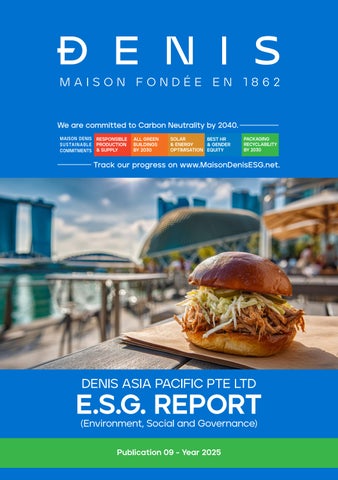
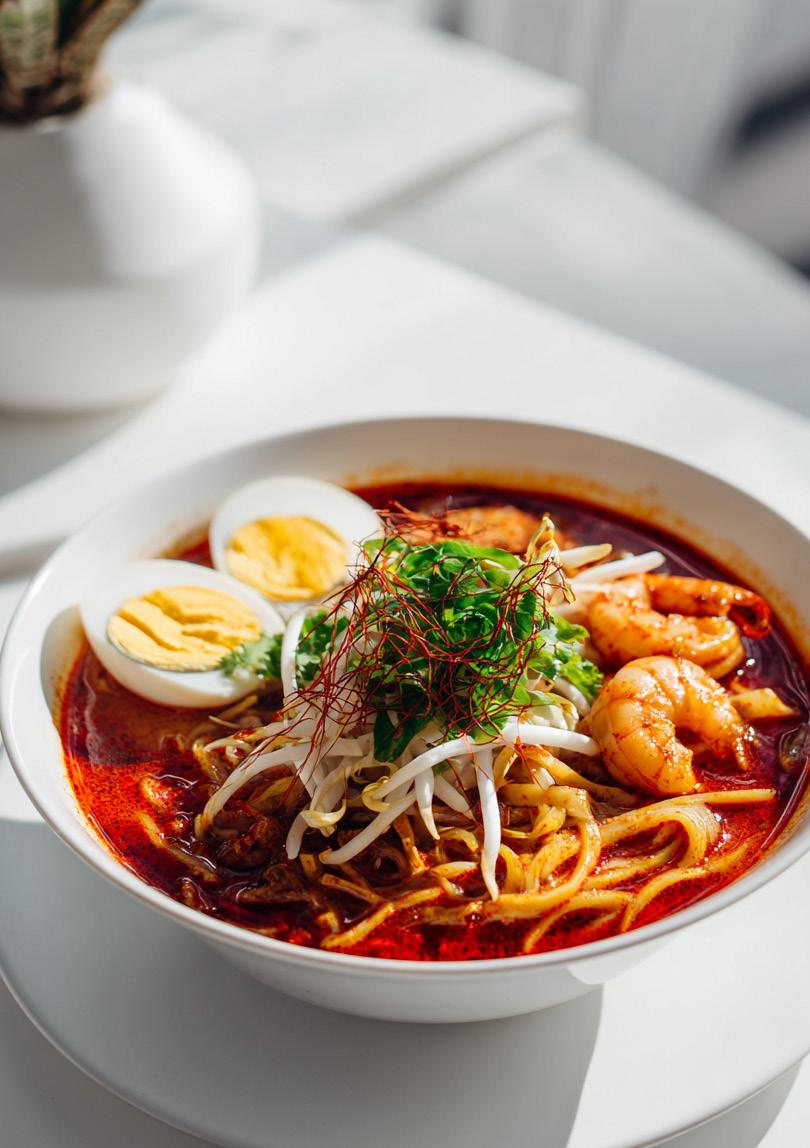
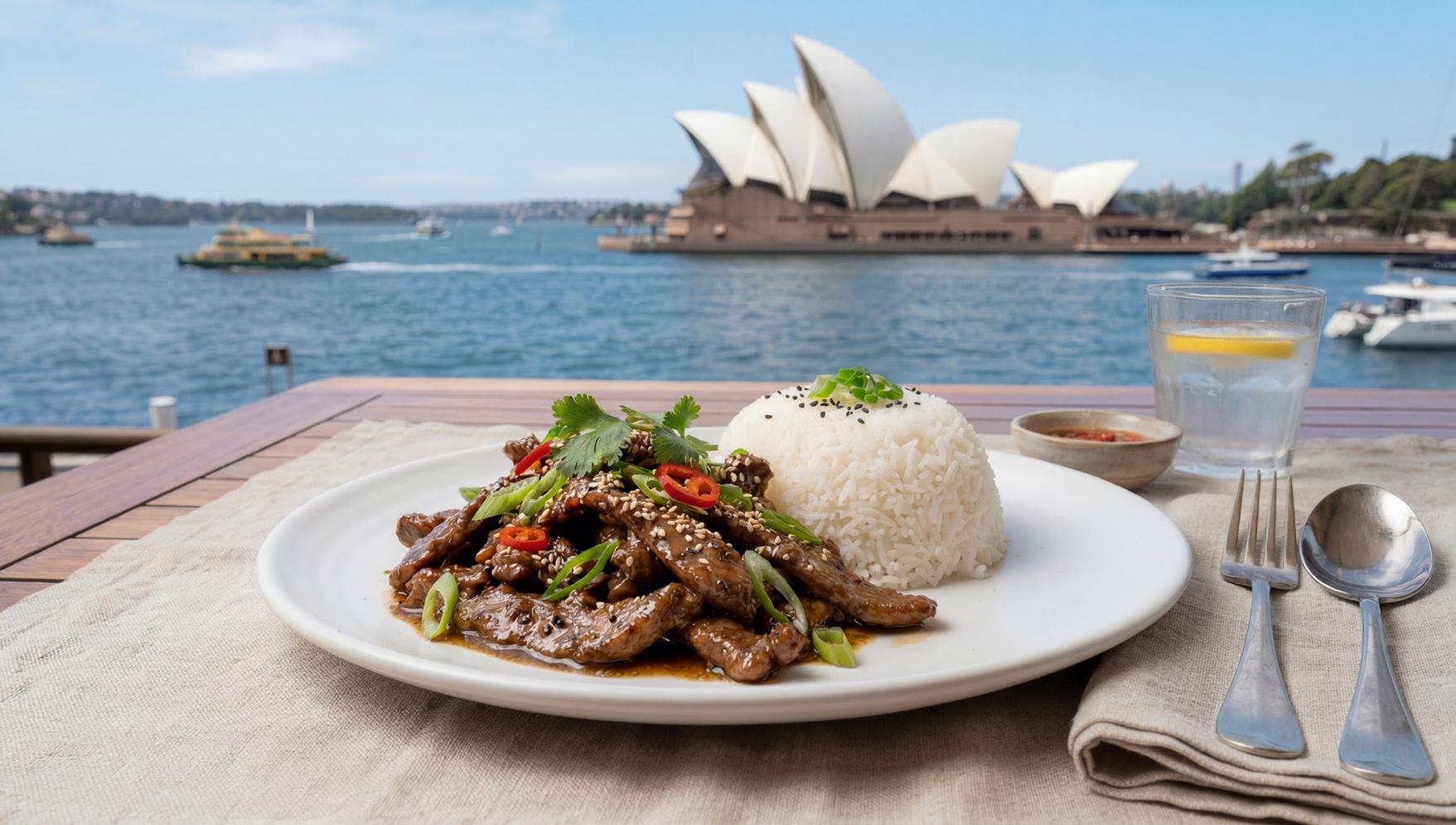
Please note that all food recipe images in this 2025 report are for decorative purposes only. They have been generated by AI tools using original text prompts created solely by the DAP marketing team, without reliance on any pre-existing images. These AI-generated visuals illustrate ideas for recipes that can be made with Ayam™, Ayam Brand™, Alce Nero™, or Duchef™ products, but they do not depict actual dishes.
On the cover page, a Pulled Chicken Burger, a recipe that can be made using Ayam Brand ™ Black Pepper Pulled Chicken.
Introduction
From our Chairman
Key Highlights
From our Chairmen
Sustainability as a Legacy
The year 2025 was marked by significant challenges. Ongoing political and economic instability, escalating climate risks — with 2025 projected to be among the warmest years on record globally — and an increasingly complex operating environment have reinforced the urgency of corporate sustainability.
Maison Denis is a family-owned company whose history will soon span 165 years. Its activities today are organised across three principal geographic areas and business segments:
∙ Asia-Pacific, primarily focused on Food & Beverage activities;
∙ Japan, a multi-business area including an highly regulated Health Sciences activity;
∙ Europe and the Indian Ocean, a multi-business area primarily driven by Consumer Goods Distribution activities.
This ESG report is strictly limited to the Food & Beverage activities in Asia-Pacific that are under the operational control of Denis Asia Pacific Pte Ltd. This perimeter represents the core of Maison Denis’ operations and constitutes a coherent and mature scope for ESG reporting.
Other business areas fall outside the scope of this report. The Japan Health Sciences activities are preparing their first standalone ESG report, covering the 2025 financial year, to be published in 2026. Activities in Europe and the Indian Ocean are currently undergoing a restructuring phase and are therefore not yet in a position to support ESG reporting aligned with current regulatory expectations.
Within the defined reporting perimeter, we have remained focused despite external headwinds. We recognise that the transition to net-zero emissions and the responsible management of environmental and social impacts are central to the future of the Food & Beverage sector. Leveraging our manufacturing expertise, rigorous quality management and commitment to product innovation, Denis Asia Pacific continues to strengthen the foundations of a resilient and sustainable growth model.
By embedding ESG considerations into our business strategy, we align our Food & Beverage operations with global sustainability efforts. Through clear policies, well-defined targets and tangible actions, we work closely with stakeholders to advance our ESG priorities and contribute to a more sustainable food system.
Like all responsible businesses, Denis Asia Pacific is committed to minimising its environmental footprint while maximising its positive social impact. We continuously assess our influence on environmental and social resources across our value chain, with the objective of creating long-term value for customers, employees, partners and communities.
As Chairmen and custodians of the business, we set the strategic direction and ensure that sustainability is deeply integrated into our corporate vision within the reporting perimeter. Establishing the right tone at the top is our responsibility, and this commitment cascades through every level of the organisation. Our leadership fosters an environment in which sustainability is not viewed as an obligation, but as a core principle guiding both short- and long-term strategic decisions. Our role extends beyond governance. We actively champion social responsibility, business value creation and regulatory compliance, while empowering management teams to define and deliver sustainability
objectives aligned with the Food & Beverage business model and recognised industry best practices.
Sustainability has long been embedded in the values of the Denis family.
Our journey towards a more sustainable future is both a natural evolution and a reaffirmation of our long-standing commitment to responsible entrepreneurship. We firmly believe that protecting the planet and contributing positively to society are shared responsibilities, and we are committed to playing our part for future generations.
Long-term ESG commitments within the reporting perimeter
Looking ahead, Denis Asia Pacific remains firmly committed to the following ESG targets within the scope of this report:
∙ achieving carbon neutrality with a science-based decarbonisation plan in line with the objectives of the Paris Agreement;
∙ ensuring that 100% of packaging is recyclable by 2030;
∙ securing 100% Green Building certification across company-owned facilities by 2030.
Our ESG approach continues to be guided by:
∙ the Ten Principles of the United Nations Global Compact;
∙ our medium-term ESG commitments;
∙ the priority Sustainable Development Goals detailed in this report.
A look ahead
In the year ahead, we will continue to progress key ESG initiatives within the Food & Beverage perimeter, including:
∙ the publication of the first ESG report for Japan Health Sciences
activities (outside the scope of this report)
∙ expanding the Fish Protein Concentrate (FPC) as a clean solution for recycling organic waste into animal feed
∙ the rollout of anti-modern slavery training for employees
∙ the development of an in-house ESG newsletter to support internal engagement.
Closing remarks
As fifth-generation descendants of our founder, Etienne Denis, we are honoured to present this ninth ESG report covering the Food & Beverage activities of Denis Asia Pacific. We extend our sincere gratitude to every employee, partner and stakeholder whose dedication, innovation and collaboration continue to drive our sustainability efforts forward.
Together, we will continue to strengthen a sustainable Food & Beverages business — one that reflects our values, supports communities, safeguards the environment and contributes to a resilient future.
Daniel Denis ESG Committee Chairman
Nicolas Denis Chairman of Maison Denis SA.
A recipe that can be made using Ayam™ light coconut cream
Mango Coconut Smoothie
Key Highlights
In 2025, we strengthened the foundations of our ESG framework by clarifying our material priorities, reinforcing governance oversight, and advancing key operational projects across our value chain.
Governance & Strategic Structuring
∙ Completed our first Double Materiality Assessment (DMA) aligned with the Corporate Sustainability Reporting Directive (CSRD).
∙ Restructured our ESG Report to align with DMA results and CSRD logic.
∙ Started formalizing our Net-Zero roadmap framework in preparation for a Science Based Targets initiative (SBTi) commitment in 2026.
∙ Reinforced cybersecurity risk management and governance oversight.
Operational & Industrial Advancements
∙ Inauguration and first operations of our Centralised Fish Processing Plant (CFPP) facility.
∙ Silver Green Building provisional certification obtained for CFPP.
∙ Launched our fish by-product valorisation project, with operations targeted to begin in 2026.
∙ Conducted 3 additional Life Cycle Assessments (LCAs).
Performance & Responsibility Indicators
∙ Total GHG emissions (Scopes 1 & 2): 12,210 tonnes of CO2e
∙ 228 tCO2e avoided through energy efficiency and energy-saving projects.
∙ 100% sustainable palm oil sourcing & The EU Deforestation Regulation EUDR-ready.
∙ 95% waste diversion rate.
∙ Zero accidents for the second consecutive year at our Vietnam manufacturing site.
∙ 1,435 employees (64% women); 12.9 training hours per employee.
∙ 100% compliance on mercury and radioactivity testing for Tuna batches.
∙ 18 years of Community Care engagement in Malaysia, alongside other local initiatives.
These developments reinforce the integration of ESG into our strategy and operations, while laying the groundwork for further progress in 2026.
Our Heritage
Maison Denis is a family-owned company whose history will soon span 165 years. Founded in the mid-19th century, the business has developed over time through organic growth and acquisitions, guided by a long-term vision and a focus on operational continuity. Today, the company continues to be owned and managed by the descendants of Etienne Denis, ensuring continuity in governance and strategic direction.
Maison Denis operates across three main business sectors, each characterised by distinct activities, geographic footprints, and market dynamics:
∙ Food & Beverage
∙ Health Sciences
∙ Consumer Goods Distribution
These activities are organised and structured across three principal geographic areas:
∙ Asia-Pacific (including China), primarily focused on Food & Beverage activities, which represent the core of Maison Denis’ operations;
∙ Japan, a multi-business area in which the majority of employees are engaged in Health Sciences activities;
∙ Europe and the Indian Ocean, a multi-business area primarily driven by Consumer Goods Distribution activities.
The Food & Beverage business in Asia-Pacific has its origins in 1954, following the acquisition of A. Clouet & Co., a company founded in Singapore in 1892 by Alfred Clouet. This acquisition marked the beginning of the development of Ayam Brand™, which has since expanded internationally and is today recognised as one of Asia’s leading consumer brands.
Scope of this Report
Our ESG reporting boundary and scope
This ESG report is strictly limited to the Food & Beverage activities in the Asia-Pacific region (including China) that are controlled by Denis Asia Pacific Pte Ltd (DAP), namely:
∙ Denis Asia Pacific Pte Ltd
∙ SFI Supply Management Pte Ltd
∙ Denis China Co. Ltd
These activities constitute a distinct and consolidated operational scope, with shared governance, management processes and sustainability oversight. They therefore represent a coherent and appropriate scope for ESG reporting.
Excluded activities and future reporting
Other Maison Denis activities fall outside the reporting boundary of this ESG report:
∙ Japan: where businesses operate under a distinct business model and geographic context and are subject to a separate ESG reporting process.
∙ Europe and the Indian Ocean: where activities are currently undergoing a restructuring phase. A dedicated ESG reporting approach will be developed once consolidation is completed. By clearly defining this reporting boundary, the Company aims to ensure that the disclosures presented in this report are relevant, consistent and aligned with operational realities, while providing a transparent basis for future extensions of ESG reporting across other business areas.
Business Context and Value Chain
Scope of activities covered
This report covers the Food & Beverage (F&B) activities controlled by Denis Asia Pacific Holding, including branded products and related sourcing, manufacturing, distribution and packaging end-of-life. The scope reflects these F&B consolidated operations and value chain where sustainability-related impacts, risks and opportunities may arise.
Business context and external drivers
As a branded F&B company, our performance and resilience are shaped by market expectations, availability of resources and regulatory requirements.
Market and customer expectations
Consumers and customers expect safe, affordable and consistent food products, with clear information on ingredients, origin and packaging. These expectations are translated by retailers and foodservice partners into concrete requirements, such as product specifications, traceability documentation, labelling accuracy and packaging standards.
Meeting these expectations is critical to maintaining market access, brand reputation and customer trust, while failures in food safety, quality or transparency could result in significant reputational, regulatory and financial risks.
Availability of resources and supply chain constraints
The F&B activities depend on the continuous availability and quality of agricultural raw materials, wild-caught fish, packaging materials, energy and logistics services. Climate change, environmental degradation and biodiversity loss can affect fish stocks, agricultural yields and raw material quality, increasing volatility in supply continuity
and input costs.
These factors may give rise to sustainability-related risks, particularly in upstream sourcing, while also creating opportunities to strengthen supplier engagement, sourcing resilience and long-term partnerships.
Regulatory environment
The Food & Beverage sector operates within a highly regulated environment covering food safety, hygiene, labelling, packaging and environmental compliance. In addition, sustainability-related regulations applicable to supply chains, packaging and packaging end-of-life are reinforcing expectations regarding transparency, traceability and data availability.
Compliance with these requirements is essential to ensure business continuity and licence to operate, while regulatory developments also influence product design, sourcing strategies and packaging choices.
Stakeholder expectations — including those of consumers, customers, suppliers, employees, regulators and local communities — are reflected across these external drivers and are considered in the assessment of sustainability-related impacts, risks and opportunities.
Value chain and value creation
The value chain spans upstream sourcing through to downstream product use and packaging end-of-life. While not all stages of the value chain are under our direct control, we seek to influence practices through standards, contractual arrangements and long-term partnerships.
Upstream activities
Upstream activities include the sourcing of:
∙ Wildcaught fish supplied by fishermen organisations, processors or traders across several regions;
∙ Agricultural ingredients such as coconut (mainly SouthEast Asia), tomatobased products (e.g. Inner Mongolia, North Africa, Turkey and Europe), beans and pulses (notably from the United States), and other specialty ingredients;
∙ Packaging materials, including metal cans, glass jars, pouch and paperbased materials;
∙ Logistics services.
Inbound logistics rely primarily on marine and road transportation, representing approximately 90–95% of transport volumes, while rail and air freight account for a limited share. Life Cycle Assessments conducted on key product categories indicate that upstream transportation generally represents between 1% and 4% of total product carbon footprint, and up to approximately 11% in specific cases.
Supplier expectations are formalised through specifications, quality requirements and, for selected suppliers, adherence to our Supplier Code of Conduct, which sets minimum standards on ethics, labour practices, health and safety and environmental management. These mechanisms aim to mitigate sustainability-related risks associated with upstream sourcing, including social and environmental impacts.
Own operations
Own operations encompass brand management, manufacturing activities (including partnerships with external producers), distribution, and the management of procurement, logistics and supply chain functions.
1. F&B Brand management
We manage and develop Food & Beverage brands based on long-standing market knowledge and brand-building expertise. Our historical flagship trademark, Ayam Brand™, has been established for more than a century and remains a core pillar of the F&B portfolio.
In parallel, we develop brands through innovative partnerships, such as the joint Asian ownership of the Italian organic brand Alce Nero, and through agency agreements for selected third-party brands. Brand management activities focus on market positioning, product consistency, regulatory compliance and alignment with local consumer expectations.
2. F&B Manufacturing activities
Industrial Operations include three main manufacturing companies:
∙ Mafipro Sdn Bhd, located in Taiping, Perak, Malaysia;
∙ Guinea Foods Sdn Bhd, located in Taiping, Perak, Malaysia;
∙ Denis G.M. Co Ltd, located in Protade Industrial Park, An Tay, Binh Duong, Vietnam.
Mafipro, established in 1976, operates three plants and two warehouses, employing approximately 500 staff. It produces sardines and mackerel in various sauces, packaged in cans.
Guinea Foods, established in 2004, operates two manufacturing plants with approximately 350 staff. It produces a wide range of Asian sauces in cans, glass jars and pouches, as well as African products such as Moambe, CPO and Saka Saka. Its capabilities have recently expanded to include grains (dry barley in cans) and pulled chicken.
Denis G.M., operational since 2014, employs approximately 130 staff and focuses on the production of baked beans, processed peas and various
pulses.
Manufacturing activities represent key areas for sustainability-related impacts and risks, including energy use, occupational health and safety, workforce management and environmental emissions.
3. F&B Partnerships (OEM and co-manufacturing)
In addition to in-house manufacturing, part of the product portfolio is produced through selected original equipment manufacturers (OEMs). These partners manufacture products according to our specifications and quality standards, providing flexibility in capacity, access to specific know-how and adaptation to local sourcing conditions.
OEM relationships are governed by contractual arrangements, technical specifications and quality control processes, allowing us to influence sustainability performance beyond our own operations.
4. F&B Distribution, procurement and logistics
Distribution activities include the sale of products manufactured in our own factories, products produced by OEM partners under our brands, and third-party brands distributed under agency agreements.
Procurement, logistics and supply chain management cover the sourcing of raw materials and packaging, inbound and outbound transportation, warehousing and coordination with manufacturing and distribution entities. Procurement activities focus on supplier relationship management, securing supply continuity and cost control. Logistics rely primarily on marine and road transportation, with limited use of rail and air freight.
Downstream activities
Downstream activities include distribution through retailers,
foodservice partners and other channels, consumer use of products, and the management of packaging at end-of-life, depending on local collection and recycling infrastructure.
Products are sold in approximately 30 countries across five continents through a mix of distribution models, including own distribution companies and third-party distributors. Final sales channels include large retail chains, general trade, foodservice and online platforms.
End-of-life impacts occur primarily at consumer level when packaging is disposed of. Life Cycle Assessments indicate that the end-of-life phase generally represents between 0% and 7% of total product carbon footprint, depending on product type and local waste-management systems.
Value creation
Value is created across the value chain through:
∙ Development and management of longstanding and reputable brands;
∙ Consistent product quality and food safety;
∙ Efficient sourcing, manufacturing and logistics processes;
∙ Distribution networks adapted to local market structures.
The business model relies on the sustainable availability of key raw materials and packaging, reliable logistics and energy supply, skilled employees and technical know-how, as well as stable regulatory and trade environments. These dependencies and interrelationships underpin our approach to identifying, assessing and managing sustainability-related impacts, risks and opportunities.
From Contextual Analysis to Double Materiality Assessment
This contextual analysis provides an overview of our business environment, value chain and operational realities, and highlights where sustainability-related impacts, risks and opportunities may arise. It forms the basis for the Double Materiality Assessment presented in the next chapter, which prioritises these topics and informs the ESG strategy, targets and disclosures.
A recipe that can be made using Ayam™ thai green curry paste and Ayam™ coconut milk
Green Curry Chicken
Double Materiality Assessment
A strengthened foundation for our ESG strategy
Taking the Corporate Sustainability Reporting Directive (CSRD) as a key reference and international best practice, we strengthened our previous materiality assessment by conducting a Double Materiality Assessment (DMA) last year.
This enhanced DMA builds on our existing ESG foundations. It confirmed the relevance of our long-standing priorities while offering a more structured and forward-looking view of the environmental and social issues that both influence our activities and are influenced by them.
We involved relevant internal stakeholders from our operations, support functions and management teams, so that the assessment reflects both our operational realities and our long-term ambitions. Feedback from our entities was collected through an online questionnaire and incorporated into the evaluation to capture the diversity of our industrial and commercial activities. To complement these internal insights, we also used sector studies, international benchmarks and external analyses, which help broaden our understanding of value-chain challenges. Together, these sources provide a solid and well-balanced basis for the assessment.
The result is a clear and operational set of material topics that will guide the next phase of our ESG strategy. The DMA is now a reference basis for prioritising actions, allocating resources, and shaping future commitments.
Methodology and Governance
The assessment was conducted in accordance with European Sustainability Reporting Standards (ESRS 1 and 2). It followed our internal DMA procedure, which defines the identification, scoring and
validation process. The assessment covers our entire value chain, including upstream suppliers, own operations, and downstream partners.
Impacts, risks and opportunities were assessed separately under impact and financial materiality criteria. Topics identified as material under either dimension were retained as material, and the results were combined to present the overall materiality outcome, in line with ESRS requirements.
The evaluation followed three steps:
1. Identification of IROs (Impacts, Risks and Opportunities) using ESRS 1 AR16, contextual analysis, internal documents, Life Cycle Assessments and due diligence processes. Each IRO was assessed across:
∙ Time horizons: Short (~1 year), Medium (1–5 years), Long (>5 years)
∙ Value chain origin: Upstream, Own operations, Downstream.
2. Assessment of impacts, risks and opportunities was conducted using a structured scoring framework, with criteria adapted to their nature and applied across short-, medium- and long-term time horizons, in line with ESRS requirements. Assessment criteria were scored on a scale from 1 to 5, using qualitative and quantitative elements as appropriate.
For impacts, the assessment considered the severity of actual and potential positive and negative effects on people and the environment and, where relevant, their likelihood of occurrence. Severity reflects the scale and scope of impacts and, for negative impacts, their irremediable character.
For risks and opportunities, the assessment considered the potential significance of financial effects over time and, where relevant, the likelihood of occurrence.
The table below illustrates the assessment dimensions and scoring logic applied to impacts, risks and opportunities.
3. Determination of materiality using a 60% threshold of the maximum possible score. This level ensures that topics with a moderate or higher level of significance are identified as material while maintaining a focused and manageable scope. The threshold was jointly defined by a DMA Task Force (dedicated group of managers coordinating the DMA process) and the ESG Committee, and will remain dynamic, subject to review and adjustment as our context, priorities, or regulatory expectations evolve.
Material Sustainability Topics
The DMA led to a consolidated list of material topics, grouped into themes consistent with the ESRS. In total, we identified 102 IROs, of which 25 were assessed as material.
Figure G1 - DMA Scoring matrix
G2 - Summary of identified Impacts, Risks and Opportunities (IROs)
Climate & Resource Resilience (ESRS E1)
∙ Climate change mitigation and Energy (Negative Impact – 2 IROs)
Our operations and supply chain contribute to greenhouse gas emissions, particularly through the use of energy-intensive packaging materials (e.g., cans and glass jars) and non-renewable energy sources across the value chain. As production volumes increase, managing and reducing these emissions remains a central priority and a core focus of our environmental strategy.
∙ Climate change adaptation and Energy (Risk – 2 IROs)
Climate-related pressures and energy market volatility can affect the availability and cost of key raw materials, such as fish, coconut and agricultural ingredients. Strengthening the resilience of our supply chain is essential to maintaining stable operations and cost control.
Biodiversity, ecosystems and marine resources (ESRS E3 & E4)
∙ Impacts on biodiversity and ecosystems (Negative Impact – 2 IROs)
Figure
Our sourcing of marine and agricultural ingredients relies heavily on healthy ecosystems. Sourcing practices that do not meet sustainability expectations can contribute to land-use pressures, habitat degradation or reduced biodiversity. Ensuring responsible sourcing is therefore essential to environmental integrity.
∙ Dependency on Biodiversity, Ecosystem and Marine resources (Risk – 3 IROs)
We depend on ecosystem services such as fish stock regeneration, soil quality and water availability. Degradation of these systems, caused by climate change, overexploitation or pollution, can reduce the availability and quality of key raw materials, creating volatility in sourcing, price and long-term access.
Marine resources are especially sensitive in some of our product categories: declining fish populations may lead to supply shortages or higher production costs. Responsible sourcing, credible certifications and stronger supplier partnerships are therefore essential to secure stable, long-term access to natural resources.
In some markets where we operate, recycling infrastructure remains limited, and certain packaging formats are more difficult to recycle. This increases environmental impacts at end-of-life and reinforces the importance of improving the circularity of our packaging and exploring alternatives with better recyclability.
∙ Evolving packaging and waste regulations (Risk – 1 IRO)
New and upcoming regulations on packaging sustainability, extended producer responsibility and waste management create financial and operational implications. Monitoring and anticipating
these requirements is important for compliance and agility.
∙ Valorisation of production by-products (Opportunity – 1 IRO)
By-products generated during the production process (such as fish residues, oils or wastewater treatment sludge) present opportunities to be valorised into new resources. Developing such circular solutions helps reduce waste while contributing positively to resource efficiency and, potentially, to new revenue streams.
Our Workforce (ESRS S1)
∙ Working conditions and talent retention (Risk – 1 IRO)
Maintaining attractive working conditions is essential to recruit and retain skilled employees, especially in industrial zones or competitive labour markets. Fair remuneration, development opportunities and a supportive work environment contribute to stable operations and organisational resilience.
∙ Health, safety and wellbeing (Risk – 1 IRO)
Occupational health and safety remain core priorities. Ensuring safe working environments and addressing psychosocial wellbeing help protect our employees and support productivity and engagement.
∙ Fundamental labour rights (Risk – 1 IRO)
Respect for labour rights, including adequate living conditions, prevention of forced or child labour and protection of privacy, is central to our role as an employer. Strong internal practices help safeguard our employees and uphold our responsibilities across all facilities.
Workers in the value chain (ESRS S2)
∙ Responsible sourcing and supplier practices (Risk – 1 IRO)
In some upstream value-chain segments, visibility over working
conditions may be limited. Strengthening due diligence, improving supplier oversight, clarifying supplier expectations and engaging long-standing partners help reduce these risks and maintain responsible sourcing standards.
Clear, transparent and accurate product information, including clean and green labels and relevant safety tests, supports consumers in making informed choices about the food they purchase. In parallel, providing nutritious and affordable products contributes to accessible, daily nutrition in markets where affordability is an important factor for households. Together, these actions help deliver a positive contribution to consumers’ wellbeing and access to quality food.
∙ Product safety and regulatory compliance (Risk – 2 IROs)
Food safety remains a fundamental expectation for our consumers. Regulations governing hygiene standards, product safety, labelling and nutritional information continue to evolve and may require regular adjustments to our processes. Non-compliance could lead to product recalls, sanctions or other corrective actions. Maintaining strong food safety systems and ensuring that information provided to consumers remains accurate and compliant are therefore essential to meet regulatory expectations and protect consumers.
∙ Responsible marketing and product quality (Opportunity – 2 IROs)
High standards of product quality, combined with transparent and responsible marketing practices, support consumer confidence in our products. Clear and balanced communication, together with
reliable product performance, helps strengthen long-term relationships with consumers and differentiates our brands in competitive markets.
Business Conduct (ESRS G1)
∙ Animal Welfare (Negative Impact – 1 IRO)
Naturally, because some of our food ingredients involve living animals (mostly fish) and are sourced from agricultural environments, animal welfare is an important consideration in our value chain. In certain upstream contexts, where visibility may be more limited, practices may not always apply the best-recognised animal welfare standards, which could place pressure on marine or terrestrial habitats or contribute to the overexploitation of resources.
∙ Ethical conduct, governance and anti-corruption (Risk – 2 IROs)
Operating in diverse environments may expose the company to compliance and corruption-related risks. Strong internal controls and responsible supplier management help safeguard our operations and reputation. Maintaining a strong culture of integrity, internal controls, responsible supplier management, clear governance processes and accessible reporting mechanisms, is essential to ensuring responsible conduct across the organisation.
These material topics reflect the areas where our activities have the most significant impacts, as well as the sustainability matters that may influence our long-term performance and resilience.
Those consolidated results were reviewed and approved by the ESG Committee.
Non-Material topics
We also reviewed sustainability topics that did not meet our materiality threshold: based on internal scoring, entity-level feedback and external
benchmarks, ESRS E2 – Pollution and ESRS S3 – Affected Communities were assessed as non-material. The key considerations supporting this conclusion are summarised below.
Pollution (ESRS E2)
∙ Limited relevance to our operations: Our manufacturing activities do not involve hazardous substances, processes or emissions typically associated with significant pollution.
∙ Upstream concerns remain below materiality thresholds: While some agricultural inputs may involve chemical use, the scale, scope and reversibility of these upstream impacts were assessed as limited.
∙ Clarification of topic categorisation: Some views put “Pollution” as high due to concerns about packaging and its end-of-life impacts. These issues, however, fall under ESRS E5 – Circular Economy, which is already retained as a material topic.
∙ Alignment with industry benchmarks: Pollution is generally not considered a priority material topic within the Food & Beverage sector under CSRD-aligned assessments.
Affected Communities (ESRS S3)
∙ Limited direct community impact: Our operations do not involve significant land use changes, resettlement, or activities that directly affect local communities or Indigenous Peoples. Facilities are located in regulated industrial or commercial zones with minimal community-level impact.
∙ Sector benchmarking: Reviews of CSRD and ESG reports from comparable F&B companies indicate that ESRS S3 is rarely prioritised as a material topic in the sector.
∙ Covered through other ESRS topics: Our indirect interactions with
communities, including through suppliers and product distribution, are more appropriately addressed under ESRS S2 (Workers in the Value Chain), ESRS S4 (Consumers and End-users) and ESRS E5 (Circular Economy), which provide stronger alignment with the nature of our impacts.
∙ No significant impacts, risks or opportunities identified: Neither the scoring nor qualitative feedback identified meaningful community-related impacts or dependencies that would justify inclusion of ESRS S3 as a material topic.
For these reasons, Pollution and Affected Communities subjects did not meet our materiality threshold within the reporting perimeter.
Strategic Implications of the DMA
The DMA provides a refreshed and comprehensive view of the sustainability matters most relevant to our activities, our stakeholders and our strategic direction. It confirms long-standing priorities while highlighting emerging areas where further focus is needed. These material topics now serve as the basis for strengthening our ESG roadmap, setting future targets and guiding resource allocation.
The ESG Committee will review the DMA periodically to ensure it remains aligned with evolving expectations, regulatory developments and changes in our operating environment, supporting a resilient and responsible long-term strategy for the business, the people we work with and the ecosystems we depend on.
“The double materiality assessment carried out by Denis Asia Pacific stood out for the quality of the collective engagement throughout the project. Governance bodies, central teams and subsidiary managers all took full ownership of the exercise, alongside the ESG lead, giving the process real strategic and operational depth. We particularly noted the attention given to the identification of impacts, risks and opportunities (IROs), together with a clear intention to position the assessment appropriately in light of practices observed across the sector, while remaining true to the specific context of their activities. In our view, the importance placed on involving subsidiary teams in these IRO analyses — through training, consultation and structured discussions — is a key strength of the approach.
Lastly, it is noteworthy that, despite changes in the regulatory framework and the exercise becoming voluntary, governance bodies and teams remained fully mobilized, with the same level of ambition. This continuity reflects a sincere and committed approach that goes beyond a compliance-driven mindset and provides a strong foundation for steering the company’s sustainability trajectory.
This testimonial reflects our appreciation of the approach and the level of engagement observed in the context of our support; it does not constitute an assurance engagement, an opinion on regulatory compliance, or a validation of the accuracy or completeness of the information published.”
Damien DUHERON,
Statutory auditor accredited by H2A (French High Audit Authority) to perform assurance on sustainability reporting.
Strategy and Vision
ESG strategic foundations
Denis Asia Pacific (DAP) operates as a long-established Food & Beverage business with a long-term, family-owned governance model. This heritage underpins a sustainability approach that prioritises continuity, responsibility and resilience over short-term performance.
As a mid-sized organisation with a lean management structure, DAP has adopted a pragmatic and solution-oriented ESG approach, focused on:
∙ identifying priority sustainability topics through a double materiality analysis aligned with ESRS,
∙ preserving and strengthening existing good practices,
∙ implementing targeted, measurable actions with clear operational relevance.
DAP’s ESG strategy has been progressively developed since 2016 and is overseen by a dedicated ESG Committee, which coordinates ESG governance, strategy definition, implementation and monitoring across the reporting perimeter.
The strategy is reviewed on a regular basis to ensure continued alignment with:
∙ ESG standards and regulatory frameworks, including ESRS,
∙ changes in the business model and value chain,
∙ evolving stakeholder expectations.
The ESG strategy integrates sustainability considerations into core business decisions, value-chain management and long-term planning, with strategic priorities defined through the Double Materiality Assessment to focus resources on the most significant
sustainability-related impacts, risks and opportunities.
Our ESG strategy focuses on five operational priorities:
1. Climate transition and energy efficiency
2. Circular economy and resource optimisation
3. Responsible sourcing and supply chain integrity
4. Employee safety, wellbeing and development
5. Ethical governance and regulatory compliance
These priorities are distributed into long, medium and short-term ambitions.
Long-term ESG ambitions
DAP’s ESG vision is articulated through three long-term strategic goals, which define the Company’s sustainability trajectory and guide decision-making over time.
Climate Change
DAP is committed to contributing to the global transition towards a low-carbon economy. At the outset of its ESG journey, DAP set the ambition to achieve carbon neutrality across its direct operations by 2030, and carbon neutrality across its value chain by 2040.
Over time, the evolution of carbon neutrality definitions and regulatory expectations, together with a deeper understanding of Scope 3 emissions, has highlighted the need to better reflect the pace and feasibility of decarbonisation across DAP’s value chain and partners. As a result, DAP recognises that its climate ambition must be grounded in scientific methodologies and realistic implementation pathways.
In 2026, DAP will initiate the development of a decarbonisation plan
based on science-based targets, with the objective of refining and operationalising its climate ambition. This science-based process will provide a robust and credible foundation to reassess implementation pathways and timelines and may result in revised target dates for achieving carbon neutrality across both DAP’s direct operations and its full value chain.
This ambition reflects DAP’s recognition of climate change as a systemic risk affecting supply chains, natural resources and long-term business continuity. Our approach prioritises the reduction of greenhouse gas emissions across our operations, with a focus on Scope 1 and Scope 2 emissions, and the progressive mitigation of Scope 3 emissions through supplier engagement, improved sourcing practices and value-chain collaboration, in line with science-based pathways.
Sustainable buildings and infrastructure
DAP recognises the environmental footprint of buildings and industrial infrastructure throughout their lifecycle, including construction, operation and renovation.
As part of its ESG strategy, the Company has committed to ensuring that all company-owned buildings and facilities achieve recognised Green Building certification by 2030. This objective supports improved energy and water efficiency, reduced environmental impacts and responsible resource use, while enhancing indoor environmental quality, health, safety and comfort for building occupants. Progress is already underway, with a significant share of facilities certified to date.
Circular economy and packaging responsibility
Packaging is a material sustainability topic for DAP’s Food & Beverage
activities. The Company has therefore committed to ensuring that 100% of its packaging is recyclable by 2030
This ambition drives ongoing work focused on:
∙ material optimisation and reduction,
∙ development of recyclable and mono-material packaging solutions,
∙ improved recyclability instructions and consumer information,
∙ engagement with suppliers and partners to address technical and regulatory constraints.
Short- and medium-term ESG priorities
To translate its long-term ambitions into concrete action, DAP has defined a set of short- and medium-term ESG priorities, structured across Environmental, Social and Governance dimensions. These priorities cover both existing initiatives and areas identified for further improvement.
Environmental priorities
∙ Measurement and monitoring of greenhouse gas emissions across Scopes 1, 2 and 3.
∙ Continuous improvement in energy consumption monitoring and efficiency.
∙ Use of Life Cycle Assessments to identify and reduce the most significant environmental impacts of products.
∙ Responsible use of resources, including reduction in paper consumption.
∙ Strengthening responsible sourcing practices across the supply
chain.
∙ Continuous improvement of manufacturing processes to enhance product safety and environmental performance.
Social priorities
∙ Promotion of fair and inclusive working conditions, including gender equity and diversity.
∙ Continuous improvement of occupational health, safety and employee wellbeing.
∙ Employee engagement in ESG initiatives, embedding sustainability into daily operations and responsibilities.
Governance priorities
∙ Strengthening ethical conduct, including anti-corruption and anti-bribery measures.
∙ Deployment of policies and training to address modern slavery and human rights risks, particularly within the supply chain.
∙ Reinforcement of internal controls and governance processes to support responsible business conduct.
ESG vision and business development
DAP’s ESG strategy is closely connected to its long-term business vision and growth strategy. Investments in production sites, logistics infrastructure and partnerships are designed to support:
∙ food safety, quality and traceability,
∙ innovation in sustainable food products,
∙ efficient and resilient supply chains.
The Company continues to invest in manufacturing and logistics
capabilities in Asia-Pacific, including Malaysia, Vietnam and regional distribution platforms, as well as partnerships and minority investments in food innovation and start-ups. These initiatives support the development of sustainable food solutions, packaging innovation and circular economy approaches.
DAP’s ESG strategy also responds to broader market trends shaping the Food & Beverage sector, including:
∙ increasing demand for safe, nutritious and affordable food,
∙ growing focus on health, transparency and sustainability,
∙ the need for resilient food systems and responsible sourcing.
DAP’s ESG strategy is designed as a living framework, evolving in line with regulatory requirements, stakeholder expectations and business developments.
Within this framework, Denis Asia Pacific is strategically positioned to leverage key market trends shaping the future of the global food industry, including the growing importance of culinary experience and social connection. By enhancing consumer engagement through accessible, quality food products designed for everyday meals, work settings and shared social moments, the Company aligns its ESG strategy with its core business model and long-term vision for sustainable and resilient growth.
ESG Awards & Recognitions
Putra Brand Awards 2025
The Putra Brand Awards is one of Malaysia’s most established consumervoted brand recognition platforms. Supported by an independent research partner, the awards are based on a structured consumer survey involving at least 6,000 respondents each year, identifying preferred brands across multiple categories.
In 2025, Ayam Brand™ received the Bronze Award in the Foodstuff category, marking its third consecutive year of recognition at the Putra Brand Awards. As the results are determined entirely by consumer voting, this recognition reflects sustained brand trust, reliability and relevance among Malaysian households.
National Occupational Safety and Health (OSH) Awards - Road Safety Category
In 2025, Mafipro and Guinea Foods (our two main manufacturing sites in Malaysia) were shortlisted among the Top 25 companies for a Malaysian National Road Safety Award, recognising their structured efforts in accident prevention.
They were invited to present their best practices at PERKESO Taiping (Social Security Organisation of Malaysia), where they shared preventive measures and road safety initiatives with other industries.
Previous ESG Awards & Recognitions
Over the years, our ESG initiatives and brand development efforts have been recognised by industry bodies, institutional partners and consumers, including:
∙ Putra Brand Awards (Malaysia), Foodstuff category, Bronze (2023) and Silver (2024)
∙ NTUC FairPrice Sustainable Award (2024)
∙ “Coup de Coeur” Award – Grand Prix V.I.E Malaysia (2024)
∙ ESG Investing – Finalist for Best Sustainability Reporting: Consumer Goods (2022)
∙ Sustainable Business Awards (SBA) Singapore – Sustainability Strategy Award & Significant Achievement for Energy Management (2020/21)
∙ SEAL Sustainable Product Award – Environmental Initiative Award (2021)
∙ Asia Corporate Excellence & Sustainability Awards (ACES) – Top Green Company in Asia (2020)
∙ Singapore Packaging Agreement (SPA) Merit Award (2019)
These recognitions reflect the consistency of our ESG approach and our ongoing efforts to improve sustainability performance.
Curry Mackerel
A recipe that can be made using Ayam Brand™ mackerel in tomato sauce and Ayam Brand™ coconut milk
Environment
Climate & Energy
Resource & Circularity
Sustainable Operations & Supply Chain
Climate & Energy
Net-Zero Roadmap
We are progressively structuring our roadmap toward achieving Net Zero emissions. Our focus is to establish the conditions required to define a credible and science-aligned Net Zero trajectory, supported by reliable data and operational feasibility.
As a next step in this process, we plan to commit in 2026 to the Science Based Targets initiative (SBTi), a globally recognized framework that ensures companies set greenhouse gas reduction targets aligned with climate science and the goals of the Paris Agreement.
Scope 1 & 2 Emission Reductions
Reducing direct emissions (Scope 1) and energy-related indirect emissions (Scope 2) is the first pillar of our decarbonization strategy. These emissions are under our operational control and therefore represent the most immediate and actionable levers for reduction.
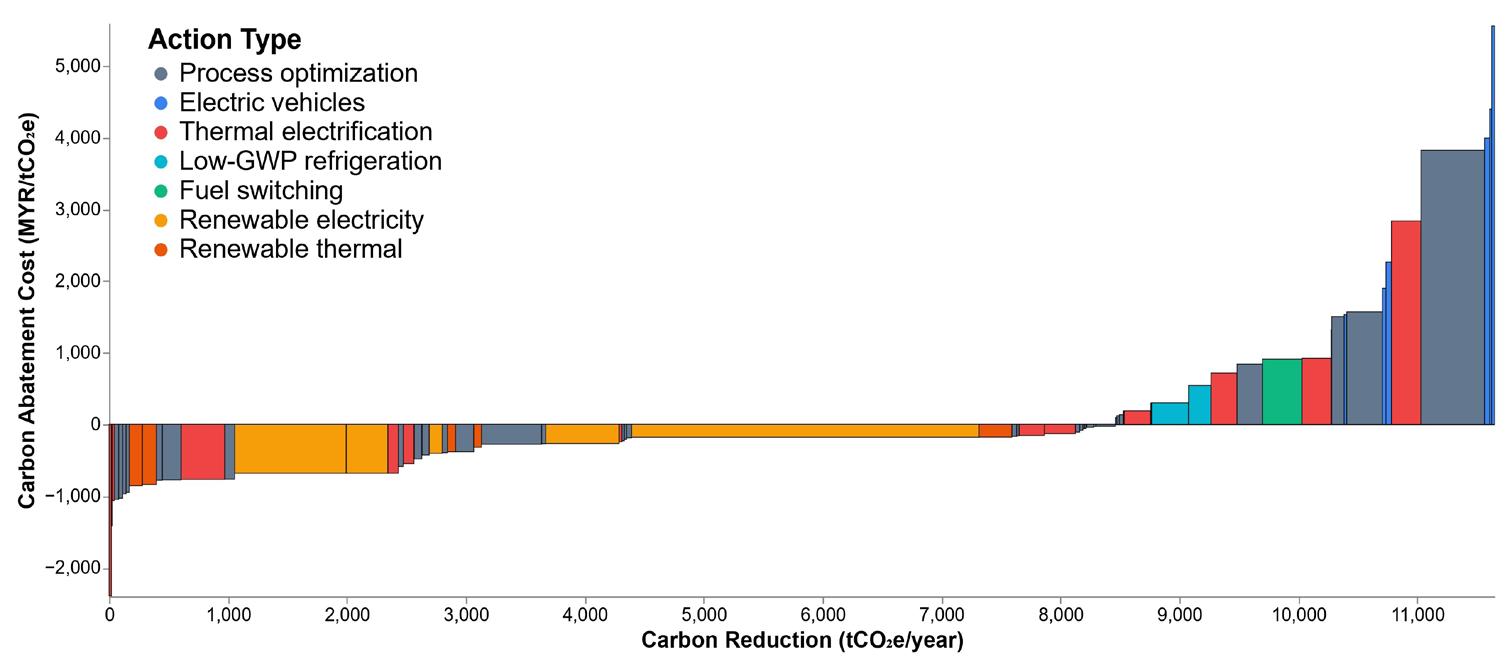
Over the past several years, we have identified numerous decarbonization projects across our manufacturing sites, assessing both their GHG reduction potential and associated investment costs. In total, we identified approximately 80 emission reduction projects, representing more than 9,500 tCO2e of potential annual savings
The projects were consolidated into a Marginal Abatement Cost Curve (MACC), presented below. The MACC ranks each initiative according to its emissions reduction potential and cost per tonne of CO2 avoided, providing a structured view of technical feasibility and investment intensity.
As this is our first comprehensive internal decarbonisation screening exercise, certain technical and financial assumptions will continue to be refined over time. Nevertheless, the analysis provides a clear prioritisation framework and highlights that a significant share of reductions can be achieved through a combination of operational improvements and targeted capital investments.
The following graph illustrates the distribution of emissions reduction potential by project category, helping to visualise where the main decarbonisation levers are located within our operations.
This structured approach forms the basis for progressively building our Climate Transition Plan.
Figure E1 - Marginal Abatement Cost Curve (MAAC)
Scope 3 Emission & Challenges
Compared to Scope 1 and 2 emissions, our Scope 3 assessment is at an earlier stage of structuring and consolidation. Reducing Scope 3 emissions, covering upstream and downstream activities across our value chain, requires a broader level of collaboration and longer implementation timelines. These emissions include purchased goods and services, raw materials, transport, packaging and end-of-life treatment.
Our current work is focused on three areas:
∙ Project Identification: Compiling potential decarbonization initiatives across all value chain stages.
∙ Stakeholder Collaboration: We aim to progressively engage with suppliers, partners, and industry peers to explore lower-carbon sourcing, logistics, and packaging solutions.
Figure E2 - Climate transition pathway
∙ Scope 3 FLAG Assessment (Forest, Land and Agriculture): As part of our alignment with SBTi requirements, we are assessing whether our Scope 3 emissions include significant Forest, Land and Agriculture (FLAG) emissions. This determination is important, as SBTi applies specific methodologies and reduction pathways when FLAG emissions are material.
This phased approach enables us to prioritize high-impact actions, strengthen internal governance and progressively structure a realistic decarbonization pathway.
GHG Inventory
Understanding and monitoring our greenhouse gas (GHG) emissions is the first step toward effective decarbonisation. This is why maintaining a robust GHG inventory remains a core element of our environmental management approach. We have been calculating Scope 1 and 2 emissions since 2020, and Scope 3 emissions since 2023.
Methodology and Boundaries
GHG emissions were calculated in accordance with the GHG Protocol Corporate Accounting and Reporting Standard, the internationally recognised framework for corporate carbon accounting. Emission sources are categorised by level of control and influence:
∙ Scope 1: Direct emissions from owned or controlled sources.
∙ Scope 2: Indirect emissions from purchased energy.
∙ Scope 3: Indirect emissions from the value chain, including both upstream and downstream activities.
This GHG inventory covers the period from 1 January 2025 to 31 December 2025 and includes all Food & Beverage (F&B) activities under the ESG
perimeter. This encompasses branded products and related sourcing, manufacturing, distribution, and packaging endoflife.
We apply the operational control approach to define our organizational boundary, reporting all our emissions from sites we manage, as it best reflects our ability to implement emission reduction initiatives and manage energy performance across sites.
Inventory Management and Data Quality
DAP maintains a structured system to ensure that its GHG inventory is transparent, complete and traceable. Each site designates a person responsible for monthly data collection and preliminary verification.
Scope 1 and 2 data are then centrally reviewed before consolidation. Scope 3 emissions are updated annually, with ongoing efforts to improve granularity through better data availability.
Quality control includes crosschecks of utility invoices, production data and emission factors. All assumptions and methodologies are documented internally. In line with our continuous improvement approach, we aim to progressively strengthen data assurance, including through internal audits and potential thirdparty verification.
We conduct annual assessments of Scope 1 and 2 emissions to monitor our operational carbon footprint. In 2025, total Scope 1 and 2 emissions reached 12,210 tCO2e, representing a 6% increase compared with 2024. This rise is primarily due to a 21% increase in production levels, partially offset by the energy-efficiency improvements implemented during the year (see section Energy Management).
Note: we did not include any removals or any purchased, sold or transferred carbon credits or allowances in the calculation of Scope 1, 2 or 3 emissions. We did not report emissions under any regulated carbon trading scheme, nor did we operate or finance any carbon offset projects or apply internal carbon pricing.
Emissions Breakdown in 2025
Figure E4 - Breakdown of Scope 1 and Scope 2 emissions
E5 - Historical Scope 1 and Scope 2 emissions and intensity
GHG Intensity (tCO2e per tonne of finished product)
In addition to absolute emissions, we track GHG intensity, which reflects emissions relative to business activity. This metric is particularly relevant for companies like us, with evolving production volumes, as it provides a more stable view of underlying performance.
Our GHG emission intensity decreased from 0.68 in 2024 to 0.60 in 2025, largely due to higher production volumes combined with continued efficiency measures, notably improvements in steam management and corrective actions taken to reduce refrigerant leakage.
Scope 3 Emissions
In 2023, we completed a comprehensive Scope 3 assessment, which confirmed that 86% of our total emissions originate from our value chain.
Figure
The detailed category breakdown provided several key insights:
∙ Food Raw Materials and Food Products: Nearly 50% of total emissions, though our focus on low-carbon food sourcing helps mitigate impact.
∙ Purchased Goods (Packaging Materials): Approximately 25% of total emissions, reinforcing our strategy to enhance packaging sustainability through:
Figure E6 - Breakdown of Scope 1, Scope 2 and Scope 3 emissions
Figure E7 - Share of GHG emissions by category
- Weight reduction
- Increased recyclability
- Higher recycled content
∙ Transportation: Had a lower-than-expected impact, primarily due to our reliance on long-shelf-life products transported via sea freight, a lower-carbon logistics option.
In 2024 and 2025, we did not perform full reassessment, as trends remain closely correlated with purchases and sales volumes. Instead, we applied a turnoverbased extrapolation, confirming stable levels at 69,160 tCO2e for 2024, with approximately 87% attributable to Scope 3.
This approach allows us to focus reduction efforts on Scope 1 and 2 emissions, where operational control is highest and improvements can be implemented more rapidly.
For additional information, refer to our GHG Report case study conducted by Greenly:
Scope 1 and Scope 2 greenhouse gas emissions are primarily driven by energy consumption across our manufacturing operations. Within this scope, steam production represents the most significant source of direct GHG emissions, due to its reliance on electricity and fossil fuels.
Over recent years, we have progressively implemented a structured approach to energy management, supported by technological improvements and operational controls, to better manage energy use and reduce fossil fuel dependency across our manufacturing sites in Malaysia and Vietnam.
Energy Management System
In 2025, we strengthened our Energy Management System (EnMS) across our manufacturing facilities in Malaysia and Vietnam. The system has been structured in line with the principles and key requirements of ISO 50001 (Energy Management Systems). While the system is not certified at this stage, we retain the option to pursue certification in the future.
The EnMS aims to improve overall energy performance through structured monitoring, analysis and governance, with a particular focus on energy intensity.
Key actions implemented in 2025 include:
∙ Completion of the first Energy Management Review at the Taiping factories with management and heads of department, providing an initial assessment of energy performance, consumption trends, significant energy uses and improvement opportunities.
∙ Creation of an Energy Management Team (EnMT) supported by a RACI matrix defining roles and responsibilities.
∙ Identification and evaluation of Significant Energy Uses (SEUs) and analysis of factors influencing their energy consumption.
∙ Identification of energy-related risks and opportunities, integrated into the ISO 14001 risk and opportunity register, with dedicated mitigation actions.
∙ Enhancement of steam trap inspection practices, including a targeted audit conducted free of charge by a third-party specialist at selected factories.
∙ Estimation of energy consumption and costs over a three-year horizon to support planning and decision-making.
In parallel, we continue to operate and monitor energy practices established in previous years, including:
∙ Regular internal steam audits to detect leaks, inefficiencies and improvement opportunities.
∙ Thermal camera inspections of freezer rooms, cold rooms and chiller areas.
∙ Ongoing steam trap inspections using infrared thermography to identify malfunctions and prevent energy losses.
∙ Boiler efficiency monitoring using steam flow meters, combined with air ratio controls to optimize combustion conditions.
∙ Deployment of an Energy Management Information System (EMIS) to monitor electricity meters and identify energyintensive processes.
∙ Monthly Energy Dashboard reporting covering energy intensity, auditing results and ongoing projects, supporting data-driven decisions.
Energy performance and progress are reviewed through regular Energy Management Meetings to ensure alignment of priorities and follow-up on action plans.
Energy Efficiency and Emissions Reduction Initiatives
Over recent years, these initiatives have delivered measurable efficiency gains. As detailed in previous ESG reports, our operational optimization efforts have resulted in an annual emissions reduction of 1,005 tCO2e.
Steam Management
GHG assessments confirm that steam generation, mainly reliant on natural gas and coal, is the largest contributor to Scope 1 emissions. In 2025, we continued our steam measurement initiative to improve
visibility and control over steam usage:
∙ Deployment of mobile steam flow meters, enabling the completion of steam consumption mapping (Sankey diagrams) at two manufacturing sites. Mapping at a third site is ongoing and expected to be finalized in 2026.
∙ Installation of temperature control valves on fish cooking and can washer equipment, replacing continuous steam injection practices. Estimated savings: 126 tCO2e.
∙ Improved steam trap maintenance and monitoring, ensuring equipment operates as intended. Estimated savings: 39.7 tCO2e.
∙ Heat recovery initiatives, recovering hot water at approximately 95°C from cooking processes and reusing it to preheat boiler feedwater. Estimated savings: 9 tCO2e.
Electricity Consumption Reduction
Alongside steam-related initiatives, the development of our decarbonization plan has identified opportunities to reduce electricity consumption:
∙ Upgrade of air compressors to variable-speed systems, allowing output to match actual demand. Estimated savings: 35.5 tCO2e.
∙ Compressed air leak detection and repair programs. Estimated savings: 9.5 tCO2e.
∙ Replacement of inefficient lighting with LED, solar and motionsensor solutions across all sites resulted in a total reduction of approximately 8.3 tCO2e.
Taken together, all the initiatives implemented in 2025 correspond to 228 tCO2e avoided.
Energy Mix Evolution
Between 2022 and 2025, the share of stationary combustion (natural gas and coal) in our total energy mix decreased from 74% to 70%. This downward trend reflects the impact of the operational improvements introduced across our manufacturing sites, actions detailed above in the section Energy Efficiency and Emissions Reduction Initiatives.
Indeed, while natural gas remains the dominant source of energy, its proportion decreased from 65% to 61% over the period.
This shift demonstrates early progress in reducing reliance on fossil fuel based thermal energy, supported by better control of our steam systems and enhanced energy monitoring practices.
As highlighted in the Net Zero Roadmap chapter, continuing to reduce fuel consumption, followed by transitioning the remaining energy needs to electricitybased systems, will be essential steps in progressing toward longterm decarbonization.
Figure E8 - Breakdowm of energy consumption by source
Outlook Towards Net Zero
Looking ahead, we will continue to prioritize energy efficiency as a core lever of our decarbonization trajectory. Projects under development for 2026 include the installation of a higher-efficiency boiler, enhanced condensate recovery solutions, and more efficient hot water generation systems.
These initiatives form part of our structured carbon roadmap and support our longterm objective of achieving decarbonization, through a pragmatic and measurable approach.
Renewable Energy
Since 2017, Denis Asia Pacific has progressively increased the share of solar energy in its electricity mix, reaching 17% of total grid electricity consumption in the reporting year. This transition supports the reduction of Scope 2 greenhouse gas emissions across our manufacturing operations.
Annually, we prevent approximately 1,277 metric tonnes of CO2e emissions, directly contributing to global decarbonization efforts.
To put this into perspective, our emissions savings are roughly equivalent to:
∙ Removing over 278 passenger cars from the road each year
∙ Preserving nearly 1,205 acres of forest sequestering CO2 annually
Methodology notes:
Equivalencies are calculated following the U.S. EPA Greenhouse Gas Equivalencies Calculator methodology.
Solar Photovoltaics in Vietnam
In Vietnam, the Denis Great Mekong (DGM) site has operated a rooftop solar system since 2023. The installation supplies around 38% of the site’s daily electricity demand, contributing to an annual avoidance of approximately 342 tCO2e.
Solar Photovoltaics in Malaysia
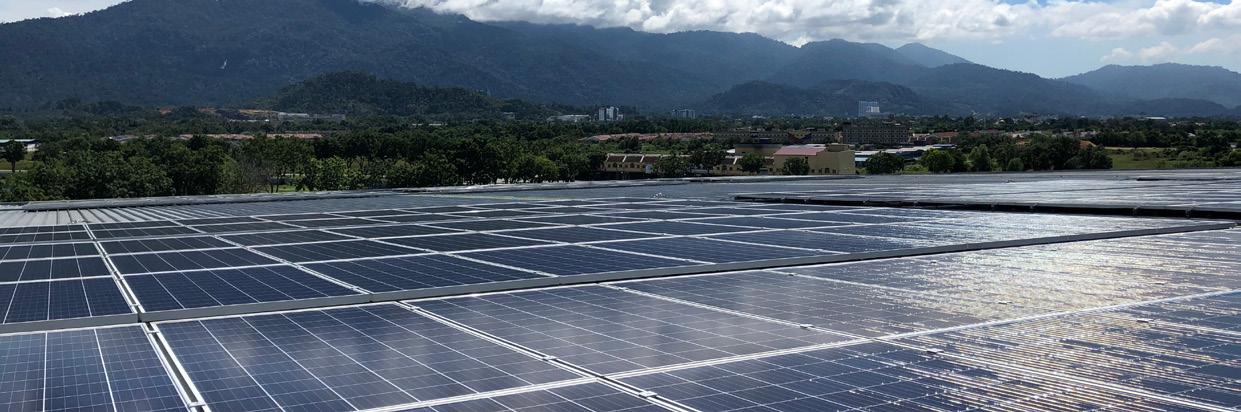
In Malaysia, rooftop solar systems have been deployed across seven industrial sites since 2018. In 2025, these installations generated approximately 1,451 MWh of electricity, corresponding to an estimated reduction of 935 tCO2e.
Watch the video of our solar system here: Solar System Taiping
Solar Horizons
In parallel, we are currently assessing a Phase 2 solar photovoltaic deployment at our Taiping entities. This phase is being considered as part of our decarbonisation efforts and could potentially generate up to an additional 1,210 MWh of electricity, subject to technical, regulatory, and financial feasibility assessments.
Resource & Circularity
Efficient use of natural resources is embedded in our operational environmental management and supports climate mitigation, circularity and regulatory compliance. Water, waste and paper performance are monitored monthly at site level under our ISO 14001 environmental management systems.
Key Figures at a Glance (2025)
• Water consumption: 464,593 m³
• General waste generated: 5,467 tonnes
• Waste diverted from landfill: 95%
• Hazardous waste: < 6 tonnes
• Paper consumption: 5,265 kg
(Trend data available in “Appendix A1. Environmental Performance data” on page 164)
Water Stewardship
Figure E9 - Water consumption (m3)
Water is a critical input in our manufacturing processes, particularly for cleaning, sterilisation and food preparation. Water consumption follows production volumes across the period, with a peak in 2022 and stabilisation thereafter. Performance is assessed both in absolute terms and through intensity indicators (m³ per ton produced).
All manufacturing facilities operate Wastewater Treatment Plants (WWTPs) to ensure discharged water complies with national environmental regulations. No water-related fines or regulatory incidents were recorded in 2025.
At Mafipro, our Malaysian manufacturing site, a significant investment was undertaken to modernise wastewater treatment operations. A new Dissolved Air Flotation (DAF) system was installed at year-end 2025, with commissioning scheduled for early 2026. This upgrade aims to improve effluent quality and enhance operational reliability.
Within the Fish Centralised Processing Plant (CFPP) at Mafipro, process water optimisation measures are implemented to support more efficient resource use. In addition, rainwater harvesting tanks installed at selected warehouses are used for external cleaning activities, reducing reliance on treated water for non-process purposes.
Waste & Circularity
Waste generation is inherent to food manufacturing, particularly from raw material preparation and packaging activities. In 2025, 95% of waste generated across our manufacturing sites was diverted from landfill.
Diverted waste includes materials that are reused, recycled or recovered through authorised facilities. Hazardous waste — mainly oil, batteries, solvents and chemicals — represented less than 6 tonnes and remained stable compared to the previous year.
The increase observed in recent years is primarily linked to regulatory reclassification rather than operational changes.
Waste contractors are audited at least once every three years, or more frequently if required. No major non-conformities were identified during recent audits.
(tonnes)
Figure E10 - Normal Waste generation (tonnes)
Figure E11 - Hazardous Waste generation (tonnes)
Beyond compliance, we are progressively strengthening circular economy initiatives within our manufacturing operations. A key development in this area is the Fish Protein Concentrate (FPC) project, focused on the structured valorisation of fish processing by-products.
Fish By-product Valorisation
Fish processing operations generate solid by-products such as heads, viscera, tails and off-cuts. Historically, these materials were sold as raw by-products to external buyers, with limited integration into our own value chain. This outlet has become increasingly exposed to price volatility and market dependency.
In 2025, we initiated the Fish Protein Concentrate (FPC) project to structurally improve the valorisation of these by-products. The project consists of retrofitting part of our existing facilities, to enable the processing of solid fish residues. Through an enzymatic hydrolysis process, the proteins are solubilised, purified and concentrated into a high-protein ingredient.
This process allows the recovery and revalorisation of up to 99% of the incoming by-products produced by our main production lines, enabling the reduction of approximately 6 tonnes of organic waste per day, subject to fluctuations in our fish supply.
The total investment amounts to RM 2.5 million, with a targeted production capacity of around 80 to 100 tonnes per month once fully operational. Commissioning is scheduled for 2026 following the installation phase, with production ramp-up continuing progressively thereafter.
Through this project, we seek to enhance material circularity within our operations while improving the structuring and resilience of
downstream by-product valorisation.
Paper & Digitalisation
In 2025, paper usage remained close to previous-year levels, following a long-term downward trend since 2017. All office paper purchased is sourced from FSC- or PEFC-certified suppliers.
Reduction efforts continue to focus on the digitalisation of administrative processes, including e-leave systems, digital signatures, electronic purchasing documentation and maintenance software. Paper quotas per department remain in place to reinforce accountability and responsible use.
While paper represents a limited share of our overall environmental footprint compared to manufacturing resource use, continued digitalisation supports operational efficiency and responsible resource management.
Paper Usage (kg)
Figure E12 - Paper usage (kg)
Packaging
Packaging as a strategic lever
Packaging is a material topic under our Double Materiality Assessment, notably in relation to Climate & Energy and Circular Economy. Based on our greenhouse gas inventory and Life Cycle Assessments, packaging materials account for approximately 23% of our total GHG emissions. The breakdown of packaging-related emissions by format is illustrated below.
As shown in the above figure, metal cans represent the largest share of packaging-related emissions (66.9%), followed by Tetra Pak (11.4%) and glass formats (10.8%). This distribution reflects the energy intensity of primary material production and confirms that packaging optimisation efforts must prioritise high-impact formats.
Packaging therefore represents a key lever within our decarbonisation and resource efficiency strategy.
Cans
Pak
Figure E13 - Share of packaging-related carbon emissions by format
At the same time, our products are designed for long shelf life and must withstand sterilisation processes while ensuring food safety and quality. Robust packaging plays a critical role in preventing spoilage and reducing food waste across transport, storage and consumer use. Our approach therefore seeks to balance circularity, carbon impact and product protection requirements.
2030 Packaging Recyclability Objective
We have set the objective of ensuring that all our packaging is recyclable by design by 2030. Recyclability refers to packaging formats designed to be compatible with established recycling streams, recognising that actual recycling rates depend on local waste management infrastructure.
Today, most of our primary formats — including metal cans, glass jars and paper-based cartons — are recyclable by design. The main technical challenge remains certain multi-layer flexible pouches, whose composite structure limits recyclability.
During the year, we continued working with suppliers to identify mono-material alternatives suitable for sauce and paste packaging. Technical solutions have been identified and are undergoing validation to ensure compliance with food safety, barrier performance and industrial scalability requirements before wider implementation.
Progress is monitored at format level, with reporting mechanisms aligned with regulatory requirements and internal project tracking systems.
Regulatory Compliance by Market Singapore
We have been a signatory to the Singapore Packaging Partnership Programme (PPP) since 2018 and received a Merit Award in 2019 for our packaging reduction efforts.
In line with Singapore’s Mandatory Packaging Reporting (MPR) framework, we submit an annual declaration covering packaging types and quantities introduced to the market, together with a 3R (Reduce, Reuse, Recycle) action plan.
Key actions implemented include:
∙ Packaging reduction: Continuous optimisation of carton weight to reduce raw material use and transport-related emissions while maintaining product protection.
∙ Recycled content: Progressive increase in recycled fibre content in cartons, with selected formats reaching up to 95% recycled material.
Australia
We are a signatory to the Australian Packaging Covenant (APC), which supports industry progress towards the National Packaging Targets (NPTs) and the transition to a circular economy for packaging. The original 2025 targets, established in 2018, are currently under review as certain objectives were not fully achieved within the initial timeframe. We continue to monitor regulatory developments and will align with updated targets once finalised.
The majority of our packaging formats in Australia are recyclable by design (Recyclability designed from conception), supporting both the national framework and our internal 2030 recyclability objective.
In addition, we are progressively transitioning our packaging to integrate the Australian Recycling Label (ARL), providing clear disposal guidance to consumers. As of early 2025, approximately 95% of our
relevant packaging carries the ARL. Given that recycling guidelines and infrastructure evolve over time, we monitor ARL requirements on an ongoing basis and update packaging specifications accordingly to maintain compliance.
Operational Improvements
During the year, several targeted actions were implemented to reduce material use and improve the environmental profile of our packaging formats.
∙ Glass lightweighting: The 200ml glass jar was redesigned to reduce material intensity, resulting in approximately 15 metric tonnes of glass avoided annually. This contributes to lower raw material extraction, reduced production energy and decreased transportrelated emissions.
∙ Plastic reduction: Selected formats transitioned from 60 to 50 microns shrink-wrap thickness, maintaining product protection while avoiding approximately 407 kg of plastic.
∙ Sustainable paper-based packaging: 15 product models have transitioned to FSC- or PEFC-certified paper sources, representing approximately 50% of the total product range. Certification ensures responsible forestry management and traceability of fibre sourcing.
∙ Mono-material transition: Development of mono-material flexible packaging for sauce and paste products progressed during the year. Technical validation is ongoing prior to industrial-scale deployment.
Through these combined actions, packaging remains a structured priority within our climate and circularity roadmap, with continued focus on recyclability by design and material efficiency.
Life Cycle Assessment (LCA)
Purpose, scope and methodology
To gain a data-driven understanding of the environmental footprint of our products, we have been conducting Life Cycle Assessments (LCAs) on our core product range for several years. These assessments aim to:
∙ quantify greenhouse gas (GHG) emissions at product level;
∙ support internal decision-making, including packaging choices, sourcing strategies and eco-design initiatives;
∙ contribute to the identification of environmental hotspots as part of our Double Materiality Assessment.
LCAs are conducted using a cradle-to-grave approach, covering key stages of the product life cycle from raw material sourcing to end-of-life.
The assessments are primarily based on Agribalyse and Ecolnvent data, complemented, where relevant, by available primary operational data such as energy consumption, transport distances, packaging weights, ingredient lists and sourcing origins. Consumer use and end-of-life stages are modelled using recognised methodologies, including the Environmental Footprint (EF) framework.
In addition to carbon footprint results, LCAs generate other environmental indicators—such as water use, resource depletion and land use— providing further insights into impacts across the product life cycle.
Coverage and key insights
To date, LCAs have been completed for 12 flagship products, representing approximately 50% of our sales volumes. These products were selected to be representative of our main categories, ingredients, packaging
formats and processing methods. In 2025, three additional LCAs were conducted, further expanding this coverage.
Our assessments provide practical insights into the main environmental impact drivers across product categories:
∙ Sardines and mackerel in tomato sauce (metal cans): packaging in metal cans accounts for the largest share of the overall climate impact.
∙ Coconut milk and cream (cans and TetraPak): the farming stage is the main contributor to GHG emissions, reflecting land use and agricultural practices.
∙ Baked beans (metal cans): the manufacturing phase is the most significant contributor, mainly due to energy consumption during production.
∙ Tuna (three recipes, metal cans): compared with other animalbased foods, tuna products show a relatively lower carbon footprint.
∙ Thai red curry paste (glass jars): packaging is the main driver of the carbon footprint, as glass production is energy-intensive, even though the material is fully recyclable.
∙ Oyster sauce (glass jars): the carbon footprint is largely driven by glass packaging, with ingredients contributing to a lesser extent.
∙ Pulled chicken (metal cans): the main contributors are the chicken itself—linked to animal feed production—and primary packaging, which together account for the majority of the product’s carbon footprint.
Overall, our results indicate that, across the assessed categories, our products generally fall within the lower range of carbon footprint for food products, while also helping to identify where environmental impacts
are concentrated along the product life cycle and where improvement actions can be prioritised.
Product Environmental Labelling
To support greater transparency for consumers, we have joined the Green-Score initiative for our products sold in France. Green-Score is an environmental labelling scheme for food products based on Life Cycle Assessment methodologies, designed to summarise environmental impacts across the product life cycle through a clear, on-pack rating.
By participating in this initiative as an early adopter in the French food sector, we contribute to the development of more harmonised and understandable environmental information for consumers.
The Green-Score system rates food products on a scale from A+ to F. Based on our assessments, 70% of our products achieve an A rating, while the remaining products are evenly distributed between A+, B and C. No products are rated below C, confirming an overall strong environmental performance across our product portfolio.
Going forward, we intend to:
∙ progressively extend LCA coverage to additional product categories; and
∙ further integrate LCA-derived emission factors into our Scope 3 greenhouse gas calculations, strengthening consistency between product-level analysis and corporate climate reporting.
We firmly believe that reducing environmental impact begins with data-driven insights, enabling us to contribute to a more sustainable and responsible global food system.
Sustainable Operations & Supply Chain
Green Buildings
Buildings have significant environmental impacts across their lifecycle, from construction and occupancy to renovation, repurposing, and demolition. They consume energy, water, and raw materials, generate waste, and emit potentially harmful atmospheric pollutants. In response, Green Building standards, certifications, and rating systems have been established to mitigate these impacts through sustainable design and operational efficiency.
Our Approach and Purpose
Our objective is to progressively certify all company-owned buildings within the report perimeter under recognised Green Building schemes by 2030.
Given that most of our sites are existing buildings, our approach focuses on incremental improvements, operational discipline and integration of sustainability criteria into day-to-day building management rather than large-scale retrofits.
We apply nationally recognised Green Building schemes in each country of operation, reflecting local regulatory requirements and market practices. While certification frameworks differ, they share common principles related to energy efficiency, water management, indoor environmental quality and waste management.
Across both certified and not-yet-certified sites, building management practices are progressively aligned with Green Building requirements, including:
∙ monitoring and optimisation of energy consumption;
∙ installation of energy-efficient lighting and air-conditioning systems
during renewal cycles;
∙ deployment of water-efficient fixtures and reuse where operationally feasible;
∙ indoor air quality monitoring and use of certified green cleaning products;
∙ strengthened waste segregation and tracking practices.
2025 highlight: Centralized Fish Processing Plant (Malaysia)
In 2025, Mafipro’s new Centralized Fish Processing Plant in Taiping, Malaysia received a Provisional GreenRE Silver certification (Existing Industrial Buildings). This site represents a major investment and is designed as a state-of-the-art industrial facility, with sustainability embedded from the outset.
The building integrates energy, water and thermal systems at the design stage, rather than as add-ons. Key features include:
∙ Integrated thermal and energy systems, combining smart cooling systems, energy recovery solutions and green heating and cooling using CO2-based heat pump technology.
∙ Efficient air circulation and optimised ventilation, supported by high-performance filtration and airflow design, contributing to indoor air quality and thermal comfort across production and occupied areas.
∙ High-performance building envelope, including infrared-insulated walls, insulated roof and wall panels, north–south orientation and Low-E glazing, limiting solar heat gain and improving thermal efficiency.
∙ Maximised natural lighting, through the use of skylights in selected
areas, reducing reliance on artificial lighting.
∙ Water reuse systems and water-efficient fittings, including closed-loop process water systems, filtered reuse where feasible, heat recovery from wastewater and sensor-controlled, waterefficient fixtures.
∙ On-site roof solar panels, contributing to reduced reliance on grid electricity.
∙ Green-labelled construction finishes, low-VOC indoor paints and environmentally friendly cleaning products, supporting healthier indoor environments and reduced chemical exposure.
The project is ongoing, with final certification targeted in 2026. This facility sets a new internal reference for green industrial buildings within our operations and will inform future manufacturing projects.
In parallel, two existing sites were successfully recertified in 2025:
∙ Guinea Foods 2 (Malaysia) – first recertification.
∙ A. Clouet (Malaysia) – second recertification.
These renewals strengthened operational documentation, internal ownership and performance monitoring, reinforcing a culture of continuous improvement at site level.
Our Green Buildings
As of year-end 2025, six offices and industrial facilities are certified, and one additional industrial site is provisionally certified, across three countries under recognised Green Building schemes:
Sites under certification
Several sites are currently engaged in certification or recertification processes:
∙ Denis G.M. (Vietnam) is progressing under the LOTUS scheme, with documentation largely aligned and scoring underway.
∙ Mafipro Factory 1 and Factory 2 (Malaysia), our biggest industrial sites, are being prepared for future certification, focusing on documentation alignment, operational practices, and delivering green building awareness training to employees at all levels through multiple engagement modes.
∙ SFI Food P1 and P2 (Malaysia) are undergoing their next recertification cycle in 2026.
∙ A. Clouet (Australia) is transitioning from Green Star Performance v1.2 to v2, reflecting a stronger focus on Zero Carbon action plan. By 2026, our ambition is to complete the certification submissions for DGM Vietnam, submit the first documentation for Mafipro facilities,
Denis Building
Clouet (Malaysia)
Clouet (Australia)
Figure E14 - Certified Green Buildings
successfully re-certify SFI P1 and P2 before expiry, and implement and recertify the Green Star Performance v2 framework for ACA. Together, these milestones will establish a standardised, scalable certification and governance framework, supporting our long-term commitment to achieve Green Building certification across all DAP buildings by 2030.
Overall, the progress achieved across new developments, recertifications and sites under certification in 2025 confirms the robustness of our Green Building approach and its integration into operational management. Based on the current pipeline and governance in place, we are confident in our ability to progressively achieve Green Building certification across all DAP-owned buildings by 2030.
“Joining the ESG team has been a meaningful journey, working with a team committed to making a positive impact. Contributing to the CFPP provisional certification and supporting the renewal and certification of other buildings has given me insight into how thoughtful design, operational practices, and collaboration across teams can drive real change. Looking ahead to our 2030 goal of having all group buildings Green Building certified, I am excited to continue supporting initiatives that make our spaces more sustainable and resilient.”
Saranya Raj Packiaraj Green Building Executive, Mafipro Sdn Bhd
Environmental Management System
All our manufacturing facilities and logistics centres are certified to ISO 14001:2015. This certification has been maintained over time and applies to the following sites:
∙ Mafipro Sdn. Bhd., Malaysia – Certified since 2013
∙ Guinea Foods Sdn. Bhd., Malaysia – Certified since 2013
∙ SFI Food Sdn. Bhd., Malaysia – Certified since 2018
∙ Denis G.M. Co. Ltd., Vietnam – Certified since 2019
ISO 14001 provides a structured framework to identify environmental aspects, assess related impacts, ensure compliance with applicable legal requirements, and implement operational controls. At each site, environmental risks and opportunities are reviewed periodically, supported by internal audits and annual external surveillance audits conducted by accredited certification bodies.
Environmental objectives are defined at site level and integrated into operational management processes, including energy use, waste management, wastewater treatment and regulatory monitoring. Performance is reviewed during management meetings to ensure corrective actions are implemented where needed and to support continuous improvement.
The system is embedded in day-to-day operations through coordination between all departments. This integration ensures that environmental considerations are addressed in operational decisions, investments and process improvements.
All certified sites successfully maintained their ISO 14001 certification in 2025, with no major non-conformities identified during external surveillance audits. Through this structured Environmental Management
System, we ensure regulatory compliance, manage environmental risks and drive continuous improvement across our manufacturing activities.
Sustainable Palm Oil
Palm oil sourcing policy
Since 2011, Denis Asia Pacific (DAP) has implemented a responsible palm oil sourcing policy. Within a few years, this policy enabled the Company to achieve 100% certified sustainable palm oil for all palm oil used in its products.
In parallel, DAP has pursued a product reformulation strategy for its key brands, progressively replacing palm oil with alternative vegetable oils, such as olive oil, wherever technically feasible and consistent with product quality and safety requirements. As a result, palm oil is used only in a limited number of products.
Despite the limited volumes involved, DAP applies two core sustainability principles to all palm oil sourcing:
∙ Commitment to sustainable sourcing
All palm oil used in DAP products must be certified sustainable. DAP’s factories are RSPO-certified and source palm oil exclusively from West Malaysian origins that are verified as sustainable. If an OEM partner could not bear the additional cost of certified sustainable palm oil, DAP would assume the cost of RSPO Green Credits as a minimum safeguard to support sustainable production.
∙ Transparency in product labelling
Any DAP product containing palm oil clearly indicates its presence in the ingredient list, ensuring transparency for consumers.
2025 sustainability performance
Palm oil is present in a limited number of DAP products. In 2025, procurement volumes and sustainability coverage were as follows:
∙ Ayam Brand™: 101 tonnes of palm oil, all RSPO Segregated-certified.
∙ Other brands (including OEM products): 144 tonnes of RSPO Segregated-certified palm oil.
In addition, DAP sourced 719 tonnes of palm fruit in 2025, of which 259 tonnes were used to produce palm fruit purée and 94 tonnes to produce Crude Palm Oil (CPO). The remaining by-products (fibre and kernel) were returned to suppliers for valorisation.
As palm fruit purée is a marginal product for which no dedicated sustainability certification currently exists, DAP voluntarily purchased 353 tonnes of RSPO Green Credits to support the sustainable palm oil sector and ensure that 100% of palm-derived ingredients used by the Company are covered by sustainability mechanisms.
Engagement and sector initiatives
DAP was a founding member of the Singapore Alliance for Sustainable Palm Oil (SASPO), an initiative led by WWF Singapore. SASPO aims to promote the use of Certified Sustainable Palm Oil (CSPO) and to address deforestation, haze and biodiversity loss in the region by supporting companies in their transition towards responsible sourcing.
DAP’s engagement in SASPO reflects its commitment to collective action and knowledge sharing, and demonstrates that responsible palm oil sourcing can be implemented effectively by companies of all sizes.
External recognition and performance benchmarking
DAP has maintained 100% sustainable palm oil sourcing for palm oil and palm fruit products since 2020, following a structured and transparent sustainability roadmap. This progress has been recognised through several independent assessments:
∙ 2017 WWF Palm Oil Scorecard (Malaysia/Singapore)
Score: 10/12
WWF noted DAP’s leadership in sustainable palm oil procurement and transparency.
∙ 2018 RSPO Roundtable (Paris)
Representation of SASPO by DAP’s ESG Committee Chair at the global summit.
∙ 2020 WWF Palm Oil Buyers Scorecard
Score: 15.5/22
Highest ranking among 16 Asian companies assessed; top 25% globally.
∙ 2021 WWF Palm Oil Buyers Scorecard
Score: 14.75/24
Ranked 2nd in Asia.
∙ 2024 RSPO Shared Responsibility Scorecard
Score: 7.4/10
Ranking: top 12% of 2,006 companies assessed Industry average: 2.8/10
∙ 2025 RSPO Shared Responsibility Scorecard
Score: 9.2/10
Sector average: 5.0/10
These assessments provide independent confirmation of DAP’s sustained efforts to align with leading industry benchmarks for responsible palm oil sourcing.
European Union Deforestation Regulation (EUDR)
The European Union Deforestation Regulation (EUDR) aims to prevent deforestation and forest degradation by requiring companies placing products such as palm oil on the EU market to demonstrate that their supply chains are deforestation-free and legally compliant.
Sustainable palm oil has long been a material focus for DAP. Since 2020, 100% of the palm oil used for Ayam Brand™ has been RSPO-certified.
However, the EUDR introduces additional and more stringent due diligence requirements, including plot-level traceability and enhanced risk assessment.
To prepare for EUDR implementation, DAP worked closely with its suppliers throughout 2024 and 2025 to strengthen compliance through the following actions:
∙ Supplier engagement
Engagement with suppliers and smallholder farmers to communicate EUDR requirements and promote sustainable agricultural practices.
∙ Enhanced due diligence
Implementation of a structured verification process covering:
∙ Legal compliance, including verification of land titles and cultivation authorisations;
∙ Supply chain simplification, reducing intermediaries to improve transparency;
∙ Traceability and segregation, ensuring traceability to specific plots of land;
∙ Deforestation risk monitoring, using satellite imagery to detect land-use changes;
∙ Sustainability certifications, including verification under recognised schemes such as the Malaysian Sustainable Palm Oil (MSPO) standard.
DAP prioritises collaborative engagement with suppliers and smallholders to achieve compliance, rather than supplier replacement, supporting inclusive and long-term progress.
Although EUDR enforcement has been postponed, DAP palm oil sourcing operations are aligned with EUDR requirements. DAP remains committed to continuously strengthening its due diligence framework to support deforestation-free supply chains.
Supply Chain Sustainability
As a Fast-Moving Consumer Goods (FMCG) company with a long-standing heritage, Denis Asia Pacific (DAP) recognises that a sustainable supply chain is fundamental to the long-term resilience of its business and the integrity of its brands. With more than a century of commitment to strong values, DAP ensures that its suppliers align with its ethical principles and sustainability standards.
DAP’s globally recognised brand portfolio requires the highest level of integrity across the supply chain. The Company takes this responsibility seriously and verifies that its suppliers uphold human rights, environmental sustainability and fair labour practices. DAP applies a strict zero-tolerance policy towards illicit or unethical activities that could compromise the reputation of the Company or its brands.
Within DAP’s direct supply chain, the Ethics Committee has identified two key areas of concern that are closely monitored by consumers, non-governmental organisations and public opinion: the sustainability of tuna sourcing and palm oil production. These topics remain central to DAP’s sustainability strategy.
Ensuring safety is a foremost priority throughout the supply chain. As part of the Taiping Manufacturing Master Plan Project, DAP is embedding ESG principles into the renovation programme, ensuring that upgraded facilities enhance operational efficiency while reinforcing commitments to environmental stewardship and social responsibility.
Taiping Manufacturing Master Plan & Centralised Fish Processing Plant (CFPP)
Launched in late 2023 as the first phase of DAP’s Manufacturing Development Master Plan, the Centralised Fish Processing Plant (CFPP) aims to consolidate and modernise fish processing operations. The project supports DAP’s ESG priorities by improving resource efficiency, reducing processing losses and enhancing working conditions, while strengthening operational performance through optimised raw material utilisation and systematic by-product valorisation.
The CFPP commenced operations in September 2025. It serves as a foundation for subsequent phases of the master plan, including the modernisation of packing and canning operations at the Taiping industrial site. Together, these initiatives are intended to progressively improve environmental performance, operational efficiency and workforce conditions across the site.
1. Inauguration and strategic context
The CFPP was inaugurated on 12 November 2025 in the presence of
the Chairmen and senior management. This milestone marked the transition from project development to operational deployment and confirmed the CFPP’s role within DAP’s broader industrial and supply chain strategy.
Management presented the CFPP as a facility designed to support improved resource management, consistent product quality and long-term operational resilience, in line with DAP’s Environmental, Social and Governance objectives.
Operational trials and production ramp-up
Operational trials began in October 2025, followed by a phased increase in production volumes. Initial results indicate measurable progress across several ESG-related dimensions.
2. Environmental and operational performance
∙ Improved yield and fish recovery through optimised first-transformation processes
∙ Enhanced raw material handling and process control, supporting consistent fish quality
∙ Reduced processing losses, contributing to more efficient use of marine resources
∙ Lower energy intensity of processing workflows
∙ Increased valorisation of co-products, supporting waste reduction and by-product utilisation
3. Social performance
∙ Improved working conditions and workstation ergonomics
∙ Strengthened workplace health and safety practices
∙ Implementation of structured training and skills development programmes, supporting workforce capability and engagement
These developments position the CFPP as a contributor to both operational performance and ESG-related outcomes.
4. Green Building certification
The CFPP has obtained Green Building certification, reflecting compliance with defined environmental performance criteria. The certification recognises the integration of energy-efficient systems, water management measures and building design features intended to reduce resource consumption and support a safe and functional working environment.
“I joined in August 2025, just as the CFPP construction was nearing completion. It has been a rewarding challenge to lead the transition from a building site to a live operation, moving through our first trials in October to the steady ramp-up we are in now.
What makes this project special is not just the new facility, but the strong focus on performance and the sustainable vision that guided its design and construction. We’ve already seen a better production flow, and we are continuing to improve yields and steadily reduce waste, all while working in a ‘Green Building’ certified environment. For me, the most important part is seeing the improved conditions and safety for our team on the floor. We are proving that we can increase our production while staying true to our ESG goals.”
Ramesh Rao, CFPP Plant Manager
Sustainability of Our Tuna Supply
DAP recognises the critical importance of responsible tuna sourcing in ensuring the long-term sustainability of marine ecosystems and maintaining the integrity of its brands. While DAP’s tuna business represents less than 0.1% of the global annual tuna catch, the Company remains committed to upholding the highest standards of sustainable fishing and ethical sourcing.
As DAP does not engage directly with fishing vessels, its influence lies in setting stringent procurement specifications for the canned tuna manufacturers with whom it partners. Through these standards, DAP actively drives improvements in sustainable fishing methods and fair labour practices across its supply chain. Manufacturers supplying DAP must comply with sustainability criteria structured around four key pillars.
1. Sustainable tuna stocks
According to the January 2026 International Seafood Sustainability Foundation (ISSF) Status of the Stocks report, globally, 74% of the stocks are at a healthy level of abundance, none are overfished and 26% are at an intermediate level. In terms of exploitation, 96% of the stocks are not experiencing overfishing, about 4% are at an intermediate level and none are experiencing overfishing.
DAP sources only tuna species that are not endangered and only from biomass classified as healthy, excluding intermediate or overfished stocks.
Biomass data is assessed by Regional Fisheries Management Organisations (RFMOs), international intergovernmental bodies responsible for the sustainable management of fishery resources in
international waters. DAP follows in particular the Indian Ocean Tuna Commission (IOTC) and the Western and Central Pacific Fisheries Commission (WCPFC). Most of this data is consolidated and published by the ISSF.
DAP’s procurement focuses on three tuna species.
∙ Skipjack tuna (Katsuwonus pelamis)
Most of DAP’s canned tuna products are produced using skipjack tuna. The skipjack tuna used by DAP’s brands is caught in the Pacific Ocean in fishing areas assessed as healthy by the WCPFC. Skipjack may also be sourced from other fishing areas where stocks are assessed as healthy by the relevant RFMOs.
In 2025, 100% of skipjack tuna sourced by DAP met these sustainability standards.
∙ Yellowfin tuna (Thunnus albacares)
DAP uses yellowfin tuna for canned tuna products in oil or water. In some regions, yellowfin tuna stocks may be overfished. DAP therefore requires that yellowfin tuna for its brands be sourced exclusively from the Western Pacific, which is assessed as healthy by the WCPFC.
In 2025, 100% of yellowfin tuna sourced by DAP complied with these sustainability criteria.
∙ Tonggol tuna (Thunnus tonggol)
As supply disruptions from the Western Pacific may occur for several months, maintaining sustainability standards for yellowfin tuna requires reducing reliance on this species. DAP has therefore managed to replace approximately 50% of yellowfin supplies with a lesser-known species, Tonggol.
From a sustainability perspective, Tonggol presents both benefits and drawbacks. On the positive side, Tonggol is a coastal species caught by local small-scale fisheries, contributing to local economies, and it is not classified as endangered. On the downside, Tonggol is not widely used by major global tuna industries, and therefore its biomass is not officially monitored by RFMOs.
Although not monitored by RFMOs, DAP’s canning factories ensure full compliance with sustainability criteria, including:
∙ adherence to fishing laws and regulations;
∙ compliance with human rights and labour standards;
∙ full traceability of sourced fish.
In 2025, 100% of Tonggol tuna was sourced from the Western Pacific.
2. Sustainable fishing practices
DAP actively engages with suppliers to promote fishing practices that minimise bycatch and environmental impact.
∙ The majority of DAP’s tuna is caught using purse seine fishing, with a smaller proportion caught using pole-and-line methods.
∙ Longline fishing is strictly prohibited due to its high bycatch rates.
∙ DAP works closely with suppliers to improve transparency regarding the proportion of purse seine catches originating from free schools versus fish aggregating devices (FADs), which are currently mixed at sea.
Ongoing collaboration with suppliers aims to enhance data collection and reporting, enabling continuous refinement of procurement policies.
3. Data monitoring and traceability
To ensure full supply chain transparency, DAP has implemented a comprehensive data monitoring system for all tuna production since 2022. The system tracks six key data points:
∙ species sourced;
∙ catching area;
∙ fishing method;
∙ vessel name;
∙ production code;
∙ quantity produced under these parameters.
This rigorous monitoring enables full traceability from the fishing vessel to the final retail product, reinforcing DAP’s commitment to responsible sourcing and consumer trust.
Through these initiatives, DAP continues to strengthen its sustainable seafood sourcing, fostering a responsible and resilient supply chain that prioritises environmental stewardship, social responsibility and sound governance.
Soba Noodle Soup
A recipe that can be made using Ayam™ soba noodles and Ayam™ soya sauce
Our People
DAP’s Human Resources strategy focuses on attracting, developing and retaining talent to support a resilient and sustainable business model. We recognise that our employees are the driving force behind our operational performance and long-term success.
Creating value for employees is therefore a core element of our corporate vision. We are committed to fostering a workplace culture built on respect, integrity and inclusivity, ensuring an equitable and supportive environment while delivering value for our customers and stakeholders.
In 2025, we further strengthened our efforts to build an inclusive and employee-centric workplace, continuing to develop our employer branding and employee experience initiatives across the organisation.
Workforce Overview
As of December 2025, the Company employed 1,435 staff members, representing a 9.5% reduction compared to 2024. This change reflects ongoing efforts to strengthen our operating model through automation, process improvements and more sustainable business practices.These initiatives enable us to streamline workflows, enhance productivity and reinforce operational resilience while maintaining competitiveness and long-term value creation.
Our workforce remains strongly anchored in Malaysia, where 66.2% of employees are based in Taiping, Perak, supporting our manufacturing and warehousing operations.
Women represent 64% of our workforce, a slight decrease of 1% compared with 2024. At the same time, the proportion of women in Top Management and Management roles increased by 2.6%, reinforcing our commitment to leadership diversity.
Training & Competencies
Building a skilled and responsible workforce remains essential to our long-term sustainability and operational resilience. We therefore
Figure S1 - Total workforce headcount
Figure S2 - Gender distribution of employees
continue to invest in structured technical training across key areas such as quality management, maintenance, environmental management and occupational health and safety. These programmes support compliance with the certifications held by our entities while maintaining high operational standards.
In response to the increasing prevalence of cyber threats, we continued deploying cybersecurity e-learning initiatives to strengthen employees’ awareness and preparedness, contributing to business continuity and data protection.
Our governance framework is further reinforced through regular anti-corruption training for relevant employees, as well as targeted anti-modern slavery awareness programmes for procurement and HR personnel to promote responsible sourcing and ethical employment practices.
In 2025, the Company delivered 18,447 hours of employee training, representing an average of 12.9 hours per employee. Looking ahead, we
Figure S3 - Average training hours per employee per year
will continue strengthening employee development through structured learning programmes covering technical, functional and leadership skills to ensure our workforce remains prepared for evolving business and industry requirements.
Climate Fresk Workshops
Education is a key pillar of our ESG strategy. Developing a shared understanding of climate issues across the organisation helps facilitate cross-departmental dialogue on environmental priorities and operational trade-offs.
In this context, we introduced Climate Fresk, an interactive educational
Founded in 2018, Climate Fresk is a French nonprofit initiative that raises awareness of climate change through an interactive workshop based on IPCC findings. Using educational cards, participants collaboratively map the causes and consequences of climate change, transforming scientific data into an accessible and engaging learning experience.
workshop based on the scientific findings of the Intergovernmental Panel on Climate Change (IPCC). The initiative enables participants to collaboratively map the causes and consequences of climate change through an engaging card-based learning exercise.
DAP launched its Climate Fresk journey in 2023, with the Chairman, CEO and Directors participating in the first workshop during the General
Assembly. This ensured that climate-related topics are understood at governance level and integrated into strategic discussions.
Between 2023 and 2025, the programme was extended to Englishspeaking teams in Malaysia and Vietnam. To date, approximately 200 employees have completed the workshop. Participant feedback consistently highlights the initiative as an effective way to understand climate change and its implications for our activities.
In 2026, we plan to train additional internal facilitators and extend the programme to Malay-speaking employees at our Taiping site, further broadening climate awareness across our operations.
Occupational Health and Safety
Health and safety remain a core operational priority across our activities. Performance is monitored and reviewed regularly by management.
In 2025, we recorded 34 occupational accidents, resulting in 372 lost workdays.
The increase occurred in a context of higher production intensity and a temporary phase of operational reorganisation within certain sites. All reported incidents were recorded and investigated. Root cause analyses were conducted and corrective and preventive actions were implemented to reduce recurrence. No fatal accidents were recorded during the reporting year.
Several operational initiatives were implemented across our Malaysian manufacturing sites to strengthen prevention and risk control:
∙ Regular safety briefings and toolbox talks to reinforce awareness of workplace hazards and safe practices.
∙ Routine workplace inspections conducted by the EHS team and
Safety and Health Committee to identify and address potential risks.
∙ Safety induction training for new employees and refresher sessions to maintain awareness of emergency procedures and proper use of personal protective equipment (PPE).
∙ Periodic hazard identification and risk assessments to review operational risks and implement appropriate control measures.
∙ Systematic recording and investigation of incidents, near misses and unsafe conditions, with follow-up actions tracked by site management.
Stabilising accident frequency and reinforcing preventive measures remain priorities for 2026 as operations progressively return to a more stable configuration.
Our Vietnam manufacturing site maintained a strong safety performance in 2025, recording zero occupational accidents for the
Building on this foundation, DGM continued to strengthen its Safety Management System in alignment with ISO 45001 principles. While the site is not formally certified, the system has been structured to meet the standard’s requirements and is integrated with the existing Quality Management System (ISO 9001) and Environmental Management System (ISO 14001).
This integrated approach enhances risk identification, incident prevention, internal audits and management review processes, while ensuring consistency across quality, environmental and occupational health & safety management. The maturity of this system enables the site to maintain a strong safety culture and provides readiness should certification be pursued in the future.
Figure S5 - Lost days due to occupational accidents
Road Safety
While commuting risks remain largely outside our direct operational control, we continue to promote responsible road behaviour among our employees, particularly in Malaysia where a significant share of our workforce is based.
In 2025, 19 commuting-related accidents were reported, resulting in 334 lost workdays due to injuries. This represents a decrease compared to 2024 (23 accidents and 448 lost workdays). No commuting-related fatalities were recorded during the year.
Road traffic safety remains a national concern in Malaysia, particularly among motorcyclists and young drivers. In alignment with government-led initiatives, we continued deploying our Work-Related Road Safety Program (WRSSP), which includes:
Figure S6 - Commuting-related accidents
∙ Awareness and defensive driving training sessions;
∙ Periodic vehicle inspections to promote roadworthiness;
∙ Reinforcement of internal safety policies related to commuting practices.
The reduction observed in 2025 suggests a positive trend, and we will continue reinforcing awareness and preventive measures to further reduce commuting-related risks.
Employee Engagement & Workplace Wellbeing
We continue to promote an inclusive and supportive workplace through initiatives that strengthen employee engagement, wellbeing and collaboration across our regional offices.
In May 2025, our Singapore Headquarters relocated from Tagore Lane to New Tech Park, Singapore. Located next to Lorong Chuan MRT station,
Figure S7 - Lost days due to commuting accidents
the new office offers improved commuting convenience and a more comfortable working environment, with modern open-plan workspaces designed to encourage collaboration and employee wellbeing. The location also provides better access to nearby sports facilities and dining options, supporting employees’ wellbeing and work–life balance.
Across our companies, we organised a range of engagement and wellness activities to encourage teamwork and healthy lifestyles.
In Singapore, employees participated in Family Day at Universal Studios Singapore, Movie Day and sports activities such as pickleball and spinning sessions.
In Selangor, Malaysia, an Annual Team Building Programme was organised at Amverton Cove Golf & Island Resort, bringing together employees from different departments for two days of outdoor activities including paintball, ziplining and a talent show.
In Thailand, wellness initiatives such as a Run & Walk Step Challenge and a 30-Day Healthy Eating Challenge were introduced to encourage healthier habits and strengthen team engagement.
We also celebrated International Women’s Day 2025 across our regional offices through activities that highlighted the role of women in our organisation. Initiatives included a terrarium workshop in Singapore, an Ao Dai cultural competition in Vietnam, and a Women’s Day Recognition Board organised by the team in Shah Alam where employees shared messages of appreciation for women in the workplace and beyond.
Through these initiatives, we continue fostering a workplace environment that supports employee wellbeing, engagement and collaboration.
Sustainable Office Competition
For several years, we have been organising a Sustainable Office Competition to encourage teams across our offices to turn sustainability ideas into concrete, locally driven actions.
The competition is built on a simple dynamic: initiatives are shared internally, allowing offices to learn from each other and replicate ideas that are relevant to their local context. This peer-to-peer approach has proven effective in creating momentum, enabling larger or more advanced offices to showcase solutions while providing smaller teams with practical inspiration that can be adapted and scaled. Over time, this has contributed to the progressive diffusion of good practices across the organisation.
In 2025, the number of initiatives submitted nearly tripled compared to the previous year, reflecting stronger employee participation and deeper integration of ESG. Below, we share a selection of initiatives from the competition, recognising the teams involved and encouraging ideas to be picked up and adapted elsewhere.
1. Environment - Environmental Innovation Driven by Offices
∙ Indonesia (PT Faretina) conducted its first customer survey on sustainable packaging to better understand expectations regarding recyclability, usability and sustainability communication. Findings will inform future packaging considerations. The office also implemented waste segregation, usedcookingoil collection for biodiesel production, composting and ecoenzyme production. In parallel, PTF supported biodiversityrelated actions, including mangrove planting, coral reef restoration, turtle hatchling release and coastal cleanup activities.
∙ Malaysia (A. Clouet Malaysia) focused on energy efficiency, sustainable office behaviors and waste reduction. Actions included “lightsoff” and airconditioning discipline campaigns, promotion of low-waste dining through the Dine-In & Waste Less Challenge, reduction of single-use plastics, and environmental awareness activities integrated into employee engagement programs.
∙ Thailand (The Commercial Company of Siam) implemented structured environmental programmed covering recycling, battery replacement, use of ecofriendly office supplies, energysaving campaigns and employee challenges promoting responsible consumption and climate awareness. In addition, CCS organized a twomonth employee engagement challenge focused on CO2 emissions reduction, encouraging actions such as carpooling, waste reduction and daily 5R practices (Refuse, Reduce, Reuse, Recycle, Repurpose), supported by appbased tracking. CCS also promoted a smartphone application to reduce food waste through the purchase of surplus food.
∙ China (Denis Frères Shenzhen) launched a tuna konjac oat rice
product developed with recyclable packaging made from sugarcane pulp, replacing conventional plastic packaging. Environmental considerations were integrated from the product design phase through to production, representing a practical step towards more sustainable packaging solutions.
2. Social - Supporting Employees and Local Communities
Malaysia (A. Clouet Malaysia) implemented employeefocused initiatives to strengthen health, safety and inclusion. Indoor Environmental Quality was regularly monitored and externally verified as satisfactory, while workplace safety was reinforced through a company-wide fire drill conducted with local authorities. Diversity and inclusion were promoted through cross-cultural initiatives and International Women’s Day activities.
Thailand (The Commercial Company of Siam) strengthened actions related to gender equality and employee wellbeing through International Women’s Day activities, enhanced employee benefits, health and wellness challenges, and Diversity, Equity and Inclusion initiatives.
China (Denis Frères Shenzhen) reinforced community engagement
through activities with elderly residents, including creative art sessions using Alce Nero pasta to encourage social interaction and inclusion. The team also visited the Qingqing Speech Rehabilitation Service Centre, engaging with hearingimpaired children, supporting the centre’s activities and raising awareness of inclusionrelated needs.
Indonesia (PT Faretina) integrated employee development and wellbeing initiatives through sustainabilityrelated education sessions, health talks on healthy lifestyles, and employee participation in cleanup and volunteering activities, strengthening team cohesion while supporting local communities.
3. Governance - Reinforcing Ethical and Responsible Practices
Across entities:
∙ Strengthening internal awareness and application of responsible business policies, including codes of conduct, whistleblowing principles and compliance communications.
∙ Implementation of anticorruption awareness and training initiatives at entity level, reinforcing a culture of integrity.
∙ Engagement with suppliers and business partners to reinforce ethical expectations and responsible business conduct during commercial interactions.
The Sustainable Office Competition shows how simple, locally driven actions, can collectively contribute to environmental, social and governance progress. By encouraging teams to share and build on each other’s ideas, the competition helps anchor sustainability into everyday practices across our offices.
“It is truly an honour to receive the Environmental Excellence Award at the Sustainable Office Competition 2025. This recognition is more than just an achievement for us; it reflects our shared dedication to building a workplace that genuinely embodies environmental responsibility and social impact.
A huge thank you to Denis Asia Pacific for organising the Sustainable Office Competition. It gave us the opportunity to contribute positively to our environment and to foster a culture of collaboration, where employees actively participate in sustainable initiatives, leading to a more dynamic and engaged workplace.
I would also like to extend my sincere appreciation to our ESG Team and all PTF members who made this possible. Together, we have made a meaningful contribution to our planet through various activities throughout the year, helping us strengthen our habits and commitment to a more sustainable future.
Let us always remember that every small step matters. We remain committed to continuing our journey towards a greener tomorrow.”
Dwiyani QC/QA Manager, PT Faretina Coordinator, ESG Team
Our Partners
Supplier Code of Conduct (SCOC)
Since its introduction in 2017, DAP’s Supplier Code of Conduct (SCOC) has defined our expectations regarding responsible business practices. In 2023, we conducted a comprehensive review and enhancement of the SCOC, incorporating six years of experience and aligning with updated governance frameworks, including the UN Global Compact principles.
The revised SCOC reinforces DAP’s commitments to key ESG areas, including human rights, social governance, anti-corruption, anti-modern slavery, climate change, environmental protection, and resource conservation.
To ensure effective implementation, we have refined the SCOC scope by introducing three screening mechanisms:
∙ Suppliers with an annual turnover exceeding SGD 100,000 are required to comply with the SCOC.
∙ For suppliers in transportation, fishing, or palm oil industries, the threshold is lowered to SGD 5,000 to ensure strict compliance in high-risk sectors.
∙ Suppliers with existing stringent Codes of Conduct may be deemed compliant with DAP’s requirements, exempting them from signing the SCOC.
Centralized Supplier Management Approach
To enhance operational efficiency and sustainability, we are implementing a centralized supplier management system. This initiative aims to streamline procurement processes, strengthen supplier relationships, and drive long-term value creation.
A key component of this approach is the categorization of suppliers into
strategic and non-strategic procurement groups. This classification allows us to focus resources on collaborative partnerships with critical suppliers while optimizing engagement with less strategic vendors.
Strategic Procurement Categories:
Includes suppliers providing essential goods and services that directly impact business operations, product quality, and customer satisfaction. With these partners, we will prioritize:
∙ Collaborative relationship-building
∙ Joint innovation and improvement initiatives
∙ Performance management and continuous monitoring
∙ Compliance with our ESG standards and sustainability expectations
Non-Strategic Procurement Categories:
Includes suppliers providing non-essential goods and services, answering most of the time local needs and / or limited impacts.
By adopting this centralized supplier management approach, we enhance our ability to mitigate risks, promote sustainability, and build a more resilient and responsible supply chain.
Our Consumers
Ensuring the safety, quality and transparency of our products is a core responsibility of Denis Asia Pacific (DAP). Consumer trust and well-being are central to our ESG approach and underpin our commitments related to product formulation, information disclosure and quality management.
Our objective is to provide consumers with food products that meet high safety standards, support informed choices and respond to growing expectations regarding ingredient transparency and responsible formulation.
Responsible product formulation and clean labels
As a responsible food manufacturer and distributor, DAP aims to develop products that are as close to 100% natural as possible. Additives are used only when they are technically necessary to ensure food safety, product stability or quality, and in full compliance with applicable regulations.
Our flagship brands, Ayam Brand™ and Ayam™, follow a clean-label approach based on simple, transparent formulations. This approach is characterised by:
∙ short and transparent ingredient lists;
∙ GMO-free ingredients;
∙ preservative-free recipes;
∙ MSG-free formulations;
∙ trans fat-free products.
In 2018, DAP further reinforced this approach for these brands through the introduction of its “Green Labels” policy. While global food regulations authorise the use of approximately 350 to 400 food additives, DAP has voluntarily restricted its use to around 100 additives with a well-established and robust safety profile. This voluntary limitation
reflects a precautionary approach to formulation and supports the continuous improvement of product quality and consumer confidence.
1. Transparency and consumer information
DAP considers clear and accurate consumer information to be an essential component of responsible business conduct. All products are labelled in accordance with applicable regulatory requirements, with ingredient lists designed to be clear, accurate and accessible to consumers.
Through transparent labelling and simplified formulations, DAP seeks to support informed consumer choices and strengthen trust in its brands.
2. Commitment to consumer well-being and product safety
DAP’s ESG vision places consumer well-being at the centre of its product development and quality management processes. The Company aims to provide consumers with a high level of confidence in the safety, quality and sustainability of its products.
This commitment is supported by:
∙ proactive risk assessment throughout product development and manufacturing processes;
∙ continuous improvement of quality and food safety standards;
∙ strict compliance with food safety, labelling and regulatory requirements across all markets where DAP operates.
By combining transparent consumer information and rigorous quality and safety management, DAP seeks to prevent adverse impacts on consumers and to go beyond regulatory compliance where feasible.
Mercury analysis for canned tuna
Tuna is a cornerstone of our product portfolio, with significant market shares in Malaysia, Singapore, and Brunei. Mercury levels in pelagic fish are a recognised consumer concern, and we take full responsibility for ensuring product safety through rigorous testing and transparent reporting.
Since July 2016, every batch of our tuna production has undergone independent mercury testing. Between July 2016 and December 2025, all 7,423 production batches of canned tuna complied with the Codex Alimentarius and the stringent global limit of 0.5 ppm for methylmercury.
Since 2023, our independent laboratory has further enhanced its testing capabilities, achieving a detection limit of 0.002 ppm and a quantification limit of 0.005 ppm, allowing for even greater precision and oversight.
∙ 99.5% of tested batches contained mercury levels below 0.2 ppm, with measured values ranging from 0.005 ppm to 0.195 ppm.
∙ 0.5% of batches recorded levels between 0.20 ppm and 0.29 ppm, remaining well below the regulatory threshold of 0.5 ppm.
These results confirm that our canned tuna products consistently meet international food-safety standards and can be enjoyed with confidence.
To the best of our knowledge, we are among the very few mass-market tuna brands globally to conduct mercury testing on 100% of production batches, reinforcing consumer trust through a high level of transparency and vigilance.
Remark: Trace levels of mercury naturally occur in foods as a result of environmental processes such as volcanic activity and emissions
from land and oceans. Food-safety monitoring focuses on identifying abnormal levels above regulatory limits, which may indicate pollutionrelated contamination.
Radioactivity control for canned fish
While regulatory authorities ensure that all food placed on the market complies with established safety limits for radioactivity, we recognise that this topic remains a concern for some consumers.
As an added precaution, we conduct radioactivity testing on samples from every batch of sardines and mackerel. By the end of 2025, more than 19,000 batches had been tested, with results consistently confirming the absence of radioactive contamination above applicable safety thresholds.
Consumers can trust that fish sold under our trademarks is closely monitored and meets recognised food-safety standards.
Remark: It is important to distinguish between naturally occurring background radiation, which is present in the environment and poses no health risk, and radioactive pollution arising from industrial or military activities. Our testing is designed to safeguard consumers against the latter.
BPA-Free Commitment
Understanding Bisphenol A (BPA)
Bisphenol A (BPA) is an industrial chemical that has been utilized in specific plastics and resins since the 1960s. It is frequently present in polycarbonate plastics and epoxy resins employed in food and beverage containers.
In response to scientific concerns, BPA was prohibited from use in baby bottle plastics in 2011. Subsequently, in 2015, France implemented a ban on its use in all food packaging materials, including cans. The European Union has banned Bisphenol A (BPA) and other hazardous bisphenols in food contact materials, including can linings, under Regulation (EU) 2024/3190. Adopted in December 2024, most single-use packaging should be phased out by July 2026 with limited exemptions beyond that.
Our BPA-Free Initiative
Commencing in 2015, and in adherence to evolving global regulatory standards, we have been actively engaged in the process of eliminating BPA from our can linings. This transition necessitates comprehensive research and rigorous real-time aging tests to guarantee the efficacy and safety of alternative coatings.
In 2025, all coconut products and most* of canned sardines, canned mackerels, canned tunas were packaged in BPA-free cans.
A limited number of products continue to utilize BPA-containing linings due to ongoing real-time aging test results that have yet to reach conclusive outcomes. Our research and development team is diligently pursuing viable alternatives, and we maintain complete transparency in our reporting practices.
Products currently undergoing the BPA-Free transition as of 2025, representing 11% of our total sales volume in 2025:
∙ Dry barley
∙ Baked Beans range
∙ *Canned tuna produced and distributed in China
∙ *Canned sardines and mackerels produced in Thailand.
A recipe that can be made using Ayam™ vietnamese pho soup paste
Pho Soup
Our World
Ayam Brand™ Community Care Campaign 2025 :
The 2025 Ayam Brand™ Community Care Campaign, themed #AyamBersamaMu Sihat & Cergas (Advancing Nutrition Education and Nationwide Food Distribution), focused on promoting healthy eating habits and active lifestyles among Malaysian children. In 2025, 1,295 children from 29 NGOs in the Klang Valley benefited from the programme, receiving a total of 233,100 nutritious meals, reinforcing Ayam Brand™’s commitment to supporting long-term health and well-being within vulnerable communities.
Building on more than 18 years of sustained CSR engagement, the Ayam Brand™ Community Care Campaign has generated tangible and lasting impact. Since its inception in 2008, the initiative has supported over 29,645 individuals across 664 charity homes and NGOs nationwide, delivering more than 2.4 million nutritious meals to communities in need.
A key highlight of the 2025 campaign was a collaborative CSR programme with Sunway XFarms, designed to provide underprivileged children with practical exposure to nutrition education and sustainable food practices.
Participants took part in a series of interactive, hands-on activities, including a “Suku Suku Separuh” nutrition education session using Ayam Brand™ products, a hydroponics workshop utilising recycled cans, and a guided greenhouse tour introducing sustainable urban farming concepts. The programme concluded with a meaningful “Farm-to-Fork” lunch, during which fresh produce from the farm was prepared together with Ayam Brand™ ingredients.
Through this experiential learning approach, children gained practical knowledge about balanced nutrition, sustainable food sources and healthier eating habits, helping to build awareness that can positively influence their long-term well-being.
To extend the campaign’s impact beyond on-site activities, Ayam Brand™ partnered with Food Aid Foundation to support nationwide food distribution. This initiative helped ensure continued access to nutritious food for vulnerable communities, reinforcing Ayam Brand™’s role in supporting community resilience through responsible and structured food distribution.
“Our collaboration with Ayam Brand™ for #AyamBersamaMu was a meaningful reflection of how aligned our values are when it comes to community empowerment and sustainable food systems. At Sunway XFarms, we believe access to nutritious food and education around how it is grown are fundamental to building resilient communities. Partnering with Ayam Brand™, a brand with such a strong heritage in nutrition advocacy, allowed us to translate that belief into real impact for the 60 children who joined us.
What made the initiative especially meaningful was the holistic journey it offered, from learning about balanced nutrition through the “Suku Suku Separuh” session, to experiencing hydroponic farming up close, and culminating in a wholesome farm-to-fork meal. The children were not only recipients of food, but active participants in understanding where it comes from and why it matters.
When purpose-driven organisations come together with a shared vision and values, the impact extends beyond a single day’s event. It creates tangible learning moments, strengthens food security awareness, and plants seeds of long-term behavioural change. We sincerely thank Ayam Brand™ Malaysia team for the trust and partnership in making this initiative a success.”
Mohd Afdhal Mohd Nayan, Chief Executive Officer, Sunway XFarms.
Through #AyamBersamaMu, Ayam Brand™ continues to integrate nutrition education, experiential learning and food assistance, supported by trusted partners. The campaign reflects the brand’s ongoing commitment to nourishing communities, promoting healthier lifestyles and improving access to nutritious food for those in need.
Other Community Initiatives
In 2025, our entities continued to support local communities across our markets through product donations, volunteering and partnerships with social organisations. These initiatives focused on vulnerable groups, health and wellbeing, food access, and community solidarity.
Australia
In Sydney, 18 employee volunteers supported the Exodus Foundation, helping to prepare and serve meals to people in vulnerable situations. Over one volunteering session, teams assisted in meal preparation, service and logistics, contributing directly through hands-on engagement.
Thailand
Our Thailand entity supported several local organisations through food donations, including:
∙ SOS Thailand, assisting low-income families;
∙ A local university community;
∙ Flood victims through the NBT donation centre.
Vietnam
Denis G.M. donated products to a Mental Health Rehabilitation Centre, reaching approximately 1,500 beneficiaries. The contribution supported daily nutrition for vulnerable individuals undergoing rehabilitation.
Product donations were also made to six orphanages during the Ramadan period. Separate donation efforts were organised to support communities affected by flooding.
China
Our Shenzhen team organised several community visits:
∙ A visit to an elderly nursing centre in Yantian;
∙ Engagement with a speech and hearing rehabilitation service;
∙ Participation in an animal care activity.
Around 10–11 employees participated in each visit, dedicating time to interact with beneficiaries and provide support.
Indonesia
PTF organised product donations to local orphanages and communities affected by natural disasters. Employees were involved in the distribution activities, ensuring that assistance reached beneficiaries directly.
Malaysia
In Malaysia, employees participated in a blood donation campaign organised in collaboration with the national blood bank. The initiative contributed to strengthening the national blood supply and was recognised with the “Most Active Blood Donation Campaign” award, acknowledging the company’s sustained commitment to this effort.
In October 2025, financial assistance was also provided to employees affected by the flood disaster in Taiping, supporting them during the recovery period.
Singapore
In Singapore, multiple community and health-related initiatives were conducted:
∙ Donations to Khoo Teck Puat Hospital and NTUC Health Bedok, supporting healthcare-related needs;
∙ Contribution of more than 12,000 food products to Willing Hearts, a non-profit organisation preparing daily meals for the underprivileged;
∙ Donations to community groups such as Toa Payoh Residents’ Networks and the YSG – Do Good 2025 youth initiative;;
∙ Support to Mono Foods, a social enterprise focused on food sustainability;
∙ Participation in World Diabetes Day initiatives to promote health awareness;
∙ Continued support of the cultural initiative “365 Hours of Music”, bringing artistic experiences to vulnerable communities.
Across our markets, these 2025 initiatives demonstrate a consistent approach: combining product support, employee volunteering and partnerships with trusted local organisations. While the scale and format vary by country, the objective remains the same — to provide practical, targeted support to communities where we operate, particularly those facing vulnerability or hardship.
Cultural and Artistic Contributions
Loan to the National Gallery Singapore
As part of our ESG vision, we believe in sharing artistic heritage with a wider audience rather than keeping it locked away.
DAP owns an important masterpiece: “Chô Bo”, an oil painting by renowned French artist Joseph Inguimberty, a key figure in the Hanoi School of Fine Arts. His influence shaped a generation of Southeast Asian modern artists. Recognizing its cultural significance, we have loaned “Chô Bo” to the National Gallery Singapore since 2021. It is prominently displayed alongside “Panorama of Chô Bo”, a lacquer painting by Inguimberty’s esteemed Vietnamese student, Nguyễn Văn Tỳ.
With nearly 165 years of heritage, DAP owns a collection of significant Southeast Asian artworks. In alignment with our commitment to cultural preservation and accessibility, we remain open to lending more pieces to museums, ensuring they inspire and educate future generations.
Through these initiatives, DAP continues to drive meaningful social impact, prioritizing community well-being, sustainable development, and cultural enrichment as integral pillars of our ESG strategy.
Mango Sago
A recipe that can be made using Ayam™ coconut milk
Governance
ESG Framework & Governance
Our Committees
Ethics and Compliance
Data Quality and Accessibility
Cybersecurity Risk Management
ESG Framework & Governance
Denis Asia Pacific (DAP) has progressively developed a structured ESG framework to support responsible business conduct, long-term value creation and transparent reporting. This framework integrates internationally recognised standards, regulatory expectations and internal governance mechanisms to ensure consistency, credibility and continuous improvement.
This section describes how these elements are combined to guide ESG strategy, decision-making and reporting.
ESG Reporting Scope
DAP’s ESG reporting scope has evolved over time to reflect the development of the business and the increasing maturity of its sustainability approach. The scope has been defined progressively as follows:
∙ Initial ESG reporting scope (2017)
∙ Denis Asia Pacific Pte Ltd and its fully consolidated subsidiaries;
∙ SFI Supplies Management Pte Ltd and its subsidiaries, which operate exclusively in support of Denis Asia Pacific.
∙ Entities in which these two companies hold a majority stake and over which DAP exercises operational control.
∙ Extension of the reporting scope (2019)
∙ Inclusion of Denis China Co. Ltd and its subsidiaries, reflecting the growing scale and relevance of these activities within the Food & Beverage business.
∙ Current ESG reporting perimeter
∙ Food & Beverage activities conducted under Denis Asia Pacific, SFI Supplies Management and Denis China, as defined above.
The full list of companies included within the current ESG reporting perimeter is provided in “Appendix” on page 162 of this report.
Entities excluded from the reporting scope:
∙ Entities in which Denis Asia Pacific, SFI Supplies Management or Denis China do not hold a majority stake are excluded from this ESG report, as the Group does not exercise operational control over these entities.
∙ In addition, certain small entities owned by Denis Asia Pacific, SFI Supplies Management or Denis China are excluded where, taken together, they represent less than 1% of total Food & Beverage activities. These entities are considered immaterial with respect to the Group’s overall environmental, social and governance impacts, risks and opportunities and would not materially affect the conclusions of this report.
This defined reporting scope is based on operational control, materiality and proportionality principles, ensuring that the ESG information disclosed is relevant, consistent and representative of our activities and sustainability profile.
Alignment with international frameworks
United Nations Global Compact (UNGC)
DAP has been a signatory of the United Nations Global Compact (UNGC), Network Singapore, since 1 January 2016. By joining the UNGC, DAP committed to embedding the Ten Principles relating to human rights, labour standards, environmental responsibility and anti-corruption into its strategies, policies and operations.
These principles provide a common ethical foundation across
the organisation and support a values-driven approach to corporate sustainability and long-term business resilience.
Sustainable Development Goals (SDGs)
DAP has identified five United Nations Sustainable Development Goals (SDGs) that closely align with its ESG priorities and business activities. These SDGs serve as a strategic reference framework and help connect DAP’s actions to globally recognised sustainability objectives:
SDG 5 – Gender Equality, with a focus on equal opportunities and leadership participation;
SDG 9 – Industry, Innovation and Infrastructure, supporting sustainable industrialisation and resource efficiency;
SDG 12 – Responsible Consumption and Production, integrating sustainability into business practices and reporting;
SDG 14 – Life Below Water, addressing sustainable fisheries and marine resource management;
SDG 15 – Life on Land, focusing on forest protection, biodiversity and land-use impacts.
Since the publication of the European sustainability reporting requirements, we have actively worked on understanding and anticipating their implications. This work has included the development of internal methodologies, governance processes and data structures inspired by these requirements, notably supporting the implementation of a contextual analysis, a double materiality assessment and more structured ESG processes.
Following recent updates to the applicability criteria, our company no longer falls within the mandatory scope of this regulation. Nevertheless, we chose to continue using the contextual analysis and the double materiality as a key reference for structuring our ESG reporting, as it provides a robust, coherent and forward-looking approach to sustainability disclosures.
Governance and Responsibilities
Our ESG governance is structured to ensure clear oversight, shared responsibility and effective integration of sustainability considerations into decision-making processes. Responsibilities are distributed across existing governance bodies and management functions, with a strong emphasis on cross-functional coordination and operational ownership. ∙
ESG oversight
ESG oversight is ensured through dedicated governance bodies, with the ESG Committee playing a central role in supervising ESG priorities, reviewing progress and validating key methodologies, including the contextual analysis and the double materiality assessment. The results serve as a reference basis for defining and prioritising ESG topics. These priorities are translated into policies, action plans and targets, which are implemented through relevant business functions.
∙ Cross-functional responsibilities
ESG implementation relies on the involvement of multiple departments across the organisation. Responsibilities are allocated based on functional expertise, ensuring that environmental, social and governance topics are addressed through existing operational processes rather than through parallel structures.
∙ Management and strategic integration
ESG topics are regularly discussed within management and strategic forums, ensuring alignment between sustainability priorities, business strategy and risk management. This approach supports consistent decision-making across activities and geographies.
∙ Governance structure
The roles, composition and functioning of the ESG Committee and other governance bodies are described in detail in the chapter “Our Committees” of this report.
∙ Review and continuous improvement
The ESG governance framework, including its scope, methodologies and priorities, is reviewed on a regular basis by the relevant governance bodies to ensure continued relevance, consistency with business developments and alignment with evolving regulatory and stakeholder expectations. Adjustments are made where necessary, based on experience, data maturity and changes in the operating context.
∙ Transparency and reporting
To support transparency and accountability, DAP communicates on its ESG commitments, actions and progress for the Food & Beverage business within the reporting perimeter through:
∙ the publication of an annual ESG Report;
∙ the submission of an annual UNGC Communication on Progress (CoP), detailing progress against the Ten Principles and selected SDGs.
These disclosures provide stakeholders with consistent, comparable and accessible information on ESG performance and progress.
Our Committees
Strong governance and effective oversight are essential to Denis Asia Pacific’s (DAP) ESG framework. To ensure accountability, strategic alignment and ethical conduct across the organisation, DAP has established dedicated governance bodies responsible for overseeing sustainability, ethics and compliance matters.
Governance structure and Risk Oversight
The Board of Directors of Denis Asia Pacific Pte Ltd, composed of eight members including the CEO, is responsible for strategic oversight, investment decisions and overall performance.
At the operational level, ESG and governance matters are supported by the Governance, Risk & Regulatory (G2R) Committee, which operates through three dedicated sub-committees:
∙ the Audit Sub-Committee, overseeing internal controls and audit processes;
∙ the Risk Sub-Committee, identifying, monitoring and mitigating key business risks;
∙ the Regulatory Sub-Committee, monitoring regulatory developments, particularly in the food sector.
The Boards of SFI Supply Management and Denis China follow the same governance and audit principles.
ESG Committee
Mandate and oversight
To reinforce its commitment to sustainability, DAP has established an ESG Committee at the highest level of management. The Committee provides strategic direction, oversees ESG priorities and monitors
the implementation of sustainability initiatives across the reporting perimeter. It supports the integration of ESG considerations into decision-making and ensures alignment between sustainability objectives, business strategy and long-term value creation.
Composition
The ESG Committee is chaired by Mr. Daniel Denis, Vice Chairman of Maison Denis, with Mr. Nicolas Denis, Chairman, and Mr. Fabien Reyjal, Chief Executive Officer, serving as Vice-Chairmen. This leadership structure reflects the long-term commitment of the Denis family to a responsible and sustainable business model.
The ESG Committee is coordinated by Mr. Hervé Simon, Group Marketing Director, and is composed of the ESG manager, Mr. Pablo Merino, and senior executives representing key business functions, including finance, human resources, operations, quality, procurement, strategy, digital, research and development, and industrial operations. This cross-functional composition and the diversity of expertise enable a holistic assessment of ESG topics across the value chain.
Responsibilities
Supported by external experts where appropriate, the ESG Committee is responsible for:
∙ defining the ESG strategy and priorities;
∙ identifying and assessing ESG-related impacts, risks and opportunities;
∙ reviewing and validating the outcomes of the Double Materiality Assessment (DMA)
∙ designating project leaders and allocating responsibilities;
∙ setting and monitoring key performance indicators (KPIs);
∙ providing strategic validation of the ESG Report prior to final approval;
∙ reviewing progress and ensuring accountability.
The Committee meets on a regular basis to ensure ongoing oversight and alignment with strategic objectives.
Ethics Committee Role and mandate
The Ethics Committee plays a central role in DAP’s governance framework by ensuring that ethical standards are upheld consistently across all entities.
Its responsibilities include:
∙ establishing ethics policies applicable to all DAP entities, unless superseded by local legal requirements;
∙ approving subsidiary-specific ethics and behavioural guidelines;
∙ reviewing severe ethical violations and recommending appropriate disciplinary actions to the CEO. Any deviation from the Committee’s recommendations must be formally justified to shareholders.
The Ethics Committee is informed of significant ethical matters and oversees the application of the Code of Ethics, including whistleblowing mechanisms and ethics-related training programmes, which are described in Section 6.3.
Composition
The Ethics Committee comprises shareholder representatives, the CEO and senior management, and includes at least one independent external expert to ensure objectivity and credibility.
Currently, Mrs. Ai Ming Lee serves as the external member. She brings extensive experience from legal practice, public service and board-level roles, contributing independent oversight and specialist expertise.
Committees Supporting ESG
In addition to the dedicated governance and ethics bodies, several cross-functional committees contribute indirectly to ESG-related decision-making by addressing specific strategic and operational topics.
The Digital Transformation and Security Committee oversees digital strategy, information systems and cybersecurity matters. Its work supports governance objectives related to data protection, system resilience and the responsible use of digital tools.
The Innovation Committee focuses on product development, process improvement and innovation initiatives. While its deliberations remain confidential due to competitive considerations, its outputs may contribute to sustainability-related improvements in product quality, resource efficiency and operational performance.
These committees complement the ESG Committee by providing technical expertise and insights on specific topics that inform ESG priorities and implementation, without holding direct ESG governance responsibilities.
A recipe that can be made using using
Red Curry
Ayam™ red curry paste, Ayam™ coconut milk, Ayam™ noodles or Alce Nero™ organic pasta.
Ethics and Compliance
DAP’s Code of Ethics is outlined in the printed employee handbook and is accessible via the company intranet, where applicable. The Code defines the company’s commitment to ethical business conduct, regulatory compliance and responsible corporate behaviour.
Zero-Tolerance Policy
DAP applies a zero-tolerance policy with respect to severe ethical, legal and compliance breaches. This policy covers, in particular:
∙ human rights violations, forced labour and child labour;
∙ modern slavery and human trafficking;
∙ corruption, bribery and unethical business conduct;
∙ illegal environmental pollution.
These commitments apply across DAP’s own operations and business relationships and are embedded in day-to-day governance and risk management processes, and are communicated through company handbooks and, where applicable, corporate websites.
To support implementation and oversight, DAP relies on a set of preventive and control mechanisms, including:
∙ a Supplier Code of Conduct, mandatory for suppliers and business partners within defined scope;
∙ supplier audits conducted by the Quality Assurance function, based on risk and activity;
∙ a company-wide anti-corruption training programme, adapted to employees’ exposure level;
∙ an anti-modern slavery programme, described in the Governance & Ethics section of this report;
∙ an anonymous whistleblowing mechanism, overseen by the Ethics Committee.
In case of confirmed non-compliance, the ESG Committee has the authority to require corrective actions and, where necessary, to suspend or terminate relationships with business partners.
Whistleblower Mechanism and Protection
DAP encourages employees, suppliers, customers, contractors, and other stakeholders to report suspected misconduct or breaches of its ethical standards. Reports can be submitted through DG-report.net, a secure and anonymous reporting platform.
Reportable concerns include:
∙ Corruption and bribery
∙ Regulatory non-compliance
∙ Harassment or discrimination
∙ Theft, forgery, or misappropriation of funds
∙ Abuse of power or authority
∙ Suspected modern slavery within DAP or its supply chain
Whistleblowers are protected against retaliation. Reports are assessed by the Ethics Committee, which assesses their relevance and seriousness. Frivolous or unfounded claims may be dismissed while substantiated allegations are subject to thorough investigation, and, where appropriate, escalation to competent authorities.
Awareness of the whistleblowing mechanism is ensured through the employee handbook, internal communications, training and, where applicable, corporate websites.
Anti-Corruption & Bribery Policy
DAP’s anti-corruption policy emphasizes training, awareness, and compliance at all levels. Employees are categorized into three commitment levels based on risk exposure:
∙ Factory and warehouse workers: Receive training and sign an anti-corruption pledge every three years (last conducted in 2023, next scheduled for 2026).
∙ Office employees: Complete mandatory e-learning on anti-corruption and bribery every two years, obtaining certification aligned with stringent legal frameworks across markets.
∙ Higher-risk employees (sales, procurement, marketing, etc.): Besides the mandatory e-learning, they undergo specialized training conducted by professional consultants every two years.
Corruption and bribery allegations result in immediate suspension during investigation and, if confirmed, may result in dismissal and reporting to relevant authorities. DAP reinforces a strong “tone at the top” to uphold its zero-tolerance stance.
Anti-Modern Slavery Policy
DAP is committed to fighting modern slavery, including slavery, servitude, forced marriage, forced labour, debt bondage, deceptive recruiting for labour services and the worst forms of child labour. The policy is structured around three pillars:
∙ Full Commitment: Zero tolerance for modern slavery. Any reasonable suspicion should be handled as soon as possible by the Ethics Committee, that could decide to dismiss implicated or negligent staff and ban stakeholders, including suppliers. The Ethics Committee has also the duty to report to authorities if the alleged facts contravene
local laws and regulations. Selected Suppliers must sign a Supplier Code of Conduct or provide an equivalent policy if more stringent.
∙ Awareness & Training: Employees in roles that may encounter modern slavery (e.g., general managers, auditors, and supply chain personnel) undergo training every two-years and sign an anti-modern slavery pledge.
∙ Duty to Report: Employees must report suspected modern slavery cases to senior management or via the whistleblower platform.
Ethics Committee oversight and key
2025
activities in
The Ethics Committee met on 27 February 2026 to review ethical matters related to the 2025 reporting period.
Whistleblowing mechanism
In 2025, DAP received five reports through its whistleblowing platform (DG-report.net):
∙ All reports were reviewed by the Ethics Committee in accordance with established procedures;
∙ None of the reports fell within the Ethics Committee’s jurisdiction;
∙ Where relevant, matters were redirected to the appropriate departments for follow-up.
Policy implementation and training
DAP continued to strengthen ethical awareness and compliance through targeted initiatives:
Anti-corruption and anti-bribery
∙ Office employees: In 2025, 192 employees passed the e-learning
validated by a test: 74 were new joiners and 118 completed re-certification. A total of 412 employees have been trained to date.
∙ Non-office employees: 1,081 employees signed a paper-based declaration. Refresher training and renewed declarations will be carried out in 2026.
Anti-modern slavery
∙ 89 staff members identified as higher-risk exposed employees completed their training and signed the anti-modern slavery pledge in 2025.
∙ Anti-modern slavery information has been added to companies’ handbooks through a DAP Human Rights & Labour guidelines annex.
∙ Anti-modern slavery obligations are now included in the updated Supplier Code of Conduct.
Human Rights & Labour Initiatives
∙ DAP regionally organised an International Women’s Day programme on 8 March for the second consecutive year.
∙ Focus was placed on creating and finalising a template of guidelines on Human Rights & Labour, to be rolled out to HR teams across the different entities in 2026.
DAP remains committed to continuously strengthening its governance and ethical practices in line with evolving regulatory requirements, international standards and stakeholder expectations.
Data Quality and Accessibility
Data Integrity & Reporting Transparency
We are committed to ensuring the accuracy and reliability of ESG data through internal verification processes.
∙ As a privately held company, the ESG Committee defines the reporting scope and boundaries, ensuring relevance, consistency and alignment with our sustainability goals.
∙ ESG disclosures are prepared using verified internal data and established sources. Where assumptions or estimations are used, this is stated transparently.
∙ When a project or initiative does not achieve its expected key performance indicators (KPIs) within the reporting period, provisional data may be disclosed alongside an explanation of the context, limitations or challenges encountered.
These practices aim to support credible, balanced and decision-useful ESG reporting over time.
Report Accessibility & Sustainability
∙ The ESG report is published within three months following the end of the calendar year to which the reported data relates.
∙ The report is publicly available and accessible through the following channels:
- Company Websites: https://Denis.com and https://MaisonDenisESG.net and our main branded websites.
- Issuu Digital Library: https://issuu.com/denisbrands
- United Nations Global Compact (UNGC) Website, as part of the annual Communication on Progress (CoP): http://www.unglobalcompact.org
∙ The ESG website leverages Google Neural Translation to make the report available in 10 languages. The official legal version remains the English text.
∙ Since 2022, an audio version of the English report has been made available to support accessibility for visually impaired individuals.
∙ In line with our environmental objective, the ESG report is distributed exclusively in digital format, limiting paper consumption.
Feedback & Contact Information
Questions or comments related to ESG disclosures and reporting may be submitted in writing to:
ESG Committee
Denis Asia Pacific Pte Ltd
151 Lorong Chuan, Lobby G 05-07
Singapore 556741
Email: ESG@denis.com
To ensure efficient handling and proper traceability, only written inquiries are processed.
Cybersecurity Risk Management
DAP’s Food & Beverage activities operate in an environment where cybersecurity risks are increasing. Cyber-attacks targeting organisations are becoming more frequent and increasingly sophisticated as new technologies emerge. These risks can directly threaten operational continuity, financial performance, stakeholder trust and regulatory compliance. As a result, cybersecurity is recognised as a key governance and risk management topic requiring board-level oversight and comprehensive risk mitigation.
Cybersecurity governance and policies
DAP’s Board of Directors and executive leadership recognise cybersecurity as a strategic imperative requiring active oversight and accountability. Management acknowledges that cybersecurity incidents may generate consequences extending beyond immediate financial losses, including operational disruptions, regulatory penalties and reputational damage affecting stakeholder relationships.
At entity level, designated Cybersecurity Committees maintain oversight through quarterly reporting on risk posture, incident trends and strategic initiatives. This governance structure ensures accountability through direct reporting lines between IT Security teams and senior management, enabling informed decision-making on cybersecurity investments and risk treatment.
DAP’s cybersecurity governance framework is aligned with ISO 27001 standards for systematic information security management, reflecting management’s commitment to transparency and continuous improvement.
Cybersecurity governance is supported by a policy framework that defines baseline security requirements applicable across all entities
and geographies. The framework covers key domains, including:
∙ Identity and Access Management
∙ Data Protection
∙ Vulnerability Management
∙ Third-Party Risk Management
∙ Business Continuity
These policies establish mandatory requirements while allowing flexibility for entities to implement controls appropriate to their specific risk profiles and operational contexts. The policy framework is reviewed regularly by senior management and through independent audits to verify effectiveness and ensure that policies evolve in line with emerging threats and regulatory requirements.
Building human defence through security awareness
DAP has implemented comprehensive security awareness training programmes designed to build a security-conscious culture across all levels of the organisation. This approach recognises that human behaviour plays a critical role in cybersecurity defence, with research demonstrating that continuous training can significantly reduce the success of phishing attacks.
All employees receive mandatory security awareness training upon joining the organisation and participate in ongoing education throughout their employment. Training covers essential topics, including phishing and social engineering recognition, password management and multifactor authentication, data protection and classification, malware awareness and prevention, incident reporting procedures and secure remote working practices.
Multiple delivery methods are used, including interactive scenariobased training, simulated phishing campaigns and gamified learning experiences, to maximise engagement and knowledge retention. Training completion is documented and tracked to ensure comprehensive organisational coverage.
Technical infrastructure and controls
DAP operates a multi-layered technical security infrastructure designed to protect against evolving cyber threats. Key components include network security, endpoint protection, access controls and application security.
In addition, DAP operates a Security Operations Centre (SOC) that provides continuous monitoring, threat detection and incident response capabilities. The SOC follows a tiered operational model, with specialised analysts responsible for alert triage, incident investigation, threat hunting and strategic oversight.
Physical security controls complement these technical measures, reinforcing overall protection of systems, facilities and data.
Through this structured approach to cybersecurity risk management, Denis Asia Pacific seeks to protect stakeholder interests, support operational resilience and manage risks affecting customers, employees and business partners.
with Pesto and Coconut Chicken
A recipe that can be made using Ayam™ coconut milk and Alce Nero™ organic pasta
Pasta
Conclusion
Conclusion by our CEO
As we conclude this 2025 ESG Report, we are proud of the progress we have achieved and, equally importantly, of the discipline with which we continue to strengthen our foundations. Sustainability at Denis Asia Pacific is not a communication exercise — it is an operational, cultural and strategic commitment embedded across our businesses.
The past year has been characterised by growth, transformation and consolidation. In a context of increased production volumes and evolving regulatory expectations, we have maintained our focus on responsible performance, transparency and long-term resilience.
Strengthening Our Environmental Foundations
Climate change remains one of the defining challenges of our time.
In 2025, our total Scope 1 and 2 greenhouse gas emissions reached 12,210 tCO2e, reflecting higher production activity, while our emissions intensity improved from 0.68 to 0.60 tCO2e per tonne of finished product. This demonstrates our ability to partially decouple growth from carbon impact through operational efficiency.
Energy management continues to be a core lever of our decarbonisation pathway. We have further structured our Energy Management System in alignment with ISO 50001 principles, enhanced steam system monitoring, deployed targeted efficiency projects and strengthened data governance. The initiatives implemented in 2025 correspond to 228 tCO2e avoided during the year, contributing to the cumulative impact of our operational optimisation efforts.
At the same time, our circularity strategy has entered a new phase. The Fish Protein Concentrate (FPC) project represents a concrete industrial transformation, enabling the recovery and valorisation of up to 99% of incoming by-product and reducing organic waste by approximately six
tonnes per day once fully operational. With a RM 2.5 million investment and commissioning scheduled in 2026, this initiative reinforces both our environmental performance and the resilience of our value chain.
Water stewardship and waste management remain embedded within our ISO 14001-certified environmental management systems. In 2025, 95% of waste generated across our manufacturing sites was diverted from landfill, and no water-related regulatory incidents were recorded. These results reflect structured operational discipline and continuous improvement across our sites in Malaysia and Vietnam.
Governance and Integrity as Non-Negotiable Principles
Strong environmental performance must rest on equally strong governance. In 2025, we continued reinforcing our Ethics and Compliance framework through clear zero-tolerance policies covering corruption, modern slavery, human rights violations and illegal environmental practices.
Training and awareness remain central to our approach. To date, all staff have completed at least one anti-corruption training session and signed the corresponding pledge, and 89 risk-identified employees have completed anti-modern slavery e-learning. These figures reflect not only compliance, but a sustained commitment to embedding a culture of integrity across all organisational levels.
Our governance systems are continuously strengthened to align with evolving regulatory frameworks and stakeholder expectations. Transparency in our data reporting — including the clear disclosure of methodologies and limitations — is part of that commitment.
Investing in Our People
Our people are at the heart of our performance and long-term sustainability. In 2025, our workforce comprised 1,435 employees across our operations. We remain committed to diversity and inclusion, with women representing 64% of our total workforce.
Health and safety continue to be a top operational priority. While we recorded 34 accidents in 2025, in a context of increased production intensity and operational reorganisation. We have reinforced preventive measures, strengthened root cause analysis processes and continued aligning our systems with ISO 45001 principles. Our Vietnam site maintained zero occupational accidents for the second consecutive year, demonstrating the effectiveness of structured safety management.
We also recognise the importance of commuting-related safety risks, particularly in Malaysia. Encouragingly, commuting accidents and related lost workdays declined compared to 2024. Through our Work-Related Road Safety Programme, we continue to promote responsible driving behaviour and preventive awareness.
Beyond compliance and operational safety, we remain committed to employee development. Structured training programmes continue to support skills development and organisational resilience.
The Sustainable Office Competition once again illustrated the strength of our internal engagement. The number of initiatives nearly tripled in 2025, reflecting deeper integration of ESG values into everyday decision-making and local innovation across our offices.
A Commitment to Transparency and Continuous Improvement
This report reflects our commitment to transparent disclosure. “Appendix A” on page 163 provides five years of ESG performance data, clearly outlining methodologies, boundaries and definitions. We believe that credibility begins with consistency and honesty — including acknowledging areas where performance fluctuates or where further progress is needed.
We are aware that sustainability is not a destination but a continuous journey. Decarbonisation, circular economy integration, workforce development and governance strengthening require sustained investment, discipline and adaptability.
Looking Ahead
As we move forward, our priorities remain clear:
∙ Continue reducing energy intensity and fuel dependence in line with our Net Zero roadmap;
∙ commit in 2026 to the Science Based Targets initiative (SBTi), to set greenhouse gas reduction targets aligned with climate science and the goals of the Paris Agreement.
∙ Commission and scale the Fish Protein Concentrate project;
∙ Further strengthen safety performance and accident prevention;
∙ Deepen supplier engagement on ethical and environmental standards;
∙ Enhance data robustness and prepare progressively for future regulatory requirements.
In a rapidly evolving global environment, resilience is built through responsible management, operational excellence and strong values. At Denis Asia Pacific, ESG is not separate from our business strategy — it is an integral component of how we create sustainable value for our customers, employees, partners and communities.
I would like to thank all our teams across Australia, Brunei, China, Indonesia, Malaysia, Mexico, Singapore, Thailand and Vietnam for their dedication and commitment. The progress described in this report is the result of collective effort, discipline and shared responsibility.
We remain fully committed to advancing responsibly, transparently and pragmatically toward a more sustainable future.
Fabien Reyjal Chief Executive Officer
Appendix
Appendix A ESG Performance Data
Reporting scope:
The ESG performance data disclosed in this appendix covers Denis Asia Pacific’s food & beverage activities within the ESG reporting perimeter. Data is reported on a calendar-year basis and consolidated at DAP level based on entity-level reporting.
General Methodology & Data Principles
(Applies to all Environmental and Social tables in this Appendix unless stated otherwise)
The indicators disclosed in this appendix are selected to provide a clear, decision-useful and comparable view of ESG performance across DAP’s activities. The selection focuses on topics that are material to our operations and supported by reliable and consistently tracked data over time.
Data is derived from operational systems and source documents, including utility invoices, waste management records, HR systems and health & safety reporting tools. Where relevant, intensity indicators are presented to support trend analysis and performance interpretation.
Methodologies and data boundaries are applied consistently across reporting years. Where changes in definitions, tracking methods or data availability occur, these are explained in the relevant section.
All disclosed ESG data is subject to internal controls, consistency checks and management review prior to publication. The data is not externally assured.
Due to rounding, some totals may not exactly match the sum of individual figures presented in the tables. Minor differences may therefore occur and do not affect the overall interpretation of the data.
Appendix A1. Environmental Performance data
TABLE E1: CLIMATE & ENERGY PERFORMANCE
Methodological Notes:
• Greenhouse gas (GHG) emissions are calculated in accordance with the GHG Protocol – Corporate Accounting and Reporting Standard.
• Scope 1 emissions include:
• Stationary combustion from industrial boilers, using natural gas in Malaysia and coal in Vietnam.
• Mobile combustion from fuel used in company vehicles (mainly cars and lorries, using petrol or diesel) and forklifts (using diesel or gas).
• Fugitive emissions from refrigerant top-ups in air-conditioning and industrial refrigeration systems.
• Scope 2 emissions are reported using both market-based and location-based approaches. As no contractual renewable electricity instruments are purchased, market-based and location-based Scope 2 emissions are identical.
• Scope 3 GHG emissions include upstream and downstream emissions across all relevant value chain categories.
• Scope 3 emissions were first calculated in 2022 using a third-party carbon accounting platform (Greenly). For subsequent reporting years, Scope 3 emissions are estimated based on the 2022 baseline and adjusted using changes in turnover. This approach provides a consistent proxy for tracking Scope 3 emissions while more detailed value chain data continues to be developed.
• As financial data for the reporting year was not yet available at the time of publication, Scope 3 emissions for 2025 were not calculated.
• Energy consumption data is primarily based on electricity utility invoices.
• On-site renewable electricity corresponds to gross electricity generated by solar photovoltaic systems. Electricity exported to the grid represents surplus generation not consumed on site.
• The share of renewable energy is calculated by dividing solar electricity consumed on site (generation minus export) by total electricity consumption (grid electricity plus on-site solar consumption).
• GHG emissions intensity is calculated using production volumes from manufacturing sites, based on finished products net weights.
Methodological Notes:
• Water consumption data is primarily based on water utility invoices and site-level records.
• Water intensity is calculated using manufacturing production volumes, based on finished products net weights.
E3: WASTE MANAGEMENT & CIRCULARITY
Methodological & Boundary Notes:
• Waste data covers manufacturing sites only, where waste generation and treatment streams are directly attributable to operational activities.
• Offices are excluded due to limited materiality and data availability.
• Waste classification (hazardous vs non-hazardous) and treatment categories follow contractor classifications and local regulatory definitions.
• Waste diversion rate represents the share of waste that is recycled or recovered, excluding landfill disposal.
TABLE E4: MATERIALS & PACKAGING USE
Methodological Notes:
• Packaging data includes primary and secondary packaging materials used in manufacturing activities.
• Packaging intensity is calculated using manufacturing production volumes, based on finished products net weights.
• Paper consumption includes operational and office-related uses.
TABLE E2: WATER MANAGEMENT PERFORMANCE
Appendix A2. Social Performance Data
TABLE S2: GENDER SPLIT BY ORGANISATIONAL LEVEL IN
Methodological Notes:
• Headcount represents the total number of individual employees, counted as persons (not full-time equivalents), regardless of working hours or contract type (e.g. full-time, part-time, permanent or temporary), and is taken at year-end.
• Gender distribution is based on employee records in the HR systems.
• Organisational levels (Top Management, Management, Supervisors and Staff) follow DAP’s internal job classification framework. The classification reflects levels of functional responsibility and decision-making authority, aligned with internationally recognised management hierarchy principles.
TABLE S3: WORKFORCE MOVEMENTS & TURNOVER
Methodological Notes:
• Turnover rate is calculated as the number of employees who leave voluntarily or due to dismissal, retirement or death in service during the year, divided by average headcount, multiplied by 100.
• Prior to 2024, workforce movement tracking focused on employees leaving after completion of probation. From 2024 onward, total leavers are tracked separately, including employees leaving during probation. As a result, total turnover rate is available from 2024 onward, while turnover excluding probation is available for the full time series.
TABLE S4: TRAINING & SKILLS DEVELOPMENT
Methodological Notes:
• Training refers to initiatives aimed at maintaining and/or improving the skills and knowledge of employees, including on-site and online training.
• Total training hours represent cumulative hours completed during the reporting year, recorded through internal HR tracking systems.
• Average training hours per employee are calculated using total annual training hours divided by year-end headcount.
TABLE S6: HEALTH & SAFETY PERFORMANCE
Methodological Notes:
• Total recordable occupational accidents are defined in accordance with applicable national laws of the countries where employees are based.
• Lost days include the first full day and the last day of absence. Calendar days are used for the count, including weekends and public holidays where applicable.
• Accident Frequency Rate (AFR) is calculated as the number of recordable occupational accidents divided by total hours worked, multiplied by 1,000,000.
• Accident Severity Rate (ASR) is calculated as the number of lost days due to occupational accidents divided by total hours worked, multiplied by 1,000,000.
• Total hours worked are derived from HR records and include employees only.
• Standardised working-hours tracking was implemented from 2024 onward, enabling comparison of AFR and ASR from that year.
TABLE S7:
ROAD SAFETY
Methodological Notes:
• Road safety data relates to work-related commuting accidents involving employees travelling to or from work.
• Lost days represent working days lost due to injuries resulting from commuting accidents.
• Fatalities reflect employee deaths resulting from work-related commuting accidents.
Appendix B: List of Figures
Title Page
Figure G1 - DMA Scoring matrix
Figure G2 - Summary of identified Impacts, Risks and Opportunities (IROs)