How it all began...
The phenomenon of popularized reuseable water bottles began in 2011, according to WGSN, because of the brand Bobble which sold a filtering water bottle that was available in a wide variety of colors.
Reuseable water bottles had previously been viewed as a “crunchy” accessory carried by hikers and hippies. However, through the revolutionizing of how water bottles are designed and their visual aesthetics, the hydration industry was valued at $7.4 billion in 2015 and is expected to increase to $10.19 billion by 2024.

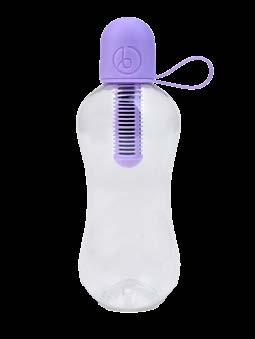

Bobble
01
wellness

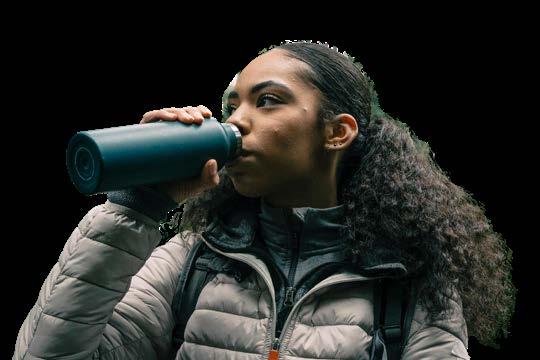
Reuseable water bottles first became popular due to their environmentally conscience nature in the midst of mass plastic production, as well as from health conscience fads and trends that emphasize hydration. The aesthetics element of reusable water bottles emerged due to social media and the digital age in which people document all aspects of their daily lives, including their wellness practices. Influencer marketing plays a significant role in determining what the “it” bottle is of the moment and in turning the humble water bottle into a fashion accessory.
crunchy
02
hiker
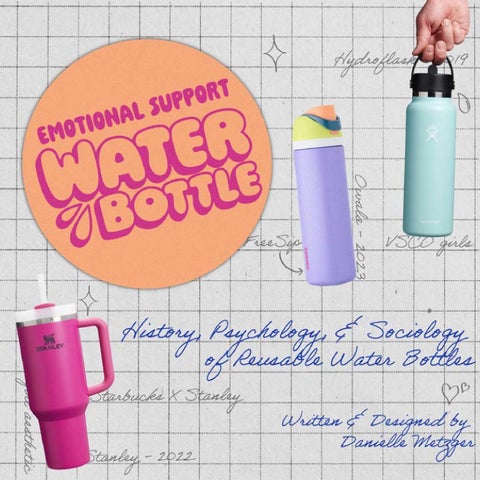
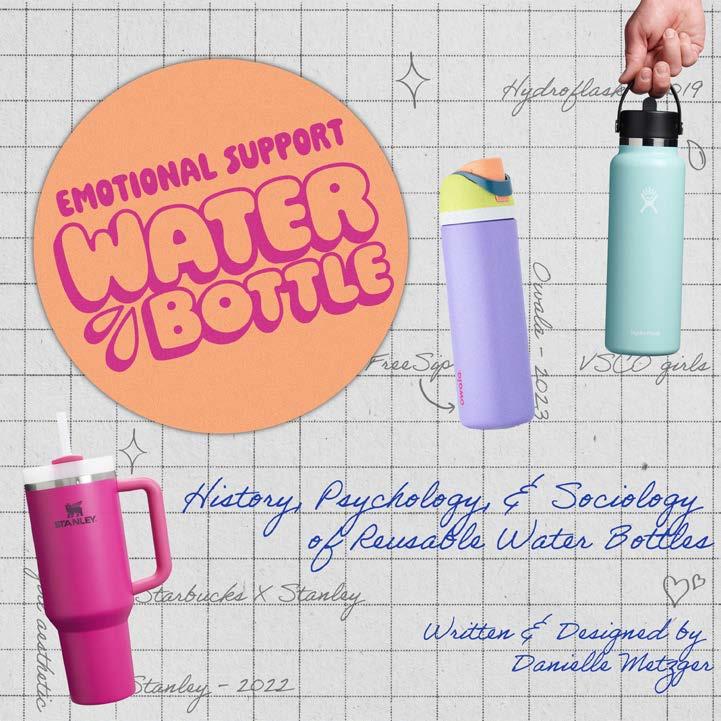
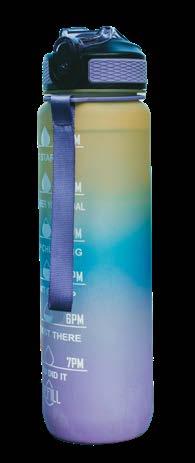
From a psychological standpoint, the current design and marketing of reuseable water bottles shamelessly play into consumer anxieties. Bottles are being designed to carry more and more water so that individuals can be assured that they will have water available to them at any moment. Not only that, but bottles are also designed to keep this water cold for hours on end, allowing people to carry their bottle around with them for hours as well, enabling the idea of an “emotional support water bottle.”

Almost there...
Keep going!
03

Let’s declutter the kitchen cabinet and take a look at popularized reusable water bottles of the past; these bottles have a lot to say about us as consumers and as a society.


Stanley S’well
04
Nalgene
1970s
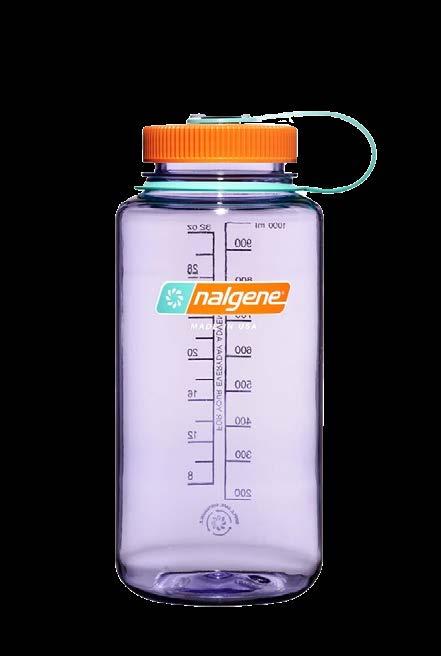
Nalgene water bottles were heavily associated with the “crunchy” crowd, meaning people who were characterized by being environmentally conscious. These bottles were made with polyethylene and polycarbonate and were created as an alternative to plastic bottled water in the midst of mass plastic production. Nalgene water bottles were particularly popular with hikers as the bottles were durable and wouldn’t melt as a plastic bottle might. The Nalgene water bottle grew in popularity and went beyond hikers when the brand began to offer the bottle in a variety of colors.

05


06
flip straw 2006 Camelbak
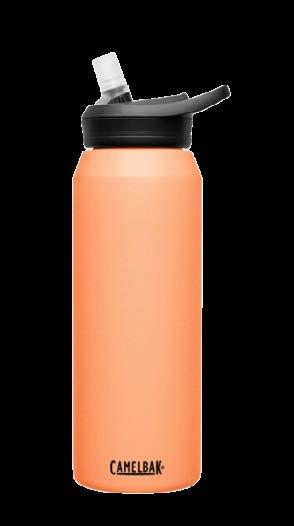
Similar to the Nalgene water bottle, Cambelbak bottles were considered part of the “crunchy” aesthetic. The bottle’s design was similar to that of its predecessor Contigo with its flip straw and being made of metal. This design would pave the way for more current popular reuseable water bottles.
crunchy aesthetic

07

2015
S’Well
color: rose agate

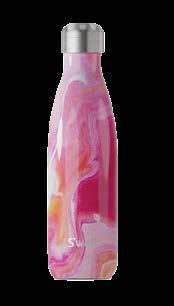
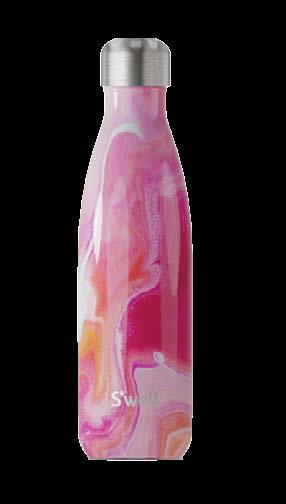
The S’well water bottle sought to move away from the camping accessory look of the reuseable water bottle. Rather, the brand adopted a sleek metal design that was available in a wide variety of colors and patterns, which was a major selling point.
08
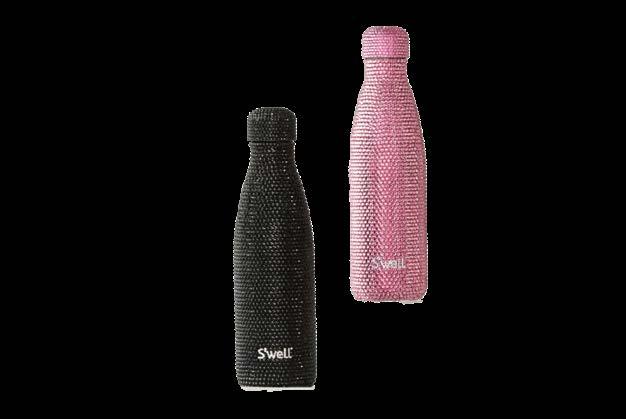
While S’well received criticism for charging a high price for their bottles, doing so developed the concept of reusable water bottles being a status symbol.
09
2019 hydroflask

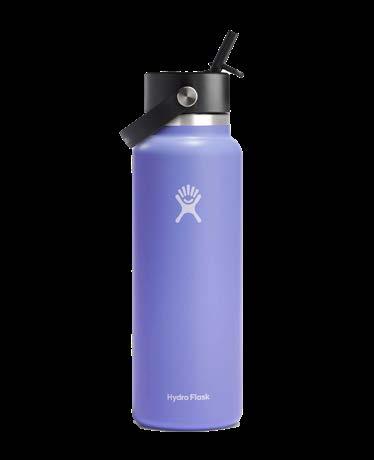
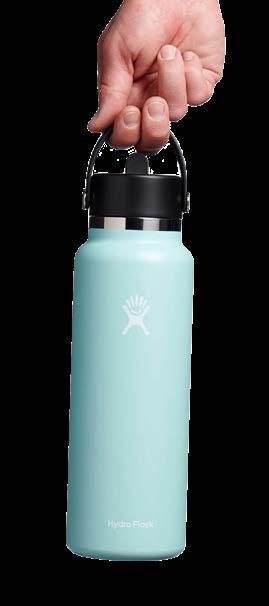
From humble beginnings as a mom-and-pop brand, Hydroflasks were created in response to the design of the S’well bottle. Hyrdoflasks were also metal and sleek, but intentionally had a wider mouth so one could put ice cubes in their water. The bottle was also insulated, and its design prioritized keeping water cold for an extended period of time. Unlike S’well, Hydroflasks were available with a twist off lid or with a straw.

10
sksksksksk

Social media played a significant role in the popularity of the Hydroflask. The bottle came out shortly before the rising popularity of VSCO, a social media app for editing and sharing photos and videos. The aesthetic nature of Hydroflasks led to it not only having a visual presence on the app, but also to becoming an essential part of the “VSCO girl aesthetic” inspired by the 1990’s which embodied a beachy, easygoing, and environmentally conscious lifestyle.
11

indestructable
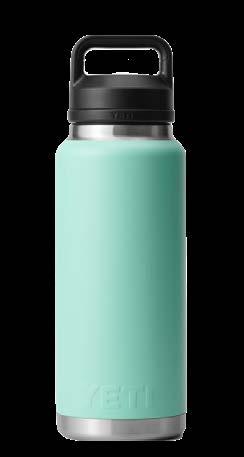
2020 yeti

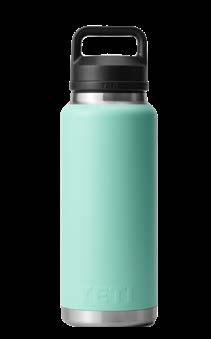
Yeti water bottles were successful due to the company’s preexisting reputation for their high-quality coolers. The Yeti water bottle possessed all the same features as the Hydroflask— insulated metal design, twist off lid, wide mouth, and availability in various colors. However, it was also designed to be indestructible and useful for outdoor activities. Unlike S’well, Yeti embraced the outdoorsy, “crunchy” aesthetic of reusable water bottles, which is reminiscent of the original Nalgene bottle.
12
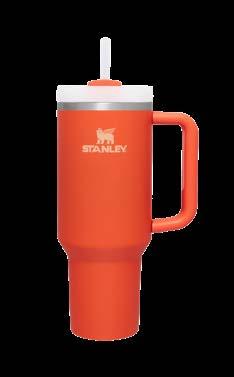
2021 stanley
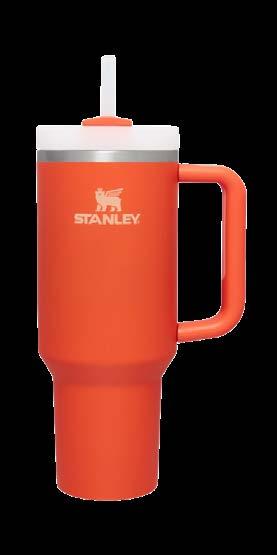
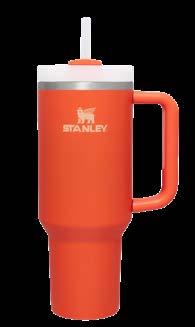
The Stanley “Quencher” bottle redefined the Stanley company, as well as what it meant to sell a popular reuseable water bottle. Stanley was originally a rugged masculine brand, until the Quencher was recommended on a women’s shopping blog. The women running the blog were drawn to popular insulated metal design of the bottle, as well as its mug-like design with a large handle. The Stanley Quencher was designed to carry a large volume of water while still fitting in a standard car cupholder and is also dishwasher safe. The sudden success of the Stanley cup caused the brand to shift its focus to the hydration industry and marketing their products to women.
13
anuual collection
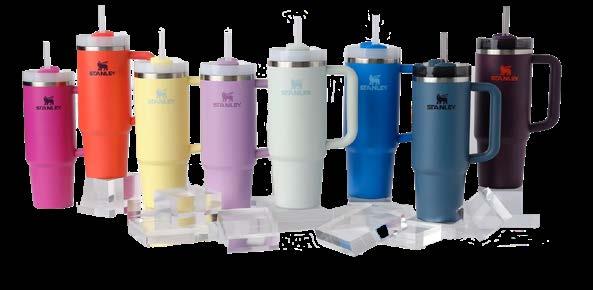
one just isn’t enough...
While the Hydroflask grew in popularity from organic posts and shares from social media users, Stanley was proactive and took advantage of the new strategy of influencer marketing, which partners with content creators with large social media presences to promote the product and increase the brand’s reach. Stanley shifted the image of their reuseable bottles from being a piece of outdoor camping to being an everyday, all-day accessory. This characteristic influenced the practice of collecting Stanley cups in various sizes and colors.
14
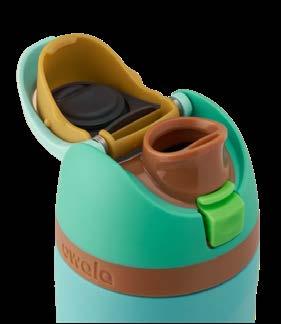
Owala followed the lead of Stanley in terms of social media and influencer marketing, but with their own original reuseable water bottle design. The Owala “FreeSip” bottle was a metal insulated bottle—like its predecessors— that was designed to allow for two drinking methods: sipping from the straw or taking a full swig from the bottle’s open spout. The bottle was leakproof (unlike the Stanley cup) and opened by a push-button.

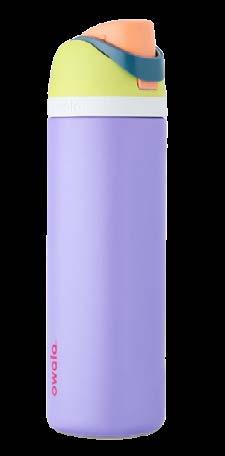
color: Retro Boardwalk
triple-layer insulation 2023 owala
15
sipORguzzle


2-in-1 spout
Stanley set the precedent that a reuseable water bottle is a daily must-have and can essentially serve as an accessory and social media status symbol; Owala took this idea and fully ran with it. Their bottles were not simply available in various colors, but rather in various color palettes specially curated to be aesthetically pleasing. On Owala’s website, these colors and color palettes had fun, creative names that add to the appeal of the online shopping experience. Instead of choosing between black and white, you’d be deciding between “Shy Marshmallow” and “Very, Very Dark.”
16

From the very beginning of the ongoing reusable water bottle trend cycle, these bottles have been more than just a water bottle — they represent something. Whether it was the “crunchy” persona of the Nalgene and Camelbak bottles, the status symbol that was the S’well bottle, or the social media influencer association of the Stanley and Owala bottles, we as a society have turned reusable water bottles into an integral part of our culture. It is evident that the rise in popularity of reusable water bottles is not merely a trend but a reflection of societal shifts and demonstrates the relationships and dynamics between individual behaviors, cultural norms, and market dynamics. These observations leave one to wonder what the next “it” bottle will be and how—or if—it will differ from water bottles of the past.



17

Bibliography + Attributions

Chappel, C. (2019, October 1). How S’well turned water bottles into a fashion accessory and built an empire. CNBC.
https://www.cnbc. com/2019/10/01/how-swell-turned-waterbottles-into-a-fashion-accessory.html
Contois, E. J. H. (2024, January 2). Your New Year’s Resolution to Carry a Water Bottle Has a History. Time.
https://time.com/6548310/ new-years-water-bottles/
Fisher, O. (2024, February 16). A Detailed Timeline Of The Popularity Of Reusable Water Bottles. Spoon University. https://spoonuniversity. com/lifestyle/a-detailed-timeline-of-thepopularity-of-reusable-water-bottles
Jansen, C. (2023, November 14). The rise of the Stanley tumbler: How a 110-year-old brand achieved viral success. RetailDive. https:// www.retaildive.com/news/stanley-quenchertumblers-viral-success/
Klein, J. (2023, October 24). Hydration Made Fun. Time.
https://time.com/collection/bestinventions-2023/6324400/owala-freesip/ Munro, C. (2018, July 5). When Did Reusable Water Bottles Become A Status Symbol? Refinery29.
https://www.refinery29.com/enus/expensive-reusable-water-bottle-trendswell

Vega, P. (2020, February 23). Hydro Flask started out at farmers markets. Here’s how it got so huge. Los Angeles Times. https://www. latimes.com/business/story/2020-02-23/ hydro-flask-water-bottle-why-is-it-special
All photographs featured in this book were not taken by the author, and all copyrights belong to their respective photographers.
In order of appearance, left to right
(Front Cover) Photos by Stanley, Owala, Hydroflask
(p.1-2) Photos by Bobble, PNW Production
(p. 3-4) Photos by Johnathan Cooper, Yeti, Stanley, S’well
(p. 5-6) Photo by Nalgene
(p. 7-8) Photos by Camelbak, S’well
(p. 9-10) Photos by S’well, Hydroflask
(p.11-12) Photos by Hydroflask, Yeti
(p. 13-14) Photos by Stanley
(p. 15-16) Photos by Owala
18

EMOTIONALSUPPORT

A fascinating journey through the evolution of hydration culture, inviting readers to quench their thirst for knowledge and gain a deeper appreciation for the bottles that have become essential companions in our modern world.

As a passionate student of digital media and design, Danielle Metzger brings a unique perspective to the exploration of hydration culture.
With a keen eye for aesthetics and a curiosity for the intersection of technology, psychology, and society, she dives deep into the evolution of these everyday objects that have become integral to our lives.