Letter to
Destiny to Angie
Angie to Destiny
Chiara to Destiny
Destiny to Chiara
My Friend:
I hope this letter finds you well, across the distance that separates our lands yet unites us in our shared love for the soil.
To break a part of my past to you to annotate my interest in planting: I was born as an only child in Northeast China around the turn of the millennium, on a land that was fertile yet bore the scars of its past. This soil had once nurtured abundance, yet it also witnessed the rise and fall of heavy industry, the silent struggles of my parents’ and grandparents’ generations as they faced the wave of layoffs. In the years leading up to the millennium, if you could witness the collapse of state-owned enterprises, factory machines fell into rusted silence, and the city’s crowds thinned out, you would agree that few could wrestle fate into submission. The days of workers’ hands stained with machine oil ended with a single notice, housewives found that the red-rationed bills they exchanged for wages could no longer be honored, and the lifetime devotion of the older generation was scattered by a single phrase — “industry reform.”
The tide of layoffs cast a shadow—heavy yet indistinct— over my childhood. It was not a sudden blizzard, but a prolonged winter, one that sank the city into silence, much like the frozen black soil of winter—wordless, motionless, yet impossible to ignore. To the people of the Northeast, the land was their only root. A single harvest sustained an entire year. Seeds were sown in May, crops gathered in autumn, and by November, the land was barren. And after barrenness came waiting—waiting for spring, waiting for change, waiting for new possibilities.
to Eve Chiara
During such waiting, I would often return to the small garden at home, planting my own crops under my grandmother’s guidance. Northeasterners preferred hardy, practical plants, and even the shrinking vegetable patches beneath towering apartment buildings could still supplement the dinner table. The land taught me the simplest of truths: what you sow is what you reap. Before the black soil, labor was equal—whether man or woman, as long as I bent down to dig, sowed the seeds, and patiently watched over them, I would eventually reap my own harvest. Here, there were no layoffs, no fear of being dismissed, no lamentations of collapsing factories—only spring planting and autumn harvest, a rhythm as ancient as it was enduring. As I touched the soil with my hands, I felt a forgotten solace—something far more tangible than a southbound train ticket.
The richness of the land stood in stark contrast to the desolation of industry. The people of the Northeast were leaving. Young people set out for the southern cities, chasing after machines that would never stop running and the dreams of sudden wealth. Those who remained searched for traces of the past in abandoned factories—or reached into the earth, hoping to find a sense of belonging in the act of cultivation.
Before fate, people are often powerless. The frozen soil of fate was like the silent tobacco pipe in grandfather’s hand, marking the decades in which my hometown transformed from an industrial stronghold into a forgotten corner. But as you know our sense of humor that jokes with fate is also a form of reconciliation—after all, we may not win in an arm-wrestling match against it, yet we can still choose to plant a seed in the soil and wait for it to sprout with a smile.
Spring may come, and the soil never lies. May your land be abundant, and may we always find solace in planting.
With warmth, Eve Yin
Chiara
Dear Eve,
thank you for sharing such a beautifully reflective and deeply personal account of your connection to the land, the rhythms of nature, and the enduring resilience of your community. You portrayed a place that has been both shaped and carved by historical socio-political, yet remains for you a place to return and belong. I have been for a long time on how to best respond to your letter, some thoughts pressing to be shared around the entangled threads of meanings that shape time, belonging and reconciling.
Starting from the beginning of this process of tenderness, I should share some thoughts about what it means to reconcile for me. Reconciliation... tender act...a way of mending what has been fractured, human and more than humans, land and space. An imperious journey embracing the imperfections in the act of rebuilding something that we must think to be lost. Your story of planting seeds in the black soil with your grandmother reflects this so powerfully. It speaks to the idea that even amidst challenges and difficulties that are beyond our control, we can still return to our safe place, that piece of land in the back garden of a house where we nurture trust in the possibility of new life.
I was particularly intrigued by the “blackness” of the soil you keep mentioning in your letter. I can visualise the soil that you describe, a repository of the industrial decline, yet also a source of possible alternative lives. I wonder how your land’s story changed in your lifetime. Was there a noticeable shift in how the soil responded to cultivation? Does it retain the memory of the industrial impact?
Or did it stubbornly insist on its capacity to heal and regenerate? I’d love to hear more about how people in your community adapted whether they saw the soil as a collaborator in their resilience and resistance.
Your time in the garden with your grandmother feels like such a precious ritual of healing and repairing. I can almost picture the two of you side by side, sowing seeds, your hands touching the earth. Did she share any particular tales or lessons about the land during those moments? How did those exchanges shape your understanding of belonging not just to the garden, but to the broader cycles of life that the soil represents? I’m fascinated by how such intergenerational exchanges carry a sense of rootedness and trust that feels essential to navigating change.
Your reflections on waiting resonate deeply. There is such wisdom in the idea that reconciliation with time requires patience and a willingness to let things unfold naturally. The garden becomes a space where time bends, a meeting point of past, present, and future. How did this act of gardening, of aligning with nature’s cyclical rhythm, influence the way you approached your life beyond the garden? Did it help you find a sense of agency within the waiting, or did it simply allow you to be?
Thank you for sharing your story Eve, an inspiration for me to think differently about how we hold space for the land, for one another, and for the act of quietly waiting for something beautiful to grow.
With kindness,
Chiara
Hi Eve,
Rather than writing a typical letter, I have been looking through all of our eco-autobiographies and our conversations about the Landness project and I have combined them into a poem. I was inspired by you singing a song when we were all together in our group!
Please find it attached and feel free to respond however you choose.
Kind regards, Jo
I am part of you, and you of me
A part of something infinite
A sense of continuity
Memories embedded deep in me
The soil, the mud, the grass, the trees
The sweet serene
The lake, the river, the sea
The land, the sky
I, like you, am shaped by time
An irresistible pull
A connection to something vast and alive
A universe of space and time
A silent philosopher
Calm and tolerant
Accepting
Source of solace
Woven into the fabric of my being
A connection stretched across generations
A companion
Holding dreams and promises
secrets, once well known
Change and adaptation
Resilience
Peace, in a busy day
The whole of life contained
The soil, the grass, the trees, the seeds carriers of history
The lake, the river, the sea
The sky, the land
Where I’m from and who I am
I am made of trees and fruits and dirt
I am made of oceans, stars and earth
We Have Even Lost the Colors of Sunset When melting snow reflects faded ghosts, someone remembers the echoes of past voices, now only reverberates in dreams.
Silent ground, the black soil holds its whispers, rusted machines stand still in the blast, the shadow of yesterday vanish from the streets, yet the endless furrows keep turning with the seasons.
Soil and clouds, that soundless sign, lift memories, place them gently on the rocking chair in the garden plot. Sometimes, a seedling sprout flickers like a flame between my palms.
Conspirators read each other’s wounds beside the fire pit in the dark winter night. So let the wind wind, the snow snow, the landslides and desolation pass through, let the cracks in time sprout weeds, for all that has come and gone will always be part of the return.
Always
Always the hoe is drawn toward the earth, Always are we receding towards tomorrow.
Dear Jo,
I hope you’re doing well! Working on this project with you has made me reflect on my connection to home, and I wanted to share a small part of my story with the garden.
Back in China, I grew up surrounded by a beautiful garden. I would pick osmanthus flowers, oranges, and fish mint (a kind of Chinese medicine) and enjoy everything the garden had to offer without thinking much about it. It was always full of life, and I believed it would always stay that way.
When my grandfather passed away, the garden became a little messy, and many plants dried up. My parents didn’t know how to take care of it like my grandfather did. But over time, they figured it out, trying to follow my grandfather’s methods, and slowly, the garden came back to life. That experience stayed with me, even though it took me a while to understand its deeper meaning.
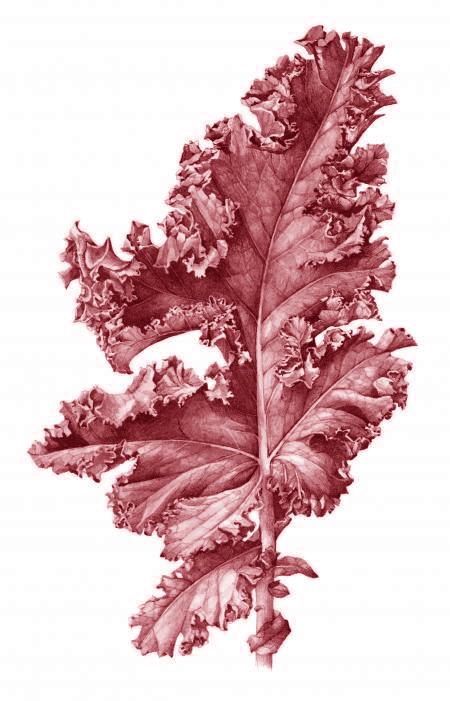
Now that I’m studying abroad, I miss those small things. I look for osmanthus flowers in the Chinese market to make sweet soup, and I buy familiar vegetables like Chinese Leaf to cook because they remind me of home. My dad often sends me messages about how the orange tree is doing, and I know it’s his way of telling me he misses me. I’ve come to realize that love isn’t always expressed through words—it’s often found in small, everyday actions. The way he cares for the tree, tending to it with patience and attention, is just like the way he has always cared for me.
Living abroad has given me a new kind of energy, helping me understand myself better—what I like, what I need, and how to express myself. It hasn’t always been easy, and I’m still learning, but I know I’m growing. Perhaps this project is also part of my journey toward understanding myself and finding a sense of reconciliation.
Thank you for being patient and kind, always helping me understand.I’ve really enjoyed working with you. What you said about my text messages from the orange tree made me see how my dad cares for it like he cares for me. I hope this helps you see why this project is so meaningful to me.
Warmly, Angie
Hi Angie!
Thank you so much for your letter.
I really loved your story about the orange tree that your grandfather planted and your father looks after, and your understanding of the real meaning of your Dad’s messages to you. It is very special that you recognise the orange tree as a ‘living memory’ of your grandfather. It’s amazing how something so simple can become a symbol of love, family heritage, and generational bonds. I feel the same when I am growing flowers, herbs and vegetables in my garden and on my allotment - they remind me of all the people in my family who have done the same and all the advice they give me about how to grow them and care for them.
Both sides of my family have always gardened too - my grandmother and mother have beautiful gardens full of flowers and we often send each other pictures as a way to keep in touch. I have even been given plants and seeds from their gardens to bring home and many of them are growing well. My Grandad and Uncle on my paternal side grew vegetables in their gardens and on allotments - I love the thought that mine now is a combination of both of those sides of the family. In the garden I share at home with my husband and children we have lots of fruit trees and bushes which we planted when we first bought the house. We grow traditional British fruits which have been forgotten about or are difficult to buy in the shops, such as medlars, mulberries, quince and damsons.
I really enjoyed researching the plants you have at home in China; I wish I could see pictures of your garden! I am fascinated by the edible and medicinal uses for plants and herbs and am excited to explore this by planting and through conversations with you and the others in our group. It will be interesting to reflect on the histories of tending to the land we all came from, differences and also similarities. It is amazing how gardening and growing can bring together communities of people, cross cultural barriers and remind us of the same things.
You mentioned the connection with land and how it affects wellbeing when you told me about your great-grandmother and this is something I believe in too and I feel strongly that my time working the land on my plot and the hours of peace I steal when I am there
give me fortitude and mental well-being. As we have discussed, land is a special space for reflection, healing and learning, planting seeds is a symbol of hope and I hope through this project I can find ways of having similar conversations with different groups of people and imagine ways to link together communities who are doing this work locally.
I’m looking forward to seeing you and the others on Tuesday, I think it’s going to be really fun!
Lots of love, Jo
Dear Angie,
I hope your day has been smooth and I want to formally thank you for being a part of this project with me. I want to take this opportunity to tell you a bit about myself, my relationship to land and to soil. About 4 to 5 years ago, I began to make a real effort as an adult to have a better connection to my grandparents. My studies and work always led me to someone else’s history and I didn’t have much time to invest in my own, but my grandparents were getting pretty old and instead of continuing to outsource for information or representation of our culture from various institutions, I had a revelation that my grandparents are my living museums, so I took the time to listen to their stories, my family’s stories, while they’re still here because they are sacred. Sadly in September 2020, my paternal grandfather, LePoetry Brady passed away. I had already been close with my grandmother, but we have gotten much closer since his passing. I got the chance to interview her during the year of his passing and she said to me, “I was afraid that when Red died, all of our stories would die with him. You’re only alive as long as someone is telling your story, I was always the quiet one in our relationship so I just worried about that, but now I’m not because I know we have you, you will tell our stories, you are this family’s storyteller.” I was honored to have been ordained this way by the woman who sowed the seed that our family tree has grown into. I never expected it to lead me to years of imagining the lives of family members in beautiful archives, who I have never met. In one of me and my Grandmother’s many conversations, she shared with me that my Grandfather farmed on his daddy‘s land in Natchez, Mississippi when he was much younger. This fascinated me so much!
The fact that my family has a legacy of land stewardship, a true relationship to land and soil, that has lived through generations. Years later I asked my grandmother what my grandfather grew on his land, and she told me, “sweet potatoes, yellow potatoes, peas, peanuts, okra, cotton, and whatever Black folks could get their hands on at the time”.
Since his passing I’ve been involved in so many types of therapy and understandings of healing and balance. One of them was the chakra system that suggests that the body has energy centers called chakras that influence physical and mental health. There are seven chakras, and I believe that my root chakra was most affected by my Grandfather’s passing. This chakra is all about physical identity, stability and grounding. His passing meant the earth was always quaking and the sky was always falling. I was never warm or stable again. For a while after his death I convinced myself I was alright, but my heart was still broken and I was still so cold, so lost.
A year after his passing, while I was on a trip to Canada to try and process this, I was scrolling on Instagram and came across a farming/gardening internship back home in Chicago. So I applied to connect with my grandfather ancestrally through the soil. I was blessed with the role and that was three years ago now! It brings me great pride and joy to share my farming stories with my Grandmother, and she always tells me how proud she is of me and that she knows that my PawPaw is smiling as he watches this life I’m creating for myself from wherever he is. The fact that I get to use my own hands to tend to a part of my Grandfather‘s legacy that no one else in my family does is a sacred practice to me and I am honored each time I touch the soil.
After my years in touch with the ground, I can confess to being more solid but my roots are currently 3000 plus miles away from me. There are times when I find myself sad or weary because I haven’t seen any resemblance of home in such a long time. Being able to do a project like this with people who are also redefining home and establishing legacy while grieving a place I’ve known all my life gives me hope. Hope that the seeds I plant will give me permission to push the doors open to myself and let you all in. And that I may be able to do more than remember my good times, but create new ones. I hope this helps you understand why land stewardship means so much to me and why this project is so close to home, so close to my heart.
Warmly, Destiny
Dear Destiny,
Thank you for sharing your beautiful story. It resonated deeply with me, reminding me of my own experiences with family and the land. Like you, I never truly grasped the significance of land until I came to see how deeply it intertwines with love, memory, and family.
For me, it all started with my grandfather. Every week, he would step into our garden, tending to the plants and trees with the same patience and care he had for us. As a child, I never thought much of it—his quiet dedication was simply a part of life. But after he passed away, the garden changed. My parents slowly took over, learning to nurture it just as he once did, bringing it back to life. It was their way of continuing his legacy, of keeping his presence alive in the rustling leaves and blooming flowers.
My mother often says, “As long as your parents are alive, you remain a child. But when they’re gone, you step into their role, whether you’re ready or not.” Now, I understand what she means. Tending to the garden became more than just caring for plants—it became an act of remembrance, a quiet thread connecting us to our roots. I feel honored to be on this journey with you, and I’m excited to see how our shared stories and experiences with the land will shape this project into something truly meaningful.
Warmly,
Angie
Dear Nature,
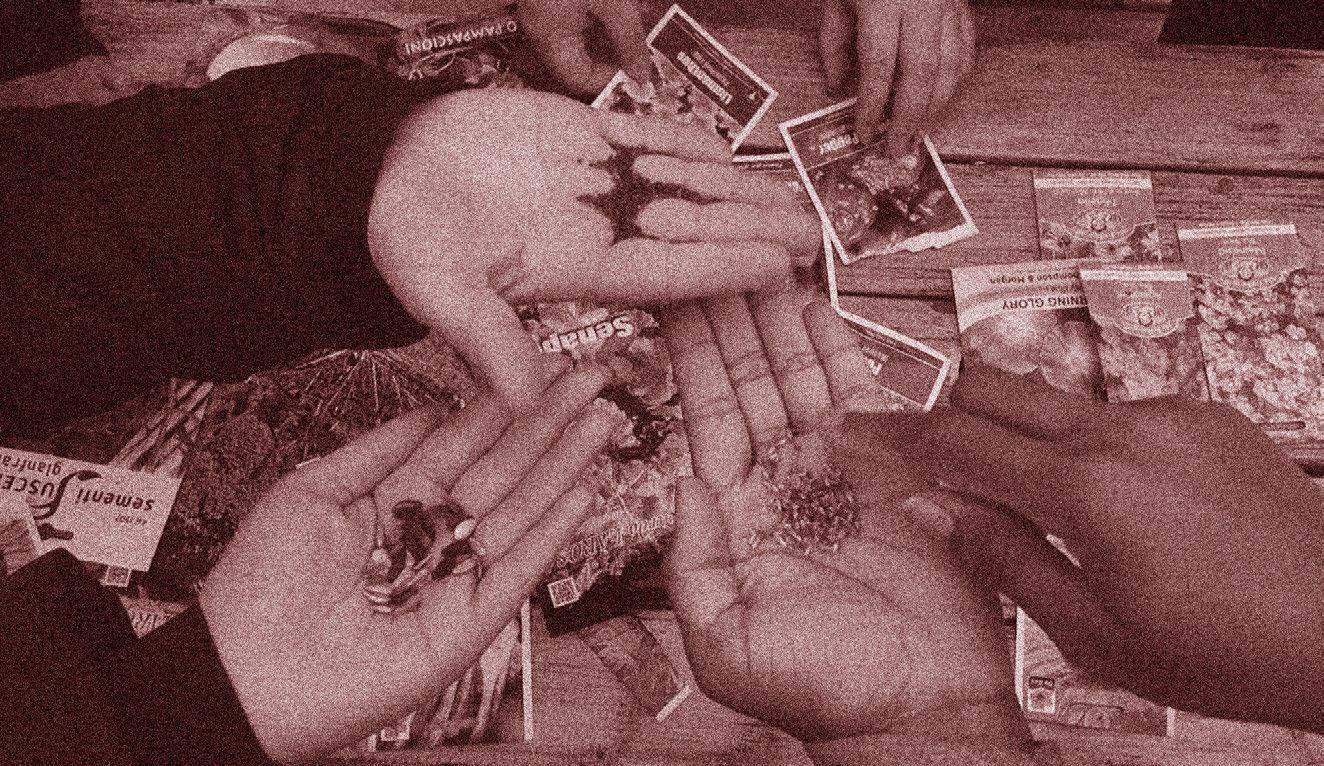
How are you? I cannot not start this letter without asking how you feel right now. A shy ray of sunshine caresses my face as I play, tinkling about what to do with these little seeds in my hand. I carried them everywhere, seeds like small stones streaked and dotted with imperceptible colors. The remote meanders of my jackets have become their cradles where to sleep while I relentlessly move from one place to another. Gently scratching my hand they suggest that I let them go, free; they want to explore new geographies where the soil has an unfamiliar consistency.Reluctantly, I let them fall into the paths dug by my fingers, like lines of dried-up rivers. Touching the soil, I can feel the small grains of which it is composed. Harmless brown streaks under my nails tell me to continue. Slowly through my hand, hidden deep in the ground, I’m becoming soil too. To reconcile is a slow and arduous process. Some people call it adaptation. I am calling it proximity to. The attempt to get closer to someone, to something.
Today, in this plot on land, I want to enact that proximity. As I dig, mold, and create dry river lines for these seeds to reconcile, I slowly adapt too. The proximity is a call to my body to get closer. The muscle tension dissolves as the seeds find their place in a land that isn’t my own, a land I must trust to nurture them.
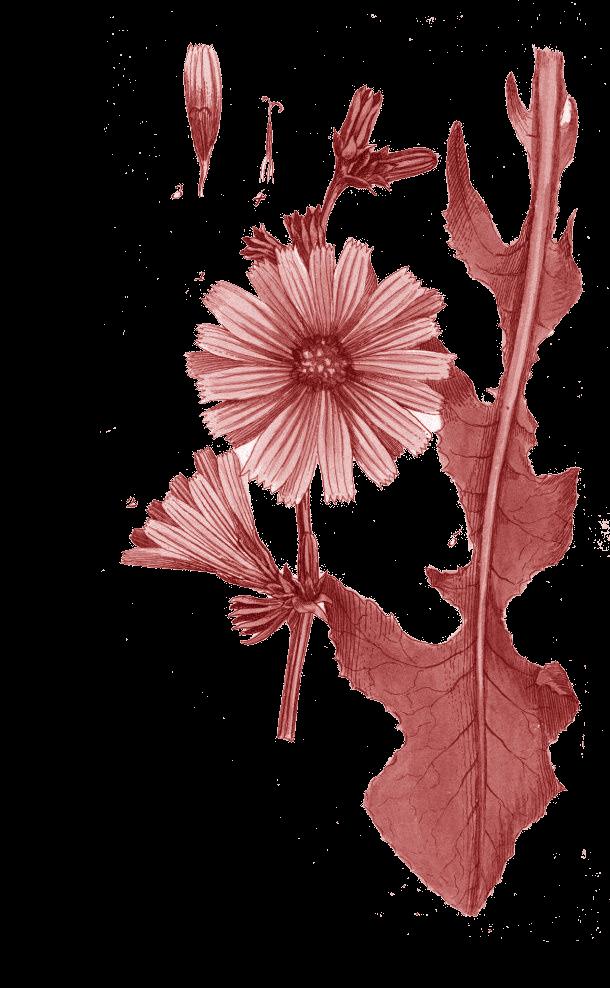
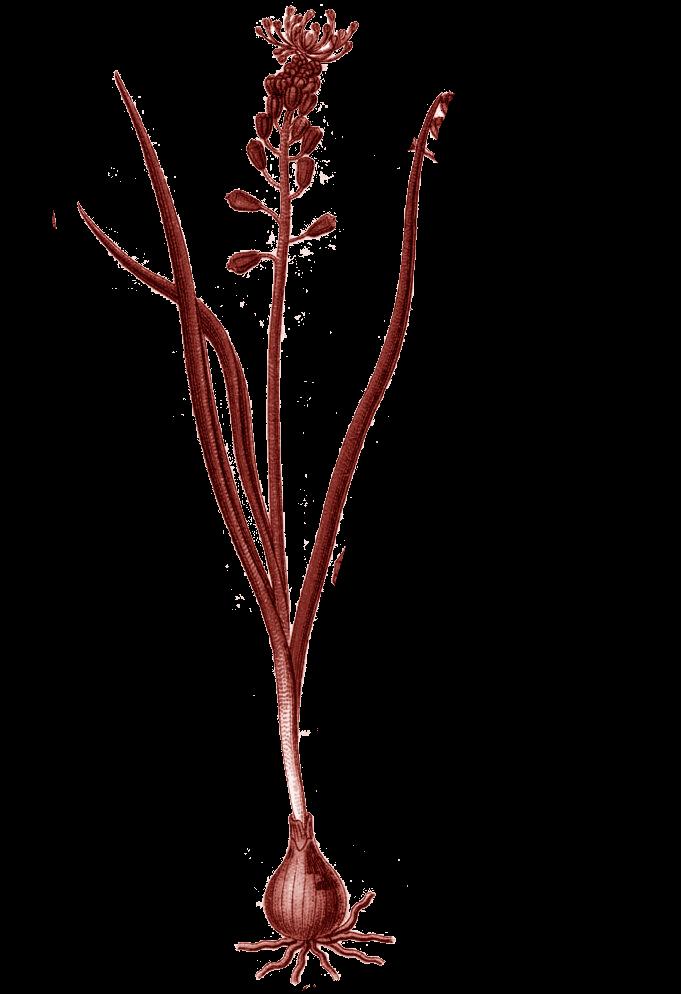
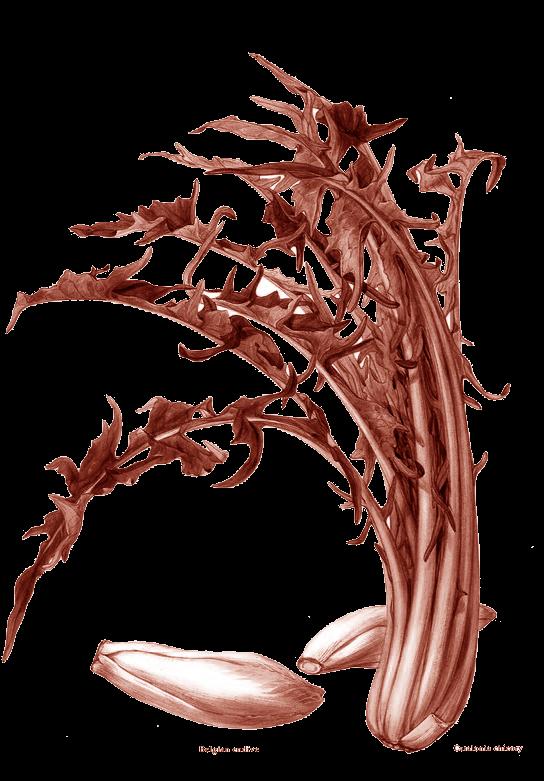
While attentive, I reorganise the space.I start to embark in another process, the letting go of cicoria, rapa, muscari, and puntarella. I begin to wonder if these seeds, carried so unconsciously, might also become memories imprinted on the body.
Much like a bird transporting seeds unnoticed, I realize I have become a vessel for knowledge, stories, and legends, fragments of the past subtly reshaped as they pass from one generation to the next. These seeds are not just physical objects but carriers of a shared heritage, whispered and entrusted only to a select few, preserving a lineage of connection and transformation.
Perhaps this act of carrying seeds, of moving through fields, is itself an act of reconciliation.
Thoughts and questions gathered while I left the plot conscious that I got as close that I could to that proximity that I was tending to. Quietly, walking out with the the hands in my pocket, looking for those stones that I know donate to this soil, I whisper to myself:
What does it mean to belong? If those seeds fail, how will failure reshape my journey of reconciliation?
Then I quote from a book I was reading this morning,it suggests that I rest and wait. Without fear.
It says ’Unknown land, mysterious but explorable, invites us to define its space, its wealth, its habitat. It holds humanity suspended in time. Each seed announces tomorrow. It is always a project. The land you decide to be produces goods, bears symbols, accompanies dreams. It is accessible to everyone. It promises nothing and gives everything’.
Dear nurture,
It’s so nice to hear from you again. Somewhere along the way things began changing so fast that I barely had chances to appreciate the ground, the sky, the earth, the air, the animals and the humans, within me. The whispers of ancestries beyond what they believe. Oh if they could see.
Eventually I paused, stopped in my tracks and made to look back in order to really grasp my next move forward. But I’m telling you this like you don’t already know me.
I wish I had more friends as old, and near and dear as you, emphasis on the old. Remembering how even in an ocean like forest, I can still spot the Englewood. The bounce of hooded eyelid creatures as they navigate this land. Time is a manmade construct meant for self destruction and an obligation to the mutilation of one’s imagination. But in some circles I’m known as the best time keeper, the grim reaper, seed sower.
The soil to me is like the moon. Always there, always coming back, different phases and faces watching over me. As above, so below. Illuminating.
The sea levels are rising and so is the temperature and I can’t seem to get the taste of that Coca Cola bottle out my mouth but I’ve got plenty of clothes to wear. Clothes that I’m sure have never gotten to spread the seeds you speak of. Not seeds of hope or faith that is. Seeds of overconsumption and mass incarceration to a system of billionaires with zero care for you or me. Maybe it’s their nature, maybe they just weren’t nurtured.
Birds flying high you know how I feel…
You’ll have to forgive me as I have done time and time and time again, I seem to be a bit decomposed. The aches and agony of attempts to reconstruct the meaning of reconciling and making good again, forcing myself to believe in the good within. I’m angry, but if I can’t decompress with you
Birds flying high you know how I feel…
To all things dreamed and non Anthropocene, I see you and I honor you. May your roots run deep and your water run cold. Rushing through the pipeline of pompous to purpose and perfectly imperfect in the way that you grow
Evergreen