LETTER IT’S PIZZA & PASTA MONTH OCTOBER 2022 NEWS
12-13 6-9 TABLE OF CONTENTS 4-5 PAGES THE PROFITABILITY OF PIZZA PAGES PAGES PIZZA FACTS | FEATURED BRANDS TYPES OF ITALIAN PIZZA 11 PAGE 1 DOUGH BALL 4 WAYS 10 PAGE PASTA TYPES
18-19 PAGES RECIPES 20 PAGE FEATURED BRANDS | FOLLOW US 14-17 PAGES ADJUSTING FOR INFLATION
the profitability of PASTA
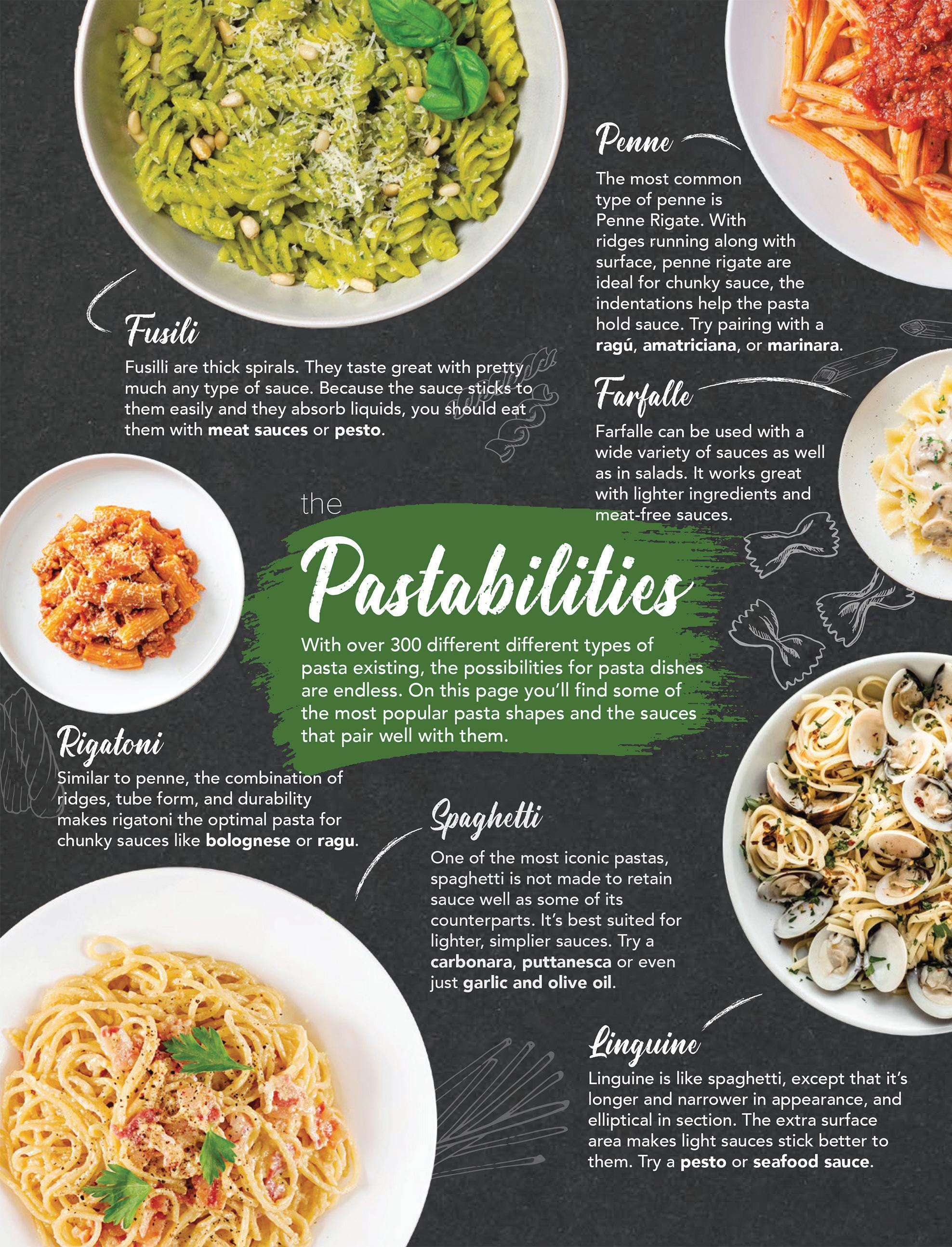
October is Pasta Month. Pasta dishes are a win in terms of both labor and ingredients cost, even when made from scratch. Not everyone offers fresh pasta, so be sure to advertise this and charge a premium for it. If you are not serving pasta dishes, you should strongly consider it, especially if you have a heavy dine-in dinner crowd.
On the next page you’ll find some key reasons why offering pasta at your restaurant is a must.
4
SELL MORE ITEMS
Pizza is often shared, pasta is not. In the U.S., we typically order a large pie that costs around $15-$25 and shared among at least 3 people. When we order pasta we usually get one dish per person, around $15-$20 each. You can make up to three times as much on a party of three.
2
cross-utilizing ingredients
Get creative and use ingredients you already have in inventory. You should consider using the same cut of pasta for multiple dishes. If fresh, use your lasagna sheets for other pastas like manicotti. Make your own in-house marinara sauce? Find ways to use the sauce in a variety of dishes. Take advantage of the ease and low labor of Alfredo sauce dishes. You likely already have parmesan cheese, heavy whipping cream and butter on hand.
3low cost of goods
Low costs of goods equals high potential profits. Pasta itself is fairly inexpensive. If you use portion control methods along with the right training, pasta can be very profitable.
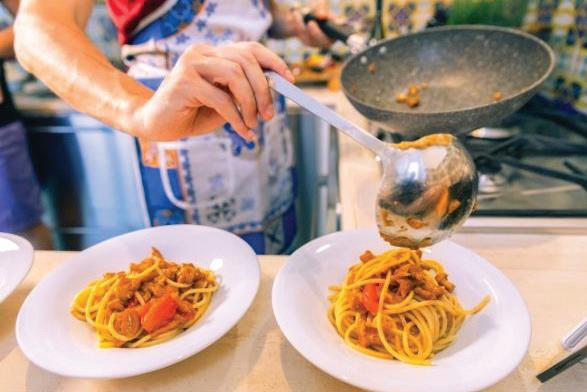
4 customizationCustomization is a trend in food service that has been used across various segments in the industry, from casual to fine dining. The option to add ingredients into pasta entrees for an additional charge is used by many restaurants as a profitability method. Consider letting them choose from add-ons such as shrimp, chicken, meatballs or sausage.
Lastly, be mindful of the number of pasta dishes you offer. It ends up being more profitable if you cut back the number of pasta dishes to the ones you sell the most of. This will make it easier for the customer to make a decision as well.
So, before you focus only on pizza, consider how promoting pasta as well could boost your sales.
Ask your Sales Rep about our line of pasta products.
1
5
must pizza♥ 15 facts about a food we couldn’t live without 6
1.
We eat a lot of pizza
350 slices of pizza are consumed each second in the United States.
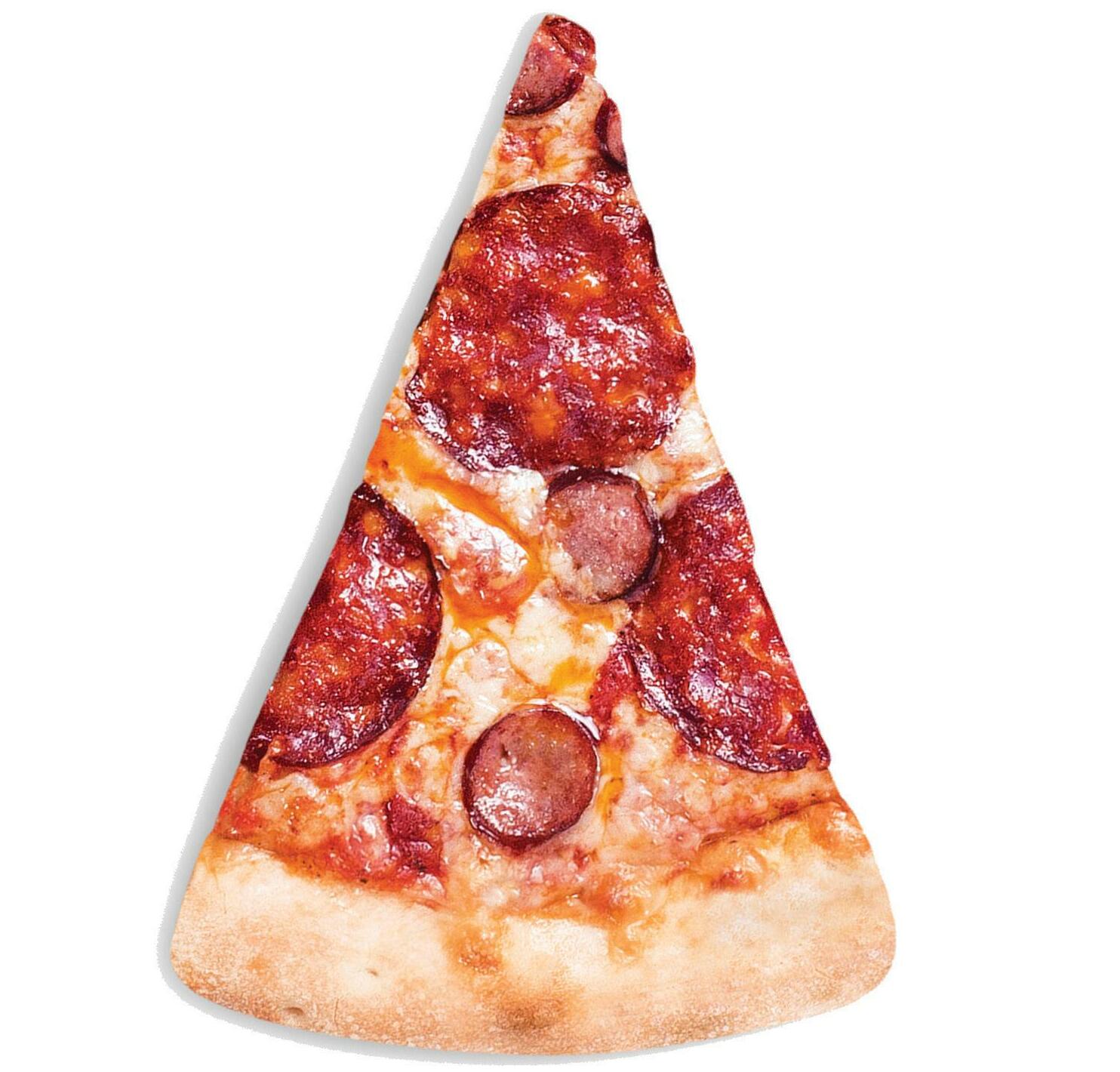

That’s about 21,000 slices nationally in a minute!
2. Pizza is old
Pizza is thought to have been invented in Naples in the early 1500s. Tomatoes were considered to be poisonous in these days, which made pizza a cheaper food consumed by lowerincome people.
3. Pizzerias are old
The first documented pizzeria in the world was open in Port’Alba in Naples, Italy during the late 1800’s.
4.
America was late to the pizza party
Pizza wasn’t popular in the U.S. until after WWII. Soldiers stationed in Italy brought the idea back to the United States.
5.
About 13% of Americans eat pizza on any given day
6. It’s a cheesy situation
Consumption of pizza has increased the U.S.’s consumption of cheese by 41% since 1995. 6. Go on... it’s good for you
A typical daily pizza serving accounts for more than half of the lycopene in your diet. Lycopene is an antioxidant that may help prevent cancer and heart disease. And it’s prominent in pizza. This is due to the tomato sauce, as tomatoes are known to have a naturally high concentration of the antioxidant.
7
7.
That’s one big pizza!
The world’s largest pizza as measured by the Guinness Book of World Records had a surface area of 13,580² ft! It was made in Rome, Italy in December 2012.
8.
A crispy choice
In Scotland, deepfried pizza is a common choice.
9. Pepperoni!
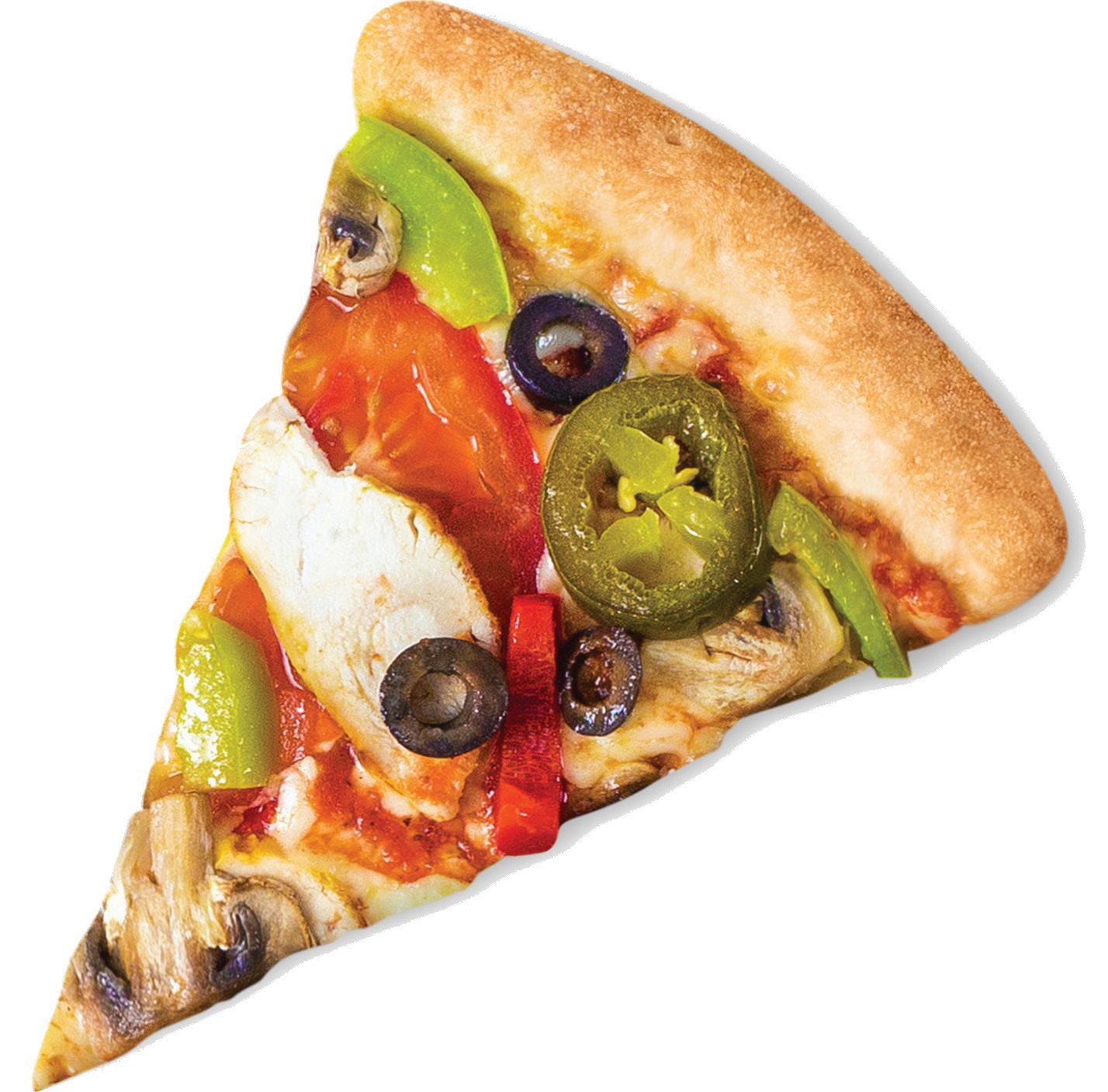
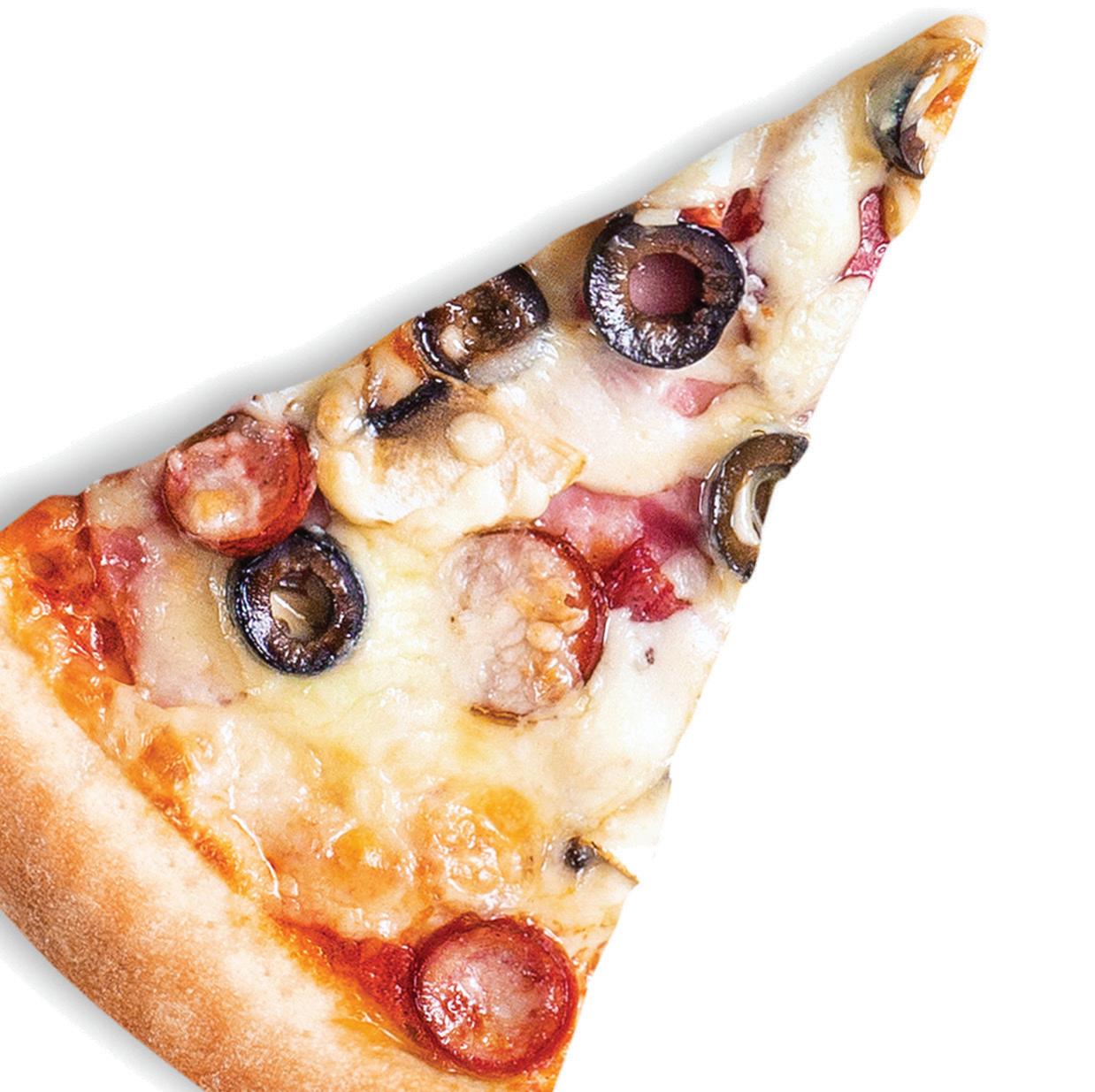
251.7 million pounds of pepperoni are consumed in the U.S. annually just from pizza.
10. Crust
61% of Americans prefer thin crust pizza. Deep dish is the second most common pizza.
11.
Protein Power
The average slice of pizza is 25% protein and also contributes to 35% of your recommended daily protein intake.
12. Meat
76% of 500 Americans surveyed preferred meat lovers pizza to any other kind.
13. It’s not just for breakfast
Eggs are a common pizza topping in Australia. Pizzas with eggs and bacon are called “Aussie Pizzas”.
14. Size Matters
The average pizza is usually 14 inches in diameter.
15. Mozzarella
Mozzarella accounts for about 80% of the cheese production in the U.S.
15.
That’s a lot of pie
every American on average consumes more than 23 pounds of pizza in a single year.
8
Click
DON’T FORGET TO FOLLOW US
“Like Us” on Facebook or follow us on Instagram & Twitter and be the first to get all the latest information about new products, upcoming events and more!
Want the lastest Market Reports? Make sure to sign up by emailing twells@delcofoods.com.

9
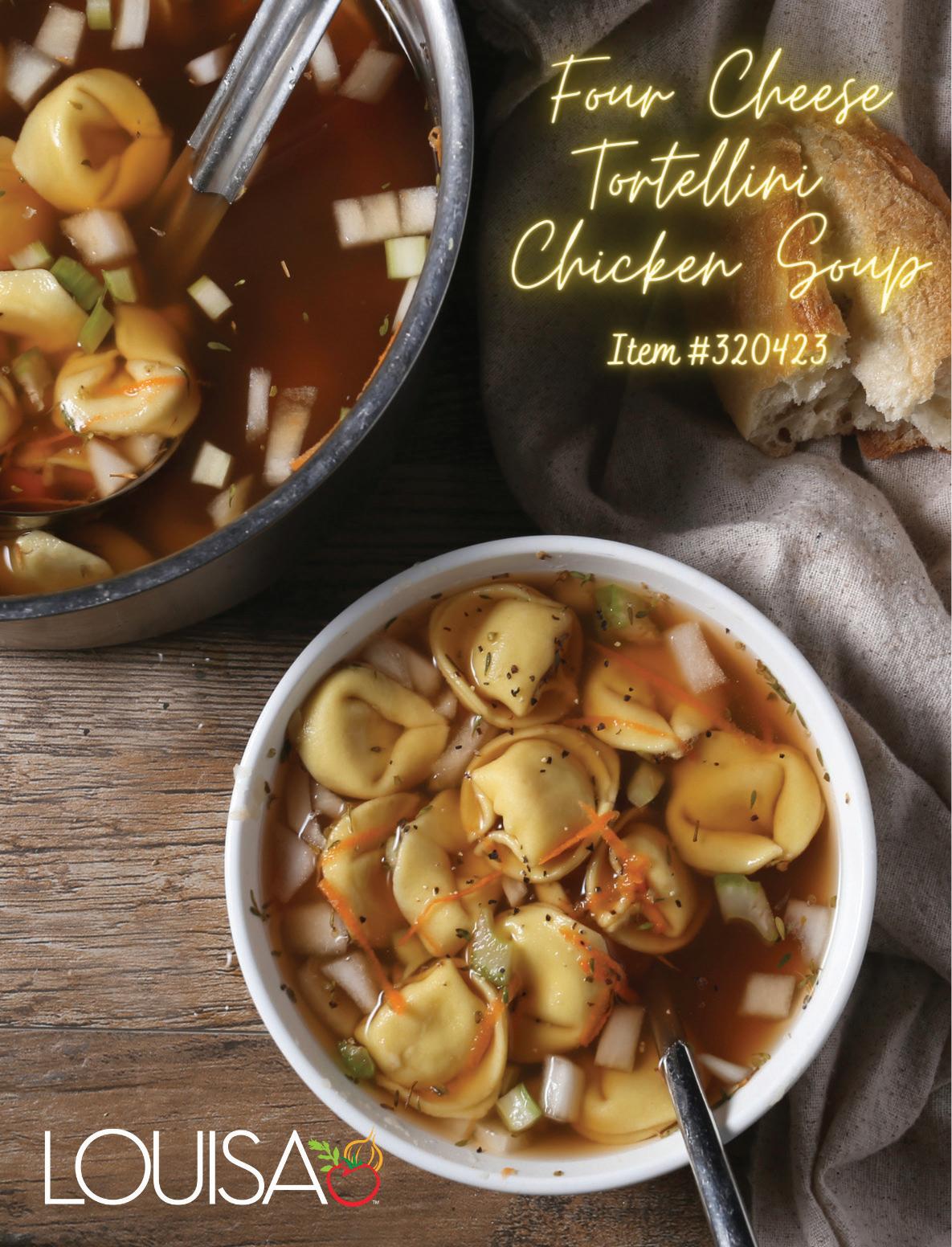
here to try the Louisa recipe for yourself
10
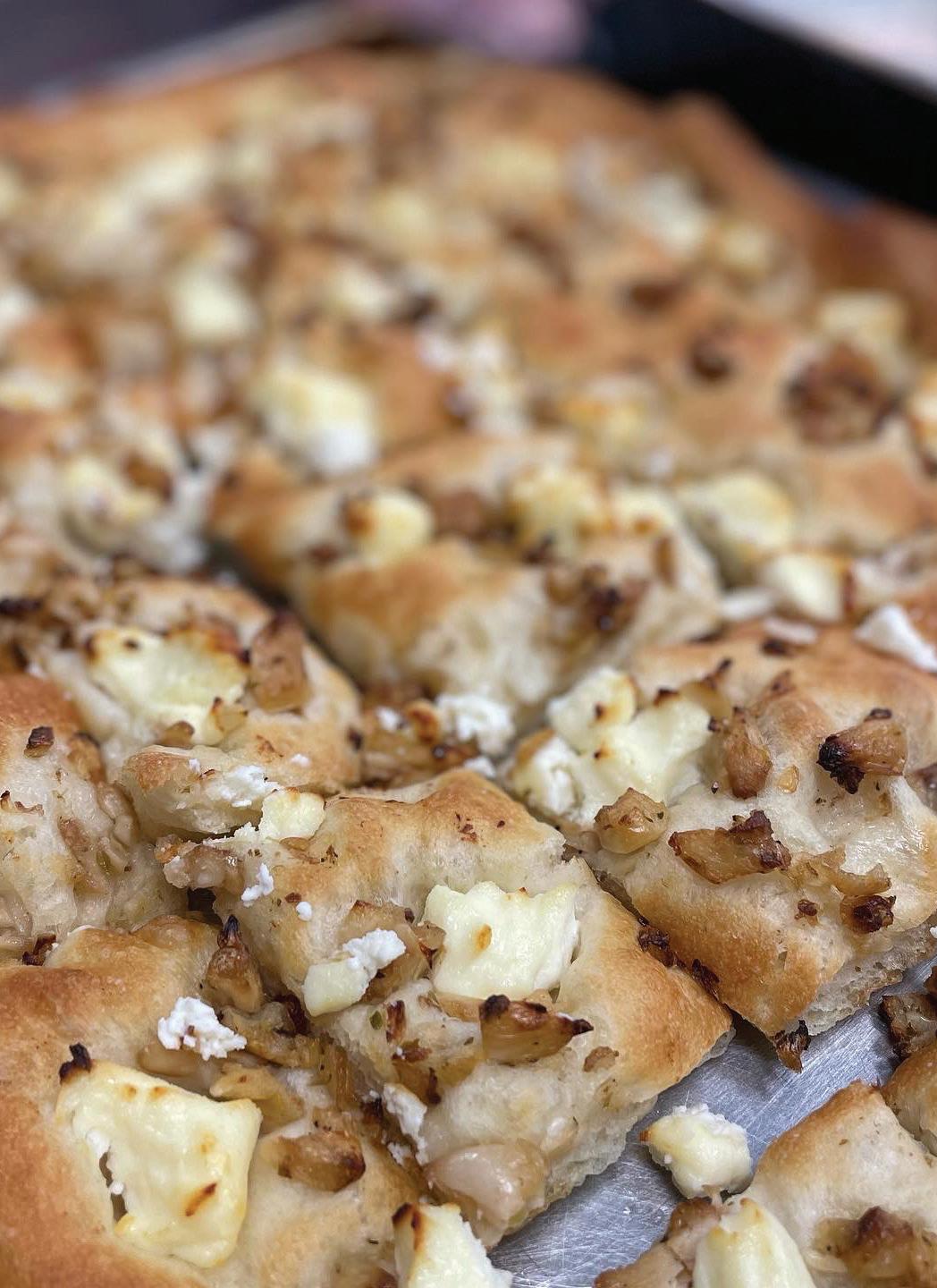
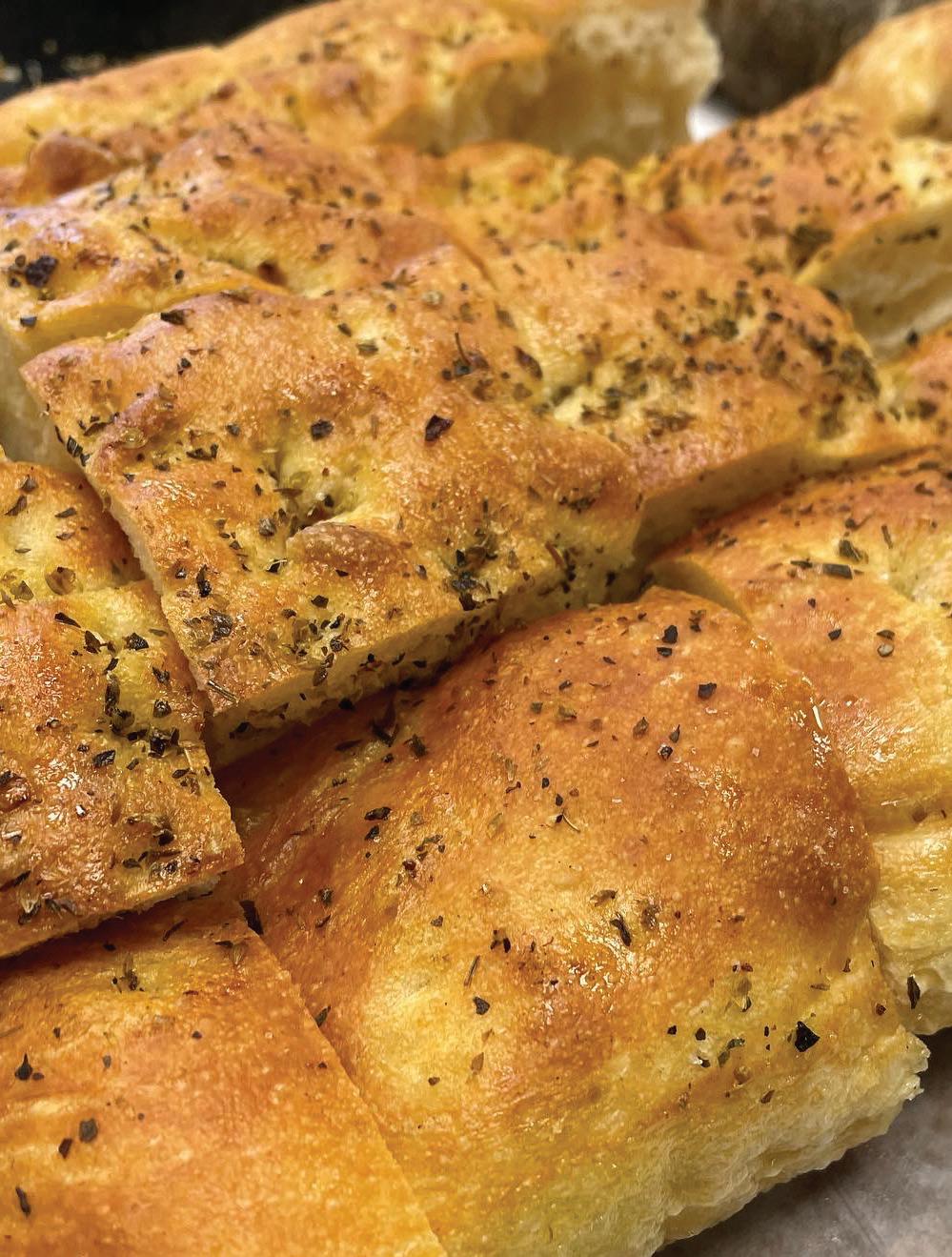
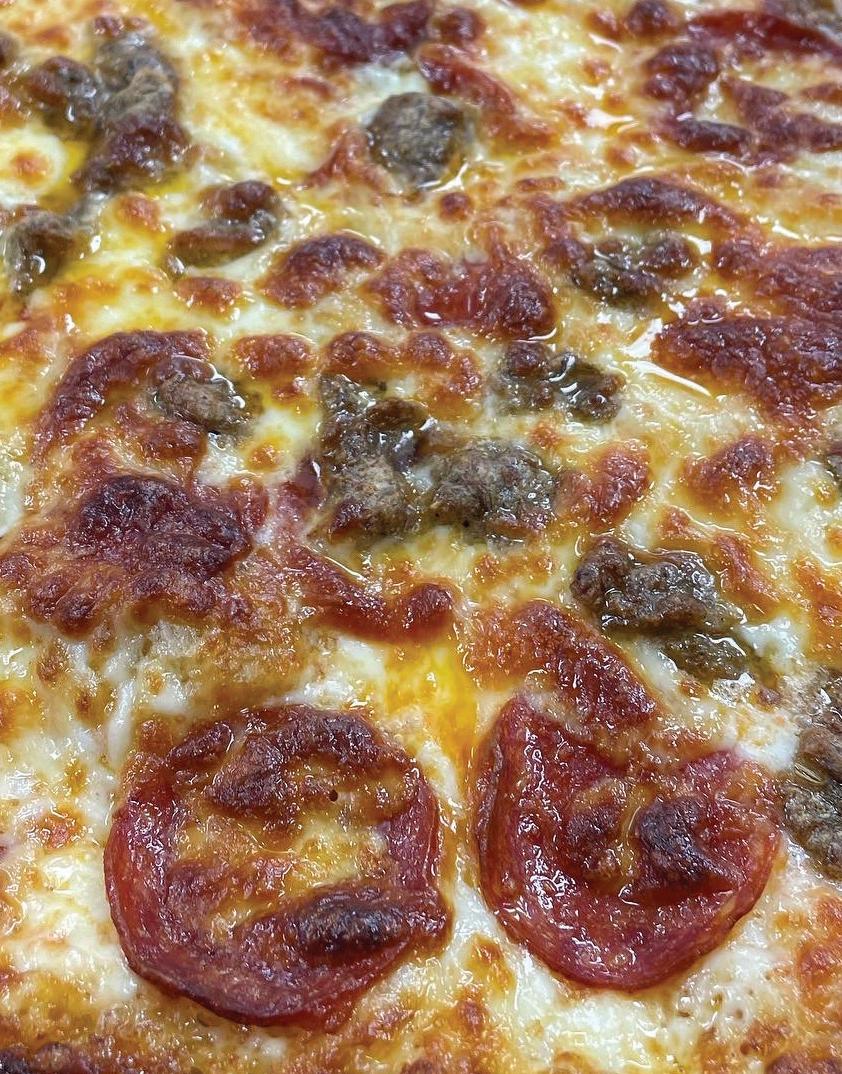
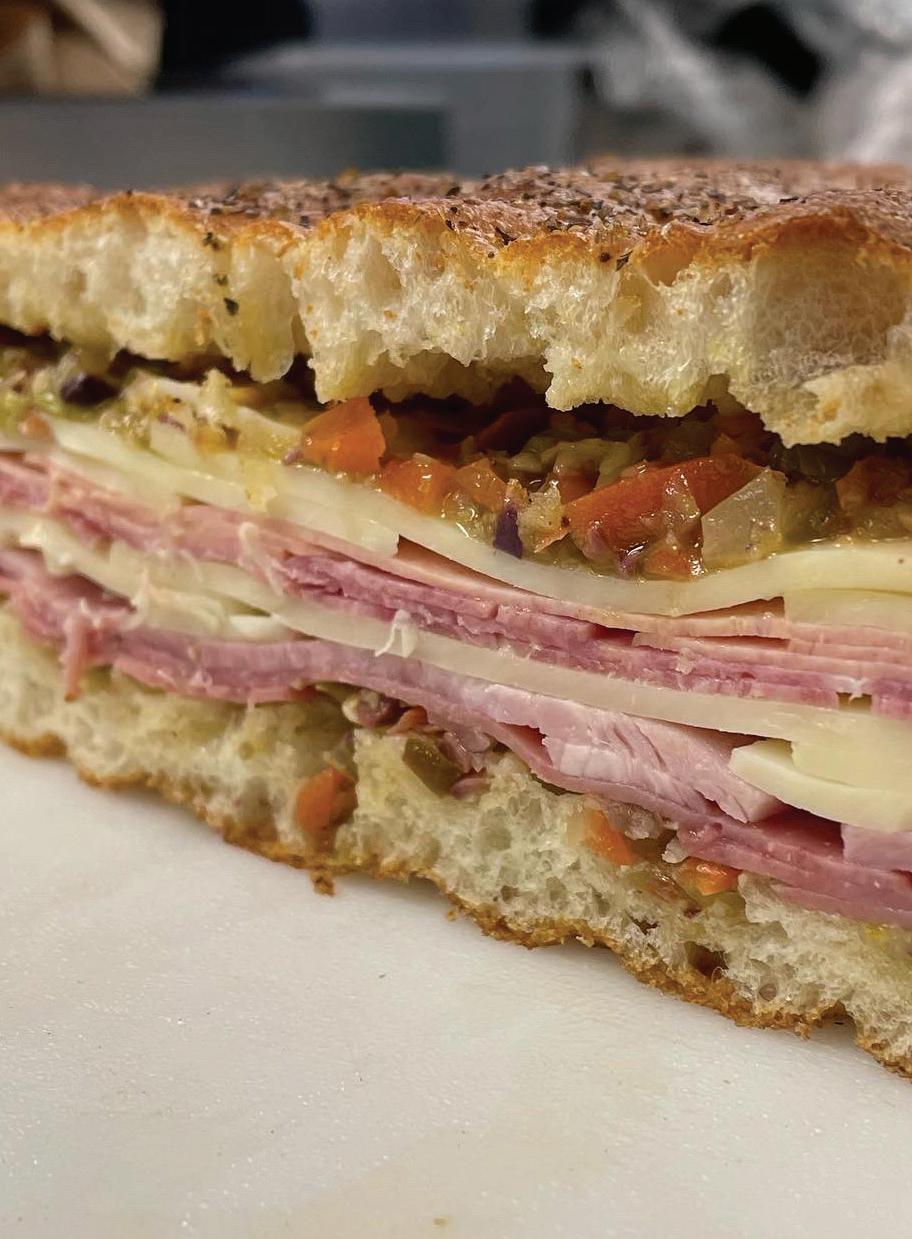 Pictured clockwise from top left: Flat Bread, Muffalatta, Foccaccia, Meat Lover’s Pizza. Ask your Delco Sales Rep for recipes.
1 22 oz dough ball made 4 different ways howdoyoudoughball? 11
7 types of
Pizza Napoletana
Born in Napoli, la pizza Napoletana is one of the most famous types of Italian pizza. Protected by a Traditional Specialty Guaranteed (TSG) certification, this style must be made in a very particular way.
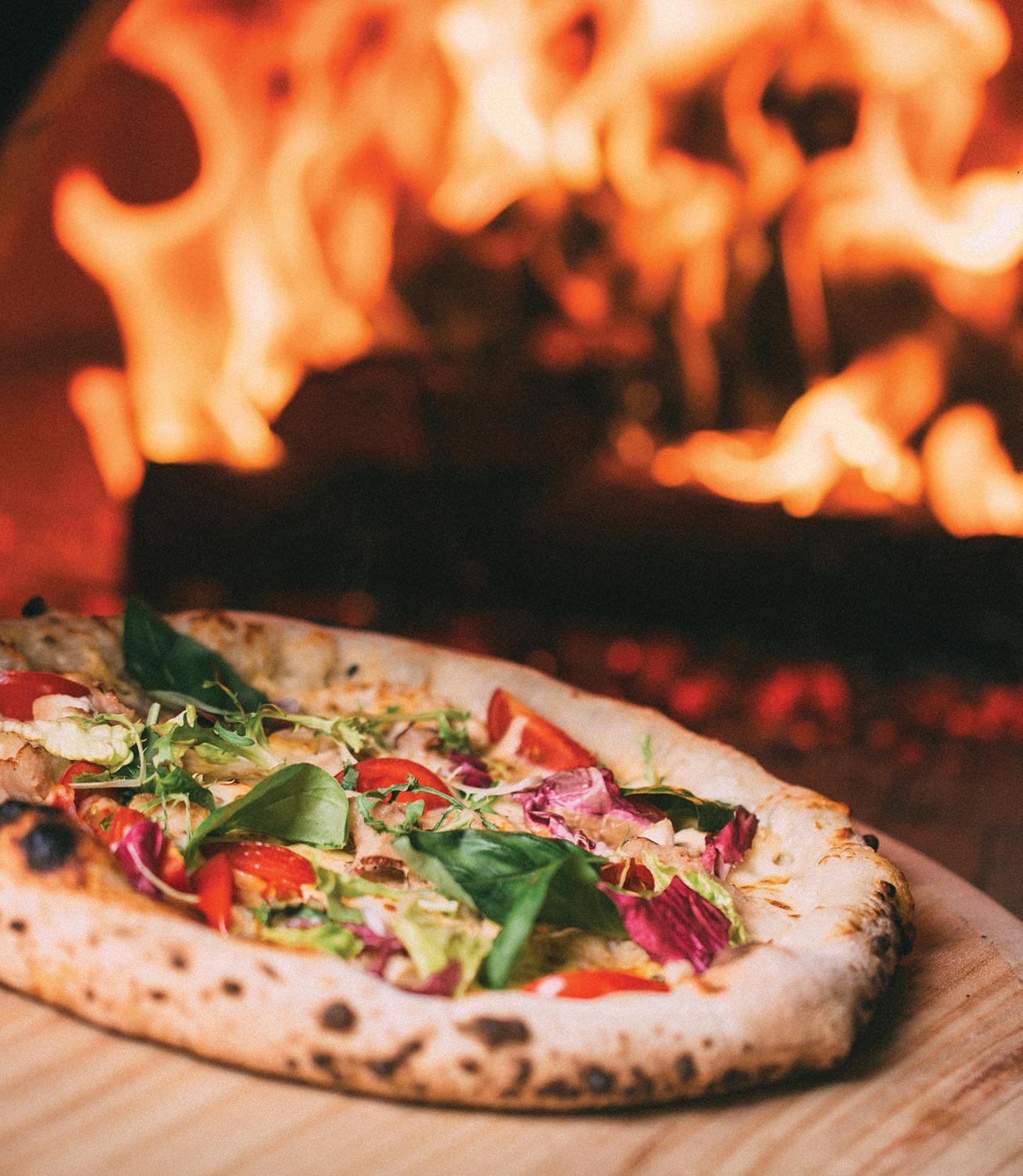
The dough is comprised of wheat flour, yeast, salt, and water and is left to rise for up to 24 hours. It’s shaped by hand into a flat, round disk, about 3 millimeters thick. After that, it’s topped with ingredients and baked for 90 seconds in a blisteringly hot (around 900°F) wood-burning oven. The result is a soft, elastic heart with a tall, fluffy crust.
Pizza alla Pala
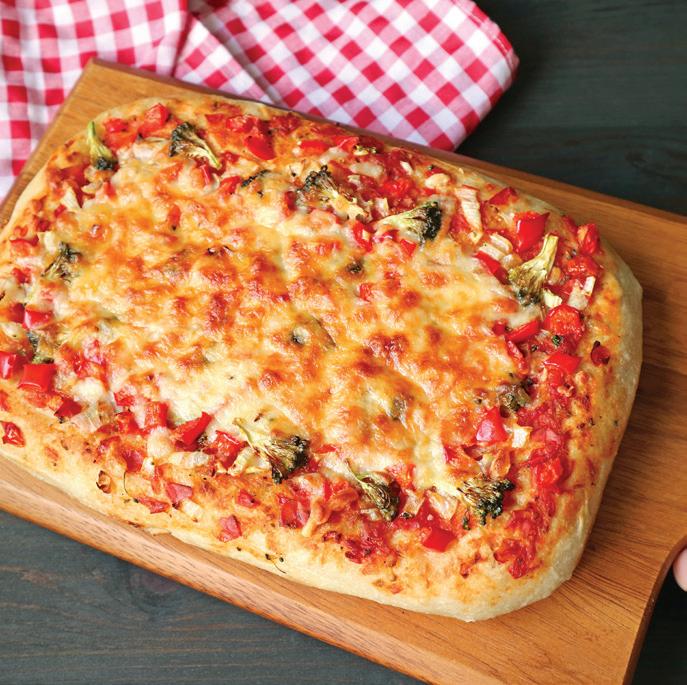
Meaning “paddle pizza” in Italian, pizza alla pala originated in Roman bakeries as a way to use up leftover bread dough. Bakers would stretch the dough lengthwise, top it with fresh ingredients, and serve it by the slice on a wooden paddle. Unlike pizza Napoletana, this style has a highly-hydrated dough (about 80% water) and is cooked in an electric oven around 580°F.
The dough is denser and rises for a long time, giving each slice a soft, fluffy interior and a crispy exterior.
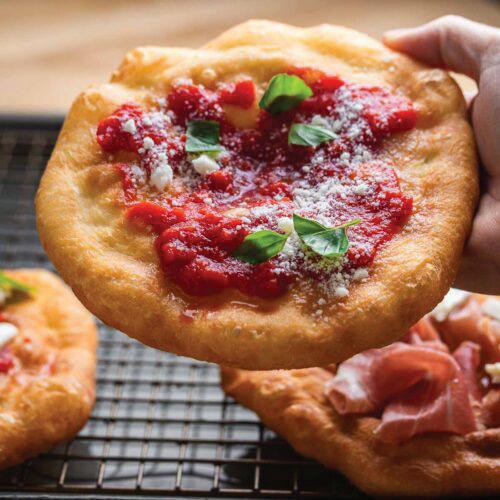
Pizza Fritta
A classic Neapolitan street food, pizza fritta is fried pizza dough. It comes in many different shapes and forms. For example, montanara is round while calzone is shaped like a half moon. Like many other great things in life, pizza fritta was born out of a crisis. After World War II, the price of mozzarella and wood for the ovens increased dramatically. In order to continue to serve their staple dish, cooks in Napoli decided to fry the dough instead of baking it, filling it with ingredients they had on hand instead.
12
of italian pizza
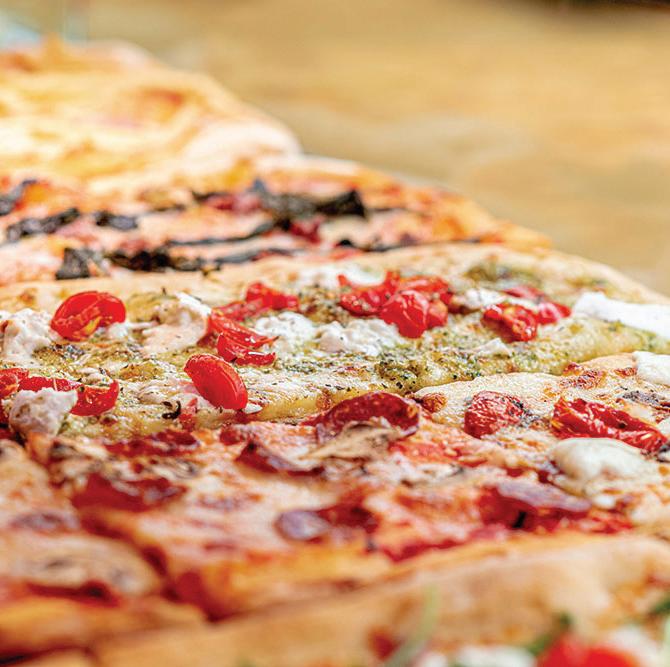
Pizza al Taglio
Literally meaning “pizza by the cut,” pizza al taglio is the perfect pizza for enjoying on the street. It’s baked in a large, rectangular pan before it gets cut into squares or long strips. The price of each slice is often determined by the weight and customers can decide how big of a slice they want when ordering.
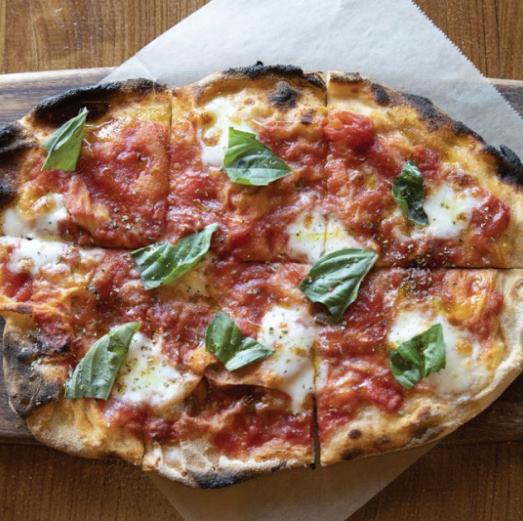
Pizza Tonda Romana
Pizza alla pala isn’t the only variety of pizza from Italy’s capital city. In Roman pizzerie, you’ll find another type: la pizza tonda Romana. This kind is flat and round and it has a very thin crust. Unlike pizza Napoletana, this style is crispy and has an almost cracker-like crust!
Pizza al Padellino
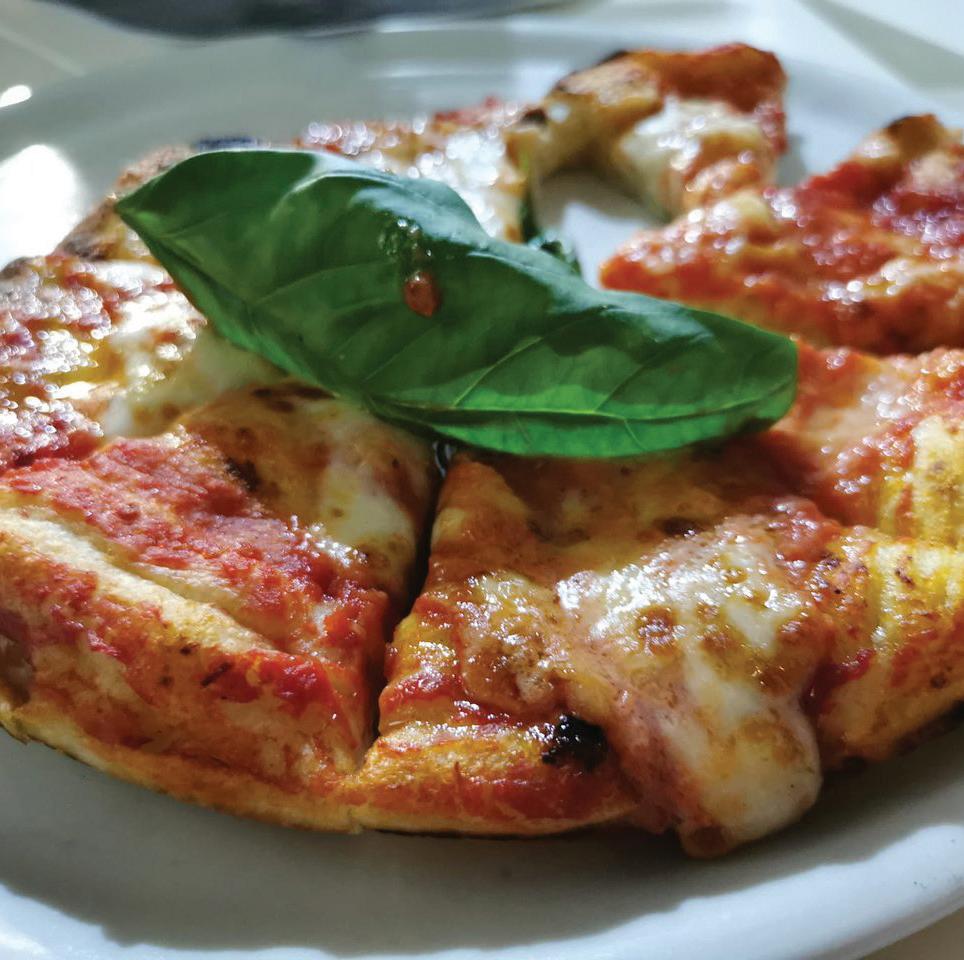
Pizza al padellino, or “pan pizza,” is a type of pizza that’s baked in small, round pans. Think of it like Italian-style “deep dish.” Typically served in Torino, pizza al padellino has a thick soft crust, that gets slightly browned on the outside when baking. It can be topped with a variety of ingredients, from prosciutto to mozzarella.
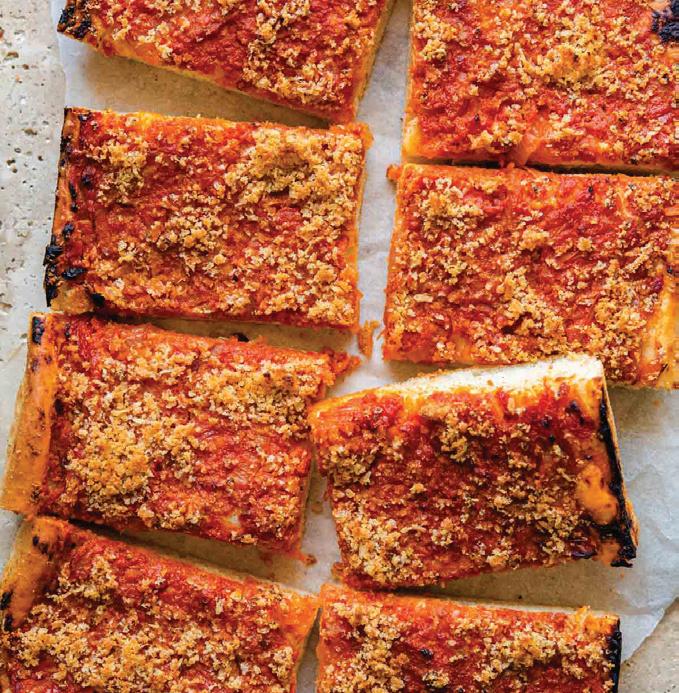
Pizza Siciliana
Also known as sfincione, Sicilian-style pizza has a thick crust with a fluffy, sponge-like consistency. It is baked in a rectangular shaped pan, topped with tomato sauce, anchovies, onions, oregano, and a hard sheep’s milk cheese. For the final touch, the pizza is covered in breadcrumbs which help absorb some of the oil from the ingredient. Sfincione is often served in bakeries rather than pizzerias as a snack or street food.
Source: 7 Different Types of Italian Pizza; Eataly Magazine 13
adjusting for inflation
According to a Consumer Index Report summary from August 2022, inflation across all items has risen to 8.5% over the last 12 months, which is the largest increase since 2008. As food prices surge in the U.S, food manufacturers and restaurants are increasing prices, trimming their costs and using various other tactics to offset heightened expenses. Restaurant owners are weary of increasing prices for fear of turning customers away. While increasing menu prices is one way to adjust during the inflation period, there are several other tactics that can be considered as well.


Review and Analyze your Menu
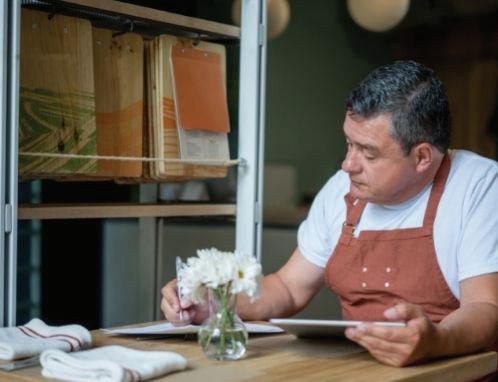
Before you start to make changes to your menu, be sure to conduct an audit. Take notes on important factors such as sales, costs, resources allocated to each individual dish, customer sentiment about each dish and evaluate this against profit margins. From here you can make adjustments accordingly.
Think over how you prepare each menu item.
What are the resources and how much time does it require for your dishes to be made? Ideally dishes should use different spaces in the kitchen to make workflow efficient. Do you have sufficient equipment?
Sort your menu items –Order or list your items out based on popularity or by how much was sold in the past year. Ideally, the more popular items should give you your highest profits. Look at online reviews for feedback. Here you can gain some insights on what customers prefer or what works well for your core customer base.

Make adjustments –Remove dishes that aren’t very popular as well as give you low-profit margins. Use marketing tactics to push the less
popular, high-profit items. Where are these located on your menu? Do you see a correlation? How can you better promote these items if you truly believe in their value? Encourage your staff to recommend the high profit items that haven’t been selling.
Consider using Alternative Items or Tweak your Current Dishes
There has been a large rise in the price of chicken this past year, especially chicken wings. Instead of wings some food service operators served tenders instead. Slightly tweak other menu items that have gotten too costly. To prevent problems in the future, replace inflation susceptible food items with more steady and secure ones. For example frozen seafood and produce are less prone to inflation because they are not tied to a contract. (continued...)

15
ADJUSTING FOR INFLATION

(CONTINUED FROM PAGE 15)
Use Value-Added Products to Reduce Time in the Kitchen


Consider purchasing foods that only require heating because they are already completed with the necessary prep work. This also helps keep your product consistent. For example, purchase chicken fillets that are already cut as you like, and seasoned and breaded. There are many options to choose from that cut down on resources such as produce that is pre-cut and pre-washed to save prep time. Ask your sales representative on your options for value-added foods.
Control your Portion Sizes
Look back at your menu review. First, which items get wasted? Cut back on portions on these dishes. A key component to portion control is training your cooks to weigh or measure the food that is put on the plates. Make sure portions are consistent each time. Food presentation makes a difference in perceived value. Garnish the dish in a way that fills the plate without adding extra food. For example, add several celery sticks to the wing platter to fill the empty space. Lastly, find small ways to cut back on the amount of food in a way that is not very noticeable. For example, slice your tomatoes or sausage thinner in the dish.
16
Other Areas for Improvement
Online Presence
Use a solid online presence to drive traffic. Make it easy to find information about your business such as address, phone number and menu. If you have an online ordering button on your site, place it front and center on your site’s page. Having a strong online ordering system will reduce the amount of profit given to third parties. Optimize your digital footprint by being on all platforms and posting accurate, quality information about your restaurant.
Control Labor Costs
You can control some costs by using software to monitor shifts and preventing inaccuracy when it comes to paying wages based on time worked during shifts. An organized scheduling system can also reduce errors in overstaffing on a certain shift. To cut back on cooks needed, make prep work as efficient as possible. Do you have sufficient equipment to maximize efficiency? As mentioned earlier, the use of value-added or ready-to-cook products allows for faster prep times as well.
Minimize Food Costs
A profitable restaurant usually produces a 28%-35% food cost.³ Keep a solid and consistent inventory tracking system. Track your costs on a weekly basis at the least. Order from your vendor as accurately as you can. Try hard not to overorder food that goes to waste easily.

What Food Cost is Right for You?
List all the food products that were delivered. Add together the prices of each of the items. Track your food product orders
Take inventory again at the start of next week. Add together total food sales per day. Calculate actual food cost for the week (using the equation below)
How to Calculate your Food Cost Percentage Food Cost Percentage = (Beginning Inventory + Purchases – Ending Inventory) ÷ Food Sales
Find the balance between serving your customers high-quality food while keeping costs down. If your restaurant is known for amazing pizza sauce, do not switch up your ingredients used because customers will notice.
17
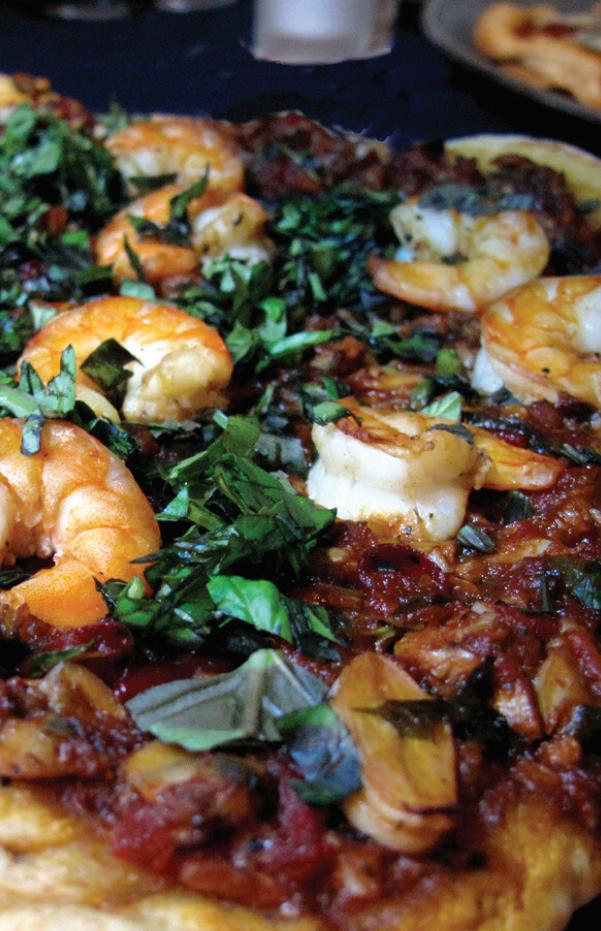
SHRIMP FRA DIAVOLO PIZZA
INGREDIENTS:
1/4 cup (4 Tbsp.) olive oil, divided (#1007769)
1 lb. large uncooked shrimp, peeled and deveined (#371031)
pinch of salt and black pepper (#1002252 & 450441)
5 cloves garlic, minced (#1005124)
1 medium onion, thinly sliced (#340032)
1 cup dry white or red wine
2 cups grape tomatoes, halved (#340231)
1 tsp. crushed red pepper flakes (#450242)
1/4 tsp. dried oregano (#450120)
2 cups shredded mozzarella cheese (#170550)
1/2 cup fresh basil, chopped (#1005548)
grated parmesan cheese (#190155)
1. Preheat oven (and baking stone if using) as you typically would.
2. Heat 1 Tbsp. oil in a large skillet over medium-high heat. Season shrimp with salt and pepper, then add to the skillet. Sauté for one minute, then flip shrimp and saute until the shrimp is just seared on both sides. Remove and transfer shrimp to a separate plate.
3. Add an additional 2 Tbsp. oil to the skillet. Add onions and sauté for another 5 minutes, or until translucent. Add garlic and sauté for one minute. Add wine, and deglaze pan for one minute. Then add tomatoes, crushed red pepper, and oregano. Reduce heat to medium-low, and let simmer and reduce for 10-15 minutes, stirring occasionally. Remove from heat and set aside.
4. Meanwhile, brush or mist the top of the pizza crust with the remaining 1 Tbsp. oil. Sprinkle about half of the mozzarella cheese evenly over the top of the pizza, leaving a 1-inch border. Then evenly spread the tomato mixture on top of the cheese. Add the shrimp in an even layer, and then cover with the remaining mozzarella.
5. Bake for about 10 minutes, or until dough has risen and cheese is melted. Remove and garnish with chopped fresh basil and Parmesan cheese.
18
CREAMY PORTABELLO LINGUINE
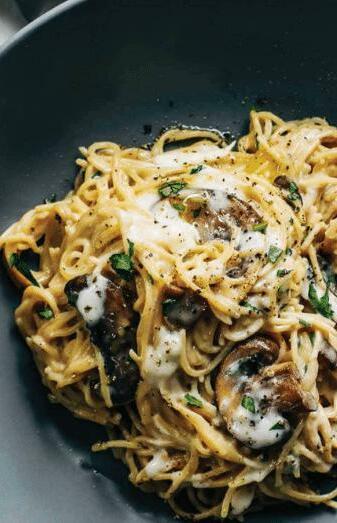
INGREDIENTS:
4 tbsp. extra virgin olive oil (#1007769)
1 lb. mushrooms, cut into pieces (#340400)
2 shallots, chopped finely (#1006769)
1 lb. spaghetti (#1005698)
1/2 cup heavy cream (#180114)
1/3 cup parsley, chopped finely (#340225)
Zest and juice of half a lemon (#340220)
2 tbsp. unsalted butter (#1003930)
1/2 oz. parmesan, grated (#190155)
ground pepper (#450441)
1. Heat 2 tbsp. oil in a large pot on medium-high heat. Heat half the mushrooms for about 3-4 minutes. Stir the mushrooms around and continue to cook, stirring them around occasionally (about 5 minutes). Move the mushrooms to a plate, then season with salt. Do this again with another 2 Tbsp. oil and mushrooms.
2. Turn down the heat to medium-low. Place all of the mushrooms to the large pot. Add shallots and cook, while you stir frequently, for about 2-3 minutes.
3. On the side, cook pasta until al dente.
4. Put pasta in the pot with the mushrooms; add cream and 1 cup pasta water. Increase heat to medium and bring to a simmer. cook, as you toss, until pasta is al dente (about 3 minutes).
5. Take the pot away from heat. Add lemon zest and juice, parsley, butter, ½ oz. Parmesan, and pepper. Toss to combine well.
6. Serve pasta and top with grated parmesan.
19
MARKET REPORTS
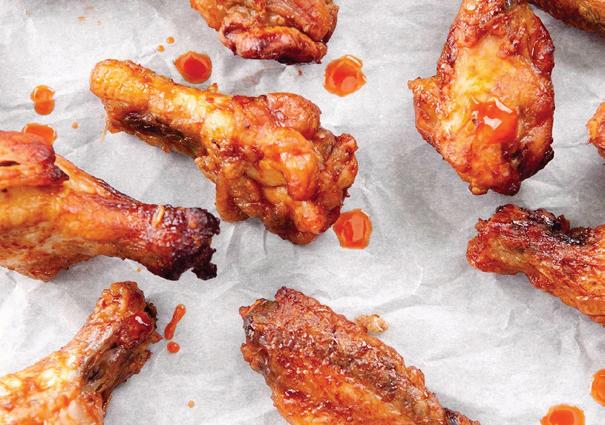
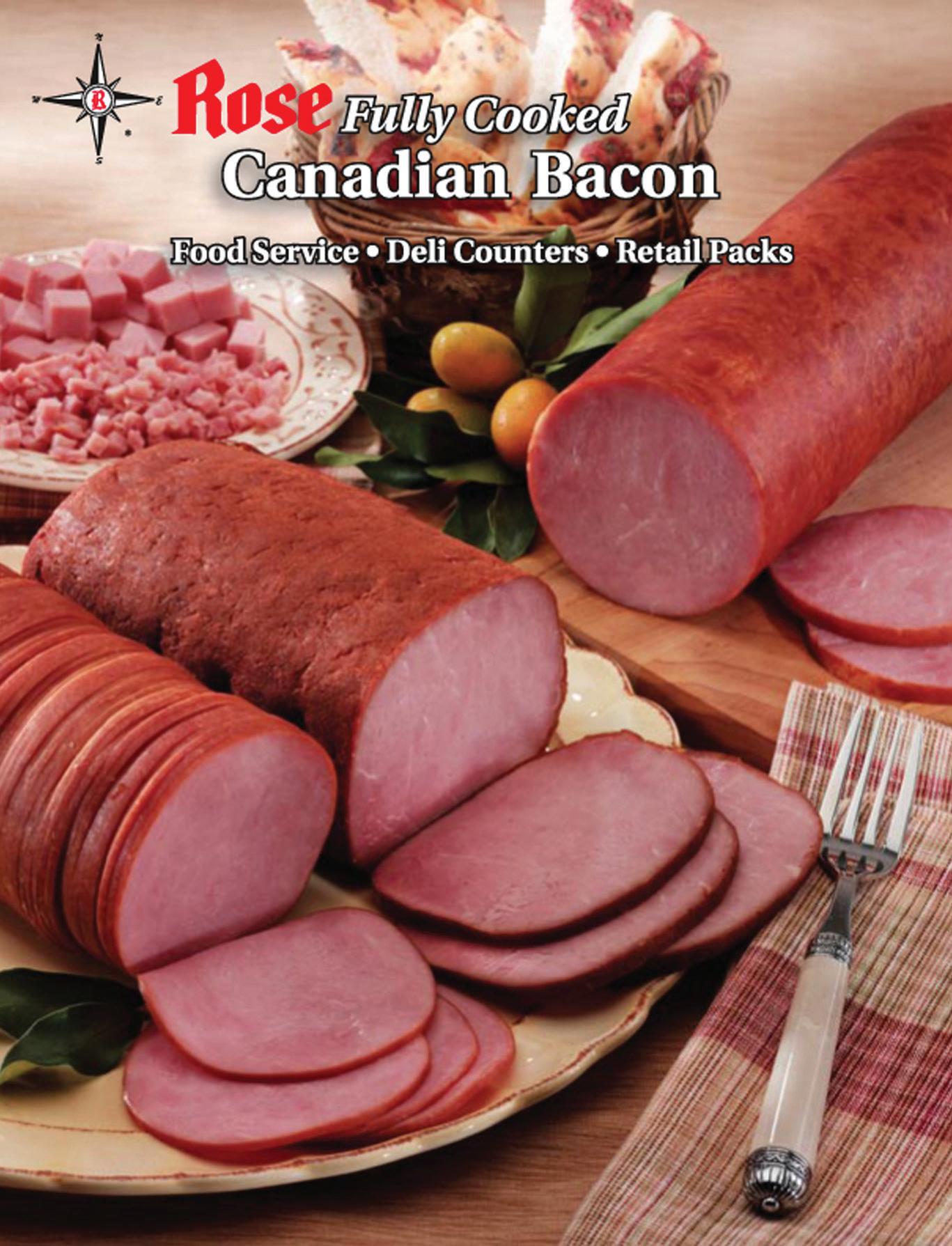
Do you want to stay informed about the conditions of commodity items in this volatile time? Make sure to sign up to receive weekly Market Reports to your inbox by emailing twells@delcofoods.com.

Be sure to check out Delco Fall Savings October 9 – November 19, 2022. Featuring savings on nearly 300 new and already loved items. Click here to access the catalog. Ask your Delco Sales Rep if you need the password.