



After all that yakkity-dock about saving the country from “them illegals,” ICE efforts are being exposed as the very thing the Black Press said it was—institutionalized and militarized anti-Blackness and anti-Brownness. And they’re costing us, taxpayers,aprettyuglypenny.TheMinnesotaICEoperationalonepaintsthepicture. Thatoperationresultedin4,000detainees. Atthecostofroughly$70,000perdetainee, taxpayersspent$280,000,000onthismadness By the way, of those 4,000 detainees, only 14% (560) had criminal records. And most of those were for minor infractions like running a stop sign or speeding. Of the 560 with criminal records, some reports say that maybe 30 of them were accused of violent crimes or dealing drugs. So, we get a $280,000,000 bill paid by me and you to terrorize an entire city to detain “maybe” 30 individuals accused of committingacrime.(i.e.,lessthan1%ofthe4,000detained). The Trump Administration’s “Non-Diversity, Inequity, and Exclusion” (N-DIE), already a morally bankrupt initiative, will bankrupt this nation financially if not stopped.
firsthand. The Defender is experiencing the same challenges. We’re tired of seeing our fellow Black media outlets close when the work they (we) do is even more vital today than ever before So, if you (readers, communitymembers,corporateHouston) appreciate the educating, entertaining, and empowering work produced by the Defender, show your support by making a financial contribution or by committing to advertisetooneofthenation’slargestAfrican American populations.
For 199 years, the Black Press has told our story, chronicled our history, and interpreted world happenings from our perspective. A perspective that remains absent to this day from the so-called “mainstream” media. That’s why it is beyond heartbreaking to see Black-owned media outlets shuttering their doors. But on Feb. 12, one of those publications, The Richmond Free Press, announced it will cease publication after more than 30 years in business The free weeklynewspaper,whichfocusedprimarilyonRichmond’s AfricanAmericancommunity,wasfoundedin1992byveteran journalist, editor, and professor Raymond Boone and hiswife,JeanPattersonBoone.“Thankyouforbeingpartof ourjourneyasweperseveredthroughharsheconomictimes,” wroteJeanBoonetoRichmondPressreaders.“Allgoodbyes are not forever. And this may be Or not. We know for sure that we do not have the advertising support to continue.” And it’s that last line that’s the killer As much as businesses inU.S.citiesdependuponthefinancialsupportofBlackfolk, you’d think Black media outlets would have their pick of advertisers. Not so We at the Defender know this reality
One of the tried-and-true moves in the dictator’s playbook is to control information This is done by attacking and/or silencing university scholars, banning books, and destroying the free press (arresting journalists, etc.), then replacingitwithstate-runmedia.Dictatorsareempowered byanuninformedcitizenry.Ithoughtaboutthisagainwhen IrecentlydiscoveredthatGallup,whichhasbeenresponsible for the official Presidential Approval Rating for 88 years, announced it would no longer produce that information. This announcement comes on the heels of the December 2025report,whichshowedDonaldTrump’sapprovalrating at 36%, the lowest recorded in polling history. That move was pure Trump. On Aug. 1, 2025, he fired the Bureau of LaborStatisticscommissioner,hoursaftertheagencyissued a jobs (non) growth report that wasn’t to Trump’s liking He also shut down reporting on civil rights violations and racial discrimination, and the national police misconduct database He even sued multiple major TV and print news outletsintorelativesubmissionforreportingthingshedidn’t like Combined,thesemovescreateasituationwherenearly allinformation(newsandscholarlyresearch)comesfroman administrationwithanaggressivelyanti-Black,anti-women, anti-science, anti-democracy slant. Lord, Lord, we need Black-owned media now more than ever.

ByTannistha Sinha
AsHoustonentersapivotalyearmarked by rapidgrowth, loomingbudget challenges, andglobalattention from theFIFA WorldCup,MayorJohnWhitmiresaidthe cityis“movingintherightdirection”inhis Stateofthe City address
“Houston is astrongcity, andit’sgetting strongerevery daybecause we’reworking together in collaboration,”Whitmiresaid, toutingbringinghis 40-yearcareeratthe Texaslegislature to Houston.
During theaddress, Whitmire said he merged twoMartinLutherKingJr. Day paradesasanaccomplishmentdespitebeing warned notto.
“Who thoughtwecould ever combine thetwo Martin Luther King parades?” Whitmiresaid. “Other whitemayorshave tried. Blackmayorscouldn’tget it done Theneatthingis…Ijustwanttoget things done.I’m notevenworried aboutthe next election.“TheAfrican American communityissoexcitedbecauseI’vemergedthose institutions,” he said in his address
When askedabout gentrification in Black-majority neighborhoods, includingFifth Ward,Third Ward,IndependenceHeights,and Sunnyside, Whitmire
acknowledged it as “obviously aconcern acrossHouston”andspecificallywithinthe AfricanAmericancommunity
“There’s been alot of mobility,and it’s afactoflife,”Whitmiretoldthe Defender. “Affordability…we’ve gottoaddressthat. We want people to be able to stay in their homes, in ourcommunities.But if you go into thecommunities that you’re concerned about, that I’mconcernedabout, thereisstill averystrong, diversegroup of residents.”
Councilmemberand MayorPro Tem MarthaCastex-Tatum,who attended the address, offeredabroader perspectiveon theissues impactingBlack Houstonians.
“BlacksinthecityofHoustonarecontinuallylookingforeconomicopportunities,” shesaid.“Wearelookingforchancestopull each othertogetherand rise together.I’m honoredtobeapolicymaker in thecityof Houston, butwhile Isit on theHouston City Council, Iknowthatitisimportant thatwecontinuetocreateeconomicopportunitiesforpeopleintheBlackcommunity.”
Castex-Tatum emphasized certification throughthe city’s Office of Business Opportunityasa pathwaytocloseeconomicgaps.
Otherissues:Economic development,infrastructure, public safety
Houston’seconomicengineisaccelerating.
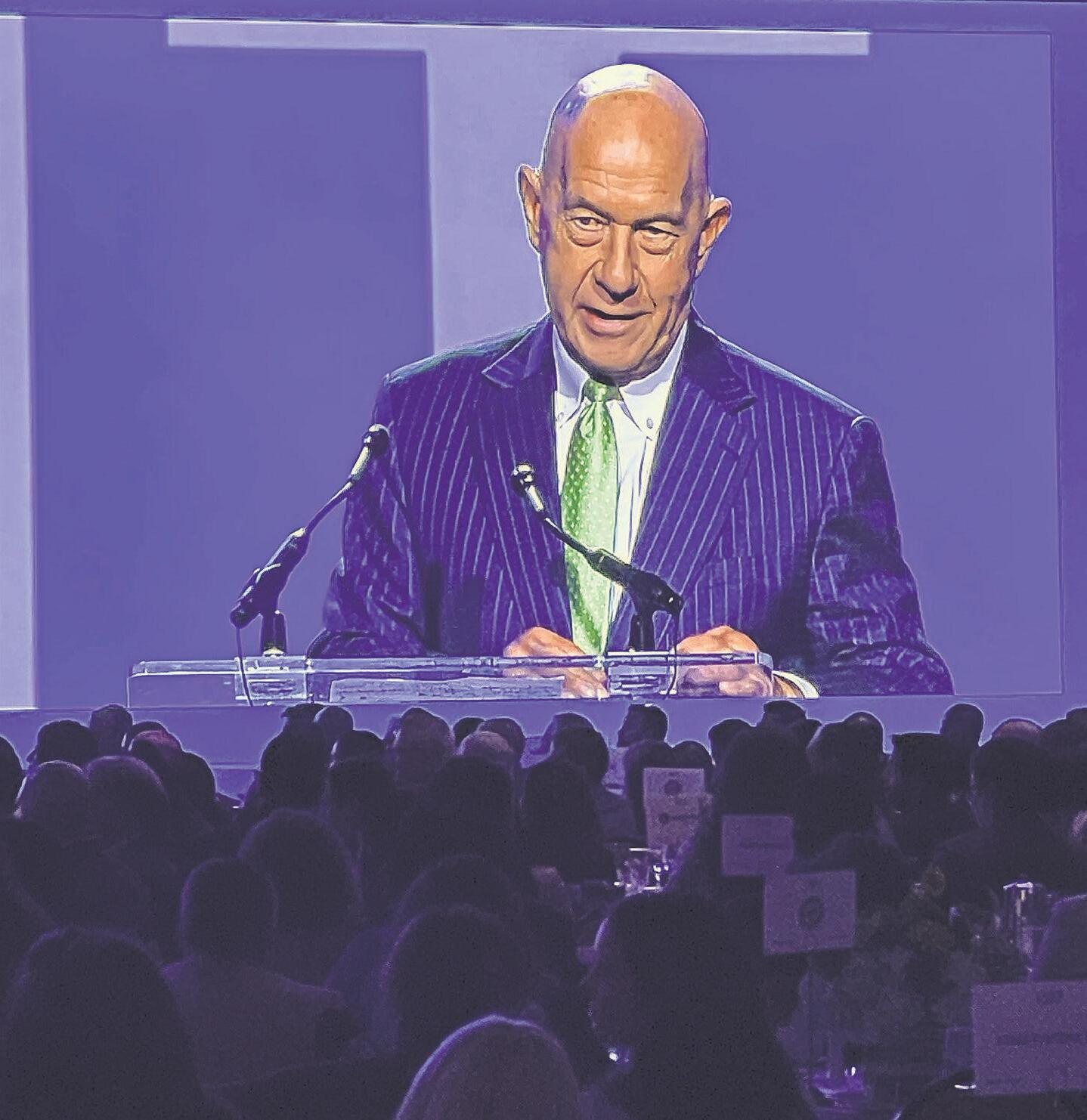
Credit:Tannistha Sinha/HoustonDefender
Houstonisastrong city,and it’s getting stronger every daybecause we’re workingtogetherin collaboration.”
JOHN WHITMIRE
HoustonMayor

PresidentandCEOoftheGreaterHoustonPartnership,Steve Kean,saidcompanies arechoosingHouston to expand and establishheadquarters, includingDevon Energy,Houston’s 27thFortune 500company,Fervo Energy,and Tesla.
“Houston is helpingtobuild theinfrastructure behind AI,datacenters,power equipment, andthe technologies that are saving thefuture, creating construction jobs,manufacturing jobs,and long-term opportunities,”Keansaid. “Houston is winning.”
Themetroalsoadded200,000residents in 2024and sawGDP grow to $700 billion aftera25% increase from 2021 to 2023, Kean added.
Whitmiresaidthe city is “movingin theright direction”and addedthatheis prepared to give six years, “the remaining bestyears”ofhislifeforHouston,working “18-hourdayswitha team that is thebest in America.”
Whilea budget deficitlooms,he announcedthatthe city will notsee a propertytaxincreaseintheupcomingJune budget season.Inhis twoyears in office, Whitmirehasnotadvocatedforsuchatax hike
“We’re goingtolookfor efficiency,collaboration,andeliminatecorruption,conflicts of interest.Itcan be done,and it will bedone…Thesetaxesimpactaffordability,” he said
Thisyear, theadministration plansto pave1,000roadmilesandspend$500milliononroadimprovements, whilereplacing200milesofwaterpipes.Whitmirealso aspirestoestablishaMETROlightrailline to George Bush Intercontinental Airport andawater taxi service on BuffaloBayou
“Thisisa good time formetogoahead andtalk aboutworking acrossthe aisle,” Whitmiresaid.“Ifsomebodywantstowork withmetofixandimproveHouston,Iwill go anywhere,anytime.Wedon’t have time forpolitics.”
MichaelHeckman,president andCEO ofHoustonFirst,alsoemphasizeda$2billiontransformationoftheGeorgeR.Brown Convention Center
By ReShondaTate
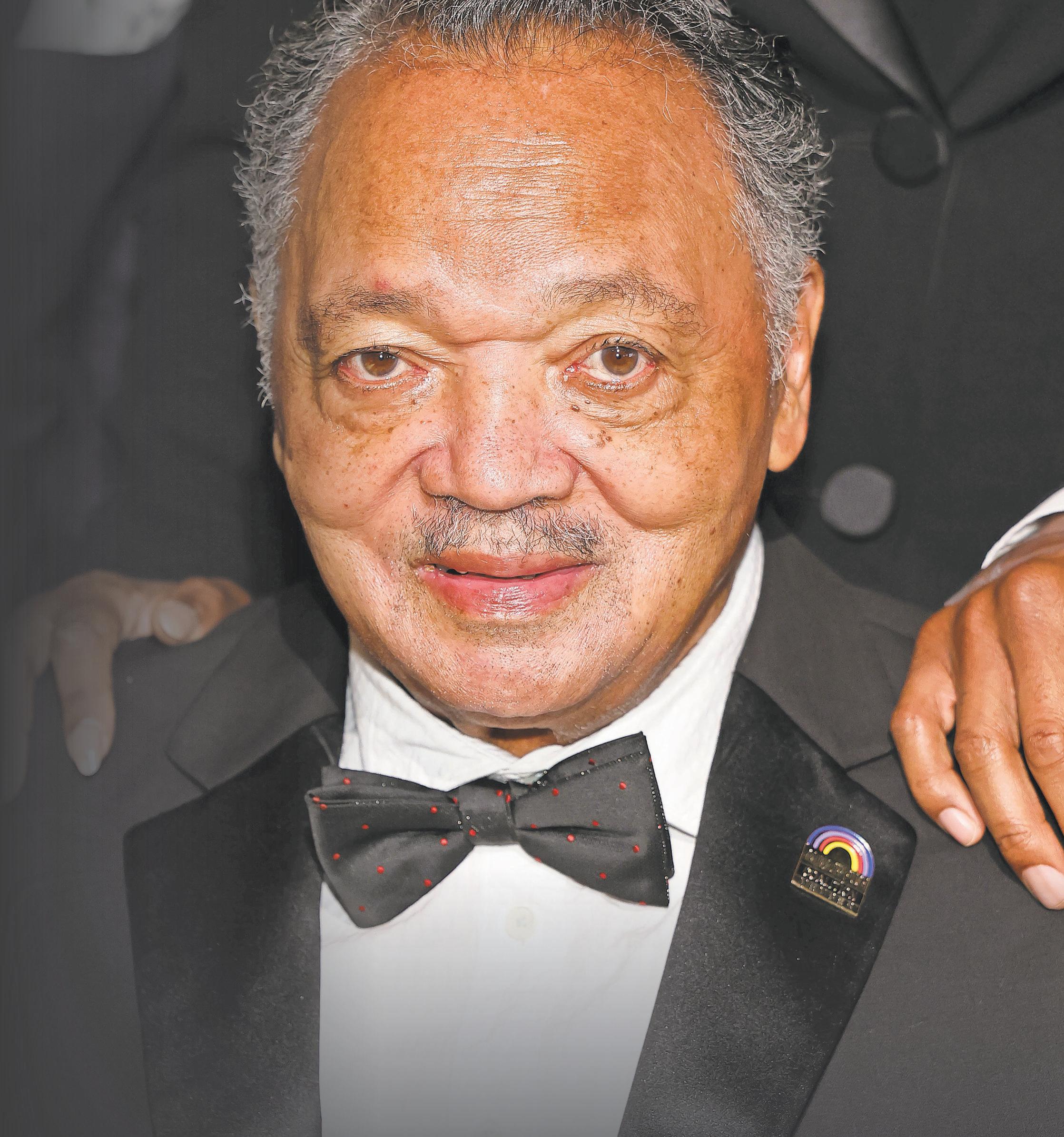
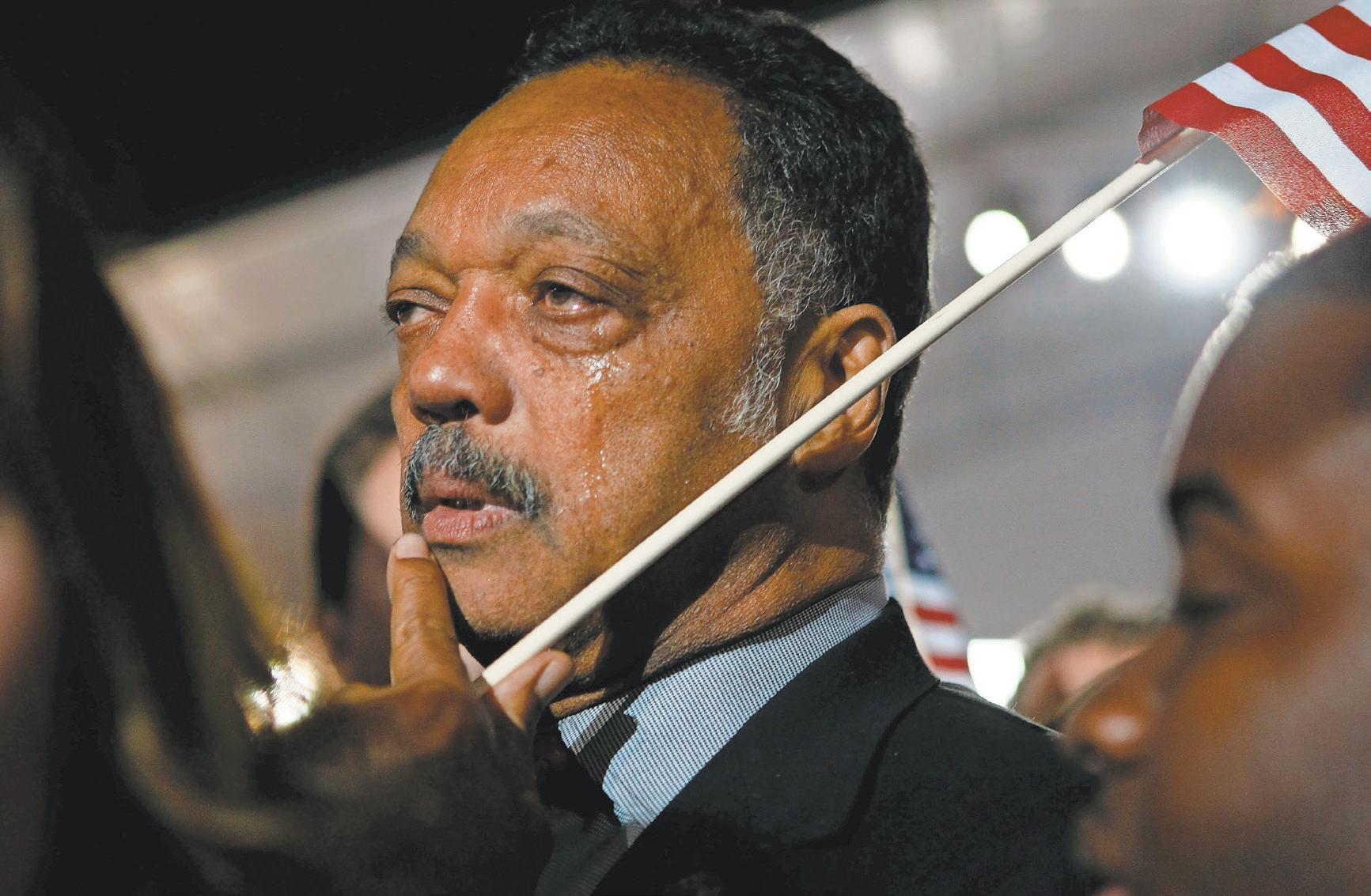
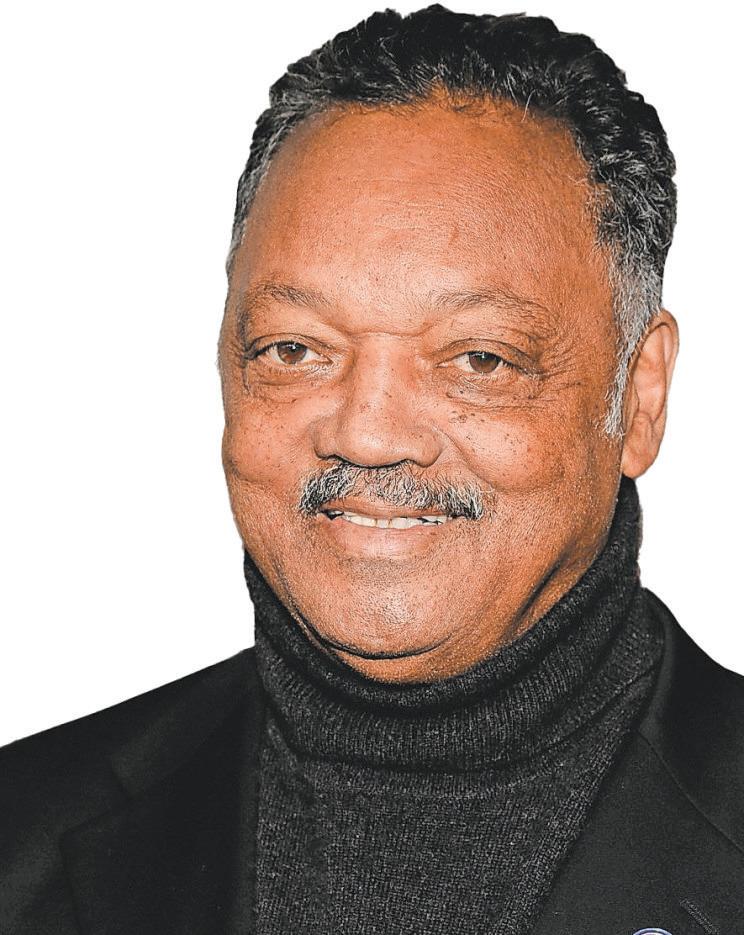
Houstoniansare mourning the deathofthe Rev. JesseJackson,a toweringfigureinAmericanpublic lifewhose activism, organizingand preachinghelpedshape modernBlackpoliticalpowerand gave voice to generationsofpeopledemandingdignity andequal treatment.
Jackson, aminister andlongtime head of theRainbow PUSH Coalition, spentdecadesatthe forefrontofthe civilrightsmovement,advocatingforvotingrights, economicjustice,laborprotections andequal opportunity.His influencestretchedfarbeyondthepulpit,reachingintocityhalls,union hallsand collegecampusesacross thecountry—includinginHouston,wherehemaderepeatedvisits andbuilt relationshipswithlocal politicaland community leaders.
HarrisCountyCommissioner Rodney ElliscalledJackson “one ofthegreatestmoralleadersofour time,” creditinghim with shaping thepolitical consciousness of an entire era.
“ReverendJesse Jacksonwas a dear friendand oneofthe greatestmoral leadersofour time,” Ellissaidina statement. “His ‘I Am Somebody’speechawakened ageneration,includingme, to the urgentworkofjusticeandhuman dignity.”
EllissaidJackson remained a consistent presence in thestruggleforsystemicreform,evenashis health declined
“Overthe decades, we found ourselvesside-by-sideinthat work:pushingtoend discriminatory cash bail,defendingvoting
Even as hishealth declined,he challenged us to keep fightingfor fairness, foropportunity, and forthe inherent worth of everyperson.”
RODNEY ELLIS Harris County Commissioner
rights,andstandingwithcommunitiestoooftenignoredorwritten off,” Ellissaid.
Jackson, whorosetonational prominenceasaprotégé of the Rev. Martin Luther King Jr., became oneofthe most recognizablecivil rights voices of the post-Kingera. He wasknown for blendingpreachingwithprotest, oftenframingpolitical struggle as amoral obligationand urging communities to demand respect from institutions that historically excluded them.
His“IAmSomebody” speech became adefining culturalmessage,repeatedinchurches,schools andralliesacrossthecountry,particularlyinBlack communities wherethe affirmationresonated as both spiritualencouragement andpolitical declaration.
Over time,Jackson expanded hisadvocacybeyondcivil rights demonstrations, pushingfor economicinclusion andcorporate accountability whilealsodrawing attentiontointernational human rights issues.His work frequently intersectedwithlabor unions andcommunity organizersfightingpoverty,discriminationand unequalaccess to opportunity
In Houston, acityshaped by both civilrightshistory and
ongoingdebates aboutequity, Jackson’slegacyhas been repeatedlyinvokedbyleaderswhocredit himwithhelpingbroadentheidea ofwhatBlackpoliticalengagement couldlooklike—not just protest, butsustainedinfluenceinelections, policyandcommunityinstitutions.
EllissaidJackson challenged Americanstokeepmovingforwardevenwhenprogresswasslow.
“Helivedhisvalueswithcourage andconviction,”Ellissaid.“Evenas hishealthdeclined,hechallenged ustokeepfightingforfairness,for opportunity, andfor theinherent worthofevery person.”
Jacksonalsoran forpresident twiceinthe1980s,campaignsthat were viewed as groundbreaking efforts to expandBlack political participationanddemonstratethat Blackvoterscould be adecisive national force. Thoughhedid not winthe Democratic nomination, hiscampaignshelpedshapefuture politicalorganizingstrategiesand were seen as paving theway for latercandidates of coloronthe national stage.
EllissaidJackson’s impact reachedfar beyond politics.
“Heimprovedlifefor people acrossthe nation andthe world,” he said.“My thoughts arewith hisfamily, theRainbow PUSH
legacywillendureforgenerations,” Ellissaid.
In Houston, whereBlack churches andcivic organizations remain central pillarsofcommunity life, Jacksonisbeingrememberednotonlyasanationalfigure, butasa symbol of ageneration thatfoughttoensureBlackAmericanswereseen,heardandcounted —inthe workplace,atthe ballot boxand in thehalls of power.
Hisdeath hasprompted renewedreflectionamong many localleaders andactivists about theunfinished work he spenthis lifepursuing: equalaccess, equal justiceand thefullrecognition of Blackhumanity.

ber 4,
community,and every whoselifehetouched.”
Jackson’slateryearswer byhealthchallenges,but remainedsynonymousw ismrootedinfaith,mora andpublic accountability
“ReverendJackson ta us to believe in our power— and in each other —and that
person remarked hisname withactivlurgency y aught

By Gregory Stevenson
The Texas Education Agency (TEA) last year moved to take over four school districts after six campuses received failing gradesforfiveconsecutiveyears,triggering a state mandate that allows the education commissioner to close schools or replace locally elected leadership
Thesixcampusessharestrikingsimilarities.Between80%and97%ofstudentscome fromlow-incomehouseholds,farabovethe state average Black and Hispanic students make up nearly all enrolled children, and large portions of students are considered at high risk of dropping out.
Under a 2015 accountability law, Education Commissioner Mike Morath must intervene when a school earns five straight Fratings.Sincetakingofficein2016,Morath hasorderedtwocampusclosuresandseven district takeovers, arguing that persistent failure reflects ineffective governance that denies students a quality education.
Morath announced plans to replace
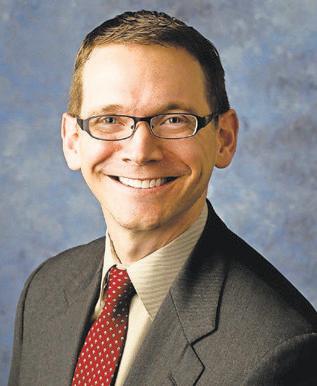
Mike Morath. Credit: OneStar Foundation.
school boards and appoint new leadership in Fort Worth, Beaumont, Connally, and Lake Worth. Beaumont and Connally each had two campuses that met the takeover threshold. Morath said the districts failed to make effective changes and showed widespread academicunderperformancebeyondthetrigger schools.
Critics argue the accountability system disproportionately targets districts serving low-income Black and Hispanic students while overlooking deeper inequities tied to poverty,segregation,andlimitedresources. ConnallyISDSuperintendentJillBottelberghe said many students face housing instability, transportation barriers, or must care for themselves at home
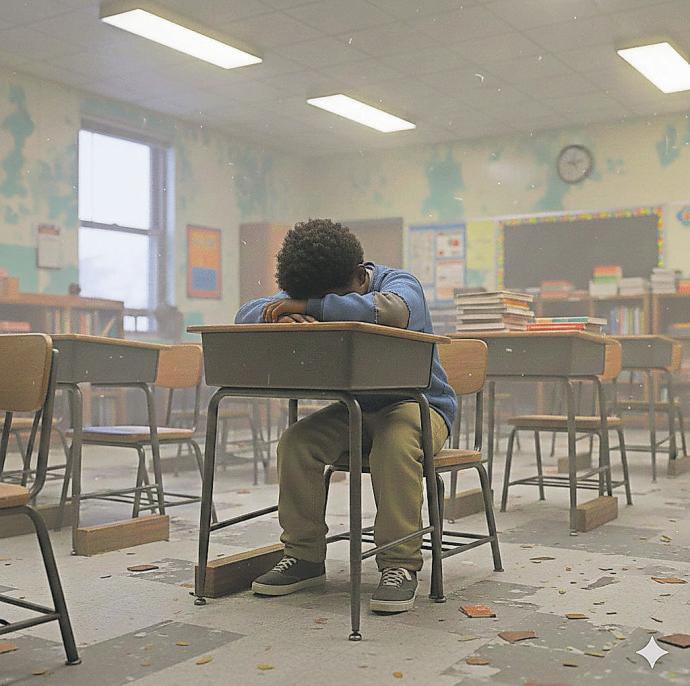
TEA is being called out for unduly targeting poorer school districts of color for takeover Credit: Gemini AI.
“Not everybody gets a hot breakfast and mom taking them to school,” said Bottelberghe.
Additionally, students of color face disciplinaryattacksontheirnaturalhairstyles. Most have endured lessons that downplay orignoretheirhistory.Manyhavereported incidents of overt racism.
“What good is it to have moderately improved reading levels that come from a state takeover when the children are being called the N-word every day and cannot haveapeacefulenvironmentinwhichthey learnandseektogrow?”saidAndrewHairston, director of Texas Appleseed’s Education Justice Project.
TEA officials maintain that the A–F system fairly measures academic outcomes. An F rating means at least 65% of tested students scored below grade level. While social factors matter, agency leaders say chronic academic failure requires intervention.
HoustonISD,takenoverin2023,iscited by TEA as proof that state control can raise test scores.
Critics counter that teacher turnover, community distrust, and sustainability concerns remain unresolved. National research shows that takeovers most often affect high-poverty districts, with mixed academic results.
ByTannistha Sinha & ReShonda Tate
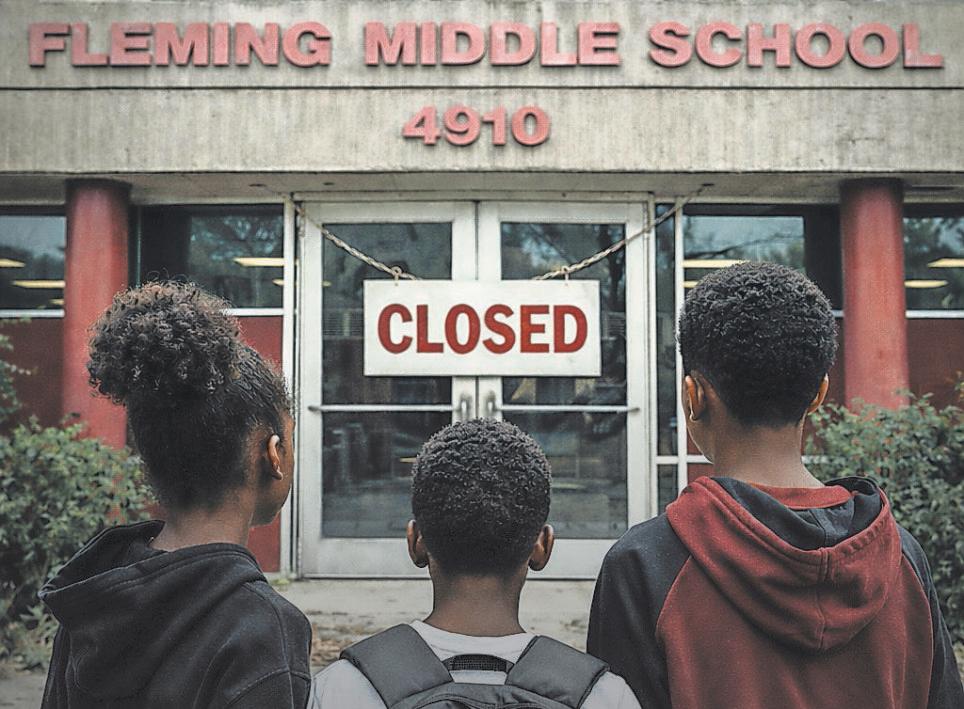
State-appointed leadership of the Houston Independent School District is moving forward with a sweeping consolidation plan that would close 12 schools across the district a decision that community leaders warncouldripplefarbeyondclassroomsand reshape already vulnerable neighborhoods.
Superintendent Mike Miles says the proposal is driven by declining enrollment and aging facilities after years of infrastructure neglect. Bu critics argue the closures reflect a deeper crisis A public education system where Black and working-class communities have long been asked to do more with less, and are now being asked to absorb the disruption
Thedistrict’sBoardofManagersisexpected to vote on the closures Feb. 26
While HISD leaders describe the plan as a necessary correction to financial and operational realities the proposal has triggered growing fears among families and advocates that school closures will accelerate neighborhood disinvestment increase student instability and reduce the presence of Black educatorsincommunitieswhereschoolshave historically served as anchors.
“It’s hard to be a principal of a school with 150 kids,” Miles said noting that such campuses still face the same staffing and compliancerequirementsaslargerschools.“Atsome point, you can’t replace the plumbing or theairconditioningunitandthingslikethat.”
A closure vote and a community disruption
Under the plan 11 physical campuses will beshuttered,affectingelementaryandmiddle schoolsacrossHouston.Sevencampuseswill closeoutright,whilefourwillbeconsolidated through co-location meaning two schools will operate in one building
The 12 schools recommended for closure are:
Alcott ES
Students will transition to Mading ES
Briscoe ES
Students will transition to Carrillo ES
Burrus ES
Students will transition to Kennedy ES
Franklin ES
Students will transition to Gallegos ES
Henderson NQ ES
Students will transition to Bruce ES
Port Houston ES
Students will transition to Pleasantville ES
Ross ES
Students will transition to Roosevelt ES or C. Martinez ES (family choice)
Cage ES
School and students will move to the Lantrip ES facility (co-location)
Fleming MS
School and students will consolidate with McReynolds MS and move to the Mickey Leland College Preparatory Academy for Young Men facility (co-location)
McReynolds MS
School and students will consolidate with Fleming MS and move to the Mickey Leland College Preparatory Academy for Young Men facility (co-location)
Hobby ES
Grades 1-5 will move to the Lawson MS facility (co-location); Pre-K and Kinder will move to MLK Early Childhood Center
Gulfton Middle College
Students wil be absorbed into Liberty HS* Gulfton Middle College’s unique campus number will be closed, and students will now attend Liberty High School. Both campuses are currently co-located at the HCC Gulfton Campus which is a non-HISD facility.
Two campuses Gregg Elementary and ClementeMartinezElementary willinstead be repurposed as “Future 2” pilot schools rather than closed
Declining enrollment is real but critics say the burden is not shared equally
Miles said enrollment declines have been accelerating, pointing to Texas Education Agency data showing Houston ranks fifth among major urban districts in enrollment loss since 2018.
“Enrollment has declined even faster than after the intervention but it has still been declining,” Miles said HeaddedthatotherTexasdistricts,includingYsleta,PasadenaandAlief,arefacingsimilar trends
But opponents of the plan argue that enrollment numbers don’t tell the full story, especially in communities where families have long raised concerns about inequitable funding,deterioratingbuildingsandchronic underinvestment.
Miles acknowledged the disproportionate
impact on historically underserved neighborhoods.
“What bothers me most now is that our schoolsthathavethehighestFCI,thepoorest facilities, are our underserved populations,” he said “That breaks my heart.”
For many families, the question isn’t simply why enrollment is dropping, it’s why the campuses in their neighborhoods have been allowed to crumble in the first place, while schools in more affluent parts of the city remain stable and well-resourced
Only the beginning?
According to the district nearly 23% of HISDschoolsareoperatingbelow50%capacity.Atthesametime 96schoolbuildingshave a Facility Condition Index (FCI) over 65%, indicating critical facility needs.
Rebuilding a single elementary school is estimated at $75 million, while a full renovation is estimated at $40 million.
Miles said HISD cannot continue to operate severely under-enrolled campuses with major structural problems.
But education advocates warn the district’s own data suggests the closure list may expand in the future
If nearly one in four campuses are underutilized and dozens of facilities are in criticalcondition,somecommunity leaders fear Feb. 26 could become a precedent, not an isolated decision.
For families in neighborhoods already dealing with instability and distrust following the state takeover of HISD, the closures feel less likeaone-timerestructuring and more like a signal of what’s coming next.
The cost of closing schools
InmanyBlackandworking-classHouston neighborhoods,schoolsaremorethanplaces where children learn. They are community institutions spaces where grandparents volunteer, where churches host events, where families gather for sports, performances and parent meetings.
Closing a school can create a chain reaction Longer commutes, disrupted routines increased transportation challenges, and a weakening of the neighborhood’s identity
Parents have also raised concerns about howclosurescouldaffectstudentsafety,especially if children are forced to travel farther
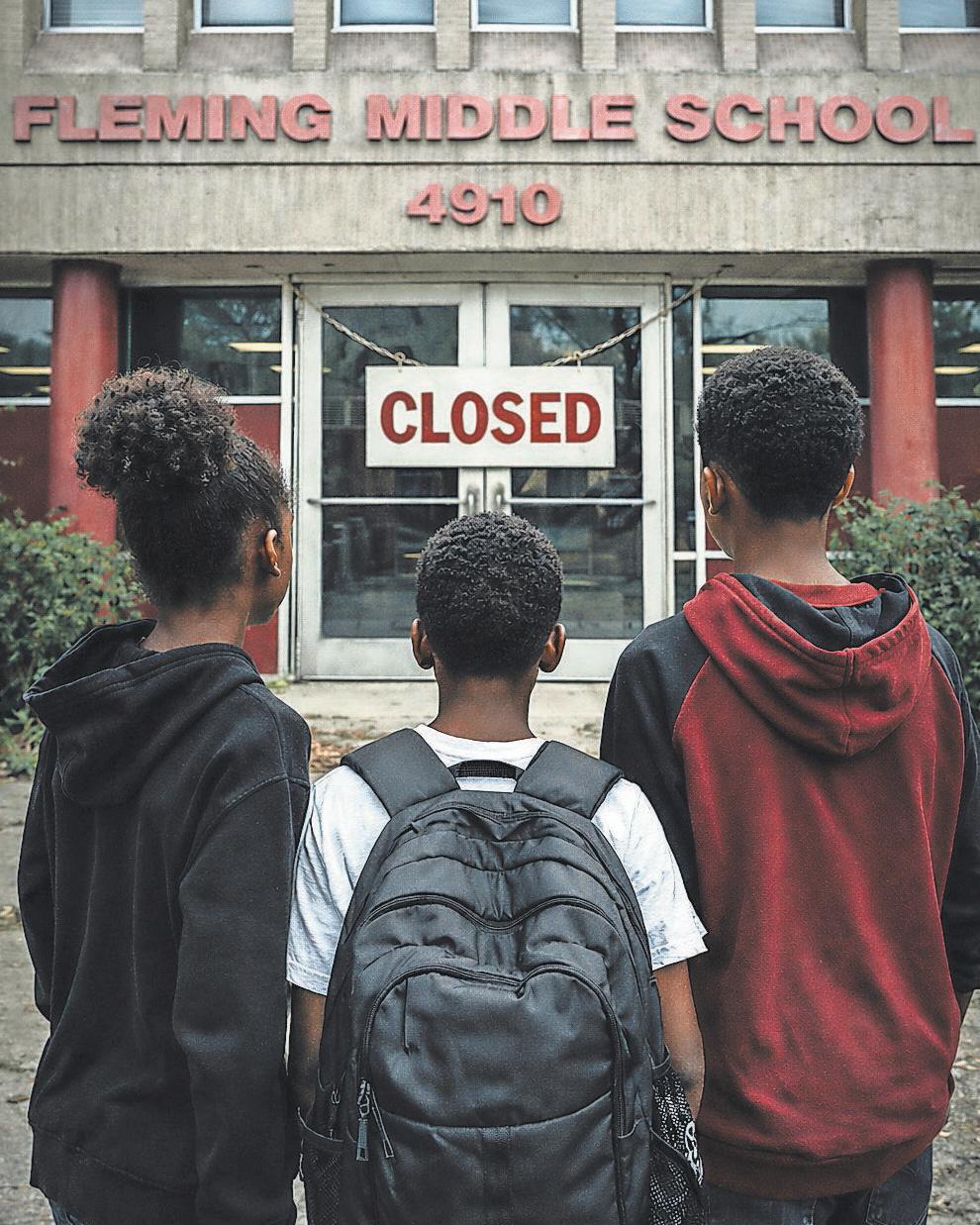
across major roadways or unfamiliar areas.
“That was our family school,”saidJamesCox, who attended Fleming.
“I had some really good memories at that school.A lot of kids need this guidance. A lot of kids depend on these schoolsaroundhere especiallywhensome parents don’t have transportation.”
Beyond the immediate disruption some advocatesworrytheclosurescouldcontribute to a familiar pattern seen across the country: Once schools close, neighborhoods often struggletoattractinvestment andabandoned campuses can become symbols of decline rather than renewal.
“Disinvestment disguised as reform” Criticism of the proposal has been swift, particularly because many of the campuses targetedforclosurearelocatedinhistorically underserved areas.
ChristianMenefee,whorepresentsTexas’ 18thCongressionalDistrict,saidtheproposal highlights the long-standing inequities that have shaped public education in Houston. “Ithinkit’satravestythatourpubliceducation system hasn’t been better invested in,” Menefee told the Defender. “Kids who live in Denver Harbor orinFifthWardshould havebuildingsthatlook just as nice as kids who go to school in River Oaks.”
Me ne fe e al so criticized what he described as a lack of transparency
“I just learned about this a couple of hours ago… you gotta have a process,”hesaid urging district leaders to allow
meaningfulcommunityinput.“Community membersneedtoknowaboutthis Theyneed to have the opportunity to give their two cents about it.”
Formanyresidents,thatfrustrationistied totherealitythatHISDisnolongergoverned by an elected school board.
Instead, the district is controlled by a state-appointed superintendent and Board of Managers following the Texas Education Agencytakeover ashiftthatcriticssayhas weakened local accountability and community voice.
“Folks across our communities need to know that our education system right now is run by Governor Abbott in the state of Texas,” Menefee said
What happens to Black educators and school leadership?
Beyond students and families, school closures can also reshape the workforce inside HISD.
Each closure or consolidation can trigger teacher reassignments, job losses and leadership reshuffling raising concerns about how many Black educators and administratorsmaybedisplacedfromthecommunities where they have served as trusted mentors and cultural anchors.
InadistrictwhereBlackteachersandprincipals have historically played a critical role instudentsupportandcommunitystability, advocates warn that closures can unintentionally shrink the pipeline of Black leadership inside public education.
MichelleWilliams,presidentoftheHoustonEducationAssociation,expressedmixed feelingsaboutHISDschoolclosures,arguing that declining enrollment stems from Hurricane Harvey and COVID, not solely from currentleadership ShequestionedwhycampusesweretargetedandBlackstudentenrollment has declined significantly Williams also criticized Miles’ leadership and added she was surprised that FlemingMSwasrecommendedfor co-location.
Feb. 17–Feb 25: HISD transition meetings, FAQs and family engagement timeline
Feb. 26: Board of Managers vote on closures
June 4: Final day of school; closures scheduled to take effect
If your child attends one of the campuses proposed for closure or consolidation, here are the key issues to track before the Feb. 26 vote:
1. Where will students go next year?
HISD has identified receiving campuses for each school, but families should confirm:
° the new campus assignment
° whether siblings will be placed together
° whether parents can request a different campus
2. Will transportation be provided?
Families should ask whether bus routes will change and whether transportation will be guaranteed, especially for:
° students who live outside walking distance
° students with disabilities
° families without reliable transportation
3. What happens to special education services?
Parents of students receiving special education services should request clarity on:
° whether IEP services will remain consistent
° whether students will keep the same support staff
° how therapy services and accommodations will transfer
4. Will students keep their teachers or programs?
Many families want to know whether educators will be reassigned and whether key programs will follow students, including:
° gifted and talented programs
° after-school tutoring
° athletics and extracurriculars
° counseling and wraparound services
5. What happens to campus staff?
Closures often lead to staff reassignments or job losses Parents may want to ask
° how many staff positions are being cut
° whether teachers and principals will be reassigned
° what happens to counselors, librarians, and support staff
6. What happens to the school buildings?
“I don’t think he should have the power to do it,” Williams said “And I think thepublicneedstopushback on it.”
Even when educators are reassigned, the loss of a neighborhood campus can meanthelossofrelationships built over years relationships that often make the difference for students navigating poverty, trauma and instability.
Parents and community leaders are also raising questions about the long-term future of closed campuses, including whether buildings will be:
° sold, repurposed, leased demolished, converted into alternative programs
7. How can families make their voices heard?
The district says it will hold campus meetings and provide FAQs but parents can also monitor:
° Board of Managers meeting details and public comment procedures
° campus-level transition meetings
° timelines and posted district documents
By Tannistha Sinha
Inside the African American Library at theGregorySchool,rowsofboundnewspapers,reelsofmicrofilm,andglowingscreens tellthestoryofHouston’sBlackPress.These archives preserve the history of a people who refused to be silenced, documenting the struggles and triumphs of Black lives across generations.
A legacy written in ink
The Black Press in Houston began with the Houston Informer, founded in 1919 by C.F Richardson with support from Hobart Taylor,alocalBlackmillionaire.Theweekly newspaperbecameavitalvoiceforAfrican Americans during the era of segregation, covering issues ranging from education to voting rights. It merged with the Texas Freeman in 1930, continuing a mission of truthandjusticethatextendedtoLouisiana and Alabama before ceasing publication in the 1990s.
When Richardson left the Informer, he foundedtheHoustonDefenderin1930.The Defenderstoodagainstlynching,disenfranchisement,andinequality,urginglegislative reformsandamplifyingcivicvoices.Under the current publisher and CEO, Sonceria
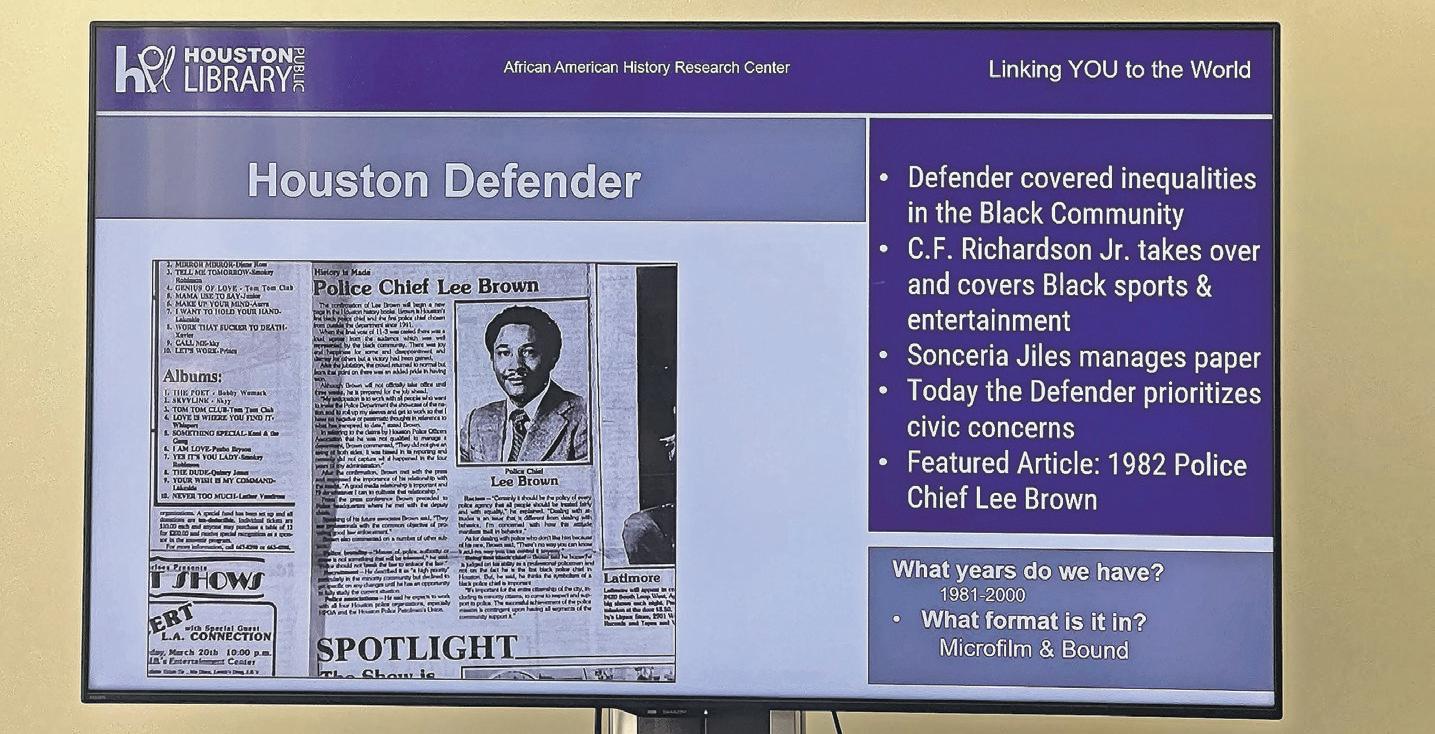
“Sonny” Messiah Jiles, the paper continues to highlight community priorities, from police accountability to infrastructure equity,markingits95-yearrunasamainstay of Black journalism.
Voices of empowerment and protest
In 1960, Julius P. Carter launched the
HoustonForwardTimestouniteanduplift the city’s Black community After Carter’s death,hiswife,Lenora,anddaughter,Karen Carter Richards, carried on his mission. It chronicled not only civil rights milestones butalsoeconomicadvocacy,likea1974article about the National Black Media Coalition petitioning the FCC to demand more Black reporters on air.
Otherpublicationscapturedthecity’srevolutionary spirit In the 1960s, Reverend L. Earl Hope, a prominent civil rights leader andministerinHouston,foundedtheHope Development. Out of that organization, the Voice of Hope newspaper was born It reportedonpolicebrutality,apartheid,and theBlackPanthermovement.Itscoverageof Carl Hampton’s 1970 killing offered a raw, unfilteredviewofBlackpoliticalactivismin Houston during a turbulent decade
and everyday life
The Negro Labor News, founded by C.W Rice in 1931, focused on labor patterns and race relations in the workforce. Though Rice’s ties with white businessmen sometimes led to criticism from his peers, his reporting painted a complex picture of Black labor struggles during World War II and beyond
Faith-based journalism also flourished. Reverend Floyd Nathaniel Williams, Sr edited The Globe Advocate, a 1970s-1980s publication devoted to church news and spiritual education. Its Sunday school lessons and church directories documented Houston’s religious life while reinforcing Black moral and communal foundations.

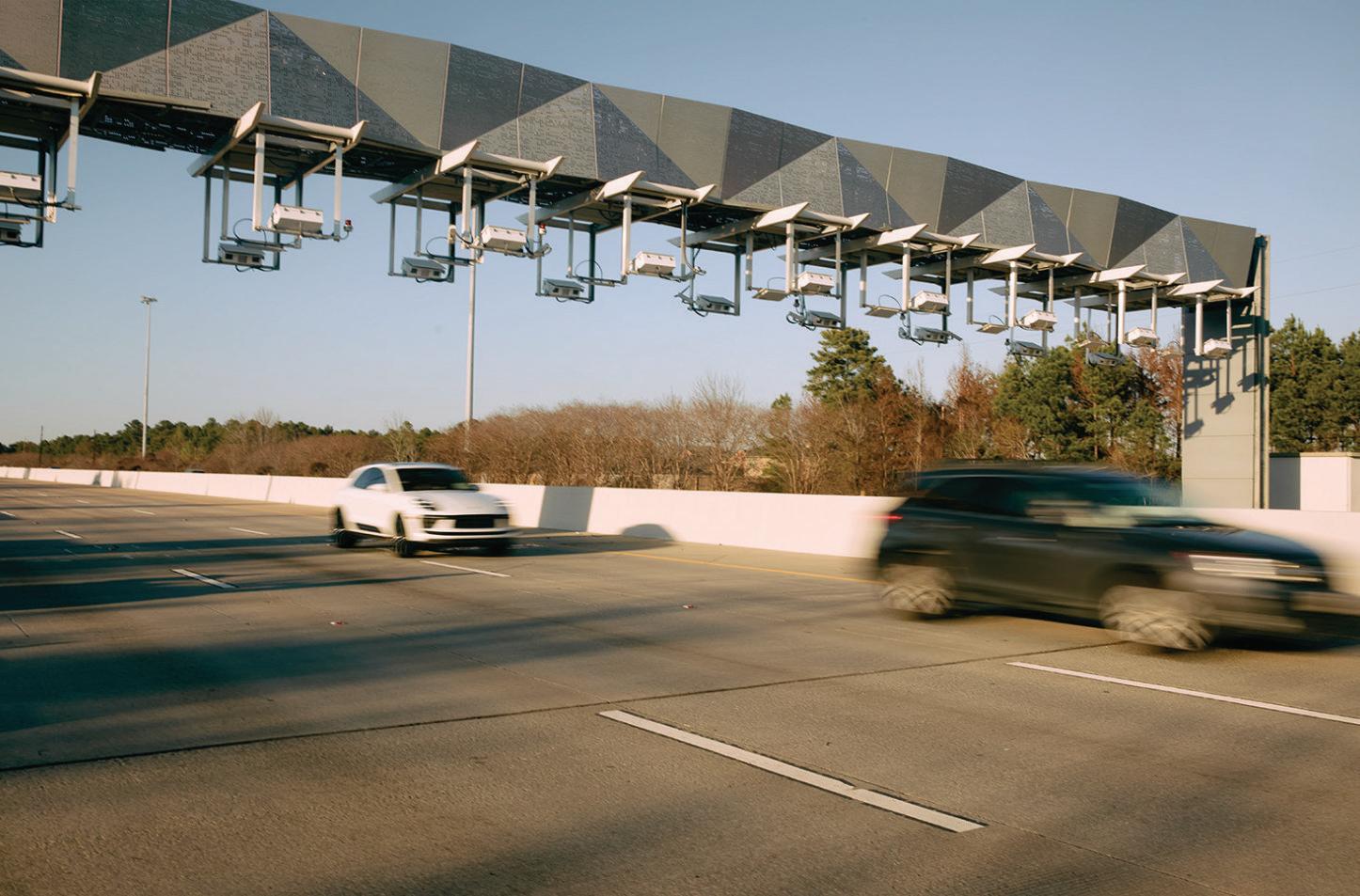



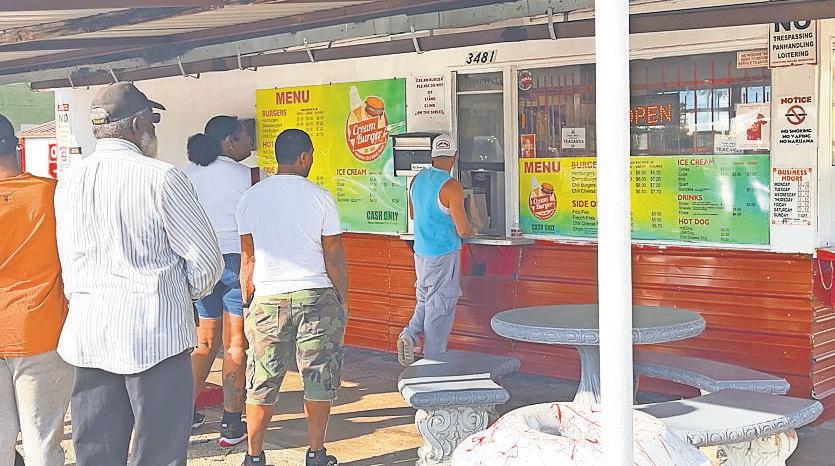
Is it possible for a Houston eating spot that’s been around for more than six decades to be both famous and little-known at the same time? Yes—and Cream Burger is that place.
By Aswad Walker
BelovedbygenerationsofHoustonians— especiallystudents,faculty,andstaffofTexas Southern University and the University of Houston—CreamBurgerhasbeenfeatured byKHOU,theTexasBucketList,andhighlighted by food lovers online, including national influencer Mr Chime Time Yet manynativeHoustoniansareonlynowdiscoveringthisaffordable,family-ownedinstitution rooted in the heart of Third Ward
Founded in 1961 by Willie and Verna Lee Greenwood, a husband-and-wife duo fromHungerford,Texas,CreamBurgerwas passedtotheirchildrenin1974.Thatsecond generation continues to run the business todaywhilepreparingathirdgenerationto carry the legacy forward.
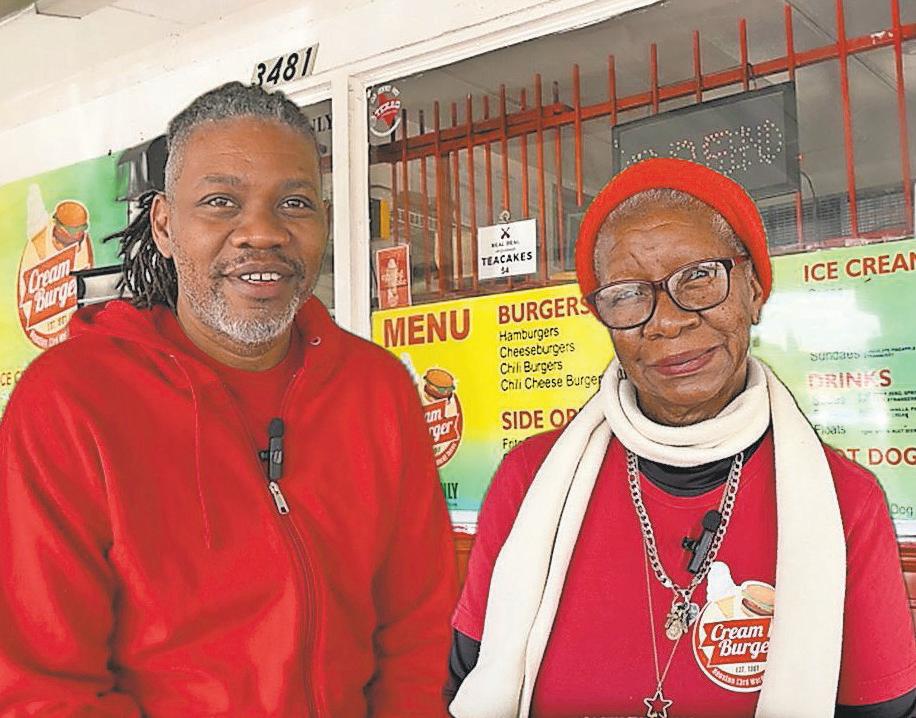
“My mom and dad started this business in 1961,” says Beverly Ann Greenwood, a second-generation owner and the unmistakable face at the Cream Burger window “Iftheywerealivetoday,they’dbesurprised becausewe’vebeengoingfor64years.Ibet theywouldbesoproudofus Andwe’retrying to get a third generation in to continue the legacy.”
A lifetime at the window
Beverly’s connection to Cream Burger runs as deep as the stand’s history.
“I’vebeenworkingatCreamBurgerever since1961,”shesaid “Wedidn’tcookhamburgersormakeFrenchfrieswhenwewere children, but we cleaned up the place We
Since
picked up paper and swept the yard.”
Ask Beverly her favorite menu item and she laughs
“That’s what everybody asks, and I tell themeverything,”shesaid “I’veeatenmore hamburgers, more chili dogs, more French friesthananybodywhohascomeuptothe window.”
Her childhood memories are seasoned with meals straight off the grill.
“It was a hamburger in the morning for breakfast, a hamburger at lunch, a hamburgeratdinner,”shesaid “Wemightswitch itup—chiliburger,cheeseburger,chilidog— but yes, I ate more hamburgers here than anybody.”
A customer-service legend
CreamBurger’sfoodhasacultfollowing, but so does Beverly herself.
Somedescribeherassternordirect;others say she’s loving Beverly has heard it all.
“IinteractwithcustomersthewayIwant tobetreated,”sheexplained “SomesayI’m hard—‘that crazy lady up there at Cream Burger.’Butifyoutreatmekindandrespectful, I’ll treat you kind and respectful.”
Sheaddswithagrin,“Iusedtocurse,but I don’t curse anymore. I just say, ‘God bless you’ and keep you going on your way. ” When the Defender visited, customers lined up 30 minutes before opening. “Itmakesmefeelgoodthatwearedoing
somethingforthecommunityandthecommunityrecognizesus,”Beverlysaid “Inthis dayandage,it’shardtofindloveeverywhere When they come up here, they see the love that we are giving.”
Third generation steps up
AfteryearsincorporateAmerica,Beverly’snephewCoreyGreenwoodnowmanages CreamBurgeraspartofthethirdgeneration
“It’s my grandmother and grandfather’s business,” Corey said “They started it in 1961. So it’s a family tradition.”
He joined full-time after being laid off during the COVID-19 pandemic.
“It was like God preparing me for what myfamilyneededfromme,”hesaid “Honestly, I’m no longer stressed.”
He recalls visiting the stand as a child.
“Walking in the same space she walked, andnowI’mwalking—itupliftsme,”Corey said Beverlybeamswithpride “Mynephewis thesamewaymydaddywas.Hegetsonthe grill,cookshamburgers,cooksFrenchfries. If anything breaks, we call him.”
Corey reflects that love back. “My aunt Beverlyisoneofthefivewomenwhoraised me Helping here is a blessing.”
Moving forward
Cream Burger’s future, they say, is built on love, loyalty, and affordability.
“It’s the love and the support,” Corey said “Everythingisgoingupbutthewages, so we try our best to do our part for the community.”
They’ve modernized by accepting credit and debit cards and adding new shake flavors, while keeping prices accessible.
Throughitall,Beverlysumsitupsimply: “We just appreciate our customers, and we want to make them happy and make them smile.”
By Terrance Harris
Sevenmonthsago,theRocketssetoutto speed up their playoff success and become serious NBA Finals contenders when they pulledofftheblockbustertradethatlanded perennial veteran All-Star Kevin Durant
But the Rockets had to mortgage their future to acquire the 37-year-old veteran, shippingyoungstarJalenGreenanddefensive stopper Dillon Brooks to Phoenix in exchange for Durant. With the season at the All-Star Break, the question is: Are the Rockets in a better position in the Western Conferencetotakethatnextstep,orshould theystaythecourseofasteadyrebuildwith their young core?
The wins, losses, and positioning in the Western Conference seem about a wash when comparing where the Rockets were lastseasontonow.Butthedifferenceliesin the toughness and hustle that have seemed to take a step back so far this season.
“Theedgeismissing,”RocketscoachIme Udoka said recently to the Defender “We don’t have that on a nightly basis, so we’re toughingoutwinswhereasweusedtobeable to kind of lock down and take over games. We’re going through the motions at times.
“I would say overall, the energy and toughness of the team to start games is not there.”
It’s all worked to put the Rockets in an interesting spot as they look to break through last season’s ceiling, which ended in the first round of the playoffs despite enteringastheNo.2intheWesternConference Likelastseason,theRocketsentered the All-Star Break as a top-four team in theWestwithGreenleadingthewayinhis fourth season
ButtheRocketsseemtohavelessmargin for errors and more weaknesses than they had a year ago. Coming out of the All-Star Break,thethirdthroughseventhseedsinthe Western Conference are bunched up with theNuggets,Rockets,Lakers,Timberwolves, and Suns A bad run of games could have theRocketsonthewrongsideoftheplayoff bracket in the second half of the season
Thatrealizationhasledtoquestionsabout how much better the Rockets are now than they were a year ago.
GeneralManagerRafaelStonepulledoff the blockbuster trade of this last offseason to bring in more scoring after the Rockets went flat in the first round against the Golden State Warriors, and Green all but disappeared.TheRocketshaveclearlyfixed their scoring lulls with the addition of one ofthegame’smostprolificscorers,butthey

haveseemedtoleavethemselvesvulnerable in some other key areas.
Udoka has at times expressed concerns about his young players sitting back and relyingtooheavilyonDuranttosavethem. TheRocketsarestillwithoutaconsistentNo 2scorer,withplayerslikeJabariSmith,AlperenSengun,AmenThompson,TariEason, andsecond-yearguardReedSheppardtaking turns, all averaging in double figures.
But they have been anything but consistent, prompting Udoka to call out players like Sengun, who had a 39-point effort againsttheIndianaPacersonlytofollowthat up with a seven-point output a few nights later in a loss to the Charlotte Hornets.
A big part of the problem, however, has been injuries to key players. The biggest beingtheseason-endinginjurythatveteran pointguardandfloorgeneralFredVanVleet suffered before the season began. Veteran bigmanandenforcerStevenAdamshasalso been lost for the season
“Some personnel went out the door that brings that on a nightly basis. Dillon does that, Fred does that Steven is out, and he is one of our tougher energy guys, ” Udoka said to the Defender “But we have enough without that.”
Giventhevoids,theRockets’non-activity atthetradedeadlinewasmadeallthemore curious.Theywerebelievedtohavebeenin
trade conversations with the Chicago Bulls for Coby White, but once that fell through, nothing else substantial turned up
Stone has said that the team could get involved in the buyout market once teams start discarding unwanted trade pieces, but the Rockets are hard-capped at the first apron, which gives them little flexibility to add salaries.
“We like this group. And credit to Tilman Fertitta (team owner), he didn’t have an appetite for taking a step back,” Stone said of the team’s activity around the trade deadline.“Hedefinitelywantedtospendthe moneyandgivethisgroupachancetobeas good as it can be.”
ByJimmieAggison
JacardeonTerrelldidn’tlosehisloveforbasketballwhenthegamewastakenawayfromhim.
Helearnedhowtoearnitback
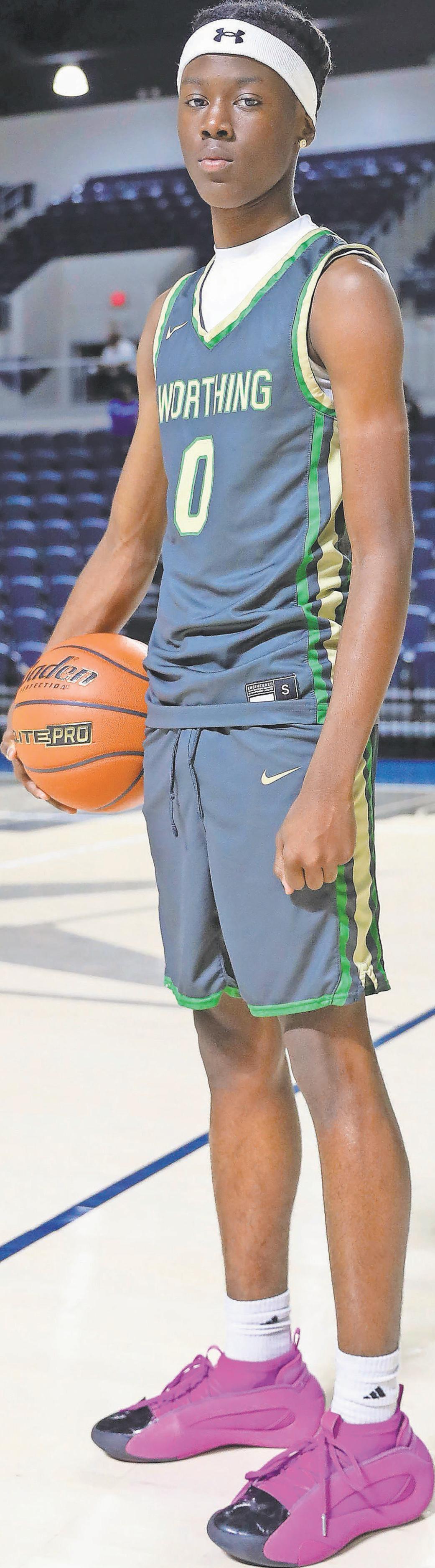
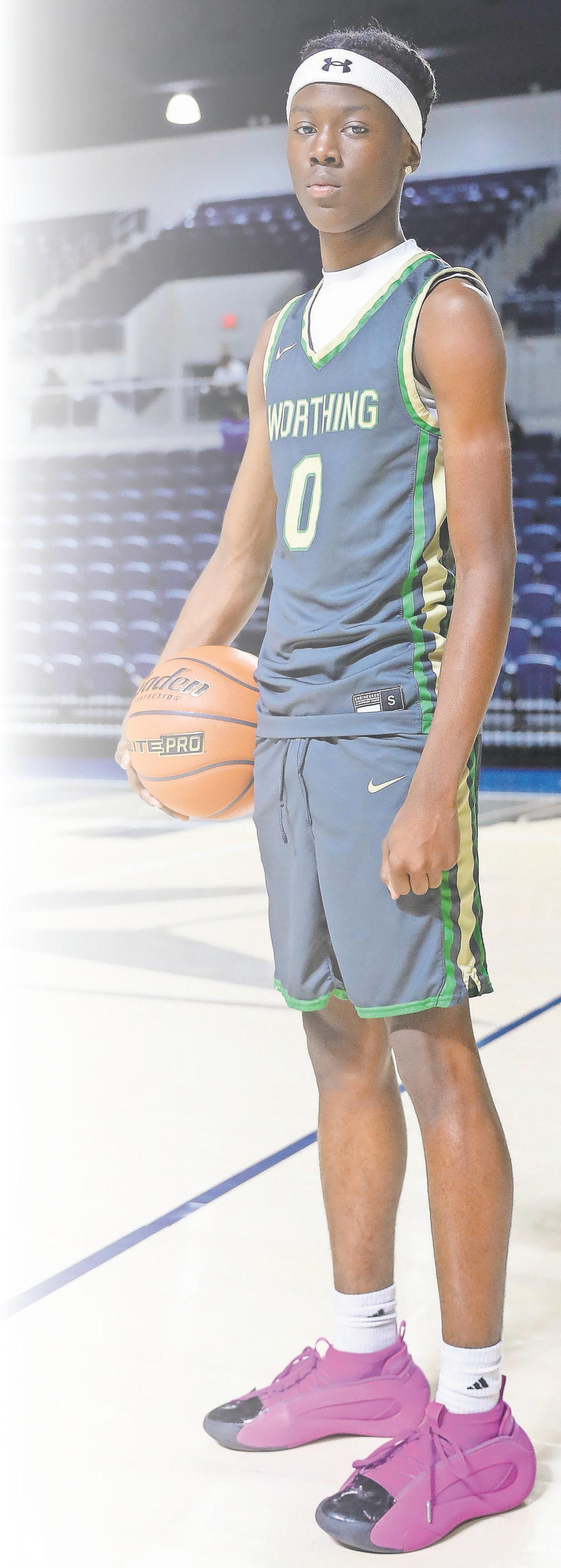
Once labeled“tootalkative”and repeatedly sidelinedfromthe sportheloved,the Worthingjuniorusedthosesetbacksasamirror,nota crutch.Today,the6-footcomboguardisn’tjust onthevarsityfloor;he’sleadingit,provingthat growth,not rawtalent, wasthe missingpiece allalong.
Before playingorganizedbasketball, Terrell grewupplayingpickupgameswithhisfriends inThirdWardoffTrulleyStreet.
“Itwasn’tabout rules or teams, just about competing, trashtalk,and trying to be better thanthenextperson,”saidTerrell.
Fromdailycourttimeandconstanttrashtalk, Terrelllearnedthetoughnessrequiredtoexcel inthegame.
“Playing at parkslikeEmancipationtaught me toughness, andthatgavemeconfidence,” saidTerrell.“Youhadtoearnrespecteverygame, andthatmindsetstillhelpsmecompetetoday.”
Thatfreedomontheblacktopcamewithout whistlesorconsequences,butitquicklychanged onceTerrellsteppedintoorganizedbasketball.
“Thehardestadjustmenttoorganizedbasketballwaslearningthestructure,”saidTerrell.“I hadtolistentocoaches,runplays,andunderstandthateffortanddisciplinematteredasmuch astalent.”
SinceTerrell attended schoolswhere sports weren’tthe primaryfocus,Yellowstone AcademyforelementaryschoolandBaylorCollege ofMedicineatJamesD.Ryanformiddleschool, hisfreshmanyearofhighschoolwas hisfirst experiencewithorganizedbasketball
Theexperiencewasnewandfun,butitcame withrules.Terrellwasn’tabadkid,buthetalked fartoomuchfortheteachers’liking.Thatexcessivetalkingledtoseveralin-classconfrontations andultimatelypreventedhimfromplayingthe gamehewantedtoplay.
“Atthetime,Ididn’tfullyrealizeit,”saidTerrell.“Ithought what Idid offthe courtdidn’t matter,butIlearneditaffectshowcoachestrust youandhowmanychancesyouget.”
Acellphonedispute,inwhichTerrellrefused tosurrenderhisphoneinclass,sidelinedhimfor mostofhisfreshmanseason.
Beingbenched hurt,but it also planteda seed.Terrell soon realizedheneededtogrow upandmatureifhewantedtostayonthecourt.
“Mysophomore year,Itransferred to Worthing, anditfeltlikeafresh startbecause Icouldrewritemystory,”saidTerrell.“Iwasn’t beingjudged on my past,justonhow hard I workedandhowIactednow.”
AmorematureTerrell begantalking less in classand focusing more on basketball. As asophomore,heearneda spot on thejunior varsityteam.
“OnJV, Itookbasketballmoreseriously,” said Terrell. “I focusedonbeing coachable, playingmyrole, andimproving everyday ratherthansimplytryingtoscore.”
Bythetimevarsitybecameanoption,Terrell wasn’t seekingopportunity;hewas readyfor responsibility
“WhatearnedJacardeon hisvarsity role beganintheoffseason,whenheimprovedhis game from hissophomore to hisjunioryear,” saidWorthingcoachSavalaceTownsend.“He became more athletic andmorecreativewith hisshot-making. Although he is stillyoung, Ihaveseensignificant improvements since hissophomore year.Heisnow beginningto understandthatsuccessingames is earned throughpractice.”
Although he is ajunior,Terrell leadsthe team in scoringand blocks andranks second inassists,rebounds,andsteals
“Leadingthe team meansIimpactthe game in more than oneway,” said Terrell. “I canscore andprotect therim, andIalsohelp withrebounds,defense,andenergy.”
Butstats tell only part of thestory.Terrell’s biggestimpactshowsupinmomentsyoucan’t chart.
“Jacardeon has high energy.Beforegames, healwaysgetsusgoing,”saidjuniorguardBostonGreenwood
Now, Terrellhas learnedhow to balance beingvocal,theverythingthatoncekepthim offthecourt.
“NowIthinkbeforeIspeak,”saidTerrell.“I trytobepositiveandencouragingratherthan emotional, so my voice helpsthe team rather thanhurtsit.”
Withgrowthcomesvision,andTerrell’seyes arealreadyfixedonwhat’sahead
“A state-title ru wouldmeaneveryth andthe Worthingb ball program,”saidT “Itwould show howf I’ve come andhelpp Worthingbasketbal backonthemap.”
From hisjourney, Terrellhopes youngerathletes understandthat their past doesn’t havetodefinethem.
“Ifyoustayfocuse work hard,and grow person,you cancha saidTerrell.
ForTerrell,maturit hisgame;itgavehim
“Jacardeon’s storyi programbecausewewa that theopportunity onthemtotakeadvant “Nomatteryourbaske canplay,youcanplay youintoabetterplaye abetterperson. Jaca theHISDbasketballs andheisonlygoing gobyifhekeepshish togrind.”
Class: 2027
IG: @0canhoop_
Twitter: @0canhoop
Position: Guard
Height&weight: 6-feet-1, 143 poun
Favoriteartist: Status: Uncommit Favoritesubjec Shout outs: My twosisters,dad coaches
By MOSESOSORO, MD
Heartdisease is the leadingcause of deathinthe United States, andheart health is shaped by factorsinand out of your control. Because Black adults aremorelikelytodevelop high blood pressure at younger ages,knowing whereyou stand early canhelp lower your risk of heartdisease,chronic kidneydisease, and stroke.
FebruaryisNational HeartMonth, a good time to plana heartcheckup.To preparefor your appointment,write down symptoms youwanttodiscuss, such as chest discomfort or shortnessof breath. Be readytosharefamilyhistory of heartdisease or stroke in aparent or sibling.Bring an up-to-date medication list andhomeblood pressure readingsif youhavethem.
TheImportantMeasurements mportant Measurements
In aheart checkup,weoften reviewa few measurements. Your bloodpressure showshow hard your heartisworking Over time,highreadings candamage your bloodvessels. Your fastingblood sugar showshow your body handles glucose. When it stayshigh, it canalso injure your bloodvessels. Cholesterolis agroup of bloodfats, and higher levels canadd to plaque that narrows your arteries
ProtectingYourHeart ting Your Heart
Focusonthe steps youcan control. Track bloodpressureathome. Aim to move more across theweek,even in shortsessions.Build mealsaround vegetables,fruit,beans, and whole
grains, andlimit salty packagedfoods andrestaurantmeals.Keep portionsin mind forfried foodsand sweets. Take prescribedmedicine as directed.Speak up if cost concerns or sideeffectsmake it hard to stay on track. Protectsleep andget supportfor stress when it feels constant.
ActinginanEmergency Acting in an Emerg
Call 911 forlasting chestpressure, sudden shortnessofbreath, fainting, or weakness on one sideofthe body. At Kelsey-Seybold Clinic,wereview your results, symptoms, andgoals, then work with youonnextsteps. Call 713-442-7025orvisit kelsey-seybold.com to schedulean appointment

MosesOsoro,MD, Cardiology
Kelsey-Seybold Clinic –ConroeClinic and Springwoods Village Campus
Scan to viewhis online profile