Light Studio
Introducing Introba Light Studio Expert and Trusted Advice
Designing Art Focused Spaces
Our Work
Light Studio Leadership
Introducing Introba Light Studio Expert and Trusted Advice
Designing Art Focused Spaces
Our Work
Light Studio Leadership
Introba Light Studio is the dedicated architectural lighting and daylighting design division of Introba.
Spanning diverse scales and project types, we provide fully integrated lighting design services for clients in Canada and across the globe, from bridges, urban greenways, and university campuses to museums and public art installations.
Transforming spaces is not just our passion; it is our expertise. With meticulous attention to detail and a focus on creativity and innovation, we craft immersive experiences that captivate the senses and exceed industry standards around the globe.
No two projects are alike, and neither are our lighting solutions. We specialize in tailoring each design to suit the unique essence of our clients’ vision, ensuring that every space is infused with its own distinctive character and charm.
By working hand-in-hand with architects, interior designers, and developers, we transform your vision into reality with precision and flair. Grounded in research and driven by a passion for excellence, our designs are informed by the latest insights and innovations.
With a focus on energy-efficient technologies and environmentally friendly practices, our designs not only enhance the beauty of your spaces but also minimize their environmental footprint. By prioritizing sustainability without compromising on style or performance, we create lighting solutions that lead to brighter, more sustainable future.
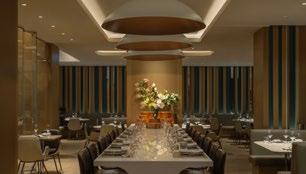
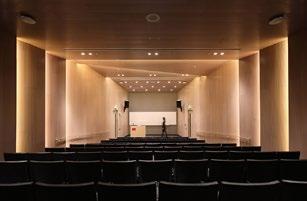
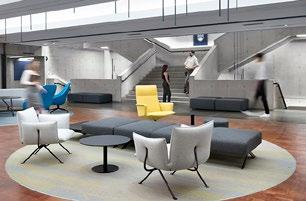
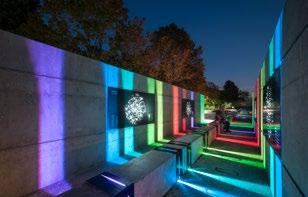
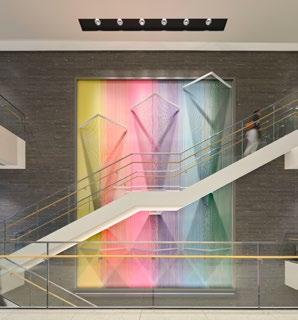
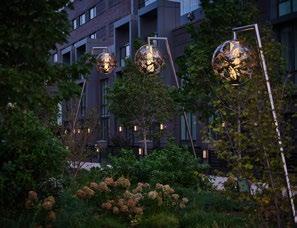
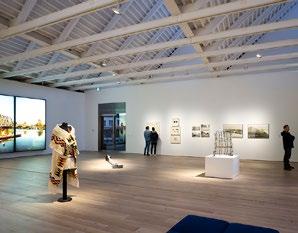
Every project is unique, and we believe in designing to that same philosophy.
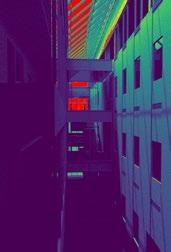
Daylight is the ideal light source for aesthetics, sustainability, energy, and health, but achieving optimal daylighting requires careful consideration of factors like orientation, materials, and shading along with the light sensitivity of display objects and the sequence of gallery spaces. As daylighting consultants, Introba uses digital and parametric modeling to explore the design space and optimize designs, ensuring balanced and effective daylighting without glare or negative impacts.
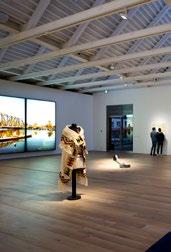
A project will never reach its full potential without focusing. Careful coordination with the project team and client allows us to aim, focus and set the scene within each space to ensure every element is staged perfectly and ensure every project succeeds.
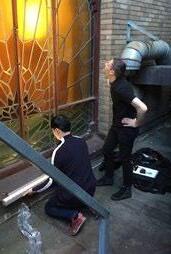
Communication and engaging the client and design team are crucial to getting the best from any project. Briefings, design sessions, and workshops are vital in our early thinking. We engage the design team to discuss ideas and expectations to agree on the fundamentals to move forward.
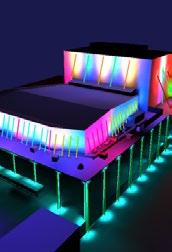
Whether computer-generated or sketched, interpreting our designs onto paper allow us to truly communicate our ideas and design intent. We believe even simple sketches can speak a thousand words in translating ideas to provide a clear direction for the lighting design.
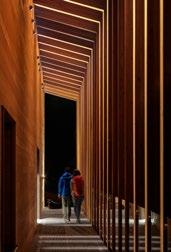
Our deep understanding of architecture, optics, and the physics of light and building construction equips us to design solutions that balance visual comfort, energy efficiency, health and wellness, and beauty.
Whether the source is electric light or daylight, we understand the nuanced process of balancing and controlling illumination in the visual environment.
USER EXPERIENCE
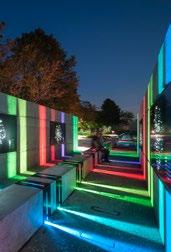
User experience is what ensures success. Lighting plays a vital role in this, from helping to create an exciting environment from the outset to maintain this excitement throughout its lifespan.
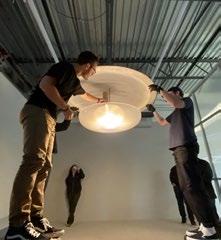
As daylighting and lighting designers, we see light as more than just a way to illuminate art—it is a powerful tool that shapes how people experience and connect with it.
Thoughtful lighting design not only enhances the visual impact of artworks but also ensures their longevity and creates an engaging atmosphere within a gallery or museum. We understand that many artworks— paintings, textiles, and delicate materials—are highly sensitive to light.
Our role is to carefully control light exposure, selecting the right intensity and type of illumination to prevent fading and deterioration over time. Beyond preservation, our lighting strategies are designed to reveal the true colors, textures, and details of each piece, minimizing glare and reflections to create optimal viewing conditions.
In museum spaces without light sensitive objects, daylight can be used to enhance visitor experience, lessen ‘museum fatigue’ and create memorable and daynamic interior spaces.
Lighting also plays a key role in storytelling and visitor engagement. By using techniques such as accent lighting and dynamic adjustments, we can guide attention, evoke emotions, and transform exhibitions into immersive experiences. We also recognize the need for flexibility—galleries frequently rotate exhibits, and our lighting solutions are adaptable, allowing each new display to be showcased at its best without major reconfiguration.
Sustainability is at the core of our approach. We incorporate energyefficient LED technology and smart lighting controls to reduce energy consumption while maintaining the highest standards for both conservation and aesthetics. We also carefully balance natural and artificial light, using daylight where possible while protecting sensitive artworks from harmful UV and infrared exposure.
For us, great lighting design is about more than just visibility—it’s about elevating the entire gallery experience. By merging technical expertise with artistic vision, we create lighting solutions that enhance the way art is seen, felt, and remembered.
Lighting design is a collaborative process, and we thrive on working closely with diverse teams to create seamless, immersive gallery experiences. Every project is unique, and our role is to ensure that lighting enhances both the space and the art while meeting technical, conservation, and operational requirements.
We work alongside architects to integrate lighting seamlessly into the spatial design. Whether it’s accentuating architectural features, maintaining visual harmony, or ensuring the lighting complements the gallery’s aesthetics, we make sure light is an inherent part of the overall design rather than an afterthought.
We collaborate with exhibition designers and curators to bring their vision to life. Lighting is a storytelling tool, shaping how visitors engage with and interpret the artwork. We carefully craft illumination strategies that enhance the experience while adhering to conservation needs, ensuring that each piece is presented at its best.
A successful lighting system is not just about design—it requires technical precision. We work closely with electrical engineers to develop power and control systems that meet code requirements, optimize energy efficiency, and support the flexibility needed for changing exhibitions.
Preserving artwork is at the heart of gallery lighting. We consult with conservation specialists to determine safe light levels, select appropriate fixtures, and incorporate UV and infrared protection measures, ensuring that lighting enhances without compromising the integrity of the collection.
In modern galleries, lighting often interacts with digital displays, projections, and interactive installations. We coordinate with AV teams to ensure proper color rendering, avoid unwanted reflections, and create a cohesive visual environment where all elements work in harmony.
Executing a lighting design requires precision, and we collaborate closely with contractors and installers to bring our vision to reality. We provide guidance on fixture placement, aiming, and programming, ensuring that the final installation aligns with our design intent and functions flawlessly.
Lighting systems need to be adaptable and easy to manage. We work with facility teams to ensure long-term usability, providing training on controls and adjustments so that the gallery can seamlessly transition between different exhibitions while maintaining optimal lighting conditions.
In multimedia and immersive exhibitions, sound and light must work together. When needed, we coordinate with acousticians to ensure that lighting elements do not interfere with the acoustic environment, maintaining the intended experience for visitors.
Through this collaborative approach, we ensure that lighting not only enhances the visual experience but also supports the practical and operational needs of the gallery, creating spaces where art and light work in perfect harmony.

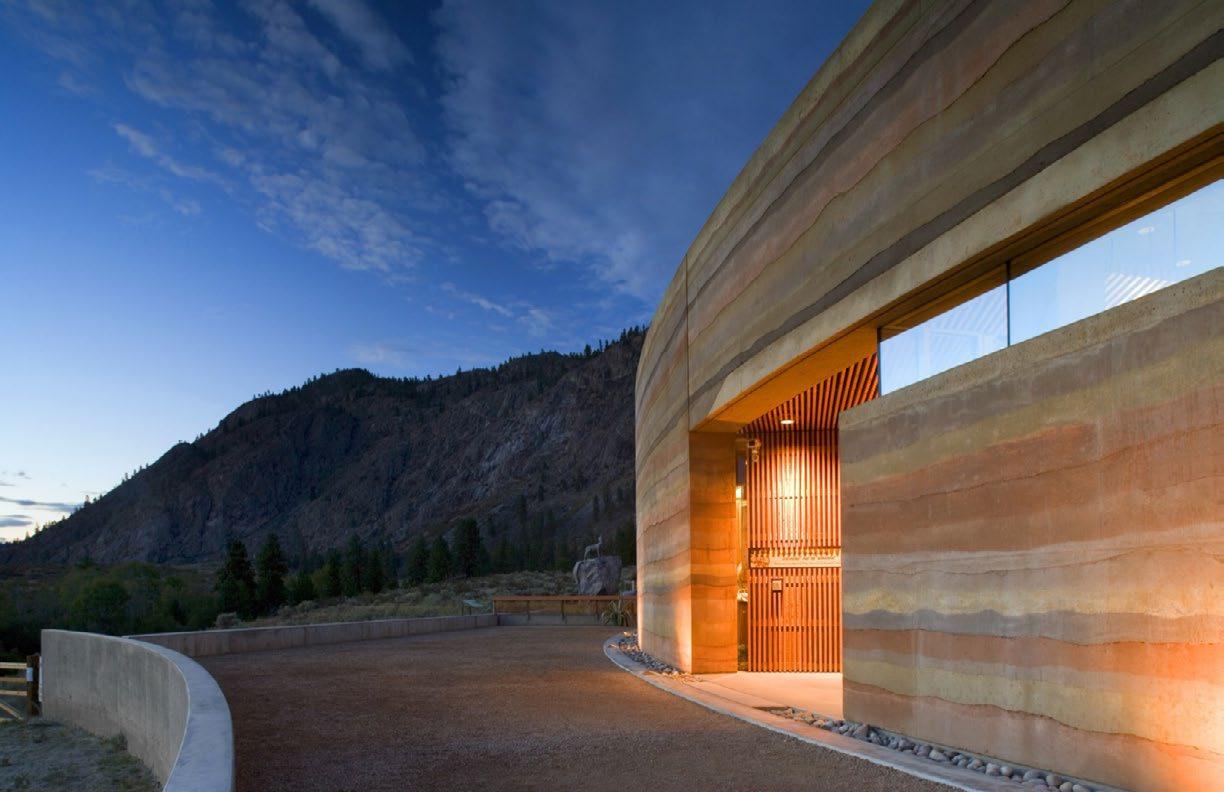
Can daylighting transform a museum’s atmosphere while preserving art and enhancing visitor experience?
LOCATION:
CLIENT:
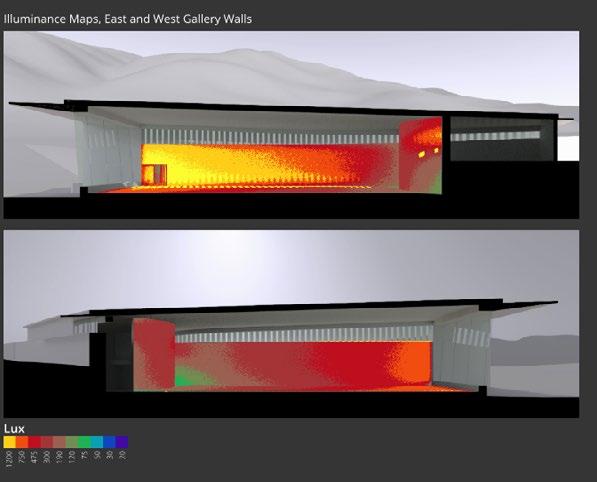
The project is an 8000 SF addition to the award-winning Nk’Mip Desert Cultural Centre, including a Class A exhibition and event space.
Working collaboratively with the NK’Mip Desert Cultural Centre team and Osoyoos Indian Band elders, the project was envisioned as a transition through the earth from the existing building and ‘into the light’.
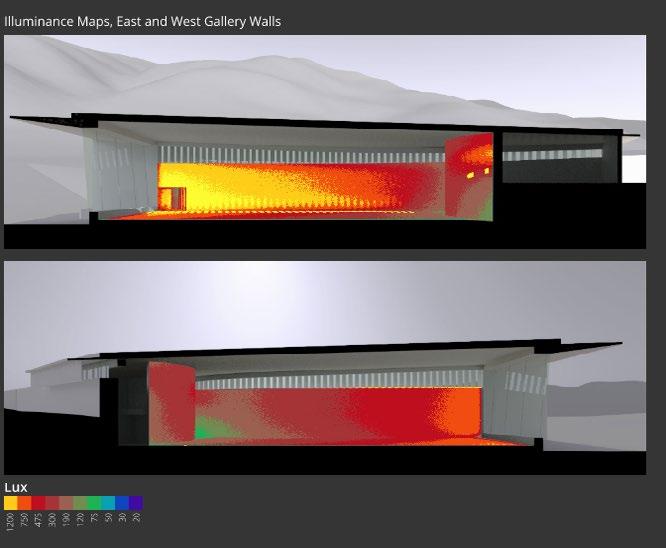
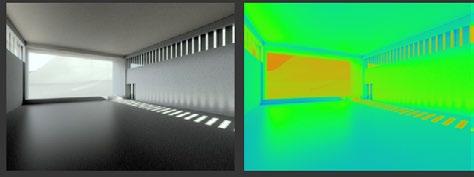
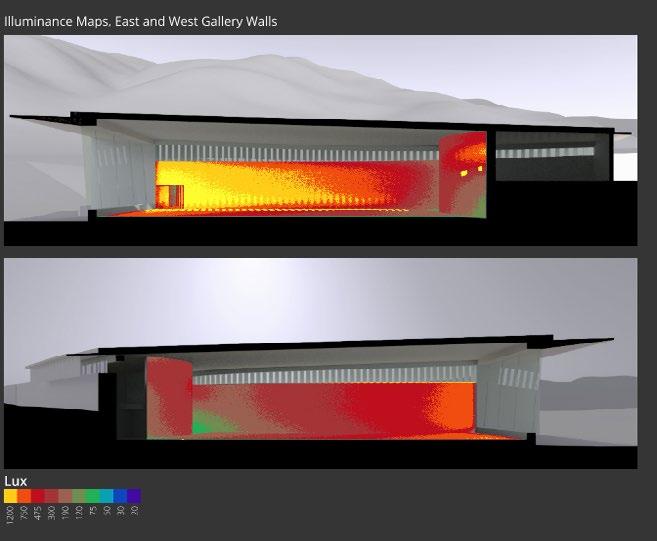
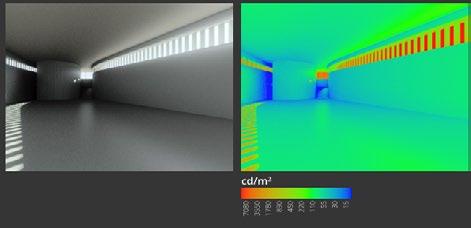
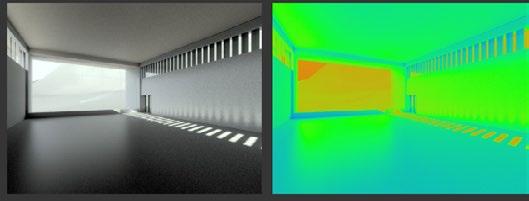
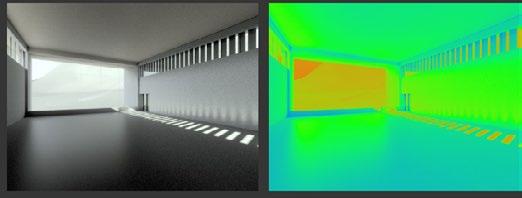
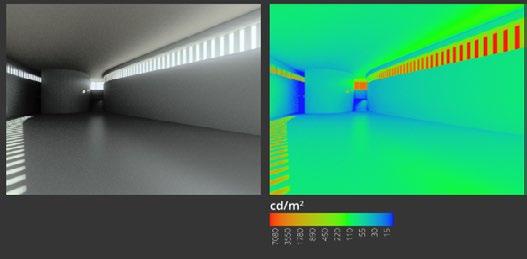
Detailed daylight analysis explored a series of skylight and clerestory schemes and informed the setting out, depth and angling of solar fins along the east and westfacing clerestories and to carefully assess visual comfort throughout the exhibition and event spaces.
Design considerations included the even illumination of display walls and glare mitigation to ensure the event space had the flexibility required to accommodate multiple uses and programs including the ability to photograph events with the desert setting as a background.

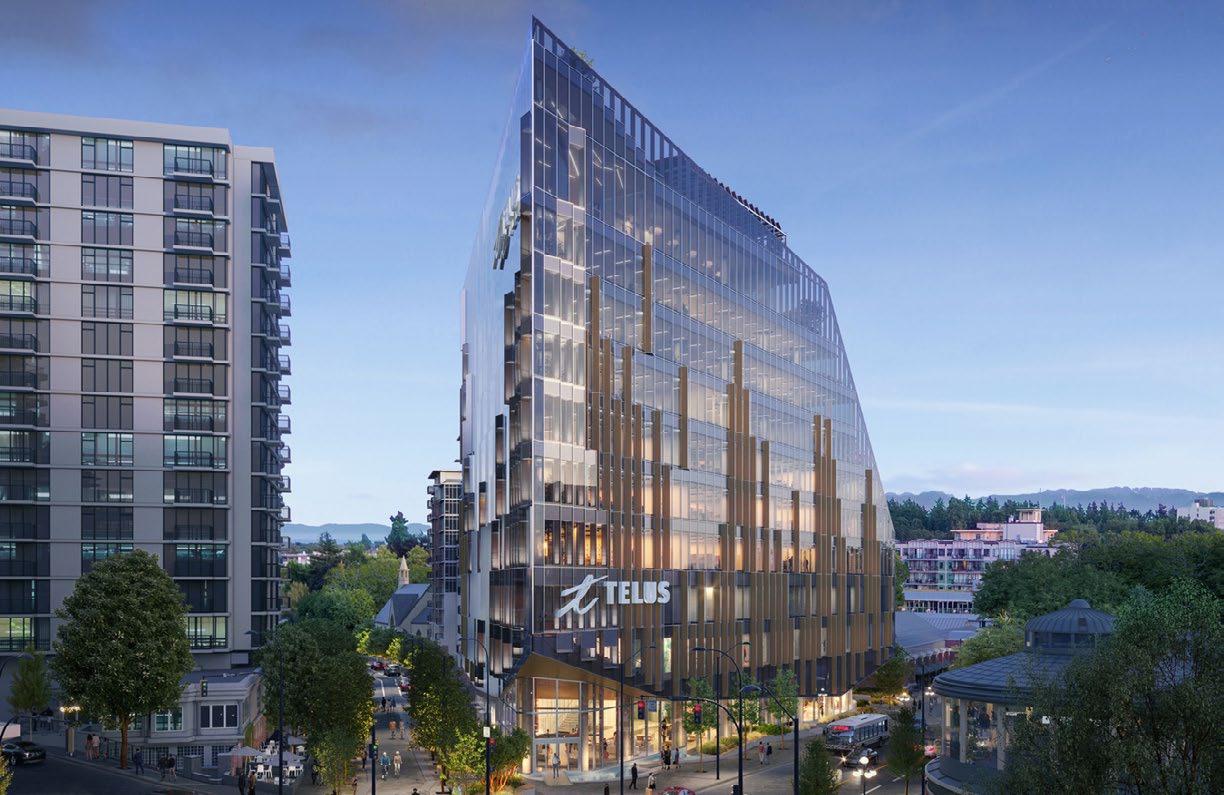
Can innovative daylighting improve sustainability and comfort in a tech-forward building?
Adjacent to the historic Empress Hotel and Crystal Gardens, the 11-story tower features nine stories of office space (three for TELUS, plus a digital health clinic), two levels of rooftop amenity areas, two levels of underground parking, and a large lobby, amphitheater, and public space at street level.
A key goal of the project was to “Embody the Future of Technology,” with a focus on demonstrating next-level sustainability and social responsibility. The building has achieved LEED Platinum, WELL Building, CaGBC Zero Carbon Building, and Salmon Safe certifications.
The design includes high-quality finishes and systems, such as modular radiant ceiling heating and cooling, under-floor air distribution using a raised floor plenum, and advanced communications and smart building integration. Heating and cooling are powered by an all-electric Heat Recovery Heat Pump plant.
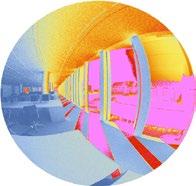
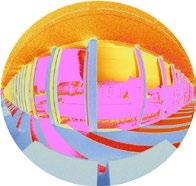
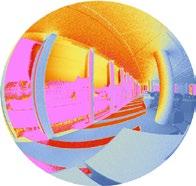
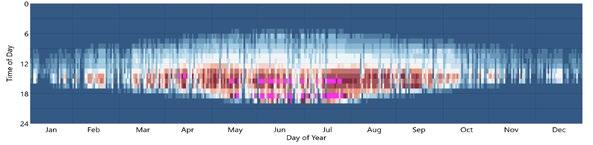
The project also features a rooftop photovoltaic array, building-integrated photovoltaic systems in handrails and skylights, and sophisticated lighting systems for facades, interiors, and landscape areas. Key aspects of the design include CFD modeling for optimized mixedmode ventilation systems and daylighting/glare studies to enhance occupant comfort and visual experience.
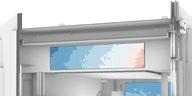
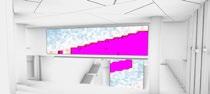
Pink shows areas of the scene where the luminance exceeds 2000 cd/m2; an occupant would experience this as harsh glare and blinds would need to be lowered.

Can daylighting analysis elevate a space’s flexibility by harnessing the power of natural light?
LOCATION: Atherton, CA, USA
CLIENT: Sacred Heart School
ARCHITECT:
WRNS School
AREA:
79,000 ft²
SUSTAINABILITY:
Zero Net Energy + LEED Gold Targets
SERVICES PROVIDED: Daylighting Analysis
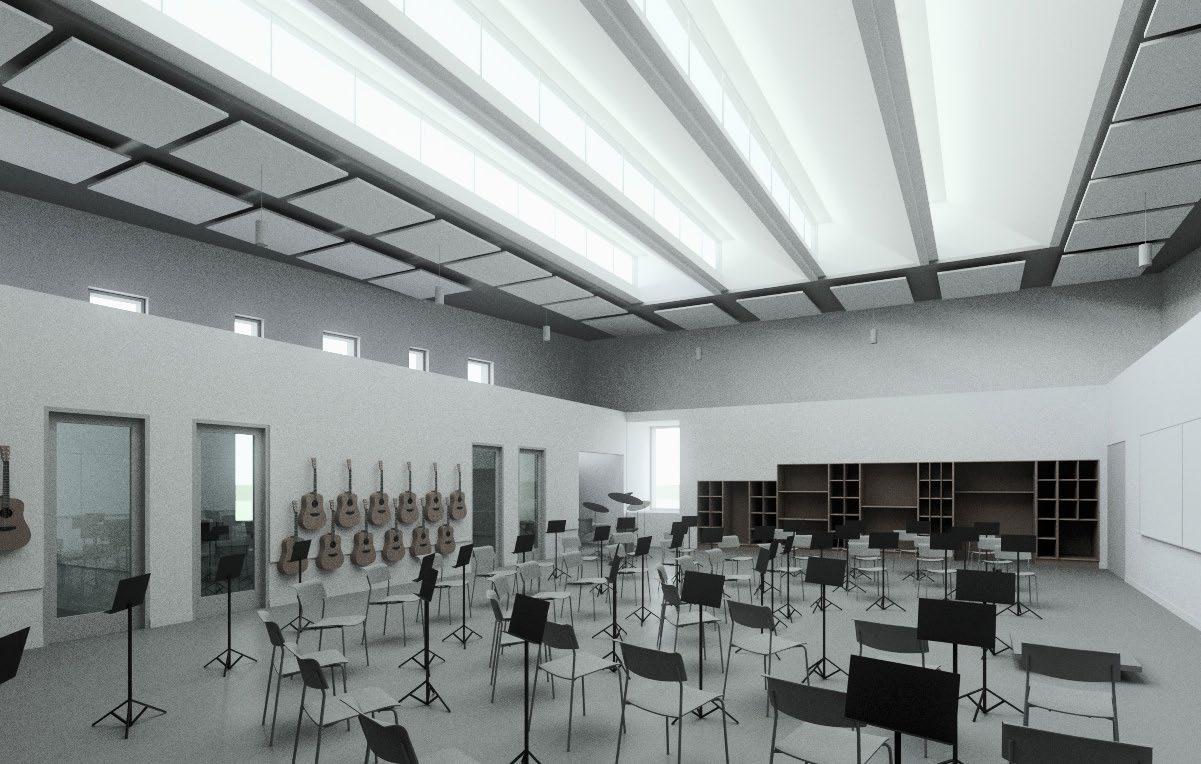
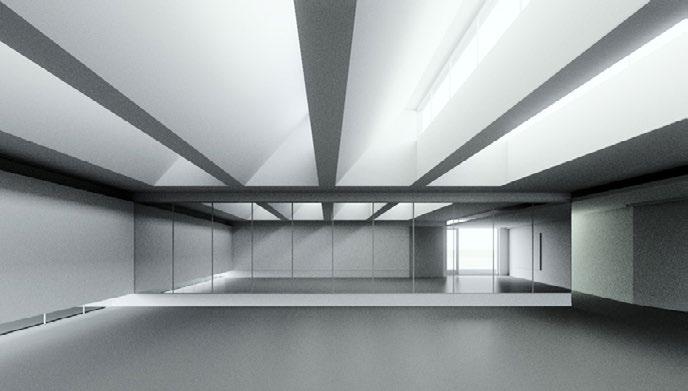
This new 79,055 square foot Academic Arts Building will replace an existing 20,000 square foot building on Sacred Heart’s Atherton campus. The building design includes flexible learning spaces and inquiry labs, administrative spaces, and studios for the arts, including digital media, a television and radio studio, and a photography studio. A performing arts wing will include a dance studio, band room, and chorus room, with direct access to an outdoor amphitheater. All of the learning spaces are designed to allow for flexibility.
The new building will feature high efficiency LED lighting and occupant-based lighting controls. Rooftop photovoltaic panels will be installed to help the project achieve the
Zero Net Energy goal. Introba is providing lighting and daylighting design for this new building, as well as electrical design and photovoltaic design services.
San Mateo County Office Building
Can daylighting enhance energy efficiency and occupant well-being in a sustainable, visually stunning building?
LOCATION: Redwood City, CA, USA
CLIENT: County of San Mateo
ARCHITECT: Studio Gang AREA:
180,000 ft²
SUSTAINABILITY:
Zero Net Energy + LEED Platinum Target
SERVICES PROVIDED:
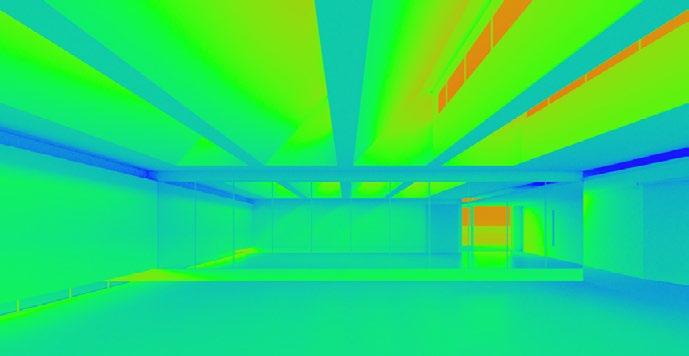
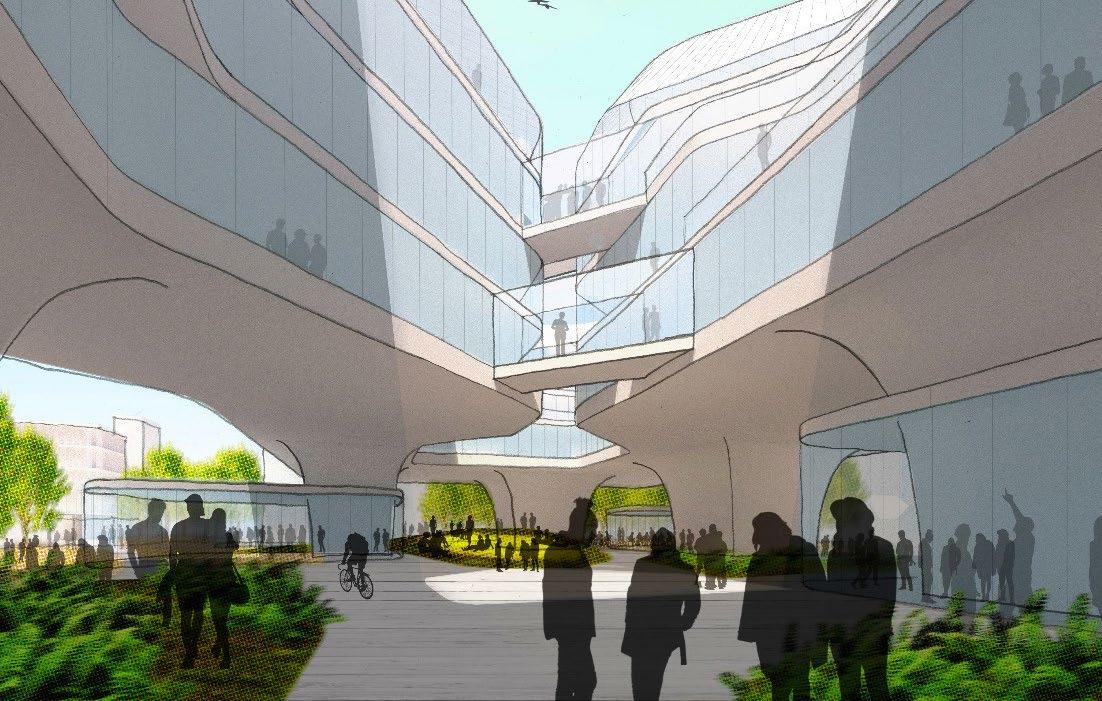
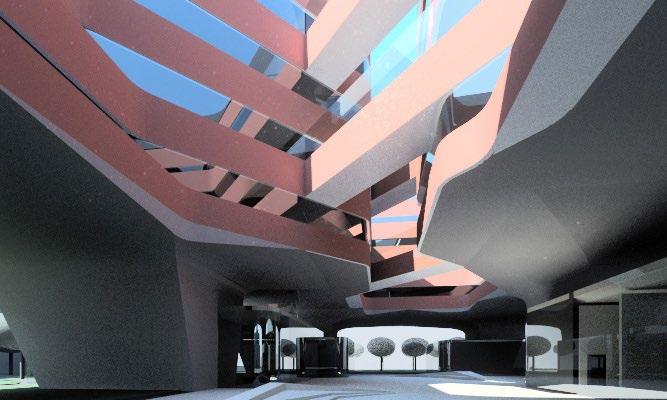
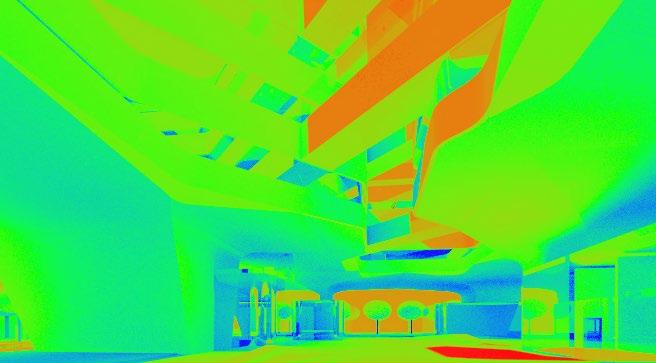
The San Mateo County Office Building III is a new 180,000 square foot facility that will house multiple government agencies. The project is targeting Zero Net Energy and LEED Platinum. Renowned architect Studio Gang has created a beautiful and efficient form designed to provide enhanced daylighting and natural ventilation of the entire building. The building will consist of three pavilions. The pavilion at level one will contain the building’s lobby/press/ ceremony space, board chamber, one-stop kiosks, county information center and a café. Surrounding the pavilions on level one will be the public plaza which will be adjacent to the campus’ landscaped promenade.
Introba is providing mechanical, electrical, low voltage/ technology, daylighting and plumbing design services for this project.
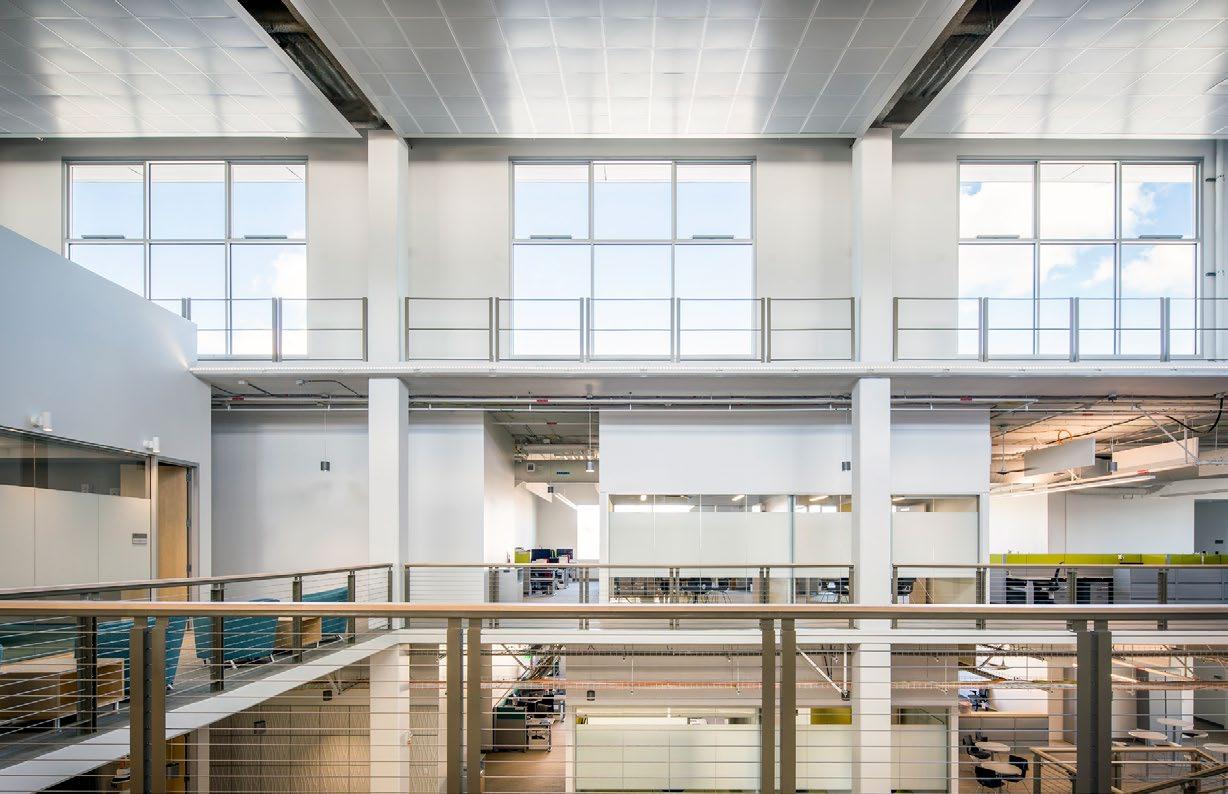
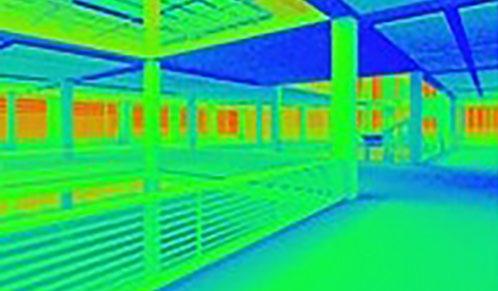
Can daylighting boost productivity and connect the campus with the community?
LOCATION: Merced, CA, USA
CLIENT: County of San Mateo
ARCHITECT: Heller Manus Architects
AREA:
67,400 ft²
SUSTAINABILITY:
Zero Net Energy + LEED Platinum Targets
SERVICES PROVIDED:
Daylighting Analysis
Mechanical
Electrical Technology
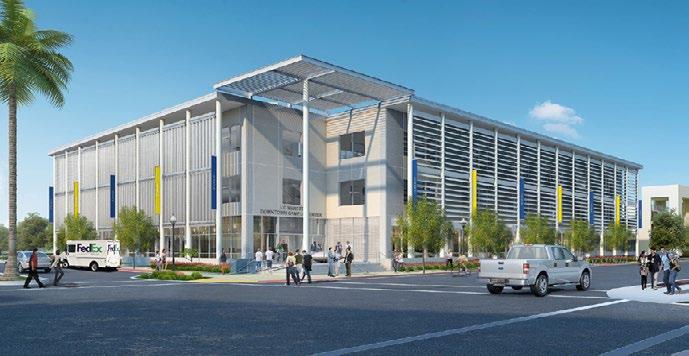
This new facility will consolidate administrative staff members in downtown Merced, bringing and economic boost to the neighborhood and connecting the campus more closely with the community. The new center will include some collaborative space for more campus-community partnerships, as well as office space to consolidate teams of administrative staff that are currently split up into various off-campus sites. The project is being delivered via designbuild.
Introba is providing mechanical, electrical, and plumbing engineering services, as well as technology design, energy consulting and lighting design. The project is targeting LEED NC Platinum and Zero Net Energy. The Downtown
Administration Center is a component piece of UC Merced’s 2020 campus plan, which Introba also worked on.
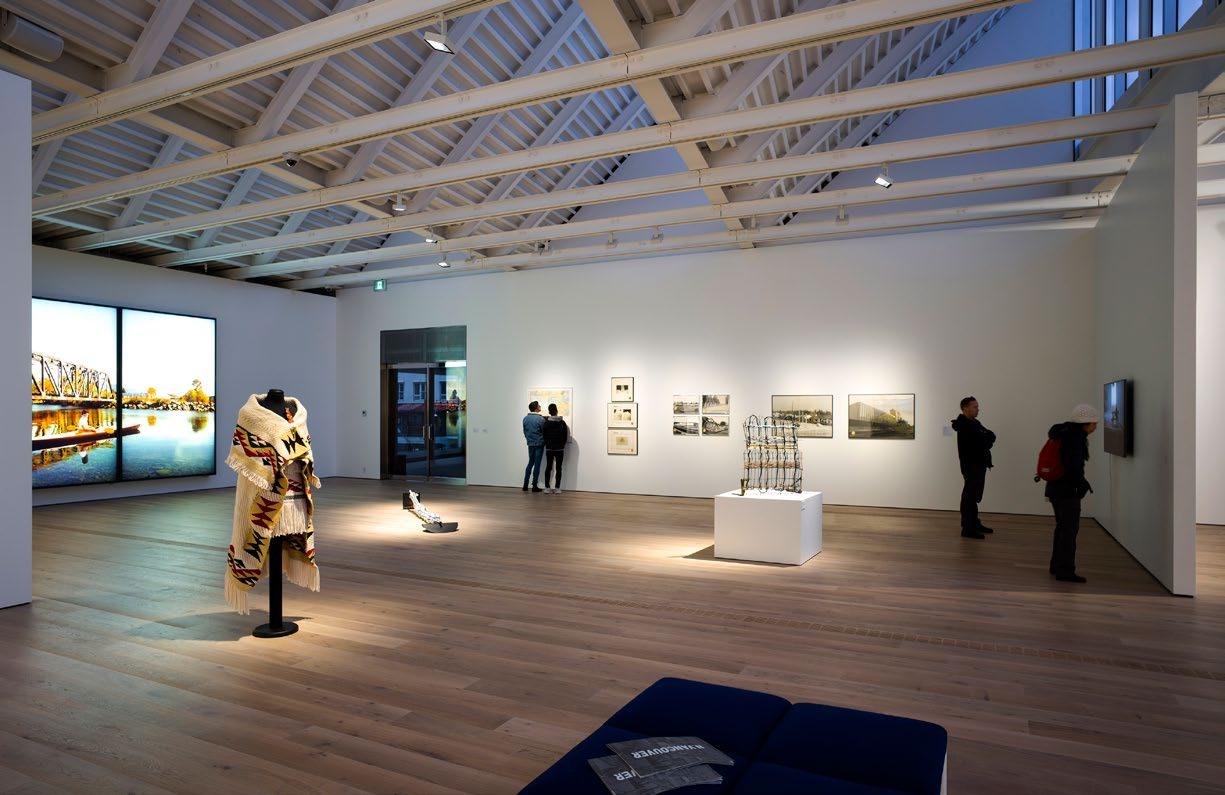
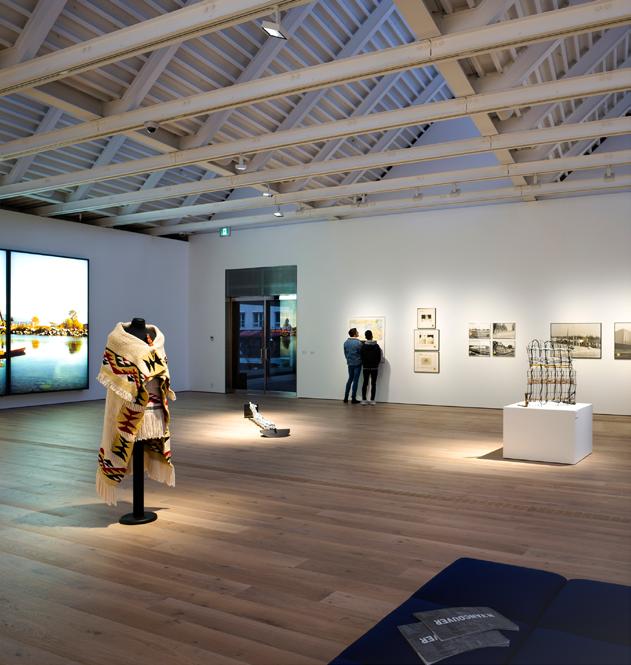
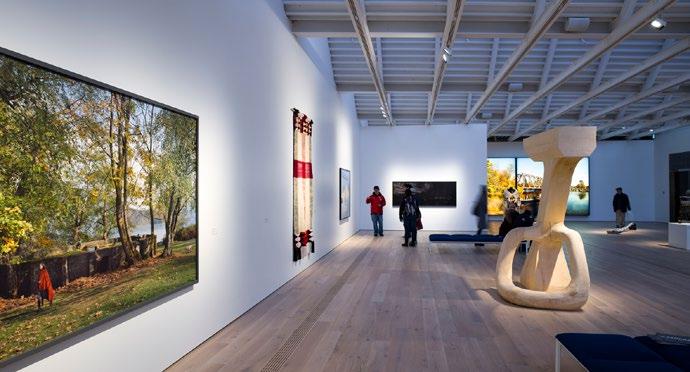
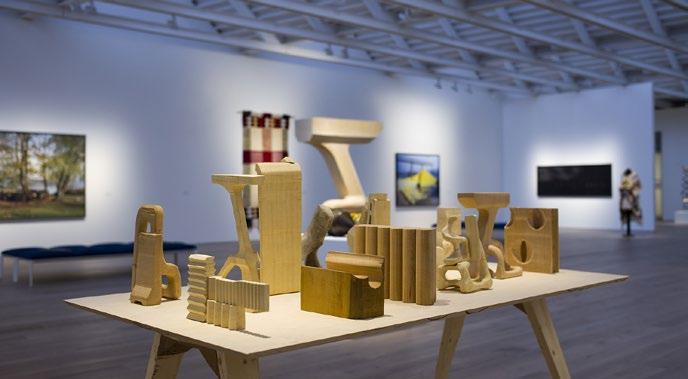
Introba provided lighting design, daylight design, mechanical and electrical engineering services to this two-story art gallery located on North Vancouver’s waterfront.
SUSTAINABILITY:
First National Energy Code of Canada for Buildings (NECB) 2011 compliance submission in the City of North Vancouver.
SERVICES PROVIDED:
The gallery space includes a fully glazed lobby, multipurpose community space, cafe, retail enclosed with exhibition spaces, administration and back-of-house spaces, as well as a glazed events gallery including exterior terrace.
Introba Light Studio expertly blended daylight and artificial lighting in the gallery spaces, meeting diverse lighting requirements for both uniform, glare-free general lighting for the overall space and precisely aligned, customizable, accentuated illumination of exhibited artworks. Designed to be visually discreet, the lighting design thus highlights the artworks and the gallery’s airy and spacious architectural design.
This project was designed
to ASHRAE 90.1 2010 standards, with sustainability features including hook-up to Lonsdale Energy Corporation offsite hot water systems, daylighting, natural ventilation to area outside of principal exhibition spaces, and recycled aluminum cladding.
The Art Gallery and Exhibition Preparation and Storage spaces were designed to a Canadian Conservation Institution Class B Gallery Climate control and includes provisions for maximum occupant gatherings and maintaining maximum flexibility for the main gallery and multipurpose spaces are served from a system of four-pipe fan-coils for local climate control, with fresh air supplied through a heat recovery type dedicated outdoor air system (DOAS).
ARCHITECT:
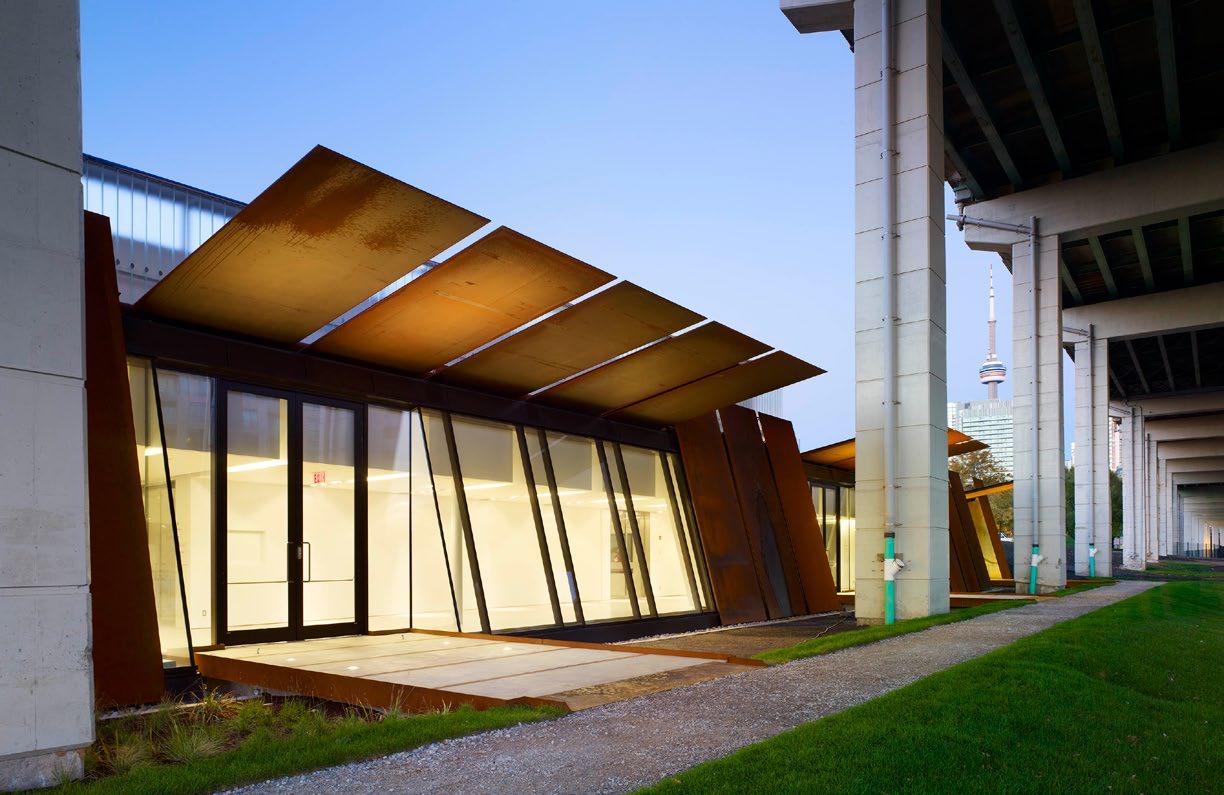
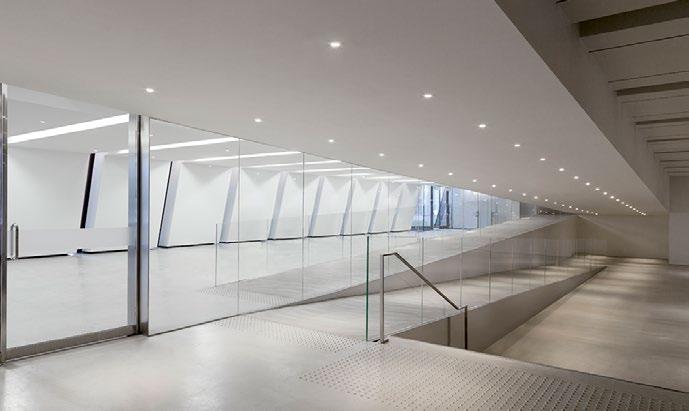
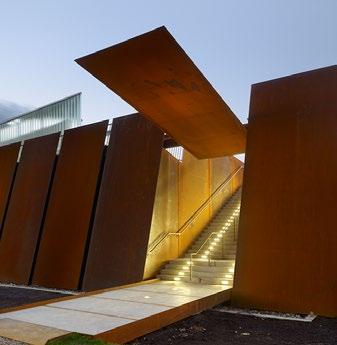
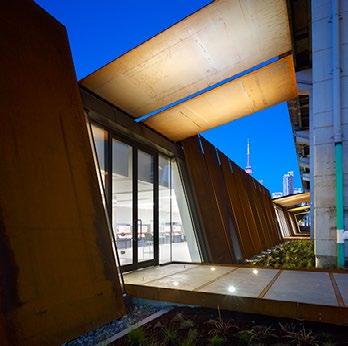
Situated beneath the Gardiner Expressway on a 43-acre site in downtown Toronto, the center serves as a museum and explores the relationship between natural landscapes and the built environment. The museum is a hub, connecting visitors to the site’s rich history and surrounding areas while providing enhanced public program facilities. The center includes multipurpose meeting rooms as well as a theatre.
Introba provided mechanical and electrical services for this project, offering a truly innovative approach to museum design. Careful consideration for the varied historic collections informed mechanical and electrical design strategies utilizing such systems as displacement ventilation to maintain humidity levels. The facility is designed to the Canadian Conservation Institute’s Class A Museum standards.
Additional features include radiant slab heating and cooling, an air source heat pump system with condensing boilers, and a fully adjustable lighting control system. Exterior LED lighting illuminates the site boardwalk and is suspended from the causeway to provide lighting from above. Lighting solutions were developed to meet the museum lighting quality, quantity, and operational aspects for each exhibit space. Artworks were defined in each exhibit space based on their sensitivity to light and corresponded with the selected lighting solutions.
Can lighting design enhance a museum’s narrative while adapting to its changing needs?
LOCATION:
John, New Brunswick, Canada
CLIENT:
Schmitt Architects
ARCHITECT:
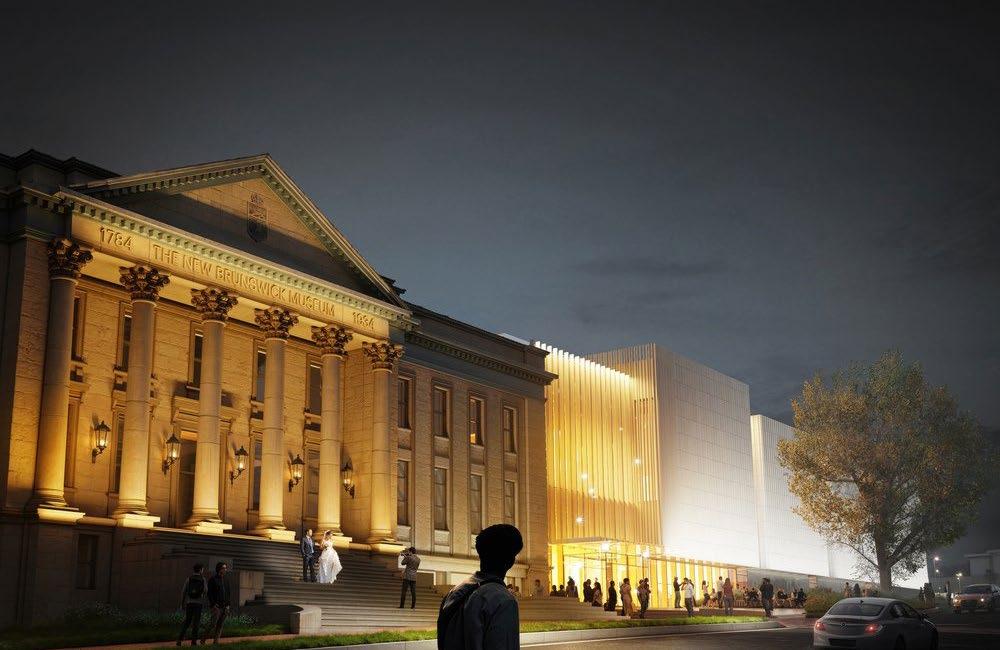
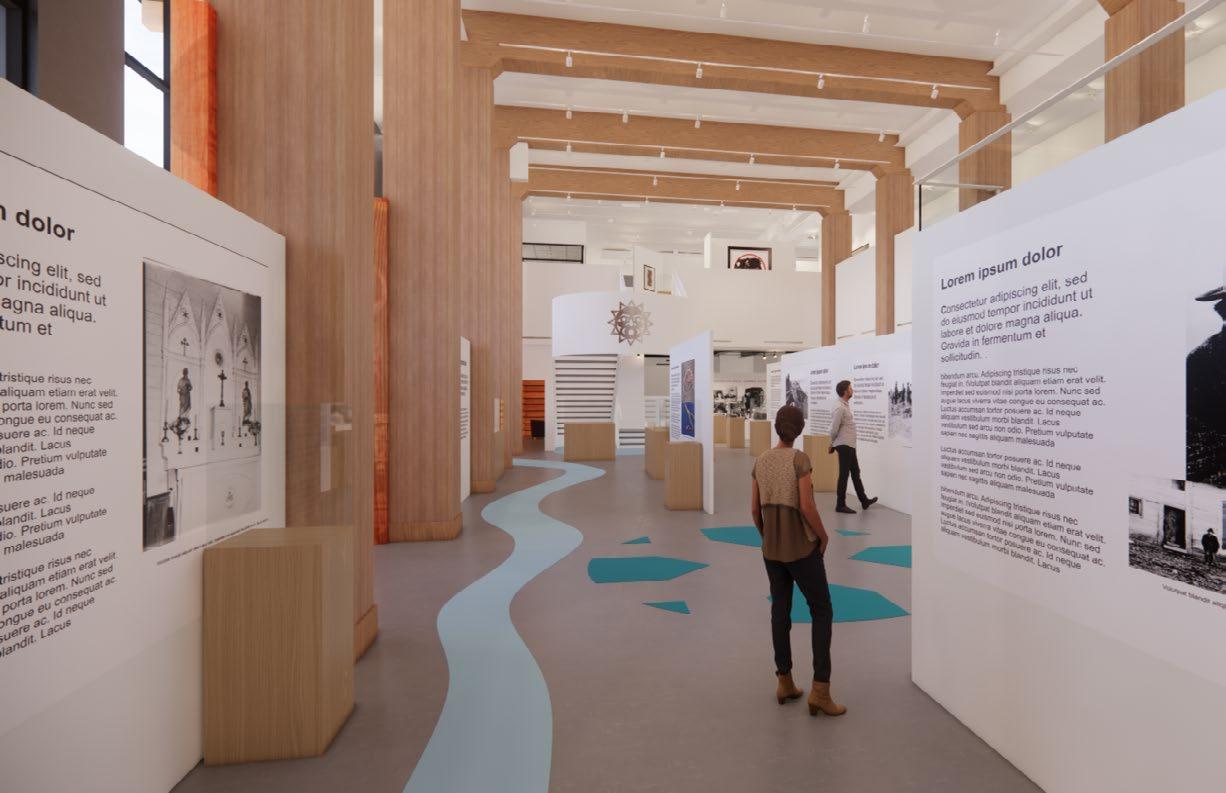
The New Brunswick Museum (NBM), Canada’s oldest continuing museum, is undergoing a significant revitalization to create a modern, sustainable facility that honors the province’s rich natural and cultural heritage. The project involves constructing a new 134,000-square-foot building at the historic Douglas Avenue location in Saint John. This design aims to capture the essence of New Brunswick’s landscape, offering expansive views of the Saint John Harbour and surrounding natural beauty.
The revitalized museum will feature nine exhibition galleries, including permanent and temporary spaces, to provide visitors with a comprehensive exploration of New Brunswick’s history and culture. Flexible areas designated for educational programs, community events, and public gatherings are also integral to the design, fostering community engagement and learning.
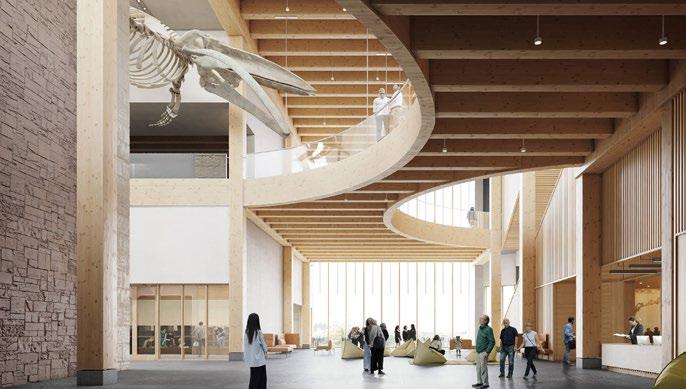
Sustainability is a key focus of the project, with considerations for using mass timber—a renewable and sustainable resource—in the construction,
reflecting New Brunswick’s leadership in forestry. The goal is to achieve zero-carbon certification, aligning with contemporary environmental standards.
The lighting design concept enhances the architectural features, accentuating the building’s beauty while providing a flexible and adaptable system to support the evolving needs of museum curators.
A key challenge in this project is the complexity of the exhibits, ranging from large-scale, three-dimensional displays in the natural history section to delicate newspaper prints and hand-drawn artworks.
Each exhibit requires a tailored lighting approach to effectively convey its story while ensuring optimal visibility for viewers.
Large public spaces, such as lobbies and auditoriums, require a flexible lighting system that can be tailored to accommodate a variety of functions, from educational programs and performances to weddings and special events.
Can lighting design harmonize art, nature, and sustainability in a dynamic cultural space?
LOCATION: Burnaby, BC, Canada
CLIENT:
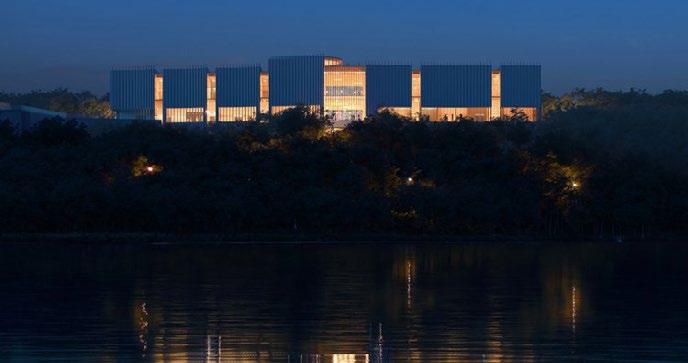
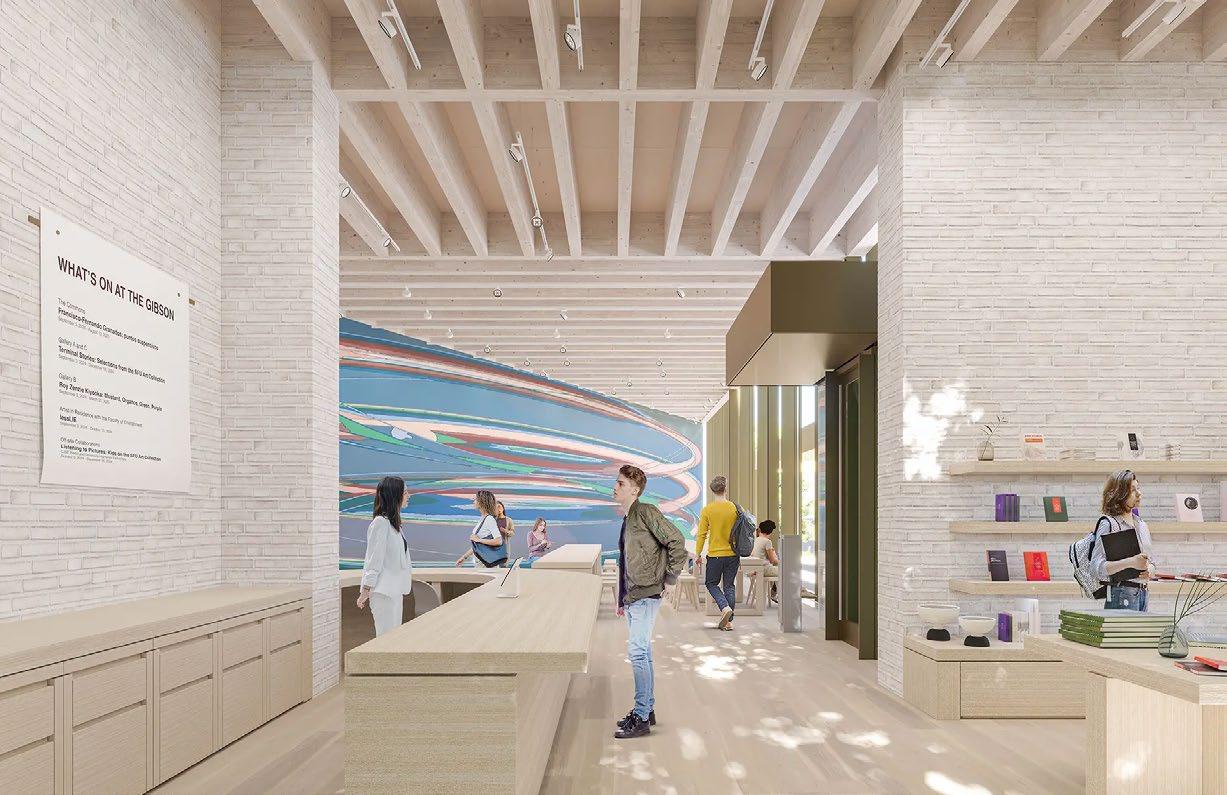
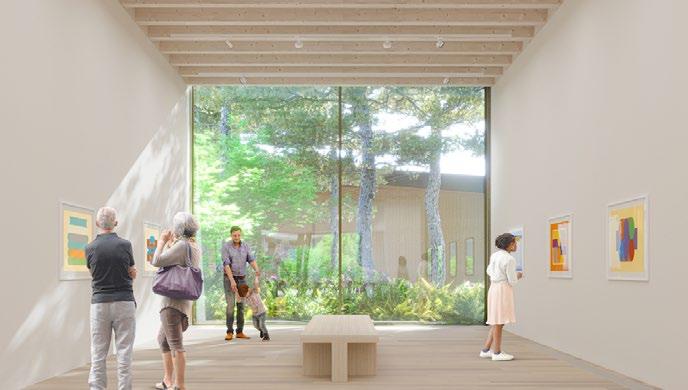
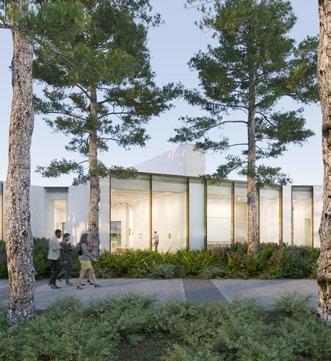
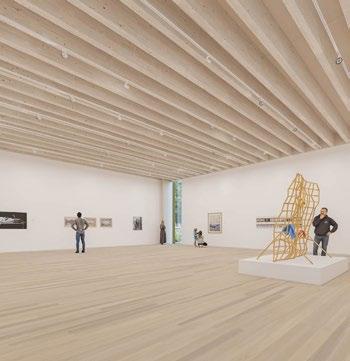
The new SFU Burnaby art museum connects the university with the community, embracing the landscape with floor-to-ceiling glazing that frames forest and mountain views. Made of mass timber and brick, its open design harmonizes with nature.
Interconnected galleries, gathering spaces, a library, and an outdoor courtyard foster education and engagement.
A central path aligns with the campus walkway, reinforcing ties between art, nature, and academia. Achieving LEED Gold, the fully electric building prioritizes sustainability.
A warm, open interior highlights art, while community spaces encourage interaction. Thoughtful design ensures inclusivity, creativity, and environmental stewardship.
The lighting design anchors the museum within its site while creating a highly adaptable environment for exhibitions of all scales and media.
Supporting both indoor and
outdoor displays, the system enhances the visitor experience while preserving the integrity of each artwork.
Designed in harmony with the mass timber beams, the lighting layout aligns with the ceiling grid, ensuring seamless integration and flexibility. The system provides optimal illumination without glare, maintaining curatorial intent. A modular lens system allows on-site adjustments, offering varied beam spreads to accommodate diverse display needs.
Each fixture includes individual dimming and on/off controls, ensuring precise illumination for artworks ranging from delicate works on paper to large-scale sculptures. This adaptable approach enhances visual clarity while supporting curators and artists, reinforcing the museum as a dynamic cultural space.
LOCATION: Langley, BC, Canada
CLIENT: Township of Langley ARCHITECT:
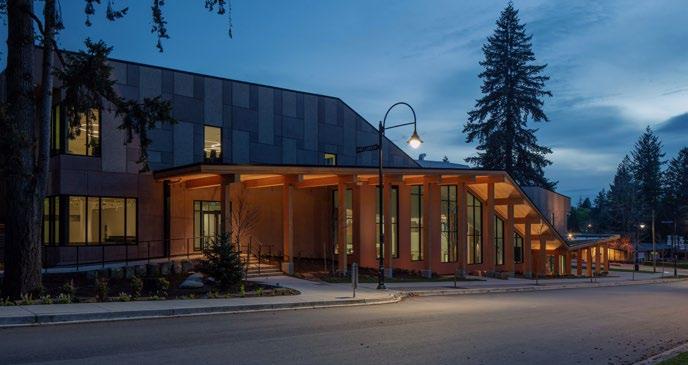
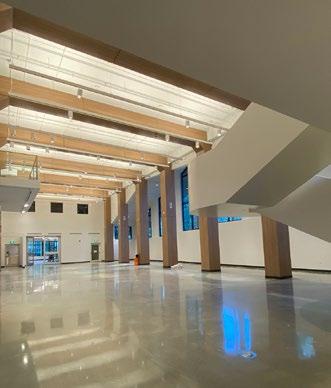
Located in Fort Langley, BC, salishan Place by the River iis a 40,000-square-foot arts, culture, and heritage center. This three-story facility houses the Langley Centennial Museum, an archive, and the Fort Langley branch of the Fraser Valley Regional Library.
With a reception hall, galleries, program spaces, and a 167-seat theater, it hosts diverse events and exhibitions. Designed with natural materials and Indigenous collaboration, Salishan honors cultural heritage while fostering community connection and artistic expression.
The lighting design presented several challenges due to the exhibit spaces featuring a combination of 22-foot and 12-foot ceilings. To address these variations, suspended tracks with uplight components were utilized, adding a second layer of light to enhance the overall ambiance of the space. Meticulous attention was given to selecting LED chips with a high CRI and consistent color
temperature to ensure optimal color accuracy and visual integrity across both gallery types. Additionally, precise optics were employed to achieve uniform and controlled lighting, tailored to the specific needs of each exhibit.
For the exterior, lighting was carefully designed to illuminate the soffits, ensuring that no light spill affects the interior museum spaces. This approach not only enhances the building’s architectural features but also preserves the integrity of the exhibit environment. The lighting system was designed with flexibility in mind, ensuring that light-sensitive artifacts can be appropriately displayed with minimal risk of damage.
This thoughtful and precise lighting design ensures that the museum spaces are both visually striking and functionally suited to exhibit a wide range of artifacts, from lightsensitive works to large-scale installations.
LOCATION:
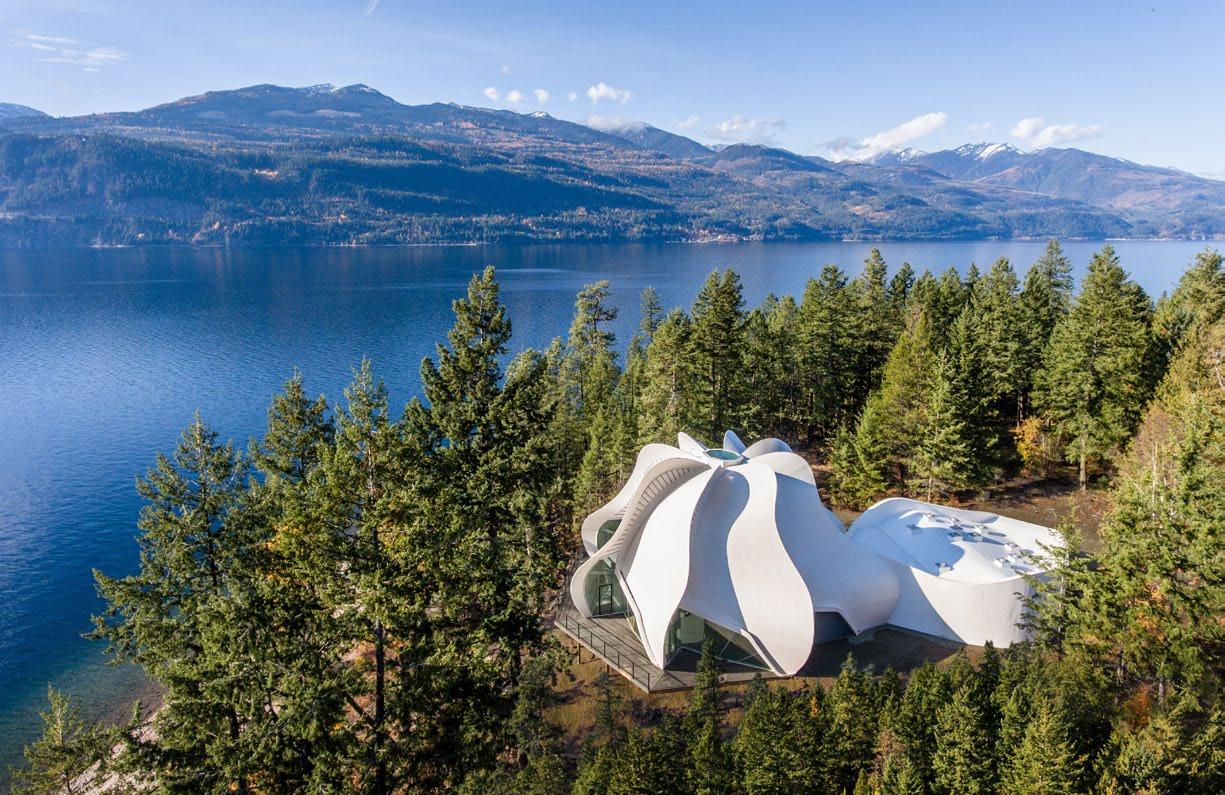
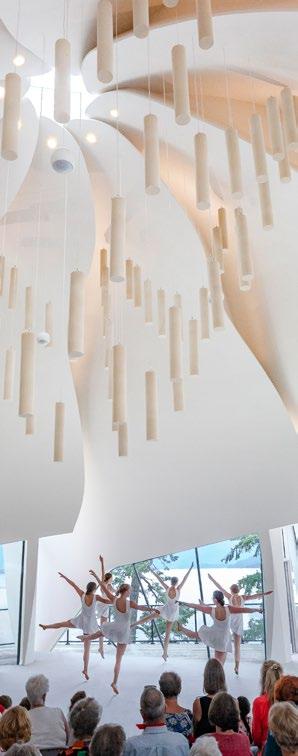
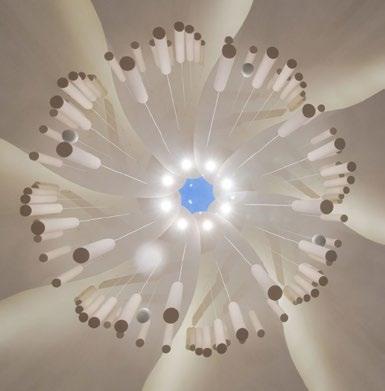
The Yasodhara Ashram Temple of Light displays elements of symbolism in it’s dome shape and placement of windows, doors and panels. The Yasodhara Ashram made use of simple, local climateadapted features of the location to minimize the impact on the existing infrastructure and minimize energy use.
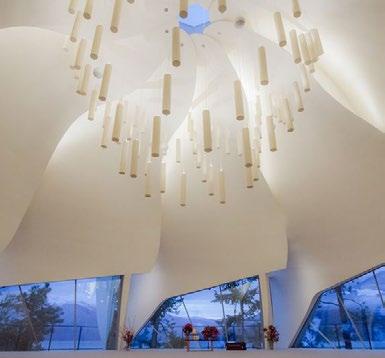
Natural light is a key medium and defining feature of this project. Light and space optimization have given this Temple a bright, open-concept lay out, with light entering
between the structure’s woodframed, petal-shaped panels and through the crown. The new facility has been built on the concrete foundations of the former building, with a high performance building envelope, glazing, geothermal systems and photovoltaic arrays.
Introba provided lighting design, mechanical, and electrical design services to this award-winning project.

LOCATION:
Saulteau, BC, Canada
CLIENT:
Saulteau First Nations
ARCHITECT:
Iredale Architecture
SERVICES PROVIDED: Lighting Design Mechanical Electrical
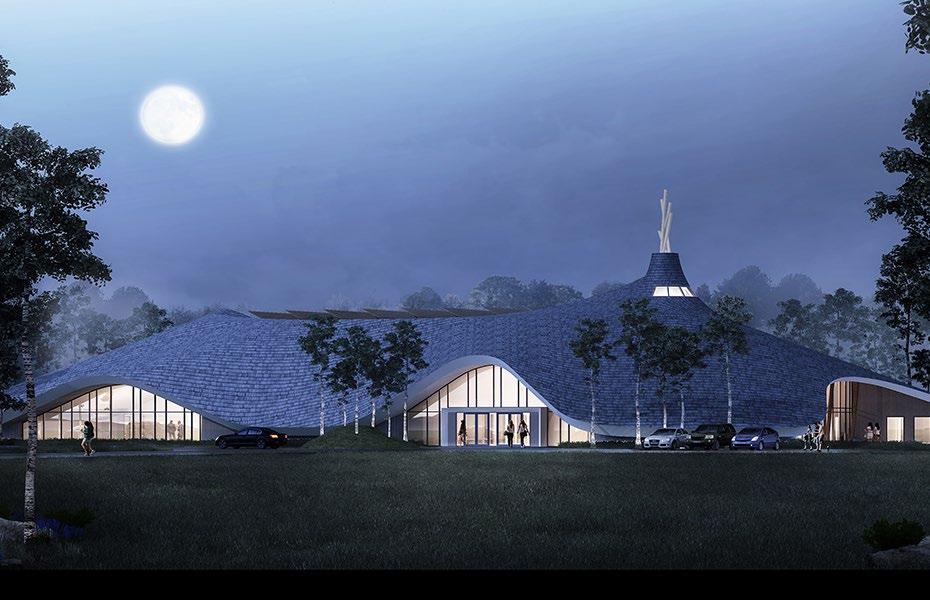
The Saulteau Cultural Centre’s architectural design seamlessly merges functionality with beauty, creating multifunctional spaces that are perfectly suited for a variety of exhibitions and community events. The sweeping curves of the building, inspired by traditional Saulteau structures, provide a striking aesthetic while facilitating the integration of flexible interior spaces. These spaces are designed to accommodate diverse exhibition needs, from largescale displays to intimate showcases of art and culture.
The main hall, with its expansive open area, is ideal for exhibitions that require ample space, while smaller, more intimate rooms can be used for educational displays, workshops, and cultural gatherings. The design ensures that each area is adaptable, allowing for easy reconfiguration depending on the type of event or exhibition. Natural light, filtered through the curved roofline, illuminates the exhibits in a way that highlights the intricate details of both traditional and contemporary works.
This thoughtful approach to space planning reflects the Saulteau’s commitment to preserving and sharing their culture while creating an environment that is both inspiring and functional. The Saulteau Cultural Centre is not only a venue for exhibitions but also a place where the community can gather, learn, and connect, all within a beautifully designed space that honors their heritage.
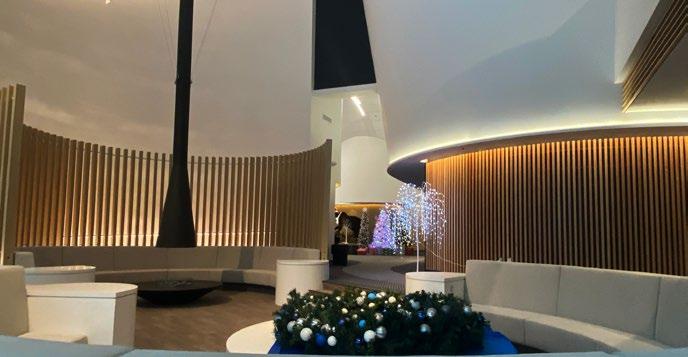
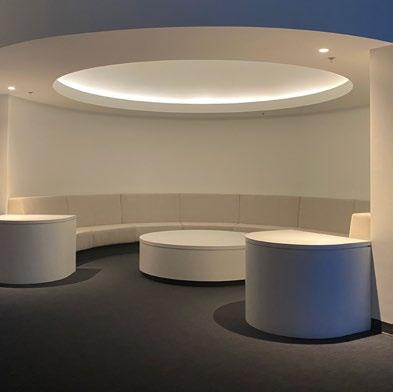
Lighting design played a pivotal role in shaping the Saluteau project, seamlessly integrating with the architecture to enhance its form and atmosphere.
Thoughtfully concealed, the lighting follows the fluid curves of the space, accentuating its design with precision. A carefully curated palette of color temperatures interacts with the materials, enriching textures and crafting dynamic moods. The result is an immersive visual experience where light becomes an essential architectural element, transforming the space with depth, contrast, and emotion.
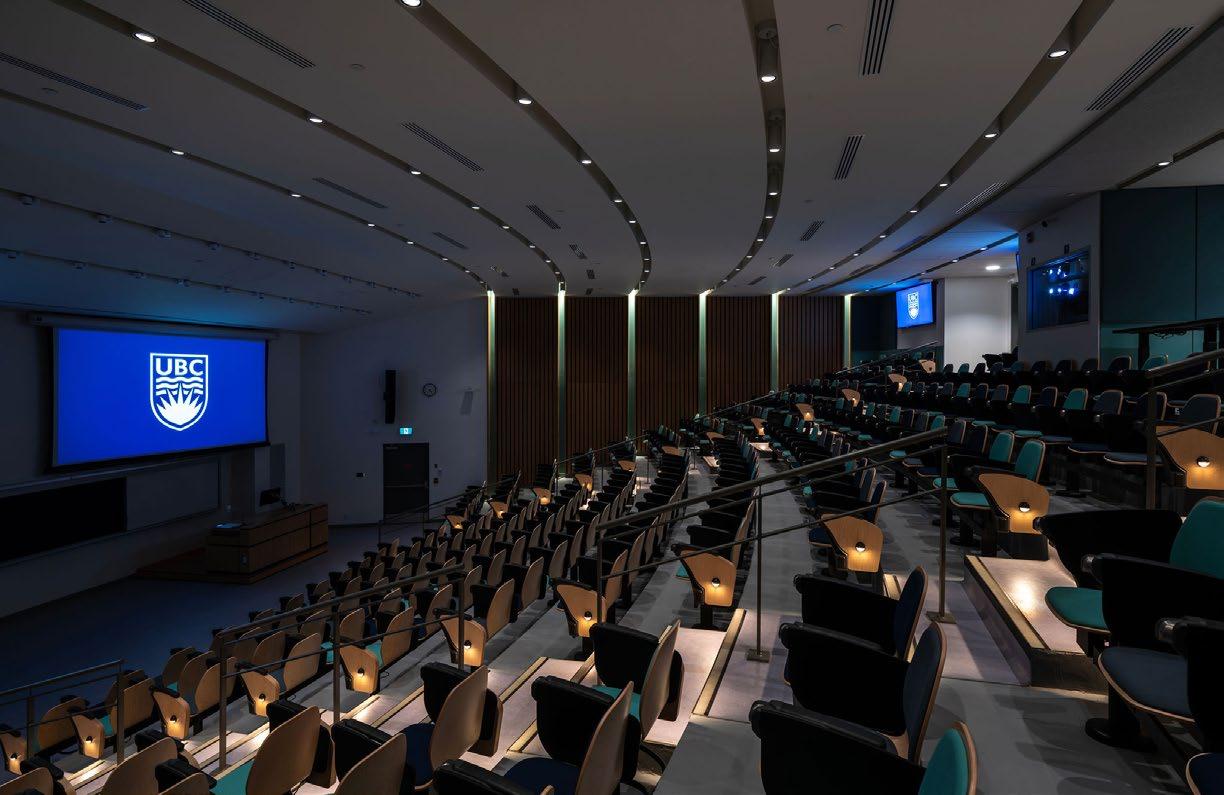
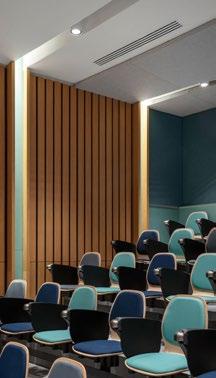
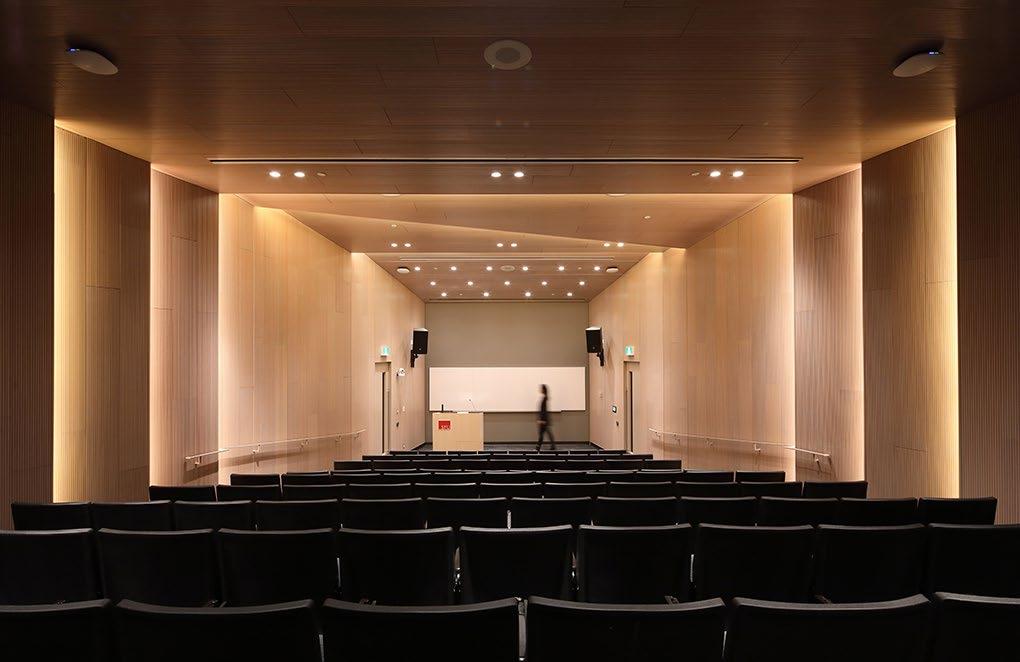
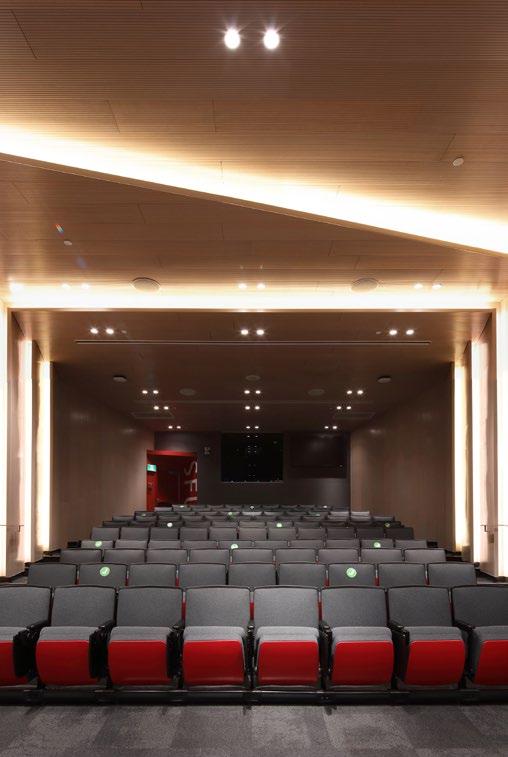
Renovating a space while preserving a strong lighting design vision presents unique challenges, particularly when dealing with hidden structural and mechanical elements.
The team’s expertise in luminaire installation was crucial in overcoming these obstacles and delivering a seamless lighting solution for the lecture theatre.
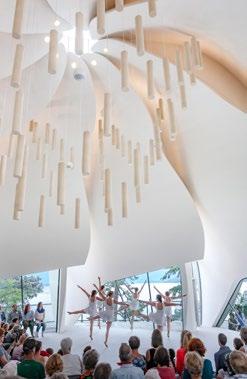
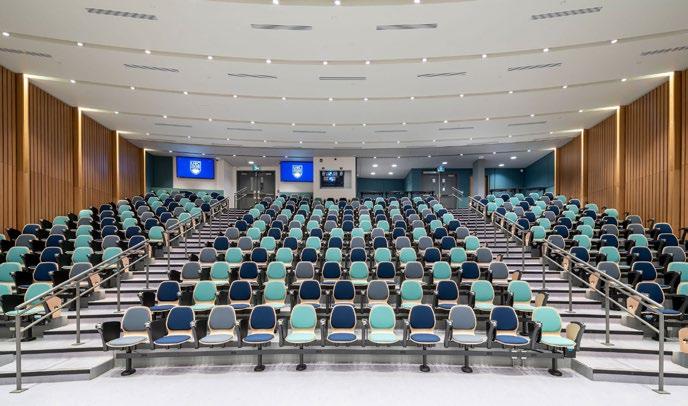
Stakeholders identified the existing space as claustrophobic, stuffy, dark, and dated, creating a lessthan-ideal environment for learning and presentations. With this in mind, the design aimed to transform the space into a versatile, welcoming environment suitable for various events—presentations, speeches, and movies—while offering intuitive lighting controls. The result is a space that feels more like a performance venue than a traditional institutional setting.
The lighting design guides the viewer’s focus toward the stage, subtly steering attention away from other elements in the space. Luminaries are expertly concealed, ensuring
a clean, unobstructed visual experience. Small aperture downlights with magnetic interchangeable optics are strategically placed to provide even, precise illumination across the seating area, eliminating lamp imaging and wall scalloping.
The interplay of light and shadow on the warm woodclad surfaces enhances the theatre’s elegance, creating a welcoming atmosphere without distracting from the presentation. The refined lighting design not only elevates the aesthetics of the space but also ensures a functional, comfortable experience for both the audience and the presenter.
By prioritizing quality, control, and sophistication, the lighting design transformed the once dated space into an inspiring, multi-functional venue that now feels open, bright, and inviting.
LOCATION:
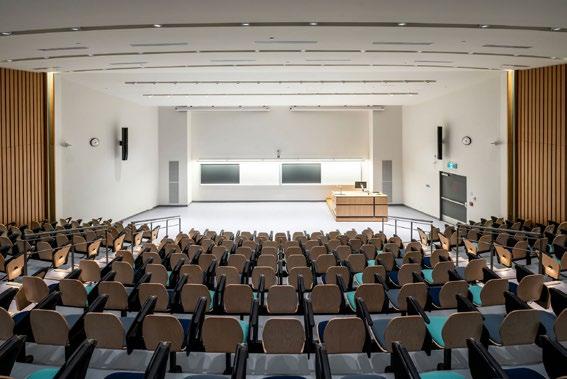
Designing lighting for a renovation presents many complexities, with numerous unknown existing elements like structural components and mechanical equipment in the ceiling, walls, and floors potentially impeding the implementation of the lighting design intent during construction. A deep understanding of luminaire installation proved crucial for the success of this project.
The client wanted to create a lecture theatre that can be tailored to a broad array of programs such as presentations, speech, and movies with simple and intuitive controls in a warm and welcoming space that feels more like a performance theatre rather than an institutional venue.
Lighting leads viewer towards the stage and away from other elements in the space with luminaires that are completely concealed from view and precisely detailed.
Adjustable small aperture downlights with magnetic interchangeable optics provide precise beams of light to illuminate the entire seating area evenly and keep lamp imaging and scalloping away from the walls. The play of light and shadow on the warm wood clad surfaces of the space create graphic interest while remaining soft and elegant and avoiding any visual distraction for the audience and presenter.
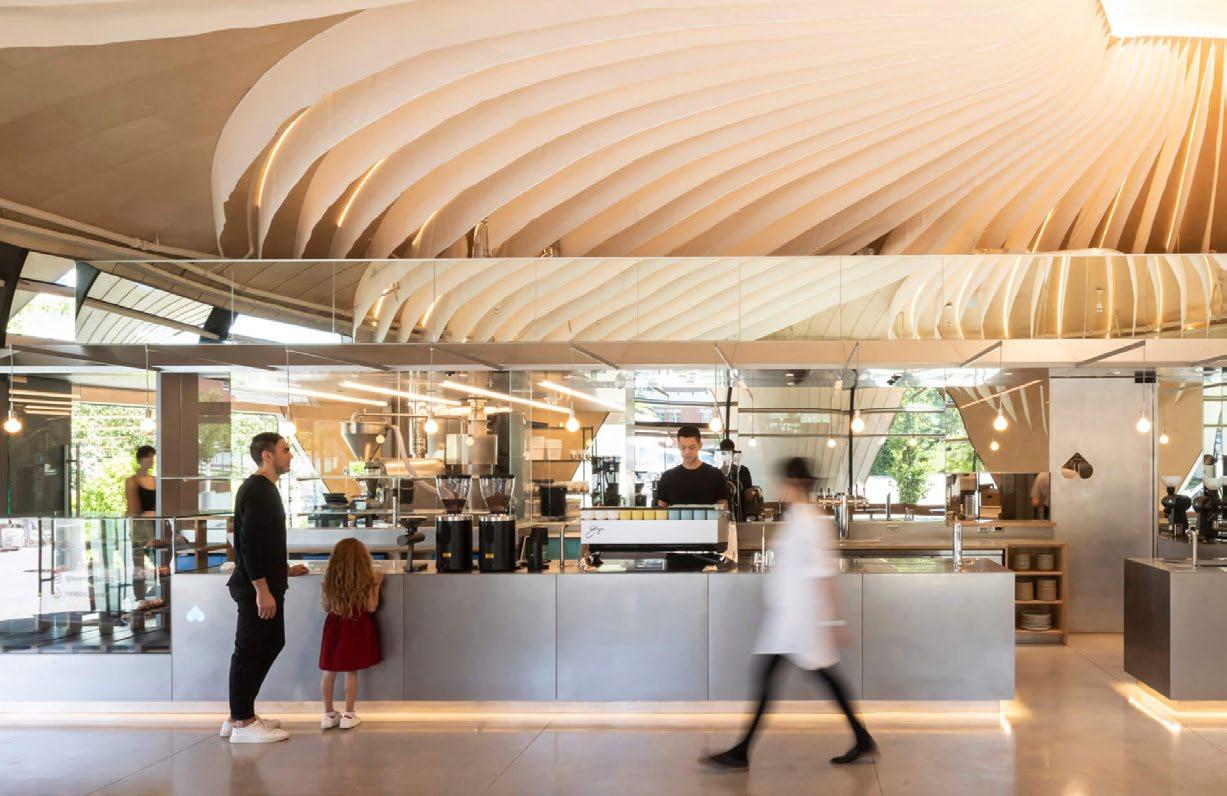
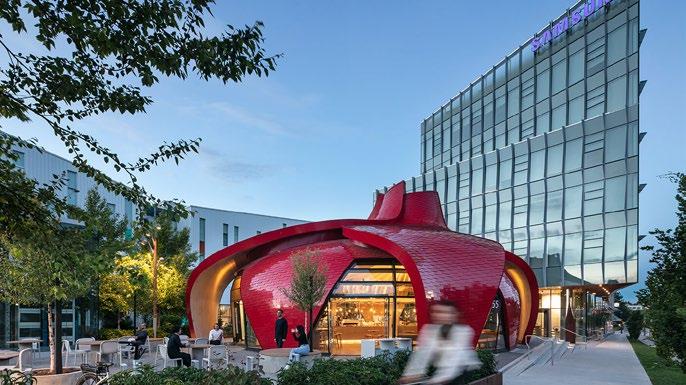
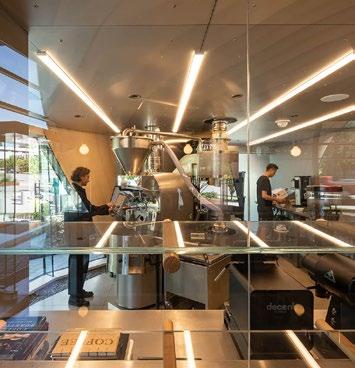
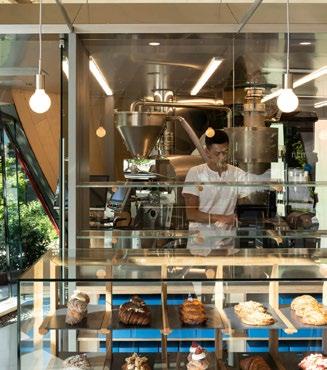
Sitting at the southern edge of Emily Carr University of Art + Design, the café resides within an iconic petal-shaped pavilion. It boasts a roughly 50-seat dining area and a mirrored pod that houses a Class 2 commercial kitchen, offering a glimpse into the art of coffee roasting and culinary craft.
Introba Light Studio took charge of providing lighting design services for the roastery, kitchen, and café bar. With the kitchen and roastery on full display, particular attention to luminaire selection was necessary to ensure both aesthetic appeal and functionality that caters to the practical needs of a bustling kitchen.
Despite the constraints of mounting options for suspended luminaires at the café bar, Introba Light Studio offered precise and accurate guidance for a customized mounting approach, ensuring flawless execution for an optimal design solution.
The team’s meticulous approach to lighting design not only enhances the ambiance of the café but also reflects the artistry of the coffee roasting process and culinary craftsmanship, culminating in an immersive experience in this new campus’ social hub.

LOCATION: West Vancouver, BC, Canada
CLIENT: District of West Vancouver
ARCHITECT:
Landscape Architect, PWL Partnership
COMPLETION:
SERVICES PROVIDED:
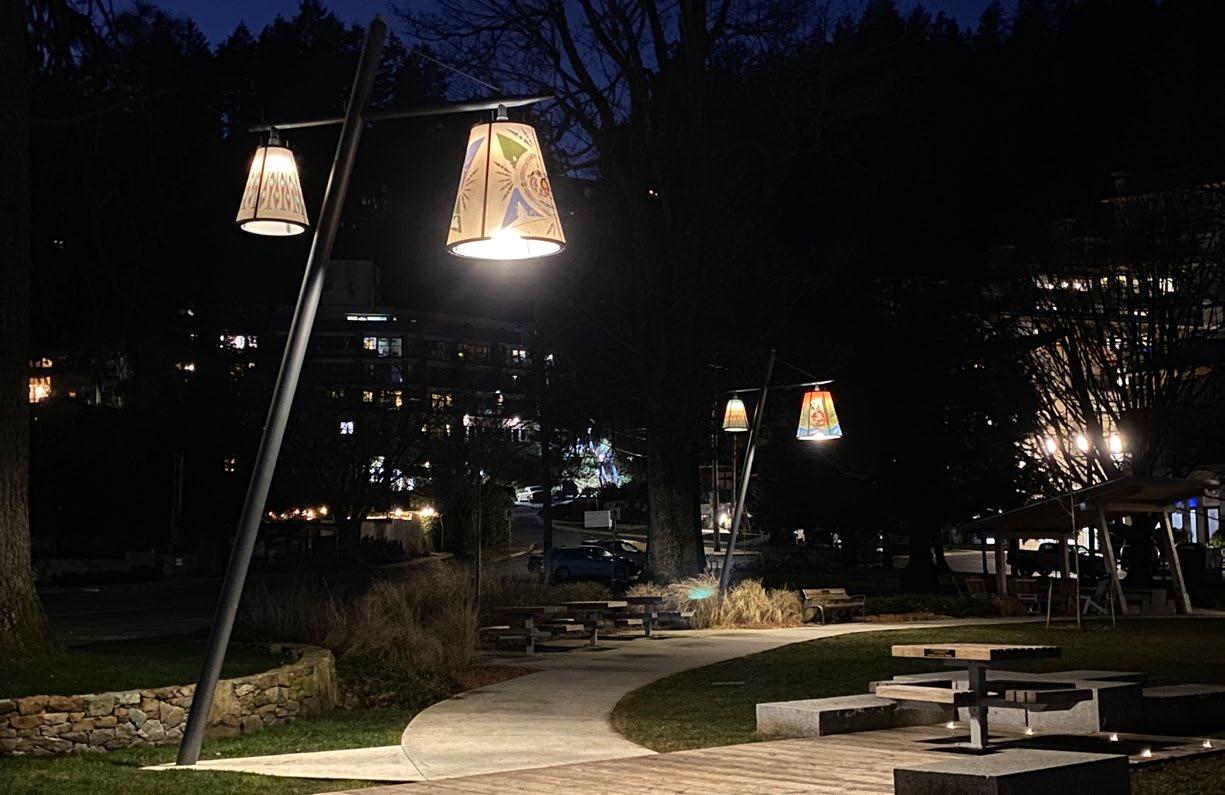
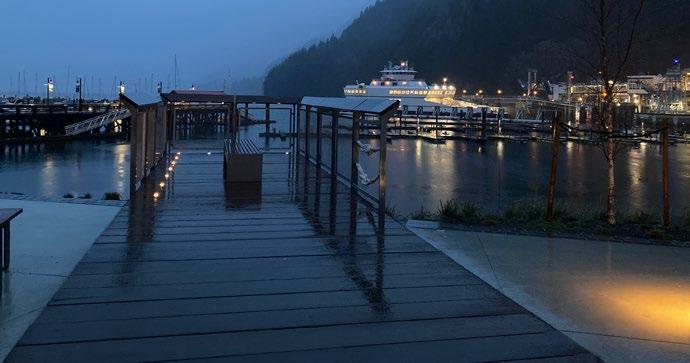
The Horseshoe Bay Park project in West Vancouver entails a comprehensive revitalization of the park and promenade, strategically enhancing the lighting design and electrical systems, both visible to tourists arriving via BC Ferries and the local community.
The focal point is the uniquely crafted pole lighting, a nod to the area’s history, particularly its connection to fishermen and sailboats. These customdesigned pole lights, originating from hand drawings, intricately encapsulate the site’s historical essence. Adding a layer of cultural significance, the lantern motifs are thoughtfully curated by three local First Nations artists, each bringing their distinct perspective, resulting in a diverse tapestry of designs. This amalgamation transforms the space into an open-air gallery that captivates visitors during both daylight hours and the evening, creating an immersive experience.
In harmony with the grand pole lighting, the smaller pathways are subtly illuminated by unobtrusive bollard lights. These unassuming fixtures ensure that the attention remains focused on the
centerpiece while providing safe and unobtrusive illumination for those navigating the paths.
Moreover, the project thoughtfully incorporates miniature marker lights, strategically placed to illuminate the various lookouts within the park. These markers not only enhance safety but also contribute to the visual allure of the park, guiding visitors to scenic viewpoints. Adding an element of understated enchantment, the mature trees within the park are adorned with concealed lights. This meticulous placement ensures that the park exudes a gentle, ambient illumination, enhancing the overall ambiance without overpowering the natural beauty of the environment.
In essence, the Horseshoe Bay Park redesign not only redefines the visual landscape but also serves as a testament to the intersection of history, art, and modern design.
LOCATION:
ARCHITECT:
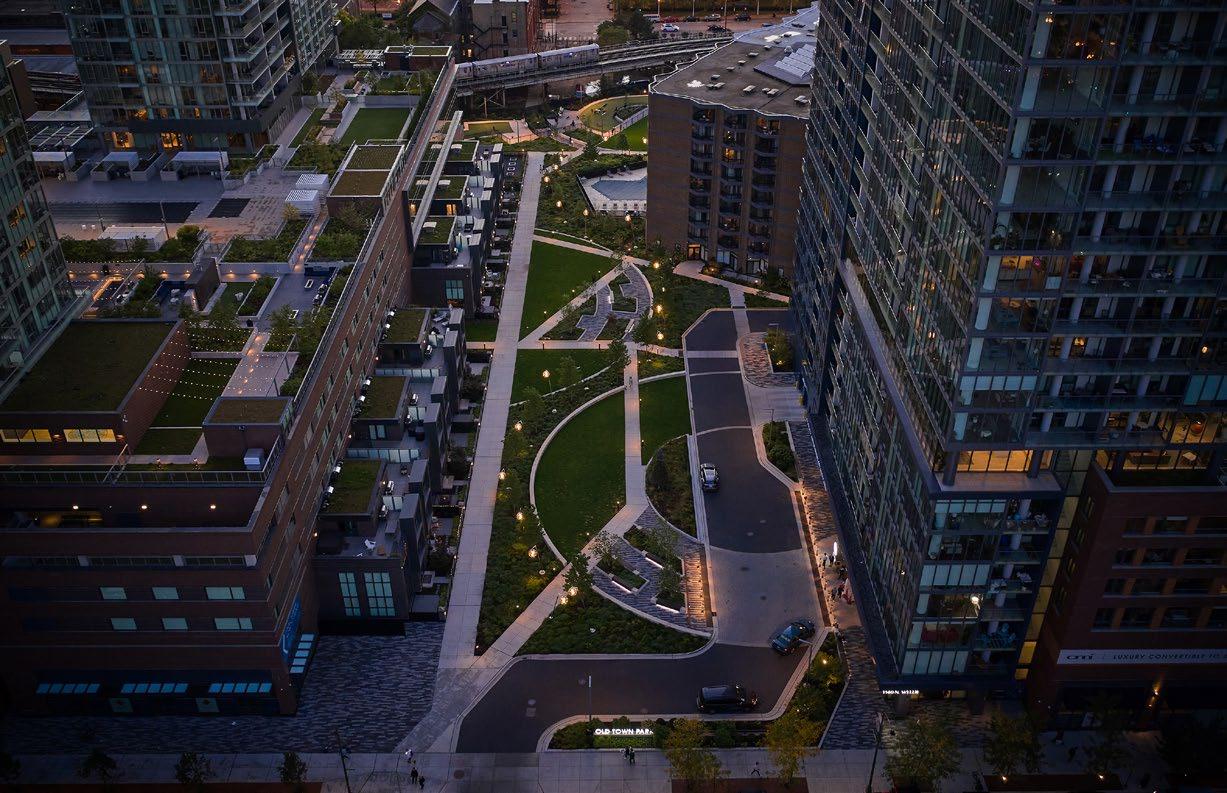
Old Town Park is a new park in Chicago’s historic Old Town neighborhood, surrounded by three residential towers, a hotel, busy streets, and an elevated train route.
As the centerpiece of the development, it attracts locals and visitors alike, offering views from the towers and the train.
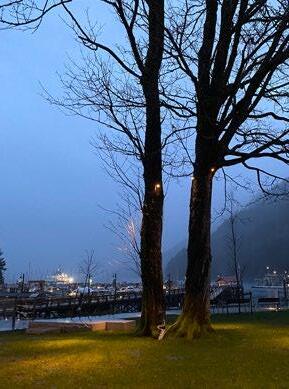
The park features intimate seating areas, pathways, a playground, a dog park, and lawns, with a landscape design that combines curved lines and hard edges. A ribbon of 29 Maple trees runs east to west through the park, creating a unique visual element.
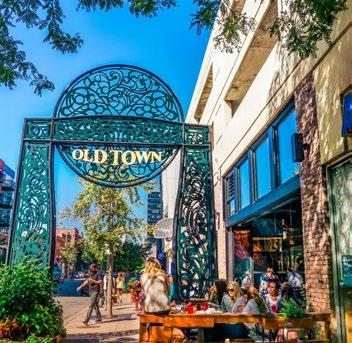
The lighting concept reflects Old Town’s history, connecting the landscape with contemporary architecture.
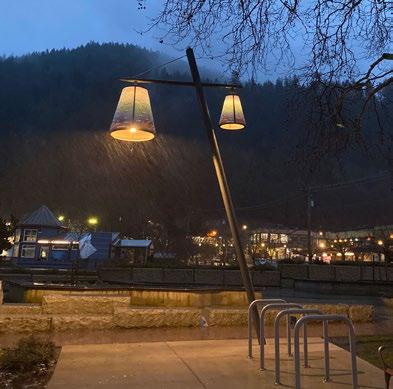
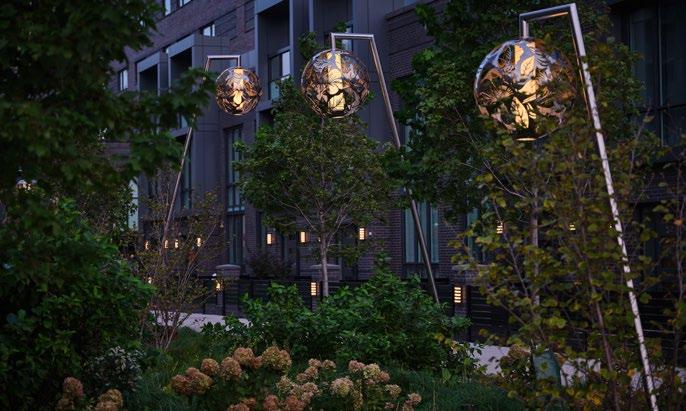
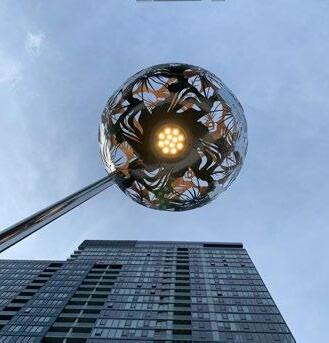
To accentuate the tree ribbon, 26 custom lanterns were designed, inspired by iconic Old Town iron gates and Victorian ornamental ironworks.
These lanterns, crafted from seamless laser-cut globes, measure 30 inches in diameter and hang from three types of tilted poles ranging from 11 to 16 feet in height. Their intricate patterns feature the development’s logo alongside forms related to the surrounding plant species.
The poles, with their sharp angles, echo the architectural lines of the nearby buildings, while the lanterns’ spherical shapes harmonize with the soft curves of the landscaping. This design allows the lanterns to appear as if they float, gently illuminating the tree leaves.
The lanterns serve as the park’s signature ornamental feature, complemented by minimalistic bollards that light the walkways. Seating areas are highlighted with soft underbench lighting, while the lawns remain dark to create visual balance and emphasize the overall hierarchy of the space.
LOCATION: Vancouver, BC, Canada
CLIENT:
Oxford Properties
DESIGN ARCHITECT:
James Cheng
ARCHITECT ON RECORD:
Adamson Associates
COMPLETION:
SERVICES
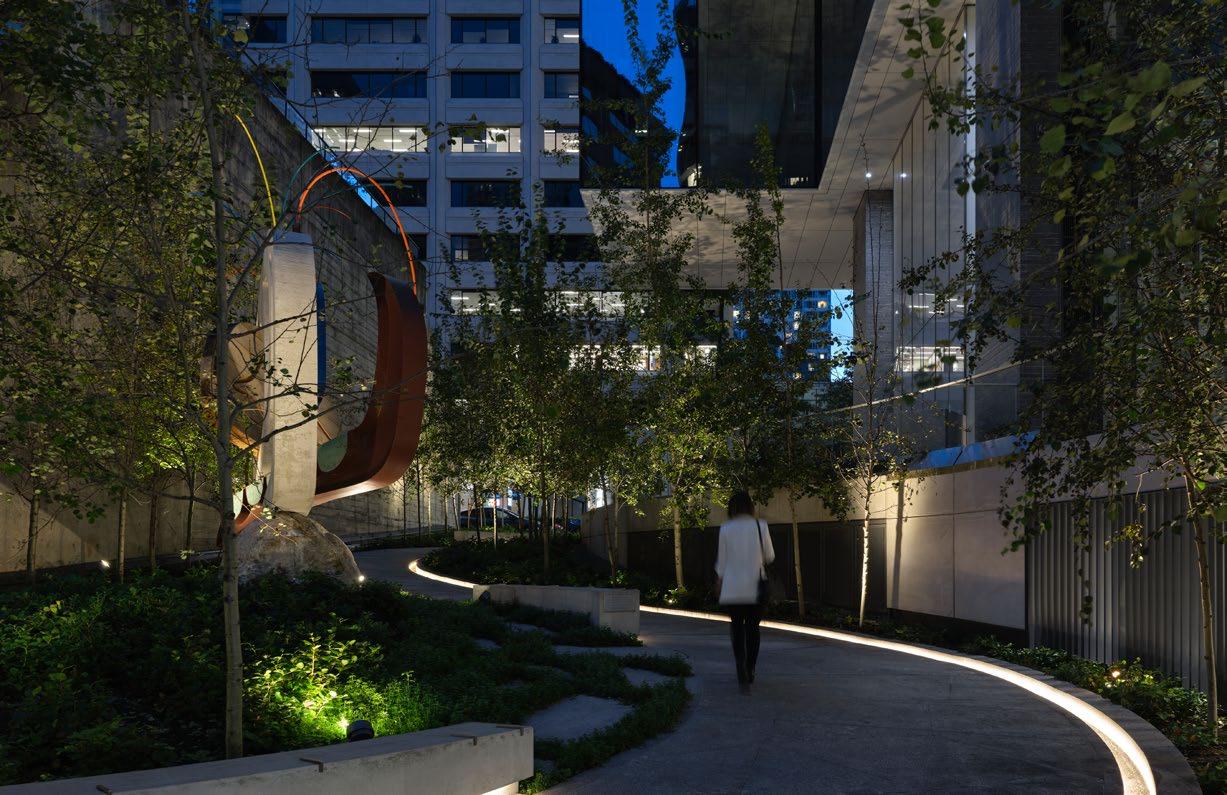
The 37-story office tower is North America’s first zerocarbon high-rise commercial building, boasting a unique design of four offset stacked boxes that create a twisting form atop a podium. A V-shaped column supports the cantilevered upper floors, while a black metal veil adds texture to the façade. At ground level, a pocket park with a large-scale art installation offers a green retreat.
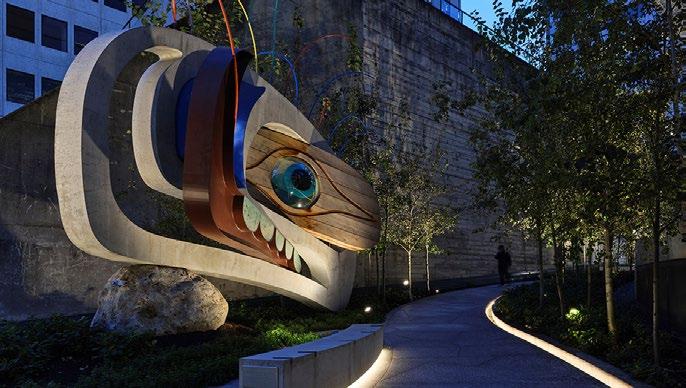
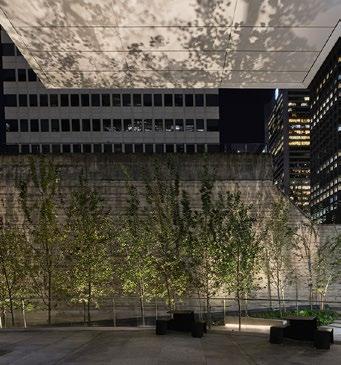
The lighting design enhances the building’s architectural presence while minimizing glare, light pollution, and excessive illumination. It creates a balanced and dynamic atmosphere by embracing darkness and contrast, highlighting key features like the V-column and veil. Uplights with glare control accentuate the column’s base, while a linear grazer illuminates its upper section. The warm glow from the interior extends through the glass curtain wall, subtly highlighting exterior elements.
In the pocket park, lighting
highlights trees and casts shadows across cantilevered soffits, blending nature with architecture. A lit stormwater runnel guides visitors to the art installation, transforming the park into an urban retreat.
A DALI-based control system adjusts lighting scenes throughout the day, complying with dark sky policies and energy conservation by turning off uplights after 10 p.m.
This high-performance building, located in downtown Vancouver, integrates sustainability and aesthetics, transforming the exterior into a vibrant public space. It serves as a dynamic symbol of innovation and urban vitality, energizing the city and inviting all who encounter it.
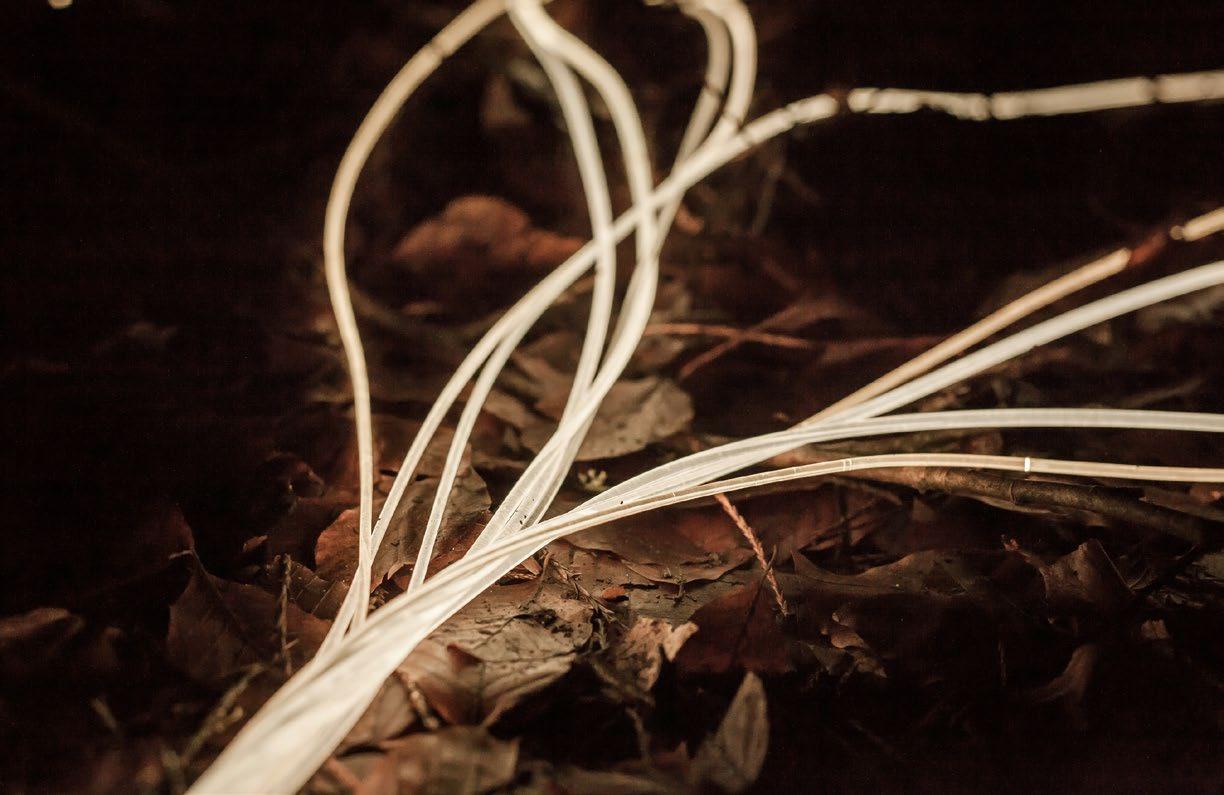
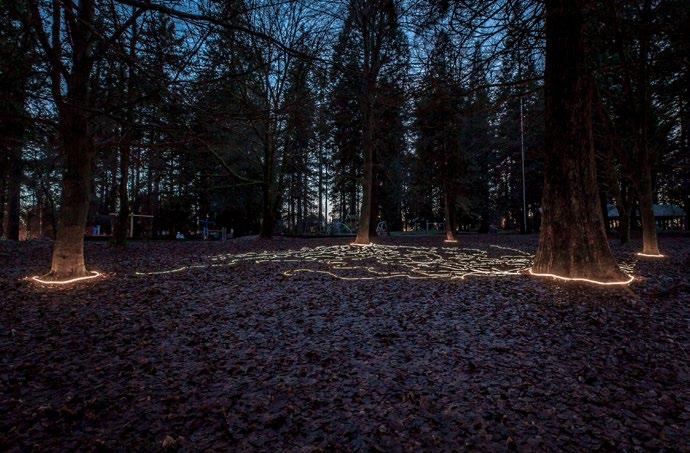
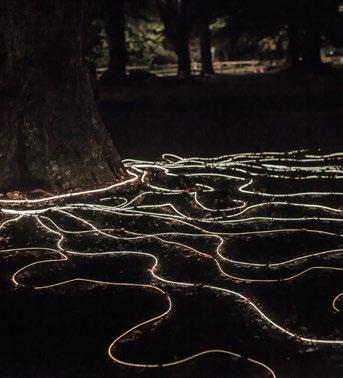
Although appearing as solitary, trees are connected to one another through vast underground systems known as mycorrhizal networks. Through these hidden systems—a symbiotic relationship between plants and fungi—trees share nutrients and resources with other trees and using chemical signals, transmit information to one another.
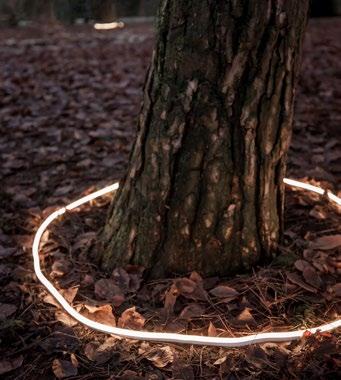
Inspired by forest mycorrhiza, Familial is an award-winning art installation that uses light to make visible the connections that go unseen. This site-specific artwork incorporates protected trees in New Westminster’s Queen’s Park, including a giant redwood (Sequoiadendron giganteum) and several European beech trees (Fagus
sylvatica) that commonly form mutualistic relationships with mycorrhizal fungi. Through this underground fungal-root network, a community of thriving individuals is created.
The last tree is lit only by a ring indicating extinguished trees due to catastrophic events and metaphorically individuals that feel isolated in a connoted community.
Familial illuminates the interdependencies in our forest ecosystems and in tandem, interdependencies in our relationships with one another—invisible linkages that connect us across geographies and through time.
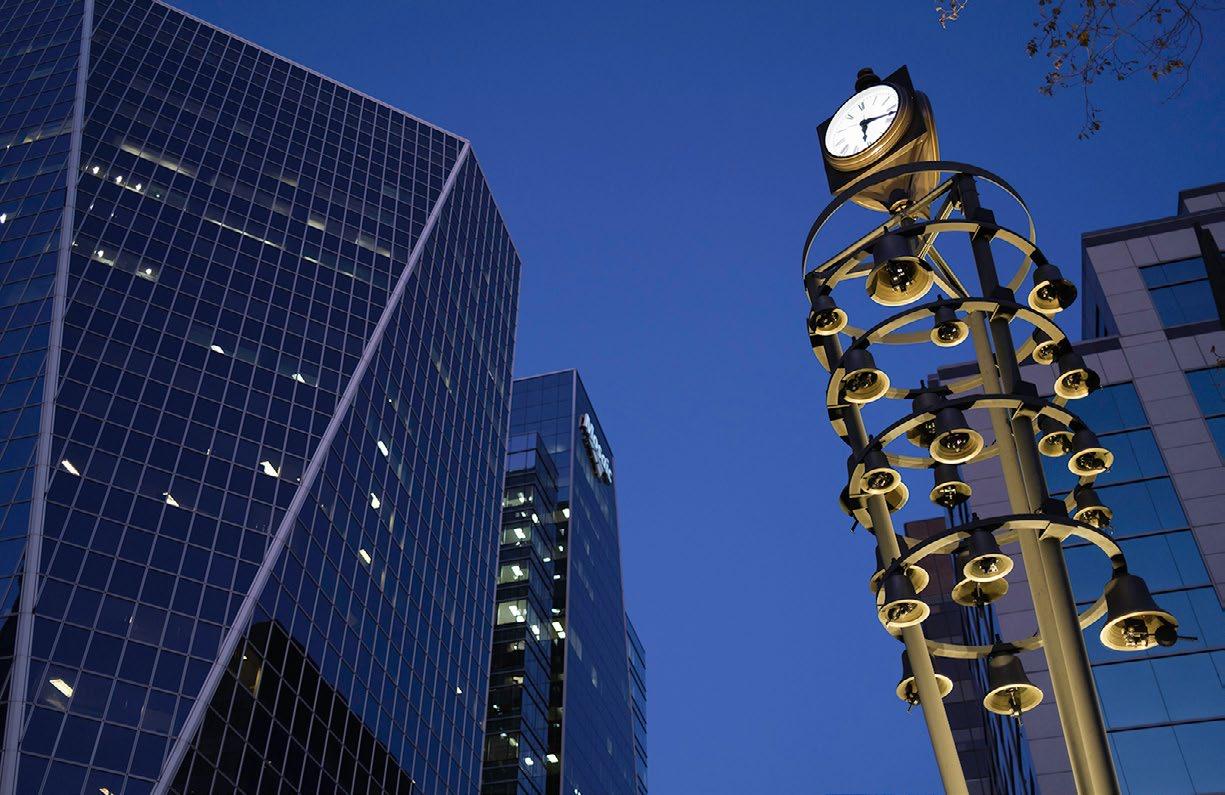
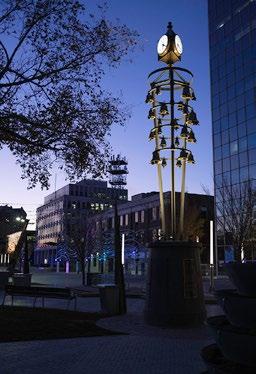
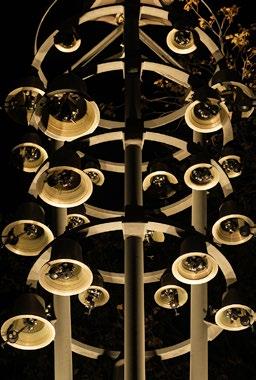
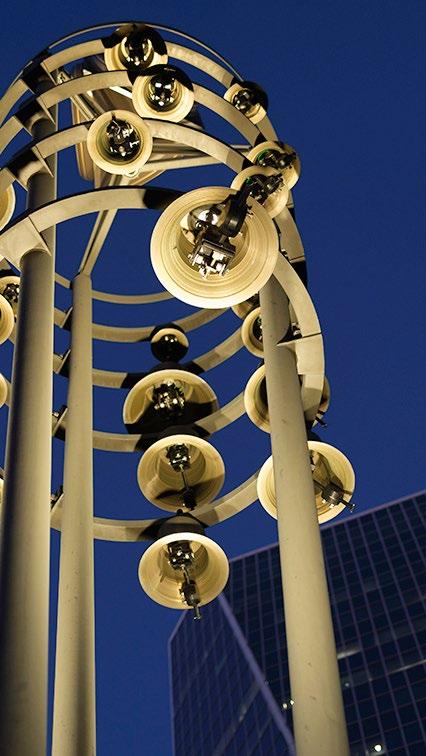
The Glockenspeil, a symbol of the German community in Regina, stood in the park from 1986 to 2010, was removed during construction, restored, and then re-installed in 2020, breaking the decade of silence in the town’s center.
Located at Victoria Park, Regina, this set of bells play music of ethnic and cultural groups in the community.
Introba Light Studio illuminated the 24ft tower with a highly technical and discreet uplighting scheme with precision-aimed luminaires that highlight the inside of the bells and the clock face at the top of the tower.
Can light provide emphasis? LOCATION:
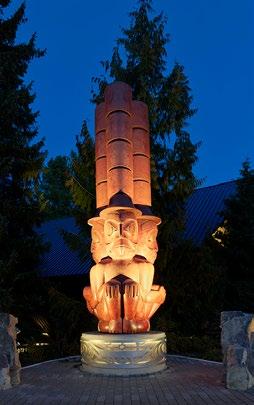
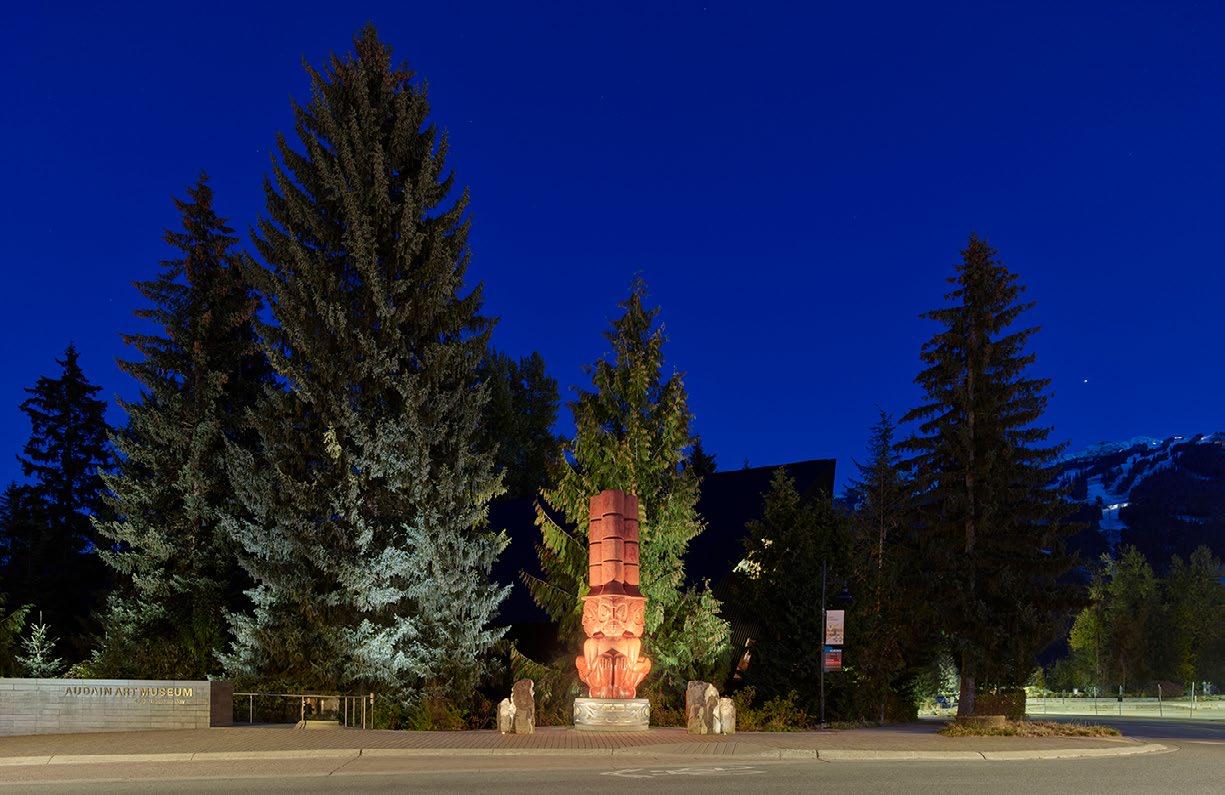
Located outside of the entrance of the Audain Art Museum is a new public monument by three renowned B.C. Indigenous artists—Haida chief James Hart, Squamish Nation’s Xwalacktun, and Lil’wat Nation’s Levi Nelson. The public monument is located in Whistler, B.C.—one of the largest ski resorts in North America famous for its natural beauty, and endless array of shops, restaurants and nightlife.
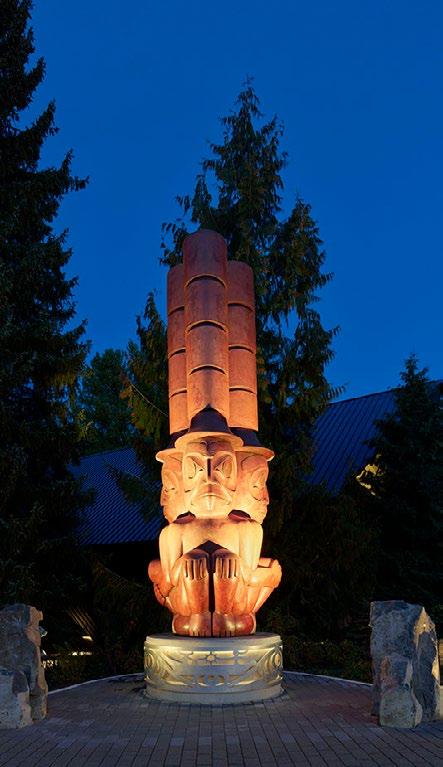
The massive artwork is comprised of two parts: a sixmetre high bronze sculpture by James Hart entitled “The Three Watchmen” sitting atop a concrete base encircled with a waterjet-carved, aluminum band artwork entitled “The Great Flood”, a collaboration between Xwalacktun and Levi Nelson.
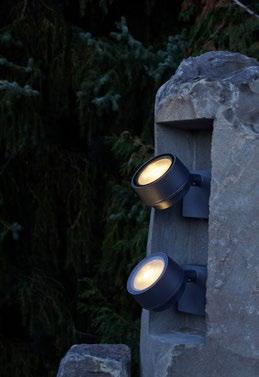
The sculpture is powerfully illuminated from carefully concealed luminaires— custom carved basalt stone
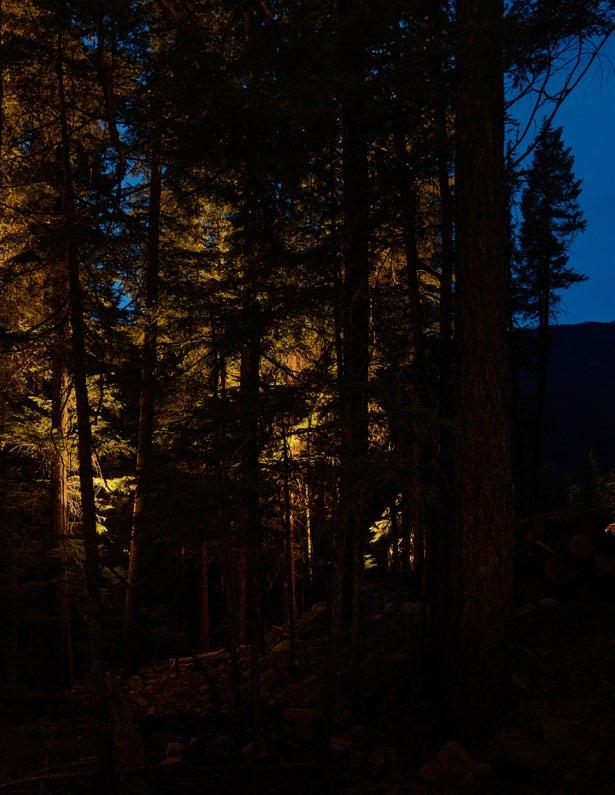
columns with controlled beams of light that wash the form without spilling light onto the surrounding landscape. Carefully aimed beams of light target each ‘watchman’ providing even lighting on the faces without generating harsh shadows.
The resulting design illuminates “The Three Watchmen” figures from their feet to the tips of their hats without front lighting the concrete base that the bronze sculpture sits upon. This preserves the lower light levels needed for the base so that a soft glow of backlighting is visible behind the aluminum band of “The Great Flood”.
The pine trees located behind the sculpture are lit softly , creating the backdrop for the artwork.
The final lighting design is one that is fully integrated into this landscape setting, illuminating the monumental artwork and its stories.

Can the interplay of light inspire a deeper connection to the natural world?
LOCATION:
SERVICES PROVIDED:
Lighting Design
AWARDS AND RECOGNITION:
2024 LIT Design Awards Honourable Mention
DARC Awards, Short listed for light/art installation High Budget Category
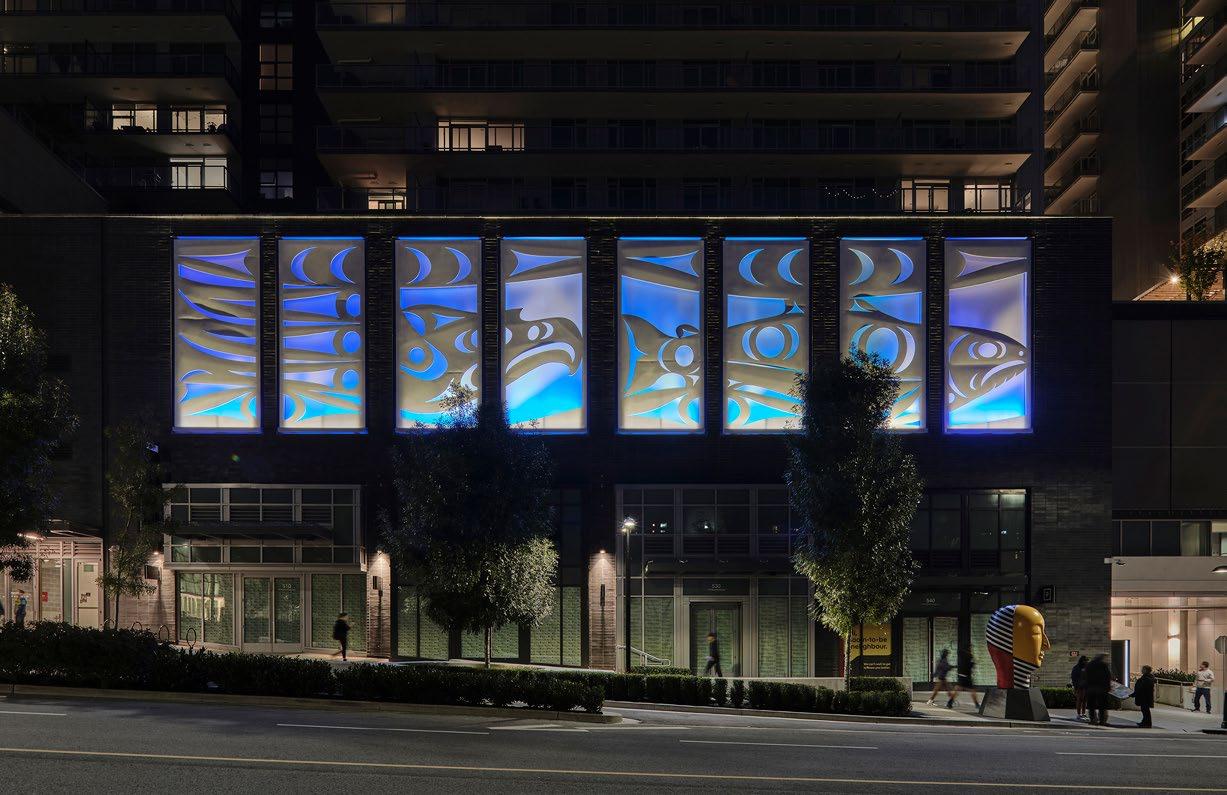
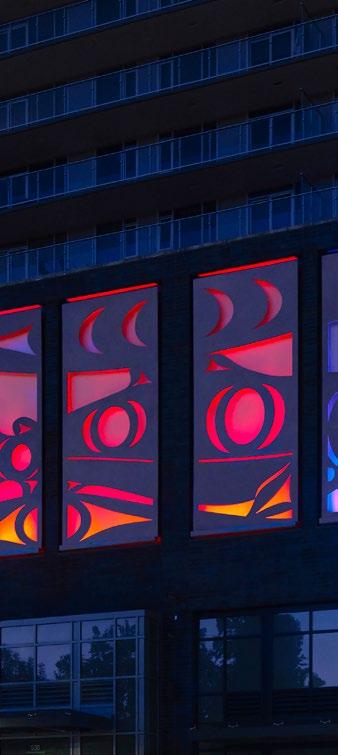
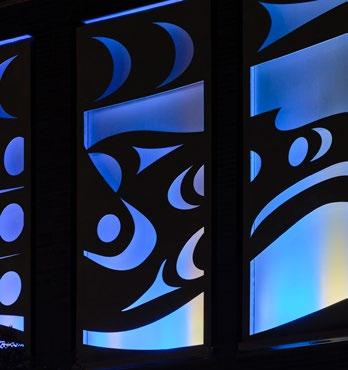
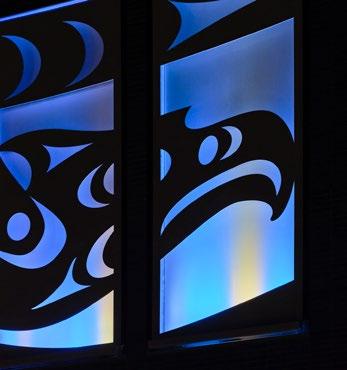
“Making Connections,” a striking public art installation at the City of Burnaby by Squamish and Kwakwak’wakw artist Xwalacktun, invites residents and visitors to reflect on our relationship with the natural world. This dynamic piece blends Coast Salish heritage with light, honoring The Sacred Four: the Thunderbird (guardian of the land), the Salmon (symbol of health), Water (giver of life), and Sky (source of air).
The installation features 10-foot-wide laser-cut aluminum panels, standing 23 feet tall, designed to be visible from various locations, including a nearby train station.
Concealed linear wall grazers illuminate the panels, creating a mesmerizing play of light from both front and back.
The front glows with 4000K white light, while RGBW lights cast multicolor sequences.
Each night, the piece
transforms as hues of deep teal and blue, representing rivers, oceans, and skies, bring the artwork to life. The Thunderbird is illuminated with surges of yellow light, evoking its command over lightning. Red and blue rays symbolize the life-giving force of the salmon. The closing sequence blends white and blue light, reflecting like clouds on still waters.
This art installation celebrates First Nations culture, nature, and humanity’s shared heritage, blending light and material into a powerful narrative of connection and interdependence.
LOCATION: Vancouver, BC, Canada
CLIENT: Grosvenor Canada
ARCHITECT:
COMPLETION:
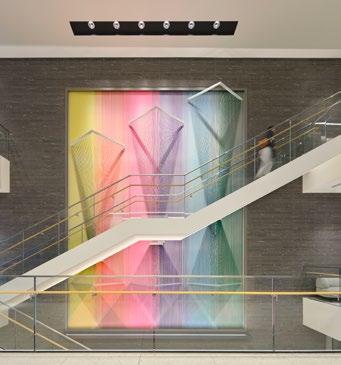
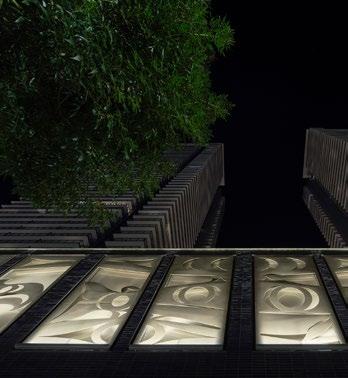
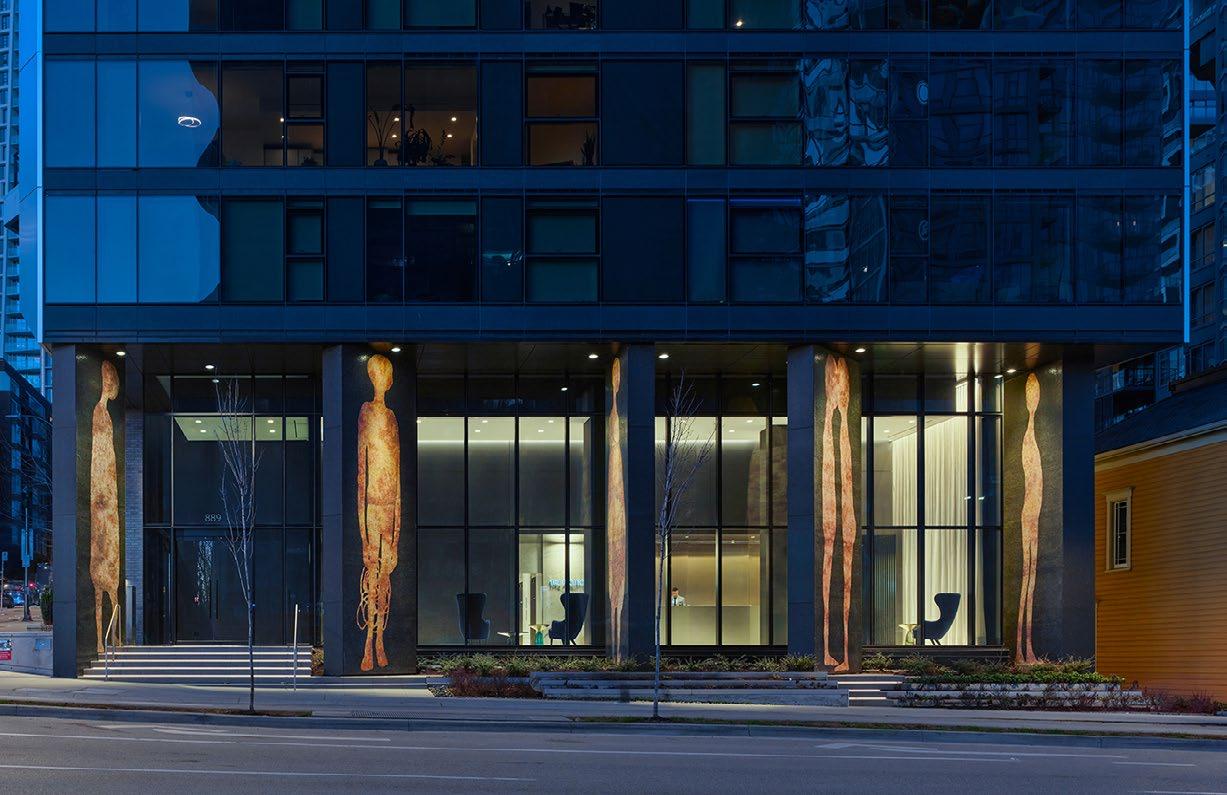
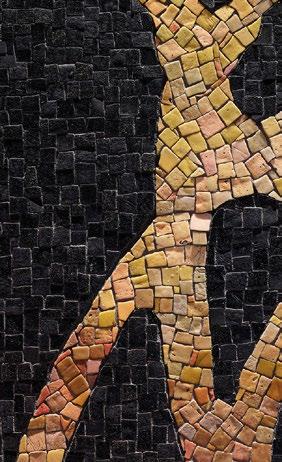
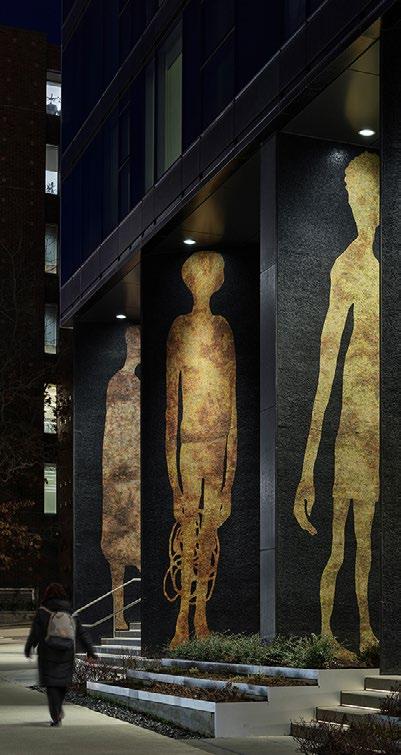
Nestled in downtown Vancouver, the 40-storey residential building merges the city’s history with modern design. Five towering columns, adorned with glass mosaic figures reflecting the colors of the nearby “Yellow House,” feature gold motifs that celebrate the community’s vibrant stories.
Creating a lighting design that enhances both art and architecture presented challenges. The concept focuses on illuminating the columns while maintaining a subtle soffit. Key hurdles included managing glare and ensuring uniform illumination of the 20-foot columns, achieved through a single adjustable LED downlight with an oval beam.
LED color consistency and high CRI values were vital for complementing the mosaic tones. Linear LEDs illuminate the entrance steps, while traditional lighting highlights the Yellow House’s exteriors without overshadowing public art.
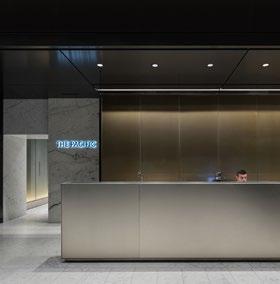
The lobby’s minimalistic dark
finishes contrast with the bright exterior, serving as a backdrop for public art. Extensive studies ensured the lobby’s luminance harmonized with the mosaics, resulting in a cohesive design.
A sophisticated lighting control system manages seven layers of interior and five layers of outdoor lighting, creating dynamic scenes throughout the day, enhancing ambiance, reducing energy consumption, and minimizing light pollution. This innovative approach effectively blurs the lines between interior and exterior spaces.
Can lighting make the old new?
LOCATION: Burnaby, BC, Canada CLIENT:
Fraser University, Trottier Family
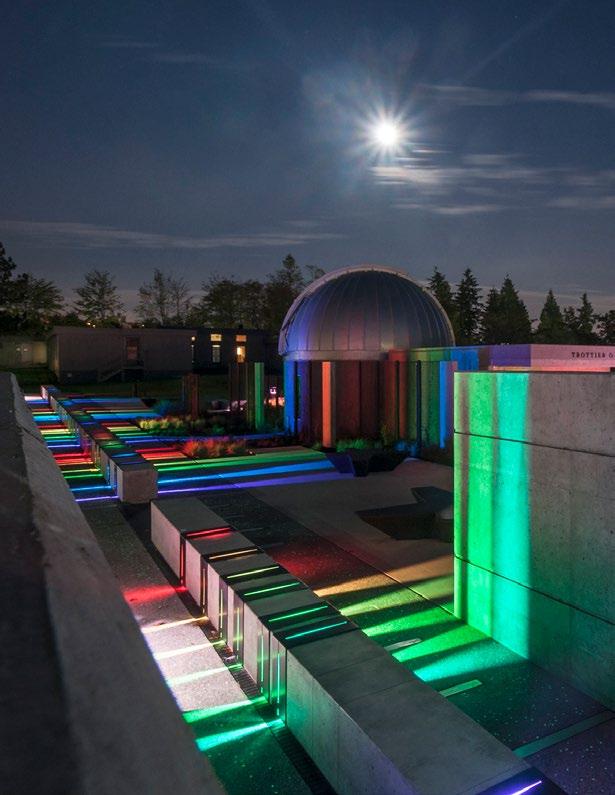
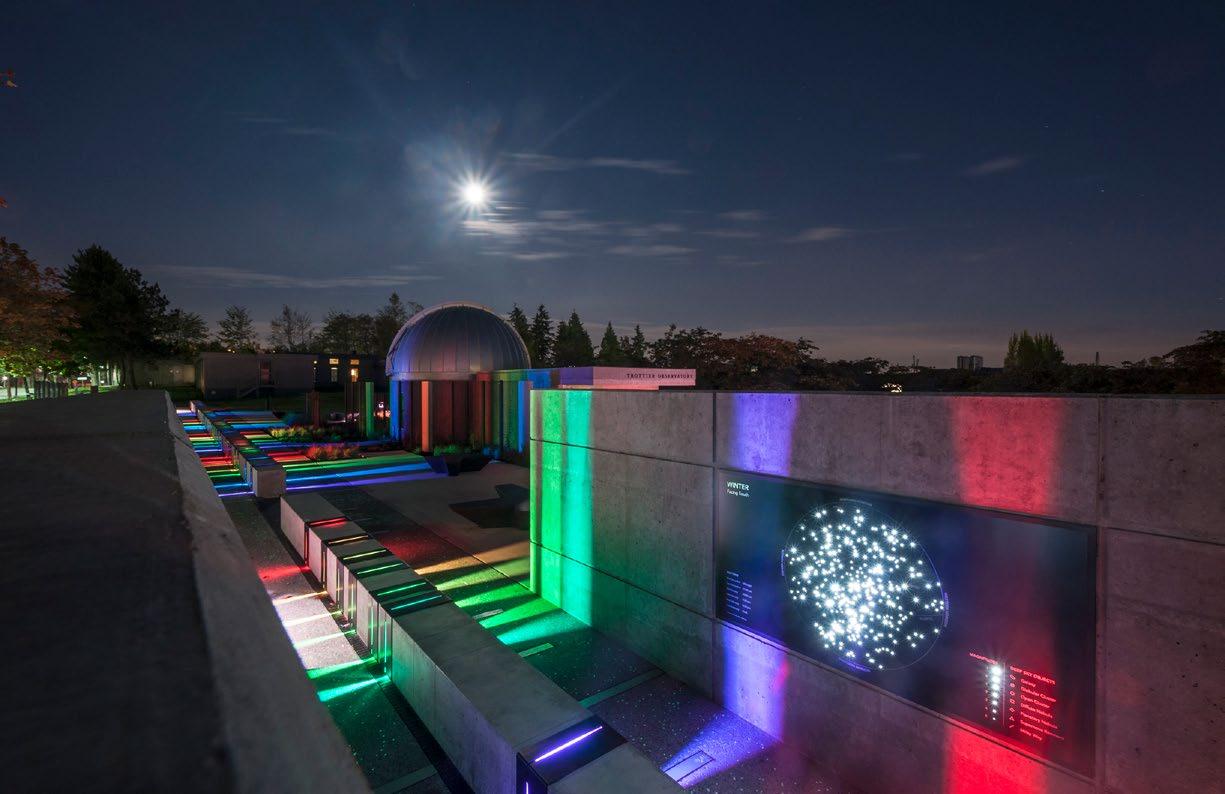
Perched on top of Burnaby Mountain, Simon Fraser University is an iconic campus, marked by original architect Arthur Erickson’s terraced grid. Largely thanks to the vision of SFU physics professor Dr. Howard Trottier and funding from his brother, Montreal tech company founder Lorne Trottier, SFU set out to create a dedicated space for bringing science education and astronomy to children and the public.
The observatory gave Introba the opportunity to work with the telescope and auto-dome technologies. Introba developed strategies to integrate the system with the manufacturer and ensured SFU’s systems met Canadian Standards.
The original concept for
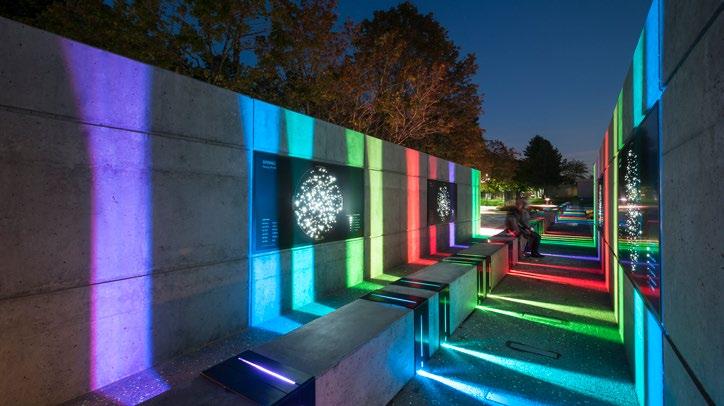
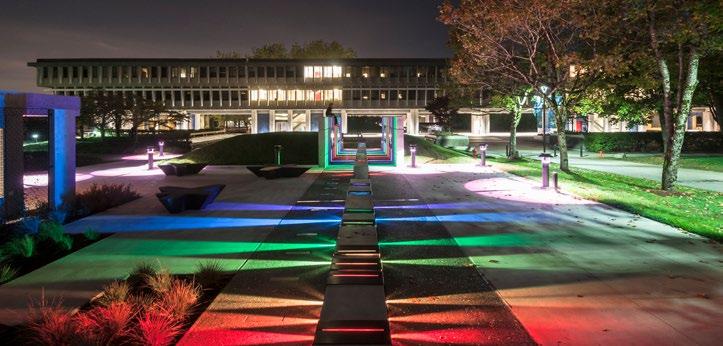
the observatory site was designed to show a modern representation of an ancient observatory – an earth mound dissected by walls that carefully control the view of the sky, which will in turn highlight the movement of celestial objects.
Introba Light Studio incorporated LED colorchanging luminaires, controllable per side, installed at various locations along the plinth. By specifying a 30 x 60 optic, the design eliminates any glare effect on the constellation consoles on either side of the wall and creates a band of light along the wall front, providing an engaging and immersive outdoor experience at night.

LOCATION:
SERVICES
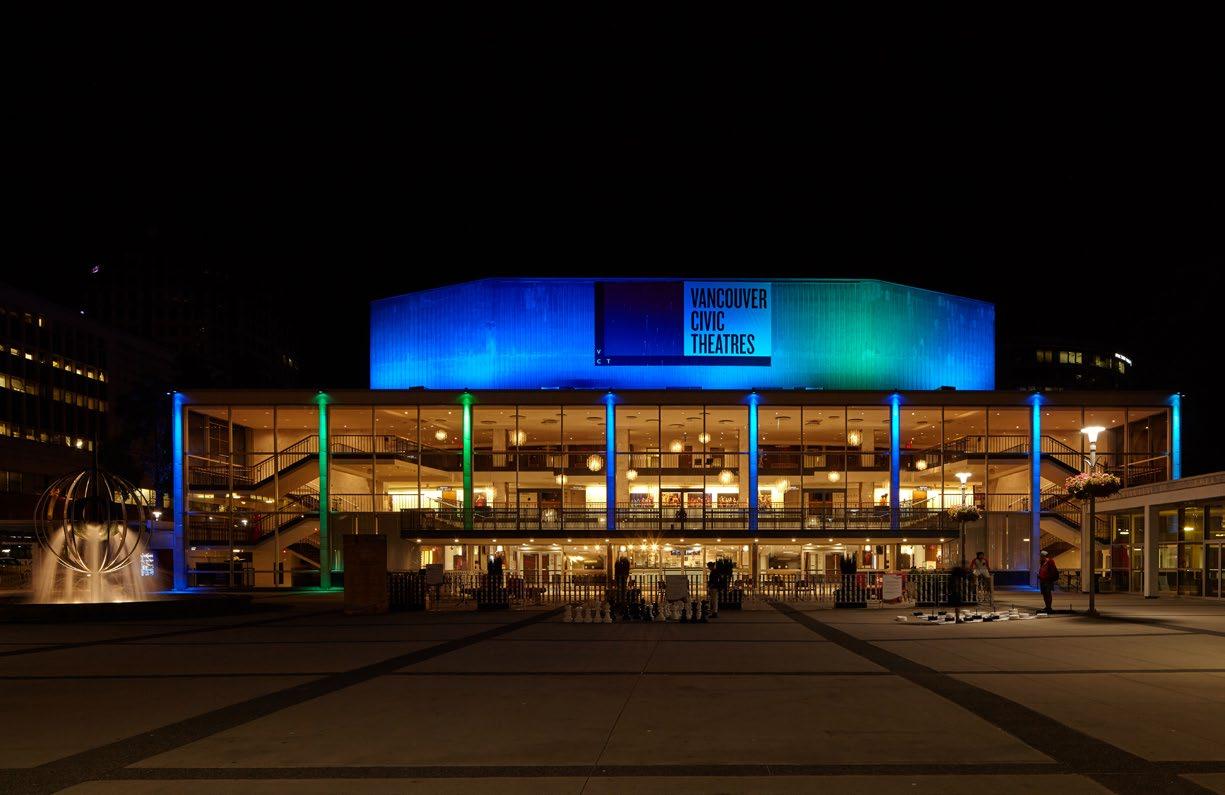
On 2017, the City of Vancouver launched the Drum is Calling Festival, a 9-day event celebrating the 150th anniversary of the Canadian Confederation. Locally named Canada 150+, the celebration includes Indigenous engagement and programming as a way of honouring Canada’s heritage beyond the last 150 years and embodies a shared future with mutual understanding.
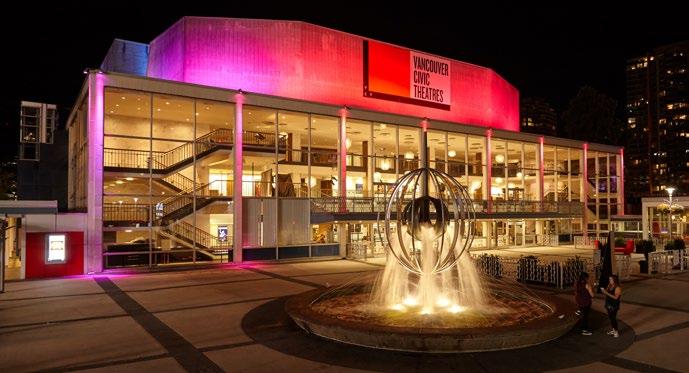
In collaboration with Kasian and with combined support from CDm2 Lightworks, Lumenpulse and Western Pacific Enterprises, Introba Light Studio was able to create “Light at Play”, a dynamic light show that was designed to pay homage to Canada’s heritage as it closes the festivities every night.
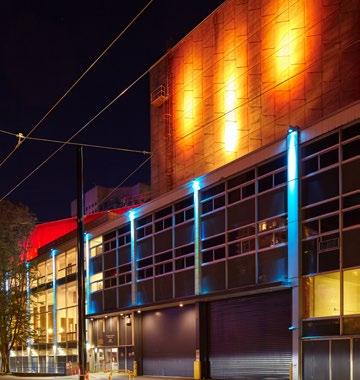
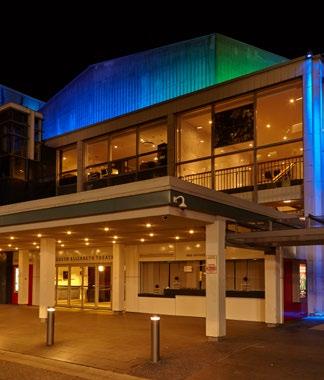
Serving as the canvas for Light
at Play, the heritage façade of Queen Elizabeth theatre was illuminated with 100 dancing lights while traditional Aboriginal drums lead the way with a marching rhythm. Choreographed to synchronize with the original composition “Pow Wow Carnival ft. Little Creek Singers” by DJ Shub, the playful lighting created life in dark summer sky, giving a one-of-a-kind and unforgettable experience to people of all backgrounds.
Introba Light Studio led the design with the goal using light to create a memorable and lasting presentation, and was successful in what they believe as one of the most important core values of our country – its ability to unite people from all cultures.

Ellie Niakan
BA I. Architecture, LC, CLD
Internationally recognized for her awardwinning lighting design, Principal Ellie Niakan brings over 25 years of experience to Introba, where she leads Introba Light Studio. An artist at heart, Ellie explores light as a medium, harnessing its poetic and transformative power to shape expressive environments that blend aesthetics and function.
Through her passion and creativity, she pushes the boundaries of lighting design, crafting immersive experiences that evoke emotion and meaning.
Ellie is the first in Canada to have earned the International Lighting Designer Certification and is among a select few worldwide to achieve the distinction of Certified Lighting Designer (CLD). She has led and collaborated on a diverse range of projects—including exterior, cultural, recreational, residential, commercial, transportation, and urban lighting design—working alongside international architects and designers across Germany, England, the USA, and Canada.
With a deep focus on the human experience, Ellie integrates wellness and sustainability as intrinsic elements of her design philosophy, creating harmonious spaces that inspire and uplift. Through innovative and skilled lighting design, she strives to make a meaningful impact while supporting the health of the planet. A sought-after speaker, Ellie has shared her expertise on various lighting design panels throughout her career.
YEARS OF EXPERIENC E: 25
YEARS WITH INTROBA: 8
EDUCATION: Dipl. Ingenieur Interior Architecture (Hons), University of Applied Sciences Wiesbaden (Germany), 2000
AFFILIATIONS:
• Lightign Certificat (LC) by National Council on Qualifications of Lighting Professionals (NCQLP) (Since 2008)
• Internationally Certified Lighting Designer (CLD) by Certified Lighting Design Commission (Since 2016)
RECENT AWARDS:
• 2025 Shortlisted for Darc Awards Light Art Catergory, and 2024 LIT Lighting Design Awards, Honorable Mention | ESHLHIHKW’IWS Making Connections
• 2024 LIT Lightign Design Awards, Winner for Low Carbon Lighting, 2024 IES Illumination Awards International Award of Merit for Interior Lighting Design, 2024 IES Vision Awards Vancouver Sector, Award of Merit for Interior Lighting Design and Control Innovation Categories | Vancouver Fire Hall 17
• 2023 LIT Lighting Design Awards, Honorable Mention | 369 Grand, Chicago
• 2023 IES Illumination Awards International Award of Merit for Outdoor Lighting Design and 2023 IES Vision Awards Vancouver Sector, Award of Excellence for Outdoor Lighting Design The Three Watchmen Sculpture
• 2023 IES Illumination Awards International Award of Merit for Interior Lighting Design SFU Lecture Hall
• 2022 LIT Lighting Design Awards, Honorable Mention and 2022 IES Illumination Awards, International Award of Merit for Outdoor Lighting Design | Old Town Park, Chicago
• 2022 LIT Lighting Design Awards, Winner for Light Art Project | Familial Light and Art Installation
• 2022 IES Illumination Awards, International Award of Merit for Heritage Facade Lighting | 1031 S.Broadway, LA
• 2021 LIT Lighting Design Awards, Winner for Interior Residential Lightind Design and Energy Savings Categories, 2021 IES Illumination Awards, International Award of Merit for Interior Lighting Deisgn, and 2021 IES Vision Awards Vancouver Sector, Award of Merit for Interior Lighting Design | SoLo Off-Grid House
• 2021 LIT Lighting Design Awards, Winner for Light and Art Installation | The Luminous Project
• Fort Langley Museum, salishan Place by the River | Langley, BC, Canada
Lighting Designer
• Marianne and Edward Gibson Art Museum | Burnaby, BC, Canada
Daylighting Designer
• New Campus Emily Carr University of Art and Design | Vancouver, BC, Canada
Lighting Designer
• School for the Contemporary Arts Gallery | Vancouver, BC, Canada*
Lighting Designer
• New Brunswick Museum | Saint John, New Brunswick, Canada
Lighting Designer
• The Royal Militarty college of Canada Museum | Kingston, Ontario, Canada
Daylighting Designer
• Saulteau Cultural Centre |Northern, BC, Canada
Lighting Designer
• Nadleh Whut’en First Nation Museum, Gallery and Cultural Centre |Fort Fraser, BC *
Lighting Designer
• Doncaster New Performance Venue and Theatre | Doncaster, United Kingdom *
Lighting Designer
• Glasgow School of Art, Renovation of Existing Building | Glasgow, United Kingdom*
Lighting Designer
• Centre Culturel et Touristique Trifolion | Echternach, Luxemburg *
Lighting Designer
• Haus des Gastes, Badkreuznach Cultural Centre | Badkreuznach, Germany *
Lighting Designer
• Queen Elizabeth Theatre | Vancouver, BC *
Lighting Designer
• Familial Light and Art Installation| New Westminster, BC, Canada
Designed by Cathy Chan and Ellie Niakan
• ESHLHIHKW’IWS – MAKING CONNECTIONS, CANADA
First Nation Art Designed by Rick Harry, Light Story Designed by Ellie Niakan
• Illumination of the First Nation Sculpture designed by Artist Smoker Marchand | Oliver, BC*
Lighting Designer
• “Tree of Life” Stained Glass designed at Christ Church Cathedral Designed by Susan Point | Vancouver, BC *
Daylighting Designer
• Three Watchmen at Audain Museum Designed by Jim Hard and Xwalacktun | Whistler, BC, Canada
Lighting Designer
• Personnages Designed by Lyse Lemieux | Vancouver, BC, Canada
Lighting Designer
• Gliding Edge Designed by Jill Anhold Studio | Vancouver, BC, Canada
Lighting Designer
• “Spirit of Our Ancestors on the Land” Designed by Lawrence Paul Yuxweluptun | Vancouver, BC, Canada
Lighting Designer
• Lougheed façade first nation public art Designed by Xwalacktun | Burnaby, BC, Canada
Lighting Designer
• Old Town Park (OTP) | Chicago, Illinois, United States
Lighting Designer
• Horseshoe Bay Park | West Vancouver, British Columbia, Canada
Lighting Designer
• 1031 W Broadway Heritage Facade| Los Angeles, United State
Lighting Designer
• Stift’s Plaza and surrounded heritage façades | Aschaffenburg Germany *

Lighting Designer
• Interchange | West Vancouver, BC, Canada
Designed by Cathy Chan and Ellie Niakan

Sean Casey MFA, IES
Sean has consulted and collaborated on the design of engineered environments since 2012. As part of the Climate Responsive Design Group, Sean carefully studies a project’s climatic context and develops strategies to leverage climatic forces — such as sunlight, wind, thermal mass and natural buoyancy — to enhance occupant and user comfort.
Sean will use simulation software and environmental modelling to produce high-performance, healthy and pleasing spaces, minimize energy and whole-life carbon, and evaluate the performance of design strategies.
Sean’s expertise ensures that each project not only meets but exceeds the highest standards of performance, contributing to the overall aesthetic and functional goals of the project.
YEARS OF EXPERIENC E: 13
YEARS WITH INTROBA: 9
EDUCATION: MFA, Parsons School of Design, New York, NY Bachelor of Arts (Philosophy), Simon Fraser University, Burnaby
AFFILIATIONS:
Illuminating Engineering Society, Member, Daylight Technical Committee
EMPLOYMENT HISTORY:
• 2019– current
Sr. Associate with Introba, Canada
• Sr. Designer with Tillotson Design Associates, New York City, USA
• Red Hook Public Library | Brooklyn, New York, United States
Lighting Designer*
• National Veterans Memorial Museum | Columbus, Ohio, United States
Lighting Designer*
• Lucille Lortel Theater | New York, New York, United States
Lighting Designer*
• Winter Park Library + Events Center | Winter Park, Florida, United States
Lighting Designer*
• New Brunswick Museum | Saint John, New Brunswick, Canada
Daylighting Designer
• The Polygon Gallery | North Vancouver, British Columbia, Canada
Lighting + Daylighting Designer
• BCIT Centre for Trades & Technology | Burnaby, British Columbia, Canada
Daylighting Designer
• First Nations Technical Institute | Tyendinaga Mohawk Territory, Ontario, Canada
Daylighting Designer
• St. George’s School - Senior Campus | Vancouver, British Columbia, Canada
Lighting + Daylighting Designe
• The Arbour, George Brown College | Toronto, Ontario, Canada
Lighting Designer
• Ontario Secondary School Teachers’ Federation Complex | Toronto, Ontario, Canada
Lighting Designer
• Cape Breton University Centre for Discovery & Innovation | Sydney, Nova Scotia, Canada
Daylighting Designer
• Oakridge Centre Redevelopment | Vancouver, British Columbia, Canada
Daylighting Designer
• Telus Ocean | Victoria, British Columbia, Canada
Daylighting Designer
• Bentall Centre Masterplan + Repositioning | Vancouver, British Columbia, Canada
Lighting Designer
• RSS Capital Lab | Ottawa, Ontario, Canada
Daylighting Designer
• Docksteader EMS Facility | Toronto, Ontario, Canada
Daylighting Designer
• United States Embassy | Bangkok, Thailand
Lighting Designer*
• Wabash Community Recreation Centre | Toronto, Ontario, Canada
Daylighting Designer