A CASE STUDY
THE Seychelles
A CASE STUDY
This work was funded by SeyCCAT through the support of Oceans 5. Oceans 5 is a sponsored project of Rockefeller Philanthropy Advisors.
Authored by Didier Dogley, Designed by Lucid Studios, March 2024
Cover photo in courtesy of The Ocean Agency
Access to reliable and sustainable concessionary financing for biodiversity conservation and adaptation to climate change has always been a major challenge for developing countries. Small Island Developing States (SIDS) are among the most vulnerable countries and also the most in need of financial support to meet their national needs and international commitments. Constrained by a small economic base and limited national resources to invest in their core economic and social sectors, they are unable to find the necessary fiscal space to allocate substantial financial resources to nature conservation. As a group, SIDS are also highly vulnerable to global economic shocks and disasters, which have a direct impact on their ability to meet their financial commitments, including the repayment of debt. Considering these challenges, they have had to borrow heavily to finance their national development programs and, therefore, are highly indebted.
Developing countries have advocated for new and innovative financing mechanisms for many years to assist them in financing biodiversity conservation and climate change mitigation and adaptation programs. One of these financial mechanisms that is now growing in popularity is the debtfor-nature swap. According to United Nations Development Programme (UNDP), a debt-for-nature swap is an agreement between a debtor and creditors whereby the repayment obligations of an existing loan are suspended, reduced, cancelled, or otherwise restructured, with the funds allocated instead to achieving biodiversity outcomes. The main aim of a debt-for-nature swap is to reallocate a component of a sovereign’s budget from debt service to conservation and, more recently, mitigation of and adaptation to climate change.
In October 1984, Dr Thomas Lovejoy, then Executive Vice President of the World Wildlife Fund (WWF), wrote an opinion piece for the New York Times that is generally credited with having provided the first public formulation of the debt-fornature idea.1 By the year 2000, in excess of US$1.5 billion in transactions had occurred among 19+ countries in Latin America, Africa and Southeast Asia. 2 However, before
the Seychelles debt-for-nature swap, all such deals were focused on supporting social programs and/or terrestrial wildlife protection in particular pristine forest areas.
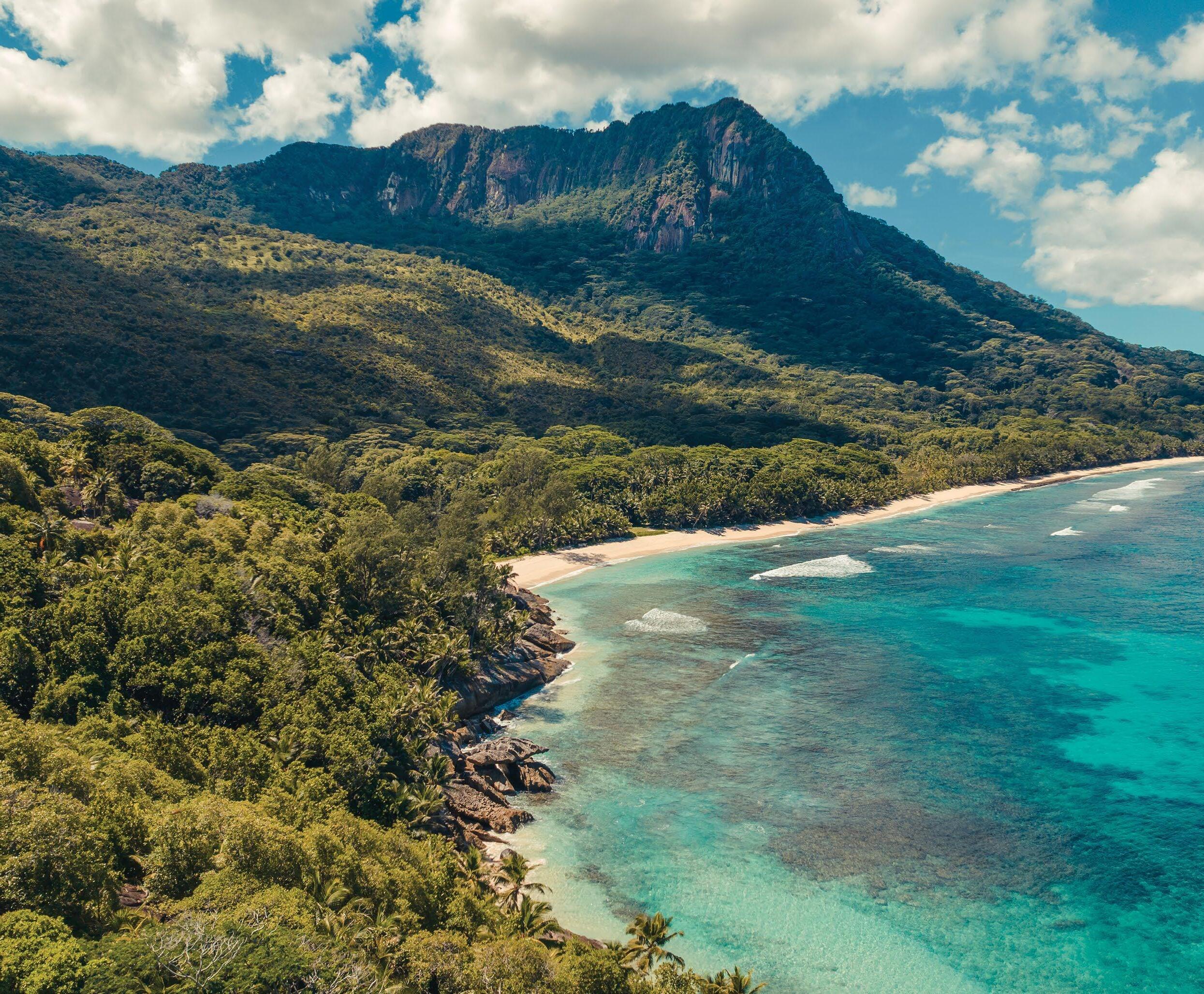
In 2012, when preparing for the World Summit on Sustainable Development in Rio de Janeiro (Rio+20), Seychelles joined the SIDS in promoting the Blue Economy as an ocean-centred alternative to the green economy. At the time, the United Nations was advancing the green economy development approach. For many SIDS, the green economy, which is based on the sustainable use of terrestrial resources to drive development, did not reflect the reality within their countries. This was strongly reflected in the small percentage of green terrestrial areas most SIDS have in comparison to their much larger blue marine space. In the case of Seychelles, its landmass is less than one percent of its total territory. Therefore, compared to continental countries, the marine space of SIDS provide greater opportunities for sustainable development than their limited terrestrial area. Through discussions in the Global Island Partnership (GLISPA), including fellow member and non-profit environmental organization The Nature Conservancy (TNC), Seychelles came to the conclusion that ocean governance and protection were critical to the sustainable development of SIDS and, indeed, the world. With this realization, Seychelles decided to play a leading role in promoting this initiative. So, in June 2012, on the margins of the Rio+ 20 summit, Seychelles announced that providing it could raise $2.5 million per annum to manage its marine space, it was prepared to set aside 30% of its Exclusive Economic Zone (EEZ) for marine conservation and adaptation to climate change. Soon after the Rio+20 summit, Seychelles joined forces with TNC to explore the feasibility of using a debt-for-nature swap as a vehicle to achieve this goal.
Other terms used for debt-for-nature swap are debt conversion, debt swap and debt buyback.
2008
Global Financial Crisis
Seychelles public debt more than 150% of GDP.
An SMSP process was initiated for the 30% protection goal and to support Seychelles’ blue economy and climate change adaptation goals.
Mar 2014
Negotiations begin Negotiations between the Paris Club and Seychelles Govt.
FEB 2016
Implementation of the Financial Transaction
Seychelles Govt. borrows from SeyCCAT and purchases debt from the Paris Club. Seychelles Debt Swap becomes the first for ocean conservation and climate adaptation.
Jun 2012
Declaration RIO+ SUMMIT
Seychelles Govt. commits 30% of its EEZ to marine protection, conditional to raising necessary funds.
Dec 2012
Transaction Design for the Debt swap is set up
• TNC was identified as key partner.
• Paris Club was chosen as the creditor.
• Buy back of debt through a financial vehicle.
May 2015
Seychelles Govt. and Paris Club agree upon a debt buyback of US$ 21.6 M. Negotiations end
Oct 2015
Creation of the Financial Vehicle
SeyCCAT is established and receives TNC loan and philanthropic grants. SeyCCAT issues US$ 21.6 M loan to Seychelles Govt.
June 2018
First grants
Disbursed
SeyCCAT issues its first blue grants for ocean conservation and climate adaptation.
The 2008–2009 Global Financial Crisis is considered to be the most severe global economic crisis since the Great Depression of the 1930s. The economic crisis started in the United States but soon spread all over the world. Among the developing countries that were badly affected, the Small Island Developing States were the hardest hit. Their GDP growth rates dropped to 0.9% in 2009, compared to over 3% for other developing countries .3 The period from 2008 until 2011 was one of unprecedented global economic
instability, recession and crisis. The dire economic situation in developing countries was further exacerbated by a significant increase in food and fuel prices. For countries like Seychelles, with already high debt burdens, these increases led to a national debt crisis and, in some cases, bankruptcy. These countries were forced to seek support from the International Monetary Fund (IMF) and The World Bank to restructure their external debts.
In 2008, Seychelles embarked on a five-year program of economic reform to reduce its public debt, brokered by the International Monetary Fund. According to the IMF in December 2013, when the program ended, Seychelles had achieved most of its targets. At the time, the debt-to-GDP ratio was almost 151%, with the external public debt amounting to 98% (US$808 million) of GDP. Most of this external public debt was owed to the Paris Club member countries, and some US$313 million of the debt was in arrears .4 In April 2009, the representatives of the Paris Club creditor countries agreed to a total debt cancellation of 45% in nominal terms in two phases. The remaining amounts were to be rescheduled over 18 years, including a 5-year grace period. They also agreed to defer part of payments due in the coming years (moratorium interest). 5
The Government of Seychelles started discussions with the Paris Club on the debt-for-nature swap in March 2014. This was six years after Seychelles had successfully negotiated a debt restructuring and debt relief agreement with the Paris Club and others following its default on debt repayment in 2008.
In July 2014, the Seychelles aggregated stock of public debt had reduced to US$876 million, which was the equivalent of 60% of GDP.6 A 60% debt to GDP is considered to be manageable for a developing country especially as the Seychelles’ economic situation and outlook had significantly improved since 2009.
At that point, Seychelles’ commercial notes were trading at par or at its face value. Fitch Ratings had given Seychelles a B+ rating with a positive outlook, which meant that the risk of default by Seychelles was considered relatively low. Furthermore, the economic indexes for the country were positive.
Below are some of the key factors contributing to this positive outlook at the time
Visitor arrival and revenue figures were gradually increasing. In 2012, Seychelles recorded 208,034 foreign visitors, which increased to 232,667 in 2014. This represented an increase of 11.8 % over 2012 figures.7
Foreign exchange earnings from tourism increased from SCR 3,000 million or US$ 240 million in 2012 to SCR 4148 million or US$331.8 million in 2014. 8
During that period, the Seychelles rupee (SCR) continued to appreciate against the US dollar (USD) and the euro (EUR).
The gross foreign revenue from the fisheries sector was also showing an upward trend. In 2014, the total gross inflow from the fisheries sector was SCR 6,542 billion or US$ 508 million. 9
In July 2014, Seychelles gross official reserves had reached US$475 million, equivalent to 4.2 months of imports. This was about 6 weeks short of the six-month importation standard set by international financial institutions.10
There were a number of positive factors in 2014 that created conditions conducive for Seychelles to successfully implement the very first debt-for-nature swap for ocean conservation and climate adaptation. The most important of these are:
There was a precedent because the Paris Club had approved debt swaps with Gabon and Jordan in 2007.
Seychelles’ main economic activities, i.e. coastal and marine tourism and fisheries, depended on a healthy marine environment.
At the time, Seychelles was strongly pursuing a Blue Economy, which is a multi-sectoral approach to sustainable development focused on marine resources and conservation.
Developed nations, in particular France, were searching for opportunities to make commitments at UNFCCC COP 21 of the UNFCCC, which was to be held in Paris (i.e. a ‘European’ COP).
Seychelles had the support of TNC, which could provide both technical expertise and assist in fundraising activities, especially in mobilizing private impact financing.
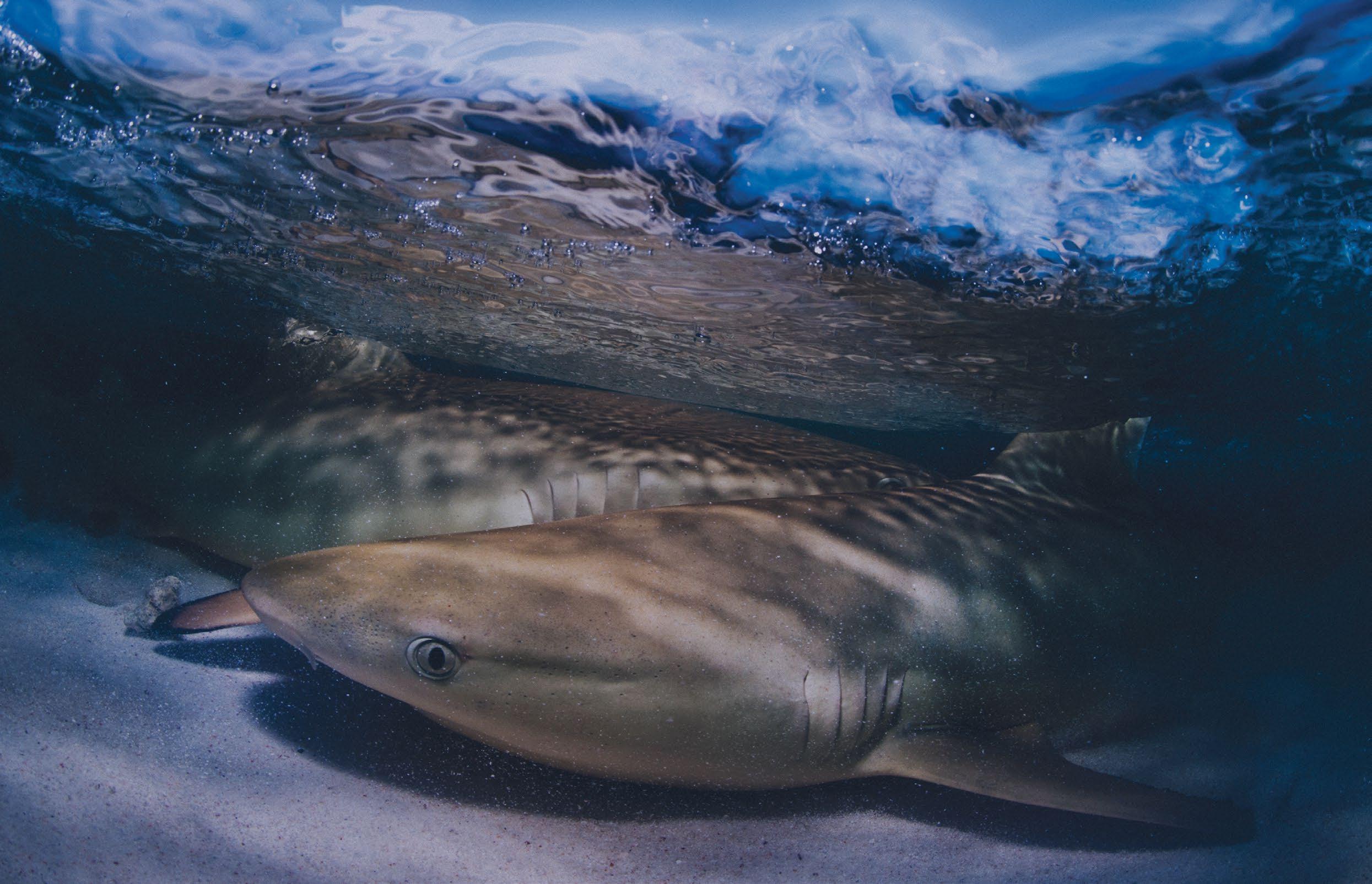
Seychelles had a strong case for protecting 30% percent of its EEZ, which amounted to over 410, 000 sq km. Seychelles has the highest diversity of marine fish and reef-associated species in the Western Indian Ocean.11 1159 marine fish species have been recorded, 749 which are reef-associated.12 It boasts 1,690 sq km of coral reef cover,13 of which is more than its total land area. However, most coral reefs had been highly impacted by the mass coral bleaching of 1998.14 Seychelles’ EEZ is part of the western Indian Ocean Whale Sanctuary.
Funding for climate change was growing. In 2009, developed nations pledged at COP15 to provide $100 billion a year by 2020 for climate mitigation and adaptation programs in developing countries.
From the beginning, the Seychelles debt-for-nature swap of Seychelles faced a number of challenges. These included the unconventional design of the initiative, difficulties in mobilizing sufficient funds to buy back the debt, and the much-improved economic situation in the country by 2014. A summary of these key challenges is provided below.
The debt-for-nature swap, Seychelles agreed with the Paris Club in 2015 was in many ways the first of its kind. Historically, debt swaps were aimed at financing social-related programs such as health, housing and education within the debtor country. Later they evolved to include conservation of terrestrial biodiversity, in particular tropical rain forests with high biodiversity value. The Seychelles debtfor-nature swap was the first to transfer the proceeds of a debt conversion to financing marine conservation and climate mitigation and adaptation.
In mid-April 2009, during the Global Financial Crisis, the Paris Club reduced the Seychelles debt stock by 45% in nominal terms in two tranches, with the remainder rescheduled over 18 years with a grace period of 5 years.15
By 2014, when the SeychellesGovernment started negotiations with the Paris Club, its economic situation had greatly improved. Already in 2010, Seychelles had recorded economic growth and by 2015 the Seychelles economy was on the path to full recovery. This made it difficult to justify any debt relief.
In 2015, Seychelles was classified as an upper-middle-income country, which made it very difficult for the government to obtain concessionary loans to buy back the debt.
Determining which areas within the EEZ to declare as protected areas was a major challenge as there was insufficient information about the EEZ and no clear methodology to achieve this. In January 2014, at the Abu Dhabi Sustainability Week (ADSW) Seychelles Government officials learned of marine spatial planning as a tool to plan large marine protected areas.
It was not easy to convince all partners and stakeholders that protecting 30% of the EEZ would be beneficial to the people of Seychelles. Some called for a cost/benefit assessment to determine the exact impact of protecting 30% of the EEZ on the marine economic sectors. It is important to note that in 2013 when the decision was taken to increase the total marine area under protection to 30%, only 0.04% was protected.
The implementation of the Seychelles debt-for-nature swap was planned in several steps, including (i) transaction design and commitments, (ii) creation of the financial mechanism, (iii) implementation of the financial transaction and associated commitments, and (iv) identification of set milestones for developing the Seychelles Marine Spatial Plan to reach the 30% marine protection goal.
Before Seychelles could embark on the debtfor-nature swap initiative, the Government had to determine the relevance and potential benefits of such an arrangement for the country. Simultaneously, it was necessary to obtain the Cabinet of Ministers’ approval to pursue this initiative and create the institutional framework. In addition, the implementation of the debt-for-nature swap required certain changes and adjustments in national policies and drafting new legislation. This meant that the government had to engage all key partners and stakeholders in an environment and social framework to identify potential conflicts and secure support for the initiative. A critical component of the preparatory stage was the transaction design, including the securing an agreement with
The Paris Club, which included countries with bilateral loans with Seychelles, was selected as the potential group of creditor countries for the transaction.
Initially, the amount of debt identified for the buyback was US$ 80 M at Net Present Value and at a 10% discount rate.
It was agreed that TNC would assist Seychelles in seeking financial resources to buy back the debt and that the conditions had to be much better than those of the loans from the Paris Club. Together, the Seychelles Government and TNC would raise US$ 40 M in grant and impact capital to capitalise the debt-for-nature swap, and preferably, the payback period should be 20 years.
the Seychelles Government on the types of commitment it was prepared to accept. TNC provided the necessary expertise to design the transaction and advised the government on what commitments would probably be necessary. A process was initiated to identify potential creditors who might be interested in selling the debt Seychelles had with them, which resulted in the selection of the Paris Club. The amount of debt that Seychelles planned to swap with the Paris Club creditor countries was US$ 80M, with an average tenor of 8 years. Of this, half was concessional debt Seychelles owed to France, while the remainder was non-concessional debt owed to Belgium, France, Germany, Italy, Japan, and the United Kingdom.ii The results of the transaction design were as follows:
The financial mechanism to receive and manage the proceeds from the transaction, including the necessary legislation, should be in place before the transaction was finalised.
The declaration of 30% of the Seychelles EEZ as marine protected areas had to be supported by a clear national legal framework.
TNC would be a key partner to guide and support the debt-for-nature swap initiative and provide credibility to the initiative.
It was necessary to establish an independent financial entity that could perform the following functions: i) receive funds from various sources to pay back the Paris Club loans, ii) use the funds to pay back the Paris Club creditors, iii) receive repayment from the Seychelles Government to service the new loans, iv) capitalize the endowment fund, and v) serve as a grant-making entity.
For the Seychelles Government, it was important for any financial vehicle to fund coastal and marine conservation, provide financial support to enhance the livelihood of those dependent on marine resources, and support climate change adaptation. Above all, it should be an important source
of financing for the Blue Economy, which by 2014 was well-established as a development strategy in Seychelles. Taking into consideration the key roles this new financial vehicle should play in marine conservation and climate adaptation, the name Seychelles Conservation and Climate Adaptation Trust was chosen to attract funding from both the biodiversity and climate change processes.
To create this new entity, a new policy and legislation were required. TNC sought the assistance of Ropes & Grey attorneys (UK) in drafting the SeyCCAT legislation. The drafting started in 2014, and its final version was approved by the Seychelles Government in October 2015.
The SeyCCAT Act 2015 contains several provisions, of which the following are the most important :
To ensure the independence of SeyCCAT from the Government of Seychelles, government representatives were in the minority on the board of directors. The government and TNC agreed that the fund should be protected against any future administration’s effort to divert funds from SeyCCAT to the government’s consolidated fund or other unauthorised uses. This would also allow applicants to access SeyCCAT funds without having to go through the government and provide donors who do not provide funds directly to governments with a suitable financial mechanism to do so.
35% of the money available per year was to be invested in an Endowment Fund to capitalise the Trust Fund. The money in the Endowment Fund could only be accessed and utilised after 20 years of accruement, i.e. in 2035.
Grants from SeyCCAT could solely be utilised by Seychelles’ citzens only for coastal and marine environmental activities and those related to climate change adaptation within the territory of Seychelles.
Out of the total amount of money available per year, only a maximum of 15% could be utilised for administrative costs. This was increased to 30% in the revised SeyCCAT Act of 2022.
SeyCCAT has five thematic areas that it focuses on:
Support new and existing marine and coastal protected areas and sustainable use zones.
Trial and nurture business models to secure the sustainable development of Seychelles’ Blue Economy. Administration
Empower the fisheries sector with robust science and know-how to improve governance, sustainability, value and market options.
Promote the rehabilitation of marine and coastal habitats and ecosystems that have been degraded by local and global impacts.
Develop and implement risk reduction and social resilience plans to adapt to the effects of climate change.
The third step consisted of three main activities: 1) implement the environment and social framework and advocacy exercise within the government aimed at garnering support for the debt-for-nature swap; 2) commence negotiations between its government representatives (with the support of key partners) and the Paris Club and; 3) raise funds to buy back the debt once an agreement was reached. The last activity required an intensive resource mobilisation campaign by both the Government of Seychelles and TNC.
Discussions and negotiations with the Paris Club started in March 2014. A Seychelles Government delegation, with representatives from White Oak Global Advisors LLC, a financial consulting company, and TNC, met with representatives from the governments of the United Kingdom, France, Belgium and the Paris Club to present the proposed debt-fornature swap initiative. There were also attempts to get other bilateral creditors, such as the governments of Italy, Germany, Spain, Japan and South Africa, to participate. Apart from the technical discussions and negotiations, there were diplomatic efforts at various levels, including heads of state. Although the debt-for-nature swap for marine conservation was new, there were precedents that the Paris Club could use as a reference.
In February 2015, the Seychelles Government reached an agreement on the debt-for-nature swap with the Paris Club for Seychelles to buy back US$ 30 million of debt at a 5% discount. Initially, a total of five creditor countries agreed to the proposal from Seychelles, including France, the United Kingdom, Belgium, Italy, and South Africa. Germany and Japan decided not to participate. Later, the Seychelles delegation was informed that South Africa was unable to participate.
In May 2015, TNC confirmed that its board of directors had agreed to provide the SeychellesGovernment with a US$ 23 million loan at 3% interest but only US$ 15.2 million was required. This formed the bulk of the funds required for the buyback financing package. In addition, it had raised US$ 5 million in the form of grants from various philanthropists. However, Seychelles needed a total of US$ 8 million in grant money for the buyback financial package. Unfortunately, it did not succeed in raising the extra US$ 3 million, so it was agreed by the two parties for the deal to be set at US$ 21.6 million.
The deal between the two parties was closed under the following Two conditions:
US$ 21.6 M Paris Club debt at 6.5% discount: Financed through loan & philanthropic grants
US$ 5 M philanthropic grants: Seychelles Govt. to pay US$ 6.4 M to SeyCCAT at 3% interest to fund conservation over 20 years.
US$ 15.2 M TNC loan: Seychelles Govt to repay TNC the US$ 15.2 M loan at 3% interest through SeyCCAT over 10 years.
Under the terms of the debt-for-nature swap, Seychelles committed to protecting 30% of its Exclusive Economic Zone (EEZ) for marine conservation. It also agreed to repay the new TNC loan according certain terms and conditions.
The goal for the new marine protected areas was for 30% of the EEZ to be designated as marine protected areas, of which 50% of high protection with no extractive activities allowed therein. The other 50% was also to be declared protected areas with medium protection, but with some sustainable economic activities, including extractive activities allowed. The government was to achieve this goal through a series of three milestones. These were 15% by the 31st of December 2016, another 7.5% by the 31st of December 2018, and the final 7.5% by the 31st of December 2020. These were legally binding targets which formed part of the debt swap loan agreement.
Selecting the areas to be included in the 30% marine protected areas proved more challenging than originally thought. Seychelles EEZ covers a total area of 1.35 million sq km, meaning that 30% of that area is over 410, 000 sq km. It is important to highlight that Seychelles’ national territory and EEZ is over 99% marine and less than 1% land. The biggest challenge the government faced was finding a suitable mechanism that would allow it to: (i) identify and select the areas of high marine biodiversity to be included within this massive network of marine protected areas, (ii) enable the creation of various management zones to cater to various objectives and targets, and (iii) designate the marine protected areas using a multi-sectoral consultative and participatory process that would address potential conflicts and provide an acceptable level of satisfaction to all key partners and stakeholders.
The two main economic sectors in Seychelles are coastal and marine tourism and fisheries, both of which have a vested interest in how the Seychelles EEZ is managed. Prior to the swap agreement, less than 1% of Seychelles’ marine space had been declared
as protected areas, and most of these were small-scale and around the inner islands,iii except for the Aldabra Special (Marine) Reserve, a UNESCO World Heritage Site, in the outer islands. To fishermen and businesses engaged in marine tourism activities, setting aside 410,000 sq km of marine space represented a potential loss of resources. It was, therefore, essential to engage these stakeholders and others in a participatory and consultative process throughout the planning and implementation phases of the designation of the new protected areas.
30% of Seychelles’ EEZ is committed to conservation
In 2014, while exploring various options, the Seychelles authorities came to learn about the use of marine spatial planning as a tool to analyse spatial and temporal distribution of use in large areas to achieve specific objectives using a participatory process. TNC was approached to provide the necessary technical expertise and financing to implement a marine spatial plan for the whole Seychelles Exclusive Economic Zone. The multi-sectoral approach to develop the Seychelles Marine Spatial Plan (SMSP) started in earnest in May 2014 and it was led by the Seychelles Government with the assistance of experts provided by TNC. A new decision-making framework was created through extensive stakeholder consultation to lead, coordinate, support and implement the SMSP initiative. This included a new policy and legal framework and various technical committees and an executive and steering committee. It had been intended for the Seychelles Marine Spatial Plan to be completed within one year, but it soon became clear that the whole process would require at least five years. In fact, it took seven years to complete the zoning design.
The SMSP was the most extensive participatory and consultative process ever undertaken in Seychelles, with over 300 formal and informal meetings organised with more than 200 partners and stakeholders from ten marine sectors. It utilised a transparent, participatory, science-based process with a strong environment and social management focus. Once the SMSP is finalised, Seychelles will be one of the few countries that has a marine spatial plan that covers its whole EEZ.
In short, the Seychelles debt-For-Nature Swap with the Paris Club was:
The first for a Small Island Developing State.
The first that targeted the ocean.
The first for ocean conservation and climate action.
The first that allowed a third party to buy back the debt.
In achieving its 30% protection target, Seychelles;
3x 3x 10
Tripled the Convention on Biological Diversity (CBD) Aichi Biodiversity Target 11 of protecting at least 10% of coastal and marine areas by 2020,
Tripled Sustainable Development Goal (SDG) Target 14.5 to conserve at least 10% of coastal and marine areas, and
Is ten years ahead of the global 30x30 target to protect at least 30% of the ocean by 2030.
Although the amount of debt swapped and the resulting amount of money obtained from the initiative were much lower than originally planned, the Seychelles debt-for-nature swap has proved very beneficial for the country. The key economic and financial benefits Seychelles derived from the debt-for-nature swap are:
The government received a discount of US$ 1.4 million on US$ 21.6 million of debt.
Repayment of the extended maturities was extended from eight to ten years, resulting in improved fiscal space.
Only the loan component of US$ 15.2 M from TNC was to be serviced in foreign exchange, with the rest payable in Seychelles Rupees.
Part of the country’s external debt service was redirected to investments in the country’s marine conservation and climate action programs and projects.
Through SeyCCAT, more than US$ 280,000 is available annually for financing marine conservation and climate action.
An Endowment Fund has been established that is capitalised with US$ 150,000/year over 20 years.
As a financing vehicle, SeyCCAT has been instrumental in catalysing investment in coastal and marine research, small blue economic ventures and nature-based solutions. Since 2018, it has provided US$ 3.26 million worth of grants to 66 projects from 56 local public, private and civil society organizations and individuals, equally divided among male and female. Never in the history of Seychelles has there been so much marine research done by local professionals, most of whom are emerging young scientists. Similarly, local entrepreneurs venturing into Blue Economy sectors requiring basic feasibility studies have received the necessary financial support from SeyCCAT. Without SeyCCAT’s support, many of these projects would never have materialised.
Seychelles received several other benefits, most of which were not envisaged when the debt-for-nature swap was designed. Most are in some way related to the commitment to conserve 30% of the EEZ, including:
Seychelles would be among the first countries to develop a Marine Spatial Plan (MSP) for its whole EEZ, with 30% of its marine space declared as protected areas by 2020. Half of the protected areas were to be high biodiversity zones, and the other 50% medium biodiversity & sustainable use zones. The 30% is representative both by area and by habitat and species representation.
The process of developing the SMSP generated a lot of published and unpublished scientific information about the Seychelles EEZ, tremendously increasing local knowledge about the country’s marine space.
The development of a spatial data catalogue with over 100 spatial data layers for the country.
The consultative and participatory process was the most intensive and lengthy in Seychelles’ history and more than 300 official and unofficial meetings were organized with a wide range of local partners and stakeholders. Even after the consultation process, the nomination files for the new protections went through mandatory public review as per national legislation. For the first time the files were also posted online for review.
In line with the SMSP and the new sustainable-use approach in using and managing marine resources, existing fisheries policies and management plans and coastal zone management plans were either reviewed or drafted.
The debt-for-nature swap provided predictable funding for financing activities within the Seychelles coastal and marine space in accordance with the implementation plan for the SMSP.
Seychelles’ debt-for-nature swap experience paved the way for the country to successfully launch the world’s first Sovereign Blue Bonds in 2018. This raised an additional US$ 15 M for sustainable marine investments in the blue economy. SeyCCAT manages a blue grants component of the Sovereign Blue Bonds and the Development Bank of Seychelles (DBS) the blue loans. The World Bank provided the necessary guarantees for the bonds and the Global Environment Facility (GEF) contributed a US$5 million soft loan. This was also a ‘world first’ as a mechanism to finance sustainable marine economic activities.
The funds to buy back the debt from the creditor countries were provided by the following organizations and persons:
The bulk of the funds, US$ 15.2 million came from TNC’s impact investing unit, NatureVest, in the form of a soft loan with a 3% interest.
The second component, which amounted to a total of US$ 5 million in grants, was from private philanthropists, namely the Oak Foundation, Waitt Foundation, the Leonardo DiCaprio Foundation, the Jeremy and Hannelore Grantham Environmental Trust, the Lyda Hill Foundation, Oceans 5, the China Global Conservation Fund of the Nature Conservancy and the Turnbull Burnstein Family Charitable Fund.
Debt for nature swaps usually involve significant expenditure up front, especially if they include establishing new conservation trust funds, significantly expanding the network of marine protected areas , and developing a marine spatial plan. The planning and implementation of each of the different components requires a substantial investment of resources. In the case of Seychelles, there were four main expenditure or cost components. These were the designing, developing and negotiating of the debt swap, the mobilisation of finance activities to support the debt conversion, the establishment of SeyCCAT, and the development of the Seychelles Marine Spatial Plan (SMSP) to reach a 30% marine protection goal and other objectives.
The investment of resources can be in the form of financial or in-kind contributions. In the case of Seychelles, most investments were in the form of money. The two organisations that invested the most in the Seychelles debt-for-nature swap were the Government of Seychelles and TNC. Their contributions were both financial and in-kind.
Other interested parties also made substantial in-kind contributions. For example, the drafting of the SeyCCAT Act was primarily financed by pro-bono work by Ropes & Grey Attorney LLP of the United Kingdom. Similarly, many local organisations in the public and private sectors provided in-kind contributions to the SMSP process. This was mainly in the form of staff time and associated resources for the SMSPone of the most intensive and participatory consultative processes ever undertaken in Seychelles.
Considering the number of years from beginning the process to conduct a debt-fornature swap and to writing this case study, it is difficult to provide accurate figures for the various expenditures and in-kind contributions. After ten years, for example, most financial records are not readily available, and staff changes have resulted in some loss of institutional memory. So, instead of summarising the costs of the Seychelles debt-for-nature swap, this chapter will feature qualitative descriptions of the four cost components and, where possible, provide indicative costs based on the best available estimates.
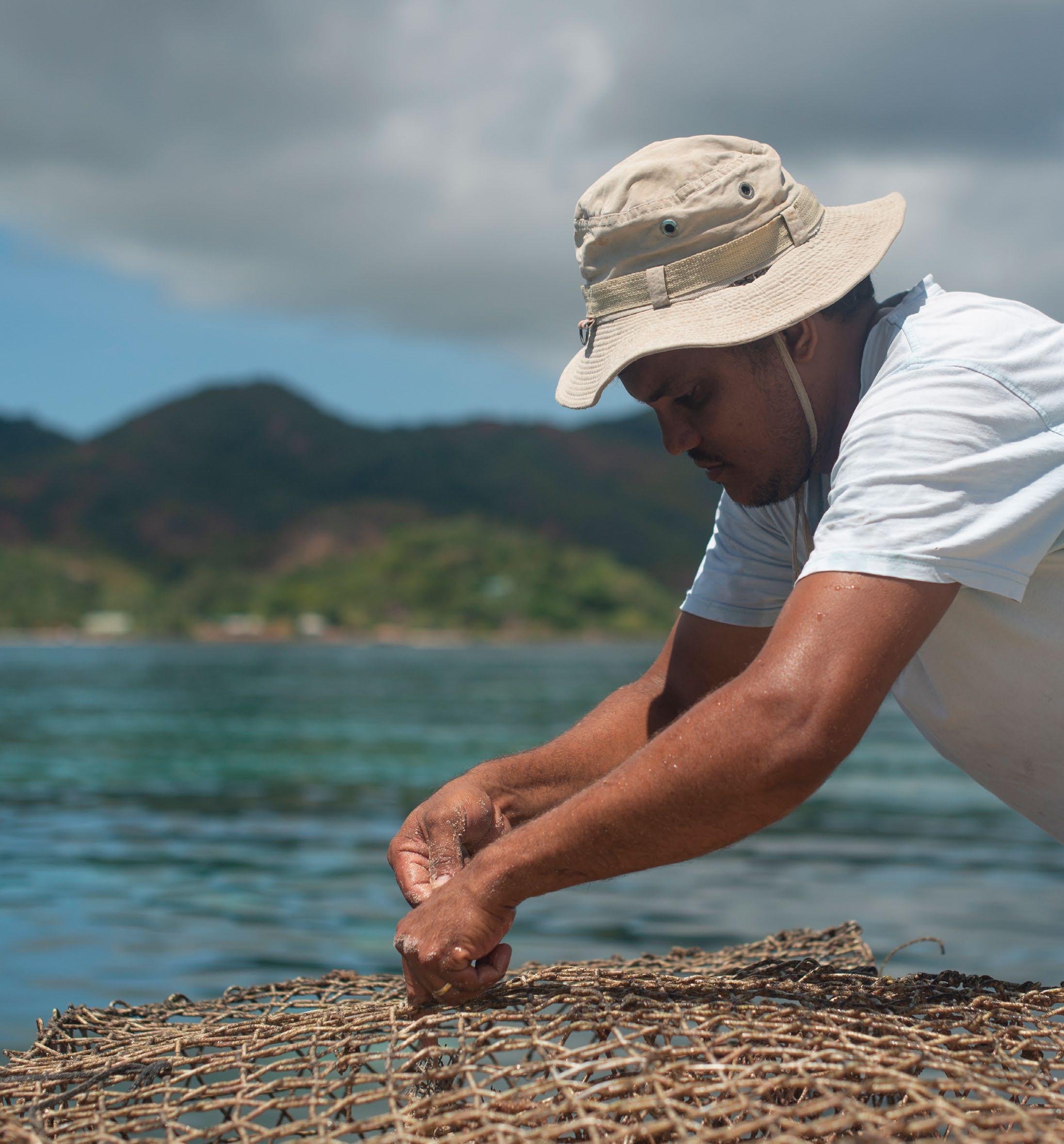
At the core of any debt-for-nature swap is designing, developing, and negotiating the undertaking. These activities require professionals with a financial and economic background and previous experience and knowledge of debt swaps. Although these professionals did not work full-time on the Seychelles debt-for-nature swap, it took a substantial amount of their time for about 2 years. They had to travel to meet each of the representatives of the creditor countries and the Paris Club. Within Seychelles, the government undertook numerous awareness-raising activities to secure the support of the population, particularly the private sector. At the same time, several research activities were done to provide the government with sufficient information to support such an initiative.
The Seychelles government, with the support of TNC, approached key potential donors and philanthropists to secure grants to partially pay for the repayment of the debt Seychelles wanted to swap. A group of American philanthropists were invited to Seychelles to visit the Aldabra Atoll and to see for themselves what Seychelles planned to protect through the debt-for-nature swap. To facilitate their visit, the government funded their travel to Aldabra Atoll, the world’s second-largest coral atoll and one of two UNESCO World Heritage sites in Seychelles. A benevolent superyacht owner made his ship available during the days the group visited Aldabra. Most of those who participated contributed to the grant that partially paid the debt.
Establishing the Seychelles Conservation and Climate Adaptation Trust (SeyCCAT) required some initial financial investments, especially in drafting the legal framework of the SeyCCAT Act, 2015. Furthermore, an operational manual was developed to guide the management of the funds and the process of allocating grants through the Blue Grants Fund, which was launched in 2018. During the first three years that SeyCCAT was being operationalised, from 2015-2018, approximately US$ 6,000 was spent on administrative costs; the Seychelles Government covered other operational costs. The ongoing administrative costs for SeyCCAT are paid with funds from the debt conversion and private grants.
Developing the Seychelles Marine Spatial Plan was one of the costliest components of the debt-for-nature swap. Since 2014, TNC has raised about US$ 250,000 per year to support the MSP process, with additional financing provided by public and private grants to SeyCCAT. These included financial support from the Seychelles Government, the World Bank SWIOFish3 programme, and in-kind contributions from a Global Environment Facility-funded project.
Apart from the cost components listed above, there were also many in-kind contributions from various partners and stakeholders that, unfortunately, cannot be quantified at this point.
Expenditures: drafting of the act, operational manual and establishment costs Establishment of seyccat (2014-2018)
Contributors: TNC, Ropes & Grey attorney and Seychelles govt. -Attorney General’s o ce
FINANCE MOBILISATION ACTIVITIES (2014-2015)
Expenditures: raise funds from potential donors to pay for the debt swap
Contributors: Seychelles Govt., TNC, SIF, IDC and foreign philanthropists
Expenditures: labour, travel and meetings in Seychelles and in Europe DESIGNING, DEVELOPING & NEGOTIATING THE DEBT SWAP (2013-2015)
Contributors: Seychelles Govt. and TNC
Ranges and Thresholds for amounts of expenditures Small:
IN-KIND CONTRIBUTIONS (2014-2024)
Expenditures: pro bono legal fees from Ropes & Grey, labour costs, exemption of superyacht fees
Contributors: Seychelles govt., TNC, local NGOs, private sector, foreign philanthropists and individuals
Expenditures: labour, travel, meetings, materials, technical expertise and equipment
Contributors: TNC, Government of Seychelles, GoS-UNDP-GEF, public and private grants, local NGOs, private enterprise and individuals
The Seychelles debt-for-nature and climate adaptation swap was successful for a number of reasons. Firstly, Seychelles has always and continues to maintain excellent bilateral relations with creditor countries of the Paris Club. These had provided overseas development assistance (ODA) until Seychelles graduated to ‘middle-income country’ status and no longer qualified. It must also be highlighted that Seychelles has strong historical ties to France and the United Kingdom as a former colony of both.
Secondly, Seychelles has built a strong reputation as a country that is generally wellmanaged despite being vulnerable to global economic shocks, health crises, and natural disasters. Even with limited natural resources and high dependence on tourism and fisheries, it has become one of the most successful countries in Africa. It leads in the on the UNDP Human Development Index and per capita income. Even during the 2008 global financial crisis, when the country was unable to repay its debt, it always strived to meet its financial and economic obligations.
Furthermore, Seychelles has always applied sustainable development principles in all its national development plans. Despite its very limited land area, it had already set aside over 47% of its terrestrial space for biodiversity conservation. Its pledge to declare 30% of its EEZ as protected areas was therefore credible. Thus, Seychelles had developed a reputation as a country that could be trusted.
Thirdly, Seychelles had a very strong and internationally respected partner in The Nature Conservancy, which provided the necessary support in designing the debt-for-nature swap and mobilising funds. TNC also provided technical assistance and facilitated the development of the SMSP.
Fourthly, the proposal was clearly formulated and developed by acknowledged experts. The Seychelles Government was able to provide Paris Club countries with the necessary information for them to make informed decisions. Therefore, the Paris Club was presented with a credible proposal by a reputable country and partner. Above all, Seychelles could show that it was in a position to pay back the money within the agreed deadlines.
Fifthly, by 2015, global interest in not only protecting and conserving marine biodiversity but also using it to address climate change had greatly increased. The Blue Economy approach was taking hold, and ocean governance was among the top items on the United Nations agenda. Seychelles’ commitment to protect 30% of its ocean space spoke directly to these global efforts. In addition, in December 2015, France hosted the 21st Conference of Parties (COP21) of the United Nations Framework Convention on Climate Change (UNFCCC) in Paris. As the host nation, it needed success stories to showcase at the conference, and this ground-breaking initiative perfectly fit the bill.
Lastly, there was a group of bilateral creditors who were willing to sell the debt for novel reasons to a reputable country that was eager to buy back its debt.
In 2012, when the Seychelles Government decided to undertake a debt-for-nature swap, there was limited information about the procedures and requirements to implement such an initiative. While the government and its partner TNC knew what the final goal was, how it could be achieved was unclear. Local officials working on the debt-for-nature swap had to conduct research, innovate and periodically review their efforts. Today, the Seychelles debt-for-nature and climate adaptation swap can be used as a template for similar debt-fornature swaps, buybacks and conversions. Through the implementation of the Seychelles deb-for-nature swap, a number of lessons were learned:
Debt-for-nature swaps need strong political will and commitments at the highest level to drive the processes and facilitate the diplomatic and political efforts of the initiatives.
One of the most important elements required for such an initiative is patience. Time is needed to design the proposal, negotiate with creditors, mobilise funds to buy back the debt, and develop and implement the MSP.
The scale of the debt swap in terms of the amount of the debt relief, which will determine the amount of money that afterwards will be available for marine conservation and climate action, is of paramount importance. The debt-fornature swap is more beneficial if there are afterwards sufficient funds to effectively manage the newly created protected area and other pre-determined climate action. Therefore in the case of Seychelles, other initiatives needed to be undertaken to raise additional funds e.g. the world’s first Sovereign Blue Bonds.
The financial sustainability of the trust fund i.e. SeyCCAT is vital. It must have a consistent inflow of adequate funds to sustain the financing of the activities established under the commitments, otherwise a sustained fund mobilisation programme must form part of the main activities under the management of the trust fund.
The management of the trust fund must be dynamic, and the authorities must be prepared to review its legal framework and management structure. For example, the SeyCCAT Act was reviewed in 2022.
The inclusion of the ministries of environment and finance from the beginning of the process is crucial.
A strong advocacy and awareness program is essential to bring on board all key partners and stakeholders. This is especially important when a very large commitment is required, such as setting aside 30% of the EEZ as protected areas. Such a decision will directly impact the sectors that depend on the marine space for their livelihood.
To develop and implement the Marine Spatial Plan broad stakeholder consultation is required. In Seychelles over 300 formal and informal meetings were held with key partners and stakeholders to achieve consensus on a number of issues, including the zoning system and allowable activities within the protected areas.
TNC played a crucial role in implementing the Seychelles debt-for-nature swap. It is recommended that the debtor country include a reputable, knowledgeable and influential partner with global reach as part of its team.
Choose creditor countries or organisations with which the debtor country has good relations with and who have a shared interest in conservation and climate adaptation.
The Seychelles debt-for-nature swap was ground-breaking in that it was the first to focus primarily on coastal and marine conservation and protection and ocean climate action to address climate change. Through it, Seychelles achieved several global biodiversity and sustainability targets, including those under the United Nations Convention on Biological Diversity Global Biodiversity (CBD) Framework and the 2030 Agenda for Sustainable Development and associated Sustainable Development Goals. Since the Seychelles debtfor-nature swap was concluded in 2016, four new debt-for-nature swaps with a strong emphasis on marine conservation and protection have been completed. Two are from Small Island Developing States (SIDS) - Belize, which converted US$ 364 million in November 2021 and Barbados, which converted US$ 150 M in September 2022. Both committed to designate 30% of their marine territory as protected areas.16 The third and largest was by Ecuador, which converted US$ 1.63 B in May 2023. The funds will be utilized to finance conservation activities within the Galápagos marine protected areas, covering a total area of 198 00 sq km. Although not a SIDS, Ecuador is a coastal state with islands, most notably the Galápagos archipelago.17 The most recent debt-for-nature swap was by the coastal state of Gabon, which converted US$ 500 million in August 2023. The Government of Gabon has agreed to commit 30% of its marine territory as protected area.18
The four debt-for-nature swaps discussed above have a number of similarities. For example, the majority of the proceeds or financial benefits will be utilized for marine conservation and protection and to support the livelihoods of coastal communities. Such efforts will contribute to climate change mitigation and adaptation. Secondly, three of the debtor countries made a commitment to protect up to 30% of their Exclusive Economic Zone, and Ecuador agreed to expand its marine protected area network and initiate a series of new conservation measures. Thirdly, all the debtor countries had an international, reputable and experienced non-governmental organization guiding and supporting them. TNC supported Seychelles, Belize, Barbados and Gabon with their debt swaps, whereas Ecuador had the support of the Pew Bertarelli Ocean Legacy Project and other renowned international organisations. Fourthly, the debt repayment period was extended to between 15 to 20 years and the borrowing conditions were much more favourable than the original debts. Lastly, all the countries established and made use of an independent conservation trust fund as a grant-making entity.
Although the Seychelles debt-for-nature swap has many similarities with the other four debt conversions, there are also some key differences.
1. The Belize debt-for-nature swap was arranged in the context of a debt restructuring following its default on debt repayment. The other four countries, including Seychelles, were economically able to repay their original debt.
2. The Seychelles debt-for-nature swap debt repayment was funded by blended financing consisting of a concessionary loan from The Nature Conservancy and grants from a group of philanthropists. The other four deals were funded by issuing bonds that required credit enhancements in the form of insurance or guarantees from Development Finance Institutions or Multilateral Development Banks.
3. Seychelles’ debt was with a group of creditor countries belonging to the Paris Club and, therefore, bilateral in nature. Those of the other countries were commercial bonds from the capital market.
4. Being the first country to do a debt-for-nature swap of its kind, the Seychelles debt swap faced a number of challenges not faced to the same degree by other countries. These included restrictions on debt eligible for refinancing and the method necessary to raise financing for the debt-for-nature swap. As a consequence, the amount of debt that could actually be converted was relatively small.
© Dillys Pouponeau
AF Adaptation Fund
ADSW Abu Dhabi Sustainable Week
CCA Climate Change Adaptation
COP Conference of the Parties
COVID-19 Corona virus Disease 2019
CSO Civil Society Organisation
DoA Department of Agriculture
DECC Department of Energy and Climate change
DoE Department of Environment
EBA Ecosystem based adaptation
EEZ Exclusive Economic Zone
EU European Union
FAO Food and Agriculture Organisation of the United Nations
GCF Green Climate Fund
GEF Global Environment Facility
GHG Greenhouse Gas
GoS Government of Seychelles
LOS Large Ocean State
MACCE Ministry of Agriculture, Climate Change and Environment
MEA Multilateral Environment Agreement
MSP Marine Spatial Plan
MT Metric Tonne
NAP National Adaptation Plan
NBSAP National Biodiversity Strategic Action Plan
NGO Non-governmental organisations
OECD The Organization for Economic Cooperation and Development
SDGs Sustainable Development Goals
SFM Sustainable Forest Management
SIDS Small Islands Developing States
SWM Sustainable Watershed Management
TNC The Nature Conservancy
UN United Nations
UNCBD United Nations Convention on Biological Diversity
UNCCD United Nations Convention to Combat Desertification
UNDP United Nations Development Programme
UNEP United Nations Environment Programme
UNFCCC United Nations Framework Convention on Climate Change
WWF World Wildlife Fund
1 Ross P.B. and Steven Freeland. (2011). Debt-for Nature Exchanges.
2 Thapa B. (2000). The Relationship between Debt-for Nature Swaps and Protected Area Tourism: A plausible Strategy for Developing Countries Brijesh Thapa.
3 OECD-library (2018). Chapter 1. Characteristics and vulnerabilities of small island developing states. https://www.oecd-ilibrary. org/sites/9789264287648-6-en/index.html?itemId=/content/component/9789264287648-6-en#:~:text=Among%20developing%20
4 International Monetary Fund. (2008). Staff Report for the 2008 Article IV Consultation and Request for a Stand-By Arrangement. https:// www.imf.org/external/pubs/ft/scr/2008/cr08365.pdf
5 Paris Club. (2009). Debt stock cancellation of the Republic of Seychelles. https://clubdeparis.org/en/communications/press-release/debtstock-cancellation-of-the-republic-of-seychelles-16-04-2009
6 Central Bank of Seychelles. (2014). Monthly Review. https://www.cbs. sc/Downloads/publications/Monthly%20Review_July_2014.pdf
7, 8 National Bureau of Statistics. (2015). Migration and Tourism Statistics.
9 Seychelles Fisheries Authority. (2014). Annual Report. https://www.sfa. sc/e-library/fisheries-report?task=download.send&id=30&catid=4&m=0
10 Convergence. (2017). Seychelles Debt Conversion for Marine Conservation and Climate Adaptation Case Study. https://www.convergence.finance/resource/seychelles-debt-conversion-for-marine-conservation-and-climate-adaptation-case-study/view
11, 12, 13, 14 UNDP. (2008). National Marine Ecosystem Diagnostic Analysis (MEDA) Agulhas and Somali Current Large Marine Ecosystems (ASCLME) Project. https://wedocs.unep.org/ bitstream/handle/20.500.11822/25894/Seychelles_MEDA.pdf?sequence=1&isAllowed=y
15 Mathieu, P & Imam, P. (2009). IMF Survey: Reforms, IMF Support Pull Seychelles Back From the Brink. https://www.imf.org/en/ News/Articles/2015/09/28/04/53/socar063009a#
16 The Nature Conservancy. (2022). Case Study Barbados Blue Bonds For Ocean Conservation. https://www.nature.org/content/dam/tnc/nature/ en/documents/TNC-Barbados-Debt-Conversion-Case-Study.pdf
17 Global Green Growth Institute (GGGI) (2023). Ecuador Debt-forNature Swap in the Galapagos Islands Launched. https://gggi.org/ecuador-debt-for-nature-swap-in-the-galapagos-islands-launched/
18 The Nature Conservancy. (2023). The Nature Conservancy Announces Debt Conversion for Ocean Conservation in Gabon, First Ever in Mainland Africa. https://www.nature.org/ en-us/newsroom/tnc-announces-debt-conversion-for-ocean-conservation-in-gabon/