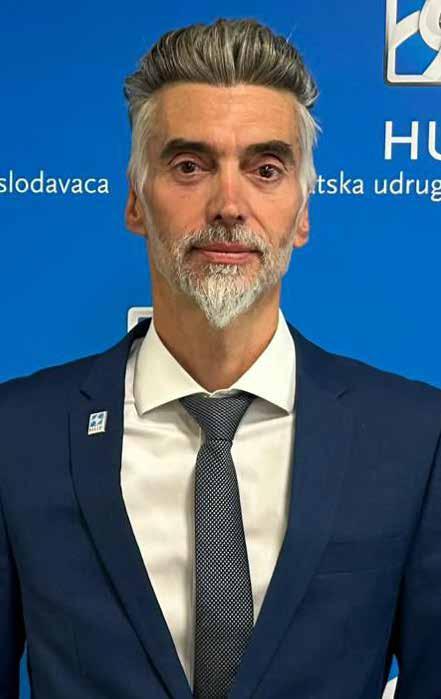
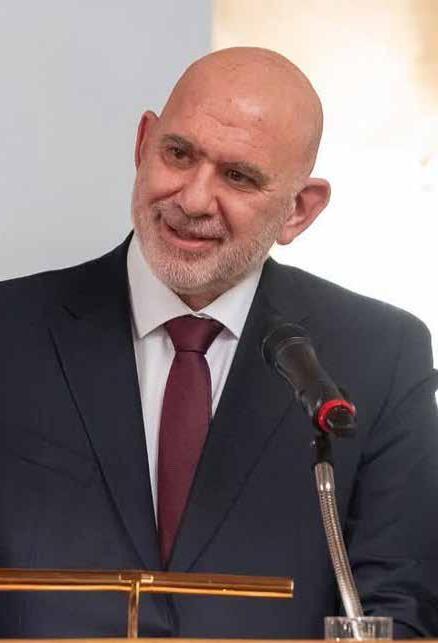
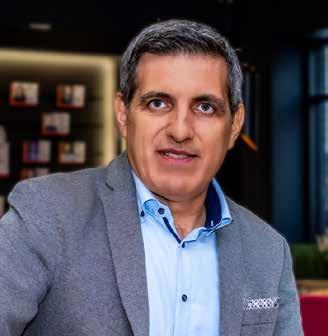
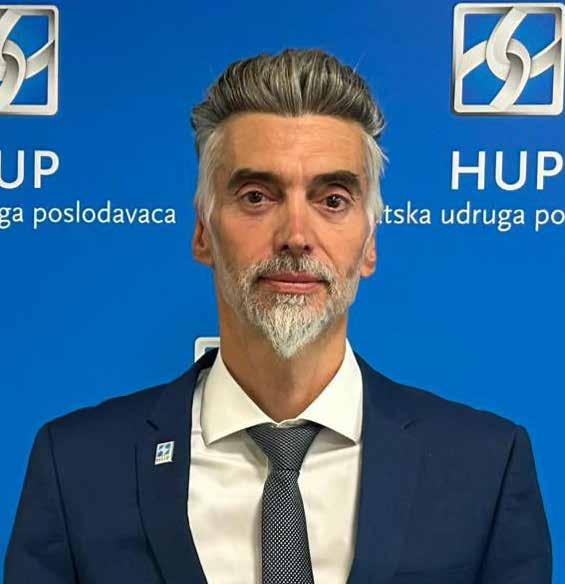
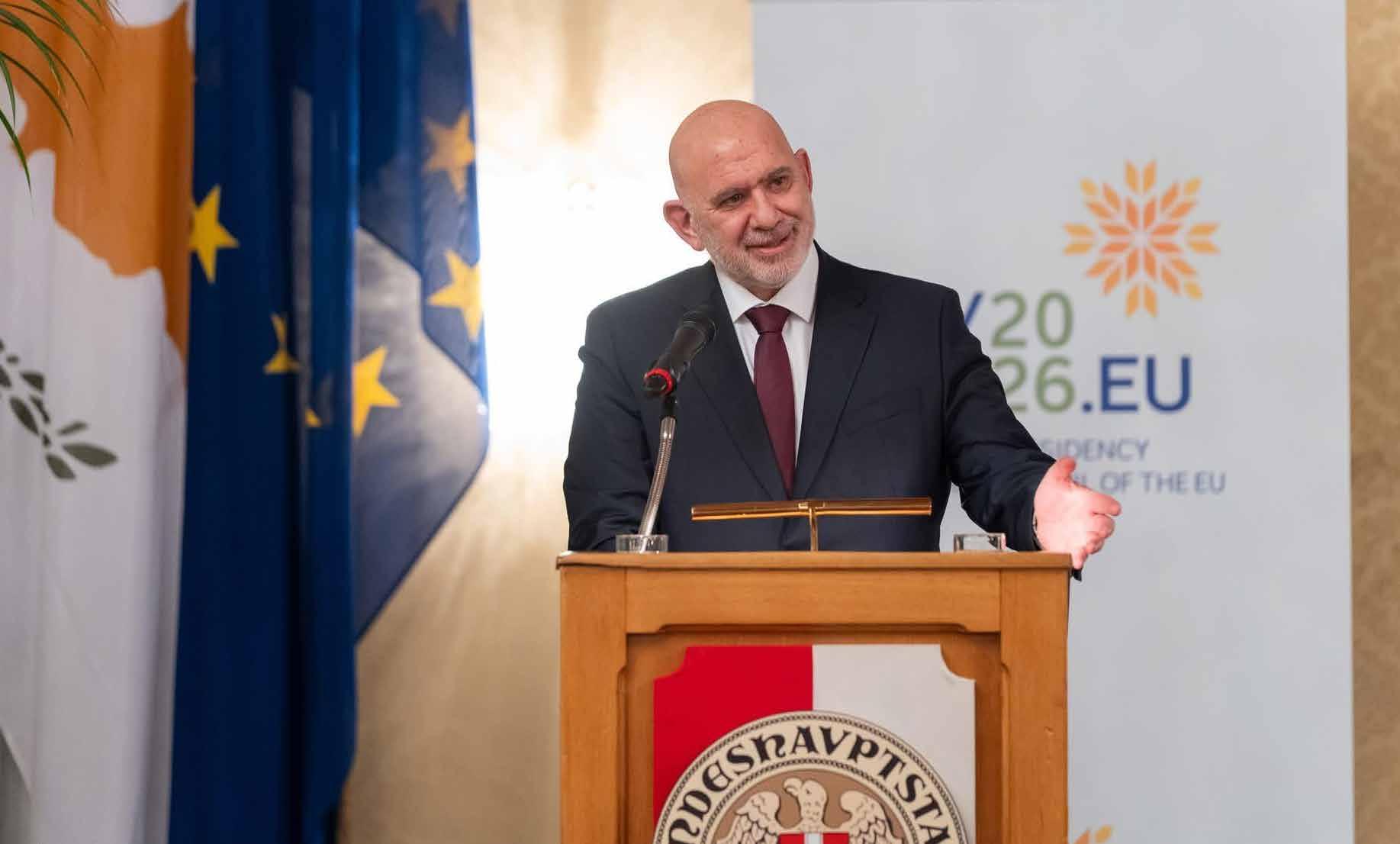
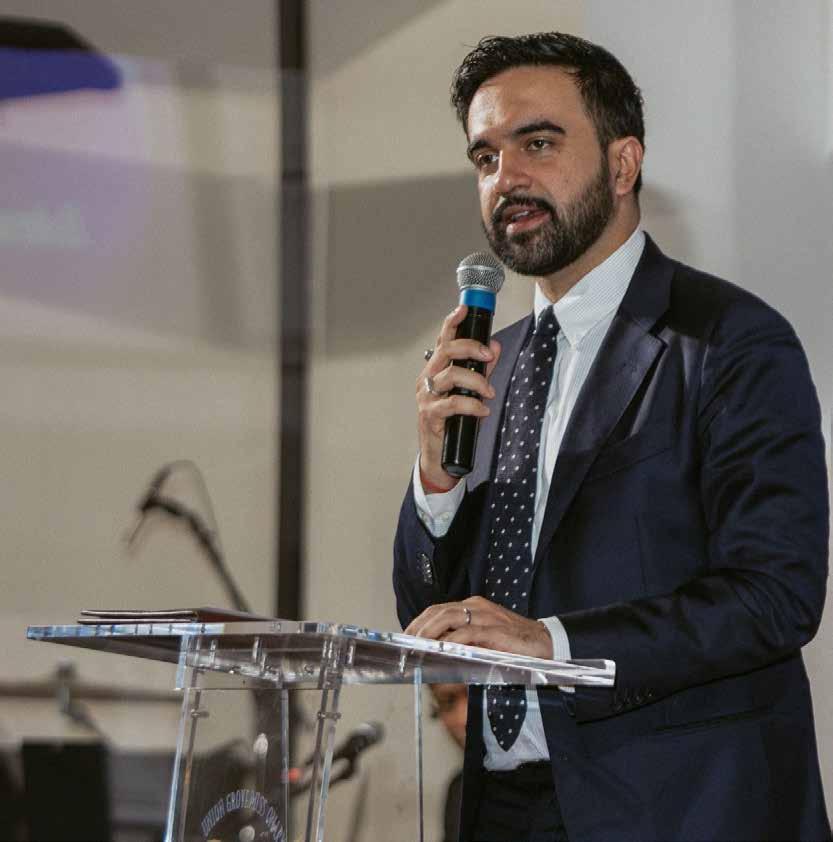
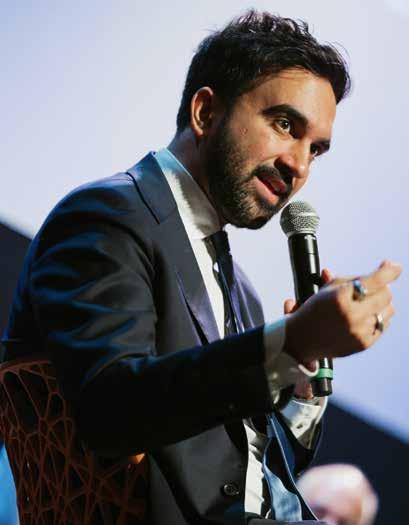
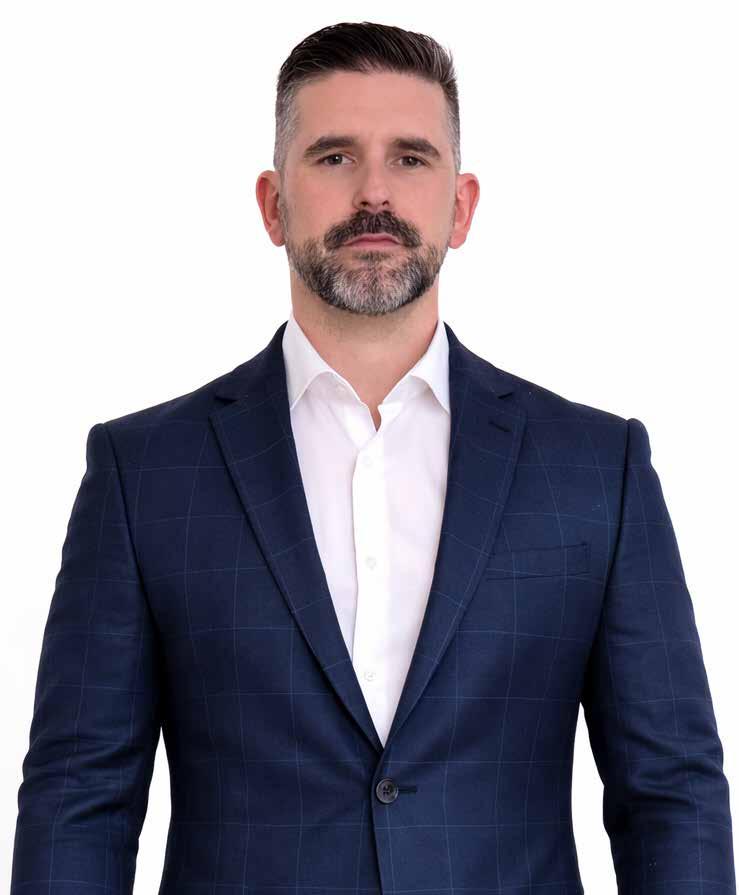
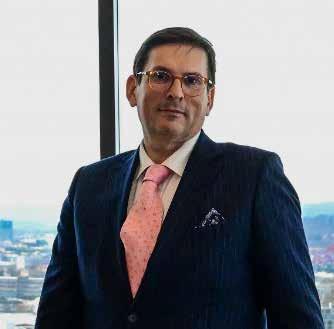
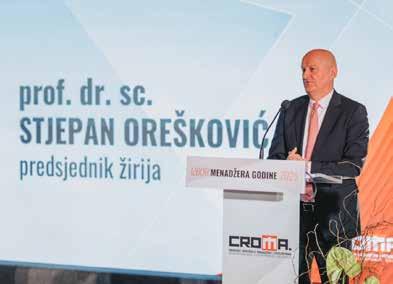
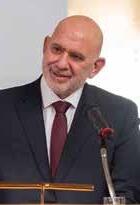
ASSOC. PROF. DR. SC. MISLAV BALKOVIĆ President of HUP
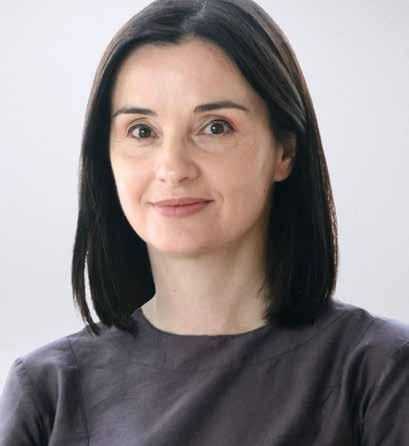
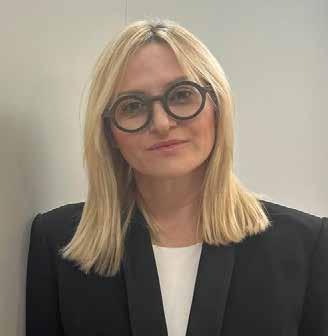
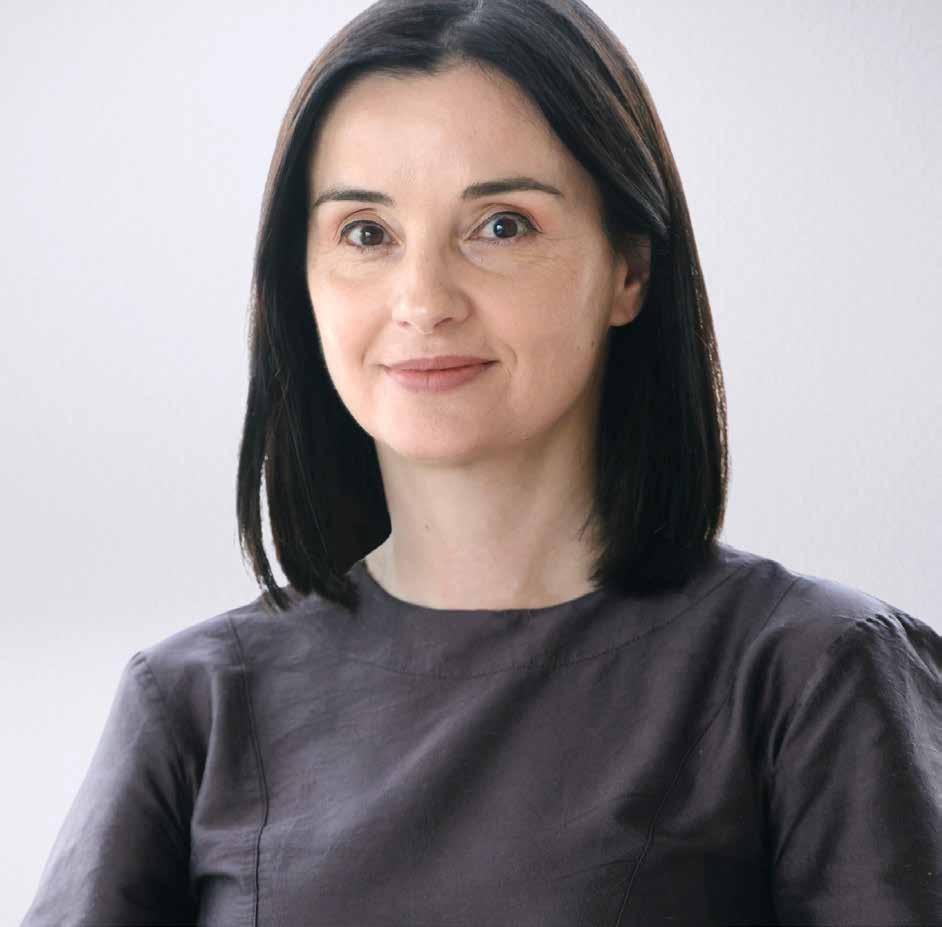
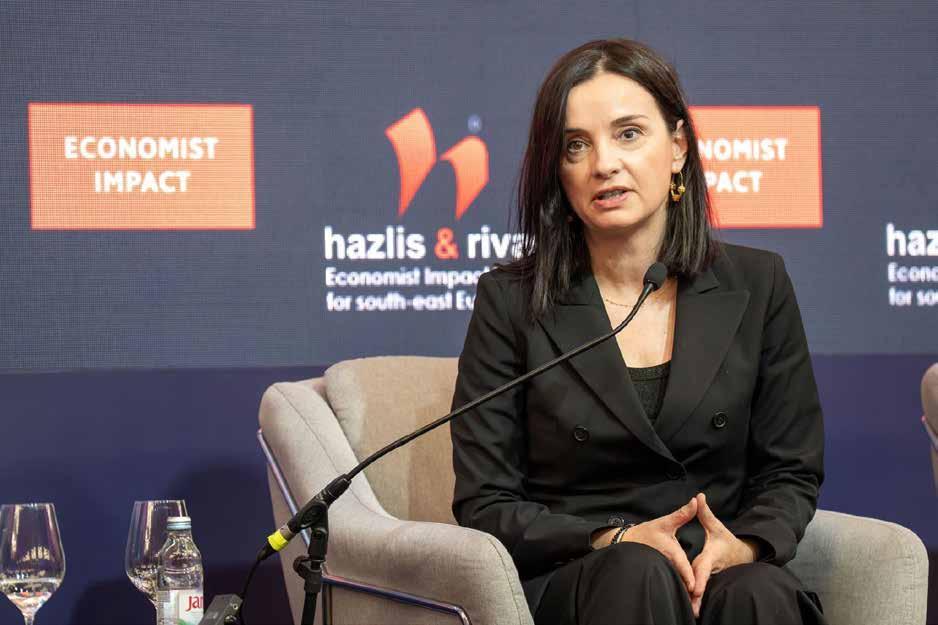
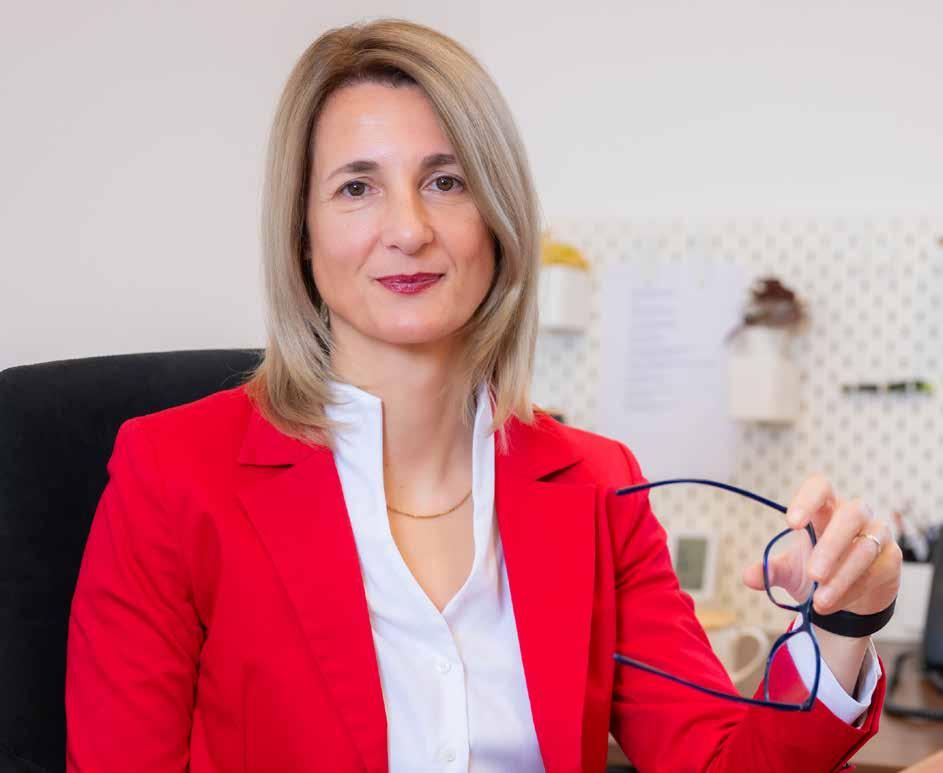
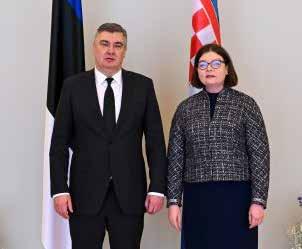
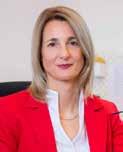
REGARDING THE GREEN TRANSITION, CROATIA IS ON THE RIGHT TRACK MARIJA VUČKOVIĆ Minister of Environmental Protection and Green Transition of Croatia
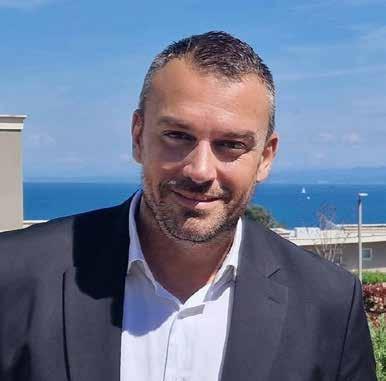
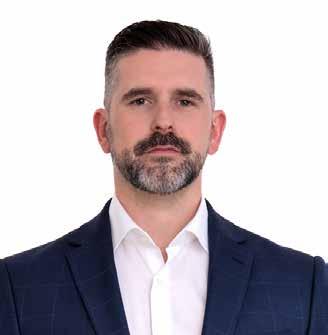
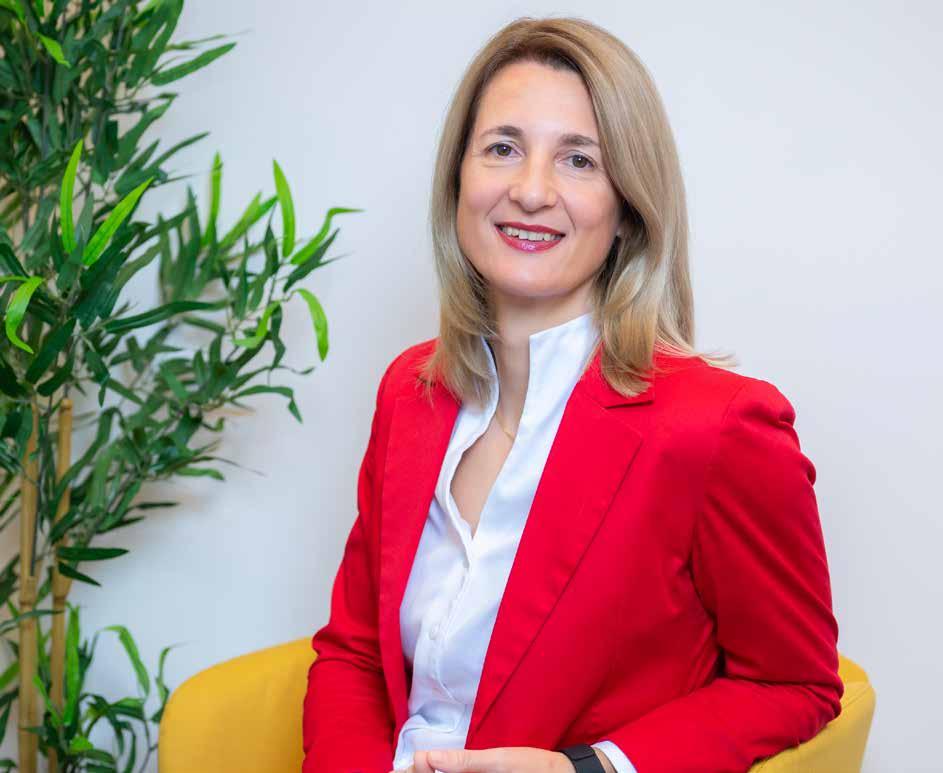
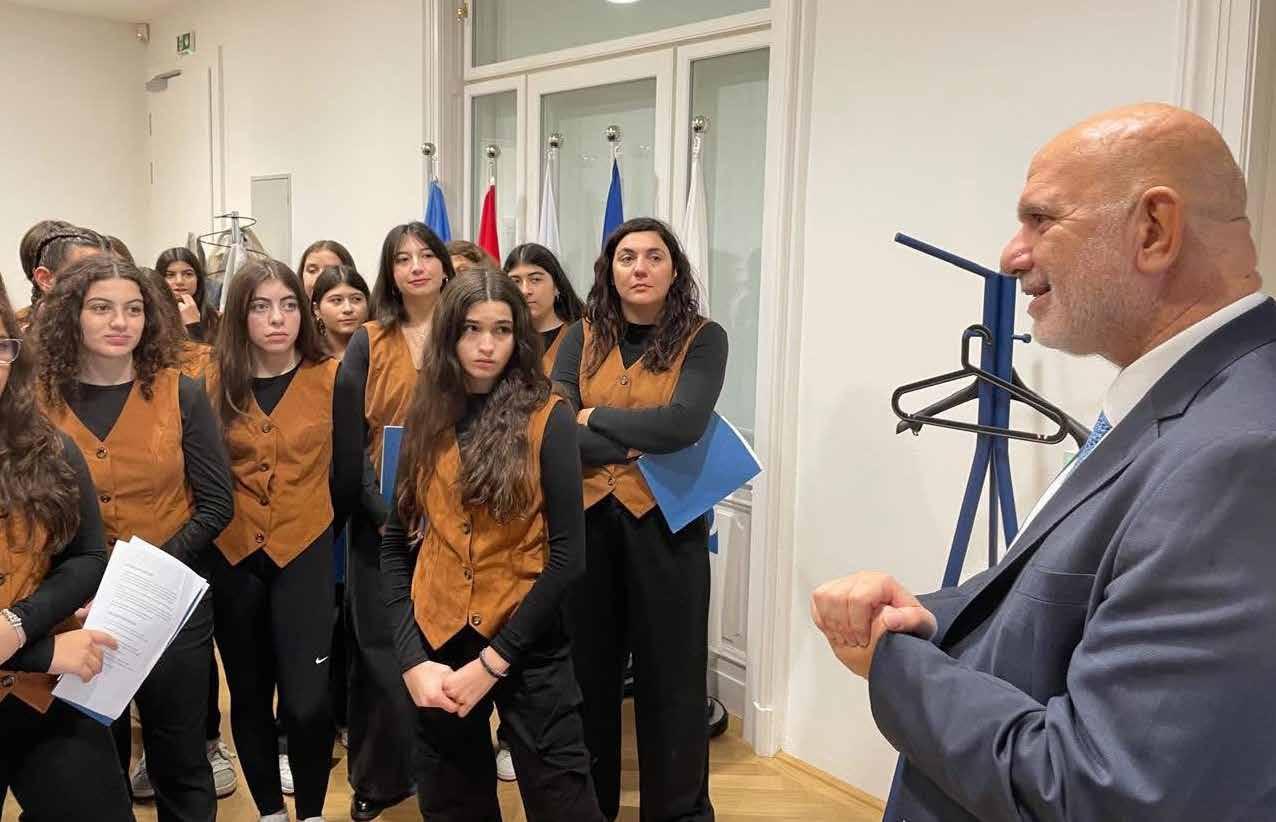
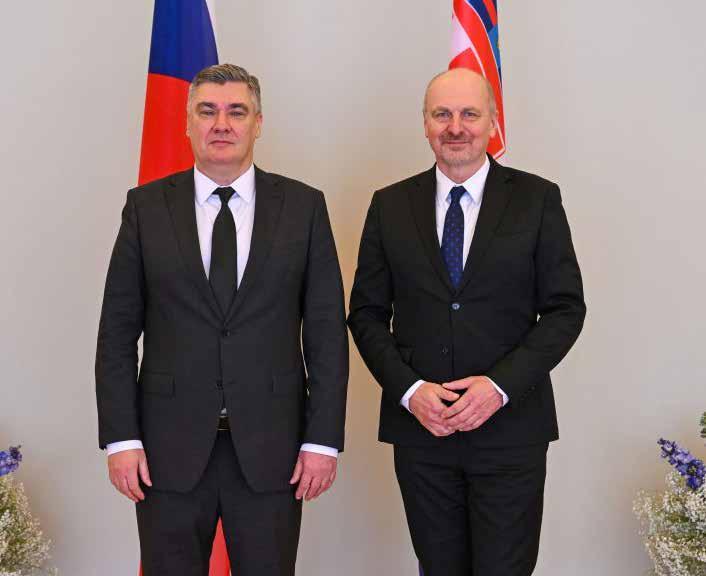
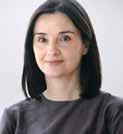
H.E. ANDREAS IGNATIOU Ambassador of Cyprus to Croatia (based in Vienna)
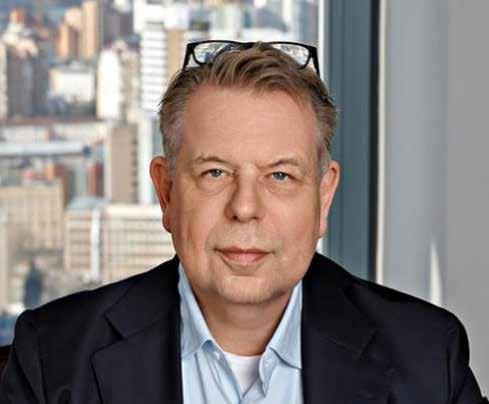
BOBAN SPASOJEVIĆ
Magazine Director Croatia and Editor in Chief boban@diplomacyandcommerce.hr
VLADIMIR DUDAŠ
C e n t r o b i r o Art Director
GORANKA `MILOŠEVIĆ Translation
Publisher: ASPEKT
obrt za savjetovanje i usluge by licence of Color Media
Communications
FOREWORD
BOBAN SPASOJEVIĆ
Director and Editor-in-Chief
Dear readers,
Diplomacy&Commerce magazine continues the good tradition of informing and presenting good, successful and hopefully inspiring stories. We continue to try to resist the trend of sensationalism and, with quality content, we pay attention to what we consider to be essential and important, and which is often not the topic of information in mass media. I keep mentioning that “niche” media like ours, even after almost 9 years of publication in Croatia, are still searching for and showing at the same time the path we believe we should follow. We remain a B2B publication in which successful business entities, individuals, companies and houses present their vision and achievements, noting that we are still the only magazine in Croatia that covers the field of diplomacy in conversations with ambassadors, but also topics of business diplomacy through cooperation with chambers of commerce operating in our country. People, circumstances change, we change too, but thanks to you, we continue to mutual satisfaction. We continue the tradition of quarterly publication of our printed issue, with a reminder that our website is always there for you. After this winter edition, expect our spring edition very soon, and not long after, the summer edition.
Enjoy, Boban Spasojević.
CONTENTS
22 THE UNIVERSITY OF THE FUTURE IS DIGITAL AND HUMAN-CENTERED BOŽO SKOKO
Vice-Rector for Postgraduate Studies and the Popularization of Science at Algebra Bernays University
28
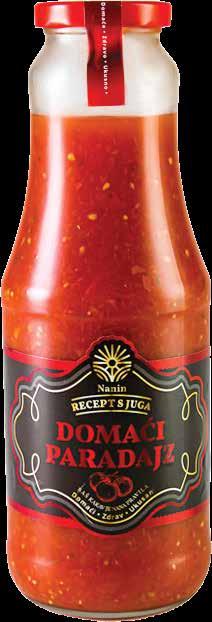
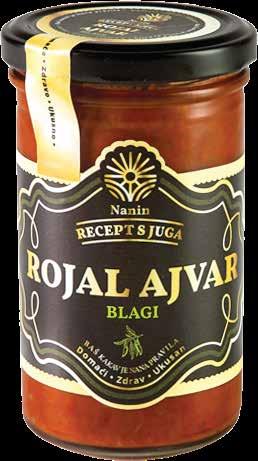
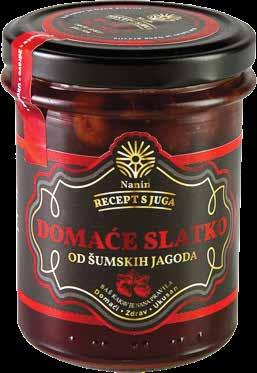
AJVAR – AUTHENTIC, HOMEMADE, AND DISTINCTIVE BOJANA JANKOVIĆ
Owner of an artisanal workshop for traditional food preparation
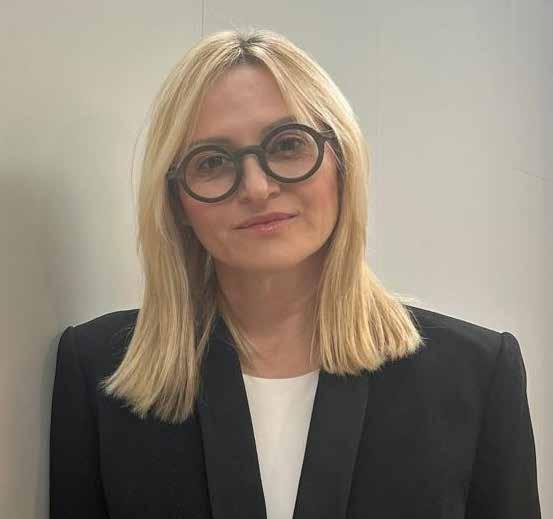
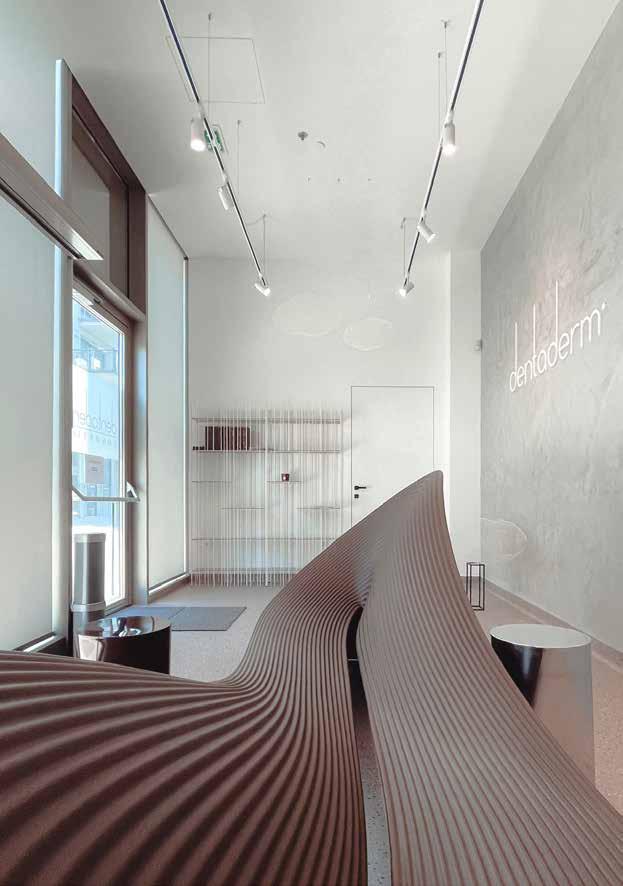
24 THE DERMATOLOGICAL HEALTH OF THE POPULATION IS RELATIVELY GOOD, BUT WITH CONCERNING PATTERNS ZRINJKA PAŠTAR
Dermatology and Venereology Specialist, Dentaderm
30
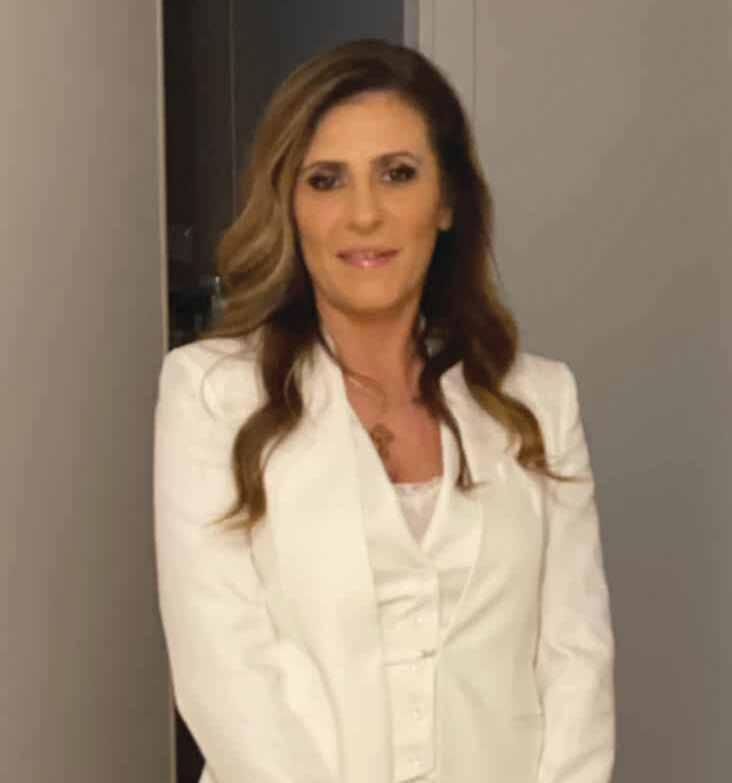
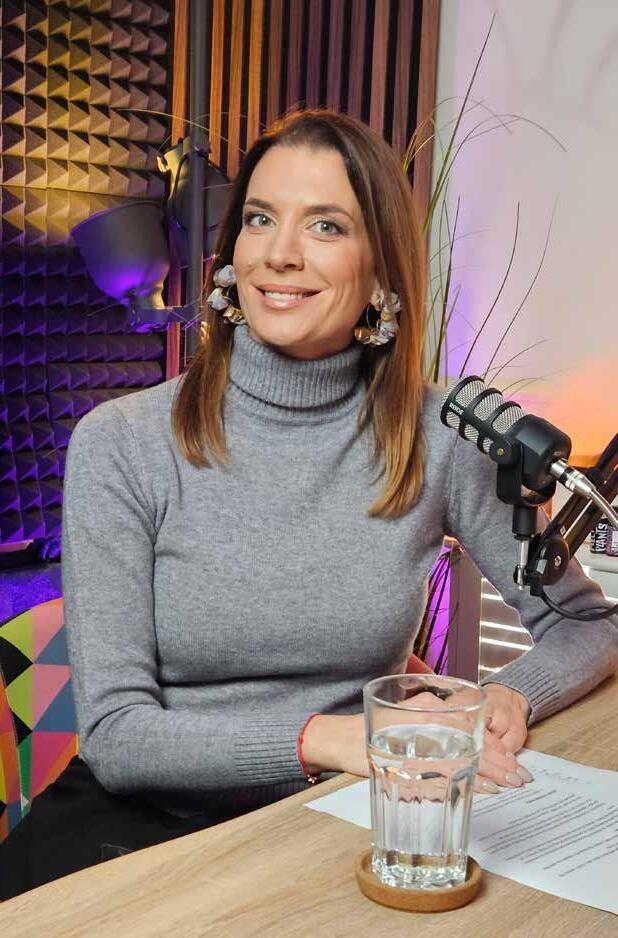
BALANCING – OF MIND, BODY AND SOUL ADRIANA ČORTAN SIMIĆ
Author of the podcast Balansiranje, TV author and presenter
26
PRINT IS A PREMIUM PRODUCT, WHILE DIGITAL IS ALL ABOUT SPEED, DISTRIBUTION AND INTERACTION
DOMAGOJ GLOGOVIĆ
CEO and Co-Owner of Mediatop International d.o.o., member of Color Press Group
33
CHALLENGES OF COMMUNICATION MANAGEMENT
DANIJEL KOLETIĆ CEO of Aprioriworld/ PRO PR
Regarding the green transition, Croatia is on the right track
Progress is measurable, but we have to keep up the momentum in order to achieve the 2030 targets and ensure long-term security and competitiveness
MARIJA VUČKOVIĆ
Minister of Environmental Protection and Green Transition of Croatia
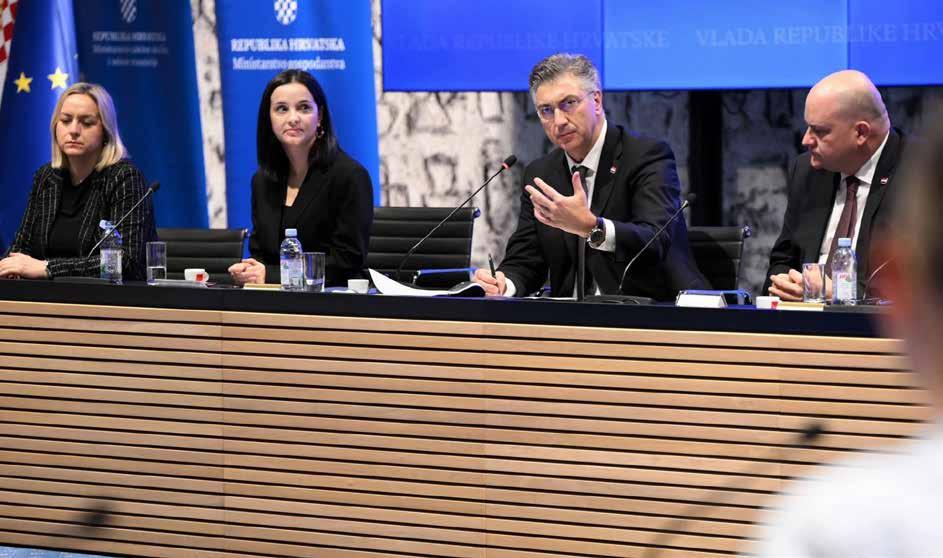
Croatia today finds itself in a more stable and financially stronger position than five years ago. This is the result of a clear policy and continuity of the work of the Government of the Republic of Croatia, for Diplomacy&Commerce says Marija Vučković , minister of Environmental Protection and Green Transition of Croatia. A total of €1.58 billion in grants will be allocated to projects that reduce emissions and modernise the energy and transport sectors. The funds are earmarked for the general public, businesses and the public sector, depending on the area of investment, says minister Vučković.
Environmental protection and green transition are very demanding and complex areas that you head as part of the Government of the Republic of Croatia. Where do you see Croatia today, when it comes to green transition, in relation to 5 years ago and in relation to other EU countries?
Today, as regards green transition, Croatia is in a much stronger and more mature position than it was five years ago – both in terms of investment and the quality of our policies. This is the result of a clear strategic direction that the Government of the Republic of Croatia has made a priority – as well as continuity in implementation.
Five years ago, the transition was often driven by individual projects. Today it is implemented systematically – through strategic documents, stable funding sources and stronger implementation capacities.
For example, revenues from auctions of EU ETS allowances are
LOCAL
AND REGIONAL SELF-GOVERNMENT UNITS – CITIES AND COUNTIES –PLAY A KEY ROLE IN THE REALIZATION OF OUR PLANS
dedicated to climate and energy programmes. Since 2020, Croatia has secured more than €620 million from this source, and the funds are used for climate and energy purposes, where necessary to
reduce the risk of energy poverty, largely through programmes and public calls by the Environmental Protection and Energy Efficiency Fund – aimed at the general public, businesses and the public sector.
Another important step forward is the Modernisation Fund. Calls and programmes worth more than €300 million have been launched since 2021. However, here we should also highlight the need to accelerate the use of this source to increase energy efficiency, generate renewable energy and reduce negative emissions into the environment and the air.
In addition, 37% of the funds from the Recovery and Resilience Facility and 30% of cohesion
funds are focused on climate and environmental objectives, which further reinforces the investment cycle in Croatia.
In terms of results, Croatia is consistently reducing greenhouse gas emissions as compared to 1990. In the sectors covered by the EU ETS, in particular electricity, we see a steady emission reduction trend due to a high share of renewables. In sectors such as transport, buildings and waste, progress is somewhat slower, which is why we are further directing resources into energy renovation of buildings, modernisation of transport and reducing dependence on fossil fuels.
Compared to other EU Member States, Croatia is situated somewhere in the middle, however with important advantages – exceptionally preserved natural resources and a very high share of renewable electricity, which amounted to 73.6% in 2024 as well as a strong potential for further development of sustainable solutions, especially in the fields of energy, water management, climate change adaptation and nature protection.
An indicative plan for the publication of calls and tenders of the Ministry of Environmental Protection and Green Transition and the Environmental Protection and Energy Efficiency Fund for 2026 was recently published, with a total grant amount of EUR 1.58 billion. Who is it intended for, and what does the concrete implementation plan look like?
With the publication of the indicative plan for 2026, we want to send a clear message as regards to who the money is intended for and what specifically we intend to finance. A total of €1.58 billion in grants will be allocated to projects that reduce emissions and modernise the energy and transport sectors. The funds are earmarked for the general public, businesses and the public sector, depending on the area of investment.
First – transport. The focus is on those segments of the population who use vehicles daily and a lot, i.e. businesses, public services and state institutions with larger vehicle fleets. Through the Modernisation Fund funds we will secure favourable loans and leasing models for the procurement of zero-emission vehicles. This means that, for example, micro, small, mediumsized and large enterprises, as well as state administration bodies and state-owned companies, will be able to gradually replace existing
THE CCP HAS ALREADY RECORDED AN EXCELLENT RESPONSE FROM PUBLIC INSTITUTIONS – PARKS, LOCAL AND REGIONAL SELF-GOVERNMENT UNITS, WHICH HAVE ALREADY APPLIED FOR PROJECTS WORTH AROUND 80 MILLION EUROS
vehicles with electric or other vehicles without emissions. The goal is to reduce emissions where they are highest – in heavy traffic.
Second – heating and heating systems. This means district heating and larger heating systems. We will finance companies that wish to switch from fossil fuels to renewables, modernise equipment and reduce network losses. In practice, this means more efficient heating, less energy consumption and more stable costs for users in the long term.
Third – national and nature parks. The public institutions managing them will be able to invest into renewables and the procurement of zero-emission vehicles. In doing so, we want to the most valuable natural areas to be an example of sustainable management.
Fourth – water management. Besides water utility projects in agglomeration, we have investments into smaller public water supply systems, i.e. public drainage and wastewater treatment, but also into disaster risk reduction projects in the water management sector. This trend of investment will continue, and we are about to approve new agglomeration
projects for which €914 million are available. A call from the NRRP is currently open, providing €50 million for the construction of smaller parts of the public water supply and drainage system. At the same time, projects that reduce disaster risk in the water management sector are also financed from the NRRP, with an additional €39.5 million dedicated to their implementation.
Ultimately, these are concrete investments that will be perceptible to citizens and the economy – through lower energy costs, more modern infrastructure and a cleaner environment.
Local self-government units, cities, counties play a major role in the realization of the Ministry’s plans. What would you single out as some of the biggest and most important projects that are being realized in the area of green transition, but also environmental protection in Croatia?
Local and regional self-government units – cities and counties –play a key role in the realization of our plans. They are familiar with the needs of their communities and the development potential of
their territories and are thus crucial for the success of projects in green transition and environmental protection.
As regards nature conservation, we have made great steps forward in habitat and species restoration. Investments are now focusing on active nature restoration measures, in line with the Nature Restoration Regulation. We are working intensively on the National Nature Restoration Plan. But even before its adoption we have launched investments through the CCP. There has already been a great response from public institutions – parks, local and regional self-government units, who have already submitted projects worth more than €70 million. The call has been repeated, and in the coming period we expect the total allocation for nature restoration to exceed €80 million.
A particularly interesting project is the restoration of grassland habitats in cooperation with Croatian Forests, for which about €7 million of funds have been secured. This project has a triple effect: it contributes to nature protection (restoring valuable grassland), restoring extensive livestock production and contributing to reducing fire risk.
Waste management projects are also important in the environmental sector. In line with the Waste Management Plan of the Republic of Croatia for the period 2023-2028, we plan to construct the remaining Waste Management centres (WMC) in the total value of €760 million. At the moment, four WMCs are in operation (Kaštijun, Marišćina, Bikarac and Biljane
Donje), one is in trial operation (Babina gora), three are being constructed (Lećevica, Piškornica and Lučino razdolje), and two new ones are planned for approval this year, namely Orlovnjak and Šagulje, while WMC Zagreb is in preparation. This means more effective waste treatment and less burden on the environment.
In the area of climate transition and adaptation, the Social Climate Fund (SCF) is of particular importance. A total of €1.68 billion are earmarked to help vulnerable groups – for energy renovation of low-income households, replacement of inefficient heating systems, reduction of energy costs and development of sustainable mobility. Local and regional selfgovernment units are crucial here because they are best acquainted with the needs of their communities and can provide targeted support where it is most needed.
The process of developing the Social plan was very thorough and inclusive. Over the previous period, we undertook informal consultations with the European Commission, in which as many as four versions of the draft Plan were considered and discussed in detail. Such an approach has allowed us to gradually align the plan with European rules, in particular as regards targeted vulnerable groups, the financial framework and performance indicators.
We are currently in the final stages of preparation –the document is being technically and financially finalised and harmonised with other line ministries. We intend to formally submit the Social Climate Plan to the European Commission for approval by the end of March 2026.
A public consultation was also held during the drafting, in which just over 50 comments were received. Most of the proposals that were in line with the legal and financial framework and the clearly defined target groups have already been incorporated into the Plan. However, some comments could not be included as the Regulation establishing a SCF lays down strict criteria regarding the eligible target groups (vulnerable households, transport users, micro-enterprises), types of measures and investments allowed and the manner in which funds are allocated and used.
It is important to emphasise that this is strictly dedicated funding with a clear social and climate objective. The Plan is therefore designed to meet national needs to the greatest possible extent, while
WHILE THE DECISION MADE BY THE US TO WITHDRAW FROM THE PARIS AGREEMENT CREATES UNCERTAINTY GLOBALLY, IT DOES NOT CHANGE THE FUNDAMENTAL DIRECTION OF POLICIES IN EUROPE AND CROATIA
fully respecting the European regulatory framework.
Ultimately, the SCF is at a high level of completeness. It is the result of months of close cooperation with the European Commission, the relevant authorities and local stakeholders, all with a clear objective – timely submission and effective implementation, in particular under the new ETS2 system.
One of the major projects is the establishment of an NFP for the coordination of climate change adaptation measures. It will serve as a point of connection between competent authorities, expert institutions and local self-government, provide advice and support, and assist in strategic and practical planning of adaptation measures.
As part of this, an integrated information system will be developed – one system that will consolidate all data and tools that help cities and counties to plan and implement adaptation measures more effectively.
In addition, we are upgrading the early fire detection system. It will cover 25 new sites, including national and nature parks, which will further increase the level of nature protection and the safety
of local communities. The system should be operational as early as this summer, in the coming fire season.
Improved flash flood risk maps for the southern part of Croatia, as well as for pluvial flooding, will be developed in cooperation with Croatian Waters. These are extremely important for more effective spatial planning, for the reduction of damage, but also for the protection of human life and health, especially given the increasing frequency of extreme precipitation.
Special care is also taken of major cities and heat island models, which will help us develop green and sustainable urban solutions.
As regards water management, we are dealing with large investments that are mostly financed by EU funds, together with national co-financing. During the term of office of this Government from 2016 to 2025, €5.22 billion were invested in water management projects.
In addition to large agglomeration projects, investments are also made into smaller systems of public water supply, drainage and wastewater treatment, as well as into disaster risk reduction. In this
way the quality of life of citizens is enhanced and preconditions are created for further economic development.
During the term of office of this Government, from 2016 until today, approximately 130 thousand inhabitants gained access to water and around 500 thousand inhabitants gained improved water supply, with investments amounting to around €640 million. Owing to government policies, today the possibility of connecting to public water supply in Croatia amounts to impressive 96%, while the actual rate of connection is 91% – one of the highest percentages of connection to public water supply in the European Union.
During the same period, about 515 thousand people gained access to public drainage, while around 2.3 million inhabitants had access to an improved water drainage and treatment system, with investments amounting to around €3 billion. Today, 60% of the population can be connected to public drainage, while 59% are actually connected. More than 190 thousand people use flood protection measures.
The trend of investing into water management continues. There are new agglomerations projects with €914 million available, and calls are under way for NRRP€50 million for construction of smaller parts of the public water supply and drainage system and €39.5 million for “Continuation of funding of disaster risk reduction projects in the water management
sector within the framework of the National Recovery and Resilience Plan 2021-2026”.
All these activities demonstrate that green transition and environmental protection are not abstract goals, but concrete projects implemented by the Government of the Republic of Croatia in partnership with local self-government and expert institutions.
How do you see the role of your Ministry in cooperation with other ministries, such as economy, in terms of development, bringing in new investments, etc.? How important is interconnection and cooperation in boosting the overall economic policy?
Cooperation with other ministries is essential and crucial. Today, green transition is not just an environmental policy – it is both a development and economic opportunity. Without good interdepartmental coordination, it is not possible to achieve climate objectives and at the same time foster competitiveness, investment and growth.
We work closely with the Ministry of Economy on decarbonising industry – adaptation of industrial installations to EU ETS, modernisation of production processes and stimulation of investments into low-carbon technologies, as well as utilisation of funds from the Modernisation Fund and other EU instruments. Cooperation is equally important in the energy sector – from the development of renewable sources and the strengthening of grid infrastructure to security of supply and diversification of sources.
We work closely with the Ministry of the Sea, Transport and Infrastructure, as transport has the highest increase in emissions in the last decade. There is a need for coordination on the development of alternative fuels infrastructure, electrification of public and private transport, investment into rail and sustainable urban mobility.
We also cooperate with the Ministry of Physical Planning, Construction and State Assets in energy renovation of buildings, setting energy efficiency standards, planning of space for renewable energy sources and inclusion of climate goals in spatial plans.
Good interconnections and coordination between ministries directly reinforce overall economic policy. Investors are looking for a stable and predictable framework, clear development priorities and security. Coordinated work be-
GREEN TRANSITION IS NOT JUST AN ENVIRONMENTAL POLICY – IT IS BOTH A DEVELOPMENT AND ECONOMIC OPPORTUNITY
tween ministries is precisely what allows climate action to go hand in hand with industrial, energy and transport policies, thus increasing the competitiveness of the economy and opening up room for new investments, innovation and sustainable development.
Where do the biggest issues in the implementation of the Ministry’s programmes and plans lie in your opinion and what are they and how do you resolve them?
First, I would like to highlight the issue we share at the EU level –the need to simplify the overall legislative, strategic and implementation structure and the need to measure the effects of policies. Green transition will succeed if we are committed to both preventing energy and transport poverty and preserving the competitiveness of our economy.
Secondly, the Ministry needs to make significant progress in digitalising processes and procedures, as well as achieving clarity regarding the implementation of environmental procedures.
Waste management, i.e. the achievement of the objectives transposed from European legislation and set out in the multiannual Waste Management Plan, is a major challenge. Work on amendments to the Act, as well as
this affect policies in Europe and Croatia?
While the decision made by the US to withdraw from the Paris Agreement creates uncertainty globally, it does not change the fundamental direction of policies in Europe and Croatia. We are committed to reducing climate risks and improving the state of our most valuable resources. Demographic progress and maintenance of biodiversity, soil, air and water conservation are prerequisites for any other type of progress. Each year we witness the effects of extreme weather events. Reducing energy dependence and investing in alternative sources are essential policies, as resources are scarce globally, Europe has very few and the geopolitical circumstances continue to cause concern.
the adoption of instructions for the information system and the strengthening of cooperation in the control and monitoring system is under way. On the other hand, we are accelerating investment into entrepreneurial projects related to circular economy, and I personally detect here additional demand-specific objectives.
Finally, when we talk about issues which are often referred to as challenges, allow me to conclude that our work is particularly aimed at reducing emissions from transport and supporting the economy in these changes that require innovation, speed, responding to questions about risks around the procurement market, maintaining competitiveness in very challenging international conditions. Such support also requires reforms in administration, which comprehends that it must have a shorter and clearer timeline from the adoption of a legislative and strategic package to the actual implementation that positively affects citizens and the economy.
The policies you implement are in line with those of the EU, and they concern both the environment and climate change. How do you see the United States of America withdrawing from the Paris Agreement and how much does
Croatia, as an EU Member State, continues to implement policies in accordance with European legislation and national plans. In doing so, different opinions and discussions on these and many other issues should not be prevented, because discussions, if you want to call them doubt on certain theories, proof and research, are the basis of progress of every modern community.
At European level, the objectives are long-term and legally binding – through the European Climate Law, the Fit for 55 package and the commitment to climate neutrality by 2050. We have built a certain regulatory and investment framework that includes an emissions trading system (EU ETS, Modernisation Fund, Innovation Fund and other instruments that are part of the internal market and the strategic development of the Union.
For Croatia, this means that we shall continue to reduce emissions, increase the share of renewable sources and strengthen energy efficiency. It is particularly important to ensure the supply of energy through domestic generation and to reduce dependency on imports. We have demonstrated that we are aware of this, because in the past several years we have constructed a key energy facility in Central and South Eastern Europe, we play an active role at the international level, we are committed to the development of a sustainable energy mix of low-carbon energy sources and, last year we have reached a milestone in the generation of electricity from renewable sources, in particular owing to the combination of hydro, wind and solar power.
The Private Sector Must Be the Key Driver of Development
Croatia needs a new development model based on increasing investment in the private sector and reducing the share of employees in public administration, all in order to boost exports and strengthen competitiveness
President of HUP
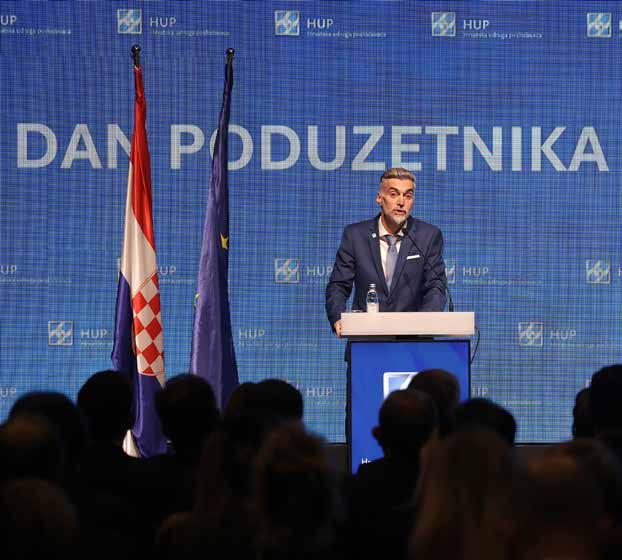
The Croatian Employers’ Association (HUP) has been a strong promoter of Croatian economy for 33 years, as well as a responsible social partner, an advocate of economic and public policies of broader interest, as well as an independent critic and corrective force of the government, says Assoc. Prof. Dr. sc. Mislav Balković, President of HUP and Rector of the Algebra Bernays Universitz, in an interview for Diplomacy&Commerce. HUP member companies generate around 80% of Croatia’s GDP, which in itself demonstrates our role and position within the economy.
You assumed the presidency of HUP in October last year, after serving as a member of the Executive Board. In your view, what is the role of HUP in Croatian society and the economy, and where do you see HUP today in terms of its activities and influence?
HUP plays a significant role in the tripartite social dialogue, as since 1994 it has been the sole representative employers’ association in Croatia. We operate within the Economic and Social Council, which was established to protect and promote the economic and social rights of employers and employees. As an independent representative of employers, HUP also has the right to engage in collective bargaining and to conclude collective agreements.
With 30 industry associations, regional offices, and strong analytical activities, HUP today represents a powerful entrepreneurial network covering nearly all aspects of modern business. The development of entrepreneurship, investment growth, increased competitiveness, employment, and the creation of added value are our key objectives, and we aim for them to become central priorities of society as a whole. Entrepreneurs are the ones who employ people, create new jobs, generate new value, build a better business environment, and lay the foundations
WE COMMEND THE POSSIBILITY OF WORK PERMITS VALID FOR UP TO 3 YEARS AND THE INTRODUCTION OF LONG-TERM D VISAS FOR STUDENTS
for improving the standard of living for all citizens. That is our core mission, and I believe that over these 33 years we have been quite successful in fulfilling it.
What do you consider to be the biggest challenges facing the Croatian economy, and which tools would you propose to address them? Which sectors and industries are the most critical?
By achieving high growth rates and faster convergence with the more developed EU member states, Croatia is fulfilling key foreign policy and economic objectives. However, there is still much work to be
done domestically. I am referring here primarily to the continuation of reform policies and the adaptation of the economy to an increasingly demanding international market. We expect a more efficient and cost-effective public and local administration, a predictable and stimulative tax and regulatory framework, and consistent implementation of adopted reform laws and regulations. We have to be more prepared to change and adapt to the world; only in this way can we leverage all the advantages and mitigate the drawbacks of a small and open economy like ours. In recent years, a significant portion of our economic growth has come from public
sector investments, largely funded by EU funds. In the past two years, as much as ¾ of Croatia’s economic growth came from the public sector, while only ¼ came from the private sector. At the Croatian Employers’ Association (HUP), we believe this is not a sustainable development model. The key to continued economic growth –and, consequently, an improved quality of life – lies precisely in investments in the private sector. To be completely specific: unless the private sector becomes the main engine of growth by increasing productivity and competitiveness – which is directly linked to necessary investments in technology, knowledge, and better management, as well as the efficiency of public administration – it will be difficult to exceed the current level of around 80% of the EU average.
As concrete examples, I would highlight the urgent need to transform domestic agriculture, the need for increased allocation to the economy and its competitiveness in the next EU multiannual financial framework, and the need to ensure stable and more affordable energy supply. Namely, a significant number of our entrepreneurs pay electricity prices that are 18% higher than the average paid by our EU competitors, making it difficult to compete. It is therefore unsurprising that the higher cost of energy is reflected in the prices of products and services. In terms of economic policy, we expect further tax relief on labour and a reduction of para-fiscal charges that weigh on entrepreneurs, as well as replacing these revenues with significantly stronger taxation of short-term tourism rents. An urgent exit from horizontal price control measures on food products is crucial for the survival of our food industry, as such an approach has evidently not yielded significant social benefits, while imports of cheap and lower-quality food have significantly increased. We need a new development model and the urgent halting of the exponential growth in labour costs in the public sector, which, in terms of share in GDP, has made Croatia the second most expensive EU member state and has spilled over into the pri-
ASSOC. PROF. DR. SC. MISLAV BALKOVIĆ
vate sector. Government interventions, such as record breaking increases in the minimum wage - significantly faster than productivity growth – have not helped the competitiveness of the economy. In conclusion, Croatia needs a new development model based on increased investment in the private sector, reducing the share of public sector employment to the level of EU or OECD countries, privatization of part of public enterprises to align employment shares with EU or OECD standards, all with the aim of increasing exports and strengthening competitiveness.
The shortage of labour is a major problem for the Croatian economy and society. The Government of Croatia has introduced certain regulations to better manage this area. Do you agree with the Government’s measures, and what are HUP’s proposals for more effective action?
Although some trends, such as the return of emigrants and a slight increase in birth rates, are encouraging, Croatia still requires foreign labour. This need is not only for lower-skilled positions and specific sectors like construction or tourism, but also for highly educated and skilled professionals. Unfortunately, of approximately 135,000 foreign workers in Croatia, less than 1% of them hold a higher education degree, indicating that we are not attractive to such workers. Moreover, Croatia ranks at the bottom of Europe in attracting foreign students who come to obtain a degree. This, however, is the only sustainable and successful model for attracting foreign talent and integrating them into society, and we hope that Croatia will finally recognize this as a strategic priority, as our EU competitors have successfully done.
We welcome many measures that have a positive effect on labour market stabilization, including stricter entry criteria and controls for foreign workers, as well as sanctions for irresponsible employers. Nevertheless, numerous problems and uncertainties remain, from the slow process of issuing student visas and work permits, to locally inconsistent interpretations of regulations and rulebooks, to certain measures that have proven difficult to implement in practice. We commend the possibility of work permits valid for up to 3 years and the introduction of long-term D visas for students, which should significantly increase the percentage of visas issued to students compared to the previous practice of using short-term Schengen C visas for this purpose. Our goal is to retain as many high-quality workers as possible, ensure their security, and provide integration into our society. We support measures for learning the Croatian language, but integration doesn’t end there, it is a twoway process; foreign workers must feel welcome and accepted in our society, and
IN THE PAST TWO YEARS, AS MUCH AS ¾ OF CROATIA’S ECONOMIC GROWTH CAME FROM THE PUBLIC SECTOR, WHILE ONLY ¼ CAME FROM THE PRIVATE SECTOR
we as a society must adapt and accept the fact that foreign labour is necessary if we aim to grow our economy and standard of living. Given that over the past decade we have lost as much as 19% of our secondary school population, serious demographic challenges – particularly regarding the highly educated – lie ahead if we do not start viewing students coming from outside the European Economic Area (EEA) not as a security risk, but as essential talent needed to fill high-skilled positions in the economy.
When highlighting business challenges, inflation is certainly one of the key issues. How do employers, given their important role in the price formation chain (production, services, etc.), view this problem, and how can it be addressed?
Unfortunately, high growth rates are always accompanied by inflation. Part of this is due to imported factors, and part is specific to conditions in Croatia. Inflation in Croatia has been driven by an imbalance between supply and demand, particularly in the construction sector, as well as by strong tourist consumption, rising energy costs for the economy, and service prices following the introduction of the euro. An additional complicating factor, which we at HUP have repeatedly highlighted, has been the explosive growth of wages in the public sector, coupled with the EU-record increase in the minimum wage, instead of a gradual increase aligned with other factors, such
strengthen exports and competitiveness, positively affect the credit rating, and support continued investment growth and improvements in living standards.
as the efficiency growth of public administration. When you factor in the second-highest VAT rate in the EU, electricity prices for businesses that are 18% higher than the EU average, a minimum wage increase of over 100% in the past six years, and increased demand due to large public investments, you get a recipe for inflation.
Recently, the Secretary-General of the Organisation for Economic Cooperation and Development (OECD), Mathias Cormann, visited Croatia, during which the second economic review of the country’s accession process was conducted. How important is joining the OECD for Croatia, and how will it impact the prosperity of the country, its economy, and its citizens?
Croatia is in the final stage of the OECD accession process. The latest report emphasizes that, beyond meeting formal requirements, maintaining momentum in implementing structural reforms will be crucial. Most of the recommendations align with HUP’s positions and concern the need for stricter fiscal policies, optimization of local government units, judicial and educational reform, and improvement of corporate governance standards along with the privatization of some state-owned enterprises, as well as the urgent removal of harmful price control measures, which in the EU are now found only in Croatia and Hungary. Membership will enable further economic growth,
The application of artificial intelligence (AI) and algorithmic management is increasingly shaping the labour market, and the key challenge remains how to align technological development with worker protection and economic competitiveness. What is your personal view on the role of AI, and where does Croatia stand globally? We are living in a time of technological and social revolution. I believe we are approaching a rapid realization of the speed and impact of technological changes and a reassessment of the belief that, in this technological revolution, every job lost to automation will be replaced by a new and even better one, like it happened after the 18th-century Industrial Revolution. Despite the retention of jobs, the speed of technological change then caused major social upheavals that the societal structures of the time – primarily feudalism and monarchy - could not withstand. Fundamentally, the challenge and driver of social disruption during the Industrial Revolution are the same today in the era of the digital revolution. This is personal insecurity and concern for the future, in which many of us wonder whether technology will take our jobs and livelihoods. This very uncertainty forms the basis for the rise of populism and nationalism worldwide, as well as widespread fear of the future.
The responsibility of public policymakers, as well as entrepreneurs, to ensure the timely transformation of business operations, investment in education, and adoption of new business models and technologies under such conditions goes far beyond mere concern for corporate well-being or, if you will, profitability. The aspects of technological change that may arise from significant increases in productivity and reductions in employment due to the introduction of artificial intelligence, humanoid robots, and other tools and technologies are, at the very least, twofold: economic on one hand, and social and sociological on the other. Therefore, in the coming period, Europe and Croatia must find a balance between regulation and development in order to catch up with current leaders in this field, who, unfortunately, are further increasing their advantage. This topic requires a broader societal consensus and a clear plan of action that could also be supported by resources from the new EU programming period. In this regard, HUP is fully prepared and willing to expand the role of its commission, which is already examining various aspects of the development and impact of artificial intelligence, into a wider societal function, should such a need be recognized.
Investments Remain a Key Component of Growth
The private sector is playing an increasingly strong role, with its investments approaching 20% of GDP
TAMARA PERKO
President of the Croatian Banking Association
The financial sector does not seek special privileges, but rather legal certainty, regulatory consistency, and administrative efficiency, says Tamara Perko, Director of the Croatian Banking Association, for Diplomacy&Commerce. At the same time, she adds, the Croatian banking sector is highly capitalized, liquid, and integrated into the Single European Supervisory Mechanism.
According to all projections, we are still reaping the benefits of European integration, which banks have strongly advocated. We expect a slight slowdown in GDP growth, and particularly in employment. What are your projections for growth and development, and what will be the main characteristics of the banking and broader financial market this year? In these unpredictable times, to what extent is it possible to plan and forecast development? According to analyses prepared by the chief economists of leading
banks, real GDP growth is expected to slow from around 3.1% in 2025 to approximately 2.8% in 2026. This represents a normalization following several years of aboveaverage strong growth. In the labor market, a further slight decline in the unemployment rate is anticipated, with projections pointing to around 4.7%, alongside a slowdown in gross wage growth compared to previous years. For the banking sector, this signals the beginning of a period of more stable, yet moderate growth rates. The phase of higher interest income associated with the cycle of rising
benchmark rates in the euro area has concluded. In an environment of stabilized interest rates, we expect continued strong lending activity, operational efficiency, and high-quality risk management. Although global risks remain present, membership in the euro area, strong bank capitalization and liquidity, and stable public finances enable reasonable planning and medium-term predictability.
How would you assess the current trends in corporate lending (amounts, sectors, purpose, structure, and loan
ENTREPRENEURS ARE EXPECTED TO ENSURE TRANSPARENT OPERATIONS, SOUND GOVERNANCE, AND SUSTAINABLE BUSINESS PLANS
quality) in Croatia, and how do you see the role of banks in the capital market and their support for the development of this segment of the economy? Corporate lending trends remain very strong. Total corporate loans at the end of 2025 recorded doubledigit growth of around 13%. It is particularly important to highlight that investment loans account for approximately 41% of total net corporate loans, pointing to robust investment activity. Credit growth is balanced and taking place alongside historically low levels of nonperforming loans, at around 3.7%. A breakdown by sector shows that the manufacturing industry is the single largest user of loans, with a share of about 19%, followed by trade and the energy sector. This indicates a broad dispersion of lending activity and solid support for the real economy. As for the capital market, banks play an important advisory and arranging role in equity and bond issuances and actively participate in the development of domestic market, including cooperation with the Zagreb Stock Exchange and support for the implementation of the Capital Market Development Strategy. Bank financing and the capital market complement each other, and strengthening this segment contributes to the overall investment activity of the economy.
A stronger development of the capital market is one of the key prerequisites for strengthening investment activity and the competitiveness of the Croatian economy. Growth is no longer driven almost exclusively by public investment, largely financed from EU funds. There is a visible strong revival of private investment. How does HUB view the role of private investment as a potential new engine of economic growth in the country?
According to the latest data and projections, investments will remain an important component of growth in 2026. It is particularly significant that investment growth is no longer predominantly driven by the public sector and EU funds; instead, the private sector is playing an increasingly strong role, with its investments approaching 20% of GDP. We at the Croatian Banking Association believe that private investment is a key prerequisite for long-term productivity growth and competitiveness. Investment loans account for the largest share of corporate lending, demonstrating that banks are following and supporting the investment cycle. Sustainable growth above the EU average can only be built on strengthening private investment, modernizing industry, advancing technological transformation, and increasing export competitiveness.
In what ways do banks and funds support the investment momentum in the economy, and are there any specific conditions they require from the legislator or from businesses themselves?
Banks support the investment momentum primarily through investment lending and participation in issuances of bonds and other capital market instruments. Funds provide risk capital, particularly in segments involving innovative and fast-growing companies. What is crucial for maintaining investment dynamics is a stable and predictable regulatory framework. Entrepreneurs are expected to ensure transparent operations, sound governance, and sustainable business plans, which is the foundation of any long-term financing.
As of 1 January 2026, banks in Croatia began applying legislative amendments enabling citizens to use an account for regular income with a package of basic banking services free of charge.
The legislator’s intention was to allow citizens to dispose of their own cash free of charge. Now that sufficient time has passed, how would you assess the implementation of these amendments, given that there were some minor ambiguities at the beginning?
Banks implemented the legislative amendments within the prescribed deadline, despite the significant operational and financial adjustments required. Initial ambiguities were clarified in cooperation with the competent institutions, and the system is now technically stable in its operations. However, it is important to emphasise that this measure represents a substantial and permanent financial burden for the banking sector due to a structural reduction in fee income, while costs of infrastructure, compliance, digitalisation and regulatory requirements continue to grow.
In addition, the Croatian model is exceptionally broad in scope compared to practices in most other EU Member States, both in terms of the range of services included free of charge and the number of citizens eligible to use them. Such a wide application creates a precedent that is not common in comparable banking systems. While citizens are ensured access to a comprehensive set of basic services without fees, it is essential to continuously and carefully assess the long-term economic effects of this measure. Preserving the sustainability of the banking system, investment capacity, and the quality and availability of services must remain a priority, particularly in a small and highly regulated market such as Croatia.
How stable, resilient, and immune is the banking sector in Croatia to external developments, and what should never be allowed to happen in order for it to remain stable?
The Croatian banking sector is highly capitalized, liquid, and integrated into the Single European Supervisory Mechanism. Within this framework, it consistently records some of the highest capitalization and liquidity ratios. This provides a strong institutional
framework and resilience to external shocks. Stability is grounded in adequate capitalization, sound risk management, and client trust. Croatia gained additional security by joining the euro area through several key factors. First, the largest banks in Croatia are now directly supervised by the European Central Bank under the Single Supervisory Mechanism (SSM), ensuring stricter, independent, and harmonized European oversight. Second, in the event of difficulties in a particular bank’s operations, the Single Resolution Mechanism (SRM), managed by the Single Resolution Board and supported by a common European resolution fund, is activated. This ensures that issues within an individual bank are addressed in an orderly manner and without burdening the taxpayers. Third, Croatia has access to Eurosystem liquidity instruments, further strengthening resilience to external shocks. In other words, by joining the euro area, Croatia did not merely adopt the euro – it placed its banking system under a strong protective European umbrella. In this context, it is crucial in the long term to preserve regulatory stability, the independence of supervisory institutions, and responsible fiscal policy. Under these conditions, the banking system remains a solid pillar of economic development.
The DSA protects your fundamental rights online by regulating online services such as social media platforms, marketplaces, app stores, and online travel and accommodation services. Its goal has been to ensure a safer digital space by addressing issues like addictive design, illegal content, manipulative tactics, and more. Since February 2024, the DSA applies to most platforms in the EU, except micro and small enterprises. Enforcement is shared between national authorities (Digital Services Coordinators) and the European Commission. The Commission oversees the largest platforms. To ensure compliance, the Commission has opened several investigations. In some cases, they led platforms to make concrete changes. Some investigations are still ongoing. For example, the Commission recently launched an investigation into X and its deployment of Grok and extended its ongoing investigation into X’s recommender systems. It has also launched an investigation into Shein for its addictive design, lack of transparency and sale of illegal products. In another case, the Commission preliminarily found TikTok’s addictive design in breach of the DSA. When this happens, the platform can defend itself. It can examine the investigation files and reply in writing before any final decision is taken. Large platforms that do not comply with the DSA may face fines of up to 6% of their global annual turnover. They may also be required to take corrective measures. Through measures like the DSA, the EU is shaping Europe›s digital future. It is supporting, funding and regulating new technologies with a goal to strengthen democracy and make Europe more competitive and technologically independent.
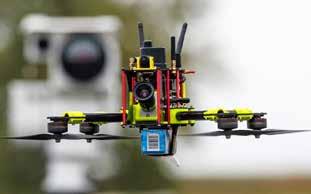
Two years of the Digital Services Act ensuring safer online spaces New plan to counter drone threats
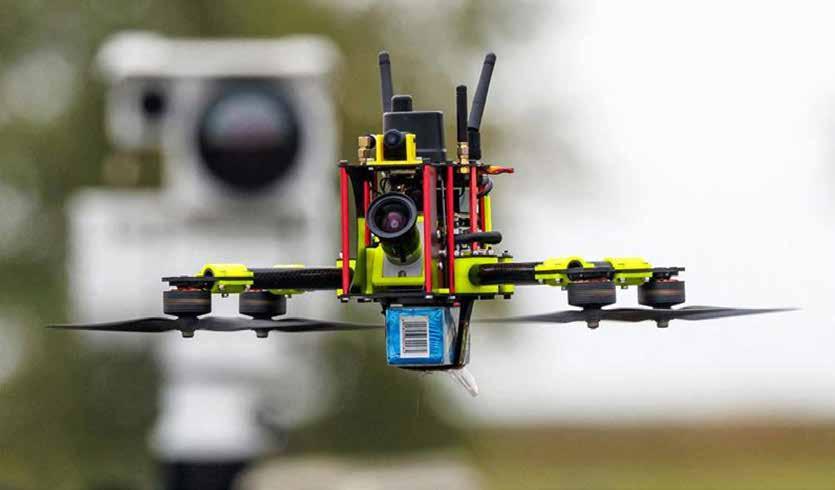
The European Commission has presented a plan to counter the increasing security threats posed by drones across the EU.
In recent years, the EU has faced growing challenges relating to drones, such as hostile overflights, airspace violations, disruptions to airports, and risks to critical infrastructure, external borders and public spaces.
The new plan represents an ambitious blueprint for stronger EU cooperation and solidarity and paves the way for a united EU approach against drone threats. It focuses on the civilian internal security, while complementing ongoing defence efforts. In addition, the plan contributes to the development of a competitive European drone market, unlocking the potential for innovation, growth, and job creation.
The plan will support EU countries by complementing national measures and focusing on four key priorities enhancing preparedness through increased technological development and faster industrial production boosting detection with AI software technologies and 5G networks to better detect drones coordinating and reinforcing responses through EU counterdrone systems and emergency response teams strengthening defence readiness through innovation and industrial cooperation.
The Commission will soon launch discussions with EU countries based on the principle of co-ownership. It will also work closely with industry and the European Parliament to move the plan forward.
The new plan builds on the 2023 communication on countering potential drone
threats and replaces its midterm review and the drone strategy 2.0. The Commission remains committed to strengthening EU security. It is actively engaged in research and technical activities related to drones, counter-drone systems and autonomous platforms.
EU strategic autonomy
– one of the main goals of the Cyprus presidency
Presidency unfolds at a moment of profound geopolitical complexity and uncertainty
H.E. ANDREAS IGNATIOU
Ambassador of Cyprus to Croatia (based in Vienna)
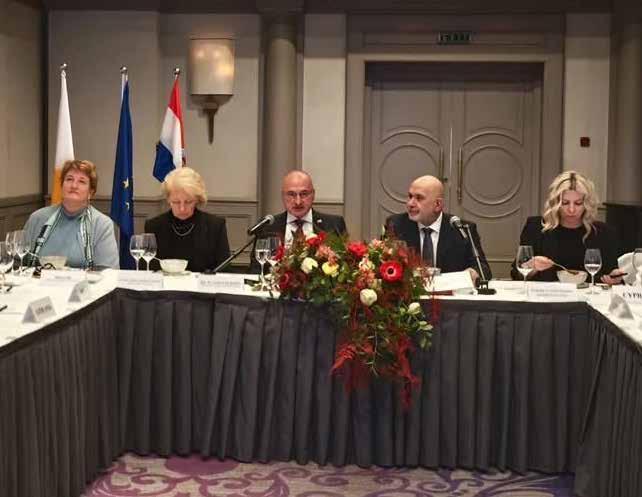
This marks the second time in its history that Cyprus has assumed the Presidency of the Council of the EU, following its first term in the second half of 2012. We approach this responsibility with a strong sense of duty and full awareness of the expectations, for Diplomacy&Commerce says H.E. Andreas Ignatiou, Ambassador of Cyprus to Croatia. Our ability to adapt to everyday challenges rests on several essential elements: political determination, flexibility, continuous monitoring of European and global developments, and above all, readiness, the ambassador adds.
After 14 years, Cyprus took over the rotating presidency of the Council of the EU on 1 January. It has already been 2 months since the takeover in very turbulent times. Let’s recall what the priorities of the Cyprus presidency are and what is the focus?
Cyprus, together with its Trio Presidency partners, Poland and Den-
mark, underscores the urgent need for a Union that is strategically autonomous while remaining open to the world. Strategic autonomy is the common thread running through the five priority pillars of the Cyprus Presidency.
First, autonomy through security, defence, readiness, and preparedness. Russia’s illegal invasion and continued occupa-
SIGNIFICANT SCOPE (FOR DEFENSE COOPERATION) EXISTS WITHIN THE EU FRAMEWORK, NOTABLE THROUGH PESCO, AS WELL AS THROUGH BILATERAL ARRANGEMENTS
tion of Ukraine have underscored the need to strengthen Europe’s defence readiness and capacity to act independently when required. Supporting Ukraine in every possible way will, of course, remain our highest priority. At the same time, the Cyprus Presidency will actively support key defense initiatives and prioritize the effective implementation of the White Paper on the Future of European Defence, as well as the Readiness Roadmap 2030.
Second, autonomy through competitiveness. Europe’s competitiveness underpins its resilience and strategic capacity. The Presidency will promote a streamlined and predictable regulatory framework to support businesses while advancing regulatory simpli-
fication. Completing and strengthening the Single Market, the green and digital transitions, and reducing energy and raw material dependencies, also remain essential.
Third, an autonomous Union open to the world. Strategic autonomy does not imply isolation, but confident global engagement. The Cyprus Presidency will work to strengthen the EU’s global role through effective use of its policy instruments and deeper partnerships. Enlargement remains a transformative EU policy, and Cyprus is firmly committed to advancing a credible, merit-based enlargement process in line with strict conditionality.
Fourth, an autonomous Union of values that leaves no one behind. Europe’s strength lies in its citizens and shared values: democracy, the rule of law, and fundamental rights. The Presidency will work to reinforce the rule of law, strengthen social cohesion, address poverty, and promote access to affordable housing, energy, and safe food.
Fifth, a long-term budget for an autonomous Union. Strategic autonomy must be underpinned by adequate financing. The Multiannual Financial Framework for 2028–2034 is the Union’s key instrument for delivering its long-term objectives. Building on progress achieved, the Cyprus Presidency will advance negotiations constructively and transparently, with the aim of delivering a mature negotiating framework to facilitate timely agreement at the European Council.
In the given circumstances, how far is it possible to implement the given policies and how do you adapt to everyday challenges? As I noted earlier, our priorities have been shaped to a significant extent through close cooperation with our Trio Presidency partners. This continuity has already allowed for tangible progress.
In our view, the key question is not whether these policies can be implemented, but whether the Union will demonstrate the decisiveness required to do so. Precisely because of the prevailing geopolitical context, it is imperative that the priorities of the Cypriot Presidency move decisively from discussions to concrete political action.
We are encouraged by the fact that the EU is already demonstrating a strong determination to advance towards a more autonomous Union across the political, social,
BOTH COUNTRIES ARE INCREASINGLY INVESTING IN DIVERSIFIED TOURISM, INCLUDING CULTURAL TOURISM, CITY BREAKS AND GASTRONOMY
and economic spectrum, in line with our Presidency priorities. It is this collective determination that underpins our confidence in the feasibility of implementation.
Naturally, the path forward is not without obstacles. As we have already witnessed during the first months of the Cypriot Presidency, unpredictable and serious developments can arise at short notice.
Challenges that, only a decade ago, might have appeared impossible are now being confronted and overcome through coordinated action.
Two recent examples illustrate this clearly. First, the agreement by EU leaders in December to grant a €90 billion loan to Ukraine, reached under the Danish Presidency, followed by the agreement on the legal framework for delivering this assistance on 4 February under the Cyprus Presidency. Second, the strong display of unity, support, and solidarity shown by Member States towards Denmark and Greenland, reaffirming their sovereignty and territorial integrity.
To what extent do European procedures and processes affect the efficiency of conducting European policies in general and how does official Nicosia see the role of Europe and the EU in the years to come (strengthening the EU’s defense capabilities, a more competitive economy...)?
The EU is, at its core, a Union of sovereign states that made a conscious decision: that the European continent had endured enough war, destruction, and loss of life. On that foundation, Member States have demonstrated a remarkable capacity to engage in dialogue, to cooperate, to understand each other’s perspectives, and to reach decisions that take into account a wide range of interests, priorities, and sensitivities. It is worth underlining that there is no other multilateral format in modern history that has proven equally capable of delivering collective decisions with such speed, effectiveness, and impact.
That said, we do not claim that European decision-making is flawless. A Union of 27 partners cannot, by definition, act with the same speed as a single nation-state. There is room for further improvement, and we should continue working towards more streamlined and efficient procedures, while fully respecting national concerns, and legitimate sensitivities.
From the perspective of Cyprus, and indeed shared by partners such as Croatia, smaller Member States see strong value in a Union that combines effectiveness with
inclusiveness. Effectiveness is achieved when all Member States feel heard and engaged in the outcome.
Looking ahead, Nicosia sees the EU playing an increasingly central role as a geopolitical, economic, and security actor. Strengthening Europe’s defence capabilities, enhancing strategic autonomy, and building a more competitive economy are not abstract ambitions, they are practical necessities. Europe must therefore continue to evolve in support of these goals, ensuring that the Union remains capable of acting decisively, in an increasingly complex global environment.
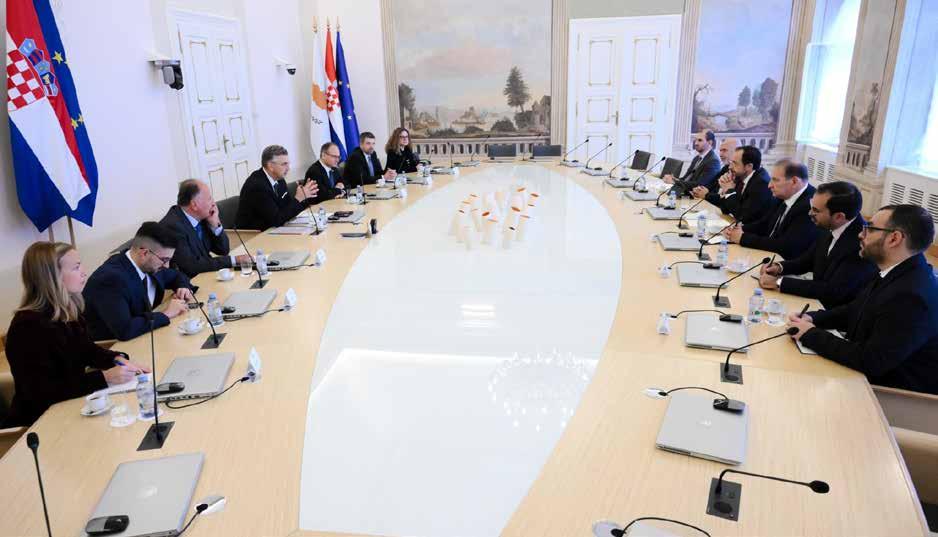
Cyprus and Croatia are members of the EU and share the same values. There are no open issues, but where do you see room for progress in relations between the two countries?
Membership in the EU implies the adoption of a common set of principles and values: democracy, the rule of law, open and inclusive societies, respect for international law, and the protection of fundamental human rights. These are not abstract notions; they constitute our moral compass and are embedded in every aspect of our policymaking.
In this regard, we are particularly pleased to share these values with Croatia, a country with which we also share common historical experiences, including the tragedy of war and the enduring humanitarian issue of missing persons.
Cyprus is not a member of NATO. The current geopolitical circumstances do not allow Cyprus, a country of particular strategic importance, to access or apply for membership in the Alliance. This is due to the persistent denial by a NATO member of an objective and universally recognised reality: the existence of the Republic of Cyprus, a full member of the United Nations and the EU. This situation inevitably constrains Cyprus in fully realising the spectrum of defence cooperation with European partners, including Croatia.
That said, NATO is not the sole avenue for deepening defence cooperation. Significant scope exists within the EU framework, notably through PESCO, as well as through bilateral arrangements. The conclusion of Memoranda of Understanding on defence cooperation represents a realistic path forward.
Beyond defense, we see additional opportunities for enhanced cooperation in areas such as im-
THE KEY QUESTION IS NOT WHETHER THESE POLICIES CAN BE IMPLEMENTED, BUT WHETHER THE UNION WILL DEMONSTRATE THE DECISIVENESS REQUIRED TO DO SO
proved connectivity, increased trade flows, and deeper collaboration on maritime safety. In this latter field, our two countries already work together through a joint Croatian–Cypriot Centre of Excellence, which provides a solid platform of cooperation.
Economic parameters are one of the important indicators of how relations develop. What do the numbers show, bearing in mind that both countries are tourism powers and that they are located in the Mediterranean, and that they share the same “cake” of tourism?
I have already referred to the shared values that underpin all dimensions of our bilateral relationship. At the same time, economic relations remain a decisive factor in shaping relations between states. From that perspective, the potential for strengthening economic cooperation between Cyprus and Croatia is considerable. Indeed, as Mediterranean countries, both Cyprus and Croatia are widely recognised as tourism powerhouses. We offer high-quality tourism services, supported by exceptional natural beauty and rich cultural heritage. However, it would be an oversimplification to suggest that Cyprus and Croatia are merely “sharing the same cake” in tourism. On the contrary, there
is significant scope for partnership, exchange of best practices, and mutual learning, which can allow both tourism sectors to grow further rather than compete at each other’s expense.
Moreover, both countries are increasingly investing in diversified tourism, including cultural tourism, city breaks and gastronomy. This diversification opens the door not only to new markets but also to increased tourism flows between us. From personal experience, I can confirm this dynamic. I encounter a growing number of Cypriot visitors in Zagreb, drawn by the city’s history, cultural life, and local cuisine.
How do you see Croatia from Vienna and what do you most like to visit when you’re here? What do you like about our gastronomy, and what would you recommend we definitely see and try when we go to Cyprus? I try to visit Zagreb as often as possible, especially during the period when Cyprus holds the Presidency. Despite the demanding schedule, I always enjoy a walk around Ban Josip Jelačić Square, the beating heart of the city, and the nearby streets. I also enjoy exploring the old town with its unique architecture and atmosphere. The area around Zagreb Cathedral, St. Mark’s Church, where the Sabor
and Banski dvori are located, as well as Lotrščak Tower, are among my personal favourites.
In terms of gastronomy, I find that both Croatians and Cypriots share a strong love for good food. Our cuisines are based on authenticity, regional diversity, and traditions passed down from generation to generation. The use of fish, olive oil, fresh herbs, and wine is something we naturally have in common. In Zagreb, I never miss the opportunity to enjoy štrukli and ćevapi, while fritule are a particular favourite, not least because they are similar of a traditional Cypriot sweet and feel pleasantly familiar.
As for Cyprus, I can assure Croatian visitors that the island often exceeds expectations. Despite its size, Cyprus offers remarkable diversity: from sandy beaches to pine-covered mountains and panoramic views, within less than an hour’s drive. Wherever one goes, traces of an ancient civilisation unfold, ancient theatres and temples standing alongside medieval Byzantine churches and monasteries, bearing witness to the island’s long history.
Cyprus also offers something for different tastes and interests. It is well known for its vibrant nightlife, but it is equally rewarding for culinary enthusiasts. Cypriot food blends Eastern Mediterranean influences into a distinct Cypriot cuisine, shaped by local products, generous portions, and warm hospitality. Rather than recommending a specific dish, I would simply suggest visiting a local taverna, where you will likely have the chance to try many traditional flavours.
Zohran Mamdani
– the Democrats’ new brand
Socialism in New York is a test run, but it remains uncertain whether this spark will catch and spread across the United States ahead of the next presidential election
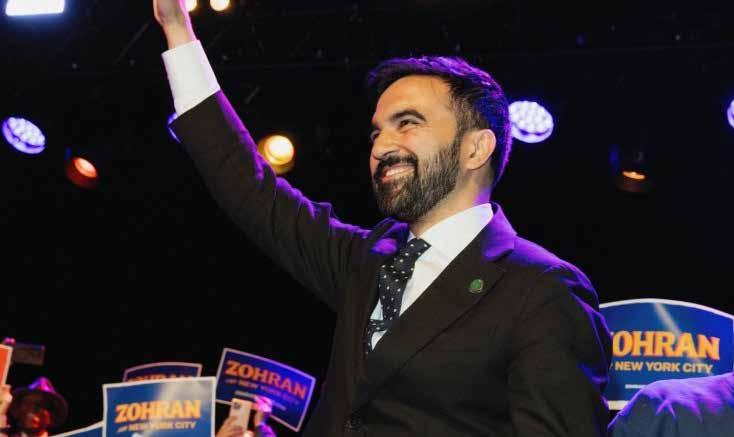
The last time Americans experienced political excitement on this scale was when Barack Obama was elected president; they felt it again recently with Zohran Mamdani’s arrival at the helm of New York. Is this enthusiasm well-founded, or will it once more evolve into other, less pleasant feelings?
The new mayor of America’s financial heart is indeed young (a significant shift by local standards) and an unusual choice, but why does the belief persist, repeatedly and without grounding in experience, that someone will bring epochal change simply because they are aesthetically different from the established order? In this case, the differences are darker skin, Muslim faith, and migrant Indian heritage. Different, yet nothing new.
The world is buzzing that a “migrant of Indian origin and Muslim faith” has become the head of New York, even though the city crossed that river long ago. As early as the 1930s, the city was led by Fiorello La Guardia, the child
WITH THEIR “NEW BOXER IN THE RING” SEIZING NEW YORK, THE DEMOCRATS ARE STRIKING BACK AT TRUMP
of Italian immigrants, at a time when Italians were viewed as third-class citizens. One might say the matter is quite simple. Citizens, not only in the United States, are tired of the wornout, familiar faces of their political scene and require nothing more than for that same political elite to occasionally hand them new hope from within the party.
Let us recall the thrill surrounding Barack Obama’s arrival in the White House, despite his membership in the Democratic establishment; or the moment when Emmanuel Macron, previously politically unknown, became the young-
est president of France. What would those who greeted him with such excitement for breaking the stale Socialist-Republican dichotomy say now? Can Britons even notice, in the behaviour of their government, that it is no longer the elitist Conservatives they were eager to remove, but the Labour Party of their once-idolised Jeremy Corbyn? What changes did Rishi Sunak bring as the first British prime minister of Indian origin and migrant background, other than introducing the harshest immigration and asylum measures in British history?
Or will Mamdani, in fact, be different? What is his appeal? How did a young Democratic socialist of Muslim faith and migrant background become the mayor of New York?
Firstly, by crafting precisely those “cosmetic” distinctions. Many argue that it is far more than cosmetic that Mamdani comes from a family that migrated to New York, that it is significant he is Muslim, that he understands ordinary people, and that it is not negligible that he, despite Trump and Congress, sides with the Palestinians and says he would arrest Benjamin Netanyahu should he set foot in New York. It is indeed a visible departure from the behaviour of the Democrats’ gerontocratic establishment. It is only logical that a city of migrants, diversity and colourfulness would identify with him; a city of young, educated and hard-working corporate employees with strong salaries and even stronger ties, yet barely tolerating the cost of living in the metropolis. Rents are outrageous.
Indeed, he is the first Muslim of Indian origin to run New York, and this in the middle of Donald Trump’s term. It is both fascinating and disheartening that previous administrations did so much damage that citizens now need so
little to be promised in exchange for their vote. So little for a vote given to someone who, at least superficially, resembles them because they no longer trust anyone else. Mamdani ran his campaign by stopping people in the street and asking them what was wrong with New York. They all said transport was expensive, that the cost of living and housing was enormous. When he asked whether they would vote for someone who promised to resolve that, they said they would, regardless of who that person was or what colour their skin happened to be. Mamdani made that promise and won.
So little, in fact, reveals such a deep problem that makes life in New York unbearable. The city has become harsh and prohibitively expensive.
Mamdani was necessary to them just as he is necessary to the Democratic Party after its recent catastrophic defeat in the Biden–Kamala Harris episode. Not to mention the generational reset and the party’s disastrous approval ratings.
DO YOU REMEMBER VIRGINIA RAGGI?
The Mamdani factor irresistibly takes me back to Rome. Do you recall how the first woman ever to lead Rome became mayor and how she promised to revive the city whose “eternal” spirit had begun to fade? Renewal – that magical word that young Zohran will also deploy. I hope he delivers more than Virginia Raggi did, for she departed and the city still struggles with public transport, rubbish on the streets, potholes in the asphalt. You can guess that she, too, was “written into history as the first” on the same pain points and the same promises. The first woman, the first Black person, the first migrant, a homosexual, an Indian… Political marketing plays on the terrain where the system has failed.
A HERALD OF THE PARTY’S AWAKENING
The young mayor of Indian origin, direct in his dealings with citizens, cheerful, charming and sharp-tongued when criticising Republican President Trump, is not supported by conservative Democrats. His backing comes from younger, more alternative party colleagues, from urban residents, and from educated corporate taxpayers. For them, he is a herald of the beginning of the end for the party’s “old guard”. Perhaps Mamdani intends, by promising to transform New York, to trigger tectonic shifts both within himself and within the party. Through Trump’s shadow, the Democrats are already looking towards the next mandate and do not wish to see anything resembling the Biden–Kamala Harris episode on the horizon. They need someone to push their boat out, just as Trump did for the Republicans. After all, rhetoric aside, with the two sides flinging words like “communist” and “fascist” at one another, they share more similarities than they care to admit.
Enchanted by the idea that they see themselves in him, New Yorkers forget that Mamdani is not a migrant like those who cannot afford to pay rent. They overlook that he comes from a higher social class, that he is the son of a respected professor and the renowned Indian filmmaker Mira Nair. A child of the elite. Trump also
THE FIRST MUSLIM MAYOR PROMISES RENT FREEZES, FREE KINDERGARTEN, FREE CITY BUS TRANSPORT, AND HIGHER TAXES FOR THE WEALTHIEST NEW YORKERS.
criticised the establishment and rode that wave to victory, despite being part of the elite himself. Whether Zohran, like Trump, will go beyond palatable marketing cannot yet be said, even though Trump’s Republicans suffered heavy defeats not only in New York, but also in Virginia and New Jersey. In the complex and diverse United States, New York is no mirror. Yet, as experts say, the city can, like the Statue of Liberty at the harbour entrance, demonstrate the strength of an open, humane America.
New York is becoming a proving ground for a new era of the Democratic Party, one in which Mamdani could build a political future at the national level. The Democrats’ triple victory – former CIA officer Abigail Spanberger easily won the race for governor of Virginia, while former naval officer and prosecutor Mikie Sherrill triumphed in New Jersey, significantly increasing Democratic support compared with the Trump–Harris presidential contest. Still, this threefold victory is not the result of a referendum on Trump’s politics. Only the 2026 midterm elections for Congress will show what Americans think of the president and his unpredictable style of governance. Moreover, some argue that the Democrats should remain cautious, as attempting to defeat right-wing populism with left-wing populism is a risky strategy. They believe that the optimism surrounding Mamdani’s potential influence far beyond New York amounts to “unrealistic fantasies”, and that the person most pleased with his rise sits in the White House. It turns out Trump wins even when he loses.
The university of the future is digital and human-centered
Our scientists and researchers are closely connected with industry, and we strive to make breakthroughs that contribute to development, quality of life, and education
BOŽO SKOKO
Vice-Rector for Postgraduate Studies and the Popularization of Science at Algebra Bernays University
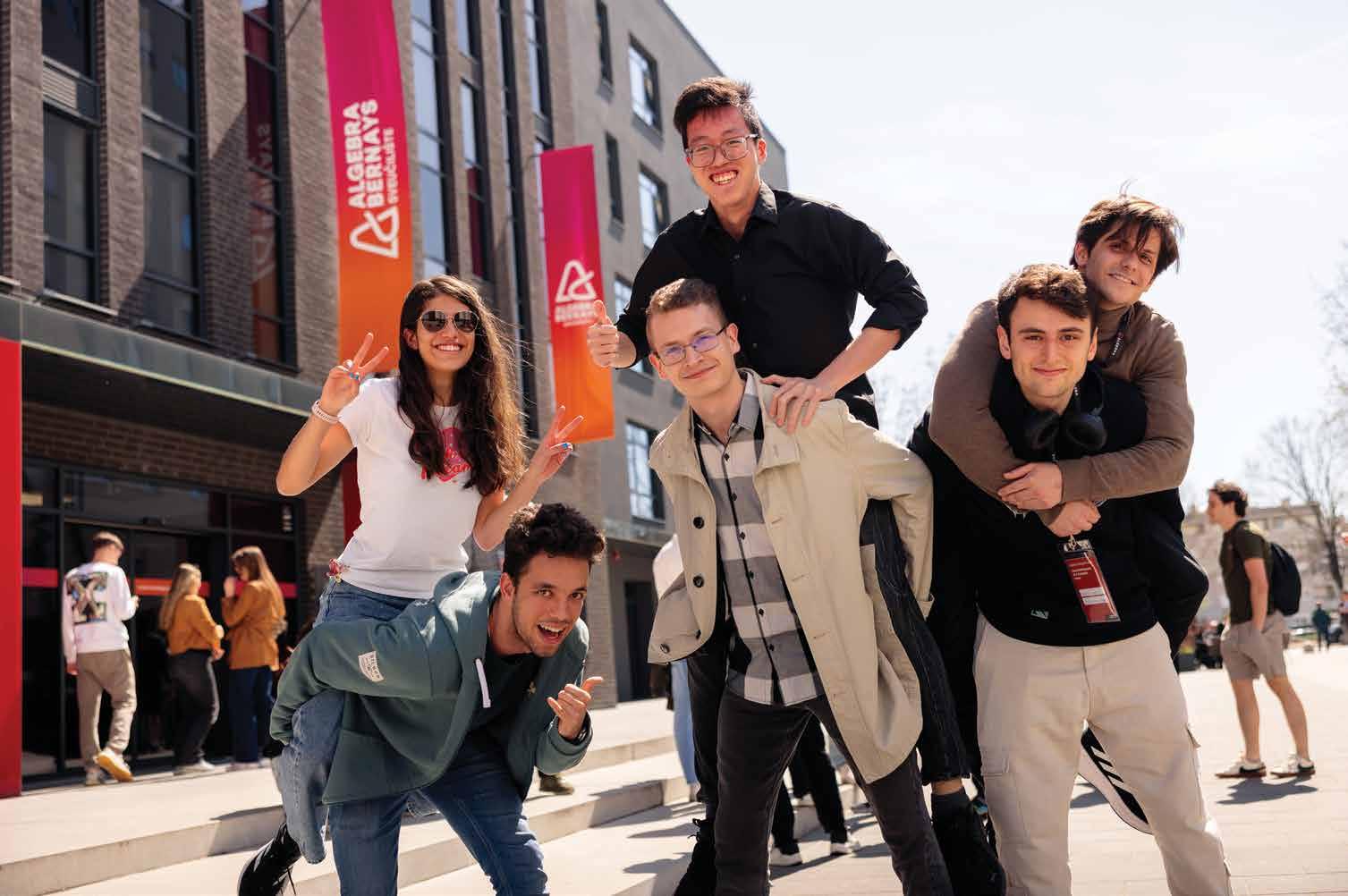
At Algebra Bernays University, knowledge is applied through project-based work, internships, and collaboration with companies in real market conditions. This is evident across all of our study programs, Božo Skoko, Vice-Rector for Postgraduate Studies and the Popularization of Science at Algebra Bernays University, told Diplomacy&Commerce. He also believes that today the gap between theory and practice is smaller than ever before.
The Algebra Bernays University is the largest private educational institution in Croatia, dedicated to contemporary, relevant, and practice-oriented education. You serve as Vice-Rector for Postgraduate Studies and the Popularization of Science. How do you promote science?
research are useful, understandable, accessible, and applicable in real life, and specifically in the marketplace. We approach popularization systematically and on several levels: through public lectures and professional conferences, media appearances by our lecturers and faculty members, col-
SCIENCE MUST BE VISIBLE, OPEN AND INCLUSIVE
At Algebra Bernays University, we do not view science as a closed academic space, but as a benefit to the wider community. We strive to ensure that science and scientific
laboration with industry, visits to grammar and secondary schools, and projects in which students participate in research with tangible social and market impact.
It is particularly important to us to bring complex scientific topics closer to the public in clear and accessible language, while preserving their professional grounding and seriousness. We believe it is the responsibility of the academic community not only to create new knowledge, but also to actively share it, explain it, and place it within the context of contemporary challenges such as digital transformation, artificial intelligence, and social development. Science must be visible, open, and inclusive. Its value is not measured solely by scientific publications, but also by its real impact on the community, the economy, and the quality of public discourse. That is why we strive to
build bridges between research, education, and practice – as well as between Croatia and the international scientific community. Through partnerships with foreign universities, participation in international research projects, and the involvement of our faculty staff and students in global academic networks, we ensure that the knowledge we create and transfer is relevant not only at the national level, but also at the European and global levels.
When it comes to postgraduate studies, the Joint Doctoral Study Programme stands out. Who is it intended for, and what makes it stand out among others?
The Joint Doctoral Study Programme in Computer and Data Science is the first joint doctoral programme of its kind in Croatia. It is designed for researchers who wish to work in an international environment and develop topics with real scientific and societal impact. The programme brings together more than forty internationally recognized scholars in the fields of artificial intelligence, data science, technology, and ethics. Each doctoral candidate is assigned two supervisors – one from each partner country – ensuring a broader perspective and stronger academic support throughout the entire research process.
A distinctive feature of the programme is its strong research support and access to advanced digital resources that enable work on complex scientific problems. Doctoral candidates do not work in isolation; they are actively involved into the international research community.
The curriculum is interdisciplinary, combining methodology of scientific research with advanced topics in artificial intelligence and data analytics, while also developing skills such as international project writing and scientific communication. The programme operates under a joint governance model of two institutions, with clearly defined and aligned quality standards, which further enhances its international credibility.
How would you assess the relationship between education and applied knowledge today, and to what extent is the knowledge acquired at the University applied in practical terms?
The practical dimension is confirmed through projects developed in cooperation with the
THE JOINT DOCTORAL STUDY PROGRAMME IN COMPUTER AND DATA SCIENCE IS INTENDED FOR RESEARCHERS WHO WISH TO WORK IN AN INTERNATIONAL ENVIRONMENT
Croatian Employers’ Association, such as the socially responsible communication campaign of the Ne budi zombi initiative, as well as through the development of computer games created by our students – Rod of Asclepius, Slippy Rails, and Dragon Tribe Chronicles. Collaboration with GNK Dinamo Zagreb connects the study programmes in Multimedia Production, Communication Management, and Creative Design Management with concrete assignments in multimedia, communications, and visual identity, which students develop for this football club. In the Data Science and Artificial Intelligence programme – which we were the first to launch in Europe – students work with concrete tools and models, analyze data, develop solutions, and reflect on the ethical aspects of technology. Artificial intelligence thus becomes both a tool and a subject of critical understanding. This approach enables students to adapt more quickly to the labour market while developing critical thinking,
teamwork, and the responsible use of technology.
Where do you see the biggest problem in today’s education system, and how can it be addressed? What models do you use to tackle potential challenges?
In my opinion, the biggest problem lies in the system’s slow adaptation to changes taking place in technology and the economy. Curricula often reflect reactive practices rather than a proactive approach. The solution lies in more flexible programmes, faster integration of new knowledge and technologies into teaching, stronger cooperation with industry, and greater autonomy for educational institutions in designing their content. We apply a model of continuous improvement, meaning that we update courses every year, involve industry experts, and closely monitor global trends. In addition, we encourage interdisciplinarity, as contemporary challenges rarely belong to just one field.
Given the vision of Algebra Bernays University to become an institution recognized for its contributions to advanced digital technologies and to be a driver of change, where do you see Croatian education in the future? In which direction will it develop, and what should we pay particular attention to?
The University’s vision is to be a catalyst for change in the fields of advanced digital technologies and innovation, as well as in communication sciences. In that context, Croatian education must evolve toward a model that is personalized, digitally empowered, and at the same time deeply human-centered. The university of the future must be digital, but also tailored to people – technology is a tool, not an end in itself. In the future, key competencies will include digital skills, data literacy, ethical understanding of technology, and the ability for lifelong learning, combined with a high degree of adaptability to new trends and the rapid development of science and technology. Particular attention must be given to fostering critical thinking and responsibility in the use of artificial intelligence. Education will no longer be a one-time process, but a continuous partnership between the individual and the institution. Those who understand this in time will be competitive not only nationally, but globally as well.
The dermatological health of the population is good, but with concerning patterns
The introduction of dermoscopy, standardized photo documentation, and digital monitoring of moles has represented a significant step forward in Croatian dermatology
ZRINJKA PAŠTAR
Dermatology and Venereology Specialist, Dentaderm
Aparticular strength of the Croatian system is the strong integration of clinical dermatology, preventive medicine, and dermocosmetics, research, and scientific practice, Assoc. Prof. Zrinjka Paštar, MD, PhD, Specialist in Dermatology and Venereology, Dentaderm and University of Zadar, Department of Health Studies and owner of the Dentaderm Clinic, told Diplomacy&Commerce. As a successful businesswoman, she has recently launched the Eastok hair care line, which is unique on the market in terms of its composition and effects.
You are a recognized and respected expert with many years of experience in dermatology and venereology, not only in Croatia but internationally as well. To
problems, and how can they be addressed?
From the perspective of dermatology and venereology, the health of the population in Croatia can be described as good;
EASTOK PRODUCTS HELP REDUCE HAIR LOSS, PROMOTE REGROWTH, AND CREATE VISIBLY THICKER, STRONGER, AND MORE VITAL HAIR
begin with, how would you assess the health of the Croatian population from the perspective of your profession? Where do you see the most
however, there are patterns that should concern us in the long term, particularly those related to awareness, knowledge, lifestyle, and habits.
The greatest challenges remain excessive exposure to UV radiation, inadequate photoprotection, late recognition of malignant skin changes, postponing examinations of suspicious skin lesions, the growing impact of stress and lifestyle on chronic skin diseases, chronic skin conditions associated with immune system disorders, and an increase in sexually transmitted infections among the younger population.
In my opinion, the solution lies in stronger public health prevention efforts, early screening, digitalization of skin lesion monitoring, and interdisciplinary cooperation with family medicine and public health institutions. In the long term, clear, accessible public information and education must be continuous, but also adapted to modern communication channels. Digital tools can be, and already are, a valuable ally in this process, but they cannot replace a medical examination.
In 2006, you introduced the standard of dermoscopic examinations in Croatia, along with clinical and dermoscopic photo documentation and clinical-dermoscopic monitoring of moles with photo documentation. How much did these innovations influence patient awareness then and now, and how much have they contributed to improving the overall health of the population? These methods enabled earlier detection of melanoma and other skin tumours, reduced the number of unnecessary surgical procedures, and increased patient safety through longitudinal monitoring of changes. In addition to their clinical benefits, their educational impact has been extremely important – patients have become more aware of the importance of self-examinations, as well as preventive and follow-up checkups. Today, digital dermatoscopy and artificial intelligence further enhance diagnostic precision, confirming that the foundations for a modern approach to preventive dermatology were laid back then.
You recently launced the new Easton shampoo line. What makes this line different and special compared to similar products on the market?
The Eastok line – scalp exfoliator, oil concentrate, shampoo, and emulsion – was developed out of a clinical need for effective, sophisticated, and dermatologically safe solutions for hair growth. Eastok
products are formulated with carefully selected botanical extracts of Thymusvulgaris,Rosmarinus officinalis,Cedrusatlantica,and Lavandulaangustifolia. These thoughtfully designed trichophytotherapeutic formulations act in synergy to stimulate microcirculation, strengthen the hair follicle, and support the natural hair growth cycle, while also providing antiandrogenic activity targeting factors associated with increased hair loss and thinning. Developed in concentrations supported by testing, Eastok products help reduce hair loss, promote regrowth, and create visibly thicker, stronger, and more vital hair. The textures are balanced to deliver maximum efficacy without pronounced irritation, preserving the natural balance and comfort of the scalp. Eastok embodies the fusion of scientifically grounded effectiveness and a luxurious care ritual, designed for long-term health and beauty of the hair. The experience extends beyond the home routine through an exclusive aromatherapy treatment at the Dentaderm clinic, conceived as a 60-minute holistic renewal ritual. The professionally guided application of Eastok products is complemented by a carefully curated musical and lighting ambiance that soothes the senses, releases tension, and induces a state of deep relaxation. Within this space of quiet stimulation of the scalp, aromatherapy and active ingredients work more profoundly, enhancing microcirculation and supporting natural hair growth, while simultaneously restoring energy and emotional balance.
The Eastok ritual thus becomes more than care – it transforms into an intimate wellbeing moment where science, botany, and sensory luxury merge into an experience of visibly healthier hair and a sense of complete regeneration.
In addition to being a successful specialist and physician, you are also a successful businesswoman. When and how did you decide to start a private practice, and how would you assess the business climate in your field (competition, clients, business conditions, administration)?
The decision to start a private practice was a logical step after many years of clinical work and a desire for greater professional autonomy, faster implementation of modern diagnostic methods, and a more individualized approach to patients. The private sector offers
TODAY, DIGITAL DERMATOSCOPY
organizational flexibility, continuous investment in technology, and more space for preventive work, which I consider extremely important in dermatology.
I perceive the business climate as dynamic, but not burdened by a sense of competition. In medicine, particularly in dermatology, patients recognize and choose their dermatologist, just as we physicians build long-term relationships of trust with our patients. Precisely that mutual recognition and continuity of care are more important than market rivalry. The greatest challenges remain administrative requirements and the regulatory framework; however, high-quality professional work, ethics, and patient trust remain the foundation of stable and successful practice.
What would you single out as the most challenging part of doing
nize this level of concentration and authentic commitment, which further strengthens trust and builds long-term relationships. Operating in healthcare today is more complex than before due to increased administrative burdens, rapid technological developments, and the need for continuous investment. At the same time, positive changes are evident – greater access to technology, growing awareness of preventive medicine, and an increasing willingness among patients to invest in quality and long-term health. I believe the future will bring further digitalization and organizational simplification, enabling physicians to devote even more attention to what matters most – the patient.
business – the professional or the business aspect? How difficult is it to operate today, and do you see changes in that regard?
The professional aspect, although demanding, is natural for a physician, as it involves continuous education, keeping up with new therapeutic options, and applying modern technologies for the benefit of patients. However, the business segment is more challenging, since it includes work organization, team management, administrative obligations, and constant alignment with regulatory requirements – areas for which medical education does not primarily prepare doctors. When I am working, there is no world outside that moment and the patient – complete focus, responsibility, and dedication become the only priority. I believe patients recog-
Where does Croatia stand today compared to the region and the world when it comes to the dermatology industry, the beauty industry, and the beauty sector in general? How do you see the future development of this sector? Today, Croatia is in a phase of stable and visible growth within the dermatology industry and, in terms of professional expertise, procedural safety, and service quality, operates at the level of developed global markets. We have highly educated professionals, a growing dermocosmetic production sector, and an increasing demand for medically grounded diagnostic and therapeutic approaches. A particular strength of the Croatian system is the strong integration of clinical dermatology, preventive medicine, dermocosmetics, research, and scientific practice. In comparison with global trends, there is a noticeable rise in interest in preventive dermatology, early detection of malignant changes, preservation of skin health, and the use of products and procedures supported by solid scientific evidence. Patients are better informed and increasingly seek long-term, medically justified solutions.
In the future, I expect further development of personalized dermatology, greater integration of digital diagnostic technologies, strengthening of medical evidence-based dermocosmetics, and more intensive collaboration between medicine, the pharmaceutical industry, and the research sector. The direction of development will focus on prevention, early diagnosis, and the preservation of functional skin health, which represents an important public health and professional priority.
Print is a premium product, while Digital is all about speed, distribution and interaction
We have never viewed Digital as a replacement for print, but rather as an extension of the Brand – an experience, an object, something the reader takes into their hands and dedicates time to
DOMAGOJ GLOGOVIĆ
CEO and Co-Owner of Mediatop International d.o.o., member of Color Press Group
In an era of algorithms, fast content, and endless scrolling, premium print is once again finding its place. We spoke about this quiet renaissance – as well as the transformation of the publisher’s role in the world of events, digital platforms, and new generations – with Domagoj Glogović, CEO and Co-owner of Mediatop International, one of the leading lifestyle media houses in Croatia.
You have been in the media industry since 2005. You went through several cycles – from expansion to crisis and digital transformation. How do you look back today on those some twenty years?
When I entered the industry in 2005, print was dominant, budgets were larger, and the market operated under completely different rules. Then came the global financial crisis, digital expansion, declining circulation, panic, and restructuring. Those who survived that period have serious resilience today. We have gone through all the phases – from the era of strong circulation figures to the moment when everyone was saying that print was dead. Today, we are living in a new stability. The industry is more mature, more rational, and more professional.
Your company has five portals and 12 magazines with a focus on lifestyle. How do you balance print and digital?
The lifestyle segment has the advantage of not being exclusively tied to daily news. It relies on aesthetics, high-quality photography, design, deeper stories, and context. That is something that print can offer better than any screen. On the other hand, digital provides reach and the ability to connect across all channels – web, social media, newsletters, and video.
content, people are overwhelmed. Algorithms serve them hundreds of pieces of information every day. Print, especially in the luxury lifestyle segment, becomes a filter. Curated content, slower reading, paper quality, design – these become
ARTIFICIAL INTELLIGENCE CAN HELP, BUT IT CANNOT REPLACE JOURNALISTIC INTUITION, RESEARCH, AND AN AUTHORIAL VOICE
You mentioned the renaissance of print media. Many would argue that this is a bold statement. What do you base that view on?
It is based on concrete data and experience from international markets. At the FIPP WORLD MEDIA CONGRESS in Madrid last year – which brings together the world’s leading media companies – major global publishers clearly stated that premium print is growing. Not mass-market titles, not tabloids, but high-quality, luxury, specialized publications. In a world of hyper-production of digital
value. Those who know the market well are aware that even small Croatia has seen the launch of several new premium magazines in recent years. A premium product makes more sense today than ever before. People are willing to pay for something that has lasting value.
How much pressure is digital publishing under from technological platforms today? The pressure is enormous – especially from Google and its algorithms. A single algorithm change can reduce a portal’s traffic by 30 or 40 percent in a short period
of time. That creates instability. News media are the most vulnerable. They are the most dependent on organic traffic and search. Lifestyle media are somewhat more protected because they rely on brand strength, loyal audiences, and social media, but they are not immune either. Small and medium-sized publishers that lack the resources for constant SEO optimization and adjustments are faced with a particular challenge. Digital has become a distribution game, not just a content game –and distribution is controlled by platforms.
You mentioned the stability of the industry. How do you manage client relationships and payments?
Interestingly, today we have fewer problems with collections than we did about 15 years ago. Back then, there was much more nonpayment and late payment. Today, advertisers are more professional, contracts are clearer, and the market is more mature. Of course, there are always exceptions, but it is no longer a systemic problem. In this sense, the industry is more stable than it used to be.
What is the biggest challenge in business today?
Definitely staffing. Finding quality people has become a bigger challenge than finding advertisers. We notice a serious lack of knowledge about editing print media among journalists and editors. Print requires structure, a sense of rhythm of the issue, balance between text and photography, and understanding of formats. This was once learned in newsrooms through practice and mentorship. Today, almost no one teaches it systematically. On the digital side, the problem is different – an overreliance on AI tools. Artificial intelligence can help, but it cannot replace journalistic intuition, research, and an authorial voice. Too much generic content leads to a loss of identity.
Does that mean traditional journalism is disappearing? It is not disappearing, but it is being pushed aside. Speed has become more important than depth. Clicks are valued over context. But audiences recognize the difference in the long term. If everyone uses the same tools and produces similar content, the only differentiation that remains is authenticity. That is what we must insist on.
How do you see Generation Z in newsrooms?
Honestly, it’s a complex topic. Generation Z has a different approach to work compared to millennials. They are less likely to commit longterm, more impulsive, and seek quick results. Sometimes it’s difficult to rely on them for long-term planning. On the other hand, they grew up in a digital world. They intuitively understand social media, algorithms, and formats like Reels or TikTok. Multichannel connectivity comes naturally to them, which is a huge advantage. The key is balance – combining the experience of older generations with the digital fluency of younger ones.
Can print be attractive to Generation Z?
Yes, but not in the same way as before. Generation Z doesn’t buy newspapers out of habit. They buy experiences. If the product is aesthetically strong, luxurious, and collectible, it has a chance. We see that young people increasingly value physical objects: vinyl records, books with special design, limited editions. Print needs to be positioned exactly like that – as a premium product.
TODAY, A PUBLISHER IS NO LONGER JUST A CONTENT PRODUCER, BUT ALSO AN EVENT ORGANIZER, A PRODUCTION HOUSE, AND A STRATEGIC PARTNER FOR BRANDS
How do you define a premium lifestyle product in print?
It’s a combination of top-quality content, exclusive interlocutors, exceptional photography, high-quality paper, and design. It’s a product you can leave on a table for months, one that has aesthetic value. Premium print is not just information - it’s an experience. In the luxury segment, brands still want to be present in such an environment because it gives them credibility that a banner ad can never provide.
In your opinion, are news media the most vulnerable in the long term?
If we’re talking about digital, yes – the news segment is under the greatest pressure. Dependence on platforms, declining trust, competition from social media and aggregators – all of this creates challenges. If everyone publishes the same news within 3 minutes,
thinking. Print will not disappear. Digital will continue to develop, but with increasingly significant challenges related to distribution and platform regulation. The key will be building strong brands and a loyal audience.
How has the role of publishers changed?
Last year, Mediatop International organized 12 client events, produced a huge amount of video content, carried out dozens of activations with target audiences, and organized concerts. This includes one of the largest media events in Croatia – the Hello! event at Lauba for around 1,200 guests. We also ran smaller, sophisticated, premium pop-up events for about 50 people for Marie Claire. We organize several events every year for Grazia, and the Summer Event has become a signature occasion with around 450 attendees.
Our longest-running brand, Ljepota & zdravlje magazine, is one of the few magazines in Croatia published monthly. Print remains extremely successful, and we have just redesigned its website. Marie Claire is our newest acquisition; the first issue came out last July and, in terms of advertising, it was the strongest print launch in the region in the past fifteen years.
audience loyalty is low. People click, read, and move on. On the other hand, platforms like Google, Facebook, TikTok, etc. they control the traffic. When an algorithm falters, the newsroom feels it immediately. Lifestyle media have an advantage because they offer aspiration, inspiration, and a visual identity. They build a relationship with the audience on a different level. Specialized and niche media also have a chance because they provide expertise. Mass-market, generic news portals without a clear identity will have the hardest time surviving.
What is your view on the future of the media industry in Croatia?
I do not expect spectacular expansion, but I do expect consolidation and stability. There will be less improvisation and more strategic
Niche publications with lower production costs are also performing very well. Our portfolio includes the teen magazine OK!, which is the only Croatian magazine published monthly. Demand shows that children still engage with print. The living segment also demonstrates strength – Moj Stan, Moj lijepi vrt, and Brava Casa are successful with both readers and clients.
I certainly see the future in strong brands, premium products, and integration of content, events, and digital channels. Print will not disappear – it is simply in a state of continuous transformation.
If you were starting over today, would you choose the media industry again?
Despite all the challenges – yes. This is an industry that is constantly changing. It is never boring. We have gone through ups and downs, but it is precisely those lows that have taught us resilience. I believe we are heading into a period in which quality will regain its value. And that is, in the long term, good news for everyone who takes media seriously.
AJVAR – authentic, homemade, and distinctive
“Nana’s recipe from the south” is over 100 years old
BOJANA JANKOVIĆ
Owner of an artisanal workshop for traditional food preparation
Every successful story has a life of its own and comes into being in a unique way. When the knowledge of two political scientists is combined with their mothers’ professional experience gained in public administration, along with a desire for business success rooted in tradition and authenticity, success is inevitable.
“Food production was not our profession – but it was what we loved,” says Bojana Janković, owner of an artisanal workshop producing food in a traditional way, for Diplomacy&Commerce. She also reveals how their products have been received in Croatia and around the world.
After many years of experience and work in the state administration, multinational companies, non-governmental sector, you decided to become an entrepreneur. The business of making ajvar, with a local stamp - the south of Serbia and the famous flavours “Nana’s recipe from the south”, is a family business –with you, your mother and your sister. How did you decide to produce ajvar and how would you rate your decision today?
identity. Whenever we had guests, that ajvar was always the “star of the table.” We decided to turn what we had been making for generations into a brand – authentic, homemade, and recognizable.
My sister, our mother, and I had never previously been involved in production or private business. My sister and I graduated from political science and worked in communications, while our mother was employed in the city administration. That is precisely why this was such a major step for us. We wanted something of our own and realized that our greatest value was already in our home – our ajvar and preserves made according to recipes more than 100 years old. It was not just a product, but a part of our
What is the most challenging thing about your job? International recognition is one of the goals, so in this regard, how challenging is it to find new markets, maintain the quality and recognition of the product? It is almost impossible to be completely unique in this day and age, but the real challenge lies in finding a way to ensure that what you produce carries authenticity and a recognizable story. From the very beginning, our ambition was to position our products beyond the borders of Serbia –to become ambassadors of our region
through a single jar of ajvar. The South has soul – it is a land of music, pure enjoyment (merak), heartfelt songs, and warmth. And that emotion can be tasted in the food. Each of our jars carries a story about that spirit, and that is what sets us apart. It is precisely this story that opened the doors to demanding markets such as the United States and Switzerland, where we received an exceptionally warm response from customers.
Ajvar is a food that is consumed throughout the region and everyone will say that theirs is the real one - the best. What is needed for a delicious ajvar and is there a difference in production depending on the region where it is made? To what extent do the development of tourism and the improvement of the gastronomic offer benefit you?
In our region, everyone will claim that their rakija or ajvar is the best. But what makes ajvar from southern Serbia truly special is the tradition and the method of preparation. Our recipes are over 100 years old, and we never wanted to change the process or introduce industrial methods. Everything is still made by hand, the way our grandmothers and great-grandmothers did it. In an age of machines and mass production, this is now a rarity. With us, the human hand still creates a premium product of the highest quality. The growth of tourism and gastronomy certainly works in our favour. Serbia is increasingly positioning itself as a country of good food, and for us, food is not just sustenance – it is a story, a tradition, and part of cultural identity. That is why ajvar is no longer just a local product that is difficult to explain to foreigners – today, more and more people know what it is and recognize its value.
The fact that you have also started producing bio-sponges speaks volumes about how enterprising you are. Where did the idea for something like that come from, how is a bio-sponge being made, what can we use it for, and what is the production technology?
The idea for bio-sponges arose from a real problem. During ajvar production season, we generated large amounts of organic waste – pepper skins and tomato peels. We had to pack the waste into sacks and transport it ourselves, which consumed time, energy, and human resources. At the same time, a project implemented by UNDP and the Ministry of Environmental Protection was launched, aimed at supporting women entrepreneurs and promoting the circular economy. We had already thought about turning organic waste into biodegradable sponges, but we lacked the equipment to speed up and simplify the process. We applied, and our idea was recognized as one of the top 20 in the field of sustainable development. The funding allowed us to start production. Today, this is not a large-scale production, but it enables us to convert a significant portion of our waste into a new product and be socially responsible – in the spirit of the circular economy and sustainable development.
How much is your product recognized in Croatia? What do you see as the biggest challenges in your work and what do you think are the ways to overcome them? Do you have a message for fellow entrepreneurs and aspiring entrepreneurs?
Our entry into the Croatian market has a wonderful story. At the very beginning, the Belgrade Chamber of Commerce took us to an entrepreneurship event in Pula. Honestly, we went with some reservations – the coast, a different cuisine, seafood… we wondered how interesting ajvar would be. What greeted us was a phenomenal surprise. The local population had their own memories of ajvar dating back to the Yugoslav era – either they had tried it before, or someone had brought it to them. Many said that while ajvar exists today, the taste they remembered, especially ajvar from southern Serbia, was no longer easy to find. That emotion and those memories touched us deeply. Visitors from Austria, Italy, and Slovenia often didn’t know ajvar or “slatko,” so we explained what it was and how it was made. For them, it was a new gastronomic experience – and their delight in the taste was clear as they returned for more jars. Everything we brought sold out in just a day and a half, even though the event lasted four days. Although we still don’t have continuous sales in the Croatian market, that first reception remains one of our fondest memories. Croatia has become one of our favourite markets, and we would gladly return. The biggest challenge for small producers is breaking into the market and competing with industrial, mass-produced products. The competition is tough. But quality is like water – it always finds its way. If you have a good product, stand behind it, and offer something authentic, be confident that the market will sooner or later recognize it and give it the place it deserves.
Balancing
of mind, body and soul
The podcast is my way of reminding the people that health is not just the absence of illness, but a state of internal harmony
ADRIANA ČORTAN SIMIĆ
Author of the pod cast Balansiranje, TV author and presenter
The region we live in knows no borders when it comes to media, so its influence on all countries is limitless. The region is a shared space that expands opportunities and enriches content. One of the personalities present in the public space of Serbia, as well as across the region, is Adriana Čortan Simić, the creator of the podcast Balansiranje, TV author, and presenter. She talks for Diplomacy&Commerce about her latest project Balansiranje, what it means in her case, and the influence and transformation of media in today’s world.
You have been in the public eye for over 25 years as a journalist, author, and host of numerous television programs watched across the region. After many years working in one medium (television), how did you recognize the moment and the new age, and decide it was time to launch your own podcast, Balansiranje?
The idea for a podcast had been simmering inside me for a long time, not just because podcasts are trendy, but because I genuinely and deeply enjoy the format. After more than twenty-five years in television, I realized it was increasingly difficult for me to fit into short forms, strict durations, and predefined frameworks. The podcast gave me what I had been missing – freedom. A podcast is primarily listened to, and only then watched. There is no time constraint; the conversation flows as long as it makes sense and there
PODCAST AND SOCIAL NETWORKS HAVE ONE MAJOR ADVANTAGE – THE AUDIENCE COMES BECAUSE THEY WANT TO, AND NOT BECAUSE THEY HAVE TO
is genuine exchange. That feeling is completely different – both for me and for the guest. In that space, there is no rush, no need to “cut” anything, no sensationalism. There is only conversation. I started Balansiranje from the heart, out of a personal need to find answers about health, meaning, emotions, and life crises, but also from a desire to share all of that with people. It is my personal space of truth, curiosity, and authenticity, where I explore together with my guests how to live healthier, happier, and longer – not only physically, but mentally and spiritually as well.
In Balansiranje, you focus on balancing the mind, body, and soul. You speak about nature, health, and rituals – about how to live more consciously and achieve longevity. Why did you choose to focus on this particular niche, and how important is it today, in a time when everything is fast and often seems very superficial? I began exploring these topics long before they became a “trend.” First through television, and then privately, because I realized that the conventional view of health was no longer sufficient. I’m glad that official medicine is increasingly embracing a holistic approach –that a person cannot be treated partially, but as a whole. Too often we treat consequences rather than causes. We put out fires without asking why they started in the first place. There is an old saying: you don’t treat the disease, you treat the person. And I am a deep believer of that. We live in a time of information overload, stress, and constant pressure to be productive, successful, and available. In that race, we lose contact with ourselves. For me, Balansiranje means asking: how are we truly living? Are we present in our own lives? Do we listen to our bodies? Do we nurture our thoughts, or do we leave them on autopilot?
How do you choose your guests, and what must they have in order to capture your audience’s attention? Who are you addressing – what is your target group, considering that you focus on inspiring stories? I choose my guests very intuitively, but also responsibly. What
matters to me is that they have knowledge, experience, and integrity. They are mostly experts in medicine, psychology, nutrition, science, but also individuals with powerful personal stories. I’m not interested in perfection - I’m interested in authenticity. People who have gone through crises, setbacks, and transformations. Those who understand that knowledge alone is not enough without empathy and humanity. Balansiranje is not an elitist podcast. It speaks to everyone – both young and old, those just beginning a journey and those who have already experienced a great deal. I believe that the question of health is universal and concerns every family. The message I consistently share is that change begins with us. When we change, the world around us changes too.
Given your many years of experience, how do you view new communication channels –from social media to podcasts? How strong is their influence, and to what extent does
CHOOSING PEACE OVER CHAOS, AWARENESS OVER AUTOPILOT, AND TRUTH OVER PLAYING A ROLE –THAT, FOR ME, IS THE ESSENCE OF BALANCING
quality break through amid the quantity? Do they complement mainstream media, or are they gradually replacing them, especially considering age groups and target audiences? I don’t believe television will disappear, but I do believe its influence is changing. Young people today hardly watch traditional TV programs at all. They choose the content, they choose the timing, and they choose the topics. Podcasts and social media have one major advantage – the audience
comes because they want to, not because they have to. There is no manipulation, no hidden agendas. Everything is transparent. You build a community of people who think similarly, ask questions, and engage in dialogue. Quality has a harder time breaking through today because there is simply too much content. But precisely because of that, when it does break through, it forms a much stronger bond with the audience. Balansiranje is not a mass product, but it is an honest story. And I believe that is exactly where the future of media lies – in authenticity, not in spectacle.
How do you personally find balance in life? What does Balansiranje mean to you?
Honestly – I am learning every single day. Balance is not a state you reach once and stay in forever. It’s a process. Some days I manage it better, some days less so. For me, balance means listening to myself. Noticing when I’m tired, when I need a break, when I need silence. I’ve learned that I don’t have to be available to everyone all the time and that I have a right to my own time. Choosing peace over chaos, awareness over autopilot, and truth over playing a role – that, for me, is the essence of balancing.
Considering the topics you deal with, what do you pay attention to and what are your areas of interest? Do you have a message for our readers, who mostly work in sedentary jobs or feel they don’t really have time for balance in their lives? Or is there, after all, time for everything?
Most people live in a seated position – both physically and mentally. They sit in jobs they don’t love, in relationships that don’t nourish them, in lives they didn’t consciously choose. We often say we don’t have time, but the truth is that we often lack priorities. Time for yourself is not a luxury – it’s the foundation of health. It doesn’t require an hour of yoga or a perfect routine. Five minutes of silence, a short walk, one honest question to yourself – how am I today? – can be enough. Small changes make a big difference. Balance doesn’t mean a perfect life; it means a conscious life. And that is the only investment that always pays off.
DANIJEL KOLETIĆ
CEO of Aprioriworld/ PRO PR
While politicians who lack expertise in the field of AI selectively involve certain expert groups, artificial intelligence is transforming people and the way they do business at the speed of light. Will humans serve artificial intelligence – which is already taking over part of human knowledge – or will artificial intelligence remain in service of humans? We will find out soon enough. Communication management, which shapes and directs communication messages in both diplomacy and the economy, is also facing a crisis due to insufficiently defined and vague frameworks in the field of artificial intelligence. As a result, never before has there been such an abundance of fake news. Despite enormous investments in cyber security, primarily aimed at preventing cyberattacks and fraudulent emails, significant room remains for the spread and dominance of misinformation.
At the 23rd International PRO PR Conference, to be held from 26 to 28 March at the Hilton Hotel in Podgorica, Montenegro, leading international and regional experts will address these issues. Tarik Meziani, Head of the Media Operations Unit at the Council of the European Union, will deliver a keynote address on the impact of artificial intelligence on public communication.
As part of the PR Talk format, participants will include Prof. Justin Green, President and CEO of the Global Alliance for Public Relations and Communication Man-
Challenges of Communication Management
There is no need to shy away from innovation and change, but clear legal regulations that will define sources must be adopted as soon as possible
agement (Ireland); Sanja Ćalasan, CEO of Trebjesa AD (Molson Coors Beverage Company), Montenegro; Martin Leberle, CEO of NLB Banka AD Podgorica; Svetlana Vuksanović, CEO of Philip Morris Montenegro; and Nina Drakić, President of the Chamber of Economy of Montenegro.
Special attention will be given to crisis communication and fake news. These topics will be addressed by Lorenzo Brufani, Founder and Director of Competence Communication (Italy), and Petra Bezjak Cirman, Director of the Government Communication Office of the Republic of Slovenia, who will present Slovenia’s national anti-disinformation campaign.
claims. In other words, it is more a communication strategy than genuine sustainability.
Despite global shifts promoting environmental, social, and governance (ESG) criteria in business operations, many key questions remain unresolved, as policies in this area are often divided due to the interests of profit-driven groups. Some continents and countries have not even begun this process; some refuse to initiate it; others are unwilling to comply with it, while many individuals within organizations are not even aware of what it entails. One question largely remains unanswered: what is the specific responsibility of communication professionals in shaping environmental claims,
PRO PR IS THE ONLY CONFERENCE IN THE WORLD SPONSORED BY FOUR GLOBAL ORGANIZATIONS: PRCA, IPRA, GLOBAL ALLIANCE, AND WCFA
The conference will also feature the recently signed Roman Declaration of Green Communication Responsibility, signed on 28 January in Rome, further underscoring the importance of responsible and sustainable communication. Green and transparent communication itself represents a communication crisis, largely due to the phenomenon of greenwashing. Greenwashing is the practice where a company, institution, or organization creates the impression of environmental responsibility, even though its actual operations do not substantiate such
narratives, and decisions?
Under the auspices of the World Innovation and Change Management Institute (WICMI), we launched the Roman Declaration on Green Communication Responsibility precisely to address this question. The Declaration establishes a shared ethical and professional framework for how green communication should be designed, implemented, and evaluated. Every “green” decision depends on communication. Every sustainability commitment is interpreted, amplified, or challenged by the way it is communicated.
That is precisely why responsibility in communication cannot be optional.
Recognizing that the role of communication is to inform but also to manipulate, we must be aware that individuals and communication teams stand behind every crisis. The matter of the crisis of communication management has long surpassed ethical boundaries, while interest groups operate through communication messages faster than ever before.
Communication literacy among young people has never been more alarming, as many struggle to distinguish fake news from credible information. For this reason, additional investment in the development of media literacy is essential.
In this day and age, communication crisis is just as present in diplomacy as it is elsewhere. Many question the purpose of the United Nations and how many companies truly understand the Sustainable Development Goals. Young people, addicted to social media, are disconnected from reality – full of confidence but lacking experience and skills – yet they are supposed to become the new leaders of communication processes. Crises have always existed and always will, but if humans do not protect each other at this moment, if a global reset of questions and new rules is not undertaken, communication will be reduced solely to crisis communication.
In its 23 years, the PRO PR Conference, , has always been thematically ahead of others, and this year it will again bring together over 220 participants – leaders in communications – who will provide their insights.
Ambassadors of Estonia and Czech Republic Presents Credentials to the President of the Republic
H.E. Jana Vanaveski, Ambassador of the Republic of Estonia to Croatia, with residence in Prague, presented her credentials to the President Milanović. Alongside President Milanović were the Adviser to the President for Foreign and European Policy, Neven Pelicarić; the Director-General of the Directorate General for Economic Affairs and Development Cooperation of the Ministry of Foreign and European Affairs, Irena Alajbeg; and the Assistant Adviser to the President for Foreign and European Policy, Ivan Mutavdžić.
Hans Prins, new General Manager of Hyatt Regency Kotor Bay Resort
Hyatt Regency Kotor Bay Resort has introduced a new General Manager, Mr. Hans Prins, a multi-award winning professional and internationally recognized hospitality leader with over thirty years of experience managing luxury hotels and resorts around the world.
H.E. Petr Gandalovič, Ambassador of the Czech Republic to Croatia, with residence in Zagreb, presented his credentials. Accompanying the Ambassador of the Czech Republic was the Deputy Head of Mission of the Embassy of the Czech Republic to the Republic of Croatia, Jiři Hušner.
Ivan Slavica becomes a member of the Management Board and Chief Operating Officer for Commercial Affairs in Studenac
In retail, supplier relations and procurement optimization are key business segments and one of the foundations on which customer trust and loyalty are built. I am convinced that a quality offer, aligned with the daily needs of customers, together with strong partnerships with suppliers, creates sustainable value for the entire community. I am happy to continue developing this important dimension of business in a chain that continuously demonstrates how much proximity and convenience mean to customers. I accept new responsibilities with great motivation and believe that together we will successfully continue to strengthen Studenac’s position as the first choice for everyday shopping,” said Ivan Slavica.
CROMA’s Manager of the Year Awards
For 34 consecutive years, the Croatian Association of Managers and Entrepreneurs CROMA has been presenting awards at the end of the business year to the most successful managers and entrepreneurs in the categories of large, medium, small, mi-
cro and foreign companies, as well as the award for the most successful young manager and foreign manager. This year, a total of nine prestigious awards were presented. Bosqar CEO Darko Horvat is the winner in the category of Manager of a Large Company.
SLO CRO Chamber of Commerce elects leadership
The Election Session of the Assembly of Members of the SLO CRO Chamber of Commerce was held, which confirmed the stable and meaningful work of the Chamber in 2025 and the ambitious plan of
activities for 2026. The breadth of the program was highlighted – from business forums, international partner cooperation conferences, to cross-border initiatives between Croatia and Slovenia and beyond.
Potpis:
Photo:
Photo: SLO CRO Chamber of Commerce
Croatian promotion of perfume 9PM Night Out
If there is a perfume that evokes a sense of excitement as we get ready to go out, as well as that special energy of the beginning of the night when everything is possible, then it is the new 9PM Night Out from the perfume house AFNAN. The world-famous Arabic brand presented its latest fragrant treat from the cult 9PM line to the Zagreb audience, faithfully evoking the aesthetics of the night energy woven into the DNA of this perfume. Zagreb was carefully chosen for the regional launch of the latest fragrance from the house of AFNAN, 9PM Night Out, and Sameer Juwale, Sales Director of AFNAN, was also present at the event, and he did not hide his enthusiasm. The ambiance of the play of light and shadow, the urban rhythm and the atmosphere of a night out turned the evening into a memorable fra-
grant experience, just like the perfume communicates: intense, seductive and with a touch of unpredictability. The face of the campaign for 9PM Night Out is Ed Westwick, the actor we remember for his role as Chuck Bass in the series Gossip Girl. His recognizable combination of charisma and unobtrusive self-confidence perfectly reflects the character of the perfume. Just like Ed Westwick, 9PM Night Out doesn’t ask for attention but draws it with ease. The author of the fragrance is the renowned perfumer Quentin Roussel, known for his modern and expressive compositions that combine precision and emotion. His signature is felt in the layering, balance and longevity of the perfume. The premium perfume house AFNAN was founded in 2007, and today it is present in more than 120 countries.
ENVI PAJE
The new beachfront hideaway in Zanzibar
ENVI Lodges, an experiential, outdoor hospitality brand focused on mindful, nature-connected travel, announces the upcoming opening of ENVI Paje, a beachfront hideaway on the shores of Zanzibar, Tanzania
Opening June 2026, ENVI Paje sits along the white sands and turquoise waters of Paje Beach, one of the island’s most iconic stretches of coastline. Designed as a serene, contemporary retreat, the lodge offers guests a place to disconnect from daily life, embrace the rhythm of the ocean, and rediscover a sense of presence—whether through stillness and simplicity or activity and exploration. ENVI Paje marks ENVI Lodges’ third property in Tanzania, further expanding the brand’s presence across East Africa.
A BEACHFRONT SANCTUARY TO SLOW DOWN OR EXPLORE
At ENVI Paje, the experience is defined by the beauty of the location and the freedom to shape each day as you choose. Guests can unwind to the sound of the ocean, reconnect with themselves or loved ones, immerse in the island’s natural landscapes, or satisfy their curiosity through wellbeing, culture, cuisine, and adventure.
The lodge invites guests to slow down, reconnect with nature, and rediscover balance through purposeful living. The experience integrates a variety of gentle wellness activities that nurture body, mind, and soul—creating an environment that inspires deep restoration and meaningful personal renewal. With nutritious-
AT ENVI PAJE, THE EXPERIENCE IS DEFINED BY THE BEAUTY OF THE LOCATION AND THE FREEDOM TO SHAPE EACH DAY AS YOU CHOOSE
conscious meals and a special mixology bar offering naturally immune-supporting beverages, guests can fully embrace mindful living and holistic wellbeing.
Paje Beach is world-renowned for water sports—especially kitesurfing, making the lodge an ideal base for those seeking ocean thrills just steps from their villa. For travellers who prefer softer rhythms, the beachfront setting offers endless opportunities to pause, reset, and enjoy island life at its most unhurried.
DESIGN ROOTED IN NATURE
The lodge features 22 spacious private villas, each blending sustainable materials with Zanzibar’s natural textures and craftsmanship. Thoughtfully designed with an emphasis on light, space, and tranquillity, every villa includes a private terrace, and interiors finished with hand-crafted local artistry.
Minimalist yet warm, the design invites a seamless connection to the surrounding landscape—framing ocean views, celebrating natural breezes, and offering quiet corners for reading, reflection, or simply enjoying the moment.
The Signature Ocean Villas elevate the experience with semi-outdoor private pools and
uninterrupted views of the Indian Ocean, encapsulating the essence of barefoot luxury and simple wellbeing.
A PLACE TO RECONNECT
“ENVI Paje is about returning to what matters most,” said Paul Jordaan, Executive Director of ENVI Lodges. “It offers a beautiful, peaceful environment where guests can disconnect from the noise and reconnect—to nature, to each other, or to their own sense of clarity and calm. Zanzibar is a place of incredible energy and culture, and ENVI Paje captures that spirit in a thoughtful, contemporary way.”
Designed with simplicity in mind, the lodge fosters a naturally restorative atmosphere. Guests can enjoy beachfront yoga, unwind by the seaside pool, or explore the island at their own pace—whether wandering through spice farms, visiting Stone Town, or venturing across Zanzibar’s diverse marine world. Spa rituals and nature-inspired treatments will offer moments of relaxation and renewal, further enhancing the sense of balance.
MINDFUL HOSPITALITY WITH A SENSE OF PLACE
Aligned with ENVI’s commitment to sustainability and community, the property partners closely with local artisans, creators, and suppliers, ensuring that every stay contributes to the cultural and environmental richness of Zanzibar.
“ENVI Paje represents an important milestone in our growth,” said Noelle Homsy, Cofounder of ENVI Lodges. “It reflects our ongoing commitment to creating meaningful travel experiences that are both thoughtfully designed and deeply connected to their surroundings.”
A NEW BASE FOR ISLAND DISCOVERY
With its beachfront location, intimate scale, and effortless access to both relaxation and adventure, ENVI Paje offers a tranquil pied-à-terre for travellers wishing to explore the island. Whether guests arrive seeking quiet moments, ocean thrills, or a balance of both, ENVI Paje provides a sanctuary shaped by nature, beauty, and the simple pleasure of being present.
ENVI Paje opens its doors in June 2026, welcoming mindful travellers, couples, and friends to experience a refreshing new take on the Zanzibar escape. Bookings are now open for stays from 1 June 2026, inviting guests to be among the first to discover this serene new beachfront retreat.
ALIGNED WITH ENVI’S COMMITMENT TO SUSTAINABILITY AND COMMUNITY, THE PROPERTY PARTNERS CLOSELY WITH LOCAL ARTISANS, CREATORS, AND SUPPLIERS, ENSURING THAT EVERY STAY CONTRIBUTES TO THE CULTURAL AND ENVIRONMENTAL RICHNESS OF ZANZIBAR
For further information and bookings, please visit www.envilodges.com/paje.
ABOUT ENVI LODGES
ENVI Lodges is an experiential outdoor hospitality brand and management company, operating luxurious lodges that deliver exceptional hospitality. ENVI specialises in villas, safari tents and tented villas that are immersed in nature. The brand follows high standards of sustainability, with every lodge operated based on ENVI’s seven sustainability pillars, which include the mindful use of resources, support for local communities, and enhancement of biodiversity. ENVI believes the future of tourism relies on the creation of meaningful naturecentric experiences that contribute to the wellbeing of travellers, regenerate the environment, and create purpose-driven experiences that are transformational for its guests. With upcoming openings planned for 2026 across Zanzibar, Saudi Arabia and South Africa, ENVIcontinues to expand its footprint in extraordinary natural landscapes.
ALQVIMIA
ARE YOU IN FOR A HOT DETOX?
Spring is knocking on the door, and it is the right time to treat your body with a special ALQVIMIA Hot Pure Detox. It is a natural drainage and cleansing body treatment to activate the detoxification process of toxin, excess fluid and excess fat elimination
At ALQVIMIA, they can perform it as an individual treatment or as a preparatory treatment for different variations of the body contouring programs called Sillhouette. In all these treatments, the most potent and pure essential oils are combined with numerous traditional approaches such as maderotherapy, vacuum cups and manual massage techniques. The effect of smoother skin and firmer tissue is already visible after the first treatment, and for the complete effect, it is ideal to combine the professional cabin treatments with ALQVIMIA products for home use from the Sillhouette range.
• ALQVIMIA SHAPE REDUCER is the treatment and product focused on solving problems of liquid re tention and generalized body volume.
• ALQVIMIA BODY SCULPTOR sculpts and shapes the body avoiding and reducing fat accumulations.
• ALQVIMIA ANTI-CELLULITE treatment and products have lipolytic and draining effect. Indicated in all types of cellulite, especially in cellulite of flaccid type.
• ALQVIMIA HEALTHY AND FIRM SKIN - preventive treatment of flaccidity. Detoxifying, regenerating, nourishing, hydrating and firming the tissues.
In the very center of Zagreb, at Europski Square, is the home of Alqvimia Store & Spa, Spanish holistic 100% natural cometics present in the most exclusive spa centres around the world. ALQVIMIA is famous for its massages and spa rituals, that can be found only in the most luxuroius hotels as Mandarin Oriental, Shangri La, Four Seasons, Six Senses, Burj Al Arab, in Croatia in Maslina Resort and hotel Amabasdor Split, and now in – Zagreb, at ALQVIMIA Store & Spa.
ALQVIMIA IS A HIGH END AROMATHERAPY BASED COSMETIC BRAND OFFERS THE BROAD RANGE OF PRODUCTS FOR FACE AND BODY CARE, AS WELL AS UNIQUE MASSAGES AND FACE AND BODY TRETAMENTS.