Consumer Healthcare Oral Care Nutrition and Digestive OTC Medicines
Helping our clients achieve success through great product design
A world-leading product design consultancy
Founded in 1960, David Carter Associates (DCA) is one of the world’s leading multidisciplinary product design and development consultancies. Operating globally from our campus of studios, laboratories, and workshops in Warwick, UK, we combine creativity, engineering, and strategic thinking to deliver products and experiences that make a tangible impact on people’s lives.
For over sixty years, we have partnered with a wide variety of companies, helping them design and develop market-leading products that users continue to value every day. Today, our focus is on building long-term relationships with large corporations across four key sectors: Medical and Scientific, Commercial and Industrial, Consumer, and Transport.
Our purpose
At DCA, our purpose is simple: to help clients achieve success through great product design. For over sixty five years, we have consistently delivered products that are market-leading and valued by users. We focus on creating solutions that improve people’s lives, whether by enhancing efficiency, usability, or overall quality of life.
We also aim to make a positive, sustainable impact through our work, ensuring that the products we design are environmentally responsible and socially beneficial. Every project is an opportunity to combine innovation with meaningful results.
DCA is a team of over 140 talented individuals. Each person brings deep expertise while also collaborating across disciplines to achieve the best results. Our culture encourages curiosity, flexibility, and knowledge-sharing, meaning our clients benefit from both individual skill and team synergy.
We thrive on solving complex problems and delivering solutions that exceed expectations. By combining creativity with technical excellence, our people ensure every project is delivered to the highest standard.
philosophy
We create value by improving the success of product innovation. Our approach combines strategic thinking, disciplined processes, and the seamless integration of multiple disciplines. Every project is managed to balance creativity with technical rigor and commercial effectiveness.
We believe that successful products deliver real value to the end user, and that understanding a client’s business, market, and goals is key. By combining insight, expertise, and practical execution, we ensure every project achieves maximum impact.
We have won almost 150 international awards in the last 10 years
Our creativity
Since 2000, our creative work has led to over 6,300 patent applications and more than 4,000 granted patents worldwide. Innovation begins with asking the right questions and defining clear problem statements. We assemble bespoke teams trained in structured creativity processes to generate solutions that are original, practical, and market-ready.
Creativity at DCA is about solving problems, driving commercial success, and delivering tangible value to clients and their customers.
DCA has won almost 150 international awards in the last 10 years. Our company has also received numerous accolades, including ranking in the Sunday Times ‘International Track 100’, the Plimsol Outstanding Company Award, and multiple top placements in Design
Week’s ‘Top 100 Consultancy Survey’. We are proud to have twice received the Queen’s Award for Enterprise in International Trade, reflecting the dedication of our teams and the strength of our client partnerships worldwide.
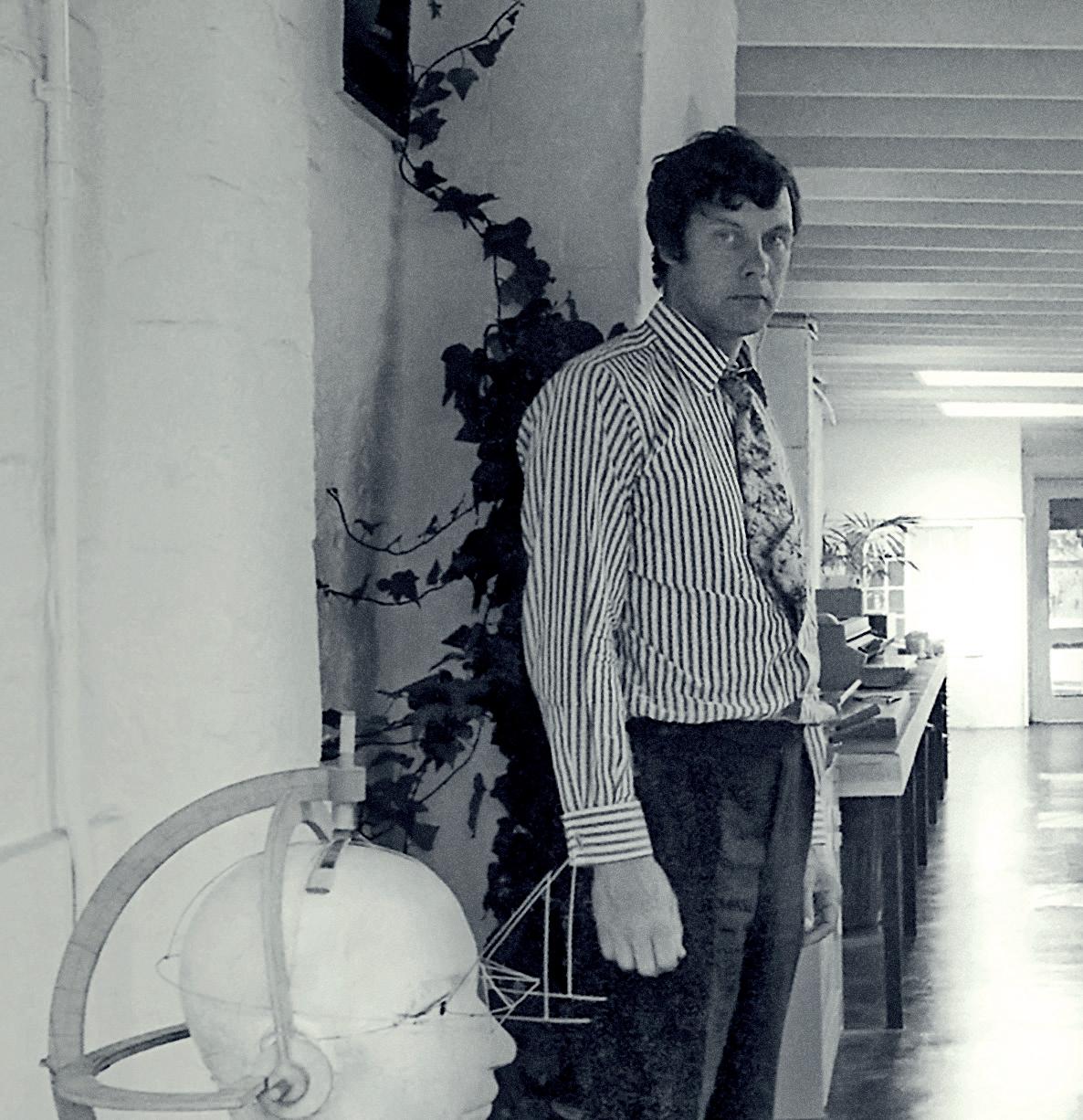
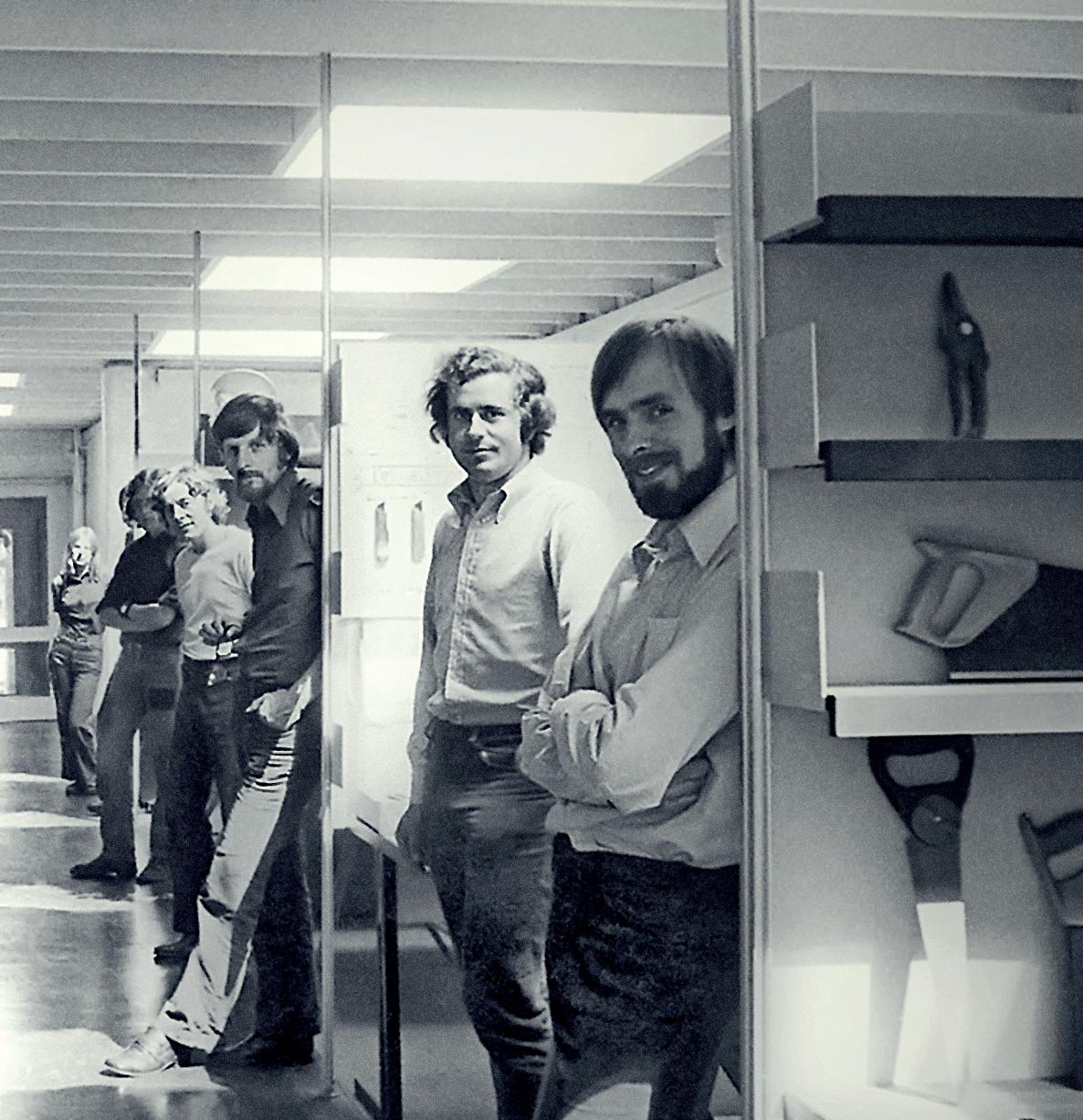
In 1960, David Carter CBE RDI founded DCA as “a multidisciplinary consultancy involved in designing products for mass production.” Over six decades, we have delivered iconic products, from the Stanley Knife to the Euro Shuttle train.
Although David retired in 1992, his philosophy of integrating disciplines remains at the heart of our approach. Our heritage continues to inform every project, combining experience, innovation, and a commitment to excellence.
Consumer Durables
When things get physical in a digital world
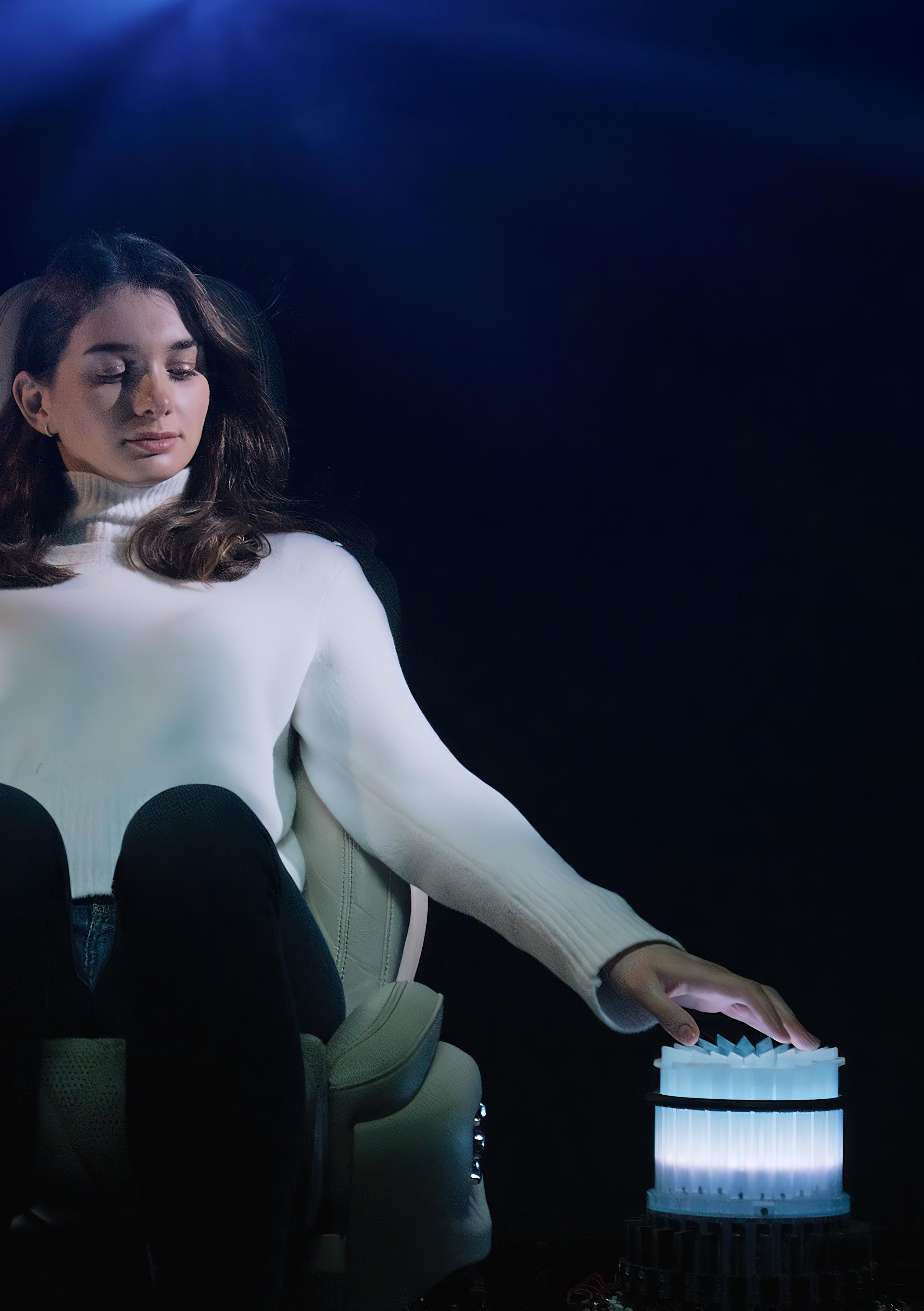
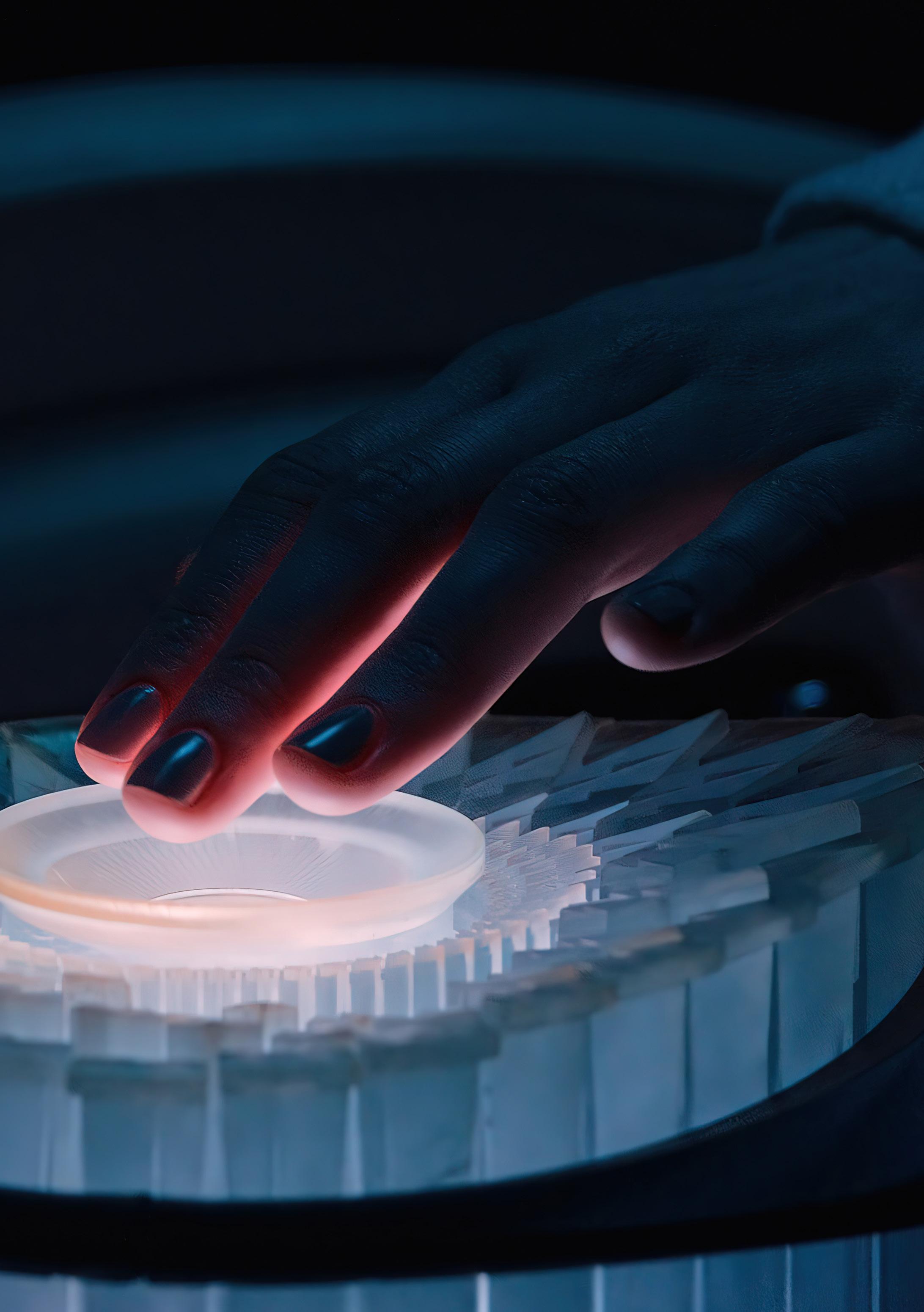
The world is not flat. Our clients engage us when things get physical, in a digital world. We help consumer durable brands grow by connecting their consumers and users with the future, through the creation of delightful and relevant experiences. Multi-sensory experiences that cross seamlessly between the physical and digital worlds. We are uniquely placed to help achieve this through a world-class expertise in brand, UX, design and engineering - mechanical, hardware and software.
Over half of our projects at DCA connect physical products to a broader digital ecosystem. Our expertise and specialism in this field, alongside our multidisciplinary design approach, sensory capabilities and engineering, means that we can help identify, design, iterate, test and develop connected products. We believe that these new products should be better for our clients, their users and our planet.
Consumer Electronics
Seamless physical and digital experiences
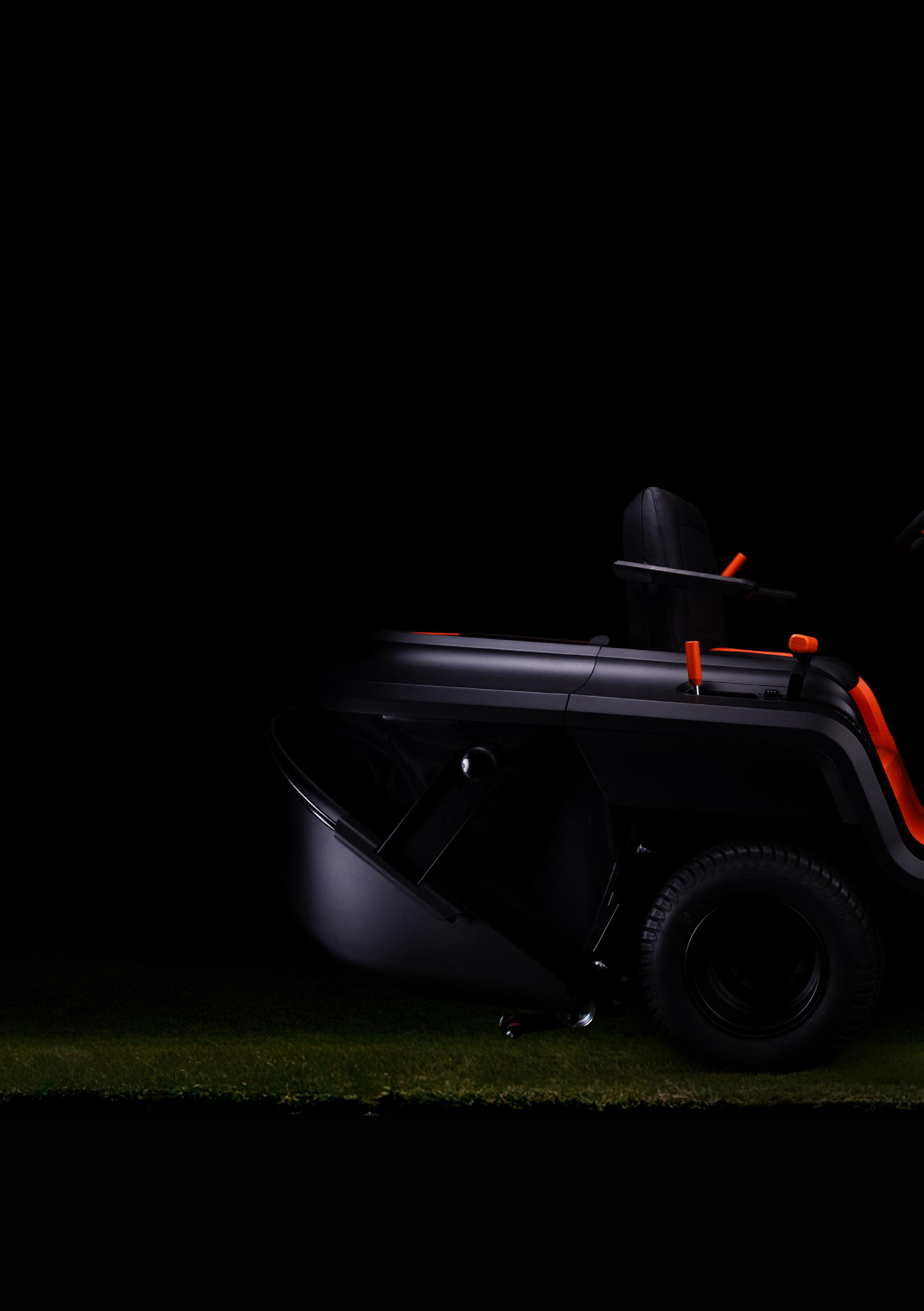
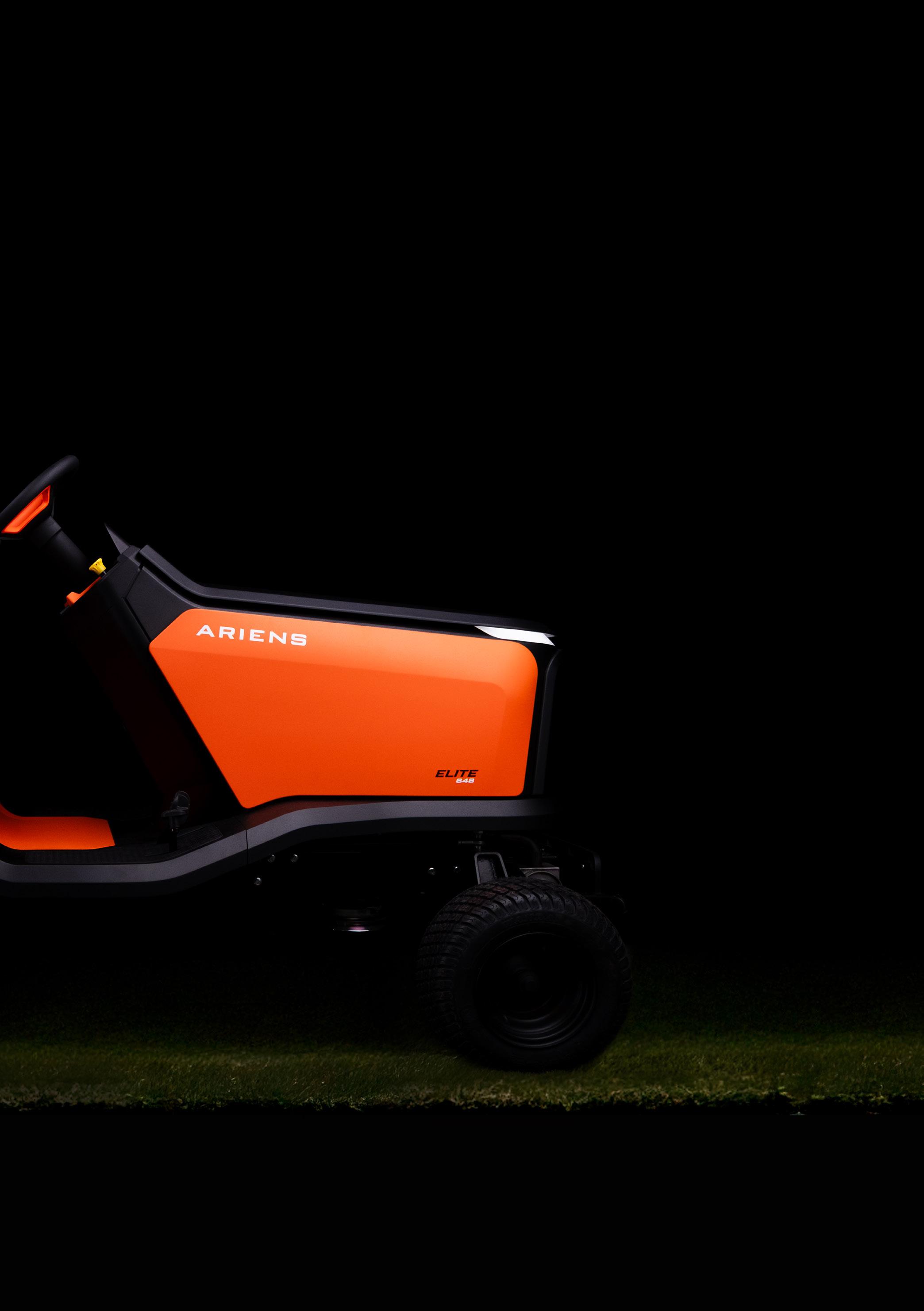
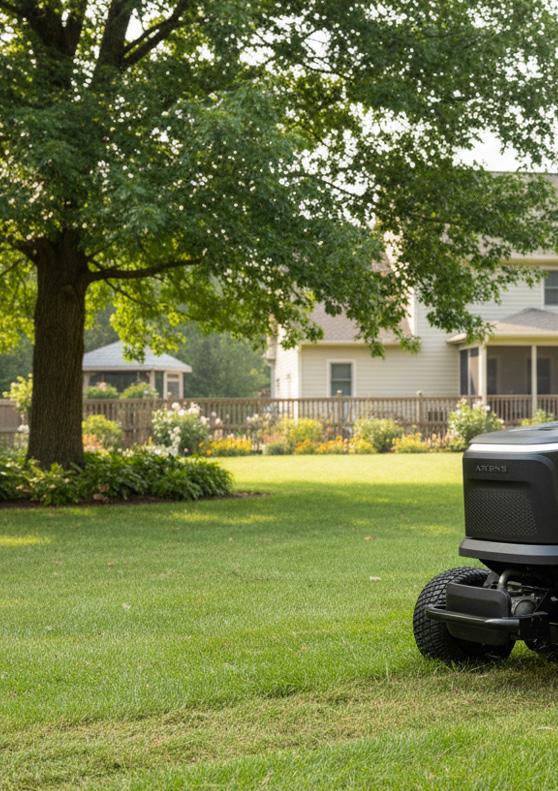
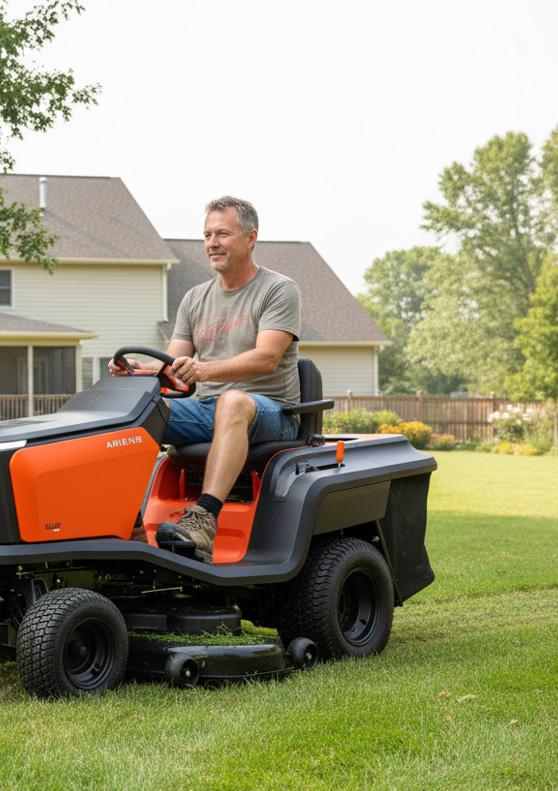
We help consumer electronic (CE) brands grow through the creation and curation of delightful and relevant user experiences. Multi-sensory experiences that cross seamlessly between the physical and digital worlds. The award winning CE team at DCA has recent experience and expertise in audio, white goods, household appliances, lawn care, beverage systems, hair and beauty appliances and teleheath systems. Our multidisciplinary design approach,
sensory capabilities and advanced software, electronics and mechanical engineering teams, mean we are an ideal partner to help identify, design, prototype, iterate, test and develop any new, innovative CE product.
Electronics
Human Factors, Usability and Inclusivity
Industrial Design
Mechanical Engineering
Prototyping
Research and Strategy
Software Development
Systems Engineering
UX/UI
Virtual Reality
Client
Description
Date
Activities
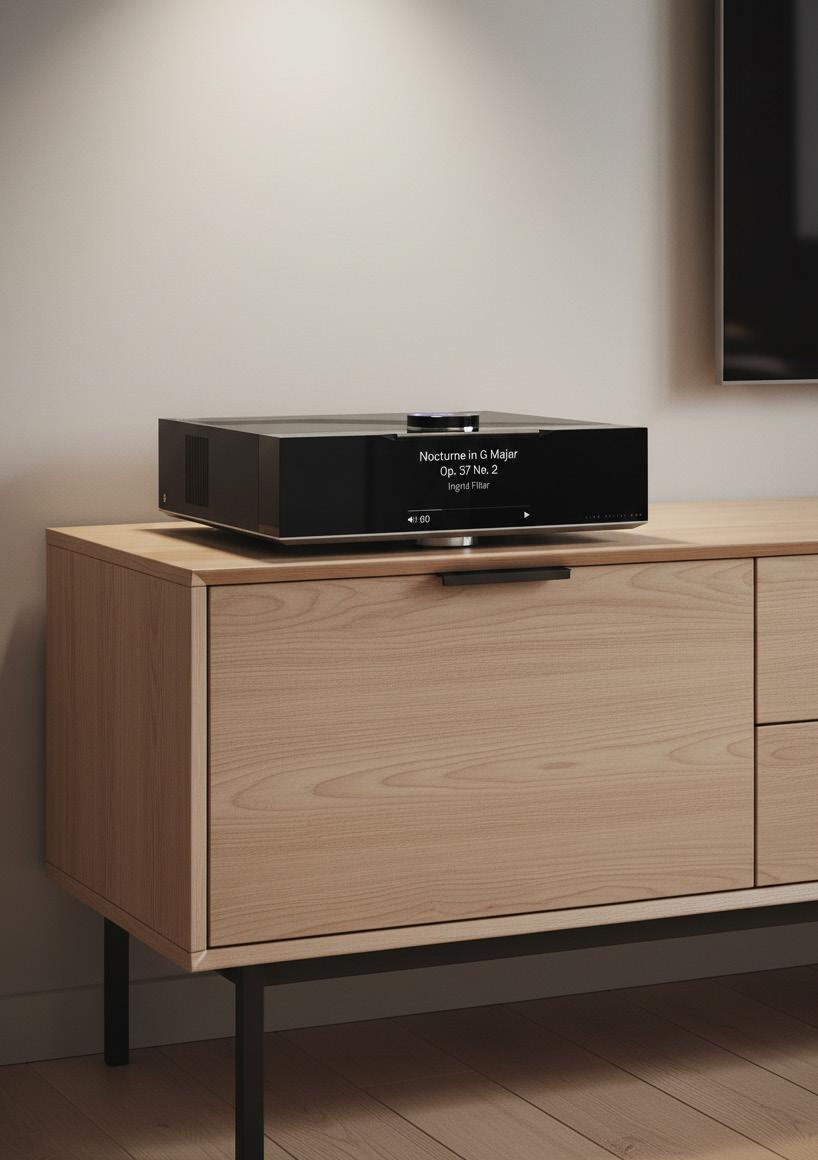
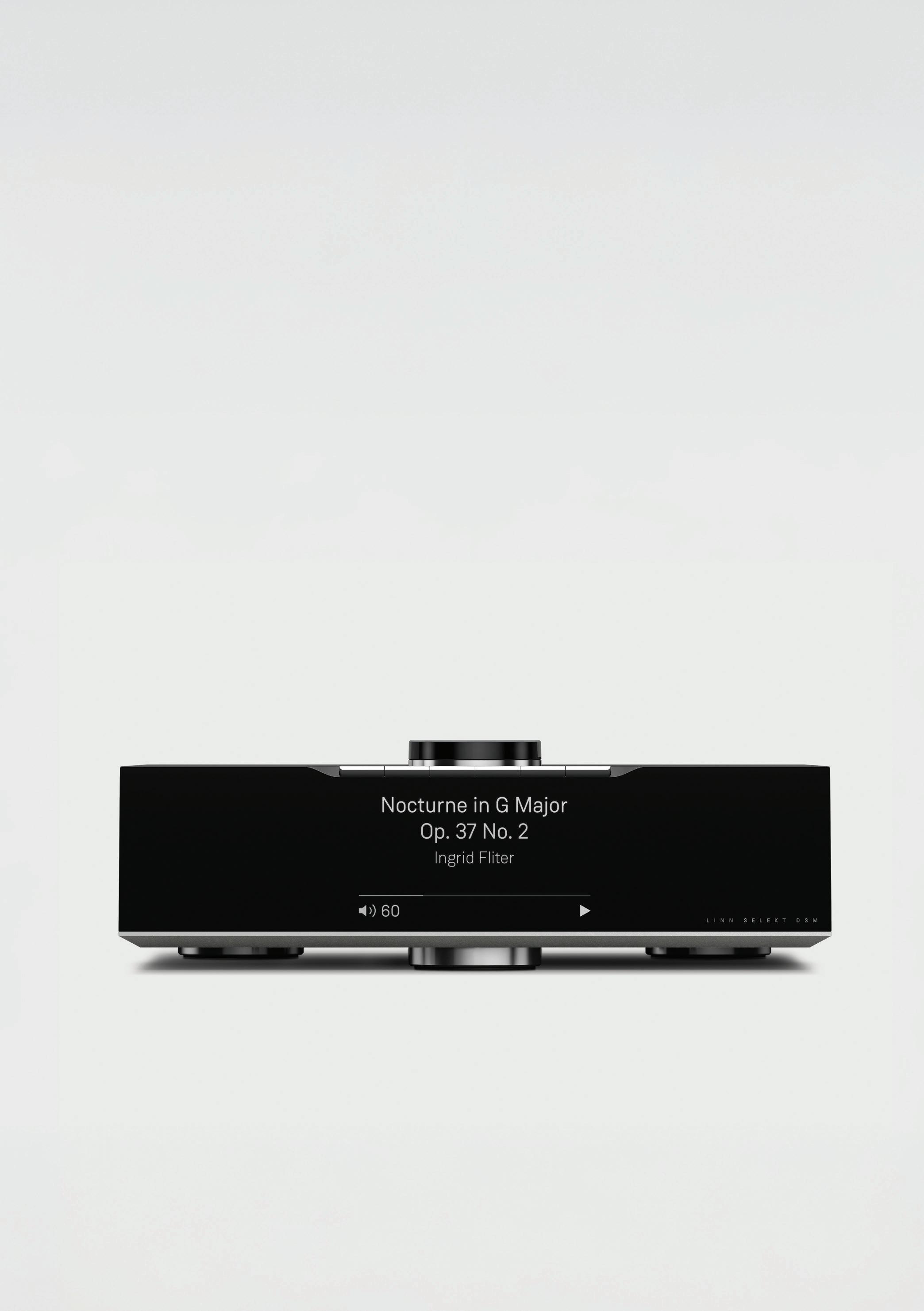
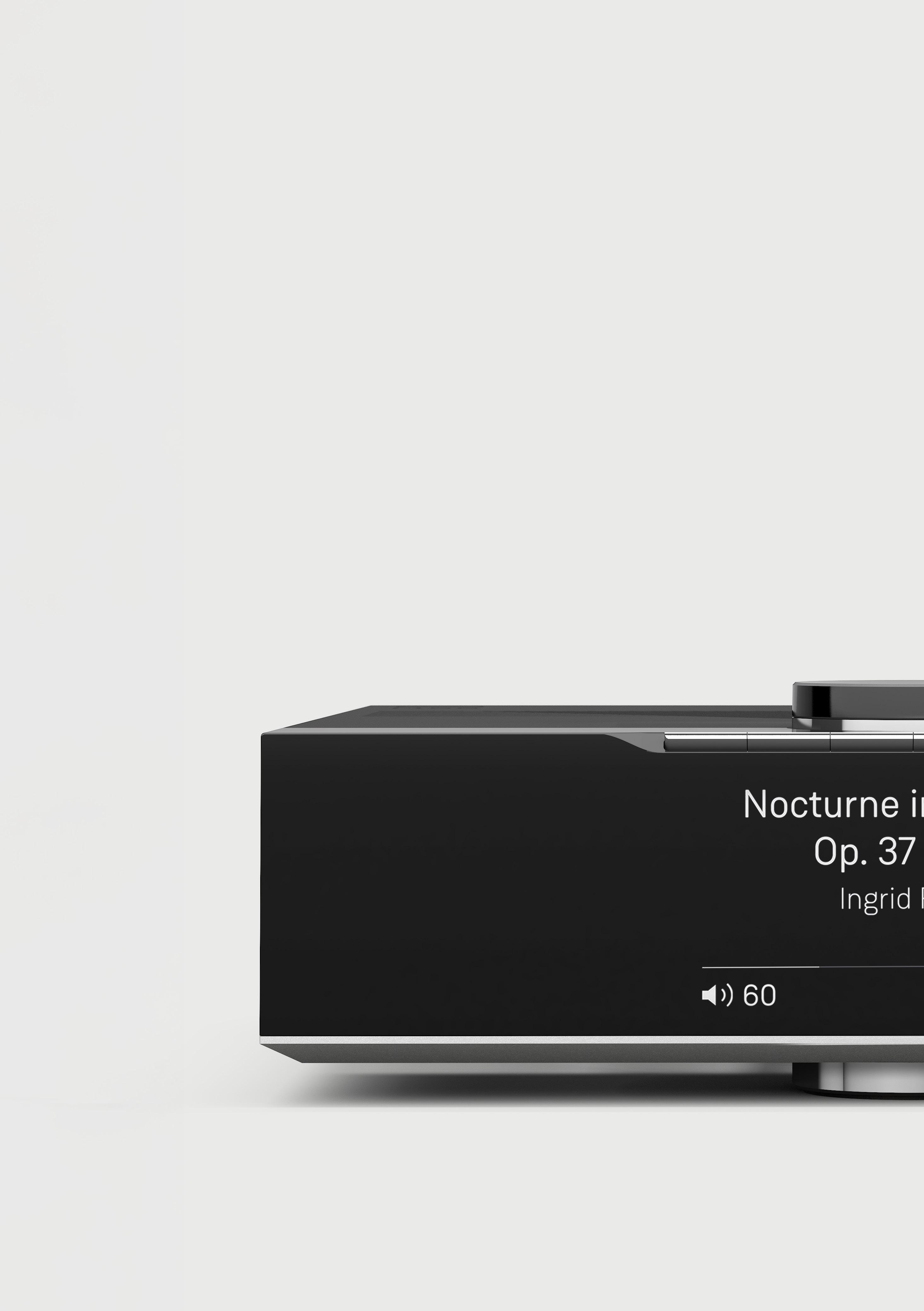
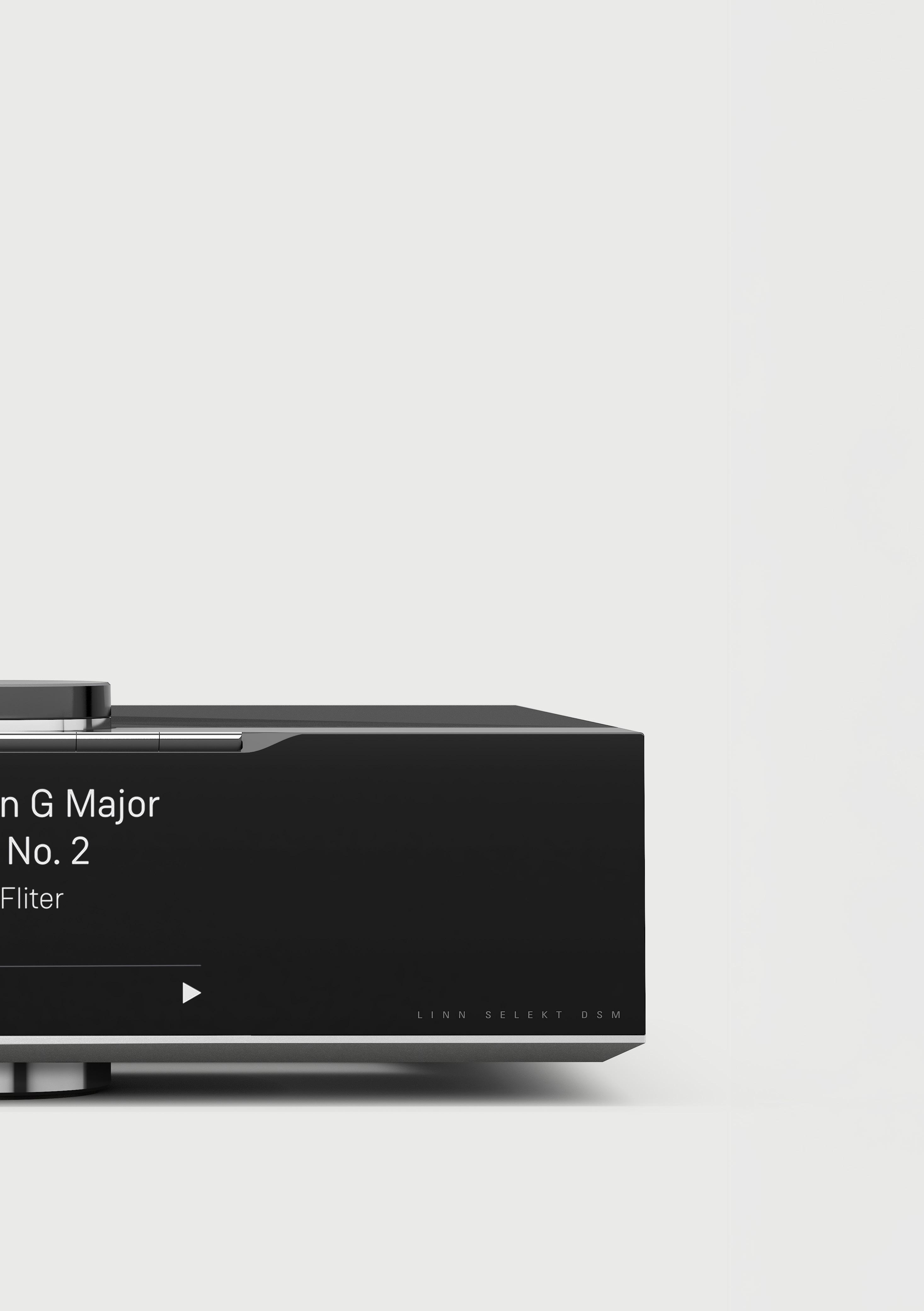
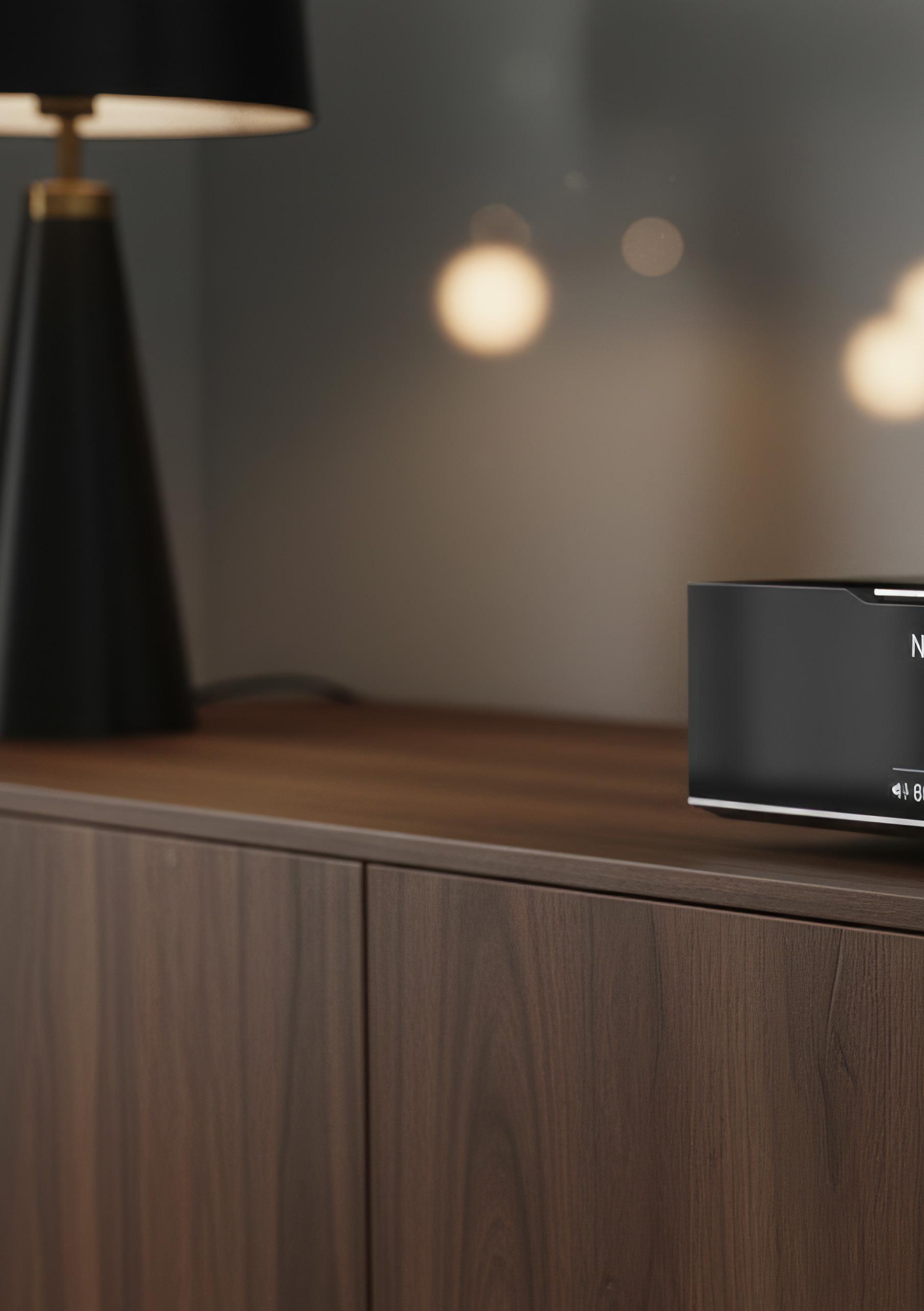
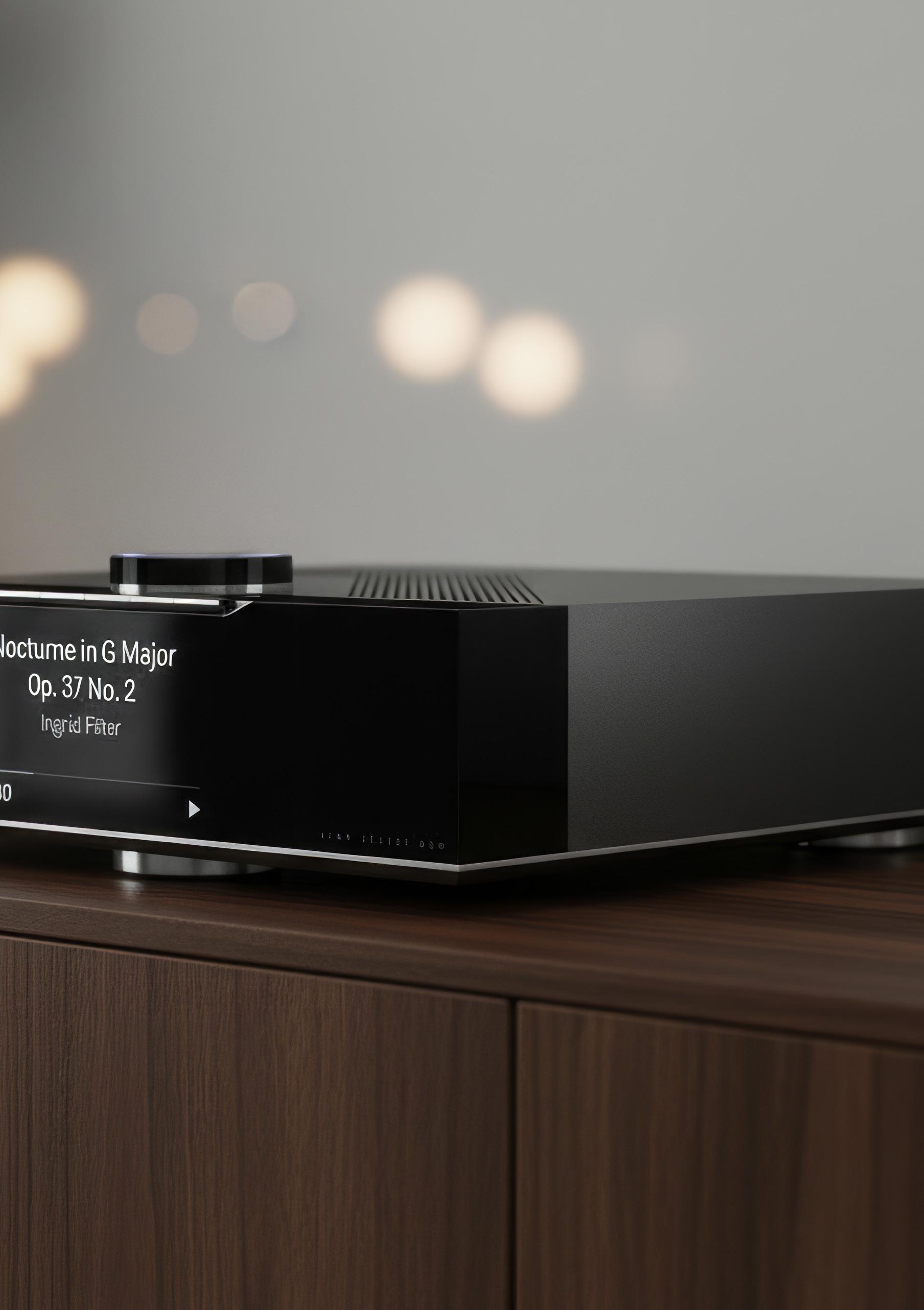
Awards Selekt DSM Linn
Configurable, modular, network music player
2018
App development
Colour, Material and Finish
Exterior Styling
Human Factors, Usability and Inclusivity
Industrial Design
Production Support
Prototyping
Research and Strategy
UX/UI
Virtual Reality
iF Design Award
Industrial
Red Dot Concept Award
Prize Award
Sports and Leisure Products
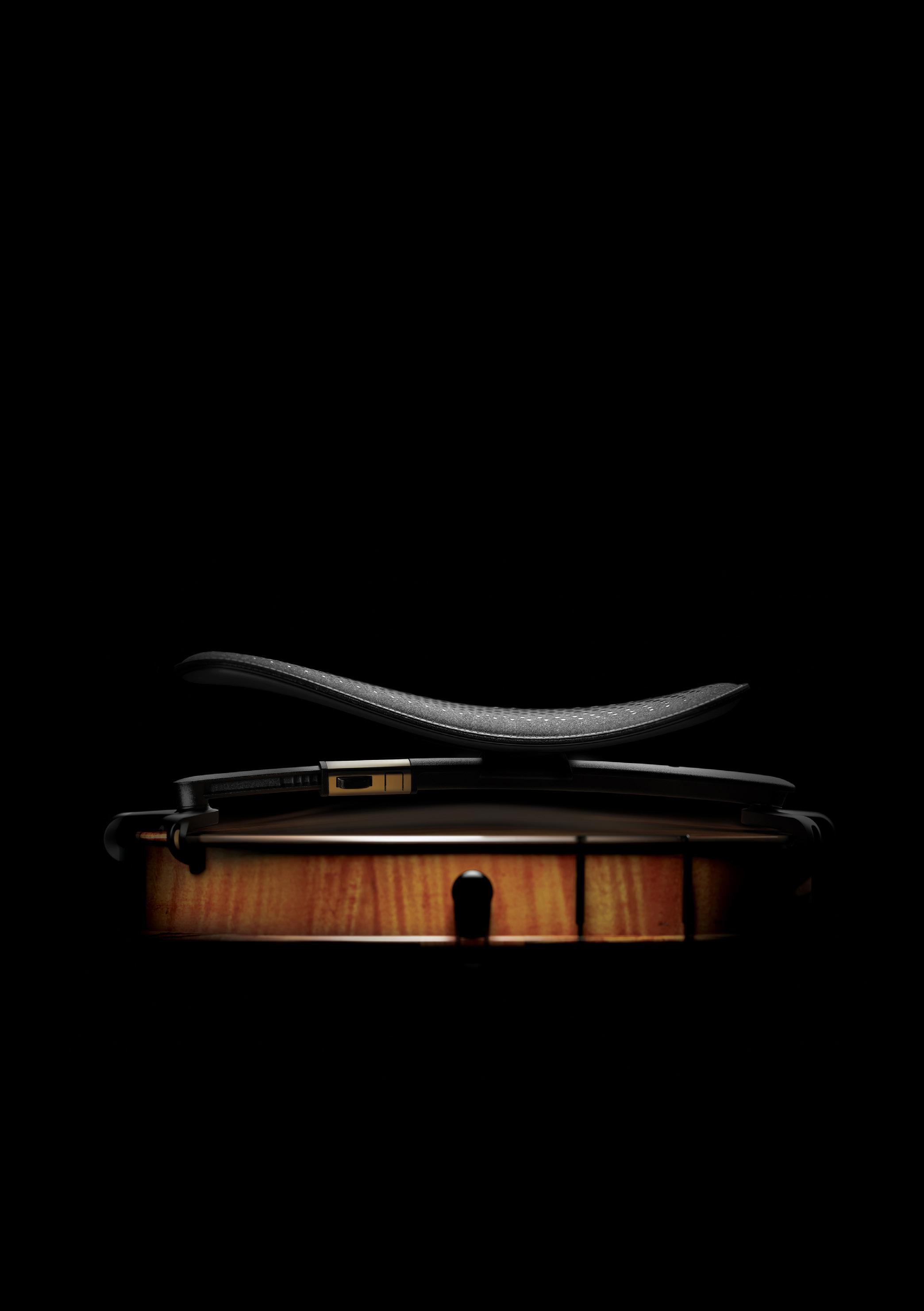
Our work in sports and leisure spans an exceptionally broad landscape of equipment, apparel, accessories, and emerging technologies that support physical activity, outdoor exploration, and restorative downtime. This category is defined not only by performance and durability, but also by the emotional value these products bring—encouraging people to move, play, connect, and unwind. At DCA, we’ve built decades of experience shaping products that elevate how people spend their free time. From the iconic Swingball in the 1970s to advanced musical instruments and performance equipment in recent years, our portfolio reflects a
long-standing commitment to innovation, usability, and delight. We understand how to balance technical engineering with the intuitive, tactile qualities that make leisure products genuinely enjoyable to use. Whether the goal is to improve athletic performance, increase comfort and safety, or simply enrich everyday hobbies, we design with the full user experience in mind. Our work supports a wide spectrum of pursuits—from casual backyard games to serious fitness routines, from outdoor adventure to creative pastimes—helping people get more from the moments that matter most.
Client Description Date Activities
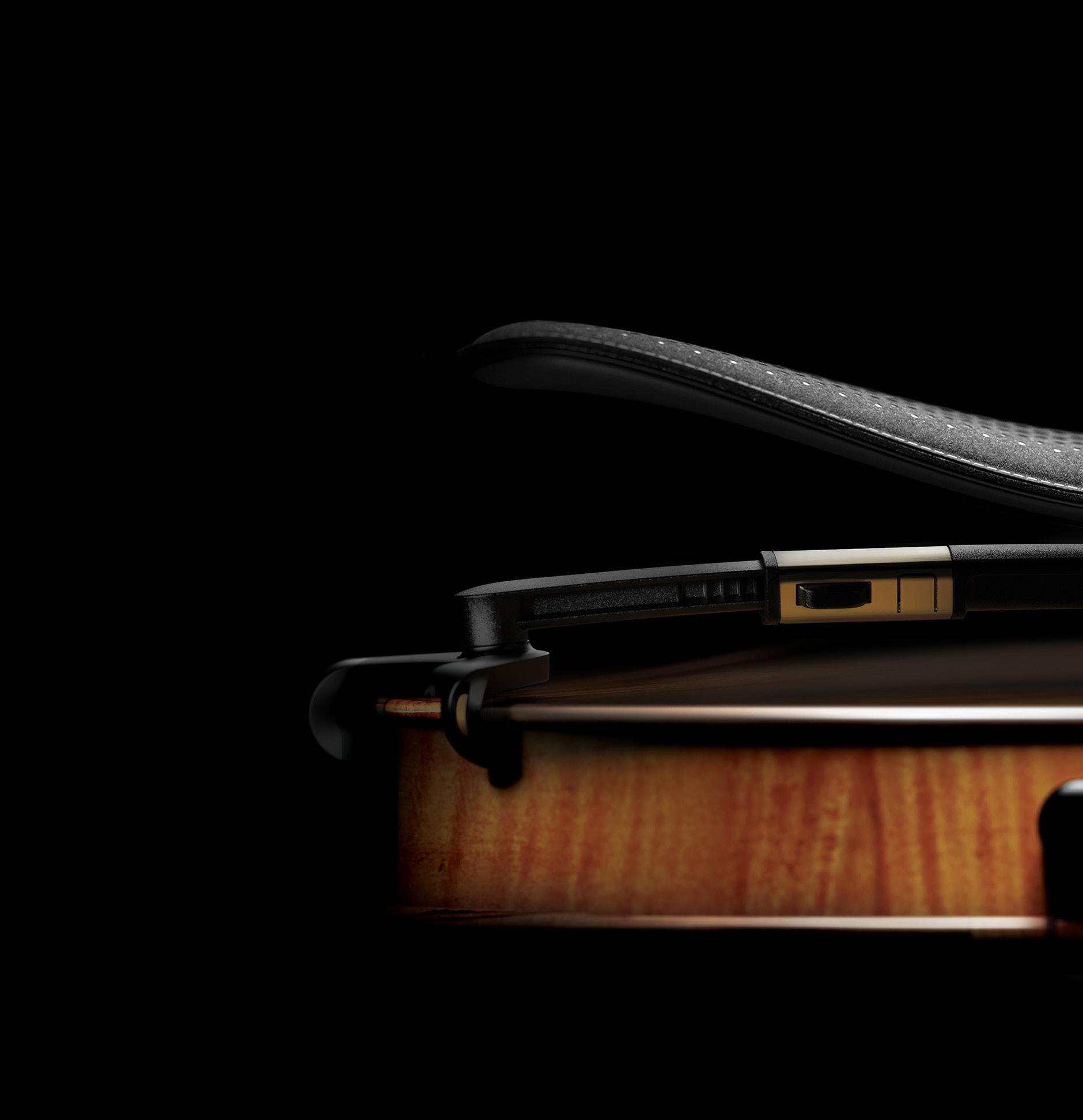
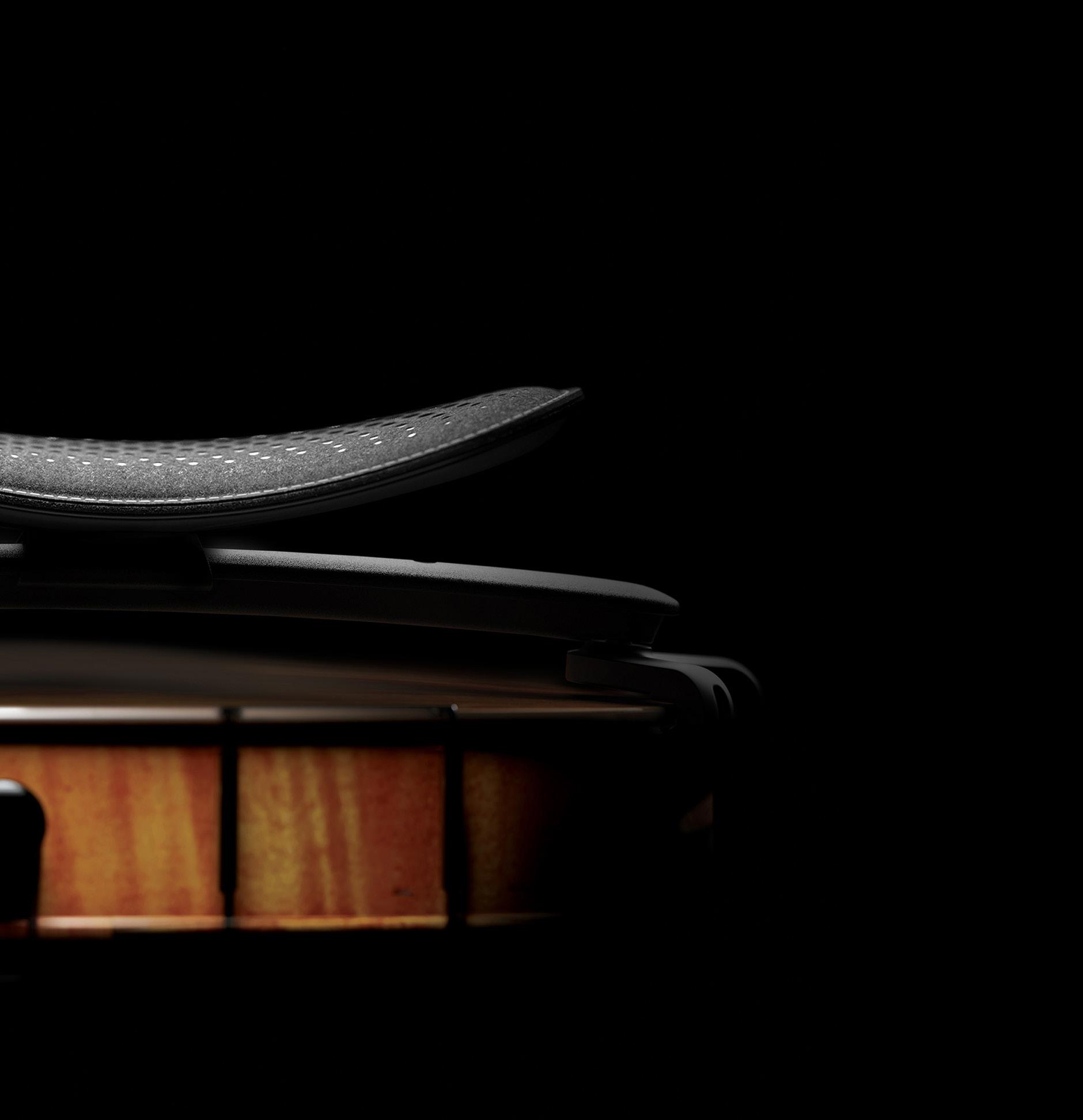
Adjustable shoulder rest for violin
2023
Colour, Material and Finish
Design for Manufacture
Human Factors, Usability and Inclusivity
Industrial Design
Mechanical Engineering
Production Support
Research and Strategy
Red Dot Design Award
iF Design Award
GOOD DESIGN® Award
Client
Description
Date
Activities
D-Fly Ltd
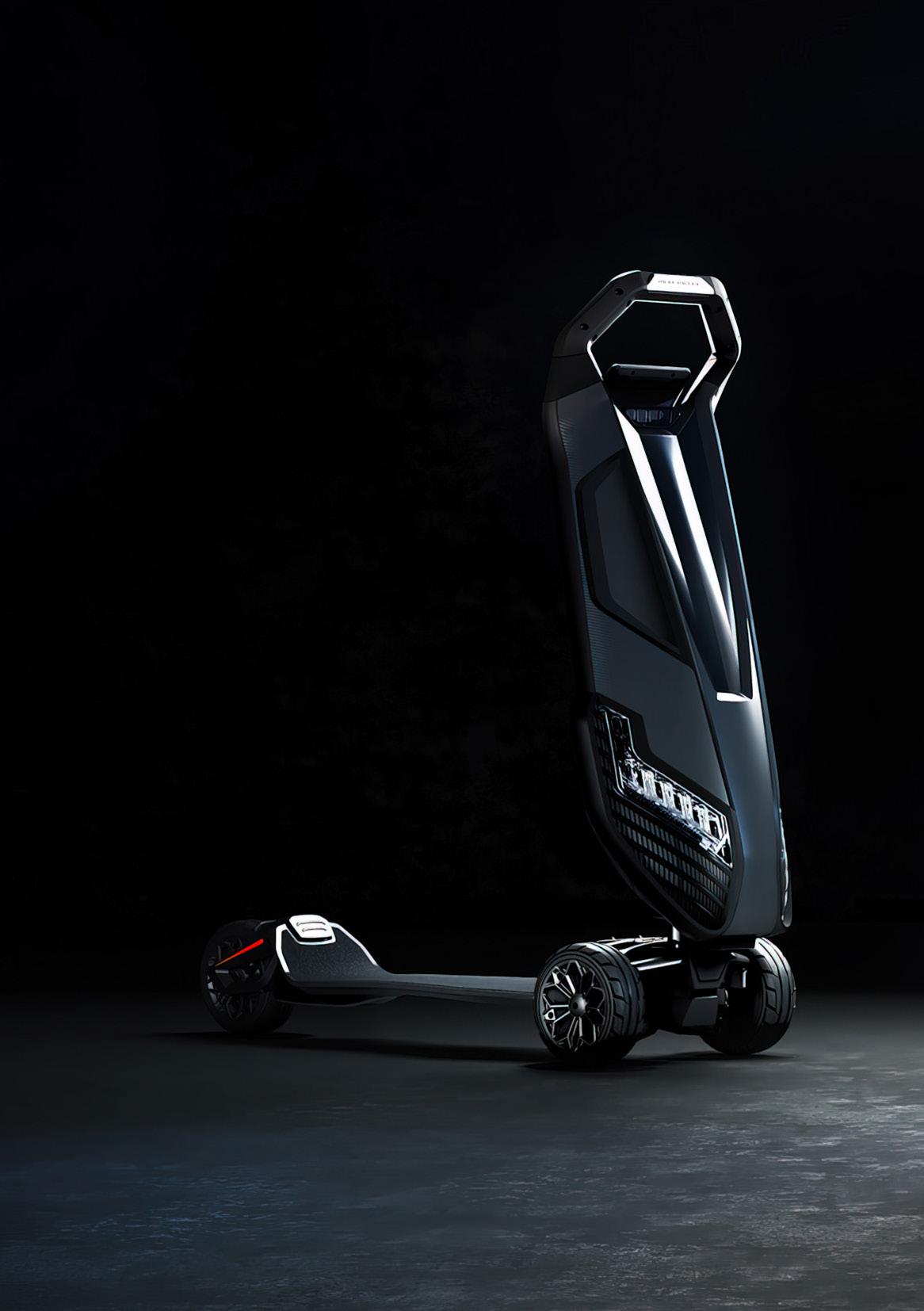
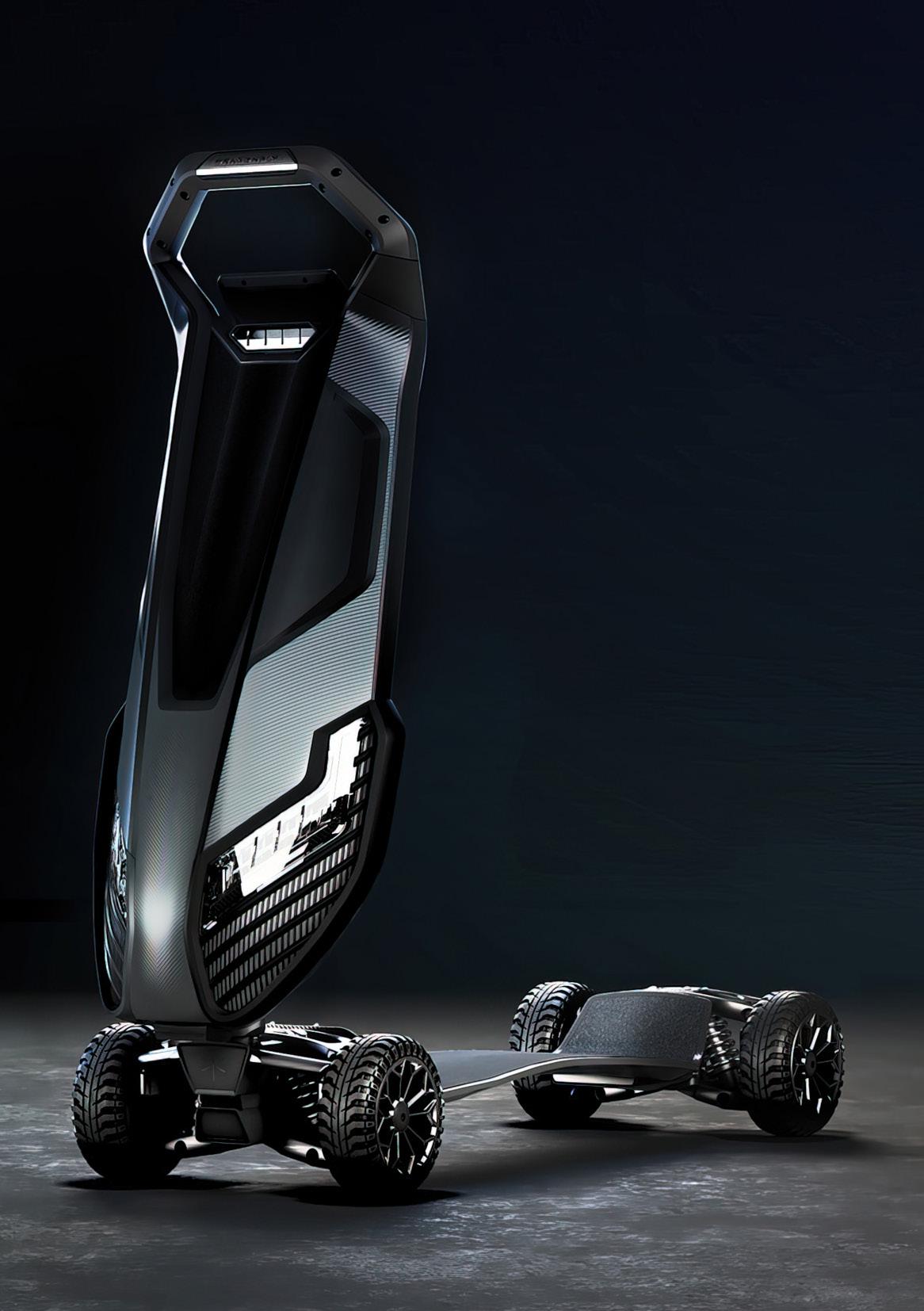
Multidisciplinary development of Personal Electric
Vehicle
2019
Colour, Material and Finish
Electronics Engineering
Exterior Styling
Human Factors, Usability and Inclusivity
Industrial Design
Mechanical Engineering
Prototyping
Software Development
Systems Engineering
Testing and Evaluation
Virtual Reality
Client
Description Date
Activities
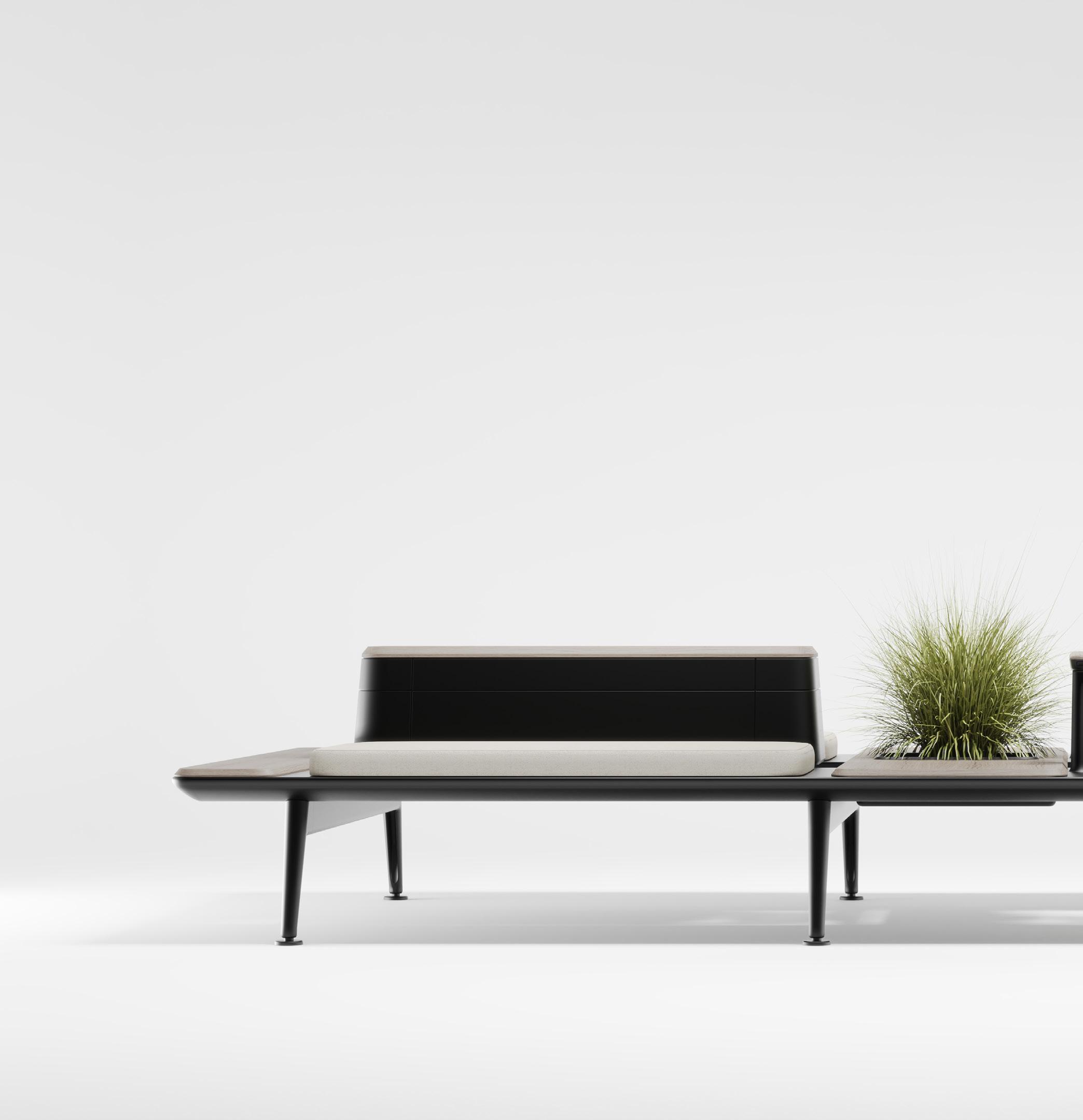
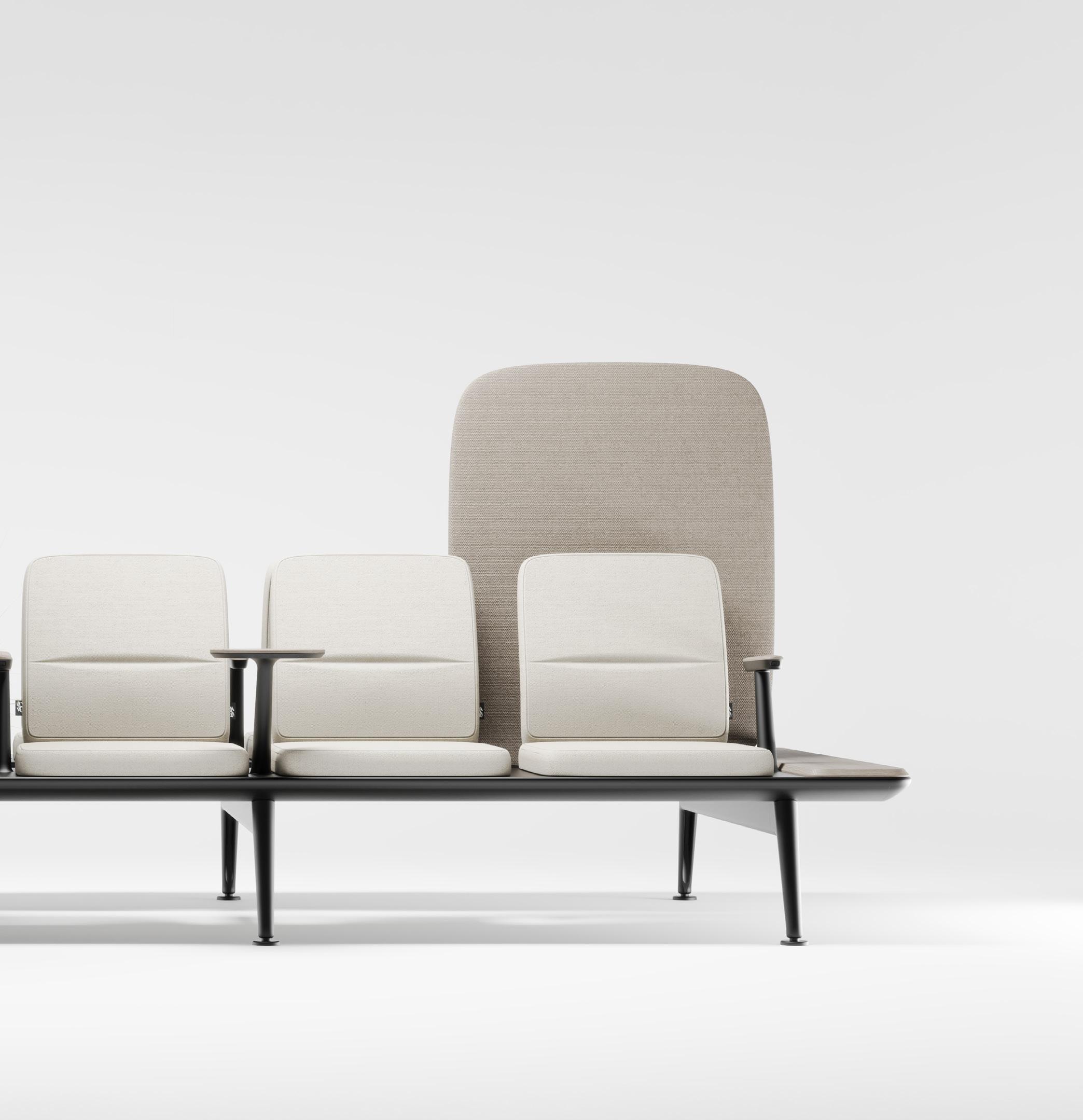
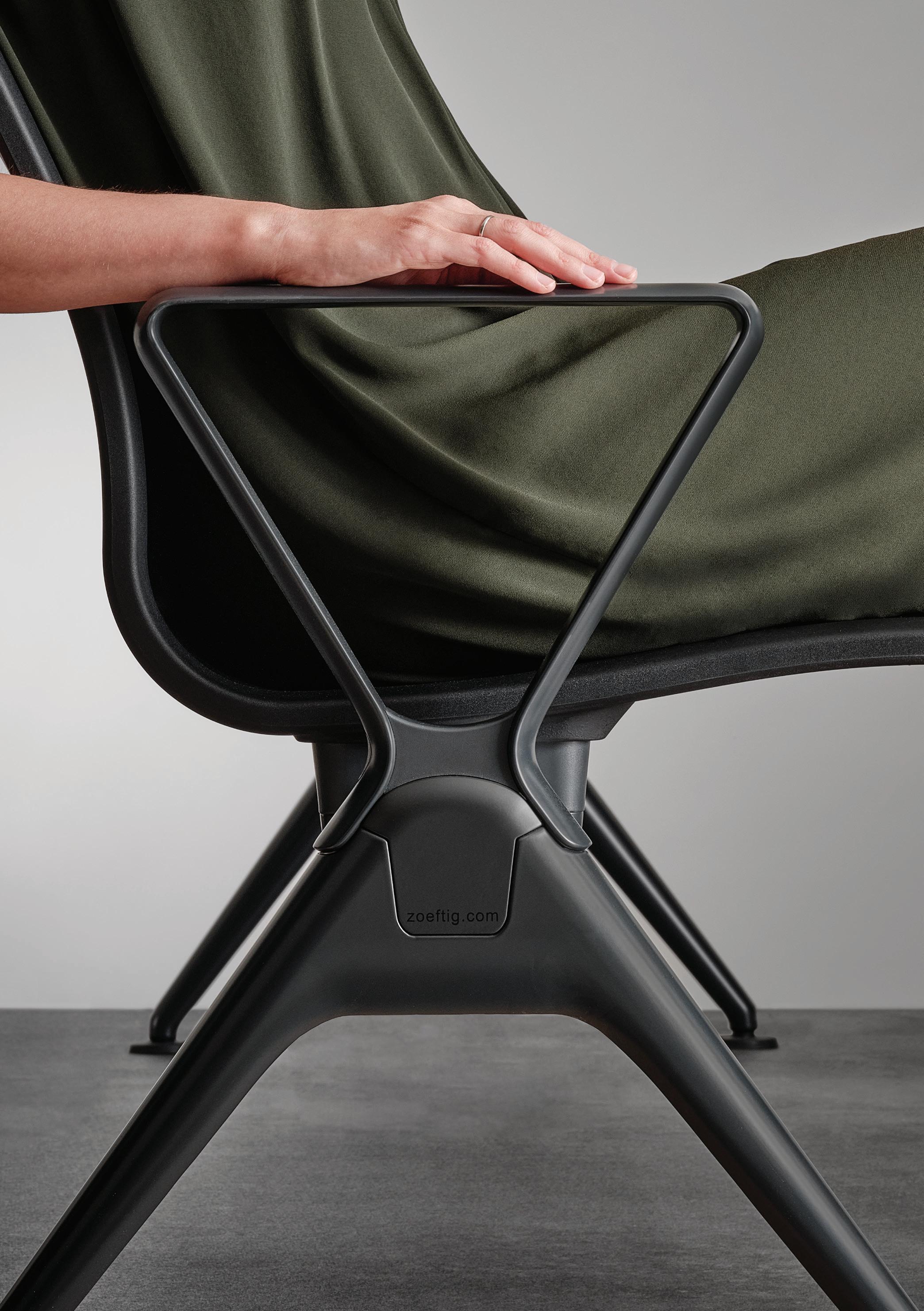
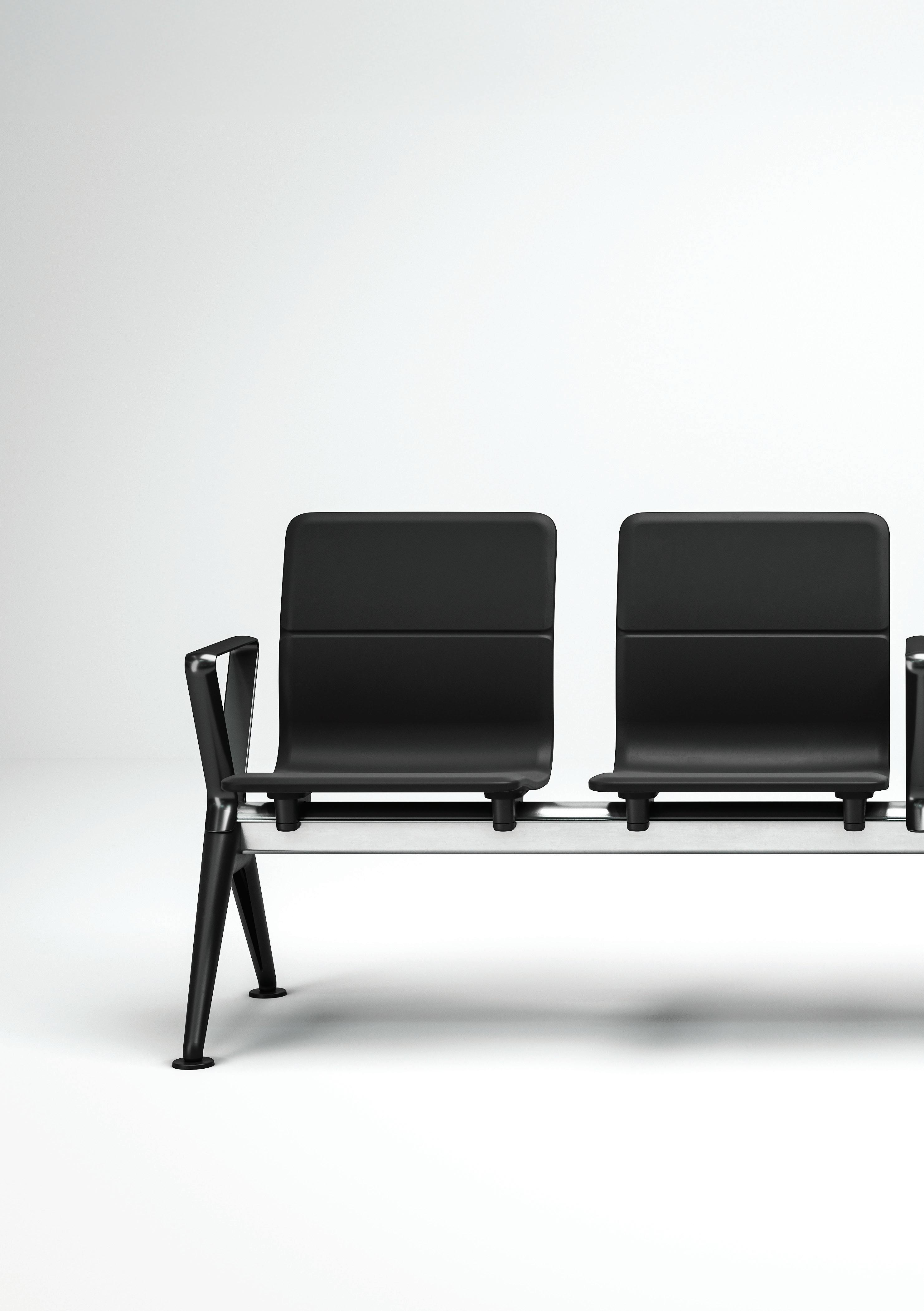
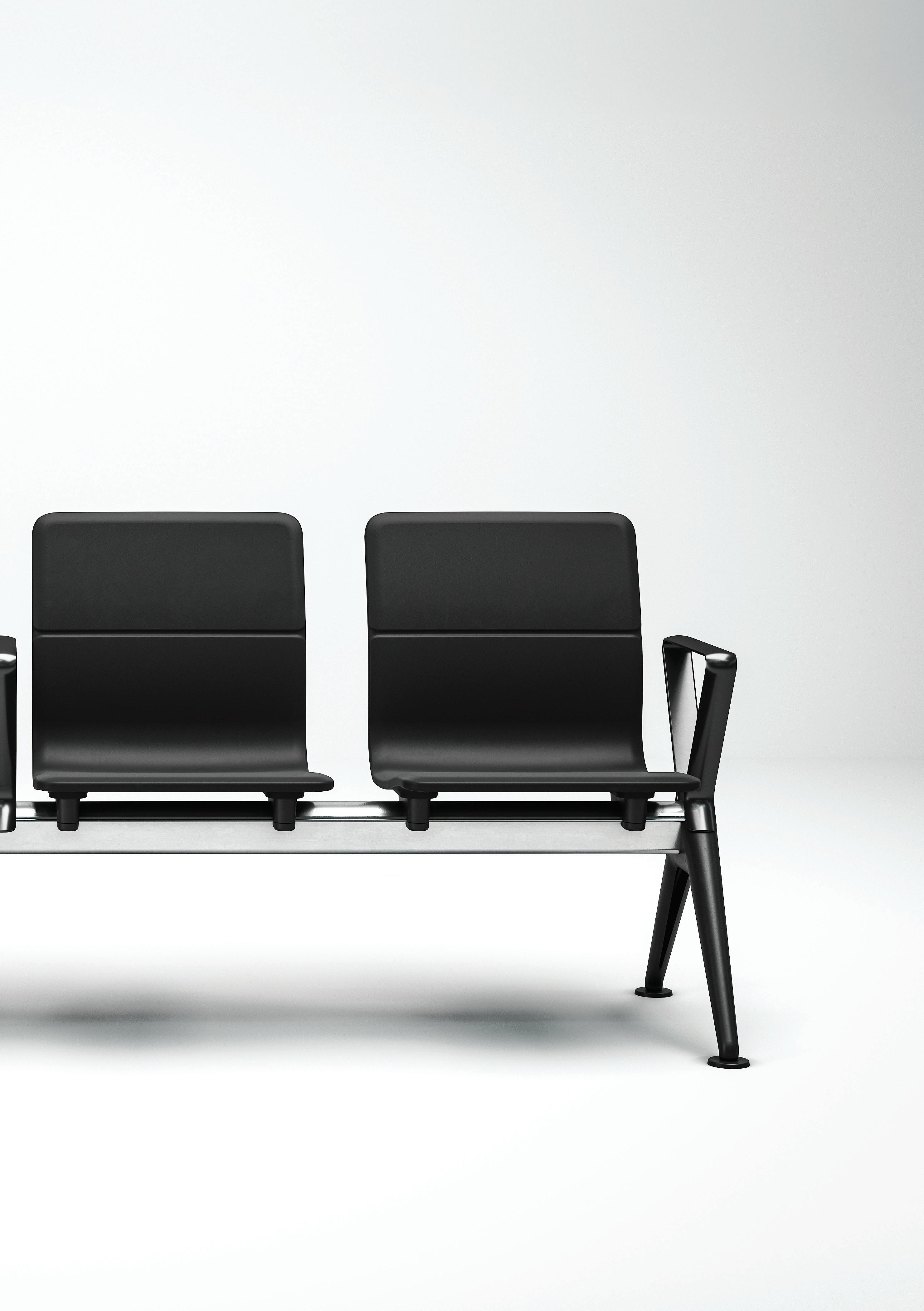
Awards Vista Zoeftig
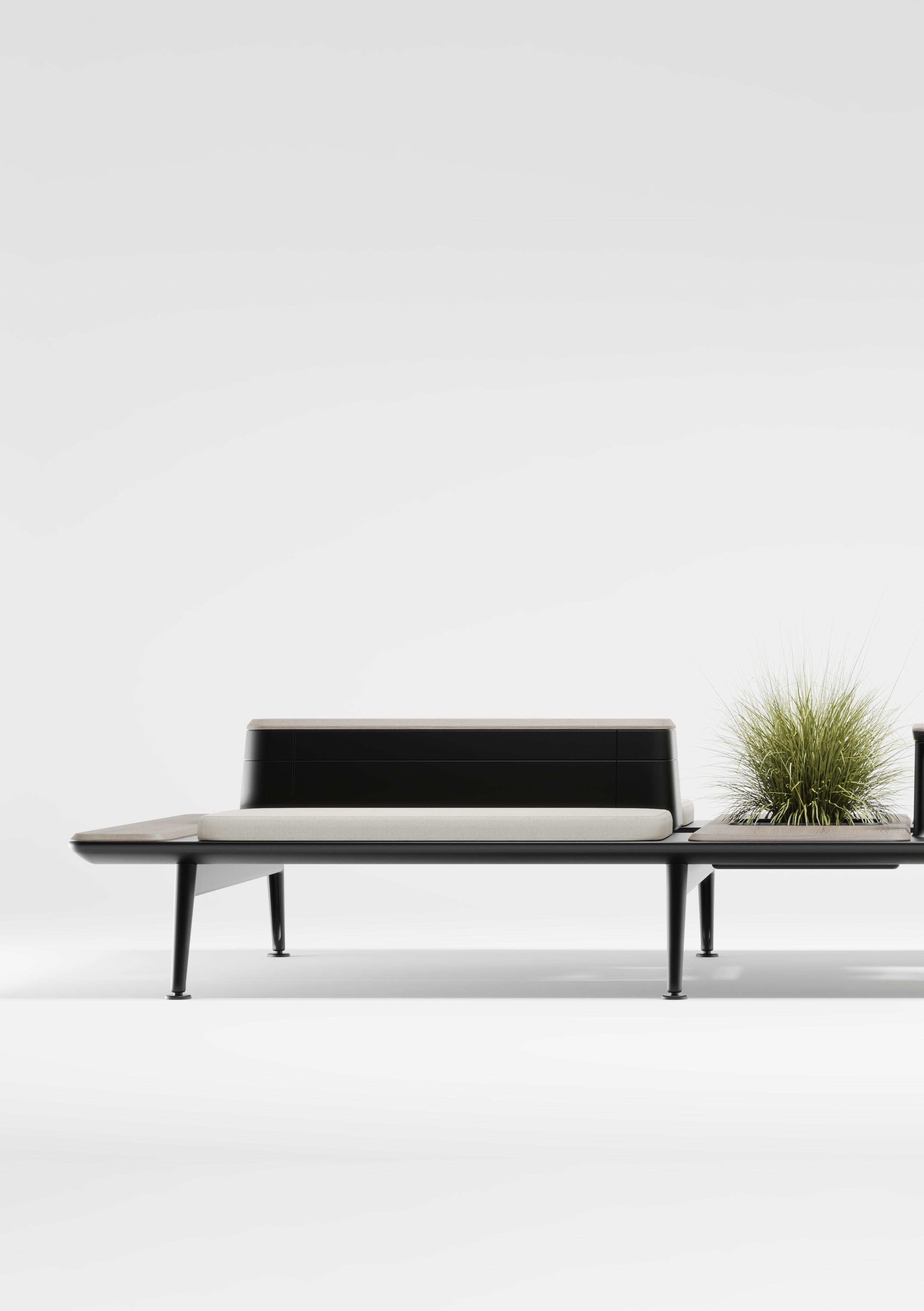
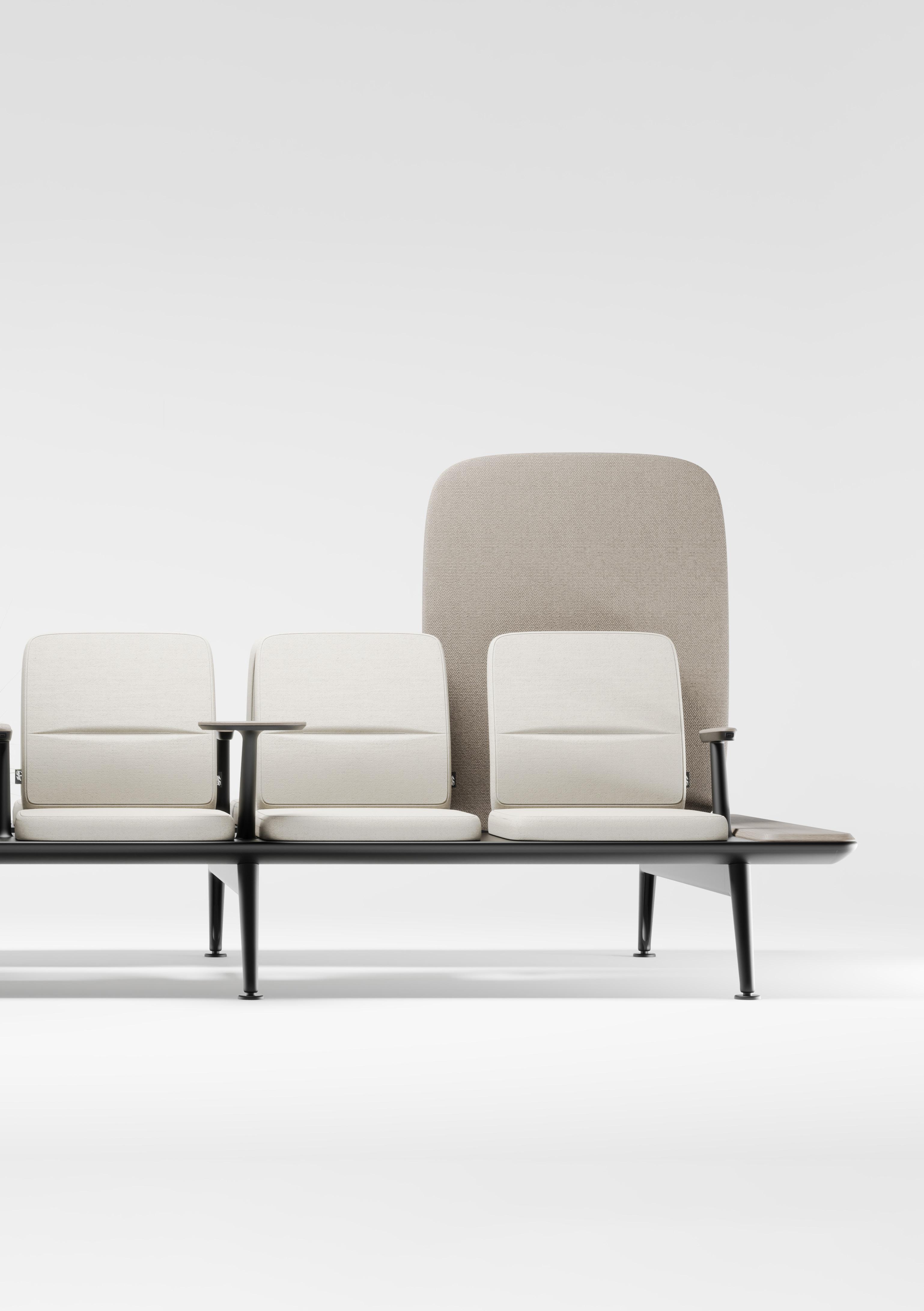
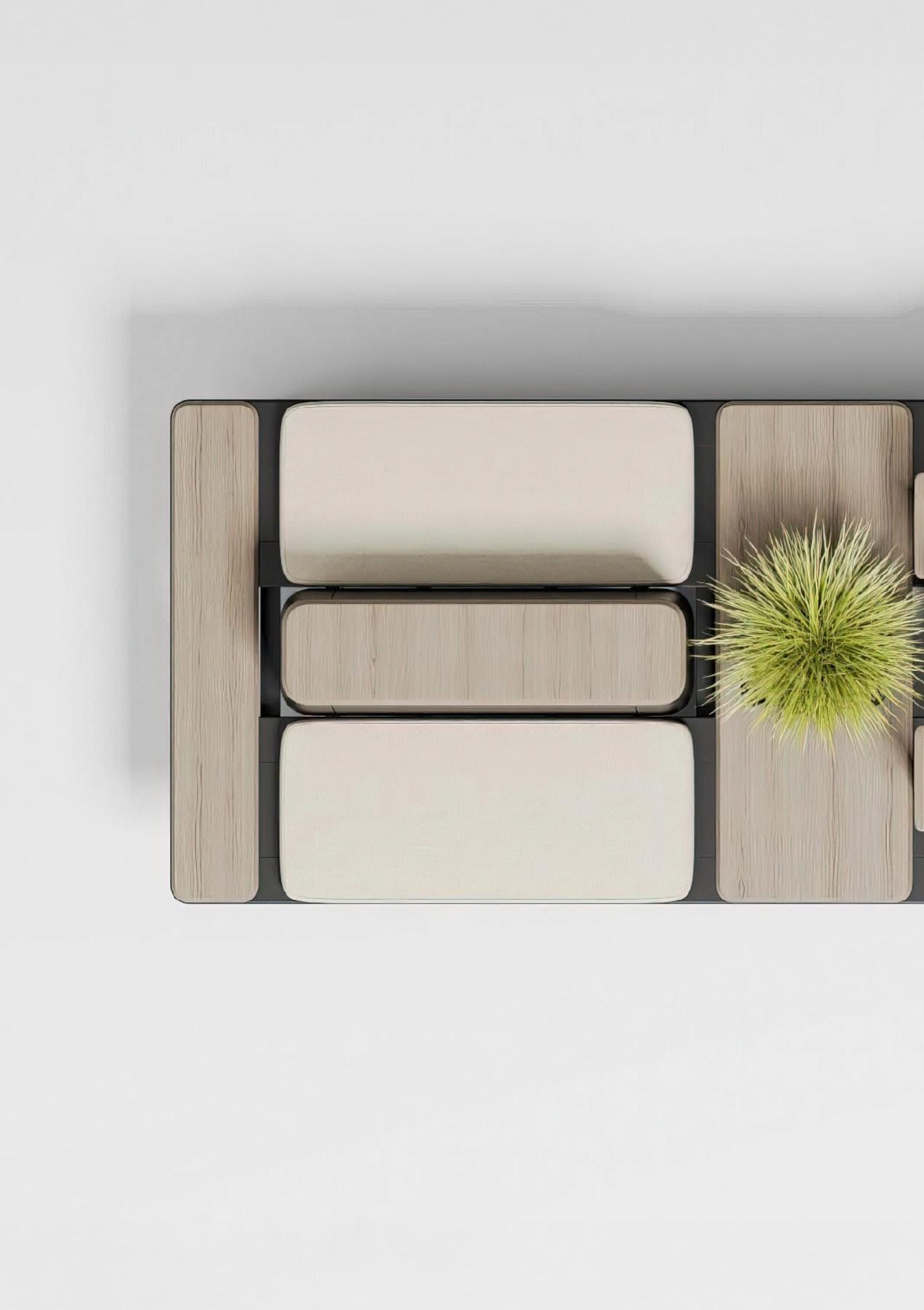
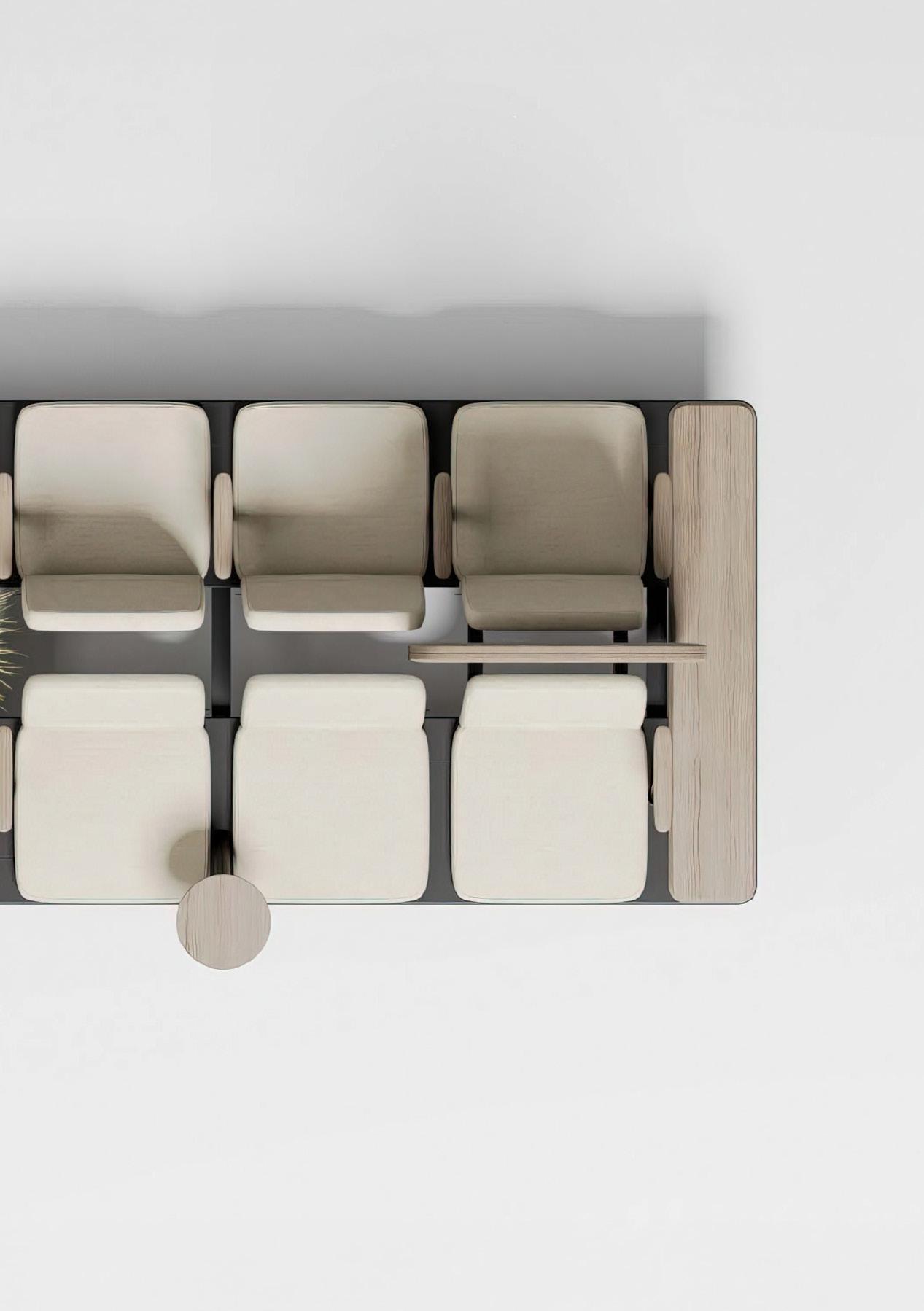
Modular public seating system
2022
Colour, Material and Finish
Design for Manufacture
Human Factors, Usability and Inclusivity
Industrial Design
Mechanical Engineering
Production Support
Prototyping
Virtual Reality
Red Dot Award
iF Award
GOOD DESIGN® Award
Parenting
Better experiences for parent and child
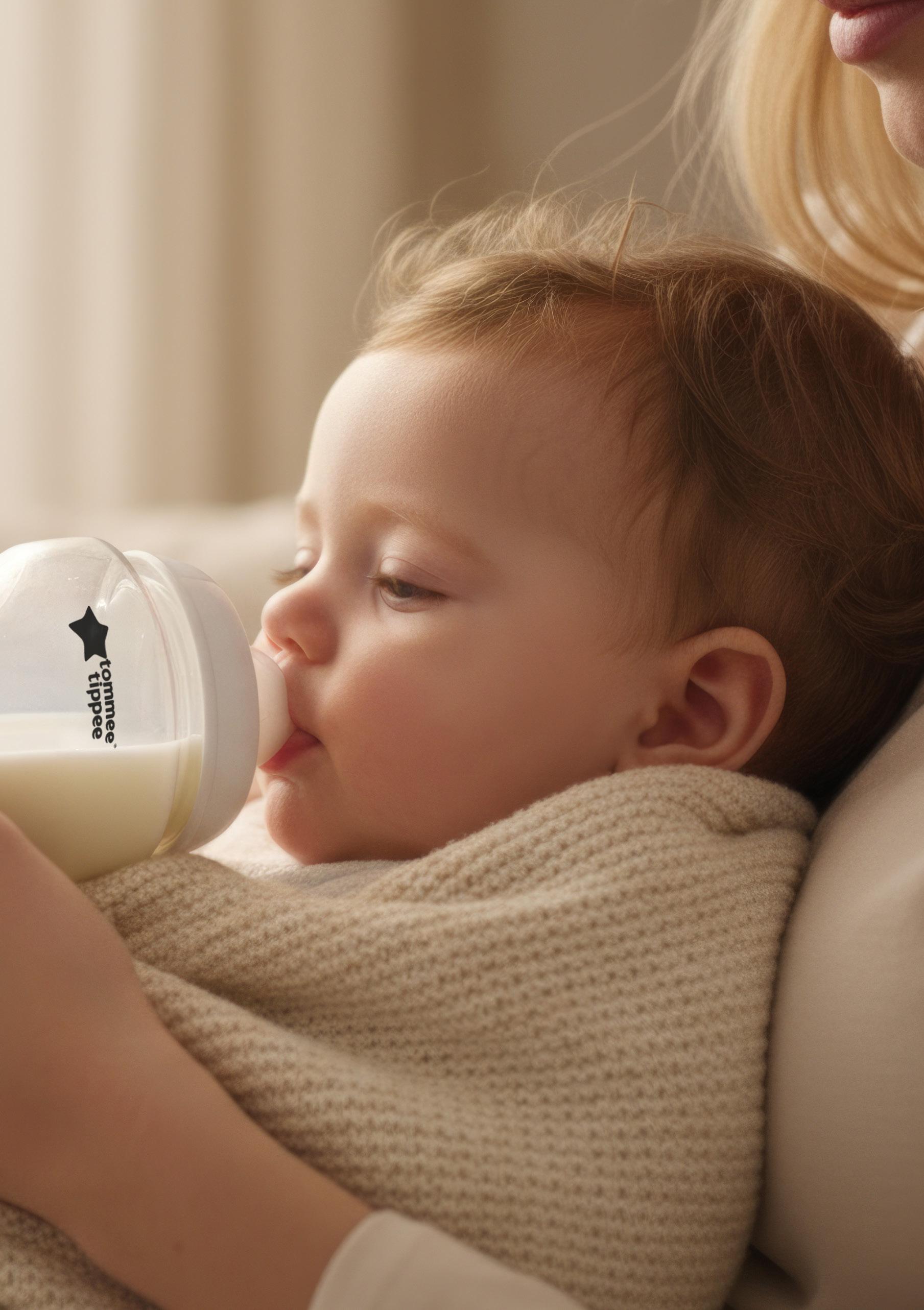
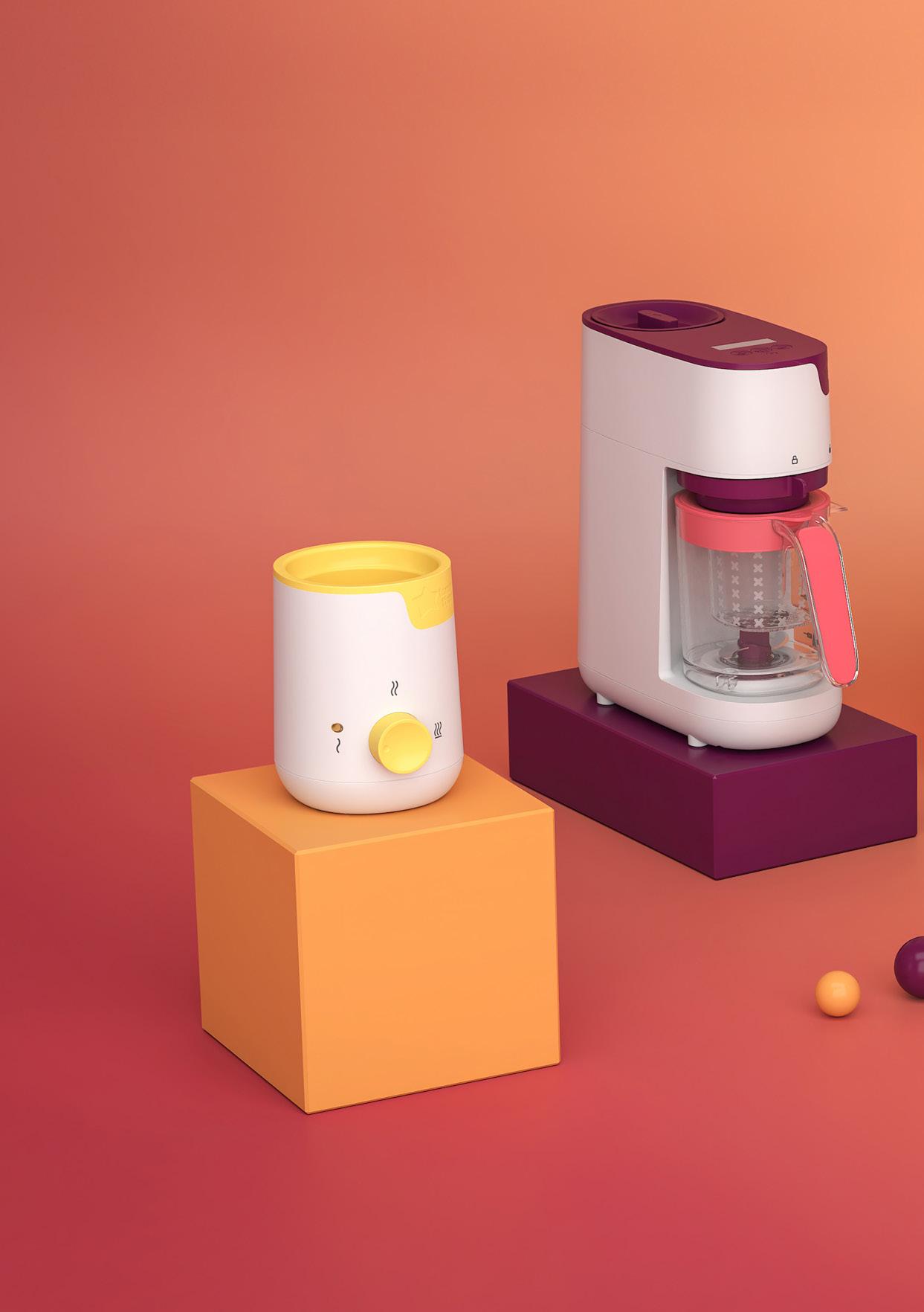
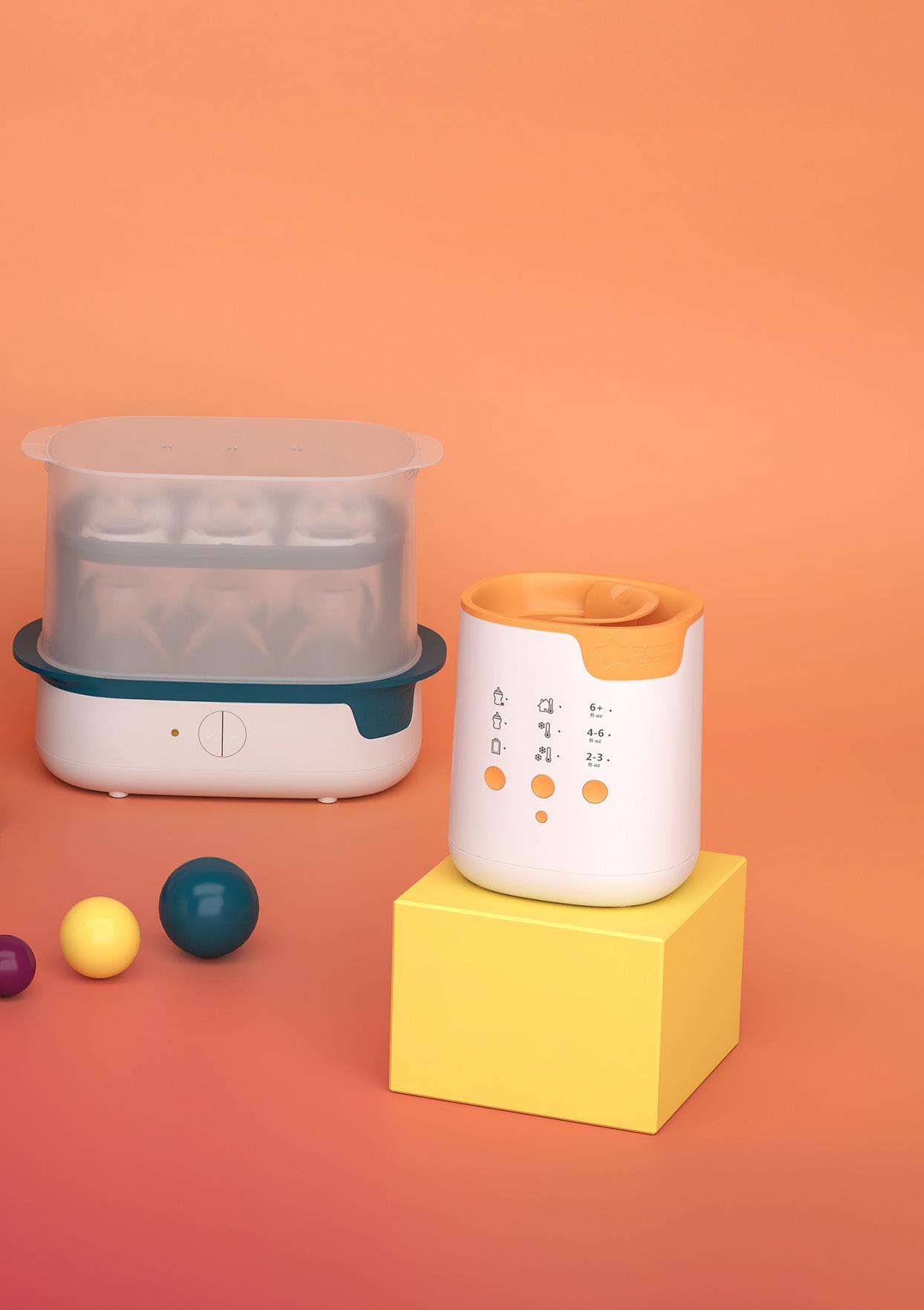
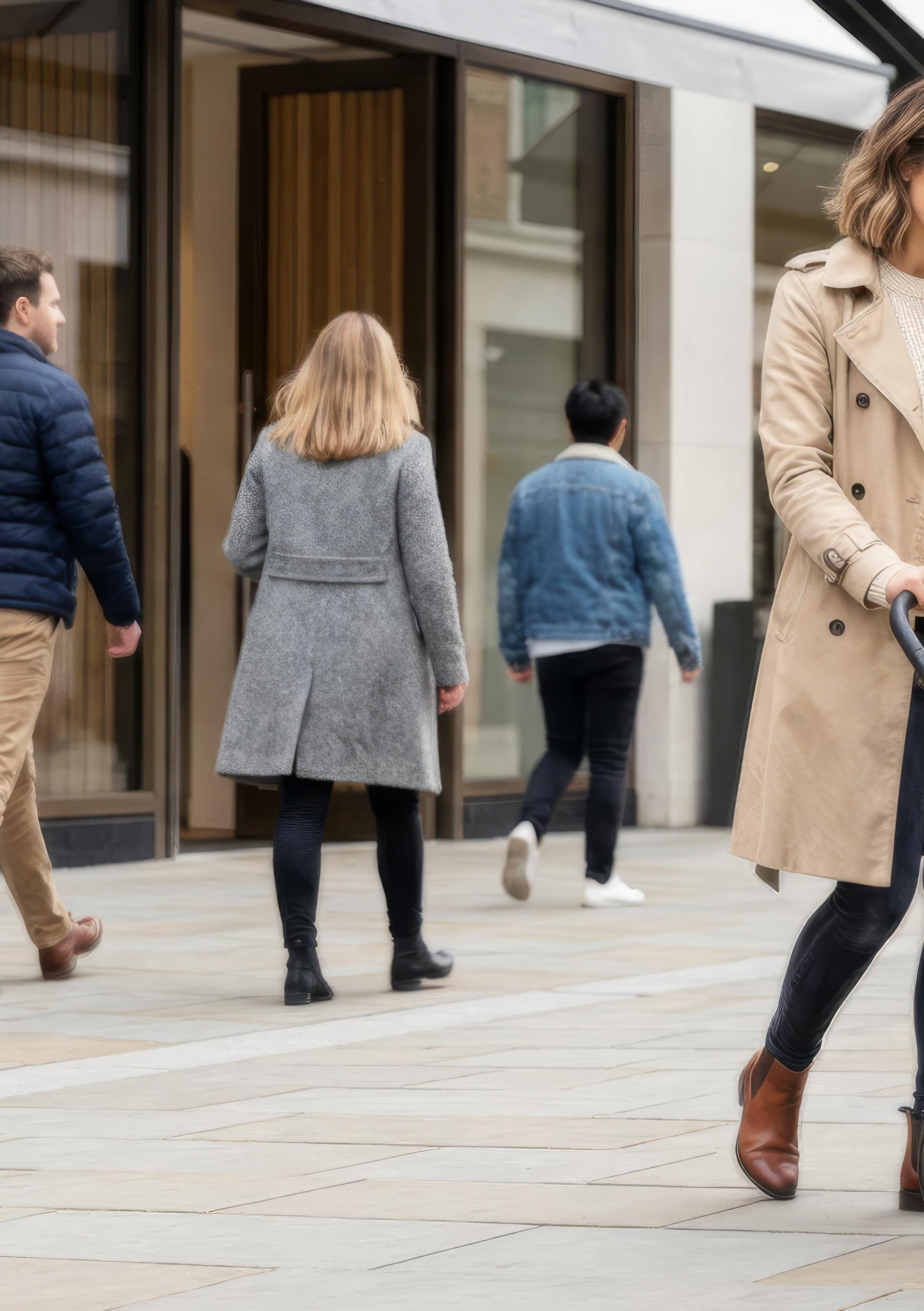
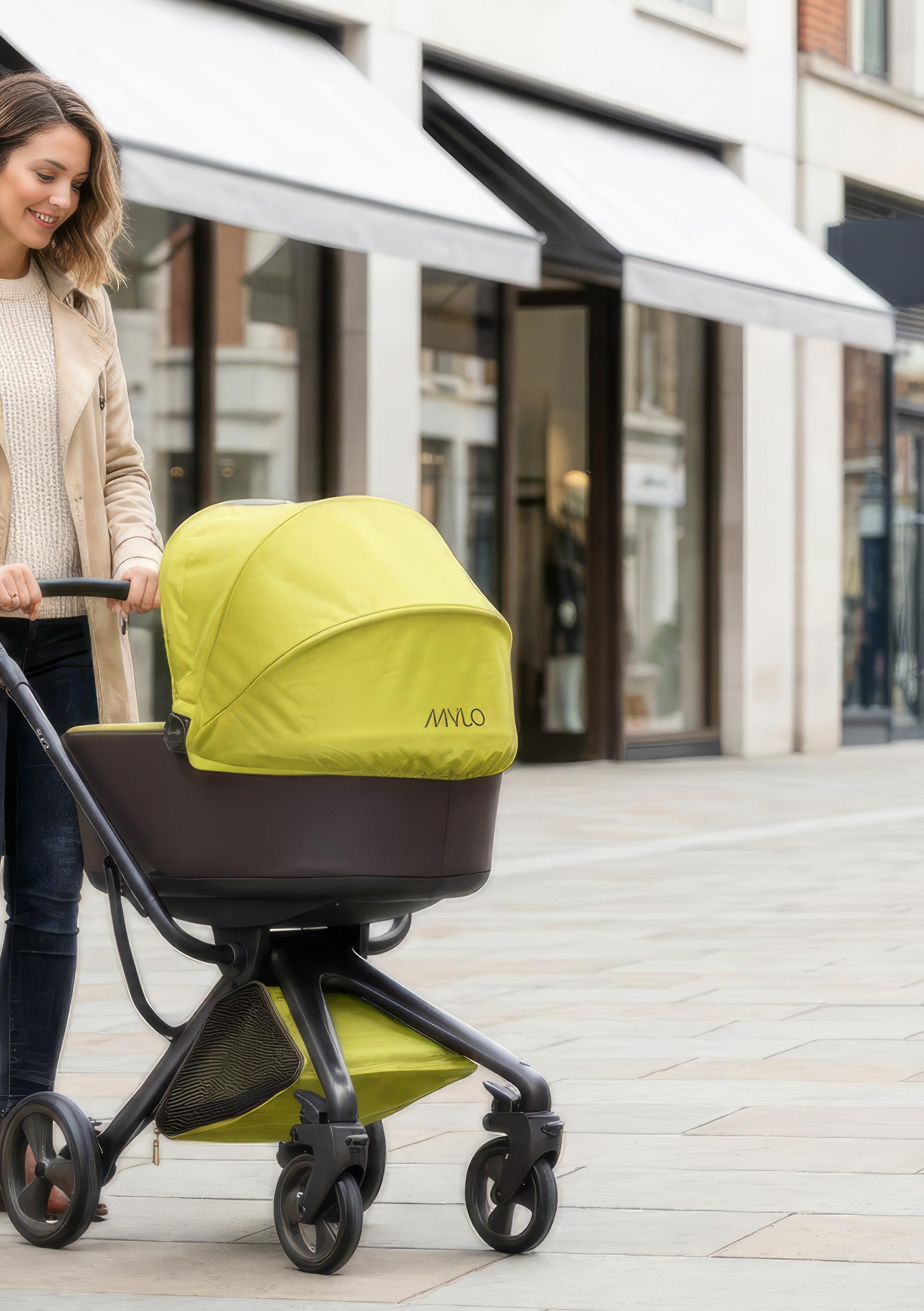
The journey to and through parenthood is wonderful and stressful in equal measures. Creating products and services to improve this journey can be a complex series of trade-offs between convenience for the parent and the best experience for the child. We have significant experience in this industry, working in many categories from oral care to transport and feeding - both breast and bottle. We have navigated the contradictions of convenience and sustainability in feeding, comfort and weight in transport. Our visual brand language team has helped strengthen
brands by creating alignment and coherence across multiple categories, and our engineering teams have helped introduce new technologies to improve user experience. Our parenting team fuses our medical team’s understanding of usability, safety and robustness - key issues when developing products and services in this category with our consumer teams’ knowledge of brand, consumer experience and home trends. This is a powerful mix for developing innovative, new products for the parenting category.
Client
Tommee Tippee Teat Mayborn
Description Date
Activities
Awards
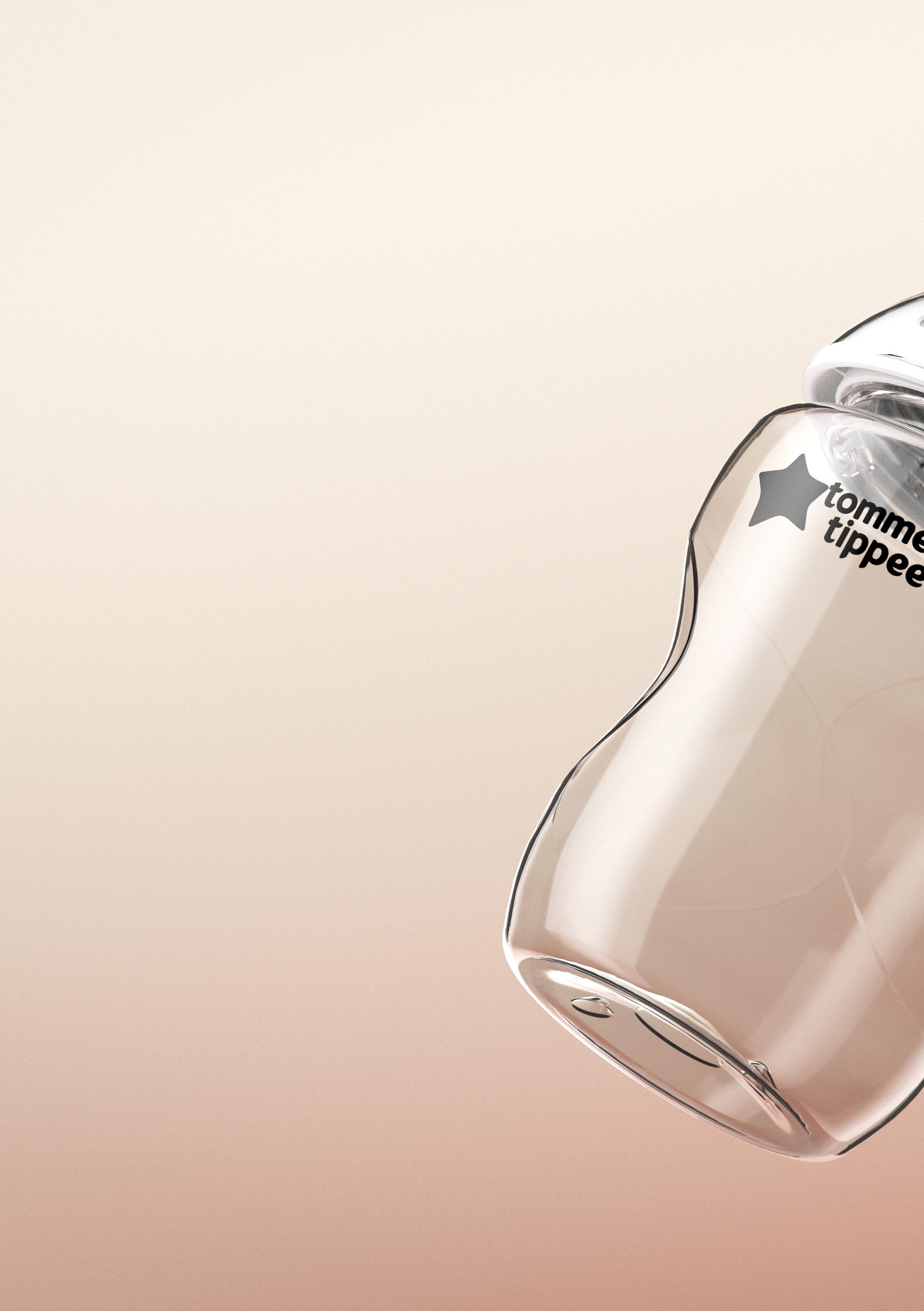
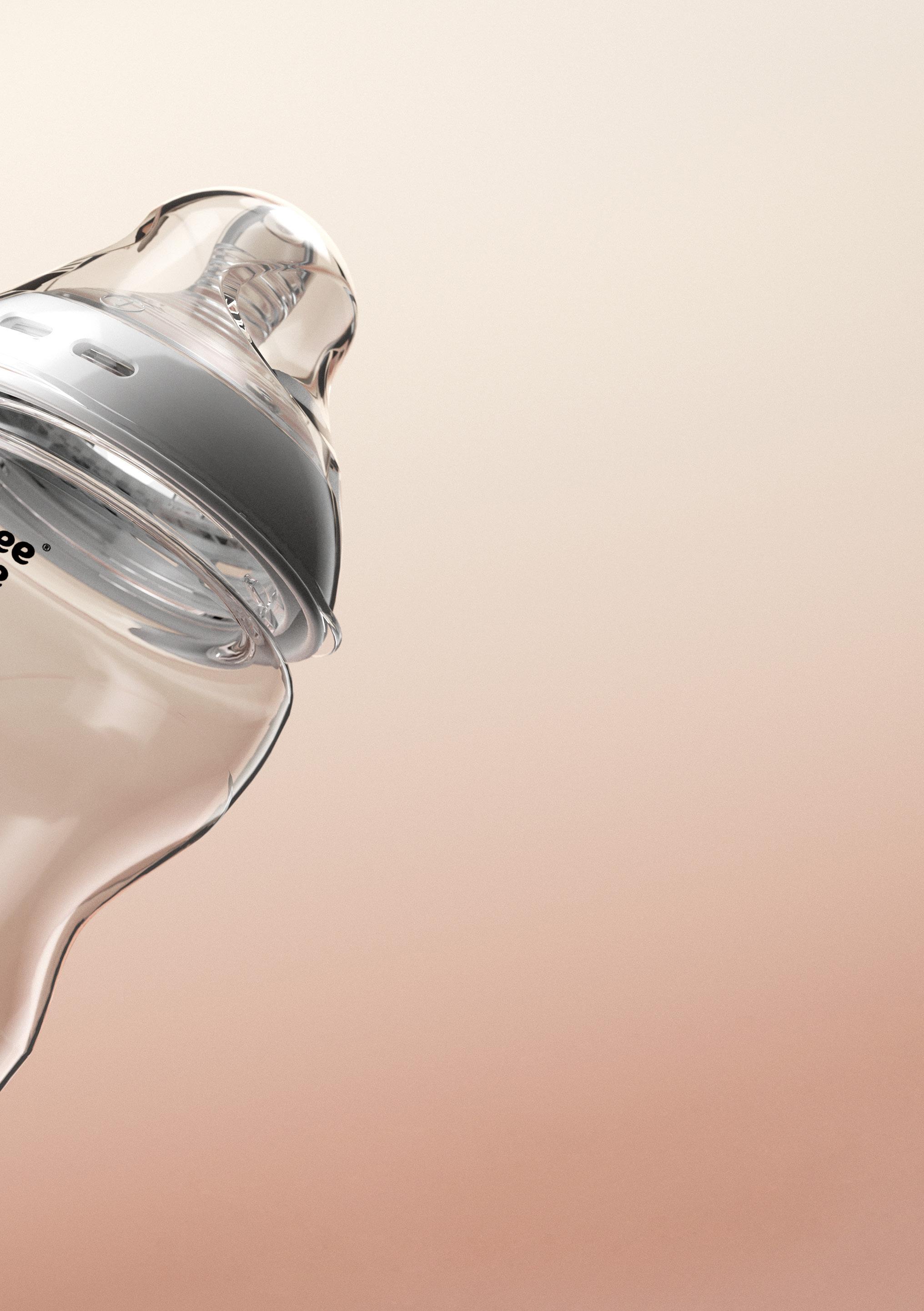
Self-sterilising baby bottle teat
2024
Mechanical Engineering
Prototyping
Good Design Award
Industrial Design
Prototyping
Client
Tommee Tippee Range Mayborn
Description Date
Activities
Awards
2019
Colour, Material and Finish
Human Factors, Usability and Inclusivity
Industrial Design
Mechanical Engineering
Research and Strategy
Visual Brand Language
Good Design Award
iF Product Design Award
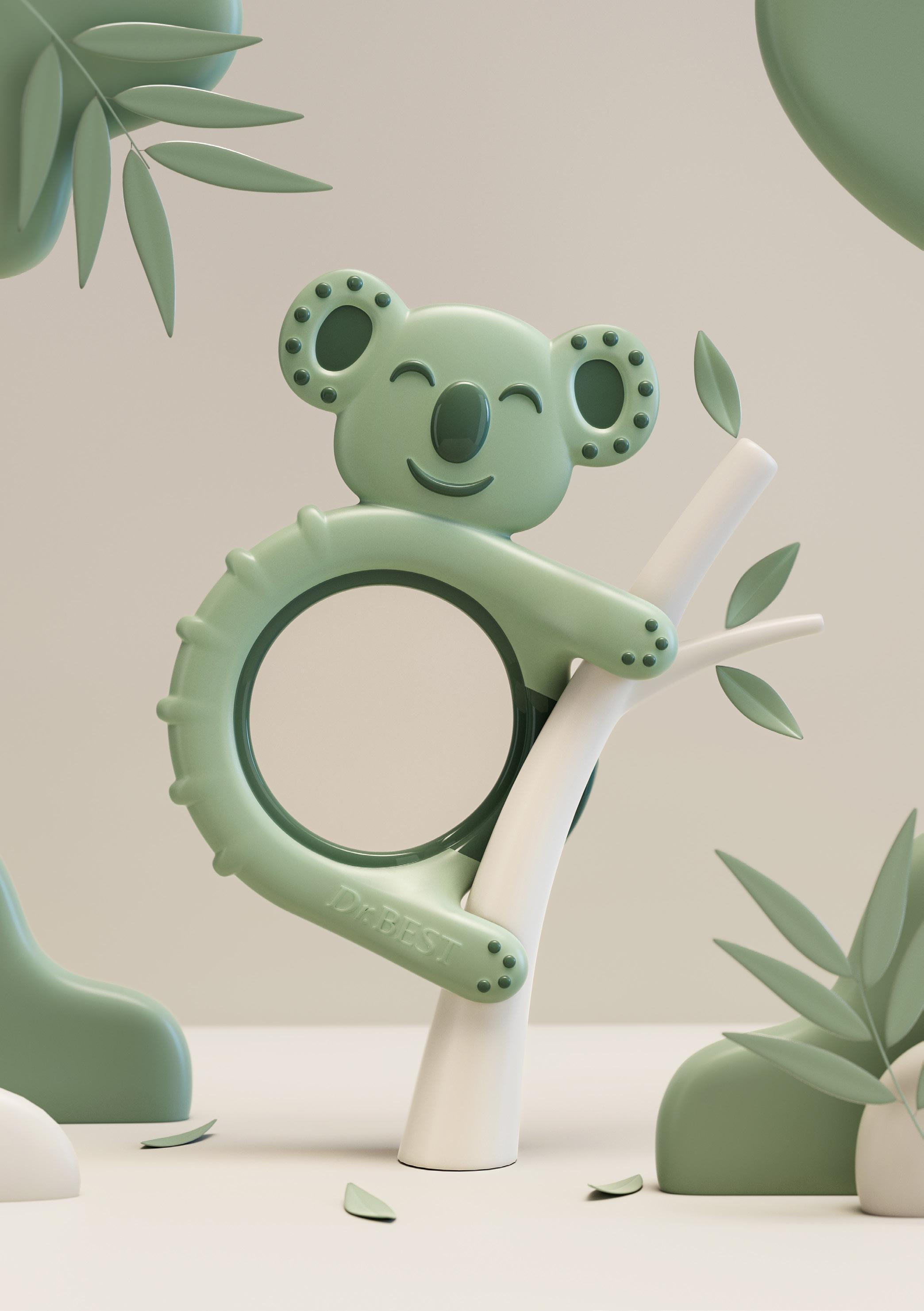
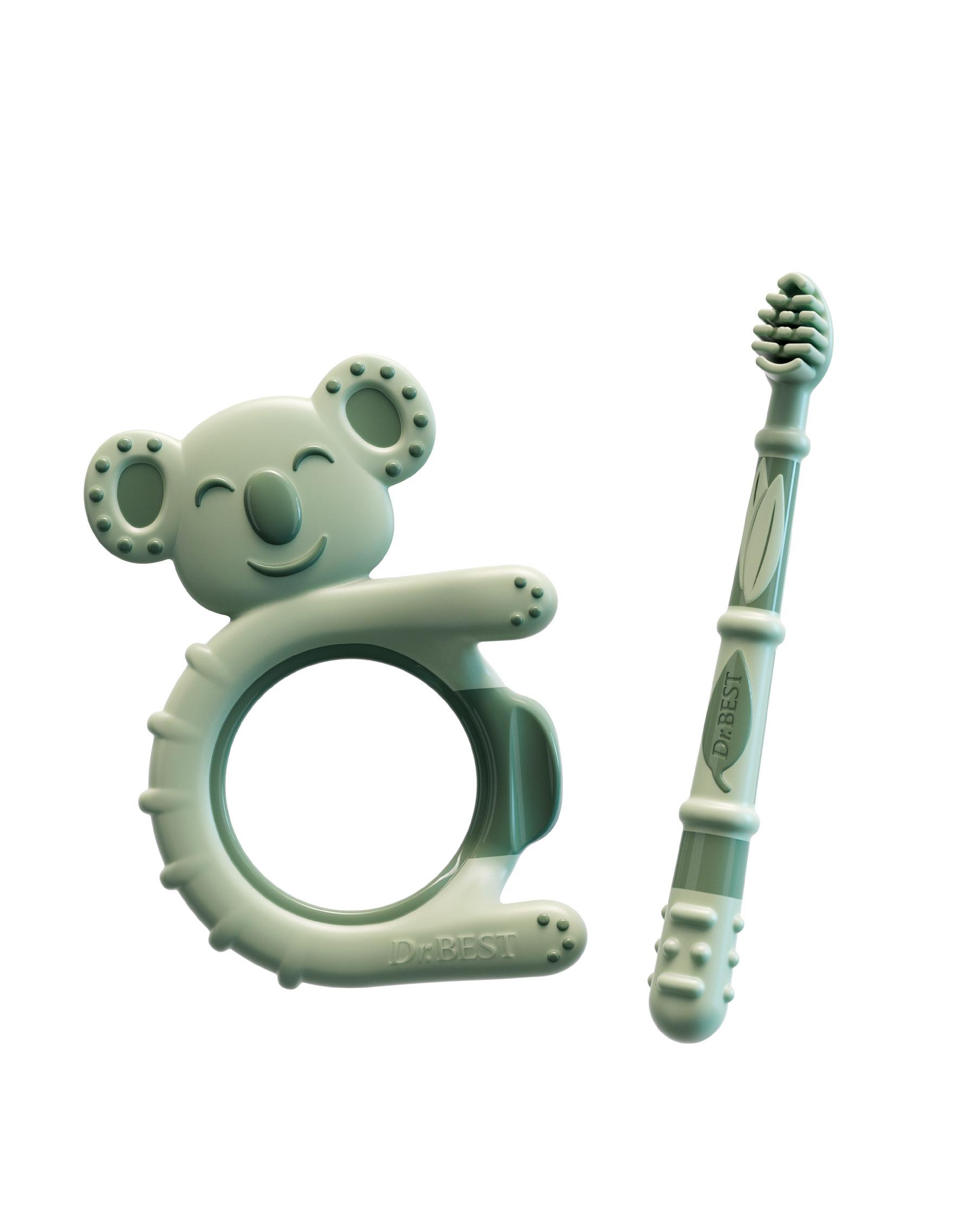
Prototyping Koala Teether and Brush
Mechanical Engineering
Client Description Date
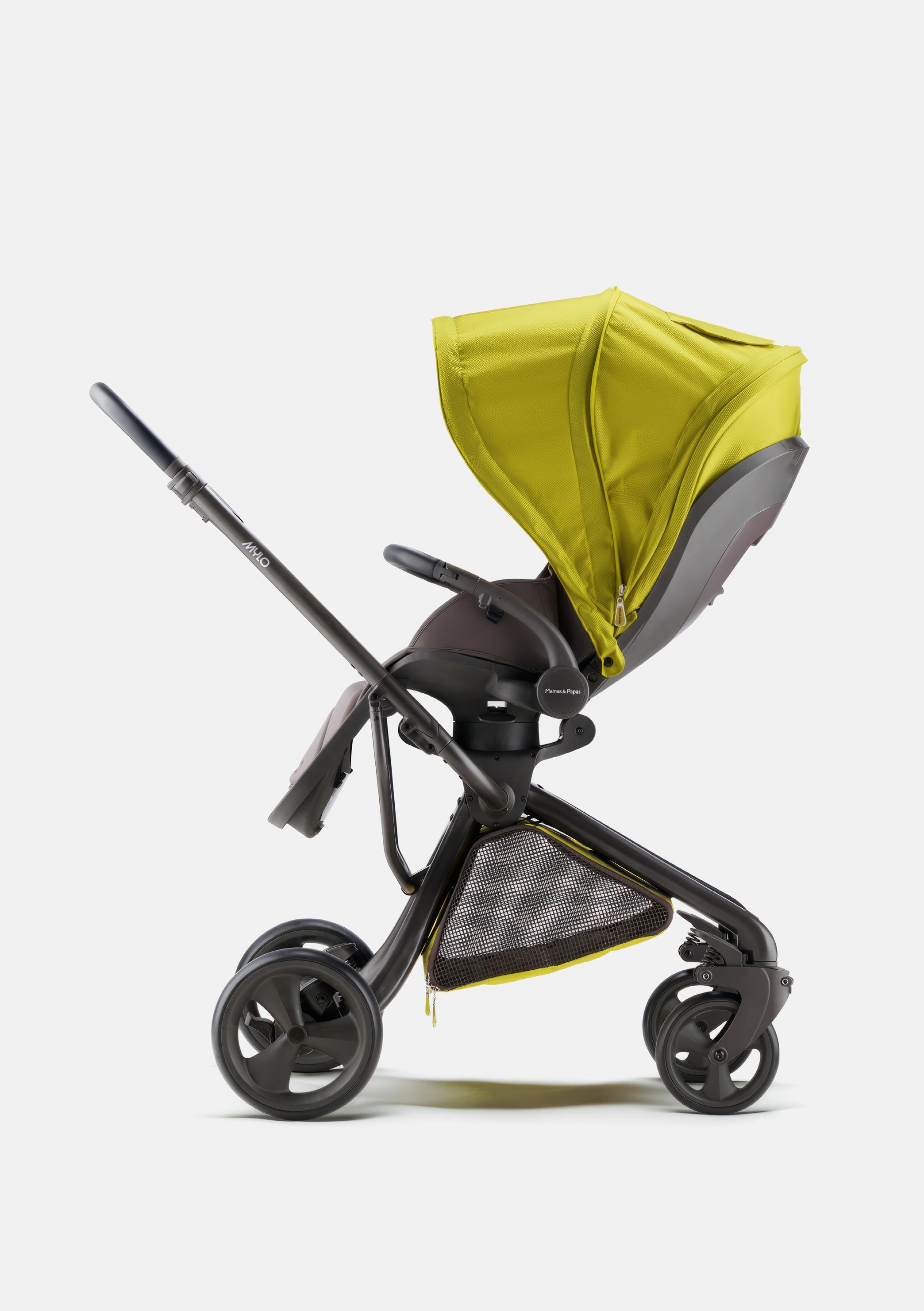
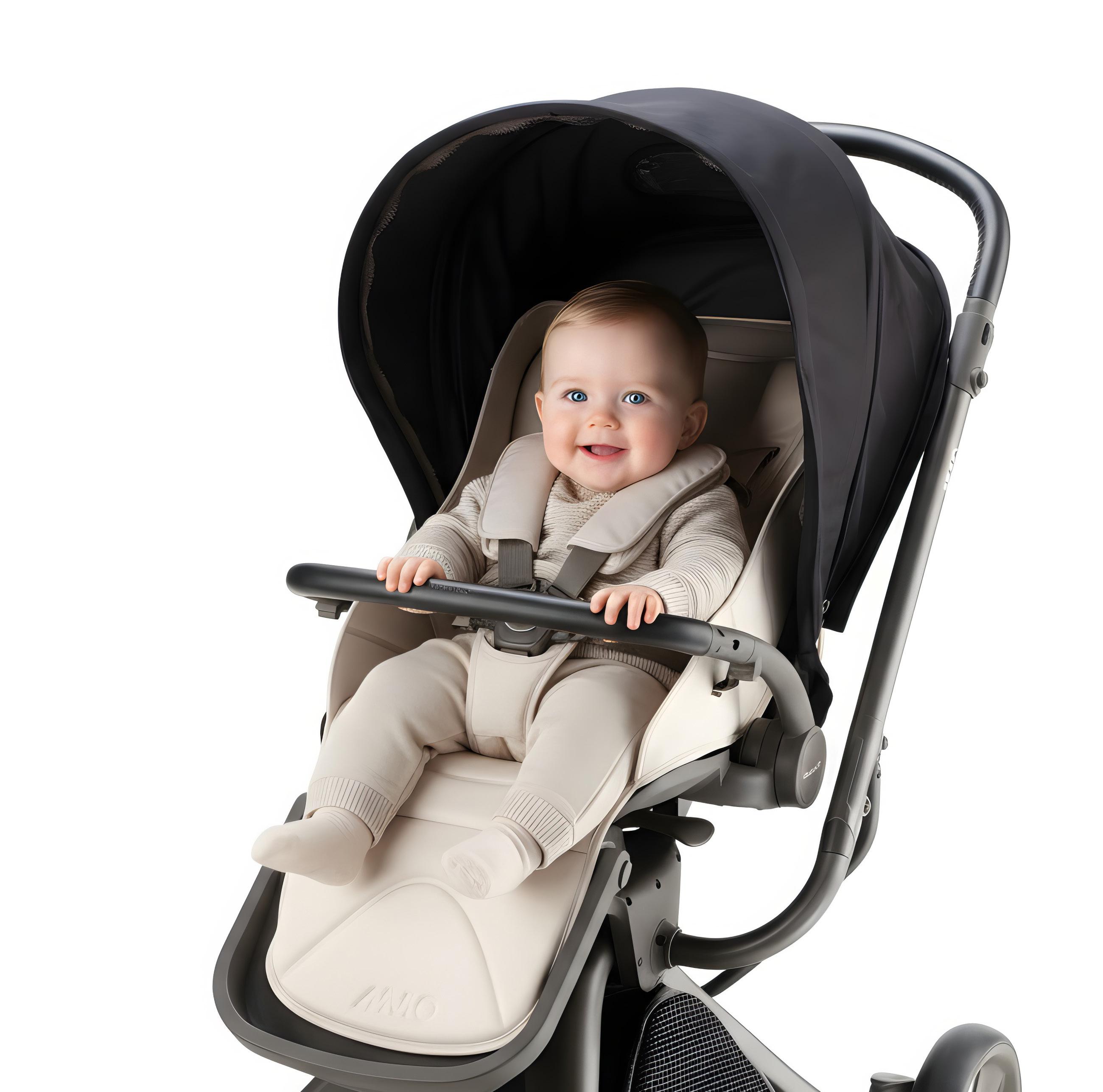
Activities Mamas and Papas 3-in-1 travel system
2009
Human Factors, Usability and Inclusivity
Industrial Design
Mechanical Engineering
Production Support
Prototyping
Research and Strategy
Visual Brand Language
Home and Garden
Improving life at home
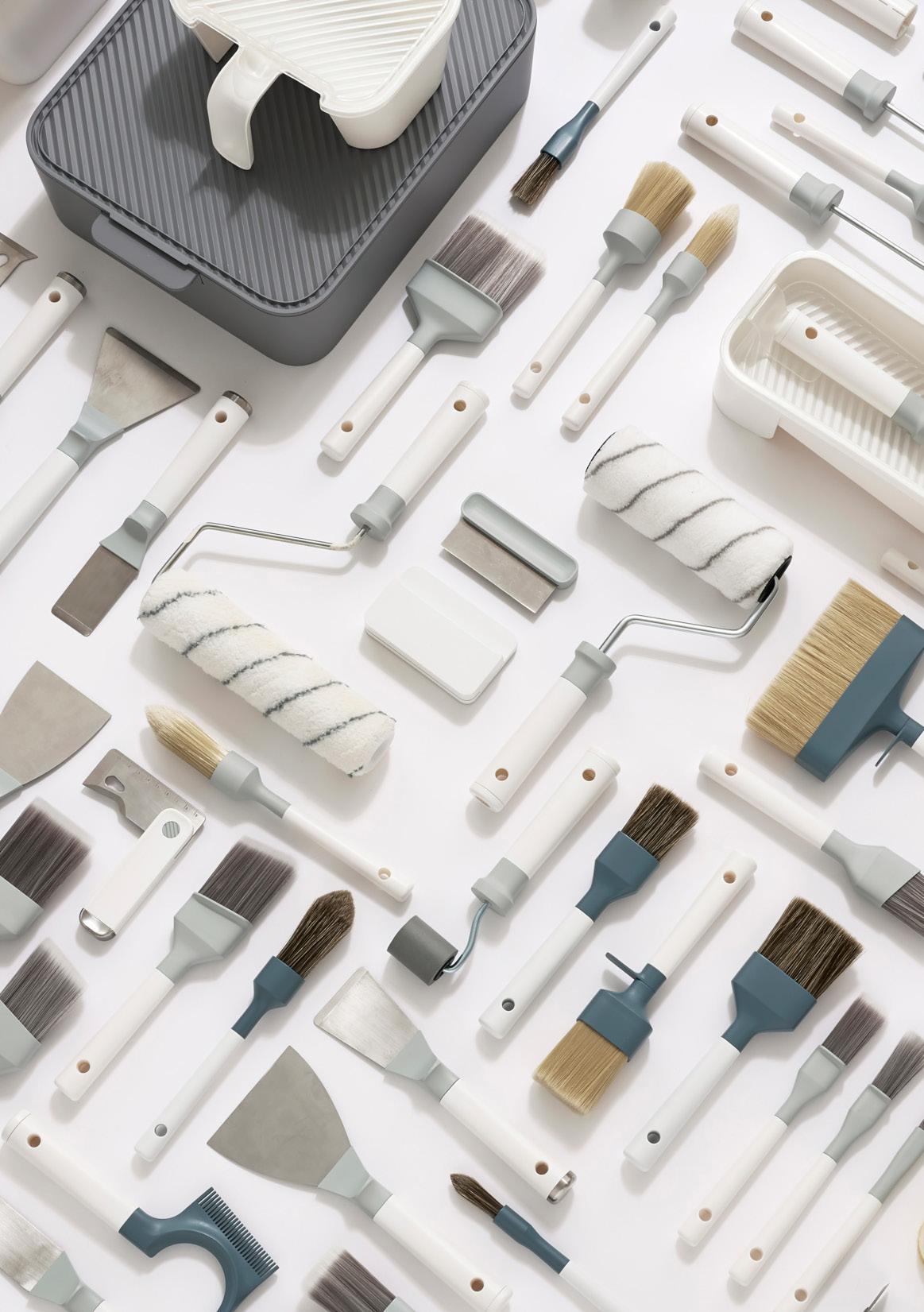
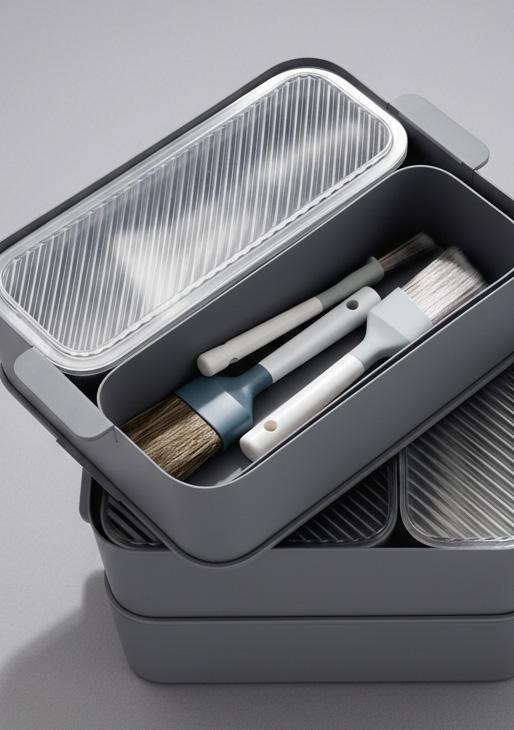
Life at home has changed. Environmental impacts and rising energy costs have made us question the way we live at home. How can we use less energy? How can we use less water? How can we be more efficient while also improving our experience of being at home? The legacy of the pandemic has also driven changes with our home often now being our workplace. How does this impact the way we use our domestic spaces?
Our team has been researching and designing products and experiences for the home for more than sixty years. We have helped the world’s leading brands and start-ups create new ways of improving the way we live at home spanning subjects from DIY to home energy, washing ourselves to washing our clothes and sleeping to entertaining. These projects have covered most global markets.
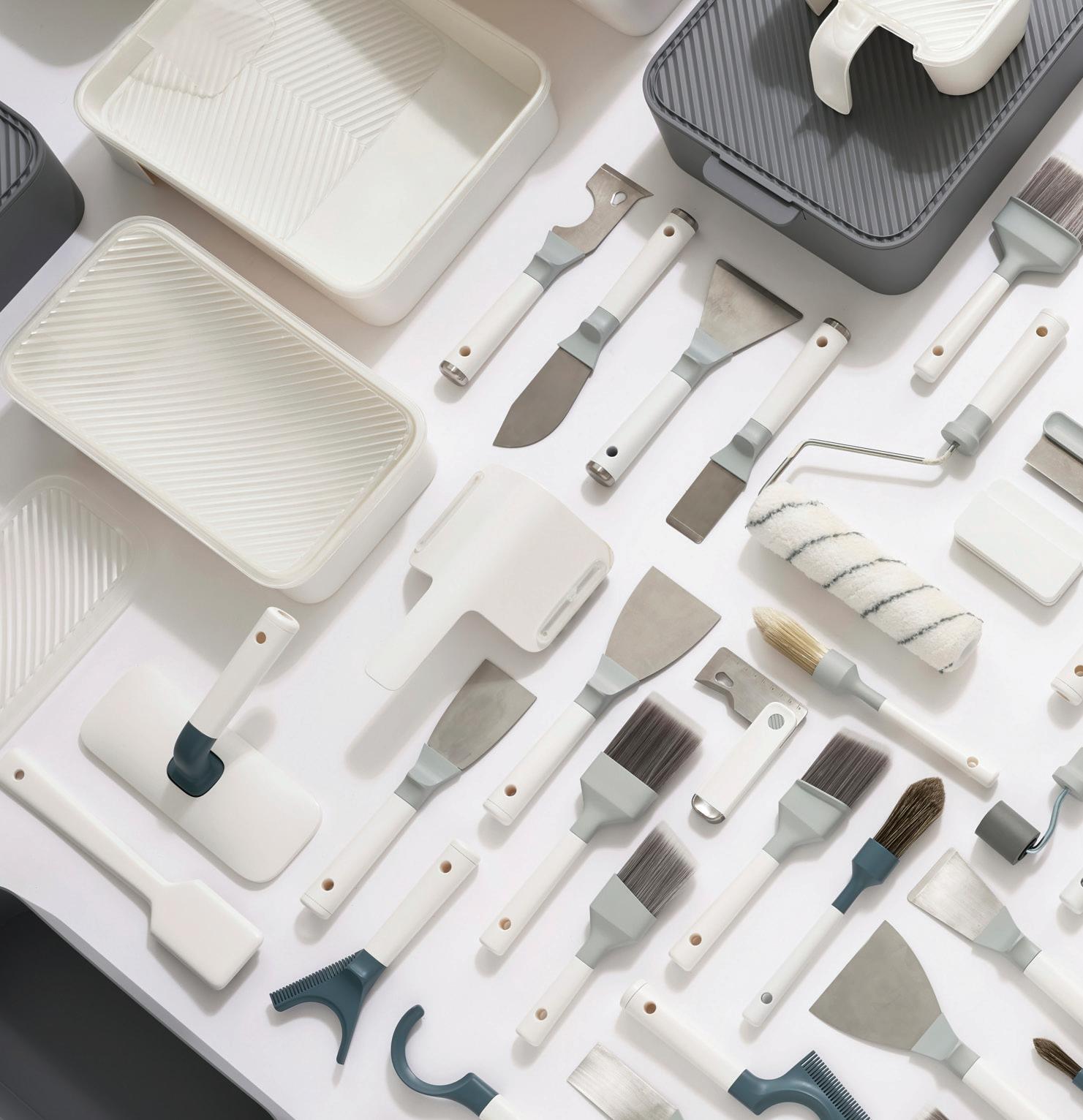
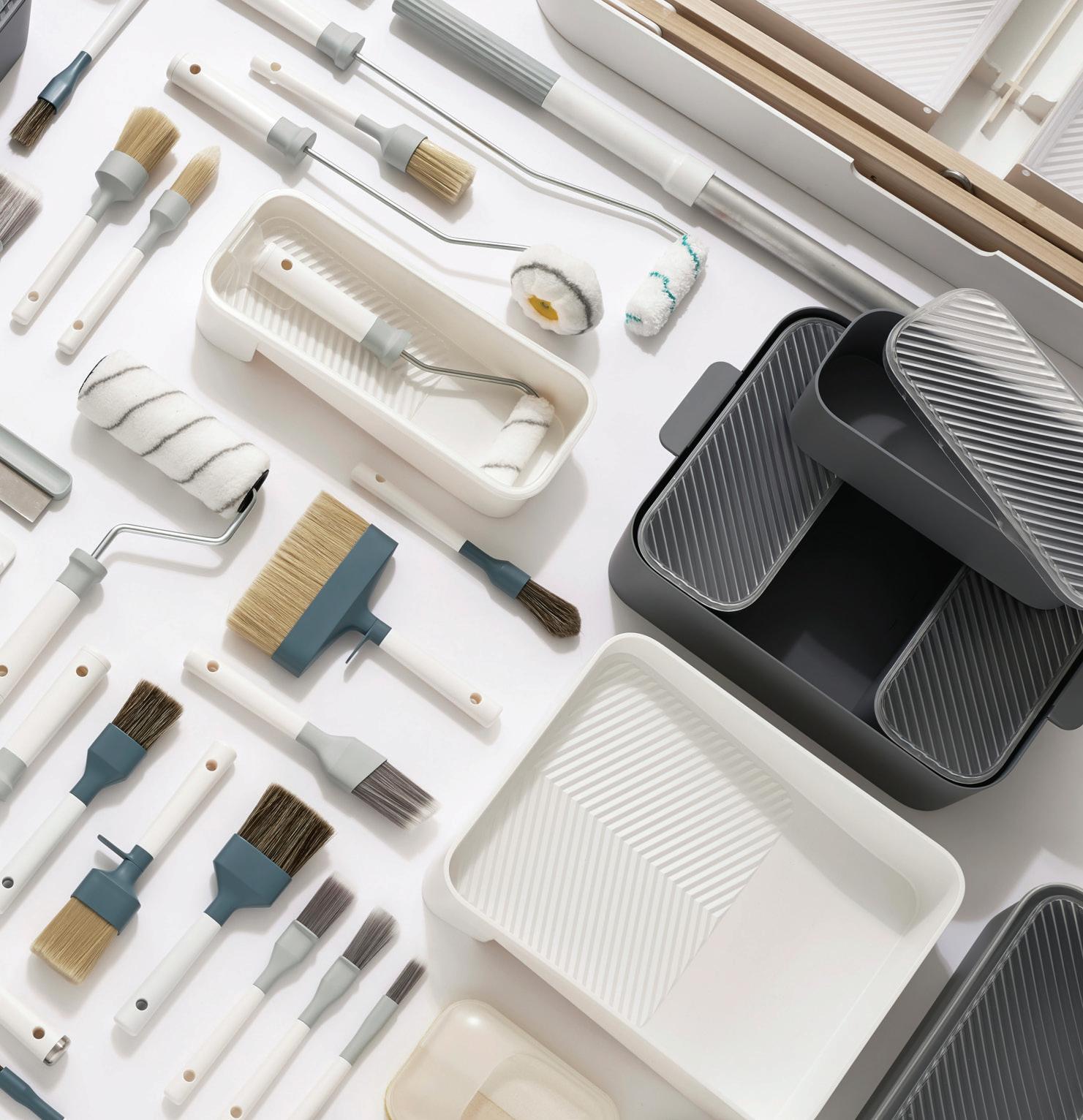
iF Product Design Award B&Q Painting Range
Client Date Activities Awards Kingfisher 2021
Colour, Material and Finish
Human Factors, Usability and Inclusivity
Industrial Design
Visual Brand Language
Client
Human Factors, Usability and Inclusivity
Industrial Design
UX/UI
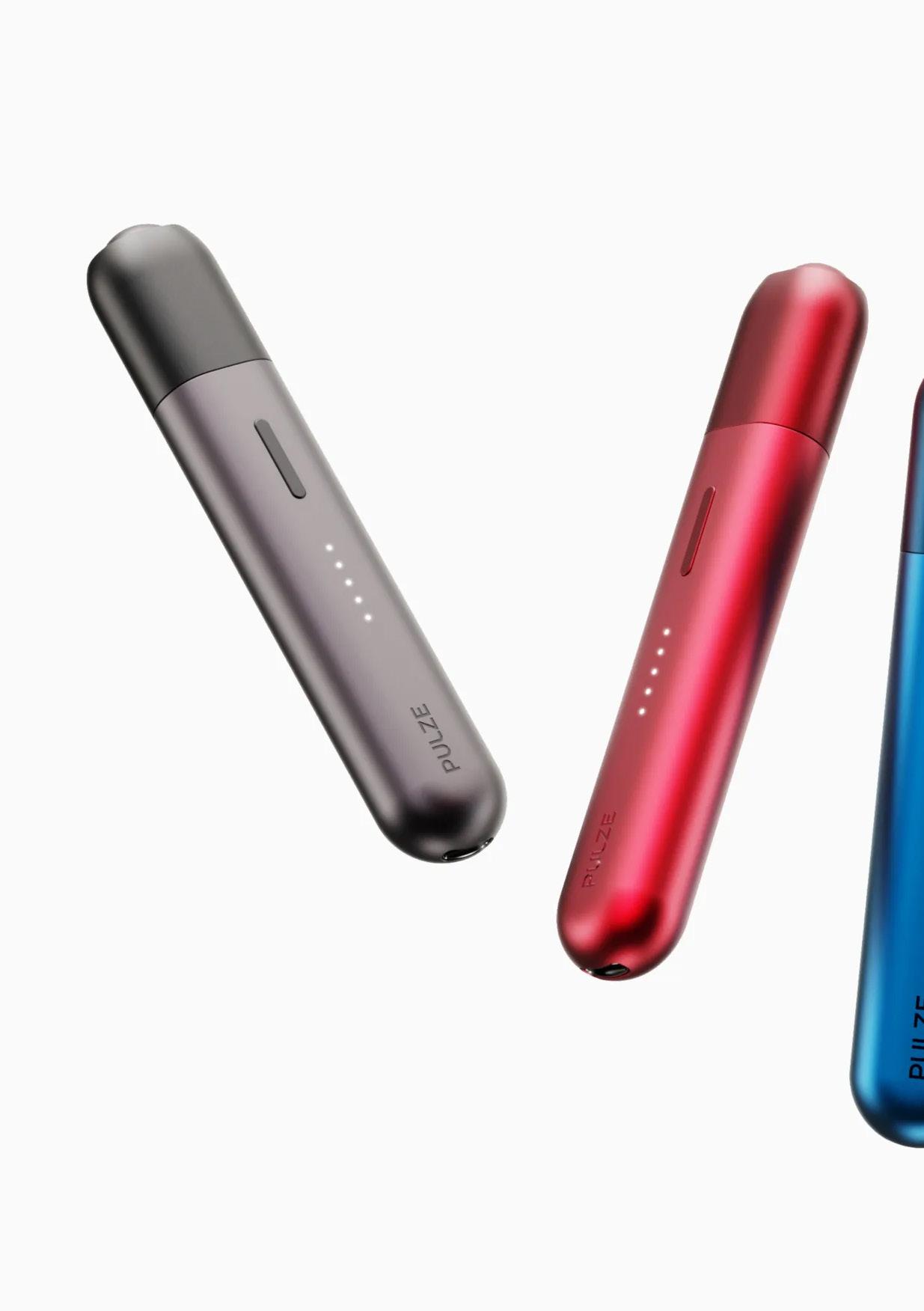
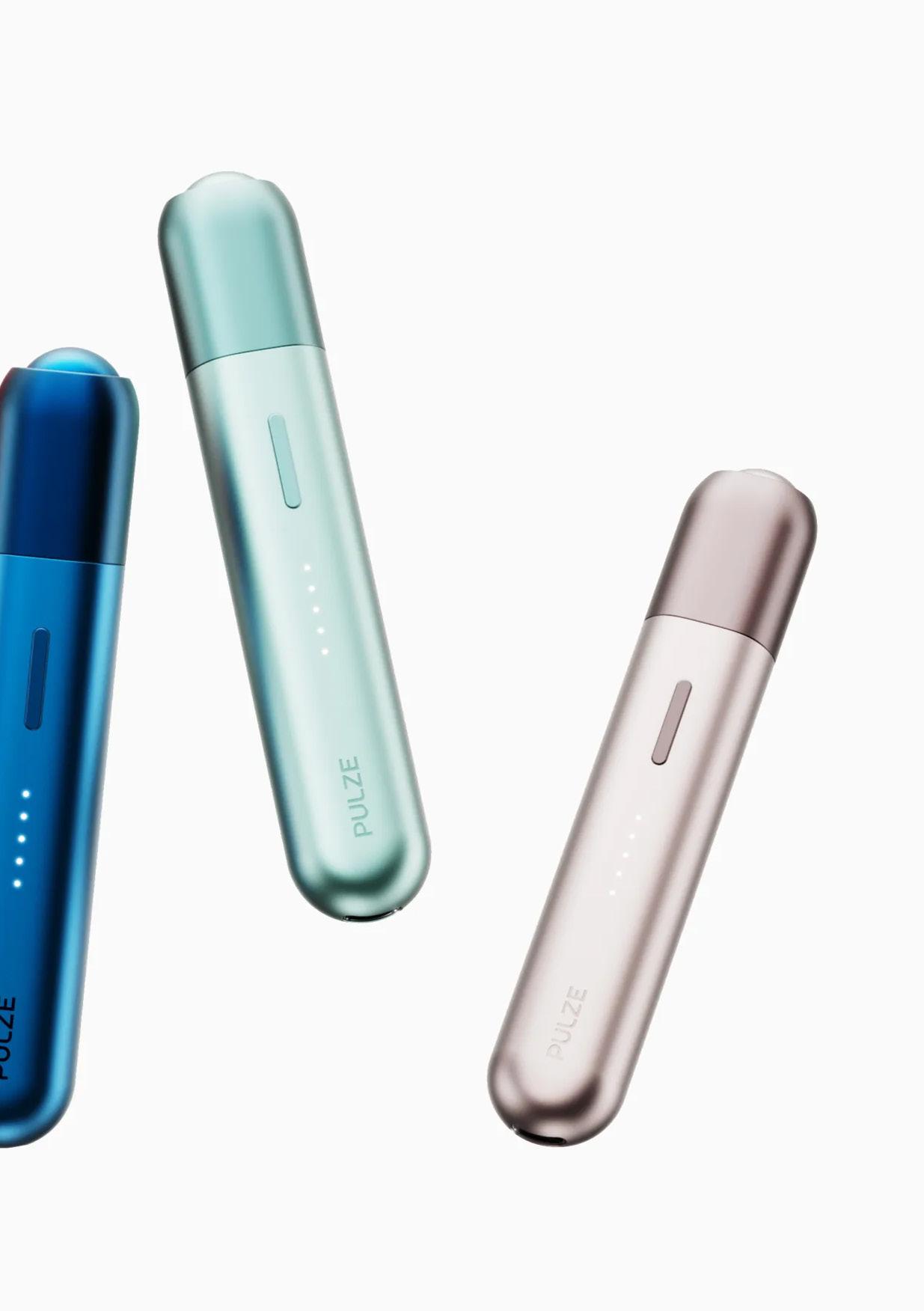
Smoking Harm Reduction Devices
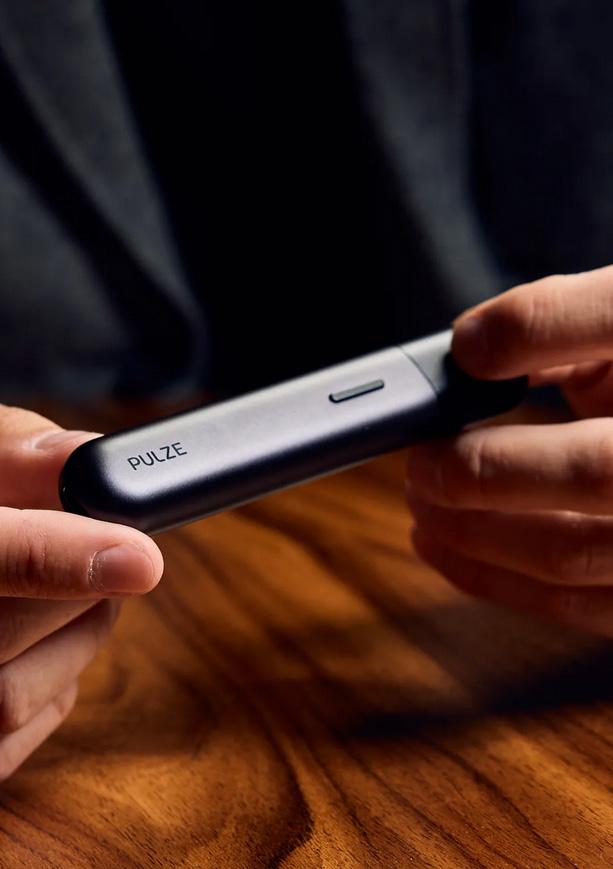
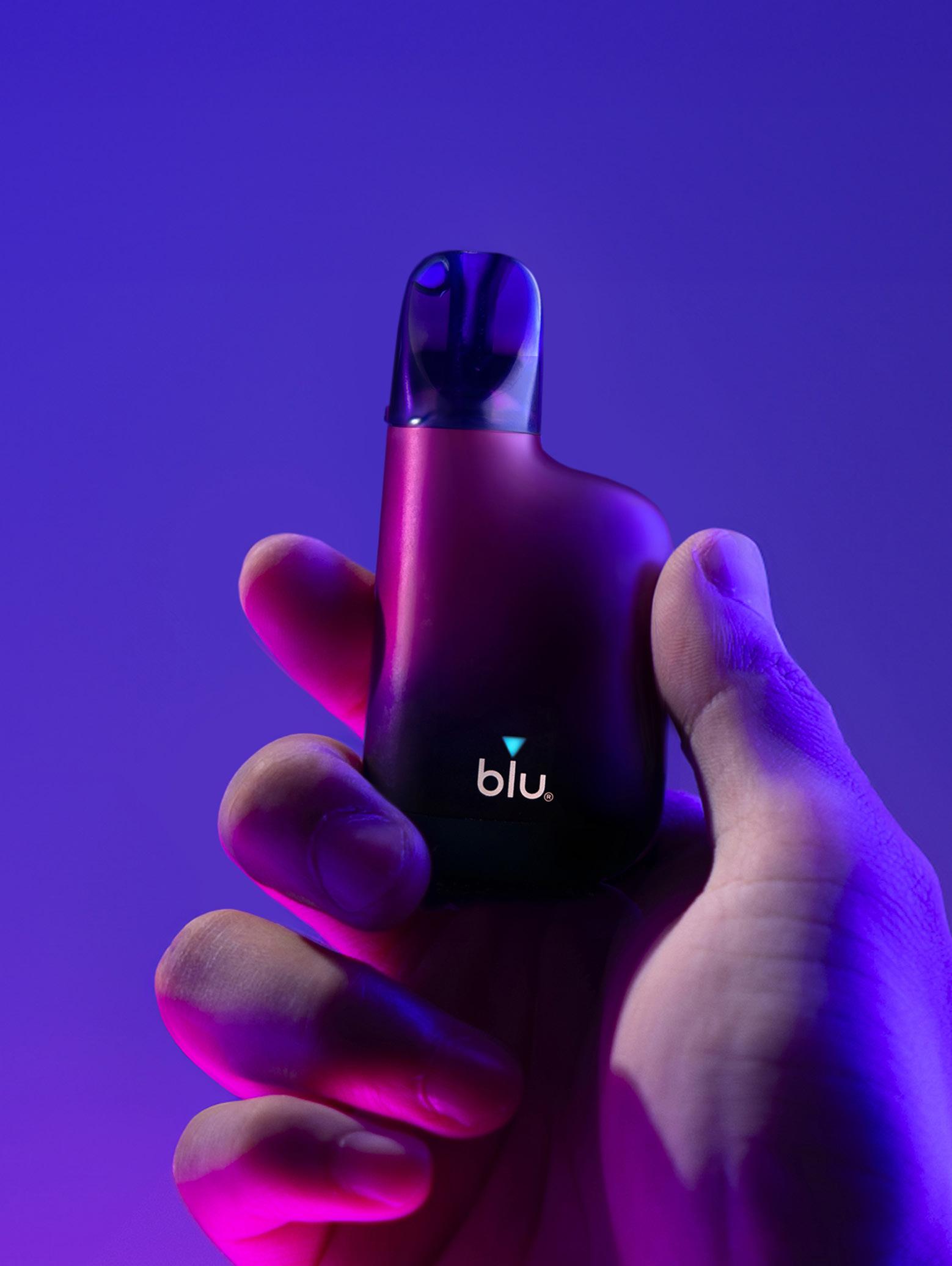
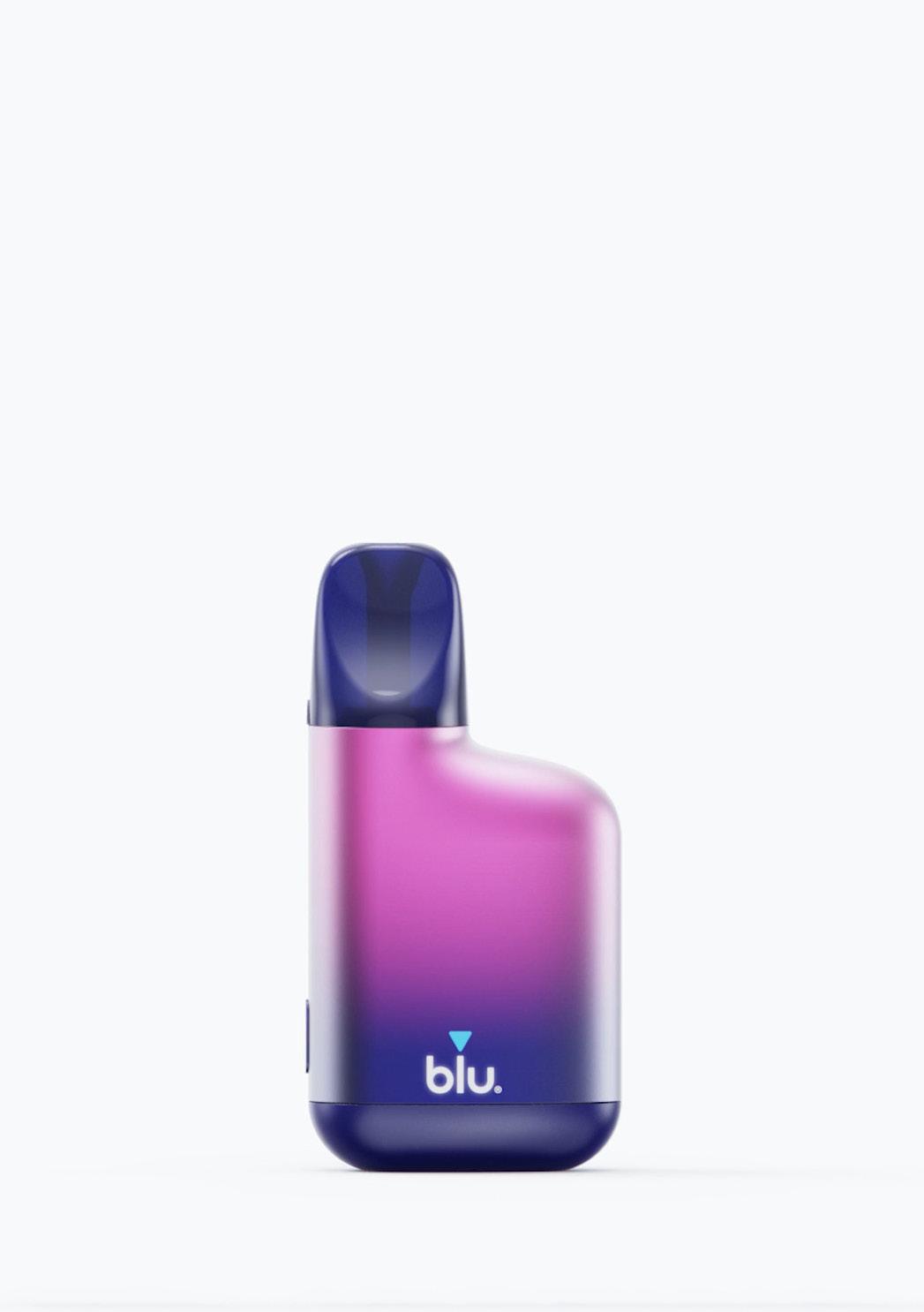
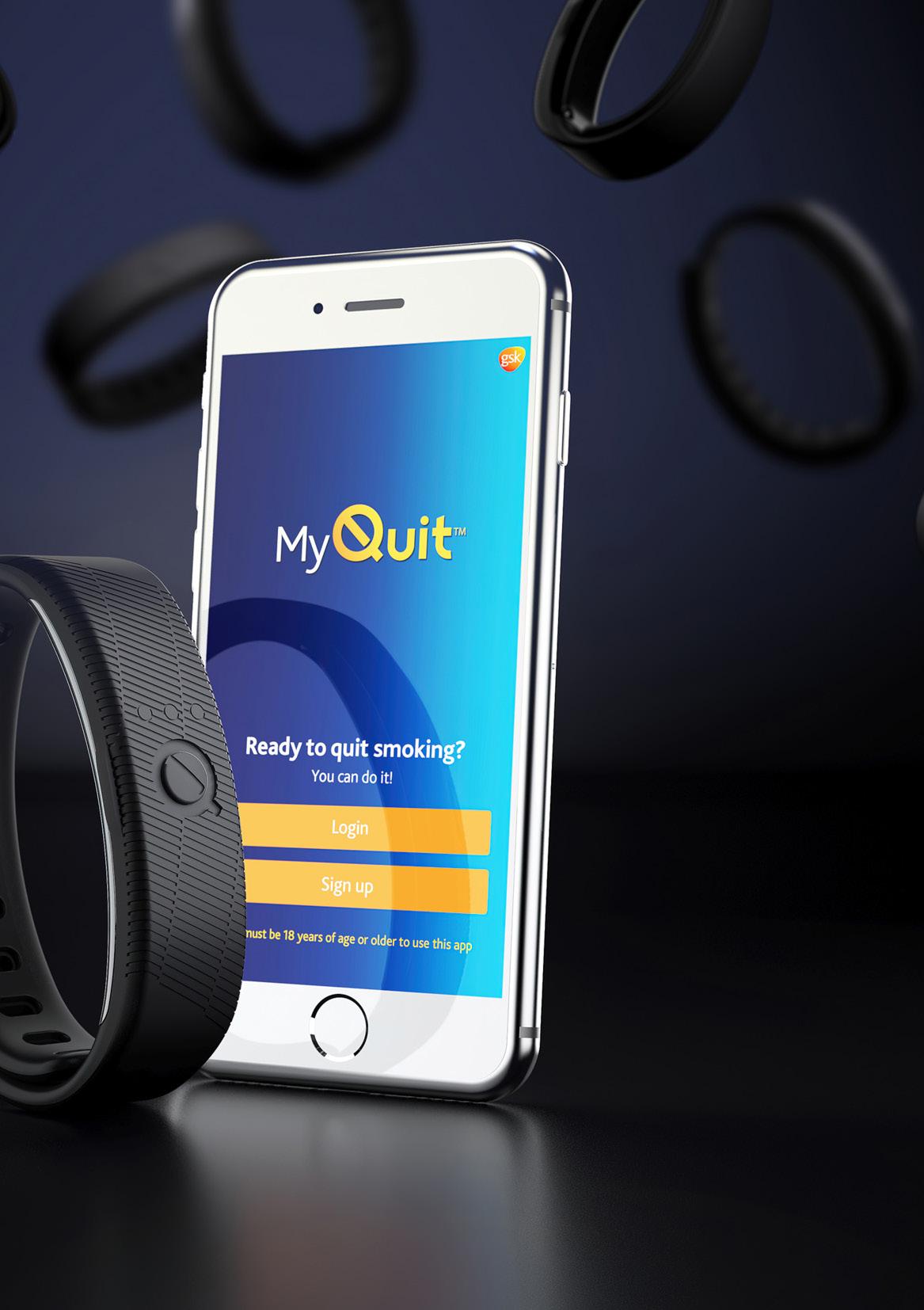
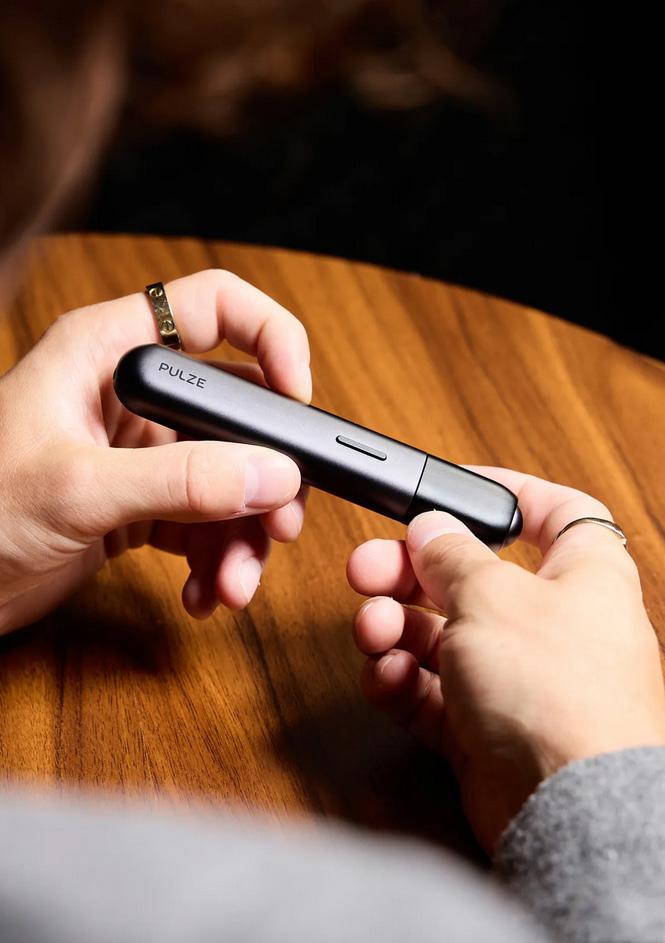
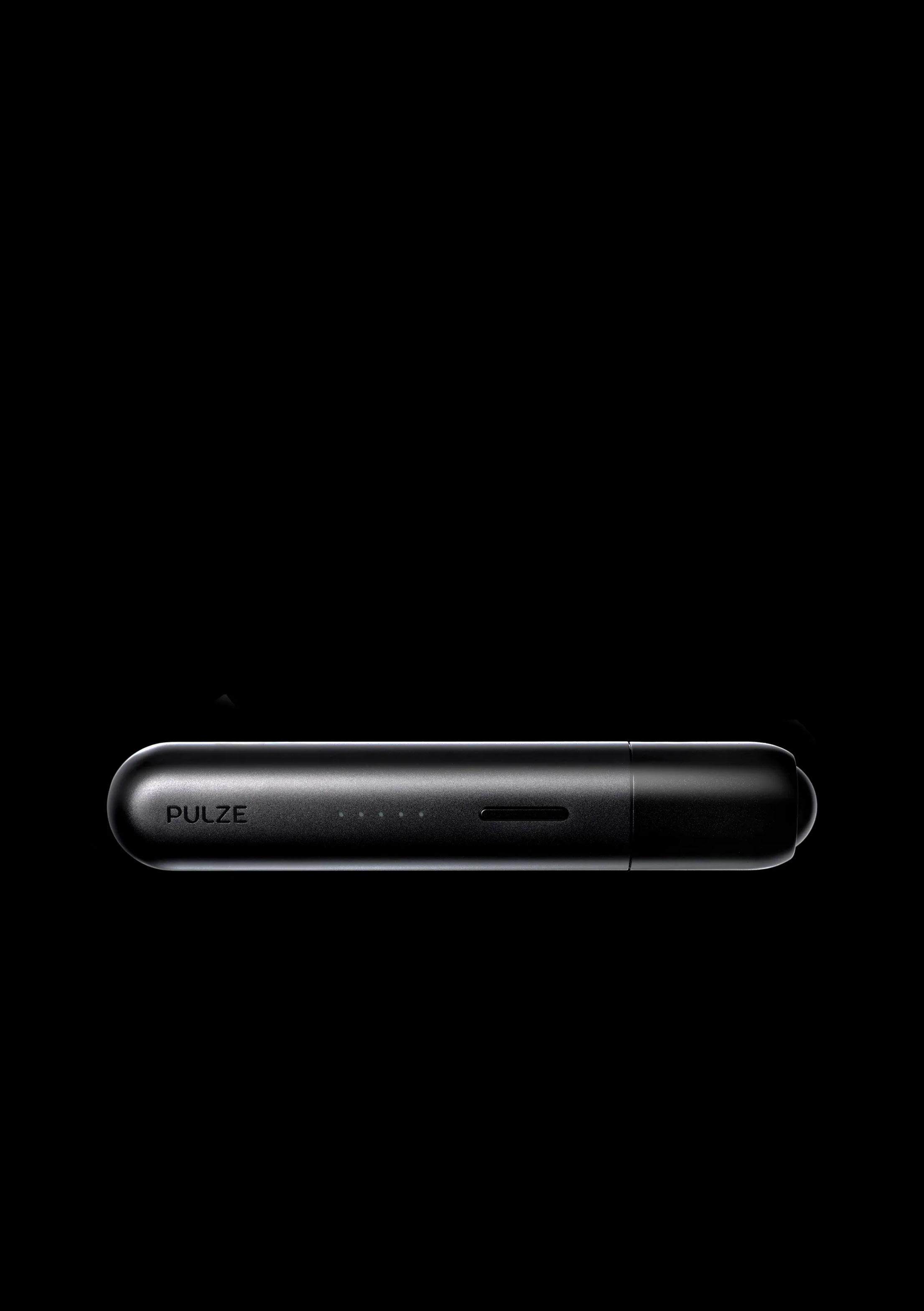
Smoking is the leading cause of preventable death and a global public health concern. Smoking cessation devices aim to support the process of quitting tobacco through therapeutic aids or by effectively and acceptably delivering nicotine without smoke. These devices, designed for function, safety, and comfort are designed with a timeless look. They use high-grade quality materials for a premium feel and to encourage long-term use. Crafted in
collaboration with consumers, DCA help develop physical experience designs from initial conception through robust engineering to creating the digital assets to support their launch. By focussing on improving the user experience, through engaging interaction, improved aesthetic, better durability and robustness, Tobacco Harm Reduction & Reduced Risk Products have the potential to be less harmful than smoked tobacco.
Description Date
Activities
Replaceable and interchangeable pod system 2025
Design for Manufature
Industrial Design
Mechanical Engineering
Production Support
UX/UI
Client
Description
Date
Activities GSK
A device + app enabled product combining a nicotine focused replacement therapy with a Behaviour Support Program (BSP)
2018
Colour, Material and Finish
Exterior Styling
Human Factors, Usability and Inclusivity
Industrial Design
Mechanical Engineering
Production Support
Prototyping
Research and Strategy
UX/UI
Visual Brand Language
Description Date
Activities
Heated tobacco - harm reduction device
2025
Colour, Material and Finish
Design for Manufacture
Human Factors, Usability and Inclusivity
Industrial Design
Mechanical Engineering
Production Support
Testing and Evaluation
UX/UI
Visual Brand Language
Consumer Healthcare
Fusing brand and medical device expertise
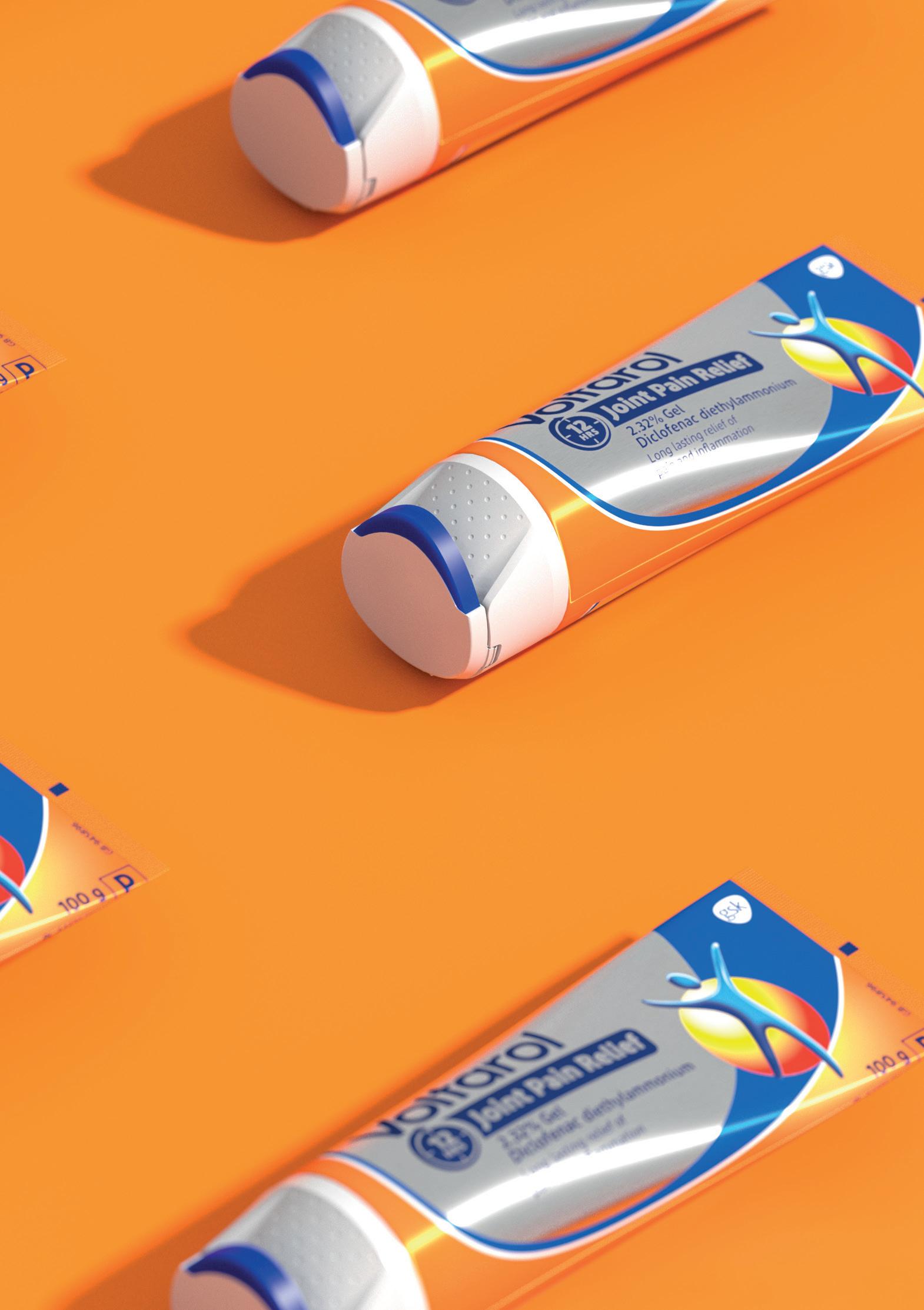
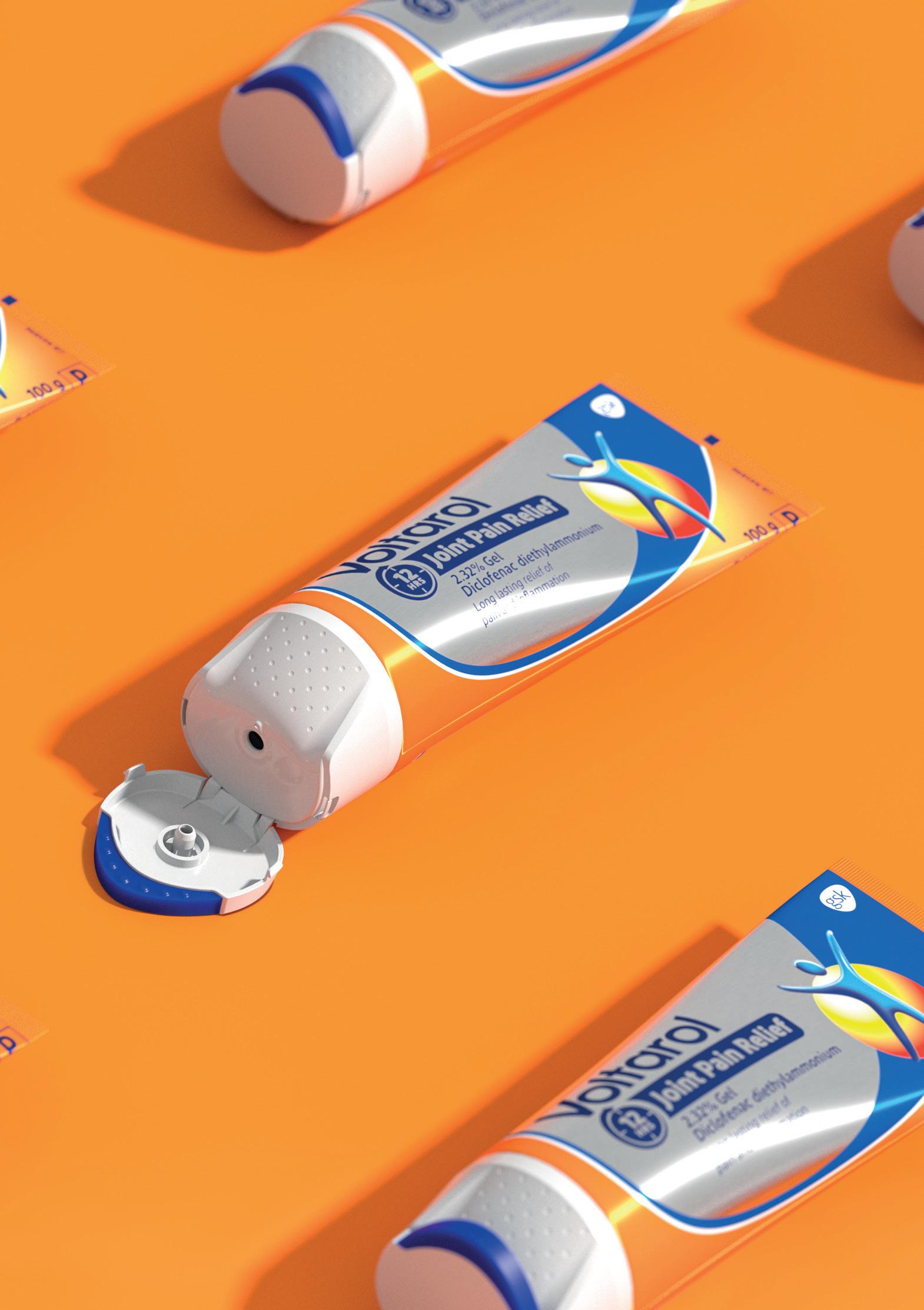
The combination of our deep understanding of consumer brands with our expertise and track record in creating some of the world’s leading medical devices makes us the ideal partner for the development of high volume, low cost packaging, devices and refill systems for consumer healthcare brands. Whether it is encouraging kids to brush their teeth, creating inclusive, user friendly pain relief medicine packaging for osteoarthritis sufferers, creating
telehealth solutions for challenging environments or enabling the Rx to Cx switch of market leading drugs and medicines, we understand the needs and challenges of the consumer healthcare market.
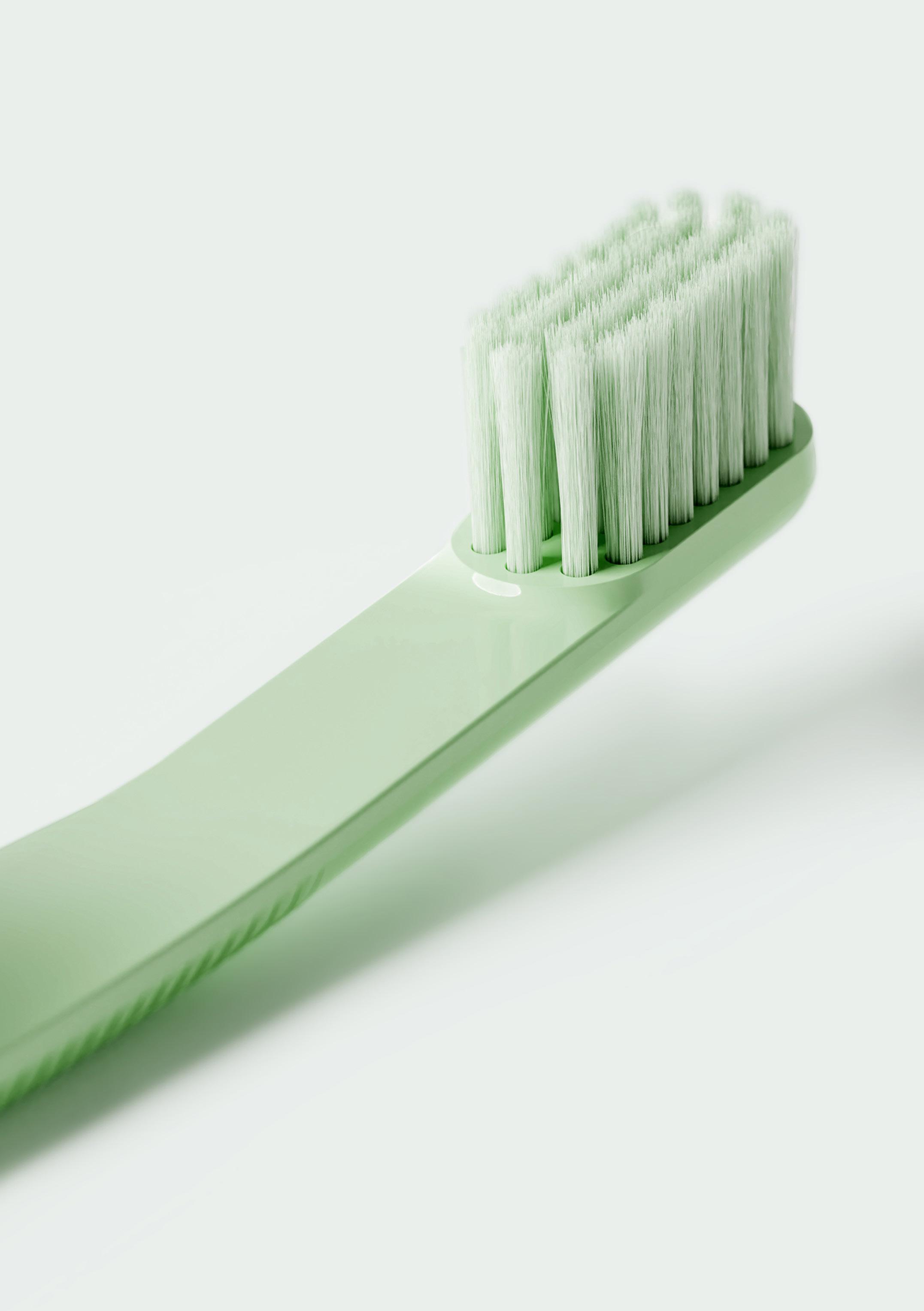
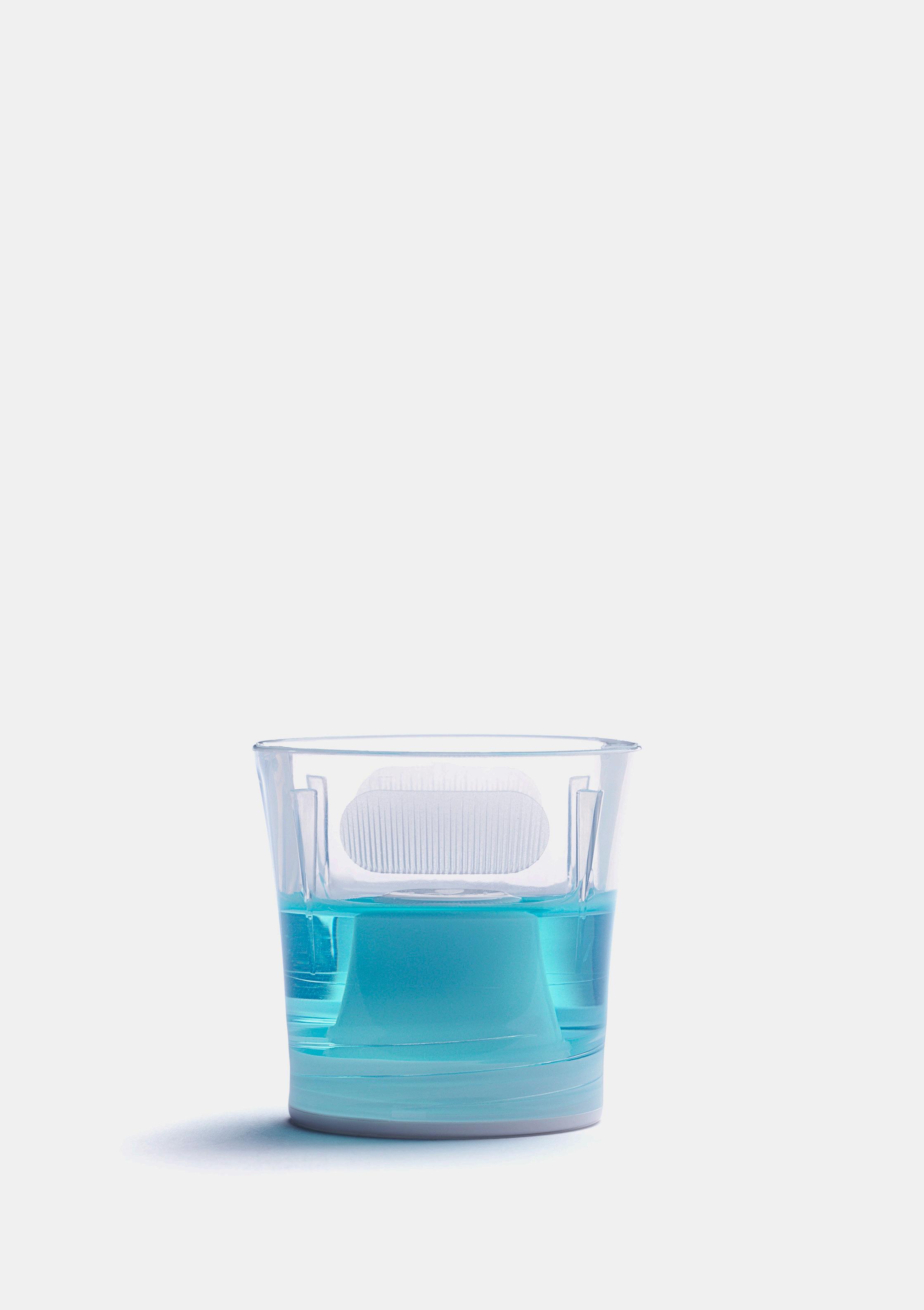
Oral Care
Design driven prevention
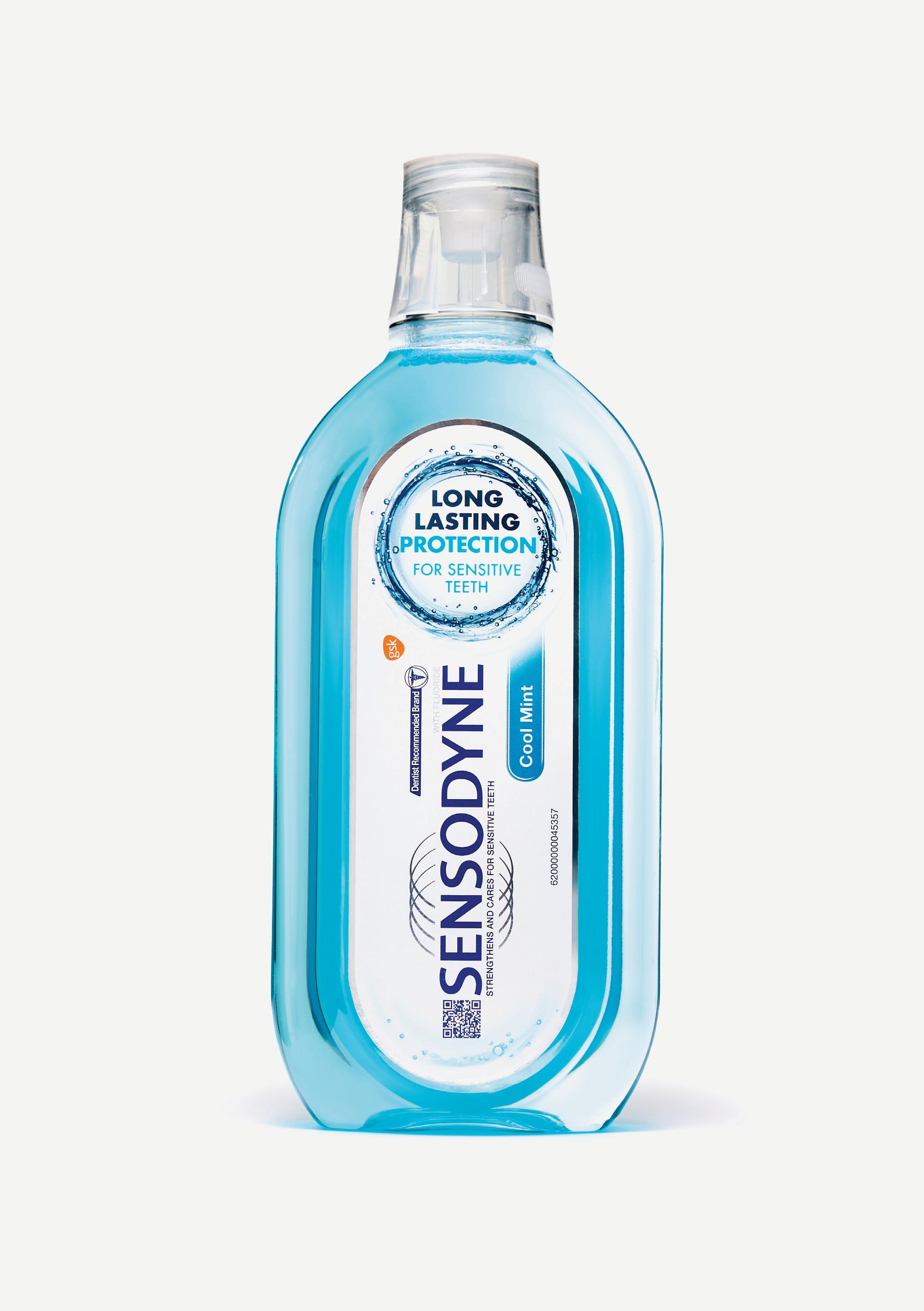
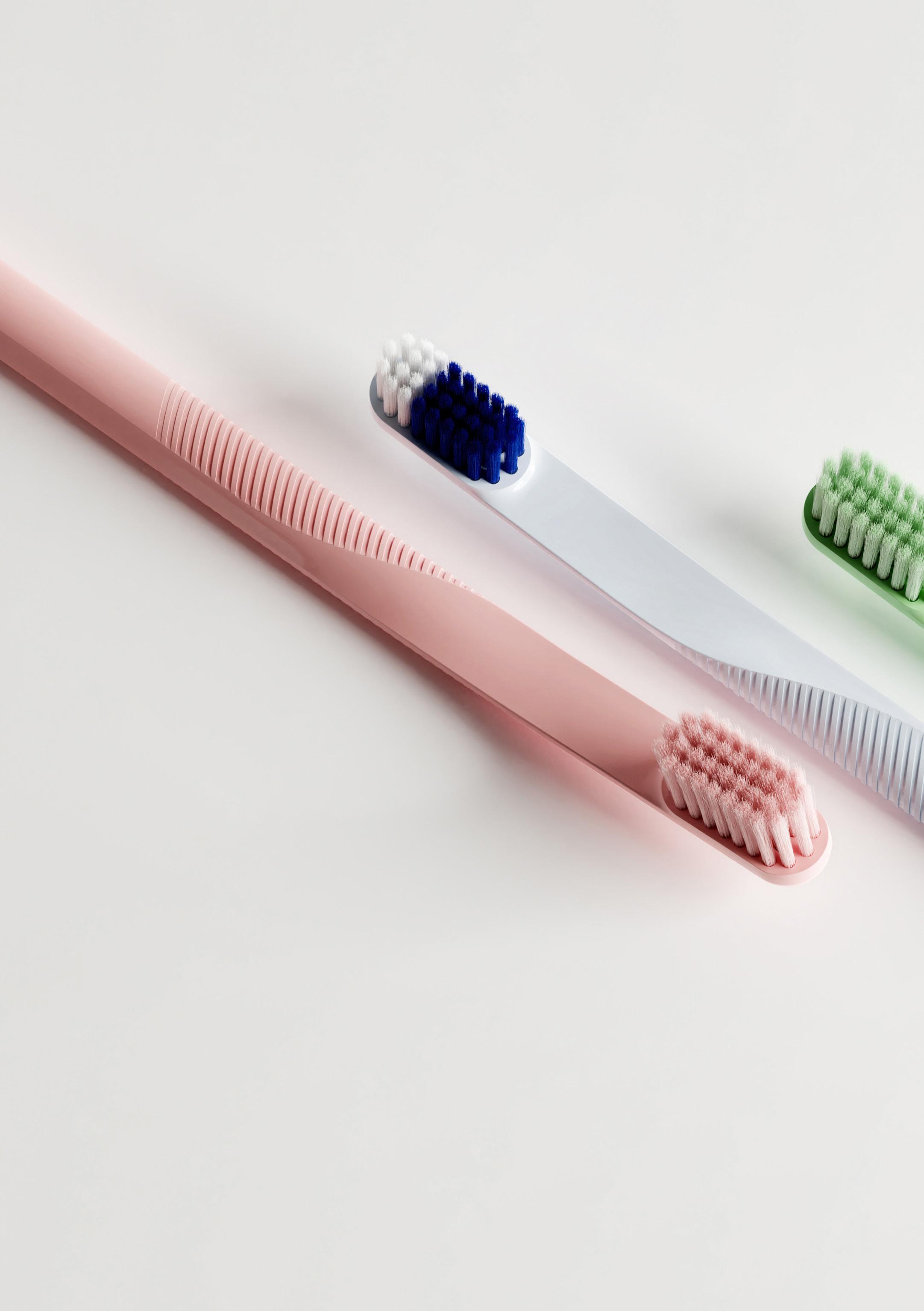
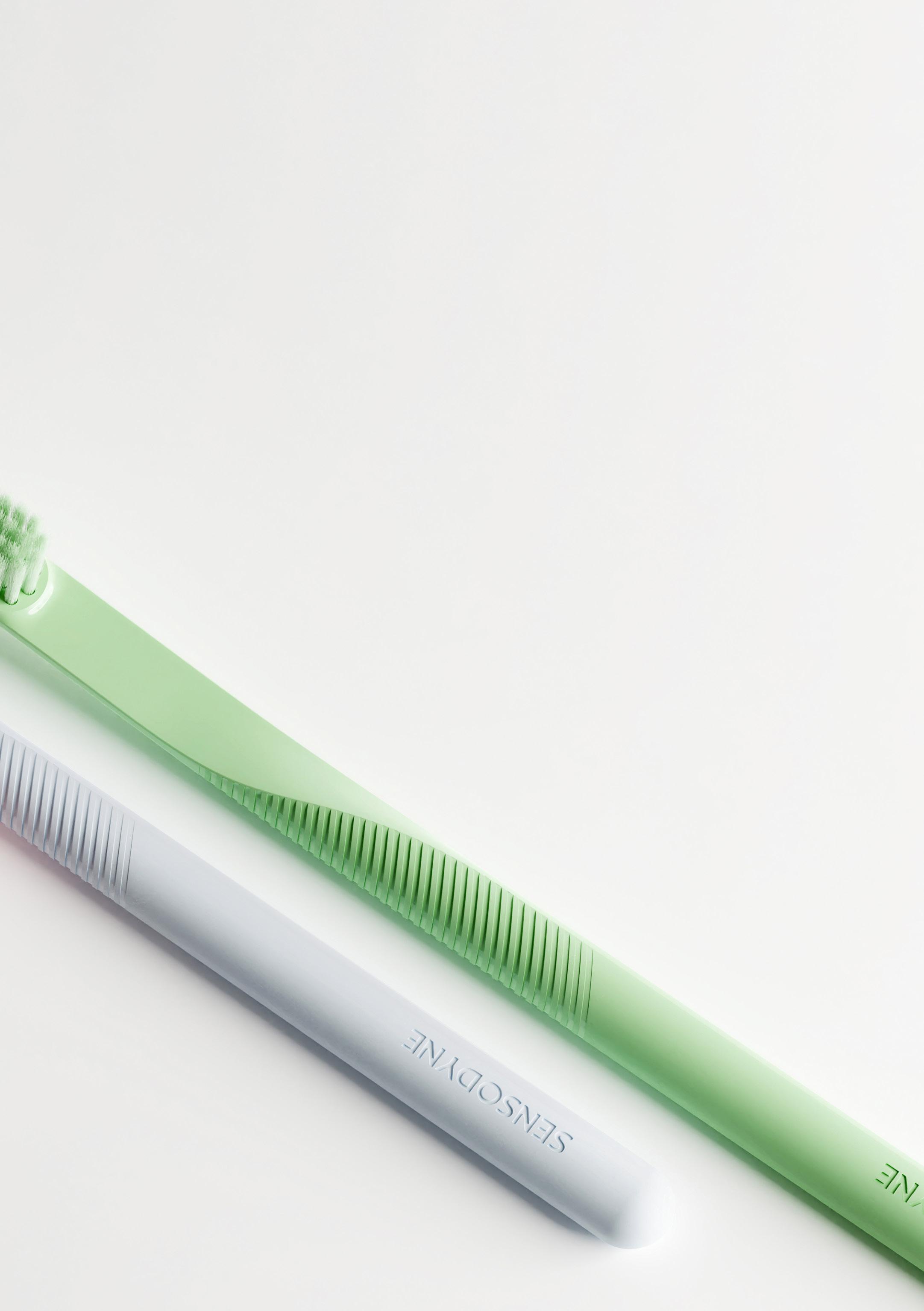
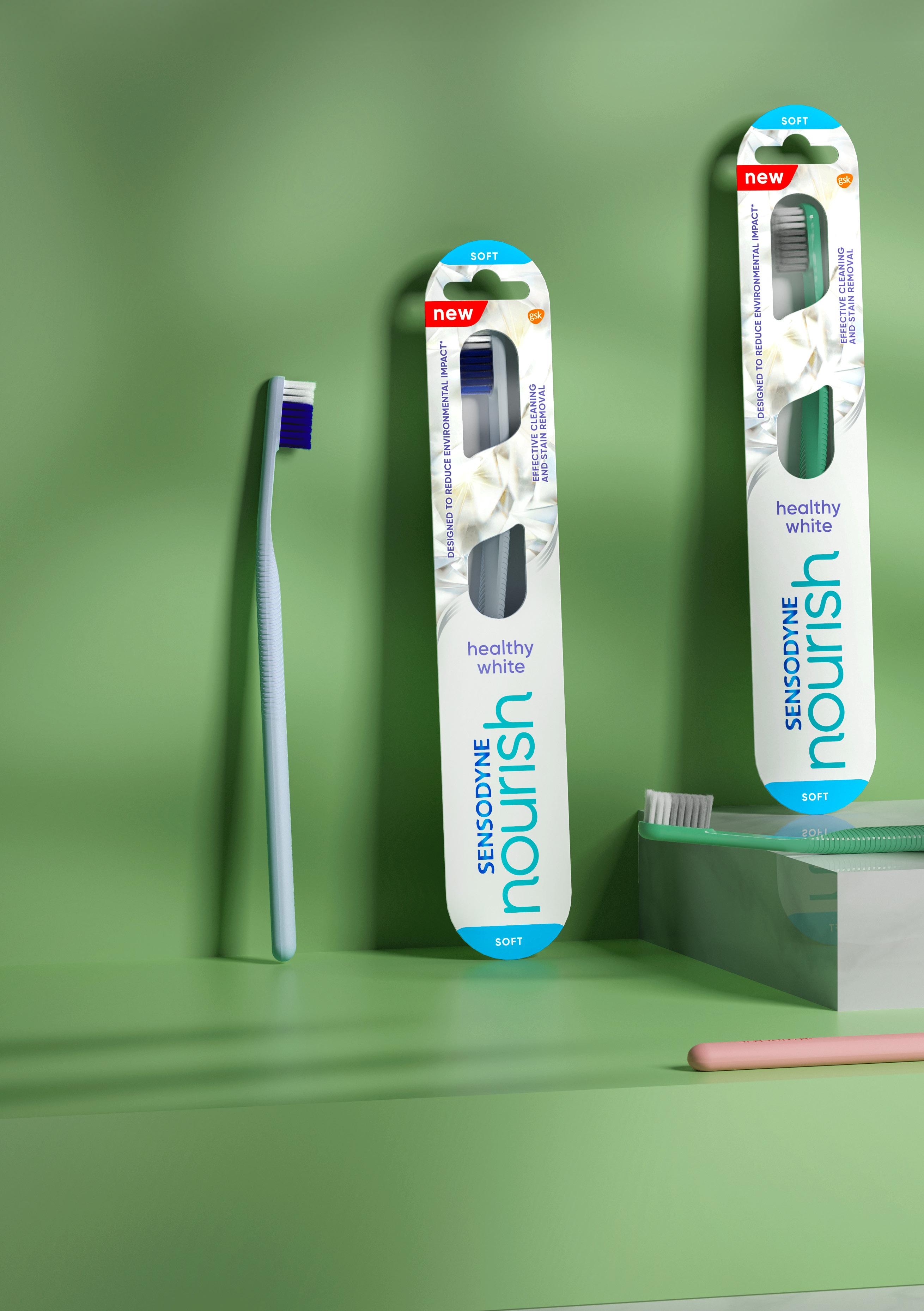
We believe that good design can drive adherence to oral hygiene and improve general oral health. We have helped the world’s leading oral care brands create products and packaging in most categories and geographies. Projects have ranged from low cost solutions to advanced electronic, connected, AI platforms. Our award winning work has created better oral care experiences for many users from
engaging kids to helping denture users in later life. Most of our current work is driven by the ambition to create more connected, sustainable and inclusive oral care solutions.
Client
Description Date
Activities
Awards GSK
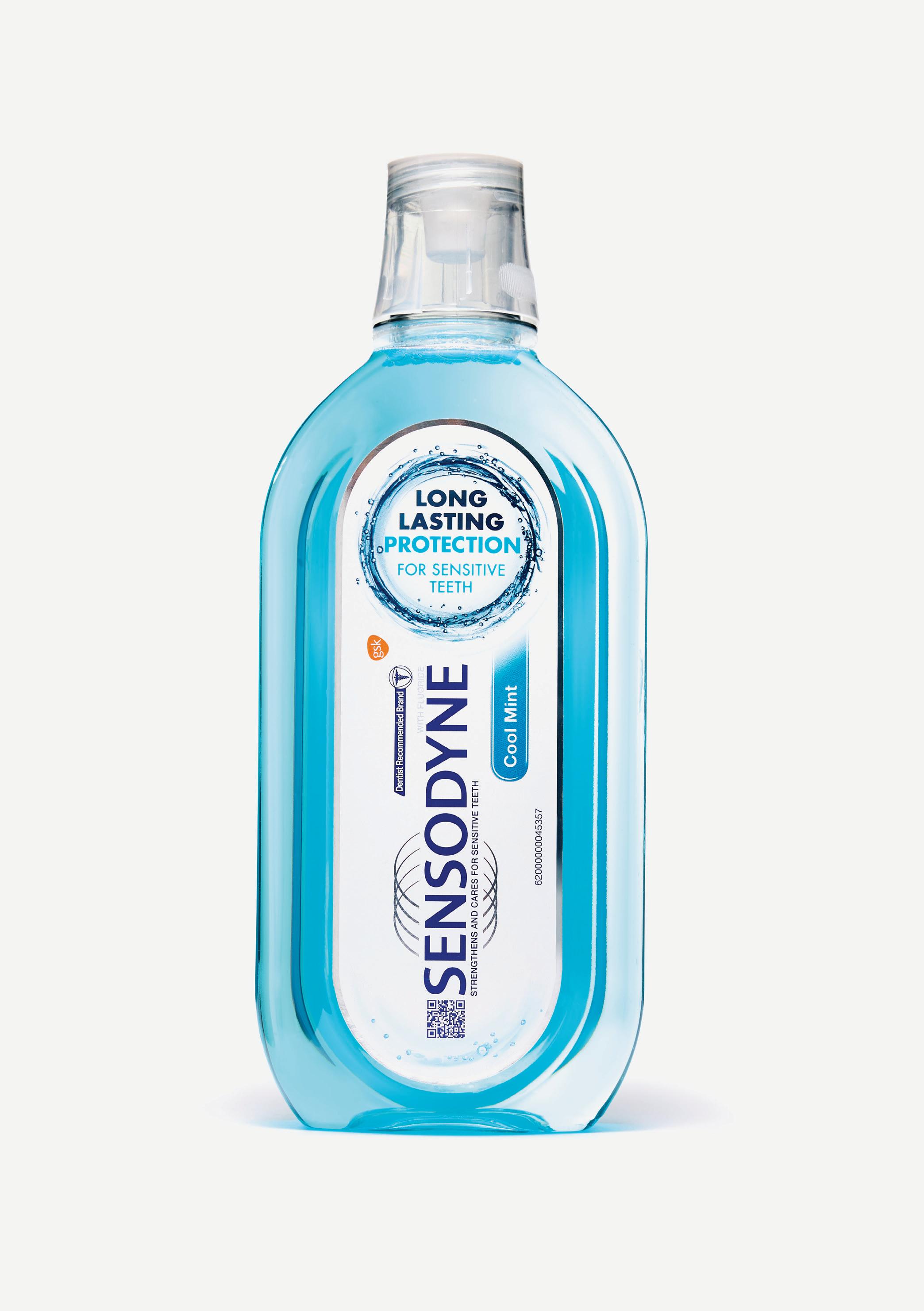
Mouthwash Bottle and Dosing Cap
2015
Human Factors, Usability and Inclusivity
Industrial Design
StarPack Award Sensodyne Mouthwash
Packaging Design
Production Support
Prototyping
Research and Strategy
Visual Brand Language
WorldStar Global Packaging Award
Good Design Award
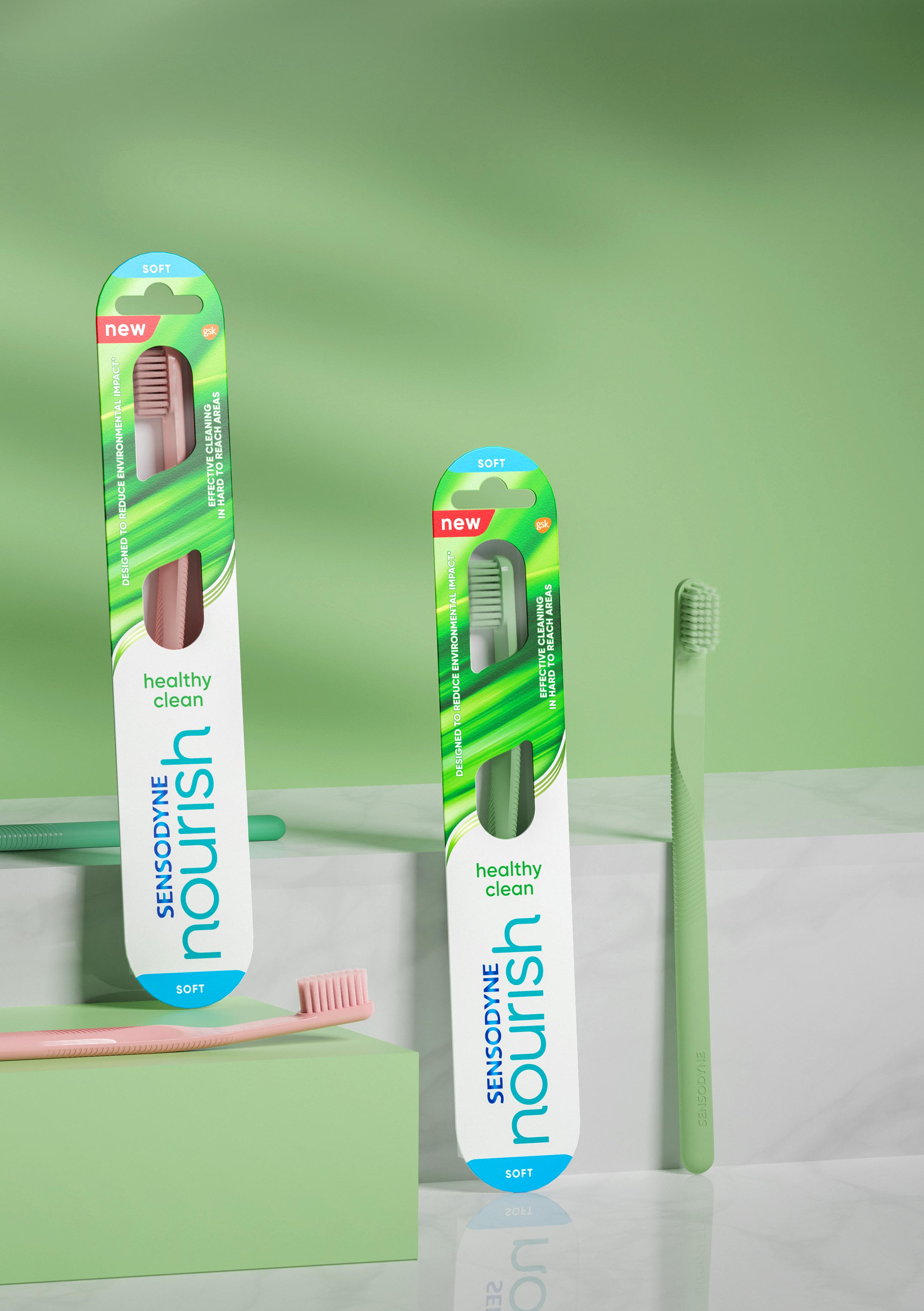
Sensodyne Nourish
Client
Description
Date
Activities
Awards GSK
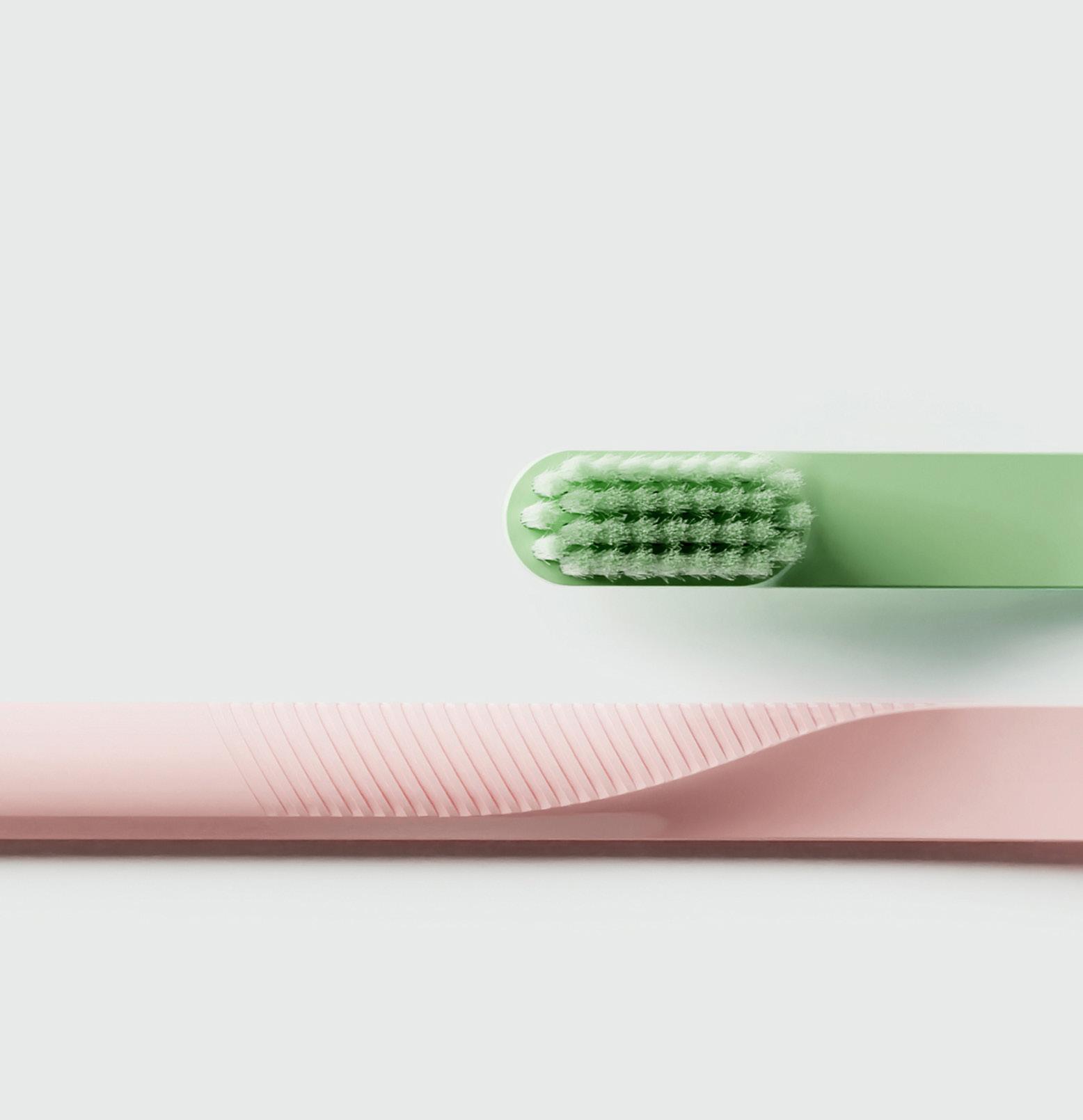
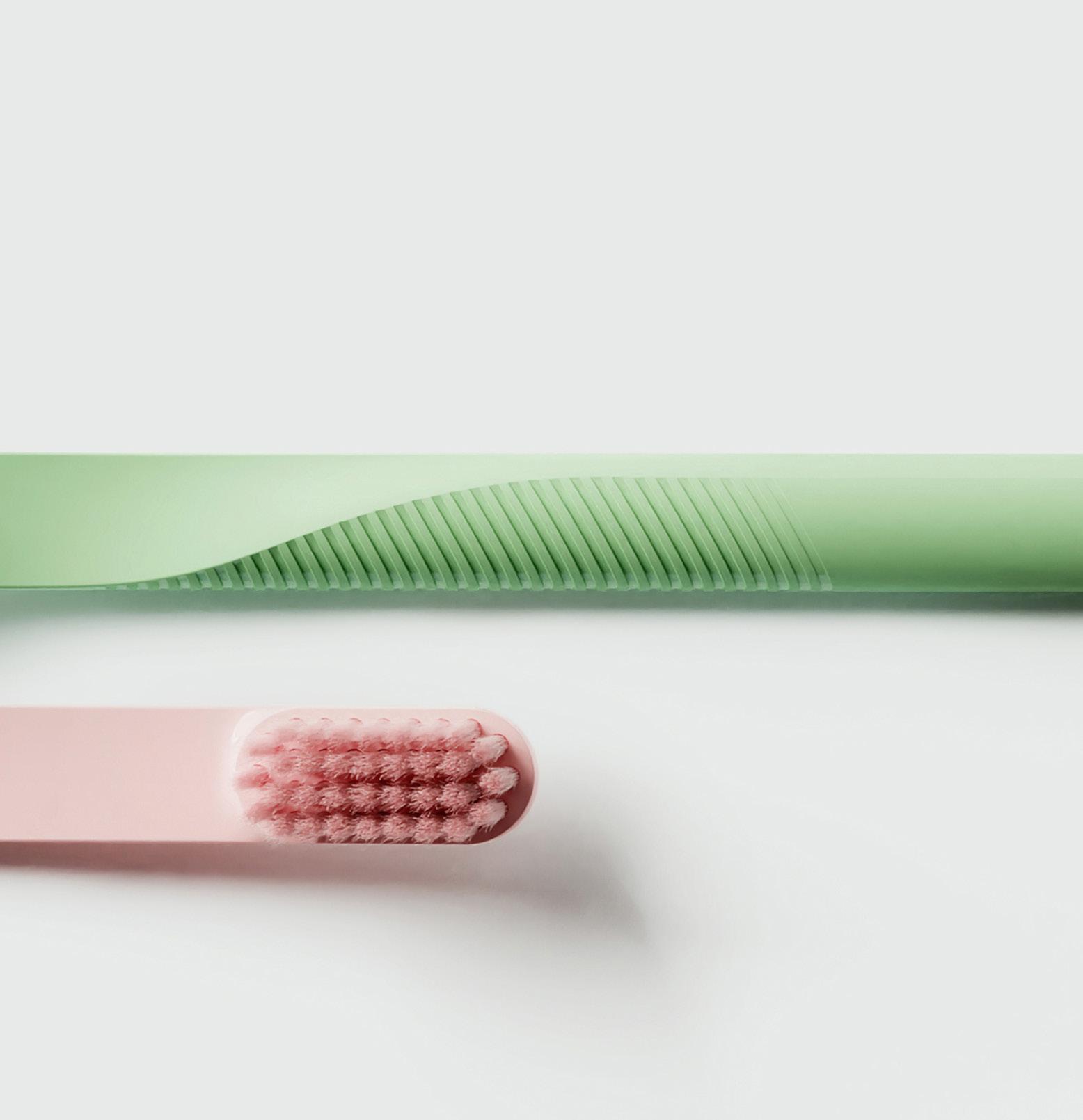
Bioplastic toothbrush 2023
Colour, Material and Finish
Design for Manufacture
Human Factors, Usability and Inclusivity
Industrial Design
Production Support
Visual Brand Language
Red Dot Design Award
GOOD DESIGN® Award
iF Design Award
Client
Description Date
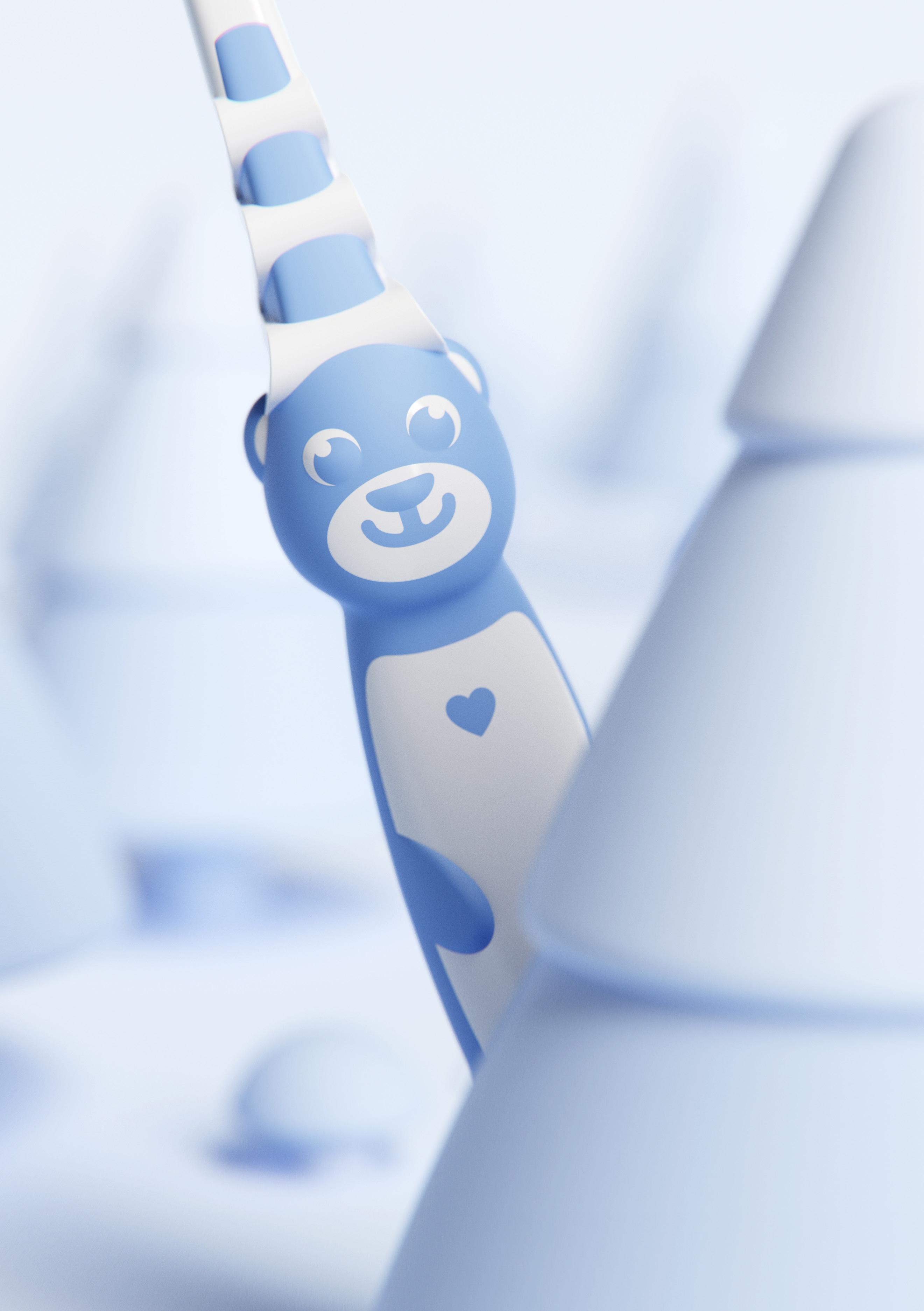
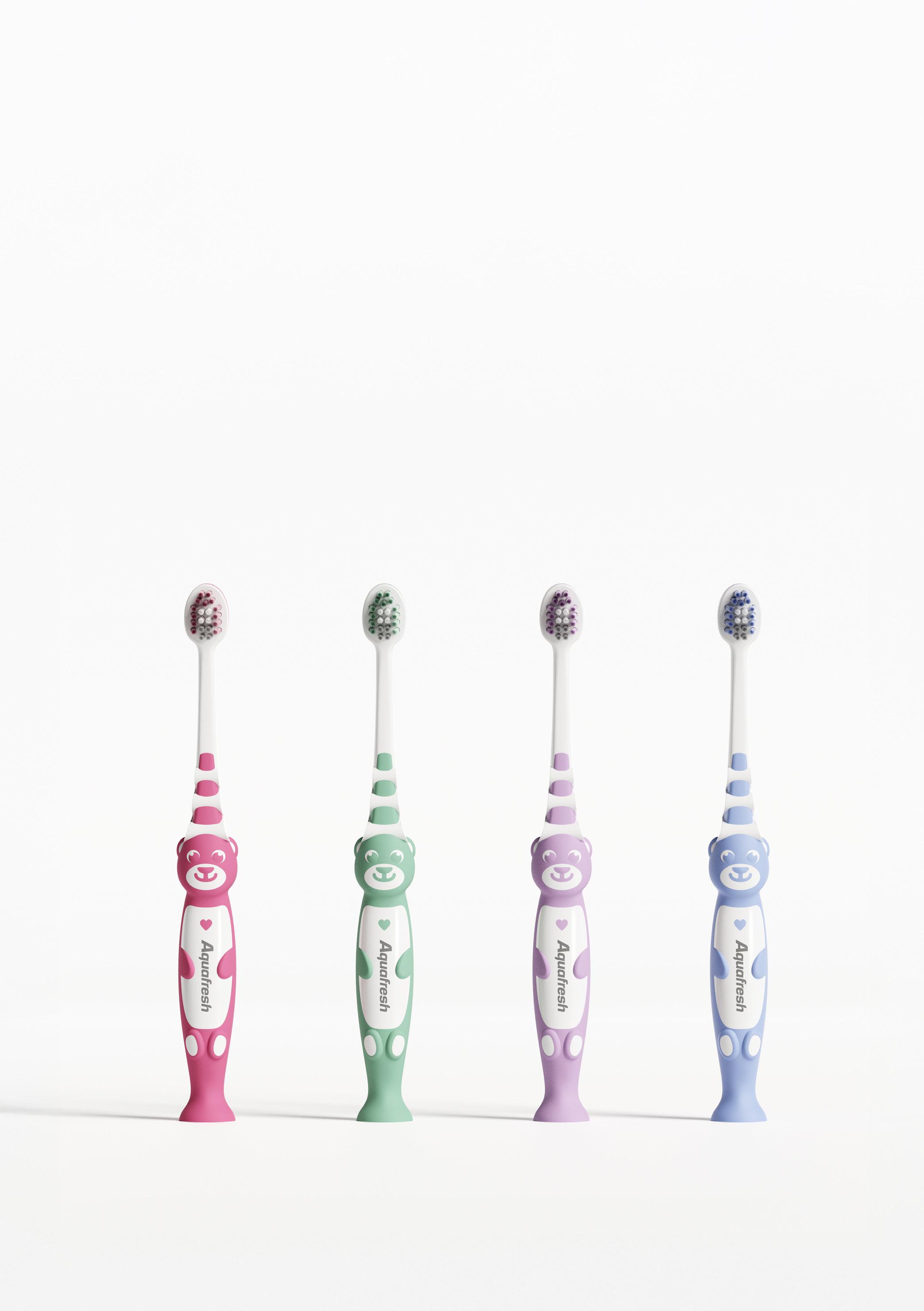
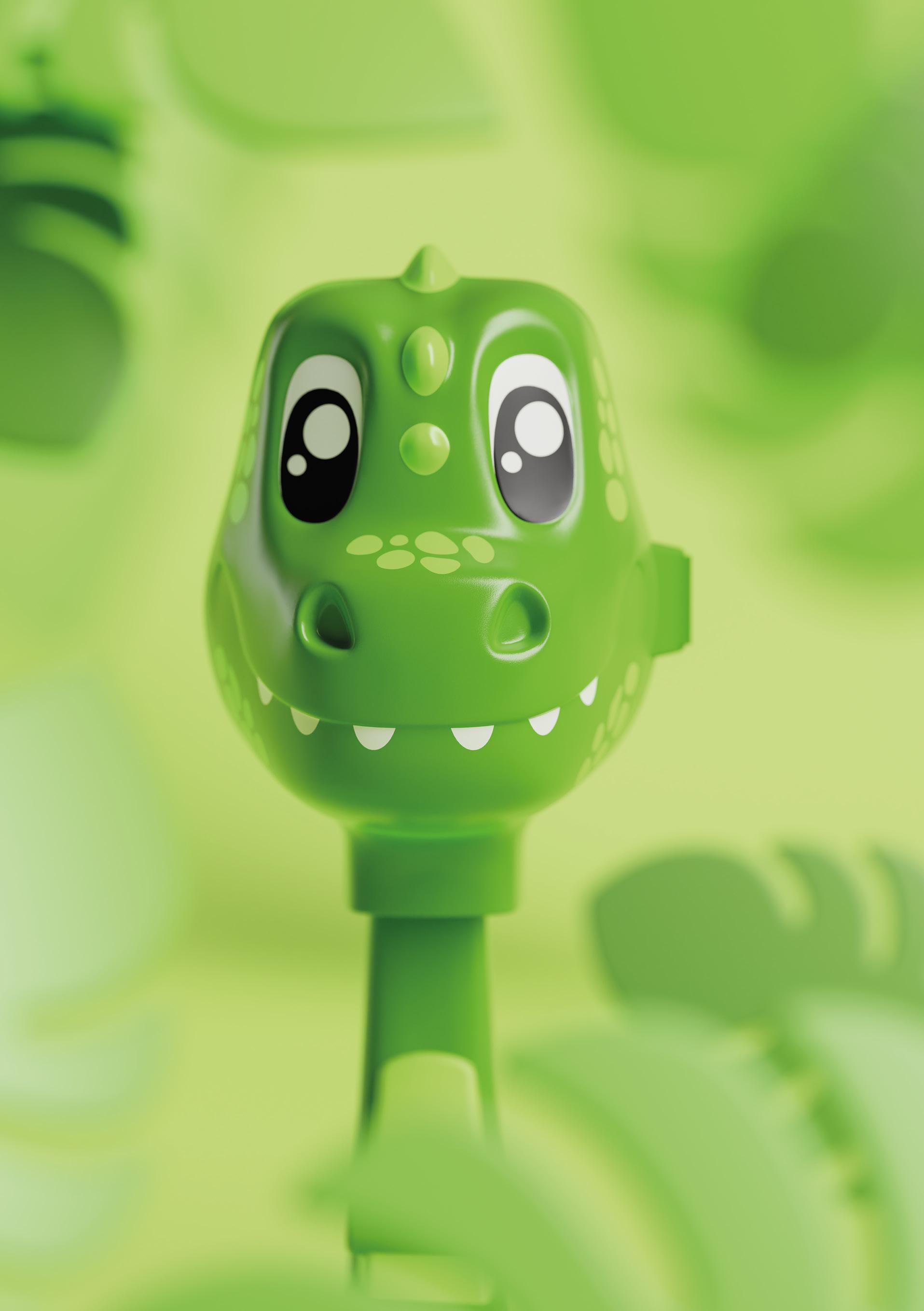
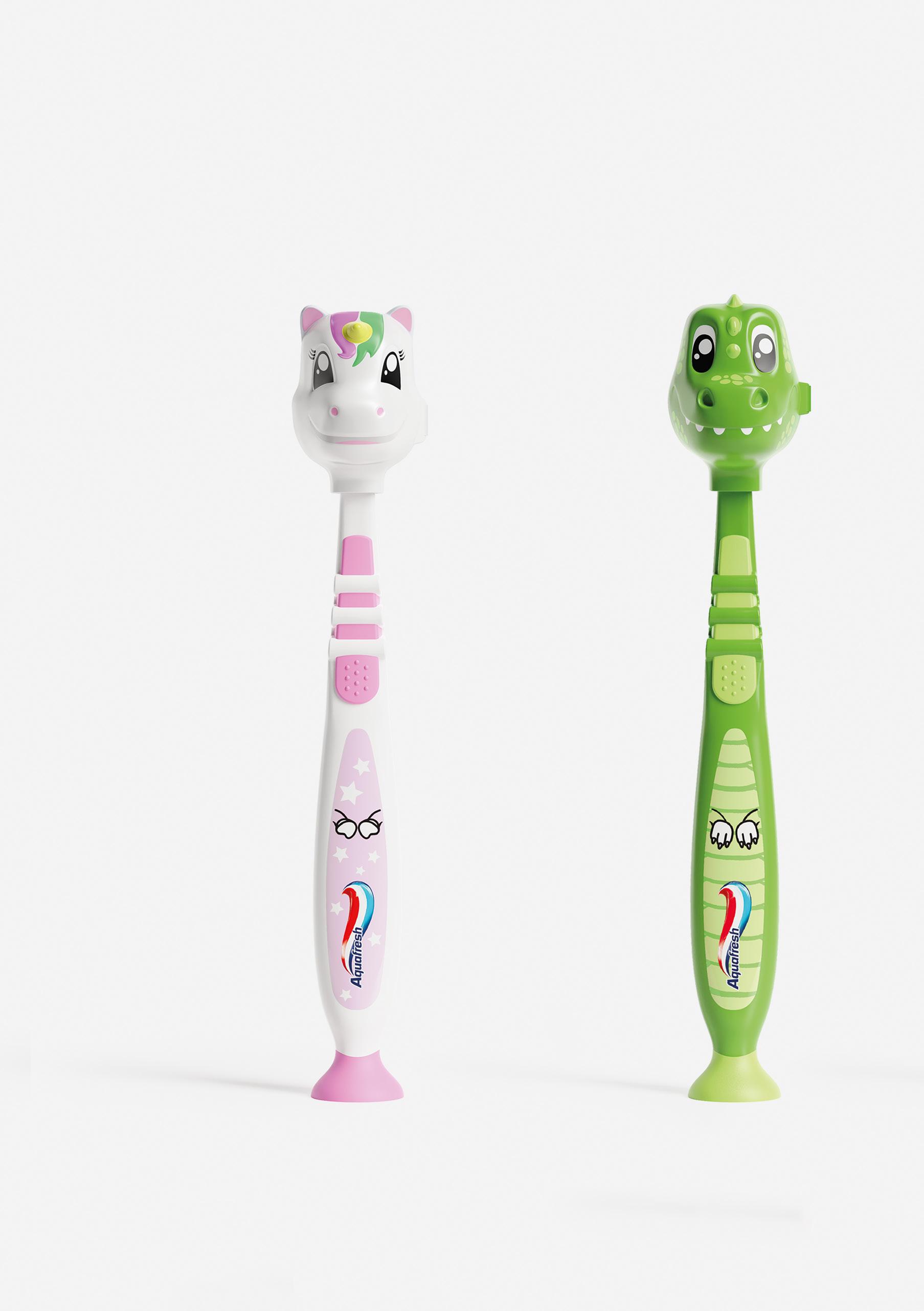
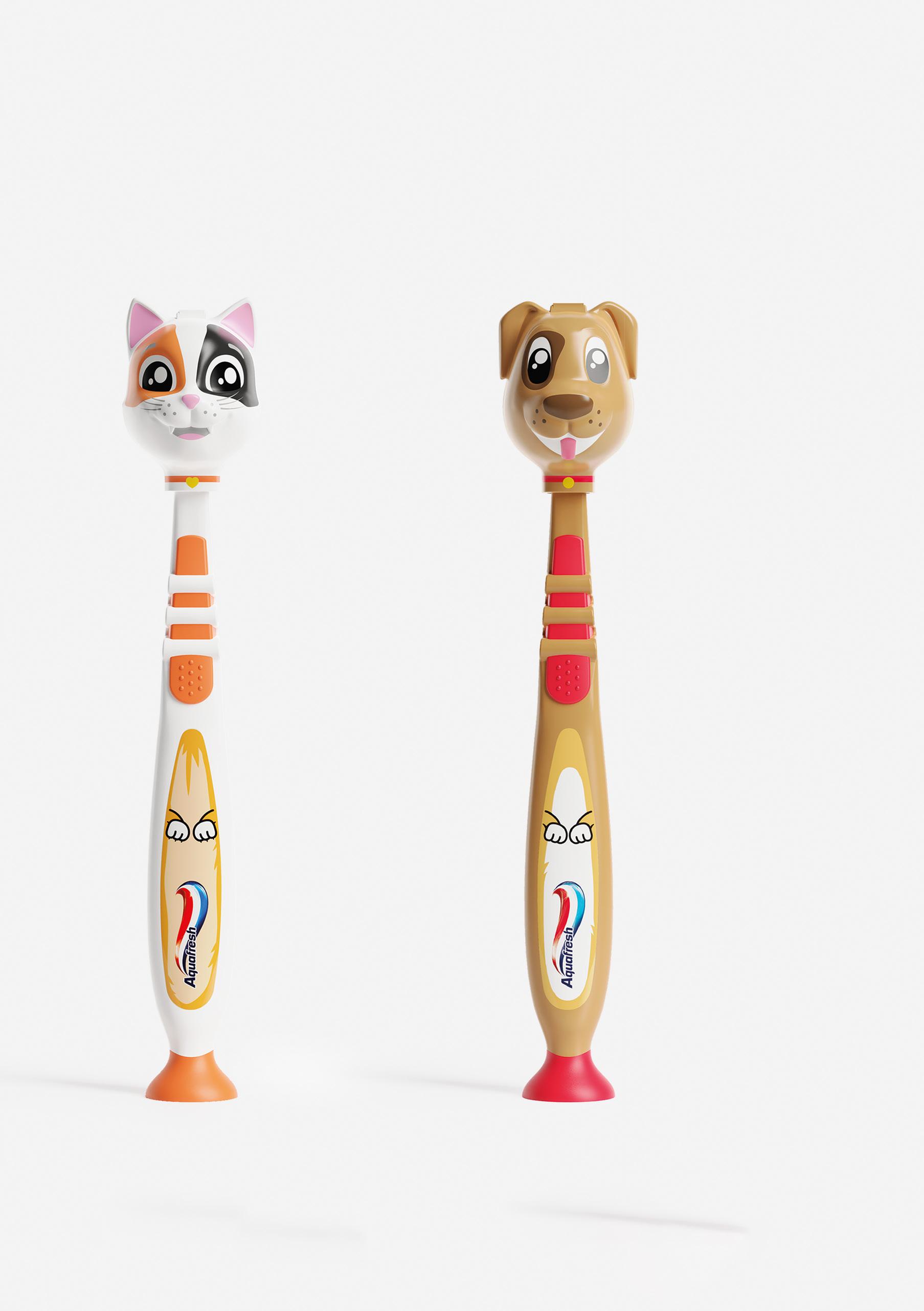
Activities GSK Toothbrushes for kids 2025
Colour, Material and Finish
Human Factors, Usability and Inclusivity
Industrial Design
Production Support
Prototyping
Research and Strategy
Visual Brand Language
Nutrition and Digestive
Convenience and wellness
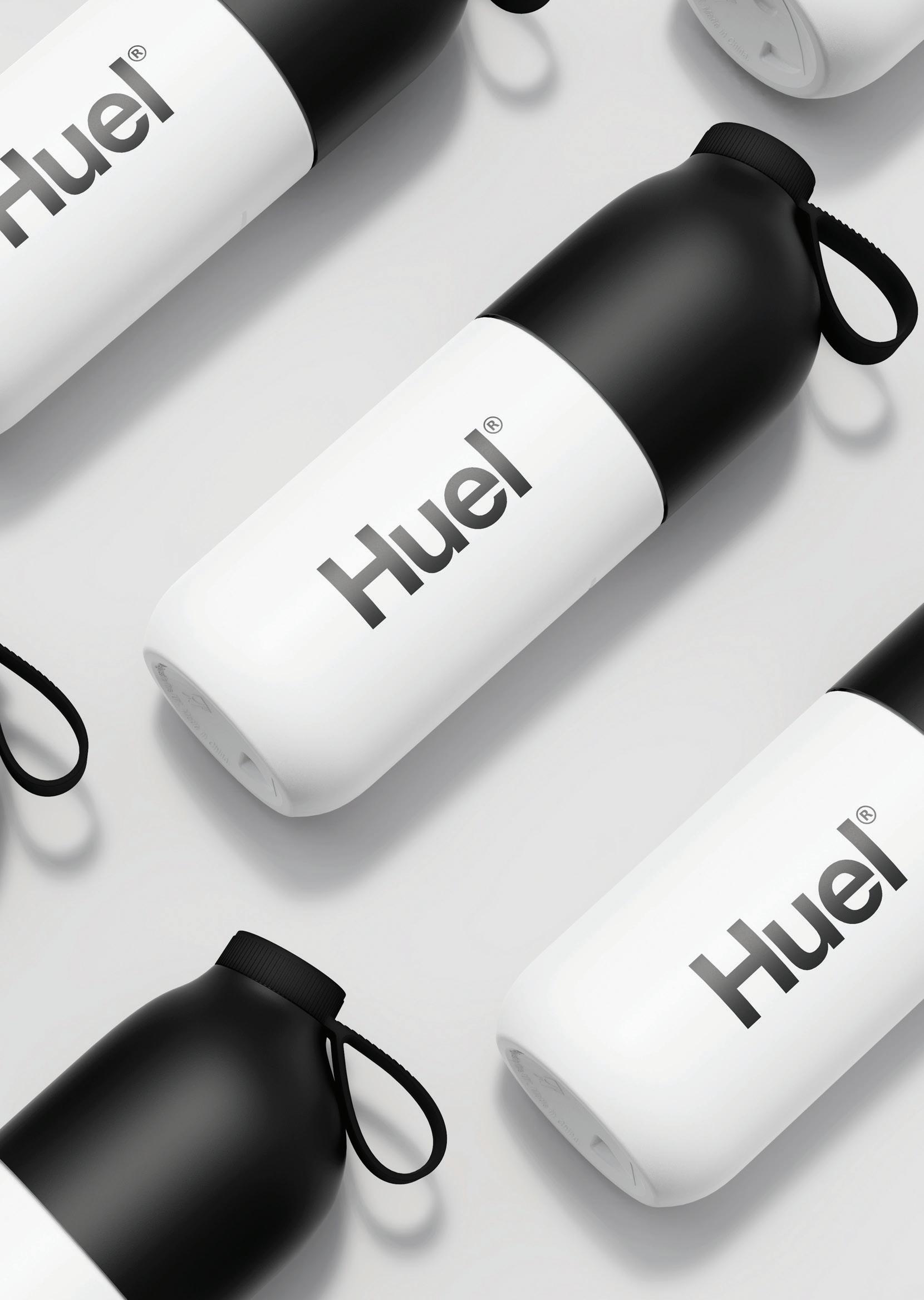
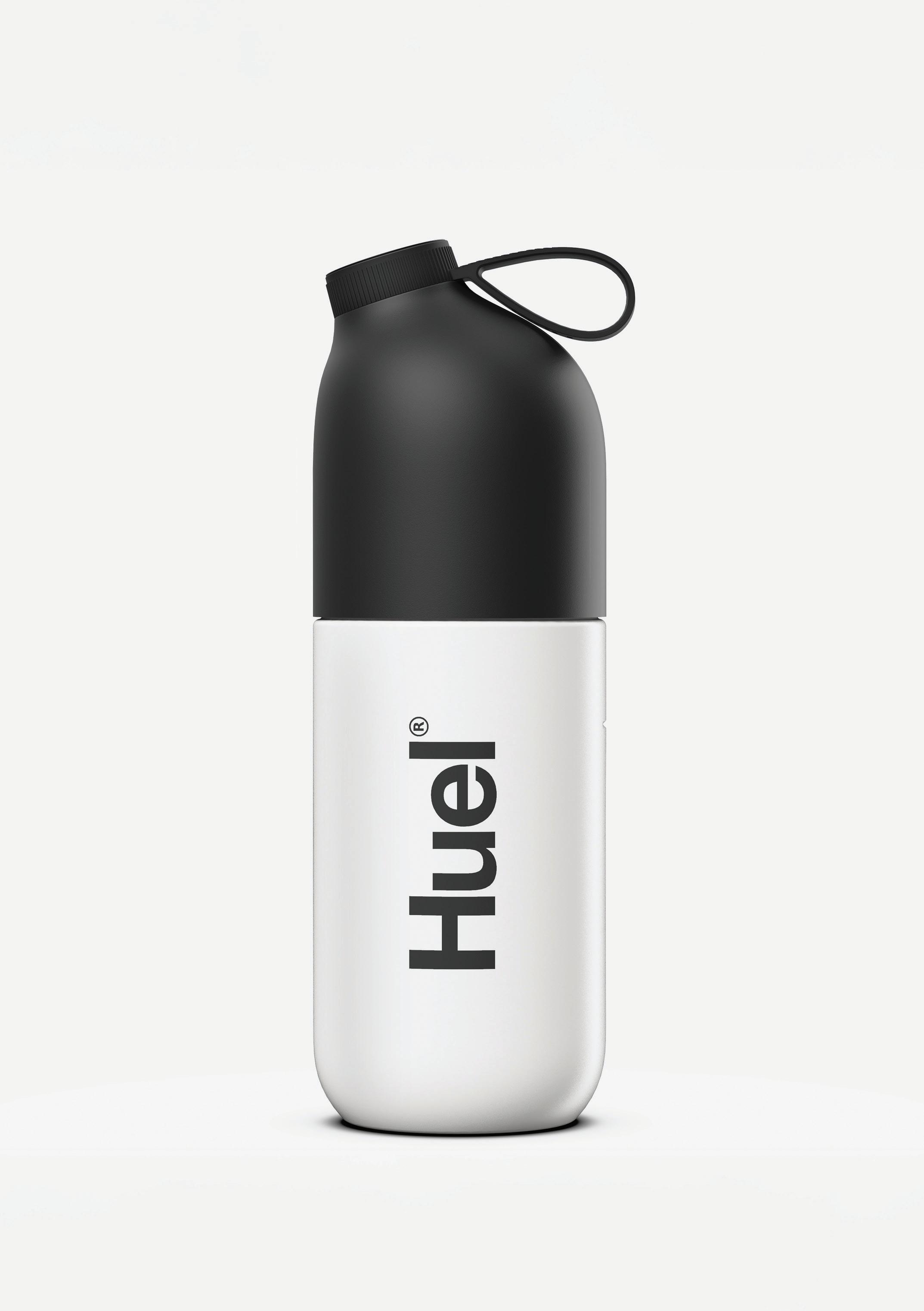
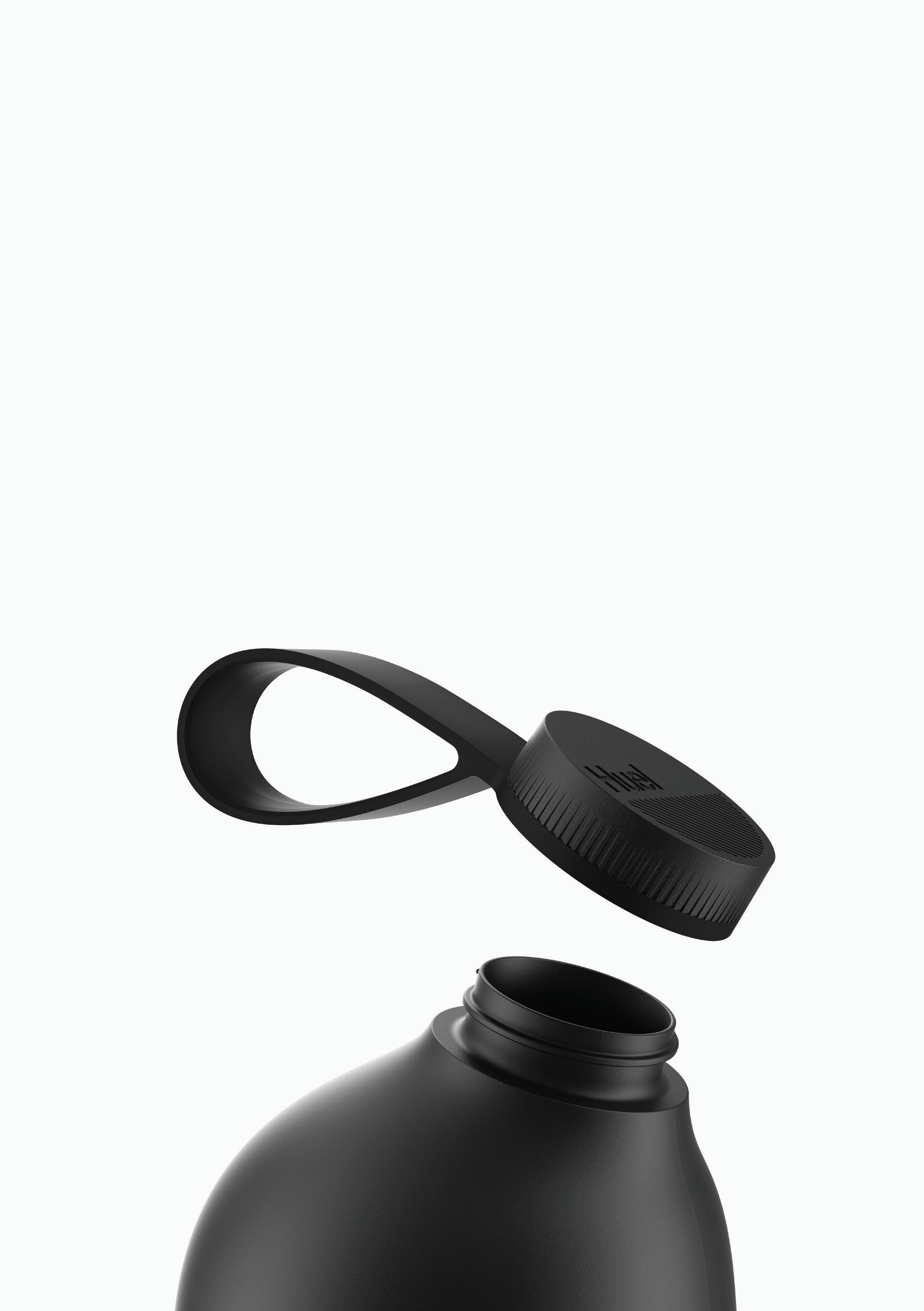
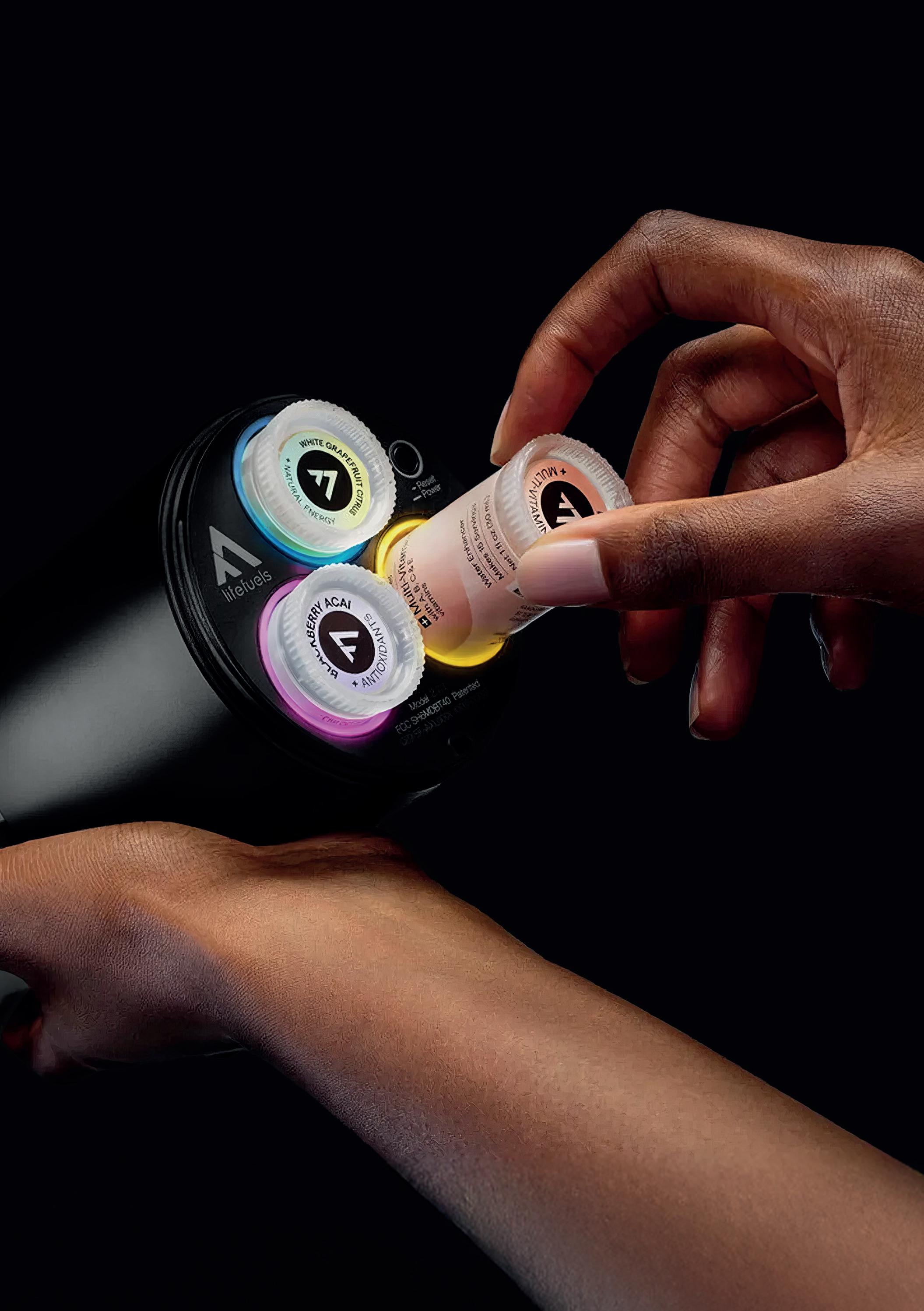
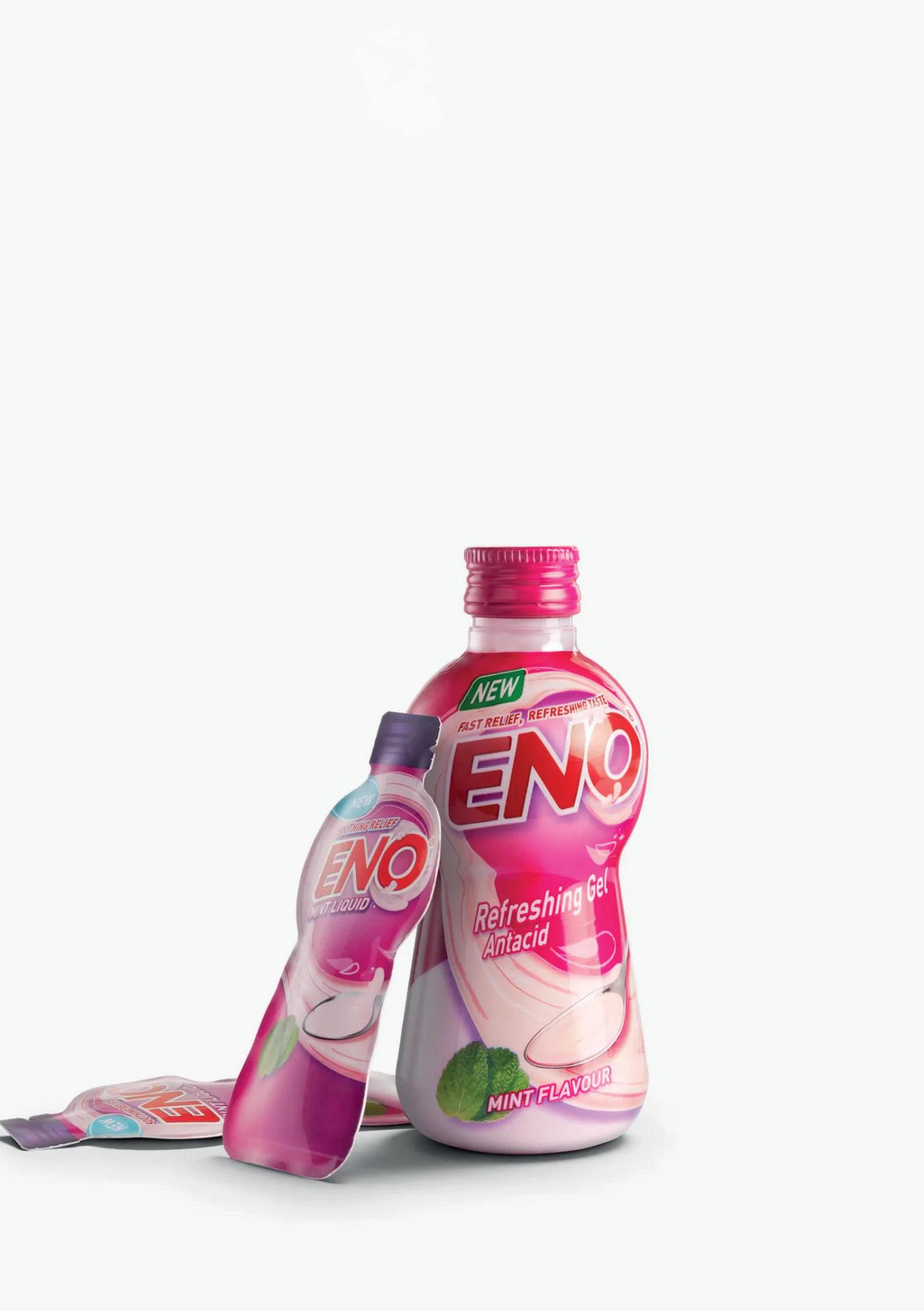
In 2005 we predicted the rise of ‘food as medicine’ with our Nutrista 2020 concept. In the years since we have created products, packaging and systems for nutrition and wellness brands from start-ups to some of the world’s biggest brands. Our multidisciplinary design and development team has specialists in beverage, dispensing, sustainability and inclusivity. This specialist expertise combined with our dedicated facilities for developing dispensing
devices, structural packaging and sustainable systems means we are the ideal partner if you are creating a product or device in this category. This technical ability is balanced with a world leading 3D brand team, enabling us to create some of the most disruptive products in these categories.
Client Description Date
Activities
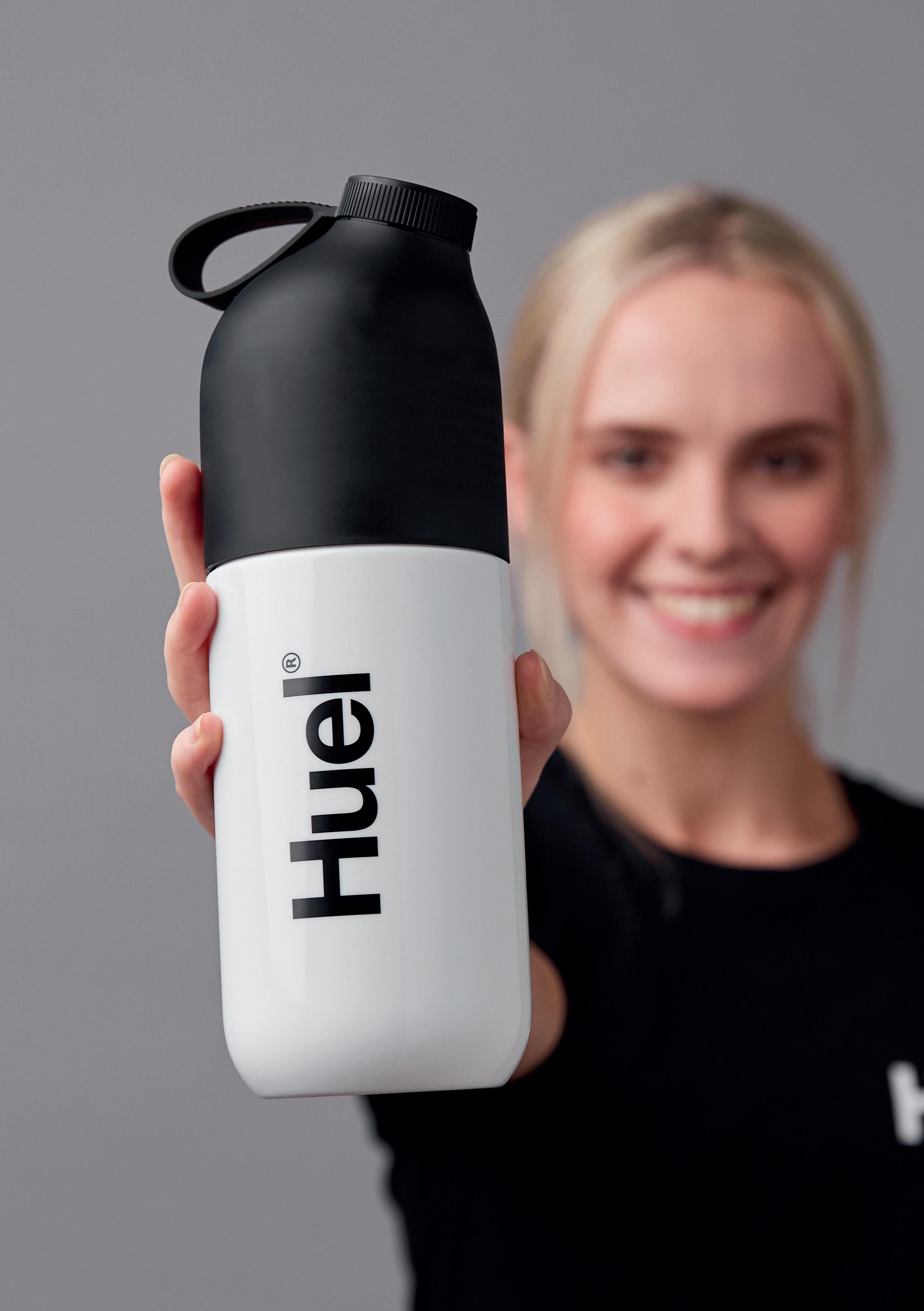
Awards Huel
Design for Manufature
Human Factors, Usability and Inclusivity
Industrial Design
Production Support
Visual Brand Language
iF Design Award
GOOD DESIGN® Award
Red Dot Design Award
Client
Description
Industrial Design
Packaging Design
Visual Brand Language
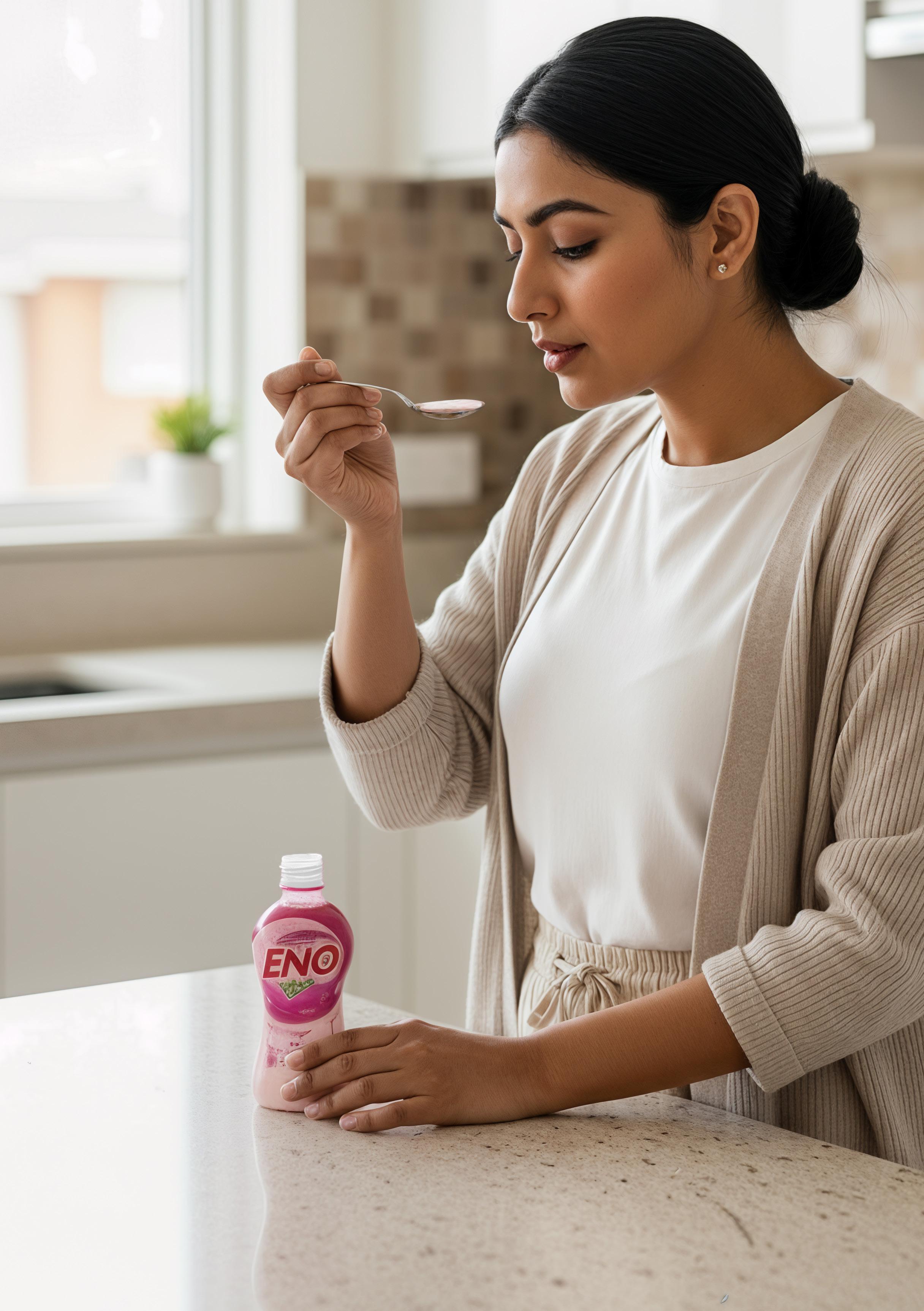
Eno Bottle
OTC Medicines
Patient needs, consumer challenges
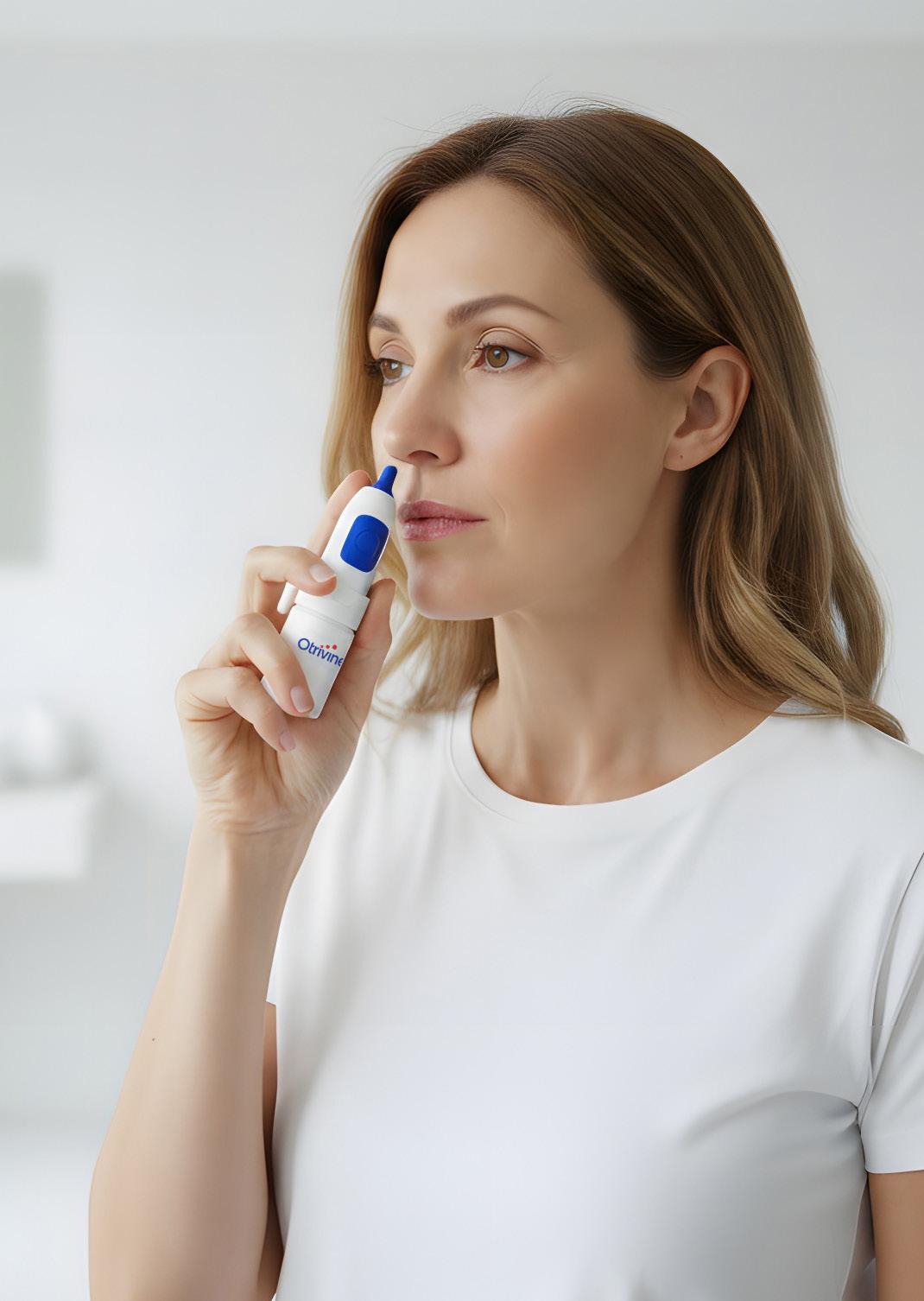
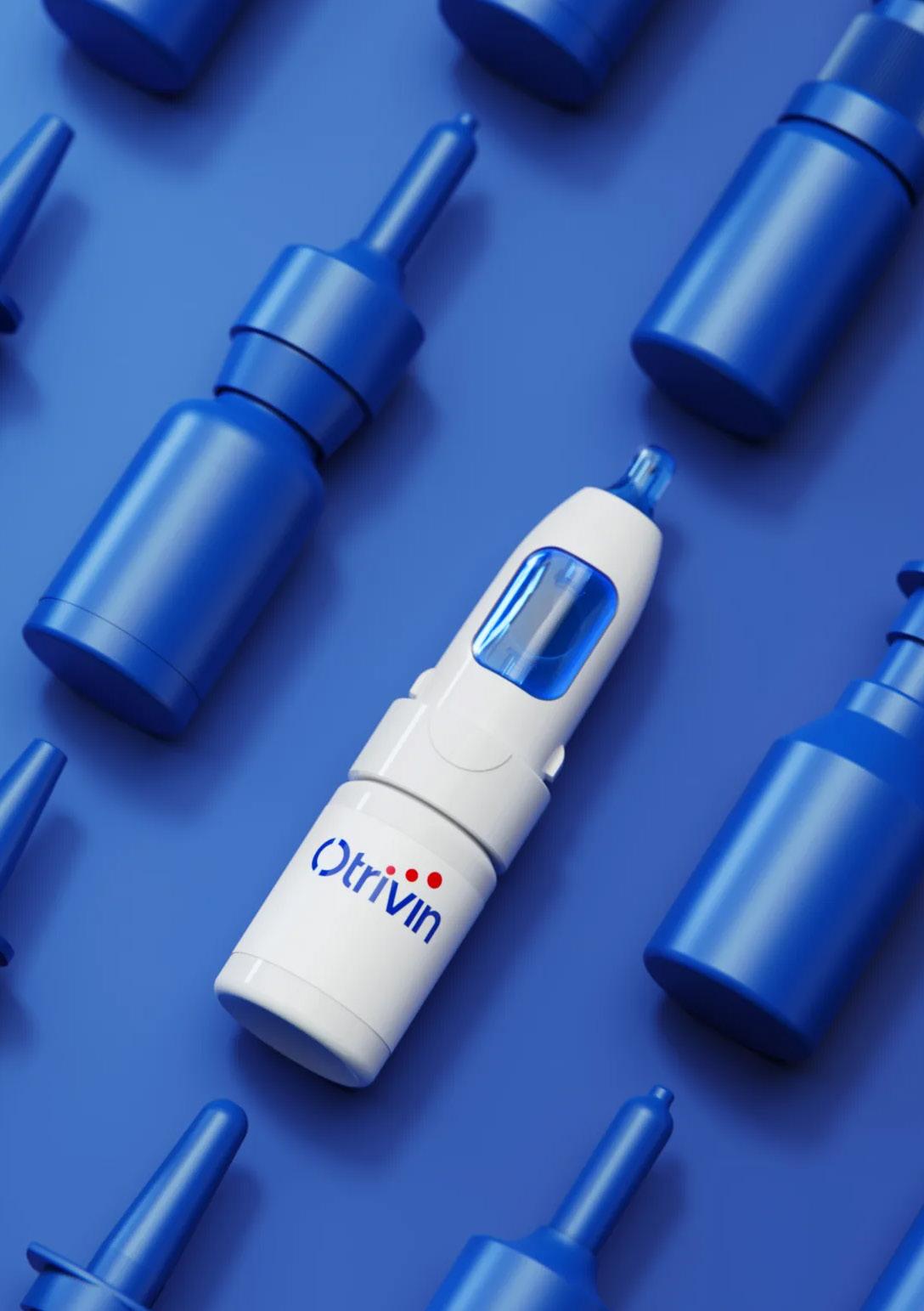
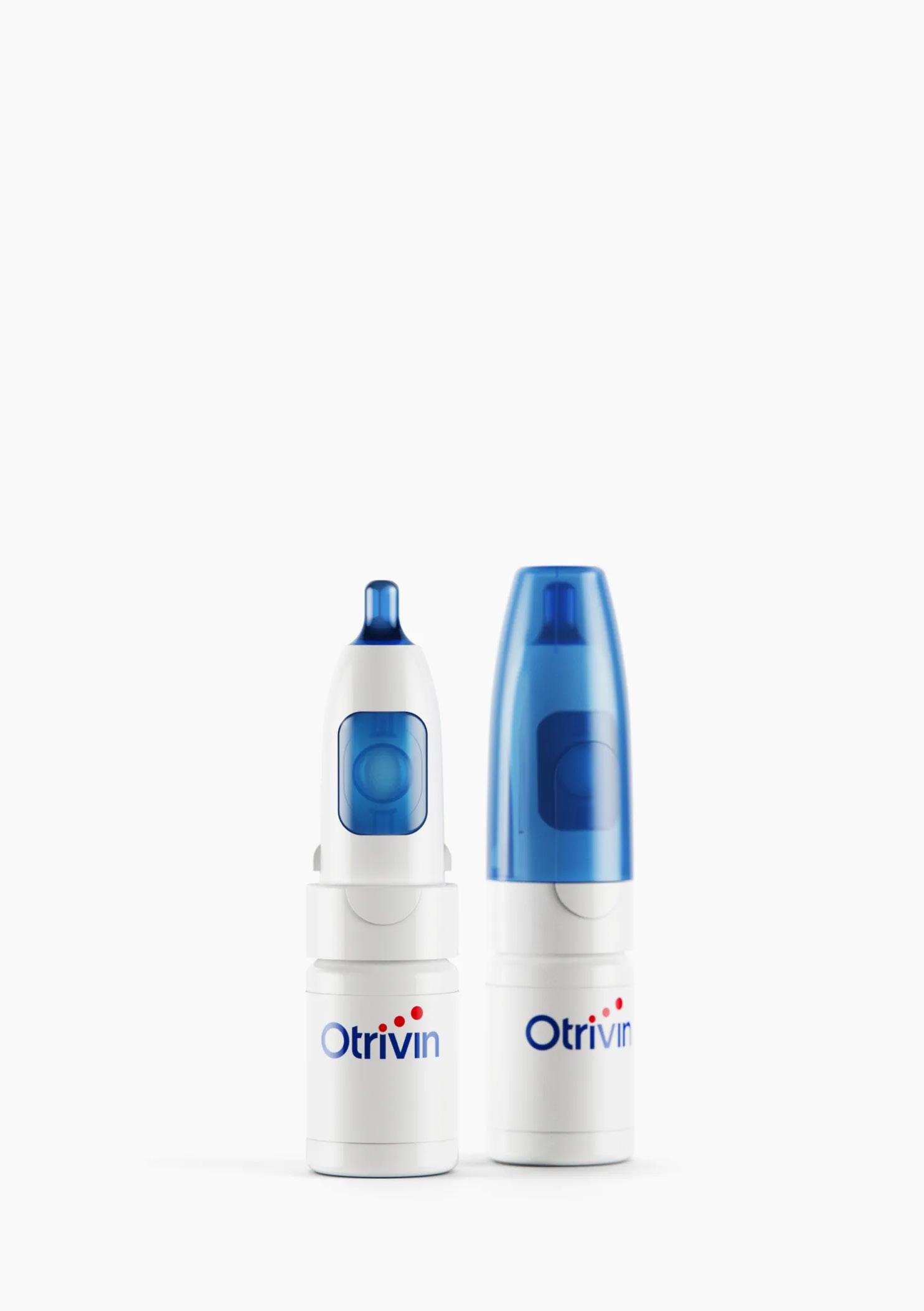
Whether tackling a Rx to OTC (over-the-counter) switch or innovating for an established OTC brand, we have extensive experience. Packaging and devices which deliver OTC drugs need to be understandable, inclusive and sustainable. They need to provide the drug in a safe, effective manner while delivering an overall excellent consumer and user experience that reinforces the values and purpose of the brand. Our multidisciplinary team have helped
our clients successfully deliver against these challenges, creating award winning, effective solutions in many OTC categories from pain relief to allergies and oral care. The team have delivered these solutions across different high volume device and packaging technologies including connected ecosystems.
Client Description Date
Activities Haleon Nasal spray 2023
Colour, Material and Finish
Design for Manufacture
Exterior Styling
Human Factors, Usability and Inclusivity
Industrial Design
Packaging Design
Prototyping
Otrivin Nasal Mist
Client
Human Factors, Usability and Inclusivity
Packaging Design Research and Strategy
German Packaging Award
WorldStar Global Packaging Award
WorldStar Award
Client
Description Date
Activities
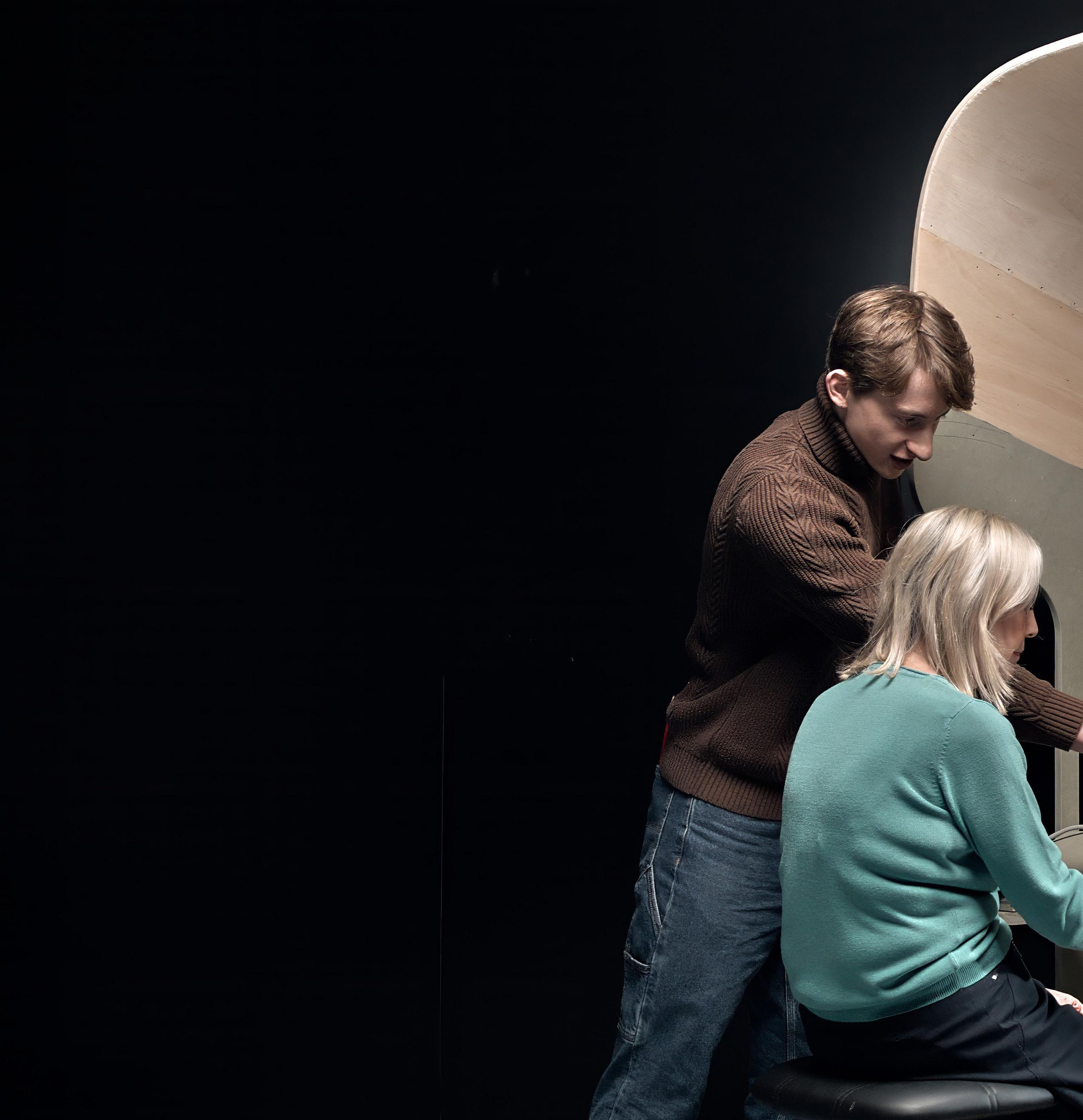
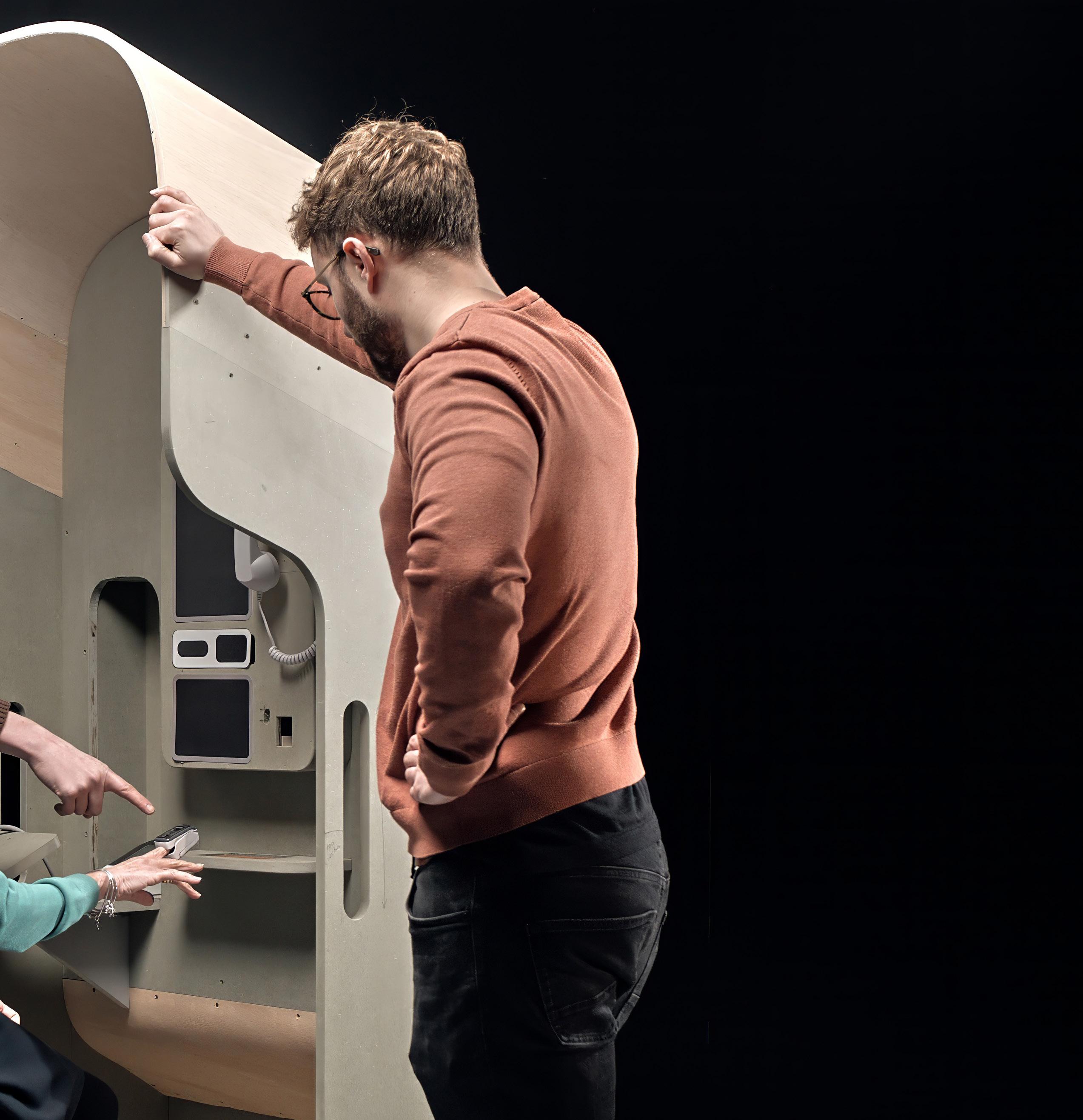
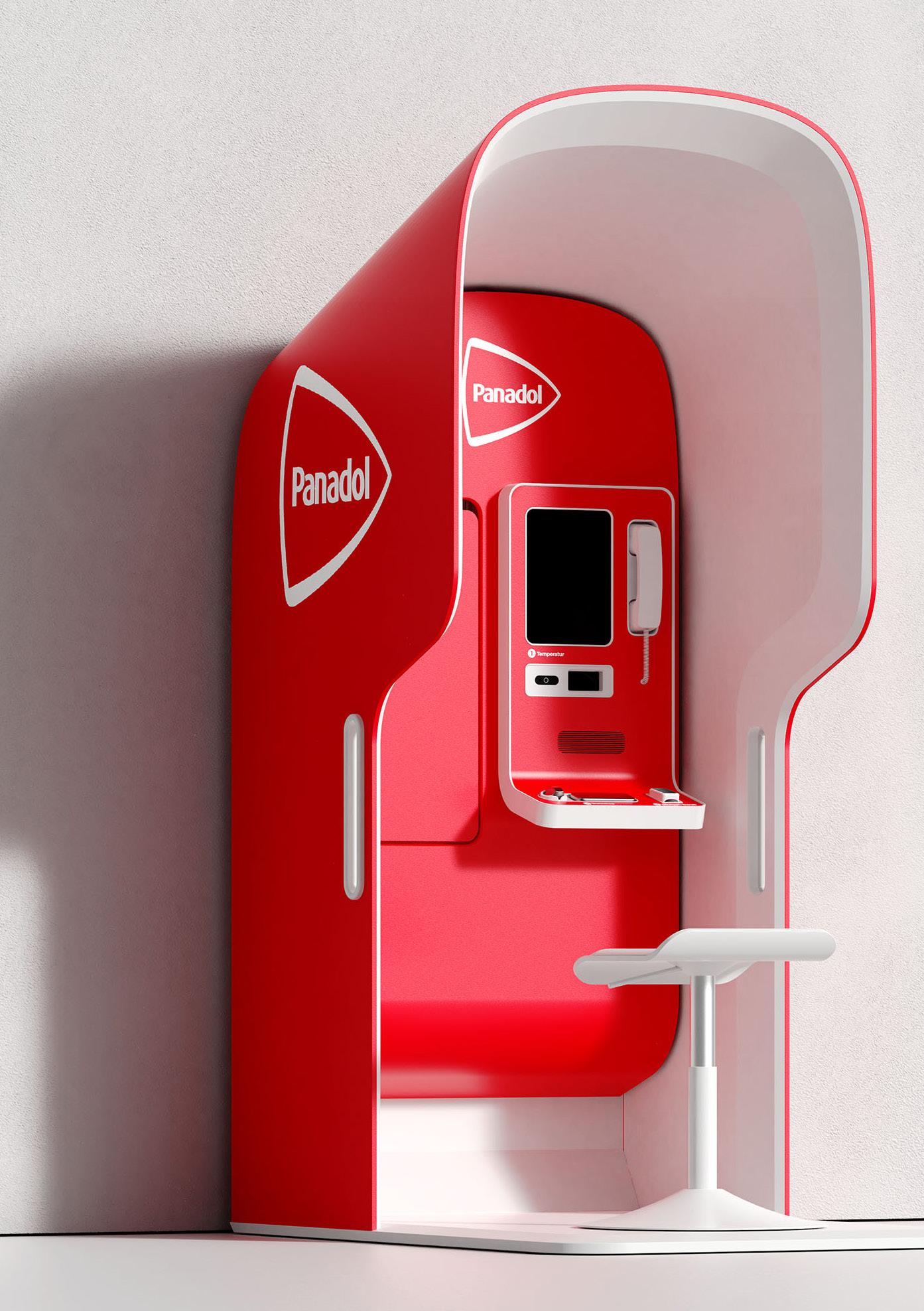
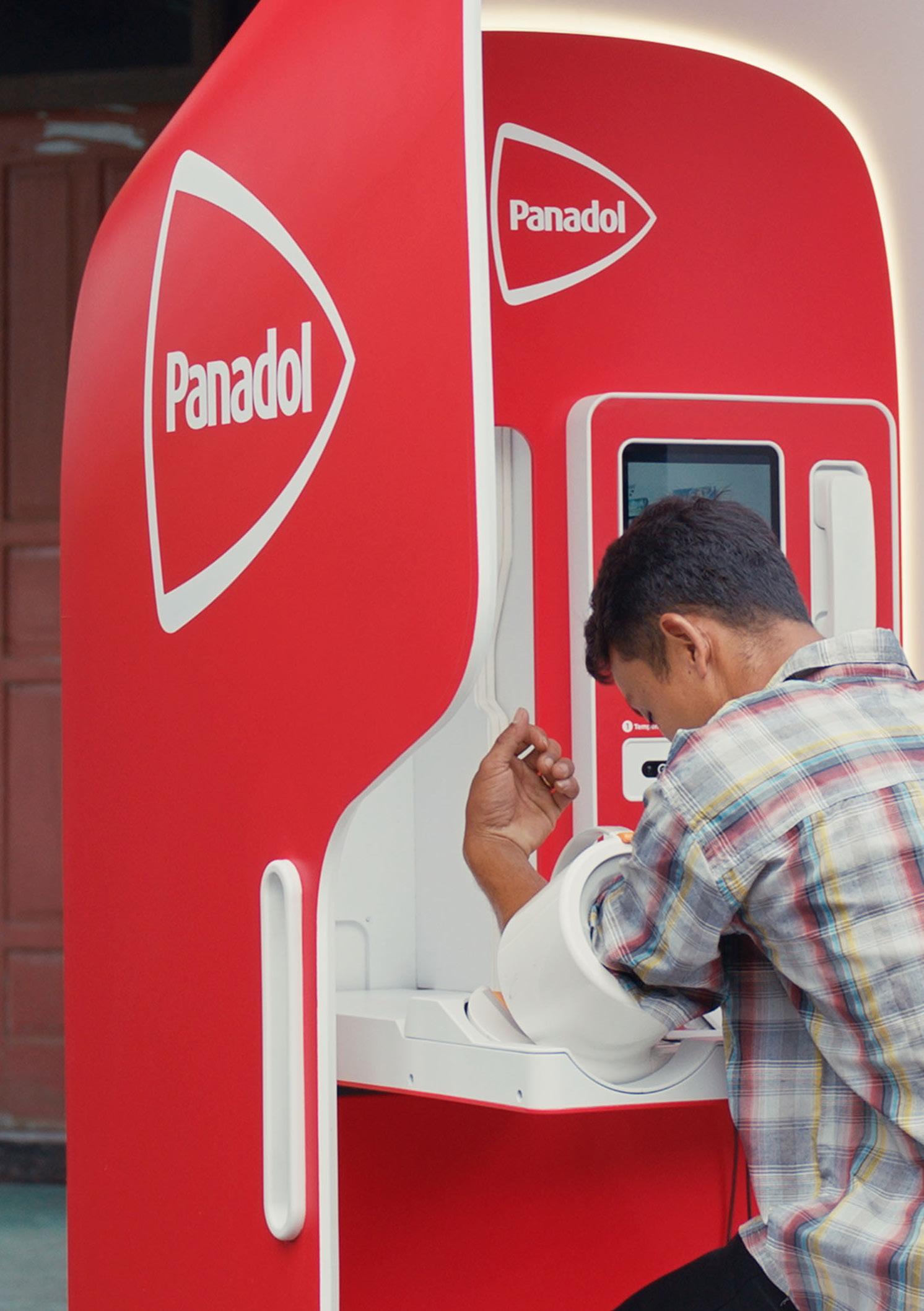
Awards Panadol Pain Phone
Haleon
Telemedicine Kiosk
2023
Human Factors, Usability and Inclusivity
Industrial Design
Mechanical Engineering
Prototyping
Research and Strategy
Systems Engineering
Visual Brand Language
Red Dot Design Award
iF Design Award
GOOD DESIGN® Award
FMCG
Unparalelled breadth and depth
Our world class FMCG team has an unparalleled breadth and depth of experience, with an extraordinary output of commercially successful, award winning products, packaging and services across most FMCG categories. We help Fast Moving Consumer Goods / Consumer Packaged Goods brands appeal to new users, expand into new markets and create unique ways to deliver product benefits to new and existing consumers. Our
brand awareness and technical creativity help to deliver engaging and memorable user experiences. We make them easier to use, more attractive, more inclusive and more sustainable. We improve their functionality, make them more robust, more reliable, more efficient to manufacture and ultimately more profitable.
Food and Beverage
Creating better sensory experiences
We have many years experience at moving, mixing and packaging liquids. So whether you are seeking to - deliver exceptional quality of freshness, flavour or fizz; enable greater levels of customisation or onthe-go convenience; support nutrition and tracking; reduce waste and shipped weights; or deliver the best experience in class: we have the tools and the experience to help you achieve it. Our process blends evidenced-based mathematical processes
(to simulate and optimise system performance) with physical experiments and prototypes (to inform and validate). Our approach can help you rapidly optimise the development process to deliver positive outcomes for clients, consumers and our planet.
Client Date
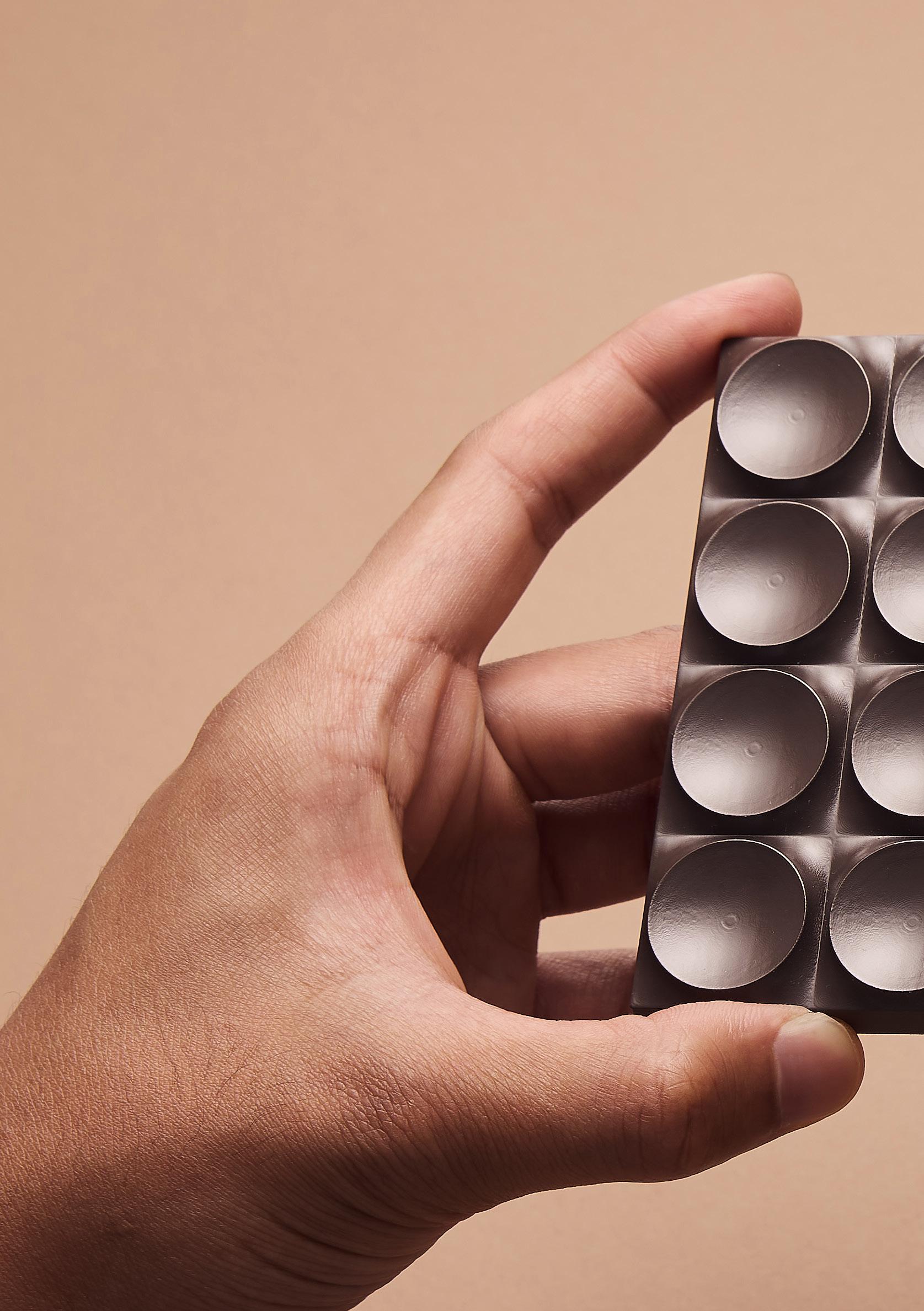
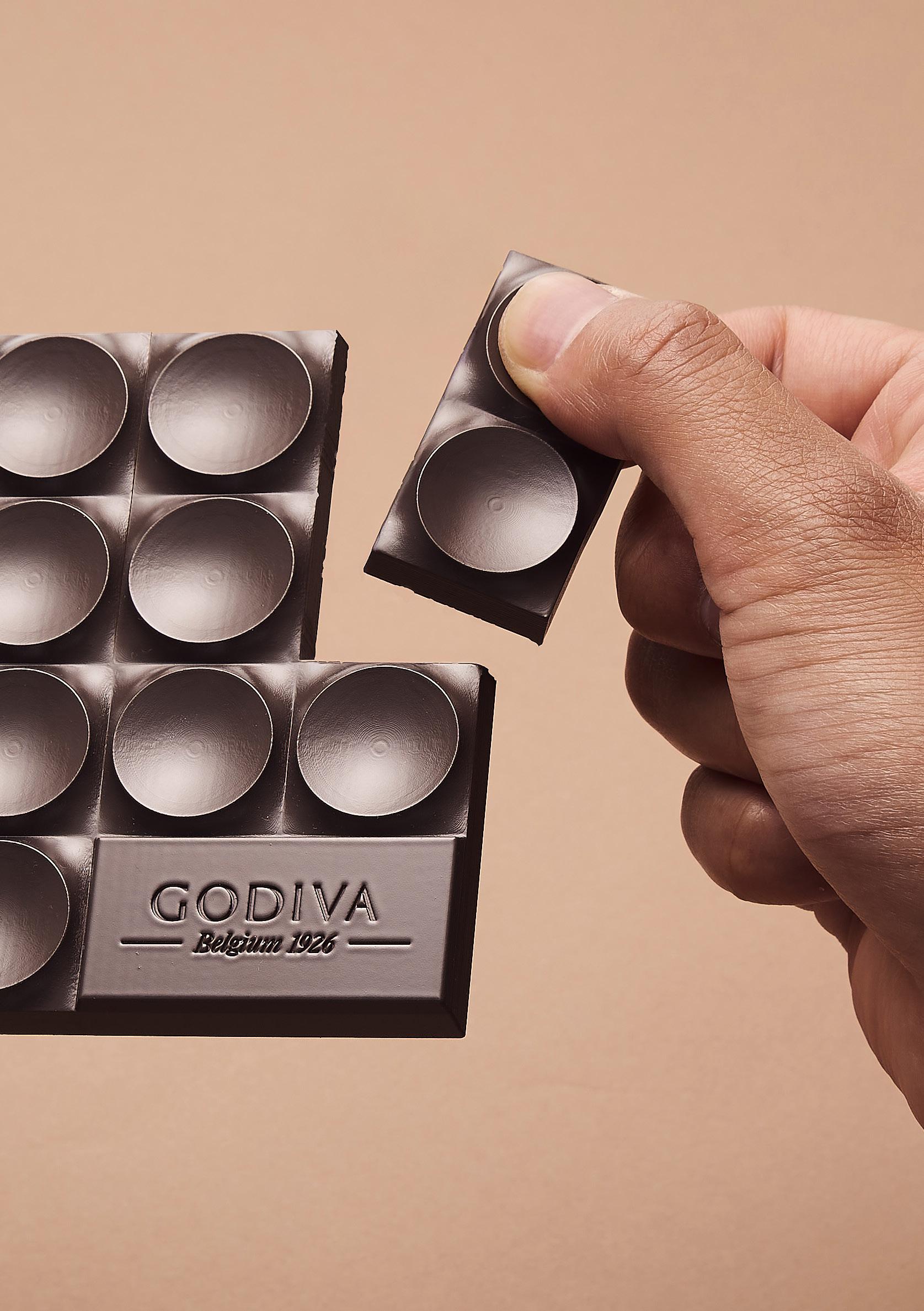
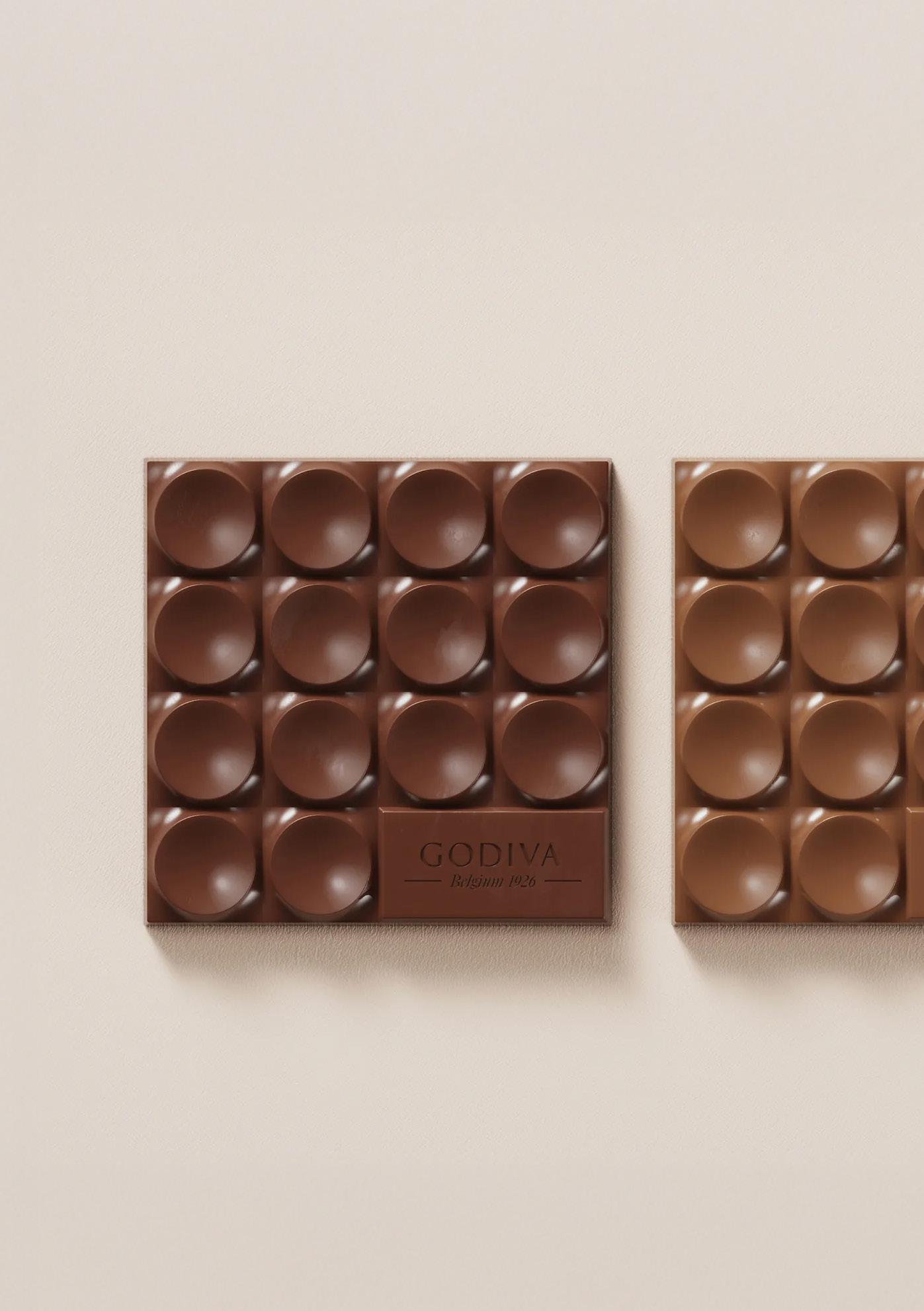
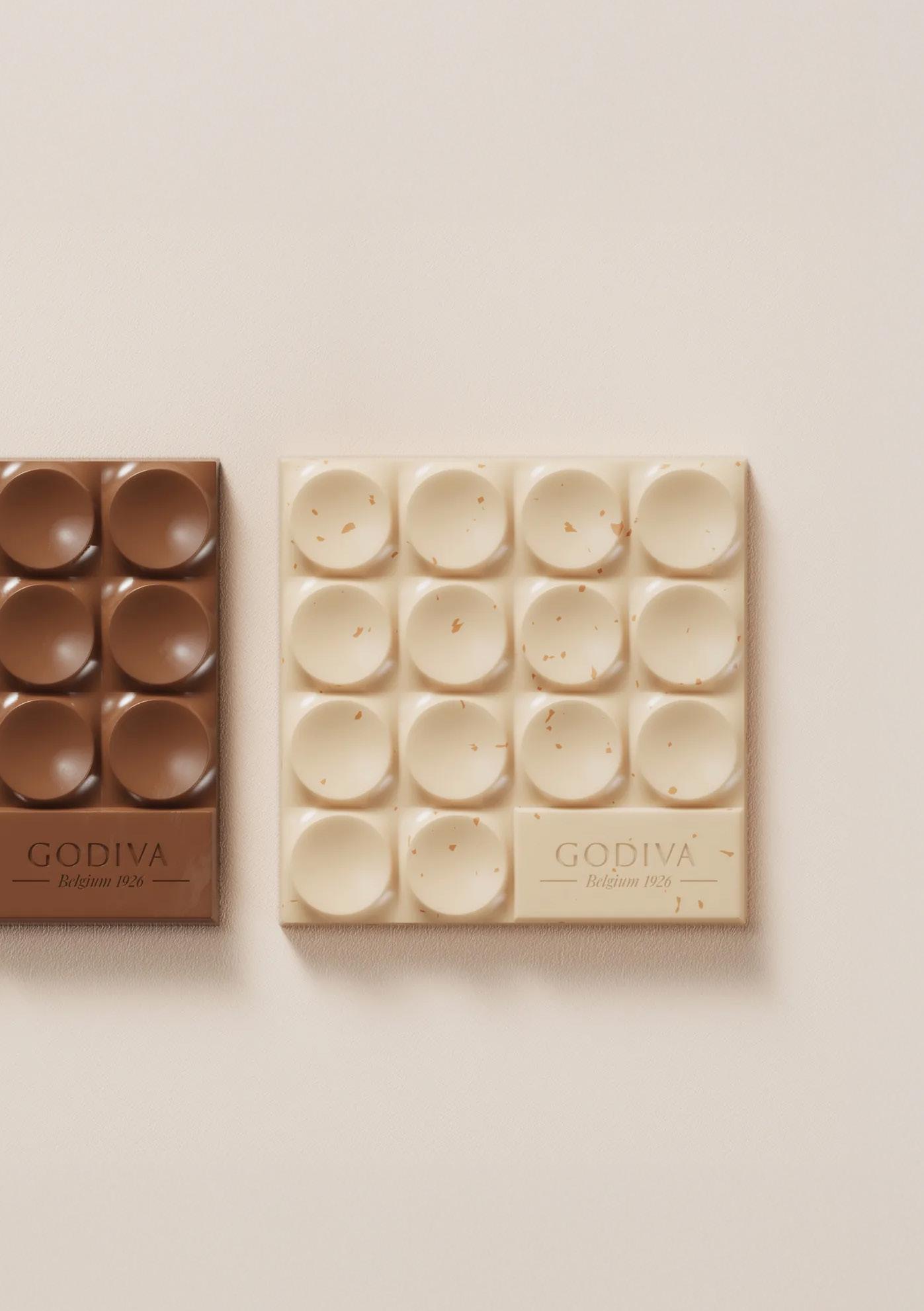
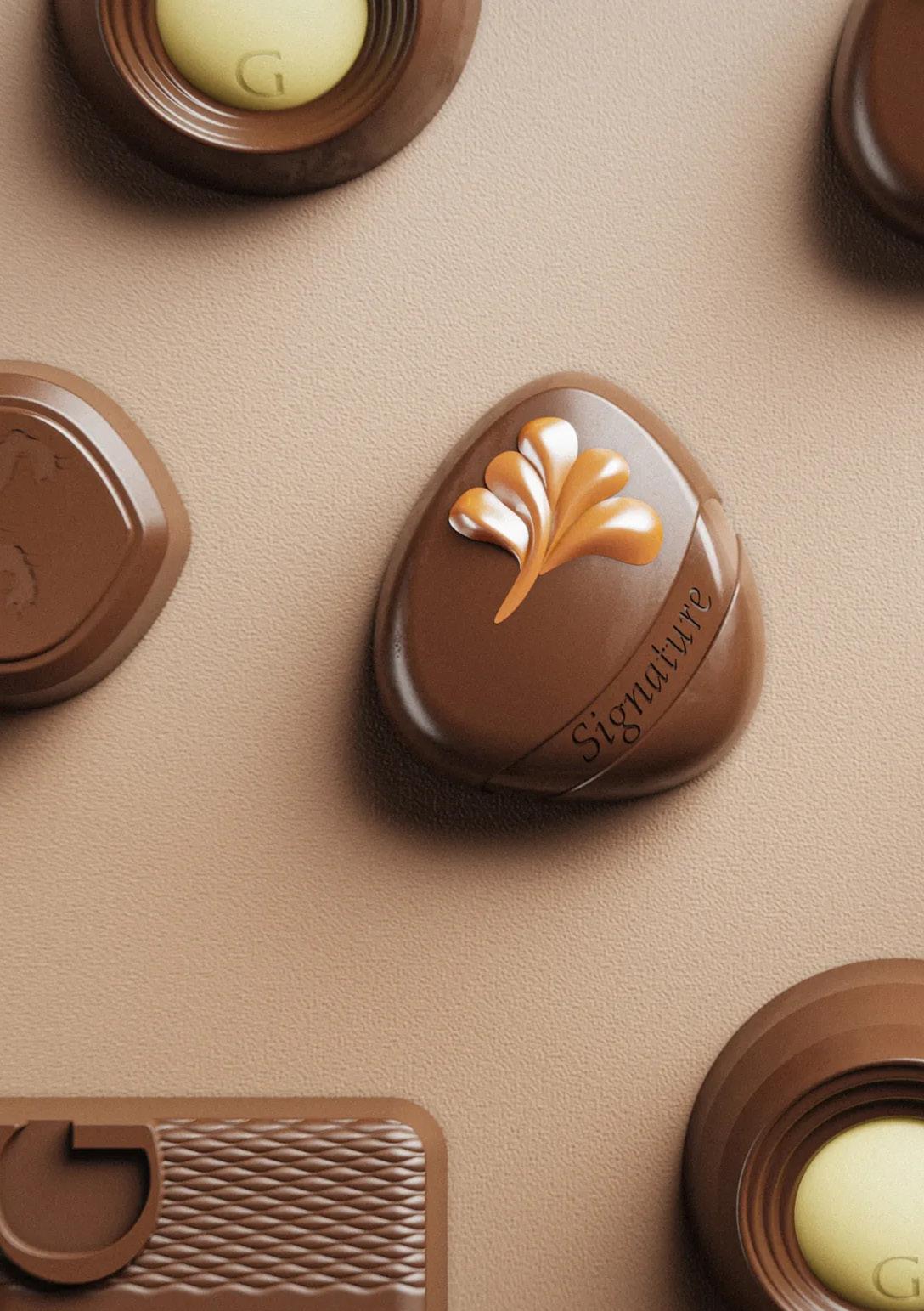
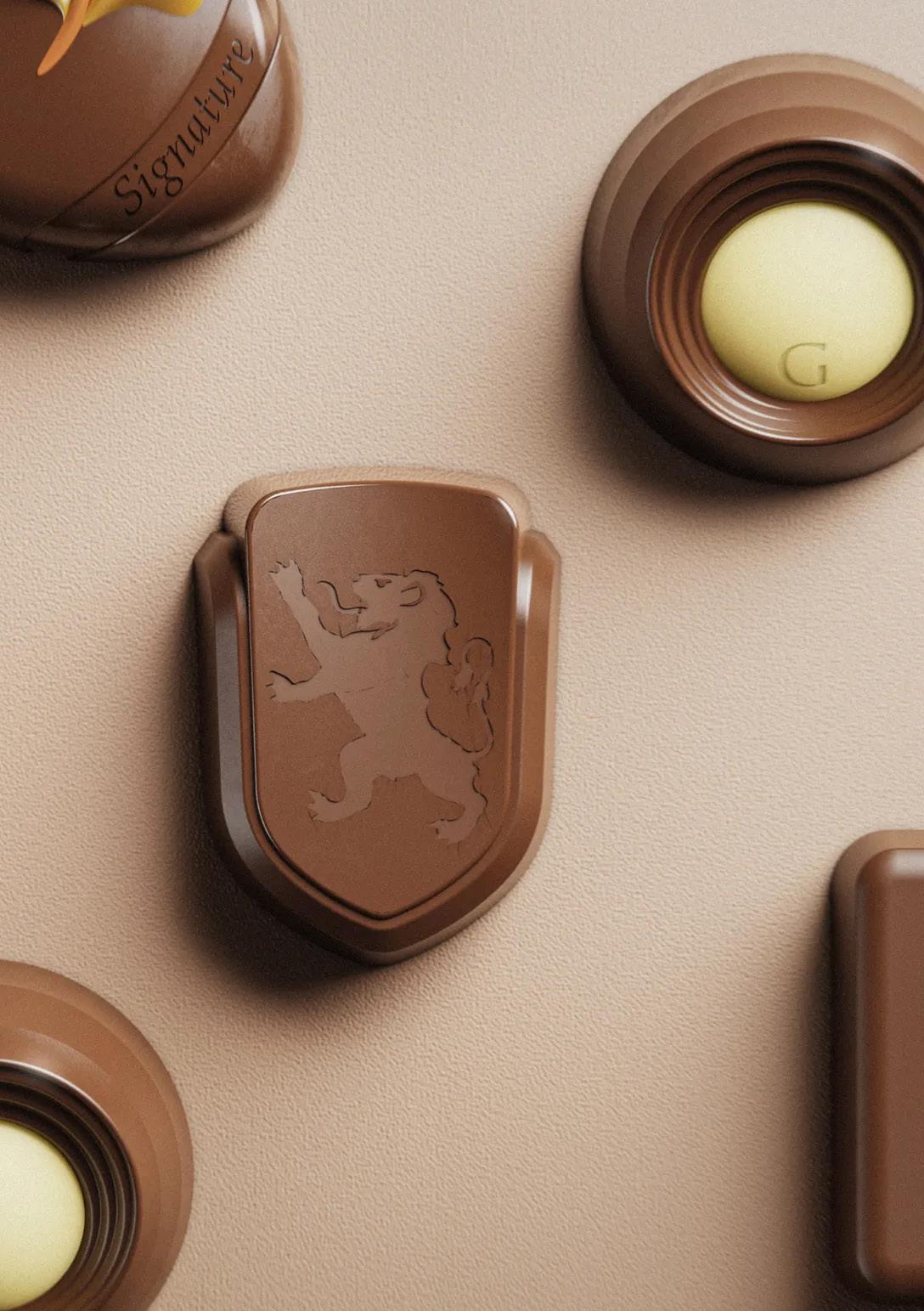
Activities Godiva 2016 Colour, Material and Finish
Industrial Design
Packaging Design
Visual Brand Language
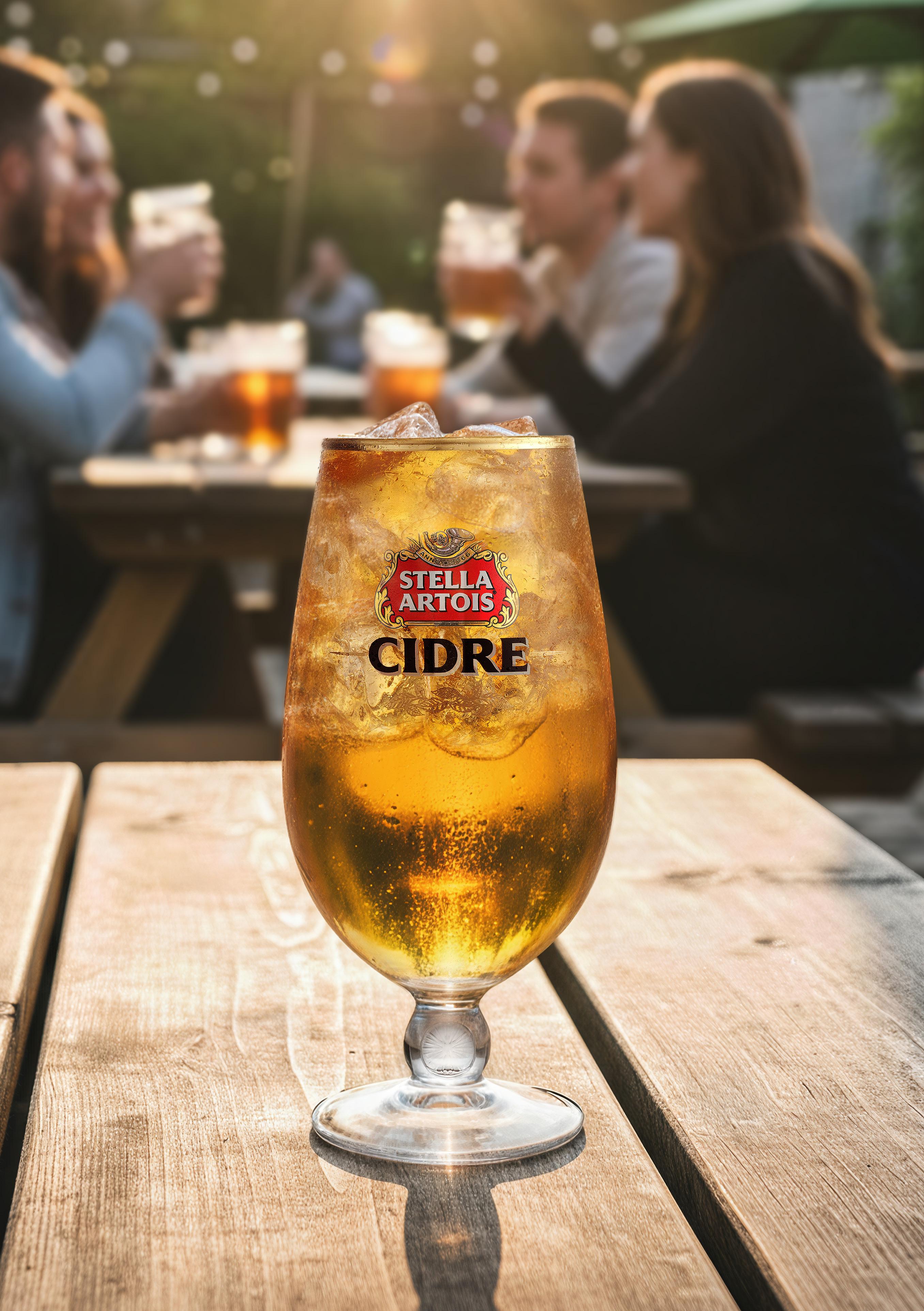
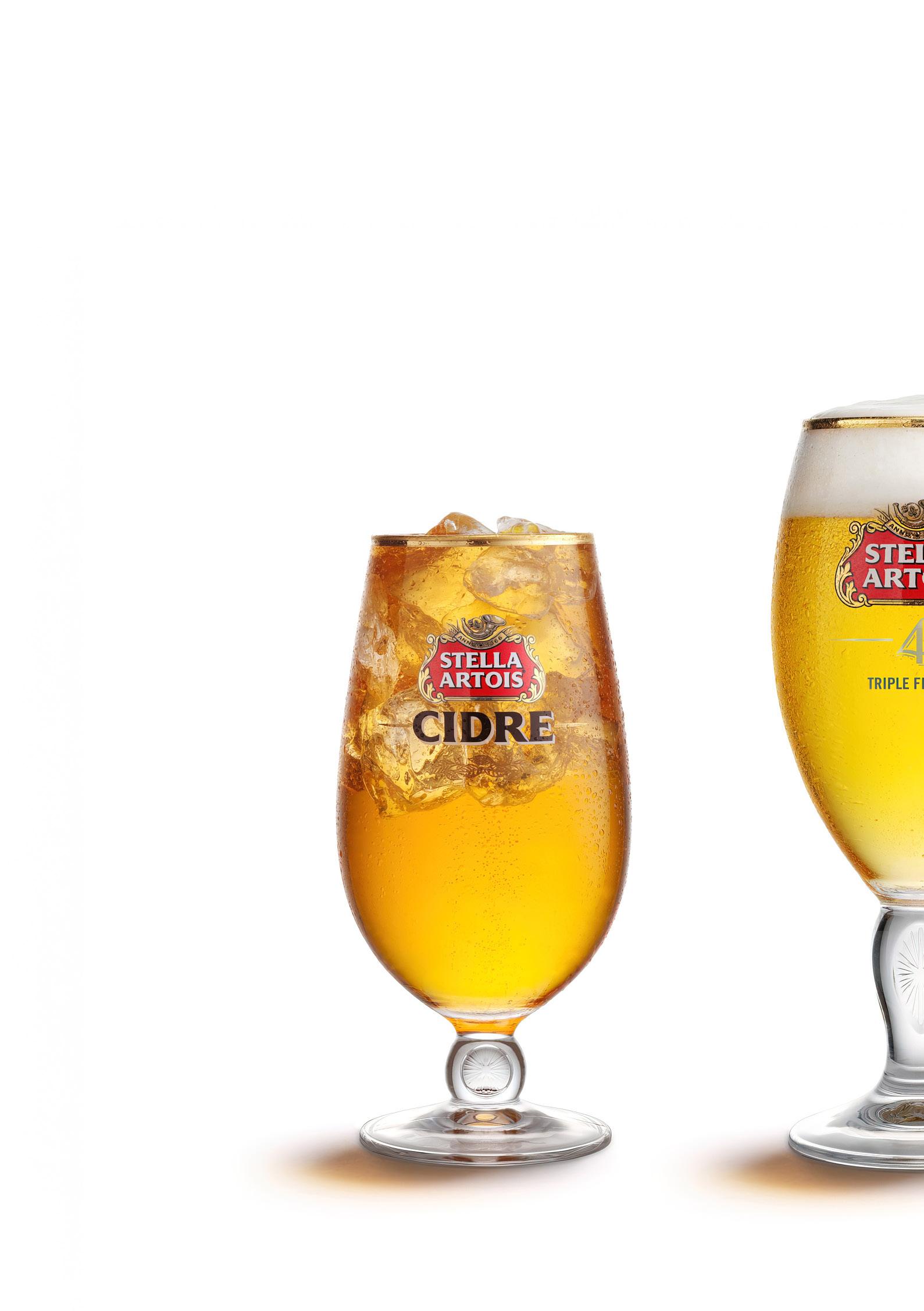
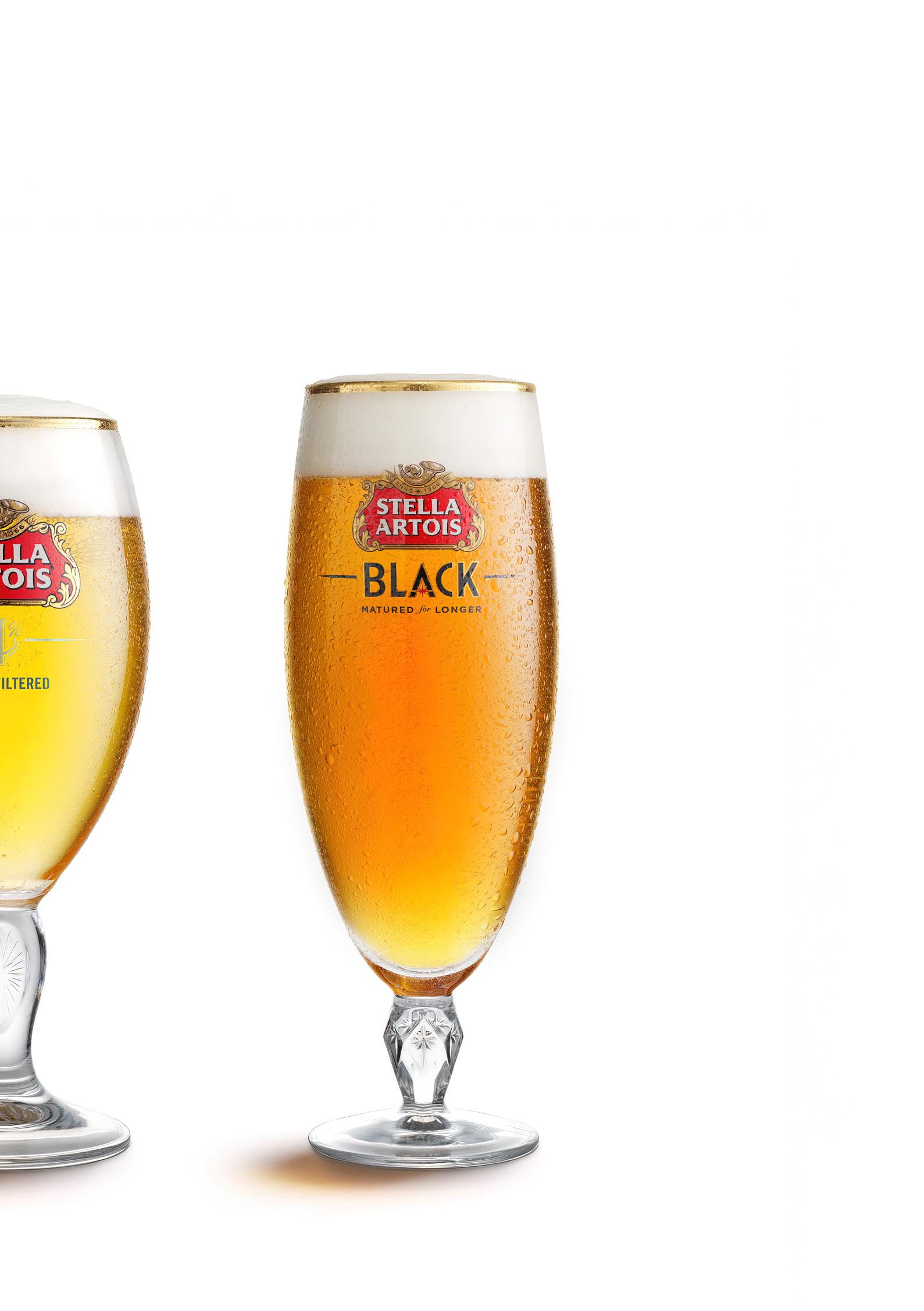
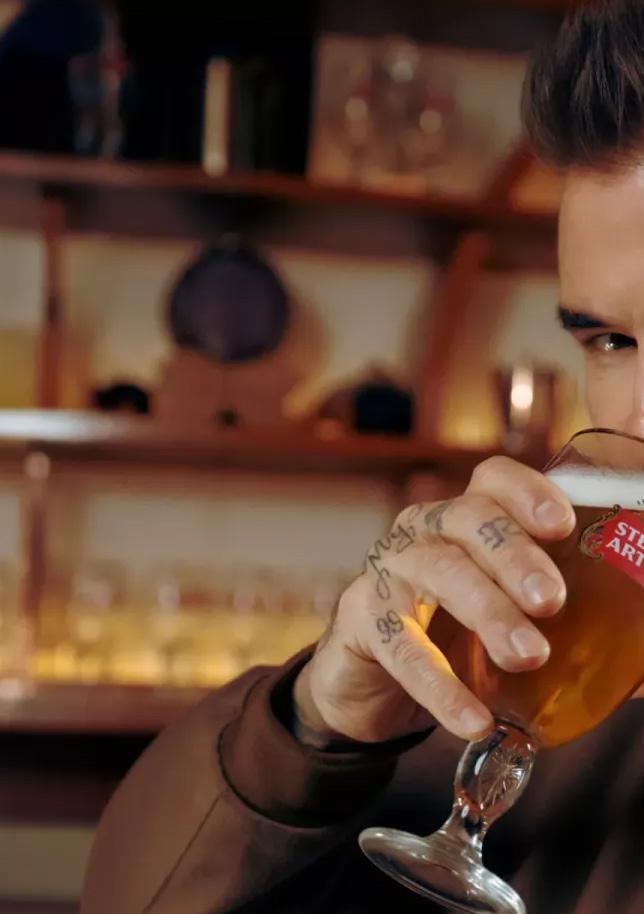
Stella Artois Glassware
Client
Description Date
Activities
AB InBev
Glassware 2013
Graphic Design
Human Factors, Usability and Inclusivity
Industrial Design
Production Support
Prototyping
Research and Strategy
Visual Brand Language
Client
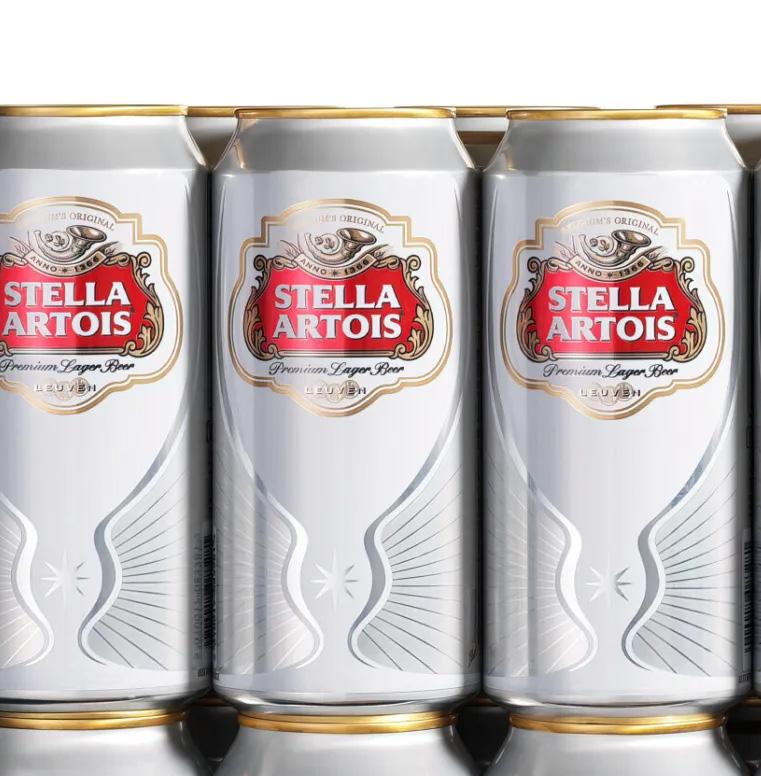
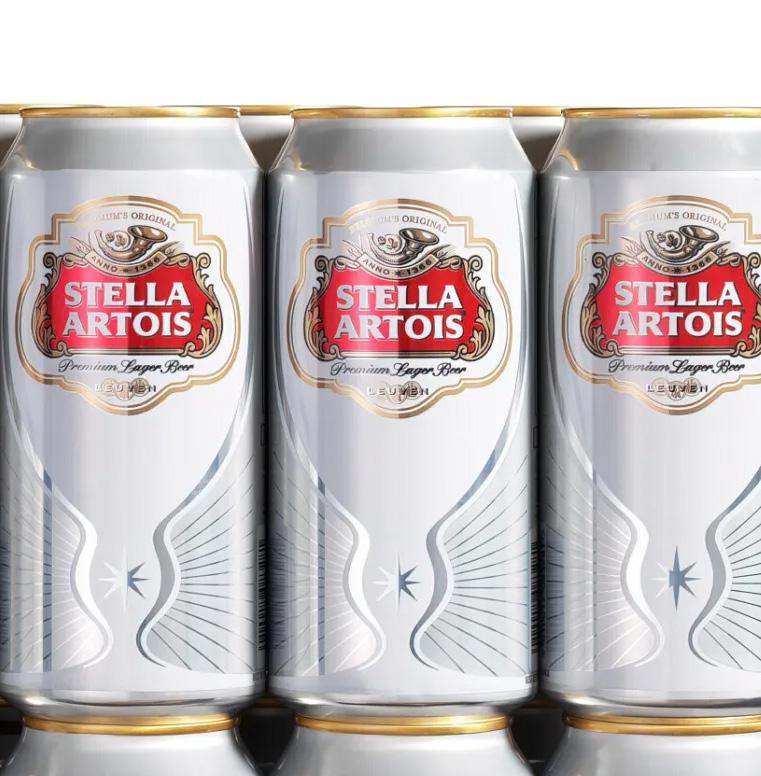
Artois Can
Description Date
Activities
AB InBev
Global ‘Chalice’ can
2011
Graphic Design
Industrial Design
Packaging Design
Production Support
Prototyping
Research and Strategy
Visual Brand Language
Stella
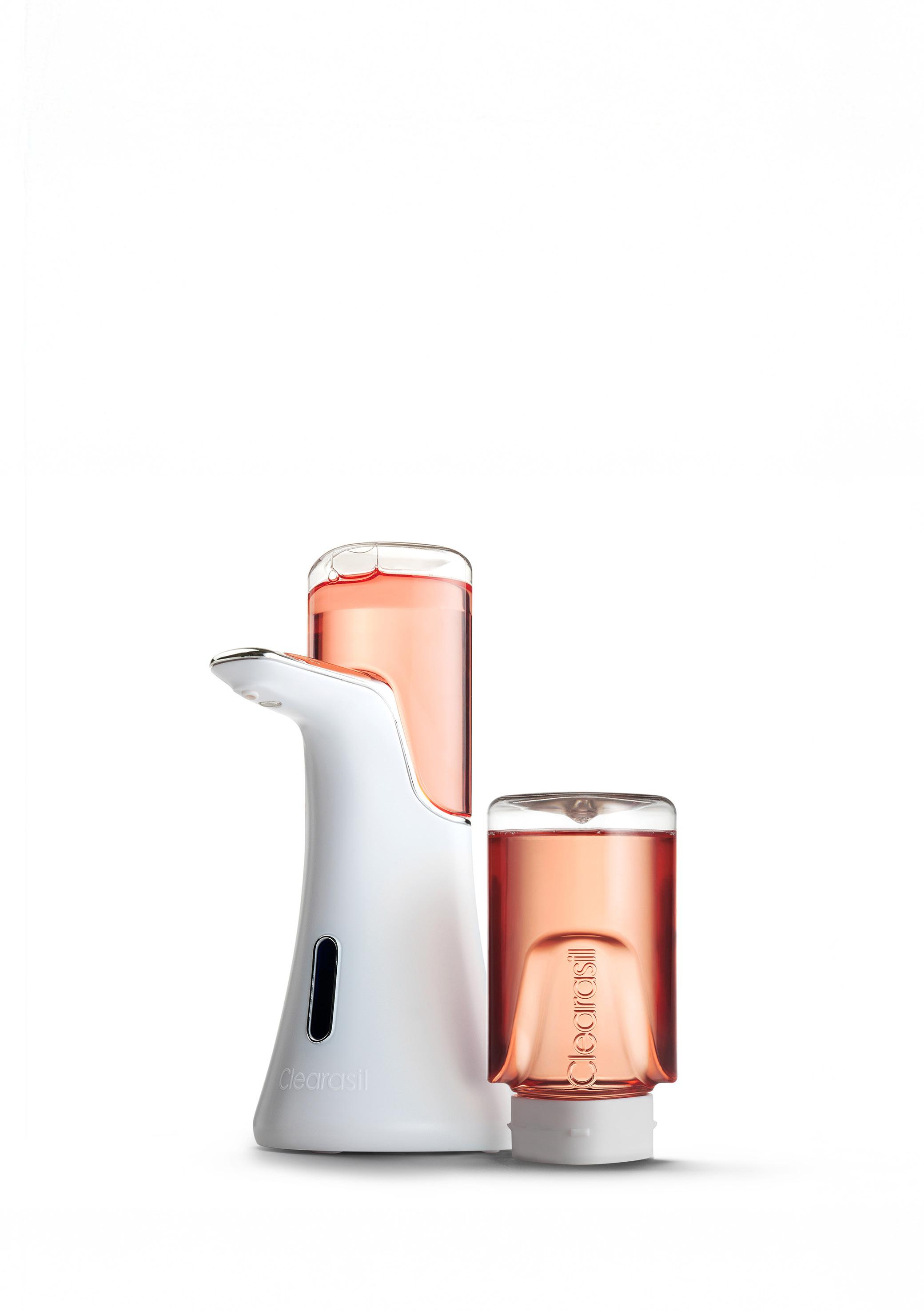
Household Care
Improving life at home
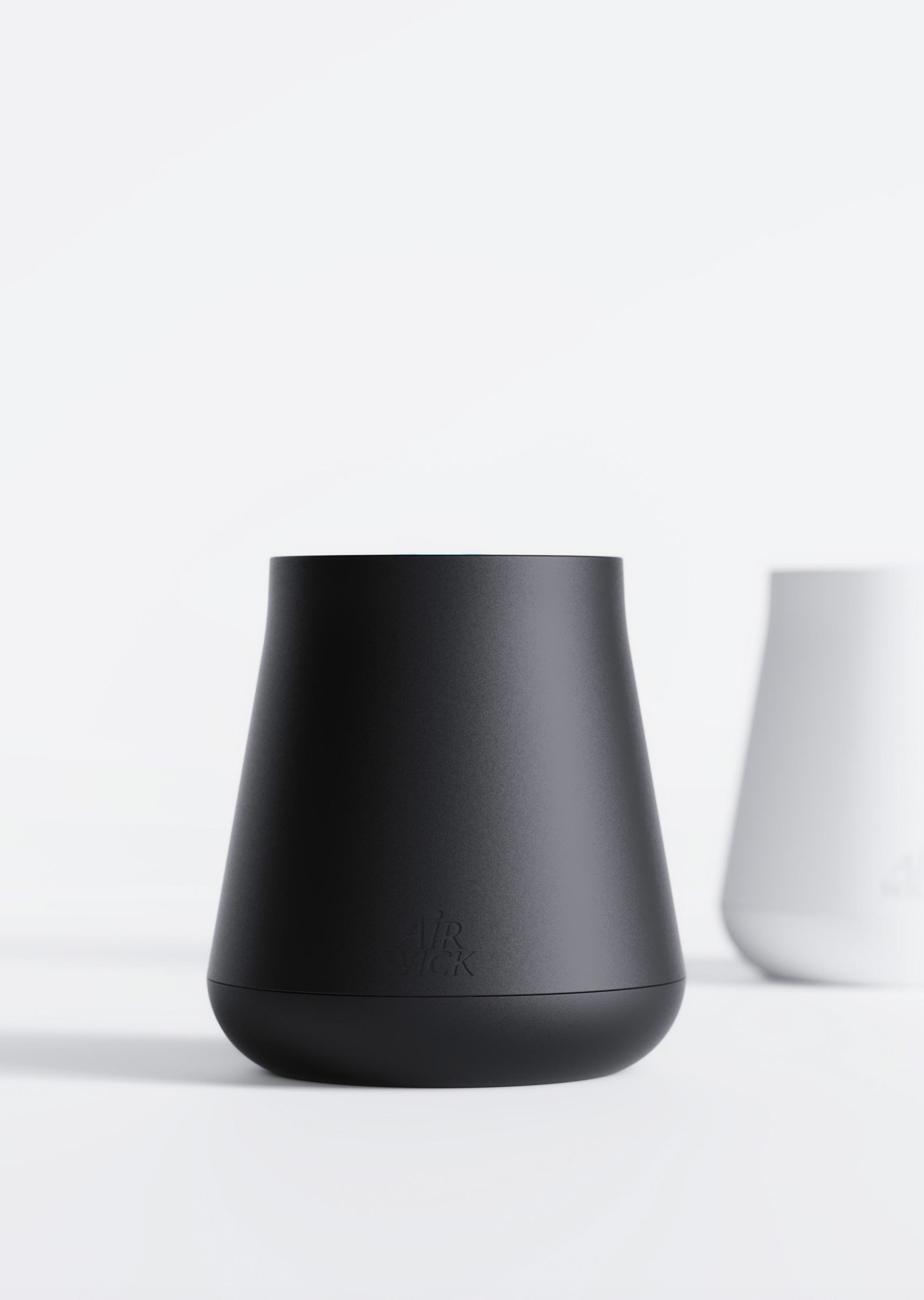
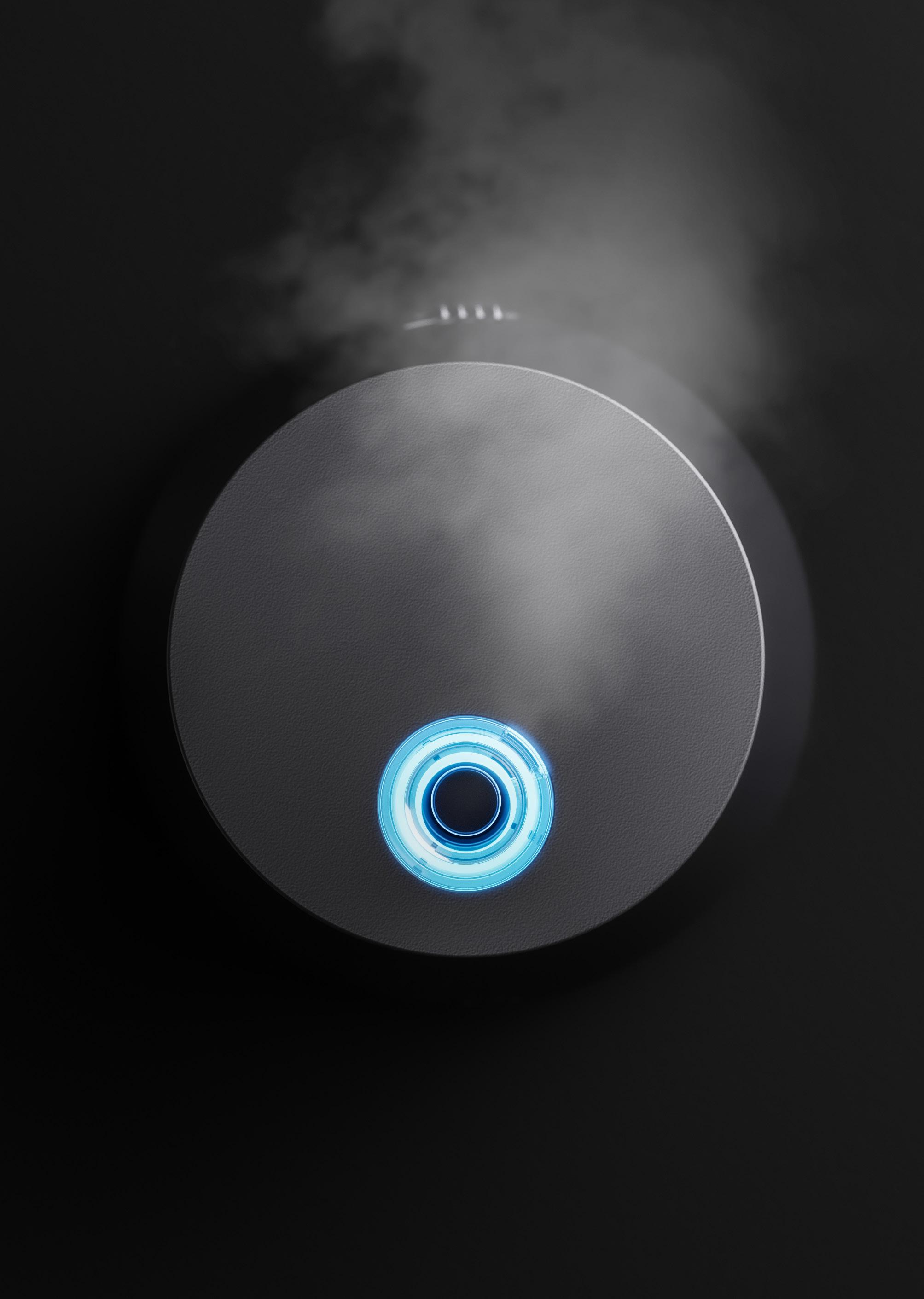
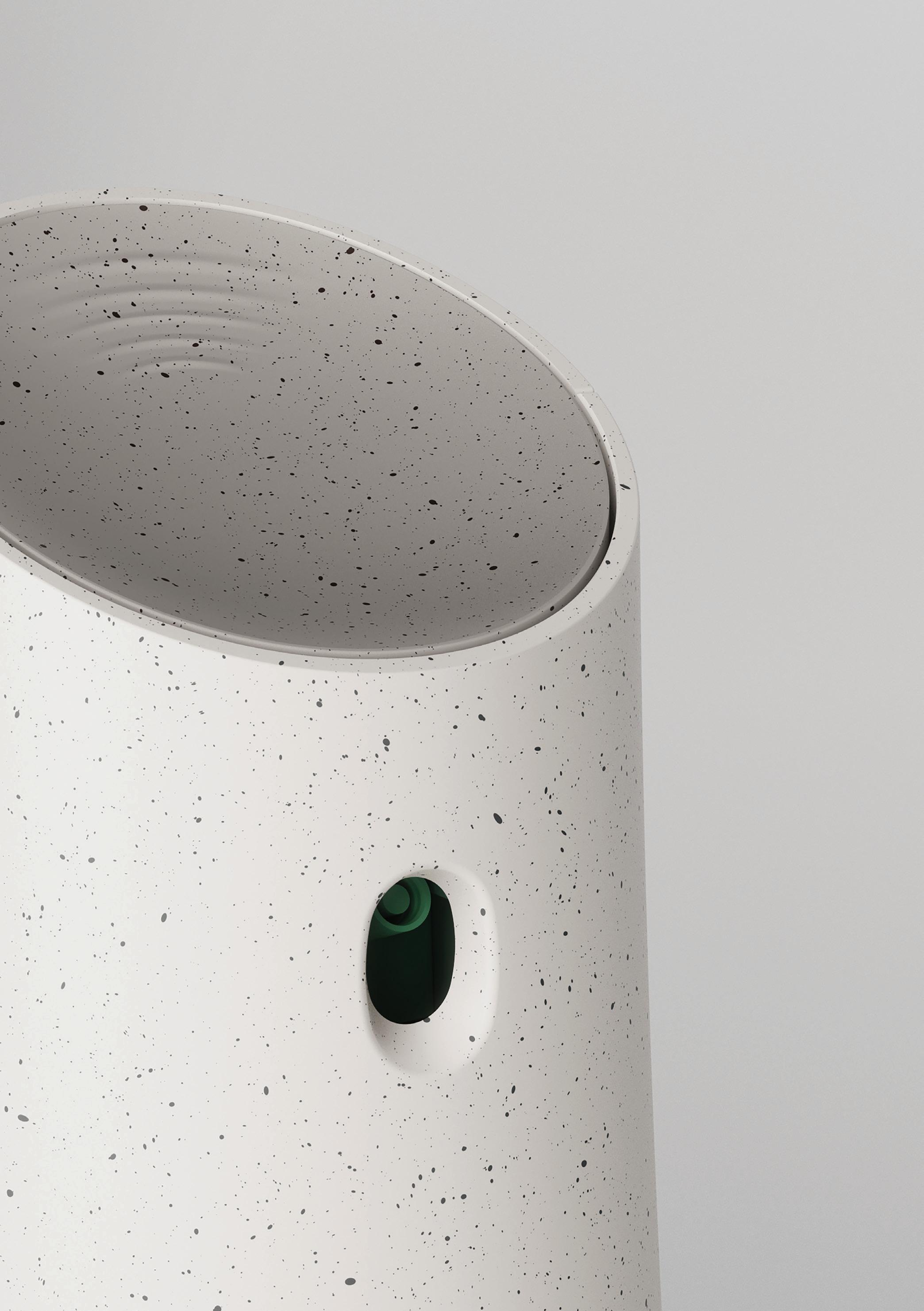
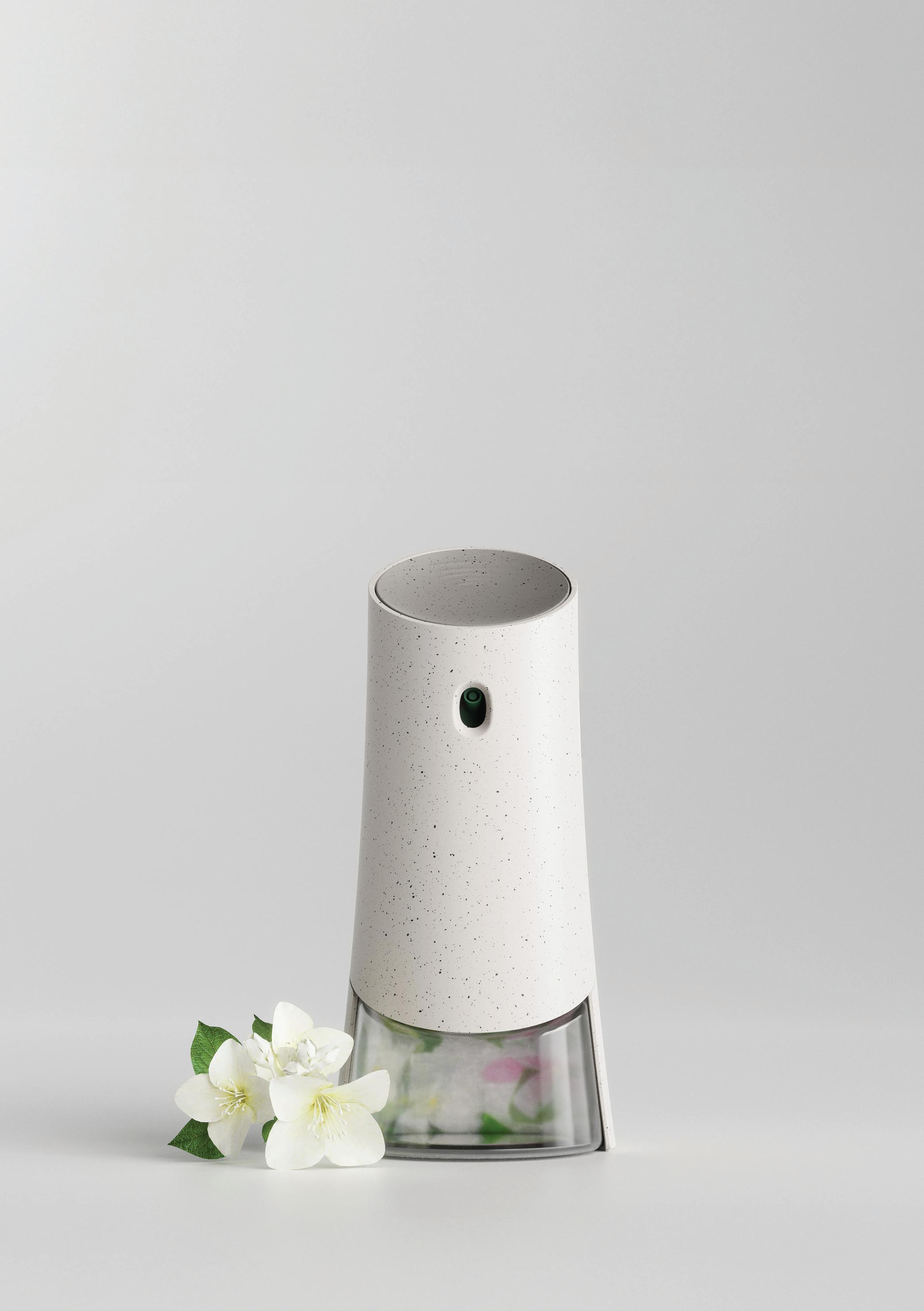
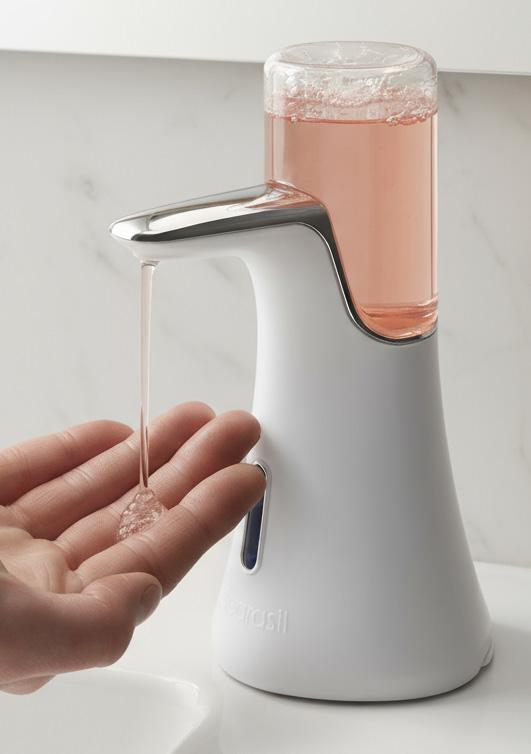
We help many of the world’s leading FMCG brands improve our lives at home, by making our homes cleaner, safer and better. Better for us and our planet. Whether it is a more efficient way to fragrance our homes, new solutions to enable us to use less water as we wash ourselves or our clothes, or a new low cost method of keeping our homes pest free - we have experience of tackling these types of challenges. We achieve this through a
world-class expertise in brand, structural packaging, UX, design and engineering. We work globally and have completed successful projects in most household categories and markets.
Client
Description Date
Activities Awards
Colour, Material and Finish
Industrial Design
Prototyping
GOOD DESIGN® Award
Client
Active Fresh Reckitt
Description
Date
Activities
Awards
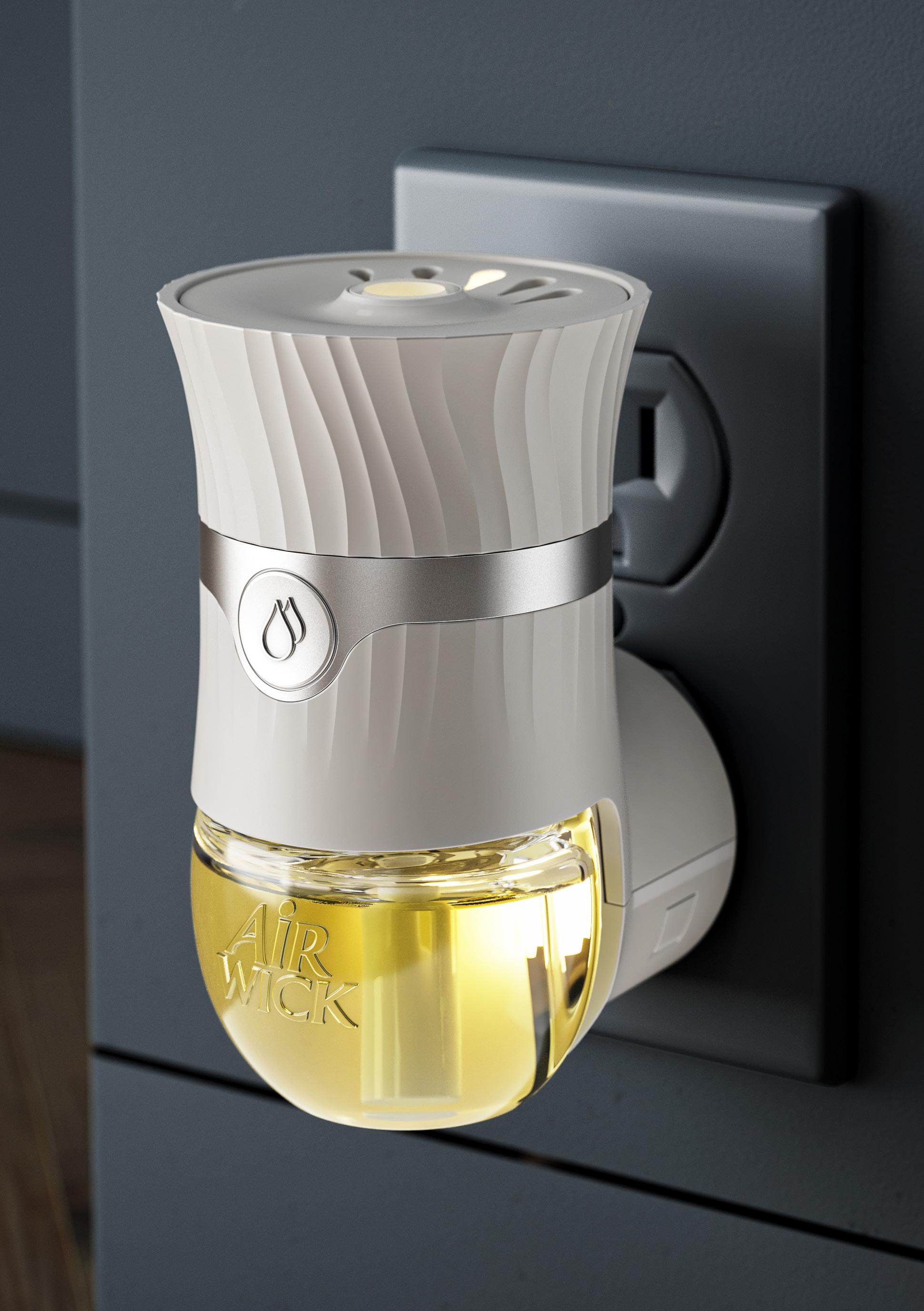
Aerosol free room fragrance auto-spray
2023
Human Factors, Usability and Inclusivity
Industrial Design
Packaging Design
Production Support
Prototyping
GOOD DESIGN® Award
GREEN GOOD DESIGN® Award
Consumer Product of the Year Award
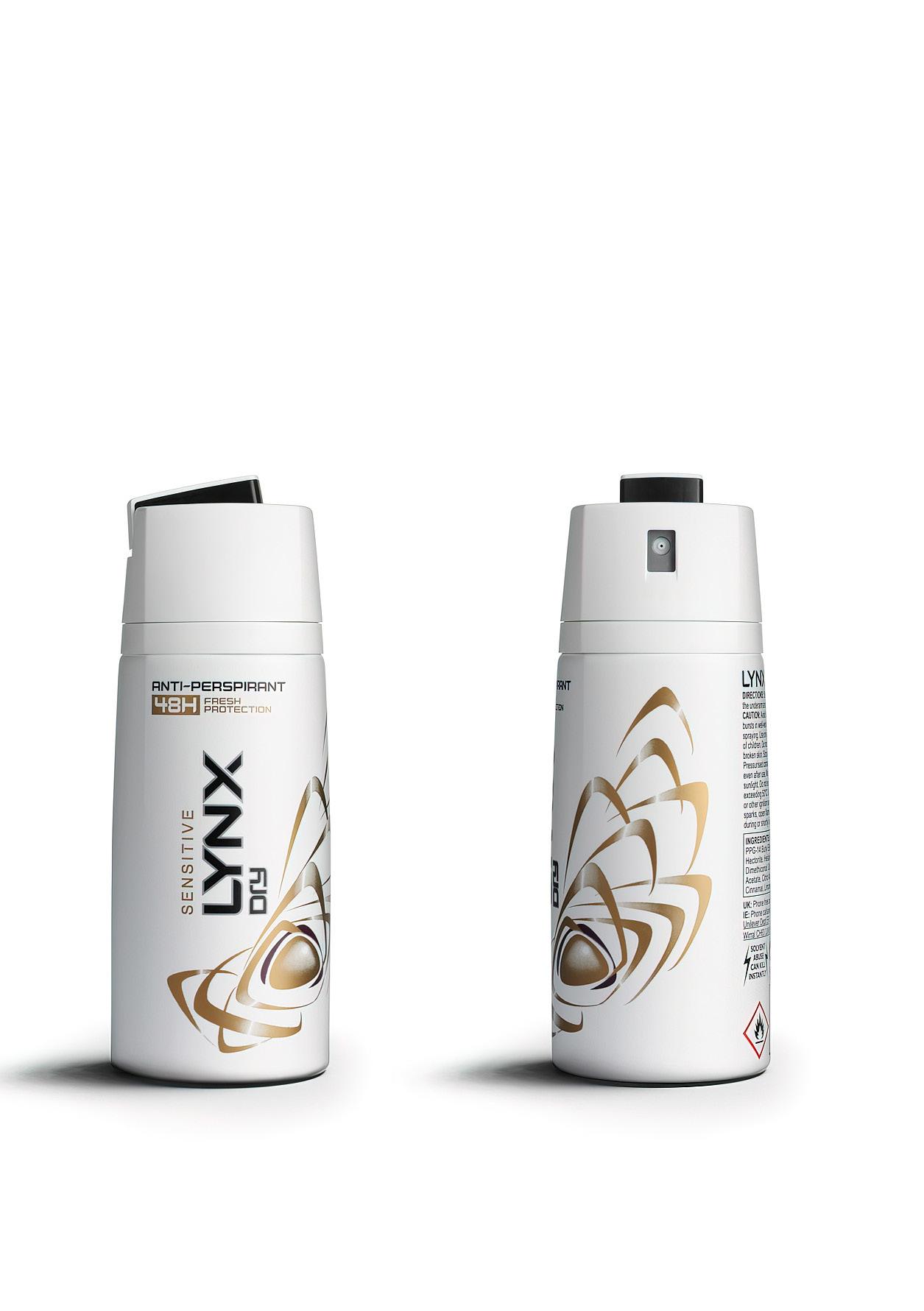
Personal Care
Beautiful experiences, elegantly engineered
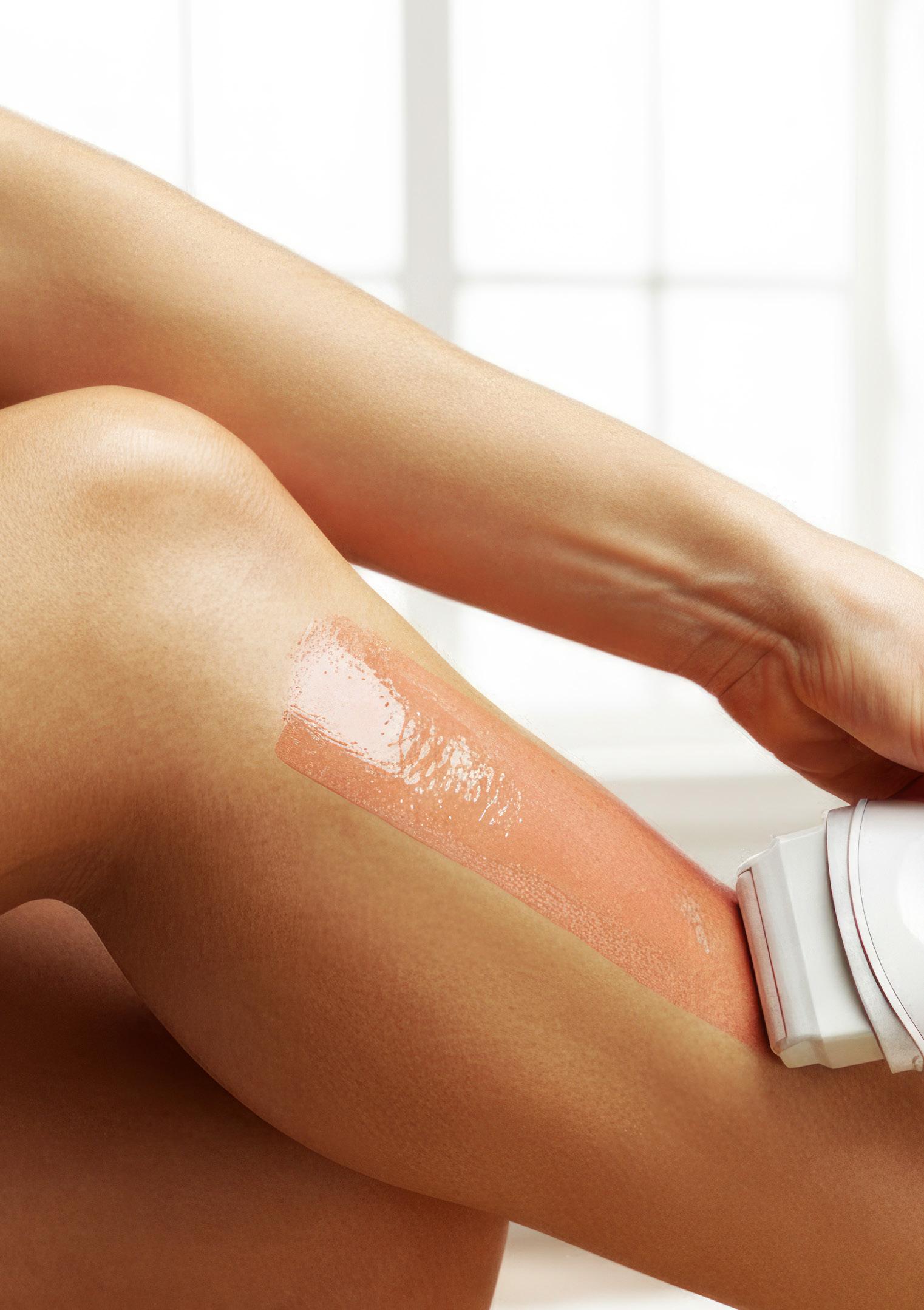
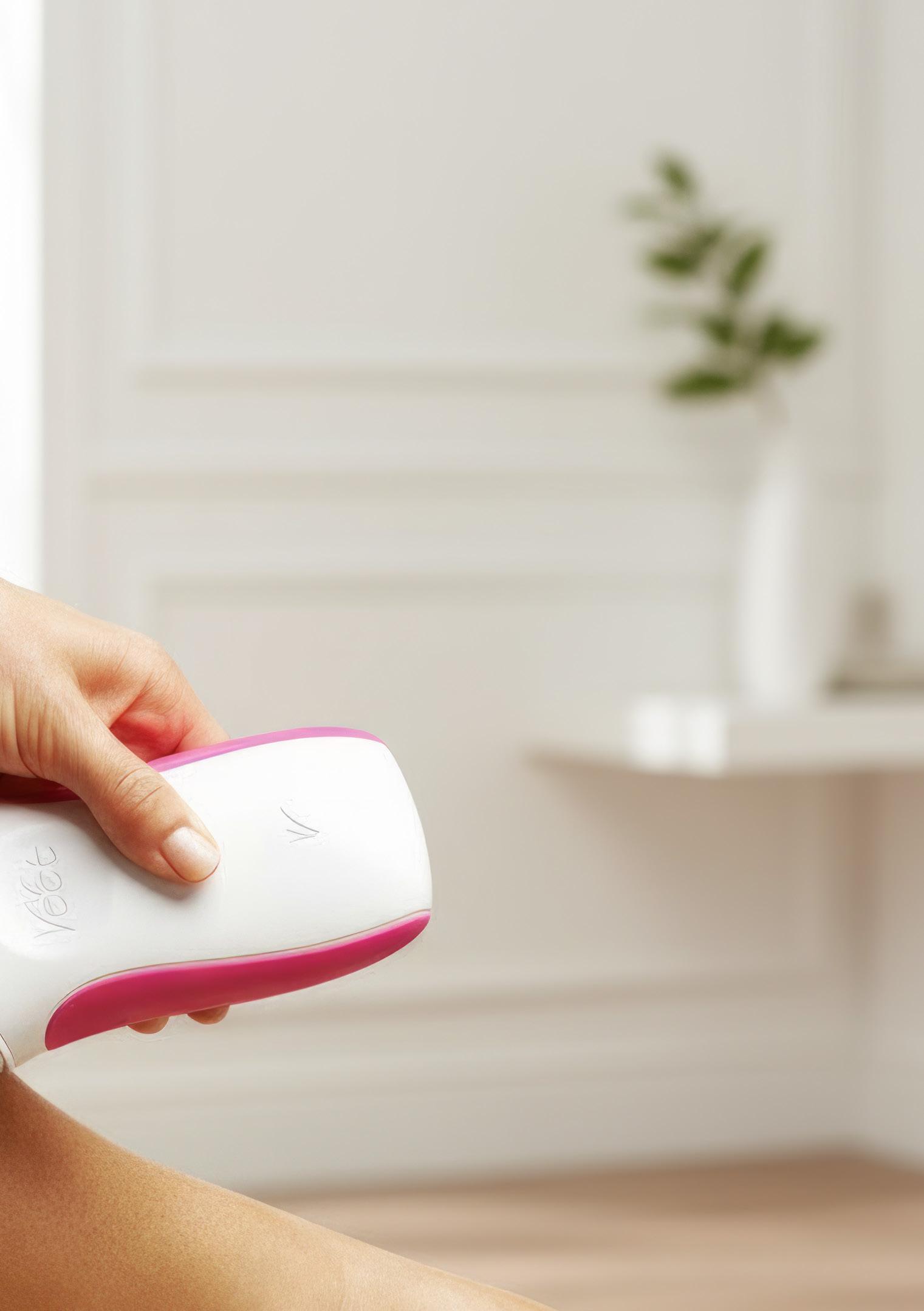
Our personal care and beauty team fuse the best from our strategy, brand, UX, usability, inclusivity and engineering capabilities to create beautiful and relevant devices and packaging for the personal care and beauty markets. For over a decade the team have also been leaders in creating more sustainable solutions. Solutions that have either reduced plastic or introduced innovative new reusable platforms. Two recent internal projects HEX and Sakuru demonstrate our thinking. Sakuru is a hypothesis for the near-term future of cosmetics.
It envisions a likely world where digital technology and social media drive cosmetics to be more agile, creative and personal than ever before. Sakuru allows users to print personalised make-up palettes in their own home from reusable cartridges, making single-use plastic packaging a thing of the past. HEX is a new solid dispensing platform concept that removes waste from the consumable with a reusable body and a plastic free, 100% usable consumerable.
Client Description Date
Activities
2012
Colour, Material and Finish
Industrial Design
Packaging Design
Production Support
Prototyping
Visual Brand Language
Description Date
Activities
Awards
Human Factors, Usability and Inclusivity
Mechanical Engineering
Packaging Design
Production Support
Prototyping
Testing and Evaluation
Du Pont Award for Packaging Innovation
Client Description Date
Activities
Colour, Material and Finish
Human Factors, Usability and Inclusivity
Industrial Design
Packaging Design
Production Support
Prototyping
Rsearch and Strategy
Visual Brand Language
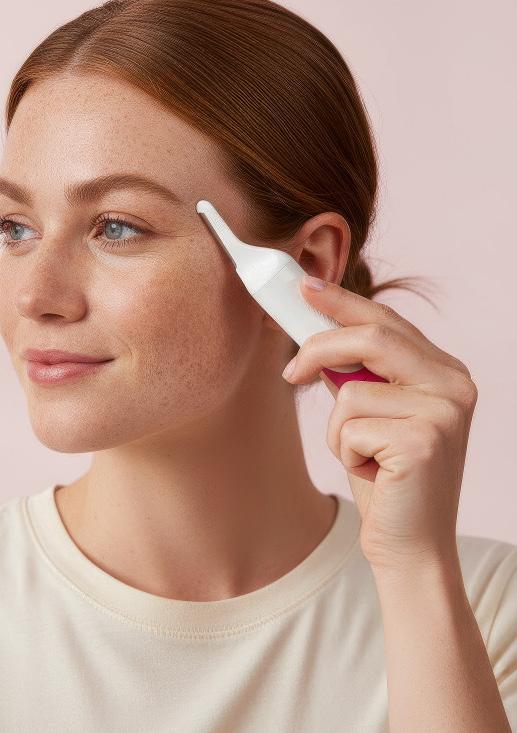
Veet Sensitive Precision
Client
Description Date
Activities
Awards
Reckitt
Veet Sensitive Precision
2017
Industrial Design
Packaging Design
Production Support
Prototyping
Research and Strategy
Good Design Award
Product of the Year Award
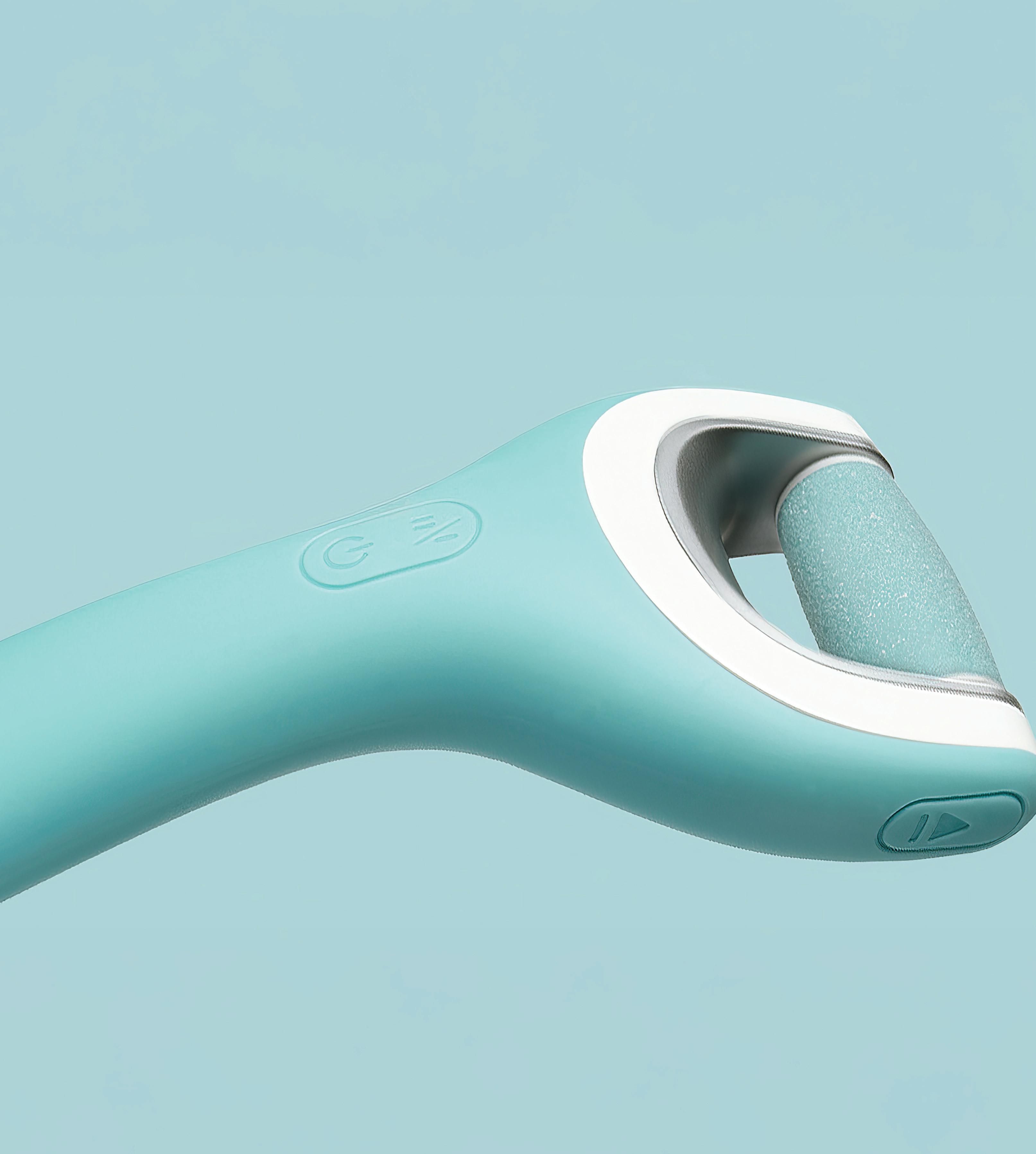
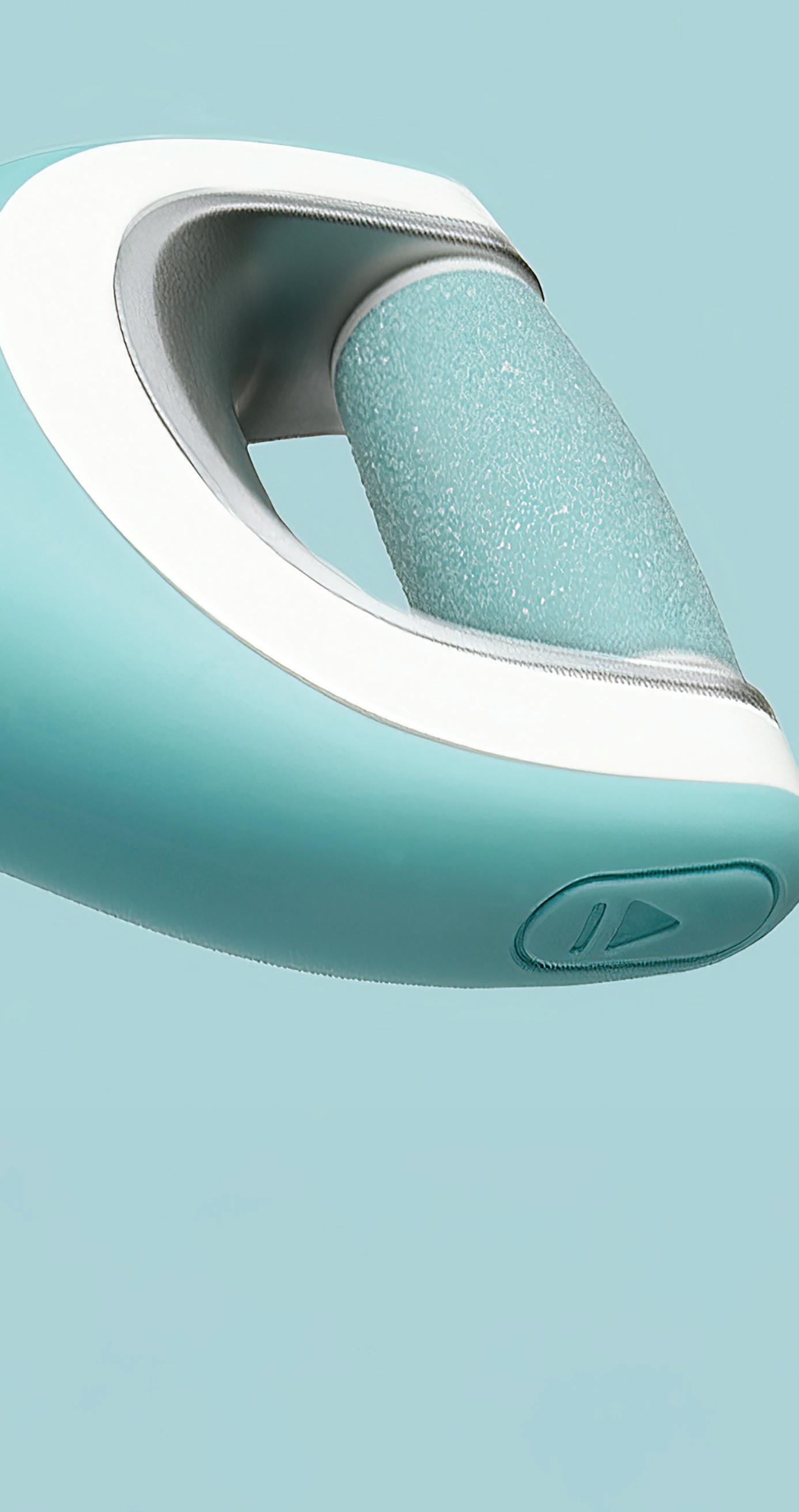
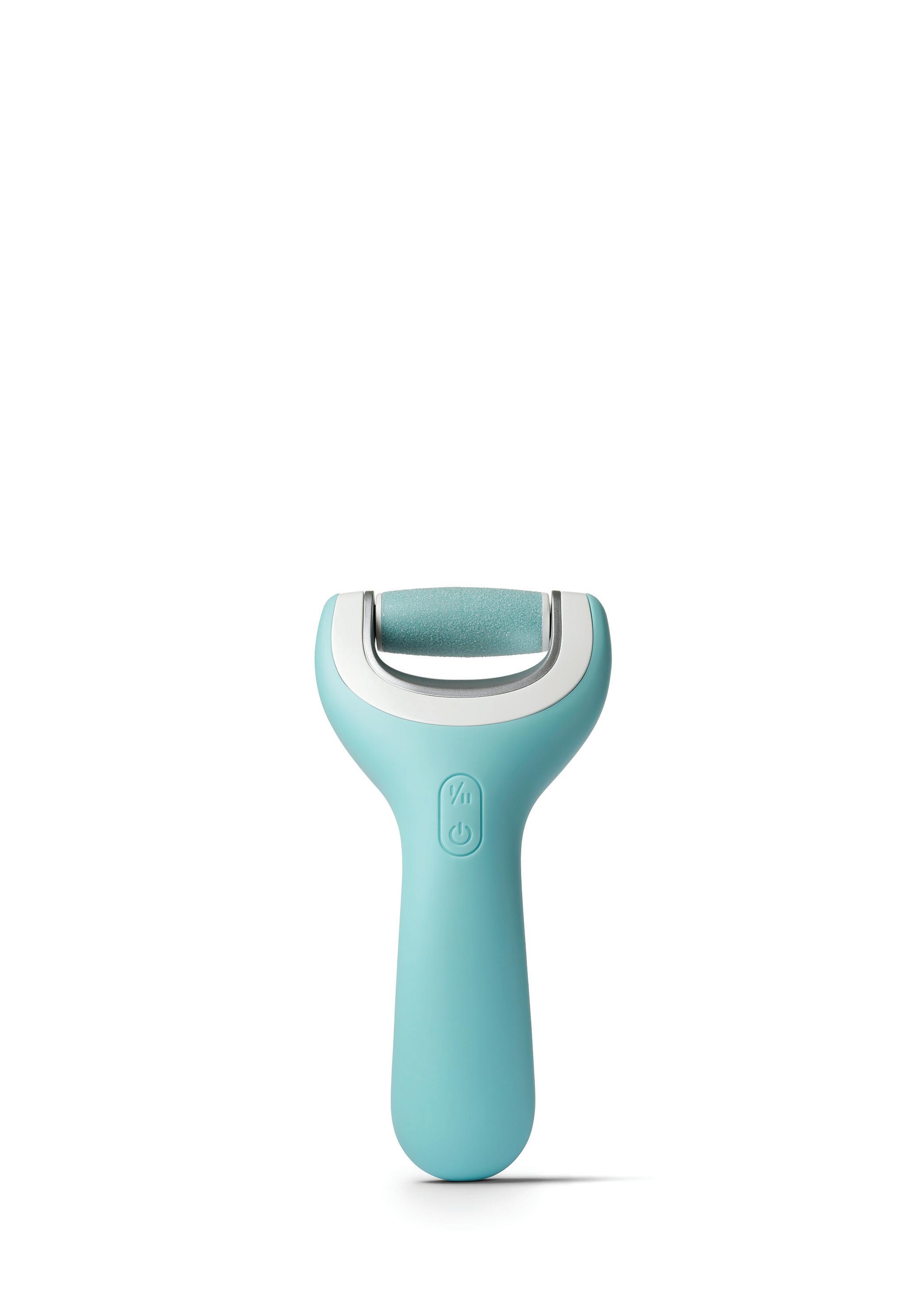
Scholl Pedi Perfect Wet and Dry
Client Description Date
Activities
Reckitt
Waterproof and rechargeable electronic foot file
2016
Colour, Material and Finish
Industrial Design
Packaging Design
Production Support
Prototyping
Research and Strategy
Visual Brand Language
Awards
Good Design Award
iF Product Design Award
RedDot Product Design Award
Client
Description Date
Activities
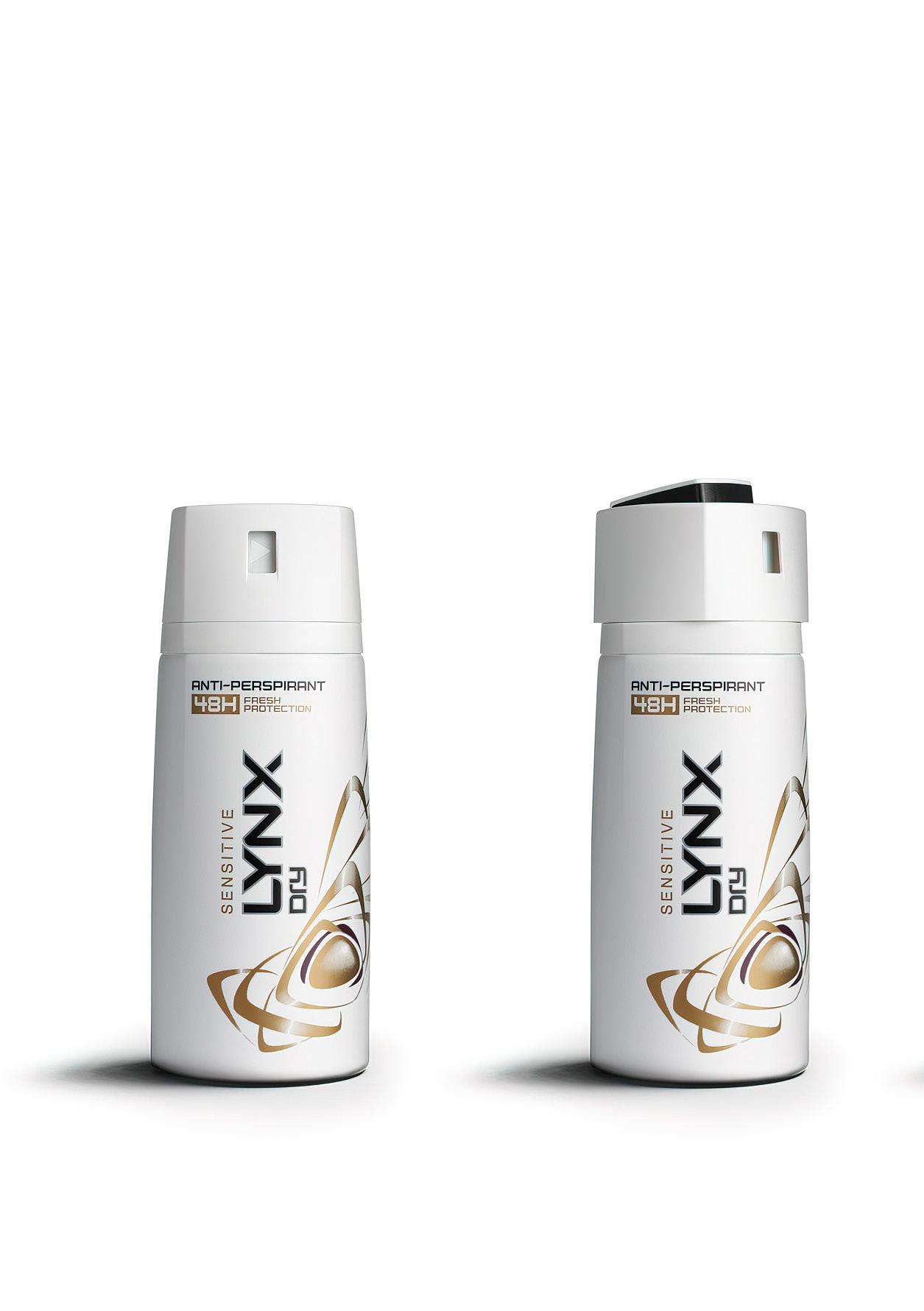
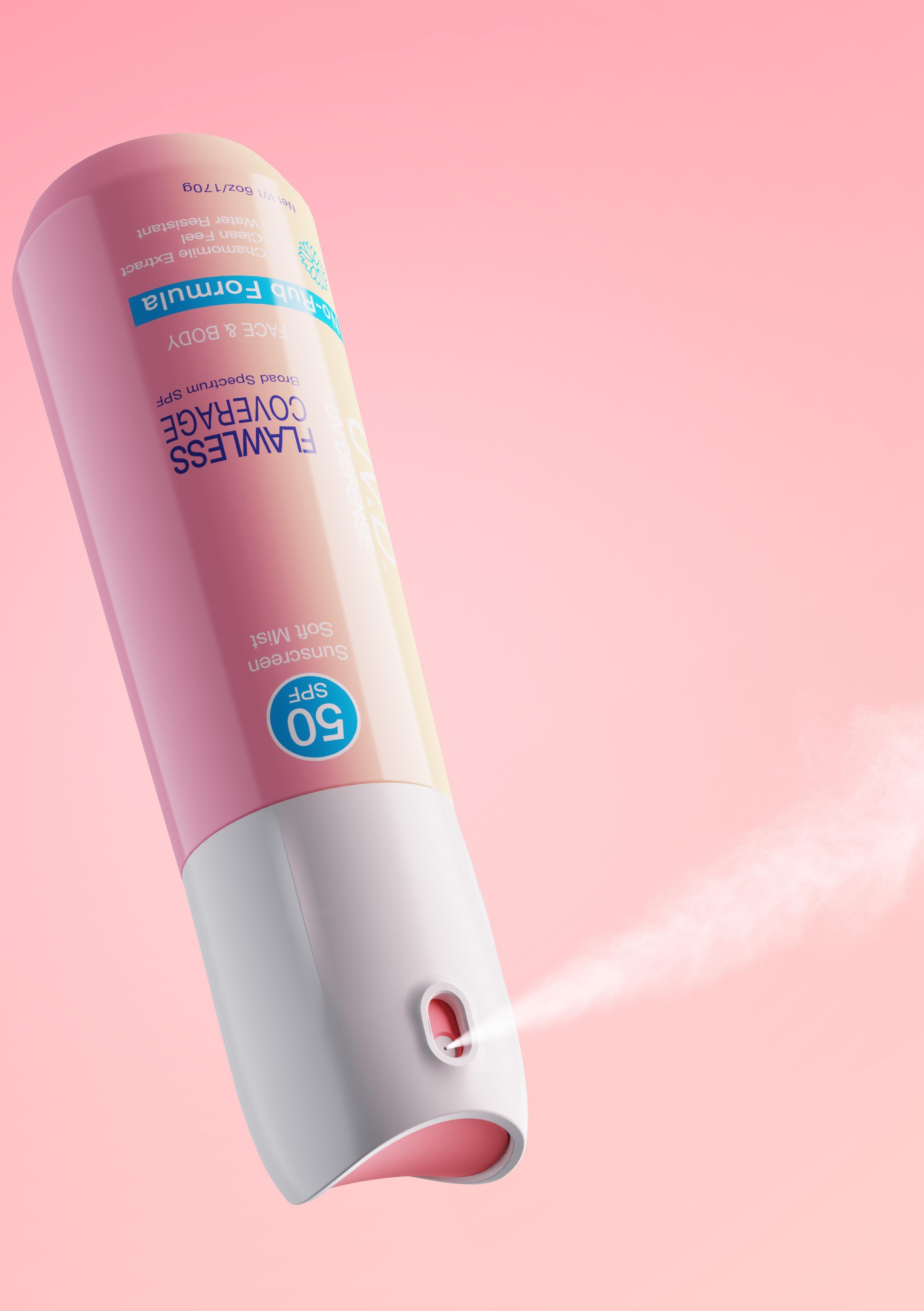
Mechanical aerosol 2022
Industrial Design
Mechanical Engineering
Production Support
Prototyping
Testing and Evaluation
Luxury and Premium
Creating experiences of quality
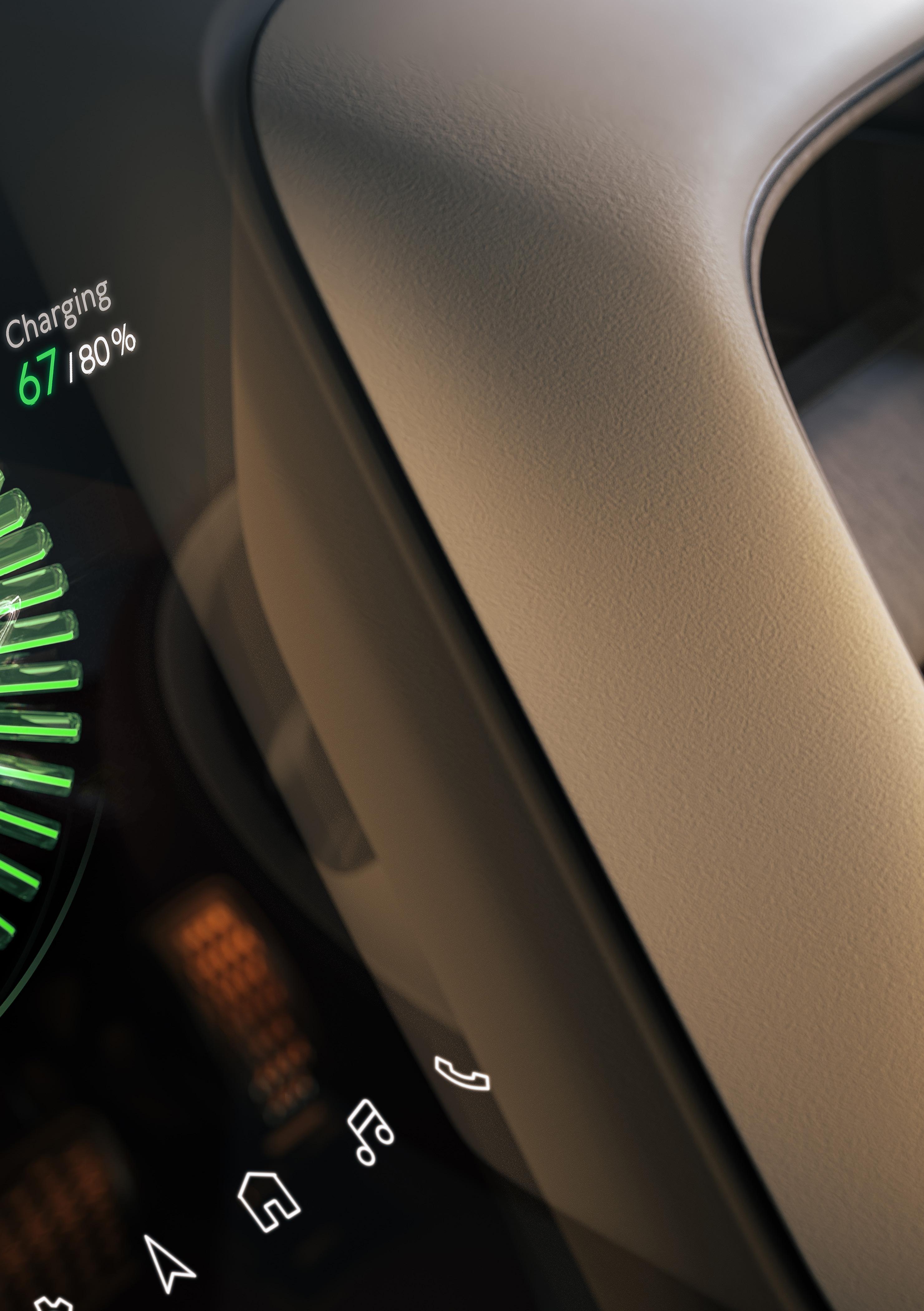
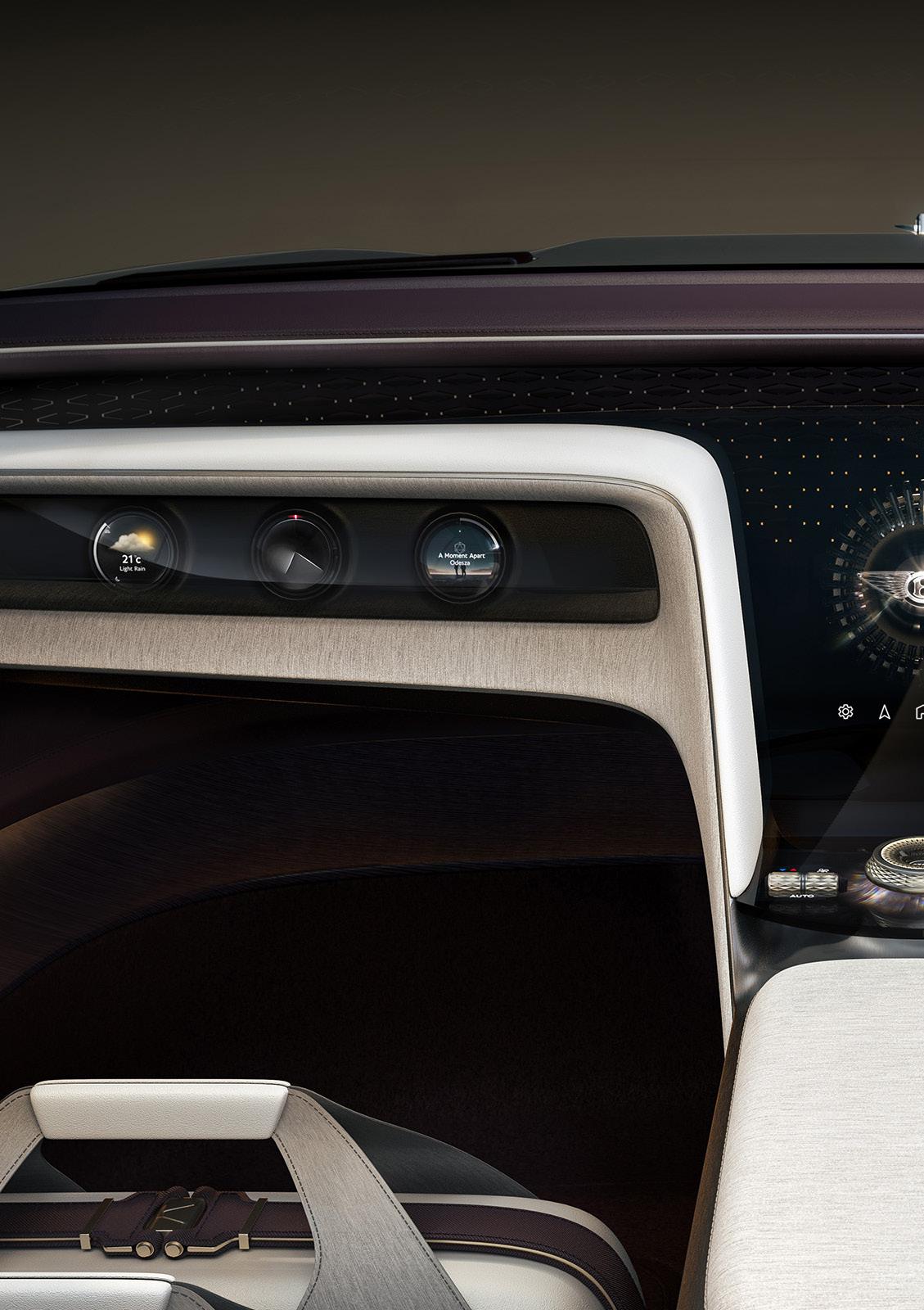
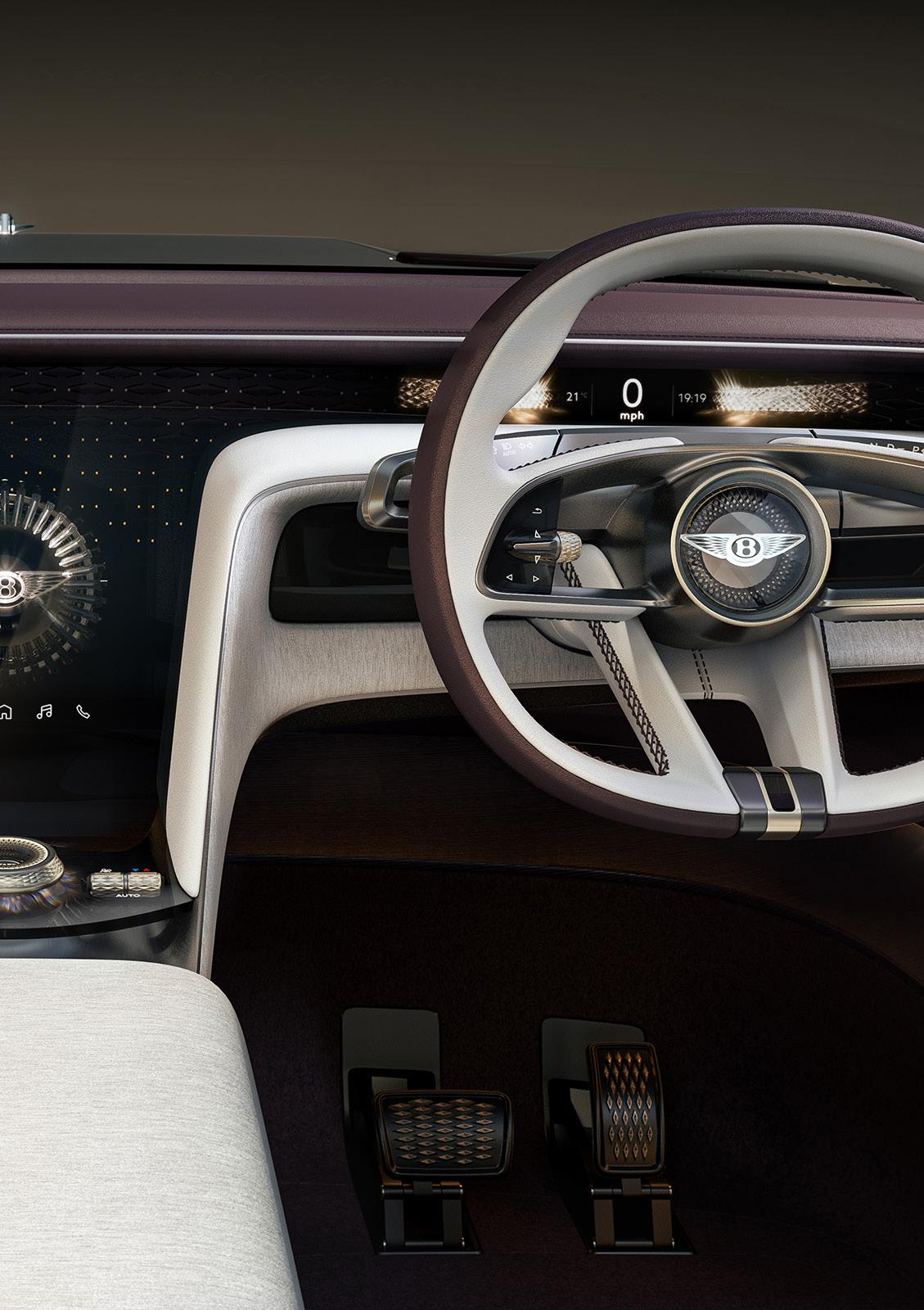
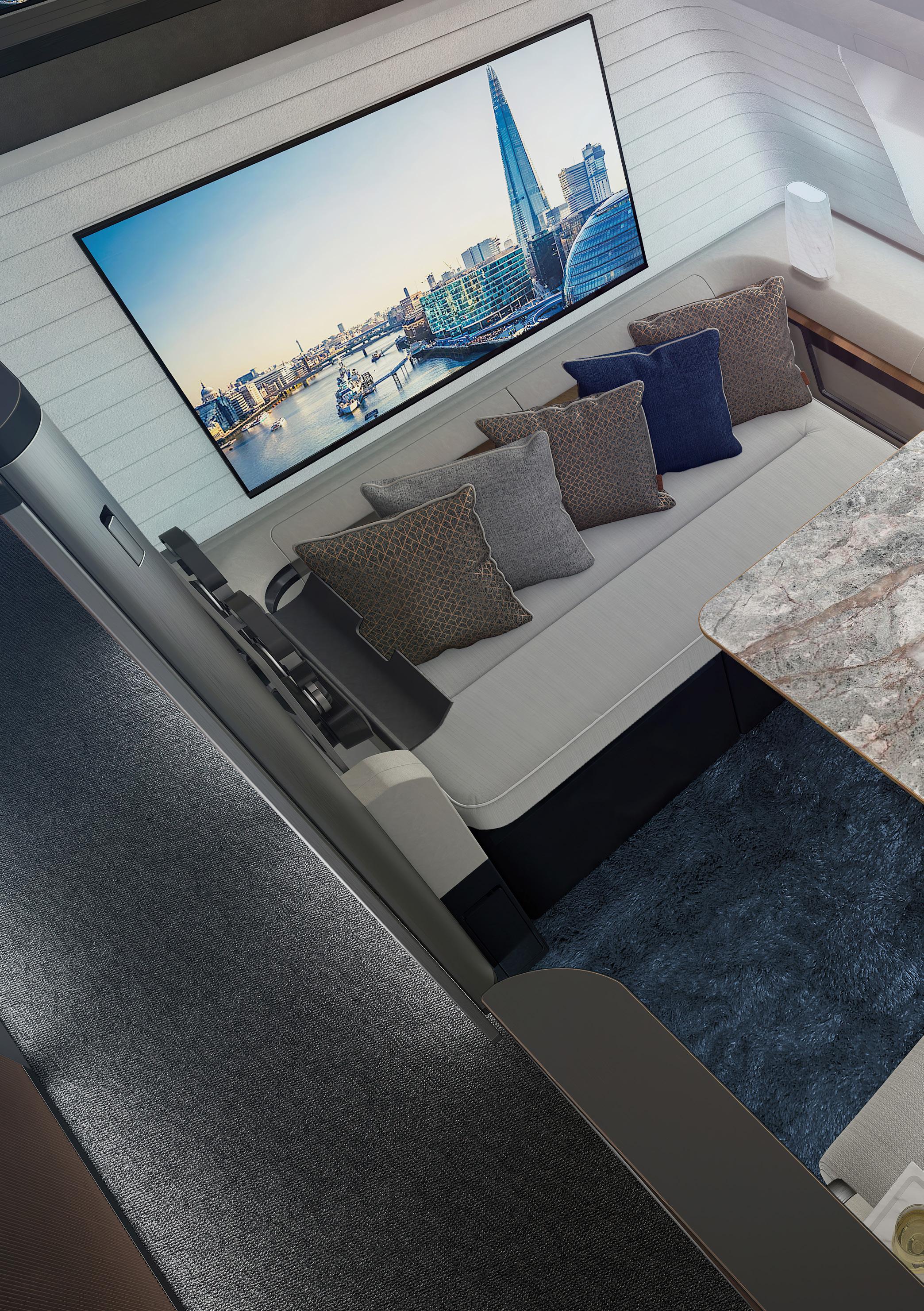
There is a difference between designing luxury experiences versus premium experiences, but at their heart, both create value by being personal, superior and of high quality. Our team has helped luxury and premium brands create new products and services across many consumer categories from automotive to food. We have helped brands explore the future of luxury, understanding what makes their clients feel valued, indulged and emotionally satisfied. Bringing new luxury experiences to life that explore exclusivity and refinement through craftsmanship, heritage and rarity. Our work for premium
brands focuses on quality, performance and value. Unlike luxury experiences premium products and experiences must have superior functionality and service to justify higher value. In essence premium products need to be undeniably better than the ordinary alternative. These superior products and experiences should also be better for our planet. To enable this our team has developed methods to drive sustainability through longevity, creating timeless products and experiences which stay relevant and valued over the long term.
Client Date
Activities Godiva 2016
Colour, Material and Finish
Industrial Design
Packaging Design
Visual Brand Language
Client
Description
Date
Activities
Awards Selekt DSM Linn
Configurable, modular, network music player
2018
App development
Colour, Material and Finish
Exterior Styling
Human Factors, Usability and Inclusivity
Industrial Design
Production Support
Prototyping
Research and Strategy
UX/UI
Virtual Reality
iF Design Award
Client Date
Description
Activities
Human Factors, Usability and Inclusivity
Industrial Design
Mechanical Engineering
Prototyping
Research and Strategy
Software Development
Systems Engineering
UX/UI
Virtual Reality
Client Description
Date
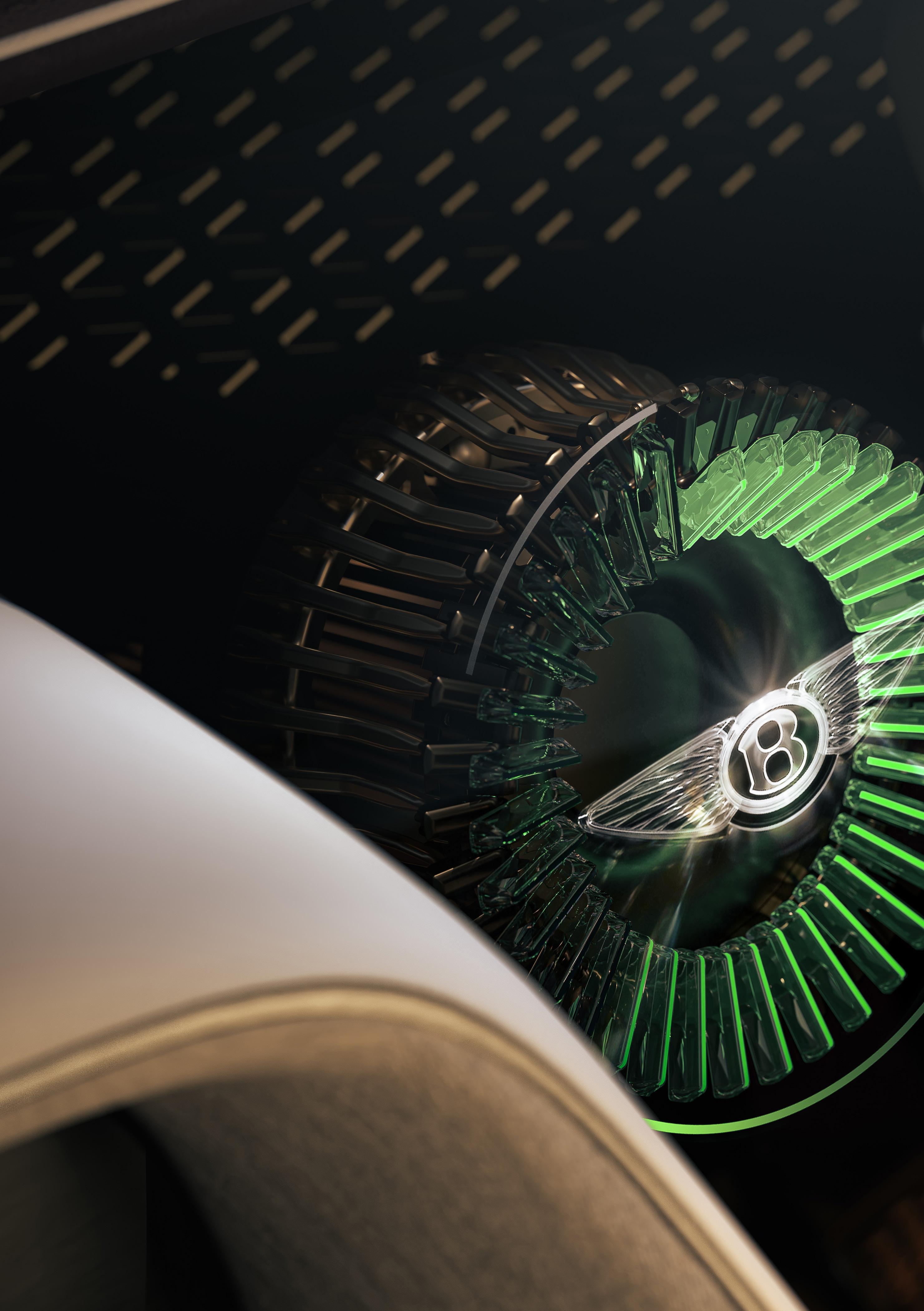
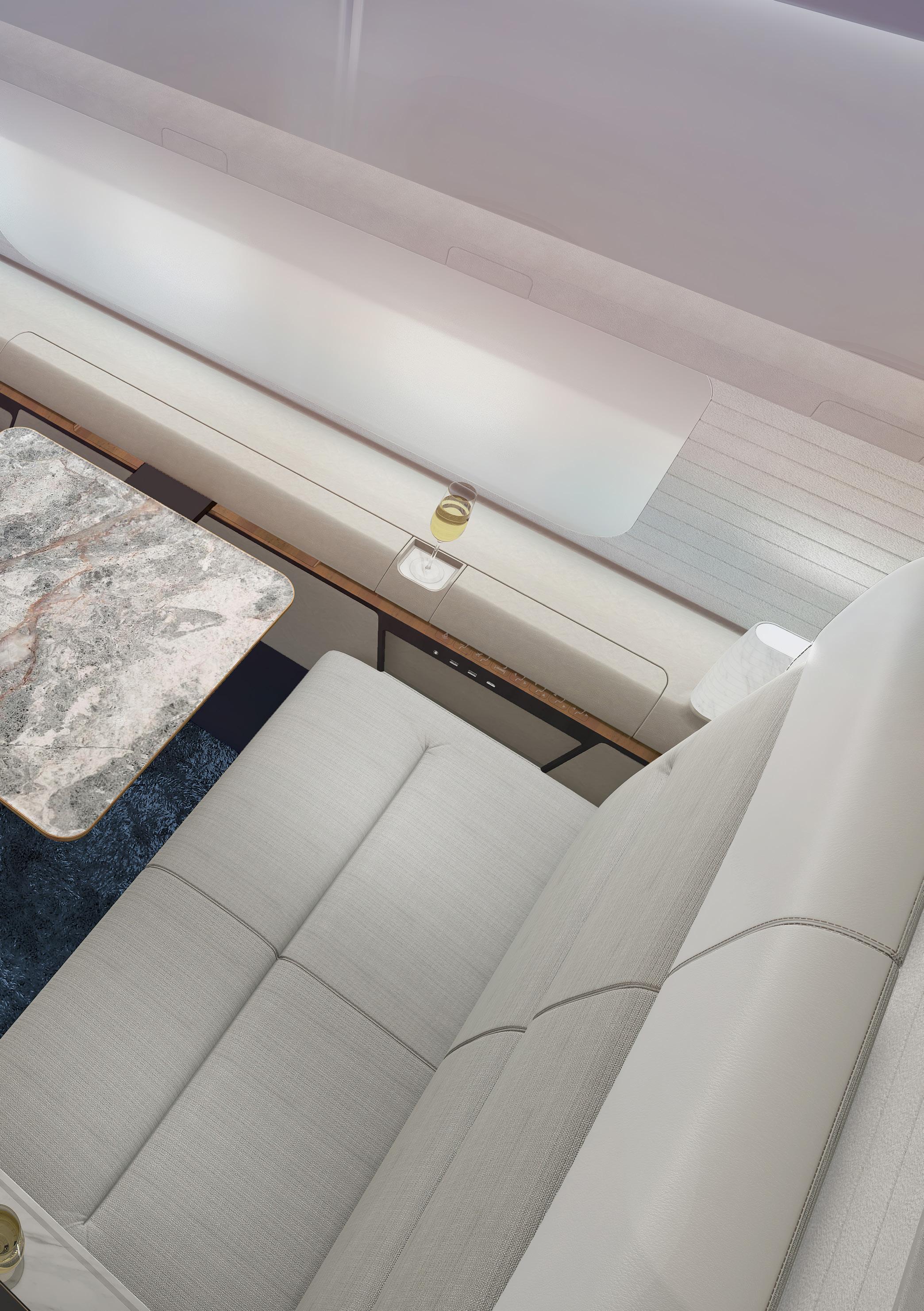
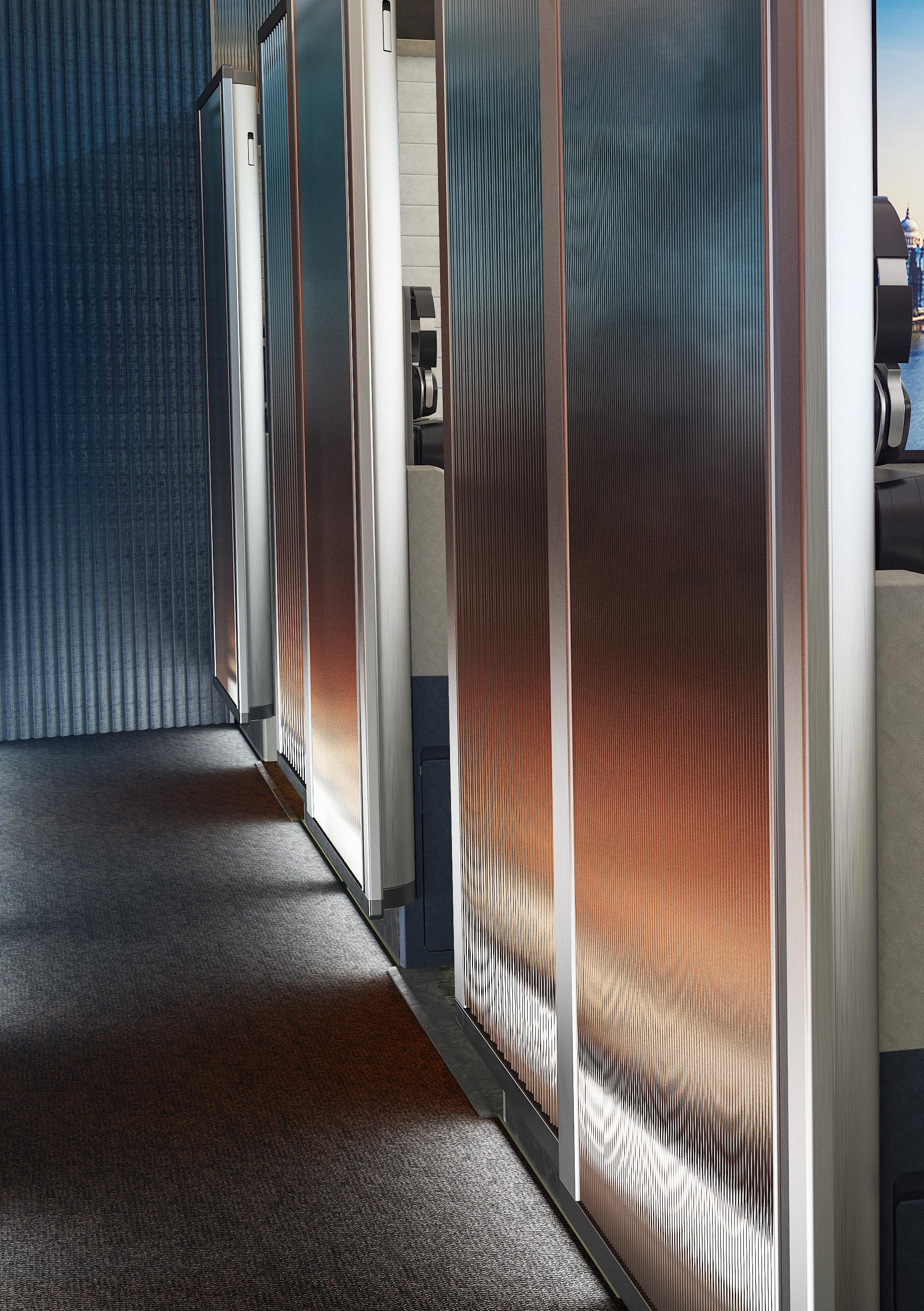
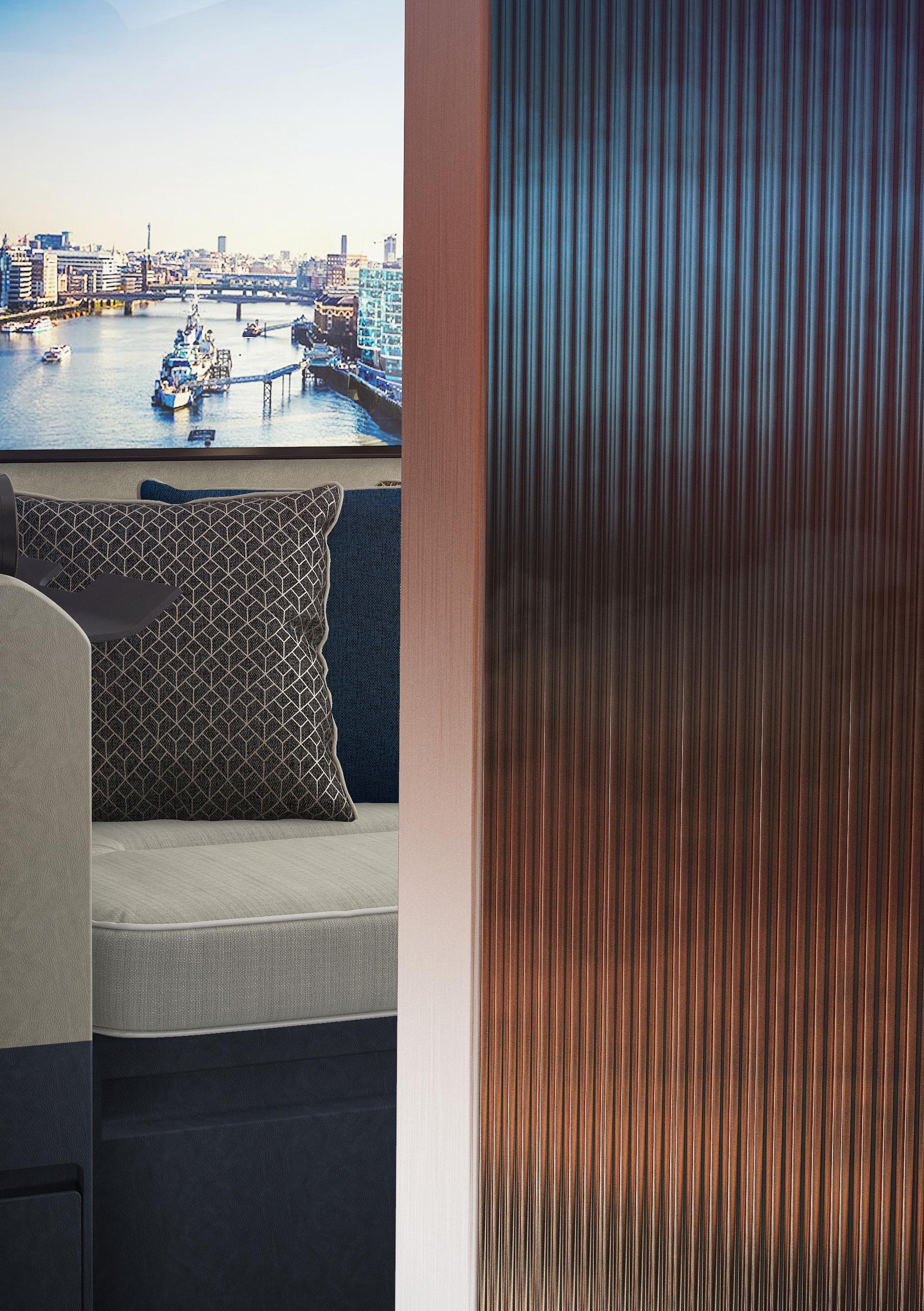
Activities British Aiways Vision project 2018 Colour, Material and Finish
Human Factors, Usability and Inclusivity
Industrial Design
Interior Design
Research and Strategy
Virtual Reality
Articles
At DCA we share ideas as well as create them. Our team regularly publishes articles that explore emerging trends, design thinking, technical innovation, and the realities of bringing successful products to market. These perspectives come directly from the people doing the work, researchers, designers, engineers, strategists and specialists, offering insight shaped by hands-on experience across sectors. Our articles are not written for promotion, but to
spark conversation, challenge assumptions and contribute to the wider design and innovation community. Whether reflecting on lessons learned, unpacking new technologies or sharing methods that move projects forward, each piece is intended to inform, inspire and open up thinking.
Article
Article by
Dai Sanders Senior Sector Manager
There is a saying used in architecture that “the greenest building is the one that already exists”. This also applies to pretty much every product we use. The embodied carbon in the materials and processes already used to produce physical artefacts means that replacing them with more efficient or more responsible alternatives often uses considerably more energy, which could take centuries to offset.
Whether it is fast clothing, fast food, fast furniture or fast electronics, there is no doubt that our increased consumption behaviours have been choking our planet. Much of the global economy is dependent on encouraging us to buy more, upgrade, supersize, overhaul, and generally consume way more than we need and certainly more than the planet can support.
Fortunately, it is becoming widely acknowledged that reducing consumption and using products for as long as possible is one of the most environmentally positive things we can do. Increased public awareness of this fact, and changing regulations, are driving producers and retailers to adopt responsible business practices to make products last longer. To promote sustainable consumption and reduce the premature disposal of viable goods, maintenance and repair play a significant role, and design plays an essential role in the development of products with longevity in mind.
Through the discipline of design, we are expected to predict how things function during use, but it is becoming increasingly important for us to consider how they deteriorate and are abused, refurbished, upgraded, repurposed, superseded and disposed of. When designing for longevity, there are four key lenses we can look through which can be neatly summarised as follows:
Physical - Is the component design and material selection durable enough for long-term use?
Aesthetic - Will a product’s visual appearance influence long-term use as it wears, and style trends change?
Societal - How susceptible will the product be to fads and cultural shifts to maintain its continued usefulness and relevance?
Technological - Are technological advancements likely to influence product redundancy and replacement before it wears out?
PAST™ as a principle leverages the power of hindsight. We can tap into our learnings and understanding of how past products have stood the test of time and find ways to mitigate the issues that shorten their life.
Physical
When we think about design for longevity, we normally focus on physical durability. This is understandable, as most products that remain in long-term use typically employ durable materials or serviceable parts designed to be replaced.
Several key external factors influence the physical degradation of a component. These include: abrasion, impact, fatigue, erosion, corrosion, chemical exposure, temperature, humidity, light, or biological organisms. Depending on the product’s function and where it is used, most factors that influence a product’s condition can be mitigated through good design, the selection of appropriate materials and regular care routines.
If a product fails prematurely, it’s often assumed by the user to be their fault. However, premature failure is often the result of cost-optimised parts and components that are only expected to last for the minimum warranty period. After which, the responsibility transfers from the manufacturer to the consumer.
For over a century, the principle of planned obsolescence has driven businesses to adopt practices that ensure their products are cost-competitive, maximise their gross margins and encourage repeat purchases. Changes in legislation are aiming to address this by introducing more stringent Extended Producer Responsibility (EPR).
In particular, the EU Right to Repair Act mandates that manufacturers of an expanding list of products, like white goods, televisions and laptops, make spare parts and repair information available for up to ten years after the product is discontinued. The act includes making parts available for “simple and safe” repairs to consumers and for “trickier” repairs to professional repairers.
The automotive sector is a good example where the product has always been designed with repair in mind. Consumable components are designed to wear out, and the availability of these parts is supported for many years. If we apply similar practices in other products, with good design and material choices, we not only produce things that last significantly longer, but also make it easier for people to choose servicing and repair over replacement.
Aesthetic
We each place varying levels of importance on outward appearance, whether it is through the products we own or the clothes we wear. How things look has an aesthetic and symbolic value that reflects how others perceive us and how we feel about ourselves. When designing for longevity, aesthetic appearance is crucial for maintaining long-term use, so we should ask ourselves two key questions:
Does a deterioration in condition due to cosmetic degradation compromise continued use?
Will changes in style and fashion mean the visual appearance becomes quickly outdated?
Condition
For many, the pursuit of visual perfection increases their likelihood of continuing to use some items. However, if we are to embrace the principle of keeping products in use for as long as possible, then we should change our attitudes toward cosmetic imperfection, damage and wear. After all, wear is a natural symptom of age, and we are becoming more embracing of its charm.
Although damage and repairs can change a product’s appearance, for some, this can also add to
its beauty and individuality. There is a growth in repairing damaged clothing with decorative stitching to make repairs intentionally noticeable. Similarly, we see the ancient art of Kintsugi (golden repair), where visible ceramic repair is considered part of the history of an object, rather than something to disguise.
Wear tells interesting stories. For some, objects with a patina that show visible signs of wear or damage add to their appeal and even provide character, which often contributes to the likelihood of continued care and use. Undertaking a repair on an item often means that we get more emotionally attached to it. Studies show that on average, we keep repaired items of clothing for another 1.3 years, and it’s more likely to be much longer for more durable items.
We are even becoming more tolerant of adopting products previously owned by others, with or without signs of wear and damage. We are seeing a growth in the acceptability of previously owned items as the term ‘second hand’ is being rebranded to be ‘Preloved’. Whatever we call it, buying or owning used items is throwing off the stigma it once had. New retail platforms and businesses are springing up to support it, such as Amazon Renewed, Refurbished on eBay, BackMarket, Vinted, etc. This is making commercial sense as we are seeing marketplaces for refurbished goods growing. For example, in 2024, the refurbished mobile phone market was valued at £76b and set to grow another 11.2% over the next 2 years.
Our demand for visual perfection and uniformity is changing as we are placing greater importance on the story of an object. Uniqueness, scarcity and imperfection are playing a big part in this, with some considering them an important form of personal expression.
Style and Fashion
The clothing industry is reliant on us replacing garments, not just when they wear out, but when trends dictate that a style is outdated. Product redundancy, influenced by style, also extends to many consumer durable products. This type of consumption not only means that we are “victims of fashion”, but so is the planet.
Whether it is products, clothing, furniture or vehicles, we have become conditioned to place high importance on the outward expression of ourselves through the products we own or use. And we are susceptible to being judged when not conforming to collective contemporary tastes. In short, our desire for newness ultimately drives a culture of premature redundancy, which is at odds with the principle of longevity.
Reversing entrenched consumption behaviours and attitudes towards being “on trend” is difficult and will take time. As designers, we should be asking ourselves not only what is going to look good now, but will it remain appealing in 10, 20, 30 years? Some items transcend trends, so it’s worthwhile studying the classics to find examples of products with timeless qualities. Of course, as designers, we would all love to design products that are cosmetically relevant for generations, but it’s difficult to characterise a classic or identify a magic formula that ensures an enduring appeal. Most iconic or classic designs have emerged with time.
Societal
A product’s continued use is susceptible to cultural shifts or changes to established behaviours, which may lead to a product’s unplanned obsolescence. New products and services can rise and fall based on societal changes, where products developed to support emerging needs may subsequently become superfluous. Some changes can be anticipated, but some highly influential events can be virtually impossible to predict and therefore impossible to factor into a product’s likely lifespan.
A product can be rendered redundant by a variety of factors, influenced by technological advancements (covered later), the latest knowledge and trends in health and lifestyle, geopolitical events, shifts in
public attitudes, etc. Convenience has driven many stand-alone products to become redundant as they are integrated with other products. Compact digital cameras have been integrated into phones, Sat Navs, hands-free calling, and dash cams have all since been included as permanent features in cars.
An example where broader societal shifts are creating products that displace those that already exist is products born out of our growing concern over the environment. The growth of electric vehicles, for instance, is naturally displacing vehicles that could be maintained for several decades. This transition will require careful management to avoid the benefits of change placing a higher burden on the planet.
The COVID pandemic is a good example of an unpredictable event that influenced changes to the products and behaviours in our lives in a multitude of ways. Whether it was the rapid and widespread adoption of video/digital communication, the growth of products supporting the home working sector, or the explosion of online retail, some products have emerged whilst others have receded in use. Growth in one category typically means displacement elsewhere, which ultimately results in product redundancy and waste.
Technological
Technological progress is one of the most influential factors that impact how long we use the products we own. Technology is advancing at such a rapid rate that it inevitably generates product redundancy. This is particularly evident in products with electrical or electronic functionality. We only need to look in the drawer full of mobile phones accumulated throughout our lives to appreciate this. This is certainly a key contributor to the fastest-growing global waste stream, e-waste.
There are 3 key challenges we need to consider when reconciling our desire to keep up to date with making products that last. These include Physical features, Electronic Hardware, and Electronic Software.
Physical Features
The introduction and promotion of new features is a way for manufacturers to remain competitive, but once a product has been manufactured and is in use, it is difficult to integrate new physical features.
Adding, removing or modifying physical features either requires returning it to the manufacturer, commissioning third-party professionals, or leaving it up to the consumer to undertake the task. Modularity is the simplest approach for most consumers, as systems can be designed for plug-in modules. But the higher the level of complexity, the less confident the novice user will be at undertaking upgrades.
Electronic Hardware
Whether it’s more efficient batteries, increased data storage or new standards in charging ports, technological advancements mean that products are constantly changing. Implementing changes at an individual component level is beyond the practical capabilities of even the most competent repairer, making the retrofitting of upgrades unlikely.
And just as electronic components are increasing in their capabilities, they are also decreasing in price. This cost-optimisation makes more features and technologies affordable, contributing to a growth in electronic items that are so low-cost they could be considered disposable.
However, we are seeing some attempts to tackle this issue, with EU Battery Regulations aiming to make batteries sustainable throughout their lifecycle. From 2027, products containing batteries must be designed to ensure that they are easily removable and replaceable by the end-user.
Electronic Software
You only need to consider the frequency of app updates on your smartphone to appreciate that software improves at a fast pace. Whether it’s more efficient power management, new digital features or bug fixes, when you have a device that has
communication methods built in, making changes can be pretty straightforward.
Fortunately, our phones and many smart devices are now sophisticated enough to allow software updates to be pushed to them. However, it is not always appropriate or cost-effective to include this level of complex hardware in low-cost or simple electronic devices. In this case, devices have simpler, non-upgradable code permanently installed in microprocessors called firmware. These products can quickly become outdated.
Conclusion
PAST™ provides the lenses through which we can look when developing new products with longevity in mind. It’s interesting to see that the principle of disassembly is one thing that runs through each lens and should be a key focus for design. For Physical, it facilitates servicing and repair, for Aesthetic, it allows for cosmetic facelifts, for Societal, it benefits reclamation and repurposing and for Technological, it creates opportunities for upgrades.
We know that it is feasible to produce products that can be used for much longer, maybe even for generations. Even when they are no longer useful, they can be designed to aid disassembly for responsible management back into the circular economy.
If we are to inspire a fundamental shift away from our disposable culture, we need to offer solutions and product experiences that are attractive and convenient to all. This will require manufacturers and retailers to rethink their business models, governments to offer greater incentives, and consumers to accept that they will need to change their established behaviours. These challenges offer exciting opportunities for innovation and rewards for companies, their users and our planet.
Written by Dai Sanders
Design for resilience
Article by Grace Kane Senior Design Research and Strategy
Alex Peacop Senior Consumer Sector Manager
Today’s organisations must respond to significant and often unpredictable changes. In this article, Grace Kane and Alex Peacop have outlined how methods learned from design can be repurposed to help organisations respond faster and better to threats. Building resilience into their product pipelines and future-proofing their teams to enable them to better respond to an unpredictable future.
Resilience versus disruption
As a product design consultancy, we’ve seen a shift in the last decade in how companies approach innovation. Ten years ago, broadly speaking, companies wanted to use design to be disruptive – to create something new, that would shake up or push forward the market. Today, companies are less concerned about creating disruption than they are about surviving disruption. Markets are more volatile than ever, and the future of supply chains and
resources is uncertain. The companies who survive will be those who are resilient – those who can respond strategically to a changing world. Innovation is an important part of this. Companies with good innovation pipelines can use it as an asset for resilience. Unfortunately, more often than not we see companies innovating in a non-resilient way, which actually leaves them more vulnerable to threats. But what does that look like?
Are you a tanker or a bouncing ball?
We typically see two types of non-resilient behaviour. Some companies don’t respond to change fast enough, and some companies respond too fast. The former operate like a massive oil tanker heading towards an iceberg – even if they can see the threat coming up, they somehow can’t corral their resources to respond to it until it’s too late. The latter act like a rubber bouncing ball – each new threat or opportunity sends them flying off in new directions, regardless of its actual significance.
Both behaviours result in essentially the same outcome. Companies waste resources on innovation that either fails (bouncy balls) or never gets to market in the first place (oil tankers). The number of scrapped projects grows and grows, creating a ‘graveyard’ of dead ideas. This begins to affect the company culture – ‘innovation fatigue’ sets in, as people become disillusioned with innovation programs and brainstorming sessions that never seem to go anywhere.
So if non-resilient companies act like bouncing balls and oil tankers, what do resilient companies act like? A good analogy might be a tree.
Trees are among the longest-living organisms on the planet. Their resilience depends on the right combination of flexibility and strength – they are anchored by their roots, but can bend with the wind. In a similar way, resilient companies are able to adapt to changing circumstances without getting distracted from their core goals. This insight has impacted the way we now work with companies to help build their innovation pipelines.
Can design build resilience?
As designers and innovators, we don’t necessarily have the power to change the culture of a company
that has become non-resilient. But we can build resilient behaviours into the innovation process so that ideas are more likely to succeed. As we’ve recognised the need for our clients to build resilience, we are integrating these techniques into our clients’ innovation programs.
From linear to dynamic
Many companies introducing innovation processes run them as linear processes. Companies start from a blank slate, disregarding previous work. They gather new insights, generate new ideas, then place these ideas on an innovation roadmap. But as soon as anything changes (which it inevitably will), the roadmap becomes redundant, and chaos reigns once again.
In reality, innovation is a cyclical process – it doesn’t have a clear start or end point. Insights should be updated, roadmaps revised, and old ideas revisited.
We now begin innovation projects by mining the ‘idea graveyard’ of lost, past projects. Often there are some perfectly good ideas that have been tried before, but just had bad timing, or needed a tweak, rework or enabling technology. Even bad ideas can teach us lessons about what succeeds or fails in a particular industry.
This can significantly shortcut the innovation process, giving us a starting point to expand on with new research and ideas.
When we build our roadmaps, we now create them as dynamic, live documents, accessible to the team in a shared location and able to be updated when key assumptions change.
Break down mindset barriers
Internal miscommunication is a hidden barrier to innovation. Teams from different backgrounds end up working towards different goals, even if they think they’re aligned.
There’s a common situation we’ve seen time and again in multi-disciplinary brainstorming sessions. The room begins united around their shared goal, but can quickly divides into two camps. On one side are the people incentivised by their company to be creative, daring and forward looking. These people will jump into creating new ideas – the more
outlandish the better. In the other camp are the people in the room who are incentivised not to be creative and daring – their job is to reduce costs, increase efficiency and minimise risks. These people – doing their jobs – will start to point out flaws in the ideas. The result is mutual frustration, and the project stalls.
The received Design Thinking wisdom is to tell them to put aside their concerns – ‘there’s no such thing as a bad idea’. Unfortunately, this will only stop people voicing problems in the moment. The problems will remain and return to trip up the ideas later in the project.
Instead, we try to see how innovation will benefit all stakeholders. At the start of an innovation project we interview some of the more risk averse functions (manufacturing, quality, regulatory) to see what problems they encounter, and see how we can bring them into the innovation process. We work with these ‘policemen’ – who are used to putting up barriers to ideas (often with good reason) – to try to turn them instead into ‘pathfinders’, who while still highlighting risks, also help find a way to navigate around them.
Show, dont tell
It’s hard to imagine the future when you can’t experience it. In recent years, early experience prototyping has fallen down the priority list for companies trying to reduce costs. It can be a considerable investment, especially when the experience is both physical and digital. But there’s no better way to align different stakeholders around an idea than to give them something they can actually see, touch and feel.
We make real, tangible prototypes very early in the process – ideally long before they are even needed for user trials. These early prototypes help stakeholders all understand exactly what a future experience could be and overcome any individual misunderstandings or prejudices about an idea.
Teams who can all envision the future in the same way gain mutual clarity and alignment, enabling them to make better decisions about which opportunities to prioritise, where to invest their resources and what projects to take forwards.
The result
Applying these principles has subtly but powerfully transformed the way we run innovation projects with our clients. It has increased the success rate of their early ideas and helped the innovation process run in a much smoother, more collaborative and flexible way. This way of working has helped our clients stay ahead of the game, empowering them to respond quickly to the unexpected, enabling them not just to survive disruption, but to thrive.
Recent examples of the innovation projects we’ve applied these principles to include:
• Uniting a FMCG FTSE 100 client’s R&D and marketing departments to co-create a product pipeline strategy and roadmap to meet their ‘net-zero goals’.
• Creating a bespoke front end innovation process for a large consumer healthcare FTSE 100 company, leading to a 40% increase in the number of innovations progressing through their stage-gate process.
• Envisioning future scenarios through a series of advanced, physical/digital, experience prototypes for a luxury automotive company to explore and plan how to harness AI to enhance driver and passenger experience. Designing and building fully working, experience prototypes for an S&P 100 FMCG company to explore, test and plan future innovation strategies, that dramatically lower domestic water usage.
Written by Grace Kane and Alex Peacop
How we can help.
At DCA Design International, we believe exceptional design begins with collaboration, insight, and a clear understanding of each client’s ambitions. We partner with organisations ranging from global brands to emerging innovators, helping transform ideas into commercially successful products, services, and experiences. Whether you are developing a new concept, advancing technology, or seeking fresh thinking around an existing challenge, our team combines strategic design, engineering expertise, and human-centred insight to deliver meaningful outcomes. We support projects from early research and concept generation through to refinement and
implementation, and welcome conversations at any stage. We also value collaboration with research organisations, industry specialists, and creative partners, and are open to new opportunities. We understand that many projects involve sensitive or proprietary information and are experienced in working under confidentiality agreements where required. Please contact our team using the details provided so your enquiry can be directed to the most appropriate specialist within our studio.