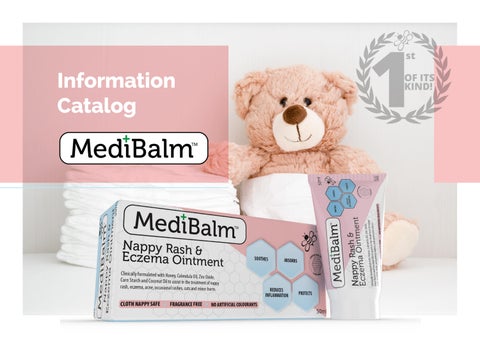
Information Catalog




+ Terminology............................................................................................................... Nappy Rash.............................................................................................................. Eczema....................................................................................................................... MediBalm™.................................................................................................................. Dosage and Directions........................................................................................ Ingredients............................................................................................................... Ingredients.................................................................................................................. Honey...................................................................................................................... Zinc Oxide............................................................................................................. Coconut Oil........................................................................................................... Corn Starch........................................................................................................... Calendula oil infused in grape seed oil................................................ References.................................................................................................................. Quality............................................................................................................................ Contents 3 3 3 4 4 4 5 5 6 7 8 9 10 11 2 www.medibalm.co.za
Terminology
Nappy Rash
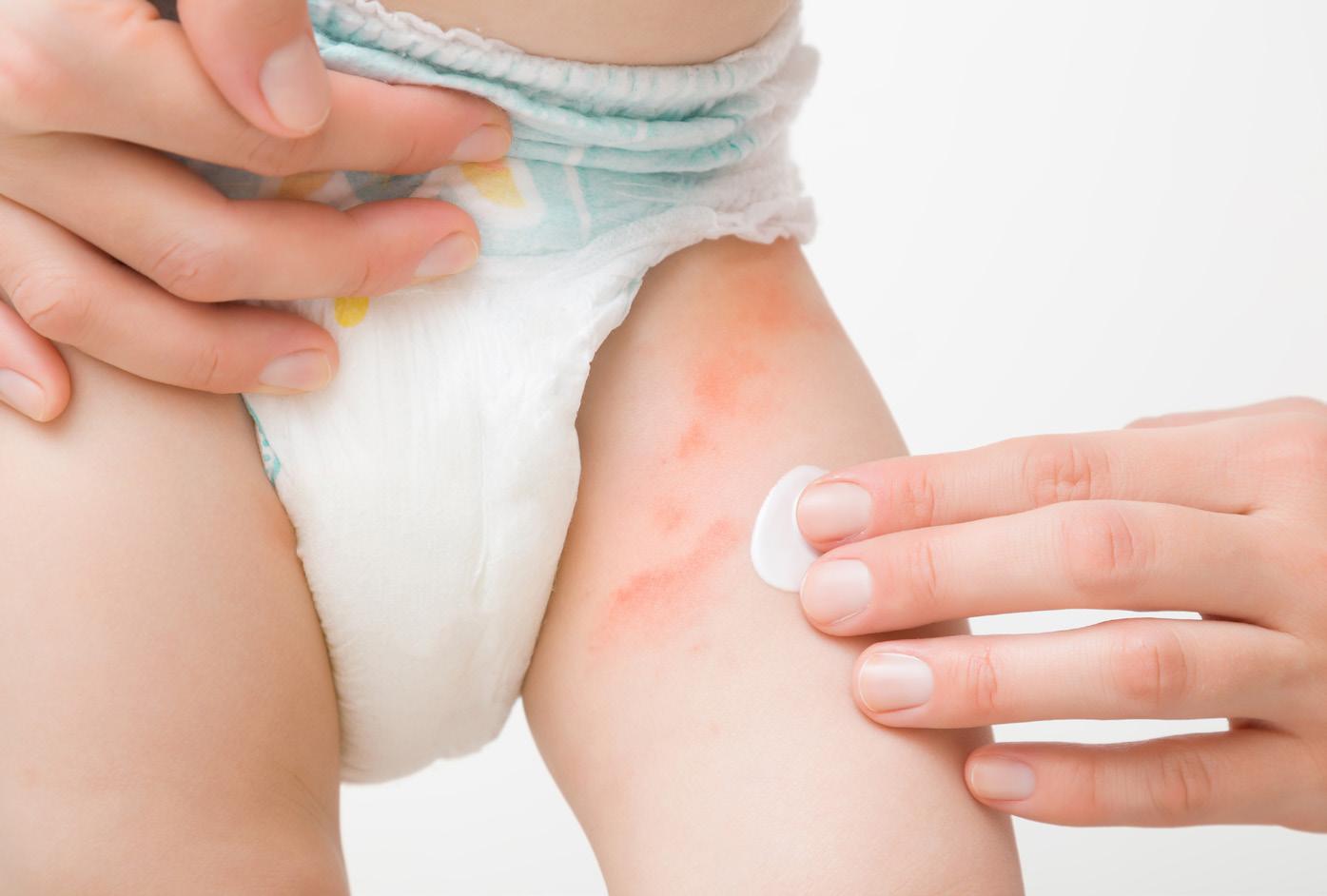
Nappy rash is a skin irritation in the area covered by a baby’s nappy. Nappy rash appears as redness, lesions, swelling, or spots on a baby’s bottom, thighs, and genitals. The affected skin may also feel warm to the touch. This can occur at any time during a child’s nappy-wearing stage. Around 1 in 4 babies and toddlers in nappies have nappy rash at any given time. Nappy rash is very common during the first year of a baby’s life. The reason is that the baby’s skin is thinner and more permeable, and stools are more frequent. Some causes of nappy rash may include friction on wet skin, irritants in faeces and urine, Thrush is caused by Candida Albicans, a type of yeast that thrives in warm, moist places such as a nappy area, Foods such as acidic fruits (oranges, strawberries, etc.) and certain medications such as antibiotics.

Eczema
Eczema is an itchy inflammation of the skin, it normally shows up as a red, itchy rash and can lead to dry, flaky and even cracked skin. In babies, eczema often starts on the forehead, cheeks, chin, or thighs. Eczema normally starts in the first few months after birth. Note that Medibalm is not intended to treat chronically diagnosed eczema but rather skin irritations on baby skin which occurs in intervals during the first 0 to 24 months.
Eczema is a very common and affects every 1 in 5 children. The causes of eczema are unknown, although there are several contributing factors: A baby or toddler’s skin is much more sensitive to external irritants such as clothes, soap and or climate, which can all contribute to developing eczema. Another contributing factor is allergies, allergies to food or to external sources such as pets can cause eczema.
+
3
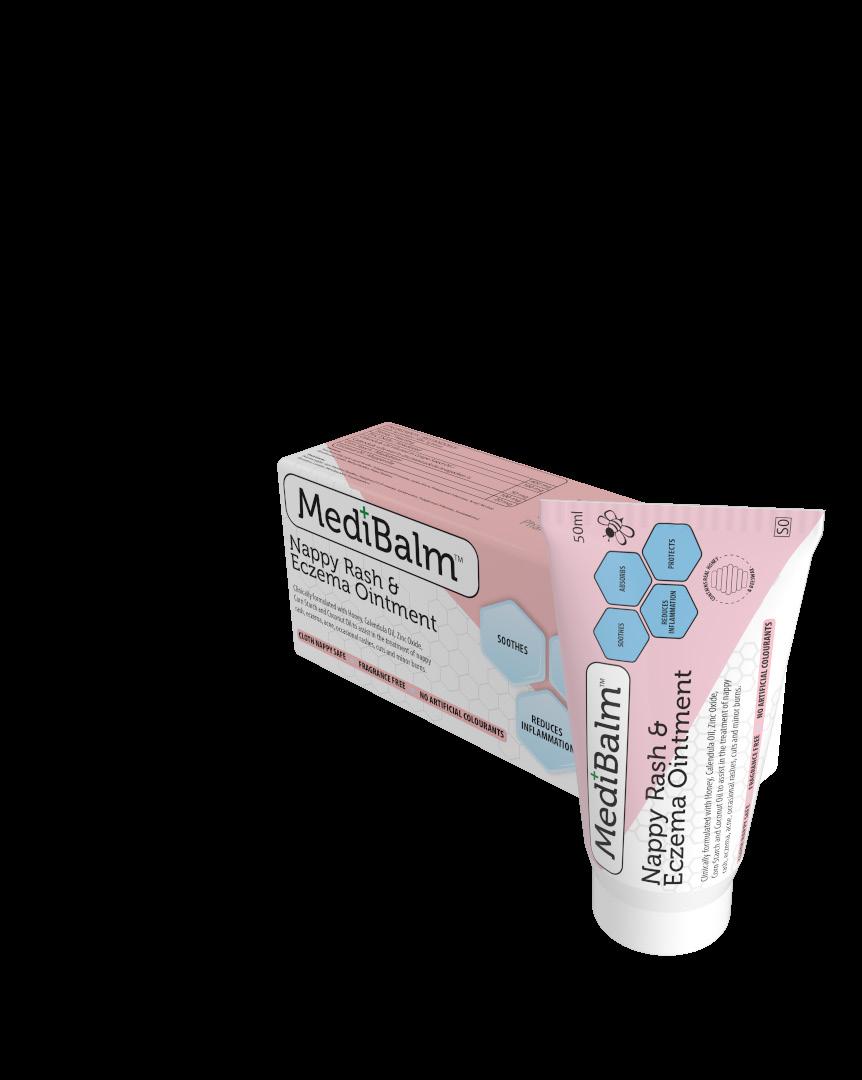
MediBalm™
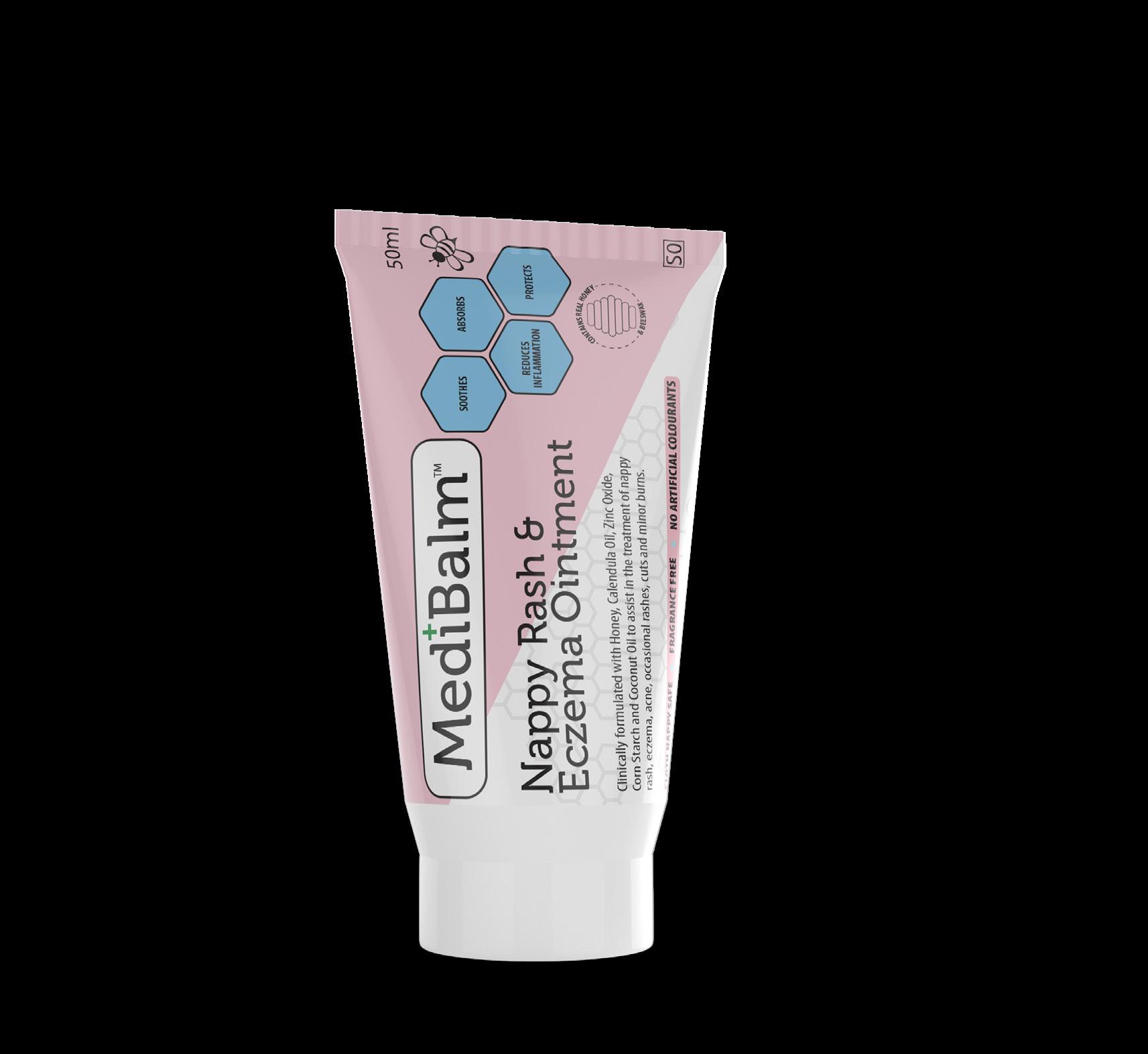
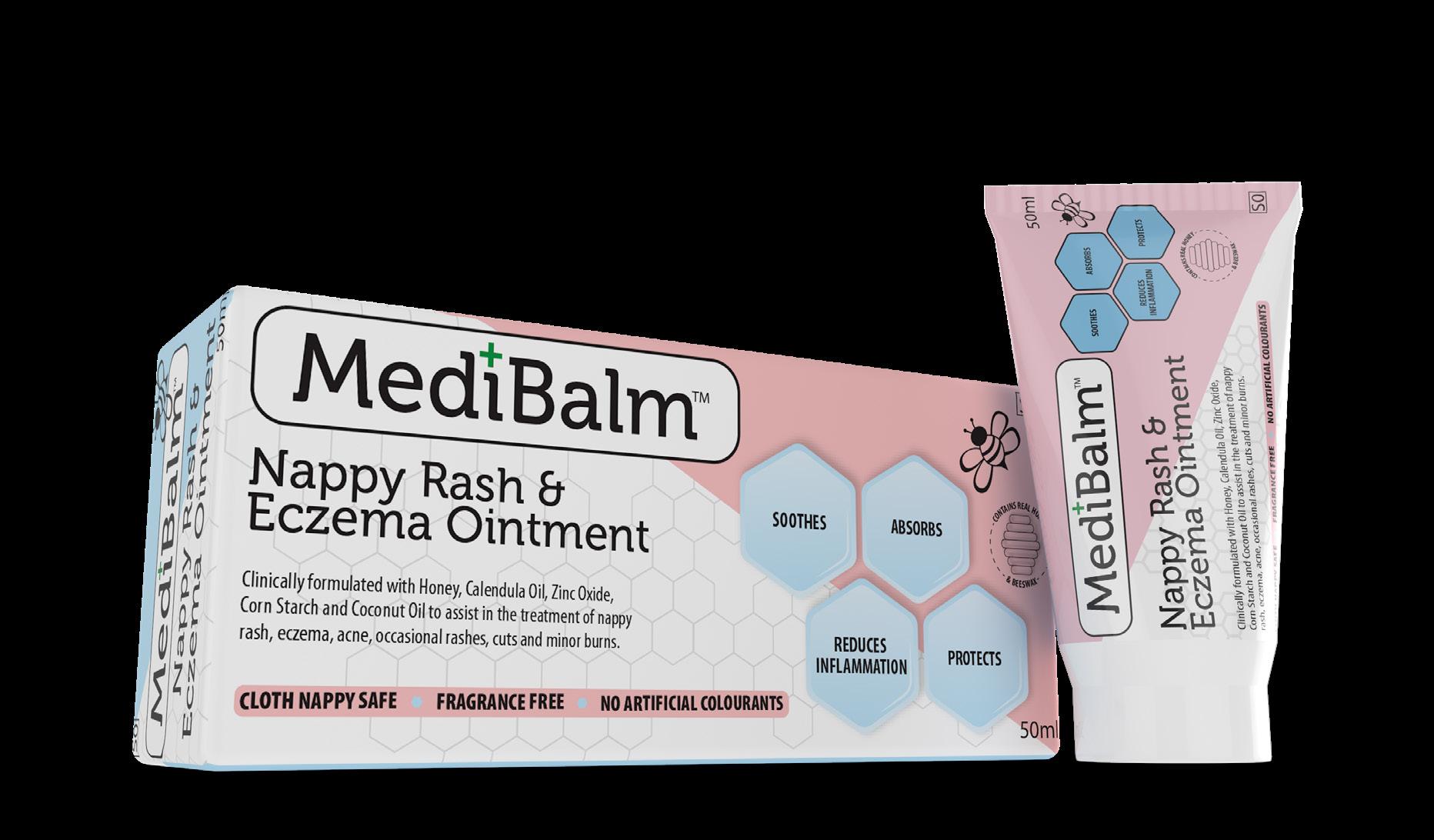
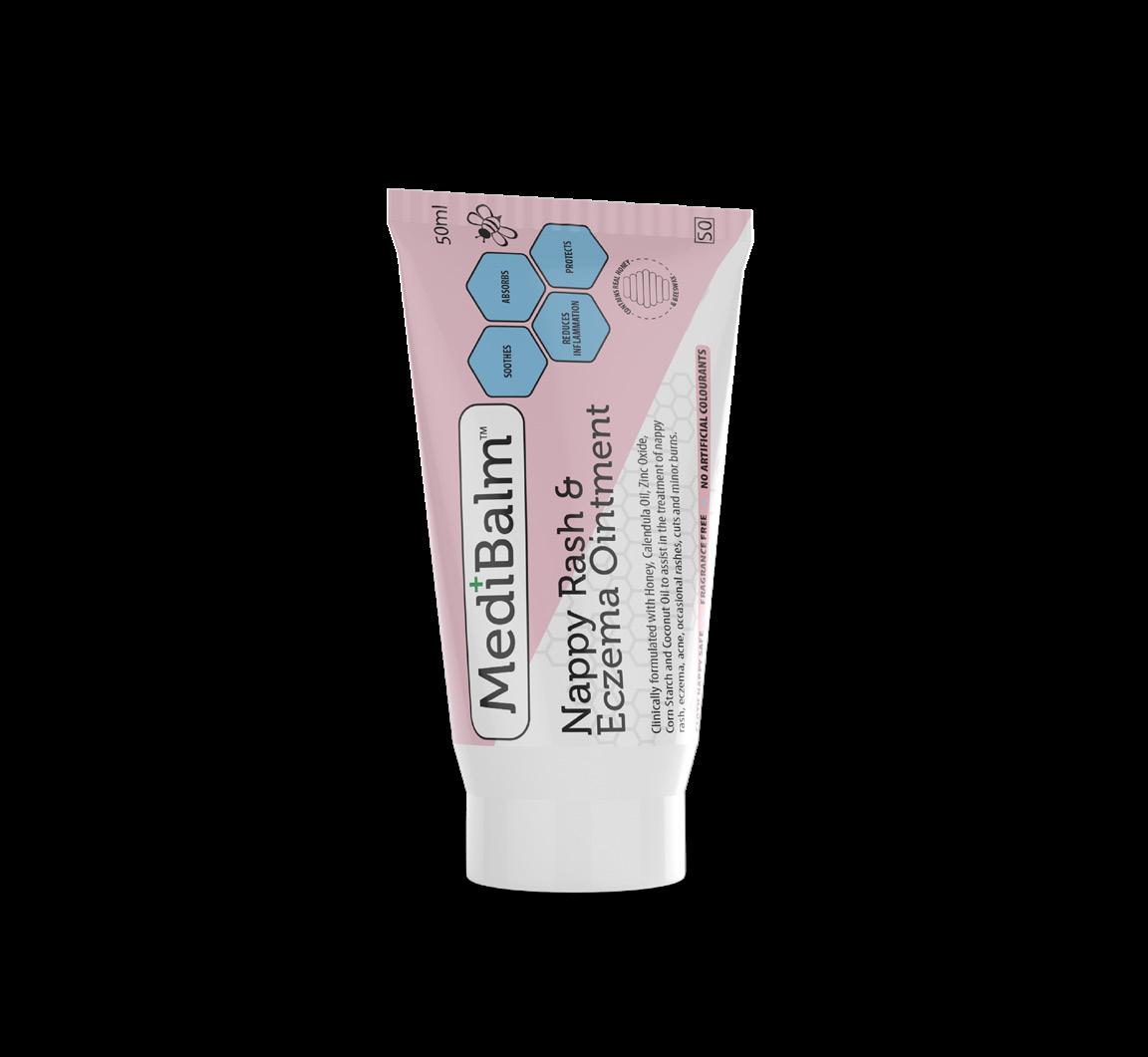
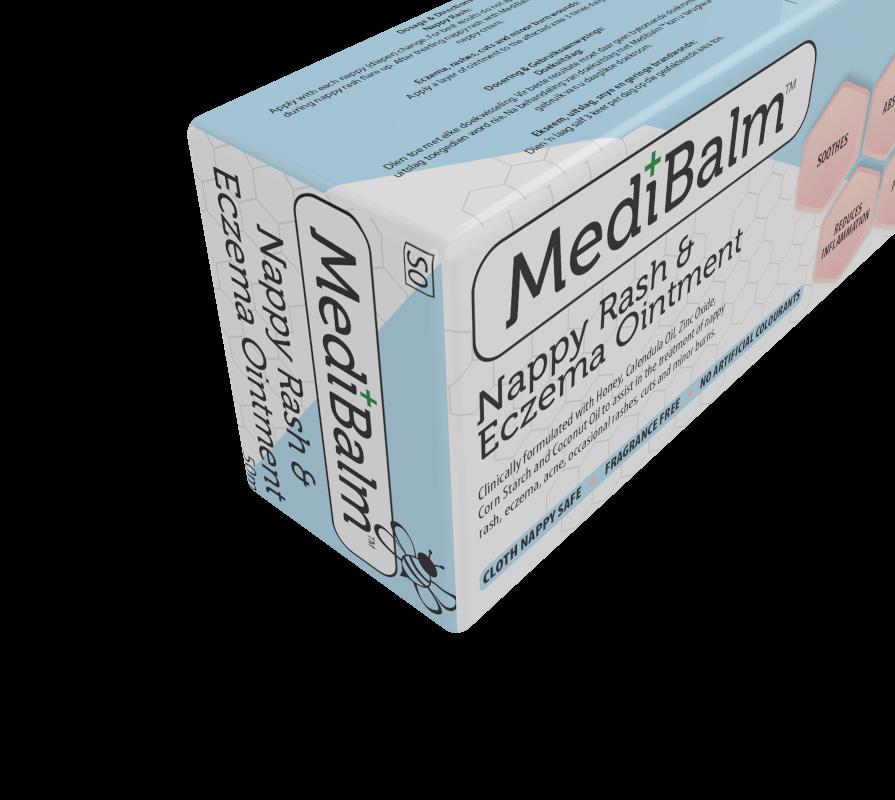
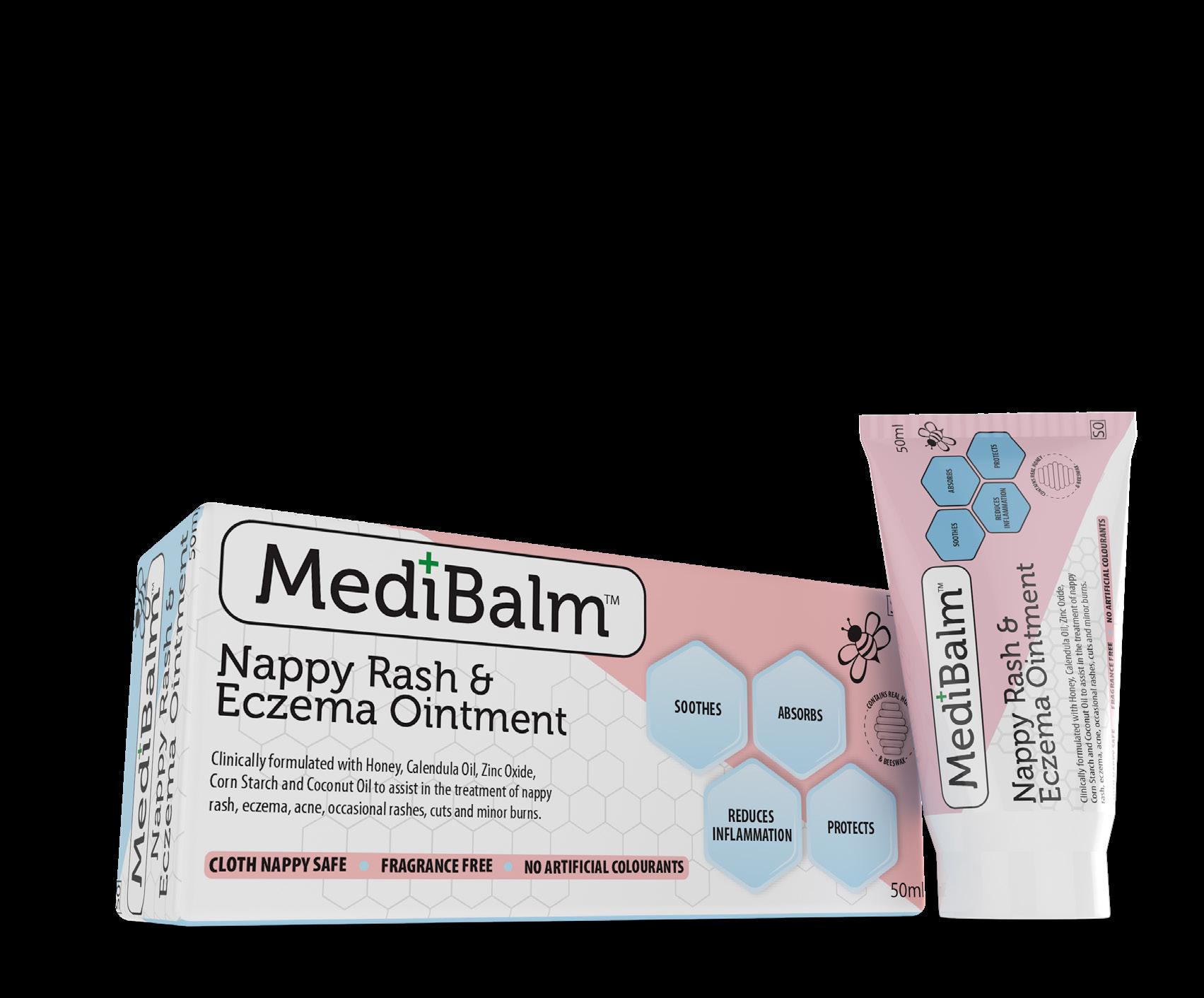
MediBalm™ Nappy Rash & Eczema Ointment with honey, zinc, corn starch, calendula oil and coconut oil help in the acute treatment of nappy rash in babies and toddlers. MediBalm™ has antibacterial, anti-inflammatory, and wound healing properties whilst forming a protective barrier over sensitive skin. A fist of its kind formulation.
Dosage and Directions
Apply as needed. Can be used for nappy rash, eczema, acne, nipple cream, minor burns or cuts.

Ingredients

Honey
Zinc Oxide
(Per 1g)
Calendula oil infused in grape seed oil Corn Starch Coconut Oil
400 100 50 100 20
mg mg mg mg mg
4 www.medibalm.co.za
Honey
Honey is a supersaturated solution made up mainly of fructose and glucose, and containing proteins and amino acids, vitamins, enzymes, minerals, and other minor components (Burlando & Cornara, 2013). Honey has many properties due to these components and these include wound healing, having an anti-microbial and antiinflammatory effect, is soothing and acts as humectant (moisturiser). These properties can help relieve other skin irritants such as nappy rashes and skin inflammation such as eczema.
shown to rapidly clear wound infection in order to help with healing of deep surgical wounds with infection- this indicates that the immunemodulatory properties of honey are relevant to wound repair (Vallianou, Gounari, Skourtis, Panagos, & Kazazis, 2014). Honey has been seen to have an osmotic effect that promotes healing (Yaghoobi, Kazerouni, & Kazerouni, 2013). Honey’s anti-inflammatory characteristics and stimulatory action on granulation and epithelialisation, help in reducing pain and inflammation (Yaghoobi, Kazerouni, & Kazerouni, 2013)
Honey has been reported to have an antibacterial and antiinflammatory effect. Clinical research has shown that honey is effective in promoting the healing of wounds such as burn wounds (McLoone, Oluwadun, Warnock, & Fyfe, 2016). Furthermore, honey has also been seen to treat eczema and inflammation (McLoone, Oluwadun, Warnock, & Fyfe, 2016). The healing ability of honey has been characterized by its antimicrobial effects, the ability to modulate the skin’s immune system as well as promote tissue repair (McLoone, Oluwadun, Warnock, & Fyfe, 2016).
Honey contains compounds such as flavonoids and other polyphenols which function as antioxidants (Vallianou, Gounari, Skourtis, Panagos, & Kazazis, 2014). Phytochemicals are responsible for the antioxidant effect of honey- vitamin c reduces reactive oxygen species and acts as an important anti-oxidant (Yaghoobi, Kazerouni, & Kazerouni, 2013).

Honey has been shown to stimulate cytokine production by skin cells such as keratinocytes and monocytes- cytokines play an important part in wound healing process and honey increases cytokine production (McLoone, Oluwadun, Warnock, & Fyfe, 2016). Furthermore, honey down-regulates the production of MMPd and reactive oxygen species that can cause inflammation in wounds (McLoone, Oluwadun, Warnock, & Fyfe, 2016). By applying honey topically, research has
Honey also has other benefits on other skin disorders such as tinea infections, candidiasis and acne (McLoone, Oluwadun, Warnock, & Fyfe, 2016). In a study investigating the antimicrobial, anti-inflammatory and antioxidant properties of honey- the honey mixture was found to cure symptoms of fungal skin infections in 79% of patients, tinea Crucis in 71%, tinea corporis in 62% and reduce lesions in babies with diaper dermatitis (McLoone, Oluwadun, Warnock, & Fyfe, 2016).
+Ingredients
5
Zinc Oxide

Zinc has been used in topical preparations for centuries as an anti-itch, anti-inflammatory, and soothing agent. It may help for several dermatological conditions. Zinc is an essential micronutrient and plays a crucial role in maintaining the proper immune status and wound repair via regulating of DNA and RNA polymerases, thymidine kinase, and ribonuclease (Gupta, Mahajan, Mehta, & Chauhan, 2014). It reduces the production of inflammatory mediators like nitric oxide, it regulates homeostasis which influences dendritic cell function and immune process, and it possesses antioxidant properties and antiandrogenic characteristics (Gupta, Mahajan, Mehta, & Chauhan, 2014).
Topical preparations such as zinc oxide has been used as a photoprotection and soothing agent (Gupta, Mahajan, Mehta, & Chauhan, 2014). It has been shown to help with infections, inflammatory dermatoses (Acne) and pigmentary disorder of the skin - it has also shown to be effective for eczema conditions including diaper dermatitis (Gupta, Mahajan, Mehta, & Chauhan, 2014). Zinc has anti-inflammatory properties and increase reepithelization supporting the use of treating eczema (Gupta, Mahajan, Mehta, & Chauhan, 2014). Zinc oxide has been used to treat diaper dermatitis and has shown to have a strong antioxidant and antibacterial action (Gupta, Mahajan, Mehta, & Chauhan, 2014). Zinc oxide has also been investigated for its benefits with regards to wounds and skin ulcers. In a study where a mixture containing zinc oxide was given to 40 leprosy patients, 55 % of patients showed complete clearance of trophic ulcers and 82,5 % showed development of granulation tissue after 4 weeks (Gupta, Mahajan, Mehta, & Chauhan, 2014).
6 www.medibalm.co.za
Coconut oil comes from the core of mature coconuts of the coconut palm- it is composed of mainly medium chain triglycerides (Wallace, 2019). Coconut oil has proven to have a wound healing effect that reduces inflammation, moisturises and has antibacterial, antifungal and antiviral properties.
Coconut oil has been widely researched for its wound healing effects.
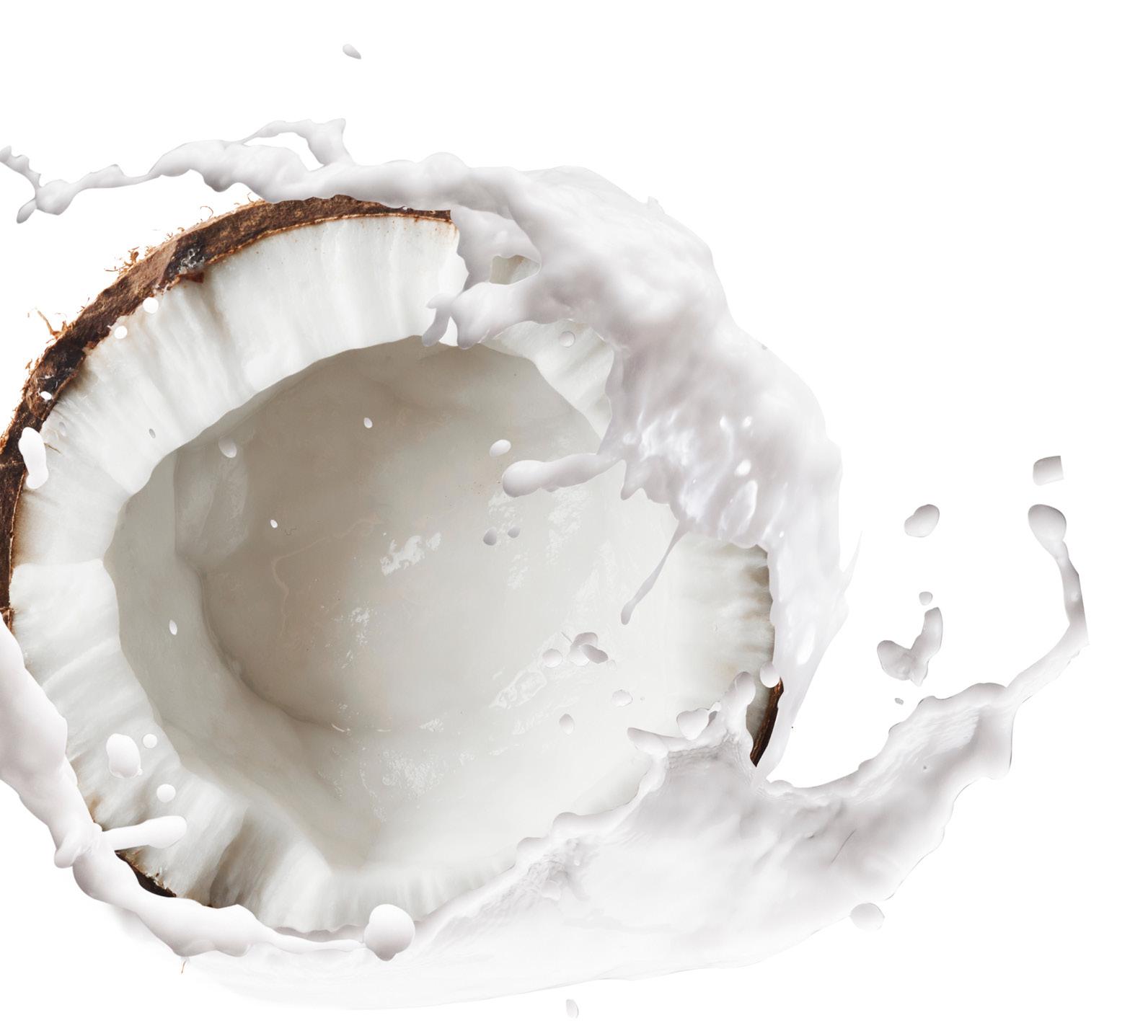
In a study where topical application of coconut was investigated for its properties on dermal wound healing, results showed that those treated with coconut oil showed much faster wound healing activity (Kappally, Shirwaikar, & An, 2015). Another study also indicated that coconut oil has a beneficial effect on patients suffering from atopic dermatitis (Kappally, Shirwaikar, & An, 2015). Coconut oil also has an anti-inflammatory effect. A study was conducted where the coconut oil treated group showed increased expression of cell envelope component which contributes to the protective barrier of the stratum corneum and the inflammatory markers were also lower (Kim, et al., 2017). Another study also confirmed the anti-inflammatory effects of coconut oil- coconut oil was able to supress the lipopolysaccharides induced proinflammatory cytokine stimulation in THP-1 cells in vivo (Varma, et al., 2019).
Furthermore, research has shown that coconut oil improves skin disorders by moisturizing and soothing the skin due to coconut oil being a non-skin irritant and non-phototoxic component (Varma, et al., 2019). Coconut oil is a safe solution to use for preventing dryness and flaking of the skin (Vala & Kapadiya, 2014).
Coconut oil also shows multiple biological activities like anticancer, antimicrobial, analgesic, antipyretic and anti-inflammatory characteristics (Varma, et al., 2019). Research has shown when coconut oil is applied to an infected area, it forms a chemical layer that protects the infected body part from fungi, bacteria and viruses (ringworm, athlete’s foot, thrush and diaper rash).
7
Coconut oil
Corn Starch
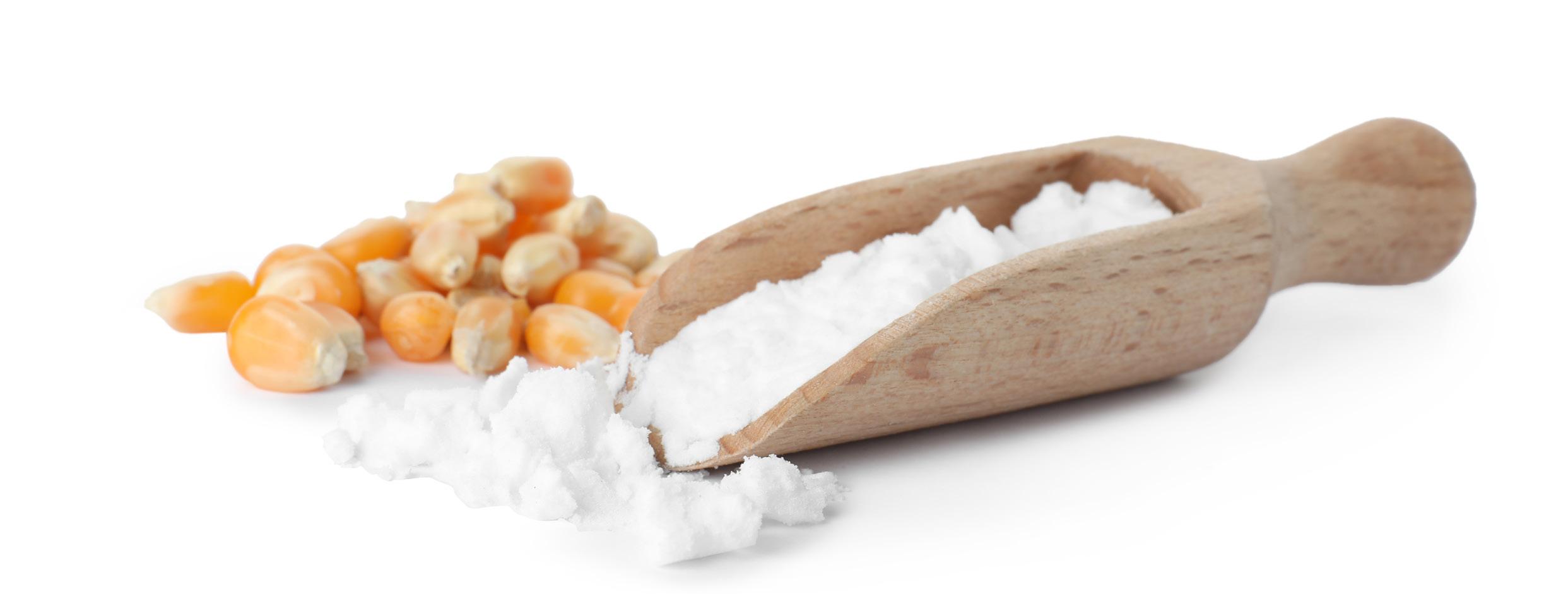
Corn starch can used to treat variety of skin issues- corn starch is rich in vitamin A, B1, B2, C and minerals such as zinc, calcium and iron which can help to stimulate the regeneration of healthy skin cells. Corn starch is also a natural drying agent. Corn starch has been investigated for its good surface absorption and decreasing of wound surface necrosis- the study indicated that corn-starch indeed has a wound healing effect and that those participants that used corn starch showed faster wound closure (Eskandarinia, et al., 2019). This effect is because corn starch gradually depolymerizes and releases propolis which allows for fibroblast proliferation and helps collages deposition during the wound healing process (Eskandarinia, et al., 2019).
8 www.medibalm.co.za
Calendula oil infused in grape seed oil
Calendula oil is a natural oil extracted from marigold flowers and is also known as calendula officinalis (Givol, et al., 2019).
Calendula oil has antifungal, anti-inflammatory, and antibacterial properties that may be useful in wound healing, soothing eczema, and treating diaper rash (Givol, et al., 2019). A review study found that the group treated with calendula oil showed faster resolution of the inflammation phase with increased production of granulation tissue with regards to wound healing (Givol, et al., 2019). Calendula officinalis has many secondary metabolites with many pharmacological properties such as triterpenoids, flavonoids, carotenoids and ammino acids (Givol, et al., 2019). Triterpenoids are shown to be an important anti-inflammatory and antioedematous compound and has a fibroblast stimulating effect (Givol, et al., 2019). Another study indicated that the topical application of Calendula oil can protect the skin from reactive oxygen species (Mishra, Mishra, Verma, & Chatoopadhyay, 2012).

Studies have also found that ointments containing calendula oil may promote skin hydration and firmness (Mishra, Mishra, Verma, & Chatoopadhyay, 2012).
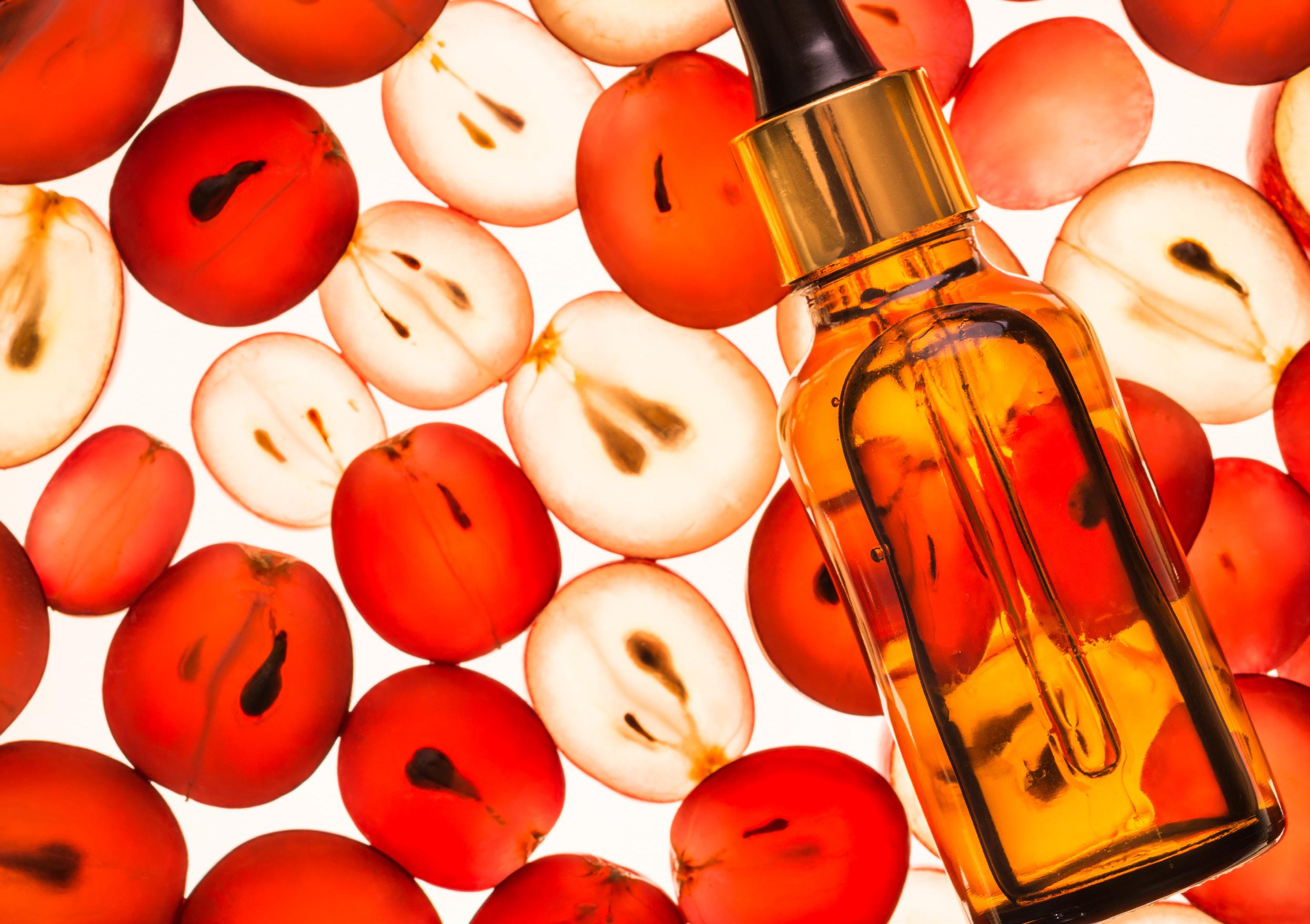
Grape Seed Oil has been widely studied as one of the most potent antioxidants known to man. Grape seed oil reduces oxidative stress and prevents damage caused by free radicals.
9
References
Burlando, B., & Cornara, L. (2013). Honey in dermatology and skin care: a review. Journal of Cosmetic Dermatology, 12(4), 306-313. doi:10.1111/jocd.12058.
Eskandarinia, A., Kefayat, A., Rafienia, M., Agheb, M., Navid, S., & Ebrahimpour, K. (2019). Cornstarch-based wound dressing incorporated with hyaluronic acid and propolis: In vitro and in vivo studies. Carbohydrate Polymers, 216, 25-35.
Givol, O., Kornhaber, R., Visentin, D., Cleary, M., haik, J., & Harats, M. (2019). A systematic review of Calendula officinalis extract for wound healing. The internation journal of tissue repair and regeneration, 27(5), 548-561.
Gupta, M., Mahajan, V., Mehta, K., & Chauhan, P. (2014). Zinc Therapy in Dermatology: A Review. Dermatology Research and Practice, 1-11.
Kappally, S., Shirwaikar, A., & An, S. (2015). Coconut oil- A review of potential applications. Journal for drugs and medicines, 2, 34-41.
Kim, S., Jang, J., Kim, J., Lee, Y., Lee, D., Song, S., & Lee, J. (2017). Enhanced barrier functions and anti-inflammatory effect of cultured coconut extract on human skin. Food and Chemical Toxicology, 106(A), 367-375.
Kwakman, P., & Zaat, S. (2012). Antibacterial components of honey. Life, 64(1), 48-55.
McLoone, P., Oluwadun, A., Warnock, M., & Fyfe, L. (2016). Honey: A Therapeutic Agent for Disorders of the Skin.
Raghuraman, M., Pavan, K., . . . Paramesh, R. (2019). In vitro anti-inflammatory and skin protective properties of Virgin
+
10 www.medibalm.co.za
Quality and Product Development
DB Pharmaceuticals is a registered, Grade A certified pharmacy under the South African Pharmacy Council (SAPC) – with registration number Y60310.

We are fully compliant with the current South African Health Products Regulatory Authority (SAHPRA) and the Medicines and Related Substances Control Amendment Act, No. 19 of 1976 requirements for Category D – Complementary Medicines.
The manufacturing facility is licensed with the South African Health Products Regulatory Authority (SAHPRA) which is only granted after a positive GMP inspection by the regulator.
The manufacturing plant is further accredited by the South African Pharmacy Council as a pharmacy owner, grading certificate Grade A, and recording of a pharmacy.
DB Pharmaceuticals welcomes SAHPRA’s approach to regulate the manufacture and sale of Complementary Medicines and Health Supplements which we believe will result in a safer, more efficient experience for patients who seek quality natural health products.
Certification of the manufacturing plant also includes a Department of Health Manufacturing Pharmacy certificate and a Certificate of Acceptability for Food Premises and is registered with the South African National Department of Health.

All our products old and new have been developed by our two inhouse responsible pharmacists who have 37 years of experience between them.
Once products and formulations have been researched and developed the formulation is sent to our team of specialist formulary pharmacists at the manufacturing site who review and test formulations against recent research to ensure safety, quality, and efficacy.
11