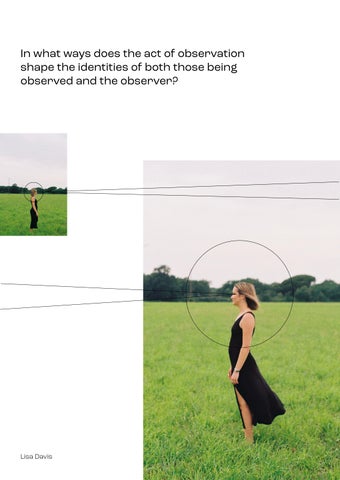
In what ways does the act of observation shape the identities of both those being observed and the observer?
 Lisa Davis

02 Introduction
03 Literature
09 Theory
- Baudrillard’s “Simulacra and Simulation”
- Bentham’s Panopticon: Power Dynamics of Observation
17 Case Study
- Sophie Calle’s “Hotel”
23 Conclusion
29 References
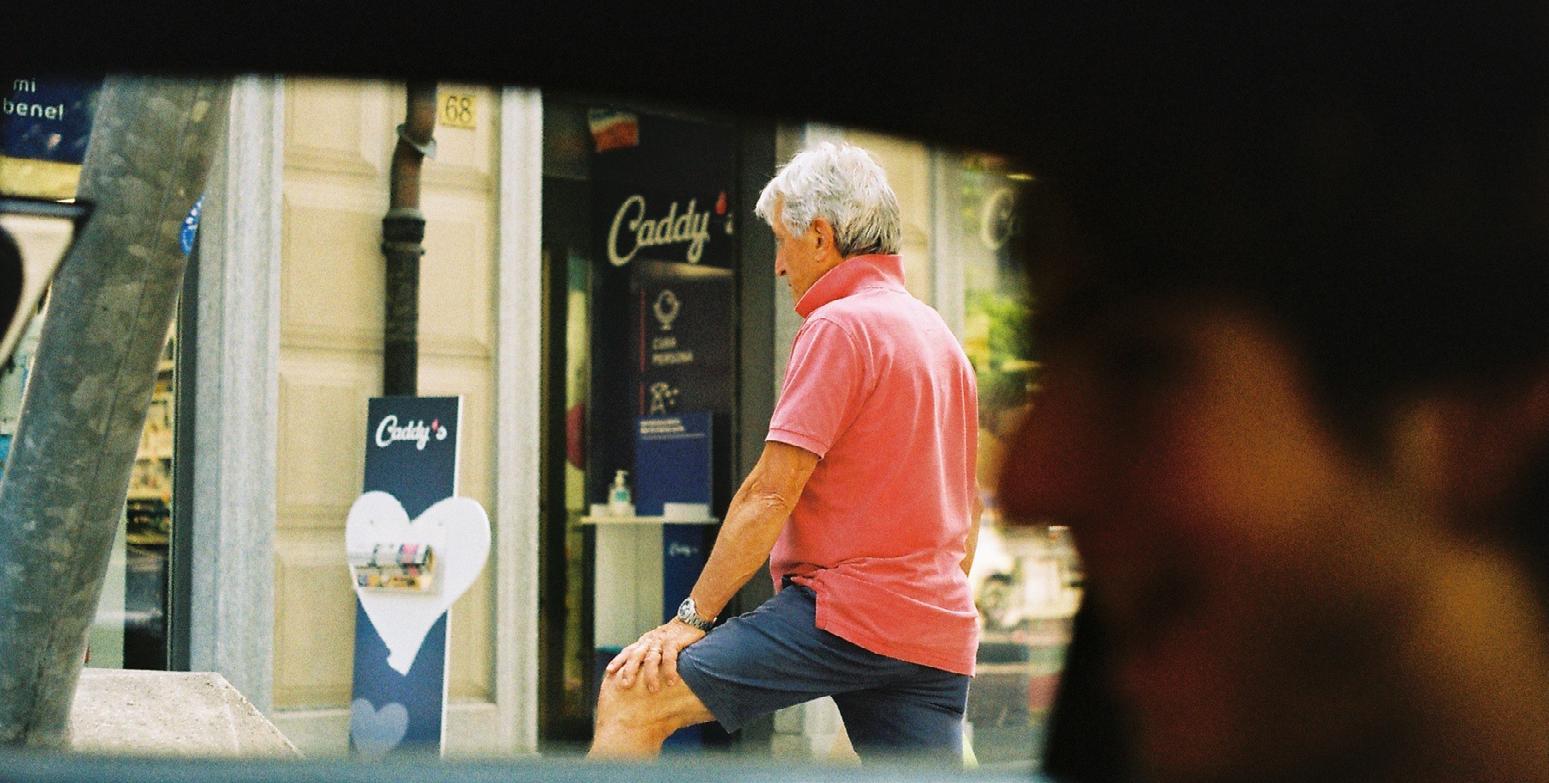
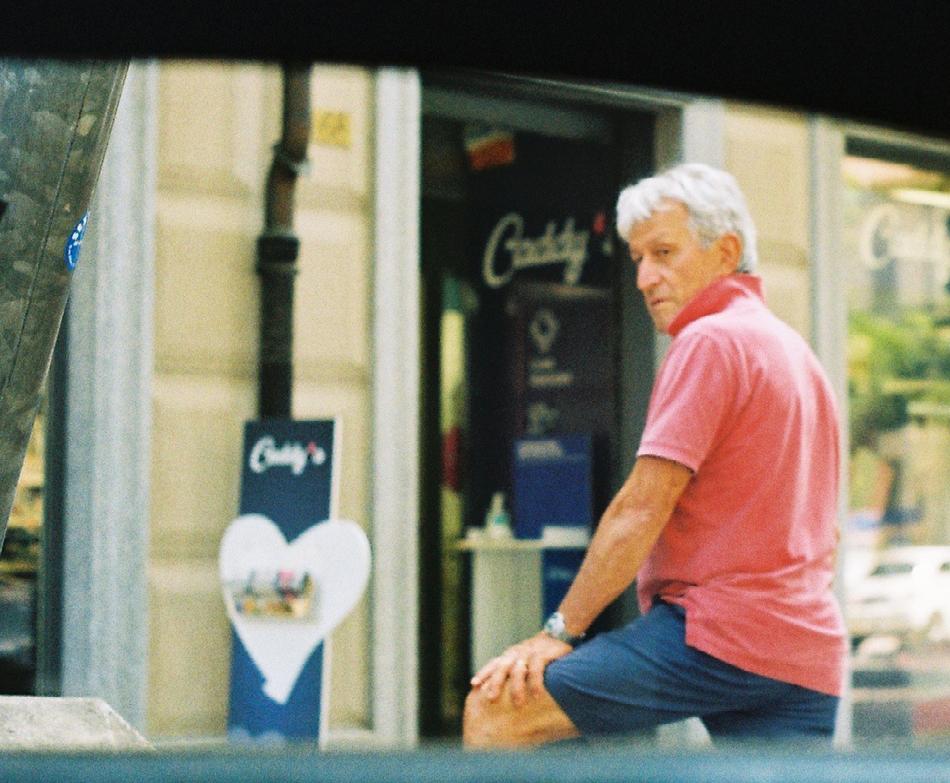
This dissertation delves into the intricate dynamics of human interaction, focusing on the profound relationship between the observed and the observer as a lens to explore identity. Inspired by philosophical perspectives such as Jean Baudrillard’s “Simulacra and Simulation” and Jeremy Bentham’s Panopticon concept, the study examines how constant observation blurs the lines between reality and simulation, emphasizing power dynamics.
A central case study on Sophie Calle’s works, notably her project “Hotel,” illustrates the transformative impact of observation on identity. Calle, known for her provocative approach, challenges traditional boundaries between reality and simulation, assuming roles of both observer and participant. The dissertation aims to unravel the intricate ways in which observation shapes the identity of both the observed and the observer in a contemporary world where reality and simulation intertwine.
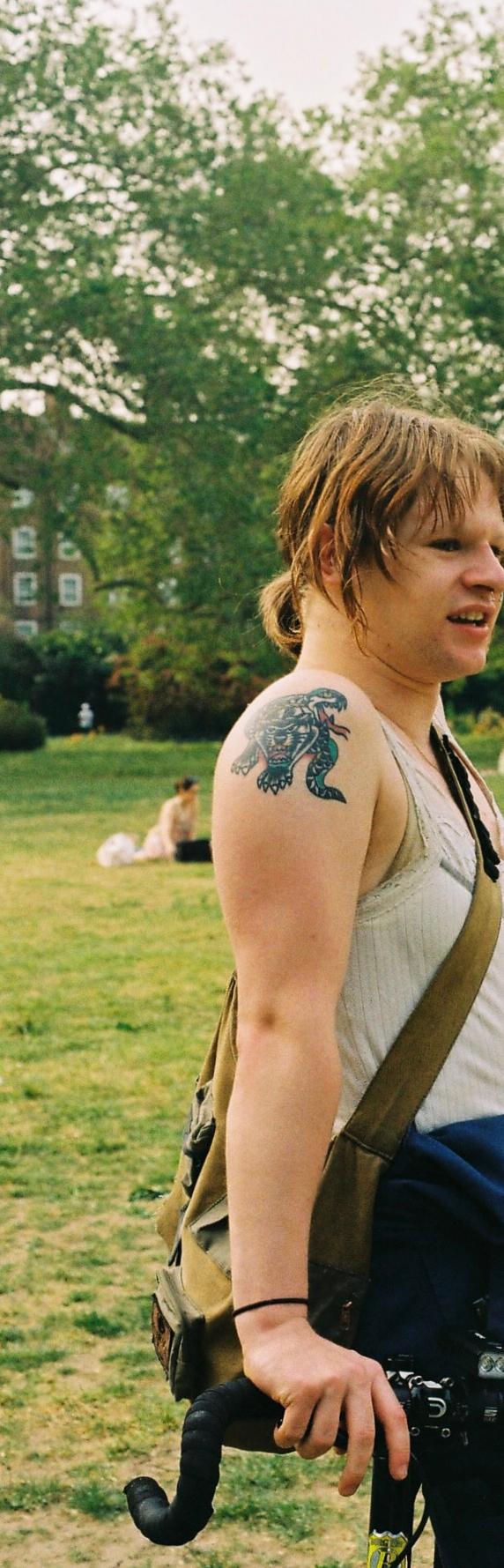
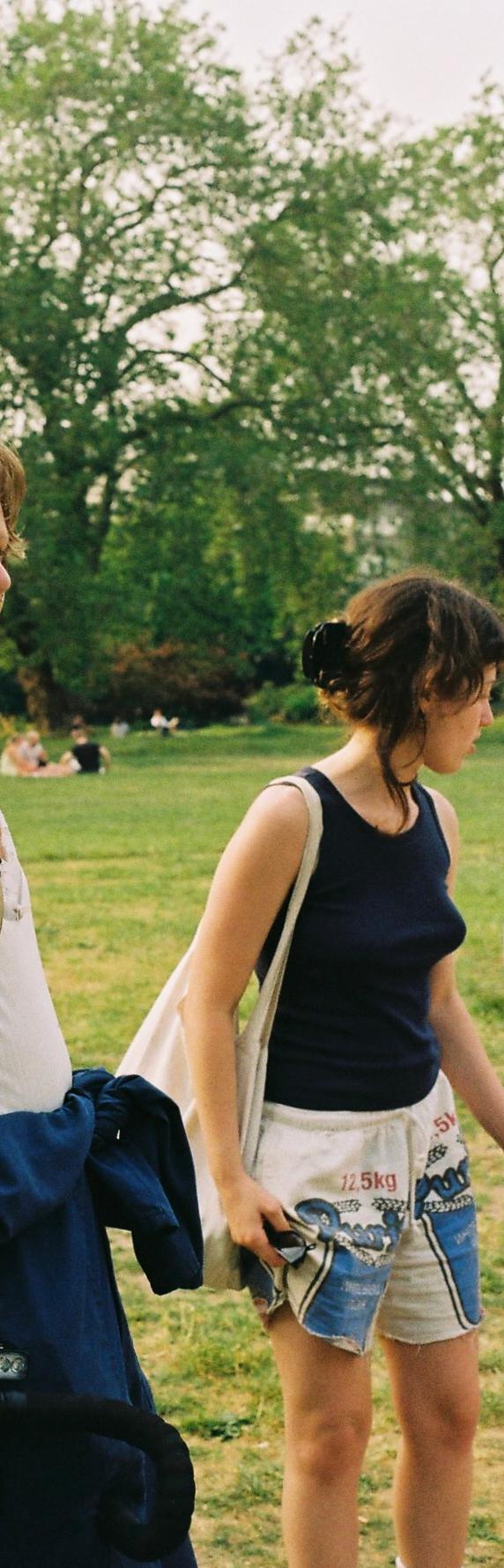
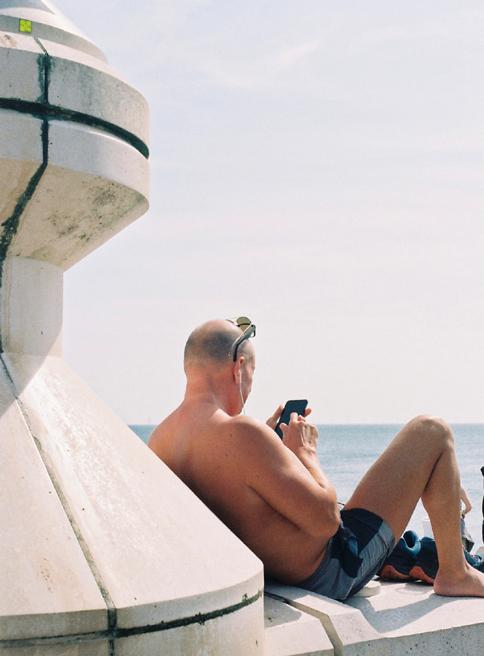
In the complex web of human interaction, the relationship between the observed and the observer is a profound lens through which one can explore identity.
As individuals, we navigate the world with a dual role, sometimes the subject of scrutiny, other times the scrutinizer. The concept of identity becomes a dynamic interplay, shaped not only by personal experiences but also by the perspectives of those who observe.
Considering the multifaceted nature of identity, we find a kaleidoscope of interpretations influenced by age, culture, experience, and gender.
To one, it might manifest as a checklist during a routine doctor’s visit:
- Age
- Sex - Address
- Nationality
All neatly boxed for further examination.
Another might see it as a dating profile that defines an individual beneath the surface. For example:
- Cat or dog? I am a dog person
- What’s your favorite music? Anything Pink Floyd
- Your most irrational fear: Pineapple on pizza
Yet, within this labyrinth of identities, the role of the observer is equally pivotal. This dynamic becomes even more pronounced against the backdrop of busy urban environments, where individuals inhabit distinct spaces, each holding its own unique identity.
My experiences in the city of London serve as a canvas upon which I’ve observed and, inevitably, been observed. Each encounter becomes a brushstroke contributing to the evolving tapestry of identity. As I move through London’s boroughs, each with its distinct character, the act of observation has emerged as a powerful, untameable force.
The way I see it London is:
Camden:
Tourists, Jews, French people, crazy and rich people.
City of London: Workaholics, businessmen and wanderers.
Hackney:
People trying to escape London whilst still living “close to the city”.
Southwark:
Students and people screaming.
However, this is a very selective observation of who I see in these places, these are the people I choose to unconsciously recognise and remember, does that tell you a bit more about me?
Doesthisofferaglimpseintomyownidentity?
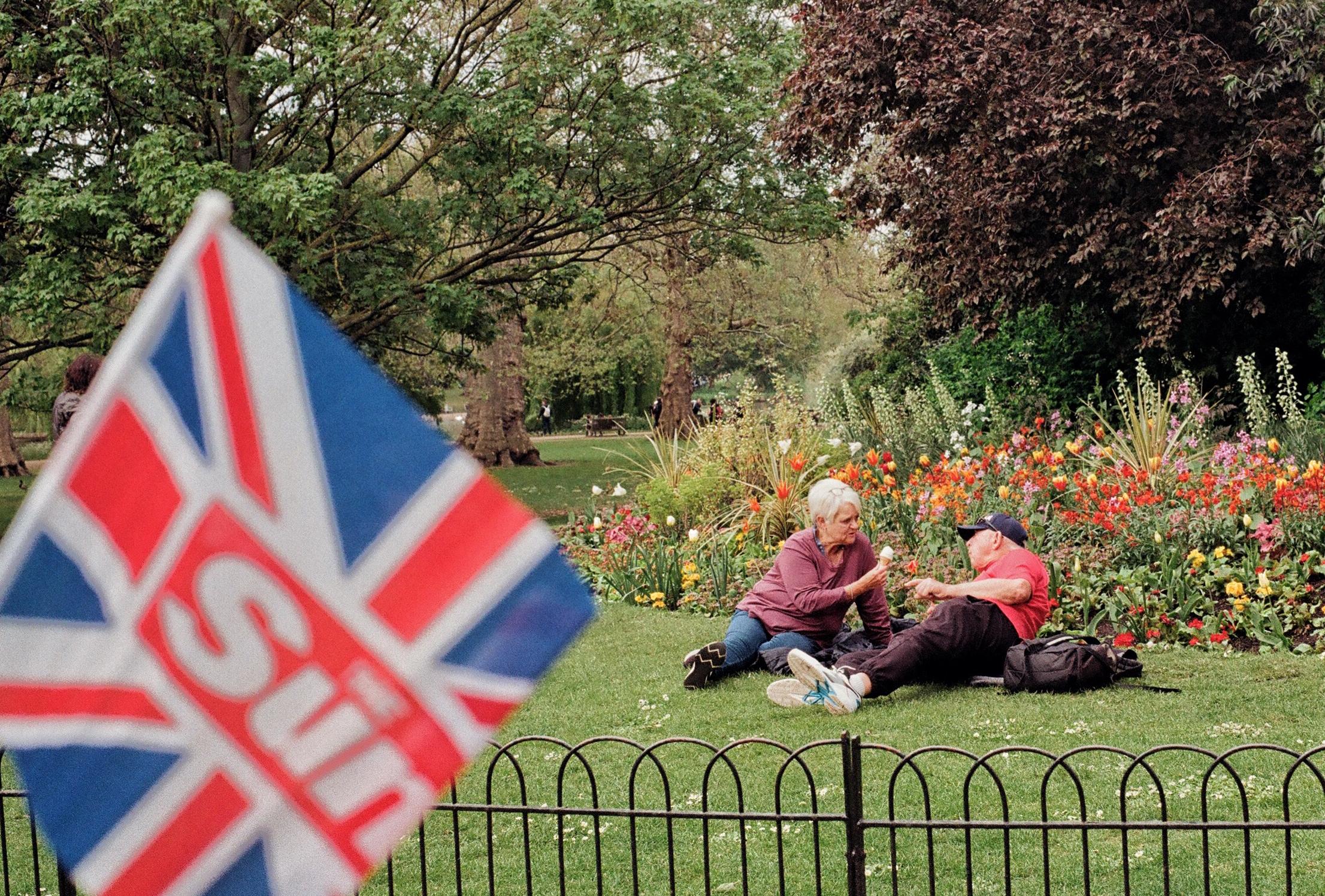
Naturally, the answer is yes, and it will always be as such, with any form or shape of observations. I showed my list to some of my friends and the reactions I gathered proved it. Even while reading it there’s a probability that you went: “WAIT WHAT?! That’snothowIseeCamdenatall,Ithinkaboutpunks,drunk people…butIagreewiththetouristbitthough.”

And that’s what I love about London and talking about it to people who live/have lived there. Everyone has a different perception of the city depending on their age, job and a whole list of other factors. Their stories and anecdotes emerge, giving you a better understanding of the person in front of you and the city they inhabit.
I can’t help but to wonder how much of our perception shapes our identities or is it vice versa? Does observation reveal more about the observed or the observer?
Therefore, this essay embarks on an exploration of the observed versus the observer, delving into the nuanced ways in which artists navigate and interpret the complex relationship between those who observe and those who are observed. The act of observation becomes a powerful lens through which personal narratives are captured and collective identities are sculpted.
As we delve into different theories and the work of Sophie Calle, we’ll unravel the layers of meaning embedded in the act of observation. This exploration prompts us to question how the act of observation shapes both the identities of those observed and the observer themself.
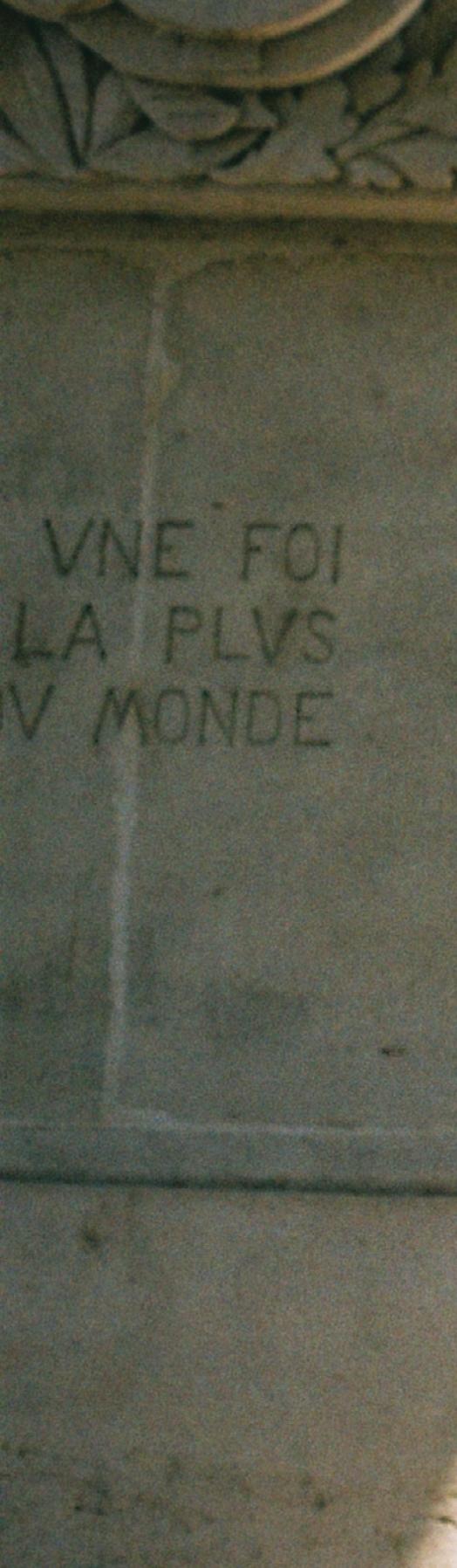

In Simulacra and Simulation written in 1981 by Jean Baudrillard, we explore the nature of reality, representation and simulation in a contemporary society. Baudrillard introduces the concept of the hyperreal, where simulations become so prevalent that they shape our understanding of reality. He distinguishes between three orders of simulation, illustrating how copies can lose any connection to an original. The book challenges traditional notions of truth and meaning, highlighting examples like media coverage of war and the hyperreality of Disneyland. Ultimately, it prompts readers to consider the impact of living in a world where simulations often precede and influence our perception of what is real.
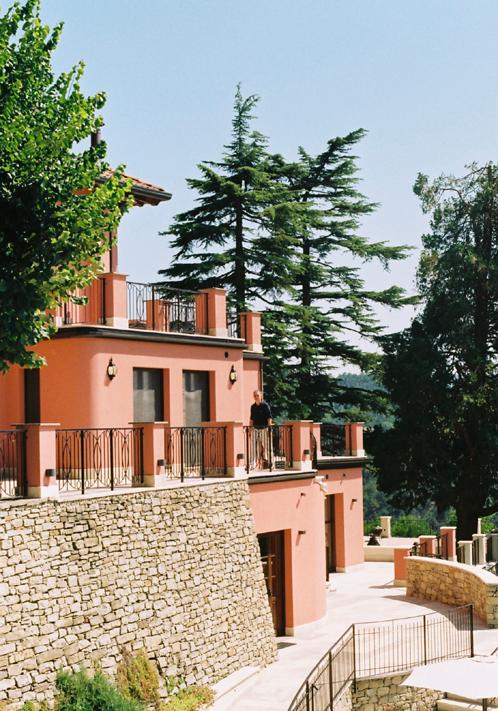
Surrounded by screens, AI, overconsumption, advertising, etc. the distinction between reality and simulation is becoming blurred. Living in London, I often pass large screens designed for advertising, severe, jarring lights illuminated in front of my eyes. During the night, they become blinding as if they want to confront whichever person, or victim, passes by. When I finally arrive home, I, like most of my peers, get lost in social media. The advert that previously blinded me will, without fail, greet me on my smaller screen.
Baudrillard said “We live in a world where there is more and more information, and less and less meaning.” (T.ButlerBowdon, 2023) and I think there are many ways we can all relate to that. Personally, I find it hard to not question reality when my own world is surrounded by all these screens reflecting vivid colors and ever smiling people in front of me when the “real” world around me is filled with dull shades of gray and people are not able to look at each other in the tube, to share a smile or even a sign of recognition.
I can understand the importance of selling an appealing idea or image in advertising but how can we ignore the two different worlds? The one we are living in and the one we are forced to look at through advertising.
Baudrillard presents to us the “Disneyland effect” arguing the danger of its hyperreality. He believes that Disneyland, known to be an amusement park doesn’t actually stop there, it has created its own really, inviting the crowd to enter a completely different world. To begin, Disney uses cultural reference, a money system, borders and a moving system as you will find in our current society/ reality. Playing with these meticulously curated illusions has the effect of distorting our perception of our surroundings and ourselves.
“I felt happy and light when I entered the park.” A friend of mine told me about her experience in Disneyland Hong Kong “I felt a part of a better world, where I knew the characters and the system. Everything seemed easier and prettier. When I left I wanted to go back, I like my place in this world”
This statement reflects Baudrillard’s call for the absence of authenticity via a crafted simulation that surpasses reality in its constructed experiences and where the carefully curated fantasy becomes more attractive or significant than its original reality. Does this not offer us just about a little glimpse of how our current reality is influenced?
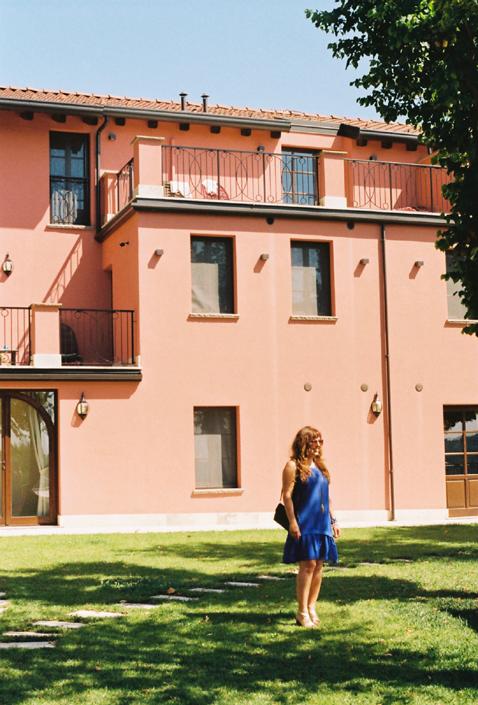
To determine the power and the force of observation, Jeremy Bentham’s concept of the panopticon prison is a good example. In the 1780’s this English philosopher introduced a new perspective on surveillance for prison using the dynamic of power between observation and individual behavior.
The Panopticon is a type of architecture designed as a circular prison with a tower of control placed in the middle allowing a guard to be centered and see all the cells (D. Cole). But the power of this design is found within the unknown. While the guard has the power to see everyone, the prisoners themself are not able to see when they are being watched at any given moment.
The Panopticon theory holds that people can be controlled when they believe themselves to be under constant surveillance even if no one is watching.
Bentham described this theory as “a new mode of obtaining power of mind over mind, in a quantity hitherto without example” (Encyclopedia.pub, 2023), meaning he believed it as a mechanism to brain power through the power of constant observation via architecture to influence behavior and the mind/ identity of those that are being observed.
“Morals reformed, health preserved, industry invigorated, instruction diffused, public burthens lightened, Economy seated, as it were, upon a rock, the gordian knot of the Poor-Laws not cut, but untied, all by a simple idea in Architecture!” (J.Bentham)
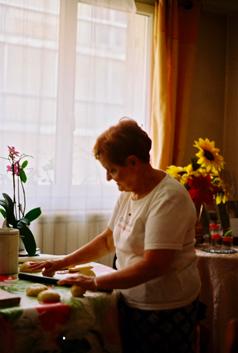
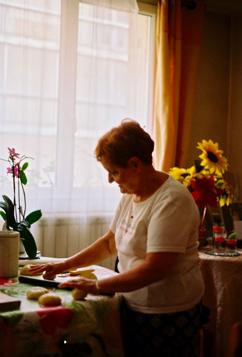
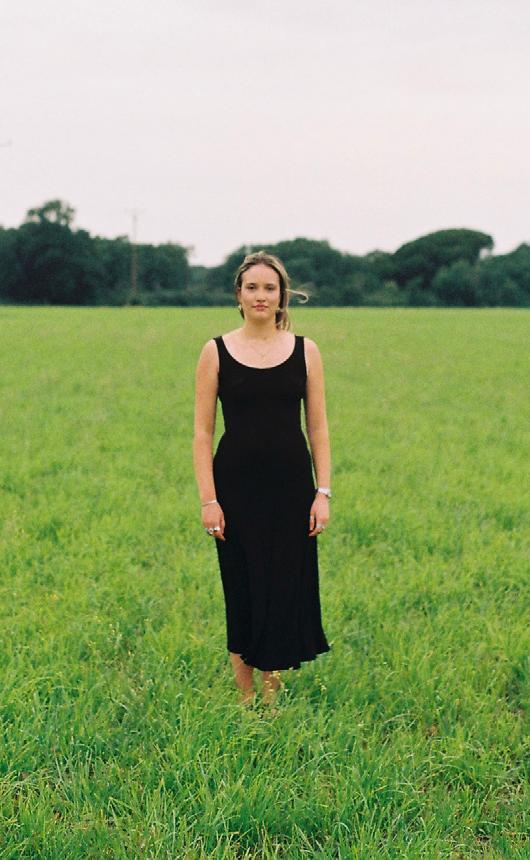
I recently discovered that my college premises (Chelsea College of Art, Pimlico) was in the site of a panopticon prison, before becoming an military hospital and then redeveloped for educational purposes. Even though the building architecture has changed dramatically, I cannot stop myself from looking around the site searching for details that would prove my existence in this building. The paranoia of being observed doesn’t stop here as our neighbors are the world famous MI5 and MI6 Military Intelligence buildings all sitting within a 1 radius of Chelsea College of Art.
These agencies are responsible for the United Kingdom’s safety, they could be seen as the “big brother” of the Kingdom. Maybe I’ve watched too much James Bond or it is my human narcissistic tendency but I sometimes imagine my face on multiple screens in a small dark room in one of these buildings, observed by security agents, the reason? I’m not sure, at the time of writing, I definitely did not do anything to merit this type of attention. Promis!
But like the adverts, cameras are everywhere, street corners, shops, restaurants, on our computers… and in London even if you try extremely hard, you will probably not be able to escape being filmed one way or another. The purpose and ethicality of these cameras are questionable but like the panotical prison the anxiety and paranoia of being watched is felt and undeniably influences our behavior. However, I’m concerned about what happens to all this information gathered, who watches or collects these videos, how long are they stored for, what are they used for. That is where surveillance capitalism comes in: “the monetization of data captured through monitoring people’s movements and behaviors online and in the physical world. Consumer surveillance is most commonly used for targeted marketing and advertising.” (Nick Barney. (2022))
A full circle is then created between me walking down the shops, looking at different shampoo to buy and then going back home, login into my instagram account and be greeted by the same brand of shampoo I just bought. Super scary? Perhaps yes, but in today’s world am I expected to consider this inevitable or even normal?
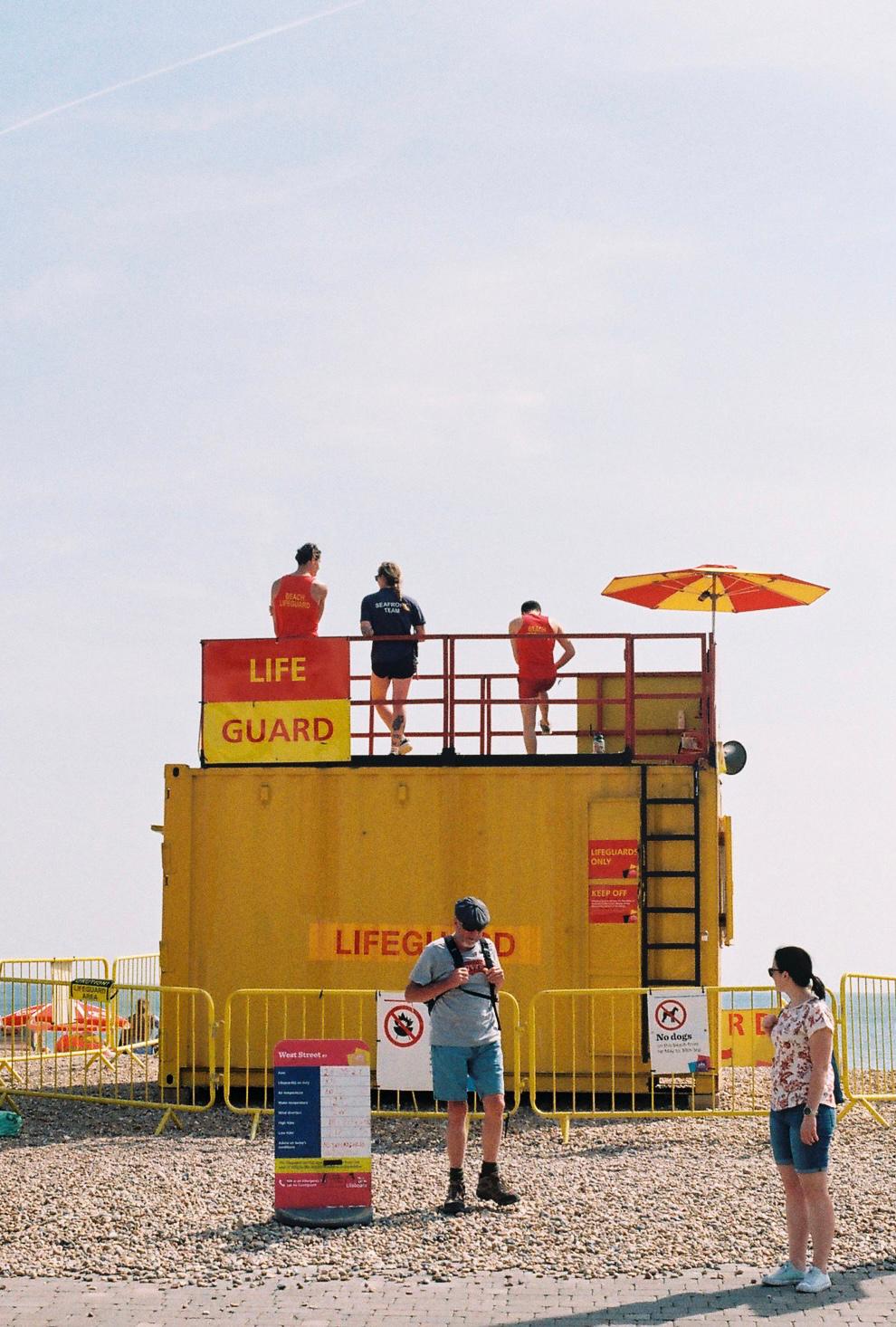
I discovered Sophie Calle about one year ago and was automatically drowned into her world. Every project she did amused and confused me but I became absolutely fascinated with the way she navigated the world in a fearless and provocative way.
The French artist has a sensibility for observing identity in an intimate way, “She is recognized for her detective-like tendency to follow strangers and investigate their private lives” (Tate.)
As I grew up, I was (and still am) a shy kid, I relied heavily on observation to understand the people and the world around me. But I always find within myself, this intense curiosity about other people’s ways of living or thinking emphasizing this need to observe people.
How long does a person’s smile stay on their face after a laugh? Are they the type of person to raise the volume of their voice in a group setting or stop talking? How long can they keep eye contact for? (I usually can’t do this one, eye contact is one of my worst nightmares). But all of these observations are done in a private setting, the information gained just helps me socialize and navigate around other humans.
However, Sophie observes, collects, documents and makes information public by putting spotlights on them. She is one of the first artists that I discovered breaking some moral and personal ethics in the name of art. “She indulges in her own tortuous emotions like an addict, completely unbeknownst to her subject”, (Baker, H. (2015)) What she offers as an artist, is her vision of the world and distinctive ways to approach the complexity of humans I find completely fascinating. For that reason, Calle is the perfect artist to dive into the relationship of observation and identity.
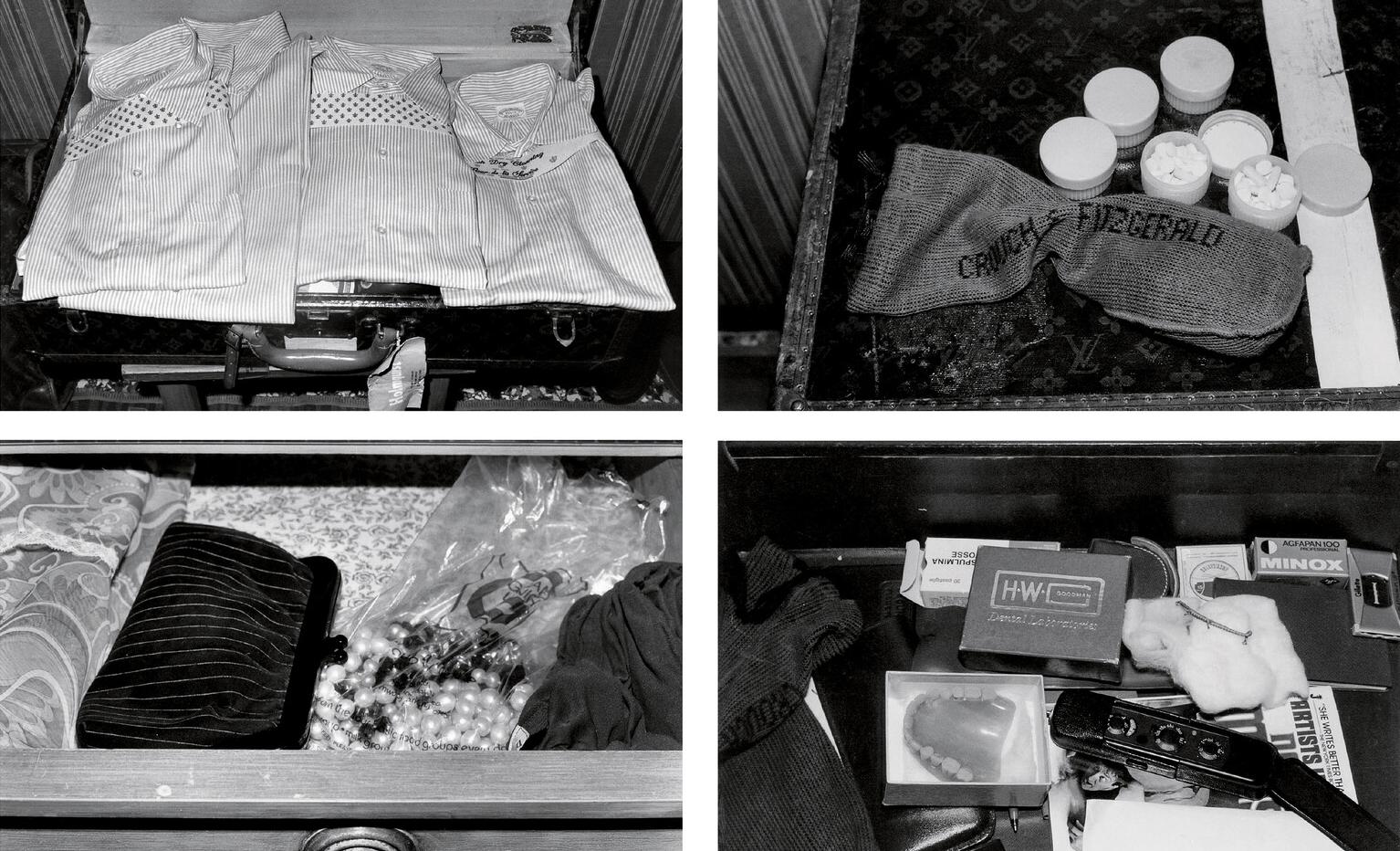
In a lot of her artwork, Sophie Calle challenges the definition of privacy and ethics. I decided to focus on “Hotel”, one of her most famous works, to reflect on the power of observation and reality. Sophie Calle takes the role of a chambermaid in a carefully chosen Venetian hotel, where for three weeks, she observes and takes photographs of the belongings of the occupant of the hotel rooms. She then performed an investigation, using her pictures accompanied with a Police style report. “I examined the personal belongings of the hotel guests and observed through details lives which remained unknown to me.” (Tate)
Aligning with Jean Baudrillard’s concept of hyperreality, “Hotel” blurs the lines between reality and simulation. Calle’s intricate narratives and staged scenarios within the hotel create a world that challenges the traditional notions of truth. Moreover, Hotel also reflects Jeremy Bentham’s concept of the panopticon, where the visitors of the room are not aware if they are being observed or not with Calle acting like the central guard of the prison.
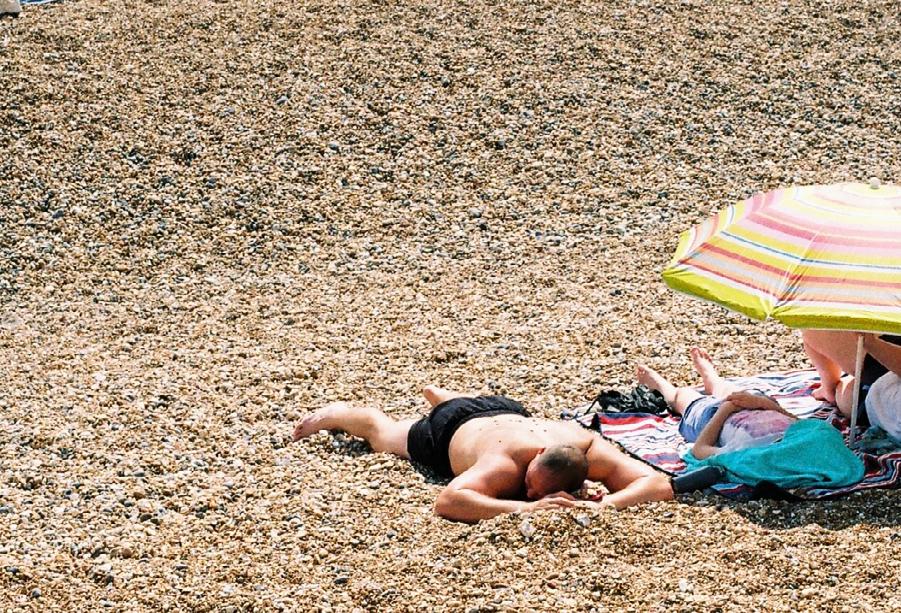
By staying in a hotel, we break our routine and personal space to then occupy an unfamiliar room where we unpack carefully curated belloging for our stay. If you would go to Italy for a wedding you would probably select a selection of clothes that would fit the weather and occasion for the stay, your fancy white and blue striped tie or your pink dress that you never had the occasion to wear before, but you can’t forget your favorite cardigan that you feel so cozy in!
I believe that Calle chose to intrude the privacy of a stranger in a Hotel room as she recognized that the curraction of belonging chosen by the visitor would express so much more than if it was in their own home. Every visitor arrives in an identical room, in the same city at the same time, yet the result presented in Calle’s art proves the differences between people via their objects, where they are placed and how they occupy the space. Each object within the hotel room became a prop in a larger narrative used by Calle to understand a fragment of a stranger’s personal reality and identity. This reminds me of Baudrillard “Disneyland effect” where everything seems familiar in a hotel room, a bed, table, chair… allowing each guest to feel like they are in a familiar setting and reestablishing their routine. In both examples, we find a curated environment echoing societal norms, habits and expectations creating an illusion of “home” in an unknown space.
The hotel rooms, just like a panopticon cell, is a confined space where visitors’ actions and interaction are influenced by the unseen observer (guests are aware of a cleaning lady entering their space). Calle, much like the panopticon central guard, holds the power to observe, capture and collect these moments without the subject’s knowledge. The Panopticon’s emphasis on obtaining power over the minds of the observed reflects in Calle’s exploration of identity through the lens of those unwittingly exposed to her gaze.
However, compared to the panopticon system, Calle leaves traces of her passage as she unashamedly eats the rest of their food, sprays their perfume and reads their diary, truly breaking any walls of any personal space. Therefore, becoming not only an observer but a participant in her own investigation. She is no longer a passive actor in the scene, she created her own relationship with these strangers in order to understand them or just as an act of provocation allowing her to build up an uninhibited concept of personal identity.
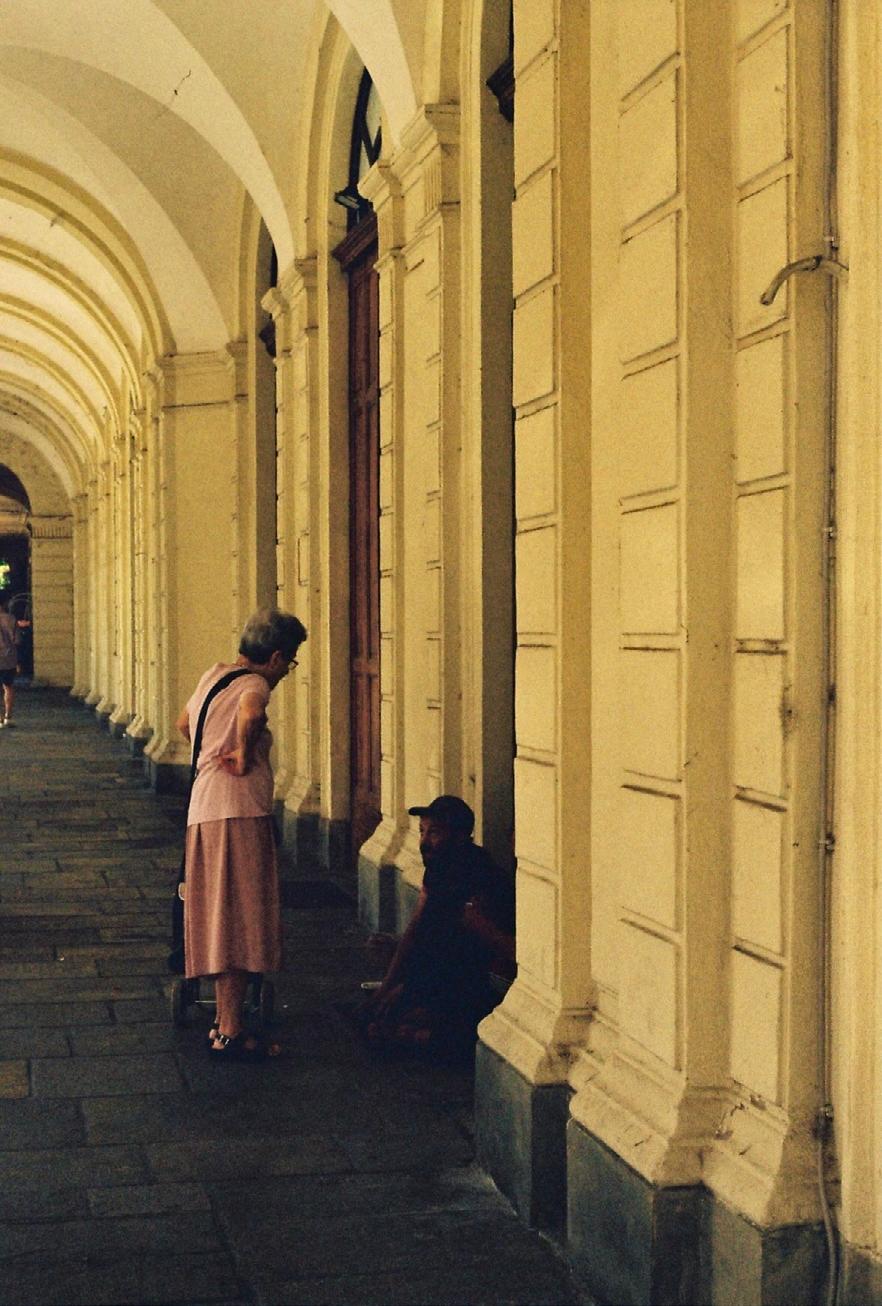
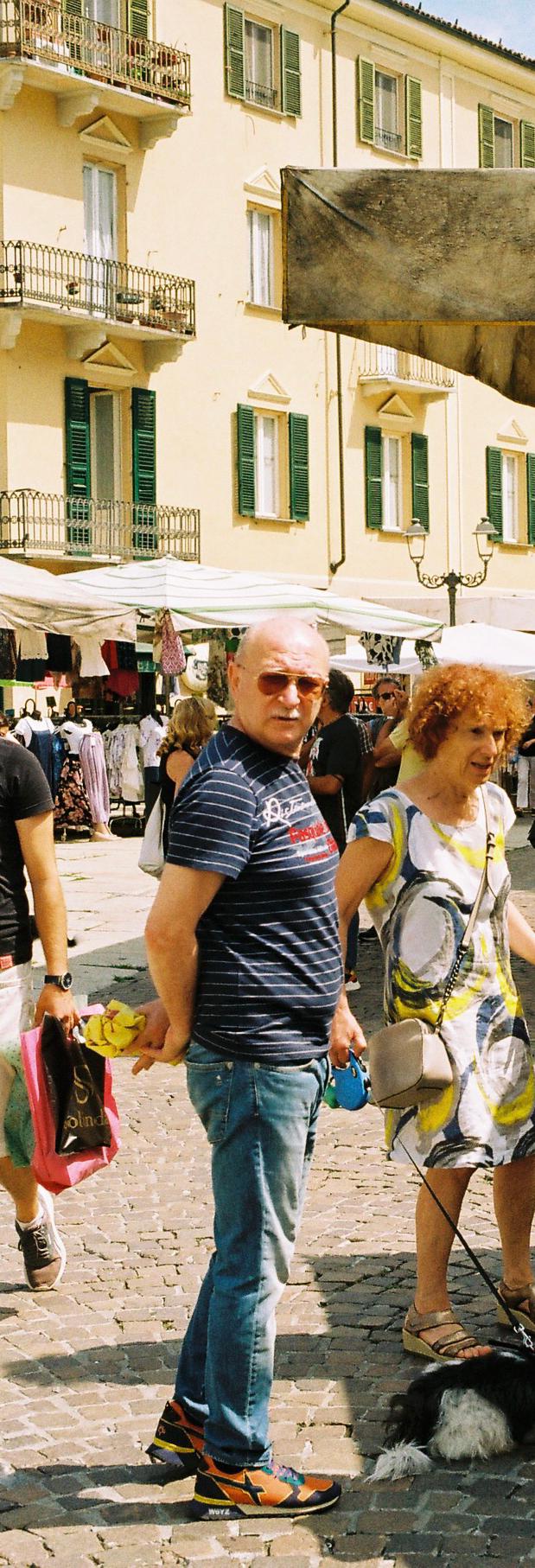
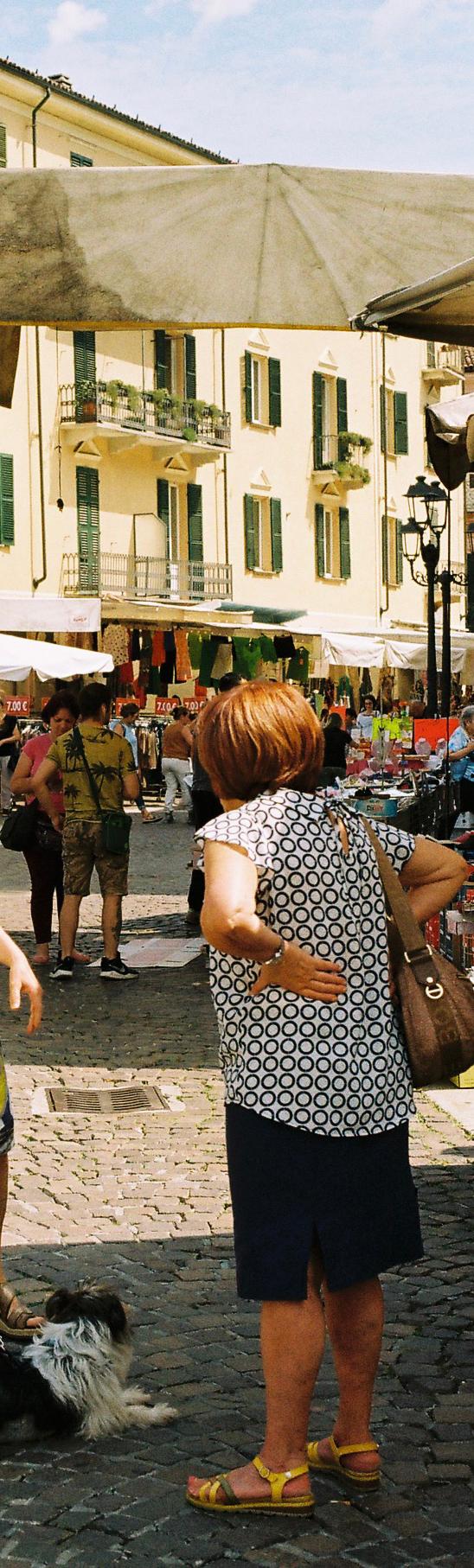

The act of observation not only reveals the observed but also the observer identity. From routine checklists at the doctor, dating profile or perspective of London’s borough, observation acts like a profound and direct lens through which identity unfolds, not only for the other but for one’s self.
By examining the philosophical approach of observation of Baudrillard’s Simulacra and Simulation, we challenge our understanding of reality and our place in the world, emphasizing the blurred line between reality and simulation. When walking though the London streets, overly stimulated by the saturation of screens and adverts becomes a routine where we stop questioning its influence or purpose.
Further on, Bentham’s concept of the panopticon emphasizes the power dynamics in observation where our behavior is influenced under a perceived gaze of an unseen observer. In our modern society both theories become more existent then ever with surveillance capitalism following us around leaving us powerless to our own image.
Reflected in Calle’s work, “Hotel” where the complexities of observation demonstrates it’s power but also limitation, she blurred reality and simulation, echoing Baudrillard’s hyperreality and embodying the panopticon’s power dynamics. Calle’s role as a chambermaid allowing her to intrude into strangers room, sends back to the role of the central prison guard in the panopticon and the rooms as the cells where identity is revealed through personal objects curated for its environment. Her investigation, however, broke down the wall separating her and the strangers, making her both an observer and participant.
As I studied the implication of observation on identity I came to the conclusion that in the multifaceted human existence, observation shapes and defines both the observed and the observer revealing its own, ever changing identity in a world where the lines between reality and simulation continue to blur and intertwine.
“Alone in the clouds all blue
Lying on an eiderdown
Yippee, you can't see me
But I can you
Lazing in the foggy dew
Sitting on a unicorn
No fair, you can't hear me
But I can you
Watching buttercups cup the light
Sleeping on a dandelion
Too much, I won't touch you
But then I might”
Krishnamurti Foundation. (1973). When the mind realizes the observer is the observed, there is a release of energy. [Online] Available at: [https://www. krishnamurti.org/transcript/when-the-mind-realises-the-observer-is-the-observed-there-is-a-releaseof-energy/#:~:text=There%20is%20a%20difference%20 between,%27%2C%20which%20is%20the%20observed. (Accessed: [2023])] (Accessed: [2023])
Bethany Stuart. (2017). Sophie Calle - Photographing the Unobserved. [Online] Available at: https://theculturetrip.com/europe/france/articles/sophie-calle-photographing-the-unobserved (Accessed: [2023])
Education NSW. (2021). Observation in Professional Learning. [Online] Available at: https://education.nsw. gov.au/teaching-and-learning/professional-learning/ pl-resources/evaluation-resource-hub/collecting-data/ observation#:~:text=Observation%20provides%20 the%20opportunity%20to,activity%20or%20situation%20 being%20evaluated. (Accessed: [2023])
Stanford University. (n.d.). Simulacra and Simulation by Jean Baudrillard. [Online] Available at: https://web. stanford.edu/class/history34q/readings/Baudrillard/ Baudrillard_Simulacra.html (Accessed: [2023])
Google Books. (n.d.). Simulacra and Simulation by Jean Baudrillard. [Online] Available at: https://www.google. co.uk/books/edition/Simulacra_and_Simulation/9Z9biHaoLZIC?hl=fr&gbpv=1&dq=Simulacra+and+Simulation+(Jean+Baudrillard)&printsec=frontcover (Accessed: [2023])
NCBI. (n.d.). Surveillance Capitalism: A New Form of Power. [Online] Available at: https://www.ncbi.nlm.nih. gov/pmc/articles/PMC5422530/ (Accessed: [2023])
Arun Malhotra. (2022.). When Observer Is the Observed, Creation Begins. [Online] Available at: https:// thedailyguardian.com/when-observer-is-the-observed-creation-begins/ (Accessed: [2023])
Thinking City. (2018). How Does Place Shape Who We Are? [Online] Available at: https://thinkingcity. org/2018/07/24/how-does-place-shape-who-we-are/ (Accessed: [2023])
BBC Newsround. (2021). What is Surveillance Capitalism? [Online] Available at: https://www.bbc.co.uk/newsround/59473650 (Accessed: [2023])
Wikipedia. (2024). Panopticon. [Online] Available at: https:// en.wikipedia.org/wiki/Panopticon (Accessed: [2023])
Nick Barney. (2022). Surveillance Capitalism Definition. [Online] Available at: https://www.techtarget.com/whatis/ definition/surveillance-capitalism#:~:text=Surveillance%20 capitalism%20is%20the (Accessed: [2023])
Wikipedia. (2024). Millbank Prison. [Online] Available at: https://en.wikipedia.org/wiki/Millbank_Prison (Accessed: [2024])
MLSU. (n.d.). [Online] Available at: https://www.mlsu.ac.in/ econtents/2289_hyper%20reality%20boudrilard.pdf (Accessed: [2024])
Tate. (n.d.). Sophie Calle. [Online] Available at: https://www. tate.org.uk/art/artists/sophie-calle-2692 (Accessed: [2023])
Daniel Cole. (n.d.). What is a Panopticon? - Definition & Concept. [Online] Available at: https://study.com/academy/ lesson/what-is-a-panopticon-definition-concept.html#:~:text=The%20Panopticon%20prison%20was%20a,not%20see%20 into%20the%20tower. (Accessed: [2023])
Butler-Bowdon, T. (2023). Exploring Self-Help Classics. [Online] Available at: https://example.com (Accessed: 1 February 2023).
Baker, H. (2015). Suite Vénitienne by Sophie Calle. [Online] Available at: https://www.anothermag.com/art-photography/7349/sophie-calle-suite-venitienne (Accessed: 2023)
Pink Floyd. (1967). Flaming. On The Piper at the Gates of Dawn [Vinyl]. EMI.
Encyclopedia.pub. (2023). Panopticon. Encyclopedia.pub. Available at: https://encyclopedia.pub/entry/36327 (Accessed: 16 February 2023).
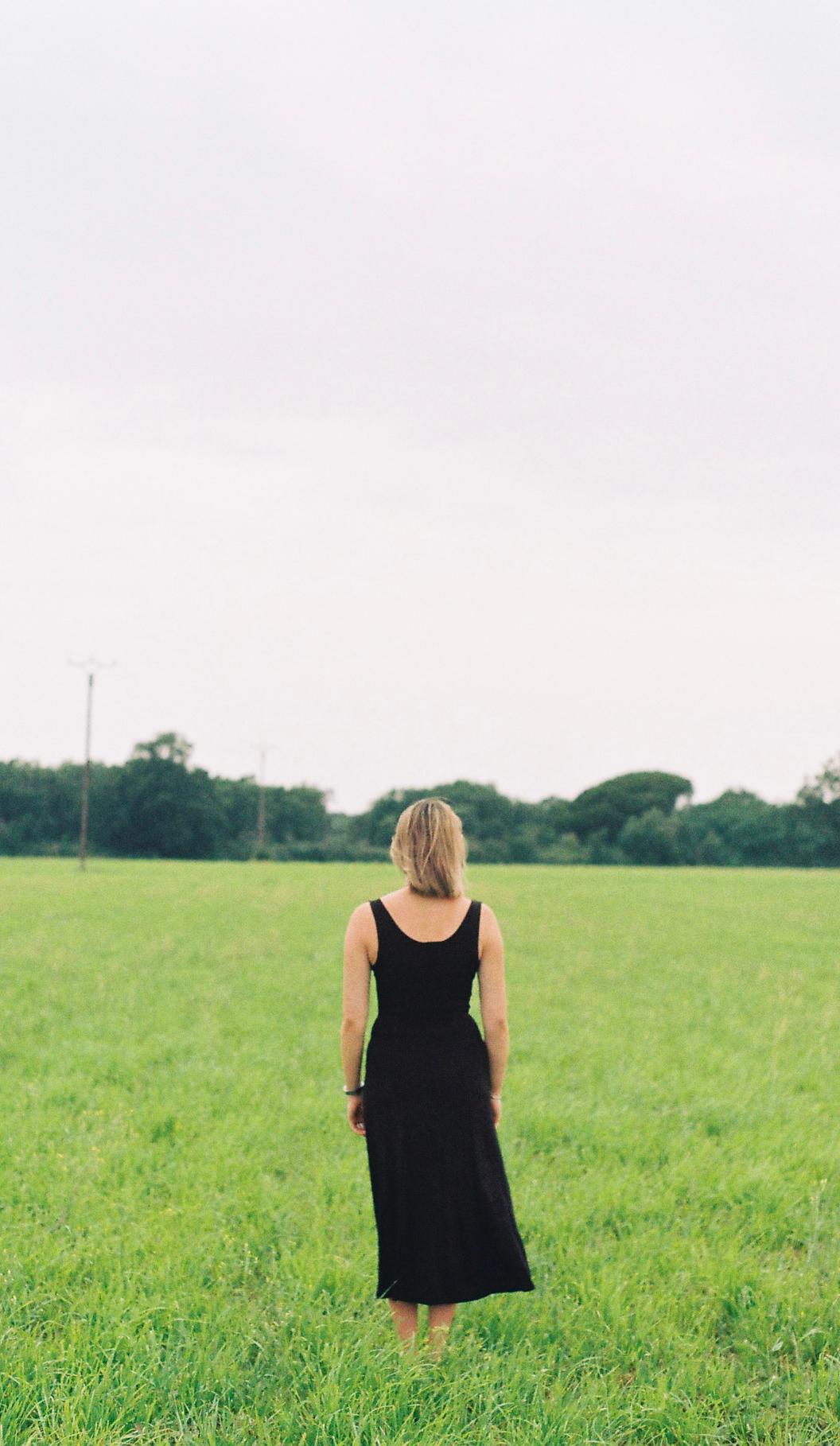
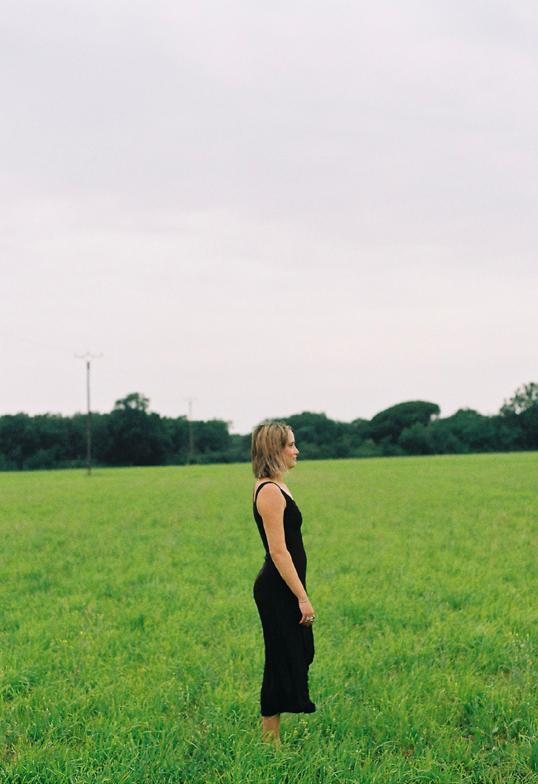
Cover and back, Mary, Toulouse 2023 by Lisa Davis
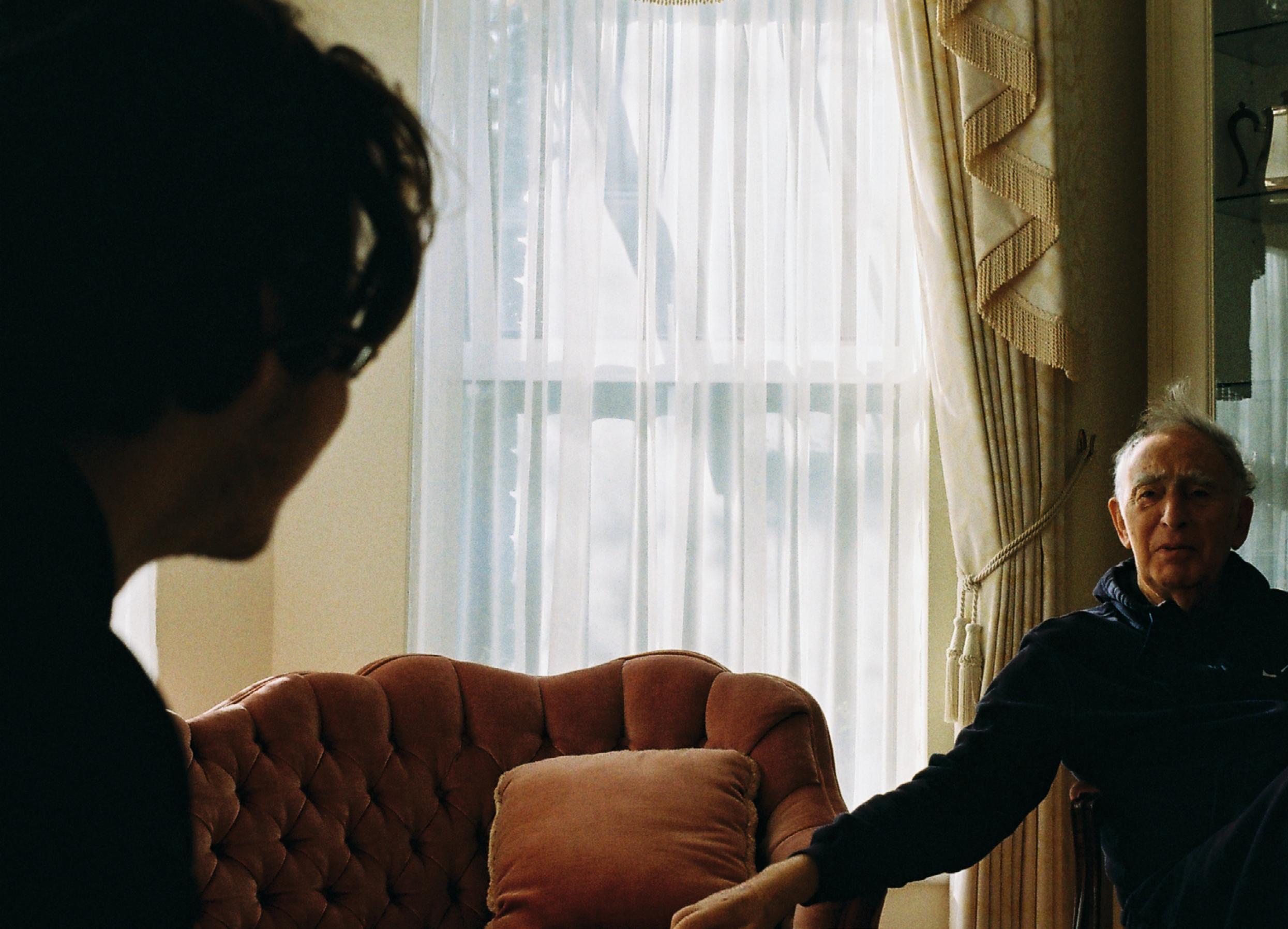
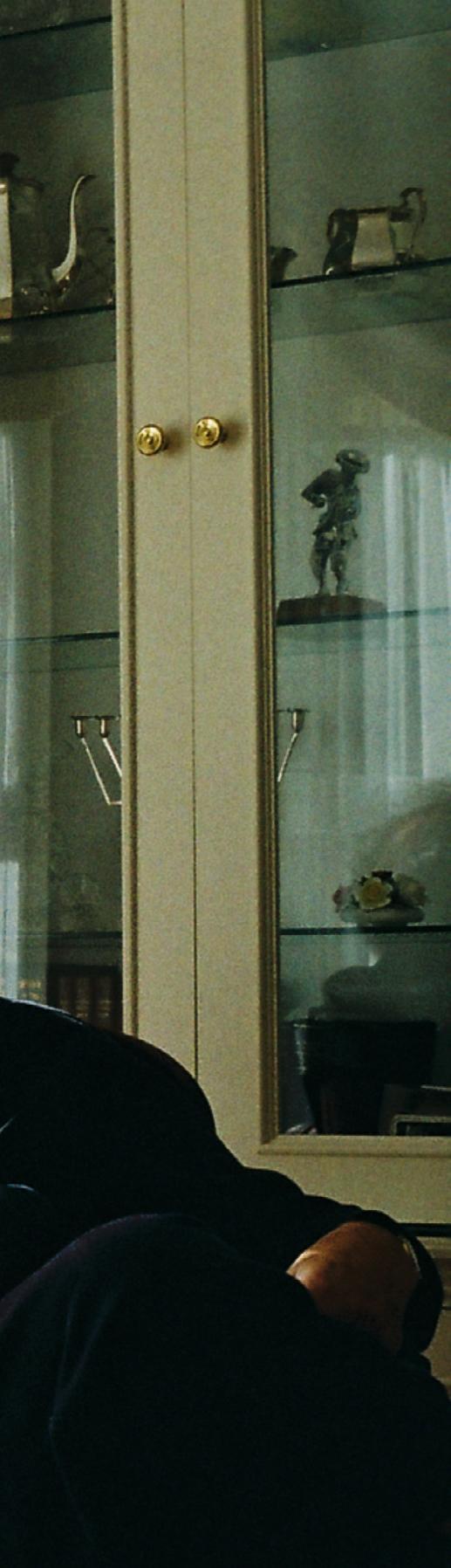
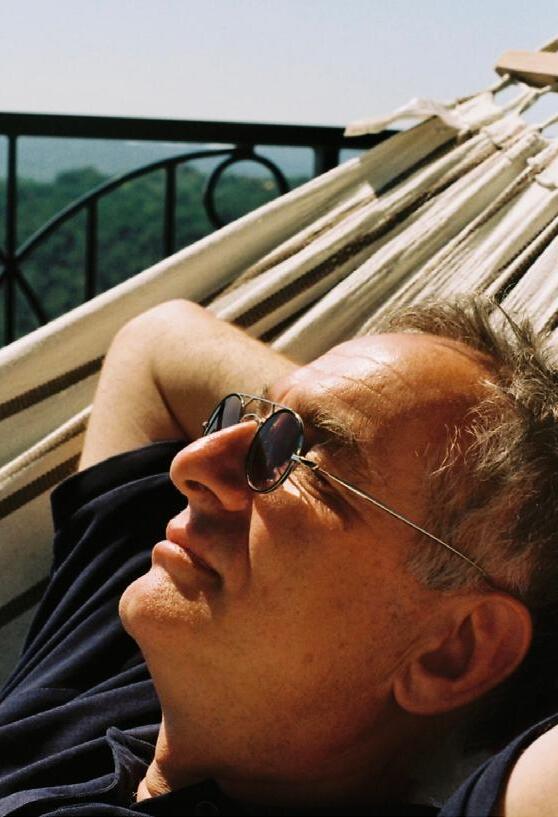
1&2 Unknown Acqui Terme 2023, by Lisa Davis
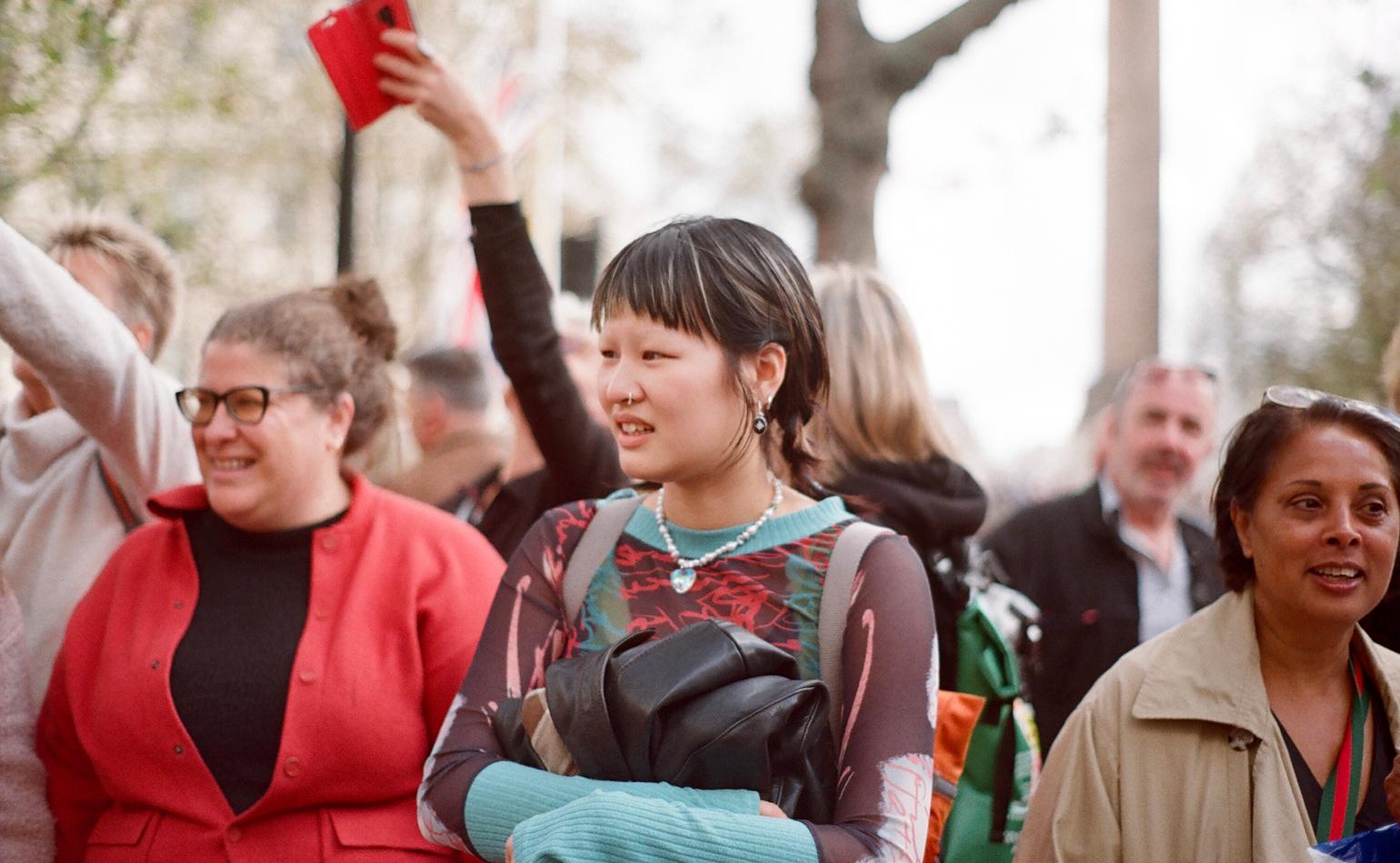
3: Christine and Kayla, London 2023 by Lisa Davis
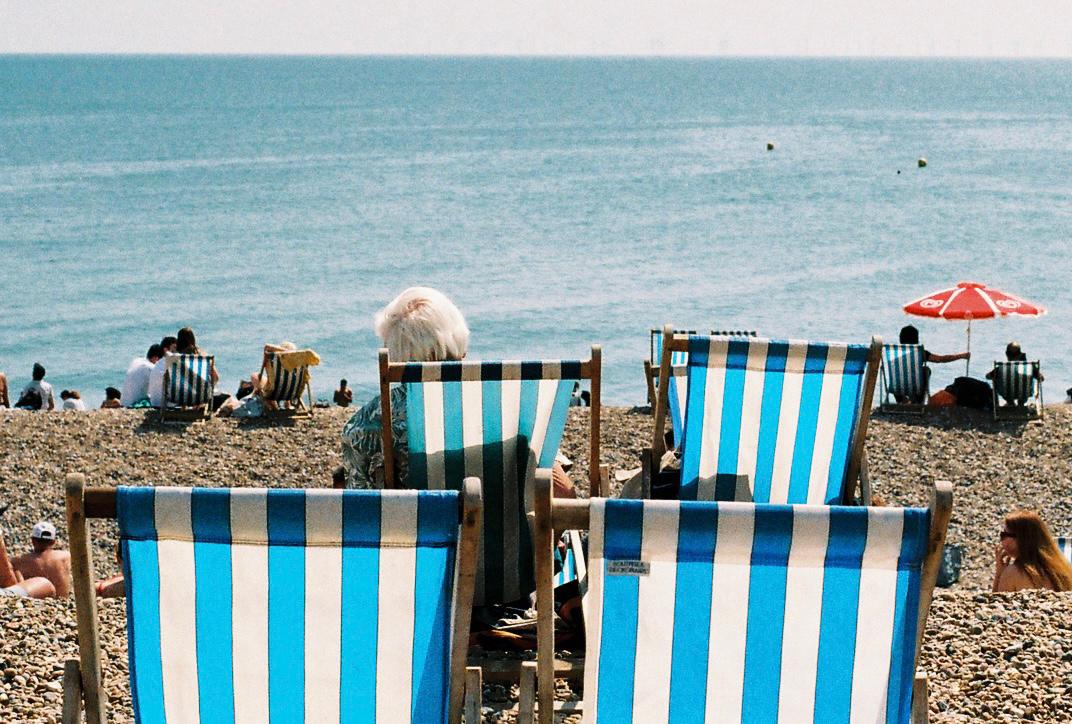
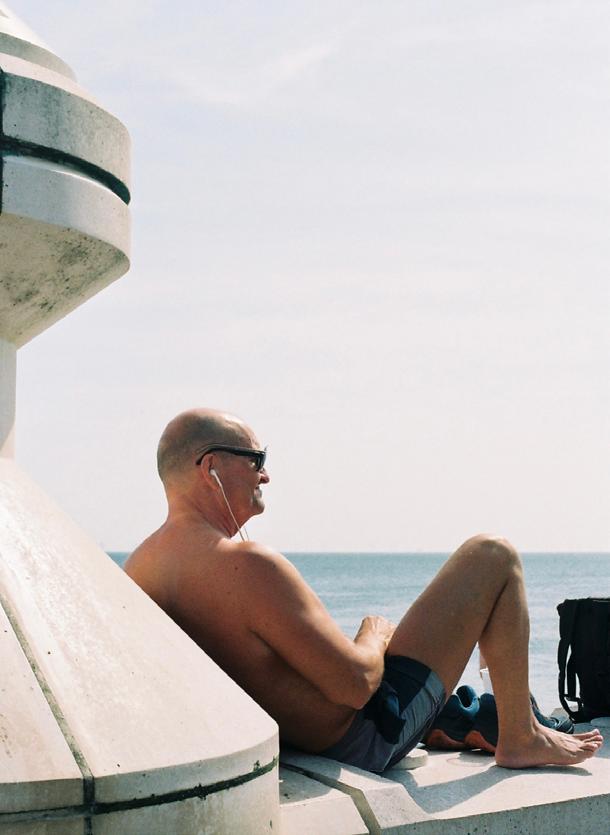
4&5: Unknown, Brighton 2023 by Lisa Davis
6: Unknown, London 2023 by Lisa Davis
7: Quentin, Toulouse 2022 by Lisa Davis
8: Howard, Acqui Terme 2023 by Lisa Davis
9: Delphine, Acqui Terme 2023 by Lisa Davis
10: Mary, Toulouse 2023 by Lisa Davis
11: Victoria, Toulouse 2023 by Lisa Davis
12: Unknown, Brighton 2023 by Lisa Davis
13: Maurice and Oscar, London 2022 by Lisa Davis
14: “Room” 28 in Sophie Calle’s The Hotel (Siglio Press 2021)
15: Angie, London 2023 by Lisa Davis
16: Unknown, Brighton 2023 by Lisa Davis
17: Unknown, Acqui Terme 2023 by Lisa Davis
18: Unknown, Acqui Terme 2023 by Lisa Davis
19: Delphine, Toulouse 2023 by Lisa Davis
20: Howard, Acqui Terme 2023 by Lisa Davis
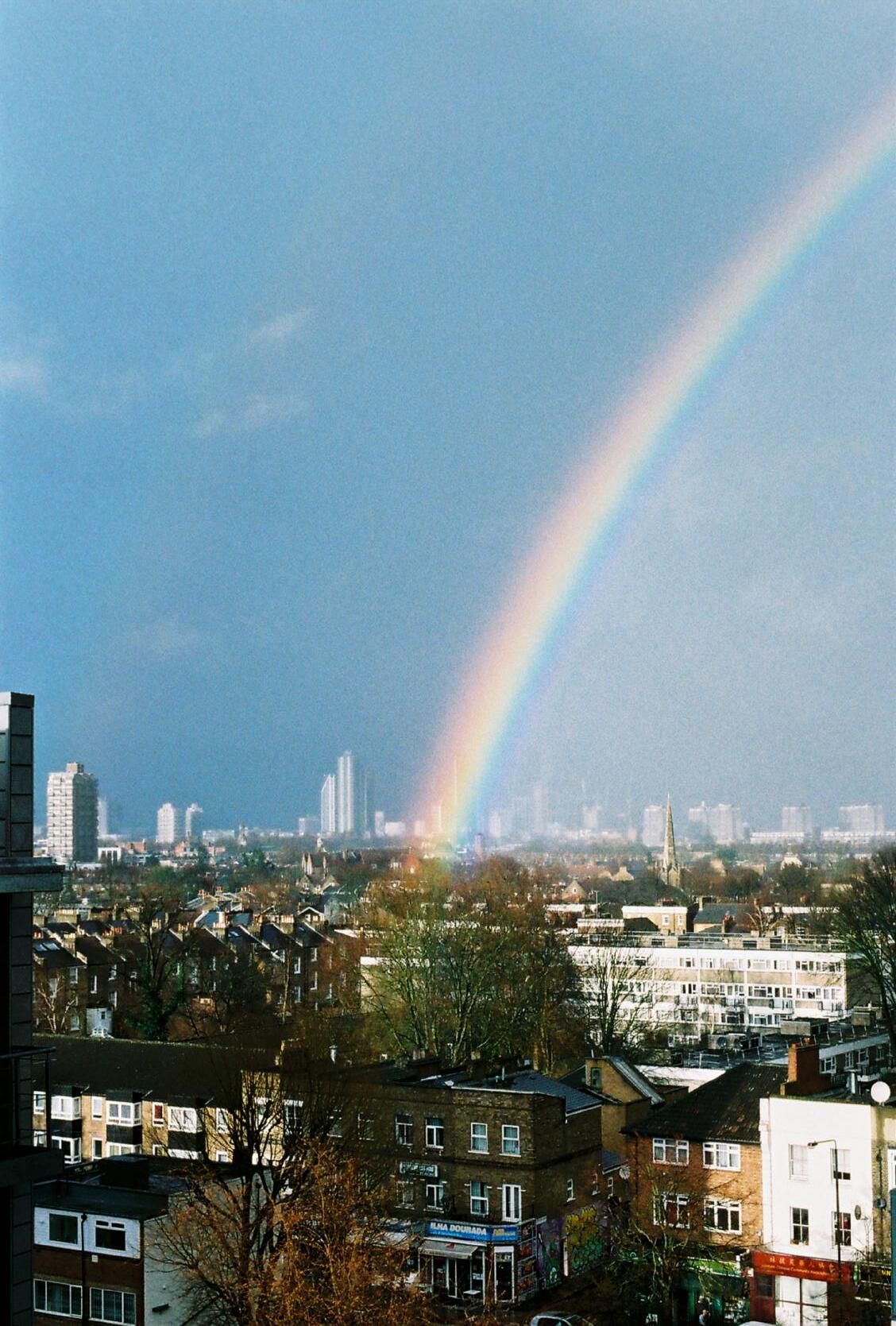
21: London 2022 by Lisa Davis
22: Unknown, Brighton 2023 by Lisa Davis
All photography by me are film pictures.