
Didactic Unit Template

Teacher in training: David Andrés Briceño Valderrama
Title of the Unit: Freeing myself from routine
Contextualization: Tenth and eleventh grade students of the Guillermo León Valencia School. At an A1 and A2 level of English.
Justification: Students have a lot of free time so it is important for them to know what activities are beneficial to their learning. Likewise, students need to know more about free time activities so that they do not waste their time on other things that do not help them in their learning.
Organization of the Didactic Unit: 3 sessions, since in each session different English skills will be emphasized, as well as vocabulary from the easiest to the most complex.
General Objective
To substantiate students' knowledge of vocabulary related to the topic of leisure time. Also, to present and practice different activities to improve language skills.
Specific Objectives
- Mention the activities they do in their free time and how they distribute them.
- Determine the activities they can do around them increasing vocabulary and practice according to their context.
- Explain what activities they do in their free time.
Subject Content
The contents or topics that will be covered in English in this unit are:
- Present simple
- Verb To Be
- Leisure activities
- Sports
Language Content / Communi
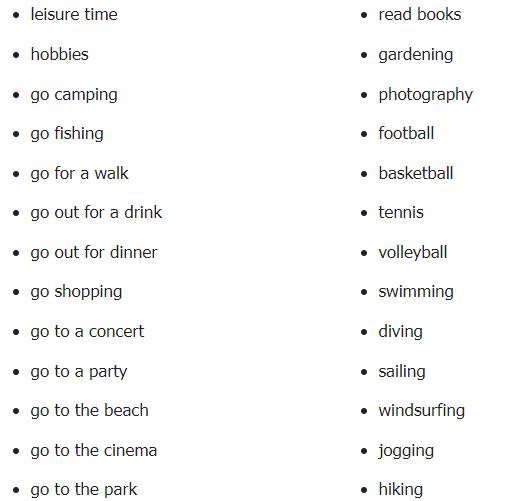
Vocabulary
The fundamental vocabulary relevant to this unit is:
Free time
Listen to music
cation
Read Write
Play video games
Play a musical instrument
Go shopping
Cook
Study something
Art and crafts
Exercise and play a sport
Watch TV
Dance
Drawing
Paint
Jogging
Swimming
Diving
Cycling
Fishing
Hiking
Structures
The grammatical and discourse structures that appear and match the in-class review are:
Verb to be:
Affirmative Sentences
Subject + verb to be + complement
Negative sentences
Subject + verb to be + not + complement
Interrogative sentences
Verb to be + subject + not + complement
Present simple
Affirmative Sentences
Subject + verb + complement
Negative Sentences
Subject + auxiliary verb do + not + verb + complement
Interrogative Sentences
Activities
Language skills / Discourse type
Auxiliary verb do + subject + verb + complement
The language skills that will be practiced in the unit are: reading, writing, listening, and speaking. In the different activities the student will have to practice these skills but some will be emphasized more than others as appropriate. The type of discourse is through dialogues, descriptive and explanatory.
Leisure Time
First Session: Listening and Writing
Warm – up activity
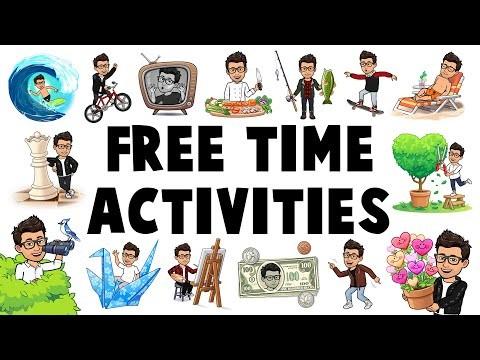
The warm – up activity consists of: Students watch the video where they will learn vocabulary to talk about leisure activities. After watching the video students will choose 3 activities and create sentences with them about their daily context.
Link: https://youtu.be/2p32l220EtU
Presentation
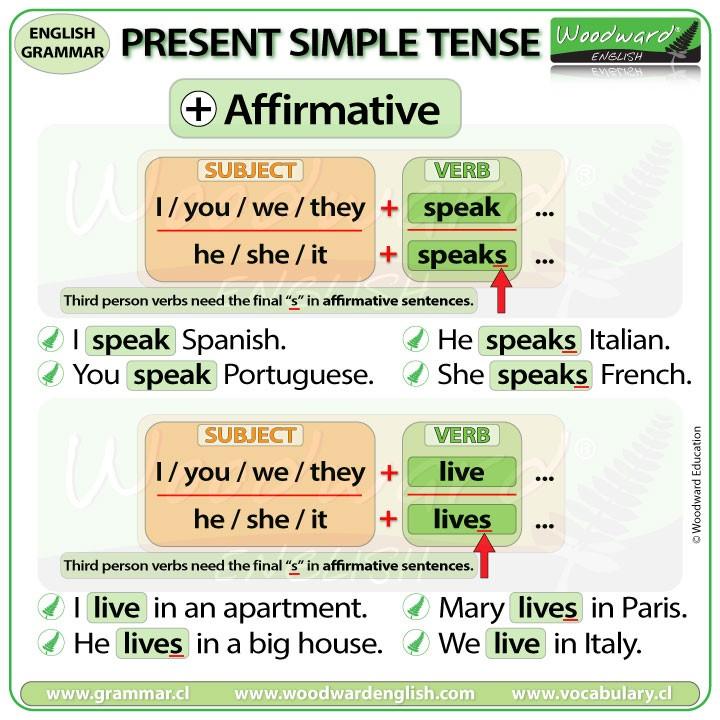
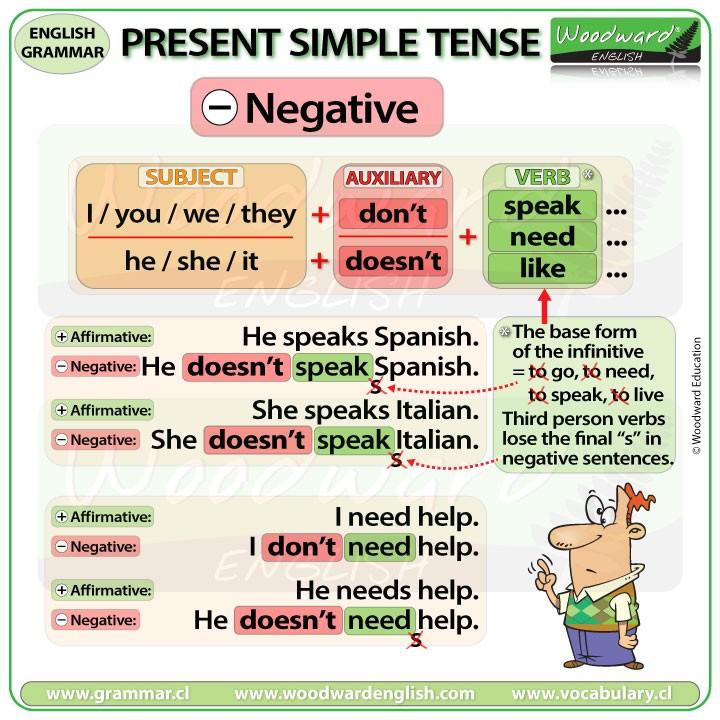
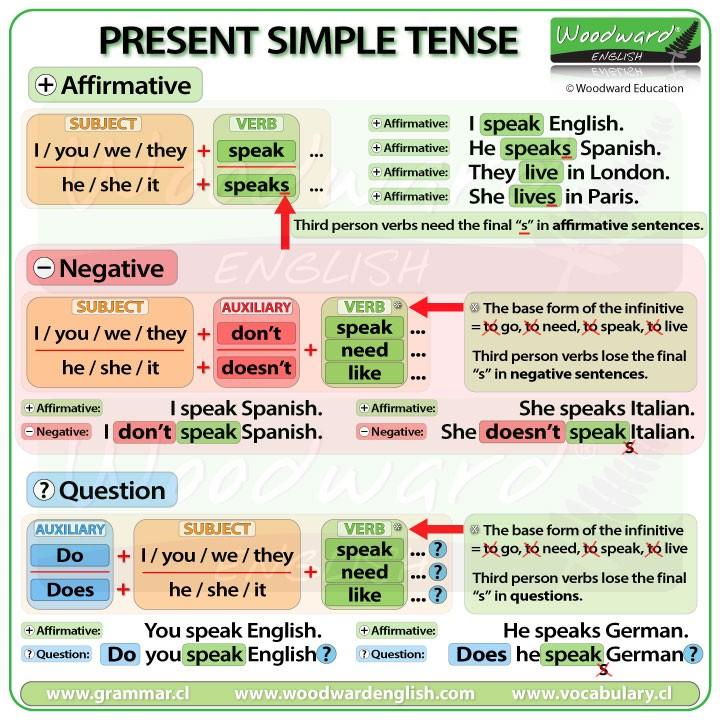
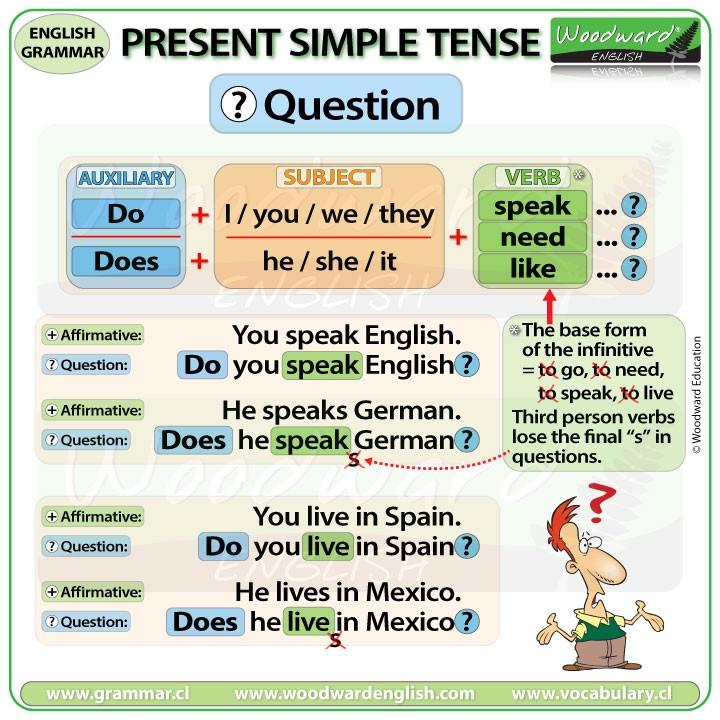
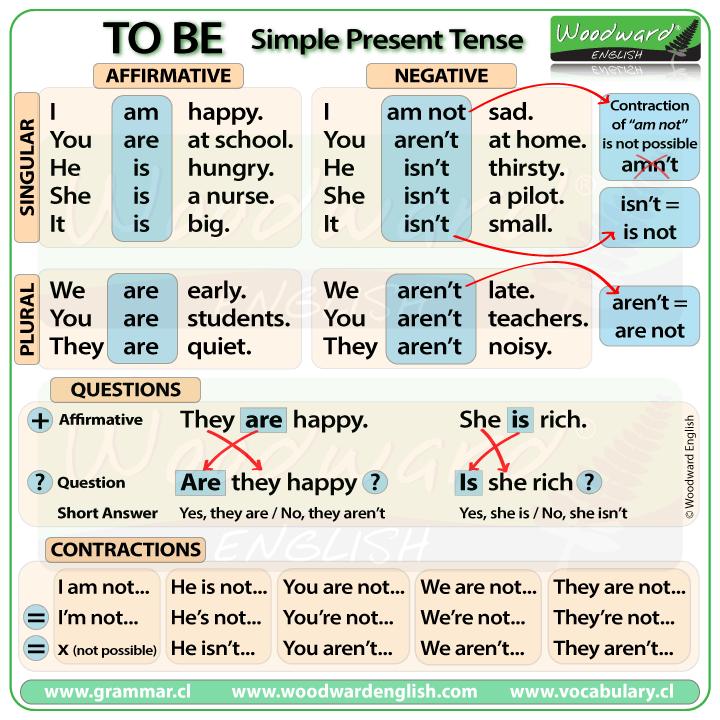
The presentation activity consists of: The teacher uses infographics to explain and remind you of the use of the verb to be and the present simple since these are very important topics that are related to talking about your free time. Present simple
Link:
https://www.woodwardenglish.com/lesson/presentsimple-tense-in-english/
Verb
Link: https://www.grammar.cl/Present/To_Be.htm
Practice
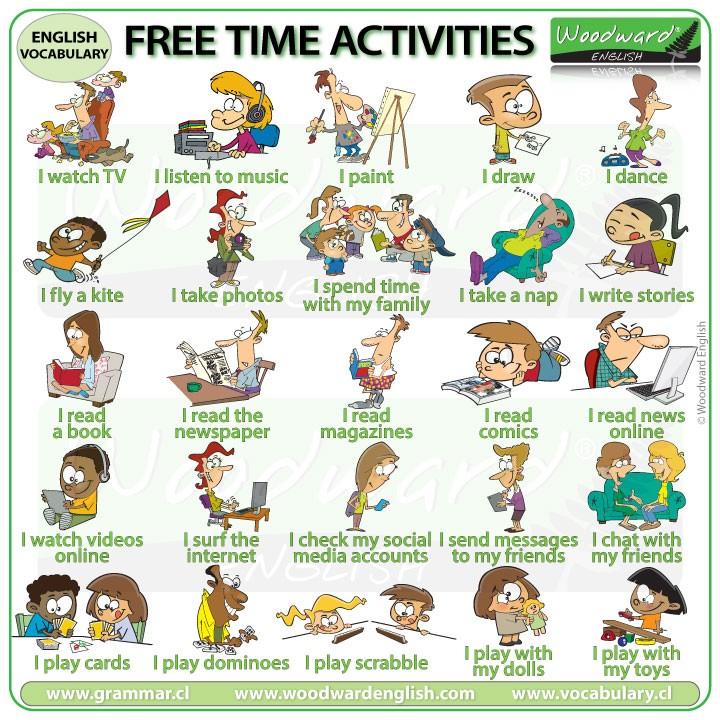
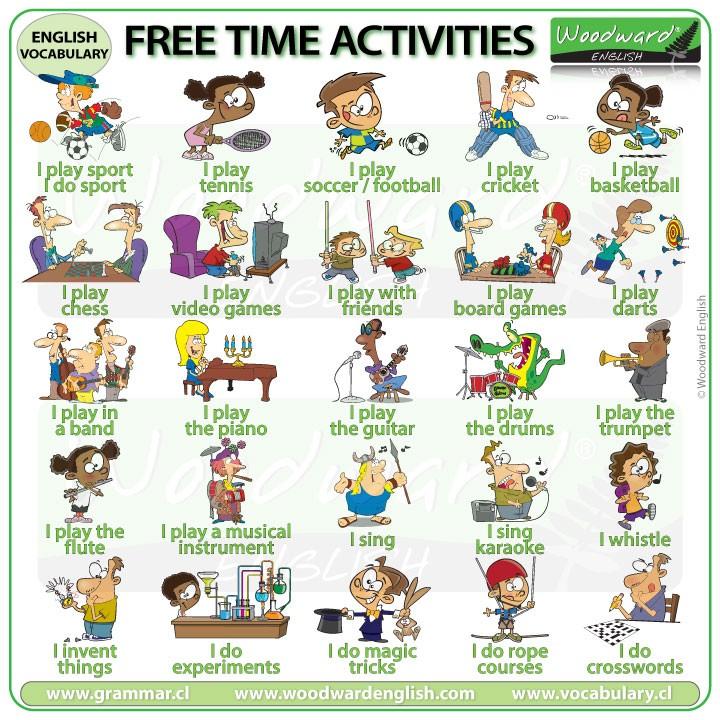
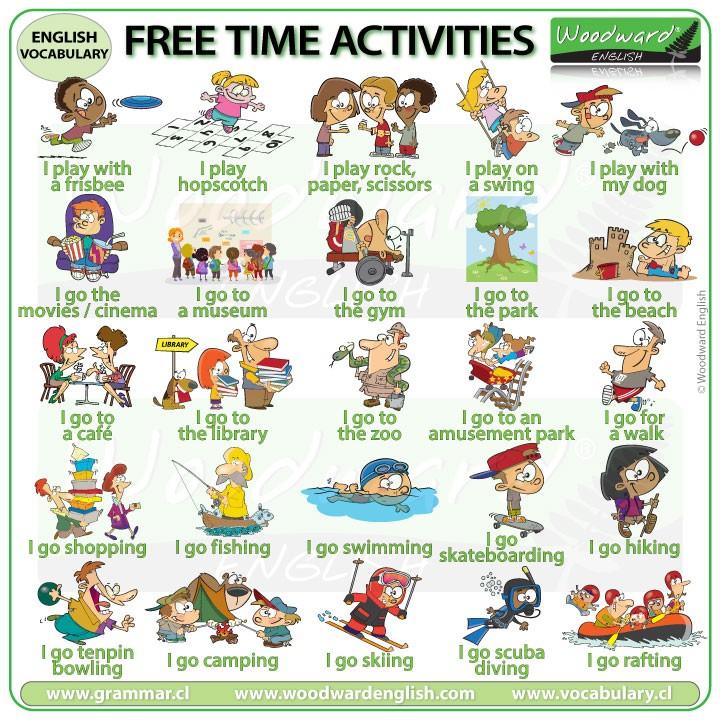
The practice activity consists of: Considering the examples of the infographics, the students will talk about their free time activities, creating two well-structured paragraphs where they can show what activities they practice in their free time. A minimum of 10 vocabulary words should be used.
Link:
https://www.woodwardenglish.com/lesson/freetime-activities-english/ Evaluation
The evaluation activity consists of: The student based on an audio where they talk about leisure time activities is going to make a descriptive essay where the activities and vocabulary can be identified. In addition, the student develops the activity found in the resource.
Resource link:
https://www.esl-lab.com/intermediate/leisureactivities/
Second Session: Reading and Writing
Warm – up activity
The warm – up activity consists of: The student creates sentences with the following activities using the verb to be in affirmative, negative and interrogative forms.
- ride a bike
- reading
- cooking
- jogging
- hiking
- skateboarding

- gymnastics
- athletics
At the end they socialize with all classmates and the teacher.
Presentation
The presentation activity consists of: Students watch the video on the verb to be as this session will emphasize the verb to be and vocabulary of the topic.
Link: https://youtu.be/O-pELo5MMkQ
Based on the video and the infographic the teacher explains the topic.
Link: https://www.grammar.cl/Present/To_Be.htm
Practice
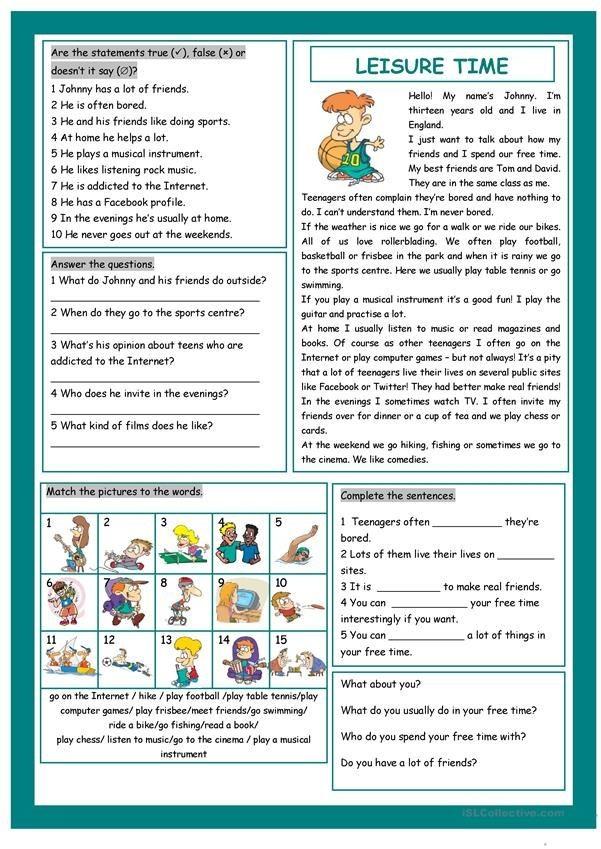
The practice activity consists of: Students perform the reading in Johnny's free time. Develop each of the exercises that are in the resource, here they will practice reading comprehension. Once the workshop is finished, the teacher will make general feedback on the activity.
Link: https://pin.it/hZHkB4O
Evaluation
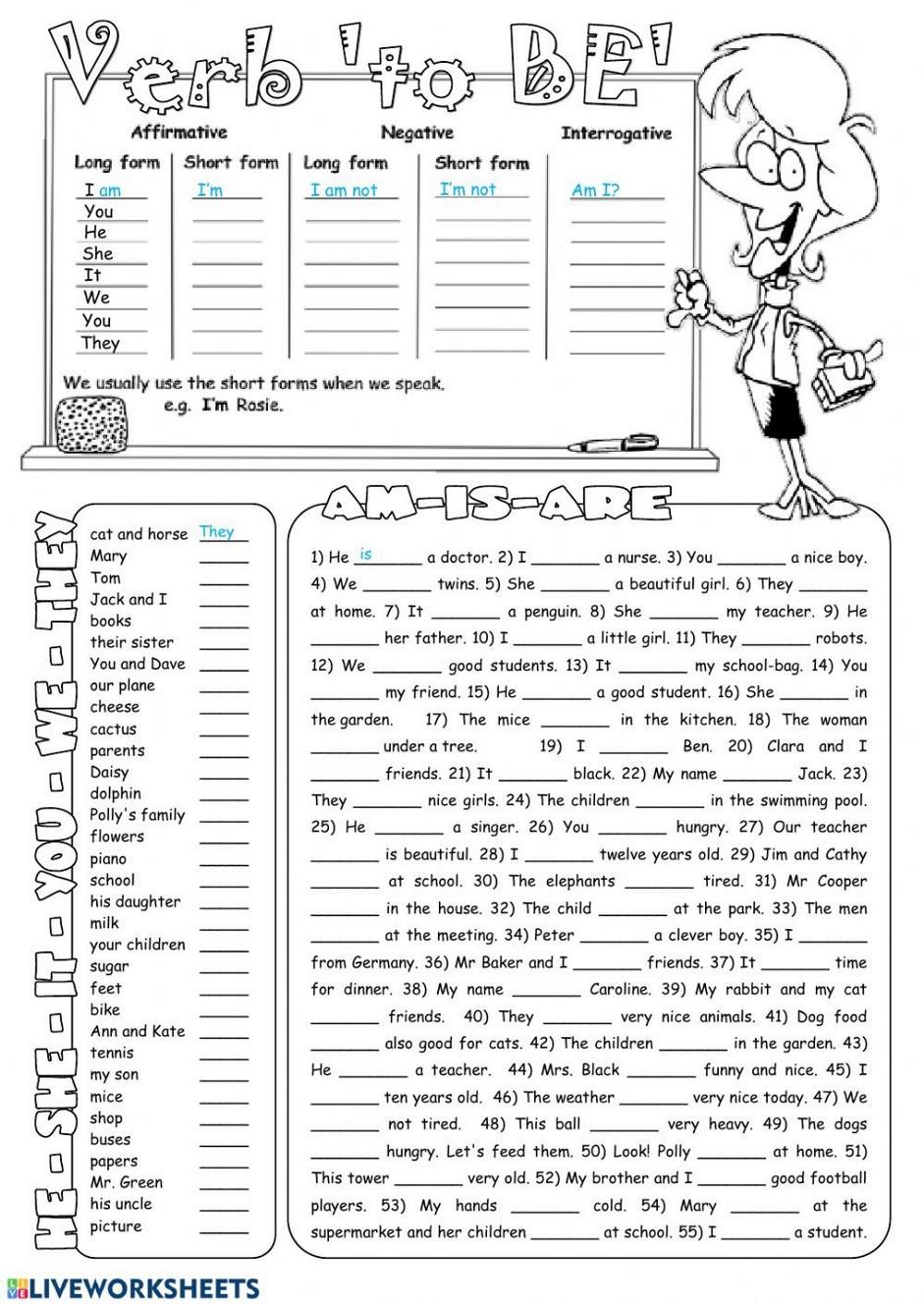
The evaluation activity consists of: Students will develop the workshop on the verb to be once the explanation has been given and they have practiced on the topic. They should consider the affirmative, negative, and interrogative forms as they must complete the text using these structures.
Link: https://pin.it/5OzI0Sy
Third Session: Speaking and Listening
Warm – up activity
The warm – up activity consists of: The student listens to the audio and the audio transcript. He/she reviews the structures and the use of the auxiliary verb do.
Link:
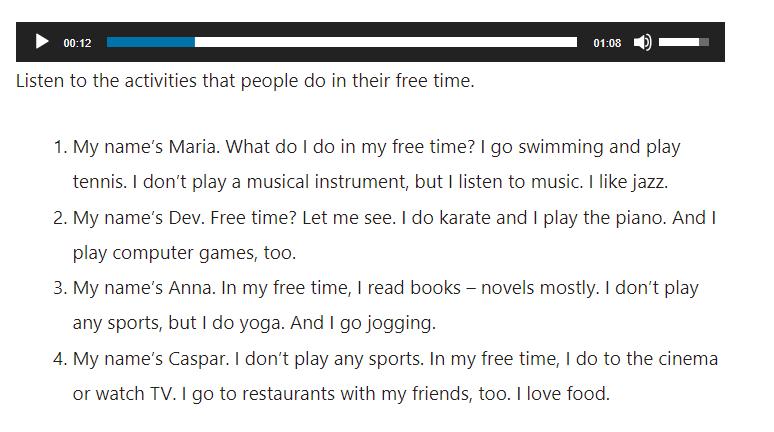
http://learnenglish.vn/elementary-listening/freetime-activities/
After listening to the audio, the student creates 4 sentences with the present simple tense talking about leisure time activities. He/she socializes them with his/her classmates.
Presentation
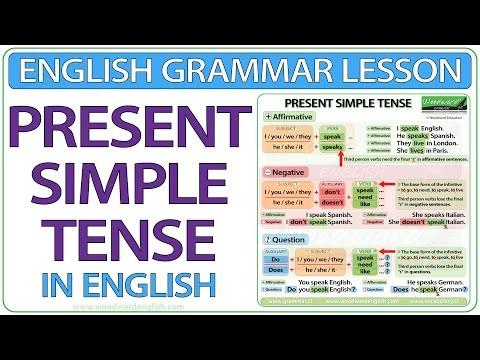
The presentation activity consists of: The teacher with the help of the video and the infographics of the simple present performs the explanation of the topic.
Link: https://youtu.be/sH2rk3q4omM
With the help of infographics, examples are given and the subject is explained more clearly.
Link:
https://www.woodwardenglish.com/lesson/presentsimple-tense-in-english/ Practice
The practice activity consists of: Students will develop the activity found in the resource, listen to the audio and based on it answer the activities, for this activity you can find two different links with different audios of the use of the present simple and in relation to the topic.
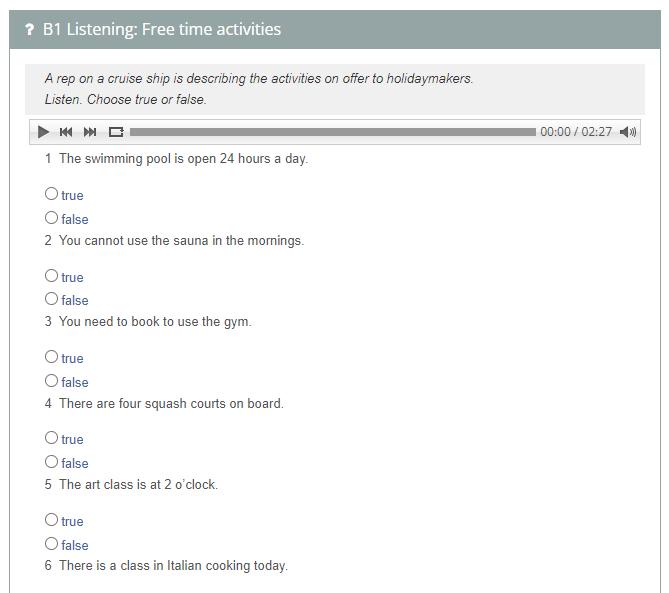
Activity 1
Link:
https://www.examenglish.com/B1/b1_listening_free _time.htm

Activity 2

Link: https://soundgrammar.com/learn/L2-CEFRA1/L2-02-Simple%20Present.htm

Evaluation
The evaluation activity consists of: Students should prepare a presentation where they talk about the activities they do and do not do in their free time. To do so, they should last at least 6 minutes speaking. They must consider the structures and uses of the present simple tense. They must consider the structures and uses of the present simple tense.
Methodology
Organization and class distribution / timing
The type of work students will do in each activity is individual and pair work depending on each activity. The time that each activity will last depends on its development and dynamization, the warm-up activities will have a time of 10 minutes. We will develop three sessions, one with each topic "Leisure time, verb to be and present simple".
Resources / Materials
The resources and materials to be used for the unit are:
Notebook
Web resources
Workshops
Audios
References and link to resources: ENGLISH WITH AL. (2021, 20 septiembre). Free
Time Activities and Hobbies in English | English Vocabulary [Vídeo]. YouTube.
https://www.youtube.com/watch?
v=2p32l220EtU
Ingles Fácil - ALEMA. (2017, 2 julio). Verb TO BEVerbo Ser Estar | Lección # 2 [Vídeo].
YouTube. https://www.youtube.com/watch?
v=O-pELo5MMkQ
Leisure Activities - Randall's ESL Cyber Listening Lab. (2021b, mayo 1). Randall’s ESL Cyber Listening Lab.
https://www.esl-lab.com/intermediate/leisureactivities/
Leisure Time! | Reading comprehension worksheets, Reading worksheets, Comprehension worksheets. (s. f.). Pinterest.
https://pin.it/hZHkB4O
Learnenglish. (2015, 19 octubre). Free time
activities - Learn English Free. learn ENGLISH.
http://learnenglish.vn/elementary-listening/fre e-time-activities/
Pin on Английский. (s. f.). Pinterest.
https://pin.it/5OzI0Sy
Productions, T. B. E. (s. f.). Sound Grammar 2-2 Simple Present.
https://soundgrammar.com/learn/L2-CEFRA1/L2-02-Simple%20Present.htm
Reserved, E. E. L. A. R. (s. f.). B1 Listening: Free time activities.
https://www.examenglish.com/B1/b1_listenin g_free_time.htm
Woodward. (2021, 11 julio). Present Simple Tense in English Woodward English. Woodward English – Learning English - Teaching English.
https://www.woodwardenglish.com/lesson/pre sent-simple-tense-in-english/
Woodward. (2020, 30 junio). Free Time Activities in English Woodward English. Woodward English – Learning English - Teaching English.
https://www.woodwardenglish.com/lesson/fre e-time-activities-english/
Woodward English. (2021, 12 julio). Present Simple Tense in English - Grammar lesson [Vídeo].
YouTube. https://www.youtube.com/watch?
v=sH2rk3q4omM
Woodward. (2021c, julio 11). Present Simple Tense in English Woodward English. Woodward
Evaluation(criteria and instruments)
English – Learning English - Teaching English.
https://www.woodwardenglish.com/lesson/pre sent-simple-tense-in-english/
Students will be evaluated according to the work presented, and an evaluation rubric with 4 items that will be very important for their evaluation will also be considered. The items are:
- Team work: the evaluation will evaluate the performance of both students in the activities in pairs.
- Communicative competence: in the listening and speaking activities students will be evaluated on their pronunciation, vocabulary, use of English, etc. verbal fluency.
- Learning and development of the activities: development of the activities, use of the topics, wide vocabulary.
- Participation: actively participate in all activities with a good disposition.
References:
Pérez Torres, I. 2009. "Apuntes sobre los principios y características de la metodología CLIL" en V. Pavón, J. Ávila (eds.), Aplicaciones didácticas para la enseñanza integrada de lengua y contenidos. Sevilla: Consejería de Educación de la Junta de AndalucíaUniversidad de Córdoba.171-180.
Saenz, S. (2012). Didactic Unit. Zaguan.unizar.es.
https://zaguan.unizar.es/record/8066/files/TAZ-TFM-2012-175_ANE.pdf.