
Introduction to Emergency Responder Radio Coverage
Emergency responder radio coverage ensures reliable communication for first responders during emergencies. This system enhances signal strength within buildings and underground areas, providing uninterrupted communication in critical situations. By improving radio coverage, it enables efficient coordination and response, ensuring the safety of both responders and the public. It’s essential for compliance with safety regulations and effective emergency management.


Importance of Reliable Communications
Effective Coordination
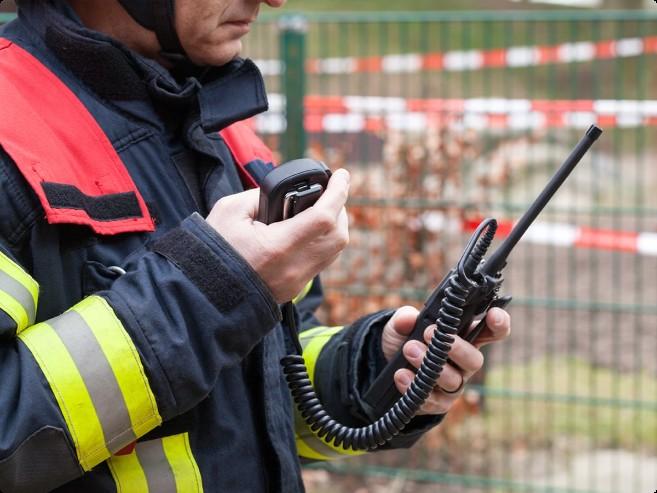
Clear and timely communication between responders is vital for coordinated efforts and efficient resource allocation.
Public Safety
Reliable communication ensures the safety of both responders and the public by facilitating prompt and effective assistance.
Situation
Awareness
Radio systems provide realtime updates on incident conditions, enabling responders to make informed decisions and adapt strategies accordingly.
Critical Incident Management
Radio systems are essential for managing complex situations, such as natural disasters, mass casualty events, and active shooter incidents.
Challenges in Achieving Optimal Coverage
Terrain Obstacles Hills, mountains, and dense forests can block radio signals, limiting coverage in certain areas.
Building Penetration
Thick walls and structures can attenuate radio signals, making it difficult for responders to communicate inside buildings.
Interference
Radio signals can be interfered with by other electronic devices, including cell phones and Wi-Fi networks.

Factors Affecting Radio Signal
Frequency
Higher frequencies have shorter wavelengths and are more easily absorbed by obstacles, resulting in shorter transmission distances.
2 Power Output
Higher power output results in stronger radio signals, extending the coverage area.
3 Antenna Height
Higher antennas provide a wider line of sight, improving coverage and reducing signal blockage.
4 Environmental Conditions
Factors like weather, temperature, and humidity can affect signal propagation, leading to variations in coverage.
Radio System Design Considerations
Frequency Band
Selection
Choosing the appropriate frequency band depends on the coverage requirements, terrain characteristics, and potential interference sources.
Repeater Network Design
Using repeaters to extend the range of radio signals is essential in areas with challenging terrain or dense urban environments.
Antenna Type and Placement
Selecting the right antenna type and optimizing its placement are crucial for maximizing coverage and signal strength.
System Capacity
Planning
Ensuring sufficient capacity to handle simultaneous communications from multiple responders is vital for preventing congestion and delays.

Deployment Strategies for Improved Coverage




Mobile Repeaters
Deploying mobile repeaters on vehicles expands coverage in areas where fixed infrastructure is limited.
Portable Repeaters
Portable repeaters can be deployed in temporary locations to enhance coverage during specific events or incidents.
Satellite Communications
Satellite systems provide a reliable backup communication channel when terrestrial networks are unavailable or overloaded.
Network Integration
Integrating radio systems with other communication technologies, such as cellular networks, enhances situational awareness and improves interoperability.


Maintenance and Troubleshooting Techniques
Regular Inspections Ensure proper operation of all equipment and identify potential issues before they become critical.
Antenna Alignment Proper alignment is essential for maximizing signal strength and coverage area.
Frequency Monitoring Monitoring for interference and identifying potential sources to mitigate signal degradation.
Software Updates Regular software updates enhance system performance, address security vulnerabilities, and improve compatibility.
