
"Born on the track, bred for 992 GT3 doesn’t ask for re
r the fearless — the espect. It takes it."
Year: 2018
Motor: V8
Displacement: 4000cm³
Power Output:
525 Ps
At engine speed: 7500/min
top speed: 280km/h
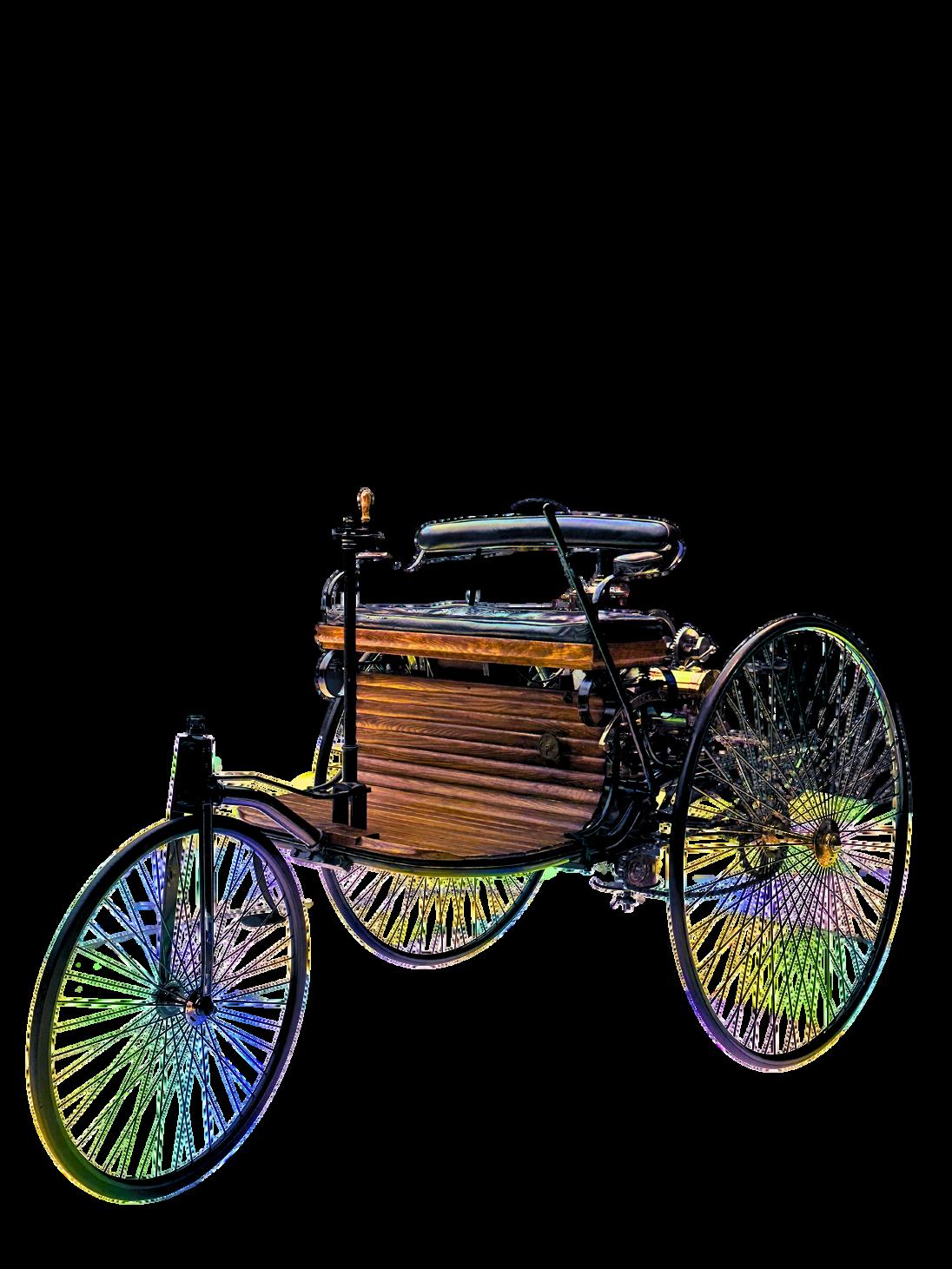
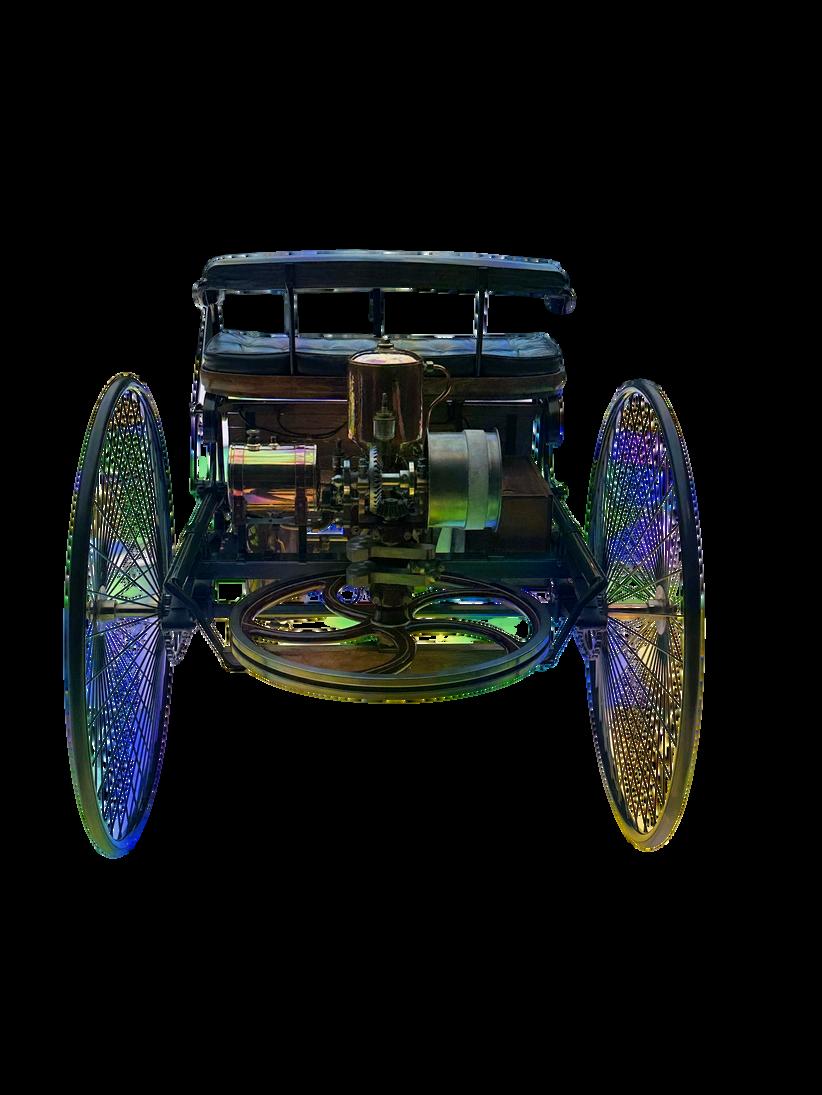
In 1885, German engineer Karl Benz developed the Benz PatentMotorwagen, widely recognized as the world's first automobile powered by an internal combustion engine. This three-wheeled vehicle featured a rear-mounted, single-cylinder four-stroke engine producing approximately 0.75 horsepower, enabling speeds up to 16 km/h (10 mph). Benz's innovative design integrated the engine with a lightweight chassis, marking a significant departure from horse-drawn carriages On January 29, 1886, Benz secured patent number 37435 for his invention, laying the foundation for the modern automotive industry.

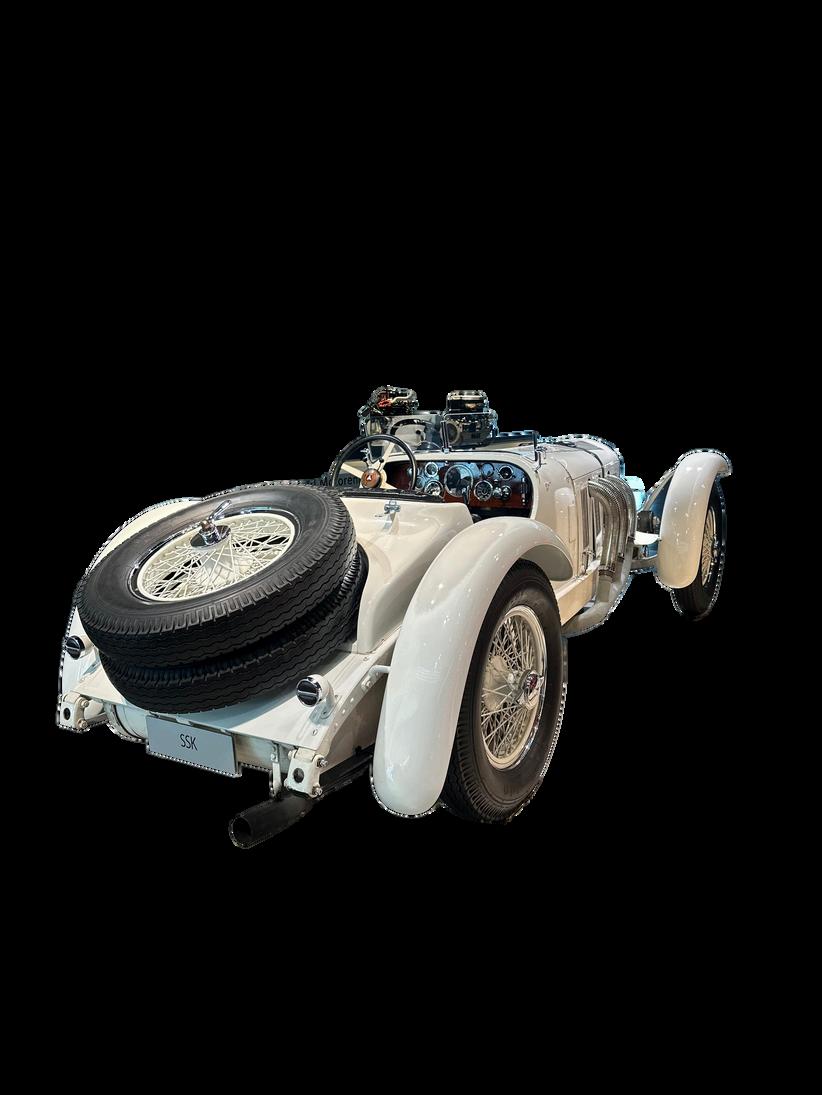
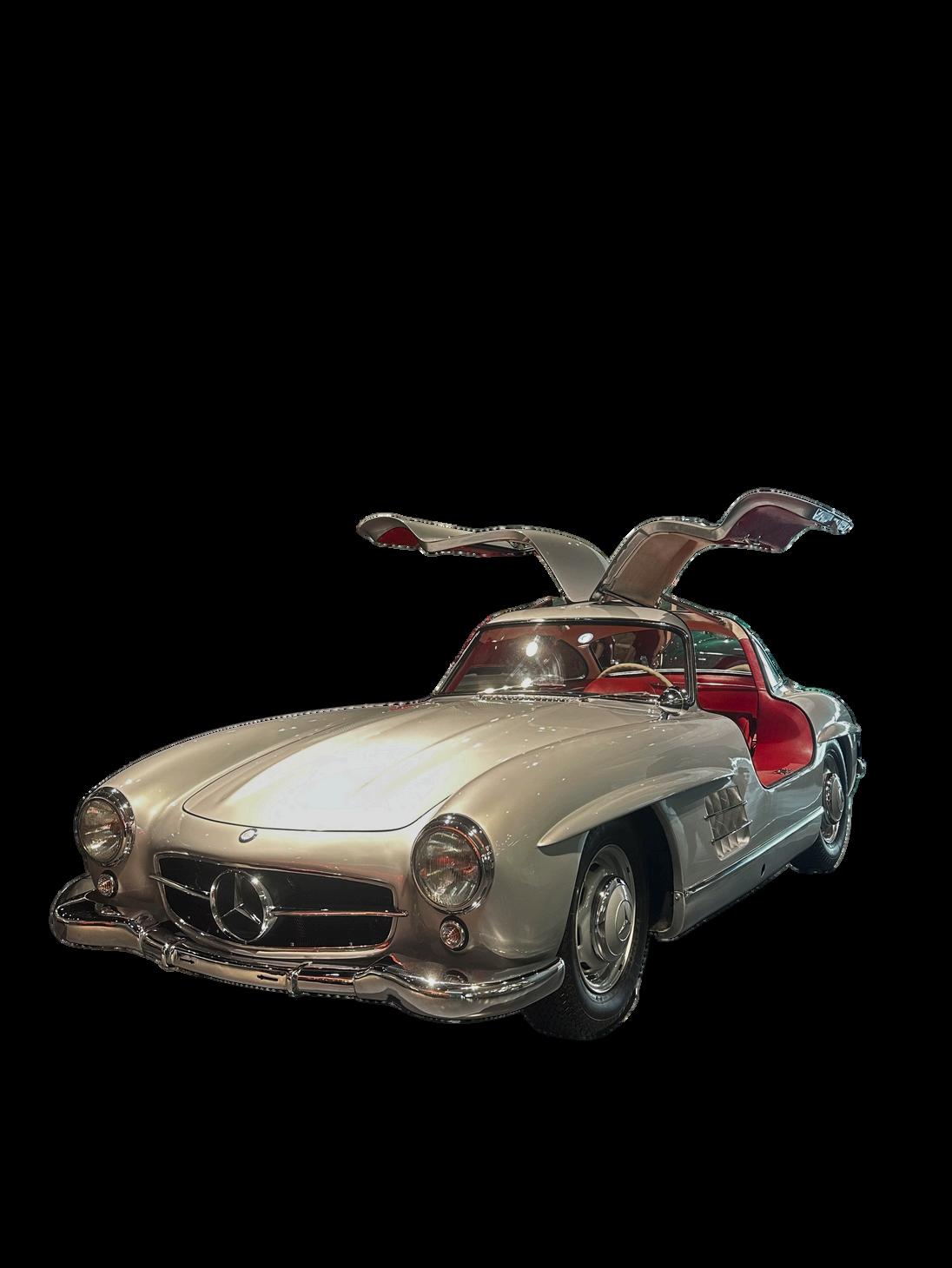
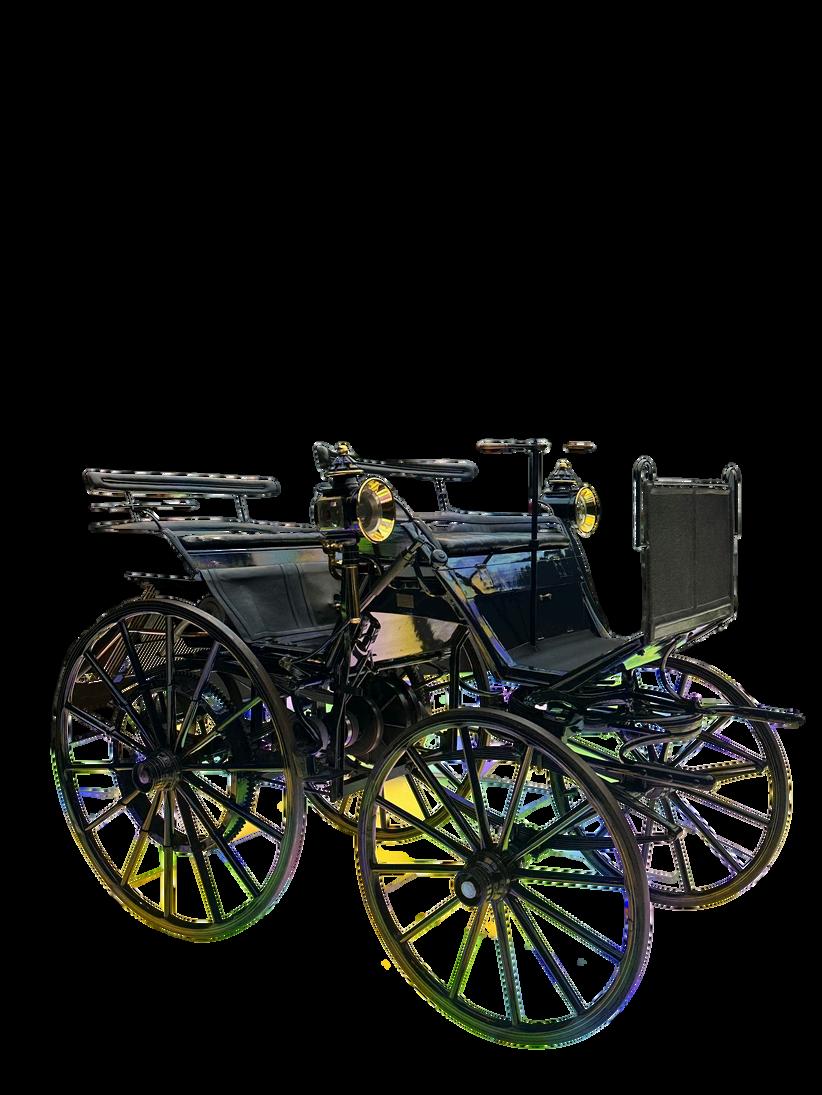
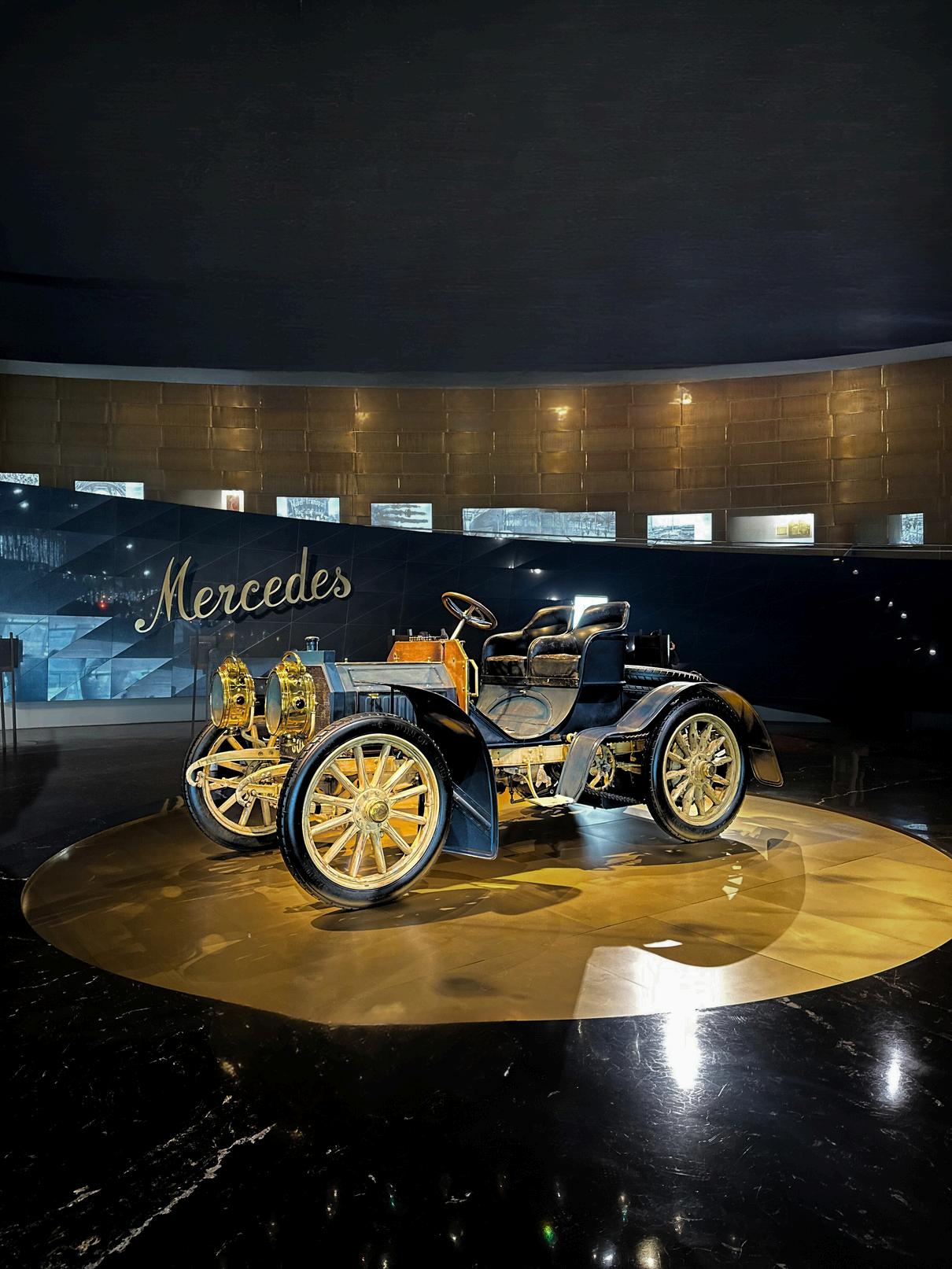
Highlights from the Mercedes-Benz Museum's historical collection
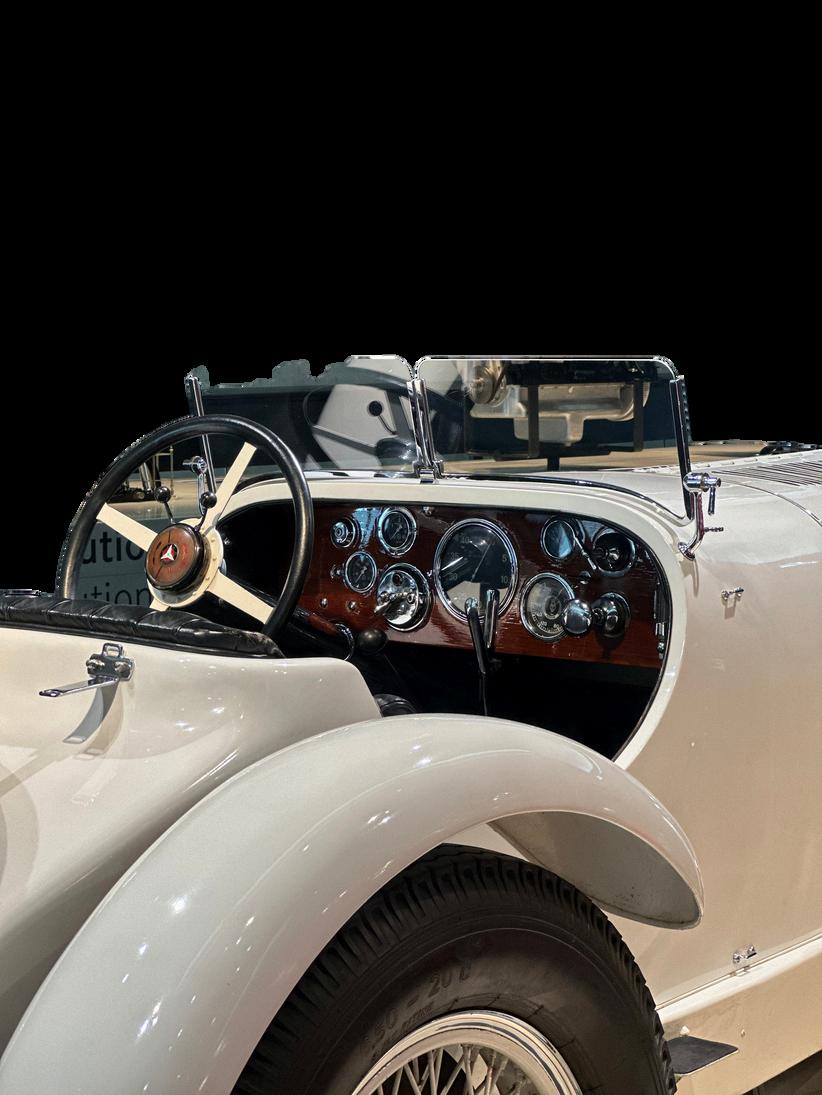
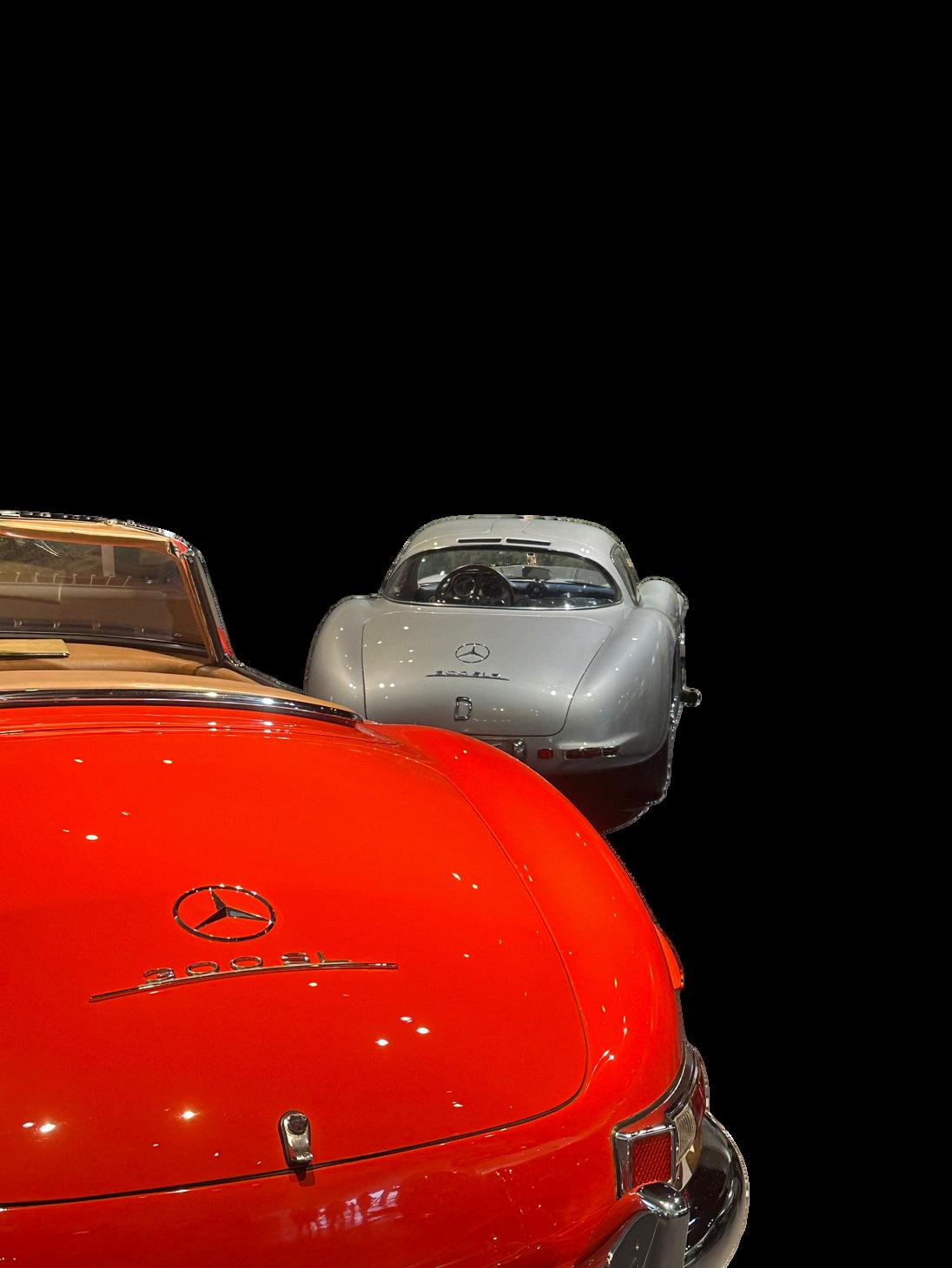
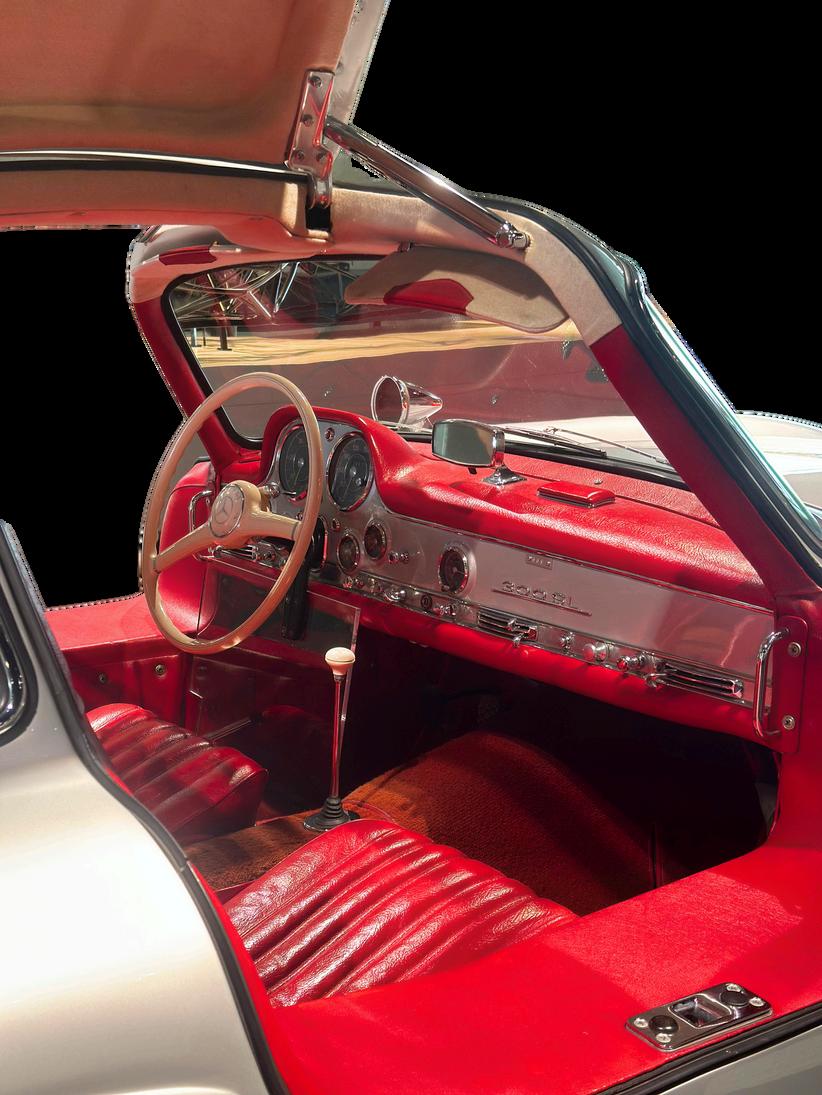
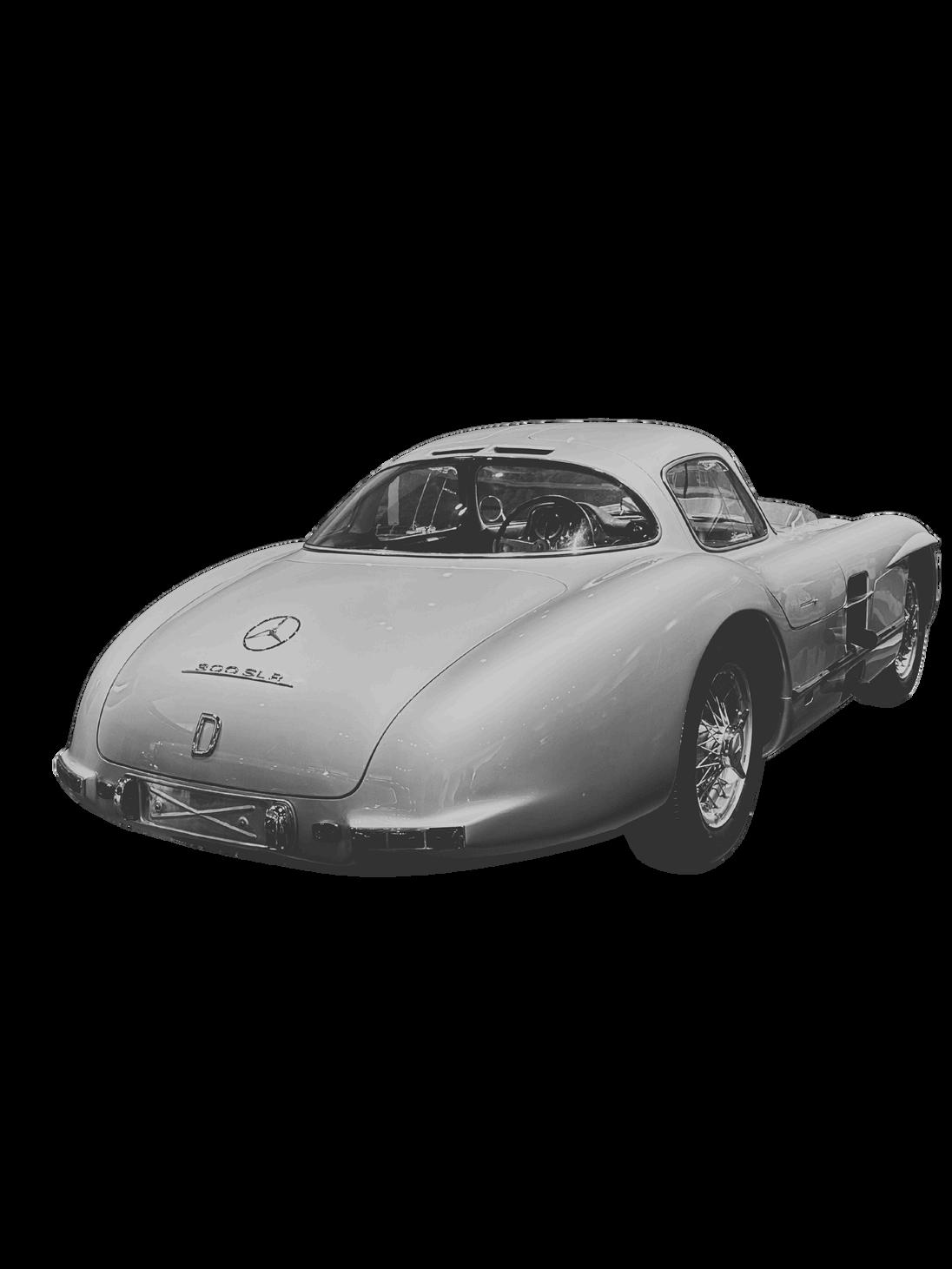
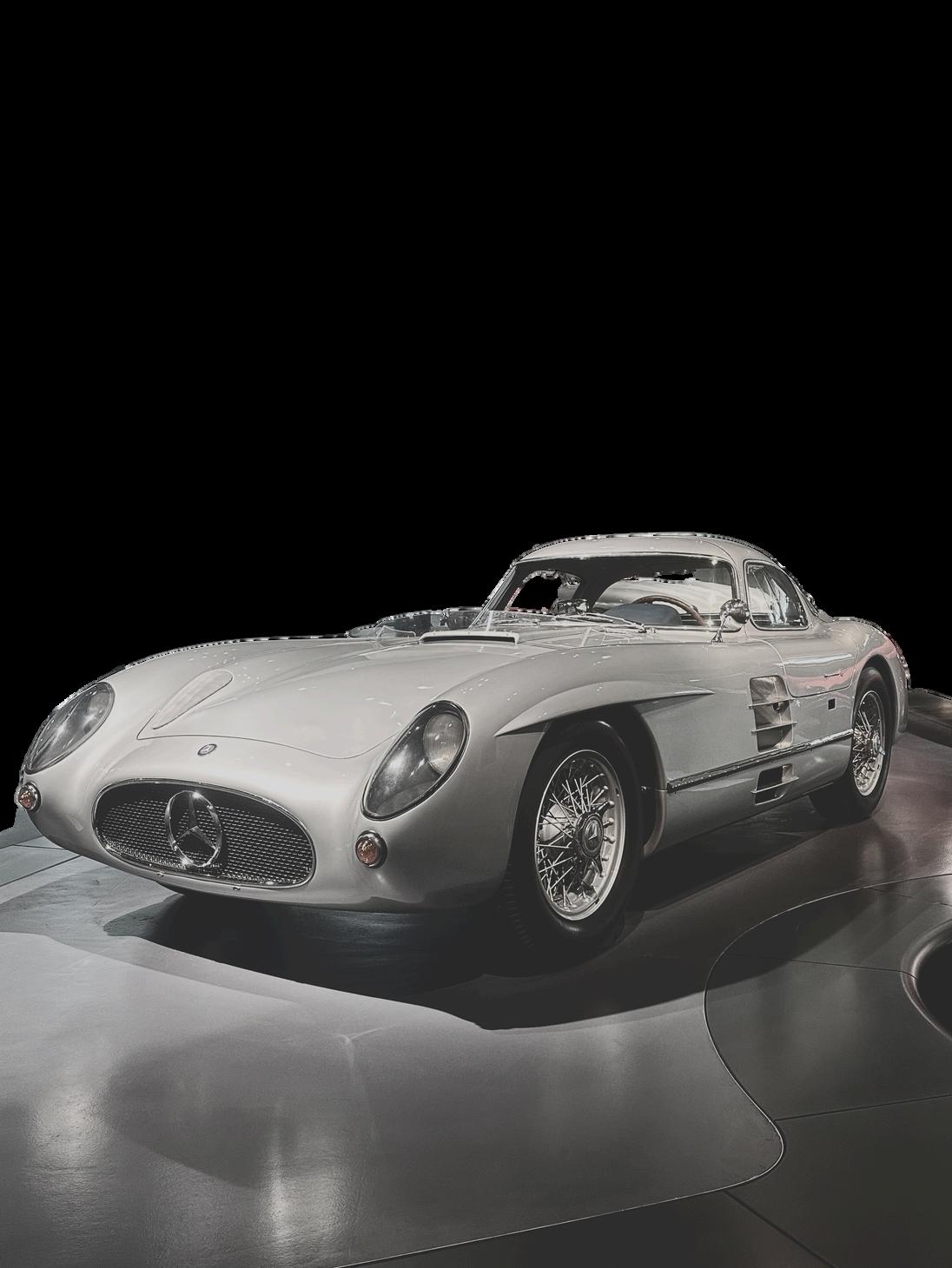
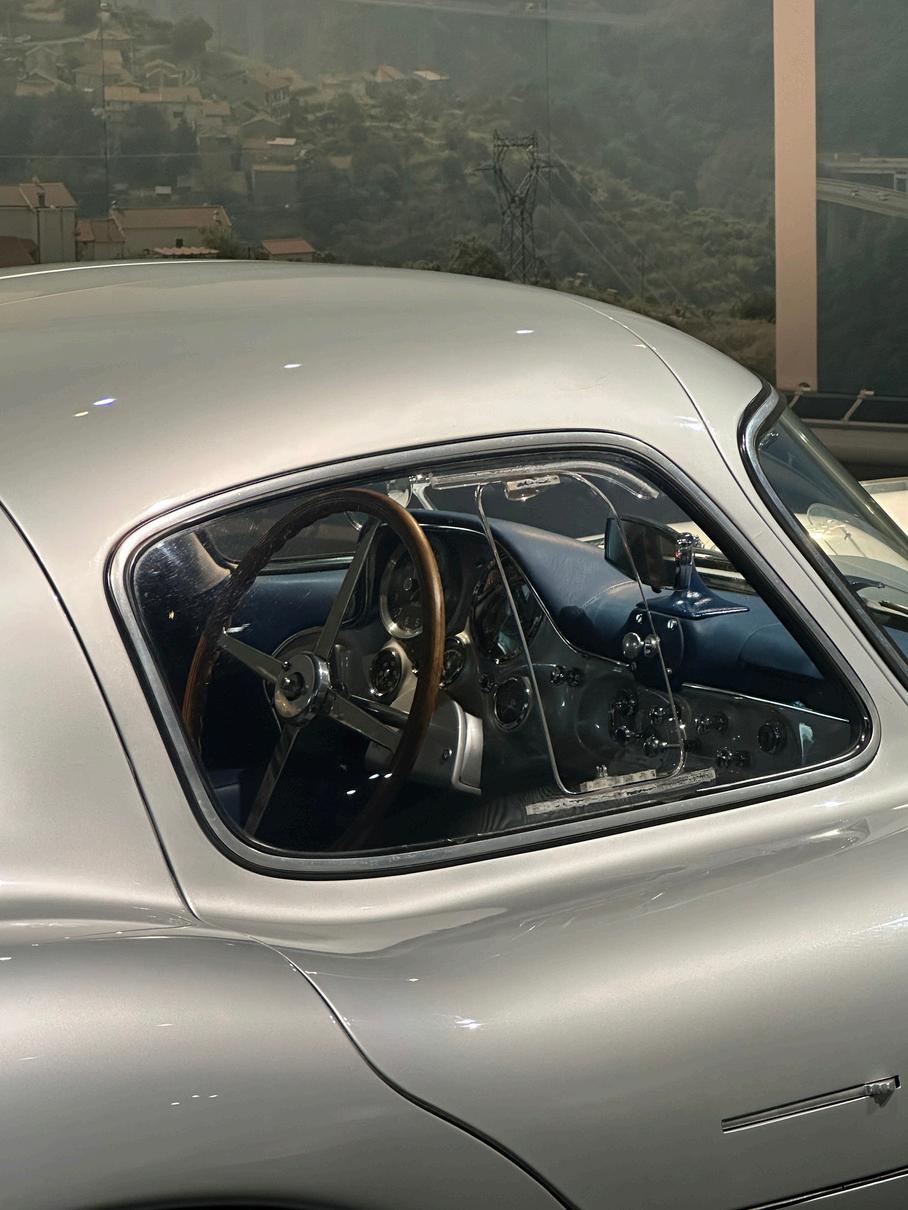
In May 2022, a 1955 Mercedes-Benz 300 SLR Uhlenhaut Coupé sold at auction for a staggering €135 million (approximately $142.7 million), setting a new record as the most expensive car ever sold This rare vehicle, one of only two prototypes ever made, was named after its creator, Rudolf Uhlenhaut Originally developed for racing, the car featured a 3.0-liter straight-eight engine and was capable of reaching speeds up to 180 mph, making it one of the fastest road cars of its time. The sale took place at a private auction held at the Mercedes-Benz Museum in Stuttgart, Germany. The buyer remains anonymous, while the second prototype continues to be displayed at the MercedesBenz Museum
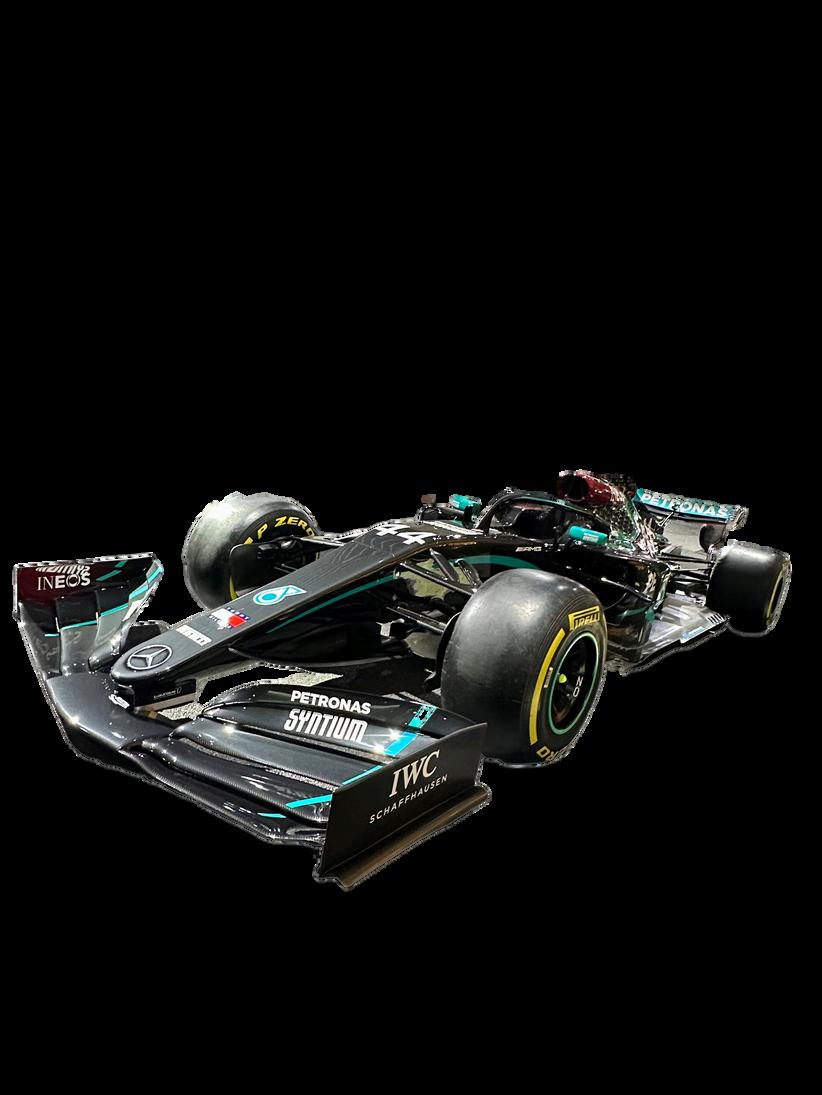
Mercedes-AMG F1 W11 EQ Performance (2020): Dominating the 2020 Formula 1 season, the W11 featured a 1.6-liter turbocharged V6 hybrid engine, delivering over 1,000 horsepower. Innovations like the Dual Axis Steering (DAS) system showcased Mercedes' commitment to pushing technological boundaries .
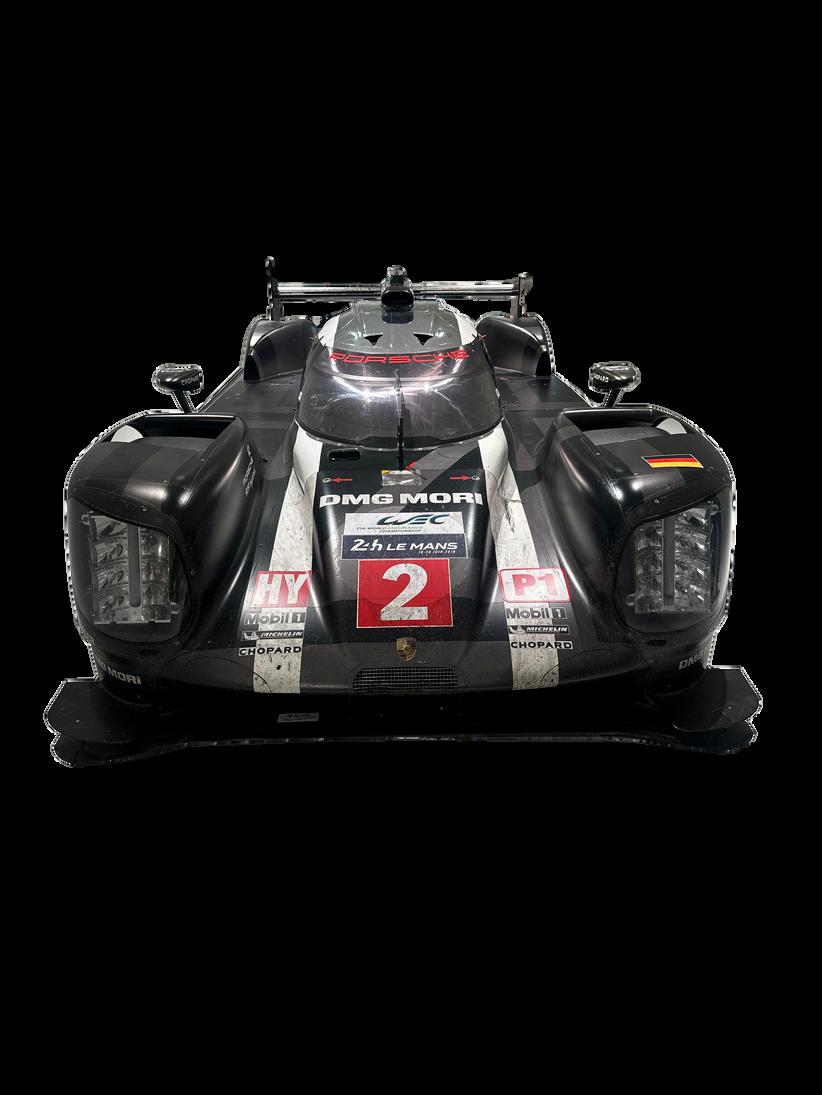
Porsche 919 Hybrid (2014–2017): Competing in the FIA World Endurance Championship, the 919 Hybrid combined a 2.0-liter V4 turbocharged engine with a hybrid system, producing a total output exceeding 900 horsepower. Its efficiency and performance led to three consecutive Le Mans victories from 2015 to 2017 .
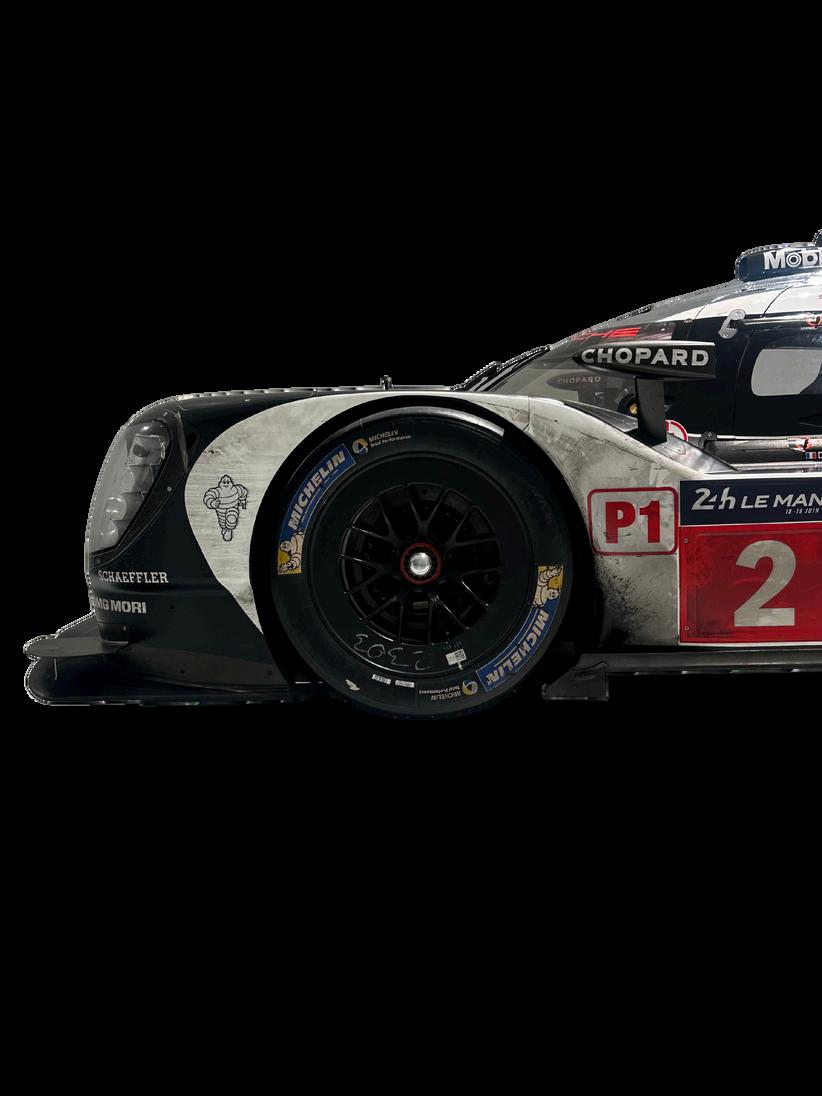
Germany's legacy in motorsport is exemplified by two groundbreaking machines: the Mercedes-AMG F1 W11 EQ Performance and the Porsche 919 Hybrid.
The Porsche 911 GT1 made its racing debut at the 1996 24 Hours of Le Mans, securing second and third places overall In 1997, despite fielding eight cars, Porsche faced challenges and did not finish the race. However, in 1998, the 911 GT1-98 achieved a remarkable one-two finish at Le Mans, marking Porsche's 16th overall victory at the event
Innovatively, the 911 GT1 featured a mid-engine layout and was among the first Porsche race cars to employ a water-cooled engine The 1998 version introduced Porsche's first carbon fiber monocoque chassis, enhancing rigidity and reducing weight
This blend of engineering advancements and racing success solidified the 911 GT1's legacy as an iconic race car in Porsche's history.
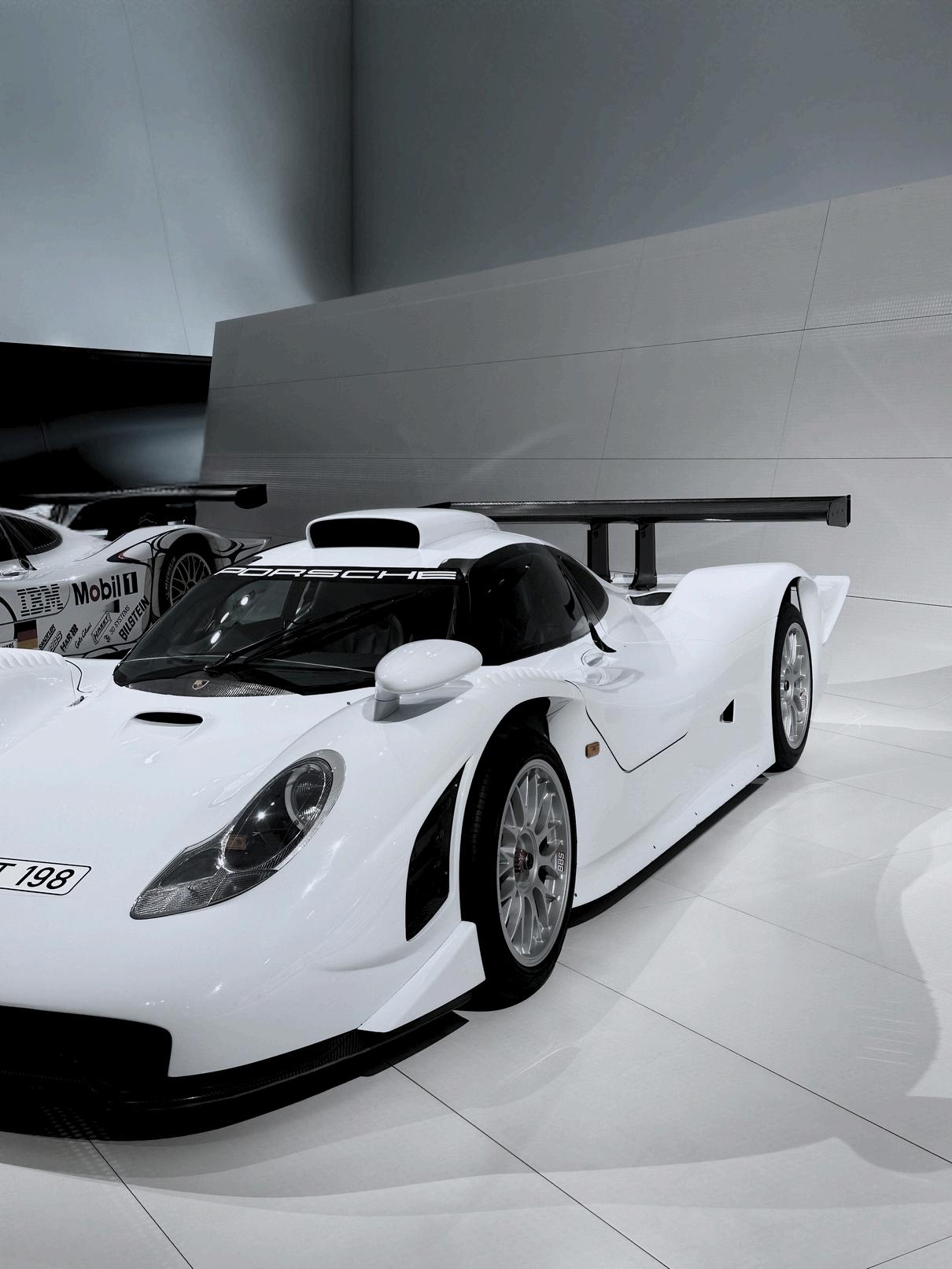
Year: 1998
Engine: 6-Zyl. Boxer Biturbo
Displacement: 3163ccm
Power Output: 400kW (544)Ps
Top Speed: 310km/h
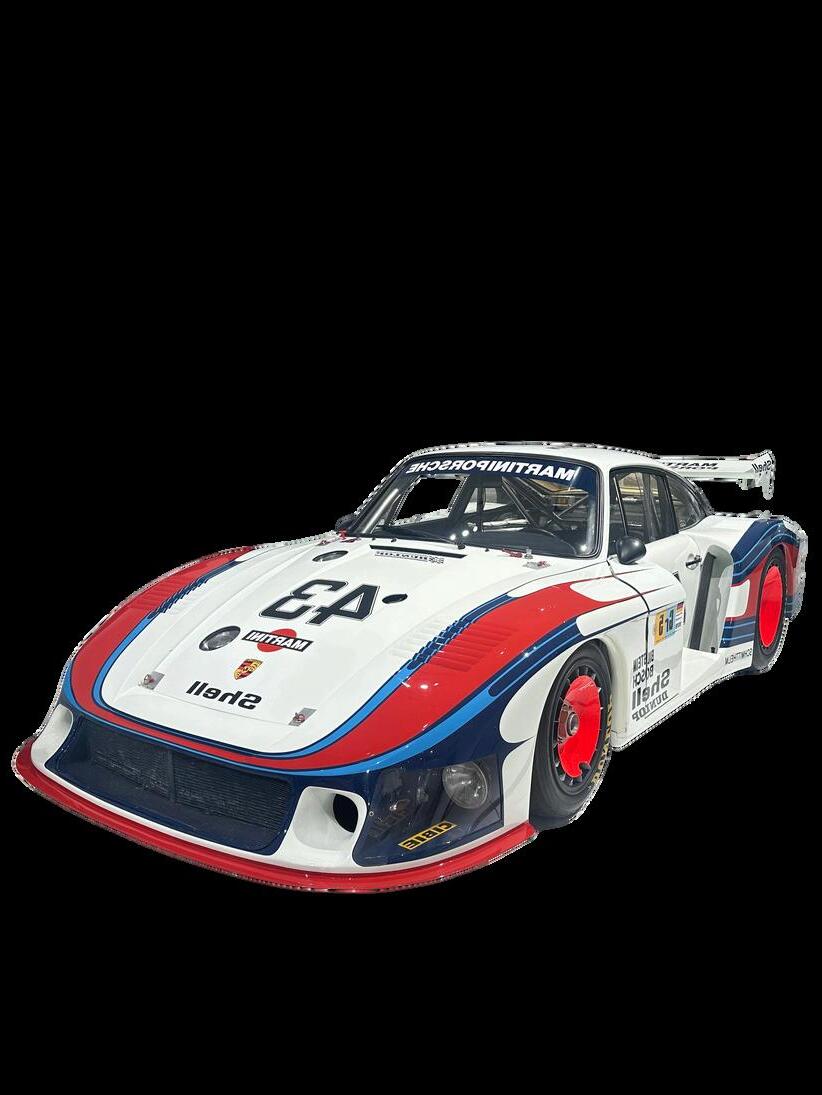
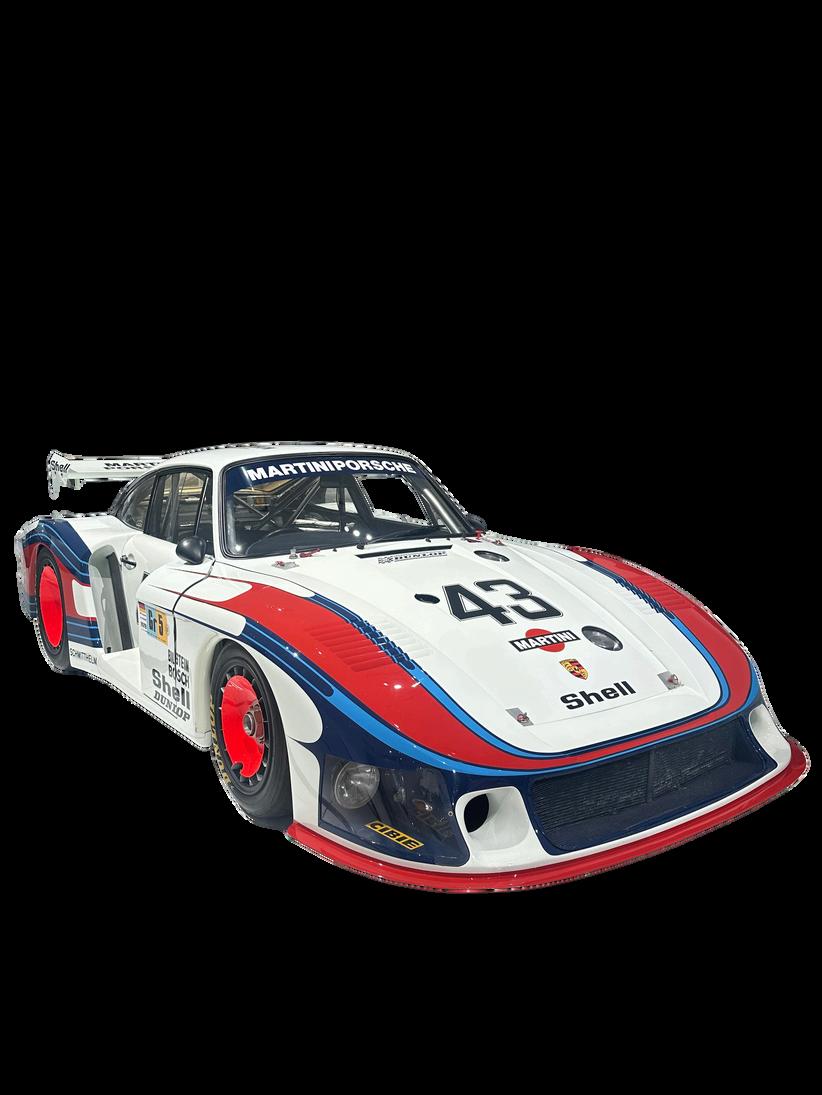
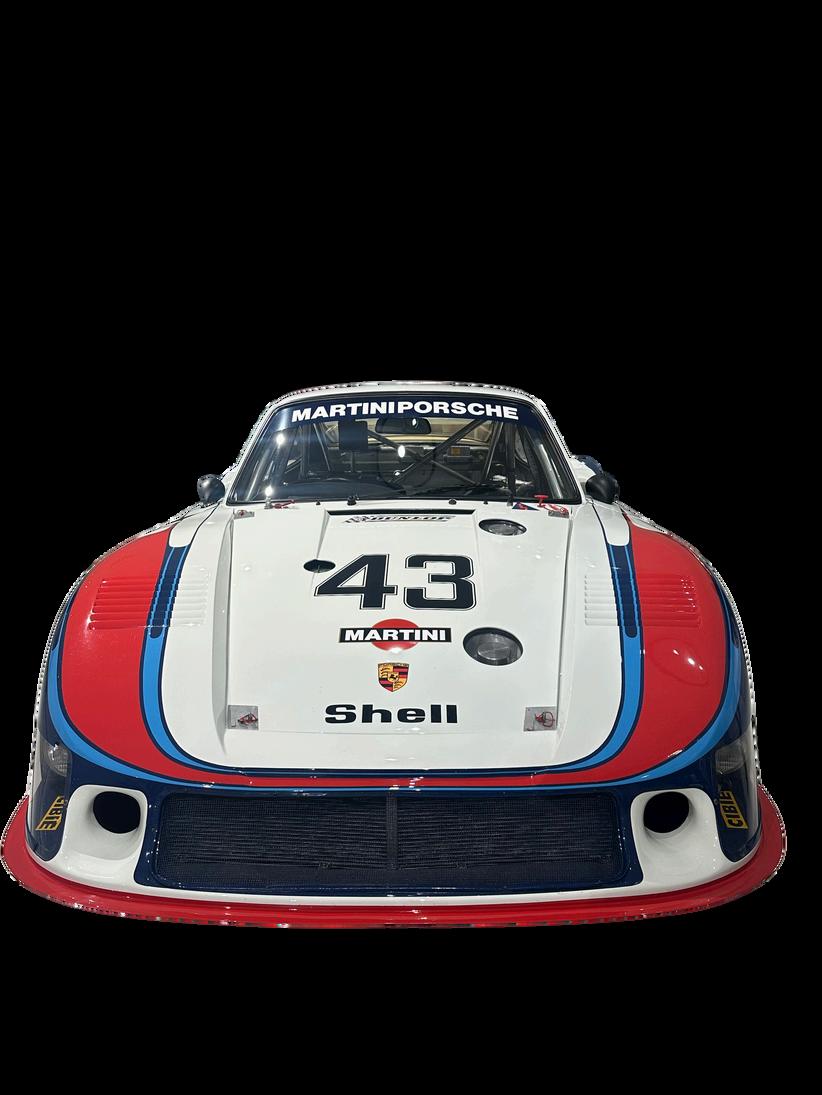
Year: 1978
Engine: 6-Zyl. Boxer Turbo
Displacement: 3211ccm
Power Output: 621kW (845Ps)
Top Speed: 366km/h
History
The Porsche 935/78, nicknamed "Moby Dick" for its elongated white body, was the most powerful 935 variant, producing 845 hp. It debuted at the 1978 Silverstone 6 Hours, winning by seven laps. At Le Mans, it reached 366 km/h on the Mulsanne Straight but finished eighth due to mechanical issues. After two more races, it was retired to the Porsche Museum.
Porsche 935/78
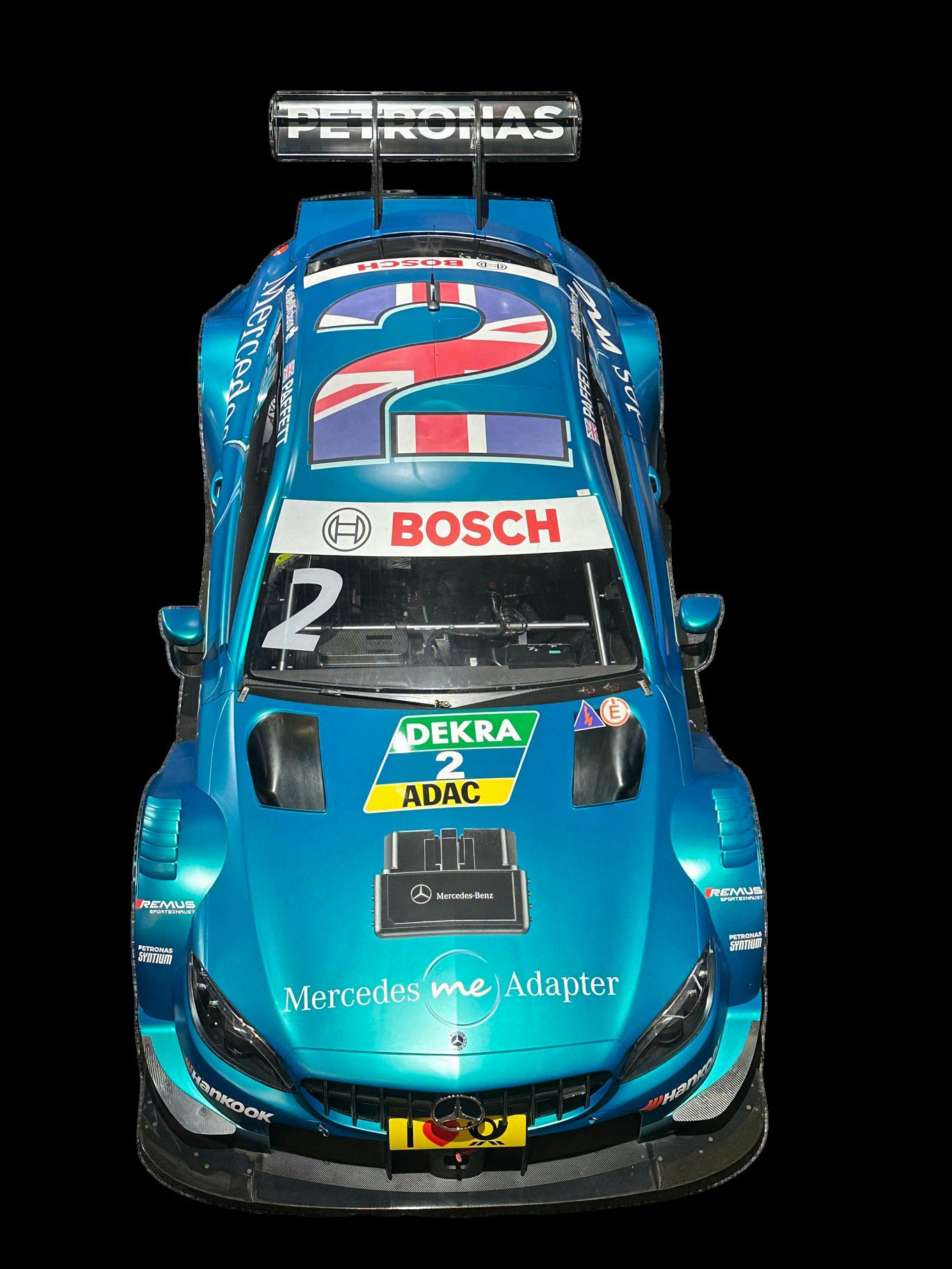
History
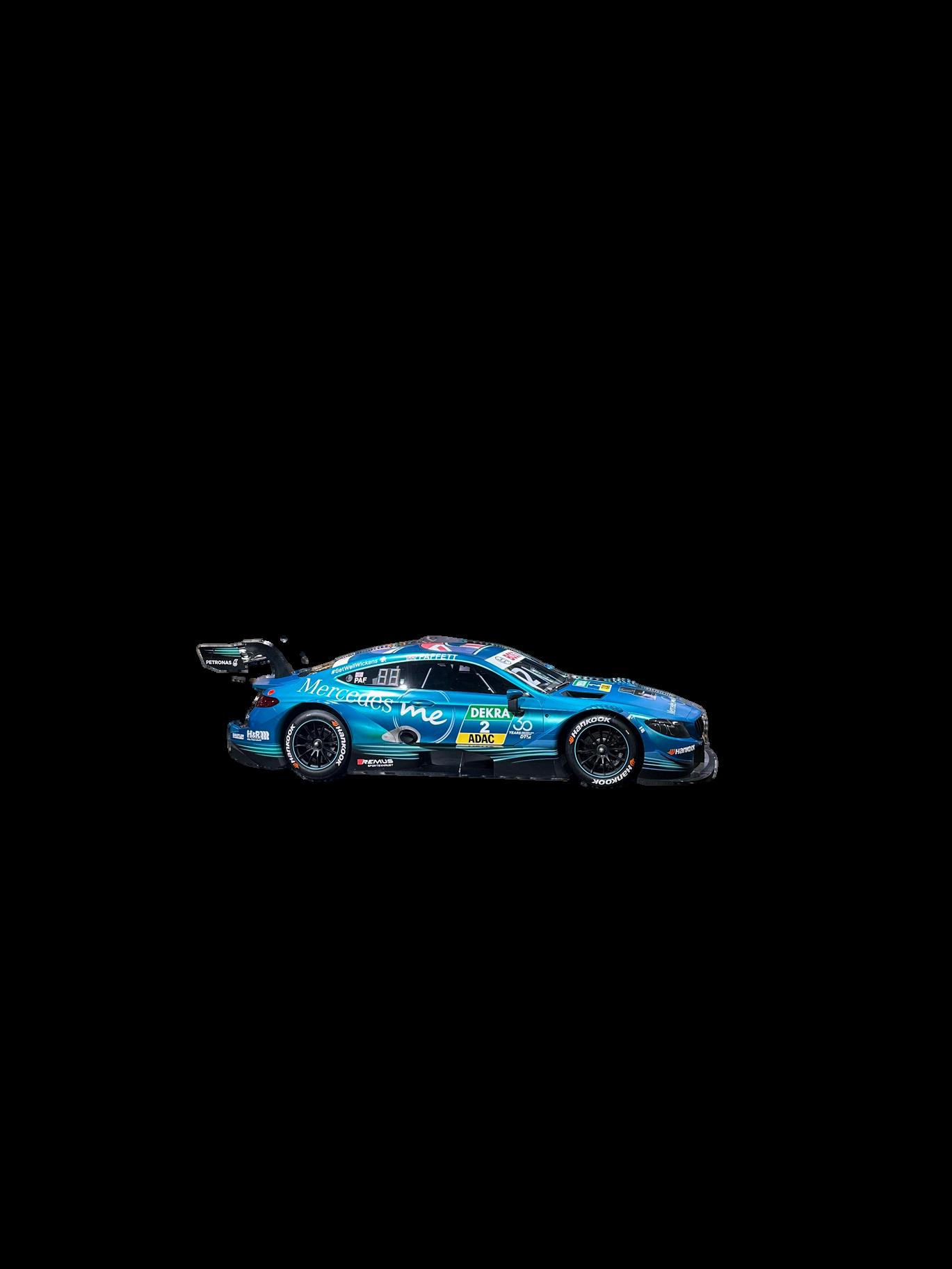
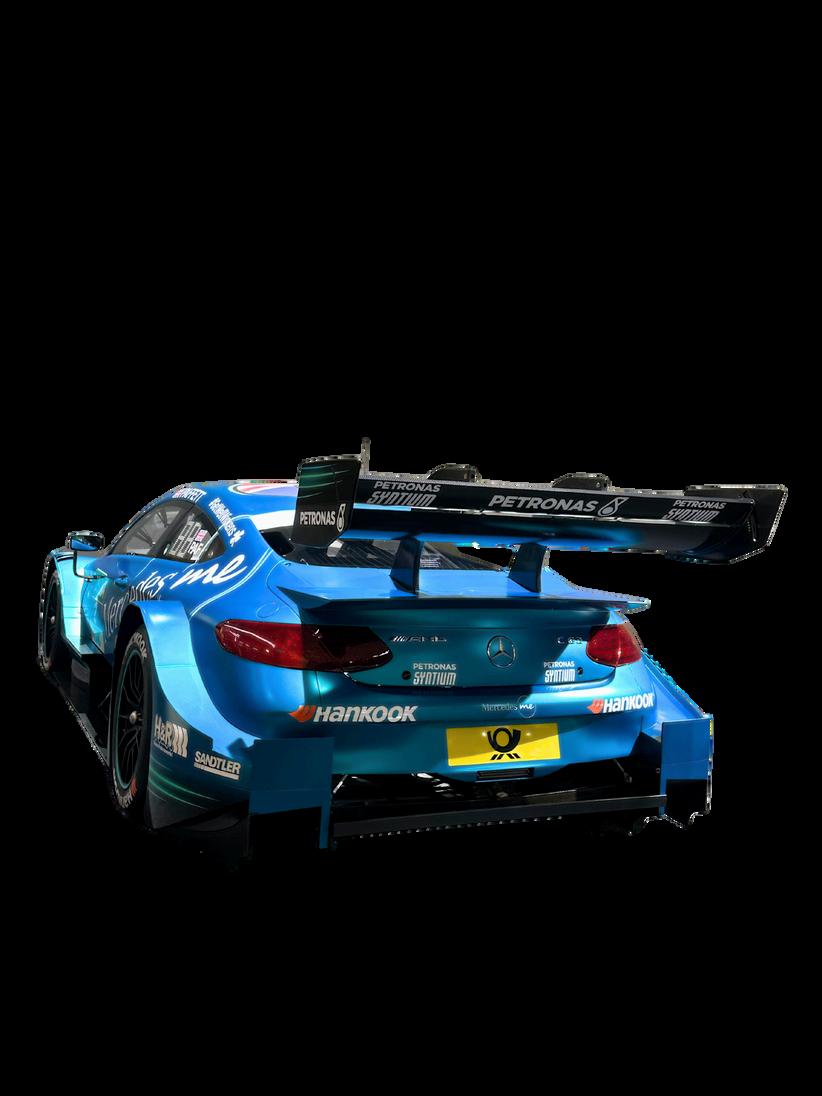
The Mercedes-AMG C 63 DTM marked the final chapter of Mercedes-Benz's factory involvement in the Deutsche Tourenwagen Masters (DTM). Introduced in 2015, it continued the brand's legacy in touring car racing until Mercedes-Benz withdrew from the series at the end of the 2018 season to focus on Formula E. During its tenure, the C 63 DTM contributed to Mercedes-AMG's impressive record in DTM, which includes 195 victories, 11 drivers’ titles, and 14 manufacturers’ championships over 19 years. After its retirement from active competition, the C 63 DTM remains a symbol of Mercedes-AMG's dedication to performance and innovation in motorsport.
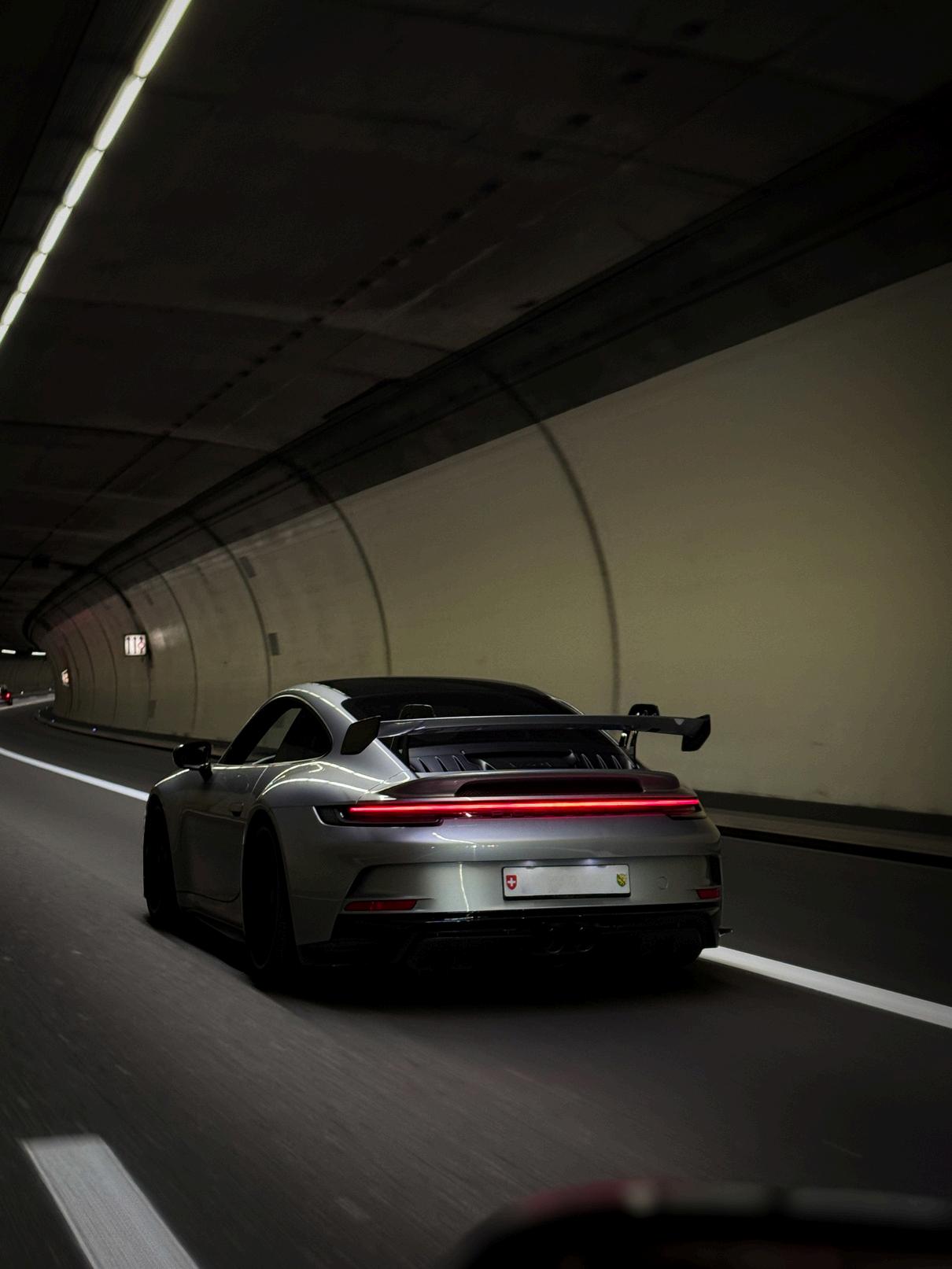
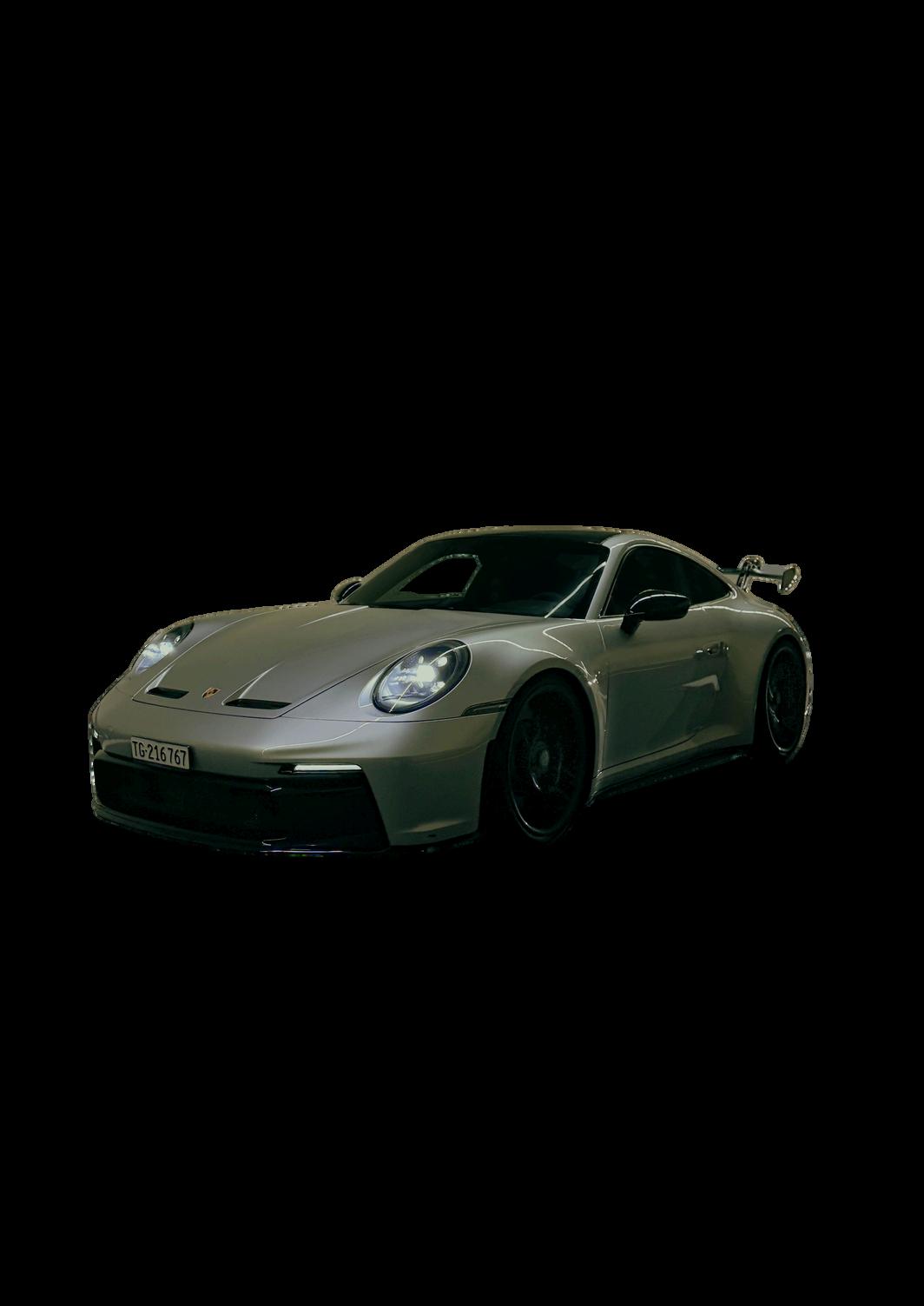
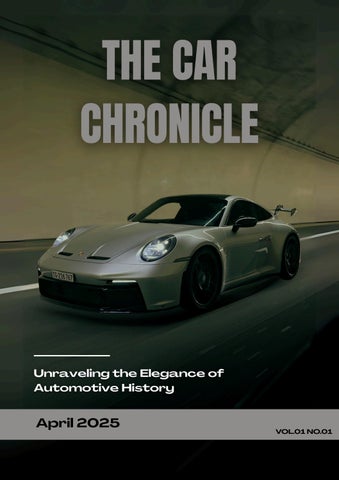
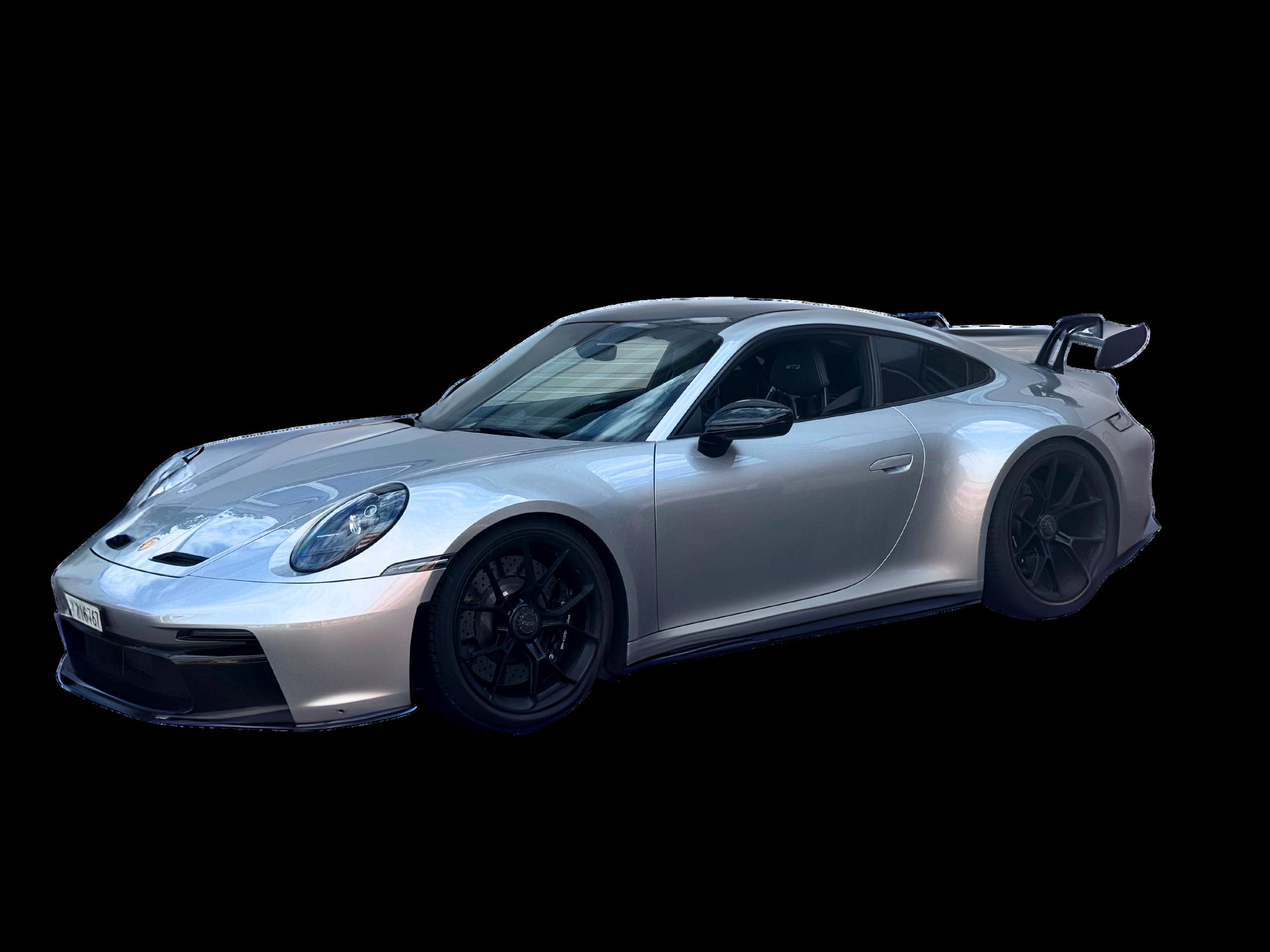
The Porsche 992 GT3 isn’t just another car; it’s a true tribute to Porsche’s rich motorsport history. Shot during a private photoshoot, these images capture the car ’ s unmistakable racing soul and incredible engineering. Each photo tells a story, revealing the heart and passion behind Porsche, while showcasing the 992 GT3’s commanding presence and deep-rooted legacy. It’s a glimpse into the next chapter of this iconic model's journey.
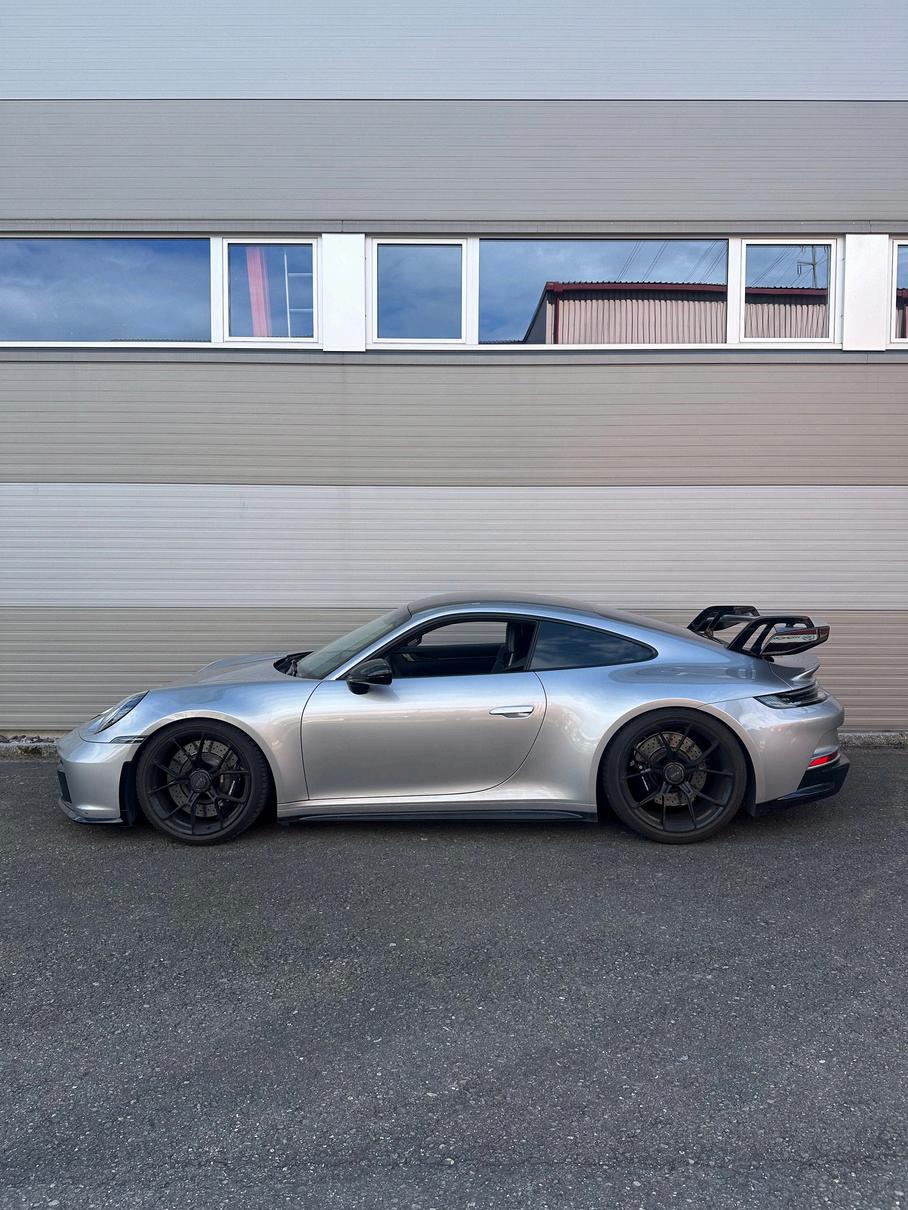
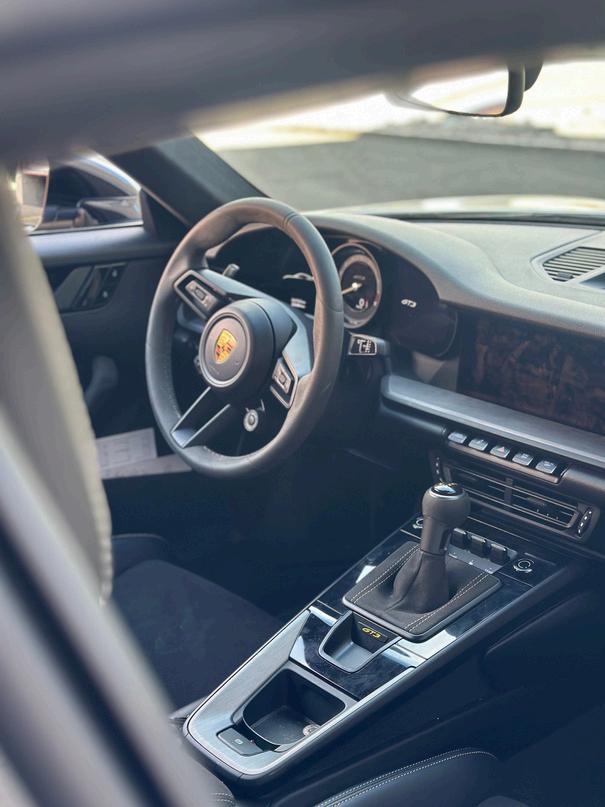
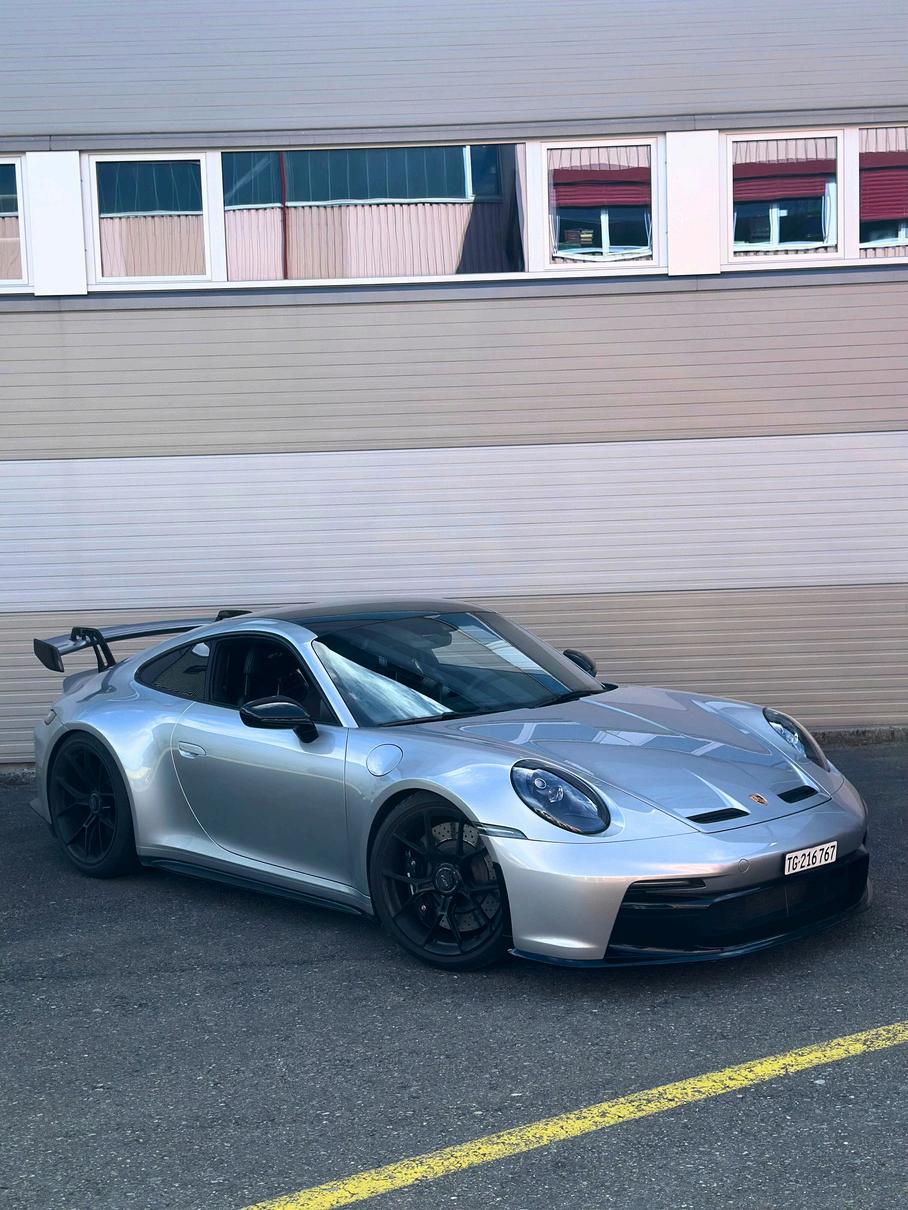
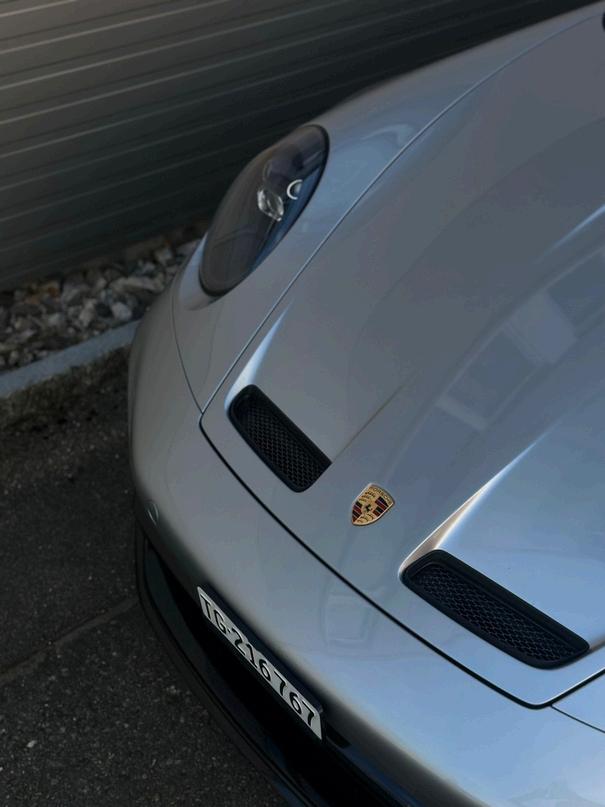
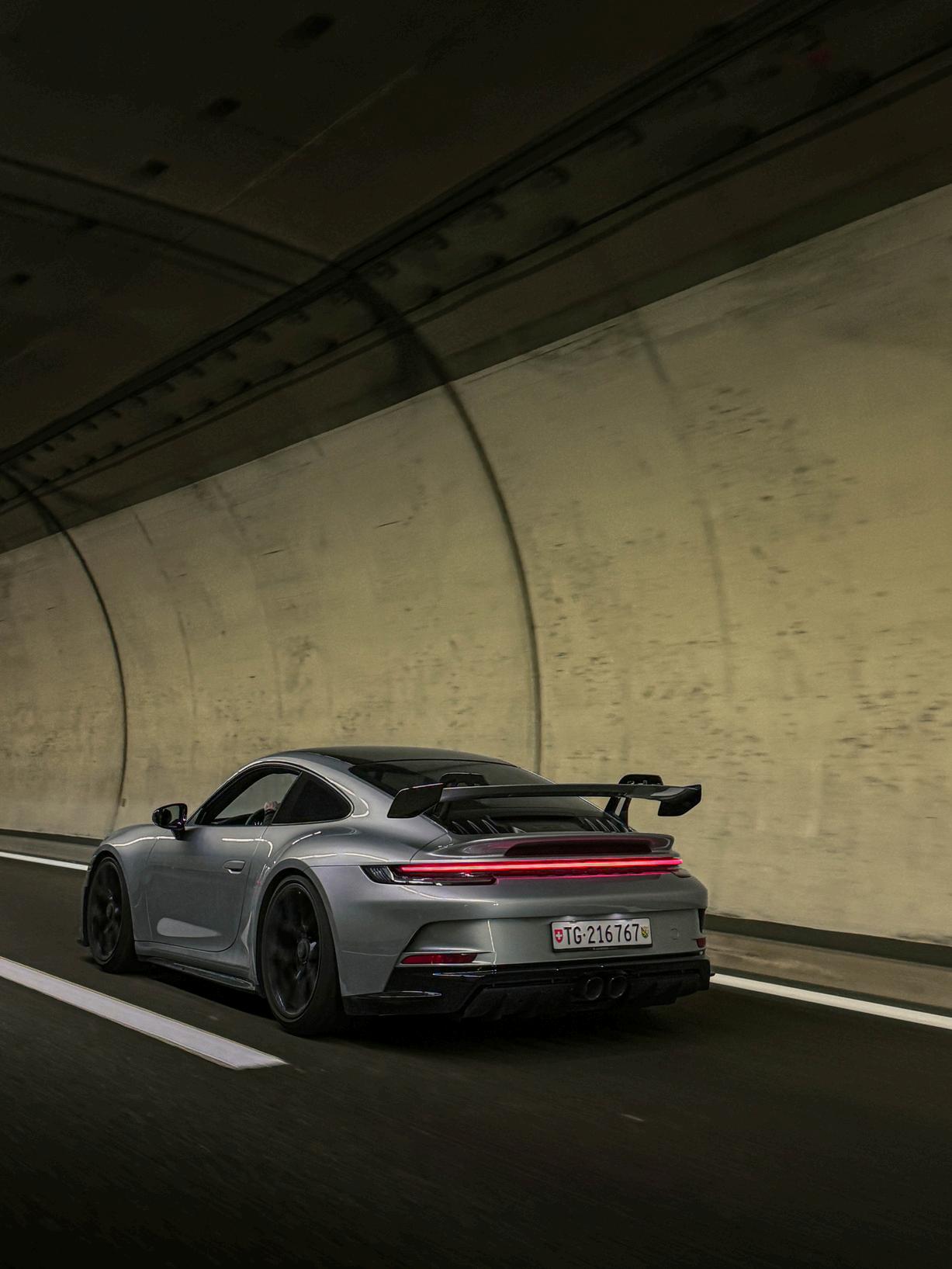
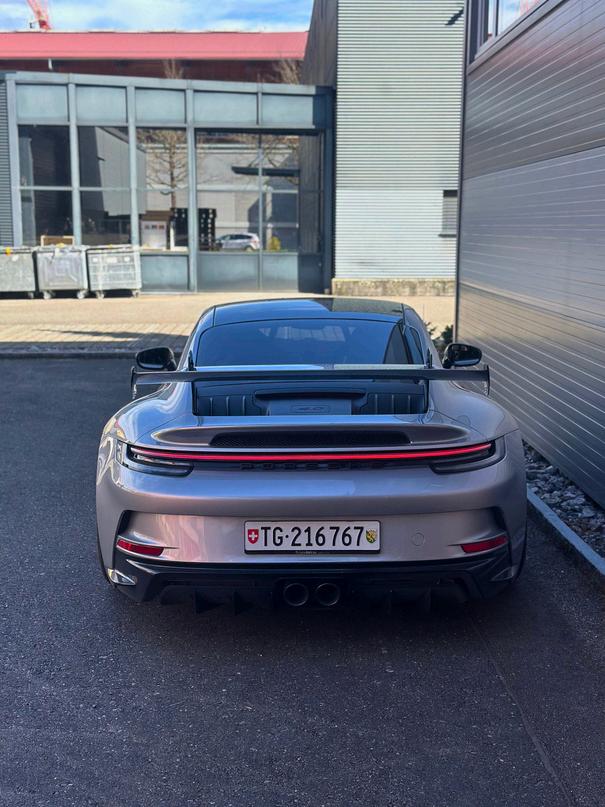
I owe a huge thanks to a good friend of mine for letting me borrow the Porsche 992 GT3 for the day to help with this project Getting behind the wheel of this incredible machine was an experience like no other The sound, the driving experience, and the emotions that flood you when you ’ re in it nothing I’ve driven even comes close. When I arrived at the location, I had to take a moment to just admire the car. It’s truly a masterpiece, and before diving into the photoshoot, I just had to appreciate the raw beauty and power it emanates. There’s something about the 992 GT3 that’s simply unmatched. It’s a car that leaves you speechless.
The Porsche 992GT3is thepinnacle of precision engineering, blending aerodynamics, lightweightdesign, and track-readyperformancefor unmatcheddriving excellence.
Year: 2023
Engine Type:
4.0-liter naturally aspirated flat-six
Power Output:
502 horsepower (374 kW)
Top Speed:
318 km/h (197 mph)
0-100 km/h Time:
3.2 seconds
Weight: 1,418 kg
Transmission: 7-speed PDK dual-clutch
Fuel Efficiency:
14.8 L/100 km
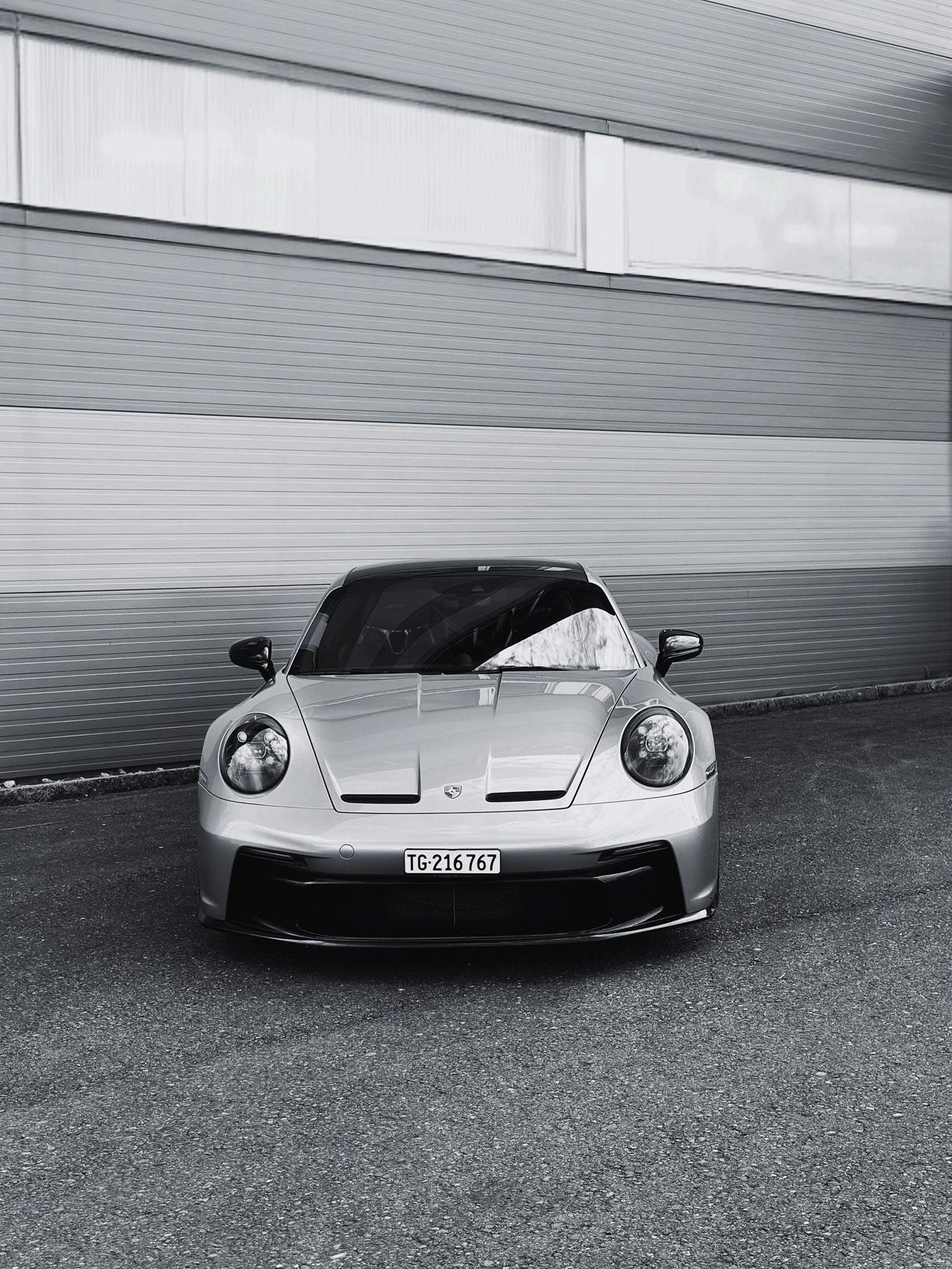
"The lightweight construction improves lap times by reducing overall weight, while maintaining structural integrity for highspeed handling."
The Porsche 992 GT3’s performance is driven by lightweight materials like carbon fiber and aluminum, enhancing agility. Aerodynamic features such as the rear wing and front splitter provide crucial downforce for stability. The double-wishbone suspension ensures precise handling, while rear-wheel steering improves cornering. These elements come together to deliver an unparalleled driving experience on the Track