download ebooks at https://ebookmeta.com
For dowload this book click link below https://ebookmeta.com/product/topological-approaches-to-thechemical-bond-1st-edition-angel-martin-pendas/
More products digital (pdf, epub, mobi) instant download maybe you interests ...
Starting Out The c3 Sicilian 1st Edition John Emms
https://ebookmeta.com/product/starting-out-the-c3-sicilian-1stedition-john-emms/
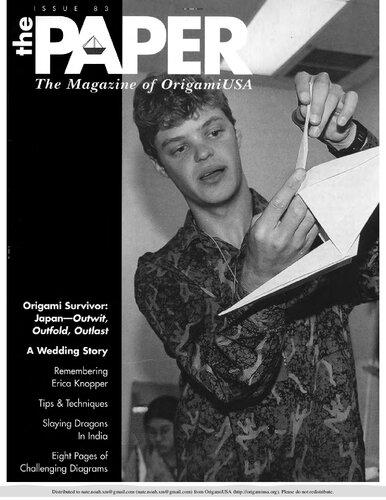
The Paper Issue 83 1st Edition Origamiusa
https://ebookmeta.com/product/the-paper-issue-83-1st-editionorigamiusa/
The American Revolution 1774 83 2nd Edition Daniel Marston
https://ebookmeta.com/product/the-americanrevolution-1774-83-2nd-edition-daniel-marston/
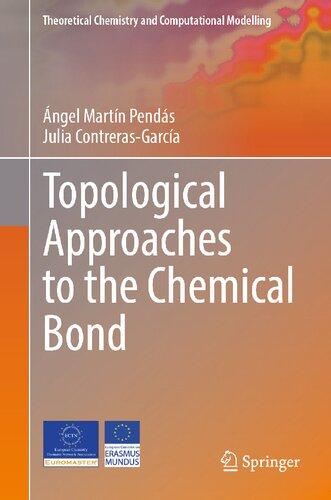
Topological Approaches to the Chemical Bond 1st Edition Ángel Martín Pendás
https://ebookmeta.com/product/topological-approaches-to-thechemical-bond-1st-edition-angel-martin-pendas/
BNF 83 (British National Formulary) March 2022 Joint Formulary Committee
https://ebookmeta.com/product/bnf-83-british-national-formularymarch-2022-joint-formulary-committee/
English Grammar Exercises with answers Part 4 Your quest towards C2 1st Edition Daniel B. Smith
https://ebookmeta.com/product/english-grammar-exercises-withanswers-part-4-your-quest-towards-c2-1st-edition-daniel-b-smith/
Patriot vs Loyalist American Revolution 1775 83 Combat 1st Edition Si Sheppard
https://ebookmeta.com/product/patriot-vs-loyalist-americanrevolution-1775-83-combat-1st-edition-si-sheppard/
British Light Infantryman vs Patriot Rifleman American Revolution 1775 83 1st Edition Robbie Macniven
https://ebookmeta.com/product/british-light-infantryman-vspatriot-rifleman-american-revolution-1775-83-1st-edition-robbiemacniven/
Secrecy Public Relations and the British Nuclear Debate How the UK Government Learned to Talk about the Bomb 1970 83 Cold War History 1st Edition Daniel Salisbury
https://ebookmeta.com/product/secrecy-public-relations-and-thebritish-nuclear-debate-how-the-uk-government-learned-to-talkabout-the-bomb-1970-83-cold-war-history-1st-edition-daniel-
TheoreticalChemistryandComputational Modelling
EditorialBoard
ManuelAlcami,DepartmentofChemistry,UniversidadAutónomadeMadrid, Madrid,Madrid,Spain
RamónSayós,DepartamentdeCiènciadeMaterialsiQuímicaFísica,Universidad deBarcelona(UB),Barcelona,Spain
IñakiTuñón,DepartamentodeQuímicaFísica,UniversidaddeValencia,Burjassot -València,Spain
StefanoEvangelisti,LaboratoiredeChimieetPhysiqueQuantiques,Université PaulSabatier(ToulouseIII),Toulouse,France
NicolasSuaud,LaboratoiredeChimieetPhysiqueQuantiques,IRSAMC, UniversitéPaulSabatier,Toulouse,France
MonicaCalatayud,LaboratoiredeChimieThéorique,SorbonneUniversité,Paris Cedex05,France
NoeliaFaginasLago,DipartimentodiChimica,BiologiaeBiotecnologie, UniversityofPerugia,Perugia,Italy
MauroStener ,DepartmentofChemicalandPharmaceuticalSciences,University ofTrieste,Trieste,Italy
ShirinFaraji,DepartmentofTheoretical&ComputationalChemistry, RijksuniversiteitGroningen,Groningen,TheNetherlands
DanielEscudero,DepartmentofChemistry,KULeuven,Leuven,Belgium
JeremyHarvey,DepartmentofChemistry,KULeuven,Leuven,Belgium
MinhThoNguyen,DepartmentofChemistry,KULeuven,Leuven,Belgium
ModernChemistryisunthinkablewithouttheachievementsofTheoreticaland ComputationalChemistry.Asamatteroffact,thesedisciplinesarenowamandatory toolforthemolecularsciencesandtheywillundoubtedlymarkthenewerathat liesaheadofus.Tothisend,in2005,expertsfromseveralEuropeanuniversities joinedforcesunderthecoordinationoftheUniversidadAutónomadeMadrid,to launchtheEuropeanMastersCourseonTheoreticalChemistryandComputational Modeling(TCCM).ThiscourseisrecognizedbytheECTNA(EuropeanChemistry ThematicNetworkAssociation)asaEuromaster;ithasbeenpartoftheErasmus MundusMastersProgramoftheEACEA(EuropeanEducation,Audiovisualand CultureAgency)since2010.Theaimofthiscourseistodevelopscientistswhoare abletoaddressawiderangeofproblemsinmodernchemical,physical,andbiologicalsciencesviaacombinationoftheoreticalandcomputationaltools.Thebook series,TheoreticalChemistryandComputationalModeling,hasbeendesignedby theeditorialboardtofurtherfacilitatethetrainingandformationofnewgenerations ofcomputationalandtheoreticalchemists.
ÁngelMartínPendás · JuliaContreras-García TopologicalApproaches totheChemicalBond ÁngelMartínPendás
DepartamentodeQuímicaFísicay
Analítica
UniversidaddeOviedo Oviedo,Spain
JuliaContreras-García LaboratoiredeChimieThéorique SorbonneUniversité Paris,France
ISSN2214-4714ISSN2214-4722(electronic)
TheoreticalChemistryandComputationalModelling
ISBN978-3-031-13665-8ISBN978-3-031-13666-5(eBook) https://doi.org/10.1007/978-3-031-13666-5
©TheEditor(s)(ifapplicable)andTheAuthor(s),underexclusivelicensetoSpringerNature SwitzerlandAG2023
Thisworkissubjecttocopyright.AllrightsaresolelyandexclusivelylicensedbythePublisher,whether thewholeorpartofthematerialisconcerned,specificallytherightsoftranslation,reprinting,reuse ofillustrations,recitation,broadcasting,reproductiononmicrofilmsorinanyotherphysicalway,and transmissionorinformationstorageandretrieval,electronicadaptation,computersoftware,orbysimilar ordissimilarmethodologynowknownorhereafterdeveloped.
Theuseofgeneraldescriptivenames,registerednames,trademarks,servicemarks,etc.inthispublication doesnotimply,evenintheabsenceofaspecificstatement,thatsuchnamesareexemptfromtherelevant protectivelawsandregulationsandthereforefreeforgeneraluse.
Thepublisher,theauthors,andtheeditorsaresafetoassumethattheadviceandinformationinthisbook arebelievedtobetrueandaccurateatthedateofpublication.Neitherthepublishernortheauthorsor theeditorsgiveawarranty,expressedorimplied,withrespecttothematerialcontainedhereinorforany errorsoromissionsthatmayhavebeenmade.Thepublisherremainsneutralwithregardtojurisdictional claimsinpublishedmapsandinstitutionalaffiliations.
ThisSpringerimprintispublishedbytheregisteredcompanySpringerNatureSwitzerlandAG Theregisteredcompanyaddressis:Gewerbestrasse11,6330Cham,Switzerland
Cuandonoentiendasunproblema, disminuyesudimensión.
EltrabajoenlostiemposdelCOVID19
Foreword WithinthisseriesdedicatedtoTheoreticalChemistryandComputationalModelling (TCCM),thesubjectdevelopedinthisbookisofspecialrelevancewithregards preciselytocomputationalmodeling,sincethesimulationoftherealworldthrough theuseofquantum-chemicalmethodsisunavoidablybasedonthemathematical itemthatdescribesthatreality,thatis,onthewavefunction.WhentheSchrödinger equationforanychemicalsystem, H ψ = E ψ ,issolved,theenergyofthesystem andthewavefunctionthatdescribesit,areobtainedsimultaneously.Theproblem, however,isthattheSchrödingerequationcanonlybesolvedexactlyinveryfew situations,whichimpliesthatforalmostthetotallyofthesystemswewishtodescribe, bothenergyandwavefunctionareapproximateentitiesThismeansthat,althoughin mostcaseswhentheHamiltonian, H ,intheSchrödingerequationistheexactone, thereisnowayofobtainingtheexactwavefunctionofthesystemtobedescribed, andthereforeneithertheexactenergycanbeevaluated.Butitispreciselythewave functiontheentitythatallowsusto“see”,understandandinterpretthepropertiesof thesystem,simplybecauseaccordingtooneofthepostulatesofquantummechanics, althoughnophysicalmeaningcanbeassociatedwiththewavefunction,sucha physicalmeaningcanbeascribedtoitssquare,admittingthatthesquareofthe wavefunctionhasaprobabilisticinterpretation.Thus,ifonewishestounderstand thepropertiesoftheparticles,nucleiandelectronsensemble,thatmakeupany chemicalsystem,onemustanalyzethepropertiesofamathematicalfunctionof manyparticles,whichisthesquareofthewavefunction.Theconsequencesofthis assertionareobvious,sothatinquantummodelingthedifferentwaystowithdraw usefulinformationfromthesquareofthewavefunctionbecomecrucialtoobtain apreciseview,oratleastaspreciseaspossible,oftheparticlesdistributionand, consequently,ofthepropertiesofthesystemthatwearetryingtomodel,andthisis preciselytheobjectiveofthebookyouhaveinyourhands,toprovideatimelyand completeoverviewofthedifferentformalismsabletogetusefulinformationfrom thewavefunctionobtainedbysolvingtheSchrödingerequation.
Letmeaddthatthemethodologicalcompilationthatisthecontentsofthisbook itisnoteasilyfound,atpresent,inotherpublicationsinthisarea.Here,youwillbe
abletofollowrigorousdeductionsandexplanationsofthedifferentmathematicaland physicalconceptsbehindasignificantlylargevarietyofthemethodologiesnowadays available,toanalyzeawavefunction,specificallyadaptedforpostgraduatestudents.
Onecanconsiderthatthestorybeganinthefiftiesofthepastcentury,whenprofitingthatintheframeworkoftheBorn–Oppenheimerapproximation,thesquareof thewavefunctionprovidesaprobabilisticdescriptionofthedistributionoftheelectrons,thefirstmethodsabletocalculatetheprobabilityoffindingelectronsassociated withthedifferentnucleiinthephysicalspaceweredeveloped.Theseformalisms, usuallyknownasPopulationAnalyses,werethefirstattempttounderstandtherules thatgovernthepolaritywithinthedifferentchemicalentities,andtoformulaterules abletounderstandthevaluesofmultipoles(dipoles,quadrupoles,octuples…)within therealmofmolecularchemistry.
However,wecannotforgetthat,afterall,theinformationtobeobtainedisassociatedwithamathematicalfunctionthat,asmentionedintheIntroductiondwellsin Hilbert,ratherthaninthephysicalspace.Theconsequenceisthatthemethodology tobeusedtoobtaintheinformationspeaksalanguageverydifferentfromthatused bychemistsintheireverydayactivity,simplybecausemoleculesliveinthephysicalspace,butassaidabovethefunctionthatprovidesthatinformationdwellsina Hilbertspace.Thisisoneofthevirtuesofthisbook,toleadusbythehand,without losingthenecessarymathematicalrigorinthedescriptionofthemethodologytobe used,toadeepunderstandingandclearcomprehensionofthepropertiesofatoms, molecules,bonds,non-covalentinteractionsandotherendless“real”worldfacts. Frommypersonalviewpoint,aparadigmaticexampleofthisvirtuewouldbe,for instance,thedeductioninChap. 2 ofMorse’sequalitythatestablishestherelationshipbetweenthenumberofcagepoints,ringpoints,bondpointsandthenumber ofnucleiforanychemicalsystem;buttherearemanymoreallalongthefollowing chapters.
Theorganizationofthebook,ontheotherhand,isperfecttoachievethisgoal, startingwiththeIntroductioninwhich,itismadecleartothereaderthattheanalysisoftheelectrondensityallowstoobtainaveryrichinformationcontainedin thewavefunction.Anintroductorychapterontopologicalspaces,includingscalar fieldsandsomeveryinterestingadvancedmaterial,suchasthesectiondevotedto topologicalinvariants,isindeedessentialtounderstandcorrectlytheanalysisofthe electrondensity,whichispreciselyascalarfieldwhosetopologicalcharacteristics areofaparamountimportancetoachieveasoundandcompleteviewofaconcept centraltochemistry:thechemicalbond.Inthissensethesectiondedicatedtotopologicalinvariantsconstitutesanoveltythatisdifficulttofindcompletelydeveloped inpreviouspublications,whichthroughtheanalysisofthecriticalpointsofadynamicalsystemsprovidesaperfectbackgroundtounderstandthebasisoftheQTAIM (QuantumTheoryofAtomsinMolecules)developedinthefollowingchapter,and thatculminateswiththedeductionofMorse’sequalityImentionedabove.
Veryinterestingisthepresentationofchemicalrealityasafascinatinggamein whichboth,localizationanddelocalizationoftheelectrondensity,playfundamental roles,andhowtheyareconnectedwithotherpioneeringideasas,forinstance, thetheoryoflogesofR.Daudel,thelinkbetweenlocalizationcriteriaandthe
formationofelectronpairs,theequivalencebetweenhole-localizationandelectronlocalization,theusefulnessofthelocalizationanddelocalizationindexes,orhow theseeffectscharacterizewell-knownchemicalconcepts,amongthemtheinductive andthemesomericeffects,orwhyratheroldmodels,suchastheBerlin’sregions, arerecoveredwhenmanyofthesenewformalismsareapplied.
Manypeople,amongthemmanychemists,arecompelledtothinkthationicand covalentbondingarethefundamentalnecessaryconceptstorationalizethewhole chemicalworld,andtheanalysisofchemicalbondinginthisbookisreallyanice andcompletepieceofwork,butinthisbookemphasisismadeonthefactthat nowadaysismoreandmoreevidentthatitisimpossibletounderstandchemical realityignoringthenon-covalentinteractions.However,non-covalentinteractions alwaysrepresentachallengebecause,bynature,theyareweakandthereforevery difficulttobeadequatelyandaccuratelydescribedbytheory.Theyareforsureessentialtounderstandmanybiochemicalphenomena,amongotherreasonsbecausethey arebehindchemicalrecognitionandmolecularassembly;butmorerecentlythey werealsofoundtoplayimportantrolesinmaterialscienceandcrystals,aswell asinatmosphericchemistryandastrochemistry.Anotherrichnessofthebookyou haveinyourhandsisthatitexploresadvancedmethodologyfortheanalysisof non-covalentinteractionswhichcannotbefoundinotherbooksontheoreticaland computationalchemistry.Indeed,someoftheapproachesdescribedherearevery recentcontributionsinthefield.TothisgroupbelongmethodssuchastheLocalized OrbitalLocator(LOL)formulatedintheyear2000,theElectronLocalizationIndicator(ELI)proposedfouryearslater,theElectronPairLocalizationFunction(EPLF) firstdefinedin2004,butmodifiedin2011tomakeitanalyticallycomputablewith standardwavefunctions,obtainedwithbothDFTorabinitiomethods,theLocalizedElectronDetector(LED)initiallyproposedin2010,ortheDensityOverlap RegionsIndicator(DORI)formulatedin2014;butthebookalsopresentsthefirst successfulattemptstowelldescribeandclassifyintermolecularinteractionsthrough theuseoftheQuantumTheoryofAtomsinMolecules(QTAIM),theElectron LocalizationFunction(ELF)andtheNon-CovalentInteractions(NCI)formalism, inwhosedevelopment,oneoftheauthorsofthisbook(J.C.-G.)hadanimportant role.Tocompletethisperspective,theauthorswereabletodescribeindetailhow theseformalismschangetheperspectiveofmodernchemistryusingrepresentative casesofweakinteractionssuchashydrogenbonds,thecoordinationofbiomolecules aroundmetalcenters,stericrepulsionsorvanderWaalsinteractions.
AlthoughQTAIMhasbeen,Iwouldsay,heavilyusedbytheoreticalandcomputationalchemistsalongthelasttwodecadesofthelastcenturyandalongthefirsttwo decadesofthepresentoneand,thereforeitcouldbeconsidereda“wellknown”tool inthisdomain,thepresentationofsuchaformalisminthisbookisoriginalindeed andveryrigorous.ManyreadersperhapsareawarethatQTAIMtheoryisrelated withthetopologicalanalysisoftheelectrondensity, ρ ,ofamolecularsystem,but perhapsnotmanypeopleisconsciousthat ρ isnotatrulydifferentiablefield,due tothecuspsofthisfunctionatthepositionofthenuclei,whichinprincipleshould beaseriousproblemwhentryingtoanalyzeitstopology.Detailslikethis,which arecurrentlyomittedinotheranalyses,makethisworkparticularlyattractiveand
rigorous.Beautifularealsotheillustrationsusedtoexplainthelinkbetweenthe chemicalconceptofbondandthe(3, 1)criticalpointsofthedensity,andtheway inwhichthemoleculargraphs,whichareveryusefulcomponentsofthetopological analysisof ρ arebuiltup.Veryimportantly,however,theauthorsalsowarnthereader aboutthecasesinwhichthemoleculargraphdoesnotnecessarilycoincidewiththe chemicalgraph,indicatingalsothatsituationmayeasilyappearwhendealingwith molecularstructuresoutsideequilibrium.Alongthisline,itisalsoveryinteresting thedistinction,outlinedbytheauthorsfollowingthesuggestionsofProf.PaulPopelier,anauthorityinthisfield,betweenbondpath,bondinteractionlineandtheplain chemicalconceptofbond.Itisalsoacharmingnoveltytheparallelismestablished, inoneofthesectionsofthesamechapter,ofthefluxoftheelectrondensitywiththe fluxofanincompressiblefluid.Nolessinterestingisthediscussionofrelativistic effectsinthisformalism,oritsextensiontothedescriptionofthetimeevolutionof openquantumsubsystems.Allthisbackgroundwillallowinsubsequentsections todiscussconceptslikemomentumdensityanforcedensitythat,onlyinthisbook, areanalyzedindeepshowingthattheyconstitutethefundamentalideasofwhatis nowadaysknownasquantumfielddynamics.
SomethingsimilarcanbesaidasfarasthechapterdevotedtotheELF(ElectronLocalizationFunction)isconcerned,inthesensethattheauthorsprovidethe readerbeautifulargumentsjustifyingthemodel,thatarenoteasytofindinother presentationsofthetheory,playingwiththeintrinsicinteractionsbetweenfermions andthesymmetryrequirementsthewavefunctionthatrepresentthemmustfulfill, oraddressingquestionslike‘ifelectronsaredelocalized,whydoweobserveLewis pairs?’tobuildabridgebetweenthistheoreticalschemeandtheclassicalideasof LewisandLinnet,andthefundamentalroleofthespinconcept.Asamatterof fact,tobehonestImustsaythatthehistoricalintroductiontothismethodologyisa wonderfulpieceofwork.
Anotherimportantfeatureofthisbookconcerningthetopicofnon-covalentinteractionsisthesectiondedicatedtoveryrecentdevelopmentsaimingatproviding aquantificationoftheformalismsnormallyusedtoanalyzethem.Ingeneralthe differentmethodsmentionedabove,inthispreface,providedifferentwaystolookat theelectronredistributionsassociatedwiththeappearanceofnon-covalentinteractions,butstillitisachallengetoestablishaquantitativerelationshipbetweenthem andtheenergeticsoftheinteraction.Asectionofthebookaddressesthisimportant question,evenifthisquantificationremainsstilllimited.Itisalsoremarkablethe sectiondevotedtotheuseofNCIformalismstoanalyzenon-covalentinteractionsby revealingelectronlocalizationthroughtherelationshipbetweenNCIandthekinetic energydensity.Theexamplesprovidedtoillustratethispointarereallybeautiful.
Thelastsectionofthebookdedicatedtoapplicationswascarefullydesigned, tryingtopresentawidescopeoffieldsinwhichtheuseofthemethodologydescribed intheprevioussixchaptersmaybecomeanalmostmandatorytooltowellunderstand manyfeaturesofthesystemsunderscrutiny.OneimportantaddedvalueofChap. 7, thefirstchapterofthissection,wastheabilityoftheauthorstoinclude,amongthe differentexampleschosentoillustratethepotentialityofthesetheoreticaltoolsto helpintheunderstandingofthestructure,bonding,reactivityandagreatvarietyof
propertiesofmolecules,agooddealofcontroversialcaseswhereothermolecular descriptorsarenotabletoprovideaclearviewoftheaforementionedproperties.On topofthatthelastpartoftheseventhchapterisnotonlydedicatedtoexplainagreat varietyofcharacteristicsofmoleculesandclusters,butalsotopredictthebehavior ofthesesystems,mainlyinthedomainofthechemicalreactivity.Forthispurpose, again,theillustrationsusedwerecarefullyandcompetentlyselected.
Chapter 8 thatclosesthesecondpartofthisbookislikeafinalgift,becauseit addressesatopicnoteasilyfoundwellcompiledintheliterature:howtoextend thetopologicalmethodsdescribedinthepreviouschapterstothesolidstateand inparticulartoperiodiccrystals,whichrequiresacarefulanalysisoftherelationshipbetweentopologyandperiodicity.Thisopensthedoorfortheunderstandingof manyofthepropertiesofmolecularcrystalsthroughtheanalysisoftheintermolecularbehaviorinthesecrystals.Thenewviewpointsprovidedbythesetopological approachesimplytoextend,asanovelty,manyoftheideasusedinthechemical domaintotheunderstandingofpropertiesandbondinginthesolidstate,butnot restrictedonlytoperiodicdomainsbutalsoextendedtothechangesthattakeplace alongphasetransitions.
ThePartIIIofthebookwastomeawonderfulsurprise.Ingeneral,inmost oftextbooksinscience,thesectiondevotedtoexercisesisjustacompilationof wellselectednumericalproblemsorconceptualquestionsrelatedwiththetopic developedinthebook.Inthisparticularcase,Chap. 10 isanextremelyimportant partofthisbook,wherethereadercanfindadescriptionnotusuallyfoundintext books,thewayofconnectingthescientificconceptsofthedifferentformalismsto thenumericalresultsthatallowtointerpretthem.Thisrequirestobuiltupefficient algorithmswhicharesummarizedalongthischapter,payingparticularattentionto thelocationofcriticalpointsandtobasinintegration,includingimplicit,explicit, gridandadaptivealgorithms,eventhoughbasinintegrationhasnotyetreachedan optimalhandling.Thelastsectionofthisexcellentchapterprovidesanextremely usefuloverviewofmostofthecodes,freelyavailable,toanalyzethetopological featuresofavarietyofscalarfields.
ThisworkcloseswithalastchapterdevotedtoExercises;butagainthisis notaconventionalchapterinwhichdifferentquestionsornumericalproblemsare proposedtothereader,asinmosttextbooks.Heretheauthorsguidethereaderalong thedifferentstepsoftheprocess,startingwithhowtoobtainthewavefunction,and continuingwiththeroutetobefollowedtoefficientlyusethedifferentcodes,always wonderfullyillustrated,inthelaststepwithexercisesaimingatgettingthereader familiarwiththecharacteristicsofeachformalismandcode.
Myfinalwordswillbetoassurethereaderthattheexcursionalongthepagesof thisbookisgoingtobeawonderfulexperience.
June2020ManuelYáñez EmeritusProfessor,Department ofChemistry UniversidadAutónomadeMadrid
Madrid,Spain
Preface WhenIstartedmyPh.D.,Iwasconfrontedtoatopicthathadno“academic”book tostart.Iwasgivenmanyspecialized“papers”andhadtofindmywaythrough. Thisbookisintendedtoprovideathorough(evenifnotcomplete)background ontopologicalanalysisinrealspaceofelectronicstructureforstudentsatthemaster level.
Thisbookexpectstomaketheirlifeeasier.Thissaid,itisbasedontheTCCM lectureswehavebeengivingforseveralyearsnow,soitdoesnotintendtobe complete,andweapologizeforallthethingsthathavebeenleftaside!
Paris,France
Oviedo,Spain
Mayo2020
JuliaContreras-García ÁngelMartínPendás
Acknowledgements (ThisscenehappensinaParisianappartmentduringconfinement)
JuliaContreras-García: Manystudentshavedirectlyorindirectlycontributed tothisbook.Morespecifically,agoodpartoftheartworkpresentinthismonograph (inmostcases,themostvisuallyappealingone)hasbeenpossiblethankstothem. Thankyousomuchforimprovingmynatural(in)capacitytocreatenicefigures.
JulenMunarrizandRobertoABotohavehadagreatcontribution,butIalsowantto thankRubenLaplazaandFrancescaPeccatifortheircontributiontoChap. 5.
Iwanttoacknowledgethemfortheirwork,andforenlighteningmydailylife. Theyhavereallygivenmeagreatworkingenvironment.
Thisbookstartedlongtimeago,aspartofmyPh.D.thesis.Hence,Ihavetothank myfamily.Whoeverhaswrittenathesis,knowsthatyourdearestoneshavetoputup withathesis,butinthiscase,myfatherwasthemostinsistingpersononthisbook beingwritten.Bernard,forinsistingthatIshouldwritethisbook,andManuelfor crystallizingit.Ángelformakingitsoeasytoworktogether.Andagainmyfather whokeptputtingpressureonmeallthewaythrough!Andofcourse,thanksomuch toEduardforhisthoroughproof-reading!Andsincethisbookwasmainlywritten duringconfinement,IalsowanttorecalltheSopeñasforthetimespenttogetherin confinement.Butaboveall,tomyfamilywhoareaproofofunconditionalsupport, confinementbeingjustanyotherexample.
(SimultaneouslyintheNorthofSpain...) ÁngelMartínPendás: Co-writingabookseemsahardenterpriseatfirst.Inthis caseithasbeenapieceofcake,forJuliaandIhadalreadydiscussedmanytimes abouthowthemaintopicofthismonographshouldbetaughttostudents.Aprevious setofhandoutswrittenyearsagoinSpanishtohelpMasterstudentswerealsoan invaluablehelp.Ithankallthosestudentswhoconvincedmethatthosenoteswere helpful.Withoutthem,andwithoutManuel’sinsistence,thisinitiativewouldhave nevercometolight.IalsowanttothankMiguelGallegosforhishelpwithfigures.
Finally,wewanttothankBrunoLanderosandFernandoJiménezGrávalosfor makingsurethattheexerciseswheredoable!
1Introduction ..................................................1
1.1QuantumTheoryandtheChemicalBond.....................1 1.2AnalyzingScalarFields....................................3 1.3TopologicalAnalyses......................................6
2TopologicalSpaces ............................................9
2.1TopologicalSpaces........................................9
2.2DynamicalSystems(DS)...................................13
2.2.1CriticalPointsofaScalarField.......................14
2.2.2Basins,SeparatricesandInducedTopologies............19
2.3TopologicalInvariants(Advanced)...........................21
PartIDescriptors
3.3PropertiesatCriticalPoints.................................42
3.3.1TheDensityataBondCriticalPoint...................43
3.3.2Ellipticity..........................................44
3.3.3BondRadii.........................................45
3.4TheQuantumTheoryofAtomsinMolecules..................46
3.4.1SurfaceTerms......................................47
3.4.2Hermiticity........................................49
3.4.3TimeEvolutionofOpenSystems......................54
3.4.4EquationsofMotioninOpenSubsystems..............62
3.4.5One-ElectronAtomicObservables.....................66
3.4.6AtomicProperties...................................70
3.4.7TransferabilityofAtomicProperties...................75
3.5ReducedDensityMatricesandMultielectronDescriptors.......77
Another random document with no related content on Scribd:
INCLUDING BUT NOT LIMITED TO WARRANTIES OF MERCHANTABILITY OR FITNESS FOR ANY PURPOSE.
1.F.5. Some states do not allow disclaimers of certain implied warranties or the exclusion or limitation of certain types of damages. If any disclaimer or limitation set forth in this agreement violates the law of the state applicable to this agreement, the agreement shall be interpreted to make the maximum disclaimer or limitation permitted by the applicable state law. The invalidity or unenforceability of any provision of this agreement shall not void the remaining provisions.
1.F.6. INDEMNITY - You agree to indemnify and hold the Foundation, the trademark owner, any agent or employee of the Foundation, anyone providing copies of Project Gutenberg™ electronic works in accordance with this agreement, and any volunteers associated with the production, promotion and distribution of Project Gutenberg™ electronic works, harmless from all liability, costs and expenses, including legal fees, that arise directly or indirectly from any of the following which you do or cause to occur: (a) distribution of this or any Project Gutenberg™ work, (b) alteration, modification, or additions or deletions to any Project Gutenberg™ work, and (c) any Defect you cause.
Section 2. Information about the Mission of Project Gutenberg™ Project Gutenberg™ is synonymous with the free distribution of electronic works in formats readable by the widest variety of computers including obsolete, old, middle-aged and new computers. It exists because of the efforts of hundreds of volunteers and donations from people in all walks of life.
Volunteers and financial support to provide volunteers with the assistance they need are critical to reaching Project Gutenberg™’s goals and ensuring that the Project Gutenberg™ collection will
remain freely available for generations to come. In 2001, the Project Gutenberg Literary Archive Foundation was created to provide a secure and permanent future for Project Gutenberg™ and future generations. To learn more about the Project Gutenberg Literary Archive Foundation and how your efforts and donations can help, see Sections 3 and 4 and the Foundation information page at www.gutenberg.org.
Section 3. Information about the Project Gutenberg Literary Archive Foundation The Project Gutenberg Literary Archive Foundation is a non-profit 501(c)(3) educational corporation organized under the laws of the state of Mississippi and granted tax exempt status by the Internal Revenue Service. The Foundation’s EIN or federal tax identification number is 64-6221541. Contributions to the Project Gutenberg Literary Archive Foundation are tax deductible to the full extent permitted by U.S. federal laws and your state’s laws.
The Foundation’s business office is located at 809 North 1500 West, Salt Lake City, UT 84116, (801) 596-1887. Email contact links and up to date contact information can be found at the Foundation’s website and official page at www.gutenberg.org/contact
Section 4. Information about Donations to the Project Gutenberg Literary Archive Foundation Project Gutenberg™ depends upon and cannot survive without widespread public support and donations to carry out its mission of increasing the number of public domain and licensed works that can be freely distributed in machine-readable form accessible by the widest array of equipment including outdated equipment. Many
small donations ($1 to $5,000) are particularly important to maintaining tax exempt status with the IRS.
The Foundation is committed to complying with the laws regulating charities and charitable donations in all 50 states of the United States. Compliance requirements are not uniform and it takes a considerable effort, much paperwork and many fees to meet and keep up with these requirements. We do not solicit donations in locations where we have not received written confirmation of compliance. To SEND DONATIONS or determine the status of compliance for any particular state visit www.gutenberg.org/donate.
While we cannot and do not solicit contributions from states where we have not met the solicitation requirements, we know of no prohibition against accepting unsolicited donations from donors in such states who approach us with offers to donate.
International donations are gratefully accepted, but we cannot make any statements concerning tax treatment of donations received from outside the United States. U.S. laws alone swamp our small staff.
Please check the Project Gutenberg web pages for current donation methods and addresses. Donations are accepted in a number of other ways including checks, online payments and credit card donations. To donate, please visit: www.gutenberg.org/donate.
Section 5. General Information About Project Gutenberg™ electronic works Professor Michael S. Hart was the originator of the Project Gutenberg™ concept of a library of electronic works that could be freely shared with anyone. For forty years, he produced and distributed Project Gutenberg™ eBooks with only a loose network of volunteer support.
Project Gutenberg™ eBooks are often created from several printed editions, all of which are confirmed as not protected by copyright in the U.S. unless a copyright notice is included. Thus, we do not necessarily keep eBooks in compliance with any particular paper edition.
Most people start at our website which has the main PG search facility: www.gutenberg.org.
This website includes information about Project Gutenberg™, including how to make donations to the Project Gutenberg Literary Archive Foundation, how to help produce our new eBooks, and how to subscribe to our email newsletter to hear about new eBooks.