Potential of Ginseng as Sex-Specific Healthy Ageing Ingredient / Lactose Intolerance and the Role of Lactase, Probiotics and Prebiotics / Adaptogenes - Highlights From The Itc Insights 2024 Consumer Supplement Survey / European Commission’s Omnibus Proposal
Editor's Word
Welcome to Issue 18. September/ October edition of B2B Nutramedic&Cosmetics.
In this issue, we explore the fascinating potential of ginseng as a sex-specific healthy ageing ingredient and delve into isomalt’s unique role in formulating immunity-supporting nutraceuticals.
Digestive health also comes into focus as we explore lactose intolerance and the synergistic advantages of lactase, probiotics, and prebiotics. Drawing from ITC’s latest consumer supplement survey, we share key insights shaping the market in 2024 and beyond.
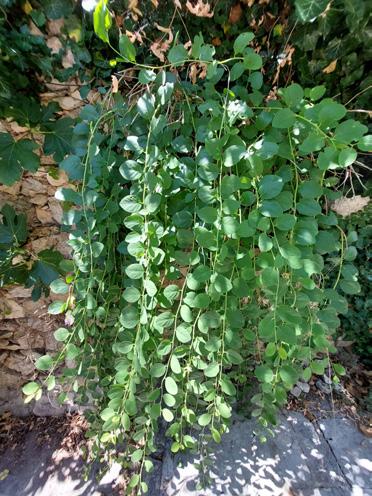
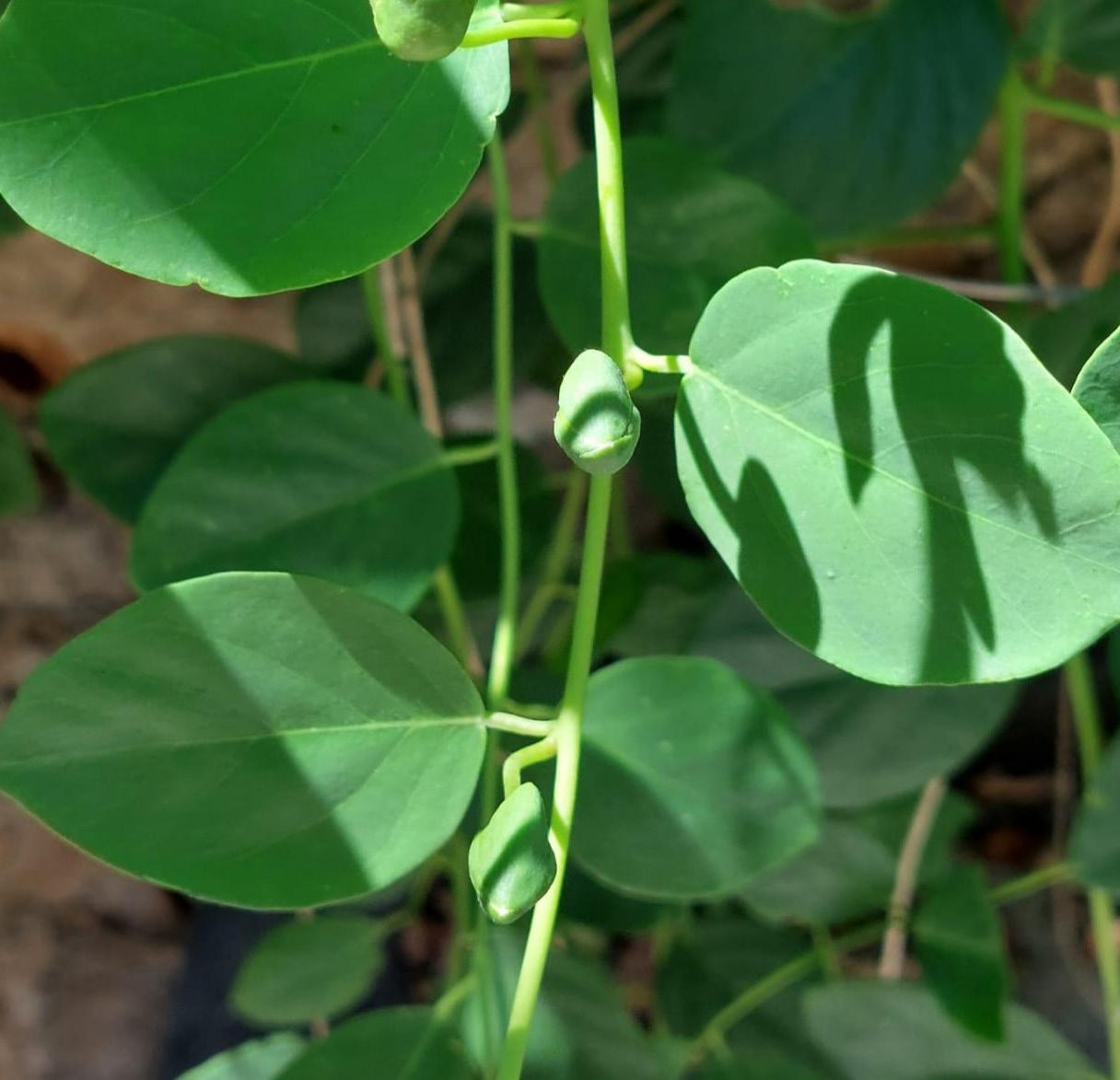
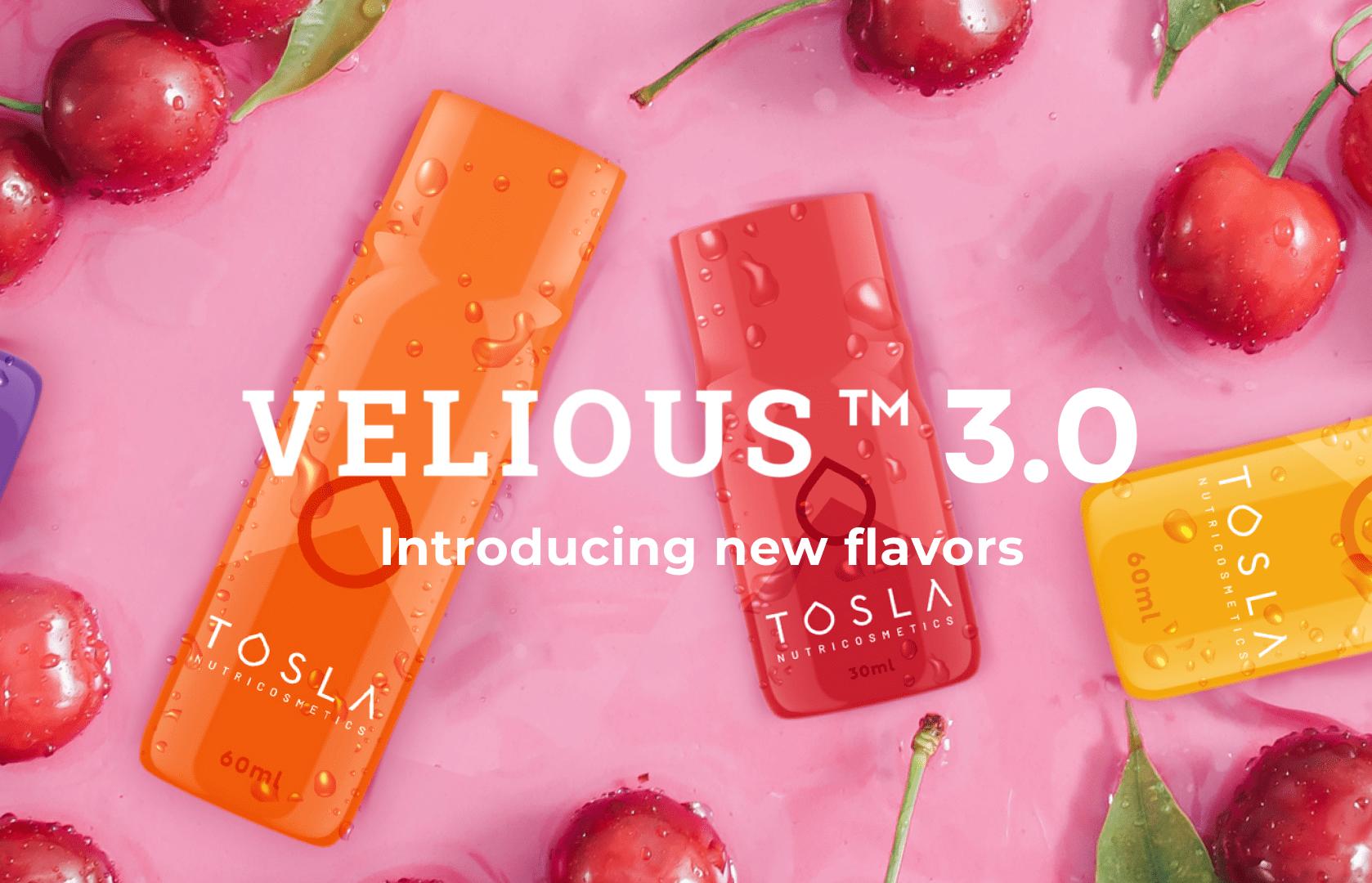
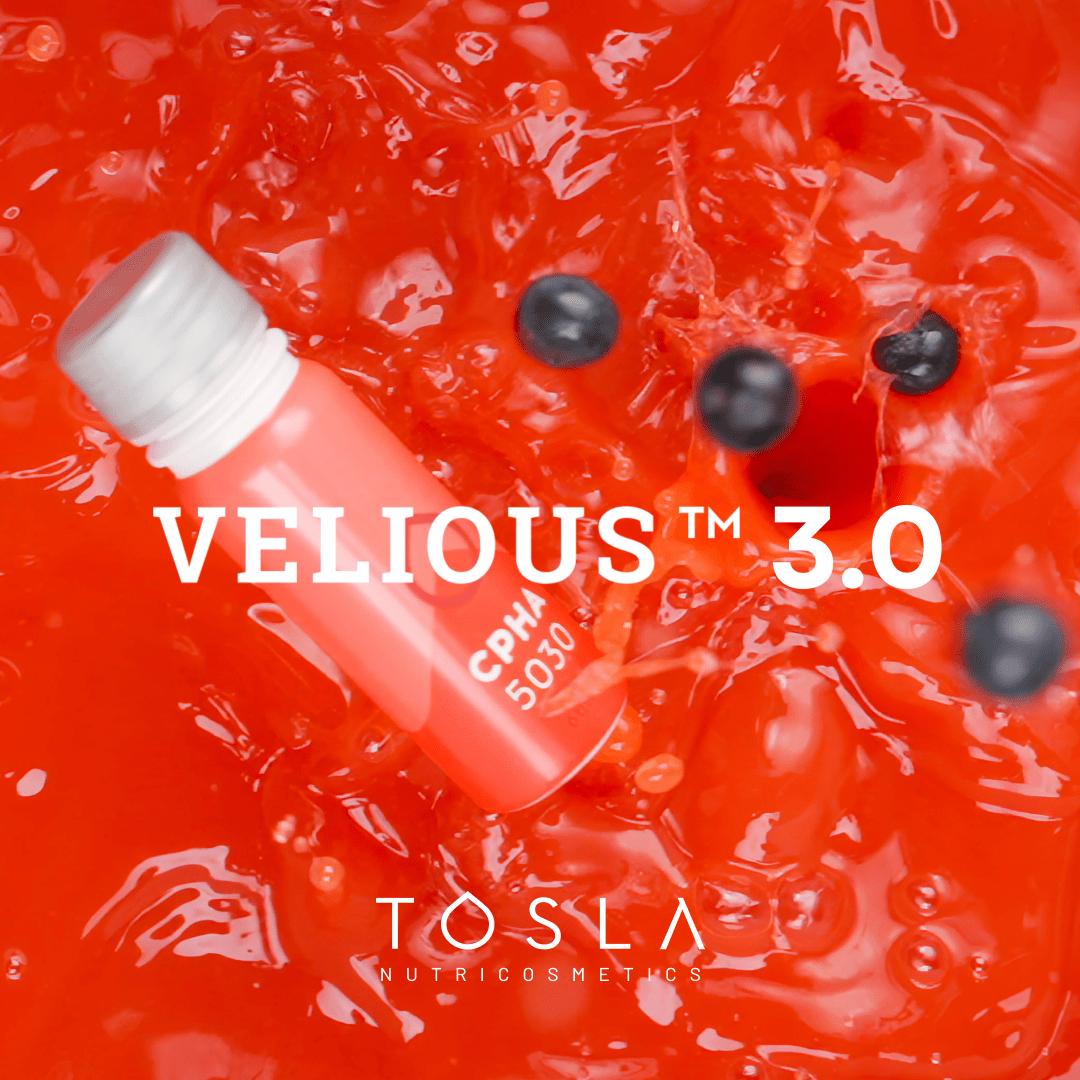
Our Inspirational Success Story shares the plant-powered journey of Only Plants, while our Photo Herbarium showcases the versatile and resilient caper bush. We also highlight the latest industry developments, including Arjuna Natural’s Shoden® achieving Non-GMO Project verification, Kemin’s enhanced nutritional portfolio, and the launch of Velious™ 3.0 flavours in beauty supplements. On the regulatory front, we examine the European Commission’s Omnibus Proposal more closely, while our scientific analysis investigates the topical use of olive oil and its anti-inflammatory and restorative effects.
Finally, we are pleased to announce that B2B Nutramedic& Cosmetics has renewed its media partnership with Vitafoods Europe for 2026, strengthening our dedication to providing the latest insights and innovations from one of the industry’s most influential global platforms.
Thank you for being part of our community as we continue to share science, innovation, and inspiration, shaping the nutraceutical and cosmetics industries.
Best regards,
Daria Šurić, MPharm, univ.spec.pharm.
EDITOR-IN-CHIEF
Content
4
Potential of Ginseng as Sex-Specific Healthy Ageing Ingredient
10
Formulating for Immunity: How Isomalt Elevates Nutraceutical Performance
14
Lactose Intolerance and the Role of Lactase, Probiotics and Prebiotics
20
GENERAL REPORT: Adaptogens - Highlights From The Itc Insights 2024 Consumer Supplement Survey
Bimonthly digital magazine for industry professionals in health, nutrition and cosmetics sector
Bimonthly digital magazine for industry professionals in health, nutrition and cosmetics sector
Ingredients and raw materials / Contract manufacturing Equipment & Packaging / Services / Industry events www.nmc-magazine.com info@nmc-magazine.com
Ingredients and raw materials / Contract manufacturing Equipment & Packaging / Services / Industry events info@nmc-magazine.com
Publisher: Darmell d.o.o.
Publisher: Darmell Ltd.
25 INSPIRATIONAL SUCCESS STORY: Only Plants
Cvjetna cesta 11, 10000 Zagreb, Hrvatska Mob: + 385 91 68 12 444 darmell@protonmail.com www.dar-mell.com
Cvjetna cesta 11, 10000 Zagreb, Croatia Mob: + 385 91 68 12 444 darmell@protonmail.com www.dar-mell.com
Supported by www.inpharma.hr
The publisher does not assume responsibility for the opinions and data that the authors present in the magazine, as well as for the data and materials provided by companies for publication in texts and advertisements. It is not allowed to reuse any part of the content without the prior consent of the publisher.
The publisher does not assume responsibility for the opinions and data that the authors present in the magazine, as well as for the data and materials provided by companies for publication in texts and advertisements. It is not allowed to reuse any part of the content without the prior consent of the publisher.
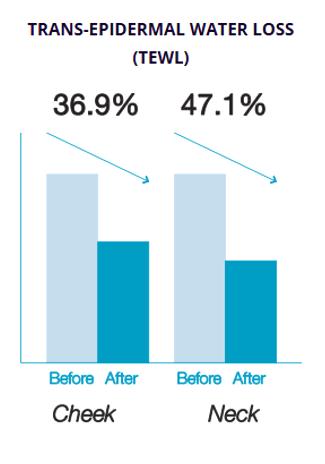
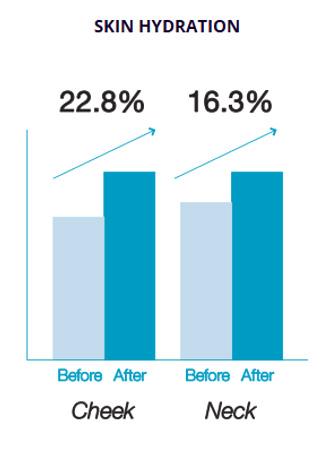
Komecera® - World’s First Oral Skin Barrier Solution
Kemin Showcases Portfolio of Upgraded Nutritional Solutions at Vitafoods Asia 2025
European Commission’s Omnibus Proposal
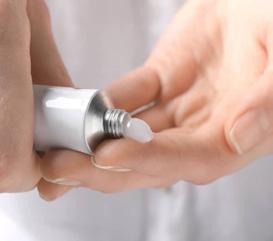
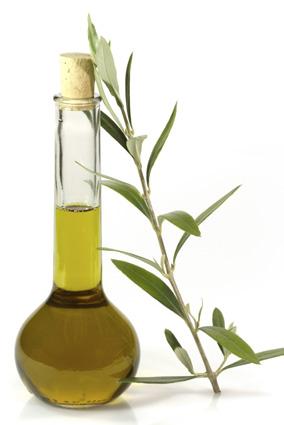
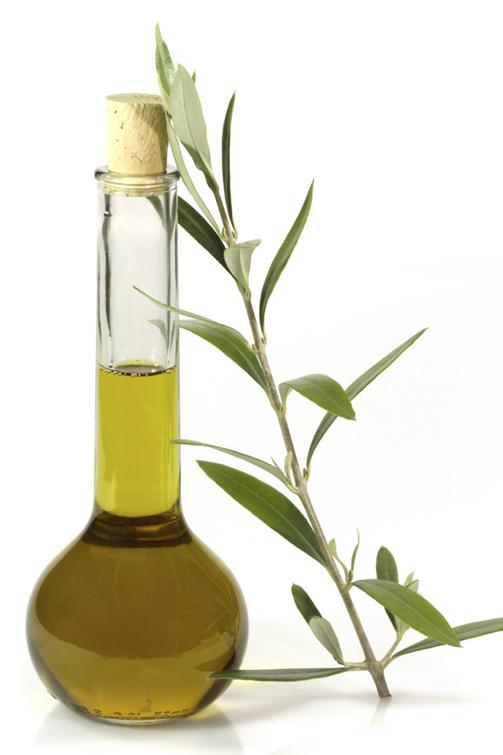
Topical Application of Olive Oil: Anti-Inflammatory and Restorative Effects
Velious™ 3.0: Introducing New Flavors in Beauty Supplements
Potential of Ginseng as Sex-Specific Healthy Ageing Ingredient
Ginseng is a clinically researched adaptogen rich in ginsenosides and bioactive compounds that support immunity, cardiovascular health, cognitive function, and hormonal balance. With proven benefits in stress resilience, healthy ageing, and sex-specific health outcomes, ginseng is emerging as a key ingredient in personalized nutrition and functional supplements.
AUTHOR: Daria Šurić, MPharm, univ.spec. pharm.
Ginseng is the roots and rhizomes of Panax ginseng Mey., belonging to the perennial plants of the genus Panax and family Araliaceae. The most commonly used species are: Panax ginseng (Asian ginseng), Panax quinquefolius (American ginseng) and Panax notoginseng (Chinese notoginseng or Sanqi).
Ginseng, a revered traditional medicinal herb with a history spanning over 4000 years, has been extensively utilised for its purported health-promoting and restorative properties1,2. Commercially cultivated for the past three centuries, various preparations of ginseng, including fresh, dried, steamed, and extracted forms, are available, each containing over 50
identified ginsenosides3. These bioactive compounds are primarily responsible for the diverse pharmacological activities attributed to ginseng, encompassing its effects on the immune, endocrine, cardiovascular, and central nervous systems4
The plant also contains other important secondary metabolites such as ginseng oils, phytosterols, carbohydrates, amino acids, peptides, vitamins, minerals, enzymes, and phenolic compounds, all contributing to its therapeutic profile1. Among these, Korean Red Ginseng is particularly notable due to the unique ginsenoside-Rg3 compound formed during its specialized steaming and drying process, which enhances its preservation and therapeutic poten-
tial4. This extensive phytochemical complexity underscores the multifaceted mechanisms through which ginseng exerts its therapeutic effects, influencing various physiological pathways, including those related to mental well-being, bone density, and reproductive health.
While the precise mechanisms underlying many of ginseng's purported benefits remain areas of active research, its long-standing use in traditional medicine systems worldwide highlights a rich empirical foundation for its application in modern therapeutic contexts. The adaptogenic properties of ginseng are particularly relevant in the context of mental wellbeing, where it is believed to help the body adapt to stress and maintain homeostasis. Its potential to alleviate conditions like depression and anxiety, often linked to chronic stress, is a key area of investigation5
Furthermore, its anti-inflammatory and immunomodulatory activities, largely attributed to ginsenosides, offer additional avenues for therapeutic intervention in conditions characterized by chronic inflammation. The comprehensive nature of its constituents allows ginseng to interact with various biological pathways, thereby offering potential therapeutic benefits across a spectrum of physiological systems. Among its many therapeutic applications, ginseng has been traditionally recognized for its ability to combat fatigue and improve overall vitality. This comprehensive action extends its utility to mental health applications, making it a promising candidate for further research into neurodegenerative and psychological disorders.
Its adaptogenic properties are particularly relevant in the context of stress-related disorders like depression. While the precise mechanisms underlying many of ginseng's purported benefits remain areas of active research, its long-standing use in traditional medicine systems worldwide highlights a rich empirical foundation for its application in modern therapeutic contexts.
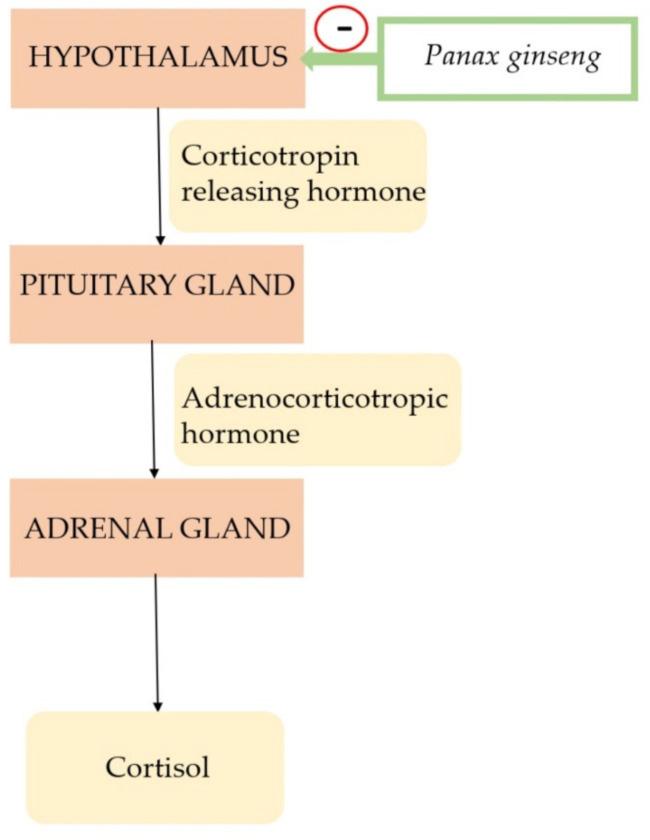
Specifically, ginseng is categorized as an adaptogen, an herbal medicinal product that enhances an organism's resilience and adaptability to various stressors6. This classification indicates its capacity to regulate physiological processes and restore balance within the body, particularly in response to physical or psychological challenges. These adaptogenic qualities allow ginseng to modulate the body's stress response without increasing oxygen consumption, improving overall physiological stability7 (Figure 1).
This unique characteristic differentiates adaptogens from conventional stimulants, allowing them to exert their therapeutic effects without inducing side effects such as increased heart rate or blood pressure6. This capacity to enhance stress resilience positions ginseng as a promising natural intervention for conditions exacerbated by chronic stress, including mood disorders and certain physiological dysfunctions. This ability to normalize physiological functions makes it a valuable subject for research into chronic conditions where the body's homeostatic mechanisms are disrupted7
Although significant progress has been made in understanding ginseng's pharmacological actions, further rigorous clinical trials are necessary to fully
clarify its therapeutic potential and establish standardised dosages for various conditions. For example, ginseng has been extensively researched for its potential in alleviating chronic fatigue syndrome, a debilitating condition with limited conventional treatments8
Beyond its anti-fatigue properties, ginseng has also shown considerable promise in enhancing mental well-being by reducing anxiety and improving cognitive function, thereby supporting overall psychological resilience9. While current literature indicates that ginseng may improve well-being in perimenopausal women, its purity, potential side effects, and drug interactions require careful consideration10.
Ginseng and osteoporosis
Osteoporosis, a systemic disease of the bone characterized by reduced skeletal strength predisposing to a high risk of fracture, is a global public health problem. Osteoporosis is most prevalent in postmenopausal women due to the estrogen deficiency, causing an increase in bone remodeling and net loss of bone. Osteoporosis-induced bone mineral density loss can lead to increased fragility and susceptibility to fractures, accounting significantly for reduced quality of life. With estrogen's significance to bone health, particularly that of postmenopausal women, the study of naturally occurring substances that are able to impact hormonal equilibrium or directly affect bone metabolism is of particular interest.
Estrogen deficiency is a significant contributor to osteoporosis pathogenesis in postmenopausal women, accompanied by greater bone loss and risk of fractures. The imbalance due to this hormone leads to increased bone resorption, and further aided by potential iron overload. Postmenopausal women ac-
FIGURE 1 Mechanism of action of Panaxginseng7
count for the majority of osteoporosis patients, with age factors also contributing to its onset, with the latter more commonly resulting from excessive reactive oxygen species formation
By regulating the HPA axis, ginseng influences the hormonal system. One of the hormones regulated in this manner is estrogen, a sex hormone that acts as an agonist in the brain, bones, and heart. The effects of estrogen reduce the risk of developing CVD, stroke, and osteoporosis. Ginseng has also been shown to upregulate the estrogen receptor in a range of cell types in vitro, indicating that it could increase the tissue effects of this hormone. This phenomenon is observed in bone tissue.
In postmenopausal women, where there is a sudden decline in estrogen levels, the probability of osteoporosis is proportionally increased. The bone tissue of patients with osteoporosis can fracture easily owing to a reduced bone density. This is related to the amount of estrogen supplied to osteoclasts. Estrogen inversely regulates the expression of interleukin (IL)-6, a proinflammatory cytokine. Chronic increases in the level of IL-6 result in osteoporosis and similar increases can also be observed in patients with depression or sleep disorders, or those experiencing stress because of bad eating habits.
Ginseng promotes osteogenesis in the bone marrow stromal cell. In addition, by inhibiting receptor activator of nuclear factor kappa-B ligand, nuclear factor kappa-light-chain-enhancer of activated B cells, c-Jun N-terminal kinases, c-Fos, nuclear factor of activated T cells, cytoplasmic 1 (NFATc1), and the proinflammatory cytokines, tumor necrosis factor alpha (TNF-α) and IL-6, and by playing a role in osteoclast differentiation and bone resorption, it helps to prevent osteoporosis. However, further research is required to elucidate the exact mechanisms underlying these effects of ginseng5
Phytoestrogens, naturally occurring compounds with estrogen-like activity, are promising avenue for therapeutic intervention in post-menopausal osteoporosis. These compounds, found in various plants, can bind to estrogen receptors, potentially mitigating the adverse effects of estrogen deficiency on
bone density.
In this context, ginseng, possessing phytoestrogenic properties, has garnered attention as a potential natural alternative to traditional hormone therapy, warranting further investigation into its mechanisms of action and clinical utility in mitigating bone loss. Therefore, exploring ginseng's multifaceted effects on bone metabolism, beyond its phytoestrogenic aspects, is crucial for understanding its full therapeutic potential in managing postmenopausal osteoporosis. Moreover, the vascular system plays an integral role in bone maintenance, with common risk factors for cardiovascular disease often overlapping with those for osteoporosis, despite sexspecific predispositions11
Consequently, understanding the influence of ginseng on both bone remodelling and cardiovascular health in the context of estrogen deficiency is paramount. This emphasizes the growing interest in botanical compounds, like ginseng, which may offer a safer, yet effective, approach to managing menopausal symptoms and mitigating osteoporosis risk. This underscores the importance of investigating ginseng's pleiotropic effects, not solely on bone density, but also on broader aspects of physiological well-being affected by hormonal fluctuations.
Furthermore, the structural similarities between phytoestrogens and 17-β-estradiol, the primary female sex hormone, suggest a plausible mechanism for ginseng's potential to alleviate menopausal symptoms and reduce the risk of osteoporosis12. This interaction is primarily mediated through their binding to estrogen receptors alpha and beta, which are widely distributed throughout various tissues, including bone, brain, and the urogenital tract, allowing for diverse physiological responses.
This broad distribution of estrogen receptors enables phytoestrogens to exert pleiotropic effects, influencing not only bone homeostasis but also neuroprotection, cardiovascular function, and other systemic processes modulated by endogenous estrogens14,15. Widespread receptor engagement underscores the potential for ginseng-derived phytoestrogens to exert systemic benefits that extend
beyond bone health, influencing mental well-being and sexual health by mimicking estrogenic actions in various target tissues. This mimicry can be particularly beneficial for neuroprotective effects, safeguarding the brain against conditions like dementia and complications from traumatic injury, while also impacting cardiovascular health16
The influence of ginseng's active compounds on estrogen receptor modulation thus provides a compelling mechanistic basis for its investigation as a therapeutic agent for menopausal symptoms, encompassing bone health, cognitive function, and cardiovascular integrity. Specifically, certain natural products, including isoflavones, prenylflavones, coumestans, stilbenes, and lignans, exhibit endocrine perturbations, particularly on the estrogenic hormonal pathway, due to their structural analogies to estradiol. Among these, isoflavones, commonly found in soy products, have been extensively studied for their phytoestrogenic properties and their potential to mitigate estrogen-deficiency related conditions17,18. However, the specific composition and concentration of these phytoestrogens in various ginseng species, and their subsequent bioavailability and bioactivity, remain crucial considerations for their therapeutic application19
Ginseng and sex-specific health effects
The differential binding affinities of various phytoestrogens to estrogen receptor alpha and beta, along with their tissue-specific expression patterns, contribute to the diverse physiological outcomes observed. This variability necessitates a comprehensive understanding of how different ginseng preparations, rich in distinct phytoestrogen profiles, selectively modulate estrogen receptor pathways to achieve targeted health benefits without inducing undesirable side effects.
This understanding is paramount for optimizing ginseng formulations for specific therapeutic indications, ranging from osteoporosis management to cognitive enhancement and improvement in sexual health, thereby advancing personalized medicine approaches. The intricate interplay between phyto-
estrogens and estrogen receptors dictates the efficacy and safety of ginseng in ameliorating age-related declines in health. This nuanced understanding of receptor kinetics and ligand specificity is essential for developing standardized ginseng extracts that reliably deliver desired clinical outcomes for both women and men20
Comprehensive mechanistic understanding is crucial for bridging the gap between traditional medicinal uses of ginseng and its evidence-based integration into modern clinical practice, especially given the recently acknowledged importance of estrogens in male physiology, particularly in bone metabolism and reproduction. This includes the recognition that circulating estrogen levels in men can be comparable to those in women, underscoring their vital, multifaceted roles beyond traditionally female-centric functions21. This broad physiological relevance of estrogens, coupled with the ubiquitous presence of estrogen receptors, solidifies the rationale for exploring ginseng's modulatory effects on these pathways in both sexes, thereby expanding its therapeutic potential for a broader range of age-related conditions.
However, despite increasing interest in natural compounds, there remains a notable research gap concerning sex-specific pharmacological responses, as women often experience more frequent and severe adverse drug reactions compared to men, highlighting the need for tailored therapeutic approaches. This disparity underscores the critical need for gender-specific pharmacodynamic and pharmacokinetic studies to optimize dosing and minimize risks associated with ginseng supplementation in both sexes. Such investigations are particularly pertinent given the established sex-dependent differences in cardiovascular disease progression, where physiological concentrations of estradiol are known to exert cardioprotective effects predominantly in pre-menopausal women through estrogen receptor-mediated modulation of the immune system22
Furthermore, estrogen metabolism and receptor signaling pathways are increasingly recognized as critical modifiers in the development of conditions
like pulmonary arterial hypertension, revealing a complex interplay that warrants sex-specific therapeutic consideration. This highlights the importance of elucidating how ginseng's phytoestrogens might influence these estrogenic pathways in a sex-dependent manner. The differential effects of estrogens and androgens on the renin-angiotensin system further underscore the necessity of sex-specific research to fully understand ginseng's potential in mitigating cardiovascular disease risk in both men and women. This underscores the necessity for clinical trials to report sex-specific outcomes, addressing the current inadequacy where less than half of such trials provide this crucial data.
Releasing the precision advantage of ginseng in ageing
The future of ginseng research lies in scientifically exploring its potential in age-related health decline with a keen focus on sex-specific mechanisms of action. There are indications to suggest that men and women respond differently to interventions due to differences in hormonal profiles, genetics, and epigenetics—factors that play an important role in cardiovascular, metabolic, and neurological health. This perspective is particularly pertinent in those conditions where gender differences are best documented, for instance, cardiovascular disease and hypertension. For instance, although the cardioprotective effect of estrogen is well documented, the molecular basis of differential disease incidence and outcome between women and men is not clear. Moreover, women are more likely to experience age-accelerated blood pressure elevation, particularly after menopause. Such discrepancies require individualized therapy with consideration of sex as well as hormonal status.
By exploring ginseng's effect along such physiological axes, researchers and developers can inform precision nutrition and personalized medicine approaches. More understanding of the multi-system effects of ginseng will enable the development of sex- and hormonal stage-specific interventions for:
Optimizing efficacy by sex and hormonal stage
Reducing the risk of side effects
Bridging gaps created by historical gender bias in clinical studies.
For the nutraceutical and functional health segment, this is enormous opportunity given: leveraging ginseng as a platform ingredient for tailored solutions in healthy aging. This type of innovation is consistent with the principles of pharmacogenomics and growing consumer interest in evidencebased, personalized health products.
Ultimately, a sex-based study model will not only deepen our insight into the complex therapeutic profile of ginseng but drive equitable, effective, and market-appropriate solutions - bringing personalized medicine ever closer.
References
1 Metwaly, A.M. et al. (2019) “Black Ginseng and Its Saponins: Preparation, Phytochemistry and Pharmacological Effects,” Molecules. Multidisciplinary Digital Publishing Institute, p. 1856. doi:10.3390/molecules24101856.
2 Hou, W. et al. (2020) “Effects of Ginseng on Neurological
Disorders,” Frontiers in Cellular Neuroscience. Frontiers Media. doi:10.3389/fncel.2020.00055.
3 Davis, M.P. and Behm, B. (2019) “Ginseng: A Qualitative Review of Benefits for Palliative Clinicians,” American Journal of Hospice and Palliative Medicine®. SAGE Publishing, p. 630. doi:10.1177/1049909118822704.
4 Song, J. et al. (2024) “The beneficial potential of ginseng for menopause,” Journal of Ginseng Research. Elsevier BV, p. 449. doi:10.1016/j.jgr.2024.05.008.
5 Lee, S. and Rhee, D. (2017) “Effects of ginseng on stress-related depression, anxiety, and the hypothalamic–pituitary–adrenal axis,” Journal of Ginseng Research. Elsevier BV, p. 589. doi:10.1016/j.jgr.2017.01.010.
6 Panossian, A. and Brendler, T. (2020) “The Role of Adaptogens in Prophylaxis and Treatment of Viral Respiratory Infections,” Pharmaceuticals. Multidisciplinary Digital Publishing Institute, p. 236. doi:10.3390/ph13090236
7 Provino, R. (2010) “The Role of Adaptogens in Stress Management,” Australian journal of medical herbalism, 22(2), p. 41. Available at: http://www.natural-knowhow.com/home/ wp-content/uploads/2015/06/Medicinal-herbs-with-Adaptogen-stress-relief-action-article.pdf (Accessed: July 2025).
8 Yang, J. et al. (2022) “Ginseng for the Treatment of Chronic Fatigue Syndrome: A Systematic Review of Clinical Studies,” Global Advances in Health and Medicine. SAGE Publishing. doi:10.1177/2164957x221079790.
9 Ghorbani, Z. et al. (2019) “The effect of ginseng on sexual dysfunction in menopausal women: A double-blind, randomized, controlled trial,” Complementary Therapies in Medicine, 45, p. 57. doi:10.1016/j.ctim.2019.05.015.
10 Tesch, B.J. (2003) “Herbs commonly used by women: An evidence-based review,” American Journal of Obstetrics and Gynecology. Elsevier BV. doi:10.1067/mob.2003.402.
11 Hendriks, M. and Ramasamy, S.K. (2020) “Blood Vessels and Vascular Niches in Bone Development and Physiological Remodeling,” Frontiers in Cell and Developmental Biology. Frontiers Media. doi:10.3389/fcell.2020.602278.
12 Harlap, S. (1992) “The benefits and risks of hormone replacement therapy: An epidemiologic overview,” American Journal of Obstetrics and Gynecology. Elsevier BV, p. 1986. doi:10.1016/00029378(92)91399-u.
13 Gorzkiewicz, J., Bartosz, G. and Sadowska‐Bartosz, I. (2021) “The Potential Effects of Phytoestrogens: The Role in Neuroprotection,” Molecules. Multidisciplinary Digital Publishing Institute, p. 2954. doi:10.3390/molecules26102954.
14 Wend, K., Wend, P. and Krum, S.A. (2012) “Tissue-Specific Effects of Loss of Estrogen during Menopause and Aging,” Frontiers in Endocrinology, 3. doi:10.3389/fendo.2012.00019.
15 Sochocka, M. et al. (2023) “Cognitive Decline in Early and Premature Menopause,” International Journal of Molecular Sciences. Multidisciplinary Digital Publishing Institute, p. 6566. doi:10.3390/ijms24076566.
16 Farkas, S. et al. (2022) “Estradiol and Estrogen-like Alternative Therapies in Use: The Importance of the Selective and Non-Classical Actions,” Biomedicines. Multidisciplinary Digital Publishing Institute, p. 861. doi:10.3390/biomedicines10040861
17 Bernatonienė, J., Kazlauskaitė, J.A. and Kopustinskienė, D.M. (2021) “Pleiotropic Effects of Isoflavones in Inflammation and Chronic Degenerative Diseases,” International Journal of Molecular Sciences. Multidisciplinary Digital Publishing Institute, p. 5656. doi:10.3390/ijms22115656.
18 Domínguez‐López, I. et al. (2020) “Effects of Dietary Phytoestrogens on Hormones throughout a Human Lifespan: A Review,” Nutrients. Multidisciplinary Digital Publishing Institute, p. 2456. doi:10.3390/nu12082456.
19 Chavda, V.P. et al. (2024) “Phytoestrogens: Chemistry, potential health benefits, and their medicinal importance,” Phytotherapy Research, 38(6), p. 3060. doi:10.1002/ptr.8196.
20 Powers, C.N. and Setzer, W.N. (2015) “A molecular docking study of phytochemical estrogen mimics from dietary herbal supplements,” In Silico Pharmacology, 3(1). doi:10.1186/s40203-0150008-z.
21 Alemany, M. (2022) “The Roles of Androgens in Humans: Biology, Metabolic Regulation and Health,” International Journal of Molecular Sciences. Multidisciplinary Digital Publishing Institute, p. 11952. doi:10.3390/ijms231911952.
22 Rosenzweig, R. et al. (2021) “Estrogenic bias in T-Lymphocyte biology: Implications for cardiovascular disease,” Pharmacological Research. Elsevier BV, p. 105606. doi:10.1016/j. phrs.2021.105606.
BioPerine®, a standardized extract of Piper nigrum containing 95% piperine, stimulates thermogenic action in the epithelial cells of the small intestine. This acts as a thermonutrient that allows for increased absorption and bioavailability of nutrients. BioPerine is the only product made from black pepper to obtain the original patented status for its ability to increase the bioavailability of nutritional compounds. It is the only branded black pepper extract to have undergone extensive clinical studies to substantiate its safety and efficacy for nutritional use.
BioPerine®, a standardized extract of Piper nigrum containing 95% piperine, stimulates thermogenic action in the epithelial cells of the small intestine. This acts as a thermonutrient that allows for increased absorption and bioavailability of nutrients. BioPerine is the only product made from black pepper to obtain the original patented status for its ability to increase the bioavailability of nutritional compounds. It is the only branded black pepper extract to have undergone extensive clinical studies to substantiate its safety and efficacy for nutritional use.
BioPerine®, a standardized extract of Piper nigrum containing 95% piperine, stimulates thermogenic action in the epithelial cells of the small intestine. This acts as a thermonutrient that allows for increased absorption and bioavailability of nutrients. BioPerine is the only product made from black pepper to obtain the original patented status for its ability to increase the bioavailability of nutritional compounds. It is the only branded black pepper extract to have undergone extensive clinical studies to substantiate its safety and efficacy for nutritional use.
Formulating for Immunity: How Isomalt Elevates
Nutraceutical Performance
Vitamin, herbal and probiotic-containing supplements that boost immunity have witnessed growing demand in recent years. In this article, Dr Maj-Britt Cepok examines how selecting the right excipients is critical to ensure these products meet today’s high standards for manufacturability, efficacy and consumer appeal. She also explores the multifunctional properties of isomalt, a sweet-tasting excipient with growing relevance in this category.
AUTHOR:
Dr Maj-Britt Cepok, Head of Pharma, Beneo
Immunity has become a cornerstone of the nutraceutical landscape. The global immune health supplements market generated a revenue of $26,597.9 million in 2023 and is expected to reach $52,813.4 million by 2030 (CAGR≈10.3 %).1 An ageing global population, the shift toward personalised nutrition and a proactive focus on preventive health are fuelling this surge. Yet, although attention often centres on active ingredients, the key role of excipients – especially filler-binders in oral dosage forms – remains underappreciated. In today’s competitive supplement market, selecting the right excipient is crucial to ensure product effectiveness, stability and consumer appeal – especially in immune-focu-
sed formulations wherein performance and compliance matter most.
Bridging science and supplementation: the role of excipients
Far from being inert bystanders, excipients are crucial functional components that directly impact dosage form performance, regulatory compliance and overall product success. Integrating excipient science into formulation design is therefore essential for both product performance and competitive advantage in the immune-nutrition landscape. Different excipients offer different benefits.
1
2
Low-dose actives such as minerals or bioactives require high-mix uniformity. In this case, excipients like microcrystalline cellulose can help to ensure consistent distribution in oral solid dosage forms to prevent dose variability. 2 Magnesium stearate is well-known as a lubricant: it prevents ingredients from sticking to manufacturing equipment and improves powder flow during tablet compression. Likewise, sodium starch glycolate acts as a disintegrant and promotes the rapid breakup of tablets in the gastrointestinal tract to enhance drug dissolution and absorption. Other excipients can interact biologically. For instance, trehalose may modulate autophagy pathways and affect immunogenicity, influencing formulation outcomes. 3
To address complex formulation needs, however, multifunctional excipients are increasingly favoured. These have to offer a broad spectrum of benefits, including ease of processing, high compressibility and flowability, stability enhancement and improved sensory attributes. A prime example is isomalt, a water-soluble sugar alcohol derived from beet sugar.
Isomalt has a lower hygroscopicity than most polyols, which is significantly lower than sugar. It absorbs almost no moisture at room temperature and/ or at relatively high humidity levels. Isomalt prevents hard-boiled candies and compressed tablets from becoming sticky or moist, so that even unwrapped items can be packaged together to ensure a longer shelf-life. Isomalt helps to stabilise sensitive ingredients during processing and storage. Studies show that isomalt protects proteins during freeze-drying and outperforms sucrose when it comes to maintaining enzyme activity.4
Thanks to a two-stage production process of enzymatic sucrose treatment and hydrogenation, the resulting unique molecular structure gives isomalt a sweetening profile that’s almost equal to sucrose but with half the calories.
Like sucrose, it has nearly no cooling effect. It also addresses the challenge of bitterness associated with many active ingredients. In previously published work, the authors noted that “an addition of 5% isomalt results in the same bitterness reduction as an addition of 20% sucrose. The results show the superior impact of isomalt on the reduction of the bitterness compared with that of maltitol, mannitol and sucrose.”5
Dr Michael Black, Senior Sales Manager Pharma at Beneo, comments: “As consumer preferences shift from traditional oral dosage forms to more palatable formats such as effervescent tablets, chewables or lozenges, formulation challenges multiply. Here, isomalt offers excellent compressibility and low hygroscopicity, making it highly suitable for
both direct compression tablets and alternative delivery systems. Isomalt’s mild sweetness brings a better flavour release in subtle and delicate fruit flavours. In sugar-free chewing gum or fruit-flavoured hard candies, this is perfectly complemented by its low solubility, which improves flavour retention and therefore increases consumer enjoyment.” Dr Black adds: “Isomalt is the ideal multifunctional solution for modern formulation needs, particularly as user preference trends for dosage forms switch from tablets to gummies.”
Many immune-boosting formulations contain vitamin C (ascorbic acid). The market for this ingredient is projected to reach approximately $7 billion by 2029, growing at a CAGR≈8.4 % from 2025–2029.6 Michael Black states: “This growth is driven by increwasing consumer awareness of the health benefits of vitamin C, including immune support, skin health, and antioxidant properties. However, manufacturing vitamin C oral dosage forms involves several challenges for manufacturers owing to the unique properties of vitamin C, which include moisture sensitivity, thermal instability, poor flow and compressibility. Additionally, vitamin C has a strong acidic taste and can interact with other ingredients.”
Pharmaceutical-grade agglomerated isomalt from Beneo (galenIQ™ 720 and galenIQ™ 721) can help to successfully address these challenges. One of the primary concerns is its sensitivity to moisture, which can lead to degradation and a subsequent loss of potency with time. This requires stringent humidity control throughout production and storage. Isomalt, because of its low hygroscopic nature, resists moisture absorption, thereby supporting the long-term stability of vitamin C formulations.
In addition to moisture sensitivity, heat stress is another critical issue. Exposure to elevated temperatures during manufacturing can degrade vitamin C, making temperature control essential to preserve its efficacy. Isomalt offers a distinct advantage here as it can be compressed at low forces with minimal heat generation; this helps to maintain the integrity of heat-sensitive ingredients such as vitamin C.
Formulating vitamin C into tablets also poses physical challenges. It has poor flowability and compressibility, which complicates tablet production. However, agglomerated isomalt, with its uniform particle size distribution, provides excellent flow and mixing properties. This not only simplifies the tableting process but also reduces or eliminates the need for additional glidants.
TABLE 1 Recipe of Echinacea tablet (80 mg) herbal extract
Another notable issue is taste. Vitamin C has a naturally strong and acidic flavour, which can be offputting to consumers. To improve palatability, formulators often turn to flavouring agents or coatings. Agglomerated isomalt contributes significantly in this area by delivering a pleasant, sweet taste and smooth mouthfeel. When combined with high-intensity sweeteners, it offers a well-rounded sweetness that effectively masks the tartness of vitamin C.
Additionally, vitamin C is known to interact with other formulation components, which can compromise both stability and efficacy. Selecting inert and compatible excipients is crucial. In this regard, agglomerated isomalt is advantageous as it remains nonreactive with other ingredients, preserving the formulation’s overall integrity. The multifunctional properties of agglomerated isomalt address the key challenges of vitamin C formulation while enhancing product quality and consumer appeal. Given these benefits, it emerges as an ideal excipient for various vitamin C product formats, including swallowable, chewable, and effervescent tablets.
Probiotic tablets: protecting the gut’s allies
As scientific research continues to highlight the gut microbiome's critical role in maintaining digestive health and immune function, more people are recognising the value of incorporating probiotics into their daily routines to support their well-being.
The probiotic dietary supplements segment is expected to grow at a fast CAGR of 14.2% between 2024 and 2030. Increasing health-related issues, such as blood pressure, unhealthy lifestyles, obesity and an improper diet, are expected to drive the growth of the probiotic dietary supplement industry.7
The formulation of oral dosage forms containing probiotics presents significant technical challenges
that impact product stability, efficacy and regulatory compliance. Probiotic strains are inherently sensitive to a range of environmental and process-related stressors, including moisture, heat and pressure. These properties can complicate manufacturing processes such as blending, compression and encapsulation, and demand the stringent control of storage and distribution conditions. Therefore, an efficient excipient is essential.
“One major hurdle is maintaining probiotic viability throughout the product’s shelf-life,” suggests Dr Michael Black. To be effective, probiotic dosage forms must deliver an adequate number of viable micro-organisms to the gut during their claimed shelf-life. As the bacteria are sensitive to temperature, oxygen and moisture, this can be challenging. Some of these issues can be mitigated with adequate packaging and control during transport and storage; however, exposure to moisture also depends on the selected carrier.”
Agglomerated isomalt can be successfully used to compact probiotic micro-organisms into a tablet form. Requiring only low compression forces, this alleviates mechanical stress on the cultures. Supporting the viability of micro-organisms, the sweet-tasting excipient is suitable for probiotic powders, capsules and tablets. In addition, stability studies in powder mixtures with Lactobacillus rhamnosus have confirmed that galenIQ™ 721 is an ideal carrier.8“
Herbal extracts: from sticky to stable
Plant extracts are widely utilised in immunehealth-targeting oral dietary supplements because of their bioactive components, traditional usage and growing scientific validation. The global market for immune-support supplements formulated with plant extracts is witnessing robust growth, fuelled by heightened consumer awareness of preventive health and increased demand for natural, clean-la-
bel products.
In 2024, plant-based immune supplement sales were valued at approximately $2 billion and are projected to more than double to $5 billion by 2033 (CAGR≈9.9%).9 Some of the most frequently employed immune-supportive plant extracts are Echinacea purpurea (purple coneflower), Andrographis paniculata (creat), Sambucus nigra (elderberry), Astragalus membranaceus (Mongolian milkvetch) and Curcumalonga (turmeric).
When incorporating plant extracts in oral dosage forms, there are generally two main hurdles – of a technical and sensorial nature – to overcome. From the technical perspective, plant extracts are often oily, difficult to compress and sensitive to moisture. Another prevalent issue is getting the desired dose into an acceptable tablet size. Plant extracts are often hygroscopic, which can present issues with storage and stability. In suboptimal conditions, they can become sticky and subsequently degrade.
From a sensory perspective, many plant extracts are challenged by a bitter or unpleasant aftertaste and/or mouthfeel. This bitterness often requires the use of taste-masking strategies, particularly in chewable dosage forms. When using oily plant extracts, a water-soluble filler-binder like isomalt enables manufacturers to overcome common formulation issues. Offering a high oil-binding capacity, agglomerate stability, as well as flowability, it acts like a sponge by absorbing the oily plant extracts and then remaining as a dry flowable powder. The excipient’s morphology helps to retain the homogeneity of the mixture and makes the production of robust tablets with a high content uniformity much easier. Plus, being water-soluble, plant extract tablets often disintegrate rapidly without the use of a super-disintegrant.
In addition, isomalt reduces the unpleasant taste of oily plant extracts, thus enhancing the palatability of the tablet and promoting compliance. “By seamlessly integrating into formulations, isomalt not only masks the inherent bitterness but also contributes to an overall improved flavour profile,” notes Dr Michael Black.
Moreover, only very low compression forces are required during the tableting process. Beneo’s galenIQ™ is suitable for low and high dosage forms and a broad range of tablet types – from chewables to orally disintegrating mini-tablets.
To explore the versatility of agglomerated isomalt, scientists at Beneo developed a simple direct compression formulation with Echinacea purpurea Echinacea, obtained from Bionorica, is a dry-pressed juice that tends to stick together or to leave residues on tablet punches. This recipe (Table I) only comprised the extract, a filler-binder (isomalt from Beneo with a solubility of 42 g/100 g at 20 °C and a bulk density of 0.40 g/cm³) and magnesium stearate as a lubricant. To produce this tablet, no precompression step was necessary – just weighing, blending and tableting.
Conclusion: a smart excipient for a smarter market
In the evolving landscape of immunity focused nutraceuticals, the selection of multifunctional excipients is increasingly critical for success. Beneo’s
agglomerated isomalt stands out as a strategic enabler for product developers seeking to meet rising consumer expectations regarding efficacy, stability and palatability. Its low hygroscopicity, excellent compressibility and sweet taste make it particularly well-suited for complex immune health formulations, including those containing vitamin C, probiotics and plant extracts. Backed by a strong commitment to research, innovation and customer partnership, the excipient not only addresses today’s technical formulation challenges but also empowers brands to deliver science-driven, consumer-friendly solutions that support immune health across diverse delivery formats.
References:
1 Grand View Horizon, Global Immune Health Supplements Market Size & Outlook 2024-2030.
2 Janvalkar, Mitesh & Kaloji, Purushottam & Shettigar, Rajani. (2025). Microcrystalline Cellulose in Pharmaceutical Formulations: A Comprehensive Review on Applications, Concentrations, And Functional Attributes. International Journal of Pharmaceutical Sciences. 3. 3098-3112. 10.5281/zenodo.15283152.
3 S.Muller, Excipients: not so inert? When the excipient plays the role of an active substance, as exemplified by systemic lupus, PubMed.
4 A.-K. Tuderman, et al., Isomalt and its diastereomer mixtures as stabilizing excipients with freeze-dried lactate dehydrogenase, PubMed.
5 O. Luhn, et al., Evaluation of Isomalt, Maltitol, Mannitol and Sucrose as Bitterness Suppressors in a Liquid Preparation Containing Quinine Hydrochloride,” PharmaChem September/ October 8–10 (2014).
6 Technavio, Vitamin C Supplements Market Analysis, Size, and Forecast 2025 - 2029.
8 Dr Maj-Britt Cepok, Boosting the taste, stability and shelf-life of probiotic supplements. Prebiotics & Probiotics, directory 2020, p.8 Prebiotics and Probiotics 2020.
Maj-Britt Cepok, PhD, Head of Pharma at Beneo, is a Food Chemistry graduate and holds a PhD in Analytical Chemistry. She has experience in both the food and pharmaceutical industries, with particular specialties in pharmaceutical development of solid dosage forms and taste profiling.
Dr Maj-Britt Cepok joined Beneo in 2005 and has held a variety of roles in global sales, technical services, product management and business development for the Pharma business unit of the company, currently leading the Pharma department.
galenIQ@beneo.com
Beneo GmbH
Maximilianstr. 10
68165 Mannheim (Germany)
Lactose Intolerance and the Role of Lactase, Probiotics and Prebiotics
Lactose intolerance affects up to 70% of the global population, leading to digestive discomfort due to the body’s diminished ability to digest lactose. Progress in lactase supplements, probiotics, and prebiotics provides effective options to improve lactose digestion, support gut health, and enhance the quality of life for those impacted.
AUTHOR: Valerija Pandža, MPharm
Lactose intolerance, a common digestive disorder, is characterised by the inability to fully digest lactose, the main sugar found in milk and dairy products. This condition results from a deficiency in lactase, an enzyme essential for breaking down lactose into its basic monosaccharides, glucose and galactose, which are then absorbed by the small intestine. Undigested lactose ferments in the colon, causing a range of gastrointestinal symptoms. The severity and symptoms - such as flatulence, abdominal pain, and diarrhea - depend on the degree of lactase deficiency and the amount of lactose consumed.
Due to the widespread nature of lactose intolerance, understanding its complex causes - from genetic predispositions to acquired forms - is vital for
effective management and dietary advice. While milk is nutritionally rich and important for growth and development, the increasing healthcare costs linked to lactose intolerance highlight the need for a clear understanding of its complexities for both healthcare professionals and those affected. Moreover, the global rate of lactase deficiency, especially primary lactase non-persistence affecting around 70% of the world’s population, highlights its significant public health implications.
Recent research has also pointed to the usefulness of genetic testing in spotting tendencies towards lactase non-persistence, providing a more precise diagnosis alongside traditional breath tests, although these genetic markers might not include all relevant single nucleotide polymorphisms.
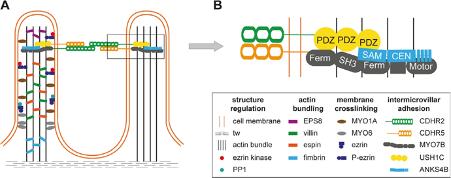
FIGURE 1 Structural and molecular organization of
A. Microvilli are stabilized by a core actin bundle, corresponding actin-bundling proteins (EPS8, villin, espin, fimbrin), and proteins connecting the actin bundle to the cell membrane [MYO1A, MYO6, ezrin]. The latter can be regulated by phosphorylation and dephosphorylation of ezrin by an ezrin kinase and protein phosphatase 1 (PP1); B. intermicrovillar adhesion is mediated by cadherin-related family member-2 (CDHR2) and CDHR5. Within the microvilli, MYO7B, Usher syndrome type I C (USH1C, harmonin), and ankyrin repeat and sterile alpha motif domain containing 4B (ANKS4B) interact with the intracellular portions of protocadherins and connect them to the actin bundle. The connections are mediated through multiple protein interaction motifs such as post-synaptic density protein 95, Drosophila disc large tumor suppressor, and zona occludens-1 protein (PDZ) domains in USH1C. CEN: central region; Ferm: 4.1 protein, ERM; SAM: sterile alpha motif; SH3: src homology 3. Taken from: Mödl B, Schmidt K, Moser D, Eferl R. The intermicrovillar adhesion complex in gut barrier function and inflammation. Explor Dig Dis. 2022;1:72–79. https://doi. org/10.37349/edd.2022.00006
Background on lactose intolerance
Lactose intolerance results from a deficiency of the enzyme lactase, which is responsible for breaking down lactose into absorbable monosaccharides within the small intestine. This enzymatic deficiency prevents the proper hydrolysis of lactose, leading to its accumulation in the gastrointestinal tract and subsequent fermentation by colonic bacteria. This fermentation process produces short-chain fatty acids and gases, which are the main causes of the uncomfortable symptoms experienced by people with lactose intolerance.
The resulting physiological response often discourages individuals from consuming dairy products, thereby potentially reducing their intake of essential nutrients such as calcium and vitamin D. However, this avoidance can be mitigated by strategies that either lower the lactose content in dairy products or improve an individual's ability to digest lactose, such as consuming fermented dairy products.
Fermented milk products, such as yoghurt and acidophilus milk, are suitable for individuals with lactose intolerance due to their reduced lactose content and the presence of bacterial lactase. Specifically, certain lactic acid bacteria in fermented products like kefir assist in lactose digestion due to their natural lactase activity, improving tolerance in affected individuals. The addition of probiotic strainsparticularly those commonly found in fermented dairy - helps maintain optimal intestinal function and further aids lactose metabolism. Modern consumers are increasingly seeking out probiotic-rich foods, driving a growing market for functional products, including innovative plant-based alternatives
to traditional dairy products.
This demand has prompted extensive research into isolating and characterising novel bacterial strains from dairy sources, focusing on their probiotic potential and their ability to enhance nutrient bioavailability, such as folate synthesis. Additionally, some probiotic species, including Streptococcus thermophilus and Lactococcus lactis , are known for their significant production of folate, which can substantially enhance the nutritional value of fermented dairy products.
Beyond folate, lactic acid bacteria in these fermented foods also produce a variety of bioactive peptides through the proteolytic breakdown of milk proteins, providing diverse health benefits such as immunomodulatory, hypocholesterolaemic, and antioxidative effects.
These beneficial molecules, together with the presence of live microbial cultures, emphasise the health-promoting qualities traditionally linked to fermented dairy foods.
Role of lactase enzyme
The enzyme lactase, a β-galactosidase, plays a crucial role in breaking down lactose by catalysing its hydrolysis into glucose and galactose, thereby aiding their absorption across the intestinal brush border (Figure 1). This enzymatic process is vital for nutrient absorption, and any deficiency directly affects the body's ability to utilise the energy and carbon sources from lactose. The absence or decreased activity of this enzyme causes undigested lactose to remain in the gut lumen, which in turn draws water into the intestine osmotically and leads to bacterial fermentation.
microvilli
Prevalence and symptoms
This process, characterised by symptoms such as bloating, flatulence, abdominal pain, and diarrhoea, varies in severity depending on the level of lactase deficiency and the amount of lactose ingested. Additionally, the appearance of these symptoms can be affected by the gut microbiome composition, with certain microbial profiles potentially worsening or reducing the physiological responses to undigested lactose. Genetic predisposition and epigenetic factors also significantly influence the onset and severity of lactase non-persistence, further complicating the clinical picture. The global prevalence of lactose intolerance, estimated to affect about 68%70% of the world's population, underscores its widespread impact on dietary habits and nutritional status, especially in regions where dairy products form a major part of the diet.
Lactase deficiency: genetic and acquired
Lactase deficiency, including both congenital alactasia and primary adult-type hypolactasia, encompasses a range of conditions characterised by reduced activity of lactase, an enzyme essential for breaking down lactose.
Congenital alactasia, a rare autosomal recessive disorder, presents at birth with severe symptoms following lactose intake, requiring a lifelong lactose-free diet. In contrast, primary adult-type hypolactasia, the most common form, involves a gradual decline in lactase activity after weaning, often becoming symptomatic in adolescence or adulthood due to decreased lactase gene expression. This age-related reduction in lactase production is largely genetically determined, usually associated with single-nucleotide polymorphisms upstream of the LCT gene.
Secondary lactase deficiency, however, results from damage to the small intestinal mucosa, often caused by conditions such as celiac disease, Crohn's disease, or acute gastroenteritis, which can impair lactase production regardless of genetic predisposition. As a result, the clinical presentation of secondary lactase deficiency is often temporary, resolving once the underlying intestinal condition is effectively treated. This distinction is vital for diagnosis and management, as genetic testing can identify primary lactase non-persistence, while biopsies or clinical assessments are more suitable for secondary forms.
Lactase: structure, function, and mechanism
Lactase, also known as lactase-phlorizin hydrolase, is a transmembrane glycoprotein found in the brush border membrane of enterocytes in the small intestine, displaying a bifunctional catalytic activity. Its main role is to hydrolyse lactose into its constituent monosaccharides, glucose and galactose, while its hydrolase activity for phlorizin allows the breakdown of phlorizin and other β-glycosides. The enzyme’s complex structure supports its catalytic efficiency, with specific domains designated for substrate binding and hydrolysis, enabling the essential
digestive process of disaccharide breakdown for subsequent absorption.
Genetic mutations, especially within the LCT gene, are commonly linked to variations in lactase activity, affecting an individual's ability to digest lactose effectively into its monosaccharide components. This enzymatic process is vital for the absorption of glucose and galactose into the bloodstream via specific transporters such as GLUT2, which facilitate their movement across the basolateral membrane of enterocytes.
Despite advancements in understanding lactase deficiency and its management, many individuals still remain undiagnosed or inadequately treated, emphasising the need for improved diagnostic methods and personalised therapeutic strategies. Further research into the use of advanced technologies, such as machine learning for predictive diagnostics and innovative enzyme formulations, could refine treatment protocols and improve patient outcomes by enhancing the measurement and regulation of circulating lactate. This includes exploring engineered probiotics and prebiotics to modulate the gut microbiome, which could potentially reduce symptoms related to lactose intolerance and enhance overall gut health. Additionally, investigating the precise mechanisms by which specific lactic acid bacteria strains metabolise lactose and related oligosaccharides could lead to the development of targeted dietary interventions to alleviate lactose intolerance symptoms and provide further insight into health improvements. For example, understanding the genetic and metabolic engineering strategies that can be applied to lactic acid bacteria to boost their capacity for lactose conversion into various products beyond lactic acid offers promising possibilities for innovative therapeutic and food applications.
Current treatments and limitations
While dietary modifications, primarily lactose restriction or avoidance, remain the cornerstone of management for lactose intolerance, their effectiveness is often hindered by challenges in patient adherence and the widespread presence of lactose in processed foods. Furthermore, the use of exogenous lactase supplements, though beneficial, provides only temporary relief and does not address the underlying enzymatic deficiency, requiring ongoing administration.
This underscores the urgent need for more sustainable and targeted therapeutic options, including the potential for gene therapy or microbiome-based interventions, to offer long-term solutions for those affected. Emerging innovative strategies focus on modulating the gut microbiome to ease lactose intolerance, utilising microbial communities for lactose digestion. Specifically, the application of probiotics, such as Lactobacillus or Bifidobacterium , has attracted considerable attention due to their ability to help alleviate lactose intolerance symptoms by introducing beneficial microorganisms that aid in lactose breakdown. These microbes, especially lactic acid bacteria, are recognised for their capacity to modify the intestinal environment, inhibit harmful microbes, and restore gut microbiota balance, all of
which contribute to overall digestive health. Additionally, research shows these probiotic strains can synthesise lactase themselves, assisting in breaking down undigested lactose in the gut and reducing discomfort. This enzymatic activity by certain probiotic strains presents a promising alternative to exogenous enzyme supplements, as it supplies a continuous source of lactase within the gut lumen.
Lactase supplementation is essential in managing lactose intolerance by assisting the body to break down lactose into easily digestible sugars, thereby reducing symptoms such as bloating, cramps, and diarrhoea. Regular use of lactase supplements can enhance dietary freedom and overall quality of life for individuals with lactose intolerance.
Potential therapeutic interventions
Beyond probiotics, prebiotics like polydextrose are also being studied for their ability to selectively stimulate the growth of beneficial gut bacteria, thereby indirectly improving lactose digestion and gut health. Galacto-oligosaccharides, derived from β-galactosidase-induced lactose conversion, are a particularly promising class of prebiotics because of their capacity to selectively promote the growth of beneficial Bifidobacterium and Lactobacillus species in the gut. These synbiotic approaches, which combine prebiotics and probiotics, provide a synergistic effect, fostering a stronger and more resilient gut microbiome capable of metabolising lactose more efficiently.
Furthermore, the development of live biotherapeutic products represents an innovative frontier, offering targeted delivery of specific microbial strains or communities designed to boost endogenous lactase activity or modify the gut environment to relieve lactose intolerance symptoms.
Conclusion
The accumulated evidence underscores the complexity of lactose intolerance and the pressing need for innovative, patient-centred solutions that extend beyond merely alleviating symptoms. Future research should aim to combine advanced multi-om-
ics analyses with clinical outcomes to develop highly personalised diagnostic and therapeutic tools that address the various causes of lactose intolerance. This comprehensive approach, considering dietary, microbial, and genetic factors, is crucial for developing long-lasting and effective strategies to enhance the quality of life for individuals affected by this condition.
Additionally, progress in microbiome-modulating interventions, such as synbiotics, postbiotics, and genetically modified organisms, along with a renewed focus on polyphenols, fibre, and fermented foods, is set to transform the management of lactose intolerance by providing multiple avenues to boost microbial function and host interaction.
References:
Alm, L. (1982). Effect of Fermentation on Lactose, Glucose, and Galactose Content in Milk and Suitability of Fermented Milk Products for Lactose Intolerant Individuals. Journal of Dairy Science, 65(3), 346. https://doi.org/10.3168/jds.s0022-0302(82)82198-x Barberio, D. (2024). Navigating regulatory and analytical challenges in live biotherapeutic product development and manufacturing. Frontiers in Microbiomes, 3. https://doi.org/10.3389/frmbi.2024.1441290
Belu, A., Filip, N., Trandafir, L. M., Spoială, E.-L., Ţarcă, E., Zamosteanu, D., Ghiga, G., Bernic, J., Jehac, A., & Cojocaru, E. (2025). Lactate, an Essential Metabolic Marker in the Diagnosis and Management of Pediatric Conditions [Review of Lactate, an Essential Metabolic Marker in the Diagnosis and Management of Pediatric Conditions]. Diagnostics, 15(7), 816. Multidisciplinary Digital Publishing Institute. https://doi.org/10.3390/diagnostics15070816
Brumfield, K. D., Cox, P. A., Geyer, J. D., & Goepp, J. G. (2023). A Taxonomy-Agnostic Approach to Targeted Microbiome Therapeutics—Leveraging Principles of Systems Biology [Review of A Taxonomy-Agnostic Approach to Targeted Microbiome Therapeutics—Leveraging Principles of Systems Biology]. Pathogens, 12(2), 238. Multidisciplinary Digital Publishing Institute. https://doi.org/10.3390/pathogens12020238
Canfora, E. E., Beek, C. M. van der, Hermes, G. D. A., Goossens, G. H., Jocken, J. W. E., Holst, J. J., Eijk, H. M. van, Venema, K., Smidt, H., Zoetendal, E. G., Dejong, C. H. C., Lenaerts, K., & Blaak, E. E. (2017). Supplementation of Diet With Galacto-oligosaccharides Increases Bifidobacteria, but Not Insulin Sensitivity, in Obese Prediabetic Individuals. Gastroenterology, 153(1), 87. https://doi.org/10.1053/j.gastro.2017.03.051 Celi, A., Trelis, M., Ponce, L., Ortiz, V., Garrigues, V., Soriano, J. M., & Merino-Torres, J. F. (2024). Food-Intolerance Genetic Testing: A Useful Tool for the Dietary Management of Chronic Gastrointestinal Disorders. Nutrients, 16(16), 2741. https://doi.org/10.3390/nu16162741
Colombo, M., Castilho, N. P. A., Todorov, S. D., & Nero, L. A. (2018). Beneficial properties of lactic acid bacteria naturally present in dairy production. BMC Microbiology, 18(1). https://doi.org/10.1186/s12866-018-1356-8
Cunningham, M., Azcárate-Peril, M. A., Barnard, A., Benoit, V., Grimaldi, R., Guyonnet, D., Holscher, H. D., Hunter, K., Manurung, S., Obis, D., Petrova, M., Steinert, R. E., Swanson, K. S., Sinderen, D. van, Vulevic, J., & Gibson, G. R. (2021). Shaping the Future of Probiotics and Prebiotics [Review of Shaping the Future of Probiotics and Prebiotics]. Trends in Microbiology, 29(8), 667. Elsevier BV. https://doi.org/10.1016/j.tim.2021.01.003
Gänzle, M. G., & Follador, R. (2012). Metabolism of Oligosaccharides and Starch in Lactobacilli: A Review [Review of Metabolism of Oligosaccharides and Starch in Lactobacilli: A Review]. Frontiers in Microbiology, 3. Frontiers Media. https://doi.org/10.3389/fmicb.2012.00340
Gekas, V., & López-Leiva, M. H. (1985). Hydrolysis of lactose: a literature review [Review of Hydrolysis of lactose: a literature review]. Process Biochemistry, 20(1), 2. Elsevier BV. https://www.osti.gov/etdeweb/biblio/6317112
Goel, A., Shete, O., Goswami, S., Samal, A., B., L., Kedia, S., Ahuja, V., O’Toole, P. W., Shanahan, F., & Ghosh, T. S. (2025). Toward a health-associated core keystone index for the human gut microbiome. Cell Reports, 44(3), 115378. https://doi.org/10.1016/j.celrep.2025.115378
Gupta, S., & Abu‐Ghannam, N. (2011). Probiotic Fermentation of Plant Based Products: Possibilities and Opportunities [Review of Probiotic Fermentation of Plant Based Products: Possibilities and Opportunities]. Critical Reviews in Food Science and Nutrition, 52(2), 183. Taylor & Francis. https://doi.org/10.1080/10408398.2010.499779
Hertzler, S. R., & Clancy, S. (2003). Kefir improves lactose digestion and tolerance in adults with lactose maldigestion. Journal of the American Dietetic Association, 103(5), 582. https://doi.org/10.1053/ jada.2003.50111
Heyman, M. B. (2006). Lactose Intolerance in Infants, Children, and Adolescents [Review of Lactose Intolerance in Infants, Children, and Adolescents]. PEDIATRICS, 118(3), 1279. American Academy of Pediatrics. https://doi.org/10.1542/peds.2006-1721
Ibrahim, S. A., Gyawali, R., Awaisheh, S. S., Ayivi, R. D., Silva, R. C. da, Subedi, K., Aljaloud, S. O., Siddiqui, S. A., & Krastanov, A. (2021). Fermented foods and probiotics: An approach to lactose intolerance [Review of Fermented foods and probiotics: An approach to lactose intolerance]. Journal of Dairy Research, 88(3), 357. Cambridge University Press. https://doi.org/10.1017/s0022029921000625
Idrees, M., Imran, M., Atiq, N., Zahra, R., Abid, R., Alreshidi, M., Roberts, T. K., Abdelgadir, A., Tipu, M. K., Farid, A., Olawale, O. A., & Ghazanfar, S. (2022). Probiotics, their action modality and the use of multi-omics in metamorphosis of commensal microbiota into target-based probiotics [Review of Probiotics, their action modality and the use of multi-omics in metamorphosis of commensal microbiota into target-based probiotics]. Frontiers in Nutrition, 9. Frontiers Media. https://doi.org/10.3389/fnut.2022.959941
Kechagia, M., Basoulis, D., Konstantopoulou, S., Dimitriadi, D., Gyftopoulou, K., Skarmoutsou, N., & Fakiri, E. M. (2013). Health Benefits of Probiotics: A Review [Review of Health Benefits of Probiotics: A Review]. ISRN Nutrition, 2013, 1. Hindawi Publishing Corporation. https://doi.org/10.5402/2013/481651
Maftei, N.-M., Raileanu, C. R., Balta, A. A. S., Ambrose, L., Boev, M., Marin, D. B., & Lisă, E. L. (2024). The Potential Impact of Probiotics on Human Health: An Update on Their Health-Promoting Properties [Review of The Potential Impact of Probiotics on Human Health: An
Update on Their Health-Promoting Properties]. Microorganisms, 12(2), 234. Multidisciplinary Digital Publishing Institute. https://doi.org/10.3390/microorganisms12020234
Martins, N., Oliveira, M. B. P. P., & Ferreira, I. C. F. R. (2017). Development of Functional Dairy Foods. In Reference series in phytochemistry (p. 1). Springer International Publishing. https://doi.org/10.1007/978-3-319-54528-8_35-1
Mattar, R., Mazo, & Carrilho. (2012). Lactose intolerance: diagnosis, genetic, and clinical factors. Clinical and Experimental Gastroenterology, 113. https://doi.org/10.2147/ceg.s32368
Mödl B, Schmidt K, Moser D, Eferl R. The intermicrovillar adhesion complex in gut barrier function and inflammation. Explor Dig Dis. 2022;1:72–79. https://doi.org/10.37349/edd.2022.00006
Pihlanto, A. (2013). Lactic Fermentation and Bioactive Peptides. In InTech eBooks. https://doi.org/10.5772/51692
Rossi, M., Amaretti, A., & Raimondi, S. (2011). Folate Production by Probiotic Bacteria [Review of Folate Production by Probiotic Bacteria]. Nutrients, 3(1), 118. Multidisciplinary Digital Publishing Institute. https://doi.org/10.3390/nu3010118
Singh, S., Gupta, R., Chawla, S., Gauba, P., Singh, M., Tiwari, R. K., Upadhyay, S., Sharma, S., Chanda, S., & Gaur, S. (2022). Natural sources and encapsulating materials for probiotics delivery systems: Recent applications and challenges in functional food development [Review of Natural sources and encapsulating materials for probiotics delivery systems: Recent applications and challenges in functional food development]. Frontiers in Nutrition, 9. Frontiers Media. https://doi.org/10.3389/fnut.2022.971784
Tagliazucchi, D., Martini, S., & Solieri, L. (2019). Bioprospecting for Bioactive Peptide Production by Lactic Acid Bacteria Isolated from Fermented Dairy Food. Fermentation, 5(4), 96. https://doi.org/10.3390/fermentation5040096
Vos, W. M. de, Hols, P., Kranenburg, R. van, Luesink, E. J., Kuipers, O. P., Oost, J. van der, Kleerebezem, M., & Hugenholtz, J. (1998). Making More of Milk Sugar by Engineering Lactic Acid Bacteria. International Dairy Journal, 8(3), 227. https://doi.org/10.1016/s0958-6946(98)00049-1
Vrese, M. de, Stegelmann, A., Richter, B., Fenselau, S., Laue, C., & Schrezenmeir, J. (2001). Probiotics—compensation for lactase insufficiency [Review of Probiotics—compensation for lactase insufficiency]. American Journal of Clinical Nutrition, 73(2). Elsevier BV. https://doi.org/10.1093/ajcn/73.2.421s
Young, R. B., Marcelino, V. R., Chonwerawong, M., Gulliver, E. L., & Forster, S. C. (2021). Key Technologies for Progressing Discovery of Microbiome-Based Medicines [Review of Key Technologies for Progressing Discovery of Microbiome-Based Medicines]. Frontiers in Microbiology, 12. Frontiers Media.
https://doi.org/10.3389/fmicb.2021.685935
Zommiti, M., Feuilloley, M., & Connil, N. (2020). Update of Probiotics in Human World: A Nonstop Source of Benefactions till the End of Time [Review of Update of Probiotics in Human World: A Nonstop Source of Benefactions till the End of Time]. Microorganisms, 8(12), 1907. Multidisciplinary Digital Publishing Institute. https://doi.org/10.3390/microorganisms8121907
Бочаров, В. А., Мансуров, А. П., Bugrova, I. S., Lazutina, A. L., & Nikolenko, P. G. (2021). Development of the composition and technology of a probiotic fermented milk product with the addition of a plant ingredient. IOP Conference Series Earth and Environmental Science, 845(1), 12084. https://doi.org/10.1088/1755-1315/845/1/012084
GENERAL REPORT
Adaptogens - Highlights From The Itc Insights 2024 Consumer Supplement Survey
Here, we highlight the potential of adaptogens, as consumer data show significant demand for them, driven by preferences and health concerns that consumers seek to address or support through supplements.
AUTHOR: Len Monheit, CEO, Industry Transparency Center
The survey provides insights into supplement user buying behaviors and priorities, including familiarity, usage patterns, purchase drivers, branded ingredients and the importance of values like trust, transparency and sustainability.
Industry Transparency Center (ITC) is a data, strategy and insights company focused on the health ingredients and natural product sectors globally. With a deep background in strategy, sourcing and supply
chain the team at ITC works with industry, consumers and influencers to understand values, behaviors, purchase drivers to understand and predict trends and guide its education programs for maximum impact. The team produces virtual conferences highlighting emerging and validated nutrition science, driving its application in industry settings.
HEALTH CONCERNS AND WHAT THEY TAKE SUPPLEMENTS FOR
Key Insight:
Mental health related concerns continue to see some of the highest reporting levels as well as some of the largest fulfillment gaps. The largest addressable gaps in the top 10 concerns overall are anxiety and stress (led by the UK, Italy and Australia), mood (Italy) and joint or other pain (also Italy).
Question:
“Which of the following health conditions or concerns currently impact or impacted you within the past year?”
Entire bar represents total reporting, solid bar represents using supplements for that concern and cross hatch bar represents fulfillment gap. (Figure 1)
HEALTH CONCERNS AND WHAT THEY TAKE SUPPLEMENTS FOR
Note: US n=1061, UK n=526, DE n=525, IT n=526, KR n=533, AU n=508, IN n=519. Results shown for top 10 health concerns
HEALTH CONCERNS AND WHAT THEY TAKE SUPPLEMENTS FOR: AGE & GENDER (US)
Key Insight:
Mental health related concerns tend to have the largest responses, particularly from young females. Anxiety or stress has the two highest reporting rates of any health concern (55% from females 1834 and 52% from females 35-54).
Fulfillment gaps are present across all reported health concerns and all age & gender groups.
Question:
cerns currently impact or impacted you within the past year?”
Entire bar represents total reporting, solid bar represents using supplements for that concern and cross hatch bar represents fulfillment gap.
HEALTH CONCERNS AND WHAT THEY TAKE SUPPLEMENTS FOR: AGE & GENDER (US)
Note: US Female 18-35 n=103, US Male 18-35 n=189, US Female 35-54 n=217, US Male 35-54 n=224, US Female 55+ n=193, US Male 55+ n=134. Results shown for top 10 health concerns
“Which of the following health conditions or con-
HEALTH CONCERNS AND WHAT THEY TAKE FUNCTIONAL FOODS & BEVERAGES FOR (TOP 10) ALL
Key Insight:
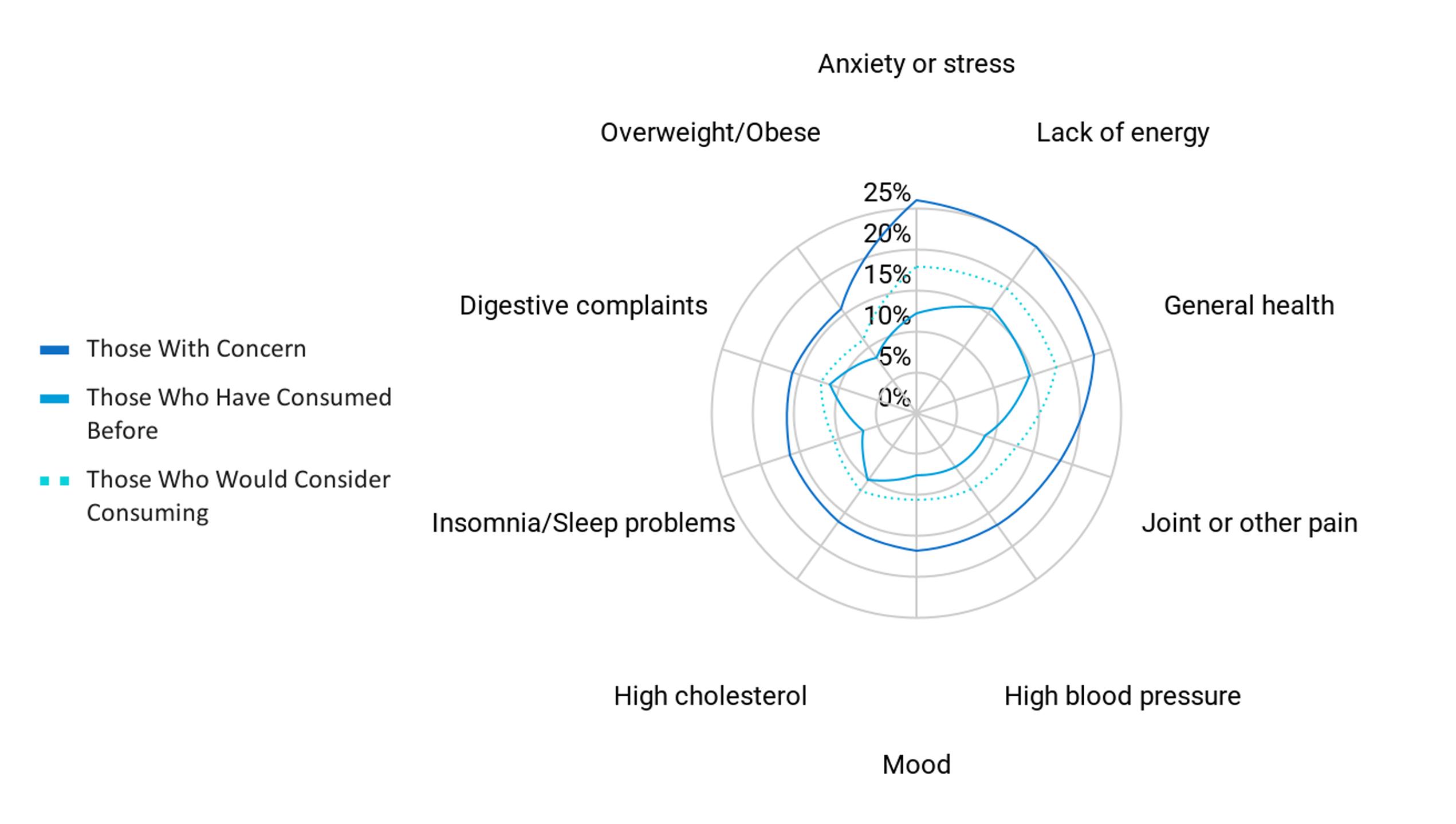
By examining the space between the inner (those who have consumed) versus the hatched line (willing to consume) for the top 10 overall concerns, we see huge space for anxiety and stress, energy, general health, and joint or other pain.
pacted you within the past year? What they took functional food / beverages for?“
CONCERNS AND WHAT THEY TAKE
Question: “Which of the following health concerns caused you to consume functional foods or beverages over the past year?”
If we examine the space between those willing to consume versus those with a health concern, we have an education conversion opportunity. Notably, for anxiety or stress, lack of energy, joint or other pain, and mood.
Question:
Health concern question: „Which of the following health areas or concerns currently impact or im-
Hatched line represents responses from question: “Would you consider functional foods or beverages for any of the following reasons?”
FOODS & BEVERAGES FOR (TOP 10)
Note: N=2003. Results shown top 10 health concerns.
HEALTH CONCERNS AND WHAT THEY TAKE FUNCTIONAL FOODS & BEVERAGES FOR (TOP HEALTH CONCERNS AND WHAT FUNCTIONAL FOODS & BEVERAGES HEALTH CONCERNS FUNCTIONAL FOODS
Key Insight:
Note: 2023 US n=1110, 2023 US Female n=611, 2023 US Male n=492, 2024 US n=1061, 2024 US Female n=513, 2024 US Male n=547. TOP 5 HEALTH CONCERNS: US, GENDER 2023-2024
Top health concerns among US respondents remain similar year over year with mental health being a particular area of concern among both females and males, in fact, increasing year over year. The largest single year increases are joint or other pain with females (6%) and anxiety or stress with males (7%).
Question: „Which of the following health conditions or concerns currently impact or impacted you within the past year?”
FROM CDMO TO CSDMO: SERVICES EMPOWERING CUSTOMERS.
Our new logo represents more than a restyling; it reflects our evolution, embodying our heritage, core values, and forward-looking vision. Fine Foods is growing alongside its partners in the nutraceutical, pharmaceutical, and cosmetics sectors, becoming the leading Contract Services Development & Manufacturing Organization (CSDMO) in the Health & Beauty industry, where SERVICE stands for innovation, excellence, and success.
INSPIRATIONAL SUCCESS STORY
Only Plants
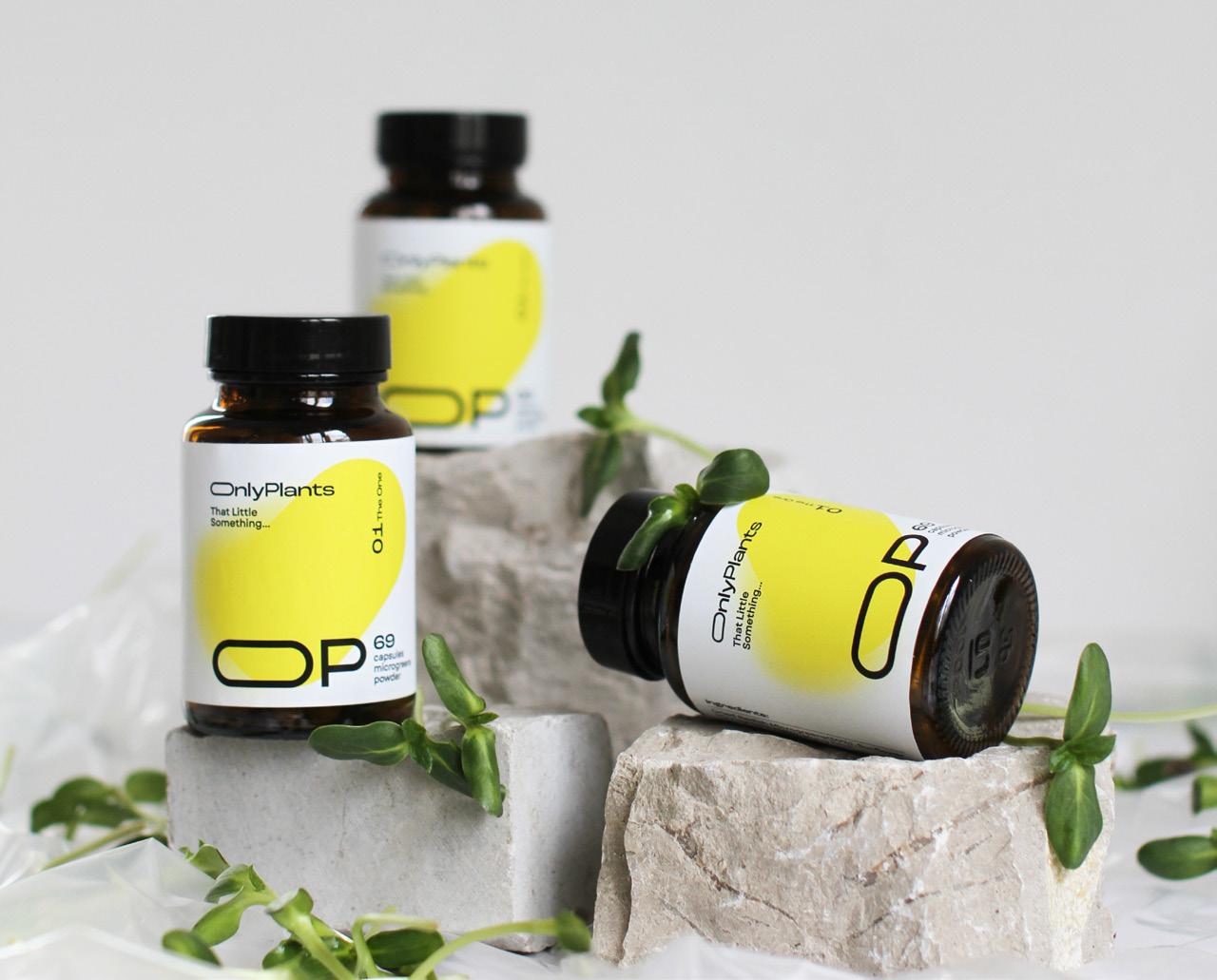
Only Plants is a vertically integrated whole-food microgreens platform, based in Zagreb. The company grows, low-temperature dries, mills, and encapsulates microgreens, providing brands and manufacturers with white-label capsules, bulk powders, and co-development services. Combining proven production processes with PhD-backed research, Only Plants delivers clean-label, traceable plant ingredients for the nutraceutical and cosmetics industries. We spoke with dr.sc. Sergej Lugovic, MBA, CEO and founder
n How did it all begin, what inspired you, and what was the initial idea?
In December 2019 I left a tenure professor position at the Polytechnic of Zagreb to build Only Plants. I expected to scale as a supplier of vertical-farming equipment and deep tech for the EU Green Deal, but 2020 brought two lockdowns and two earthquakes. Faced with a choice - return to business information systems as an SAP consultant or keep pushing what I had signed up for - I chose the plants.
We grew herbs and microgreens in the basement of one of Zagreb’s largest farmers’ markets and learned by selling directly. To avoid waste after market days, I began drying the microgreens. One day, rushing to a meeting with the colleague who helped me with statistics (I was finishing my PhD), I hadn’t eaten; I took a spoonful of the dried microgreens
and felt an immediate lift. Surprised, I asked himhe’s a statistician and former waterpolo player - if that made sense. He said yes: when you’re depleted, a dense hit of nutrients can feel like a boost. That moment convinced me to focus on low-temperature drying and encapsulation of microgreens as a wholefood, noadditive format. At the same time, a colleague began her PhD research on microgreens, so we ran two tracks in parallel: street-wise learning from the market and sciencebacked validation in the lab. The basement taught us what worked; the lab quantified why, and together they shaped the product we make today.
n Why microgreens?
Microgreens concentrate the early plant’s protective compounds and minerals. We harvest at peak, then dry at low temperatures to preserve delicate
Tech Overview
• Controlled indoor cultivation of selected microgreens.
• Gentle, low-temperature dehydration and fine milling.
Process controls for moisture, hygiene and repeatability.
• Third-party safety testing (microbiology, heavy metals) and ongoing stability monitoring.
• End-to-end lot traceability with COA.
Full technical specifications available under NDA for qualified partners.
phytonutrients - delivering whole-food micronutrients in a convenient daily format.
n What was needed from idea to realization?
Control, credibility and cadence. Control of the environment - LEDs, irrigation, hygiene, and a basement microclimate we tuned by hand (vents, humidity, airflow). In Croatia there was no accredited lab to officially run antioxidant assays, and microgreens were still “just decoration,” so we built evidence the hard way: measure everything, repeatable growth, low-temp drying.
Credibility through process and iteration - well over 100 trials across drying curves, grow cycles, grinding, lighting, and airflow. We documented SOPs and batch records; where formal testing was possible we used third-party labs, and our colleague’s PhD research on microgreens provided important vali-
dation. Community backed us early: my wife rallied friends to fund our first mini professional dryer and a manual encapsulation machine.
Cadence in operations and compliance: plant → harvest → dry → mill → encapsulate → label. We balanced nutrient density and unit economics across different microgreens, then wrestled with regulation: classified as food, not a food supplement - an unusual path in the EU market - so design, compliance, and claims went through many back-and-forth cycles. The hardest part wasn’t growing; it was designing a daily process that survives real-world constraints - and learning not to wait on promised “big orders.” We lost a year expecting joint launches with large partners; in the end we went direct to customers.
n Products and market approach: what do you offer today?
Only Plants 01 microgreens capsules - while bootstrapping we’re focusing on a single, high-impact product. We learned a lot building processes for dry-
B2B Offers (2025)
• Only Plants 01 (ready-to-ship): Only Plants 01 Microgreens Capsules.
• White-label (custom): Microgreens capsules (your brand; clean-label, no synthetics).
• Bulk ingredient: Microgreens powders (lot-tracked; COA provided).
• Co-development / R&D: Formulation support, process optimization, pilot runs.
• Production-on-demand: Forecast-based scheduling for brand launches.
ing fruits and vegetables, and we’re channeling that know-how into OP-01 until revenue is steady.
Recognized by scientists and farmers, we co-developed products from their harvests using our process. The response was strong - Tomislav Jurendić, PhD (biotech), a farmer-entrepreneur with 1,100+ citations, presented our collaboration at the Croatian Academy of Sciences and Arts (HAZU) - a milestone from farmers’ market to HAZU.
We began selling quietly across the EU, with our first customers in Slovenia, Austria, Denmark, and the Netherlands. Interest from international distributors - especially in Scandinavia - has been growing. We believe in people over algorithms: we’d rather pay fair commission to a trusted partner than pour budget into platforms that have been inefficient for products like ours. We also ran a local food hub near the farm to test recipes and techniques and to introduce Only Plants capsules. To date we’ve delivered 700+ product presentations and samples. We’re still refining the growth engine, but my old-school, street-wise background - 25 years working with people as a university professor and DJ - helps. Importantly, our product is supported by a PhD project on microgreens (awaiting formal defense), which we’ll leverage further once approved. We work with micro-communities, addressing real-life nutrition challenges in urban, busy lifestyles. And as a DJ and former club-night promoter, I see market signals on the ground - these needs already exist and convert. As we like to say: there’s no rigid plan, only opportunities.
n Are you satisfied with what you’ve achieved?
Grateful, not complacent. We’ve proven the core loop - grow, dry, encapsulate - works and is valued by early adopters. From here our focus is steady, mindful improvement: scale with care, deepen QA, and choose partnerships that create genuine benefit. We’ll be satisfied when everyday access to wholefood micronutrients reduces waste, supports people’s well-being, and respects nature - when “I got my plants today” feels as normal as carrying a water bottle.
n What are you most proud of?
That we kept it honest - and resilient. No synthetic additives, no fairy-dust doses; just plants, grown with precision, dried low and encapsulated with care, documented like a lab. In a vertical-farming roller-coaster where billions were burned, we stayed small, solvent, and stubborn. I treat the hard days like fitness: the harder it gets, the better the form. I go with the flow - if it’s meant to succeed, we’ll serve it; if not, we keep our integrity. The recognition that moves me most is my father’s: a lifelong pharma professional who came to Zagreb from a small village and taught us to work hard, be honest, and be brave; even now, while terminally ill, he advises and supports us. My wife believed early and rallied friends to fund our first machines; friends still take the capsules and carry the story. I’m also proud that a colleague completed her PhD on microgreens alongside the product’s development. Small, steady things make big dreams come true.
n Is there anything else you would like to add…
QA/registration
Food product in EU (not a food supplement). HACCP implemented.
Microbiology & heavy metals via The Teaching Institute of Public Health “Dr. Andrija Štampar” (Zagreb) - our day-one partner and Croatia’s key public-health/food-safety institute. Full lot traceability and batch records.
wishes, plans?
We’re opening the platform to partners willing to take the ride with us - where science meets nature and urban farming shows its full potential. We’re seeking white label collaborations, production on demand, joint R&D projects, and lab partners to help us keep improving the product.
In the short term we will onboard co-makers and lab partners and expand capacity and third-party testing; in the mid term we will formalize white-label and production-on-demand programs with clear specs and SLAs; and in the long term we aim to make a “microgreens salad in your pocket” a daily realitynature’s benefits a second away, without hassle - by integrating Only Plants into schools, workplaces, and everyday routines.
Capparisspinosa (caper bush) is a Mediterranean shrub valued for its antioxidant-rich capers and traditional medicinal uses, which support digestion, anti-inflammatory properties, and skin health.
Capparis spinosa , commonly known as the caper bush, is a perennial shrub prized for its edible flower buds – capers – and for its long history in traditional medicine. Besides being a culinary delicacy, various parts of the plant have been utilised for their anti-inflammatory, antioxidant, and digestive properties.
Botanical description
Capparis spinosa is a perennial, spiny shrub from the family Capparaceae . It has a sprawling, semiwoody habit with thick, rounded leaves and beautiful white to pinkish flowers, accompanied by long, purple stamens. The unopened flower buds (capers) and the fruit (caper berries) are the parts most commonly harvested.
Habitat & cultivation
Native to the Mediterranean region and parts of Asia, the caper bush flourishes in dry, sunny, and
rocky soils. It is highly drought-resistant and often grows on stone walls, coastal cliffs, and arid slopes. It is currently cultivated across the Mediterranean Basin, as well as in areas of the Middle East and North Africa.
Traditional medicinal uses
Traditionally, different parts of the plant – roots, leaves, and buds – have been used for:
• Digestive support – stimulating appetite and aiding in digestion
Anti-inflammatory purposes – for joint pain and rheumatic conditions
• Skin health – applied to soothe irritation and support wound healing
• Diuretic and detoxifying effects
Recent research emphasises the antioxidant and anti-inflammatory properties of caper extracts, reinforcing their traditional uses and potential future
therapeutic applications. The extensive ethnopharmacological history and diverse phytochemical composition of C. spinosa suggest that its constituents may offer various pharmacological benefits, including antiparasitic and insecticidal effects, similar to those found in other medicinal plants. Caper mainly calcium, iron, potassium, phosphorus, magnesium, zinc, and manganese, which play a very important role in maintaining proper metabolic activities
Further research into the synergistic interactions of compounds is necessary to fully understand their therapeutic potential and to develop innovative phytopharmaceuticals for various human conditions. Such detailed knowledge is vital for translating traditional practices into evidence-based therapies and for enhancing the efficacy and safety of C. spinosa in contemporary phytotherapy.
Traditional preparations
• Pickled flower buds (capers) – a classic culinary ingredient in Mediterranean cuisine
• Infusions of bark or root – traditionally used to support liver and kidney function
• Topical applications – poultices from leaves or root bark for skin irritation or wounds
Active compounds
Flavonoids (quercetin, kaempferol)
• Alkaloids and glucosinolates
• Phenolic acids
• Vitamins (notably vitamin C and vitamin K)
• Minerals, including magnesium and iron
Caution
Capers are typically safe when eaten in culinary amounts, but the raw plant parts, especially roots and bark, may be irritating or toxic.
References:
Aichour R., Benzidane N., Arrar L., Charef N., Baghiani A. (2018). Hepatoprotective and Anti-inflammatory Activities of Algerian Capparis Spinosa. L. Annu. Res. Rev. Biol. 25 (3), 1–12. 10.9734/arrb/2018/40410 [DOI] Annaz, H., Sane, Y., Bitchagno, G. T. M., Ben Bakrim, W., Drissi, B., Mahdi, I., El Bouhssini, M., & Sobeh, M. (2022). Caper (Capparis spinosa L.): An Updated Review on Its Phytochemistry, Nutritional Value, Traditional Uses, and Therapeutic Potential. Frontiers in pharmacology, 13, 878749. https://doi.org/10.3389/fphar.2022.878749
B2B Events Calendar 2025/2026
This is an overview of the B2B live events during 2025 and 2026
2025
22-23 October, La Farga Barcelona https://www.cosmetorium.es/en/
Arjuna Natural, a leader, manufacturer, and innovator of standardized botanical extracts since 1989, is thrilled to announce that it has received NonGMO Project Verification for Shoden®, its clinically studied ashwagandha extract, after a rigorous review process.
The Non-GMO Project is a 501(c)(3) nonprofit organization committed to building and preserving the non-GMO food supply for all. This distinguished mark appears on products that have been evaluated by third-party, unbiased technical administrators to ensure they meet North America’s most rigorous standard for GMO avoidance.
“Today’s consumers expect effective, high-quality ingredients backed by third-party certification,” said Keely Johnson, VP of Sales and Marketing at Arjuna Natural. “We are thrilled about this new milestone for Shoden. This certification further reinforces our ongoing commitment to responsible practices in transparency, ingredient integrity, and consumer trust.”
The Non-GMO Project verification’s diligent evaluation process includes, but is not limited to, a thorough examination of documentation such as standard operating procedures, certificates of analysis for the ingredient, as well as a comprehensive review of the ingredient’s sourcing documents, supply
chain, and manufacturing facilities. Today, more than 66,000 brands and 100,000 SKUs are Non-GMO Project Verified.
"By attaining Non-GMO Project verification, our newly Verified brands are demonstrating their proactive commitment to safeguarding the non-GMO food supply. This collective endeavor propels us closer to a food system that is both transparent and ethically conscientious,” said Megan Westgate, Executive Director, Non-GMO Project.
Shoden® is a clinically backed ashwagandha extract standardized to 35% Withanolide Glycosides (the more bioavailable ashwagandha active). At just 60 mg per dose, it is one of the smallest, yet most effective and potent extracts available for dietary supplements, functional beverages, and foods. Nine published studies back Shoden’s efficacy and toxicity for stress relief, sleep support, immune health, men’s vitality, brain cognition and more.
More about Shoden®: arjunanatural.com
Kemin Showcases Portfolio of Upgraded Nutritional Solutions at Vitafoods Asia 2025
Company’s human nutrition and health business unit highlights science-backed ingredients for lifelong vitality and a brighter tomorrow
Kemin Industries, a global ingredient manufacturer that strives to sustainably transform the quality of life every day for 80 percent of the world with its products and services, is highlighting a robust portfolio of science-backed ingredients designed to support health across all ages and stages of life at Vitafoods Asia in Bangkok on September 17–19.
"The Kemin team is excited to meet with attendees of Vitafoods Asia 2025," said Masafumi Hashimoto, Director of Sales – Asia, Kemin Human Nutrition & Health. "This year's event is a great opportunity to collaborate with fellow industry experts and explore how our upgraded nutritional solutions for lifelong vitality can help manufacturers create a new generation of formulations, helping consumers live healthier, more vibrant lives."
Visitors to the Kemin Human Nutrition & Health booth #B06 can learn more about its innovative solutions aimed at transforming lives by shaping a healthier, brighter future for everyone. These include:
• FloraGLO® Lutein – supports eye, brain, and skin health at every age and life stage.
DailyZz™ – provides post-sleep benefits for sharper cognitive daytime performance, including mental speed, focus, working memory, and decisionmaking.
• BetaVia™ and ButiShield™ – help address immune and digestive health, contributing to a resilient and healthy gut microbiome.
• Neumentix™ – boosts neuronutrition naturally with Kemin’s patented line of spearmint high in polyphenols for energy and mental focus.
The team will be showcasing some of these ingredients in prototypes at booth #B06 for attendees to try in a finished application. Kemin’s extensive range of functional ingredients is supported by more than 100 studies and proven to provide consumers with diverse whole-body health benefits to, ultimately, improve their quality of life.
Visit Kemin Human Nutrition & Health at booth #B06 and discover the possibilities that Kemin can offer manufacturers’ future formulations. Click here to learn more about Kemin’s ingredient solutions.
Velious™ 3.0: Introducing New Flavors in Beauty Supplements
Tosla Nutricosmetics, a leading innovator in liquid nutricosmetics, proudly announces the launch of velious™ 3.0 Flavor Technology, the latest evolution of its patented flavor-masking system. Designed to enhance taste without the use of sugar, the third edition technology sets a new benchmark for formulation sophistication, consumer enjoyment, and product safety in the beauty and wellness industry.
Innovation that sets a new standard
Tosla is guided by a clear vision: to lead the future of nutricosmetics through continuous innovation. Their proprietary Velious™ technology has already changed how consumers experience liquid supplements by eliminating the unpleasant taste of essential active ingredients like collagen without relying on sugar or artificial additives.
Enhanced flavors and elevated experience
The new Velious™ 3.0 technology represents a significant leap forward in taste innovation, formulation performance, and safety assurance. Building on the robust foundations of its predecessors, Velious™ 3.0 enables brands to deliver more advanced, complex, and nuanced flavor profiles in sugar-free
liquid formats that do not compromise on efficacy, shelf life, or stability.
This third-generation technology allows for greater flavor diversity and a richer sensory experience. It empowers brands to meet evolving consumer expectations for enjoyable, functional products, facilitating consumer loyalty and a higher frequency of repeat purchases.
About Tosla Nutricosmetics
Tosla Nutricosmetics is a global leader in liquid beauty supplements, committed to transforming wellness through science, taste, and innovation. With pioneering flavor technology, clinically validated products, and bespoke formulations, Tosla helps beauty and wellness brands redefine consumer experiences and achieve profitable growth.
European Commission’s Omnibus Proposal
Cosmetics Europe welcomes the Omnibus proposal announced 8th July 2025 by the European Commission, which aims to reduce excessive administrative and compliance burdens for businesses, with no compromise on safety - a step towards modernising the EU cosmetics regulatory framework while keeping safety as the priority.
“Consumer safety is central to all aspects of our industry formulating and manufacturing cosmetics and personal care products in Europe. Safety is a non-negotiable” – said John Chave, Director General of Cosmetics Europe. “But the current regulatory framework can mean safe products coming off the market. That cannot be in the interests of competitiveness and growth or in the interest of consumers”.
“The proposed clarification and simplification of Article 15.2 of the CPR is a clear step in the right direction, streamlining processes and providing more legal certainty and predictability, with safety as priority. The existing interaction between the hazard-based CLP and risk-based CPR is a continuous challenge. CLP classification can result in automatic bans of substances that are completely safe for use in cosmetics. With the significantly increasing number of CMR harmonized classifications issued under the CLP in recent years, a workable application of bans and exemptions under Article 15 is more critical than ever”- he added.
“The industry highly appreciates proposed fixed periods for submission of derogation requests, introduction of transitional periods for compliance with new bans and restrictions under Article 15, as well as refining derogation criteria, and clarifying the approach to natural complex substances. None of these changes in any way compromises safety. These are concrete and workable adjustments that provide legal certainty and predictability to practical application of the derogation mechanism for safe cosmetic substances”.
“Eliminating pre-notification of products containing nanomaterials under Article 16 is a good example of how burdensome duplication of requirements, in this case under Article 13, can be effectively eliminated, while maintaining safety through the already existing review mechanisms of the CPR. Streamlining the processes for ingredient review would reduce red tape, while meeting the same safety objective”.
The cosmetics and personal care industry calls on the co-legislators to support simplification efforts; simplification which addresses well-known and identified issues that – without providing tangible benefits for consumers – create burdens for the industry and divert resources that could otherwise be
used to drive forward innovation and enhance competitiveness.
As a constructive stakeholder, Cosmetics Europe will continue to actively participate in the dialogue with EU policy makers as well as all the other involved stakeholders, to ensure that the highest level of consumer safety is upheld within a regulatory environment that genuinely encourages innovation and competitiveness.
About Cosmetics Europe
Cosmetics Europe is the European trade association for the cosmetics and personal care industry. For more than 60 years, Cosmetics Europe has been the voice of the cosmetics and personal care industry in Europe. Members include cosmetics and personal care manufacturers as well as associations representing our industry at national level, right across Europe. For more information, please consult: Cosmetics Europe website
Komecera®World’s First Oral Skin Barrier Solution
Excessive sun exposure accelerates skin barrier degradation, leading to dehydration, premature aging, and increased carcinogenic risk. Komecera® , a standardized rice bran–derived ceramide extract, has been clinically demonstrated to restore epidermal barrier function, enhance hydration, and reduce wrinkle severity through oral supplementation. Controlled studies confirm significant improvements in skin resilience and overall dermal health within weeks of consistent intake.
From sun exposure to skin resilience
Every summer, Europe comes alive. Families, friends, and travelers all gather on beaches, lakesides, and pools to enjoy the sunshine. People lie under the sun from morning till evening, relaxing and chasing the perfect golden glow.
But while the sun feels good, it also carries risks. Strong UV rays break the skin barrier, dry out the skin, cause wrinkles, and can increase the risk of skin cancer. The sun gives beauty on the outside, but it also quietly damages from the inside.
The secret of rice
In Asia, rice has always been more than food. It stands for life, purity, and strength. Hidden inside rice bran is a special treasure: ceramides.
Ceramides are natural lipids in our skin. They work like “mortar” between bricks - keeping skin cells tight, locking in moisture, and blocking harmful things from entering. But with age, stress, and UV damage, ceramides slowly disappear. By the age of 40, more than 60% of natural ceramides are gone.
Komecera® brings this ancient secret into modern
science. Extracted from premium Asian rice bran, it is the world’s first oral skin barrier solution - designed to rebuild and repair the skin’s natural shield.
Clinically proven beauty from within
In controlled clinical trials, daily oral intake of 20–40 mg, Komecera® led to remarkable results:
Strengthens skin’s natural barrier by up to 47%
Hydration improved in 4 weeks
• Wrinkle severity reduced by 30%
• Reduced dryness, redness, and irritation
These are not beauty myths - they’re measurable, repeatable results.
Rice to the rescue for your best skin ever!
Komecera® sits at the sweet spot of tradition, science, and lifestyle. It speaks to consumers who want to enjoy their summers without sacrificing their skin’s future.
A new way to live with the sun
Komecera® offers more than protection. It gives freedom. Freedom to enjoy summer holidays without fear of lasting skin damage. Freedom to look youthful and confident, season after season.
Each dosage of Komecera® rebuilds the skin barrier, locks in hydration, and shields against invisible threats.
Not just a supplement - but a new way to live with the sun.
Malaysian Botanicals. Scientifically Proven.
Komecera® is exclusively developed and trademarked by Nexus Wise. Talk to our team: info@nexuswise.com
FIGURE 1 Komecera® strengthens skin’s natural barrier by up to 47%
FIGURE 2 Komecera® improves the skin hydration within 4 weeks
Topical Application of Olive Oil: Anti-Inflammatory and Restorative Effects
Topical application of olive oil, particularly extra virgin olive oil, offers potent anti-inflammatory and restorative benefits for the skin, thanks to its rich content of polyphenols, triterpenes, and essential fatty acids.
The topical application of olive oil has received considerable attention due to its recognised anti-inflammatory and restorative properties. Olive oil, especially extra virgin olive oil, is rich in phenolic compounds, triterpenes, and fatty acids that provide beneficial dermatological effects, including antioxidant, antimicrobial, and anti-inflammatory activities. These qualities make olive oil a promising natural agent for various skin conditions, offering an alternative to conventional treatments.
Constituents of olive products, such as polyphenols, and their documented efficacy in addressing inflammatory skin conditions and supporting restoration. Furthermore, the synergistic actions of these compounds, including vitamins A, D, E, beta-carotene, and ubiquinol-10, contribute to enhanced mitochondrial function in keratinocytes and improved cell viability, which are vital for skin barrier integrity and repair. The distinctive fatty acid composition, especially the presence of oleic acid, also aids in its emollient properties and ability to enhance skin barrier function, resembling the natural lipid profile of human sebum. Beyond their cosmetic uses, the therapeutic potential of olive-derived compounds extends to managing chronic wounds, where their anti-inflammatory and antioxidant effects can reverse the persistent inflammatory state and oxidative stress that hinder healing. Specifically, the phenolic compounds found in olive oil have been shown to modulate inflammatory pathways, decreasing the production of pro-inflammatory cytokines and enzymes.
Furthermore, the healing effects of olive extracts on damaged tissue are linked to their ability to stimulate collagen production and encourage cellular growth, which are vital for wound closure and tissue reconstruction. This broad activity supports a more effective and complete recovery of skin integrity. The pain-relieving qualities of olive oil, due to compounds like oleocanthal, highlight its usefulness in topical use by easing discomfort from skin damage and inflammation, similarly to how ibuprofen works as an analgesic.
Although olive oil provides a protective toning ef-
fect on the skin, successfully delivering it into deeper layers remains difficult, requiring innovative formulation methods such as hydrogel-loaded macro-sized particles to improve delivery and enhance therapeutic results.
References:
Ajal, E. A., Chaji, S., Moussafir, S., Nejjari, R., Soulaymani, A., & Bajoub, A. (2021). Virgin Olive Oil Phenolic Compounds: Insights on Their Occurrence, Health-Promoting Properties and Bioavailability. In IntechOpen eBooks. IntechOpen. https://doi.org/10.5772/intechopen.98581
Bucciantini, M., Leri, M., Nardiello, P., Casamenti, F., & Stefani, M. (2021). Olive Polyphenols: Antioxidant and Anti-Inflammatory Properties [Review of Olive Polyphenols: Antioxidant and Anti-Inflammatory Properties]. Antioxidants, 10(7), 1044. Multidisciplinary Digital Publishing Institute. https://doi.org/10.3390/antiox10071044
Mota, A. H., Silva, C. O., Nicolai, M., Baby, A. R., Palma, L., Rijo, P., Ascensão, L., & Reis, C. P. (2017). Design and evaluation of novel topical formulation with olive oil as natural functional active. Pharmaceutical Development and Technology, 23(8), 794. https://doi.org/10.1080/10837450.2017.1340951
Przekora, A. (2020). A Concise Review on Tissue Engineered Artificial Skin Grafts for Chronic Wound Treatment: Can We Reconstruct Functional Skin Tissue In Vitro? [Review of A Concise Review on Tissue Engineered Artificial Skin Grafts for Chronic Wound Treatment: Can We Reconstruct Functional Skin Tissue In Vitro?]. Cells, 9(7), 1622. Multidisciplinary Digital Publishing Institute. https://doi.org/10.3390/cells9071622
Rodrigues, F., Pimentel, F. B., & Oliveira, M. B. P. P. (2015). Olive by-products: Challenge application in cosmetic industry. Industrial Crops and Products, 70, 116. https://doi.org/10.1016/j.indcrop.2015.03.027
Taheri, M., & Amiri‐Farahani, L. (2021). Anti-Inflammatory and Restorative Effects of Olives in Topical Application [Review of Anti-Inflammatory and Restorative Effects of Olives in Topical Application]. Dermatology Research and Practice, 2021, 1. Hindawi Publishing Corporation. https://doi.org/10.1155/2021/9927976
Yahfoufi, N., Alsadi, N., Jambi, M., & Matar, C. (2018). The Immunomodulatory and Anti-Inflammatory Role of Polyphenols [Review of The Immunomodulatory and Anti-Inflammatory Role of Polyphenols]. Nutrients, 10(11), 1618. Multidisciplinary Digital Publishing Institute. https://doi.org/10.3390/nu10111618