Daniel Poshtovenko.
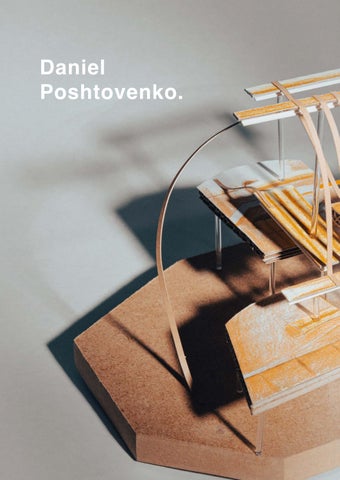
A theoretical proposal that deals with reusing existing modernist structures of East Tilbury, Essex to build and elevate a rural landscape in the air
Helping a desolate British port town in Essex, Tilbury, strengthen its identity through the introduction of a brewery and secondary masterplanning decisions to improve the high street The University of Westminster, Final Project The University of Westminster, Year 3 Semester 1 Sauerbruch Hutton
Sauerbruch Hutton
Sauerbruch Hutton
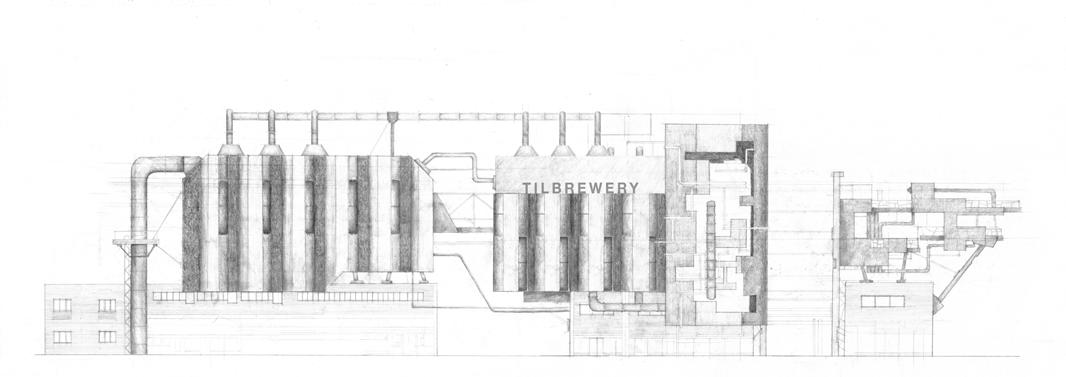
Tilbrewery
This project aims to develop a new city model for port cities and uses Tilbury as a case study. The interventions will vary from large-scale masterplanning to establishing a building in the form of a brewery. Rather than introducing a new identity for Tilbury, the masterplan is a way to strengthen the alreadyestablished presence of the town, known for its freeport status. Theoretically, if the boundary of the freeport were to expand beyond the port to the town, Tilbury will become a tax-free zone. By recognising the port’s assets, being the
largest import and export of grain in the UK, Tilbury can become a grain-centred destination for tourists of grain trade.
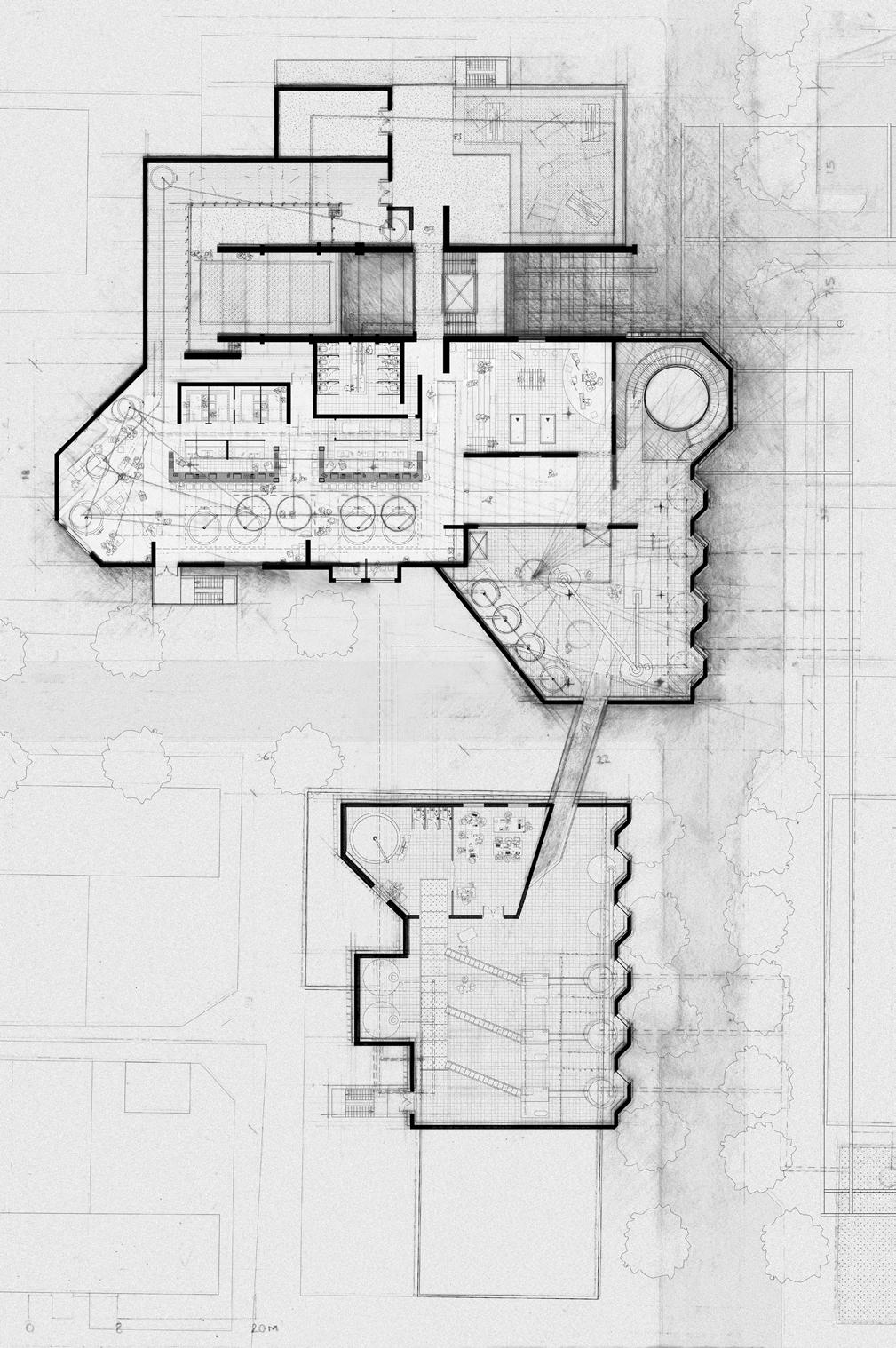
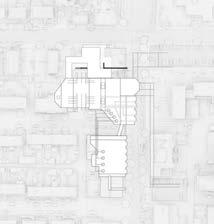
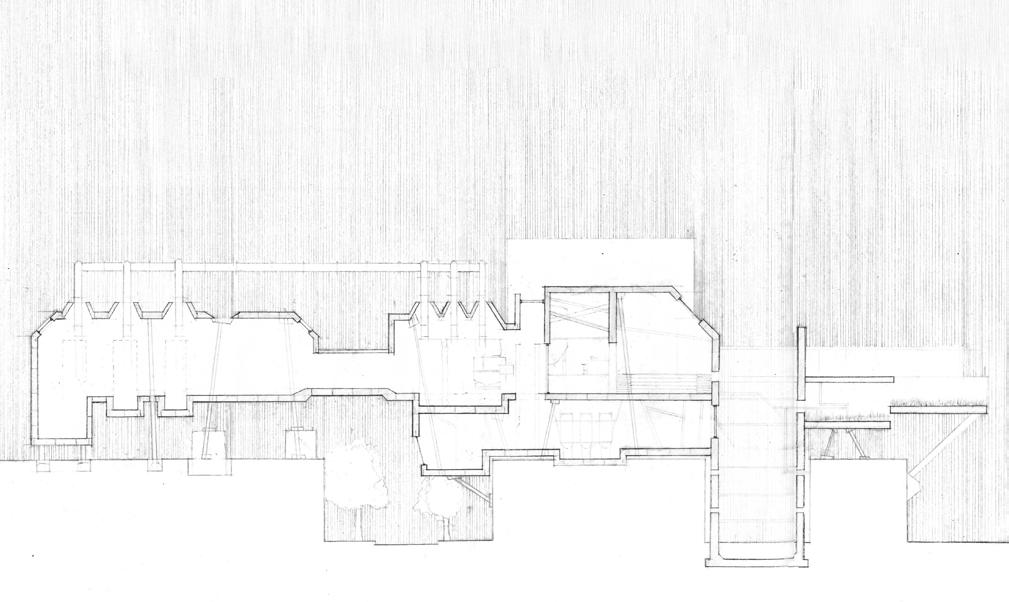
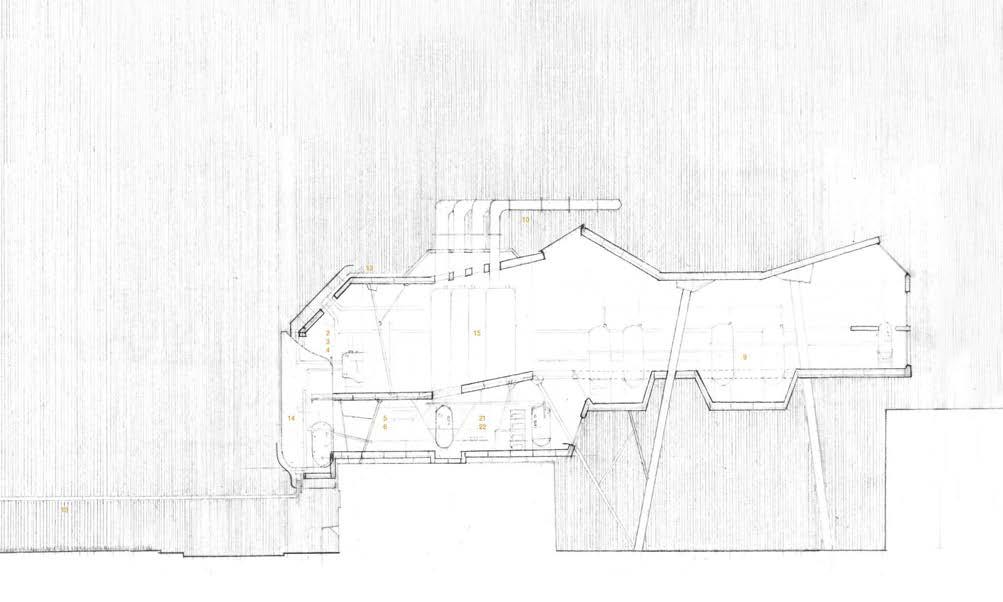
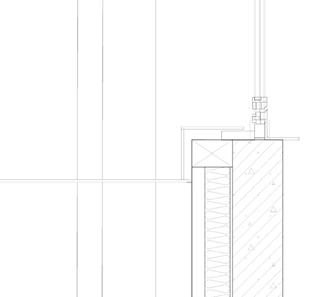
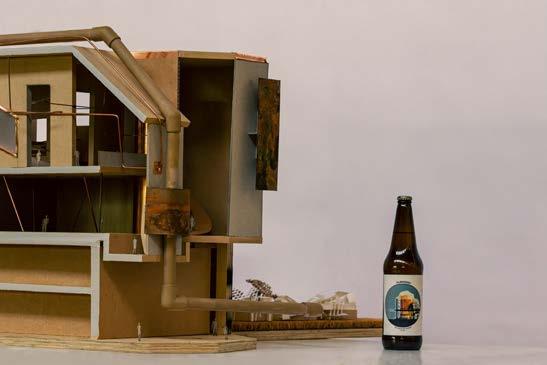
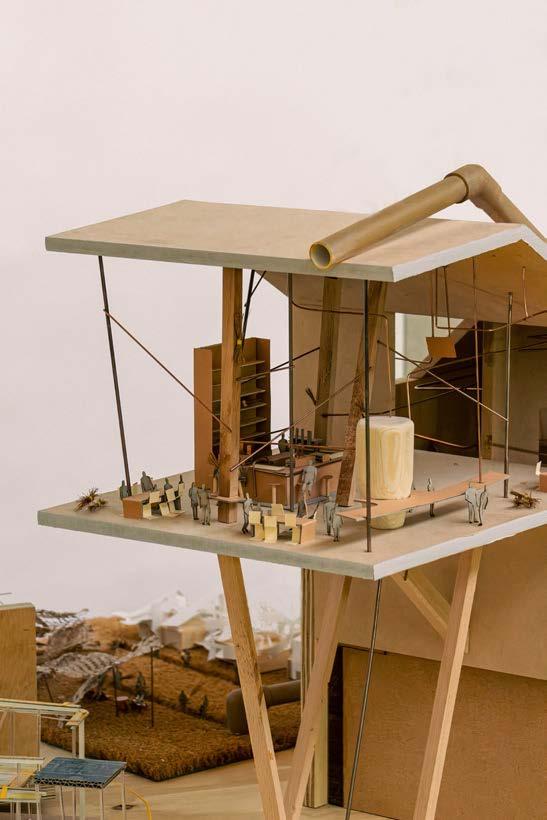
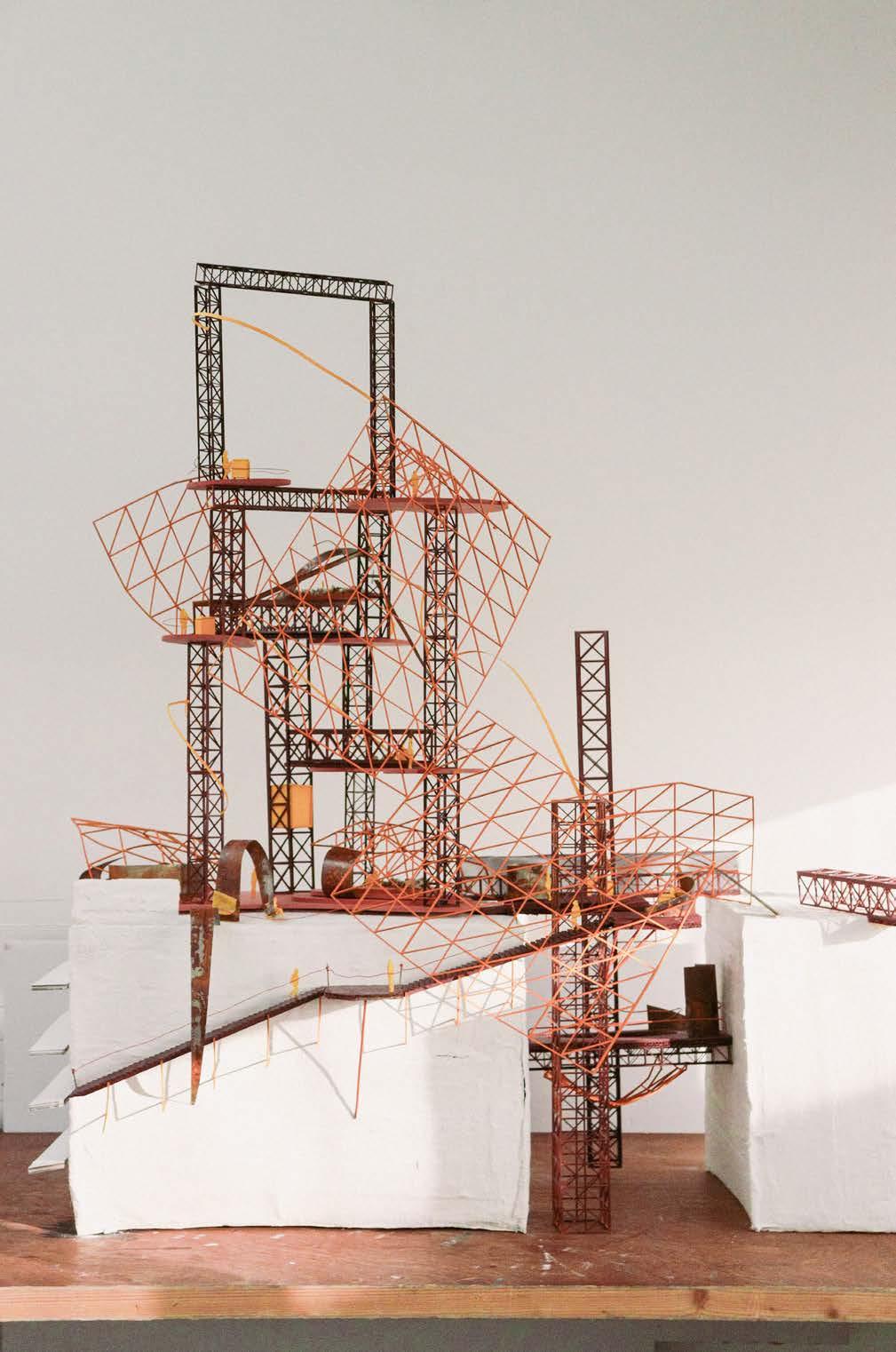
The brewery sits on two existing flat-roofed buildings on the main street, materiality of which comprises of a harmonious mixture of hard and soft. Hard, denoting the industrial language of the port (steel and concrete), and soft, referring to the warmness of the British pub culture (timber and hay).
Location: Tilbury, Thurrock, Essex, UK
Theme: Theoretical/ Ambitious
Stage of Education: Year 3, Final Project
Creative tools: Hand drawing, model making, Photoshop, Sketchup Pro, Illustrator
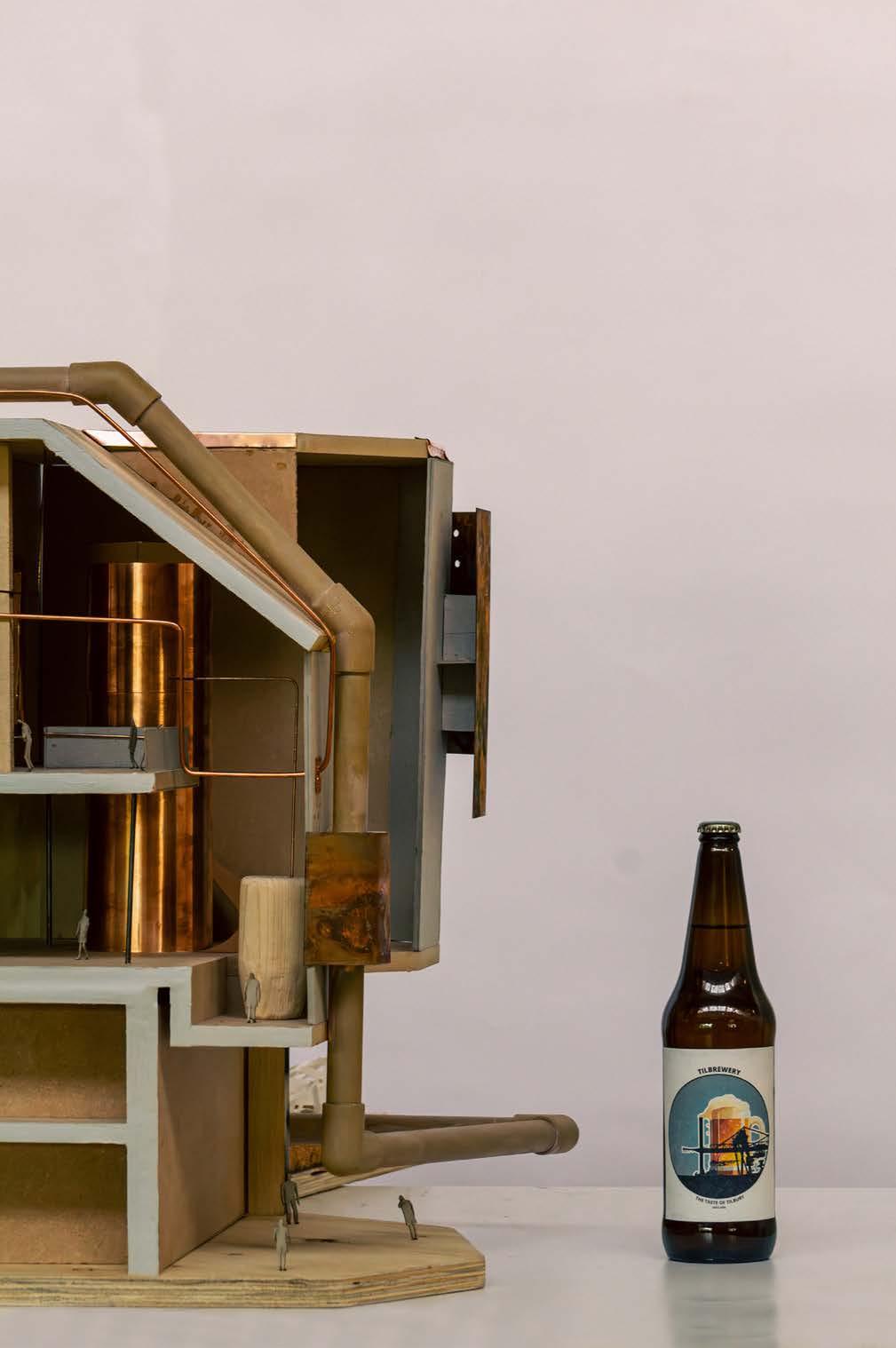
Final sectioanl fragment model of Tilbrewery at 1:50
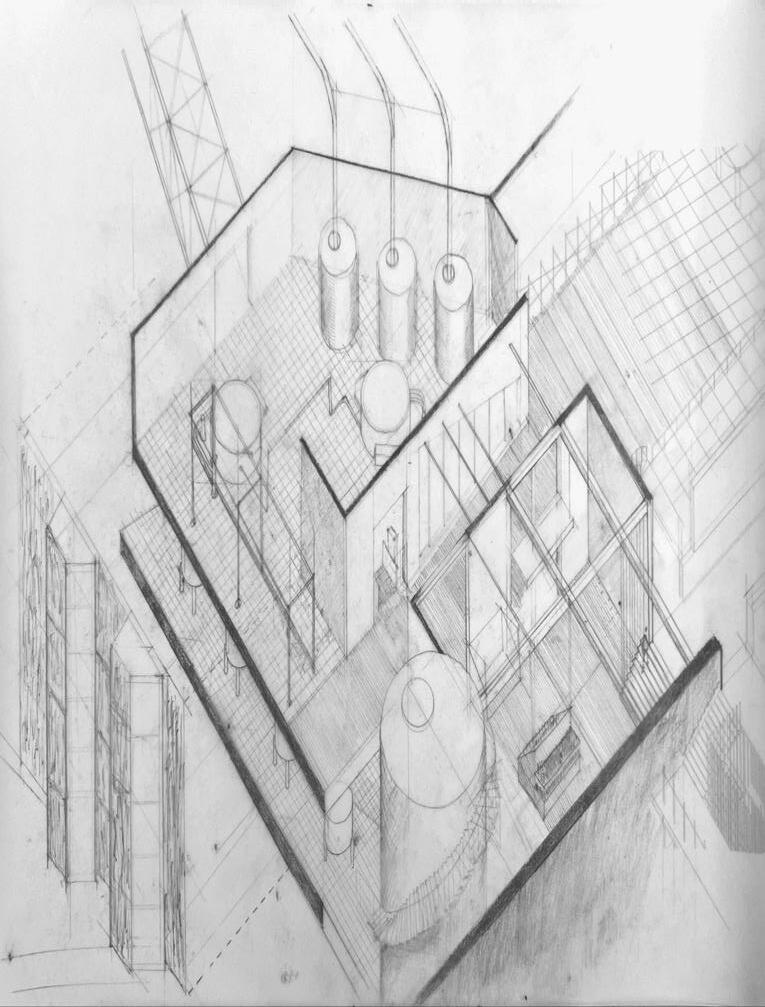

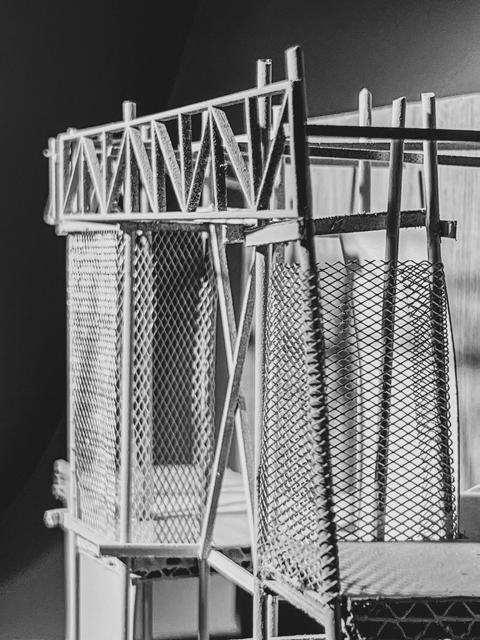
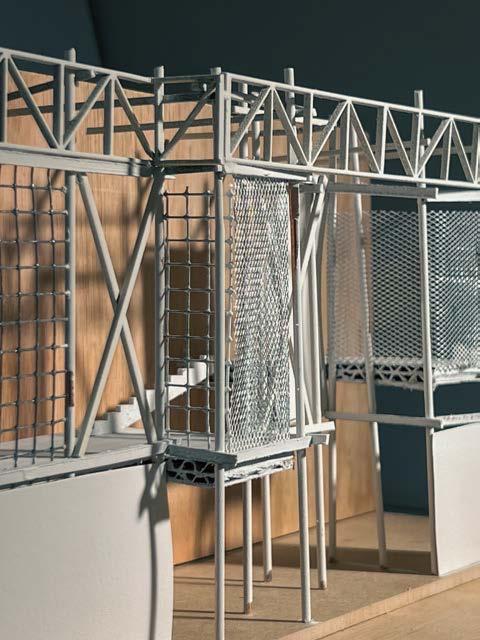
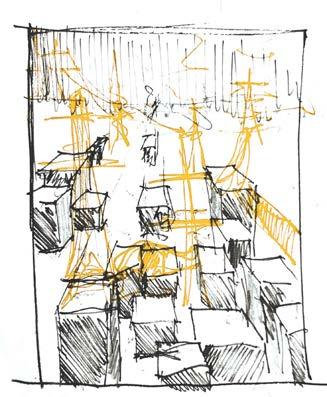
Top: Photos of a concept model 1:50 Bottom: Hand-drawn axonometric featuring the transition between public and private space (brewery) through flooring
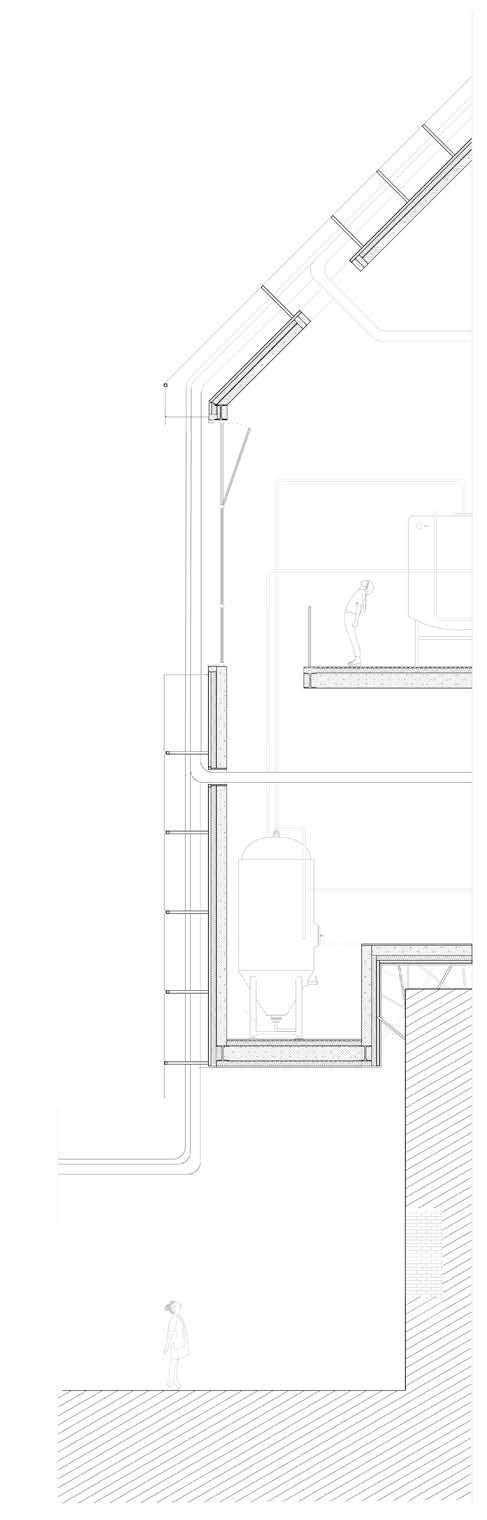
left: Facade
Bottom left:
Destination Marshland
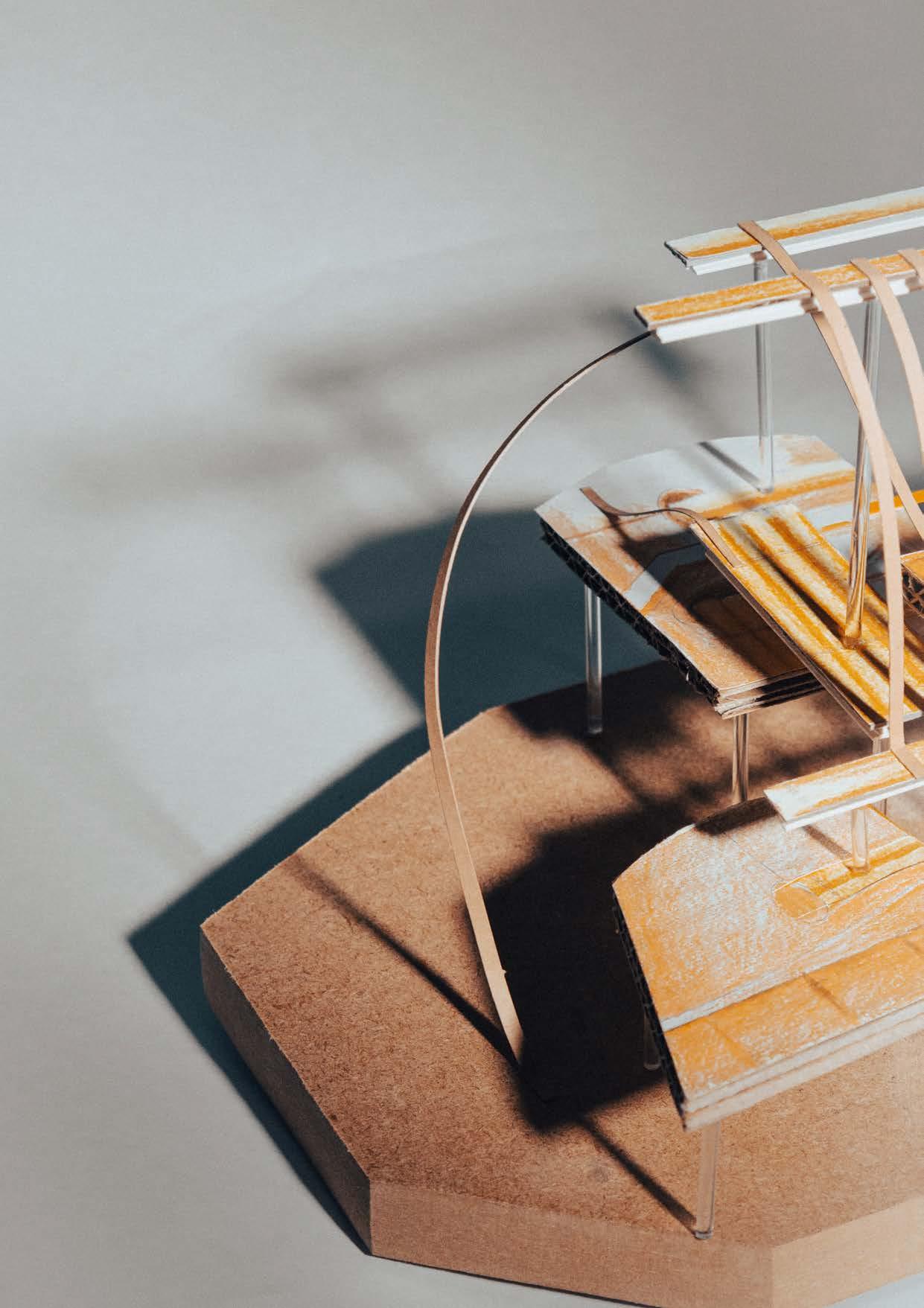
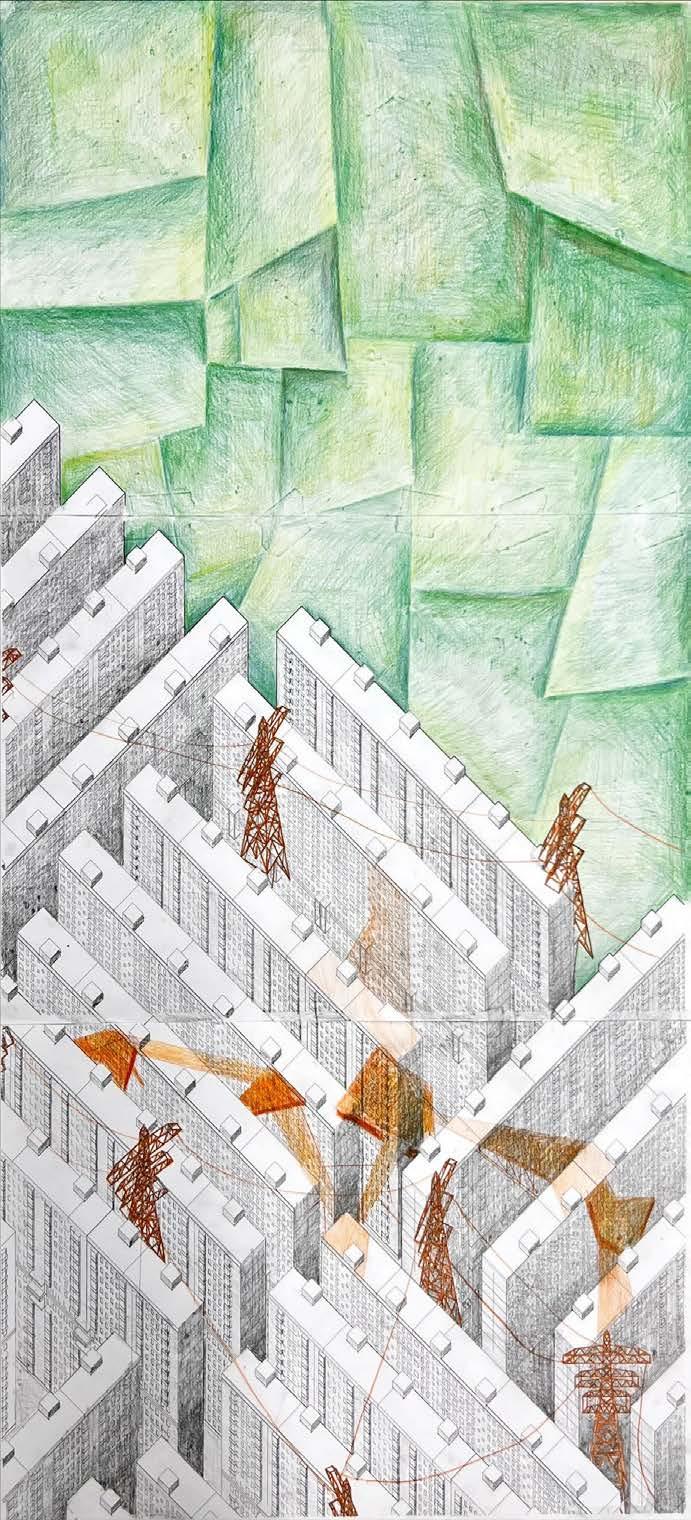
Based on initial observations of East Tilbury, it is a lifeless town that lost the essence of nature, being surrounded by the artificial agricultural landscape. It is not an inviting town lacking in human activity and leisure, since it was built for workers of the Bata Shoe Factory as the ‘Modernist utopia’. The intentions are to reintroduce the chaotic nature of the past into the inactive areas of the town. The landscape will be physically lifted in the sky, elevating its importance over manmade concrete structures. Not to mention, in the case of an extreme event, it is assumed that the town will be completely flooded, which is a reason to lift the landscape. The proposal features moments of intimacy in the sky to encourage human interactions to focus on predominantly the environment.
Location: East Tilbury, Thurrock, Essex, UK
Theme: Theoretical Masterplanning
Stage of Education: Year 3, Semester 1
Activities include an urban garden where the community can grow crops themselves, rather than being surrounded by privately-owned farmland, a sleeping zone and a beeharvesting zone. There will be three typologies being: rooftop, attached to and in between existing buildings. Over the course of four phases the project will grow to cover the whole city. These typologies will be connected by walkways and will stimulate the people to build a relationship with the sporadic ecosystem. Burrowing the language of the surrounding industrial infrastructure strives to act as a foundation for vegetation to blossom uncontrollably and ultimately bring dynamism through fluid architecture.
Creative tools: Hand drawing, model making, Photoshop, Rhino 3D
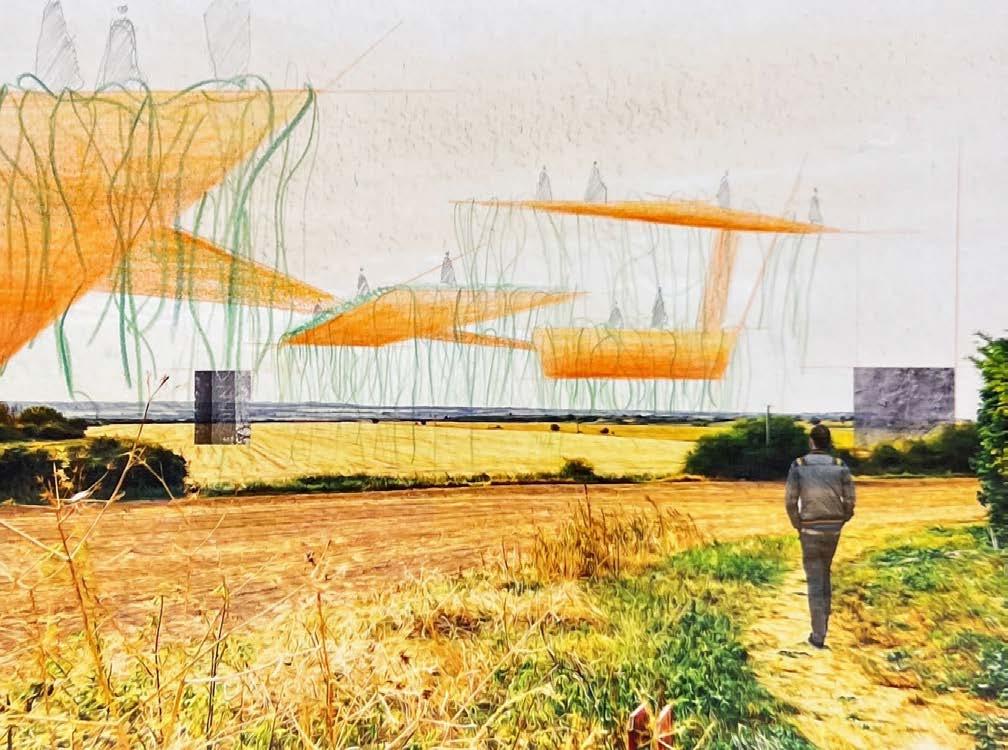
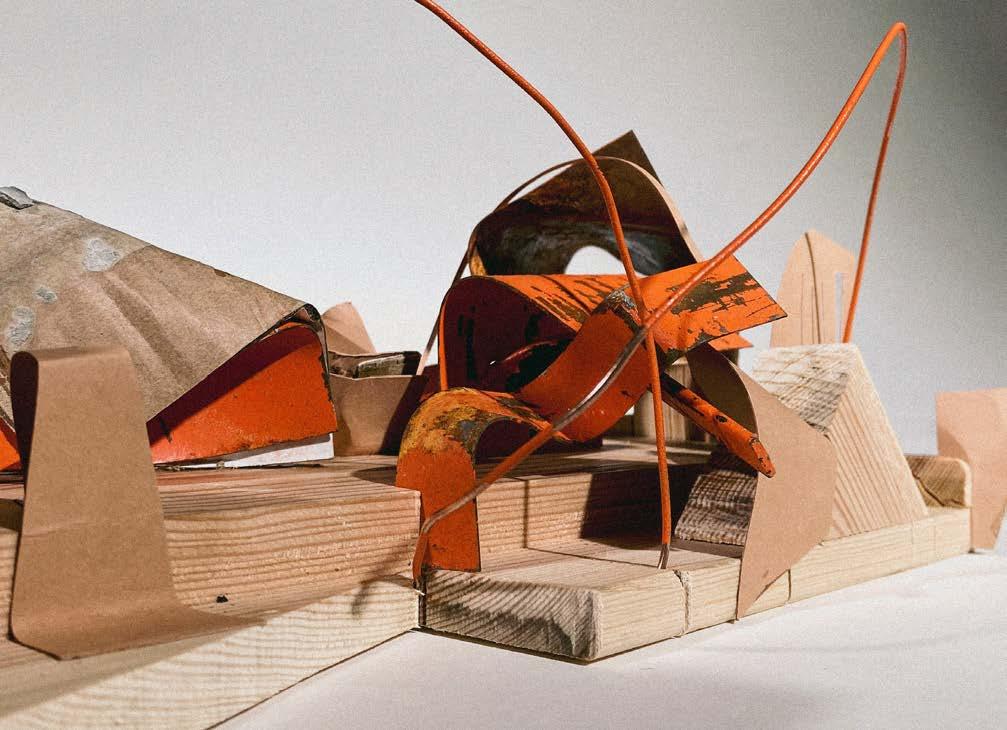

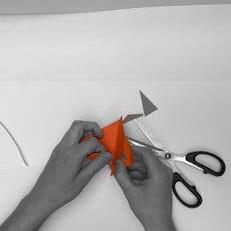

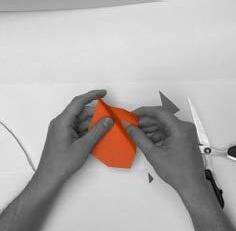

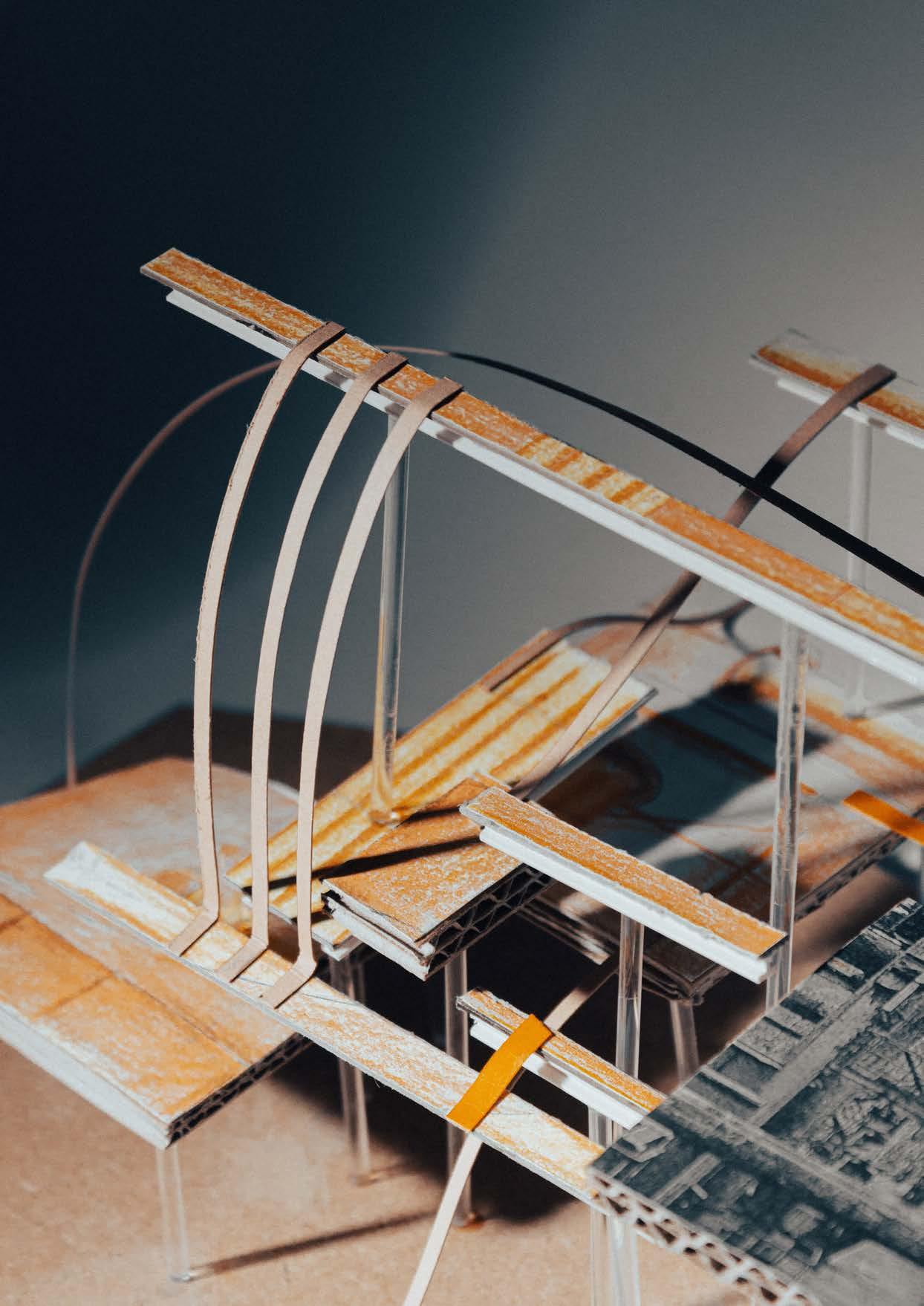
Top: Collage to show the existing landscape of rural Essex being elevated, Bottom: Concept model exploring the materiality of rusted metal
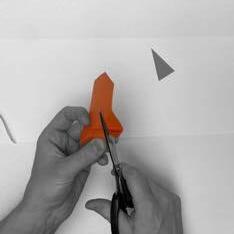
Right: Documenting the process of spontaneous model making with card, Left: Axonometric showing the concept of connected roofs with the local vernacular language of pylons
Urban Phoenix Berlin
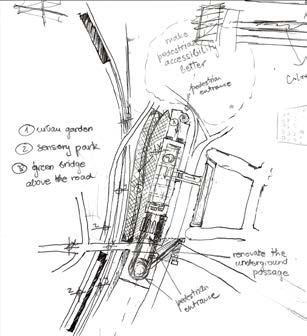
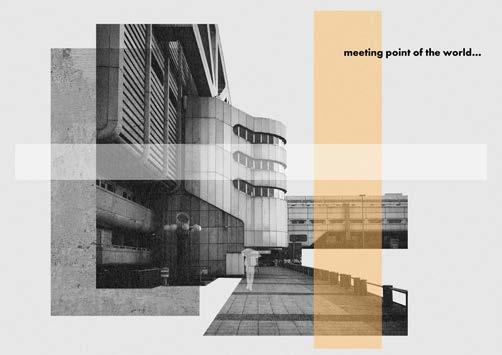
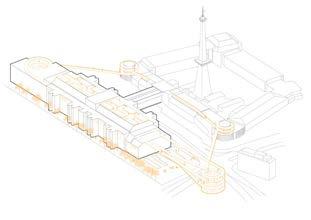
In this groupwork project, we were asked to consider the abandoned building built in the late 1970s. The Internationale Congress Centrum, ICC, has been shut since 2014 and is costly to stand idle. Being a listed building, the programme forced us to respect the historic integrity of the huge mass. By responding to the surrounding physical and social context, my group came with an intervention that takes into account the opportunity of the ICC, and ways of improving, accessibility to the site being the main issue.
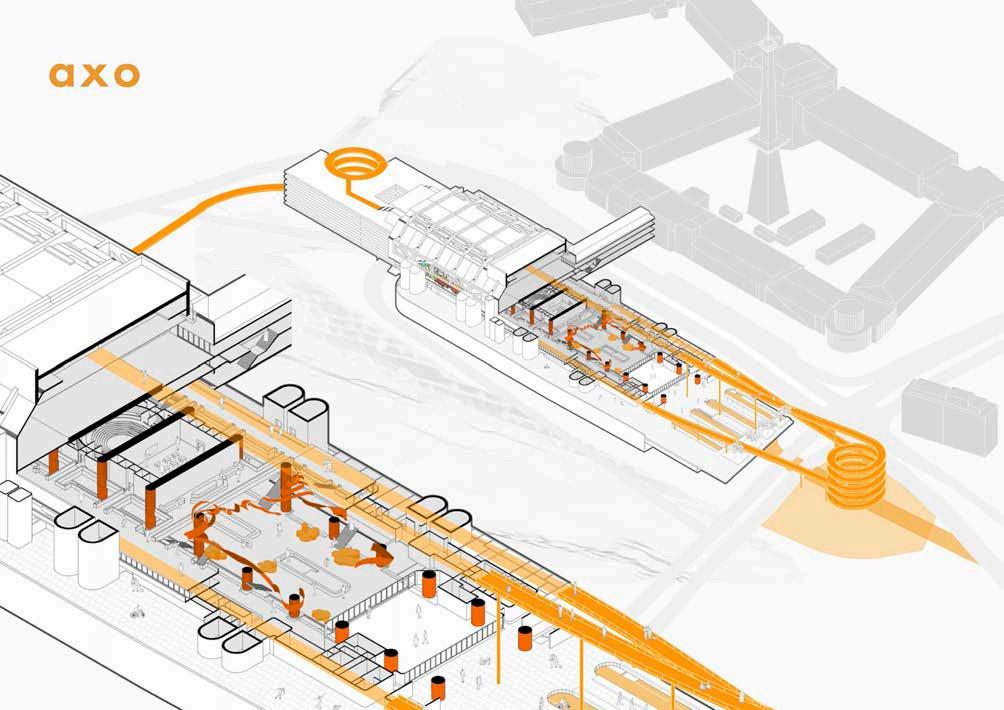
The accessibility is to be improved by connecting the two S-Bahn stations to the ICC. The pedestrian bridges will be activated with public infrastructure and cycle lanes. Art installations made from recycled materials are scattered around site acting as a magnet.
We spread the masterplan into four stages :
- establish a culture of circularity
- engage Berlin
- leverage interiors to promote gathering - connect ICC with surroundings
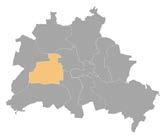
Location: Westend, Charlottenburg-Wilmersdorf, Berlin, Germany
Theme: Sustainable Redevelopment of Urban Megastructure
Stage of Education: Summer School
Creative tools: Hand drawing, AI, Photoshop, Illustrator, InDesign, Virtual Reality
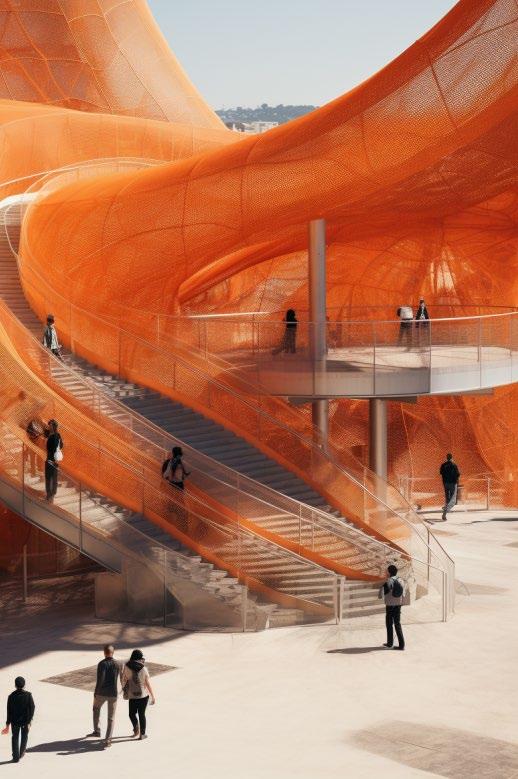
Visualising the concepts using AI (midjourney) - developing ideas through prompting
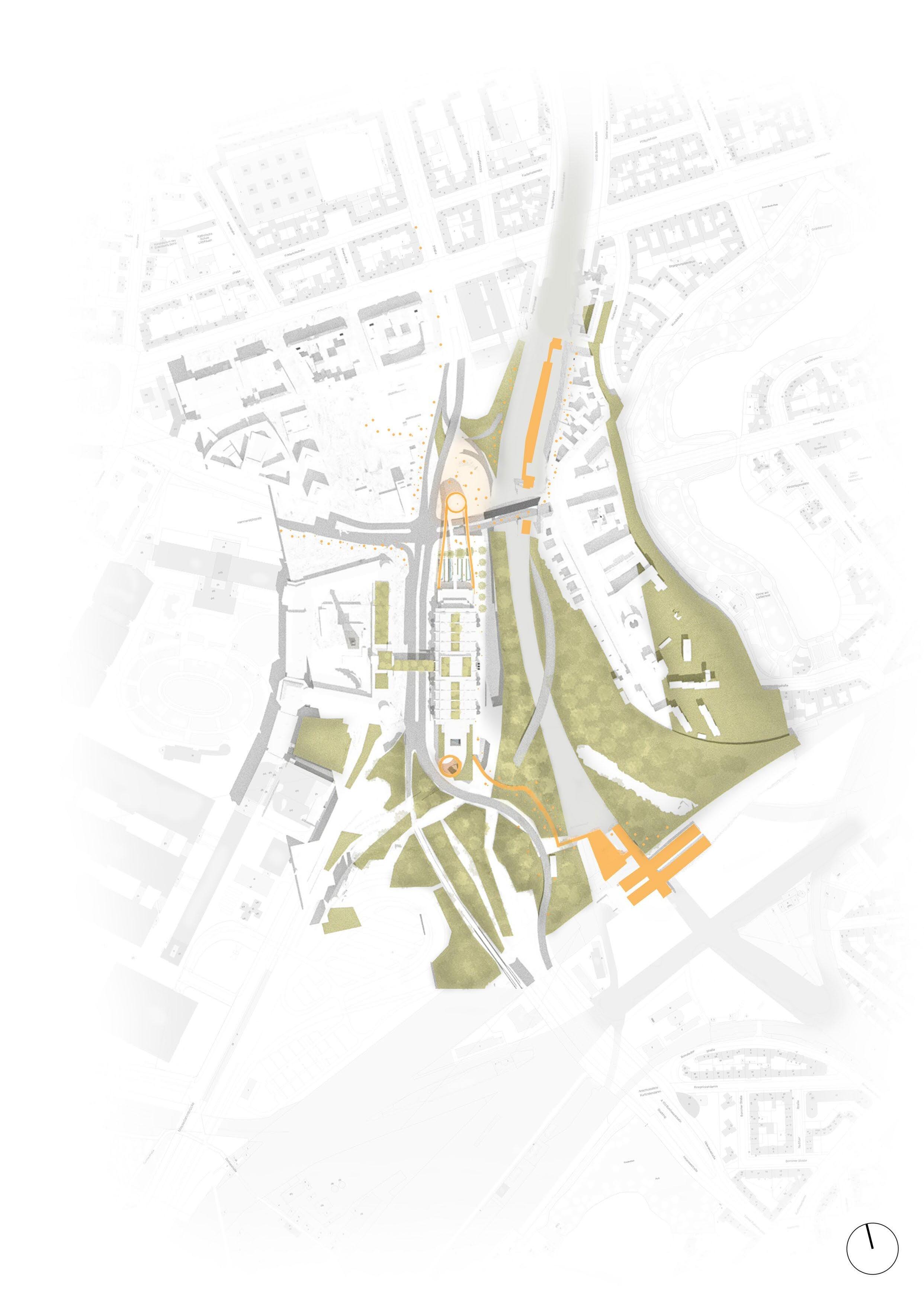
westkreuz
messe nord ICC
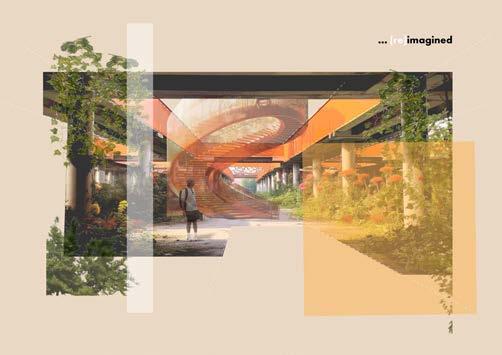
Top: Conceptual collage showing before
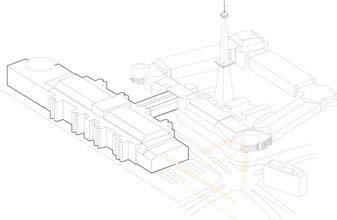
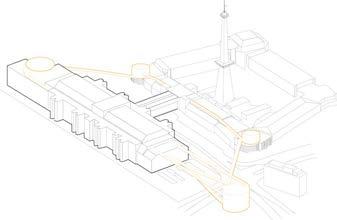
after our proposal. Visuals produced by me, Middle: An isometric showing the exterior
Charlottenburg-Wilmersdorf
Panorama Konstanz
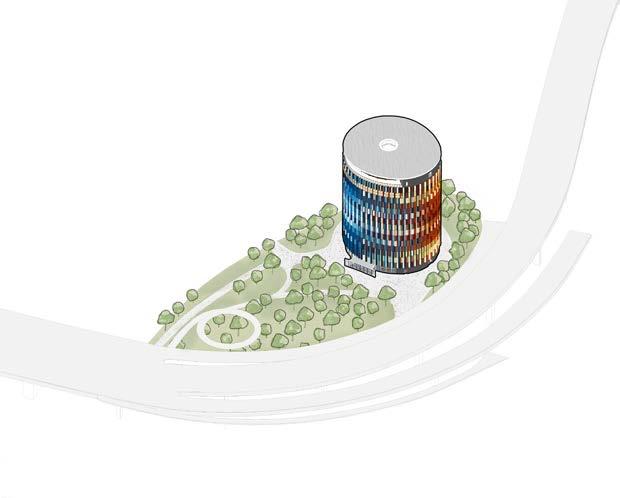
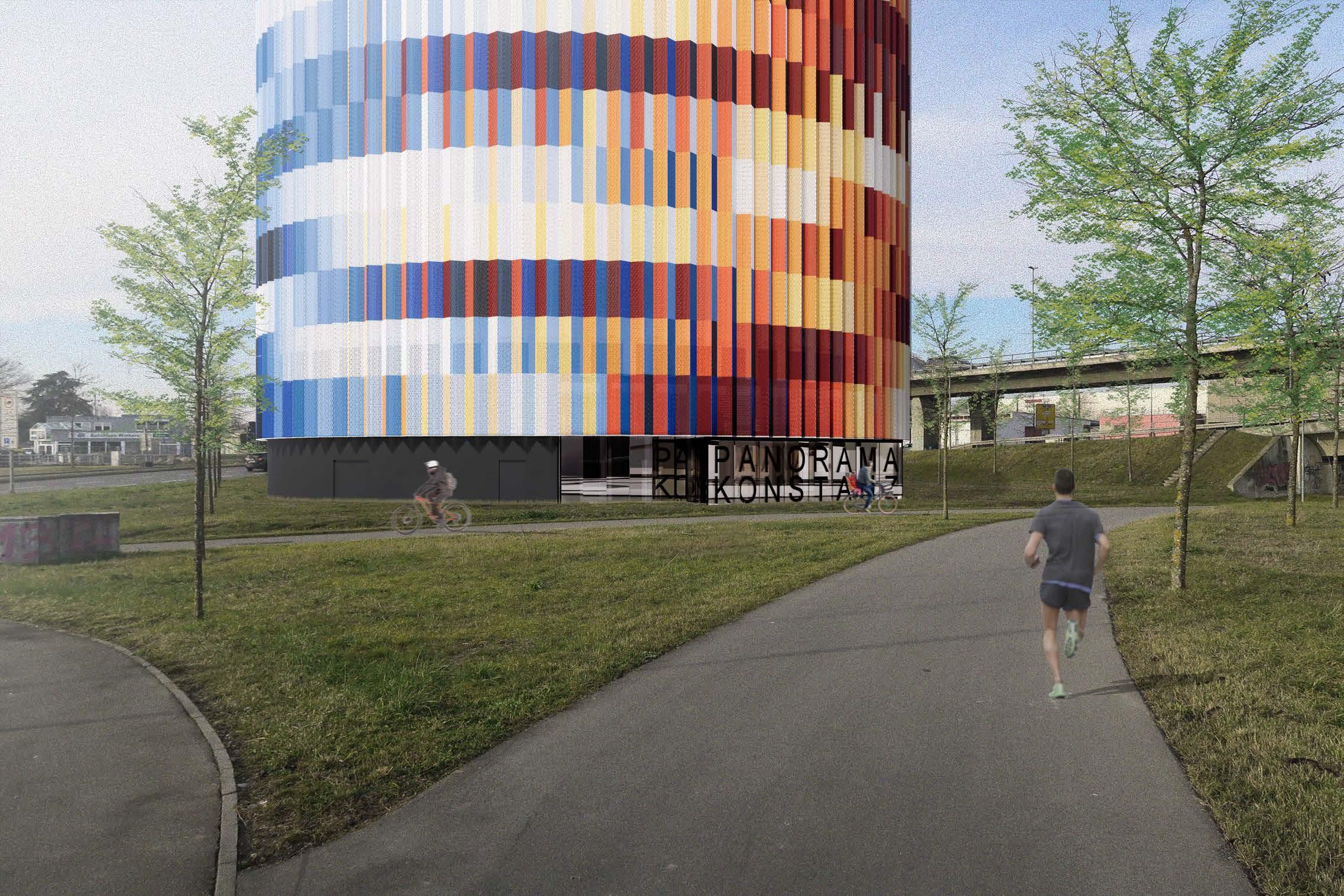
The project, a 50-meter-high building in Konstanz, serves as a new landmark. Its kinetic polychrome facade, featuring expanded metal elements in varying angles and colors, creates a dynamic, shifting appearance as viewers move around it. The timber structure behind the facade, built atop exposed concrete, uses prefabricated elements for precision and efficiency.
Inside, visitors experience an immersive historical panorama by Yadegar Asisi in a 30-meter-high exhibition space. A rooftop restaurant with a
Location: Constnace, Baden-Württemberg, Germany
Theme: Arts & Culture
Stage of Education: Post-Graduate
terrace offers sweeping views of Lake Constance and the Alps. The design transforms its location into a destination, attracting attention from afar and directing focus to the city’s history and surroundings.
Creative tools: Rhino 3D, Enscape, Microstation, Photoshop, Illustrator, Indesign
Visual
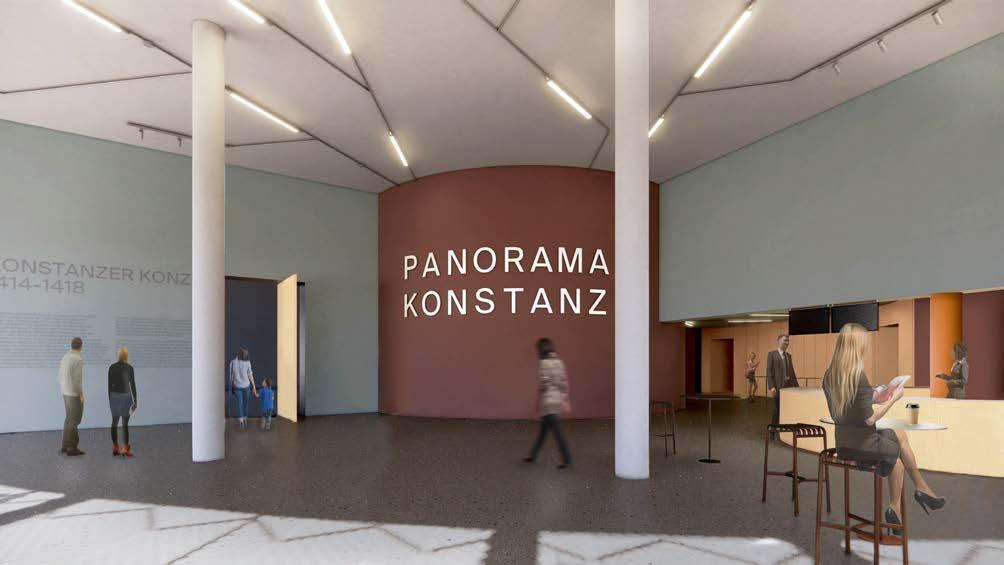
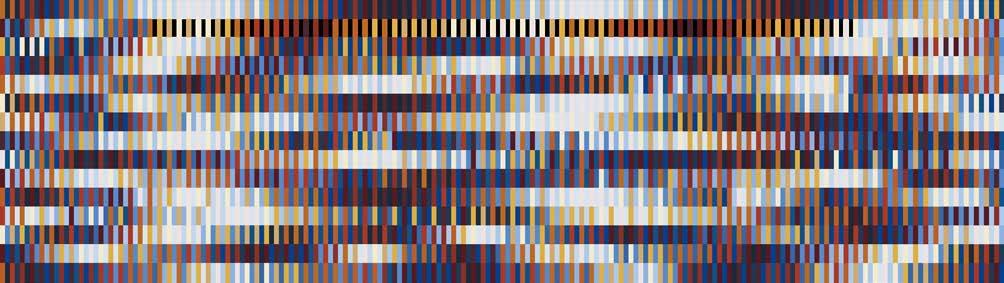
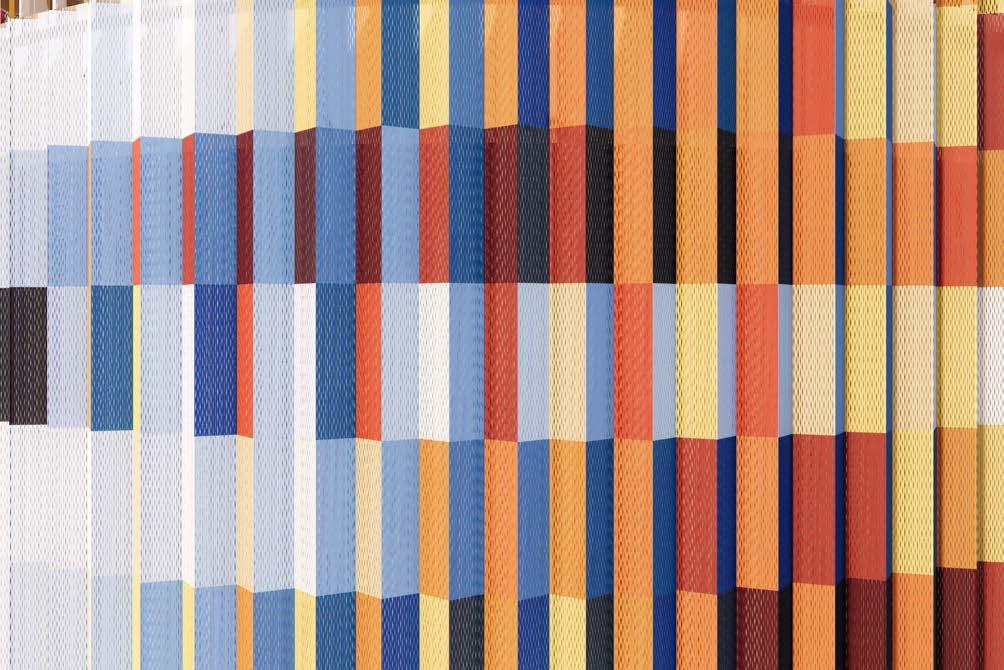
Top: Interior visual of the foyer, Middle: Unfolded Elevation of the facade to shop the streaks of movement, Bottom: Close-up render of the expanded metal sheets - corrugated facade (produced by author)
Left: Exploded axonometric of the floors and their corresponding colour scheme, Right: Colours used in the interior scheme (produced by author)
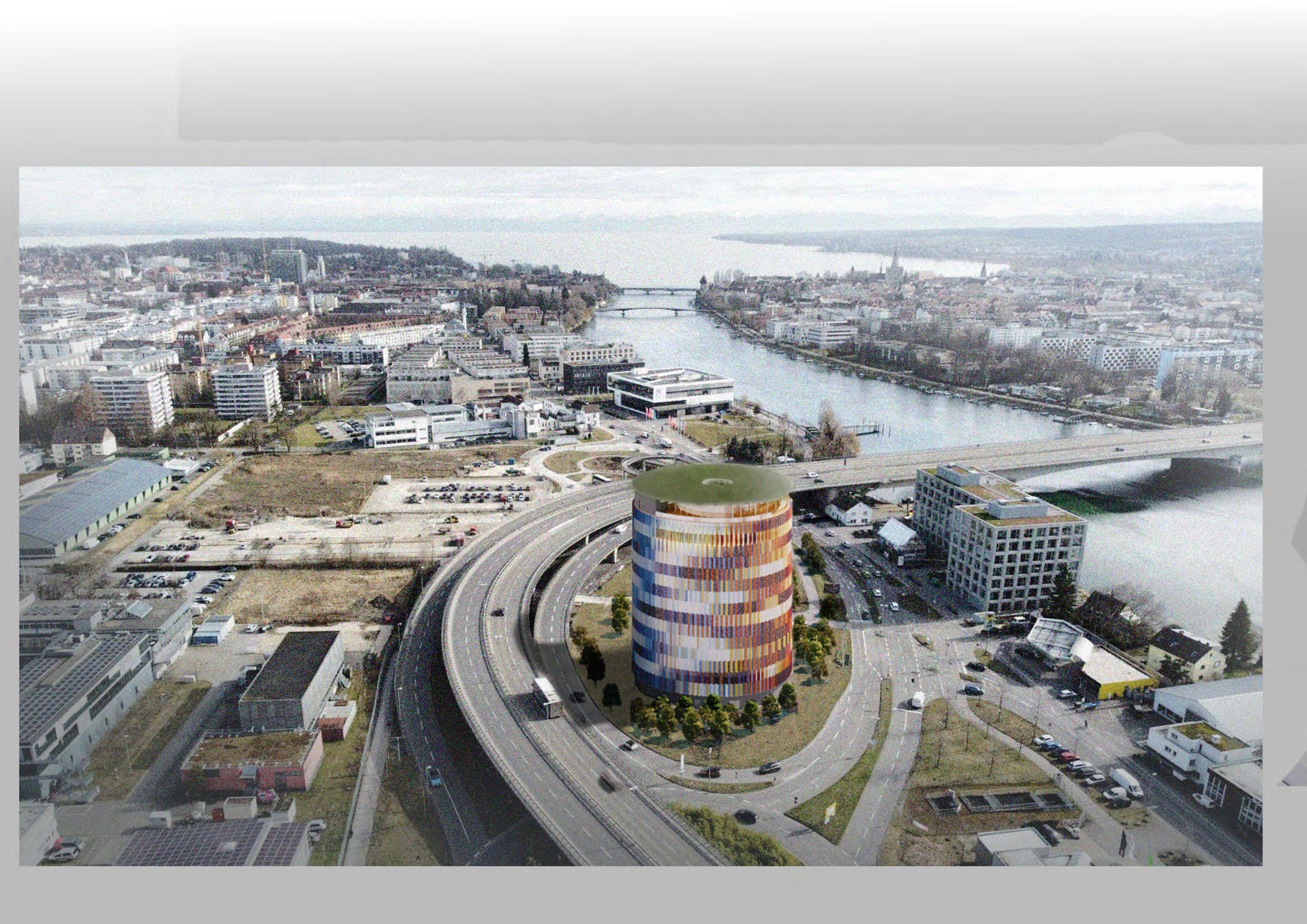
Aerial render overlooking the Lake Constance and the new panorama gallery (produced
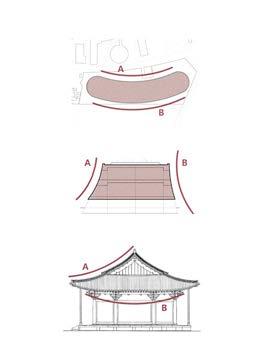
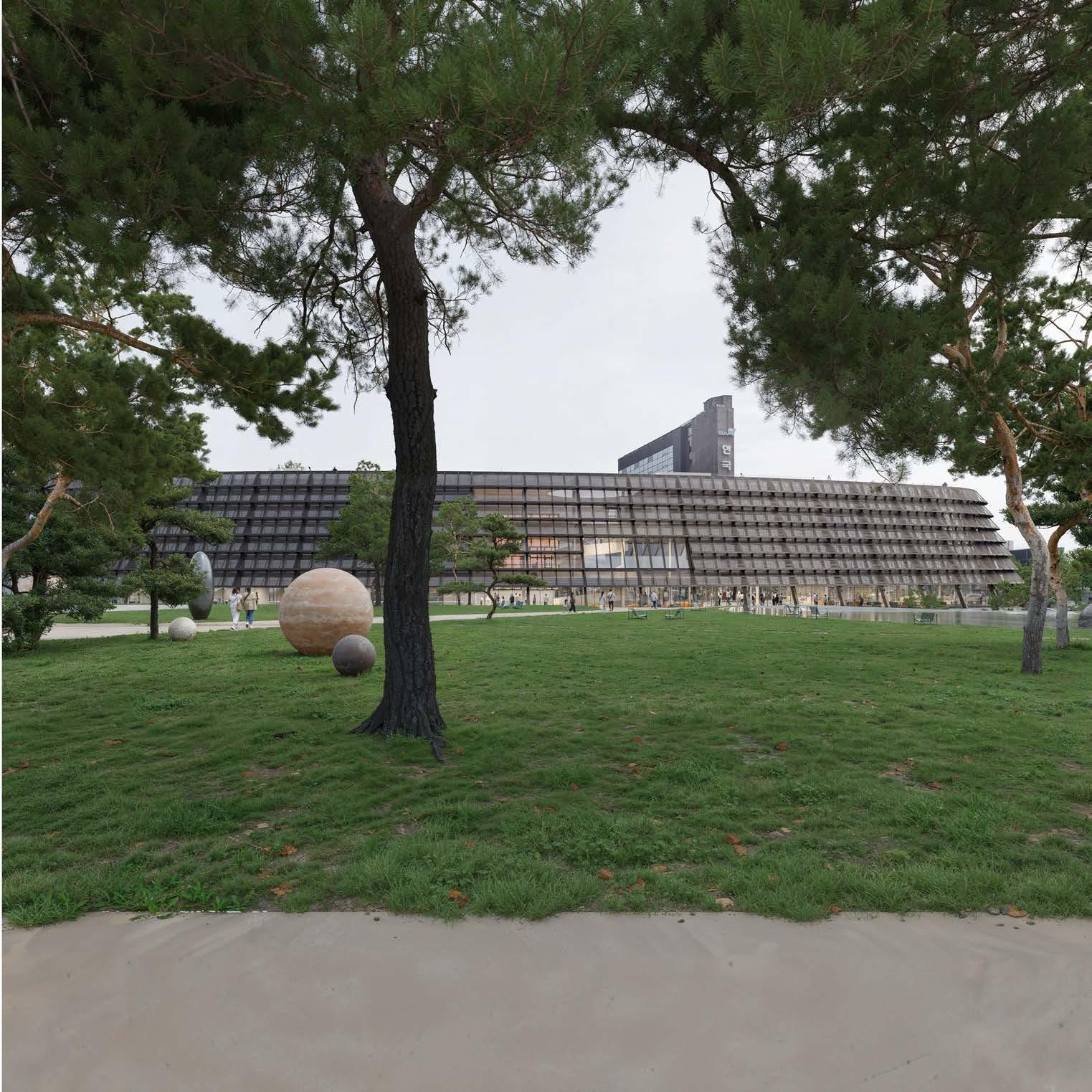
Lee Kun-hee Museum in Seoul combines traditional Korean and modern architecture. It draws on local landmarks and natural landscapes on site, featuring curved and eco-friendly design elements inspired by traditional roofs of Hanoks. The building design maximizes energy efficiency, producing more energy than is used by its extensive solar and geothermal systems to achieve a state of net positive energy.
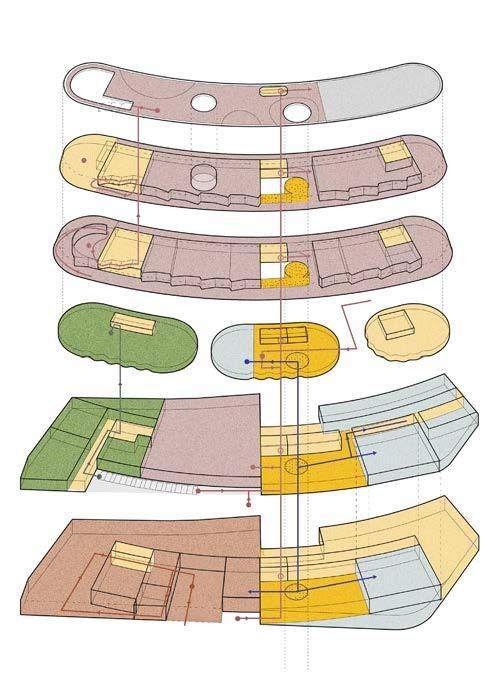
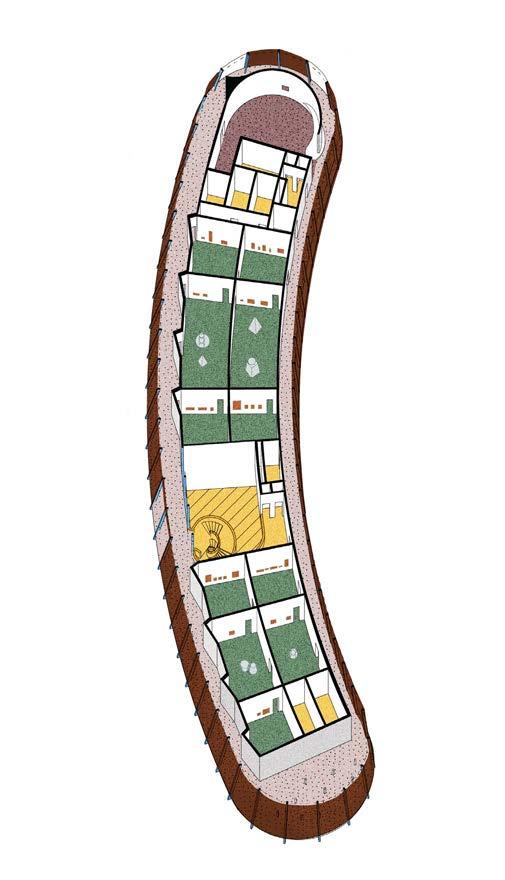
The museum’s architectural layout includes linear galleries, theater, office and educational spaces spread across the floors, which could be
accessed via a spiral staircase. The gallery has panoramic views of the park and mountains, while underground facilities ensure the smooth movement of exhibitions. The exterior glass façade allows views of the park and the building incorporates sustainable features such as rainwater harvesting and bicycle-friendly amenities.
The structure is built from lightweight steel and concrete for earthquake safety and minimal environmental impact, while also emphasising prefabrication for quick assembly, all to become a modern cultural landmark in Seoul.
Location: Songhyeondong, Jongno-gu, Seoul, Republic of Korea
Theme: International Competition
Stage of Education: Post-Graduate
Creative tools: Hand drawing, Photoshop, Illustrator, InDesign, Microstation, Rhino 3D, Enscape
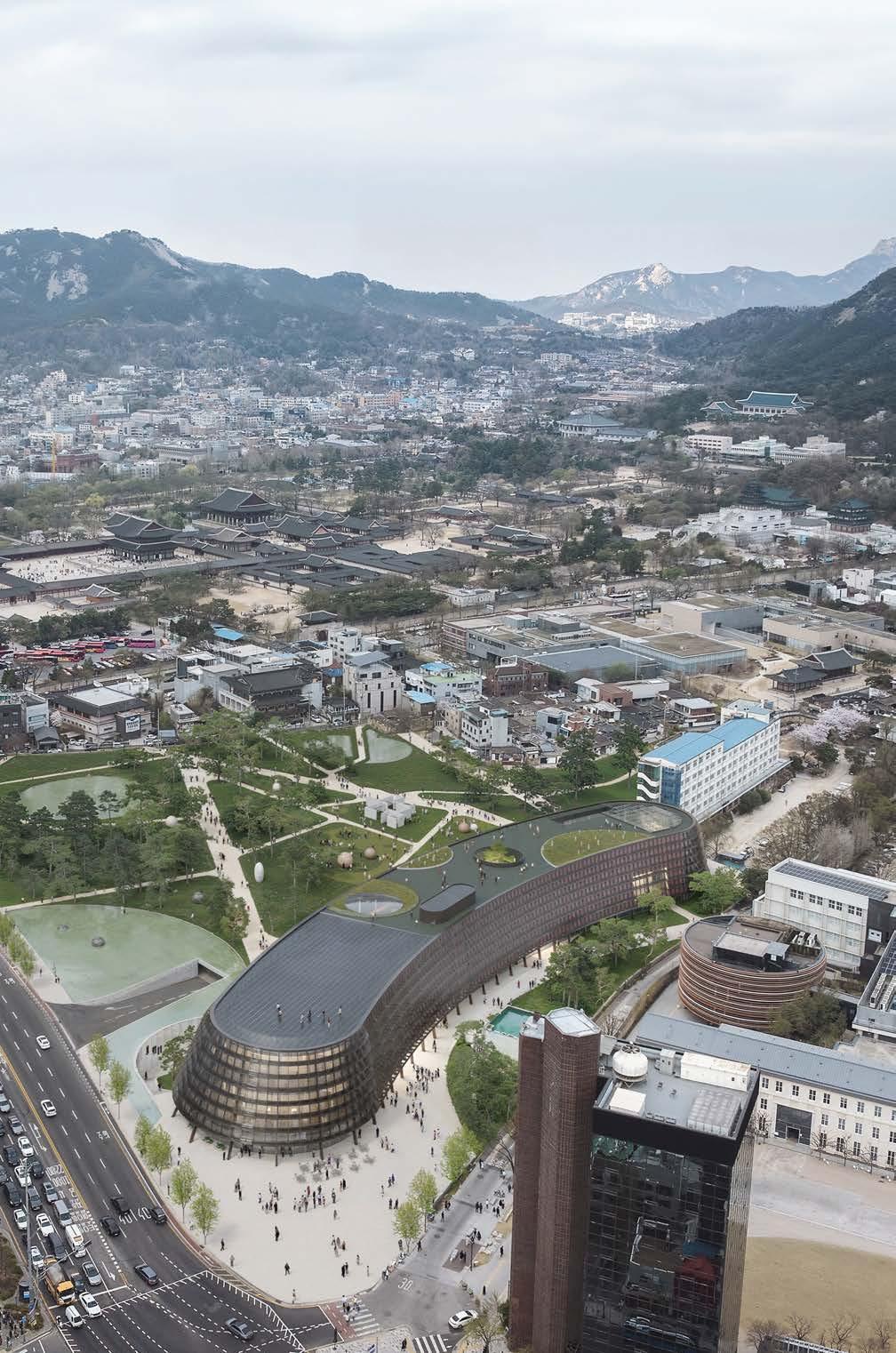
Lee Kun-hee Museum
Aerial rendering produced by Artefactory showing the context of the park and mountains
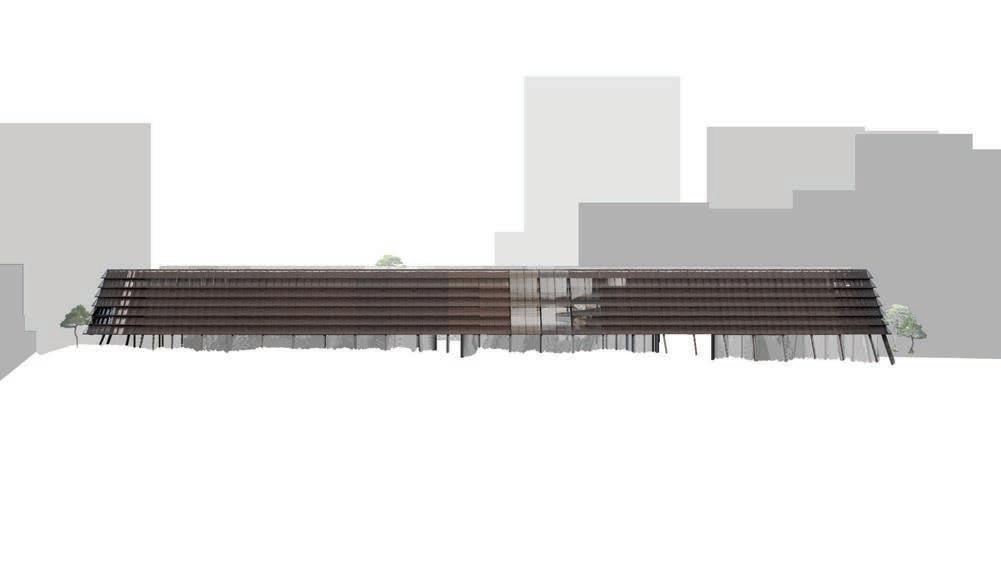
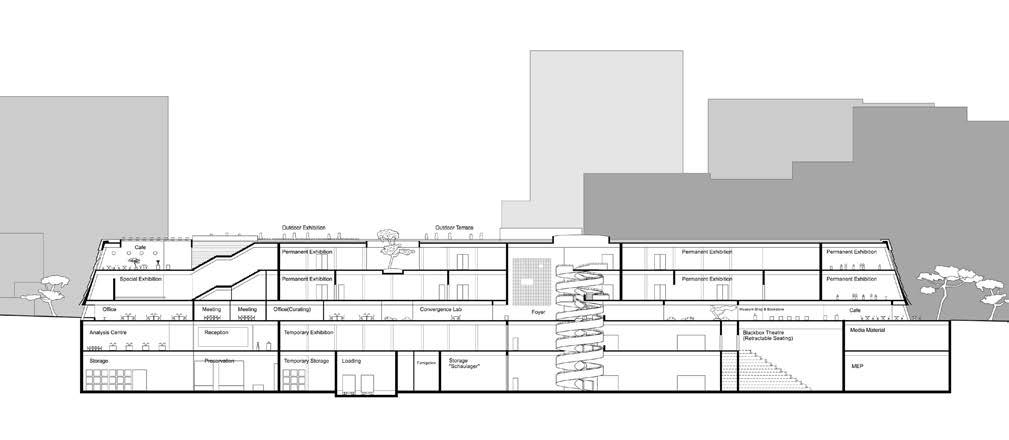
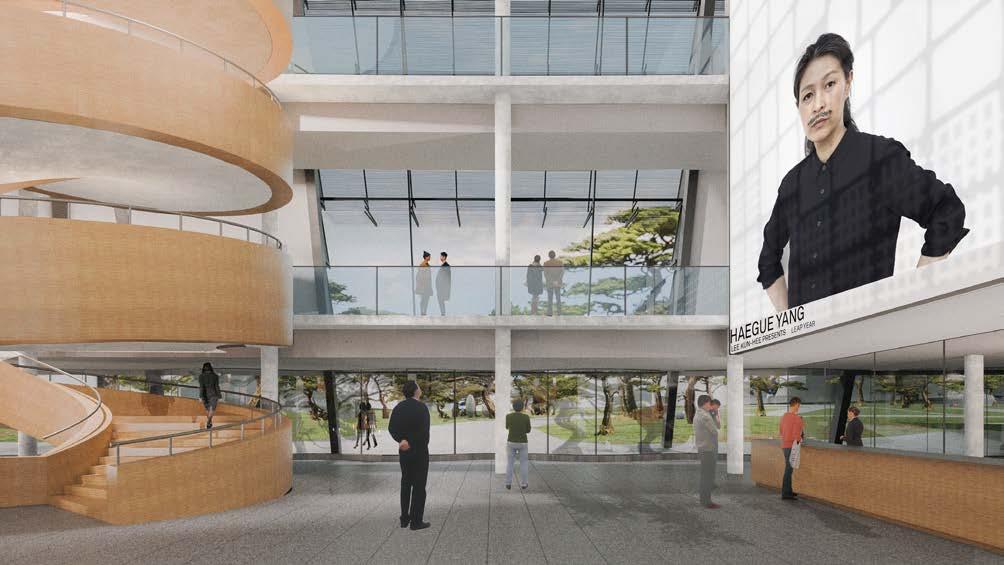
Top: East elevation, Middle: Long section showing program arrangement, Bottom: Render of the foyer looking into the park, creating a relationship between inside and nature as in Korean traitional architecture
Top left: Exploded programme axonometric, Bottom left: Axonometric of the first floor showing different types of exhibition spaces, Right: Plans of the proposal
Hungarian Natural History Museum
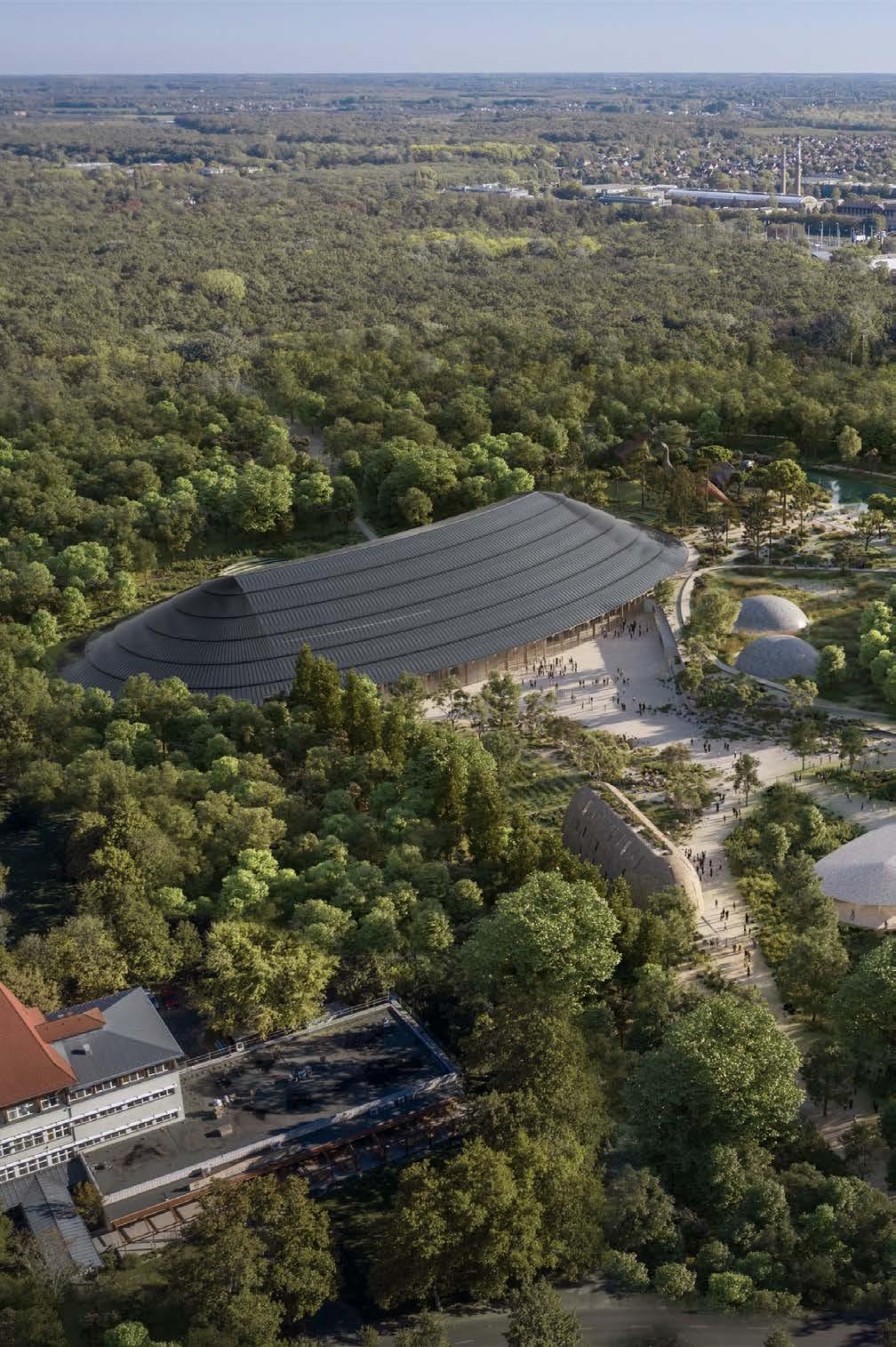
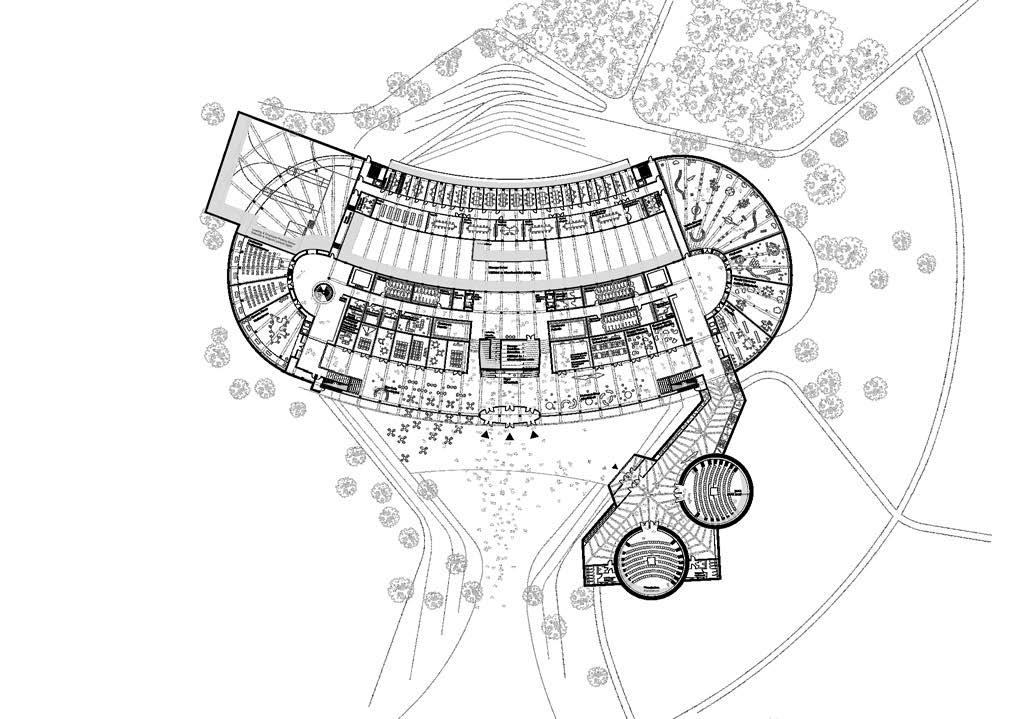
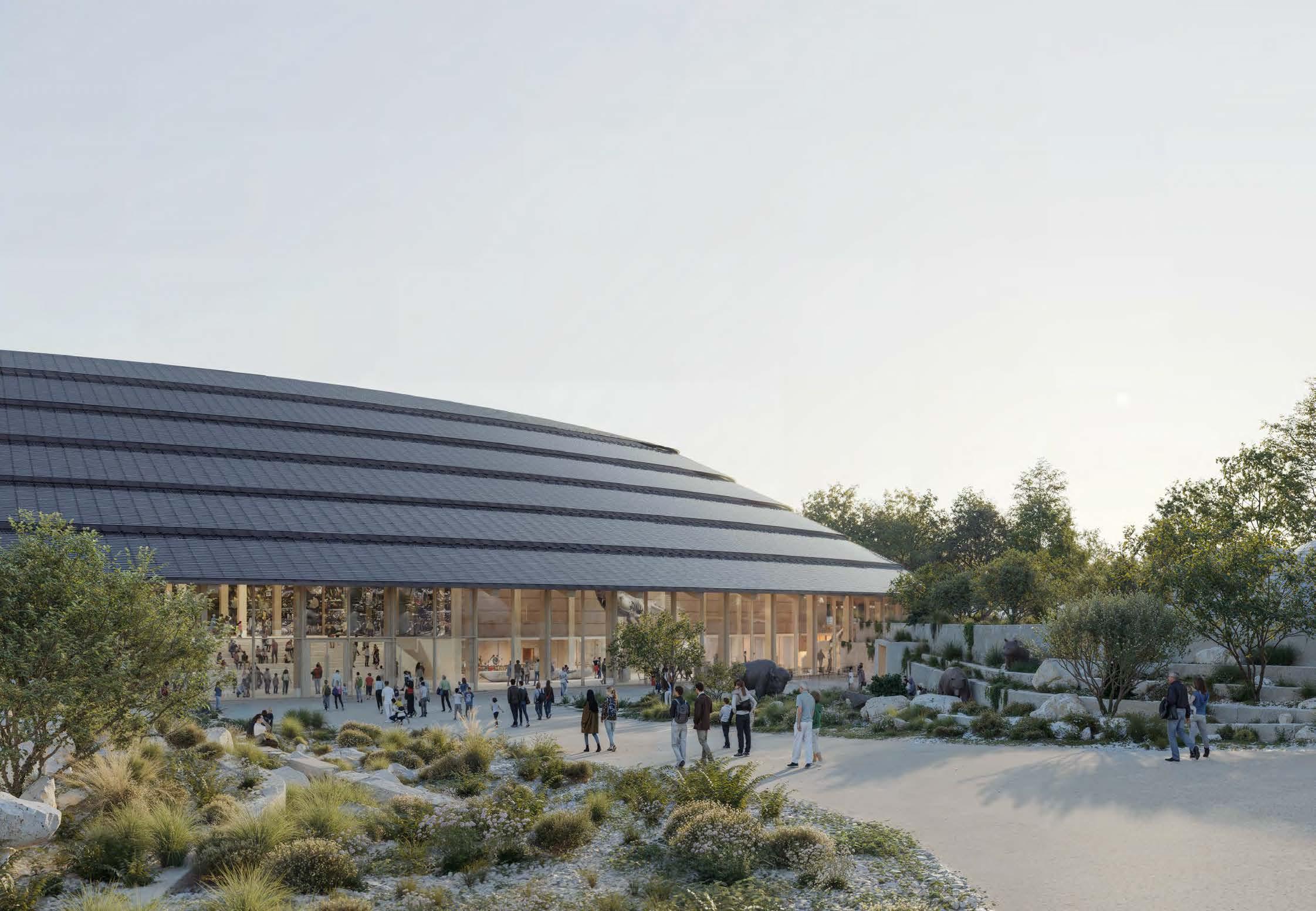
The Hungarian Natural History Museum in Debrecen aims to deepen understanding of nature, environmental processes, and humanity’s impact. It integrates landscape and architecture, featuring didactic gardens and immersive exhibits under a vast sheltering roof.
The museum blends modern and traditional elements using timber and adobe for sustainability. Its large roof, equipped with solar panels, supports geothermal heating and passive climate control to minimise energy consumption.
Location: Debrecen, Hungary
Theme: International Competition
Stage of Education: Post-Graduate
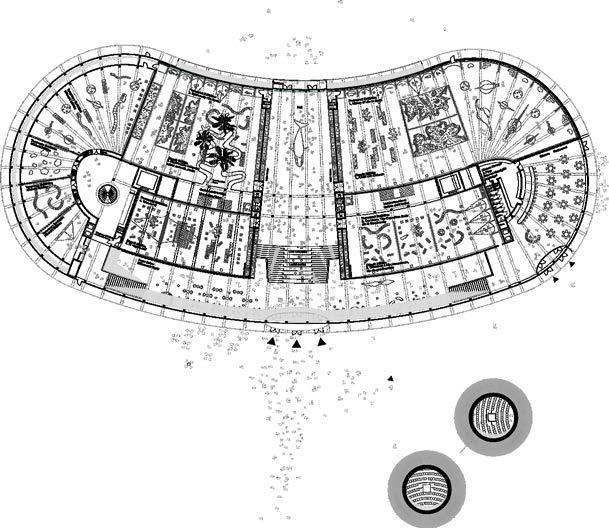
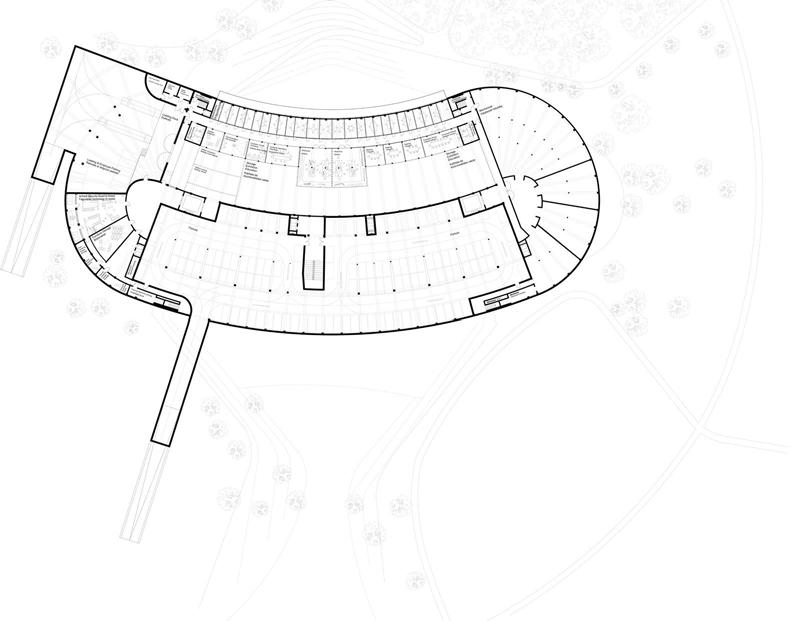
The museum’s flexible exhibition layout includes four high-ceiling galleries, a visible storage archive, and multi-purpose event spaces. The roof, supported by timber-steel composite rafters, is optimised for strength and efficiency. The adjacent planetarium features lightweight reinforced shotcrete domes.
This project harmonizes nature, education, and sustainability, offering an immersive experience within Debrecen’s Great Forest while promoting ecological awareness and renewable energy solutions.
Creative tools: Rhino 3D, Enscape, Microstation, Photoshop, Illustrator, Indesign

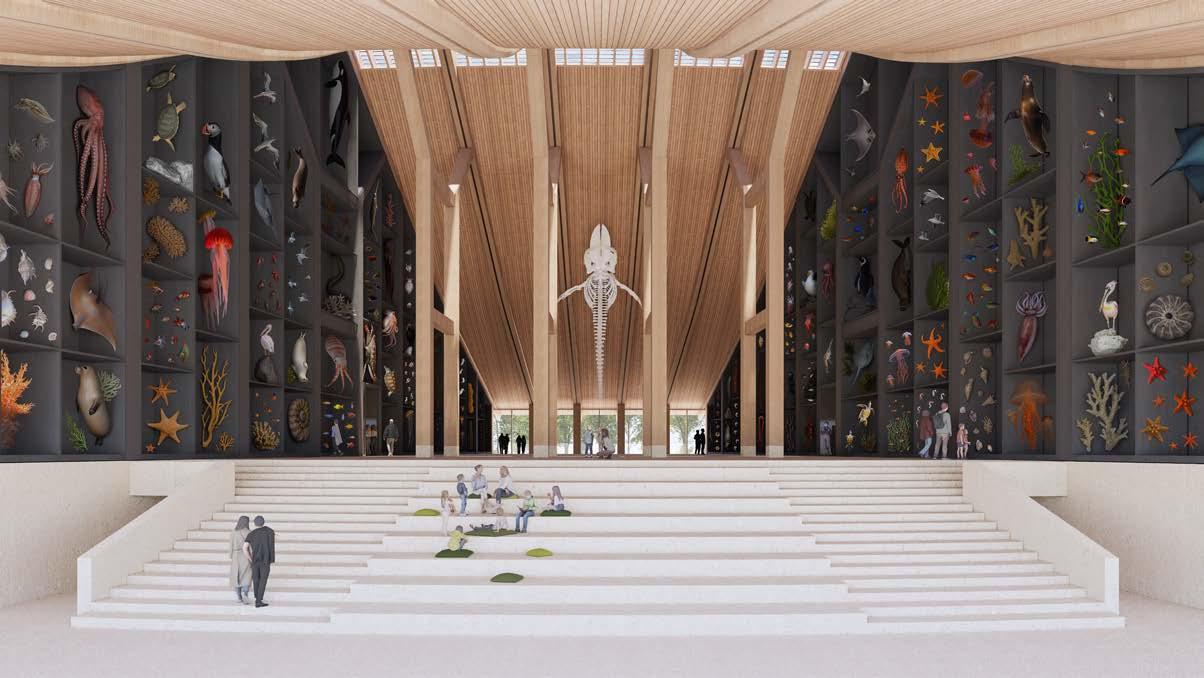
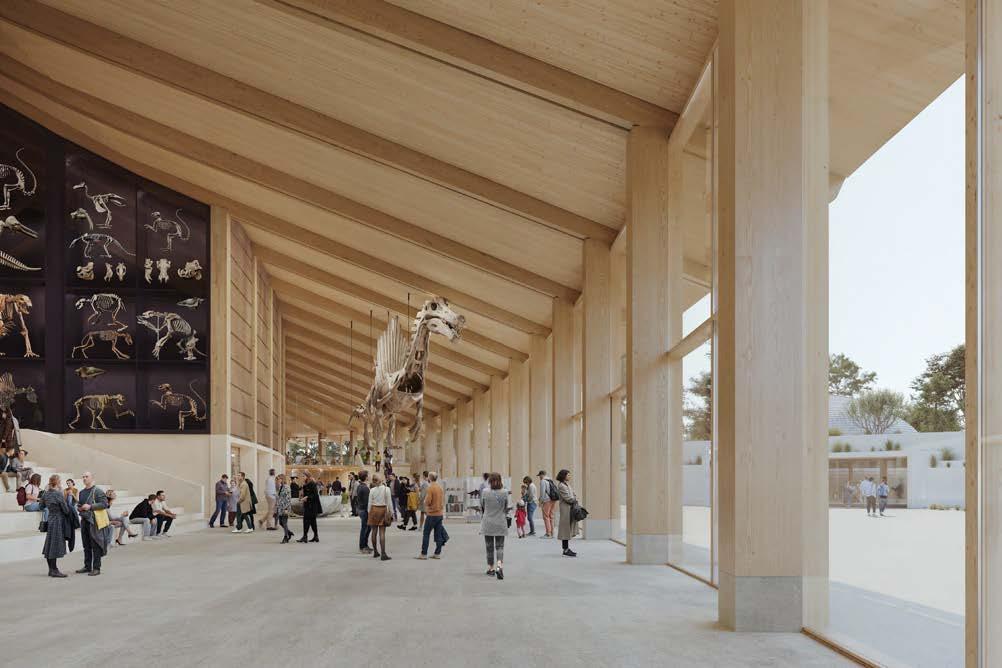

Top: Short section, Middle: Interior foyer renders (Artefactory), Bottom: Long section
Thank you