DANIEL ASTORGA
selected works PORTFOLIO
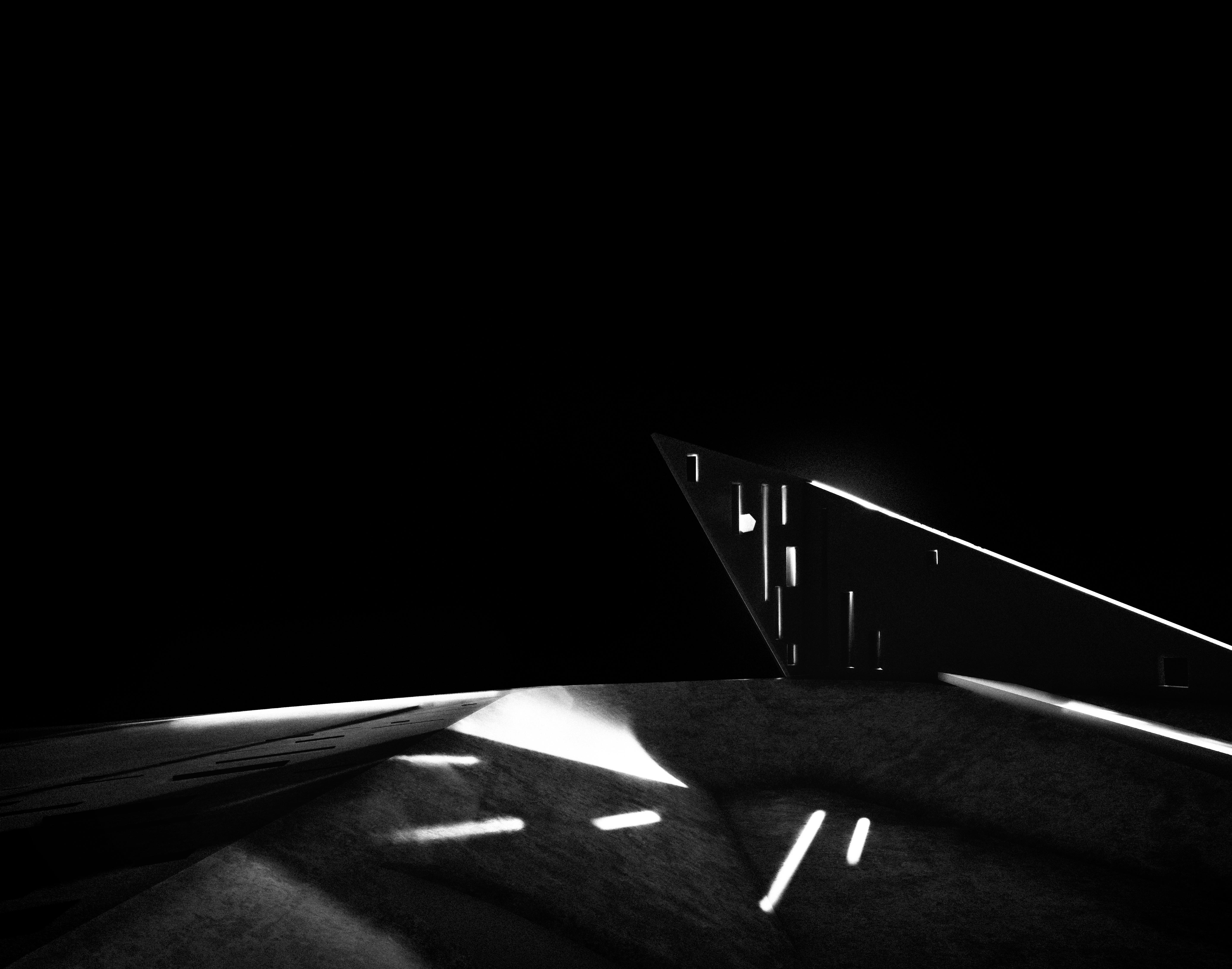
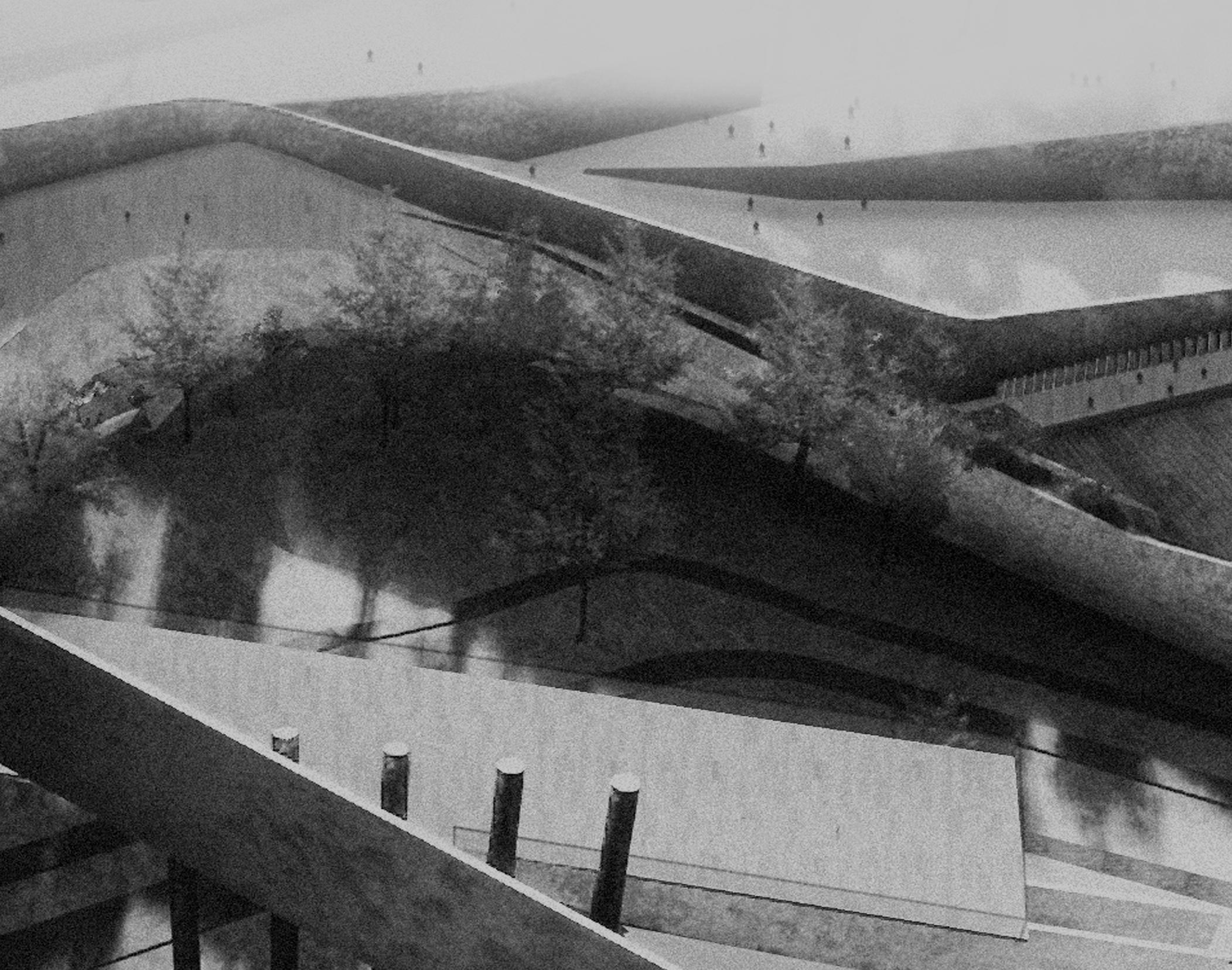
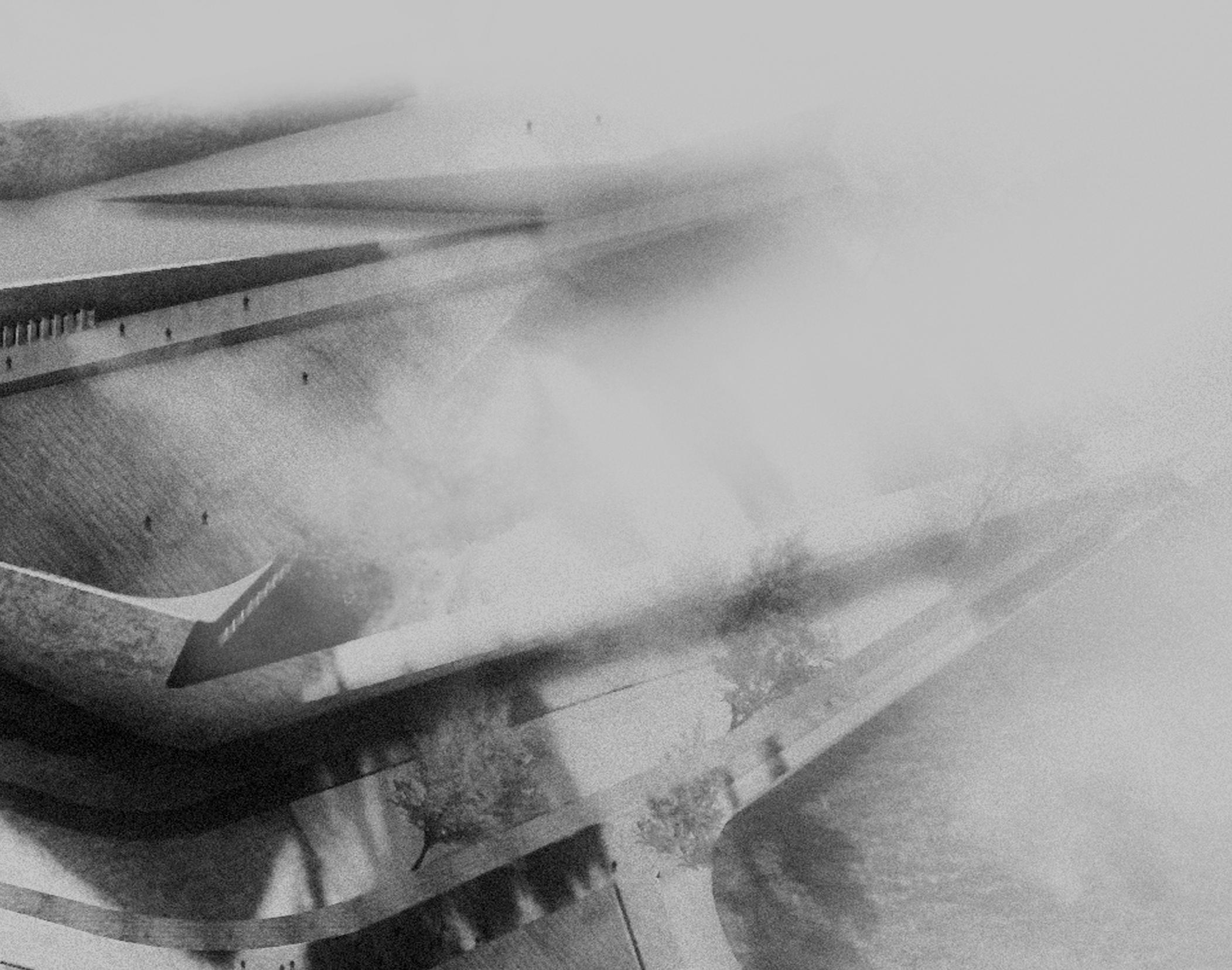
PLAZA CATALUÑA
URBAN REHABILITATION
CULTURAL CENTER
MIXED USE BUILDING CANBORI
URBAN PLAZA-PLAYGROUND
URBAN INTERJECTIONS
URBAN REHABILITATION
WOOD MUSEUM MUSEUM BUILDING
URBAN SQUARE PARK
URBAN PARK WATERFRONT PLAZA
ERBIL CITADEL
URBAN REHABILITATION
SANT ADRIÁ CHIMNEYS
POST INDUSTRIAL BUILDING REHABILITATION
contents
PLAZA CATALUÑA
BARCELONA- ESPAÑA
Urban rehabilitation
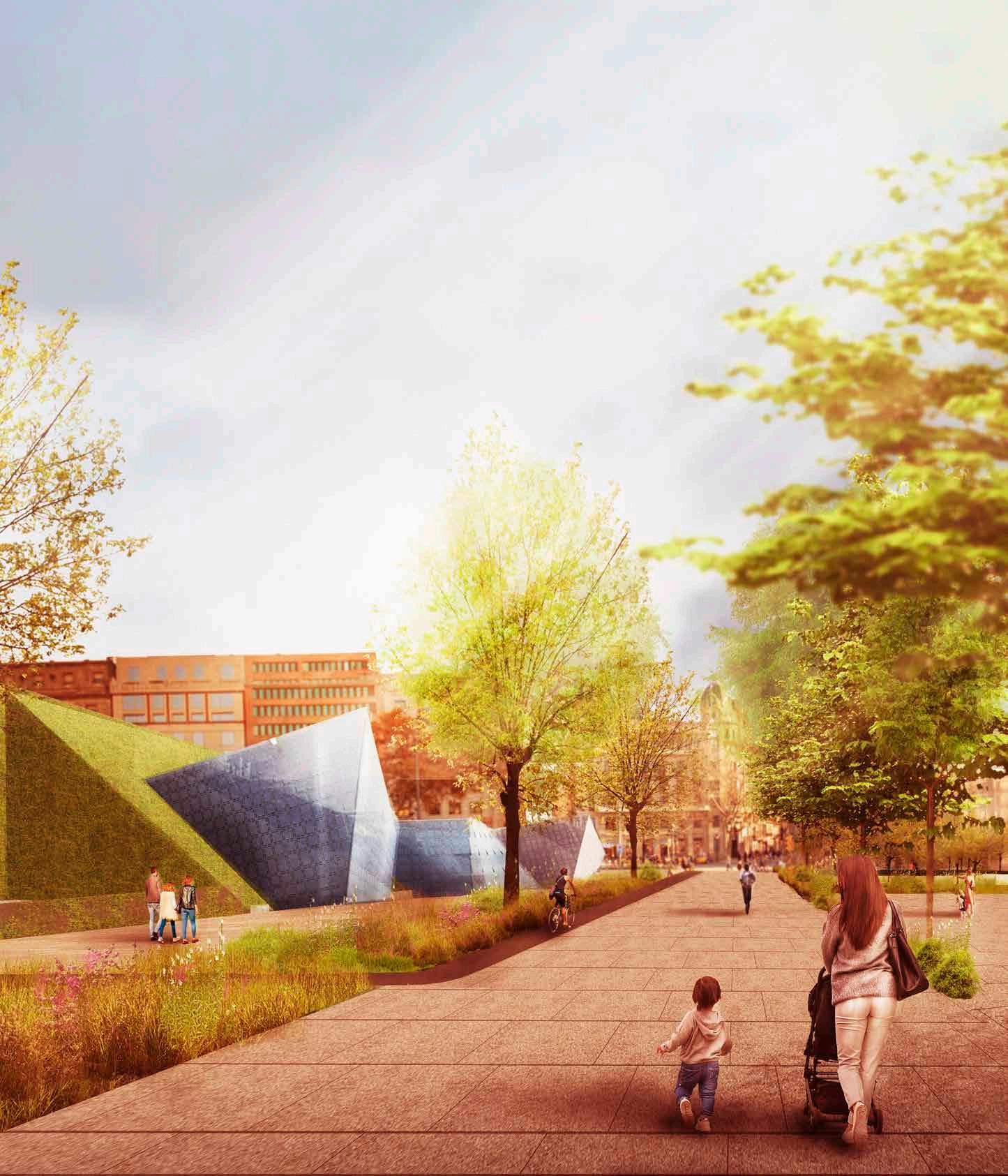
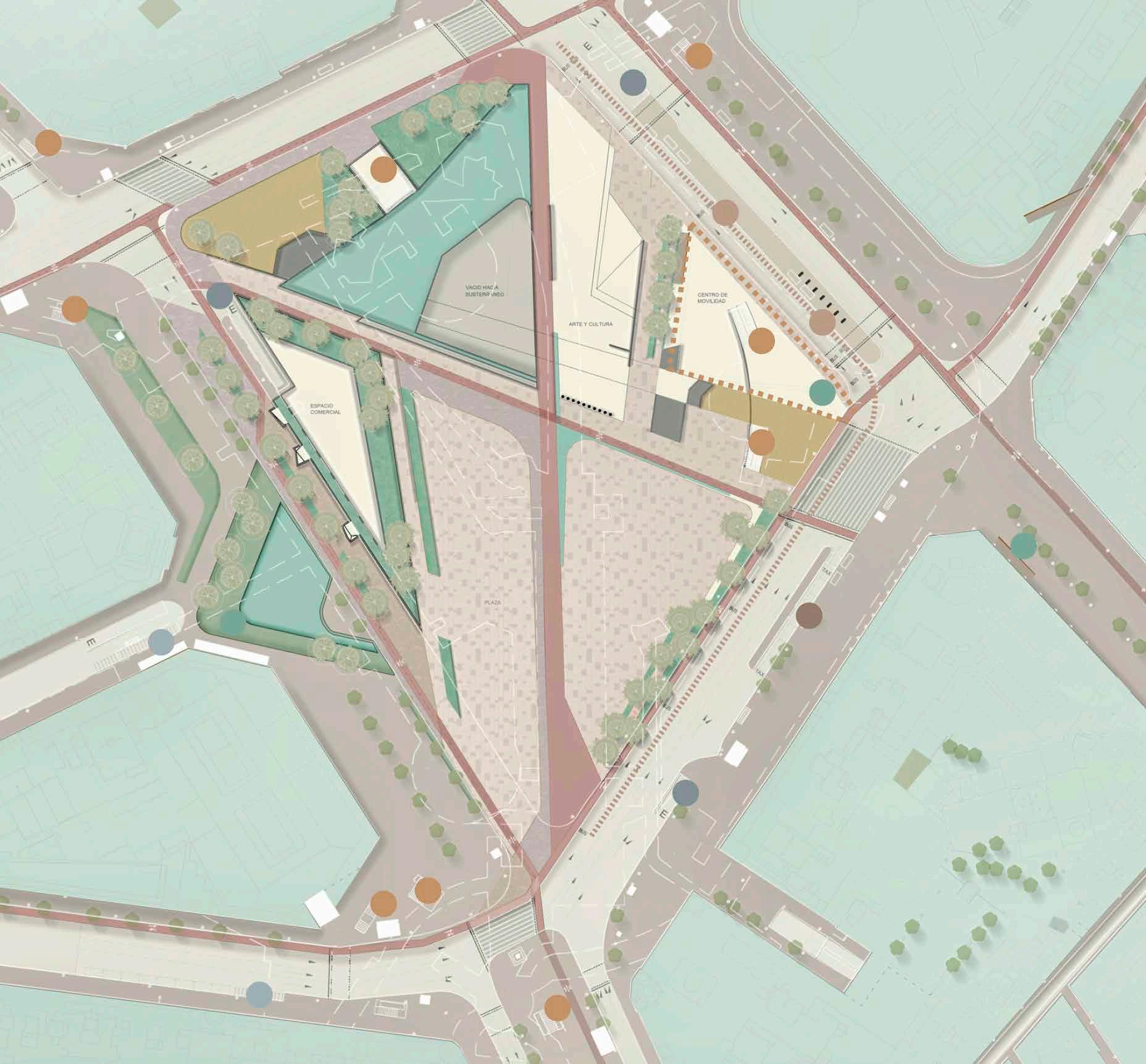
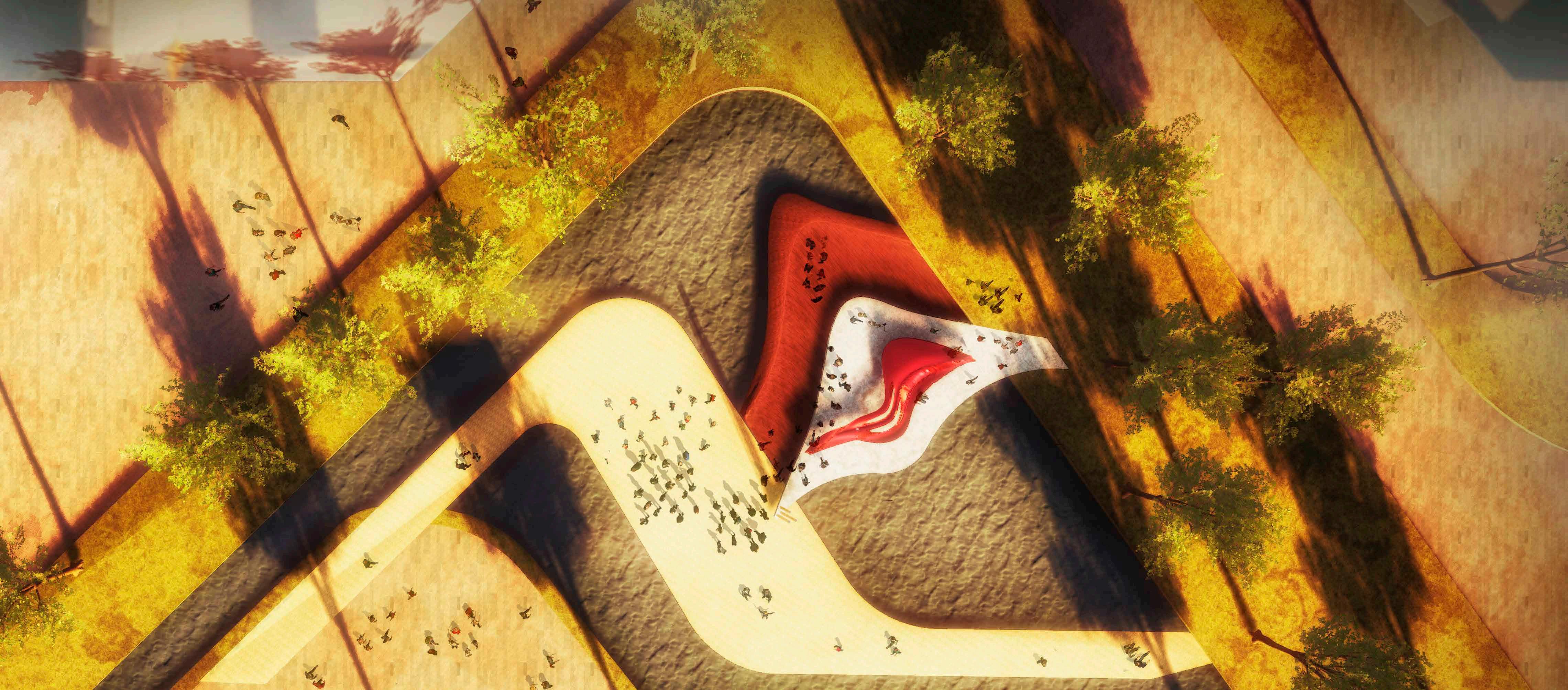
Located in the urban center of Barcelona’s Plaza Cataluña, it serves as the neural axis of mobility, urban life, and the amalgamation of the city’s three neighborhood typologies. From 1855 to 1960, it underwent six design modifications, with the last being the one preserved today. However, it lacks guidelines that encourage the enjoyment of urban life by pedestrians and inhabitants of Barcelona. The design proposes an interconnection of current pedestrian mobility axes, as well as direct relationships with the hub of buses, taxis, and the urban metro. Additionally, it creates natural leisure spaces, multiple elevated platforms with different architectural program uses, and inside spaces that promote art, culture, and urban life. All of this is based on landscaping, transportation, sustainability, materials, and urban pedestrianization guidelines.
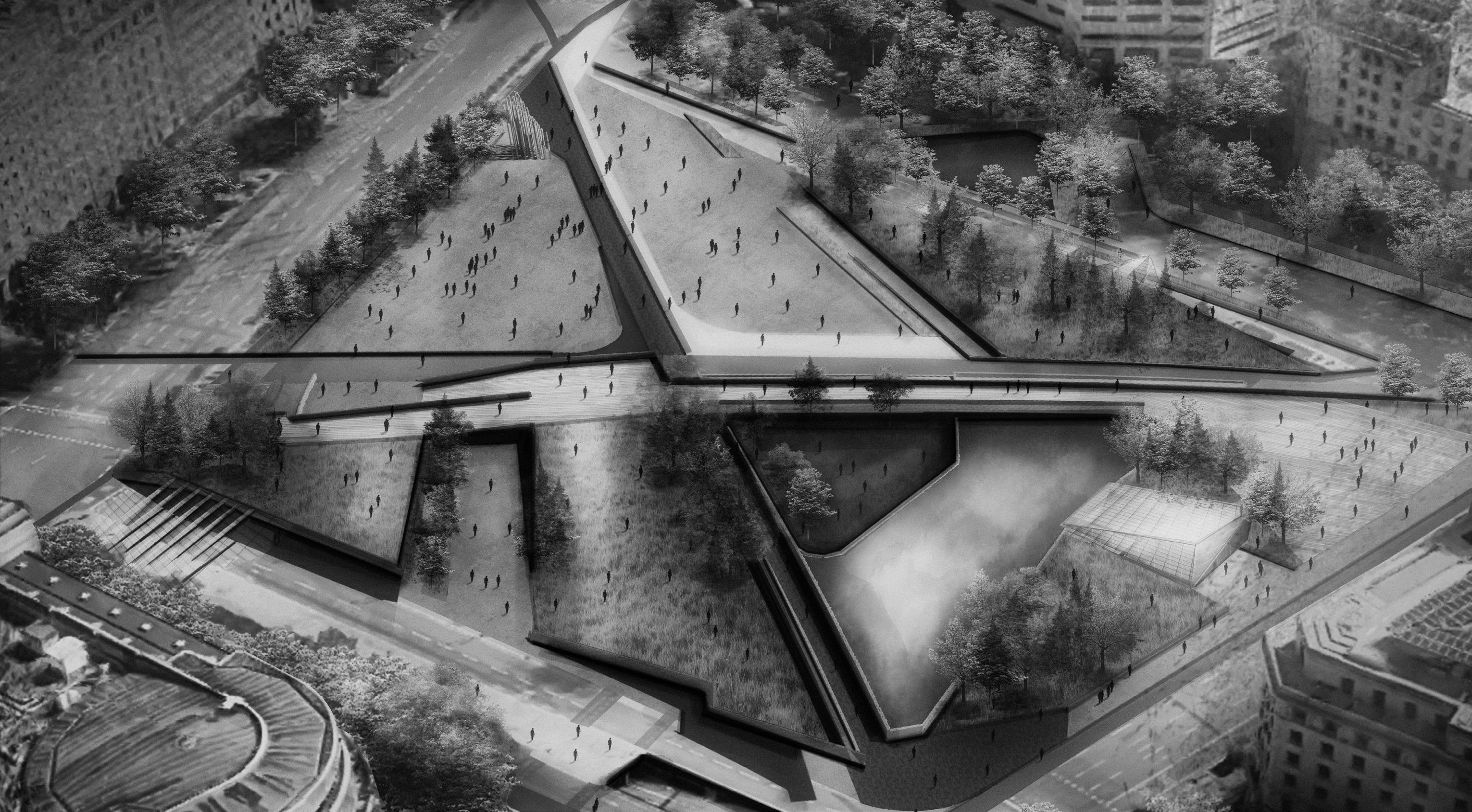

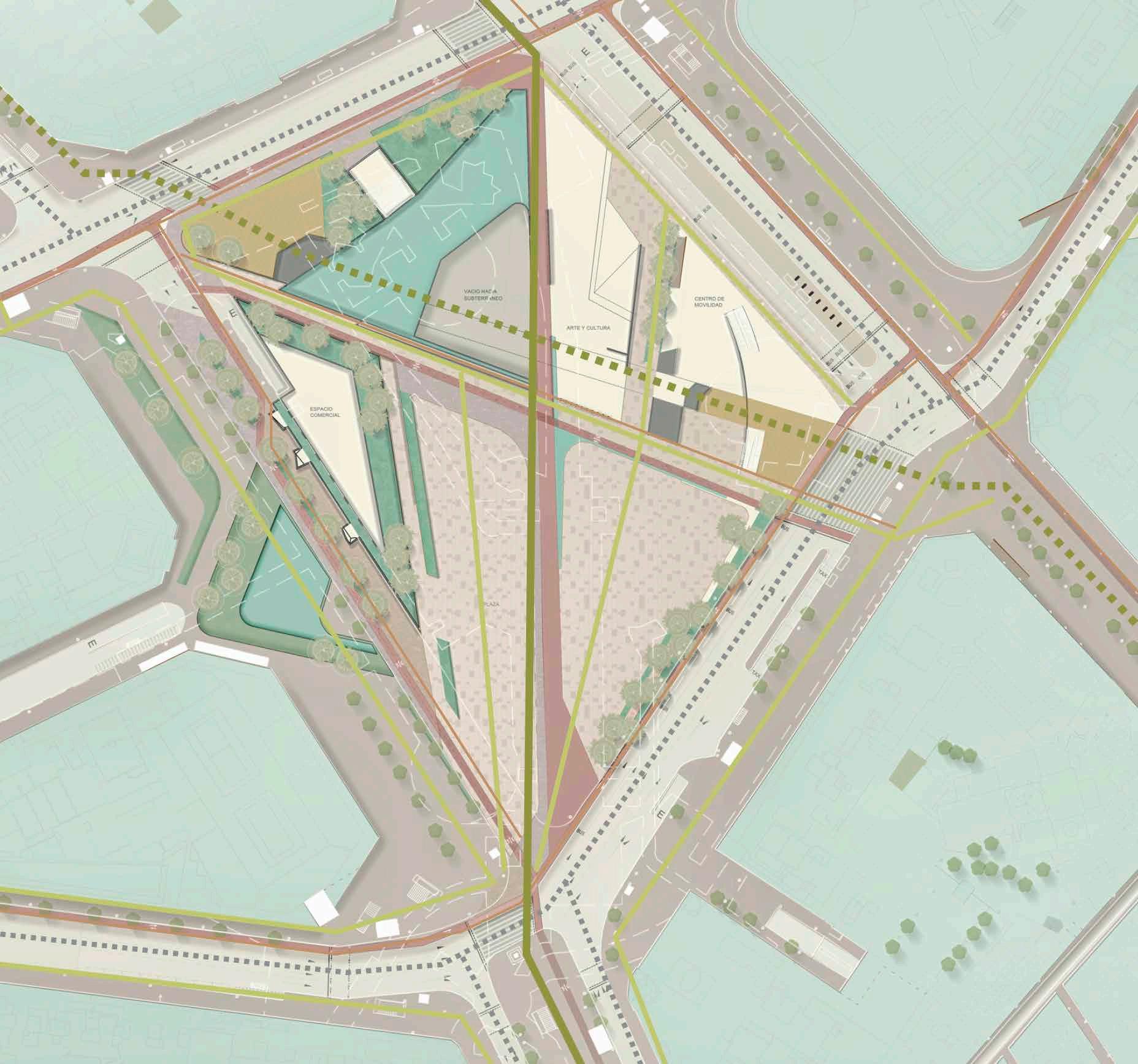
The design of 1905 was based on axes resembling an “X”, these are considered for the redesign, as they connect the main current vehicular and pedestrian paths, improving mobility and contextual relationships. Below, the west boulevard of the square is directly related to the Rambla and glass accesses to multi-purpose cultural spaces indoors.
Concept and space diagram.
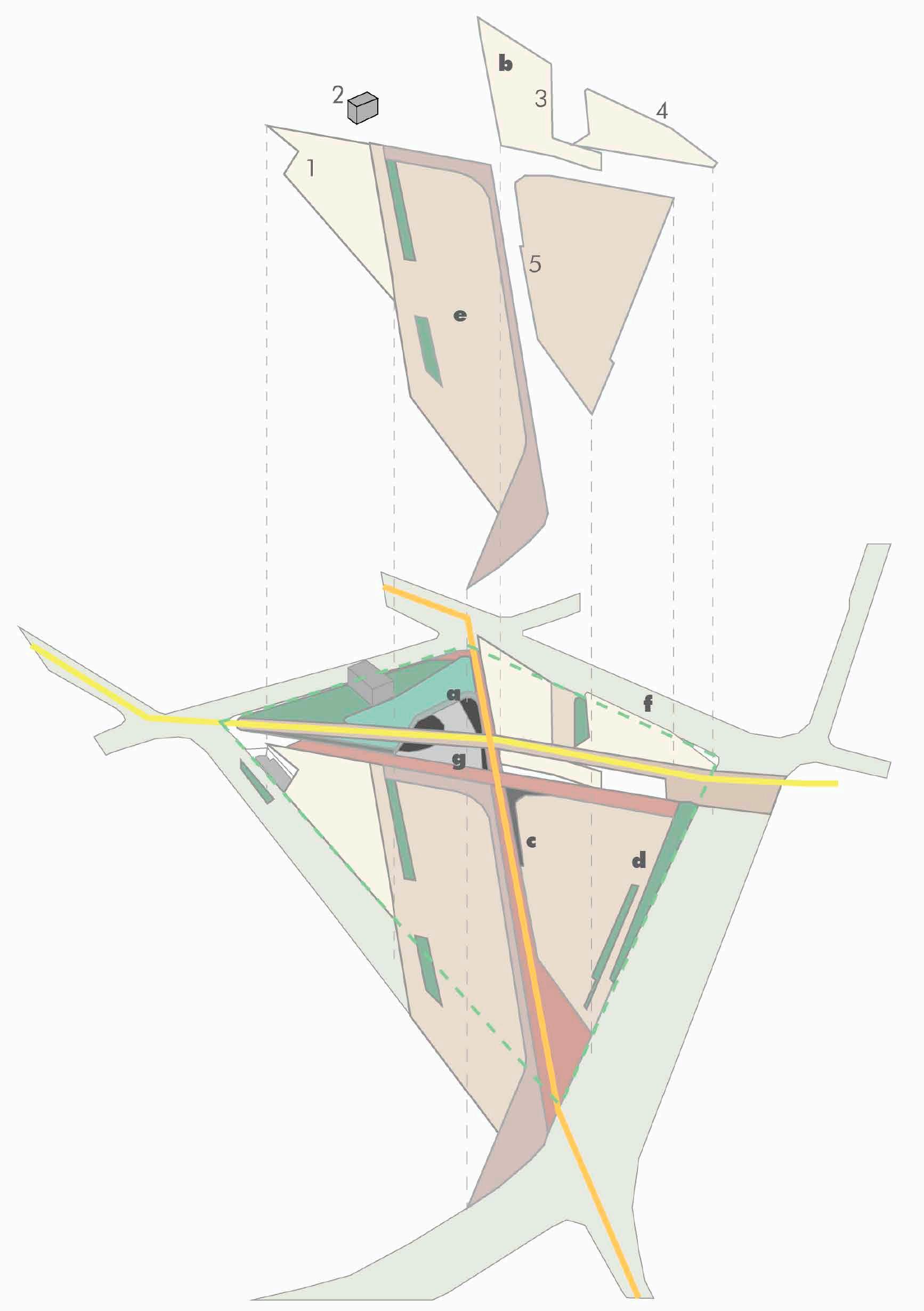
a- Fountains
b-Galleries- indoor
c-Urban plaza
d-Outdoor natural space
e-Pavement plaza
f-Mobility hub
g-Underground plaza
1855 1860 1905 1917 1927 1960
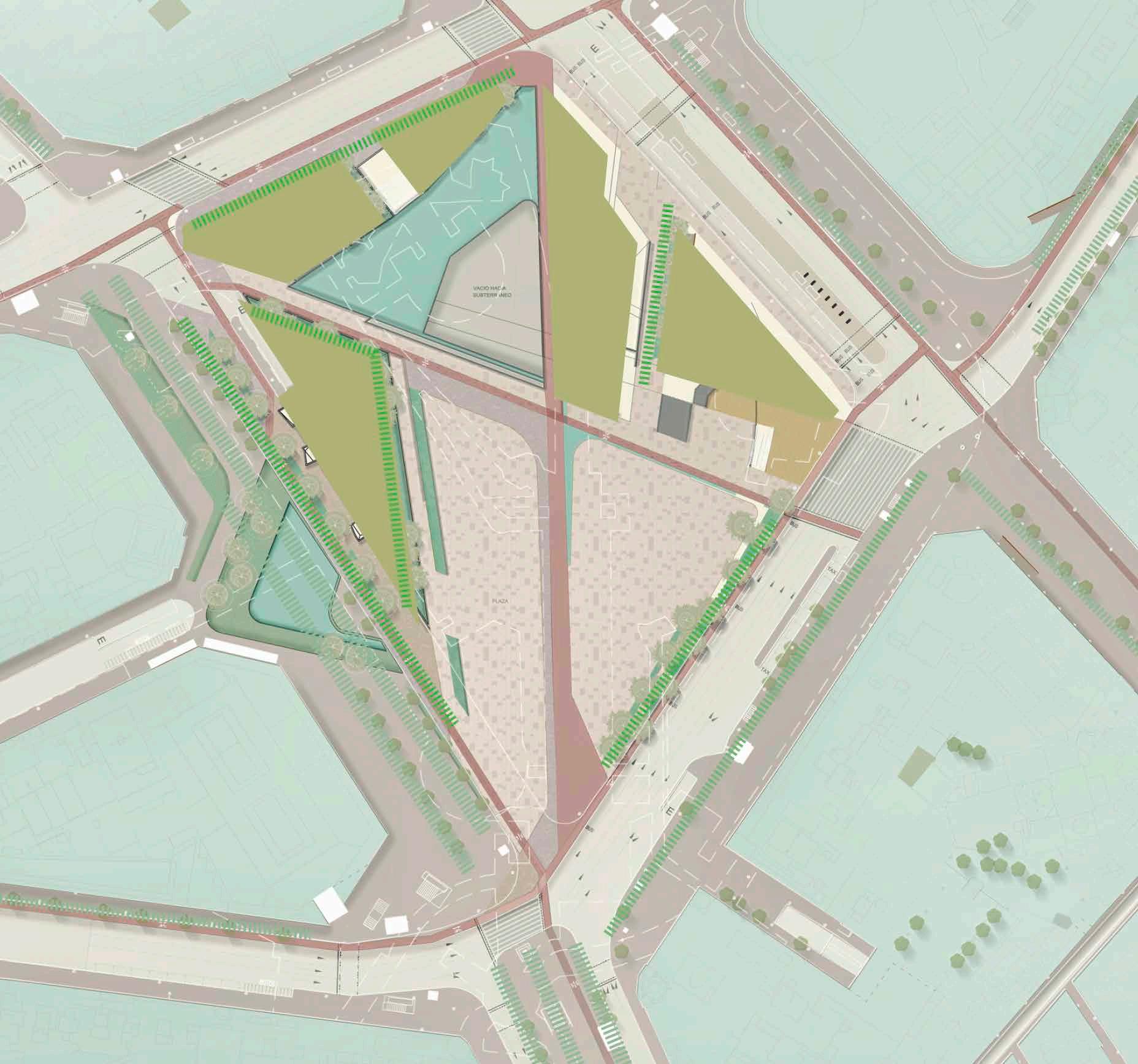
Diagram of new green topographic spaces, and proposed new tree planting lines.
of
spatial relationships and connection with
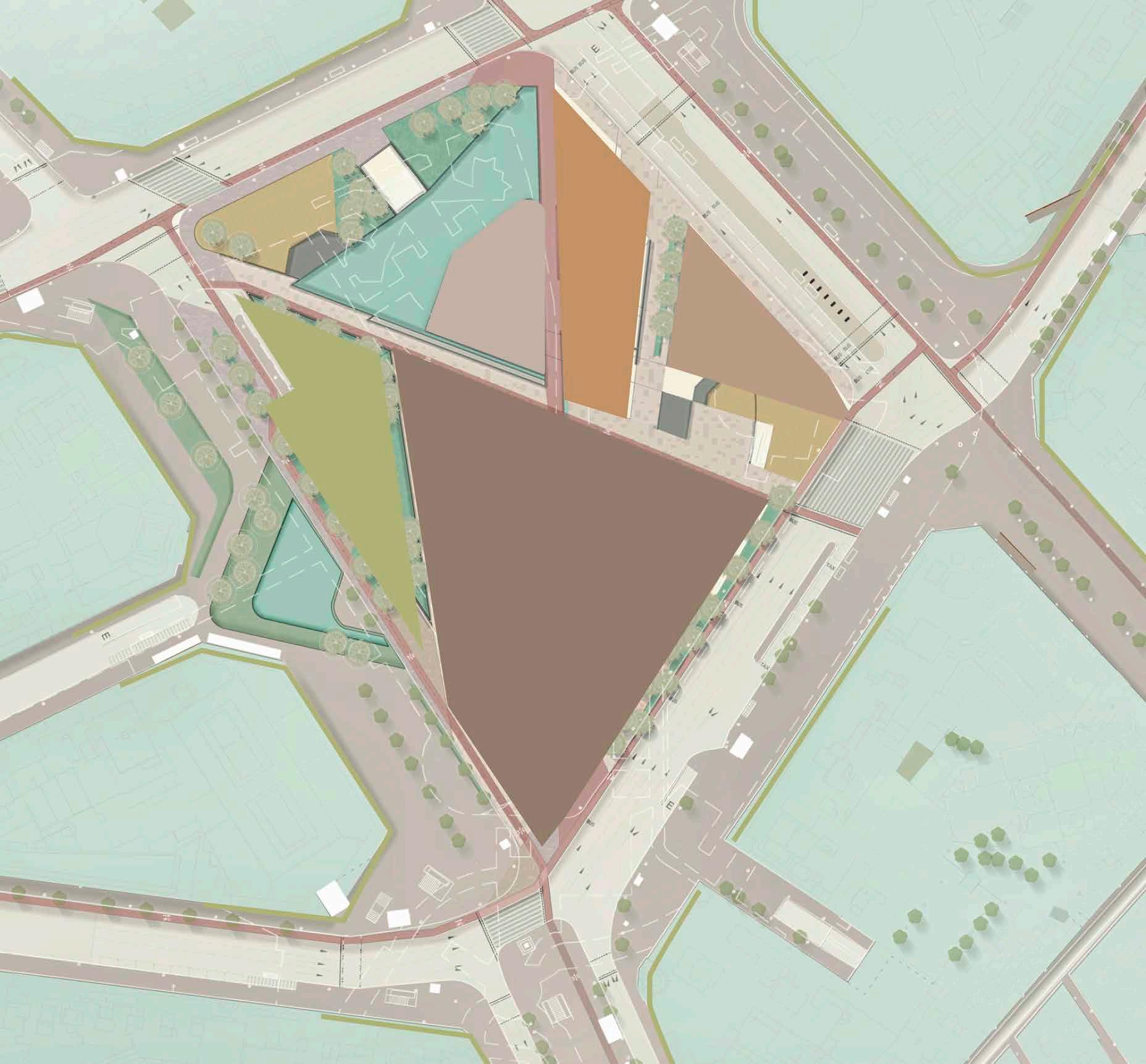 Diagram of access to mobility hub; two primary accesses within the square are reinforced in the north and southeast sectors.
Diagram of proposed spaces, urban square, mobility hub, and covered cultural and multi-purpose spaces.
Diagram
axes of
context, Paseo de Gracia and the Rambla.
Diagram of access to mobility hub; two primary accesses within the square are reinforced in the north and southeast sectors.
Diagram of proposed spaces, urban square, mobility hub, and covered cultural and multi-purpose spaces.
Diagram
axes of
context, Paseo de Gracia and the Rambla.
and urban context.
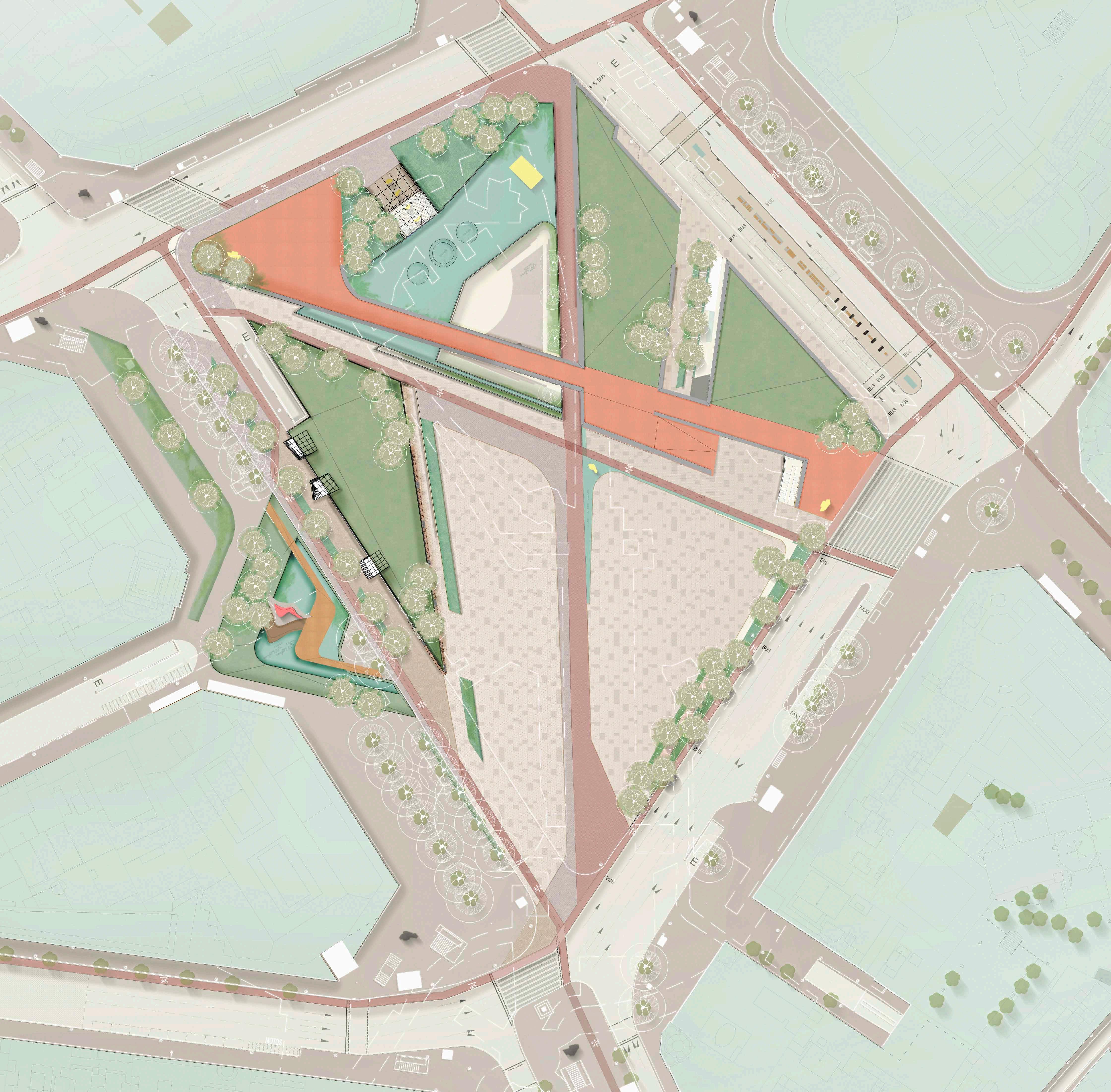
Site
plan
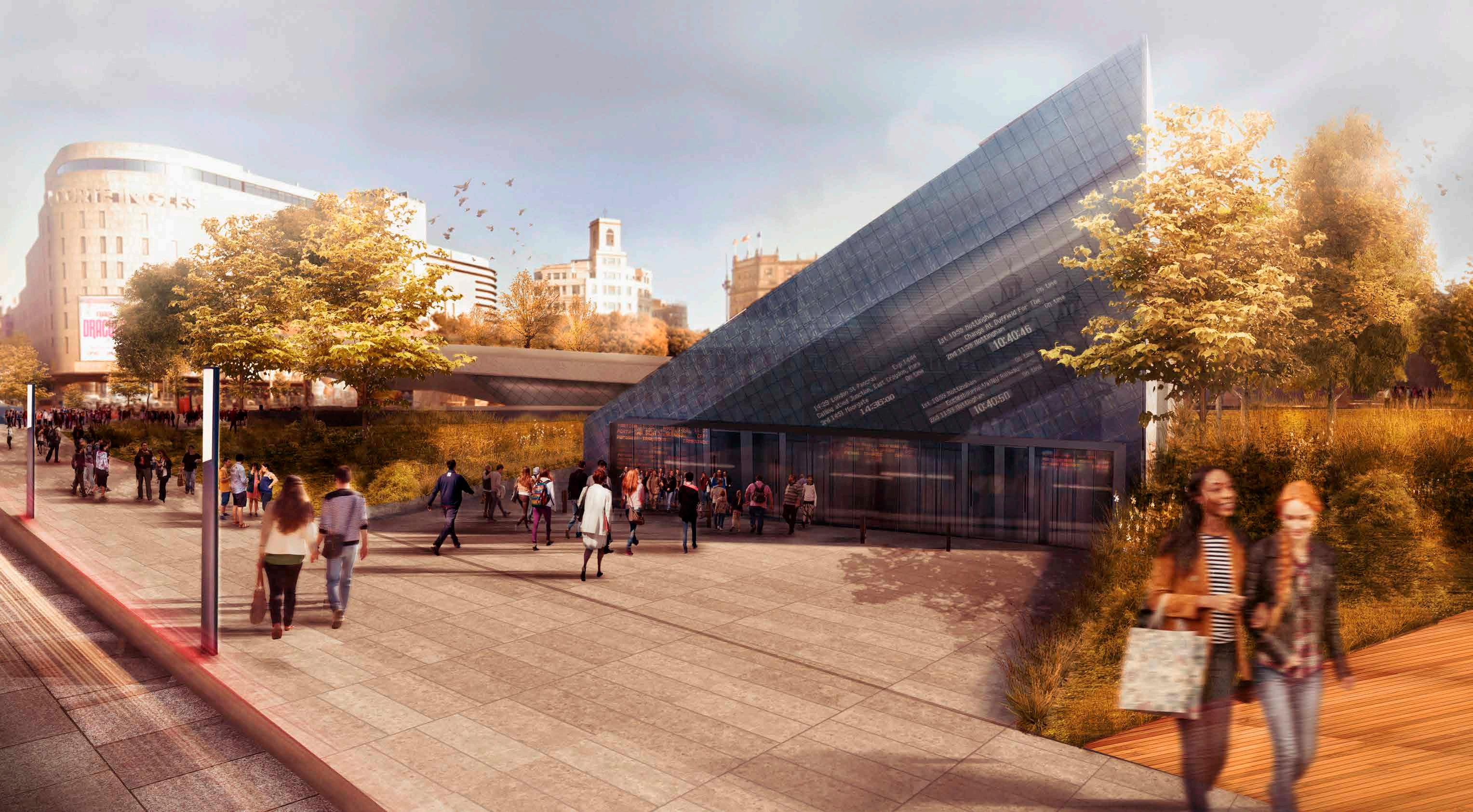
of access to mobility hub and metro in the north zone of the square.

North and west elevations.
View
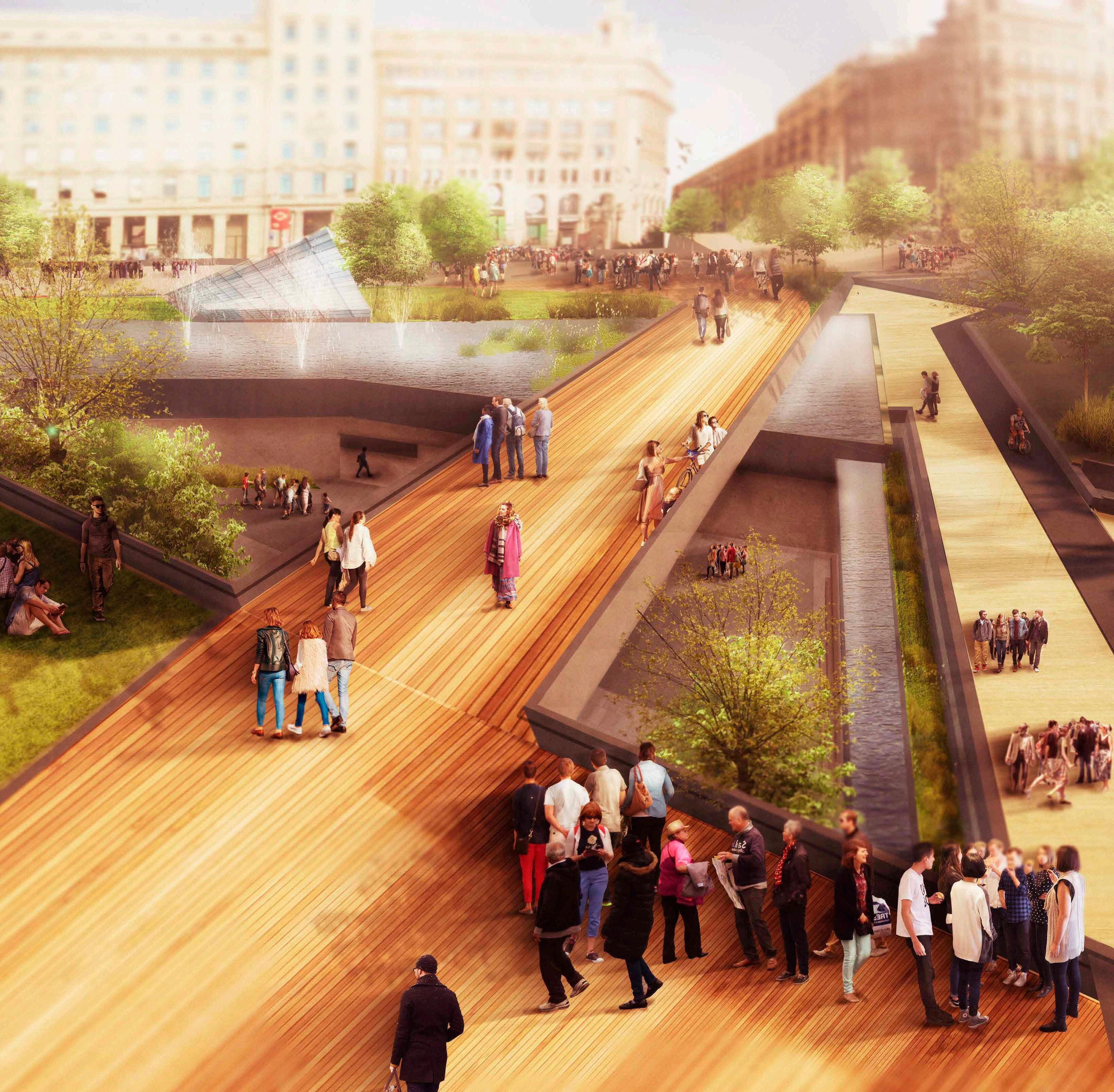 View of the platform of living space, main axis of the square.
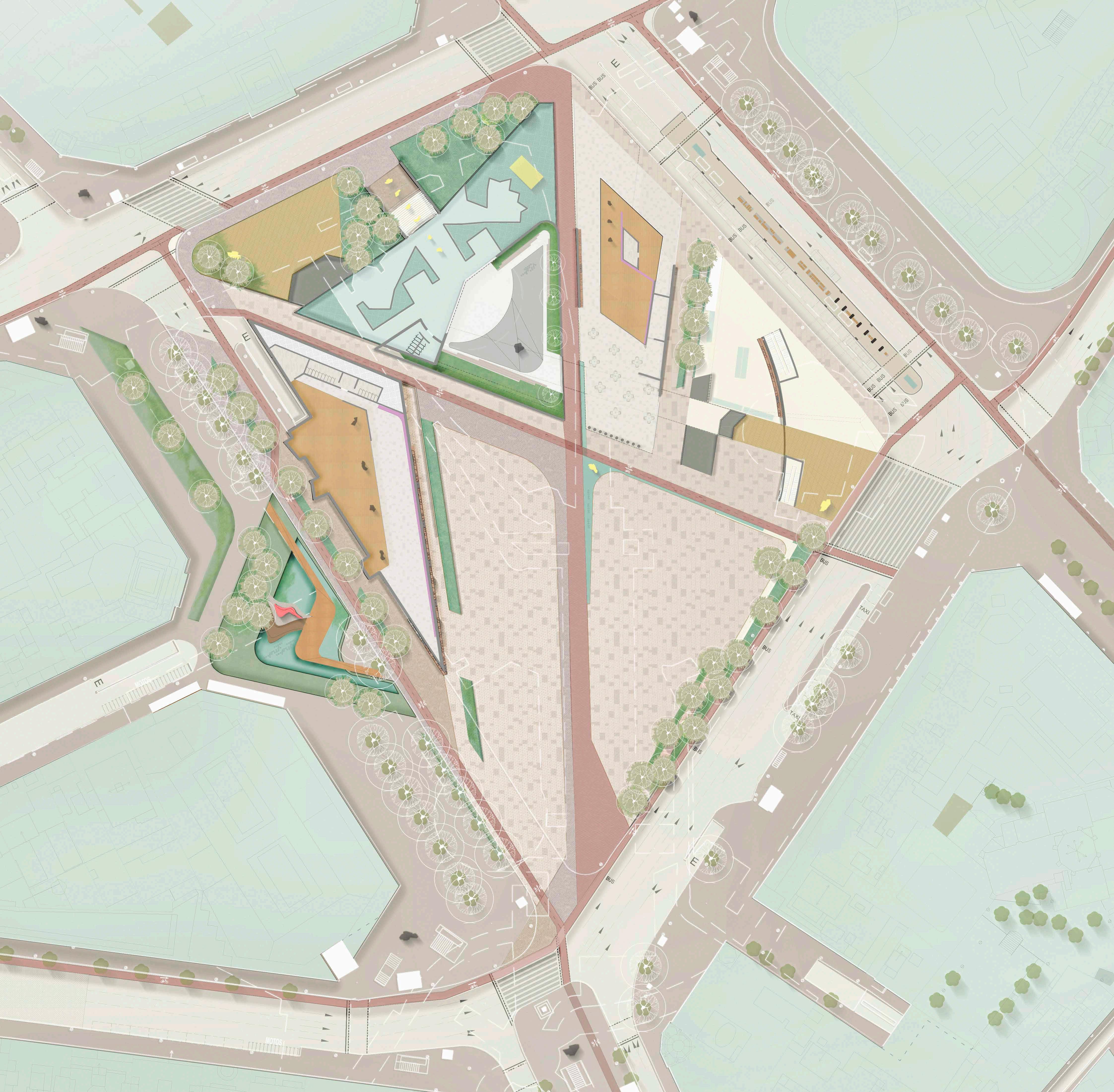
First-level plan with multi-purpose cultural spaces.
Cultural space and gallery, support services.
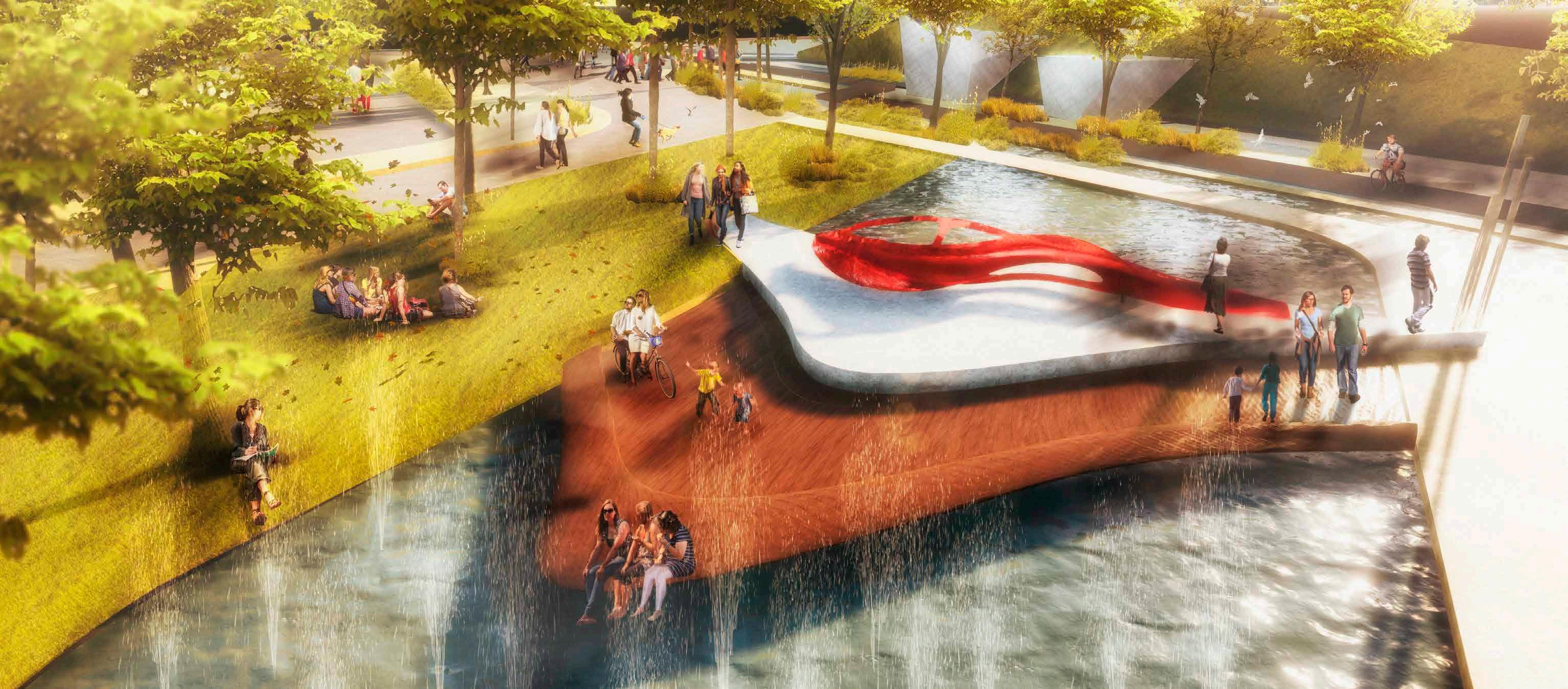
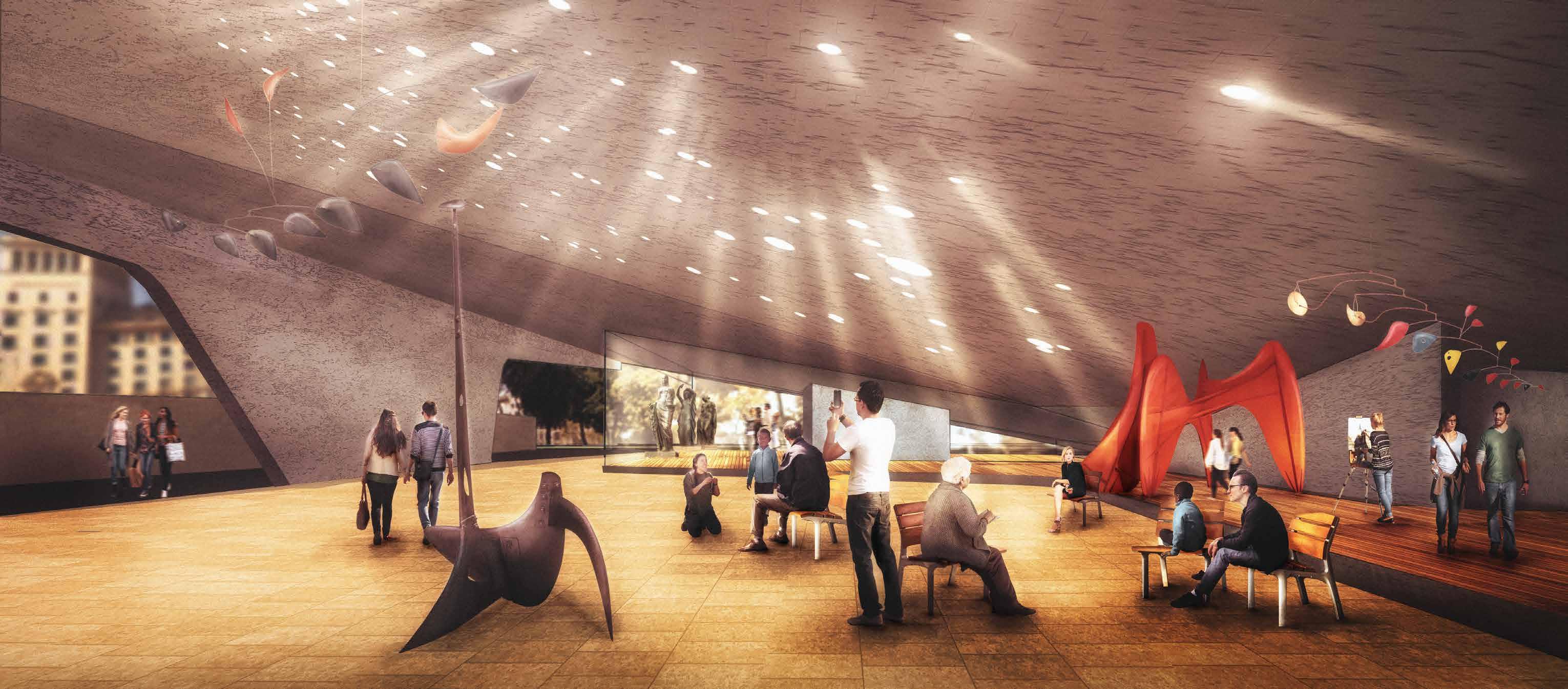 Fountain and living space.
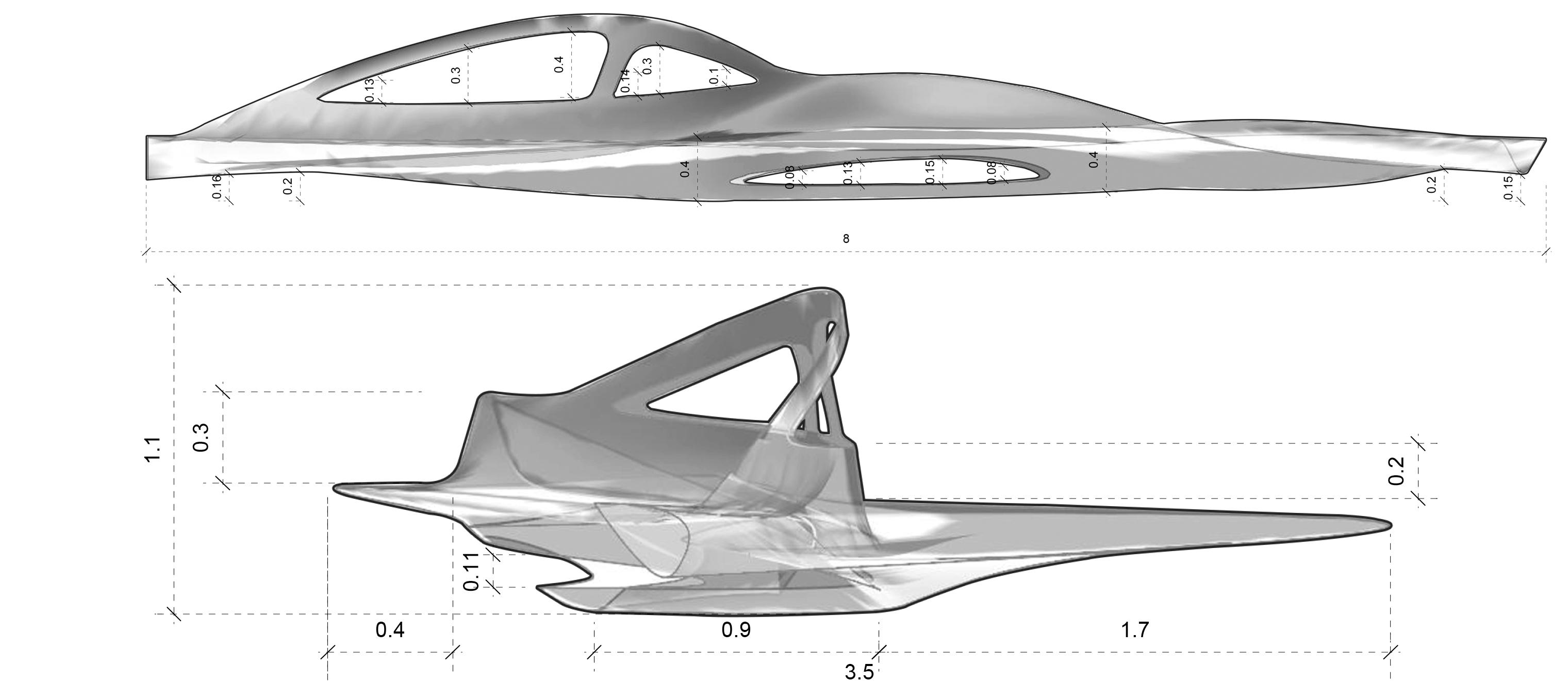
Design of multi-purpose furniture for fountain space.
Context view of fountain and living space.
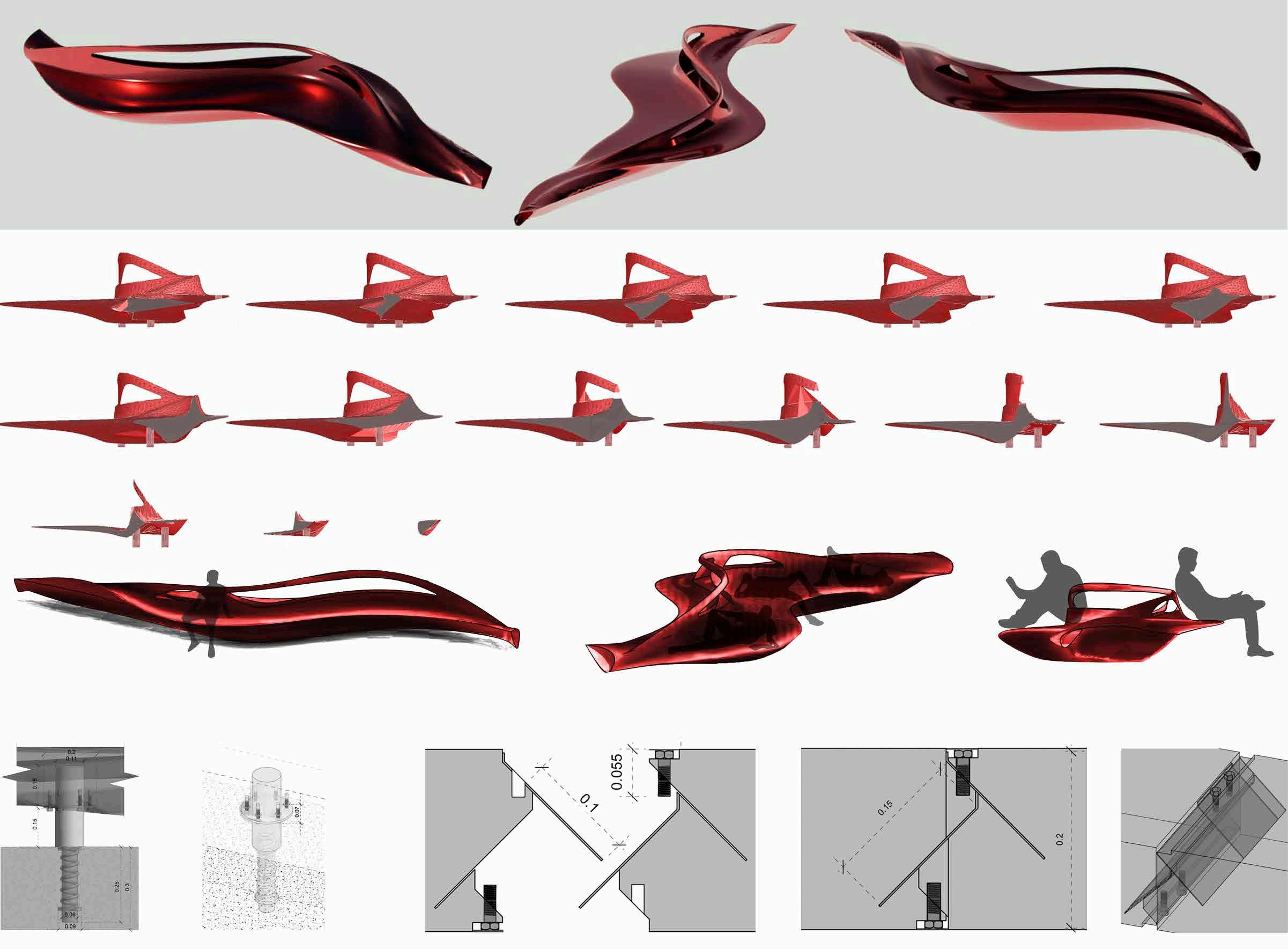
Details of anchoring and furniture modulation.
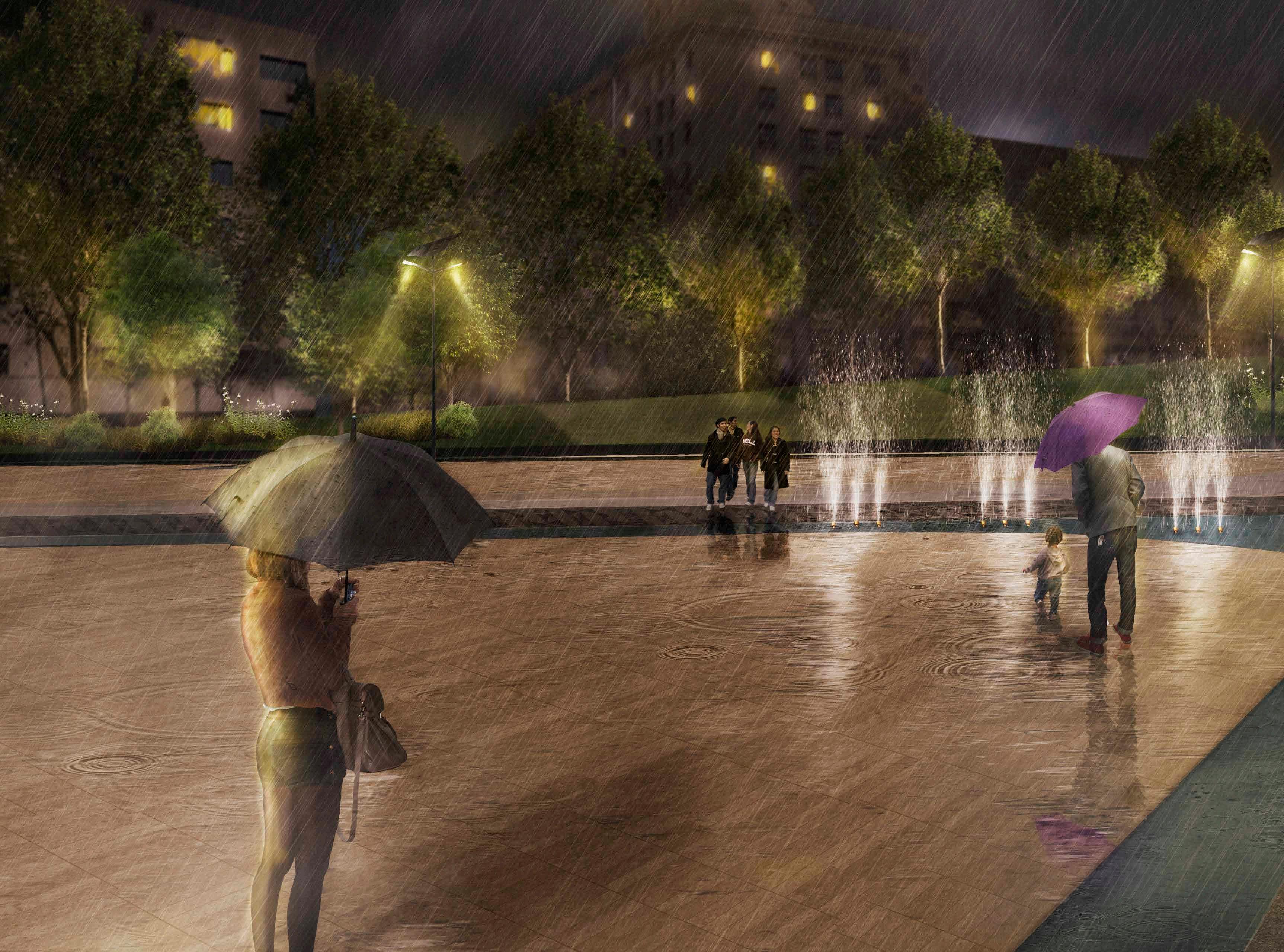
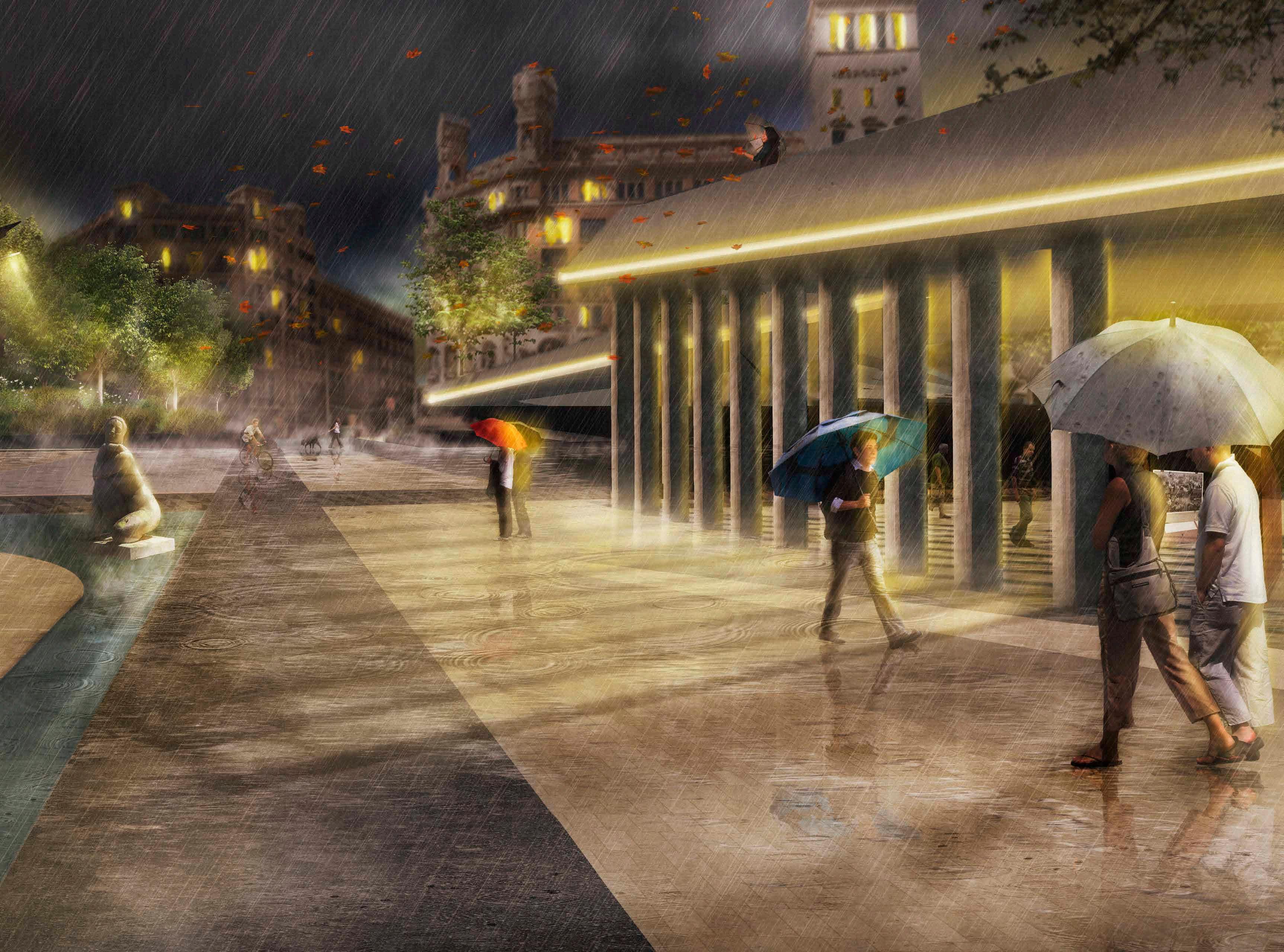
Central plaza view.
CULTURAL CENTER
SAN JOSÉ- COSTA RICA
Mixed use building
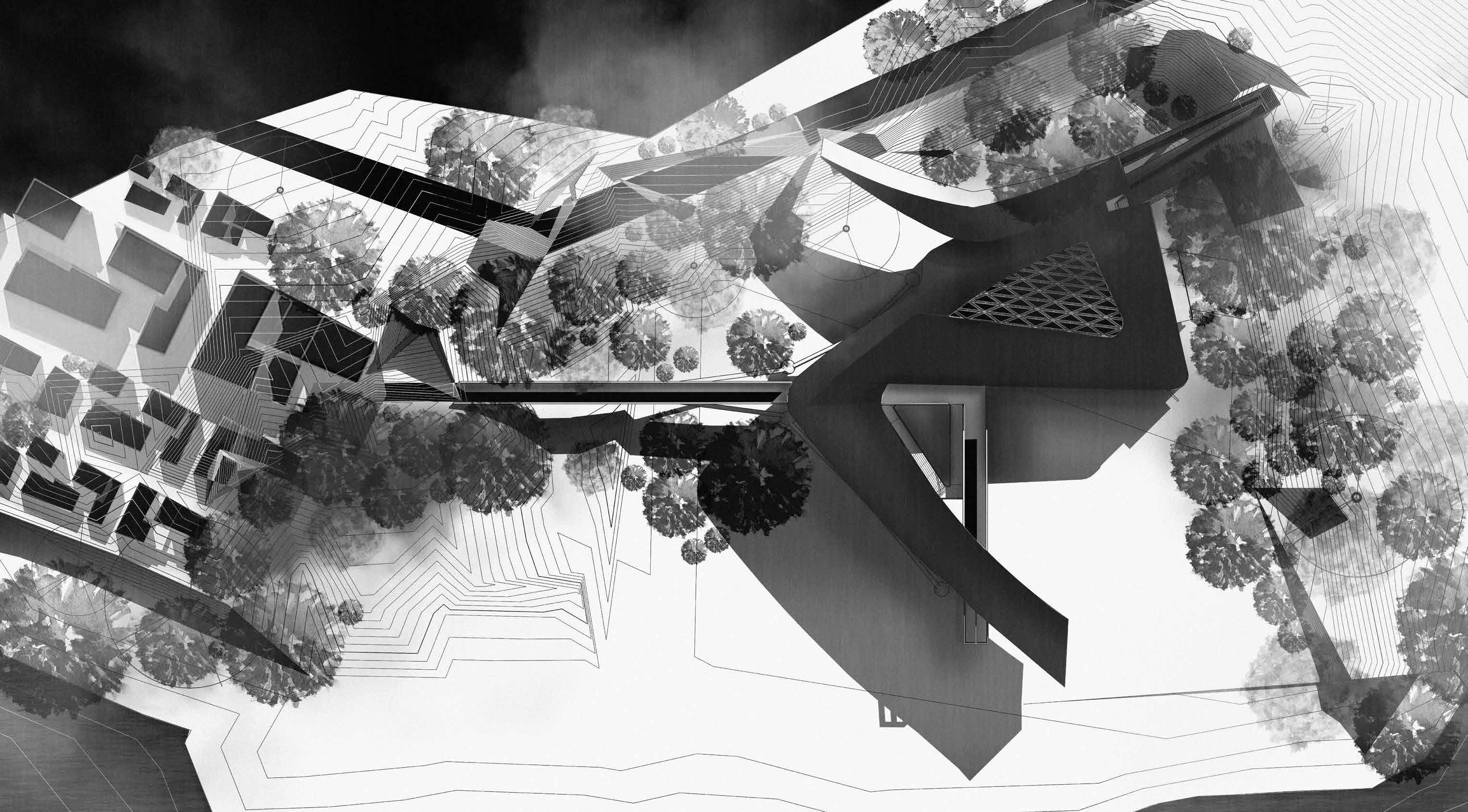
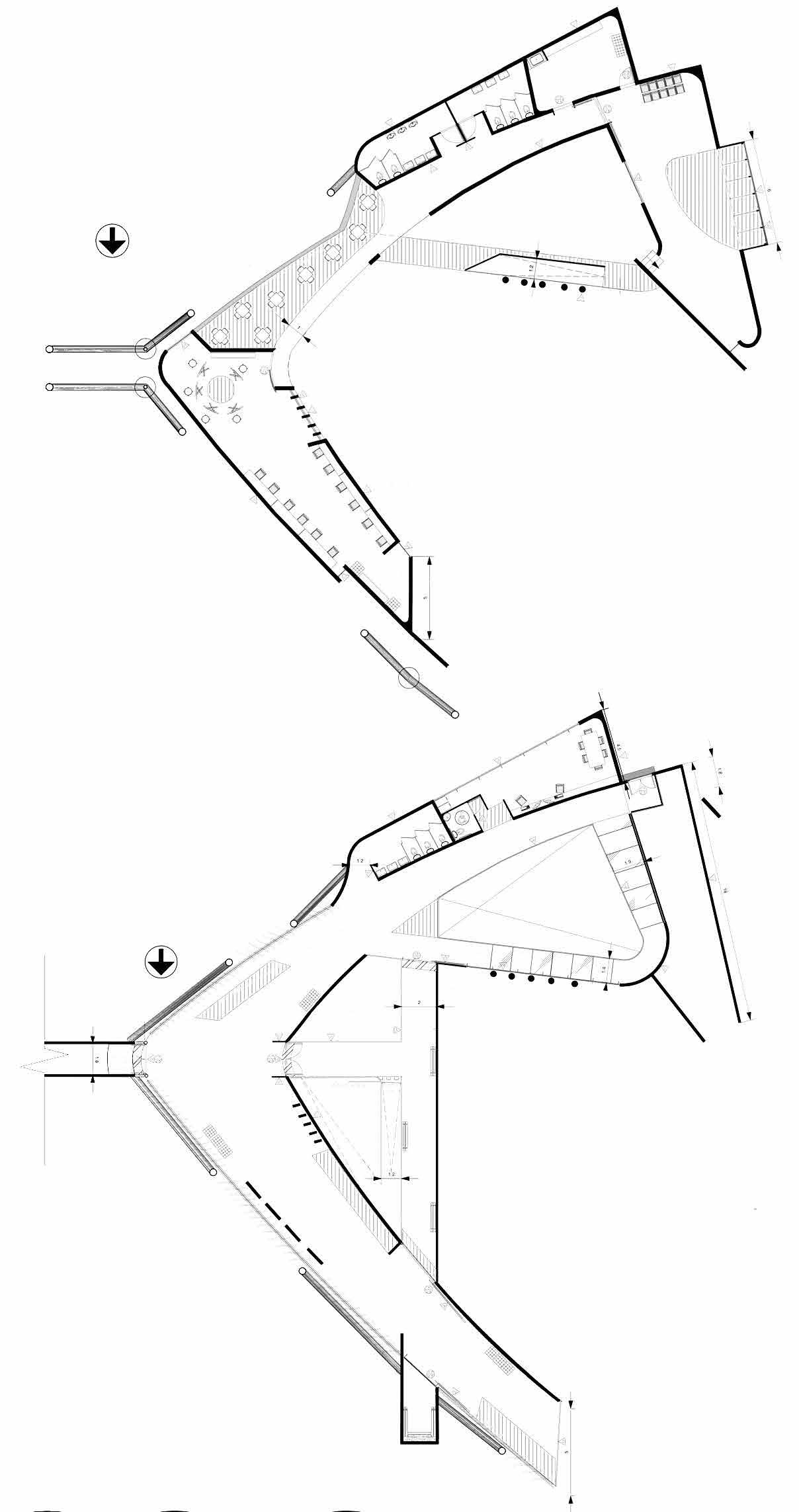
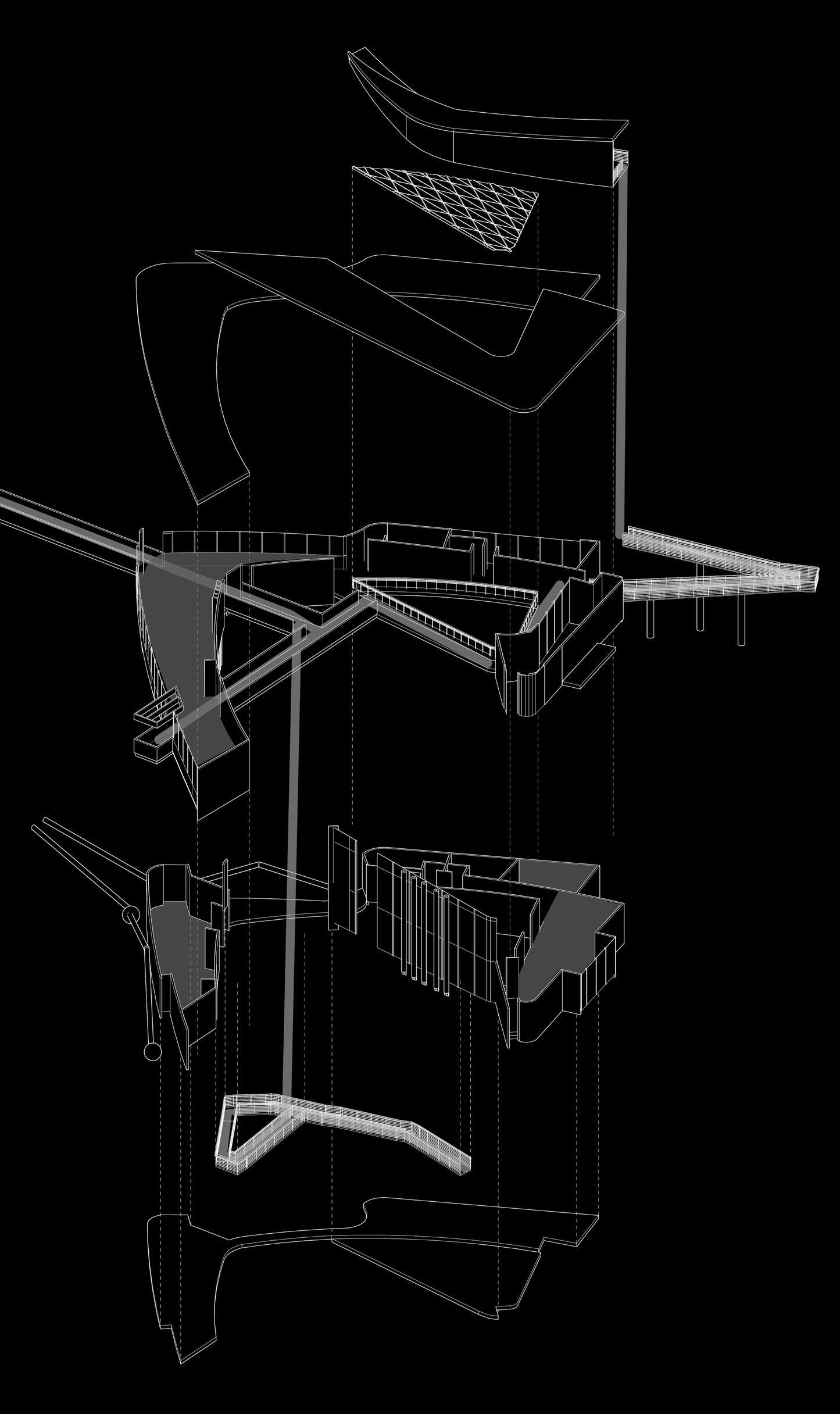
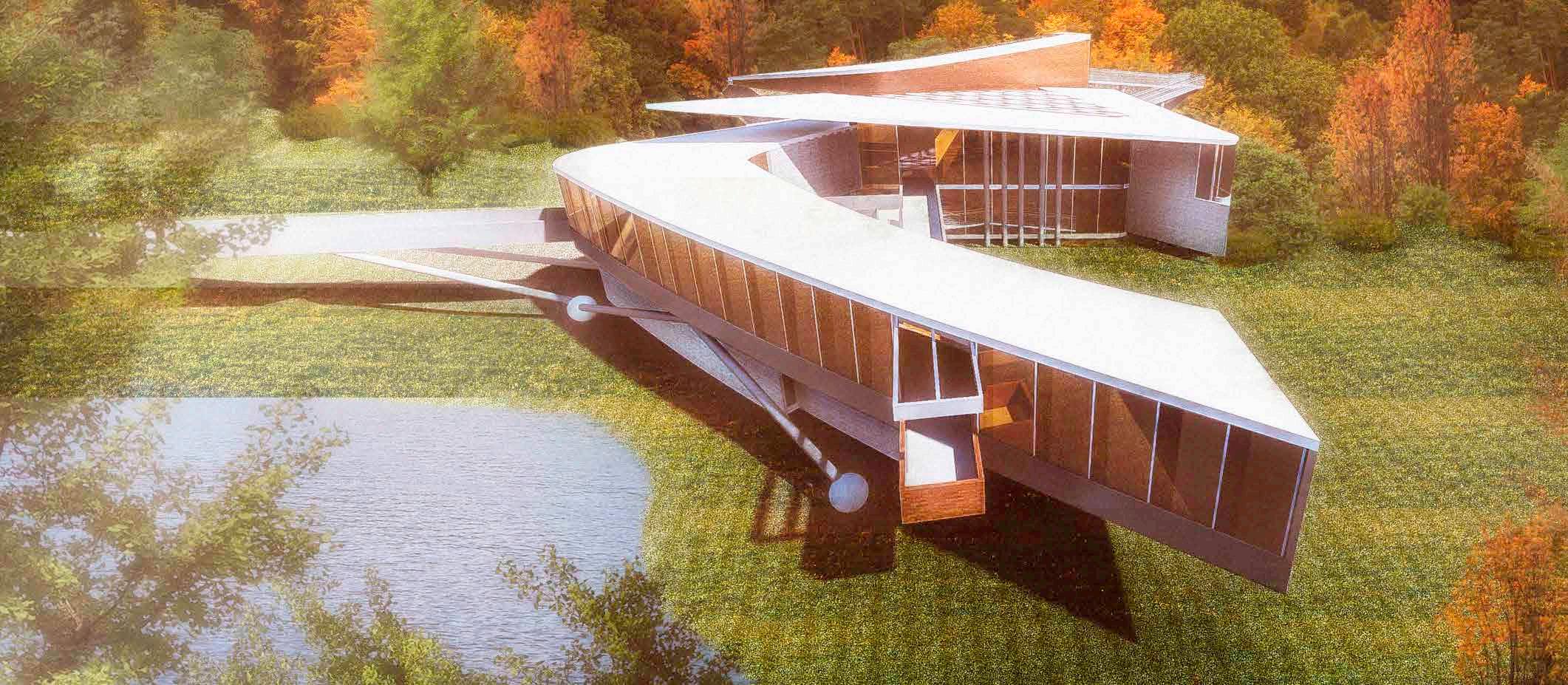
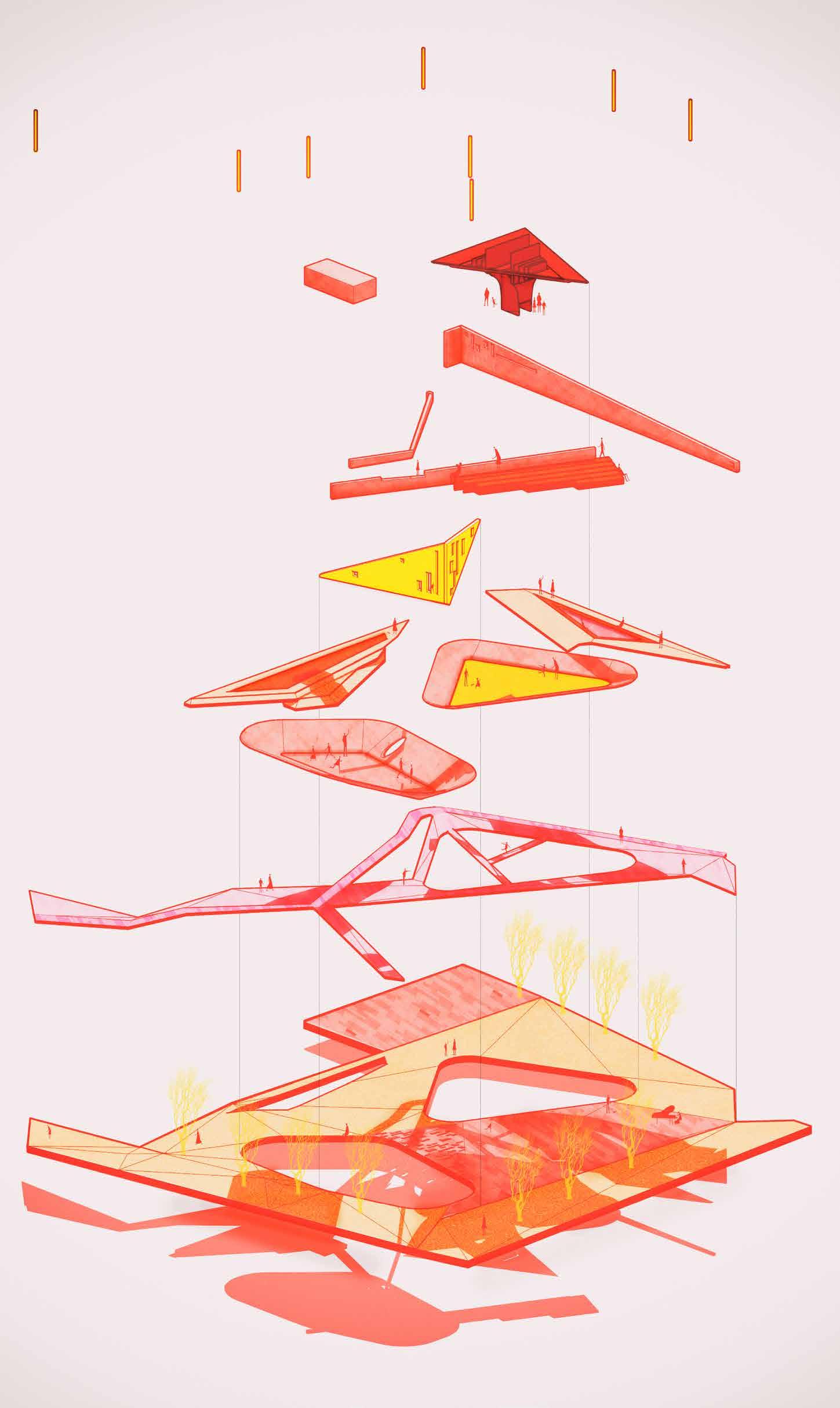
Situated in a socially precarious zone, the Cultural Center project champions a communal physical space where activities of art, culture, learning, teaching, sports, healthy green spaces, and community exchange thrive. Within a rebellious architecture, starkly different from its surroundings, it is envisioned as a metaphor for dreams and “seeing beyond one’s own limits” in an unfavorable social space. The design is perceived as acupuncture, revitalizing and fostering changes not only in infrastructure but also in identity, ideology, and collective sense of belonging. All within a locus with challenging topography and direct relationships with the river, inspiring broken and fluid forms that shout and make protagonists out of those who are sometimes overlooked.
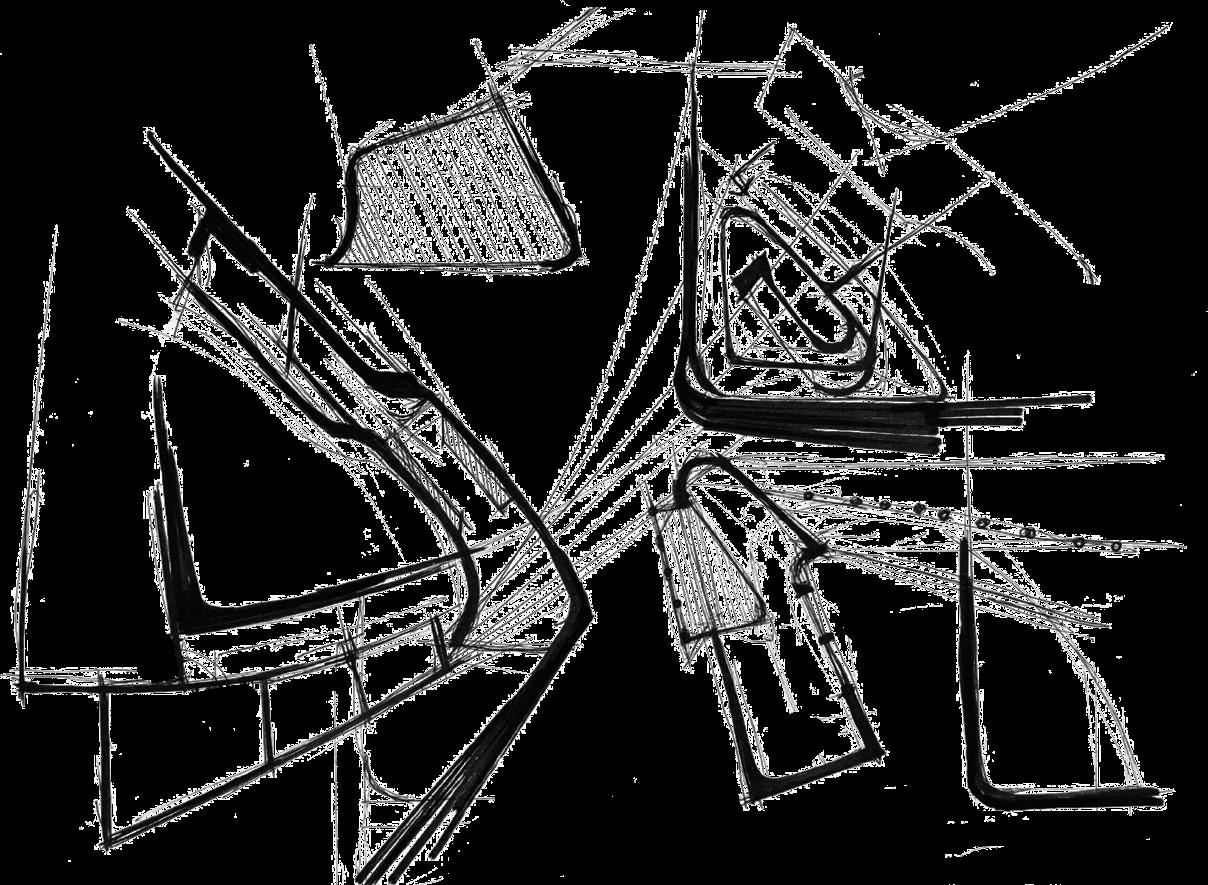
Hand-drawn diagrams projecting the volumetric shape.
Distribution plan for the first and second levels.
Exploded isometric of circulation relationships and relational axes of space, as well as graphic art, scenic, and exhibition spaces; the direct connector bridge axis with the neighborhood is observed.
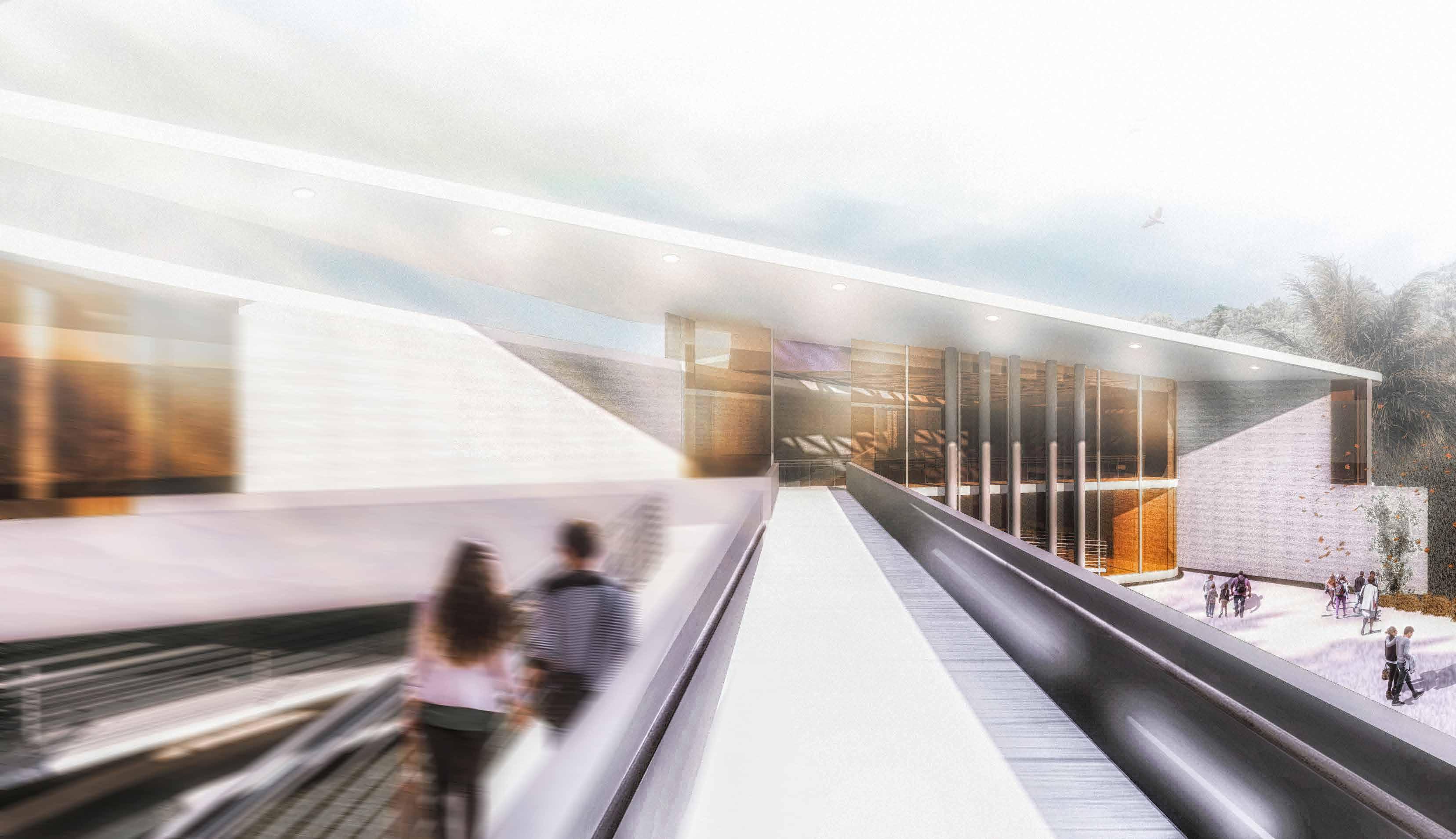
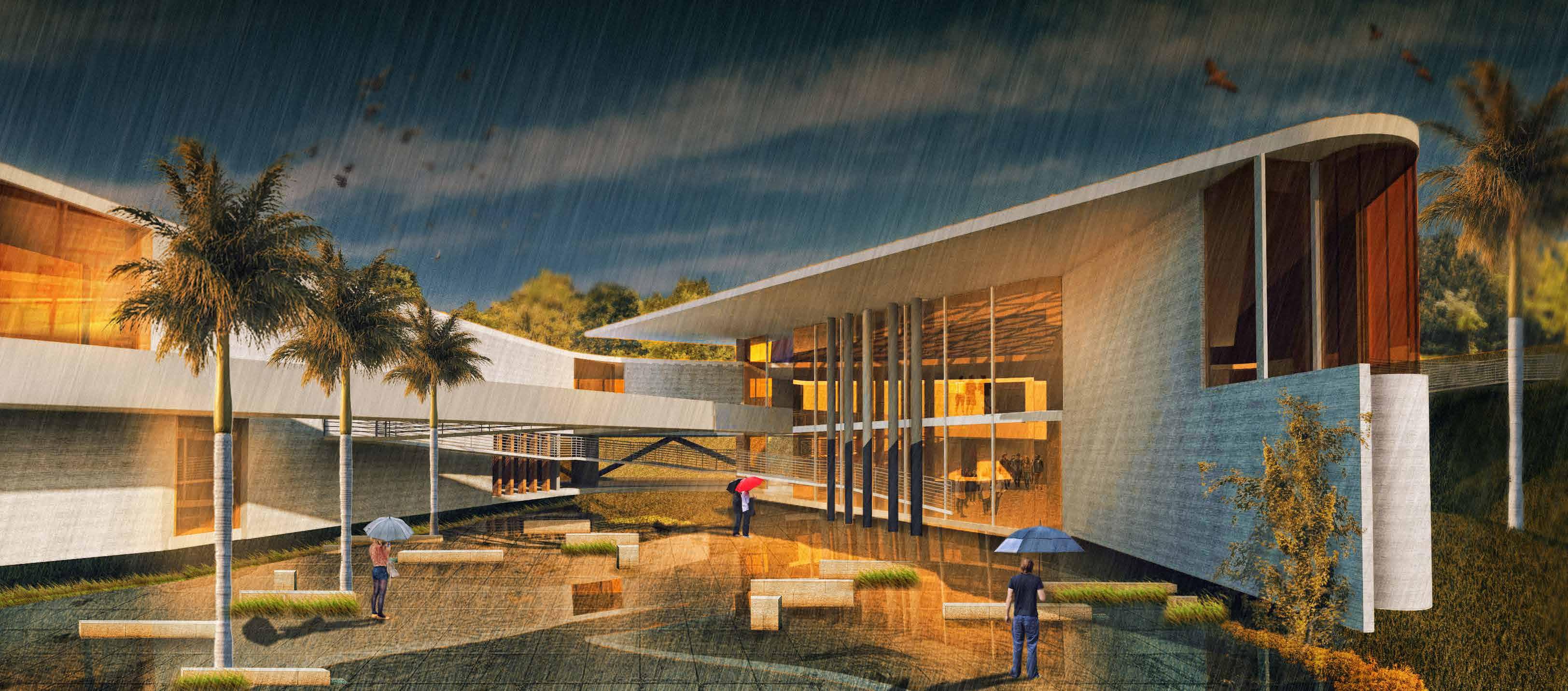 View from the urban plaza access.
Overall view of the context in relation to the river.
View from the urban plaza access.
Overall view of the context in relation to the river.
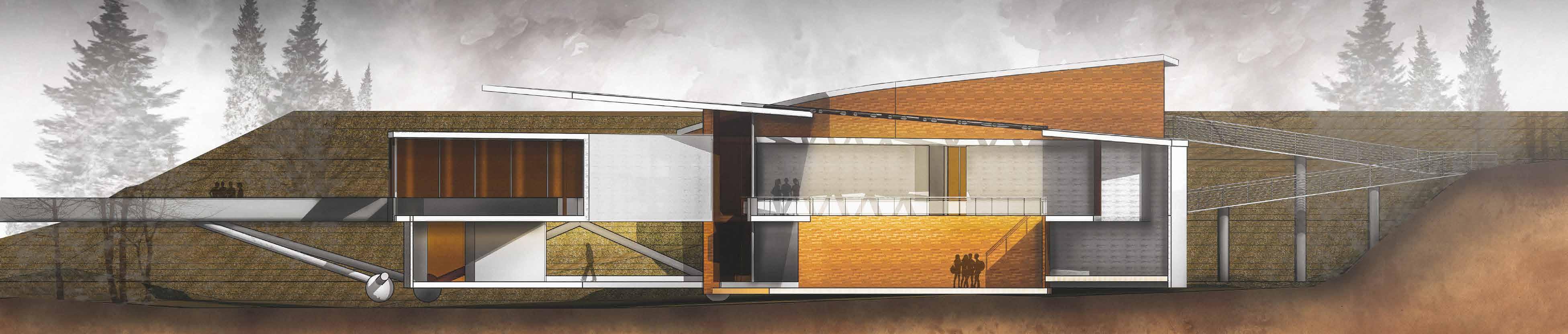
Within the design, priority is given to natural ventilation and lighting, blurring the concept of indoors and outdoors, transitioning between spaces progressively, inviting stay, to shaded areas, light filters, and constant movement.
Section on the grand vestibule.
CAN BORI
BARCELONA- ESPAÑA
Urban plaza-playground
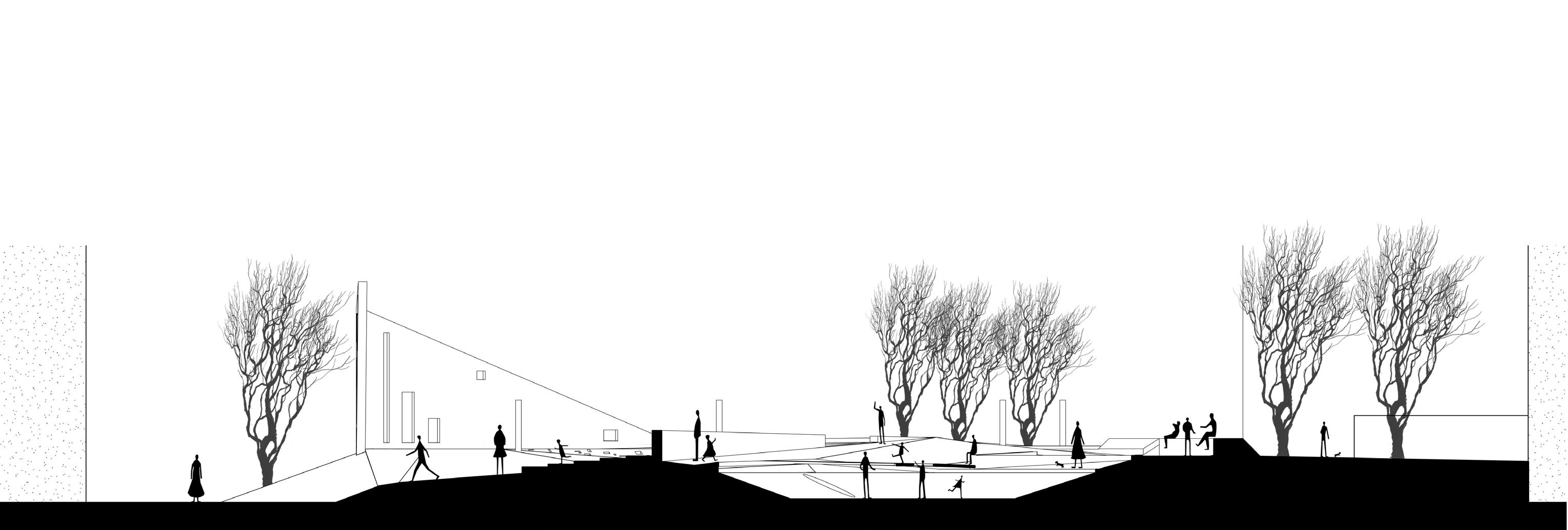
The park of the special school L’Estel Can Bori represents a space catering to individuals with diverse cognitive and physical abilities, incorporating sensory and accessibility experiences. It also functions as a dual-purpose park, open to the public community based on timing. Design guidelines for playgrounds such as climbing, sliding, hiding, experimenting, and balance are proposed, resulting in a multi-purpose plaza program, sandbox area, wet plaza for water play, skate space, bike paths, and an open pavilion for storage and classroom use. This is achieved through changes in topography, levels, color, texture, sound protection or exposure, and elements of landscape design, appealing to the senses of those who will use the space.
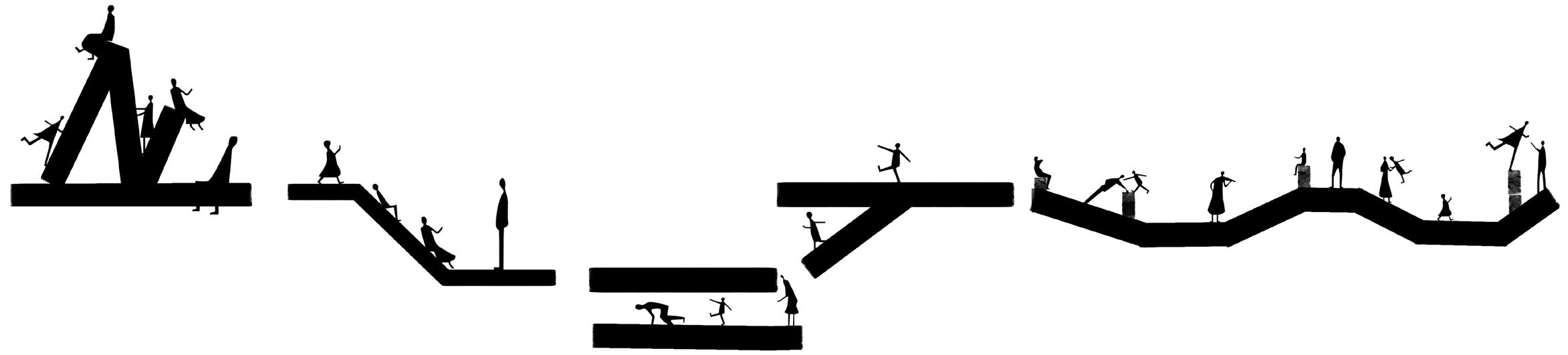
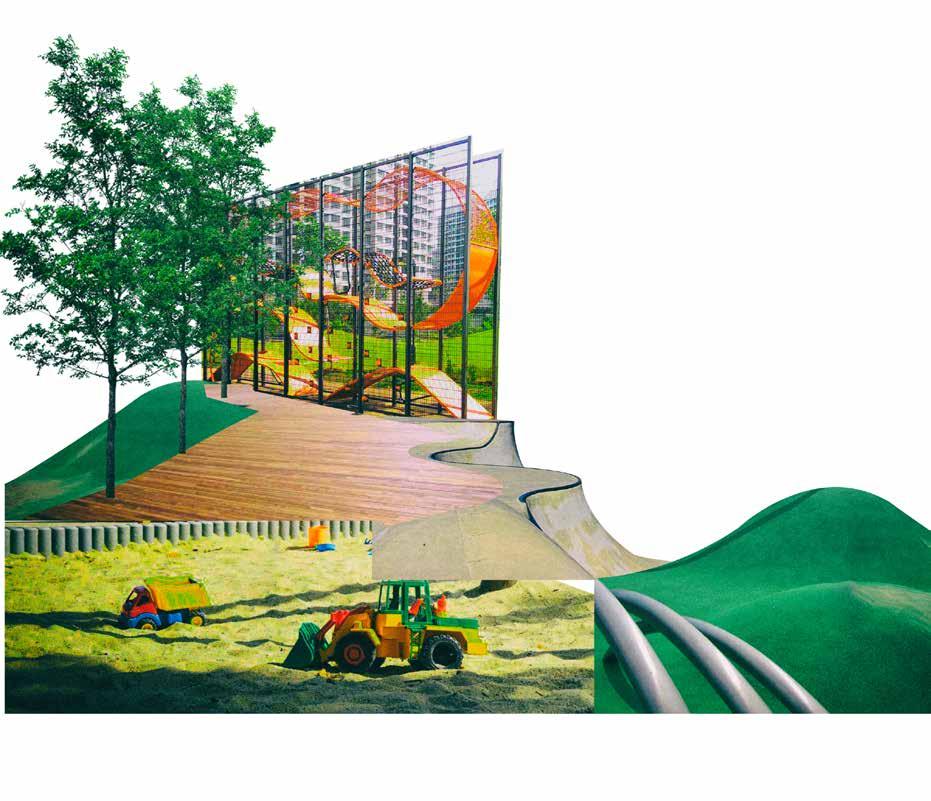
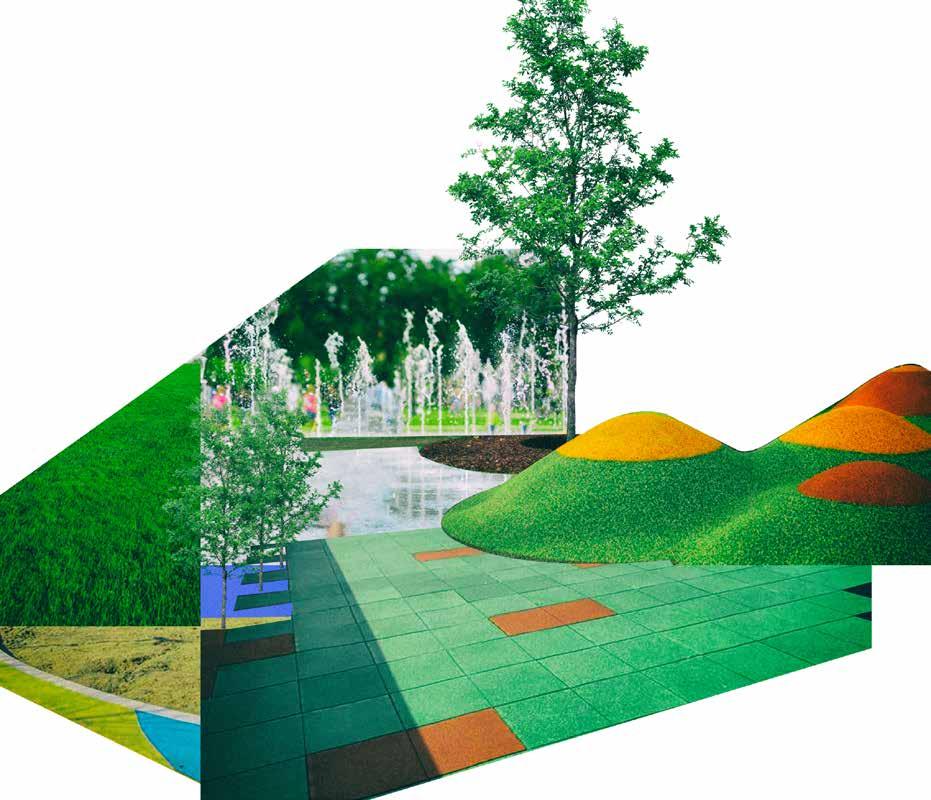
The conceptual collages propose design lines, analyzing on a layered level with topographic redesign as the foundation upon which circulations and spaces for enjoyment are developed, understood as a large ramp where accessibility is not compromised.
Conceptual collages with textures,colors and volumes proposed, relation between nature and design idea.
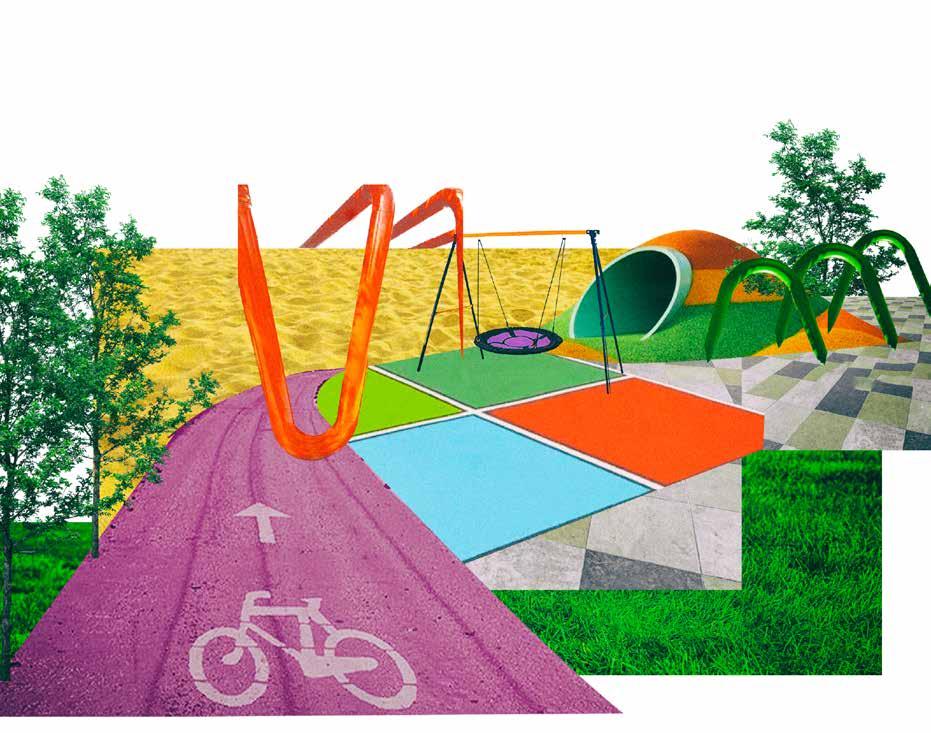
 Climb Slide Hide Balance Explore
Sandbox Water plaza
Climb wall Multipurpose plaza
Skate
Topography Paths
Deck Pavilionopen class
Climb Slide Hide Balance Explore
Sandbox Water plaza
Climb wall Multipurpose plaza
Skate
Topography Paths
Deck Pavilionopen class
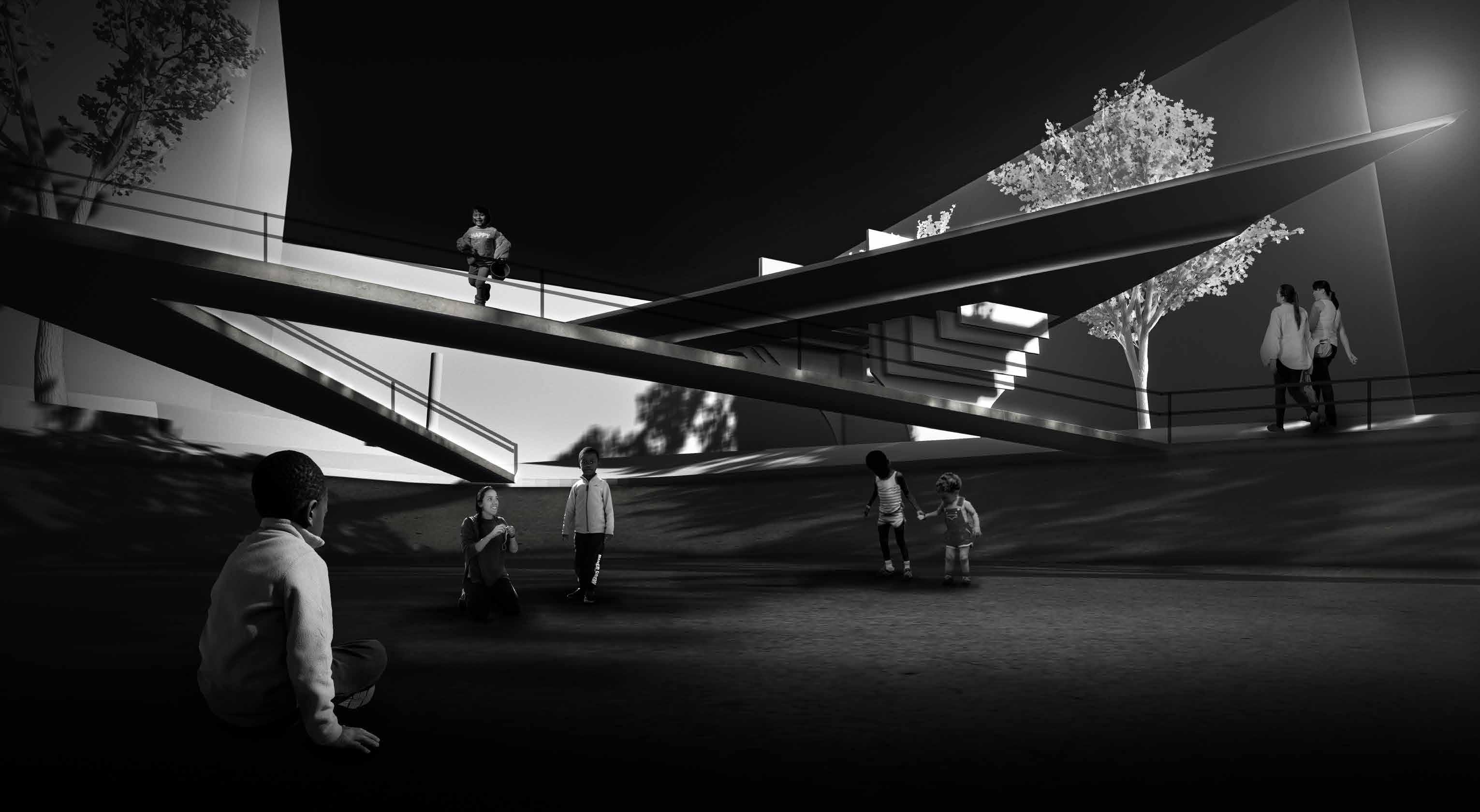
View from the sandbox, a priority space for experimentation and play.
Section with topographic levels and platforms.
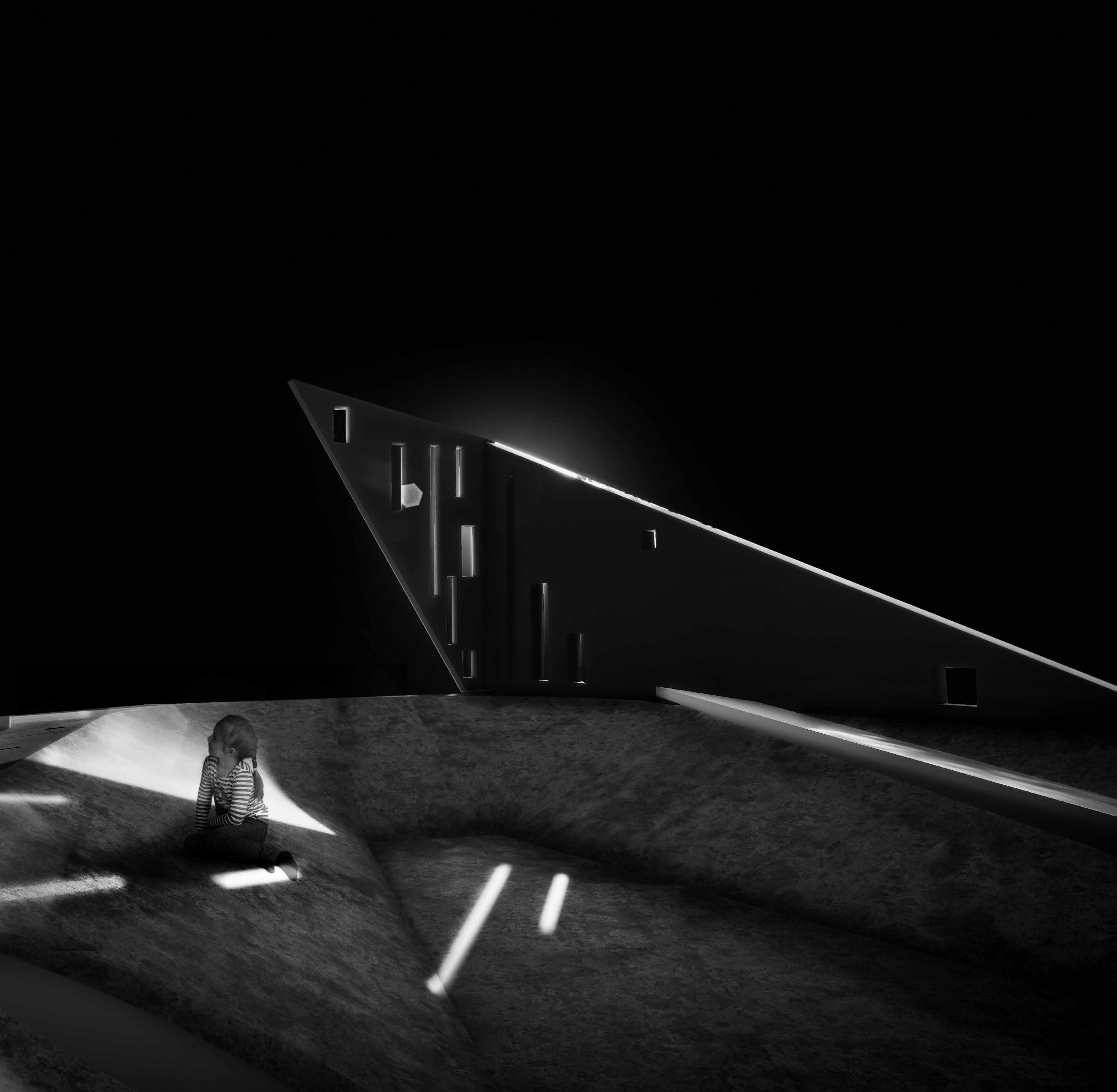 View from the skate area and climbing wall.
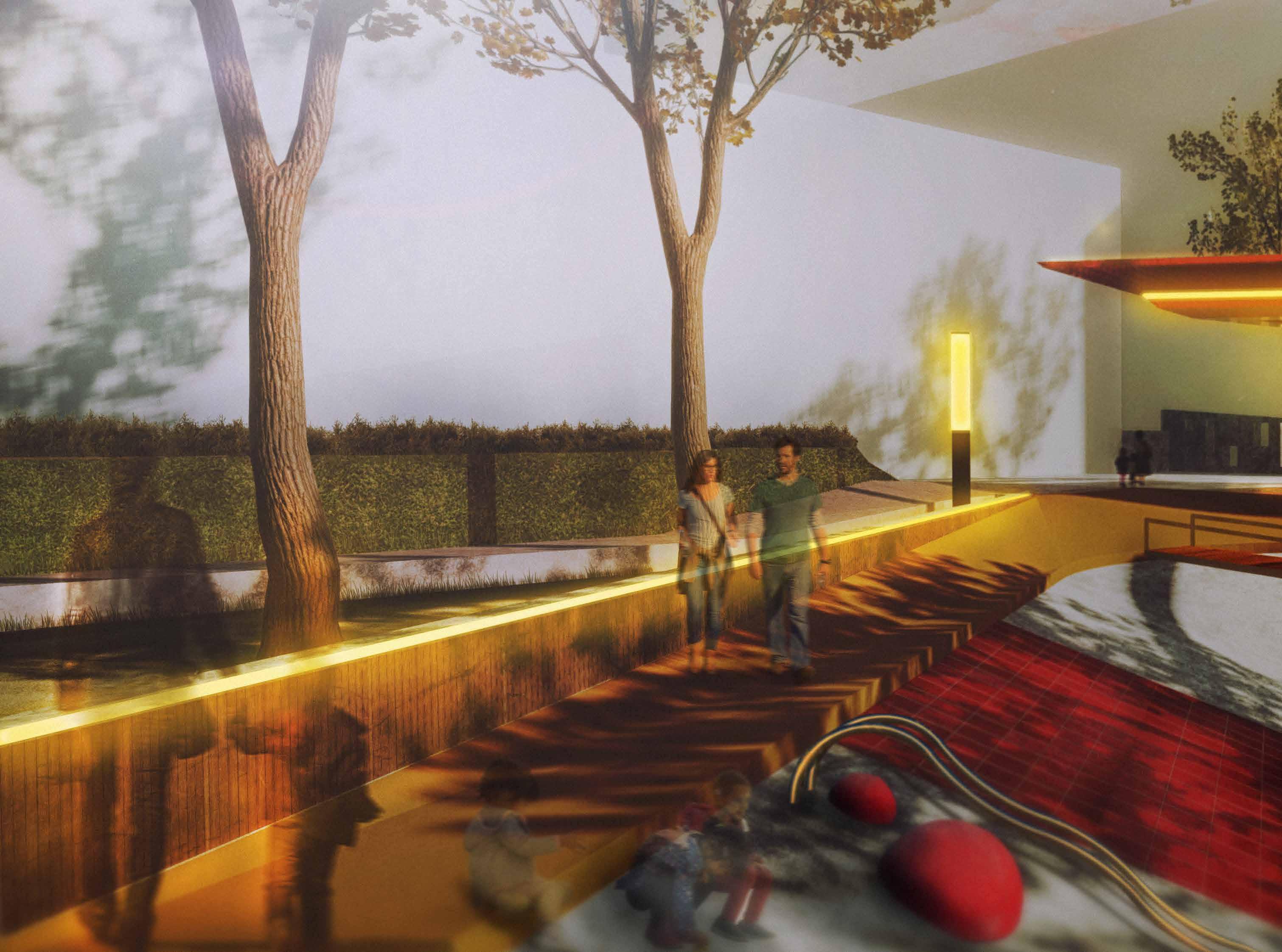
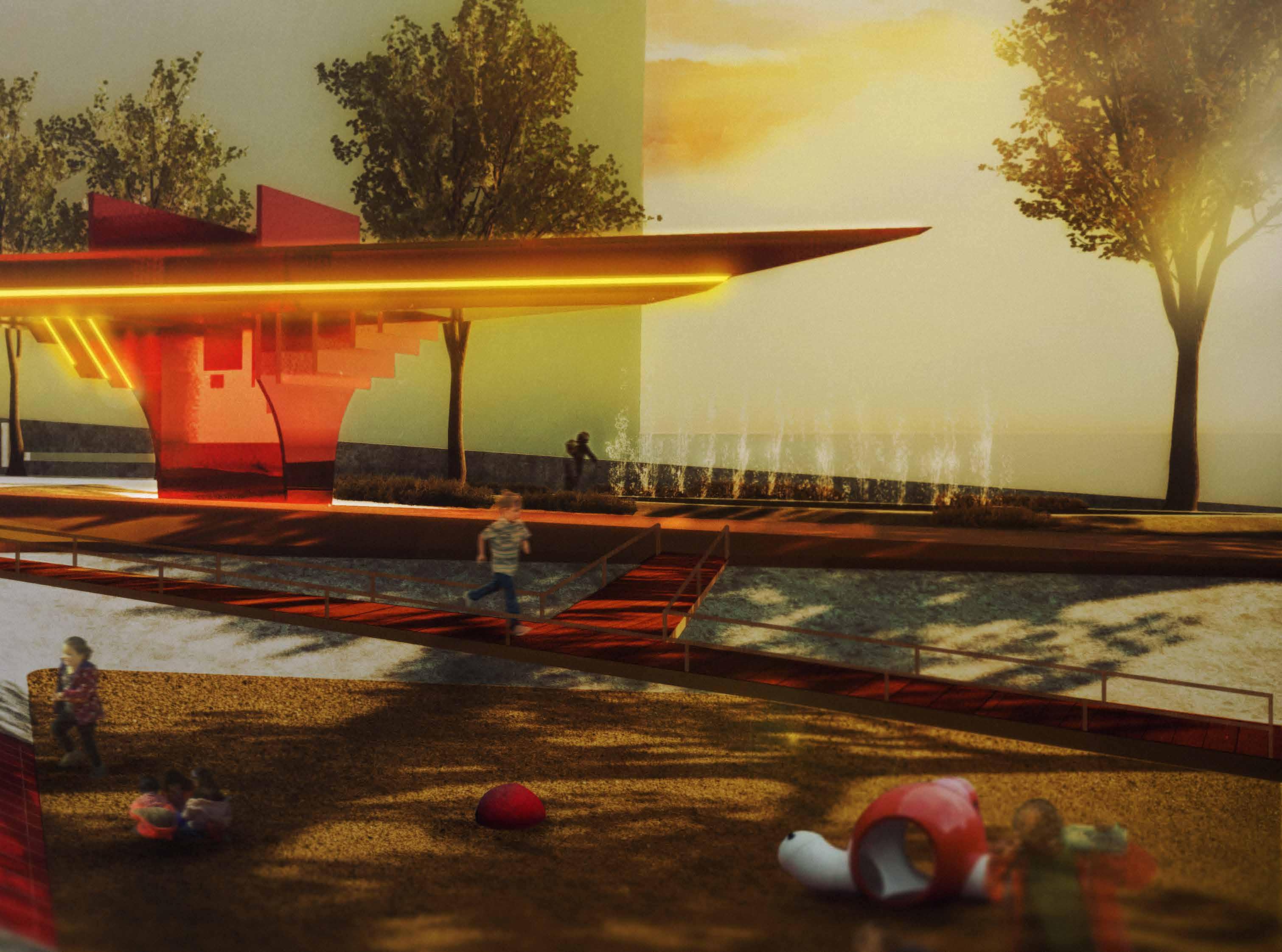 View from the sandbox.
URBAN INTERJECTIONS
SAN JOSÉ-COSTA RICA
Urban rehabilitation
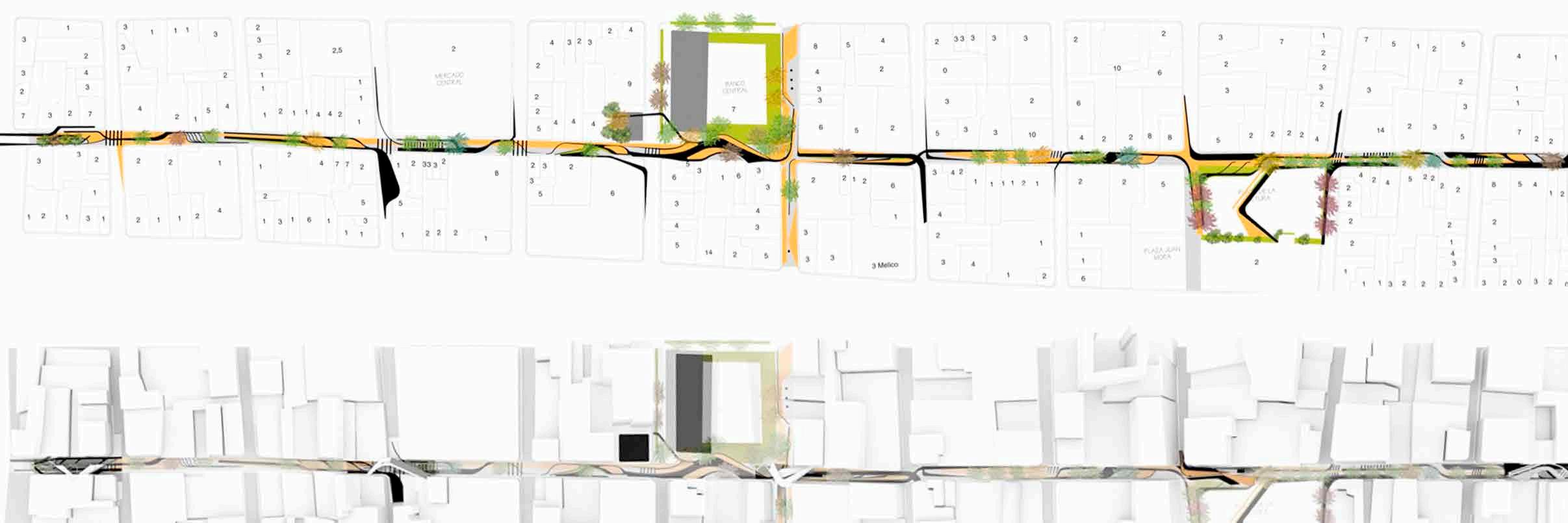
The Rogelio Fernández Güell boulevard known as “Avenida Central” stands as the primary pedestrian artery of San José, a space where commerce, mobility, and social exchange converge. However, it underutilizes opportunities for lingering and enjoyment, often perceived solely as a thoroughfare linking the east and west of the city. The project proposes a redesign of the boulevard’s 12 blocks, identifying physical and collective imaginary, and convergence spaces that host models of art, installation, and digital knowledge. This aims to foster permanence, urban life, and interaction among users, integrating digital projection programs, LED displays, laser games, interactive live streaming, augmented reality, urban technological simulators, free Wi-Fi, telecommunications, and platforms for interactive urban art.
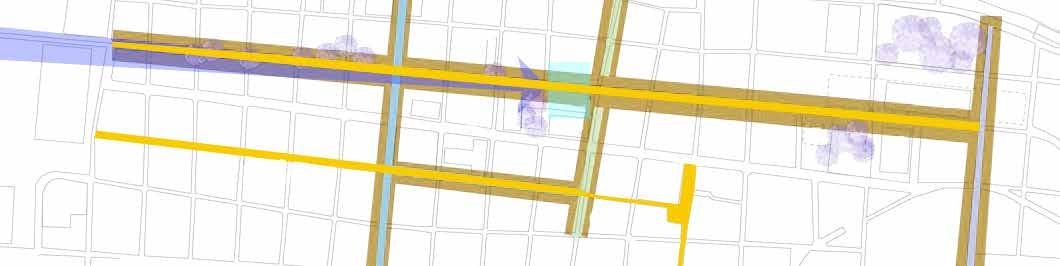
Relationship among all existing boulevards.
Redesign of pavements and placement of art models.
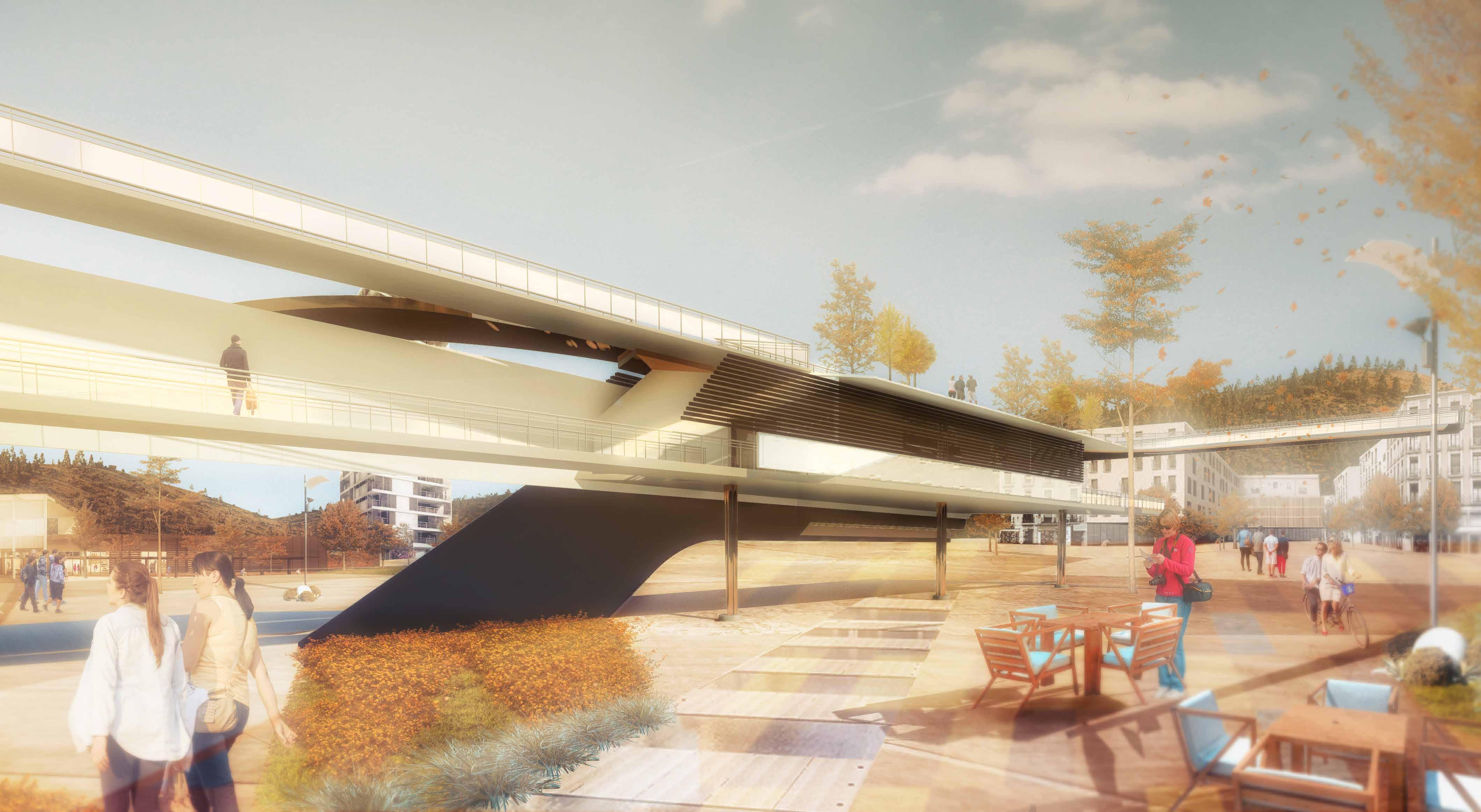
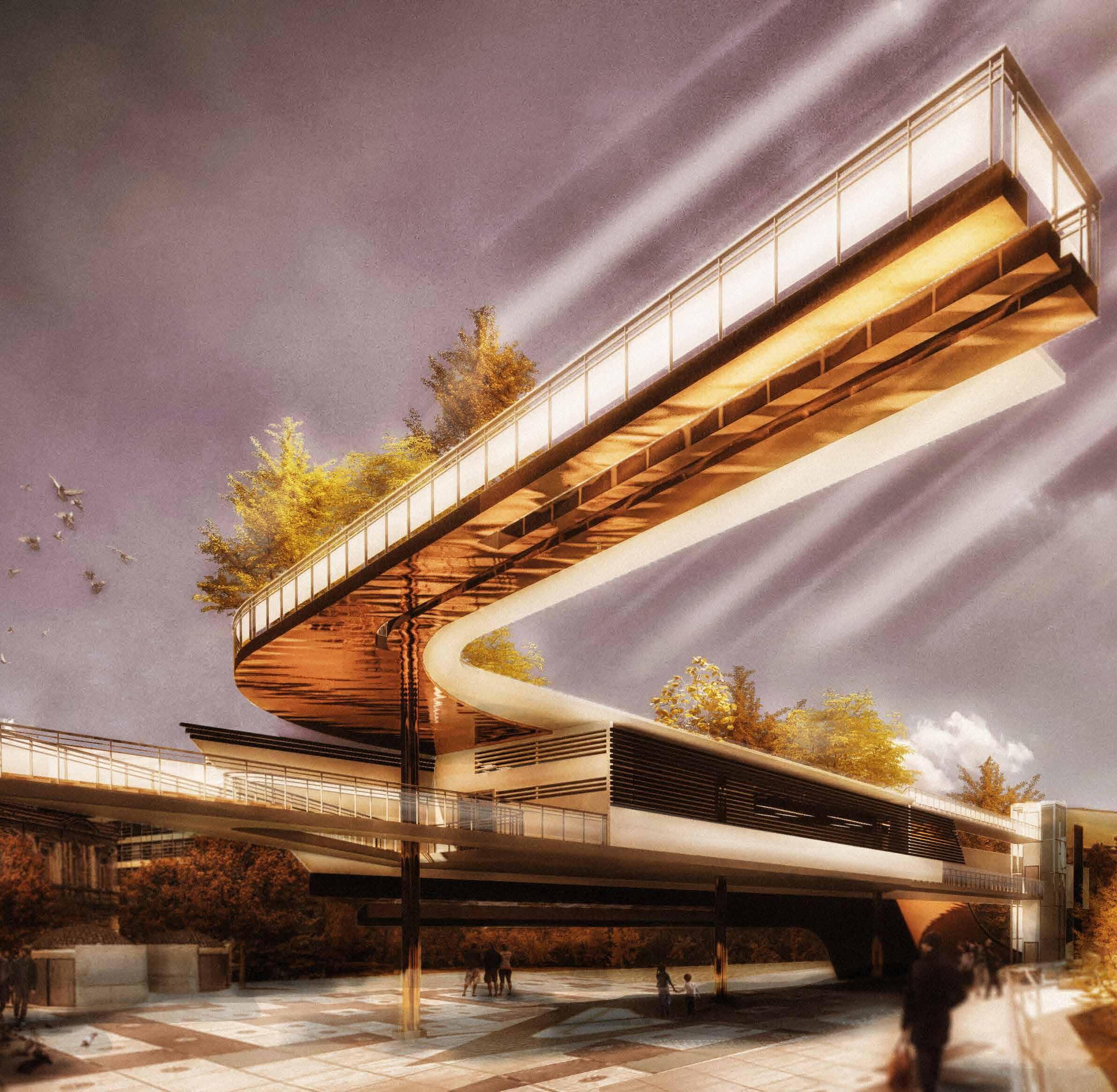
After urban analysis, five models are proposed in the most relevant areas, each adapted to context and program requirements. Organic forms are used to mark contextual axes while breaking and diversifying the linearity of the current boulevard.
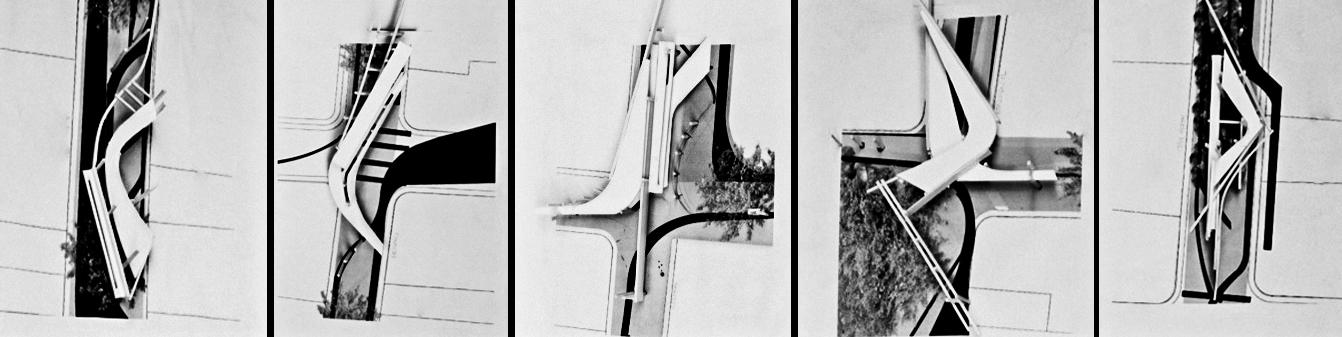
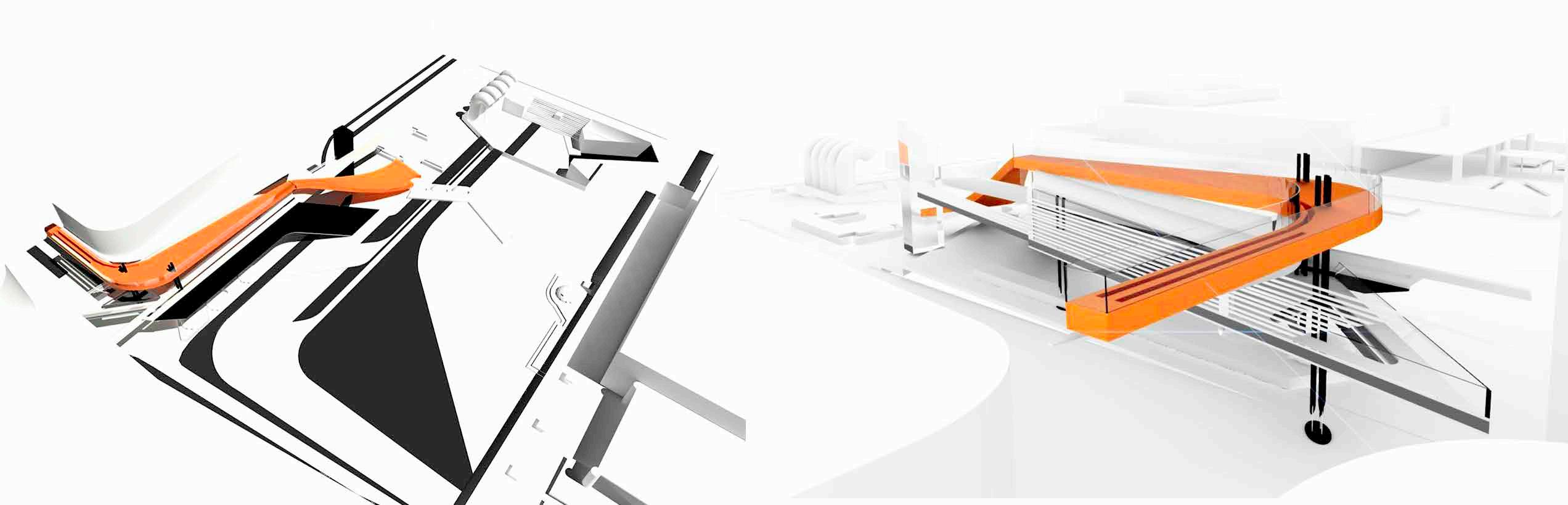
Relationship of model with square and proposed pavement redesign.
View of the model in Plaza de la Cultura.
View with the three levels of spatial development.
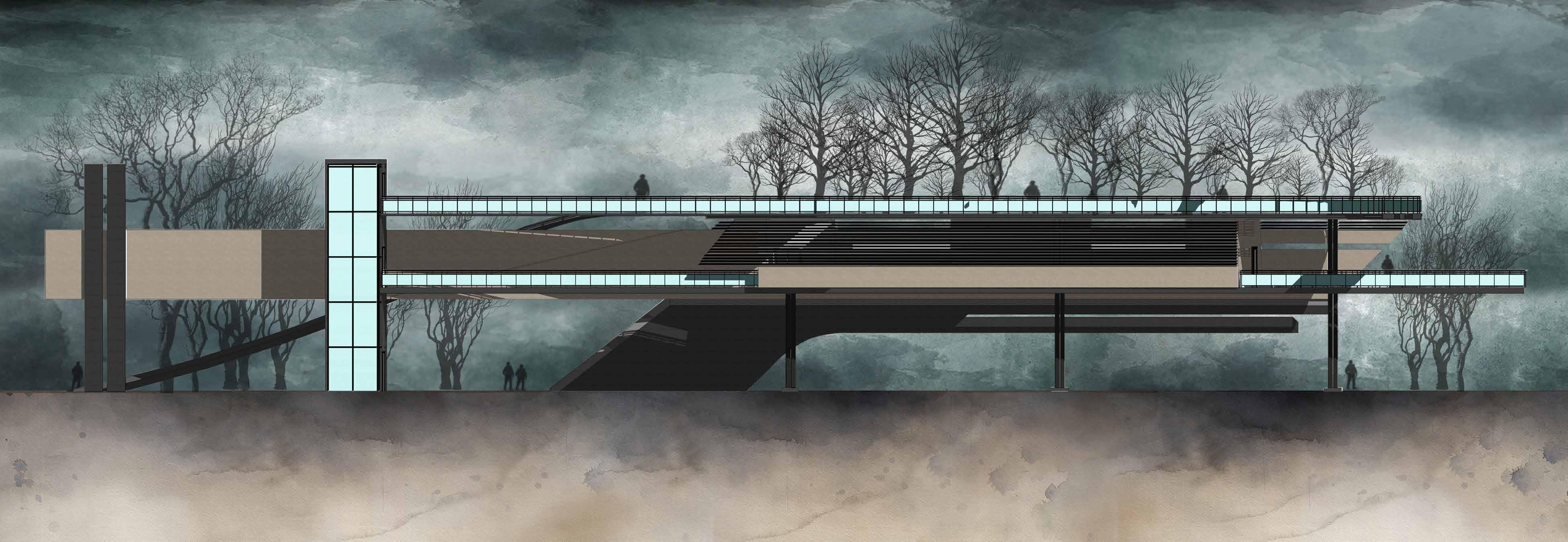
Front elevation.
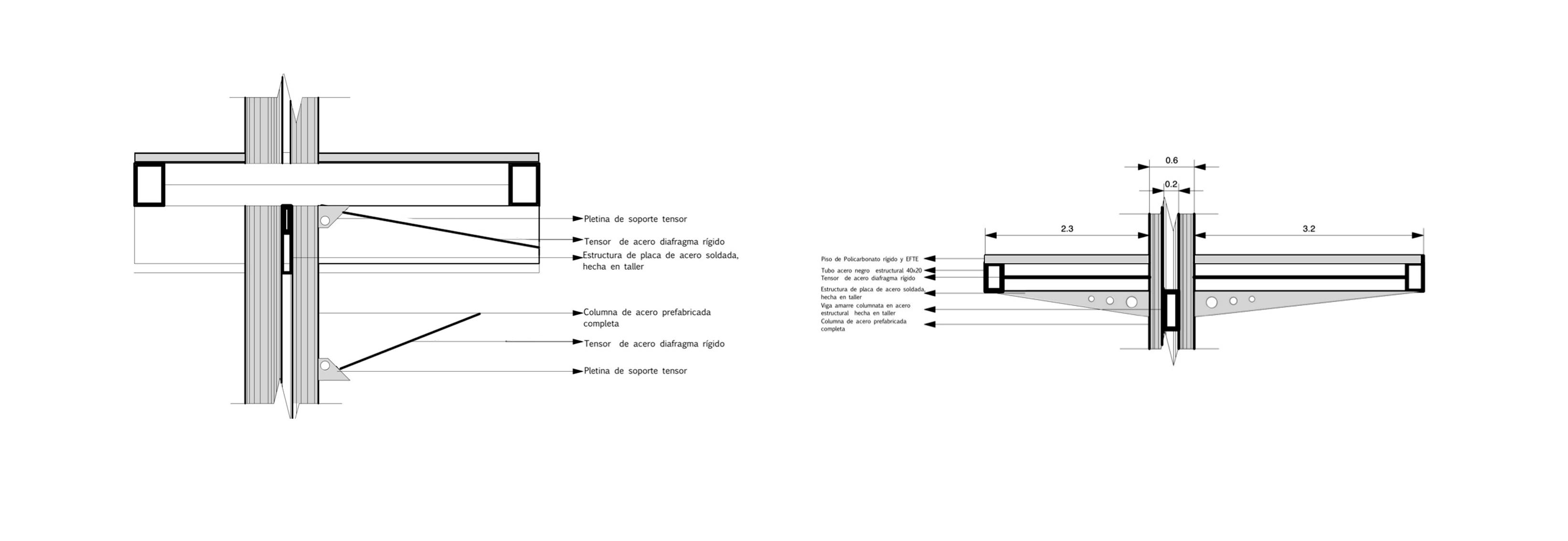
Tensor support plate
Steel tensioner rigid diaphragm
Welded steel plate fabricated in workshop
Prefabricated steel column
Steel tensioner rigid diaphragm
Tensor support plate
Rigid polycarbonate
floor and EFTE
Structural steel tube
Tensor support plate
Welded steel plate
Tie beam for columns
Prefabricated steel
column
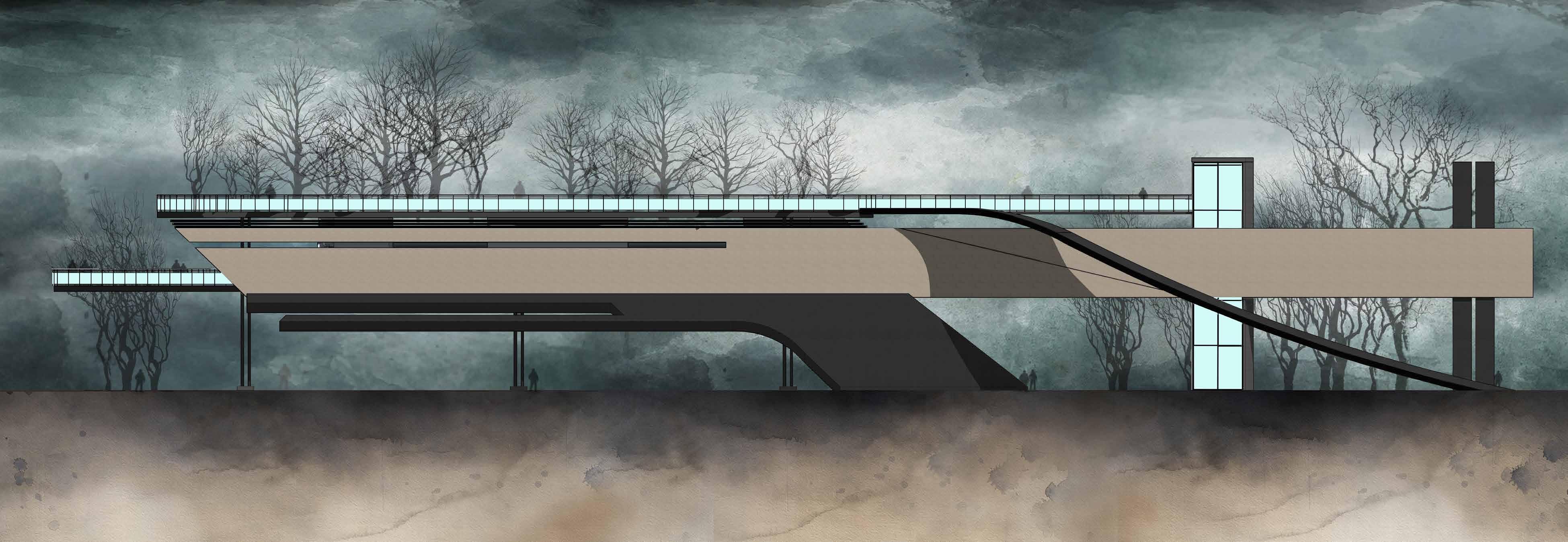
Rear elevation.
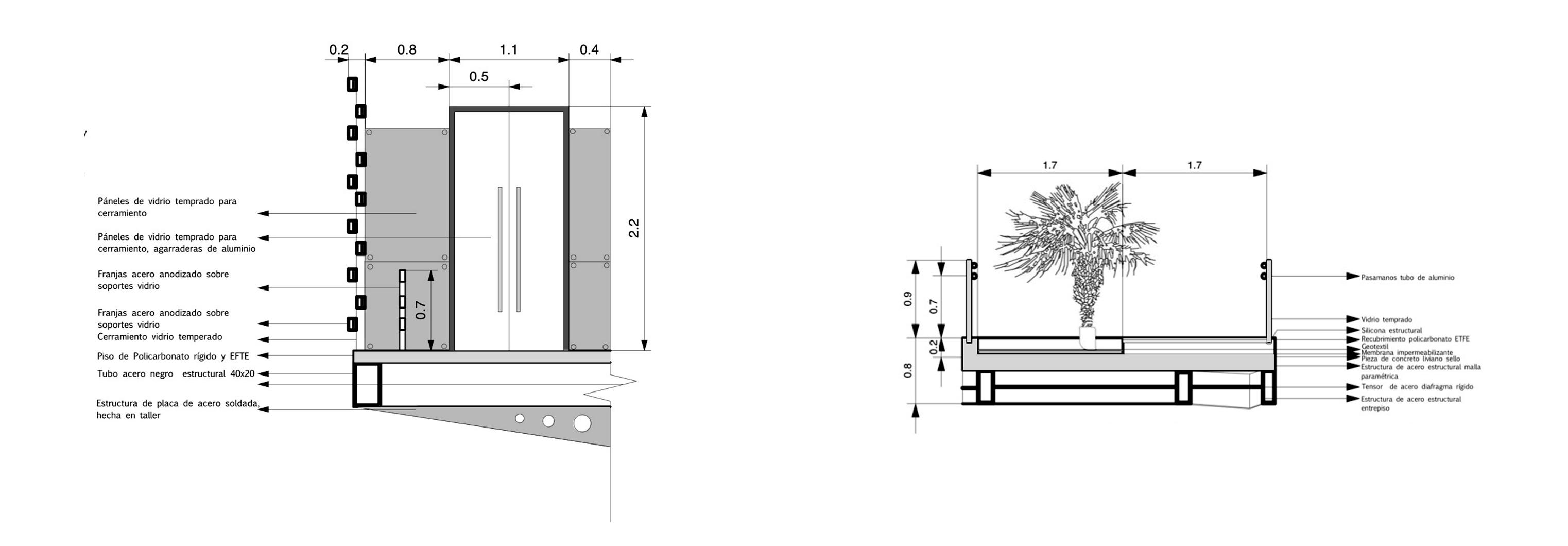 Tempered glass panels
Tempered glass panels
with aluminum handles
Anodized steel on glass supports
Rigid polycarbonate floor and EFTE
Welded steel plate fabricated in workshop
Structural steel tube
Aluminum handrails
Tempered glass panels
Tempered glass panels
Tempered glass panels
with aluminum handles
Anodized steel on glass supports
Rigid polycarbonate floor and EFTE
Welded steel plate fabricated in workshop
Structural steel tube
Aluminum handrails
silicone EFTE GeotextilePolycarbonate
membrane Concrete sealant Parametric steel mesh structure Structural steel mezzanine Steel tensioner rigid diaphragm
Tempered glass panels Structural
Waterproofing
WOOD MUSEUM
NOMADIC
Museum building
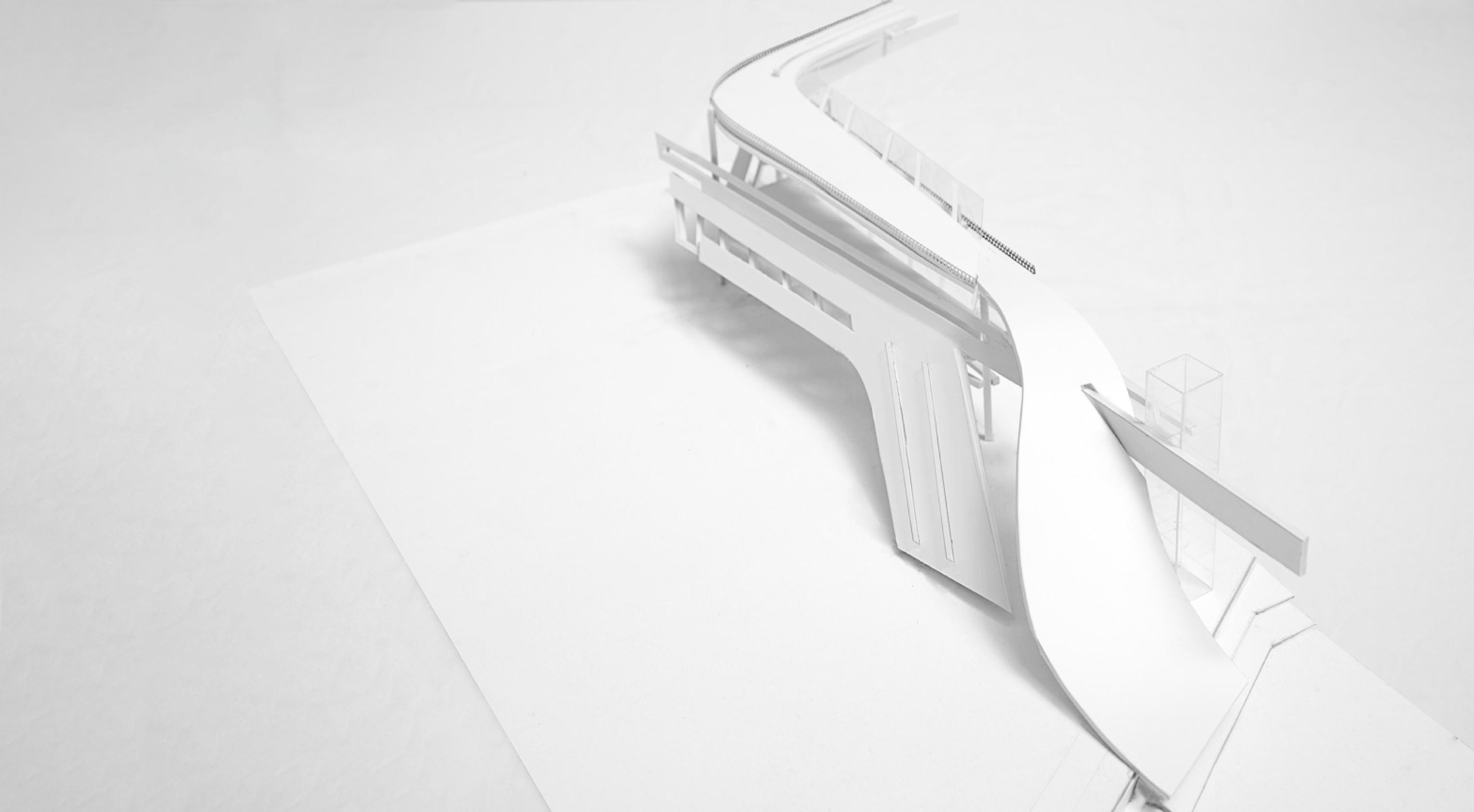
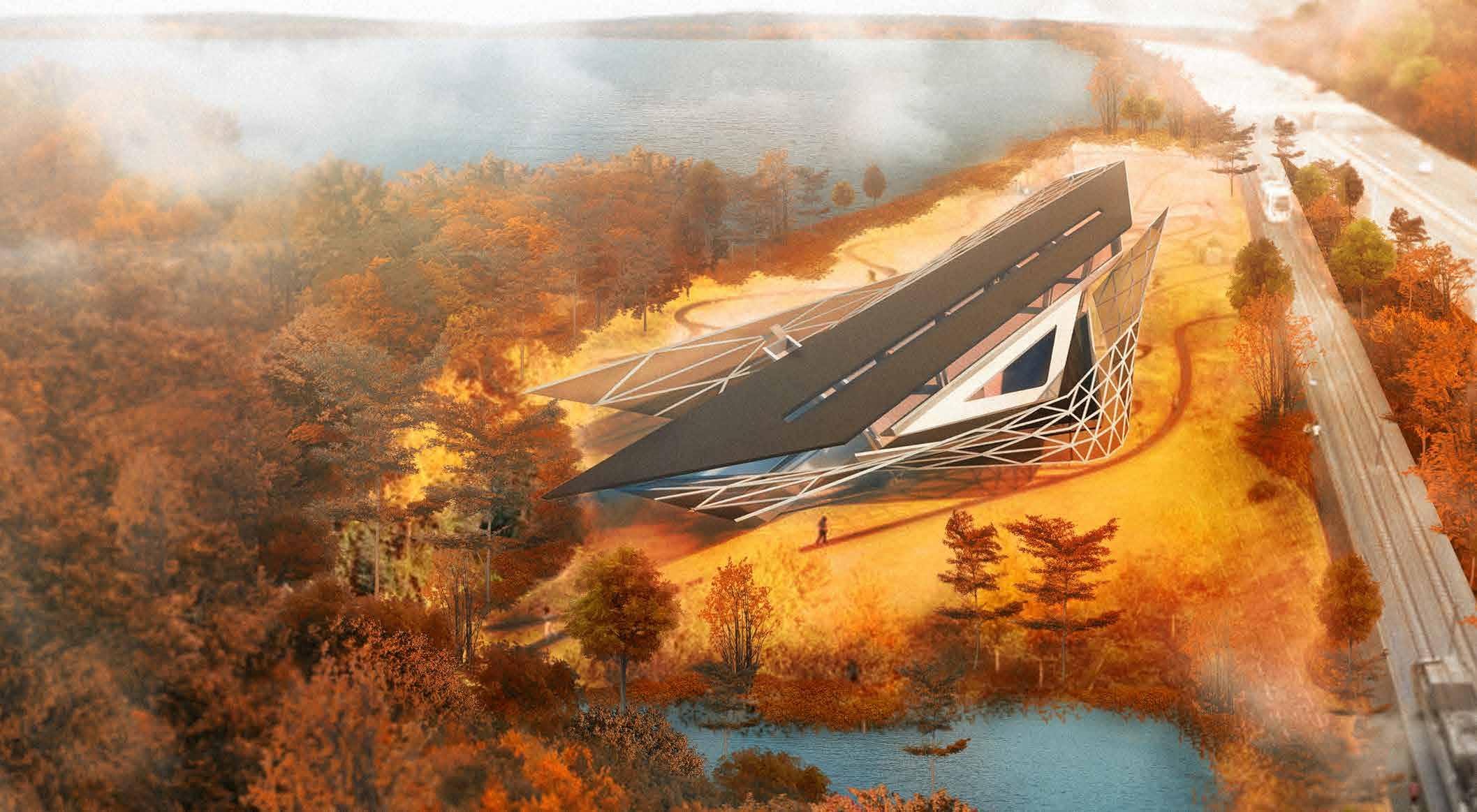
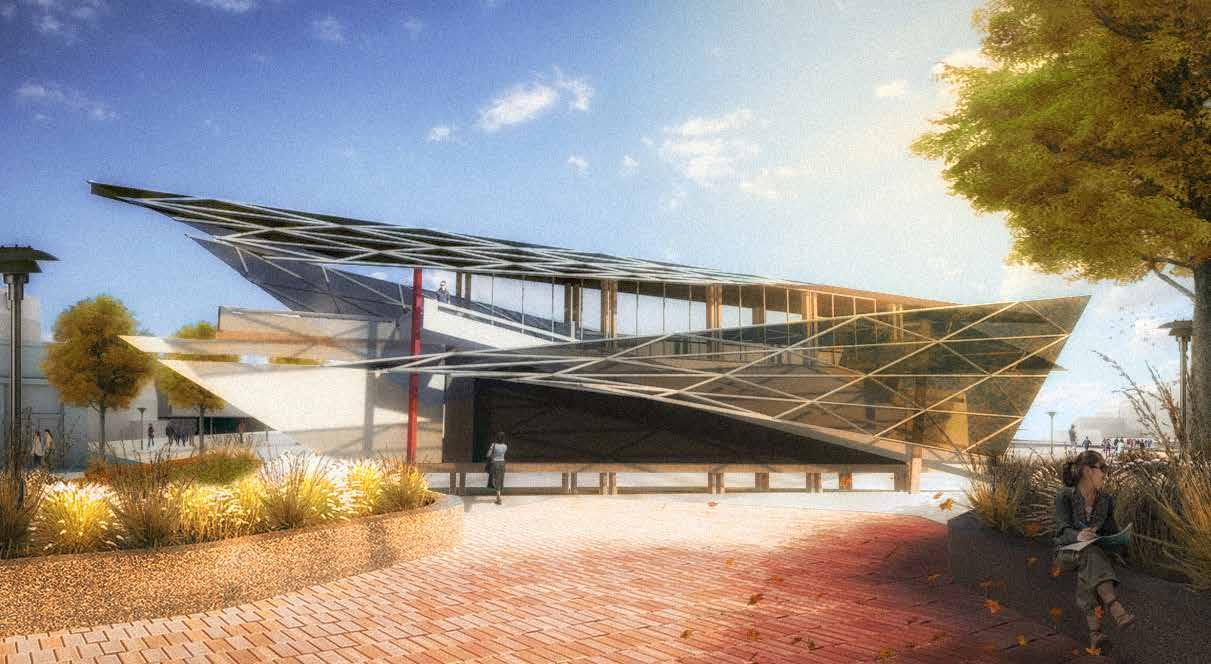
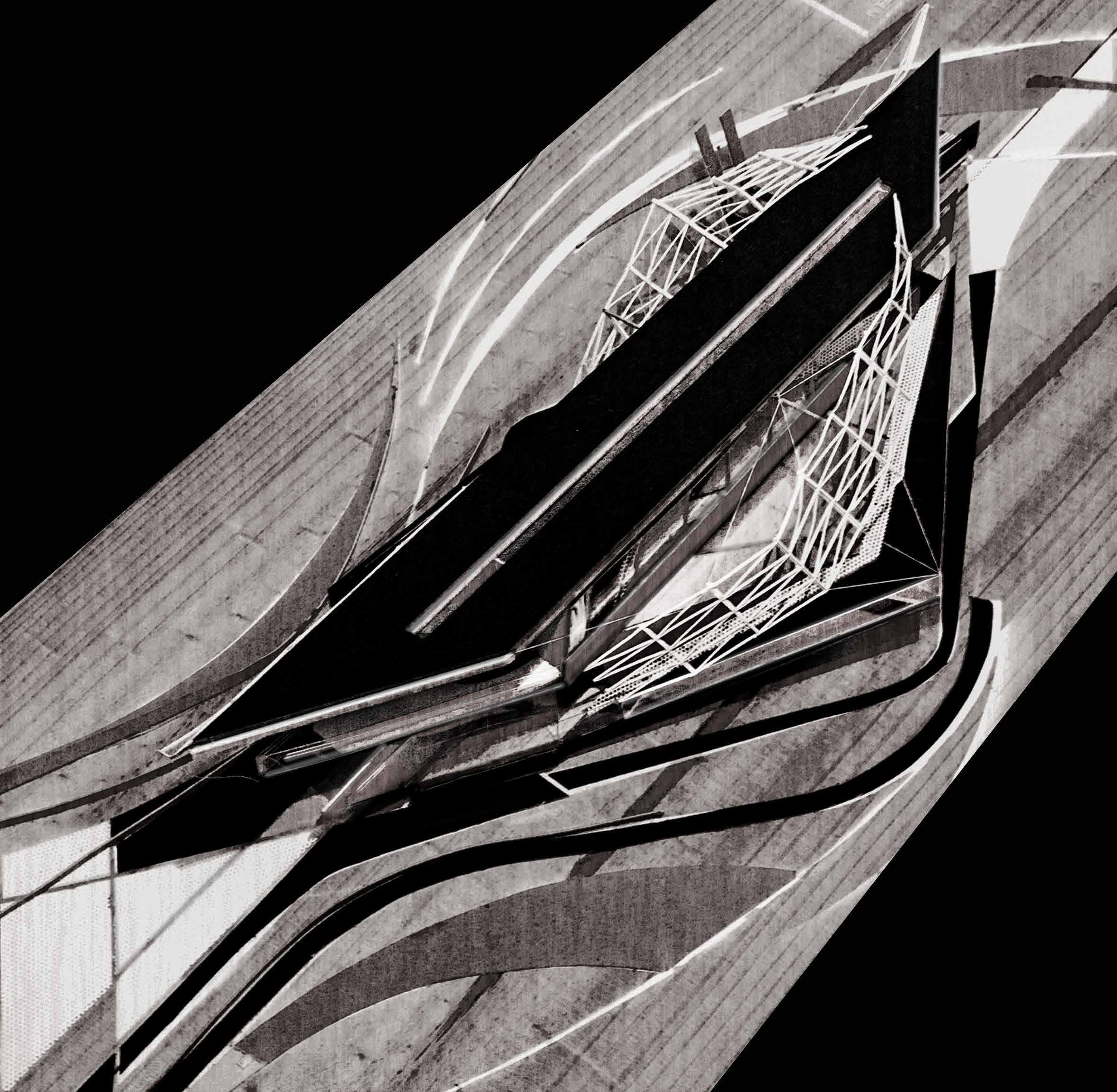
The use of wood as a load-bearing and structural material breathes life into this project, an open-air museum showcasing the physical, aesthetic, and sustainable qualities of the material. Conceived as a nomadic structure that can be assembled or disassembled akin to a circus tent, it can be situated in various urban or rural spaces, facilitating the interior development of diverse activities such as gatherings, stays, leisure, and learning. The design proposes a structure that embodies lightness, volatility, and develops forms from a parametric and deconstructivist analysis as the generative idea of design. Additionally, there is a proposal for external axes that are equally mobile, embracing and providing foundation and spatial design to the volumetric proposal.

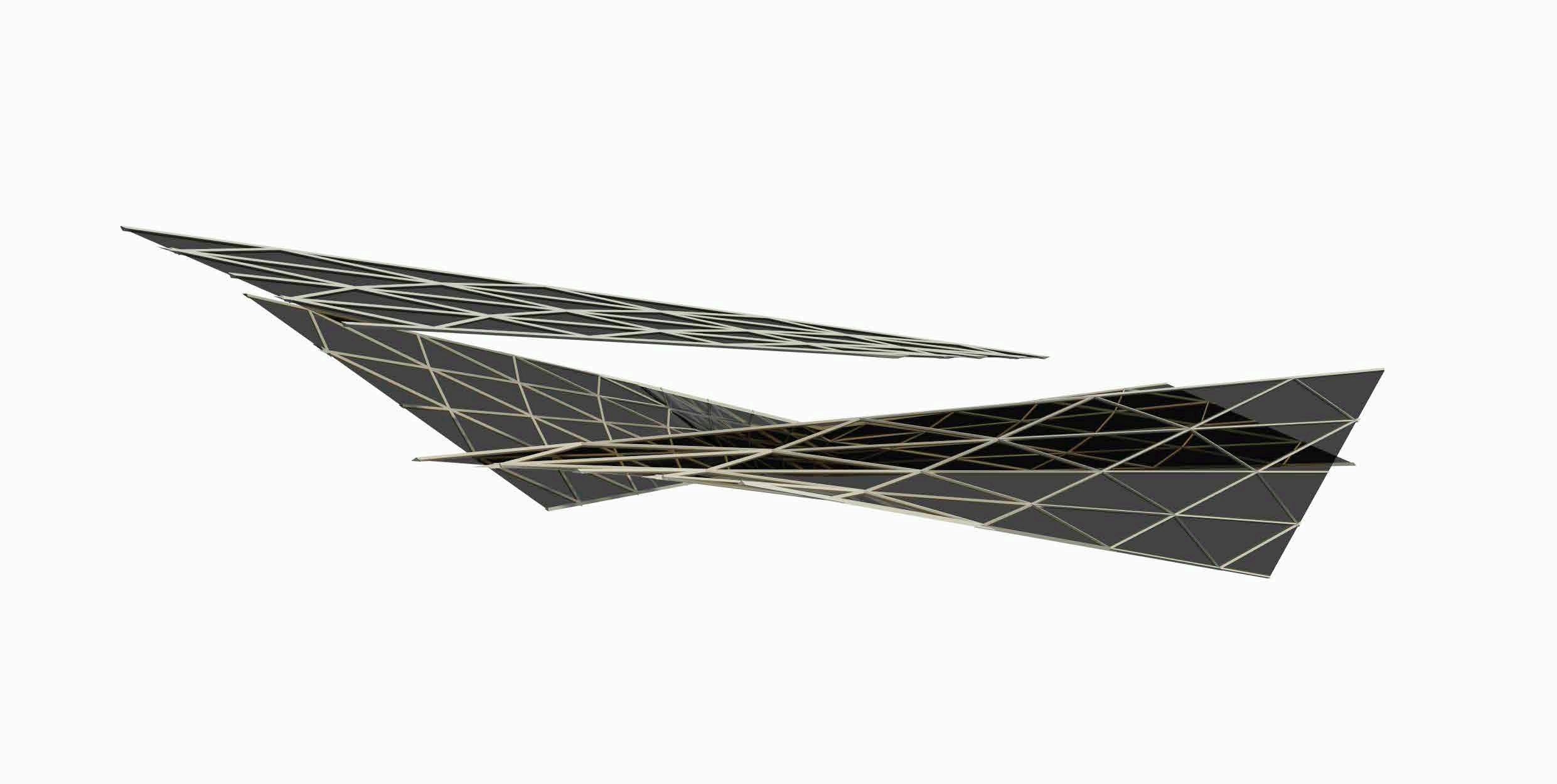
The internal structure is anchored by plates and anchoring bolts, supporting floor elements, enclosure, and ceilings. There is a direct relationship between the exterior and interior, allowing for light filters and internal shadow play.
First-level plan, front elevation, and parametric enclosure mesh.
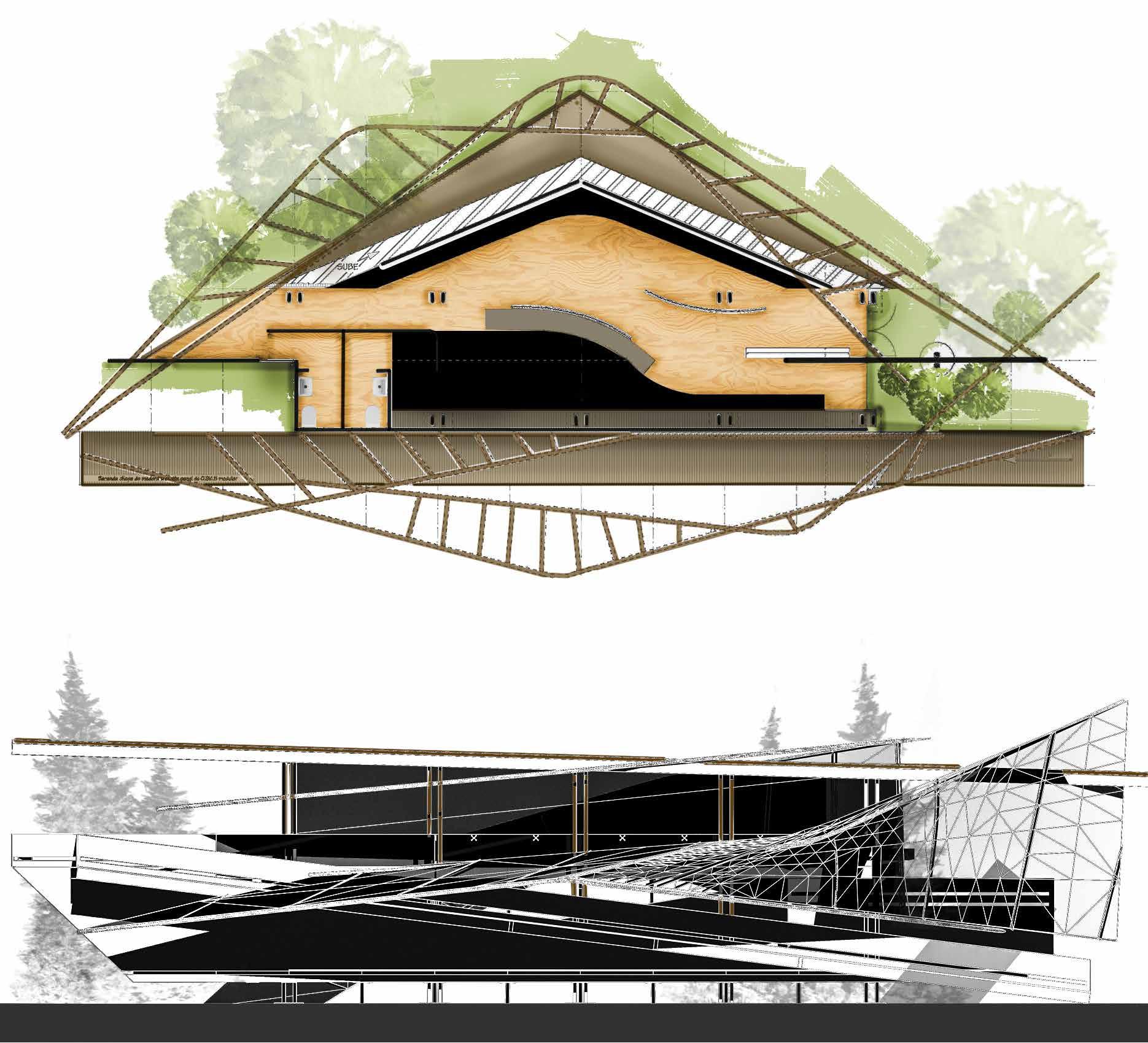
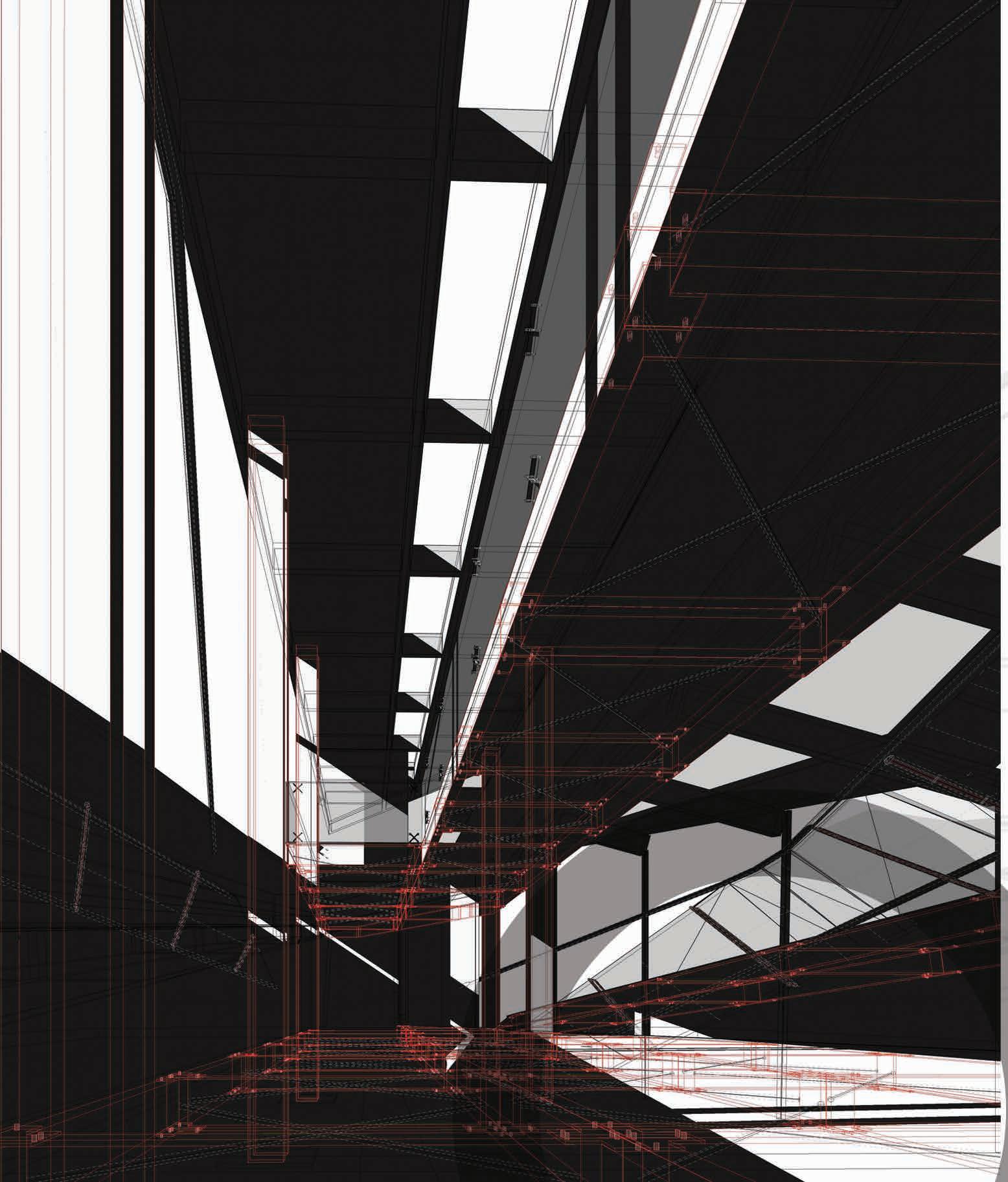 Isometric sections.
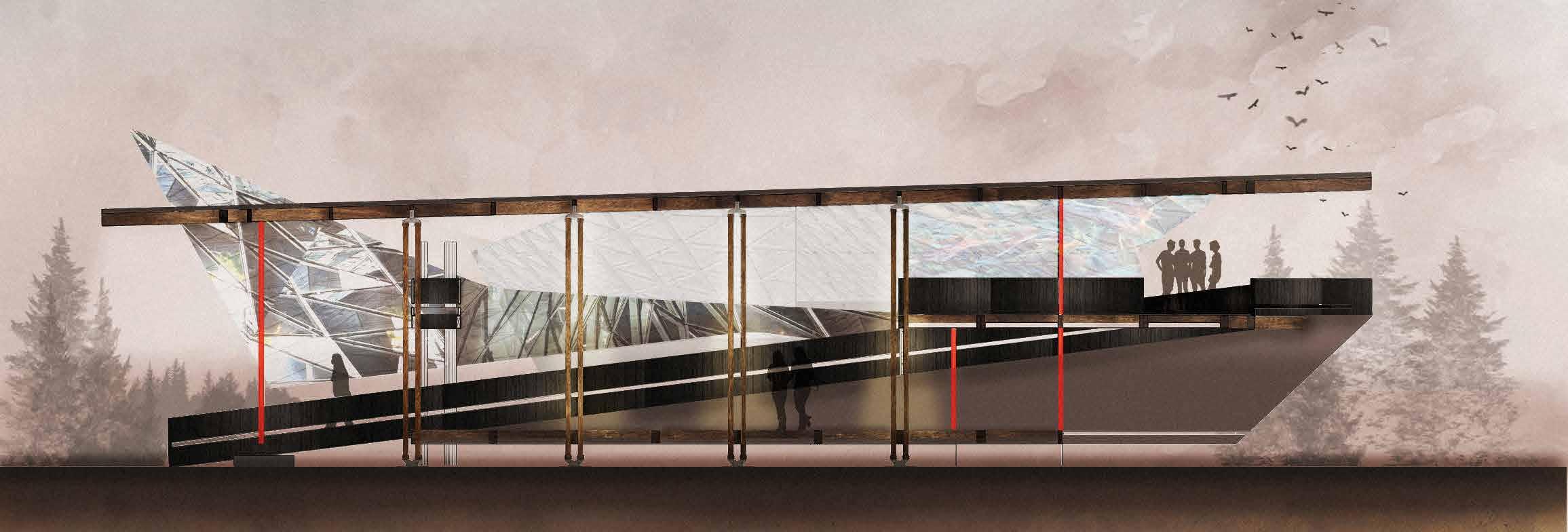
Section with ramp access to the second level.
View from the front facade.
Physical maquette with axes and patterns for context.
URBAN SQUARE PARK
PUNTA DELS CORRALS- BARCELONA
Urban park-waterfront plaza
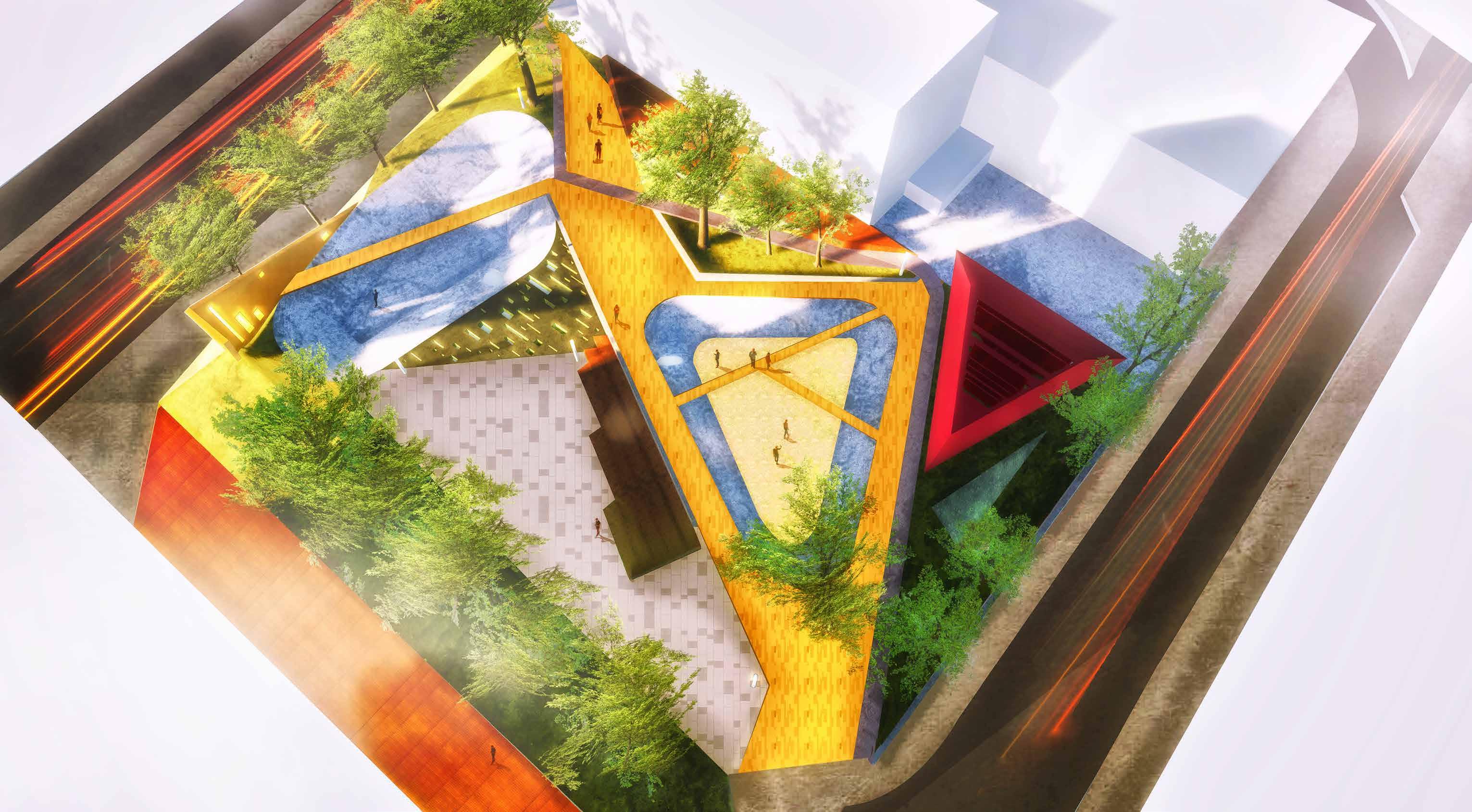
Following the pictorial analysis of Pablo Palazuelo’s work, which delves into the concepts of abysses and the tectonic, a urban plaza park is proposed, developed through the creation of both artificial and natural platforms. This design aims to create a panoramic view of the sea, introducing strips and loops in longitudinal paths under the concept of parsimony in movement and urban space usage. Fractality in form is achieved through triangulations and the construction of various scales. There is a direct relationship with natural elements such as vegetation and water, ensuring high legibility and surprise vanishing points, adding a sense of mystery to the progression of space usage. Due to the varying levels, underground spaces are utilized as supportive areas for other program activities.
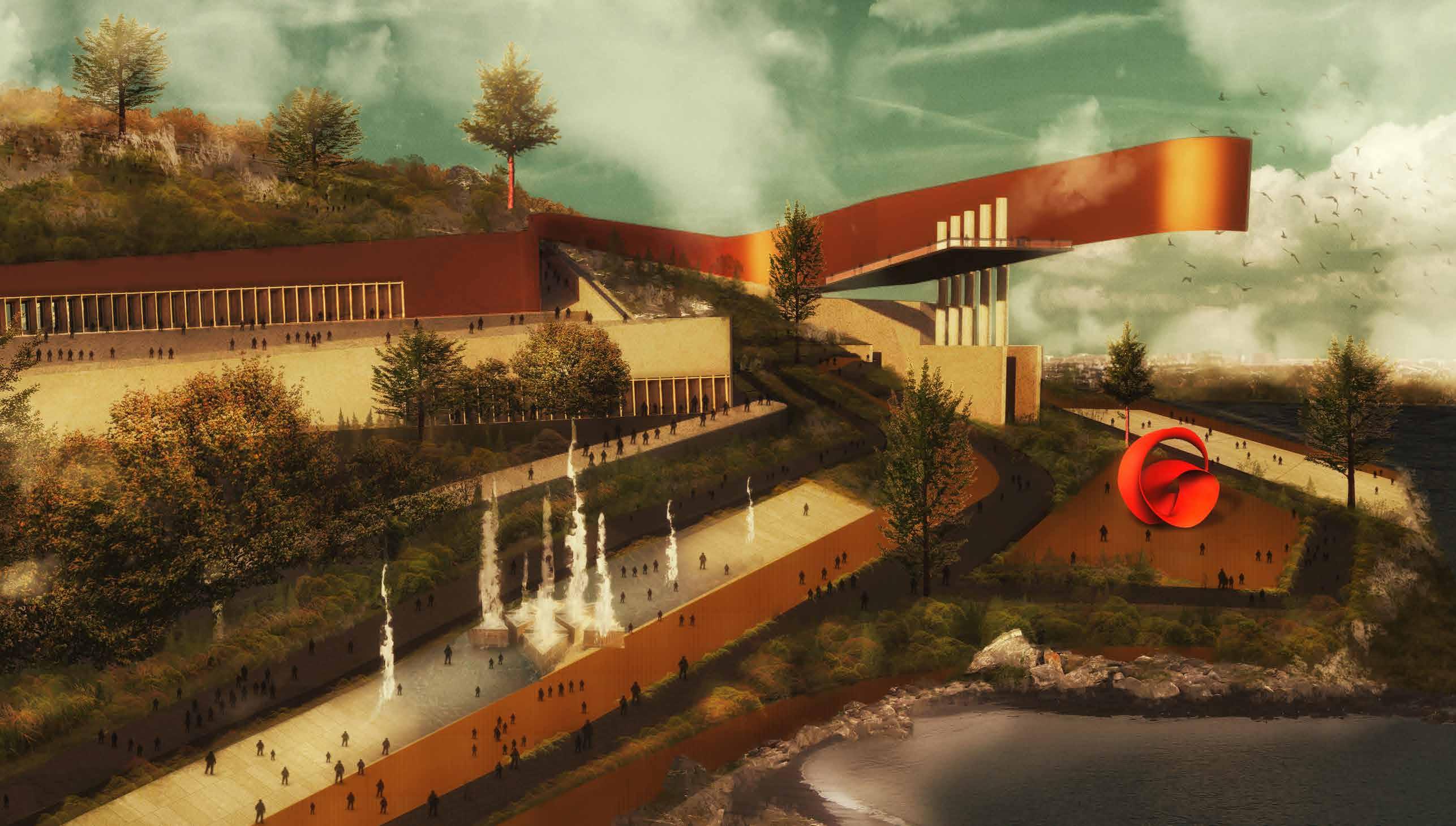
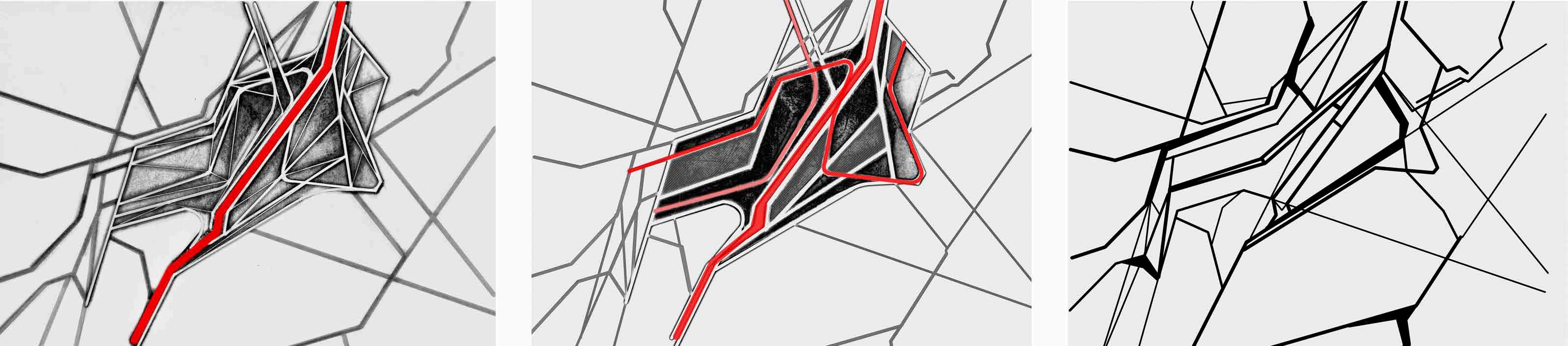
Tectonic analysis of circulation and stay; the terrain’s slopes are leveraged for the progressive generation of platforms supporting activities and internal support spaces. A spatial band is designed to unify and embrace the various created spaces.
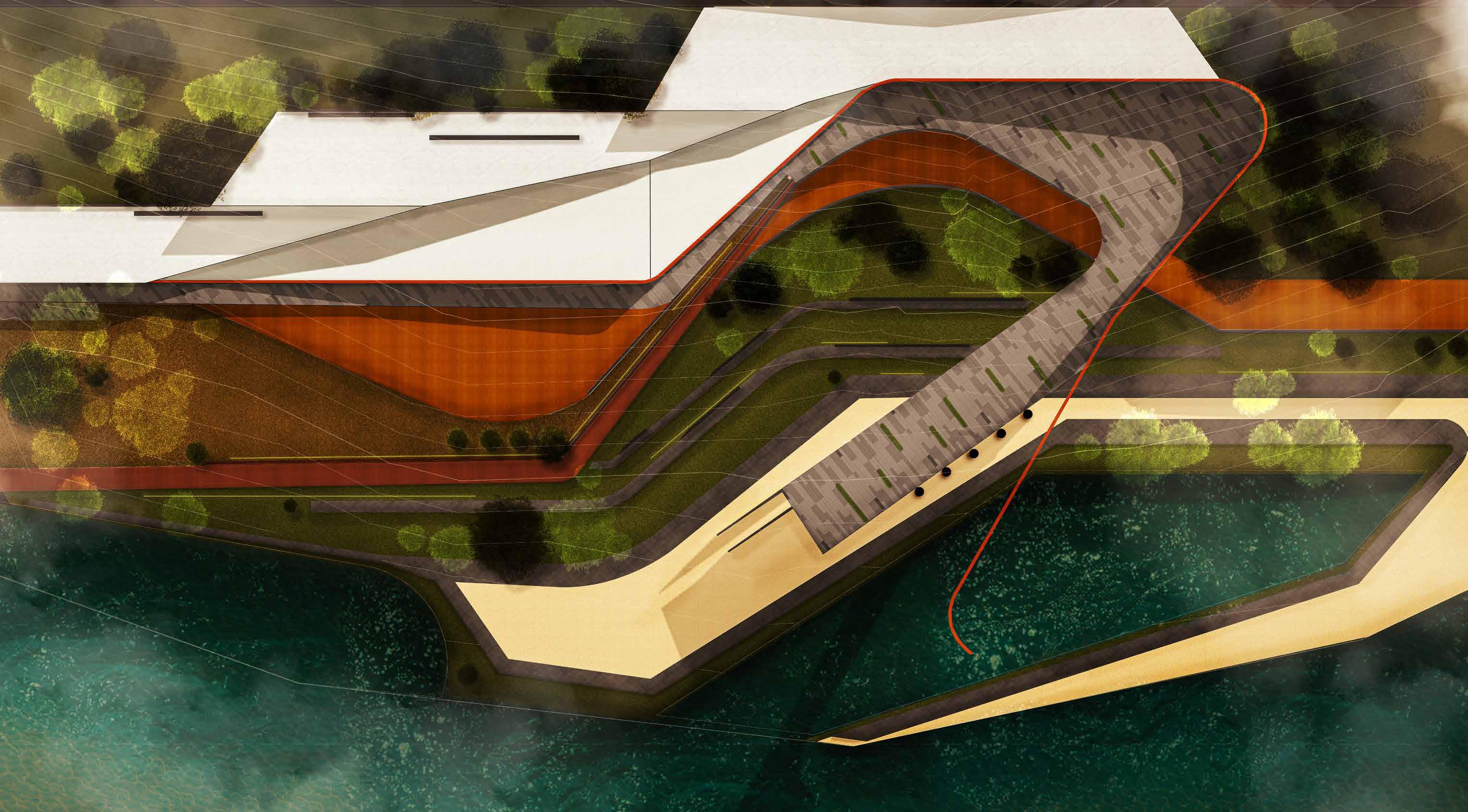
Site plan and urban context.
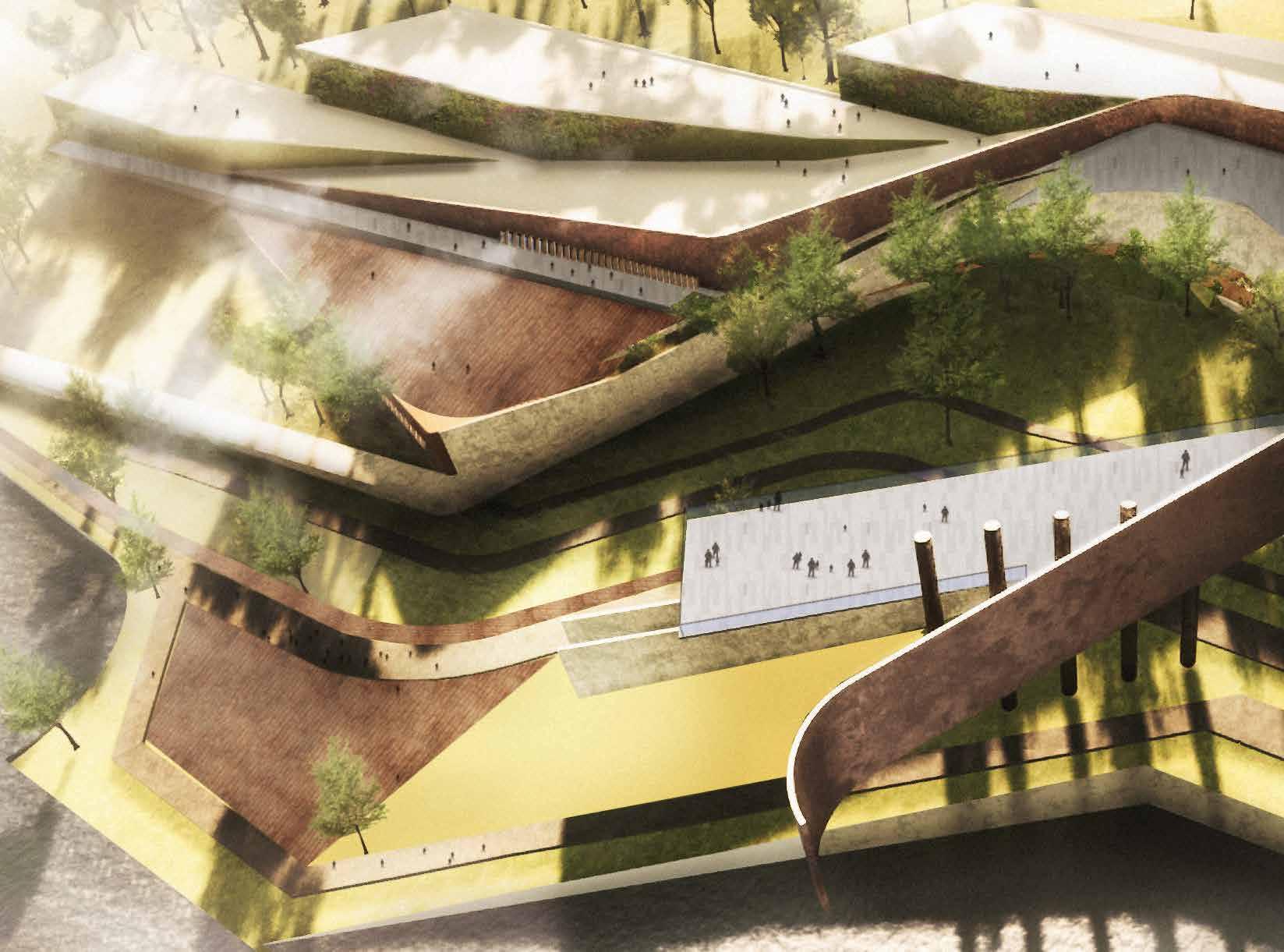
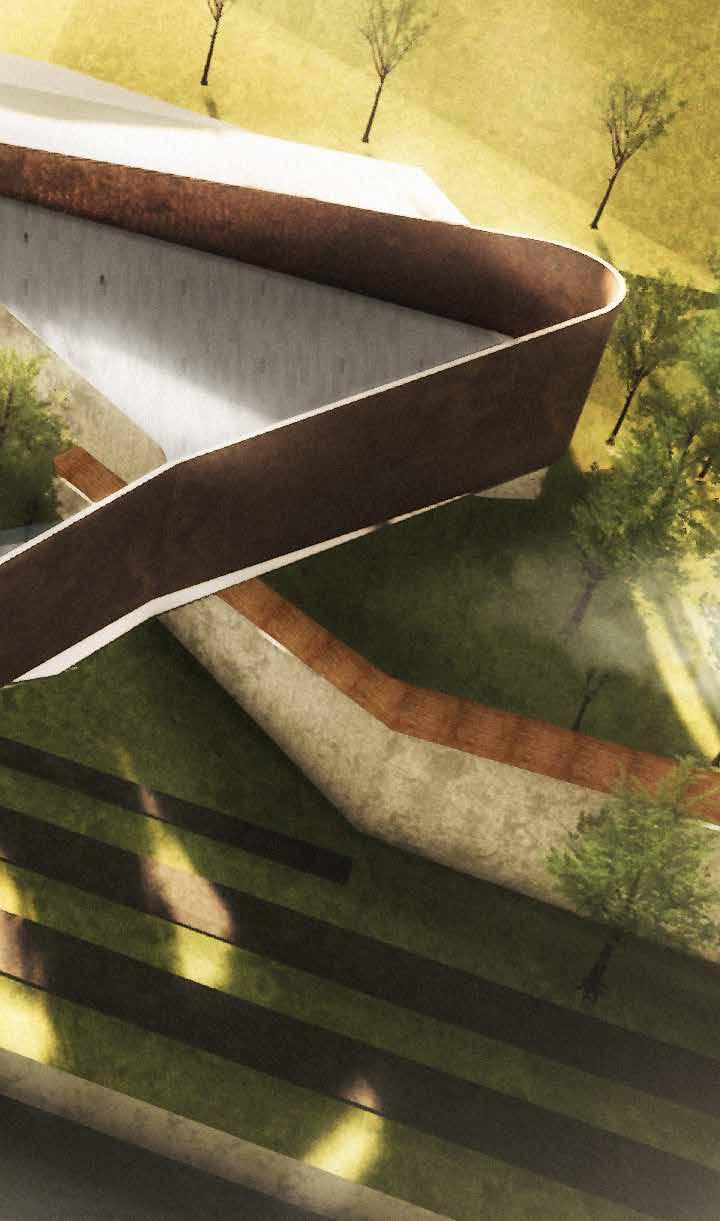
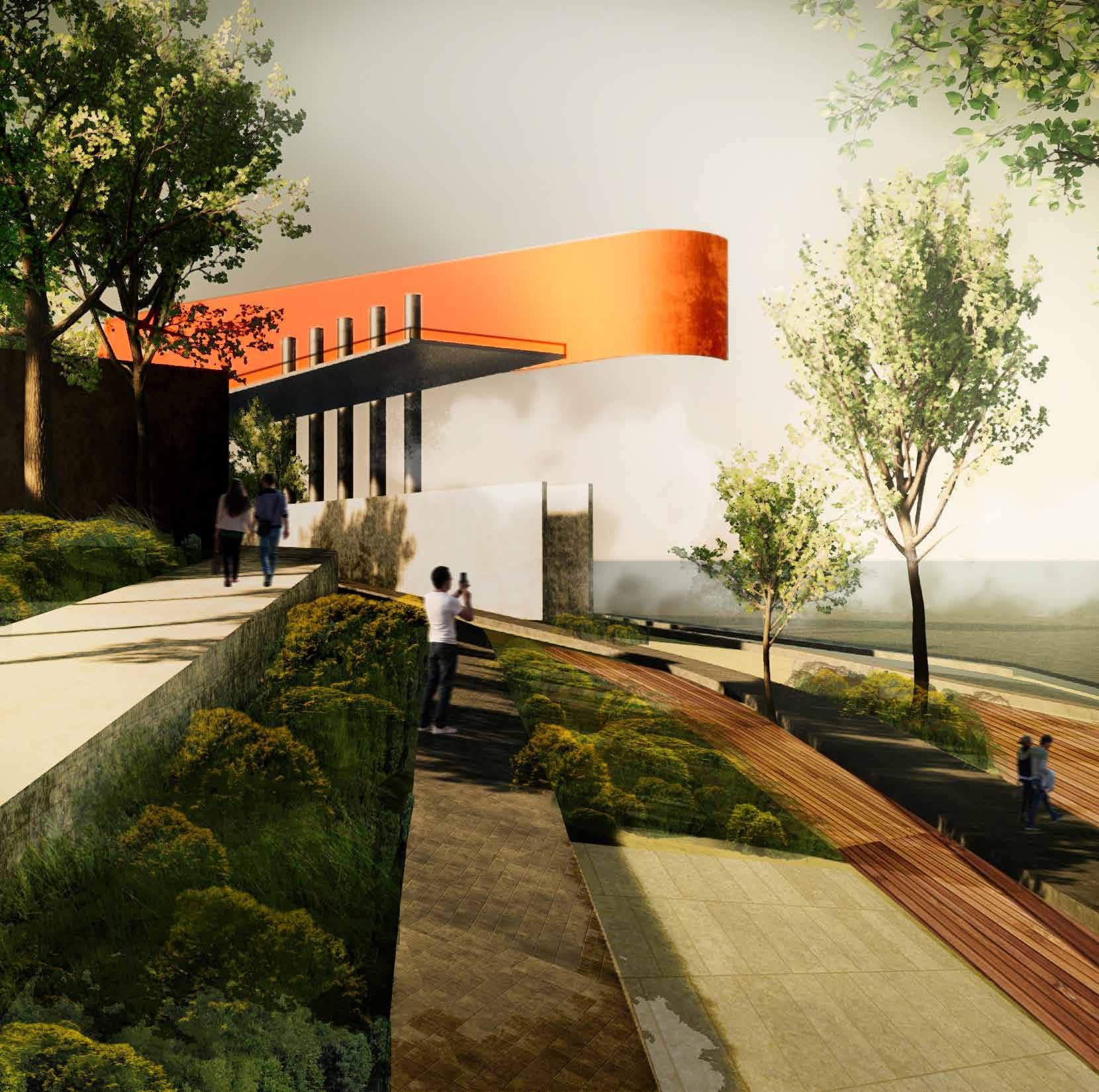
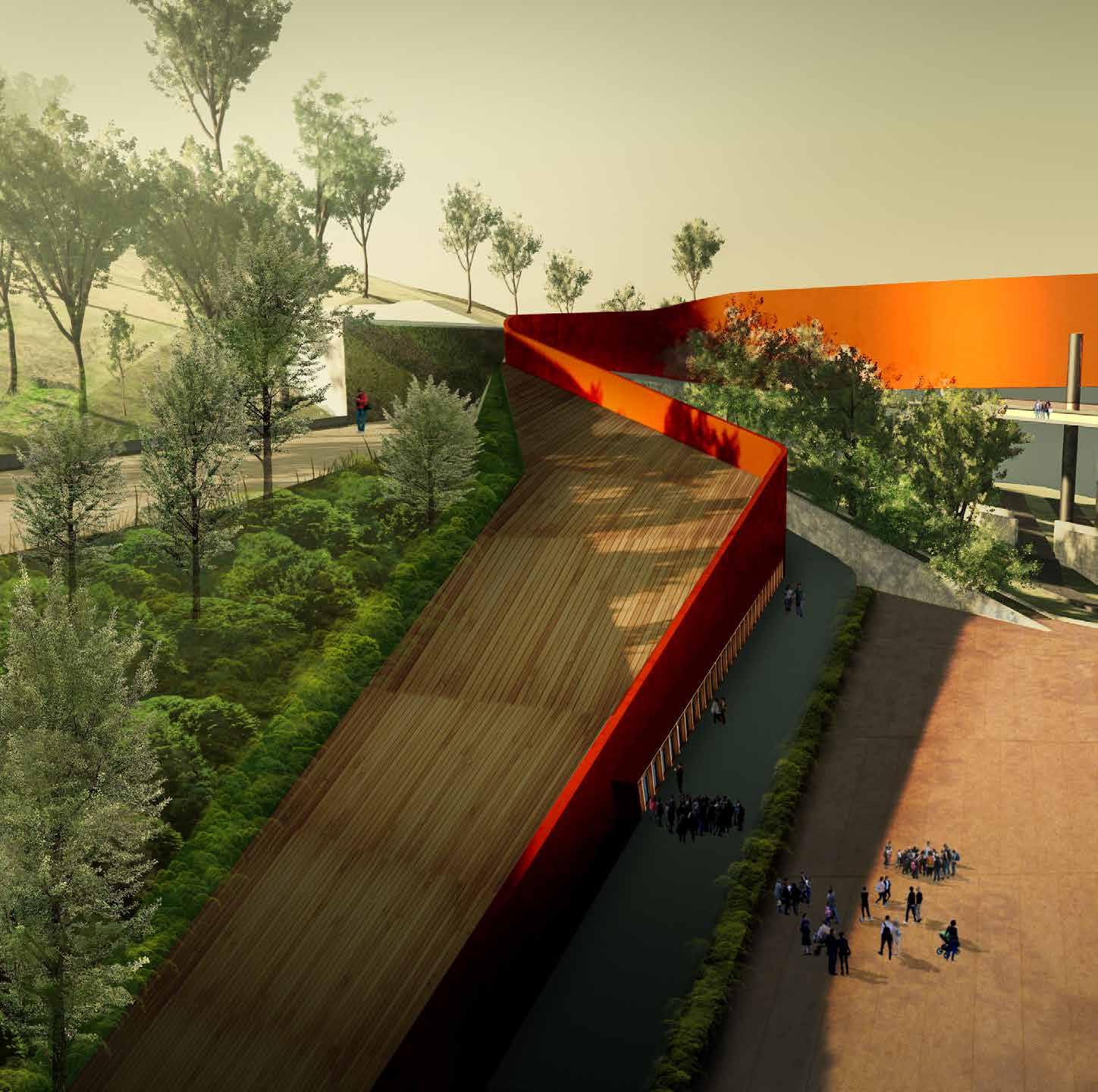
Overview views.
ERBIL CITADEL
KURDISTÁN- IRAK
Urban rehabilitation
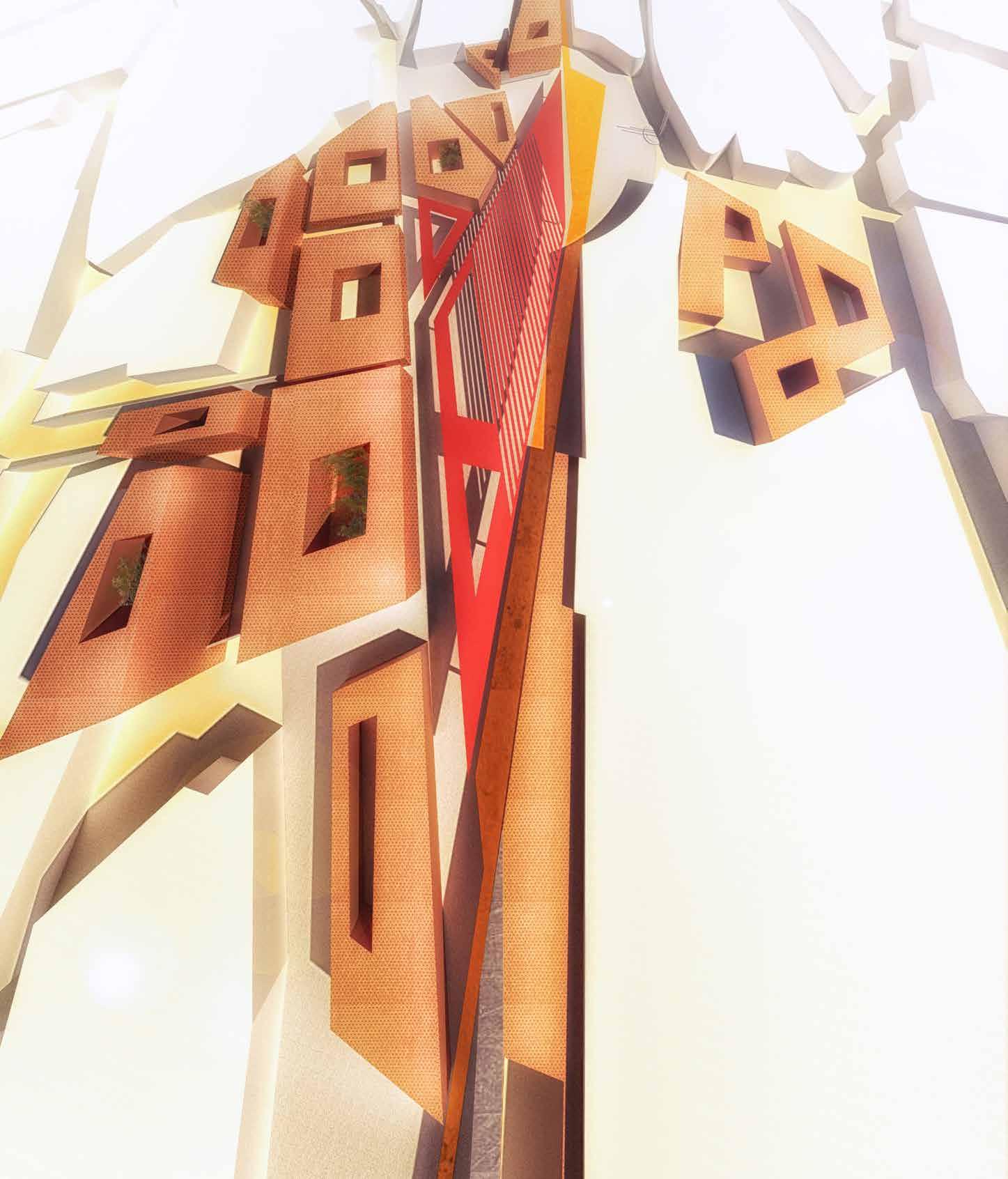
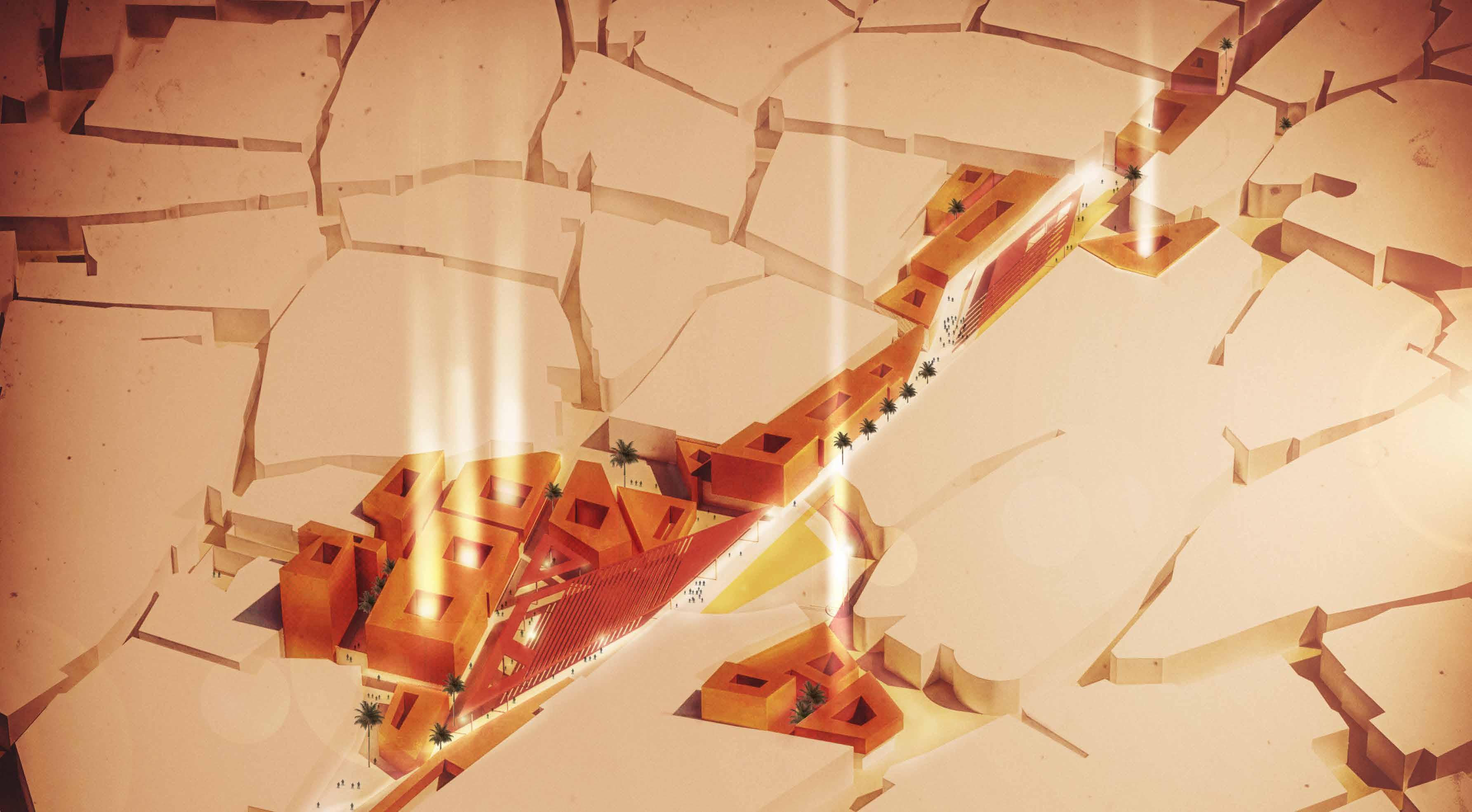
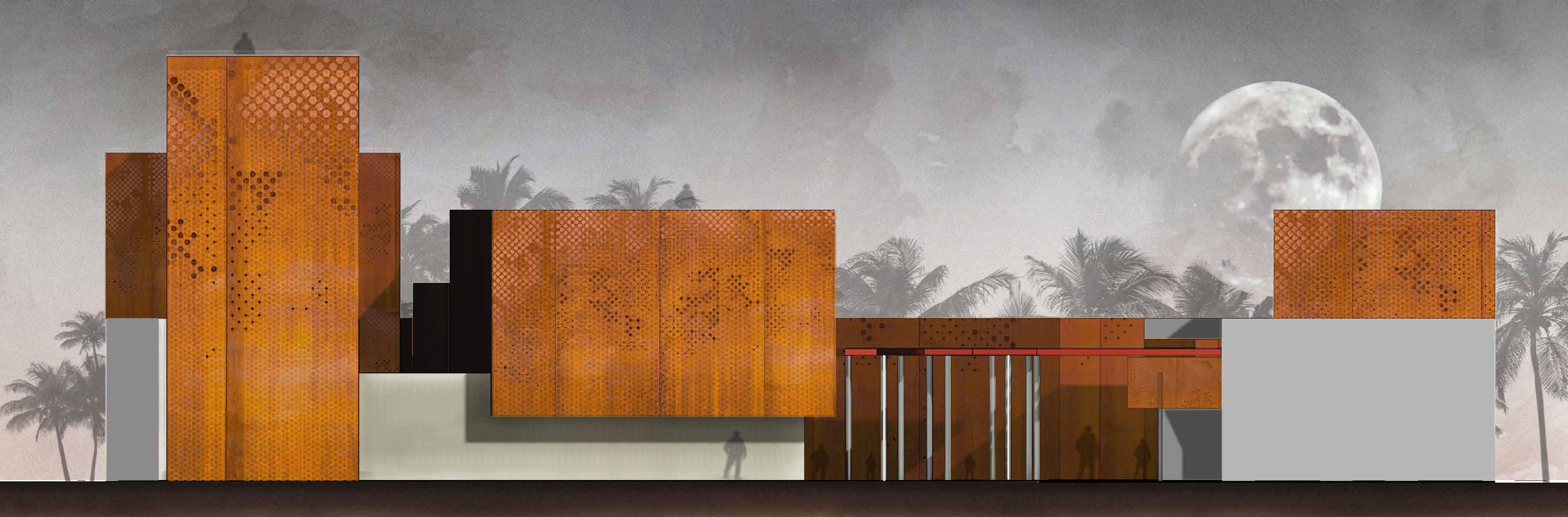
The Erbil Citadel is a UNESCO World Heritage Site. In the latter part of the 20th century, its organic urbanism was altered, leading to the loss of its original spatial quality. Therefore, the project proposes a rehabilitation of this space while maintaining the current program but returning to its primary state of small streets and natural development. Based on an analysis of the original layout, the proposal includes the creation of three plazas: a vestibule, a main plaza, and a terminus, as well as various observation ramps to appreciate the ensemble. All within an austere design that does not compete with or detract from the ornate and textured architecture typical of Erbil. At ground level, the use of two textures is proposed to define the design and direct multiple routing possibilities, leaving behind the current oligarchic urbanism.
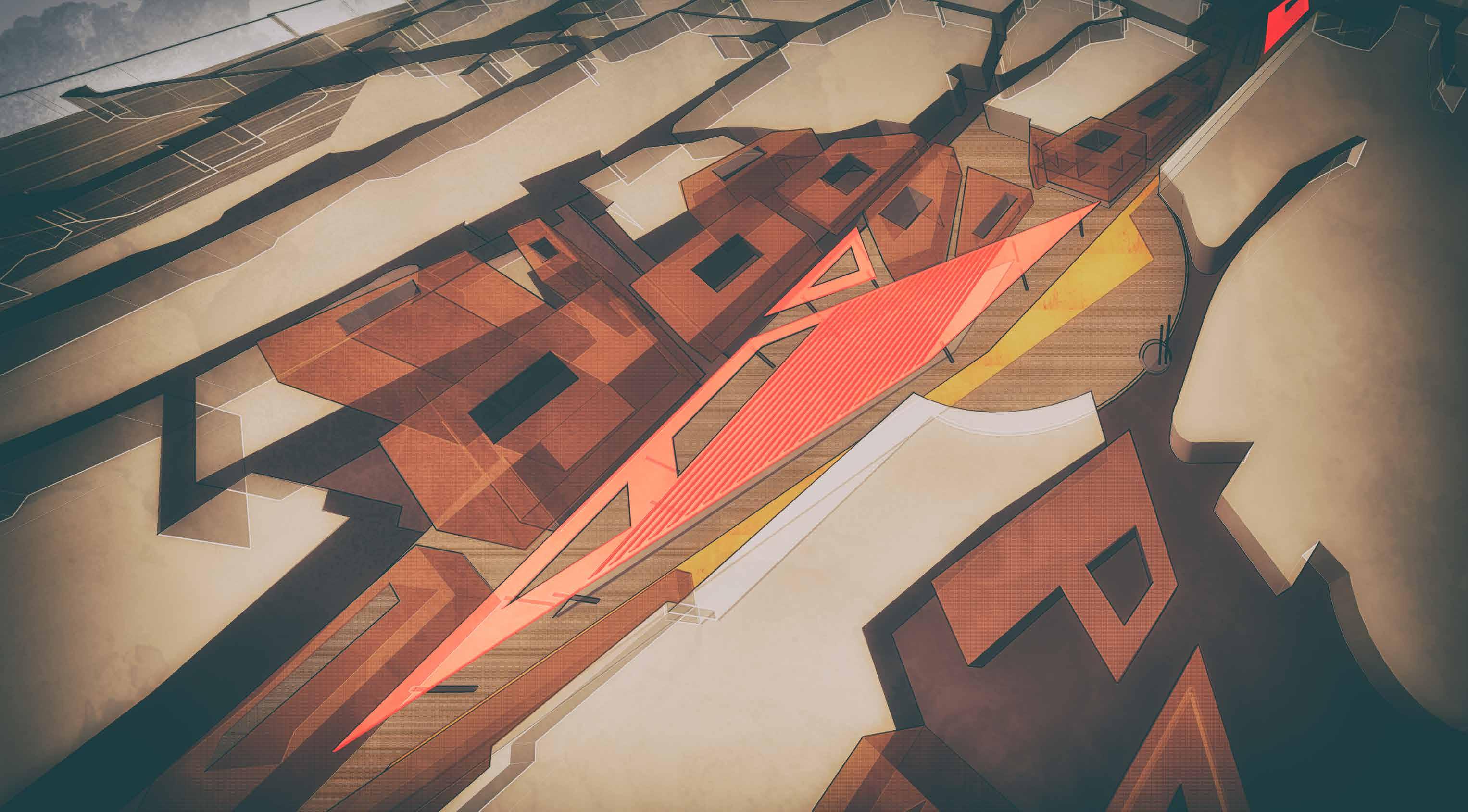
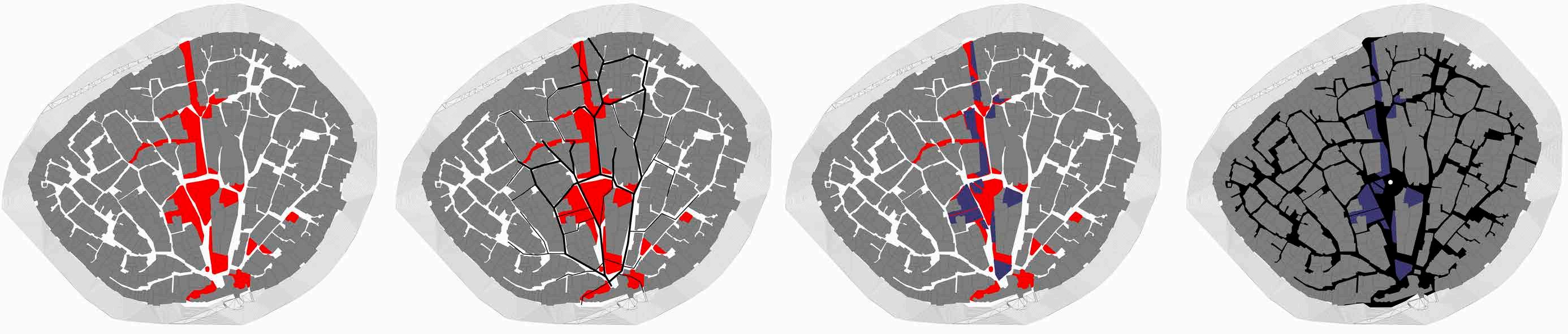
A central plaza-like structure is proposed to establish hierarchy while also allowing for indoor activities and direct relationships with surrounding elements. The pavement is intervened, enabling better modulation of space without creating division.
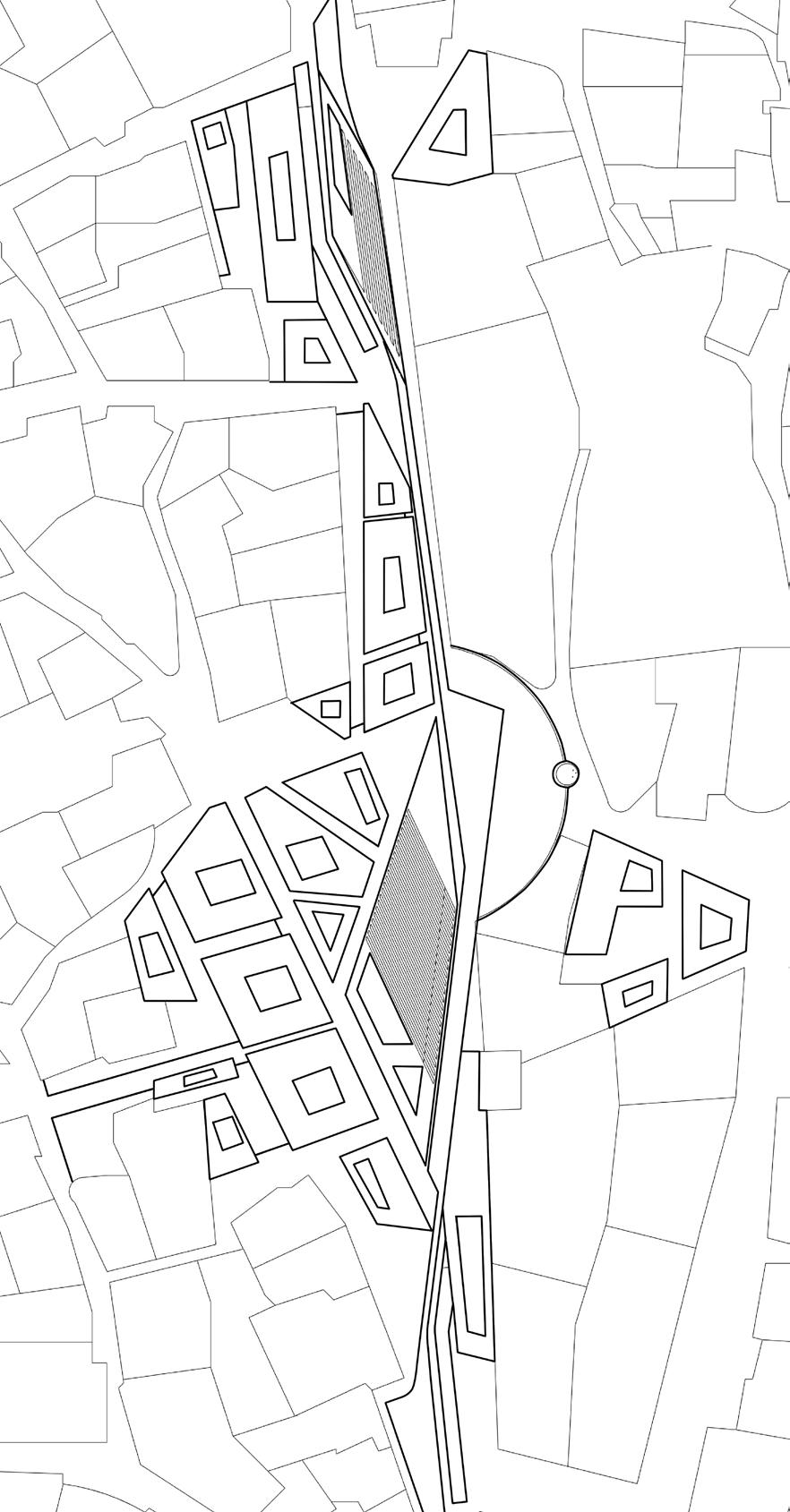
Site plan and urban context.
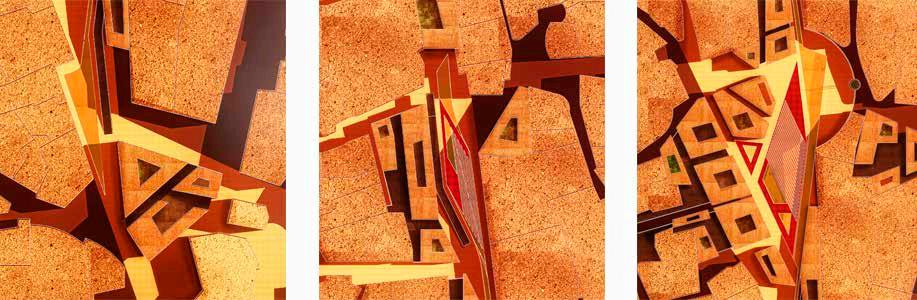
Details of the three plazas, vestibule,main plaza and terminus.
Context view with projecting lights.
Elevation with volumetrics and facade materials in relation to existing ones.
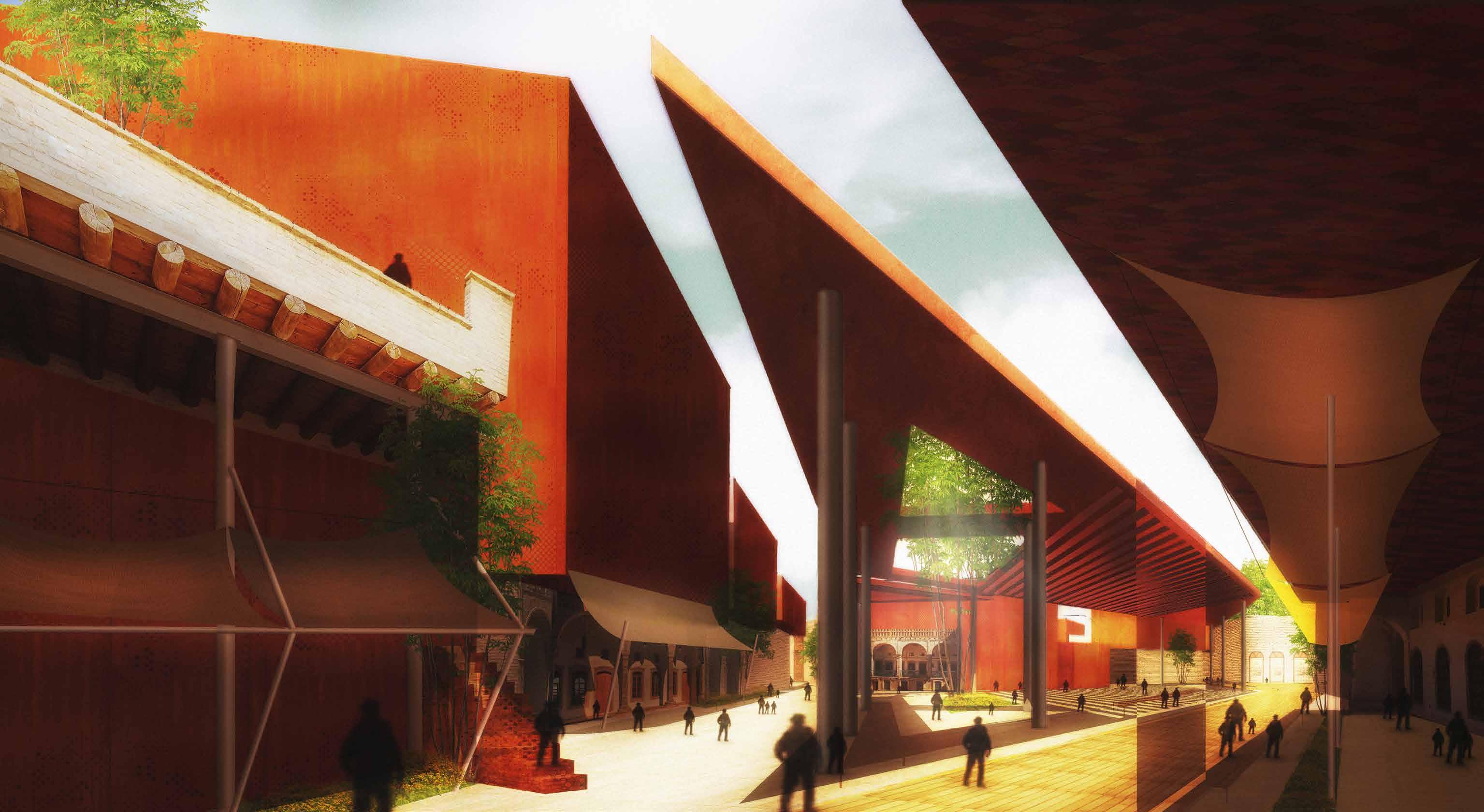
 Main plaza, and markets around.
SANT ADRIÁ CHIMNEYS
BARCELONA-ESPAÑA
Post-industrial building rehabilitation
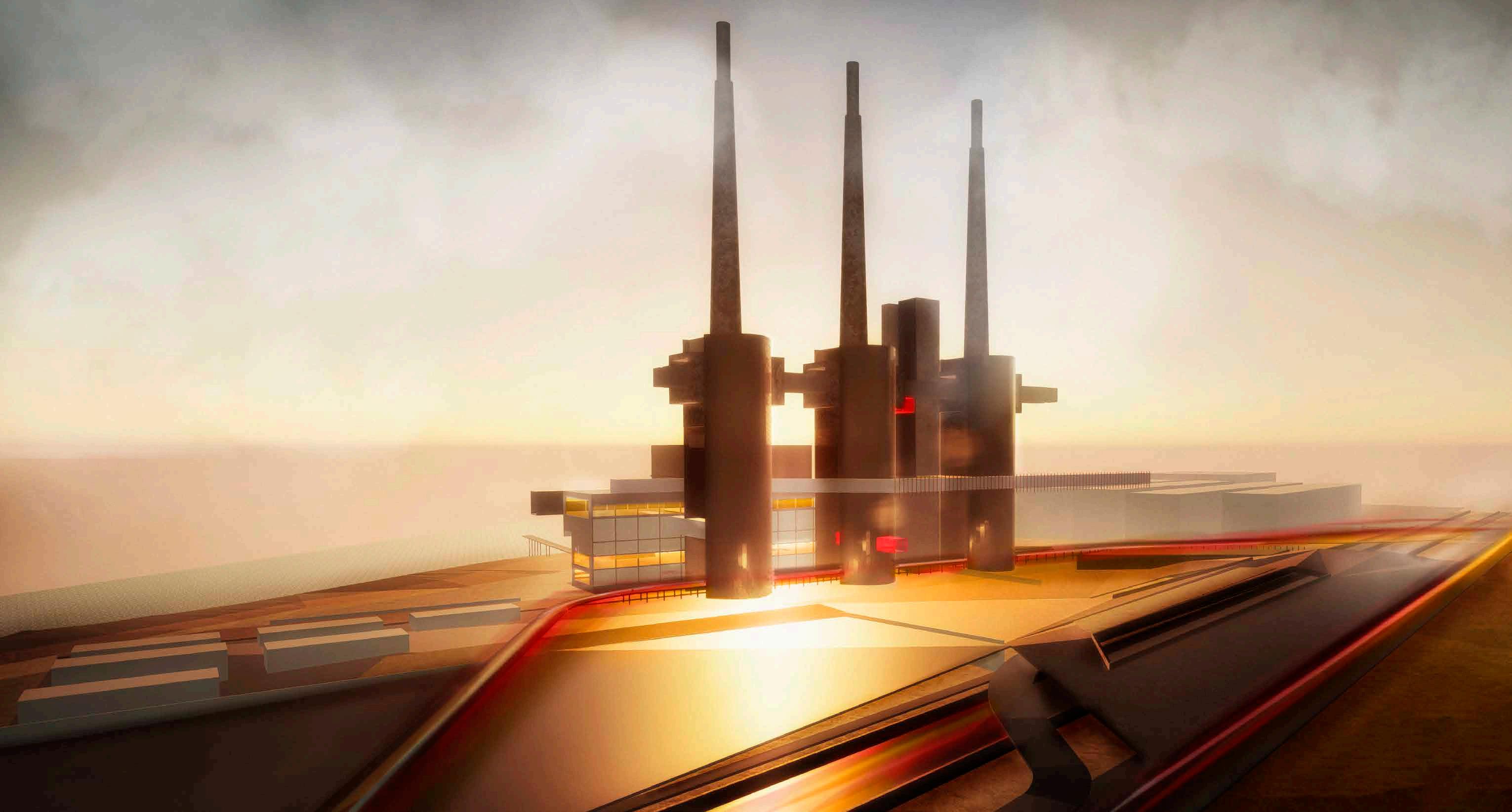
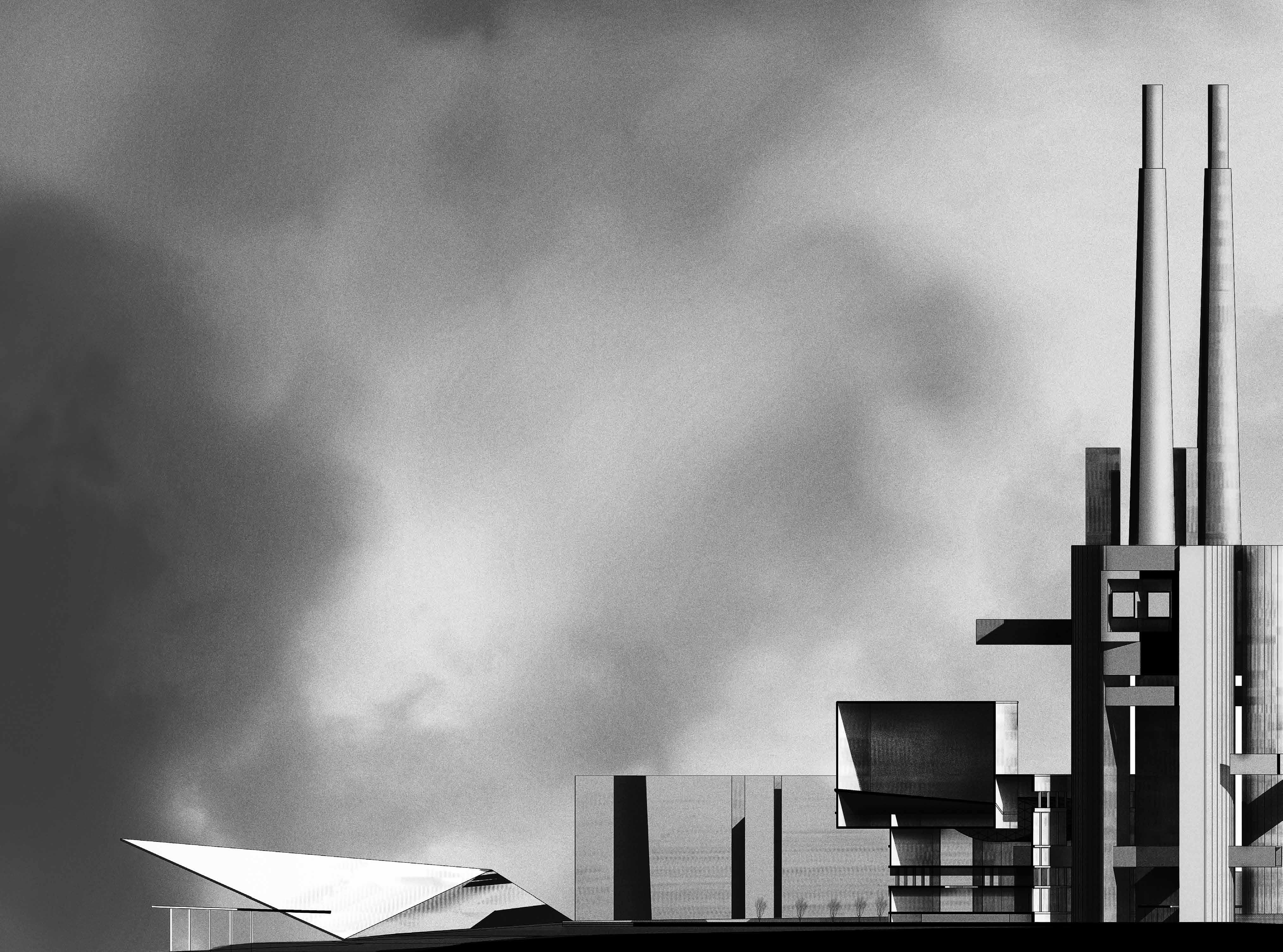
The chimneys of the former Besos thermal power plant stand as a significant architectural landmark in the urban landscape of Barcelona, being the tallest structure in the city’s skyline. Their current state of abandonment, proximity to the sea, and connection to urban mobility axes position them as a crucial project for the renovation of industrial spaces and waterfronts. The project is conceived along two axes: the restoration and remodeling of the main building, and the expansion and construction of new programmatic spaces, all integrated with tramways, primary and secondary motorized roads Activities include a visitor center, industrial history museum, support and training spaces, temporary interactive exhibition, the Hall theater, the Sant Adriá tram hub, sports center and swimming pool, offices and shops, as well as relationships with the exterior platform, dock, and the technology and culture research center.
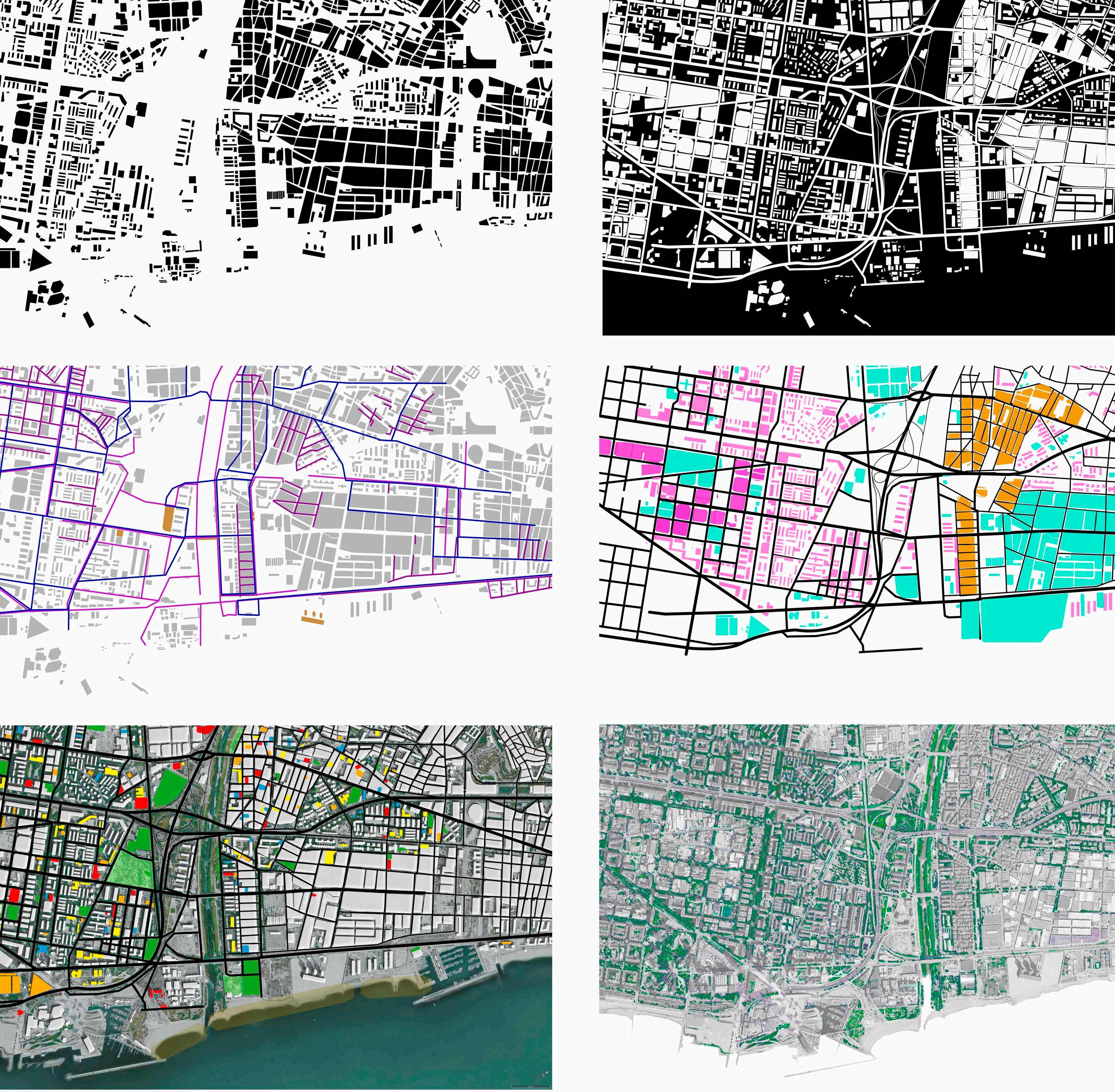
Urban analysis, considering the interplay of solids and voids, mobility, urban amenities, plazas, and green areas, to define the architectural space’s relationship with the urban context.
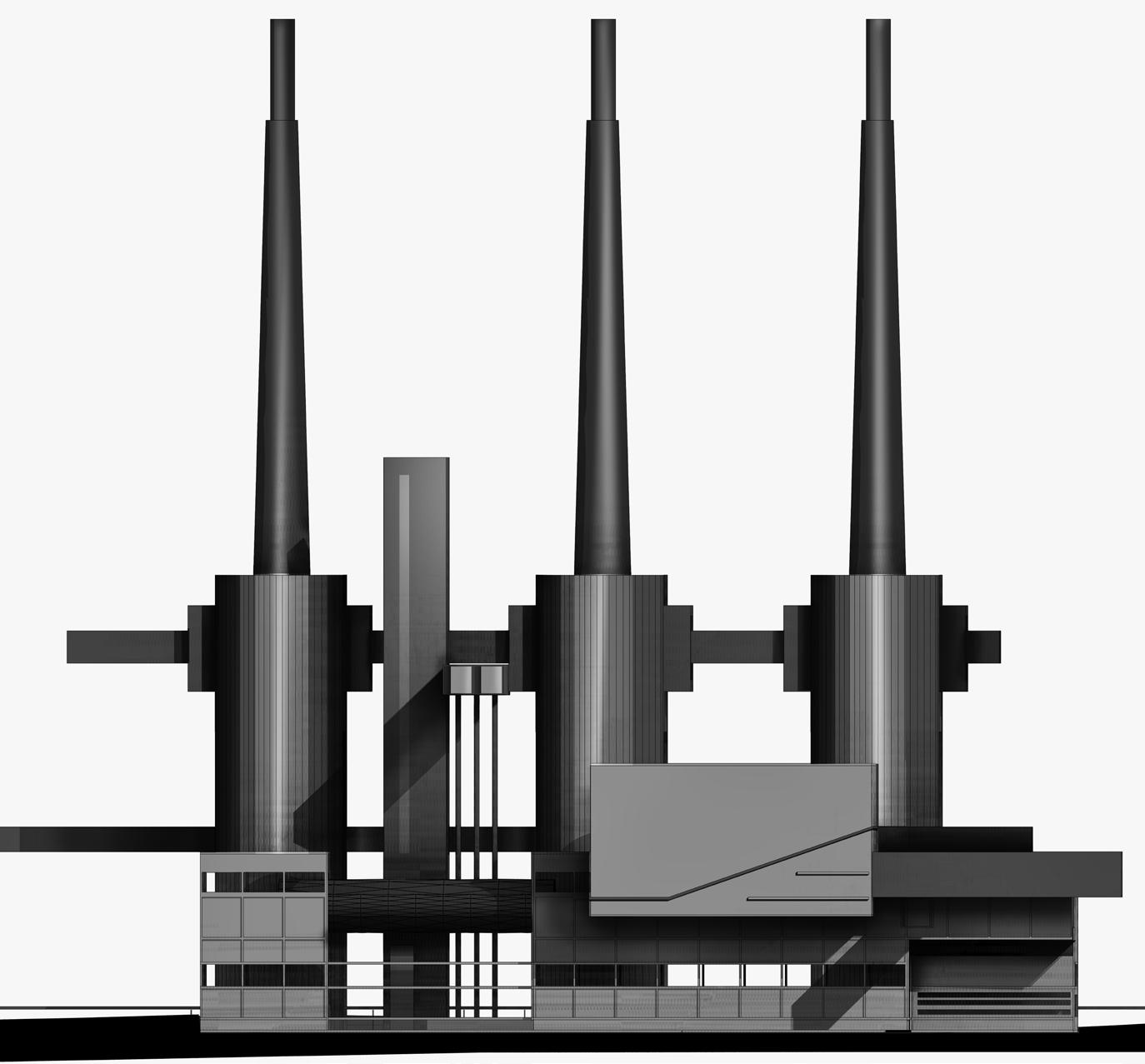
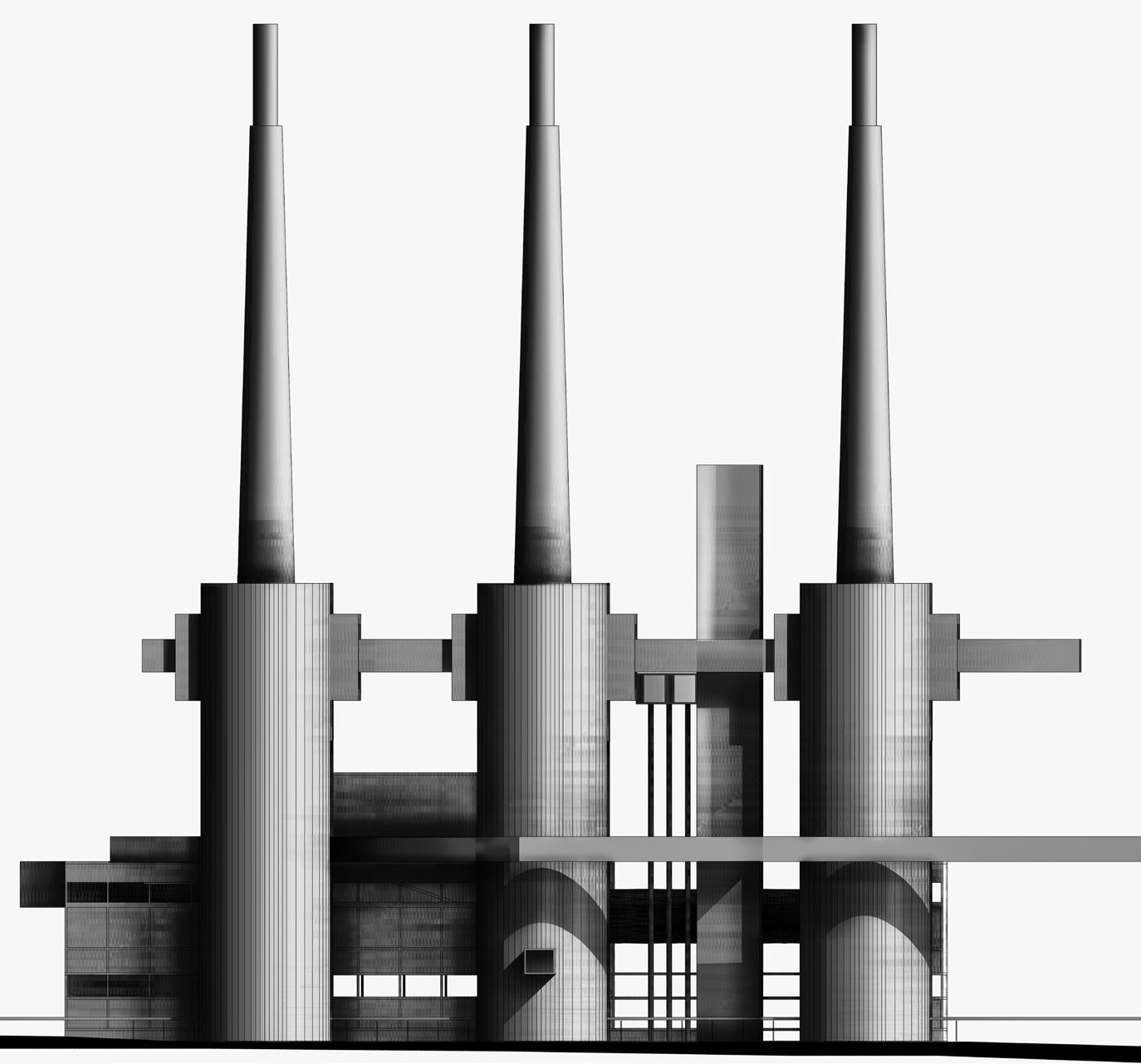
Front elevation with redesign. Rear elevation with redesign.
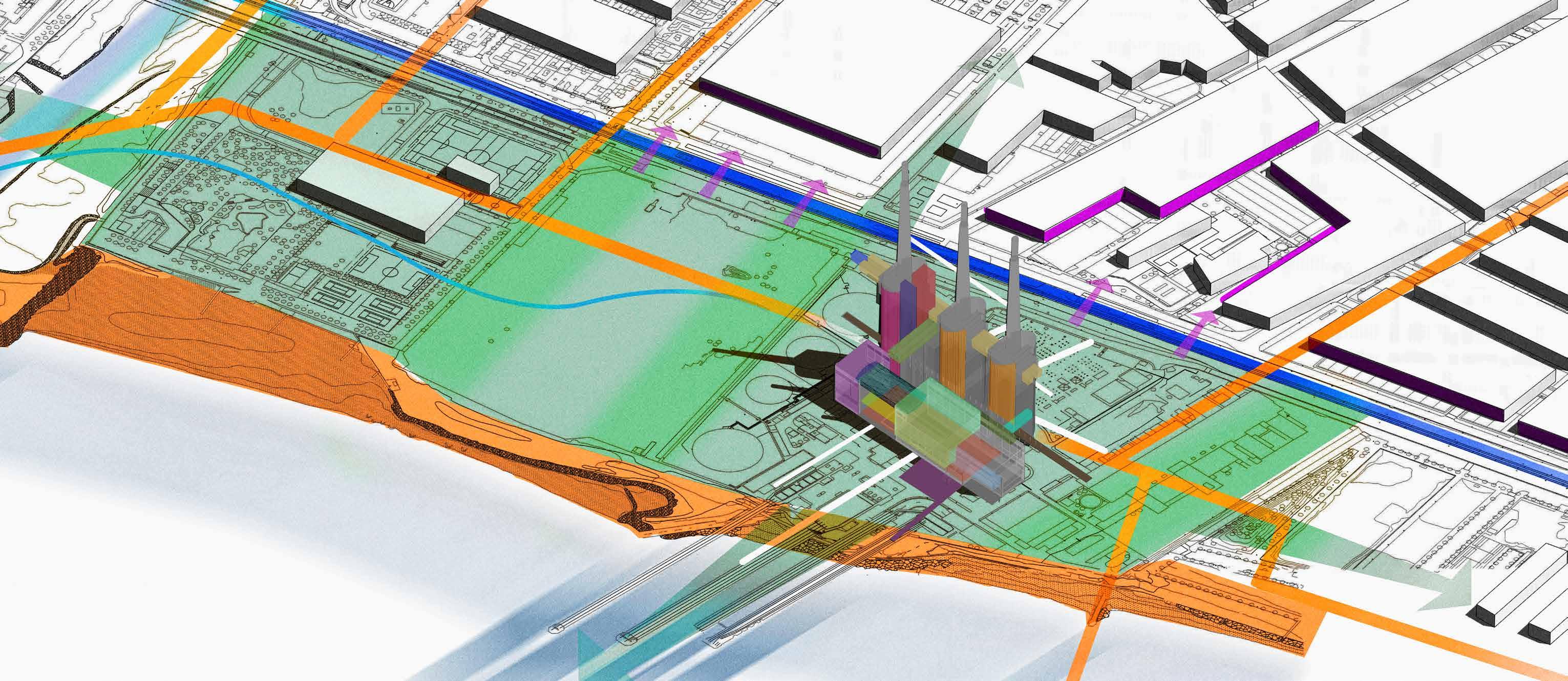
Relationship between mobility and proposed architectural program.
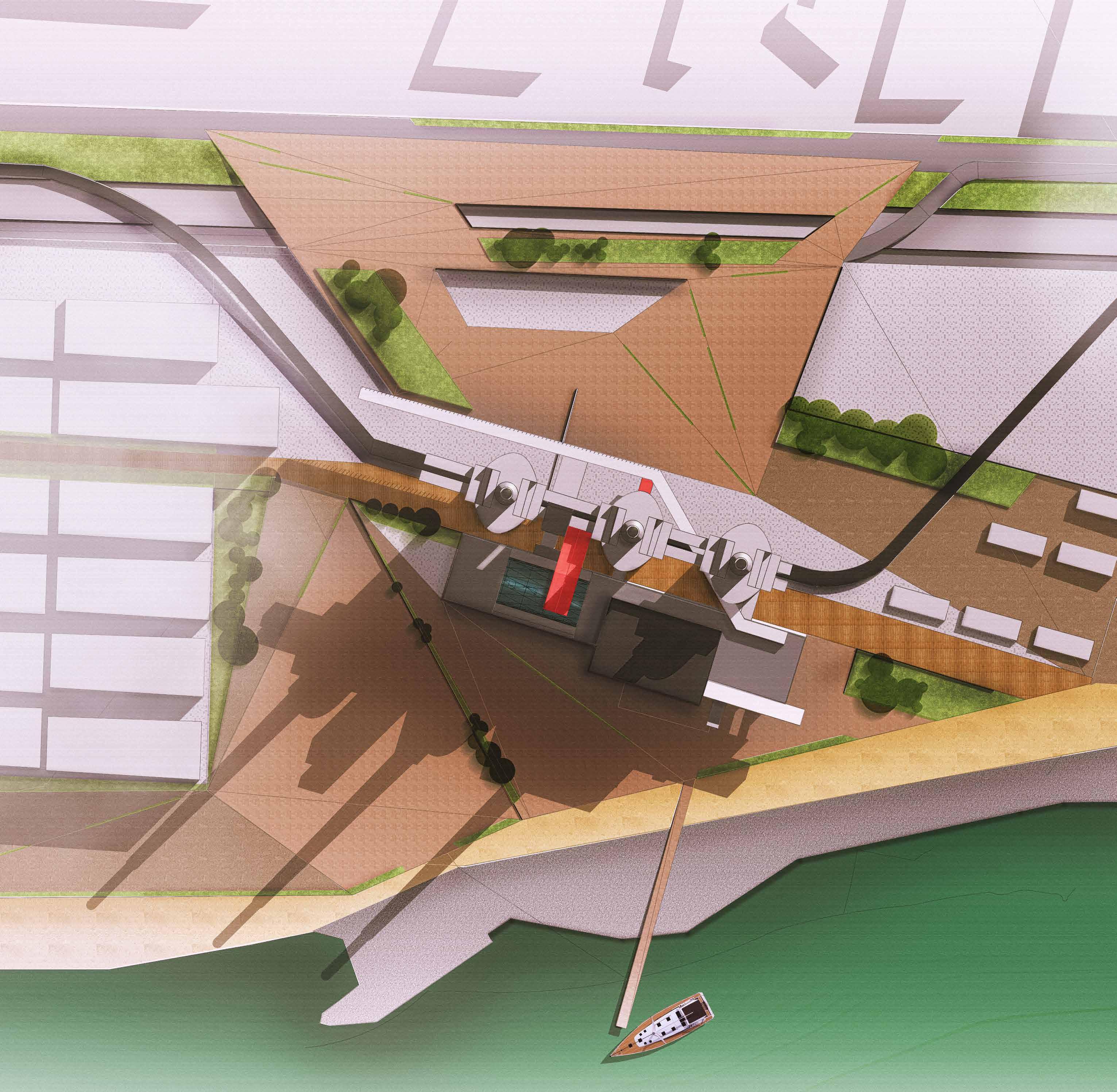
Site plan with adjacent urban plazas.
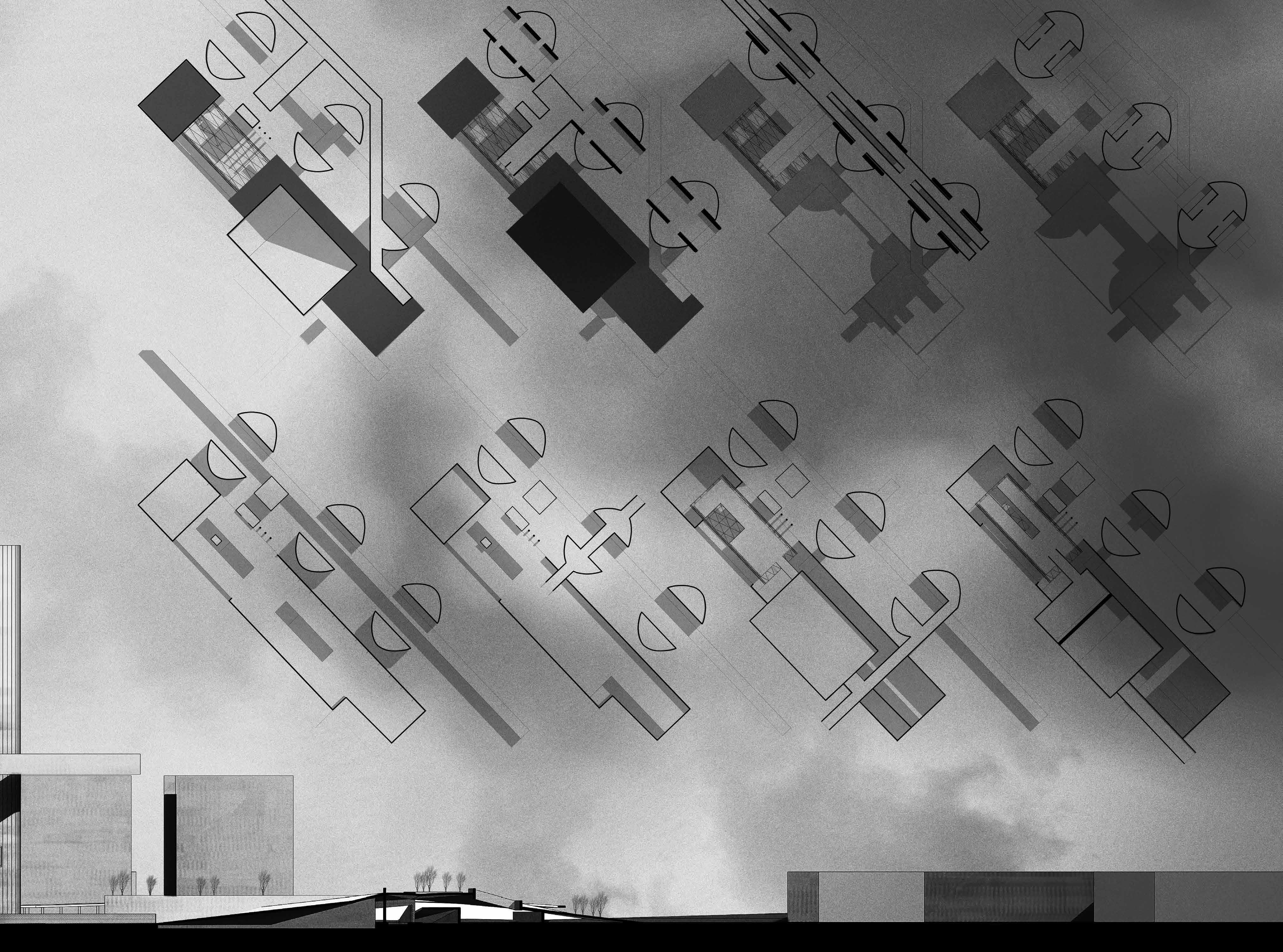
Distribution plans.
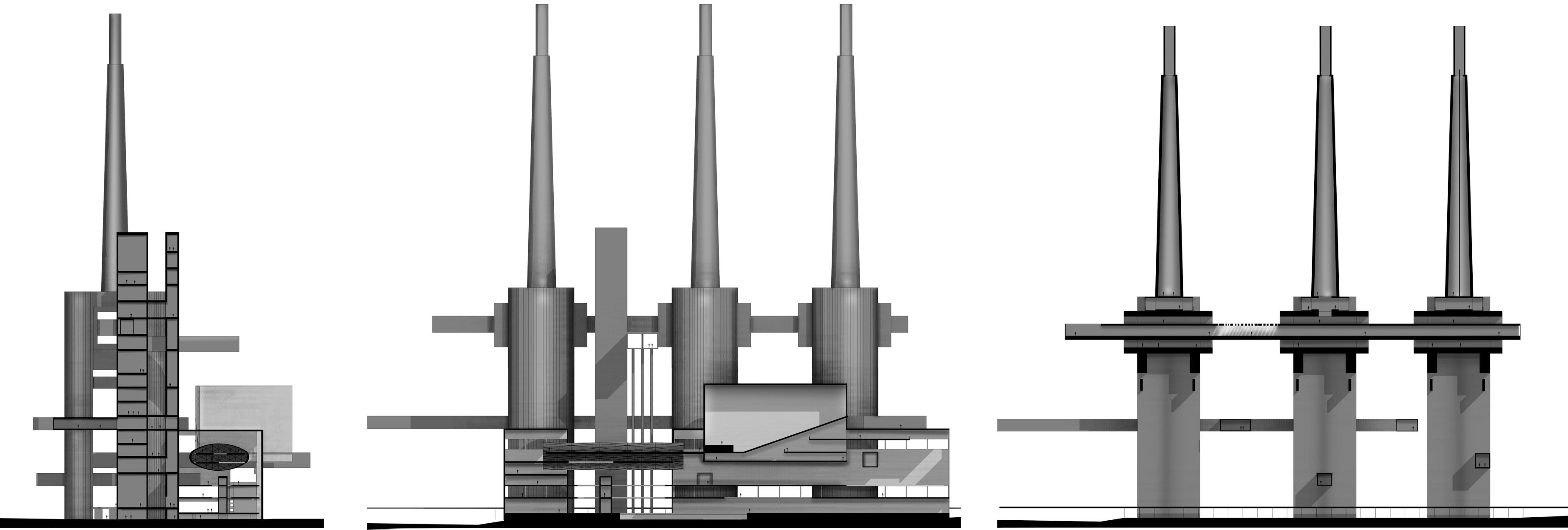
Sections.
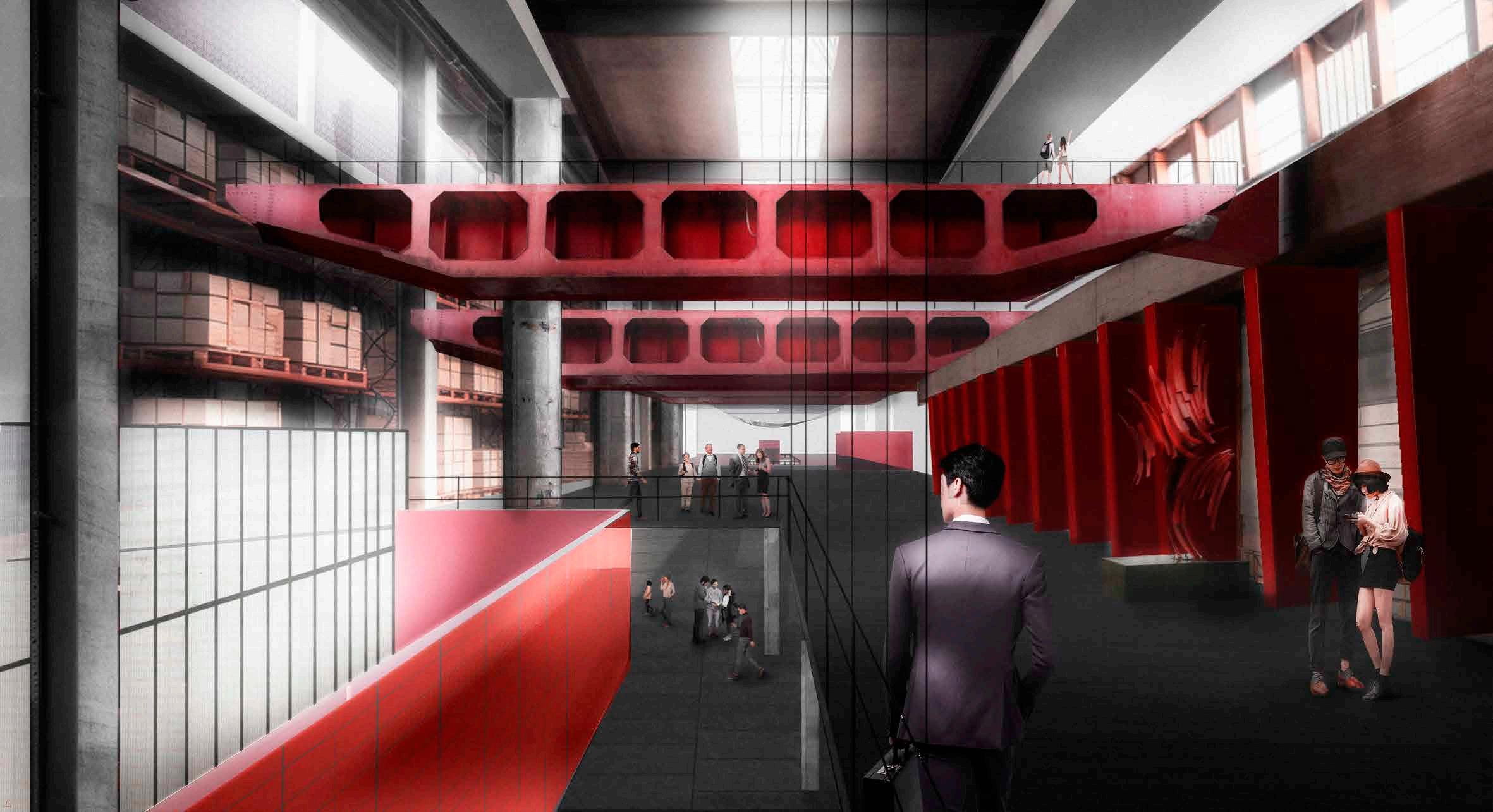
Internal view of the gallery.