Measuring The Reverberation Time of The Greatest Concert Halls
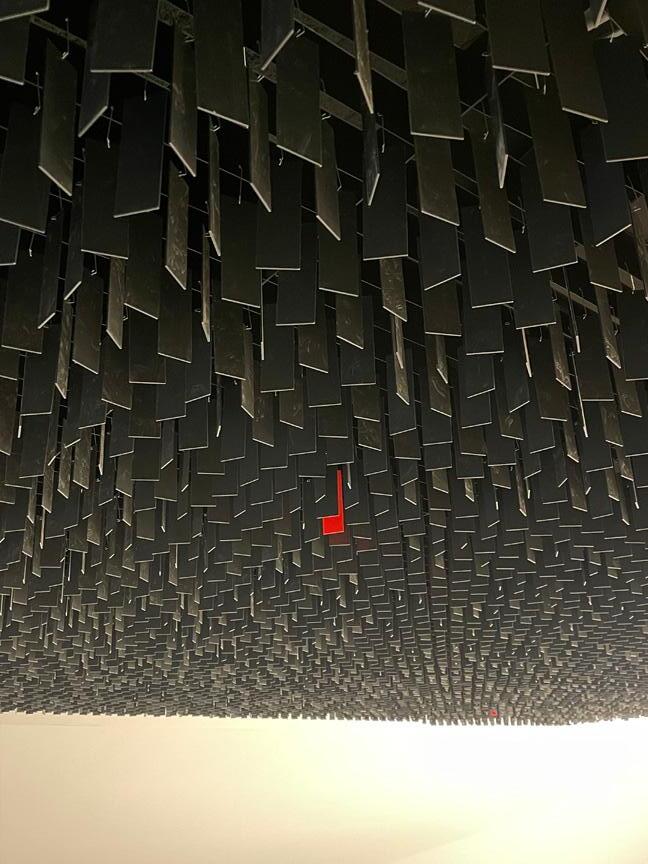

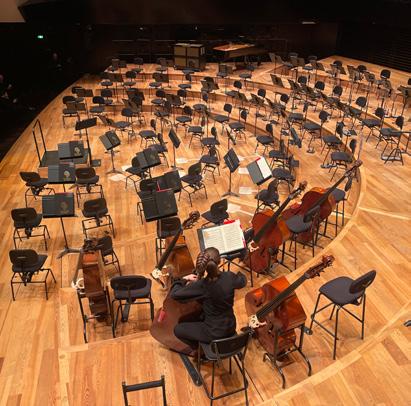
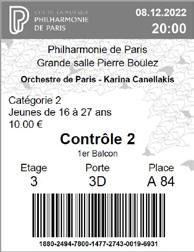
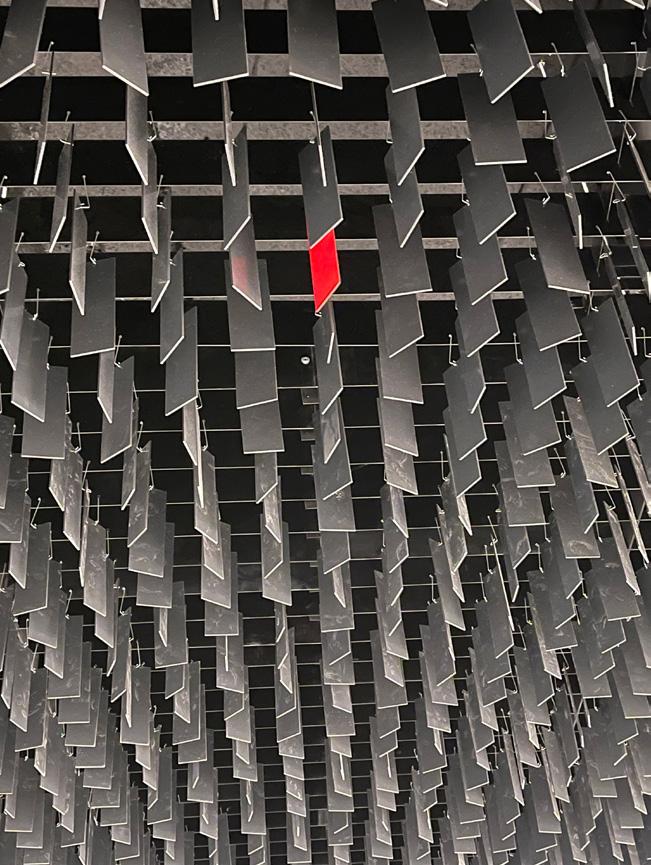
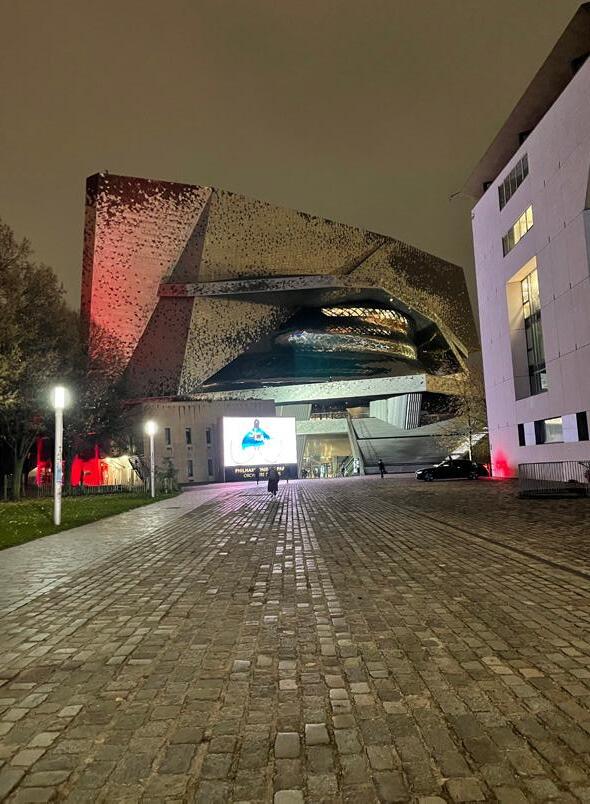
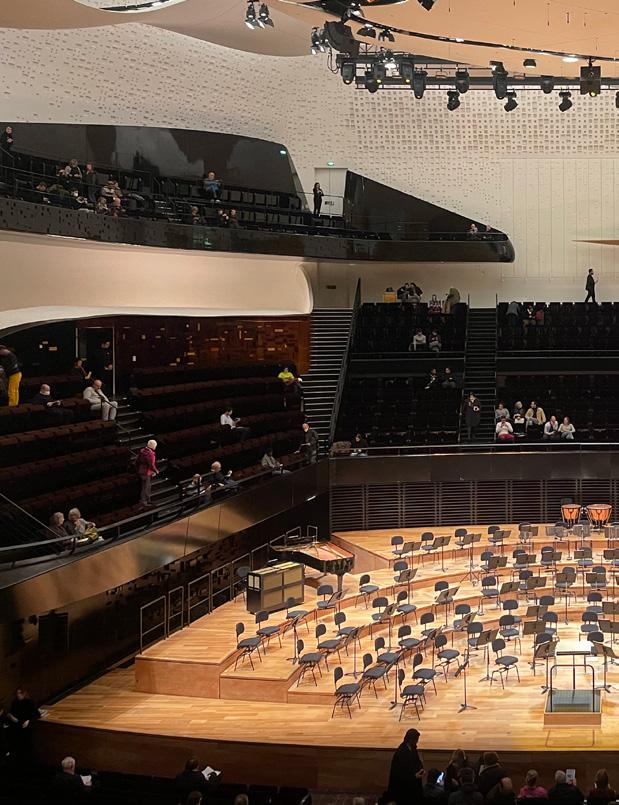
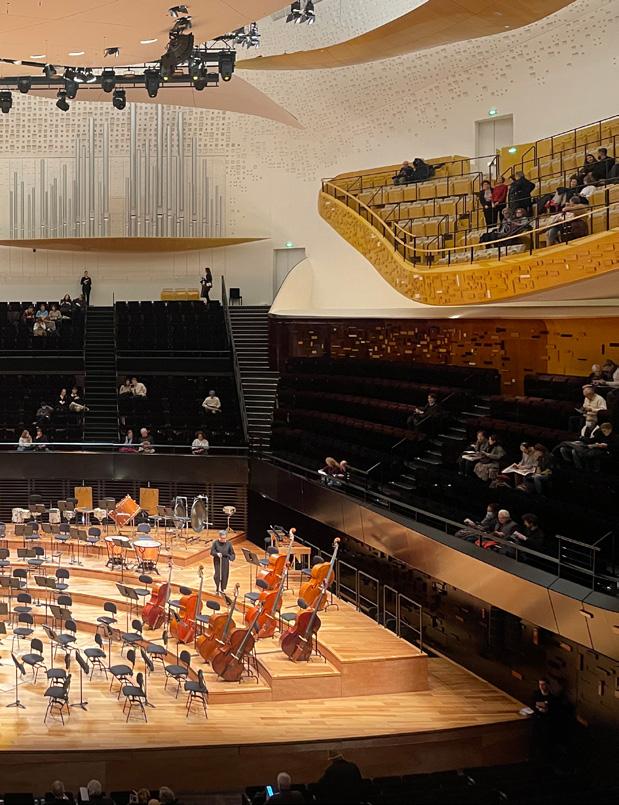
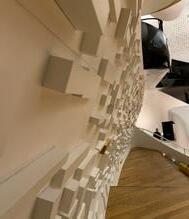
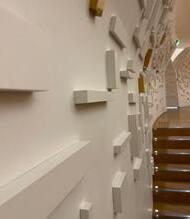
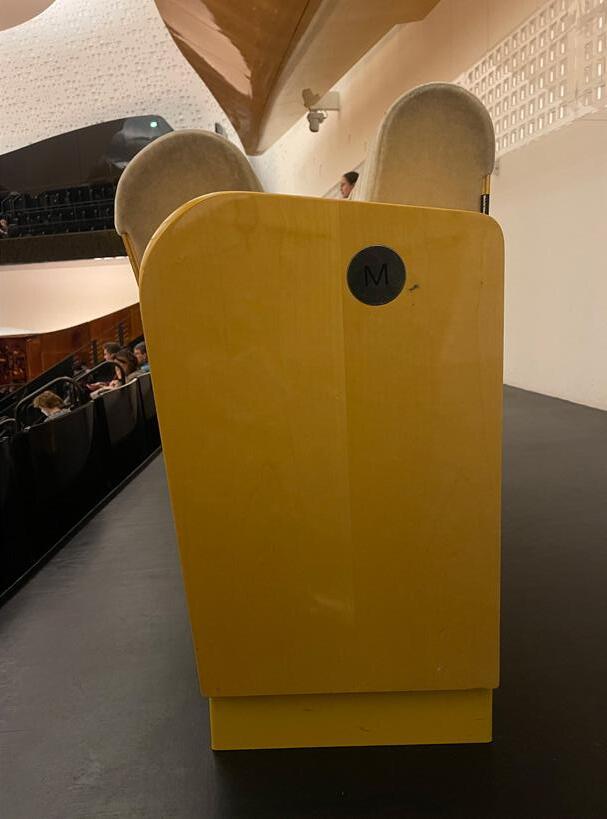
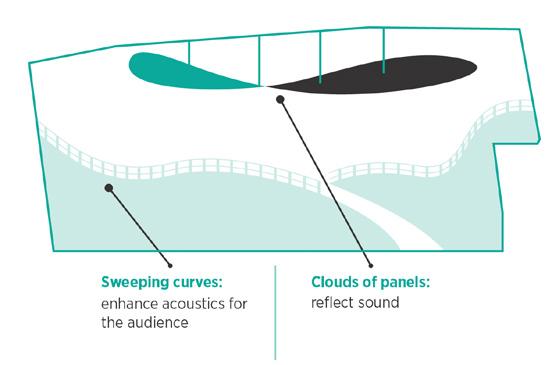
I visited some of the best-sounding concert halls and learned about the science behind their architectural acoustics. I wanted to study and analyze how three different shaped concert halls have been successful in creating some of the world’s best acoustic spaces. Philharmonie De Paris in France was designed by French architect Jean Nouvel and the Marshall Day Acoustics team and with their collaboration, they were able to ensure that the surface of the building perfectly reflects the acoustics of the performances.
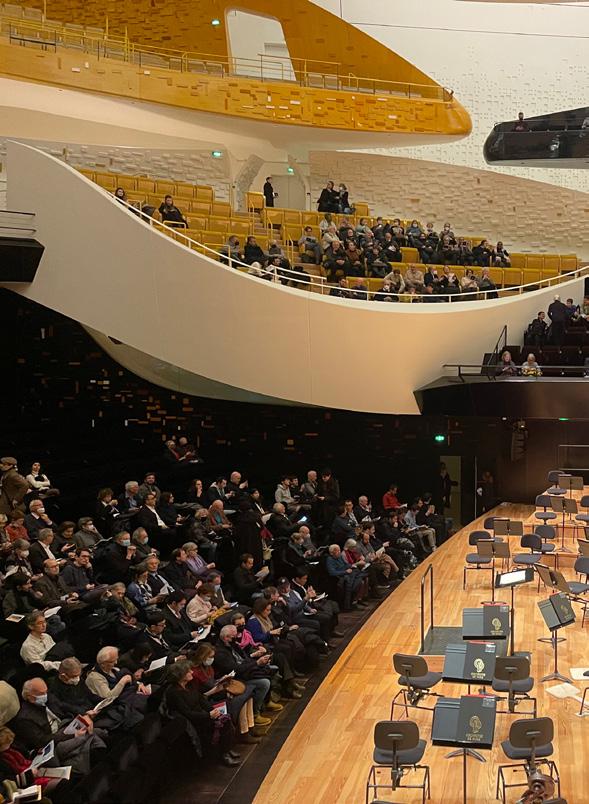
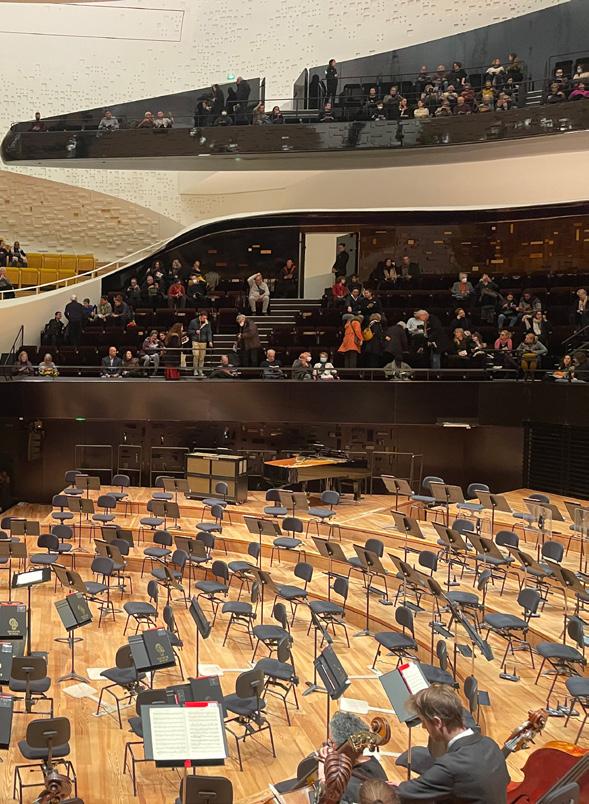
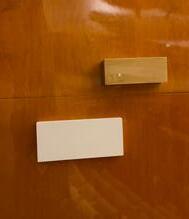
BROWN SHADES OF ACOUSTICAL WOOD BLOCKS
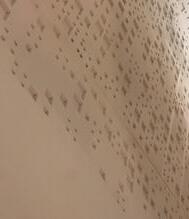
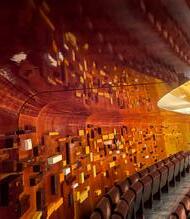
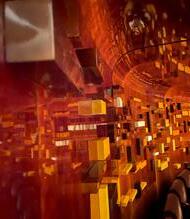
BLACK SHADES OF ACOUSTICAL WOOD BLOCKS
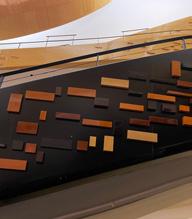
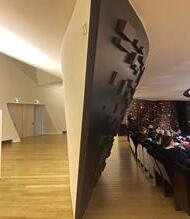
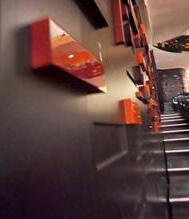
WHITE SHADES OF ACOUSTICAL WOOD BLOCKS
(Image Source: www.invaluable.com)
Architect Jean Nouve
Shape Vinyard

Opening Year 1963
Capacity 2,440 seats
Room Volume 21,000 m3
UNOCCUPIED
OCCUPIED
2.2 seconds (Researched)
1.9 seconds (Tested)


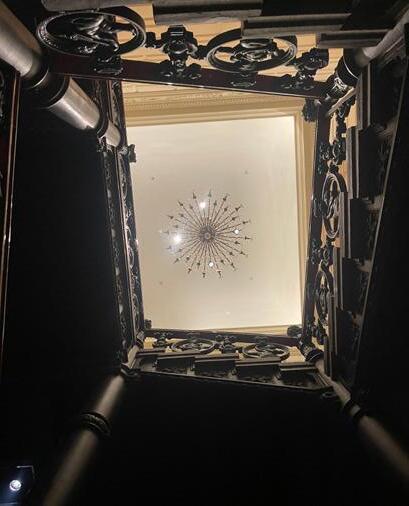
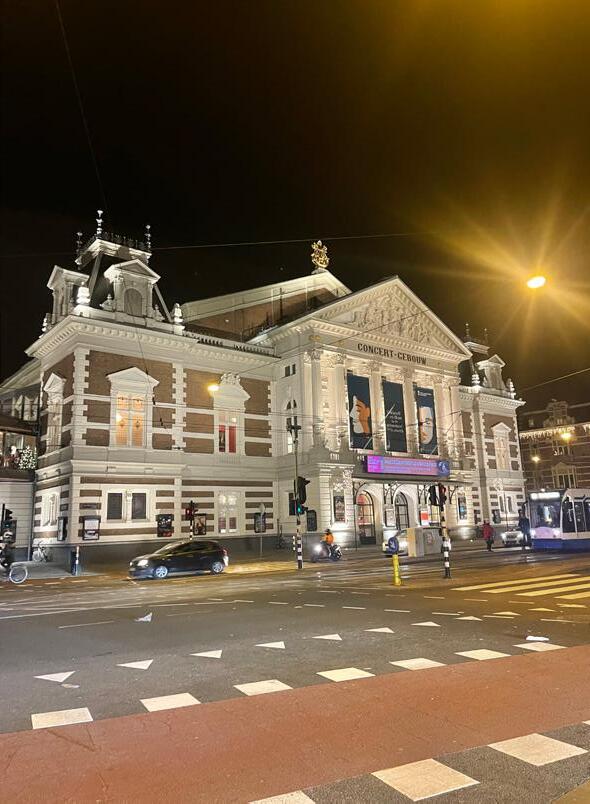
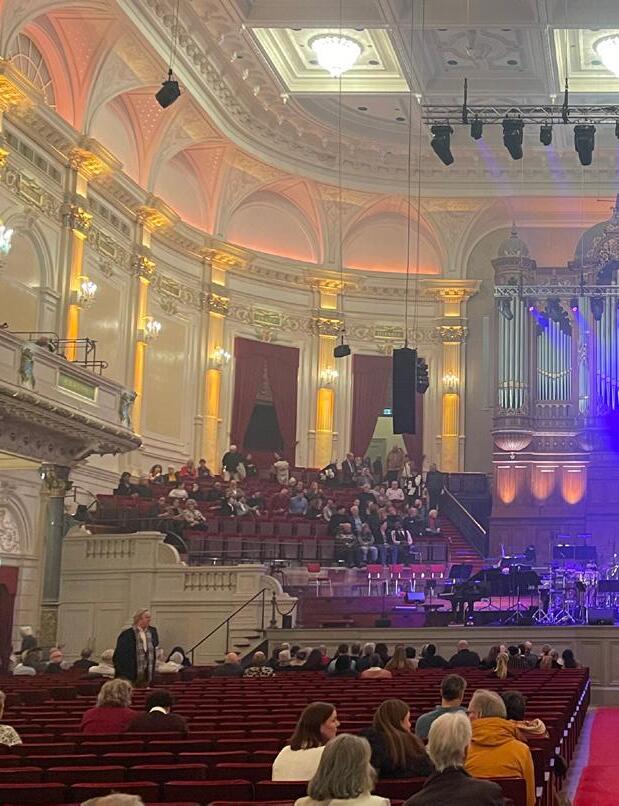
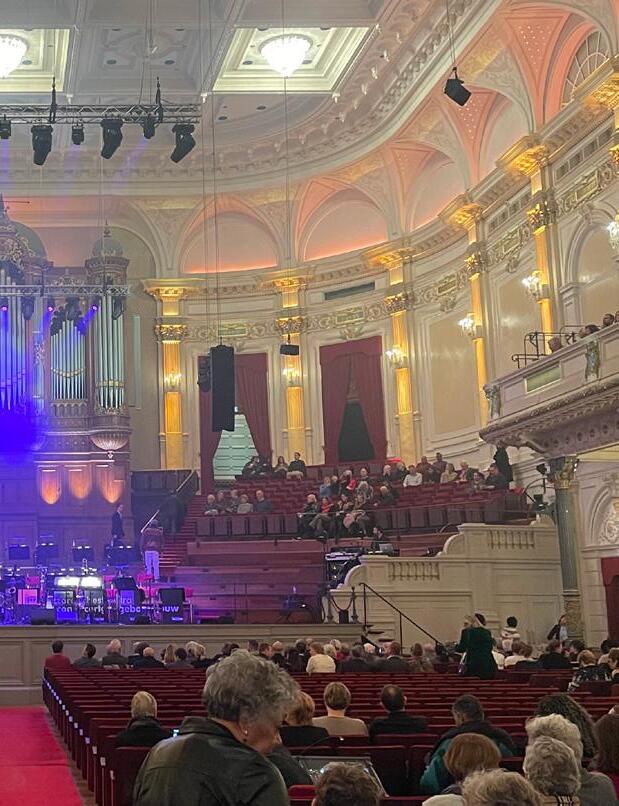
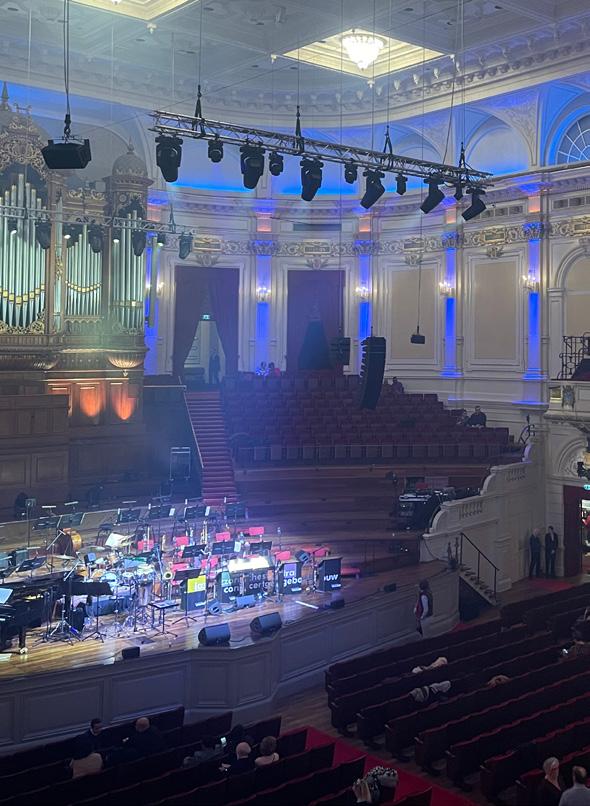
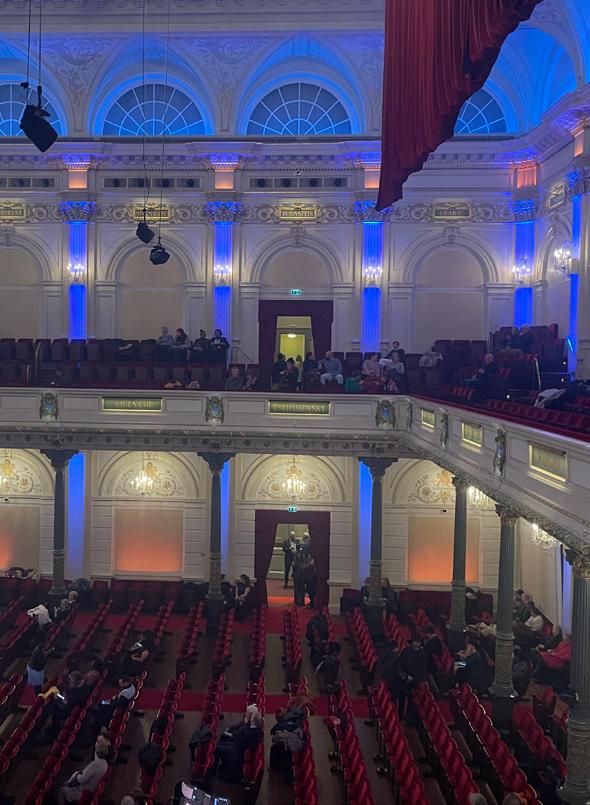
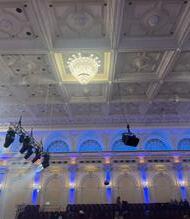
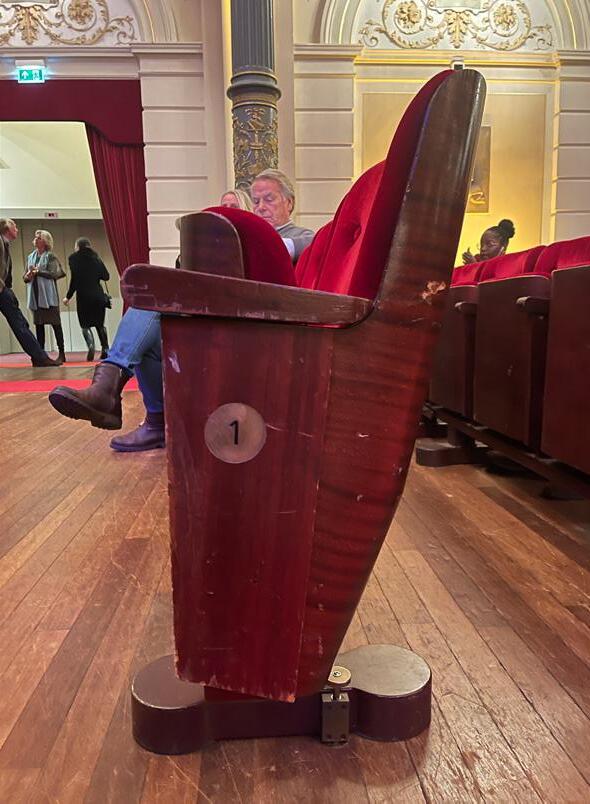
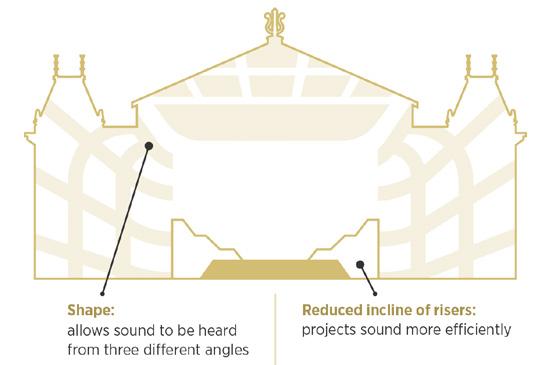
Concertgebouw is known for its side walls that allow sound to bounce off them immediately allowing the listener to receive the sound of the orchestral from three different sides. One sound that comes right at the listener and the other two from the side, this reflection of sound gives this hall such a unique character.

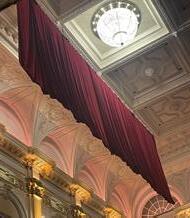
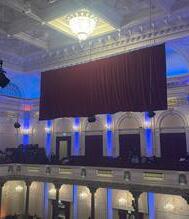
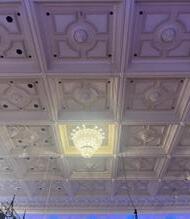
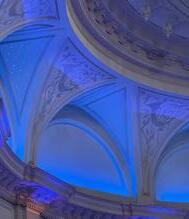
PRESSED ORNAMENTAL CEILING PANELS
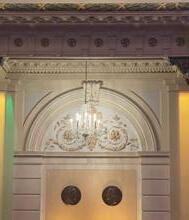
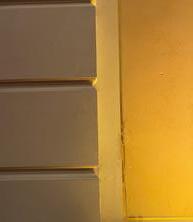
WHITE PLASTER
(Image Source: www.invaluable.com)
Architects Pi de Bruijn and Adolf
Leonard van GendtShape Shoebox
Opening Year 1888
Capacity 2,037 seats
Room Volume 18,780 m3

UNOCCUPIED
OCCUPIED
2.6 seconds (Researched)
2.1 seconds (Tested)


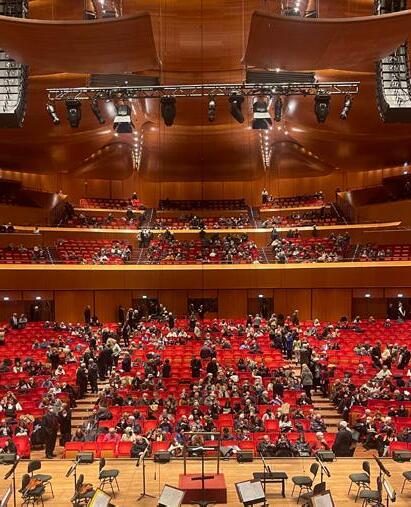
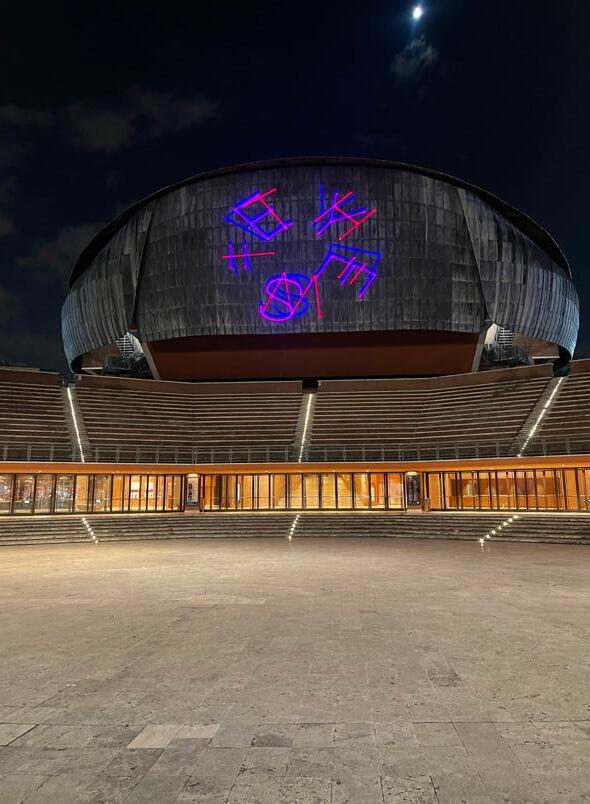
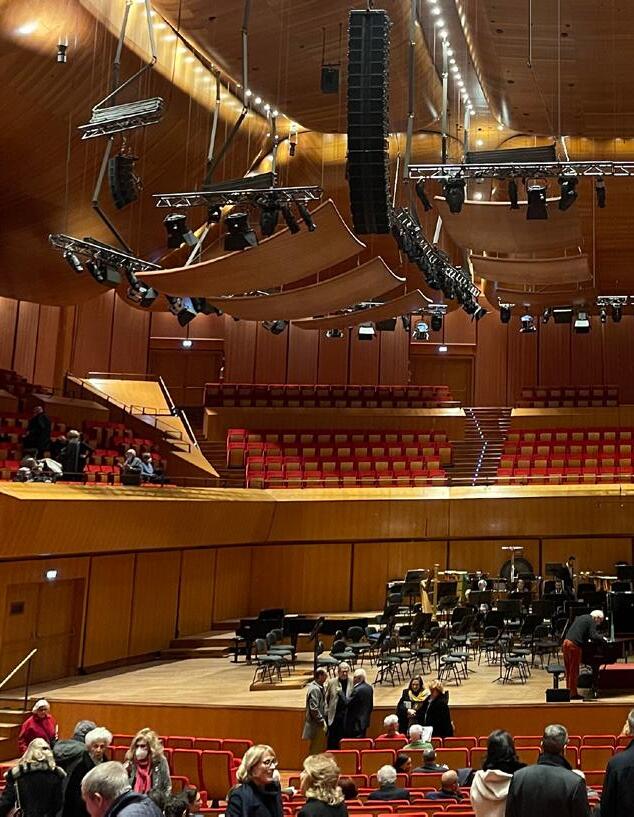
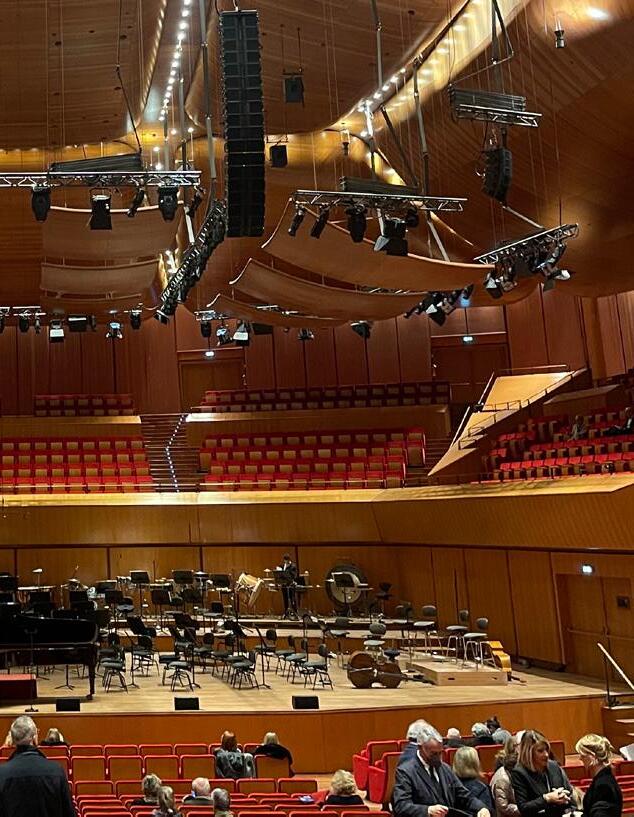
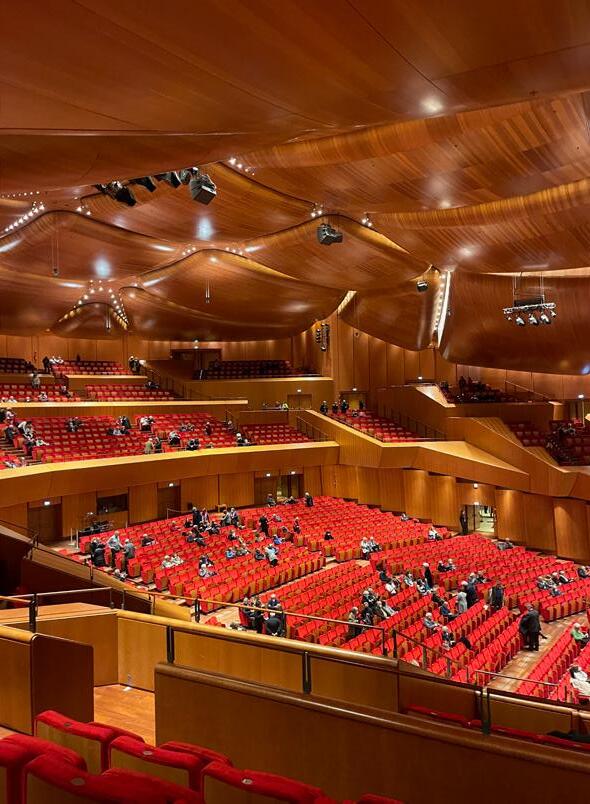
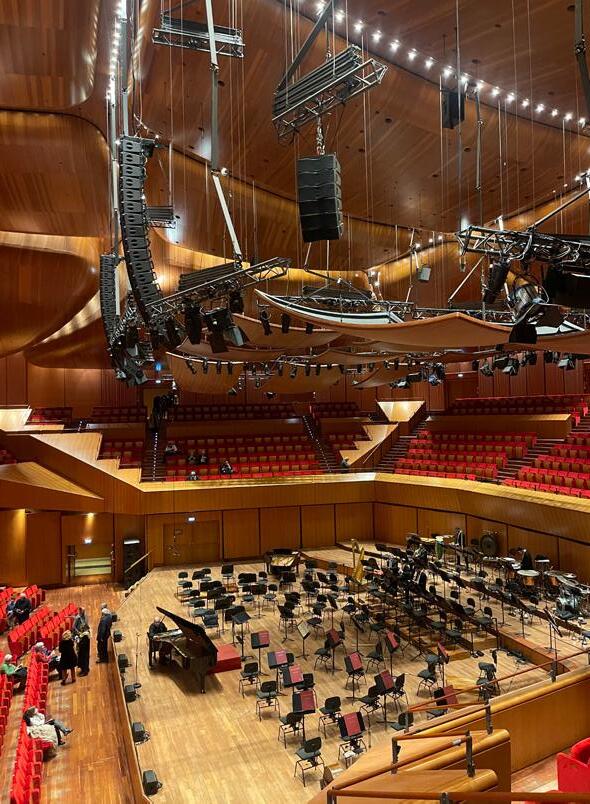
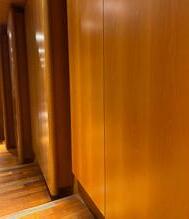
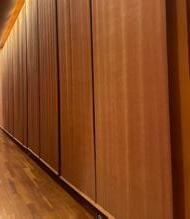
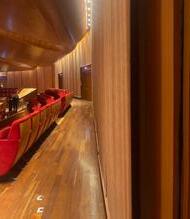
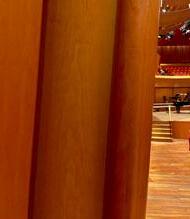
Parco Della Musica is an expectational example of how concert halls use acoustic walls to create a well-amplified space. The architects and engineers of this project achieved optimum acoustic conditions by using huge ‘cushions’ that hang from the ceiling, their role being to break up the sound.
BRONZE ACOUSTIC FABRIC MATERIAL

BROWN ACOUSTIC FABRIC MATERIAL

WOOD ACOUSTIC PANELS


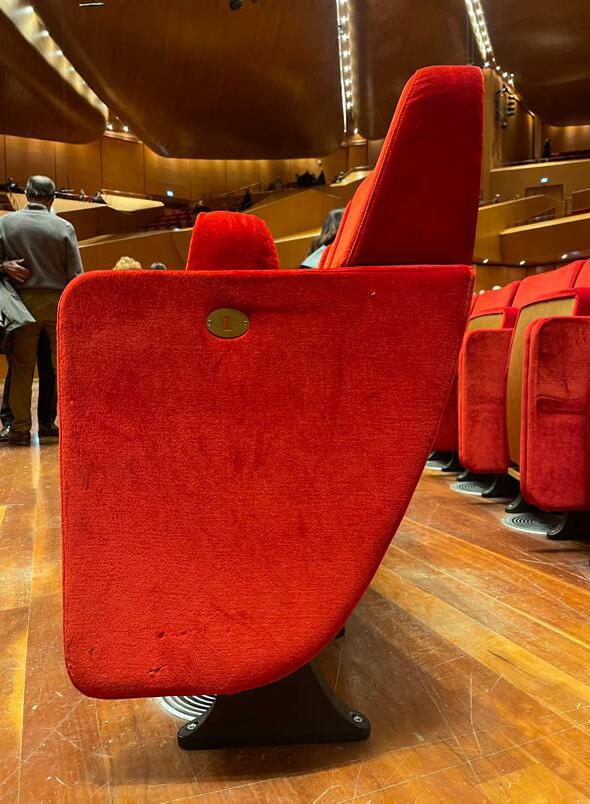
Architect Renzo Piano
Shape Fan-Shaped
Opening Year 2002
Capacity 2,800 seats
Room Volume 30,000 m3