

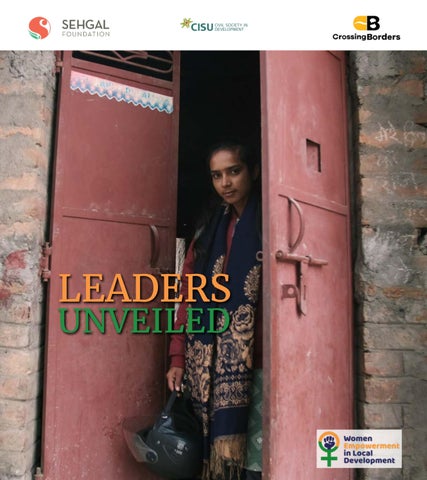


Leaders Unveiled: Women Empowerment in Rural Development
© 2024 S M Sehgal Foundation
Published by S M Sehgal Foundation
Plot No. 34, Sector 44, Institutional Area,
Gurugram, Haryana 122003, India
Tel: +91 124 4744100
Email: smsf@smsfoundation.org
Crossing Borders (CB) is a civil society organization with the mission to educate and empower young people to become active global citizens. Toward this end for more than 25 years, CB has been creating spaces (both physical and virtual) for young people and educators to engage in dialogue around issues that affect them and to contribute to building the societies they deserve and desire to live in. CB’s vision is a world in peace with itself in which diversity is celebrated. The mission is to facilitate dialogue toward such a world and to build the capacity of youth, girls and women, media workers, and educators to realize the above vision. The overall goal is to enable people of different backgrounds to learn to live together on equal terms.
Under CB’s global program the main priority besides youth empowerment and community mobilization, is women’s empowerment and fostering gender equity as stipulated in SGD 5 and SDG 10 to reduce inequalities. In completed and ongoing projects across Africa, Caucasus, Eastern Europe, MENA region, and India, CB is actively
contributing to the capacity building of and with local partners, advocacy, and awareness raising regarding gender equality issues.
The Women Empowerment in Local Development, Phase 2 initiative is a continuation of the Civil Society in Development - CISU-funded initiative, Women Empowerment in Local Development, Phase 1, where CB and Sehgal Foundation collaborated to work toward empowering women at the grassroots level in the state of Bihar. The concept of Women Leadership Schools (WLS) introduced in Phase 1 continues to engage in changing women’s limited roles in decision-making in their families and in local development. In Phase 2, Women Farmers Schools (WFS) promote gender equality and skills enhancement of women in agriculture toward increasing their income from farming ensuring that the value of women’s work is no longer considered secondary to that of men.
Crossing Borders Management Team
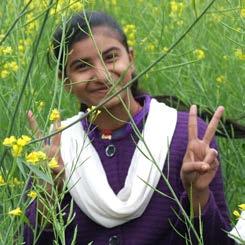
Women’s journey toward empowerment can be categorized into two distinct stages—self and as a collective. Self-empowerment happens by enhancing individual capacities and agency to enable women to exercise strategic life choices and collective empowerment is realized through collective behavior directed at a specific outcome or cause. Ensuring access to opportunities for women and girls can help them reach their full potential, empowering them both individually and collectively, thereby creating a gender-just society that contributes to the achievement of international development goals. Globally it is established, both in theory and practice, that women’s move from being ‘unpowered’ to ‘empowered’ benefits them as individuals along with creating ripple effects in the family, society, and community as a whole.
In India where almost two-thirds of the population resides in rural areas, women empowerment initiatives are extremely critical for intensifying local development. Women in Indian villages are often regarded as ‘doubly disadvantaged’ due to their lack of access to resources and opportunities alongside the stringent socioeconomic and patriarchal ties with which they coexist. With the concept of ‘Sarpanch Pati’ (husband of a democratically elected woman representative who takes an informal lead role) being widely popular, women’s priorities in the local development agenda remain unattended to a considerable extent. However, empowered women leaders have the potential to be specifically successful in reaching out and strategizing development needs for vulnerable and weaker sections of society including women, children, and the adolescent population.
‘Women empowerment in local development’ initiative supported by CISU and Crossing Borders and implemented by Sehgal Foundation in twenty villages of Muzaffarpur, Bihar, since its inception in 2021, has been able to create remarkable experiences. The initiative has prepared a shining cadre of women leaders at the grassroots level who have embarked on individual journeys of empowerment and camaraderie. Some of them amongst the group have also emerged as role models and motivate hundreds of other women to be effective participants in village development. The initiative has also been able to generate ripple
effects through its efforts toward gender sensitization in the community leading to the creation of a robust ecosystem for women leaders to operate and leave a mark behind!
I am grateful to our partners, CISU and Crossing Borders, for taking up this initiative and being a constant source of support and encouragement. Special thanks to our on-field team for their consistent efforts and continuous engagement to bring in positive outcomes. I acknowledge the contribution and participation of numerous women in the project villages whose enthusiasm has been the lynchpin in taking the initiative forward.
Debika Goswami, Senior program lead, Local Participation and Sustainability S M Sehgal Foundation
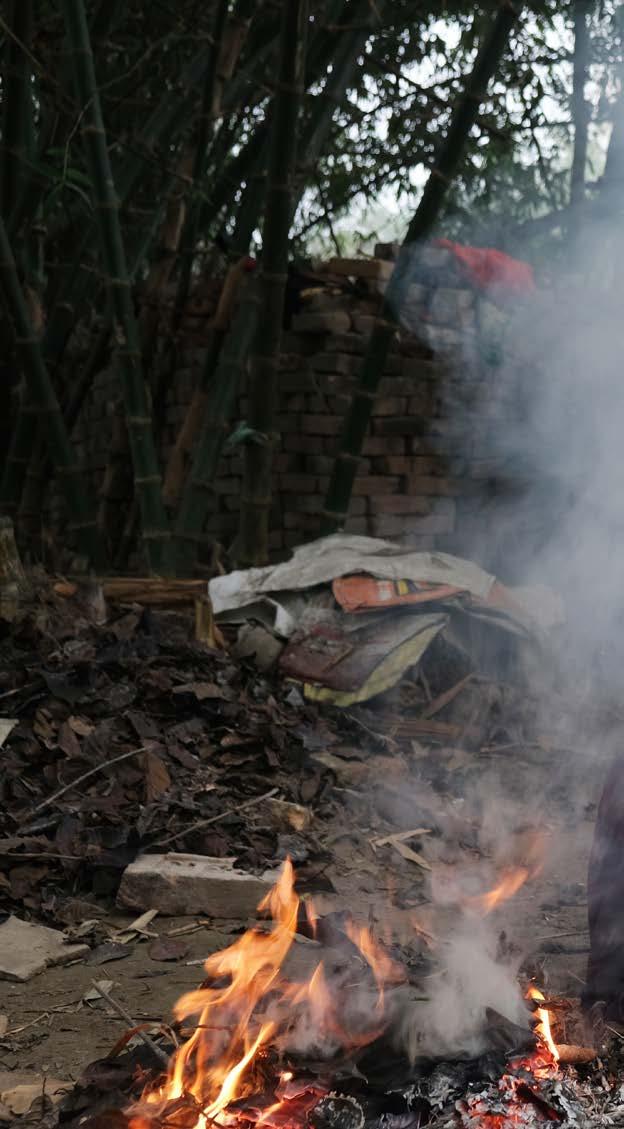
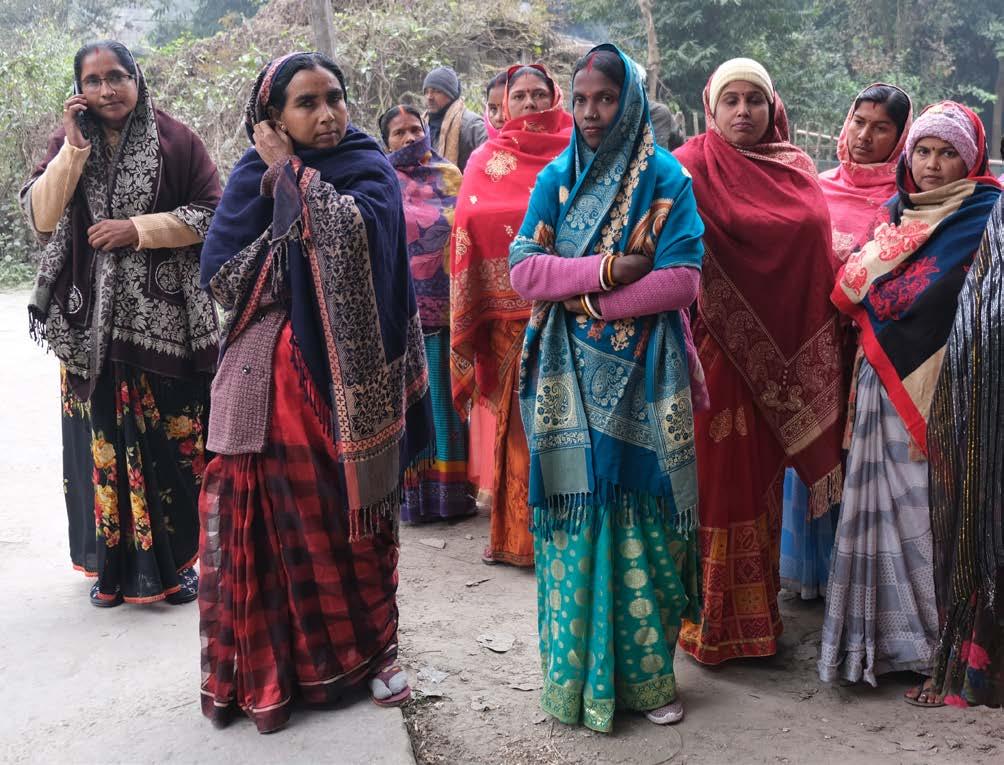
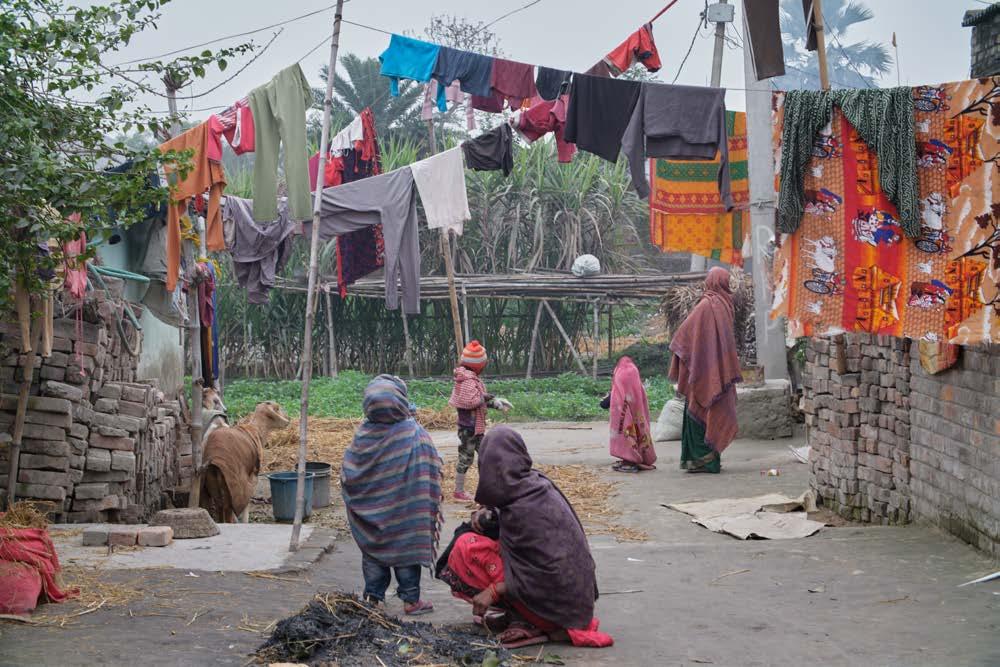
Women in rural villages are often excluded from decisionmaking and public representation, though they are at the center of managing their households, especially when men migrate to other areas for work. The women of Bihar fare poorly on gender indices on multiple fronts. With low literacy, longstanding sociocultural norms, gender inequalities, and lack of opportunities and skills, they lack platforms to effectively participate in village development. Transforming their lack of voice and presence is the core intention of Empowering Women in Local Development.
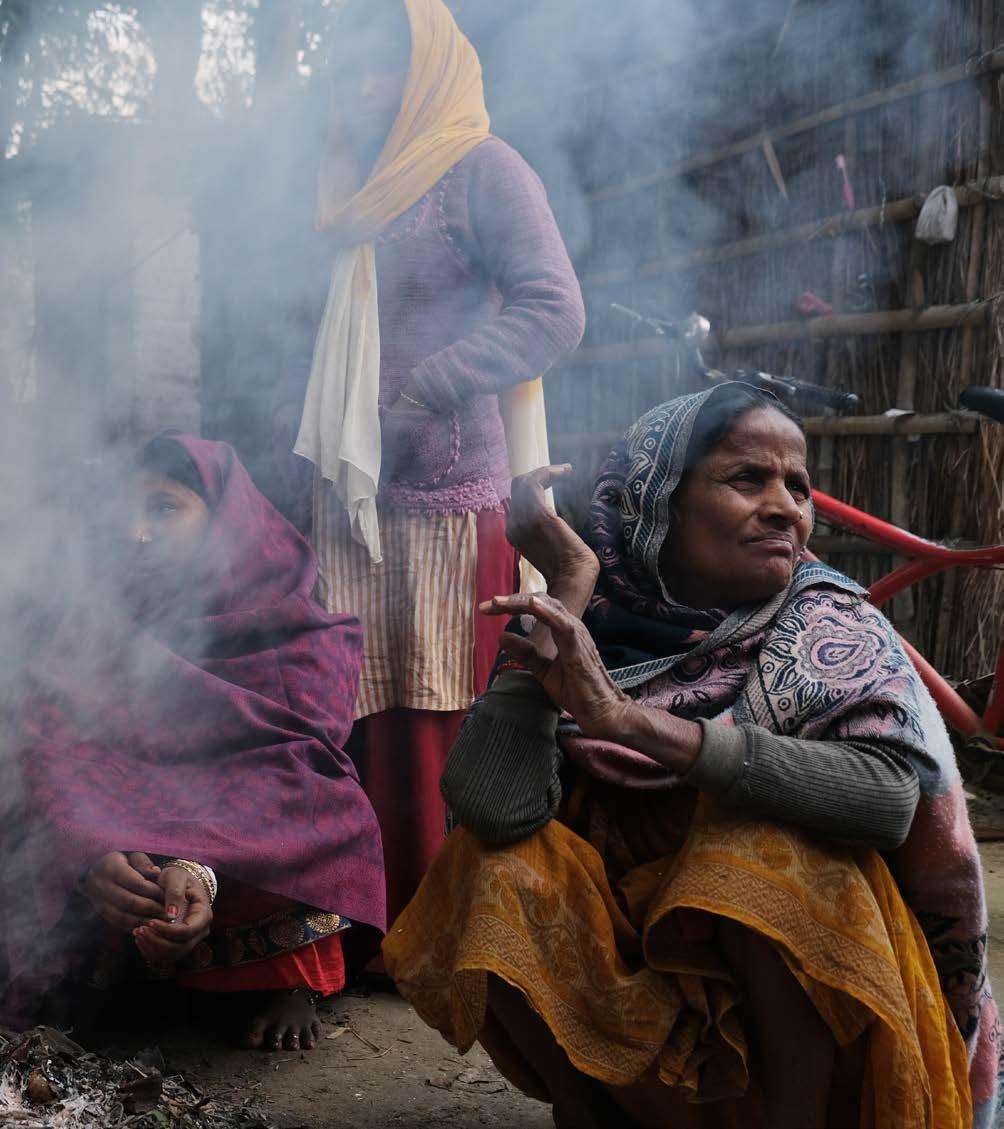
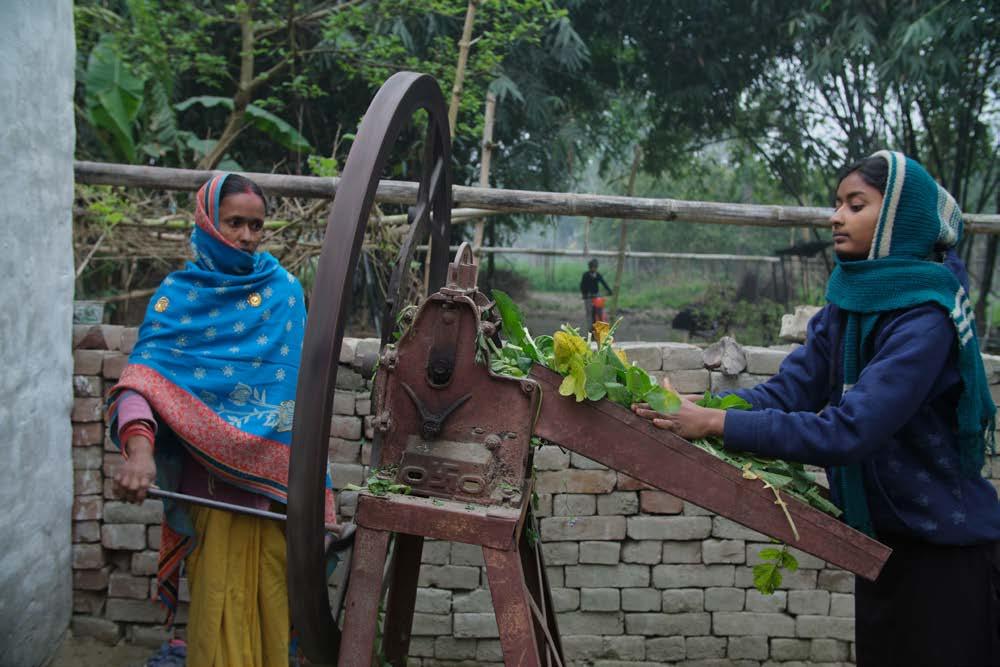
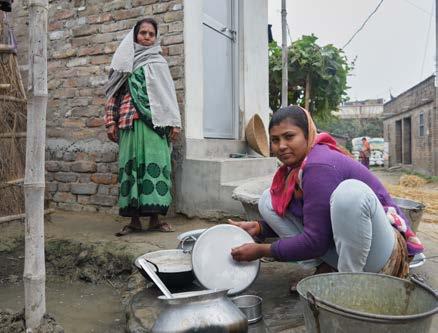
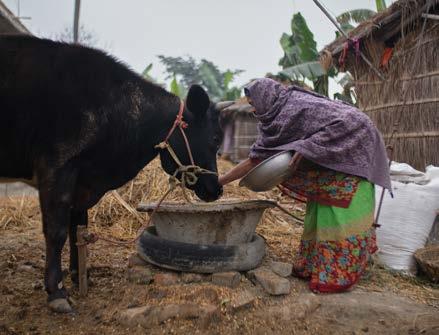
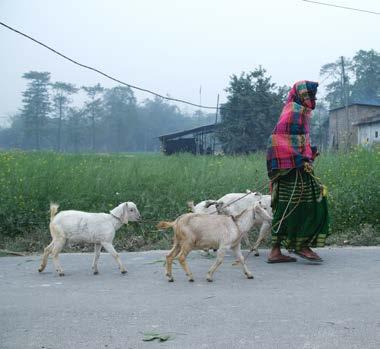
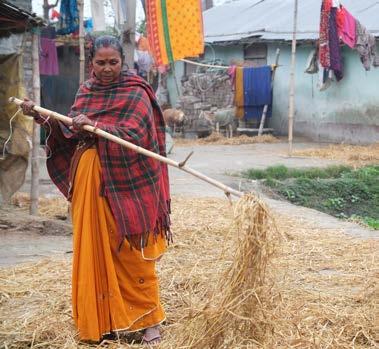
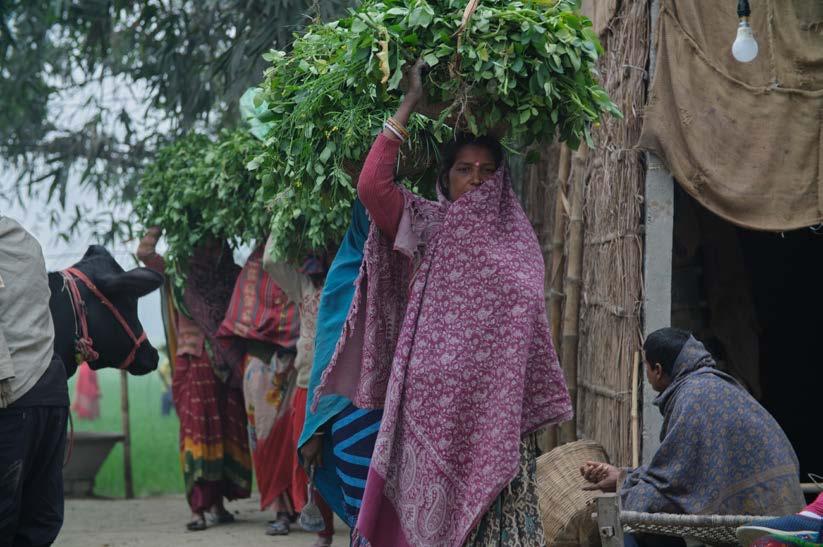
Women do most of the hard work, but have little say in decision making.

Women’sempowerment has been integral to the two-phased rural development initiative launched in 2021 by S M Sehgal Foundation in partnership with Crossing Borders. The first phase targeted bridging information deficits faced by women, promoting women’s leadership, and improving their access to government programs. The second phase engaged women leaders to become change agents in their communities, providing them with training on sustainable agriculture practices, and inspiring the selfconfidence needed for them to effectively participate in village development.


Prasad | Repura | Ramtobahan | Morsand Ratan | Pakhanaha Shiuram | Kharika | Bishunpur kesho | Pipraha Asali | Panapur | Nariar | Boaria | Kalyanpur Haruna | Ratanpura | Madhopur | Kusahi (Jagadish pur Chaman) | Narayan Pur Kusahi | Mahaul | Bariarpur (Bajidpur) - Dakshin | Barji | Panchrukhi

January 2021
Phase 1: Women’s empowerment in village development
Phase 2: Women’s empowerment in agriculture
January 2023
December 2024
Muzaffarpur district has a gender ratio of 900/1,000 (women/men), lower than the average for Bihar. 63% of the population lives below the poverty line. Access to opportunities for women and girls leads to individual and collective empowerment, which also translates into positive outcomes in village development.
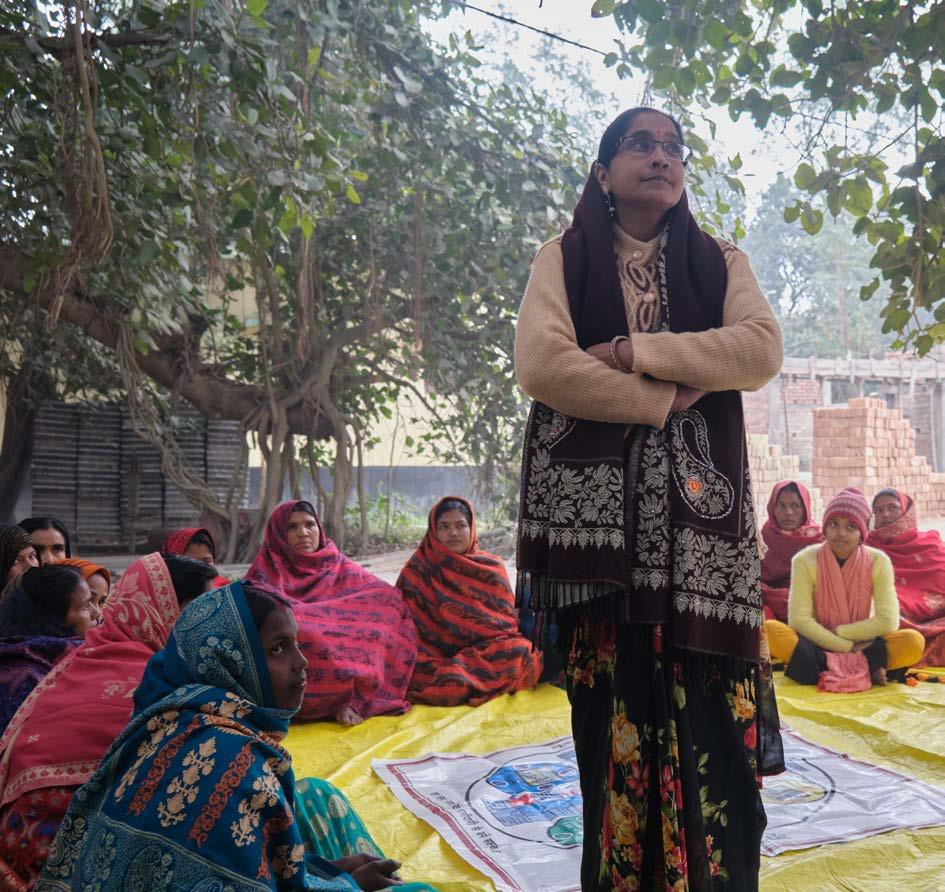
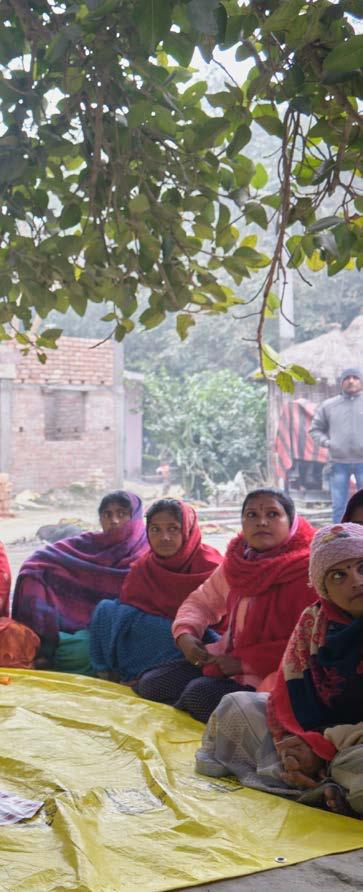
Women play defining roles in accelerating village development once they are empowered and capacitated to participate and articulate issues that affect them. The first step to this empowerment was the creation of Women Leadership Schools (WLS) to develop the self-confidence of women as individuals and enhance their agency in decision-making in their homes and communities. The WLS platform brought women together to play proactive roles in community development with newfound confidence and the power of collectivism. Women’s representation and participation in village institutions—gram sabhas (village assemblies), ward sabhas, and gram panchayats (village councils) increased, as did women’s access to government programs. Change agents naturally emerged to lead the empowerment journey and further motivate and train new women leaders.
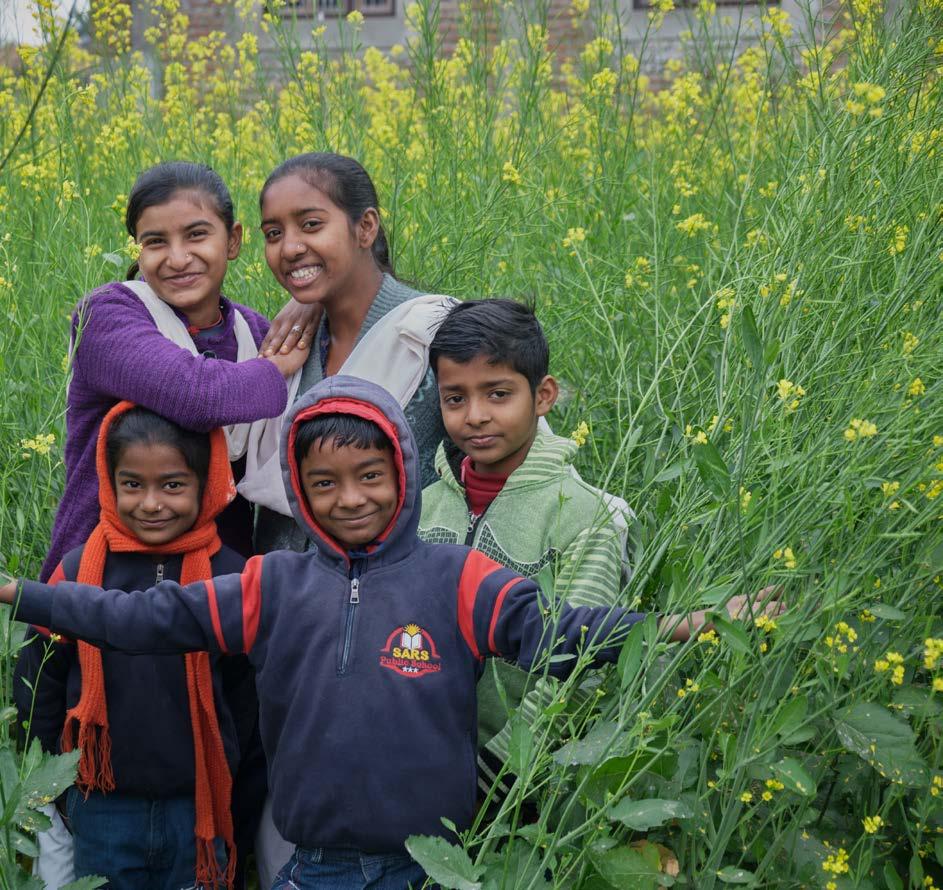
Gender sensitization meetings helped men to rethink their ideas and perception of gender and women’s roles in family and community, becoming allies in women’s empowerment. The impact of these meetings was evident in the changed mindsets of many men, who began encouraging their daughters’ education and seeing their wives as equal collaborators.
Women leaders came forward to address sanitation issues in the community with behavior changes in hygiene and sanitation and taking steps to check environmental degradation and reduce waste in their villages.
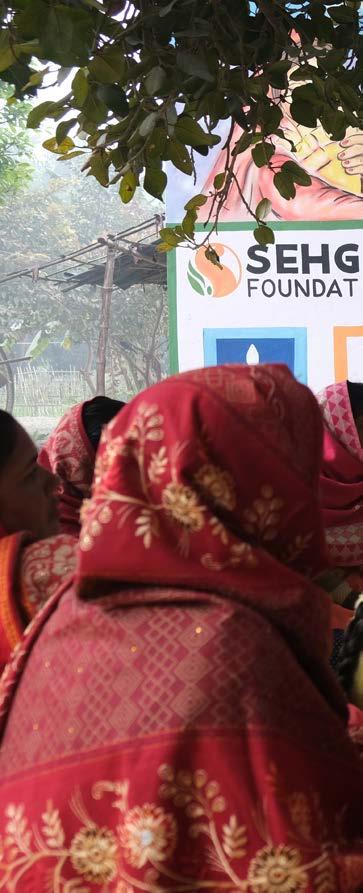
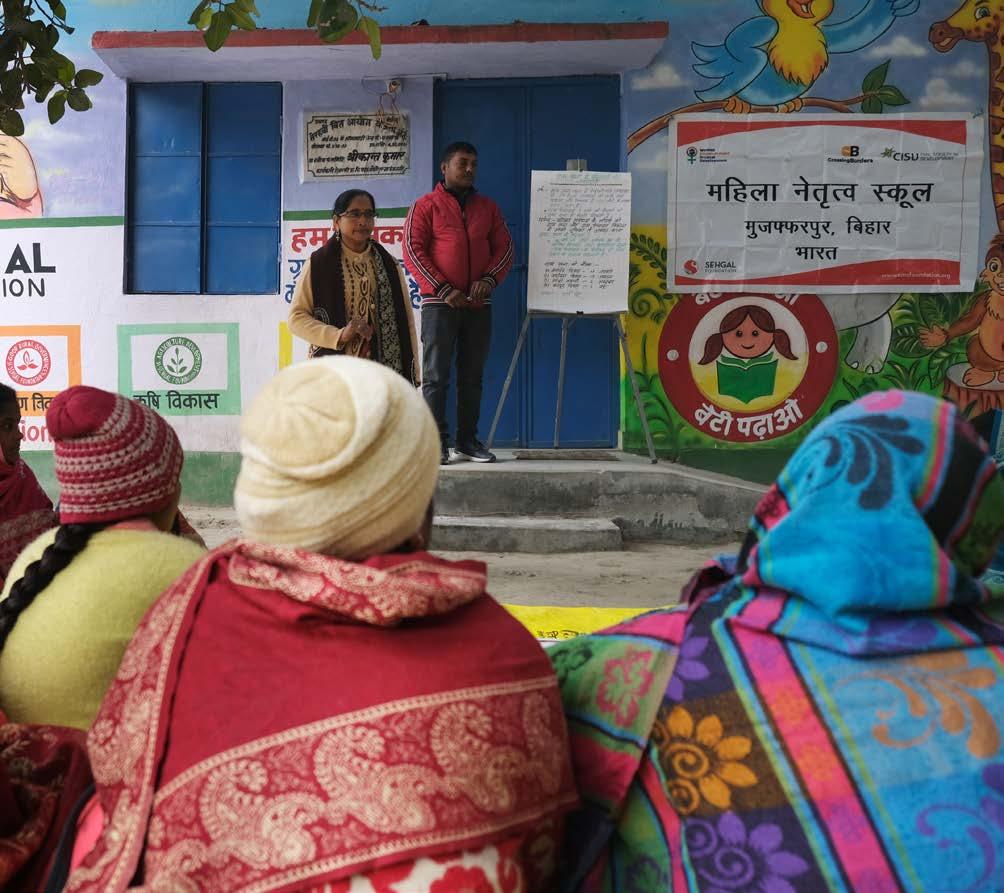
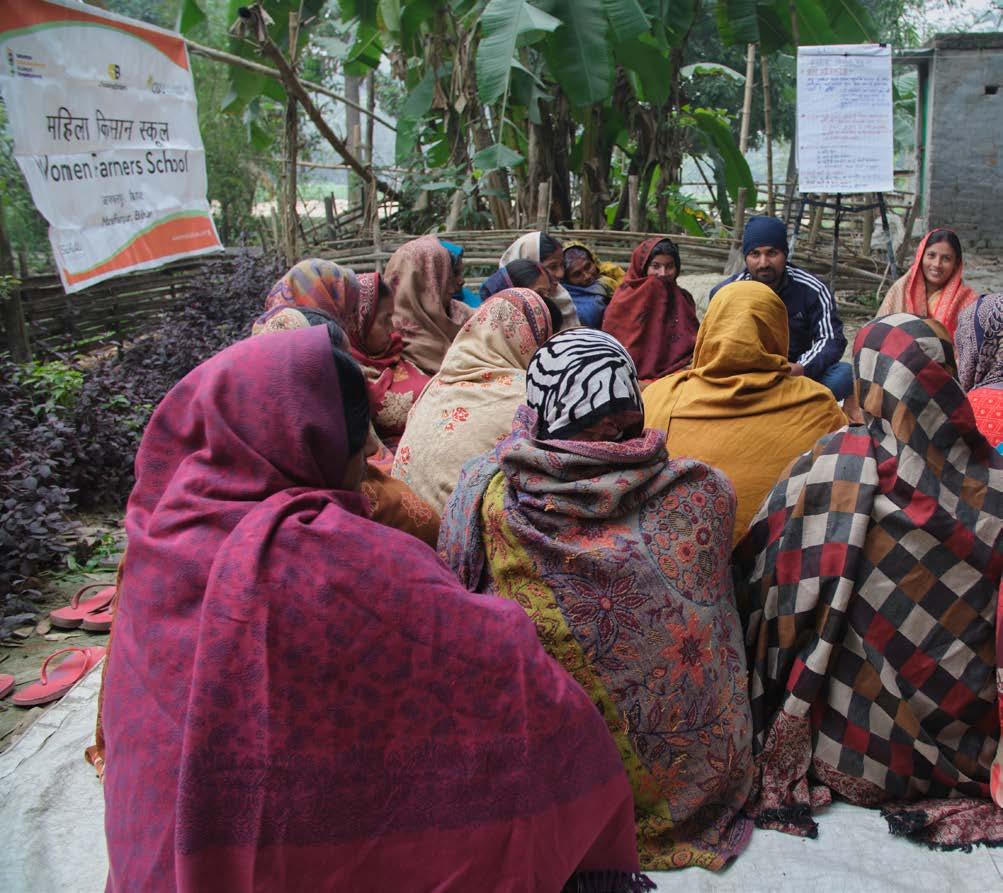
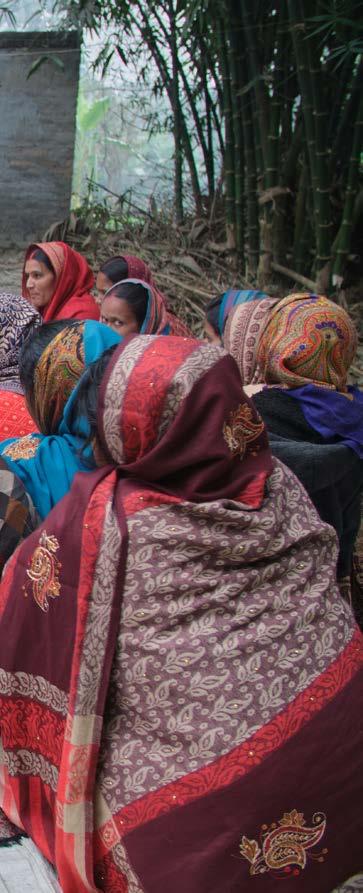
To strengthen women’s role in agriculture, the mainstay of livelihood in rural villages, and build their capacities on good agricultural practices, Women Farmer Schools (WFS) were developed. The focus expanded in this second phase to include enhancing women’s participation in livelihood generation, nurturing equality among men and women farmers, and creating positive role models for other women farmers.
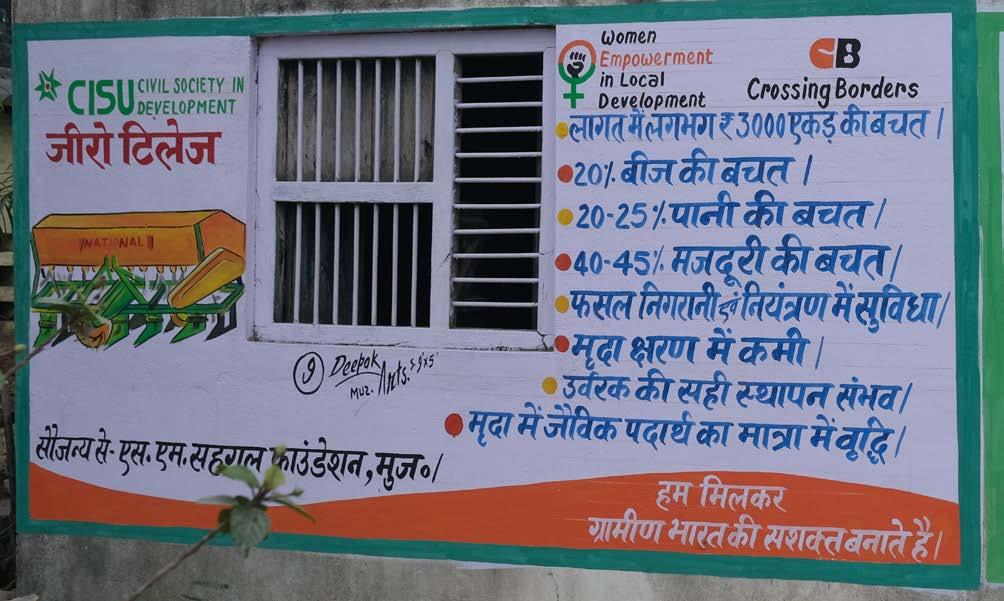
The WFS training focus is on accessing government programs on agriculture and promoting awareness and adoption of new practices that include soil health management, climate-smart interventions, crop production management, and small farm mechanization like zero tillage technique, among others.
A good mix of participatory training tools and on-field training enhances the capacities of women farmers and builds climate resilience. Nutri Kitchen Gardens established by women have improved nutritional diversity and security, adding to the basket of food choices and helping households save money. Women farmers were trained to prepare composts from the animal dung collected at household levels and use it in their nutri kitchen gardens and their fields, which led to increased yields.
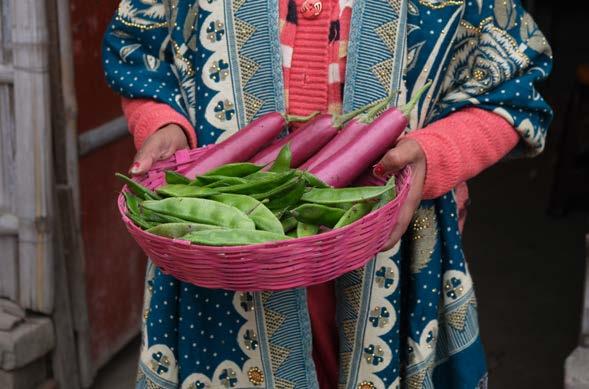
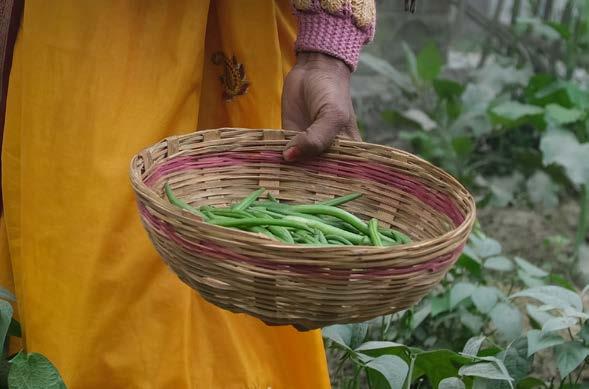
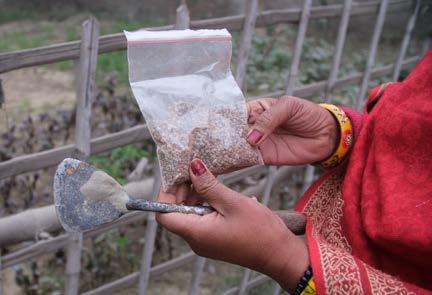
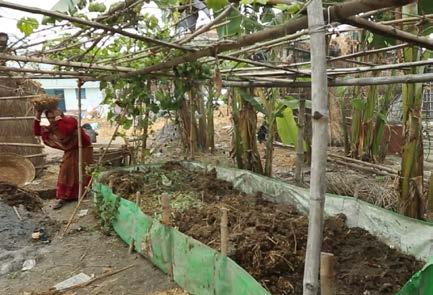
Women were provided with kitchen garden kits, compost bags, and zero tillage machines.
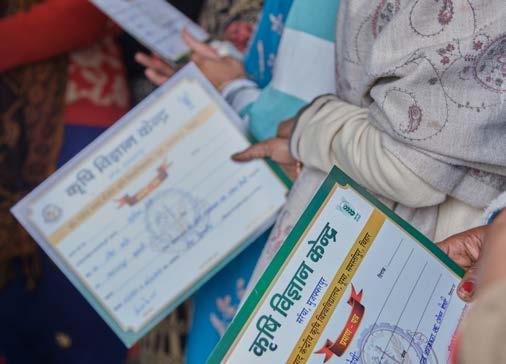
Convergence and Sustainability at the heart of the initiative ensure the continuation of sustained positive outcomes even after completion. Crosslearning meetings with women farmers, agricultural extension departments, and civil society organizations build direct linkages of women with government institutions such as the local Krishi Vigyan Kendra (KVK), equipping women with information and access to government schemes on agriculture. KVKs also provide training and support to women farmers on good agricultural practices.
Regular workshops on value addition of farm products and linkages with the market help women farmers diversify their livelihood options.
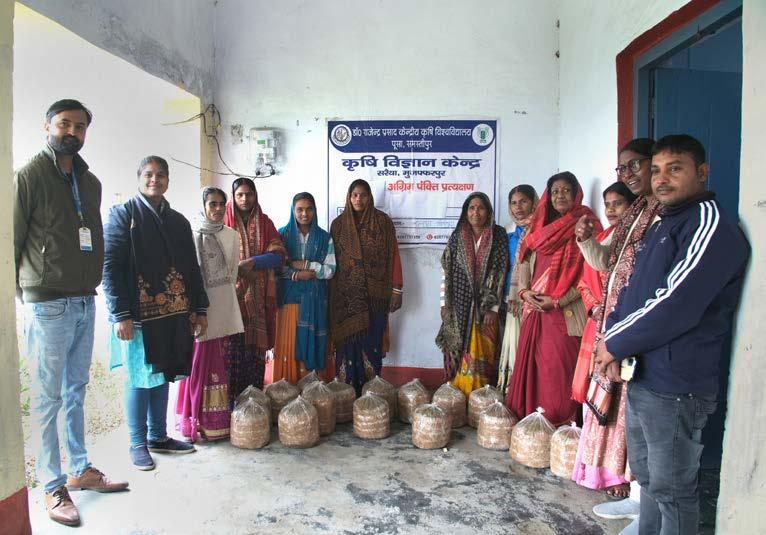
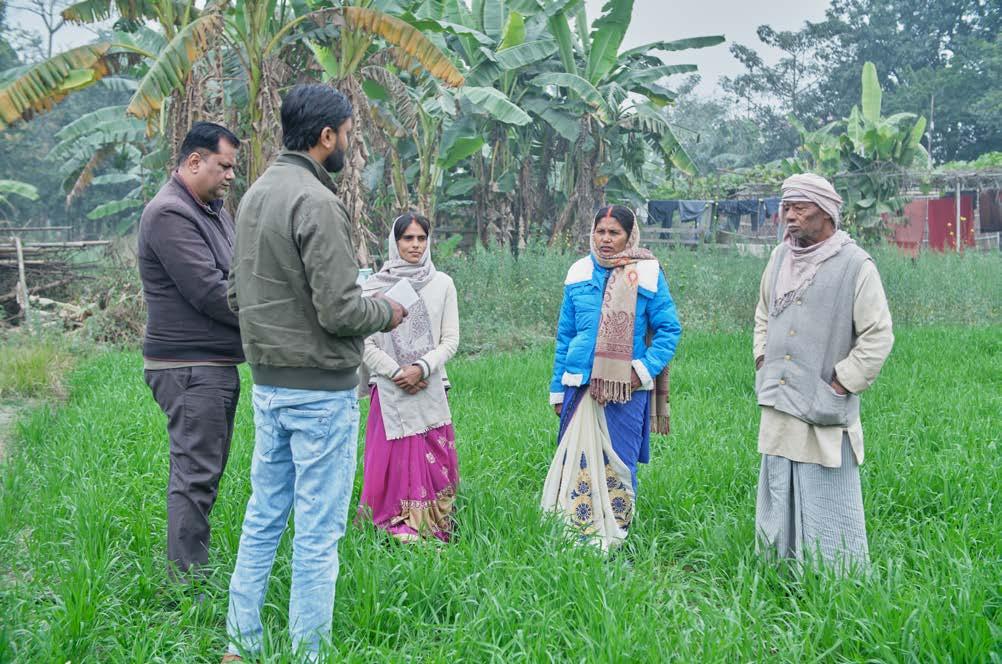
On-field training by KVK scientists, at various stages of farming cycles, help women farmers to take corrective measures on time.
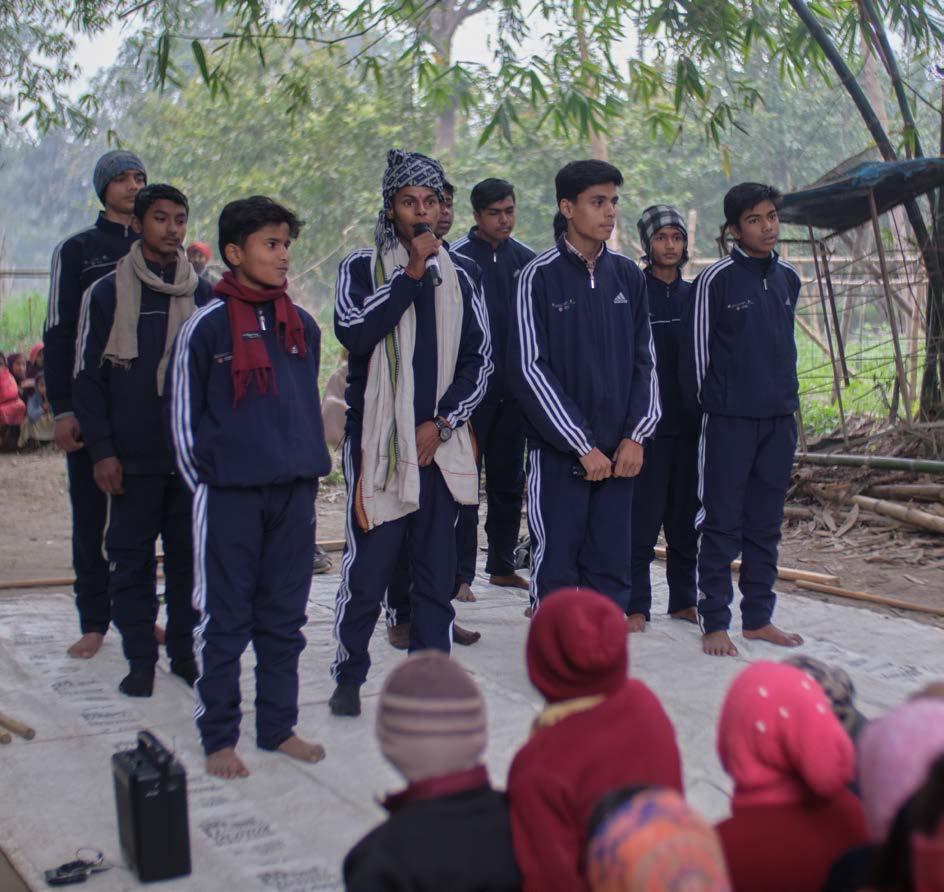
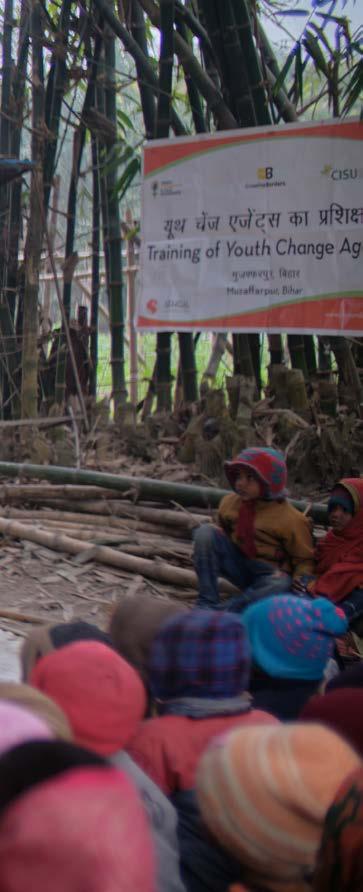
Street theater has been used effectively to drive sustained progress on gender equality. Youth are engaged to become allies and ambassadors of change by sensitizing them to gender equality. They perform street plays in neighborhoods and schools, addressing issues affecting women and girls.
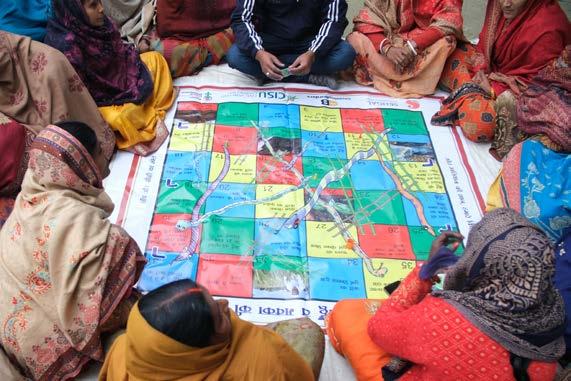
Participatory games, such as Ludo and Snakes & Ladders, are employed and modified to create awareness and focus on women’s empowerment.
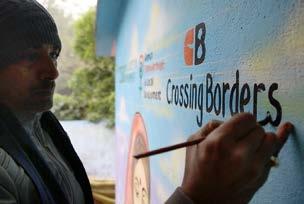
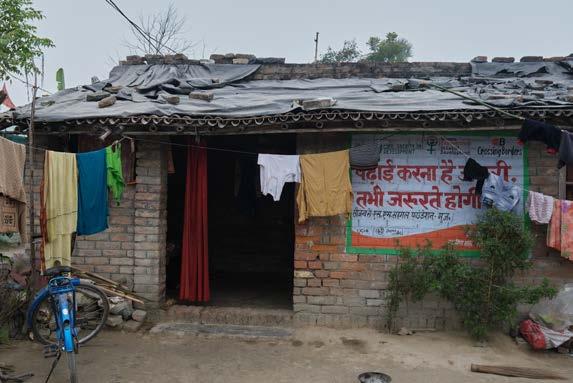
Awareness using wall paintings showcases key messages of gender equality and women’s empowerment that inform villagers about the initiative and encourages their active involvement in ward-level and gender equality meetings.
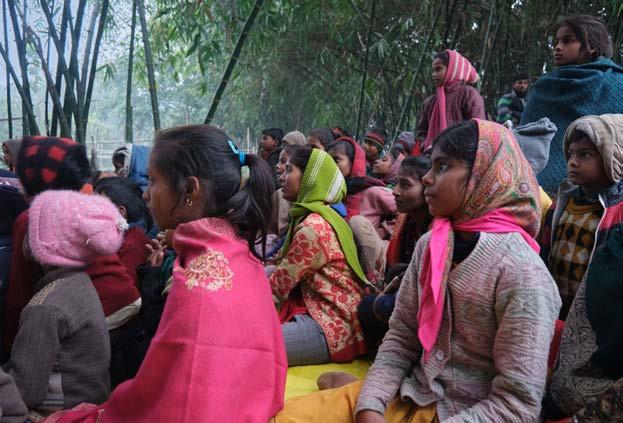
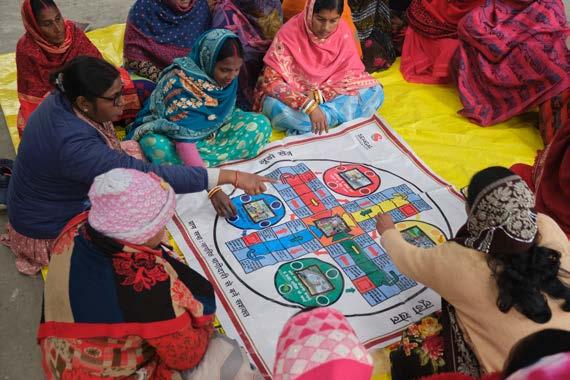
Popular games such as Ludo and Snakes & Ladders are adapted as innovative training tools.
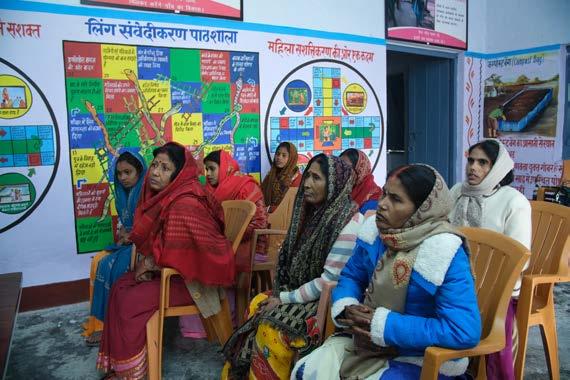
Wall paintings embedded all around the villages drive effective message delivery.
NarayaNpur Kushahi village
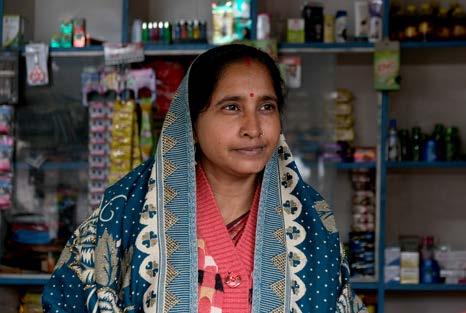
Abha was among the earliest participants in the Women’s Leadership School. The confidence she gained is evident in the joy she exudes when talking about creating hundred more women leaders, her flourishing kitchen garden providing good nutrition to her family.
Since joining the Women’s Leadership School, Abha’s private life has improved as well. To further supplement the family income, she has opened a small shop in her village, that her husband runs alongside her.
She is a respected member of her family and village. An innate leader, she has become a mentor for other women and a voice for her community. Since July 2023, she has been recogniszed as a Change Maker.
ramtobahaN village
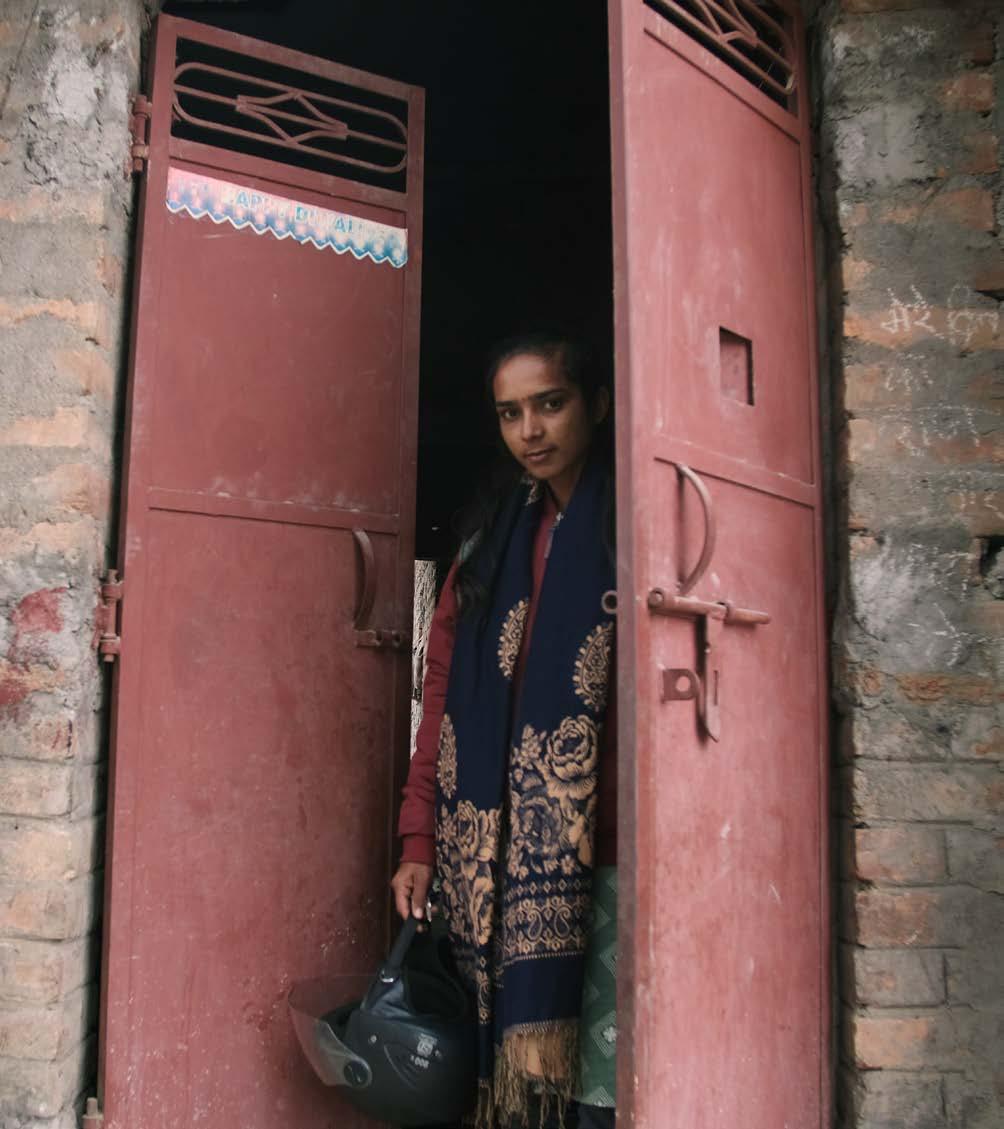
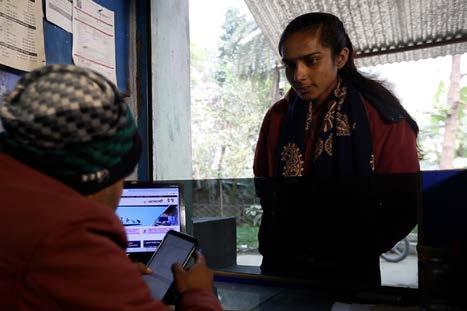
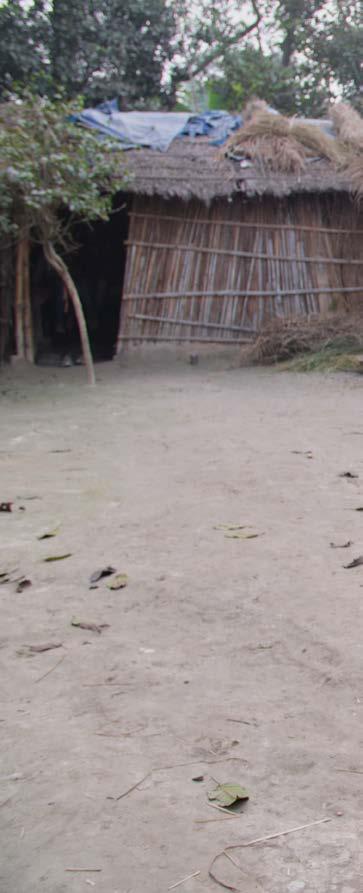
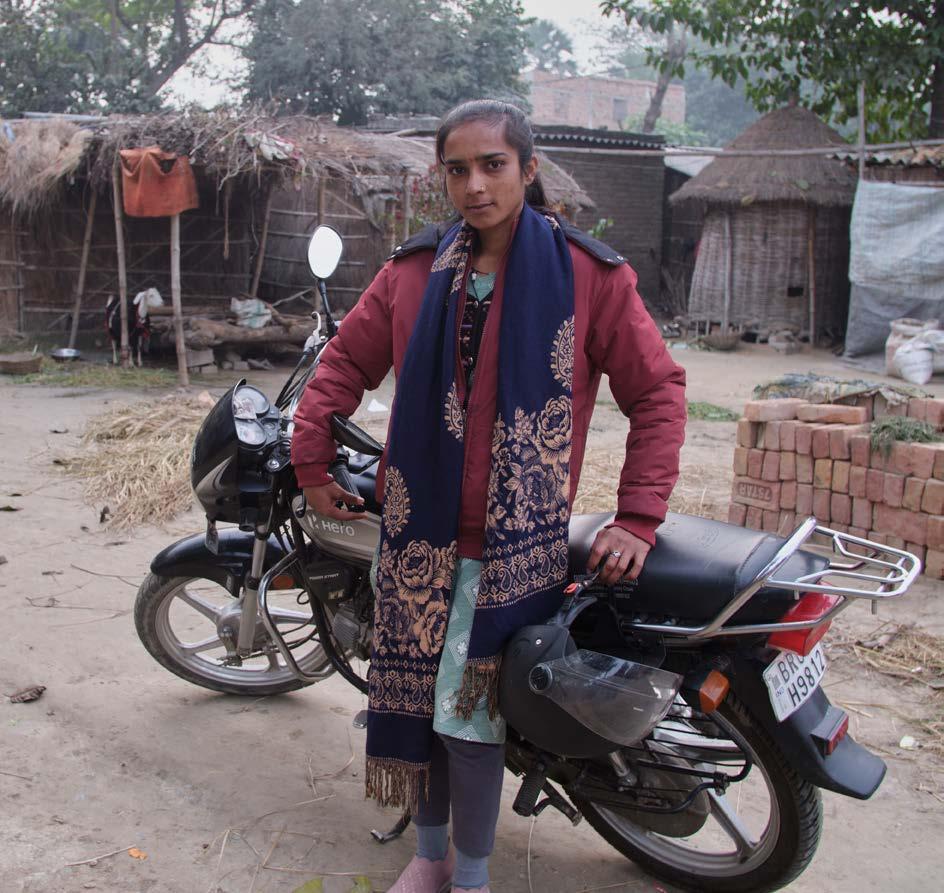
Chanchal is one of the few women in her region who rides a motorbike. This level of mobility is seldom witnessed in women. The third of six siblings, she lives with her parents, four sisters, and two brothers. Their main source of livelihood for her family is farming.
Chanchal joined the initiative early on and was instrumental in organising and mobilizing women across five villages.
She was introduced to the initiative through a convergence meeting having multiple stakeholders together on one platform. Learning about government programs here and continued association in other meetings motivated her to stay involved with the initiative.
An earnest, confident young college graduate, she became a Change Agent in 2023.

paNapur village
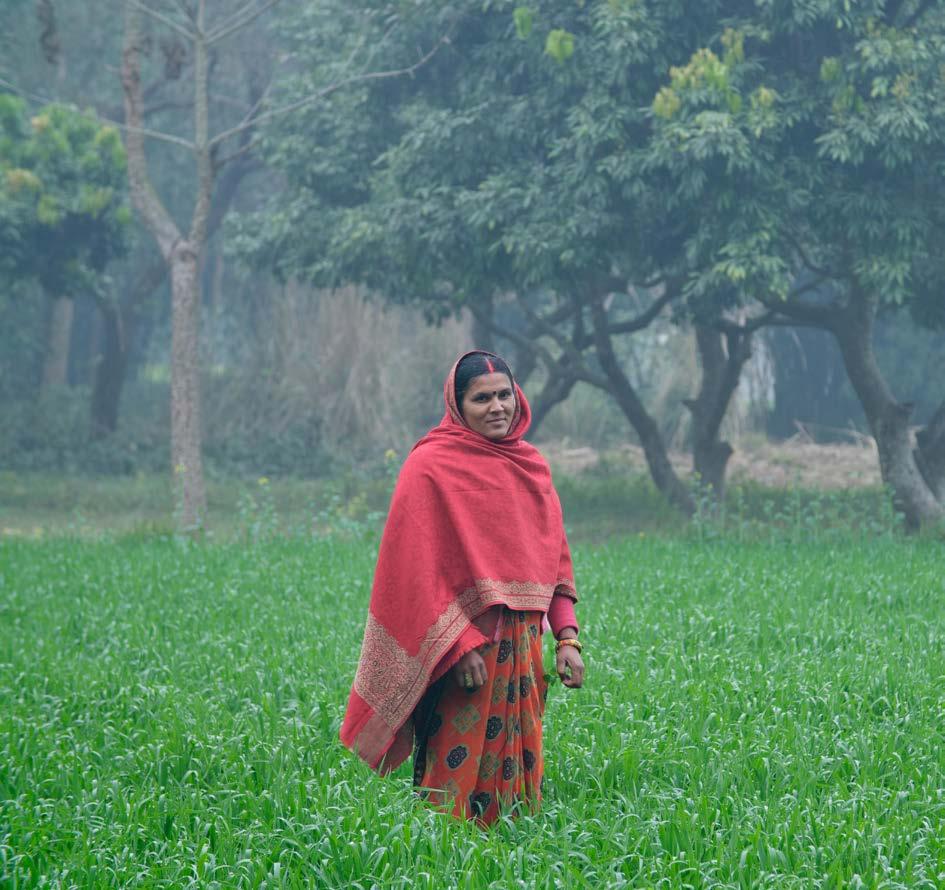
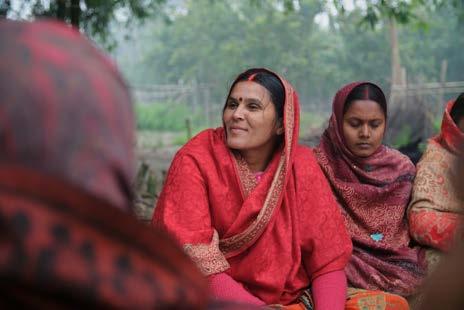
Ruby Devi lives with her three small children – a son, and two daughters, and her ninety-year-old father-in-law. She tends to the family’s farms alone, as her husband works in Mumbai.
She learned about the zero tillage technique as a participant in the Women Farmers School, and successfully grew wheat on her farm. A zero tillage machine allowed the direct sowing of seed. She achieved higher productivity with less cost.
She has also inspired her neighbors to try this method after seeing the results. In addition to her work as a farmer, she is also a health worker and Change Agent.
paNapur village
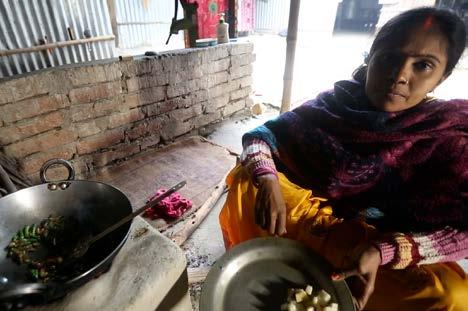
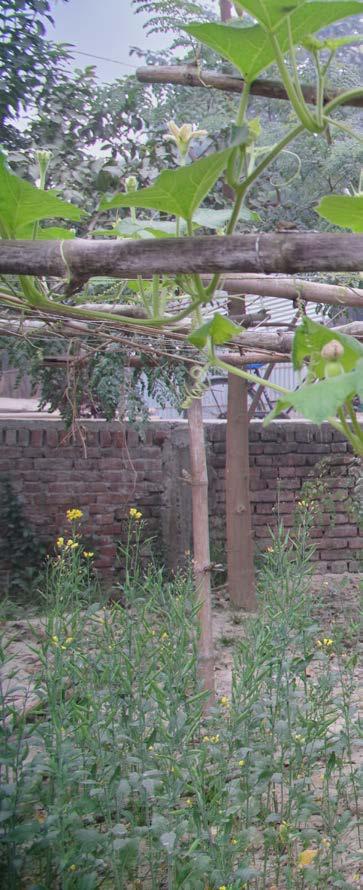
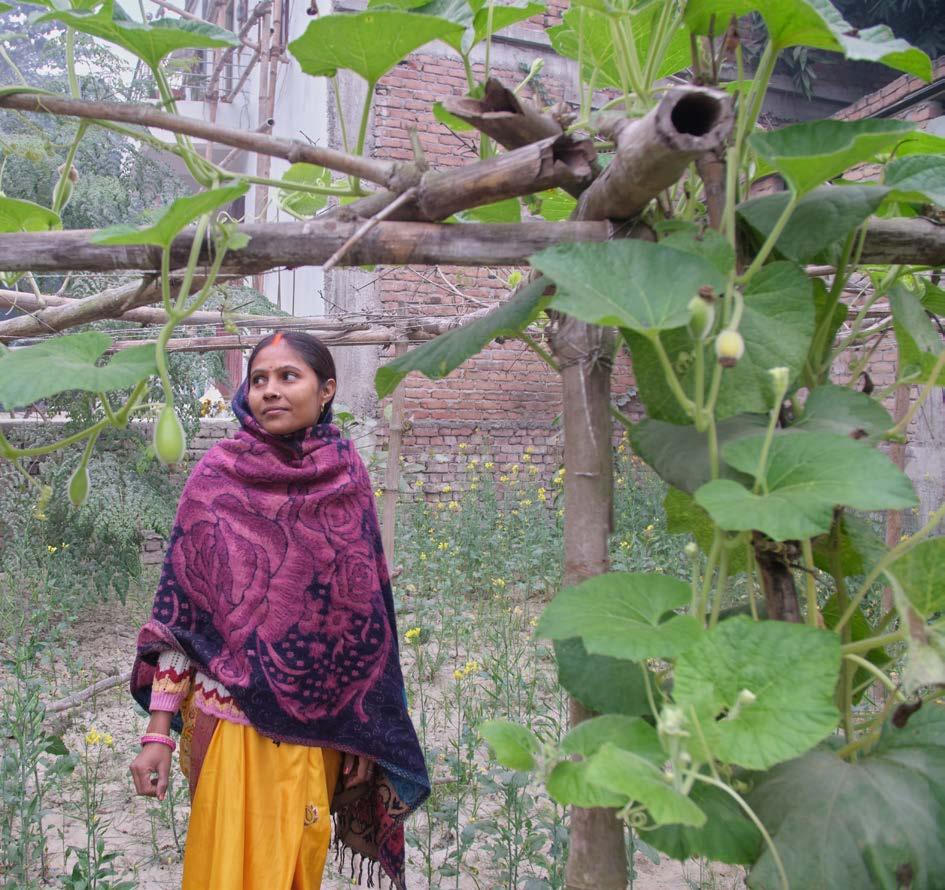
Rekha’s little kitchen nutri-garden is the envy of her neighbors. As a member of the Women Farmers School and one of the most active farmers in her village, she grows a variety of vegetables in her 50-square-foot garden. Through the program, she has learned how to grow vegetables with minimal intervention of chemicals.
Participants of the WFS were given seven different types of seeds to grow as part of nutri-garden. Rekha has successfully grown those seeds, as well as additional plants like drumstick, coriander, chilies, and mangoes. The garden provides for her family’s nutrition and leads to significant savings for them.
She is proud of being able to provide homegrown nutrition to her two young sons, father-in-law, and husband.
prasad village
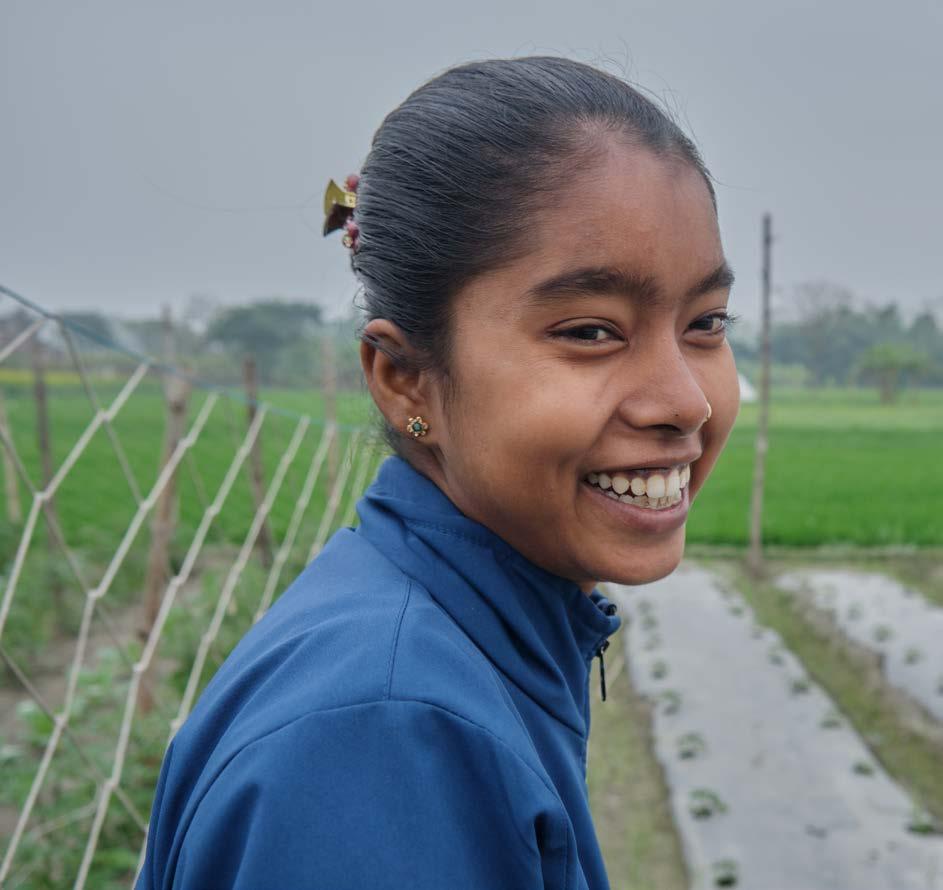
Kajal’s parents got involved with the initiative in the early phase and it led to a change in their mindset toward women’s place in society. Now they regret getting Kajal’s older sister married early.
Kajal has already completed a computer course, and is now in college doing her first year of graduation. She lives in a joint family. Alongside her studies, Kajal helps her family with farming and running the grocery shop.
An outspoken, active young woman, she became a Change Agent in November 2023. She plays an active role in training villagers on good sanitation practices and bring about behavior change. She wants to become a school teacher.
NarayaNpur Kushahi village
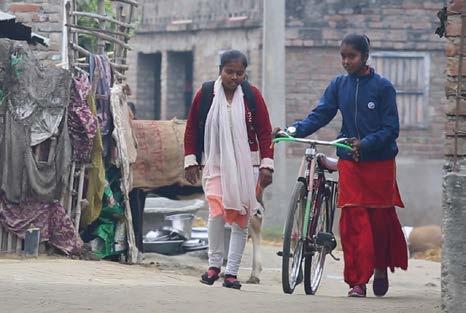
Nilu’s studies were disrupted after she completed her class 12 despite her dedication towards learning further. Her family did not have enough resources to send her to college. During a WLS meeting, Nilu’s mother, a participant, got to know about the Mukhyamantri Kanya Utthan Yojana – an initiative of the Bihar government to encourage further education for girls in the first year of a BA program.
Nilu’s mother encouraged her to apply for the scheme and upon receiving hand holding support through her mother and other change agents, she applied for it, and received a ‘protsahan rashi’ (stipend) of Rupees 25,000 to help her pursue further education after school.
Now Nilu is in college, pursuing her first year of a BA program. She looks forward to a different future.
prasad village
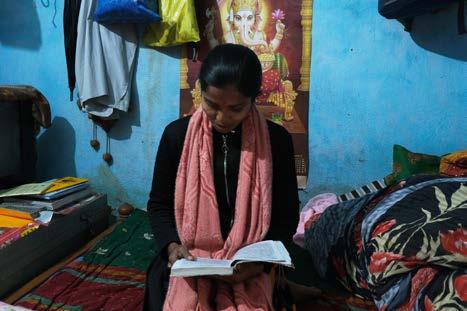
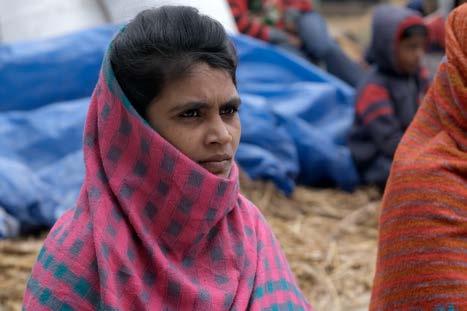
Afsana is a resilient woman who after losing her husband unexpectedly, had to navigate the complexities of widowhood while raising two young daughters.
She joined the Women’s Leadership School in 2023. Despite resistance from her neighbors, she persevered, recognizing the importance of education in empowering herself. Through WLS, she gained confidence, learned about her rights and entitlements, and even developed public speaking skills.
The enhanced self confidence gained from the WLS led Afsana to take up farm labour work and sustain her family. She’s determined to provide her daughters with better opportunities, ensuring their attendance at the local anganwadi (a government-sponsored mother and childcare centre). Reflecting on her own journey, Afsana regrets the lack of similar support in her youth, but remains optimistic about shaping a brighter future for her family.
prasad village
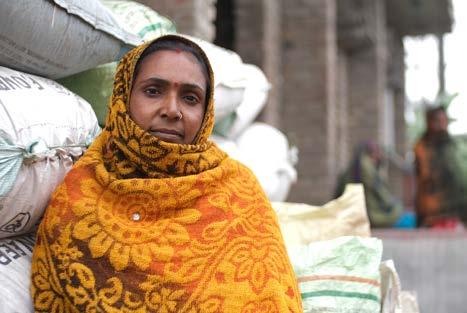
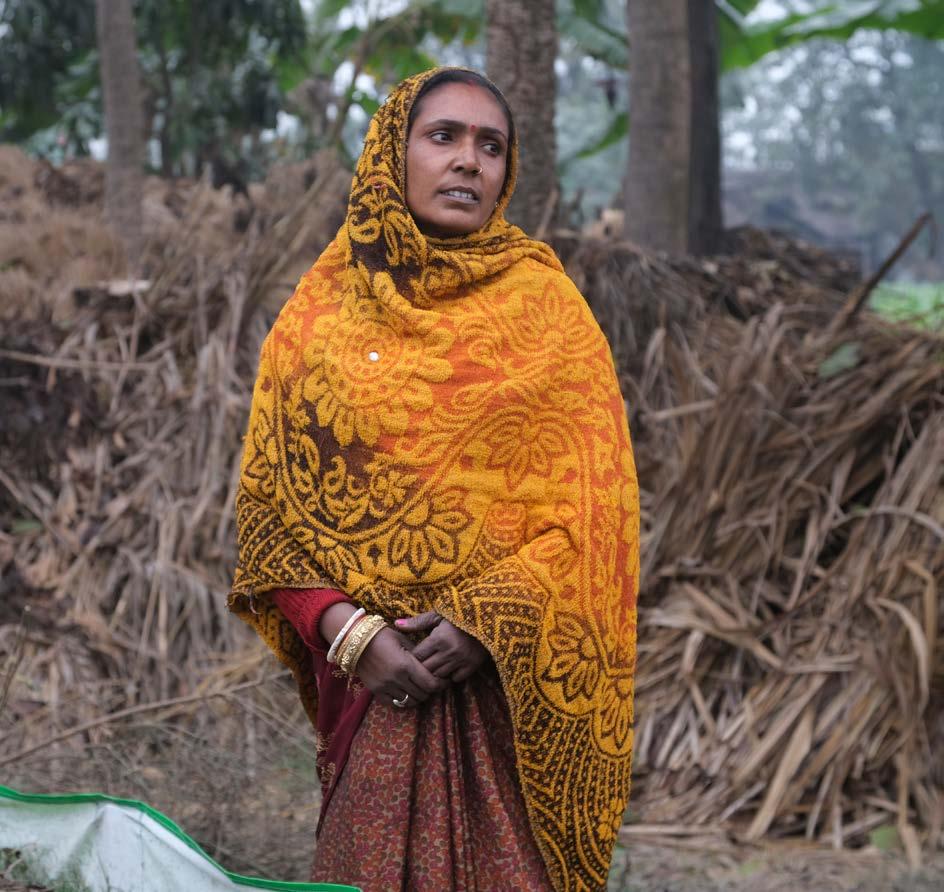
Renu Devi’s family consists of five members. Alongside her husband and three children she manages their agricultural endeavors. Despite the demands of farming, all children are enrolled in school, emphasising the family’s commitment to education.
As a member of the Women’s Farmers School (WFS) since 2023, Renu has actively participated in programs aimed at promoting sustainable agricultural practices. Prior to WFS, she was a member of the Women’s Leadership School (WLS), which laid the foundation for her self-reliance. Through the WFS, she acquired compost bags and valuable knowledge on composting techniques. With a land size of 5 acres, Renu cultivates wheat, rice, and vegetables, utilising the compost to enrich the soil and reduce the need for chemical fertilizers.
Renu attests to the effectiveness of composting, noting its significant role in reducing input costs associated with fertilizers.
paNapur village
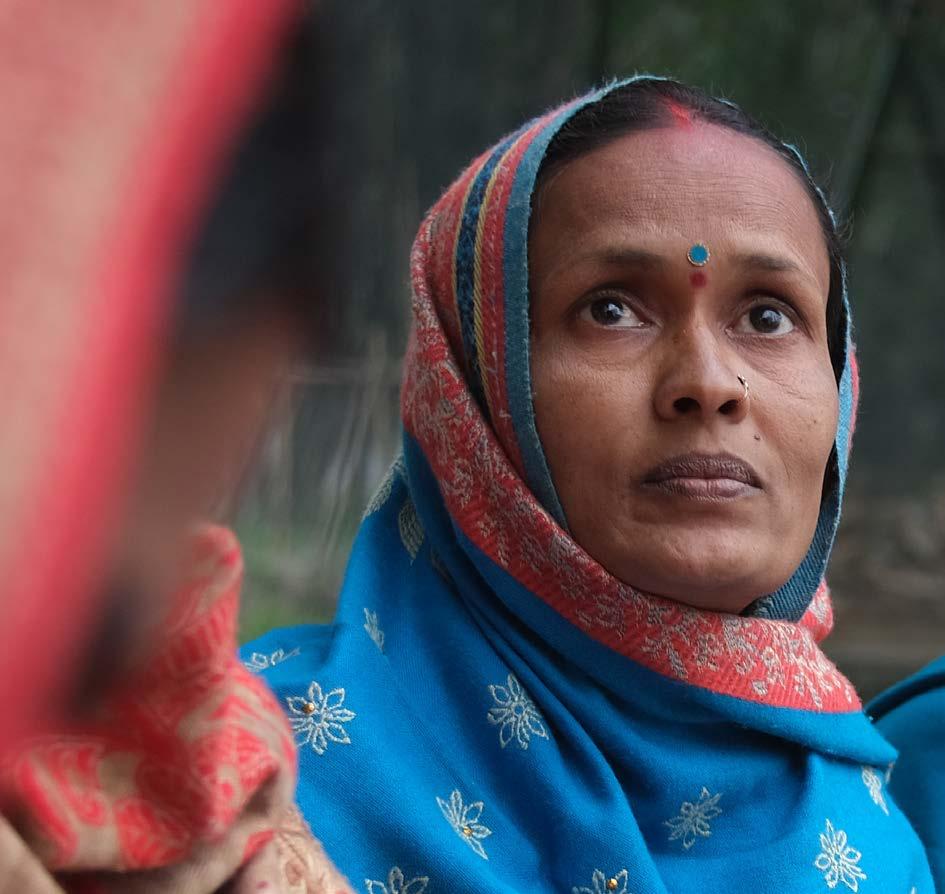
Rekha Devi lives with her husband and two sons, aged eight and six. She helps her husband with the running of a small shop in the village. With 2.5 bighas (1.56 acres), of land at her disposal, Rekha efficiently cultivates one fruit crop on a part of her land and rice, wheat, and potatoes on the rest.
In 2023, Rekha embraced personal and community development by enrolling in the Women’s Leadership School. Engaging in group discussions, Rekha acquired knowledge of innovative agricultural techniques, further bolstering the productivity of her land.
Rekha Devi learnt to balance her roles as a wife, mother, and entrepreneur while actively contributing to the welfare and progress of her community.
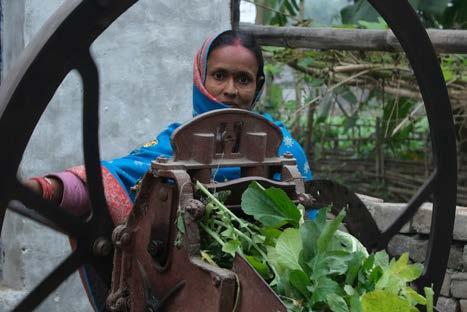
The first step to empowering communities is through knowledge. This initiative has given women the confidence to voice their aspirations, ideas, and concerns, and become active participants in their communities, as well as households. Educating women with the right tools, and sensitising men and youth on gender equality, will contribute to building gender just communities.

20 WOMEN FARMERS SCHOOLS
3,200 WOMEN REACHED
10,000+ VILLAGERS REACHED