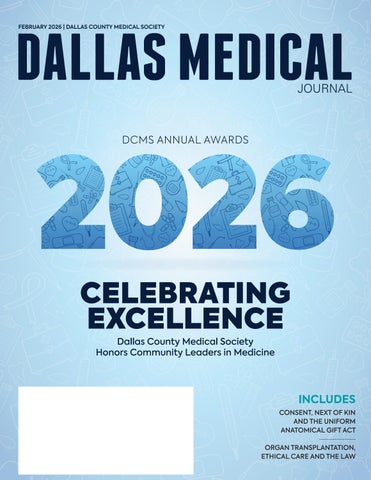
DCMS ANNUAL AWARDS
CELEBRATING EXCELLENCE
Dallas County Medical Society
Honors Community Leaders in Medicine CONSENT, NEXT OF


FEBRUARY 2026
Jon R. Roth, MS,
EDITORIAL
EDITOR,
Stephanie Jennings
DESIGNED BY
Morganne Stewart
Business Development
Ravindra Mohan Bharadwaj, MD, Chair
Sumana Gangi, MD
Jawahar Jagarapu, MD
Dylan Jacob Kruse
Ravina R. Linenfelser, DO
Sina Najafi, DO
Erin D. Roe, MD, MBA
Katelyn Williams, MD
BOARD OF DIRECTORS
Gates B. Colbert, MD, President
Vijay V. Giridhar, MD, President-elect
Sheila Chhutani, MD, Secretary/Treasurer
Shaina M. Drummond, MD, Immediate Past President
Kimulique Harkley Allen, MD
Justin M. Bishop, MD
Max I. Galvan, MD
Nazish Saeed Islahi, MD
Benjamin C. Lee, MD
Allison Moore Liddell, MD
Riva Louise Rahl, MD
Thomas Schlieve, MD
Celebrating Excellence and Leadership: Reflections from the DCMS Presidential Gala
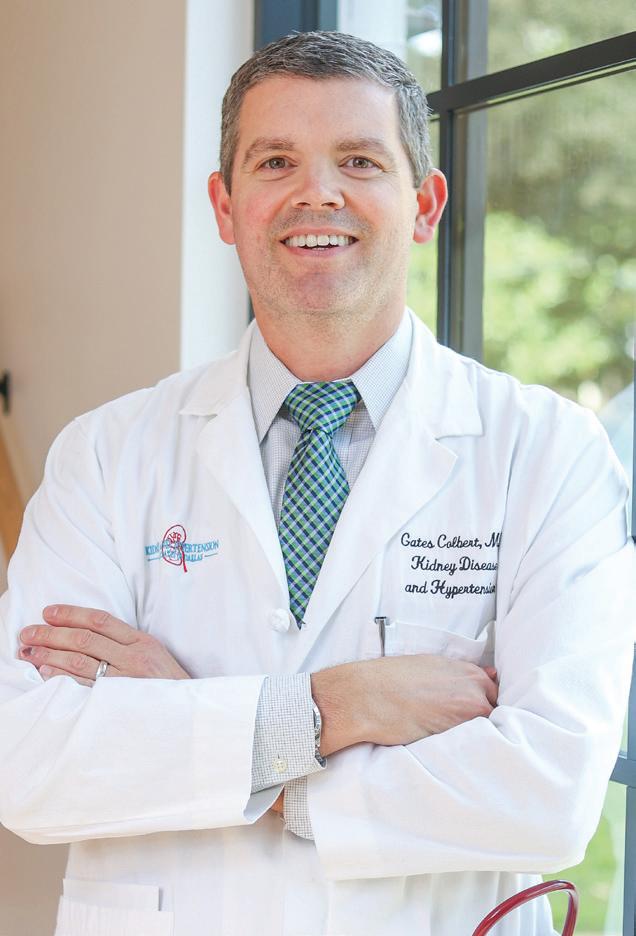
Gates B. Colbert, MD
2026 President, Dallas County Medical Society
DEAR COLLEAGUES AND FRIENDS,
It is with immense gratitude and pride that I write to you as the 143rd President of the Dallas County Medical Society (DCMS), reflecting on the extraordinary evening we shared at the recent Presidential Gala. This year, we were honored to gather at the George W. Bush Institute, a fitting venue for an event celebrating the legacy and future of medicine in Dallas.
The overwhelming enthusiasm that filled the room was truly remarkable. For the first time in recent memory, the Gala was not only completely sold out but also had a waiting list, which is a testament to the unity and engagement of our medical community. I want
to extend my heartfelt thanks to our dedicated DCMS staff—Sarah, Nishi, and CEO Jon Roth—for their tireless efforts in orchestrating this premier event for Dallas medicine.
We also celebrated the leadership and service of Dr. Shaina Drummond, whose tenure as DCMS President was marked by dedication, integrity, and resilience. Dr. Drummond steered our society through a year of both challenges and opportunities, and we are grateful for her steady hand and vision.
My own journey has been shaped by a deep commitment to our profession and our patients. As a Clinical Nephrologist and Hypertension specialist at Baylor University Medical Center,
and a fourth-generation Texan, I am honored to represent a community that values excellence, service, and innovation. My family, who joined me at this special occasion, has been a source of unwavering support. I am grateful for their presence and encouragement.
The evening also recognized the achievements of our award winners, whose contributions continue to inspire us all. Their dedication exemplifies the best of our profession and reminds us of the responsibility we carry as physicians.
DCMS exists to advocate for our members and the patients we serve. In a rapidly evolving healthcare landscape, it is more important than ever that we champion the physician's role as a leader, collaborator, and advocate. While the healthcare team has grown and diversified, the continuity and expertise that physicians provide remain central to delivering exceptional patient care. We must work together with our colleagues across disciplines while ensuring that our voice is heard at every table where decisions are made.
Too often, physicians remove themselves from critical conversations—whether with policymakers, administrators, or industry leaders. I encourage each of you to step forward, share your expertise, and engage meaningfully with those shaping the future of healthcare. Dallas medicine is exceptional because of the dedication, innovation,
and compassion that each of you brings to your practice every day.
As we look ahead, my goal is to remind us of the profound impact we have and to encourage each of us to embody the ideals of leadership, advocacy, and service. For nearly a century and a half, DCMS has been at the forefront of medical excellence in Dallas. Let us continue to build on this legacy, supporting one another and our community.
Thank you for your leadership, your commitment, and the vital role you play in advancing health and healing in Dallas. Together, we will continue to make a difference. DMJ
With warmest regards,
Gates B. Colbert
Gates B. Colbert, MD President, Dallas County Medical Society

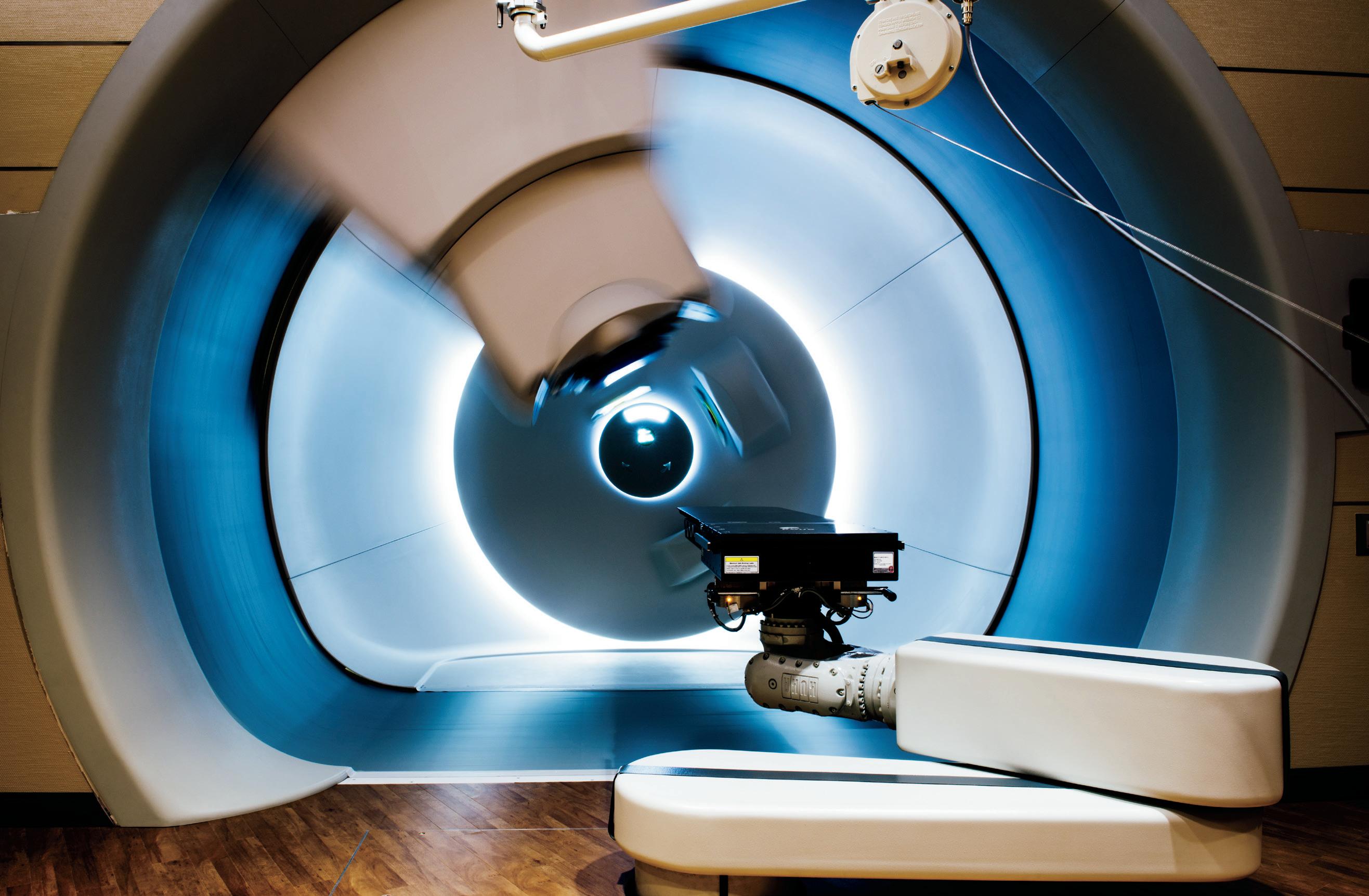
Genuince Care. Molecular Precision.
• North Texas leader in PET/CT since 2003
• Specialized training in Molecular Imaging and Oncology
• ACR-Accredited PET facility
• Quick scheduling and shorter wait times for quick, accurate results


The Heart of the Matter: Prevention, Screening, and the Physician’s Promise
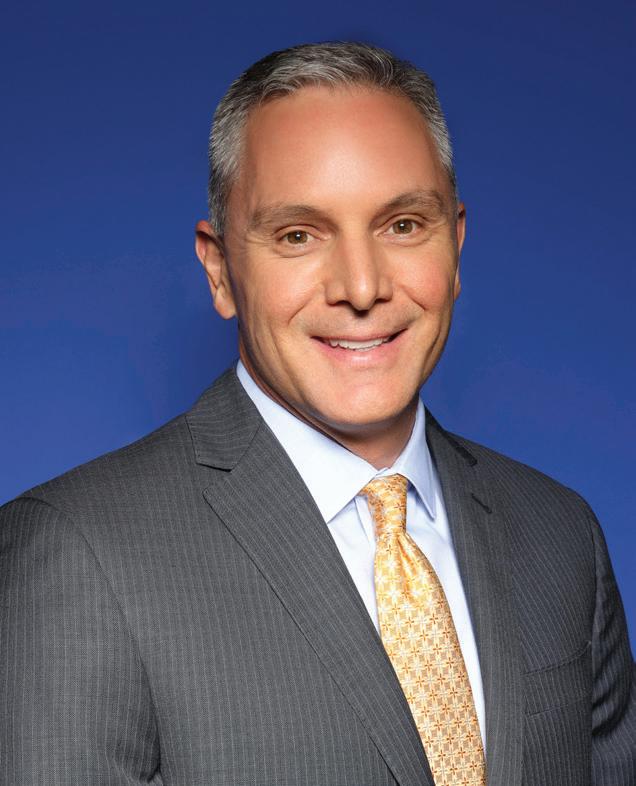
Jon R. Roth, MS, CAE
FEBRUARY IS AMERICAN HEART MONTH, AND THE NUMBER THAT defines it is both familiar and unrelenting: heart disease remains the leading cause of death in the United States, claiming nearly one life every 33 seconds. In 2023 alone, approximately 681,000 Americans died from cardiovascular disease—roughly one in every five deaths recorded that year. Reminding ourselves of these staggering statistics each February is not merely a calendar designation but a genuine call to action.
The Dallas County Medical Society (DCMS) has long held that preventive medicine is the highest expression of the profession. Prevention is not a secondary concern relegated to health fairs and pamphlets. It is the very architecture of effective cardiovascular care, and our physician members are uniquely positioned to make it a centerpiece of every clinical encounter.
The statistics demand attention. According to the American Heart Association, nearly half of all American adults have high blood pressure, the single most modifiable risk factor for cardiovascular disease. Yet only one-in-four people with hypertension has it under control. Our members know all too well that high cholesterol, diabetes, obesity, and physical inactivity compound the risk in ways that are largely preventable. Research consistently shows that lifestyle interventions could prevent up to 80 percent of heart disease events and strokes. That is eight-in-ten! The implications for clinical practice could not be clearer.
In our own backyard, Dallas-area physicians are doing extraordinary work to close this gap between what is known and what is practiced. At UT Southwestern Medical Center, Dr. Amit Khera, Professor of Internal Medicine, Clinical Chief of Cardiology, and Director of UT Southwestern's Preventive Cardiology Program has devoted his career to precisely this mission. Holding the Dallas Heart Ball Chair in Hypertension and Heart Disease, Dr. Khera has spent decades studying cardiac risk assessment and risk factor modification, translating that research into individualized treatment plans for patients who might otherwise remain unaware of the danger building quietly in their arteries. He is a Fellow of both the American College of Cardiology and the American Heart Association, a past president of the American Society for Preventive Cardiology, and, importantly, an active member of the DCMS. His presence in our professional community is a reminder of how world-class science and local medical practice can reinforce each other.
Equally compelling is the work of DCMS member, Dr. Anand Rohatgi, a preventive cardiologist at UT Southwestern whose focus on cholesterol efflux capacity and lipid
disorders has reshaped how we understand the biological underpinnings of atherosclerosis. Dr. Rohatgi describes his role as that of a guide and teacher, empowering patients to approach heart health holistically through lifestyle modification and evidence-based therapy. His message is one that every physician in this community can carry into their own examination rooms: prevention is not passive, and the physician's voice in motivating behavioral change remains the most powerful tool we possess. Alongside Dr. Rohatgi, Dr. Parag Joshi, a Dallas native, DCMS member, and Associate Professor in UT Southwestern's Division of Cardiology brings an equally rigorous approach to early atherosclerosis, abnormal cholesterol, and noninvasive cardiac imaging, offering patients the kind of precision-guided preventive care that earlier generations could not have imagined.
At Baylor Scott & White The Heart Hospital, Dallas, the commitment to prevention and treatment is institutional as well as clinical. Physicians there have pioneered programs in preventive cardiology for patients with atherosclerosis, endocrine disorders, and obesity, and the hospital's Dallas campus is among a select few in North Texas offering lipoprotein apheresis for patients with familial hypercholesterolemia, a genetic condition often hidden in plain sight that dramatically elevates cardiovascular risk. When patients have more significant cardiovascular needs than what prevention can provide, Baylor Scott & White is home to world-class physicians who can provide the highest level of care to patients. Physicians like Shelley Hall, MD, FACC, FHFSA, FAST, the Director of Heart Transplant Services at HeartPlace and board certified in advanced heart failure and transplant cardiology. Dr. Hall has been in practice since 1997 and has expertise in general cardiology and congestive heart failure and is also the Chief of Heart Transplant Service for Baylor.
In addition to her clinical practice, Dr. Hall is a Clinical Associate Professor at Texas A&M Health Science Center College of Medicine and is the President of the Texas Chapter of the American College of Cardiology. She has professional affiliations with several organizations, including DCMS, the International Society of Heart and Lung Transplantation, the American Society of Transplantation, the Heart Failure Society of America, the American College of Cardiology, the American Heart Association, the Society of Cardiovascular Angiography & Interventions, and the Texas Medical Association.
This brings us to the matter most directly in our collective hands: screening. Regular cardiovascular screening, such as blood pressure, lipid panels, and blood glucose assessment is the foundational act of preventive cardiology. It costs relatively little but finds disease early when intervention is most effective. And yet, patients defer these conversations, avoid these appointments, and remain unaware of conditions that are progressing silently. We must work to change that. Every primary care visit is an opportunity. Every encounter with a patient over 40 or younger, if risk factors are present, carries an implicit obligation to ask about cardiovascular history, assess modifiable risk factors, and initiate screening where indicated.
The American Heart Association's Life's Essential 8 framework offers a practical scaffold for these conversations: managing blood pressure, controlling
cholesterol, reducing blood glucose, maintaining a healthy weight, engaging in regular physical activity, eating a hearthealthy diet, avoiding tobacco, and prioritizing adequate sleep. These eight domains, addressed consistently and collaboratively between physician and patient, represent the most evidence-based path to reducing cardiovascular mortality that medicine currently offers. All of them can begin with a conversation.
DCMS recognizes that our physician members carry an enormous weight. Administrative burdens, shortened appointment times, and the relentless demands of modern practice can make it difficult to prioritize what feels like a long-term conversation in a short-term world. And yet the data make plain that this is where the difference is made. The physician who checks a blood pressure, orders a lipid panel, and follows up on the results consistently, is, in the most literal sense, saving lives.
American Heart Month is an occasion to pause and remember why our members entered this profession. Not to manage disease as an inevitability, but to prevent it wherever possible. We ask our DCMS physician members to carry this message forward: encourage your patients to schedule that overdue appointment, complete that deferred screening, and take seriously the lifestyle changes that no prescription can replicate. The heart is a remarkable organ. It sustains every moment of every life we are privileged to touch. This month, let us be deliberate about helping patients protect it. DMJ
Jon R. Roth, MS, CAE DCMS EVP/CEO
Consider this: What if an illness, injury, or the birth of your child interrupts your ability to practice?
Here’s the challenge: Long term disability insurance may take 90 to 180 days to begin paying benefits, which is far too long to go without income when you still have ongoing expenses.
Here’s the answer: The TMA Member Short Term Disability Insurance plan, issued by The Prudential Insurance Company of America, provides an early layer of financial protection — your first line of defense.
Here’s what you can count on: Guaranteed acceptance for benefits that offer an accessible way to manage medical and non-medical costs, including student loan payments, housing costs, childcare, and other everyday necessities.

TMA Member Guaranteed Acceptance
• Guaranteed acceptance for up to $6,000/ month for TMA members under age 55
• Weekly cash benefits for up to 13 weeks
Faster Access to Benefits
• Benefits begin on day one for an accident
• Benefits begin on day seven for a covered illness
• Benefits are paid directly to you, regardless of other insurance
Coverage Designed for Physicians
• Pregnancy coverage: 2 weeks prepartum, 6 weeks postpartum, 8 weeks for a c-section
• Coverage for partial and total disability
• Affordable premiums
• Portable coverage as long as you remain a TMA member
• Dedicated claims assistance, including help with forms, questions, and updates
• Quick and convenient enrollment
Don’t let life’s “what ifs” put your income at risk. Short term disability coverage through TMA Insurance Trust offers meaningful support to help keep financial pressures in check as you focus on your recovery.
You can get started at any time. Visit tmait.org. Scan the QR code to enroll, or call 800-880-8181 for assistance from a TMA Insurance Trust advisor Monday through Friday from 8:00 AM to 5:00 PM CST.
CELEBRATING EXCELLENCE
DCMS AWARD WINNERS
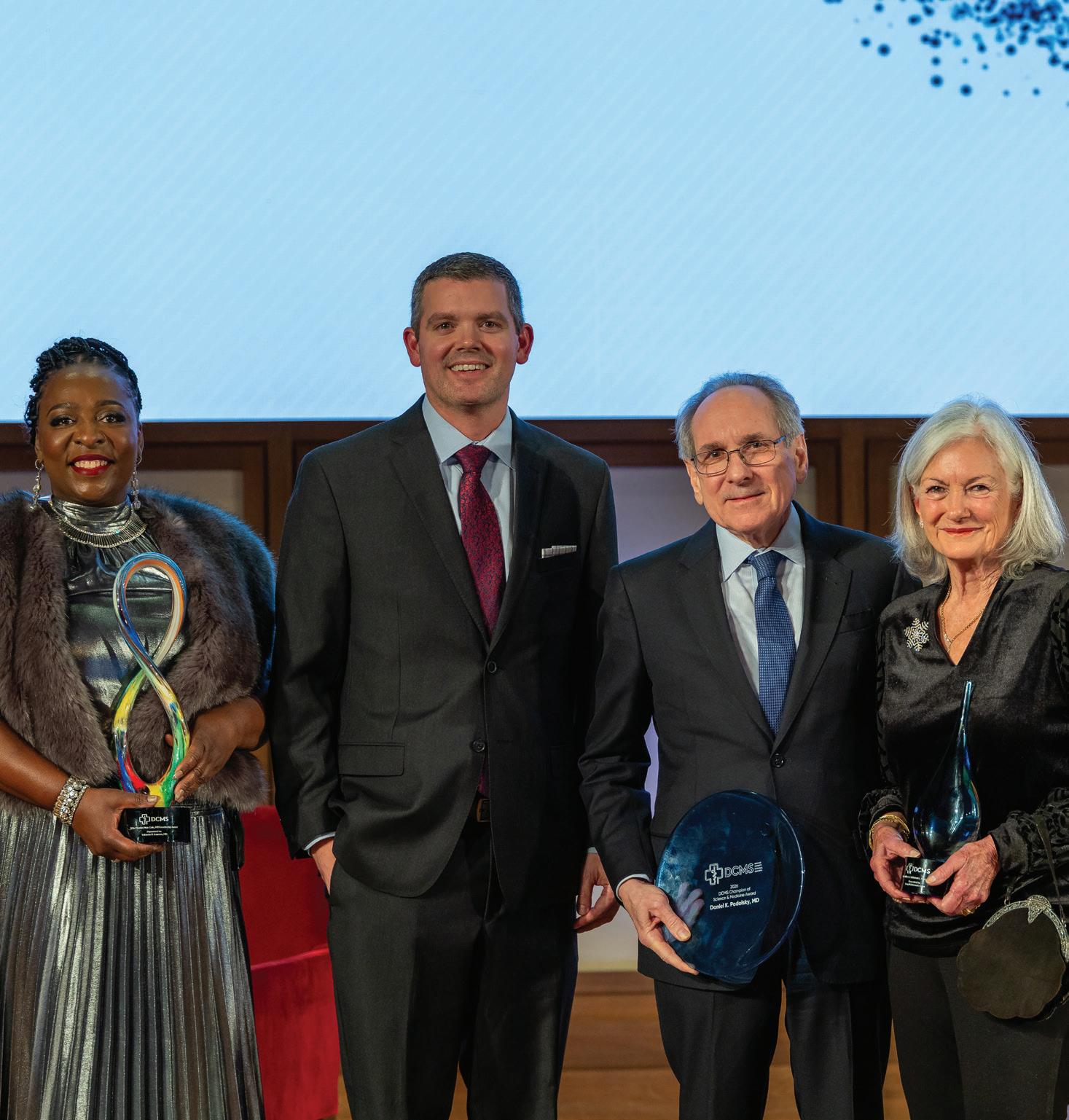
Each year, the Dallas County Medical Society honors individuals for exceptional leadership and service to medicine and the Dallas community. The Millard J. and Robert L. Heath Award recognizes a layperson for outstanding contributions to medicine and community leadership. The Charles Max Cole, MD, Leadership Award honors a DCMS member for dedicated service to the medical profession and community, first awarded in 1985 to Dr. Cole for his impact at national, state, and local levels. The DCMS Champion of Science & Medicine Award celebrates leaders in government or academia who shape public policy using science and evidence-based medicine to improve health in Dallas County.
by Samantha Sabio
YOLANDA LAWSON, MD
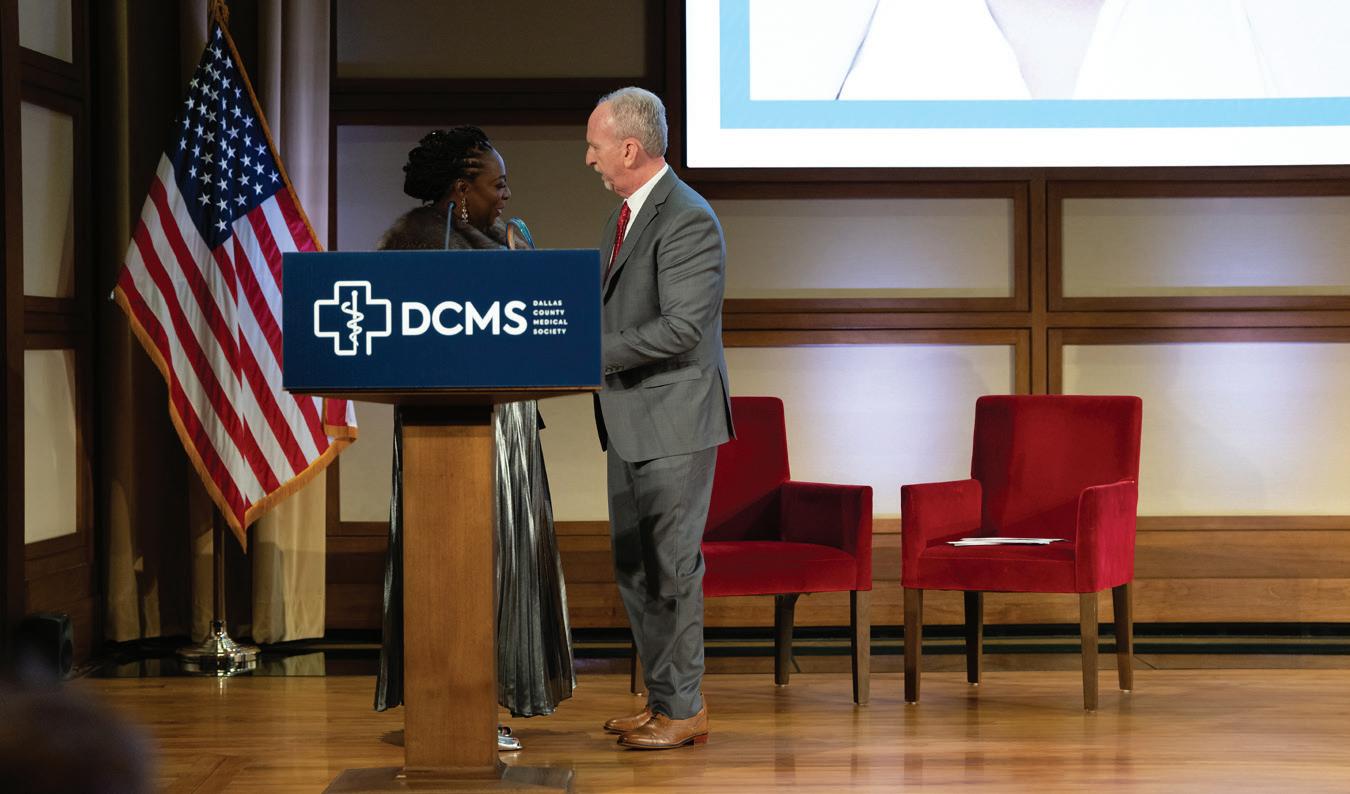
2026 Recipient of the Charles Max Cole, MD Leadership Award
YOLANDA LAWSON, MD, HAS ALWAYS LOVED LEARNING
Her purposeful determination and curious mind were among the many attributes that led her down the path of a physician. “I like math and science, and I’ve always had an artistic side,” Dr. Lawson said. And after a high school physics class inspired her to pursue the life sciences, the decision became clear.
After receiving her undergraduate degree from Arkansas State University, Dr. Lawson went on to study medicine at the University of Arkansas for Medical Sciences. She completed her residency in obstetrics and gynecology in Detroit, Michigan, before moving to Dallas, Texas. She joined a practice at Baylor University Medical Center and, in 2008, opened her own practice, MadeWell OBGYN.
Like many physicians, Dr. Lawson wasn’t immediately inclined to her chosen specialty. “I actually went to medical school to be an anesthesiologist,” Dr. Lawson said. But all of that changed after she experienced firsthand the pace and the environment of an OBGYN rotation. “What really intrigued me,” Dr. Lawson said, “was seeing women in the unique challenges that they experience. Seeing the strength of women overcoming challenges with pregnancies, gender-specific diseases, and social circumstances – that’s what confirmed my choice.”
Throughout her career, Dr. Lawson has been an outspoken advocate for women and women’s health. “I feel my women’s health advocacy work is important because what a woman looks like, where she lives, who her insurance payer is – can all determine whether she survives childbirth or whether she gets the adequate cancer treatment she needs.”
As a woman of color, Dr. Lawson has encountered the biases many women face in the healthcare industry and beyond. “A majority of my life and career, I’ve
been exposed to bias,” Dr. Lawson said. “Women are often questioned on our authority and our leadership even before our credentials are ever considered.”
In fact, since childhood, Dr. Lawson has witnessed the injustices that can exist in the healthcare industry. Raised in a small town in rural Arkansas, Dr. Lawson saw how circumstances could often affect the quality of care someone could receive. “I grew up in a town of about 10,000 people,” Dr. Lawson said. “Growing up in a rural community has always given me a particular lens around healthcare access and delivery. It’s helped me be more sensitive to my own patients and to be more understanding to those individuals who don’t have everything in their immediate community or have all the specialists that they need or want.”
Even in medical school, Dr. Lawson was acutely aware of how one’s background could be both an advantage and a disadvantage in this system. “As a medical student, being from a socially disadvantaged background [was an obstacle],” Dr. Lawson said. “Not having particular financial safety nets or the legacy of a parent or grandparent who was a doctor [was an obstacle]. There’s one thing to identify mentorship during school and your career, and there’s another thing to grow up with it.”
However, Dr. Lawson has never let these biases stop her from promoting equal and widespread care in health systems. She’s not only been a champion for women’s health, but has also been involved with research on infectious diseases and cardiovascular health, as well as in health policy and organized medicine. She has spoken nationally and internationally on health disparities and has contributed to medical publications. Currently, Dr. Lawson is focusing on voting among health providers, immunization education, and maternal and child nutrition, among other causes.
Dr. Lawson cites her leadership and entrepreneurship work as among her proudest and favorite parts of her career. “Entrepreneurship is really what began to propel me into pursuing more leadership roles,” Dr. Lawson said. “When I moved to Dallas, I started sitting on nonprofit boards. And then I took some entrepreneurship courses. And those two things enhanced my leadership capabilities.” While Dr. Lawson studied how to run meetings and understand budgets, she fo-
cused strongly on sharpening her leadership skills within the scope of organized medicine as a whole.
“I love my practice, and I love my patients,” Dr. Lawson said on making the decision to move into more leadership roles, “but I wanted to impact healthcare on a much broader level and scale.” With assistance from a mentor, Dr. Lawson began developing her platforms in this space, ultimately serving as a board chair of the Board of Trustees of the National Medical Association before serving as acting executive director, then elected president. “Having a board development and entrepreneurship background certainly positioned me as a physician and healthcare leader,” Dr. Lawson said. “My journey as a female entrepreneur helped shape my healthcare leadership experience. It taught me resilience, it taught me adaptability, and it showed me the importance of vision and purpose.”
Dr. Lawson has since served on several nonprofit boards. She currently serves on the Council for Socioeconomics with the Texas Medical Association and has been a member of the Dallas Medical Society since moving to Dallas. Dr. Lawson is also an executive medical director at HealthCare Services Corporation (HCSC), where she witnesses the payor aspect of the healthcare industry.
“As a practicing physician, I did not appreciate the complexities of payment and the health insurance industry or the regulation and various regulators,” Dr. Lawson said. “I have learned an incredible amount, and my clinical knowledge and expertise support my current work in the industry.”
In an industry as broad as this, awareness of its complexities is essential to understanding the system as a whole. This is something Dr. Lawson herself has come to realize. “The healthcare industry is multifaceted. And medicine is only one facet,” Dr. Lawson said. “I began expanding my knowledge of the other facets of healthcare. It’s allowed me growth and insight. I use everything I’ve learned and been exposed to. I bring everything to the table to make sure I can deliver and connect with other people, other leaders, legislators, CEOs, and more, and to support the areas in healthcare that I see an opportunity to improve upon.”
When asked what motivates her advocacy work, Dr. Lawson explained that speaking out is the only way to effect change on the issues that affect everyone involved in these health systems. “Silence is much more costly to these communities.”
Dr. Lawson was awarded the Charles Max Cole, MD Leadership Award because of her contributions to the medical field and her community. “I was surprised,” Dr. Lawson said regarding her reception of the award. “And I was excited, of course, to be recognized by my peers.” Dr. Lawson has had a long leadership journey, spanning over 15 years of dedicated work. She’s impacted not only her patients, but her colleagues and beyond. “It is so important for physicians to understand the importance of being connected to something greater that shares the same mission around protecting the interest in physician viability,” she said. “It’s critical to be active and engaged in policy and rulemaking, and organized medicine is one of the most important ways to do that.”
Outside of the office, Dr. Lawson finds herself drawn to art and fashion. She also enjoys traveling. As a lifelong learner, Dr. Lawson relishes learning about new places, cultures, and people everywhere she goes. •
DDANIEL PODOLSKY, MD
2026 Recipient of the Champion of Science & Medicine Award
THE DCMS CHAMPION OF SCIENCE & MEDICINE AWARD RECOGNIZES a leader in government or academics who contributes to public policy decisions that improve the health of Dallas County residents using the principles of science and evidencebased medicine. This award recognizes exceptional service by an individual and is not required to be given annually.
The DCMS Board of Directors was pleased to recognize Dr. Daniel Podolsky with the Champion of Science & Medicine Award for 2025.
As President of UT Southwestern, Dr. Podolsky has accelerated the institution’s presence on the frontiers of science by enhancing basic, translational, and clinical research, while promoting clinical transformation through excellence and innovation in patient care. Under his visionary leadership, UT Southwestern has become an international leader across a range of educational, research, and clinical domains.
His commitment to developing the Peter O’Donnell Jr. School of Public Health and Peter O’Donnell Jr. Brain Institute demonstrates his dedication to providing our community with comprehensive and expert medical care. Perhaps most impressively, Dr. Podolsky has overseen the remarkable growth of the UT Southwestern clinical operations and the development of the UT Southwestern Health System. Through the building of Clements Hospital, the formation of Southwestern Health Resources, and the Clinically Integrated Network, he has positioned the entire UT Southwestern enterprise as a world-class medical and academic program here in North Texas.
To recognize his outstanding accomplishments and leadership in science and medicine, the DCMS Board of Directors is proud to present Dr. Daniel Podolsky with the DCMS Champion of Science and Medicine Award. •
M
MARY MCDERMOTT COOK
2026 Recipient of the Millard J. and Robert L. Heath Award
MARY MCDERMOTT COOK HAS ALWAYS HAD A HEART for giving. Born and raised in Dallas, Cook has invested in this community for most of her life. And through her involvement with the Eugene McDermott Foundation, she’s been able to make a substantial impact on the institutions and individuals that make up this charming city.
The Eugene McDermott Foundation was founded in 1955 by businessman and philanthropist Eugene McDermott. The foundation has and continues to provide grants for civic and community ventures in the Dallas area, promoting educational, cultural, artistic, and community projects. Together, the McDermotts have generously granted money to the symphony and the theatre, establishing funds to champion the ongoing growth of creative expression in the city. They’ve also supported educational institutions and ideas through donations to Hockaday School and St. Mark’s School of Texas, and through the establishment of the McDermott Scholars Program to aid the education of ambitious young students. And of course, they’ve also been big advocates of medical advancements and research at UT Southwestern Medical Center.
Cook herself has long been familiar with the McDermott Foundation. She attended events with her parents as a child before eventually taking on a larger role. “I was in college when they allowed me to be a member of the foundation,” she said. Cook attended Stanford University as an undergraduate before receiving her MBA from the University of Texas at Austin.
When Cook returned to Dallas, she not only had the opportunity to work with the foundation but also with several other nonprofits, including the Dallas Zoo, one of her favorite positions. “Growing up, my best friends were my dog and my horse,” Cook said. “I have a special affinity for animals. I love the zoo.” Cook is drawn to causes that spotlight the arts, the environment, medical

advancements, and education, having also worked closely with the Trinity Trust Board, the Dallas Museum of Art Board, and, certainly, UT Southwestern Medical Center.
Cook has fostered relationships with many notable figures at UT Southwestern throughout her life, many of whom were friends and colleagues of her parents. “Charlie Sprague was the first president of UT Southwestern that I knew, and I just loved him,” Cook reminisced. “Then Charlie retired, and Mother was on the search committee [for the new president]. The search committee selected Kern Wildenthal, who had been the medical school dean. When Kern finally retired – I think he was there for 26 years – they found Dan Podolsky.” The McDermotts have always held ties to the medical school, namely through these close connections. “I’ve always enjoyed the medical school,” Cook said. “Daddy thought the medical school had the smartest people in Dallas at it. And to be perfectly honest, it did.”
Like her parents before her, Cook has continued to support the medical center as scientific discoveries have helped UT Southwestern rise to one of the top medical schools in the state. Some of these developments include funding for the McDermott Academic Administration Building, the McDermott Center for Human Growth and Development, which supports genetics research, the McDermott Center for Pain Management, which focuses on clinical care, and, most recently, the Texas Instruments Biomedical Engineering and Sciences Building, a revolutionary facility in terms of healthcare innovations. “[UT Southwestern Medical Center] has become one of the greatest medical schools in the U.S.,” Cook said. “And I’m so proud of it. And I’m so glad that we’ve had a small part to do with it.” These donations from the McDermott Foundation have enabled aspects of the buildings and infrastructure, as well as health technology and physician talent.
Cook has confessed she wouldn’t be as philanthropically minded without the guidance of her parents and the Board of Trustees of the McDermott Foundation. Cook also named Charles Sprague, MD, and Kern Wildenthal, MD, as mentors, and Daniel Podolsky, MD, as a great friend.

Cook has been open about how much she enjoys her work with the McDermott Foundation. “Other than the busy work,” she joked. Cook admitted her favorite part of the job has been the people and connections she’s made. “I [get to] know so many different people,” Cook said. “We’ve [worked with] the zoo, the museum, and the medical school – just all sorts of different [organizations]. And now that my daughter is involved, we’re getting involved with a lot of younger organizations, and she’s getting to know a lot of different people, too.”
These connections have been the driving force behind many of the funds allocated by the McDermott Foundation. Because Cook believes these connections are what’s truly behind the success of every passion and project she donates to. “I’ve always said you give money to people, not to organizations,” Cook said. “And if you like an organization, you’ll get to know the people. And if you like the people, you’ll give them money. And to know the leaders of these organizations, to adore them, makes it easier to give them money.”
Because of her countless contributions to the enhancement of her community, Cook was awarded the Millard J. and Robert L. Heath Award. “I thought, ‘Why? Why me?” Cook said of her initial reaction to receiving the award. “Felicity Voit was a McDermott Scholar. She nominated me for [the award]. It meant a lot to her that I accepted it.” Cook’s influence and impact have made a substantial and everlasting difference in Dallas and beyond, a quality that has made her the clear choice for this award.
In her free time, Cook loves to surround herself in nature. She also loves to travel and meet and connect with people from all over the world. •
2026 DCMS AWARDS
The recipients of the annual DCMS awards are honored every year at the Society’s Installation & Awards Gala.
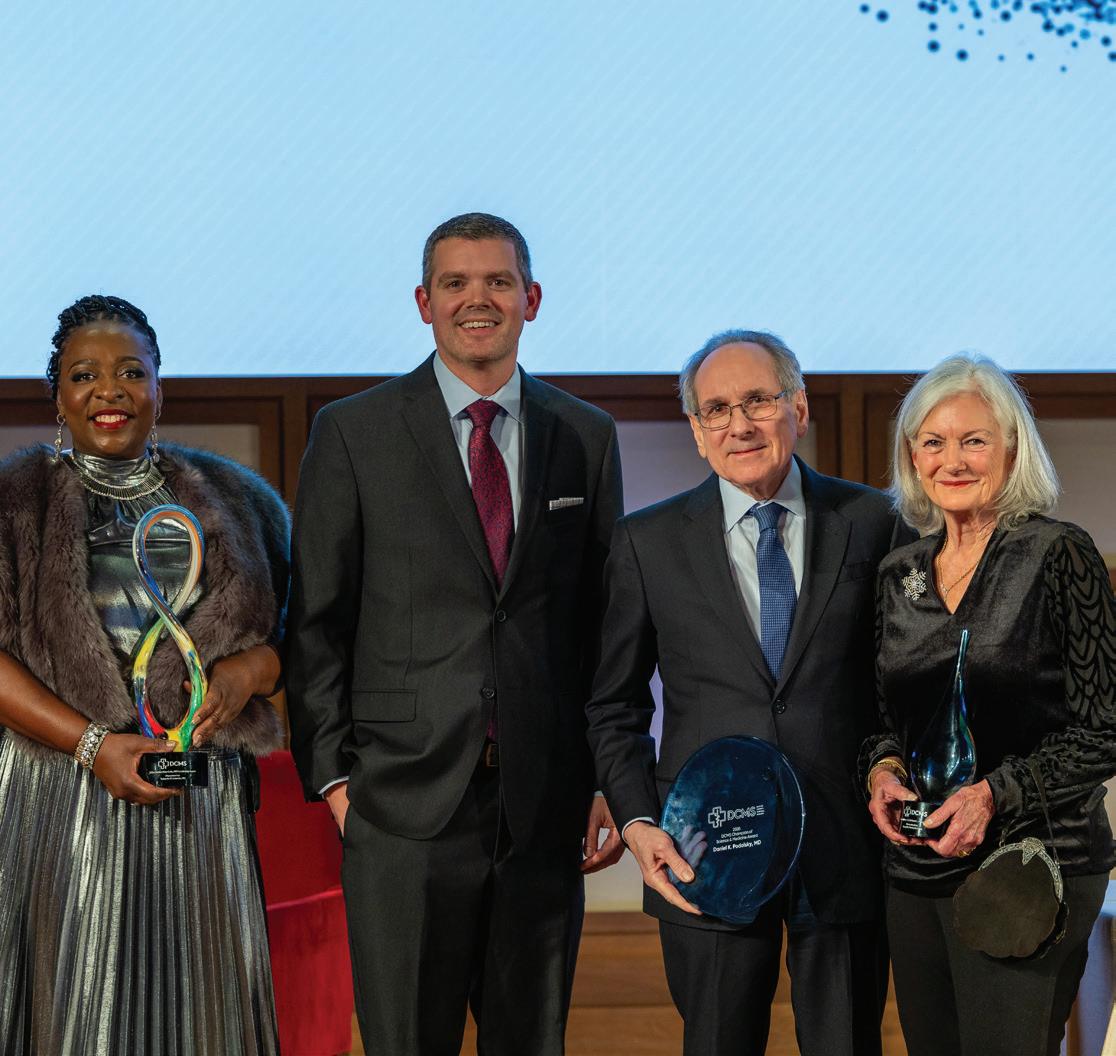
2026 Recipient of the Charles Max Cole, MD, Leadership Award: Yolanda Lawson, MD
2026 Recipient of the DCMS Champion of Science and Medicine Award: Daniel Podolsky, MD
2026 Recipient of the Millard J. and Robert L. Heath Award: Mary McDermott Cook
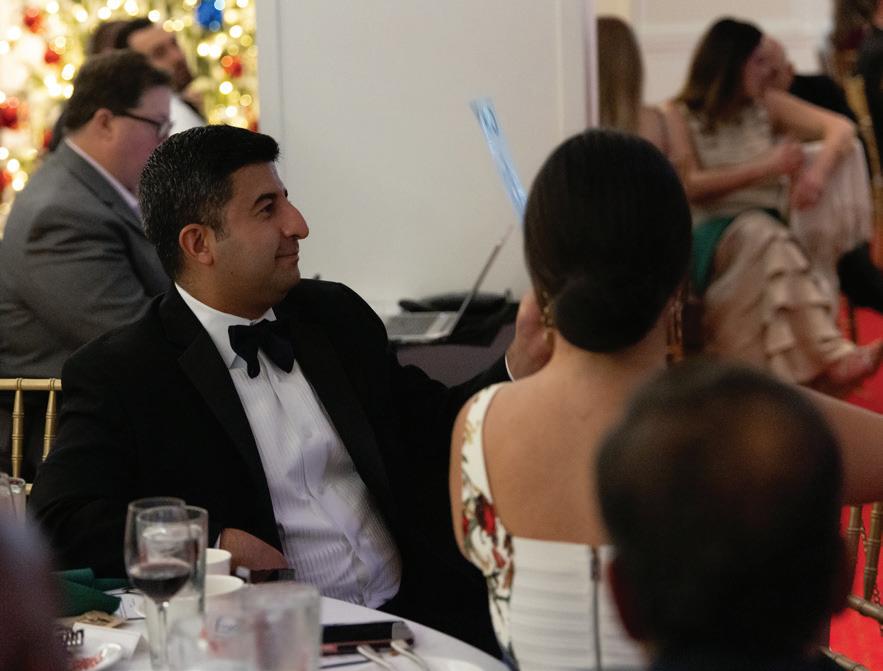
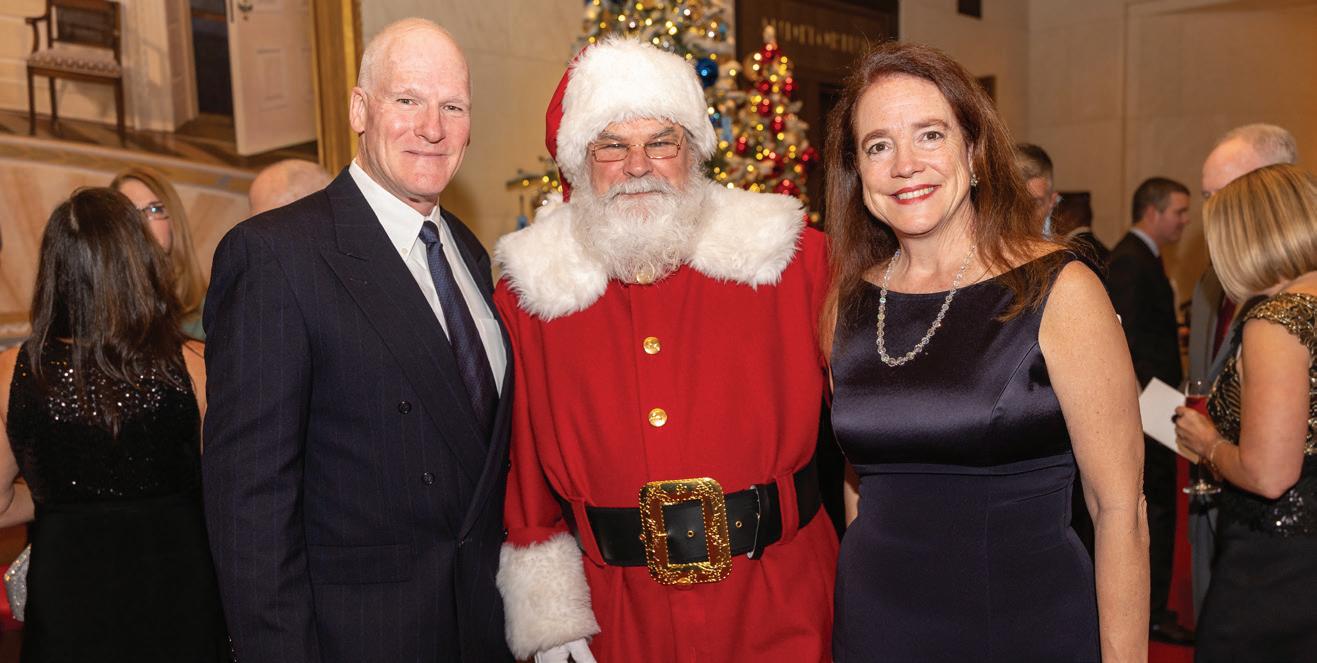
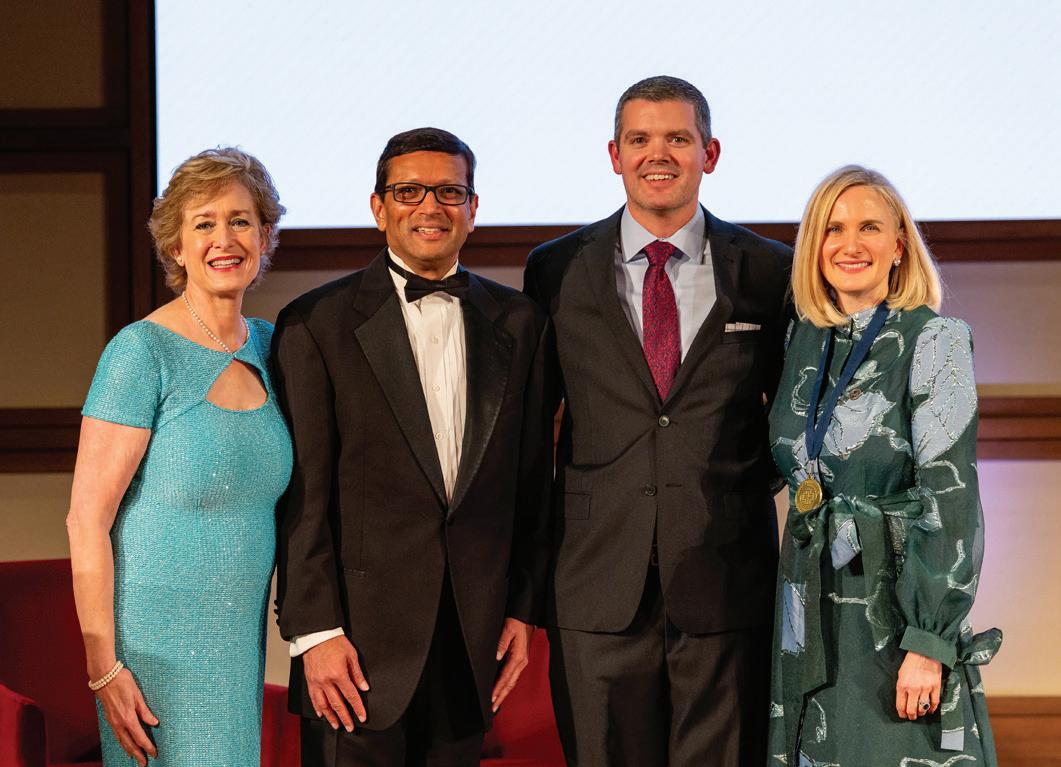
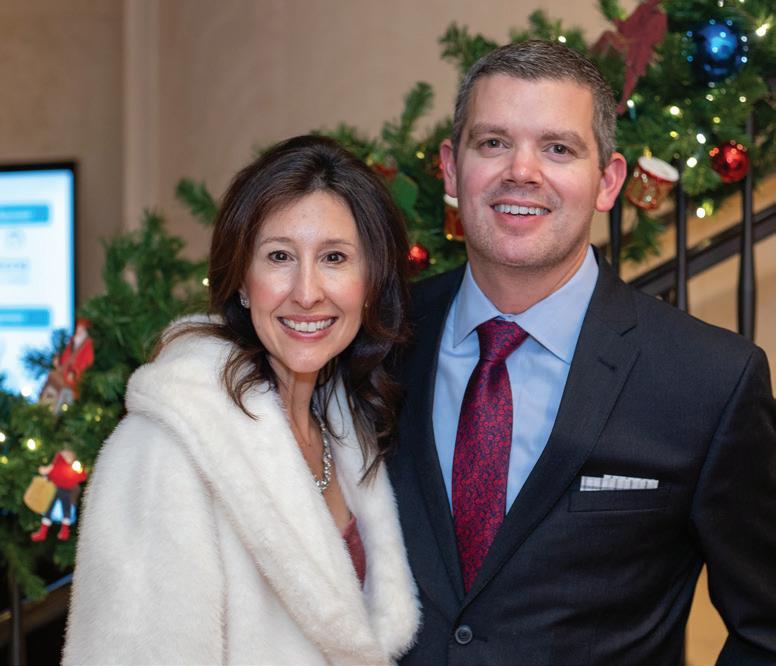
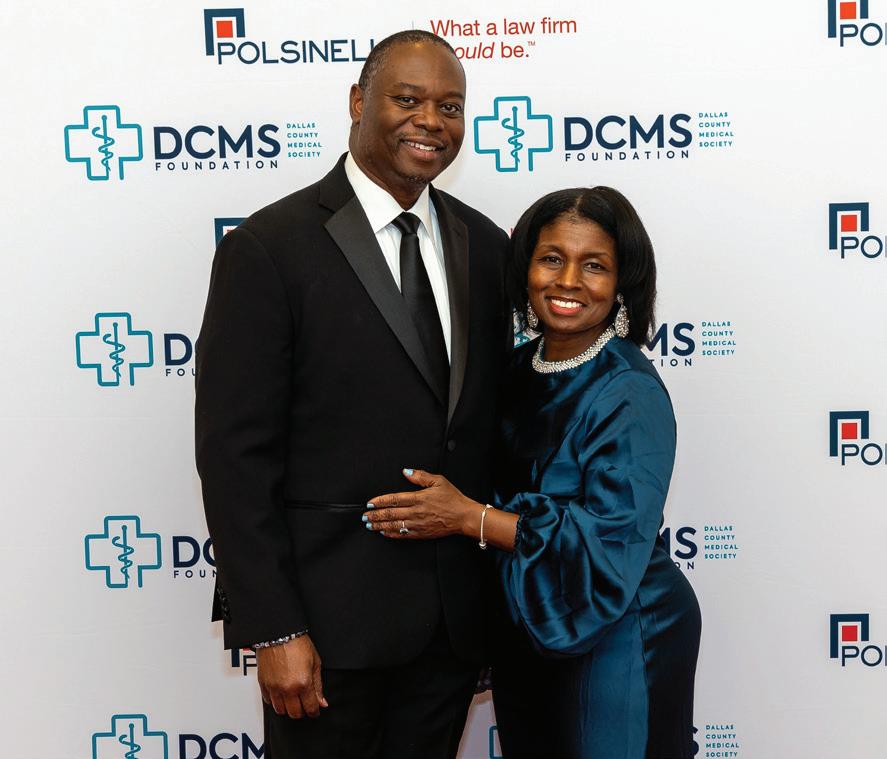
2025 DCMS Presidential Gala
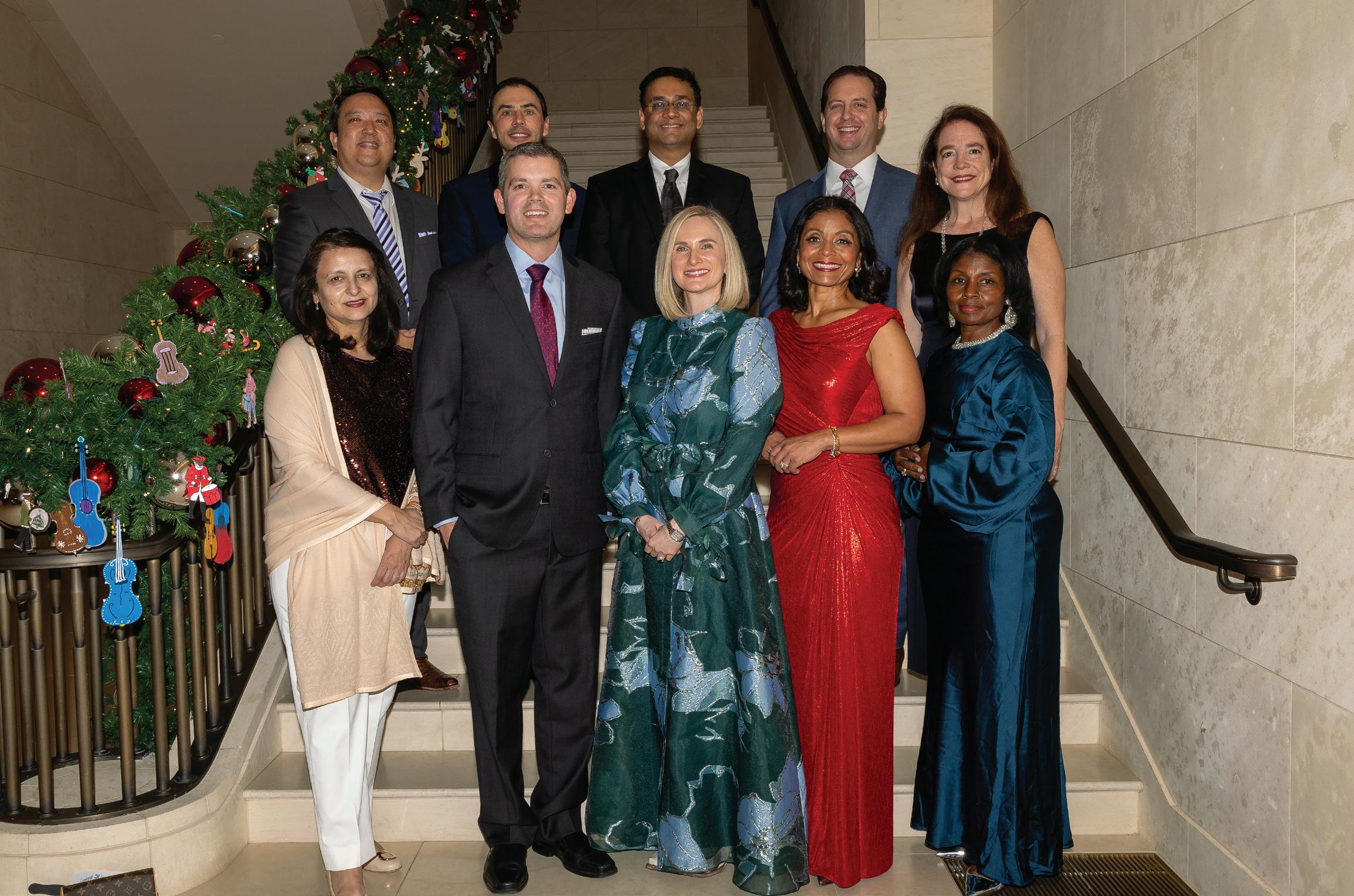
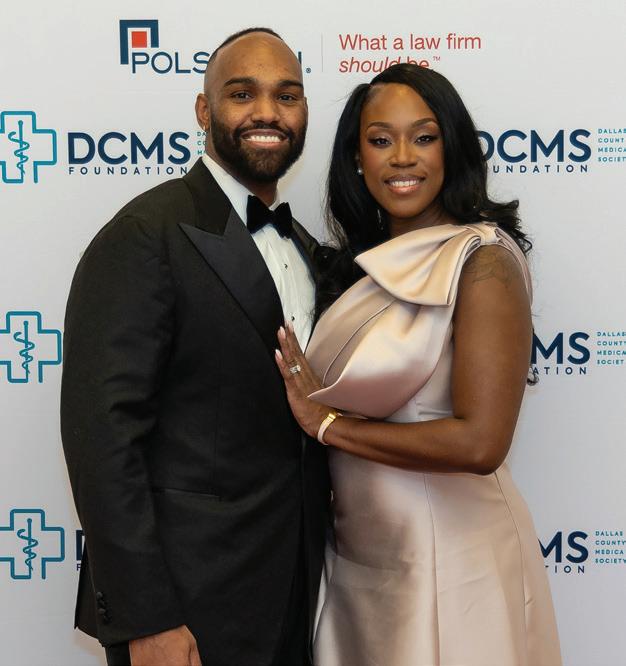
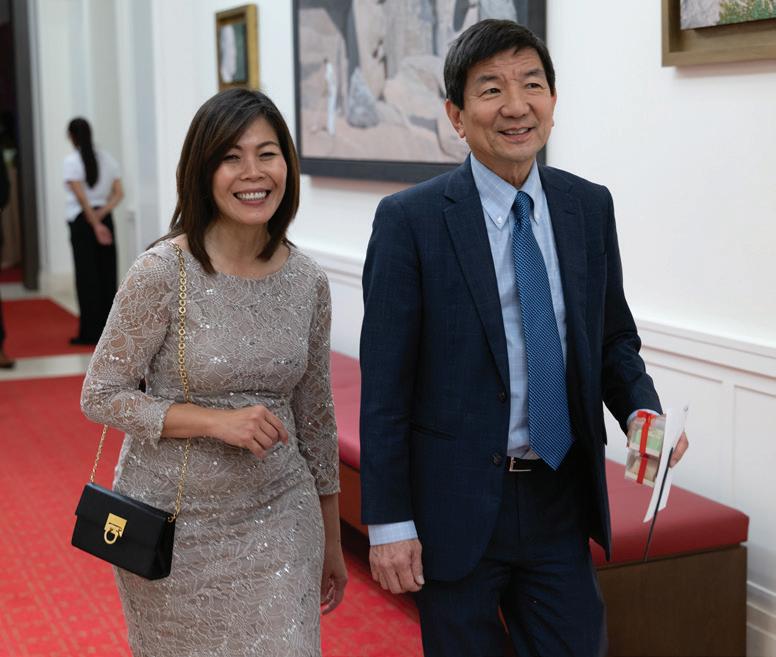
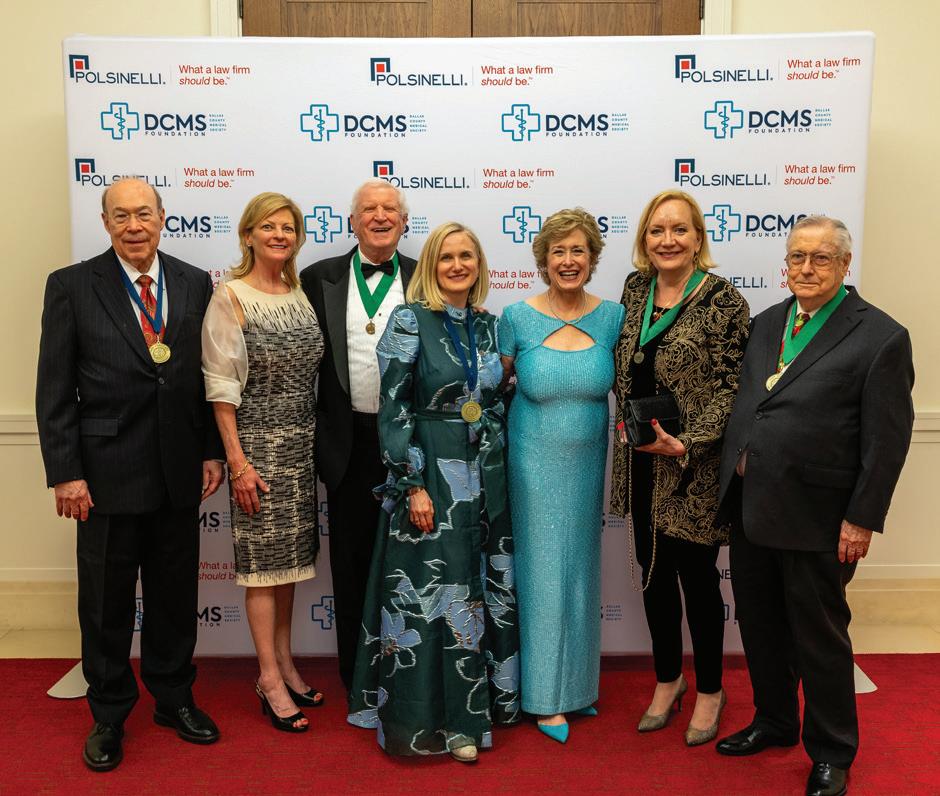
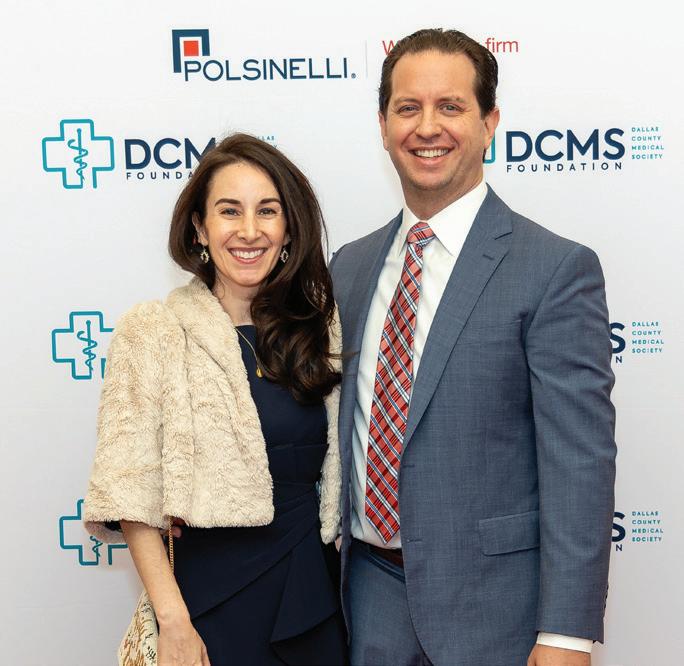
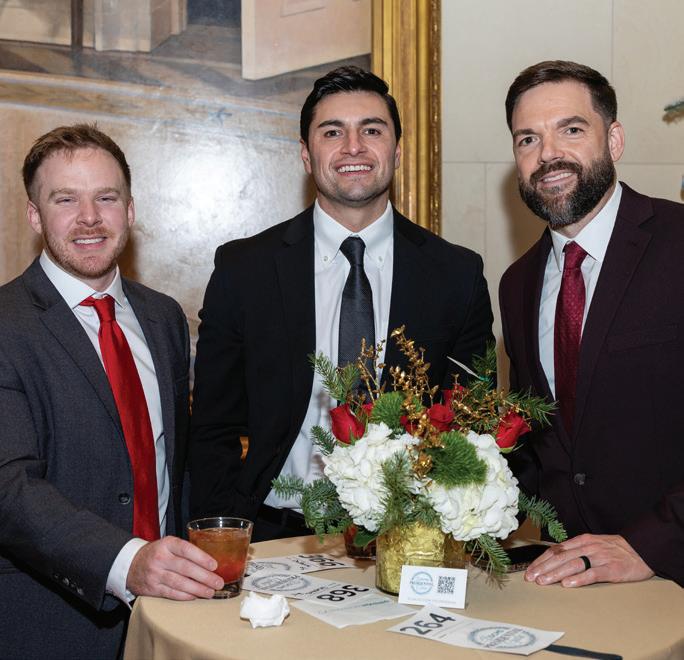
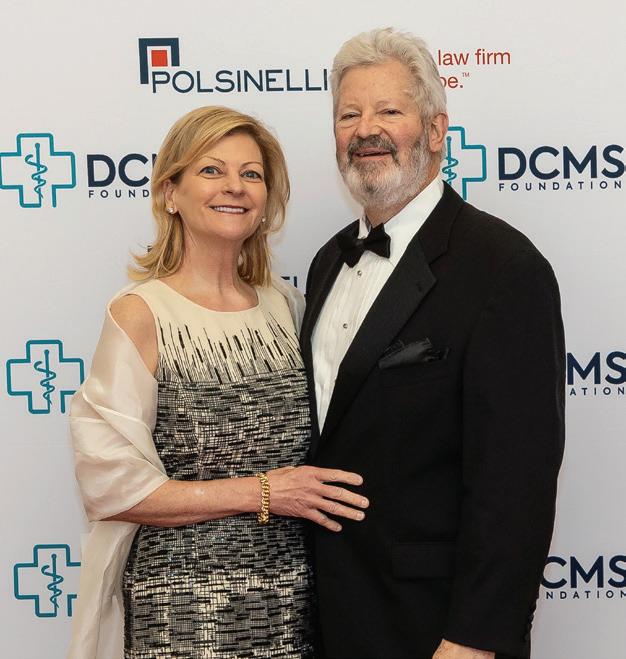
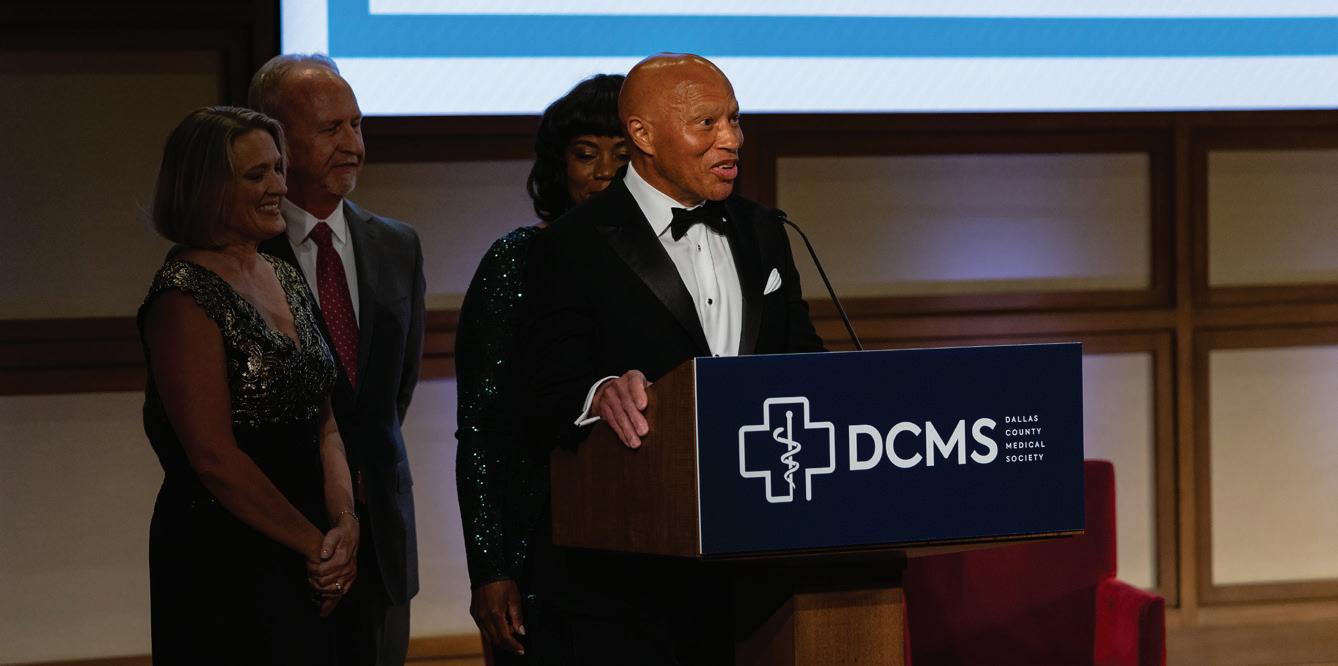
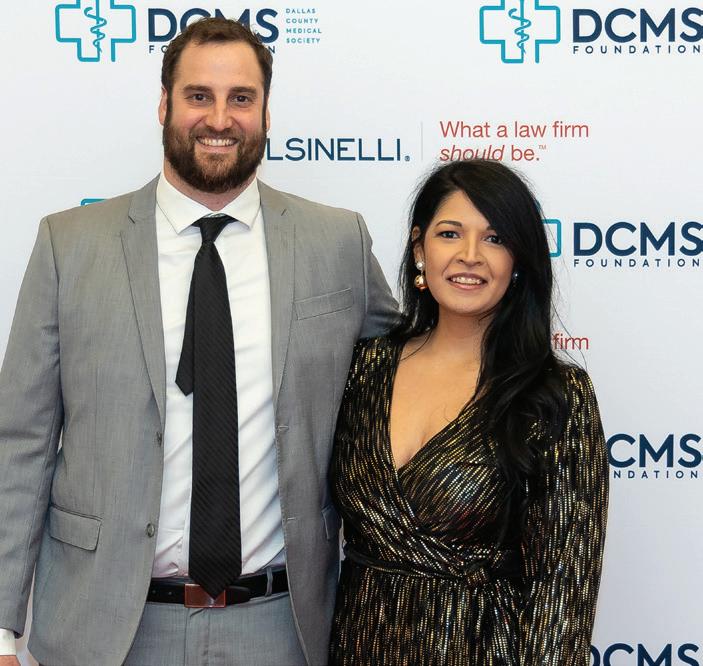
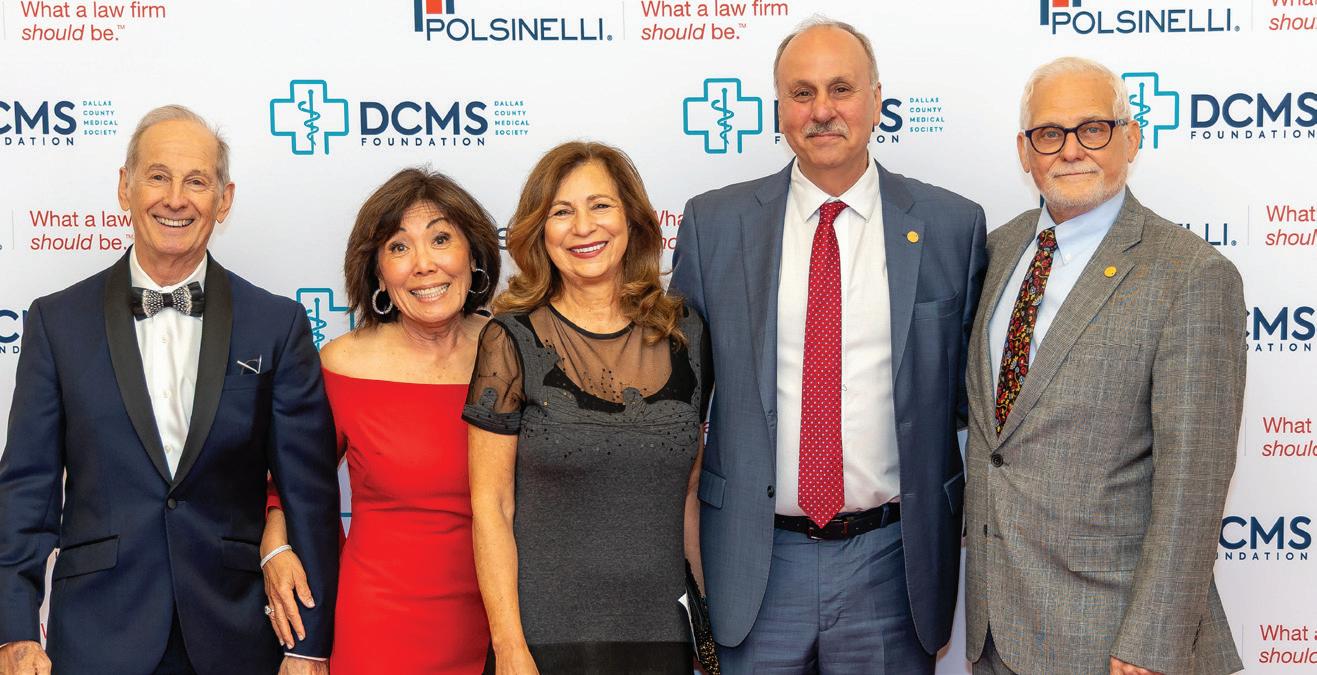
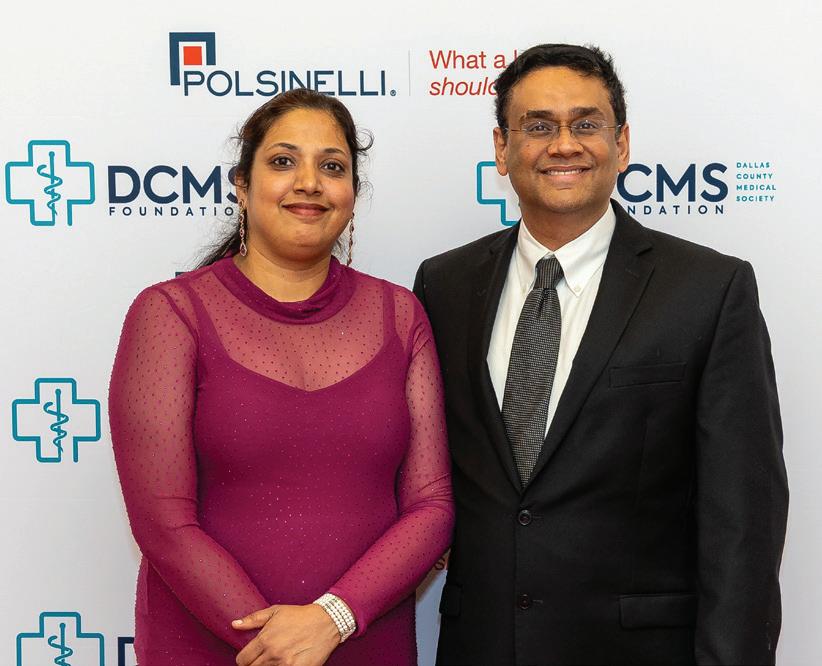
The 2025 Dallas County Medical Society (DCMS) Presidential Gala, held December 13, 2025, at the George W. Bush Presidential Center Hall of State, welcomed more than 250 physicians, healthcare leaders, and community partners for an evening celebrating leadership, service, and the future of medicine in Dallas County. As the DCMS Foundation’s signature fundraiser, the event strengthened engagement across the medical and business communities.
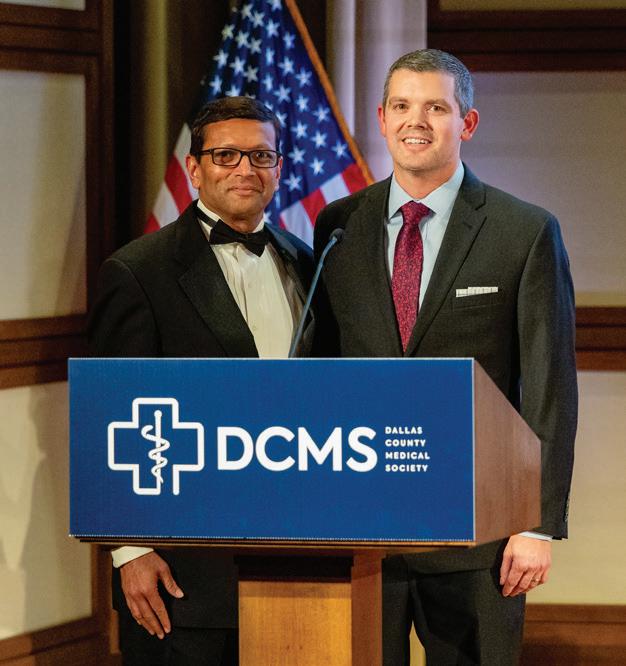
The Gala marked the installation of Dr. Gates Colbert as 2026 DCMS President and recognized individuals whose contributions have advanced healthcare locally. The program underscored the importance of physician leadership, collaboration, and innovation in meeting the region’s growing healthcare needs.
Through sponsorships, live and silent auctions, and a paddle raise, the event generated critical funding for the DCMS Foundation’s education and community health initiatives, including STEM and medical career programs for K–12 students, mentorship and leadership development for future physicians, and outreach promoting access to care and health equity.
Featuring a cocktail reception, seated dinner, and live auction, the evening fostered meaningful connections with physician leaders, corporate partners, and donors. Its success reflects the Dallas healthcare community’s strong commitment to investing in the next generation of physicians and improving health outcomes across North Texas. DMJ


RELIABLE PARTNER + PRACTICAL SOLUTIONS
For over 55 years, Hall Render has been exclusively devoted to the health care industry. When faced with a challenge, you can be confident knowing we’ve likely seen it before. Our experience allows us to quickly and efficiently address today’s issues and tomorrow’s unknowns.

LOCAL, EXPERIENCED, READY TO HELP.
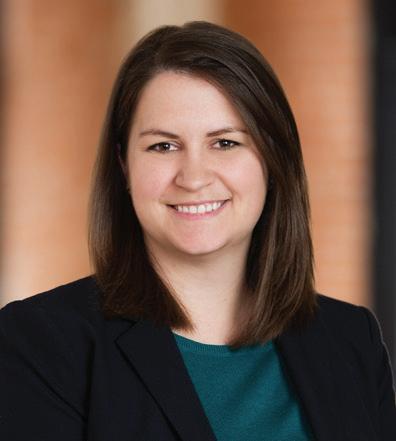
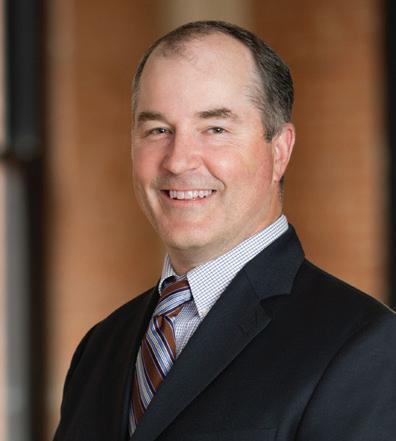
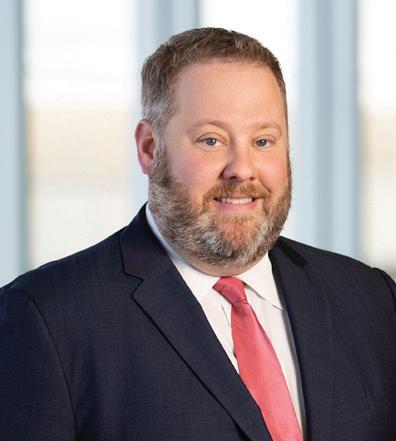
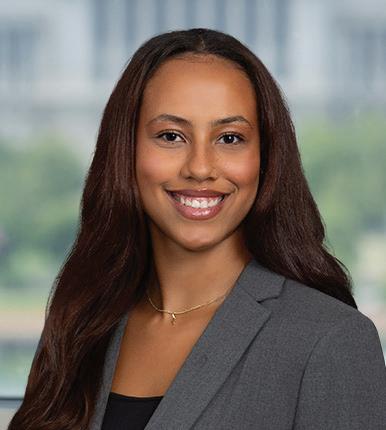
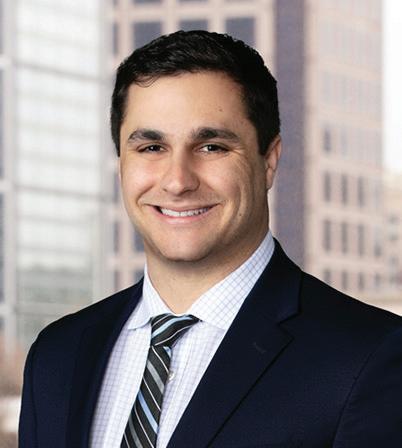
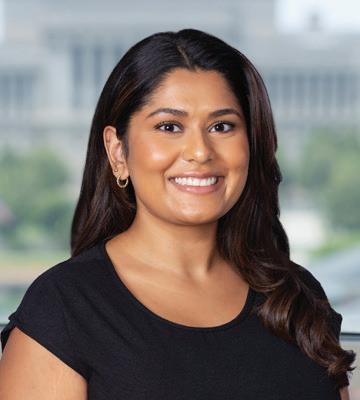
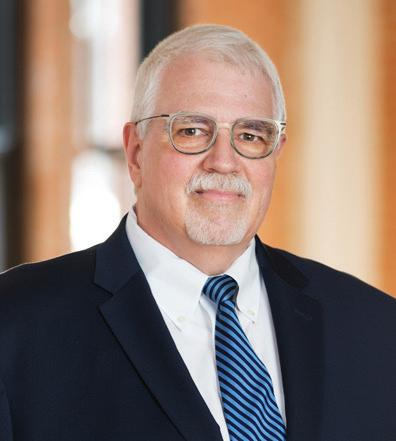
Christie Davis Keith Dugger
James (Mac) Stewart Chandani Patel Miles Moody
Rachelle Madison
Brandon Kulwicki
Legal Corner: Consent, Next of Kin and the Uniform Anatomical Gift Act
by Brandon Kulwicki, Attorney; Rachelle Madison, Attorney; and Riley Click, Legal Intern, Hall, Render, Killian, Heath & Lyman, P.C
The Uniform Anatomical Gift Act (UAGA) governs organ and tissue donation in Texas and prioritizes patient autonomy by recognizing first-person authorization, such as enrollment in a donor registry or documented donor cards, as legally binding.1 When a valid gift exists, family members generally may not override the donor’s expressed wishes.2 This legal clarity reinforces ethical standards and helps maintain public trust in the donation process.
If a patient’s donor intent is unknown, the UAGA establishes a specific hierarchy of individuals authorized to consent on the patient’s behalf.3 The priority order begins with spouses, followed by adult children, parents and then other relatives, including adult siblings and grandparents.4 Hospitals have a legal obligation to identify the appropriate decision-maker and to obtain consent in strict compliance with statutory requirements.5 Under Section 692A.012 of the UAGA, if the appropriate decisionmaker cannot be immediately located, hospitals are authorized to make reason-
able efforts to contact these individuals, including using hospital records, emergency contacts and other available resources to ensure the patient’s wishes or best interests are represented.6
Once consent is obtained, trained coordinators facilitate the donation process while supporting the family and ensuring all legal and medical requirements are met.7 This includes overseeing medical evaluations, arranging for organ recovery and coordinating logistics with transplant teams.8 The UAGA also separates donation discussions from life-saving treatment decisions, which preserves ethical integrity and prevents conflicts of interest in high-stakes clinical situations.9
The statute also protects the post-do-
nation rights of families.10 After organ or tissue recovery, hospitals and organ procurement organizations are responsible for returning the body or remaining tissues to the family in a timely manner, allowing families to conduct funerals or other cultural or religious ceremonies.11 Families may be informed about the recovery process, including how organs are transported and the timing for the body’s return, while maintaining confidentiality of the recipients.12 This balance ensures that families are respected and supported while the donated organs provide life-saving benefits to others.
For physicians and hospital staff, understanding the UAGA is more than a compliance requirement.13 Knowledge of the law provides guidance for navigating sensitive conversations, respecting patient autonomy and upholding institutional integrity.14 It enables clinicians to provide clear and compassionate direction to families during an emotionally challenging time and ensures that the donation process is conducted legally, ethically and efficiently.15 Ultimately, the intersection of medical practice and legal oversight under the UAGA allows hospitals to honor patients’ wishes, support families and sustain public confidence in organ donation programs across Texas.16 DMJ
This article is educational in nature and is not intended as legal advice. Always consult your legal counsel with specific legal matters. If you have any questions or would like additional information about this topic, please contact Brandon Kulwicki at (214) 615-2025; Rachelle Madison at (214) 615-2062; or your primary Hall Render contact.
Brandon Kulwicki and Rachelle Madison are attorneys with Hall, Render, Killian, Heath & Lyman, P.C., a national law firm focused exclusively on matters specific to the health care industry. Please visit the Hall Render Blog at blogs.hallrender.com for more information on topics related to health care law.
REFERENCES
1. Tex. Health & Safety Code Ann. § 692A.004.
2. Tex. Health & Safety Code Ann. §§ 692A.004(a), 692A.007.
3. Tex. Health & Safety Code Ann. § 692A.006.
4. Id. 5. Tex. Health & Safety Code Ann. § 692A.012.
6. Id. 7. Tex. Health & Safety Code Ann. §§ 692A.004–.006; Southwest Transplant Alliance procedures.
8. Id.
9. Tex. Health & Safety Code Ann. § 692A.004.
10. Tex. Health & Safety Code Ann. § 692A.013. 11. Id. 12. Id. 13. Tex. Health & Safety Code Ann. §§ 692A.004–.012. 14. Id. 15. Id. 16. Tex. Health & Safety Code Ann. § 692A.001 et seq.
Dr. Philip Huang Honored with AMA Government Service Award
The American Medical Association presented Dallas County Medical Society member Philip Huang, MD, MPH, with its Award for Outstanding Government Service at a ceremony in Washington, D.C., during the AMA’s 2026 National Advocacy Conference in February. The award, one of the most prestigious honors the AMA bestows on government officials, recognizes elected and career public servants whose contributions have meaningfully advanced public health.
Dr. Huang has served as director and health authority of Dallas County Health and Human Services (DCHHS) since 2019, overseeing public health and social services for the more than 2.6 million residents of Dallas County. In announcing the award, AMA Board Chair David H. Aizuss, MD, praised Dr. Huang’s commitment to evidence-based public health policy and his ability to guide communities through complex health challenges.
LEADING THROUGH CRISIS
Under Dr. Huang’s watch, DCHHS has been at the forefront of Dallas County’s response to a series of major public health emergencies. The department has played a central role in confronting recent threats, including H1N1 influenza, Zika, and Mpox, each demanding rapid mobilization, clear public communication, and close coordination with local physicians and healthcare providers.
His most visible test came during the COVID-19 pandemic, when Dr. Huang served as Dallas County’s primary public health spokesperson. He tirelessly worked with DCMS leaders to educate residents on prevention measures and the importance of vaccination, combat misinformation and vaccine hesitancy, and ensure resources reached underserved and high-need communities. Under his leadership, DCHHS and broader county efforts administered more than 600,000 COVID-19 vaccines, achieving logistical success and public trust that benefited the entire region.
Beyond emergency response, Dr. Huang has strengthened Dallas County’s public health infrastructure by modernizing data systems, addressing chronic disease and HIV, and championing health equity across the
county’s diverse population. A new state-of-the-art bio laboratory broke ground in the Dallas Medical District in 2024 under his leadership, expanding the county’s capacity for communicable disease surveillance and diagnostic testing.
A CAREER ROOTED IN PUBLIC HEALTH
Dr. Huang’s path to Dallas County leadership was built on decades of distinguished public service. He earned his undergraduate degree in civil engineering from Rice University, his medical degree from the University of Texas Southwestern Medical School, and his Master of Public Health from Harvard University, where he led a successful campaign to persuade the university to divest its tobacco stock holdings. He has authored or co-authored numerous publications on public health, chronic disease, and tobacco use prevention.
Early in his career, Dr. Huang served for two years as an Epidemic Intelligence Service officer with the Centers for Disease Control and Prevention, conducting epidemiologic investigations in chronic and infectious diseases. He then spent years at the Texas Department of State Health Services, where he led statewide tobacco prevention efforts and testified at more than 40 city council hearings in support of smoke-free ordinances. Before joining DCHHS, he served 11 years as medical director and health authority for the Austin Public Health Department.
A SOURCE OF PRIDE FOR DALLAS MEDICINE
The Dallas County Medical Society congratulates Dr. Huang on this well-deserved national recognition. His career exemplifies the vital role physicians play not only in clinical care but in safeguarding the health of entire communities. As Dallas County continues to grow and face new public health challenges, Dr. Huang’s science-driven leadership and deep commitment to community engagement ensure that the county’s residents are in capable hands. DMJ
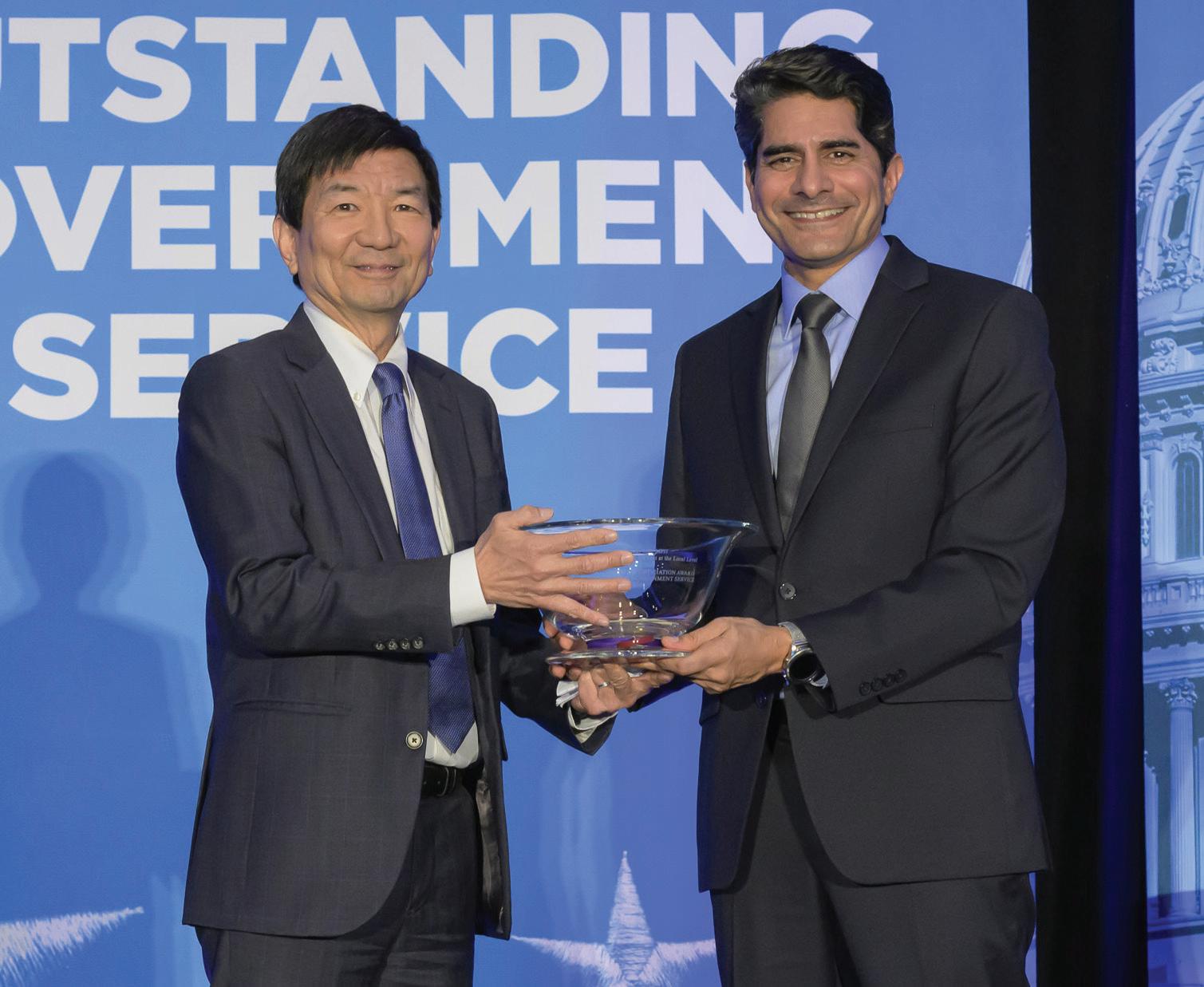
Dr. Philip Huang and AMA Board Chair David H. Aizuss, MD


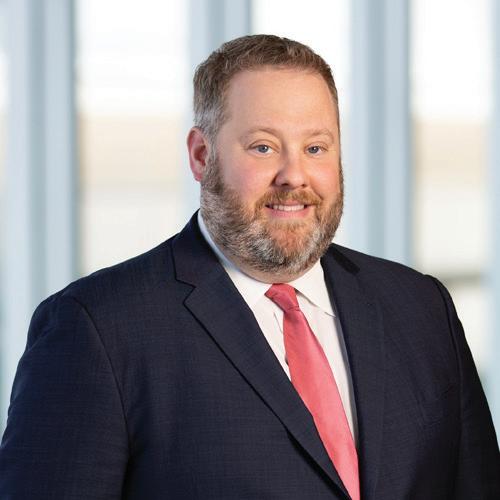
BRANDON KULWICKI
Attorney
Hall, Render, Killian, Heath & Lyman, P.C

Leaders in Dallas Medicine: Organ Transplantation, Ethical Care and the Law


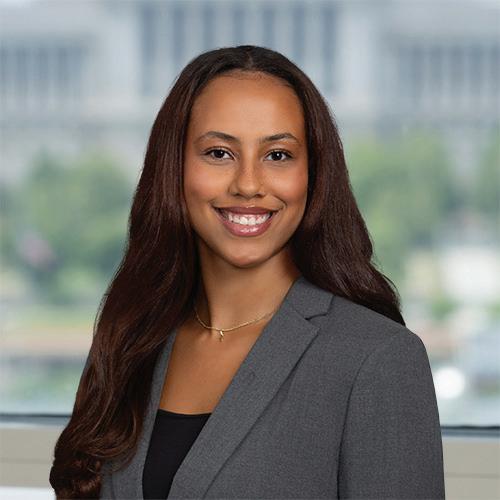
RACHELLE MADISON
Attorney
Hall, Render, Killian, Heath & Lyman, P.C

by Brandon Kulwicki, Attorney; Rachelle Madison, Attorney; and Riley Click, Legal Intern, Hall, Render, Killian, Heath & Lyman, P.C
Over the past several decades, Dallas has emerged as a leader in organ transplantation, shaped by a rare convergence of clinical innovation, institutional collaboration and ethical stewardship. This leadership has been driven by physician expertise and a sustained commitment to compassionate, patient-centered endof-life care. At the center of this work are transplant surgeons, critical care physicians and organ procurement organizations operating at one of medicine’s most sensitive and consequential intersections, where moments of profound loss coexist with the possibility of renewed life. As the demand for life-saving organs continues to outpace supply, these leaders play a pivotal role not only in advancing clinical excellence, but also in preserving public trust through transparency, accountability and ethical clarity. This article explores physician and institutional leadership in Dallas organ transplantation through the work of the Southwest Transplant Alliance and local transplant surgeons while shedding insight into the legal framework that governs consent, nextof-kin decision-making and end-of-life care under the Uniform Anatomical Gift Act.
PHYSICIAN LEADERSHIP IN ORGAN TRANSPLANTATION
Organ transplantation is one of the most complex and highly coordinated areas of modern medicine. It requires seamless collaboration among intensive care teams, transplant surgeons, nurses, coordinators and donor hospitals, often under immense time pressure and emotional strain. Clinical decisions are made in real time, frequently at the intersection of medical uncertainty and ethical responsibility. In large metropolitan regions like North Texas, where patients are transferred across systems and specialties, physician leadership is essential to maintaining consistency of care. In North Texas, the Southwest Transplant Alliance (STA) serves as the federally designated organ procurement organization, supporting hospitals and physicians throughout each stage of the donation process.1 STA partners with hospitals to identify potential donors, coordinate medical evaluations and ensure that donation is approached with professionalism, sensitivity and respect for patient wishes. This collaborative model allows frontline clinicians to focus on pa-
tient care while ensuring that donation opportunities are recognized and managed appropriately.2
At the clinical helm of STA is Dr. Geoffrey Funk, a tenured critical care and trauma surgeon who serves as Chief Medical Officer.3 In this role, Dr. Funk oversees all organ procurement surgical procedures and ensures that organ and tissue recovery processes meet rigorous medical, ethical and quality standards.4 Dr. Funk also oversees education, training and clinical support initiatives related to donation discussions with patients’ families during end-of-life care.5 Through standardized protocols and regional clinical guidance, the Chief Medical Officer role helps promote consistency, communication and ethical clarity in donation practices across North Texas.





Alongside STA leadership are Dallas transplant surgeons who serve on STA’s advisory board and perform the life-saving procedures that give donated organs a second chance at life. Physicians such as Dr. Alejandro Mejia at Methodist Health System, Dr. Tiffany Anthony at Medical City Dallas Hospital and Dr. Ryan Davies at Children’s Health Dallas play essential roles across adult and pediatric transplantation.6 Their work requires close multidisciplinary coordination, longitudinal patient care and ongoing post-transplant follow-up in both adult and pediatric settings. Collectively, these physicians contribute to a regional continuum of care through which donated organs provide life-saving treatment to thousands of transplant recipients each year.
While the Southwest Transplant Alli-


Misunderstandings continue to surround organ donation, particularly the concern that identifying as a donor could influence the intensity of medical care. In reality, ethical standards and Texas law make clear that a patient’s survival is always the top priority for the hospital. Under the Revised Uniform Anatomical Gift Act, an anatomical gift does not take effect until after death is determined in accordance with accepted medical criteria.12 Addressing these misconceptions is a critical component of physician leadership, as public trust directly influences donor participation and, ultimately, patient outcomes.



ance collaborates with physicians across North Texas, leadership in Dallas organ transplantation also extends beyond its institutional framework. Anji Wall, MD, PhD, an abdominal transplant surgeon at Baylor University Medical Center, exemplifies this broader leadership. Dr. Wall is a Clinical Professor at Texas A&M College of Medicine and specializes in liver, kidney and pancreas transplantation, including living donation.7 Her clinical practice is informed by formal training in health care ethics and by academic research focused on organ allocation and transplant listing decisions.8 Her published scholarship addresses ethical decision-making in complex, high-stakes clinical environments. Her book, Ethics for International Medicine, further illustrates this commitment through an international lens.9 Within transplantation ethics literature, this work emphasizes principles of fairness and respect for patient autonomy. Together, this combination of clinical expertise and published ethical scholarship illustrates the intersection between medical practice and the legal frameworks governing organ donation and transplantation.
THE ORGAN DONATION PROCESS AND ITS SOCIETAL IMPACT
Organ donation is a carefully regulated process that begins only after all life-saving efforts have failed and death has been declared by a physician entirely separate from the transplant team.10 This separation is essential to preserving ethical integrity and ensuring that patient care decisions remain focused solely on survival, free from any influence related to donation considerations. Once donation eligibility is identified, trained coordinators work closely with hospital staff to honor the patient’s wishes while providing compassionate support to grieving families.11 In addition to facilitating consent discussions, these coordinators assist with medical evaluation, documentation and logistical coordination, serving as a critical link between intensive care teams, transplant surgeons and the donor families during an emotionally complex and timesensitive process.
The societal impact of organ donation is profound. A single donor can save up to eight lives and improve dozens more through tissue donation.13 Beyond these numbers are families who find meaning in loss and recipients who regain years of life. In pediatric cases especially, transplantation can alter the course of an entire lifetime. For this system to function, families must trust not only the medicine, but the integrity of the professionals guiding them through one of life’s most difficult moments.
THE LEGAL FRAMEWORK GOVERNING ORGAN DONATION
While organ transplantation is rooted in compassion and clinical precision, it is also governed by a robust legal framework designed to protect patient autonomy and promote ethical consistency.14 Physicians and hospitals must navigate issues of consent, surrogate authority and statutory compliance, all while remaining attentive to family dynamics and cultural considerations that
REFERENCES
often shape end-of-life decision making.15
The foundation of this framework is the Uniform Anatomical Gift Act, which Texas has adopted to standardize how anatomical gifts are made, documented and honored.16 For physicians involved in end-of-life care, organ procurement and transplantation, the Act provides essential guidance on donor intent, next-of-kin decision-making and institutional responsibility. By clearly delineating legal authority and procedural obligations, the law supports consistent practice across institutions and reinforces public confidence in the organ donation system.
CONCLUSION
The overall success of organ transplantation in Dallas reflects sustained physician leadership, institutional accountability, and a consistent commitment to ethical and legal standards. Leaders such as Dr. Geoffrey Funk, alongside transplant surgeons across North Texas, demonstrate how modern medicine can pair technical excellence with respect for patient autonomy, thoughtful support for families, and careful adherence to the law. As transplantation continues to evolve in scope and complexity, the alignment of medical expertise with legal clarity will remain essential to preserving public trust and expanding the life-saving impact of organ donation DMJ
This article is educational in nature and is not intended as legal advice. Always consult your legal counsel with specific legal matters. If you have any questions or would like additional information about this topic, please contact Brandon Kulwicki at (214) 615-2025; Rachelle Madison at (214) 615-2062; or your primary Hall Render contact.
1. About Us, SOUTHWEST TRANSPLANT ALLIANCE, https://www.organ.org/about-us (last visited Dec. 22, 2025).
2. Id.
3. Dr. Geoffrey Funk, SOUTHWEST TRANSPLANT ALLIANCE, https://www.organ.org/dr-geoffrey-funk (last visited Dec. 22, 2025).
4. Id. 5. Id.
6. STA Leadership Team, SOUTHWEST TRANSPLANT ALLIANCE, https://www.organ.org/sta-leadership (last visited Dec. 22, 2025).
7. Anji Wall, MD, Phd, FACS., BAYLOR SCOTT & WHITE, https://www.bswhealth.com/physician/anji-wall#about (last visited Dec. 22, 2025).
8. Id. 9. Anji E. Wall, Ethics for international medicine: A practical guide for aid workers in developing countries, DARTMOUTH DIGITAL COMMONS (2017), https://digitalcommons.dartmouth.edu/dartmouth_press/17/.
10. Statement on Controlled Organ Donation After Circulatory Death, AMERICAN SOCIETY OF ANESTHESIOLOGISTS (2022), https://www. asahq.org/standards-and-practice-parameters/statement-on-controlled-organ-donation-after-circulatory-death.
11. Deceased organ donation process: UNOS Donation Processes, UNOS (2023), https://unos.org/transplant/deceased-donation/.
12. Tex. Health & Safety Code § 692A, Revised Uniform Anatomical Gift Act
13. What can be donated, HEALTH RESOURCES AND SERVICES ADMINISTRATION (2024), https://www.organdonor.gov/learn/what-can-bedonated.
14. Tex. Health & Safety Code Ann., Ch. 692A (Revised Uniform Anatomical Gift Act, 2009, amended 2023).
15. Tex. Health & Safety Code Ann., §692A.004
16. Tex. Health & Safety Code Ann., §692A.004



The Physician Network






Broker - Compliance with Confidence
Easily understand your specific CME requirements and compliance status, find and take renewal-ready courses, and report your course completions directly to the Texas Medical Board for a hassle-free renewal.
Benefits: Find, complete, and report approved CME; View your forever course history; Take CME on the go with the free mobile app; Access to 24/7 support and more!
Dallas County Medical Society (DCMS) does not endorse or evaluate advertised products, services, or companies nor any of the claims made by advertisers. Claims made by any advertiser or by any company advertising in the Dallas Medical Journal do not constitute legal or other professional advice. You should consult your professional advisor.
Fertility Specialists
Dallas-Fort Worth Fertility Associates
Growing Family Trees Since 1999
www.dallasfertility.com
Samuel Chantilis, MD
Karen Lee, MD
Mika Thomas, MD
Ravi Gada, MD
Laura Lawrence, MD
Jennifer Shannon, MD
Monica Chung, MD
Melanie Evans, MD
Dr. Jennifer Chae-Kim
Dallas: 5477 Glen Lakes Drive, Ste. 200, Dallas, TX 75231, 214-363-5965
Baylor Medical Pavilion: 3900 Junius Street, Ste. 610 Dallas, TX 75246, 214-823-2692
Medical City: 7777 Forest Lane, Ste. D–1100 Dallas, TX 75230, 214-692-4577
Southlake: 910 E. Southlake Blvd., Ste. 175 Southlake, TX 76092, 817-442-5510
Plano: 6300 W Parker Road, Ste. G26 www.cebroker.com www.pownell.com
H. Pownell, MD, FACS
American Board of Plastic Surgery
Dallas Office 7115 Greenville Ave. Ste. 220 (214) 368-3223
Plano Office 6020 W. Parker Road, Ste. 450 (972) 943-3223
Linda L. Burk, MD
Jane E. Gilmore, MD
Ophthalmology (214) 987-2875
Premium Cataract Surgery
Glaucoma Treatment
Cornea Disease
Diabetic Eye Exams
Optical Shop
Multifocal Cataract Implants
1703 N. Beckley Ave. Dallas, TX 75203
John R. Gilmore, MD
Otolaryngology (214) 361-5285
Sinus Disease
Balloon Sinuplasty
Ear, Nose & Throat Disorders
Facial Plastic Surgery
Hearing Loss & Hearing Instruments
10740 N. Central Expy., Ste. 120 Dallas, TX 75231
www.DallasEyeAndEar.com
Maurice G. Syrquin, MD
Marcus L. Allen, MD
Gregory F. Kozielec, MD
S. Robert Witherspoon, MD
3414 Oak Grove Ave. Dallas, TX 75204 | (214) 521-1153
Baylor Health Center Plaza I 400 W. Interstate 635, Ste. 320 Irving, TX 75063 | (972) 869-1242
3331 Unicorn Lake Blvd. Denton, TX 76210 | (940) 381-9100
1010 E. Interstate 20 Arlington, TX 76018 | (817) 417-7769
Robert E. Torti, MD
Santosh C. Patel, MD
Henry Choi, MD
Steven M. Reinecke, MD
Philip Lieu, MD, FASRS
1706 Preston Park Blvd., Plano, TX 75093 | (972) 599-9098
2625 Bolton Boone Drive, DeSoto, TX 75115 | (972) 283-1516
1011 N. Hwy 77, Ste. 103A Waxahachie, TX 75165 | (469) 383-3368
18640 LBJ Fwy., Ste. 101 Mesquite, TX 75150 | (214) 393-5880
10740 N. Central Expy., Ste. 100 Dallas, TX 75231 | (214) 361-6700
8315 Walnut Hill Lane, Ste. 125, Dallas, TX (214) 363-6000
James R. Sackett, MD
Daniel E. Cooper, MD
Paul C. Peters Jr., MD
Andrew B. Dossett, MD
Eugene E. Curry, MD
Daniel A. Worrel, MD
Kurt J. Kitziger, MD
Andrew L. Clavenna, MD
Holt S. Cutler, MD
Mark S. Muller, MD
Todd C. Moen, MD
J. Carr Vineyard, MD
M. Michael Khair, MD
William R. Hotchkiss, MD
J. Field Scovell III, MD
Jason S. Klein, MD
Brian P. Gladnick, MD
Bradford S. Waddell, MD
William A. Robinson, MD
Tyler R. Youngman, MD
Justin Cardenas, MD
9301 N. Central Expy., Ste. 500, Dallas, TX 75231
3800 Gaylord Pkwy., Ste. 710, Frisco, TX 75034
Phone: (214) 466-1446 Fax: (214) 953-1210

SINCE 1941, BROADWAY BANK HAS BEEN AN INTEGRAL PART of Texas, evolving into one of the largest privately-owned banks in the Lone Star State. With more than $5.5 billion in assets and $3 billion in Wealth Management assets, Broadway Bank offers a comprehensive suite of personal, private, business, mortgage banking and wealth management services. With financial centers and offices across San Antonio, Austin, the Hill Country, Dallas and Houston, Broadway Bank delivers a modern banking experience that’s locally sourced and personally delivered.
At Broadway Bank, we’re committed to supporting healthcare professionals in their vital role of serving communities. With carefully crafted offerings, knowledgeable bankers and an unwavering dedication to the industry, our goal is to support our healthcare clients in reaching both their personal and business-related goals to achieve long-term financial success. Personalized Financial Solutions for Healthcare Providers. As a physician, you have unique needs, from personal to business financial services. Your dedicated team can seamlessly address both, providing you with a comprehensive and custom-tailored banking experience. Our team is composed of highly credentialed, best-in-industry experts with decades of experience. We partner with you to clear your path to any modern

banking need, custom lending solution, investment, or asset protection strategy you require for yourself, your family and your business.
• Healthcare-Focused Expertise: Broadway Bank goes beyond traditional banking with a deep understanding of the healthcare industry. We offer specialized financial solutions designed to support the growth and success of medical professionals and their practices.
• Flexible Healthcare Financing Options: Should you or your practice require financing for a new development, expansion, technology upgrades, navigating cash flow changes, buy-in/buy-out loans or other initiatives, our healthcare financing options are tailored to support your growth while considering the nuances of the industry.
• Comprehensive Financial Services: Whatever your financial needs, from managing day-to-day transactions to long-term financial planning, our dedicated team offers a comprehensive suite of services designed to address the demands of healthcare professionals and their practices.
Healthcare Solutions. Your team of experts, committed to providing industry-leading advice and guidance for you and your practice.
broadway.bank/health • Dallas: (214) 227-7061
MED TECH SOLUTIONS (MTS) IS A
HEALTHCARE-FOCUSED managed services provider delivering secure, reliable, and scalable IT solutions exclusively to healthcare organizations. Founded in 2006, MTS supports more than 22,500 providers and protects over 18 million patient records nationwide, bringing deep expertise in EHR management, cybersecurity, cloud hosting, revenue cycle support, and full IT lifecycle services. Recognized as the topranked healthcare managed services provider on the MSP 501, a CRN MSP Elite 150 honoree, and a 3X Best in KLAS winner for Partial IT Outsourcing, MTS combines national scale and proven healthcare expertise with a localized touch for Texas healthcare organizations.
From FQHCs and rural health clinics to physician groups, specialty practices, and hospitals, MTS understands Texas reimbursement and reporting dynamics, state regulatory requirements, and the operational pressures facing providers across the region. With local engineers and dedicated IT Care Teams, MTS delivers responsive, boots-on-the-ground support backed by HITRUST-certified infrastructure, EHR-certified expertise, and enterprisegrade cybersecurity to Texas healthcare organizations.
With MTS as your trusted partner, curb cybersecurity and downtime risk, ease internal IT strain, reduce IT maintenance costs, and drive greater value from your EHR system across your technology journey. Gain technology ease of mind, so your staff can focus on delivering exceptional patient care.
To learn more about MTS’ IT and EHR services for Texas healthcare providers, visit https://medtechsolutions.com/texas/