www.czechleaders.com including electronic version
www.czechleaders.com including electronic version
By H.E. Mateusz Gniazdowski, Assistant Professor at the University of Warsaw Ambassador of Poland to the Czech Republic (2022–2024)
THE AUSCHWITZ ANNIVERSARIES: HOW DIPLOMACY PROTECTS MEMORY
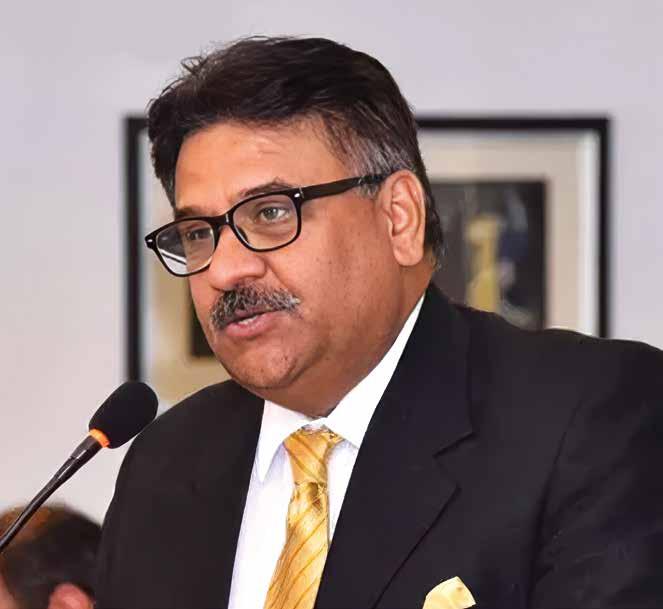
By H.E. Mr. Anil Trigunayat, former Ambassador of India INDIA-EU STRATEGIC PARTNERSHIP
By H.E. Ms. Aliki Paschali, Ambassador of the Republic of Cyprus to the Czech Republic INFLUENCE DOES NOT DEPEND ONLY ON SIZE
By Ondřej Preuss, Attorney and Founder of DostupnyAdvokat.cz
MOBBING AND BOSSING OR WORKPLACE
AND
By Martina Hošková and M. Zisso
THE CRYSTAL INSTALLATION AT
By M. Zisso
PASAYA:
By Elisa Selmi and M. Zisso
A TASTE
By Václav Pavlas and M. Zisso
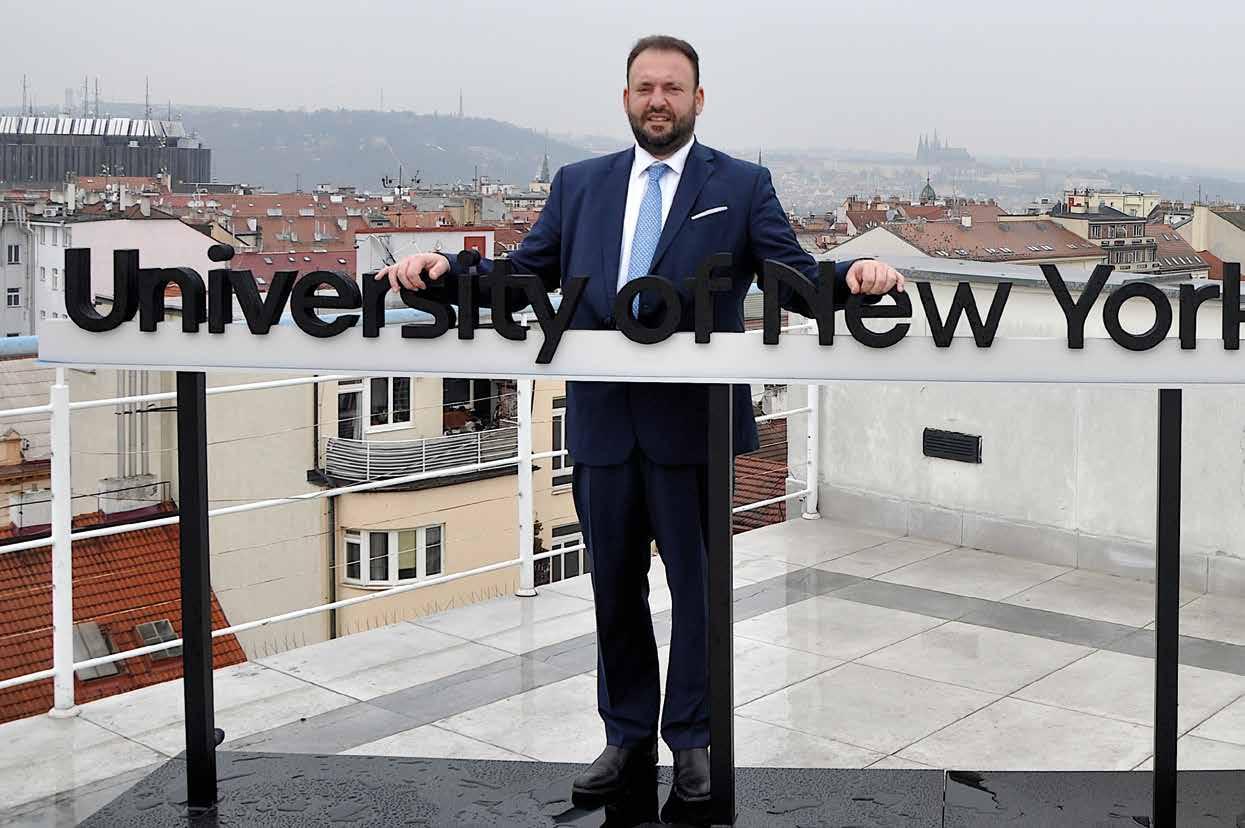
Interview with Sotiris Foutsis, General Manager, University of New York in Prague EDUCATION CARRIES A SPECIAL RESPONSIBILITY
Interview with Martin Churavý, former Press Secretary to the Speaker of the Czech Chamber of Deputies KNOW YOUR PLACE AND DO YOUR JOB WELL
Interview with Pavlína Prokešová, Founder of RealLocate and Art of Sharing I BELIEVE IN BUILDING STRONG RELATIONSHIPS
Kamila Paličková launches the Czech and Slovak edition of an internationally respected initiative WOMEN CHANGING THE WORLD AWARDS
Benke Aikell – Founder | Eva Anderová & Meshulam Zisso – Owners & Executive Editors | Petra Kubernátová – Webmaster | Martina Hošková – Editing & Translation | Martin Mikeš – Graphic Design | Printing house – Tiskárna H.R.G. Litomyšl | Publisher PRIME (1998) s.r.o., Olgy Havlové 2914\52, 130 00 Žižkov - Prague 3, IČ: 25682784, DIČ: CZ25682784, e-mail: info@czechleaders.com, www.czechleaders.com | Czech & Slovak Leaders, Olgy Havlové 2914\52, 130 00 Žižkov - Prague 3, email: info@czechleaders.com, www.czechleaders.com | Licence: MK ČR E 13147 | No reproduction is permitted in whole or part without the express consent of Czech & Slovak Leaders | The advertiser is responsible for the advertising contents | Opinions expressed in this publication are those of the authors or persons interviewed and do not necessarily reflect the views of the editors or Czech & Slovak Leaders | All editorial material and photos in Czech & Slovak Leaders Magazine is digitally stored and may be republished by Czech & Slovak Leaders either in printed form or in various digital media | All correspondence to Czech & Slovak Leaders Magazine may be published.
By H.E. Mateusz Gniazdowski, Assistant Professor at the University of Warsaw Ambassador of Poland to the Czech Republic (2022–2024)
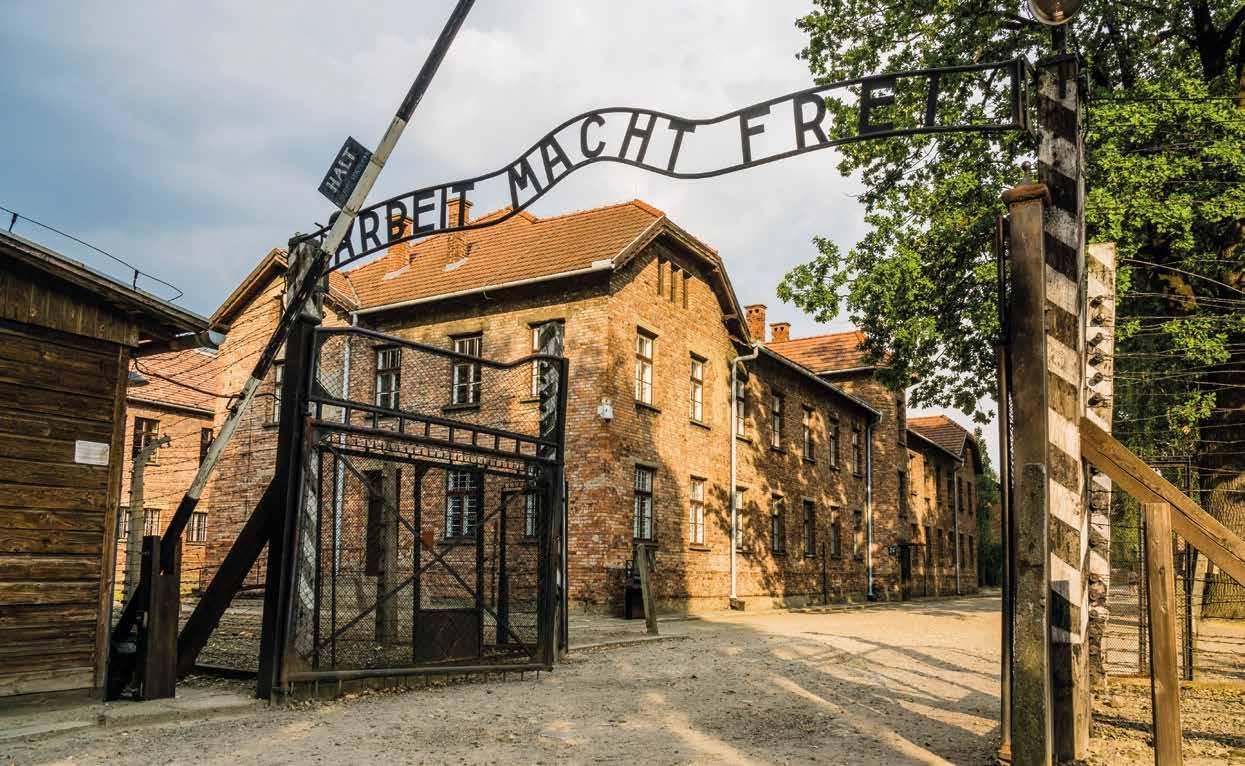
Every year on 27th January we commemorate the International Holocaust Remembrance Day. This observance was officially established by the United Nations General Assembly in 2005, on the anniversary of the liberation of the Auschwitz-Birkenau concentration and extermination camp in 1945 by soldiers of the Soviet Army. For Polish diplomacy, this date carries particular significance.
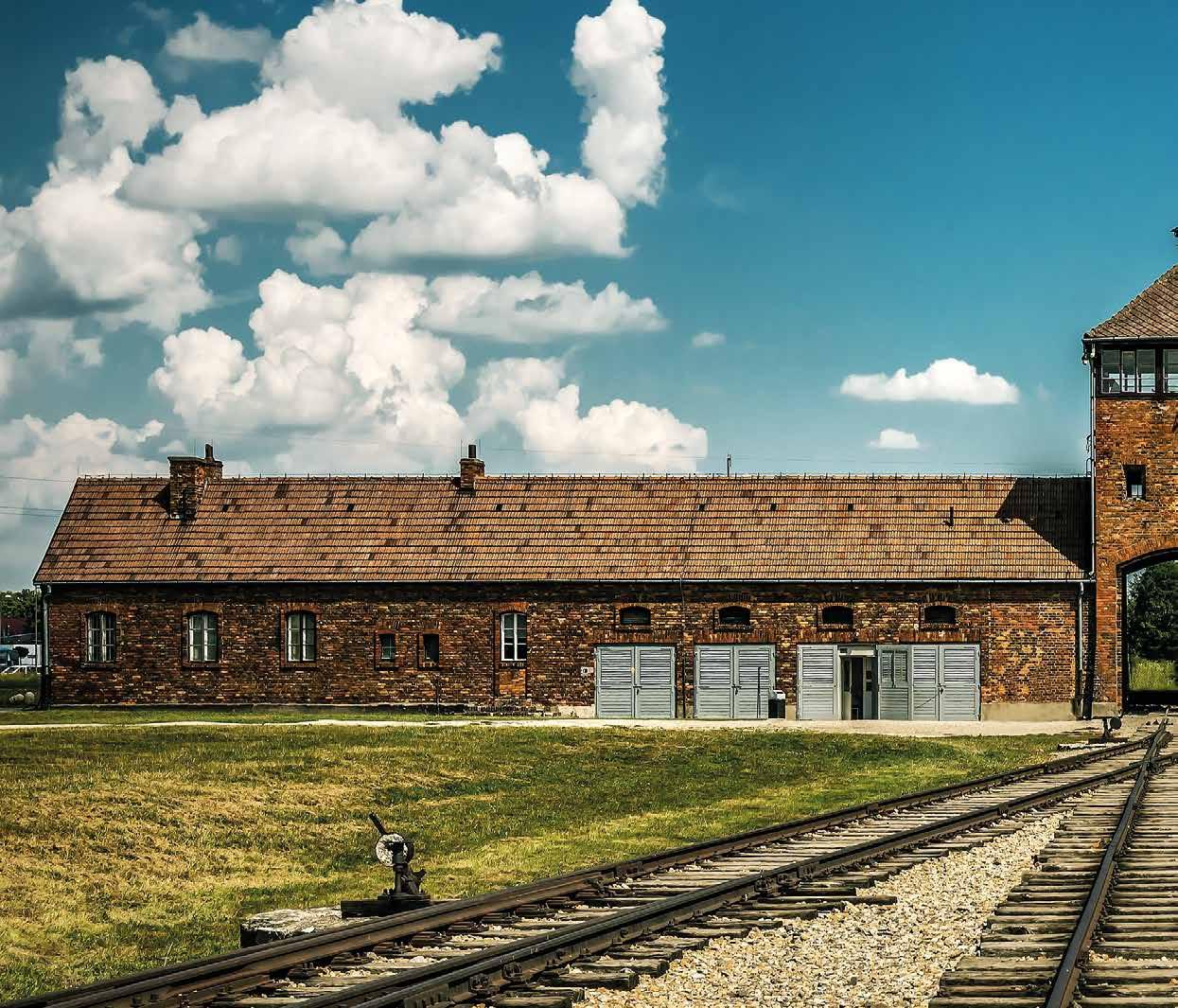
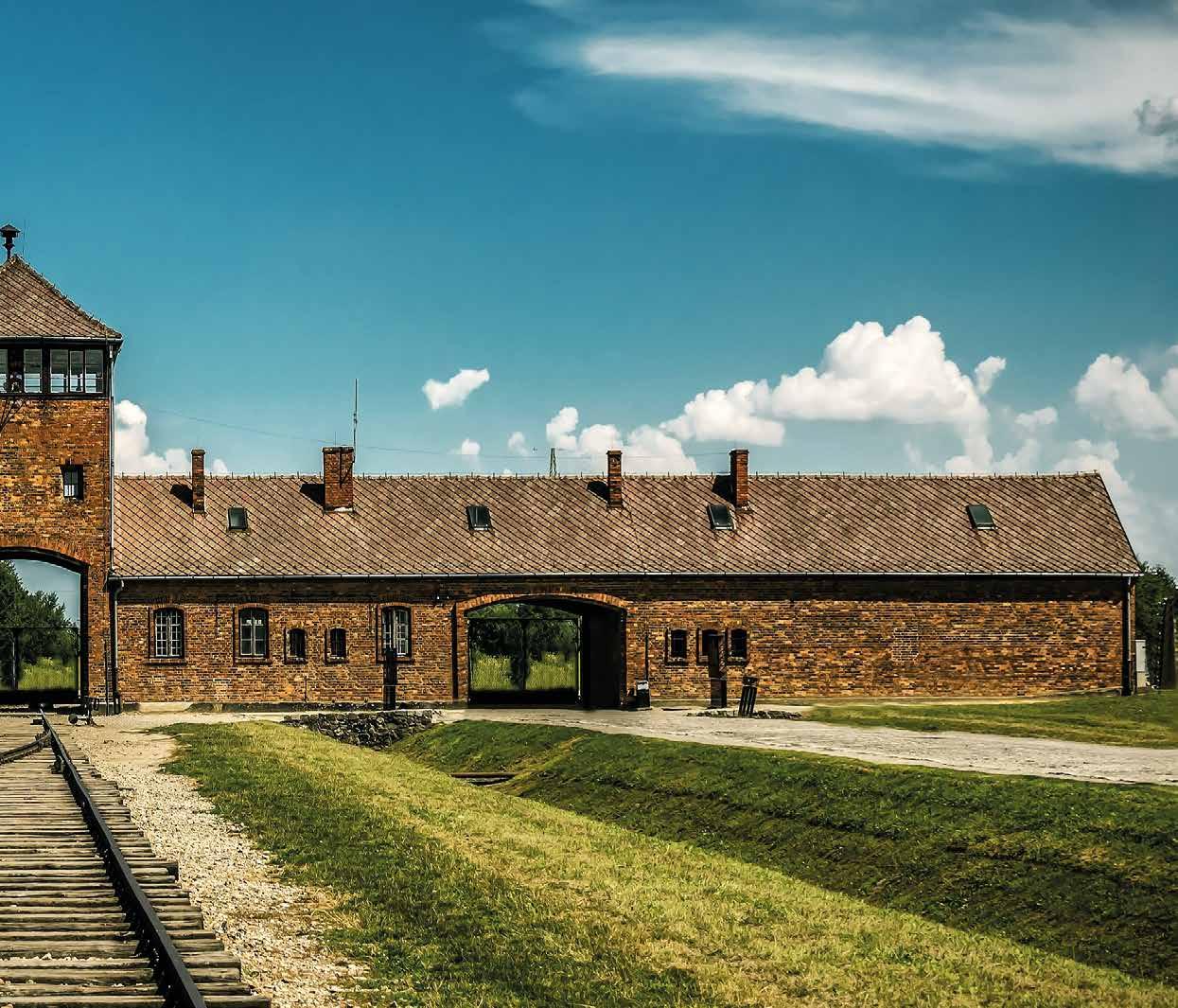
Auschwitz-Birkenau, the largest German Nazi concentration and extermination camp, was established and operated by Germany on occupied Polish territory. A very large proportion of its victims were citizens of Poland. For this reason, the Polish state – including its diplomatic service – bears a special responsibility for preserving the memory of the Holocaust. Yet 27th January is not the only Auschwitz-related
anniversary of particular importance for Polish diplomats serving in Prague.
The wording of the 2005 UN General Assembly resolution constitutes a clear legal and moral stance against historical revisionism and Holocaust distortion. The resolution rejects any denial of the Holocaust as a historical event, whether in whole or in part, and urges Member States to
develop educational programmes that will transmit the memory of this tragedy to future generations, helping to prevent acts of genocide. This commitment is especially important today, when Holocaust distortion increasingly affects questions of responsibility and perpetration of crimes committed against Jewish communities on occupied Polish soil.
Nazi Germany established and operated six extermination camps, numerous concentration camps, and countless execution sites on occupied Polish territory. Today, the Polish state maintains museums, memorial sites, and cemeteries at many of these locations, while Polish research institutions continue their work
of documenting and preserving the memory of Nazi crimes for present and future generations around the world.
The January anniversary commemorates the liberation of Auschwitz-Birkenau, an event experienced by only a small group of prisoners. On 27th January 1945, more than 7,000 prisoners who remained in the camp –including slightly over 700 children – were liberated by soldiers of the Soviet Army. Over the course of less than five years, approximately 1.1 million people were murdered in Auschwitz-Birkenau. The majority of the victims – around one million – were Jews. According to estimates by the Auschwitz -Birkenau State Museum, at least 232,000 children were murdered
in the camp, most of them Jewish children.
It is often noted that the largest single group of Jewish victims consisted of Jews deported from Hungary within its wartime borders – approximately 430,000 people. This figure, however, includes around 140,000 Jews from southern Slovakia and Subcarpathian Ruthenia, more than 130,000 victims from northern Transylvania, and approximately 16,000 Jews deported from Vojvodina. Excluding these territories, which were incorporated into Hungary between 1938 and 1941, the number of Jews deported to Auschwitz-Birkenau from the territory of present-day Hungary was likely closer to 150,000.
For comparison, historians estimate that approximately 300,000 Jews from the territory of pre-war Poland perished in Auschwitz-Birkenau.
Historians estimate that a total of around 375,000 citizens of Poland were murdered in Auschwitz. After Jewish victims, the secondlargest group consisted of non-Jewish Poles – approximately 75,000 people. In Poland, their memory is honoured on 14th June, observed as the National Day of Remembrance of Victims of German Nazi Concentration Camps and Extermination Camps. On that date in 1940, the Germans deported the first group of prisoners to Auschwitz: 728 Poles transferred from the prison in
Tarnów, including soldiers of the September Campaign, members of underground independence organisations, scouts, students, and a small group of Polish Jews.
For Polish diplomats in Prague, anniversaries linked to Auschwitz and the destruction of Czech Jewish communities are also of great importance. Particularly moving for me were the commemorations held in 2024 marking the round anniversary of the murder of prisoners from the so-called Theresienstadt Family Camp (BIIb). The mass killings of prisoners deported from the Theresienstadt ghetto, carried out on the nights of 7–8th March and 10–12th July 1944, constitute the largest mass murder of Czechoslovak citizens
during the Second World War. Of the approximately 17,500 prisoners held in the BIIb camp, only 1,294 survived.
Another important Auschwitzrelated date is 2nd August – the Roma Holocaust Memorial Day –commemorating the liquidation of the so-called Zigeunerfamilienlager, a mass crime in which Roma and Sinti from the Czech lands were also murdered.
For Poles, Auschwitz-Birkenau is associated with an almost countless number of anniversaries connected to the lives and deaths of its victims. Among them is Saint Maximilian Kolbe, who voluntarily gave his life in the camp for a fellow prisoner.
This year, on 14th August, we will mark the 85th anniversary of his death. An equally important place in the memory of Auschwitz is held by Witold Pilecki, a Polish cavalry officer and resistance fighter who in 1940 voluntarily allowed himself to be arrested in order to infiltrate AuschwitzBirkenau. Inside the camp, he organised an underground resistance network and sent some of the first eyewitness reports on the Holocaust to the Allies. After escaping in 1943, he continued fighting in the Polish underground, took part in the Warsaw Uprising, and after the war was arrested, tortured, and executed by the communist authorities in
1948. On 13th May 2026, we will commemorate the 125th anniversary of his birth.
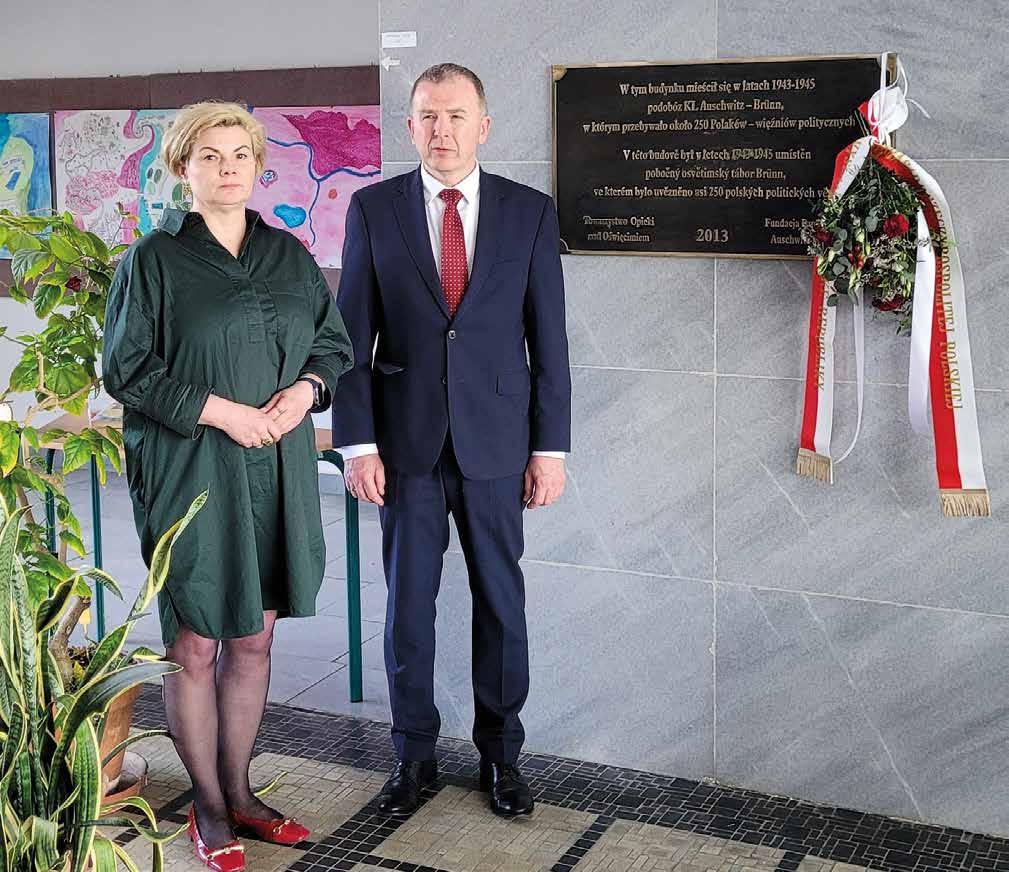
Polish diplomats serving in the Czech Republic should also remember other anniversaries linked to Auschwitz and the martyrdom of Polish citizens on present-day Czech territory. One of the lesser-known sites of memory is an Auschwitz subcamp in Brno, which operated between 1943 and 1945 on the premises of the Bishop’s Grammar School. The camp was located in an unfinished building taken over by the Germans for the construction of the SS and Police Technical Academy. The majority of the
prisoners held there were Poles.
A major challenge – including for diplomacy – in commemorating the victims of former German Nazi extermination camps is the dignified remembrance of the victims of the so-called death marches. In the winter of 1944–1945, thousands of prisoners from German camps, primarily located in Silesia, were “evacuated” – which in reality meant that they were sent to further extermination through exhaustion, forced labour, and murder. Many thousands died on the present-day territory of the Czech Republic. A large proportion of these victims came from Polish lands.
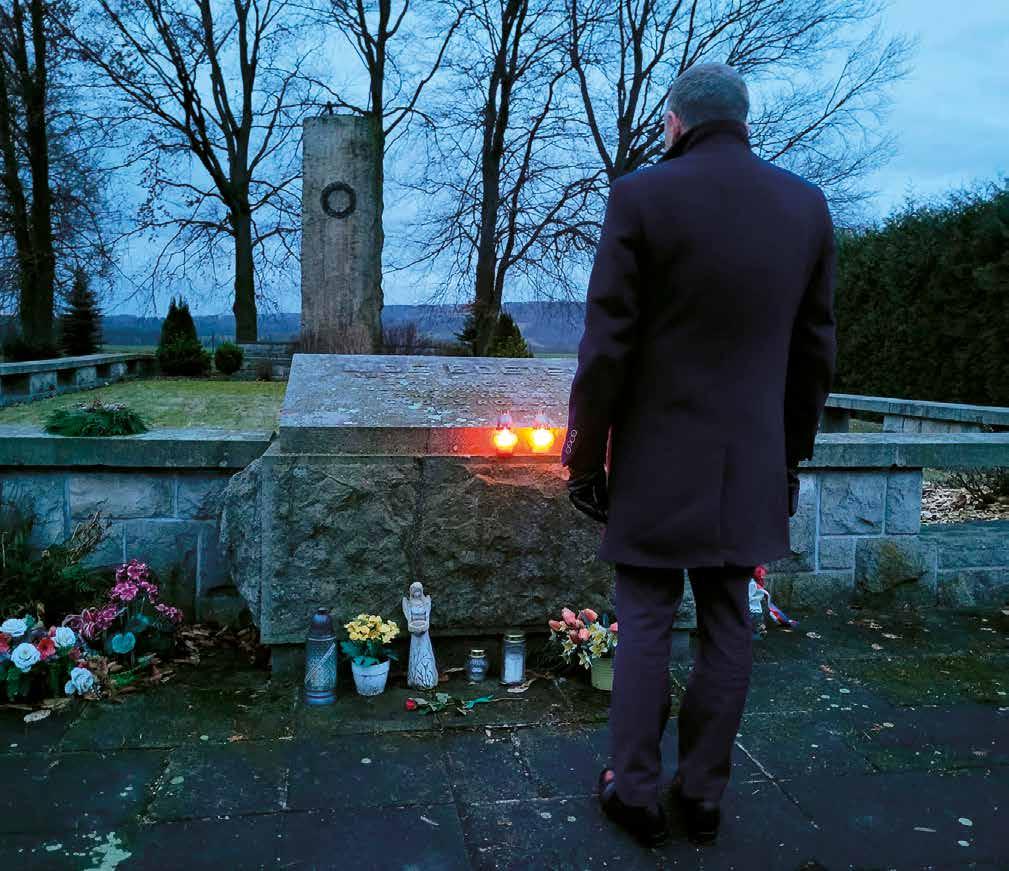
Some of these execution sites are commemorated annually. Representatives of the Polish Embassy regularly take part in ceremonies in Krupka, at the mass grave of 313 prisoners. Many such sites exist across the Czech Republic, particularly in the border regions that were annexed by Germany in 1938. It is worth recognising local communities and individuals who keep the memory of these victims alive. In connection with the anniversary of the February death marches, I visited the cemetery in Choustníkovo Hradiště and lit a light of remembrance at the mass grave where, on 18–19th February 1945, German police murdered at least
145 prisoners from a transport evacuated from the Gross-Rosen concentration camp.
Many victims of these crimes will remain forever in anonymous graves. Others, however, may still be identified through scholarly research, including archaeological investigations, and the circumstances of their deaths clarified. In the case of Choustníkovo Hradiště, for example, one may find digitised documents of German security formations, made available in recent years by the Polish Pilecki Institute. Many such sites require conservation and restoration. The death marches from German camps and
their tragic toll on Czech lands remain an important subject for further international historical research and commemoration.
This example from one of the many sites of memory linking our nations also highlights the continuing need for proper documentation of these crimes, for restoring names – and often graves – to the victims, as well as for preserving the memory of both the victims and the perpetrators for future generations.
By H.E.
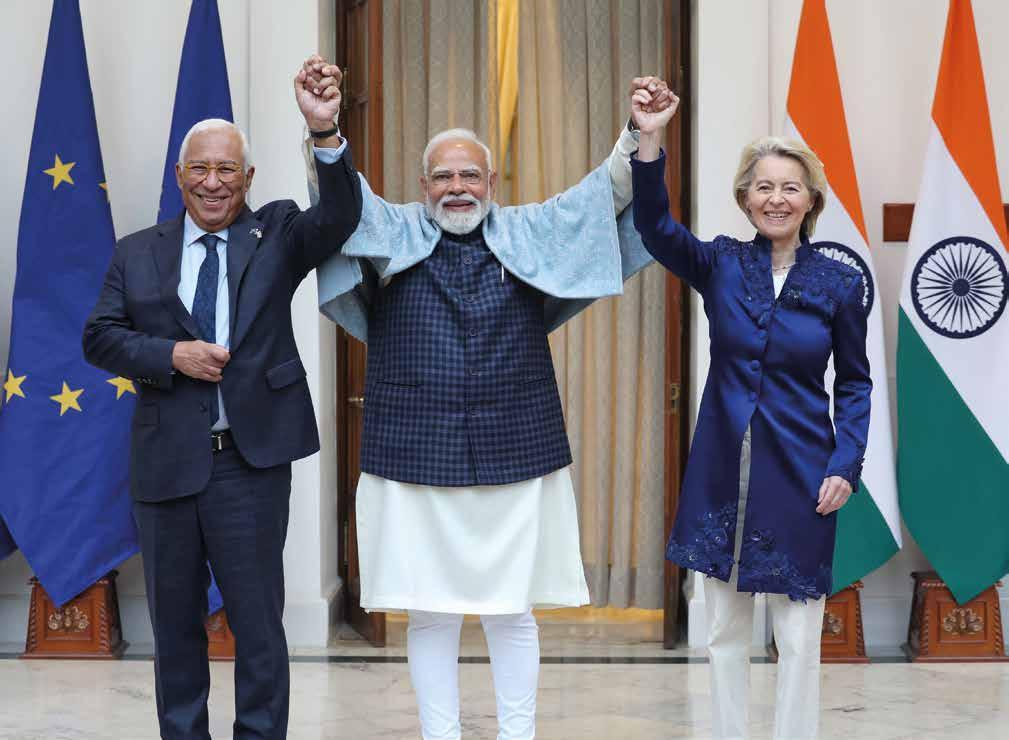
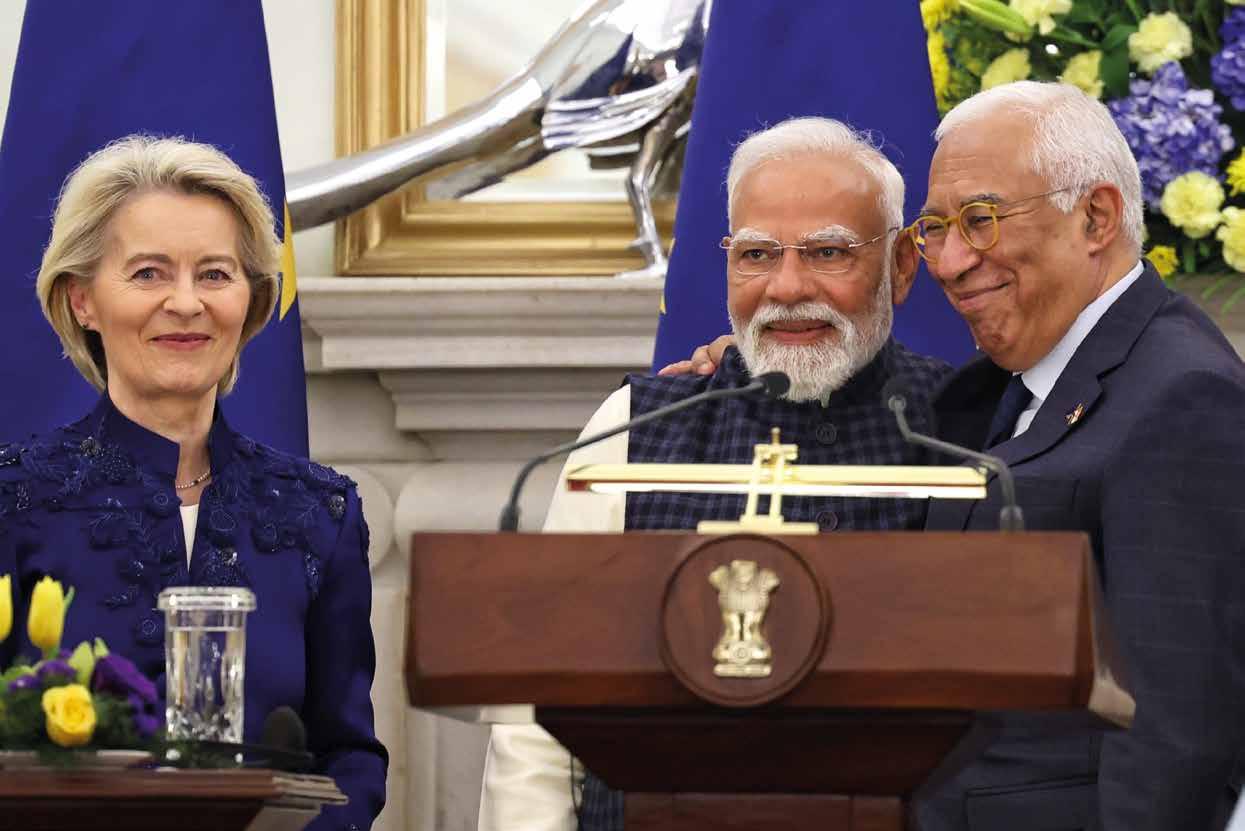
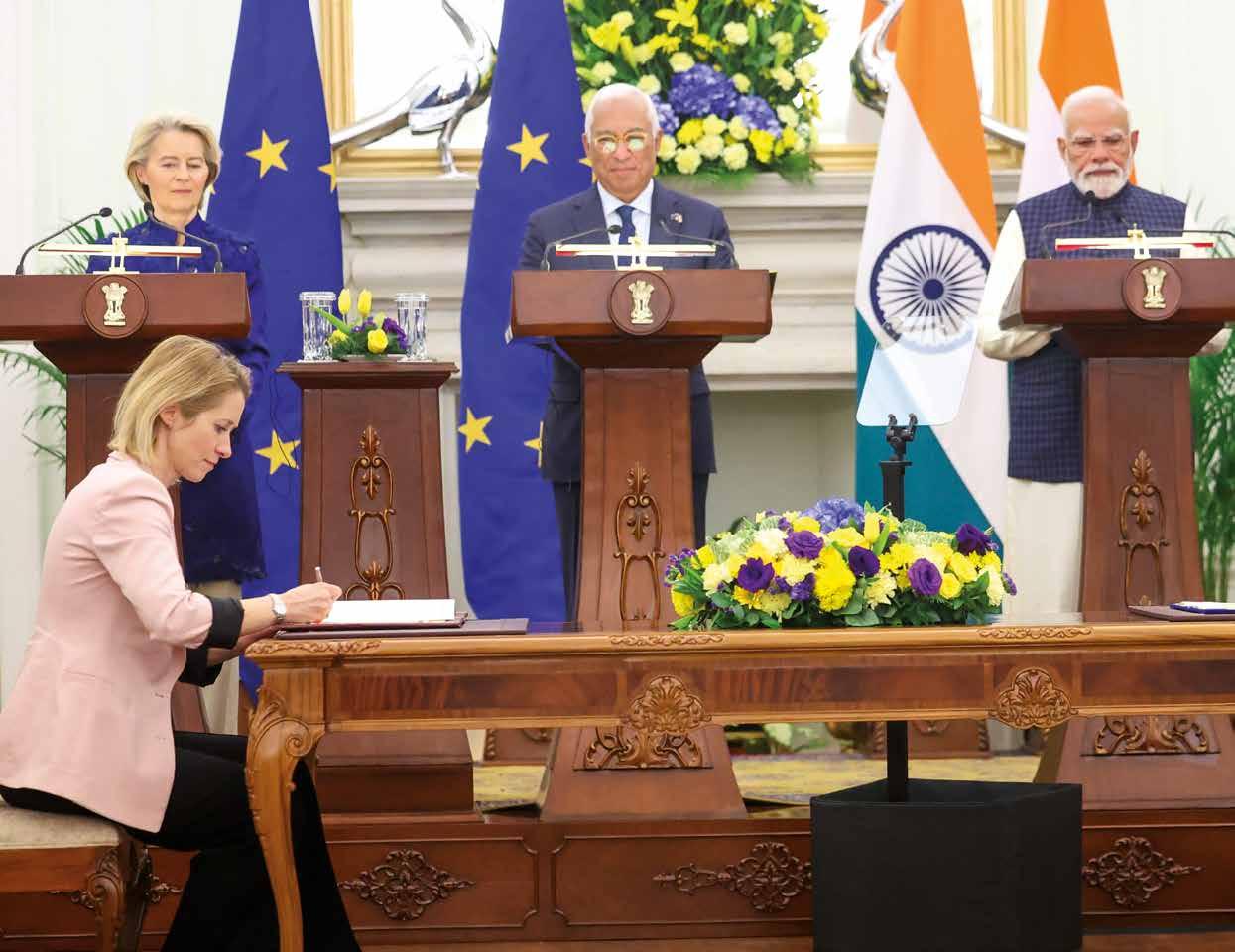
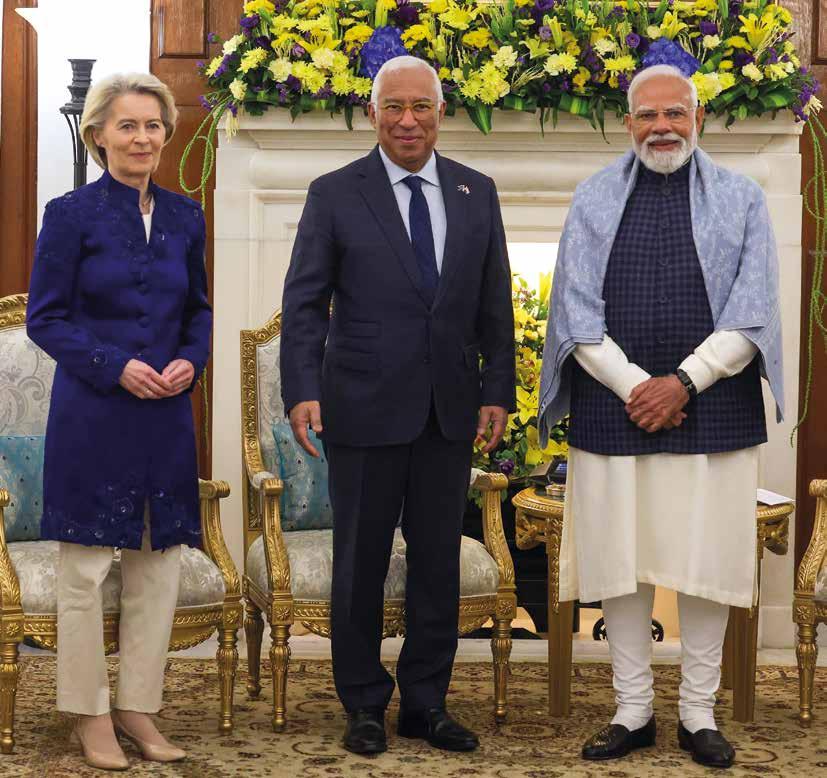
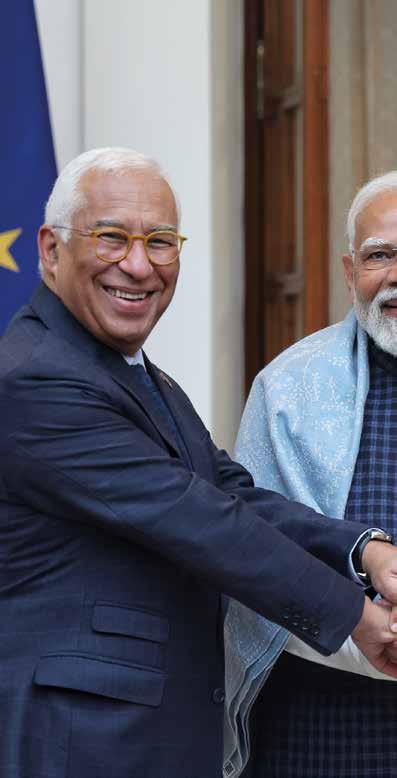
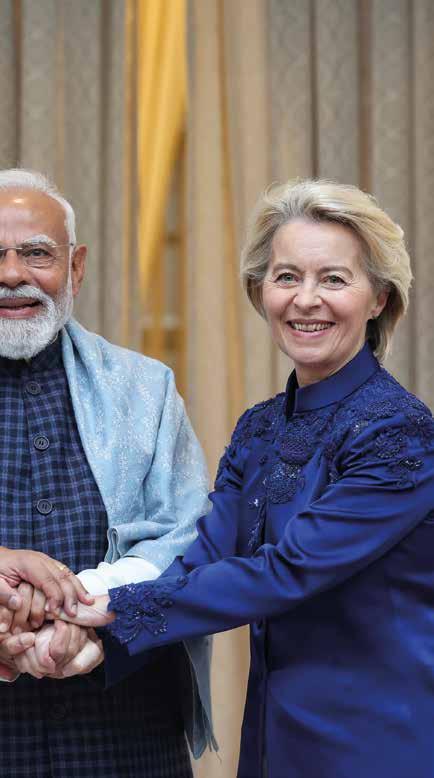
It was expected that, during January 2026, the gaps would be addressed, and that the Free Trade Agreements (FTA) could be signed on 27th January, when the India-EU Summit took place in New Delhi, or earlier. India had also conferred a distinct honour on the EU leadership by inviting them as the Chief Guests on the Republic Day – 26th January. European Commission President Ursula Von der Leyen and European Council Chief Antonia Costa were this year’s summit’s Chief Guests.
This gesture on India’s part illustrates the fact that, under the changed global circumstances and volatility, the EU and India have begun to attach greater
importance to one another by cementing and frequenting high-level interactions. This is despite certain political differences with certain members over the Russia-Ukraine war and India’s continued imports of crude oil from Russia.
Pragmatism and the fact that India has become the fastest growing major economy (surpassing the UK and Japan in the space of a year to become the fourth largest worldwide), together with India’s clear articulation of its national interests, have made everyone realise the need to dispense with rigid positions for their own interests. Besides, India and the UK, as well
India and the EU have been strategic partners for over two decades, since 2004. The EU has also emerged as a top trading (120-135 billion Euros) and investment partner for India. The relationship and institutional mechanisms, including the Troika Dialogue, have continued to reinforce and deepen for mutual benefit. Even though the progress has been slow and painful in several areas like the Bilateral Trade Agreement, the current disruption in the Trans-Atlantic alliance engineered by Trumpian unilateralism has created a certain urgency to close the Trade Deal at the earliest.
as several other countries, have already signed the Free Trade Agreements (FTA). The Economic Cooperation FTA with some European countries, including investment commitments, has also become operational. All these factors, along with the ever-threatening Trumpian tariffs and disenchantment with US policies, have caused a reasonable ground to identify and overcome any irritants in India-EU trade and economic relations, including the trade agreement.
High level contacts have been exceptional in recent past. It was for the first time that 22 EU Commissioners travelled to India.
German Chancellor Merz has just concluded a state visit, signing over two-dozen agreements. The French President is also expected to visit early this year as the deal over several hundred Rafale fighter aircrafts and other equipment is being negotiated and finalized by India and France.
Shri Ajit Doval, National Security Adviser to the Prime Minister of India and H.E. Emmanuel Bonne, Diplomatic Adviser to the President of the Republic of France co-chaired the 38th India-France Strategic Dialogue in New Delhi on 13th January this year. During the Strategic Dialogue, India and France reiterated their commitment to their strategic partnership.
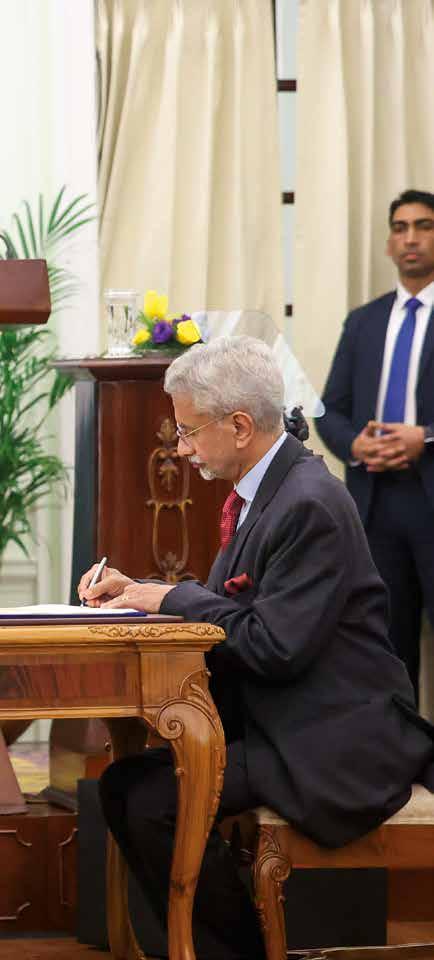
Dr S. Jaishankar started off the new year with his first visit to Europe – to France and Luxembourg. Apart from conferring with his counterpart, he also called on French President Macron. In the India-France Year of Innovation, they explored ways of diversifying ties in areas of innovation and technology, startups, health, education, and mobility. They also discussed growing cooperation in the strategic areas of defence, security, space, economy, as well as civil, nuclear, and maritime
security. An India-Weimar Foreign Ministers meeting was also held. Dr Jaishankar appreciated his counterpart and President Macron’s comments that, as the Chairs of G7 and BRICS respectively during 2026, they would aim to work together to find synergies rather than work at cross purposes. He also said that “our two nations committed to multi-polarity, and I believe that working together is important for ourselves, and also for stabilizing the global politics at this stage.”
Italian PM Meloni invited PM Modi to visit Italy. The IMEC corridor and its multidimensional route have tremendous connectivity and capacity potential between India, the Middle East, and Europe, which both sides are serious about exploiting, despite immediate roadblocks.
The comprehensive trade and investment deal has dragged on for over two decades. Fortunately, though, the differences regarding
market access, agriculture, automobiles, and technical and non-technical barriers to trade –including GIs and the EU’s Carbon Border Adjustment Mechanism – are now nearing redressal or are being narrowed to achieve mutual satisfaction. The Trade Deal will provide smoother access to each other’s markets, especially for the Indian labour-intensive products.
The remit of bilateral engagement has expanded to a wide range of strategic domains, including climate change, counterterrorism, and defence and security –including cyber, AI, quantum technologies, and next-generation communications such as 6G –as well as human resources, education and skills development, innovation, renewables, and the Indo-Pacific. India and the EU had established a Trade and Technology Council in 2023 to enhance cooperation in digital governance, semiconductors, clean energy technologies, and resilient supply chains. Migration and mobility remain a major priority for India.
The question of how to immunise global and value supply chains against utter dependencies on a certain country – and against the arbitrary behaviour of certain others – remains a major area of concern and congruence for both sides. India reiterates that relationships can be reinforced only through mutual respect, mutual interests, and mutual sensitivity.
India and the EU have a matured strategic mindset, driven by mutual interests that can lead to a productive and rewarding strategic partnership, and with shared values and democratic architecture suitable for the 21st century. Both sides support multilateral global governance and the rules-based order, as well as supporting the institutions that provide a fulcrum for the shape of things to come.
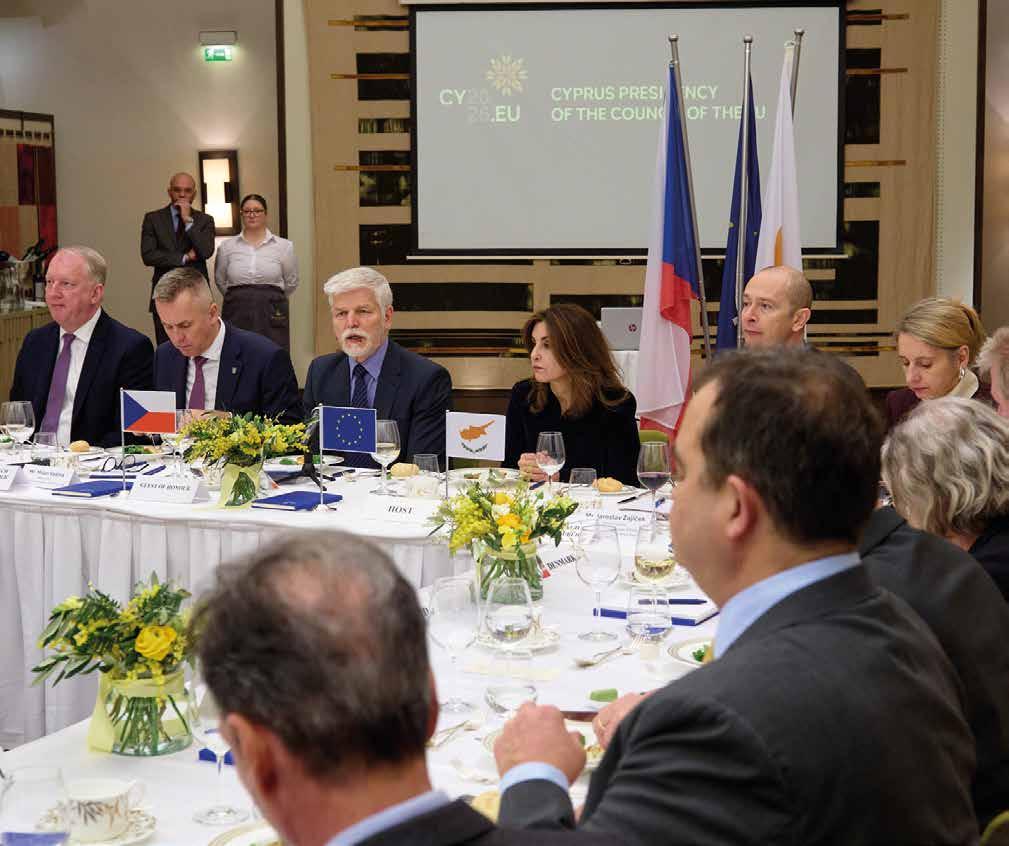
By H.E. Ms. Aliki Paschali, Ambassador of the Republic of Cyprus to the Czech Republic
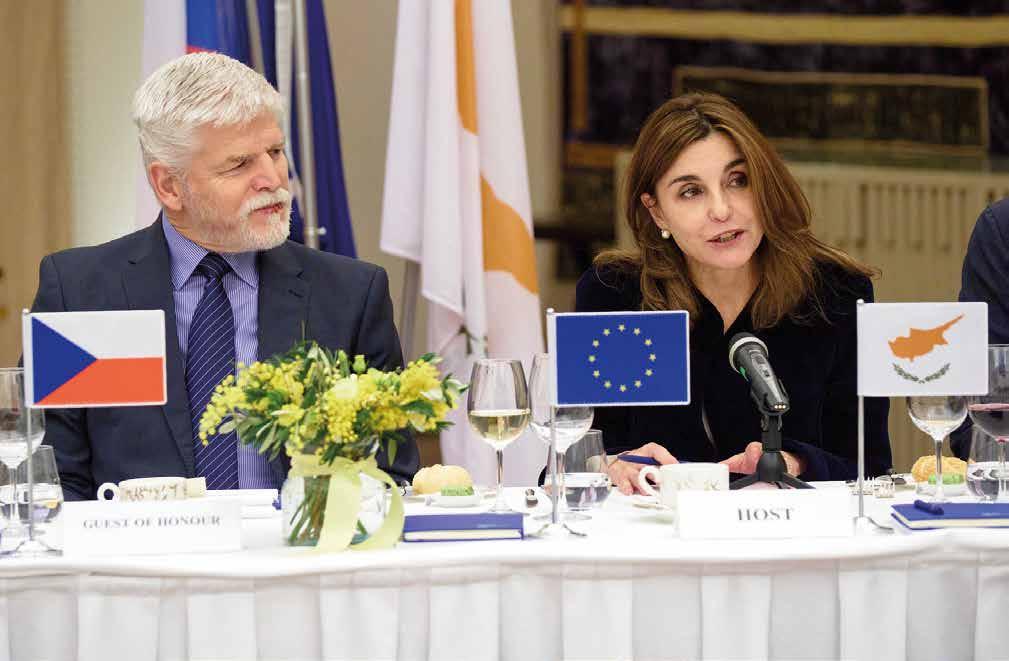

On 1st January 2026, Cyprus assumed the Presidency of the Council of the European Union, under the motto “An Autonomous Union. Open to the World.” Taking over the baton from Denmark, we undertake the responsibility to push the EU’s agenda forward, building on the excellent work of our Trio partners. We assumed this duty with realistic ambition, knowing very well the limits of our role, and we shall carry it out as honest brokers, with institutional propriety, and in close cooperation with the European Parliament and the European Commission.
Fourteen years after our first EU Presidency, the current global system stands in stark contrast. The Presidency in 2026 comes at a time of heightened geopolitical and geoeconomic challenges, marked by volatility and uncertainty. The international order, upon which we relied for decades, is no longer a given.
Russia’s aggression against Ukraine, conflicts in our Southern neighbourhood and the wider Middle East, events that have recently occurred in the Western Hemisphere, the resurgence of territorial claims for Greenland, and a shifting US global posture have all defined a new security situation.
By assuming the Presidency, Cyprus adds a new element to the equation: it is the member state closest to the Eastern Mediterranean and the Middle East, a region that is essential for European competitiveness. Cyprus is also a country with a proven record of actively promoting regional cooperation, stability, and security, as well as serving as a bridge between Europe and the Middle East.
This experience can be converted into new initiatives, helping shape the EU agenda and contribute to the Union’s broader goals, especially in the domains of energy and water security, territorial cohesion, climate resilience, connectivity, and competitiveness, providing
an example of how a peripheral, small, island member state can both lead and reinforce the EU’s strategic autonomy.
Influence does not depend only on size, but also on the ability to make the most of one’s relative advantages. The “weight” of a member state is not only determined by square kilometres alone, but also by its know-how, efficiency, and commitment to strengthening the “European project”.
Autonomy through security, defence, and readiness is one of the core issues of our priorities. Russia’s aggression has clearly demonstrated the need to strengthen the European security architecture and our defence readiness.
The Cyprus Presidency will stand firmly with Ukraine, continuing support at all fronts, while at the same time supporting international efforts for a viable peace, in line with the UN Charter and safeguarding the country’s sovereignty and territorial integrity.
As a Member State whose territory has been under military occupation for more than five decades, we know all too well the stakes.
I need not underline, that an autonomous Union is above all a secure Union. However, security today is not mono-dimensional. It is multi-layered and interconnected, and that is why the Cyprus Presidency will advance a comprehensive approach to security, which also includes maritime and economic security.
It is not the Cyprus Presidency’s business to transform European Union foreign policy, but this is an area where a small state, with clear interests, regional exposure, and a willingness to push, could make a difference. It can convert geographic context into coordinated action.
Effective migration management is another core dimension of security.
As a frontline member state, Cyprus will work towards a balanced and comprehensive European approach, addressing both internal and external dimensions, tackling root causes, strengthening cooperation with key third countries, and ensuring full implementation of the Pact on Migration and Asylum and
progress on the EU Return Regulation.
We shall also focus on strengthening competitiveness. We must make Europe faster, smarter, simpler. We must deliver more and better for our businesses and individuals. We must push a simplification agenda that reduces burdens in a balanced manner, especially for small and medium-sized enterprises (SMEs), the backbone of our economy. We will work hand-in-hand with the European Parliament to conclude key files that cut red tape.
Competitiveness, however, is not only about removing obstacles –it is also about building capability. Completing and strengthening our Single Market, deepening the capital markets through the Savings and Investment Union, remain central to European integration. We will prioritise the modernisation of our industries, Europe’s ability to innovate and produce the technologies of tomorrow, while advancing green and digital transition.
Competitiveness must also be inclusive. It must benefit all regions, including island, peripheral, and less-connected areas. Connectivity is essential.
Cyprus fully supports the EU’s climate neutrality goals, but underlines that small island states face unique challenges, including energy isolation and high transition costs.
The Cyprus Presidency also aims to increase the EU’s visibility and act as enabler to reinforce the Union’s role as a strategic global actor. This will be achieved by making better use of its toolbox, as well as building on strong partnerships across all regions of the world.
From Ukraine and Moldova, to the Western Balkans and Turkey, enlargement is the Union’s most powerful and transformative geopolitical tool.
The Cyprus Presidency will promote a credible, merit-based enlargement agenda, aimed at delivering tangible benefits, while ensuring respect for the Union’s values and principles, democratic standards, the rule of law, common foreign and security policy alignment, and international law.
Our engagement with the Southern Neighbourhood and the Gulf is equally strategic. The New Pact for the Mediterranean provides a vital framework, and the Cyprus Presidency will promote its objectives with initiatives such as IMEC (India Middle East Economic Corridor), leveraging Cyprus’ strong ties with the Middle East, the Gulf, and India.
A Union that is open to the world is also a Union capable of responding swiftly and effectively to crises. We will work to enhance the EU’s capacity for rapid and effective crisis response and fostering synergies, building on Cyprus’ experience as a regional hub for evacuations and humanitarian aid.
Another pillar of the Cyprus Presidency’s priorities, is an autonomous Union of values for all, and without discrimination.
A truly autonomous Europe requires strong social cohesion, where no person or region is excluded. This means tackling poverty and ensuring access to affordable housing and energy.
In this regard, the Cyprus Presidency will focus on affordable housing, promoting the implementation of the European Affordable Housing Plan, with
full respect for the principle of subsidiarity and national competences.
The fifth pillar of our priorities is a budget needed to support the four others, and which effectively supports the goal of an autonomous Union (Multiannual Financial Framework for 2028–2034).
Our aim is to guide discussions in a way that will facilitate reaching political agreement on the MFF by the end of 2026. The stakes are high, and this will be reflected in the difficulties of negotiations, but we retain our ambition on this most crucial of files.
The world is entering a new phase of hard geopolitics, where power, resources, and geographical nodes are returning to the centre of international politics. For the EU, the real question is not if it will be affected, but whether it will limit itself to the role of observer or instead utilize this new reality to become a co-shaper of developments, strengthening itself and its unity through these challenges.
As Robert Schuman reminds us, “Europe will not be made all at once, or according to a single plan. It will be built through concrete achievements, which first create a de facto solidarity.”
By Ondřej Preuss, Attorney and Founder of DostupnyAdvokat.cz

Do you go to work with a dumpling in your throat? Does your supervisor put you down in front of your colleagues, ignore your results, or give you impossible tasks? Maybe it’s not “just” a bad atmosphere, but bossing or mobbing. In this article, we explain how to recognize workplace bullying, when it is already illegal, and how to defend yourself against it.
The definition of bullying
Bullying is a form of repeated abuse, humiliation, or harassment of someone. It usually takes place in an environment where
the bully has power over the victim. Bullying can be physical, verbal (e.g. derogatory remarks, taunting), or emotional (e.g. excluding, ignoring). It often occurs in schools, work environments, or online.
It is important to distinguish between bullying and one-off conflicts or minor disagreements that are common in everyday life. Bullying is characterised by its persistent, repeated nature and has serious negative consequences for the victim, including psychological problems, anxiety, depression, or even physical health problems.
In recent months, two major Prague institutions –the Prague Zoo and Na Františku Hospital –have faced serious allegations of workplace bullying. After multiple accusations and widespread media attention, the heads of both institutions, who were accused of bossing, resigned. We decided to publish this article by attorney Ondřej Preuss because we believe that speaking openly about bossing is the first step toward recognising it, addressing it, and protecting ourselves and others.
workplace bullying
Workplace bullying most often manifests itself as long-standing hostile relationships, which, over time, turn into humiliation and ridicule. The specifics include the fact that it takes place in the work environment, and thus affects work performance and the overall atmosphere of the work environment.
Workplace bullying is also specific in that it usually involves an element of power, where the bully uses his or her position (e.g. managerial position) to humiliate or control the victim. This type of bullying is called bossing. However, bullying can also occur between colleagues who are at the same level of power at work. In this case, it is called mobbing.
As we have already mentioned, bossing is a form of workplace bullying that is directed by supervisors towards subordinates. It is a systematic and repeated pattern of behaviour designed to humiliate, intimidate, control, or otherwise harm the victim.
Specific manifestations of bossing include:
• Constant criticism and humiliation.
• Inadequate delegation of work or overloading with unwanted tasks.
• Isolation from the team or ignoring the victim’s contributions.
• Threatening, blackmailing, or spreading rumours and gossip.
• Restrictions on career opportunities or access to information.
An example of bossing is when a supervisor repeatedly points out employee’s mistakes without offering specific examples or opportunities to improve. The criticism is delivered in a way that is demeaning
and ridiculing to the subordinate. However, it is not bossing when it is constructive criticism. For example, when the supervisor regularly provides feedback to the employee that is balanced between acknowledging positive contributions and specific areas that could be improved.
Mobbing is workplace bullying between colleagues. It is therefore systematic and repeated behaviour that is intended to humiliate, intimidate, control, or otherwise harm a colleague who is not in a subordinate position.
Mobbing most often manifests itself verbally in the form of humiliation and insults. However, jokes and taunts that go beyond what is acceptable are also common. Another common manifestation is isolation, manifested by excluding a colleague from group activities, ignoring their presence or contributions.
An example of mobbing is when a group of employees forms in a work environment and begins to systematically ignore and exclude a new colleague. They ignore him/ her at social events, do not include him/her in important meetings, do not take his/her ideas into account, and avoid him/her in joint work activities.
Workplace bullying can have widespread and serious consequences for both the individual and the workplace. It affects bullied individuals both psychologically and physically. It causes long-term stress, anxiety, and depression. The stress caused by bullying can then lead to physical symptoms such as headaches, digestive problems, or sleep problems.
Bullying also affects the work performance of the bullied person
as it causes a decline in work performance. It limits their opportunities for career progression, and can even lead to the termination of the working relationship.
In the work environment, it often impairs teamwork and creates an unpleasant working environment. This in turn leads to reduced work performance and increased staff turnover, which in turn causes economic downturns and increases staff costs.
Bullying is often confused with discrimination in the workplace, which has its own legal provisions. And yes, in some cases bullying does manifest itself as discrimination, but often it is not. In fact, discrimination is based on treating employees differently based on their sexual orientation, nationality, race, origin, gender, etc. It is therefore disadvantaging an individual or group on the basis of their identity.
Discrimination is therefore based on specific criteria (e.g. race, gender), whereas bullying may have different motivations (e.g. power or personal).
Examples of discrimination include the situation where an employer refuses to hire a person because of his or her race, even though he or she has the necessary qualifications, or the common situation where a company pays men better than women who do the same job with comparable efficiency.
Unfortunately, defending yourself against bullying is not always easy. In fact, bullying is often difficult to prove. However, there are options:
• Talk to the bully: If you feel up to it, try talking directly to the person who is bullying you. Sometimes it may be unconscious behaviour
• The behaviour is repeated (not a one-off)
• You are systematically disadvantaged
• There is a reduction in dignity
• You have long-term stress, insomnia, or anxiety at work
• You are afraid to go to work.
that can be resolved by bringing it to the bully’s attention and telling them how it is affecting you.
• Get evidence: It is important to keep a record of any bullying incidents, including the date, time, participants, and the specific behaviour that happened. Having written documentation can be key in addressing the issue. If possible, try to take video footage that clearly shows the bullying, for example.
• Contact your supervisor or HR department. Companies should have procedures for dealing with bullying and protecting employees. Alternatively, you can make a formal complaint to your employer, which they are legally obliged to deal with.
• Send a pre-action notice: If you have been harmed as a result of bullying, you can take your case directly to court. However, it is a good idea to send a pre-suit notice first before actually filing a lawsuit. This alone can often achieve the desired result.
• It lasts more than a few weeks
• It has an impact on health
• Your employer knows about it and does nothing.
• File a lawsuit: If the pre-suit notice doesn’t work, it’s time to file the lawsuit itself, though it can be somewhat problematic. This is because unless the bullying is based on discrimination, the burden of proof is on you. This means you must have evidence (such as witnesses or video footage) to back up your argument.
• Contact the labour inspectorate: if the employer does not resolve the situation, you can file a complaint with the labour inspectorate. Describe the situation and attach the evidence obtained. The inspectorate should inspect your employer’s work, and, in the event of misconduct, impose a fine and instruct him to remedy the situation.
• Give notice: the last solution to safely end the bullying is to give notice. This is not the most ideal solution, but unfortunately in some situations it is the only option.
JUDr. ONDŘEJ PREUSS,
Ph.D.
Workplace bullying and the role of whistleblowing
Whistleblowing and the Whistleblower Protection Act play an important role in the problem of workplace bullying. This is because it allows employees or others to report illegal, unethical, or harmful practices in an organisation without consequential sanctions.
Summary
Bossing and mobbing are serious workplace problems that can have long-term negative effects on both the individual and the overall work environment. It is important to distinguish between constructive criticism and bullying, which is characterised by systematic and repeated humiliation or intimidation. There are defences to bullying, such as collecting evidence, communicating with supervisors or the HR department, and, in extreme cases, legal action.
has been practising law for more than 10 years. He specializes in helping clients deal with workplace issues, real estate transfers, and copyright and licensing matters. He is the founder of DostupnyAdvokat.cz, which provides legal services online and helps educate the public about legal matters.
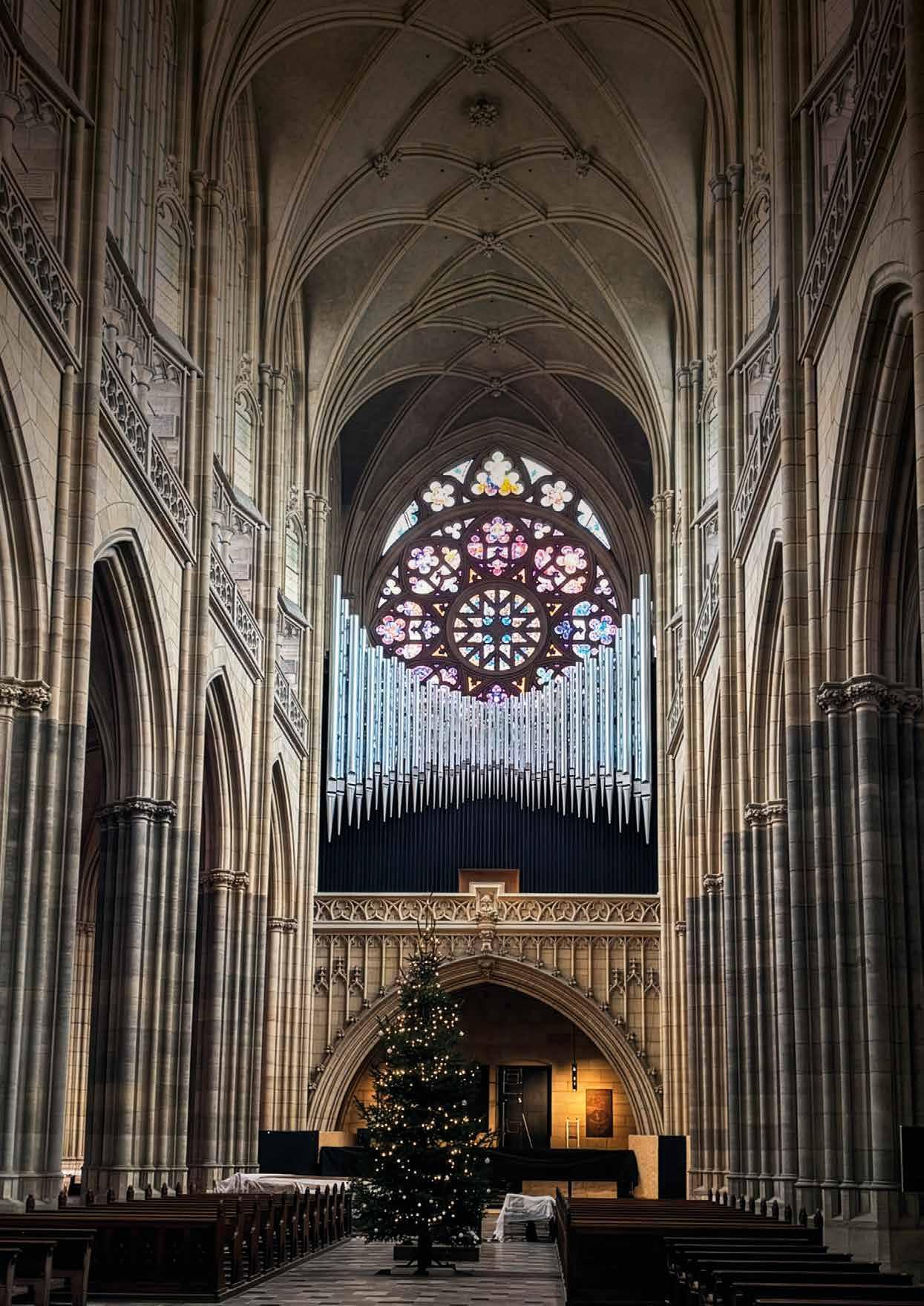
After nearly a decade in the making, the new organ for St. Vitus Cathedral has taken its place in the western gallery, overlooking a space that has long stood at the centre of Czech history. For its scale and significance, it is a project that sets a new benchmark in Czechia. There are around 6,000 pipes stored on several floors inside the instrument and 49 visible, freely suspended, prospect pipes in the façade. Handblown glass elements come from Lasvit; a Nový Bor glassmaking company with 12 ateliers around the world. Rooted deeply in north Bohemian craftsmanship, Lasvit finds inspiration elsewhere too, notably in the longevity of Japanese traditional crafts, which they believe stems not from staying unchanged, but from the ability to adapt.
Rising above Prague Castle, the cathedral has been shaped over centuries as a site of faith, power, and collective memory. A nationwide fundraising campaign for Prague cathedral’s new organ ran from 2014, allowing people to contribute any amount, or even ‘adopt’ an organ pipe, and together they managed to raise more than CZK 100 million. The ceremonial consecration of the organ is planned for St. Vitus Day, June 15th, 2026.
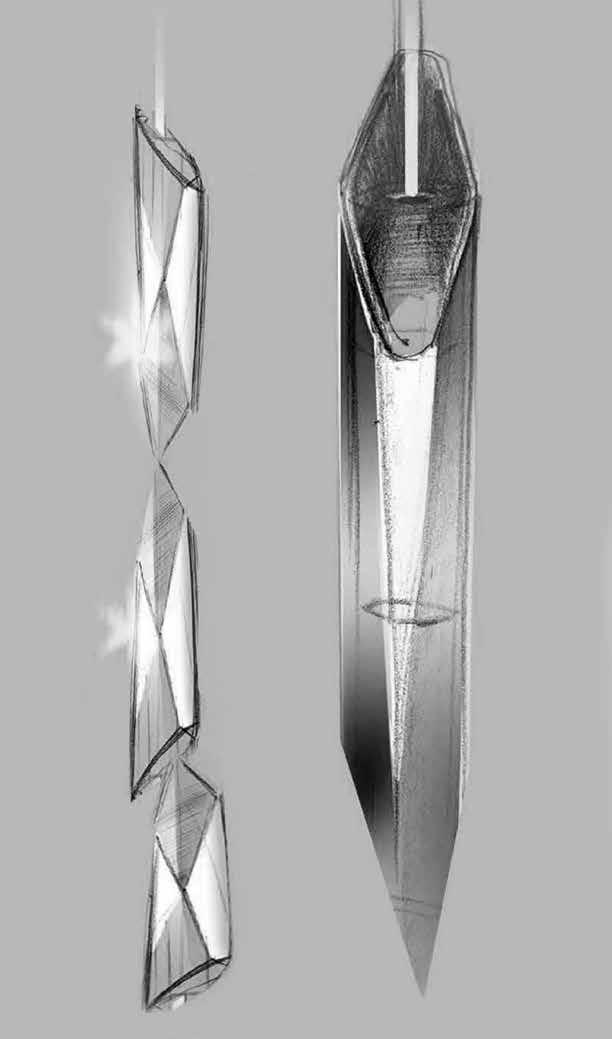
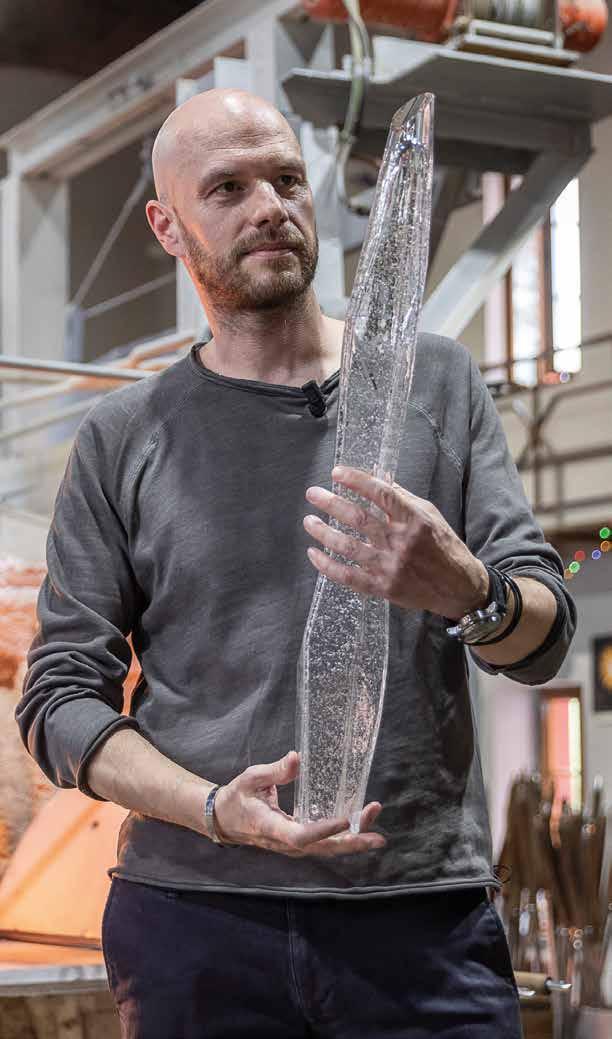
Lasvit’s contribution introduces a subtle contemporary layer through handblown glass elements designed by Peter Olah for the organ’s façade. The elongated crystal forms reference the verticality of the cathedral itself and the basalt columns of Panská skála in northern Bohemia. The result is a restrained installation, one that allows present day craftsmanship to sit within a historic interior without disruption, adding a new visual resonance to a space defined by continuity and care.
Freely suspended pipes are complemented by work with crystal elements placed between them, inspired by the winter view of the above-mentioned Panská skála, a formation of vertical shapes resembling organ pipes with flowing water that freezes in the gaps. The aim was to create an organ with components symbolically rooted in the Czechoslovak context, and research has revealed no comparable attempt to combine pipes with glass. The design therefore addresses not only the fixing of the glass elements but also their vibration and illumination; metal pipes are intended to alternate in an irregular rhythm with the glass components, echoing the structure of the rock formation, while light will emerge from the glass and reflect across the tin pipes.
The lighting concept envisions the organ as truly alive through gently dynamic, animated light that responds to the music of the instrument rather than dramatic colour changes. This creates a sensitive interaction between light and sound that allows the organ to breathe, while in moments of silence it may glow statically or fade completely – a subject of ongoing discussion given the traditional, analogue character of the cathedral environment where only white light is typically used.
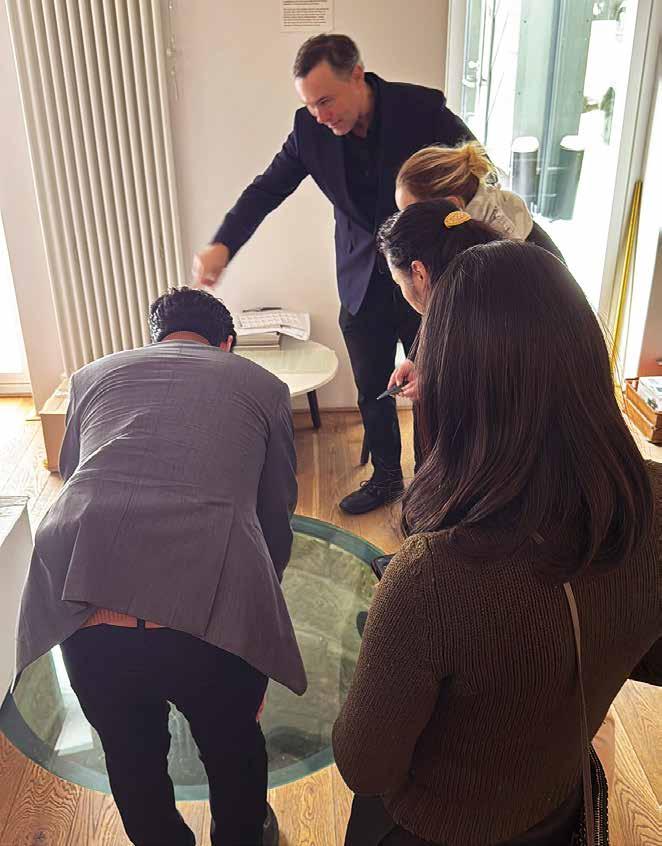
Visitors from Japan also captivated by the beauty of the new crystal installation at St. Vitus Cathedral
In early January, Lasvit welcomed Japanese clients to their headquarters in Nový Bor, Czechia. For them, it was their first visit to the country.
Our guests came from Japan, a country known for its unparalleled range of traditional craftsmanship. Few places in the world have preserved such a vast and diverse spectrum of craft practices, many of which continue to exist today.
The longevity of Japanese traditional crafts lies not in remaining unchanged, but in their ability to adapt. Over centuries, these crafts have endured repeated periods of hardship by responding to the spirit of each era. They have incorporated new materials, technologies, and ideas while
maintaining the essence of their techniques. Tradition, in this sense, has never been static, it has always been in motion.
In recent years, however, traditional crafts have faced decline. One reason may be that the idea of “tradition” has been emphasized at the expense of evolution, leading practices that have
simply remained unchanged to be mistaken for living crafts. From our perspective, revitalization is essential. Only by reinterpreting traditional techniques can craftsmanship continue to thrive.
This belief is shared by the Lasvit Japan country head, Ms. Chihiro Aldeen, who is based in Kyoto, where generations of master
artisans are concentrated. Her work has long focused on reimagining traditional craftsmanship for contemporary contexts. Three years ago, Aldeen encountered LASVIT through a brief exchange at Salone del Mobile in Milan, a moment that quietly sparked the collaboration that has since taken shape. She immediately recognized
a shared philosophy: a deep respect for traditional techniques, combined with a modern sensibility. She soon joined the company, and has since been involved in numerous projects across Japan.
During their stay, the Japanese guests were deeply impressed by Prague and Nový Bor, particularly by how naturally traditional craftsmanship remains woven into everyday life in Czechia. The experience left a lasting impression. By the end of the visit, the words spoken before the journey had changed into “let’s come back again during Salone del Mobile in Milan.”
The warmth of the Czech people had clearly been felt.
At the LASVIT headquarters and factory, the guests were welcomed with open arms.
Despite it being the first working day of the year, the team prepared everything with great care and generosity. The sincerity of this welcome deeply moved our visitors from Japan.
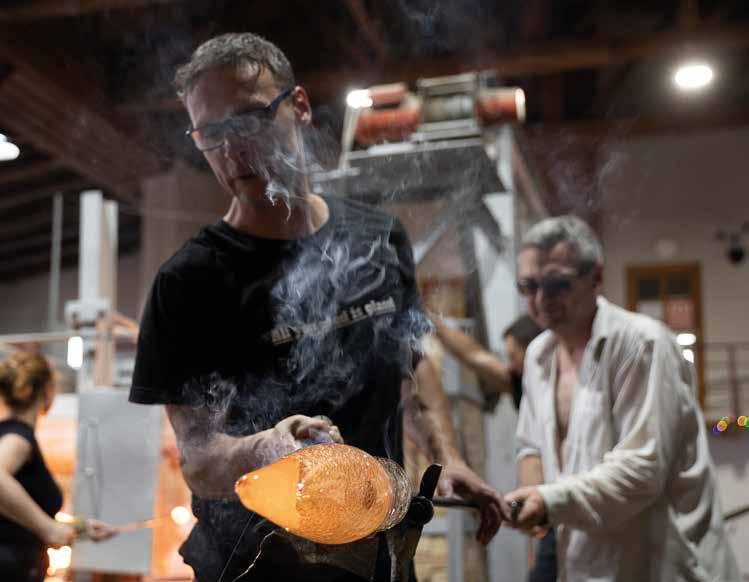
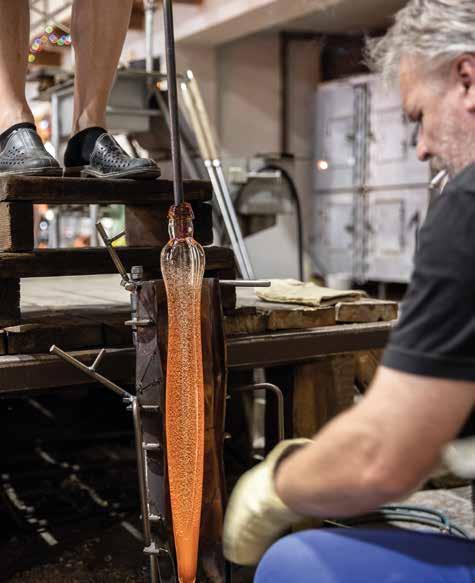
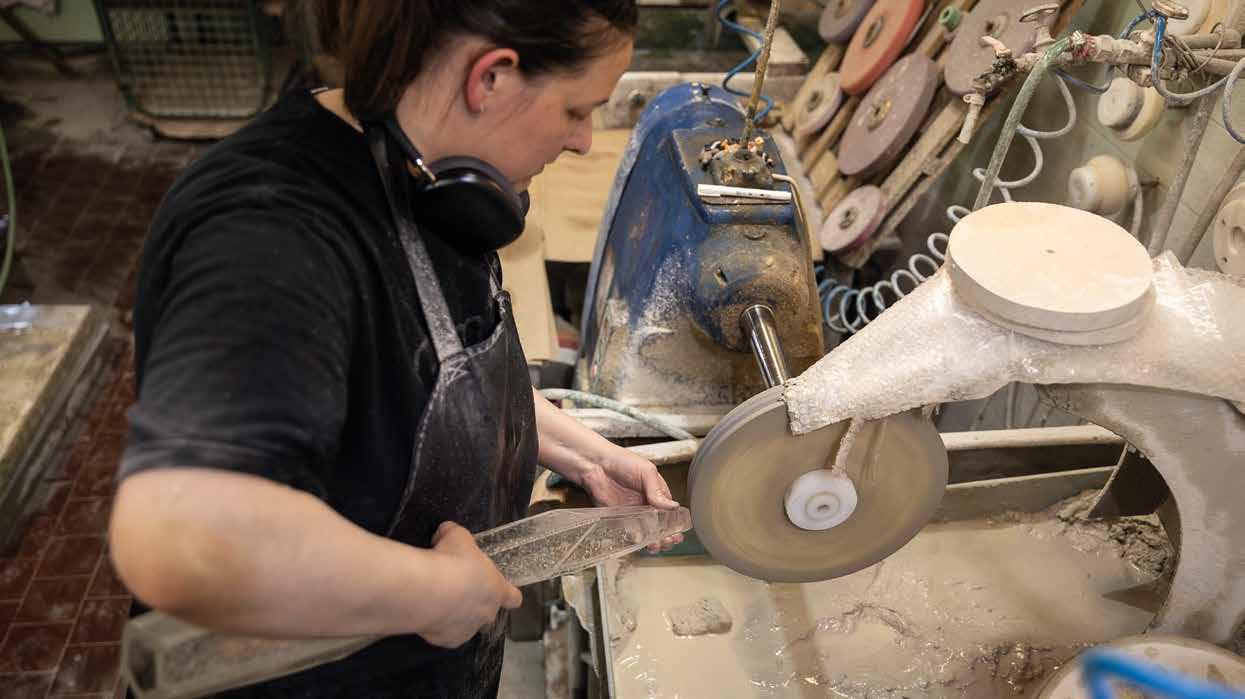
Seeing glass art created in front of one’s eyes is always powerful. Crystal glass, refined through countless meticulous processes, fully earns its reputation, often compared to diamonds for its clarity and brilliance.
The crystal installation adorning the pipe organ inside St. Vitus Cathedral at Prague Castle left us all
speechless, its beauty transcending words. On the way to the airport, we made a final stop at Bořislavka Centrum, where the glass artwork in the reception area of KKCG’s headquarters, enhanced by dynamic lighting, left a final, unforgettable impression.
What began as a chance encounter has grown into a meaningful partnership. Today, we are nurturing this collaboration together in Japan, guided by shared values and a belief that craftsmanship, when allowed to evolve, can continue to resonate across cultures and generations.
General
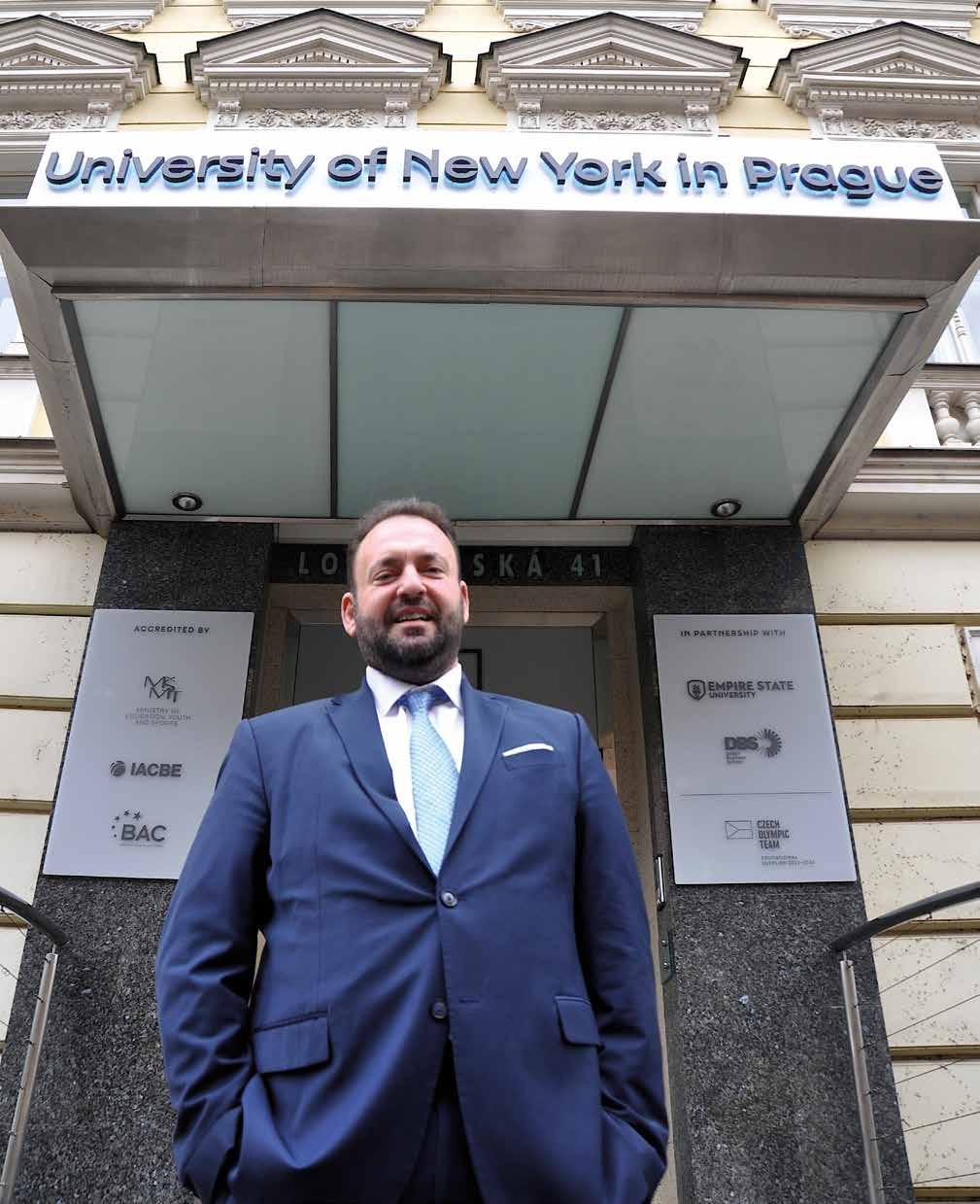
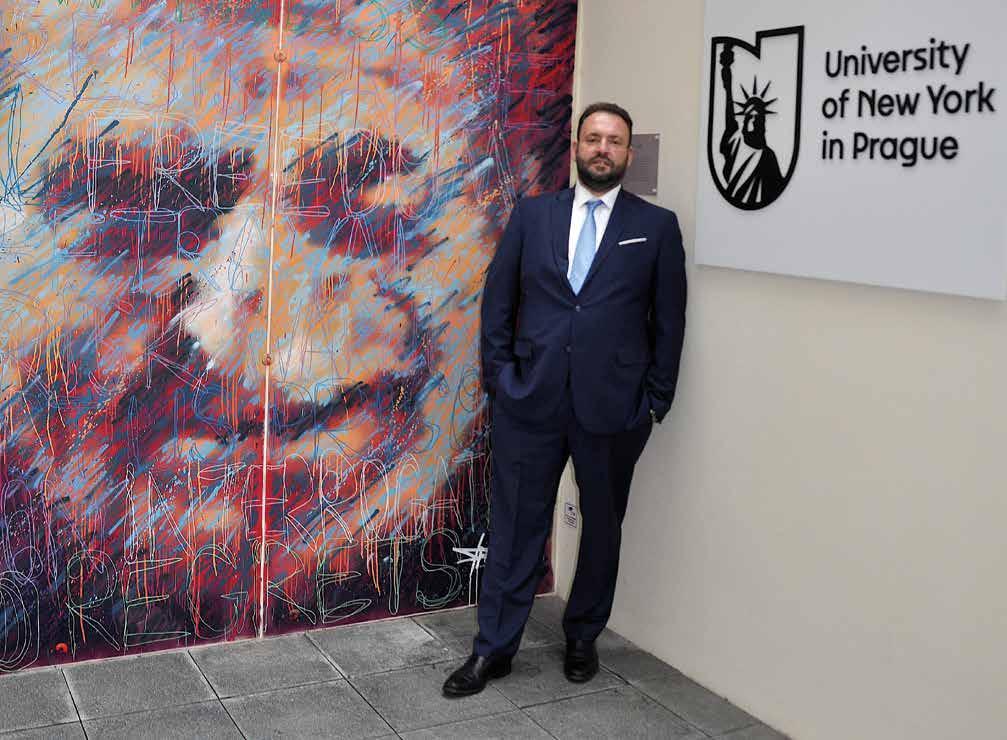
General Manager of the University of New York in Prague, Sotiris Foutsis, has fully embraced the institution’s ambitious goal of becoming the most preferred private university in Central Europe by 2030.
“UNYP was a first mover in the Czech Republic’s private higher education space,” he says, “particularly in offering fully accredited American degrees. My role is to ensure that academic quality and operational effectiveness go hand in hand. Watching students grow, struggle, succeed, and eventually graduate is deeply meaningful to me – graduation is always an emotional moment.”
For readers who don’t know you yet, how would you describe where you come from, both personally and professionally?
I am Greek by origin, happily married, and the father of three children, so life is never dull and free time is a relative concept. Family is extremely important to me and provides balance, perspective, and a sense of proportion, especially alongside professional responsibilities.
Sports have always played a significant role in my life. Basketball, in particular, taught me early on about teamwork, discipline, and perseverance. I played competitively when I was younger, mostly as a forward, and later even managed a basketball club. Today, sport remains a passion rather than a profession. I am a devoted Olympiakos supporter and follow all of the club’s teams very closely.
It is one of the ways I stay connected to my roots.
Professionally, my background is in sales and finance, and over the years I have gained experience in virtually all business functions, which aligns well with the role of General Manager. I studied in the United States and also served in the Greek army. Each of these experiences shaped how I think about responsibility, leadership, and commitment.
Do you still remember your first impression of the Czech Republic when you arrived 20 years ago?
It was a very different time when I arrived. Watching the Czech Republic develop over the past two decades has been remarkable.
On a lighter note, one of my first lessons was learning to appreciate Czech beer properly.
Overall, the learning curve was steep as we adjusted to a new culture and rhythm of life. Today, after twenty years, Prague feels entirely like home.
What does your role as General Manager of a private university mean?
In simple terms, my role is to ensure that all the moving parts of the university work together in a way that truly supports our students. UNYP today is a community of around 1,250 students with a diverse academic offering, and I work closely with the rector and the academic leadership to ensure that academic quality and operational effectiveness go hand in hand.
We are growing, and growth is exciting, but it also adds complexity. I am hands-on in strategy and operations, but I also place great
trust in my team. Having the right people in the right roles is essential. When that happens, the system works, and students feel the difference.
At the end of the day, my broader goals are not personal ambitions. They are reflected in UNYP’s mission and vision, and in how consistently we live up to them.
UNYP stands for the University of New York in Prague – so why New York, and why Prague?
The “New York” reflects our academic partnership with the State University of New York, a relationship that has been in place for more than 35 years. It represents academic standards, openness, and a global outlook that are central to American higher education.
Prague, on the other hand, needs very little explanation. It sits at the heart of Europe, with a deep
intellectual and educational tradition. UNYP was a first mover in the Czech Republic’s private higher education space, particularly in offering fully accredited American degrees. Bringing New York and Prague together was not a branding decision; it was a natural fit.
Why should students choose to study at UNYP? What sets it apart?
I believe the answer is quite simple – as it should be. At UNYP, we take a holistic approach to education. Our role is not just to educate students academically, but to equip them for successful professional lives that lead to personal success and happiness.
We are deeply student-centric in how we operate. That means listening, adapting, and constantly asking how we can improve the overall student journey. Combined with our American degree
offerings and the quality of our academic environment, this creates what I would describe as the unique UNYP experience, something that stays with students long after graduation.
You manage multiple teams. How do you prioritize tasks and projects?
Universities rely on structure, procedures, and clear rules –much like any other organization – but education carries a special responsibility. Decisions are rarely abstract; they affect real people at very formative stages of their lives.
Our priorities are therefore strongly influenced by student needs. At the same time, universities play an essential role in preparing graduates for the job market (or what they choose to do after graduation) and for life beyond it. Balancing these responsibilities requires discipline,
consistency, and a strong sense of purpose across teams.
With UNYP growing, as you mentioned, have you expanded to other countries as well?
We recently opened a representative office in Almaty, Kazakhstan, to better serve students and alumni in Central Asia. Being present locally helps us understand expectations and provide more meaningful support.
In time, this office may also serve as a base for further development in the region.
Besides expanding geographically, do you have plans to extend your activities to other fields?
Yes, and often out of necessity rather than ambition. A good example is student housing. In Prague, availability and affordability are major challenges,
especially for international students, so expanding into this area to support our student-centric mission became essential.
At the same time, we continue investing in our academic and operational capabilities. Technology is evolving rapidly, and educational needs are changing accordingly. Universities must evolve as well, not by chasing trends, but by responding thoughtfully to real societal needs.
What other aspirations do you hold for UNYP?
My wish for UNYP is a continued, even stronger focus on students’ needs and expectations. This aligns directly with our vision of becoming the most preferred private university in Central Europe by 2030.
We believe strongly in helping students become not only successful professionals but
also fulfilled individuals. When those two aspects are in balance, everyone benefits. Our goal is to continue building the UNYP story, patiently and responsibly, for decades to come.
Is there a moment you could describe as the best adventure you have had with UNYP so far?
I don’t think I can point to a single adventure. Instead, there have been thousands. Each one begins when a student walks through our doors for the first time.
Watching students grow, struggle, succeed, and eventually graduate is deeply meaningful to me. Graduation is always an emotional moment, not because the journey ends, but because it continues in a new form as our students become alumni. Every journey is different, and I take a genuine personal interest in each of them.
Your work seems deeply meaningful to you – do you still have time for your own hobbies?
Between three children, family life, and following Olympiakos, there isn’t much free time – and I wouldn’t have it any other way.
So, five years from now, do you see yourself leading an even stronger UNYP?
Yes, I hope to continue doing what I do now, possibly splitting my time between Prague and another country. For UNYP, the focus will remain on steady evolution, staying true to our mission while adapting thoughtfully to the future.
Interview with Martin Churavý, former Press Secretary to the Speaker of the Czech Chamber of Deputies
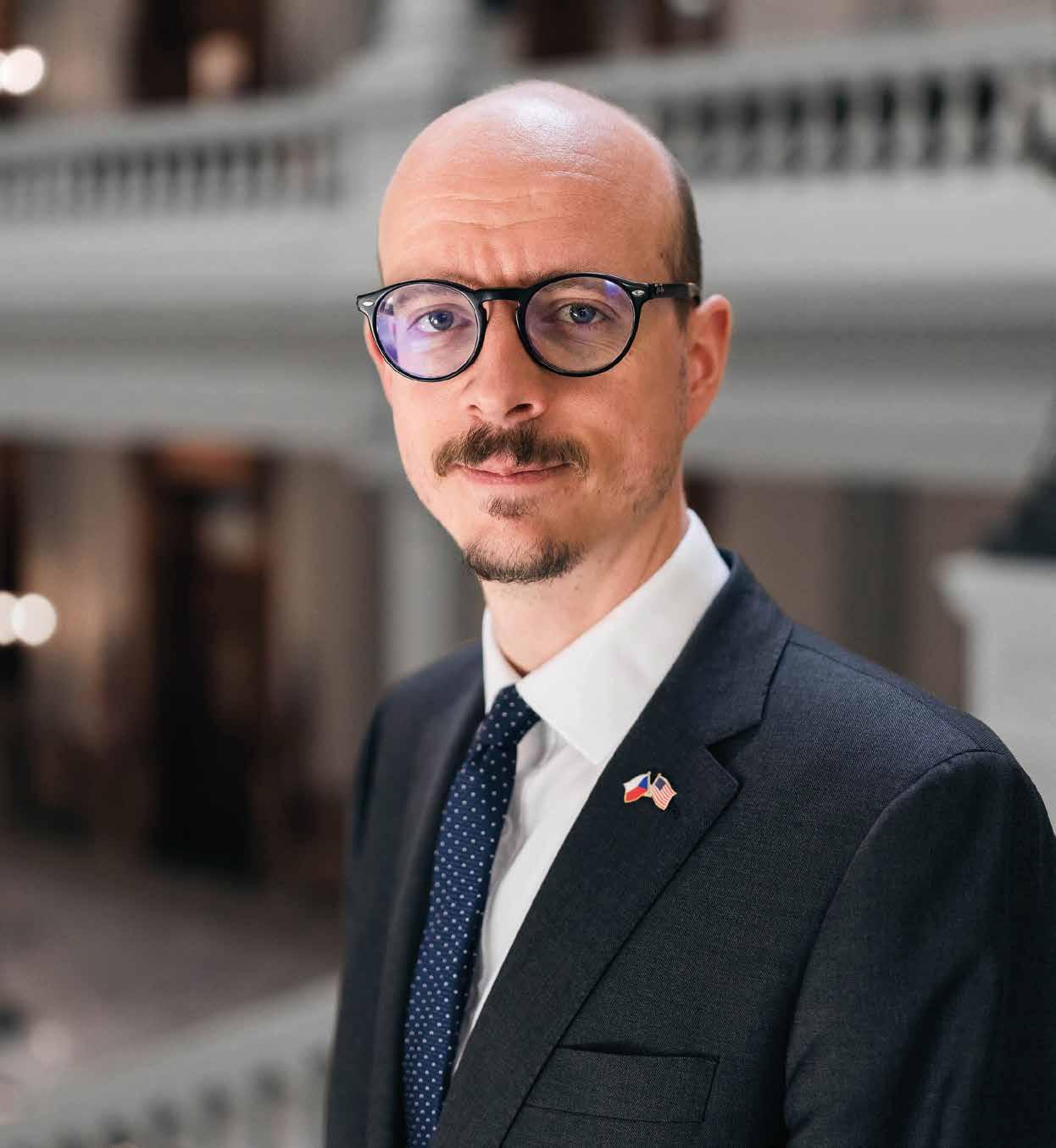
As a former Press Secretary to the Speaker of the Czech Lower House, a position he left just recently, Martin Churavý has a way with words. “I am a Prague native by birth, an optimist by nature, a political scientist by education, an etiquette coach by inclination, and a spokesperson by a happy accident”, he says.
“To genuinely serve others, that is the very essence of public service – and also the hardest principle to uphold consistently over the years”, he summarises, speaking about the vocation of civil servants.
You are a civil servant, most recently known for serving as Press Secretary to the Speaker of the Czech Chamber of Deputies. What other roles have you held?
Before working for the Chamber of Deputies, I spent nearly ten years working for the City of Prague – first as an adviser to the mayor, and later as Head of the International and Protocol Affairs Unit at Prague City Hall.
I also spent a couple of years as Spokesperson for Prague 6, one of the city’s districts. Earlier still, I worked at the Political and Economic Section of the Czech Embassy in New Delhi, India.
Is it possible to pick the role you enjoyed the most?
Working for the city where I was born and raised was probably the most fulfilling experience. I had the privilege of leading a team of highly intelligent and seasoned professionals, and it proved to be an immensely educational
role. During that time, I learned countless valuable lessons – not only about the job itself, but also about myself.
At Prague City Hall, you held the position of Head of International Relations and Protocol. Have you ever considered a diplomatic career?
Perhaps in my next life. In this one, I prefer to leave diplomacy to career diplomats.
You have given several interviews as a protocol expert. Is protocol really that important?
More important than many people might assume. Diplomatic protocol, social etiquette, and good manners all share one essential principle: consideration for others.
At their core, they are about being selfless rather than selfish. That is why these principles will never become outdated – and why they can be applied across
countless social and professional contexts.
There are some politicians who seek to redefine the role of a civil servant. What is your perception of this role?
I am an avid fan of the classic British television series ‘Yes, Minister’. You will find all the answers there – particularly when it comes to the complex relationship between politicians and civil servants. One of my favourite moments of the show is when Sir Humphrey explains that the role of the civil service is not to implement the minister’s ideas, but to ensure that nothing actually changes. “Politicians,” he says, “come and go, while civil servants remain – patiently protecting continuity, procedure, and stability.” Brilliant!
What is the most difficult part of being a civil servant?
Coming to terms with the fact that you are meant to genuinely serve others. That is the very
essence of public service – and also the hardest principle to uphold consistently over the years.
Is that the piece of advice you would pass on to the next generation of civil servants – to genuinely serve others?
Yes. Know your place, do your job well, and never mistake the attention attracted by the powerful people you work for as your own personal glory.
Can you recall the best adventure of your professional career so far?
I am not sure it qualifies as the best adventure, but hiding in an underground shelter during a Russian drone attack on Kyiv was certainly more adventurous than I would ever wish for.
Was there anything else just as unusual, perhaps even a bit weird, that you had to deal with?
During the visit of the head of the Tibetan Government-in-Exile to Prague in 2019, I was repeatedly contacted by high-ranking Chinese diplomats. They tried to persuade me to convince the Mayor of Prague not to meet the Tibetan leader.
The truly strange part was the way they reached out – late at night, through coded messages that deleted themselves immediately after being read.
What helps you relax in your free time?
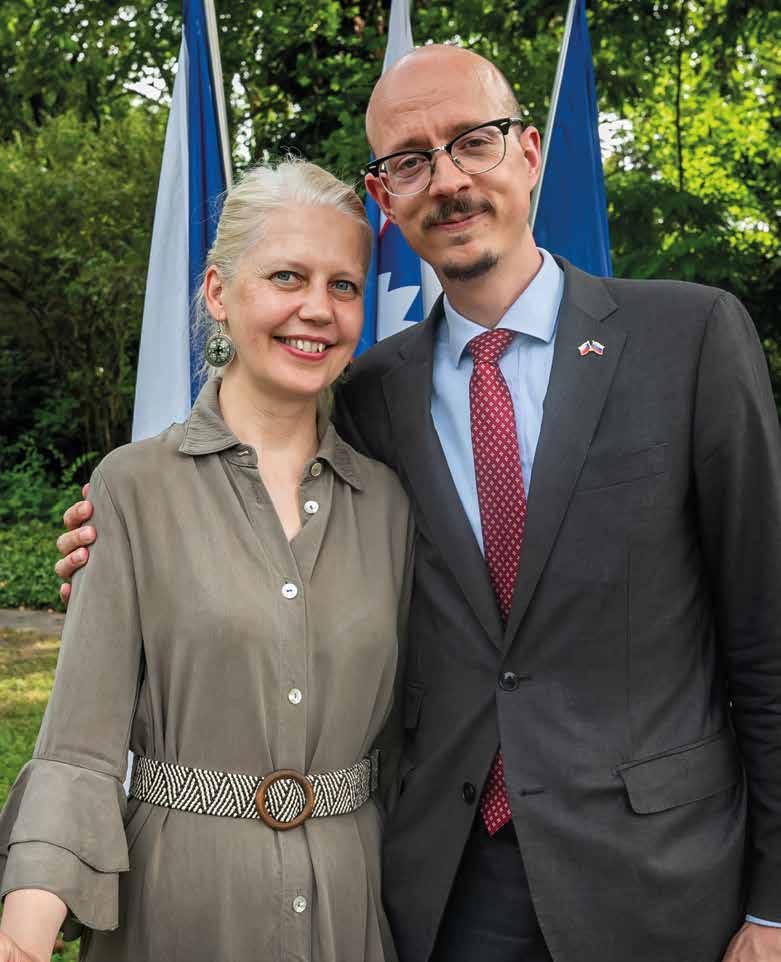
I enjoy spending my free time with my beloved wife Monika. We like long walks, deep conversations, good food, and British films.
I used to be an amateur actor, mostly playing rather peculiar characters in Shakespearean comedies. Fortunately for the audience, I have since retired. Other than that, I enjoy black coffee in the morning and white
wine in the evening. One might say I lead a fairly black-and-white life.
You made volunteering at the Olga Havel Foundation part of your life too, didn’t you?
It all started many years ago when I met my wife. She is the Director of the Olga Havel Foundation, so it felt only natural that I would help out whenever I could. Their charitable projects are undeniably impactful.
Moderating diplomatic events such as the embassies’ international food festival is another activity on your list. Is that something you enjoy?
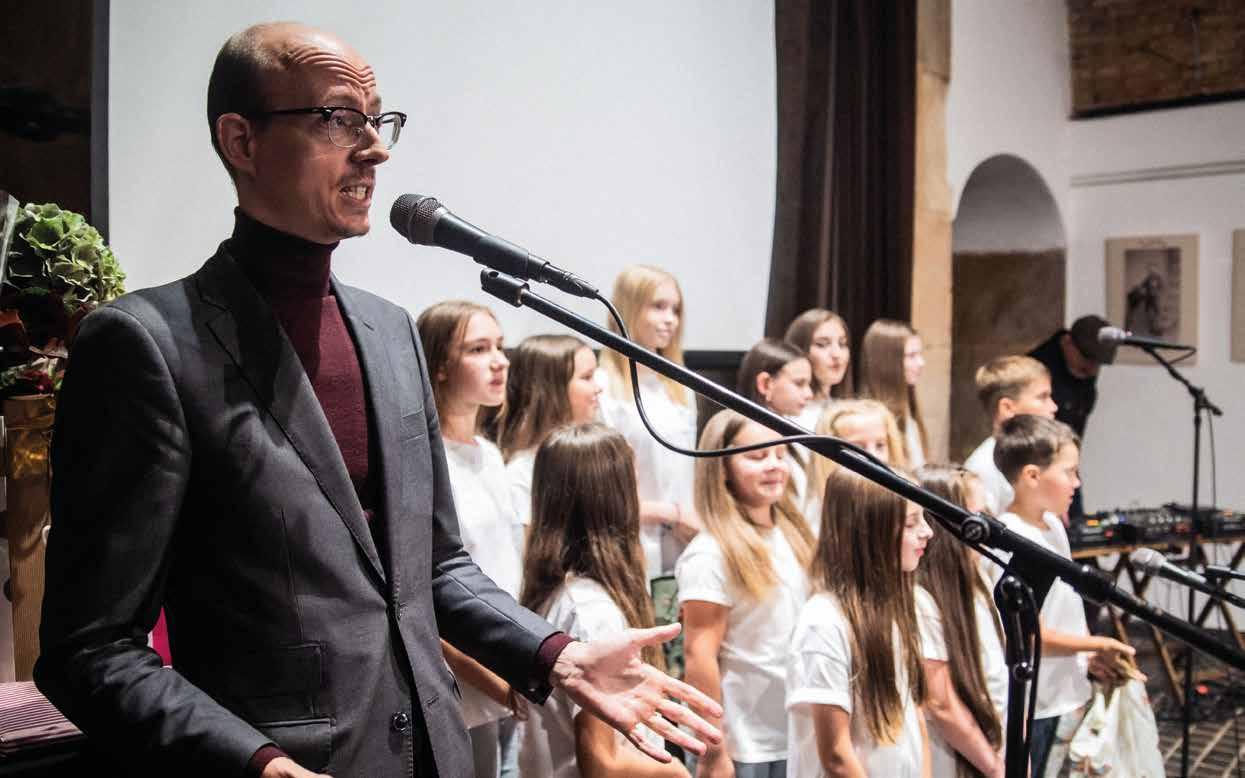
Very much so. The Festival of Embassies began in Prague 6 about ten years ago. As you may know, Prague 6 hosts most of the embassies and ambassadors’ residences in the Czech Republic.
The original idea was simple: to allow diplomats to present their
national cuisine and culture to local residents during one of the regular farmers’ markets held at Victory Square on Saturdays.
In the first year, 20 embassies participated. Last year, more than 50 joined. Over time, the festival has grown into one of Prague’s most popular cultural events. If you have never experienced it, make sure to come on July 6th this year.
Looking further ahead now, where do you see yourself in ten years?
Ten years is a very long time. Who knows what tomorrow may bring? That said, I do believe I will still be working with inspiring people on meaningful projects.
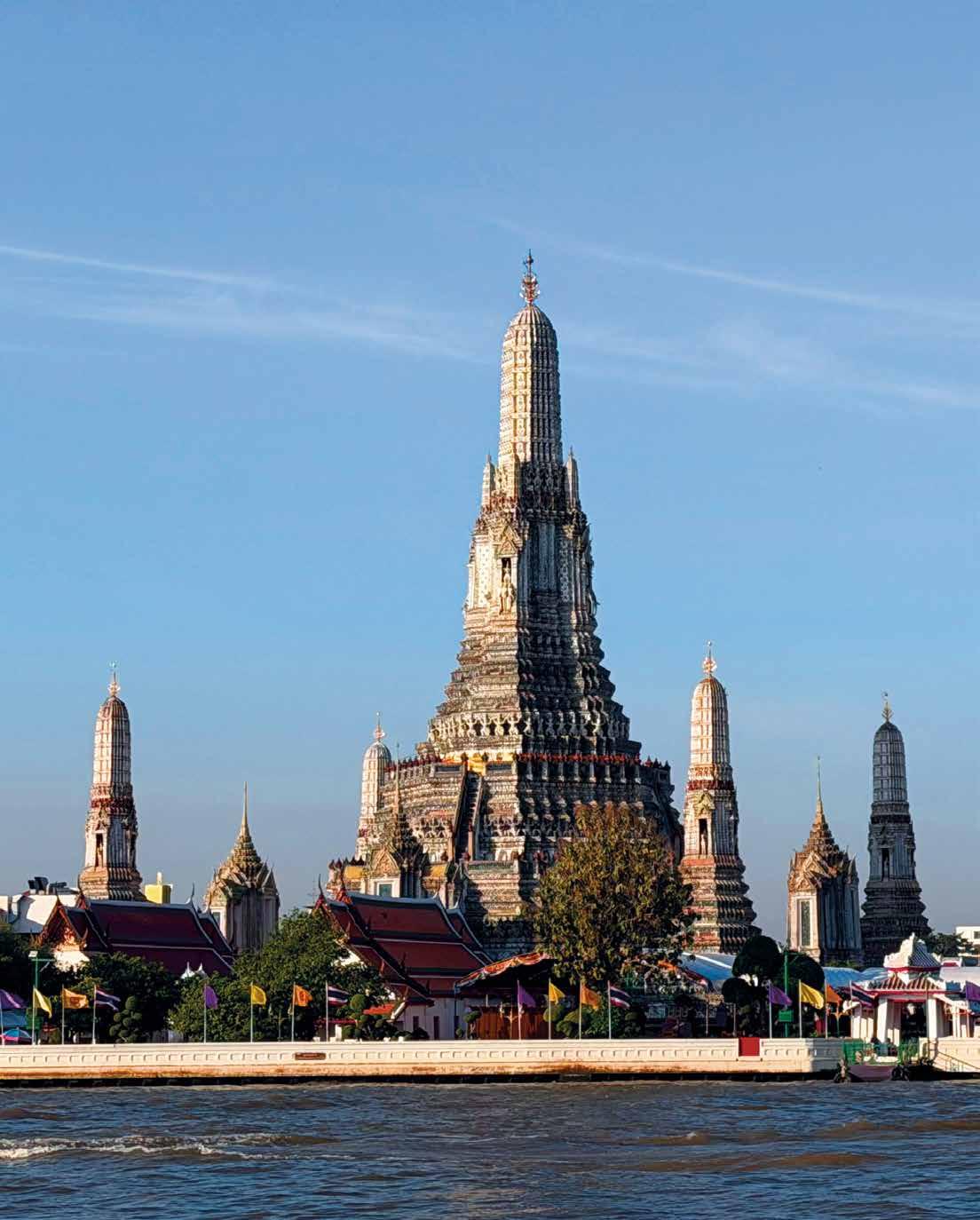
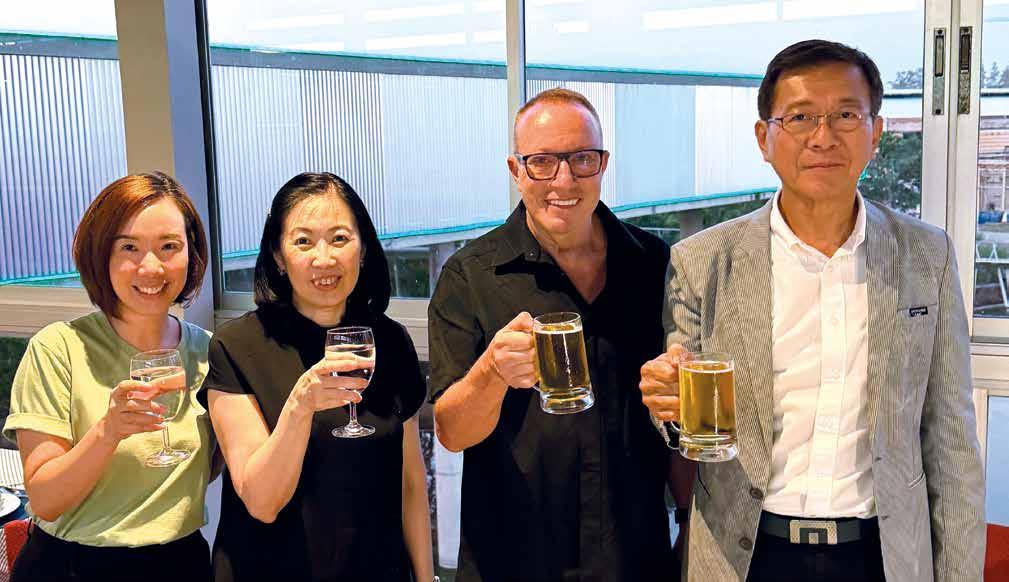
A year ago, the Infant Jesus of Prague was dressed in robes made in Thailand by the PASAYA company, one of the Thailand’s leading manufacturers in the home textile industry. That was the first time I met Mr. Schle Wood Thanan, Managing Director and Owner of the PASAYA GROUP. Later, after my own experience, I wanted to see where their remarkable textiles were made. So, during our last visit to Thailand, I met him again at his factory, about an hour’s drive outside of Bangkok.
It all began with one very special set of robes
“It is a great honour that the Church of Our Lady Victorious in Prague has accepted dressing the Thai robes on the statue of the Infant Jesus of Prague,” said Ambassador of Thailand
H.E. Mr. Suwat Kaewsook at the ceremony last year.
The robes were made by the PASAYA company, an expert in textile art, using its digital Jacquard weaving loom. The under-gown sets were made
by the Gemma Knit Company, a renowned Thai manufacturer in the lace and sportswear industry.
It was during that occasion that I first met Mr. Schle Wood Thanan, Managing Director and Owner of the PASAYA GROUP.
More from us on the Infant Jesus and his Thai robes
And then came my own experience
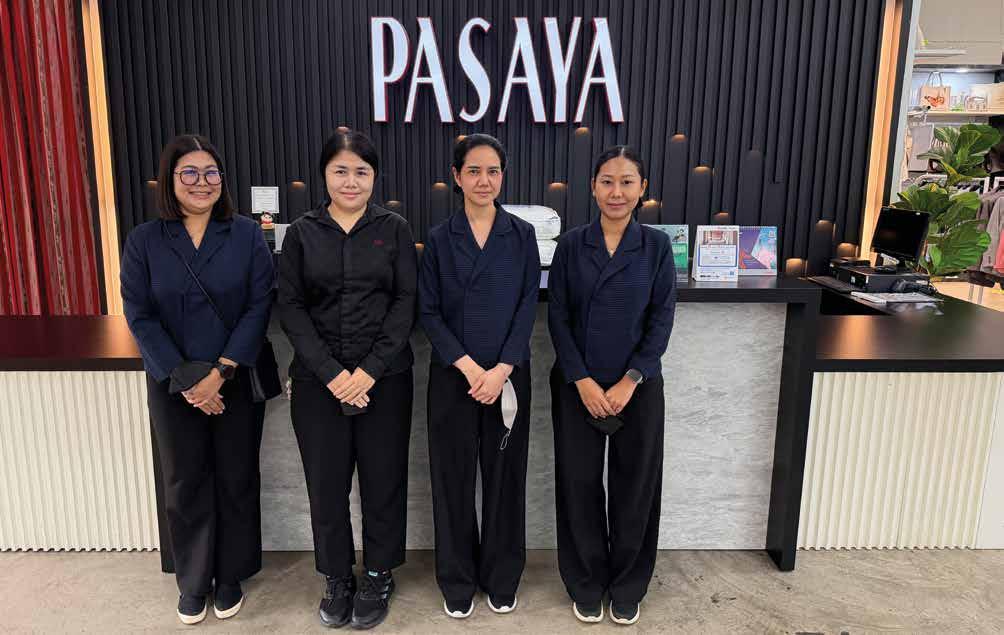
A few months later, when visiting Bangkok, we met again when we visited the PASAYA showroom. For the first time, I saw a wide selection of products: bed linen, curtains, bags, and other beautiful textile products. I couldn’t leave empty-handed, so I brought a set of bed linen back to Prague.
It was the best purchase I’d made in Thailand. When I first started using the new bed linen from PASAYA it was a hot day, and it was the best sleep I’d had in a long time. The linen is smooth and gives you a cool feeling –a miracle in the heat!
It stirred up my interest in this miraculous textile even more, so, during my last visit to Thailand, I met Mr. Schle Wood Thanan at his factory to see where their products come from.
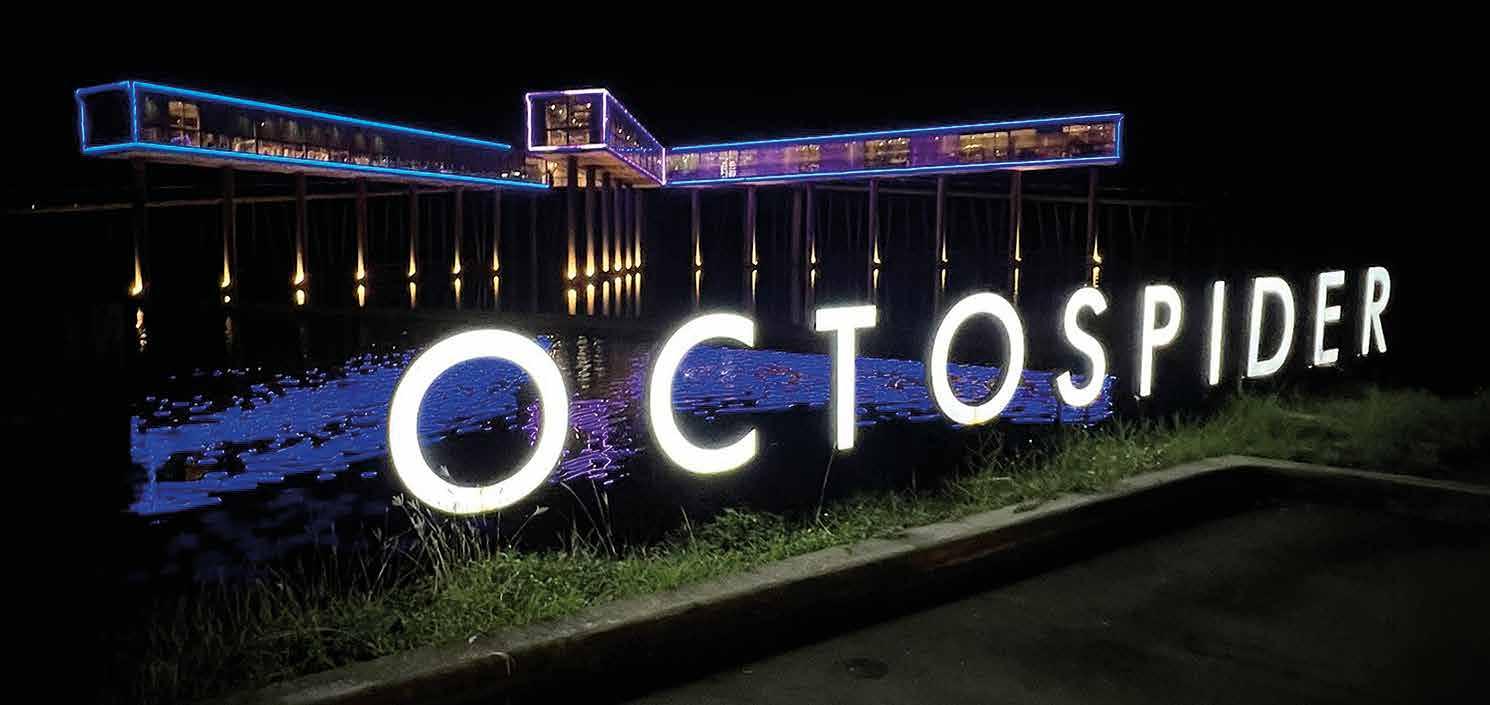
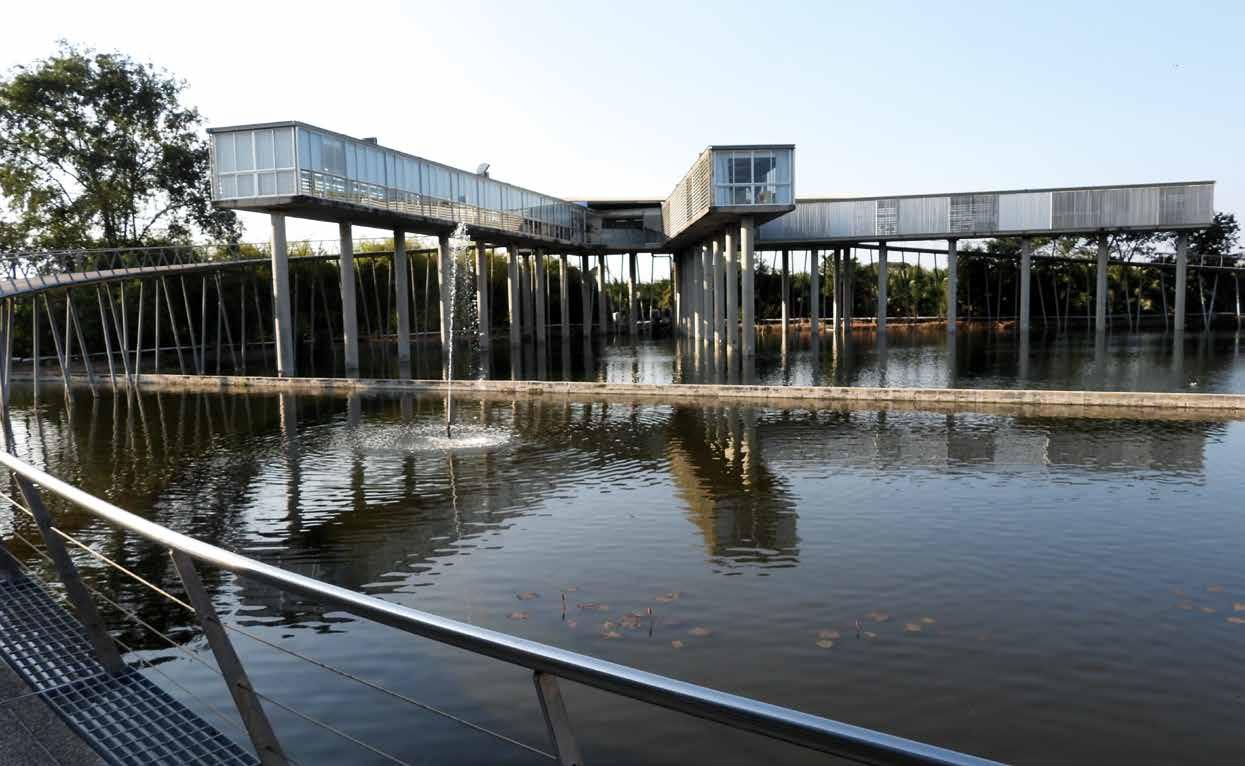
I expected to find a large factory with a lot of women working on textile machines, like you see in some movies – not a very exciting or welcoming place. Instead, right from the very entrance to the PASAYA premises, I was incredibly surprised. We entered a big green park with purposefully designed buildings – a clean space that looks more like a modern university.
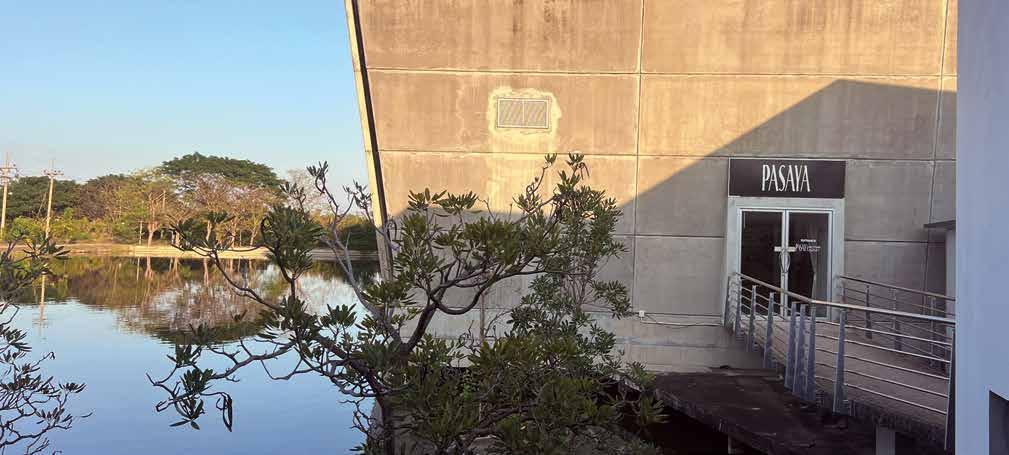
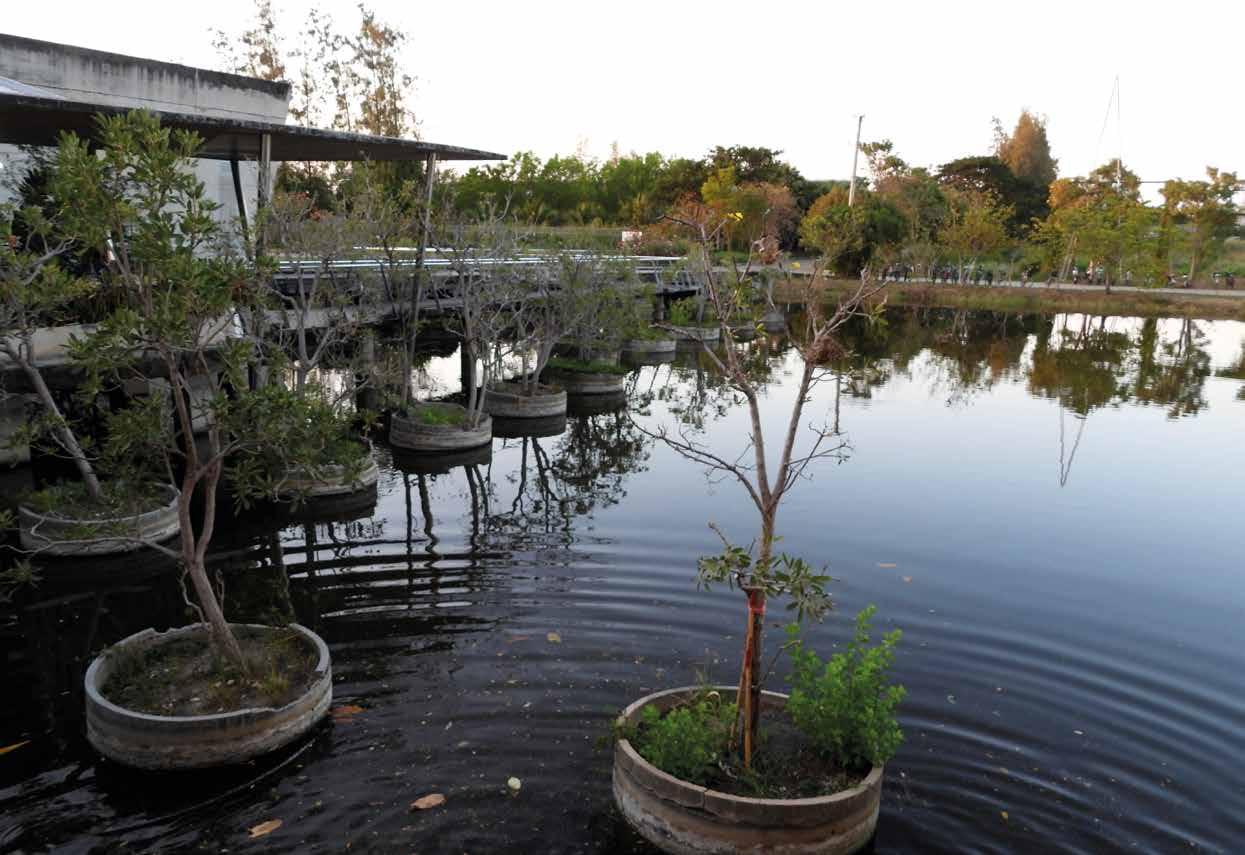
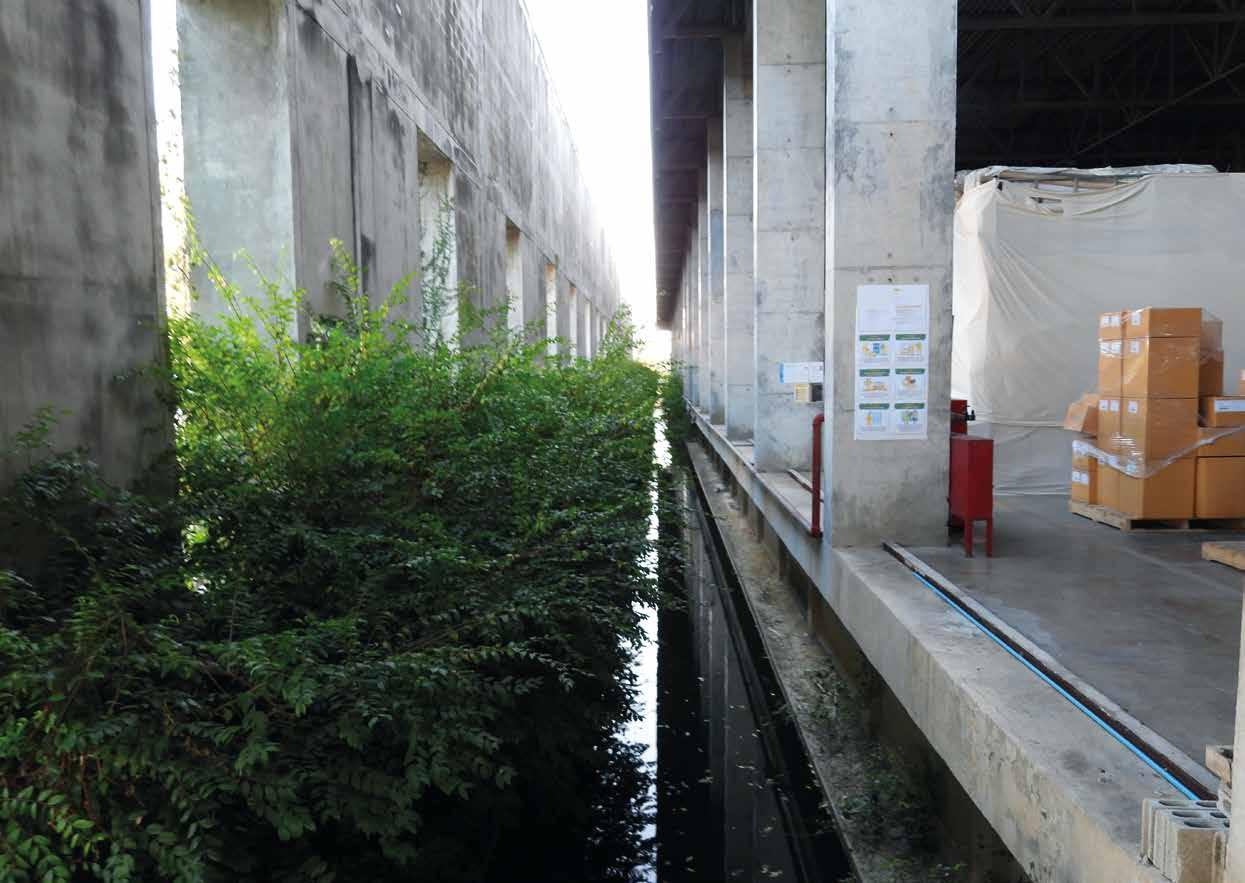
Mr. Schle Wood Thanan, his PA Ms. Natchanan, and Ms. Srisurath from the Thai Embassy in the Czech Republic all welcomed us in the main meeting room. They are very proud of PASAYA and the products they make, and even prouder of the way they protect the environment. PASAYA is a Thai brand of healthy and green products. Their goal is not only to be successful, but also to benefit society and the planet.
The textile industry releases a significant amount of pollution, but how can it be green and benefit the planet – and still be profitable? I asked.
“We had a vision,” said Mr. Schle Wood Thanan, “quality of life leads to product quality. We built a green factory system. The premises became not only friendly to the employees and the community around, but also environmentally sustainable.”
“All products are safe,” he continued, “as harmful chemicals are not used. Wastewater is 100% recycled.
We are proud to have earned the Thailand trust mark and green industry label. The PASAYA brand brought Thai craftsmanship to the global market, earning many design and best innovation awards.
Our Cool Mode standard offers breathable fabric for a comfortable and cool feeling all night, even for babies. With Swiss anti-microbial technology, it prevents bacteria and virus accumulation, is effective against dust mites, and reduces allergy triggers. It combines the comfort of cotton with the coolness of silk.
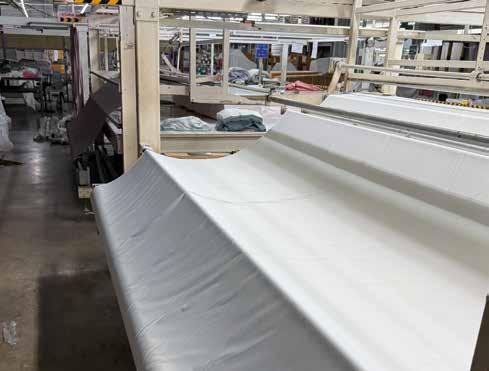
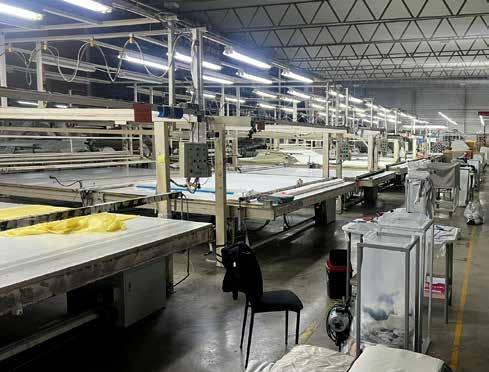
We also make curtains that save energy. They block UV rays and cool the room by 2-4 °C, saving up to 20% of air-conditioner electricity, and have received the Best Innovation Award.
We produce mural textile art as well – beautiful products for home design.
But the most important of all is the Mission for the World project with the commitment to becoming a net zero emission factory by adopting clean energy, cutting emissions, and enhancing both direct and indirect carbon dioxide removal efforts – with the goal to achieve this by 2035.
The factory was built in the forest, with a new forest planted on 25% of the factory land, which will be able to absorb up to 300 metric tons of carbon dioxide annually from 2035 onwards.
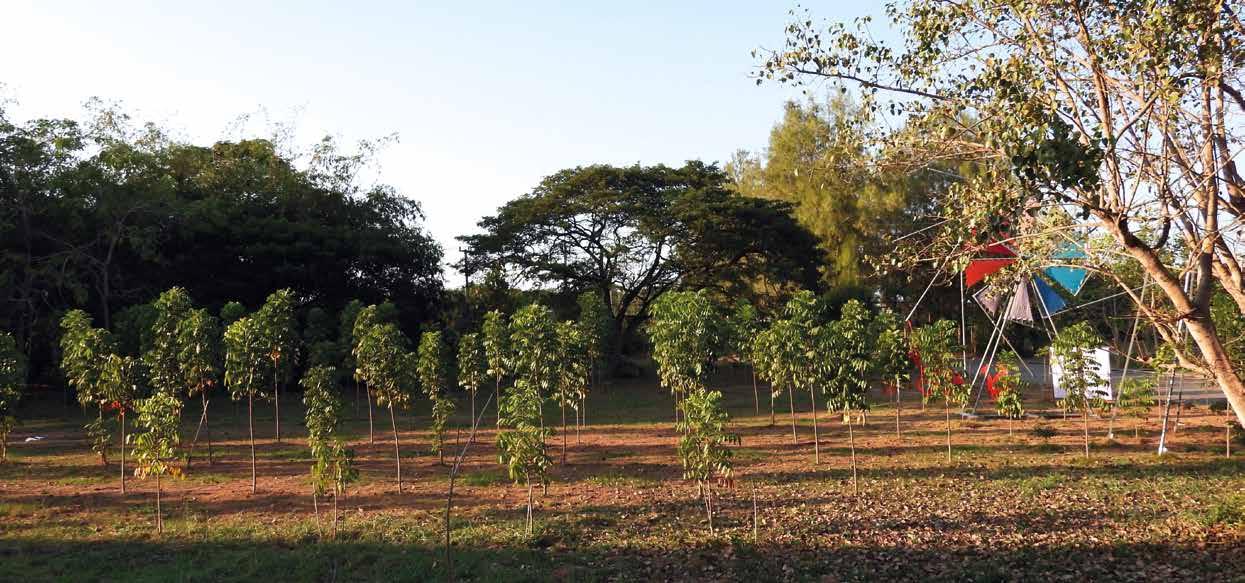
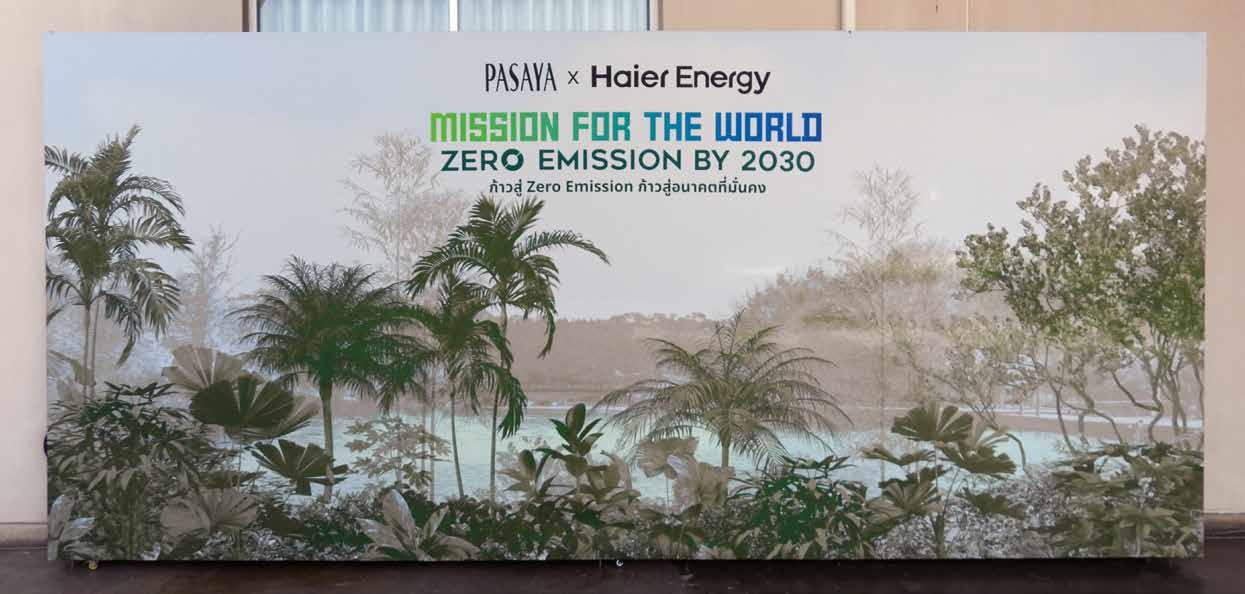
After the presentation, we had a tour of the factory and around it.
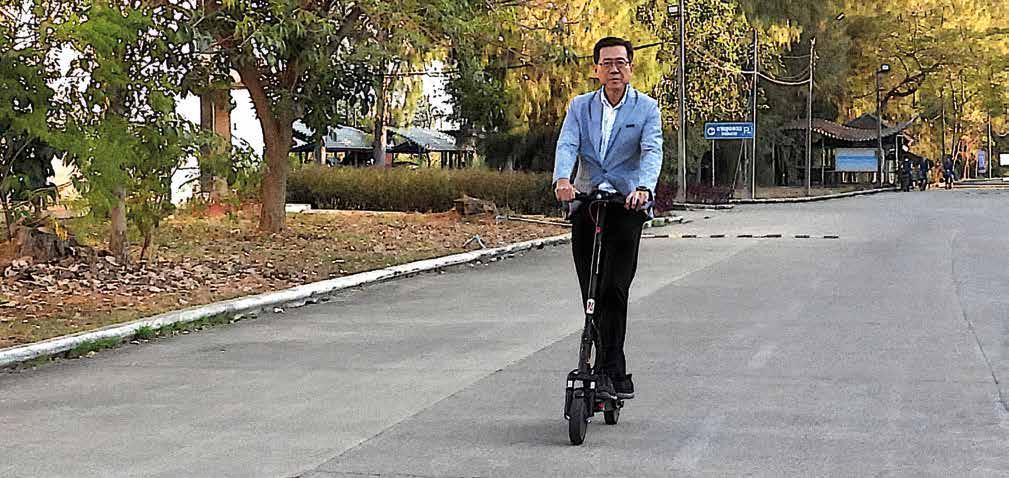
I was amazed at how all the nice words and plans were truly implemented: from a friendly and safe place to work, to a GM traveling around on an electric scooter; with smiling employees who have a dining room and a kindergarten, and see their workplace as a second home.
Of course, I bought a new set of bed linen for the upcoming summer.
I hope that soon we will be able to buy these special products in the Czech Republic and all of the EU, with the cooperation of the Thai Embassy in the Czech Republic. It will make our lives better, cooler, and help save the world.
Interview with Pavlína Prokešová, Founder of RealLocate and Art of Sharing
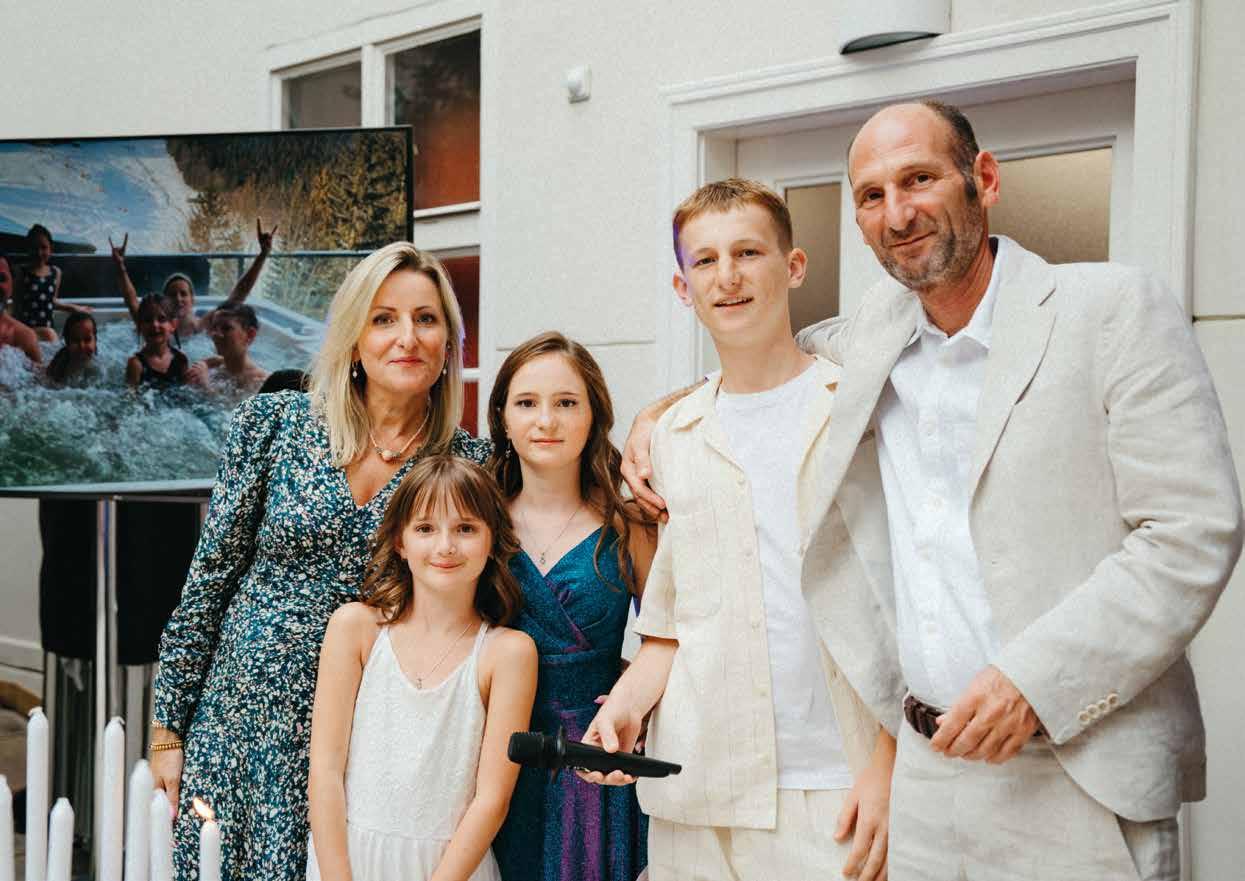
Pavlína Prokešová is a talented real estate agent who has achieved success on two different continents, all while being an empowered businesswoman, a mother of three, and an active member of the community who also wants to give back. “What I love about living in Prague is that here I don’t have to choose between having a family and building a career, which is often the case in New York. After relocating from the US and re-starting my business activities in Czechia, I quickly realised that in order to deliver what I wanted, I needed a team. And the strongest part of what we do together is the network of people and partners we build around us”.
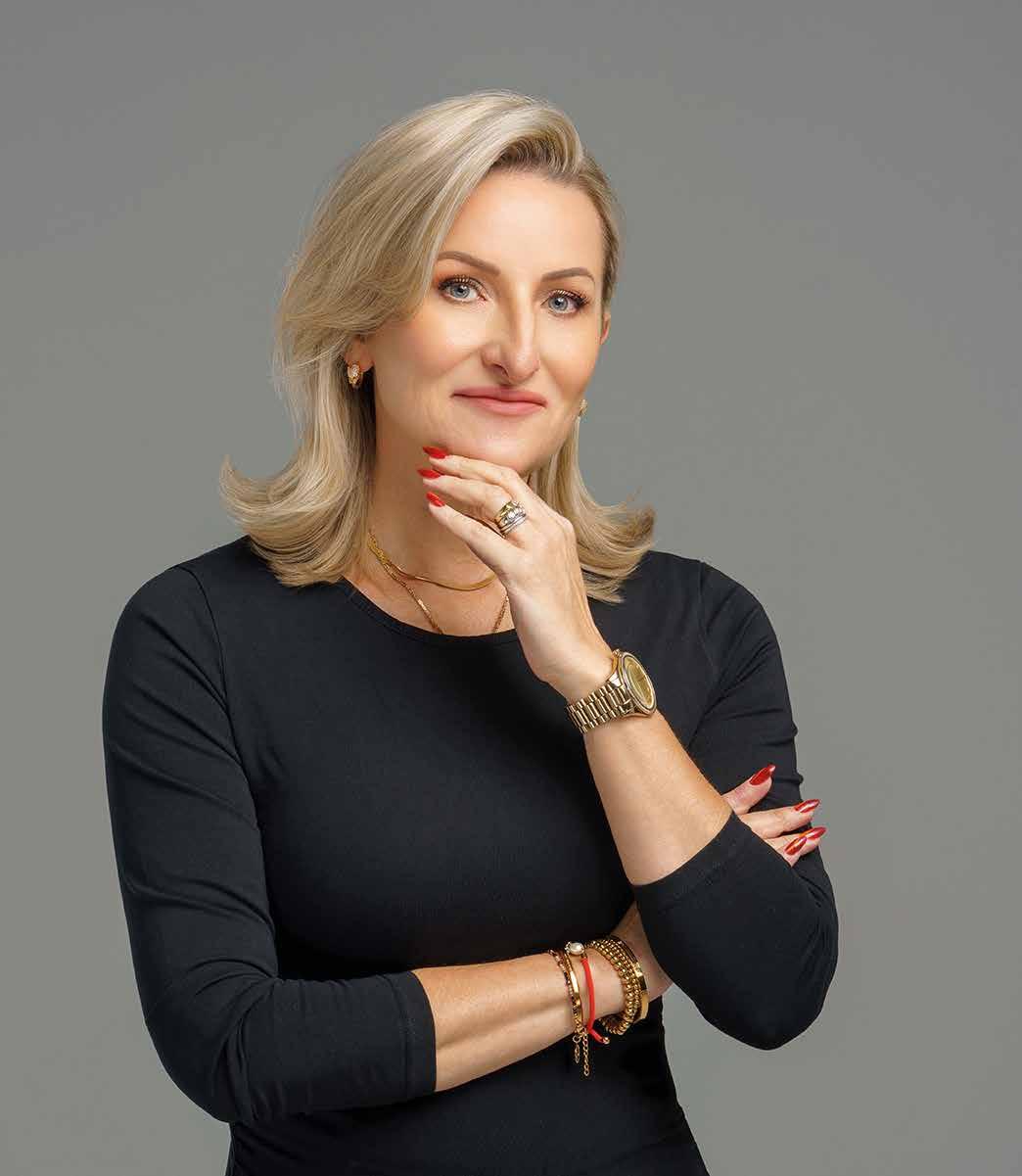
You returned to Prague after a several-years long New York experience, which has enabled you to compare between the two cities. Were the differences between these two the reason why you moved back to Czechia?
My 20-year journey has shaped me professionally and personally. I’m originally from Prague; I grew up in Prague 8. After my studies in Real Estate Appraisal, I relocated to New York and started my real estate career there. On my journey in this field, I met my husband through Manhattan Real Estate. After some years, it only made sense to open our own real estate office. By the end of 2016, we had three beautiful children, three real estate offices, and 100 real estate brokers.
The reason we decided to move back to the Czech Republic was to be closer to my family. Even
though we visited Czechia quite often, we still missed them. Another reason I am sure many expats will understand is the fact that the work-life balance here, especially in Prague, is simply different from the one in the US. There are still many business opportunities here in Czechia, but at the same time family life feels much more in balance with your professional life.
And since I have two daughters, it was always important to me that they grow up knowing they have options – that they don’t have to choose between having a family and building a career, which in NYC is often still the reality.
Did everything go according to your plan and expectations after your arrival in Prague?
When we arrived back in the Czech Republic, it was a very
interesting time – we returned just two months before COVID. Many of our friends joked we knew about COVID coming, since it was the perfect timing. So, my professional journey here started in a very unexpected way and in the strangest period. At first, I actually didn’t want to continue in real estate. I wanted to try something new and bring the experience and know-how I gained in New York into a different business direction. But, as destiny often writes the story, it led me back to real estate. And today I’m truly happy it did.
What I love about the Czech real estate market is that it still feels like a market with enormous potential. It’s still developing, there are many opportunities, and there is space to build strong relationships and bring a higher level of service. Today, I lead a team of real estate agents,
and we offer a full scope of services: leasing, sales, investment properties, land, and property management. For us, customer service is the absolute priority. We want to cover everything real estate-related, but always with premium-quality service and long-term client care. My team is quite international, and a big part of our client base is expats. Many of them are interested in property management, pre-sales of development projects, consultations, and buyer representation. We also support relocation to some extent, and we work closely with corporations and many embassies as well.
Talking about investment properties, is it still a good idea to buy an apartment in Prague? What would your recommendation be to a relatively small investor?
What I would recommend to smaller investors is to look at Prague as a dynamic and still very strong market. In my opinion, real estate here remains an excellent investment because the value over time has been increasing faster than in many other Western European cities – and even compared to New York. I personally invested in New York real estate as well, and I’ve seen that value growth there can be much more stagnant in comparison, or can experience more ups and downs rather than steady growth. On top of that, the low real estate taxes are yet another big plus of the Czech market.
At the same time, I also strongly recommend investing outside Prague, within roughly 60 kilometres. Cities like Plzeň and other university locations are especially interesting because the demand for student housing is high, and international student numbers continue to grow. Students are not only coming to Prague, but also to cities like Olomouc and
Plzeň. And with current urban development trends, many people are also moving outside Prague because the cost of living in the city is rising. That’s why well-located properties within commuting distance can be a very smart and stable investment.
Let’s return to the comparison of the New York and Prague real estate markets once again. How different are the two ecosystems in practice?
Fundamentally, not as much as people might think. The core principles, property value, negotiation, analytics, and client needs, are very similar. The biggest difference I see is in the broker community. In New York, cooperation between agents is standard, co-broking and shared listings are very common, and the market feels like a real professional ecosystem. What I am also missing here is a cohesive MLS, multiple listing system - shared property database of the
brokerage community accessible to public as well.
In Prague, cooperation exists as well, but there is still a noticeable lack of trust between brokers, probably based on past experiences. I do think that’s slowly changing. The new legislation requiring a real estate license will, in my opinion, help build a stronger professional community over time, but we are still only at the beginning of this process. For many years there was very little regulation in terms of who can actually work in real estate. Even today, you sometimes see people representing properties without proper mandates from owners, or individuals who work in completely different industries but still try to act as brokers. So, professionalism and regulation will be a key part of how the market evolves.
Does the current real estate market in New York show us
what the future of this field in Prague is going to look like then? How do you see the real estate market in Prague in ten years?
How do I see the real estate market here in ten years? That’s a great question, and I truly hope the market will continue to develop as strongly as it does today. I strongly believe in student housing as a product. Prague has huge potential, and so do other cities.
I also see major growth in BTR –build-to-rent projects, meaning developments designed specifically for long-term renting – and I think co-living and flat-sharing will become a much bigger trend as well. The reality is that the cost of buying apartments is high, and rental prices are also increasing. Young professionals, and students as well, often cannot afford to live
alone. In Manhattan, sharing an apartment with roommates is extremely common because it helps balance living costs. And I believe we will see a very similar trend here. From an investor’s point of view, student housing and co-living yields are much higher. So, overall, I see the market moving towards more structured rental products, student housing, BTR, and co-living, because affordability will continue to shape how people live.
Where do you see your RealLocate company going?
When I first started, I actually imagined doing it more independently, almost like a lone wolf. I wanted to start small, keep it simple, and build gradually. But the reality is that the opportunities came very quickly, and I realised that in order to deliver
the level of service and quality I wanted, I needed a team. Today, I have a team, and every year I see the company growing, strengthening, and evolving into something bigger than what I originally planned.
Right now, my focus is strongly on building our brand and visibility, working on strategic marketing, strengthening our market position, and expanding our pre-sales activities. I want the brand to be recognised more and more every day, not only for real estate expertise, but also for quality, trust, and an international standard of service. I am also starting my own podcast in March “Real Chat with Pavlina Prokesova”, which I am very excited about. The concept is to connect the world of real estate with other worlds that may at first glance not seem connected. Real estate is not just
about renting or selling but also about building communities and supporting many different areas of our lives.
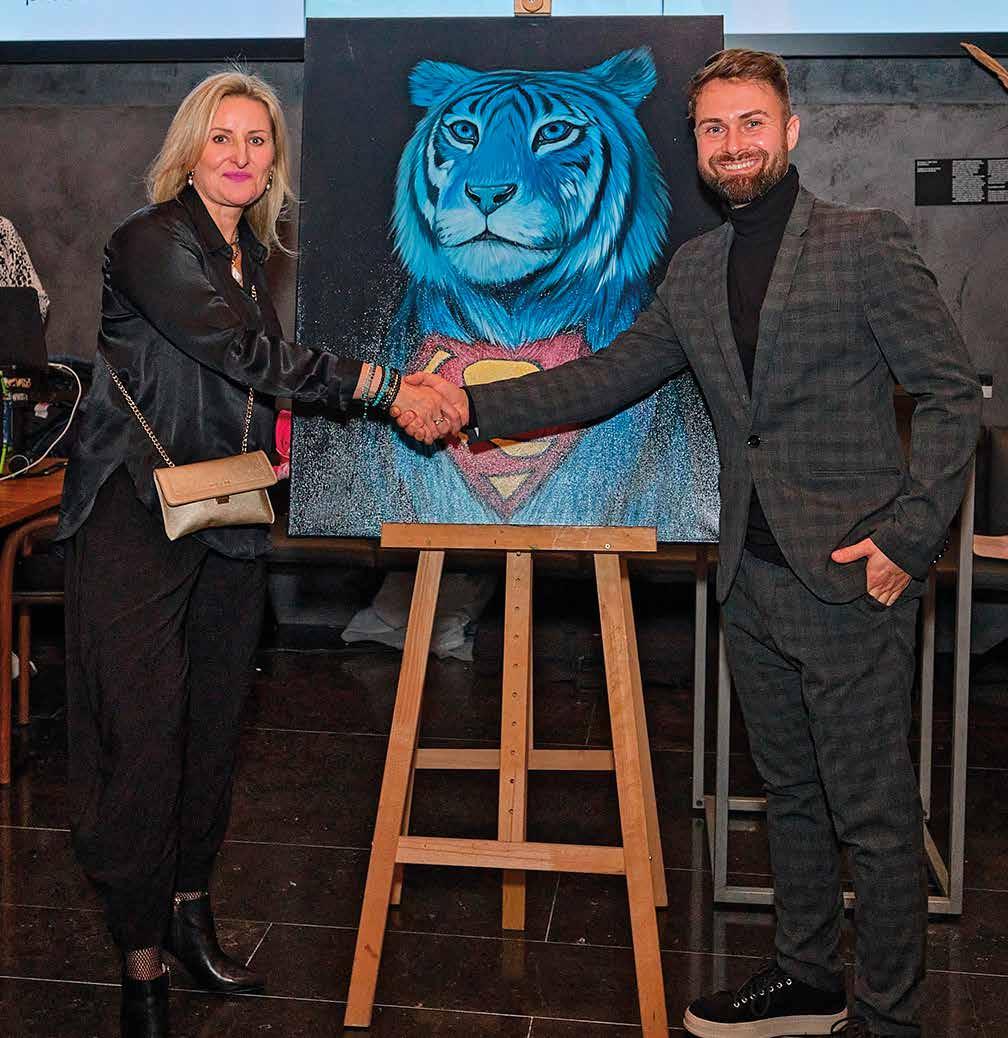
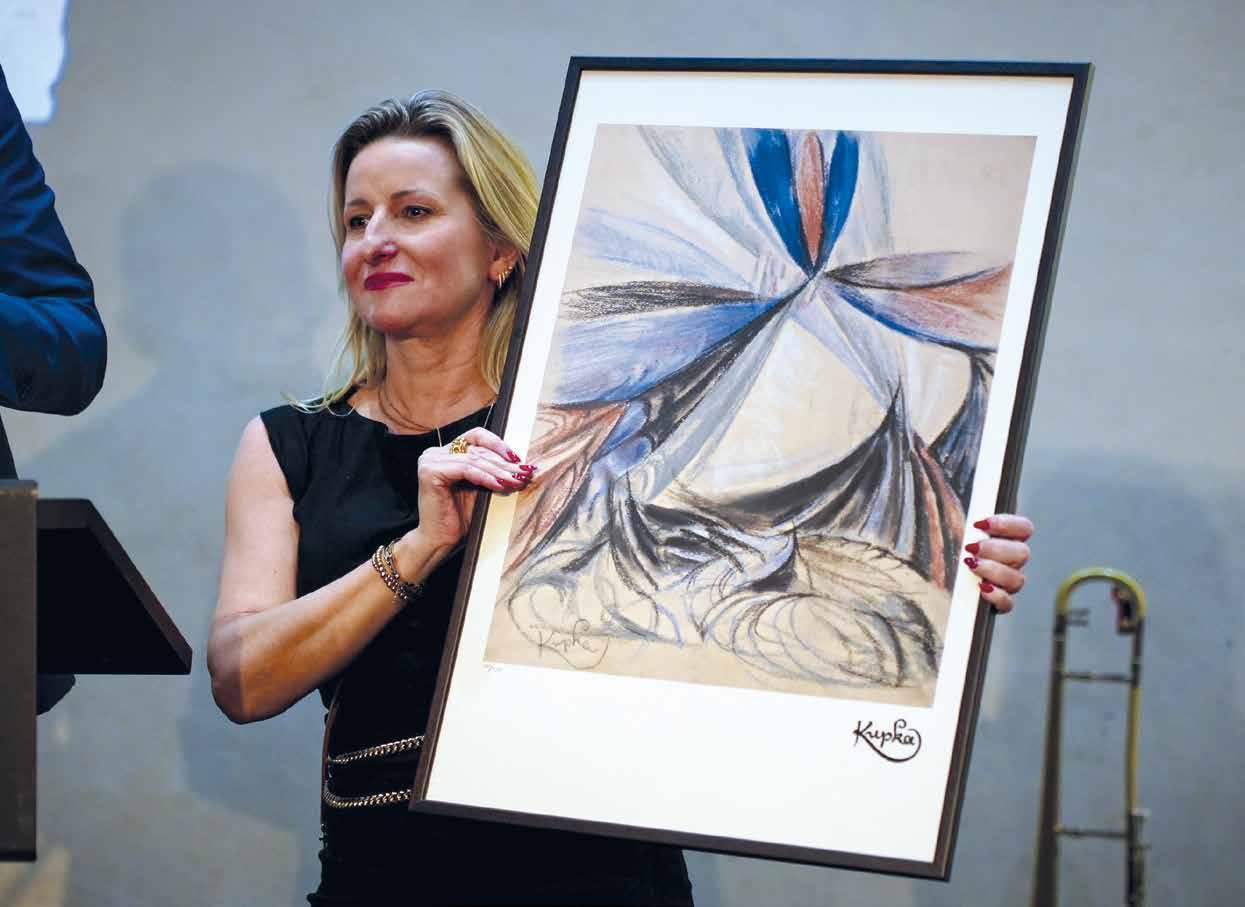
One of these other seemingly non-connected worlds might be another activity you engage in successfully – charity – since you are the founder of the Art of Sharing charity too. What motivated you to start this initiative?
I lived abroad for over twenty years, so I wasn’t fully present in the networking, contacts hassle during that time. As a family we visited twice a year: in the summer for the traditional Czech holiday at our village house with my family, and then again for Christmas. So, we did keep friendships intact. When I returned, I quickly realised that in real estate here – just like in New York – the most important thing is trust, relationships, and networking. And because I wanted to jumpstart my career back in Prague and build strong connections within the community, I created a networking platform with a deeper purpose. That’s how Art of Sharing was born.
Art of Sharing is a charity and networking concept. It started very modestly, with around forty people, and it has always been invite-only. The idea is to bring people from the community together – to meet, connect, and at the same time do something meaningful for others. Every event supports different causes, such as children with serious illnesses, organisations helping elderly people, and others.
At the same time, I felt something was missing in many networking events in Prague. They often felt anonymous, people would usually stay with the person they arrived with, and real networking didn’t really happen. I kept thinking: if it’s called networking, why isn’t anyone actually networking?
So, I built Art of Sharing differently. Because it’s invite-only, there’s a consistent core community, people see each other repeatedly, and that creates familiarity and trust. I also actively connect guests and introduce them to one another, which makes the atmosphere much warmer and more open.
This March, I’m hosting our 10th event at the Andaz Hotel. And over the past three years, Art of Sharing has raised over four million Czech Crowns for different charities, which I’m truly proud of. It’s one of the most meaningful things I do. I meet inspiring people, create valuable connections, and I genuinely believe that if you do well in life, you also have a responsibility to give back. It’s part of keeping balance, not only in business, but in the universe.
What convinces your partners that your charity is the right fit for them?
The thing that makes the Art of Sharing concept truly special is the flexibility and diversity behind it. Even though it’s officially registered as a nonprofit organization, we don’t fundraise for one single organization all of the time. The supported charity changes, and that’s intentional. It allows us to bring help to different communities and different causes over time. And if we have partners who want to participate, for example by sponsoring an event, they can also choose the charity they feel personally connected to and would like to support. This way, the platform becomes a meaningful bridge between the business community and real social impact.
Personally, I also tend to support charities that are not necessarily the most commercial or visible ones in the Czech market. Of course, we’ve supported some well-known causes too, but I believe it’s equally important
to remember the smaller organizations, the ones doing incredible work quietly, without a big marketing machine behind them. In a way, it’s about giving voice and support to the ‘small guys’ as well.
How would you describe the role your partners and community play in your work?
When it comes to partners, I’m truly grateful – I have many of them. And honestly, I always hesitate to name specific ones because I would never want to mention a few and unintentionally forget others.
I’m very grateful for the support around my charity initiatives. I have many individuals who contribute regularly and genuinely care about the causes we support, and I also have companies that stand behind the concept and help make the events possible.
In real estate, we work very closely with developers, individual property owners, corporate clients, small companies’ owners, and even just friends. A large part of our work is built on long-term relationships and trust, and I appreciate that many partners grow with us over time.
So, overall, I feel very fortunate – because the strongest part of what we do is the network of people and partners around us. And, if I may add, given everything that’s happening in the world, I’m truly grateful that we made the decision to return and move back with my family to the Czech Republic. It feels like the right place to build, to grow, and to live, and I hope we can keep this little bubble of safety, balance, and opportunity.
I love Italian food. Every now and then, we put together a light Italian style dinner at home – prosciutto with melon, a mix of cheeses, fresh Italian bread, good olive oil and balsamico.
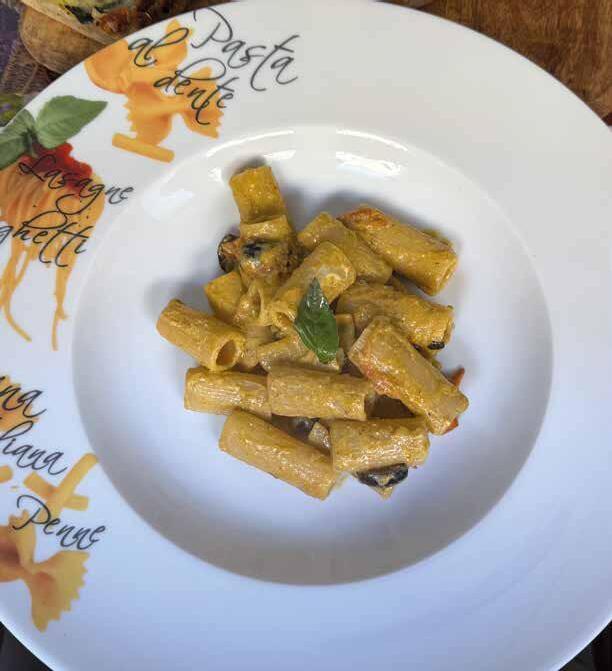
One day, I spotted a sign for Il Pane from a passing tram and decided to check it out. It turned out to be an excellent decision: perfect ingredients for a delicious Italian evening... and of course, a bottle of Limoncello.
The shop also has a few small tables for lunch or an early dinner, so I invited Elisa to join me for lunch. It became one of the best Italian meals I’ve had in Prague.
That visit sparked my curiosity about the people behind Il Pane – and their story is just as charming as the food. You can read about the shop’s founders and check out Elisa’s expert review below.
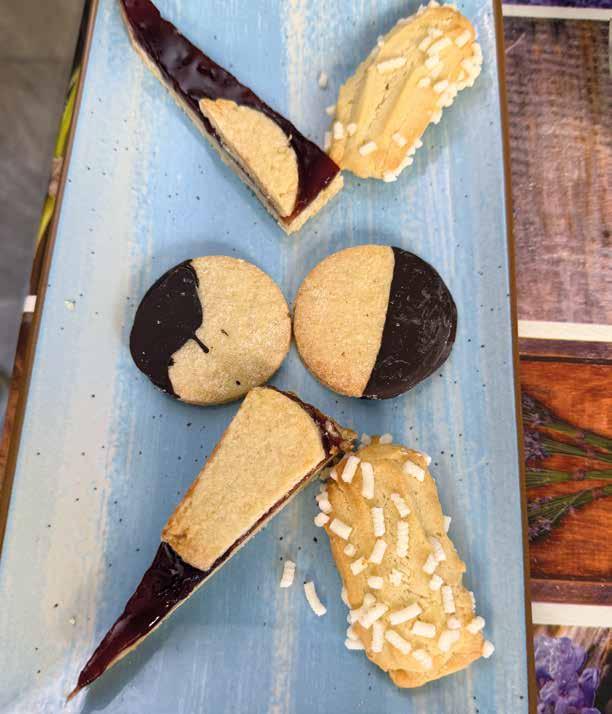
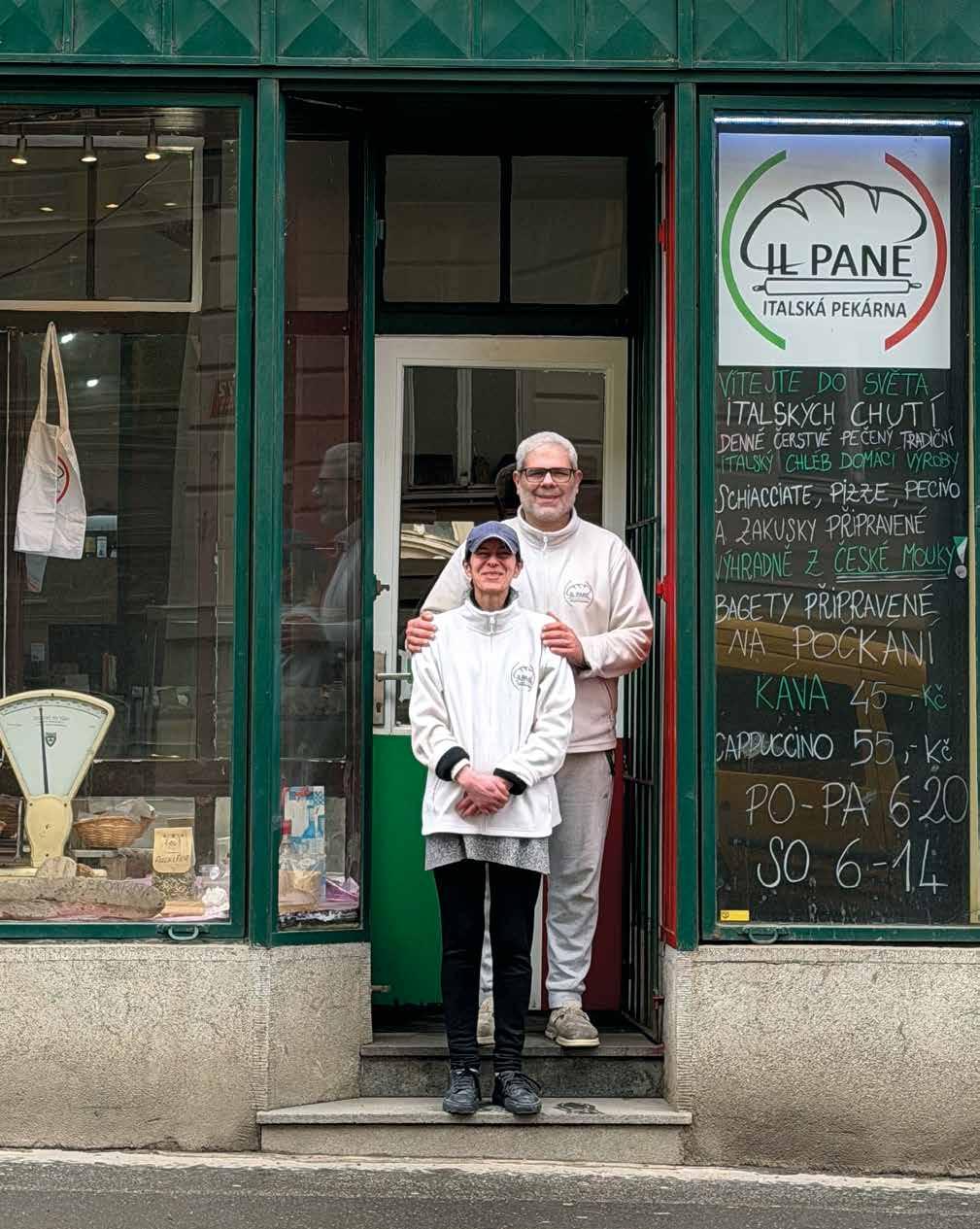
Some of the best things in life happen by accident. Thirteen years ago, Roberto and Debora Setti from Florence booked tickets to Morocco for the wrong dates. When they realized their mistake and saw that they couldn’t travel there on those dates, they decided to switch their destination to Prague instead. That short visit never ended – and today, those of us living in Prague 3 are grateful for that serendipitous booking error.
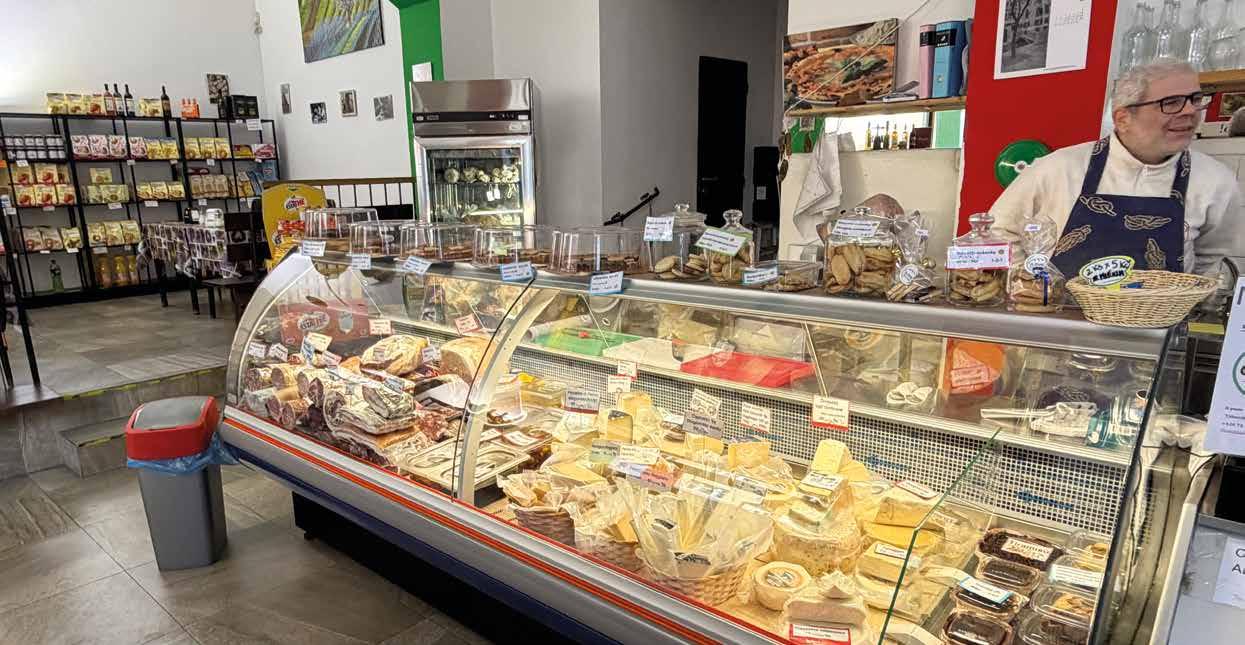
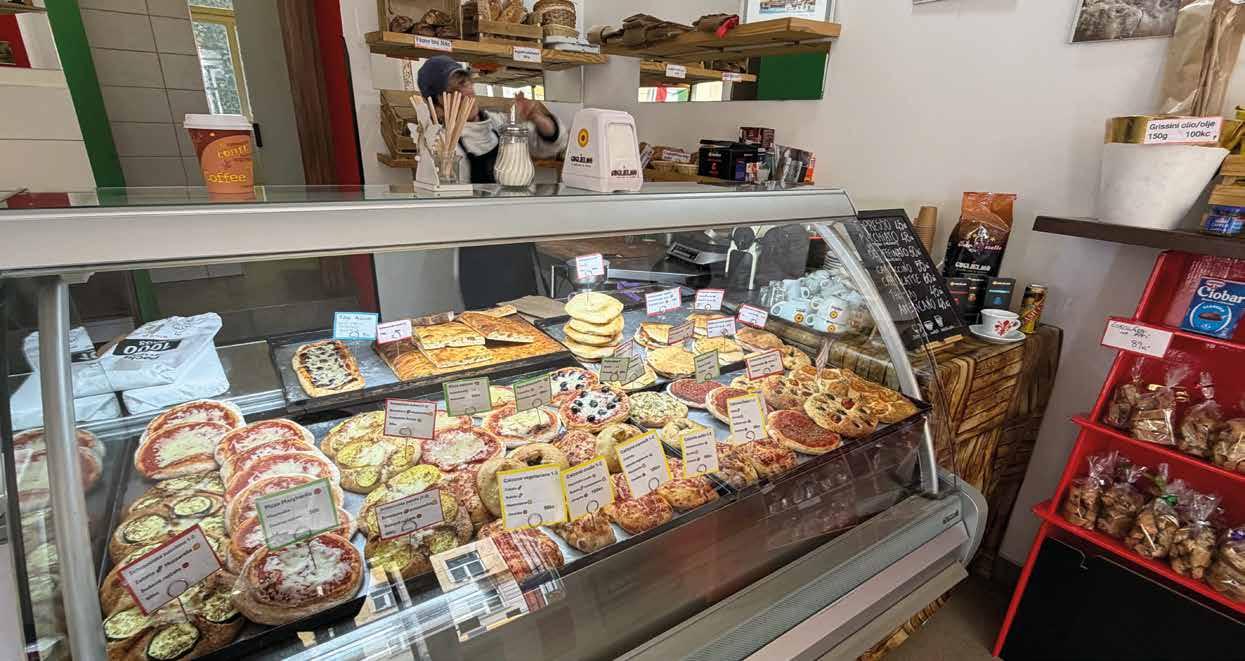
In 2020, perhaps the most challenging year to open any business, Roberto and Debora launched Il Pane – Italská Pekárna on Táboritská Street in Žižkov.
As an Italian expat who has called Prague home for years, I can tell you: walking into Il Pane feels like stepping into a neighbourhood bakery in Florence. The aroma of fresh bread, the familiar products lining the shelves, the warm greeting – it’s a corner of Tuscany just two minutes from the Lipanská tram stop.
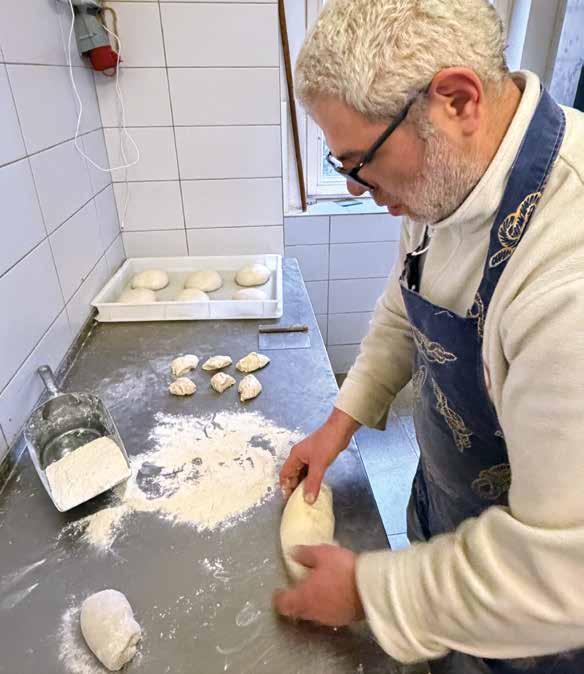
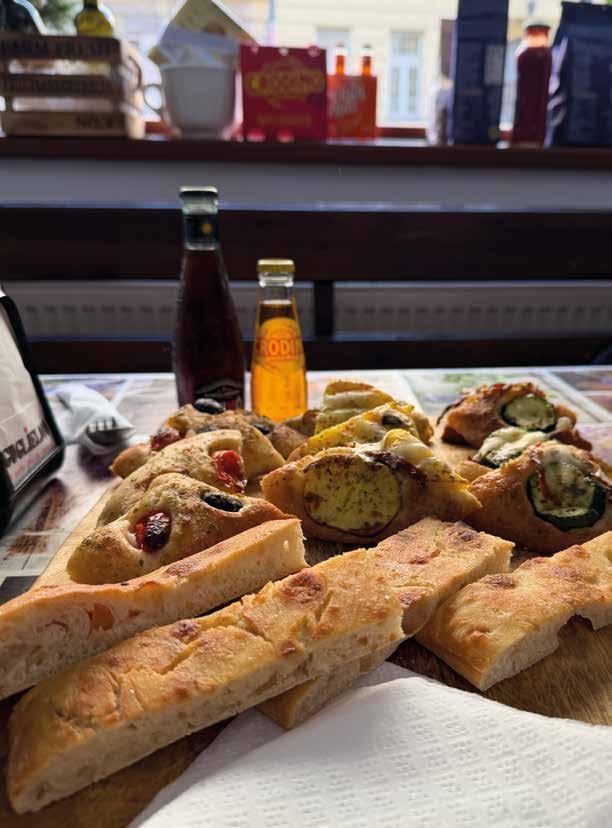
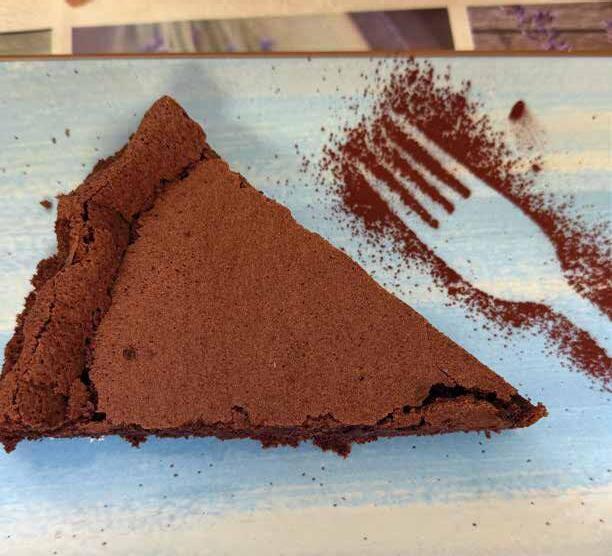
Roberto bakes fresh bread daily, following traditional Italian recipes that he brought with him from Florence. His schiacciata – the Tuscan version of focaccia – has become legendary among regulars. Crispy on the outside, soft and olive-oil-rich inside, it’s exactly as it should be. The pizzette comes in several varieties, each one a perfect quick lunch or afternoon snack. And then there’s the tiramisu: I won’t oversell it, but let’s just say it tastes like someone’s nonna made it that morning.
But Il Pane is more than a bakery. It’s a proper Italian ‘alimentari’, the kind of shop where you can find everything you need to recreate Sunday lunch at home. The shelves hold carefully selected pasta, sauces, capers, and a variety of cheeses including proper pecorino and parmigiano. The cold cuts section features prosciutto, mortadella, and salami that would make any Italian proud. And yes – crucially for those of us who grew up in Italy – they stock merendine, those childhood snacks that Italian adults still can’t resist. My weakness? Fiesta Orange. I simply cannot walk past them.
What makes Il Pane special isn’t just the authenticity of the products, though that matters enormously. It’s the way Roberto and Debora have created a space that serves multiple purposes for the neighbourhood. Need fresh bread for dinner? They’ve got you covered. Want to grab a quick, delicious lunch? A few tables invite you to sit down for Roberto’s homemade pasta dishes or a perfectly stuffed panino. Looking for that hard-to-find Italian ingredient for a recipe? Chances are, they have it. Planning an aperitivo? Their selection of Italian wines and aperitivi provides everything you need.
The atmosphere is refreshingly informal and homey – no pretence, no fuss, just genuine hospitality. The service is friendly and welcoming, whether you’re a regular or visiting for the first time. Roberto and Debora treat their small bakery-bistro like an extension of their home, and it shows in every interaction.
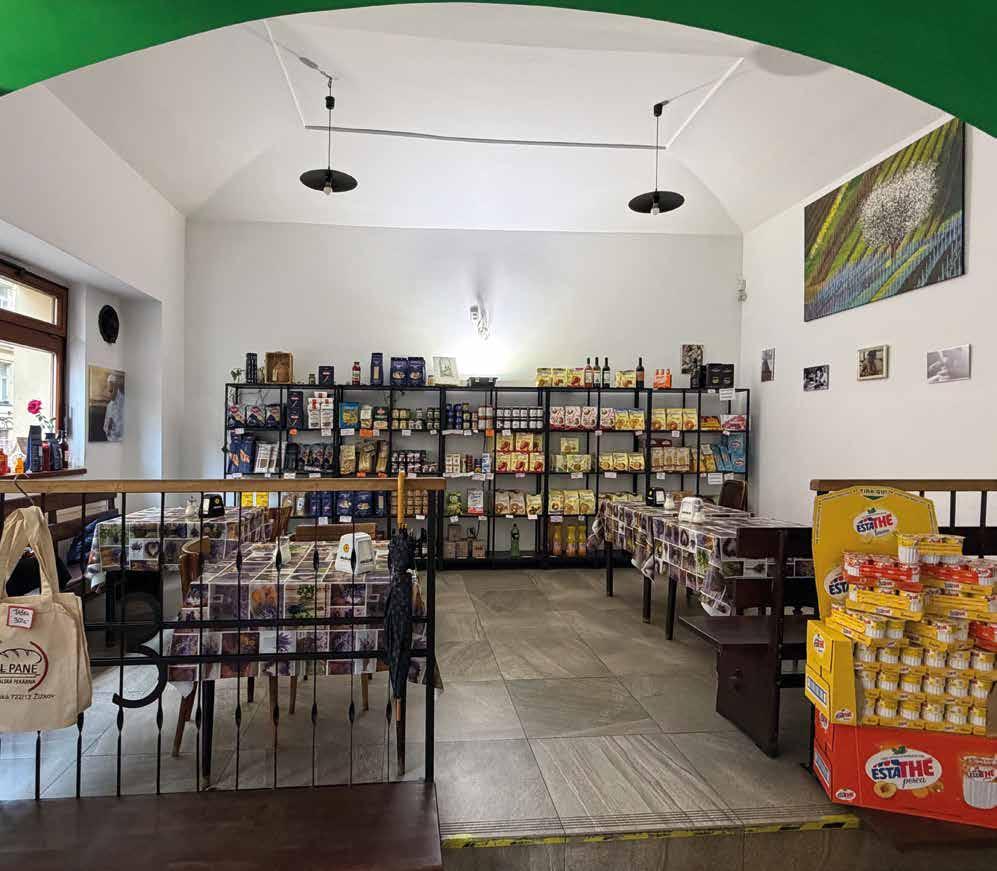
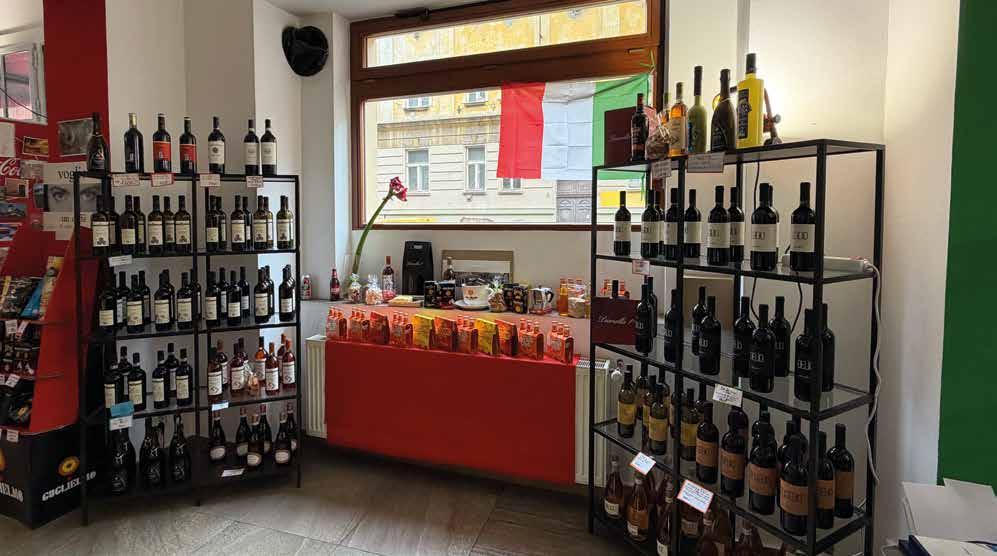
For the international community in Prague, especially Italians living far from home, Il Pane offers something invaluable: a moment of authentic connection. For Czech neighbours and visitors curious about real Italian food culture, it provides an accessible entry point – no tourist markups, no compromises on quality, just honest food made with care.
The fact that Roberto and Debora started this venture in 2020, when opening any business required extraordinary courage and determination, speaks to their commitment. They didn’t just survive those challenging early years; they’ve built a loyal community of customers who return not just for the products, but for the warmth and authenticity.
IL PANE - Italská Pekárna
Táboritská 722/11, 130 00 Praha 3
+420 721 071 033
Monday–Friday: 6:00–20:00, Saturday: 6:00–14:00
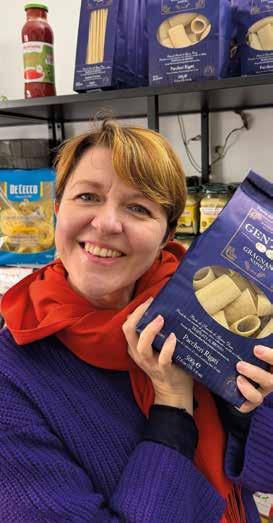
is the co-founder of We Are Food, a marketing and communication agency specializing in restaurants, hospitality, and gastronomy brands. With an international background and projects across Europe and the Middle East, she supports clients in building strong brand identities, increasing visibility, and driving measurable growth.
Her work spans strategic positioning, digital marketing, content creation, events, and business development tailored to the food and hospitality sector. Passionate about authentic culinary storytelling, Elisa combines creativity with data-driven strategy to connect brands with the right audiences.
A true food marketing enthusiast, she believes that great concepts deserve equally powerful communication.
Czech and Slovak edition
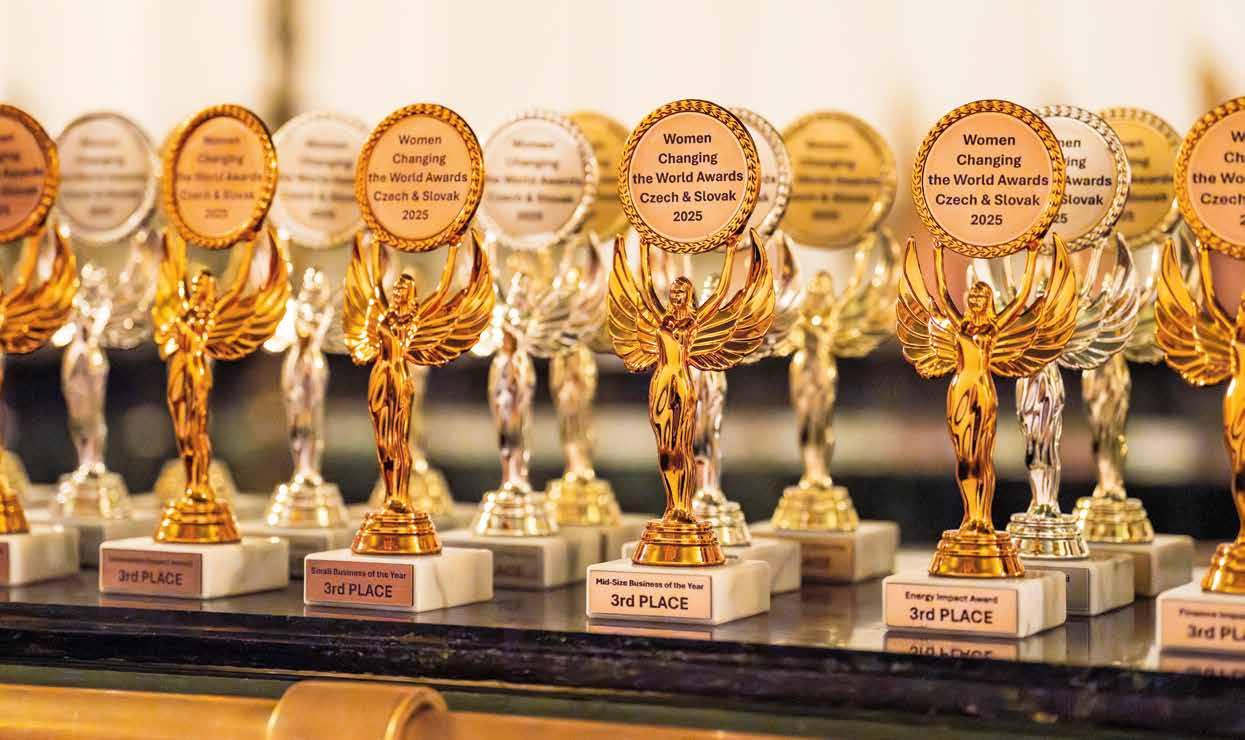
The international Women Changing the World Awards rank among the world’s most respected initiatives dedicated to advancing women in business, education, innovation, and social impact. Founded in Australia, the awards now recognize inspiring women across more than 77 countries worldwide. This year marks the very first Czech and Slovak edition of the awards, founded by Kamila Paličková, an entrepreneur, mentor, and visionary focused on empowering women in business and leadership.
The international Women Changing the World Awards (WCWA) celebrate leaders, entrepreneurs, scientists, and change-makers whose work delivers measurable and meaningful impact on communities and society at large.
More than just a way of recognising professional success, the WCWA highlight women whose achievements are paired with responsibility, ethics, and contribution to the greater good.
Brought to life by Kamila Paličková, the very first Czech and Slovak edition of the awards took place
in Prague on 12th February. During a full day of celebrations and an evening gala, 29 categories were presented – 19 during the afternoon ceremony and 10 during the evening gala. The event was moderated by Petr Vojnar and Kamila Paličková . The program also included a unique special award for men, the first of its kind globally, honouring those who actively support women’s leadership and equal opportunities, and a musical performance by Markéta Fassati (world-class soprano), and Felix Slováček Jr. (clarinet & saxophone).
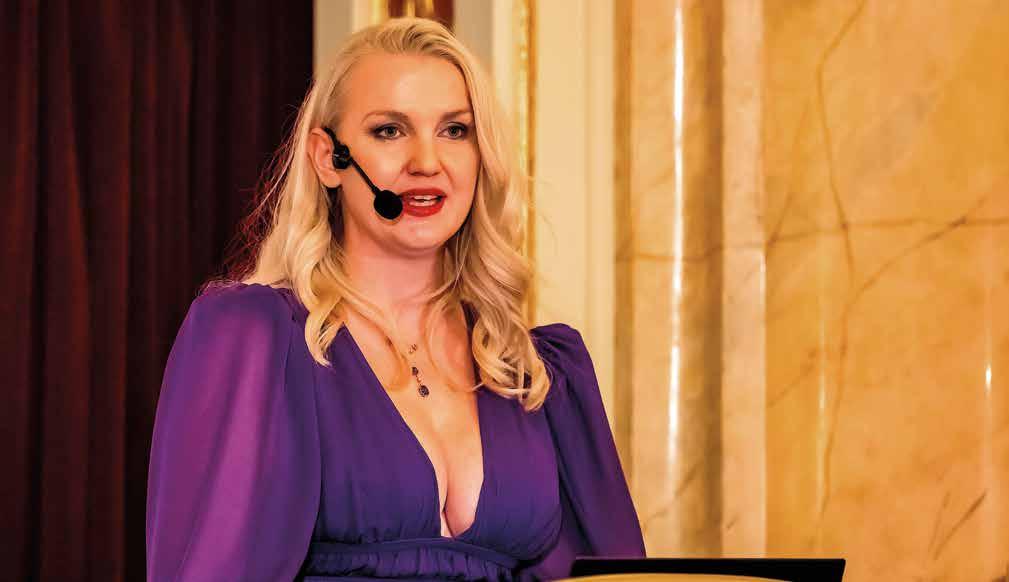
KAMILA PALIČKOVÁ
Founder of the Czech and Slovak WCWA Edition
An entrepreneur, mentor, and visionary focused on empowering women in business and leadership, Kamila Paličková has built educational platforms, communities, and mentoring programs that connect strategy, entrepreneurship, and authenticity. After receiving the global WCW Award herself in the Global Coach category, she decided to bring this prestigious opportunity to women in her home region.
Kamila also serves as a UN Representative aligned with a UN ECOSOC Mission, where she contributes to initiatives related to sustainable development, leadership, and women’s empowerment on an international level.
She has been named one of the TOP 10 Women Disruptors to Watch by MSN and received the Global Mentor of the Year title at the Forttuna Global Excellence Awards in Dubai, as well as Leadership Coach of the Year by IMPAAKT magazine.
Her long-term vision is not only to celebrate success, but also build a sustainable ecosystem that helps women grow, lead, and create meaningful change.
The evening culminated with the main Woman of the Year title, whose winner, Alexandra Janečková, will represent the region at the global finals in Paris on 22nd April.
The initiative also carries a strong philanthropic dimension. Part of the licensing fees contribute to the educational foundation of global ambassador Dr. Tererai Trent (a Zimbabwean-American scholar whose life’s work demon-
strates how education can transform entire generations), supporting the construction of schools in Zimbabwe and helping girls access education instead of early marriage and motherhood. In this way, the WCWA connect achievement with responsibility – and recognition with real-world impact.
Besides a global ambassador, the Czech and Slovak edition has
its own face: international model, producer, and entrepreneur Katarina Van Derham, who actively promotes women’s confidence, independence, and creative expression. As ambassador, she helps amplify the project’s message internationally and connects it with global audiences.
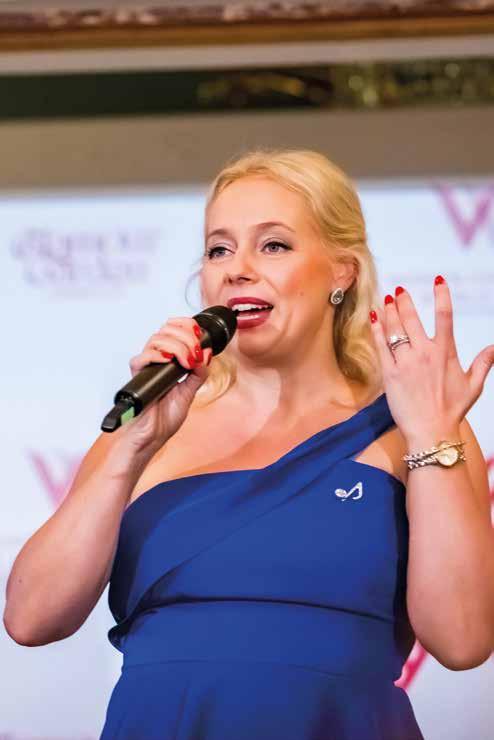
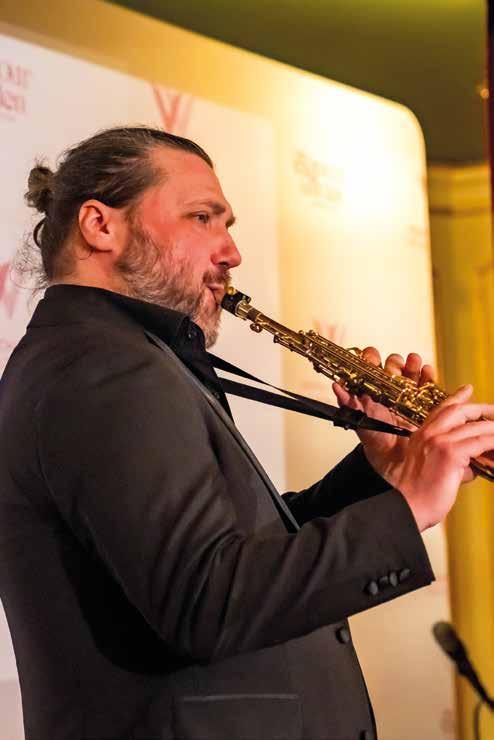
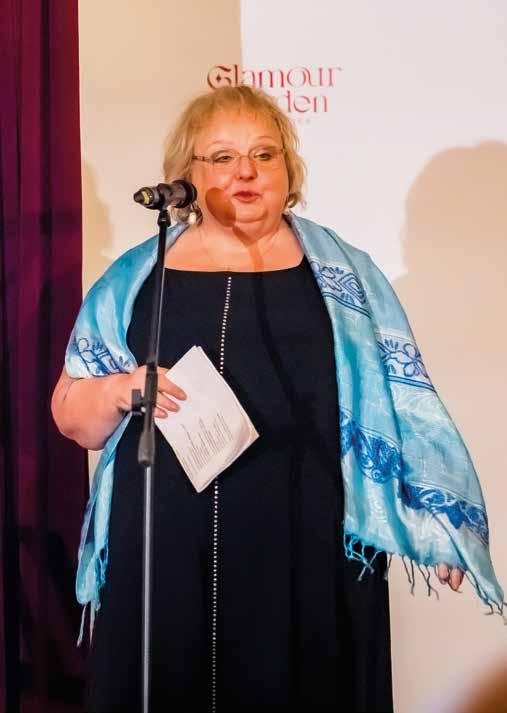
The credibility of the WCW awards is supported by a distinguished jury composed of respected leaders from the fields of business, media, and academia.
A key figure is Lenka Šťastná, President of Business & Professional Women CR and a long-standing advocate for equal opportunities and women’s leadership.
Other jury members include: Anna Plechatá Krausová, Rector of NEWTON University, Tereza Zavadilová, Publisher of Newstream.cz, Margareta Křížová, Business Mentor and Advisor specializing in strategy, mergers, and acquisitions, and Ondřej Dvouletý, Associate Professor at the Department of Entrepreneurship at Prague University of Economics and Business (VŠE).
The jury evaluates not only financial performance, but also innovation, ethical leadership, social contribution, and long-term impact.
Czech & Slovak 2025 Winners First place in al 31 categories
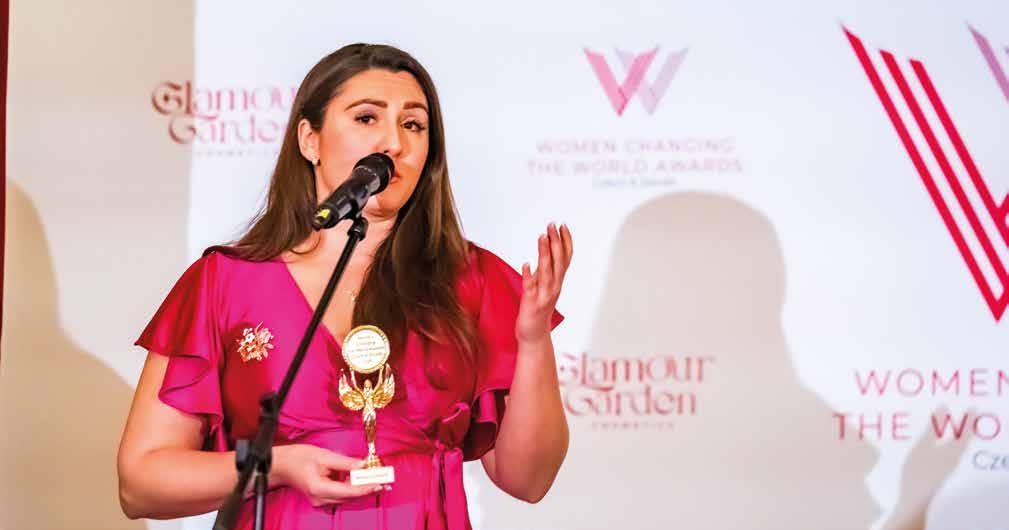
WOMEN CHANGING THE WORLD IN THE PUBLIC SECTOR & MAIN AWARD – WOMAN OF THE YEAR
For most people, diplomacy means receptions, meeting tables, and protocol. For Alexandra Janečková, it means an aircraft ready for take-off, a phone that never stops ringing, and decisions that human lives depend upon.
At the Ministry of Foreign and European Affairs of the Slovak Republic, she leads the Crisis Management Department and became the first woman in the country’s history to head this department. She has worked in Slovak diplomacy for over seven years, and her work takes place primarily where most people try to never end up – in war and humanitarian crises.
She does not manage negotiations – she manages returns home. She coordinates civilian evacuations, cooperates with the army, European Union crisis centres, and the UN, and communicates directly with people trapped in conflicts.
Her work does not end with a safe return. She also participates in humanitarian missions: she personally accompanies medical evacuations of seriously ill children from Gaza, organizes transport of students and scholarship holders, and ensures delivery of humanitarian aid to conflict areas. She is also behind solidarity initiatives such as the Diplomatic Drop of Blood project.
Diplomacy in her execution is not a representation of the state – it is service to people at the moment when nothing else works anymore. That is why she became the main winner of the Women Changing the World Awards – a symbol that changing the world sometimes simply means getting a person home alive.
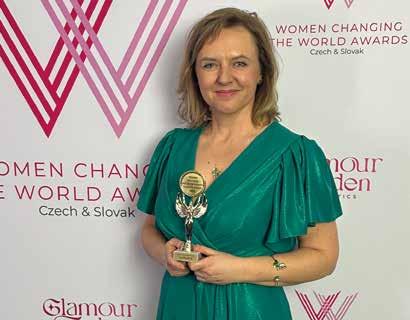
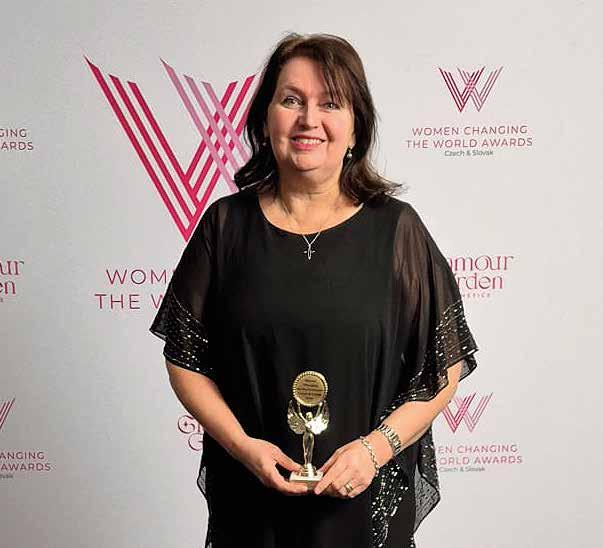
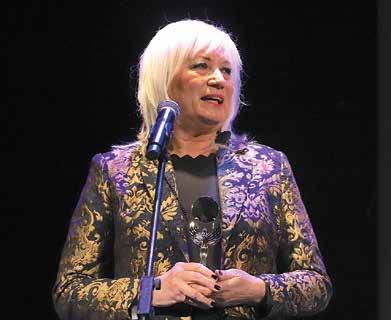
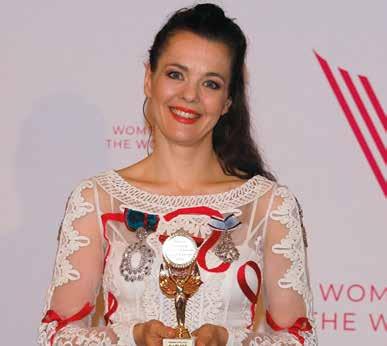
WOMEN CHANGING THE WORLD IN REGIONS
An economist and chairwoman of Matka a dieťa Turca, who has been systematically changing life in the region for twenty years, Petra and her team identify underfunded institutions, connect donors with real needs, and launch long-term change. She proves that when expertise, trust, and humanity are combined, even a small region can function as a strong community.
WOMEN CHANGING THE WORLD IN SCIENCE
A physician, scientist, and university educator who went through the entire academic path – from a junior research assistant to the head of Charles University, where she became the first woman rector in history. Today, she manages one of the most important educational institutions in Central Europe and actively supports international cooperation, the quality of the scientific environment, and achieving greater representation of women in research. In her work, she connects academic excellence with openness and culture – showing that a top university can have both a human face and global ambitions.
WOMEN CHANGING THE WORLD IN MEDIA
A director, screenwriter, cinematographer, and educator who has devoted over 35 years to filmmaking and gives voice to overlooked women’s stories and social topics. She has created nearly 80 documentaries and feature films awarded at international festivals, worked abroad, and today shares her experience with students and professionals. Her work transforms image into a tool of conscience.
WOMEN CHANGING THE WORLD IN HEALTH
A woman to whom childbirth truly matters, her work is based on a strong foundation of her studies at Oxford and LSE, which she is now building upon by studying bioethics and health law. Through the Propolis 33 foundation, she strives for healthcare that is not only professional but also respectful and humane. Lilia has provided long-term support for the accessibility of midwifery services, including care for women in difficult social situations. She educates professionals and parents, changes hospital practices, and promotes systemic reform.
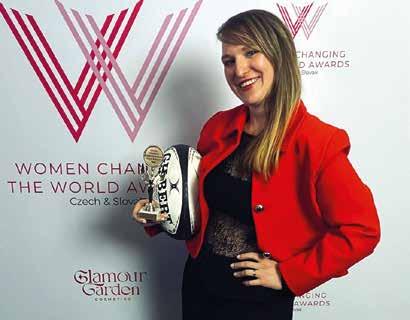
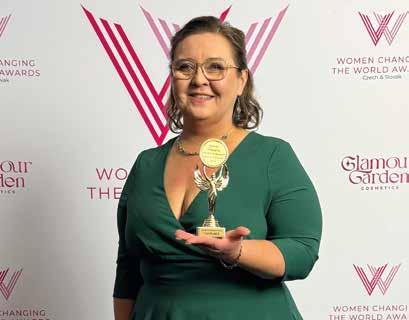
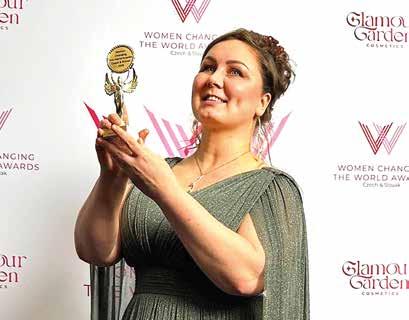
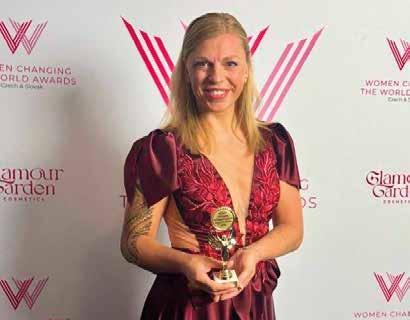
WOMEN CHANGING THE WORLD OF SPORT
A woman who went from being captain of the national team to architect of the future of women’s rugby. After her active career ended, she began systematically building the conditions that she herself lacked as a player – from securing funding for the national team to developing youth structures. Today, she is raising a new generation of girls who no longer have to fight for their place on the field, but can instead focus on performance and the joy of the game.
WOMEN CHANGING THE WORLD IN AGRICULTURE AND FOOD
A farmer and pioneer of organic farming, who has been building a family organic farm in the Jeseníky Mountains for thirty years. From animal husbandry to her own cheese dairy to educational programs for the public, she shows that quality food can be produced locally, sustainably, and with respect for the landscape. She promotes the “from farm to fork” model, and is changing the perception of modern Czech agriculture.
WOMEN CHANGING THE WORLD OF FASHION
A scientist and pioneer of artistic electroplating who combines biological research with innovative jewellery technology. She has developed her own safe methods for plating natural materials, founded the Nature in Drop brand, and passed on her know-how to more than 500 students from around the world. She has transformed a technical method into a new direction in design, and shows that science can be a source of creativity and entrepreneurship.
WOMEN CHANGING THE WORLD IN THE FIELD OF TECHNOLOGY
A police officer and author of the (Un)Safe Network prevention project, which has been educating children and adults about cyber security since 2019. She has created a systematic program of lectures for schools and parents that teaches how to safely guide children through the online world from an early age. Her work stems from her personal experience as a mother.
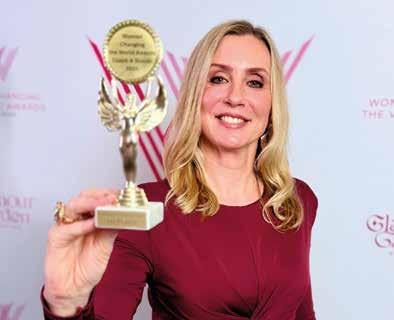
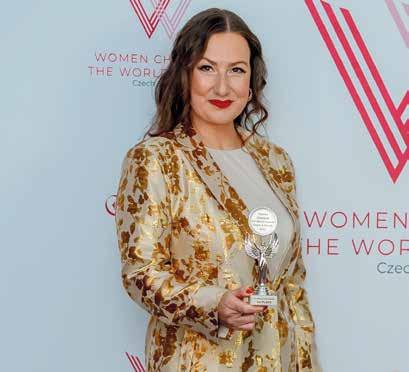
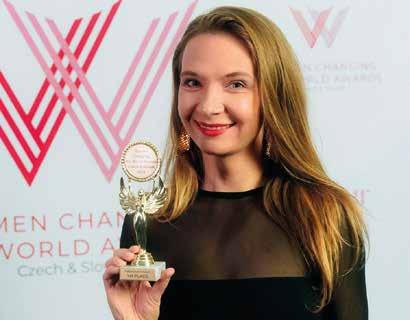
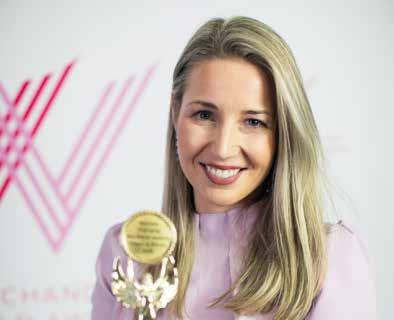
WOMEN CHANGING THE WORLD IN THE FIELD OF SUSTAINABILITY
A hotel manager in the centre of Prague, where she has long been combining economic management with the principles of environmental and social sustainability. She systematically implements measures to reduce energy and water consumption, limit waste, and collaborate with local suppliers, while also building a fair and safe working environment that supports women, foreigners, and refugees in their professional growth.
WOMEN CHANGING THE WORLD IN THE FIELD OF MARKETING
The founder of the Institute of Political Marketing, which has long been professionalizing political communication in Czechia and abroad. She has participated in campaigns ranging from municipal to presidential elections, including collaboration on the presidential campaign in the USA and Emmanuel Macron’s presidential campaign in France. She uses marketing and strategic communication as tools for social change – to build trust, cultivate public debate, and strengthen the representation of women in decision-making roles.
WOMEN CHANGING THE WORLD IN THE FIELD OF CULTURE
An aerial acrobat, performer, and bodyfulness therapist who combines the physical strength of acrobatics with emotional deep work and women’s issues. In her original productions, she opens up taboo topics of the body, cyclicality, and trauma, and transforms them into art with a therapeutic impact.
WOMEN CHANGING THE WORLD IN THE FIELD OF ADULT EDUCATION
The founder of the Talent Navigator project and co-owner of the Salmondo educational platform, where she focuses primarily on educating parents, teachers, and career counsellors in the area of recognizing and developing children’s talents. She has created her own P.O.T.E.N.C.I.Á.L. methodology and educational programs, which are now used by hundreds of schools throughout the Czech Republic.
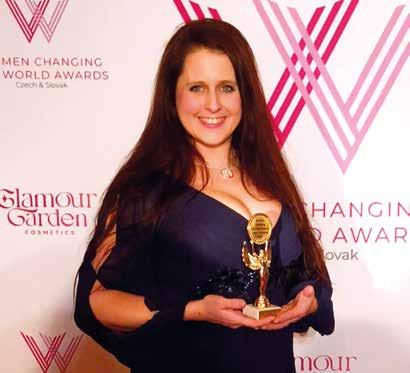
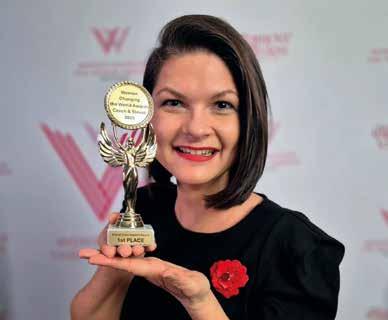
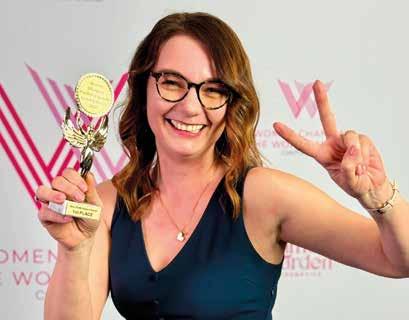
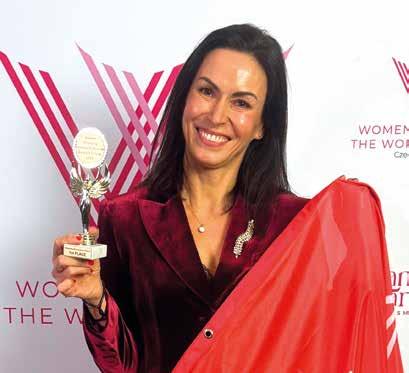
WOMEN CHANGING THE WORLD IN THE FIELD OF CHILDREN’S EDUCATION
The founder of the Žabka educational centre and director of a children’s group, where she has been developing a non-directive and respectful approach to children’s education for over 14 years. She combines pedagogy, art, and work with families, demonstrating a functional model of education based on the natural developmental needs of children. She is one of the pioneers of alternative and self-directed education in Czechia. She shows by example that changing the system begins with the courage of individuals to do things differently.
WOMEN CHANGING THE WORLD IN THE FIELD OF SOCIAL WORK AND CARE FOR OTHERS
Johana has dedicated her professional life to caring for seniors with dementia. After years of practice in Montreal, Canada, she is now bringing modern non-pharmacological approaches to the Czech Republic and educating healthcare professionals and caregivers, helping build relationships with people with dementia that are based on respect, trust, and humanity.
ROBINSON
WOMEN CHANGING THE WORLD IN THE NON-PROFIT SECTOR
The founder of the organization Srdcem Robinson (With Robinson’s Heart), which she created based on her own experience with her son’s serious illness and the loss of her daughter. She provides systematic support to families of sick children, and raises awareness of the issue of so-called glass children – healthy siblings who are often overlooked in difficult family situations.
WOMEN CHANGING THE WORLD DIVERSITY AND INCLUSION AWARD
Eva worked for over 25 years in the Slovak Olympic movement, participated in ten Olympic Games, and decided to fully devote her time and experience to children and athletes with intellectual disabilities. At the helm of Special Olympics Slovakia, she helped build a small civic association into a strong national organization – the number of athletes grew from 50 to more than 1,000, the range of sports from 6 to 23, and the annual budget to support their development has reached almost €1 million.
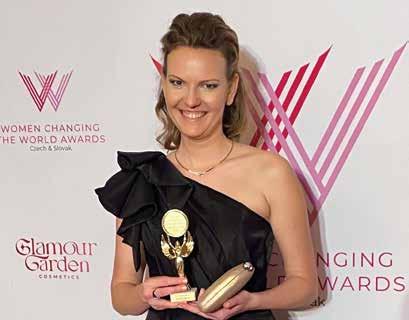
WOMEN CHANGING THE WORLD YOUNG HOPE (under 25)
A high school student and young scientist who has been researching innovative methods of wastewater treatment and the fight against antibiotic resistance – in collaboration with Masaryk University – for over two years. She co-founded the PURA technology and is a member of the iGEM Brno team, where they use synthetic biology to find more sustainable alternatives to soya, as well as solutions to the impact of agriculture on the climate. At the same time, she popularizes science among children and the public, and proves that age is no barrier to real social impact.
WOMEN CHANGING THE WORLD INSPIRING EXPERIENCE (women 65+)
One of the pioneers of active aging and lifelong learning in Czechia, she founded the first University of the Third Age in Prague, built a non-state Centre for Lifelong Learning with thousands of students, and heads the Czech Society for Memory Training. She brought the field of memory training to the Czech Republic, and has trained more than 2,500 professional trainers at home and abroad.
WOMEN CHANGING THE WORLD IN THE FIELD OF CONSTRUCTION AND REAL ESTATE
Eva has long promoted the idea of healthy and sustainable housing as the standard of the future, rather than a luxury. She established the Development Minářová development company, which focuses on modern wooden buildings, and is one of the leading experts in this field in Czechia. She has received the Rigips Trophy, an international professional award given to exceptional construction projects, which means that her projects have stood up to European comparison.
WOMEN CHANGING THE WORLD IN THE FIELD OF LAW
A lawyer and mediator who founded the project Divorce Without Drama, she has created an approach that combines law, therapy, and mediation so that the separation of partners is not a destructive conflict, but a civilized process with respect for children and future relationships. She has transferred her experience from an internship in San Francisco to the Czech environment, and shows that agreements do not have to remain on paper, but can actually work as part of the everyday life of families.
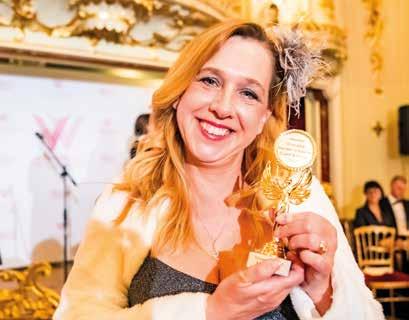
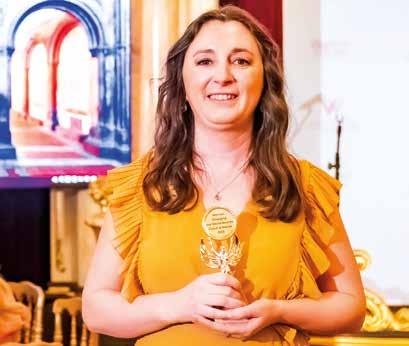
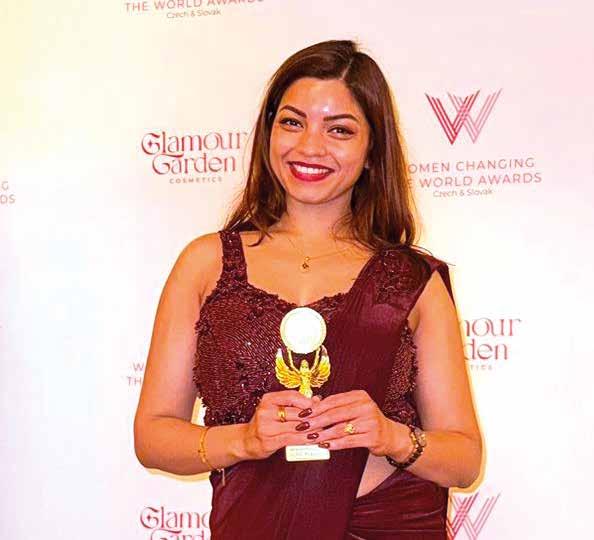
WOMEN CHANGING THE WORLD IN THE FIELD OF FINANCE
An external CFO and founder of Henry & Kate Company, which combines financial management with coaching and leadership development. She has created her own KPI Mind method, which combines numbers, strategy, and mental attitude – because healthy finances start in the mind, not in spreadsheets. She shares her 30 years of experience with entrepreneurs, students, and women in transformation programs, and helps companies grow in a sustainable and conscious way.
WOMEN CHANGING THE WORLD IN THE FIELD OF ENERGY
An expert in energy regulation, who has been working at the European level for a long time and is involved in creating legislation that affects the shape of the energy sector throughout the EU. At Gas Infrastructure Europe, she combines law, strategy, and sustainability principles, seeking a balance between security of supply, decarbonization, and market stability. In an environment that is traditionally highly technical and male-dominated, she brings systemic thinking and the ability to translate complex regulatory issues into practical solutions.
WOMEN CHANGING THE WORLD – MEDIUM-SIZED BUSINESS
An Indian entrepreneur who, at the age of 28, decided to start over in a foreign country – the Czech Republic. Without a local network of contacts, she built a company in one of the most demanding and male-dominated industries: the steel and heavy industry. Since 2016, she has been at the helm of SCHMIDT ROZMER s.r.o., which she has gradually developed into an international supplier of technical components and industrial solutions. Her story shows that business is also about the courage to enter an environment where women traditionally have little presence.
WOMEN CHANGING THE WORLD – SMALL BUSINESS
After turning 50, Hana decided to start over and founded a start-up that helps people feel good – in both body and soul. She is behind the BALA 21 brand, which uses the power of fermentation and the microbiome to naturally boost health and immunity. She combines traditional fermentation know-how with modern scientific knowledge, and offers a natural way to prevent lifestyle diseases. She shows that innovations in health can also arise outside the laboratory –from practice and life experience.
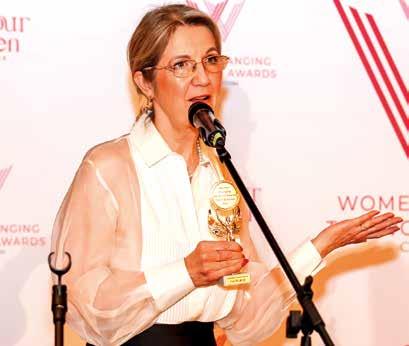
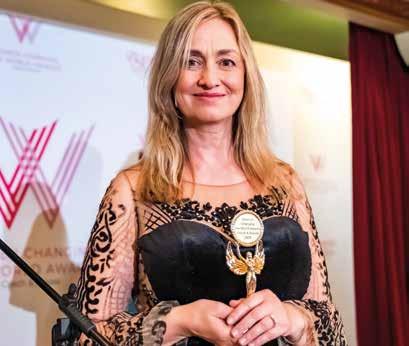
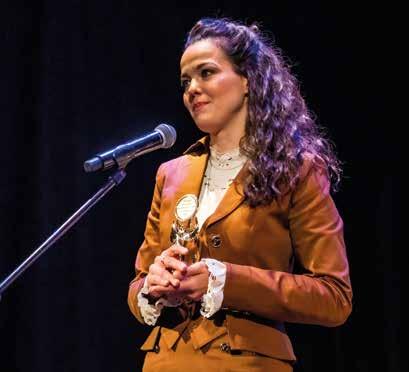
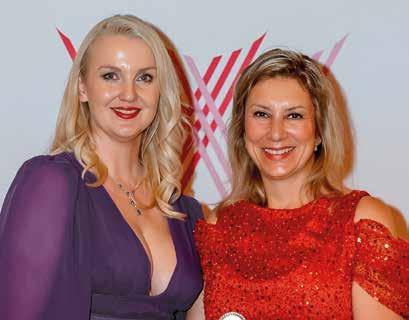
WOMEN CHANGING THE WORLD IN THE FIELD OF INNOVATION
An innovator who is changing Czech healthcare, from medicines to leadership. She helped bring the first drug for spinal muscular atrophy to the Czech Republic and paved the way for modern treatment of rare diseases. She founded the Academy of Patient Organizations and strengthened the voice of patients as equal partners in the system. Today, she is introducing a culture where both patients and healthcare professionals are at the centre of care.
WOMEN CHANGING THE WORLD
WOMEN WITHOUT BORDERS
A woman who helps give birth to new systems. She led a fundamental cultural transformation at TV Nova as its HR director. She co-founded Noc filmových nadějí (Night of Film Hope) –a project connecting television, schools, and young talent. As Vice President of the International Coaching Federation Czech Republic, she developed coaching programs with international reach... and much more. She connects business, education, and communities.
WOMEN CHANGING THE WORLD – INVESTORS
A woman whose investments have a profound social impact, she does not invest primarily in companies or real estate, but in people. She has long been one of the most prominent Czech philanthropists, and, together with her husband, has been included among the leading figures of Czech philanthropy in the Forbes ranking. She is also involved in public activities and international cooperation; for example, she serves on the board of the Czech Helsinki Committee. Her capital is not only financial – her ability to create long-term value through the support of talent, expertise, and human dignity is key.
WOMEN CHANGING THE WORLD – GLOBAL IMPACT
One of the most prominent figures in Czech penitentiary and restorative justice. She systematically promotes restorative justice, an approach that, in addition to punishment, also works with the restoration of relationships, the responsibility of the offender, and the return of the person to society. Today, she heads the Probation and Mediation Service and also chairs the Yellow Ribbon association, where she has long been involved in reintegrating released prisoners back into normal life.
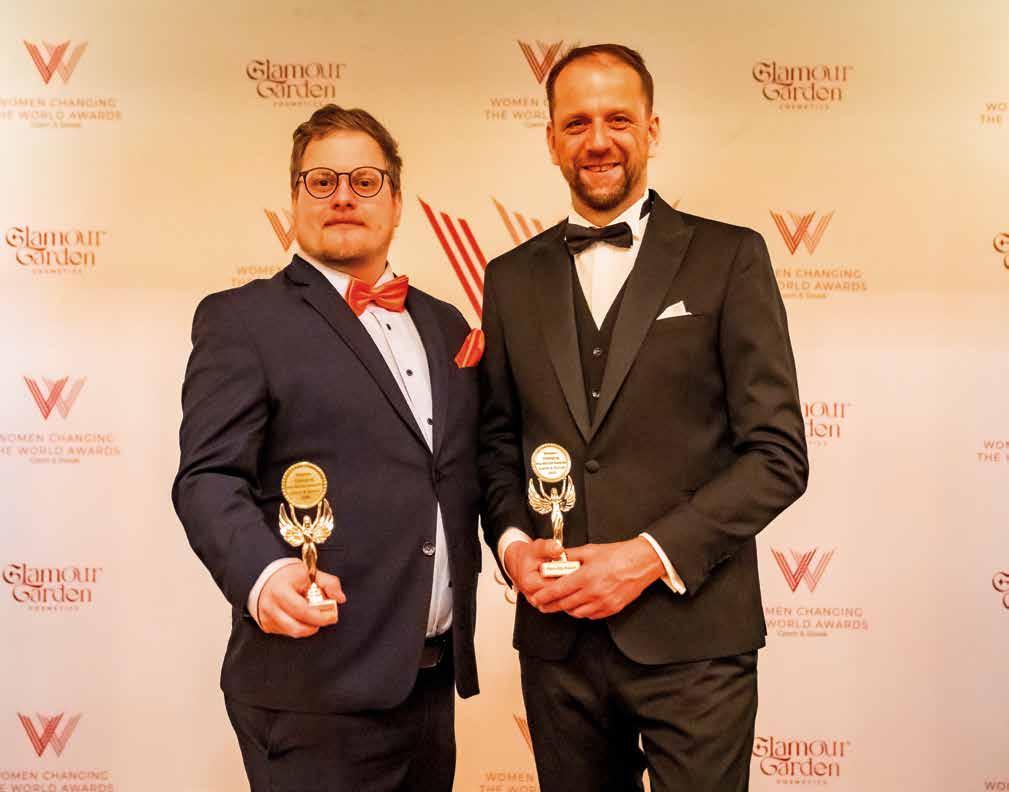
SPECIAL AWARD – MAN CHANGING THE WORLD
A leading Czech gynaecologist and obstetrician who for a long time has connected medicine, ethics, and humanity in the care of women. In addition to clinical practice, he actively engages in public debate on reproductive health, women’s rights, and the culture of modern obstetrics. He is a voice of expertise and empathy.
SPECIAL AWARD – MAN CHANGING THE WORLD
The founder of the non-profit organization Klubovna Naděje z.s., which is dedicated to prevention and education in the area of sexual abuse and support for victims. He openly shares his own experience of childhood sexual abuse in public discussions, interviews, and in his book in order to encourage other victims to speak up and seek help. His work opens up social dialogue on taboo topics, promotes prevention and support for victims, and seeks to change the attitude of the public and institutions towards the issue of abuse.
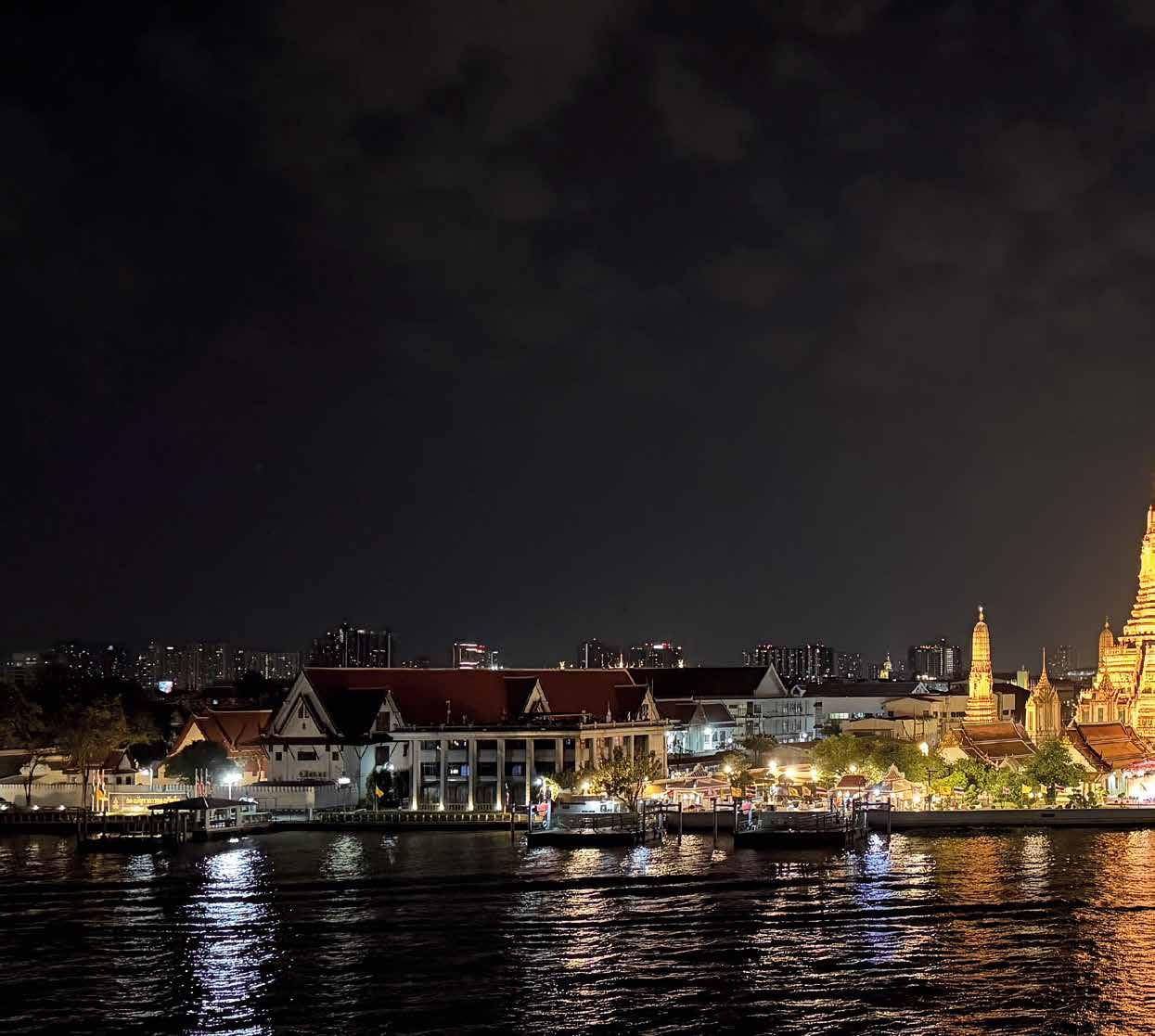
It’s no big secret we love Thailand. We have visited this beautiful country several times and have explored its beauty – from Bangkok, the 24-hour city full of amazing history, shopping, and food, to Chiang Rai and Chiang Mai in the north, and Phuket and the islands in the south. This time, we chose to start our trip in the country’s north-eastern region, close to the Cambodian border. The main reason was to meet H.E. Mr. Suwat Kaewsook, the former Ambassador of the Kingdom of Thailand to Prague, who retired a few months ago and now lives with his spouse in Surin.
Before we take you with us to northeastern Thailand, here’s a small note for our readers – and a thank you to the people who make our travels possible. To begin with, we hope the information and pictures in this and our previous articles will help you plan your next trip to this beautiful country.
We wouldn’t have been able to make all these trips without the support of the Royal Thai Embassy in the Czech Republic. We are grateful to H.E. Mr. Suwat Kaewsook, the former Ambassador of the Kingdom of Thailand to Prague,
to the Ministry of Foreign Affairs of Thailand, and of course to Ms. Srisurath Sukavarodom –Counsellor at the Thai Embassy – for her great support and friendship.
Unfortunately, there are still no scheduled direct flights from Prague to Bangkok – let’s hope that changes soon. It’s a long journey, so choosing the right connection is essential – this time, we decided to fly with Etihad via Abu Dhabi – they offered a short layover, a good price, and a new aircraft.
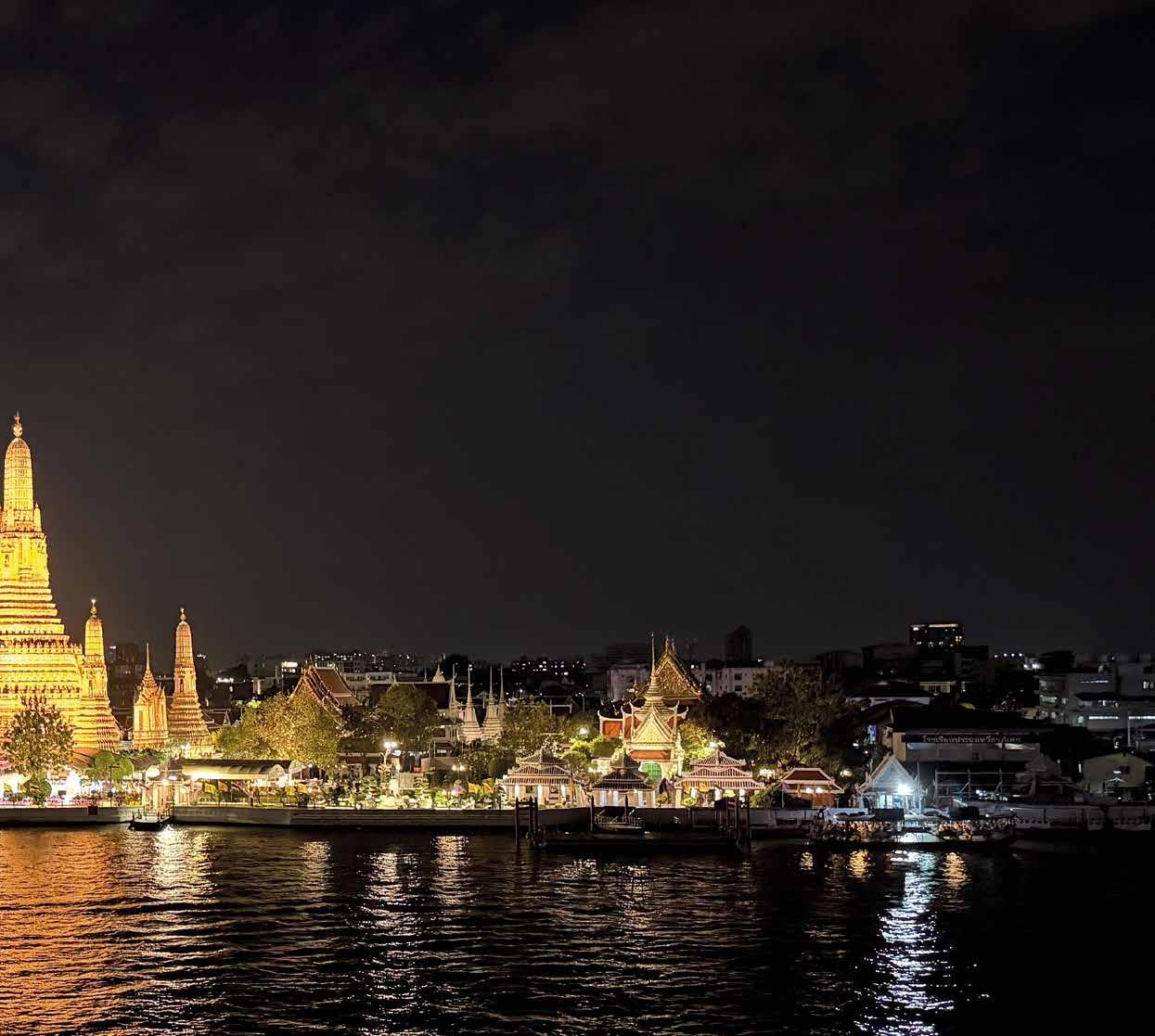
Our route was Prague – Abu Dhabi – Bangkok. We left Prague Airport at 10:30 a.m., a very convenient time. The experience at Terminal 1 was smooth and pleasant; within a short while we were through all of the procedures and had time to relax before boarding. I am a Raiffeisen Bank client with a Mastercard credit card, which gives us free access to the lounge in Terminal 1, a spacious, comfortable place with great views and a friendly service –a perfect start to a long trip.
Our first flight to Abu Dhabi departed and arrived on time.
It was a new Boeing Dreamliner, with comfortable seats even in economy, good service, tasty food, and plenty of entertainment options. We received a pillow, a blanket, and even – like in the good old days – a small gift, which later became our shopping bag.
Abu Dhabi Airport is large and modern. It took us about an hour to get from landing to our connecting gate, so keep this in mind when planning your own connections. The flight from Abu Dhabi to Bangkok also departed and arrived on time. This time it
was a Boeing 777 – older than the Dreamliner, but still comfortable, with very nice service on board.
Procedures at Bangkok Airport were fast and friendly. Even though the queue was long, it moved quickly – just remember to fill out the ‘Digital Arrival Card’ (TDAC) within 72 hours before arrival. Our luggage arrived promptly as well. After buying a local data SIM card for my phone, we met our driver from the company we usually use, Beer Trekking Thailand Tour (mobile: +66 81 997 8805), who was waiting to take us to Surin.

On our way to Surin
Our first stop was Prasat Hin Khao Phanom Rung Historical Park (ปราสาทหินเขาพนมรุ้ง), also known as Phanom Rung Temple. This remarkable site comprises of important ancient monuments situated on the summit of an extinct volcano. The name Phanom Rung comes from the Khmer Vanamrung, meaning large mountain. It is one of the most famous Khmer historical parks in Thailand, and a major tourist attraction in Buriram Province.

A one hour drive took us to Wat Pa Khao Noi (วัดป่าเขาน้อย), whose name can be translated as the forest temple on the small mountain. It is a renowned monastery of the forest tradition, founded in 1936. This monument is far from ordinary – it takes the form of a prasat in neo Khmer style, inspired by the most beautiful Khmer temples. The impressive pink sandstone structure rises 31 meters high.
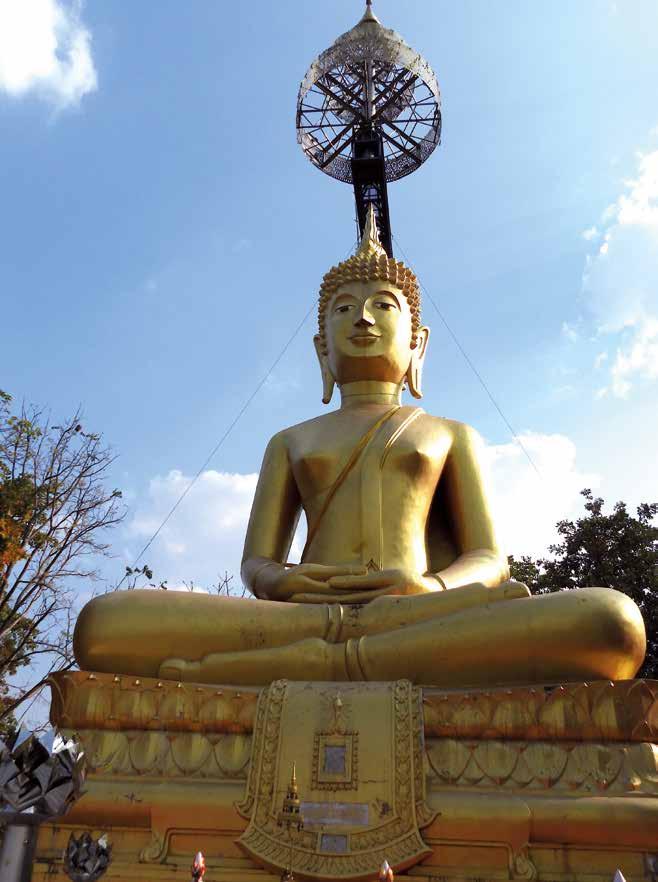
A quick stop followed at Buriram Castle (บุรีรัมย์ คาสเซิล) in Buriram Town, located next to the Chang Arena sports complex.
We then continued to Khao Kradong Forest Park (เขตห้ามล่าสัตว์ป่าเขากระโดง), home to the huge Phra Suphattharabophit Buddha image, a major symbol and landmark of Buriram. The statue stands on top of the Khao Kradong volcano, offering sweeping views of the surrounding landscape.

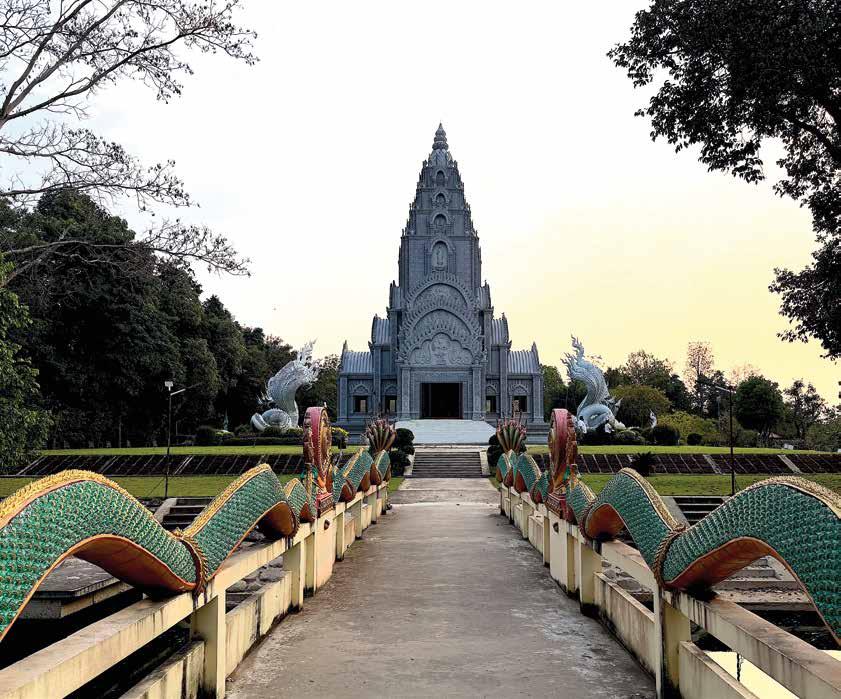
Our last stop on the way to Surin was Wat Mongkolrat (วัดมงคลรัตน์ สุรินทร์ ), a famous temple especially well known among older generations as Wat Tako Luang Pu Phuan. The front of the pagoda features elephant statues and a naga (serpent) bridge leading up to it. Its grounds, surrounded by a pond and beautifully landscaped with trees, create a serene, forest like atmosphere.
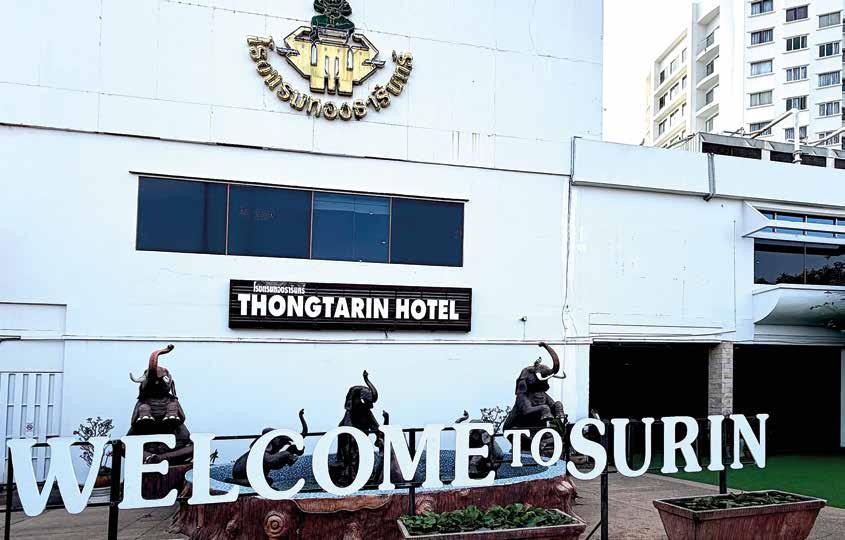
By late afternoon, we arrived at our hotel in Surin – the Thongtarin Hotel, a modern property in the city centre. We had a large, clean room, and the hotel offered several restaurants (Thai, a German beer garden, and a Chinese style restaurant), meeting rooms, and, of course, Thai massage.
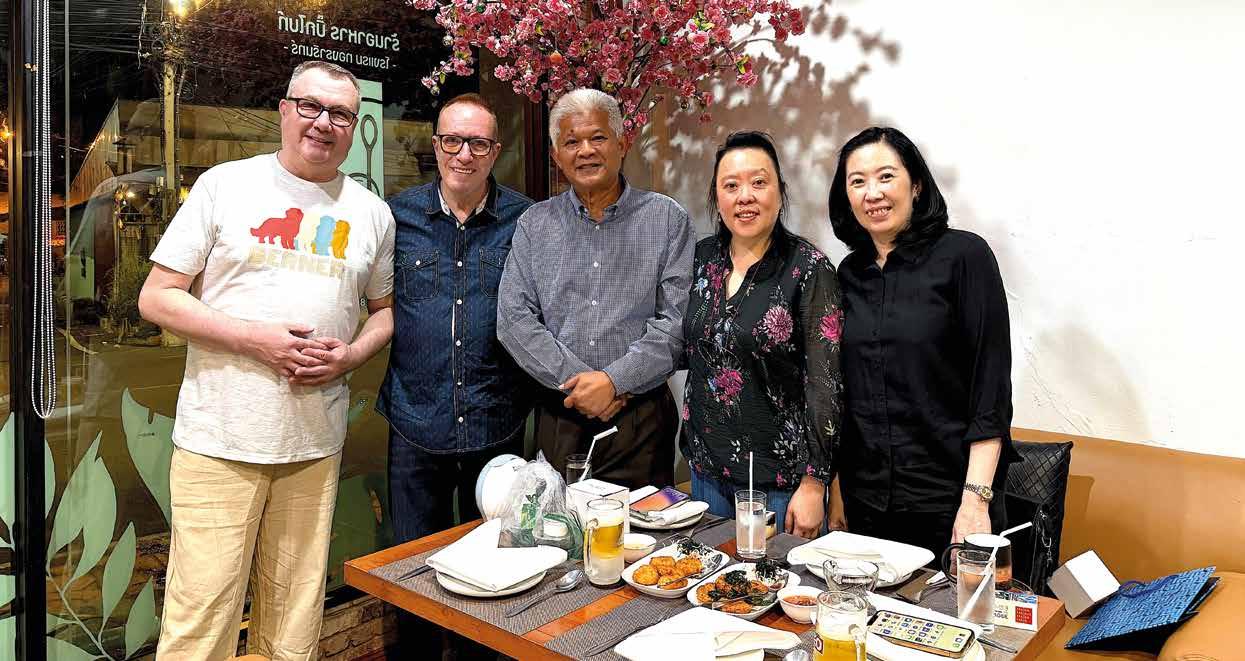
A few months ago, H.E. Mr. Suwat Kaewsook, the Ambassador of Thailand to the Czech Republic, left Prague and returned to Thailand, settling in Surin. We missed him, and this trip gave us the perfect opportunity to meet him and his spouse, Mrs. Patcharin Kaewsook.
We met at The Big Bite Restaurant, a Thai restaurant in Surin. Ms. Srisurath Sukavarodom (or Bo, as her friends call her), Counsellor at the Royal Thai Embassy in Prague, also joined us – she had travelled especially for this meeting, and helped us organise the entire trip. The evening was emotional, filled with memories of Prague and discussions of our plans for this trip. With delicious Thai food, warm company, and a heartfelt welcome, it was the perfect way to begin our time in Thailand.
Time passed quickly, and soon we had to say goodbye to the Ambassador and his spouse. We hope to see them again soon.
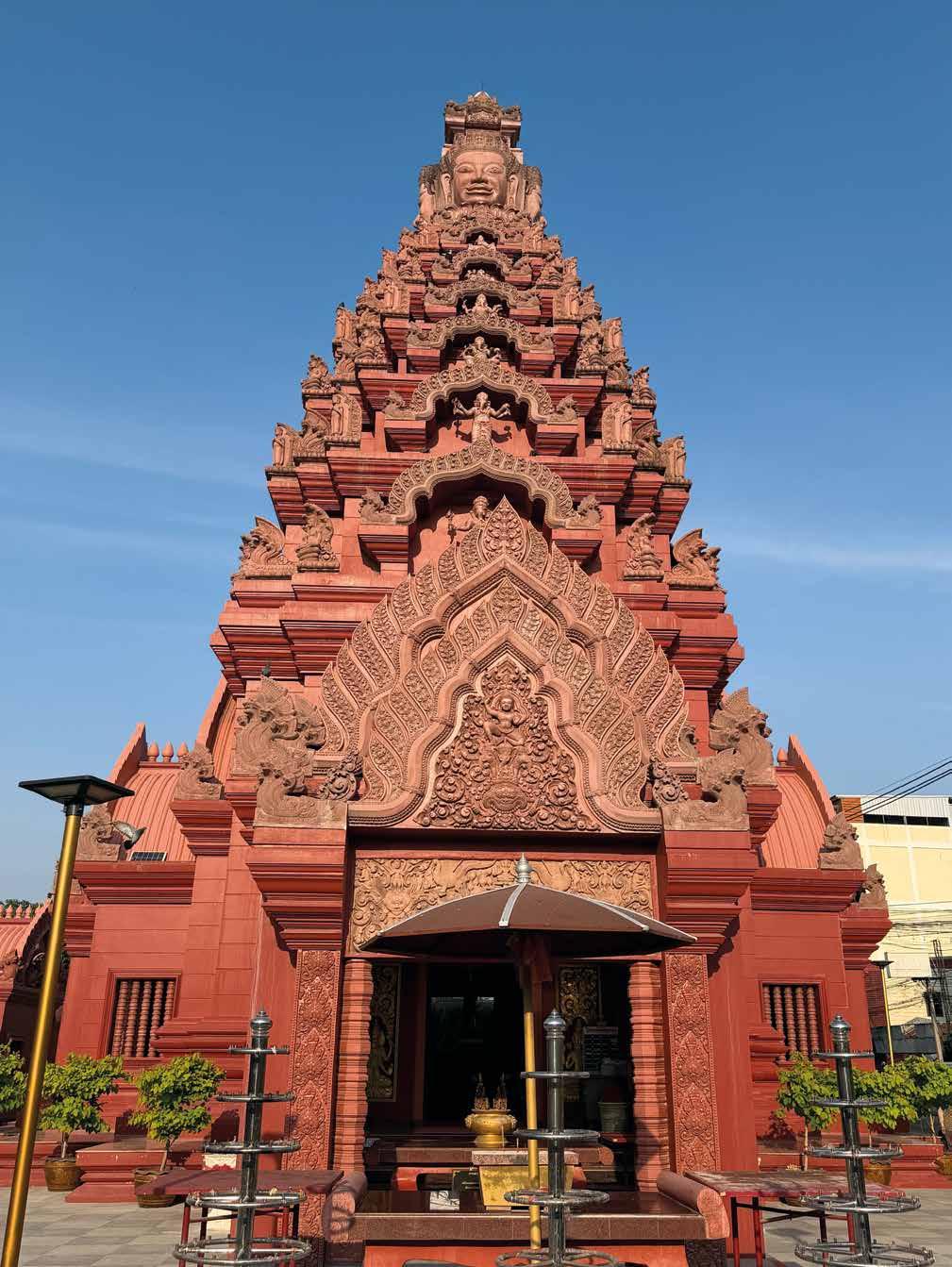
The next morning, we began exploring the Surin region. Our first stop was Lak Mueang Surin – the Surin City Pillar Shrine, an important spiritual site for the people of Surin. Originally, the city had no pillar shrine, but in 1968 the Fine Arts Department designed and built the current City Pillar and its elegant pavilion.
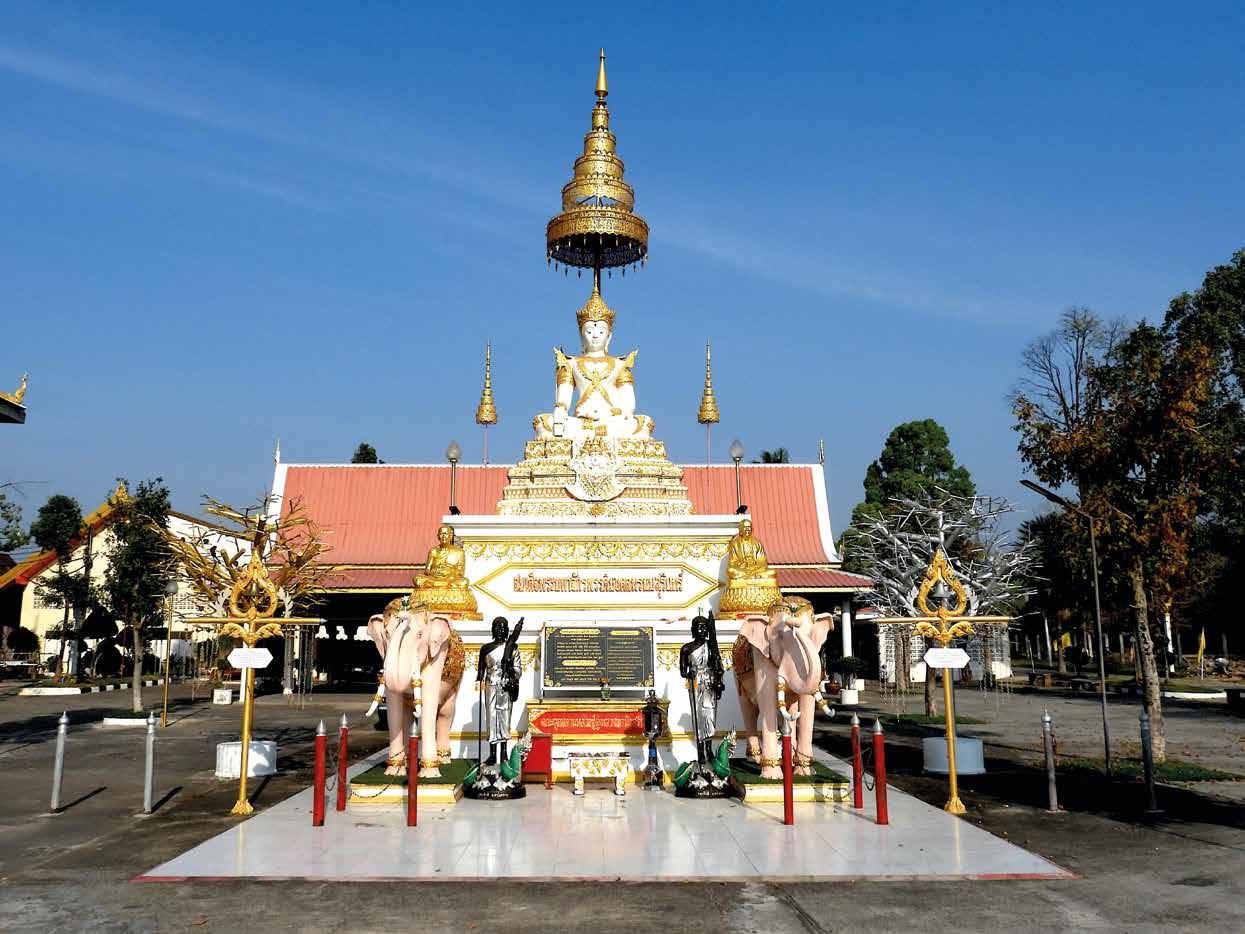
We continued to Wat Phrom Surin (วัดพรหมสุรินทร์ ), a centuries old peaceful temple featuring numerous elephant figures – a tribute to Surin, known as Thailand’s Town of Elephants, and its deep rooted elephant culture. The temple is noted for its beautiful traditional Isan style architecture.
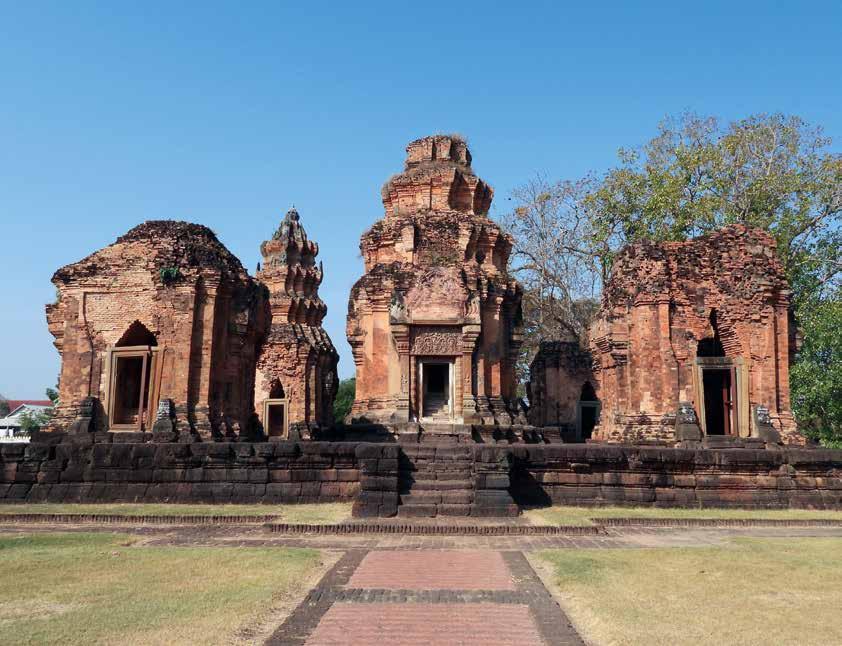
Our next destination was Sikornpoom Castle (Prasat Sikhoraphum – ปราสาท
). Built in the ancient Khmer style of the Baphuon period, which continued into the Angkor Wat era of the 11-12th centuries, it originally served as a Hindu sanctuary dedicated to Lord Shiva. Around the 17-18th centuries, it was converted into a Theravada Buddhist temple. The structure remains one of the most impressive Khmer monuments in the region.
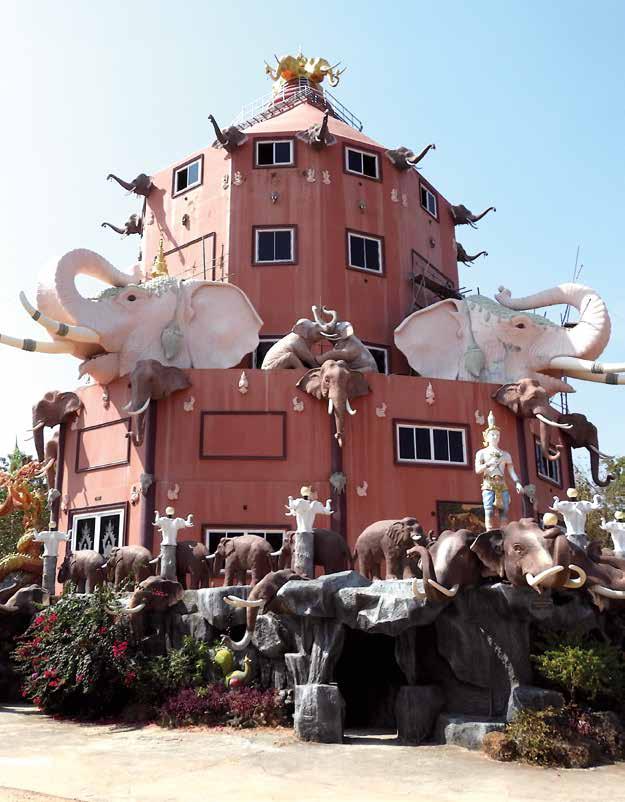
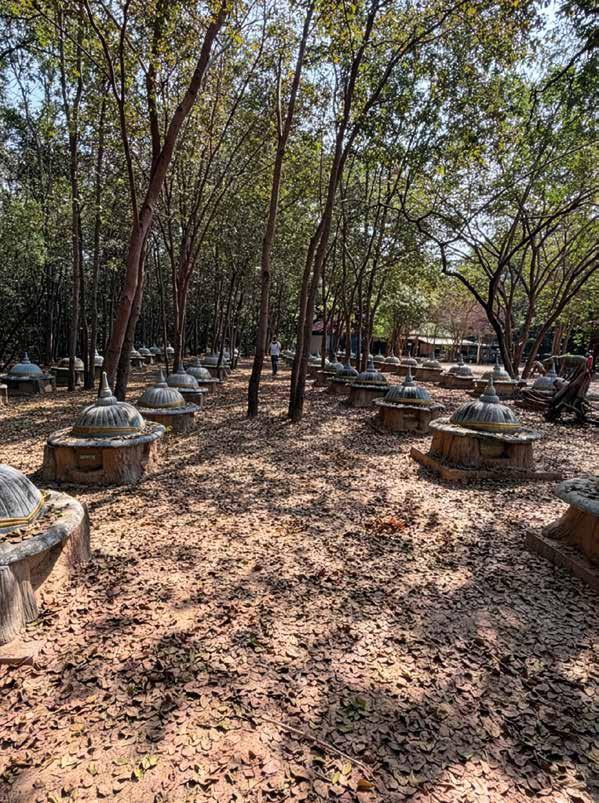
We then visited Wat Pa Achiang (วัดป่าอาเจียง), a unique temple with a powerful atmosphere. Here you can see the Elephant Graveyard, created after Dr. Prakrusamuh dreamt that an elephant he once cared for wished to “return home.” He then began building the cemetery, keeping detailed records of each elephant laid to rest there.
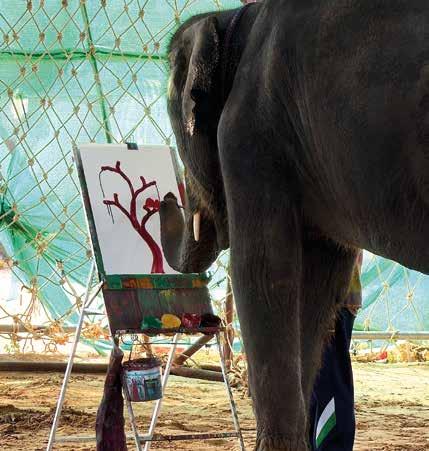
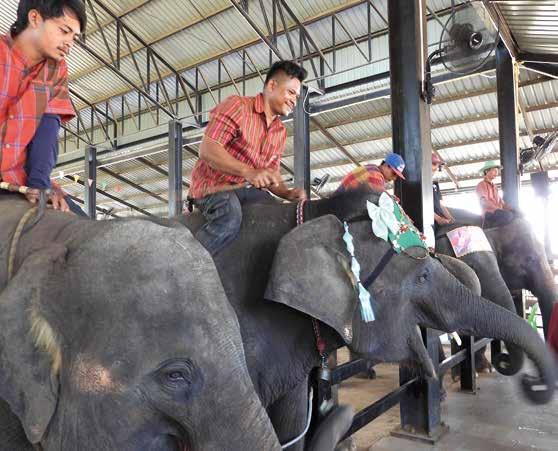
Our next stop was Elephant World, which hosts two daily shows at 10 a.m. and 2 p.m, with an entrance fee for tourists of 100 THB per person. This large complex, run by the Provincial Administration Organization of Surin Province, serves as a study centre where families can learn about the intelligence and abilities of elephants. The entertainment show is fun, and the elephants interact with the audience, receiving treats for their efforts (we’ve also included a video on our online magazine).
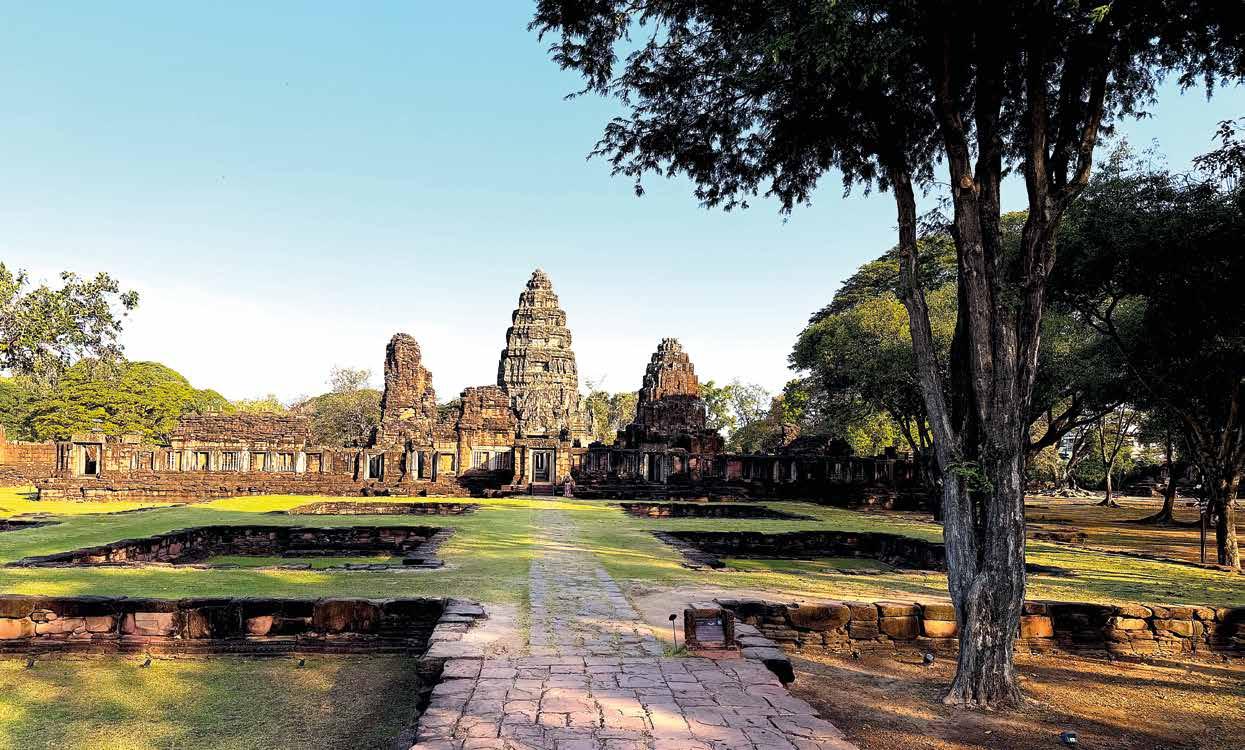
We spent the night in a small family run hotel in Phimai, so we could visit Phimai Historical Park (Prasat Hin Phimai –
) early the next morning. It is the largest stone Khmer temple in Thailand and is considered a major centre, linking the Mun River basin to Angkor in Cambodia and to other states in the Chao Phraya River basin. The Fine Arts Department, in cooperation with the French government, restored this site between 1964 and 1968. The temple, reminiscent of Angkor Wat, is a Mahayana Buddhist structure built around the middle of the 16th century.
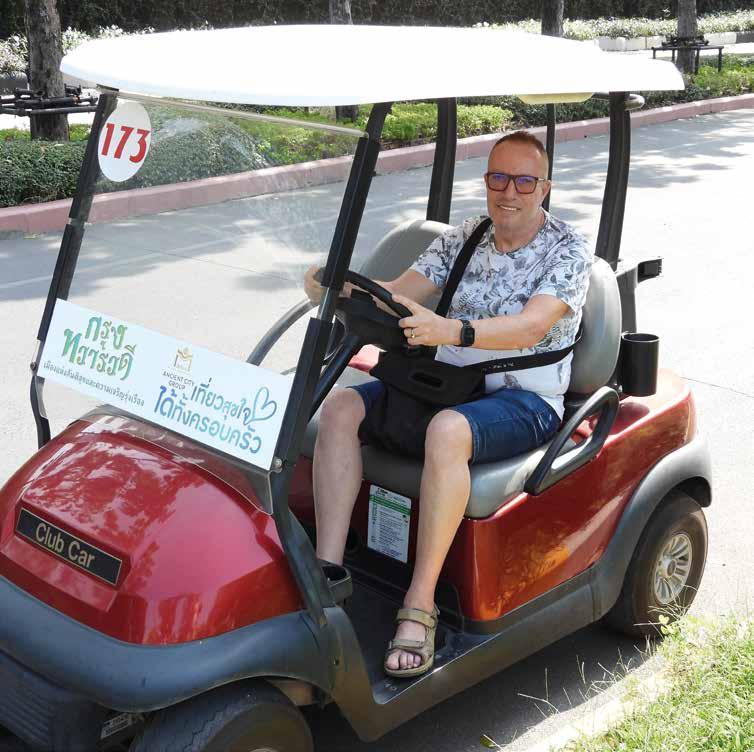
On our way back to Bangkok, we visited Ancient City, (เมืองโบราณ), one of the largest open air museums in the world. Here you can see significant Thai landmarks – castles, palaces, temples, and sculptures. Some are replicas, while others are original structures relocated from their original sites. The exhibitions are arranged by region, allowing visitors to appreciate the diversity of Thai culture. The experience feels like travelling across the entire country in a single day. We rented a golf car to explore the grounds, which is ideal for families.
Book your tickets in advance for a better price, and take your time in order to enjoy everything (www.muangboranmuseum.com/en).
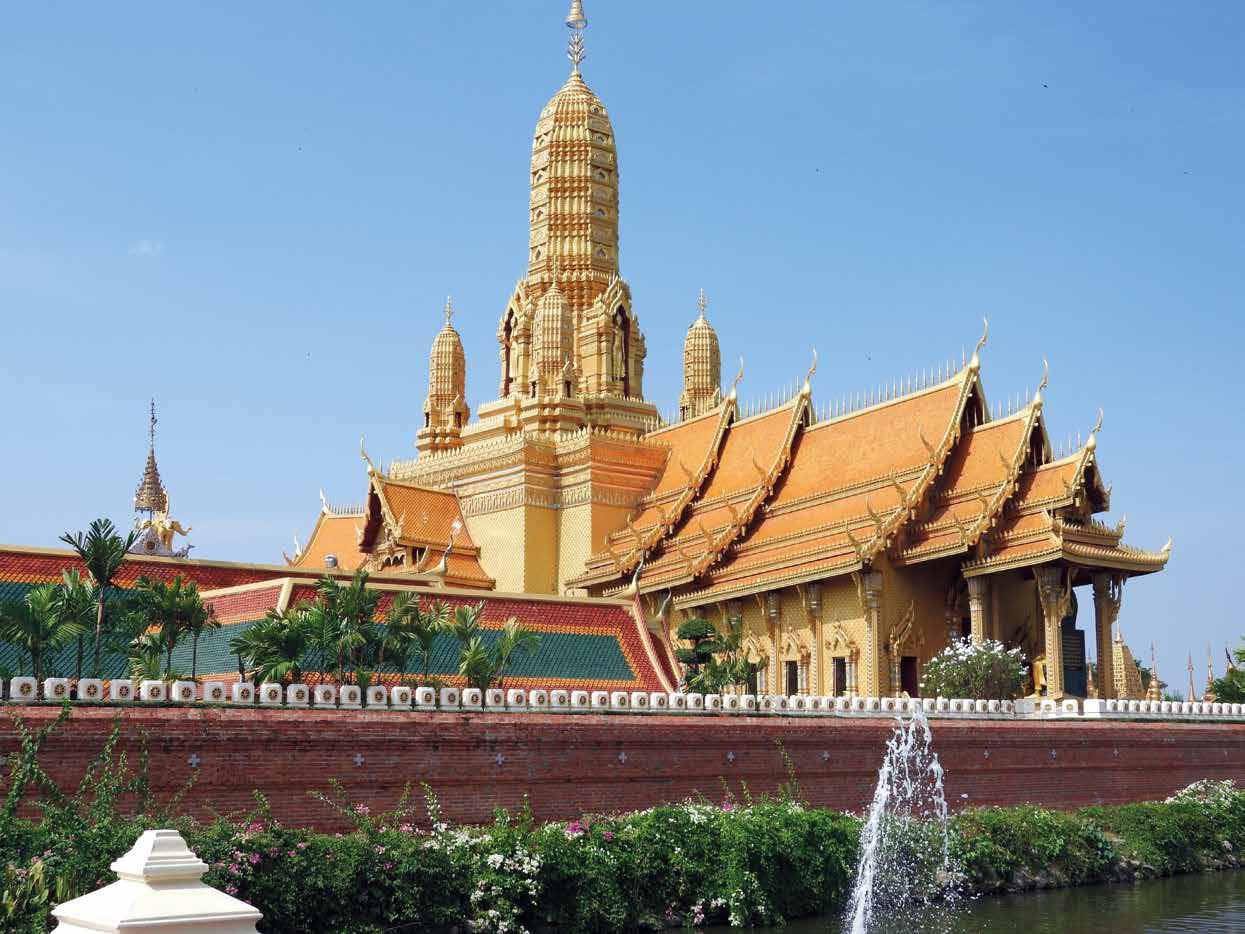
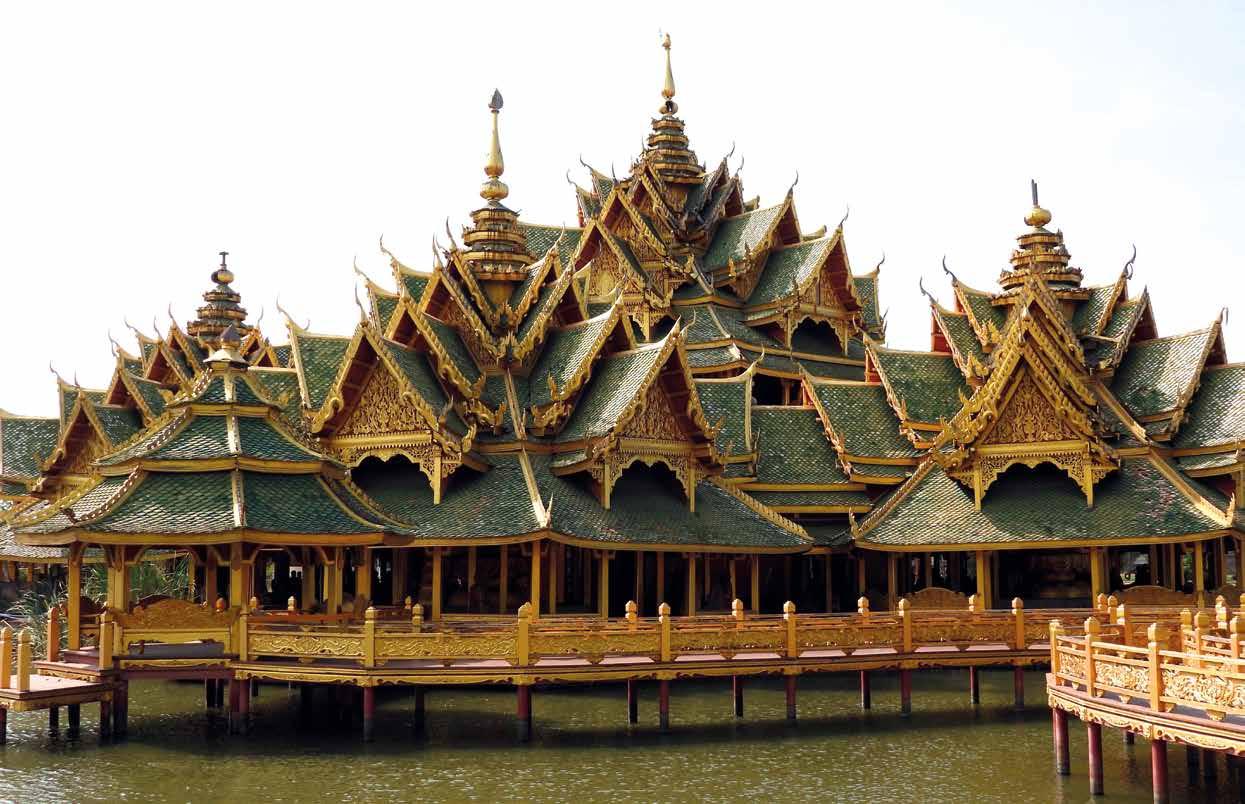
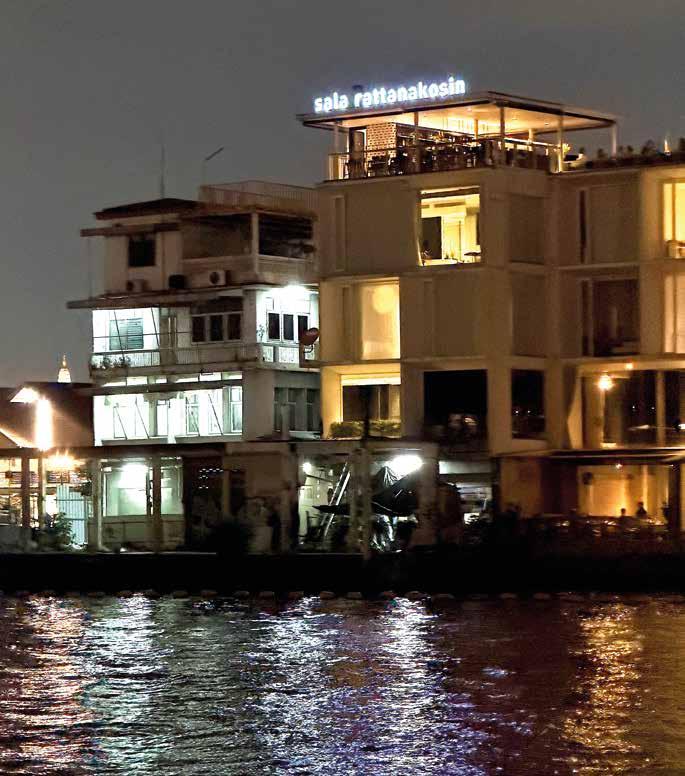
We quickly left the hotel and took a Bolt taxi to our night cruise on the Chao Phraya River. After so many visits to Bangkok, we finally decided to try this experience and see the city lights from the water. There are many options, from small boats to large vessels – we chose the Manohra Dinner Cruise. Boarding took place at the Anantara Riverside Bangkok Resort, a luxury hotel on the river. We arrived a few minutes before departure and were welcomed by friendly staff with a welcome drink, in a beautiful riverside setting.
The boat was medium sized, with about fifteen tables. Each couple or group had their own private table, beautifully set in the manner of a fine dining restaurant. The boat moved slowly; even though it was a bit windy, we hardly felt it. Bangkok is a beautiful city, and during the cruise we could admire all the illuminated monuments along the river.
The service was professional and friendly, and the food was worthy of a Michelin restaurant. I was curious to meet the chef behind such excellent dishes. Near the end of the cruise, I asked if I could meet her on the deck. What a surprise it was when a young woman came to greet us – and all the guests applauded her.
After more than two very pleasant and delicious hours, the experience came to an end. If you want to enjoy a cruise in Bangkok, I can highly recommend the Manohra Dinner Cruise (www.manohracruises.com).
Bangkok welcomed us with its usual heavy traffic, made even more challenging by the construction of new bridges for the SkyTrain. I truly hope for a smoother future. Eventually, we arrived at our hotel – Sala Rattanakosin Hotel. Unfortunately, it was disappointing. It’s a small four storey hotel without an elevator. They describe it as an “excellent hotel with amazing views of Wat Arun, especially at night and for breakfast.” The location is indeed excellent, but you should book it only if you get the Wat Po Deluxe Room – we didn’t, and our view was of the backyard. To enjoy the famous panorama, we climbed to the rooftop restaurant. The view of Wat Arun Ratchawararam Ratchawaramahawihan
) was spectacular, and nothing beats relaxing with a cold Singha beer and such a view. We received an unpleasant surprise, however, with our bill: almost 700 THB for two small beers.
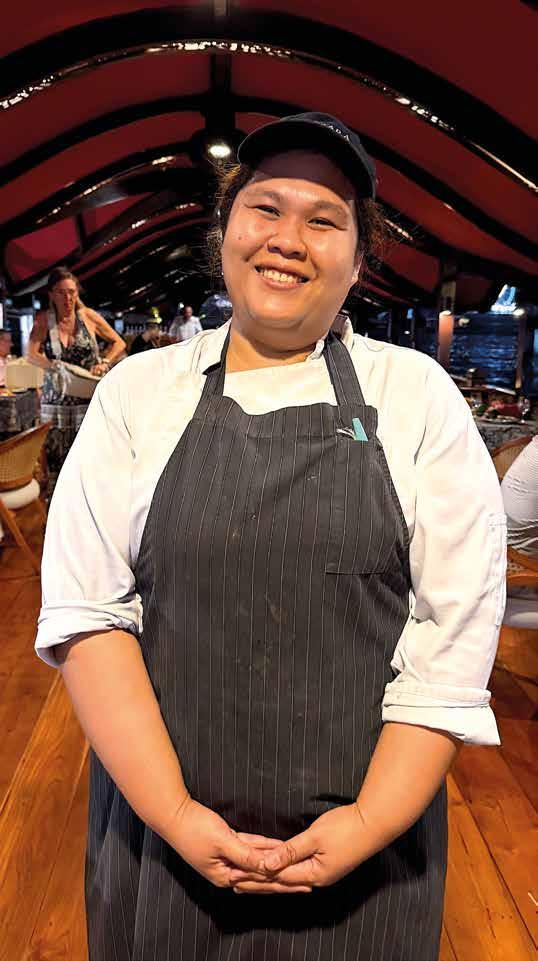
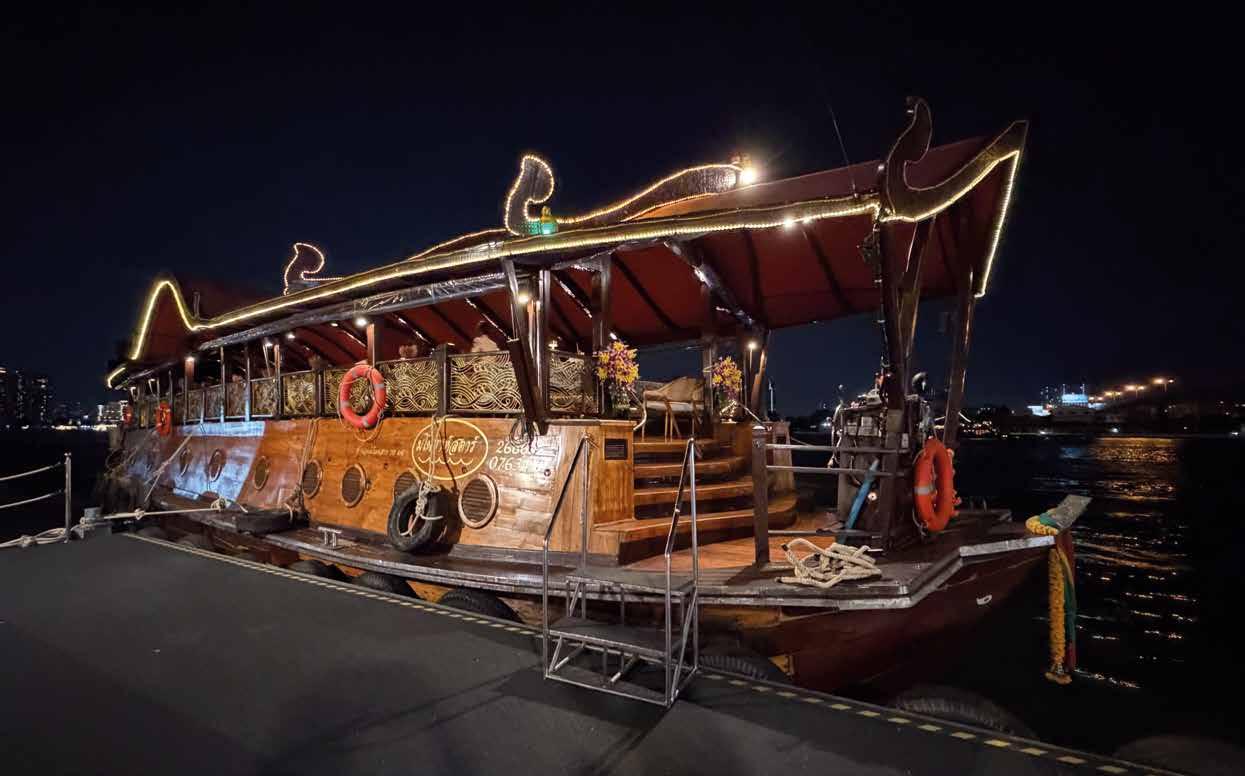
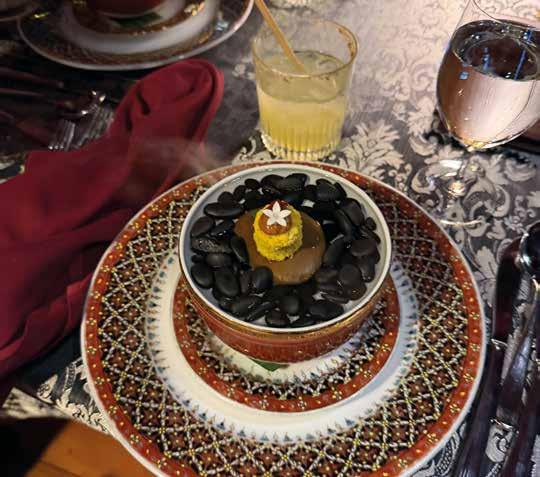
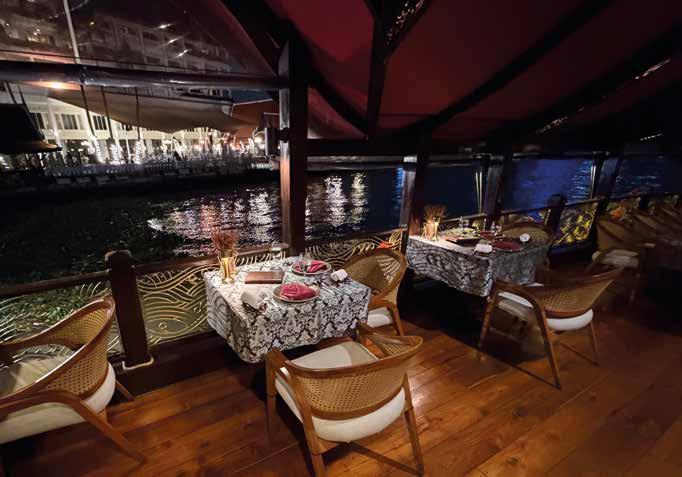
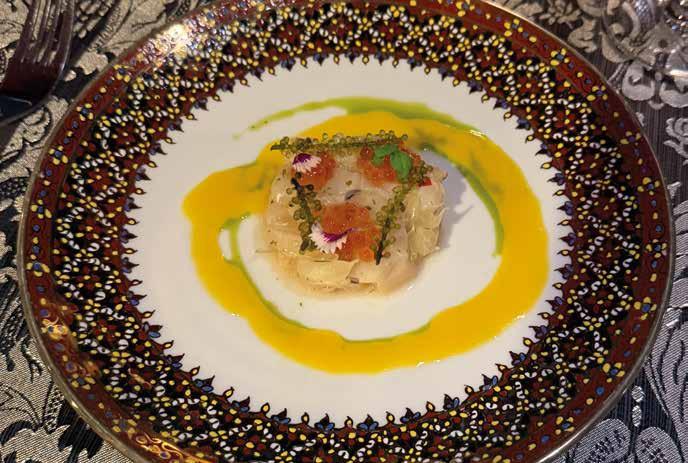
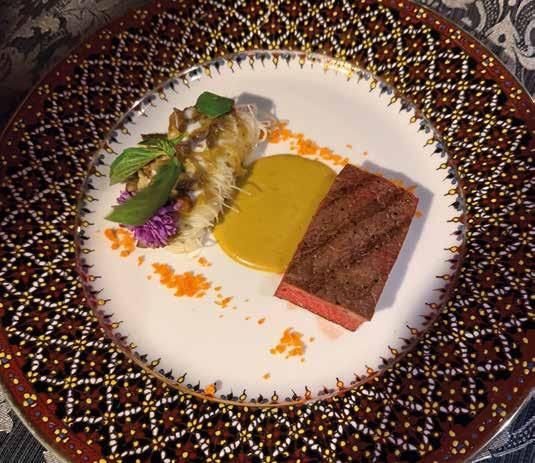
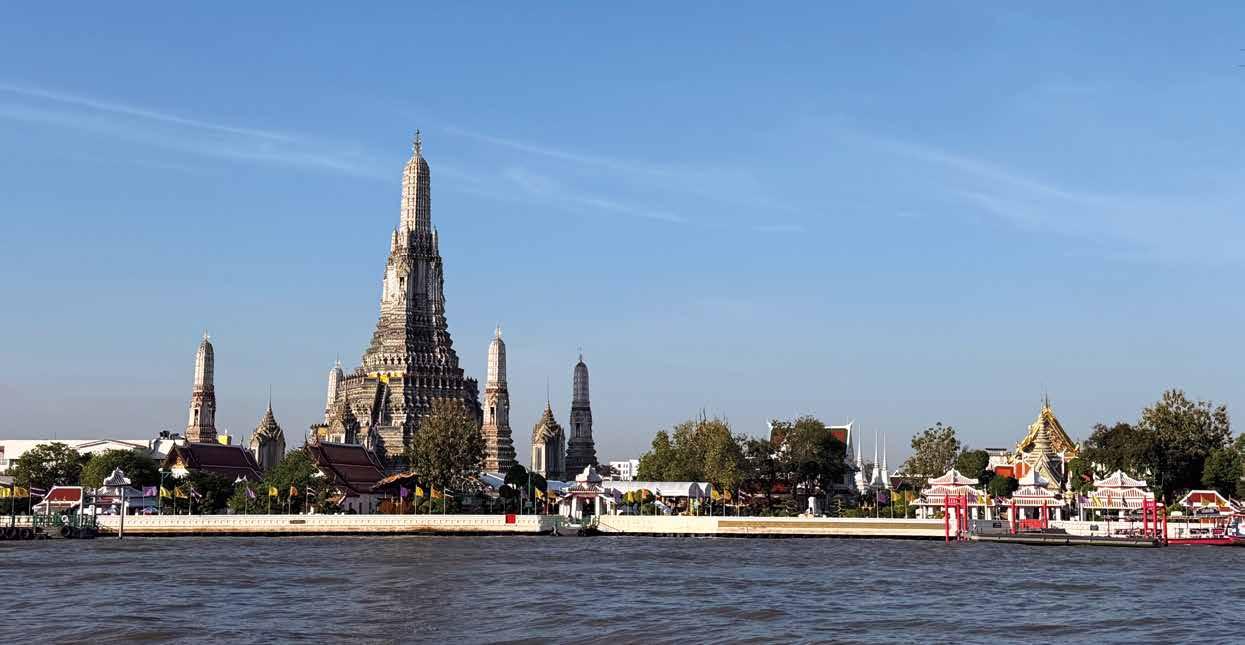
The next morning, at Sala Rattanakosin, breakfast was served on the terrace with a wonderful view, very good food, and a friendly service – the perfect start to a busy day in Bangkok.
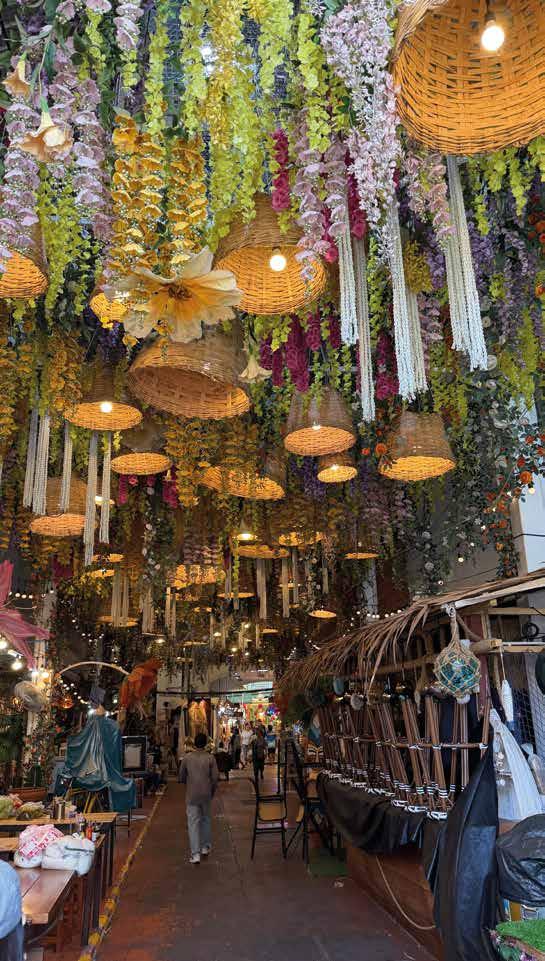
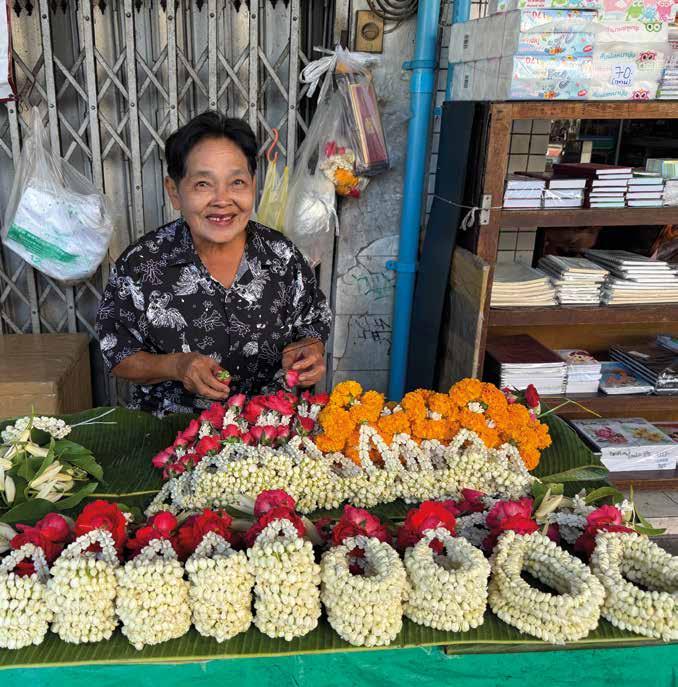
It’s not our first time here; we can almost call Bangkok our temporary home. Walking is the best way to explore the city, so we started with the Flower Market, the Thai Agriculture Market, and several temples.
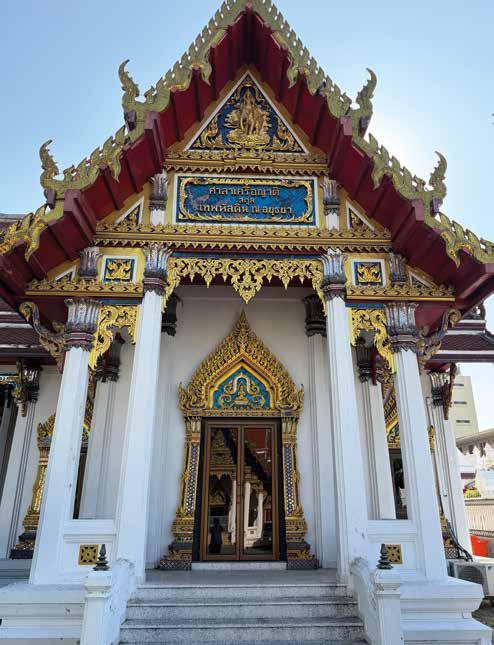
Wat Saket and the Golden Mount (วัดสระเกศและภูเขาทอง) – located on the only hill in Bangkok, this temple is of great significance for followers of the Lord Buddha. A climb of 344 steps takes you to the top, offering panoramic views of Rattanakosin Island.
Wat Ratchaburana (วัดราชบูรณะ) – located at the foot of the Rama I Memorial Bridge, also known as Wat Liap, and one of the three principal temples of the capital (together with Wat Ratchapradit
and Wat Mahathat วัดมหาธาตุ ), it has been regularly restored from the reign of King Rama I through King Rama VII.
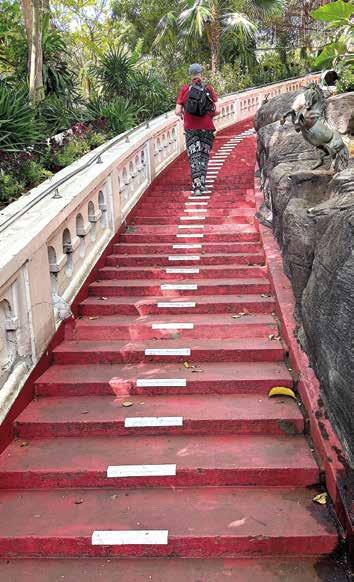
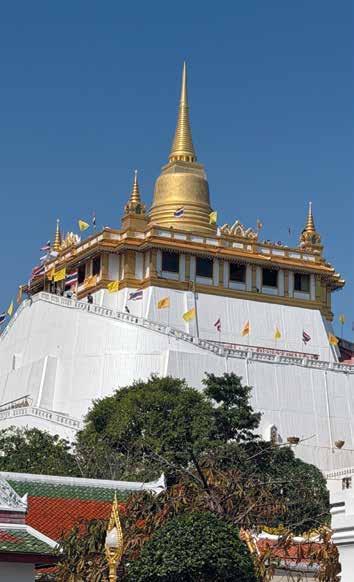
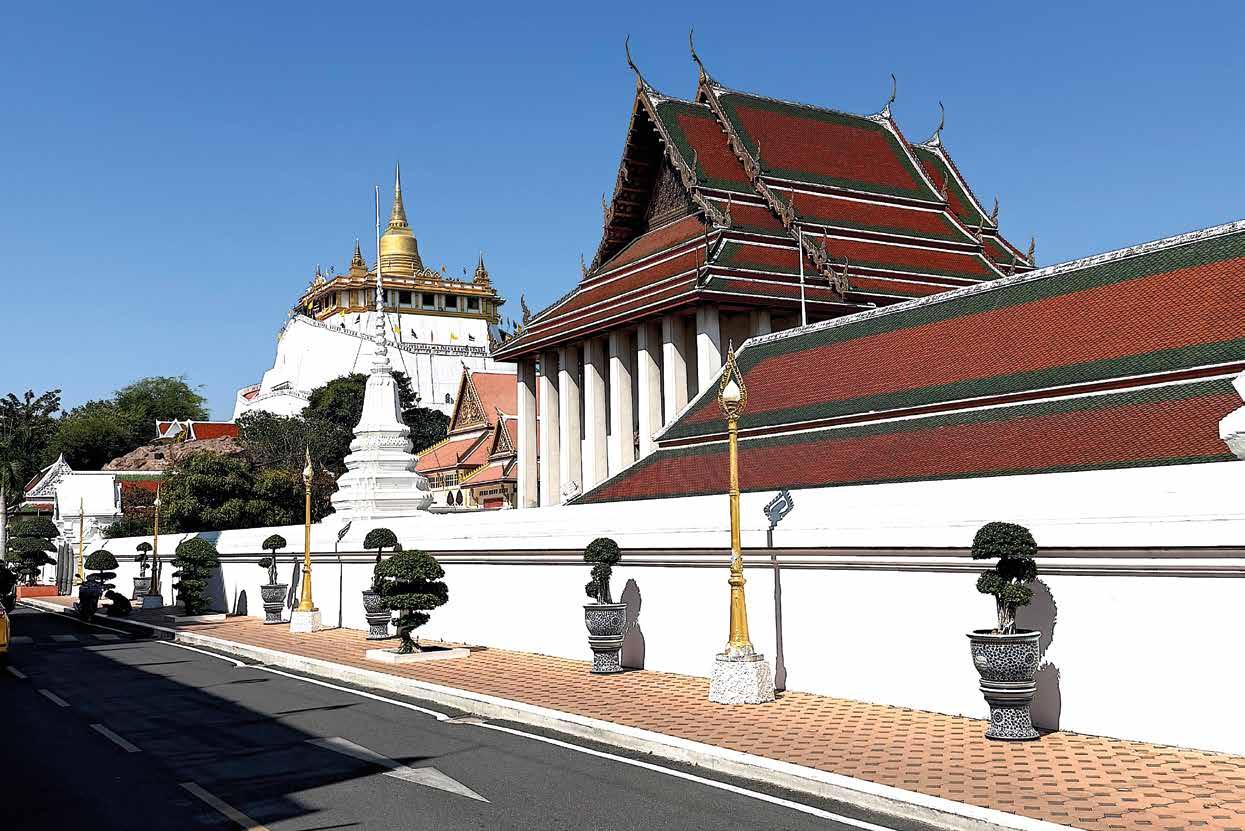
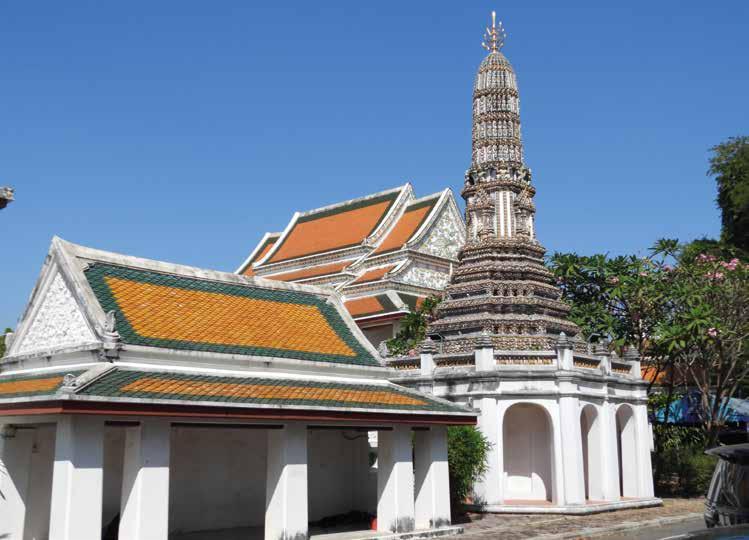
Wat Thepthidaram (วัดเทพธิดาราม) – built during the reign of King Rama III, it features a mixture of Chinese architectural styles. Sunthon Phu, one of Thailand’s greatest poets, lived here during his monkhood from 1840 to 1842.
Wat Ratchanatdaram Worawihan (Loha Prasat) วัดเทพธิดาราม – built toward the end of the reign of King Rama III (1846) to honour his royal granddaughter, known as Queen Sommanat Wattanawadi, who later became the first consort of King Rama IV the Great.
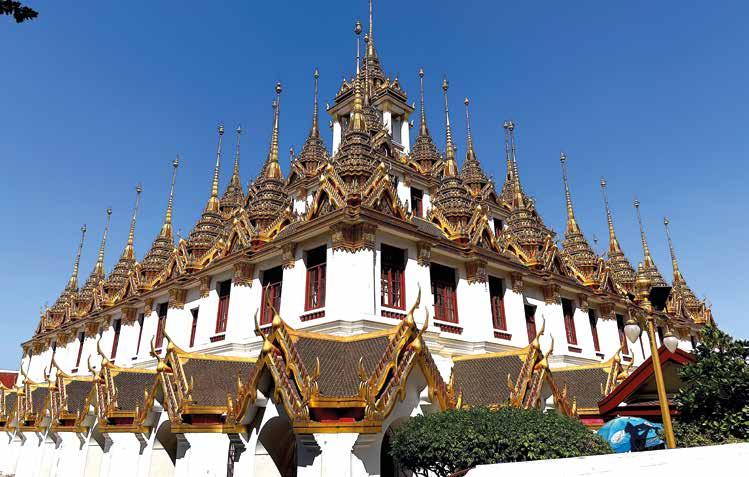
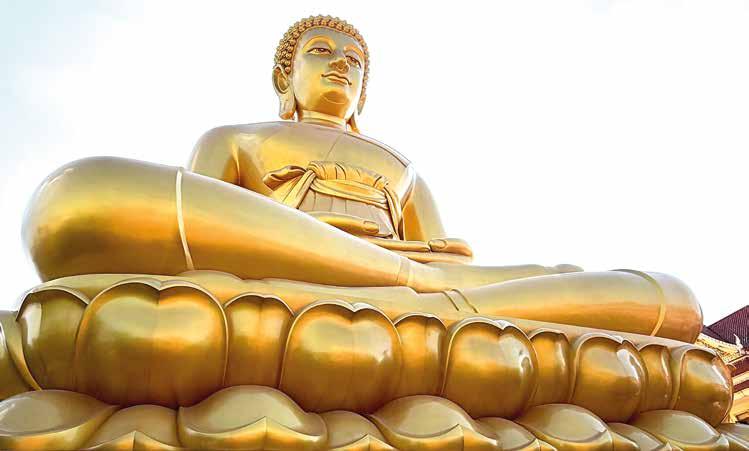
Wat Paknam Bhasicharoen (วัดปากน้ำ
) – established in 1610 during the Ayutthaya period, and supported by Thai kings until the late 19th century. Wat Paknam is known for its charitable work and its nationwide project to promote the five precepts in Thai society. In 2012, Somdet Chuang completed the construction of a large stupa named Maharatchamongkhon, decorated with interior Buddhist art. In 2021, a massive bronze Buddha statue was added in front of the stupa, making the temple a popular attraction for international visitors.
After exploring Bangkok, we travelled to the Pasaya Factory (see page 28 for our article about it). The next morning, we woke up early to catch our flight to Surat Thani from Bangkok’s Don Mueang International Airport. Even at that early hour, traffic was heavy, and it took us 45 minutes to reach the airport. Check-in with AirAsia was fast and friendly, and the flight departed and landed on time.
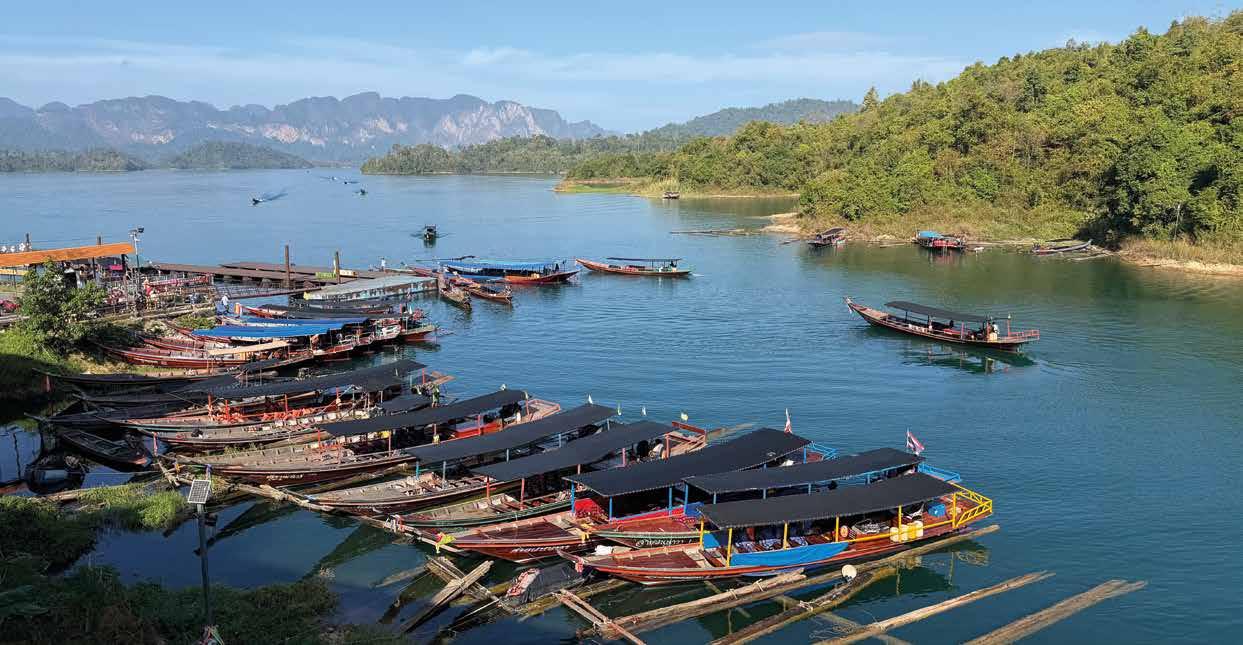
Our driver from Khaosok Travel was waiting to take us to the first destination of this adventure. We chose the 3 days, 2 nights Khao Sok – Cheow Lan Lake package, which included:
• 1 night at the Khao Sok River Canoe & Resort
• 1 night at The Laguna Chiew Lan
• Full board
• National Park entrance fees
• A local guide
• Accident insurance
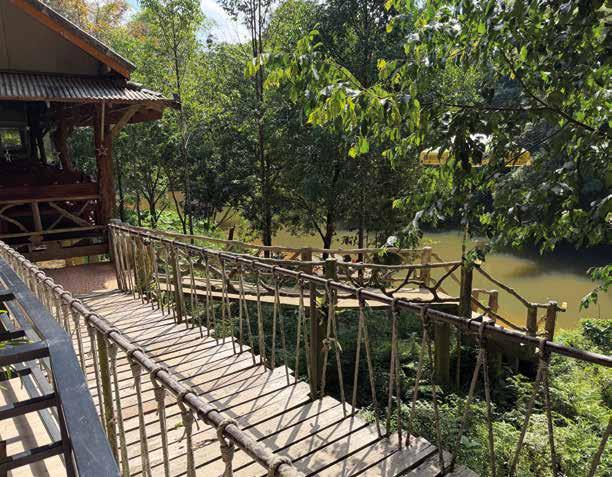
• Transportation (car and longtail boat)
• Bamboo rafting
• A night trek at Khao Sok National Park
• A sightseeing tour of Cheow Lan Lake
• A visit to the Coral Cave
• Morning mist safari and wildlife-watching from the boat

Our first stop was Khao Sok River Canoe & Resort, a unique place where each room is an individual bamboo house. To protect guests from insects, the bedroom is set inside a large tent with air conditioning. The terrace overlooks the river – peaceful and beautiful.
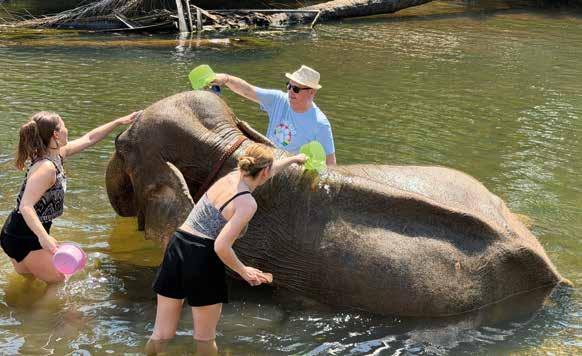
After a short rest, we went bamboo rafting. The river is shallow and calm, making the ride relaxing. Along the way, we passed families on large bamboo rafts, cooking food and enjoying loud music. After dinner, we joined a night trek at Khao Sok National Park with a local guide, searching for animals hiding in the forest.
Nearby is a small elephant nature reserve, with a single elephant rescued from hard labour in northern Thailand. We were happy to walk her to the river and bathe with her – fun for her and for us – such a big, gentle animal finally living a better life. Back at the reserve, we prepared special food for her and fed her – a simple joy.
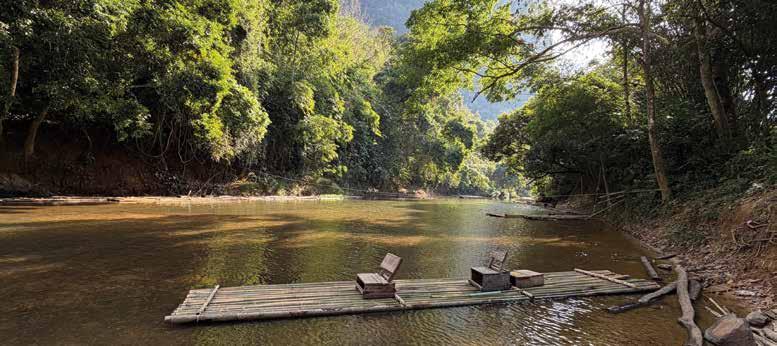
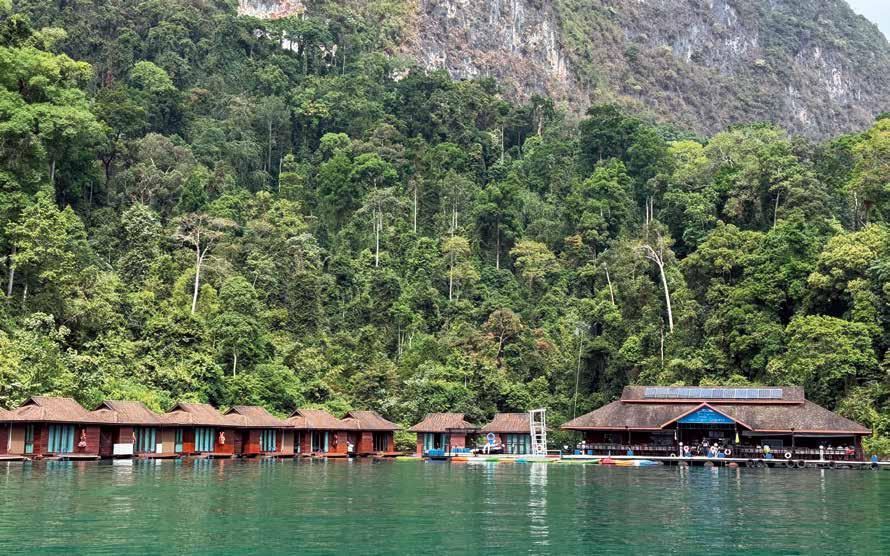
The next morning, we continued to Laguna Chiew Lan at Ratchaprapha Dam Lake (เขื
). The floating hotel reminded me of a resort in the Seychelles, but less luxurious. Wi-Fi was available only at reception, and electricity ran from 6 p.m. to 6 a.m. Still, it was fun and unique to swim directly from our room into the lake. We visited the Coral Cave, and explored the area by longtail boat.
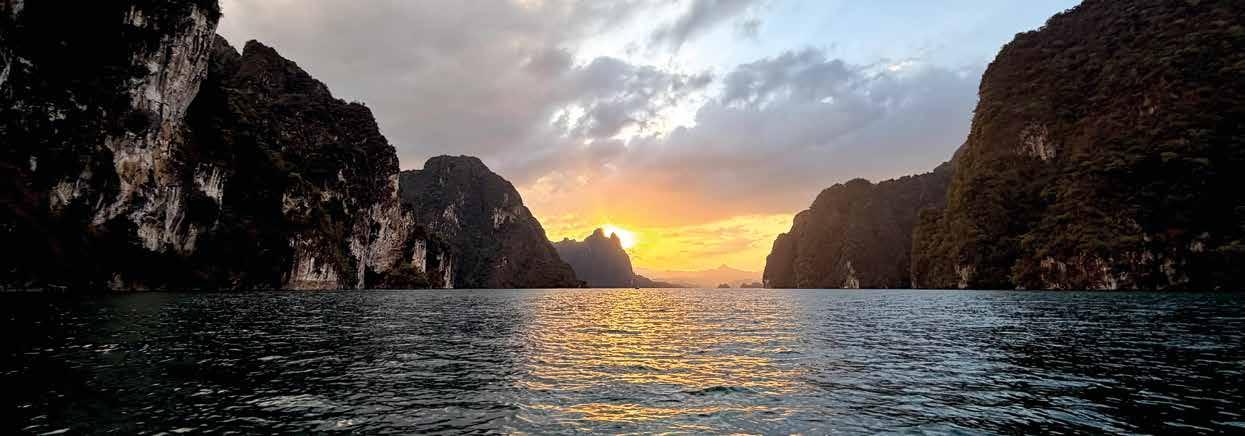
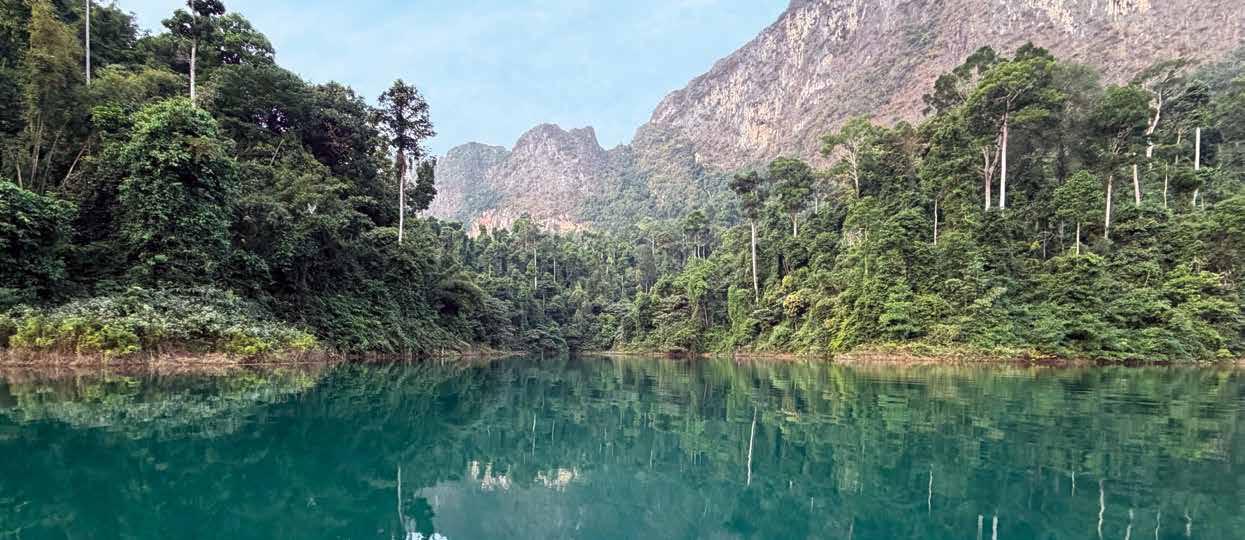
Early the next morning, we enjoyed the morning mist
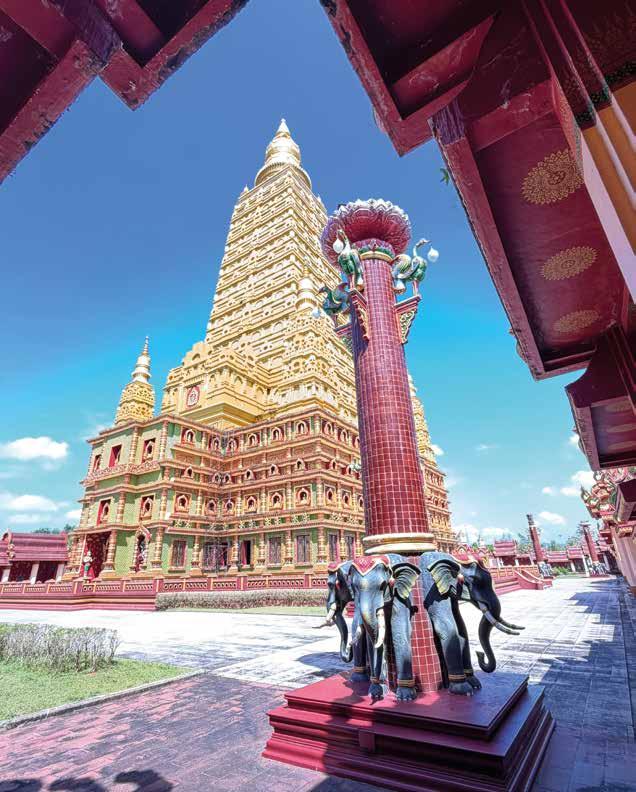
We also visited Wat Kaew Korawararam in Krabi – a striking white temple with a colourful interior.
watching wildlife from the
Our driver from Beer Trekking Thailand Tour was waiting to take us to Krabi, with a stop at Wat Maha That Wachiramongkol (Wat Bang Thong) – a Royal temple built around 1940. In 2002, the Mahatherasama Committee initiated the construction of a Buddhist site and a Mahathat Chedi to honour His Majesty. The highlight is the Phra Maha That Chedi, approximately 95 metres high, built to honour King Vajiralongkorn.
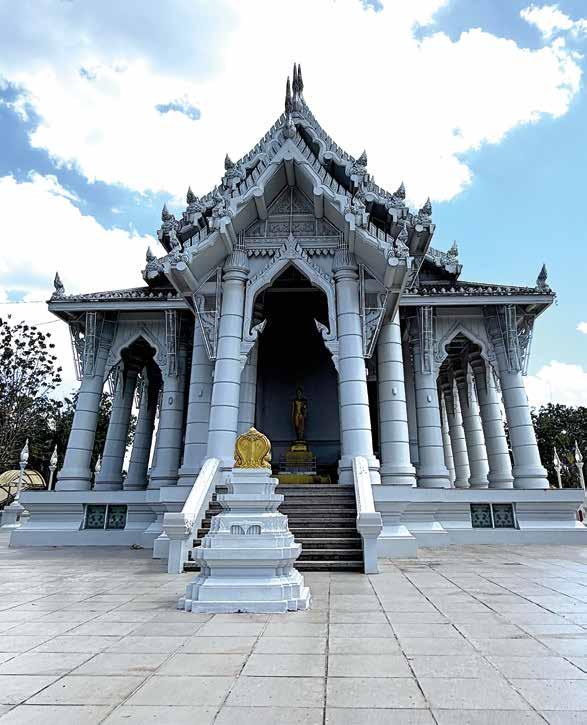
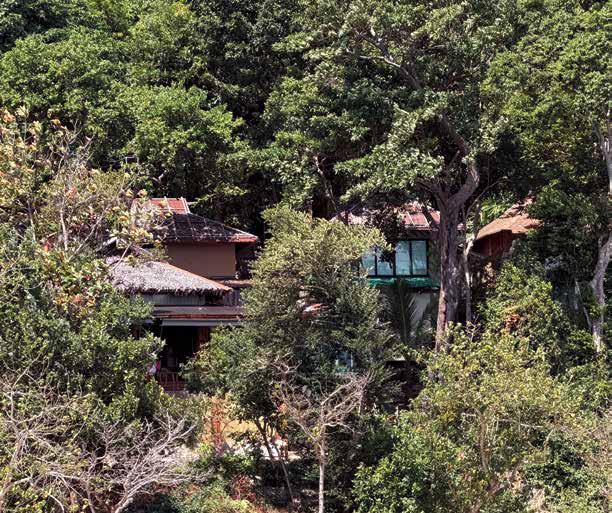
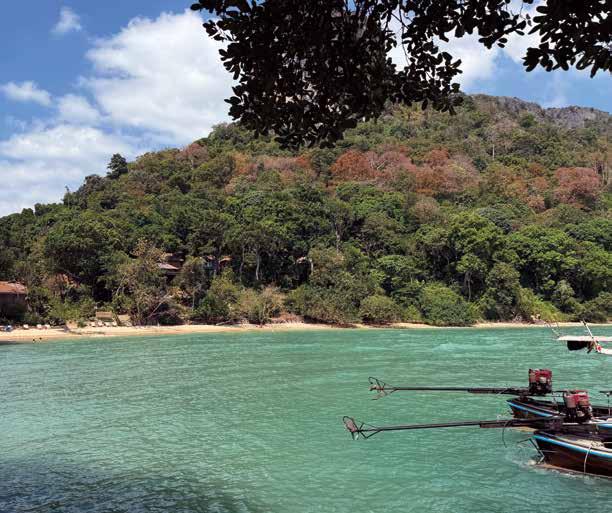
We continued to our final hotel, Railay Great View Resort & Spa. The only way to reach it is by longtail boat. A few times per day, the hotel provides a free boat from Ao Nam Mao Pier (ท่าเรืออ่าวน้ำ าเมา). Otherwise, you can take a boat for 100 THB to the Floating Pier at East Railay and walk about 900 metres to the hotel. We missed the hotel boat, and the private ride was quoted at 1,000 THB for less than 10 minutes. After some friendly negotiation, we agreed on a better price, and ten minutes later, we arrived in paradise.
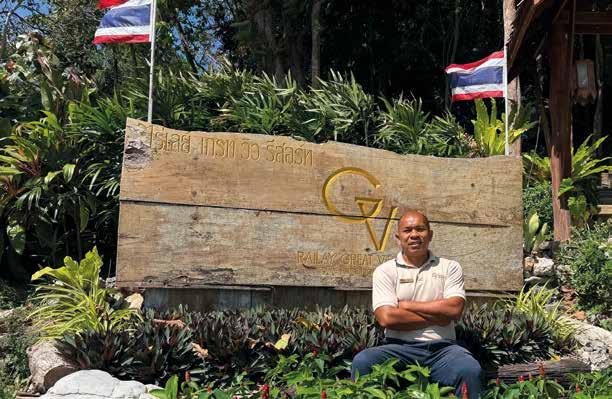
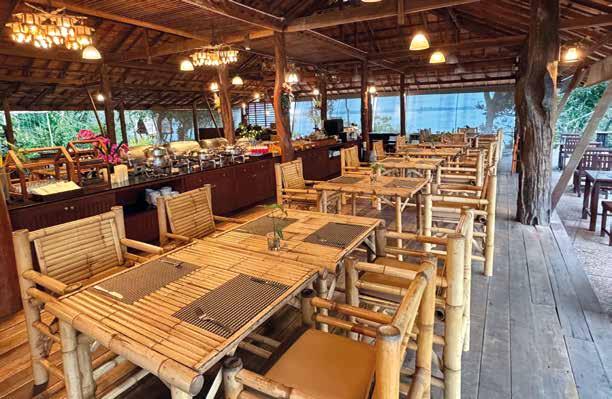
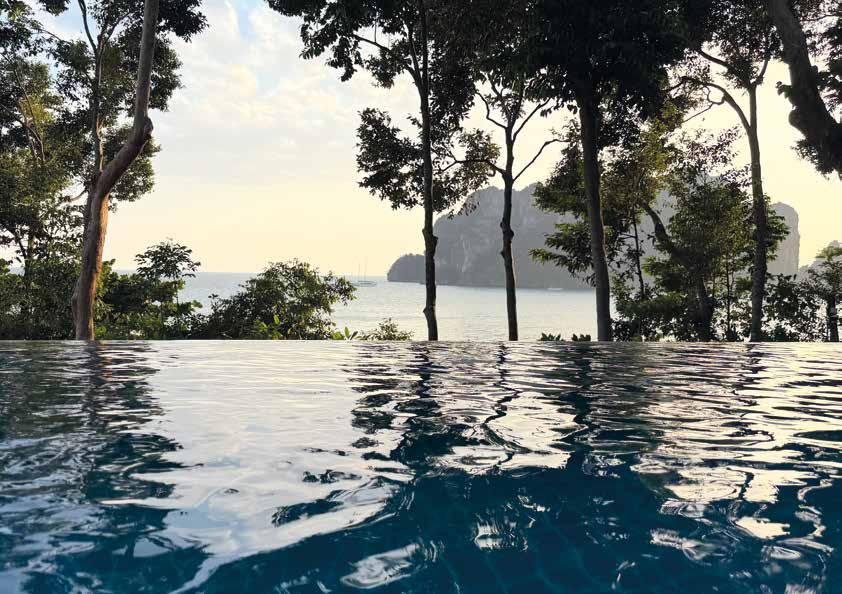
Railay Great View Resort & Spa has 40 rooms, each an individual bamboo bungalow with a large room, a spacious terrace, and – most importantly –a stunning view of the bay. The hotel sits at the “dead end” of Railay, with a private beach and a lovely pool. There is Thai massage, a Thai restaurant for dinner, a great breakfast, and poolside service. It’s a quiet place, yet still close to the restaurants, bars, and shops on the way to Railay West Pier.
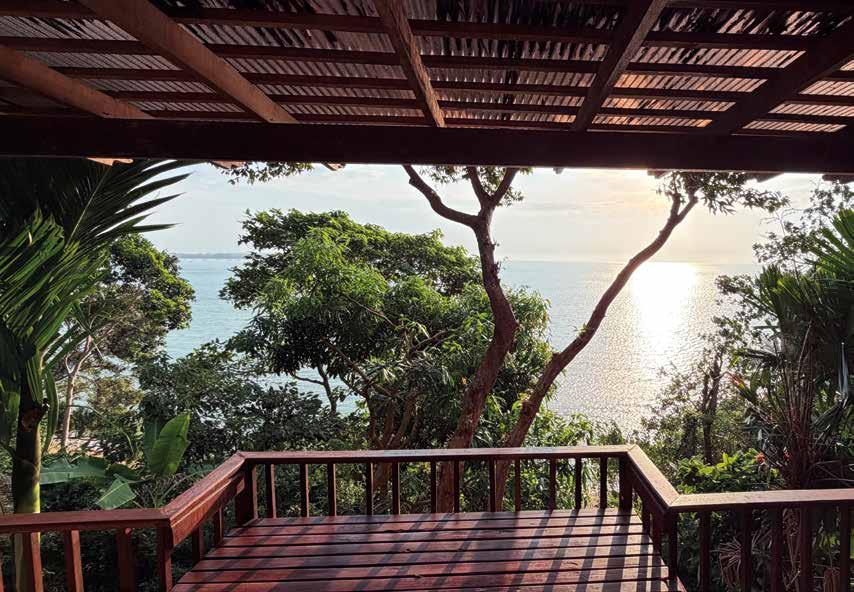
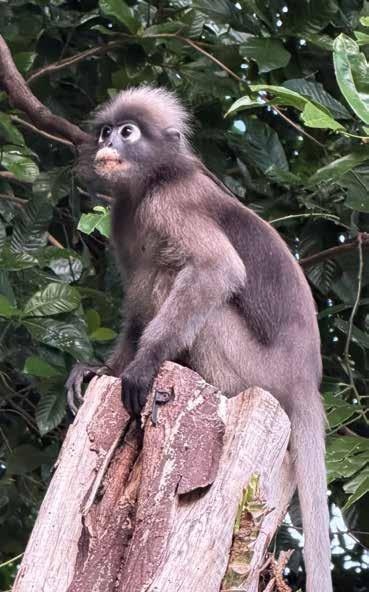
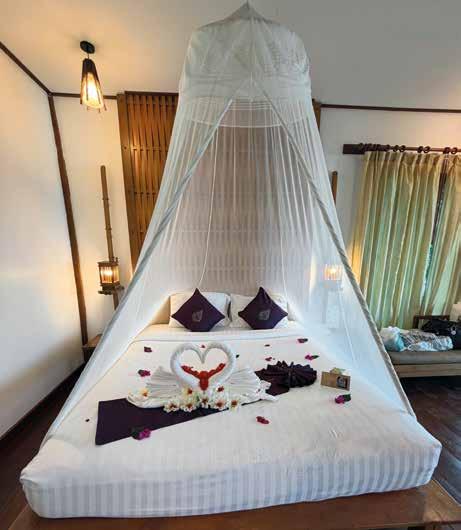
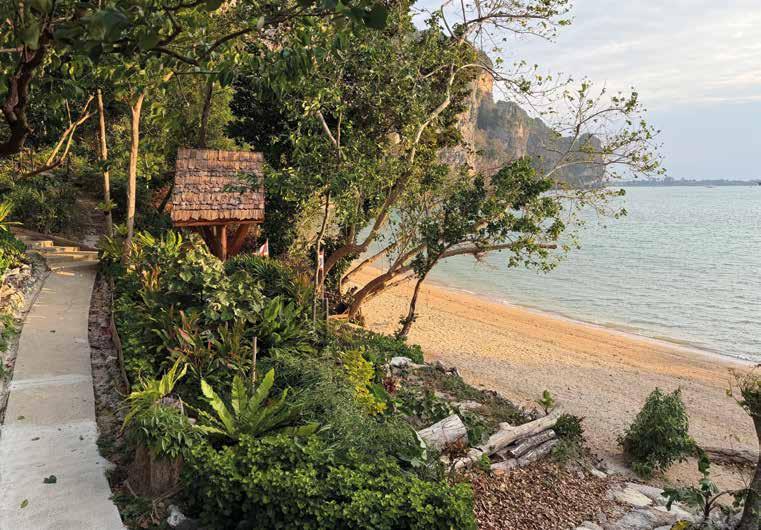
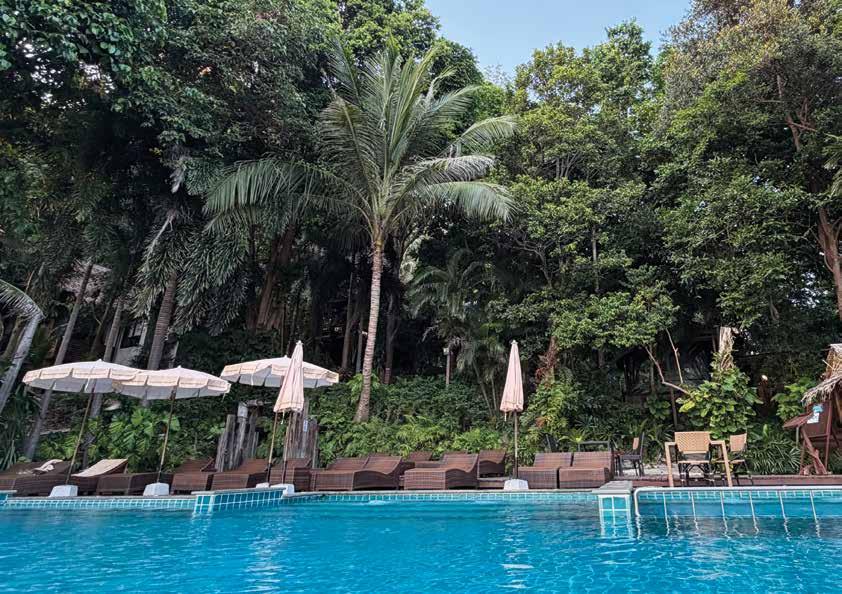
It was the perfect choice –waking up to a breathtaking view, watching spectacled langur monkeys in the trees, enjoying the quiet beach, and relaxing by the pool with a local beer and tasty food.
More information at: www.railaygreatview.com
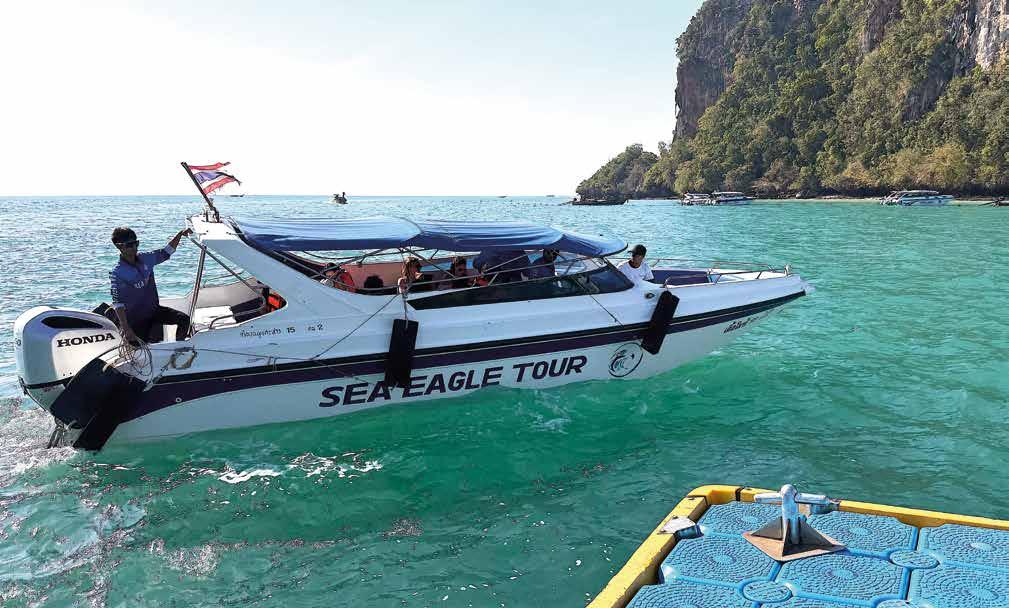
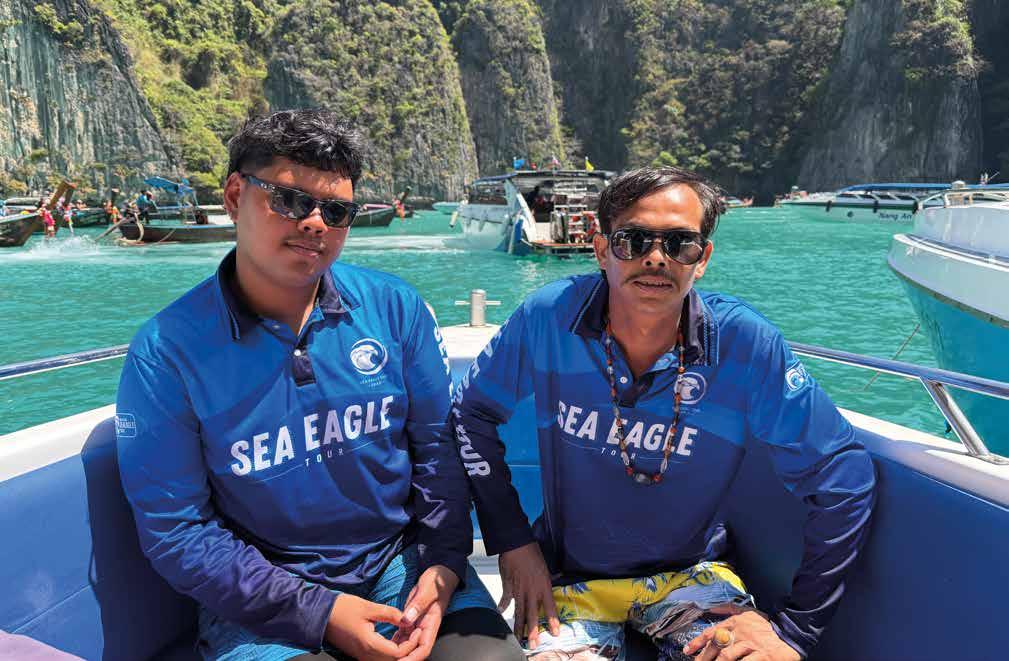
But we also wanted some adventure. We joined the popular Phi Phi Island by Speedboat tour organised by Sea Eagle Tour (www.seaeagletour.com/tour/phi-phi-islands-trip-by-speedboat).
Pick up was at Railay East Pier, just a 10 minute walk from our hotel. We were 12 tourists on the speedboat, with four crew members. The Phi Phi Islands are famous among both Thai people and travellers worldwide –beautiful islands with white sand and turquoise water. We snorkelled, swam several times, and sunbathed at stunning spots.
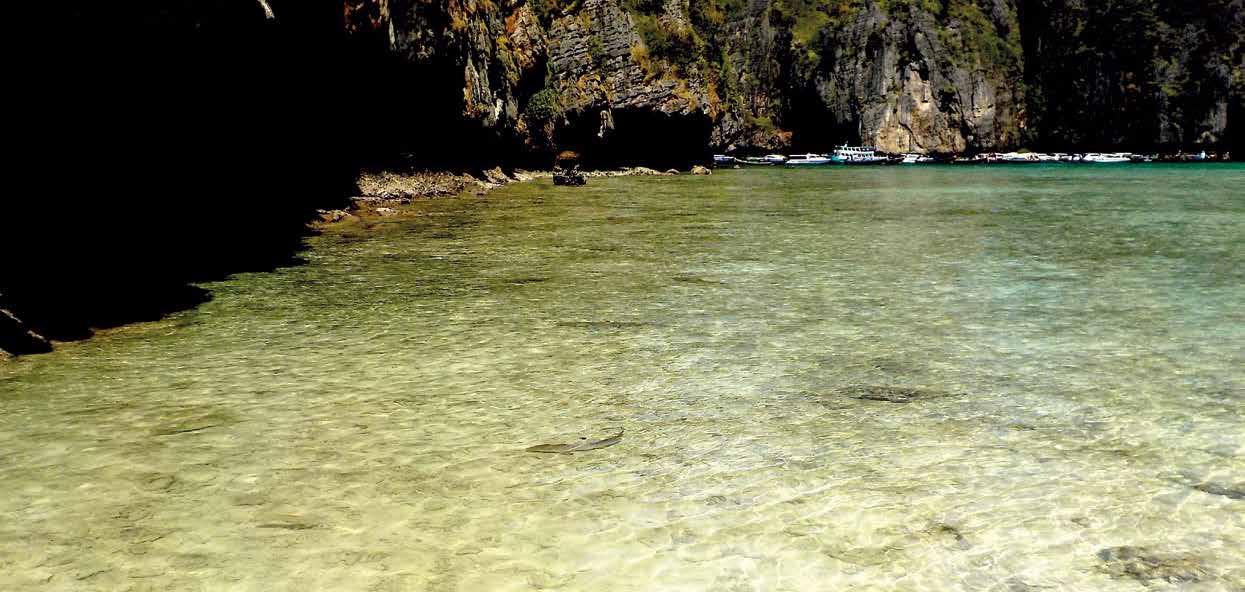
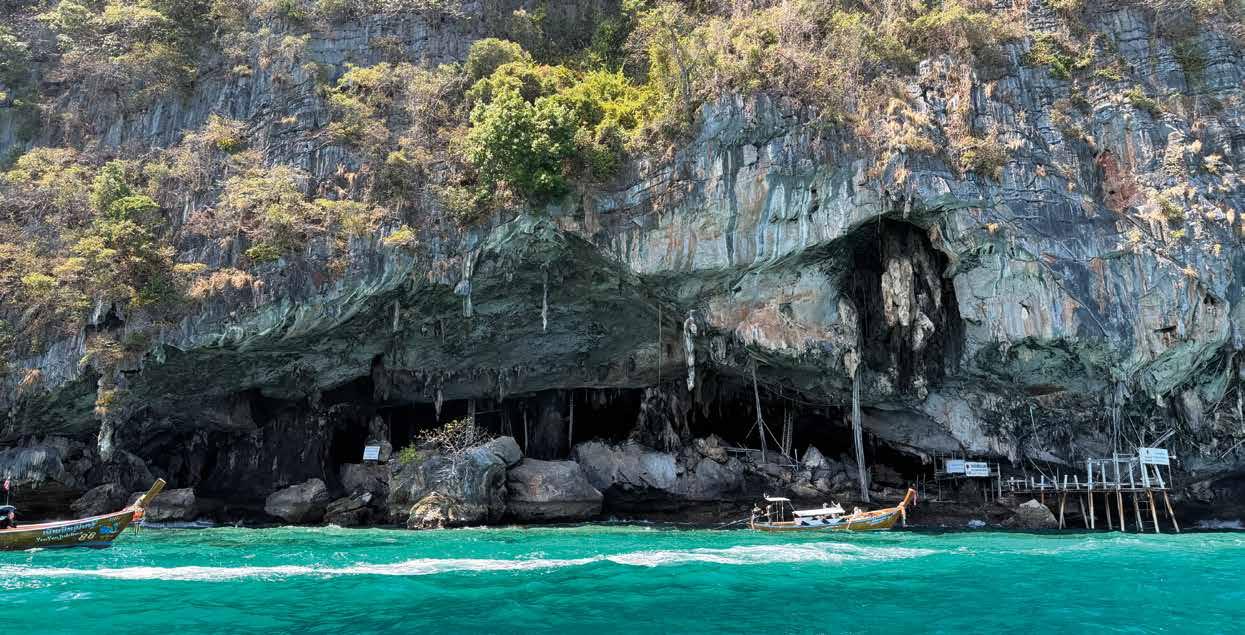
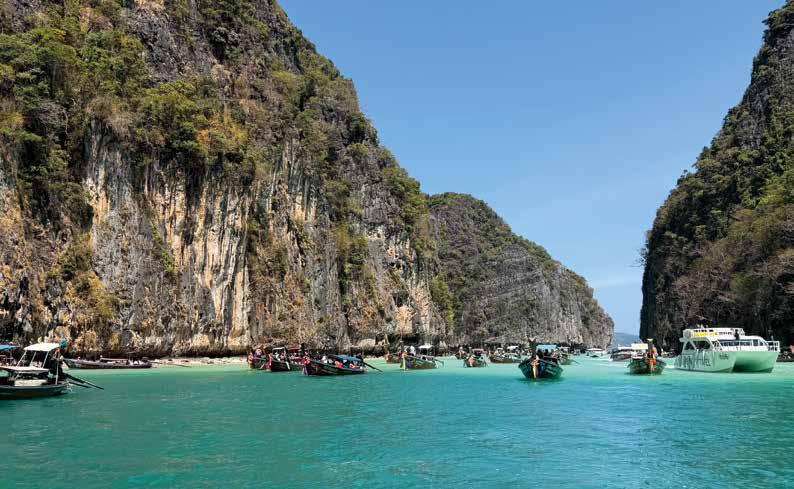
We visited Maya Bay (swimming is forbidden), saw baby sharks, and explored Ao Pi Le, Hat Noppharat Thara–Mu Ko Phi Phi National Park, and Pileh Lagoon (อ่าวปิเละ, หาดนพรัตน์ธารา, หมู่เกาะพีพี , ปิเละลากูน ). It was a wonderful way of seeing the area. In the late afternoon, we returned to the hotel to relax by the pool.
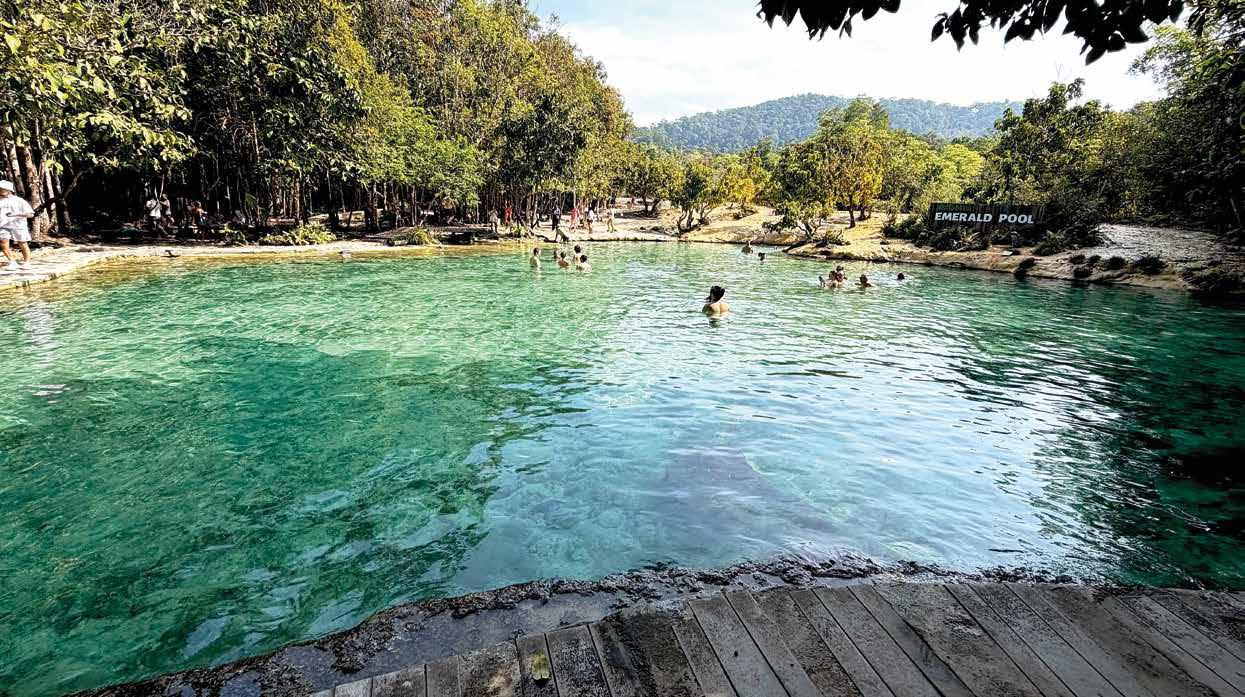
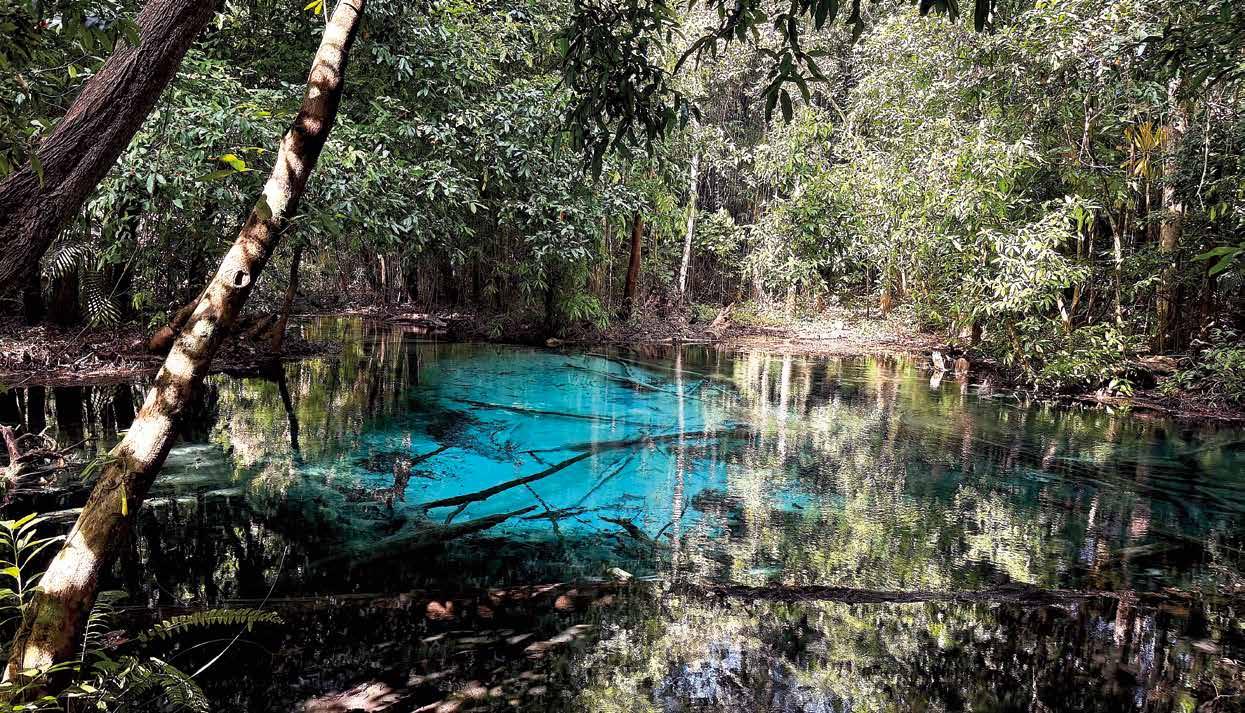
The next day, after a rich breakfast, we took the public boat to Krabi for another day of exploring. Our first stop was the Emerald Pool (Sa Morakot) สระมรกต in the Khao Phra Bang Khram Nature Reserve (เขตรักษาพันธุ์
-บางคราม). Famous for its vibrant emerald green waters, it’s perfect for swimming or soaking in mineral rich water, which are believed to have health benefits. A 15 minute walk deeper into the reserve leads to the Blue Pool, a breathtaking sapphire blue spring. Swimming is strictly prohibited due to quicksand and fluctuating water temperatures.
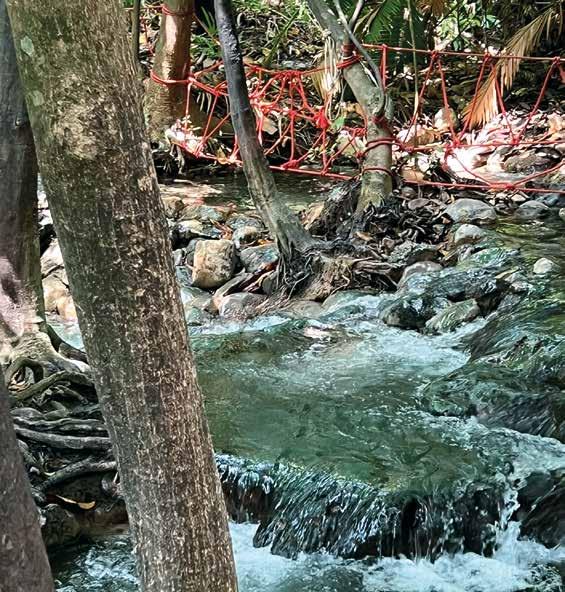
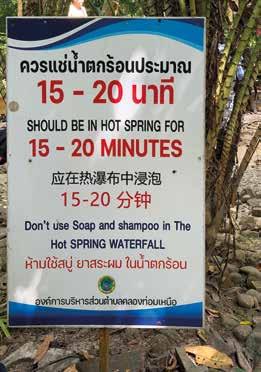
Next, we visited the Khlong Thom Nuea Hot Stream Waterfall – a natural hot waterfall with water temperatures around 40–50°C. The 5 metre tall waterfall has three levels, each with its own pools you can relax in, even on a hot day.
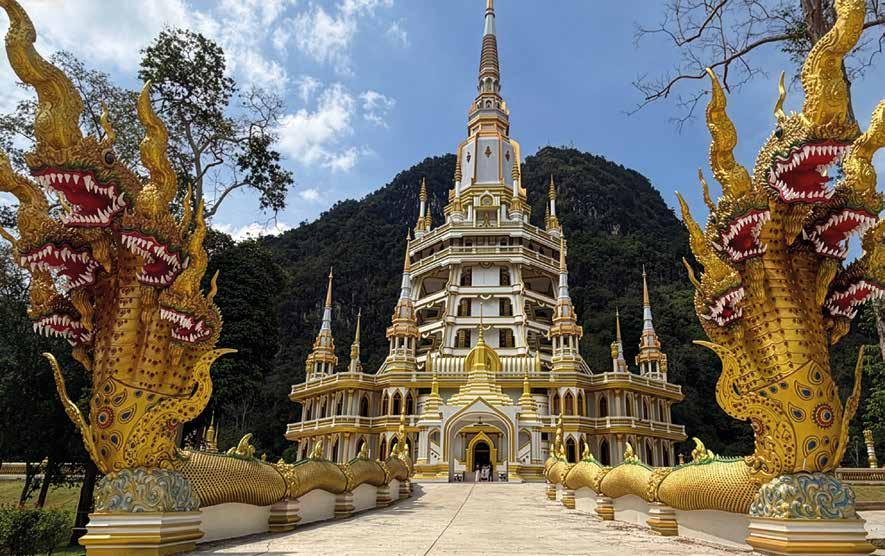
Our last stop was Wat Tham Suea (Tiger Cave Temple), known for tiger paw prints in the cave, tall Buddha statues, and the strenuous climb to the summit. The staircase has recently been rebuilt and now has 1,260 steps. I was in a lazy mood, so we skipped the climb and returned to our beautiful hotel to relax by the pool.
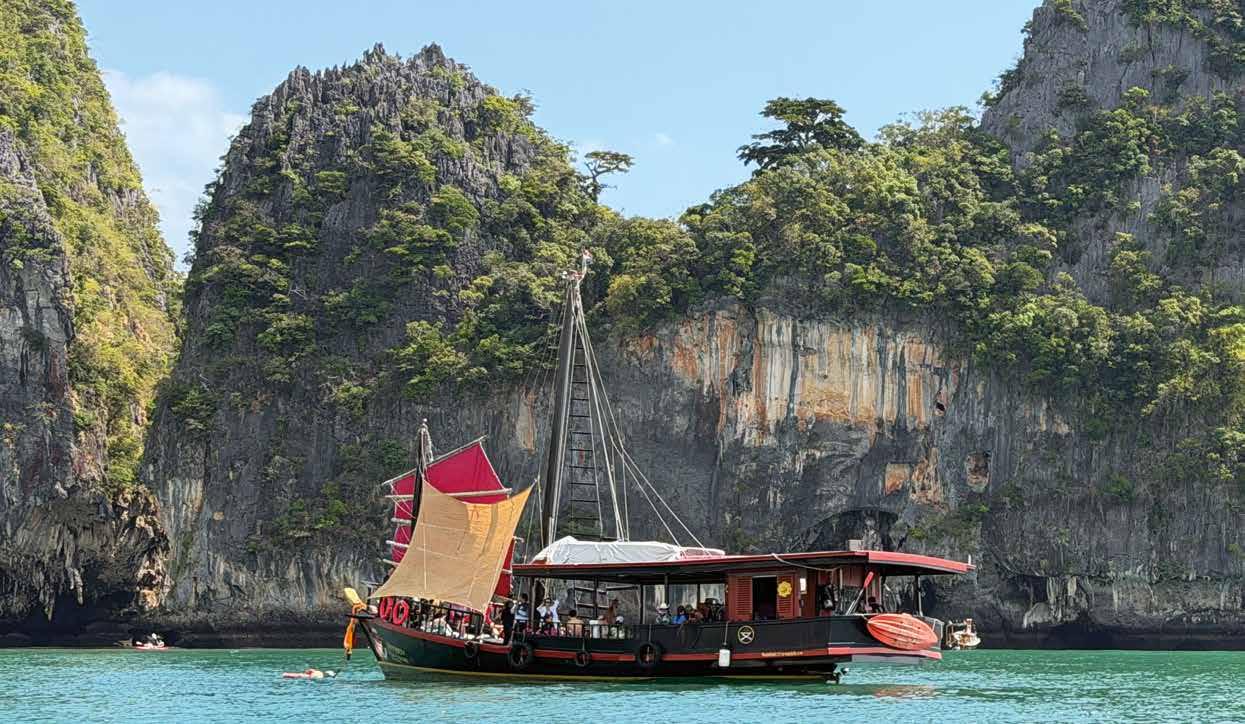
The next day, we chose a special sunset cruise: Krabi 4 Islands Sunset, Snorkeling Cruise & Bioluminescent Swim with Krabi Sunset Cruises (www.krabisunsetcruises.com/tour/sunset-cruise). Pick up was at Railay West Pier (about 15 minutes from our hotel) at 1 p.m. A longtail boat took us to the main vessel – a pirate style wooden boat. There were about 20 tourists on board, giving everyone plenty of space to relax in. We were welcomed with tasty drinks and lively music as we slowly cruised toward the islands for swimming and snorkelling. The sunset was magical. As darkness fell, we enjoyed a delicious Thai dinner and a final swim before returning to the hotel.
Our last day in Krabi was spent in a lazy mood – relaxing by the pool and enjoying delicious Thai food at a nearby restaurant.
All great holidays have to end. After a rich breakfast, we took the hotel’s longtail boat to Krabi, followed by a transfer arranged by the hotel manager to Krabi Airport for our first flight back to Bangkok.
What a surprise it was to discover at Krabi Airport that there is a direct flight from Krabi to Prague with Neos Airline! However, our flight to Bangkok departed on time, and from there we continued to Prague with Etihad Airways via Abu Dhabi. We flew economy class – the first flight was in the late evening, and the second, to Prague, was a night flight. The service and food were very nice, though I slept through most of the journey. We landed in Prague early in the morning, going from 30°C to –5°C.
Leaving Thailand is never easy. Each visit brings us closer to this beautiful country and its people. We return home grateful and inspired, already missing Thailand – and already looking forward to our next visit.
You can find our earlier articles about our authentic exploration of Thailand on our website
Thailand is not only Bangkok
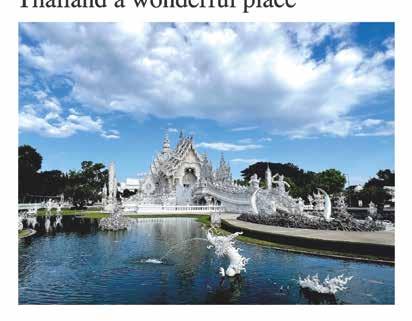
Thailand - a wonderful place
We had a great year online
Our magazine offers a wide range of advertising options. Whether in our print magazine, our newsletter, on our website, or across our social media channels, we always make sure your content reaches your audience. Scan the QR code to request our pricelist and learn about our special offers. We look forward to hearing from you!
2025 IN NUMBERS
• 2,854,000 unique IP visitors in 2025 (avg. 237,833/month)
• 14,624,000 pages read in 2025 (avg. 1,218,667/month)