It is an honor to present this impact report reflecting on the last 50 years of the Morsani College of Medicine Department of Pediatrics. We wanted to highlight the people and programs that have shaped our department. USF Pediatrics has always had a special place in the University and in our community. From its founding, our members have been dedicated to caring for the most vulnerable, high-risk infants, children, and adolescents and have provided countless hours of education and clinical care. In addition, they have advanced new knowledge and innovations.
We had the opportunity to highlight many specialties during our 50th Anniversary Grand Round series, and it was remarkable to remember the advances that have occurred during this time. For example, over the last 50 years, we have seen the development of vaccines that have eradicated diseases and reduced the incidence of others. We have seen a drastic reduction in infant mortality rates due to advances in neonatal care. We have focused more on the whole child – with increased awareness of children’s mental health, social
determinants of health, epigenetics and their influence on a child’s development and physical health.
I hope you find this reflection on the past 50 years inspiring and take pride in the remarkable advancements. We have honored the vision of our founders and focused on inspiring and educating the pediatric workforce. Our commitment to children’s health and to our community continues, with impacts far beyond our region.
Sincerely,


Patricia Emmanuel, M.D.
Lewis A Barness Professor and Chair Department of Pediatrics
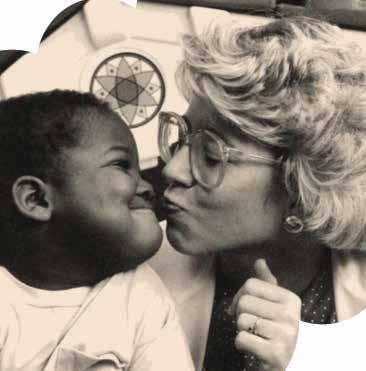
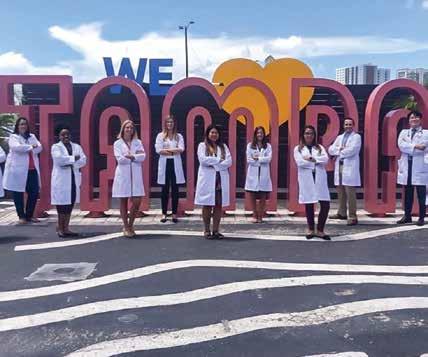
We have experienced tremendous growth over the last 50 years. Our faculty has grown not only in core physician faculty but has expanded to include nurse practitioners, genetic counselors, dieticians and social workers. We have expanded our scope of services, reinforcing our motto that caring for the whole child is a team sport.
None of this could be accomplished without all the staff that make our department run. Often working behind the scenes, they ensure we move forward in the four core missions of the department: education, clinical care, research and community engagement.

DEPARTMENT OF PEDIATRICS HISTORY
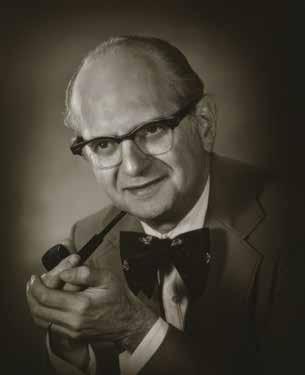
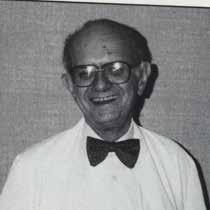
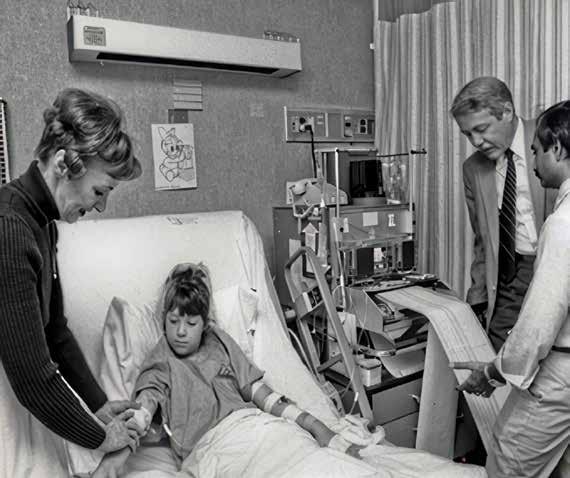
The Department of Pediatrics at USF Health was founded in 1972 with a clear vision to build a leading pediatric department dedicated to improving children’s health. That vision took shape under the leadership of Dr. Lewis Barness, an internationally acclaimed pediatrician and a renowned researcher in the fields of infant nutrition and inborn errors of metabolism. Dr. Barness strategically assembled a team of pioneering pediatricians. By 1974, Drs. John Curran, Allen Root, John Malone, and James Hallock were serving as the department’s founding faculty, each bringing unique expertise that helped shape the future of pediatrics at USF.
The founding faculty built an academic foundation in partnership with Tampa General Hospital’s
John S. Curran, MD, a neonatologist, was the founding director of the Regional Newborn Intensive Care Center at TGH and Founding Director of USF’s fellowship program in neonatal/perinatal medicine. Dr. Curran was instrumental in establishing regionalization of neonatal care in Florida. His tireless efforts on behalf of children have improved pediatric healthcare delivery and helped to decrease the infant mortality rate in Florida.
John I. Malone, MD, a pediatric endocrinologist, was recruited to establish the Division of Metabolism. Dr. Malone conducted extensive clinical and basic science research in diabetes, and he and his team were among the first to describe the beneficial effects of early, intensive treatment of diabetes. Dr. Malone served as Co-Director of Florida’s Camp for Children and Youth with Diabetes from 1973 to 2007 and was Co-Director of USF’s Diabetes Center from 1979 to 2008.
James A. Hallock, MD, a general pediatrician, established education programs and outpatient clinics at USF, eventually becoming Executive Dean of USF College of Medicine. Dr. Hallock accepted the position of Dean at East Carolina University School of Medicine and was President and CEO of the Educational Commission for Foreign Medical Graduates from 2001 to 2009.
Allen W. Root, MD, a pediatric endocrinologist, is one of the world’s leading experts in growth hormone and parathyroid disease. Dr. Root’s cutting-edge clinical and basic science research in endocrinology resulted in nearly 300 publications. He established the USF residency program at All Children’s Hospital and was program director from 1979 to 1989.
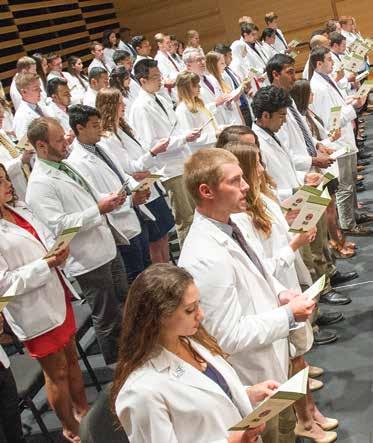
Medical education is the primary mission of the Department of Pediatrics. As a medical school, USF grants degrees to trainees in a broad range of healthcare disciplines. Our department plays an integral role in assuring that our graduates understand that children are different, and that caring for them requires unique knowledge, skills, and approaches. The initial founders of USF Pediatrics instilled the passion for education; they inspired many of the graduates and faculty members who have followed in their footsteps. USF Pediatrics is proud that our graduates include physicians who have become local and national leaders in the field of pediatrics.
Over the last 50 years, medical student education has undergone significant changes, driven by advancements in technology, shifts in educational philosophy, and evolving healthcare needs. We have shifted away from the more rigid structure of the early years of medical education to a focus on clinical integration, systems thinking and casebased learning. Modern medical education now incorporates coaching, leadership training, value-
based education and Entrustable Professional Activities. Our faculty have always contributed to innovations, such as longitudinal curricula, faculty-developed doctoring courses, and the use of more standardized, informative feedback.
Physician educators have a unique responsibility to teach their students. Unique to medicine, the future well-being of the patients of physician educators depends directly on their teaching skills and dedication. We are very proud that a commitment to education has always been a pillar of our department.
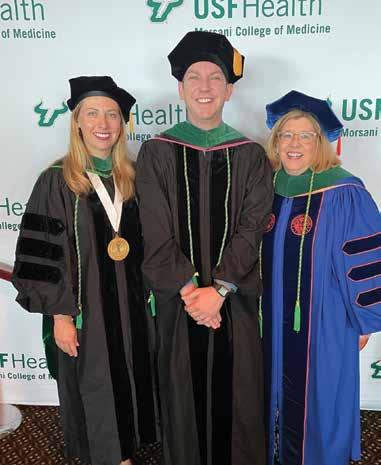
We are lucky to have many distinguished educators in our department.
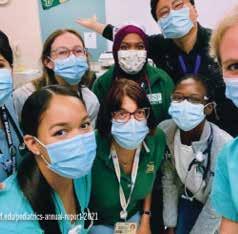
The USF Pediatrics Residency program, with over 50 years of experience, partners with Tampa General Hospital and Johns Hopkins All Children’s Hospital. Program Directors for the USF and All Children’s Hospital residency programs have included Drs. Lewis Barness, Allen Root, Raymond Fernandez, Keith Kanarek, Martin Klemperer, Jan Judisch, Rick Weibley, Verena Jorgensen, Lynn Ringenberg, Valerie Panzarino, Rani Gereige, Diane Straub, Jennifer Casatelli, Sharon Dabrow, Meredith Plant, Shaila Siraj, Steven Ford and Andrew Galligan.
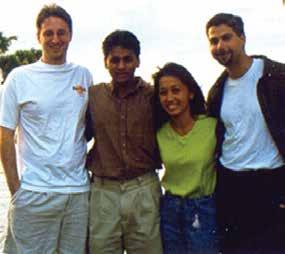
The combined Internal Medicine-Pediatrics (MedPeds) residency program was established in 1998. This four-year program, designed to train physicians to care for patients of all ages, was guided by Drs. Philip Altus, Bernard Pollara, and Lynn Ringenberg. Program Directors for the Med-Peds residency program have included Drs. Lynn Ringenberg, Erika Abel, John McCormick, Brian Knox, Elimarys Perez-Colon and Nathan Brinn.
One of the first Med-Peds residency graduates, Dr. John McCormick is current Division Chief of our Med-Peds Division and directs an outstanding patient clinic for our residents.
Dr. Allen Root founded the department’s inaugural fellowship program in Pediatric Endocrinology in 1975. Following this, Dr. John Curran launched the Neonatal/Perinatal Fellowship Program in 1981, and in 1988, Dr. Robert Good established the Pediatric Allergy and Immunology Fellowship program. Currently, we offer fellowship programs in Neonatal/Perinatal Medicine, Pediatric Allergy & Immunology, in addition to a Psychology Postdoctoral Fellowship, and a Doctoral Internship in Professional Psychology. The Department also participates in the Child & Adolescent Psychiatry Fellowship and Sleep Medicine Fellowship Programs.
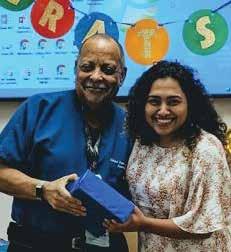
Pediatric Endocrinology Fellowship Directors have included Drs. Allen Root, Dorothy Shulman, and Verena Jorgenson.
Neonatal/Perinatal Medicine Fellowship Program Directors have included Drs. John Curran, Keith Kanarek, Monisha Saste, Lance Wyble, Darlene Calhoun, Robert Nelson, Terri Ashmeade, Michael Fant, Karen Wickline, and Keyur Donda. Dr. Steven Ford is current Director with Dr. Chantal Angueyra Aristizabal as Associate Director.
Allergy/Immunology Fellowship Directors have included Drs. Morna Dorsey, John Sleasman and Mark Ballow. Dr. Panida Sriaroon is the current Director, and Dr. Monica Hajirawala is Associate Director. Dr. Mandel Sher has been a core educator for the program since its inception.
The Psychology Postdoctoral Fellowship Program Director is Dr. Adam Lewin.
Dr. Heather Agazzi is the founding USF Health Psychology Internship Director. Dr. Sarah Dickinson is the current Internship Director.
powered by our university.
USF Pediatrics partners with a number of colleges within the university, embracing the importance of interprofessional education and collaboration to advance pediatric care, research and training. The College of Public Health’s Lawton Chiles Center has been a great partner in building the Florida Perinatal Quality Collaborative and many other community and research initiatives. The College of Nursing has been a partner in training , while the Taneja College of Pharmacy has integrated pharmacists into our nephrology, hematology/oncology, and infectious diseases programs. The College of Behavioral & Community Sciences integrates its trainees, including social workers, into our primary care clinics, improving care for our patients and providing exciting training opportunities for our learners. The collaborations are limitless as programs evolve including recent initiatives in physical therapy, audiology and engineering to address children’s issues.
Genetic faculty, Drs. Judy Ranells and Amarilis Sanchez-Valle, partnered with the USF College of Public Health to create the USF Genetic Counseling Program, the state’s first genetic counseling graduate program accredited by the Accreditation Council for Genetic Counseling.
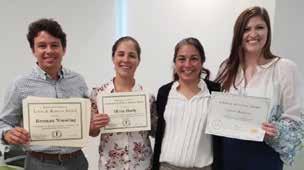
USF’s Physician Assistant Program began in 2017 and has grown to include over 50 students who complete a 24-month curriculum that includes didactics and clerkships in pediatrics. Starting with the inaugural class, USF Pediatrics has won numerous awards from the physician assistant students for didactic and clerkship excellence.
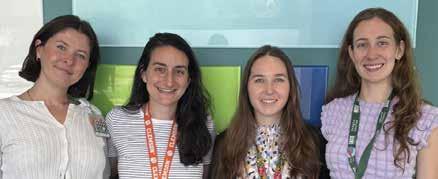

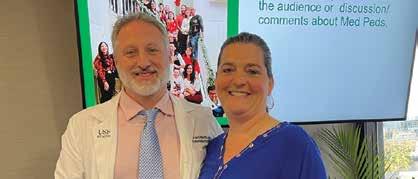
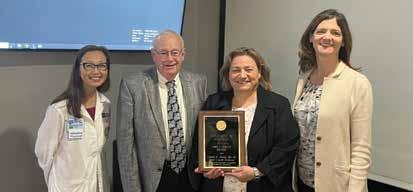
Our long-standing tradition of providing excellent continuing medical education is epitomized by our weekly Grand Rounds lectures. The lectures have been given for over 45 years, featuring USF faculty and invited experts. Dr. Herbert Pomerance was the stalwart champion of the program, overseeing it for over 20 years. Thanks to three endowed lectureships, USF Pediatrics welcomes distinguished faculty to Tampa for Grand Rounds presentations and interactions with their faculty and trainees. The Annual Lewis A. Barness, MD, Endowed Lectureship and Fellows Forum reflects Dr. Barness’s passion for scholarly activity. The Annual John S. Curran, MD, Endowed Lectureship in Newborn Health focuses on advances in newborn care, honoring Dr. Curran’s legacy in neonatal medicine. The Annual Bernard Pollara, MD, PhD, Resident Lectureship elebrates our resident alumni and Dr. Pollara’s dedication to pediatric and resident education.

50th Anniversary – Department of Pediatrics
Patricia Emmanuel, MD
Advances in Clinical Genetics: A 50-Year Journey of Geneticists, Genetic Counselors, and Cutting-Edge Testing Techniques
Amarilis Sanchez-Valle, MD
Judith Ranells, MD
Pediatrics Since the 1970s - From Atari to AI, Bell Bottoms to Athleisure
Sharon Dabrow, MD
Jennifer Takagishi, MD
2024 John S. Curran MD Endowed Lectureship in Newborn Health: Evidence
Based Medicine: Beware!
David J. Burchfield, MD
Med/Peds at USF: An Update
Erika Abel, MD
John McCormick, MD
50 Years of Pediatric Infectious Diseases
Juan Dumois, MD
Behavioral Medicine at USF MCOM
Heather Agazzi, PhD
Emily Shaffer-Hudkins, PhD
Child Health Advocacy During the Last 50 Years
John S. Curran, MD
Robert A Good: The Father of Modern Immunology
Jolan Walter, MD, PhD
Mark Ballow, MD
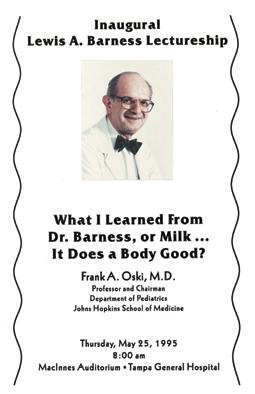
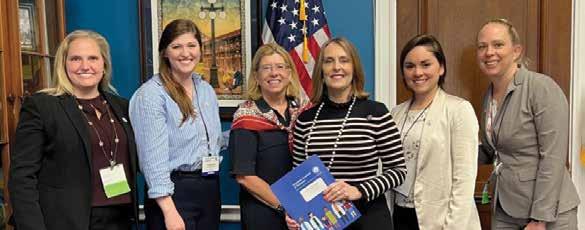
For 50 years, advocacy has been at the heart of our department. Our faculty have played a key role in expanding newborn screening to include conditions such as severe combined immunodeficiency (SCID) and congenital cytomegalovirus (cCMV), advocating for children with special healthcare needs and influencing statewide policies. Our USF Pediatrics alumni, Drs. Nancy Silva and Jose Jimenez, were instrumental in supporting Florida’s seat belt and child passenger safety laws. Dr. John Curran, a founder and faculty member for 45 years, has been a tireless advocate for child health as a core architect for Children’s Medical Services and the Hillsborough County Health Plan. Dr. Lynn Ringenberg co-founded Physicians for Social Responsibility, promoting health through environmental and global advocacy. From students to senior faculty, our department continues to champion policies that advance children’s health issues. The department has been deeply involved with the Florida Chapter of the American Academy of Pediatrics, which provides training for residents and opportunities for state and national advocacy.
Since 2006, the Child Protection Team (CPT) has been a critical community resource in Hillsborough and Polk Counties, providing assessments for children who have experienced abuse. The CPT is located at Mary Lee’s House, a model of community collaboration where multiple agencies come together to provide protection, evaluation, care, advocacy, and counseling for children and families, all within a compassionate and healing environment. The CPT offers a unique training opportunity for nurse practitioners, medical students, and residents, providing expertise in interprofessional collaboration, trauma-informed care, and child advocacy. The team works alongside multiple community partners to deliver comprehensive care and support to vulnerable children and families. Dr. Carol Lilly has served as the statewide director for Child Protection Services since 2015.
Championed by Dr. John Curran, Children’s Medical Services (CMS), a division under the Florida Department of Health, expanded to USF in 1981 and has since evolved from a regional referral center into a comprehensive statewide system, aligning with Florida’s broader shift toward Medicaid-managed care and the growing emphasis on coordinated care. This has reshaped how we care for children with complex medical needs. CMS is critical to our highly specialized programs including the Children’s Protection Team, Medical Foster Care, Poison Control, Early Steps, and the Regional Perinatal Intensive Care Centers Program (RPICC). General Academic Pediatrics Division Chief, Dr. Jennifer Takagishi, currently serves as the statewide Director for Medical Foster Care.

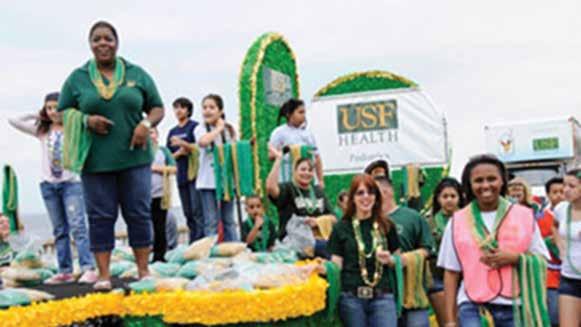
Our residents have always been dedicated to serving the community. Through the years, they have participated in back-to-school clinics, community health events, Great American Teach-Ins and have given their time and energy to various free clinics within the University. Our residents volunteer their time to staff the Ybor Youth Clinic, the BRIDGE Clinic, the Dover Clinic, the Tampa Bay Street Medicine program, and they participate in global health initiatives. We take great pride in how our department invests in the community, with faculty, residents, and staff dedicating their time to community work that promotes access to care, preventive services, and trust in healthcare providers.
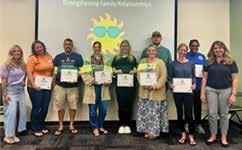
Since 2006, the Division of Child Development’s Helping Our Toddlers, Developing Our Children’s Skills (HOT DOCS) program has provided evidence-based training to parents in the community, focusing on promoting social and emotional competence in children. The program offers six-week courses that help parents and guardians deal with challenging child behavior. Dr. Heather Agazzi is director of the program.
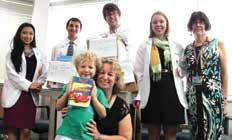
Our General Pediatrics Division Division proudly runs the state’s oldest Reach Out and Read Program (ROAR), active at both of our continuity clinic sites. This program emphasizes early literacy and provides books to children during well visits. Drs. Sharon Dabrow and Jennifer Takagishi, recognized by the ROAR Florida Clinician Learning Collaborative, have been instrumental in the program’s success. Dr. Dabrow, who started the program in 1997, serves as ROAR’s medical director at 17 Davis, while Dr. Takagishi has directed the program at Healthpark since 2000. Their dedication has inspired many previous residents to promote ROAR in their own practices.
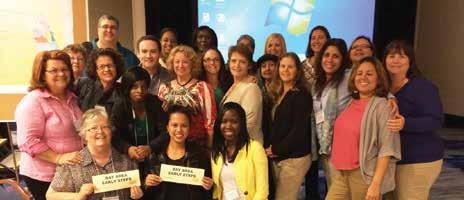
The longstanding Bay Area Early Steps Program at USF provides essential early intervention services to infants and toddlers with developmental delays or disabilities. The program offers therapy and support to families in Hillsborough and Polk counties. Under the leadership of Dr. Emily Shaffer-Hudkins, the program has expanded to include behavioral health services, multidisciplinary training for students in various fields, and a Pediatric School Psychology curriculum.
USF Pediatrics has a long history of conducting innovative research. Founding Chair Dr. Lewis Barness recruited Dr. Ted Tedesco in 1974 as a charter faculty member. Together, they established the Pediatric Laboratories, which conducted cuttingedge testing and research in cytogenetics and metabolic diseases, serving as a statewide and national referral center. Pediatric Laboratories was sold to Medigene in 1992, and the revenue was used to establish several Endowed Chairs. In addition, many generous research foundations have contributed both programmatic and research support.
Today, USF Pediatrics continues to conduct outstanding basic science and clinical research. Many of our faculty members excel at translational research, in which basic scientific discoveries are turned into practical, clinical applications that improve human health. In 2023, we instituted the internal pediatric Valente Research Award to support fellow and junior faculty research.
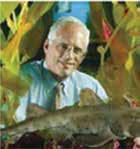
In 2000, the Children’s Research Institute (CRI) in St. Petersburg was built in collaboration with All Children’s Hospital. Dr. Gary Litman, an NIH Merit Scientist, was instrumental in the development of the CRI, where he conducted innovative research on developmental immunology in zebrafish. Today, research at the CRI provides basic laboratories to support investigations of stem cells, immunodeficiencies, and the interactions between infection, immunity, the gut, and the nervous system. Dr. Larry Dishaw continues the legacy of Dr. Litman, investigating the microbiome and its influence on immune development.
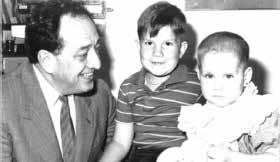
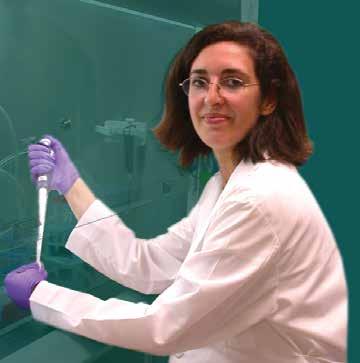
With the recruitment of Dr. Robert A. Good in 1985 USF and All Children’s Hospital jointly established a pioneering research program in immunology. Dr. John Sleasman joined in 2002 as the Robert A. Good Chair and Division Chief. As a renowned immunologist, he expanded clinical immunology research in HIV and other basic immunodeficiencies. The laboratory of Dr. Jolan Walter, Division Chief of Allergy & Immunology, has carried on this research, with a focus on immune dysregulation and primary immunodeficiency diseases. Clinical trials include investigations of severe combined immunodeficiency disease, chronic granulomatous disease, novel variants of common variable immunodeficiency, and microbiome studies of patients with a wide range of primary immunodeficiencies.
The department’s strong capacity to conduct clinical trials is the legacy of Dr. Bernard Pollara. Dr. Elizabeth EnriquezBruce formalized the Family Oriented Research Center of Excellence (FORCE) providing trial implementation and coordination. This research support has enabled the department to offer a broad range of clinical trials to children and youth in our region. offers trials related to HIV/AIDS treatment and prevention, along with trials of new vaccines and novel antimicrobials. The department now hosts a variety of industry sponsored trials in addition to stand alone research operations in neonatology, pediatric infectious diseases and genetics.
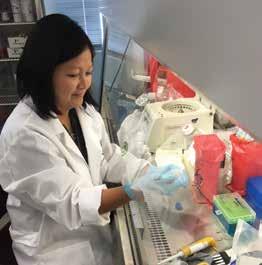
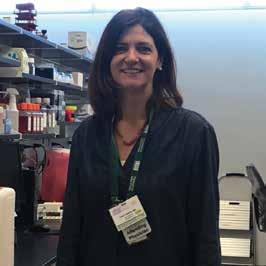
Microbiome research is a key focus of USF Pediatrics research: Dr. Tara Randis examines the roles of specific microbial factors and the development of Group B sepsis in newborns, Dr. Tina Ho is investigating the relationship between gut health, nutrition and outcomes in preterm infants, and Dr. Racha Khalaf studies the influence of GI microflora in cystic fibrosis.
OF PEDIATRICS RESEARCH & INNOVATION
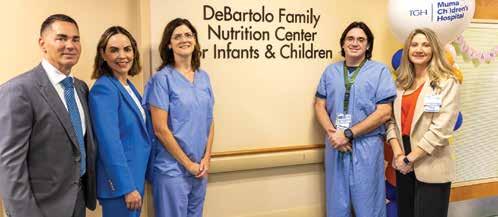
Research has always been a cornerstone of the Division of Neonatology, built on the pioneering work of our founder Dr. Lewis Barness, who laid the foundation with his research on infant nutrition. Research he conducted with Dr. Jane Carver clarified the role of several key nutrients in human milk, leading to improvements in infant formulas. The division continues its key role in improving nutrition for vulnerable infants. The DeBartolo Family Nutrition Center for Infants and Children at Muma Children’s Hospital at TGH provides breast milk and specialized formulas for preterm infants in the Jennifer Leigh Muma NICU. Ongoing clinical studies are evaluating new ways to improve the growth and nutrition of preterm infants. The Muma Endowment Laboratory, led by Dr. Tara Randis, the Muma Endowed Chair in Neonatology, is working to understand how maternal infections contribute to adverse pregnancy outcomes.
The USF Diabetes and Endocrinology Center is the clinical arm of the Health Informatics Institute, and is led by Dr. Jeffrey Krisher. Clinical Director Dr. Henry Rodriguez leads this region’s epicenter for diabetes and endocrinology treatment, research and education. As a member of the Type 1 Diabetes TrialNet consortium, the center collaborates with academic and industry partners to advance patient care for diabetes and related endocrine disorders. The team of clinicians include longstanding faculty members, Dr. Dorothy Shulman, who is nationally recognized and previous endocrine fellowship director, and Dr. Verena Jorgensen who is the Chair of the USF Institutional Review Board.
Quality Improvement (QI) science is now central to medical practice and resident education. Our Neonatology Division pioneered QI efforts in the department, establishing best practices and advancing NICU care. Our faculty are regional QI leaders: Dr. Laura Haubner serves as Chief Quality Officer at TGH; Dr. Terri Ashmeade, USF Health’s first Chief Quality Officer, now holds multiple senior leadership roles; and Dr. Maya Balakrishnan, Director of Quality & Safety for USF GME, leads resident QI training. Dr. Patula Panagos leads the Florida Perinatal Quality Consortium, which coordinates statewide QI initiatives in birthing hospitals. Our Neonatology Division has led the way in integrating quality improvement into our everyday clinical practice.
In 2021, the American Academy of Pediatrics (AAP) declared a national mental health crisis in children and youth, citing escalating rates of depression, anxiety, and autism over the past two decades. The department has proactively responded to the evolving needs of our community’s youth. Our strong psychology team, founded by Dr. Kathy Armstrong and greatly expanded by Dr. Heather Agazzi, Division Chief of Child and Adolescent Psychology, provides early intervention and screening, parent training, autism assessments and ongoing therapy. In 2025, the Division of Developmental Behavioral Pediatrics was created and led by Dr. Tanuja Kothinti. This new division focuses on the medical management of developmental and learning disorders. We are committed to expanding our workforce, training our learners, and collaborating closely with the Department of Psychiatry.
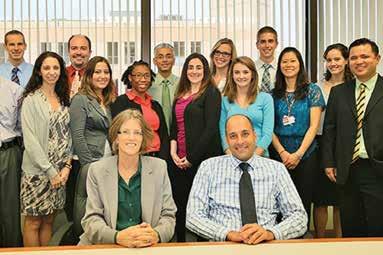
The Rothman Center for Pediatric Neuropsychiatry conducts research on a broad range of pediatric psychiatric disorders. The internationally renowned Rothman Center was founded in 2008 by Dr. Eric Storch and Dr. Tanya Murphy, who was Division Chief until her retirement in 2022. Dr. Murphy is recognized internationally for her clinical expertise in pediatric neuropsychiatry. Her groundbreaking research in pediatric autoimmune neuropsychiatric disorders and Tourette Syndrome has had a significant impact on the care of children with these disorders. In 2014 the Rothman Center was designated a Tourette Syndrome Center of Excellence. Division Chief Dr. Adam Lewin continues this legacy through his dedication to training the next generation of clinician-researchers and through his research in obsessive compulsive and tic spectrum disorders, and misophonia. Dr. William Hudson has initiated several new clinical trials in autism.
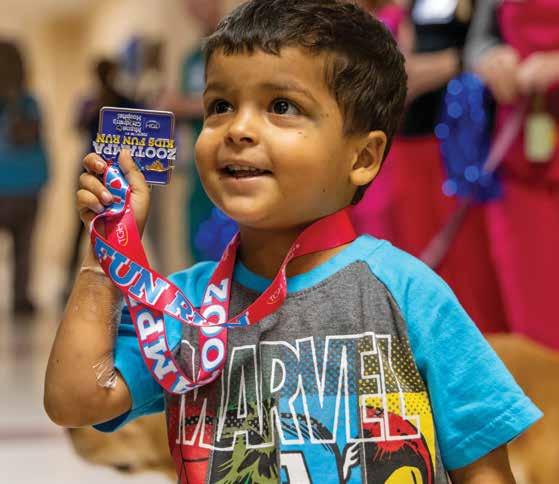
The Pediatric Infectious Diseases Division began as a single-physician division in 1993 at the height of the pediatric HIV epidemic. Early participation in the Pediatric AIDS Clinical Trial Group helped to prevent mother-to-child transmission of HIV in our region and has contributed to the FDA approval of drugs used to treat pediatric and maternal HIV infection. In addition, Dr. Patricia Emmanuel has led the Adolescent Trials Network for the past 24 years, which has advanced prevention and research efforts for youth living with HIV. Now led by Division Chief Dr. Carina Rodriguez, the division offers trials related to HIV/AIDS treatment and prevention, along with trials of new vaccines and novel antimicrobials. The division has 5 physicians and a multidisciplinary team and is involved in a broad range of state, federal and industry research and program grants.
DEPARTMENT OF PEDIATRICS CLINICAL
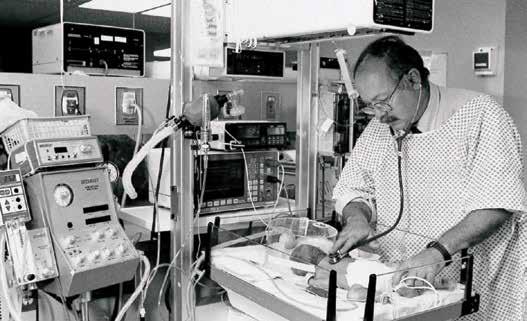
In the last 50 years, the department has dramatically expanded its clinical footprint and influence. In the last decade alone, we have expanded the size and scope of our divisions and recently added Divisions of Gastroenterology, Hepatology and Nutrition, Critical Care Medicine, Hospital Medicine, Cardiology and Developmental Behavioral Pediatrics.
We are proud of the impact we have made on the community, especially for our role as stewards of our community’s most vulnerable and important resource – our children.
Our services are offered at 7 outpatient sites and 3 hospitals across the area – Muma Children’s Hospital at TGH, Johns Hopkins All Children’s Hospital, and St. Joseph’s Children’s Hospital – for various specialties.
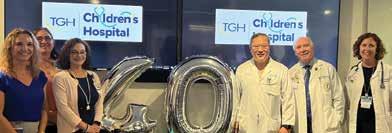
In December 2022, the the Pediatric Nephrology Division celebrated 40 years of pediatric kidney transplants with Tampa General Hospital (TGH) Transplant Center, a top U.S. kidney transplant program. Dr. Alfonso Campos joined USF Pediatrics in 1982 to start the pediatric transplant program, and under his leadership USF/TGH was established as the third Children’s Medical Services Comprehensive Chronic Kidney Failure Center in Florida. Since the first pediatric kidney transplant at TGH in February 1983, the program has performed over 400 pediatric transplants and remains the only pediatric kidney transplant program in West Central Florida, consistently earning high patient satisfaction scores. Under Division Chief Valerie Panzarino, the division has now grown to include seven pediatric nephrologists who cover three children’s hospitals. The nephrology division faculty are consistently recognized for their outstanding teaching.
Gastroenterology, hepatology and nutrition is a unique subspecialty where, particularly in the last 50 years, there has been the emergence and identification of entirely new conditions as well as a dramatic increase in the incidence of diseases such as inflammatory bowel disease. In the late 1980s Dr. Don Novak founded the division. In 2020, the Division of Gastroenterology, Hepatology & Nutrition was re-established with Dr. Racha Khalaf as Division Chief, who recruited a multidisciplinary team, solidifying the role in our community as an academic, multidisciplinary GI service, servicing all aspects of pediatric GI conditions, especially those that are complex.

In 1972 there were relatively few pediatric intensive care units (PICUs) across the U.S. Dr. Rick Weibley, an early USF College of Medicine graduate, returned to USF after training as one of the region’s first pediatric intensivists. He was soon joined by Dr. Dan Riggs. Since then, critical care has been a cornerstone of our residency training program and care delivery at TGH. Muma Children’s Hospital at TGH is the only American College of Surgeons (ACS)-verified Level I Pediatric Trauma Center on the West Coast of Florida. It is one of only six burn centers in Florida and one of only two in the state that is verified by the American Burn Association as an adult and pediatric burn center. Our critical care educators are deeply involved in the USF Pediatric Residency Program, teaching critical skills to our learners. The Critical Care Division was reestablished in 2022, and Dr. Sunita Bhandare is the current Division Chief.
Cystic fibrosis (CF) is one of the diseases for which the amazing progress of modern medicine has dramatically improved patient outcomes. In 2007 newborn screening for CF was implemented in Florida and in 2012 the first CFTR modulator was approved by the FDA. These drugs target the underlying cause of CF, and they have changed the trajectory of the disease and greatly improved life expectancies. The USF Pulmonology Program has been instrumental in implementing these life-changing therapies for CF patients in our region. In April 2020, the Pediatric Pulmonology Division, under Division Chief Dr. Marisa Couluris, earned a prestigious designation as a Cystic Fibrosis Foundation-accredited Core Center. The accreditation opened doors to increased funding opportunities for research and drug development as well as access to comprehensive patient data registries. Today, thanks to transformative advancements in specialized care, individuals with CF are living longer, fuller lives into adulthood—once unimaginable just a few decades ago.
When our department was founded, childhood cancer was virtually incurable. Today, 86% of these children survive at least 5 years. The monumental shift from aggressive therapies to personalized approaches, emphasizing both cure and long-term quality of life, is largely attributed to collaborative research efforts. Joining the national Children’s Oncology Group (COG) in 2012 marked a significant milestone for TGH. COG is a network that provides pediatric oncology patients with access to clinical trials and standardized treatments, while COG’s cutting-edge collaborative research program develops new treatments. The division, led by Division Chief Dr. Andrew Galligan, continues to grow the children’s oncology service at TGH and implement new innovations.
Adolescent and Young Adult Medicine
Allergy & Immunology
Child Psychology
Critical Care Medicine
Cardiology
Diabetes & Endocrinology
Developmental Behavioral Pediatrics
Gastroenterology, Hepatology, and Nutrition
General Pediatrics
Genetics & Metabolism
Hematology-Oncology
Hospital Medicine
Infectious Diseases
Med-Peds
Neonatology
Nephrology
Neurology
Neuropsychiatry
Pulmonology
OF PEDIATRICS CLINICAL
Adolescent and young adult medicine has evolved from a niche interest in the 1970s to a boardcertified, multidisciplinary subspecialty. Led by Division Chief Dr. Amy Weiss, this subspecialty now plays a crucial role in addressing the complex and often overlooked needs of teenagers and young adults in a rapidly changing sociocultural and technological landscape. The Ybor Youth Clinic (YYC), under Executive Director Dr. Lisa Sanders, is Florida’s first clinic to receive Gold Certification from the Adolescent Health Initiative for excellence in adolescent-centered care. Since 2012, YYC has provided compassionate, high-quality services to youth ages 13–24, with a focus on underserved and high-risk populations. The clinic is staffed by an interdisciplinary team from Infectious Diseases, Adolescent Medicine, and Social Work, and works closely with community partners like the Healthy Start Coalition to enhance care coordination and connect patients with vital resources.
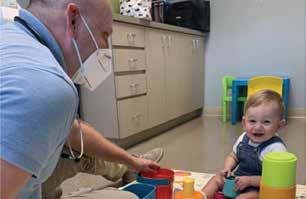
Medical care for substance-exposed newborns has been an evolving challenge since the 1990s. In response, pediatrics has had to change and adapt to meet the needs of the community and address everchanging public health issues. The Promoting Early Developmental Interventions (PEDI) Clinic, led by Dr. Tanner Wright, was established through a partnership between the Healthy Start Coalition of Hillsborough County, USF Pediatrics, and Mary Lee’s House. Their team delivers integrated, trauma-informed care to families affected by prenatal substance exposure and other high-risk social factors.
Pediatric hospital medicine has rapidly evolved into a board-certified subspecialty over the last two decades. It exemplifies pediatrics’ 50-year trend toward specialization, evidence-based practice, and continuous improvement in child healthcare. Since our department was founded, we have provided inpatient pediatric care at TGH. In 2016 we expanded our inpatient services to St. Joseph’s Children’s Hospital under the leadership of Dr. Phan Lindsay. We now have over 20 hospital medicine physicians and nurse practitioners and a formal division led by Dr. Mindy Murphy.
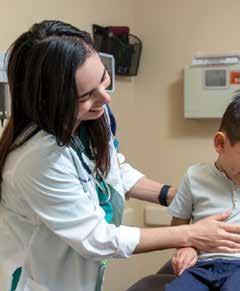
A foundation of our department is its passion for caring for some of the most clinically complex children. In 2012, our department formally began a NICU Follow Up program focusing on following neonates from the Jennifer Leigh Muma NICU at TGH. This program rapidly expanded to include the multidisciplinary, coordinated, family-centered medical home model it is today. Founded by Dr. Carol Lilly and now led by Dr. Michelle Blanco, the services of this multidisciplinary team are appreciated by community physicians who may not have the resources to care for these children.
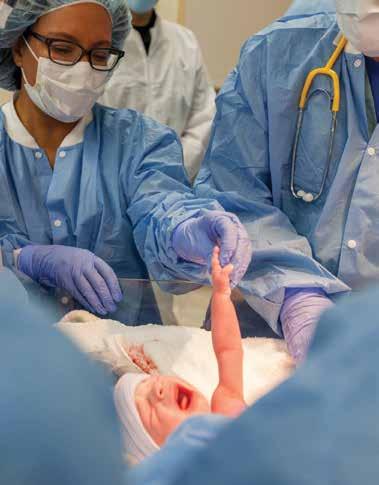

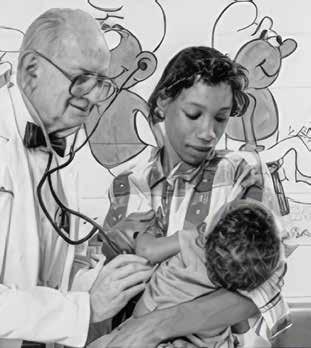
In 1974, newborn screening in Florida only included phenylketonuria (PKU). By 2024, the list had expanded to include over 50 conditions, with new ones continually being added. Since its founding, the Division of Genetics and Metabolism has been deeply involved in advocacy, research, and clinical care. The department actively participates in the statewide newborn screening program, enabling early diagnosis of treatable genetic conditions. Under Dr. Amarilis Sanchez-Valle, numerous clinical trials for metabolic diseases have provided advanced treatment options, while Dr. Maria Gieron (Pediatric Neurology) and her team recently completed their fourth gene transfer therapy infusion for spinal muscular atrophy, highlighting transformative innovation and collaboration.
USF student enrollment has grown from less than 20,000 students in the early 1970s to nearly 50,000 students today. Student Health Services expanded from its original building, built in 1980, to its new facility completed in 2023 – it is more than three times the original size. Since joining the Department of Pediatrics, Student Health has been led by Dr. Joseph Puccio and now has over 30,000 visits annually and services all USF campuses. Student Health & Wellness offers comprehensive services, including medical care, psychiatry, neuropsychology, nutrition, physical therapy, sexual health, on-site lab and pharmacy, and the Feed-ABull food pantry.
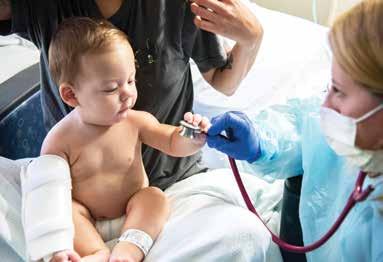
The Pediatric Neurology Division has seen decades of innovation—from a largely observational field to one defined by advanced interventions like gene therapy, seizure mapping and surgery, and cooling therapy. The division has long benefited from close collaboration with TGH-based private practice faculty and the adult neurology program, including TGH’s Comprehensive Stroke Center, Neuroscience Institute, and Level 4 Epilepsy Center. Dr. Sagarika Nallu, both pediatric neurology and sleep medicine board- certified, is the current Division Chief and expanded services and partnerships across USF and TGH.

Collaboration is at the core of everything we accomplish in the arenas of clinical care, education, and research. Many of our programs intersect across missions, and by working together we are able to innovate and provide the best care and educational opportunities possible.
Our partners in the community include St. Joseph’s Children’s Hospital, Healthy Start Coalition of Hillsborough County, Mary Lee’s House, the Children’s Board of Hillsborough County, and Florida Department of Health. These partners provide support services that enhance care, training and research opportunities for our
learners, and meaningful collaboration toward our common goal.
Collaborative faculty, who have primary appointments at a partner institution or are in private practice, are a critical part of our Pediatrics team in their roles as educators. Long-standing collaborative faculty include neurologists Dr. Jose Ferreira and Dr. Sergio Jacinto, infectious disease expert Dr. Juan Dumois, immunologist Mandel Sher and pediatric pulmonologist Dr. Tony Kriseman at Johns Hopkins All Children’s Hospital, general pediatricians, Drs. Shlomo Korman and Fred Lipschitz, and private practice leaders, Drs. Karalee Kulek-Luzey and Marcy Baker, along with with other community pediatricians and alumni.
At the core of our team are our academic hospital partners. Tampa General Hospital (TGH) is our primary teaching hospital, providing an exceptional training ground for the many learners in our department. Through joint clinical care, collaborative research initiatives and shared resources – including the Muma Children’s Hospital at TGH and TGH Healthpark –our partners share in the common goal of improving children’s health.
Johns Hopkins All Children’s Hospital, an educational partner since 1973, provides our residents and fellows training opportunities at their 259-bed teaching hospital in St. Petersburg. Beyond clinical training, our partnership includes robust collaborative research initiatives and programs. The Children’s Research Institute (CRI), Allergy & Immunology Fellowship Program, Food Allergy Clinic, Rothman Center, and Jeffrey Modell Diagnostic and Research Center for Primary Immunodeficiencies are all housed at JHACH.
For over 50 years, the heart of our department has always been its people. We want to recognize and celebrate the incredible staff who have been with us on this journey. Their contributions are the backbone of our operations. Their dedication, both behind the scenes and on the front lines, has shaped our history and will continue to shape the future of pediatric care.
Our clinical staff has shown remarkable adaptability through 50 years of change. The department has grown from a single clinic in the MDC building on the main USF campus to seven outpatient clinics spread across our region. Our team has navigated through the many renovations, new buildings, and our recent transition and enhanced affiliation as USF Tampa General Physicians (USFTGP).
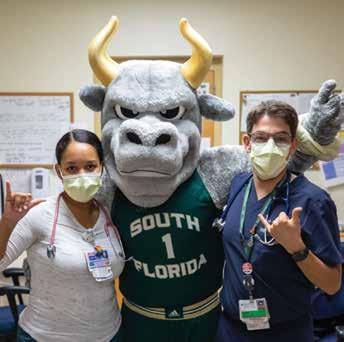
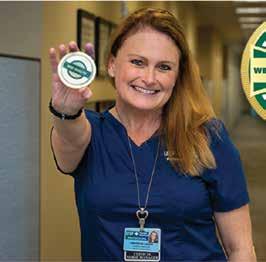
The complexity of health care has required an adaptive and dedicated administrative team. For over 12 years, our Department Administrator, Desiree Brown has led a team that consistently supports our faculty, residents, and clinical and administrative staff. We thank all of our clinical, research and administrative staff.
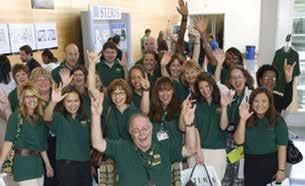
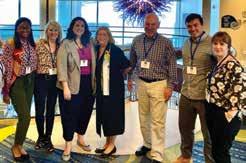
long standing faculty & staff 20+ years at USF.
Heather Agazzi, PhD, MS, ABPP
Terri Ashmeade, MD, MSMS, CLSSBB
Barry Brooks
Desiree Brown
Annalise Campisi
Jane Carver, PhD
Karen Childres
Barbara Cockream
Marisa Couluris, DO
Sharon Dabrow, MD
Patricia Emmanuel, MD
Richard Emrich
Robert Engelman, DVM, PhD
Aleida Galvez
Maria Gieron-Korthals, MD
Bettina Haynes, APRN
Laura Johnson, APRN
Mudra Kumar, MD
Pia Lamoureux
Kellie Larsen
Carol Lilly, MD
April Lindon
Luis Maldonado, MD
Judy Maraj
Maite Mcleod, RN
Hugo Narvarte, MD
Angela Ng, APRN
Valerie Panzarino, MD
Mandel Sher, MD
Dorothy Shulman, MD
Verena Jorgensen, MD
Julie Stann
Terri Stepanchak
Jennifer Takagishi, MD
Julie Trinadel, APRN
Judy Zarrit, RN
Emeritus Faculty
Kathleen Armstrong, PhD
John Curran, MD
Michael Fant, MD, PhD
Jaime Frias, MD
Kersti Linask, PhD
Gary Litman, PhD
Tanya Murphy, MD, MS
Judy Ranells, MD
Lynn Ringenberg, MD
Allen Root, MD
Bruce Schnapf, DO
Maxine Sutcliffe, PhD
The legacy of our department has been shaped by our visionary founders, partners, dedicated faculty and staff, and the enduring commitment to education, clinical excellence, innovative research and our Tampa Bay community. While we cannot possibly name everyone, we are deeply grateful for the individuals who have shaped and continue to shape our department’s legacy.
We honor our roots while adapting to a rapidly evolving medical landscape—embracing telehealth, interdisciplinary care, and emerging technologies like AI—without compromising on our department’s core values: compassion, equity, scientific curiosity, and the pursuit of excellence. One of our most critical tasks as educators is to prepare our learners with adaptability in such a rapidly changing environment and with the ability to face the inevitable challenges in medicine. Our legacy lives in the thousands of trainees who are now pediatricians, specialty physicians, nurses, pharmacists, psychologists, genetic counselors, and social workers across the country.
We have seen once-unimaginable developments in children’s health since Dr. Barness founded our department. The challenge to our department is to continue to push the boundaries and advances in child health, in basic science and at the community implementation level, and to translate these advances into policy.

Our legacy lives in the thousands of trainees who are now pediatricians, specialty physicians, nurses, pharmacists, psychologists, genetic counselors, and social workers across the country.
Our progress is driven by the generous philanthropic support of those who share our commitment to children’s health. We are truly fortunate to have a strong community of dedicated supporters. While we wish we could recognize each donor by name, please know that every gift—large or small—is deeply appreciated and makes a meaningful difference.
We thank Drs. Valenti, Faske, Matar and Young for their generous endowments, which have been essential to many of our training programs. We also thank Dr. Emmanuel for establishing the Ybor Youth Clinic (YYC) Endowment and Drs. Curran and Lilly for their continued support of the YYC. The USF endowed chairs and JHACH-established funds and joint chairs continue to support our missions and expand the legacy of our department.
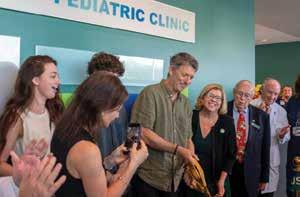
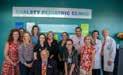
We are deeply grateful to Ms. Jill Chalsty for her extraordinary generosity, which made possible the opening of the Chalsty Pediatric Clinic at the John S. Curran Children’s Health Center. Her commitment to improving children’s health will have a lasting impact on the families we serve and the community as a whole.
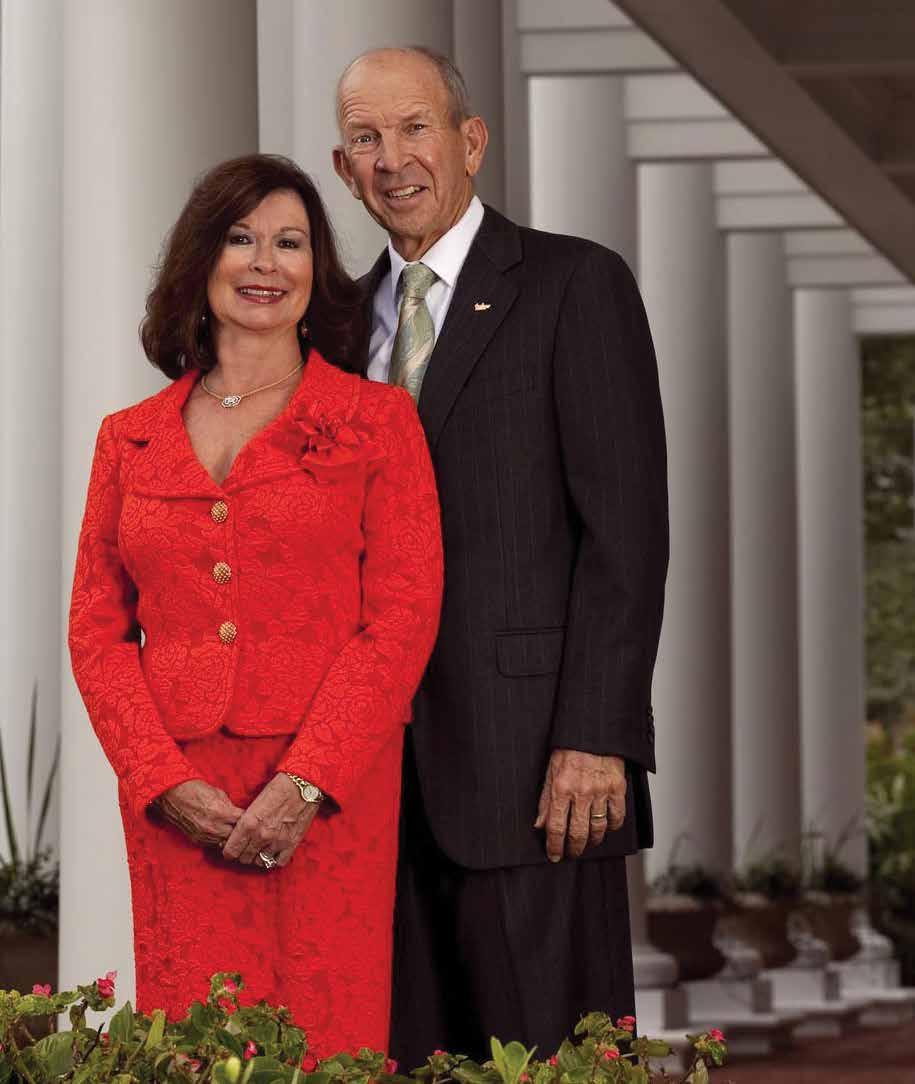
Through the years, we have been deeply grateful to Pam and Les Muma, steadfast champions of pediatric care, whose extraordinary gifts include the Pam and Les Muma Endowed Chair, the Jennifer Leigh Muma Neonatal Intensive Care Unit, and, most recently, the Muma Children’s Hospital at TGH transformation. These gifts represent just a few examples of the Mumas’ visionary and lasting impact on our missions.
1974
1974. Graduation for first COM class – 24 graduates
1981. USF receives CMS Referral Center designation
1979. ACH residency is established, Diabetes Center is established
1980
2005. New Children’s Medical Services (CMS) building on USF campus opens
2007. South Tampa Center (STC) for Advanced Healthcare opens

1989. Pediatrics opens South Campus offices/clinics at One Davis Building
1990
1992. Children’s Medical Center at TGH open, Healthpark opens
1996. ACH/USF residencies combine
2000
2001. Combined Internal MedicinePediatrics Program is established
2000. Children’s Research Institute (CRI) opens
1995. 17 Davis Clinic opens
2008. Carol and Frank Morsani Center for Advanced Healthcare opens
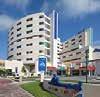
2010. ACH opens new hospital and outpatient facility
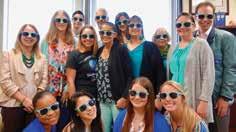
2019. Rothman Center named 2019 Center of Excellence Program by the Tourette Association of America Doctoral Internship in Professional Psychology established
2017. Children’s Medical Services renamed John S. Curran, MD, Children’s Health Center
Pediatric Primary Care expands to TGH Brandon Healthplex
USF starts Genetic Counseling Master’s Program
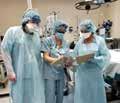
2011. Jennifer Leigh Muma NICU at TGH opens
2020. COVID jumpstarts telehealth at USF Division of Pulmonology. Division awarded accreditation as a Core Cystic Fibrosis Center by the Cystic Fibrosis Foundation
2018. New Physician’s Assistant Program opens at USF
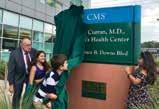
2021-2022.
USF Pediatrics Division of Pediatric Gastroenterology & Division of Pediatric Critical Care Medicine Divisions are established
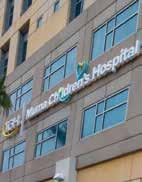
2023. TGH renames children’s hospital to Muma Children’s Hospital at TGH
2022. Division of Nephrology celebrates 40 years of pediatric transplants
2014. Rothman Center is selected as a Tourette Center of Excellence
2013. USF Peds & TGH accepted into Children’s Oncology Group (COG)
2024. Chalsty Pediatric Clinic opens at John S. Curran


University of South Florida Department of Pediatrics