
Friday, December 5, 2025 Volume
Friday, December 5, 2025 Volume
Alyssa Wang News Editor
Darcy
Chew
Executive Editor
Hannah
Johnson
Director of Print
Lucas Yang
Director of Design
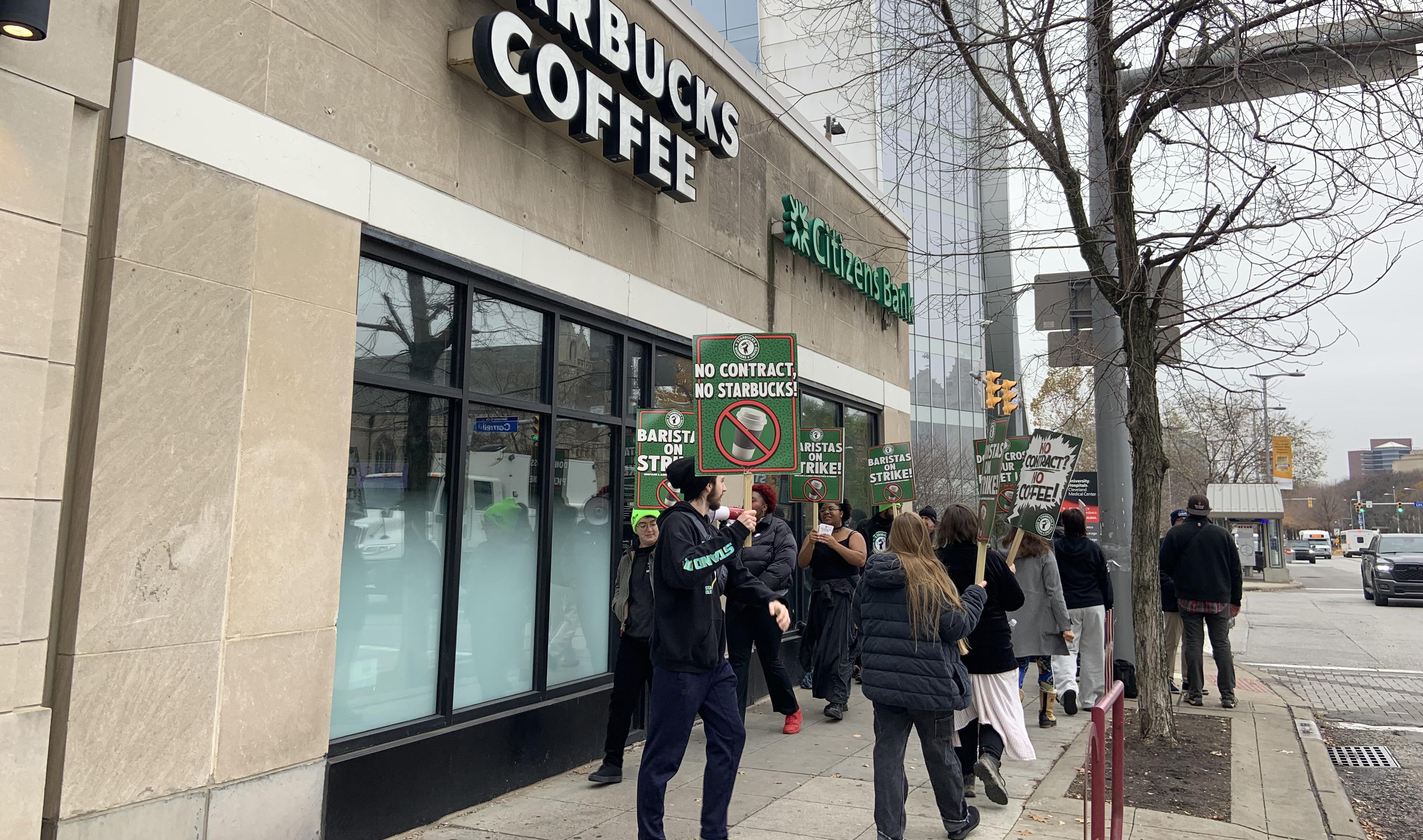
On Nov. 20, employees of the University Circle Starbucks on Euclid Avenue and Cornell Road and their supporters gathered in front of the building, chanting phrases such as “No contract, no coffee” and “No money, no mocha.”
“We unionized our store in July of 2022, and we unionized because we wanted better working conditions, pay, schedules and health care for our workers. And that’s still true,” Akshai Singh, a union barista who has worked at the store for the last four years, said.
The University Circle Starbucks rally echoed nationwide demonstrations organized by Starbucks Workers United (SWU). Dubbed the “Red Cup Rebellion,” the rally was scheduled to coincide with Starbucks’ Red Cup Season campaign, which offers free, limitededition, reusable red cups with customers’ orders.
“Union baristas are prepared to make this the largest and longest strike in company history during the critical holiday season,” the SWU website states.
Representing about 11,000 employees at around 550 locations nationwide, the union demands “better hours to improve staffing in stores, higher take-home pay and resolution for unfair labor practice charges for union busting.”
The strike kicked off at various locations across 65 cities across the U.S., and by Nov. 28, baristas in 120 stores across 85 cities were involved. However, Starbucks says these numbers are inflated.
“[As of] Dec. 1, only about 55 stores are impacted by the strikes, and 29 of the original striking stores have reopened,” Jaci Anderson, a spokeswoman for Starbucks, said.
To build public support, SWU created the “No Contract, No Coffee” pledge, where customers pledge to boycott Starbucks while the strike is ongoing.
“We’re out here striking for an indefinite [period], [and] we’re the 100th store in the country to file for union and district. So, we’re asking people to skip Starbucks until we get a new contract for our workers,” Singh said.
Despite more than 125,000 pledge signatures, Starbucks reported this year’s “Red Cup Day” garnered the most sales in company history.
At the University Circle Starbucks, responses to the protest were mixed. Cars passing down Euclid Avenue honked their horns in solidarity with the employees. Other onlookers showed less support, weaving between the crowd with a Starbucks cup in
hand, and, in one instance, throwing trash out of the window of a moving car.
Still, the union baristas re main committed to the stakes of the strike.
“The only thing that protects people from being fired in at-will employment for any reason is a just cause, and that’s in a union contract most typically, so we have been en during the most union busting in corporate history,” Singh said.
SWU initiated their nationwide strike after 18 months of bargain ing. Starting in April 2024, union and Starbucks executives created 33 potential agreements. Nego tiations ended in September, after Starbucks denied additional union proposals to increase wages and benefits.
In response, SWU filed a national unfair labor practice (ULP) charge in December, which was later expanded in April 2025. The union alleges the company adopted new policies, such as a stricter dress code, without discus sion. Over the past year, SWU has filed more than 100 additional ULPs in response.
In spite of these setbacks, Singh highlighted the progress made towards the union’s objectives.

mittee oversees the spending of the Student Activities Fee (SAF), which is collected from students’ tuition in the form of $255 per semester and allocated across the umbrella organizations. These funds enable hundreds of student clubs to fund events, activities and other opportunities in campus life. SEC Allocations Committee releases spring 2025 audit
The Student Executive Council’s Allocations Committee recently shared its completed audit of the spring 2025 semester for student umbrella organizations at Case Western Reserve University including the Undergraduate Student Government, University Media Board and University Program Board. The com-

University of Alabama suspends women and black student magazines on DEI charges
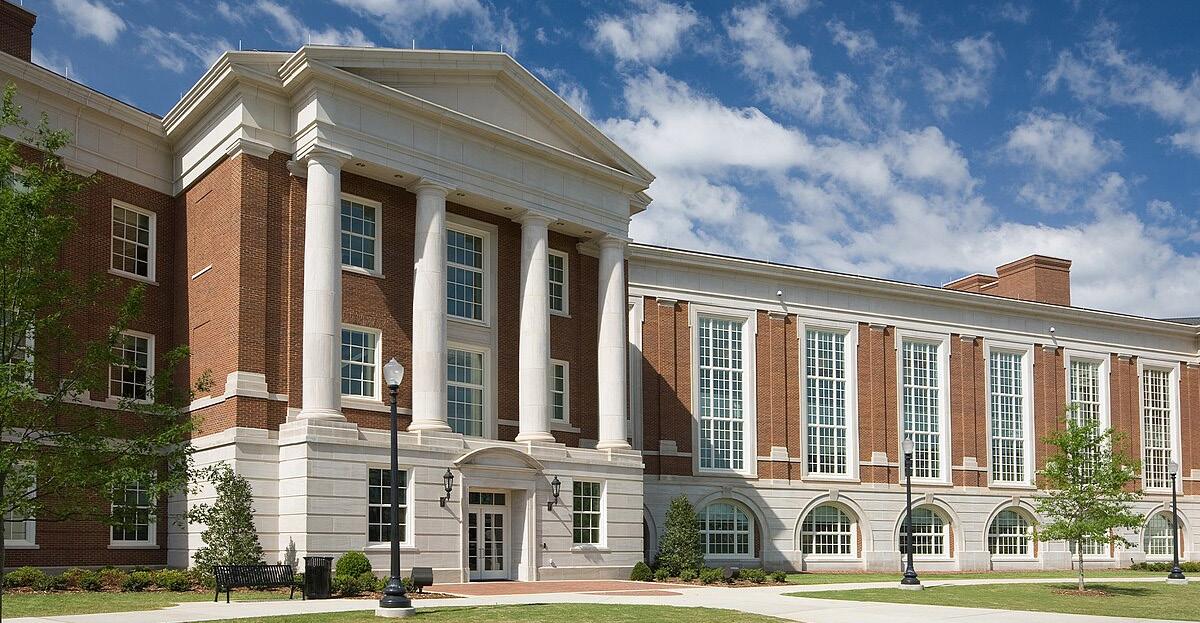
On Monday, the University of Alabama suspended two student-run magazines. The magazines, called Alice and Nineteen Fifty-Six, respectively a women’s lifestyle magazine and a publication covering Black culture and student life, were suspended on grounds of recent changes of federal policy on Diversity, Equity and Inclusion (DEI) programs. A university official cited Attorney General Pam Bondi’s July
memorandum, which claimed that “the federal government has turned a blind eye toward, or even encouraged, various discriminatory practices.” These discriminatory practices now count programs that are labeled DEI.
On the day that the publications were suspended, the university’s Vice President of Student Life Steven Hood stated that the magazines had violated the standards detailed in the memo.
Cleveland International Film Festival creates archive at CWRU for its 50th anniversary
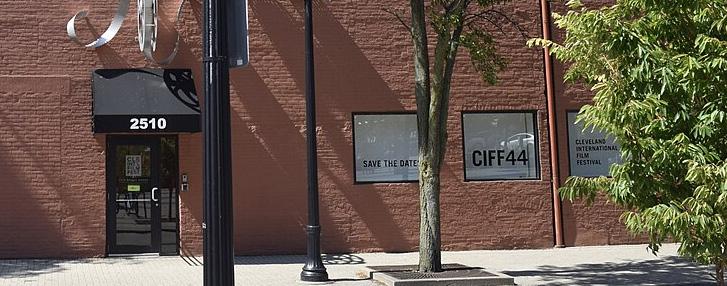
From April 9 to April 18, 2026, the Cleveland International Film Festival (CIFF) is hosting its 50th festival. To celebrate, they have officially established an archive at Kelvin Smith Library at Case Western Reserve University. Founded in 1977, the CIFF is one of the longest-running and largest film festivals in the United States and showcases films submitted by producers worldwide. They have partnered with CWRU to house their media, including film guides, photographs and
programs, from the previous 49 festivals in the Special Collections division at KSL. In Spectrum News’ interview with the current CIFF Executive Director Hermione Malone, she says, “this archive honors our past, illuminates our present and reminds us that film’s power to connect and transform has always been at the heart of CIFF.” On Dec. 3, CWRU held a small ceremony to celebrate this partnership, displaying a small sample of the archived materials on the second floor of KSL.

High rise fire devastates Hong Kong
On Nov. 26, the deadliest fire Hong Kong has seen in decades broke out. Hundreds of residents were cleared from the Wang Fuk Court apartments as the fire spread across seven buildings. Authorities believed that some materials on the exterior of the buildings caught fire, causing the
spread to travel in an unusually rapid fashion. Police also located Styrofoam, another highly flammable material, outside the windows, thought to have been installed by a construction company. The death toll of the tragedy has continued to climb, with at least 159 confirmed.

Penelope Cloonan Life Editor
Content warning: Major spoilers ahead.
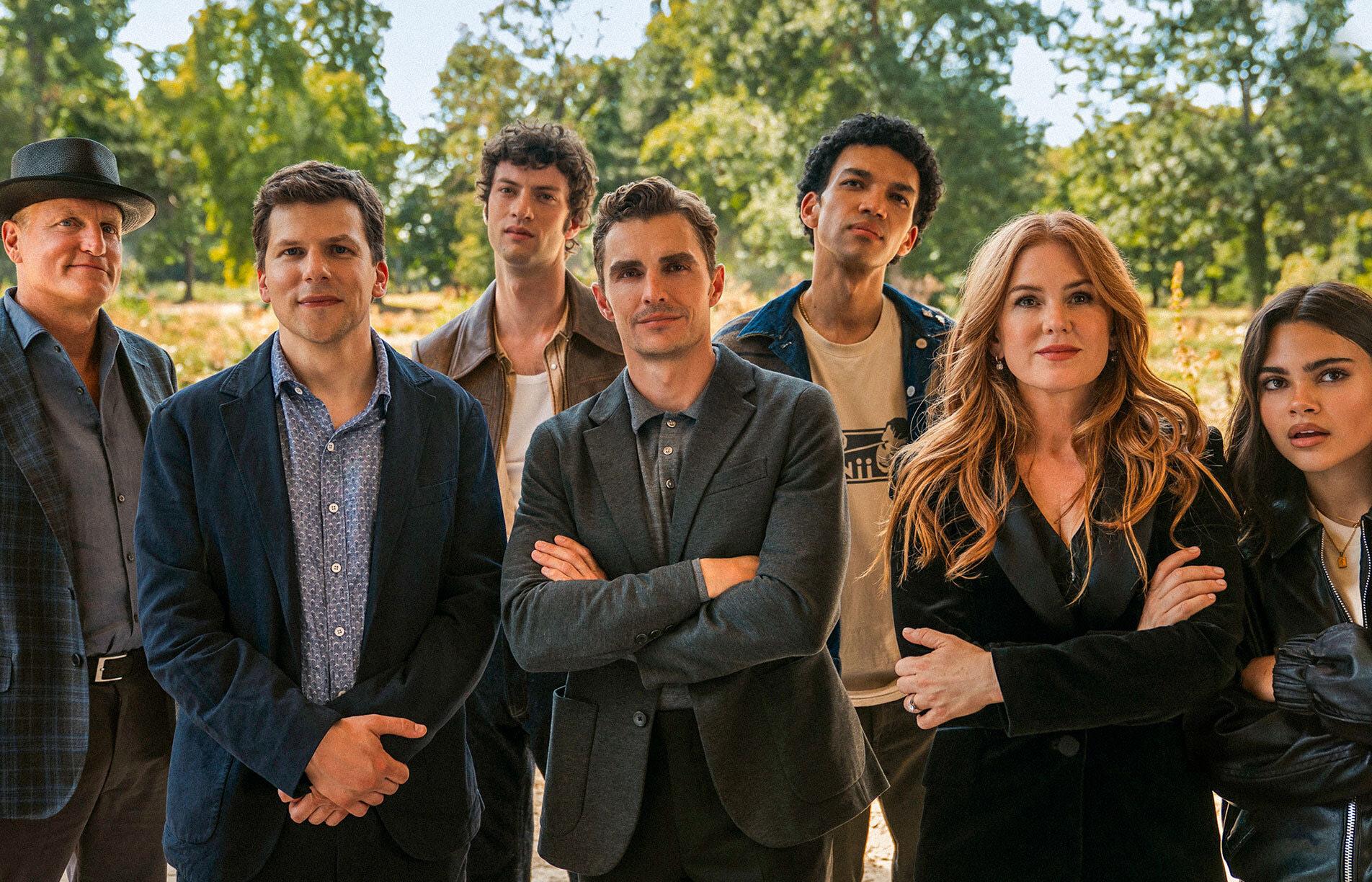
The “Now You See Me” franchise is back after almost a decade with “Now You See Me: Now You Don’t.” The film picks up ten years after the disappearance of the illusionists and modern merry men known as the Four Horsemen. In their absence, a new generation of magicians picked up their helm. As always, there is a sinister capitalist threat looming in the background. This go around our villain is Veronika Vanderberg (Rosamund Pike), CEO of a South African diamond corporation, which the horsemen discover is a money laundering front. When paths cross between old and new generations, the horsemen must work together to take down the evils of capitalism with a daring heist once more. It is safe to say that fans of the franchise will not be disappointed. “Now You See Me: Now You Don’t” is more of the same in the best way possible.
“Now You See Me: Now You Don’t” saw the return of almost all of the original cast, including Isla Fisher who plays Henley Reeves, who was notably absent from the second movie. Fisher’s performance remains sincere, and she continues to provide a nice foil to J. Daniel Atlas’s (Jesse Eisenberg) cocky bravado. Atlas plays the role of the bridge between the two generations, with his characteristic ego pushing against cooperation. Eisenberg’s performance is just as grating as it needs to be, acting as the grounding point for the series. Jack Wilder (Dave Franco) has a smaller role in this film, which makes sense with the expanded cast taking his prior role as the younger comedic relief. Still, Wilder has matured some and continues to pull off his share of charming card tricks. Meritt McKinney (Woody Harrelson) remains an enigma, and Harrelson is truly the only person who can play him.
I will not hide my distaste for the second movie, “Now You See Me 2.” Beyond having a bad name (we could have had “Now You See Me: Now You Don’t” and Now You 3 Me, but alas), it didn’t have the heart. Lula (Lizzy Ca-
plan) is the one holdover from the second movie that bleeds into the third, which I can’t complain about. Caplan committed to the role of a magician fully and gave the movie some much needed earnestness. It was refreshing to see that the character they likely added to the second movie to meet their woman quota was not removed when Fisher returned. That being said, there was nothing new about the second movie; it was tired.
“Now You See Me: Now You Don’t” breathes life into the franchise with a young cast, allowing them to ground the franchise with their old tricks, while giving the audience new characters to root for. To further endear the audience to the new cast, much of the film sees the next generation pair up with the old. The most obvious pairing is between the headstrong Atlas and Bosco (Dominic Sessa). Bosco is a near carbon-copy of Atlas, just a Gen-Z version. Sessa is wonderfully, cartoonishly arrogant in this role, and he earns the buzz he had around “The Holdovers” (2023). Considering this is Sessa’s second movie ever, and he appears to be picky—I am glad he picked this film. They play well off each other and force each other to face the fact that they may have to actually care about the world; it’s heartwarming. June (Ariana Greenblatt) is the resident locksmith and slightly acrobatic magician. She mainly fills the role of Jack Wilder, and is thus paired up with him. Greenblatt puts on a charming performance, with her and Wilder bringing levity. June is almost their enforcer, with her character being the one on the ground, making sure tricks get done and wearing her many hats well. As before, Meritt is singular and mostly provides support. He plays pawn and briefly highlights June’s skill in some areas, but mainly does his own thing.
Justice Smith is a real stand-out in this film. Smith, who plays Charlie, is initially understated and underestimated. Much like Henley—who provides support to the grander of the Horsemen and has complexes about that—Charlie designs the tricks for Bosco and June to pull off. Charlie is the glue that brings people together. By the film’s end it is revealed that Charlie was a sort-of twist hero all along; he had a personal history with the Vanderberg Company and is seeking
“Now
You See Me: Now You Don't” is an entertaining trick that deserves your attention. Courtesy of Lionsgate
reparations. Smith is able to portray this shift from humility to composed vengeance wonderfully, carrying himself as a supervillain to our villain Rosamund, while still being lovable. He becomes the platonic ideal of Atlas, a mastermind who can get out from under his own ego. Above all else, you really root for Charlie. Justice Smith has been around Hollywood for a while, and while this likely isn’t his big break into true stardom, he is worth watching out for.
While lovable characters are definitely integral to the “Now You See Me” franchise, they are not what makes a good magic movie. What makes “Now You See Me” so special to me is the commitment to pulling off their tricks practically. The better part of the film sees the Horsemen head to a magic mansion to receive help from their magical mentor, Amos (Morgan Freeman). In the mansion, there are various illusion-based rooms that add a little magical spirit. There is a classic forced perspective room which makes people into giants or hobbits. This, alongside a room that rotates 360 degrees, were all practical effects. While a forced perspective room may be found in your average children’s museum, the rotating room is harder to pull off, so much so that Eisenberg broke a finger while doing the stunt. It is refreshing to see that clever camera angles, stunt doubles and massive sets are not
a lost art. Smaller bits of practical magic are sprinkled throughout, including a seven-minute scene where each Horseman performs a card trick back to back and a classic bait-and-switch of characters involving throwing sheets and moving camera angles very fast. In an echo back to the first “Now You See Me” movie, the final trick is revealed from a false set in front of an audience of Horsemen fans. Keeping with the practical, they built the set to break away so there was a real reveal. “Now You See Me” blurs the lines between what is a magical illusion and good old fashioned human trickery throughout the franchise, but they stay true to the real world where possible. A true magician never reveals his tricks, but in an age of AI and horrible CGI (I’m looking at you de-aged Jeff Goldblum), it’s nice to sneak a peek behind the curtain at some real movie magic. The “Now You See Me” franchise is not a serious one. While there is the persistent theme of modernizing Robin Hood, it is more of a backdrop than the main draw. “Now You See Me” is fundamentally about doing cool things with cameras to bring a little magic onto our screens. It is definitely a cash grab with a stacked cast, but it earns its place in Hollywood by being fun. “Now You See Me: Now You Don’t” continues to bring intrigue and optimism about the movie industry to our theaters—it's a pretty neat trick.
Riya Kulkarni Copy Editor
Case Western Reserve University’s Mather Dance Collective (or MaDaCol) had its fall production from Nov. 20 to 22, with tickets sold for $15 starting 30 minutes before the show. The evening featured a compilation of four elaborate 10-minute-long dances, all polished and put together with incredible production quality, lights and music.
The first performance, “Unification,” is somber from the beginning, set to a slow but hopeful piano piece. The dancers portray characters that are weary and struggling, at times on
their own but also together, reaching toward the unattainable. Choreographer Ziyue Wei was inspired by the Chinese myth “KuaFu Chase the Sun,” highlighting this theme of unity throughout the piece. The dancers begin alone, struggling by themselves. There’s a certain weariness that fills each one as they labor alone, fight alone, but later find each other. After joining together several times and separating, the dancers join together one last time in a circle, the spotlight highlighting only them until it too fades away.
The second performance, Lucia Mancha’s “I’ve Been Looking For You,” is a lighter piece. The music conveys a happy, energetic mood which ultimately seeps into the spirit
of the dance as well. A lot of the choreography focuses on formations in pairs as bonds form between characters in their search for this sense of connection. The groups are fleeting and ever-changing, sometimes separated by lines of dancers until they find each other again. The story ends with connection, where pairs meet for a final embrace. More than anything else, this piece is beautiful and happy, the blue costumes and charming music adding to the spirit of the story.
In the third performance, “Checkmate…?” by Richard Oaxaca, there is a clear story, which made it the most entertaining. There is a battle between both sides of a chess board and the separation is immediately
made clear. The piece opens with a king and a queen emerging from each side, standing in front of their loyal subjects. The fight is relentless yet graceful all the same, with small skirmishes across the board between the other pieces, while the opposing king and queen face each other. Then, in the peak of the fight, pieces are killed one by one until black wins. The white king surrenders and peace seems to be approaching—until a traitor reveals (with a gasp from the audience) that they were the white queen all along, killing the black queen.
Continue reading on page 4
The final performance was “Awakening,” by Zhaonian Li. It was immediately clear that this piece is much more serious and tense, an effect created by the ticking of a clock that blended with the music the dancers moved to. At some points the clock would stop ticking, the music would turn hopeful and the freed dancers would flow across the stage. However, once the clock began to tick once more, the sense of urgency and struggle returned. The tempo quickens, weighing everyone down more and more until the music stops and the dancers drift away.
The organization of the pieces leading up to the final performance was a matter of hard work throughout the entire semester. Co-Presidents Allison Knop, Rafaella Ortiz Cardenas and Akhila Venkat led this initiative, coordinating the initial reverse auditions, placing dancers, managing funding and costumes and keeping track of progress while communicating with other productions to make
sure things were flowing smoothly. “It was honestly my way to connect with the dance community and one of many brilliant communities of dance around campus,” said Knop.
MaDaCol’s uniqueness comes from its connection to the community beyond CWRU. “I think we’re one of the few clubs that have community members be [a] part of [it], like some non-Case students. And I think we’re also one of the oldest clubs [on] the campus because last year it was MaDaCol’s 40th anniversary” said Cardenas. Many dancers have been part of MaDaCol for nearly as long.
When asked about the future, Knop hopes for a greater diversity of dancers: “our club mission is a lot about just promoting different people working together on a dance … encouraging people no matter what dance background they come from.”
The MaDaCol tradition continues next year, with a new set of programming. Stay tuned for reverse auditions beginning in August!
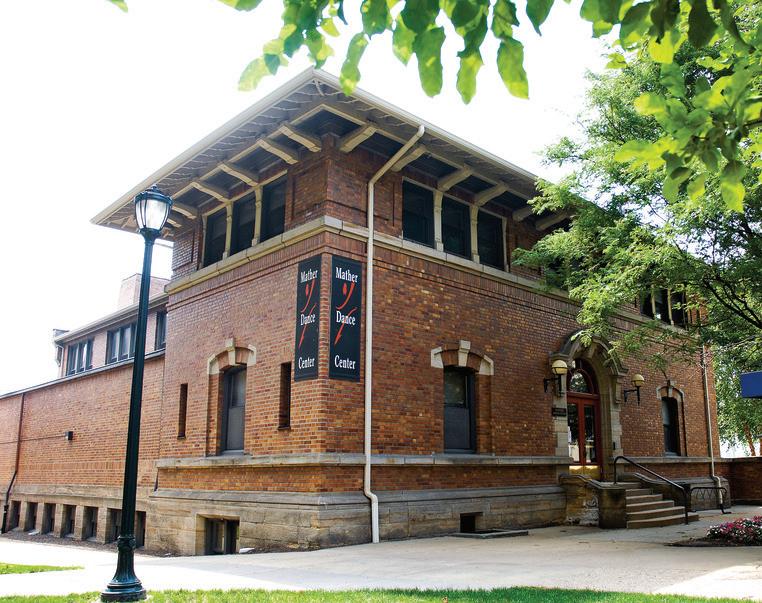
“I’ll rise above it”: “Wicked: For Good” is greater than the sum of its parts
Lucas Yang Director of Design
Content warning: Spoilers ahead.
In endorsing “Wicked: For Good,” I have to add an asterisk. I must concede to a deluge of frustratingly valid complaints—it’s overlong, it’s tonally inconsistent, it has two immersionbreaking deployments of knitwear and, worst of all, its middle 30 minutes are totally unwatchable. Still, I can only describe this moviegoing experience as uneasily brilliant.
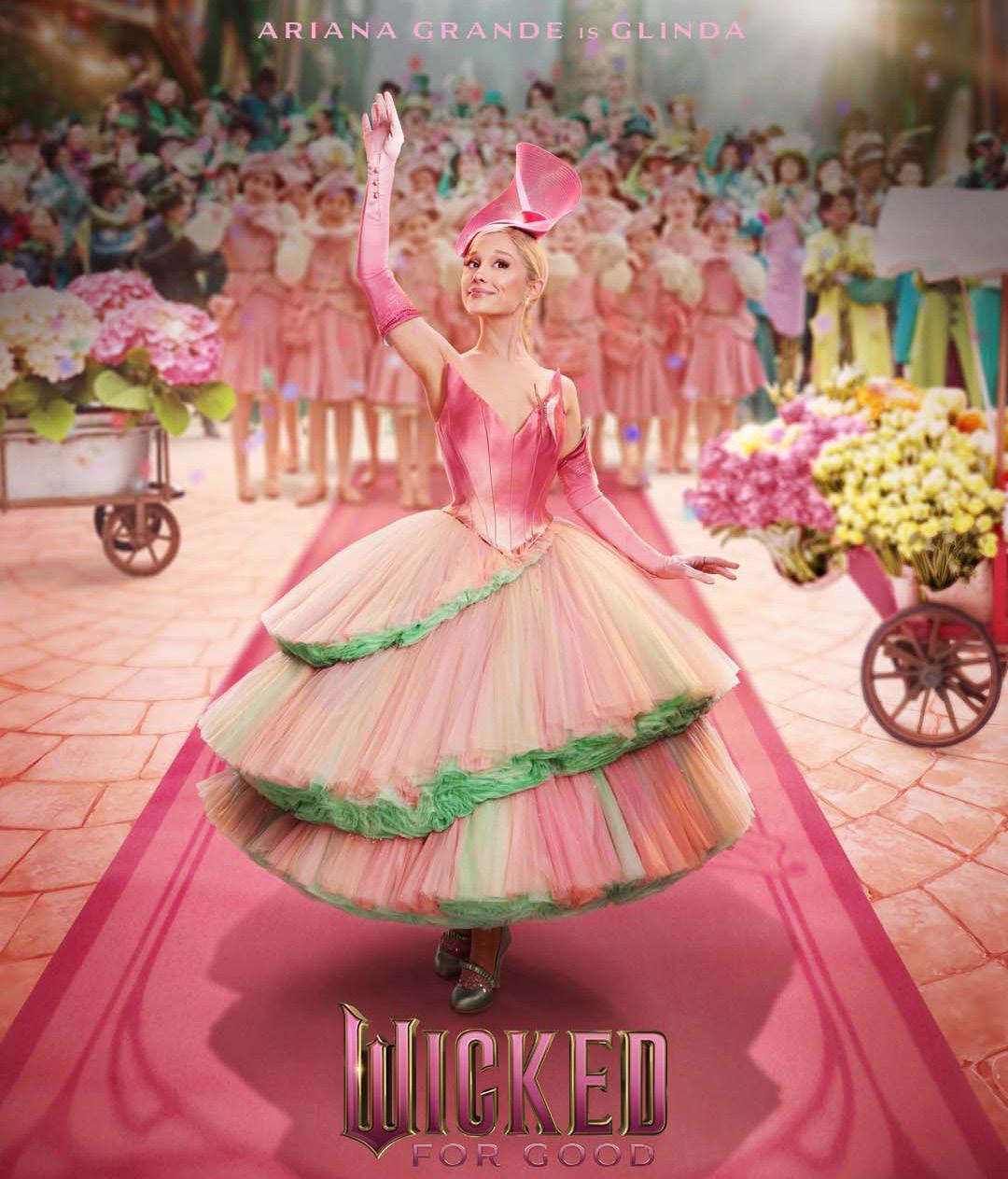
The biggest complaint I’ve seen thus far is that the charm and lightness from the first part is lost. It’s true, we’re not at wizard school anymore. Elphaba (Cynthia Erivo) is a vigilante activist on the run, launching disastrously ineffective attacks on the authoritarian Emerald City that straddle the line between revolution and terrorism, while her ex-best friend Glinda (Ariana Grande) is being groomed to be a puppet ruler/Hollywood starlet, constantly forced to confront the price of her success through a miseen-scène packed to the brim with mirrors and reflective surfaces. The side characters that were humorously prickly in an academic setting now become grotesque; himbo boyfriend Fiyero (Jonathan Bailey) is a police captain who threatens people with extralegal gun violence while brusque headmistress Madame Morrible (Michelle Yeoh) exercises her passion for graphic design through disturbingly racialized caricatures of the Wicked Witch.
Yet this genre confusion somehow deepens the original’s thematic core. The appeal of “Wicked” as a franchise is, and always has been, the cheap delight of “what if the ‘Wizard of Oz’ took place in high school”—a pretty juvenile concept echoed throughout pop culture of the last 30 years (think animated sitcom “Clone High,” “Descendants” or toy franchise “Monster High”). Americans are obsessed with high school, the formative years of adolescence when one’s frontal lobe is irrevocably scarred by inane social dynamics and rudimentary under-
standings of love, status and happiness. Taylor Swift’s “You Belong With Me” music video is eternal. The term “peaked in high school” is a derision with teeth precisely because it’s so often psychologically true. “Wicked: For Good,” then, radically innovates this template by continuing the story. It’s the movie equivalent of stalking your ex-classmates on Facebook and Instagram and watching all the most intolerable people from high school enter positions of power completely unchanged. Evil gay theater kid minions become evil gay secretaries. Incel loners pining after unattainable crushes become incel politicians pining after unattainable office personnel. The hot popular girl is engaged to her noncommittal high school sweetheart and also becoming a national propaganda symbol. Everyone works in marketing. It’s a frightening prospect, but powerfully resonant.
Speaking of Glinda, Ariana Grande is able to outshine a cast that is much improved from the first film. While Cynthia Erivo has an unmatched presence, a dearth of decent musical material means the star of the show is Grande’s face. She conveys a level of anguish and total despair that makes it impossible to not recall the rockbottom events of her public narrative six years ago, the two most harrowing of which are integrated into one extraordinarily cinematic catastrophe on her wedding day. This movie absolutely works the classic Hollywood close up, painting the enormity and absurdity of the world across the planes of Grande’s tear-streaked face. The way her makeup is caked on and lit suggests, perhaps accidentally, that Grande is constantly wearing a perilously fragile mask. And by the time the finale number rolls around, you get the uncanny feeling that the character of Glinda is sloughing off of her.
All of this is to say that the first half of the film is genuinely exhilarating, a swirling rush of soap-operatic emotions magnified to huge scale, pumping lifeblood into a narrative framework that should not work as well as it does. Romance and tragedy are articulated boldly and sincerely in the way that Hollywood spectacle should, without a hint of irony or self-referen-
tiality. Life and death circle each other like duelists with the ferocity of an ancestral blood feud.
That’s why I have room in my heart to forgive the middle segment for essentially being a sloppily edited-together signpost that says “GO WATCH THE WIZARD OF OZ,” and a transition into “For Good” that’s at best extremely ungraceful. Luckily, it’s the show’s best song and the best musical number across both films. The scene is played completely straight, no frills or jarring intercuts that so often violated the musical crescendos in the first part. To preserve a clever adaption choice, I’ll only say this about the ending sequence: it transforms the
pragmatic shadow play of the original musical into a remarkable summation of both “The Wizard of Oz”’s reflexive cinematicness and the puppetry-illusion motif of the stage musical. I cannot commend this movie enough. I don’t know how it got my dehydrated tear ducts to flow at a scene I didn’t care for when I saw an off-Broadway of “Wicked” at 14 years old. I don’t even think this is the product of one singular vision—it feels more like the product of many very, very, devoted, fanatical and skilled creatives working together to pull an accidental masterpiece out of nearly unsalvageable source material. “I have been changed for good,” indeed.

10. Consuming copious quantities of tequila at all times.
9. Wearing every article of clothing in your closet at once.
8. Don’t go outside and miss all of your classes (good for mental health, too).
7. Grab someone you don’t know and “generate body heat.”
6. Drop out and move somewhere sunny.
5. Buy a space heater because the heater is broken in your room but accidentally put it next to your blanket so your blanket catches on fire. Maybe your room is on fire but at least it’s nice and toasted to a crisp.
4. Bake yourself!
3. Tell yourself you’re not cold until you gaslight yourself into believing it.
2. Get a bunch of those sticky hand warmers and stick them all over your body.
1. Carry an extremely hot beverage everywhere you go. If your hands get chilly, just open it up and pop a few fingers inside.

Auden Koetters Director of Digital Media
Fun fact: I am out of ideas for “Worst Case Scenario.” It might have something to do with the fact that I took 3 finals and wrote two papers (one of which was my capstone) this week, and have another final tomorrow. After writing this column all semester, I think I have exhausted all the possible worst-case scenarios. I mean, really, can this campus get any more stressful than the mania of my secondto-last finals season? However, cranky as I am, this campus’s quirks give it character, and maybe the worst-case scenario is actually imagining the bestcase scenario.
I mean, think about it: the perfect day at CWRU. All the students and faculty members would be the epitome of good hygiene, with well-groomed engineers and business majors toning down their cologne. Maybe all the pre-meds would change out of their three-weekold sweatpants and wash their hoodies, thereby doing their pre-medical duty by keeping the rest of us germ-free. CWRU in perfection would be free of awkward glares, freshman boys ineptly attempting to scam on senior women (only to be horrified at their seniority) and tests physically mauling students in the face – as opposed to just emotionally abusing them. No chatty brats trying to grill me about my future and then biding me, “Have a nice life!” at 3 a.m. aboard the SafeRide from KSL.
Come to think of it, on a perfect day on campus, I wouldn’t even need to be taking SafeRide home at 3 a.m. in order to tear myself away from the siren song
of 24-hour access to the library. Perfection means having less of a relationship with darling Kevin Smith and more of a relationship with literally anything else. Sorry, Kelvin. I wouldn’t have to endure the embarrassment of not being able to name amino acids, feeling left out of the social scene because I can’t stomach yet another party or hiking through the snow (somehow uphill both ways). Ideal would be getting through a day without spilling my coffee and scalding my frostbitten fingers, without dripping water all over my laptop while bursting into class 15 minutes late or, for once, without being worried that student groups will eventually deny each other funding, one at a time.
But there is a method to this madness. It’s like accepting that a sine-curve-esque life is better than some constant state of semi-happiness: it is precisely the things we hate about this campus that make it a place we love. Who here hasn’t enjoyed playing the “my university is more awkward than yours” game? And, sure, I don’t understand computer engineers, but I definitely appreciate being able to walk into a freshman dorm, yell “HELP,” and have at least five mousey-looking geniuses at my service. Besides, being around the socially inept have left me feeling pretty fantastic about my own introversion. The fact is, I don’t think I’d be able to handle a perfect day at Case–it’d be entirely too boring. I mean, I could do without being verbally assaulted by professors on a daily basis or having my table at KSL stolen by a freshman studying for a BIOL 214 exam, but, maybe, that’s just what keeps life interesting. Happy holidays, loyal readers, see you next year.



Riya Kulkarni Copy Editor
Many of us have individual interests, academic or otherwise. Some of us can quote lines from “Star Wars” from memory, describe the exact history of a sports team in great detail or recite 100 digits of pi. These small quirks developed as a result of pure, unfiltered passion and curiosity about a topic that brought someone joy, and while these interests may overlap, rarely are they exactly the same for two people.
However, these passions only seem so pure when they remain in one’s mind. Reveal them in front of the wrong crowd and you are given your very own title: a nerd.
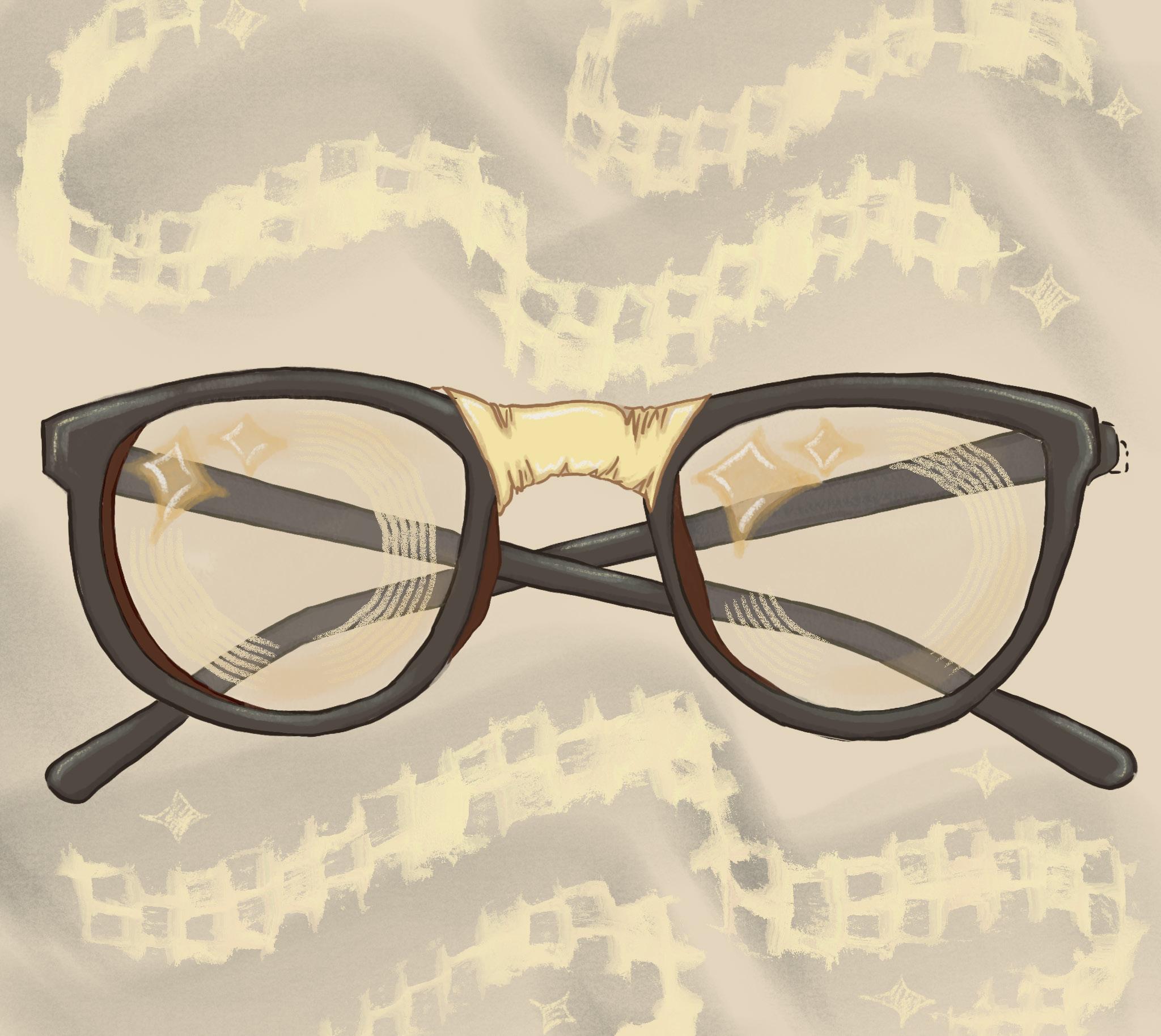
This title does not seem very good. The word “nerd” conjures up images of thick glasses, misaligned teeth and bad skin. Nerds are not supposed to be conventionally attractive, socially capable or athletic. This stereotype gets further reinforced in the media. Picture the one character seemingly added in to be funny, the glasseswearing outcast who constantly “nerds out” and acts differently. The only way the character can be accepted is if they lose the glasses and begin to act like everyone else. People are taught a lesson: Don’t show your passions to the world, as that makes you uncool.
But is being a nerd really so bad? Why hide something that makes one so much more complex?
To be a nerd means to have something that you care about deeply, so much so that you are willing to take the time to understand it so carefully. You immerse yourself so deeply in this hyperfixation that you become an expert in the field, a feat that does not come easily. Glasses or not, it is this motivation of curiosity to go beyond what we normally see every day that makes being a nerd so admirable. After all, it’s these experts who dare go beyond what has already been discovered and innovate.
Think of everything we have already built. From the phones that connect us to the world, to the buildings we live in, to the books we learn and study so deeply, these ideas and innovations were put forward and built by nerds. These nerds were not ashamed to be different and built something differently, thus the world was rewarded from these efforts.
Being a nerd allows us to connect with other nerds too. Imagine a group of people that are all visibly passionate about a topic, sharing ideas with each other. Without diving into our passions, we miss the opportunity to meet so many new people, people with whom we share motivations with and who understand us beneath the surface. In fact, it’s when we are able to connect and share our passions with others that we are able to increase our own appreciation for the subject as well.
When we suppress these passions we hold ourselves back. We present a shell of ourselves to the outside
world for the sake of pleasing others or fitting into a group that is doing the same thing. If we were to share our interests more openly instead, we could build more meaningful connections rather than superficial ones.
This isn’t a hard skill to learn, nor is it something that needs to be learned in the first place. Everyone has something that pushes them to keep going,
It is that time of the year again: the first heavy snowfall of the winter season. It came sooner than some may have imagined and, depending
on who you ask, it could be exciting or dreadful news. Regardless, the crystal masses remain.
As the semester draws to a close, and students begin to prepare for finals, the holiday spirit brought upon by the snowfall can easily be

overshadowed. Many of us are worried about exams and the heaps of assignments worth the remainder of our grades looming over our heads. Even then, we should take some time to appreciate the arrival of a new season.
The winter charm of fresh-fallen snow and the warmth of seasonal hot cocoa is a concoction bound to create nostalgia and sentimentality. Leaning into the rituals associated with the cold weather is especially necessary for the stressful emotions that accompany finals. A study conducted by Professor of Human Factors and Applied Cognition Dr. William S. Helton at George Mason University demonstrated that short breaks can enhance attention and productivity, no matter the nature of the break. Studying or completing a task for long periods of time is bound to deplete our motivation and attention. So sleepless nights and hours dedicated to uninterrupted study is inefficient and unsustainable in the long term. Taking advantage of winter season festivities can be a wise decision, recharging our minds to tackle brutal courseloads.
The holiday spirit is all about togetherness and appreciation for family and friends. However, not everybody has the luxury to return home or to a conventional family structure. With that being said, it is important to extend the feelings of the holiday spirit to our peers. At the end of the day, we do not truly know what our peers are going through, or the emotions they may associate with the holiday season, good and bad.
Anna Trusova/The Observer
some sort of passion that makes us tick. Whether it is an academic field that continues to inspire us or a hobby that gives us some reprieve from everyday life, we have this passion that we could fully engross ourselves in given the choice. No passion merely for our own growth can be destructive, and we can find our inner nerd in so many places. Why not dive in?
So whether it be a short or a long break, grab some friends and go enjoy all the snow has to offer—have a snowball fight, make a snow angel, go sledding. The possibilities are limitless. Host a hot cocoa night and savor rich chocolate flavor topped with sweet marshmallows. Or, plan a gift exchange at the end of everybody’s final exams, providing a source of motivation when studying becomes overwhelming.
Though it may be easy to look at the cold weather and snow as a negative, spending time in natural environments decreases stress levels which can serve to recharge deficiencies in our cognitive performance.
Seasonal affective disorder (SAD) is a type of depression that is activated by seasonal changes. SAD is a spectrum; even a milder version of SAD, most commonly known as the “winter blues,” causes affected individuals to feel more down during the colder months. So though SAD cannot be dismissed by a mere change in mindset, preventative measures against SAD can be taken by spending time outdoors while it’s still light out, seeing friends and family, exercising and eating nutritious foods.
The winter season is temporary, but that doesn’t mean we can’t have any fun with it. Remember that when the end of semester stresses become too much, it might mean it’s time to take a break, for at least a few minutes. Enjoy the snowy wonderland just beyond our front doors, bake delectably spiced treats or glide across a public rink. Most of all—spread the holiday spirit to those we love most.
Aditi Darodkar Contributing Writer
“The Provider-On Call is currently not available. Please hold.”
After an hour, a frantic voice finally answered. Nervously, I explained that my friend, who had recently undergone surgery, was experiencing debilitating pain along with a myriad of symptoms we were explicitly told to monitor. Hoping for relief, she had visited urgent care facilities, scheduled last-minute TimelyCare appointments and called this number multiple times. Each time, she was dismissed. My friend, one of the most lively individuals I know, was reduced to her bed, paralyzed by pain and weakness. Scared for her health, I pleaded with the doctor to provide us with directions, advice or actionable steps. Something. Anything.
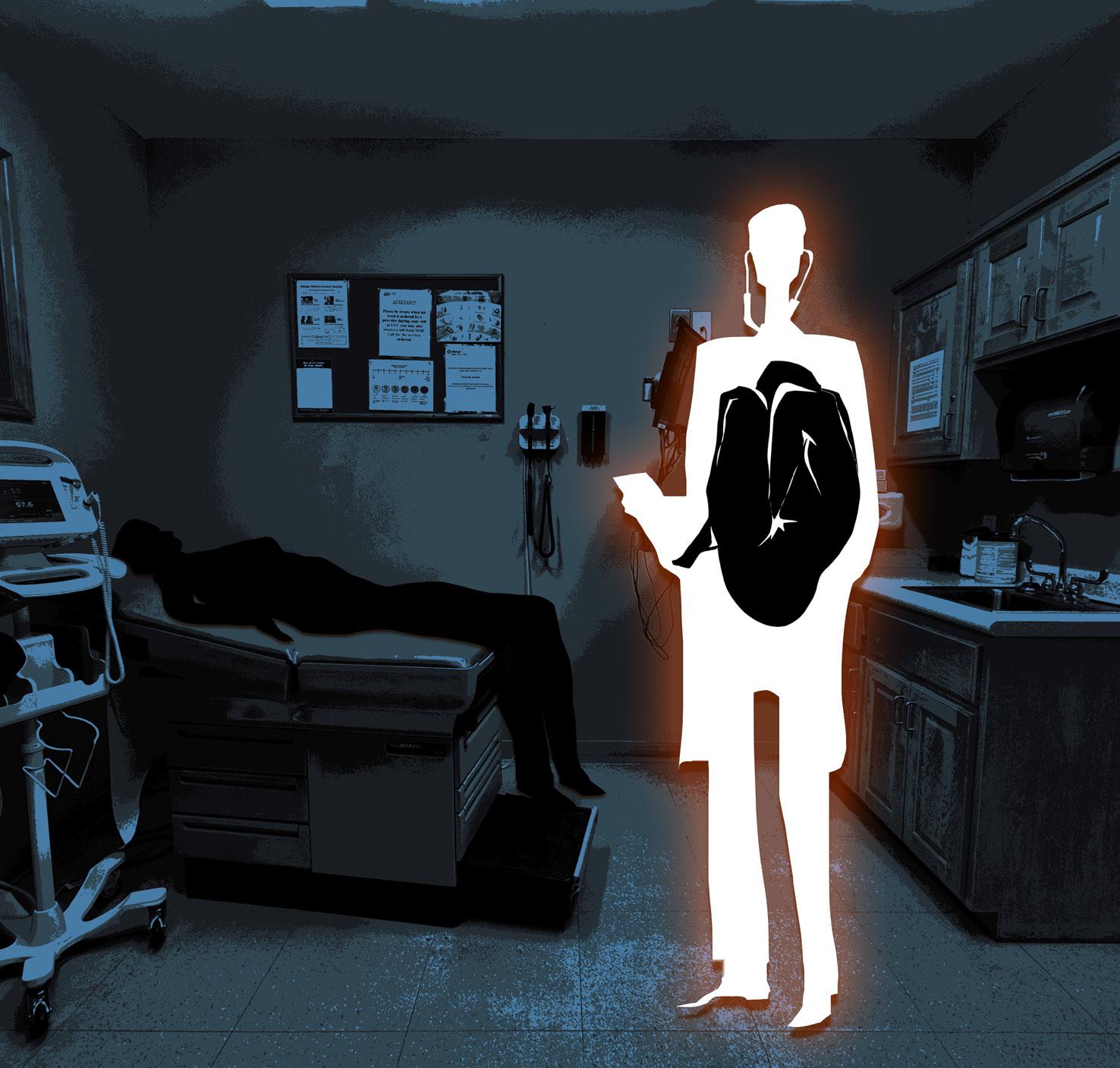
health professional. I know that the emergency department is a chaotic landscape, full of competing priorities, heavy caseloads and life-ordeath decisions. There may have been critical factors I could not see. Yet, the absence of human connection, the foundation of medicine, was undeniable. It points to something deeper: the rising prevalence of compassion fatigue.
Compassion fatigue, sometimes used interchangeably with “empathy fatigue,” was first coined by Carla Joinson in 1992. It’s not simply mental strain. It is deeply embedded emotional numbing that results from chronic exposure to trauma and distress, especially among individuals in a position to help. Characterized by burnout (severe employment-related stress that endangers an individual’s ability to work) and secondary trauma (development of traumatic symptoms as a result of witnessing the
We rushed to the Cleveland Clinic Emergency Room (ER) as soon as the on-call surgeon advised us to do so.
In the ER, the pattern of dismissal continued. The nurses quickly performed triage, a screening process to determine the severity of an emergency. They instantly informed us that there was “nothing wrong.” We were then banished to the waiting area, joining the rest of the exiled: A dad consoling his crying child, repeatedly glancing at the door, hoping they would be cared for next; an elderly man trying to breathe, bracing himself against the wall for support; a wailing woman clutching her stomach, vomiting on the floor.
What was jarring wasn’t the suffering, but rather, the lack of response from the staff who witnessed these scenes. No professionals rushed over. After waiting for three hours, I finally asked the front desk, “Do you know how long it will take for someone to take a look at my friend?” The response was flat and curt.
“I don’t.”
That’s it. No explanation. No effort to help. No understanding. And, most alarmingly, no compassion.
To be clear, I acknowledge my limitations. I am not a trained
suffering of others), it can lead to frustration, anger, depression and apathy.
In many ways, it is an understandable human response. By compartmentalizing one’s emotions, the providers shield themselves from the overwhelming weight of suffering. This emotional distance preserves the clarity needed in an environment where emotional vulnerability can be lifethreatening. But, it begs the question: doesn’t the very premise of efficacy in medicine rely on not only the provider’s ability to care, but also their desire to do so?
Compassion fatigue can harden into indifference, albeit unintentionally. Helping patients can become another chore, another task to push through. The irony is painful. Individuals who enter the medical field wanting to help others are worn down until they no longer have the emotional capacity to stay motivated. This article is not a critique of Cleveland Clinic, the ER staff or any specific provider. It is an examination of the larger medical system, where compassion fatigue can have dangerous implications.
This erosion of compassion has consequences far beyond patient satisfaction. Research from Stanford Medicine and Harvard Medi-
Established in 1969 by the undergraduate students of Case Western Reserve University
Darcy Chew Executive Editor & Publisher
Hannah Johnson Director of Print
Sabrina Feldberg News Editor
Alyssa Wang News Editor
Penelope Cloonan Life Editor
Aleksandra Majewski Opinion Editor
Ellie Palaian Sports Editor
Michelle Bai Copy Editor
Riya Kulkarni Copy Editor
Siya Motwani Copy Editor
We’ve all been there, trying to study or finish that last assignment when all we want to do is … anything else. Maybe we’re overwhelmed with the work we have to do, or maybe we feel the pressures of perfectionism and don’t want to start. We push ourselves to “lock in,” but call it quits too often, feeling guilty each time we pick up our phones to doomscroll again and again. Doing anything but the work we have piled up always seems to feel better than actually getting things done, but the sinking feeling in our stomach knowing we’ve wasted time is much worse. Can we really consider these pauses to be “breaks” if we feel worse after taking them?
Abhishek Nambiar Copy Editor
Mariana Parilli-Castillo Copy Editor
Lily Zhang Copy Editor
DESIGN
Anjali Bhuthpur Director of Design
Lucas Yang Director of Design
Shareen Chahal Layout Designer
Sahar Kapasi Layout Designer
Reva Kolhe Layout Designer
Elizabeth McHugh Layout Designer
Kiera Ng Layout Designer
Nithya Pandari Layout Designer
Jana Ashour Graphic Designer
Kristina Guo Graphic Designer
Sophie Shimeall Graphic Designer
Anna Trusova Graphic Designer
We may trap ourselves in a cycle of counterproductivity and double the time it takes to complete a task. In this “popcorn brain” mindset, we work and get little done, then stop working and think about how we could be working. By the time we resume our work, we feel ashamed, not refreshed, and we stay up late in attempts to catch up.
DIGITAL MEDIA
Auden Koetters Director of Digital Media
Moses Fleischman Web Editor
Ayan Sheikh Video Editor
Matthew Stall Video Editor
Obafami Tidjani Web Editor
Phillip Kornberg Photo Editor
A break is not shameful, not when it has the potential to act as a tool that makes productivity much more efficient. We just need to know how to use them.
Tyler Sun Photo Editor
Esha Bagora Social Media Editor
Benjamin Kang Social Media Editor
Timothy Le Social Media Editor
Just as an athlete wouldn’t do 150 consecutive bicep curls while strength training at the gym, as students we must take meaningful breaks in reasonable intervals. One popular example of this is the Pomodoro method, where 5 minute breaks follow 25 minutes of work (10 minutes of break to 50 minutes of work is also a popular option). By time-boxing our productivity and knowing we will be rewarded, we remain more focused when we
Rhea Soni Social Media Editor
Ethan Daley Sports Broadcaster
BUSINESS
Tyler Vu Director of Business Operations
Riya Dixit Ad Manager
Divya Kurma Business Manager
Anya Lin Analytics Manager
Ria Trivedi Marketing & Distribution Manager
The Observer is the weekly undergraduate student newspaper of Case Western Reserve University. Established in 1969, The Observer reports news affecting students and provides an editorial forum for the university community. Unsigned editorials are typically written by the opinion editor but reflect the majority opinion of the senior editorial staff. Opinion columns are the views of their writers and not necessarily of The Observer staff. For advertising information, contact via e-mail at observer@case.edu. LETTERS TO THE EDITOR should be e-mailed to observer@case.edu or submitted on our website at observer.case.edu. Letters can be mailed to Thwing Center 11111 Euclid Avenue, Suite 01, Cleveland, Ohio 44106. For policy and guidelines related to the submission of Letters to the Editor, refer to observer.case.edu/submit-a-letter.
The Observer is a proud member of CWRU’s University Media Board. Follow The Observer on Facebook, Twitter, TikTok and Instagram @cwruobserver.
cal School has shown that compassionate care improves clinical outcomes by improving medication adherence and pain management. Conversely, detachment can lead to medical errors, misjudgments and fractured patient-provider relationships. A system built on healing becomes emotionally unsustainable for the healers themselves. If we want better outcomes for patients and healthier lives for providers, we must confront compassion fatigue not as a personal
failing, but as a structural issue. Rebuilding compassion requires more than asking clinicians to “care more.” It demands systemic investment in staffing, mental health resources, trauma-informed training, humane scheduling and institutional cultures that value connection as much as competency. At the end of the day, medicine without compassion isn’t medicine at all. And patients, like my friend, are the ones left to bear the weight of that loss.
Bradley Winter Contributing Writer
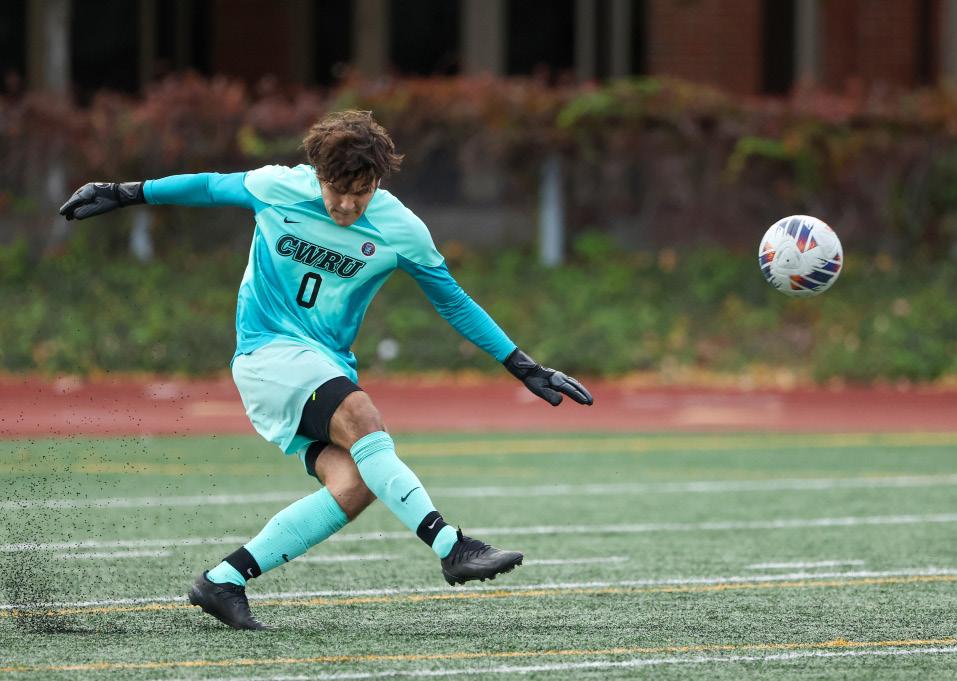
A Letter to My Younger Self invites a student-athlete to look back on the past four years—the triumphs, the struggles, the moments that shaped them both on and off the field. Fourth-year Bradley Winter stands as one of the most influential players in Case Western Reserve University men’s soccer history. His impact isn’t measured solely in saves or stats, but in the people he has inspired, the teammates he has lifted and the legacy he leaves behind. This is his letter.
Bradley,
It’ll be better than you ever could’ve expected, and you’ll make more memories than you ever would’ve imagined with some truly amazing people. You need to hear that, because I definitely did, and wow, it’s so true. It’s funny as I write this, and I think back to how you felt at this time as you prepared to embark on the journey into college. Quite begrudgingly, if I remember correctly.
I know CWRU wasn’t what we originally wanted, and the old dream definitely didn’t come true, but I can say now that the new dream I just got to live out was far better and more rewarding than anything. You’ll walk in with the intention to transfer and play Division I soccer, but you’ll quickly realize the title isn’t what it seems, and you’ll be fortunate enough to find something bigger and better to strive for. You’d
probably think that it would be the trophy and title that we dreamed of for so long—unfortunately, it’s not— but I think you found something far more worthwhile and something you can hold on to forever. What is that exactly? The lessons you’ve learned, the memories you’ve made and the incredible people you’ve experienced them with.
You’ll arrive at CWRU and enter a freshman dorm that’s about as big as a closet, where you’ll be with Ben, who will turn into one of your best friends. About 30 minutes after getting into the room, you’ll see a goofy kid with a head full of curly hair pop in, and next thing you know, you’ll have the second member of your crew, Mr. Stephen Vilardo, who will be one of your biggest competitors, motivators and best friends. Shortly thereafter, you’ll run into McLaren with his long flowing hair and later meet Cam and Phil at a team dinner. Hayden will be a semester late, but he will get there eventually, as he does. Next thing you know, the time will flash by, and you’ll be dancing at a wedding with Steve and Cam, traveling to Madrid to see Ben and Phil with the guys and laughing your head off with 22 amazing guys in a hotel room in New York City. If I tried to go through all the memories with these fools in the past 4 years, it would take me forever to write, so I’ll let you just experience it for yourself!
The best part about CWRU is the people, and you’ll find that out pretty quickly. When it gets pretty grey and cold (snow isn’t that great, especially after you forget to bring
a coat, so have fun with that), you need some good people to spend time with, and man, have we gotten so lucky. You’ll find a great mentor in Alex, who will show you the ropes and guide you down the path at school. You’ll also have some incredible seniors, who I wouldn’t be the person I am without, in Jackson, Collin, Jacob and Matt. They’ll still text you every day 4 years later. Soccer won’t go the way you expected, and honestly, that is one of the best things to happen to you, because you’ll learn far more about yourself than you knew, and it’ll do wonders for you over the next few years. While the first year will be hard, frustrating and tiring, it will make that moment when you get the start against Otterbein University a truly special memory because of everything that went into it. You probably needed to get humbled a little bit anyway, so it’s all a good thing at the end of the day. From there, the soccer career will take off, and while you won’t necessarily win everything you want, you’ll get more from the experience than any win could ever give you. A tournament appearance, a lot of saves and so many long balls, but none of it will mean as much as the moments with the guys you’ll have around you. You’ll run at 5 a.m., travel all over the country, laugh in hotel rooms, sing karaoke in front of the whole team, dance with an incredible group of friends and even get to watch Messi play live!
Soccer has always been everything to you, and while it’s weird and daunting to see it end, you’ll
be so blessed with what it has given you. The memories and people you have now cannot be taken away, and it all comes back to the fact that you like to stand in the goal and have soccer balls kicked at you. Sounds like we’re a little crazy when I put it like that.
There is so much more to say and reflect on, but you’ll know after you go through it. Stay humble and work hard. Give more than is expected, and when you say you’ll do something, get it done. Actions speak louder than words, so get after it. You’ve got the skills you need, just trust the people around you and find the confidence in yourself. It’s in there, you’ve just gotta bring it out.
It’s worth mentioning again that you’ll meet some of the most amazing people, who you’ll have some wonderful experiences with and who will influence your life so much. You might not know all of them yet, but wow, you’ll be so lucky when you do. Just wait until you spend a lot of time with Matt…
You’ll figure it all out regardless of what happens, and when life gets tough, get some ice cream at Mitchell’s and spend some time laughing with the guys, that always makes everything better. You’ve got quite the journey ahead, so enjoy every second of it. I’m proud of you, and I hope you’ll be proud of me. Good luck!
P.S. Try to have some fun every once in a while!
Sincerely,
Brad (That’s what they call us now)
Abhishek Nambiar Copy Editor
Men’s Basketball
After a pair of losses at the Great Lakes Invitational, the Case Western Reserve University men’s basketball team came back strong with 78-61 over Saint Vincent College in Horsburgh Gymnasium this past weekend. The win ends a losing streak for the Spartans, putting them up 4-3 as the Bearcats fall to 3-2.
From the opening tip, CWRU set the tone as the Spartans scored the first five points including three from free-throws by fourth-year guard and co-captain Anand Dharmarajan. A layup by third-year guard Julian Scott put CWRU up 39-16 with just under five minutes left in the first half as the team jolted ahead to a 4627 halftime lead.
Saint Vincent opened the second half with renewed energy, trimming the Spartan lead to 51–35 with 16:19 left in the period. CWRU was quick to respond with a layup by first-year forward Alex Vincent and a threepointer by first-year guard Shyam Patel pushing the margin back to 21 points with 15:31 remaining.
The Bearcats would mount a serious rally later on, cutting the lead down to 8 points with 13 unanswered points, putting the score at 56-48 with 8:23 left on the clock. Patel answered with a three-pointer at 7:30, and added another a minute later to extend the lead to 62-50 with less than seven minutes remaining. The Spartans maintained control from this point, never going below a double-digit lead on their way to closing out the game with a 17-point lead.
Dharmarajan led the team in points with 14 to his name. Patel added 11 points over the course of the game, while 10 points came courtesy of Vincent.
With the conclusion of this match, CWRU now turns its attention to its next match: a road game against Hiram College on Wednesday, Dec. 10.
Women’s Basketball
On the road in Bethany, West Virginia, the CWRU women’s basketball team defeated Bethany College 53-47 on Tuesday, Nov. 25.
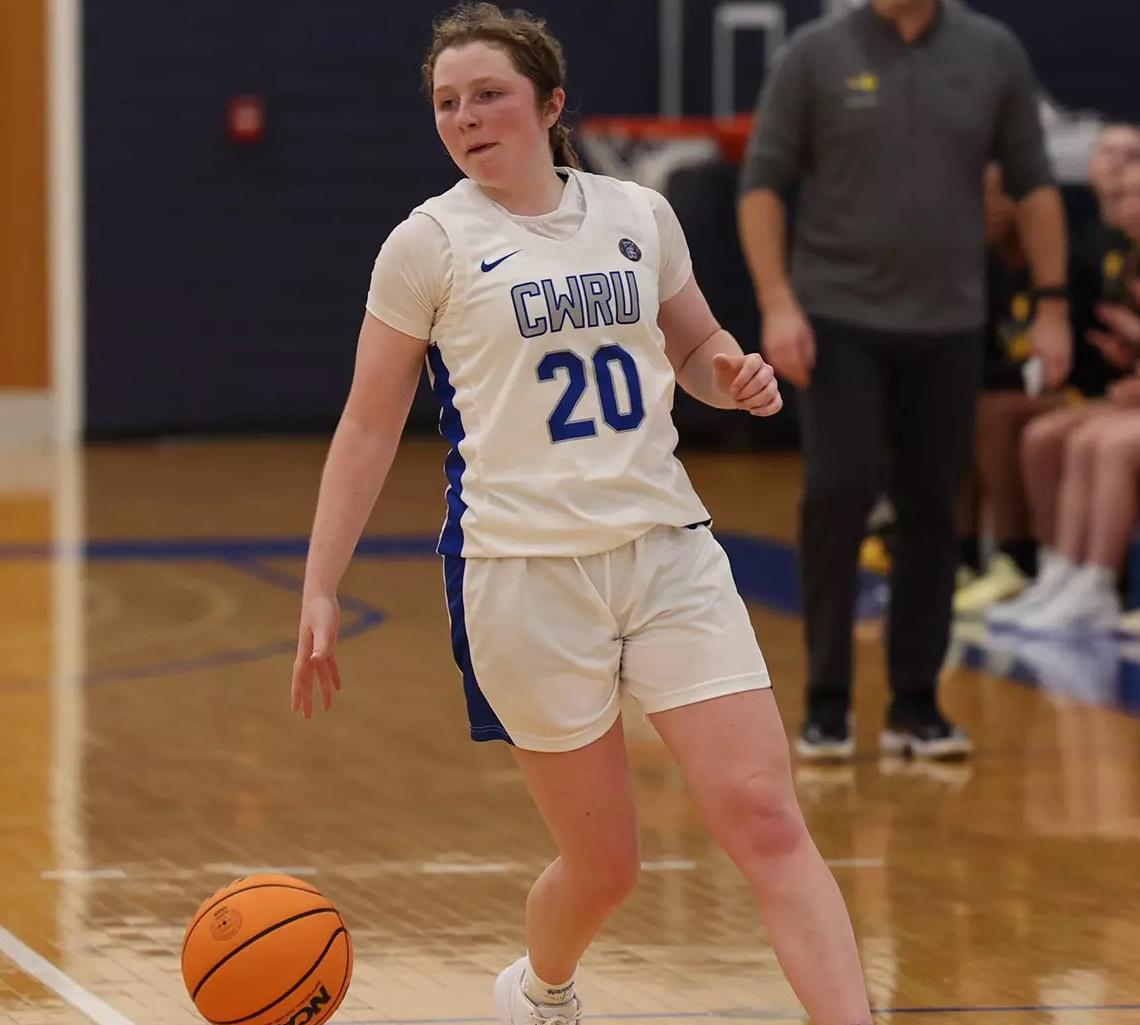
Leading the charge was third-year forward Maura Schorr, who posted 17 points and 11 rebounds—her second double-double of the year and the fifth of her career. Fourth-year guard/ forward Emily Plachta also notched a double-double with 10 points and a career-high 15 rebounds, along with contributions on both ends including two steals and two blocks.
The game was neck-and-neck most of the time, with both teams narrowly pulling ahead of each other as the match went on. By halftime, the margin was a narrow 24-21 in favor of the Spartans.
In the third quarter, Bethany took the lead for the first time, overtaking CWRU 31-28. But the Spartans responded before the period ended with a late three-pointer from second-year guard Taylor Angielski and a free throw from Schorr, allowing them to reclaim a 39-36 lead heading into the fourth quarter.
It was during this final period that third-year forward Biz Watson scored five points to put the Spartans back in front for a lead that they would refuse to give up for the rest of the match. After a brief Bethany free throw, Watson added a putback that extended the lead, as the squad would hold the Bison long enough to
secure their win.
The Spartans’s next contest will come on Saturday, Dec. 6 as they travel to Granville, Ohio to take on Denison University.
Swim & dive
The CWRU men’s and women’s swim and dive teams concluded their 2025 slate at a duo of meets: the Total Performance Invite hosted by Kenyon College and the Phoenix Fall Classic hosted by the University of Chicago.
At the Total Performance Invite— which took place from Thursday, Nov. 20 to Saturday, Nov. 22—the women’s team finished fifth out of seven teams while the men’s team finished fourth out of seven. Among the notable performances for the Spartans during this meet were several impressive times recorded across a variety of events.
During the first day of the meet, fourth-year swimmer John Drumm set a school record in the 500-yard freestyle finishing fourth overall with a time of 4:27.53; the previous record was set by him at this same meet last year. The team of first-year Sohalya Rawlins, third-year Sheila Monera Cabarique and fourth-years Eliza Dixon and Claire Kozma finished third in the 200-yard freestyle relay with a time of 1:34.09.
As for day two, Kozma finished second in the 100-yard butterfly with a 55.32 time, while fellow fourth-year Mason Bencurik achieved a 1:39.06 time during prelims for the 200-yard freestyle. The third day would see more top finishes for Spartan swimmers, such as a first-place finish by Drumm in the 200-yard butterfly (1:47.69). The team of Kozma, Dixon, and first-years Olivia Jastrzab and Sohalya Rawlins achieved a thirdplace finish in the 400-yard freestyle relay (3:28.34). Finally, Kozma finished fourth (50.89) in the 100-yard freestyle. All of the aforementioned times across the meet’s three days met the threshold for an NCAA B cut time, a provisional qualifying standard for the national championship.
Meanwhile, the Phoenix Fall Classic saw CWRU send five divers to compete in Chicago. The event was not as productive for the team, with both the men and women finishing in last place out of 10 teams. Some notable performances were still to be seen
during this meet, however; First-year Ryan Wells achieved a second-place finish in the three-meter dive and a third-place finish in the one-meter dive. Third-year Jack Rudofsky finished in fifth in both of these events.
With their fall schedule complete, the swimming and diving teams will take a break from collegiate competition before returning to the pool on Saturday, Jan. 17 for a dual meet at SUNY Geneseo.
Wrestling
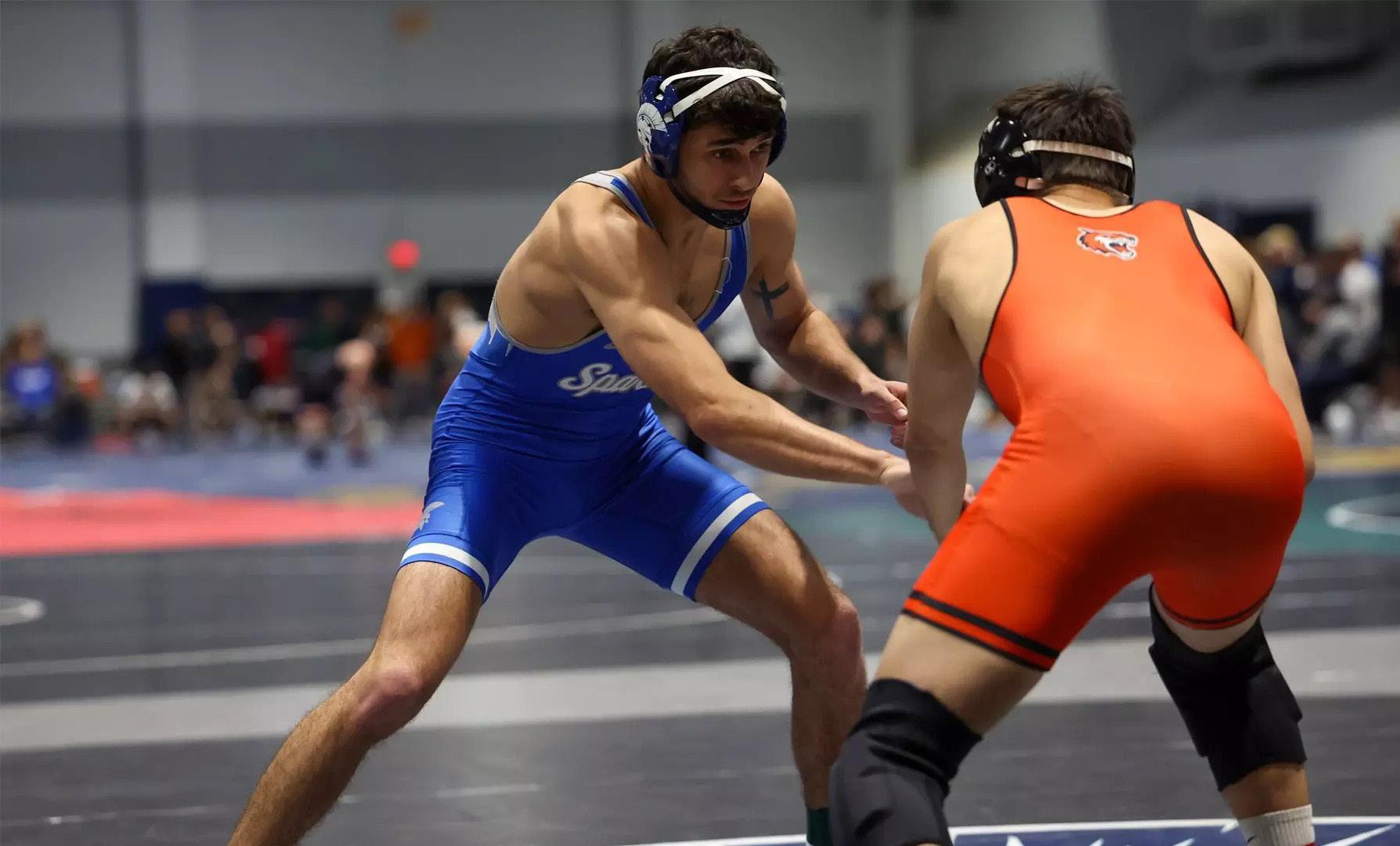
The Spartan wrestling team competed at the Baldwin Wallace Invitational in Berea, Ohio on Nov. 22, finishing third out of 13 teams with a total of 151.5 points.
Leading the Spartan showing was fourth-year Art Martinez. Wrestling at 133 pounds, Martinez went 4-0 to win his bracket with two pins, a technical fall and a victory by major decision. He opened with an 18-1 technical fall in 2:09, followed by pins at 1:20 and 4:04, before defeating Albion College’s Cade Odrobina in the final by major decision (14-4).
Beyond Martinez, the Spartans fielded a deep, balanced roster. Four wrestlers—first-years Hunter Keane (141 lb) and Alexander Goldman (197
lb), fourth-year Thomas Wagner (157 lb) and third-year Mathew Gummere (184 lb)—reached their bracket finals, each finishing second. In the semifinals of his weight class, Keane won his team-leading 13th match of the season. Other wrestlers contributed solid efforts, helping shape up a well-rounded team result. First-year Cole Rose (141 lb) and fourth-year Marty Landes (165 lb) both landed fourth-place finishes, while secondyear Chase Crutchley (174 lb) took fifth.
Among other accomplishments, first-year Thomas Trout (184 lb) secured the first win and technical fall of his collegiate career while fellow first-year Christopher Bezzeg (157 lb) extended his team pin lead to seven following the two he achieved at this meet.
With these strong showings, CWRU heads into the next phase of the season on a high note. After a short break from intercollegiate competition, the Spartans return to action on Friday, Dec. 5 with three dual meets in Berea that will see them face off against the University of North Carolina at Pembroke, Baldwin Wallace University and Wilmington College.
NCAA DIII Championships (11/22)
3rd-year Jacob Slater 99 of 291
2nd-year Donovan Crowley 42 of 291
1st-year Francesca Taracila 74 of 290
at Total Performance Invite
(11/20-11/22)
Men’s Team 4th of 7
Women’s Team 5th of 7
at Phoenix Fall Classic (Diving)
Ellie Palaian Sports Editor
This semester, the Exercise and Nutrition Research Group (ENRG) in the Department of Nutrition completed the PERFORM Study with Case Western Reserve University athletes. The project focused on preventing and educating about Relative Energy Deficiency in Sport (RED-S)—a condition caused when athletes fail to consume enough energy to meet training demands, affecting both performance and longterm health—by examining fueling practices, performance outcomes and metabolic health.
student Alex Sanchez; and undergraduate Nutrition students Maya Khan, Lindsey Petersen and Sajan Patel.
During testing week, athletes rotated through a series of assessments designed to provide a comprehensive picture of their health and performance. These evaluations included two forms of body composition testing—bioelectrical impedance analysis (BIA) and a novel tablet-based 3D image scan— along with strength and power assessments. Athletes also completed nutrition and health questionnaires to offer insight into their fueling habits and training routines.
identify how we can mimic some of this support using the resources we have and zero on how we can best support our athletes.”
Second-year women’s soccer player Kinzly Gootman participated in the study and appreciated the detailed data and insights she received.
“The nutrition study helped me understand body composition more and why it matters for athletes and health overall,” Gootman said. “By comparing statistics across the season, I got to understand how the season affects my body and how nutrition is a crucial piece of athletic performance to maintain muscle mass and fuel performance.”
Men’s Team 10th of 10
Women’s Team 10th of 10 (11/22-11/23)
at Baldwin Wallace Invitational (11/22) 3rd of 13
Men’s Basketball
Great Lakes Invitational (11/21-11/22) at Washington and Jefferson (11/21) L 69-70 vs Trinity (11/22) L 59-75 vs Saint Vincent (11/30) W 78-61
Women’s Basketball
vs. Thiel (11/22) W 91-50 at Bethany (11/25) W 53-47 vs Mariette (12/4) L 66-67
Wrestling
Yellow Jacket Duals 12/5 vs UNC Pembroke at Baldwin Wallace vs Wilmington at Chocolate Duals 12/20
Men’s Basketball
Women’s Basketball at Hiram 12/10 at Allegheny 12/13 vs Kalamazoo 12/30, 2 p.m. Horsburgh Gymnasium
vs Marietta 11/3, 7 p.m.
Horsburgh Gymnasium at Denison 12/6
BW Invitational (12/29-12/30) vs Oberlin 12/29 at Baldwin Wallace 12/30
“The main goal of this research project was to better understand the relationship between studentathletes’ nutrition habits, metabolic health and factors related to their fueling practices for athletic performance,” Department of Nutrition faculty member Dr. Kristyen Tomcik said. “By expanding the study to include several varsity teams, we’re also able to compare and contrast across different athlete populations and demographics. Ultimately, our goal is to use this project as a model for integrating research into CWRU’s athletic framework, creating a sustainable system for ongoing nutrition monitoring and education.”
The research team included Department of Nutrition faculty members Tomcik, Professor Lindsay Malone and Professor Katie Nabors; Pennington Biomedical Research Center researcher and CWRU Nutrition alumnus Dr. Jacob Mey; CWRU Medical School students and Nutrition/Athletics alumni Clarence ‘Tre’ Armstrong (Baseball) and Hannah Kassaie (Tennis); CWRU Nutrition MS
“The PERFORM study was born out of a desire to provide nutrition support to Division III athletes who may not get the same support and resources as Division I athletes,” Malone said. “RED-S can impact performance as well as health outcomes off the field of play. Collegiate athletes have a number of unique constraints that may make them more susceptible to RED-S including scheduling, food availability, knowledge, etc. We thought our team and approach could help identify and reduce these constraints.”
The researchers recognized a significant gap in the resources available to Division III athletes compared to those in Division I programs, which motivated their focus on the Division III population.
“Division I and professional athletes commonly have more resources and support including special dining halls to accommodate athletes, staff dietitians, and mobile fueling stations for games and practices,” Malone said. “Our aim in studying our CWRU athletes is to
Gootman believes the information gathered through the study will benefit not only athletes, but also coaches, programs and administrators.
“The information collected can help researchers, dietitians, and coaches understand how to best support athletes throughout their season to yield the best performance,” Gootman said.
Looking ahead, ENRG hopes to expand their research to include all athletes on campus and provide broader nutrition and health resources.
“Our goal is to continue expanding sports nutrition offerings to all the teams on campus,” Malone said. “We have to be strategic about how many teams we take on given our staff, resources and time constraints. Ideally, we’d like to see all athletes on campus have access to nutrition education and resources throughout the season—including but not limited to: body composition testing, fueling and hydration stations, dietitians, metabolic testing, etc.”
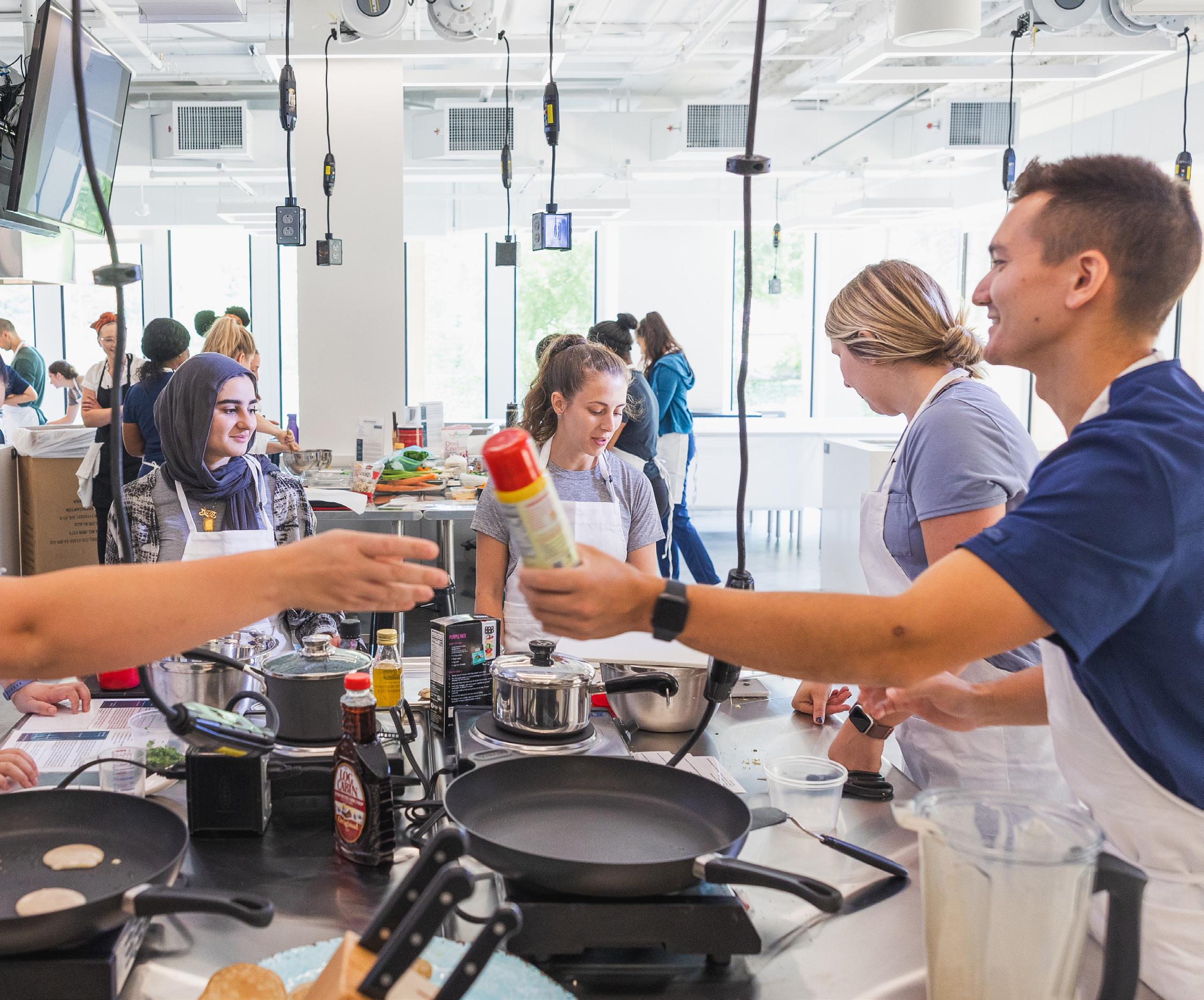
CWRU’s Department of Nutrition conducted a study to better understand the link between studentathlete habits and athletic performance. One of the difficulties the research group encountered was scheduling. “Trying to work around practice, game and school schedules can be a challenge,” Instructor and Clinical Dietian Lindsay Malone said. Courtesy of Case Western Reserve University