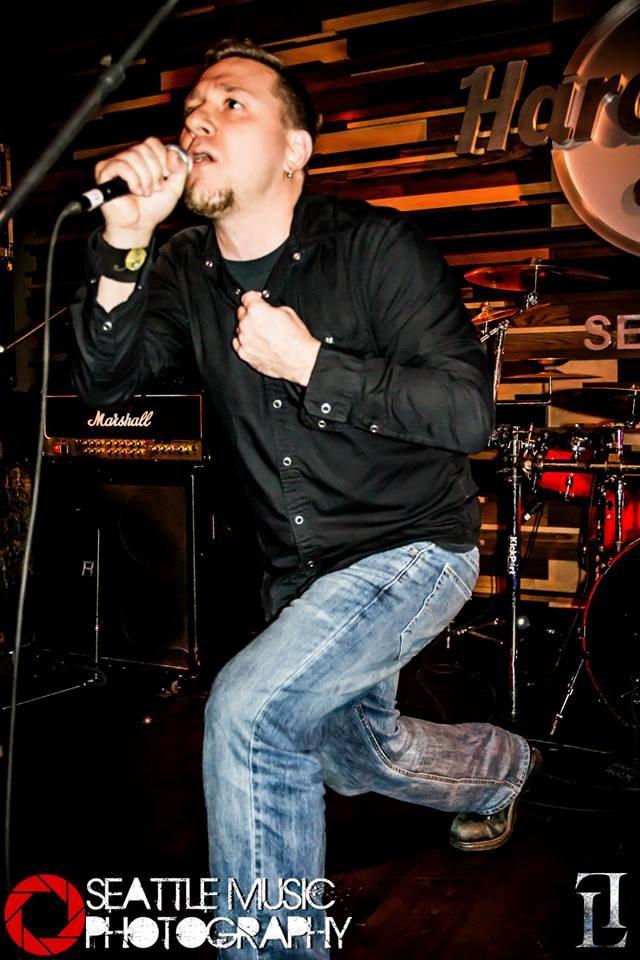
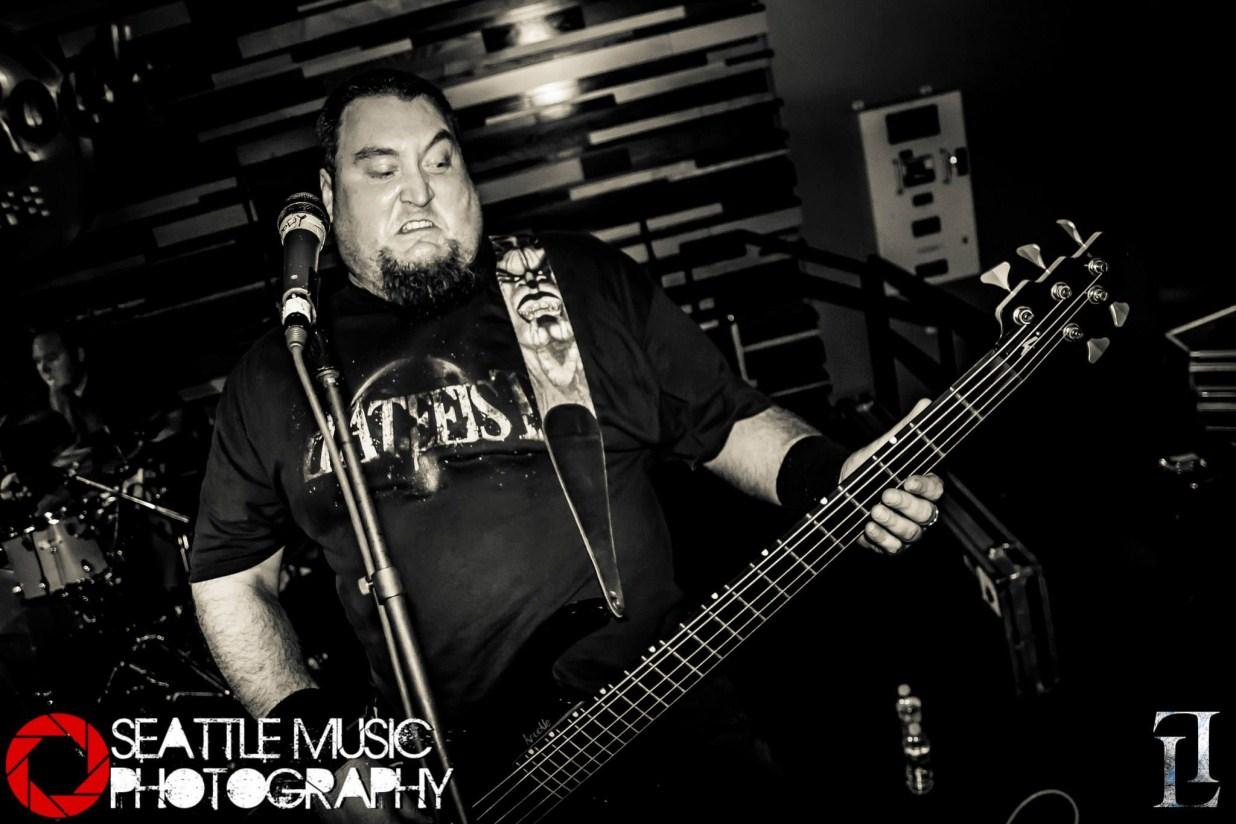
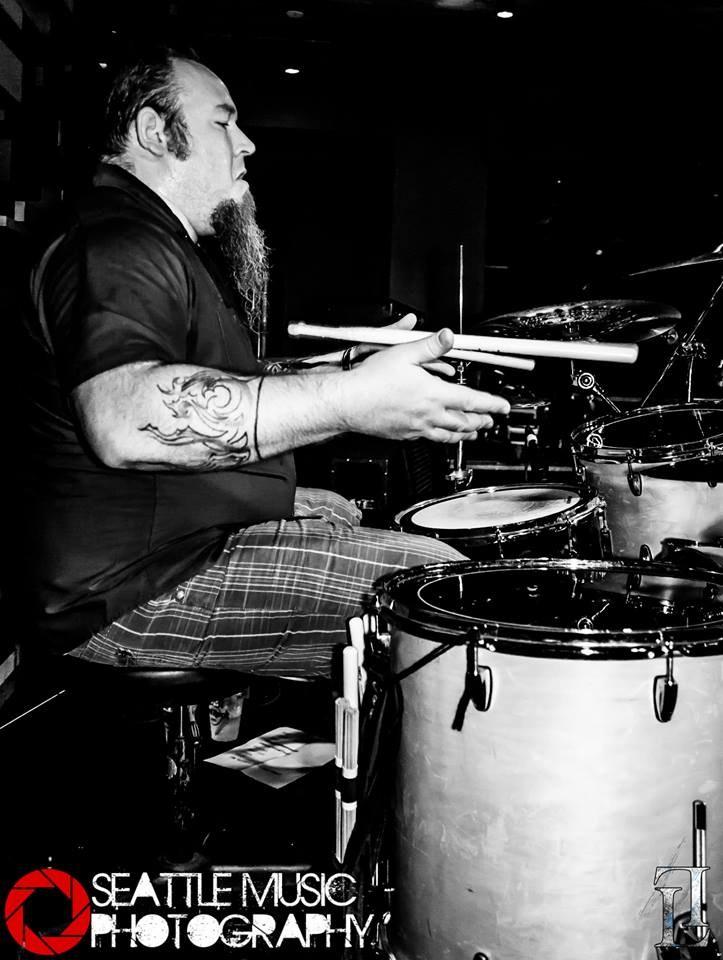
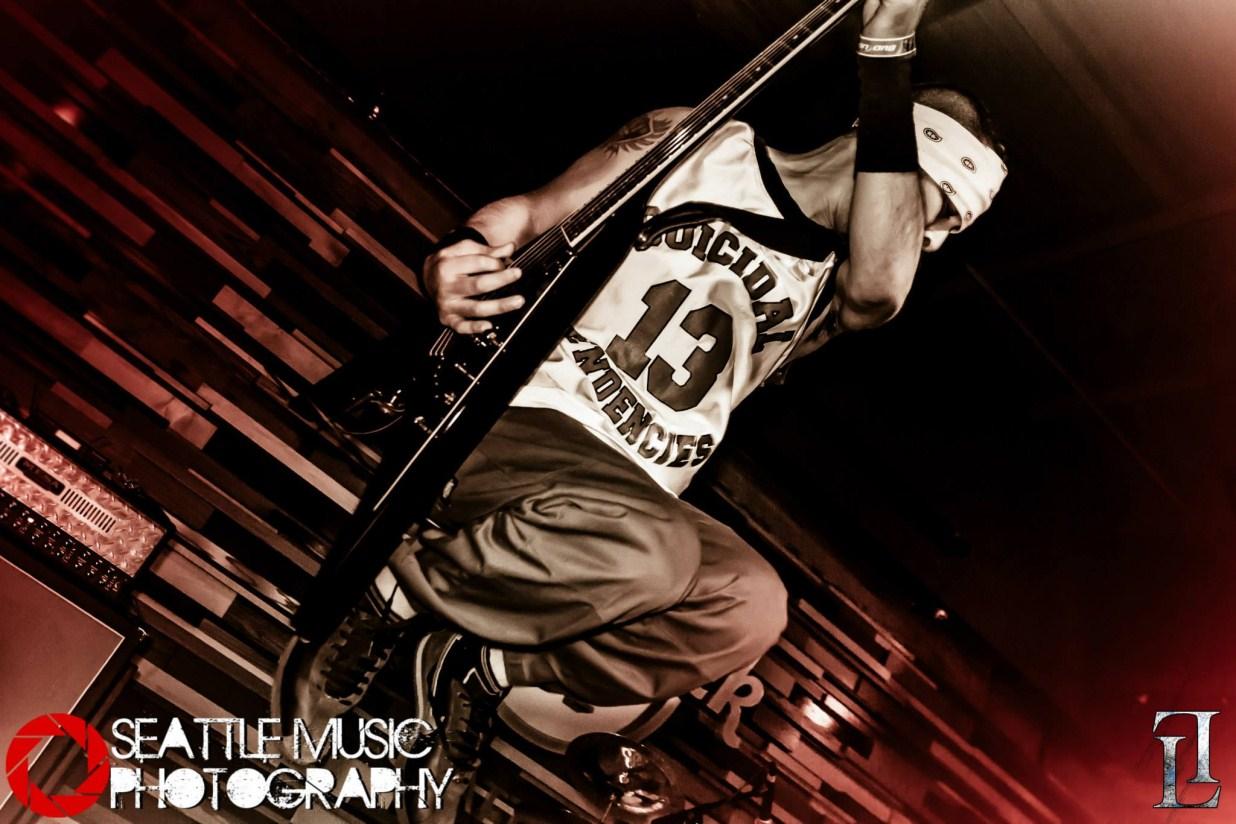
Nov 01 Strawberry Roan Finnigan's Mill Newberg, OR
Nov 02 Overwatch the Boardwalk Orangevale, CA
Nov 02 Strawberry Roan Dr Feelgood's Aloha, OR
Nov 06 Unchained Skamania Lodge Stevenson, WA
Nov 09 Mechanism the 4th Ave Tavern Olympia, WA
Nov 09 Riverpool the Ash St Saloon Portland, OR
Nov 09 Strawberry Roan Rover Roadhouse Milwaukie, OR
Nov 14 Madame Torment the Tonic Lounge Portland, OR
Nov 15 3 Inches of Blood the Wild Buffalo Bellingham, WA
Nov 15 Appice Bros Drum Wars Tonic Lounge Portland, OR
Nov 15 Mechanism the Tonic Lounge Portland, OR
Nov 15 Witchburn the Wild Buffalo Bellingham, WA
Nov 16 Appice Bros Drum Wars Studio Seven Seattle, WA
Nov 16 GRIND FL State Fairgrounds Tampa, FL
Nov 16 One Gun Shy the Central Saloon Seattle, WA
Nov 16 Prophets of Addiction Waldo's Lynwood, WA
Nov 16 Ravages of Time Waldo's Lynwood, WA
Nov 22 Metal Shop Clearwater Casino Resort Suquamish, WA
Nov 22 Prophets of Addiction McCoy's Cavern Olympia, WA
Nov 22 Strawberry Roan Ballad Town Billiards Forest Grove, OR
Nov 23 Prophets of Addiction Rock Lodge Tacoma, WA
Nov 23 Strawberry Roan McMenamin's Tavern Rock Creek, OR
Nov 29 Metal Shop the Swiss Tacoma, WA
Nov 29 Prophets of Addiction the Castle Sedro-Wooley, WA
Nov 29 Ravages of Time the Castle Sedro-Wooley, WA
Nov 29 Strawberry Roan Mad Greek Deli Portland, OR
Nov 30 Metal Shop the Green Frog Sheridan, WA
Nov 30 Prophets of Addiction Tony V's Garage Everett, WA
Nov 30 Ravages of Time Tony V's Garage Everett, WA
Nov 30 Strawberry Roan the Rogue Pub North Plains, OR
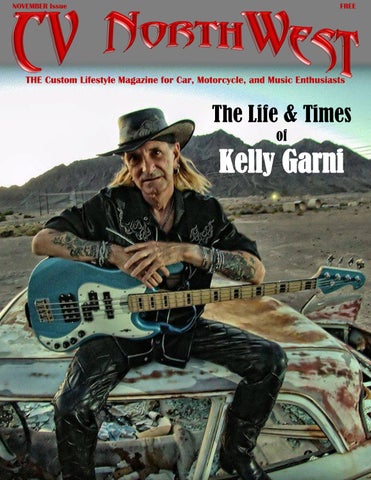
The Life Times of...
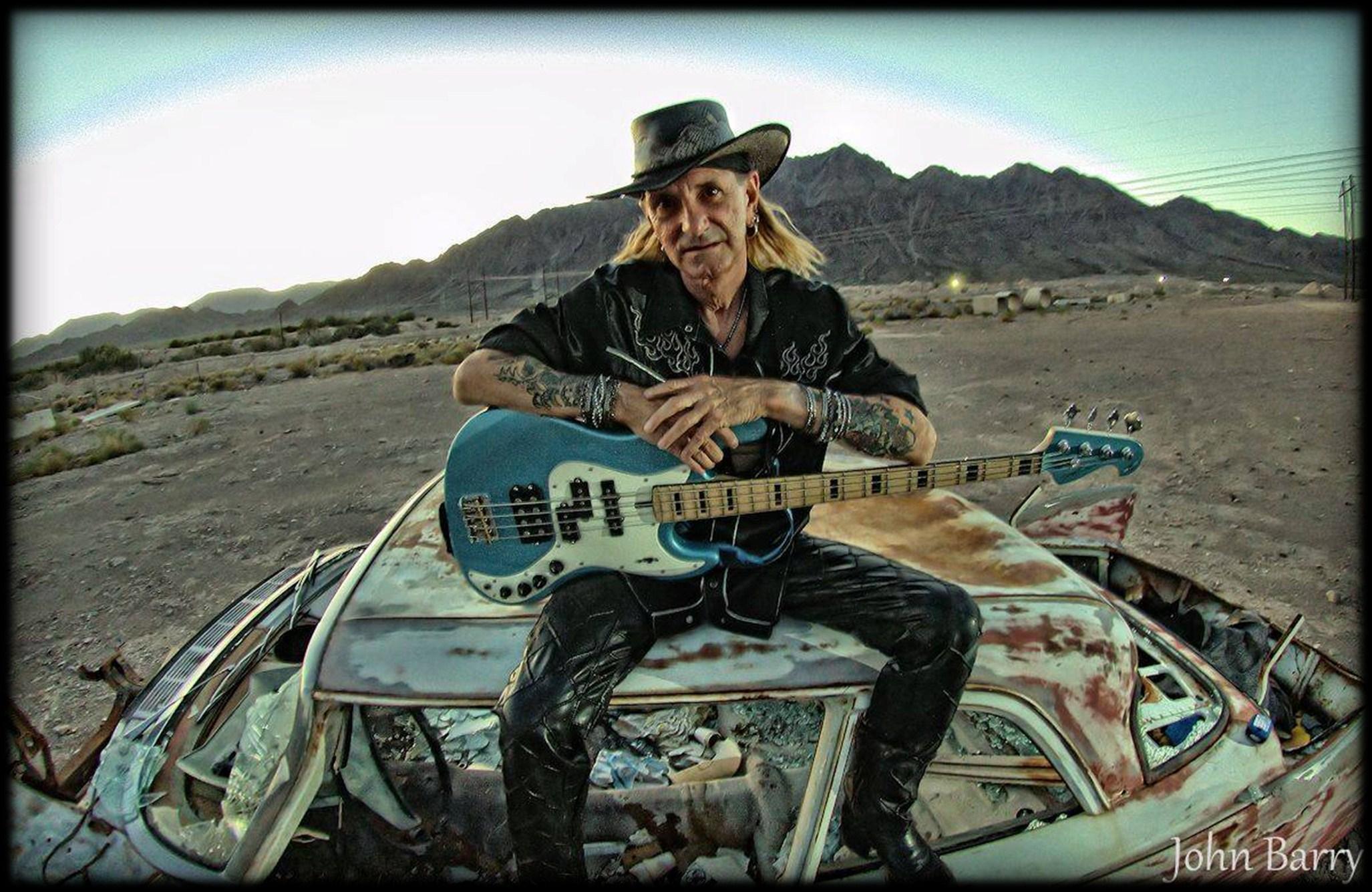
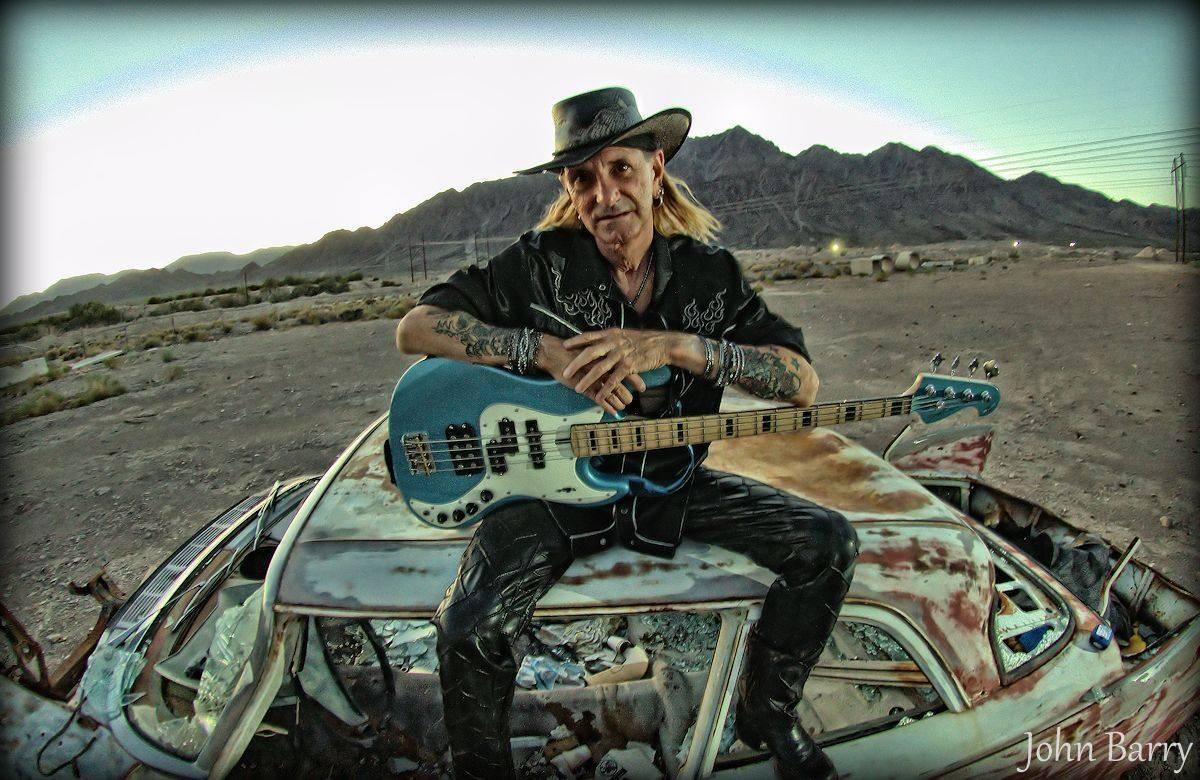
From a young social outcast to rock star to paramedic to writer to photographer to Fantasy Camp “counselor”, the life of Kelly Garni has been a roller coaster of highs & lows and incredible experiences, but the one thing that has remained constant throughout is all is the his love for music and his legacy as a founding member of Quiet Riot. The man whom the late great Randy Rhoads called “best friend” still lives a life of music, of performing, and nostalgia. CV WorldWide got a chance to talk to Kelly about his incredible journey...
<CV WW> Let's talk about your early years - when did you first really become infatuated with music; at what point, and what was the catalyst, did you say "I want to play music be a rock star". Did you have any other interests growing up?
<KellyGarni>Ihadmessedaroundwithaguitarwhen I was 9 or 10 years old, but that was all it was, just messingaround. It wouldbeeasyformeto sayI was drawn to it, but to be honest, it seemed like a hard thing to learn to play, almost painful. Then I met this other kid who has an electric guitar and a good sized amp;whenIsawandheardhowmuchnoiseyoucould make with that gear, the appeal began to set in. Althoughitendeduplyingdormantforsometime.
<CV WW> How did you gravitate towards playing bass guitar?
<CV WW> The first step in this was moving to Burbank, CA in the early 70's; soon after, you met Randy Rhoads. How old were you guys when you first met, what can you tell us about that meeting, was it just two kids saying "hey man"?
<KG>Iwas11andRandywas12,hewasayearolder thanmebecausehehadgonetoadifferentschooland 7th gradewasinanewschoolforbothofus,JohnMuir High School. Randy is actually 10 months older than me. Neither of us fit in at the new school; we were both a bit withdrawn by nature, him moreso than me, andthenew school wastheworstthing that had ever happened to either of us. Everything was so new and confusing, and it was a much bigger school than we hadeverbeento,wefeltveryoutofplace.
ing as confused and miserable as me. To me, even then, he seemed to have an aura about him; when I looked at him, I saw him in a different way. I knew right away he was special and just different than the otherkids. Ihadnoideawhyhestruckmelikethat. I was so young, I had never felt or sensed anything like that before, but something inside me told me that I shouldgettoknowhim,andthatitwasimportantthat Idoso. Therewasamagictohim,anditseemedthatI was the only one in the whole school who saw it. No oneelseintheschoolpaidanyattentiontous…atfirst.
<CV WW> Why do you think the two of you got along so well?
<KG> Well, I think we met at a good time. We were still a few miles from being adults, but we had a good idea of the direction in which we were headed…
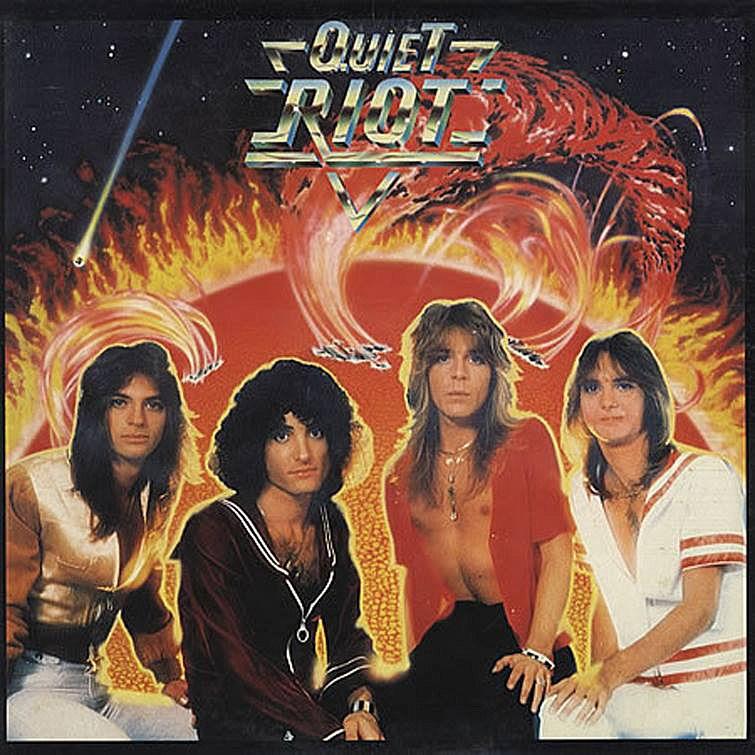
Fuzzy but nostalgic cover of Quiet Riot I - Kelly is on the right.
especiallyoncewegotmusically ambitious. But to be sure, we just “clicked” right out of the gate – maybe it was because otherthaneachother,noonein thewholeschool wantedtotalk tous!LOL
<CV WW> You two became best friends during junior high, tell us about how you two started playing together. <KG> When I met him, one of the first things he said was that he played guitar. I thought that was pretty cool, but it wasn’t until I went to his house and heard him play that I saw he was pretty serious about it. He was great even then, andhedidn’tevenknowhowtoplayanyleadsyet. He immediatelyturnedme intoabassplayer,whichgave himsomeonetojamwith…andwhenhelearnedanew lead, he would teach me a pattern to play and would dotheleadoverandovertopractice,thentryitindifferent ways. Usually the patterns were only 3 or 4 notes,butwewouldplaythemforhoursonend. Eventually,wewouldeventurnthemintosongs.
What really changed everything was when we discovered Alice Cooper. When we heard that, we wantedtosoundjustlikehim,andit becameourmissionofsorts.Thatchangedourapproachtomusic.
Thefirstthingwastogetoursoundliketheirs; oncewedidthat welearnedevery ACsong that existed, going back to their first album, “Pretties for You”. After we learned all that, we were able to come up with our own things that sounded much like they did. ThencameDavidBowie…
When Randy heard Mick Ronson, we HAD to learneveryDavidBowiesongsohecoulddotheleads. People always come up with these really off the wall playerstheysayinspiredhimandinfluenced him;but really,ifitwasn’tBuxtonfromAliceCooper,orRonson from Bowie, we didn’t pay much attention. We did eventually play songs from all kinds of other bands, especially the Rolling Stones, we knew tons of their songs;butKeithRichardscertainlywasn’taninfluence perse. Ifwenoticedanyoneelse,IwouldcalloutJimmyPageorRitchieBlackmore,butunlesstheywerein asuperfreakyband,weweren’tveryinterested.
KISScamealong,butwethoughttheyweretoo "comic book" for us. Not only that, but we thought their songs were unsophisticated, too simple. To us, theyalllookedanddressedalike,whereasalltheother
bands we liked, the players always had their own image that wasall their own. We had started toget a bit creativewiththewaywedressedandlooked.Ourhair grew long, and we made a lot of our clothes. This became a huge problem in school, because by that time we were in 9th grade and things got really bad for us. The other kids called us fags and really hassled us to the point where it was difficult to go to school. And eventually, we just stopped going. Truth be told, we neverwenttheremuchanyways.
<CV WW> Talk about the years spent hanging with Randy, and the decision to form a band call, let's see, um, oh yeah, Quiet Riot! Well, first it was Mach 1, then Little Women (?!), then Quiet Riot.
<KG> It wasn't long before we had progressed to the pointthatwesawtheneedtoformaband.Thisreally became apparent in a big way when we were around 13. We had already been jamming with lots of older guys who jammed in parks and back yards. We found someguysclosetoourage,adrummerandaguywho went to our school who could sing a bit and play rhythm guitar. We called that band "Mildred Pierce" which we thought was very Alice Cooper of us. We played at some backyard parties and did some sort of battle of the bands. Other bands followed, and usually wewouldfindourselvesplayingwithmucholderplayers. Which worked out well; we didn't drive yet and these older guys usually had a van or something for haulingallourgear.OtherthanMildredPierce,wehad a band called "the Katzenjammer Kids", and during a brief spat that Randy and I got into, there was a band called"Violet Fox"that hadhisbrotherondrums, and guy from Mildred who played guitar. No bass player. That band didn't do much. And then there was one
called "the Whore" which is a god awful name and I have no idea what we were thinking. Our drummer was a few years older than us and our singer was almost20yearsolder!ButwedidplayataclubinHollywoodontheSunsetStrip,whichatouragewasanaccomplishment.MostoftheolderguysinBurbankhadn't even done that yet. For years, the name "Mach 1" hasbeensaidtobeoneofourbands,butweneverhad a band called that. Never! Although I'd be the first to sayIwishedwehadusedthatinsteadof"theWhore"! LOL
Wewentontheplayinabandcalled“Smokey" and our arrival to the Sunset Strip in Hollywood was official.SmokeywasasclosetoanAliceCooperkindof singeraswecouldfind.Hedidn'ttrytobelikehim,he was just very unique like Alice was. With Smokey we were able to play at "Rodney Bingenheimers" club, which at the time was the hippest place around. We didalotofgrowingupduringthattime.Anditbecame veryclearthatwewereheadedinaveryspecificdirection. We always had that singular path ahead, and I thinkitnotonlydefinedwhowewere,butalsogaveus
goals.WeknewwebelongedonthestagesattheWhiskeyandtheTroubador. Wealsoknewourageheldus back. Mostplayers wouldn't want anything todo with usbecausetheythoughtwewerejustacoupleoflittle kids, who were weird looking to boot. That is, until theyheardusplay!
<CV WW> Tell us about that original lineup - how did you and Randy find the other members?
<KG>PlayinginHollywoodledtolotsofhangingoutin Hollywood. And we began to meet people and make friends. We liked it there, it didn't matter how weird youwereandeveryonelovedmusicians.Onenightwe were at this girl’s house and she was on the phone withherfriend.Ioverheardhertalkingaboutasinger. Sincewewerealwayslookingforone,Itoldhertoget the guy’s number from her friend. That singer turned out to be Kevin DuBrow. There are two versions of whathappenednext.Oneismine,andtheotherisKevin's.Botharedetailedinmybook.Sufficetosay.Some common ground was found and we decided to work with him. After auditioning a couple of drummers, we decided on Drew Forsythe who had been in Mildred Pierce with us. Kevin, who was slightly older than us, hadaplan of hisownontheroad tostardom. Hesaid weneededamanager,whichhedidgetusinshortorder.Now weactuallyhadsomeone whonotonlygave moneyforthingsweneeded,butseemedtoknowalot more than us about the music business. A name was needed. Randy was the one who came up with “Little Women” for a name. And for some reason we all agreed.Butthatnameonlylastedaboutaweek.
<CV WW> How did you choose the name Quiet Riot? <KG> It was Kevin who came up with "Quiet Riot", a name he had heard Ritchie Parfit of "Status Quo" say. Ritchiehadactuallysaid"quiteright",butKevin'sears misinterpretedtheheavycockneyaccentas"QuietRiot",anamewealllovedimmediately.
<CV WW> As close as you and Randy were, you were the opposite with Kevin...anything specific, natural personalities, where did that friction come from? Were you able to channel it in a positive way at all? <KG>A lotofthe frictionwasbecauseInever wanted him in the band in thefirst place, whereas Randy was able to see some potential I could not. Nevertheless, wemadehimintoapassablesinger.Fromthereitwas all personality. He was very take charge and bossy, something we weren't used to. He made it very clear that Randy was the only one in the band who mattered, other than him. I believe there was also some resentmentbecauseIwasRandy'sbestfriend.Itnever
got positive until many years later when we had becomeoldmen.
<CV WW> What were your original goals, were they modest or just "shoot for the moon"?
<KG> “Shoot for the moon” ispretty accurate. We just knew we wanted to play hard rock and we wanted to doitlivenomatterwhat;wewantedtobethebiggest bandintheworld.
<CV WW> In the mid-70's, QR was rising in the ranks of the LA club scene, how crazy was the time? What was it like for a group of 20-ish members in a hot club scene band back then? I believe you guys were the top dog at the Starwood, is the right?
<KG> The early to mid-70's was a time when it was a blast to be a musician. The whole attitude of the era was sex, drugs and rock and roll. That's when it was invented. And us basically being kids made it very interesting. The funny thing was, once we started doing stuff over the hill in Hollywood, everyone seemed to forget we weresoyoung. Backthen, forbandslikeus, the main goal was the Starwood or the Whiskey, the Starwoodbeingthefirststepintheroad.
<CV WW> You made mention a few times about "the rules that made the Starwood such a great place to play" - care to elaborate?
<KG> Now, the Starwood was an interesting place. Owned by the biggest gangster in L.A., loads of dope being sold out of the place, noage limit!!!!!! And there were few rules. If a kid wanted a beer, he simply strolled up to the bar and ordered one like everyone else, and then paid for it like everyone else. It was
sometimes a violent place, lots of fights. And it was madeupofabout70%hotgirlsand30%guys.Aband was judged on its popularity by how many girls showedupattheirshow.
<CV WW> Talk about the progression of playing in a club band - small clubs, holes in the wall, then up to bigger venues like the Starwood & Troubadour…
<KG> It WAS like a ladder…once you had made the grade at the Starwood, you moved on to the Whiskey, and the Troubador and then onto warming up for nationalacts,whichiswhatwedid.
<CV WW> Casablanca Records, and a number of other companies (62!) passed on QR...looking back, with the reason and logic of a lifetime, can you pinpoint any reason? I'm pretty sure a bunch of those companies are kicking themselves in the ass for not signing QR when you guys were up and coming, but why was it so hard for you to get signed?
<KG> Actually, it was 32 labels that passed, 62 was a typo.Butstill,wecouldn'tbelievewhatwashappening to us. Here we were the toast of the town in Hollywood, and no one wanted us to make a record. Meanwhile, we watched as a few bands around us got signed. A reason was given to us, but in my opinion it didmuchharmtotheband.Ourmanagerstoldusthat our songs were not right, that we need to change our sound and image and be more like some of the pop bands that were coming up in the charts. In other words,weweretoohardrock,andedgy.Weneededa musicalandimagemake-over.Itquicklybecameacase of too many cooks spoil the broth. New clothes matched the new "pop" direction we found ourselves on.ItwaseasyforKevinasheactuallylikedbandslike “the Knack” and “the Bay City Rollers” that were both suggested to us as a model for our visual and musical transformation. We were no longer true to ourselves, and I think it showed musically mostly. I hated the clothesInowhadtowear,buteveryoneelse,especiallyRandy,likedtheirnewlook.Allinall,itdidn'tmake any difference. When we played we still sold out, and recordcompaniescontinuedtopassonus.
<CV WW> Glendale College, playing with Van Halen...tell us how that validated QR, playing with/ against the boys from Pasadena. I imagine there was a lot of subtle (and not so subtle) competition for that show, how did you guys get along after it was all done?
<KG> This show was a much anticipated one for the wholescene. Therewasasmallamount offrictionbeforetheshowovertheusualthingssuchaswherecertainampswentandthestagesetup.Forthemostpart,
wedidn'tevenseethem.KevinandIhadaruninwith DavidLeeRothandMichaelAnthony,butitwasjusta fewwordsthrown.Theywereononesideoftheplace and we were on the other. When they did their show, we didn't even watch it. We were too busy having a partyinourdressingroom.
<CV WW> Buddah Records finally signed QR to a record deal, but went bankrupt pretty early on in the process...yet another "it figures" moment for the band? Then QR got signed by a Japanese record company, released Quiet Riot I & II to much popularity in Japan, but not so much in the US: in fact, I don't believe they got released in the US, is that right?
<KG>Indeed,wedidgetsignedtoBuddah,andthatat leastgotuscommittedinastudio.Itbecamejustabit ofascarewhenthechecksbounced.TheJapanesedeal saved our asses, but record wise limited our world domination. Apparently, we were well liked in Japan, andweatleastlookedforwardtogoingthereandfeelinglikerockstars.
<CV WW> You make an interesting comment in the book "These days, if you put out an album, you would just naturally assume it would be available
throughout the world, through Amazon and other internet companies. But not back then. It was a much different story." Tell us your thoughts on the music industry and how it's changed (for the better, or worse)?
<KG> I have always hated the music business, but the whole thing where labels ruled the industry is long gone. All the things that used to happen in a big fancy buildingnowhappeninsomekid’sgarage.
<CV WW> Forward to 1979; you made the decision to leave QR...tell us why? Was it a difficult decision? What did the guys in the band say?
<KG>Iwasdismissedfromthebandfollowinganincident between me and Randy. What should have been anissuebetweenheandIwashandledonabandand management level. At first I was devastated, but after time I felt it was best for me. I was tired of Kevin, the managers and the whole music scene. I was tired of being poor. Most importantly, it didn't affect my and Randy'sfriendship.Iamstillveryclosewithhisfamily.
<CV WW> Obviously, QR was a huge story in your life, but after QR, you've still lived fully - right after QR, you became a paramedic? Was the rush of a medical emergency similar or different from the rush of being on stage playing?
<KG> I had always wanted to be a fireman, so once I wasoutofthebandIstartedworkinginthatdirection immediately.Icutallmyhairoffjust3daysoutofthe band.Ididbecomean EMTandworkedin thebackof ambulancesoffandonforthenext10years.Ithought it would be a different world than the one I had just left,butitwasthesame.
<CV WW> How was it the same?
<KG>LikeHollywood, thewholebusinesswaskindof apartyzone.Alotofpeoplegotloadedandrancalls.I thought I was going to be around more studious and serious people, but everyone was wild and we always had parties on days off. Those people can get pretty wild. The nature of the job was like doing a show. You'd show up at a wreck, and the bystanders were youraudience,theshowwasyoucleaningupthemess. Any girl who liked a man in a uniform was like a groupie.Ilovedthejobthough.
<CV WW> Wow, interesting…
<KG> And yes, running calls was an adrenaline rush. I startedwritingaftertakingaclass.Andeventuallybecameaphotographer.I'vealwaystriedtotakecreative paths. Ambulance was like art. You had to be creative tomakenotonlyyourselfsurvive,butothers.Thatjob was very dangerous in ways you would think. Photo-
graphyhasbeenverygoodtomeandnextyearwillbe 20 years in business for me. I still play music; most currentlyIhaveamusicalpartnerinTomieraeBrown, JamesBrown’swidow.Wehavebeenfriendssinceshe was 14 years old and she's an incredible singer. I also workwithRockandRollFantasyCamp.
<CV WW> Rock & Roll Fantasy Camp?
<KG>Yeah,it'sprettycool.I'llbedoingabooksigning Feb 13th and the guests they are having at this event are Joe Perry, Steve Vai, John 5, Michael Anthony and Eric Johnson. But otherwise, I'm a "camp counselor". Regularpeoplepayprettygoodmoneyjusttojamwith thelikesofme,howgreatisthat?Igettoplaywithlots of big players (like those guys I mentioned); I do live shows and I have lunch and dinner with these "campers". Some pretty big people do it, it’s a great time. Youcanfindmoreinformationouthere: http://www.rockcamp.com/index.php.
<CV WW> Randy left the music world in 1982, Kevin in 2007 - you were basically Siamese twins with Randy and polar opposites with Kevin, but each year on their anniversary, do you get nostalgic?
<KG> I miss both of them every day. Both were my brothers. Asfor anniversaries, well, March19thIusuallygotowhereRandyisresting,tobewithhisfamily andtothankallthefanswhoshowup.WithKevin,our birthdayisthesameday.Later,afterwereconciled,we would spend that day together, usually at a very expensiverestaurant.Mybirthdayjustisn'tthesameanymore
<CV WW> You and Kevin were like cats & dogs during your time together, but it took until the 90's before you guys made nice and patched things up, yes?
<KG> If anything makes me happy it's that in the end KevinandIbecameveryclose.Itmadesensesincewe had so much history. We used to laugh and laugh at howthingsweretobebetweenusandtheshitwedid toeachother.
<CV WW> You played on QR I, but did not play though you were given credit on QR II, did I read that right?
<KG>Thatistrue.AnditneverbotheredmethatIdidn't get credit. My picture is on that cover though, you just have to find it. Rudy Sarzo has always been graciousenoughtogivemecreditthroughouttheyears.
<CV WW> You were also inducted into the Vegas Music Hall of Fame, the 80's - talk about that honor.
<KG>Thatwasalotoffun.Inthe80'sIwasinaband with Mark Slaughter here in Vegas. We got to reunite
and do a few songs for the induction show. Mark is a great guy and I am honored that I now have such a goodmusicallegacywithhim.
<CV WW> The book, "Angels with Dirty Faces" - talk to us about the title, what meaning does that phrase have for you?
<KG>Thetitleisfromamoviemadeinthe30's.Randy hasalwayshadthisimageofbeingangelicandperfect. Buthewashuman,andhehadhisfaults.Allandallwe could have turned out worse, both of us. But slightly dirtyangelsseemedtodescribeusbest.
<CV WW> Also, what was the intention behind writing the book? Did you feel cathartic in writing the book, exorcising old demons, or did you just feel as though there were interesting stories to tell?
<KG>Iwrotethebookforfans,nootherreason.Itcertainly wasn't for money. To be honest, it wasn't fun writing this book. And it was even scarier knowing that someday it would be out there for anybody to read.
<CV WW> "It wasn't fun at all writing this book"...why? Too many painful memories? Were you leery of baring your soul?
<KG>Mostlyitwasn'tfunbecauseitwasalotofwork. Ihaveaverybadbackfromtheaforementionedcareer choiceanditwasverypainfultositforsuchlongperiods of time. I wasn't afraid of having my life "out there",itprettymuchalreadyis. Ialsowantedtowait several more years before I wrote it. But it was really great to find out now that I actually can sit down and writeabook.It'sprettyhard.Butholdingitinmyhand feelsgood.Ihopetowriteatleastonemorebook.
<CV WW> So no regrets?
<KG> I don't regret it, but I understand why I had to write it. There's too many people out there who put themselves into Randy's life when they were barely everthere.
<CV WW> “why I had to write it” - can you elaborate? Or was it just to get the truth about your life & the life of QR & Randy out there?
<KG>Truthsanduntruths,theyarecertainlyoutthere. I wrote the book for the fans; all the ones who have kept his name alive for so many years, and the young people who are just discovering him. He also is often portrayedasbeingangelicandperfect.Idon'tthinkhe would have wanted that. He was way too modest to everevenconsiderhe wasworthbeingdeified. Itried to show he was a real person, who was like any of us. In addition, a legacy is like a fire, and needs fuel to burn. Mybookisjustanotherlogonthefire,although I'msuremanypeoplenamedinmybookwouldliketo throw my book INTO a fire. LOL1 It was time to clean Randy's house a bit, there are some people out there who do not belong in his memory. My book takes out thetrash.
<CV WW> In the end, you can never get away from your legacy in QR, in music, does that weigh on you?
Do you tire of it sometimes? Or, after a long time of reflection, have you made peace with it? It's in your DNA, you know that.
<KG>IunderstandmylegacyinQuietRiot,andIknow whatabigroleit plays in mylife. I don'ttireofit, but sometimes I don't understand the kind of attention I get. What disappointsmethemostisthat noonesees me as a musician unto myself, only as the guy who played and grew up with Randy. He taught me bass and did a damn good job. No other bass player can makethatclaim.I'vealwayswantedtogetrecruitedby areallybigandcoolband,butthatofferhasn'tcometo meyet. Maybesomedaysoon…
<CV WW> Aside from Rock & Roll Fantasy Camp, what's next for Kelly Garni, to the end of 2013 & on into 2014?
<KG>Ihaveaband"Brownstone"withmygoodfriend Tomierae Brown, she is the widow of James Brown andhadalsodatedKevinDuBrowforawhile,she'san incrediblesinger.MyguitaristChristianRobbinsisonly 17 and it's great to play with someone young and enthusiastic. I have also been doing some acting. My friendEricSalasisan incrediblevideoguyandhehas beencastingmeinsomemusicvideoswithsomeprettybignames. And Iam havingablast withthat! Ialso stilldophotographyandamactiveinthelocalartscene.
<CV WW> Any personal message you'd like to offer to our readers?
<KG>Iamverygratefultoallthosewhohaveensured that Randy’s talent remains a significant bench mark, andthathecontinuestoinspireandteach.Thisiswhat hewouldhavewantedhislegacytobeabout.
“AngelswithDirtyFaces” isavailableatAmazon.com
Monoprice specializes in a wide variety of electronic cables, home theater equipment, networking and IT gear, mobile accessories, and other computer components and tech equipment. Customers can easily navigate their website and choose from among more than 4,300 Monoprice branded and nonbranded products offered at very affordable prices on its website.
Donating to Family Dogs
Family Dogs New Life is a 501 c3 non profit organization supported solely by our adoption fees and by donations from the public. We receive no tax dollars and are not affiliated with any other county shelter or humane society. It’s costs just over $10,000 per month to operate our shelter and we rely on your donations to make this possible. Your donation to Family Dogs New Life Shelter goes directly to helping us save as many lives as possible.
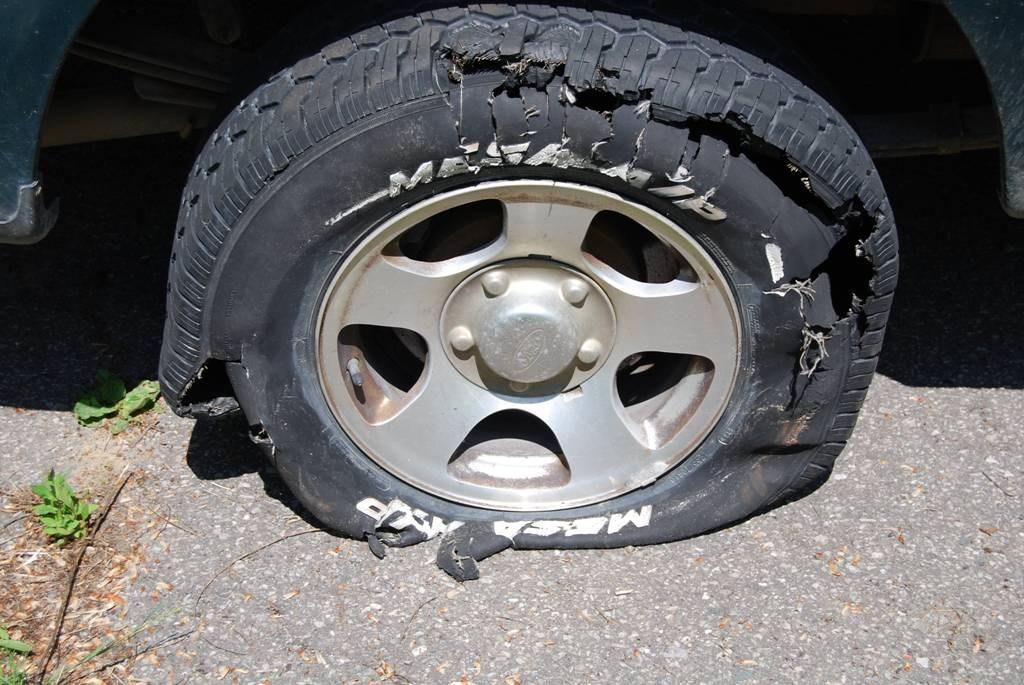
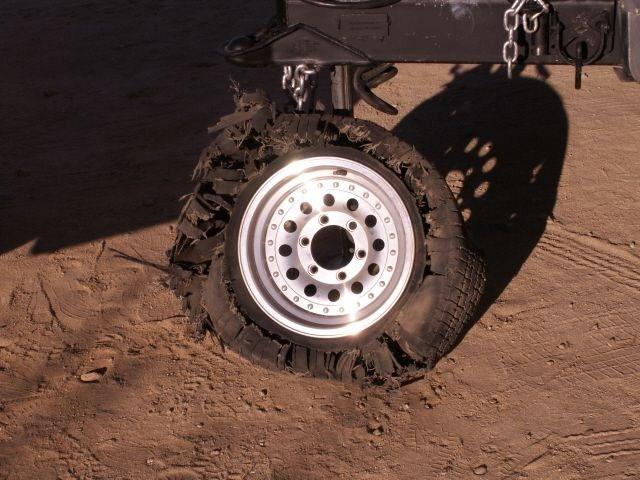
What to do When Your Car Gets a Blowout
Last Month CV WorldWide showed us information on WHY tire blowouts happen...this month, we take you further and show you what to do WHEN a tire blowout happens.
Safely handling a tire blowout at highwayspeed is sort of like going to class as a star athlete at a college-football powerhouse: do nothing more than sit quietly and you'll probably get a B. Sometimes, the best thing you can do is nothing.
A major tire company conducted a training classtoabout1500driversonhowtosuccessfully handle a tire blowout. They affixed plastic explosive to the tire sidewall, which not only blew out thetirebutalsorealisticallysimulatedthepetrifyingnoiseofabursttire.Thelessonhappenedat60 to 65 mph, with simulated blowouts on the front andreartiresofcars,pickups,minivans,andsport -utilityvehicles.
The advice from the trainers of the class? Justkeepcalmanddrivestraightdownyourlane.
The bravest piece of training for the attendees was to do something completely counterintuitive: Press the gas pedal for an instant. The goal is to hit the accelerator just long enough to stabilizethevehicle.Otherbenefitsofpressingthe gas for short instant: It prevents the driver from pushingthebrakeorturningthesteeringwheel.If the only thing this accomplishes is to lock up the
driver's brain while they remember what to do, then it’s an unnatural act well executed. By the time the driver clears his/her head, the vehicle willhaveslowedtoasafespeed.
Worried about accelerating with a blown tire?Thefactisthat thedragofatrulyblowntire is so great that even with the throttle held wide openforseveralseconds,fewvehicleswillbeable to do more than maintain their speed. A short press of the accelerator will not make the vehicle accelerate that blown tire will make the car feel asifyou'redraggingaparachute.
The most common “best practice”, on that would notcauseanymentalmeltdowns,istostay away from the brake pedal and allow the drag of the failed tire to slow the vehicle to 30 mph or slower,ideally beforeyouevenconsideredturning the steering wheel. But it's easier said than done,especiallyintherealworldwherethere'sno driverinstructortoremindyounottopanic.Drivingstraightandnotpoundingthebrakeiscontrary to almost every driver's natural reaction to brake hard and head immediately for the false safetyoftheshoulder.
If you're in a car equipped with antilock brakes, hitting them might not spell disaster as
long as you keep the steering wheel pointed straight ahead. This is acceptable, but generally the least of the “successful” options because the false safety of anti-lock brakes leads people to think they can turn the wheel while the car is braking. Bad idea…
The worst thing to do is giving in to the temptation to jerk the steering wheel before thecarhassloweddown.Especially if it's a rear tire that has blownout;inthatcase,turning thewheelathighspeedcreates a high likelihood that the car willspinout.
rally slow the car. While the tire's carcass will often hold air for a short period, it offers almost no traction.
One more thing to know: Except for tire nerds, few people think about the difference betweenatrulyblowntireandatreadseparation.To regular folks, any failed tire is a "blowout." Yet, a tread separation has more potential for disaster because the flailing tread has the potential to rip intothepassengercompartmentlikeagiant,steelreinforced Weed Eater. Unlike a deflated blowout, atreadseparationdoesnotproducedragtonatu-
Apartialtreadseparationis,expertsassert, theworst-casesituation.Apartialseparationiswhenachuck of tread remains affixed to the tire carcass. If it happens on therearofavehiclewithasolid rear axle, a common design forpickupsandSUVs,bothrear tires will bounce uncontrollably.Imaginedrivingonicewith bald rear tires: It's worse than that. Any movement of the steering wheel will cause the car to spin. When a carspinsonapublicroad,itoftenleavesthepavement.Andwhenthathappens,itoftenflipsover. Here, our advice not to jerk the wheel becomes even more pressing. If you suffer a failed tire at speed, drive straight down your lane until your vehicle is almost stopped. Then, ever so gently, ease toward the shoulder. It’s easy to say, hard to do, but try not to panic, keep calm, and you’ll make it through this disaster.
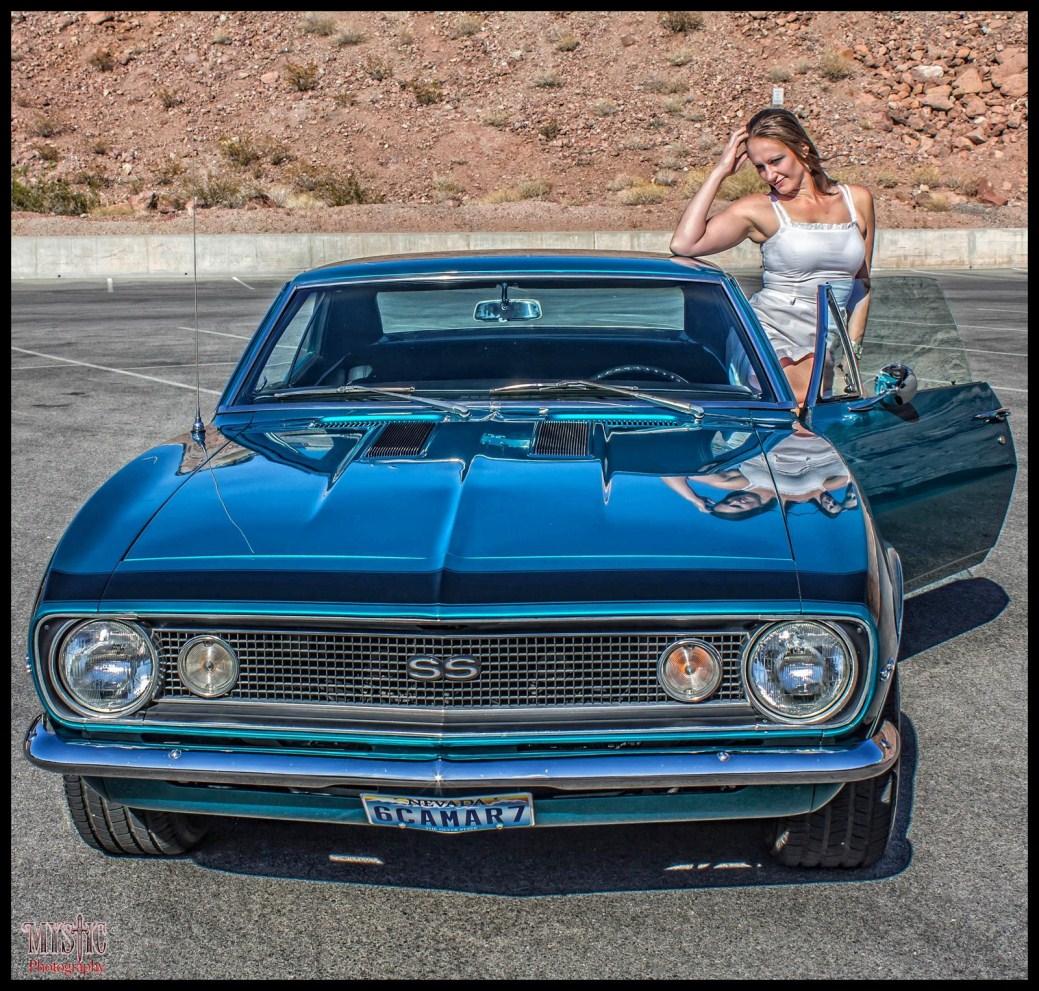
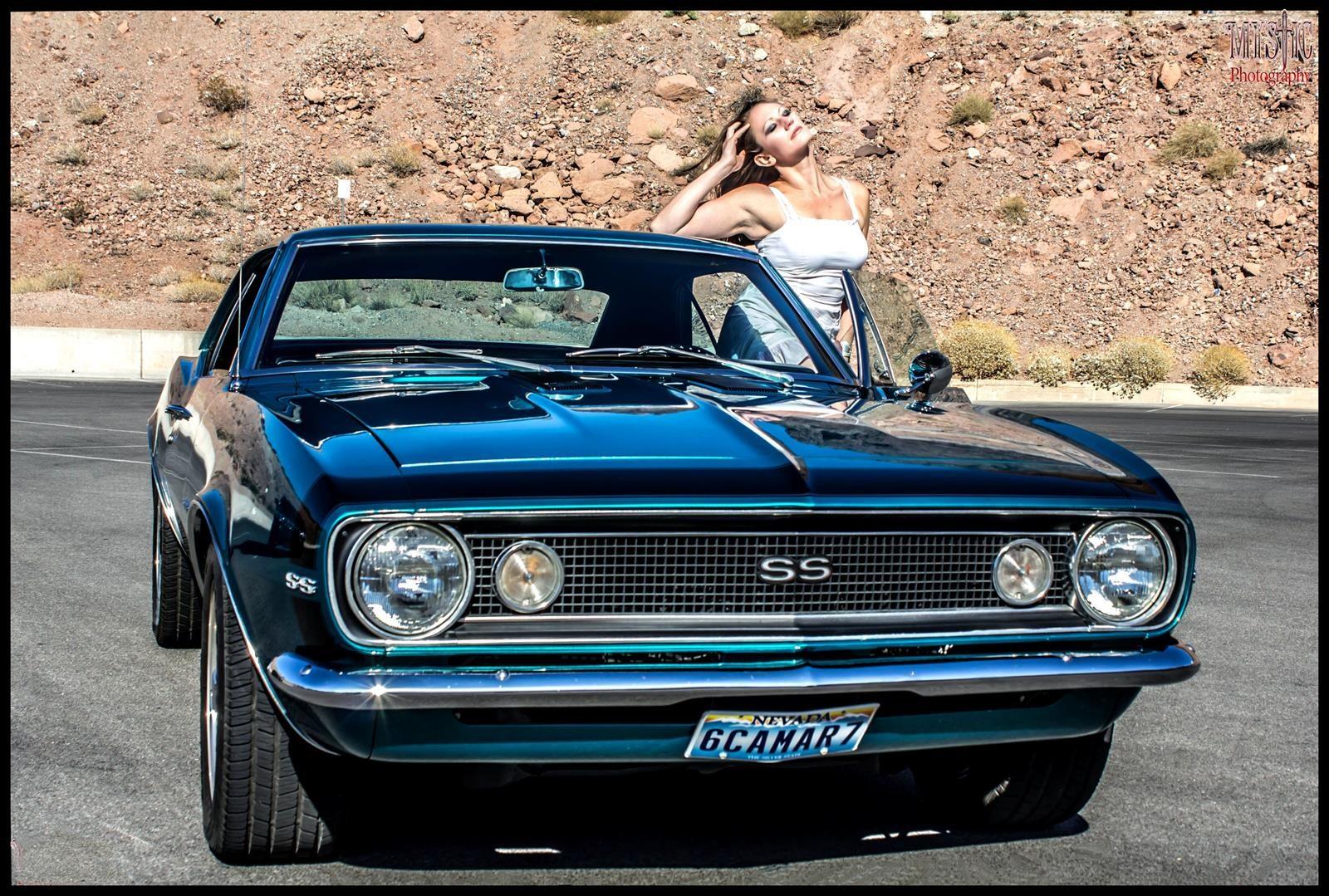
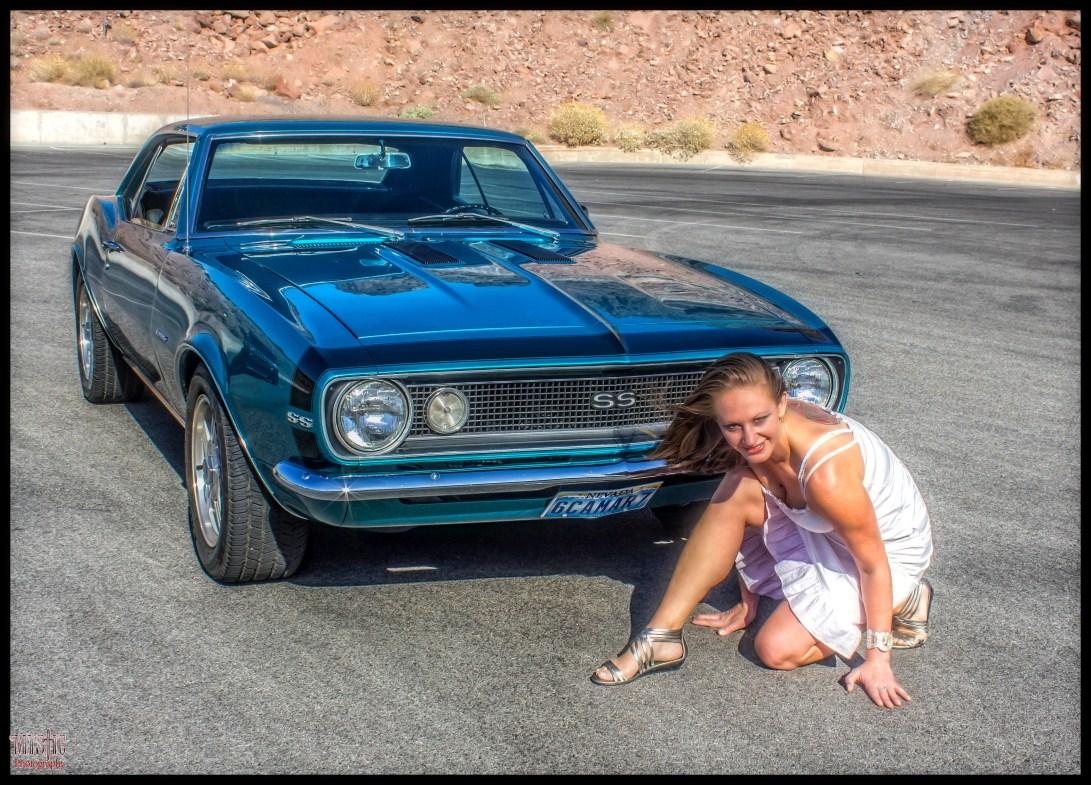
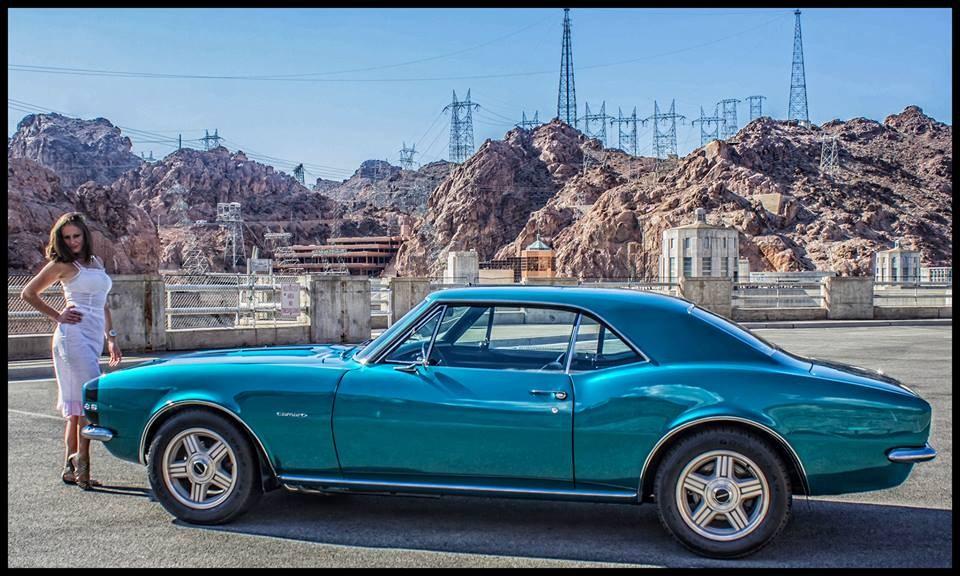
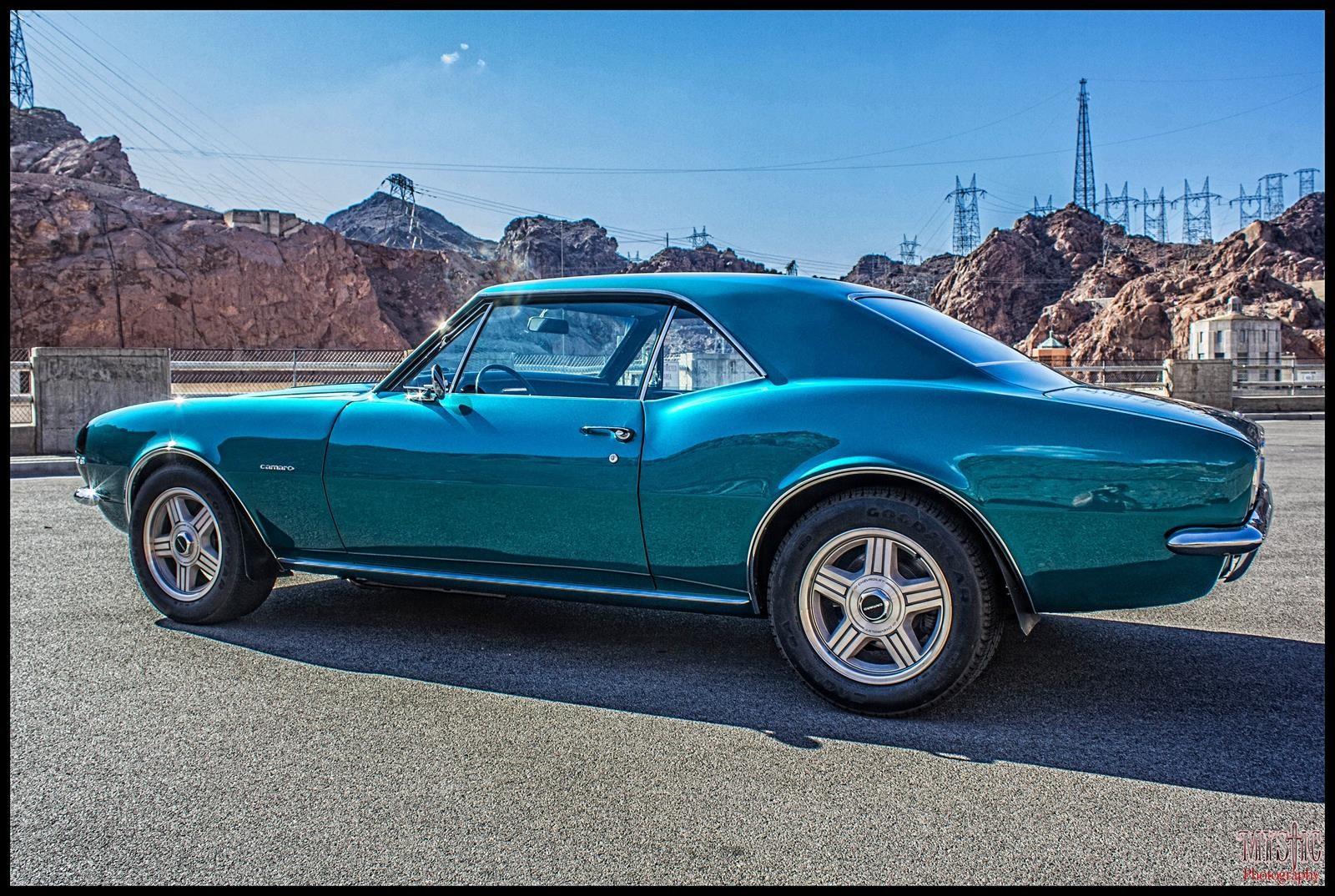
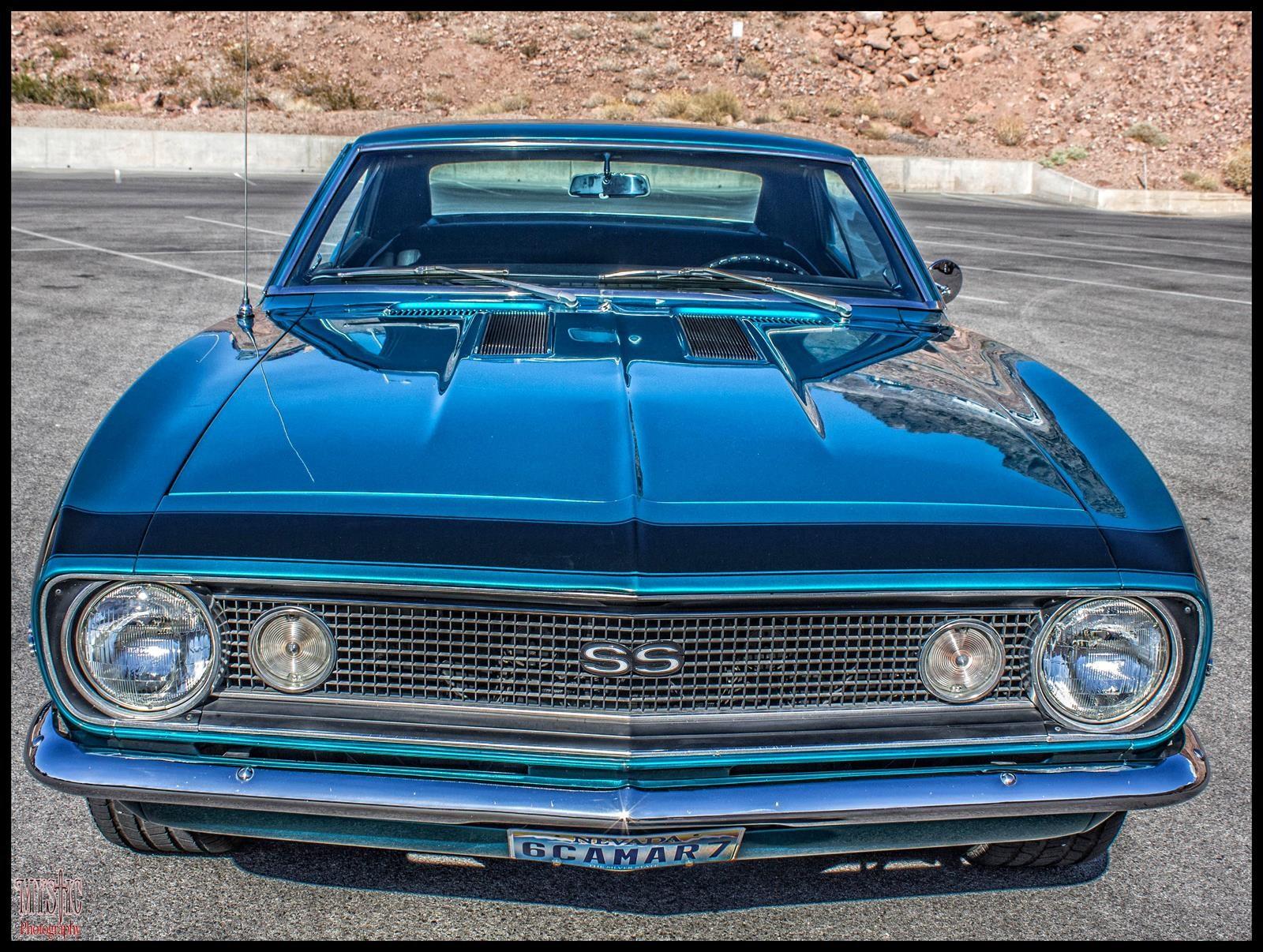
Ron McGill, remember him? Drummer for Whiskey Southern, owner of last month’s HOT Chevelle SS? Well he’sback with yet ANOTHER hot car...a ‘67 Camaro that willblow you away. AND, thismonthwegettoseethenewestmemberoftheCVWWteam,CorinShaleneParcells,inallherhotness,makingthisautomobilelookgooooood…
Someguyshavealltheluck...
Ron’s Story of the Camaro
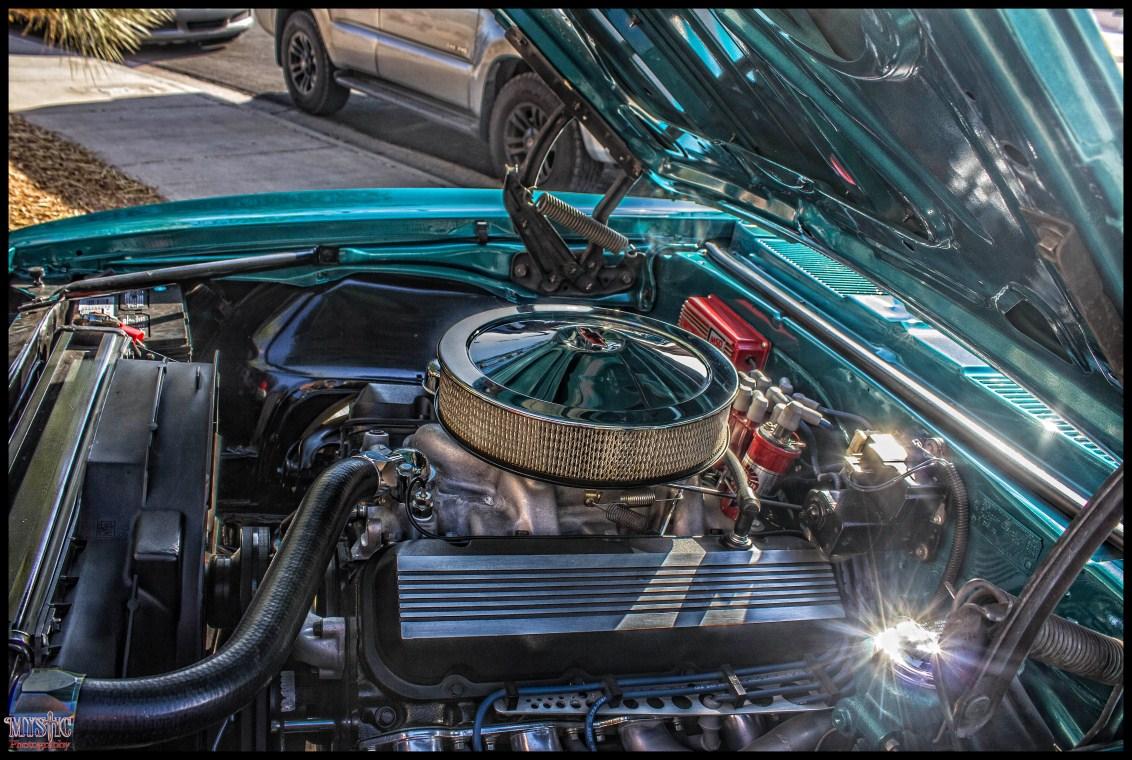
My father in-law bought the ‘67 Camaro for $600 in the early 90's. It ran but needed A LOT of work. He built a make shift auto body shop in his garage and started to tear down the car to its frame. Every nut and bolt was touched in building this car. He wanted to keep most of the look original but beef it up with better parts. He painted it himself, built the engine and reworked all the sheet metal. He started by putting disc brakes all around. He fit a 12 bolt Posi rear end on the back. He ordered a 502 ci engine, which was only the 2nd of its size in Vegas at that time. The first belonging to the owner of the Chevy dealership at the time. Hooker headers are attached to a 3 inch exhaust system ceramic coated and flow master mufflers...850 cfm Holley carb...MSD ignition, distributor, and coil...dual electric radiator fans. A Muncie 4 speed transmission with Hurst comp shifter attached to a Center Force clutch makes the 1992 Camaro 16 inch wheels spin and make the asphalt scatter like crazy!
The Teal color from a 1992 Chevy truck with SS Bumble Bee stripe is the finished touch.
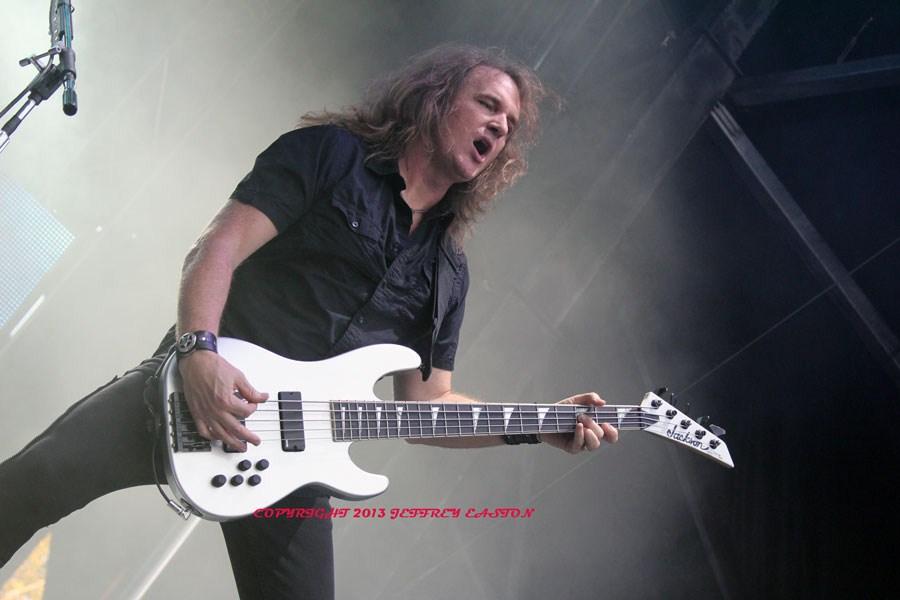
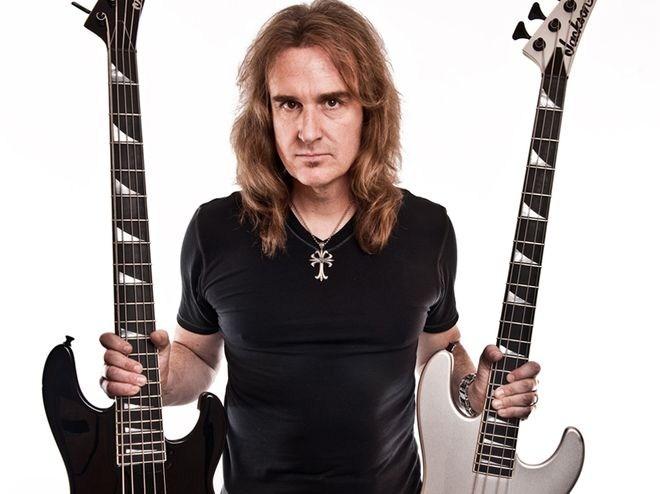
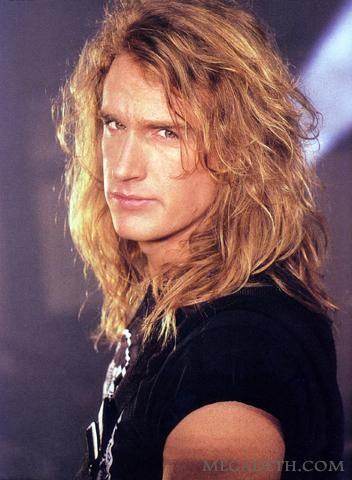
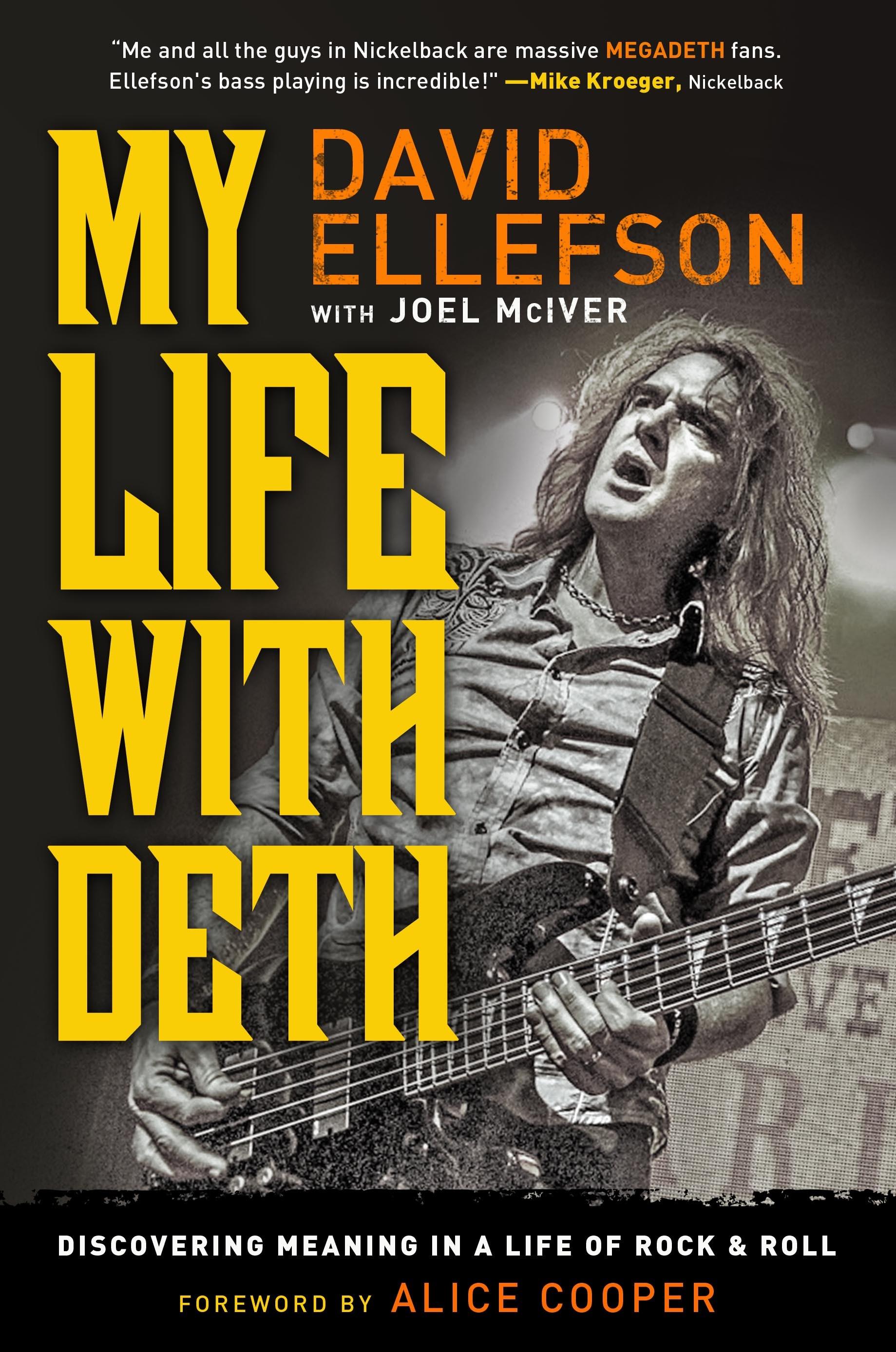
Following the successful Autobiographical release from Dave Mustaine, simply entitled Mustaine, Megadeth co-founder David Ellefson has prepared his own work chronicling his life up to and including his tenure with Megadeth, his struggles as an addict followed by over two decades of sobriety, and personal life as a family man and a man of faith. This book is not another tell-all tale of debauchery and slanderous rumors. This is a profound spiritual inventory of a man who has lived through it all, and who continues to embody a life of recovery and personal surrender in order that it might serve others. David Ellefson has taken the time to speak with Metal Exiles and share with fans some insights into his new book, My Life With Deth.
An Interview with David Ellefson
Metal Exiles: What inspired you to write this autobiography, and release it now?
David Ellefson: Well a couple of things. You know, when I came back to Megadeth in 2010 my buddy Joel McIver had interviewed me for several things in Bass Guitar Magazine UK and several things over the years like that. So he reached out to me and said, “You know, I’ve written several autobiographies, and I’d love to do yours and quite honestly I think now’s the perfect time to write it. It will probably take a couple years before we write it and it gets to the street anyway so it would be a good idea to start it now.” Dave Mustaine had just put his book out, and a lot of big things were happening with Megadeth and The Big Four, me coming back into the band, the Rust In Peace 20th Anniversary tour, so big, big stuff was going on. So he really was the one who propelled me to do it. And I’m glad he did because these kinds of books are trendy these days, and there’s a lot of people writing them, and I think the fans enjoy them. But one of the things I was really careful to keep in mind was that I said: look, it’s not in my nature to just slam people and talk bad about people, and I know a lot of these books tend to do that. They tend to highlight debauchery and drugs & alcohol, a lot of brokenness, and often times it’s just a way for people to get some kind
By John Knowles
of retribution and get what they feel is theirs by writing a book and sort of throwing everyone else under the bus. I said I won’t write a book like that. Joel was very much respectful of my life, my personal life, my private life, as well as the Megadeth legacy. And to me, primarily first and foremost will probably be Megadeth fans reading it. So I wanted it to be a story that they would enjoy, that was truthful and would be something that was a part of the annals of the Megadeth legacy forever, and in high regard.
Metal Exiles: What you have here is not so much just a retelling of the facts – one story after another – but so much insightful spiritual commentary. I found it almost reads as a very thorough First Step inventory. Was this a deliberate choice?
David Ellefson: Well yeah because a big part of – as I stated in there 1988 through 1990 was a transitional period for me coming out of drugs & alcohol, getting sober, and that’s also another feature of a lot of these books – and for me I was like, I’m very private. I’ve never held any of that back if someone asks, but I don’t put that out there as sort of my calling card. I tend to keep that part of my life a little more anonymous, because it’s my private journey. And a lot of times it seems with these books, a guy gets 30 days out
of rehab and the next thing you know he’s on the Talk Show circuit with his new book, and I’m like...those dark debauchery days of my life were now almost a quarter of a century ago, it was a long time ago, you know, so I didn’t feel it was necessary to bring it up as just a way to sell a book. It’s really not my life anymore, and hasn’t been for many, many years. But I thought, what is a part of my life is the recovery journey, and that is my current life today, and it’s something that I felt, you know – I look at it in the light of if that part of my life can help inspire some people then maybe now is a good time to start talking more openly about that. Everyone knows me as the Megadeth guy, and the Rock n’ Roll guy, and the bass player guy, and that journey of me becoming spiritually awake, that happened in the last 23 years of my life. So that’s why I chose not to hold that back any longer, and to put that out there, and really talk openly about it.
Metal
myself of Rock n’ Roll I love when I get to read from other people who were all a part of someone’s journey. To me it colors the story; it makes it not just me writing about me, it kinda makes it us writing about us. And I love community...and to me the Metal community is always stronger when we stick together.
Exiles: Your book also includes quotes from other musicians and friends. Was it difficult to track anyone down and what inspired this idea?
David Ellefson: Well there’s kind of two sides when you reach out to friends or people in your industry or your community, you know, one is maybe for an endorsement of the book...and we have some of that as the book now is coming out some people have read it and say their opinion –hopefully high opinion of the book. But you know, I took a little bit different route; I thought you know it would be cool to have some of the people who were there on the journey with me talking about it. Everyone said some, you know flattering and nice things about me but I was really wanting to ask them more about...like Scott Ian for instance made a quote about back when he first met me when he first heard Killing is My Business... and this was Dave’s new band postMetallica, and those are cool moments you know when here’s a guy, Scott, who’s so revered and very public and popular himself as a celebrity and he’s recounting back in the early days when we were all just starting out. And to me as a fan
Metal Exiles: Early in the book there is a very interesting parallel you draw between yourself and Cliff Burton. Given that Cliff did indeed have a very unique playing style, I’ve noticed that he tends to be the standout bassist when people talk about the big names in thrash. Your style however, is very technical, and other musicians comment on this in the book. Do you feel after all these years that you have received the credit you’re due?
David Ellefson: I think I am receiving it you know, because I think early on Megadeth was a band that has always been and still is revered as a very credible band. We have our credibility; we’ve done a lot of different things obviously. The numbers are big, we’ve achieved a lot. But more importantly, when the dust settles from contemporary popularity, is: what’s the substance behind it? And I think that’s the thing where Megadeth...may win bigger than everybody. And not just the quantity of output, but the quality of that quantity. And I think that we still continue that to this day. And I think having been there through most of it – certainly there in
the beginning of it for the first almost 20 years before there was a season away from it – I think those are the things that start to earn credibility, and earn the respect of people. I think that for me I’ve always wanted to be in a band and be part of a band and be one of the co-creators, and just be part of that thing, and that’s how my life has panned out...so I’m part of something rather than always having to be “the” something. So having to be the solo guy, or “my name’s not first so I’m not gonna do it,” or any of that kind of stuff you know...I’ve taken leadership from kind of a vice-president position and sometimes leadership from rallying the troops and getting everybody synergized and together and helping them march in the same direction...often times following behind Dave Mustaine’s front leadership in Megadeth. And I found that that’s just a quality I have, and I think it speaks to my role as a bass player and certainly to my character as a person.
Metal Exiles: I know you touch on it in your book, but can you share with our readers with regards to your rejoining of Megadeth, were there tensions considering the previous lawsuit?
David Ellefson: Well, Joel McIver told me, “Look, you’re going to have to talk about your time away from the band, and certainly the legal matters and it would look weird in the book if you didn’t.” And my only thing was: Look, those issues are settled, they’re done, they’re over for me and Dave, and all of us have moved passed them and at some point you don’t just keep bringing up those things. For some they may be juicy gossip and they would love to talk about it, but again, I was like: I’m not interested in that...if that’s what it takes to sell a book, I won’t write a book, you know what I mean? To me it’s about preserving a new friendship that we have, me and Dave. And it’s about preserving a new working relationship and being productive and most importantly making some great music now, and the fans are happy, so to write a tell-all that just sort of spills the beans on everything was again, not my intent and I dug my heels in very firmly on my position of that. So what I think I did do was I did talk about what my life looked like at that time. And certainly some of the emotions that I went through, and identity crisis, and
that season that I was away from the group it forced me to grow up and go through a serious adult transformation that I think, when I did come back to Megadeth...you know Dave and I had spent some time together over coffee and dinner and those are the things I wanted to talk about. Dave and I may have had a falling out, but there was a long period of rebuilding a new friendship. The rebuilding and building a new friendship, that’s what created this moment when I came back and now it seems like where I’m seeing Megadeth is probably more vibrant than ever and quite honestly just as successful as ever. So if anything I think it speaks to everyone being able to put past things behind us, forgive, and keep an eye toward the future to continue building great things ahead.
Metal Exiles: Speaking of your time away from the band; that was obviously a time where you could count yourself as one of the many former members of Megadeth. In your book you go into detail about all of those former members over the years. You were always the guy woodshedding with the new members, and helping them adjust. How hard has it been to let go of so many relationships over the years? Are there guys you really wish you still had the opportunity to work with or be closer friends with?
David Ellefson: Well I guess the good news is I actually still am friends with everybody. I see Chuck Behler when I go through Detroit, I see Jeff Young at NAMM every year in January, I just saw Nick Menza at an Autograph show in
Los Angeles [editor’s note: The Rock n Roll Autograph Show 2013] just a few weeks ago. I talk to Marty probably once a year through email. This is all with no intention other than to just say, “hey bro, how are you doing?” Because, when you spend so many years of intense confinement together you get to know someone and even though people’s lives may change and the ambitions and directions of their own lives may change, you’ve always got that experience that you had together in a band. And those are really priceless moments that you get to look back on, especially all of these years later. And even the rough periods, you get to have some laughs over it. We’re always connected because of our fans. Our fans are like the world-wide community that in some way keep us connected, because we were a favorite group of people at that time to them. It doesn’t mean we have to reform the band and that line-up, and we don’t have to make music ever, ever again or any of that stuff, but just as a good buddy and a good neighbor to everyone I seem to be that guy that stays in touch with people...sometimes unintentionally but I seem to be that guy that kind of is able to at least leave
doors open to people to if nothing else at least stop by and say hello once in a while.
Metal Exiles: What have been some of your favorite experiences since re-joining with Megadeth in 2010?
David Ellefson: Well, certainly coming back right away when we were doing Rust In Peace was just phenomenal. Because a lot of those songs Dave and I never ever played even after we recorded it, probably half that album we never did play live. So this was the first time any of us started playing them in a live show setting. And of course we just did the Countdown To Extinction tour last year, and that CD/DVD just came out last week, and I’m so glad we captured that because it just showcased this line-up getting better and better at everything that we do, and I think that capturing that Countdown tour was...you see it, you hear it, you know...the quality of where Megadeth is at now. A couple weeks ago we just did a two week tour with Iron Maiden in America, and we haven’t done a tour with Maiden in America in 25 years. So just a lot of great moments, great tours, Slayer and Megadeth touring together again as much as we did here in the last several years. The Big 4 of course was probably the biggest shot heard round the world in the thrash metal community as a whole. So its really just been an incredible few years. Its like were really getting to just relish and enjoy all those years that especially Dave and I...its like we were planting seeds, and now is the harvest.
Metal Exiles: Your last two records with the band have taken a noticeably different direction than United Abominations or Endgame. Can you share the reason for this, and have you guys discussed a musical direction for your next record?
David
Ellefson: Yes, and yes (laughs). With Super Collider, us being back on Universal Records and just feeling the attention from a major label was a very positive and esteeming thing for us, you know, we went through a lot of years since Capitol Records, a lot of years with a couple of other different record labels, and complete shifts in the landscape of heavy metal. And getting back at Universal felt like...it finally felt like we made it back around the track and we’ve come home safely again. And I don’t know, it
was a spirit of where were at that time that led to the Super Collider record, and I know its been a controversial record and I think probably the biggest controversy is normally we would lead off the record with a “metal” track, like “Kingmaker” for instance, right? And then following that would be the more melodic song such as “Super Collider.” This record was the oppostite. They led with “Super Collider,” which is a very mainstream, simple song, and I think a lot of fans freaked out and said, “Oh no, what happened to Megadeth?” There’s a way that you kind of build in to those things, but for whatever reason that strategy didn’t develop like that on this record. So here you have this anticipation for Megadeth and for someone to hear “Super Collider,” which normally would have been the second track...there was some backlash for sure from that. But I think once people heard the record they went, “Whoa, there’s a lot of great stuff on here, and this is a Megadeth record like we would expect it to be.” You know, “Dance in the Rain,” “Built For War,” “Beginning of Sorrow,” “Burn,”...there’s a whole bunch of stuff that’s true to form with Megadeth. It took I think buying it, having it, living with it to really come to know: Yep, these are our boys, Megadeth!
Metal Exiles: David, thank you so much for your time, and we really appreciate how much you put into answering everything and for sharing everything that you did. Is there anything else you would like the fans to know about the book?
David Ellefson: Its interesting with the book we’re actually offering a special leather-bound limited edition that we’re only offering to the Megadeth Cyber-Army fan club. We wanted to do something unique, just for the fans that have been the long-timers with us, and really kind of go the extra distance so I think it is cool that we are able to offer that. I am also going to be announcing some book signings, [editor’s note:
Head to DavidEllefson.com/events for more details] so if I am in your area I’d love to meet you, and sing a book for you.
Be sure to visit David’s website for more information on the upcoming book signings, and all things related to David’s musical projects in and out of Megadeth.
My Life With Deth will be released on October 29th and is a must read for Megadeth fans, and anyone interested in a powerful story of one man’s amazing life journey.
Official David Ellefson Site
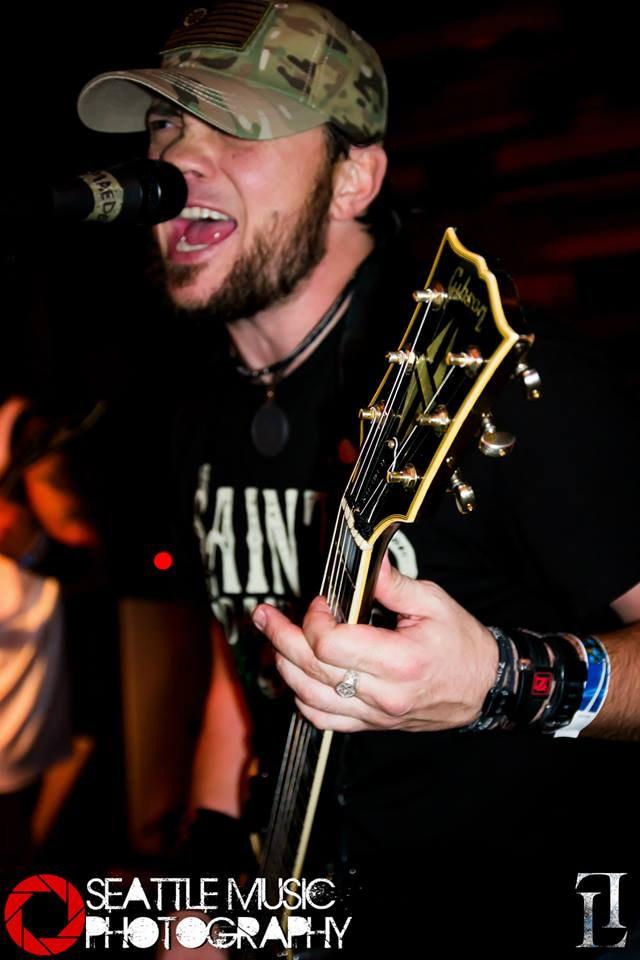
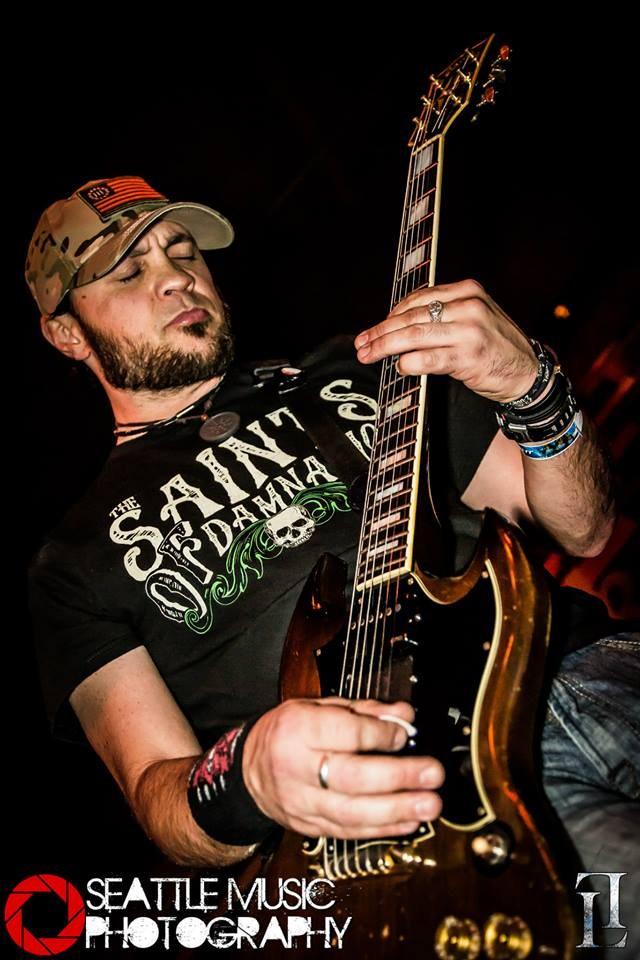
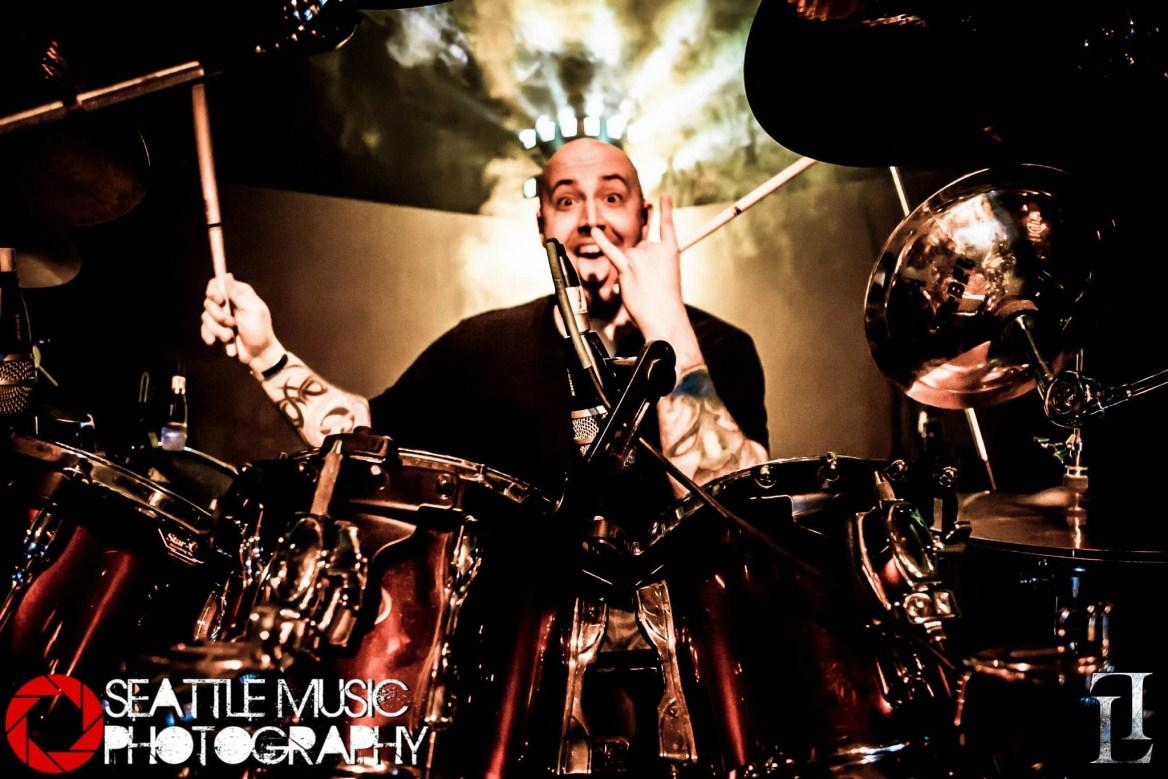
Since 2012, “In the Between” has been taking the NorthWest music scene by storm, and has no plans on stopping their rise to the top. With melodic grooves and moving vocals, bringing a dynamic flow to the stage, the band’s desire to bring their best in entertainment and put on an amazing manifests itself in a performance un-equaled in the NorthWest.
Kaitlin’s serene vocals, powered by Shane’s commanding guitar riffs, backed by Will’s thundering rhythms, keep the audience focused and moving together in the moment.
ITB takes time from their ascent to talk with CV NorthWest Magazine...
<CVNW> Tell us who is in the band, and their role.
As of right now the band consists of Kaitlin (vox), Shane (guitar) and Will (drums). We are on the hunt for a new bass player but that search may be coming to a close as we have a fewfantasticcandidates.
<CVNW> Who founded the band? What were your initial goals when you put it together?
In The Between was founded by Shane and Kaitlin. They knew each other from previous projects and one night at a local show they ran into each other again. Shane, fresh out of
his original band Lucid Spiral, asked if Kaitlin was still in the market to get something going and low and beholdthatwasthe start. I think the initialgoalswere the same as any other band out there. Get together make some killer music and play some shows. Once the ball started rolling things got a little more serious and required moreandmoretime.
and I went and auditioned. After Iwasinthat’swhenIcalledFish, andboomitwasdone.
<CVNW> The band is fairly new, is this the original lineup? Tell us about the process of putting THIS group of people together. The line-up has stayed the same except for our recent split with our bass player Fish. It was a peaceful split and we wish him nothing but the best. As for getting the group together, I (Will) was browsing Craigslist, and that’s when I saw an ad for this group.Shanepostedtheadandit soundedfamiliarsothat’swhenI madethecall.IhadknownShane from years back and his old band, so he sent me the material
<CVNW> What do you think it is about this group that works so well?
Withthisgroupthingsjust blend together so well. Everyone in the group has their fair share of disappointment and failures, soitwasanopportunityforusto branch out and put something togetherthatwaspleasingtothe masses, and challenged us at the sametime.
<CVNW> Kaitlin, your powerful and soulful voice reminds so many of Amy Lee, did you do any training to get that sound, or is it just God given?
I've been singing since I
canremember.JanetJacksonwas myfirsttrueloveasanartist,but listened to everyone from Meatloaf to Kylie Minogue. I didn't start singing in an instructed swingchoiruntilIwasajuniorin highschool.
Ibrieflytookvocallessons yearslaterwhenIjoinedmyfirst band to build power as an individual, and truly understand what it means to find my own voice. I have heard many times I resemble Amy Lee, which I take as a compliment. She has an amazing range and beautiful tone.
<CVNW> Shane, are there any particular challenges or ways you change your guitar playing since you are the only 6 string in the group?
I have to think about the voicing’s I use and the parts I playlive - it'sverydifferentthan making the recording where I like to orchestrate and harmonize and fill out the sound with multiple guitar tracks and parts. I try to find the most essentialpiecesforwhatIplaythat
still will get the feeling of the songproperlyacross.
<CVNW> Tell us what you think “experimental rock” means?
Experimental Rock means something that no one else has done before, which in today’s world is hard to do, but we try dayinanddayouttoputtogether the best sounding songs and musicforourfans.Withoutthem therewouldbenous.
<CVNW> What do you draw upon when you write songs, anything in particular?
When we write songs it’s pretty much a chaotic process, but it evens out in the long run. Sometimes Shane will start playingariffbecauseheisbored,and Willputs a beat to it and we just keepgoingandgoinguntilsomething clicks. Sometimes we will be sitting at home and come up with something and call each otherandtrytoexplainariffora beat over the phone. That never workstoo well. Everypast musicalexperience,trainingandinflu-
ence we ever had is what we draw from for style and technique, but the feel, arrangement and sound that makes the songwhatitiscomesfrominside and the feeling we are trying to conveythroughsound.
<CVNW> “fueled by a strong desire to put on an amazing show” – what elements do you guys believe make your show “amazing”?
For our live shows, everything you hear in the CD is what you hear live, all the backing tracks,allthelittlesoundeffects, everything. It’s not just guitar, bass, drums, and vocals. We wanted to add character to the show, ad some life. It’s easy to get on stage and just play, but to beapartofthecrowdandreally draw them in is a challenge. Ask anyonethathasseenusplayand they are always a part of the show.
<CVNW> Do you have any particularly memorable shows? Why were they memorable?
We have played lots of great shows, dive bars, bigger venues, with Geoff Tate from Queensryche, but our best show was our 1st one together as a group. It wasn’t the biggest, and we were worried the sound wouldn’t be right and were pretty nervous, but it turned out to beabigsuccess.Wereleasedour CDthatday,andithasbeennonstopeversince.
<CVNW> Being still a “young band”, what do you think it your most significant accomplishment to date?
Our biggest accomplishment?? I would have to say the
release of our EP “Fall in Line”; we did everything ourselves. We hadnooutsidehelpwiththemixing or production of it. That is a hard thingto do, and it was very challenging.Butinthelongrunit waswellworthit.
<CVNW> How has the Seattle music scene been for a newer band, has it been hard to break into it?
Themusicsceneuphereis a challenge for sure. Walk to the center of downtown Seattle and throw a rock and will probably hit 3 or 4 bands playing that night. So our focus is to step up ourgameandstandoutfromthe crowd.
<CV NW> Tell us about your support of “Love Hope Strength” – 50% of your online sales goes to that charity, yes?
That iscorrect 50%of our onlinesalesthroughreverbgoto thecharity“LoveHopeStrength” It’s a fantastic charity for cancer research. We figured why not? We have been given so much why not give back? Who knows maybe somewhere in the world someone received a lifesaving treatmentfromtheresearchthey are doing; to us that is reason enough.
<CVNW> What are your thoughts on social media? Excellent publicity & communication tool, or necessary evil?
Socialmediaisthewaveof the future, and it must be embraced. This isn’t the early 90’s anymore where if you wanted to see a show you had to go to one. Now anyone can go to YouTube and watch a live performance without leaving the house. So in-
stead of trying to figure out a way to get people out of the house to see a show, we can focus on bringing the show to them if they choose that route. Some people are stubborn and set in their ways and that’s fine, but social media is here to stay so we might as well use it to our advantage.
<CVNW> How quickly after you formed did you record “Fall in Line”?
I want to say it took us about a year to get “Fall in Line” done. Lots and lots of time was spentrecordingandmixing.That wholedrill.
<CVNW> Was it that easy to get the EP together?
It was pretty easy, not becausethemusicwaseasy,butbecause we had fun doing it. We added so many things to the album that came to our mind. It wasreallyafunproject.
<CVNW> What is the status of “Kismet”?
“Kismet” is still in progress, but one thing can be said; it will rival any big name band out there. And again we are do-
ing it all ourselves, but we are spending more time and money tomakeitagreat album,andit’s a complete step up from “Fall in Line”.
<CVNW> Is the process of recording a full length album easier or harder than you thought it would be?
Recording this album has been a long and frustrating process. We want to make sure it’s somethingpeoplewillnotforget, so we have been over it again and again just to make sure it’s right.
<CVNW> It’s late 2013, what’s in store for ITB through the end of the year and into 2014?
Look for our new album released in the spring, and full supportforittofollowup.Anda possiblenationaltournextfall!
How did you get started in fitness?
By accident! I have struggled with my weight all of my life. I have tried every diet plan, fad, trick, pill, shot, etc., you name it, I’m sure I’ve tried it. I was my heaviest ever in December 2011.
I began working with my amazing trainer Jay Horn (http://hornfitness.com/) in early May 2012. (He was filling in for another trainer I was working with and honestly not seeing results. I was actually planning on quitting.) I was basically going to give up and accept I was going to be just another fat, middle aged woman.
I immediately switched trainers and have been following his guidance and diet plans ever since and my results have been completely beyond anything I ever could have hoped for. I started out just wanting to lose a few pounds and get healthier. I never could have imagined I’d be where I am now; 45 pounds lighter and doing bikini competitions! It’s just crazy!
Were you always into fitness or athletics?
Honestly no. I always wanted to be in shape and I was always trying to lose weight but it’s been a struggle my entire life. Now at age 47, I can finally say I did it.
Why did you decide to pursue "competitive"fitness?
My crazy trainer suggested it late September 2012. Never in a million years could have ever thought I’d do something like that. It never crossed my mind. When he
suggested I think about doing a show, I literally looked around to see who he was talking to. My initial reaction was “Oh, hell no” and “Me?! You’re on crack!” Well, as I continued to progress with my weight loss and continued to be encouraged to try, I decided why not? I made it a “bucket list” item.
Were you nervous the first time you were on stage?
It was March 30, 2013 and I was completely and utterly terrified! I did just awful my first show. I look back at the pictures and videos from then and have made it a learning experience. “This is what you should NOT do!” Hahaha!! At least I didn’t pass out or wet myself up there!
My second show July 2013 was much better and I had a blast. I was still very nervous but everything went so much better. We will see how I do at the Vegas Classic on Nov. 2, 2013.
What advice or words of wisdom might you have for people interesting in pursuing this?
If you want it, do it but understand it is very HARD work. At my age, it’s just crazy hard. However, with the right guidance, patience, determination and consistency you will be shocked at what you can accomplish. I am proof you don’t have to be “20 something” to do this either. I plan to continue to compete and look forward to being 50 on stage in a little over 2 years.
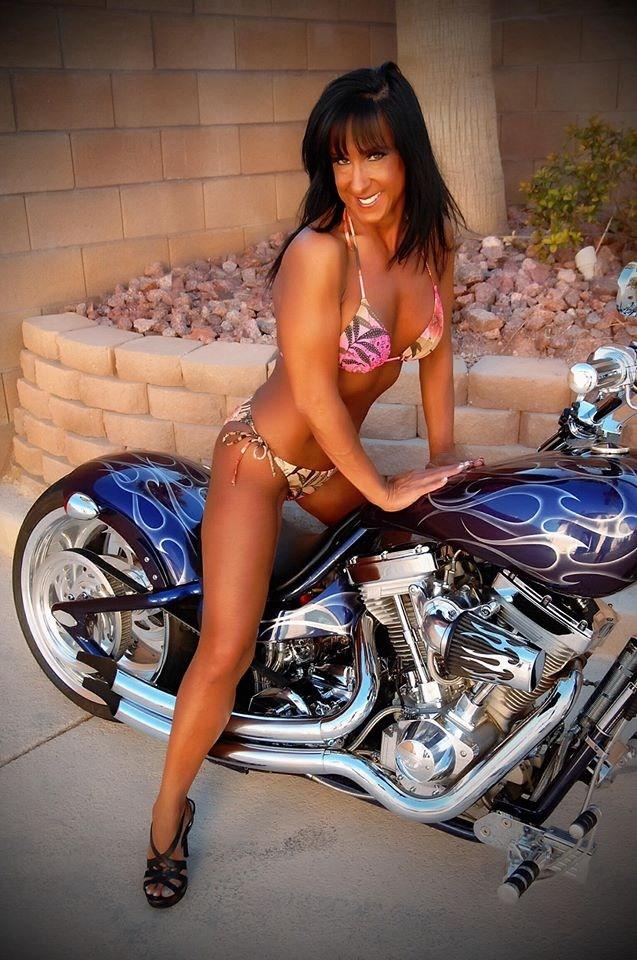
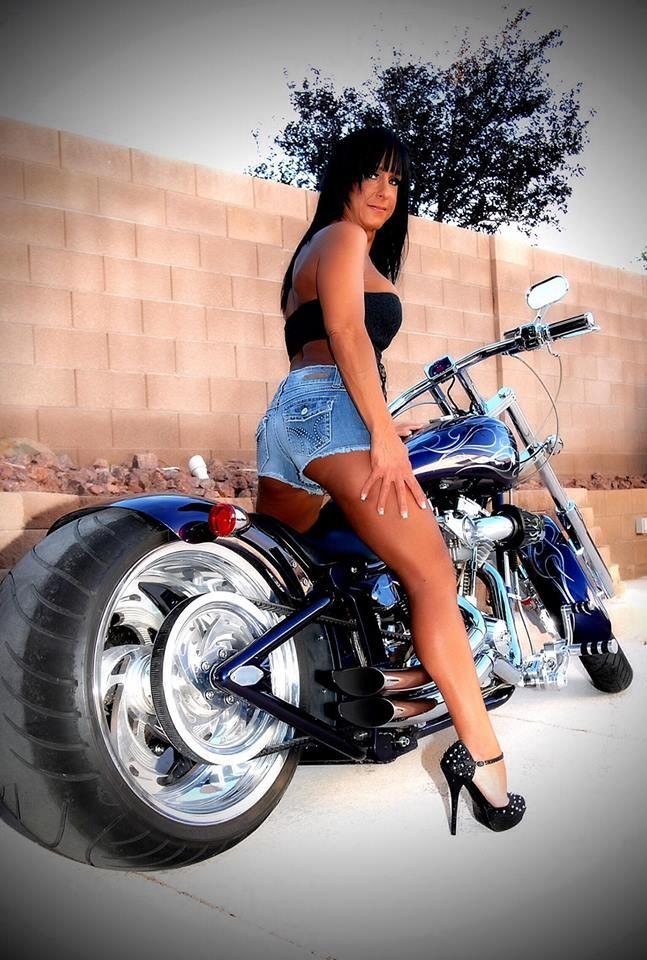
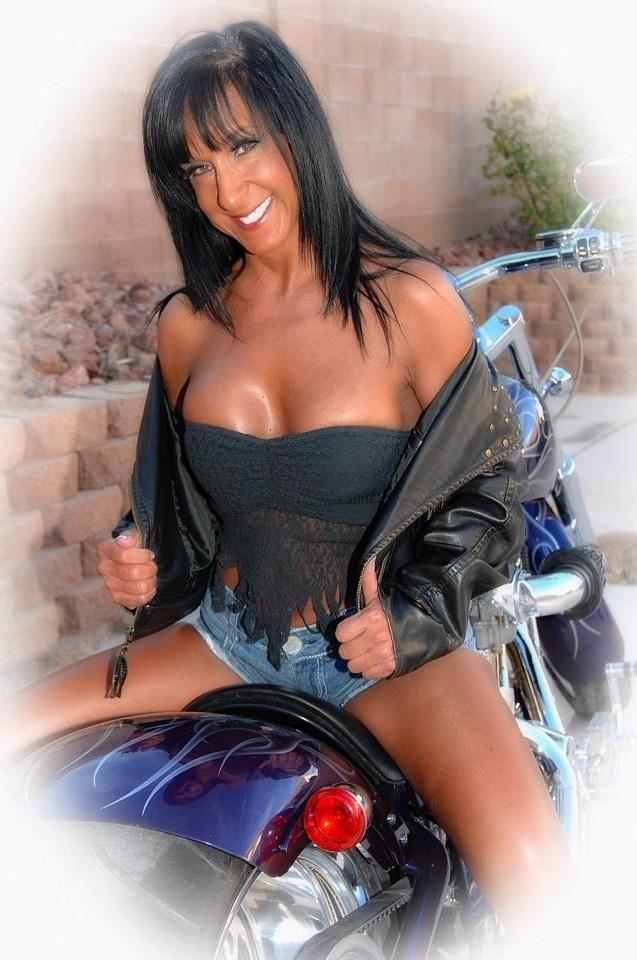
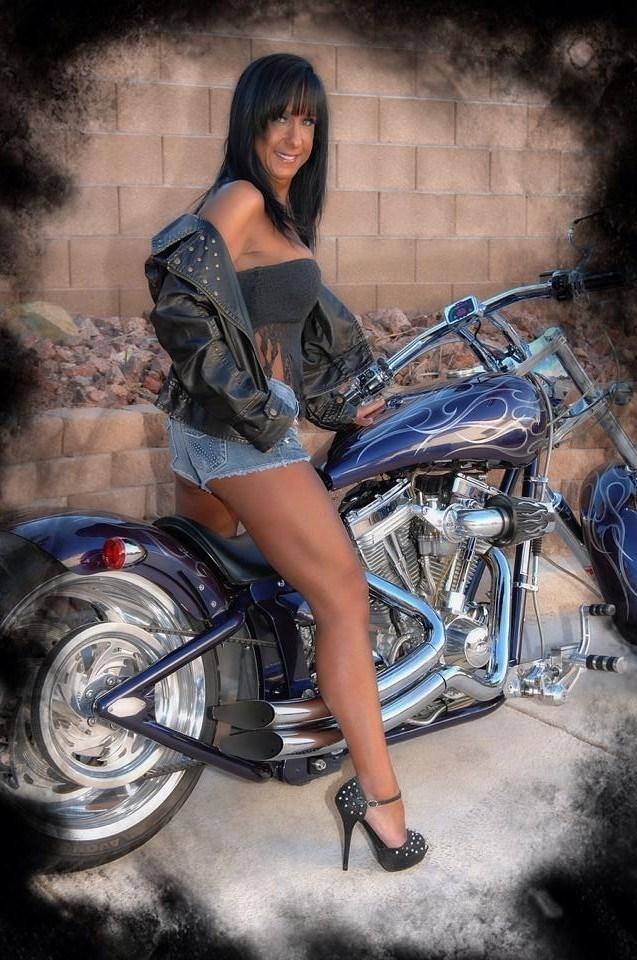
Bike: 2007 Red Horse Chopper
Bike Owner: Bill VanVolkinburg
Pictures Courtesy of: Vantastic Images
Riding in Cold Weather!
As cold weather starts to roll in this season and the last red leaves fall off the trees, it's time to start thinking about what you're going to do with your motorcycle this winter. For some, winter means buying fuel stabilizer, dusting off the trickle charger, and gently snuggling their motorcycle into a warm corner of the garage. For the rest of us, winter means no change to our motorcycle riding habits except the addition of quite a bit of extra clothing!
Many of us clearly fall into the "extra clothing" category - we'll ride anything above 20 degrees (if you had heated clothing, I'm sure you’d go lower). Call us at CVWW crazy or just "thermally gifted," but riding motorcycles in the winter can be really enjoyable.
Now, you probably shouldn’t the type that loves to ride so much that Iyoull get out there and freeze your rump off just to get miles under your belt. To make winter riding enjoyable, try to be comfortable, and comfortable in the winter means warm and dry.
Staying Warm
Riding a motorcycle in cold weather comes down to one simple concept: insulation.
Since most people aren't very active on a motorcycle, their body isn't doing much to produce heat on its own to counteract the cold. That means we have to do everything we can to insulate the body in order to keep what precious heat that we do produce actually on our body, and not floating off in the cold winter air.
Insulation boils down to two things: layers (to slow the rate at which our body loses heat), and wind proofing (to keep the wind from stealing our heat).
Layers
Let's talk about layers first. Layers are critical for riding a motorcycle in the cold weather of winter. The number of layers you'll need to wear is based both on personal preference (some people naturally run a little hotter than others) and the temperature outside. Personally, when I used to ride I've worn up to four layers in really cold weather. The key is to have enough layers on that you feel comfortable (maybe even slightly warm) when you step outside and just stand in place (before you ride your motorcycle).
Remember two things
Your bottom layer should always be some type of snug fitting thermal or fleece underwear. This will create a warm layer of air between your body and this material. (Don't worry about buying the expensive wicking materials like Dri-Fit, etc. - you won't be sweating much so it won't do you much good). Don't wear so many layers that you lose mobility. If you can't hold your arms at your side because of all your clothing, than it's probably time to invest in either some warmer, or even heated, clothing.
Wind Proofing
Now, let's talk about wind proofing. The biggest issue that you will have when riding a motorcycle in the winter is keeping the wind out. Wind, spe-
cifically wind chill, is your worst enemy on a motorcycle in cold weather. Doing everything you can to stop this enemy is going to go a long way to helping you ride your motorcycle comfortably in the cold.
Wind-proofing also takes the most trial and error to perfect. It can take quite a while before you finally plug all of those air leaks!
The main thing to do for wind-proofing is to make sure your outer layer is some type of wind-proof material. Leather is by far the most popular choice for this. Ideally, you should look for something that is both wind-proof and water-proof. There are many manmade materials that meet those criteria.
Hands and Feet
You can insulate your body and legs adequately, but when the temperature really drops, everyone has the most problems with their hands and feet. Many people have a similar problem. The reason is that as you get cold your body focuses circulation on your internal organs to keep them warm, while your feet and hands get the shaft.
The only way that we've found to keep my hands and feet comfortable in really cold weather is to 1) add additional heat sources, and 2) invest in quality boots and gloves
Here are a few additional thoughts on windproofing:
Add a windshield to your motorcycle to block the wind.
While not stylish, duct tape can do wonders to seal any leaks you might have.
Wear a full face motorcycle helmet with some type of covering for your neck and head - I prefer a balaclava. Most of your heat is lost through your head so do your best to keep it warm!
Put newspaper on your chest between your outer layer and the layer underneath it - this does wonders for blocking the wind (a tip we learned from friends who race bikes).
For additional heat sources I use those airactivated hand and feet warmers that you can find in the hunting section of any Wal-Mart. Crack open a couple of these, stuff them into your boots and gloves, and your hands and feet will be toasty for 5+ hours.
Gloves
We've heard stories from people who’ve tried quite a few gloves and have found very few that really do the trick. Gloves can really be a trial and error process for motorcycle riding so make sure that you've found the right pair before embarking on your next long cold weather ride.
In looking for gloves:
Make sure that they are long enough that they completely cover the wrist (remember: windproof, wind-proof, wind-proof!)
Find a pair with a hook and loop closure system at the wrist that allows you to tighten the gloves.
Good fit - if the glove feels tight at all, get the next size up. We don't want anything to impede circulation!
Good insulation - you want the high-efficiency stuff like 3M Thinsulate, not just a bunch of fluff. Good insulation placement - most gloves only put insulation on the top. You want a pair with a little bit in the palm and other parts of the hand as well.
Pre-curved fingers - motorcycle gloves can wear you out if you're trying to squeeze that throttle all day. Pre-curved fingers alleviate this. If at all possible, try to squeeze a throttle before purchasing. Make sure the gloves don't get tight or bunch upyou'll really notice it after 30 minutes of riding.
Boots
For boots, we are strong believers that you don't have to go and buy a pair of $250+ Harley motorcycle boots to get the performance you need in cold weather. The best pair of boots that we've ever heard of cost $40 from a Wal-Mart somewhere in Missouri (Herman Survivors: Commander model). They are comfortable, waterproof, and windproof and have seen many a rider through a lot of crappy weather. The people we know who own them were so happy with them they took a picture of them in action, not the best pic but you get the idea.
The key features you want in boots are:
Fit (you don't want them to be tight because this will reduce circulation and make your feet colder)
Water-Proof. Don't even consider them if they aren't.
Above the ankle. This really helps with wind proofing.
Comfortable to walk around in. I've had motorcycle boots that made me walk like a robot from StarWars. This is not what you want!
Insulation is a nice to have, but not a must; you can get most of your insulation from putting extra socks on.
Safety
Finally, after you've got all your gear sorted out there are a couple of things you'll want to be aware of in terms of safety before getting out there in the cold: Frostbite and Hypothermia.
Exposed skin is always at risk for frostbite, so make sure you don't have any exposed skin! If you feel like your skin is being pricked by needles, frostbite is on its way and you need to do something immediately. If your skin starts to turn white or waxy and feels numb and hard you need to get immediate medical attention.
Hypothermia is a separate concern. Hypothermia is where your core body temperature drops below the minimum temperature required for your body to operate. Hypothermia causes mild confusion, sluggish behavior, poor muscle coordination, and incoherent behavior.
If you start feeling cold and can't decide if you should pull over, you are facing an early stage of hypothermia. Pull over immediately and get a hot coffee!
If you start shivering uncontrollably, feel sluggish, or even drunk, then you're in serious trouble. Hypothermia is already underway and you need to stop immediately to warm up.
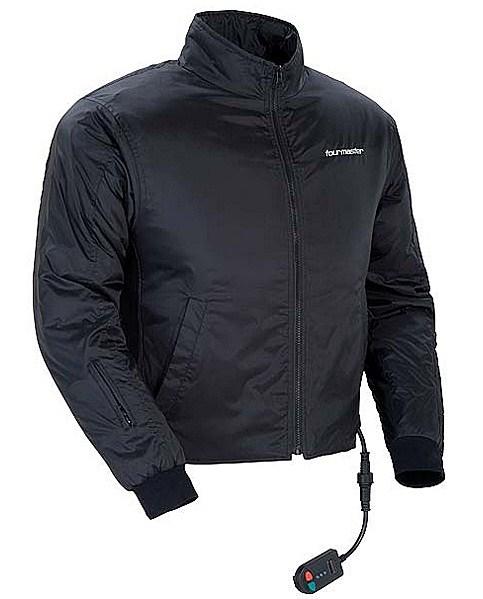
Lastly, if you are going to be riding for long periods of time in cold weather or ride in REALLY cold weather, then you need to invest in heated clothing. In these situations, the body needs an alternative source of heat to keep itself warm - and heated clothing is the only way to go. Maybe we'll discuss heated clothing in a later article.
Riding in the cold weather is a relatively easy task. It's all just a matter of insulation. With a little trial and error you'll be out there on your motorcycle getting those looks of "he/she must be crazy" too!
ForeverGirl Designs
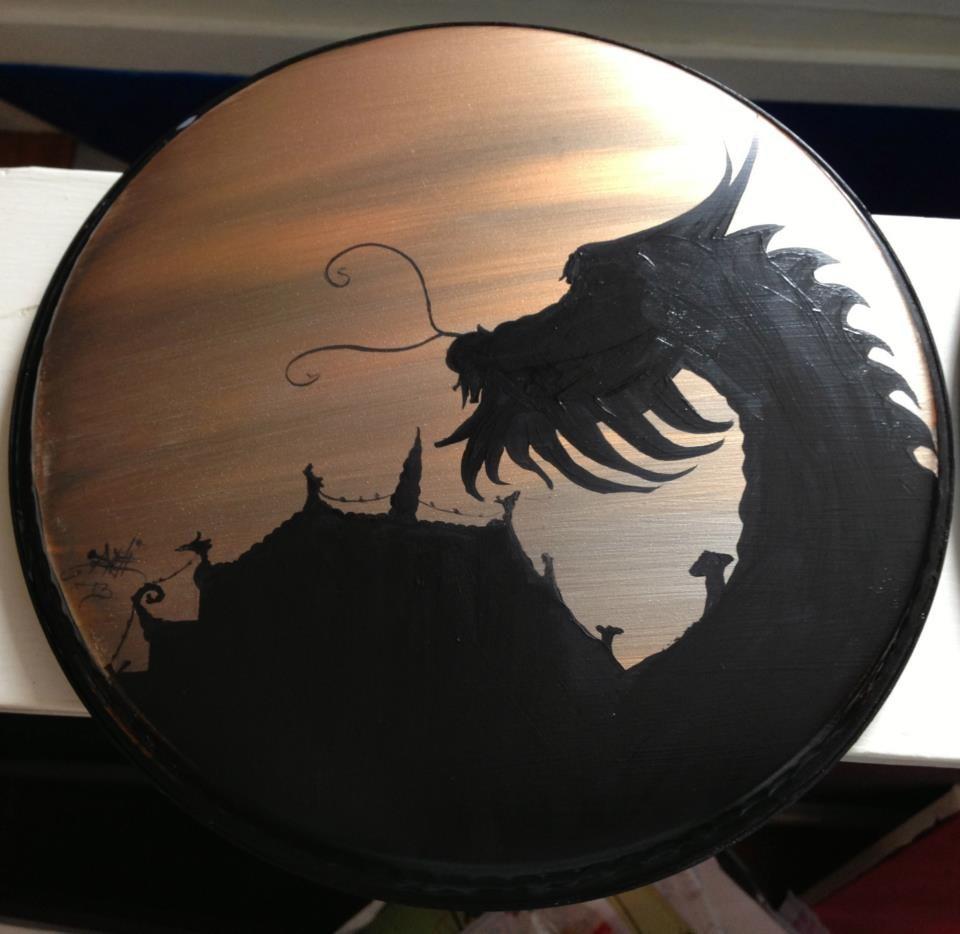
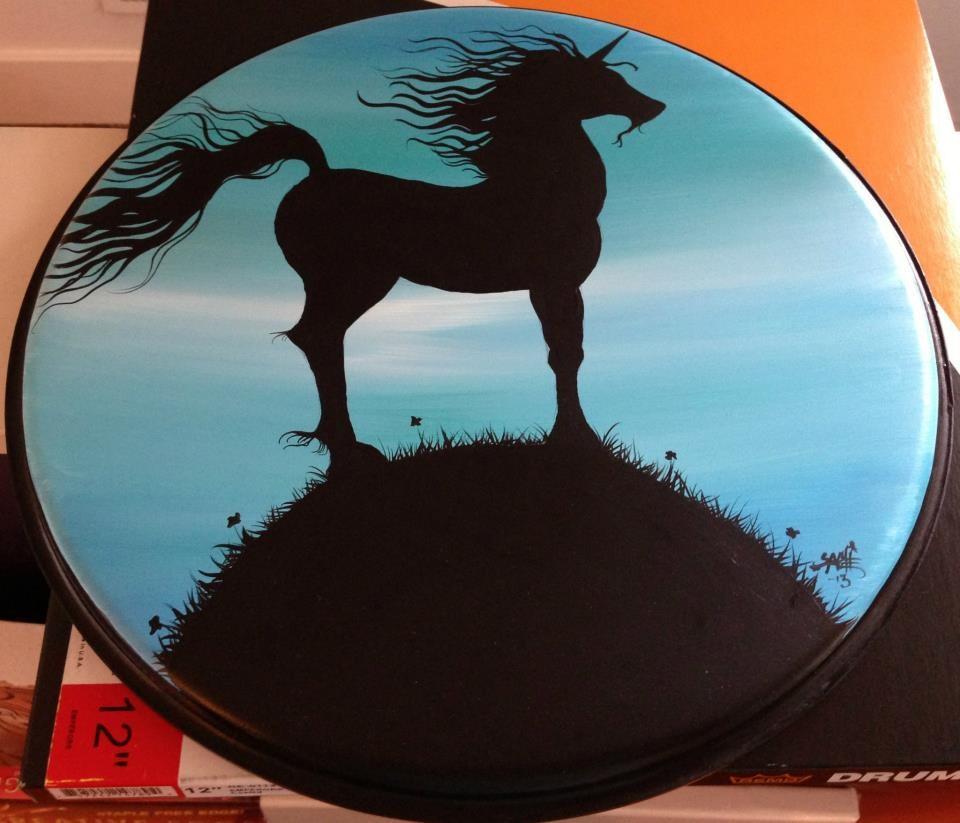
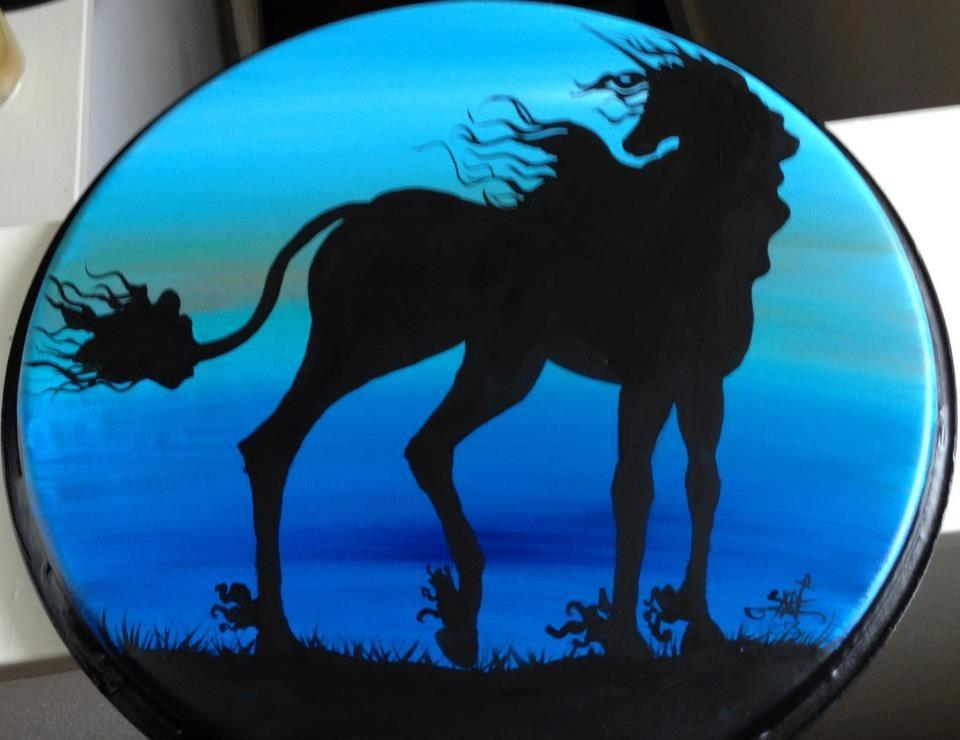
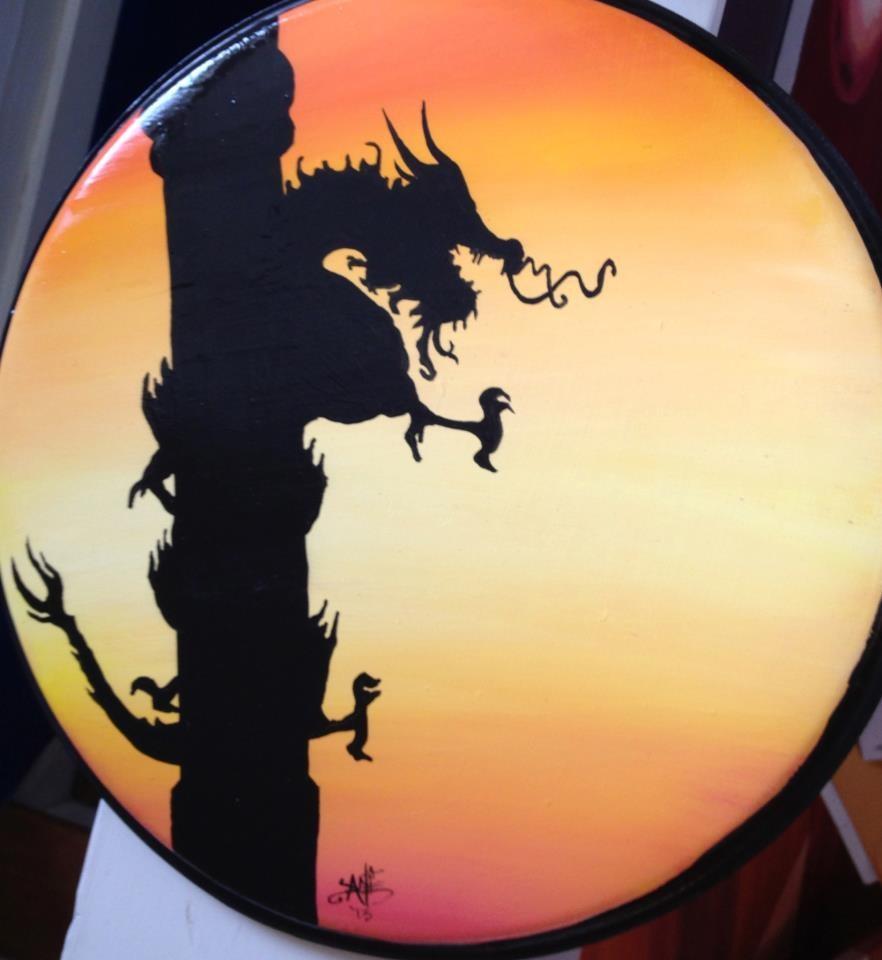
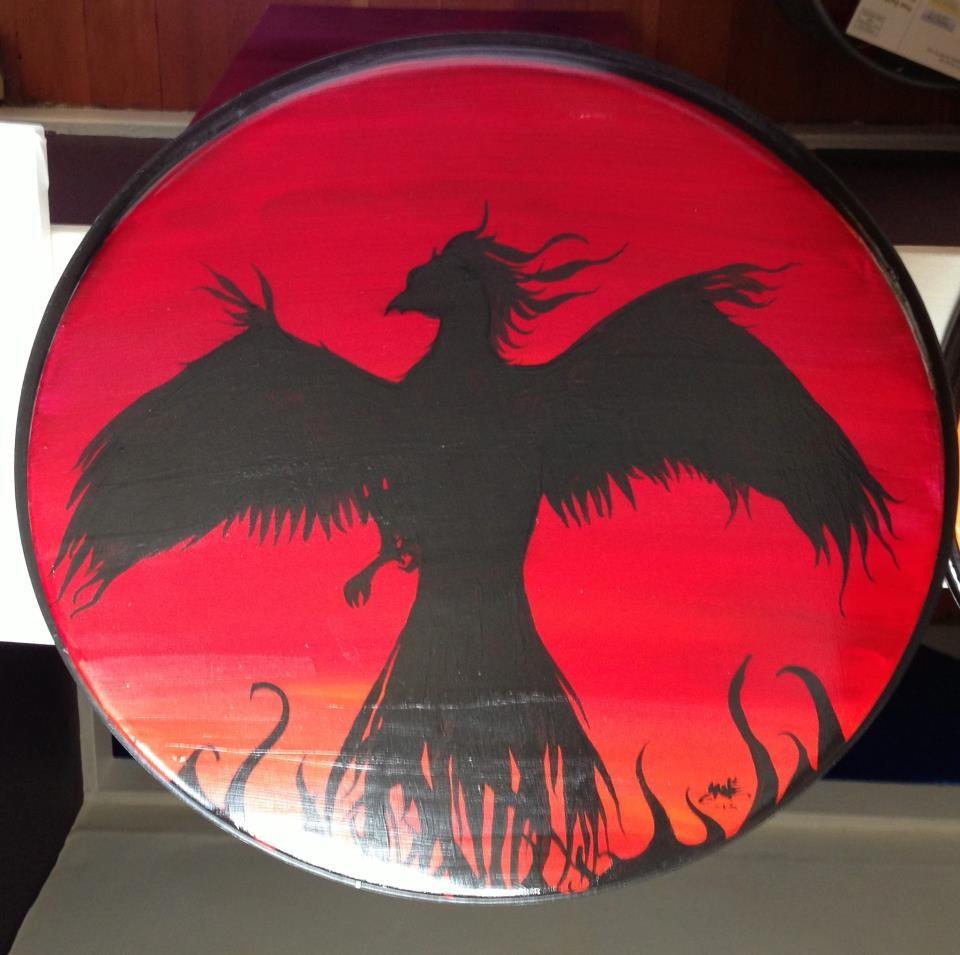
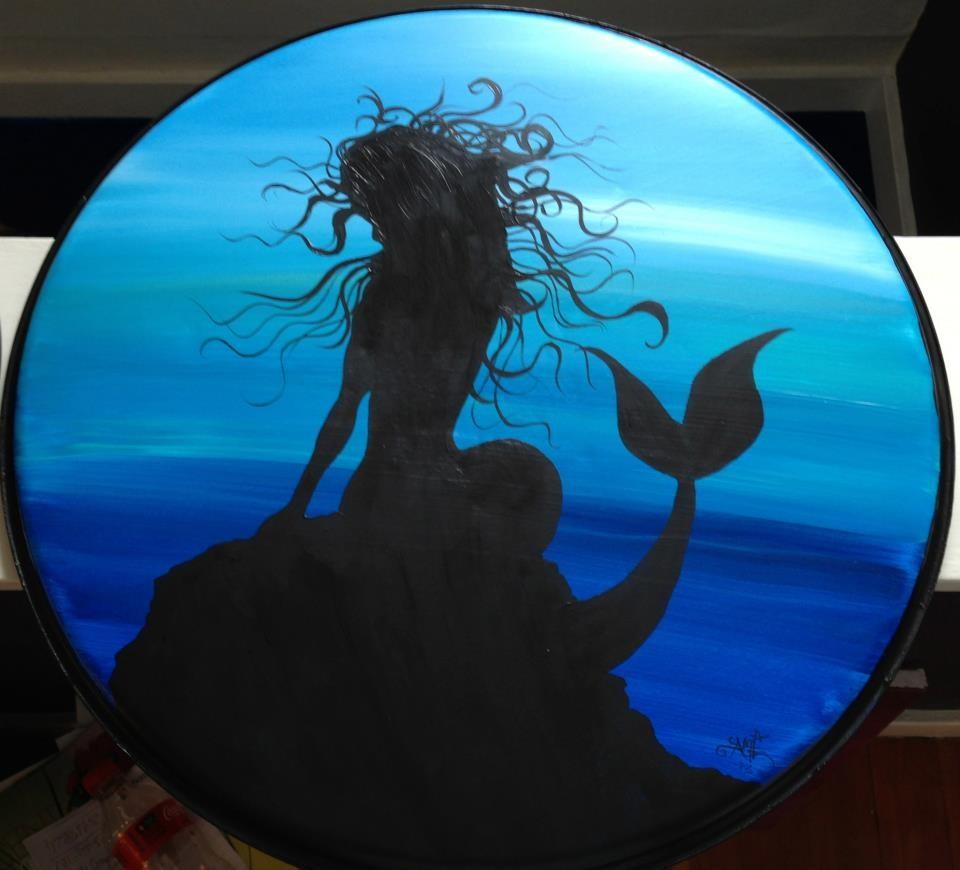
Not only is she the ass-kickin’ frontwoman for WITCHBURN, she’s also a talented picture ARTIST! Jamie Nova allowed us to talk to her about her personal art pieces and showcase some of her incredible work! We also got to delve a bit into her artistic mind...
CVNW: Why do you paint, what is your inspiration? I have always loved painting. getting lost in the colors and the feel of my brush against a canvas. It is an extension of my soul, like my music. My inspiration is life, the vitality of existence.
CVNW: Do you sell them personally, or as an official company? I sell them personally, through my Etsy site (http://www.etsy.com/shop/ ForevergirlDesigns) and also on my website (www.jamienovarocks.com)
CVNW: How do you decide what to paint? Most of the time it is whatever inspires me that day or whatever my mood is. There are a lot of times that I have pieces commissioned and then I work with the buyer as to what inspires them and then I incorporate their ideas into my style.
CVNW: Are they usuable drums or display pieces?
The drumheads are for display only but I have been commissioned to paint some Kick Drum front pieces that will display my art without taking a beating from the drumsticks
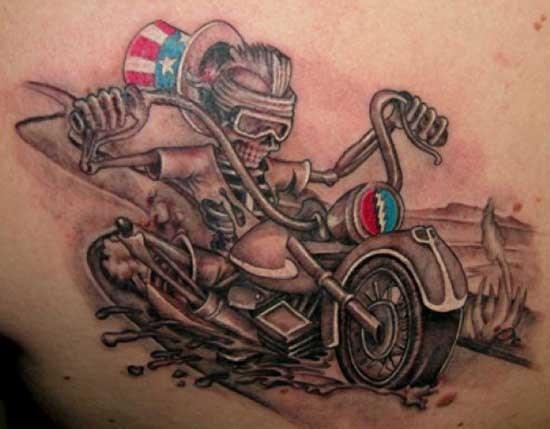
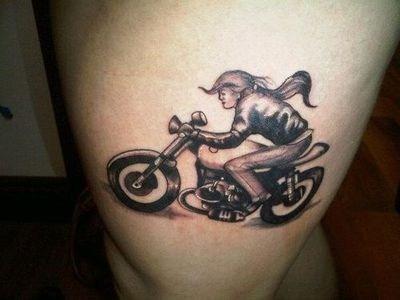
CVNW: Do you do special commissions? Absolutely! Canvas, drumheads, wall murals, t-shirt designs, tattoo designs.... you name it I will do it!