Bias and Discrimination Harm Response Options Discrimination
Some examples of discrimination:
Discrimination means disparate treatment or disparate impact— adverse actions against someone based on their membership in a protected category.
• A faculty’s noncompliance with a student’s reasonable accommodation
Harassment
• A student being subject to biased or unfair treatment due to their
Harassment is a form of discrimination defned as actions creating a hostile working or education environment. “Hostile” is described as severe, persistent, or objectively ofensive.
• A student’s explicit or implicit exclusion from an educational activity based on a protected category • A supervisor’s noncompliance with a staf member’s reasonable accommodation ethnicity or citizenship status
For full policy defnitions of discrimination and harassment, please see Policy 1201 in University Policies.
Not all harm rises to the level of a discrimination policy violation. Acts of discrimination are usually superseded by acts of interpersonal violence such as bias incidents.
Bias Incidents A bias incident is an act committed against any person or group motivated by bias or prejudice. These acts, intentional or unintentional, are usually associated with negative feelings and beliefs concerning others’ identities. These acts are typically more frequently experienced than unlawful acts of discrimination. Some examples of bias incidents:
• Microaggressions such as “that’s gay” or “they speak good English” • Ofensive social media posts • Derogatory language (slang) based on stereotypes • Giving someone a nickname because you feel their name is hard to pronounce

Options for Responding All Forms of Harm Are Important to Address
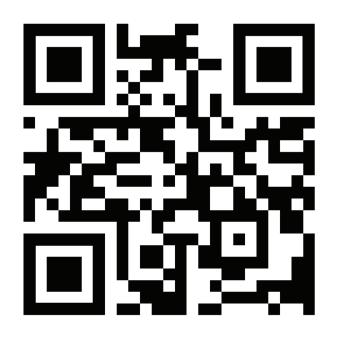
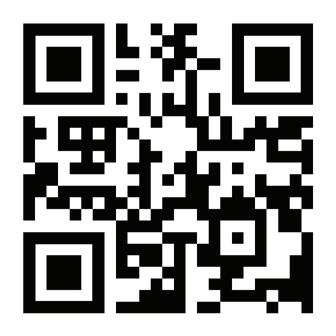
When considering the best pathway to take, ask yourself the following questions: Is this a bias incident or a discriminatory incident? What internal and formal processes are available specifc to the misconduct? What support and resources do I need? Formal processes for discrimination and harassment: Any Mason community member who has experienced or witnessed gender-based harassment or sexual assault and discrimination should report directly to the Ofce of Diversity, Equity, and Inclusion at diversity.gmu.edu/about/intake/form. If you are part of the College of Visual and Performing Arts, you are not obligated to disclose within your department. However, we strongly encourage you to inform your unit director or the dean’s ofce should you also report to the DEI ofce.
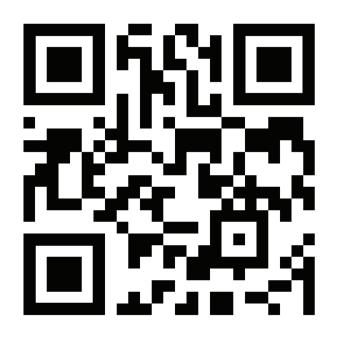
Informal process for reporting bias incidents: While bias incidents do not always rise to a discriminatory policy violation level, bias incidents still hinder our capacity to work with, teach, and learn from one another. Any Mason community member who has experienced or witnessed a bias incident can submit a report to the Center for Culture, Equity, and Empowerment (CCEE) at ccee.gmu.edu/bias-incident-response-tool. Internal to the College of Visual and Performing Arts, you are not obligated to disclose within your department. However, we strongly encourage you to let your unit director know so there can be an internal response.
Confdential Resources at Mason: Counseling and Psychological Services
Student Health Services
Student Support and Advocacy Center
Center for Culture, Equity, and Empowerment
Diversity, Equity, and Inclusion at Mason
caps.gmu.edu
shs.gmu.edu
ssac.gmu.edu
ccee.gmu.edu
diversity.gmu.edu
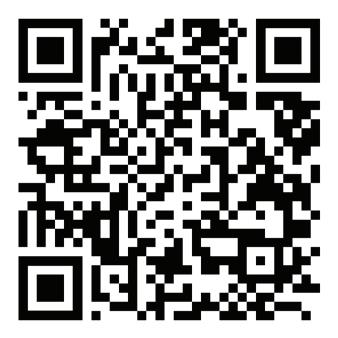
Please reach out to the College of Visual and Performing Arts Director of Diversity at CVPADEI@gmu.edu for any additional questions or resources.