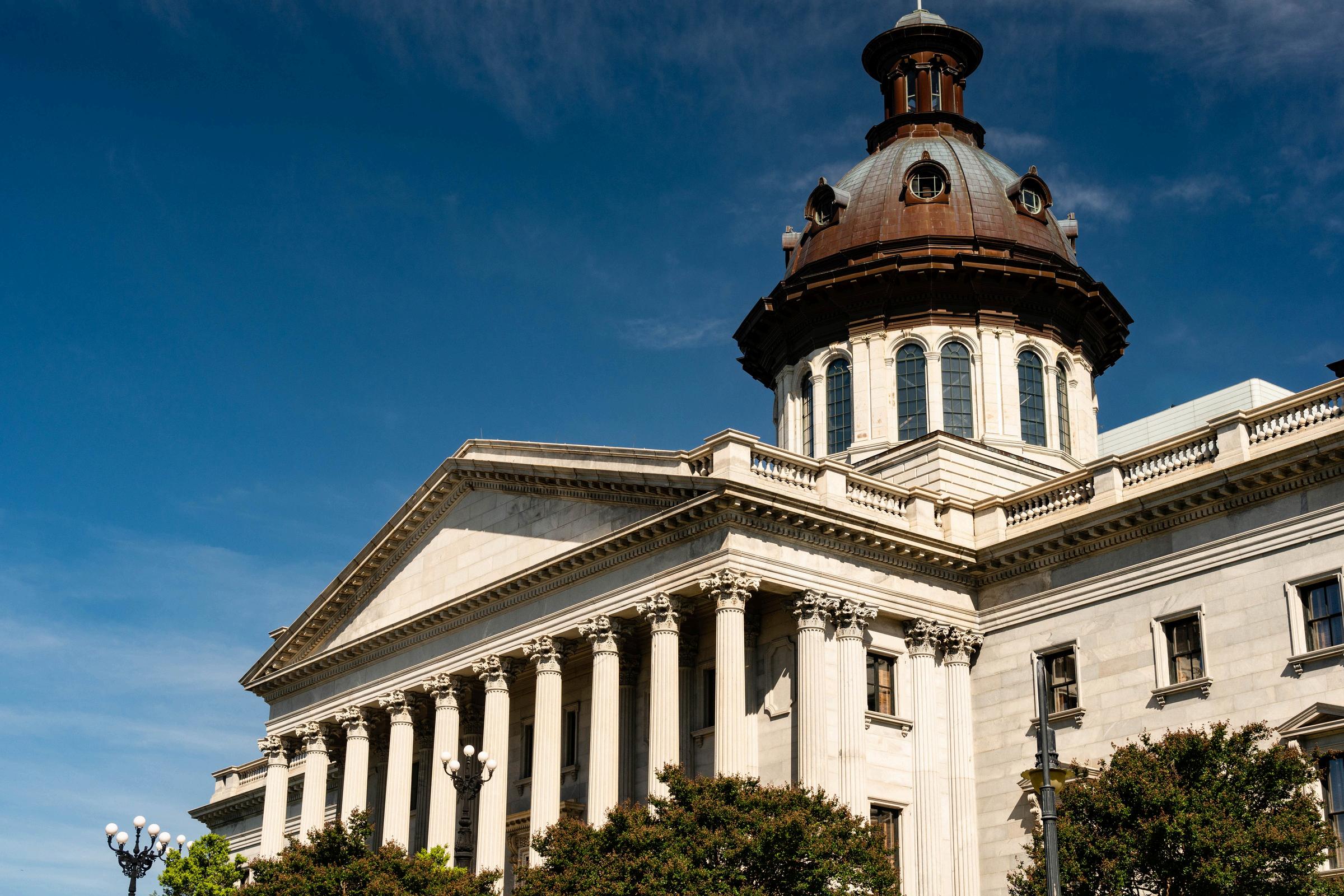
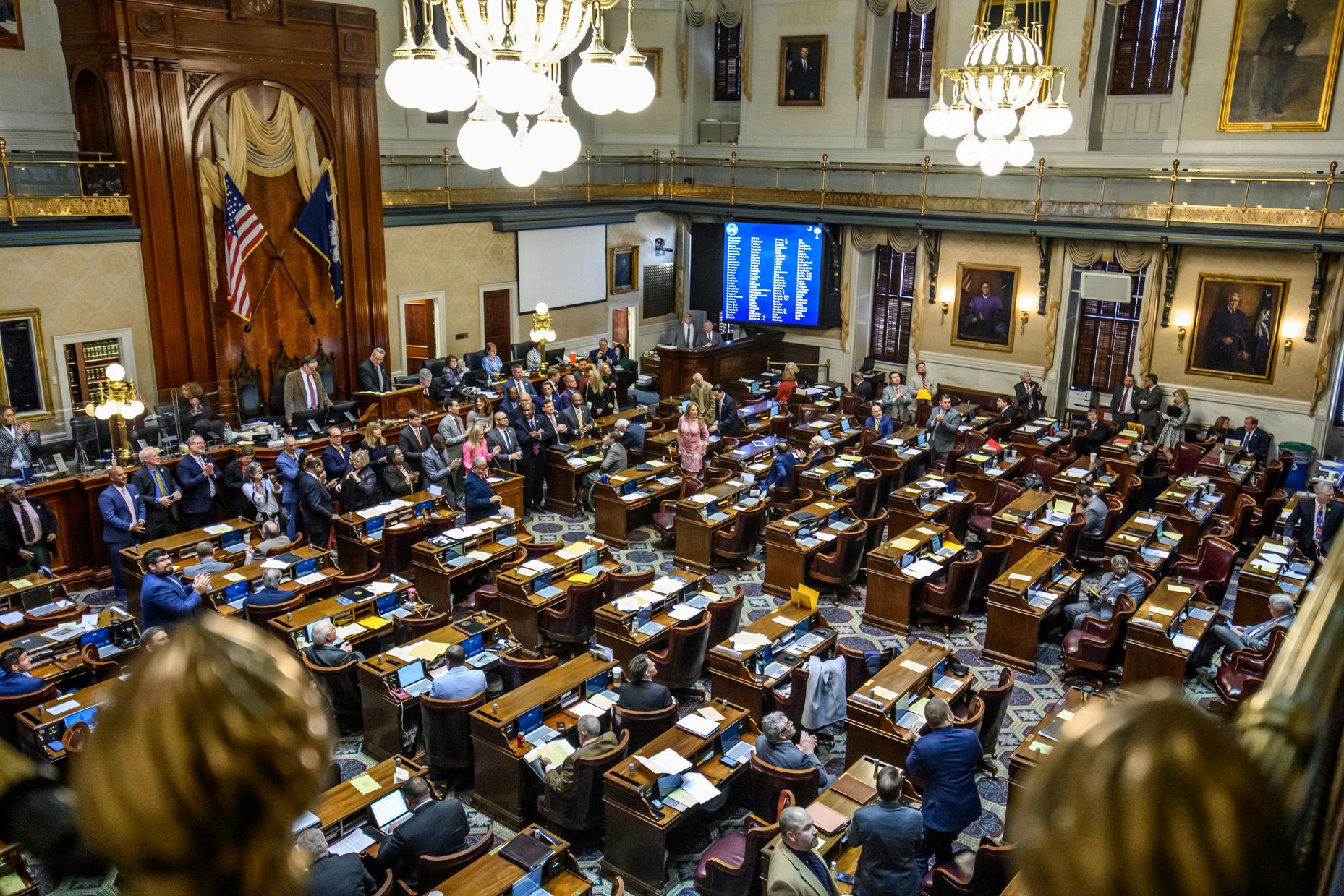
As the gavel fell on the 2025 legislative session, we closed one chapter and began writing the next. This year, CVSC pursued an ambitious agenda rooted in a vision that every South Carolinian has access to clean air, safe water, protected lands, and a thriving future We made meaningful progress from bipartisan momentum on sustainable growth policies to critical water protections and clean energy advancements But our work didn’t stop when the legislature gaveled to a close We’re already laying the groundwork for what comes next refining priorities, expanding partnerships, and collaborating with leaders and communities across the state.
While this year brought real wins, it also reminded us that protecting the South Carolina we love requires more than a few good legislative sessions; it demands sustained effort, broader coalitions, and the political power to drive bold change. I’m proud to share that CVSC is entering a new chapter: a 10-year strategic plan designed to create a more durable impact across South Carolina.
This plan isn’t just a roadmap to pass the next bill; it’s about transforming the conditions that make meaningful policy possible. Over the next decade, we’ll grow our capacity to engage voters, support emerging conservation leaders, and invest in bipartisan, values-driven strategies that stand the test of time CVSC has continuously operated at the intersection of policy and conservation, and this plan strengthens our ability to lead with greater clarity, coordination, and ambition
In the months ahead, we’ll share more about how you can help bring this vision to life. For now, this newsletter offers a look back at the 2025 legislative session, what we achieved, what we’re still working toward, and how those experiences are shaping our direction for the years ahead.
Together, we can turn today’s progress into tomorrow’s power and build a South Carolina that works for everyone.
With gratitude,
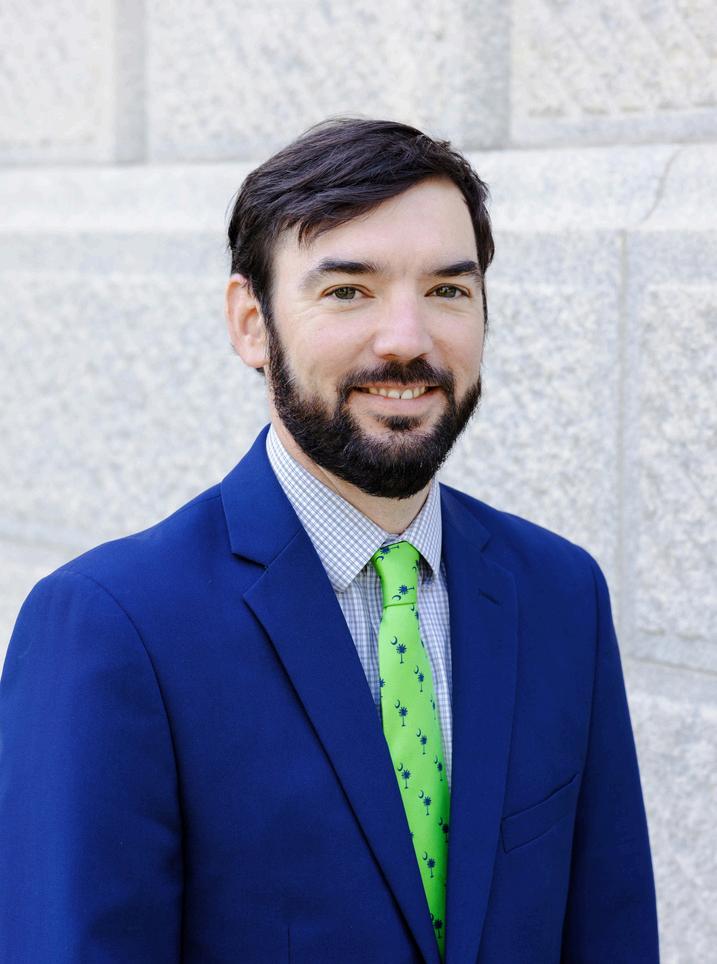
John Tynan President
BuildingBipartisanSolutions
For more than two decades, CVSC has led the charge to protect our air, land, and water by advancing thoughtful, balanced policies that address the state’s most pressing environmental challenges. We don’t just advocate for conservation, we shape the policy landscape through trusted relationships in the Statehouse, extensive policy expertise, and collaborative partnerships. From clean energy and water protections to smart growth and land conservation, we’re proving that environmental progress isn’t just possible—it’s powerful, practical, and essential to South Carolina’s future.
We’re now halfway through the two-year legislative session, and the progress we made at the Statehouse in 2025 lays the foundation for continued action in 2026. On the following pages, we discuss all of the progress and unfinished business from the first half of the legislative session that will be instrumental in moving South Carolina toward a cleaner, healthier, and more resilient future.
ProtectingWhatMakes SouthCarolinaHome
South Carolina is undergoing a remarkable transformation. We’re one of the fastestgrowing states in the country, attracting new residents, businesses, and economic opportunities every day. This surge in growth offers much to celebrate, but it also brings profound challenges that demand bold, future-forward solutions.
Unchecked sprawl is quietly consuming forests and green spaces, straining infrastructure, and disconnecting people from the places they love. The consequences aren’t just environmental, they’re deeply economic. Sprawling development drives up the cost of public services, forcing taxpayers to fund new roads, schools, and utilities that stretch far beyond existing capacity. It increases commute times and makes it harder for governments to deliver services efficiently and equitably to residents. Sprawling development is a shortsighted way to grow and risks eroding our environment while diminishing our communities' health, affordability, and character.
SCProsper&Preserve:AVisionfor SustainableGrowth
We need bold, forward-thinking tools that balance growth with conservation. While advocating for outright land protection in the state budget remains a critical priority, it’s only part of the solution. To truly safeguard what makes South Carolina special, we must also pursue innovative policies that give communities the power to shape their future.
In his recent State of the State address, Governor McMaster called for the protection of 10 million acres. This historic and ambitious goal proves growing recognition for the need to preserve our natural spaces amidst our current growth. It also presents a powerful opportunity to partner with the Governor and other Republican lawmakers to advance locally driven strategies that protect land, manage growth, and strengthen the Palmetto State.
CVSC expanded on this bipartisan momentum to chart a bold path forward. Early in the 2025 legislative session, we launched SC Prosper & Preserve, a toolkit for local governments to combat sprawl and promote sustainable growth through two key policies discussed in detail on pages 7-8. These tools were intentionally designed to be permissive and customizable so that the local governments that need them can choose to implement them through ordinance and customize the tools to fit their needs.
DevelopmentPaysforDevelopment
Concurrent Infrastructure Requirements (CIR) ensure that development doesn’t outpace the roads, water systems, schools, and other public services that communities rely on. If a community has CIR in place, the local government must confirm that adequate infrastructure exists or require developers to help build or fund improvements before the project is approved. This proactive approach protects quality of life, prevents congestion, and promotes responsible growth.
This session's introduction of S.227 in the Senate signaled a growing recognition among lawmakers that infrastructure planning must keep pace with South Carolina’s rapid growth. The bill generated significant interest from Senators, prompting its sponsor, Senator Tom Davis, to pause its advancement and begin crafting a broader, more ambitious piece of legislation. While this move halted S.227’s progress for the 2025 session, it followed a series of in-depth meetings with legislative staff and stakeholders, which represents a promising step toward a more comprehensive solution to the state’s growth challenges.
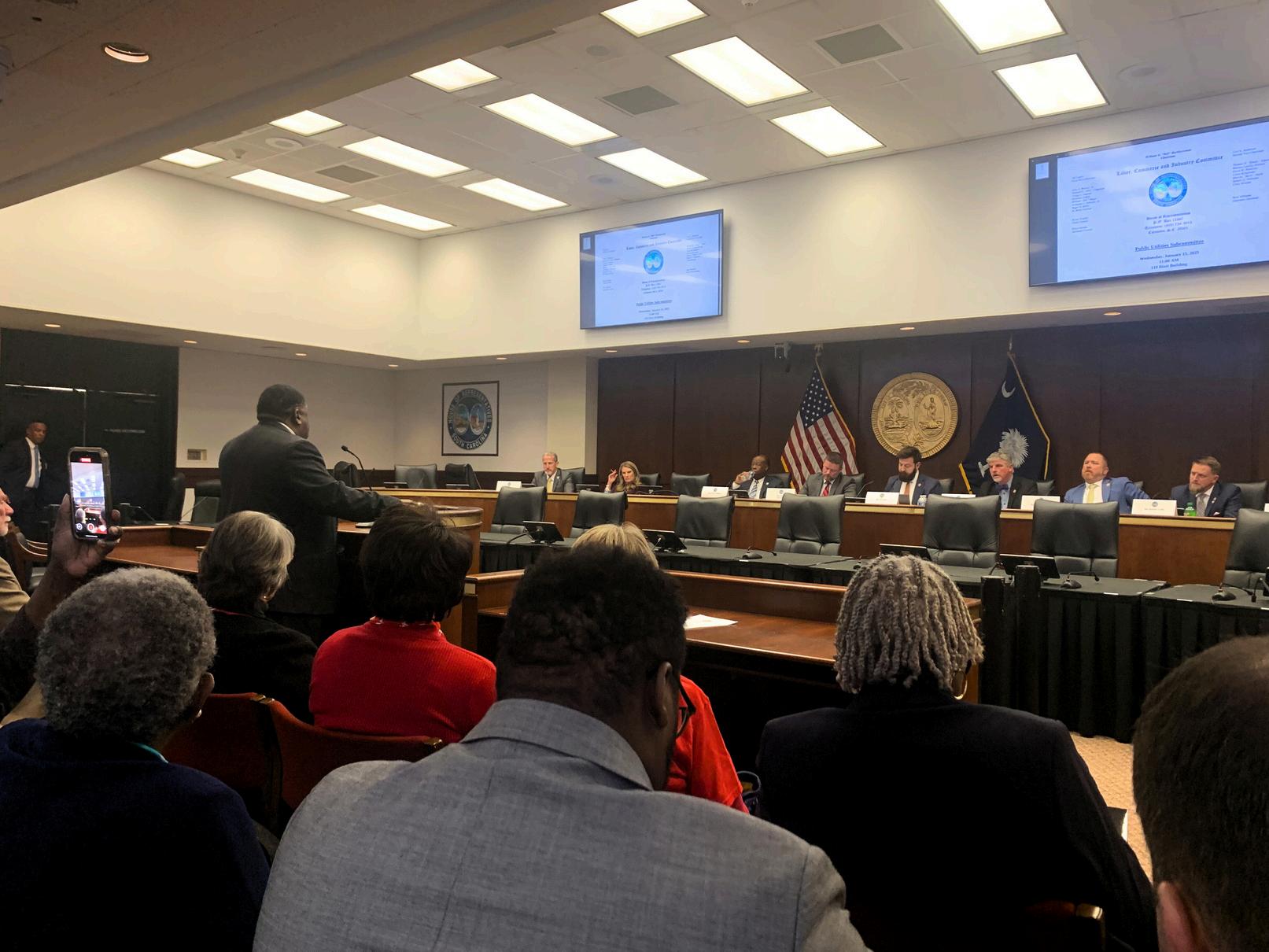
In the meantime, support for CIR policies remained strong. Stakeholders from local governments across the state clearly desired to see these requirements move forward as a standalone measure. That momentum carried over in the House, where H.4050 was introduced as a companion bill and heard before the 3M Municipal Affairs Subcommittee. CVSC rallied a robust coalition of support, including testimony and letters from municipal and county governments, healthcare organizations, and conservation partners.
Despite broad support, the Charleston Chamber of Commerce, in alignment with the Homebuilders Association, voiced opposition during the hearing. As a result, Chairwoman Sylleste Davis called for adjournment to give stakeholders time to address those concerns. An amendment has since resolved those issues, but due to the limited time remaining in the legislative session, the bill was not granted another hearing before adjournment.
Still, the groundwork has been laid. With bipartisan interest, an expanded Senate proposal in development, and strong local government and community backing, Concurrent Infrastructure Requirements remain a top priority for 2026.
AMarket-BasedApproachtoLandConservation
Transferable Development Rights (TDR) provide a market-based solution for land conservation. Landowners in designated “sending areas” like farmland or ecologically sensitive regions can sell their development rights to developers, who use them in “receiving areas” where higher-density development is appropriate. This protects vulnerable landscapes while focusing growth where infrastructure already exists.
This session, TDR legislation was introduced in both chambers—S.288 in the Senate and H.4146 in the House—a strong signal of interest in giving communities the tools they need to manage growth on their own terms. The introduction of these bills underscored broad recognition that South Carolina needs more flexible, locally-driven planning options.
S.288 advanced to the Senate floor, but a vote was blocked when a Senator contested the bill, stalling its progress right before the legislative session ended. We’re committed to moving forward with this legislation next year as TDR remains one of the most promising tools for protecting South Carolina’s landscapes while enabling responsible growth.
LookingAhead
While the SC Prosper & Preserve bills didn’t pass this session, they sparked genuine bipartisan interest and laid a strong foundation for future success. In the months ahead, we’ll work alongside lawmakers and partners to refine and reintroduce this legislation in 2026, building on the momentum and support gained this year.
At the same time, CVSC will continue to amplify the voices of communities living with the real impacts of sprawl and overdevelopment. With the right policies, strong partnerships, and public support, we can ensure South Carolina continues to grow and thrive without sacrificing what makes it special.
SouthCarolina’sEnergyFuture
CVSC serve reintroduced threatened ratepayer and environmental protections.
PTh cleared advocates engagement, lawmakers made key improvements in the Senate, removing some of the most damaging language and introducing more thoughtful additions. Some, but not all of these Senate improvements, remained intact as the bill moved through the legislative process and became law.
While the final version is far from perfect, it represents a more balanced outcome for both South Carolinians and our environment than the flawed legislation initially proposed. This vast improvement of the bill from the 2024 version underscores the power of public advocacy in pushing for more responsible, people-focused policy.
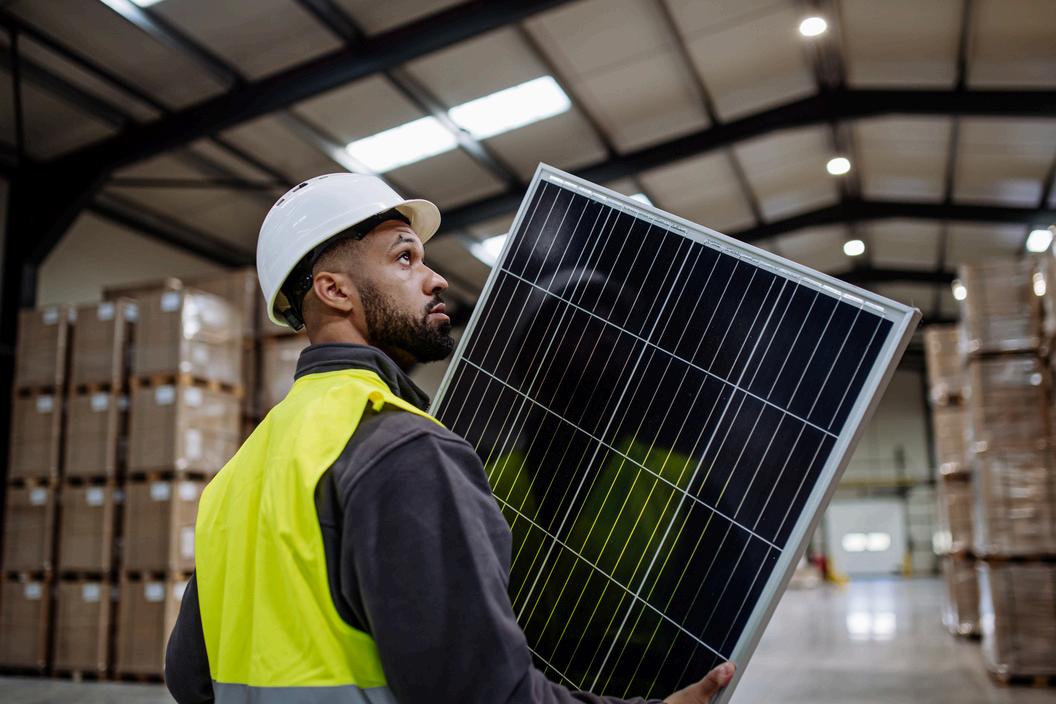
Utilities will now be required to pursue low-cost solar and storage through a competitive procurement process, helping to drive down costs and reduce pollution. Major loopholes that would have undermined environmental protections and public oversight were closed, preserving customers’ rights to challenge projects that threaten their air, water, and health. And South Carolina businesses will soon have better access to generate their own clean energy thanks to improvements in net metering rules.
OngoingConcerns
However, the bill still contains several provisions CVSC opposed throughout the session and will continue to monitor moving forward. A new “Electric Rate Stabilization” policy allows monopoly utilities like Duke and Dominion to automatically raise customer rates every year, bypassing the traditional regulatory process. This approach discourages cost-saving measures and favors expensive infrastructure to drive utility profits over innovative, clean, affordable solutions.
The bill also gives Dominion and Santee Cooper the green light to pursue a massive natural gas facility in Canadys. While some of the most dangerous language that allowed this and other projects to effectively bypass review was removed, this project remains a serious concern. It risks locking the state into decades of polluting infrastructure at a time when clean alternatives are both cheaper and more sustainable. We’re committed to closely monitoring the regulatory process to ensure community voices are heard and South Carolina’s natural treasures, like the nearby ACE Basin, are protected.
UnfinishedBusiness
Many of our energy priorities didn’t make it into the final bill Several key reforms many of which had strong support from legislators were left on the cutting room floor These include common sense energy efficiency standards that would help reduce utility bills and the need for expensive new power plants. They also include critical protections for landowners, like public notification before utilities can take private land for infrastructure projects. Finally, the legislation leaves out safeguards to ensure customers don’t bear the financial burden of rapid data center growth. Encouragingly, many lawmakers expressed interest in revisiting these topics in future sessions, and CVSC will be ready to advance those conversations.
LookingAhead
We know this outcome feels complicated, because it is. There’s real progress to celebrate, serious concerns to confront, and unfinished work to carry forward. But none of this would have been possible without your advocacy. In a time when misinformation about clean energy is rampant, the groundswell of public engagement helped shape a better outcome. Lawmakers heard you.
From here, we’ll continue monitoring how this bill is implemented, pushing for long-overdue reforms, and holding utilities and legislators accountable every step of the way. South Carolina deserves an energy future that is clean, affordable, and just, and together, we’ll keep fighting to make it happen.
ConnectingforChange
Securing South Carolina’s future requires more than passing strong policies, it takes a strong, coordinated movement. The environmental challenges we face are complex and far-reaching, demanding coordinated action from communities, coalitions, and decision-makers at every level CVSC is deeply invested in cultivating the next generation of conservation leaders, strengthening partnerships, and expanding access to the processes where all key decisions are made.
From local boards and commissions to state agencies and regulatory bodies, we work to ensure that conservation-minded voices are present where it matters most Whether we’re training advocates, building diverse coalitions, or supporting communities in navigating public processes, our goal is the same: to create inclusive, lasting solutions that reflect the needs of all South Carolinians.
PublicServiceCommissionWatch
The Public Service Commission (PSC) is one of the most powerful decision-making bodies in South Carolina regarding our energy future. This seven-member commission regulates the state’s utility companies, determining how much we pay for electricity, how utilities invest in infrastructure, and whether clean or polluting energy sources shape our grid. These decisions directly affect the cost, reliability, and environmental impact of South Carolina’s energy system.
With the passage of new energy legislation this year, utility companies are already moving to invest in costly, polluting gas infrastructure. These projects come with long-term environmental risks and financial burdens for South Carolina customers, and many of them will require PSC approval.
Recognizing the high stakes, CVSC is staying deeply engaged. In May, we joined community members and environmental partners in Canadys, the proposed site of a massive gas plant and pipeline project, to elevate local voices and raise public awareness about the risks posed by this development.
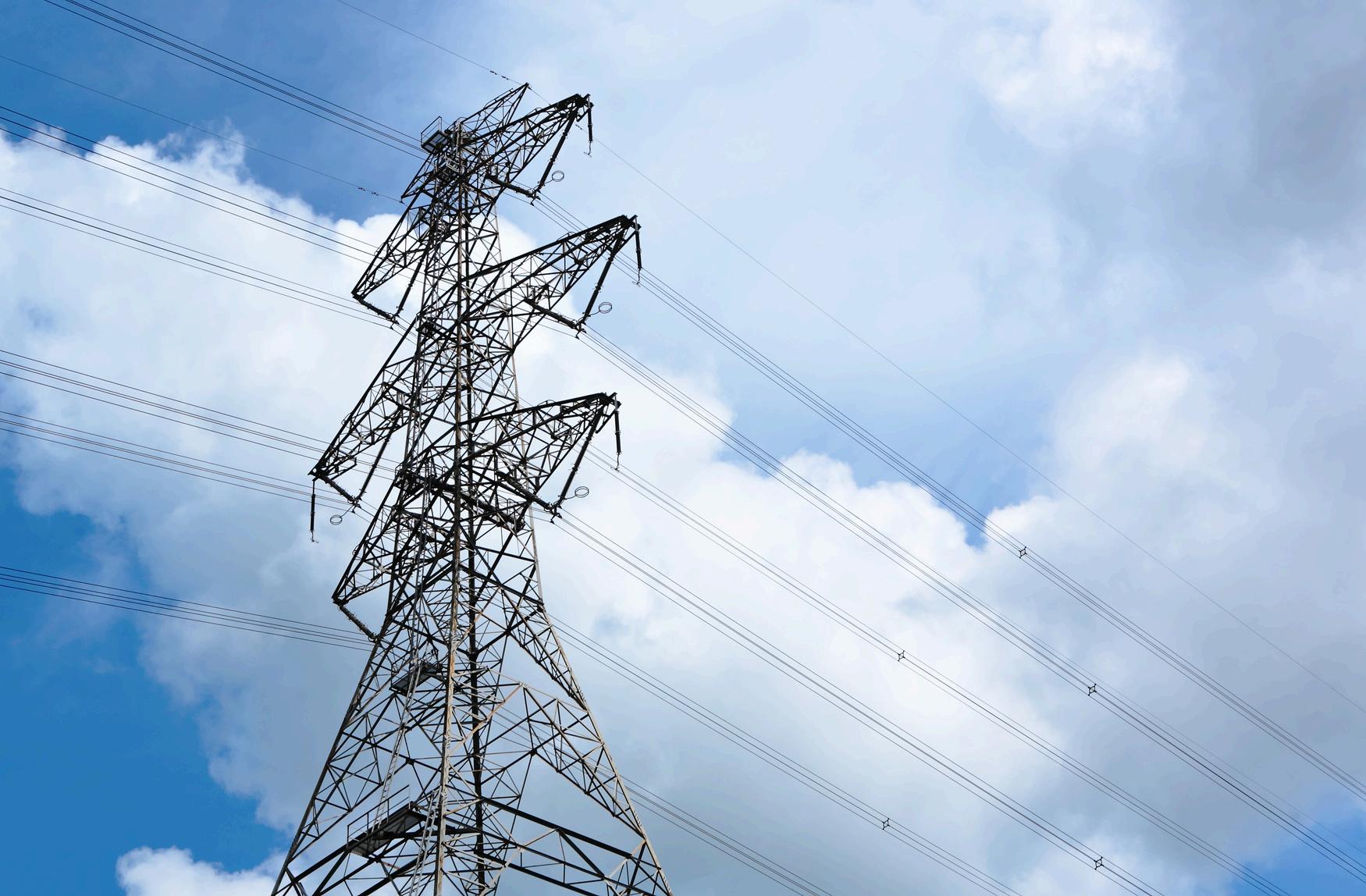
We also continued to lead efforts to educate PSC commissioners and staff. Alongside the Southern Renewable Energy Association and the American Council for an Energy-Efficient Economy, we hosted briefings that spotlighted energy efficiency and grid improvements. These clean alternatives reduce both pollution and costs for customers. And through our first-ever Modern Electric Transmission Solutions Summit, we convened utilities, energy experts, and advocates to explore smart, cost-effective upgrades to how South Carolina moves and delivers power.
Leadership at the PSC is also shifting. This session, state legislators reappointed Florence Belser and Justin Williams and selected newcomer David Britt to join the Commission. With four more PSC seats opening later this year, the Commission's makeup and direction could change dramatically. These appointments matter. Commissioners serve four-year terms and make decisions that shape how South Carolina generates, uses, and pays for energy for decades to come. When elections begin, CVSC will help advocates urge their elected officials to support educated, unbiased candidates.
LookingAhead
Duke Energy will request rate increases in June, and later this summer, the PSC will consider key updates to rooftop solar policy and energy efficiency programs—both of which are essential to building a clean, resilient, and affordable energy future.
CVSC will continue showing up at hearings, in communities, and alongside our partners to ensure energy decisions reflect the values, needs, and best interests of South Carolinians. With your support, we’ll keep fighting for a cleaner, more equitable energy future that puts people over profits.
Across South Carolina, decisions are made every day that directly affect our environment and public health. While we can’t be everywhere at once, we know our best chance at protecting South Carolina’s air, land, and water is through the power of informed advocates in every corner of the state.
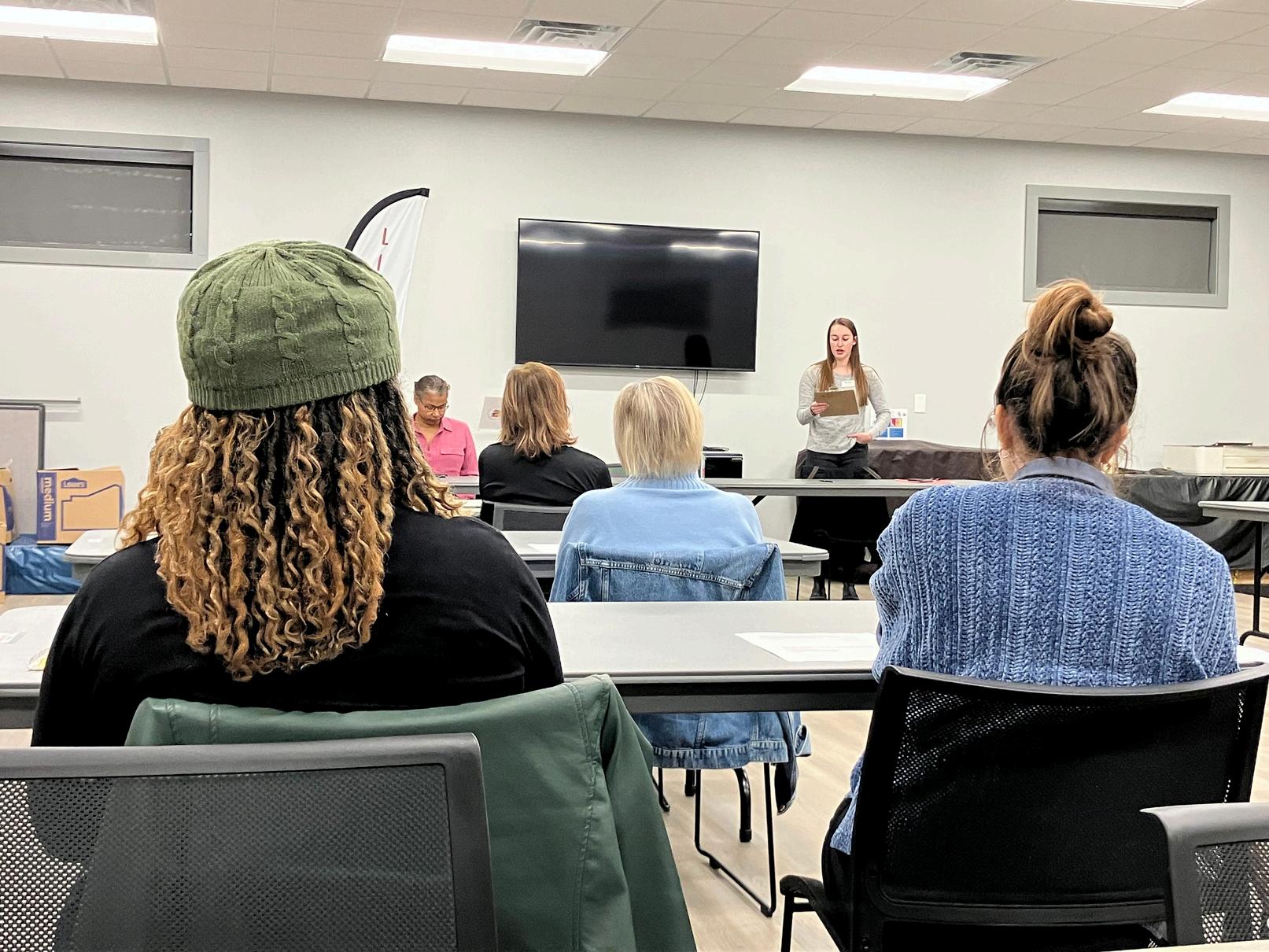
Earlier this year, CVSC launched the Conservation Advocates Alliance (CAA), a growing statewide network of everyday South Carolinians standing up for conservation and equity in their own communities. These advocates are at the heart of our movement. Whether they’re testifying at the Statehouse, speaking with local officials, or organizing neighbors around pressing issues, the CAA ensures conservation has a seat at every table.
As we work to advance durable environmental policies, we will continue to call on the CAA to take action: sharing personal stories at public hearings, meeting with decisionmakers, rallying support among their networks, and representing CVSC at events across the state. Their involvement helps us seize critical opportunities for progress and stop harmful proposals before they take root.
Of course, meaningful advocacy requires support. That’s why we invest in our advocates, offering resources, expert training, and timely communication to keep them informed and prepared. In return, they’re ready to act when needed and equipped to lead on the issues that matter most to their families, neighbors, and future generations.
By putting power into the hands of passionate South Carolinians, we’re building a stronger, more connected, and more representative conservation movement. And this is only the beginning.
CelebratingEmergingLeaders
Last year, CVSC Education Fund launched the Palmetto Leadership Academy (PLA), a premier leadership development initiative built to shape the future of conservation leadership in South Carolina. The PLA recruits, trains, and supports a diverse cohort of emerging leaders for service on state and local boards and commissions. Through a robust curriculum grounded in equity, public service, and environmental stewardship, fellows gain the tools to champion conservation-minded decisions that affect everything from land use and energy policy to water protection and community resilience.
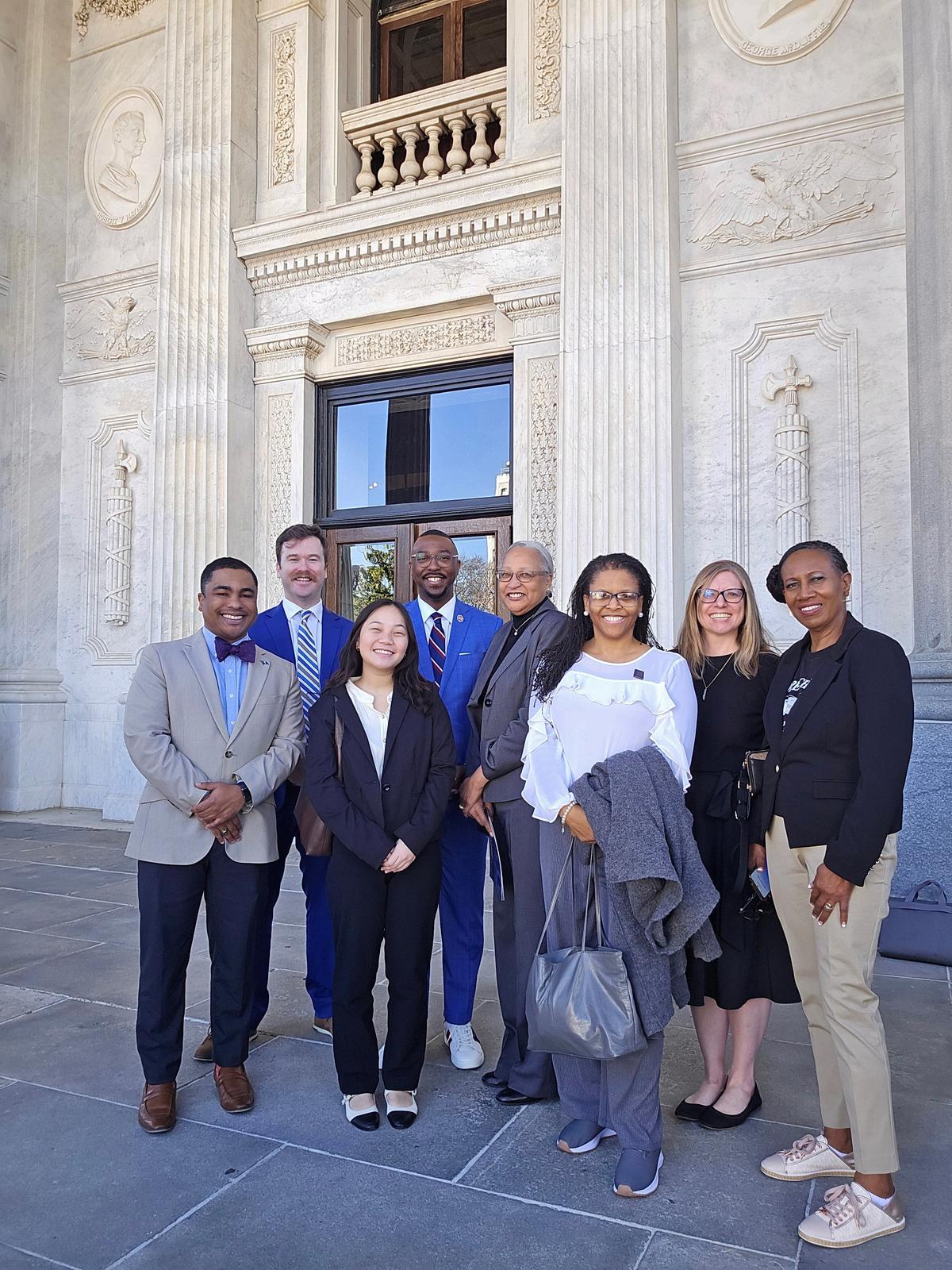
In its first year, the PLA has earned recognition at the State House and in communities across the state. Representative Jermaine Johnson praised the program for cultivating “a force for South Carolina’s future,” and that future is already taking shape. From appointments to advisory boards, participation in local planning efforts, and leadership in grassroots advocacy, PLA graduates are stepping into influential roles with confidence and clarity. Their work is helping communities navigate complex decisions about growth, infrastructure, and natural resource protection, ensuring that environmental priorities are part of the conversation at every level of government.
PLA alumni are not only filling seats, they’re shifting systems. They’re engaging their neighbors, informing local policies, and building coalitions around shared goals for a healthier, more equitable South Carolina. As our Spring 2025 Cohort prepares to graduate this fall, we’re excited to see how they will continue to lead, serve, and shape the future of our state.
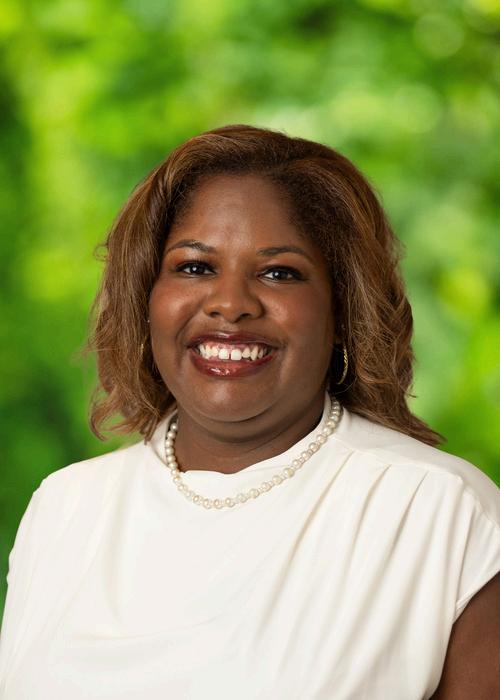
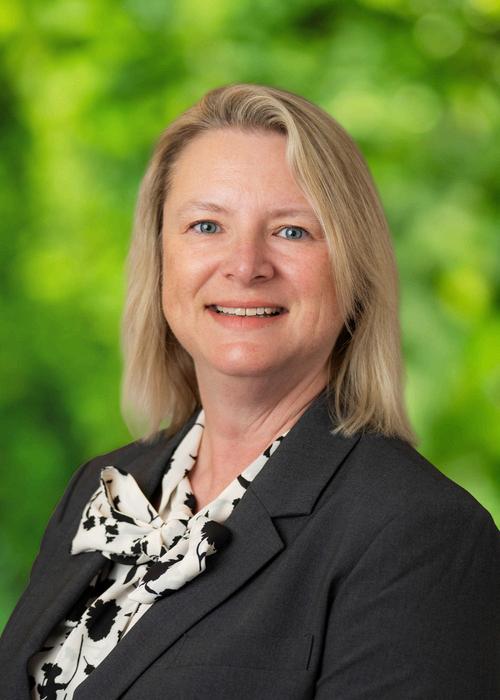
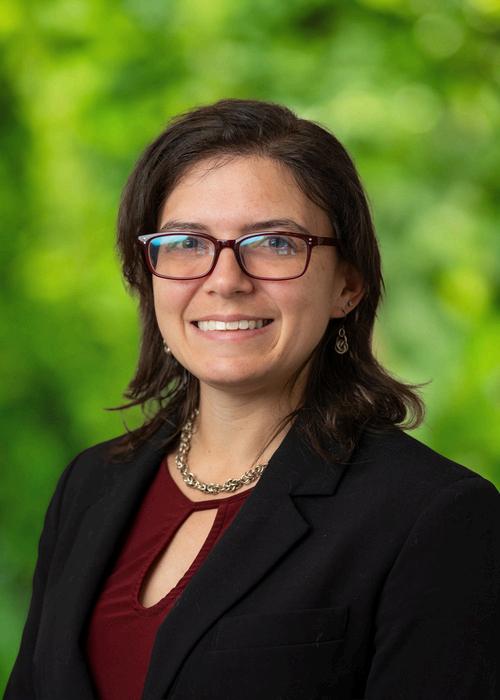
MeetourSpring2025PLAFellows
Lia Colabello Mt.Pleasant Bruce Cole Columbia
Emily Copeland JohnsIsland
Michele Demery Manning
Patricia Elliott Orangeburg Kelley Kennedy
Adam Elvington
Millicent Lann
Kurtina Ricketts
Kim Rozelle FortMill
Nicole Sanchez Irmo
Allison Welch Charleston
SavetheDate: 2025GreenTieAwards
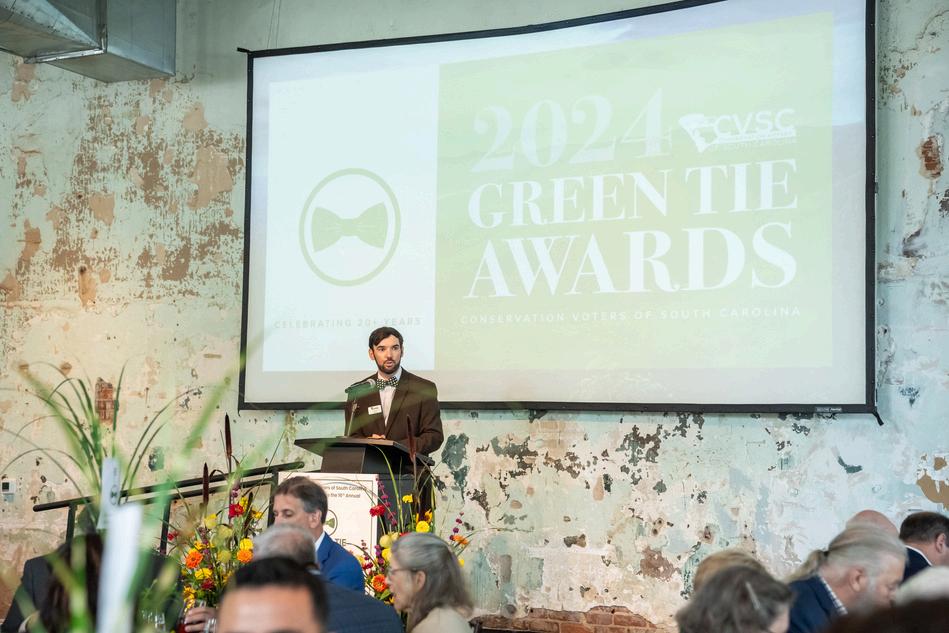
The 17th Annual Green Tie Awards Luncheon will be held on Wednesday, September 17, at historic 701 Whaley in Columbia. This signature event honors elected and civic leaders who champion South Carolina's air, land, water, and clean energy in the legislature and in their own communities. This year, we are proud to recognize Senator Michael Johnson, Representative Mark Smith, and Dr. Pernessa Seele for their outstanding conservation leadership.
Individual and corporate sponsorship opportunities are now available at cvsc.org/greentie and tickets go on sale August 7th. We hope you will join us in celebrating these exceptional leaders in September!
GatheringforGood
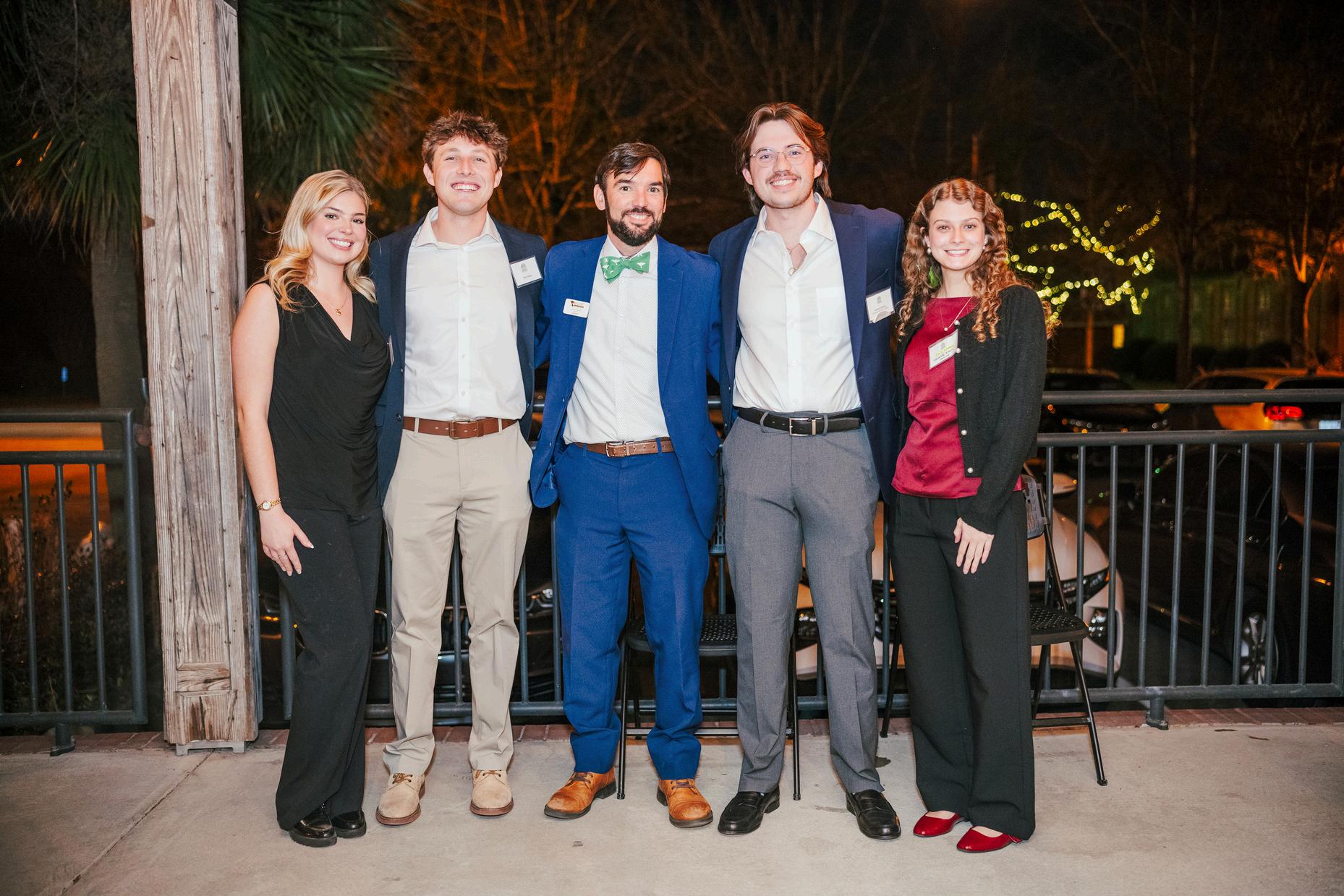
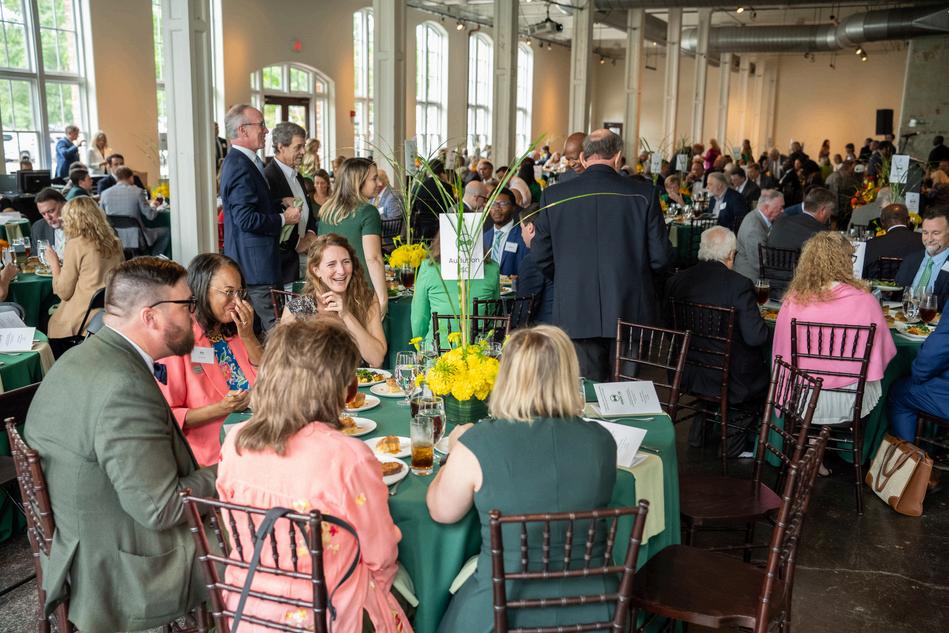
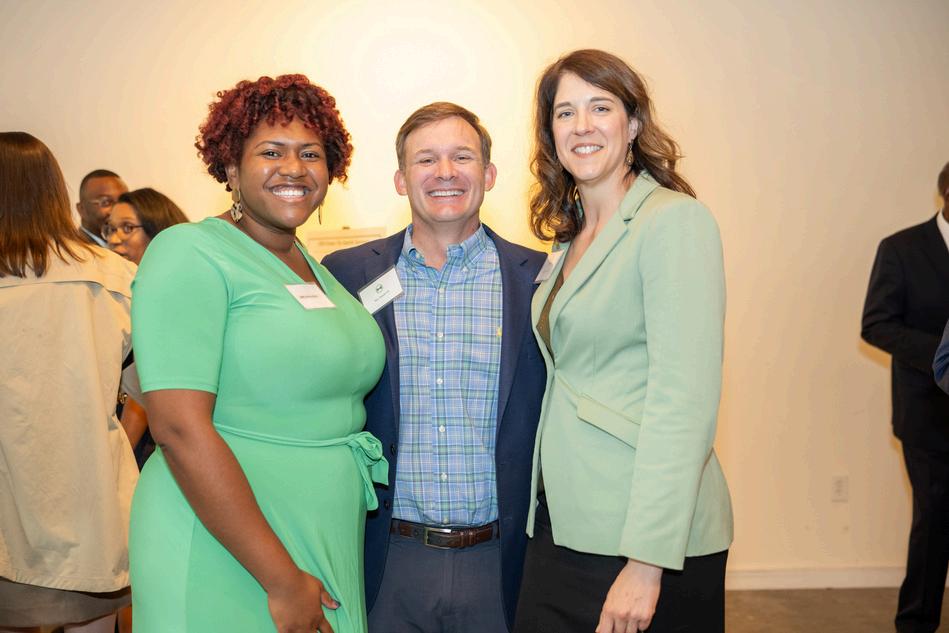
CVSC supporters come from all corners of South Carolina to help us fight for our state’s air, land, and water. Your support enables us to make strides on conservation issues from the Upstate to the Lowcountry, and everywhere in between.
Connecting with supporters across the state reminds us that protecting South Carolina’s natural resources is a shared commitment that unites us across geography and background. Together, your passion and action spark a powerful conservation movement—one rooted in community, driven by purpose, and made stronger by every voice that joins in this effort. We would love to connect with you about your own goals for supporting conservation in South Carolina.