CHECK AND CHECK AGAIN
What you and your drivers should be doing every single day
GO GREEN THE CHEAP WAY
Helping to save the planet does not need to cost the earth
SAFETY CONUNDRUM
Anti-crash systems work, but do your drivers know how to use them?

CHECK AND CHECK AGAIN
What you and your drivers should be doing every single day
GO GREEN THE CHEAP WAY
Helping to save the planet does not need to cost the earth
SAFETY CONUNDRUM
Anti-crash systems work, but do your drivers know how to use them?





Both available as individual non-CPC 3.5 hour courses Fully Approved, Half The Time, and Guaranteed to
Expert training for Silver and Gold FORS accreditations
Simulations that guarantee drivers cover all learning objectives, including horses, motorbikes, and car pull outs
7 hours towards your Driver CPC hour requirements


Experience perspectives from all road users
Flexible and nationwide training, available in-house and open courses


Book your in house or open course today!
22
Big safety conundrum
Modern vehicles come with any number of safety assistance systems. But it appears that many drivers do not understand how to use them properly
30
Stop gap solution
Some truck fleets are wary about adopting zero emission vehicles at present. Could they be tempted by a natural gas alternative as a halfway house?
34
The future is here
Driverless trucks may sound like a pipe dream at present. But the reality is that testing is already taking place in the UK
38
Going green on the cheap
We reveal how truck fleets can adopt environmental policies right now that will not cost the earth to implement
18
Check and check again
Daily walk round checks are essential for all truck drivers. But transport chiefs have their responsibilities here too. We highlight all you need to know.
28
All gas and no action
Hydrogen specialist Tim Harper takes aim at the piecemeal testing strategies that he says are hampering the uptake of this zero-emission truck fuel
36
Generation Z to the rescue?
Youngsters may help to solve the current shortage of truck drivers. By they have many demands before they consider doing so

23
Publisher: Matthew Eisenegger
Editorial: John Charles
Art Editor: Leo Gehlcken
Email: design@cvdriver.com
Contributors Steve Banner, Richard Simpson
Advertising Sales: David Johns Mobile: 07590 547343
Email: sales@thestandardmagazine.co.uk
Editorial Address: Commercial Vehicle Media & Publishing Ltd, 4th Floor 19 Capesthorne Drive, Eaves Green, Chorley, Lancashire. PR7 3QQ Telephone: 01257 231521
Email: matthew@cvdriver.com
Note: The publisher makes every effort to ensure the magazine’s contents are correct. All material published in The Standards & Compliance Magazine is copyright and unauthorised reproduction is forbidden. The Editor and publisher of this magazine give no warranties, guarantees or assurances and make no representations regarding any goods or services advertised in this edition. The Standards & Compliance Magazine is published under a licence from Commercial Vehicle Media & Publishing Ltd. All rights in the licensed material belong to Matthew Eisenegger or Commercial Vehicle Media and Publishing Ltd and may not be reproduced whether in whole or in part, without their prior written consent.
The Standards & Compliance Magazine is a registered trademark. If you are not going to keep this magazine for future reference please pass it on or recycle it.

Ian Jones Editor at Large
Backhouse Jones Solicitors
Collaboration is one of those conference words that purrs on contact. To invoke it is to seem humane, progressive, reasonable –the antidote to ego.
Yet for a good stretch of the twentieth century, ‘collaboration’ meant consorting with the enemy. Odd, then, that we’ve flipped the term into an unexamined virtue. Perhaps it deserves inspection.
Its halo rests on three articles of faith: that many minds outperform one; that consensus ensures quality and that harmony breeds creativity. Each is true sometimes – and ruinous at others. A symphony needs many minds, but it also needs a dictator with a stick. Consensus is often what remains after the interesting ideas have been removed.
I wouldn’t drive across a bridge designed by someone who refused to work with a team. And the great feats of the past century – the moon landing, the internet, vaccines – were undeniably collective. But they thrived not on goodwill and Post-its but on structure, ruthless competence and the clear fact that someone, somewhere, owned the decision.
Ownership may be the first test of whether collaboration will lift you or sink you. If everyone is responsible, no one is. Real collaboration has fingerprints; you can tell who did what. It’s not a soup but a stew – distinct ingredients making something together. Beware projects with vague roles, communal accountability and promiscuous credit. That’s not collaboration; that’s camouflage.
Then there’s dissent. Collaboration is often sold as a spa for ideas – warm water, gentle pressure, soothing music. But the best partnerships are sparring gyms. They create conditions where disagreement is not tolerated but required. The rule should be: no criticism, no collaboration. If you cannot say: “That doesn’t work and here’s why,” you’re not a partner; you’re a spectator.
In my legal career I’ve worked with some of the sharpest brains in the country. The better the barrister, the more open they are to ideas –even from the most junior paralegal. I’ve watched novices hand KCs their blind spots on a plate.
Collaboration can also make the business of business less lonely. Use it when a problem dwarfs you, when your curiosity exceeds your competence and when you need relief from the claustrophobia of your own head. ●
Driving for Better Business (DfBB) has launched a free online course on how to manage driver mental health, alongside a free video podcast series on fleet risk management.
The Driver Wellbeing Toolkit is a free online course for managers that provides a wealth of information on how to manage driver mental health and wellbeing.
DfBB, part of National Highways, has also debuted its new podcast series focused on improving safety for all road users. Titled ‘The Hidden Risk’, the podcasts brings together industry leaders, seasoned fleet operators and safety specialists to share insights and innovative techniques.
In 2024, HGVs and vans were involved in collisions resulting in the death of 91 pedestrians, 21 cyclists, 59 motorcyclists,129 car occupants, 15 van drivers and five HGV drivers, according to government data. Far more people were seriously injured.
Simon Turner, engagement manager for Driving for Better Business, said: “Managing road risk is a pressing concern for all fleet operators, but they need the tools to achieve it.
“Operators need to be able
Road collisions involving deer have increased by a third (34%) since 2021, according to figures from AA Accident Assist. It has found that 1,419 deer were hit by AA members last year, compared to 1,054 in 2021.
There has been a steady annual rise in deer strikes, with 1,197 deer collisions in 2022 and 1,304 in 2023, while so far this year there have been more than 1,000 deer strikes up to the end of August.
The annual rutting season, which runs between September and November, has also seen increases. Over the same 2021 to 2024 period, AA Accident Assist reports
to identify, assess, prevent and mitigate risks which are not easy for them to see, let alone monitor and manage. We intend to uncover the hidden risks affecting logistics, and truck and van operations, and to provide the resources and knowledge to deal with them.”
Turner said the podcasts will help business leaders see and understand those hidden risks, challenge outdated mindsets and take confident, strategic steps toward safer, stronger and more responsible operations.
We intend to uncover the hidden risks affecting logistics, and truck and van operations
“According to Ofcom figures, 20% of the adult population listens to at least one podcast a week, because it is an easy and engaging way of taking in information,” said Turner. “We realise that the industry has a diverse array of talented people and not all of them have the time or inclination to sit down and read extensively. We hope the podcast will be accessible, informative and engaging for everyone no matter how busy, or on-the-go they are.” ❚
a 41% rise in single vehicle deer collisions (195 in 2021 compared to 276 in 2024).
With the number of collisions involving deer on the rise, AA Accident Assist is advising drivers to be wary of deer when driving, particularly on rural roads.
While these figures only relate to members, The AA is encouraging all road users to report deer crashes and sightings of dead deer on the Deer Aware website. https:// www.deeraware.com/
Similarly, drivers and riders should inform the local police and highways authority if a deer is on or near the carriageway. ❚
Duracell is planning to spend £200 million opening a new nationwide ultra-fast EV charging network.
The new Duracell E-Charge hubs will offer ultra-fast charging of up to 1,000kW. Each location will be designed for maximum uptime and driver convenience, with transparent pricing and multiple payment options including contactless, in-app and plug-and-go.
The first six sites are expected to go live in the coming weeks, with a rapid rollout planned for 2026 and beyond. The network will prioritise strategic high-traffic locations including motorways, retail destinations, hospitality venues and urban gateways.
Day-to-day operations will be managed by Elektra Charge, a newly-formed charge point operator (CPO), under a new licence. The sites themselves will be developed and funded by The EV Network (EVN).
Javier Hernandez Reta, chief
marketing officer at Duracell, said: “Duracell has always been a trusted companion in people’s lives, delivering long-lasting performance, uncompromising safety and a commitment to sustainability. Today, electric vehicle drivers can travel even further, confidently and sustainably, with Duracell E-Charge leading the way.”
Reza Shaybani, CEO of The EV Network, commented: “The need in the UK for faster, more reliable charging to keep pace with EV adoption is clear. Duracell E-Charge is a direct response to that challenge. The EV Network has already delivered some of the UK’s biggest charging hubs, and now we’re bringing that expertise to one of the world’s most recognised brands.”
BELOW: The first six sites are expected to go live in the coming weeks

Up to 3,000 casualties a year are linked to poor driver vision, according to GEM Motoring Assist, which has warned that darker evenings and wet winter conditions could increase collision risks by 20%.
The road safety and breakdown organisation urged transport managers to take eyesight checks seriously, warning that defective vision poses a serious danger not only to those behind the wheel but to everyone sharing the road.
Research showed that one in seven people knows a friend, colleague or family member who is breaking the law over eyesight requirements, while one in five drivers has not had an eye test in more than two years.
The problem is compounded
by shorter days and worsening weather, with reduced visibility making it harder to detect hazards, pedestrians and cyclists.
James Luckhurst, head of road safety at GEM Motoring Assist, said: “Vision loss can creep up gradually, and many people don’t realise how much their sight has deteriorated. Regular eye checks should be routine.” ❚
BELOW: Eye tests are essential for fleet drivers

Tradespeople have been forced to stump up around £119m in parking fines over the past year, according to new data from Direct Line business insurance.
The study reveals that four in five (81%) tradespeople say they struggle to park at least once a week while working on a job. And three-quarters (75%) report that they have to park far away from their job sites at least once a week.
Almost three in 10 (28%) tradespeople report that they have been clamped or towed while on the job. Worryingly, almost half (48%) have turned down jobs because they couldn’t park within sight of their job site, citing concerns about tool theft.
Tradespeople often struggle to unload and move heavy tools, equipment and supplies when they are unable to park close to where they are working. This is especially the case in urban areas where numerous parking and unloading restrictions apply.
Parking troubles are also taking a financial toll. On average, tradespeople pay £443 for parking
Developers and entrepreneurs in Britain are being called upon to help solve the problems facing the transport world at present. The plea was made by Logistics UK chief executive Kevin Green at the launch of the group’s Logistics Innovation Opportunities Map (LIOM) at its conference in Birmingham.
The LIOM sets out where developers can best deliver innovation to solve real-world problems. Speaking after the conference, Green said: “We call our report an Innovation Opportunities Map, but we could equally call it a Treasure Map: the challenges identified represent significant financial opportunities for the developers and entrepreneurs that can solve them.”
site-based and private-network operations.
With urban logistics, the LIOM cites challenges including identifying optimal locations for urban warehouses, competition for kerbside space and insufficient access to suitable public charging. For these areas, it highlights the potential for data-driven tools and systems such as bookable kerbside bays and shared charging infrastructure.
For each challenge, the LIOM identifies whether a solution would generate a direct commercial benefit such as better asset utilisation, a public benefit such as emissions reduction or a shared benefit such as workforce retention.
out of their own pocket in a typical year and some spend as much as £6,000 a year on parking.
Depending on the severity of the parking contravention, penalty charge notices, or parking fines, can be anywhere between £50 to £130 outside London and up to £160 in the capital, but are normally halved if paid within 14 days.
Mark Summerville, product manager at Direct Line business insurance, said: “Parking or offloading tools and equipment close to a job can often be a challenge for tradespeople, adding stress to their working day.
“To avoid unnecessary fines and disruptions, it’s worth checking local parking restrictions before starting a job. Where possible, always check with the customer about on-street parking restrictions in the area and request a guest or visitor permit if available. Taking these steps can help reduce the risk of unexpected costs and delays, allowing tradespeople to focus on getting the job done.” ❚
The LIOM is designed as a resource for technology developers, infrastructure providers, investors, policymakers and logistics businesses and rather than prescribing specific solutions, it identifies practical logistics problems that innovation can help solve.
Green said: “We want to tap into the entrepreneurial spirit and creativity that businesses thrive on to find solutions. There will be approaches that we are not aware of which is why the report does not seek to specify solutions, rather it acts as an invitation to innovators to share their wisdom.”
The LIOM captures operational challenges looking at three use cases from across logistics. These include long-distance and depot-to-depot trunking, urban logistics and last mile and off-road,
The report also identifies strategic insights to guide efforts to enhance the adoption of innovation in the logistics sector and groups them into three themes: focus on foundations, system thinking and understanding shared value and responsibility.
Green concluded: “The challenges identified are the challenges that the industry is facing every day and we are inviting technology developers to explore how they can address them. Collaboration will be critical and policymakers and regulators also have a vital role: ensuring the infrastructure, trust frameworks and incentives are in place to enable innovation to flourish.” ❚
BELOW: Developers and entrepreneurs are being asked to help solve transport problems

Company logos on the side of commercial vehicles are generally viewed as a free way to advertise. But according to new research from Tempcover, more than half of UK owners say branding has made them a target for thieves.
Tempcover surveyed 500 UK CV owners to explore how tradespeople and small business owners use their vehicles to promote their work, revealing both the benefits and risks of vehicle branding.
The study found that nearly half (47%) of UK owners fully brand their vehicles to boost trust and attract new customers. A further quarter (25%) opt for partial branding, such as smaller decals or stickers. In contrast, almost one in five (19%) prefer to keep their vans unbranded, while 10% have considered branding but haven’t taken the plunge yet.
For many van owners, branding is about more than just
While eye-catching designs can help attract new customers, they can also draw unwanted attention
appearances – it’s a powerful way to win trust and new customers. But while van branding can boost business, it can also come with risks. Over half (54%) of van owners say they’ve experienced theft, attempted theft or vandalism that they believe was linked to
their vehicle being branded.
In contrast, 39% haven’t experienced any related incidents, and 8% are unsure whether branding played a role – but worries about theft and vandalism are serious enough for some owners to take action. Over two in five (42%) say they’ve removed branding from their vans due to security concerns or related experiences. A further 14% are considering removing their branding, showing that theft risk is a real factor in branding decisions for many.
Claire Wills-Mckissick, temporary business van insurance expert at Tempcover, said: “A van is often the backbone of a business, so it’s vital to keep it secure. While eyecatching designs can help attract new customers, they can also draw unwanted attention. Simple steps, such as parking in well-lit areas, using additional security locks, and avoiding leaving tools inside overnight, can go a long way in reducing risk.
“Temporary business van insurance can also offer valuable peace of mind, whether you’re using a spare van, covering short-term jobs or need flexible protection while your regular policy is under review. It’s a smart way to stay protected without committing to a full-term policy.” ❚
BELOW: Van branding can attract thieves, according to a new survey

Millions of pounds lost in downtime could be avoided by truck operators by proactive vehicle inspection, according to Logistics UK.
Preventative maintenance is not only a legal expectation under DVSA rules but could save the UK’s HGV operators an estimated £203m a year, according to new research.
The organisation’s Vehicle Inspection Service (VIS) carried out more than 40,000 inspections between April 2024 and March 2025 across HGVs, PSVs, LCVs and specialist equipment.
The findings show that when at least one defect is identified, operators save on average £545 per vehicle in unplanned repairs and downtime. With nearly 60% of HGV inspections identifying at least one defect, the savings for the sector are significant.
Chris Lipscomb, director of operations at Logistics UK, said: “Defects identified during an inspection can range from blown bulbs to more serious steering and braking defects, but they all have the potential to cause disruption if they need to be remedied when a vehicle should be operational.
“Operators are aware of their legal responsibilities regarding preventative maintenance, but the potential savings our research identifies show there is a financial business case for operating safe
and roadworthy vehicles, alongside the operator’s legal and moral duty.”
Logistics UK’s latest Compliance Report 2025 highlighted improvements in maintenance standards over the last 15 years. The initial HGV failure rate fell from 32.4% in 2008/09 to 10.3% in 2024/25, while the final failure rate dropped from 17.7% to 6.9% over the same period.
There is a financial business case for operating safe and roadworthy vehicles
Lipscomb added: “These positive trends in vehicle compliance show how seriously operators take their responsibilities and reflect a combination of cultural change and operational improvements as well as changes to regulatory requirements.
“In addition, the increased expectations of the DVSA have encouraged operators to adopt more proactive maintenance regimes.
“This has always been best practice within the industry but not only is preventative maintenance now an expectation, our research shows that it has the potential to save operators thousands of pounds.” ❚
BELOW: Proper vehicle maintenance saves time and money




In a fresh blow to Britain’s plans electrify the country’s light commercial vehicle parc, a survey of van fleet managers has found that 71% plan to increase the number of petrol and diesel vehicles on their fleets in 2028.
The figure is especially concerning as in similar surveys in 2023 and 2024 put the figure at 62% and 64%, indicating that in the past three years electric vans are being seen as unsuitable for more and more transport operations, despite the number of EVs being sold increasing during that time.
It remains our belief that these predictions are overly pessimistic
The figures were revealed in the 2025 Arval Mobility Observatory Barometer. When asked to predict the percentage of battery electric vans on their fleets in 2028, the response was 14%. This compares to 15% in 2024 and 18% in 2023, when the same question was asked. There were similar results for plug-in hybrid (PHEV) vans, at 14% this year against 15% in 2024 and 11% in 2023.
John Peters, head of Arval Mobility Observatory in the UK, said: “This question is one of
the most interesting in the Arval Mobility Observatory Barometer, looking at how van fleets expect the fuel mix of their fleets to change within the next three years.
“Unavoidably, the key finding here is a limited expectation that adoption of battery, PHEV and hydrogen vans will noticeably rise. In fact, there is a general feeling that the percentage of traditional diesel and petrol vehicles will increase instead.”
The research suggests that fleet sentiment has changed due to limitations around range, payload and charging, which create operational compromises that some operators were finding very difficult to resolve.
“These are almost certainly the reasons why many of our respondents are unconvinced about the potential for adoption,” continued Peters. “Indeed, much of the work being carried out by the Arval UK consultancy team is aimed at helping customers find solutions to these issues.
“However, it remains our belief that these predictions are overly pessimistic and that use of both electric and PHEV vans will rise substantially by the end of the decade.” ❚
Microlise warns over failure to use electronic POD systems
A new survey by Microlise has revealed that processing proof of delivery (POD) paper documents, rather than using electronic systems, can cost delivery firms huge amounts each year.
Its research found that manually processing POD documents takes an average of 1.7 hours per day and can cost businesses £50,000 per year.
More than four in 10 respondents to the survey reported that they had lost a POD document, leading to a costly dispute with a customer.
Some 62% of transport managers have been involved in a dispute with a customer over the condition of a delivery, with no way of determining who was at fault, while 65% said customers had issues reading drivers’ handwriting on POD documents.
More than half (55%) also said they had to admit to customers
that they did not know when a delivery would be made, while 51% said that they had previously delayed processing paper-based delivery documents, leading to further problems.
Nadeem Raza, CEO at Microlise, said: “Keeping customers informed and happy is just one of the many aspects of the transport or logistics manager’s job.
“While there are variables that are beyond their control, we understand that customer sympathies can only go so far.
“POD is an essential element of the logistics process, and these statistics should be a wake-up call to the industry.
“The more help that the transport or logistics manager can receive with recording POD, the better, for all concerned.”
Microlise said that issues with POD can be significantly reduced using electronic solutions. ❚

More than three million drivers (3,093,163) have at least three penalty points on their driving licences – the highest number of offenders since 2014, according to the latest DVLA data analysed by vehicle history platform carVertical.
And postcode district LS23, near the town of Wetherby, in West Yorkshire, has the worst motoring offenders, with one-in-seven (14.1%) carrying at least three points on their licences.
With just over 50 million full and
provisional driving licence holders across England, Scotland & Wales, approximately one in 16 drivers have points on their licences.
Points are typically issued for speeding and other traffic offences such as using a mobile phone while driving and failing to stop at a red light.
DVLA data reveals that it has been more than a decade since the number of motoring offenders has topped three million – March 2014 was the last time when 3,066,112 drivers had points. ❚

Eliminate the stressful and time-consuming job of manually chasing, collecting and downloading driver cards and vehicle unit tachograph data
Let the NEW Tachomaster DOT device remotely download your tacho data daily. Monitor driver availability, work, drive and rest periods live and massively reduce driver infringements
With zero upfront costs, no additional sim card charges and pay as you go. What have you
to lose?
£14.95 PER VEHICLE PER MONTH REMOTE TACHO DEVICE
£5MORE PER VEHICLE PER MONTH(OPTIONAL) ADD VEHICLETRACKING FOR

Cocaine now accounts for 44% of positive workplace drug tests compared to just 19% for cannabis, according to 2024 data, marking a significant shift in substance abuse patterns that transport companies must address. D.tec International has released implementation guidance to help operators respond to this evolving threat while managing operational demands.
The urgency is reinforced by the most recent Operation Limit campaign data showing 42% of roadside drug tests returned positive results, with drug-related arrests running three times higher than alcohol-related arrests. These figures highlight why transport operators can no longer rely on induction-only testing approaches.
However, the primary barrier preventing comprehensive testing remains operational disruption. Fleet managers managing tight delivery schedules across multiple sites worry about extended driver stand-downs and workflow interruption. The new guidance addresses these concerns with practical strategies that integrate testing into shift changes and scheduled breaks rather than requiring dedicated facilities.
Robust testing technology can fundamentally change the implementation equation. Results
can come back in 3-5 minutes using non-invasive saliva and sweat samples, with collection taking under 60 seconds. This speed means companies can conduct testing without pulling resources from core business functions.
The financial stakes make these operational solutions critical. Without drug and alcohol testing, companies can face unlimited fines under Health and Safety legislation, with corporate manslaughter legal
The question isn’t whether to test, but how to do it without stopping operations
costs potentially exceeding £1.8 million. “The question isn’t whether to test, but how to do it without stopping operations,” said a D.tec International spokesperson.
Beyond legal risks, the guidance reveals that comprehensive testing is becoming a competitive differentiator.
One multi-site operator discovered their proactive approach impressed external ISO 45001 auditors and helped win contracts against larger competitors. Premium clients now demand detailed testing protocols during tender processes.
The guidance also tackles
the complex legal landscape HR directors must navigate. This includes balancing employer duty of care with employee privacy rights, managing union consultation requirements, and maintaining compliance across England, Scotland, Wales, and Northern Ireland’s varying regulations. Current workplace statistics make the case for action urgent. Alcohol misuse causes 17 million lost working days annually, and 70% of substance abusers work full time.
Most concerning for operations: 22% of employees admit making mistakes at work due to hangovers, a risk that induction-only testing cannot address.
To manage these challenges without operational chaos, the guidance recommends phased implementation. Starting with random and for-cause testing allows companies to build internal competency before expanding to comprehensive programmes. This gradual approach reduces risk while ensuring thorough preparation.
“Success depends on viewing testing as operational excellence, not compliance burden,” the spokesperson added. “Companies that integrate testing properly enhance rather than hinder their capabilities.” ❚
Four people are killed, on average, every day on Great Britain’s roads, with more than 70 seriously injured, new figures from the Department for Transport (DfT) show.
There were 1,602 fatalities, a 1% fall compared to 1,624 in 2023, while there was a 4% decline in casualties of all severities. The new road casualty DfT data reveals that 29,467 people were killed or seriously injured (KSI), a decline of 1% year-on-year.
The Royal Society for the Prevention of Accidents (RoSPA) says that the 1% decline in road deaths represents a worrying lack of progress in reducing deaths and injuries on Britain’s roads.
These figures are a stark reminder that progress on road safety has stalled
While car occupant fatalities fell by 5%, deaths among motorcyclists rose by 8% (340), and pedestrian fatalities increased by 1% (409), reversing recent progress.
Vulnerable road users now account for over half of all fatalities, highlighting the need for a new approach to road safety, says RoSPA.
The charity is urging the Government and local authorities to prioritise the implementation of proven safety measures in the new strategy.
Among a list of wants are lower speed limits in high-risk areas, targeted enforcement, investment in safer infrastructure to protect vulnerable road users, and renewed public education campaigns.
Rebecca Guy, senior policy manager at RoSPA, said: “These figures are a stark reminder that progress on road safety has stalled, and lives are being lost unnecessarily.
“It is essential that the national road safety strategy contains the measures and resources needed to prevent road collisions.” ❚
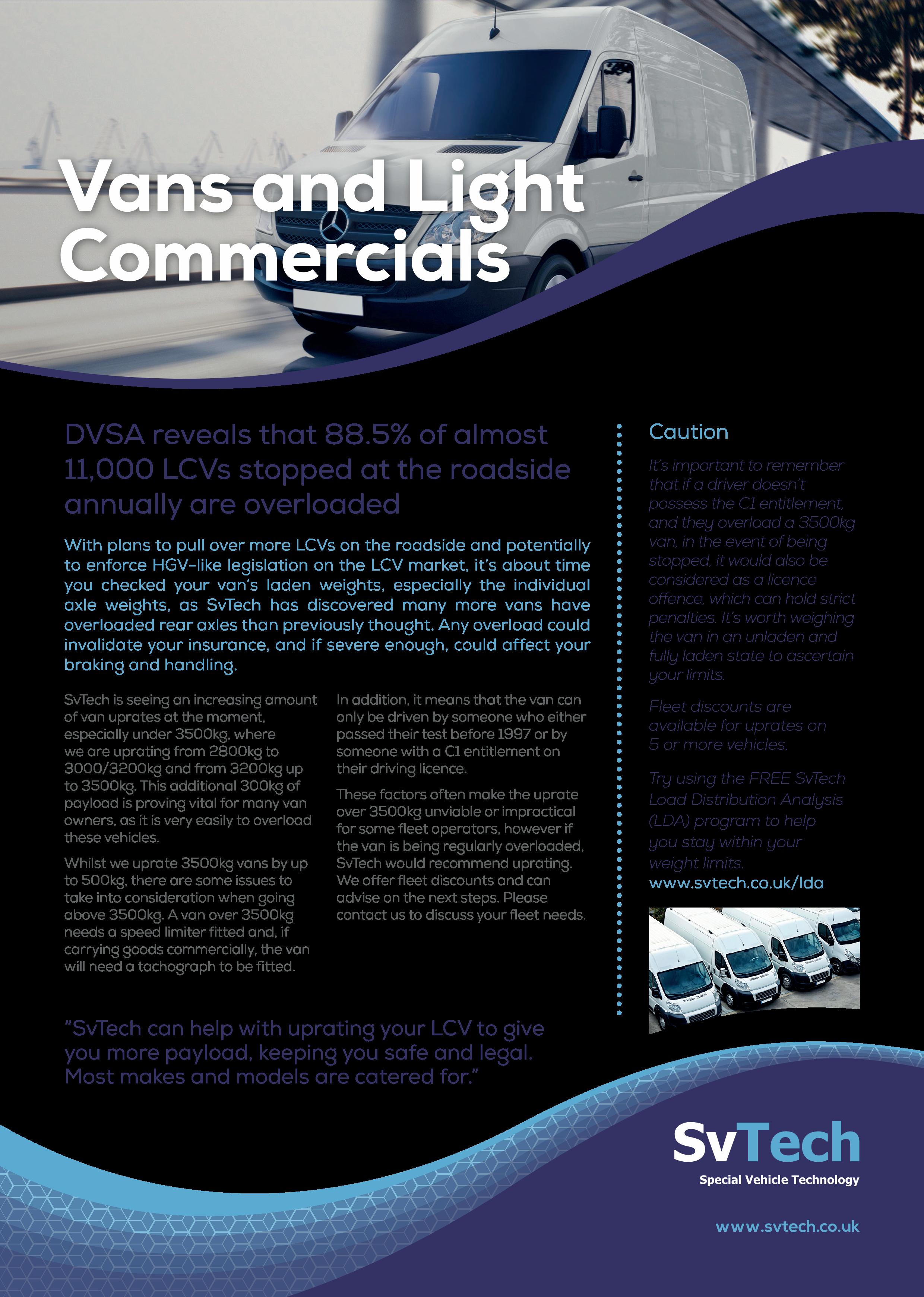
Anew report from Geotab shows that the overwhelming majority (87%) of UK truck and van drivers are concerned about in-cab cameras being deployed in vehicles, but almost all would accept the technology if it helped prove they were not at fault after a collision.
The findings, from a new survey, suggest that drivers are not rejecting the technology, but are instead asking for clarity, fairness and practical value from the systems designed to support them.
The UK survey is part of a wider study conducted by Geotab of more than 3,500 professional drivers across seven European countries, uncovering a fundamental ‘privacy versus protection’ dilemma at the heart of driver attitudes. The study also revealed an education gap that UK fleet managers must address.
The narrative that drivers in the UK are against technology is outdated
Driver concerns are widespread and varied, with worries about footage being used out of context (34%), being used against them for disciplinary action (34%) and data security (32%).
This, says Geotab, illustrates the varied barriers to the adoption of video cameras, suggesting further education and information is required regarding their use.
“The narrative that drivers in the UK are against technology is outdated,” said Edward Kulperger, senior vice-president for the EMEA at Geotab. “When drivers understand the value of the coaching and that it’s designed to protect and develop them, rather than penalise them, acceptance rises dramatically.
“The industry has an opportunity to improve education on how these systems enhance
driver safety and security, which will build a culture of trust and lead to safer roads for everyone.”
Interestingly, the survey found that 91% of drivers said that they would be more comfortable with instant audio coaching. This coaching would be based on an immediate, AI-powered analysis of in-cab video, instead of inwardfacing video being stored for later review.
Across Europe, the UK has the highest overall percentage of drivers (35%) who believed that dashcam footage for coaching is a valuable tool for both professional development and safety.
The new data also shows that more than two-thirds (67%) are positive about using footage for coaching, provided it is constructive and collaborative, with less than 1% of respondents stating they see no benefit at all in having a dashcam.
When asked about the biggest benefits, drivers cited improving their own standards through coaching, increased security and proving they were not at fault in a collision, further underlining their dual interest in both professional development and personal protection. ❚
BELOW: More than two-thirds of drivers are positive about using footage for coaching

Renault Trucks launches new online
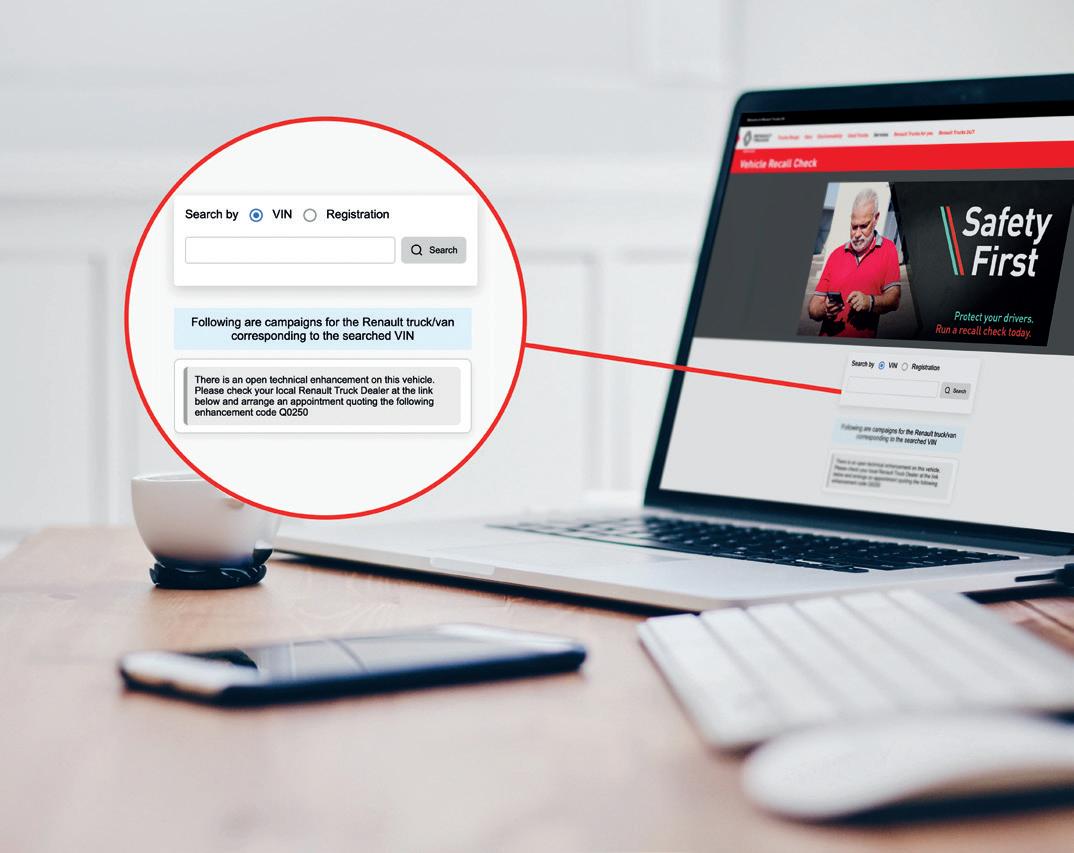
In a major step toward increasing safety transparency and reducing unplanned downtime, Renault Trucks has launched a new Vehicle Recall & Campaign Checker – a fast, easy-to-use online tool that allows operators and fleet managers to check whether any safety recalls
Renault Trucks prides itself on quality, reliability and safety
or customer notifiable campaigns apply to their vehicles.
With a simple vehicle registration/VIN input, users can now instantly view if any actions are outstanding and, crucially, where to get them resolved free of charge at a Renault Trucks dealer.
“Customer notifiable campaigns and recalls are a normal part of any manufacturer’s commitment to safety and ongoing improvement,” said Simon Crotty, head of parts and commercial support, Renault Trucks UK. “Renault Trucks prides itself on quality, reliability and safety for drivers, passengers and other road users so we’ve made it as straightforward and transparent as possible for our customers to check their vehicle status and take timely action, with full support from our service network.”
Over a truck’s operational life,
ABOVE: Renault Trucks’ new Vehicle Recall & Campaign Checker
ownership changes, locations shift and non-franchise servicing can sometimes result in important updates not being completed, often due to a lack of information visibility.
Renault Trucks’ new system is designed to close that gap, giving operators clear access to vehicle status information, even if a truck hasn’t visited a Renault Trucks dealer service point in years.
“This tool is about bridging the visibility gap in today’s fleet operations and giving control back to the operator,” Crotty added. “It’s quick, clear and gives them the information they need to make the right decisions for optimum safety, reliability and uptime.
“It’s a fair and future-facing approach and it flags that action is required. That’s where our new tool really adds value and it supports fast resolution with minimal disruption.
“Whether the campaign is a safety-related recall or a customer technical enhancement, resolving it quickly helps protect vehicle performance, compliance, and long-term fleet reliability.” ❚
New motorway network planned for electric truck
huge rise
BP Pulse and Moto are set to install new megawatt charging technology for electric trucks across the UK motorway network. The rollout will begin with three motorway service areas: Lymm, Toddington North, and Toddington South.
Six bays with megawatt charging system (MCS) chargers will be installed at each site, with the first site planned to go live during 2026. The chargers, compatible with both CCS and MCS standards, are designed to accommodate a wide range of electric trucks.
Jo Hayward, vice president, BP mobility and convenience retail, said: “We’re committed to helping fleet operators transition to EV trucks and that means delivering the infrastructure they need where they need it. Our partnership with Moto is a perfect fit. The team shares our focus on making electric truck charging as convenient as possible for our customers.
“Together, we’re making it easier for fleet managers to keep their electric trucks moving with less downtime, lower emissions and a clear path to an electric future.”
The project will focus on the UK’s primary motorway corridors, supporting BP’s aim to build a publicly accessible network of multi-energy truck hubs across the Trans-European Transport Network (TEN-T) routes.
BP launched its first European e-truck corridor launched across
six sites, spanning a 600km stretch of the Rhine-Alpine corridor, in January 2023.
Moto plans to install up to 300 charging bays for electric HGVs at 23 strategic locations by 2030.
Moto’s CEO, Ken McMeikan, said: “I am really excited about our plans. At Moto, we’re committed to leading the way in enabling the UK’s electric mobility. By partnering with BP Pulse, we are delivering the infrastructure and innovation electric fleets need, making our vision for long-haul electrification more practical and accessible.”

New statistics from Zapmap show that 3,928 new electric vehicle charge points were installed in the last quarter, bringing the UK’s EV charging infrastructure to 86,021 devices at 43,507 locations – up 22% year-on-year.
We’re making it easier for fleet managers to keep their electric trucks moving
The collaboration between Moto and BP Pulse also complements BP’s acquisition of one of Europe’s largest truck stops in Ashford, Kent, where plans are underway to introduce EV charging for HGVs.
Nigel Head, vice-president for European E-Truck at BP Pulse, said: “This is a natural next step in our ambition to support fleets as they transition to electric trucks. We’ve proven in Germany that this model works, and now we’re applying that same expertise to the UK.
“Moto’s locations offer an ideal foundation.” ❚
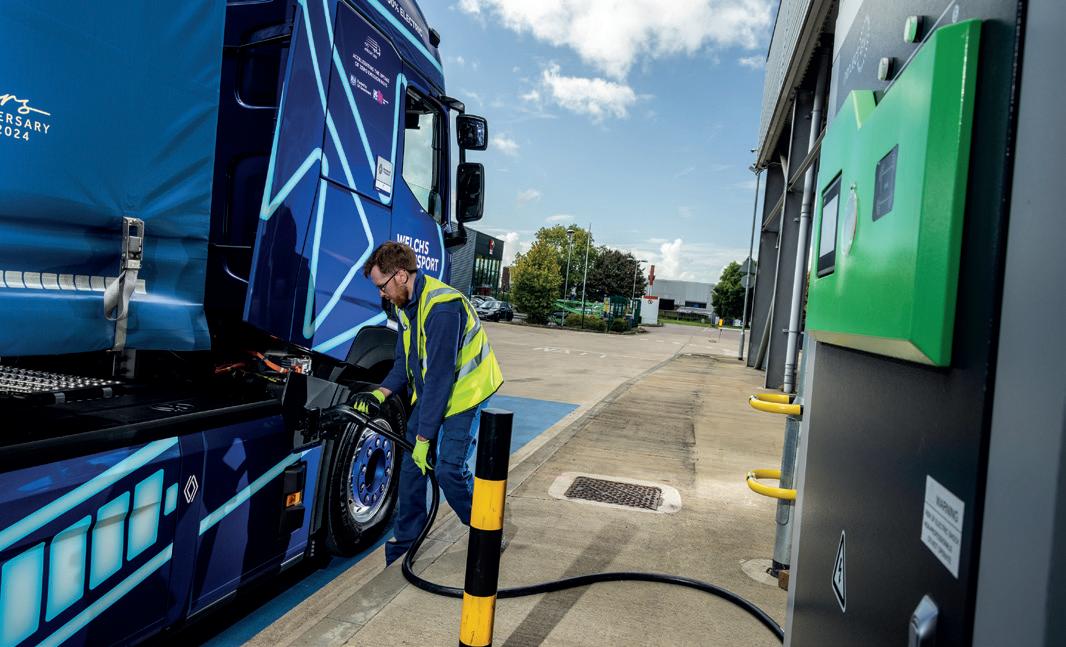
BELOW: The rollout will begin with three motorway service areas
Ultra-rapid devices, delivering charging speeds of 150kW and above, continue to show the highest growth. There are now 9,290 chargers in this power band, 51% more than in September 2024. And the UK has 663 charging hubs – defined as six or more rapid or ultra-rapid devices at a single location – with 212 of them installed over the past 12 months.
Significant developments in EV hubs since Zapmap’s last quarterly update include Be.EV’s announcement of £2.5m investment to deliver ultra-rapid charging across four sites in London, as well as the launch of its biggest EV charging hub, at the Telford Centre in Shropshire, comprising 18 x 300kW chargers.
In addition, Zest opened an ultra-rapid EV facility in Edmonton, located for both community and en-route charging, offering 18 chargers running at up to 300kW.
Osprey added 16 new 300kW chargers to the Scottish EV charging network, in close proximity to Glasgow Airport.
Other notable developments include Extra MSA and Ionity
ABOVE: Some 3,928 new electric vehicle charge points were installed in the last quarter
extending their partnership, increasing charging provision at Cambridge, Cobham and Peterborough services to 24 new 350kW chargers at each site, with further plans to expand EV capability across Leeds Skelton Lake, Blackburn and Baldock Services before the end of the year.
Ultra rapid devices delivering charging speeds of 150kW and above show the highest growth
Simultaneously, Zapmap’s statistics show progress in the regional distribution of highpowered chargers this year.
Notable developments over the past quarter include a collaboration between Zest and the North East Combined Authority, funded through the Government’s Levelling Up Fund and the OnStreet Residential Chargepoint Scheme (ORCS), to deliver 40 new EV spaces across 18 sites with speeds of up to 150kW at key destinations, including town centre car parks, coastal sites, country parks and leisure centres. ❚
AA says tailgating is the most annoying behaviour among drivers
More than a quarter (27%) of drivers say that tailgating is the most irritating behaviour carried out by other drivers, according to a survey by The AA.
The poll of 12,014 drivers found that a fifth (19%) of drivers are hacked off by middle lane hoggers, while one in six (16%) get annoyed at drivers picking up and using a mobile phone when they are behind the wheel.
This most recent survey shows that the menace of tailgating remains the biggest bugbear when out on the road, with previous studies carried out by AA Accident Assist in 2023 highlighting driver frustration Similarly, more than half (55%) of drivers say that tailgating has been getting worse in recent years.
The AA’s most irritating driver behaviours 2025:
The survey also highlights dangerous behaviours such as not wearing a seatbelt, speeding and undertaking. Drivers also get irked by others being distracted with things in their car such as a mobile phone docked in a cradle and playing with the car’s infotainment system.
Jack Cousens, head of roads policy at The AA, said: “Experienced far too often, being tailgated remains the behaviour that drivers hate the most. It’s little wonder – feeling pressured from the vehicle behind, worrying about if they will stop in time if you need to slam the brakes in an emergency and headlights glaring into mirrors all create a stressful experience.” ❚
Being tailgated remains the behaviour that drivers hate the most. It's little wonder – feeling pressurised from behind and worrying about them stopping in time if you need to slam the brakes on creates a stressful experience
BELOW: Tailgating is the most annoying driving habit

Webfleet, Bridgestone’s fleet management solution, and Questar Auto Technologies, a leader in Vehicle Health Management (VHM), have launched a pioneering AI-powered predictive maintenance solution.
Webfleet’s Predictive Vehicle Health Management (PVHM) uses AI-based algorithms to deliver highly accurate predictive insights, enabling fleet managers to plan vehicle maintenance proactively and efficiently.
The collaboration brings together Webfleet’s latest developments on vehicle diagnostics with Questar’s AIdriven predictive technology.
“By uniting Webfleet’s deep expertise on vehicle insights and best-in-class user interface with Questar’s advanced AI capabilities to pre-identify failure risks, we are redefining fleet management,” said Jan-Maarten de Vries, president of fleet management solutions at Bridgestone. “This is the first large-scale integration of predictive vehicle health management available in a single interface.”
Using big-data, predictive insights and early warning recommendations, Webfleet allows fleet managers to identify potential breakdowns before they happen. This enables fleet managers to preemptively schedule maintenance
activities, reducing their downtime and maintenance costs. PVHM achieves this using 360° fleet visibility based on Questar’s proprietary Machine Learning and AI models to understand vehicle health across time.
Questar’s vehicle data includes past performance, current condition and future risk forecast, to detect critical issues early.
Webfleet and Questar are setting a new standard for fleet operations
Questar’s technology leverages two decades of analytical learning and advanced AI to detect complex patterns in vehicle behaviour.
“Webfleet’s decision to embrace predictive health management underscores our leadership in AI-driven mobility solutions by shifting the industry from reactive to proactive maintenance at scale,” added Vered Mandelboum-Josef, CEO of Questar Auto Technologies. “Together, Webfleet and Questar are setting a new standard for fleet operations and paving the way for a future where unexpected downtime becomes a thing of the past.” ❚
BELOW: PVHM enables fleet managers to plan vehicle maintenance


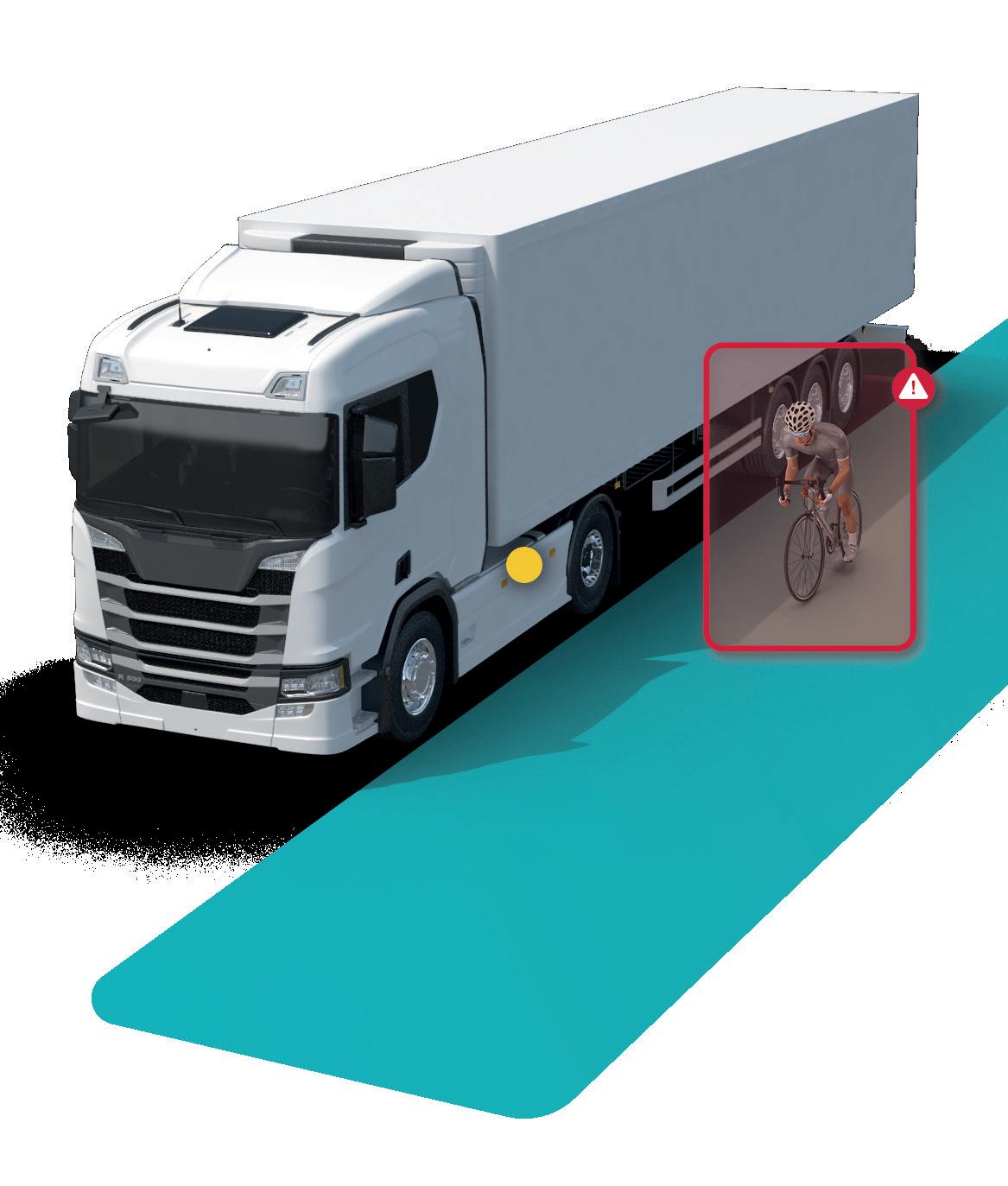
180° side detection radar designed to protect cyclists from collisions with HGVs. AI technology detects a potential collision by analysing data such as speed and direction from both vehicle and cyclist and will alert the driver only when an impact is likely. Suitable for rigid and articulated commercial vehicles.
• 180 Cyclist side detection
• Detection area of 4.5m x up to 37m
• Calculates if a collision is likely in the nearside blind spot
• Suitable for Rigid AND articulated vehicles
• Quick and easy installation
• Available for left and right side applications
• Meets Reg151 requirements
• Complies with PSS DVS Independently tested
brigade-electronics.com
hello@brigade-electronics.com
+44 (0)1322 420300
Radar Predict In-cab display

Radar Predict Sensor


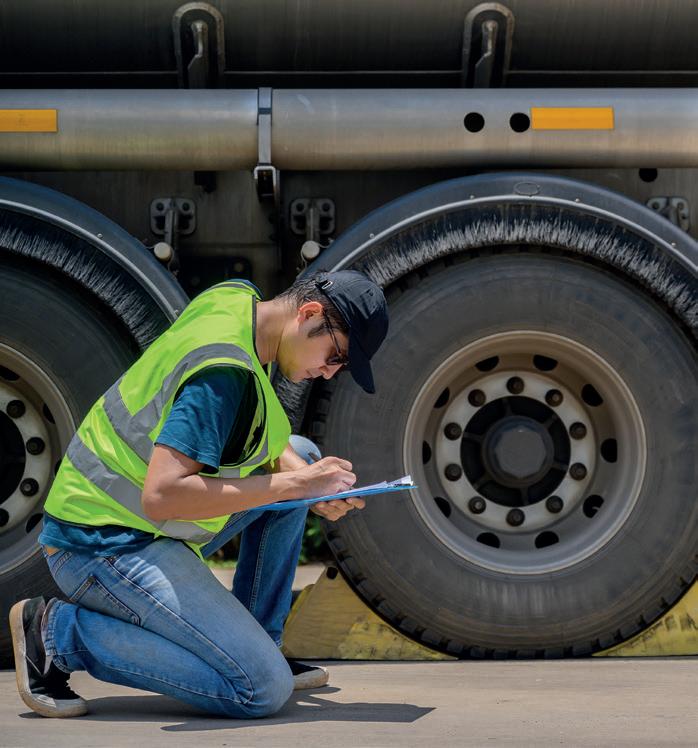
Tedious they may seem to be at busy times, but daily walkround checks are essential – and a legal requirement too
Some truckers find that daily walkaround checks of their vehicles at the start of each day are a chore – but they are not only essential for safety but a legal requirement too.
Whether operating a heavy goods vehicle (HGV) or a public service vehicle (PSV), the Traffic Commissioners office says a walkaround check is essential to ensure vehicles are safe, roadworthy and fit for purpose.
Additional checks may also be required during the day depending on the vehicle’s use. For example, further inspections may be necessary if the vehicle has been used off-road, is older, or has a history of defects.
The Traffic Commissioners say a properly conducted walkaround check helps to prevent avoidable accidents and injuries, avoids roadside prohibitions issued by the Driver and Vehicle Standard Agency (DVSA) or the police and minimises downtime and protects the public.
Incidentally, these checks count as working time and drivers must be given adequate time to complete them properly.
According to DVSA guidance, key areas for trucks include:
• Lights and indicators: ensure all lamps are clean, functional and display the correct colour and intensity. Check for any cracked lenses
ABOVE: Drivers must report any defects to their immediate superiors
• Tyres: check tread depth, pressure and for damage or embedded objects. Check wheel nuts for torque and security
• Brakes: listen for air leaks, ensure couplings are free from debris and visually inspect brake lines and connections for damage. If safe, test the foot and parking brakes for effective operation
• Steering: check for any excessive play and signs of wear, damage, or leaks
• Wipers and washers: confirm they are functioning correctly, providing clear visibility across the entire windscreen. Check fluid levels for the washer reservoir
• Mirrors and glass: ensure all mirrors are clean,
correctly adjusted, undamaged and provide an unobstructed view. Check all glass areas for cracks or chips that could impair vision or shatter. Make sure no clutter in the cabin affects the view
• Bodywork and load security: inspect the vehicle’s bodywork for any loose panels, damage, or sharp edges. Crucially, ensure the load is securely stowed, distributed correctly and properly sheeted or covered if necessary. Check any tail-lifts or ramps for correct operation and security
• Fluid levels: where accessible, check engine oil, coolant, power steering fluid and brake fluid levels
• Vehicle documentation: confirm the validity and presence of necessary documentation such as the insurance certificate and, where applicable, the driver’s tachograph card.
Reporting defects
Identifying defects is the first step. Drivers must report them clearly and promptly in writing. Whether using paper forms or digital systems, reports must be legible and accurate. Operators are responsible for:
• Ensuring defects are repaired promptly by qualified personnel
• Preventing vehicles with safety-critical defects from being used
• Maintaining a complete audit trail from defect identification to repair and re-check.
Responsibilities of operators
Drivers are responsible for carrying out the checks, but operators and transport managers are ultimately accountable for getting them fixed. Their responsibilities include:
• Training: provide initial and ongoing training on how to perform walkaround checks report defects. Remedial training and discipling drivers when things go wrong
• Systems: implement robust systems for defect reporting, maintenance scheduling, and recordkeeping
• Monitoring & Auditing: conduct spot checks, review reports and audit maintenance systems. Is your maintenance provider picking up defects your driver should have spotted?
• Providing the tools: equip drivers with necessary tools, such as torches and suitable paper defect checklist or user-friendly digital devices to facilitate accurate reporting.
Failure to carry out daily checks can result in:
• Roadside prohibitions: vehicle prevented from further movement until the defect is rectified, leading to operational delays and potential fines
• Fines and penalties: financial penalties can be imposed on both drivers and operators for non-compliance
• OCRS impact: a poor Operator Compliance Risk Score (OCRS) can lead to increased DVSA scrutiny
• Regulatory action by a Traffic Commissioner: operator – regulatory action may be taken such as licence curtailment, suspension, or revocation; transport manager – risk losing good repute or professional competence, which could permanently impact their ability to act as a TM for any operator
• Driver: drivers face potential vocational licence action, including suspension or revocation, jeopardising their career
Accidents and fatalities: defects, however minor, can contribute to serious accidents, leading to injuries and fatalities.
Digital walkaround check apps can improve accuracy, streamline reporting and integrate with maintenance systems. However, they are support tools, not replacements for a physical inspection. The responsibility remains with the driver to conduct a thorough check. ●
BELOW: Drivers must report defects clearly and promptly in writing
Checks count as working time and drivers must be given adequate time to complete them properly
BELOW: Check tyre tread depths, pressure and for damage or embedded objects

Almost half say they are struggling to fulfil their contractual obligations

More than two thirds of transport fleets (68%) say ongoing vehicle supply issues are disrupting daily operations, according to new research by vehicle subscription specialist Flexed, part of Autohorn Fleet Services.
The recent survey of over 400 fleet managers found that 59% felt vehicle supply issues had worsened in the last 12 months, despite expectations of improvement. The resulting delays in vehicle supply have caused almost half (43%) of respondents to be unable to fulfil contractual obligations. One in five (21%) recorded resulting financial losses of upwards of £500 a day and an additional 7% cited losing more than £1,000 per day.
Scott Jenkins, Autohorn’s operations and sales director, commented on the findings: “Our research shows that vehicle supply challenges continue to have a major impact on businesses, even though as an industry we expected the situation to have stabilised by now. We’re seeing particularly high demand for our Flexed services this year and customers use us for a range of reasons – from plugging vehicle gaps caused by manufacturer production delays or recalls, to managing seasonal delivery peaks. In the
ABOVE: Some fleets are having problems fulfilling their contractual obligations
current market, short-term leasing provides a vital lifeline, offering fast vehicle delivery to help businesses maintain operations.”
Vehicle supply has been impacted this year by a combination of factors, including global trade disruption and ongoing economic uncertainty, as well as reduced UK production in H1.
According to a BBC report, UK vehicle manufacturing in H1 fell to its lowest level for that period since 1953. The Society of Motor Manufacturers and Traders (SMMT) also notes that 76.9% of UK-made vehicles year-to-date
have been exported, further limiting the domestic supply.
Significant recalls this year from manufacturers including Tesla, Ford, Nissan, Kia, Vauxhall and Citroën, have further affected vehicle availability. Adding to these challenges, the recent cyber attack on Jaguar Land Rover caused a production outage of more than a month, with vehicle supply still returning to normal levels.
Further potential shortages are on the horizon, as well, following the political spat between the Netherlands and China over Nexperia, a chip-making firm, adding uncertainty over future vehicle production with the possibility of plant closures.
The fleet research findings back up the rising demand Flexed is experiencing for its services, the business announced 40% yearon-year growth earlier this year. Flexed is a major provider in the short-term lease and subscription market, with vehicle contracts available on a rolling 28-day basis. The subscription includes servicing, maintenance, breakdown cover and road tax, as well as optional insurance. ●
BELOW: Managing seasonal delivery peaks is a particular problem
Some 59% felt vehicle supply issues had worsened in the last 12 months
















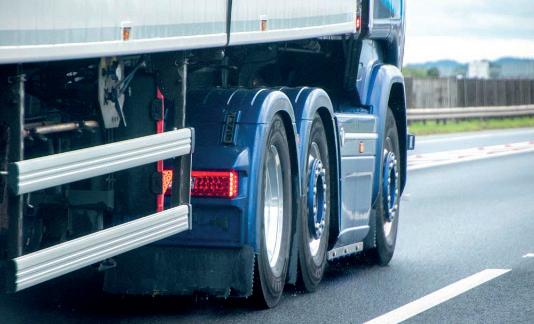






Modern vehicles are loaded up with new systems to prevent crashes. But many drivers don’t understand how they work
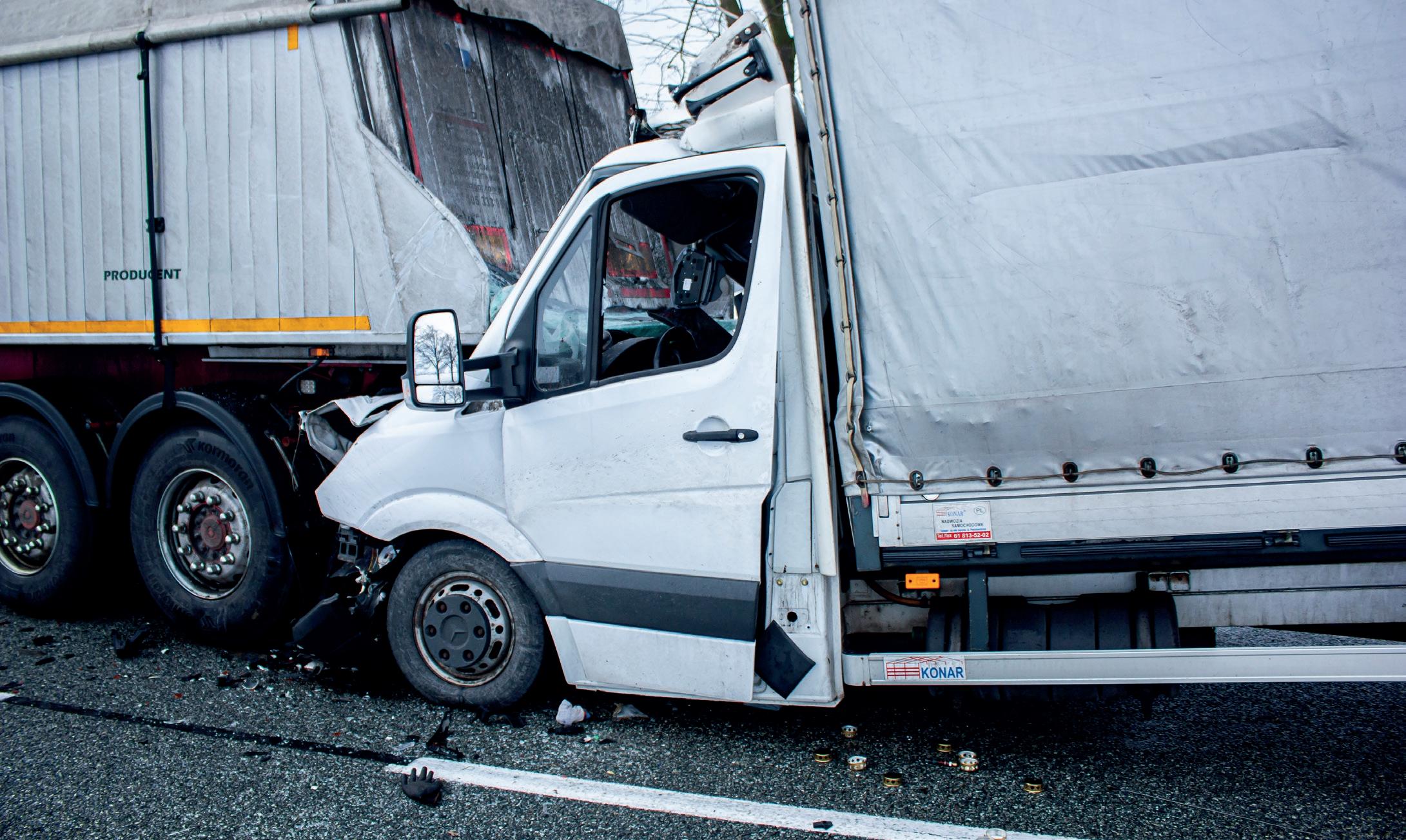
Advanced driver assistance systems (ADAS) were designed to help prevent accidents on the roads. But what is actually happening is that drivers are becoming lazy and too reliant on them, leading to an increase in low-speed shunts.
Now transport managers are being warned that they need to educate their drivers on how the systems work – and how far they can be expected to improve road safety.
Members of the Association of Fleet Professionals (AFP) have reported that drivers are becoming over reliant on technology such
as automatic emergency braking, lane keeping assist and adaptive cruise control – potentially increasing the number of low-speed collisions.
Lorna McAtear, AFP vice chair and head of fleet at National Grid, said her experience showed ADAS was often being used incorrectly by drivers. She said: “We are potentially deskilling drivers by encouraging them to rely on ADAS but this is a misunderstanding of how the technology is intended to work. It is designed to act as a limited driving aid or an emergency safety net, not to take responsibility for aspects of driving.”
McAtear said the sector is increasingly seeing
ABOVE: Drivers are becoming lazy and too reliant on safety systems
situations where the driver blames the vehicle for errors that caused accidents – arguing either the technology should have stopped the incident or indeed, that ADAS actively caused it.
“Sometimes, of course, this is just shifting the blame but in other cases, the driver appears to have completely misunderstood how the devices operate.”
And Aaron Powell, AFP board member and director of fleet and logistics at Speedy Hire, has warned of concerns over whether ADAS was working in the real world as intended.
“We have seen an increase in accidents and believe the new technology is playing a role in this trend. It’s important to qualify this statement by saying the rise is more often in less serious incidents – such as car park manoeuvring – but they are more numerous and every accident is time-consuming and expensive to deal with from a fleet point of view.
“In our opinion, these low-speed collisions especially are occurring because ADAS makes some drivers lazy. Driving is seen as less of a proactive skill and more as something that is secondary to a series of devices that will automatically keep them safe.”
McAtear said that a key issue is that ADAS works differently from vehicle to vehicle.
“Adaptive cruise control, for example, is implemented in distinct ways by each manufacturer, while the degree of pressure on the steering wheel applied by lane departure ranges from gentle to genuinely aggressive. Drivers understandably find this confusing.”
McAtear also pointed out that interventions are quite frequently incorrect.
“It’s common, for example, to have automatic emergency braking slam the brakes on for no apparent reason. Now, research shows that this device is effective at reducing rear end collisions, but false positives do little to inspire confidence and can be quite disturbing, especially if you have another vehicle close behind.”
Speedy Hire is in the process of creating a range of training videos designed to underline the fundamentals of safe driving.
Powell said: “We’re reacting to the issues we perceive with the technology by taking a ‘back to basics’ approach that reminds drivers the responsibility for safe driving on the road is theirs.”
McAtear added: “There’s no doubt some of this technology is useful and effective but we need to develop a greater understanding of how to help drivers integrate it into their existing driving style. ADAS has been introduced with limited guidance about how those who created it thought it should be used in everyday driving.” ●
In some instances, the driver appears to have completely misunderstood how the devices operate
BELOW: Half of UK drivers have deliberately turned off their ADAS at some point

New research by Autoglass has revealed that half of UK drivers deliberately turn off safety assistance systems (ADAS), which are actually designed to prevent collisions and save lives.
ADAS includes features such as automatic emergency braking, lane departure warning and adaptive cruise control. These functions aim to improve the safety of the vehicle, passengers and roads users alike by reducing human error and preventing collisions.
Despite this, half of UK drivers have deliberately turned off their ADAS at some point, while 24% admitted they don’t know how to use ADAS comfortably.
But 85% of drivers are supportive of ADAS, agreeing that all vehicles should have standardised features, contrary to the assumption that distrust in the technology is the main reason for it being disabled.
Ed Colley, head of brand and marketing, at Autoglass, said: “There is currently a critical knowledge gap within the UK which is causing many drivers to disable their safety features. The issue isn’t a lack of trust in technology, but an ambivalence caused by a lack of understanding of the benefits of the systems.
“Safety technology can save lives on the road, but only if it is switched on and operating correctly.”
More than a third of business owners have seen sick days fall as a result of staff playing sports together, new research has revealed.
The research, from Mercedes-Benz Vans, found 35% of business owners said staff are less likely to take days off sick when they play team sports, while 63% encourage staff to play sports together to make them healthier and happier at work.
In addition, half (50%) of business owners said team sports initiatives made their employees more productive and 48% felt team spirit among staff was boosted by taking part in sports together.
Last year 149 million working days were lost due to illness or injury, while latest figures show sick leave and absence costs the UK £103bn per year.
It comes as Mercedes-Benz Vans marks the return of Vantasy Football – the UK’s only football tournament for van drivers.
The tournament, hosted by Chris Kamara, brings teams of drivers and colleagues together in a bid to highlight the benefits of team sport to businesses and employees.
Held at the England team’s training ground St George’s Park in Staffordshire, the tournament sees teams from a cross-section of UK businesses battle it out to be crowned Vantasy Football champions and take home the Mercedes-Benz Vans Vantasy Football cup.
Sky Sports legend Kamara said: “Mercedes-Benz Vans has found that team sports reduces sick days at work and drives a better work culture. So the message is clear: Get out playing team sports.
“Being with friends, talking to people and making sure once you finish work you mix with others is so important, particularly for those who spend a lot of time working alone.
“I absolutely agree that more businesses should be encouraging team sports – and if they do this new research shows they are likely to see their productivity improve.”
Ross Baxter, fleet manager at medical delivery
firm Sciensus, managed a five-a-side team at Vantasy last year.
Following the success of the event, he and his colleagues were so inspired that they set up their own five-a-side football competition – and have since seen sick days fall by 17%.
He said: “I can’t explain how positive the players were after the tournament – they said it was fantastic to be a part of something bigger and build a bond with their colleagues.
“We’ve now set up our own annual Sciensus Soccer Saturday, and many of the teams who played together in that now play five-a-side every week.
“It’s created a real sense of community and team spirit and the feedback has been fantastic.
“We’ve also seen a 17% reduction in sick days taken since the initiative began, and staff turnover has also fallen. We are really thrilled with how positive it has been.”
Iain Forsyth, managing director of MercedesBenz Vans UK, said: “It’s clear from our research that team sports are a huge benefit for van drivers – giving them both a way of relieving stress as well as a chance to connect with their team-mates.
“Our research shows 80% of van drivers say
playing grassroots team sports has had a positive impact on their mental wellbeing, which in turn has a positive im-pact on their productivity and the role in the businesses they work for.
“The benefits for team-building and boosting morale are also a valuable insight for business owners. Physical and mental health are critical in any business that operates vans. I’m proud to be leading a business showing the benefits of team sports among our own employees and the businesses we work with.”
Demand for van drivers has exploded in recent years as expectations for home deliveries and online ordering have become baked into everyday life. It’s led to a 37% increase in the number of van drivers on UK roads since 2012.
The Mercedes-Benz Vans research also found team sports had a wider impact on tackling stress and building team rapport.
Over half (57%) drivers said being in a team made up of work colleagues is the most powerful way of relieving tension and stress while a third (33%) said playing team sports with colleagues had changed their perception of a colleague in a positive way.

A similar figure (31%) said they looked on a colleague more favourably after taking part in a sporting activity with them. ●

Playing
YOUR DESTINATION FOR ROAD FREIGHT TRANSPORT, DISTRIBUTION, AND LOGISTICS SOLUTIONS

CO-LOCATED WITH

THE PULSE OF PASSENGER TRANSPORT. POWERING PROGRESS, ONE JOURNEY AT A TIME.



Electric heavy goods vehicles (HGVs) can achieve a lower total cost of ownership (TCO), compared to their diesel equivalents, according to new analysis after a Government trial.
Data shows that under certain conditions, EV trucks can reach cost parity with diesel vehicles after five years – with higher mileage operations standing to benefit more, lowering the overall TCO. It also reveals that the lifetime emissions of diesel trucks can be three times higher than eHGVs.
With fleets covering more than a half a million zero-emission miles as part of the Electric Freightway project, the findings are included in the third Electric Freightway report. The project is led by Gridserve with principal partner Hitachi Zero Carbon and part of the Department for Transport (DfT) and Innovate UK’s Zero Emission HGV and Infrastructure Demonstrator programme. It brings together more than 30 consortium partners to inform the UK’s transition to zero
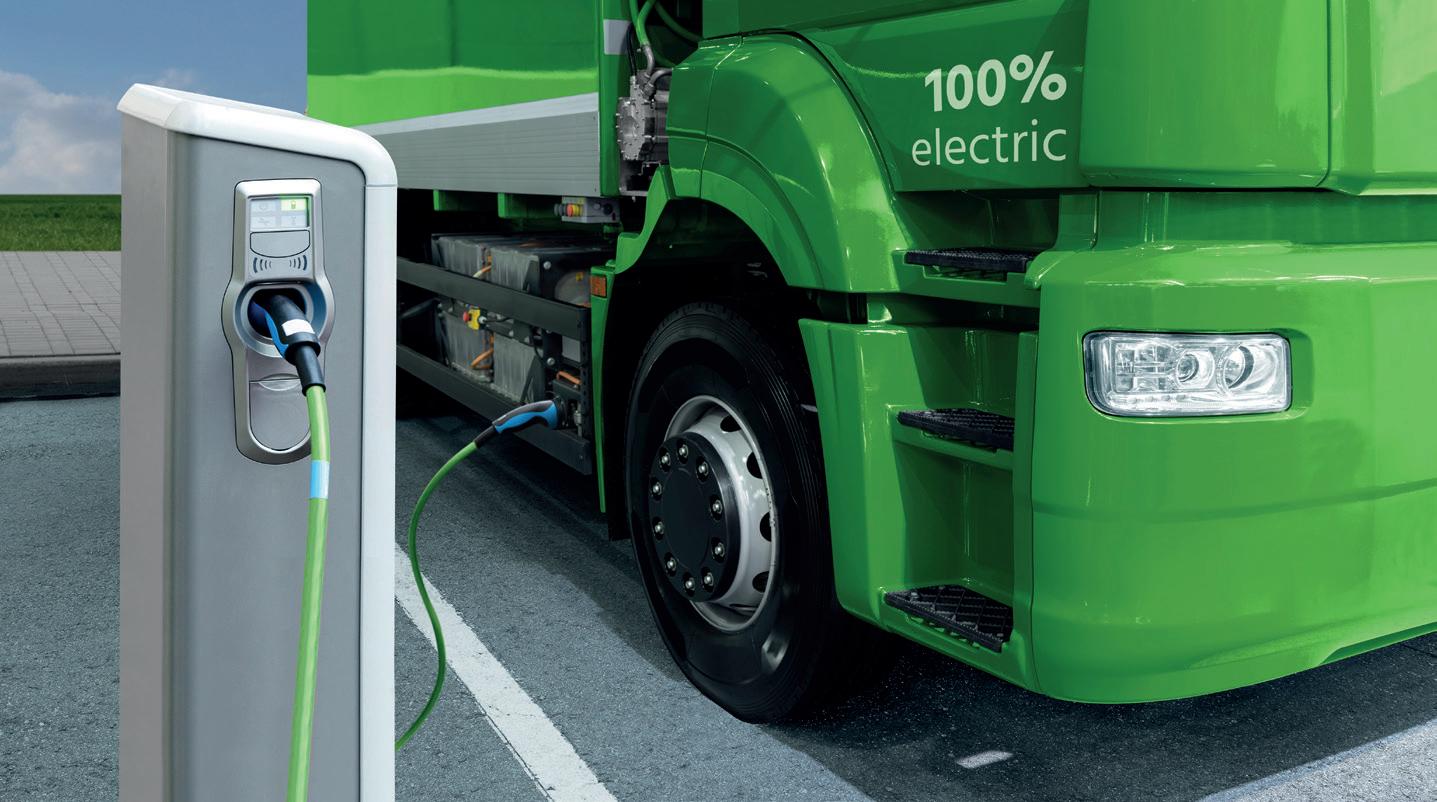
Under certain conditions, trucks can reach cost parity with diesel vehicles after five years
We’ve invested £200 million to put more zero emission lorries onto our roads
tailpipe emissions freight.
Keir Mather, minister for aviation, maritime and decarbonisation, said: “To create a cleaner planet and a stronger economy it’s essential the lorries and vans’ delivering goods across our country are supported to make the move to zero emissions.
“That’s why we’ve invested £200 million to put more zero emission lorries onto our roads and build the charging network that keeps them moving. As this report shows the rollout is well underway and the future of freight is green.”
Report one and report two focused on the project’s objectives and planning stages, while report three provides an update on the roll out of electric HGVs (eHGVs) and charging infrastructure.
It reveals an unprecedented demand for eHGVs
from consortium partners as 79 electric trucks have been delivered to fleet operators, with a further 78 on order – far beyond the original target of 140 vehicles.
There is also heightened industry interest, with more than 20 organisations now benefitting from subsidised eHGVs through Electric Freightway. This includes Amazon, Royal Mail, GXO and Wincanton, spanning sectors from retail and manufacturing to logistics and utilities.
Meanwhile, there has been progress in EV infrastructure deployment. The first highspeed depot charging facilities have now been completed, including the 10-bay shared Charge Yard at Nissan’s Sunderland factory.
The report highlights work on public eHGV charging sites, a crucial step in enabling long-haul journeys and unlocking flexibility for operators. Construction is already underway at several key locations, with the first public hubs set to open soon.
Sam Clarke, head of eHGV at Gridserve, said: “Delivering the 10-bay shared charging depot at Nissan’s Sunderland plant is just the beginning of what a nationwide eHGV charging network can look like.
“As the number of miles undertaken by electric fleets continues to grow, our priority is ensuring
the infrastructure keeps pace, with the first public charging sites now under construction and many more to follow.
“This report demonstrates how a national eHGV charging network is beginning to take shape, but it’s only made possible by the industry working through the challenges together, and always with the needs of fleet managers front of mind.”
Alongside the report, Hitachi ZeroCarbon is unveiling a new TCO calculator, designed to help fleet operators assess the financial and environmental case for electric HGVs.
Leon Clarke, head of operations and delivery at Hitachi Zero Carbon, said: “Crossing half a million electric miles is a clear signal that eHGVs are not just viable, but already delivering in the real world. What really matters now is giving managers the tools and evidence they need to make the transition with confidence. That’s why we’ve launched our new total cost of ownership calculator, so fleets can build the business case for decarbonisation and bring their long-term operational goals closer into view.
“We’re helping the industry move the EV debate onwards from theory to reality, and in turn strengthen the UK’s position as a leader in developing the future of commercial transport.” ●
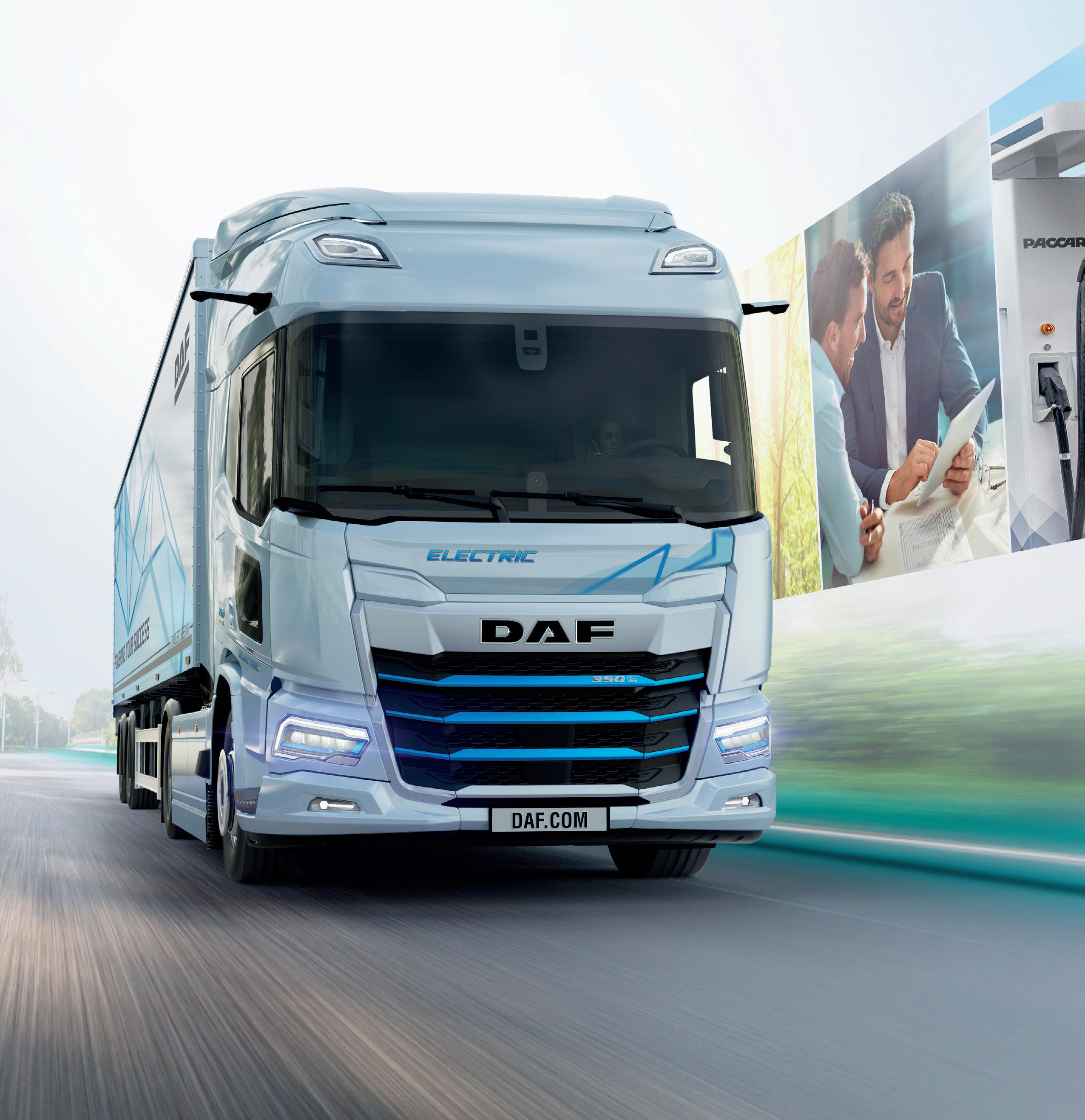










At DAF, we’re dedicated to driving your business towards a more sustainable future. To support your journey, we’re offering a limited number of 100 zero-emission DAF XD Electric 350 FT 4x2 tractor units, designed to deliver a lower Total Cost of Ownership (TCO) over a five year period compared to diesel alternatives. It makes a compelling business case for making the move to zero emissions today. DAF – powering your success on the road to sustainable transport.
WWW.DAF.CO.UK/ELECTRIC-OFFER












Ask anyone actually working in the hydrogen economy what they think about UK policy and you’ll rarely hear a positive word.
Speak to project developers, investors or engineers, the people building real infrastructure, not just drafting policy, and the verdict is unanimous: we are falling further behind global leaders.
Worse, there is precious little faith that our endless pilots and consultations will amount to anything more than political window-dressing. And you have to ask: If the UK government is
so reluctant to fund green hydrogen properly –or is simply opposed in principle – why bother at all? Poorly funded, small-scale projects aren’t going to lower costs or improve competitiveness. If all we’re after is a handful of pilots and ambitious targets, it would almost be more honest to spend nothing and focus national effort elsewhere.
But here’s what nearly everyone agrees on: The UK government really only has one job in this sector and that is to bring the cost of hydrogen down to an economically useful level. Once that happens, the private sector will do the rest.
LEFT: Hydrogen buses are already carrying passengers in Europe and China
UK net zero approach: risk-averse, underfunded, bogged down by process
Investors want to build, companies want to scale. But nobody is going to pile in when green hydrogen costs three times as much as the fossil alternatives and government funding is a fraction of what Germany, the U.S. and even parts of Asia are putting up. Until clean hydrogen is economically viable, in other words, until policy makes meaningful scale possible, the market won’t move.
Yet we find ourselves in a classic ‘emperor’s new clothes’ situation. There are a number of companies – and the trade associations that represent them – that depend, at least in part, on government funding. With livelihoods and

future projects on the line, nobody is willing to speak truth to power. The entire sector is going along with the charade, everyone recognising the problem privately, but few willing to say so in public.
Meaningless pilots
There’s a peculiar British habit of trialling and piloting technologies that already work perfectly well elsewhere. Green steel? Commercial sites are already running in Sweden and Germany, providing real data on cost and performance.
Yet in the UK, millions are spent to see ‘if it works here’. It’s as if we need a national pilot project for iPhone functionality in London because it was designed in California. Rather than learning from successful reference projects abroad, we seem determined to duplicate the groundwork – mistakes and all – even when others have already solved the challenges. If you want to know if a hydrogen bus works? Take a short flight, ride one, talk to the operators, bring home the lessons. There’s no value to obsessively re-inventing the wheel.
The home hydrogen heating farce
Nothing illustrates British hydrogen handwringing better than the recent trials of 100% hydrogen for home heating and cooking.
For nearly a century, Britain’s own ‘town gas’ supplied by the gas grid was over 50% hydrogen. People cooked, heated water and survived winters on it for 150 years. We know that hydrogen works in a domestic setting – it always did.
So why the repeated urge to ‘test’ hydrogen all over again, with more pilots and local demonstrations? Why spend millions proving what history already settled? Nobody is suggesting converting the entire gas network to 100% hydrogen. Blending modest percentages into the current gas grid could cut emissions right now, but instead we’re caught in an expensive, time-consuming loop of reinventing what was routine two generations ago.
Make hydrogen economic
This isn’t just a hydrogen story, it’s a parable for the entire UK net zero approach: risk-averse, underfunded, bogged down by process – and oddly resistant to learning from the rest of the world.
But it all comes back to that one job for government: make hydrogen cheap enough for the private sector to take over. That doesn’t mean there’s one magic price point – cost reduction is a stepwise process, with new applications enabled at each stage as prices come down.
LEFT: The government must make hydrogen cheap enough for the private sector to take over
The first to benefit will be sectors where hydrogen is already close to competitive, like replacing expensive fossil fuels such as diesel in heavy transport. As costs keep falling, hydrogen becomes viable for even tougher, hard-to-abate sectors – eventually unlocking deep carbon abatement in steel, cement and other heavy industries.
That requires proper funding and bold market mechanisms, not more half-measures and endless pilots. If the government isn’t willing to do what it takes to unlock real market-driven growth, maybe it’s time to stop pretending otherwise.
Because until hydrogen is truly economic, the UK will keep spending public money on nicesounding but ultimately pointless trials, while competitors build industry, jobs and emissions cuts at global scale.

Tim Harper is a serial entrepreneur and clean-energy strategist whose career spans start-ups, policy advisory, and board leadership. Author of Born to Disrupt, he founded the UK’s first hydrogen refuelling network and has advised the World Economic Forum on emerging technologies. He writes at timharper.net about where ambition meets execution in the net-zero economy. ●

With the UK’s 2040 end-of-sale of new, non-zero emission HGVs on the horizon, the commercial vehicle sector is planning ahead for a future of battery electric and hydrogen trucks.
With decarbonisation an increasingly important feature of the strategic plans for truck companies, gas power is still relevant as a useful transitional fuel to cut emissions while businesses consider when they can invest in battery electric (BEV) or hydrogen alternatives. BEV and hydrogen trucks will inevitably be a major part of the UK’s road transport system with Scania, one of the most committed OEMs to low emissions fuels, expecting half of its global truck sales to be BEV by 2030. At the same time, it remains committed to giving fleet operators that want to cut emissions the option of gas power given not all are able to make the full switch – for example, due to a shortage of HGV-suitable public infrastructure, a lack of
upfront capital investment, or even the knowhow to transition their depot.
Last year, for example, Scania debuted the world’s first 6×2 CNG gas truck without a Hendrickson axle, opening up the option of gas power to even more fleet configurations.
“The long average life of heavy-duty vehicles will require diesel and gas variants to be actively replaced – typically by HVO, biodiesel, and biomethane – if we are to reach global targets,” a Scania spokesperson said.
No silver bullet
“There is no silver bullet solution to decarbonisation. That’s why we offer every viable fuel and power option on the market for operators to choose from to reduce their emissions.”
There is no silver bullet solution to decarbonisation. That’s why we offer every viable fuel and power option

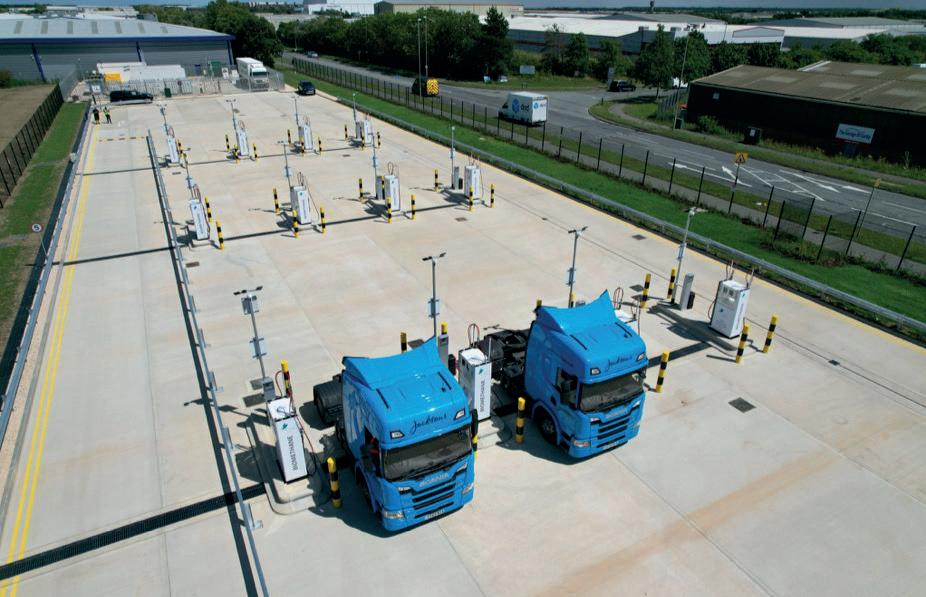
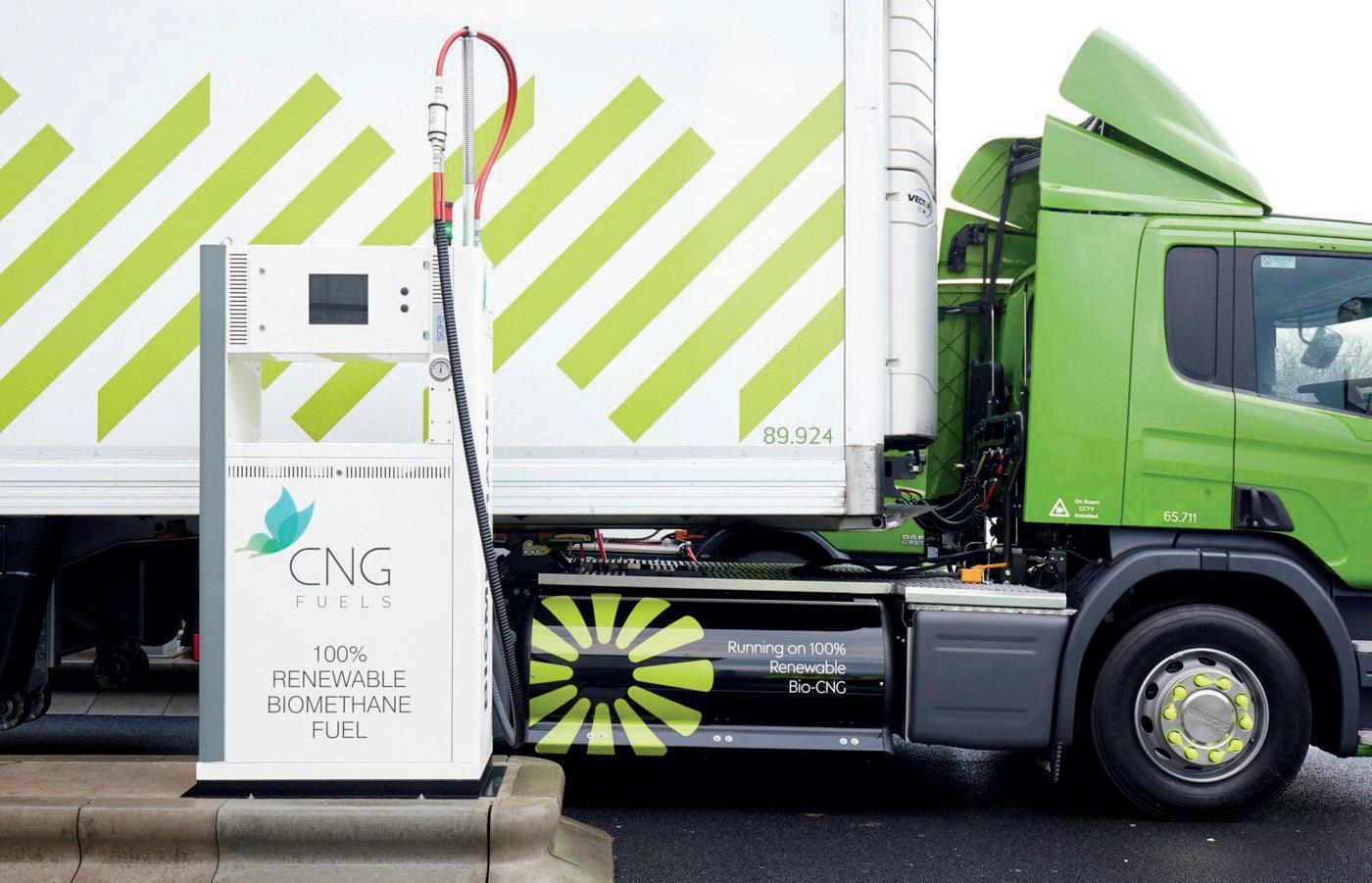
One of the biggest barriers to gas adoption has historically been infrastructure, but that is thanks to companies such as CNG Fuels and Gasrec, which have taken a different long-
term view.
Philip Fjeld, CEO of CNG Fuels, believes there is no point in delaying. “The average customer that we have got is on a trajectory where
they need to be net zero by 2035,” he said. “Some are further out in time, some are more aggressive, some want to be 100% by 2030 –but you can’t just continue to wait.”
The company, which operates 16 publicaccess gas stations across the UK, has seen massive growth which CNG Fuels says is reflected in the number of gas-powered trucks in operation in the UK, exceeding 2,000 today compared with seven in 2016. The company expects around 4,500 gas-powered HGVs on UK roads by next year.
Gasrec chief commercial officer James Westcott agrees that gas is already delivering results today, not in years to come.
“Biomethane HGVs can deliver meaningful carbon and cost savings,” he said. “Many of these trucks operate at high mileages and heavy weights – conditions under which emissions reductions are particularly significant.”
Gasrec is investing in major capacity expansions, including a new station at Hams Hall, expected to support 1,000 trucks per day, with further stations in the pipeline that will offer a combined 2,000-truck capacity by 2026 – and infrastructure to support up to 10,000 gas trucks by 2030.
Despite the optimism in the heavy transport sector, however, not everyone in the CV sector is planning a future with gas. Stagecoach, for example, one of the UK’s largest bus operators, is already releasing its gas-powered buses.
“Our current gas-powered vehicles are in the process of being phased out,” a Stagecoach spokesperson said. “We purchased circa 40 gas buses in 2014 and currently have 19 in use. There is no current intention to procure more.
“They have served us well, were reliable in the mean, and well received by our customers, drivers and engineers. We operated a mixture of Euro 5 and Euro 6 models, and a few have gone off to another operator for further use.”
The move reflects broader adoption of BEV and hydrogen buses, supported by government funding initiatives such as the Zero Emission Bus Regional Areas (ZEBRA) scheme. For inner-city routes and smaller vehicles with predictable range needs, BEVs and fuel cells are becoming more viable. However, given the importance of delivering net zero, transitional technologies such as gas can play a vital role in decarbonising fleets as they prepare for investments to fully move away from fossil fuels in line with government targets. ●











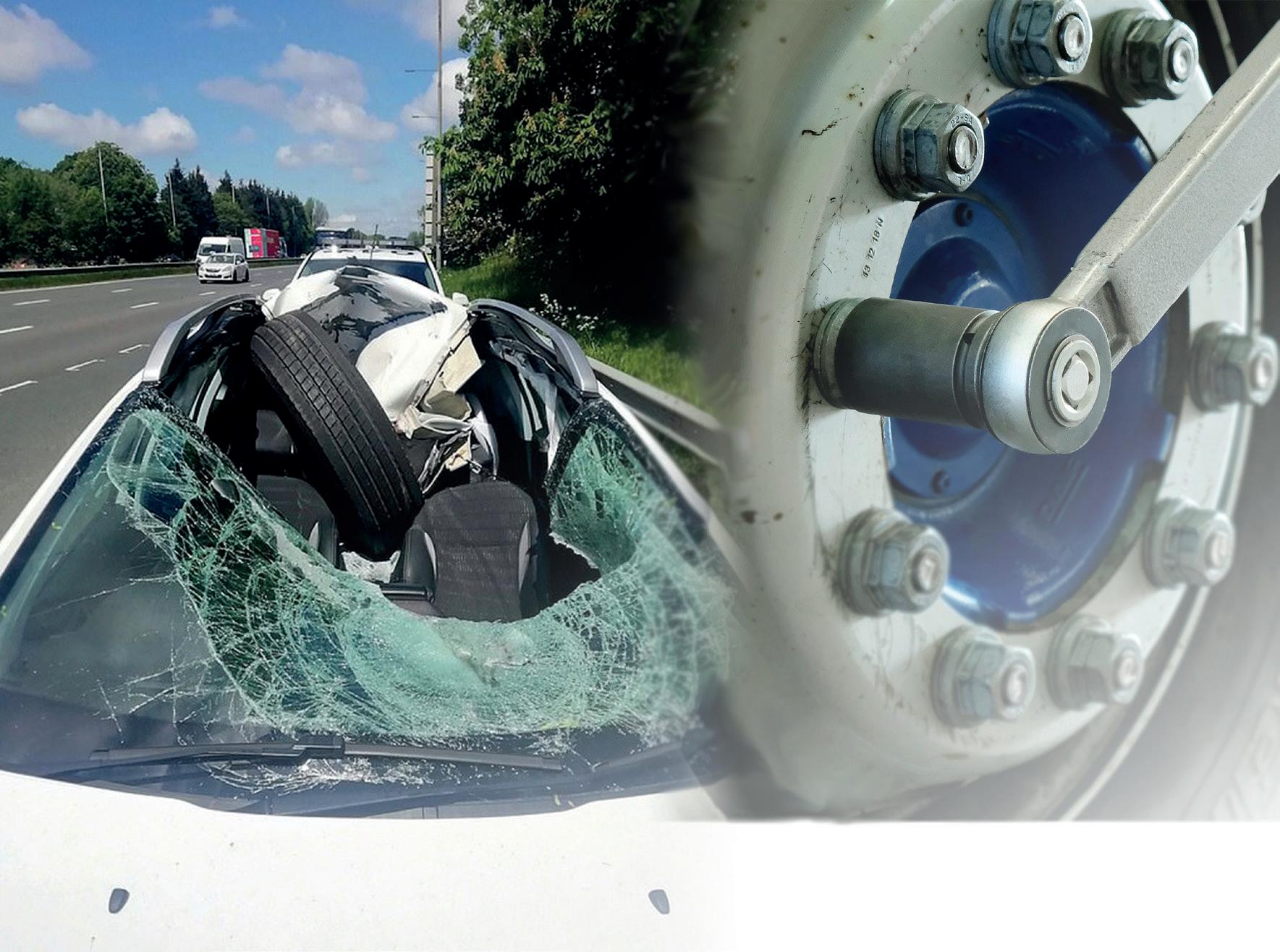


Insurance claims that should be simple often drag on for months, driving up costs through inflated hire charges, storage fees, repair bills, and legal disputes.
In the UK, defence costs can hit six figures, while vehicle hire and storage add hundreds more each day. With repair costs climbing over 40% in the past five years, every extra day a claim stays open makes the problem worse.






MANTIS Collision Insights accelerates claims with AI-driven reconstructions, helping you cut investigation costs, dispute false claims, and protect your bottom line.

Faster claims mean fewer disputes, lower legal spend, and reduced third-party charges.
By keeping claim costs under control, fleets improve their loss ratio and strengthen renewal negotiations, often securing better premiums.
With MANTIS Collision Insights, insurers get clarity, fleets get savings, and everyone benefits from quicker resolutions. See MANTIS Collision Insights in action today.

New moves promise a safer, more efficient road ahead
Aroad network populated by driverless vehicles transporting goods and passengers both on short and long distances offers significant potential with cost savings, increased safety and greater efficiency – an attractive proposition for the transport sector.
It is a future that moved a significant step closer with government launching the first in a series of consultations to implement the Automated Vehicles Act 2024. There was a major additional announcement for passenger transport, meanwhile, with transport secretary Heidi Alexander confirming that UK government will fast-track self-driving commercial pilot projects for taxi- and bus-like services on England’s roads to spring 2026.
The government’s plans to implement a regulatory framework that will enable organisations to pilot commercial self-driving services from next year will encourage technology developers and their partners to begin designing and implementing services that meet the needs of the British public, providing competitive advantages for British businesses. Indeed, it means that next year, firms will be able to pilot small scale ‘taxi- and bus-like’ services without a safety driver for the first time – which could be available to members of the public to book via an app. Wider rollout potentially will come when the full Automated Vehicles Act becomes law from the second half of 2027.
Alexander said: “Self-driving vehicles can improve transport for millions of people –
providing greater choice and flexibility to get around more easily. They could add new public transport options in rural areas to boost connectivity for local communities, and improve mobility, accessibility and independence for those unable to drive.”
According to the SMMT, self-driving vehicles including cars, vans, trucks, buses and taxis have the potential to deliver significant benefits to British society and the economy, delivering annual economic benefits as high as £66 billion and an estimated additional 342,000 jobs by 2040.
The technology could also potentially save 3,900 lives and avert 60,000 serious collisions over the next 15 years, while offering a wider array of accessible mobility solutions to disabled and older people.

Self-driving trucks have the potential to deliver significant benefits to British society and the economy
Self-driving vehicles can improve transport for millions of people –providing greater choice and flexibility to get around
Mike Hawes, SMMT chief executive, said: “Britain’s self-driving vehicle revolution moves one step closer, with the announcements putting the country on track to reap the road safety and socio-economic benefits this technology can deliver.
“Pilot rollout of commercial self-driving services from next year will widen public access to mobility, while the consultation will ensure the technology is deployed in a safe and responsible way. These latest measures will help Britain remain a world leader in the development and introduction of self-driving vehicles, a manifest application of AI at its finest.”
These transformational services, which are already available in some other countries, will widen the public’s access to mobility solutions. This positive move positions the UK as a hot bed for cutting-edge mobility technology, elevating our position on the world stage as a destination of choice for automotive and AI investment.
Self-driving trials have already been taking place in the UK – and as far back as January 2015, with British companies Wayve and Oxa spearheading significant breakthroughs in the technology.
More recent projects, however, have included Scotland’s automated bus pilot project CAVForth, which trialled a real-world passenger transport service at AV Level 4 – meaning they had a trained safety driver onboard, but the driver didn’t touch the controls while the vehicle was in autonomous mode.
The project involved a fleet of five fully automated full-sized buses operating a scheduled passenger service across the Forth Road Bridge, carrying up to 10,000 passengers per week. The 14-mile route runs from the Ferrytoll Park and Ride in Fife, across the Forth Road Bridge Public Transport Corridor, to Edinburgh Park.
Varied route
The route took in a range of infrastructure, from pedestrianised bus and train stations, mixed single carriageway roads, 50mph motorway and dedicated bus lanes. The autonomous buses negotiate traffic lightcontrolled and normal roundabouts while integrating with live traffic.
Oxa and EV manufacturer Bradshaw EV, meanwhile, announced a partnership in May to deliver electric automated vehicles to businesses that need on-site transportation.
Bradshaw EV’s T800 eight-tonne tow tractor and the Club Car Carryall 500 utility vehicle will both be used for off-highway light logistics applications, providing automated towing capabilities for moving goods and
components efficiently around airports, large manufacturing sites, distribution centres, campuses and a wide range of other environments.
Automated shuttle buses are also taking to the road at locations such as the National Exhibition Centre in Birmingham and Harwell Science and Innovation Campus in Oxford, while Belfast Harbour is now testing its new ‘Harlander’ automated shuttle bus in the city’s Titanic Quarter.
When launched, the Harlander, which uses an electric vehicle provided by manufacturer eVersum, will be the first self-driving passenger service in Northern Ireland, carrying up to nine members of the public at one time, and with a safety operator on board.
The vehicle will initially only be on the roads for testing and to enable the route to be mapped by Harlander’s systems in a project expected to take three weeks, with the service opening to the public at the end of May. It will run on a 15 to 20-minute loop, connecting Titanic Halt railway station with Queen’s Island on a route with six bus stops.
So, it seems the trialling of self-driving vehicles is already a reality in the UK thanks to cutting-edge domestic innovation – and the government announcement will only accelerate safe and successful commercial rollout on our roads. The transport sector and indeed the public must be ready for change, therefore, that could see automated vehicles become the norm rather than the exception. ●
Article originally published in the Society of Motor Manufacturers and Traders’ Transport Newsbrief

The trialling of self-driving vehicles is already a reality in the UK thanks to cutting-edge domestic innovation

ABOVE: Young drivers are set to become the new fleet pilots
More than half (57%) of Gen Zs want to work in roles that use
AI technology, according to new research from Samsara, the pioneer of the Connected Operations Platform. The insight reveals that Gen Z could hold the key to keeping Britain’s van and truck fleets moving, as fleet managers across the UK face pressures from ongoing driver shortages.
Samsara’s latest research reveals that more than half (58%) of Gen Zs aged 16-25 years find a driver-focused career appealing, citing flexible working hours (47%), working independently (43%) and the opportunity to avoid an office (40%) as the key benefits.
However, the findings also reveal that Gen Z expects more from a commercial driving career.
The majority clearly desire a role that uses AI technology, and one in four (26%) are more likely to pursue a driving career if it involves emerging technologies such as autonomous vehicles or AI-enabled tools.
For many though, misconceptions about the profession remain a barrier to recruitment, with Gen Z respondents citing long hours (45%) and their perception of boring work (28%) as key deterrents.
Yet, these perceptions are at odds with the reality of the modern fleet experience. AI-powered automation and digital tools are already transforming the professional driver experience, by reducing manual admin and giving drivers more flexibility in their role, boosting job satisfaction as a result.
The research suggests that, in order to attract and retain the next fleet generation, fleet managers need to reposition driving as a techenabled career rather than a traditional manual job. By equipping younger drivers with the latest AI-powered tools, fleets can help inspire a modern workforce of fleet pilots ready to keep the country moving.
“We’re seeing a real shift in what motivates Gen Z, a generation that sees technology as second nature rather than a nice-to-have,” said Seth Stanfield, director, UK, Samsara.
“Younger adults want to work in roles where technology empowers them to do meaningful work. When fleets invest in connected tools and automation, they’re not just improving operational efficiency. They are creating space for the fleet pilots of today, providing careers that are defined not only by the road but by data, connectivity, and new kinds of skills.”
Sally Gilson, RHA policy lead for skills and drivers, said: “Driving technology has evolved at great pace over the last few years and will continue to do so as the industry strives to do its job more efficiently and improve safety on our roads.
“Recruitment into lorry and coach driving roles remains a key challenge for our sector as demand grows; we’ve revealed that at least 40,000 new lorry drivers a year for the next five years are needed so we’re working hard to best attract young people to get behind the wheel of Britain’s trucks.
“Indeed, this is a key focus of our National Lorry Week campaign where the industry comes together to shine a light on what makes a career in logistics aspirational for young people.” ●

• Outstanding mileage
• Even wear
• Excellent all-season performance
You don’t have to wait for fleets of electric trucks or hydrogen infrastructure to make a meaningful difference

The haulage industry stands at a pivotal moment. Rising diesel prices, stricter emissions regulations, customer demand for greener supply chains and reputational pressure are all converging.
For many hauliers, the question isn’t if to decarbonise, but how to do so in a way that supports business profitability, not undermines it.
The good news? You don’t have to wait for fleets of electric trucks or hydrogen infrastructure to make a meaningful difference. By focusing on smart, operational improvements, often with little or no large capital outlay, you can reduce fuel use, cut carbon emissions, improve efficiency and strengthen your bottom line. This article explores accessible, cost-effective strategies
across multiple dimensions and uses real-world case studies to show what’s already being achieved.
Drivers are the frontline of any haulage operation. How a vehicle is driven has a direct impact on fuel consumption, vehicle wear and emissions – and therefore cost. Training
Fleets can reduce emissions by 20–30% or more without major capital investment
drivers in efficient driving techniques is a highly leveraged step with relatively modest investment.
What good driver-training covers:
Smooth acceleration and braking: avoiding sudden throttle or brake applications reduces wasted energy and improves fuel economy
Correct gear-selection and keeping in high and appropriate gear: for manual transmissions especially, reducing unnecessary gear shifts (and revving) improves overall fuel efficiency. In one case 15 drivers improved average MPG by 7% after training and gear changes dropped by 42%
Reducing idling: idle time is fuel burned but no distance gained. One case cut idling time by 50% and saved £700 per week across the fleet
Anticipation and route-planning: Drivers trained to anticipate changes in traffic, hills and load conditions can maintain steadier pace, reducing fuel use.
Example:
John Mitchell (Grangemouth) Ltd (UK) trained all 100+ drivers in a SAFED (Safe and Fuel Efficient Driving)-type programme and achieved: A 7% fuel improvement across the test group
cost
Collateral benefits: fewer accidents, reduced wear and improved driver behaviour.
Another example: Branston Ltd (UK potato haulier) undertook a driver training course with the OEM’s telematics (Volvo Connect) and boosted driver efficiency by one MPG across 33 trucks, equating to £60,000+ per year savings.
Why it matters
Fuel is one of the largest controllable costs in haulage. Training that improves driving behaviour also improves fleet longevity, reduces maintenance and supports decarbonisation. It’s one of the highest return, lowest-capital actions you can do.
ABOVE: How a vehicle is driven has a direct impact on fuel consumption, vehicle wear and emissions
Route optimisation and load efficiency
Beyond how you drive, where and how far you drive has a huge impact. Optimising routes, reducing empty miles and maximising vehicle utilisation are steps that in many cases fund themselves.
BELOW: Training drivers in efficient driving techniques is a highly leveraged step with relatively modest investment
These strategies optimise what you already have
Key tactics
Use AI-enabled or algorithm-driven routeplanning tools to analyse distance, stops, traffic congestion, driver hours and load sequences. Optimised routes reduce extra mileage, downtime and idle time
Combine deliveries/pick-ups so vehicles are fuller and avoid returning empty or near empty Monitor route adherence using telematics; identify deviations, excessive idle or detour mileage and address them
Leverage load-matching platforms to fill return legs, reducing empty running.
A UK logistics firm reported savings of up to 20% in fuel consumption by using route optimisation tools
Another study: use of clustering/platooning algorithms in European fleets reduced fuel by 10–20 % through smarter routing
Digital freight-exchange platforms in the UK such as HaulageHub are enabling hauliers to cut empty miles substantially. One platform helped reduce empty runs, which account for over 30% of HGV miles nationally, by better matching return-load opportunities and improving overall fleet utilisation.
Why it matters
Reducing empty or inefficient legs directly cuts diesel use, reduces wear, lowers labour and frees up capacity. The return on investment for route-optimisation software is often less than a year, especially given today’s fuel price environment.
At highway speeds, aerodynamic drag becomes a major contributor to fuel consumption. Many hauliers underestimate how much difference simple aerodynamic enhancements can make and the cost/time to implement is relatively modest.
Roof deflectors/fairings and side-skirts on trailers: reduce turbulent airflow and help the vehicle ‘slice’ through air
Gap reducers between tractor and trailer:
bridging or narrowing the gap stops air pockets forming
Under-tray panels and trailer rear-tails (boattails) help manage airflow beneath and behind the vehicle
Even modest modification pay-back quickly: one study showed retrofit roof fairing cost £300 and paid back in under six months.
John Mitchell (Grangemouth) Ltd also invested in aerodynamic specification across their fleet: this alone delivered an estimated 9% improvement in MPG, saving £355,000 per year. In research on trailer skirts, savings of 4-7% were reported depending on design.
Why it matters
Aerodynamic losses are largely ignored until fuel bills force attention. But small changes add up, especially given the long annual mileage of HGV fleets. The investment is often modest and the pay-back short.
Maintenance and tyre technology
Even with optimised driving and routing, equipment inefficiencies can undo gains. Vehicles that are poorly maintained cost more fuel, emit more and require more repair spend.
Maintenance best practices
Tyre pressure and condition: under-inflated tyres increase rolling resistance and fuel use. Studies show 2% fuel penalty for tyres a bar
under-inflated
Wheel alignment: Misaligned axles increase both rolling resistance and wear. One guide showed misalignment on trailers could increase fuel consumption by up to 15%
Engine filters, clean injection systems, correct oil/lubricants: ensuring combustion efficiency and reducing internal friction
Tyre technology: low rolling resistance (LRR) tyres represent a compelling upgrade. Research shows typical fuel savings of 4-6% from LRR tyres in heavy-vehicle service.
Example:
The Continental “Conti Eco” heavy-duty tyres claim up to 12% improvement in rolling resistance over predecessor models, plus up to 10% more mileage.
Maintenance isn’t just about reliability, it’s about fuel efficiency and carbon efficiency. Every litre saved is fewer emissions and fewer pounds spent. Over a large fleet, these efficiencies stack Also, digital freight-exchange platforms in the UK – such as HaulageHub – are enabling hauliers to cut empty miles substantially. One platform helped reduce empty runs, which account for over 30% of HGV miles nationally, by better matching return-load opportunities
BELOW: Optimising routes, reducing empty miles and maximising vehicle utilisation are steps that in many cases fund themselves

and improving overall fleet utilisation.
Collaboration
Beyond the truck itself and the driver, what truly affects profitability is how effectively each vehicle is used. Are you carrying full loads? Are you returning empty? Are your assets working to their full potential every day? For many hauliers, optimising utilisation is one of the quickest, lowest-cost ways to reduce emissions and boost income simultaneously.
Key tactics
Load maximisation: ensuring trailers are filled as close to capacity as possible and that loads are balanced to prevent ‘partial legs’. Smart scheduling and digital load-planning tools help ensure no space or energy is wasted
Back-hauling and return loads: avoiding empty return journeys is one of the simplest ways to improve both fuel efficiency and profitability. Co-ordinating collections for the return leg of a trip can turn what was once a cost into a source of revenue
Collaboration and digital freight marketplaces: platforms such as HaulageHub and the Transport Exchange Group are changing the way operators do business. By connecting hauliers in real time with available loads, these platforms dramatically cut empty running. They allow companies to share capacity, match journeys, and build flexible partnerships across the logistics sector.
Example
A recent UK initiative led by the Transport Exchange Group, in partnership with HaulageHub and the Road Haulage Association, offered hauliers free access to digital freightmatching tools during a pilot programme. The results were striking: participating operators reported a marked reduction in empty miles and improved fleet utilisation. Across the wider network, hauliers were able to cut empty-running from roughly 30 percent of total mileage to significantly lower levels, while also improving delivery efficiency and driver productivity.
Why it matters
Every mile travelled without revenue-producing cargo is a direct hit to profitability. Fuel, driver hours, maintenance and tyre wear all continue to accumulate even when a trailer is empty. Collaboration platforms like HaulageHub turn

those empty miles into earning opportunities, helping fleets to:
Reduce fuel consumption and emissions per tonne-kilometre
Increase asset utilisation and revenue
Build stronger partnerships across the logistics ecosystem.
By embracing digital collaboration, hauliers can decarbonise operations and grow profitability at the same time proving that sustainability and efficiency are no longer competing goals, but two sides of the same smart strategy.
While we often focus on fleet renewal, there are other strategic steps hauliers can take now to reduce cost and carbon without buying new vehicles.
Additional strategies:
Fleet rightsizing: review whether you operate too many or sub-optimally utilised vehicles. Matching fleet size and vehicle type to actual demand cuts fixed cost and fuel use.
Alternative fuel blends: While full electric/ hydrogen may be long-term, biodiesel, HVO or renewable diesel blends can reduce carbon intensity of current fleet at lower investment.
These strategies don’t require replacing vehicles, instead they optimise what you already have, your spend, your contracts, your asset base, your fuel procurement. They support a rational
transition rather than a disruptive one.
A positive road ahead
Decarbonisation is often framed as a burden, but it doesn’t have to be. For haulage firms, it can be a source of competitive advantage, leaner operations, better margins, stronger reputation, future-proof operations.
By combining training for drivers, smart routing and technology, aerodynamic upgrades, disciplined maintenance, utilisation improvements, strategic procurement and load optimisation, fleets can reduce emissions by 2030% or more without major capital investment. In many cases, the savings pay for themselves within months.
Moreover, the business benefits go beyond fuel. You’ll see:
Lower maintenance and repair costs
Longer vehicle life and fewer breakdowns
Better driver retention and satisfaction
Stronger positioning with customers who demand sustainable logistics
Improved compliance and reputational resilience
If you’re a haulier reading this, you don’t need to wait for huge subsidies or electrified roads to act. The tools, tactics and frameworks are available today. The path forward is positive, and profitable. ●
Anthony Humble-Smith is founder of Avalon Green Consultancy, empowering transport and logistics organisations to embrace the transition to a low-carbon future

Autumn offers operators a timely opportunity to take stock before winter’s operational demands. Beyond shorter days and colder conditions, it is a moment to review systems, contracts and maintenance routines well ahead of the next compliance inspection or DVSA visit.
A strong maintenance system is essential all year round. The DVSA’s Guide to Maintaining Roadworthiness (updated April 2025) outlines the standards expected for tyres, including age limits, inspection requirements and torque
checks. Ensuring vehicles meet these standards supports operational resilience and reduces risk. End-of-year reviews should also extend beyond the workshop. Vehicle Operator Licence (VOL) undertakings, maintenance intervals, defect reporting procedures and staff training programmes should all be considered. Even minor oversights can escalate into compliance issues once winter conditions increase the demands on vehicles and drivers.
It is also a useful time to review contracts and internal processes. Employment terms, supplier agreements and operational instructions The season of reflection and readiness is with us. Make the

A
strong maintenance system is essential all year round

should reflect current working practices. Proper documentation can reduce the risk of disputes and help maintain a defensible position if questions arise.
Taking a structured, proactive approach ensures systems remain robust, compliant and ready for the challenges ahead. Operators seeking guidance on reviewing and strengthening their operational and maintenance systems, including vehicle inspections, brake testing, record keeping, staff training, and contractual arrangements, can contact our specialist teams for tailored advice.
Brake testing update
The DVSA updated its brake-testing procedures for HGVs and trailers in August 2025, allowing approved load-simulation brake rollers to be used as an alternative to presenting vehicles in a laden condition. Previously, arranging a suitable load for testing could add time and cost, particularly where it disrupted operational schedules.
With the new procedures now in place, operators may notice greater flexibility in planning annual brake tests, reducing the need for additional vehicle movements solely for
testing purposes. While load-simulation can streamline the process, it remains essential to maintain reliable evidence of brake performance throughout the year.
Clear maintenance intervals, accurate inspection records and structured monitoring help demonstrate ongoing compliance with the Guide to Maintaining Roadworthiness and ensure systems remain effective.
Vehicles previously exempt from laden
Backhouse Jones
The award-winning transport solicitors. The one stop shop for all your legal needs backhousejones.co.uk

It is a useful time to review contracts and internal processes
brake testing continue to be exempt, although DVSA still regards testing as best practice where it can safely be carried out. Reviewing how brake tests are scheduled, recorded, and monitored provides reassurance that internal procedures remain robust, particularly as winter conditions place additional demands on braking performance. ●
Operators seeking guidance on interpreting the updated brake-testing requirements or reviewing maintenance arrangements can contact the Backhouse Jones Regulatory Team regulatory@backhouse.co.uk.
BELOW: End-of-year reviews should also extend beyond the workshop

Training providers are always seeking new ways to engage learners and ensure every topic is fully understood. In transport compliance, however, understanding isn’t just academic, it’s about safeguarding lives.
Government figures show that in 2024, 29% of fatal collisions involved a working driver, a stark reminder that drivers and operators must not only complete compliance training but also apply it effectively on and off the road.
Interactive learning has long been proven to enhance engagement. ‘Learning News’ reported that active learning increases knowledge retention by 54% compared with traditional lectures. Participants in interactive sessions talk more, show stronger non-verbal engagement, and outperform those in passive learning environments.
Technology has pushed training forwards, with gamification as a key driver of long-term understanding. A 2024 study in ‘Science Direct’ found that gamified corporate training promoted active engagement, which was
essential for deep learning and lasting knowledge retention, far more effective than conventional classroom sessions.
Virtual reality (VR) has become one of the most powerful of these tools. A PWC study comparing classroom, e-learning and VR-based training found that VR learners showed a 40% improvement in confidence over classroom learners and 35% over e-learners. They also felt 3.75 times more emotionally connected to the content and were four times more focused than other training methods.
That emotional connection is vital in transport training, where lives depend on a driver’s judgement. In classrooms, information can feel abstract, but VR places participants in realistic, 360-degree environments, allowing them to experience consequences first-hand without risk. VR provides life-like challenges, helping students recognise and react to potential dangers more effectively.
One company leading the way in VR training
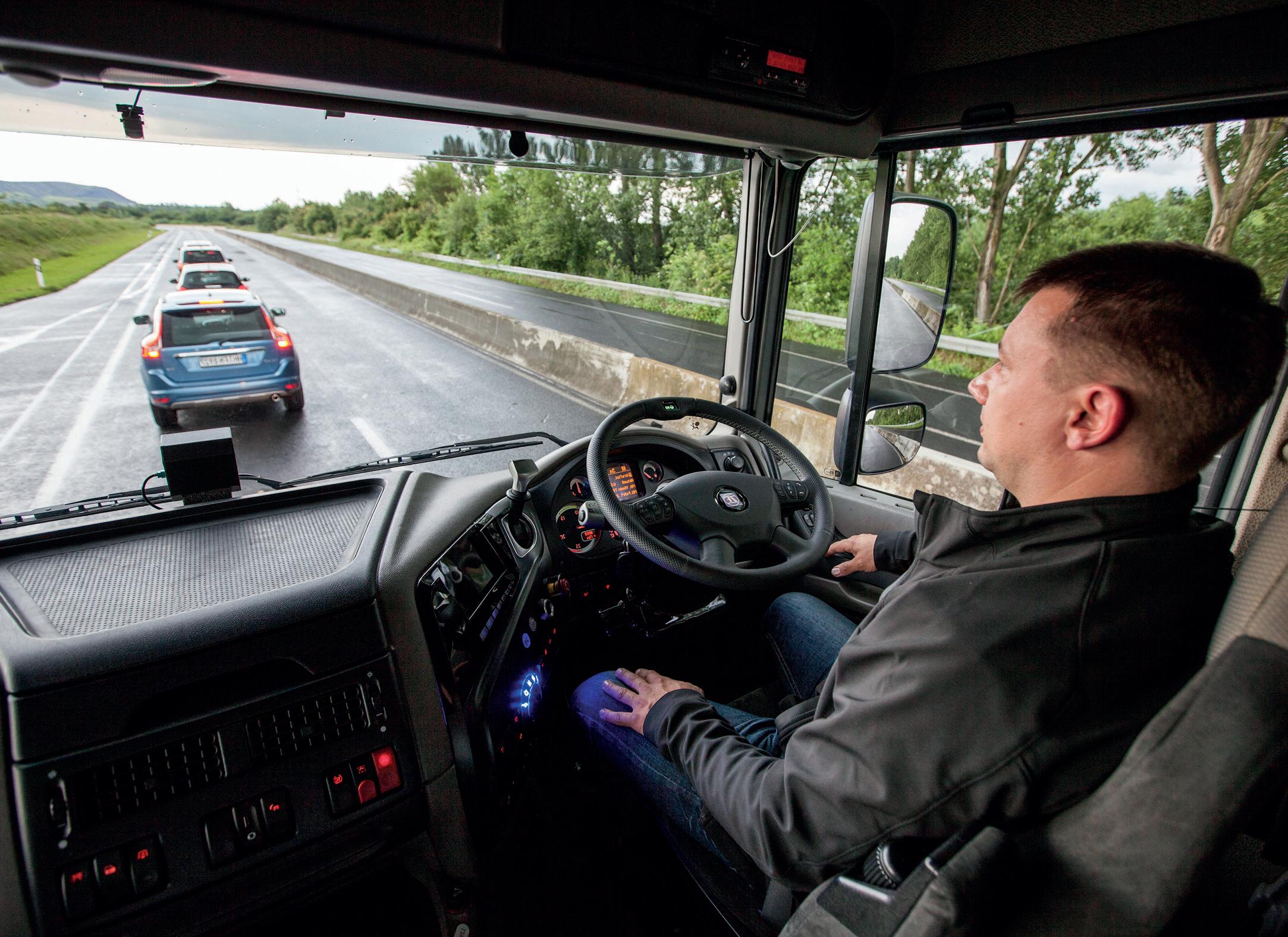


ABOVE: Gamification is a key driver of longterm understanding
is Total Compliance, the leading transport compliance training provider. Michelle Scott, Co-director at Total Compliance, has seen the impact first-hand.
She said: “VR has transformed our Safe Driving training. Students are immersed in real-life scenarios, seeing the repercussions of their actions, which drives lasting behavioural change. It allows us to guarantee exposure to essential scenarios, such as encountering horses or motorcyclists, while removing any risk to people, vehicles, or assets. The technology also ensures we’re always aligned with new regulations and best practice.”
Total Compliance integrates VR into its oneday Driver CPC FORS VR Safe Driver and Lo-City course, helping drivers meet FORS accreditation, earn Driver CPC hours, and develop a deeper understanding of sharing the road safely.
Contact Total Compliance today to enhance your FORS training with cutting-edge VR learning. ●
LEFT: in 2024, 29% of fatal collisions involved a working driver
INDICATOR ALARMLIGHT
ultimate Alarm and Light Warning System
AVAL2-14CLHO / AVAL2-14CRHO
• The LED Lights are not synchronised with the message, but instead flash in a manner specifically designed to attract maximum attention.
• Dual Voltage
• CE and emc approved
• M.I.R.A tested for all on and off highway applications
• Epoxy sealed for greater durability against water
• Complete with anti-vibration gasket and mounting screws




Dr Air Brake’s active intervention systems represent a fundamental shift in safety approach:
• Park Brake Auto-Stop: Automatically applies brakes when a driver’s door opens without the parking brake engaged.
• Reverse Smart Auto Braking: Uses radar to monitor behind the vehicle, automatically braking when obstacles or pedestrians enter danger zones.
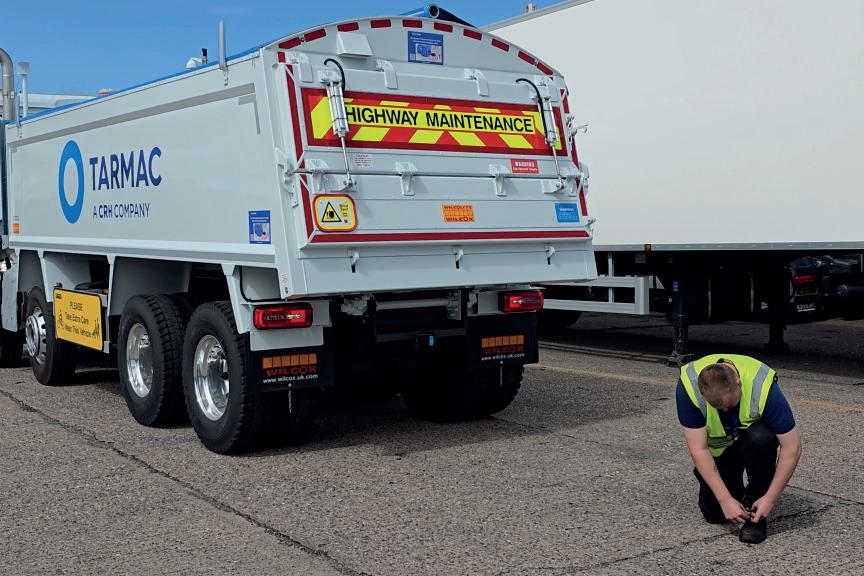
• Trailer Auto-Brake System: Prevents devastating trailer impacts through automatic brake application
“After installing these systems, we’ve seen near-misses virtually eliminated,” reports Transport Manager Sarah Williams. “The return on investment becomes incalculable.”

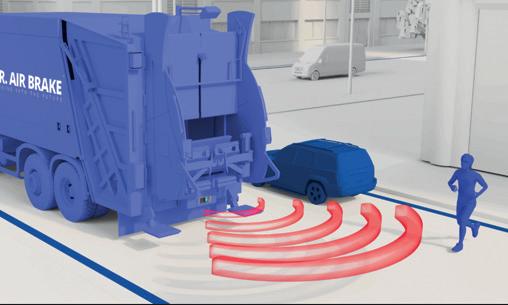

Analysis by analytics firm ClearWatt of data across thousands of EVs has revealed the dramatic impact that low temperatures can have on range and the stark differences in this fall by model.
The overall picture is a near perfect correlation between temperature and range, with higher temperatures almost always resulting in longer range (up to 30 degrees C), but this can vary significantly due to battery type, the presence of a heat pump and other factors.
While some models lost as much as 40% of their range in winter, others performed remarkably well. When looking to minimise the range loss in an EV, there are a few things drivers can look out for, whether for new or used vehicles.
The first and most important is to check whether the vehicle has a heat pump. Newer models are more likely to be fitted with one, but they are present in some older models too and make a big difference in range loss.
Battery chemistry can also make a big difference, with NMC (Nickel Manganese Cobalt) batteries gaining a 45% boost to range at 30 degrees C, while LFP (Lithium Iron Phosphate) gain just 26%, despite the two types of battery having similar ranges at 0 degrees C.
In cold weather, ClearWatt advises drivers to pre-condition the cabin and battery where possible – this means energy from the grid is in effect used to heat the vehicle rather than energy directly from the battery. It also suggests using controlled and smooth acceleration and deceleration and aim to cruise at around 60 mph on the motorway.
ClearWatt is also warning EV drivers that big wheels will cost crucial miles of range and increase running costs. Larger wheels or less aerodynamic wheel designs can reduce an EV’s range by increasing rolling resistance, weight, and aerodynamic drag.
Why do larger wheels reduce the range of
EVs? Part of the answer is weight: big alloy wheels weigh more than smaller ones and the extra mass (especially rotating mass) takes more energy to get moving. Another factor is tyre rolling resistance: larger wheels usually come with wider, lower-profile tyres that have more contact area on the road, which increases friction. Finally, aerodynamics play a role: a large wheel with an open, complex design can disrupt airflow around the car more than a smaller or streamlined wheel.
All these effects mean the electric motors must work a bit harder – using up battery energy faster – when the car is riding on big wheels. ●
The most important is to check whether the vehicle has a heat pump
BELOW: ClearWatt advises drivers to pre-condition the cabin and battery where possible in cold weather




With

Connect with us today! Visit lytx.com/lytx-surfsight-solutions for more information.


l



For 2021, Vision UK is offering safety equipment meeting the requirements of DVS, FORS and CLOCS schemes, to provide a higher level of driver assistance than is required by the guidlines
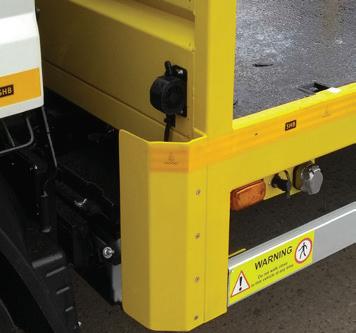
l
For 2023, Vision UK is offering safety equipment meeting the requirements of DVS, FORS and CLOCS schemes, to provide a higher level of assistance than is required by the guidelines 5
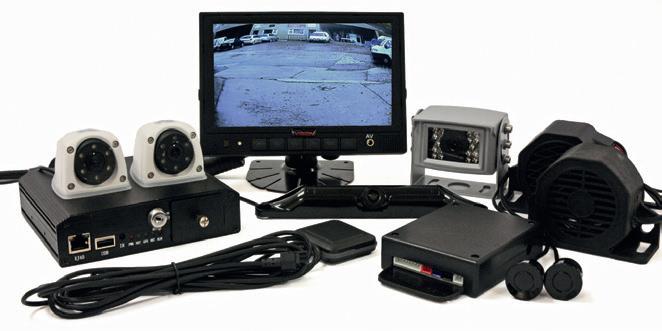
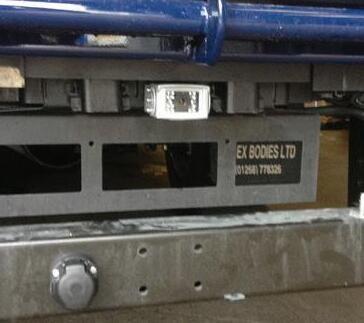
l CLOCS-70 system (system updated for 2020 with HD cameras
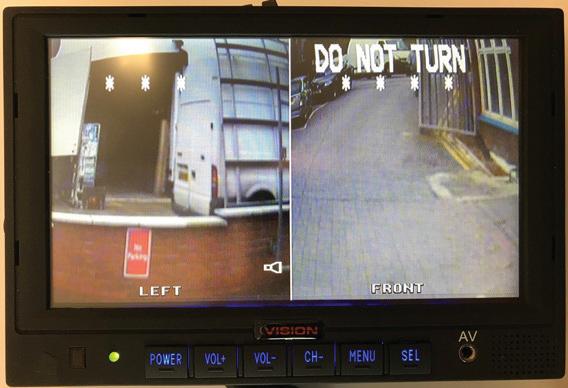










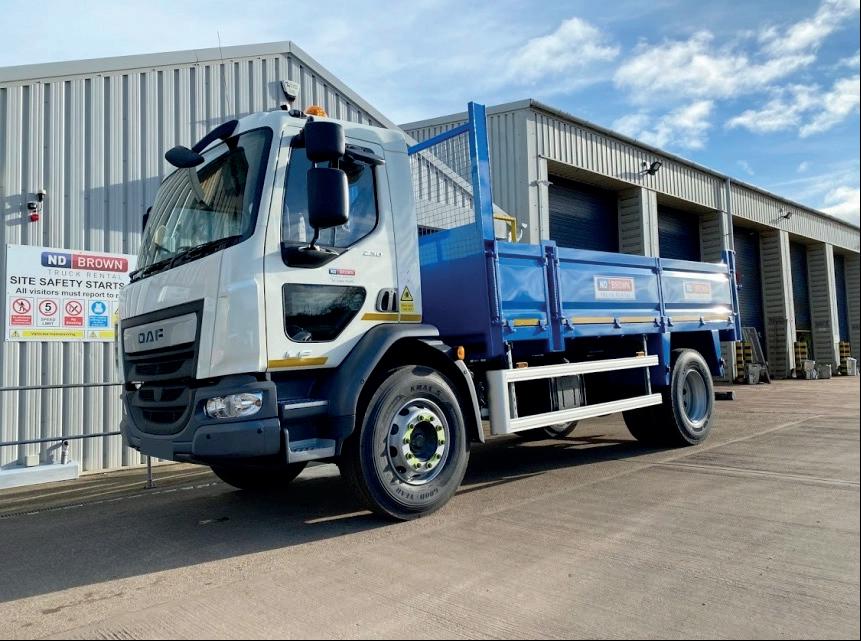








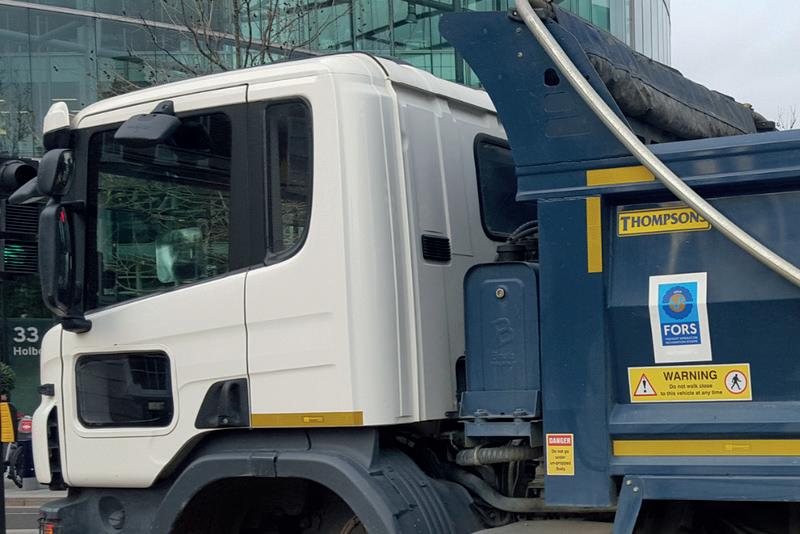
Mission Zero is the only alternative accreditation scheme officially accredited as equivalent to FORS Bronze, Silver, and Gold accepted by TfL, HS2, National Highways, and others.


pted by the Traffic Commissioners of Great Britain, on Zero’s full legal compliance audit protects your ator licence and business.


ned to the United Nations Sustainable ovides the most realistic framework sustainable transport operation.
no subscription fees for fleets under to over 70 free resources, it dable or simpler!
MGroup has reached a major milestone in its journey toward safer, cleaner and more responsible fleet operations, proudly securing Mission Zero accreditation.
As one of the UK’s leading essential infrastructure service providers, M Group operates across water, energy, highways, rail & aviation, and telecoms, supporting both public and private sector organisations. With more than 13,000 employees across 200 locations and major clients including HS2, Transport for London, and UK Power Networks, the business continues to demonstrate strong leadership in compliance and operational excellence.
As part of their commitment to continuous improvement, M Group undertook the Mission Zero accreditation process, a recognised quality standard for the road fleet sector, focused on safety, environmental responsibility and robust operational management. Following a detailed compliance audit, the organisation was awarded the accreditation, bringing its commitment to safety, sustainability and responsible fleet operations together under one unified standard.
Shaun Stephenson, Managing Director at M Group Plant & Fleet, described how Mission Zero aligns with the organisation’s values. He said: “M Group takes its duty of care seriously, towards our people, our supply chain and the wider public. Safe driving is critical for all road users and we’re focused on providing safe workplaces and robust systems for all our people. Mission Zero reinforces our dedication to continuous improvement, bringing our compliance approach in line with our core values.”
Reflecting on the accreditation process, Mick Lathrope, Senior Regional Transport Manager at M Group, added: “The audit process was straightforward and transparent. With the ability to upload evidence and policies to the
portal in advance, the audit focused less on locating documents and more on understanding our operations and the systems that support compliance.
I’d strongly recommend exploring Mission Zero accreditation, it’s a great way to demonstrate leadership in promoting best practice across the transport sector.”
Paul Grafton FCILT, Head of Compliance at Mission Zero, commented: “M Group’s achievement reflects what Mission Zero is all about, a commitment to safety, sustainability and continuous improvement embedded at every level of the organisation. Their collaborative approach and clear focus on doing the right thing for their people and communities set a real benchmark for others in the industry.”
Mission Zero congratulates M Group on this outstanding accomplishment. As the organisation continues to deliver vital national infrastructure, this accreditation reinforces its position as a leader in safe, sustainable, and forward-thinking fleet operations. ●
Mission Zero reinforces our dedication to continuous improvement, bringing our compliance approach in line with our core values
BELOW: Image representing M Group
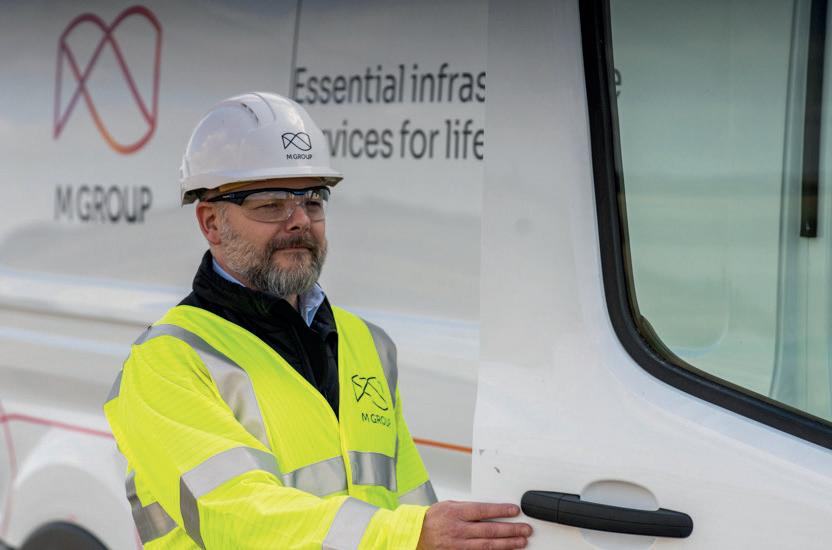
Gasrec, which supplies fuel for gas-powered trucks, has begun construction at its second large-scale, open access biomethane refuelling facility. Located near the M6 and M42, the site at Hams Hall is due to open in September.
The development will take place in two phases, initially providing capacity for up to 300 gas trucks to refuel on Bio-LNG every day. The site will be developed further as throughput increases – increasing the total capacity to 1,000 trucks daily.
Hams Hall is set to be the first of a new suite of public biomethane stations opened by Gasrec across the UK. Over the next two years, the business plans further facilities in Warrington, Avonmouth and other locations to be announced, to complement its existing flagship
site at the Daventry International Rail Freight Terminal (DIRFT), plus the numerous other accessible Bio-LNG facilities it operates.
In addition, Gasrec is looking to develop Bio-CNG offerings where appropriate, with these developments subject to local demand.
James Westcott, chief commercial officer at Gasrec, said:
“This state-of-the-art facility marks a step change in the direction of the Bio-LNG industry in the UK and will allow an increasing number of fleet operators to go green with confidence.”
The Hams Hall site will have seven Bio-LNG dispensers, with a modern fuelling system designed to allow more trucks to flow through the station at busy periods.
Bio-LNG and Bio-CNG sites, serving some of the UK’s largest fleets, including the likes of Asda, Tesco, John Lewis, B&Q, DHL and Ocado, as well as increasing numbers of small to medium-sized operators. ●
BELOW: Gasrec’s new biomethane refuelling facility
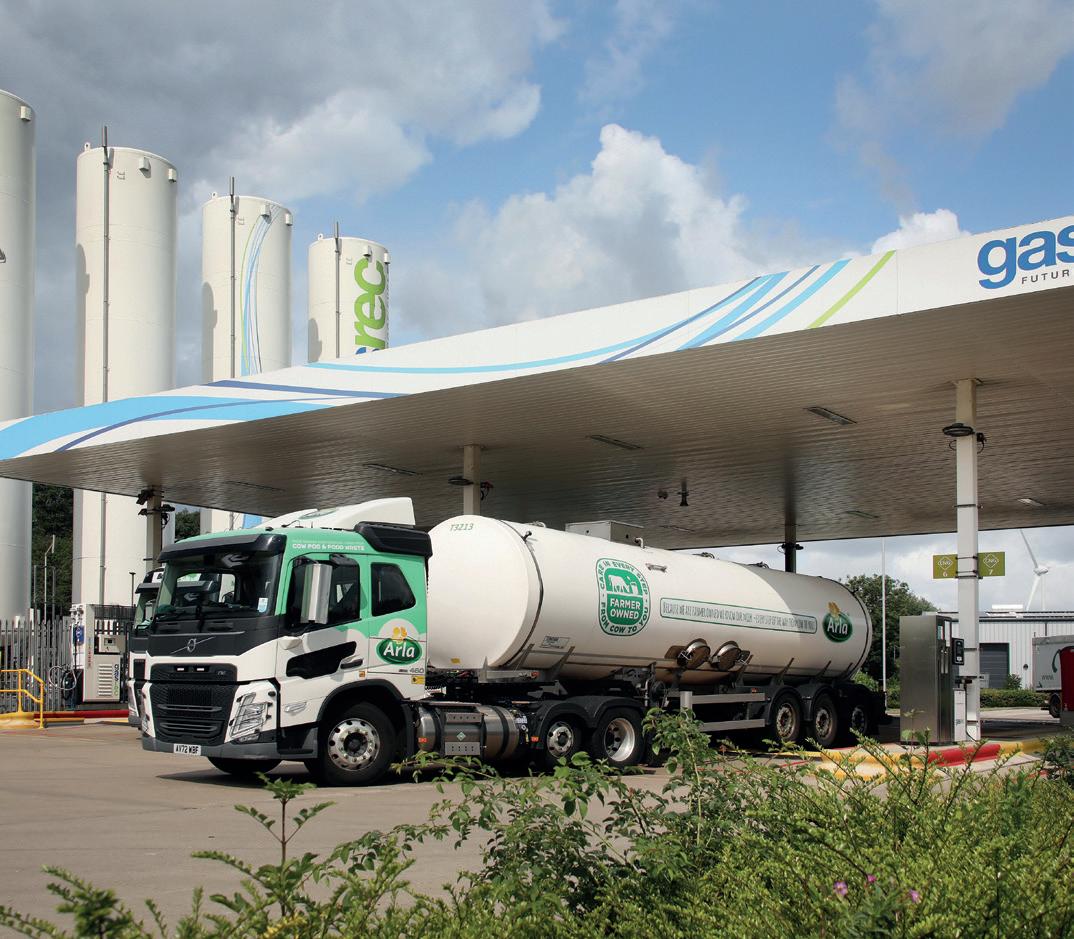
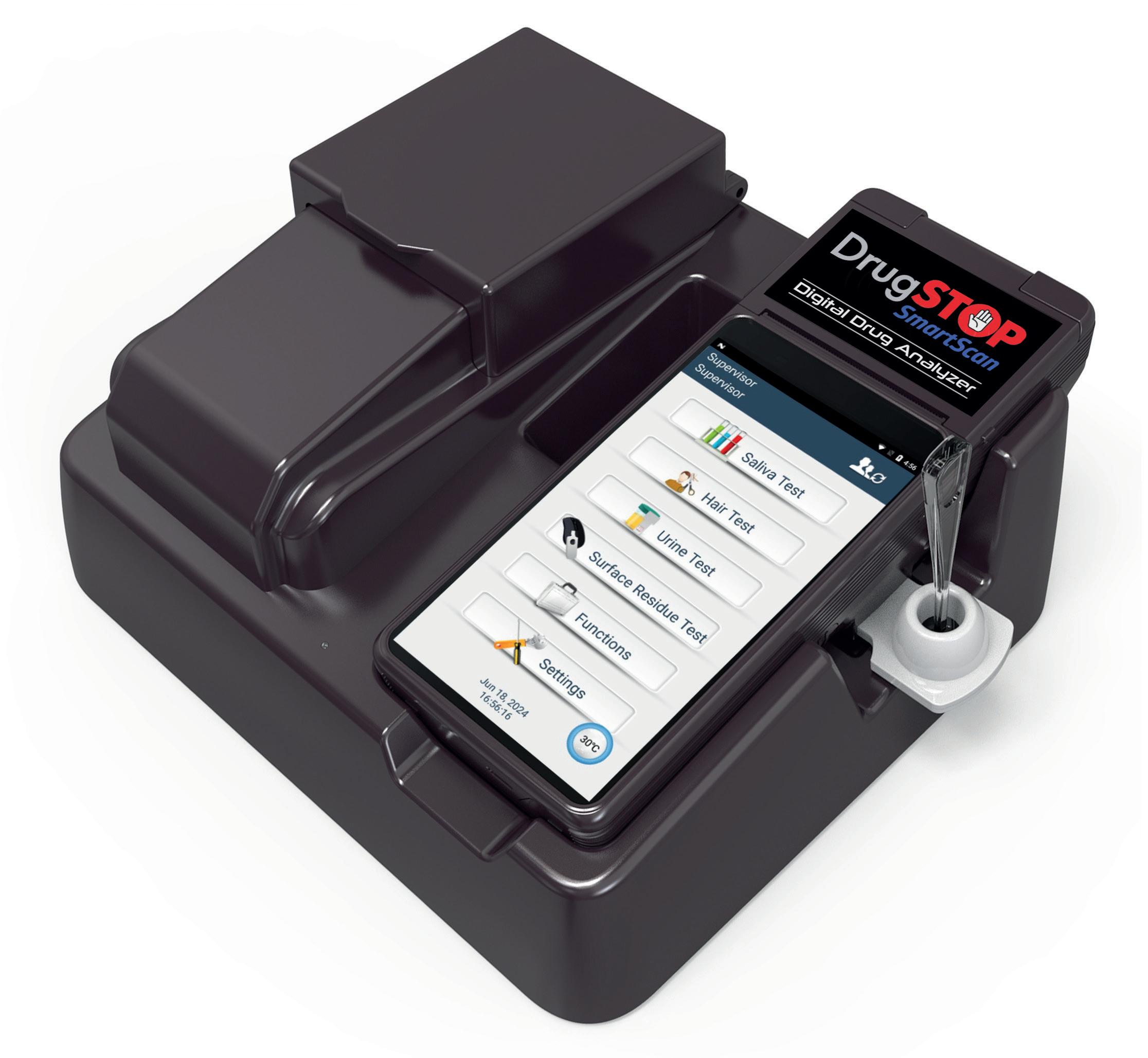






In an era of heightened regulatory oversight and corporate responsibility, drug testing has evolved beyond just pre-employment lifestyle testing into a cornerstone of workplace compliance.
As companies strive to uphold duty-of-care obligations and mitigate reputational and operational risks, innovative technology is redefining how testing is conducted. Leading this transformation is the new DrugStop SmartScan – a next-generation drug test analyser engineered to bring objectivity, transparency and efficiency to workplace testing programs.
Setting a new benchmark
The DrugStop SmartScan, the latest addition to the established DrugStop range, is a compact, portable digital analyser that delivers impartial, digitally analyzed results in the field. Addressing long-standing concerns around affordability, portability and result consistency, the SmartScan offers a practical alternative to traditional lateral flow testing methods which require human evaluation and often take substantial time to complete.
Previous digital devices such as the Draeger DT5000 have only been able to handle Oral Fluid, but uniquely, DrugStop SmartScan is compatible with saliva, urine, hair, AND surface residue samples. This now enables comprehensive digital testing across a variety of workplace contexts – from pre-employment screening to post-incident investigations.
Low cost
Despite its advanced features, SmartScan testing costs a fraction of existing systems, with
test kits costing less than a third of other digital alternatives and subscription packages which provide the complete system with no capital outlay whatsoever.
Built for compliance and audit integrity
A major advancement of the SmartScan is its ability to produce fully auditable, tamper-proof records. Each test is automatically logged with a timestamp, operator ID, GPS co-ordinates and a photographic image of the cassette, ensuring total traceability and regulatory defensibility. With internal storage for up to 100,000 results, and seamless data export and print capabilities, it provides the digital documentation compliance officers require to meet ISO and workplace safety audit standards.
Intelligent design meets practical performance Featuring a 5.5-inch touchscreen and intuitive interface, the SmartScan is as easy to operate as a modern smartphone. Integrated tools – including a camera, barcode scanner, fingerprint reader and thermal printer –streamline the testing process while maintaining rigorous data integrity. With police-grade sensitivity, a rapid sample collection time of under 60 seconds and the ability
SmartScan offers an optimal blend of speed, accuracy and reliability
to conduct up to 800 tests per full charge, the SmartScan offers an optimal blend of speed, accuracy and reliability.
Objective, not subjective analysis By automating result interpretation and removing human subjectivity, the DrugStop SmartScan records a verifiable audit trail for every single test. For organisations committed to maintaining high compliance standards and safeguarding workplace integrity, this device represents the future of professional drug testing. ●
alcodigital.co.uk
BELOW: DrugStop SmartScan – precision, accountability, compliance at an affordable price

Award winning fleet management software, trusted by thousands of companies across the UK From vehicle checks and grey fleet management to remote licence checks and GB Domestic hours, our all-in-one platform keeps you compliant. Everything you need to manage fleet safety and compliance, all in one place.

Driver's app
Drivers conduct their checks and report back using our easy-tooperate app




Fleet portal Comprehensive reporting for all vehicles and users in one location.

Licence checks
Conduct licence checks remotely using our innovative technology

GB Domestic Hours
Demonstrate your GB domestic hours compliance whenever needed












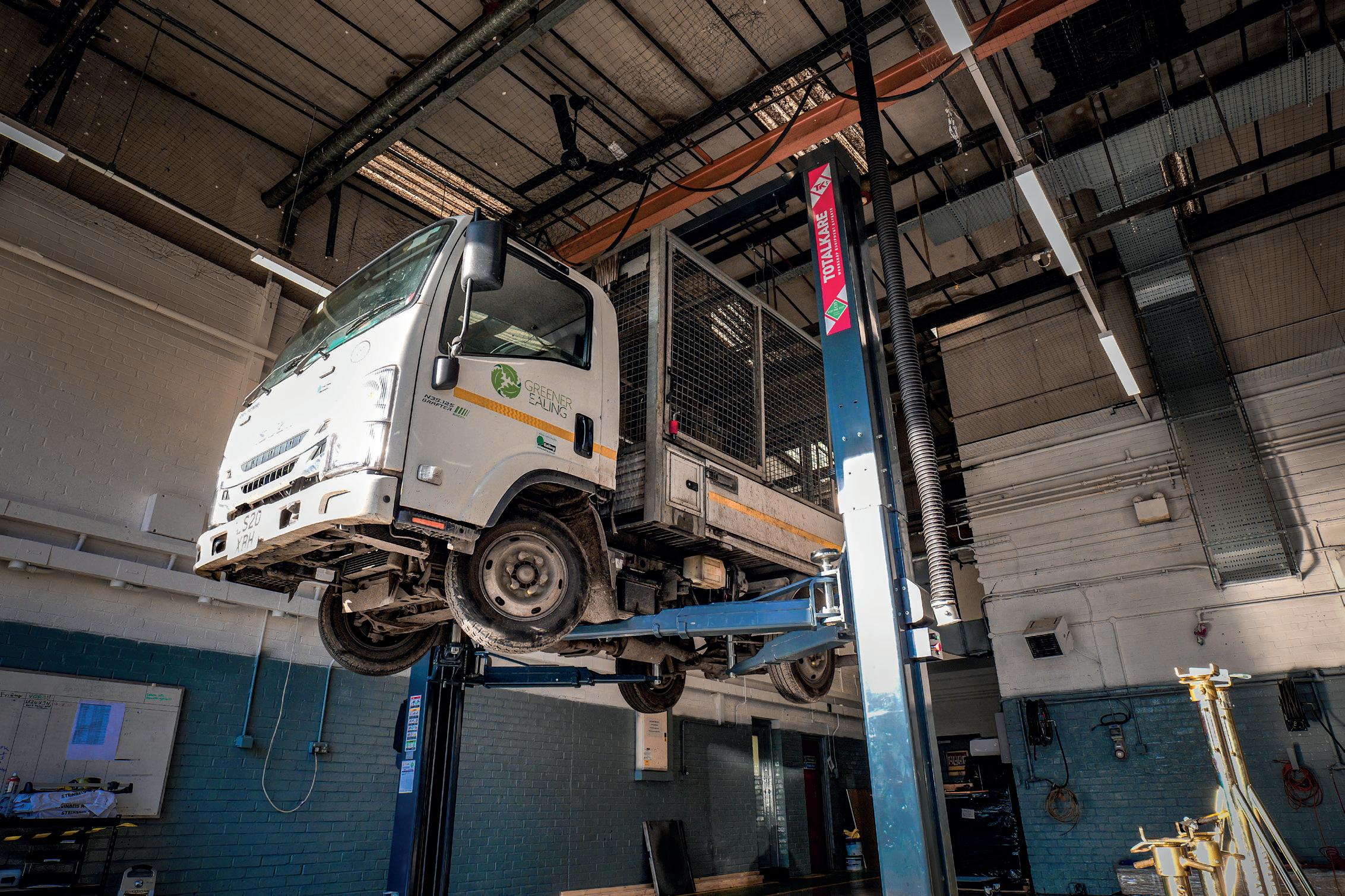
From column lifts to brake testers, tyre changers to wheel alignment, vehicle pits to oil management and almost everything in between, for workshop equipment, it really is Totalkare.
Protecting Lives. Preventing Incidents. Promoting Accountability.
The bebo Human Detection System is an advanced vehicle safety solution designed with one primary goal: to reduce the risk of serious injuries and fatalities in daily operations. How It Works:
By monitoring critical blind spots and high-risk zones, the system helps deter unsafe behaviour and reduce the likelihood of accidents.
While no system can eliminate all risks, this solution includes a builtin failsafe that can stop vehicle functions if serious safety threats are detected — adding a crucial layer of protection.
Key Components:
Hopper Camera – Monitors rear operations
Passenger-Side Blind Spot Camera – Covers areas drivers can’t see
Audible Sounders – Alert operators to potential hazards
Internal A-Pillar Monitor & Speaker – Real-time visual and audio feedback






Protect your fleet from costly bridge strikes
Powered by AI, GPS precision, and the UK Low Bridge Database, it gives drivers instant, accurate alerts — because knowing the road ahead means knowing every bridge in your path.




checking height — can result in fines, legal action, or loss of an operator’s licence.
BRIDGE STRIKES ARE PREVENTABLE.

BRIDGE STRIKES CAN SERIOUSLY IMPACT FLEET SAFETY, OPERATIONS, AND COSTS.

Did
SCAN TO LEARN MORE