Sometimes it’s a thoughtful remark made during a casual conversation that sticks with you for months. At one of our fall events, a parent of a Light House filmmaker made an effort to tell me that Light House was being mentioned in their child’s college application essays and more specifically, collaboration, an inevitable part of the filmmaking process, was highlighted. Having participated in workshops for many years, including both the SFA two-week HS narrative workshop and the Adrenaline Filmmaking Project, collaboration is what the student chose to emphasize about their experience with LH.
Most of you know that the Light House team believes in the importance of “soft skills” including creativity, empathy, critical thinking and yes, collaboration. Post workshops, we ask our students and parents to report on improvements in these areas. Students often tell us that collaboration is the most difficult skill of them all because it’s not easy to compromise when it’s your idea. We have always said that we do not expect every student taking a Light House workshop to become a filmmaker. This is not our goal. But we do believe that the skills students learn beyond technical filmmaking will carry relevance throughout their lives.
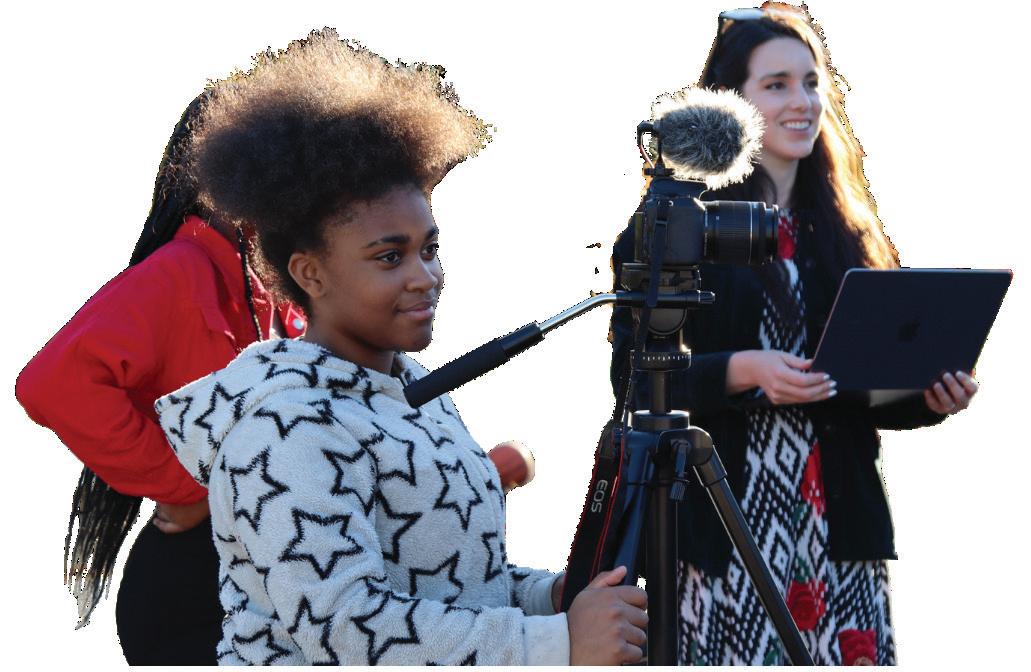
I love seeing students work together towards a common goal and this is exactly what high school students in our Summer Film Academy Animation workshop did. According to teacher Will Goss, these students barely lifted their heads during the two week/60 hour workshop. They successfully divided sections of the film utilizing different animation techniques and the end result is exceptional. The film has already been accepted to 4 film festivals winning 2 awards. I’m happy that these students will not only have a lasting tangible product but I feel certain they will remember this experience forever.
Collaboration is also an important part of the Light House business model. Our mission statement states “Light House Studio equips young people with the skills and confidence to tell their stories and build community through collaborative filmmaking…”. Our DEI statement states the importance of our community partners as we recognize that we work with them “to create access to cinematic arts through films and filmmaking, amplifying stories to foster connection and, for a moment, experiencing the perspectives of others”.
Since Light House’s inception, we have continued to expand our community partners and this year we collaborated with 69 schools and nonprofit organizations listed in this report. Thanks to our partners, we get to teach more young people in our community and we amplify the good work that they are doing including climate change, emotional and mental health support, gun violence prevention, among many other important causes.
We are grateful to be part of the Charlottesville community. And we are grateful for you,

Deanna Gould
Executive Director

Will Goss Creative Director
Kristen Dillehunt Operations Director
Zack Marotta Education Director
Deanna Gould
Executive Director
Rachel Lane
Programs Director
Kayla Saunders
Teaching Specialist
Lindsey Hepler
Engagement Director
Jalia Dillard
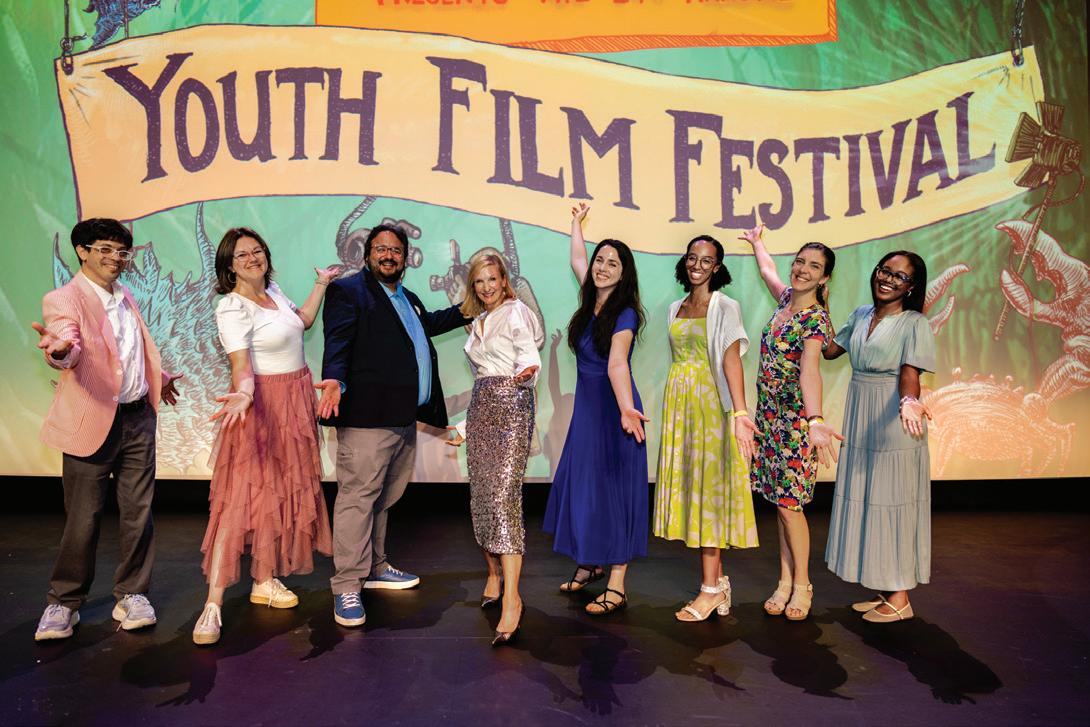
LOCAL NONPROFIT PARTNERSHIPS
69 34 FILM FESTIVAL AWARDS 24 66%
400 COMPLETED FILMS
FILM FESTIVAL ACCEPTANCES OF STUDENTS ATTEND FREE OR WITH REDUCED TUITION 1,514
96% 94% 96%
STUDENTS IMPROVED CREATIVITY STUDENTS IMPROVED COLLABORATION STUDENTS IMPROVED STORYTELLING
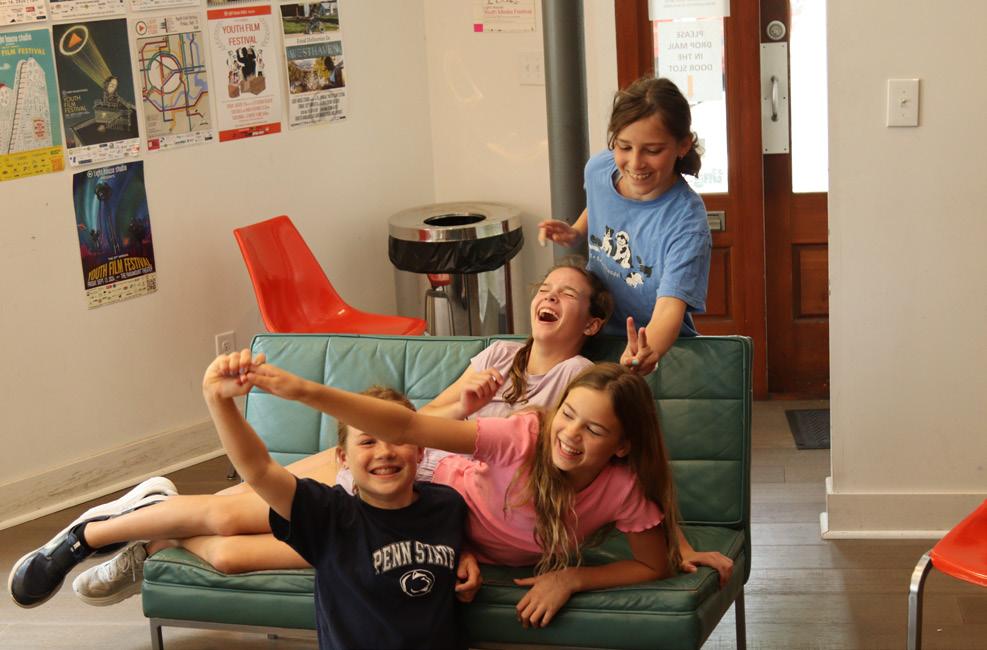

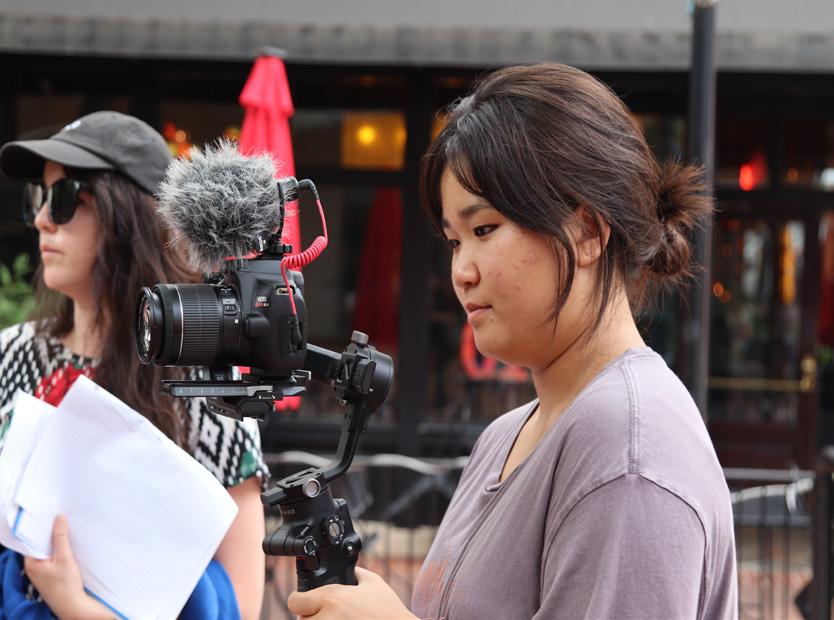
Light House expands access to arts education for young people through in-school, after-school, and summer workshops. Our goal is to remove barriers to access by teaching any interested student, regardless of their ability to pay.
Since 2003 Light House has conducted free-to-participant filmmaking workshops with nonprofit partners throughout Charlottesville. Our programs encourage self-expression; give under-resourced youth an opportunity to share their diverse perspectives; facilitate collaboration with other local nonprofits and among youth from different areas of our community; and teach technical film skills in addition to transferable soft skills essential for college and the job market.
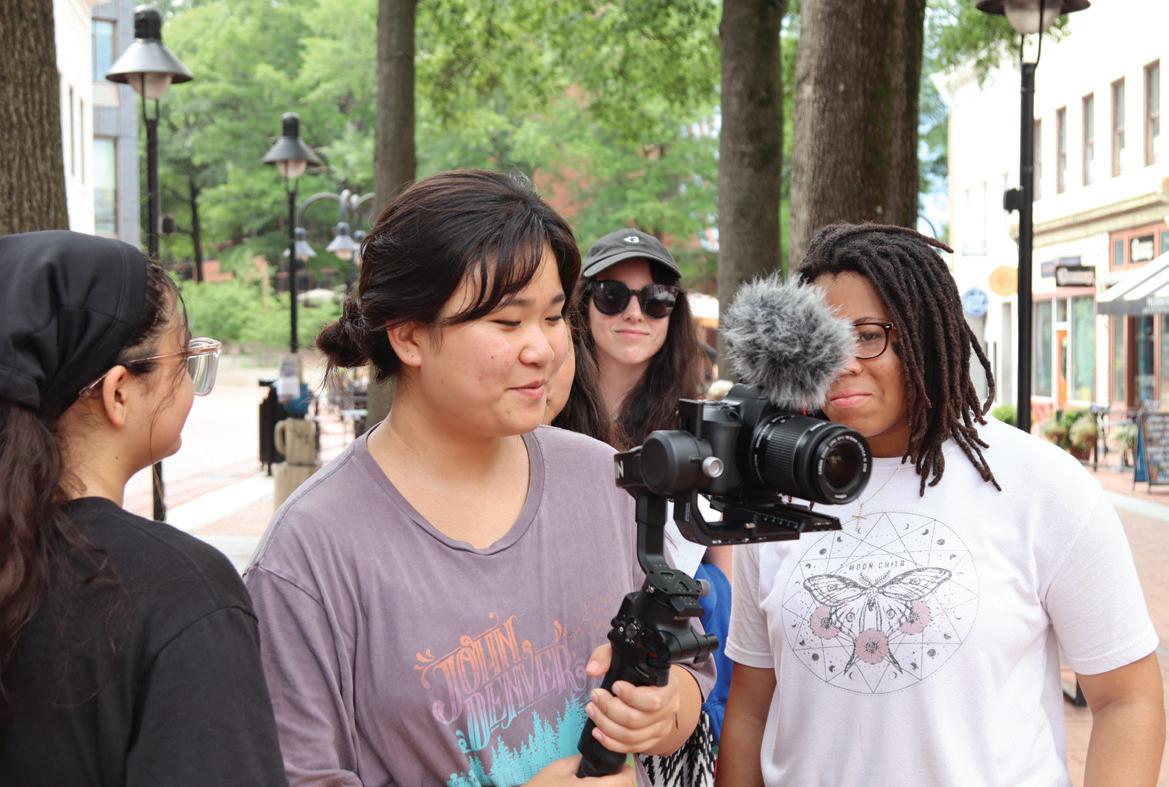
Light House teaching artists go into area public and private schools to teach hands-on filmmaking workshops during the school day. We guide students on how to mix their school subjects with collaborative filmmaking and support teachers in implementing project-based learning.

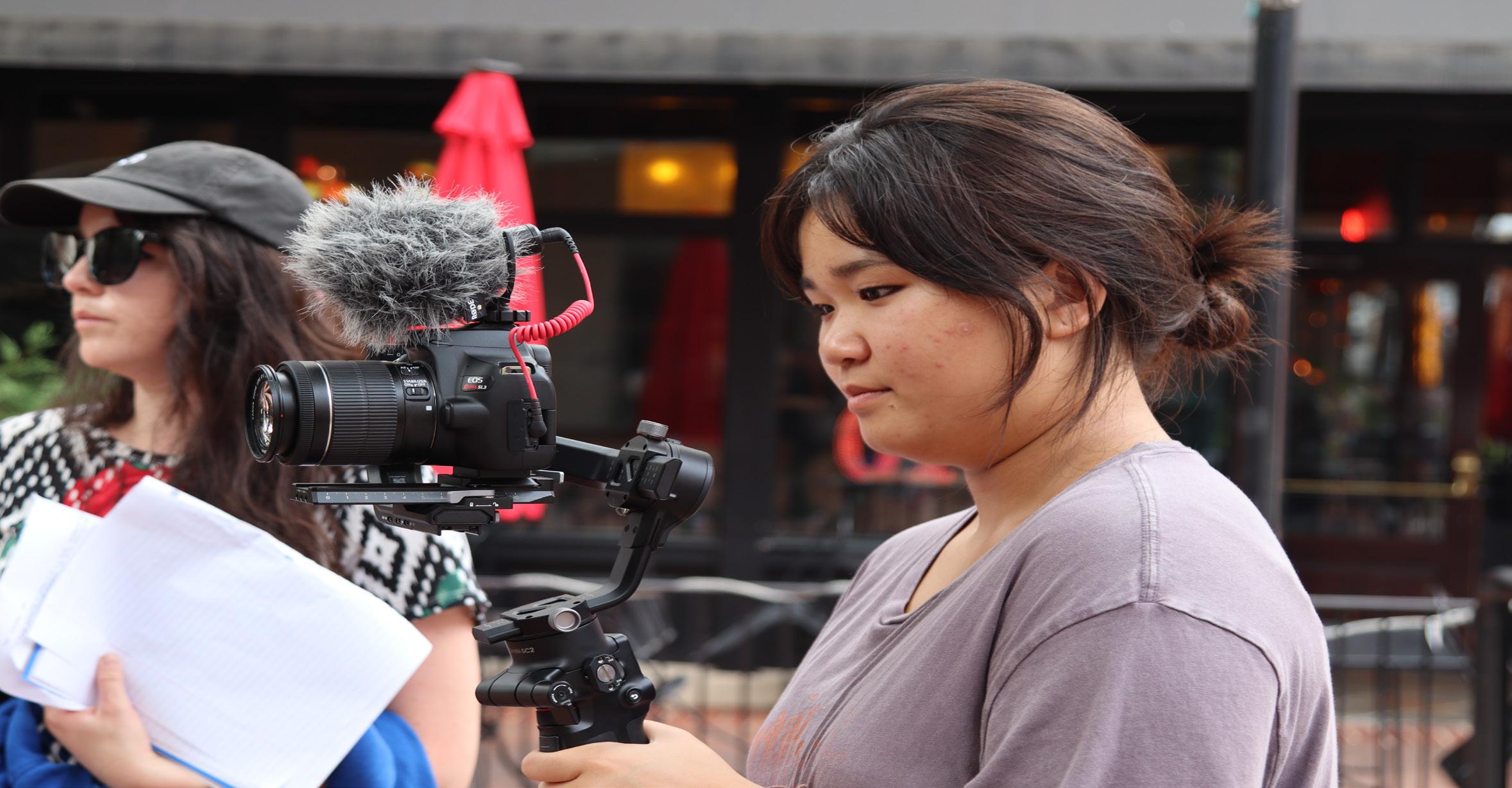
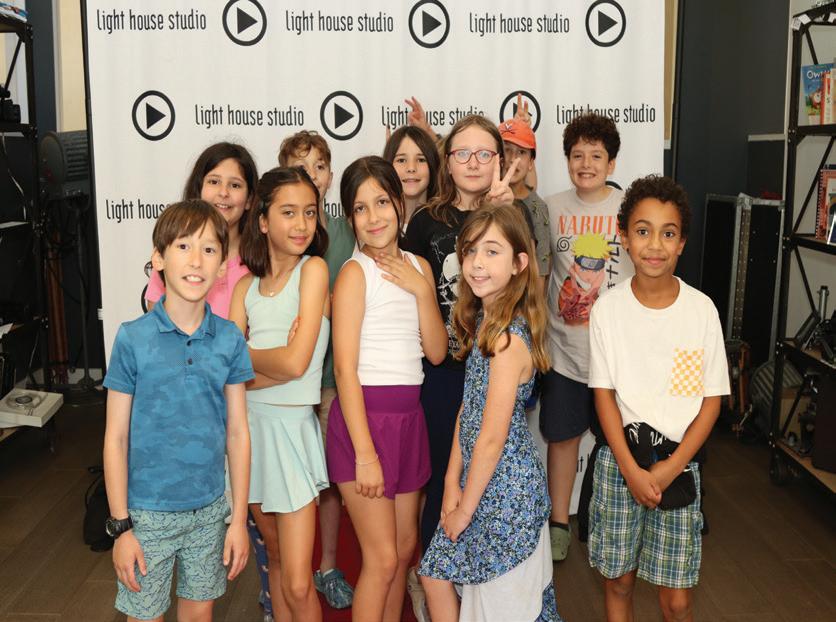
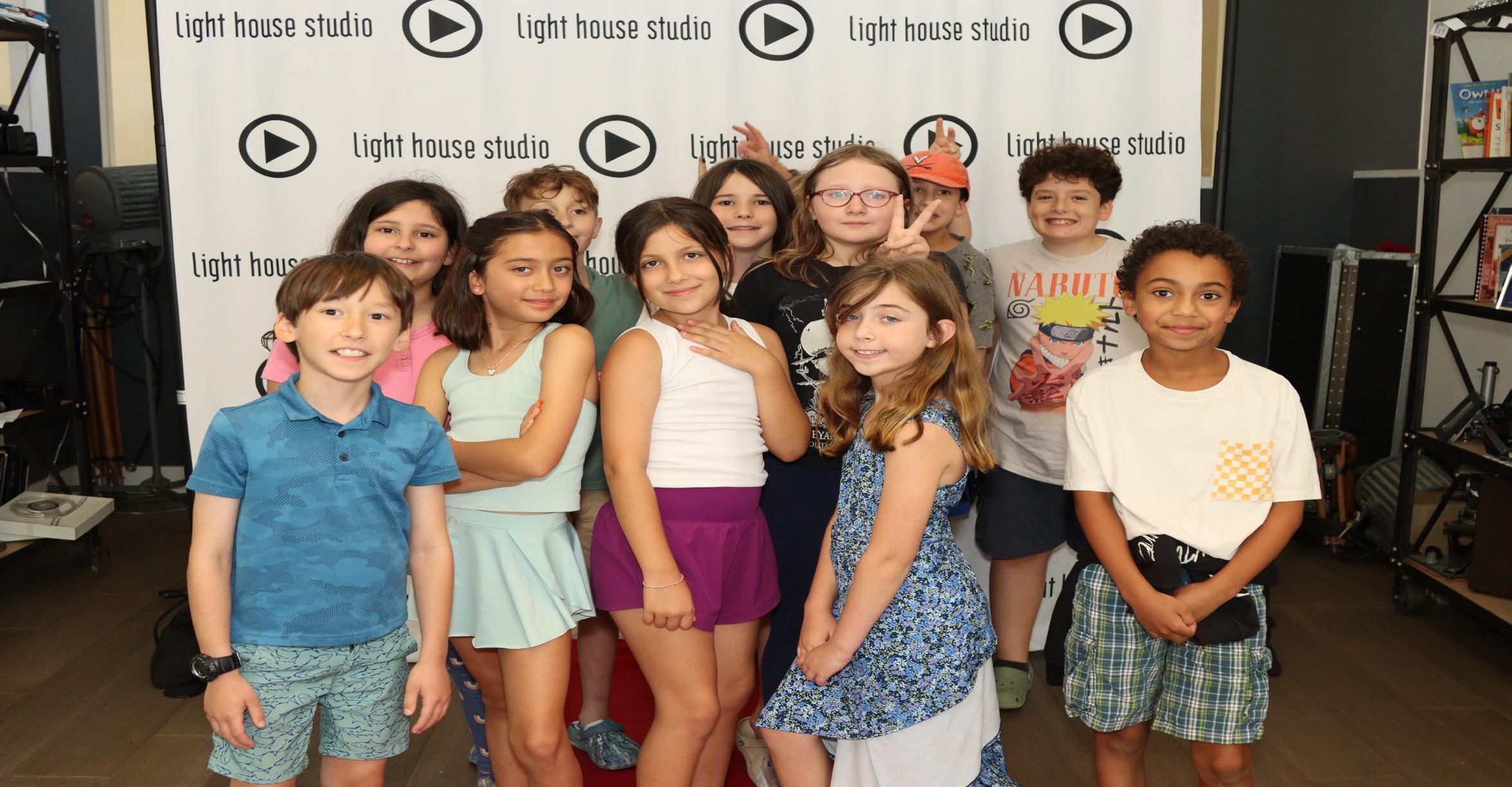
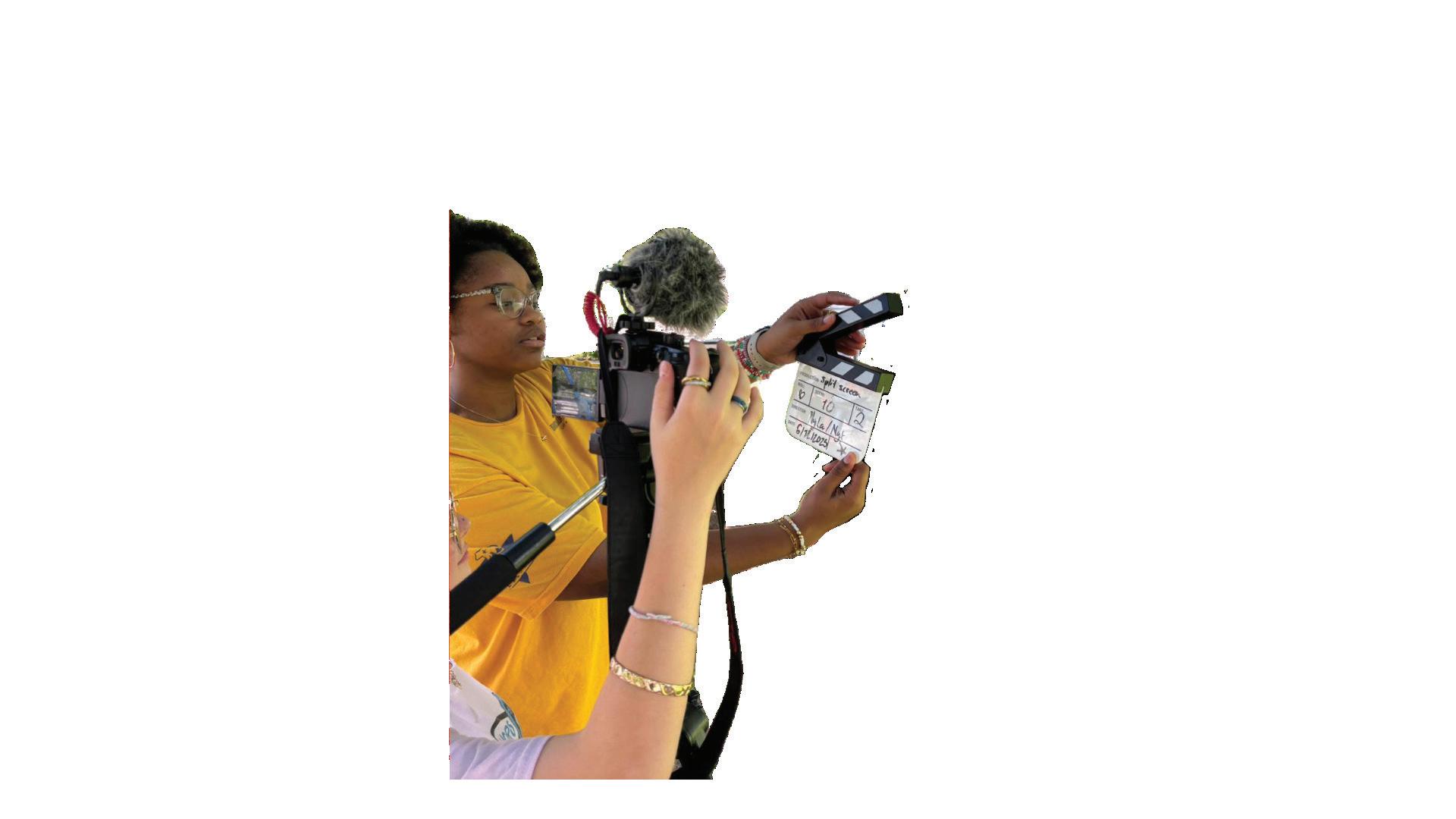
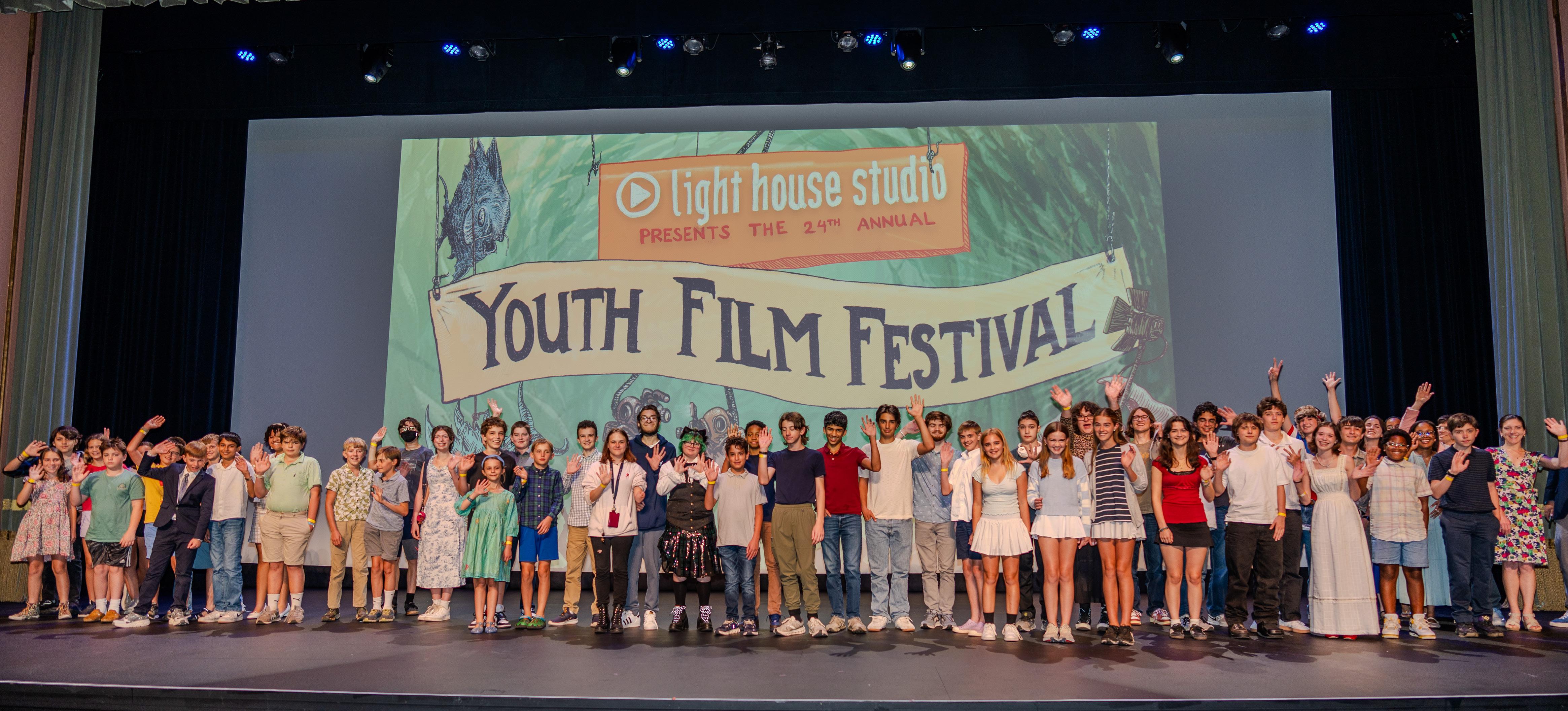
For over 20 years, Light House Studio has offered filmmaking workshops for High School, Middle School, and Elementary School students. We teach the basics of filmmaking, advanced skills, specialized topics, and more. Every workshop concludes with a family and friends red carpet screening at the Vinegar Hill Theatre. Fundraising efforts support tuition assistance/financial aid in order to ensure that all interested students are able to access these programs.
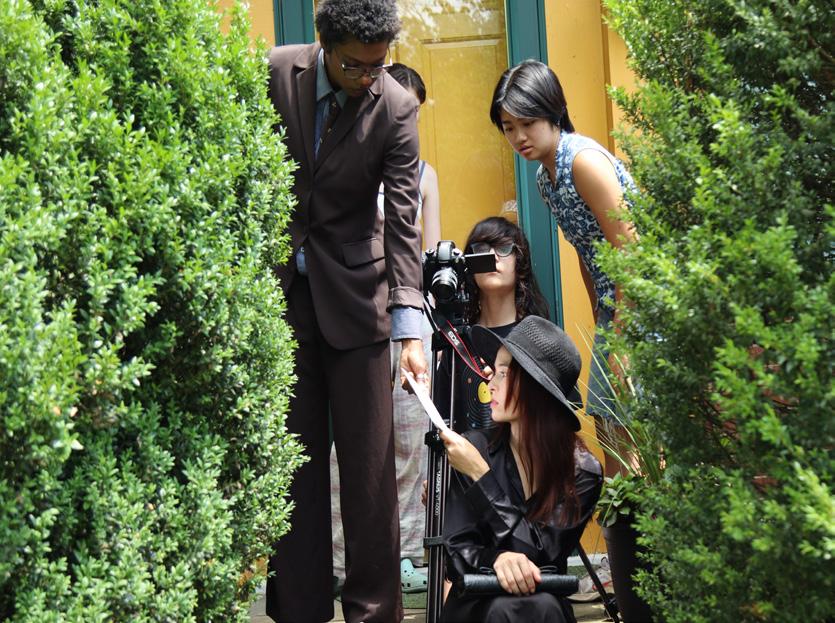
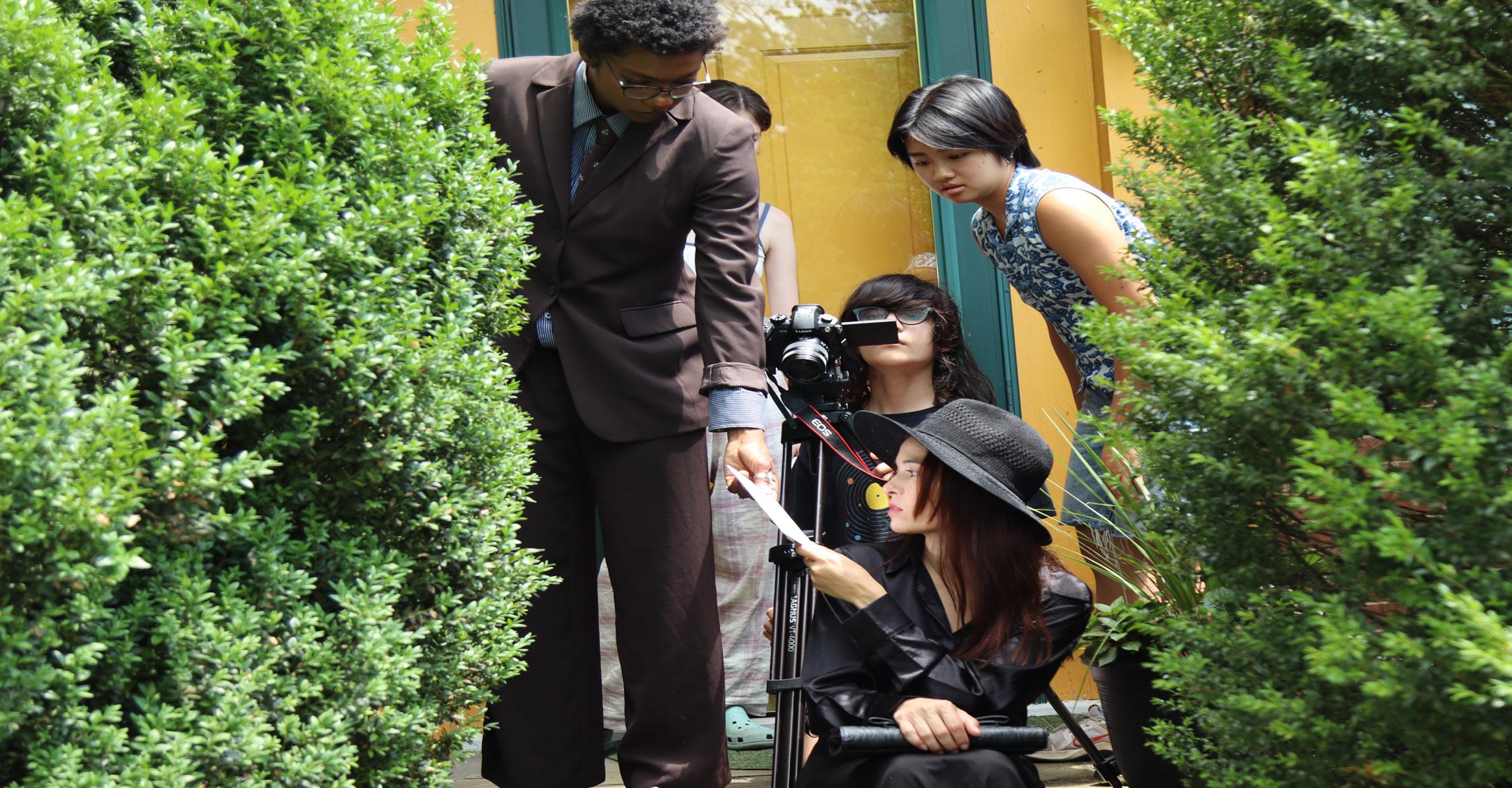
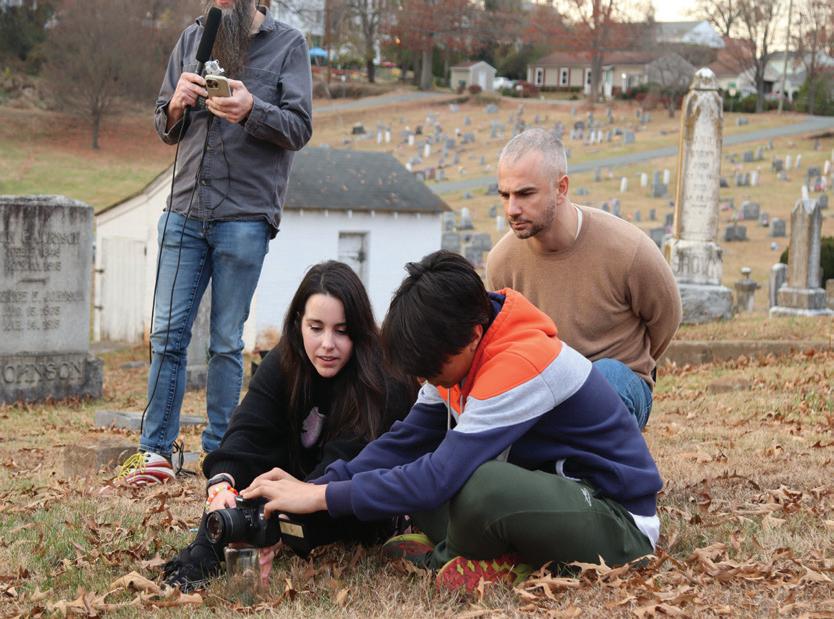
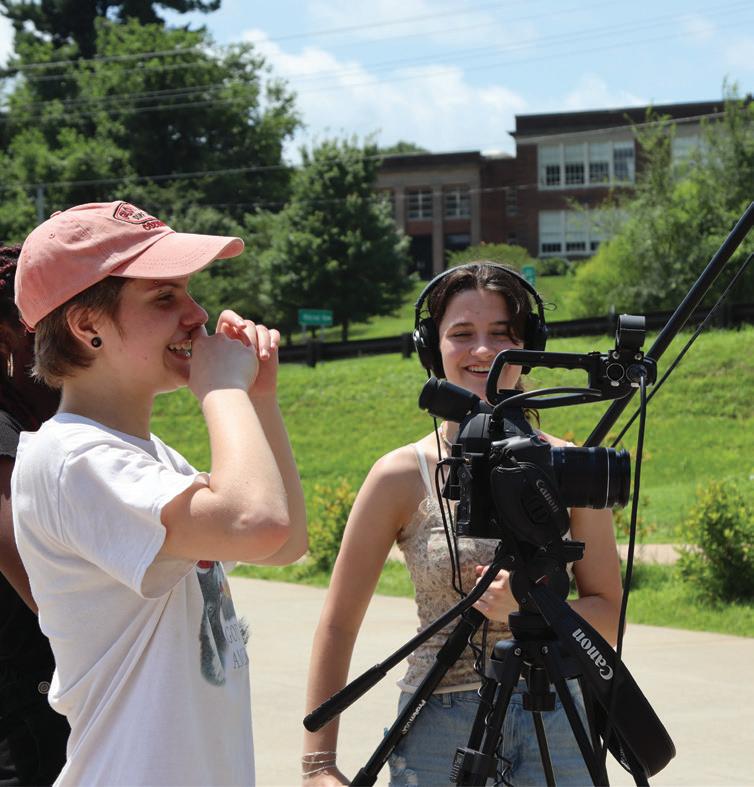
Our Community Partnerships also include the creation of signature films that use film as a means to explore social issues. Our Freelancers Program support this work. Experienced Light House teen filmmakers help create films for area nonprofits and businesses. Students pitch ideas, write a script, storyboard, film, and edit the final project, which is shown at live screenings, online, and on local television. Recent partners include Peace Up, Guns Down; Reclaimed Hope Initiative; Democracy in Dialogue with Virginia Discovery Museum (In partnership with the Smithsonian Institution); Speak Your Truth, with UVA TYDE and UVA Psychology; Sin Barreras/Cville Sabroso Festival; United Way, Day of Caring.
AFP is a 72-hour filmmaking workshop in which 10 teams (high school through adult) compete for cash prizes by writing, shooting, editing, and screening their own 3-5 minute films with guidance from mentors from across the industry. Teams are assigned a genre, line of dialogue, and mystery prop to incorporate into their short films. The project culminates in a screening of the films at the Vinegar Hill Theatre along with an awards presentation. Previous winners have found success in their acceptances to film schools, submissions to Sundance, involvement in the industry, and with starting their own production companies.
Abundant Life
Albemarle Campus Boys & Girls Club
Albemarle Housing Improvement Program
Albemarle HS Eco Club
Big Blue Door Improv Show*
Black Love Symposium
Blue Ridge Juvenile Detention
Burley Middle School
Center 1
Central Virginia Community Support Fund
Charlottesville Day School
Charlottesville High School AVID
Charlottesville High School Urban Farming
City of Charlottesville Office of Human Rights
Community Climate Collaborative*
Community Homeschool Enrichment Center
Creative Mornings
Cville Renewal Energy Alliance
Elk Hill School
“Fall Fest” Independent Film Festival
Four County Players
Front Porch
Henley Middle School
Hummingbird Fund
Indie Short Film Festival
Inequality Media Civic Action
International Rescue Committee
Ivy Elementary
Journey Middle School
Lafayette School
Live Arts
Lugo McGinness Academy
Mountaintop Montessori
Music Resource Center
Peabody School*
PEGGLLLLab, UVA Batten School
Piedmont Family YMCA
Reclaimed Hope Initiative*
Region Ten
Rivanna Conservation Alliance
Robertson Media Center at UVA Library
Shenandoah National Park Trust*
Sin Barreras
Slasher 15 Productions
Southwood Boys & Girls Club
St. Anne's-Belfield School*
Tandem Friends School
Tech-Girls
United Way
UVA Center for Community Partnerships, Starr Hill Pathways
UVA Department of Sociology
UVA Department of Special Education
UVA School of Medicine
UVA TYDE (Thriving Youth in a Digital Environment)
Victory Hall Opera
Village School
Virginia Discovery Museum
Virginia Festival of Book
Walker Upper Elementary School
Welcoming Greater Charlottesville
Western Albemarle HS Eco Club
*Multiple programs
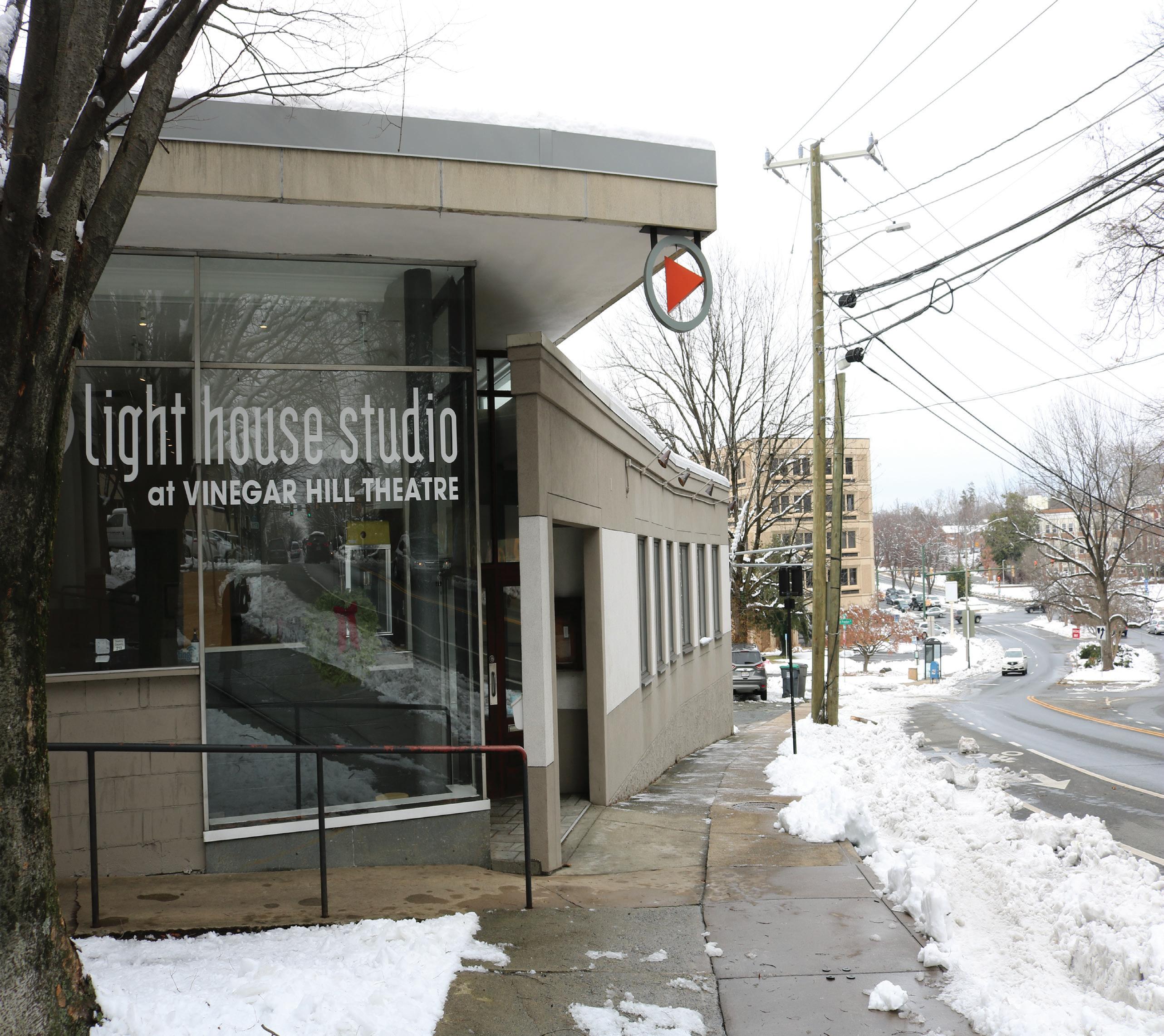
Opened in 1976 by Chief Gordon and Ann Porotti as a classic movie venue, Vinegar Hill Theatre’s (VHT’s) name honors the Vinegar Hill residents who lost their homes when the historically black neighborhood was program. After the theatre closed in 2013, Light House was able to purchase and renovate the space as a teaching studio for youth filmmaking and a fully operational cinema. We chose to keep the theatre’s original name and to operate VHT as a community theatre that explores important topics and brings people together.
razed in 1964 as part of a Charlottesville-led redevelopment
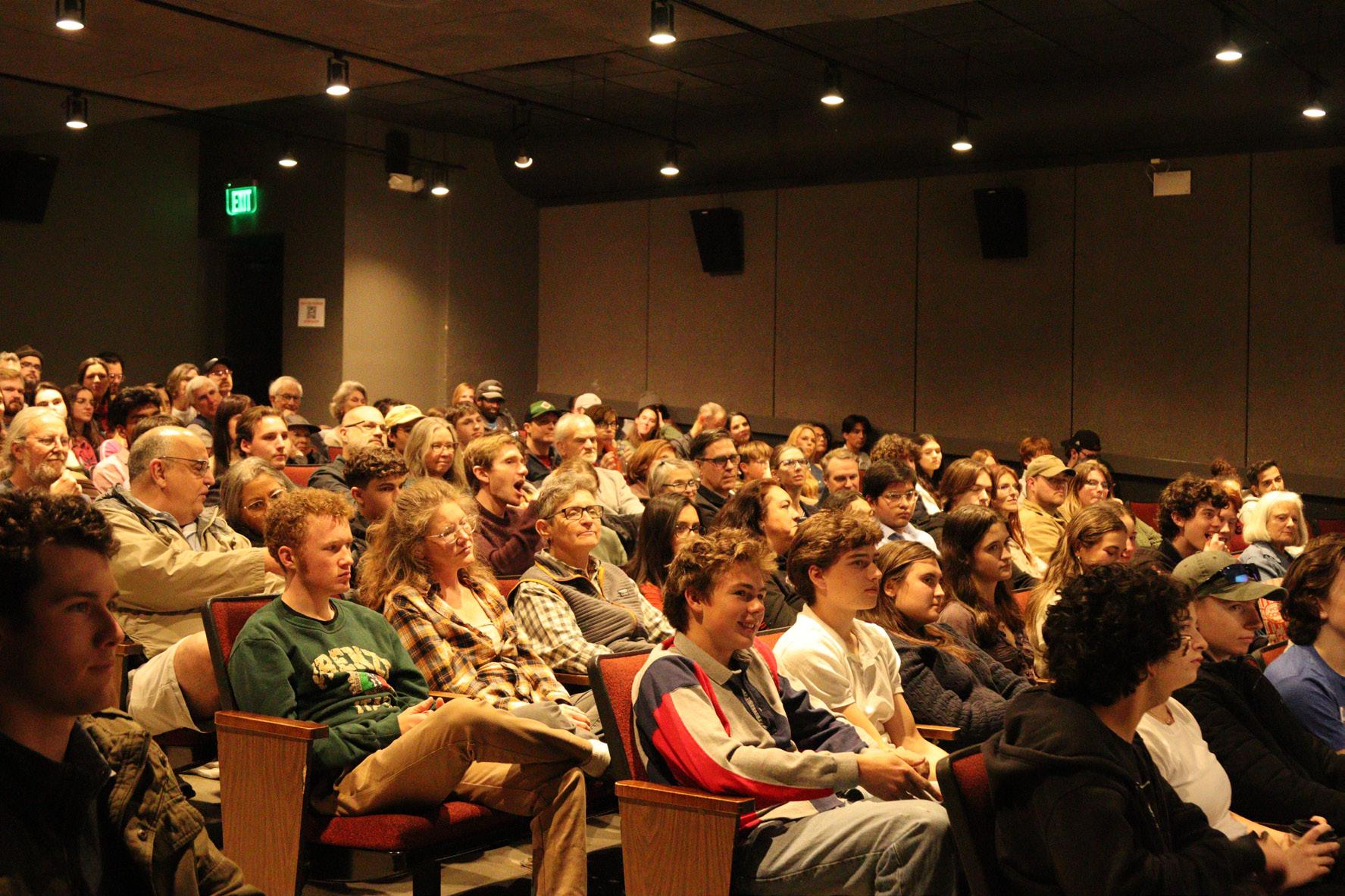
VHT serves our community by continuing to operate as a locally owned, independent cinema. It provides a versatile, 183 seat venue for film screenings and discussions; offers discounted or free rental fees for schools, organizations, and small businesses; and screens student films created by our local youth. We offer community event space while leveraging film as a tool for communication and a catalyst for discussions over issues of gender, race, the environment, and ways to improve our local area. We screen quality, thought-provoking films – many of which don’t typically screen in Virginia – to create a sense of community connection.
In 2026, Vinegar Hill Theatre will be celebrating its 50 year anniversary!

FESTIVAL
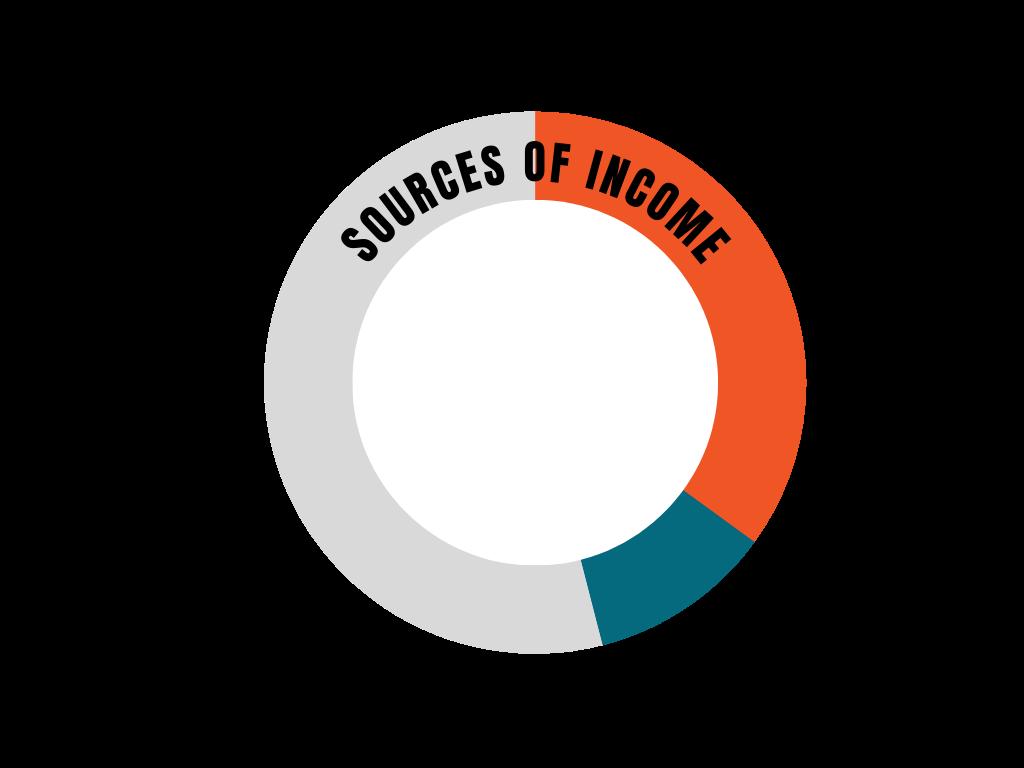
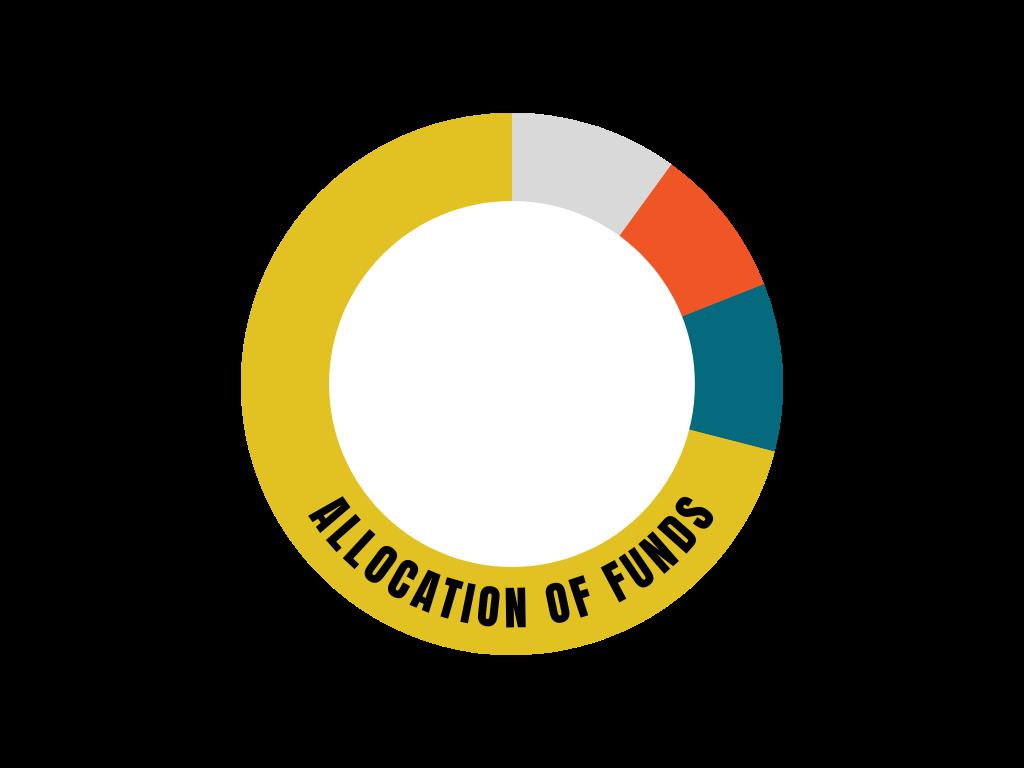
Donations and Grants help to fund our 65+ community partnerships each year. LH finds funding for 80% or more of our community partners, which ensures that all young people have access to our award-winning filmmaking programs. We offer tuition assistance for all of our programming. Grants help us to maintain our state-of the art filmmaking equipment library; care for the studios and theatre; and manage other associated costs of running Virginia’s nonprofit filmmaking center.
Executive Director
Albemarle County
Anne & Gene Worrell Foundation
Batten Family Fund*
Botwinick - Wolfensohn Foundation Inc.
City of Charlottesville Vibrant Community Fund
The Joseph and Robert Cornell Memorial Foundation
Hilltop Foundation
Manning Family Foundation
National Endowment for the Arts
PYMWYMI
Rea Charitable Trust
Virginia Commission for the Arts
Wardle Family Foundation
Jenn and Frank Winslow
Anonymous
Producer
Dr. John F. Angle
BamaWorks Fund of the Dave Mathews Band*
Beck Cohen
Colby Hall and Ben Heller
Anne and Thad Jones
Karen Moran and Wistar Morris Family Fund*
Kelley MacDougall and Mike Pausic
Murlan Foundation
Winston Salem Foundation
Anonymous
Director
Jackie and Jay Ashton
Katharine B. Birdsall Fund
Katherine Brooks and George Beller
Bluebird Window Cleaning
Rachel and Greg Brozenske
Pam and Frank Edmonds
Stuart and John Ellis
The Farmly Fund
Heiner Family Fund
L.E.A.W. Family Foundation, Inc.
Nina Ratrie
Beth and Hunter Reichert
Scarpa
United Bank
Virginia Film Office
Washington Square Films
Woodard Properties
Cinematographer
Alexander Nicholson
Elizabeth and Greg Allen
Carrington Alvarez and Shreve Ariail
A Pimento Catering
Carolyn and David Beach
Jennifer Beckwith
Birdsall Family Fund
Tamar Glaser and Larry Blanford
Bricks and Minifigs
Catherine and Tyler Brown
Janet Bruce
Holly and Ed Casey
Catherine Dee
Sally and Bob Duncan
Eastwood Farm and Winery
Frank Hardy Sotheby's International Realty
Deanna and Tim Gould
Cassie and Carrington Guy
Amy and John Harris
Christy and Tom Hickey
Higgins Family Charitable Fund
Meg Hoover
Hoskins Family Fund*
Cathy and Chris Kramer
Audrey and John Lewis
Editor
Albrecht Landscaping
Eugenie and Rob Atherton
Ellen and Bob Beard
Reina Oostingh and Chuck Braley
Janeen Brimacombe
Brookfield Bocock Fund*
Kara and James Cox
Crutchfield
C-VILLE WEEKLY
Jocelyn Diaz
Therese Elron
Dana and Peter Harris
Alexis Ryan and Lex Hrabe
Helen Hilliard
Indie short Film Festival
Karin Little Jones
Toni Kim
Jill and Patrick Lerner
Kitt Mattingly
Margaret and Chris Noland
Sarah Gray and Ned Parrish
Bitsy and Tom Quist
Renaissance School
Robinson, Farmer, and Cox Associates (RFC)
Risa Goluboff and Richard Schragger Charitable Fund*
Angela Adkins Singh
Jane-Ashley and Peter Skinner
David Speedie
Andrea and Reidar Stiernstrand
Kristin Cummings Streed
T&N Printing
Elizabeth Turner
Loring Woodriff Real Estate Associates
Jessica Nagle
Paramount Theatre
Rick Preve
Martin Horn
Quantitative Investment Management
Jen and Bryan Slaughter
Tandem Friends School
Tanner-Chitwood Family Fund
Christina and Tee Teague
Virginia National Bank
WOLF ACKERMAN
Anonymous
*Charlottesville Area Community Foundation
Assistant Director
Brandy Bridges
Karen Brooks-Fox
Katie Cowen
Pati and Allen Cunningham
The Irvine Family
Anna Magee
Derek Sieg
Nicole and Ashley Snyder
Chad and Angela Sokolowski
Elsie and Mac Thompson
Alyssa Weir and Stephen Yoder
Cate and David Zahl
Grips
Arcane Technologies
Carey Bailey
BJ and Joe Barnes
Cassandra Barnett
Katherine Kimbrell and Kenneth Barron
Katherine Beard
Elizabeth Beauvais
Bodo’s Bagels
Olivia Branch
Deborah Hellman and Derek Brown
Valerie Carfagno
Rosamond Casey
Maria and Bob Chapel
Melissa Collier
Annie Way and Warren Craghead
David Erwin

Equity Financial Services
Sue and Harry Frazier
Andrew Geller
Tarpley and Scott Gillespie
Anne Hall
Lisa Wittenborn and Steve Hoover
Jack and Hillary Horn
Andrea and Brian Hubbell
Emmad Kabil
Connie and Jason Kapp
Neal Kassell and Meredith Woo
McCrea and David Kudravetz
Jennifer and Matthew Lazzara
Zanne MacDonald
John McAllister
Meg and Noell Michaels
Diane Millikan
Lucy Montalvo
Kristina O'Connor
Cara Jean and Brian O’Neal
Beatrix Ost
Taylor Rolt
Ann and Dennis Rooker
Lane Ritter and Scott Ruffner
Miller Susen
Nell and Steve Tharp
Alison and Andrew Towns
Ellen and Paul Wagner
Damon Woods
Karen Zimet
Sharon Zuber
*Charlottesville Area Community Foundation