SKILL FOCUS
UNIT Letter patterns Morphology Etymology
1 plural suffixes: -s, -es
Homophones/ Confusing words Topic words
WORD LIST
viruses, geniuses, biases, stitches, mattresses, quizzes, sandwiches, scarves, valleys, chimneys, factories, priorities, handkerchiefs, volcanoes, fiascos
2 irregular plurals non-English root words homograph: analyses cacti, fungi, stimuli, syllabi, analyses, theses, parentheses, crises, lice, oxen, antennae, larvae, bacteria, series, species
3 -ful, -less scornful, skilful, wilful, resentful, deceitful, delightful, suspenseful, successful, plentiful, priceless, faultless, flawless, regardless, ruthless, reckless
4 words ending in ment -ment, -dom, -ship, -ion instrument, experiment, implement, achievement, equipment, advertisement, boredom, wisdom, hardship, sportsmanship, censorship, insertion, hesitation, collision, aggression
5 words ending in ous -ous Latin and French root words curious, conscious, anonymous, victorious, luxurious, contagious, marvellous, venomous, ridiculous, mischievous, hideous, courteous, courageous, outrageous, miscellaneous
6 REVISION
7 ch -logy Greek root words echo, scheme, chemist, monarch, scholar, chaos, chronic, chlorine, headache, architect, mechanic, technology, orchestra, archaeology, arachnophobia
8 -al, -ic, -ally adverbs of frequency mineral, medical, occasional, official, hysterical, historical, artificial, identical, exceptional, eventual, tragic, automatic, sympathetic, aquatic, rhythmic
9 -able, -ible word families illegible/eligible reliable, capable, adorable, available, comfortable, miserable, valuable, horrible, terrible, sensible, flexible, impossible, invisible, eligible, illegible
10 double consonants current/currant, assess/excess occupations opposite, different, applause, intelligent, excess, apparent, accidental, immediate, occupation, exaggerate, community, parallel, cannibal, innovative, affectionate
11 acronyms, blends, eponyms scuba, radar, sonar, laser, smog, heliport, lamington, diesel, bikini, braille, pasteurised, silhouette, guillotine, saxophone, valentine
12 REVISION
13 aw, or, au, augh aural/oral gawky, awkward, ordinary, organise, orphan, original, orchard, ornament, orthodontist, naughty, aural, audible, audition, exhaustion, authentic
14 com-, con-, anticombine, companion, commemorate, comprehend, compel, conceal, concentrate, condescending, conference, consequence, antiseptic, antibiotic, anticlimax, antisocial, anticlockwise
15 im-, in-, ir-, il- illegal/illegible/ eligible imperfect, impatient, impractical, immature, insane, inappropriate, inconvenient, incapable, indigestible, irregular, irrelevant, irresponsible, irresistible, illegal, illogical
16 multiple affixes word families excellence, undeserved, reassuring, irresponsibly, unembarrassed, knowledgeably, acknowledgement, imaginative, dependable, discontentment, misfortunes, inconveniently, disastrously, fascination, misbehaviour
17 non-English words colours kiwi, batik, trek, yoga, bazaar, mandarin, spaghetti, kayak, moccasin, tsunami, sushi, kimono, bonsai, karate, origami, bouquet, camouflage, corroboree, llama, poncho
18
REVISION
19 qu aqua, liquid, frequent, quality, quantity, quiver, conquest, acquire, adequate, tranquil, eloquent, quotation, quarantine, inquisitive, acquaintance
20 words ending in gue, que plague/plaque tongue, rogue, plague, colleague, fatigue, intrigue, dialogue, catalogue, synagogue, unique, antique, technique, boutique, mosque, plaque
21 ui sweet/suite, suit/ suite, crews/cruise fluid, ruin, suitcase, guide, guilty, biscuit, pursuit, suitable, guitar, inquire, bruise, intuition, nuisance, mosquito, circuit
22 our Australian and American spelling differences flour, course, flavour, favourite, colourful, humour, harbour, journal, nourish, honour, odour, mournful, detour, behaviour, tournament
23 Latin and Greek root words
24
25 different prefixes mittere, premere, ferre
REVISION
popular, manual, library, inhabit, universe, delicate, circular, equator, benefit, democracy, dependent, monotonous, microscope, magnificent, contradict
admit, permit, submit, emit, impress, compress, repress, suppress, offer, refer, prefer, infer, confer, suffer, transfer
26 y as a vowel sound type, byte, rhyme, myth, gypsy, rhythm, oxygen, symbol, synthetic, typical, pyjamas, physician, sympathy, century, tragedy
27 -ty, -ity variety, poverty, charity, creativity, simplicity, sincerity, personality, maturity, majority, minority, electricity, familiarity, speciality, opportunity, authority
28 words ending in ant, ent -ant, -ent dependant/ dependent
brilliant, ignorant, dominant, tolerant, hesitant, dependant, redundant, obedient, consistent, incident, permanent, sufficient, efficient, coherent, imminent
29 words ending in ance, ence -ance, -ence conscience/ conscious distance, balance, assistance, resistance, significance, reluctance, insurance, surveillance, maintenance, influence, experience, violence, existence, evidence, conscience
30 REVISION
31 sh sound: s, ch, sch, si, ci, ti, ss, sci, xi words ending in tious, cious -tial, -cial
machinery, schedule, tissue, tension, ferocious, suspicious, appreciate, luscious, commercial, initiate, confidential, influential, complexion, ambitious, conscientious
32 German words noodle, hamburger, schnitzel, strudel, muesli, pretzel, delicatessen, kindergarten, abseil, blitz, rucksack, wanderlust, uber, kaput, waltz
33 silent letters gnome, gnaw, pneumonia, pterodactyl, psychology, subtle, succumb, solemn, receipt, resign, island, handsome, exhibit, knack, playwright
34 mono-, multi-, omni-, polynumber prefixes monopoly, monolith, monologue, monosyllabic, multiple, multipurpose, multimedia, multicultural, multilingual, polygon, polyphonic, omnivore, omnipresent, omnipotent, omniscient
35 REVISION
Student Book 5
U nits of work
Student Book 5 contains 35 weekly units of work. See the Scope and Sequence chart on page 3 for more information. Each revision unit gives students an opportunity to self-assess.
w ord lists
In Student Book 5, each unit (except Revision) has a list of spelling words. The core words in the lists have been chosen to support the learning focus and strategies being taught in the unit.
Spelling lists enable a spelling element to be focused on, and provide sufficient examples to consolidate the teaching point. Topic words come from other curriculum areas, such as mathematics and social sciences. In addition, homophones and words that are easily confused with each other are explained and practised.
sllU
r P
Each word list begins with a reminder for students to SLLURP. SLLURP summarises the strategies that will help spelling move from students’ working memory to their long-term memory. These strategies are provided on page 2, for easy reference.
U nit at a glance
SLLURP reminds students about strategies they can use to learn the words
List words support the learning of the spelling focus for the unit. Words come from across the curriculum
Space to practise list words; to write theme words, personal words or extension words; or to practise other words with the same spelling focus. Adapt this section to suit the needs of your class
Unit banner features the spelling focus in the context of an amazing fact
Spelling focus highlighted in
colour
Sequenced activities – each activity focuses on a specific spelling strategy. Some activities refer to content in other curriculum areas
Spelling tips and rules introduced when students need them to complete an activity
Spelling Rules! Teacher Resource Book 3-6
Full teacher support for Student Book 5 is provided by Spelling Rules! Teacher Resource Book 3–6 . Here you will find valuable background information about spelling development and spelling knowledge, along with practical resources, such as:
T teaching tips for every unit in Student Book 5
T extra word lists
T strategies for teaching spelling
T guidelines for assessment and diagnosis of errors
T activities to support struggling spellers
T worthwhile extension for more able spellers.
Which of these activities is performed in circu ses ?
a lawn bowls
b tight-rope walking
c loose-rope waddling
S ay L isten L ook U nderstand R emember P ractise
virus es genius es bias es
stitch es
mattress es quizz es
sandwich es
scarv es valley s
chimney s
factori es
prioriti es
handkerchief s
volcano es fiasco s
If a noun ends in s , ss , ch , sh , x or z , add es to form the plural.
Exceptions:
• quizzes (double the z before adding es )
• If ch makes a hard c sound, just add s .
Write the plural ending for each noun.
quiz ostrich waltz fox stomach rash monarch mattress stitch circus
If a noun ends in a vowel + y , add s to form the plural.
highway highways
If a noun ends in a consonant + y , change the y to i and add es to form the plural. copy copies berry berries
Write the plural.
weekday valley mystery chimney factory worry tray buoy priority trophy kidneys abilities decoys allergies mazes biases crutches viruses headaches
Write the singular.
Nouns that end in o usually add es to form the plural. mosquitoes
Some exceptions: foreign words ( kimonos ), abbreviations ( rhinos ) and words ending in two vowels ( videos ).
Circle the correct plural form.
4 radios radioes potatos potatoes flamingos flamingoes mosquitos mosquitoes photos photoes banjos banjoes
5
Nouns that end in f usually change the f to v before adding es to form the plural. half halves
All nouns ending in ff , and some nouns ending in f , just add s to form the plural. cliffs gulfs chiefs
Rewrite these sentences, making the nouns plural. Change other words when necessary.
One puff of wind blew the scarf away.
The wolf knocked the knife off the shelf.
At the wharf, a woman waves her handkerchief in a farewell gesture.
Eponyms are words that were originally the name of a person or place. Braille is a writing system named after its inventor, Louis Braille. z
7
Match each words to its origin.
snack named after an earl who was too busy to eat a proper meal meringue-based dessert named after a Russian ballerina long race named after a place in ancient Greece game where you run with a ball, named after a school in England a knitted sweater or jacket named after an earl a type of fuel used for engines, named after a German engineer the action of refusing to buy or use something, named after an Irish landowner sandwich rugby marathon pavlova diesel boycott cardigan
Answer: b
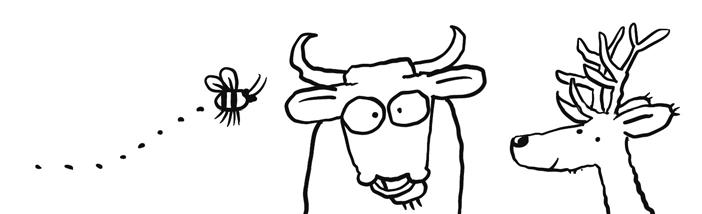
Which of these animals have a bees b bulls c deer
S ay L isten L ook U nderstand R emember P ractise
cacti fungi stimuli syllabi analyses theses parentheses crises lice oxen antennae larvae bacteria series species
Some words change the vowel or vowels to show the plural.
Some nouns of Greek origin that end in us change us to i . cactus cacti
Exceptions: octopus octopi or octopuses hippopotamus hippopotami or hippopotamuses
Write the plural. Write the singular.
3 fungus syllabus stimulus focus octopus hippopotamus parentheses analyses Write the plural. 2 thesis hypothesis Write the plural. 4 larva antenna vertebra Some nouns of Latin origin that end in a add e . larva larvae z
Write the plural. Explain the tip you used.
Some nouns of Greek origin that end in is change is to es crisis crises z
Write the plural of these words of Old English origin.
louse is from the Old English word lus . mouse is from the Old English word mus . ox is from the Old English word oxa . sheep is from the Old English word sceap . deer is from the Old English word deor. tooth is from the Old English word tof foot is from the Old English word fot . man is from the Old English word man . woman is from the Old English word wimman . child is from the Old English word cild .
Some nouns of Latin origin that end in um change um to a . curriculum curricula z
7
Write the plural.
bacterium stratum ovum millennium
8
Circle the words that are the same in their singular and plural forms. Underline the words that are of Latin origin.
military species sheep hippopotamus salmon cattle chef shrimp moose crisis
9
What will help you work out what the plural word is?
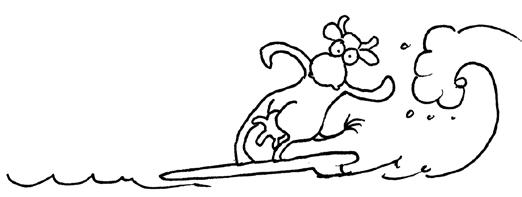
Which of these animals can be trained to be skil ful surfers? a pandas b cows c dogs
S ay L isten L ook U nderstand R emember P ractise
scorn ful
skil ful
wil ful
resent ful deceit ful
delight ful
suspense ful
success ful plenti ful
price less fault less flaw less
regard less ruth less reck less
Adding the suffix ful or less sometimes changes the spelling of the base word. pity pitiful, pitiless
Write the base word for these adjectives. skilful wilful beautiful plentiful awful penniless
Group the base words of these adjectives. 2
countless suspenseful deceitful forgetful flawless resentful
base word = noun base word = verb
Write a list word that rhymes. 3 toothless backless insightful mournful
The base words of ruthless and reckless are no longer in use. Make a guess as to what the base words mean. Then use a dictionary to check your answers. 4 your guess dictionary definition ruth reck
Write a list word that is a synonym. 5 mocking precious anyway stubborn insincere bitter
Antonyms are words that are opposite in meaning. Antonyms can be made by:
• changing the suffix. careful careless z
• adding a prefix helpful unhelpful
6
Write an antonym for each word.
7 skilful successful
Make an adverb by adding ly to each adjective. Use each adverb in a sentence.
Words for quantities sometimes end in ful . cupful z
Use a word with the suffix ful to complete each sentence. 8
Uncle Jim refuses to drink tea unless it has a of sugar in it. It should take only one of water to wash a car. Che took one of milk and spat it out. It was sour!
9
Answer: c successful grateful thoughtful joyful harmful useful
Proofread this recount. The recount has five words that are incorrect. Circle the mistakes. Then write the correct spelling of the words in the boxes.
Mrs Jones, our neighbour, is over 80 but she is still quite energetic. Yesterday she waved cheerfuly as she hurried passed on her way to the shops. A few seconds later, I heard her call out in pain. Had she been wreckless? We found her lying on the ground with an awful lot of blood dripping down her leg. Mum took her to the doctor and the cut needed five stitchs. Mrs Jones was greatful that we were nearby when she needed help.
What is the greatest depth underwater that a diver has ever gone without any breathing equip ment ?
a 40 metres
b 2000 metres
c 200 metres
S ay L isten L ook U nderstand R emember P ractise
instru ment experi ment imple ment achieve ment equip ment advertise ment bore dom wis dom hard ship sportsman ship censor ship insert ion hesitat ion collis ion aggress ion
I Write a list word for each clue. it tries to sell you something a difficult situation to endure try things out a tool use this to make music something added hostile action
Write the list word that contains the smaller word.
strum port sit tis eve rim red
The suffixes ment , dom , ship and hood all form nouns. The base word does not usually change when ment , dom , ship or hood are added.
Add ment, dom, ship or hood to each word to form the noun.
free leader child advertise champion achieve hard equip king employ govern adult
Write the base word for each noun. Circle the word if the spelling of the base word has changed.
wisdom censorship argument boredom
Synonyms are words with the same or similar meanings. grateful and thankful are synonyms.
Use a dictionary to find a synonym.
5 collision disagreement boredom amazement
Some words ending in ment can function as both nouns and verbs. Look at the document. (noun) You should document the process. (verb)
6 experiment (noun) (verb)
Use each word in a sentence as a noun and as a verb.
compliment (noun) (verb)
implement (noun) (verb)
7
Rewrite each sentence using a list word.
Elders have knowledge and experience and are rightly looked up to.
Emil wasn’t sure about what to do next and as a result, he failed to score a goal.
8
When two or more words start with the same sound, it is called alliteration . Jack danced a jolly jig when he got the joyful news.
Add a descriptive word to complete these alliterations. Write your own alliterative sentence.
Charlie cheerfully challenged the champion.
Debbie was disappointed to miss the dance.
Ann accepted the award in amazement.
Erin explained her experiment to the visiting expert.
Answer: c
What did victori ous athletes win in the Ancient Greek Olympic games?
a a wreath of olive leaves
b a basket of pine cones
c a pie in the face
S ay L isten L ook U nderstand R emember P ractise
curi ous
consci ous
anonym ous
victori ous
luxuri ous
contagi ous
marvell ous
venom ous
ridicul ous
mischiev ous
hide ous
courte ous
courage ous
outrage ous
miscellane ous
IIf the base word ends in e , drop the e before adding ous . fame famous
Exception: words ending in ce or ge
Add the suffix ous. 2 adventure nerve ridicule carnivore
Words that end in ous are adjectives.
Complete the table. noun adjective religious caution mischievous marvel hazardous curiosity anxious venom ambitious danger
If the base word ends in our , drop the u before adding ous . humour humorous
Add the suffix ous. 3 glamour vigour rigour odour
If the base word ends in ce or y , change the e or y to i before adding ous . space spacious vary various z space [arrow] spacious
Add the suffix ous. 4 envy space glory vice luxury fury grace mystery victory
Etymology is the study of word origins. Many English words have their origins in words from other languages. z
Write a word ending in ous that comes from each word. 5
furious outrageous curious precious delicious courageous
Delicia is the Latin word for delight.
Outre is the old French word meaning beyond.
Furia is the Latin word for rage.
Precios is an old French word meaning costly.
Cor is the Latin word for heart.
Curios is the old French word for anxious.
6
Write a synonym ending in ous. Choose two to use in a sentence.
7
Comparative adjectives compare two things.
My young er sister is more adventurous than I am. Superlative adjectives compare three or more things. The small est spiders can also be the more venomous.
Complete the tables.
adjective comparative form wealthy beautiful curious
Answer: a angry contagious brave envious hazardous successful
adjective superlative form simple dangerous useful