The New IB Biology Specification
Changes and Challenges


Building Brighter Futures Together
About me and the team
Coursebook - Author
Science communicator in education, at the Natural History Museum, University of Hong Kong, in the Middle East and in the UK
Experienced former lead teacher at a top IB school in the UK
Teacher trainer
Work book - written by an IB teacher with 15 years experience who has worked at international schools in the UK and Singapore Teachers Resources - compiled by an IB teacher with 10 years experience who is currently working in the UK.
Building Brighter Futures Together
Aims of this webinar
To summarise the changes to the new IB syllabus for first examinations in 2025
To outline how Cambridge University Press resources support syllabus changes
To discuss how using Cambridge resources can enhance learning for students as they study the course
To provide an opportunity for you to ask questions
Building Brighter Futures Together
•
•
KEY CHANGES TO THE SYLLABUS FOR IB BIOLOGY
Support from CUP resources
Building Brighter Futures Together
Key changes
There are no Options in the new syllabus
The approach should be more conceptual; there should be less content to cover
The content is now arranged in 40 topics in 16 ‘nodes’ known as the Roadmap
The sequence of teaching these topics is fluid and can be selected by teachers to suit their students and personal interests.
Building Brighter Futures Together
What’s new or more important?
• Membrane transport
• Chemical and neural signalling
• Water potential (HL)
• Defence against disease
• Conservation of biodiversity
• Stability and Change in ecosystems

• Climate Change
• IA can be a collaborative project
• No ‘personal engagement’ mark
• No specific ICT requirements in IA
• Use of statistics is tba
Building Brighter Futures Together
Options – although some topics are in the Core e.g., muscle structure and function
Digestive system
Detailed structure of the kidney
Monoclonal antibodies
Cloning and gene transfer
Human Genome Project
Applications such as stem cells use for human insulin production
Building Brighter Futures Together
No longer included
New syllabus roadmap
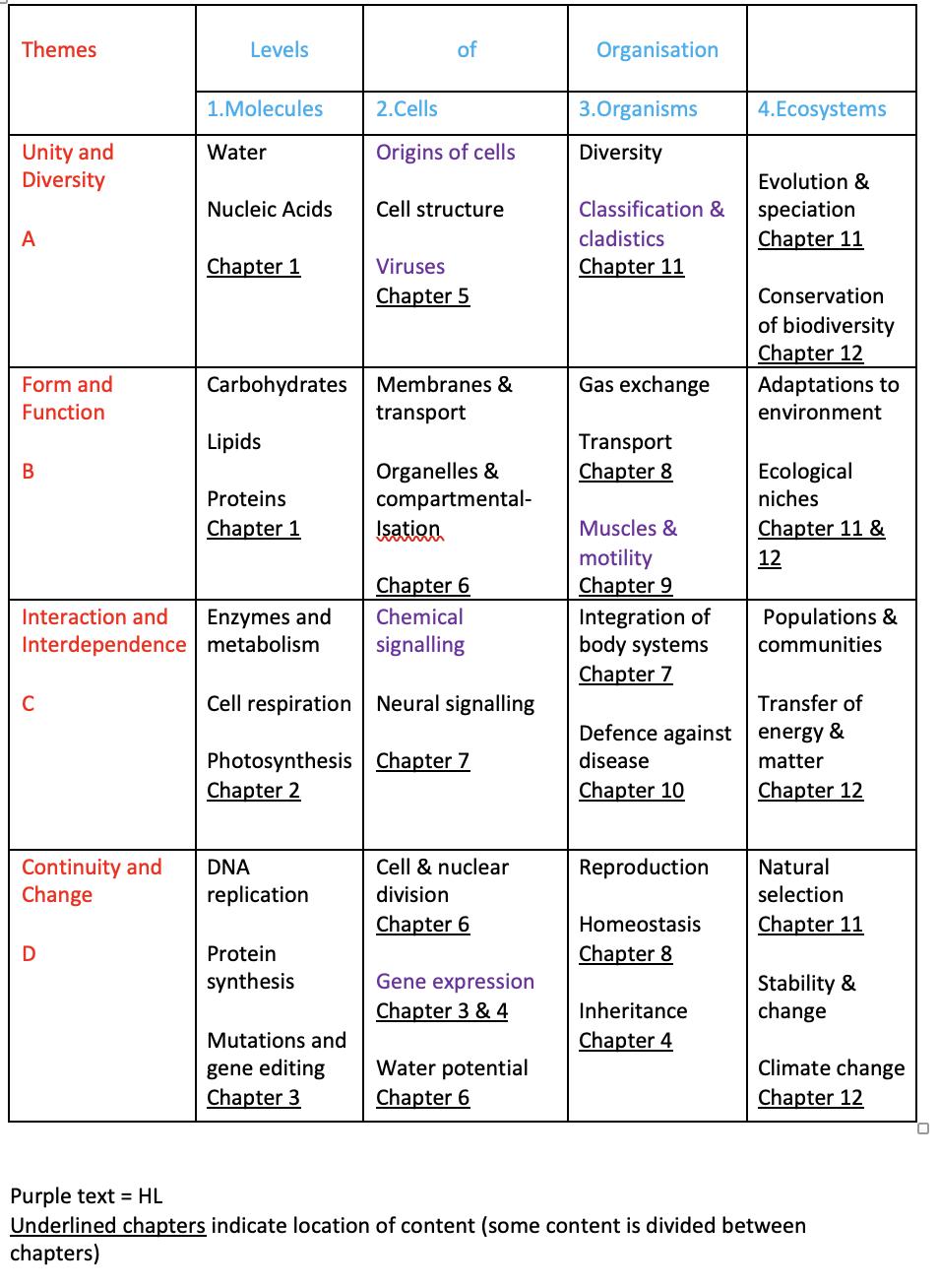
The syllabusaims to integrate concepts, content and Nature of Science
Building Brighter Futures Together
Themes
Levels of Organisation
Molecules Cells
Organisms Ecosystems
Unity and Diversity
Water
Nucleic Acids
Origins of cells
Diversity
Form and Function
Carbohydrates
Lipids
Proteins
Cell structure
Viruses
Classification & cladistics
Evolution & speciation
Conservation of biodiversity
Interaction and Interdependence
Enzymes and metabolism
Cell respiration
Photosynthesis
Membranes & transport
Organelles & compartmentalisation
Chemical signalling
Neural signalling
Gas exchange
Transport
Muscles & motility
Integration of systems
Defence against disease
Adaptations to environment
Ecological niches
Populations & communities
Transfer of energy & matter
Continuity and Change
DNA replication
Protein synthesis
Mutations and gene editing
Cell & nuclear division
Gene expression
Water potential
Reproduction
Inheritance
Homeostasis
Natural selection
Stability & change
Climate change
Building
Together
Brighter Futures
Select a route through the content to suit your students and your own interests and instincts
Coursebook Chapter Organisation
Chapter 1 A1.1, A1.2, B1.1, B1.2 – Molecules and Water
Chapter 2 C1.1, C1.2, C1.3 - Metabolism, Respiration and Photosynthesis
Chapter 3 D1.1, D1.2, D,1.3 – DNA, Protein synthesis and Genetics
Chapter 4 D1.3 D2.3 - Gene expression
Building Brighter Futures Together
New syllabus roadmap
Chapters in the Coursebook
Building Brighter Futures Together
What’s new?
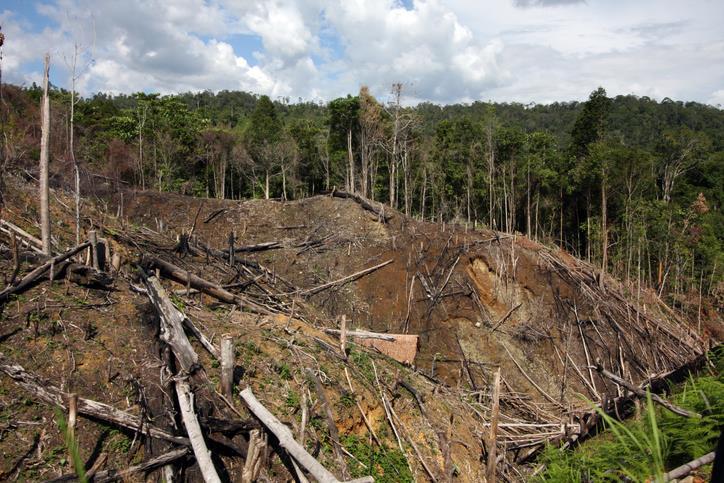
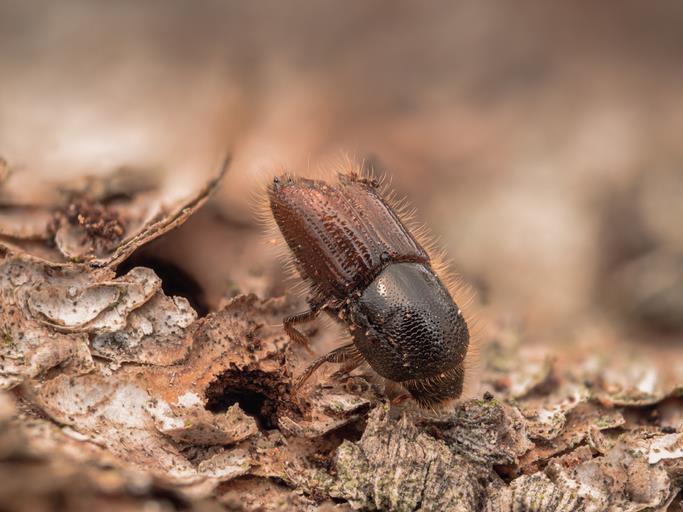
Species used as examples in the new syllabus
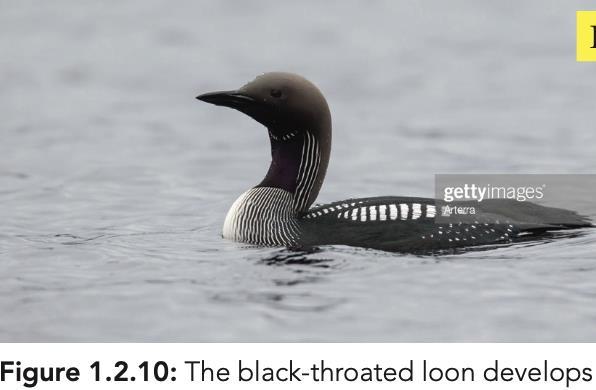
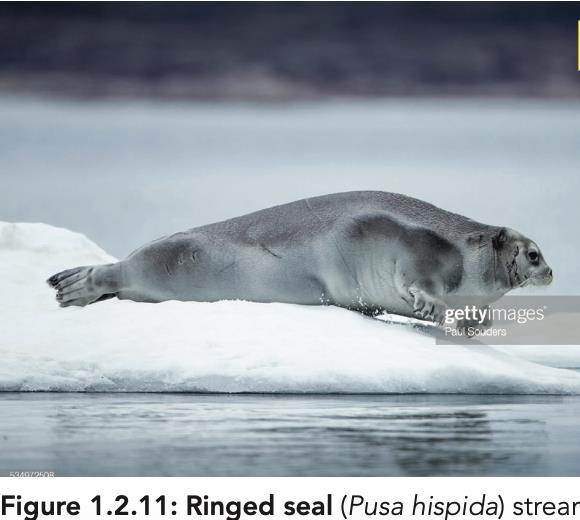
Bonobos
John Endler’s guppies
NEW EXAMPLES
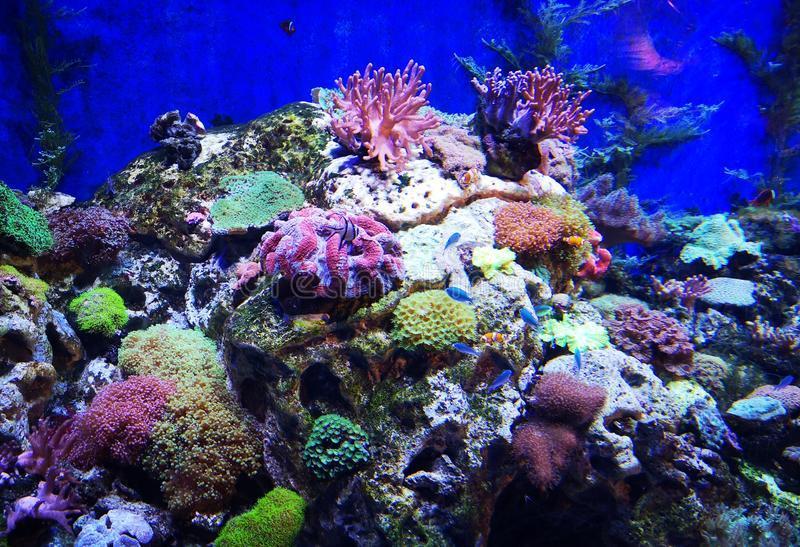
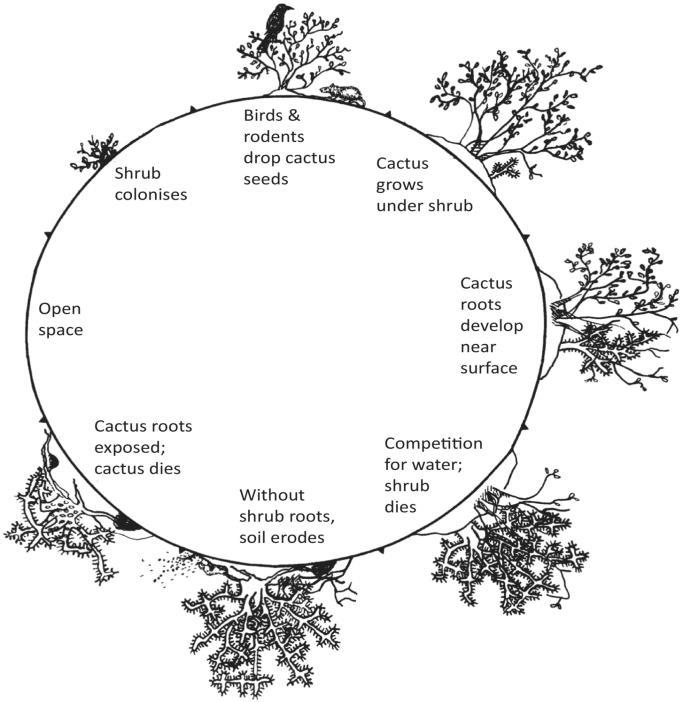
Spruce bark beetles, Indonesian rainforest, Coral reefs and Cyclical succession are a few of the new examples that must be covered in the new course. All are included in the Coursebook
Some Features of the Coursebook
COURSE CONTENT, CROSS REFERENCED WITH ALL TOPICS
CHAPTER OBJECTIVES A SUMMARY OF WHAT IS INCLUDED IN EACH SECTION
NATURE OF SCIENCE
HOW WE UNDERSTAND WHAT WE DO ABOUT SCIENCE
SCIENCE IN CONTEXT FEATURE – HOW CONTENTIS APPLIEDIN THE REAL WORLD
TEST YOUR UNDERSTANDING QUESTIONS – USEFUL SHORT QUESTIONS FOR STUDENTS’ SELF ASSESSMENT
CONTENT CHECKLIST FOR STUDENTS’ SELF ASSESSMENT
EXAM STYLE QUESTIONS
– FORHOMEWORK OR EXAM PREPARATION
LINKING QUESTIONS TO ENCOURAGE STUDENTS TO MAKE LINKS BETWEEN DIFFERENTSECTIONS OF THE COURSE.

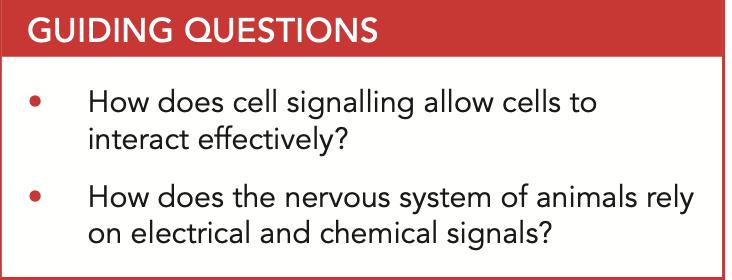
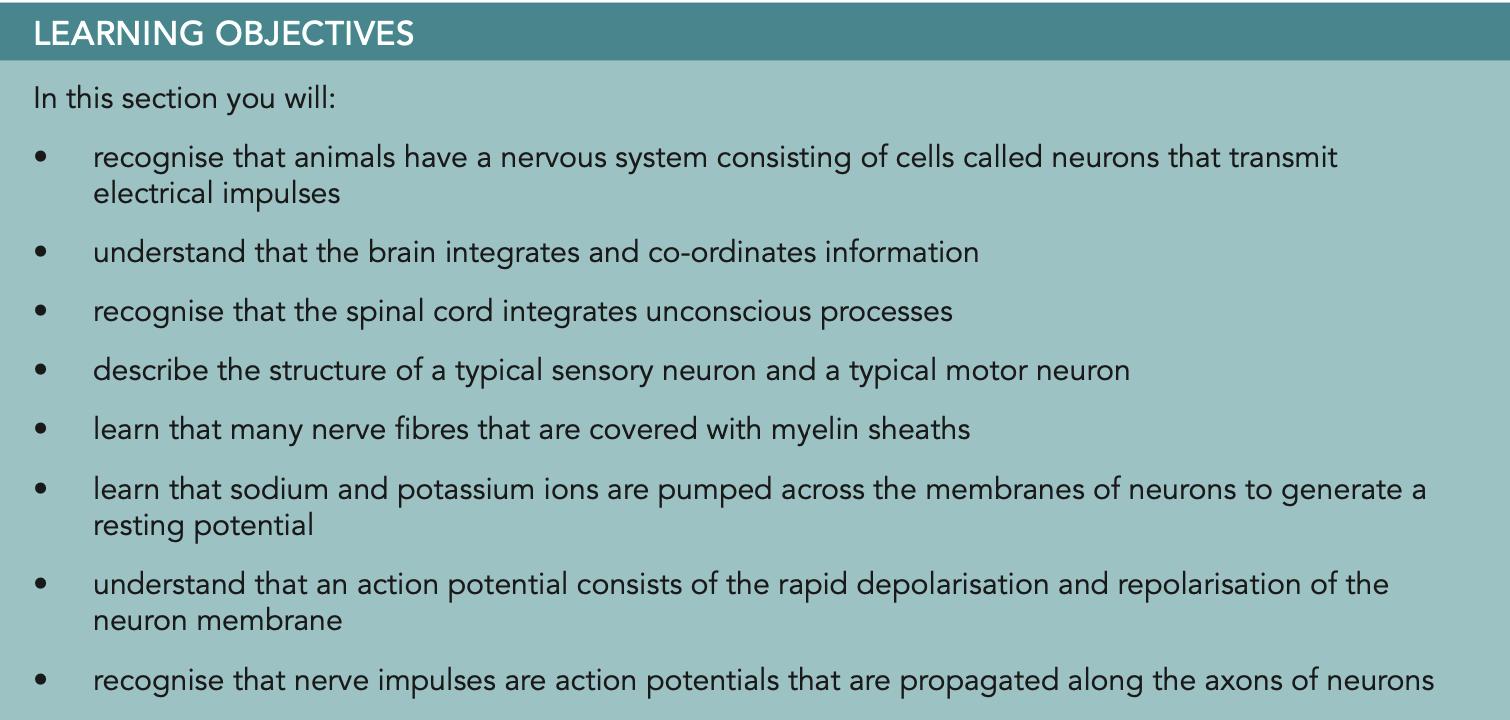
Learning Objectives and Guiding Questions
Building Brighter Futures Together
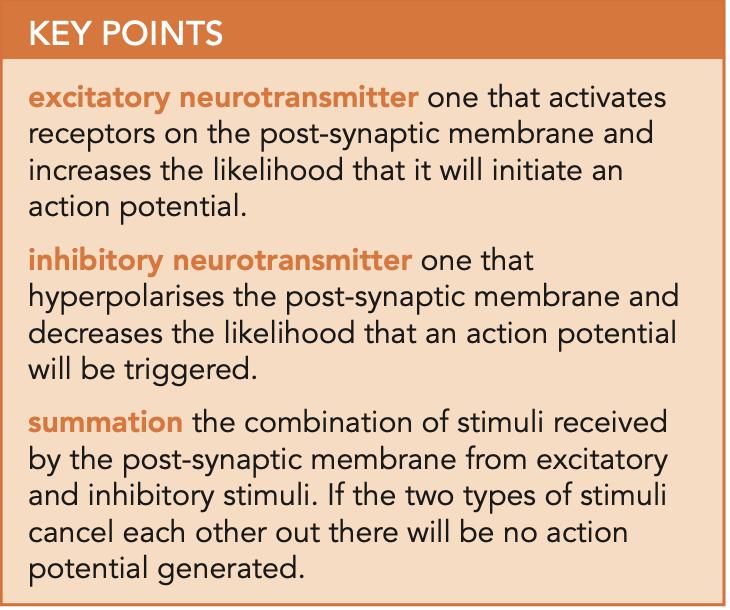
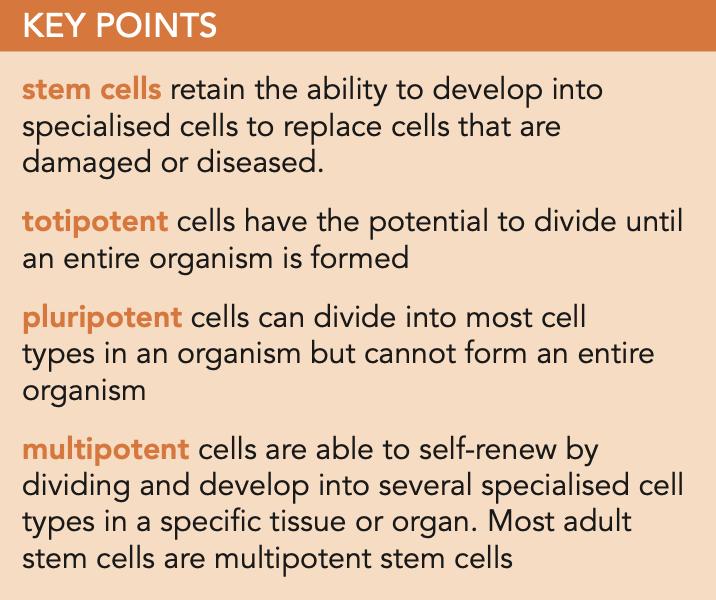
Building
Together
Brighter Futures
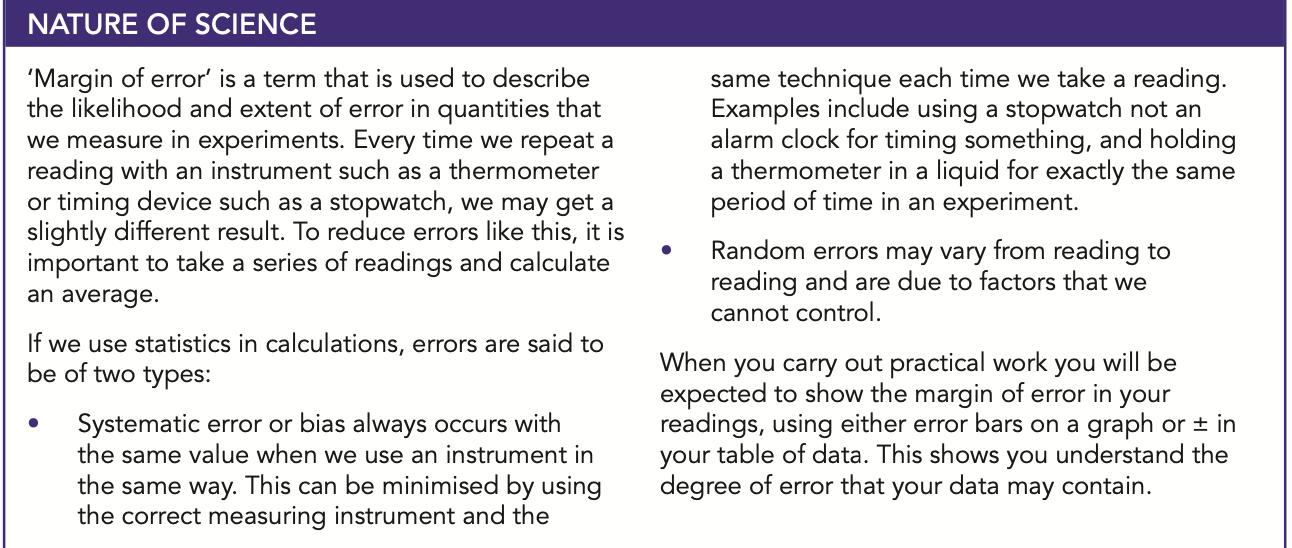
Nature of Science - Margin of error
Building Brighter Futures Together
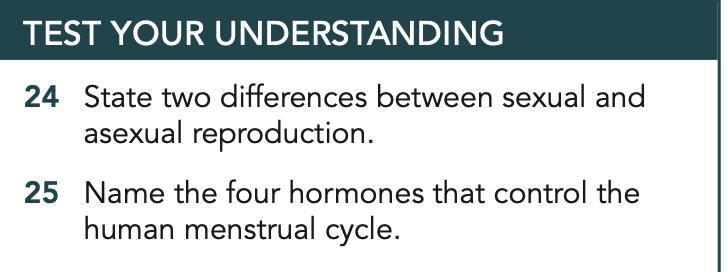
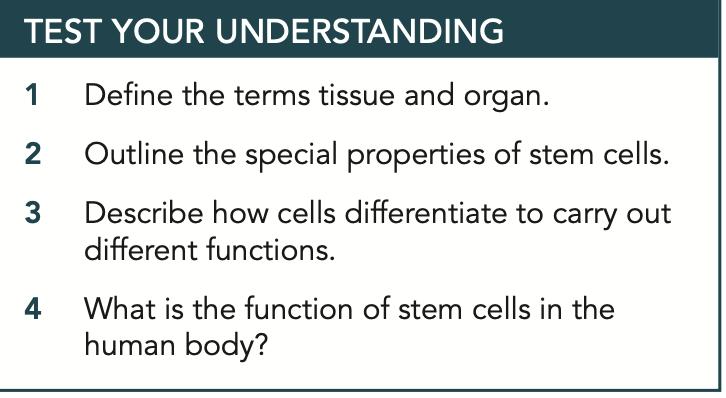
Test your understanding questionsuseful short answer questions for students’ self assessment useful short questions for students’ self assessment
Building Brighter Futures Together
Exam tips
Useful pointers for students
If you are asked to make comparisons in an exam question, use a table to organise your information clearly and neatly. Remember to use terms such as ‘whereas’ or ‘on the other hand’ as you compare in any written answers
EXAM TIP
Make sure you can draw a molecular diagram to show how a peptide bond is formed between two amino acids. Remember that it is a condensation reaction,so water is produced.
Building Brighter Futures Together
Science in context feature
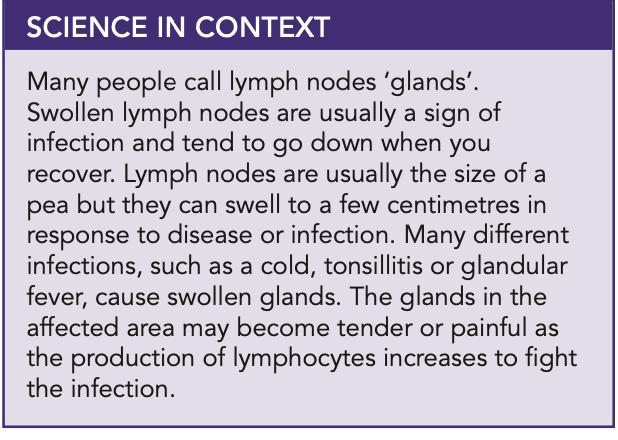
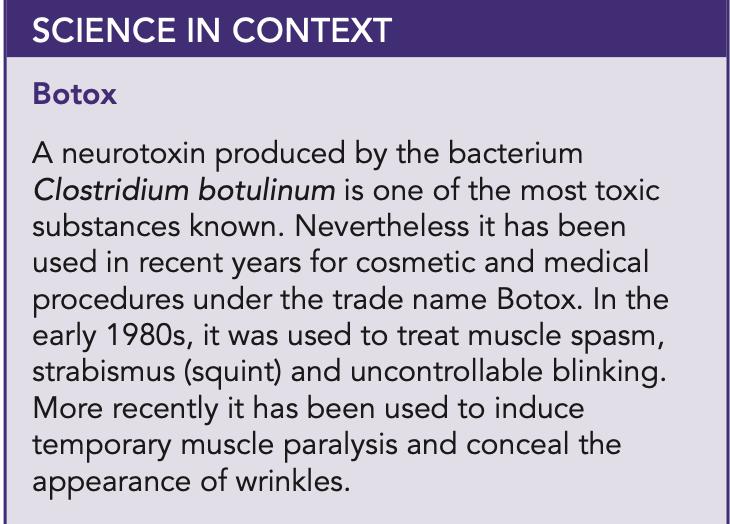
How Science is applied in the real world
Building Brighter Futures Together
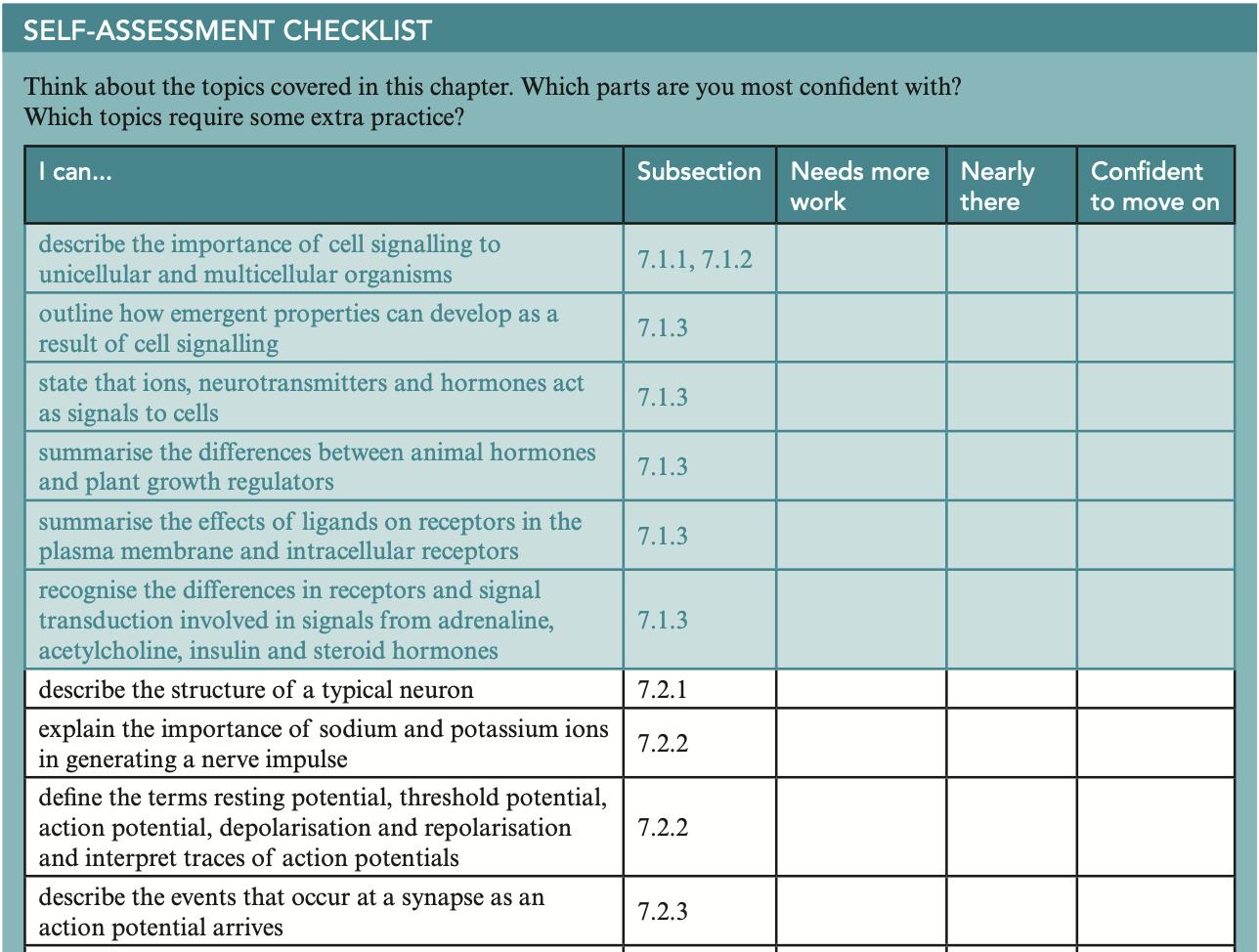
The summary checklists are followed by ‘I can’ statements which correspond to the learning intentionsat the beginning of the chapter. Students can rate how confident they are for each of these statements and revisit any topics that they rated “Needs more work”
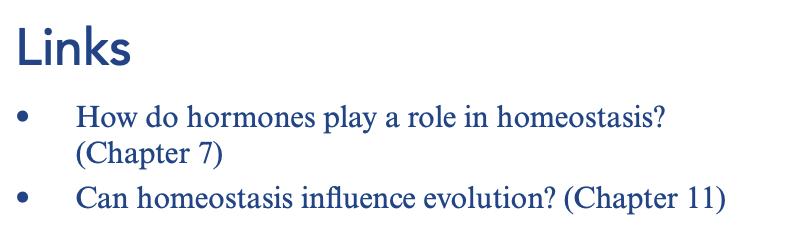
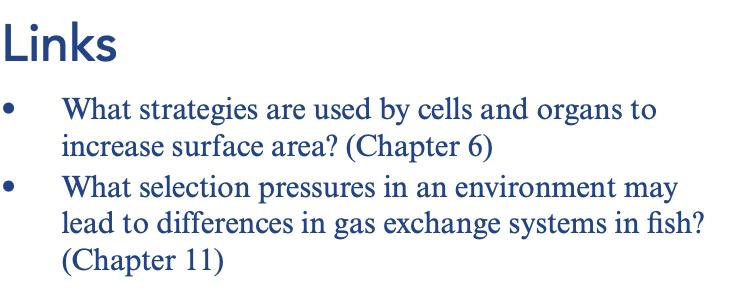
Links
At the end of each section – some suggestions, many others are possible
Building Brighter Futures Together
Reflection – use these boxes to ask your students to look back on the topics in the chapter and see how well they understand them.
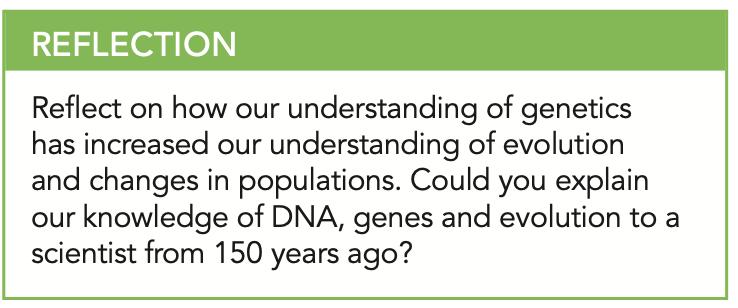
Encourage them to reflect on and evaluate their own learning
Could I summarise the effect that humans have had on ecological relationshipsand the survival of organisms? Which factors would I describe first to a classmate?
Building Brighter Futures Together
More resources from the digital edition (comes with the book)
▪ Mock specimen papers with mark schemes
▪ Exam style questions and answers
▪ Data based questions
▪ Answers to all questions
▪ Guide to the IA and examinations
Building Brighter Futures Together
Assessment
Main changes and challenges
Building Brighter Futures Together
STANDARD LEVEL Assessment
External assessment (3 hours) 80%
Paper 1 (1 hour and 30 minutes) 36%
• Paper 1A—Multiple-choice questions
• Paper 1B—Data-basedquestions(four questions that are syllabus related, addressing all themes)
• (Total 55 marks)
Paper 2 (1 hour and 30 minutes) 44%
• Section A—Data-based and short answer questions Section B—Extended-responsequestions (Total 50 marks)
Internal assessment(10 hours) 20%
• The internal assessment consists of one task: the scientific investigation.
• This component is internally assessed by the teacher and externally moderated by the IB at the end of the course.
• (Total 24 marks)
HIGHER LEVEL ASSESSMENT
External assessment (4 hours 30 minutes)– 80%
Paper 1 (2 hours) 36%
• Paper 1A—Multiple-choice questions
• Paper 1B—Data-basedquestions(four questions that are syllabus related, addressing all themes)
• (Total 75 marks)
Paper 2 (2 hour and 30 minutes) 44%
• Section A—Data-based and short answer questions Section B—Extended-responsequestions (Total 80 marks)
Internal assessment(10 hours) 20%
• The internal assessment consists of one task: the scientific investigation.
• This component is internally assessed by the teacher and externally moderated by the IB at the end of the course.
• (Total 24 marks)
Questions about assessment
Some responses
We are assured that the number of hours in the syllabusguide is not an indication ofthe level of importance a topic will have in the exams.
Also, that the approximatemultiplechoice question allocation is 7 questions per assessment objective for SL and 10 questions for HL.
Even though ‘linking’ is important, there will only occasionallybe linking across themes or concepts in the examination papers. In the specimen papers you will see that linkingis not required to answer questions.
Building Brighter Futures Together
Tips for Teaching
Nature of Science
Building Brighter Futures Together
Aspects of Nature of Science
Evidence Observations Hypotheses
Patterns and trends
Measurements
Experiments
Theories
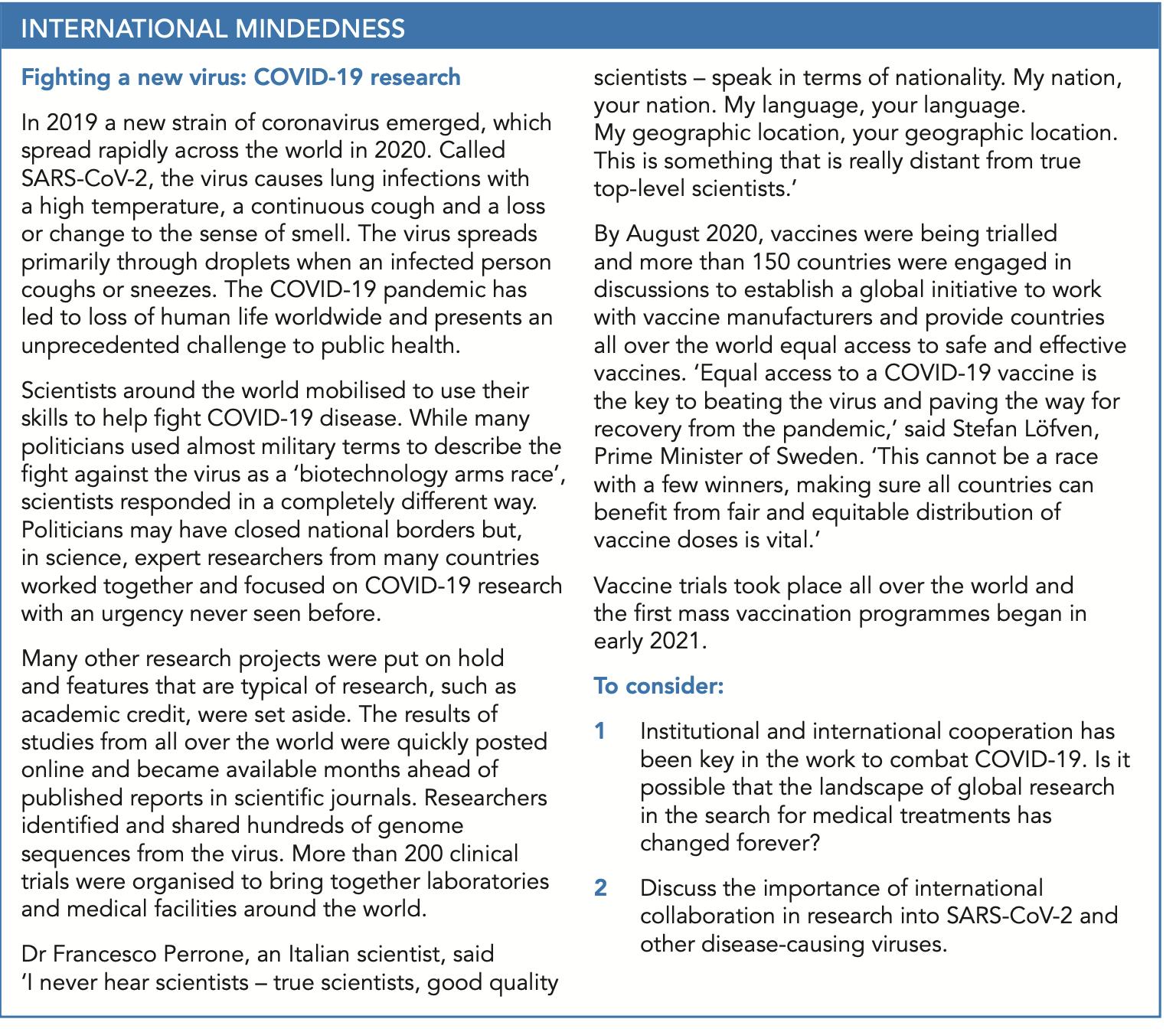
Science as a shared endeavour
Global impact of science

Nature of Science – an example
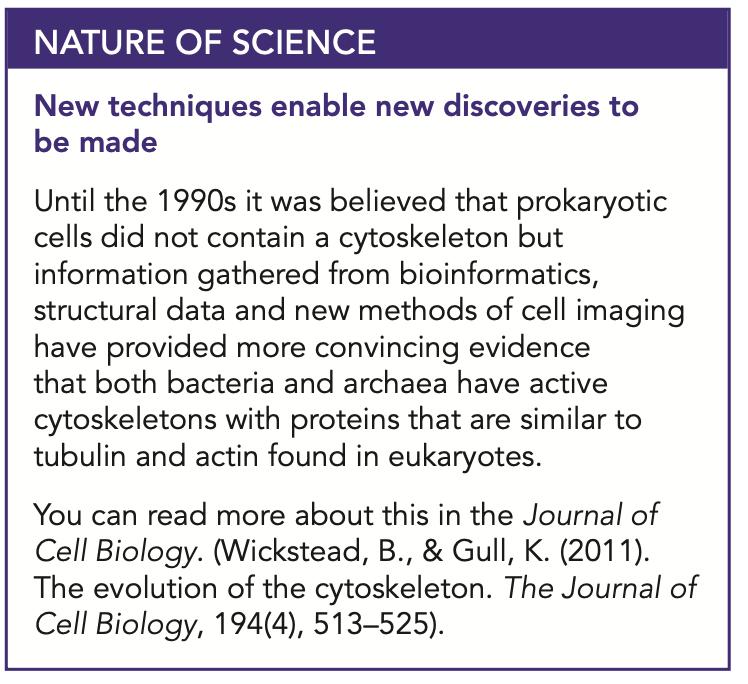
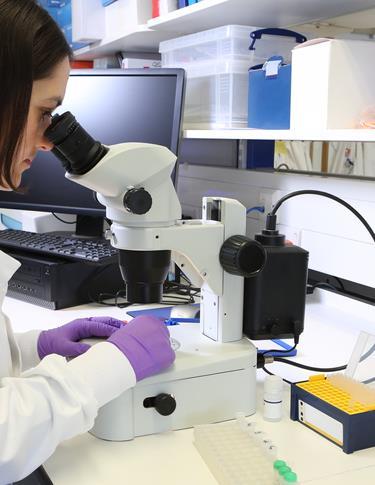
Gathering evidence – using the correct equipment and techniques for measurements



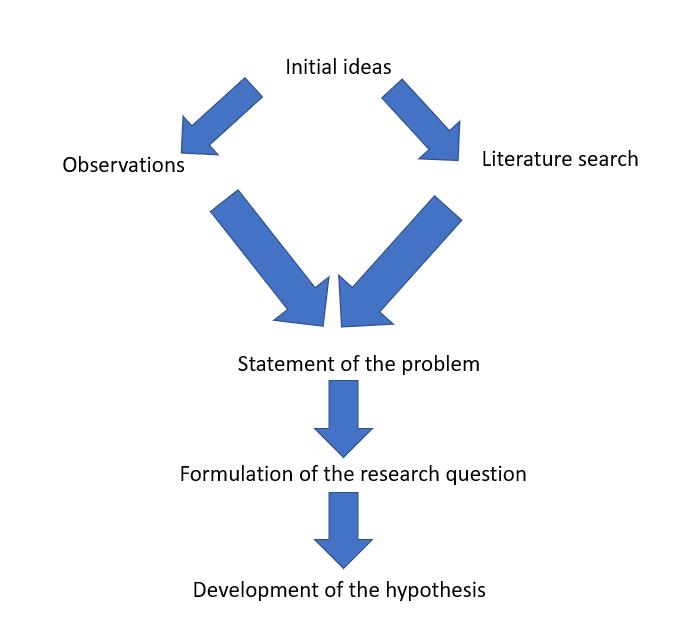
Hypotheses

ASK A QUESTION GATHER INFORMATION TRY TO ANSWER YOUR QUESTION
WRITE A DRAFT
HYPOTHESIS CARRY OUT EXPERIMENT REVISE YOUR HYPOTHESIS
Nature of Science –
How a hypothesis develops
Examples can be found in the Teachers Resources and Digital Content
Science as a shared endeavour and its global impact
Teachers Resources
How these support your teaching
Building Brighter Futures Together
Teachers Resources - Planning
Teaching plans with Content, Timings and Resources
Sub-chapter Approximate numberof learninghours Learningcontent Resources 3.1 DNA replication 2–4 Students learn about the process of semiconservative replication, linkingthis to polymerase chain reactions and gel electrophoresis. Coursebook Section 31 Test your understanding1–3 Testyour understanding 4–7 Exam-style questions 1, 3 and 7 Workbook Exercise 3.1
questions
resource
3slide 1
Exam-style
Teacher’s
PowerPoint
Misconception How to identify How to overcome
Students might describe a molecule of DNA as a strand of DNA.
This often occurs when students describesemiconservative replication, so ask studentto do this
Ask students to describe the shape of DNA or ask them to define the term double helix. Review the key differences between RNA and DNA. Both exercises highlightDNA as a double-stranded molecule.
TEACHERS RESOURCES - Supporting
Common misconceptions lists in the teacher’s resource help you identify and overcome the challenges posed by misunderstandings
Some students use the words unwindingand separating interchangeablywhen describingthe role of DNA helicase.
Ask students to outline the role of DNA helicase.
Students who only use one of unwind orseparate are likely to think thesemean the same thing.
The unwindingand separatingof DNA strands can be simply modelled with two pieces of intertwined string.
Teachers Resources – Ideas and activities
Starter ideas
1. Complementary base pairing memory aids (10 minutes)
Resources:Adiagram of the structure of DNA that depicts complementary base pairing, which includes the names of the four bases: adenine, thymine, guanine and cytosine (see PowerPoint 2, slide 23).
Description and purpose: The purpose of this starter is to help studentsremember complementary base pairing. Tell students to work in pairs or threesto invent as many memorable ways as possible of remembering which bases pair with which, e.g. Apple Tart, Chocolate Gateau. Students could share their favourite ideas with the class and the most popular ones could be displayed in the classroom to refer to in subsequent activities.
Teachers’ resourcesIdeas and Activities
Mainteachingideas
1. Gel electrophoresis(60 minutes)
Resources:Various,dependingon kit bought (see description below).
Description:The purposeof this activity is for studentsto carry out a gel electrophoresispractical,to visualise and understandtheprocess.Gel electrophoresiskits for schools can bebought onlinealthoughcan be expensive.Alternatively, 'homemade' kits can be createdusing householdmaterials. There are some onlinewebsites and videos outliningpossible materials and instructionsfor use orthosedescribed in the journal'Biochemistry and MolecularBiology Education',Vol. 40,No. 3, pp.198-203,2012,couldbeused.Whilst waiting for theelectrophoresisgel to run,studentscouldcomplete question2 in theWorkbook.
Resources contain ideas to support students who struggle with technical terms or who are working in a second language.
Teachers Resources -
Vocabulary support
Challenging technical vocabulary: e.g. subtle difference in subject specific terminology ‘intra- and inter-specific competition’
Activities such as word games and other suggestions for reinforcement are included in the Teachers Resources
Teachers’ resources –plenary ideas
Plenaryideas
1. IVF role play (15minutes)
Resources:N/A.
Descriptionandpurpose:Thepurposeofthis activity is to help students consolidatetheir understandingofhormonetherapyandIVF. Splitthe class in half.Ask one-halfofthe studentsto imagine they are a doctor explainingthe processofIVF to a couplewhohaverecentlyhad difficultyconceiving.Askthe otherhalf ofthe class to imagine they are the couplespeakingto the doctor.Give students5 minutes
2. Plantreproductionmindmap(10minutes)
Resources:A3paper,writingmaterials, PowerPoint8, slide 25 , sticky notes.
Descriptionandpurpose:Thisactivity helpsstudentsto create a visual summaryofthe topic ofplantreproductionanddrawconnections betweendifferentstages of plantreproduction.Studentsshouldeachhave a piece ofA3 paperandwrite 'plantreproduction'inthe middle.They shouldthenuse the wordsonthe PowerPoint.
Teachers
Resources -
Assessment
• End of Topic tests for each chapter, as well as exam-style questions in the Coursebook
• Workbook exercises with questions in all the different exam styles for self or teacher assessment
• Digital Material with more exam-stylequestions and answers
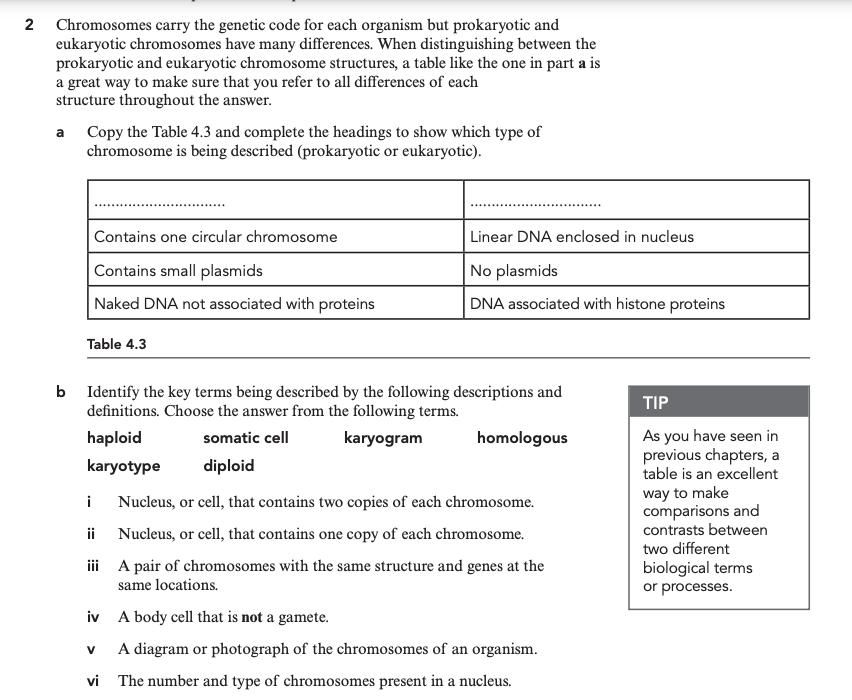
Workbook
A few sample questions
Building Brighter Futures Together
Building Brighter Futures Together
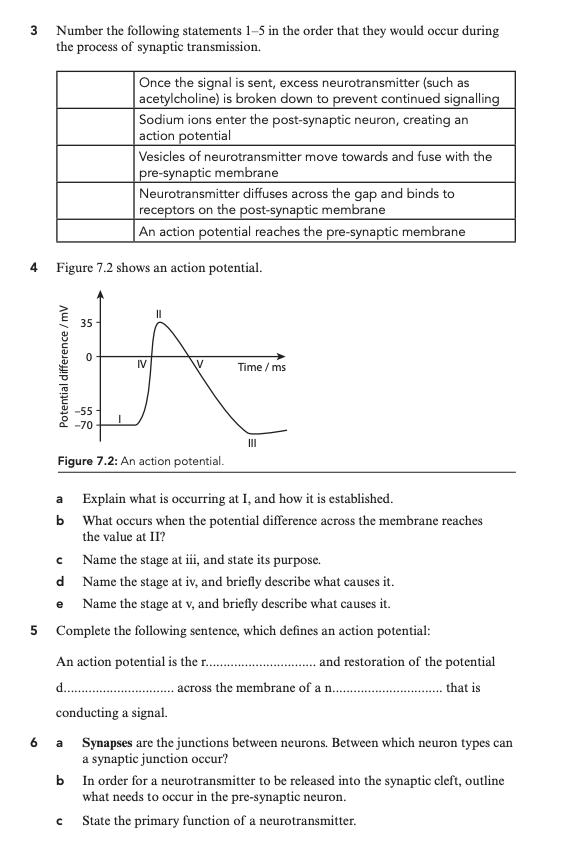
Building Brighter Futures Together
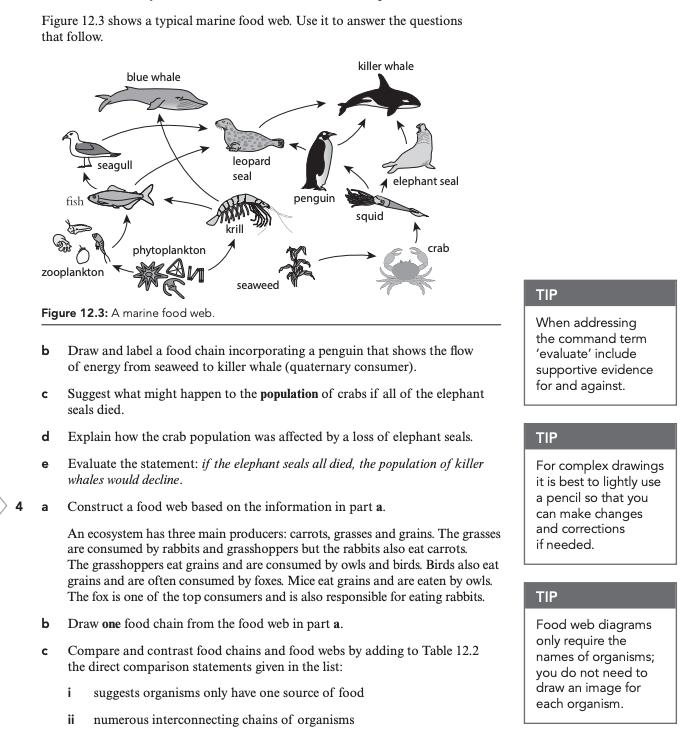
Building Brighter Futures Together
Implementing enquiry-based learning
Tools to teach with
Building Brighter Futures Together
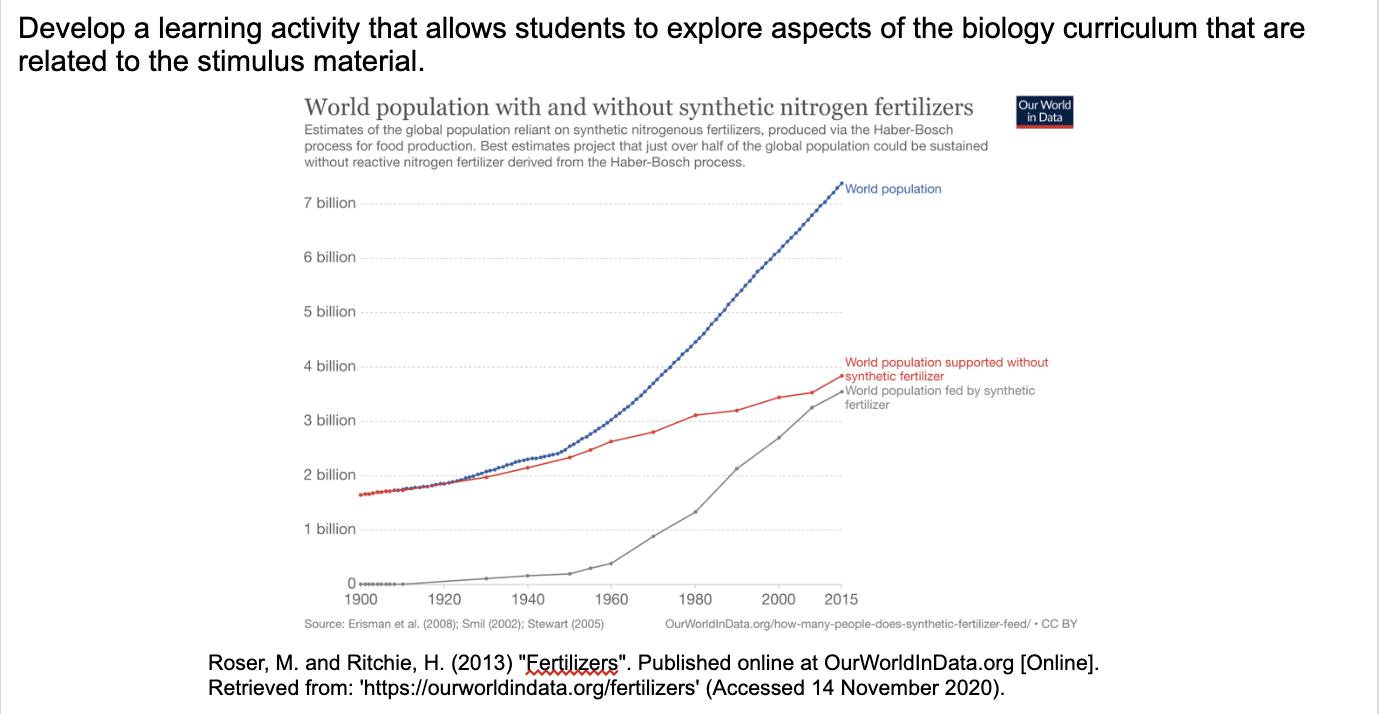
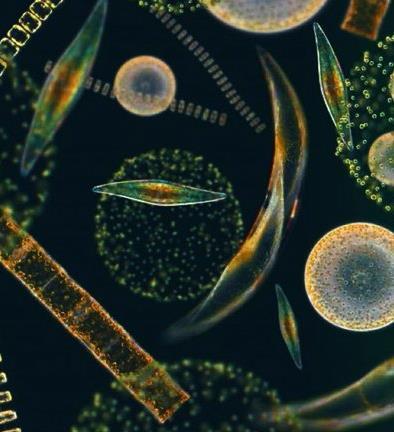
Inquiry Based Learning is the heart of IB pedagogy
IB emphasizes the students’ central role in the learning process in which they are encouraged to explore, ask questions and share ideas instead of simply memorizing facts
The teacher’s role is to support students in their learning and to engage them by triggering their curiosity
Building Brighter Futures Together
Building Brighter
Together
Futures

 Building Brighter Futures Together
Practical Tools
The IB proposes three main tools to assist with practical teaching and preparation for the internally assessed scientific investigation. These are essential to develop your students’ skills.
1. Experimental Techniques – in Coursebook and Teachers Resources
2. Applying technology to generate or present data –references in Teachers resources
3. Mathematics
‘Tools’ to teach with – two examples
Tool 1-
Measuring
Tool 2-
Applying technology
Tool 3 -
Maths
C1.2.6 Students should make measurements allowingfor the determination of the rate of cell respiration. They should be able to calculatethe rate of cellular respiration from raw data or secondary data
1. Measuring mass and time accurately
2. Showing data in a graph
3. Calculatingrate
B4.1.4 Students should use transect data to correlate distribution of plant or animal species with abioticdata
3. Understand direct and inverse proportionalitybetween variables.Using random/systematicsampling. Also Tool 1. Making careful observations
Sub topic Application of skills Tool to be emphasised
How the Cambridge Resources support your teaching
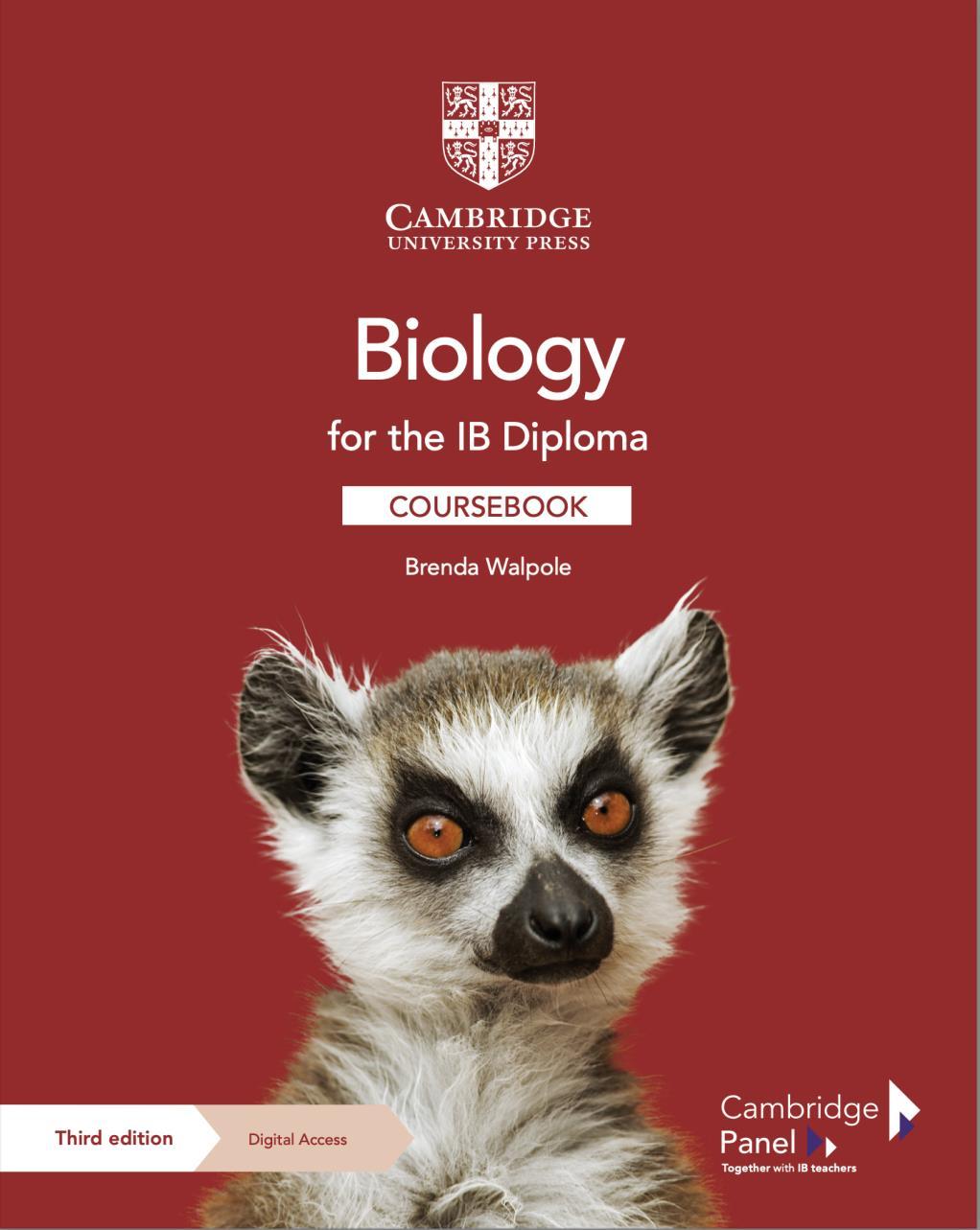
The coursebookcovers all the required material and includes activities and support material for both students and teachers.
The coursebook has content objectives which are linked to the Teachers Resourcesto help you prepare new lessons and understand the changes
The Workbook provides activities and extensive banks of questions for both teachers and students to use as support and for exam preparation.
Online digital material provides answers to all the questions in the coursebook as well as detailed information on preparing for the Internal Assessment.
Building Brighter Futures Together


Building Brighter Futures Together Biology Bteache s Secondedition DigitalAccess DigitalTeacher’sResource
Building Brighter Futures Together
 Building Brighter Futures Together