THE PRESIDENTIAL ELECTIONS THE YEAR AHEAD THE LOBBYING LAW
GEOPOLÍTICA AS NOVAS DINÂMICAS DO PODER GLOBAL
GEOPOLITICS THE NEW DYNAMICS OF GLOBAL POWER
ECONOMIA A ECONOMIA MUNDIAL EM TEMPO DE GUERRA
ECONOMY THE WORLD ECONOMY IN A TIME OF WAR
COMPETÊNCIAS H/ADVISORS E FULLSIX IA, CRISE E FORMAÇÃO
SKILLS H/ADVISORS AND FULLSIX IA, CRISIS AND TRAINING
Founded in 2001, H/Advisors’ global strategic advisors create bespoke communications strategies designed to influence key stakeholders at critical moments. Our expertise extends across corporate and financial communications, including investor relations, mergers and acquisitions, shareholder activism, public affairs, crisis management, change management, sustainability and ESG. We don’t just advise we help shape the future.
40+ Offices
20+ Countries 1500+ P e o p l e
DIRECTOR
António Cunha Vaz
DIRECTORA EXECUTIVA
Sofia Arnaud
DIRECTOR DE ARTE
Miguel Mascarenhas
REDACÇÃO
Ana Valado, Ana Lopes
IMPRESSÃO
Soartes Artes Gráficas, Lda.
Rua A. Cavaco - Carregado Park, Fracção J
Lugar da Torre, 2580-512 Carregado
PROPRIETÁRIO E EDITOR
CV&A Europe, Lda. NIF 517 629 321
DETENTORES DE 5% OU MAIS DO CAPITAL DA EMPRESA
António Cunha Vaz
SEDE DO EDITOR E DE REDACÇÃO
Av. da Liberdade, 252 1250-149 Lisboa
CRC LISBOA
13538-01
REGISTO ERC 124 353
DEPÓSITO
320943/10
PERIODICIDADE
SUMÁRIO | CONTENTS
EDITORIAL
António Cunha Vaz, Presidente e CEO da H/Advisors CV&A, President & CEO H/Advisors CV&A
O Presidente “sem amarras” mais votado de sempre The “untethered” President receives the most votes ever
Alexandre Poço, Deputado e Vice Presidente do Grupo Parlamentar do PSD, Vice Presidente do PSD | Member of Parliament and Vice-President of the PSD and its Parliamentary Group
Tempo sem ambição é calendário
Time without ambition is just a calendar
ECONOMIA | ECONOMY
The World Economy in a Time of War
GEOPOLÍTICA | GEOPOLITICS
Sofia Moreira de Sousa, Representante da Comissão Europeia em Portugal | European Commission Representative to Portugal
A importância do Acordo UE-Mercosul para a Europa
The importance of the EU-Mercosul Agreement to Europe
Francisco Seixas da Costa, Embaixador | Ambassador Manda quem pode?
Who’s going to lead?
Paulo Sande, Professor Universitário, Especialista em Questões Europeias
| University Professor, Specialist in European Affairs
Dos Iberos aos Jerónimos, a longa saga do regresso à Europa
From the Iberians to Jerónimos, the long saga of the return to Europe
Ana Maria Evans, Professora e Consultora, Geopolítica e Relações Internacionais
| Professor and Consultant, Geopolitics and International Affairs
A nova realidade geopolítica
The new geopolitical reality
LÓBI
| LOBBYING
Diogo Belford, Partner, Responsável de Public Affairs da H/Advisors CV&A
| Partner, Head of Public Affairs H/Adviors CV&A
A Lei do Lobby
The Lobbying Law
António Rodrigues, Deputado PSD | PSD Member of Parliament
Transparência e democracia
Transparency and democracy
Maria Domingas Carvalhosa, Managing Partner Wisdom, Presidente da APECOM
| Managing Partner at Wisdom, President of APECOM
Lobbying regulado: uma vitória da transparência e da maturidade democrática
Regulated lobbying: a victory for transparency and democratic maturity
SUMÁRIO | CONTENTS
João Massano, Bastonário da Ordem dos Advogados | President on the Bar Association
A reunião que ninguém registou
The meeting that nobody registered
NEGÓCIOS HAVAS | DEALS AT HAVAS
Erik Lassche, CEO Fullsix Portugal | CEO Fullsix Portugal Group Inteligência Artificial Artificial Intelligence
Inês dos Santos, Partner, Responsável de Comunicação e Formação da H/Advisors CV&A | Partner, Head of Communication and Training H/Advisors CV&A
Formar para liderar em cenários de incerteza
Training for leadership in uncertain scenarios
Ricardo Salvo, Partner, Responsável de Comunicação e Gestão de Crise da H/Advisors CV&A | Partner, Head of Communication and Crisis Management H/Advisors CV&A
Gerir a crise quando a culpa é do algoritmo Handling crises when the algorithm is to blame
MERCADOS FINANCEIROS | FINANCIAL
MARKETS
José Pedro Luís, Partner, Responsável de Comunicação Corporativa da H/Advisors CV&A | Partner, Head of Corporate and Financial Communication H/Advisors CV&A Foquem-se no essencial! Focus on the essential!
MUNDO
H/ADVISORS | H/ADVISORS’ WORLD
María Lledó, Vicepresidenta de Asuntos Europeos/Internacional en H/Advisors Acento | Head of European Affairs H/Advisors Acento Europa ante un nuevo ciclo geopolítico, una visión española Europe in the face of a new geopolitical cycle: a Spanish vision
Vanessa Haumberger, Managing Partner bei H/Advisors Gauly | Managing Partner H/Advisors Gauly Zeit für Leadership Time for leadership
Jamaal Mobley, Managing Director H/Advisors Abernathy “It is better to make long term predictions”
John Rowland, CEO H/Advisors Cicero The Britain of 2026 – A Kingdom Divided?
Amel Osman, Managing Director H/Advisors Dubai End-2026 Outlook: corporate decision-making in a persistent-disruption economy
ESTATUTO EDITORIAL:
A Prémio é a publicação corporativa da H/Advisors CV&A, de periodicidade semestral, dedicada a temas de política, negócios, economia, sustentabilidade, marketing e lifestyle. A sua informação é de carácter generalista, com pendor para os temas acima enunciados.
A Prémio tem aproximadamente 100 páginas, dependendo da edição, e é distribuída a nível nacional e nos mercados onde a H/Advisors está presente. A tiragem é de 1.500 exemplares por edição.
A Prémio associa-se às doutrinas da economia de mercado.
A Prémio reconhece o posicionamento de Portugal como Estado-membro da União Europeia, mas sugere aos portugueses uma atitude exigente face à Europa comunitária.
A Prémio propõe aos portugueses que reconheçam as suas capacidades empresariais e de gestão e que se afirmem no mundo também nestas vertentes.
A Prémio é uma publicação independente do poder político e dos grupos económicos e financeiros.
A Prémio é uma publicação que se destina a todos os portugueses e estrangeiros que têm interesse por matérias políticas, económicas, financeiras, empresarias e de sustentabilidade e lifestyle.
A Prémio proporciona aos seus leitores inovação, criatividade e seriedade.
Prémio: Uma nova era
Prémio: A new era
EANTÓNIO CUNHA VAZ, PRESIDENTE E CEO DA H/ADVISORS CV&A PRESIDENT & CEO H/ADVISORS CV&A
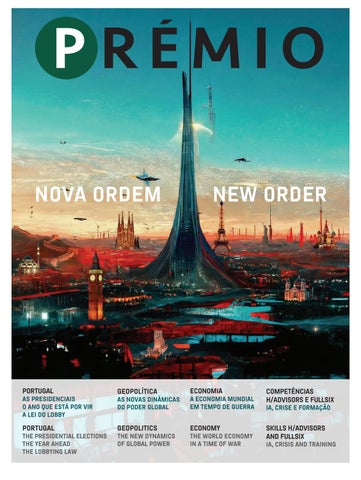
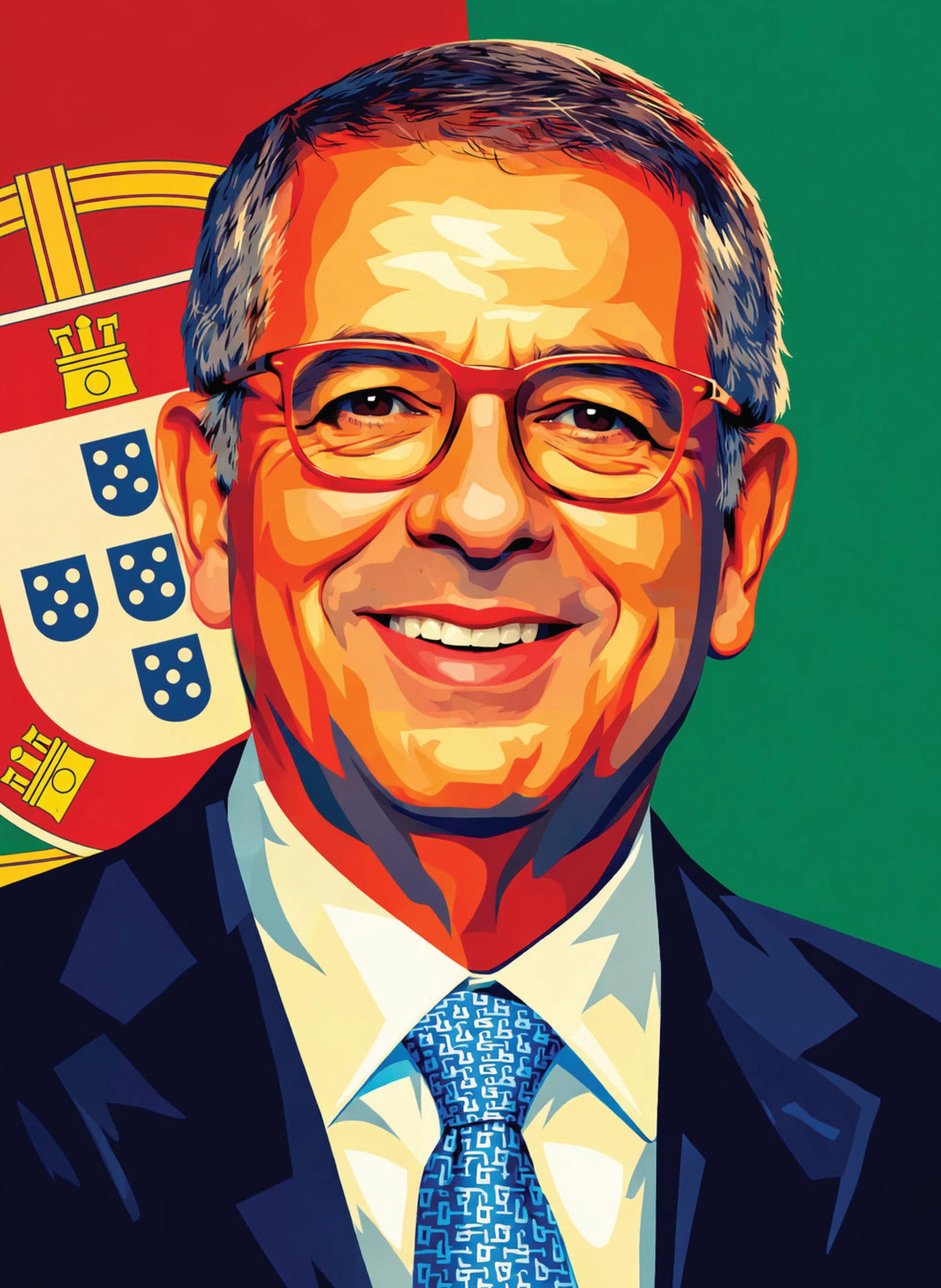
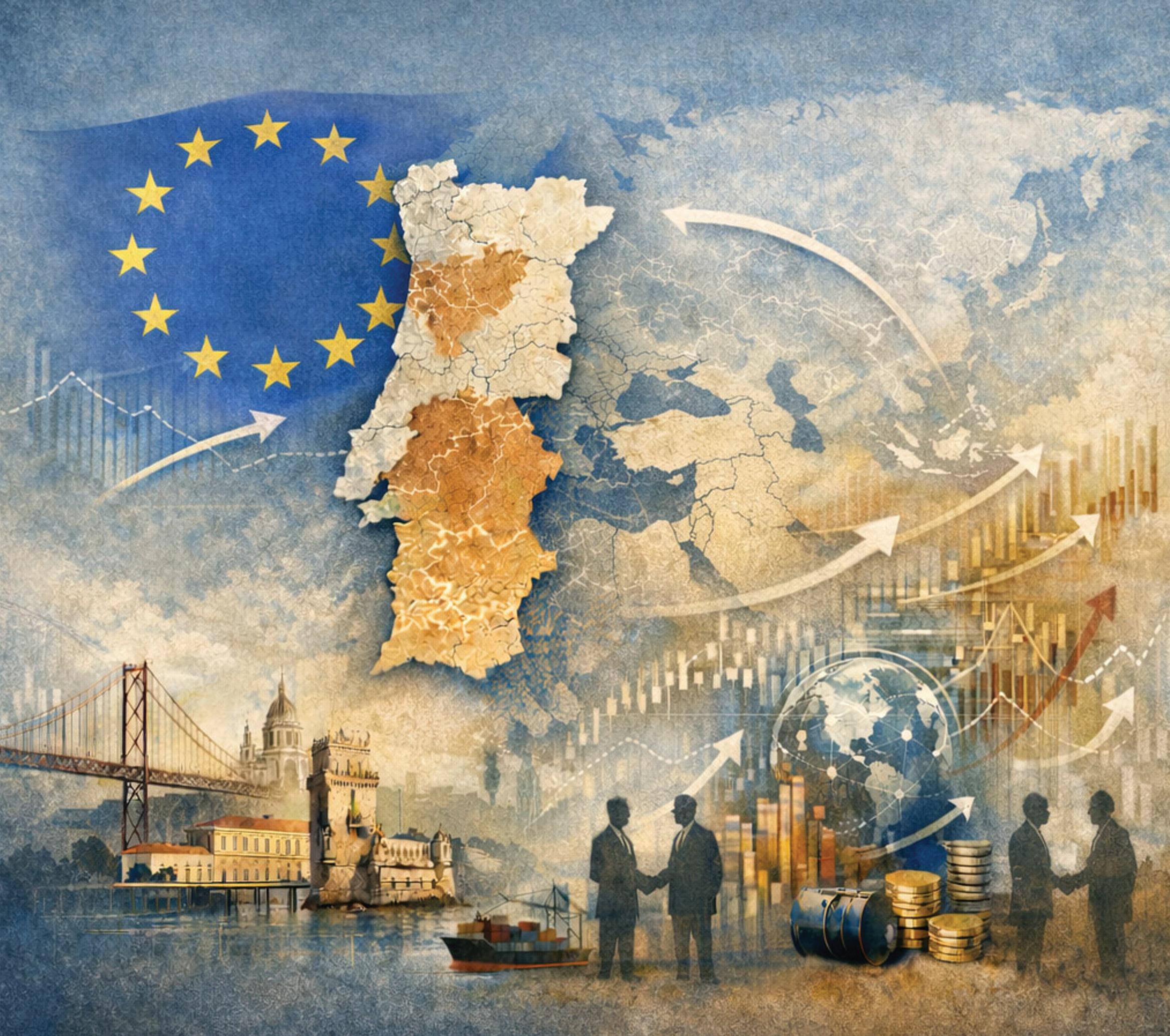
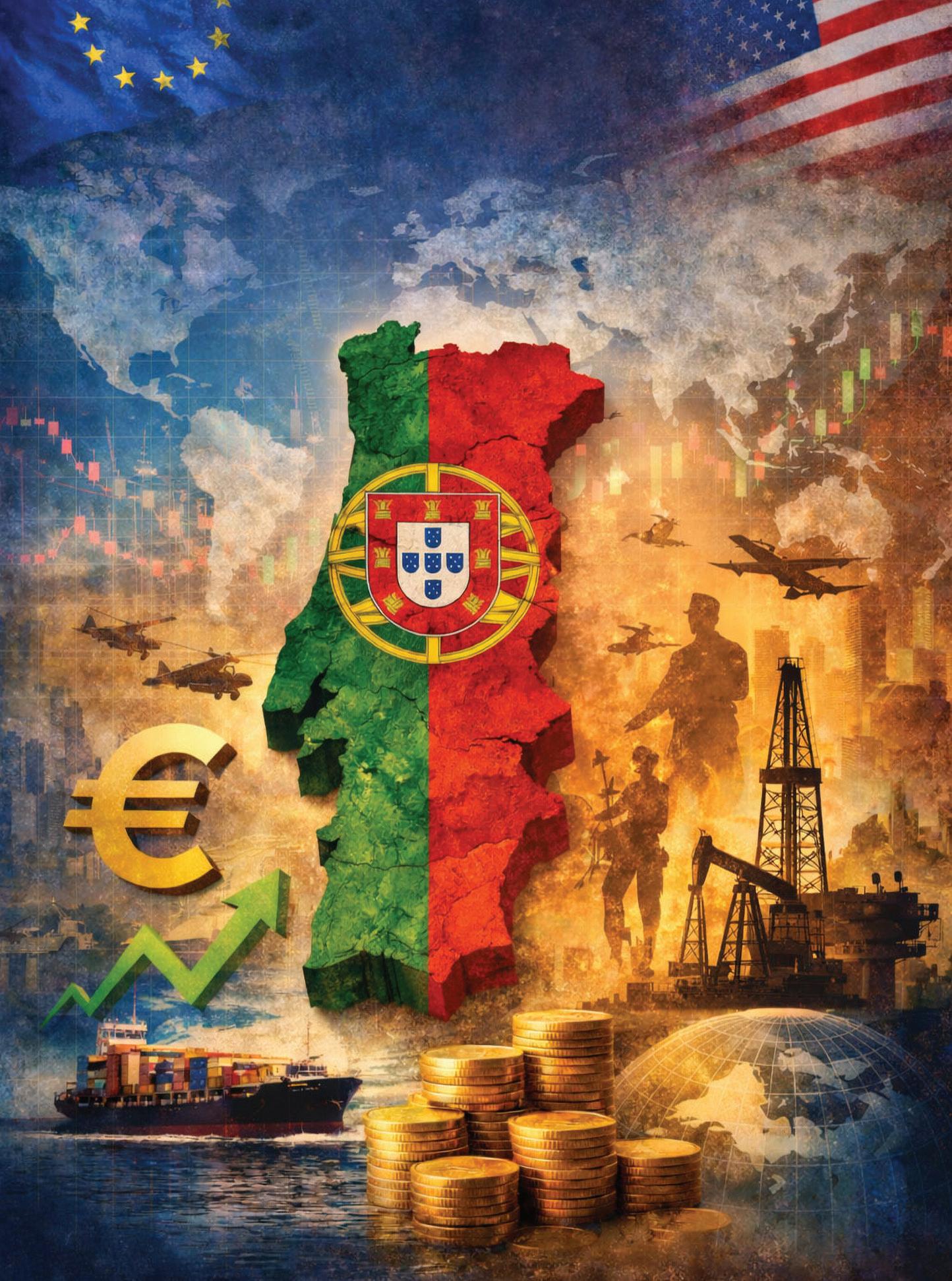
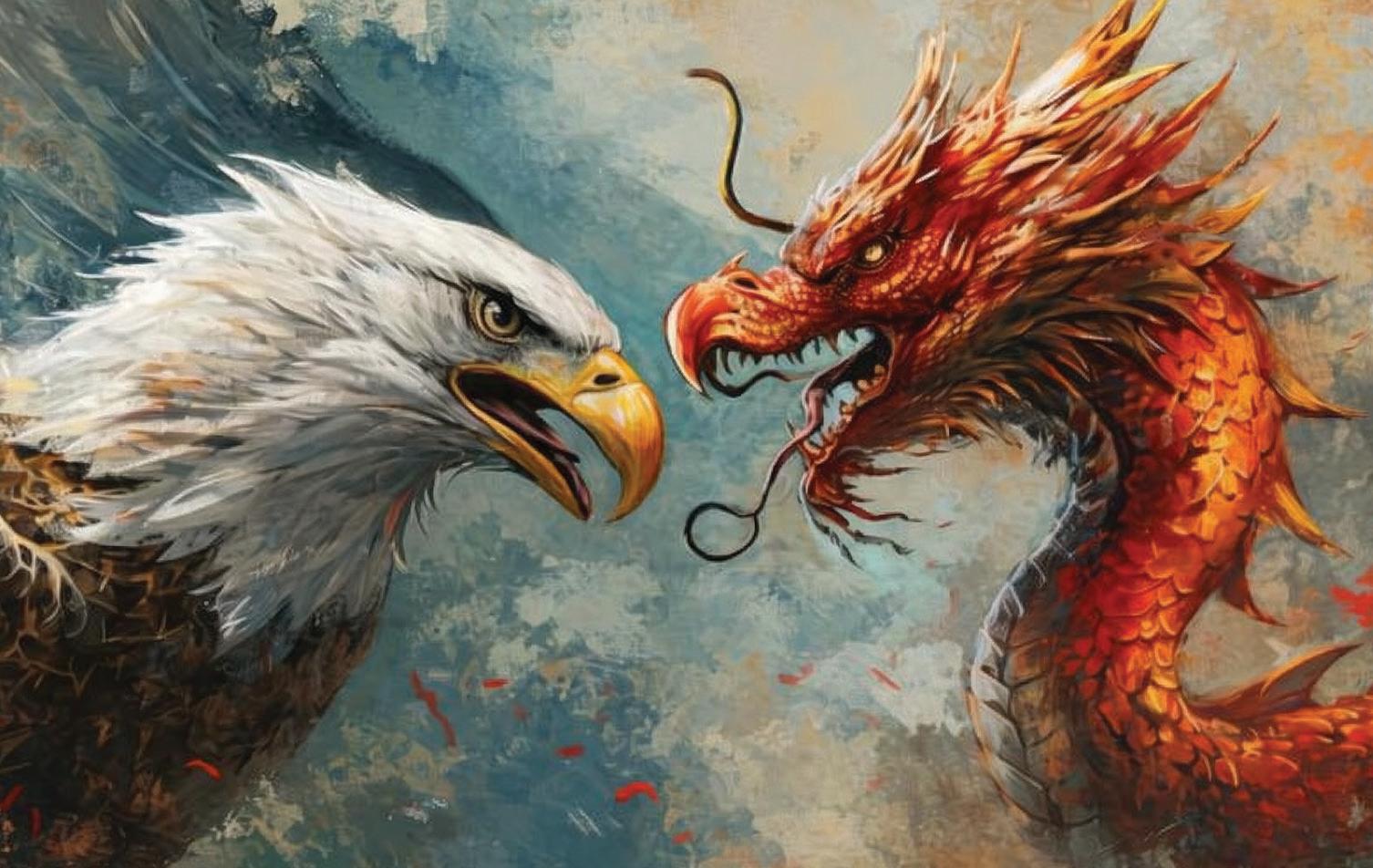
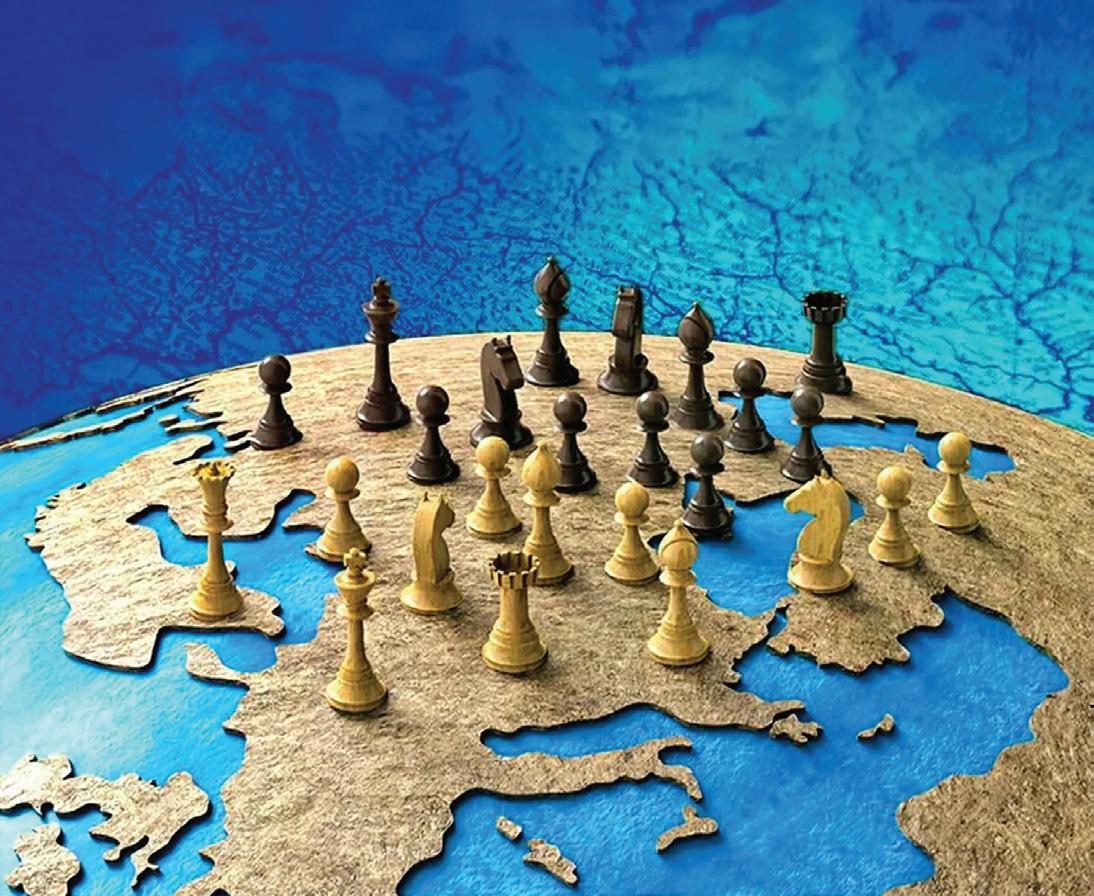
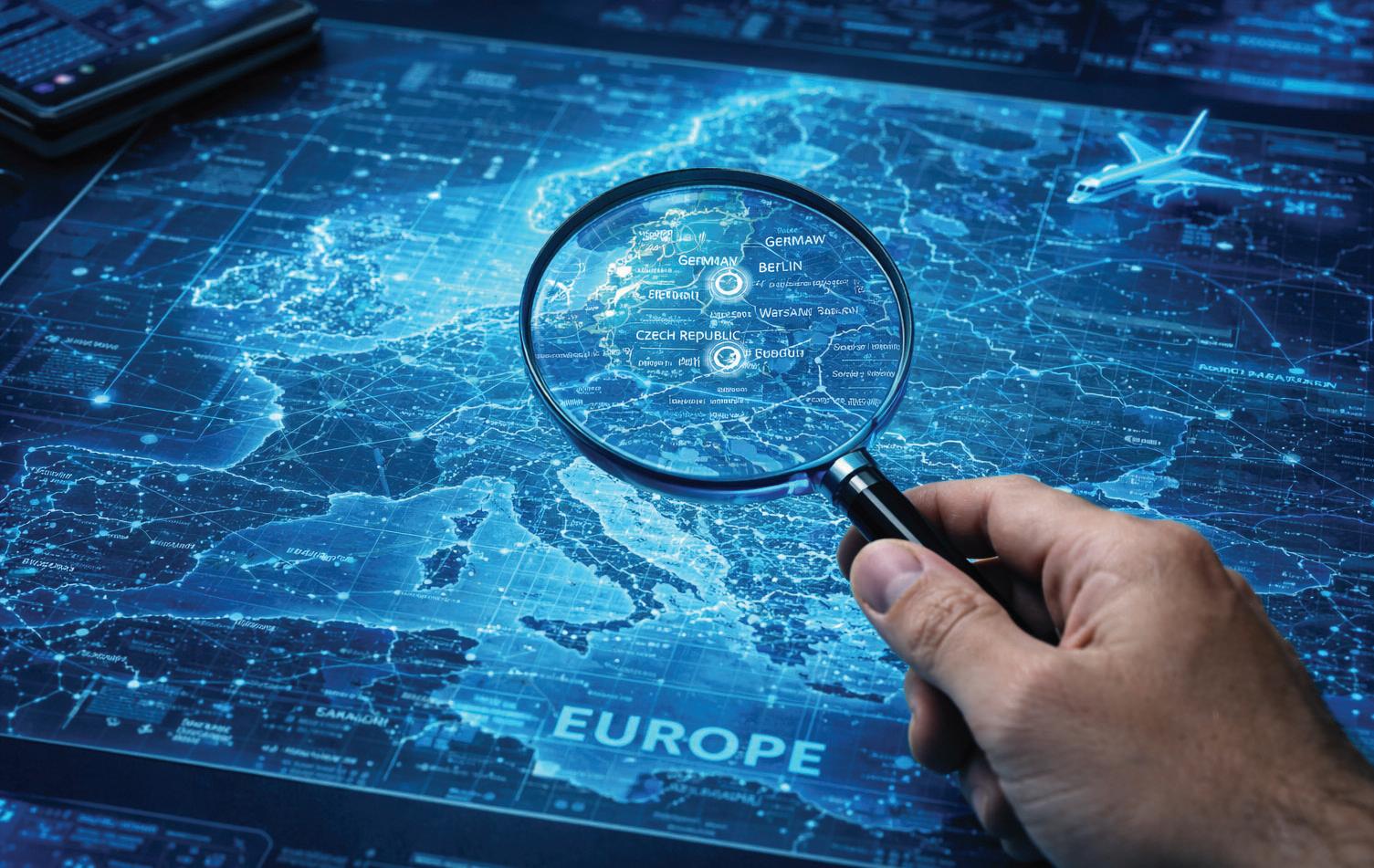
ste número da revista Prémio é marcante. E muitas são as razões. Comemoramos mais um aniversário, acabámos de eleger um novo Presidente da República, depois de muitos anos de luta, conseguiu-se que a Assembleia da República aprovasse uma Lei que regula o Lóbi, pela primeira vez na história recente do mundo estamos numa guerra política e económica quase global entre grandes potências. Também aproveitámos este momento especial para editar um número cuja capa foi concebida com recurso à inteligência artificial e como o tempo não pára e o trabalho também não, perguntámos a quem sabe o que se passará em geral no nosso país, como a inteligência artificial pode ajudar ou ser perigosa, bem como trazemos ao conhecimento dos leitores as nossas competências em matéria de gestão de crise e de formação profissional.
This edition of the Prémio magazine comes at a defining time and for so many different reasons. We commemorated yet another anniversary, we have just elected a new President of the Republic, after many years of campaigning, the Parliament of the Republic approved a law that regulates lobbying and, for the first time in the recent history of the world, we are facing an almost global political and economic conflict among the great powers. We also take advantage of these special times to issue this edition with its cover designed through recourse to artificial intelligence and, as time and work never stop, we ask those who know about what is generally taking place in our country, how artificial intelligence may be assisting or may be dangerous, as well as bringing our competences in terms of crisis management and professional training to the attention of our readers. We purposefully decided not to issue any personal opinion
Propositadamente decidimos não emitir opinião pessoal neste editorial e até pensámos em pedir a uma ferramenta de Inteligência Artificial que o fizesse. Mas a maioria da redacção da Prémio opôs-se e, assim, a capa e o artigo sobre economia em tempo de guerra são os conteúdos artificiais desta primeira incursão no “mundo novo”. Não posso deixar de agradecer a todos quantos contribuíram com artigos para que a opinião que levamos até ao leitor seja a mais qualificada e aos nossos colegas da H/Advisors de outros países do Mundo quero deixar o nosso reconhecimento pelo seu especial contributo. Também os colegas das empresas do Grupo Havas (Creative e Media) que nos permitiram ter anúncios nas nossas páginas merecem o nosso agradecimento. Termino com votos de rápido restabelecimento da Paz Mundial e de retoma da construção de um mundo próspero e digno para todos os seres humanos.
in this editorial and we even considered requesting an artificial intelligence tool to do so. However, a majority of the Prémio editorial board opposed this and thus, the cover and the article about the economy in times of war are the artificial contents in this first incursion into this “new world”.
I must take this opportunity to thank not only all those who contributed with articles so that the opinion we provide to readers is from those most qualified but also our colleagues from H/ Advisors in other countries around the world coupled with our recognition of their special contribution. Furthermore, our colleagues in the Havas Group companies (Creative and Media), who allowed us to have advertising on our pages, also very much deserve our thanks.
I end with my profound wishes for the restoration of World Peace and the resumption of building a prosperous and dignified world for all human beings.
imagem
gerada por inteligência artificial
O Presidente “sem amarras” mais votado de sempre
The “untethered” President receives the most votes ever
As eleições presidenciais de 2026 foram decididas na segunda volta, com António José Seguro a alcançar uma vitória expressiva de 66,83% dos votos, enquanto André Ventura reuniu 33,17 por cento. A afluência às urnas ficou perto dos 50%, num sufrágio marcado por estabilidade e ampla margem de decisão.
The presidential elections of 2026 were decided in the second round with António José Seguro notching up an expressive victory with 66.83% of the votes leaving André Ventura trailing on 33.17%. The turnout came in at almost 50% impacted by the stability and broad certainty around the outcome.
Portugal elegeu o novo Presidente da República numa eleição que só ficou fechada à segunda volta, o que não acontecia há 40 anos. António José Seguro destacou-se e venceu por larga margem o candidato André Ventura, com dois terços dos eleitores a darem-lhe confiança para governar durante os próximos cinco anos. Quando faltavam apurar apenas 20 das 3259 freguesias que foram a votos no segundo turno das presidenciais, a 8 de Fevereiro, António José Seguro subiu ao palco do Centro de Congressos das Caldas da Rainha para deixar uma promessa aos portugueses: “Sou livre, vivo sem amarras e assim agirei durante os cinco anos do meu mandato”. Mostrou-se disponível para uma “cooperação institucional profícua” com o Governo: “Não serei oposição, serei exigência”. O discurso de vitória do novo Presidente da República ficaria ainda marcado por palavras de solidariedade para com as vítimas das tempestades e cheias que afectaram Portugal, num início de ano de que não há memória, e fez saber que não permitirá “burocracias que impeçam a
Portugal has elected a new President of the Republic in an election that was only decided in the second round for the first time in over 40 years. António José Seguro stood out and defeated the candidate André Ventura by a large margin with two-thirds of the electorate trusting in him to govern throughout the next five years. When only 20 out of the 3,259 parishes had still to turn in a result in the second round of the presidential elections, on 8th February, António José Seguro took to the stage of the Caldas da Rainha Congress Centre to make a promise to the Portuguese: “I am free, I live without tethers and so shall I act during the five years of my mandate”. He expressed his willingness for “beneficial institutional cooperation” with the government: “I will not be the opposition, I will be demanding”. The victory speech of the new President of the Republic was also characterised by his expression of solidarity with the victims of the storms and floods that have afflicted Portugal in a beginning to the year unprecedented in recent memory and he made it clear he
ANA LOPES
ESPECIAL ELEIÇÕES PRESIDENCIAIS
chegada dos apoios a quem já perdeu tanto ou mesmo tudo”. Seguro conseguiu um resultado histórico: não só foi “eleito com a maior votação de sempre para um cargo político nacional, batendo o anterior recorde de Mário Soares, como se torna de longe o Presidente com tamanha margem logo à primeira eleição – dado que o recorde de Soares foi obtido na sua reeleição, com apoio expresso do PS e PSD e contra o então centrista Basílio Horta”, explica o diretor-adjunto do Expresso, David Dinis. Seguro superou Soares em número de votos, embora não o tenha conseguido em termos percentuais. Na derradeira volta, conquistou 67,12% do eleitorado, ou seja, dois terços dos votos, o que corresponde a quase três milhões e meio de cruzes no boletim, e que fazem dele o político português mais votado de sempre. Os melhores resultados de Seguro, na segunda volta, foram obtidos essencialmente nas zonas mais populosas do país, analisou o Expresso num artigo publicado no rescaldo eleitoral. As regiões Centro e Norte Litoral terão sido essenciais para conferir ao socialista uma eleição histórica. Seguro venceu também em todas as 20 freguesias afectadas pelo mau tempo, onde a votação foi adiada por causa das tempestades. André Ventura, em contrapartida, obteve uma derrota expressiva (33,17%) - só ganhou nos municípios de São Vicente (Madeira), Elvas e no círculo de emigração -, embora tenha conquistado mais 300 mil votos do que nas legislativas de 18 de Maio de 2025. Um resultado em que se alicerçou para preparar o discurso no final da noite eleitoral. “A mensagem dos portugueses foi clara: lideramos o espaço da direita em Portugal e vamos em breve governar este país”, disse, repetindo a evocação a Francisco Sá Carneiro, tal como fizera no início da campanha eleitoral. Ventura não fez qualquer referência às vítimas das intempéries, mesmo tendo passado parte da campanha para a segunda volta a solicitar o adiamento das eleições por causa das tempestades e a protagonizar episódios polémicos nas redes sociais - que envolveram o uso de efeitos especiais num vídeo em que se via o candidato a distribuir água nas zonas mais afectadas pelo temporal. Se dúvidas houvesse que António José Seguro conseguiria unir o país sob o lema “Voto Seguro”, dissiparam-se com a contagem dos boletins. Contas feitas, é agora tempo de olhar para o futuro e perspectivar como será a relação entre Belém e São Bento, quais as prioridades e desafios que vão colocar à prova o detentor do mais elevado cargo político nacional? Entre os maiores desafios da legislatura, a Saúde parece ser a “prioridade das prioridades” do novo Presidente. Seguro garantiu por diversas vezes em acções de campanha e debates que pretende estabelecer um pacto de regime entre partidos - desafio maior será conseguir uma via de entendimento entre PSD e PS - para que “os portugueses tenham Saúde a tempo e horas”. Desigualdades sociais, laborais e ameaças à Constituição, também estão no centro das suas preocupações. “Eu quero ser o Presidente de todos os portugueses. É essa a natureza constitucional da Presidência da República. Um Presidente leal à Constituição. Um Presidente que vem para equilibrar um sistema político que está excessivamente desequilibrado para um dos campos, onde esse campo consegue fazer tudo, tomar todas as decisões, inclusivamente se quiser fazer as
would not allow “bureaucracies to get in the way of support for those who have already lost so much when not everything”. Seguro obtained a historical result: not only was he “elected with the largest number of votes ever for a national political position, beating the former record of Mário Soares, but he also becomes the President with the largest winning margin in his first election – given that the Soares record was achieved during his re-election with explicit support from the PS and PSD parties and against the then centrist Basílio Horta”, explained the Expresso assistant-director, David Dinis. Seguro exceeded Soares in the number of votes even while not achieving the same level in percentual terms. In the final round, he picked up 67.12% of the electorate, hence, two thirds of the votes and corresponding to almost three and half million ballot papers, which turns him into the most voted for Portuguese politician of all times. Seguro’s best results in the second round essentially came from the most densely populated areas in the country as Expresso analysed in an article published in the wake of election night. The Centro and Norte Litoral regions were essential to endowing the socialist with a historical election result. Seguro also won in all of the 20 parishes hardest hit by the bad weather and where voting was delayed due to the storms. On the other hand, André Ventura was defeated by a clear margin (33.17%) – he won only in the municipalities of São Vicente (Madeira), Elvas and among the emigrant voters -, even while winning over 300,000 more votes than in the legislative elections of 18 May 2025. A result that got leveraged in preparations for his final speech on election night. “The message from the Portuguese was clear: we lead the space on the right in Portugal and we shall shortly be governing this country”, he stated, repeating his evocation of Francisco Sá Carneiro just as he had at the beginning of the election campaign. Ventura made no reference to the victims of the storms even after having spent part of his campaigning for the second round calling for a delay to the elections due to the storms and driving controversial episodes on the social networks – involving the usage of special effects in a video in which the candidate distributed water in the areas worst affected by the storms. If there were any doubts that António José Seguro had managed to unite the country behind his “Voto Seguro/Secure Vote” motto, they were dispelled as soon as counting began. With the results in, now is the time to look to the future and foresee the relations between Belém and São Bento, the leading priorities and the looming challenges facing the holder of the highest national political position. Among the greatest challenge of this parliament, health would seem to be the “priority of the priorities” for the new President. Seguro guaranteed on various occasions while campaigning and debating that he aims to establish a cross-party regime pact – the leading issue will be achieving an understanding between the PSD and PS – so that “the Portuguese access health on time and in time”. Social and labour inequalities and threats to the constitution are also at the centre of his concerns. “I want to be the president for all the Portuguese. That is the constitutional nature of the Presidency of the Republic. A president loyal to the constitution. A president who comes to balance a political system that is excessively tilted towards one of the sides, when this side is able
Vitórias por concelhos
António José Seguro
André Ventura 2 concelhos vence 0,65% concelhos
Concelhos apurados onde o partido foi o mais votado
306 concelhos vence99035% concelhos
Resultados Globais
Território Nacional e Estrangeiro
Votantes 5.519.808 votantes 11.039.672 inscritos
António
António José Seguro
ESPECIAL ELEIÇÕES PRESIDENCIAIS
revisões que entender da nossa Constituição da República”, afirmou durante um encontro com jovens no Fórum Cultural de Ermesinde. O então candidato acrescentou que “passados 51 anos sobre o 25 de Abril” persistem desigualdades “entre aquilo que são os direitos concretos das mulheres e os direitos dos homens” e referiu-se mais concretamente a situações de violência doméstica e desigualdade salarial. Desafios que Seguro irá, certamente, colocar na agenda da sua presidência.
Passo a passo: dos debates à campanha Depois de uma maratona de 28 debates, nas televisões e nas rádios, André Ventura respirou de alívio: a maioria das sondagens indicava que passaria tranquilamente à segunda volta. Marques Mendes, que seguia no seu encalço, não resistiu às suspeitas sobre o seu envolvimento em trabalhos de consultoria estratégica. Nem a divulgação de uma lista, de 22 clientes a quem prestou serviços nos últimos anos através de uma empresa familiar, foi suficiente para travar ataques e insinuações dos restantes candidatos. Em contraciclo com os bons resultados revelados pelas sondagens, o candidato social-democrata obteve apenas 11,30% dos votos e ficou arredado da segunda volta. A forma como geriu os ataques à sua empresa e a reacção esquiva aos atrasos no auxílio de emergência, que envolveram o INEM e causaram três mortes no início do ano, terão ferido de morte a candidatura de Marques Mendes. De nada lhe valeram os apoios do PSD e do primeiro-ministro Luís Montenegro. António José Seguro fez o percurso contrário. Sucessivamente
to do anything, take all the decisions, including when wishing to make changes to our republican constitution”, he stated during a meeting with youth at the Ermesinde Cultural Forum. The then candidate then added “51 years after 25th April”, there remain inequalities “between those concrete rights of women and the rights of men” before referring specifically to incidences of domestic violence and wage inequalities. Challenges that Seguro shall certainly be placing on the agenda of his presidency.
Step by step: from the debates to campaigning Following a 28 debate marathon on television and radio, André Ventura could sigh with relief: the majority of opinion polls reported he would easily make it into the second round. Marques Mendes, who was close on his heels, did not survive suspicions around his involvement in strategic consultancy works. Not even releasing a list of 22 clients that he had provided such services to in recent years through a family firm was enough to stem the attacks and insinuations from the other candidates. In contrast to the good results pointed to in the polls, the social democrat candidate gained only 11.30% of the votes and failed to make the second round. The way in which he handled the attacks on his company and the evasive reaction to the delays in delivering emergency care, involving the INEM ambulance service and that caused three deaths early in the year, proved to be fatal for the campaign of Marques Mendes. The support of the governing PSD party and Prime Minister Luís Montenegro ended up worthless.
penalizado pelos estudos de opinião que o colocaram em quinto, quarto, ou segundo lugares, causou surpresa ao obter um óptimo resultado logo à primeira volta: 31,12% dos votos. Na caminhada para Belém, manteve-se à margem de polémicas, uma postura que lhe terá sido favorável junto do eleitorado. André Ventura obteve o apoio dos seus eleitores fiéis, que lhe garantiram 23,52% dos votos e o acesso à finalíssima a dois. Mais abaixo, Gouveia e Melo, apontado inicialmente como favorito a suceder a Marcelo Rebelo de Sousa, foi caindo nas sondagens semana após semana, até saltar da pole position para a segunda volta. A confirmação chegou com as primeiras projecções televisivas, obteve 12,32%, ficando atrás de João Cotrim de Figueiredo, que garantiu 16,01% dos votos. Catarina Martins encabeçou os primeiros dos últimos (2,06%). Seguiram-se António Filipe (1,64%), Manuel João Vieira (1,08%), Jorge Pinto (0,68%), André Pestana da Silva (0,19%) e Humberto Correia (0,08%). A primeira volta das eleições presidenciais portuguesas realizou-se a 18 de Janeiro e foi a mais concorrida, tendo-se registado uma abstenção de 47,7%, um valor que aumentou para os 50% na segunda volta. Joana Amaral Dias, José Cardoso e Ricardo Sousa não entregaram, dentro do prazo de dois dias, os elementos necessários para terem as 7500 assinaturas exigidas por lei, e viram a candidatura ser chumbada pelo Tribunal Constitucional. Ainda houve lugar a protestos motivados pelos catorze nomes nos boletins de voto, quando eram apenas onze os candidatos ainda na corrida a Belém. A Comissão Nacional de Eleições justificou-se com a necessidade dos boletins terem sido impressos antecipadamente para serem enviados “a tempo do voto antecipado”.
Ataque à Venezuela dividiu candidatos
Logo a abrir 2026, a entrada de militares norte-americanos na Venezuela que culminou na detenção de Nicolás Maduro, e da mulher, dominou manchetes em todo o mundo e suscitou reacções dos candidatos presidenciais. André Ventura foi o único a validar sem reservas a acção militar dos Estados Unidos da América (EUA) na Venezuela, assumindo que a captura de Maduro significa uma mudança automática de regime no país: “O derrube do regime de Nicolás Maduro é um bom sinal para a liberdade em toda a região”, afirmou. Gouveia e Melo, o primeiro a reagir, condenou uma “operação que não é legítima”; Cotrim de Figueiredo classificou a invasão levada a cabo pelos EUA como uma “violação grosseira” do direito internacional; Marques Mendes tardou a reagir e, quando o fez, acusou Donald Trump de estar “mais interessado no petróleo do que na democracia”; mais prudente, António José Seguro fez saber que “as relações entre os Estados devem ser pautadas pelo respeito, soberania e afirmação do princípio do Direito Internacional”. Os candidatos mais à esquerda foram contundentes na condenação dirigida aos EUA: Catarina Martins considerou “vergonhosa” a posição de Portugal, que segundo a candidata se mostrou conivente “com a lei do mais forte”; António Filipe condenou o que considera uma “brutal violação” do direito internacional; Jorge Pinto denunciou o “ataque ilegal” dos EUA ao território venezuelano.
António José Seguro took the opposite route. Successively penalised by opinion polls that placed him in fifth, fourth or second place, he caused surprise in achieving a wonderful result in the first round: 31.12% of the votes. On his way to Belém, he remained on the fringes of these controversies in a stance that appeared favourable to the electorate. André Ventura gained the support of his loyal voters, guaranteeing him 23.52% of the votes and access to the second round runoff. Down below, Gouveia e Melo, initially identified as the favourite to succeed Marcelo Rebelo de Sousa, was falling in the opinion polls week after week until losing his pole position for the second round. Confirmation came with the first exit polls, taking 12.32%, behind João Cotrim de Figueiredo, who secured 16.01% of the votes. Catarina Martins led the first of the last (2.06%). The left-wing Bloc candidate was trailed by António Filipe (1.64%), Manuel João Vieira (1.08%), Jorge Pinto (0.68%), André Pestana da Silva (0.19%) and Humberto Correia (0.08%). The first round of the Portuguese presidential elections took place on 18 January and gained the highest turnout with an abstention rate of 47.7%, which rose to 50% in the second round. Within the set deadline of two days, Joana Amaral Dias, José Cardoso and Ricardo Sousa did not deliver the documents necessary to register having the 7,500 signatures as demanded by the law and saw their candidacies rejected by the Constitutional Court. There was also the scope for protests over the fourteen names on the ballot papers when there were actually only eleven candidates in the race for Belém. The National Election Commission justified this by the need to print the ballot papers for delivering “in time for early voting”.
The Venezuela attack that divided the candidates In early 2026, the incursion of American troops in Venezuela that culminated in the arrest of Nicolás Maduro and his wife dominated headlines all around the world and elicited reactions from the presidential candidates. André Ventura was the only one to unreservedly back the United States military action in Venezuela, assuming that the capture of Maduro would mean an automatic change in the country’s regime: “The overthrow of the Nicolás Maduro regime is a good sign for freedom throughout the region”, affirmed Ventura. Gouveia e Melo, the first to react, condemned an “operation that is not legitimate”; Cotrim de Figueiredo classified it as an invasion carried out by the United States and a “gross violation” of international law; Marques Mendes was slow to react and, when doing so, accused Donald Trump of being “more interested in the oil than in democracy”; more prudently, António José Seguro declared that “relations between states should be characterised by respect, sovereignty and the affirmation of the principles of international law”. Candidates further to the left were robust in their criticism of the United States: Catarina Martins deemed the Portuguese position as “disgraceful” that the candidate declared was conniving “with the law of the jungle”; António Filipe condemned what he considered a “brutal violation” of international law while Jorge Pinto denounced the “illegal attack” by the United States on Venezuelan territory.
Tempo sem ambição é calendário
Time without ambition is just a calendar
PALEXANDRE POÇO, DEPUTADO E VICE-PRESIDENTE DO GRUPO PARLAMENTAR DO PSD VICE-PRESIDENTE DO PSD
MEMBER
OF PARLIAMENT AND VICE-PRESIDENT OF THE PSD
AND ITS PARLIAMENTARY GROUP
ortugal entra num novo ciclo institucional com a transição de Marcelo Rebelo de Sousa para António José Seguro. Não é um sobressalto; é maturidade democrática. Num regime semipresidencial, a história não se escreve nas diferenças de estilo (tantas vezes realçadas pelos analistas), mas na qualidade da cooperação. O que o país precisa é de convergência institucional, serenidade estratégica e foco na execução. Durante vários anos vivemos em ciclos curtos: legislaturas interrompidas, dissoluções, crises políticas. Governar tornou-se, muitas vezes, reagir. O horizonte até 2029 oferece algo raro na política recente: tempo. E tempo, em democracia, é poder de transformação. Mas tempo sem ambição é apenas calendário.
Este ciclo tem de aprofundar a ambição que caracteriza o PSD e que norteou a nossa chegada ao Governo em 2024. Não viemos administrar rotinas ou gerir o dia-a-dia. Viemos alterar trajetórias, afastar Portugal da resignação confortável e colocá-lo numa rota exigente de convergência com os países mais prósperos da Europa. Não basta crescer; é preciso acelerar. Não basta corrigir; é preciso reformar. Não basta estabilizar; é preciso transformar.
A reforma laboral que queremos moderniza o mercado de trabalho porque salários mais altos exigem mais valor criado. A reforma dos licenciamentos urbanísticos aprovada rompe com a cultura do bloqueio e devolveu previsibilidade à construção. O choque fiscal no arrendamento reconhece uma evidência simples: sem oferta, não há moderação de preços. A redução progressiva de IRS e IRC é uma escolha estratégica, não retórica fiscal. Crescimento sustentável exige competitividade, e competitividade exige que o Estado não absorva em excesso a energia produtiva. Tudo isto assente na solidez das contas públicas: controlo do défice, redução sustentada da dívida, credibilidade externa. A liberdade financeira de hoje prepara os desafios do
ortugal embarks on a new institutional cycle with the transition from Marcelo Rebelo de Sousa to António José Seguro. This is no shock to the system; this is democratic maturity. In a semipresidential regime, history does not get written in the differences in style (so commonly highlighted by the analysts) but in the quality of cooperation. What the country requires is institutional convergence, strategic calm and a focus on implementation. Throughout various years, we have lived short cycles: interrupted parliamentary mandates, dissolutions, political crises. Governing very often became about reacting. The horizon through to 2029 provides something rare in recent politics: time. And time, in a democracy, represents the power of transformation. However, time without ambition is just a calendar.
This cycle has to deepen the ambition that characterises the PSD and that underpinned our arrival in government in 2024. We did not come to administer routines or manage the daily affairs.
We came to change trajectories, move Portugal on from its comfortable resignation and place it on the demanding route of convergence with the more prosperous countries of Europe. It is not enough to grow; the need is to accelerate. It is not enough to correct; the need is to reform. It is not enough to stabilise; the need is to transform.
The labour legislation reform that we want to modernise the employment market as higher wages require the creation of greater value. The approved reform of the urban licensing law breaks with the culture of blocks and restores predictability to construction. The fiscal shock to the rental market recognises a simple fact: without supply, there is no moderation in prices. The progressive reduction in the personal and corporate tax rates becomes a strategic choice and not fiscal rhetoric. Sustainable growth requires competitiveness and this requires the state not to excessively absorb the productive energies. This all relies upon solid state accounts: control of the deficit, the sustained reduction in debt, external credibility. The financial freedom of today prepares for the
amanhã, como a história da nossa democracia comprova. Reformar o Estado é talvez a tarefa mais exigente. Fusão de estruturas, racionalização de entidades e Ministérios, digitalização acelerada da Administração Pública — menos papel, mais decisão. Um país ágil começa num Estado ágil, parceiro e não de bloqueio às pessoas e às empresas.
Na saúde, a recente reorganização das urgências introduz método onde antes havia improviso, procurando resolver um dos principais problemas dos últimos anos. E decisões estruturais, como a privatização da TAP, exprimem uma visão clara: o Estado deve concentrar-se no essencial e libertar recursos para onde é verdadeiramente insubstituível. Estes exemplos não esgotam a agenda em curso. São expressão de uma orientação mais ampla que abrange imigração com regras claras, reforço da segurança e da defesa num mundo mais incerto, justiça mais célere e educação mais exigente. Não são medidas dispersas, são parte de um desenho coerente. As recentes tempestades recordaram-nos que o território não pode continuar a ser governado pela exceção. Revisão de planos, reforço de infraestruturas e integração séria de critérios de resiliência são escolhas estruturais. O PTRR deve ser executado com ambição: não para repor o que caiu, mas para erguer melhor e transformar. O Orçamento do Estado para 2027 deve ser tratado com normalidade democrática. Reformas profundas não se concentram num único diploma anual; constroem-se ao longo do tempo. Estabilidade não é ausência de debate; é ausência de dramatização. Até 2029, Portugal precisa de estabilidade institucional e não de tentativas recorrentes de formar governos parlamentares de consórcio à margem da vontade expressa nas urnas. O Partido Socialista e o Chega têm o direito de se opor; não têm o dever de instabilizar. O país está atento à capacidade do Governo AD, mas também à responsabilidade (ou falta dela) das oposições. Este não é um tempo para a política mínima. É um tempo para ambição. Portugal já demonstrou que sabe resistir. Agora tem de provar que sabe reformar, crescer e convergir.
challenges of tomorrow as the history of our democracy demonstrates. Reforming the state is perhaps the most demanding task. Merging structures, rationalising the entities and ministries, accelerating the digitalisation of the government structure — less paper, more decisions. An agile country begins with an agile state, a partner and not a blockage to people and companies. In the health sector, the recent reorganisation of the emergency service has introduced method, whereas before there was only improvisation, and seeks to resolve one of the key problems of recent years. And structural decisions, such as the privatisation of TAP, express a clear vision: the state should concentrate on the essential and release resources for where it is truly irreplaceable. These examples do not reflect the scope of the ongoing agenda. They are an expression of a broader orientation that extends to clear rules for immigration, strengthening security and defence in a more uncertain world, a faster legal system and more demanding education. These are not dispersed measures; they are part of a coherent design. The recent storms remind us that the territory cannot continue to be governed by exception. Reviewing plans, strengthening infrastructures and integration provide the criteria for resilience and are structural choices. The PTRR recovery plan needs to be implemented with ambition: not for replacing whatever fell over but rather building better and transforming.
The 2027 state budget should be handled with democratic normality. Deep reform does not get concentrated in a single annual announcement; this gets constructed over time. Stability is not the absence of debate; it is the absence of dramatization. Through to 2029, Portugal needs institutional stability and not recurrent attempts to form parliamentary government consortia on the fringes of that expressed in the ballot box. The Socialist Party and Chega have the right to oppose; they do not have the duty to destabilise. The country is paying attention not only to the capacities of the AD government but also to the responsibility (or lack of it) of the opposition parties. This is not a time for minimal politics. This is a time for ambition. Portugal has already demonstrated that it knows how to resist. Now, the country has to prove it knows how to reform, grow and converge.
The Global Economy in a Time of War
Geopolitical Conflicts, Global Uncertainty and the Impact on Portugal
A WORLD IN ACCELERATED TRANSFORMATION
We are living through one of the most complex moments in contemporary economic history. The confluence of multiple armed conflicts — from the war in Ukraine to the protracted confrontation in the Middle East, alongside growing tensions across
several regions of Africa — is profoundly reshaping the global economic architecture, with consequences that will be felt for decades to come.
The World Economic Forum’s Global Risks Report for 2026 is unequivocal: geoeconomic confrontation has emerged as the world’s foremost risk, with 18% of experts surveyed considering it the factor most likely
to trigger a global crisis. For the first time in several years, economic risks — recession, inflation and the collapse of asset bubbles — have risen sharply up the league table of concerns.
In this context, Portugal — a small, open economy deeply integrated into European and global markets — finds itself in a peculiar position: sufficiently distant from the epicentres of conflict to avoid direct impact, yet too interconnected with the international economic system to escape its shockwaves.
CONFLICTS AND THEIR MACROECONOMIC EFFECTS
The War in Ukraine
More than three years after the Russian invasion, the most acute direct effects have eased: energy and grain prices have returned to near pre-war levels, and Europe has achieved a remarkable diversification of its energy supply sources. However, second and thirdorder effects persist. European central banks were forced to raise interest rates aggressively to combat inflation, and the cost of that monetary normalisation continues to weigh on investment and consumption. The most enduring impact is the reconfiguration of global supply chains, the acceleration of European defence investment, and the fragmentation of international trade into increasingly defined geopolitical blocs. The war in Ukraine was not merely a military conflict — it was the catalyst for a new global economic order.
The Middle East and Commercial Routes
Houthi attacks in the Red Sea have forced dozens of container ships to reroute via the Cape of Good Hope, significantly increasing transport costs and delivery times. For Portugal, which is heavily reliant on maritime trade, these higher logistics costs translate directly into inflationary pressure on imported goods and a loss of export competitiveness. The Portuguese economy spent approximately ten billion euros on oil and gas imports in 2025. Conversely, instability elsewhere may benefit Portugal through the so-called ‘safe haven effect’ in tourism.
The Economic War: Tariffs and Fragmentation
The aggressive tariff policy of the United States, resumed with greater intensity after 2025, represents a systemic risk. The Bank of Portugal has warned that the materialisation of a scenario involving American tariffs on European imports, with equivalent European retaliation, could result in a cumulative contraction of Eurozone GDP of between 0.5% and 0.7% over three years. This progressive ‘deglobalisation’ — with China, the US and Europe building parallel economic ecosystems — threatens the model that enabled decades of global growth.
THE GLOBAL ECONOMY: FRAGILE RESILIENCE
IMF forecasts for 2025–2026 point to global growth of 3.1–3.2%, below long-term potential and masking deep regional asymmetries. Advanced economies will grow by an average of just 1.5%. The United States faces ‘mild stagflation’: growth below 2% and persistent inflation above 3%. Europe, buoyed by an unprecedented German fiscal stimulus, is unlikely to exceed 1.1%–1.5% in 2026. China is slowing to 4.2%–5%, squeezed by its property sector crisis and the trade war with the US.
Inflation, which had appeared to be under control, is showing worrying signs of persistence: American tariffs are creating fresh upward pressure on prices, elevated logistics costs continue to weigh on traded goods, and wages — which rose sharply to compensate for losses in purchasing power — are slow to feed through into lower prices. The ECB is navigating with extreme caution between the risk of choking growth with rates that are too high and reigniting inflation with rates that are too low.
In parallel, artificial intelligence is driving investment at pace: JPMorgan projects a 33% expansion in AI spending in 2026, following a 69% increase in 2025. This technological wave could serve as a partial antidote to the weak productivity that characterises advanced economies, but carries its own risks of labour market disruption and speculative bubbles in the technology sector.
PORTUGAL: VULNERABILITIES AND STRENGTHS
Profile and Transmission Channels
Portugal is an economy of approximately €270 billion in GDP, deeply integrated into European and global markets, with exports representing over 45% of GDP. Tourism directly sustains around 15% of GDP, making it the anchor of the Portuguese growth model, whilst also creating a structural exposure to external shocks. Goods exports — textiles, footwear, cork, wine, automotive components — remain heavily dependent on European demand.
Geopolitical conflicts affect Portugal through four simultaneous channels: (1) energy — international energy prices directly affect industrial competitiveness and purchasing power; (2) financial — higher interest rates have increased borrowing costs for businesses and households, and public debt (forecast at 90.5% of GDP in 2026) retains exposure to sovereign bond markets; (3) trade — supply chain disruptions and potential American tariffs on European exports; and (4) confidence — geopolitical uncertainty depresses economic activity, with the global economic policy uncertainty index close to historical highs.
Defence Spending and Public Finances
NATO’s pressure on member states to reach the 2% of GDP defence spending target entails significant
additional resources. This increase competes with other budgetary priorities such as health, education and housing, and could compromise the trajectory of public debt reduction. The Portuguese Public Finance Council has warned that the budgetary balance is set to deteriorate from 2026 onwards.
OUTLOOK: SCENARIOS AND OPPORTUNITIES
Baseline Scenario: Growth Above the European Average
The leading economic institutions are relatively optimistic about Portugal. The Bank of Portugal projects GDP growth of 2.3% in 2025 and 2.1% in 2026, comfortably above the Eurozone average. This performance rests on the dynamism of tourism, growth in private consumption sustained by real wage increases and reductions in income tax, the boost from the Recovery and Resilience Plan (with peak fund disbursement in 2025–2026), and a robust labour market with unemployment near historic lows of around 6%. Exports are forecast to grow by 2.6% in 2026, and inflation is expected to stabilise at around 2%.
Downside Risks and Strategic Opportunities
The principal downside risks include an escalation of the US–EU trade war, a recession in Germany (a crucial trading partner), a fresh escalation in the Middle East with knock-on effects on oil prices, and a potential global financial crisis. The materialisation of any of these scenarios would directly affect Portuguese growth.
Nevertheless, the reconfiguration of global supply chains creates unique opportunities. Portugal’s Atlantic geographic position — with deep-water ports such as Sinães — makes the country a natural candidate to serve as a logistics and industrial hub for firms seeking to relocate production to Europe. The PLANAPP strategic document identified this potential: Portugal can establish itself as the EU’s ‘strategic backup’ and guarantor of European resilience. Tourism, as noted, tends to benefit from the ‘safe haven effect’ when other destinations become less attractive. The growing technology ecosystem — exemplified by Web Summit’s presence in Lisbon — represents an increasing commitment to high-valueadded sectors.
MAJOR TRENDS SHAPING THE FUTURE
Three major trends will shape the coming years. First, the militarisation of Western budgetary priorities: the reorientation of public resources towards defence represents a structural transformation that will require European coordination to avoid compromising essential public services. Second, the energy
transition as a geopolitical imperative: Portugal, with its considerable solar, wind and hydroelectric potential, has set ambitious targets — 80% renewable electricity by 2026 and carbon neutrality by 2045 — which, beyond reducing energy vulnerabilities, create opportunities to export green energy and attract energy-intensive industries seeking clean and competitive sources. Third, the demographic challenge and digitalisation: an ageing population, low birth rate and skilled emigration demand a combined commitment to immigration and automation, with the risk of a dual economy if active policies on inclusion and skills development are not pursued.
CONCLUSION: PORTUGAL AT THE CROSSROADS
The global economy is undergoing profound and accelerating transformation. Geopolitical conflicts are redrawing the rules of international trade, reconfiguring supply chains and redistributing global economic power. This more fragmented and uncertain world poses a permanently more demanding environment for all economies, but particularly for small, open ones such as Portugal. Portugal has demonstrated remarkable resilience, growing above the European average, consolidating its public finances, and diversifying its exports. However, complacency would be a serious mistake: structural vulnerabilities — energy dependence, exposure to tourism, still-elevated public debt, demographic challenges — do not disappear on account of favourable circumstances.
Portugal’s response must rest on three fundamental pillars: deepening European integration and policy coordination on defence, energy and investment, since Portugal is too small to face the challenges of the twenty-first century alone; accelerating the transition towards a more productive, greener and more digital economy, reducing structural vulnerabilities and creating new engines of growth; and maintaining the budgetary discipline and institutional stability that have made Portugal a credible and attractive partner for investors and international counterparts. As the Portuguese poet Fernando Pessoa wrote, ‘to navigate is necessary; to live is not necessary’ — in times of geopolitical storm, Portugal must affirm itself, more than ever, as an experienced navigator on a choppy sea, harnessing favourable currents and holding firm to a course towards a more prosperous and resilient future.
Sources: Bank of Portugal, IMF, World Bank, World Economic Forum, Portuguese Public Finance Council, European Commission, PLANAPP, CIP/ISEG
(Article produced using the AI assistant Claude)
A importância do Acordo UE-Mercosul para a Europa
The importance of the EU-Mercosul Agreement to Europe
ASOFIA MOREIRA DE SOUSA, REPRESENTANTE DA COMISSÃO
EUROPEIA EM PORTUGAL
EUROPEAN COMMISSION
REPRESENTATIVE
TO PORTUGAL
17 de janeiro de 2026, após mais de 25 anos de negociações, a União Europeia e os países do Mercado Comum do Sul (Mercosul) assinaram um acordo de parceria e comércio. É um marco histórico nas relações económicas, políticas e estratégicas entre a Europa e a América Latina. Esta assinatura ocorre num contexto internacional marcado por transformações profundas: reconfigurações geoeconómicas, tensões protecionistas, reorganização de cadeias de abastecimento e desafios crescentes associados à transição climática e digital. Neste enquadramento, o Acordo UEMercosul vai além da sua própria dimensão comercial: reflete uma Europa que continua aberta ao mundo, comprometida com o multilateralismo, a sustentabilidade e um modelo de comércio baseado em regras, interesses e valores partilhados. Num momento em que o multilateralismo está sob pressão, o Acordo UE-Mercosul assume particular relevância. Diversifica as parcerias externas da União Europeia e promove um modelo de cooperação internacional assente no diálogo e em regras comuns. Como referido pela presidente da Comissão Europeia, Ursula Von der Leyen, “escolhemos o comércio justo em vez das tarifas; escolhemos parcerias de longo prazo em vez de isolamento”. Esta é a escolha europeia por soluções cooperativas, num contexto internacional marcado por crescentes tendências de fragmentação. Estamos a falar de uma das maiores zonas de comércio livre a nível global, abrangendo mais de 700 milhões de pessoas, 31 países e um espaço económico que representa mais de 20% do PIB mundial. Nos próximos anos, as tarifas sobre 91% dos produtos trocados entre os dois blocos deverão ser reduzidas ou até mesmo eliminadas, criando novas oportunidades para empresas, trabalhadores e consumidores. A Comissão Europeia estima que as exportações europeias para o Mercosul possam aumentar até 50 mil milhões de euros, enquanto as exportações do Mercosul para a UE poderão crescer
On 17 January 2026, after over 25 years of negotiations, the European Union and the member countries of Mercosul – the Southern Common Market signed a partnership and trade agreement. This amounts to a historical landmark in the economic, political and strategic relationships between Europe and Latin America. This signing takes place against an international backdrop of profound transformations: geoeconomic reconfigurations, protectionist tensions, the reorganisation of supply chains and rising challenges arising from the climate and digital transitions. Within this framework, the EU-Mercosul Agreement reaches beyond its actual commercial dimension: this rather reflects a Europe that remains open to the world, committed to multilateralism, sustainability and a trade model based on rules, interests and shared values. At a time when multilateralism itself is under pressure, the EU-Mercosul Agreement takes on particular relevance. This diversifies the external partners of the European Union and advocates a model of international cooperation resting on dialogue and common rules. As stated by the European Commission President, Ursula Von der Leyen, “we choose fair trade instead of tariffs; we choose long term partnerships instead of isolation”. This reflects the European choice for cooperative solutions within an international context marked by a growing trend towards fragmentation. We are talking here about one of the largest free-trade zones at the global level, arching over 700 million people, 31 countries and economies that account for over 20% of world GDP. In forthcoming years, the tariffs on 91% of the products traded between the two blocks shall be subject to reductions, where not outright elimination, thus creating new opportunities for companies, workers and consumers. The European Commission estimates that European exports to Mercosul may rise by 50 billion euros while Mercosul exports
cerca de 9 mil milhões de euros. Para percebermos o que isto significa, basta olhar para Portugal, mais de 686 mil empregos (cerca de um em cada oito postos de trabalho) dependem das exportações. Ou seja, a nossa ligação aos mercados externos é fundamental para o emprego e para a vitalidade económica. Este potencial é relevante para setores estratégicos europeus, como a indústria automóvel, a produção de maquinaria, os produtos químicos e farmacêuticos e a tecnologia. Todos passam a ter um acesso mais facilitado a um mercado dinâmico. Simultaneamente, a disponibilidade de recursos naturais e matérias-primas críticas nos países do Mercosul, são essenciais para a transição energética e digital. Com este acordo, o acesso a esses recursos torna-se mais seguro e previsível. O acordo prevê igualmente a proteção de um número significativo de Indicações Geográficas europeias, garantindo que os produtos tradicionais europeus não sejam imitados. No caso português, 36 indicações geográficas passam a beneficiar deste reconhecimento, abrangendo produtos como o queijo Serra da Estrela, os ovos moles de Aveiro, o presunto de Barrancos, o vinho do Porto, o vinho Verde, diversos azeites regionais, o mel dos Açores ou a pera Rocha do Oeste. Esta proteção contribui simultaneamente para a valorização económica das regiões produtoras e para a preservação do património agroalimentar e cultural nacional. A importância do Acordo UE-Mercosul não se esgota nos números ou nas trocas comerciais. Portugal, em particular, mantém com vários países do Mercosul laços históricos e culturais, visíveis na língua, nas migrações, na cooperação académica, científica e cultural. Este acordo reforça esses vínculos, criando um quadro mais estável e ambicioso para a circulação de ideias, conhecimento, inovação e intercâmbios entre pessoas, empresas e instituições. A parceria inclui compromissos claros em matéria de desenvolvimento sustentável: no reforço dos direitos laborais, na proteção ambiental e no combate às alterações climáticas. Retomando às palavras da presidente da Comissão Europeia, na cerimónia de assinatura, “estamos a ajudar-nos mutuamente a avançar na transição para a neutralidade climática”. É verdade que este acordo tem gerado debate em vários Estados-membros, em particular no setor agrícola. Essas preocupações são legítimas e fazem parte do processo democrático europeu. Por isso mesmo, o acordo integra mecanismos de salvaguarda, quotas e instrumentos de acompanhamento, procurando responder a estas sensibilidades e equilibrar a ambição estratégica com a proteção dos setores mais expostos. No entanto, convém lembrar: o acordo ainda não está em vigor, dependendo da ratificação pelo Parlamento Europeu e pelos parlamentos nacionais dos Estados-membros antes da sua plena implementação. O Acordo UE-Mercosul é, assim, um instrumento estratégico para o futuro. Procura responder aos desafios de hoje e criar bases sólidas para uma cooperação duradoura entre duas regiões com fortes laços históricos, culturais e políticos profundos. O seu verdadeiro potencial reside não apenas na abertura de mercados, mas na criação de um espaço de confiança, previsibilidade e oportunidades para milhões de pessoas de ambos os lados do Atlântico.
to the EU may grow by 9 billion euros. To understand just what this means, take a look at Portugal where over 686,000 jobs (around one in eight posts of employment) depend on exports. Hence, our ties with these external markets are fundamental to employment and economic vitality. This potential holds relevance to strategic European sectors, including the automobile industry, machinery and equipment production, chemicals, pharmaceuticals and technology. They all gain easier access to a dynamic market. Simultaneously, the availability of natural resources and critical raw materials in Mercosul countries is essential to the energy and digital transition. With this agreement, accessing these resources becomes more secure and predicable. The agreement also foresees protection for a significant number of European protected designations of origin and thereby guaranteeing traditional European products are not copied. In the Portuguese case, 36 such geographic indications benefit from this recognition spanning products such as Serra da Estrela cheese, the Aveiro ovos moles delicacy, Barrancos smoked ham, port, vinho Verde, various regional olive oils, honey from the Azores and Rocha pears. This protection simultaneously contributes towards valuing these regions of production and preserving the agri-food and national cultural heritage. The importance of the EU-Mercosul Agreement does not end with the numbers or commercial trade. Portugal, in particular, maintains historical and cultural bonds with various Mercosul states, visible in the language, migrations and ongoing academic, scientific and cultural cooperation. This agreement strengthens these ties, endowing a more stable and ambitious framework for the circulation of ideas, knowledge, innovation and exchanges between people, companies and institutions. The partnership includes clear commitments towards sustainable development: through deepening labour rights, environmental protection and combating climate change. Returning to the words of the European Commission President, given at the signing ceremony, “we are mutually helping each other advance towards climate neutrality”. It is true that this agreement has generated debate in various member states, in particular in the agricultural sector. These concerns are legitimate and form part of the European democratic process. Thus, the agreement incorporates safeguarding mechanisms, quotas and supervisory instruments that seek to respond to these sensitivities and balance the strategic ambition against protection for the most exposed sectors. However, we need to recall: this agreement is not yet in force and is dependent on ratification not only by the European Parliament but also by the national parliaments of member states prior to its full implementation. Hence, the EU-Mercosul Agreement is therefore a strategic tool for the future. Seeking to respond to the challenges of today and establish solid foundations for long lasting cooperation between two regions with such deep historical, cultural and political ties. Its true potential derives not only from opening up markets but also from establishing a space of trust, predictability and opportunity for the millions of people on either side of the Atlantic.
Manda quem pode?
Who’s going to lead?
FFRANCISCO SEIXAS DA COSTA,
EMBAIXADOR AMBASSADOR
azer uma comparação entre a invasão russa da Ucrânia e as pretensões norte-americanas sobre a Gronelândia pode revelar-se, à primeira vista, um exercício algo forçado. Nada parece aproximar a violência militar desencadeada por Moscovo da proposta, quase grotesca, de aquisição territorial aventada por Washington. E, no entanto, ambas as situações revelam um traço comum mais profundo: a crescente disponibilidade das grandes potências para assumirem, quase sem disfarce, a lógica das zonas de influência como aparente princípio orientador de uma nova ordem internacional que pretendem impor.
Trata-se de uma lógica vetusta, responsável por alguns dos capítulos mais trágicos da história europeia e mundial, que regressa agora num contexto em que o poder destrutivo dos meios militares tornará qualquer eventual erro estratégico incomparavelmente mais letal, quiçá mesmo existencial.
Durante a Guerra Fria, a Carta das Nações Unidas parecia consagrar, pelo menos no plano formal, um princípio de igualdade soberana dos Estados, num espaço de cooperação multilateral que se anunciava cada vez mais denso. Esse ideal coexistiu sempre, de forma tensa, com a prática concreta das duas superpotências. Estados Unidos e União Soviética disputaram incessantemente esferas de influência política, económica e militar, recorrendo a alianças assimétricas, conflitos por procuração e variados mecanismos de pressão indireta. O multilateralismo que ambos proclamavam era frequentemente “à la carte”: mobilizado quando coincidia com os seus interesses estratégicos, relativizado ou ignorado quando os contrariava. Ainda assim, a ONU preservava um papel simbólico central, como palco institucional do diálogo global, acolhendo a voz de dezenas de novos Estados resultantes dos processos de descolonização. Com o fim da Guerra Fria, instalou-se a ilusão de que a distensão Leste-Oeste teria sido mutuamente benéfica e que a lógica das zonas de influência se tornara obsoleta. Tal leitura revelou-se enganadora. O ocidente vitorioso não abdicou de expandir a sua influência política e institucional no Centro e Leste da Europa, à luz de um proselitismo democrático.
Making any comparison between the Russian invasion of Ukraine and American intentions towards Greenland may at first appear a rather forced exercise. Nothing would seem to approximate the military violence, almost grotesque and purposely unleashed by Moscow, and the territorial acquisition envisioned by Washington. Nevertheless, both situations reveal a far deeper and shared feature: the growing willingness of the major powers to assume, almost undisguisably, the logic of zones of influence as the apparent guiding principle of a new international order that they seek to impose.
This refers to an obsolete logic, responsible for some of the most tragic chapters in European and world history, that now returns in a context in which the destructive power of military means renders any eventual strategic error incomparably more lethal, indeed, even existentially. During the Cold War, the United Nations Charter seemed to consecrate, at least at the formal level, a principle of sovereign equality among states within a forum for multilateral cooperation that was supposedly due to keep intensifying. This ideal always coexisted, even if tensely, in the concrete practices of the two superpowers. The United States and the Soviet Union incessantly disputed spheres of political, economic and military influence, to this end making recourse to asymmetric alliances, proxy conflicts and various mechanisms for indirect pressure. The multilateralism that both proclaimed was frequently “à la carte”: deployed whenever coinciding with their own strategic interests, relativised or outright ignored whenever running counter to them. Irrespective, the UN retained a central symbolic role as the institutional stage for global dialogue, welcoming the voices of the dozens of new states resulting from decolonisation processes. With the end of the Cold War came the illusion that the EastWest détente would become mutually beneficial and that the logic of zones of influence had become obsolete. This interpretation proved erroneous. The victorious West did not miss out on expanding its political and institutional influence (Texto escrito ao abrigo do novo acordo ortográfico)
Os sucessivos alargamentos da NATO e da União Europeia avançaram sobre espaços que durante décadas tinham integrado a órbita soviética, num tempo em que Moscovo parecia demasiado debilitado para conseguir reagir. Gradualmente, porém, o poder russo recuperou assertividade e fez a leitura de que essa aproximação às suas fronteiras não fora mero produto do acaso histórico, mas resultado de uma estratégia deliberada. A deriva autoritária interna do regime russo encontrou no ressentimento acumulado pela derrota na Guerra Fria um terreno fértil. A humilhação simbólica e material associada à implosão da URSS foi instrumentalizada na sociedade russa como uma narrativa mobilizadora. Dela emergiu uma doutrina explícita de reafirmação da legitimidade de uma zona de influência própria. A invasão da Ucrânia consagrou isso de forma clara. A mensagem subjacente era de que Moscovo considerava inaceitável que um Estado inscrito na sua esfera histórica pudesse escolher soberanamente um outro destino geopolítico. A humilhação pela “perda” dos países bálticos ficara bem marcada. Do outro lado, os Estados Unidos, que durante décadas se apresentaram como principais garantes de uma ordem internacional sob regras comummente aceites, permitem-se hoje gestos que revelam uma conceção de que a soberania dos Estados situados no seu espaço de auto-definida influência tem como limites os interesses americanos. A ideia de adquirir a Gronelândia, por mais irrealista que pareça, funciona como afirmação simbólica de que Washington continua a encarar o sistema internacional como um tabuleiro onde as grandes potências podem reivindicar espaços estratégicos quase sem constrangimento normativo. A vítima colateral deste regresso às zonas de influência poderá vir a ser a própria ONU. Durante a Guerra Fria, apesar dos bloqueios frequentes no Conselho de Segurança, as Nações Unidas preservavam uma função simultaneamente simbólica e prática: eram o lugar onde o mundo, mesmo dividido, se reconhecia. Hoje, para as grandes potências, esse modelo parece progressivamente desajustado aos seus interesses. Dispensada a retórica da igualdade formal dos Estados, americanos e russos exibem, sem artifícios, o primado dos seus interesses nacionais.
A China observa esta dinâmica com uma prudência calculada, mas fá-lo alimentando a ambição de também vir a consolidar a sua própria esfera regional, preocupando vários países da zona do Indo-Pacífico, que durante décadas confiaram na proteção americana, ainda que sob a equívoca fórmula da “ambiguidade estratégica”. Resta a Europa. Portadora de uma vocação normativa fundada na primazia das regras, das instituições e do multilateralismo, vê-se confrontada com uma realidade que claramente a ultrapassa. A ordem internacional que lhe foi favorável fragmenta-se. As interrogações multiplicam-se, enquanto as respostas escasseiam. Deste desfasamento nasce um sentimento difuso, mas persistente, de desassossego e de insegurança que marca, de forma indelével, o nosso continente e a nossa geração histórica.
in Central and Eastern Europe in the guise of a proselytising democratic mission. Successive expansions had NATO and the European Union advancing into regions that throughout decades had been integrated into the Soviet orbit as a time when Moscow seemed too enfeebled to manage any reaction. Gradually, however, Russian power recovered its assertiveness and made its own reading of this approach to its borders not as some mere outcome of historical chance but rather as a result of a deliberate strategy. The internal authoritarian shift in the Russian regime drew upon the fertile ground established by this accumulated resentment over defeat in the Cold War. The symbolic and material humiliation associated with the implosion of the USSR was instrumentalised in Russian society as a mobilising narrative. There then emerged an explicit doctrine reaffirming the legitimacy of its own zone of influence. The invasion of Ukraine clearly consecrated this. The underlying messages was that Moscow deemed it unacceptable that any state in its historical sphere might be able to sovereignly choose another geopolitical destiny. The humiliation over the “loss” of the Baltic countries ran very deep. On the other hand, the United States, which had for decades represented the principal guarantor of an international order based on commonly accepted rules, now advances with gestures that convey the conception that the sovereignty of states situated in its self-defined sphere of influence is limited to the extent of American interests. The very idea of acquiring Greenland, however unrealistic this may seem, functions as the symbolic affirmation that Washington shall continue to perceive the international system as a chessboard on which the major powers may stake out their strategic spaces without any real normative constraints. The collateral victim of this return to zones of influence may be the United Nations itself. During the Cold War, despite the frequent Security Countries vetoes, the UN preserved a simultaneously symbolic and practical function: this was the place where the world, even if divided, recognised each other. Today, for the major powers, this model seems progressively out of alignment with their interests. Dispensing with any rhetoric as to the formal equality of states, the Americans and Russians nakedly display the primacy of their own national interests. China observes this dynamic with calculated prudence but does so while nurturing the ambition to also set about consolidating its own regional sphere, eliciting concerns in various countries around the Indo-Pacific region that had spent decades trusting in American protection even if only under the equivocal formula of “strategic ambiguity”. There remains Europe. Holder of a normative vocation founded on the primacy of rules, institutions and multilateralism, Europe finds itself confronted by a clearly overwhelming reality. The international order that was favourable is now fragmenting. The questions multiply while answers are scarce. Out of this displacement, there emerges a diffuse but persistent feeling of unease and insecurity that indelibly shapes our continent and our historic generation.
Dos Iberos aos Jerónimos, a longa saga do regresso à Europa
From
the Iberians to Jerónimos, the long saga of the return to Europe
PPAULO SANDE, PROFESSOR UNIVERSITÁRIO E ESPECIALISTA EM QUESTÕES EUROPEIAS UNIVERSITY PROFESSOR AND A SPECIALIST IN EUROPEAN AFFAIRS
ortugal é uma velha nação, uma das mais antigas da Europa – e certamente a mais antiga com fronteiras bem definidas.
883 anos é muito tempo. Contra ventos e marés, espanhóis e perificidade, o país fundado em Zamora, reverencialmente reconhecido na Manifestis Probatum , resiste, persiste e cá continua.
Já fomos tudo, somos tanta coisa. Na nossa matriz genética, procurando bem, vislumbramos ainda, na raiz das coisas, os íberos, os estrímnios, os cempsos. Algures há 3 mil anos chegaram os celtas que, fundando uma prática repetida depois, ao longo dos milénios, se fundiram com os autóctones, gerando os celtibéricos. Entre outros, esses nossos avoengos distintos, os lusitanos. Seguiu-se Roma e o seu direito, a sua língua, a sua organização, a sua religião. Como bons lusitanos, adaptámo-nos. Como nos adaptámos, tant bien que mal , aos godos – vândalos, suevos, sobretudo os visigodos -, de que os reis de Portugal viriam a fazer brasão; os bravos godos, de vincada nobreza. E que dizer do Garb-al-Andalus, da herança islâmica de mais de meio milénio? Na língua, na toponímia, no regadio, na arquitetura, na culinária, eles continuam por cá. E com a Reconquista, nos séculos XII e XIII, fez-se o novel Portugal – Portuscale, Portucale; Cale, abrigo celta, rocha e fortaleza nas margens do rio, do porto, o Portus romano, ancoradouro, passagem, porto. Portugal. Seguiram-se séculos de expansão, de resistência à evidência proclamada além fronteira, de uma península que podia ter sido una, sob a égide de Castela; mas não, o jovem país, pioneiro
Portugal is an old nation, one of the oldest in Europe – and certainly the oldest with well-defined borders.
883 years is a long time. Against the wind and the tides, the Spanish and peripherality, the country founded in Zamora, reverentially recognised in Manifestis Probatum, still resists, persists and continues on its way. We have already been everything; we are so many things. In our genetic matrix, looking hard, we may still make out, in the roots of things, the Iberians, the Oestrimnes, the Cempsi. Somewhere around three thousand years ago, the Celts arrived who, founding a practice then subsequently repeated down through millennia, merged with the indigenous peoples and produced the Celtiberians. Among others, there emerged our distinctive distant ancestors, the Lusitanians. There then came Rome and its system of law, language, organisation and its religion. As good Lusitanians, we adapted. Just as we adapted, tant bien que mal, to the Goths – Vandals, Suevi, especially the Visigoths -, who the kings of Portugal would incorporate into their coats of arms; the fearsome Goths, of noble origins. And what to say about the Garb-al-Andalus influence, the Islamic heritage of over half a millennium? On the language, on the toponymy, on irrigation practices, architecture and cuisine, they still remain here. And the Reconquest, in the 12th and 13th centuries, produced a novel Portugal – Portuscale, Portucale; Cale, a Celtic shelter, rocky and a fortress on the banks of the river, the port, Portus Romano, mooring, passage, port. Portugal. There followed centuries of expansion, resistance
“
A 1 DE JANEIRO DE 1986, PORTUGAL TORNOU-SE O 11º MEMBRO DA UNIÃO EUROPEIA, ENTÃO CHAMADA DE COMUNIDADE EUROPEIA.
entre as velhas nações europeias em permanente agitação e busca de identidade, esse país cresceu em complexidade e diversidade, juntando novas camadas de miscigenação, de africanos, ameríndios, asiáticos, um povo mestiço, cristão, judeu, atlântico e europeu, uma notável mistura, mestiça, regional, nacional, europeia, universal.
Foi esse povo, foi essa Nação, foi esse Estado-nação, depois de muito penar nos séculos XVIII a XX, com esplendor joanino, o poema sobre o Desastre de Lisboa e a Lei natural, os avanços gauleses e a primeira corte europeia além-Mar, a decadência oitocentista, a morte do Rei e a República, um velho Estado novo e a Revolução, esse país europeu, atlântico, universal, decidiu um dia regressar ao seio da velha Europa, o continente antigo fonte de tantos males e raiz de tanto progresso. E pediu, e negociou e aderiu. A 1 de janeiro de 1986, Portugal tornou-se o 11º membro da União Europeia, então chamada de Comunidade Europeia. Foi uma opção consciente, refletida, desejada. E mudou para melhor o país. Consolidou-se a democracia, recuperou-se significativamente o atraso de desenvolvimento, melhoraram-se as estruturas, participou-se num projeto político como nenhum outro, de paz, progresso, democracia e direitos humanos, comum a (hoje em dia) 27 países europeus. Pedida a adesão em 1977, assinado o Tratado a 12 de junho de 1985, no Mosteiro dos Jerónimos, em Lisboa, num momento de enorme simbolismo histórico, Portugal tornou-se oficialmente Estado-membro, ao lado de Espanha. A comunidade dos europeus passou a contar com 12 Estados.
“
ON
1ST JANUARY 1986, PORTUGAL BECAME THE 11TH MEMBER OF THE NOW EUROPEAN UNION, THEN CALLED THE EUROPEAN COMMUNITY.
to the proclaimed beyond borders reality, a peninsula that might have been united under the auspices of Castile; but no, the young country, pioneering among the old European nations, constantly on the move and in search of an identity, this country deepened in complexity and diversity, blending with new layers, with Africans, American Indians, Asians, a mixed race, Christian, Jewish, Atlantic and European, a notable mixture, a regional, national, European and universal amalgamation. It was this people, this nation, this nation state that, after struggling harshly in the 18th to 20th centuries, with Joanine splendour, the poem on the Disaster of Lisbon and Natural Law, the Napoleonic advances and the first overseas European court, 19th century decadence, the death of the king and the republic, an old Estado Novo and the revolution, this European Atlantic and universal country decided to return into the fold of old Europe, the ancient continent, the source of so many evils and the root of such progress. And the country requested, negotiated and adhered. On 1st January 1986, Portugal became the 11th member of the now European Union, then called the European Community. This was a self-conscious option, reflected on and desired. And this changed the country for the better. Democracy was consolidated, there was significant recovery in the lagging development, structures improved, participating in a political project like no other, in peace, progress, democracy and human rights, common to (nowadays) 27 European countries. Having requested adhesion in 1977, the Treaty was signed on 12 June 1985, in the Monastery of Jerónimos, in Lisbon, a moment of enormous historical symbolism as Portugal officially became a member state alongside Spain. The
Depois de 500 anos a desbravar o Mundo e a ligar povos e territórios que se desconheciam mutuamente, Portugal regressou à Europa – da qual, afinal, nunca tinha saído.
Uma integração bem sucedida
A integração europeia teve efeitos profundos na economia e na vida quotidiana dos portugueses. Graças aos fundos estruturais e de coesão modernizaram-se infraestruturas, estradas, escolas, hospitais e redes de saneamento, reduziram-se desigualdades regionais e aproximou-se o país dos padrões de desenvolvimento dos seus parceiros. Politicamente, a pertença à União Europeia consolidou o Estado de direito democrático em Portugal, inserindo-o num quadro de valores partilhados de liberdade, dignidade humana e respeito pelos direitos fundamentais. O país passou a participar ativamente na construção das principais etapas do projeto europeu, desde o Tratado de Maastricht, que criou a União Europeia, até à adoção do euro e às sucessivas reformas institucionais, culminado no Tratado de Lisboa. Portugal assumiu já por quatro vezes a presidência do Conselho da União Europeia. E passou a ter uma voz mais influente e escutada na cena internacional, reforçando a capacidade de influenciar decisões em áreas como a política externa, o comércio, o ambiente ou a transição energética. Foram também 40 anos de desafios, de alguns retrocessos, muita incompreensão. A abertura da economia expôs setores menos preparados à concorrência, exigiu adaptações por vezes dolorosas na agricultura, nas pescas, na indústria. As crises financeiras e da dívida, em particular a de 2008 e o subsequente pedido de assistência
European Community could now count on 12 countries. After five centuries of pioneering around the world, interconnecting peoples and lands hitherto existing in mutual unawareness, Portugal returned to Europe – which, after all, it had never left.
A very successful integration
European integration produced deep effects on both the economy and the daily lives of Portuguese citizens. Courtesy of the structural and cohesion funds, infrastructures got modernised, the roads, schools, hospitals and sanitation networks, regional inequalities shrank and the country closed in on the standards of development of its partners. Politically, membership of the European Union consolidated the democratic rule of law in Portugal, within the scope of the shared framework of freedom, human dignity and respect for fundamental rights. The country then played an active role in the construction of key stages in the European project, ranging from the Maastricht Treaty, which resulted in the European Union, through to the adoption of the euro and the successive institutional reforms, culminating in the Treaty of Lisbon. On four occasions, Portugal has served as president of the European Union Council. And the country gained an influential voice, listened to on the international scene, deepening its capacity for influencing decisionmaking across areas including foreign policy, trade, the environment and the energy transition. There have been four decades of challenges, some setbacks, a lot of misunderstandings. The opening
financeira em 2011, mostraram a vulnerabilidade do país e colocaram à prova a solidariedade europeia, mas também a capacidade de Portugal se reformar no quadro da União. Em 1986, o país tinha uma economia marcada pelo atraso estrutural, inflação elevada e rendimentos bastante inferiores à média europeia; em 2026 somos mais ricos, estáveis e integrados, não tanto como devíamos, é certo. Mantêm-se desafios de produtividade e de convergência salarial. Mantém-se, ainda que menor, a distância face aos países mais desenvolvidos da União Europeia. Em 1986, o PIB per capita do país era em média de pouco mais de 50% da média europeia. O PIB per capita em paridade do poder de compra foi em 2024 de 82,4% da média da União Europeia, ainda assim inferior ao que podia – e devia – ser. Em 1986, o peso da agricultura e de setores tradicionais era elevado, com baixa qualificação da mão de obra e forte atraso em infraestrutura, tecnologia e capital humano. Em 2026, a economia é dominada por serviços, turismo, indústria mais diversificada e atividades exportadoras, com melhorias claras em infraestruturas físicas e digitais. Apesar disso, a produtividade continua abaixo da média da União Europeia, o que limita salários e o ritmo de convergência.
Em meados dos anos 80, a economia portuguesa vinha de um período de inflação e taxas de juro muito elevadas e défices públicos significativos, refletindo uma grande fragilidade macroeconómica. Em 2026, a projeção para a inflação é de cerca de 2%, o crescimento económico ligeiramente superior à média europeia e a dívida pública pode diminuir para níveis abaixo de 90% do PIB, com excedente orçamental (se a recuperação pós-tempestades de janeiro permitir). Em 1986, o desemprego era estruturalmente elevado, a informalidade laboral grande e os níveis de escolaridade reduzidos. Em 2026, o desemprego situa-se em torno de 6%, um valor historicamente baixo, mas persistem os baixos salários e uma elevada precariedade em determinados setores. A evolução social e cultural acompanhou o crescimento económico: maior escolaridade, acesso generalizado a serviços de saúde e educação, melhoria das condições de vida, mesmo com desigualdades. O progresso registado deveu-se em grande parte aos milhões de euros dos fundos europeus. Portugal é beneficiário líquido, recebendo mais do que contribui para os recursos próprios da União; as estimativas apontam para valores da ordem dos 140 mil milhões de euros ao longo desses mais de 40 anos, se considerarmos as ajudas de pré-adesão. Calcula-se que cerca de 1,5 a 2% do PIB anual dos últimos anos resulte, em média, do saldo positivo dos fundos europeus. Esses fundos, como o FEDER ou o Fundo de Coesão financiaram autoestradas, permitiram modernizar portos, redes de metro, hospitais, universidades, saneamento e telecomunicações de última geração,
of the economy exposed less prepared sectors to competition, demanding often painful adaptations across agriculture, fishing and industry. The financial and debt crises, particularly of 2008 and the subsequent request for financial assistance in 2011, revealed the vulnerabilities of the country and put European solidarity to the test as well as the capacity of Portugal to reform within the Union framework. In 1986, the country displayed an economy characterised by its structural backwardness, high inflation and earnings significantly lower than the European average; in 2026, we are wealthier, stable and better integrated even if not as much as we certainly should be. There remain the challenges of productivity and convergence in earnings. There remains, even if to a lesser extent, some distance to the most developed European Union member states.
In 1986, the per capita GDP stood at a little over 50% of the European average. The per capita GDP in purchasing power parity came in at 82.4% of the European Union average in 2024, nevertheless still lower than it could – and should – be.
In 1986, the weighting of agriculture and the traditional sectors was high, with poorly qualified workforces compounded by major shortcomings in infrastructures, technology and human capital. In 2026, the economy is dominated by services, tourism, a more diversified industrial base and export activities with clear improvements in the physical and digital infrastructures. Despite this, productivity remains below the European Union average, which restricts salaries and the pace of convergence.
In the mid-1980s, the Portuguese economy was handicapped by a period of inflation, extremely high interest rates and significant public deficits, reflecting the prevailing macroeconomic fragility. In 2026, the inflation forecast points to a rate of around 2%, economic growth slightly above the European average and state debt dropping below 90% of GDP, with another budget surplus (should the post-January storm recovery allow for this).
In 1986, unemployment was structurally high, with much of the workforce informally employed coupled with low levels of education. In 2026, unemployment stands at about 6%, a historically low level even if poor salaries still persist alongside high levels of precariousness in certain sectors. Social and cultural evolution accompanied this economic growth: higher levels of qualifications, generalised access to health services and education, clear improvements to standards of living even if with inequalities. The progress registered is due in large part to the many millions of euros in European funds. Portugal is a net beneficiary, receiving more than it contributes to the resources of the Union; estimates come with figures in the region of 140 billion euros over the course of over 40 years when taking the pre-adhesion period into consideration. Calculations point to an average of around 1.5% to 2% of annual GDP arising
e ajudaram a reduzir assimetrias entre litoral e interior e a melhorar a acessibilidade das regiões mais periféricas, com reforço da coesão territorial. Programas como o COMPETE melhoraram a competitividade da economia portuguesa, aumentaram volume de negócios, emprego, capital, exportações e valor acrescentado das empresas apoiadas. Programas recentes como o PRR - uma ajuda de emergência especial, tributo à capacidade de solidariedade europeia - e o Portugal 2030 reforçaram o investimento em inovação, transição digital e climática, ajudando a modernizar setores tradicionais e a criar novos negócios. Em matéria de qualificações e formação, os fundos do Fundo Social Europeu permitiram aumentar a escolaridade média, apoiar a formação profissional e reforçar políticas ativas de emprego. E contudo, como acima refiro, apesar do volume dos fundos estruturais, Portugal continua na parte baixa da tabela europeia em PIB per capita , o que revela uma convergência real mais lenta do que o desejável. Uma fraca produtividade, a dependência excessiva do investimento público das verbas europeias, dificuldades de execução, burocracia e dispersão de projetos, entre outros vícios antigos (a corrupção, sempre a corrupção), contribuíram para uma redução do impacto potencial da integração europeia no nosso país. É por isso essencial usar os recursos disponíveis – e as mais valias decorrentes do mercado interno europeu - para transformar estruturalmente a economia portuguesa, através do aumento da produtividade, inovação e valor acrescentado, não se limitando o país a financiar infraestruturas ou a suprir falhas de investimento nacional. Portugal tem de ser capaz de participar de forma ativa e enérgica no esforço europeu de estímulo da inovação e do desenvolvimento, da investigação e do investimento em novas tecnologias e na Inteligência Artificial. Ao mesmo tempo, o nosso país tem de enfrentar de forma resoluta problemas como o envelhecimento demográfico, a baixa produtividade e a necessidade de investimento em inovação e qualificações.
O futuro, hoje: riscos e oportunidades O balanço da integração portuguesa não pode deixar de ser positivo, num caminho feito em conjunto, de progresso e defesa de princípios e valores partilhados. Na cerimónia que no dia 12 de junho de 2025 teve lugar nos Jerónimos para comemorar os 40 anos da assinatura do Tratado de Adesão do nosso país, foi exatamente esse o tom dos discursos. De satisfação sóbria, consciência dos desafios e dos riscos, certeza da necessidade de reforçar ainda mais a integração dos povos do velho continente. Portugal beneficiou da integração europeia, Portugal tem ajudado a construí-la e a consolidá-la. O nosso país participa ativamente na definição das agendas
from this positive balance in European funding. This funding, for example FEDER and the Cohesion Fund, financed motorways, brought about the modernisation of ports, underground railway networks, hospitals, universities, sanitation systems as well as the installation of the latest generation of telecommunications and thereby helping cut the asymmetries between coastal and inland regions and boost the accessibility of more peripheral regions, thereby strengthening territorial cohesion. Programs such as COMPETE raised the competitiveness of the Portuguese economy, nurturing business turnover, employment, capital, exports and adding value to the companies receiving support. Recent programs, such as PRR – a special emergency aid package that is a tribute to the capacity for European solidarity – and Portugal 2030, strengthen investment in innovation, the digital and energy transitions, helping to modernise traditional sectors and create new businesses.
In terms of training and qualifications, European Social Fund financing enabled a higher average level of education, supporting professional training and strengthening active employment policies. Nevertheless, and as stated above, despite the sheer volume of structural funding, Portugal remains in the bottom half of the European GDP per capita table, which demonstrates a real level of convergence far slower than would be desirable. Low productivity levels, an excessive dependence on the public investment of European financing, implementation difficulties, the bureaucracy and dispersion of projects, among other longstanding vices (corruption, always corruption), contributed to reducing the potential impact of European integration in our country. Thus, it is essential to apply the resources available –and the added value deriving from the European internal market – to structurally transform the Portuguese economy through boosting productivity, innovation and added value and reaching beyond the financing of infrastructures or offsetting failures in national investment. Portugal has to be able to actively and energetically participate in European efforts to foster innovation and development, research and investment in new technologies and Artificial Intelligence. Our country also has to simultaneously and resolutely deal with problems such as demographic ageing, low productivity and the continued need to invest in innovation and qualifications.
The future, today: risks and opportunities
The overview of Portuguese integration can only return a positive opinion after a path taken together, with progress and the defence of principles and shared values. At the ceremony held on 12th June 2025 in Jerónimos to commemorate the 40th anniversary of the signing of the Adhesion Treaty, that was exactly the tone struck in the speeches. Sober satisfaction, aware of the challenges and the risks, certain of the need to strengthen integration still further among the peoples of the old continent.
estratégicas europeias em domínios que nos são caros, como a proteção dos oceanos, a transição climática e energética, a cooperação com África e a América do Sul e a promoção da língua portuguesa. Na Europa somos mais do que nós, sendo-o plenamente, somos um povo do mar ancorado na sua terra, a grande terra europeia; os 40 anos da adesão representam mais do que a memória de um tempo curto e cheio de significado, assinalam o momento histórico em que refletimos sobre o caminho percorrido e o futuro da União, sabendo da necessidade de reforçar a coesão, de assegurar a solidariedade e de recuperar a confiança dos cidadãos no projeto europeu. É também por isso que Portugal é frequentemente chamado a contribuir para a definição da dimensão estratégica de uma Europa em busca de um caminho, em particular em tempos tão turbulentos como os que vivemos – quando as certezas antigas se transformam em dúvidas e as dúvidas são poços profundos de pessimismo ontológico sobre o futuro da União Europeia. O nosso país tem demonstrado, mormente através da assunção por parte de muitos portugueses de cargos relevantes – e estratégicos – em órgãos e instituições europeias, a capacidade dos seus recursos humanos, o valor e a competência das suas gentes. Do presidente da Comissão ao presidente do Conselho Europeu, passando pela Provedora de Justiça e pelo papel dos deputados europeus de nacionalidade portuguesa, a nossa participação é notada e apreciada. Sem esquecer, claro, o papel decisivo da nossa diplomacia, reconhecidamente de enorme qualidade. E o que está em causa, afinal, é decisivo e tem importância. Trata-se de definir como deve a União Europeia reagir, que caminho seguir, num tempo que exige coragem, determinação e, sobretudo, capacidade de agir. A autonomia estratégica, a assunção da responsabilidade pela sua defesa, a manutenção do equilíbrio entre combate aos riscos e ameaças – da russa à imigração desenfreada, da luta contra as alterações climáticas ao combate à burocracia -, a competição pelas novas tecnologias e pela investigação, o combate aos populismos radicais e antieuropeus, são matérias em que a Europa, se o quer manter relevante, tem de se afirmar e recuperar o atraso entretanto registado. Portugal tem uma palavra a dizer. Se o processo de integração europeia se aprofunda e consolida, ou se, ao invés, entramos numa fase de fragmentação e dissolução do tecido europeu, com as consequências terríveis que isso acarretaria, é sem dúvida uma dúvida que Portugal, com os seus quase novecentos anos de História, sem complexos nem receios exagerados e escusados em matéria de soberania, pode e deve ajudar a esclarecer. A Europa do futuro ou será (mais) unida ou não será (relevante). Tem a palavra, também, Portugal.
Portugal has benefitted from European integration; Portugal has also helped build and consolidate this. Our country actively engaged in defining the strategic European agendas in fields of importance to us, such as the protection of the oceans, climate change and the energy transition, cooperation with Africa and South America and promoting the Portuguese language. In Europe, we are more than ourselves and clearly so. We are a sea people anchored to our land on the great European terrain; the 40 years of membership represent more than a memory of a short period full of significance, they instead highlight a historical moment when we reflect on the path taken and the future of the Union, knowing of the need to deepen cohesion, to ensure solidarity and restore the trust of citizens in the European project. This also reflects the reason Portugal is frequently called upon to contribute towards the strategic dimension of a Europe in search of a path, especially in such turbulent times as we are currently experiencing – when the old certainties have transformed into doubts and the doubts are deep sinks of ontological pessimism about the future of the European Union. Our country has demonstrated, especially through the many Portuguese persons taking on relevant – and strategic – roles in European bodies and institutions, the capacity of its human resources, the value and the competence of its people. From the President of the Commission to the President of the European Council, extending to the Purveyor of Justice and the input of Portuguese MEPs, our participation gets noted and appreciated. Of course, this does not overlook our diplomatic capabilities, recognised as of enormous quality. Indeed, what is at stake is as decisive as it is important. This is about defining how the European Union should react, what path to take, at a time demanding courage, determination and, above all, the capacity for action. Strategic autonomy, accepting responsibility for defence, maintaining a balance between combatting the risks and threats – from Russia through to unchecked immigration, the battle against climate change through to tackling bureaucracy -, the competition for new technologies and for research, seeing off radical and anti-European populisms, are matters on which Europe, if it wishes to remain relevant, has to take a stand and recover from the already registered delays. Portugal has a say in all of this. Should the European integration process deepen and consolidate, or if, on the contrary, we have entered a phase of fragmentation and the breaking up of the European way, with all the terrible consequences this would bring, is undoubtedly a doubt that Portugal, with its almost nine hundred years of history, without any complexes or exaggerated fears and excuses on the grounds of sovereignty, can and should help in clarifying.
The Europe of the future will be (more) united or it will not be (relevant). Portugal also has something to say.
A G A nova realidade geopolítica
The new geopolitical reality
ANA MARIA EVANS, PROFESSORA E CONSULTORA, GEOPOLÍTICA E RELAÇÕES INTERNACIONAIS
PROFESSOR AND CONSULTANT, GEOPOLITICS AND INTERNATIONAL AFFAIRS
s grandes potências adotam um pensamento estratégico e implementam táticas militares, económicas, tecnológicas, de infraestrutura, energéticas e de governança centradas no futuro para influenciarem o comportamento de outros Estados segundo os seus próprios interesses, e por forma a assegurarem, em última análise, um papel de resiliência e de domínio na ordem internacional. Uma visão realista da política internacional permite-nos constatar que este pensamento tem sido uma constante ao longo dos tempos, não existindo indicações em contrário no futuro previsível. A dinâmica central da interação do Estado não mudou, mas o mesmo não se pode dizer da rápida evolução de ferramentas coercivas que promovem a segurança do Estado.
A crescente inovação ao nível da produção de energia verde e de aplicações da tecnologia digital nas indústrias civil e militar tem contribuído para essa alteração da dinâmica geopolítica e do conceito de segurança nacional. O conjunto de minerais e matérias-primas de terras raras essenciais para baterias, equipamentos de energia eólica e solar, sistemas de defesa e indústrias de TI - e demais indústrias (civis) dependentes da robótica e de sistemas de TI – nomeadamente o cobalto, cobre, zircónio, lítio, níquel, tungsténio, germânio, manganésio, grafite e gálio, para referir apenas alguns dos mais conhecidos – não têm substitutos no atual estado da evolução tecnológica, e a sua extração e/ou processamento concentram-se em alguns países, gerando riscos ao nível de disponibilidade e preço. O processo de planeamento e controlo do fluxo destas mercadorias vitais desde a sua origem até ao destino final, ou, por outras palavras, a logística das chamadas “matérias-primas críticas”, é um marco da atual competição geopolítica. A China teve um papel importante no desencadear de uma verdadeira corrida geopolítica ao nível da logística: o Governo
reat Powers always think strategically, deploying forward-looking military, economic, technologic, infrastructure, energetic, and governance tactics to influence the behavior of other states according to their own self-interest, with the ultimate goal to securing a resilient, dominant place in the international order. In the mind of a realist understanding of international politics, this has been a perennial fact of history, and there is no indication it will cease being so in the foreseeable future. While the core dynamics of state interaction have not changed, the coercive tools that foster state security are evolving rapidly. Fast innovation in green energy production and digital technology applications in civil and military industries have contributed to transform geopolitical dynamics and the concept of national security. A set of minerals and rare earth commodities essential for batteries, wind and solar energy equipment, defense systems, and IT industries - or any other (civil) industries relying on robotics and IT systems – namely cobalt, copper, zirconium, lithium, nickel, tungsten, germanium, manganese, graphite, and gallium, to name some of the most known – lack substitutes in the current technological state of the art, and their extraction and/or processing are heavily concentrated in a few countries, causing accessibility and affordability risks. The process of planning and controlling the flow of these vital commodities from their point of origin to the point of destination, or, in other words, the logistics of the so-called “critical raw materials,” has become the hallmark of current geopolitical competition. China has played a leading role in setting off the logistics geopolitics race: the Chinese government understood
chinês compreendeu desde o início do processo de evolução tecnológica que impulsionou a revolução da energia limpa e a revolução digital nas indústrias civis e militares que estaríamos perante um novo paradigma geopolítico e que a política da cadeia de fornecedores marcaria as relações internacionais do século XXI. Graças à sua economia com mão pesada do Estado, que permite às empresas chinesas perseguirem metas de segurança a longo prazo versus lucros a curto prazo, e à ausência de grandes preocupações quanto aos danos provocados pela poluição e contaminação associados à mineração e refinaria de matérias-primas críticas, o Governo chinês tem vindo a investir desde a década de 1990 na extração, processamento e transporte global de mercadorias críticas. Após três décadas e biliões de dólares de investimento em infraestruturas (extração, transportes terrestres, infraestruturas portuárias, transporte naval e refinarias), a China procedeu à integração vertical das cadeias de fornecedores de mercadorias críticas como principal alavanca para a sua soberania. De acordo com o Global Critical Minerals Outlook 2025 da AIE, a China refina aproximadamente 19 dos 20 minerais estratégicos do mundo e controla até 90% de terras raras específicas e 60% da extração de vários minerais críticos. Esse domínio dos mercados globais inclui o controlo de licenças de exportação, com informações detalhadas sobre as necessidades dos importadores, incluindo das empresas de defesa. Em suma, o Governo chinês compreendeu e agiu preventivamente face à nova realidade geopolítica de poder global assente nessa capacidade de sufocar as cadeias de fornecedores globais de matérias-primas críticas.
A influência da China tornou-se evidente quando o país respondeu ao anúncio do Presidente Trump sobre tarifas no “Dia da Libertação”, assim designado pelo próprio, impondo controlos rígidos sobre a exportação de terras raras, fundamentais para as indústrias de defesa e tecnologia dos EUA. Confrontado com a capacidade destrutiva dessa política de instrumentalização das cadeias de fornecedores, o Governo Trump viu-se obrigado a recuar no que toca às tarifas de importação que, acreditava, ajudariam a reequilibrar os termos das trocas comerciais e estimular a produção interna. A batalha comercial de 2025 entre o dragão e a águia revelou, assim, que a capacidade de sufocar o abastecimento de matérias-primas críticas cria estrangulamentos tecnológicos que corroem o poder económico, político e de segurança para níveis insustentáveis, mesmo para uma Grande Potência como os EUA. As administrações dos EUA levaram muito tempo a perceber que a política da cadeia de fornecedores se tornara um marco geopolítico da China, ou, sem eufemismos, que a China desenvolvera uma “diplomacia assassina assimétrica” com restrições às exportações, precisamente dada a integração global da logística crítica da cadeia de fornecedores. A perceção tardia dos EUA a este respeito está relacionada, em grande parte, com o envolvimento prolongado – duas décadas – e
early in the process of technological advances that propelled the clean energy revolution and the digital revolution of civil and military industries that a new geopolitical paradigm was about to emerge and that supply chain statecraft would become a hallmark of 21st century international relations. Using the central commanding hand of its state-led economy, which allows Chinese firms to pursue long-term security goals vs. short-term profit, and without much concern for the hazardous dangers of pollution and contamination associated with critical raw materials mining and refining, the Chinese government was already investing in global extraction, processing, and transport of critical commodities by the 1990s. Three decades and trillions of dollars of investment in infrastructures (extraction, land transports, port infrastructures, naval transports, and refining plants), China has vertically integrated supply chains of critical commodities as a primary lever of sovereign power. According to the IEA Global Critical Minerals Outlook 2025, China refines approximately 19 out of 20 of the world’s strategic minerals, and controls as much as 90% of selected rare earths and 60% extraction of several critical minerals. Such domain of global markets includes control over export licenses, providing detailed information on importers’ needs, including those of defense firms. In short, the Chinese government understood and acted pre-emptively on the new geopolitical reality of global power projection based on the capacity to choke global supply chains of critical materials. China’s leverage was evident when the country responded to President Trump’s “Liberation Day” tariff announcement by imposing strict export controls on rare earths that are fundamental for US defense and tech industries. Under the pressure of destructive force of weaponized supply chain statecraft, the Trump administration had to backtrack on the import duties it believed would help rebalance terms of trade terms and stimulate domestic production. The 2025 trade battle between the dragon and the eagle starkly thus revealed that the capacity to choke supply of critical raw materials creates technological bottlenecks that corrode economic, political, and security strength to an extent untenable for even a Great Power like the US. US administrations took too long to realize that supply chain statecraft had become China’s hallmark in geopolitics, or, to put in stronger phrasing, that China had grown “assassin mace diplomacy” via export restrictions, precisely because of its global integration of critical supply chain logistics. To a significant extent, the delayed US perception was a result of the prolonged – two decades - disastrous engagement in Middle East regional politics that followed the “new Pearl Harbour” impact of the September 11 terrorist attacks on New York and Wasington DC, in 2001. To some other extent, US resilient perception of its privileged role in the traditional geopolitical logic of global hydrocarbon and LNG markets contributed to a naïve overlook of the
desastroso na política regional do Médio Oriente após o impacto do “novo Pearl Harbour”, ou seja, os ataques terroristas de 11 de setembro em Nova York e Washington DC, em 2001. Por outro lado, a perceção resiliente dos EUA quanto ao seu papel privilegiado na lógica geopolítica tradicional dos mercados globais de hidrocarbonetos e GNL contribuiu para uma negligência ingénua no que toca à necessidade de alterar a dinâmica das mercadorias. Quando o presidente Biden assumiu o cargo, ficou claro que a China estava muito à frente na cadeia alimentar que sustenta a tecnologia industrial militar, ou seja, a logística global de mercadorias críticas. Os EUA responderam promulgando legislação fundamental (por exemplo, a Lei de Redução da Inflação e a Lei de Infraestrutura Bipartidária), bem como um conjunto de decretos que visavam reduzir a dependência crítica de matérias-primas de fontes estrangeiras (tendo sobretudo a China em mente) e garantir um melhor acesso e preço às mesmas. A trajetória de mudança para a nova lógica de projeção de poder global por via do controlo da cadeia de fornecedores crítica continuou durante o Governo do Presidente Trump. Comunicados de imprensa do Departamento de Estado indicam que, no último semestre, os EUA assinaram até vinte Memorandos de Entendimento bilaterais relacionados com minerais e matérias-primas críticas. O Governo Trump argumenta que o ritmo acelerado de projeção de poder depende de múltiplos acordos bilaterais, nos quais o Estado desempenha um papel central, um modelo de intervenção que, paradoxalmente, se assemelha à abordagem transacional inicial da China de controlo intercontinental de minerais críticos e terras raras. Na perspetiva de Trump, uma abordagem transacional funciona como um acelerador que permite garantir autonomia e segurança no novo mundo da geopolítica logística, onde a China se tornou a rainha e senhora em termos de domínio e controlo estratégico. Com base nessa mentalidade, o peso excessivo da sobreposição institucional multilateral pode gerar resultados insuficientes e tardios, comprometendo a responsabilidade dos Estados Unidos como Grande Potência, ou seja, manter o seu estatuto, sob pena de perecer às mãos do seu rival em franca ascensão.
A batalha comercial de 2025 entre o dragão e a águia revelou, assim, que a capacidade de sufocar o abastecimento de matérias-primas críticas cria estrangulamentos tecnológicos que corroem o poder económico.
The 2025 trade battle between the dragon and the eagle starkly thus revealed that the capacity to choke supply of critical raw materials creates technological bottlenecks that corrode economic, political, and securit.
importance of changing commodity dynamics. When President Biden took office, it had become clear that China was far ahead in the chain of food that feeds the military industrial tech mouth, i.e. the global logistics of critical commodities. The US responded by enacting key legislation (e.g. the Inflation Reduction Act and the Bipartisan Infrastructure Law) as well as a set of Executive orders that aimed at reducing critical raw material dependency on foreign sources (with China primarily in mind) and at securing improved access and affordability. The shifting trajectory to the new logic of global power projection via critical supply chain control has continued in President Trump’s administration. Press releases by the State Department indicate that over the past semester, the US has signed as much as twenty bilateral critical minerals Memoranda of Understanding on critical raw materials. The Trump administration reasons that an accelerated pace of power projection relies on manifold bilateral agreements, where the state plays a central hand, which is a model of intervention that paradoxically resembles China´s earlier transactional approach to intercontinental control over critical minerals and rare earths. In Trump’s perspective, a transactional approach functions as an accelerator that makes it possible to secure autonomy and security with resolve in the new world of logistics geopolitics, where China has become the queen of strategic command and control. In this mindset, the heavy weight of multilateral institutional layering risks too little too late outcomes, which would undermine the ultimate responsibility of the US as a Great Power, i.e. to maintain its status, lest it perishes under the force of its ascending rival.
A Lei do Lobby The Lobbying Law
DDIOGO BELFORD, PARTNER, HEAD OF PUBLIC AFFAIRS PARTNER, HEAD OF PUBLIC AFFAIRS
urante mais de uma década, o Parlamento tem debatido o lobby e a representação legítima dos interesses, como a presidente da APECOM, Domingas Carvalhosa, reconta nesta revista. Esta aprovação, a 12 de dezembro de 2025, da primeira lei portuguesa que regula o lobby, resolve as dúvidas colocadas sobre o trabalho e os mandatos do advogados. E, por isso, convidámos a escrever o Bastonário da Ordem dos Advogados, João Massano - e coloca finalmente Portugal num patamar de transparência e exigência, como também nos lembra o Deputado António Rodrigues, que no Parlamento esteve envolvido nas discussões e aprovação final. Na verdade, todos queremos políticos que conheçam a realidade, que saibam o que se passa no terreno e através das regiões do País; todos sabemos que mesmo as melhores intenções podem ter efeitos – legislativos – inesperados e que, quem decide, deve ser avisado e bem informado; todos queremos decisores políticos com o melhor conhecimento possível para, depois e com a legitimidade democrática, poderem decidir. Mas, durante anos e, devido a notícias e suspeitas sobre interesses ilegítimos, vimos aumentar a distância e o excesso de escrúpulo entre as organizações – empresas, associações, federações – e os decisores políticos. Temos, agora e finalmente, um “código da estrada” para regular o caminho e a forma mais transparente de quem necessita relacionar-se com decisores políticos. Porque é de normalidade e transparência que falamos.
O que muda?
Pela primeira vez em Portugal, são estabelecidas regras de transparência para reger as interações entre entidades públicas e privadas, sejam elas nacionais
For more than a decade, Parliament has been debating lobbying and the legitimate representation of interests as APECOM President Domingas Carvalhosa recounts in this magazine. The approval on December 12th 2025 of the first Portuguese law regulating lobbying solves the questions raised about the work and mandates of lawyers. And so we invited the President of the Bar Association, João Massano – and finally puts Portugal on a level playing field in terms of transparency and requirements, as Deputy António Rodrigues, who was involved in the discussions and final approval in Parliament, also reminds us. In fact, we all want politicians who know about reality, grasp what is happening in the terrain and across the regions of this country; we all also know that the best intentions may produce unexpected –legislative – effects and that, whoever is deciding, should be updated and well informed; we are all looking for political decision-makers with the best possible knowledge so that, subsequently and with due democratic legitimacy, they are able to best decide. However, throughout years, and due to media reports and suspicions around illegitimate interests, we have seen a rise in the distance and an excess in the diligence among organisations – companies, associations, federations – and the political decision-makers. We now have, at long last, a “highway code” for regulating this path and the most transparent means for those needing to interrelate with political decision-makers. Indeed, it is normality and transparency that we are referring to.
ou estrangeiras, com o objetivo de garantir a representação legítima dos interesses. Para tal, a nova legislação: estabelece a criação de um Registo de Transparência de Representação de Interesses (RTRI); estabelece regras obrigatórias para todas as entidades que procuram contribuir para a política pública; consagra um código de conduta; e introduz mecanismos de monitorização sem precedentes no país, como a presença legislativa, que permitirá o acompanhamento dos contactos entre decisores públicos e representantes de interesses, ao mesmo tempo que estabelece um quadro inovador de sanções.
Em concreto:
Definição e Âmbito
A representação legítima de interesses é definida como qualquer atividade destinada a influenciar, direta ou indiretamente, o desenvolvimento ou execução de políticas públicas, atos legislativos, atos administrativos ou contratos públicos. Isto aplicase quer as entidades atuem em nome próprio ou representem terceiros. A lei abrange interações com uma vasta gama de entidades públicas, incluindo:
1. A Presidência da República;
2. O Parlamento;
3. O Governo e os gabinetes dos seus membros;
4. Órgãos governamentais das regiões autónomas e administrações locais;
5. O Banco de Portugal;
6. Autoridades reguladoras independentes.
O Registo de Transparência (RTRI)
Público, gratuito e obrigatório, o RTRI funcionará de forma semelhante à adotada ao nível da União Europeia. Funcionará em conjunto com o Parlamento como um registo único e de acesso público. A gestão do registo, bem como o exercício dos poderes previstos na nova lei – nomeadamente os relativos ao registo, cancelamento e aplicação de sanções – serão confiados a um órgão de gestão a ser designado pelo Parlamento através de um ato legislativo específico. Este organismo também estabelecerá as regras necessárias para o funcionamento e supervisão do registo. As principais regras relativas ao registo incluem:
1. Registo Obrigatório: Entidades privadas –como agências ou empresas – devem estar registadas no RTRI antes de lhes ser concedida uma audiência formal ou participar em audiências públicas promovidas por entidades públicas;
2. Informação Obrigatória: As entidades registadas devem divulgar o seu nome, os interesses ou clientes que representam, os seus setores de atividade, o rendimento anual proveniente do lobby [quando aplicável] e quaisquer subsídios públicos recebidos.
3. Acesso Público: O registo está acessível através do site do Parlamento.
What changes?
For the first time in Portugal, there are established rules for transparency to govern the interactions between public and private entities, whether national or international, with the objective of guaranteeing the legitimate representation of interests. To this end, the new legislation: sets up the RTRI – a Registry of Transparency and Representation of Interests; stipulates obligatory rules for all entities wishing to contribute towards public policies; enacts a code of conduct; and introduces nationally unprecedented monitoring mechanisms, such as the legislative presence that enables oversight of the contacts among public decision-makers and the representatives of particular interests while simultaneously establishing an innovative framework for sanctions.
In specific terms:
Definition and Scope
The legitimate representation of interests is defined as any activity designed to influence, directly or indirectly, the development or implementation of public policies, legislative acts, administrative acts or public contracts. This applies to all entities acting on their own behalf or representing third parties. The law spans the interactions of a vast range of public entities, including:
1. The Presidency of the Republic;
2. The Parliament;
3. The Government and the offices of its members;
4. The government bodies of the autonomous and local regions;
5. The Bank of Portugal;
6. Independent regulatory authorities.
The Transparency Register (RTRI) Public, free and compulsory, the RTRI is to function in keeping with the system adopted at the European Union level. It operates in conjunction with Parliament as a unique record and accessible to the public.
Managing the register, as well as exercising the powers handed down in the new law – specifically those relating to registration, cancellation and the application of sanctions – are to be bestowed on a management body to be nominated by Parliament through a specific act of legislation. This organism is also to set out the rules necessary to the functioning and supervision of the register. The key rules relating to this register include:
1. Obligatory Registration: Private entities – such as agencies and firms – are to be registered in the RTRI prior to granting them any formal audience or participating in public audiences run by public entities;
2. Obligatory Information: Registered entities are to disclose their name, the interests or clients they represent, their sectors of activity, the annual income generated by lobbying [whenever applicable] and any public funding received.
3. Public Access: The register is accessible through the Parliament’s own website.
A “Pegada Legislativa”
A lei introduz o “mecanismo de pegada legislativa”, que exige a identificação obrigatória de todas as consultas ou interações que ocorreram durante a fase preparatória de atos legislativos ou políticas públicas. As entidades públicas são obrigadas a publicar informações sobre estas reuniões, incluindo a data e o tema específico discutido, pelo menos em cada trimestre. Períodos de “Arrefecimento” e Incompatibilidades Para evitar conflitos de interesse, o decreto estabelece restrições específicas:
1. Espera de Três Anos: Antigos ocupantes de cargos políticos ou públicos de alto escalão estão proibidos de fazer lobby junto dos órgãos específicos onde serviram durante um período de três anos após deixarem o cargo;
2. Papéis Incompatíveis: Fazer lobby para terceiros é incompatível com ocupar atualmente um cargo político, um cargo público de alto escalão ou trabalhar nos gabinetes de apoio desses funcionários.
Direitos, Deveres e Sanções
As entidades registadas na RTRI têm o direito de contactar funcionários públicos e aceder a edifícios públicos em igualdade de condições com os demais cidadãos. No entanto, devem cumprir um Código de Conduta e identificar-se usando o seu número de registo em todas as interações.
O incumprimento destes deveres pode levar a sanções, tais como:
1. Suspensão do registo por até dois anos;
2. Exclusão dos procedimentos de consulta pública;
3. Encaminhamento ao Ministério Público em casos de atividade não registada ou fornecimento de informações falsas.
Isenções
Certas atividades não são consideradas lobby ao abrigo desta lei, incluindo:
1. serviços jurídicos prestados por “advogados e solicitadores” no âmbito de um mandato judicial (“mandato forense”);
2. Atividades de parceiros sociais (sindicatos e associações patronais, conforme definido por lei) no âmbito da “Concertação social”;
3. O exercício do “direito de petição” ou de participação na vida pública sem receber qualquer remuneração. Com a promulgação pelo Presidente da República, a nova lei entrará em vigor em Junho, e esperamos que – até lá – o Parlamento continue o trabalho de preparar o Registo, os diplomas e os órgãos ainda necessários para a total concretização da lei.
Da nossa parte, a H/Advisors está, como grande parte do mercado, preparada para esta mudança – para ajudar a empresas a falar com o Estado e os decisores políticos a conhecerem melhor a realidade das empresas. Sempre com transparência e, agora, com regras claras.
The “Legislative Footprint”
The law introduces the “legislative footprint mechanism”, which requires the compulsory identification of all consultations and interactions that take place during the drafting phase of legislative acts or public policies. Public entities are obliged to publish information on these meetings, including the date and the specific themes discussed on at least a quarterly basis.
“Cooling Off” Periods and Incompatibilities
To avoid conflicts of interest, the decree establishes specific restrictions:
1. Waiting Period of Three Years: Former holders of political or high ranking public positions are prohibited from lobbying the specific entities where they served for a period of three years after leaving the respective position;
2. Incompatible Roles: Lobbying on behalf of third parties is incompatible with currently holding any political role, high level public position or working in the respective support offices.
Rights, Duties and Sanctions
The entities registered in the RTRI hold the right to contact public figures and access public buildings on equal terms with any other citizen. However, they are to comply with the Code of Conduct and identify themselves by their registration number in all such interactions.
Failure to comply with these duties may result in sanctions, such as:
1. Suspension of registration for a period of up to two years;
2. Exclusion from public consultation procedures;
3. Cases handed over to the public prosecution whenever unregistered activities take place or having submitted false information.
Exemptions
Certain activities are not deemed to be lobbying under the auspices of this law, including:
1. Legal services provided by “lawyers and solicitors” within the scope of a judicial mandate (“forensic mandate”);
2. Activities undertaken by social partners (trade unions and employer associations as defined in the law) under the auspices of “social consultation”;
3. Exercising the “right of petition” or participating in public affairs without receiving any remuneration.
Following its signing by the President of the Republic, this new law comes into effect in June and, we hope that – by then – Parliament will complete the work of preparing the Register, the diplomas and the bodies still necessary for its full implementation. On our own behalf, H/Advisors is, alongside the large majority of this market, prepared for this change – to help companies talk with the state and political decision-makers to ensure a better understanding of the realities they face. Always with transparency and now with clear rules.
A T Transparência e democracia Transparency and democracy
ANTÓNIO RODRIGUES, DEPUTADO PSD PSD MEMBER OF PARLIAMENT
transparência constitui um dos pilares essenciais do Estado de direito democrático. Num contexto de crescente exigência pública e escrutínio mediático, a atividade política e administrativa encontra-se sujeita a múltiplos mecanismos de controlo, prestação de contas e publicidade dos atos. A situação é recorrente. Em muitas circunstâncias, denúncias servem como arma de arremesso político ou alimento de parangonas de jornais e televisões. Uma manchete de jornal ou uma nota sem profundidade, serve para conduzir a uma acusação, muitas vezes sem fundamento. A ação pública tem sempre de ter presente a máxima de que “à mulher de César não basta ser séria, tem de parecê-lo”. Este ambiente gera uma presunção de obscuridade sobre a atividade pública. Cada caso assume uma dimensão desproporcionada alimentando suspeitas generalizadas. A situação agrava-se com o papel das redes sociais, onde frequentemente se difundem acusações sem verificação factual, alimentando anátemas e juízos precipitados. Tal cenário ensombra a democracia e as situações são frequentemente exploradas por partidos populistas ou por grupos obscuros com o objetivo de fragilizar a credibilidade dos políticos, em todos os quadrantes e em vários países, sobretudo em períodos eleitorais. Nos últimos anos, o reforço da transparência passou em Portugal pela criação de instrumentos de prevenção e controlo, como a Entidade da Transparência, o Mecanismo Nacional Anticorrupção ou a nível de ONG, a Transparência e Integridade. Paralelamente, Portugal encontra-se vinculado a compromissos europeus em matéria de boa governação e integridade pública, seguindo orientações da União Europeia que incentivam práticas de abertura,
ransparency represents one of the core pillars to the rule of law in democracies. In a context of growing public demands and media scrutiny, political and administrative activities are subject to multiple control mechanisms, reporting and publication requirements. This situation is recurrent. In many circumstances, supposed whistleblowing serves as a means of political attack or feeding the headlines of newspapers and televisions. A newspaper exclusive or a report without any detail serves to convey an accusation that is very often without any real justification. Public actions always need to take into account the maxim “it’s not enough for Caeser’s wife to be honourable, she has to look like that”. Such an ambience generates a presumption of obscurity around political activities. Each case gets overblown and feeds more generalised suspicions. This situation only worsens with the role of social networks that frequently spread accusations without any factual verification, thereby underpinning anathemas and hasty judgements. Such a scenario casts a shadow over democracies and such situations are frequently explored by populist parties or obscure groups with the objective of weakening the credibility of politicians of every type and in various countries, especially during electoral campaigns. In recent years, strengthening transparency in Portugal has involved implementing means of prevention and control, such as the Transparency Entity, the National Anti-corruption Mechanism or, at the NGO level, Transparência e Integridade. In parallel, Portugal is bound by European commitments in terms of good governance and public integrity, following orientations handed down by the European Union that encourage openness,
participação e de responsabilização.
Na União, o sistema de representação de interesses é, não só obrigatório junto das instituições europeias, como incentivado desde a Comissão até ao nível das direções-gerais, por se entender que o conhecimento prévio das diferentes perspetivas melhora a qualidade da decisão política. Contudo, a transparência enfrenta um desafio delicado: o equilíbrio entre escrutínio legítimo e suspeição permanente. Se, por um lado, a publicidade dos atos públicos é condição de confiança democrática, por outro, a amplificação de acusações infundadas — muitas vezes potenciadas pelas redes sociais — pode fragilizar instituições e corroer reputações sem prova.
A participação constitui uma das principais formas de assegurar a correção e escrutínio prévio de políticas e de contributo para a transparência das decisões, constituindo um elemento essencial para a boa lei, onde nascem alertas, se propõem alternativas e se sugerem medidas. Desde os órgãos de soberania, à mais pequena autarquia se promovem mecanismos de pronúncia sobre as mais variadas matérias, com entidades que pretendem influenciar decisões, sugerir legislação ou apresentar projetos ou atividades.
A Assembleia da República assegura a divulgação de iniciativas legislativas, debates e votações. O Governo, através gabinetes ministeriais, publicita decisões, contratos e reuniões institucionais. A Presidência da República divulga agendas, audiências e atos oficiais. Ao nível local, câmaras e assembleias municipais seguem regras idênticas de publicidade e proporcionam acesso à informação administrativa.
Em diversos domínios, a própria lei já impõe a audição obrigatória de entidades — como sucede na legislação laboral ou em matérias ambientais. A participação constitui elemento essencial para a qualidade da lei, permitindo alertas, alternativas e contributos de quem conhece diretamente determinada realidade.
O Registo de Transparência e Representação de Interesses (RTRI) – Lei nº 5ª/2026 de 28 de janeiro O registo de interesses insere-se neste esforço de reforçar participação e de criar laços de relação mais direta - como o RTRI - destinado a tornar públicas as interações entre entidades públicas e privadas quando estejam em causa processos de decisão política. Trata-se de um regime inovador no direito português, mas que segue modelos já existentes noutros países europeus e nos Estados Unidos. Foi precisamente nos EUA que o conceito de lobby ganhou uma conotação pública negativa, que ainda hoje marca o termo. Muitos veem nesta lei a legalização da pressão ou da defesa de interesses ilegítimos, associando-a à
participative practices and accountability.
In the EU, the system for the representation of interests is not only obligatory as regards the European institutions but also incentivised from the Commission through to the level of the general directorates on the grounds that prior knowledge about the different perspectives improves the quality of political decision-making. However, transparency faces a delicate challenge: the balance between legitimate scrutiny and constant suspicion. On the one hand, while publicly acknowledging such acts account for one of the conditions for trust in democracies, on the other hand, the amplification of unfounded accusations — very often enabled by the social networks — may weaken institutions and corrode reputations without due evidence. Participation represents one of the main means of ensuring the correction and prior scrutiny of policies and contributes towards transparency in decisionmaking, thereby establishing a core input into good legislation, when this produces warnings, proposes alternatives or suggests measures and in many cases from those who better grasp the respective situation. Ranging from sovereign bodies down to the smallest municipality, mechanisms are advocated to rule on the most varied of matters with entities seeking to influence decisions, propose legislation or put forward projects or activities.
The national parliament ensures the dissemination of legislative initiatives, debates and votes. The government, through its ministerial offices, publicises decisions, contracts and institutional meetings. The President of the Republic publishes agendas, audiences and official acts. At the local level, municipal councils and their parliaments follow identical rules and provide due access to administrative information. In various fields, legislation already in effect imposes the obligation to sound out different entities — as is the case with labour legislation or on environmental issues. Such participation constitutes a core factor in the quality of the law, enabling warnings and receiving inputs from those who directly understand a specific reality.
RTRI – the Registry of Transparency and Representation of Interests – Law no. 5ª/2026 of 28 January
The registration of interests falls within this scope of strengthening participation and establishing more direct ties – such as the RTRI – designed to make public the ongoing interactions between public and private entities whenever political decision-making processes are at stake. This is an innovative regime under Portuguese law but which follows models already in practice in other European countries and in the United States. It was precisely in the latter case that the concept of lobbying gained a negative public connotation which it has never since managed to shed. Many perceive this
corrupção. Contudo, o objetivo é exatamente o inverso. O lobby tem origem no espaço onde se aguardava pela realização de audiências com decisores políticos, representando a prática pública de interceder por uma causa ou um interesse determinado - público ou privado. A representação de interesses sempre existiu: reuniões para conhecer diferentes perspetivas, esclarecer impactos, melhorar legislação ou fundamentar decisões políticas. O que a lei faz é trazer essas interações para a esfera da transparência pública, dissipando suspeições. A nova lei vem regular esta atividade e abrange a publicitação de todos os atos onde intervêm agentes públicos e privados, estejam em relacionamento com o objetivo de esclarecer, apresentar documentos e propostas ou medir o impacto de medidas em todas as dimensões do interesse público. O que muda agora é que se obriga a tornar públicas todas as reuniões entre estas entidades, assumindo a natureza a propósito de reuniões das pessoas envolvidas e os interesses em jogo.
Todas as entidades públicas, desde a Presidência da República às autarquias, passando pelos ministros e respetivos gabinetes, à administração direta e indireta do Estado estão obrigadas a registo. Tal como estão as entidades privadas - direta ou indiretamente – que interagem com as entidades públicas para defenderem os seus interesses. Um registo sediado no parlamento, geral e obrigatório para todas as entidades públicas e privadas que interagem com o poder público, de acompanhamento político na gestão e regras claras no respetivo relacionamento. A lei integra ainda um código de conduta para todos os agentes envolvidos fixando regras comuns a todos. Quando a corrupção é brandida como uma espada de destruição dos regimes, as ações que contribuem para a sua minimização e a clarificação da intervenção pública tem de ser saudada. A democracia tem as suas fragilidades, que carecem de aperfeiçoamento permanente, mas continua a constituir a melhor forma de governo. A maturidade democrática exige movimentos complementares: reforçar mecanismos de clareza e controlo, mas também promover responsabilidade no debate público. A transparência não deve ser instrumento de combate político circunstancial, mas sim garantia estrutural de confiança entre cidadãos e poder público.
law as the legalisation of pressuring and defending illegitimate interests in association with corruption. However, the objective is exactly the opposite. Lobbying gained its names from the place people waited before meeting with political decision-makers, representing the public practice of interceding on behalf of a specific cause or interest – whether public or private. This representation of interests has always existed: meetings to grasp the different perspectives, to clarify impacts, improve legislation or in justification of political decisions. What this law does is bring these interactions into the sphere of public transparency, thus dispelling suspicions. The new law serves to regulate this activity and spans publicly registering all the acts of intervention by public and private actors whether in relation to the objective of clarifying, presenting documents and proposals or measuring the impact of policy proposals across every facet of the public interest. What changes now is the obligation to make public all the meetings among these entities, detailing the nature and purpose of meeting with the persons involved and the interests at stake. All public entities, from the President of the Republic down to councillors, extending to ministers and their respective offices, the direct and indirect administration of the state is now under the obligation to register. This also applies to those private entities that – directly or indirectly – interact with public entities in defence of their respective interests. This register is housed in parliament, is general and compulsory for all public and private entities that interact with public power, politically accompany its management and with clear rules for the respective relationships. The law also incorporates a code of conduct for all actors involved in setting rules common to all. Whenever corruption is brandished as a sword for the destruction of regimes, any actions that contribute towards minimising this and clarifying public interventions are welcome. Democracy has its weaknesses, which require constant attention, but it still remains the best form of government. Democratic maturity demands complementary movements: deepening mechanisms for clarity and control while also promoting responsibility in public debates. Transparency should not be some circumstantial tool of political combat but rather a structural guarantee of the trust between citizens and public power.
Lobbying regulado: uma vitória da transparência e da maturidade democrática
Regulated lobbying: a victory for transparency and democratic maturity
DMARIA DOMINGAS CARVALHOSA, MANAGING PARTNER DA WISDOM, PRESIDENTE DA APECOM MANAGING PARTNER AT WISDOM, PRESIDENT OF APECOM
urante mais de uma década, a regulamentação da representação legítima de interesses foi um tema recorrente na agenda política portuguesa — discutido, adiado, retomado e, muitas vezes, bloqueado. Nesse percurso longo e irregular, houve uma constante: o trabalho persistente da APECOM - associação que integra as empresas de consultoria de comunicação e de public affairs - na defesa de um enquadramento legal claro, equilibrado e transparente para o exercício do lobbying em Portugal. Desde muito cedo, a associação assumiu que a inexistência de regras não protegia ninguém. Nem os decisores públicos, nem o legislador, nem as empresas, nem os cidadãos. Pelo contrário, alimentava a suspeita, a informalidade e a confusão entre a influência legítima e as práticas reprováveis. Foi por isso que, ao longo de mais de dez anos, a APECOM manteve um diálogo contínuo com o legislador, com sucessivos grupos parlamentares e com diferentes maiorias políticas, sempre com o mesmo objetivo: separar a boa da má influência através da transparência. Esse esforço não foi apenas político — foi também interno. Em abril de 2024, muito antes de existir uma lei aprovada, a APECOM avançou com um exercício de autorregulação do setor, consagrado num compromisso público assinado por mais de quatro dezenas de empresas. Fê-lo por convicção: porque acreditamos que a credibilidade da atividade começa dentro de casa e que a ética não deve esperar pela lei.
A nova regulamentação vem, finalmente, dar resposta a princípios que a associação sempre defendeu. A criação
Throughout over a decade, regulating the legitimate representation of interests was a recurrent theme on the Portuguese political agenda — discussed, delayed, resumed and, very often, blocked. Along this long and irregular passage, there was one constant: the persistent work of APECOM – the association that integrates communication consultancy and public affairs firms - in defence of a clearly balanced and transparent legal framework for engaging in lobbying in Portugal.
Right from the outset, the association assumed that the lack of rules did not protect anybody; not the public decision-makers, not the legislator, not companies and not even citizens. On the contrary, this fed suspicions, informality and a confusion around legitimate influences and reproachable practices. For such reason, throughout over a decade, APECOM maintained continuous dialogue with the legislator, with successive parliamentary groups and with different political majorities, always holding the same objective: to separate good influence from bad influence through transparency. This effort was not only political — it was also internal. In April 2024, well before the existence of any approved legislation, APECOM advanced with testing self-regulation for the sector, achieved via a public commitment signed up to by over four dozen companies. We did this out of conviction: because we believe that the credibility of the activity begins at home and ethics should never have to wait for the law. The new regulation finally arrived and provided a response to the principles that the association has always defended. Setting up a unique registry, free, online and universal,
de um registo único, gratuito, online e universal é um passo decisivo para garantir que todos sabem quem representa interesses, em nome de quem e junto de que entidades. Foi uma das matérias mais debatidas no processo legislativo e nem sempre consensual entre os grupos parlamentares - mas é hoje reconhecida como essencial para a eficácia do regime. Outro avanço relevante, também impulsionado pela APECOM, foi a integração dos advogados no âmbito da lei sempre que atuem na representação de interesses legítimos, e não na prática de atos próprios. Esta distinção é fundamental para assegurar a igualdade de regras entre todos os profissionais que exercem influência junto do poder público, respeitando simultaneamente o mandato forense e os direitos de defesa.
A regulamentação do lobbying não é uma concessão ao setor privado. É um instrumento de transparência que protege o decisor público, qualifica o processo democrático e reforça a confiança dos cidadãos nas instituições. A influência existe em democracia; o que muda é se é exercida à vista de todos. O futuro passa agora por uma boa implementação da lei. O sucesso do regime dependerá da capacidade de colocar o registo a funcionar de forma simples, fiável e eficaz, garantindo escrutínio sem burocracia excessiva. A APECOM continuará, como sempre, disponível para colaborar — com espírito construtivo e sentido de responsabilidade. Depois de mais de dez anos de trabalho, Portugal dá finalmente um passo em frente. A transparência não é, como alguns insistem em apresentar, um risco. É uma oportunidade democrática.
É um instrumento de transparência que protege o decisor público, qualifica o processo democrático e reforça a confiança dos cidadãos nas instituições.
This is an instrument bringing transparency in protection of the public decision-maker, qualifying the democratic process and strengthening citizen trust in institutions.
accounts for a decisive step towards guaranteeing that everybody knows who is representing what interests, in the name of whom and before which entities. This was one of the issues that received most debate in the legislative process and was anything but consensual among the parliamentary groups – but is today recognised as essential to the effectiveness of the regime.
Another relevant advance, also campaigned for by APECOM, was the inclusion of lawyers within the scope of the law whenever acting in representation of legitimate interests and not in the practice of actual legal acts.
This distinction is fundamental to ensuring equality in the rules across all professional fields wielding influence over public power while simultaneously respecting the forensic mandate and the right to defence.
This regulation of lobbying is no concession to the private sector. This is an instrument bringing transparency in protection of the public decision-maker, qualifying the democratic process and strengthening citizen trust in institutions. Influence exists in democracies; what matters is whether this gets exercised in clear sight of everybody. The future now involves the effective implementation of the law. The success of the regime shall depend on the capacity to ensure this register functions simply, reliably and effectively, guaranteeing scrutiny without excessive bureaucracy. APECOM shall continue, as always, ready and willing to collaborate — with a constructive spirit and sense of responsibility.
After over ten years of work, Portugal is finally taking a step forwards. Transparency is not, as some insist on describing it, a risk. It is rather a democratic opportunity.
A reunião que ninguém registou
The meeting that nobody registered
IJOÃO MASSANO, BASTONÁRIO DA ORDEM DOS ADVOGADOS PRESIDENT OF THE BAR ASSOCIATION
magine uma reunião. Um gabinete ministerial, uma mesa comprida, cadeiras ocupadas por pessoas que ninguém elegeu. Discutemse decisões que vão afetar milhares de vidas — regulamentos, contratos públicos, legislação. Ninguém sabe que aquela reunião aconteceu. Ninguém sabe quem pediu o quê. Ninguém regista nada. E quando a decisão sai, ninguém percebe de onde veio. Durante dez anos, isto foi legal em Portugal. Não por ser justo. Por não haver lei que obrigasse a dizer a verdade. Dez anos de projetos engavetados, de vetos presidenciais, de governos que caíram antes de levar o tema a votos. Agora há. A Lei n.º 5-A/2026, de 28 de janeiro, cria o Registo de Transparência da Representação de Interesses. Foi aprovada com ampla maioria no Parlamento, promulgada pelo Presidente da República e entra em vigor a 27 de julho. Quem quiser influenciar decisões públicas terá de se inscrever, declarar quem representa, com que objetivos, junto de quem. Quem não o fizer fica de fora. Quem violar as regras pode ser suspenso até dois anos. O alcance é vasto: da Presidência da República às autarquias, passando pelo Governo, o Banco de Portugal e as entidades reguladoras. É um passo enorme. Mas eu já vi passos enormes ficarem parados a meio. Porque conheço este país. Sei que há leis ambiciosas que morrem sem regulamentação. Registos que se criam e ninguém fiscaliza. Plataformas eletrónicas que demoram anos a funcionar. Códigos de conduta que ficam numa gaveta digital. O problema de Portugal raramente é a falta de leis. É o intervalo enorme entre o que se aprova e o que se pratica. E há perguntas que precisam de resposta antes de julho. A lei exclui os advogados no exercício do mandato forense.
Imagine a meeting. A ministerial office, a long table, chairs occupied by individuals that nobody elected. Under discussion are decisions that shall impact on many thousands of livelihoods — regulations, public contracts, legislation. Nobody knows that meeting took place. Nobody knows who asked for what. Nothing got registered. And when the decision comes out, nobody will grasp where it came from. Throughout ten years, this was all legal in Portugal. Not for being right but rather because there was no law forcing the truth to be told. Ten years of projects getting put on the backburner, of presidential vetoes, governments that fall prior to putting the issue to a vote.
Now there is. Law no. 5-A/2026, of 28 January, establishes the Transparency and Representation of Interests Register. This was approved by a broad majority in Parliament, signed into effect by the President of the Republic and comes into force on 27 July. Whoever wishes to influence public decision-makers will have to register, declare who they represent, with what goals, and with whom. Whoever fails to do this is left out. Any violation of these rules may lead to a suspension of up to two years.
The range is huge: from the President of the Republic down to the council, including the national government, the Bank of Portugal and the regulatory entities. This is a huge step. However, I have already seen huge steps get stopped midway. Because I know this country. I know there are ambitious laws that fail without due regulation. Registers set up and that nobody inspects. E-platforms that take years to come online. Codes of conduct that get left on the digital shelf. The problems with Portugal rarely stem from a lack of legislation. It is this enormous gap between what gets approved and that put into practice. Furthermore, there are questions that need answering before July. The law excludes lawyers when exercising forensic mandates. Indeed, but where does that forensic
Bem. Mas onde acaba o mandato forense e onde começa a representação de interesses? Um advogado que se reúne com um ministério para discutir regulamentação que afeta o seu cliente está a advogar ou a fazer lóbi? A fronteira nem sempre é nítida. E quando as fronteiras são difusas, quem paga é quem cumpre. A Ordem dos Advogados é automaticamente inscrita no registo, como todas as ordens profissionais. Não me assusta. A transparência nunca assustou quem age com ética e presta contas. O que me assusta é a transparência seletiva. Os advogados cumprem — e outros operadores de influência continuam nas sombras, sem registo, sem código de conduta, sem rosto. Se a lei não for igual para todos, não é transparência. É teatro.
Isso não pode acontecer.
O lóbi bem feito é democracia a funcionar. É dar voz a quem não chega sozinho onde as decisões se tomam. Associações de doentes que lutam por acesso a medicamentos. Comunidades que se opõem a construções ilegais. Pequenas empresas que precisam de ser ouvidas tanto quanto os grandes grupos económicos. Tudo isto é representação de interesses. E tudo isto merece regras iguais para todos — não só para quem já tem deontologia.
A Ordem dos Advogados completa cem anos em junho. Nasceu quando Portugal precisava de uma voz livre — e nunca se calou, nem durante a ditadura, nem durante as crises. Cem anos a defender que a influência legítima precisa de rosto, de nome e de consequências. O país demorou uma década a ouvir. Agora que ouviu, não basta a lei no papel. Que o registo funcione desde o primeiro dia. Que a fiscalização não seja miragem. Que as sanções se apliquem. Que a pegada legislativa — quem influenciou o quê — seja pública e escrutinável por qualquer cidadão.
A lei existe. A pergunta agora é outra.
Alguém vai vigiar?
mandate end and the representation of interests begins? Is a lawyer meeting in a ministry to discuss regulations that affect its clients doing law or lobbying? The boundary line is not always that clear. And whenever boundary lines are unclear, those who pay are those who comply.
The Portuguese Bar Association is automatically listed in the register as are all professional orders. This does not shock me. Transparency never shocks those who act ethically and with accountability. What does shock me is this selective transparency. Lawyers comply — and other influential operators remain in the shadows, without any records, without any code of conduct, faceless. Should the law not be equal for all, there is no transparency. There is only theatre.
This simply cannot happen.
Efficient lobbying is democracy at work. It lends a voice to those who cannot get bring made to where the decisions are getting taken. Patient associations that struggle for access to medication. Communities expressing their opposition to illegal construction. Small companies that need to be listened to just as much as the major business corporations. This is all the representation of interests. And all of this deserves equal rules for all — not only for those who already have their own deontology.
The Bar Association holds its centenary anniversary in June. It was founded when Portugal needed a free voice — and has never since quietened down, not during the dictatorship nor during crises. One hundred years defending that legitimate influence needs a face, a name and consequences. The country spent over a decade listening. Now that it has listened, the law on paper is not enough. That the register operates from the very first day. That inspection is not some mirage. That the sanctions get applied. That the legislative footprint — who influenced what — is public and available for scrutiny by any citizen. The law now exists. The question becomes another. Is anybody going to supervise?
Inteligência Artificial Artificial Intelligence
IERIK LASSCHE, CEO FULLSIX PORTUGAL CEO FULLSIX PORTUGAL GROUP
A nas Empresas de Serviços: Disruptora ou Aliada?
A inteligência artificial está rapidamente a tornar-se o novo sistema operativo das empresas de serviços. Em consultoras, sociedades de advogados, agências de marketing, redes de auditoria e integradores tecnológicos, surge uma inquietação comum: se a IA consegue produzir em segundos o que antes exigia equipas e dias faturáveis, qual é afinal a verdadeira fonte de valor?
A questão já não é se a IA vai afetar as empresas de serviços. Já está a afetar. A questão estratégica é outra: que organizações conseguirão adaptar os seus modelos económicos, estruturas e proposta de valor a tempo de sobreviver e prosperar?
A Grande Comoditização
Durante décadas, as empresas de serviços venderam uma combinação de especialização e capacidade de execução. Os clientes pagavam por investigação, análise, redação, design, desenvolvimento, otimização e gestão. Eram tarefas qualificadas, realizadas por pessoas e valorizadas como tal.
AI in Service Companies: a Disruptor or an Ally?
Artificial intelligence is rapidly becoming a new operating system for service companies. In consultancies, law firms, marketing agencies, audit networks and technological integrators, there is one shared concern: if AI is able to produce in seconds what previously demanded teams and invoiceable days, after all just what is the true source of value? The question is not whether AI is going to affect service companies. It already is. The strategic question is rather different: which organisations shall be able to adapt their economic models, structures and value proposals in time to survive and prosper?
The Great Commodification
Throughout decades, service companies sold a combination of specialisation and capacity for implementation. Clients were paying for research, analysis, copywriting, design, development, optimisation and management. These were qualified tasks, carried out by people and valued as such. AI is now replicating a large proportion
A IA está agora a replicar grande parte dessa camada de execução.
Sistemas generativos produzem relatórios, desenvolvem código, criam conteúdos, simulam cenários financeiros e redigem contratos estratégicos com uma rapidez sem precedentes. Segundo a McKinsey, a IA generativa poderá automatizar até 60–70% das atividades em funções intensivas em conhecimento. O “Future of Jobs Report” do World Economic Forum aponta que cerca de um quarto dos empregos sofrerá alterações significativas nos próximos cinco anos devido à disrupção tecnológica. No setor dos serviços, isto significa que muito do trabalho tradicionalmente realizado por equipas juniores (frequentemente o motor de margem das organizações) está sob pressão. O que antes era especialização diferenciadora corre o risco de se tornar output padronizado. Quando o output se torna abundante e quase instantâneo, o seu valor percecionado diminui.
O Paradoxo da Produtividade À primeira vista, a IA parece uma oportunidade extraordinária. As equipas produzem mais, com maior rapidez e menor esforço manual. No entanto, estes ganhos de eficiência trazem um risco estrutural: os clientes passam a exigir preços mais baixos. Surge assim o paradoxo da produtividade. As empresas investem em tecnologia, qualificam as suas pessoas e entregam mais rapidamente, apenas para enfrentar maior pressão sobre honorários. Se uma tarefa que demorava três dias passa a demorar três horas, o modelo tradicional de faturação por tempo torna-se difícil de sustentar. Nas auditoras, os clientes questionam custos se os processos são automatizados. Nos escritórios de advogados, a revisão contratual acelerada pela IA põe pressão nas horas cobradas. Nas consultoras, cresce a expectativa de modelos de remuneração associados a resultados.
Sem inovação ao nível da política de preços, a produtividade pode comprimir margens.
of this layer of implementation. Generative systems produce reports, develop code, create contents, simulate financial scenarios and write strategic contracts at an unprecedented speed. According to McKinsey, generative AI is capable of automating up to 60–70% of knowledge intensive functions. The “Future of Jobs Report” by the World Economic Forum points to around a quarter of all jobs experiencing significant alterations in the next five years due to technological disruption. In the service sector, this means that much of the work traditionally done by junior team members (frequently the driver of margins for organisations) is under pressure. What was previously differentiated specialisation runs the risk of turning into standardised outputs. When an output becomes both abundant and almost instantaneous, its perceived value falls.
The Paradox of Productivity
At first sight, AI would seem to pose an extraordinary opportunity. Teams produce more, faster and with less manual effort. However, these gains in efficiency bring a structural risk: clients begin demanding lower prices. Thus arises the paradox of productivity. Companies invest in technology, qualify their staff and deliver more rapidly only to face greater pressure on the fees charged. If any task that once took three days can now be done in three hours, the traditional model of invoicing for time becomes difficult to sustain. In audits, clients question costs when the processes are automated. In law firms, AI accelerated contractual reviews put pressure on the number of hours charged. In consultancies, there are growing expectations around results based remuneration models. Without innovation in the pricing policy, productivity may begin shrinking the margins.
Shock Waves to Talent
Automation only rarely eliminates professions entirely but does reconfigure them.
HAVAS | OPINIÃO
Ondas de Choque no Talento
A automação raramente elimina profissões na totalidade, reconfigura-as.
As tarefas mais rotineiras e repetitivas serão cada vez mais assumidas por sistemas inteligentes. Em contrapartida, ganham peso competências como pensamento crítico, enquadramento estratégico, liderança e governação. O World Economic Forum identifica o pensamento analítico e a resolução criativa de problemas como competências-chave em ascensão. Para as empresas de serviços, isto implica:
• Menos funções de entrada centradas na execução.
• Maior procura de perfis híbridos, que combinem expertise setorial com literacia em IA.
• Estruturas mais planas e equipas mais compactas.
O modelo clássico em pirâmide (muitos juniores a suportar poucos seniores) fragiliza-se quando o trabalho de base é automatizado. A progressão de carreira, a formação interna e a própria criação de valor terão de ser repensadas.
Novos Concorrentes em Todo o Lado
A IA não transforma apenas o “como” se entregam serviços, transforma também o “quem”. Plataformas tecnológicas estão a incorporar capacidades de aconselhamento automatizado nos seus próprios produtos. Softwares oferecem otimização, previsão financeira e verificação de compliance sem intervenção humana. “Startups AI-native” estão a transformar serviços personalizados em soluções escaláveis. Simultaneamente, os próprios clientes reforçam capacidades internas. Quando a tecnologia reduz barreiras à análise e à produção de conteúdos, a decisão de internalizar trabalho torna-se mais viável.
A Armadilha do Investimento
Responder a esta transformação exige investimento significativo. Ferramentas, infraestruturas de dados, segurança, governação, reconfiguração de processos e requalificação das equipas implicam custos relevantes. Não investir não é opção. Ficar atrás significa arriscar irrelevância. Mas aqui surge uma armadilha: muitos clientes veem a IA sobretudo como instrumento de redução de custos.
The most routine and repetitive tasks will increasingly be taken on by intelligent systems. On the other hand, a greater weighting goes to competences such as critical thinking, framing strategy, leadership and governance. The World Economic Forum has identified analytical thinking and creative problem solving as key competences on the rise.
For service companies, this implies:
• Fewer entrance level functions focused on implementation.
• Greater demand for hybrid profiles that combine sectorial expertise with AI literacy.
• Flatter structures with more compact teams.
The classic pyramid model (a lot of juniors supporting few senior positions) breaks down when the base work is automated. Career progression, internal training and the actual creation of value will all require rethinking.
New Competitors Everywhere
AI does not only transform the “how” to deliver services, it also transforms the “who”.
Technological platforms are now incorporating automated counselling capacities into their own products.
Software programs now provide optimisation, financial forecasting, and verification of compliance without any human intervention. AI-native startups are transforming personalised services into scalable solutions.
Simultaneously, our own clients strengthen their internal capabilities. When technology lowers the barriers to the analysis and production of contents, any decision to internalise work becomes more viable.
The Investment Trap
Responding to this transformation requires significant levels of investment.
Tools, data, security and governance infrastructures, the reconfiguration of processes and the requalification of teams all incur relevant costs. Not investing is not an option. Getting left behind risks becoming irrelevant. Furthermore, this may turn into a trap: many clients perceive AI above all as a means of reducing costs. They hope their partners and suppliers invest to become more efficient and that this efficiency gets reflected in lower charges.
Esperam que os seus parceiros e fornecedores invistam para se tornarem mais eficientes e que essa eficiência seja refletida em honorários mais baixos. O verdadeiro desafio estratégico está em reposicionar a IA como amplificador de valor, não como motor de desconto. O que está em causa não é apenas fazer mais rápido. É decidir melhor, reduzir risco, acelerar inovação e gerar impacto tangível no negócio do cliente.
Repensar o Modelo de Negócio
A sobrevivência exige adaptação estrutural. Primeiro, clarificar a proposta de valor. A questão deixa de ser “o que entregamos” e passa a ser “que problemas resolvemos de forma única”. A IA gera outputs; não substitui facilmente contexto, mediação de interesses, ética ou liderança. Segundo, integrar a IA no núcleo dos processos. Não pode ser um complemento marginal. Deve libertar as pessoas para tarefas de maior valor acrescentado. Terceiro, reinventar a política de preços.
Modelos baseados exclusivamente em horas perdem robustez. Preços baseados em valor, subscrições ou remuneração por desempenho tornam-se alternativas credíveis.
Quarto, investir seriamente na requalificação.
A literacia em IA deixa de ser opcional. Torna-se competência transversal. Quinto, construir ecossistemas e parcerias tecnológicas.
Parcerias tecnológicas estratégicas serão determinantes num contexto em rápida evolução.
A IA como Mecanismo de Seleção
Grandes transformações tecnológicas raramente eliminam setores inteiros. Reorganizam-nos.
A IA não irá eliminar as empresas de serviços, mas irá expor fragilidades estruturais. Organizações excessivamente dependentes de execução manual e intensidade de horas sentirão maior pressão. Algumas não conseguirão financiar a transformação. Outras não conseguirão adaptar talento e cultura à velocidade necessária. Haverá perdedores. Mas haverá vencedores claros.
As empresas que integrem profundamente a IA no seu modelo operacional, ao mesmo tempo que reforçam capacidades humanas estratégicas, poderão sair reforçadas. Num mercado inundado por outputs automáticos, a capacidade de julgamento, a confiança, o contexto setorial e a responsabilidade ética tornam-se diferenciais competitivos. A IA funciona como um mecanismo de seleção. Separa quem cria verdadeiro valor estratégico de quem executa tarefas. O setor dos serviços continuará a existir, mas será mais tecnológico, mais compacto e mais polarizado. De um lado, operadores escaláveis apoiados em IA. Do outro, casas de advisory de elevada confiança, focadas em desafios complexos e de alto risco. O segmento intermédio será o mais vulnerável. O futuro não será exclusivamente das empresas “de IA” nem das empresas “humanas”. Será daquelas que consigam integrar ambas de forma estratégica e consciente, sabendo que nem todas farão essa travessia com sucesso.
The true strategic challenge lies with repositioning AI as an amplifier of value and not as a driver of discounts. What is at stake here is not only doing more rapidly. It is also about deciding better, reducing risks, accelerating innovation and generating tangible impacts on client businesses.
Rethinking the Business Model
Survival demands structural adaptation. Firstly, clarify the value proposal.
The question is no longer “what we deliver” and has become “what problems do we uniquely resolve”. AI generates outputs; it does not easily replace context, mediation of interests, ethics or leadership.
Secondly, integrate AI into the core of processes.
This is not about installing a marginal complement. AI should free people up for those tasks with greatest added value.
Thirdly, reinvent the pricing policy.
Models based exclusively on hours worked are losing their effectiveness. Prices based on value, subscriptions or remunerations by performance represent credible alternatives. Fourthly, seriously invest in requalification.
AI literacy is no longer optional. This is now a transversal competence.
Fifthly, build technological ecosystems and partnerships. Strategic technological partnerships are determinant in rapidly evolving contexts.
AI as a Selection Mechanism
Major technological transformations rarely eliminate entire sectors. They do reorganise them.
AI is not about eliminating service companies but it shall expose their structural fragilities. Organisations excessively dependent on manual implementation and the intensity of the hours spent will experience the greatest pressure. Some will not be able to finance the transformation. Others will not be able to adapt their talent and culture to the necessary speed. There will be losers.
But there will also be clear winners.
Companies that profoundly integrate AI into their operational models while simultaneously strengthening their strategic human capacities, may end up better off.
In a market flooded by automated outputs, the capacity for judgement, trust, the sectorial context and ethical responsibility become competitive differentiators.
AI operates as a selection mechanism; dividing those who create strategic value from those who implement tasks.
The service sector shall continue to exist but it will be more technological, more compact and more polarised. On the one hand, scalable operators supported by AI. On the other, advisory houses, with high levels of trust, focused on complex and high risk challenges. The intermediate segment will be the most vulnerable. The future is not exclusively either “AI” companies or “humans” companies. It will be for those who manage to strategically and consciously integrate both factors while knowing that not all will make this crossing successfully.
Training for leadership in uncertain scenarios
NA Formar para liderar em cenários de incerteza
INÊS DOS SANTOS, PARTNER
RESPONSÁVEL DE COMUNICAÇÃO E FORMAÇÃO H/ADVISORS CV&A
PARTNER
HEAD OF COMMUNICATION AND TRAINING H/ADVISORS CV&A
um momento em que o contexto geopolítico europeu e mundial é marcado por volatilidade, tensão e incerteza prolongadas, as organizações portuguesas enfrentam um desafio que ultrapassa a esfera operacional: preparar os atuais e futuros líderes e gestores para atuarem num ambiente onde a informação é um ativo crítico e a desinformação representa uma ameaça real, com impacto direto no desempenho e reputação das empresas.
A rápida evolução tecnológica e o ritmo acelerado da transformação digital vieram intensificar esta realidade. Hoje, capacitar as pessoas para lidar com cenários complexos, tomar decisões em ambientes ambíguos e compreender interdependências globais deixou de ser um simples complemento formativo. Tornou-se uma prioridade estratégica para qualquer organização que pretenda garantir resiliência e competitividade, seja ao nível local ou global. Neste contexto, é essencial que a formação organizacional deixe de ser percecionada como um processo isolado, técnico ou meramente reativo. As empresas devem evoluir de modelos formativos centrados no “como fazer” para abordagens contínuas que desenvolvam a capacidade de antecipar, interpretar riscos emergentes e agir com base em informação segura, especialmente considerando o ecossistema digital em que atualmente atuam. A formação deve, assim, afirmar-se como uma alavanca estratégica, capaz de preparar as empresas, os seus líderes e os seus gestores para antecipar riscos, prevenir vulnerabilidades e mitigar impactos — sejam
t a time when the European and global geopolitical context displays such volatility, tension and extended uncertainties, Portuguese organisations are facing a challenge that extends beyond the operational sphere: preparing their current and future leaders and managers to act in an environment in which information is a critical asset and disinformation represents a real threat, with direct impacts on the performance and reputations of companies. Swift technological advances and the accelerated pace of the digital transformation have served only to intensify this reality. Today, empowering persons to cope with complex scenarios, take decisions in ambiguous environments and grasp the global interdependences is no longer simple, complementary training. This has become a strategic priority for any organisation seeking to guarantee resilience and competitiveness whether at the local or the global level. In such a context, it is essential that organisational training is not perceived as an isolated, technical or merely reactive process. Companies need to develop training models focused on “how to do” for continuous approaches that deepen the capacity to anticipate and interpret the emerging risks in order to act based on verified information, especially in keeping with the digital ecosystems in which they currently operate. Hence, training should play a role as a strategic leverage, able to prepare companies, their leaders and managers to anticipate risks, prevent vulnerabilities and mitigate impacts — whether reputational, operational, regulatory or interrelated with internal and external trust.
This implies guaranteeing not only competences through training but also the context, vision and analytical aptitude crucial to interpreting the geopolitical phenomena bearing direct repercussions for the organisation.
estes reputacionais, operacionais, regulatórios ou relacionados com a confiança interna e externa. Isso implica garantir não apenas competências através da formação, mas também contexto, visão e aptidão analítica, essenciais para interpretar fenómenos geopolíticos com repercussões diretas sobre a organização. O atual momento de instabilidade geopolítica influencia a forma como as empresas definem a sua estratégia, organizam o seu planeamento, ativam marcas e comunicam institucionalmente. Se a transformação digital e a Inteligência Artificial criam oportunidades extraordinárias para a eficiência organizacional, também gerem riscos acrescidos através da disseminação de conteúdos falsos, manipulados ou imprecisos. Mais do que uma ameaça, a desinformação é um fenómeno transversal que afeta pessoas, sociedades, mercados e organizações, influenciando perceções, decisões e comportamentos. Por isso, líderes e gestores precisam de estar preparados e capacitados para reconhecer sinais de desinformação, interna e externa, para antecipar riscos e o potencial de amplificação no ecossistema digital e atuar rapidamente na gestão de crises comunicacionais. Neste ambiente de desinformação, saber comunicar é uma competência de prevenção organizacional, tão essencial como qualquer ferramenta de gestão. A tomada de decisão em contexto de incerteza passa a ser uma aptidão indispensável num mundo em que o “novo normal” deixou de existir e onde a exceção se tornou rotina.
Num contexto em que a desinformação mina a confiança pública e a instabilidade global alimenta receios, a formação organizacional assume um papel decisivo na preparação de líderes e gestores capazes de interpretar, comunicar, decidir e, sobretudo, inspirar confiança. Não se trata apenas de aprender — trata-se de desenvolver um posicionamento credível, sólido e resiliente. Por isso, a formação organizacional em Portugal tem de deixar de ser vista apenas como uma ferramenta de atualização profissional. Deve ser encarada como um investimento estratégico, determinante para que as empresas consigam resistir, adaptar - se e evoluir perante um mundo em constante transformação.
As organizações que compreenderem esta mudança estarão mais bem preparadas para enfrentar crises geopolíticas, tecnológicas ou comunicacionais, bem como para desenvolver lideranças mais confiantes, equipadas e capazes de orientar e inspirar equipas num contexto onde a única certeza é justamente a mudança.
The current period of geopolitical instability influences the ways in which companies define their strategies, organise their planning, activate brands and communicate institutionally.
Just as the digital transformation and artificial intelligence create extraordinary opportunities for organisational efficiency, they also produce added risks through the dissemination of false content, whether actually manipulated or simply inaccurate. More than a threat, disinformation is a transversal phenomenon that shapes people, societies, markets and organisations influencing perceptions, decisions and behaviours.
To this end, leaders and managers need to be prepared and able to recognise signs of disinformation, both internally and externally, to anticipate risks and the potential for amplification in the digital ecosystem and to act rapidly in managing communicational crises.
Within the prevailing ambience of disinformation, knowing how to communicate is an organisational prevention competence, as critical as any other management tool. Decision-making in uncertain contexts becomes a core aptitude in a world in which the “new normal” no longer exists and the exceptional has now become the routine.
In a context in which disinformation is undermining public trust and global instability fosters fear, organisational training takes on a decisive role in preparing leaders and managers able to interpret, communicate, decide and, above all, inspire trust. This is not only about learning — this is about developing a credible, solid and resilient position.
Hence, organisational training in Portugal may no longer be perceived as a tool for remaining professionally updated. Instead, it should be grasped as a strategic investment, determinant to companies being able to resist, adapt and evolve in a world undergoing constant transformation.
Organisations that understand this change shall be better prepared to cope with geopolitical, technological or communications crises as well as developing more confident leaderships, equipped and able to guide and inspire teams in contexts where change is the only precise certainty.
Gerir a crise quando a culpa é do algoritmo
Handling crises when the algorithm is to blame
ÉRICARDO SALVO, PARTNER
RESPONSÁVEL
DE COMUNICAÇÃO E GESTÃO DE CRISE DA H/ADVISORS CV&A PARTNER
HEAD OF COMMUNICATION AND CRISIS
MANAGEMENT
AT H/ADVISORS CV&A
sábado de manhã, ainda nem o primeiro café do dia está bebido. O telefone vibra e uma mensagem de um colega faz com que o dia prometa já de rotina nada ter. No ecrã, um texto curto onde se lê: “Isto está a circular. Já viste?” faz suster a respiração. Segue um vídeo. A imagem é limpa, a voz é familiar, o cenário parece credível. A pessoa fala com a serenidade de quem sabe o que está a fazer. E, durante alguns segundos, a mente aceita aquilo como verdadeiro — não porque sejamos ingénuos, mas porque o nosso cérebro foi treinado durante muitos anos para confiar no que vê e ouve. O vídeo não demora a sair do circuito fechado e a entrar no espaço público. Quando chega aos jornalistas, já vem acompanhado de interpretações. Quando chega aos colaboradores, já vem com indignação. Quando chega a parceiros e clientes, já vem com perguntas difíceis. E, a partir daí, o relógio muda de ritmo: o tempo encolhe, a pressão sobe, a margem de erro desaparece. Quem está na liderança reconhece o padrão: não é apenas um tema de comunicação; é uma situação de crise. Nos últimos anos, falou-se muito de inteligência artificial e, com razão, do modo como simplificou a produção de conteúdo convincente. A IA tornou mais barato fabricar textos, imagens e até vídeos plausíveis, mas também é injusto dar-lhe costas largas: a desinformação não nasceu com a IA — e o impacto mais sério não está apenas na tecnologia. Está na forma como a desinformação, venha de onde vier, altera as regras da gestão de crise: acelera ciclos mediáticos, fragmenta públicos, torna o contexto mais adversarial e força decisões sob incerteza. À turbulência geopolítica dos últimos anos cabe a responsabilidade por algumas mudanças de paradigma. Na
It’s Saturday morning and I’ve not yet had my first coffee of the day. My telephone vibrates and a message from a colleague ensures there’s going to be nothing routine about that day. On the screen, the short text reads: “This is circulating. Have you seen it?” and is enough to take my breath away. A video follows. The image is clear, the voice familiar and the scenario seems credible. The person speaks with the calmness of those who know what they’re doing. And, for a few seconds, the mind accepts that as true — not because we’re naïve but rather because our brains have been trained down the years to trust in what we see and hear. The video does not take long to break out of a closed circuit and enter the public domain. When it reaches journalists, it already comes with interpretations. When it reaches members of staff, there is already indignation. When it reaches partners and clients, difficult questions arise. And, thereafter, the clock changes speed: time shrinks, pressures rise and the scope for error disappears. Whoever is in a leadership position recognises the patterns: this is not just an issue in the media; this is a crisis situation. In recent years, there has been much talk about artificial intelligence (AI) and with due reason given how this has simplified the production of convincing content. AI has cut the price of producing plausible texts, images and even videos but it does not shoulder all the blame: disinformation did not arrive with AI — and the most serious impact is not only on technology. This extends to the ways that disinformation, no matter where it comes from, alters the rules for crisis management: accelerating media cycles, fragmenting audiences, rending the context more adversarial and forcing decisions when still facing uncertainties. The geopolitical turbulence of recent years is the factor responsible for certain changes in the paradigm. In the war
guerra entre a Rússia e a Ucrânia, por exemplo, a componente informacional tem sido tratada como parte integrante do conflito: narrativas para justificar acções, descredibilizar o adversário, criar confusão e dividir apoios externos, tudo isto num ato deliberado, persistente e orientado a objectivos. Na Faixa de Gaza, a velocidade e a escala do fluxo de informação — e de desinformação — ilustram outro traço do presente: o conflito acontece em boa parte “online”, com imagens fora de contexto, afirmações contraditórias e campanhas de amplificação em plataformas onde a correcção raramente tem o mesmo alcance do primeiro impacto. E nos Estados Unidos, a desinformação tornou-se um factor estrutural de tensão interna, com impacto directo na confiança em processos democráticos e na estabilidade social. Mesmo quando os factos são verificados, a dúvida persiste como ferramenta política e psicológica. O que é que isto muda, de forma concreta, para quem gere organizações? Altera, sobretudo, a natureza do “incidente”. Uma crise de desinformação raramente se apresenta como uma peça isolada. Começa com um conteúdo (um vídeo, um áudio, um screenshot), mas rapidamente se transforma numa disputa sobre intenções, caráter e credibilidade. E, quase sempre, surge acompanhada de uma segunda camada: recortes, “fontes próximas”, leituras enviesadas, acusações implícitas e perguntas desenhadas para forçar uma resposta precipitada. Nestas circunstâncias, a gestão de crise deixa de ser um exercício de “encontrar a frase certa” e passa a ser um exercício de comando. O primeiro passo não é reagir — é organizar. Quem confirma factos? Em que prazo? Com que fontes? Quem fala com quem? Quem responde a jornalistas, quem responde a reguladores, quem tranquiliza clientes críticos, quem esclarece colaboradores? Se isto não estiver minimamente preparado, o que acontece é previsível: mensagens
Nos Estados Unidos, a desinformação tornou-se um factor estrutural de tensão interna, com impacto directo na confiança em processos democráticos e na estabilidade social.
in the United States, disinformation has become a structural factor to internal tensions with direct impacts on the trust in democratic processes and in social stability.
between Russia and the Ukraine, for example, the information dimension has been handled as an integral facet to the conflict: narratives to justify actions, to discredit the adversary, to foster confusion and divide external supporters, this is all a deliberate act, persistent and objective oriented. In the Gaza Strip, the speed and scale of flows of information — and disinformation — illustrate another facet of the present: conflicts, to a significant extent, take place online, with out of context images, contradictory statements and amplification campaigns on platforms where corrections rarely attain the same reach as the initial impact. And in the United States, disinformation has become a structural factor to internal tensions with direct impacts on the trust in democratic processes and in social stability. Even when the facts are verified, doubt persists as a political and psychological tool. What does this actually change for those managing organisations? This, above all, shifts the nature of “incidents”. A disinformation crisis rarely emerges as an isolated piece. This begins with content (whether a video, audio or a screenshot) but which rapidly turns into a dispute over intentions, character and credibility. And this almost always emerges accompanied by a second layer: clips, “close sources”, biased interpretations, implicit accusations and questions designed to force a rushed answer. In these circumstances, crisis management is no longer an exercise in “finding the right phrase” and turns into an exercise in commanding. The first step is not to react — it is to organise. Who can confirm the facts? By what deadline? According to which sources? Who is talking to who? Who is going to answer to the journalists, to the regulators? Who is going to reassure critical clients and clarify the situation to members of staff? If this is not minimally prepared, what happens is predictable: unaligned messaging, declarations
desalinhadas, declarações a destempo, contradições internas e, no limite, a própria organização a amplificar o problema. Há uma diferença importante entre “desmentir” e “conter”. Desmentir é dizer que algo é falso. Conter é impedir que a organização seja arrastada pela lógica do conteúdo manipulativo. Conter implica, muitas vezes, uma resposta inicial curta e sóbria — suficientemente presente para não parecer ausência, suficientemente prudente para não cristalizar um erro. Em crise, a primeira comunicação serve sobretudo para ganhar tempo com rigor: reconhecer que o tema existe, indicar que está a ser verificado, explicar o processo e comprometer uma actualização em janela curta. Esta disciplina é menos vistosa, mas costuma ser mais eficaz do que a reacção emocional. Mas ao mesmo tempo, há uma frente frequentemente subestimada: a casa por dentro. Uma organização pode perder o controlo de uma crise de desinformação não por falhar externamente, mas por deixar um vazio internamente. Se os colaboradores não têm contexto e orientação, procuram-no onde for mais rápido — e isso abre portas a interpretações, rumores e partilhas involuntárias. Um esclarecimento interno simples, directo e humano, com instruções práticas (“não partilhar”, “remeter pedidos para canal X”, “actualizações aqui”) é, muitas vezes, a diferença entre uma crise contida e uma crise com combustão própria. Depois vem o trabalho mais difícil: gerir stakeholders num ambiente em que todos têm pouco tempo e muita ansiedade. Reguladores e autoridades não gostam de surpresas; investidores não gostam de incerteza prolongada; clientes estratégicos não gostam de silêncio; parceiros não gostam de contraditório. A resposta eficaz raramente é apenas pública. Exige contacto directo, consistente e baseado no mesmo conjunto de factos — mesmo que esse conjunto seja, no início, pequeno. E exige uma linguagem limpa: evitar repetir a mentira ao tentar negá-la e evitar certezas que mais tarde se viram contra a organização. Há que evitar prometer o que não se controla. Há ainda um ponto que a geopolítica tornou mais sensível: a coordenação e a origem das narrativas. Nem toda a desinformação é espontânea, e nem toda é doméstica. Em períodos de tensão, os acontecimentos internacionais podem ser explorados por actores locais para aumentar a divisão e a desconfiança. E por isso é sempre preciso, de forma permanente uma metodologia que contenha monitorização competente, leitura de padrões, capacidade de distinguir crítica orgânica de amplificação coordenada e relações prévias com interlocutores relevantes — inclusive jornalistas — antes de a crise rebentar. No fim, a mensagem para quem gere e decide é prática e pouco teórica: no contexto actual, a desinformação é uma variável de crise como qualquer outra — com a particularidade de se mover mais depressa do que os factos. Investir em capacidade de gestão de crise aplicada à desinformação não é “comunicação” no sentido leve do termo; é protecção da continuidade, da reputação e da confiança. Porque, quando o conteúdo enganador chega ao topo do feed, o que decide o desfecho não é a indignação nem a eloquência. É a prontidão: organização, sobriedade, coordenação e a capacidade de manter a credibilidade enquanto o resto do espaço público tenta não perder a cabeça.
at the wrong time, internal contradictions and, in extreme cases, the actual organisation amplifying the problem. There is an important difference between “deny” and “contain”. Denying involves saying that something is false. Containing is preventing an organisation be pulled along by the logic of manipulative content. Containing very often implies an initial short and sober response — sufficiently present so as not to seem absent and sufficiently prudent so as not to crystalise an error. In a crisis, the first communication serves above all to gain time with rigor: recognising that the theme exists, indicate that this is under verification, explain the process and commit to updating within a brief timeframe. This discipline is lower in profile but tends to be more effective than an emotional reaction. However, at the same time, there is a frequently underestimated front: inside the house. An organisation can lose control over a disinformation crisis not due to failing externally but due to leaving an empty space internally. If collaborators lack any context and orientations, seeking out wherever they can find this quickest — then this opens the doors to interpretation, rumours and involuntary sharing. A simple internal clarification, direct and human, with practical instructions (“do not share”, “submit requests by channel X”, “updates available here”) is, very often, the difference between containing a crisis and a crisis with its own combustion fuel. Then comes the most difficult task: managing stakeholders in an environment in which nobody has much time and everybody has a great deal of anxiety. Regulators and authorities do not like surprises, investors do not like prolonged uncertainties; strategic clients do not like silence; partners do not like contradictions. Effective responses are rarely only public. They demand direct contacts, consistent and based on the same set of facts — even if this set is, at the beginning, small. And this demands clear language: avoiding repetition of the lie in trying to negate it and avoid certainties that later turn against the organisation. This is about avoiding promising what is not controlled. There is also another point that the prevailing geopolitics has rendered more sensitive: the coordination and the origins of narratives. Not all disinformation is spontaneous and not all is domestic in origin. In periods of tension, the international events may be exploited by local actors to deepen divisions and distrust. Thus, for such reason, there is always the need for a constant methodology that spans competent monitoring, reading the patterns, the capacity of distinguishing organic criticism from coordinated amplification and prior relationships with relevant interlocutors — including journalists — prior to the crisis breaking out. Finally, the message for those who manage and decide is practical and not at all theoretical: in the current context, disinformation is a crisis variable like any other — with the particularity of moving faster than the facts. Investing in the capacity for crisis management applied to disinformation is not “communication” in the light sense of the term; it is the protection of continuity, reputation and trust. Because when deceptive content reaches the top of the feed, what decides the outcome is neither indignation nor eloquence. It is the readiness: organisation, sobriety, coordination and the capacity to maintain credibility while the rest of the public space goes about losing its head.
Foquem-se no essencial!
Focus on the essential!
OJOSÉ PEDRO LUÍS, PARTNER
RESPONSÁVEL DE COMUNICAÇÃO CORPORATIVA E FINANCEIRA DA H/ADVISORS CV&A
PARTNER
HEAD OF CORPORATE AND FINANCIAL
COMMUNICATION H/ADVISORS CV&A
ano de 2026 começou com a confirmação de que será tão ou mais incerto que o anterior nos mercados de capitais e no mundo: as pessoas e os investidores estão mais desconfiados com “histórias da carochinha” e adversos a riscos, o que tem gerado muita agitação social e nas bolsas; os conflitos bélicos e económicos criam pressão na estratégia de negócio internacional de muitas empresas; os cidadãos conscientes exigem melhorias de vida concretas aos seus governos e os investidores institucionais querem ver o retorno dos investimentos feitos nos últimos anos. Mas 2026 também nos trará muitas oportunidades, desde aplicações revolucionárias na IA a uma eventual diminuição de barreiras burocráticas entre países e empresas na Europa, passando por uma afirmação política e económica europeia sem precedentes nas últimas décadas com a concretização de acordos, com o Mercosul, a Índia ou o Canadá, que criarão centralidades económicas. Para navegar nesta incerteza e volatilidade não há outra alternativa à comunicação das empresas que ter de voltar a focar-se no essencial, tentando evitar divagações e polarizações sem deixar de perder a sua originalidade, transparência e previsibilidade, algo que as pessoas tanto precisam nesta época. Na comunicação financeira, os investidores, acionistas e credores valorizam cada vez mais empresas sólidas com planos claros que sustentem um crescimento sustentável, com capacidade de geração de cash-flow e um histórico de alocação de capital com impacto no valor das ações. Aqui, a preocupação deve ser a adaptação das mensagens às prioridades do seu público: se para um credor o foco em 2026 será a desalavancagem e a solidez das contas, um acionista quer ser assegurado que a empresa não está a desperdiçar recursos, está focada em investimentos
2
026 began with the confirmation that it would be just as or even more uncertain than the preceding year across both capital markets and the world: people and investors are more distrustful of ‘old wives tales’ and adverse to risk and that has generated a great deal of social and stock market agitation; the armed and economic conflicts put pressure on the international business strategies of many companies; very aware citizens demand concrete improvements to their lives from their governments and institutional investors want to see the returns on the investments made in recent years. However, 2026 also presents a great deal of opportunities with everything from the revolutionary applications of AI to the scope for cutting back on the business obstacles between countries and companies in Europe, extending to a European political and economic affirmation unprecedented in recent decades with the implementation of trade agreements with Mercosul, India and Canada that shall nurture economic poles of attraction.
In order to navigate such uncertainties and volatility, there is no alternative to corporate communication having to shift back to focusing on the essential, seeking to avoid digressions and polarisations without ever giving up on originality, transparency and predictability, factors people need so greatly in these times.
In financial communication, the investors, shareholders and creditors increasingly value solid companies with clear plans underpinning sustainable growth with the capacity to generate cash-flow and track records of allocating capital with an impact on the value of shares. Here, the concerns should concentrate on tailoring the messages to the priorities of the audience: while for creditors the focus in 2026 is on deleveraging and
EM VEZ DE APRESENTAR METAS HOLÍSTICAS
OU IRREALISTAS DE CONCRETIZAÇÃO,
O FOCO DEVE REGRESSAR
À
FORMA COMO SE ESTÃO A ATINGIR
OBJETIVOS PASSADOS E ÀS METAS COM IMPLEMENTAÇÃO
“ RATHER THAN SETTING OUT HOLISTIC OR PROBABLY UNACHIEVABLE TARGETS, THE FOCUS SHOULD RETURN TO HOW PAST OBJECTIVES HAVE BEEN ACHIEVED AND CLEAR GOALS FOR IMPLEMENTATION AND WITH MEASURABLE IMPACTS. “
CLARA E UM IMPACTO MENSURÁVEL.
que procurem o lucro e está posicionada para aproveitar as oportunidades existentes. Oportunidades essas que, na essência, também terão de ser comunicadas de outra forma aos seus stakeholders . Em vez de apresentar metas holísticas ou irrealistas de concretização, o foco deve regressar à forma como se estão a atingir objetivos passados e às metas com implementação clara e um impacto mensurável. Exemplo disso é a substituição de uma narrativa verde, sem resultados claros e objetivos, e a adoção de medidas que permitirão uma comparação histórica entre empresas.
A Diretiva de Reporte de Sustentabilidade Corporativa (CSRD), que em 2026 estará na sua plenitude, irá gerar oportunidades de negócio e de captação de financiamento para aqueles que estão realmente investidos numa atuação e comunicação dentro das normas, pois irão diferenciar-se dos seus concorrentes que levam o ESG de ânimo leve, os quais, por sua vez, verão o seu risco de litígio e as penalizações pelo incumprimento a aumentar consideravelmente. Tudo isto contribuirá para que, em 2026, no mundo financeiro e corporativo, exista a valorização da reputação corporativa das empresas e das marcas. Estas, note-se, continuam a ser, de acordo com diversos estudos, pilares de confiança para o público, face a uma desconfiança crescente noutras instituições políticas e sociais. Na comunicação corporativa, à luz do contexto que vivemos em 2026, o que se pretende é que o diálogo seja transparente, mas sem exageros, aproveitando os limites da regulação; próxima, mas não paternalista; permanente, mas não exaustiva; focada num futuro realista e alcançável, sinalizando que há imponderáveis que não se controlam;
the robustness of the accounts, shareholders want to be assured the companies are not wasting resources, focusing their investments on searching for profit and positioned to capitalise on the opportunities existing. Such opportunities will essentially require communicating in another way to the stakeholders. Rather than setting out holistic or probably unachievable targets, the focus should return to how past objectives have been achieved and clear goals for implementation and with measurable impacts. Examples would include the replacement of green narratives, without clear results or objectives and the adoption of measures able to produce historical and inter-company comparisons. The Corporate Sustainability Reporting Directive, which shall be fully operational in 2026, will generate business opportunities and the capturing of financing to those truly invested in acting and communicating within these norms as this shall provide differentiation to competitors not taking ESG seriously and that, in turn, will see the risk of litigation and penalties for non-compliance rise sharply. All of this shall contribute to 2026 seeing the financial and corporate worlds attribute greater value to company and brand reputations. The latter remain, we would note and according to diverse studies, the pillars of public trust in the face of the otherwise rising mistrust in political and social institutions. In corporate communication, given the currently prevailing context, the objective is for dialogue to be transparent but without any exaggeration, taking advantage of the limitations of regulation; close but not paternalist; permanent but not exhaustive; focused on a realistic and achievable future, signposting that there are imponderables beyond any control; personalised according to the audiences but with shared guidelines; addressing the legitimate concerns of these publics
A Diretiva de Reporte de Sustentabilidade Corporativa (CSRD), que em 2026 estará na sua plenitude, irá gerar oportunidades de negócio e de captação de financiamento para aqueles que estão realmente investidos numa atuação e comunicação dentro das normas.
The Corporate Sustainability Reporting Directive, which shall be fully operational in 2026, will generate business opportunities and the capturing of financing to those truly invested in acting and communicating within these norms.
personalizada para as audiências, mas com linhas diretoras comuns; endereçando as preocupações legítimas dos seus públicos, mas não o ruído; e apresentando uma visão coerente e orientada, mas que evite polarizações. Para o fazer, as relações com os media continuam a ter destaque, pois, apesar de um acentuado decréscimo da confiança a nível global, Portugal continua a ser dos países com um nível mais elevado de confiança nos media, o que, para quem bem comunica, confere visibilidade e reputação. Mas a comunicação direta através dos canais próprios das empresas e dos seus líderes continua a ganhar preponderância. Aqui, o uso de ferramentas de inteligência artificial, nomeadamente dos LLM, continuará a crescer, mas é preciso um uso cirúrgico, sendo a autenticidade conferida pela mão humana reconhecida e valorizada, mas com um custo relevante de tempo. Tem de se evitar a armadilha da automatização da criação criativa que pode tornar a comunicação corporativa quase indistinta entre empresas. A verdade é que a adoção da IA continuará a ser a obsessão em 2026. Por ser uma tecnologia em implementação e constante inovação, nunca deixará de ser relevante para uma empresa e os seus stakeholders , pelas oportunidades e pelos riscos, operacionais e comunicacionais. Mas, reforço, é essencial correlacionar a aposta nestas ferramentas com objetivos específicos e mensuráveis. Em suma, em 2026, ano de grandes incertezas e dicotomias, cabe a cada um, a cada empresa, comunicar o seu caminho, demonstrar a solidez do seu negócio no longo prazo, procurar a sua audiência e garantir que está preparado para enfrentar dúvidas e ataques.
but not the noise; and presenting a coherent and structured vision but that avoids any polarisation. To achieve this, relationships with the media remain in the spotlight as, despite a sharp downturn in trust in overall terms, Portugal continues to be one of those countries with high levels of trust in the media which, for those able to communicate effectively, endows visibility and reputation. However, direct communication through the company’s own channels and those of its leaders continues to gain in preponderance. Here, recourse to artificial intelligence tools, especially LLMs, shall continue to grow but still requires surgical usage, with the authenticity verified by a recognised and valued human hand even if with relevant costs in terms of time. This needs to avoid the trap of automating creativity that shall render corporate communication indistinct across different companies. The truth is that adopting AI will remain an obsession throughout this year. For a technology under implementation and constant innovation, this will never not be relevant to a company and its stakeholders due to both the operational and communicational opportunities and risks. However, we would emphasise that it is essential to correlate the investment in these tools with specific and measurable objectives. In summary, in 2026, a year of great uncertainties and dichotomies, it is down to each one, each company to communicate their path, demonstrating the solidity of their long term businesses, seeking out the audience and guaranteeing their state of preparation to deal with doubts and attacks.
Europa ante un nuevo ciclo geopolítico, una visión española
Europe
in the face of a new geopolitical cycle: a Spanish vision
EMARÍA LLEDÓ, VICEPRESIDENTA DE ASUNTOS EUROPEOS/INTERNACIONAL EN H/ADVISORS ACENTO
HEAD OF EUROPEAN AFFAIRS
H/ADVISORS
ACENTO
l futuro inmediato de Europa se perfila como un periodo de transición profunda en el equilibrio internacional. La Unión Europea se enfrenta a un momento decisivo: adaptarse a un mundo más competitivo o correr el riesgo de perder relevancia en la escena global. Europa ya no ocupa la posición dominante que tuvo durante décadas. El sistema internacional ha cambiado de forma acelerada y el poder global se ha desplazado hacia otras potencias. Estados Unidos, China y Rusia protagonizan gran parte de las dinámicas estratégicas actuales, mientras que la Unión Europea, a pesar de su peso económico y demográfico, se encuentra a menudo reaccionando a decisiones que se toman fuera de sus fronteras. Esto no significa que Europa esté condenada a la irrelevancia, pero sí implica que debe redefinir su papel en el nuevo orden internacional. En este contexto, con más actores y menos reglas, resulta imprescindible avanzar hacia una mayor integración política dentro de la Unión Europea. El nivel actual de coordinación entre los Estados miembros es insuficiente para afrontar los desafíos del siglo XXI. Las decisiones en política exterior y de seguridad siguen dependiendo en gran medida de consensos entre 27 gobiernos con intereses distintos, lo que ralentiza la capacidad de reacción europea ante crisis internacionales. Si Europa quiere tener peso estratégico deberá actuar de forma más unida, con mecanismos de decisión más ágiles y con una política exterior verdaderamente común. Otro de los grandes desafíos es la seguridad. Durante
Europe’s upcoming period is likely to be one of significant transition in the international balance of power. The European Union now faces a crucial moment: adapt to a more competitive world or risk losing relevance on the global stage. Europe is no longer the dominant player it was for many decades. The international system has changed rapidly, and global power has shifted to other powers.
The United States, China, and Russia significantly influence today’s strategic dynamics. Meanwhile, the European Union, despite its economic and demographic strength, often reacts to decisions made beyond its borders. This does not imply that Europe is destined for irrelevance; instead, it must redefine its role in the new international order. Under these circumstances, with more actors and fewer rules, it is essential to move towards greater political integration within the European Union. The current level of coordination among Member States is not enough to meet the challenges of the 21st century. Decisions regarding foreign and security policy in Europe are predominantly reliant on consensus among 27 governments, each with its own interests. This requirement for agreement hampers Europe’s ability to respond swiftly to international crises. If Europe aims for strategic significance, it must act more unitedly, with quicker decision-making processes and a genuine common foreign policy.
décadas, Europa ha vivido bajo el paraguas estratégico de Estados Unidos a través de la OTAN. Sin embargo, los cambios en la política internacional y las tensiones geopolíticas recientes —especialmente la guerra en Ucrania— han puesto de manifiesto la necesidad de que Europa refuerce su propia capacidad de defensa. La Unión Europea debe invertir más en industria militar, mejorar la cooperación entre sus ejércitos y desarrollar una mayor autonomía estratégica. No se trata de sustituir la alianza transatlántica, sino de equilibrarla con una mayor capacidad europea para proteger sus intereses. A todo ello se suma un entorno internacional cada vez más inestable donde el sistema global se encuentra cada vez más fragmentado y resulta menos previsible. Conflictos regionales, rivalidades entre grandes potencias y nuevas tensiones tecnológicas y económicas configuran un escenario en el que las reglas internacionales tradicionales tienen menos peso. En este contexto, Europa debe aprender a moverse en un mundo más competitivo y menos regulado. El futuro europeo en 2026 debe combinar realismo y advertencia. Europa sigue siendo una de las mayores potencias económicas del mundo y cuenta con instituciones sólidas, pero su influencia dependerá de su capacidad para adaptarse a la nueva realidad geopolítica. Más integración, mayor autonomía estratégica y una política exterior más coherente aparecen como las condiciones necesarias para que la Unión Europea mantenga un papel relevante en el escenario internacional del próximo decenio.
Another major challenge is security. For decades, Europe has lived under the strategic umbrella of the United States through NATO. However, changes in international politics and recent geopolitical tensions — especially the war in Ukraine — highlight the need for Europe to strengthen its own defence capacity. The European Union must invest more in the military industry, improve cooperation among its armies and develop greater strategic autonomy. It’s not about replacing the transatlantic alliance, but balancing it with a greater European capacity to protect its interests. Furthermore, the international environment is becoming increasingly unstable, with a global system that is more fragmented and less predictable. Regional conflicts, rivalries among major powers and new technological and economic tensions shape a scenario in which traditional international rules matter less. In this context, Europe must learn to move in a more competitive and less regulated world. The European future in 2026 must combine realism and warning. Europe is still one of the largest economic powers globally, and continues to have strong institutions; however, its influence rests on its ability to adapt to the new geopolitical landscape. More integration, greater strategic autonomy and a more coherent foreign policy are paramount for the European Union to secure a relevant role on the international stage in the next decade.
Zeit für Leadership
Time for leadership
WVANESSA HAUMBERGER, MANAGING PARTNER BEI H/ADVISORS GAULY MANAGING PARTNER AT H/ADVISORS GAULY
o stehen wir zum Ende des Jahres 2026? Die Antwort darauf fällt schwer. Natürlich werden wir noch immer eine Art von Weltordnung haben. Aber alles wird rissiger, weniger vorhersehbar und vor allem weniger selbstverständlich sein. In Brüssel wird auch 2026 wieder viel verhandelt und gestritten werden. Die EU tut sich schwer, Entscheidungen zu finden; vor allem, wenn sie einstimmig getroffen werden müssen. Überraschungen sind immer möglich: Jüngstes Beispiel die Zurückweisung des ausgehandelten Mercosur-Abkommens durch das EU-Parlament, das dadurch nur vorläufig in Kraft treten konnte. Auch beschlossene Vorhaben wie der Green Deal wurden aufgeweicht. Das „Omnibus“-Paket der EUKommission ist ein gutes Beispiel für das Zurückdrehen von Entscheidungen. Es mag für jede einzelne Entscheidung gute Gründe geben: für Unternehmen folgt daraus eine gesteigerte Unsicherheit, die lähmt, die bremst. Europäische Wettbewerbsfähigkeit und Souveränität zu stärken, steht aktuell besonders im Fokus. Aber wie souverän kann Europa wirklich sein? Die Abhängigkeit von US-amerikanischer Sicherheitsarchitektur bleibt trotz aller Bekenntnisse und Investitionen in die europäische Verteidigungsfähigkeiten bestehen. Gleiches gilt für KI und andere digitalen Lösungen. Angesichts der großen anstehenden Aufgaben wäre eine langfristig ausgelegte Politik wichtiger denn je. Aufgrund der sich ständig ändernden geopolitischen Lage stehen stattdessen Krisenmanagement und Feuerlöschen auf der Tagesordnung. Hinzu kommen die inneren Fliehkräfte. Schon jetzt setzen euroskeptische Regierungen in einzelnen Mitgliedstaaten die Konsensfindung unter Dauerdruck. Und das Problem dürfte mit den nächsten Wahlen nicht kleiner werden.
Dabei wäre jetzt der Zeitpunkt für eine starke EU mit gemeinsamer Stimme und klaren gemeinsamen Zielen. Gerade mit Blick auf die Wirtschaft. Der IWF prognostiziert für 2026 für
Where will we be at the end of 2026? It’s difficult to say. Of course, we will still have some kind of world order. But everything will be more fractured, less predictable, and above all, less self-evident.
In Brussels, there will be ongoing negotiations and arguments in 2026but the EU is more and more struggling to reach decisions, especially when they have to be unanimous. Surprises are always possible: the most recent example is the rejection of the negotiated Mercosur agreement by the EU Parliament, which meant that it could only come into force provisionally. Even projects that had already been decided on, such as the Green Deal, were watered down. The “Omnibus” Strategy of the EU Commission is the best example for turning things back - there may be good reasons for each individual decision, but for companies this results in increased uncertainty, which is paralyzing and slowing them down. Strengthening European competitiveness and sovereignty is currently a particular focus. But how sovereign can Europe really be? Despite all the commitments and investments in European defense capabilities, dependence on the US security architecture remains. The same applies to AI and other digital solutions.
In view of the major tasks ahead, a long-term policy would be more important than ever. Instead, due to the constantly changing geopolitical situation, crisis management and firefighting are on the agenda. Added to this are internal centrifugal forces. Eurosceptic governments in individual member states are already putting constant pressure on consensus-building. And the problem is unlikely to get any smaller with the next elections. Now would be the time for a strong EU with a common voice and clear common goals. Especially with regard to the economy. The IMF forecasts real GDP growth of only 1.3 percent for
die Eurozone ein reales Wachstum des Bruttoinlandsprodukts von lediglich 1,3 Prozent. Allerdings dürften die jüngste Eskalation im Nahen Osten und deren Folgen insbesondere auf die Energiepreise und Lieferketten neue Belastungen für die Wirtschaft bringen. Initiativen wie der kürzlich vorgestellte Industrial Accelerator Act (IAA) sind da nötiger denn je. Vieles was für Europa gilt, gilt erst recht für Deutschland: Dem Geschäftsmodell des einstigen Exportweltmeisters scheint angesichts von Protektionismus, geopolitischer Verwerfungen und höheren Energiekosten die Grundlage abhandengekommen zu sein. Schlüsselindustrien wie Automobilbau und Chemie stehen unter Transformationsdruck. Bürokratie und Mängel in der Infrastruktur belasten alle, auch den wichtigen Mittelstand. Die Bundesregierung unter Kanzler Friedrich Merz startete 2025 zwar mit großen Ambitionen und Erwartungen – gerade bei der Entbürokratisierung. Doch nach knapp einem Jahr ist von Aufbruch nicht mehr viel zu spüren. Alles geht deutlich langsamer und zäher voran als erhofft. Im laufenden Jahr stehen zudem Landtagswahlen mit schwierigen Regierungsbildungen an. Auch in Deutschland steht die politische Mitte unter Druck. Immerhin scheint die Wirtschaft etwas in Tritt zu kommen und könnte wieder moderat wachsen. Das wäre nach Jahren der Rezession bzw. Stagnation eine Erleichterung aber kein Anlass für Triumphgeheul. Denn die Transformation bleibt schmerzhaft. Schon jetzt laufen in vielen Unternehmen Restrukturierungsprogramme und Arbeitsplatzabbau. Was folgt aus all dem? Die entscheidende Frage ist, ob Gesellschaften und ihre politischen Systeme ebenso wie Unternehmen die grundlegenden Verschiebungen nur über sich ergehen lassen. Oder ob sie die Kraft finden, sie zu gestalten. Es bleibt die Hoffnung, dass die Notwendigkeit von Zusammenhalt und Zusammenarbeit erkannt und genutzt wird. Dafür braucht es Ziele, hinter denen sich Menschen versammeln können. Strategien, die nachvollziehbar sind. Und Persönlichkeiten, die überzeugen und in der Lage sind, Entscheidungen und deren Umsetzung zu organisieren. Kurzum: echtes Leadership.
the eurozone in 2026. However, the recent escalation in the Middle East and its consequences, particularly for energy prices and supply chains, are likely to place new burdens on the economy. Initiatives like the recently published Industrial Accelerator Act (IAA) are more then needed. Much of what applies to Europe applies even more so to Germany: the business model of the former export champion seems to have lost its foundation in the face of protectionism, geopolitical upheavals, and higher energy costs. Key industries such as automotive manufacturing and chemicals are under pressure to transform. Bureaucracy and infrastructure deficiencies are weighing on everyone, including the important small and medium-sized business sector. The federal government under Chancellor Friedrich Merz started 2025 with great ambitions and expectations – especially when it came to reducing bureaucracy. But after just under a year, there is little sign of a new beginning. Everything is progressing much more slowly and sluggishly than hoped. In addition, state elections are coming up this year, with difficult - possibly more right - government formations ahead. The political center is under pressure in Germany. At least the economy seems to be picking up speed and could return to moderate growth. After years of recession and stagnation, that would be a relief, but no cause for triumphant celebrations. The transformation remains painful. Many companies are already implementing restructuring programs and cutting jobs. What does all this mean? The crucial question is whether societies and their political systems, like companies, will simply endure the fundamental shifts. Or whether they will find the strength to shape them. The hope remains that the need for cohesion and cooperation will be recognized and exploited. All this requires goals that people can rally behind. Strategies that are comprehensible. And personalities who are convincing and capable of organizing decisions and their implementation – on European and state level. In short: genuine leadership.
“It is better to make long term predictions”
TJAMAAL MOBLEY, MANAGING DIRECTOR AT H/ADVISORS ABERNATHY
he late American pundit, Tony Blankley, once said, “It is better to make long term predictions. If you are wrong, no one will remember; but if you are right, you can always remind them.” With that in mind, we offer the following predictions for 2026.
AI and Amara’s Law
The AI mania that started in 2024 and fueled a record run in the US stock market seems increasingly consistent with Amara’s Law: the tendency to overestimate the effect of technology in the short run and underestimate its impact in the long run. Capital markets are already moving past the hype of AI as investors stop rewarding potential and look for productivity. The gap between companies that utilize AI as a foundational moat to drive margin expansion and those that treat AI as a marketing veneer will widen. The true AI champions will begin to show themselves by the end of the year, and some of those we thought were leaders will fall off. We anticipate energy consumption, digital sovereignty and the future of white-collar work will increasingly become regular discussion points for governments globally.
Let’s make a deal
In an administration widely seen to understand the world in terms of deals with winners and losers, we anticipate President Trump will continue to unilaterally drive his “Make America Great Again” agenda on the world stage – even as domestic support weakens. Nowhere is this more visible than when President Trump put Denmark, and Europe, on notice that he wants to annex Greenland. While the rhetoric coming from the
US Administration has cooled for the moment, NATO has already responded by increasing security measures to protect Europe by enacting the “Arctic Sentry” mission: enhanced vigilance activity to strengthen security, surveillance and operational coordination in the Arctic and High North. By year end, Greenland will no longer be a peripheral European territory but the central friction point to NATO’s future. Forcing NATO’s posture to shift from regional defense to active surveillance could heighten tensions for control over new shipping lanes and resource-rich territories. Bonus prediction: Ukraine has taught military leaders that slow-moving, entrenched forces are increasingly a liability to a range of drone warfare tactics. Floating under the AI bubble is a growing defense industry of AI-enabled autonomous and semi-autonomous vehicles and weapons that will radically change the modern battlefield.
The Democratic Party is expected to make political gains and potentially win back the U.S. House of Representatives. If that occurs, Republicans nationally will accelerate planning for a post-Trump Republican Party. We are seeing the beginnings of the distinction between the core MAGA base and the rest of the Republican Party on issues like immigration and tariffs. This fragmentation of the Republican Party alongside Democrats regaining some governing power will make it challenging for domestic and international organizations to navigate the complexities of federal, state and local political leadership as the political parties become less monolithic.
The Britain of 2026 – A Kingdom Divided?
BJOHN ROWLAND, CEO H/ADVISORS CICERO
etter understand the UK’s trajectory as we look toward the end of the year, one must revisit July 2024. Sir Keir
Starmer’s Labour Party had secured an enormous majority, ending 14 years of Conservative-led Government and promising a “decade of renewal.” Britain finally looked like a bastion of mainstream stability in a world of populist upheaval.
Eighteen months later, that story has shifted fundamentally. Starmer’s authority has been eroded by a combination of sluggish growth, policy missteps and a series of ethics-related distractions that have seen the Prime Minister’s approval ratings crater.
The Fragility of Power?
A key question for the coming months is whether Starmer becomes the sixth Prime Minister to exit Downing Street in a single decade. Labour rivals Andy Burnham, Angela Rayner and Wes Streeting have barely concealed ambitions for the leadership, but none has yet precipitated a formal challenge. Starmer’s saving grace – apart from his dogged determination to press on - may be global geopolitical volatility. In a world awash with crises and conflicts, he has maintained a reputation for pragmatic statesmanship. Starmer has forged closer links with Brussels after years of bad blood and managed Washington adeptly. But he is increasingly besieged at home.
The Collapse of the Duopoly:
Another significant question is the structural
decay of the traditional two-party system.
The Labour-Conservative duopoly that defined British politics for a century has broken.
The Right: Nigel Farage’s Reform UK is no longer a fringe movement; it is a persistent electoral force eating into the heartlands of both Conservative and Labour parties and consistently leading national polls.
The Left: The Green Party is successfully challenging Labour’s urban, progressive base, while also picking up votes from those disillusioned with Labour’s policy on Gaza. It has just won a stunning by-election over Labour underlining how potent a threat it could be.
As we look toward the local and devolved elections in May, Labour faces deep challenges on multiple fronts. With the scandal-hit SNP digging in north of the border and Plaid Cymru strong in Wales and Reform looking strong in all corners of the country - the UK looks increasingly like a fractured, European-style political landscape but largely at the expense of the Government.
The Verdict for the end of the year: by December, the UK could be a country defined by “permanent campaigning.” While the next General Election is not due until 2029, the political energy has shifted away from the old duopoly. For those doing business in the UK, the takeaway is simple: do not rely on the old assumptions of a two-party politics. The UK is entering a period of multi-party politics. Whether this proves to be an aberration or not is difficult to tell. However, for the rest of the Parliament and – perhaps beyond – it feels like our new reality and one that Keir Starmer will have to learn to navigate if he is to hold on as Prime Minister.
End-2026 Outlook: corporate decision-making in a persistent-disruption economy
TAMEL OSMAN, MANAGING DIRECTOR H/ADVISORS DUBAI
he current U.S.–Iran escalation has shown how quickly a regional security shock can become a global corporate issue: disrupted traffic in and around the Strait of Hormuz, higher warrisk premiums, aviation interruptions, and rapid repricing across energy and equities. By end-2026, resilient organisations will treat volatility as a standing operating condition, one that reshapes costs, continuity planning, stakeholder expectations, and licence to operate. Risk pricing is becoming structural. Disruption at key chokepoints can push oil materially higher, cascading into inflation, logistics costs, and margin pressure across sectors. Continuity is shifting from “best practice” to operational requirement. Route diversification, alternate suppliers, and resilience in critical digital infrastructure, including data centres, are increasingly board-level considerations. The information environment is also hardening. Disinformation, cyber and phishing activity, and polarised narratives are compressing decision timelines and increasing reputational exposure. For CEOs and CFOs, the practical levers are increasingly clear.
Liquidity and pricing discipline must be stress-tested against sustained logistics friction, higher insurance costs, and episodic demand shocks. Contract clauses covering fuel, freight, and force majeure should be
refreshed, with escalation pathways agreed in advance. Supply assurance and routing require mapping tier-2 and tier-3 dependencies linked to Gulf transit, including energy, LNG, fertilisers, polymers, and metals, while pre-qualifying alternate suppliers. Where rerouting is unavoidable, organisations should model service-level impacts and communicate delivery windows early. Sanctions and counterparty controls will tighten as U.S. measures targeting Iranian oil networks increase indirect exposure risks through shipping, trading, financing, and vendors. More frequent screening, stronger contractual warranties, and documented decision rationales will become essential for regulators and auditors. People and operational resilience will remain a differentiator. Organisations will need updated travel and duty-of-care protocols, rotation of critical roles, and redundancies for essential services. Businesscontinuity communication should be treated as a leadership responsibility, not an HR afterthought. Reputation and stakeholder confidence must also be actively managed. Boycott dynamics may remain latent but can activate quickly in a sensitised environment. Communications should be anchored in empathy, facts, and operational commitments, supported by ready Q&As for employees, suppliers, regulators, and investors. By end-2026, organisations that succeed will be those able to make fast, defensible decisions under uncertainty, supported by clear decision rights, scenario planning, and resilience investments treated as value protection rather than cost.
Strategic insight, local exper tise, sector specialism and seamless collaboration across market s to help leaders achieve their goals.
Strategic communications experts.
Enhancing reputation and building trust to fulfil ambitions.