IB NEWS
Issue: 3 February 2026
THE IMPORTANCE OF THE IB LEARNER PROFILES
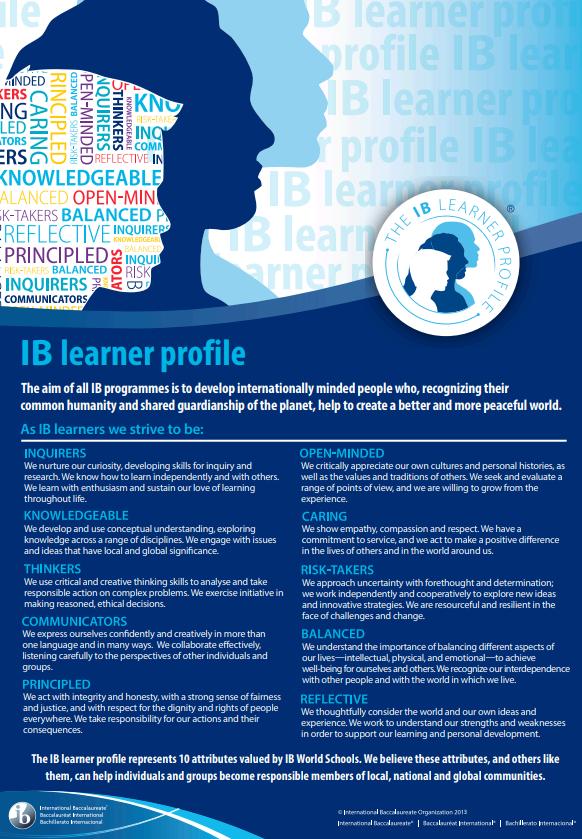
The Learner Profile inspires and motivates the work of the teachers, the students and the CES community by providing a statement of the aims and values of the IB and the definition of what is meant by "international-mindedness." Part of the framework is intentionally helping our students to develop those attributes, through planned learning experiences as well as when spontaneously appropriate. Our staff has done an excellent job of helping our students recognize these learner profile attributes and identify themselves as caring, thinkers, communicators, balanced, principled, inquirers, open-minded, risk-takers and reflective.
CUB AWARDS
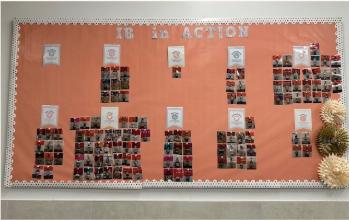
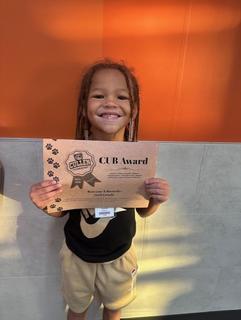
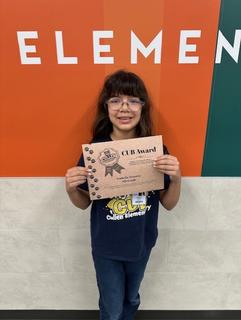
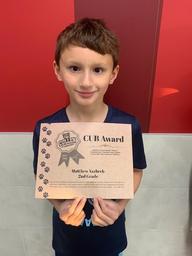
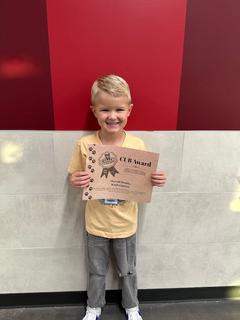
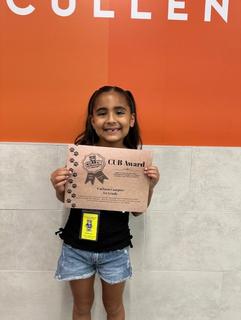
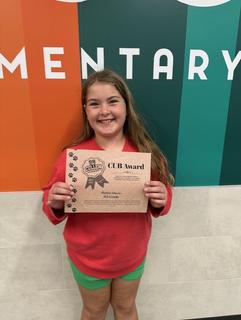
Here at CES we had the privilege of giving out our IB learner profile awards at our semester awards ceremony in January. It was certainly hard to just pick a few. We also have our positive referrals that are tied to the IB learner profiles. This is just another way to recognize our cubs as internationally-minded students. When a staff member sees any of our cubs exhibiting one of the 10 learner profiles, they submit a positive referral with a short explanation of what they did. This is then read over the announcements Students come down to get their award and their picture taken with their award to go on our IB bulletin board Our cubs are so proud of this accomplishment and recognition.
IB LEARNER PROFILES
LEARNER PROFILES AT HOME
Here are some ways to support our students with the learner profiles at home.
Communicator
- Encourage your child to communicate with their relatives near and far through written messages, letters, video calls, or online messaging
- Communicating with your child positively can help improve listening skills. Being a good listener is an important part of communicating with others
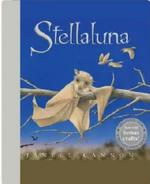
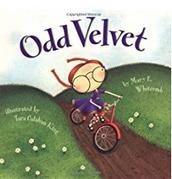
Thinkers
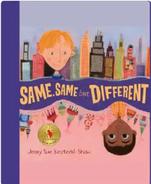
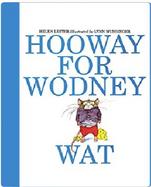
Open-Minded
- Encourage your child to try new things, food, games and activities.
- Expose your child to different festivals, celebrations and traditions and be a role model for open-mindedness, giving a positive perspective towards different cultures.
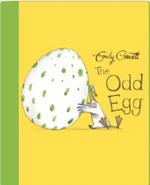
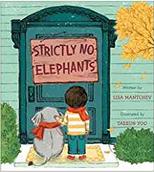
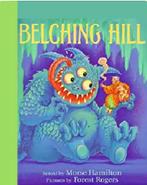
- Explore cultures through books or the internet
Some questions that you can ask your child when he/she is facing challenges:
“Do you have any ideas about how we might begin?”
“How can we show this work in a different way?"
“I had never thought of that. Tell me more about it.”
Risk-Taker
- Cook something different for dinner together
Caring
- Role model the caring behavior you want to see in your child always.
- Using kind words, helping people without being asked, and being an active listener show your child that you care about people.
- Smile
- Try an activity as a family that you haven’t tried before
Knowledgeable
- Encourage your child to read books at home that correspond with the topics covered in school
- Encourage your child to become familiar with current events, read the newspaper and watch the news when appropriate
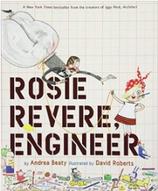
Inquirer
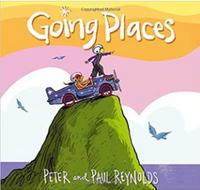
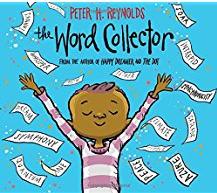
Reflective
- After an experience, ask your child what went well, what he/ she liked the most during that experience, and what the points were
- Ask your child to talk about how he/she felt before, during and after the experience.
- Ask your child to think of what will allow him/her to perform better next time. What new strategies does she/he need to adopt, what new learning he/she needs etc?
- Encourage areas of your child’s interest by visiting the library to borrow books that explore these topics.
- Model being an inquirer Admit when you don’t know the answer to a problem or a question, and seek answers together with your child
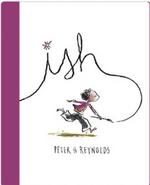
Principled
Balanced
- Encourage your child to participate in a wide variety of structured activities
- Spend a few minutes during mealtime deciding if what your family is eating is balanced
- Role model this attribute Spend time as a parent or family doing many different things.
- Practicing self-care is essential Allow cool down time or soothing activities for you to enjoy with your child
- Involve your child in deciding on the rules for a game or activity and then ensure that they stick to the ones that have been decided upon
- When playing a game, don't change the rules or let your child win Losing graciously (such as by celebrating the winning team) is just as important as being a good winner
INQUIRY AT CES
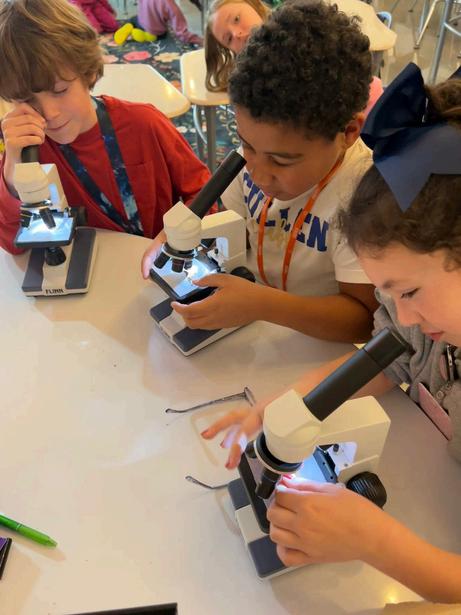
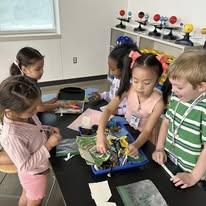
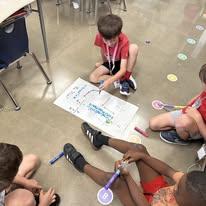
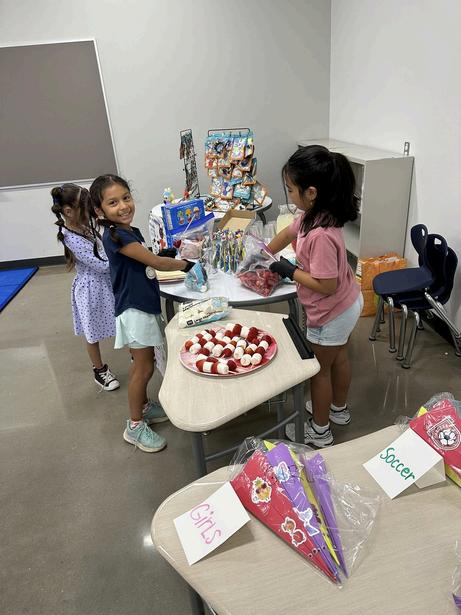
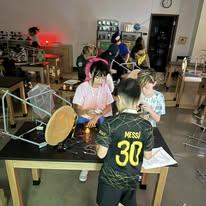
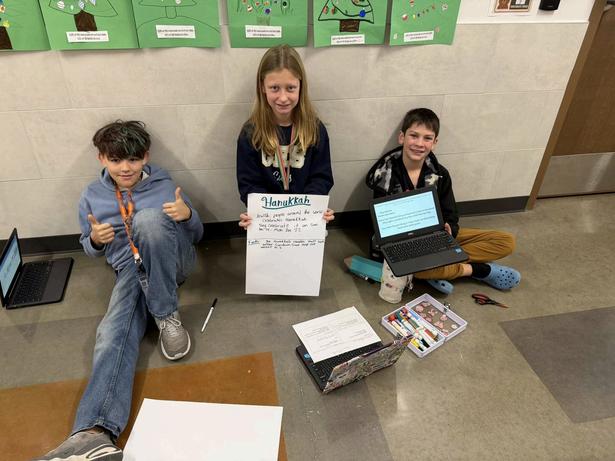
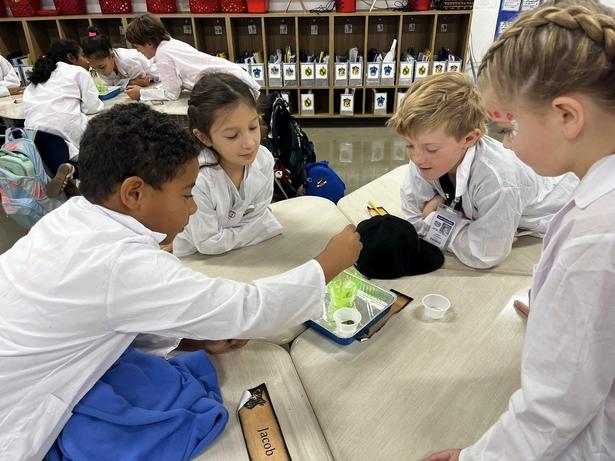
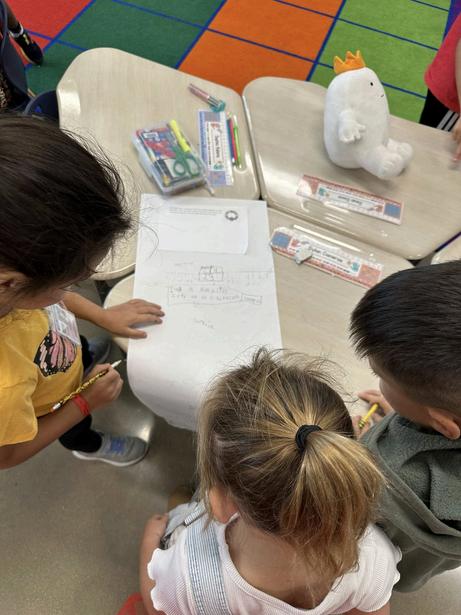
One of the main things we have been working on since our consul tant visit is inquir y-based teaching and learning. Our teachers have been adapting their teaching to allow students to generate questions, activate potential actions brought about by that questioning, and exploration.
UNITS OF INQUIRY
Our whole programme of inquiry is almost complete What is a programme of inquiry you may ask?
The Program of Inquiry (POI) serves as a framework for our curriculum and illustrates the major concepts that students will be exploring. It is made up of six units per grade level(four units for PreK/Kinder) that help students gain an understanding of themselves and the world around them
Six transdisciplinary themes form the structure of the programme of inquiry:
Who we are.
Where we are in place and time. How we express ourselves. How the world works How we organize ourselves Sharing the planet

PreK and kindergarten are currently on their 3 unit of inquiry. They will only be completing 4 units of inquiry this school year. r d
First grade through fifth grade are currently on their 4 unit of inquiry These will be ending February 12 We will jump right into unit 5 after that.
t h t h
Take a look at the next page to see further details about the units we are currently in.
UNIT PLANNERS BY GRADE LEVEL
PRE-K
Theme: How the World Works
Central Idea: Changes and patterns cab be observed
Learner Profiles: Inquirers- Students ask questions about the weather.
Knowledgeable- Students will gain understanding of changes and patterns in weather and sky.
Thinkers- Students will make connections to the weather and how it affects life
KINDER
Theme: Who We Are
Central Idea: Understanding myself and others helps me grow.
Learner Profiles: Principled- I can make a positive choice for myself and others
Balanced- I can read each night to grow my brain I can exercise each day to move my body
Risk-Takers- I can try hard even if the task is difficult for me
1ST
Theme: How We Express Ourselves
Central Idea: Creative expression allows people to communicate ideas and emotions in different ways
Learner Profiles:
Balanced- I can share my ideas in different ways and listen to others
Risk-Takers- I can try new ways to express myself, even if they feel challenging or unfamiliar.
Knowledgeable- I can learn about different forms of expression such as dance, art, language, media, and traditions.
2ND
Theme: Where We Are in Place and Time
Central Idea: Maps and Weather help people navigate places and plan what they do.
Learner Profiles: Inquirers- Students will investigate different types of severe weather.
Knowledgeable- Students will gain an understanding of maps and weather patterns
Thinkers- Students will analyze how the weather affects where and how they live
UNIT PLANNERS BY GRADE LEVEL
3RD
Theme: Sharing the Planet
Central Idea: People make responsible choices that protect the planet
Learner Profiles:
Principled- Students will explore what it takes to be a responsible citizen.
Knowledgeable- Students will write an expository essay about an animal who uses special skills to live outdoors year round and share their knowledge.
Thinkers- Students will be thinkers by using what they learn to solve problems and make responsible choices that help the planet.
4TH
Theme: Sharing the Planet
Central Idea: Human use of Earth’s resources impacts the environment.
Learner Profiles:
Principled- Students will take responsibility for their actions related to the use of natural resources
Balanced- Students will understand the importance of balancing human needs with caring for the environment
Inquirers- Students will ask questions and investigate Earth’s resources and systems
5TH
Theme: How We Express Ourselves
Central Idea: Life expperiences impact creative expression.
Learner Profiles:
Open-Minded- Be open-minded about how people express themselves through art
Inquirers- Ask questions about different types of artists and art Ask how geometry plays a role in art
Communicators- Present their biographical sketch

NEXT STEPS IN OUR IB JOURNEY
We have com e to th e en d of our consul tan cy with Katie Poulsen. Here are our n ext steps to auth orization:
1. Katie has written h er f inal repor t an d has given that to our IB relations mana ger
2. IB will review h er repor t . If th ere are n o fur th er questions regardin g th e eviden ce an d docum entation provide, th ey will open th e auth orization application.
3. We will apply for auth orization an d provide IB with dates for th em to com e con duc t th eir auth orization visit .
4. IB auth orization team will com e for th eir visit .(We would like for this to be in May) This will look ver y similar to wh en our consul tant cam e to visit . This in cludes: classroom visits tea ch er visits parent visits distric t a dministration visits sch ool a dministration visits
5. Th e auth orization team will write th eir repor t an d submit it if th eir is n o fur th er information n eeded.
6. Th e auth orization letter is sent take anywh ere f rom a few week m onths.

ADDITIONAL INFORMATION

VICTORIA ZIMMERMAN
Hello! I am your IB coordinator and I am so excited to be on this journey here at Cullen ES. This will be my 20th year in education. I have taught Pre-K, 1st grade, 4th grade ELAR, and 5th grade ELAR. I was also an instructional coach for 3 years. I just completed my 11th year here in Hays CISD.
I received both my undergrade and masters at Texas State University. Eat ‘Em Up Cats!
ADDITIONAL INFORMATION
You can find additional information on our school website in the IB section.
https://www.hayscisd.net/o/ces
Stop by the IB table at the Power of Cullen Night to pick up our CES IB brochure and other reading material.
STILL CURIOUS ABOUT IB?
Please feel free to contact me victoria.zimmerman@hayscisd.net (512)268-8449 (43204)