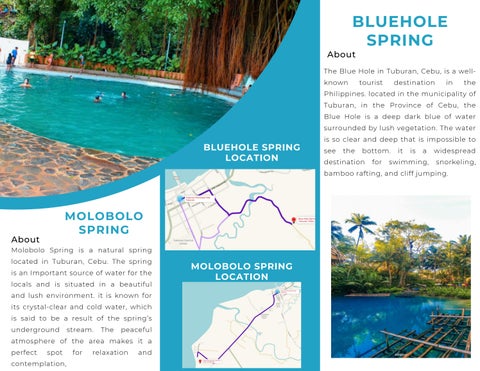
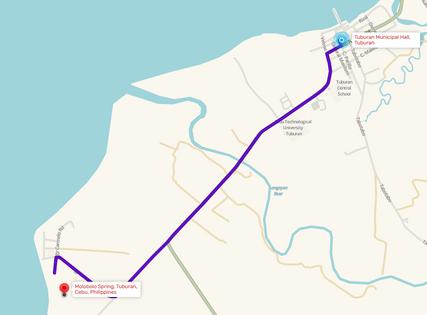
BLUEHOLE SPRING LOCATION
About
MOLOBOLO SPRING
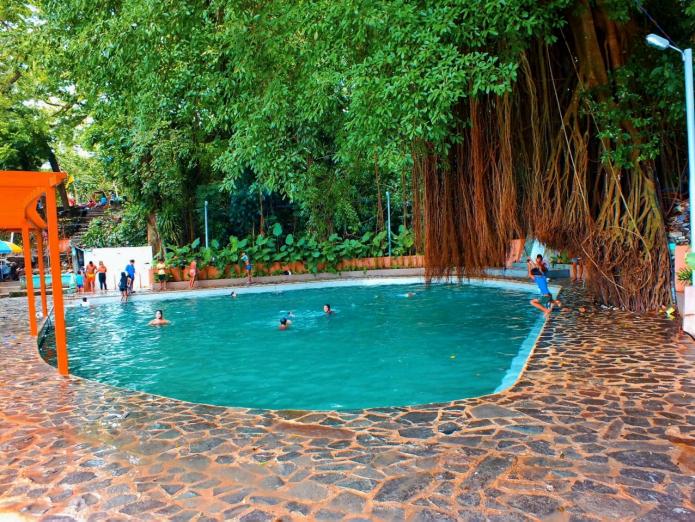
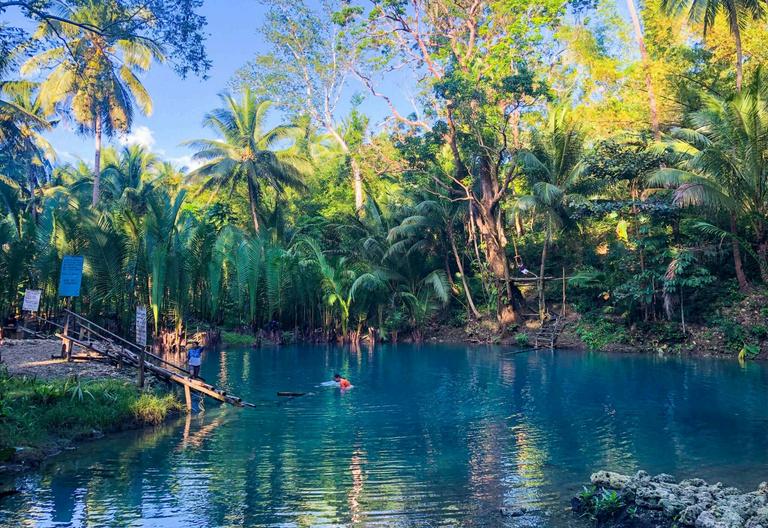
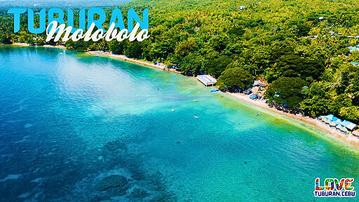
Molobolo Spring is a natural spring located in Tuburan, Cebu. The spring is an Important source of water for the locals and is situated in a beautiful and lush environment it is known for its crystal-clear and cold water, which is said to be a result of the spring’s underground stream The peaceful atmosphere of the area makes it a perfect spot for relaxation and contemplation,
BLUEHOLE SPRING
About
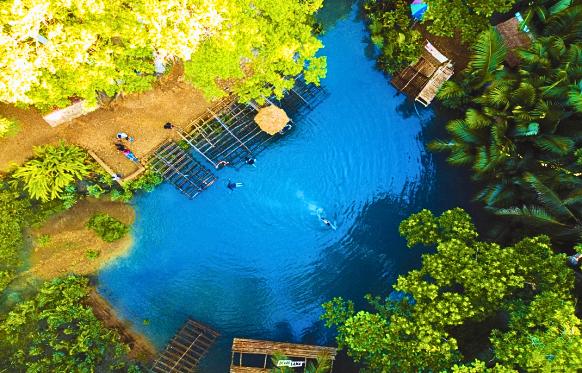
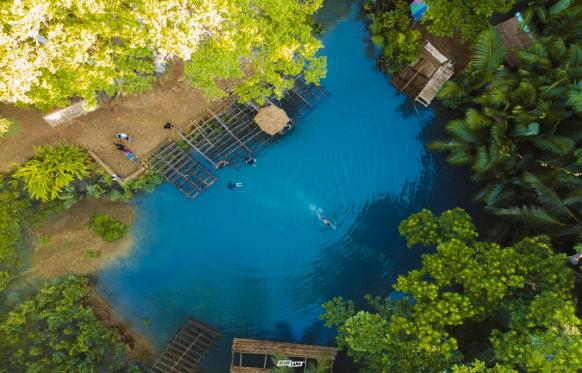
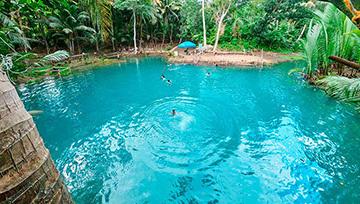
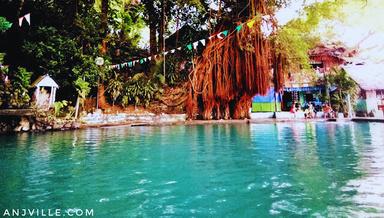
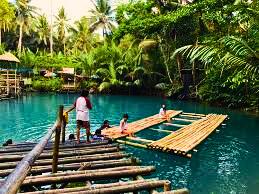
The Blue Hole in Tuburan, Cebu, is a wellknown tourist destination in the Philippines. located in the municipality of Tuburan, in the Province of Cebu, the Blue Hole is a deep dark blue of water surrounded by lush vegetation. The water is so clear and deep that is impossible to see the bottom. it is a widespread destination for swimming, snorkeling, bamboo rafting, and cliff jumping
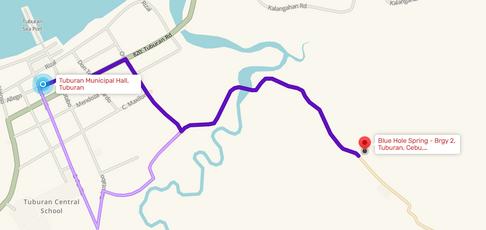
MOLOBOLO SPRING LOCATION
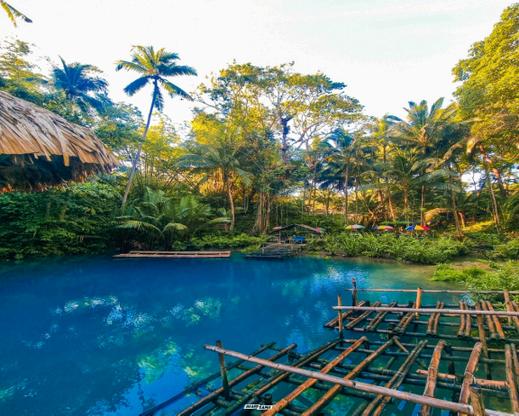
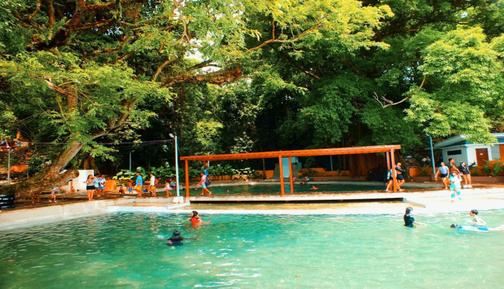
Two of the tourist destinations that can be located in Tuburan, Cebu, are the Molobolo Spring and Blue Hole. These two springs have the protentional to be more popular and help the Tuburan economy boom. The impact of springs as a tourist destination is significant and farreaching. For one, it helps to bolster local economies. Many rural areas rely heavily on tourism to generate income, and springs are a great way to draw visitors. Springs also help to protect the environment and preserve natural habitats. By creating recreational opportunities, they can help to deter development that could otherwise lead to habitat destruction.



http://www.kadinlarclubu.com/

molobolospring@gmail.com


SPRING & BLUEHOLE TUBURAN, CEBU
Sitio Sangi, Tuburan, Philippines, 6043
Come Visit Us Now
MOLOBOLO
Molobolo 10 pesos - child 20 pesos - adult Cotages 100 - table 500 pesos - small cottage 800 pesos - big cottage Blue Hole 10 Pesos fee Cottages 300 pesos - small cottage 500 pesos - big cottage 09232197941 Molobolo Molobolo Molobolo tuburan c@yahoo.com Molobolo Blue Hole Blue Hole Blue Hole 09882195941
Brgy,
Blue Hole
ENTRANCE FEE AND COTAGES:
https://www.youtube.com/@Tuburanvloggers
San Juan, Tuburan, Cebu
Theme 1. A Greener Sustainable Environment
Greener Practices and Services
Environmental sustainability is the responsibility to conserve natural resources and protect global ecosystems to support health and wellbeing, now and in the future (Sphera, 2020). Nature markets are a sub-set of the economy where nature is specifically traded and valued. This includes large markets such as agricultural commodities and emerging markets that reflect the growing economic value of nature, such as nature-based solutions for carbon sequestration (Nature i )

Greener practices and services are crucial in addressing environmental challenges and promoting sustainability across various industries. By adopting eco-friendly activities such as minimizing waste, and utilizing renewable energy sources, businesses in Tuburan can significantly reduce their ecological footprint while simultaneously cutting costs and enhancing efficiency. Incorporating greener practices involves offering products and services that prioritize environmental responsibility, and below were practiced and some were not as perceived by the informants.
Recycling has been taking on renewed importance as individuals embrace opportunities to reduce waste and minimize their environmental footprint.
Eco-friendly cleaning products are helpful tools to protect and conserve nature and to promote a healthier and cleaner environment, making the location an opportune moment for individuals to make sustainable choices and comfort that benefit both themselves and the community.
Eco-friendly products are encouraged as it seeks sustainable options that align with the season's themes of renewal and growth. A surge in demand for no plastic for products or utilized materials that minimize environmental impact while still delivering quality and functionality.
Tree planting is an environmental activity which depicts as a good a good CSR (Corporate Social Responsibility) and helps the environment become healthier and greener. As per narrations, tree planting was done only during the beauty pageant which was held in Tuburan. Sustainable transportation are vehicles that are considered sustainable in terms of social and environmental impacts such as bicycles, electric vehicles, cycling, walking and others.
Composting is the utilization of the natural process of recycling organic matter such as leaves and food scraps that helps plant growth healthier and sturdier. There was no really presence of composting as the place is surrounded already with natural resources.
Solar panels have a positive impact on the environment which reduces greenhouse gas emissions and mitigating climate change. As said by the informants, there were only limited solar panels being used.
Local sourcing is a way in sourcing the products and raw materials available in Molobolo and Blue hole springs which encourages the consumers to support the local growers.
Green technology is the utilization of eco-friendly products and services that offers alternative energy sources that improves efficiency of energy use. There were no much exposure of green technology utilization and only solar panel was being considered as green technology.
Ethical consumerism becomes increasingly pertinent as consumers prioritize environmentally sustainable and socially responsible practices in their purchasing decisions. With the presence of nature, the participants practice on responsible consumption and values towards the environment.
Conserving and Preserving Natural Resources
The conservation and preservation of natural resources take on heightened significance as people reconnect with the abundance of the natural world. Whether it's through reducing energy consumption, minimizing waste generation, or supporting initiatives that promote biodiversity, the environmental presence serves as a reminder of the interconnectedness between human well-being and the health of the environment.
Spring protection is an act to protect the springs in Molobolo and Blue hole from contaminants or illegal activities made by the humans.
Trees preservation is the efforts aimed at protecting existing trees from being cut down or destroyed near in Blue hole and Molobolo areas. It involves various activities such as establishing protected areas, implementing regulations against deforestation and raising awareness about the importance of trees for biodiversity.
Water conservation refers to individuals’ practice of using water efficiently and carefully.
Energy efficiency involves using less energy to perform the same tasks and includes measures like adopting advanced technologies to reduce energy consumption. Sustainable water management activities involve practices aimed at ensuring the availability and quality of water resources for present purposes while minimizing negative impacts on the environment.
Renewable energy adoption involves transitioning from fossil fuels to sources of energy that are naturally replenished such as solar, wind, hydroelectric, and biomass energy.
Soil erosion prevention during calamities refers to measures taken to protect soil from being washed away or degraded during natural disasters like floods.
Green infrastructure development refers to natural and semi-natural systems that provide environmental, social, and economic benefits, such as parks, green roofs, and permeable pavements.
Sustainable land use planning involves coordinating the allocation and management of land resources in a manner that promotes environmental sustainability that includes zoning regulations, land use policies, and development strategies that encourage compact, protect natural habitats and promote public transportation.
Sustainable trees and plants management aimed at conserving and enhancing the health and resilience of tree and plant populations. The significance of management plays a crucial role in ecosystem conservation and sustainable agriculture.
Long Term Viability of Environment
The long-term viability of the environment come to the forefront as the natural world undergoes a period of growth. Ecosystems can continue to provide essential services such as clean air, water, and fertile soil for future generations as long as it is well taken care of. Recognizing its significance, the spring can foster a collective commitment to stewardship and sustainability, safeguarding the health and well-being of both present and future generations.
Marine biodiversity preservation involves the protection and conservation of the diverse range of species and ecosystems found in marine environments of Molobolo and Blue hole.
Water quality monitoring involves assessing the chemical, physical, and biological characteristics of water bodies to determine their suitability for various uses, such as drinking water supply, recreation, and aquatic habitat.
Sustainable tourism management aims to minimize the negative impacts of tourism on the environment, communities, and cultural heritage while maximizing the benefits. It involves planning and regulating tourism activities to ensure they are environmentally friendly, socially responsible, and economically viable.
Community engagement in conservation efforts comprises actively involving local communities in the planning, implementation, and decision-making processes related to conservation initiatives.
Enforcement of conservation rules and policies encompasses ensuring compliance with laws, regulations, and management measures aimed at protecting the environment and natural resources.
Responsible waste management contains minimizing the generation of waste, maximizing recycling and reuse, and safely disposing of waste that cannot be avoided or recycled.
Sustainable development initiatives aim to achieve economic growth, social equity, and environmental protection in a balanced and integrated manner.
Environmental education and awareness efforts seek to inform, educate, and empower individuals and communities to understand environmental issues, and participate in conservation activities.
Ecological resilience refers to the capacity of ecosystems to absorb disturbances, adapt to changes, and maintain their structure, function, and biodiversity over time. Restoration of damaged ecosystems encompasses rehabilitating degraded or disturbed habitats to improve their ecological health, functionality, and biodiversity.
Trading of Local Products and Services
Nature-oriented markets become bustling hubs of activity, offering fresh produce, handmade goods, and locally sourced delicacies. It is bolsters one’s economy by circulating money within the community and also promotes sustainability by reducing the carbon footprint associated with long-distance transportation.
Sustainable and quality products are products that are produced, manufactured, or sourced in a manner that minimizes environmental impact, ensures social responsibility, and maintains high standards of quality.
Sustainable tourism souvenirs are items purchased by tourists that are produced or sourced in a sustainable and ethical manner. These souvenirs often reflect local culture, craftsmanship, and natural resources without contributing to environmental degradation or exploitation of communities.
Support for local artisans involves patronizing and promoting the work of skilled craftsmen and women within Tuburan. This support may include purchasing handmade goods, commissioning custom pieces, and providing opportunities for artisans to showcase their talents.
Homemade product trading involves the exchange or sale of goods produced by individuals or small-scale producers within a community. These products are typically handmade or crafted using traditional methods and use the materials available in Tuburan. Organic goods exchange refers to the trading or sharing of organic products produced without synthetic pesticides or fertilizers. Involved stakeholders in organic goods exchanges may swap or sell organic fruits, vegetables, herbs, dairy products, grains, and other organic items.
Local produce selling involves the direct sale of fresh fruits, vegetables, and other agricultural products by local farmers or producers to consumers within the same region.
Small-scale business collaboration involves cooperation and partnership between small businesses in Tuburan to achieve shared goals. Cooperative trading involves cooperative enterprises or organizations that are owned and operated by their members for their mutual benefit. Members pool resources, share decision-making authority, and distribute profits equitably.
Locally sourced goods are products that are sourced, produced, or manufactured within the community in Tuburan. By prioritizing locally sourced goods, consumers support local businesses and contribute to the resilience of local economies. Sustainable and long-term activities are initiatives that are environmentally sound, socially responsible, and economically viable over the long run.
Theme 2. Sustainable Tourism Environment for NatureOriented Market Designed for Future
Upgrading of Identified Tourist Destinations
Sustainable Infrastructure
Sustainable infrastructure refers to the design, construction, and management of physical infrastructure systems in a manner that minimizes environmental impact and enhances economic prosperity over the long term and that incorporate principles of sustainability, resilience, and efficiency.
Green infrastructure development involves planning, designing, and implementing natural or naturebased solutions to address environmental challenges and enhance the quality of urban and rural environments.
Eco-sensitive construction practices contain adopting construction techniques and methods that minimize environmental impact, conserve natural resources, and promote ecological integrity.
Sustainable water management systems are designed to efficiently manage and conserve water resources while minimizing pollution and mitigating flood risks.
Eco-friendly building materials are materials that are sourced, produced, or manufactured in a manner that reduces environmental impact and promotes sustainability.
Renewable energy installations comprise the deployment of technologies that harness naturally replenished energy sources such as solar, wind, hydroelectric, geothermal, and biomass energy.
Eco-friendly waste management systems encompass strategies and technologies that minimize waste generation, maximize recycling and reuse, and safely manage and dispose of waste that cannot be avoided or recycled.
Sustainable drainage systems also known as green or nature-based drainage systems, manage stormwater runoff in a manner that mimics natural hydrological processes and reduces the risk of flooding and water pollution.
Locally sourced construction materials are materials that are sourced or produced within a specific geographic region or community, typically within a certain radius of the construction site.
Sustainable tourism facilities are accommodations, attractions, and amenities that are designed, managed, and operated in a manner that minimizes negative impacts on the environment, supports local communities, and provides authentic and enriching experiences for visitors.
Community-based infrastructure planning incorporates engaging local communities in the decisionmaking process for infrastructure projects to ensure that their needs, preferences, and priorities are considered.
Eco-Education for Sustainable Futures
Eco-Education for Sustainable
Futures plays a vital role in building a more environmentally conscious and resilient society, preparing individuals to become informed and active participants in shaping a sustainable future for themselves and future generations.
Environmental education program are structured initiatives designed to increase awareness and knowledge about environmental issues, conservation principles, and sustainable practices among individuals, communities, and organizations.
Conservation education initiatives aim to educate individuals and communities about the importance of biodiversity conservation, habitat protection, and ecosystem restoration.
Sustainable training and workshops are educational sessions focused on imparting skills, knowledge, and best practices related to sustainability, such as renewable energy technologies, waste management strategies, sustainable agriculture methods, and eco-friendly business practices.
Eco-awareness online and promotional activities utilize online platforms, social media, and promotional campaigns to raise awareness and educate the public about environmental issues, conservation initiatives, and sustainable lifestyle choices.
Green policies and development involve advocating for and implementing policies and regulations that promote environmentally sustainable practices, such as renewable energy incentives, waste reduction measures, and conservation laws.
Sustainable tourism education tours provide tourists with opportunities to learn about sustainability initiatives, cultural heritage, and conservation efforts in destination areas.
Nature immersion experiences offer opportunities for people to connect with nature firsthand through activities such as hiking, camping, birdwatching, and nature walks. Nature immersion experiences aim to foster appreciation for the natural world, promote environmental stewardship, and improve mental and physical well-being.
Ecological literacy workshops focus on building participants' understanding of ecological concepts, principles, and processes, such as ecosystem dynamics, biodiversity conservation, and environmental interdependencies.
Green technology showcases are events and exhibitions highlight innovative technologies and solutions that contribute to environmental sustainability, such as solar panels, wind turbines, energyefficient appliances, and green building materials.
Long-term Partnerships and Collaborations
Long-term Partnerships and Collaborations involve sustained cooperation between diverse stakeholders to achieve common goals in sustainability.
Sustainable development partnerships bring together stakeholders from government, business, academia, and civil society to collaborate on projects and initiatives that promote sustainable development goals, such as poverty alleviation, environmental protection, and social equity.
Ecosystem conservation collaborations involve multiple organizations working together to conserve and restore ecosystems, protect biodiversity, and address threats such as habitat loss, pollution, and climate change.
Corporate social responsibility partnerships involve businesses and corporations collaborating with nonprofit organizations, government agencies, and community groups to address social and environmental challenges through corporate social responsibility initiatives.
Government agency partnerships involve collaboration between government agencies at various levels (local, regional, national) to coordinate efforts, share resources, and implement policies and programs that promote sustainable development and environmental protection.
Local community organization partnerships involve collaboration between local community organizations, such as grassroots movements, nonprofits, and community-based groups, to address local environmental issues, promote sustainable practices, and build community resilience.
Environmental advocacy training involves equipping individuals and organizations with the skills and knowledge needed to advocate for environmental protection, conservation, and sustainability.
Renewable energy partnerships bring together stakeholders from the public and private sectors to advance the deployment of renewable energy technologies, increase energy efficiency, and transition to a low-carbon economy. Responsible tourism partnerships involve collaboration between tourism industry stakeholders, local communities, and conservation organizations to promote responsible tourism practices, minimize negative impacts on the environment and cultural heritage, and maximize benefits for host communities.
Conservation finance collaborations involve mobilizing financial resources from public and private sources to support conservation projects, land protection efforts, and sustainable development initiatives aimed at preserving natural ecosystems and biodiversity.
Long-term monitoring and evaluation partnership involve establishing monitoring and evaluation systems to track progress, measure impact, and ensure accountability for sustainable development initiatives over the long term. Collaborating organizations work together to collect data, analyze results, and adapt strategies based on lessons learned and changing conditions.
Promote Sustainable Tourism
Promote Sustainable Tourism entails advocating for and implementing practices that minimize negative impacts and maximize positive contributions of tourism to the environment, communities, and cultural heritage.
Green destination marketing involves promoting destinations that prioritize sustainability, environmental conservation, and responsible tourism practices through marketing campaigns, promotional materials, and online platforms.
Ecotourism and sustainable promotion focus on marketing and promoting ecotourism experiences, such as wildlife watching, nature tours, and cultural immersion activities that support conservation efforts and contribute to local economies.
Community-based tourism initiatives empower local communities to develop and manage tourism enterprises that celebrate their cultural heritage, protect natural resources, and provide authentic experiences for visitors while supporting local livelihoods and preserving traditional ways of life.
Conservation and cultural heritage tourism promotion involves promoting tourism experiences that highlight conservation efforts, cultural heritage sites, and sustainable practices while generating economic benefits for host communities and contributing to the preservation of natural and cultural assets.

Sustainable transportation options for tourists includes promoting sustainable transportation modes such as public transit, cycling, walking, and electric vehicles to reduce carbon emissions, traffic congestion, and environmental impact associated with tourism travel. Support for eco-certified businesses involves endorsing and supporting businesses that have achieved eco-certifications or sustainability certifications for their environmental and social performance, such as eco-lodges, green hotels, and responsible tour operators.
Sustainable food and beverage offerings for tourists entails promoting local, organic, and sustainably sourced food and beverage options for tourists, reducing food miles, supporting local farmers, and minimizing environmental impact associated with food production and consumption.
Sustainable souvenir recommendations involves encouraging tourists to purchase locally made, artisanal, and ecofriendly souvenirs that support local artisans, cultural traditions, and sustainable livelihoods, while minimizing environmental impact and waste generation.
Water conservation awareness for tourists includes raising awareness among tourists about the importance of water conservation, promoting water-saving practices, and supporting initiatives that protect freshwater resources and aquatic ecosystems in destination areas.
Long-term sustainability commitment in tourism development involves integrating sustainability principles into tourism planning, policy-making, and development processes to ensure that tourism activities contribute to long-term environmental, social, and economic benefits for host communities and future generations.
Theme 3. Changes to Improve Sustainable Tourism Environment for NatureOriented Market in The Identified Tourist Destinations
A Sustainable Tourism Community is a destination or locality that prioritizes environmentally responsible practices, social inclusivity, and economic viability in its tourism activities. Such a community embraces sustainable development principles to minimize negative impacts on the environment, conserve natural and cultural resources, and enhance the well-being of local residents. This involves promoting ecofriendly transportation options, supporting locally owned businesses and artisans, preserving cultural heritage sites, and implementing sustainable tourism policies and regulations.
Policymakers and Stakeholders Empowerment
Policymakers and Stakeholders
Empowerment focuses on empowering policymakers and stakeholders through various means to enhance their capacity for effective participation in decisionmaking processes and policy advocacy.
Capacity-building programs for stakeholders are initiatives designed to enhance the capabilities of stakeholders, such as training on advocacy, communication, and leadership.
Support for community-led initiatives provides resources and assistance to support grassroots initiatives aimed at addressing local challenges and promoting community development.
Participatory decision-making processes encourages inclusive decision-making where stakeholders have a voice in policy formulation and implementation.
Stakeholder engagement forums holds on platforms for dialogue and collaboration among stakeholders to discuss issues, share perspectives, and co-create solutions.
Empowerment workshops for policymakers works on training sessions aimed at equipping policymakers with the knowledge and skills necessary for effective governance and policy development.
Community-driven policy development. Involving local communities in the development of policies that directly impact them, ensuring their needs and perspectives are considered.
Policy advocacy training for stakeholders needs with the tools and resources to advocate for their interests and influence decisionmaking processes.
Accessible information dissemination ensures that relevant information about policies, programs, and opportunities is easily accessible to all stakeholders.
Empowerment through education on policy issues educates stakeholders about policy issues, their implications, and avenues for participation to enable informed decision-making.
Capacity-building for effective advocacy strengthens the advocacy skills of stakeholders to effectively articulate their interests and drive change.
Strengthening Eco-tourism Programs and Projects
This subtheme focuses on promoting sustainable eco-tourism initiatives that contribute to environmental conservation and community development.
Eco-tourism development projects aimed at developing tourism activities that minimize negative environmental impacts and benefit local communities
Ecologically responsible tourism programs promote tourism activities that prioritize environmental sustainability and minimize carbon footprints.
Sustainable tourism infrastructure improvement enhances tourism infrastructure in a manner that is environmentally friendly and sustainable.
Eco-friendly tour packages offer tourism packages that focus on nature-based experiences and promote environmental conservation.
Conservation-oriented tourism projects aimed at protecting and preserving natural habitats, wildlife, and cultural heritage sites through tourism activities.
Supporting local eco-tourism businesses provides assistance and resources to local businesses engaged in eco-friendly tourism practices.
Cultural and environmental sensitivity training for tour guides equips tour guides with the knowledge and skills to provide culturally sensitive and environmentally responsible tours.
Ecotourism marketing campaigns promotes eco-tourism destinations and experiences through marketing initiatives that highlight their environmental and social benefits.
Eco-lodges and accommodations promotion promote accommodations that adhere to eco-friendly practices and contribute to local community development.
Long-term sustainability planning for eco-tourism development develops strategies and plans to ensure the long-term viability and sustainability of eco-tourism initiatives.
Tourism Innovation and Technology
Tourism Innovation and Technology focuses on leveraging innovation and technology to enhance the tourism experience, improve sustainability, and promote cultural heritage preservation.
Technological advancements in tourism integrate emerging technologies to enhance the efficiency and quality of tourism services and experiences.
Digital tourism experiences offer virtual tours, interactive maps, and other digital platforms to enhance the tourist experience and promote destinations.
Virtual reality tourism experiences provides immersive virtual reality experiences that allow tourists to explore destinations remotely.
Mobile app development for tourists develops mobile applications that provide tourists with information, navigation assistance, and booking services.
Sustainable tourism tracking systems implement systems to monitor and measure the environmental and social impacts of tourism activities.
Online booking platforms for ecotourism provide online platforms for booking eco-friendly tours, accommodations, and activities.
Interactive visitor information kiosks install kiosks at tourist destinations to provide visitors with information about attractions, activities, and local services.
Drone technology for tourism monitoring and photography using drones for aerial photography, videography, and monitoring of tourist sites and natural habitats.
Social media marketing for tourism promotion leverages social media platforms to promote tourism destinations, share experiences, and engage with travelers.
Online cultural heritage preservation initiatives use digital technologies to document, preserve, and promote cultural heritage sites and traditions.
Sustainable Livelihood and Tourism Practices
This subtheme focuses on promoting sustainable livelihoods and equitable benefits for local communities through tourism development.
Fair trade partnerships with local artisans facilitate fair trade agreements that ensure local artisans receive equitable compensation for their products and services.
Cultural preservation through tourism activities promotes tourism activities that celebrate and preserve local culture, traditions, and heritage.
Sustainable livelihood initiatives for locals implement programs that create income-generating opportunities while preserving natural and cultural resources.
Eco-friendly income-generating activities supports sustainable livelihoods that are compatible with environmental conservation objectives.
Eco-tourism training for community members provides training and capacity-building opportunities for community members to engage in eco-friendly tourism practices.
Promotion of indigenous handicrafts in tourism market supports local artisans and promotes the sale of indigenous handicrafts to tourists.

Accessible tourism opportunities for differently-abled locals ensures that tourism activities and infrastructure are accessible to people with disabilities.
Support for women-led tourism initiatives empowers women to participate in and benefit from tourism-related businesses and initiatives.
Collaborative partnerships with local NGOs for sustainable livelihoods collaborate with local non-governmental organizations to implement sustainable development projects that benefit local communities.
Long-term planning for sustainable tourism development benefiting local livelihoods develop comprehensive plans and strategies to ensure that tourism development benefits local livelihoods in the long term while safeguarding natural and cultural resources.