
February 27, 2026








February 27, 2026
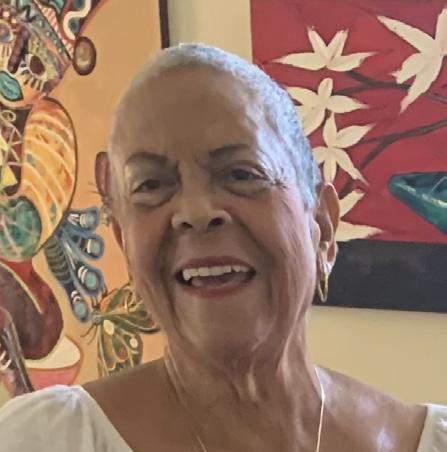
Vision & Sound began in 2016 when Michael and Norma Cunningham approached the West Valley Arts Council with an idea rooted in visibility and equity: to honor artists of African descent in the West Valley through a dedicated exhibition during Black History Month. Michael—an accomplished artist and professional chef—recognized how little attention was being paid to African American artists in Arizona and wanted to create a platform that would elevate their work, support sales, and build broader recognition during a time when Black history and culture were being acknowledged nationwide.
That first exhibition, Illuminating Joy Through Art: Honoring Black Heritage, laid the foundation for what would become Vision & Sound: An African American Experience the following year. From the start, the program centered artists and musicians as cultural storytellers, creating space for creative expression, dialogue, and connection.
Based at Sedona Arts Center since fall 2021, Vision & Sound has continued to grow in scope and reach. The program now spans multiple months, includes exhibitions and performances across several Arizona communities, and brings together artists and musicians from throughout the state. At its core, Vision & Sound remains committed to amplifying African American voices and experiences through visual art, music, and conversation.
In collaboration with the ASU Center for the Study of Race and Democracy, Sedona Arts Center developed the Vision & Sound symposium as a space for artists, scholars, and community members to gather for keynote presentations, artist roundtables, and interactive workshops. These symposia explore the deep and enduring connections between art, health, history, culture, and civic life.
Past symposia have featured nationally recognized artists and thinkers, with themes including culture and race, arts and health, and the role of art in shaping our understanding of nationhood. Through keynote addresses and facilitated workshops—such as the Critical Response Process—Vision & Sound continues to foster dialogue that is both intellectually rigorous and creatively grounded.
Vision & Sound co-founder Norma Cunningham, whose vision and dedication shaped the program from its inception, passed away after a brief illness in the summer of 2024. Norma was the heart of Vision & Sound—continually building relationships, identifying artists and partners, and ensuring the program remained vibrant and forward-looking. She was a dynamic presence, deeply committed to her family, her husband Michael’s work, and her community. Her legacy lives on through the artists, conversations, and connections that Vision & Sound continues to nurture.
Vision & Sound remains a living, evolving program—one that honors African American creativity, fosters meaningful exchange, and affirms the power of art to illuminate, challenge, and connect us.
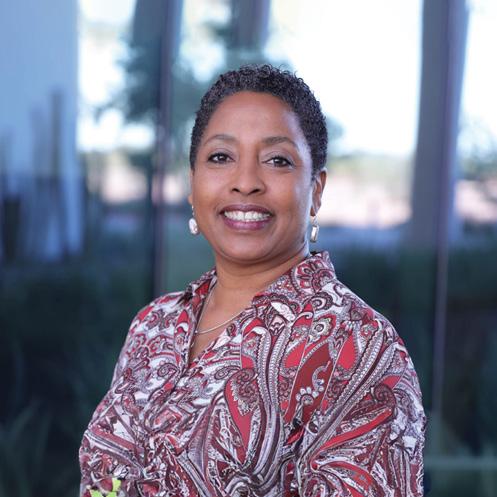
The ASU Center for the Study of Race and Democracy is honored to continue its partnership with Vision & Sound: An African American Experience and with Sedona Arts Center.
The Center is the only only entity at ASU and in the state of Arizona that positions race and democracy in direct relation with each other. The Center advances initiatives and creates programs that intensify engagement with race and democracy in the context of education, social justice, public history, poverty and economic opportunity, the arts, law, government, the sciences and the environment. We are known within and beyond the university for its spirited and innovative programming on issues of race; democracy; equity in education, health and housing; race, gender and civic discourse; race, place and public memory; and the emerging technologies of democracy.
Vision & Sound is a vital component of the Center’s Race, Arts and Democracy programming. Each year, the Vision & Sound Symposium artists, speakers and presenters inspire us with their genius and innovation. Their work and scholarship in diverse, experimental and traditional mediums expands our state-wide awareness and attention to the work and missions of African American artists in Arizona.
Lois Brown, PhD Director, Center for the Study of Race and Democracy Foundation Professor of English
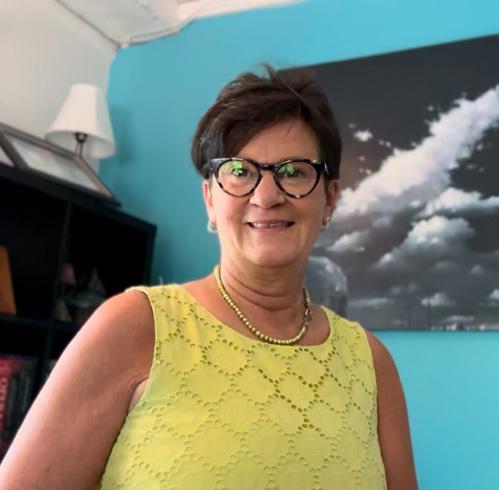
Sedona Arts Center is honored to partner with the ASU Center for the Study of Race and Democracy on the 10th Anniversary of Vision & Sound: An African American Experience.
Sedona Arts Center began its involvement with Vision & Sound in 2021, when I was talking with my old friend, Norma Cunningham and her husband Michael at lunch. Having just returned to Arizona after an 8-year stint as the executive director of the Maine Arts Commission, Norma suggested that the Arts Center may want to be the new home for her visionary program. I jumped at the chance and our partnership began.
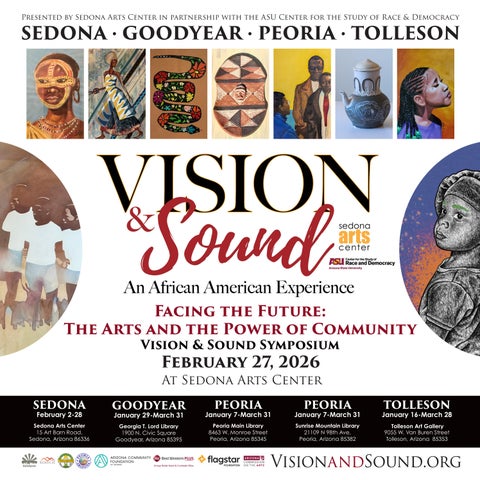
Norma had already connected with Dr. Lois Brown and the ASU Center for the Study of Race and Democracy to be involved in previous Vision & Sound programming. After meeting Lois, we both wanted to take the partnership and the programming to the next level and the annual Vision & Sound Symposium was born. This is now our fourth Symposium which have covered topics from Diversity, Equity and Inclusion in the Arts to Arts + Health. This year’s theme: FACING THE FUTURE: The Arts and the Power of Community featuring Brett Cook as keynote speaker, will generate exciting dialog about the place of the arts in our community and how the arts can help us all face a constantly changing future.
Sedona Arts Center was founded in 1958 and serves and supports more than 1,600 artists from across the country each year. The Arts Center is committed to diverse audiences and programming and embodies that through its school, gallery, exhibits, events and programs. Sedona Arts Center’s local, state, national and international audiences number more than 150,000 and its economic impact exceeds $6.1 million annually.
I invite you to experience all that Vision & Sound has to offer and please consider attending one of our many other programs this year.
Warmly,
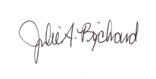
Julie Richard, CEO Sedona Arts Center
Friday, February 27, 2026
9:30 am
10:00 am
10:30–11:30 am
Registration & Arrival
Welcome & Opening Remarks
Julie A. Richard, Sedona Arts Center
Lois Brown, PhD, ASU Center for the Study of Race and Democracy
Keynote Presentation
Brett Cook
Artist & Educator
Followed by moderated Q&A
11:30–11:45 am
11:45 am–1 pm
1:30 – 3:00 pm
Break / Transition to Lunch
Lunch with Purpose: Facilitated Table Conversations
Interactive Workshop: Critical Response Process
Facilitated by Liz Lerman with Austin Gamble & collaborating artists and scholars
3:00 – 3:15 pm
Collective Reflection & Closing Remarks
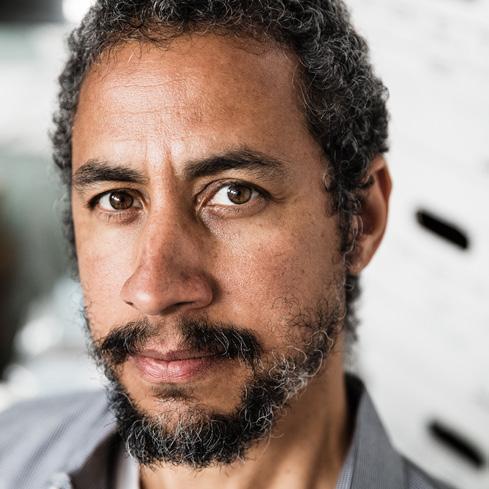
Brett Cook is an interdisciplinary artist and educator who uses storytelling to distill complex ideas and creative practices to transform outer and inner worlds of being.
His elaborate installations feature painting, drawing, and photography to tell pluralistic stories with broad representation. His public projects typically involve community workshops featuring arts-integrated pedagogy and contemplative strategies—along with music, performance, and food—to create a fluid boundary between art making, daily life, and healing.
Teaching and public speaking are extensions of Cook’s social practice that involve communities in dialogue to generate experiences of reflection and insight. He has taught at all academic levels in a variety of subjects, and published in academic journals from the Maryland Institute College of Art and Harvard University, among others. In 2009, he published Who Am I in This Picture: Amherst College Portraits with Wendy Ewald and Amherst College Press, and in 2015, Clouds in a Teacup with Thich Nhat Hanh and Parallax Press. He was formerly a Visiting Professor in Community Arts/Social Practice and Diversity Studies at California College of the Arts and Director of Social Practice and Pedagogy at San Francisco State University Healthy Equity Institute.
Cook has received numerous awards, including the Lehman Brady Visiting Professorship at Duke University and the University of North Carolina at Chapel Hill and the Richard Diebenkorn Teaching Fellowship at the San Francisco Art Institute. Recognized for a history of socially relevant, community-engaged projects he was selected as cultural ambassador to Nigeria as part of the U.S. Department of State’s 2012 smARTpower initiative. His work is in private and public collections including the Smithsonian’s National Portrait Gallery, the Walker Art Center, the Studio Museum in Harlem, and Harvard University. He is a trustee of A Blade of Grass, an arts nonprofit dedicated to social engagement.
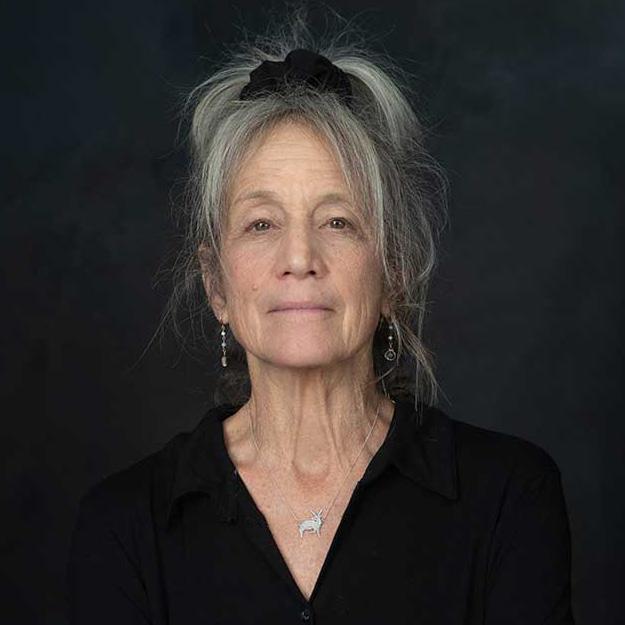
Liz Lerman is an acclaimed and distinguished choreographer, performer, writer, teacher, and speaker. She has spent the past four decades making her artistic research personal, funny, intellectually vivid and up to the minute.
A key aspect of her artistry is opening her process to everyone from shipbuilders to physicists, construction workers to ballerinas, resulting in both research and experiences that are participatory, relevant, urgent, and usable by others. She founded Liz Lerman Dance Exchange in 1976 and cultivated the company’s unique multi-generational ensemble into a leading force in contemporary dance until 2011, when she handed the artistic leadership of the company over to the next generation of Dance Exchange artists.
Lerman is regularly invited as a keynote speaker to diverse gatherings – from arts presenters to ceramicists, research universities to arts-military convenings. Lerman’s collection of essays, Hiking the Horizontal: Field Notes from a Choreographer, was published in 2011 and released in paperback in 2014. Critique is Creative, a collection of essays from Critical Response practitioners from around the world, was published in 2022 by Wesleyan University Press.
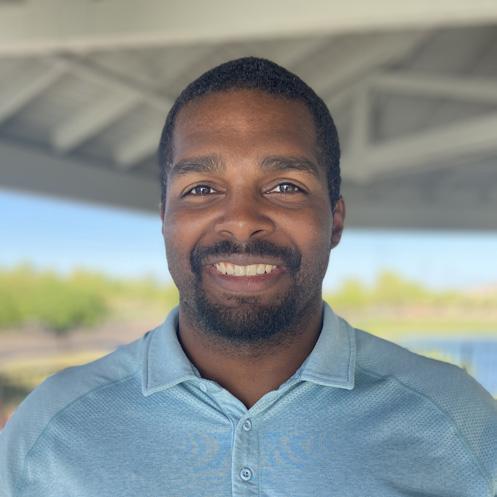
Austin Gamble is a therapist, coach, and consultant committed to holistic transformation. A former two-sport collegiate athlete, he has spent much of his career studying performance—both on and off the field.
This multidimensional background allows Austin to guide clients through complex transitions with deep empathy and a results-oriented approach.
Outside the office or weight room, Austin pursues creative expression through photography, sculpture, and painting.
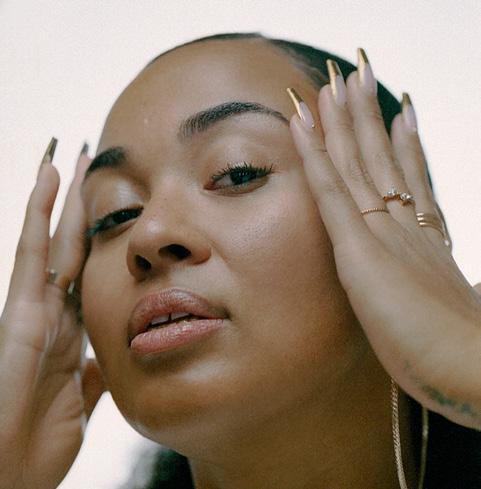
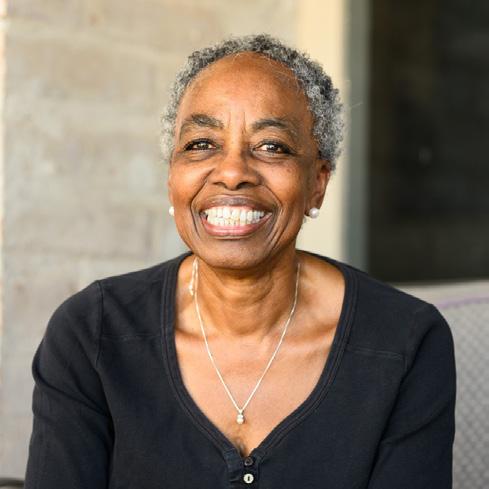
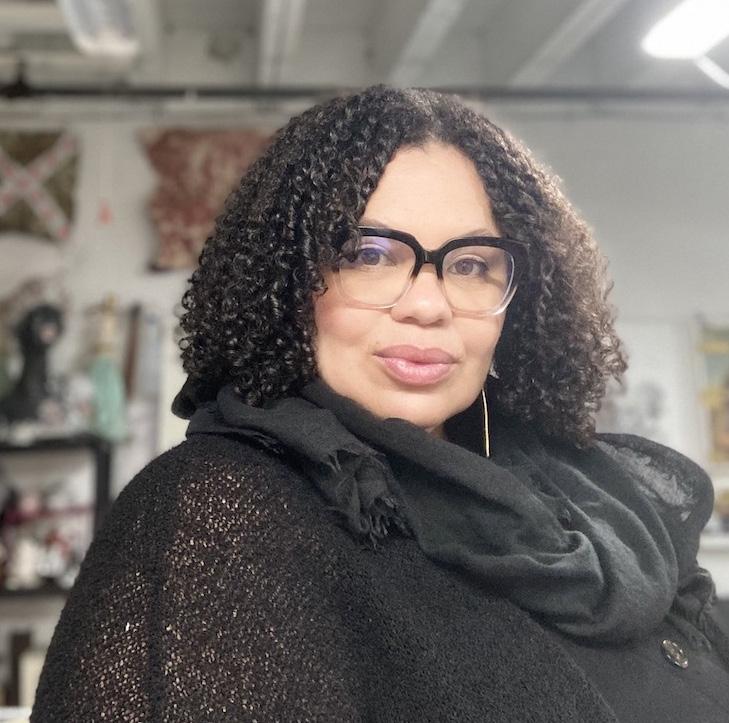
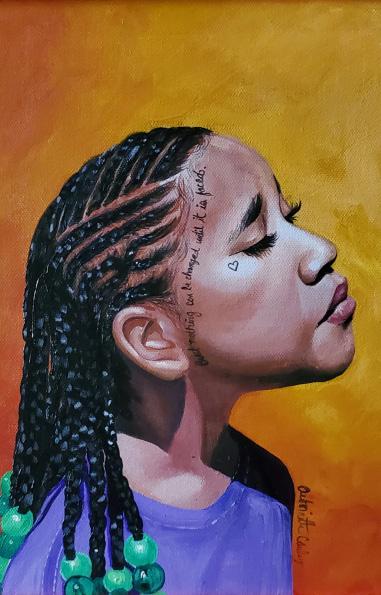
International artist Antoinette Cauley was born in Phoenix, Arizona and draws her inspiration from the grittiness and beauty within her place of birth. Her work is heavily influenced by Black American hood culture with a feminist undertone and an overall focus of Black empowerment. Visually, she combines the dynamism of Black American culture with powerful punches of vibrant color and deep, emotionally driven messages. Cauley attended Mesa Community College in Arizona where she studied Fine Arts with an emphasis in painting. During this time she held a two year apprenticeship with nationally renowned American oil painter Chris Saper who taught her the ins and outs of the fine art industry. Cauley was recently inducted into the Mesa Community College Hall of Fame and given the “Alumni Achievement Award”.
Born in Detroit, Michigan, Jacqueline Chanda studied painting and drawing at UCLA where she obtained her undergraduate degree. Graduate school led her to Paris, France, where she studied visual arts, art education and plastic arts, theory and aesthetics at the École Nationale Superieure des Beaux Arts and the Sorbonne University. While there she participated in open studio sessions at the Académie de Port-Royal and exhibited at the Grand Palais and at the Galerie Louis Soulanges.
After a successful career teaching art education and higher education administration she returned to her initial love: making art. She is now a full time artist living in Tucson, Arizona.
Elizabeth Denneau is an interdisciplinary artist, writer, and art educator based in the Sonoran Southwest. She earned a BFA and teaching certificate in Art and Visual Culture Education from the University of Arizona and an MFA from the School of the Art Institute of Chicago. A member of the Art21 Educators Institute, Denneau works with community organizers, cultural workers, and colleges to develop justice-centered models for art education.
Her practice includes ornate, maximalist installations informed by research into respectability politics and their intersections with White Supremacy and Capitalism, examining their role in both survival and dismantling. She is a recipient of the 2024 WESTAF BIPOC Artist Award, MOCA Tucson’s Nightbloom Artist Grant, and the Arts Foundation of Southern Arizona’s stART: New Works Grant. Denneau co-founded the Southwest Black Artists Collective and The Projects, a Tucson-based art space supporting Black creatives.
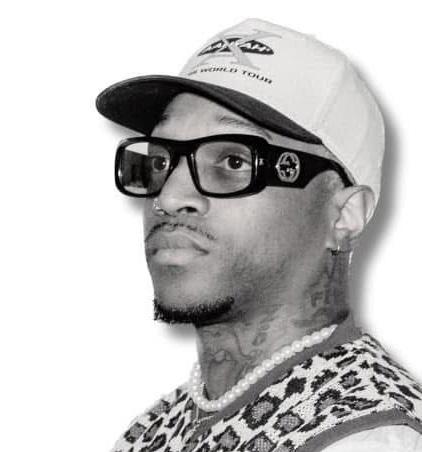
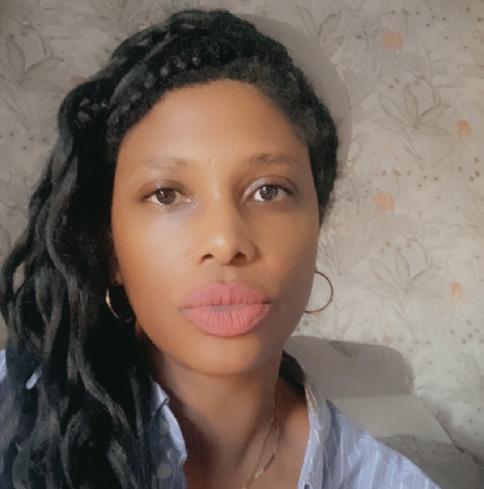
Alberto Devon is an acrylic painter whose bold, Basquiat-inspired style captures the pulse of urban life through vivid color, layered symbolism, and emotional intensity. Originally from Wisconsin and now based in Phoenix, Arizona, Devon has established a distinctive presence in the Southwest art scene. His work explores themes of human connection, identity, and resilience, translating raw city energy into striking visual narratives that speak to both personal and collective experience.
In Phoenix, Devon has become a catalyst for creative collaboration, using his practice to unite and uplift artists through exhibitions and community projects. By blending fine art with social engagement, his dynamic compositions contribute to the city’s evolving cultural landscape, inspiring connection through color, story, and shared humanity.
Amber Doe is a research-based, intersectional artist working across textile, sculpture, installation, sound, photography, and video. Raised on the rural Drowning Creek Native American Reservation, she developed an early awareness of systemic discrimination that continues to shape her practice. Doe creates immersive works that respond with urgency to American state-sanctioned violence, drawing from historical and contemporary critiques of postcolonial Western systems and their control of Black bodies.
Grounded in lived experience as a Black American woman, her work engages Black femininity, postcolonial trauma, autobiography, ancestry, multigenerational cultural practices, and the natural environment. Using materials such as palm leaves, branches, flowers, hair extensions, cotton rope, and animal sound, Doe references her life on the reservation and in the American Southwest.
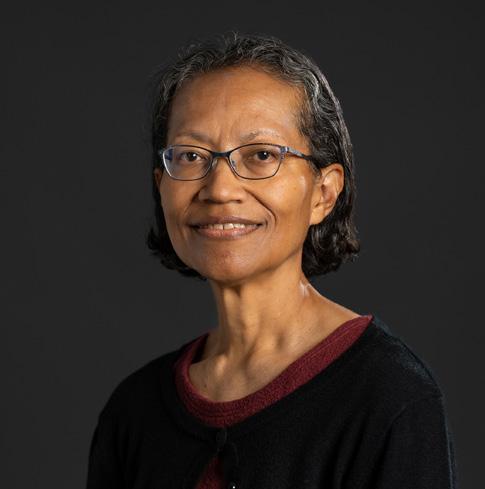
Debra Edgerton, Assistant Professor in the School of Art at Northern Arizona University, explores identity, race politics, perception, and environmental justice in her work. She holds MFAs from the San Francisco Art Institute and Vermont College in Interdisciplinary Art. A recipient of honors such as the Edgar Whitney Memorial Award and National Watercolor Society Master Status, Edgerton has completed residencies in Venice, Italy, and Osaka, Japan, where she presented on race and culture at Kansai University. Her work has been featured in the groundbreaking exhibition Cinema Remixed and Reloaded and is part of Historically Black Colleges and Universities’ permanent collections. Ms. Edgerton received a 2022 Scholarly and Creative Activity Award Grant, a 2022 McAllister Fellowship, and a Research Associate position with the Museum of Northern Arizona. Her current work examines freshwater ecosystems in the Colorado Plateau, their community relationships, and their correlation to human communities of color.
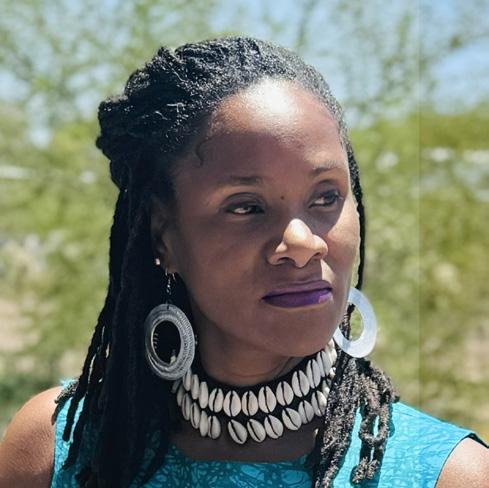
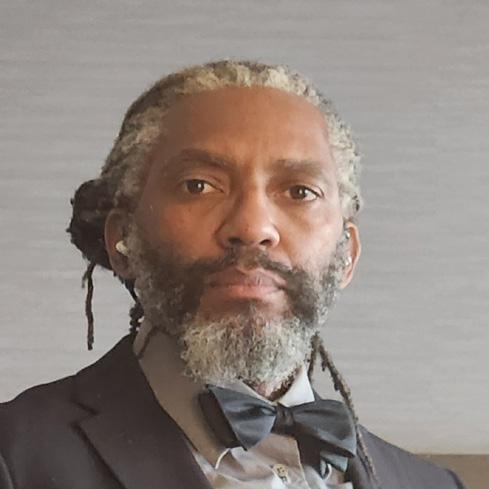
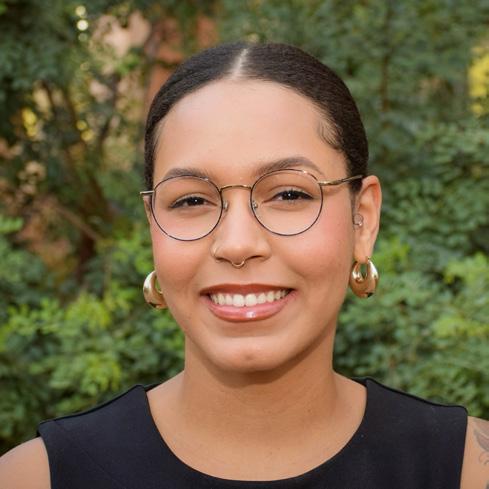
When asked as a child what she wanted to be, Randiesia Fletcher replied, “an artist.” More than three decades later, she continues to fulfill that calling in expansive ways. A Tucson Public Voices Fellow, Fletcher, M.Ed., is a curator, master teaching artist, educator, and community advocate often described as an “urban missionary” for her work with underserved populations. Raised in Los Angeles’ Skid Row amid homelessness, abuse, and instability, she later served in the U.S. Marine Corps and was honorably retired as a disabled veteran.
Fletcher holds a BA in Creative Writing and Anthropology from the University of Arizona and an MA in Education from the University of Phoenix, with international research in Fiji. She is the founder of I Can Do All Things, Inc., co-creator of the Refugee Resource Center, and a racial equity and sustainability leader whose auto-ethnographic art explores identity, resilience, and social justice.
“I came to art at a young age and kept it in my life. It has been a vehicle to express my joys and pains.” - Chas Frisco
Frisco lives for landscapes and moments to reenact in his work and utilize memories of places he has been or events he has seen: a hike in the mountains, a tornado in the plains, a rainstorm in the highlands, a whale pod in the inlet. The result is rarely as literal as the original so a new hybrid-scape is crafted. The works are affected by atmospheres and utilizing a wood, soda, gas, electric, pit kiln aids his search for solutions of surface, distance, color shape.
Vianca Gray is a visual artist born and raised in Phoenix, Arizona, currently studying fine arts at Phoenix College. Working in charcoal, acrylic, and oil, they focus on portraits and figure drawing.
Their current series of self-portraits explores emotion and the search for identity.
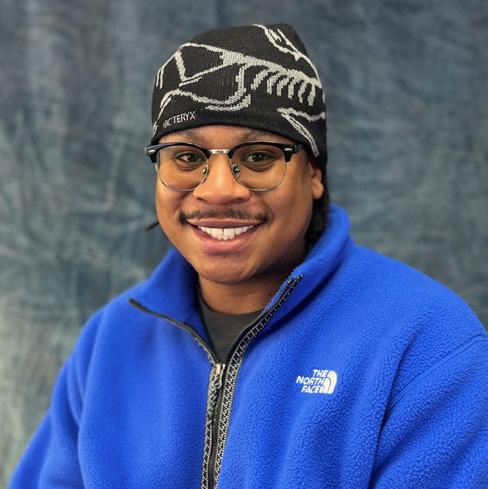
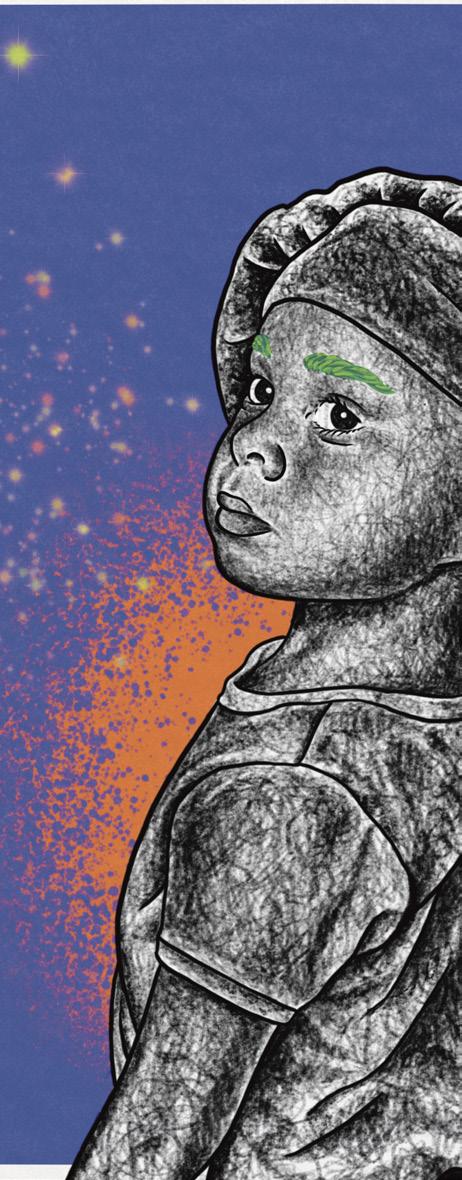
Ezekiel Hodo is a digital artist whose work explores the human condition through introspection, emotional contrast, and fragmentation. Created during periods of personal transition, his practice focuses on visualizing internal states and experiences that resist direct language.
Working primarily with layered digital imagery, Ezekiel’s work centers on identity, communication, and contradiction—allowing opposing emotions such as grief and hope, tension and harmony, to coexist within the same space. The imagery treats each individual as a self-contained universe navigating connection and misunderstanding. His work has been exhibited at the United States Capitol Building in Washington, D.C.
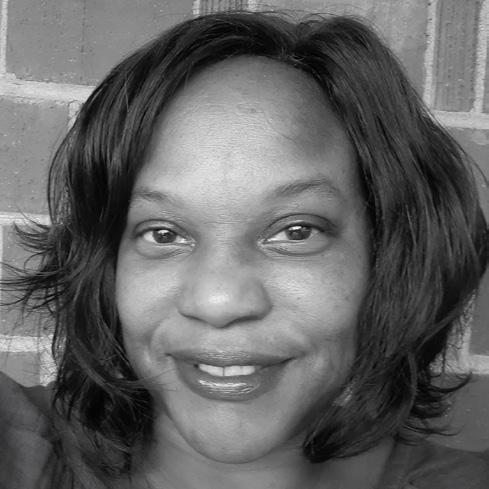
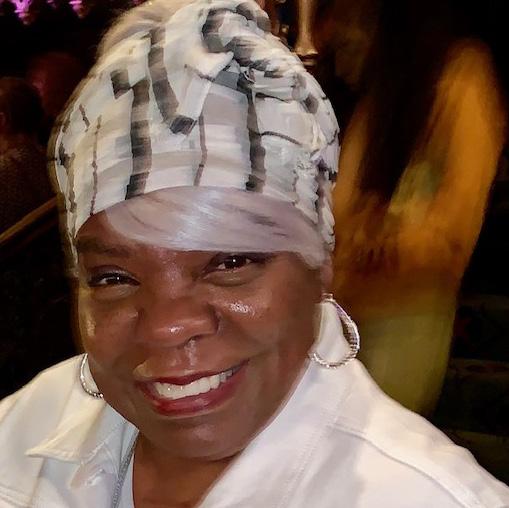
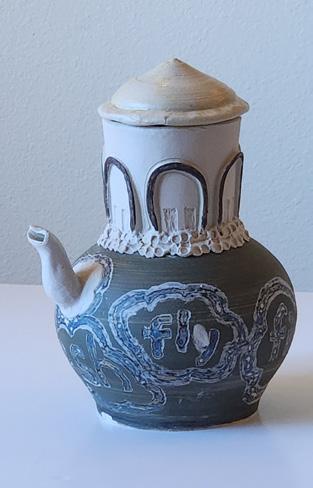
I am an emerging ceramic artist who began working with clay and stoneware in 2003 through local art classes and continued through self-directed study in ceramics and sculpture. My work is primarily constructed using slab and hand-building techniques and fired in an electric kiln to stoneware temperatures.
My style continues to evolve and is best described as naturally geometric with an organic sensibility. Ceramics allows me to explore form, texture, and pattern in endlessly transformative ways. I am drawn to clay for its responsiveness and versatility, and I often take inspiration from natural forms and surfaces. Through ongoing experimentation, my goal is to create work that invites visual satisfaction while reflecting a sense of balance, curiosity, and quiet discovery. Inspiration is constant — I find it in everyday environments, materials, and moments of observation.
Jenita Landrum’s passion for art began in childhood and developed into a distinguished career rooted in painting, drawing, installation, and mixed media. She began her professional journey in Phoenix while studying Painting and Drawing at Arizona State University in the 1980s, where she co-owned North Fifth Avenue Studios and Galleries and later founded Studio-J I in Downtown Phoenix and Studio-J II in Scottsdale. Landrum completed her MFA at The Ohio State University, where she opened The Art Loft Studios and Gallery in Columbus, Ohio.
Her work has been exhibited nationally and internationally, including throughout the United States and in Ghana. Landrum has pursued fellowships abroad in Ghana, Germany, and Poland, and is a nationally sought-after curator and lecturer. Influenced by mentors such as Jacob Lawrence and Sam Gilliam, her work explores race, class, gender, and identity through powerful imagery centered on women’s lived experience.
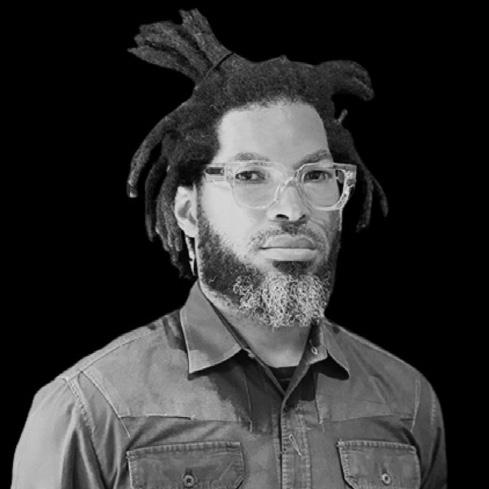
Arizona native Isse Maloi has always been captivated by the street and pop art scene. His appreciation of the diversity each genre has to offer, and finding a way to bring those ideas to canvases has been a lifetime in the making.
As an art enthusiast, Isse has a passion for supporting artists that inspire him. His keen eye and detailed work shows his interpretation of past and current styles. His large scale pieces evoke nostalgia with a modern perspective. Inspired by different elements and heavily based in type font, character, and iconic pop references, he sparks passion and conversation.
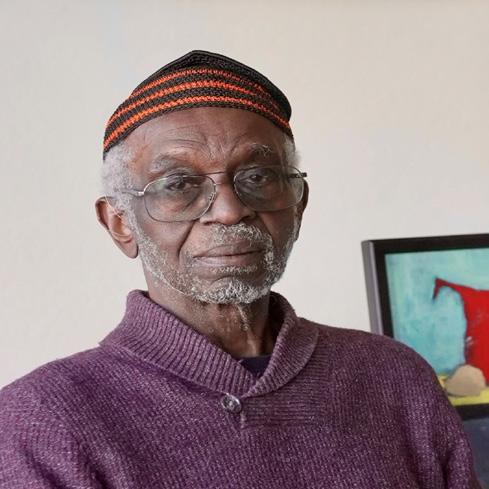
Bob Martin is a native New Yorker who surrounds himself with art, jazz, dance, and basketball. Martin has been creating art and exhibiting for close to 60 years. He studied art at the N.Y. School of Visual Arts and The Art Students League of New York with Barry Zaid, Peter Cox, Harvey Dinnerstein, David Lefell, and Ted Seth Jacobs. Martin feels that creating art is a real opportunity to be honest, with no need for explanation or defense. Art is not a prelude to what is to come. It has its own life. He has been a part of the Vision & Sound exhibition for several years and has shown his work in New York and across Arizona.
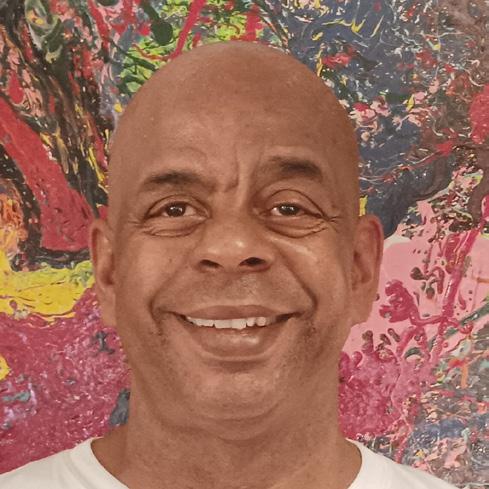
Jarrett Maupin Sr. is a self-taught artist and military veteran whose work centers on transformation, healing, and emotional engagement. Working from Chateau Barton, his art haus and creative workshop, Maupin creates free-form, tactile works that invite both visual and physical interaction. Using splashing and dripping techniques, he transforms unconventional surfaces—canvases, mirrors, furniture, and found objects— into functional artworks that challenge traditional boundaries between art and utility.
Maupin’s practice is deeply informed by his service as an Airborne Ranger and his ongoing commitment to supporting veterans transitioning to civilian life. Many of his works incorporate military dog tags as symbols of identity, resilience, and renewal. Through bold color, texture, and spontaneity, Maupin’s art reflects the possibility of rebirth—offering viewers an immersive experience rooted in healing, imagination, and shared humanity.
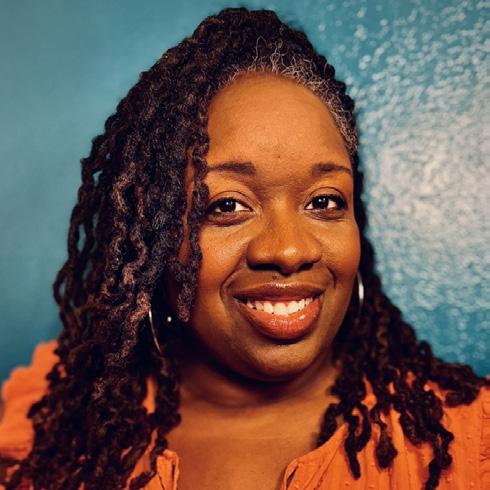
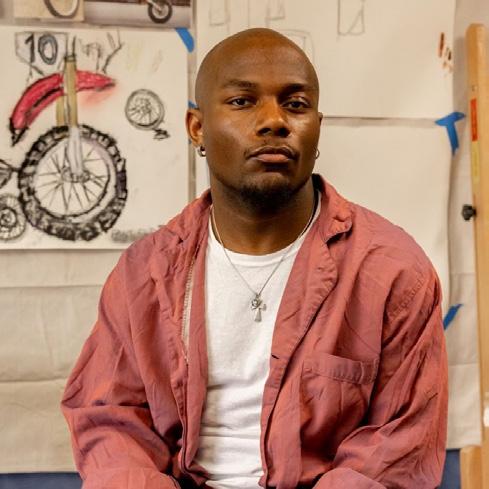
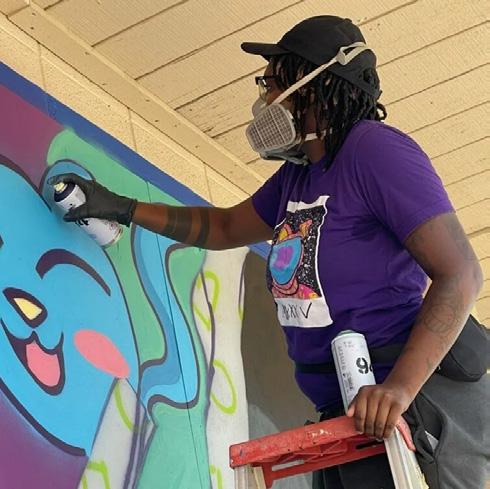
Felicia Penza is a multidisciplinary creative whose work spans writing, painting, storytelling, and graphic design. Her visual art blends bold color with layered textures, often exploring themes of identity and connection. In addition to exhibiting in galleries throughout the Phoenix Valley, Felicia’s public art can be seen in the City of Tempe, where her work contributes to the city’s vibrant cultural landscape.
Philip Gabriel Steverson, an interdisciplinary artist based in Phoenix, Arizona, hails from West Philadelphia, Pennsylvania. A 2022 graduate of Arizona State University with degrees in Fashion Design and Poetry, Philip’s interest in fabric manipulation expanded to encompass video, sculpture, and installation, exploring how art interacts with space, viewer engagement, and personal connection.
A 2019 study abroad in Amsterdam deepened his understanding of visual arts as a non-verbal language, shaping his focus on form, materiality, and conceptualism. Philip’s practice incorporates quotes, cinema clips, and found objects, connecting past, present, and future influences. Following his mother’s passing in October 2022, his work has centered on themes of grief, grace, healing, and emotional growth, guided by a spiritual connection to her memory.
Maxx V’s transformative journey into mural making and canvas painting stands as a testament to her profound passion for artistic expression. Fueled by influences from her culture, pop art, anime, and a deep love for cats, Maxx brings a unique and vibrant perspective to her creations.
With a mere two years of experience in spray painting, Maxx is dedicated to pushing the boundaries of black art, portraying black fem presenting individuals in unconventional ways, and showcasing the diverse facets of identity. Maxx’s signature bold colors have become a distinctive trademark, ensuring that each piece reflects the unmistakable style of Maxx V.
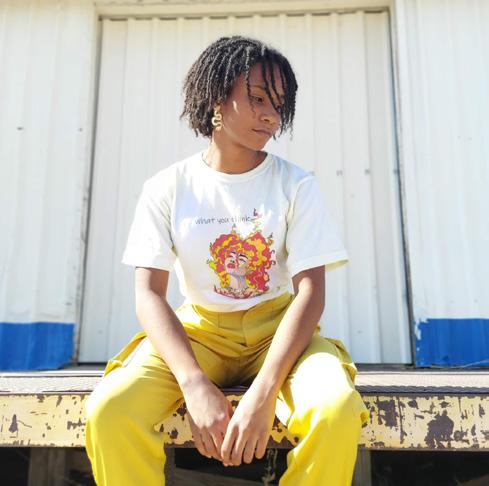
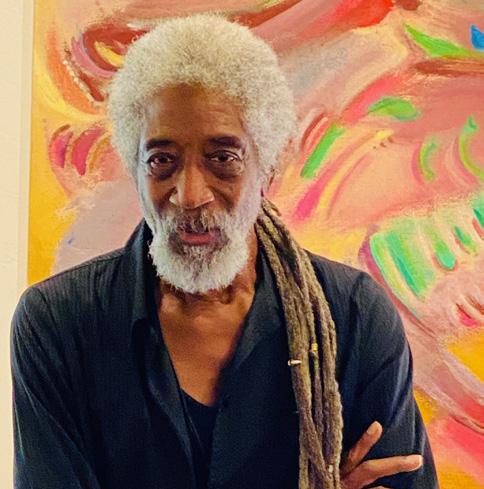
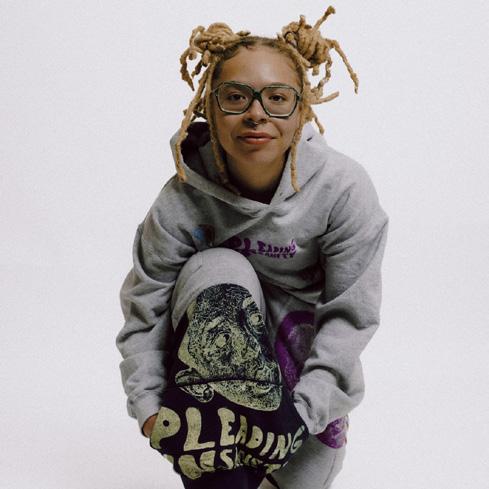
Imena is an artist and lover of stories. Using oil and acrylic paints on canvas, her paintings mostly highlight emotions, something that anyone can relate to, with surrealistic elements. Imena likes adding something magical to something we see as ordinary. Her inspiration can be found in everyday life, literature, and music. She started her art career after graduating from high school in 2023, participating in art shows and exhibitions across the West Valley.
Before then, Imena had been painting for as long as she can remember, and always admired how powerful art can be. By creating art, she can express herself, and by sharing it, she has grown more confident in herself. Imena hopes that, by sharing her art, she can inspire others to create and find more magic in everyday life as well.
George Welch began his studies at Pratt Institute in Brooklyn, New York in 1961. One year later he began his apprenticeship at Queens Litho Corp. in the Graphics Department. He continued his Graphic Arts studies at Pratt, became a full-time graphics layout artist in the Art Department, and met John Chamberlain, whose work he admired. When Welch decided to leave New York, he continued his studies at Central State University in Wilberforce, Ohio. There, he worked on literary magazines, the school newspaper, and became editor of The Fraternity Journal. He began to focus on painting, jazz, poetry, Paris, and the Harlem Renaissance. After traveling the world, Welch established a studio-gallery in Manhattan’s Chelsea–Clinton area called Solution3. He moved to Arizona and began teaching at Pima Community College in 1971, serving as head of Painting and Drawing for 40 years. His poetry took root in Tucson, while New York remains in his heart and vision, mixed with desert air.
Born and raised in Phoenix, Arizona, Shoreigh Williams is known for self-portraiture and for an elegantly morphed, dream-like style. Her experimentation with the scribble texture–mostly using microns and acrylic–has bled its way into a permanent style. She wants her work to take the viewer on a ride of following their intuition. Her influences include her mother Cassandra Hansent and her mentors Antoinette Cauley, Travis Rice, and Ivan Lopez.
Williams believes that “when in doubt, draw it out.” Drawing was a central part of her life as she grew up and she notes that she “drew, drew and drew . . .with no motive. . . “simply because it made me whole.” In high school, Shoreigh began customizing shoes which then led to many other commissions, relationships, and experiences.
We honor the lasting contributions of artists whose work, leadership, and generosity continue to shape the Vision & Sound community.
Larry Wilson was an artist, teacher, and community activist whose impact on Phoenix’s arts community remains profound. A lifelong Phoenix resident, he was a founding member of Artlink and a co-founder of First Fridays, helping to build platforms that continue to support artists of color. Larry is remembered for his generosity, passion, and unwavering belief in the power of community.