ARCHITECTURE PORTFOLIO
Matthew J. Csorgo
Graduate of Architecture
Sample works 2022-2024
Matthew J. Csorgo
Graduate of Architecture
Sample works 2022-2024
Hi, my name is Matt a Graduate of Architecture from Swinburne University. My passion lies in designing facilities that can benefit our lives such as Healthcare, Education, Research and Community Facilities.
I have 2 years of experience in Healthcare design and am looking to further my career in Architecture at a practice where I can improve my skills and expand my experience in different sectors.
0402 088 366 matthew.csorgo@gmail.com
Carlton VIC, 3053, Australia www.linkedin.com/in/matthew-csorgo
BACHELOR OF DESIGN (ARCHITECTURE)
Swinburne University 2021- 2024
Achievements
• 3.5/4.0 GPA
• Multiple projects selected for display at Swinburne GradX Evolve
• Swinburne Mentoring Program - Mentored other Swinburne Architecture students to help them grow in a University setting
ARCHITECTURAL ASSISTANT
Healthcare Projects Australia
Jan 2023 – Current
HCPA specialises in Healthcare architecture, design, property and equipment consulting, fitout and construction. Projects include public and private hospitals as well as private medical clinics, Veterinary surgeries and clinics.
DESIGN & RENDER
Revit – 3 Years
AutoCAD - 2 Years
Rhino 3D – 4 Years
Grasshopper – 2 Years
• Ladybug Tools
• Honeybee
• Rhino Inside Revit
• Kangaroo Physics
• Other Plugins
Enscape/Lumion - 3 Years
AutoDesk Forma - 1 Year
ADOBE SUITE
Illustrator – 7 Years
Indesign – 7 Years
Photoshop – 7 Years

DIPLOMA OF DESIGN
Swinburne University 2020-2021
Achievements
• 4.0 /4.0 GPA
• Letter of Commendation from Senior Deputy Vice Chancellor
• Work posted to Swinburne Instagram
Microsoft Word – 12 Years
Microsoft Excel – 12 Years
Outlook - 5 Years
Teams - 5 Years
CODES & GUIDELINES
AusHFG - 2 Years
Australian Standards (AS) - 2 Years
National Construction Code (NCC) - 2 Years
Victorian Planning Provisions (VPP) - 2 Years
Researching Council Regulations - 2 Years
Others as Required
The chosen examples are a sample of my project experience in professional practice, these examples explore the skills that I have picked up throughout my professional experience and aim to show a variety of types and different phases of projects. The list below includes projects that I have assisted on which have not been included in my porftolio. I would be happy to provide further information on all projects or other experience upon request.
WA Healthcare
Perth Animal Hospital
Education
Eltham Ladies College Fitout
Residential
Echuca Medical Student Housing
Yarrawonga New Build
Black Rock Home Extension
Healthcare
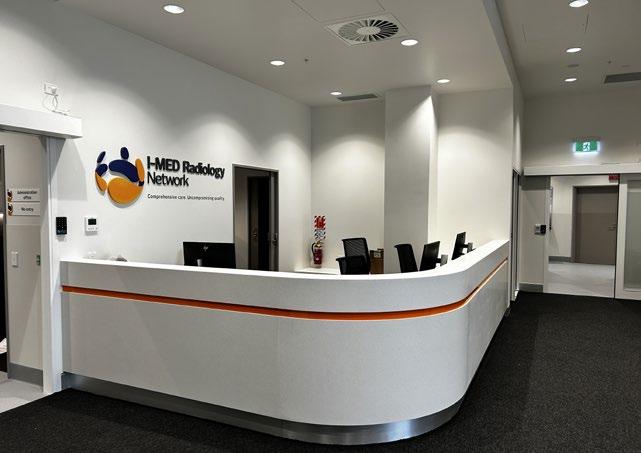
I-Med Tauranga
NSW & ACT
Healthcare
Wright Medical Centre
I-Med Hornsby
I-Med Kanwal
Infocus Radiology Kurri Kurri
Narooma Health & Aged Care Facility
Northshore Animal Hospital
Castle Hill Medical Centre
- INTERNAL FITOUT
Site Wright, ACT
Project Type
Medical Centre
Childcare Centre
Status
Tender
Contribution Phases
Schematic Design Design Development
Responsibilities
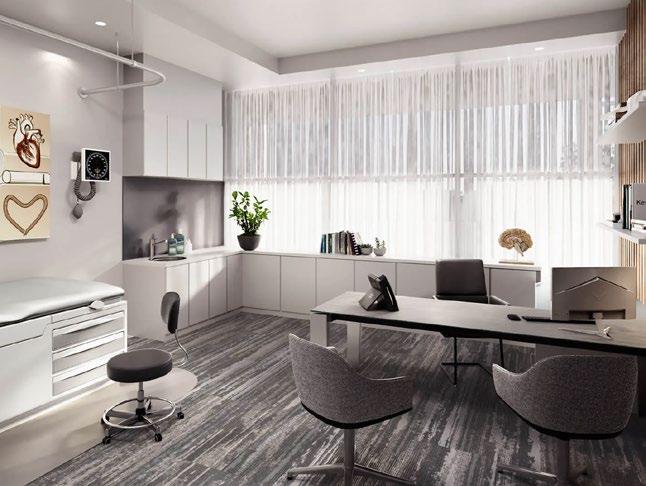
• Through coordinating with the Base Build Architect and Revit File, I created the Internal Revit model and internal fitout plans.
• Assisted with Internal Layout Documentation and Room Design
• Ensuring circulation and room layouts are in compliance with AusHFG and other requirements such as Accessibility
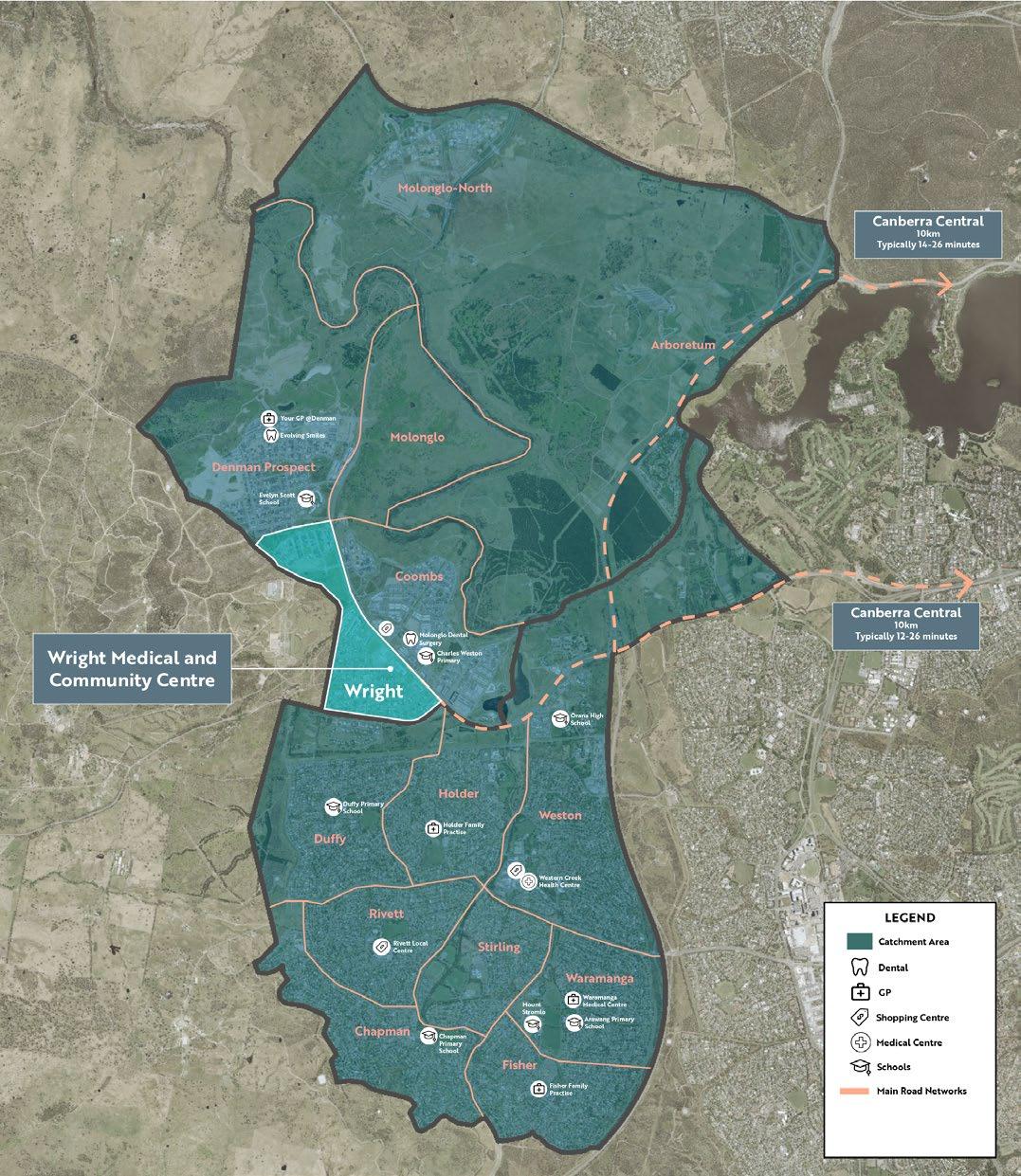
• Researching surrounding area for leasing brochure statistics and producing graphics
Programs


Day Surgery
Specialist Suites
Specialist Suites
Radiology
Nuclear Medicine
Site
Tauranga, NZ
Project Type
Radiology, MRI, Nuclear Medicine
Status
Built
Contribution Phases
Design Development
Contract Documentation
Responsibilities
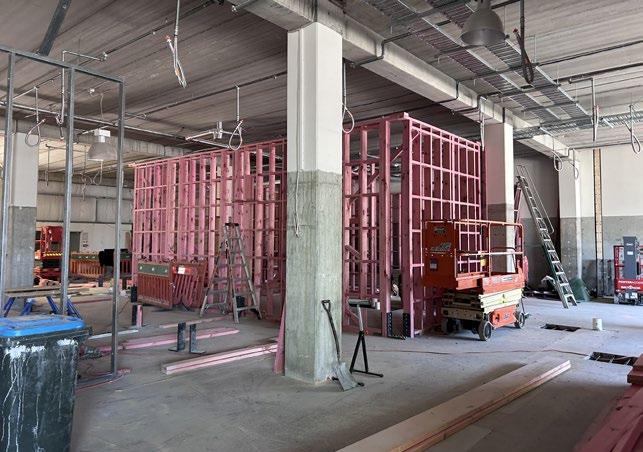
• Construction Documentation
• Modelling existing conditions for adaptive re-use
• Joinery & Room Layout Documentation 3D Visualisation
• Parametric family creation to improve BIM management and design documentation
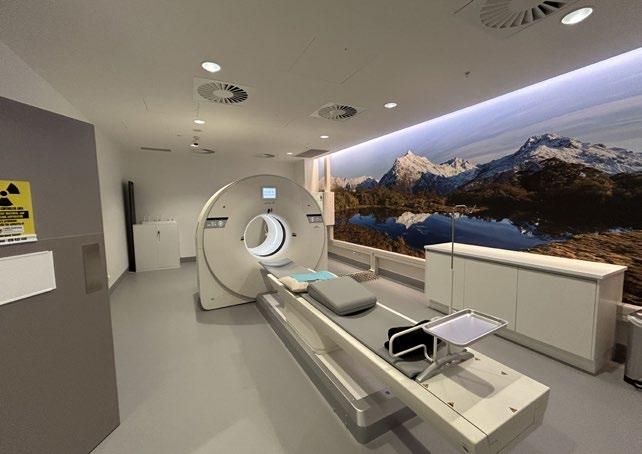
• Designing and modeling interior spaces in accordance with requirements
• Revit model creation for consultant collaboration, e.g MRI Contractor, renders and design development and documentation
Programs
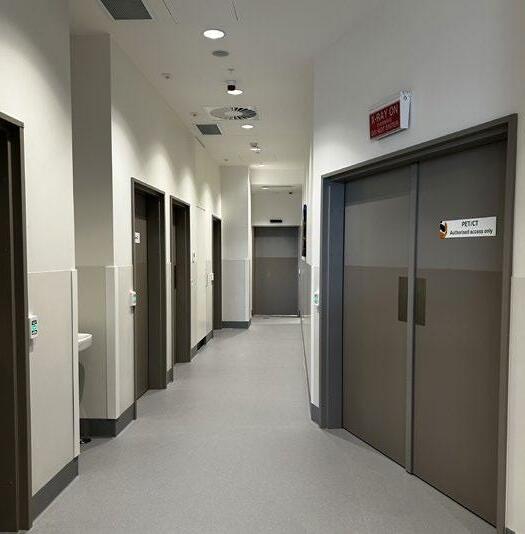
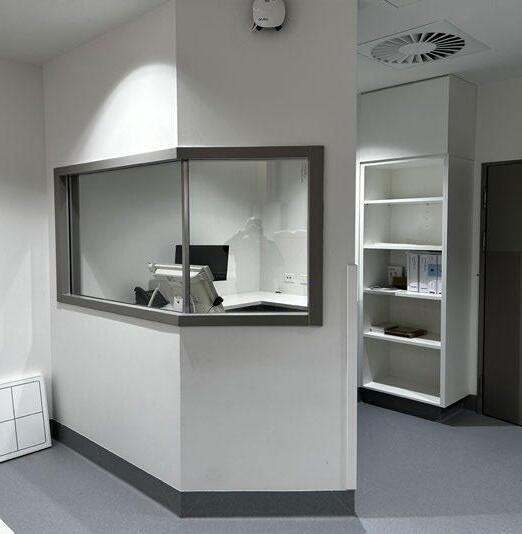
As part of the project, my responsibilties included created joinery families details and room elevations. In order to streamline the process, I created parametric furniture families through Revit which can be adjusted depending on usage, position and space. These families were then used to generate room elevated and detailed joinery designs for construction documentation.
As the families are based on client requirements and AusHFG standards, they can be re-used and easily adapted for future projects improving design processes and accuracy.
X-Ray Control
Storage Cupboards
The following families are samples of the parametric detail families I have developed for HCPA. These detail families were made for use in the initial p`, however through parametric design can be adapted widely throughout future projects, streamlining and speeding up design whilst improving accuracy
Parameters include but are not limited to:
- Dimensions
- Additions (such as auto door openers and signage)
- Lead lining quantities and thickness
- Construction Frame type (e.g. Steel or Timber)
- Others
8mm Lead lined timber stud wall with door joint capping
17mm Lead lined steel stud wall with auto-door opener
The examples chosen of my academic works are aimed at covering a variety of different skills, software and Architectural thinking that I have developed throughout my studies. These projects focused on more conceptual work alongside exploring analysis tools such as grasshopper, ladybug through integrating them with Revit and Rhino to optimise designs.
Please reach out if you would like any further information on any of the presented projects or my other works.
Site
Newport, Melbourne VIC 3015
Project Focus
Museum, Community Centre
The FORT is a response to the Newport Structure Plan, a plan from Hobsons Bay Council to redefine Newport as an Activity Centre. It leans in to Newport’s industrial and military industry heritage to redefine the Suburbs identity as a centre for innovation. Newport lost it’s identity and has been left underutilised and without a future direction. The museum will explore the Future of Human driven innovation including industry, technology and culture in the hope of turning Newport into a centre for future progress.
With Newport’s current and projected demographic of young families, interests lie in education and family activities. This includes workshops and classes, technology and maker spaces and places for play and parent meetups. Alongside this, Newport is missing a central pedestrian friendly circulation network so the design provides green gateways that connect the heart of Newport together.
Along with the museum, the precinct will provide shopping, nature spaces and offices which have been identified as a lacking key to activating Newport’s Centre. The design will weave itself in with the fabric of it’s surrounding through green gateways that connect the Arts & Recreation Precinct with each of the other precincts and PTV nodes.
Programs

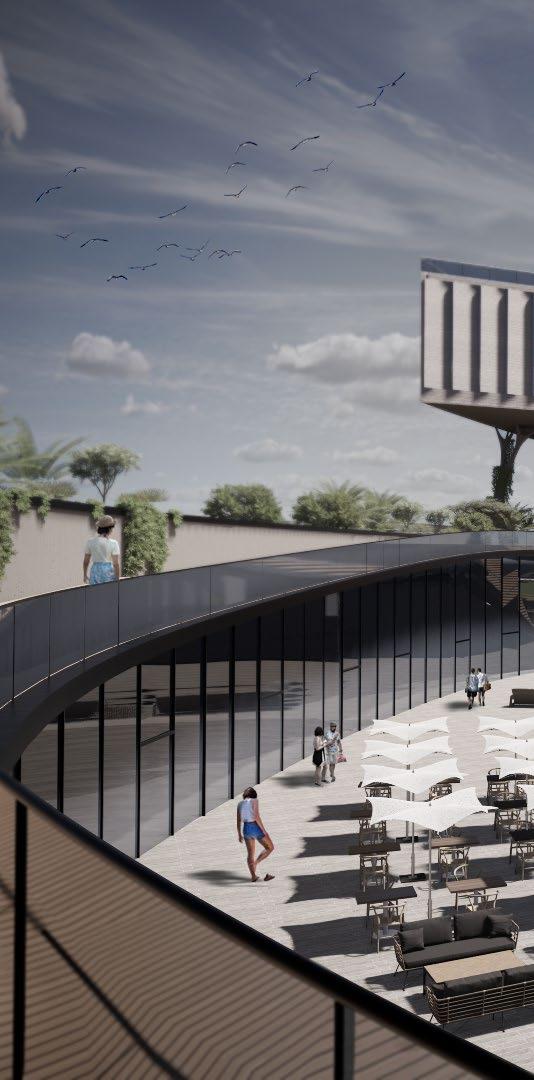
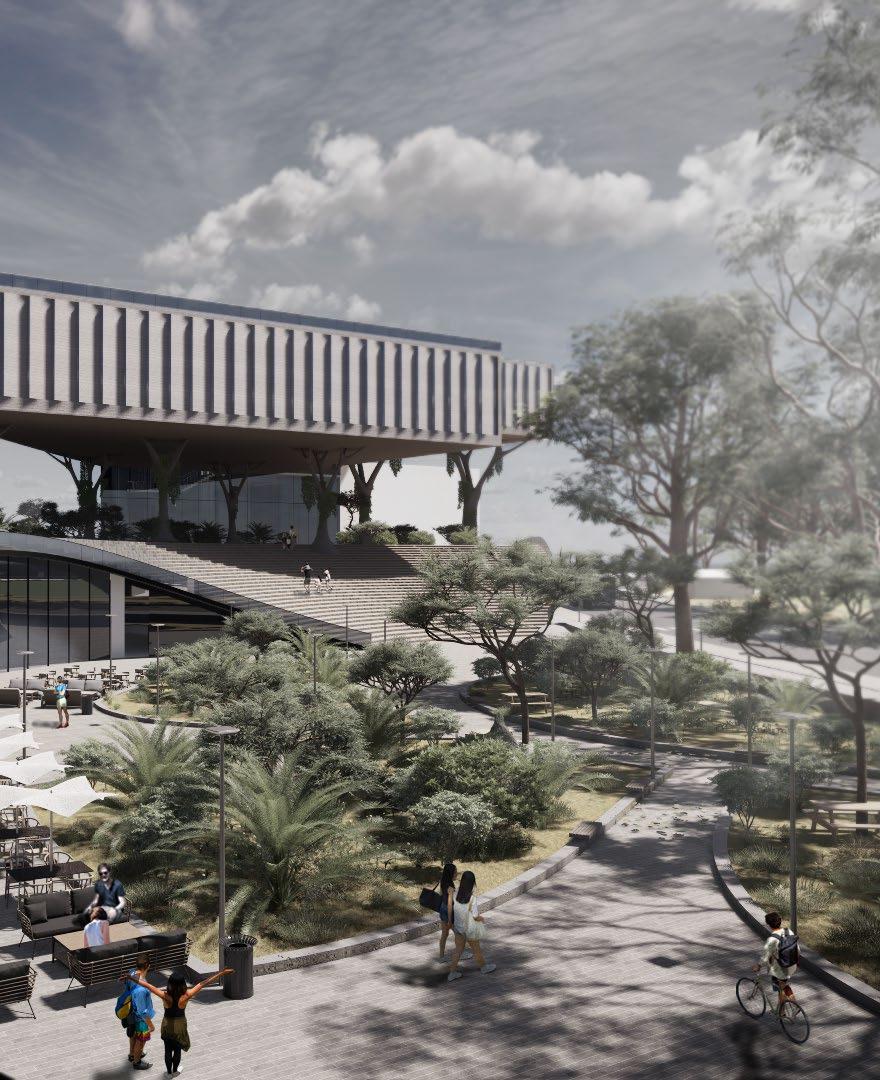
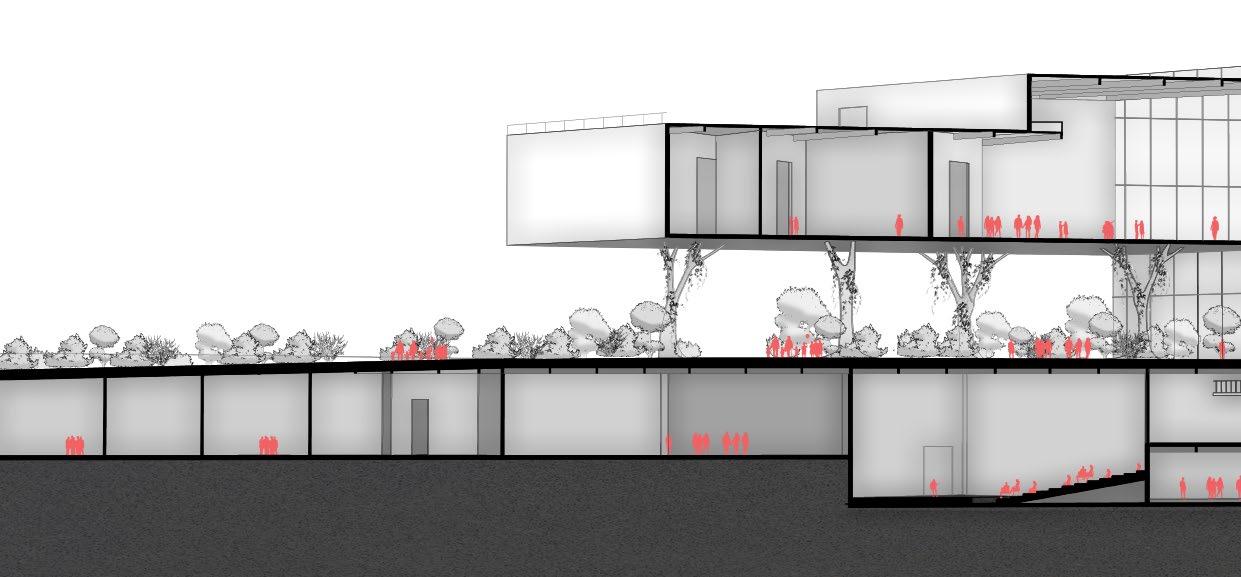
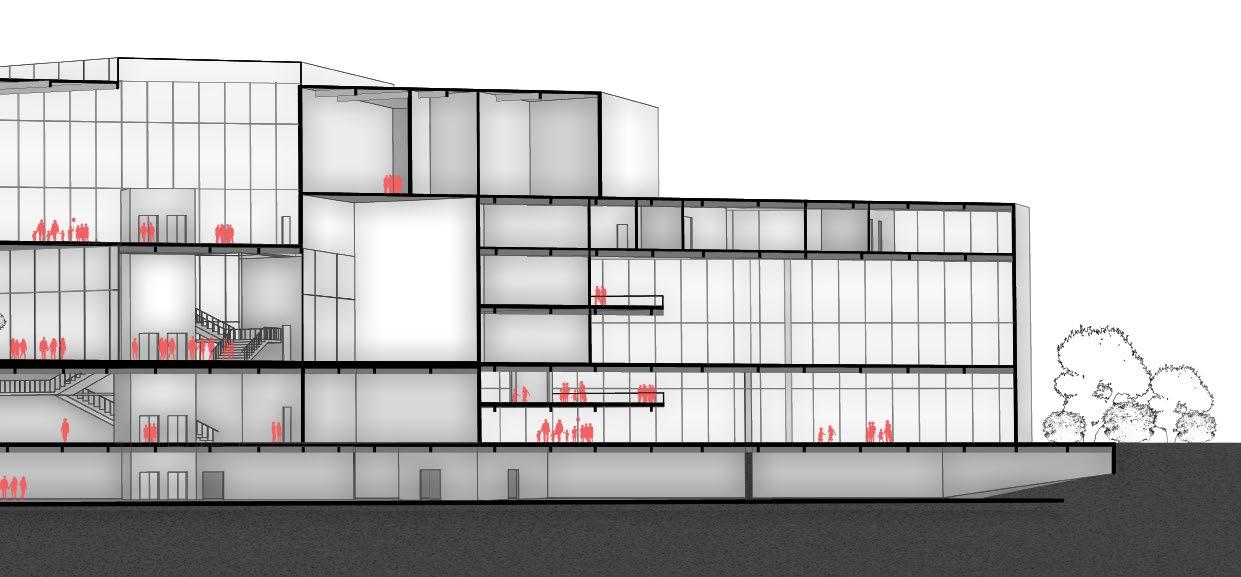
The final design contains community aspects towards the North of the site, where the main entries are, creating an open community centre that projects out into the existing surrounding facilities. The design brings missing amenities such as a market, local shops and restaurants and community facilities to the area. Along with this the design targets key demographics to design the key attractions such as the museum, play centre and innovation spaces.
1. Play and Learning Centre
2. Mars Habitat Exhibition
3. Cafe and Gift Shop
4. Community Centre Lobby
5. Theatre
6. Theatre Backstage
The key attractions are placed towards the South of the site, such as the museum draw people through creating a vibrant heart of Newport. The programs are arranged to activate the street front and also create interesting green spaces that people can circulate through.
7. Community Hall
8. Workshops
9. Shops and Cafes
10. Communal Open Space
11. Market
12. Connection to Newport Substation
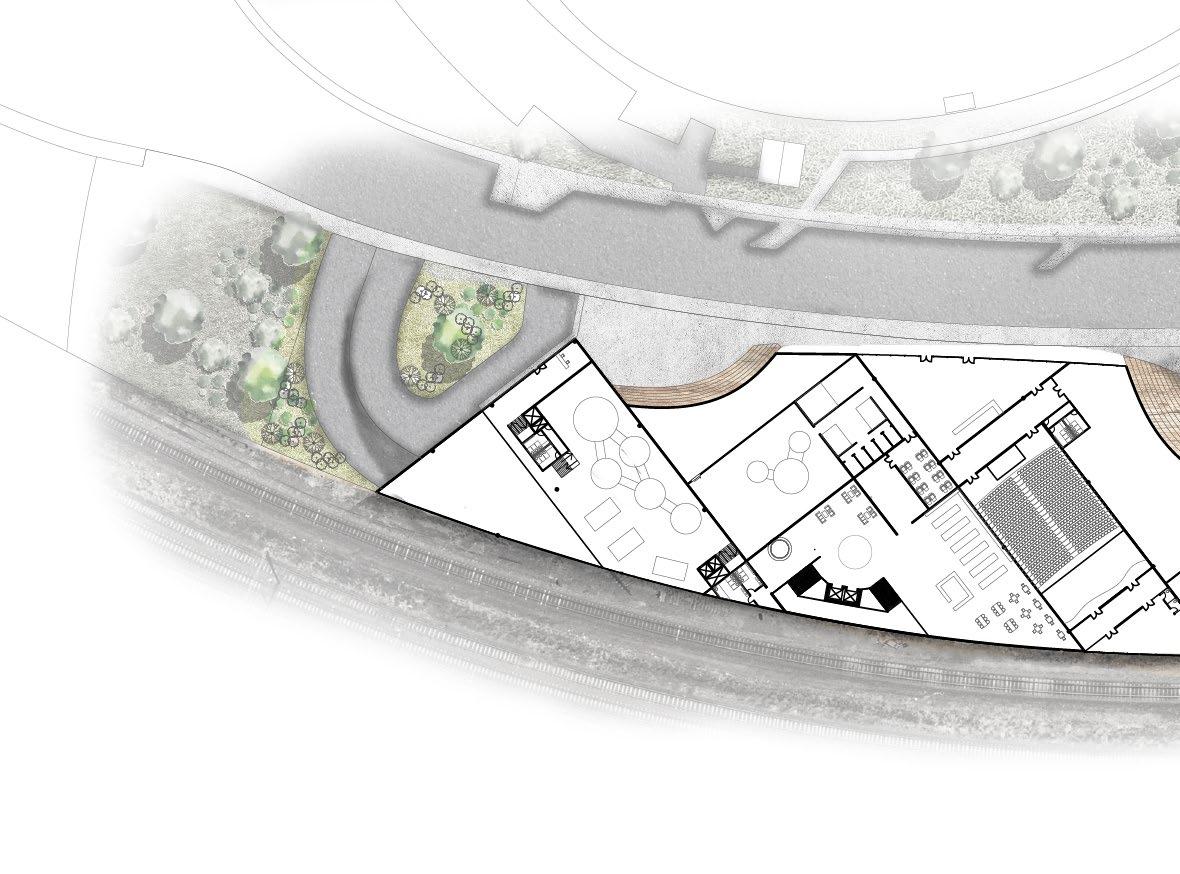
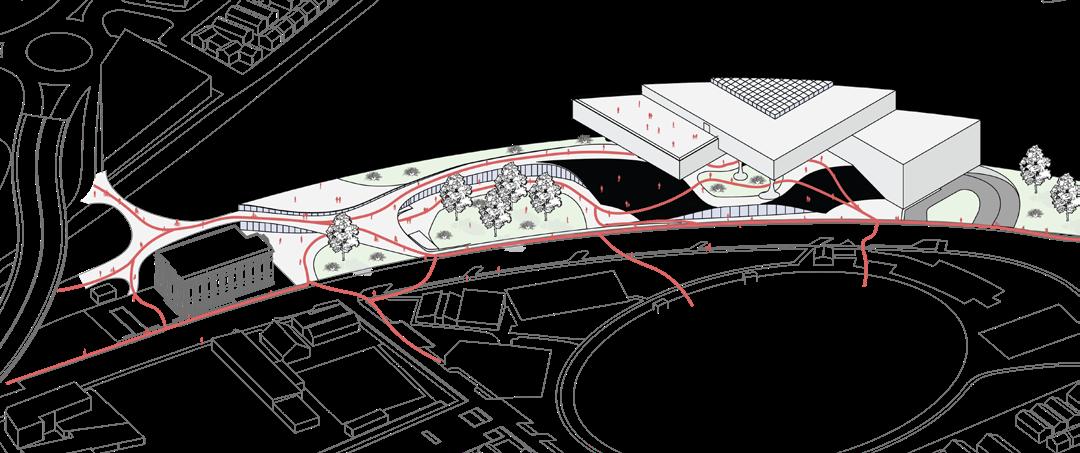
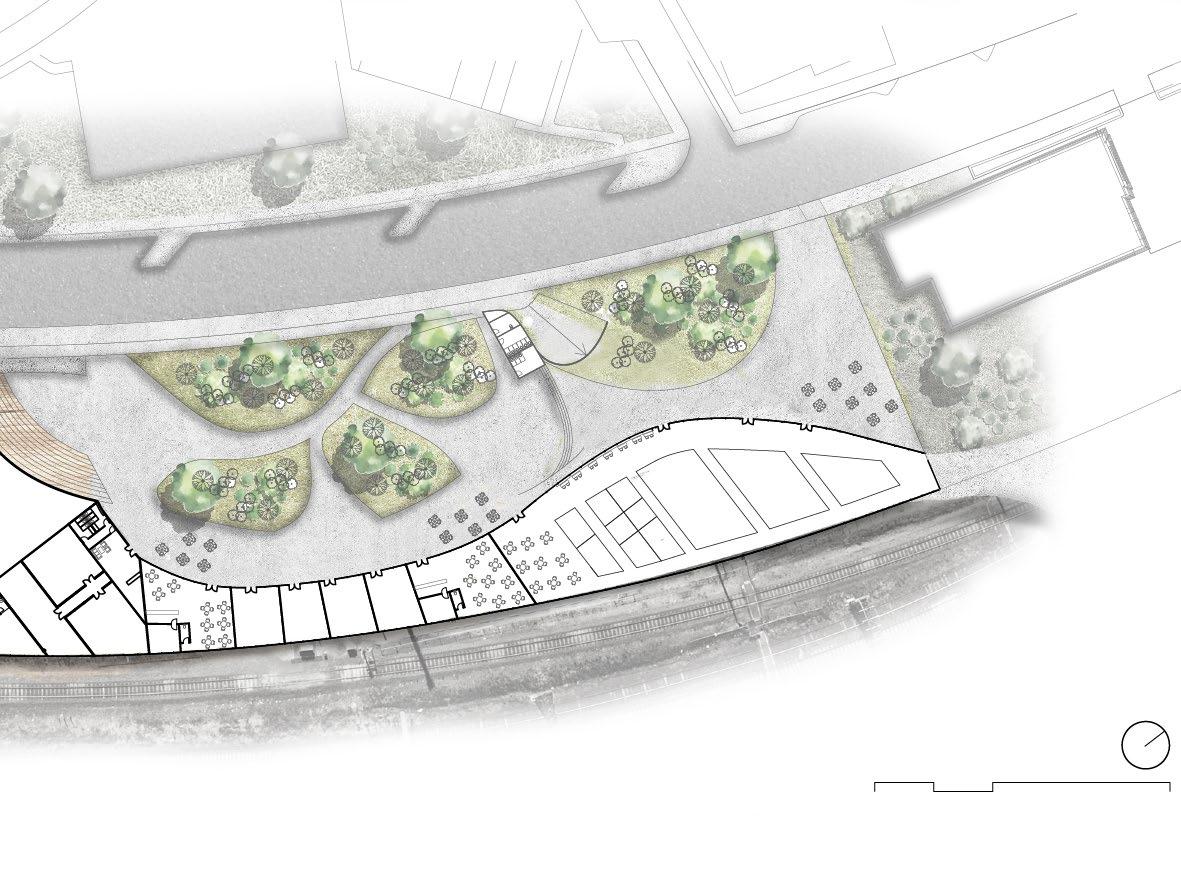
The programs are arranged in a way that creates the community central space towards the front of the site, closer to the train station, PTV nodes and Substation.
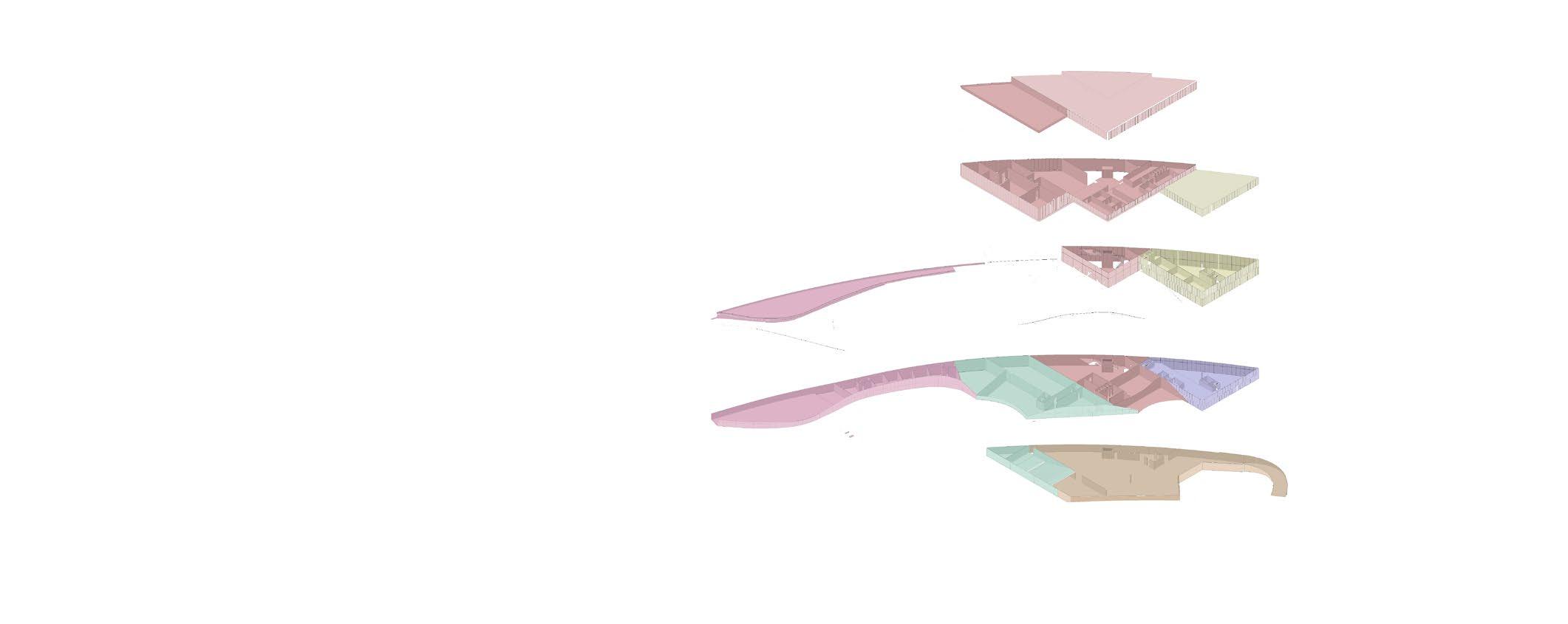
The program arrangements of the museum is designed to create a sense of exploration, playing with the different levels and making use of dark and light spaces, below and above.
1. Shopping Precinct
2. Hire Workshops
3. Green Podium Entry
4. Museum Lobby
5. Hologram Theatre
6. Robotics Exhibition
7. Space Exhibition
The different heights of rooms also creates a sense of awe with double sized ceiling spaces and more closed intimate spaces depending on what is being exhibited.
8. Theatre
9. Gift Shop/Cafe
10. Mars Habitat
11. Deliveries and Staff Parking
12. Children Play and Education Centre
13. Innovation Labs
14. Office Spaces
MUSEUM PLAY & LEARNING CENTRE
THEATRE & COMMUNITY HALLS INNOVATION LABS & OFFICES SHOPS, MARKET & RESTAURANTS STAFF PARKING DELIVERY
Site
Rural Latvia
Project Focus
Rural Retreat, Yoga House
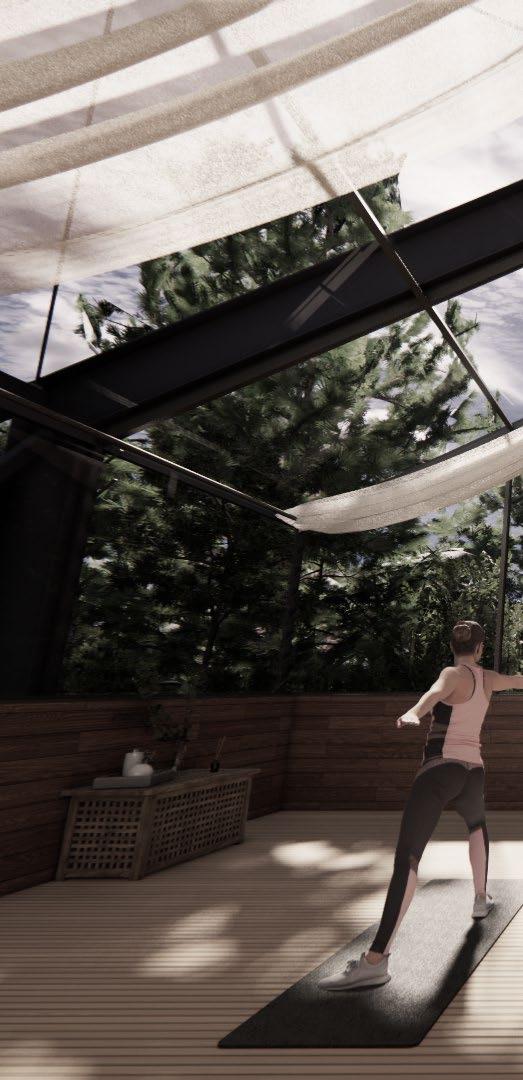
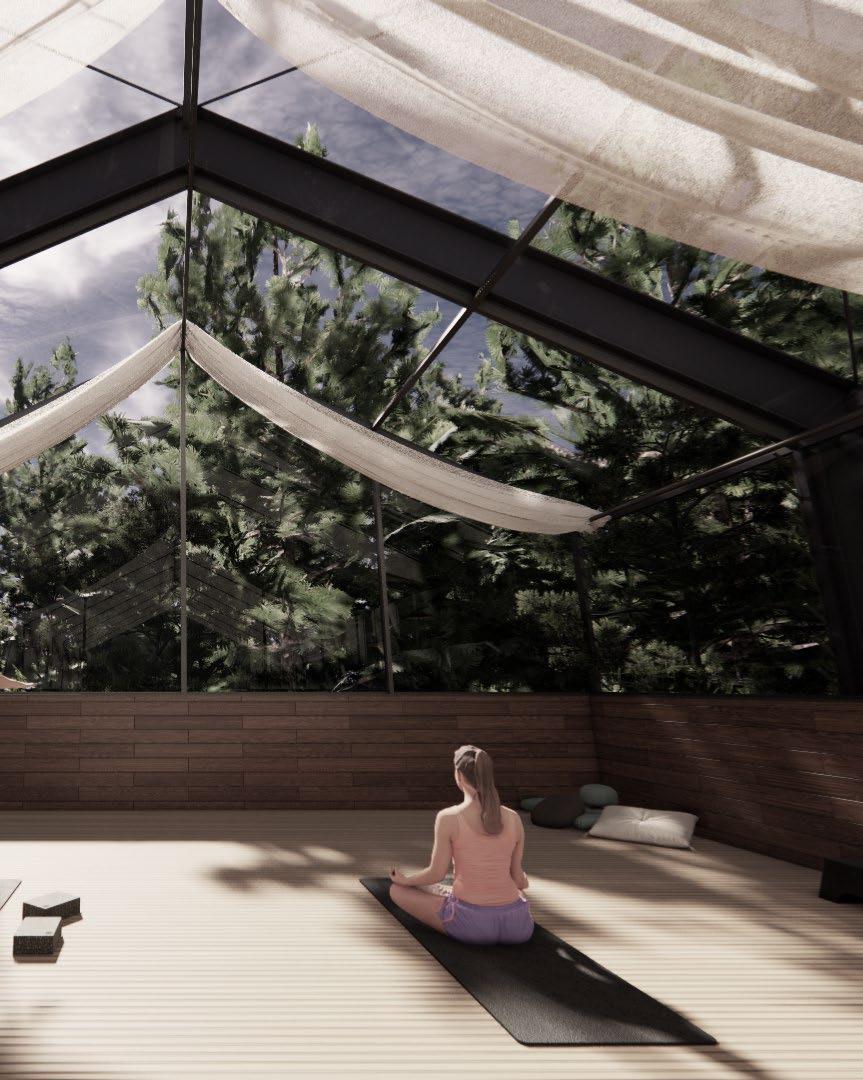
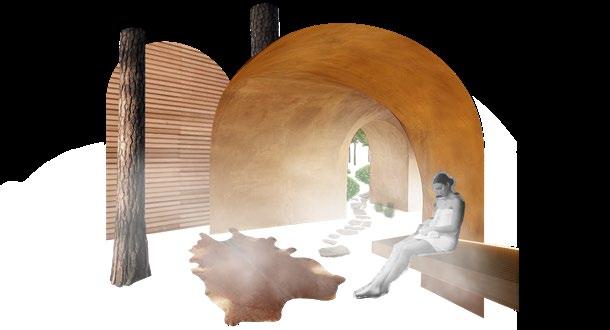
Ascension uses the design of a Yoga House in Latvia’s rural bogs to help reduce stress and anxiety. With shrinking living spaces and a mental health crisis, it emphasizes reconnecting with nature, community, and self. The design features three spaces grounded in yoga fundamentals, intertwined with Latvian culture. These spaces ascend, starting from a cozy Latvian sauna, along with spaces designed around the traditional latvian sauna ritual, and culminating in a light, airy yoga studio among the treetops exposing the users to the swaying leaves and sky.
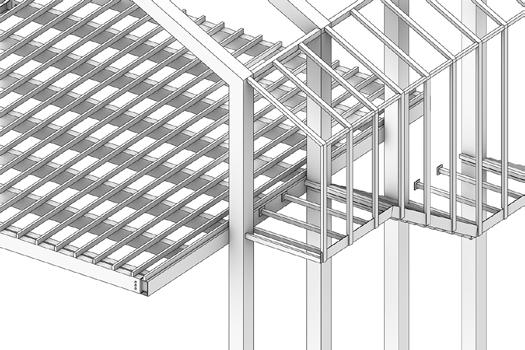
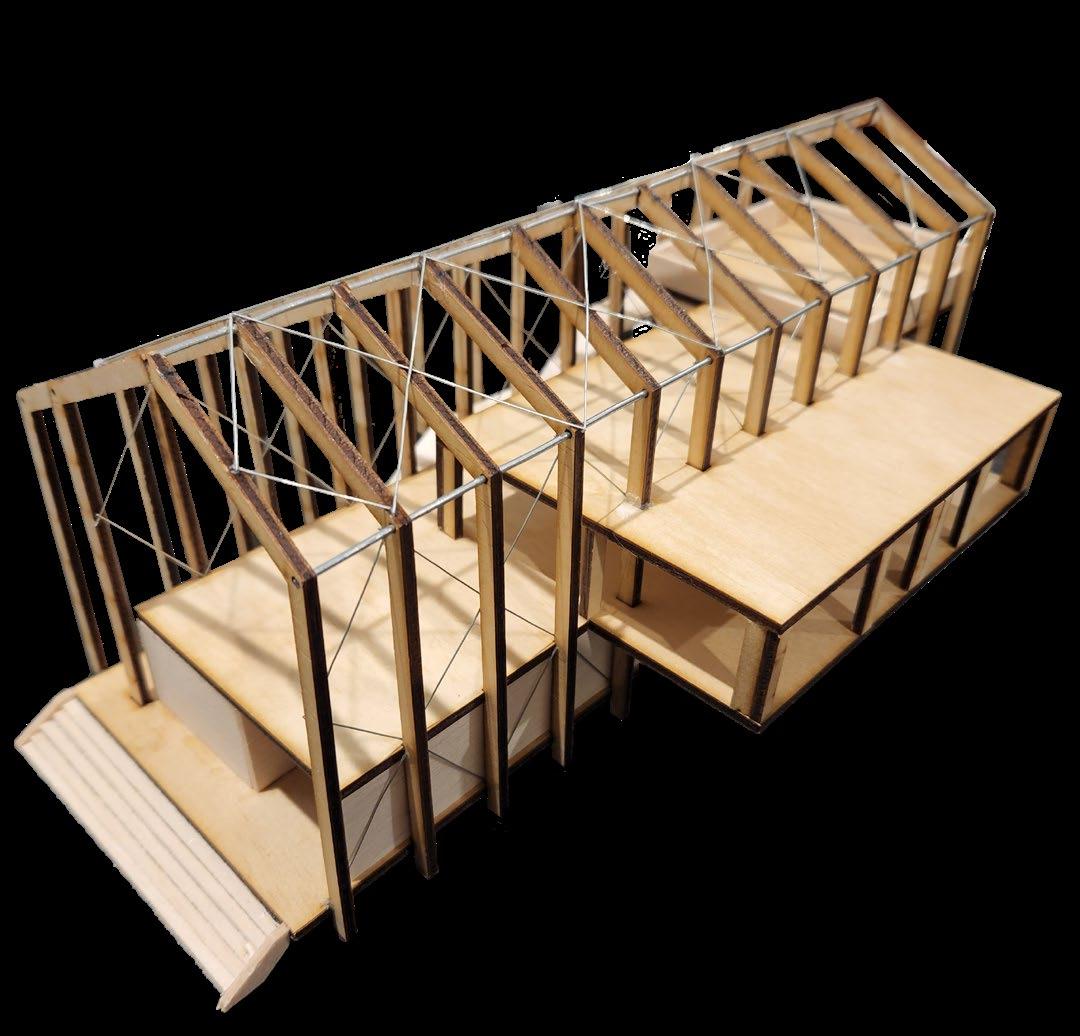
The structural design is aimed at minimising the impact it has on its environmnent with structures hanging from a steel frame. The frame also doubles as a climbing plant frame so that the users are surrounded by the greenery and the structure merges with its surroundings.
Programs

1. Entry Lobby
2. Traditional Latvian Sauna
3. Spa and Cold Plunge Pool
4. Outdoor Communal Space
5. Indoor Communal Spaces and Accommodation
6. Treetop Yoga Studio
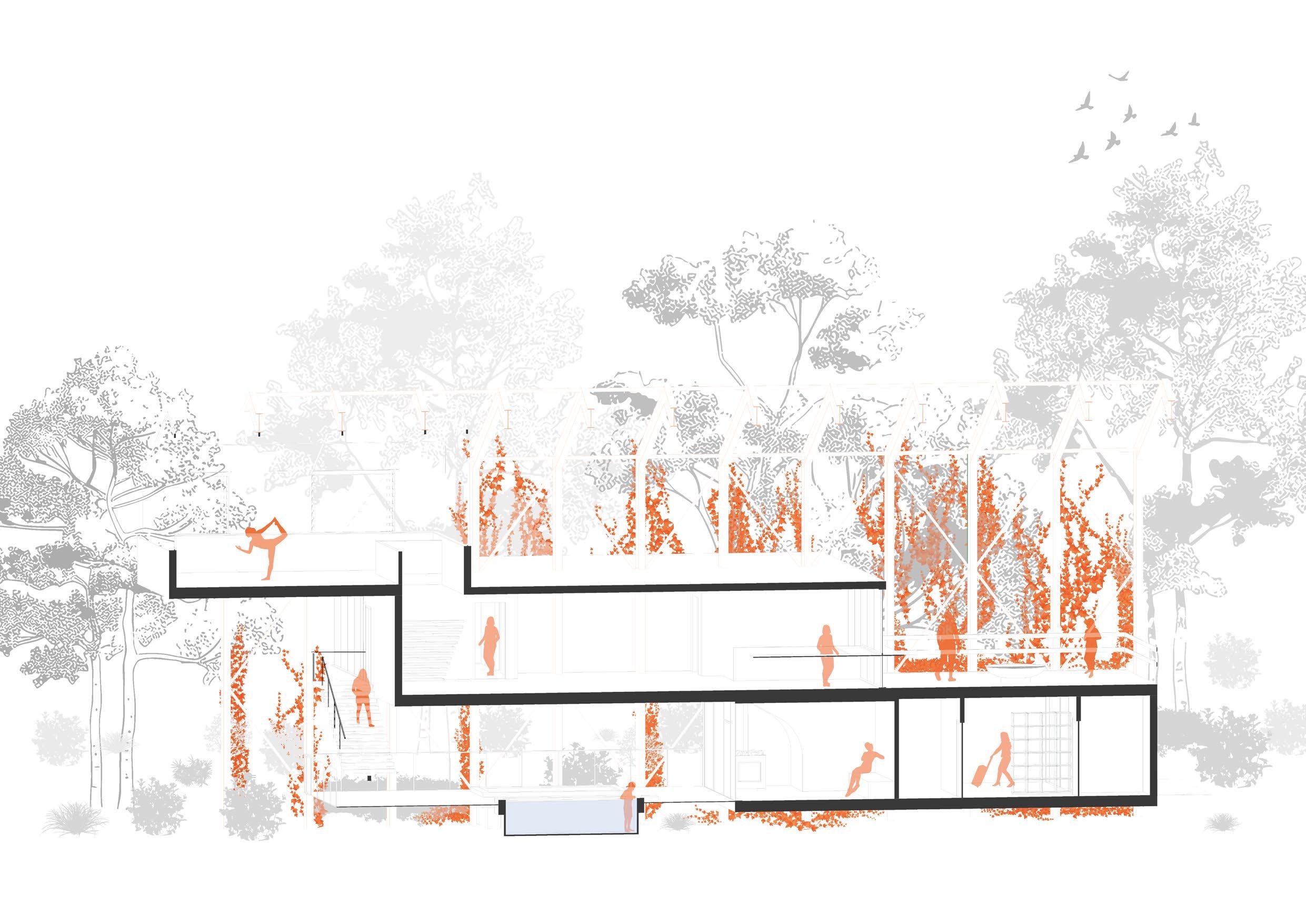
1 2 5 4
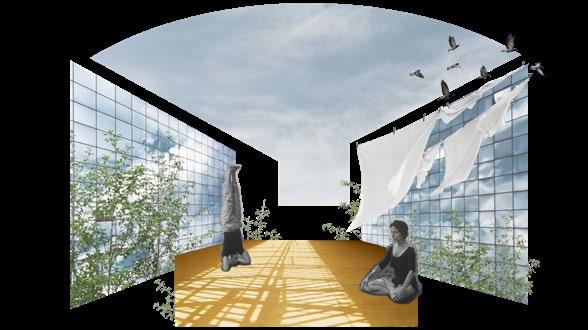
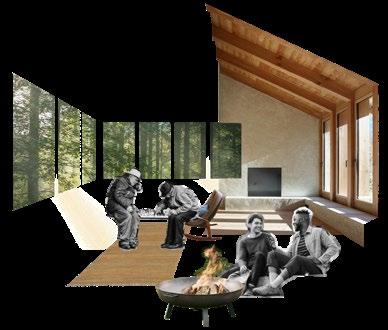
Each space is designed to use it’s surrounding to enhance the connection to it. The Yoga space at the top opens upwards with windows extending over the roof, so the entire space is exposed to nature projecting guests’ minds upwards and outwards into the surrounding world.
Whilst the sauna at the bottom uses dark, earthy materials to ground it to the forest floor and create a comforting,
protected, secure and warm space; which work to suggest tranquility, peace and introspection.
The middle communal area possesses large windows to create space and light, yet has a clear centralised focus, providing a large open space for people to connect with each other through activities and learn Latvian traditions.
Site
AMDC, Swinburne University, Melbourne
Project Focus
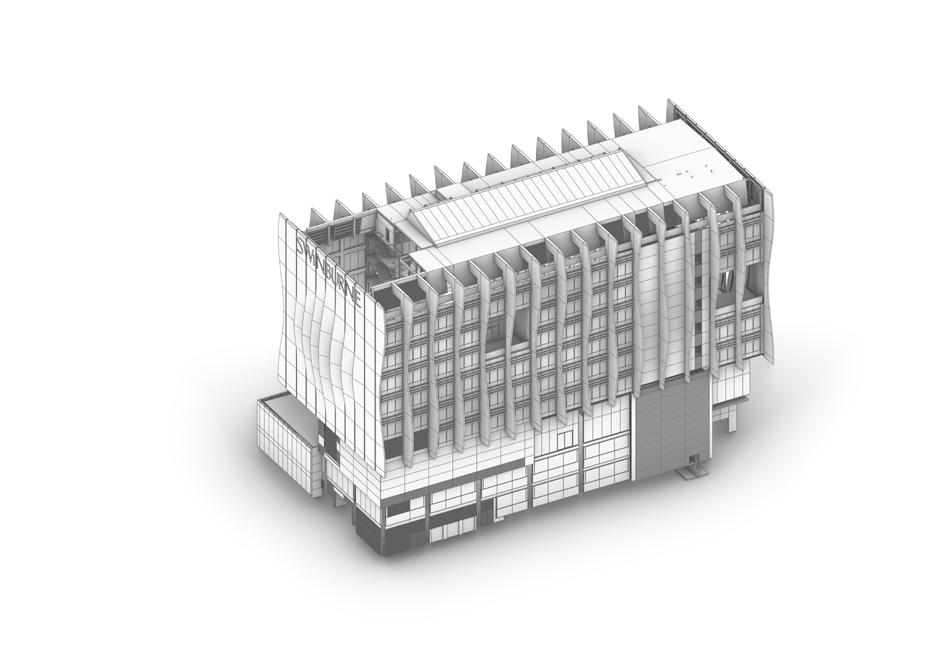
Sustainable Facade Retrofit
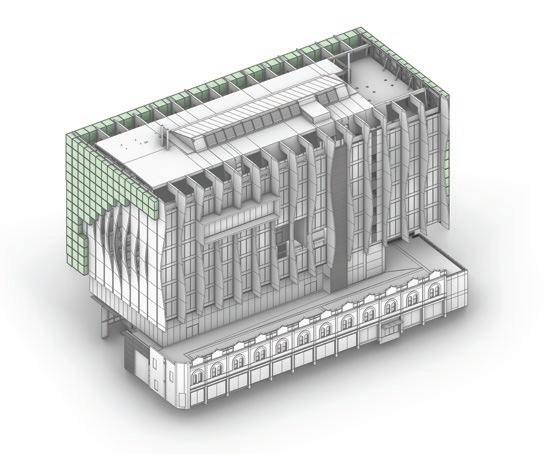
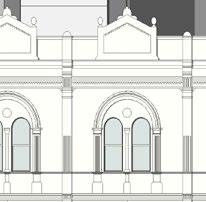
The retrofit of AMDC was done in two main stages, interior and facade. The interior fitout and redesign focused on creating better circulation through the structure as it was found to be quite poor whilst also creating adaptable multi-use spaces.
The facade was aimed at improving the sustainability of the design through energy production, shading optimisation, waste product recycling and prefabrication for easy construction and maintenance.
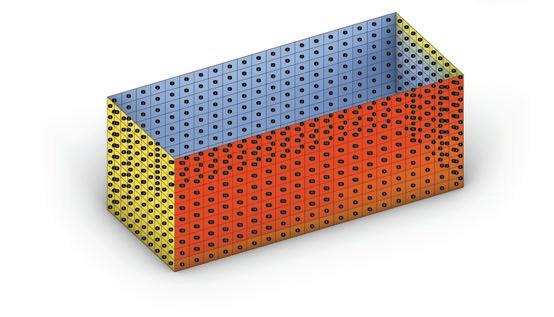
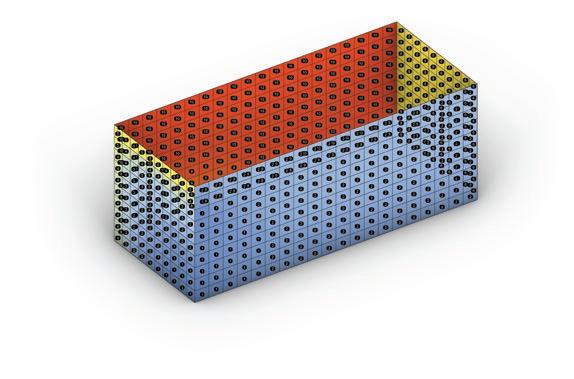
It makes use of programs such as Autodesk Forma and Grasshopper with Ladybug and Honeybee in order to optimise the design according to the site conditions and surrounding structures.




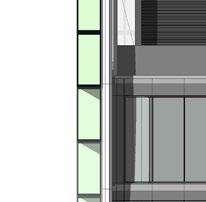
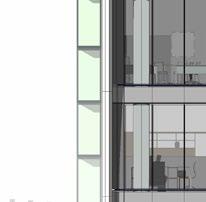
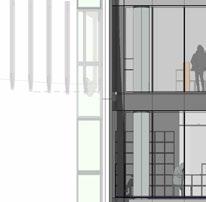
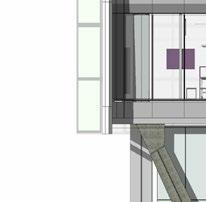
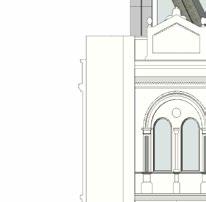
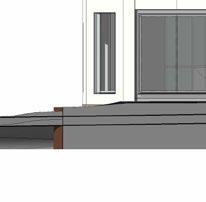

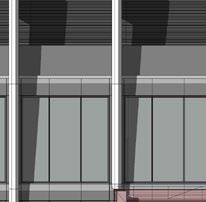
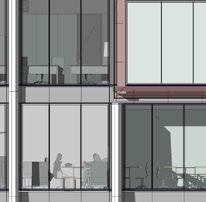
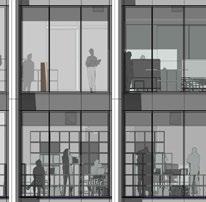
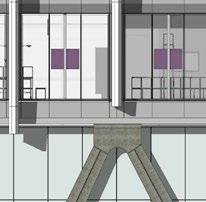
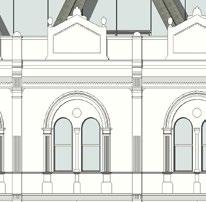
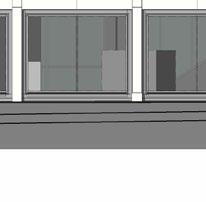
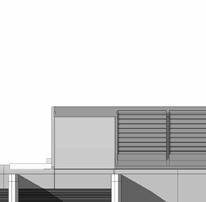
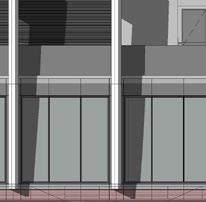
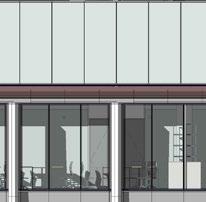
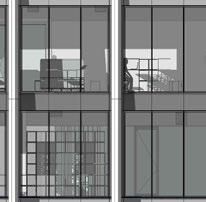
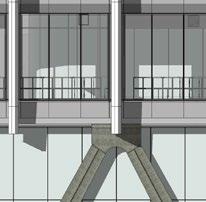
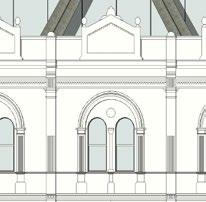
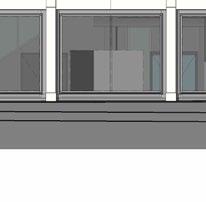
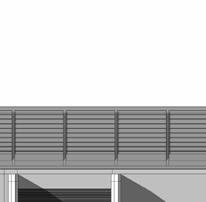
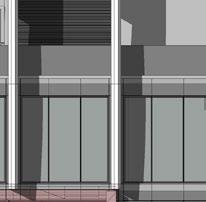
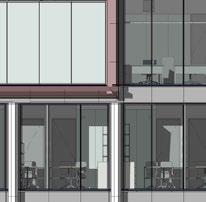
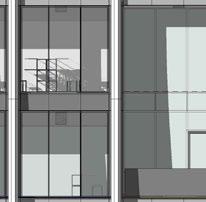
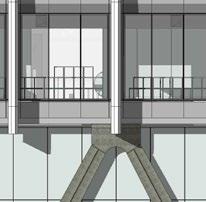
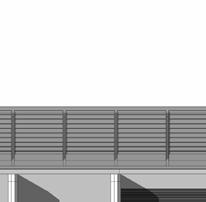
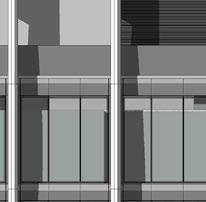
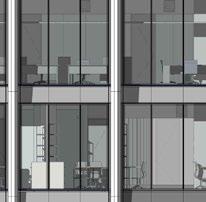
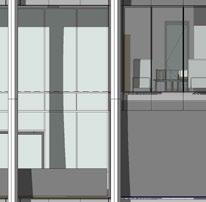
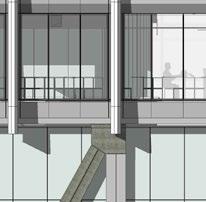
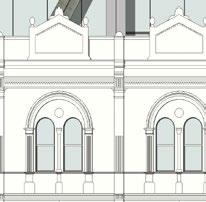
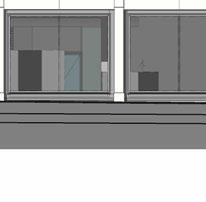
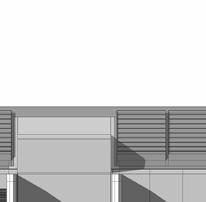
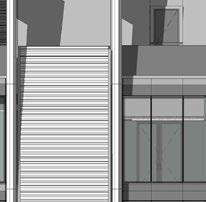
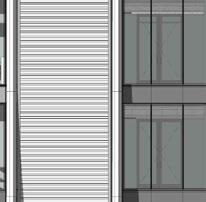
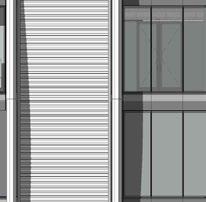
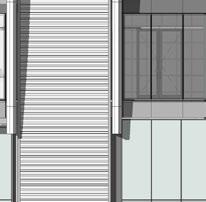
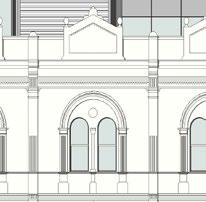
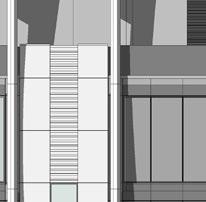
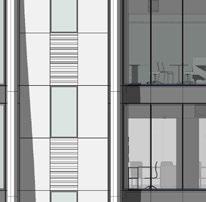
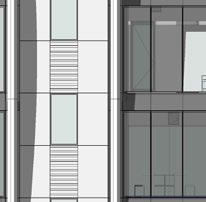
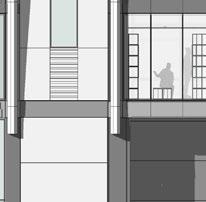
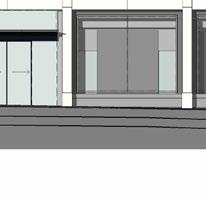
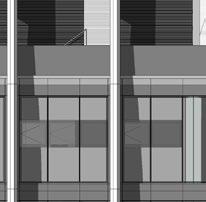
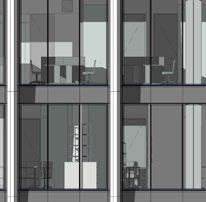
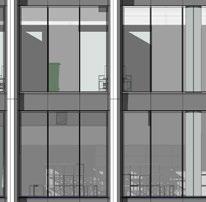
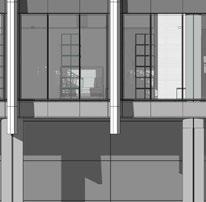
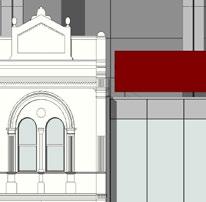
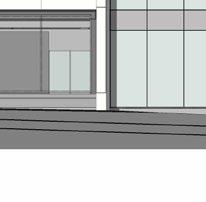
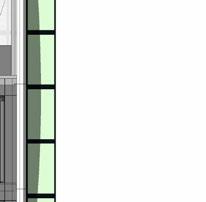
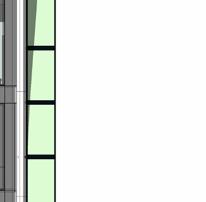
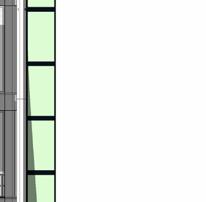
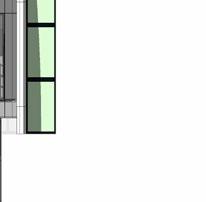
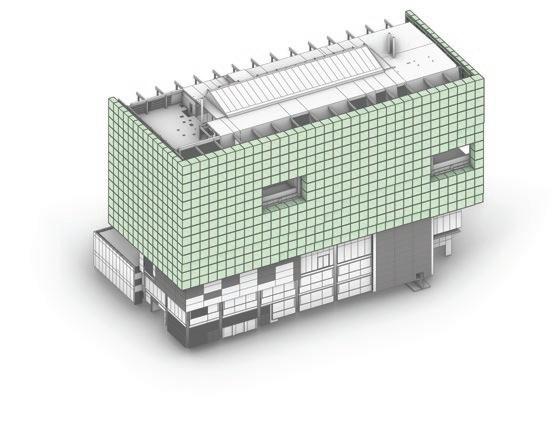
The facade design for the new AMDC building used Parametric Algae Bioreactors that react to sunlight to optimise shading, energy production, waste recycling and CO2 absorption. The design is aimed at turning AMDC into a circular structure that recycles waste products and produces its own energy whilst reducing energy requirements through shading.
The face has been optimised through the use of Forma, Rhino, Revit Parameters, Grasshopper and Ladybug tools. Ladybug analysis results were plugged directly into Revit family parameters to delete bioreactors that would not operate efficiently or create enough benefits and very the depth based on sunlight exposure for others.
ABSORBS
8468582 g/day
PRODUCES
1693716 kWh/year
PRODUCES
3805216 kWh/year
RETROFITTED STEEL FRAMING
SLOTS FOR CUBE ATTACHMENT
ELECTRONIC BUTTERFLY VALVE TO ALGAE HYDRAULIC SYSTEM
PREFABRICATED ALGAE CUBE GLASS WITH ALUMINUM FRAMING