portfolio.
My Architecture is about finding ways to use the built environment to improve ourselves and our world. When taking on projects, first understand what unique opportunities a project has to give back to ourselves, our environment and the world around us.
unifying communities through mutually beneficial relationships headway house
restoring our environments through research, education and regeneration regeneration
connecting with ourselves, others & the world around us
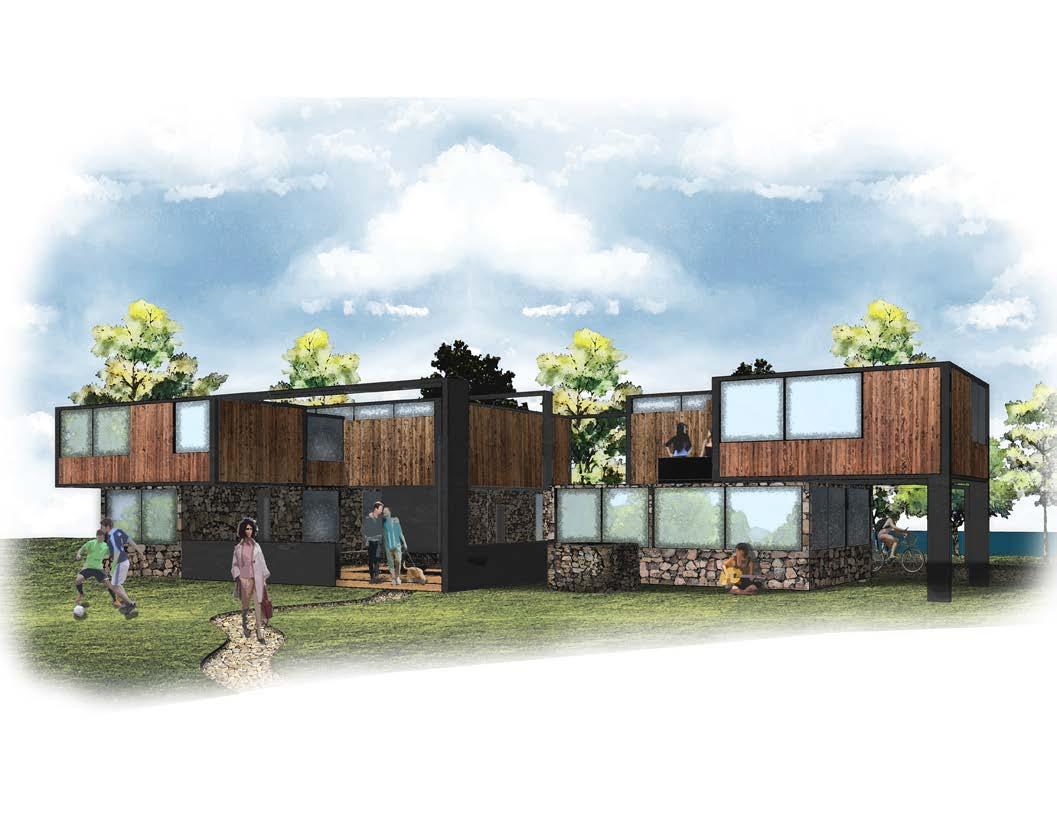
creating spaces for practical use & site conditions
adapting new technology & techniques painters lakehouse solar revitaliser
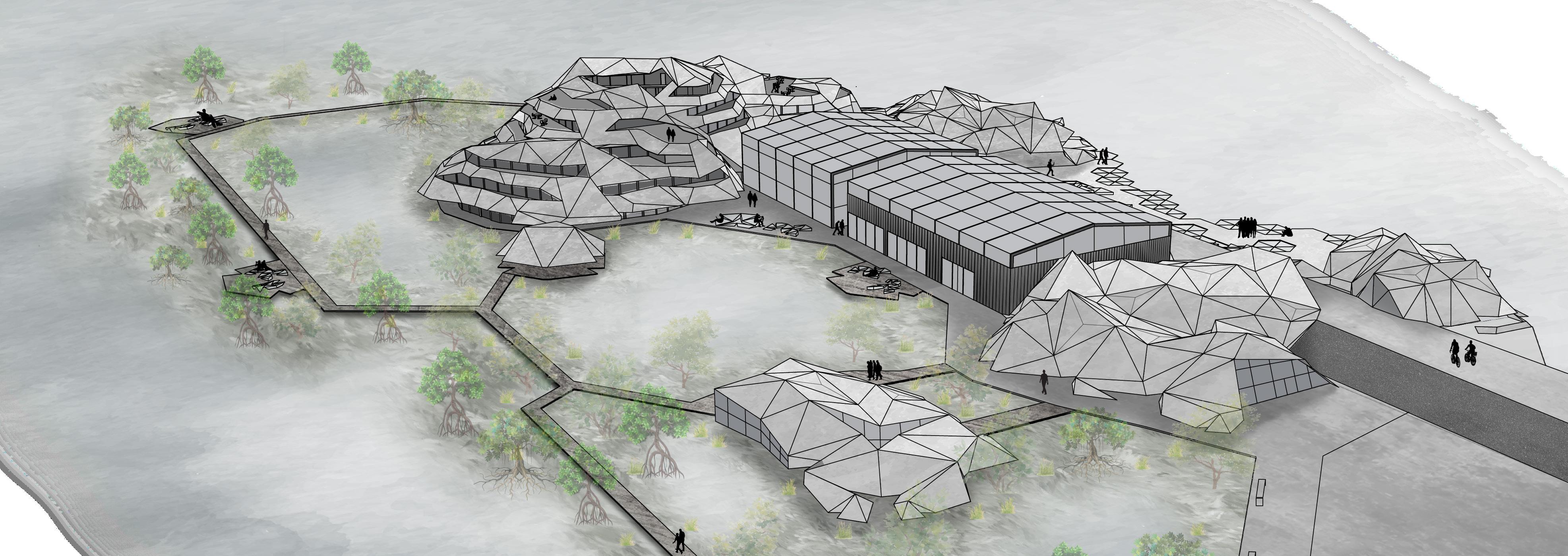
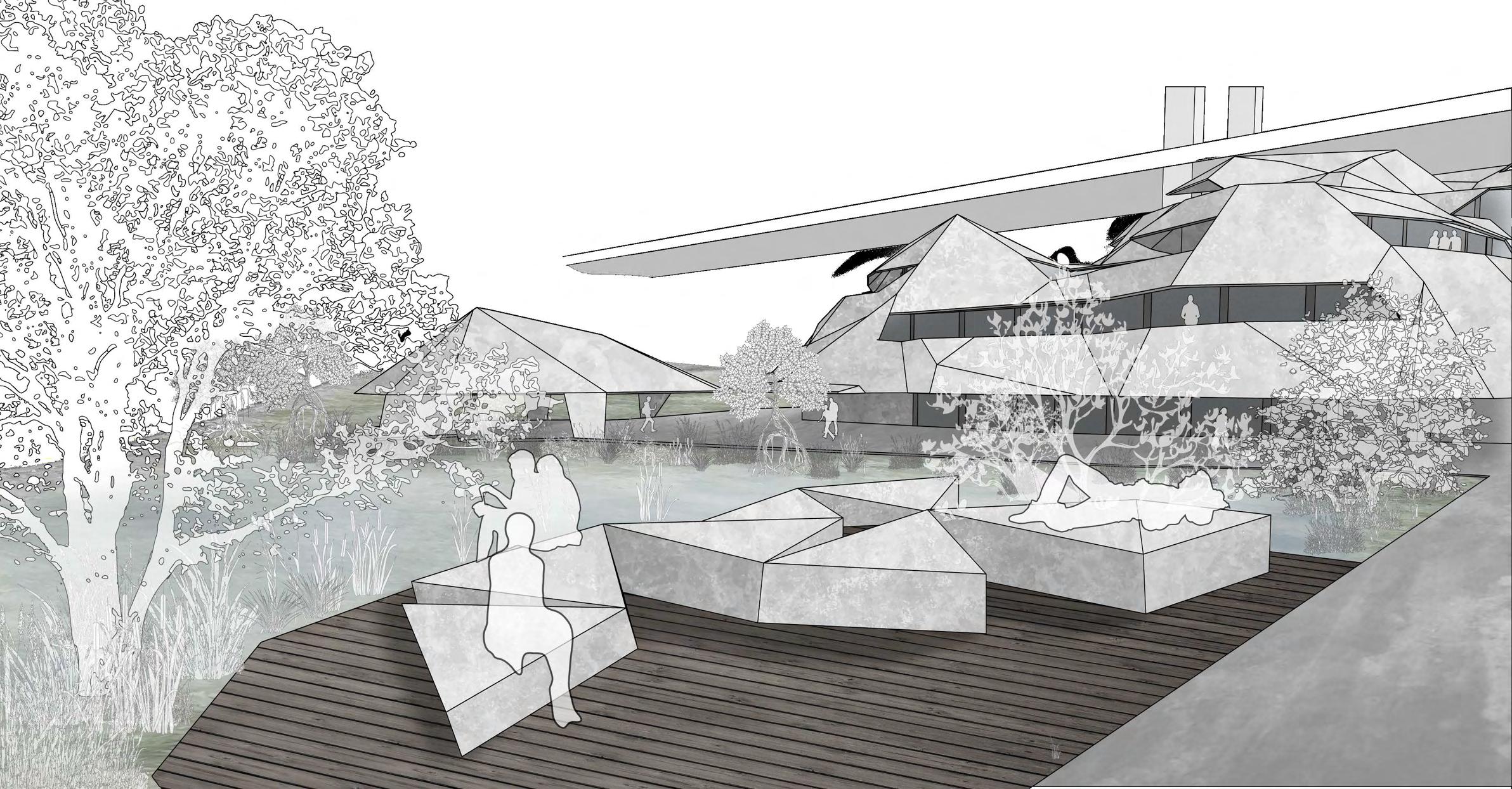
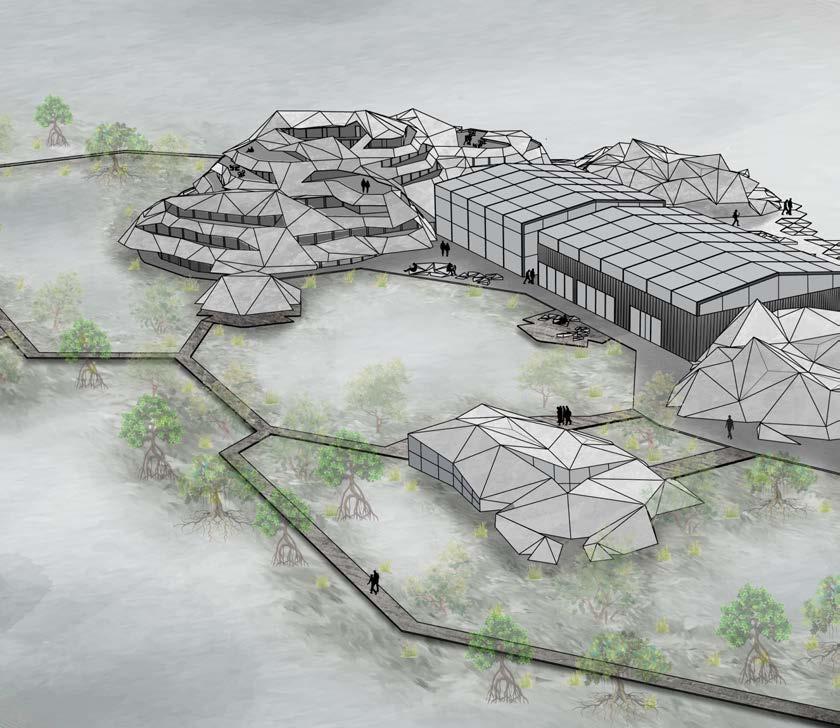
Regenerating the Yarra River and natural history of Docklands through Environmental Science, Education and Native Cleaning Ecosystems.
Site. North Wharf, Docklands, Melbourne
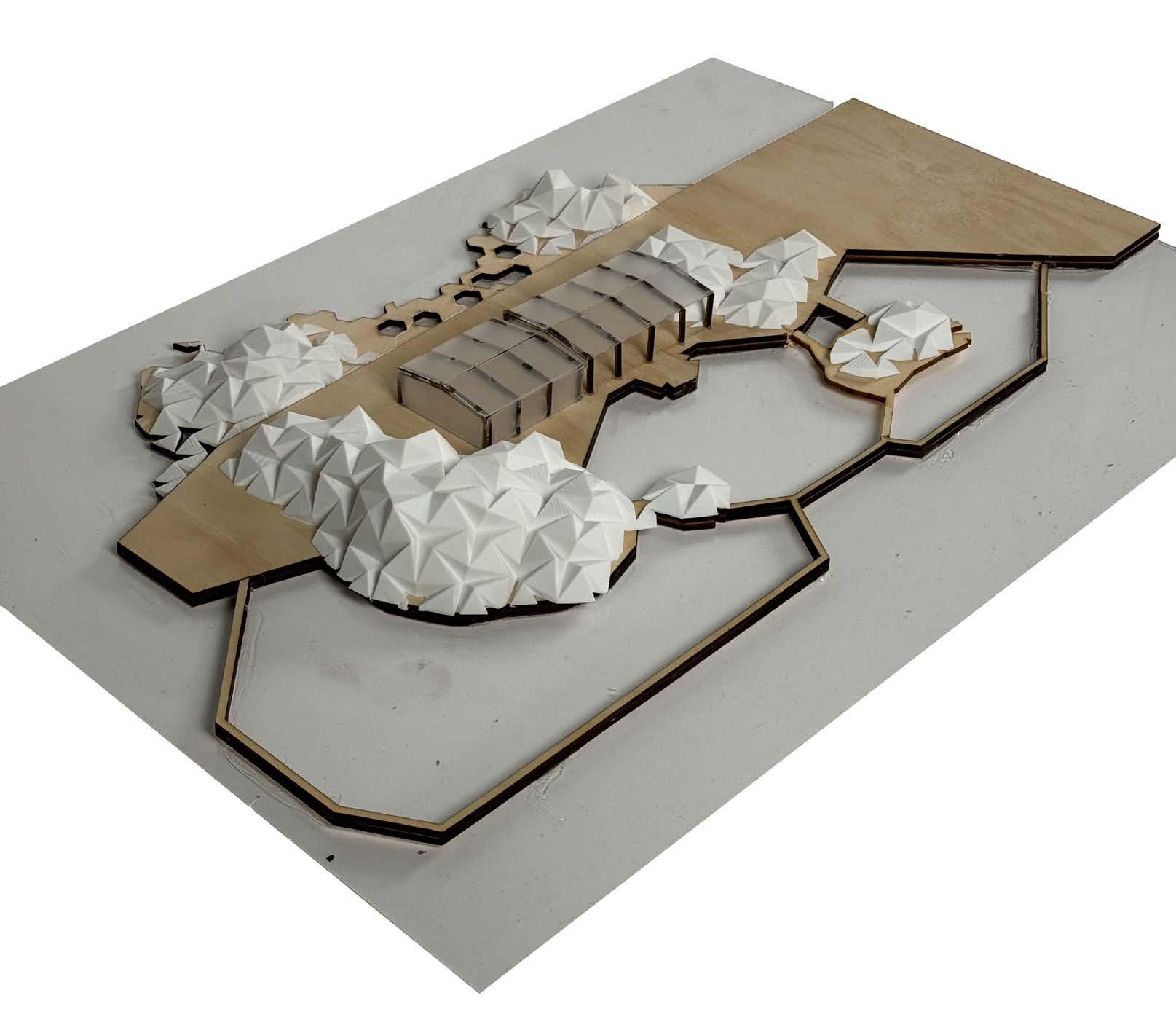
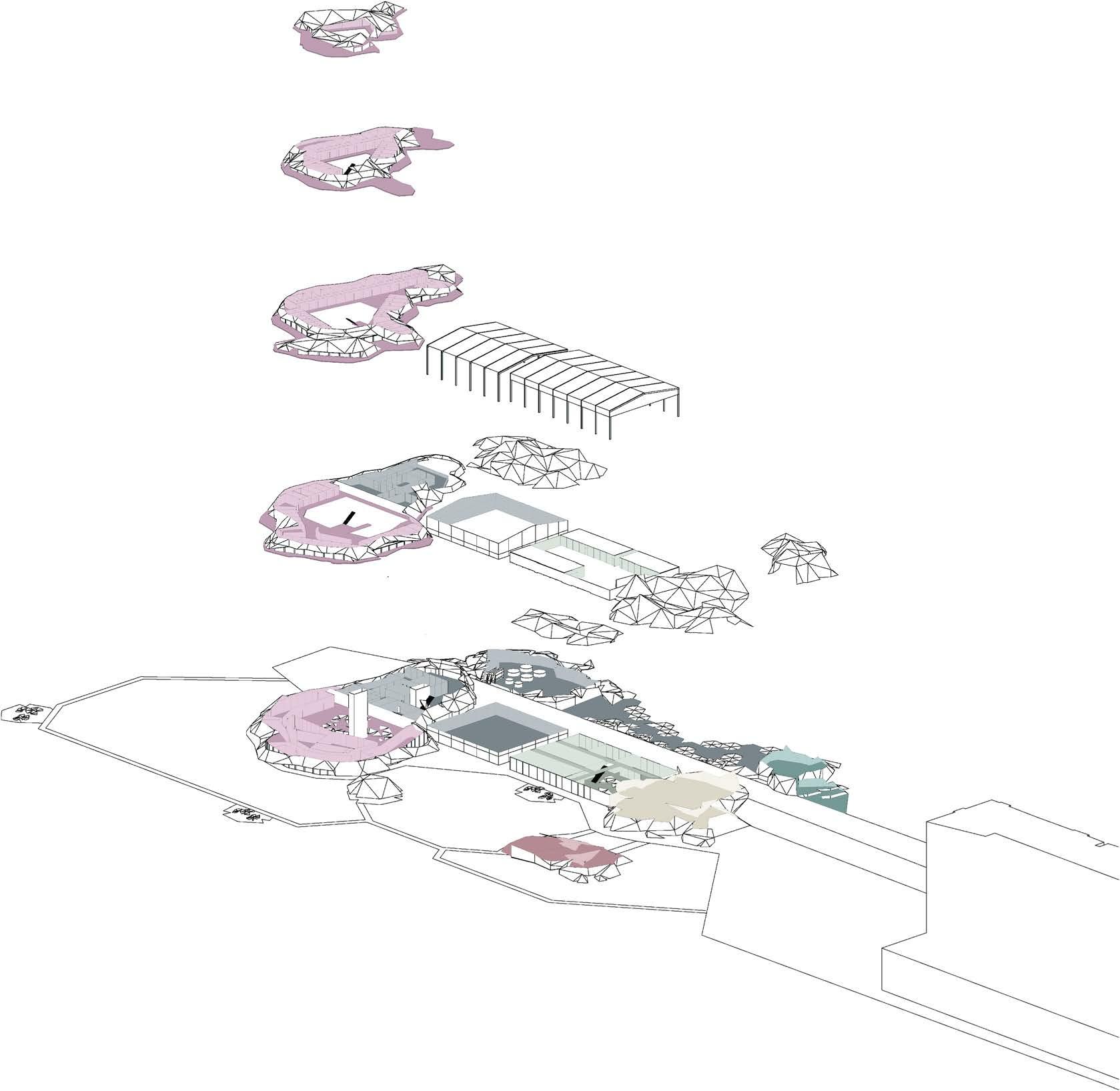
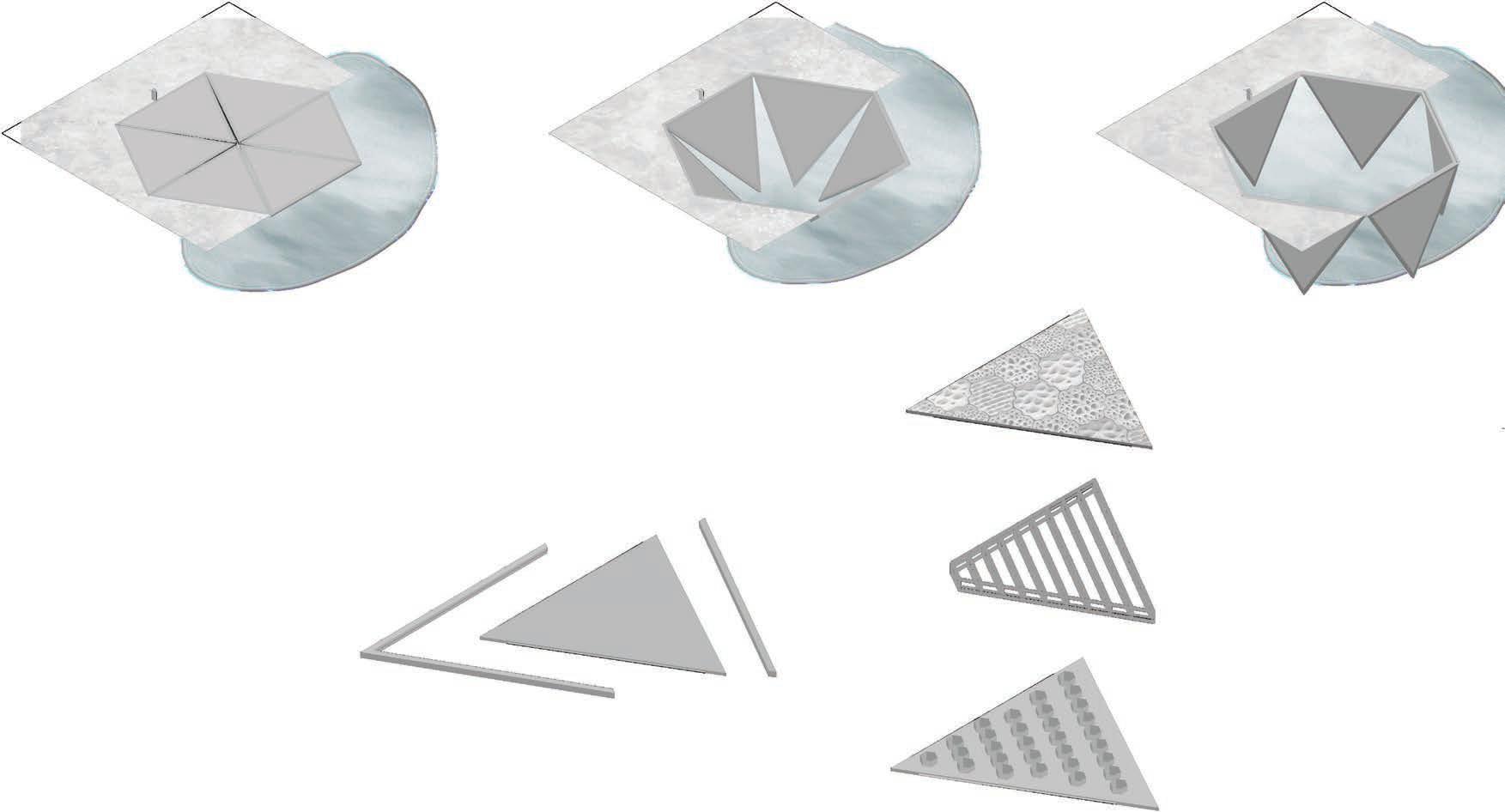
A form finding machine was used to develop the form for Regeneration. The machine used magnetically powered point forces to expand a folded Resch Tesselation pattern across a surface. The Resch Tesselation is a triangular origami form that expands when pushed allowing unique and effective spaces to be created based on the users chosen force placements and strength.
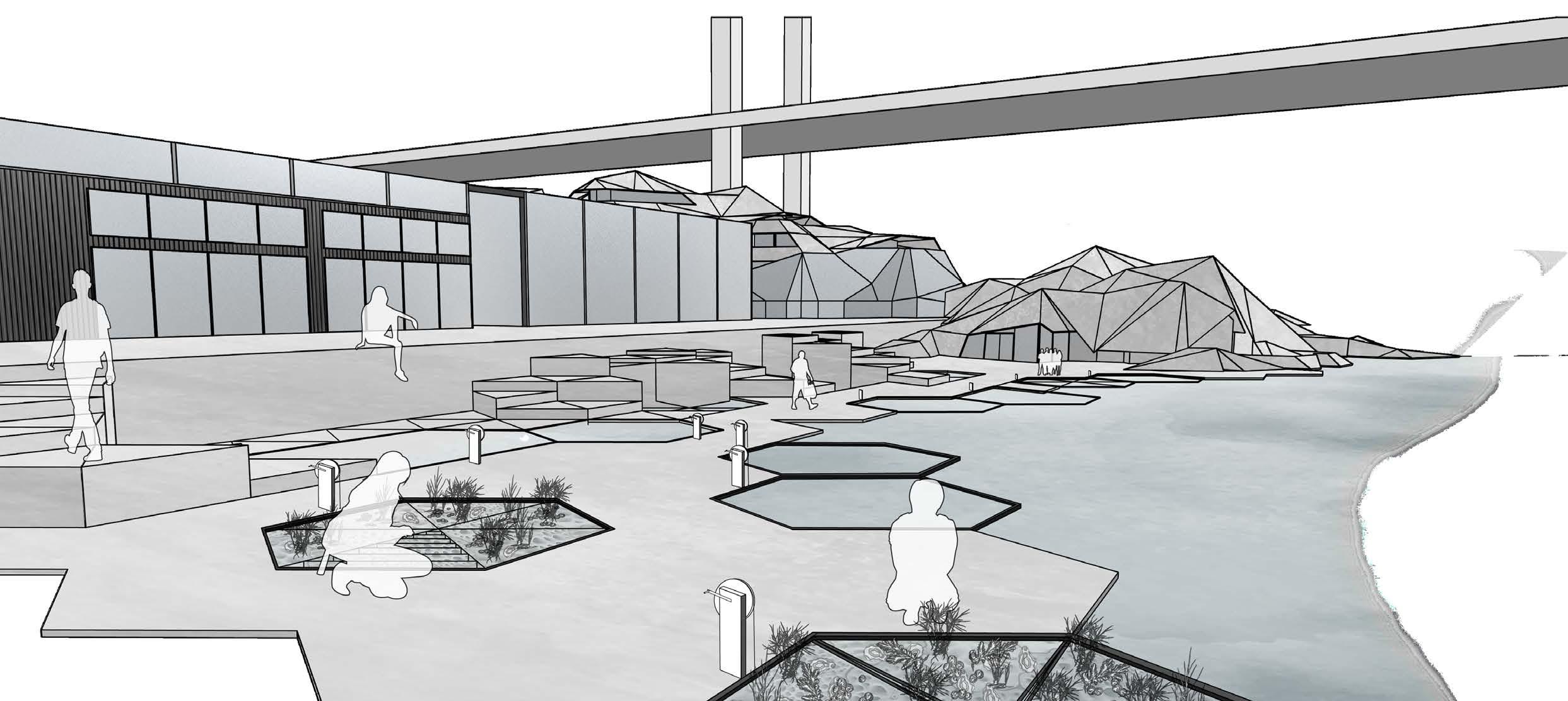
Applying this to the site, the program elements were used as point forces to expand the Resch Tesselation across the site to create the form as seen below. The locations have been chosen according to site development outlines. The form finding technique created structures that were separated with sharp and jagged features. This feature has been kept as it makes unique forms in rock like shapes which naturally blend the structures into the waterfront.
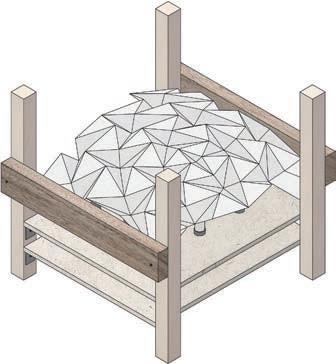
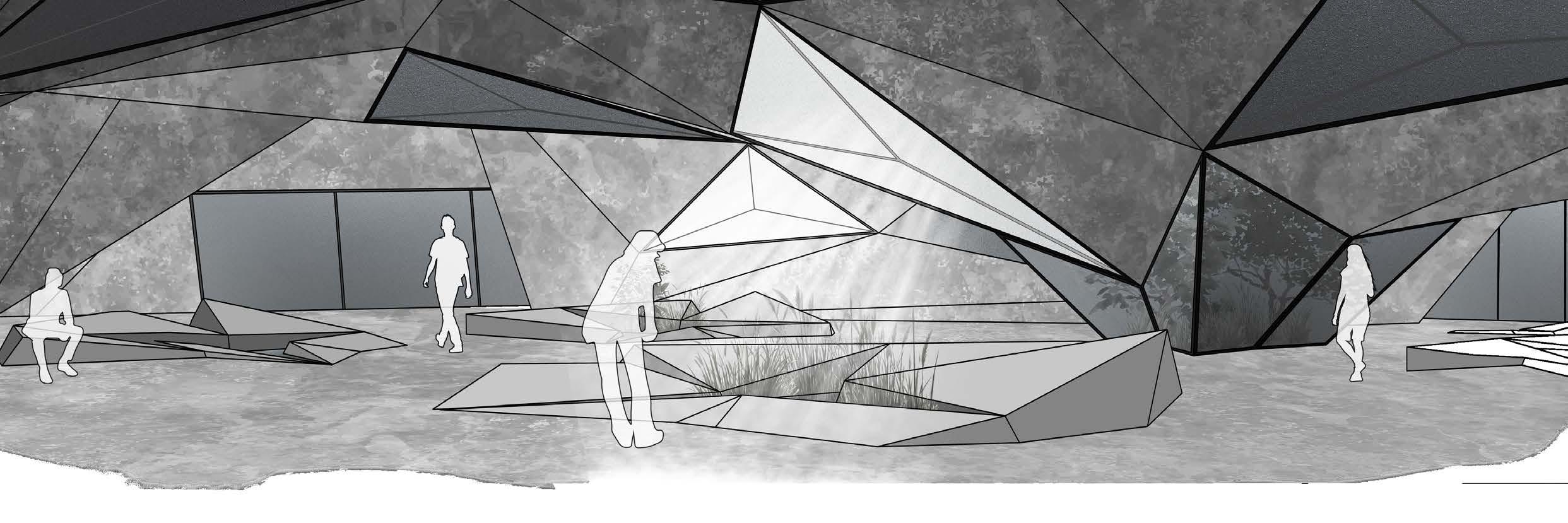
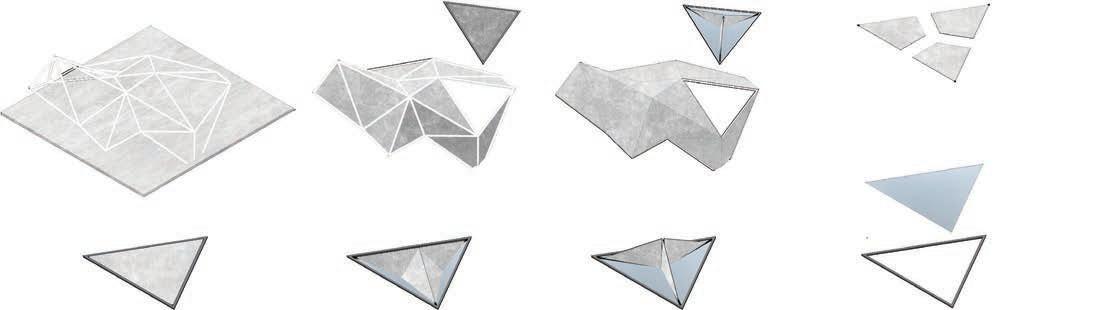
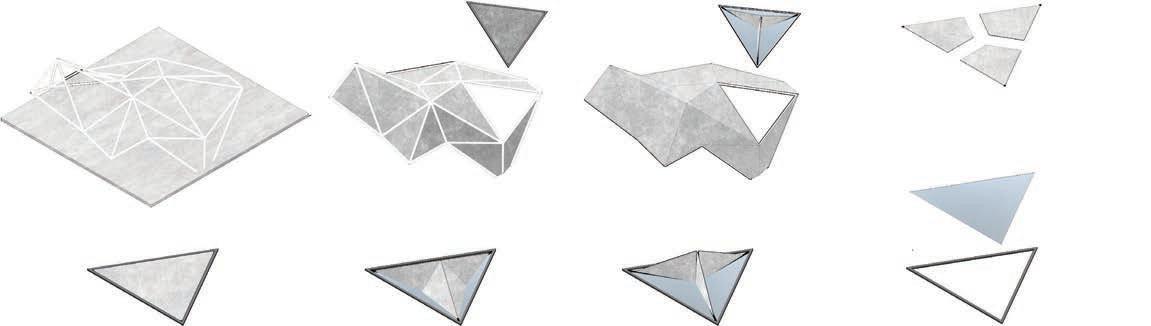
In addition to science facilities, the research pods allow for researchers to grow flaura and fauna under natural conditions directly in the Yarra River. The panels extend into the water and stay there for majority of the time. When researchers want to analyse or plant new models they can retract the panels to the surface for easy access by rotating the handle which pulls the panels up.
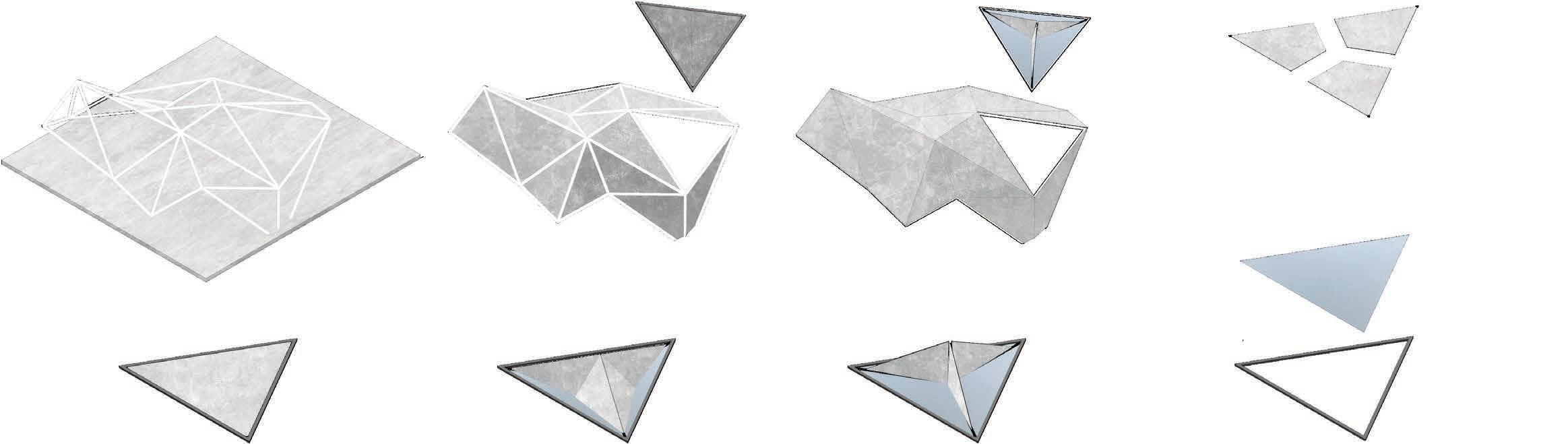
The frame allows for panels to be removed and exchanged with other panels. Some panel types include natural sea walls for natural growth, cage frames for shellfish and hexagon pods for plants.
Finding relaxation and wellbeing by deepening connections with ourselves, our community and the world around us.
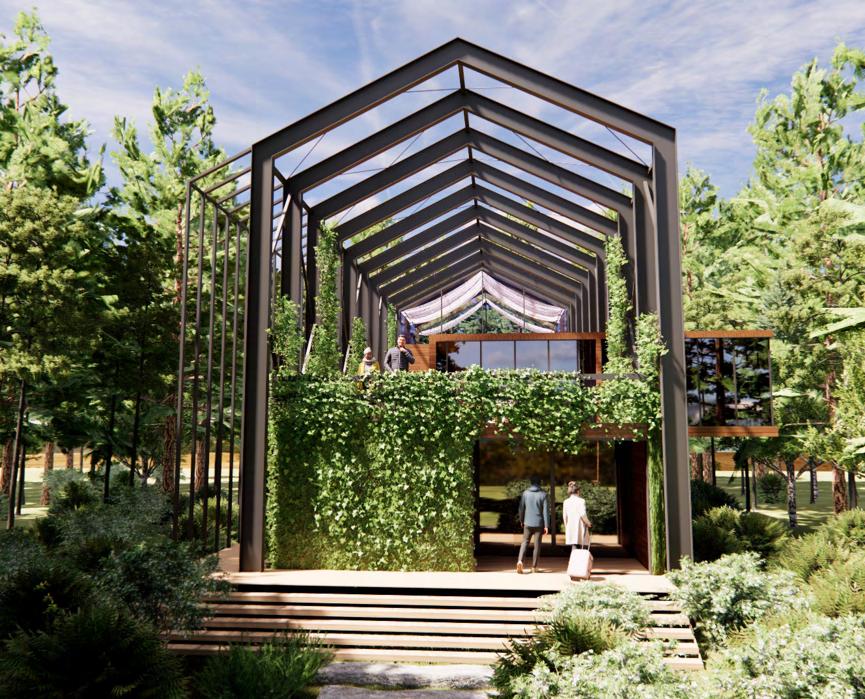
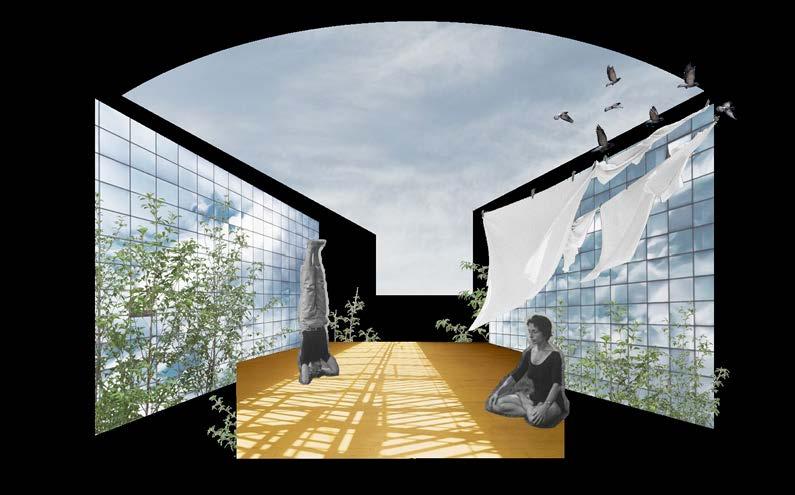
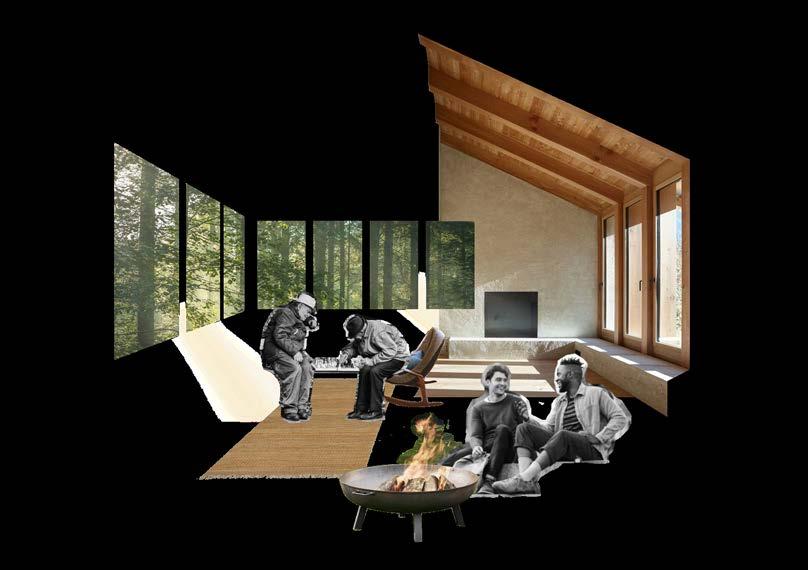
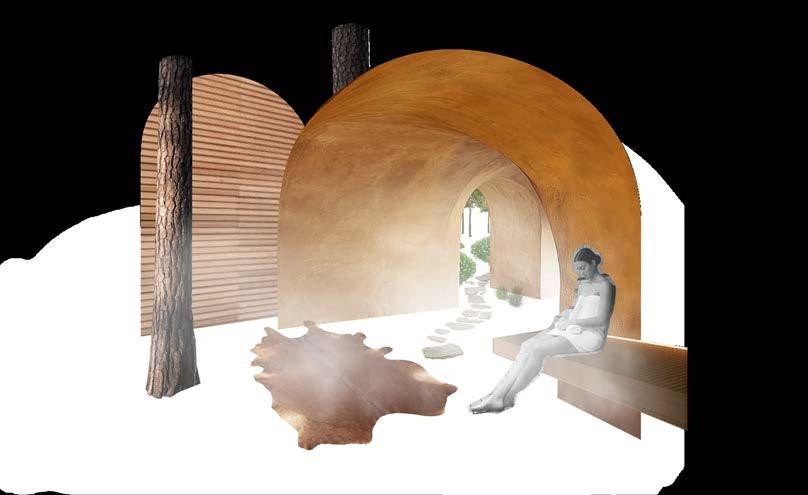
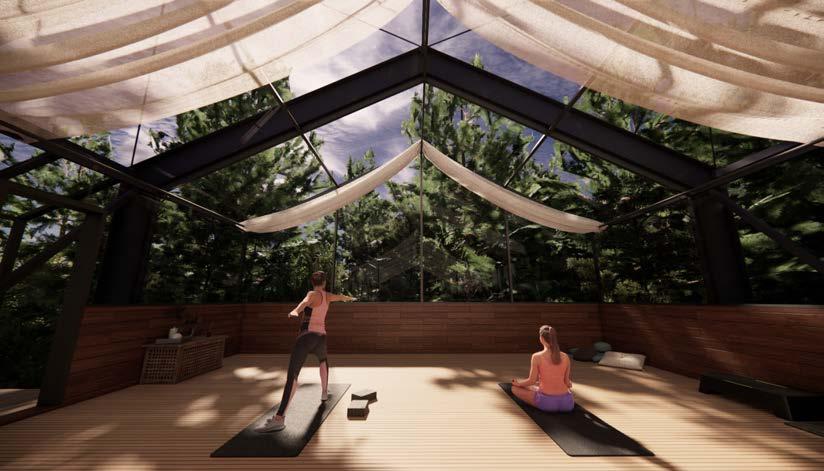
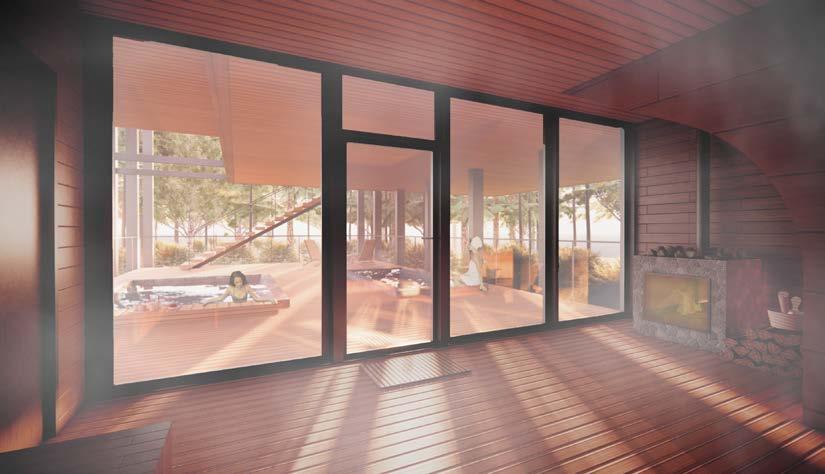
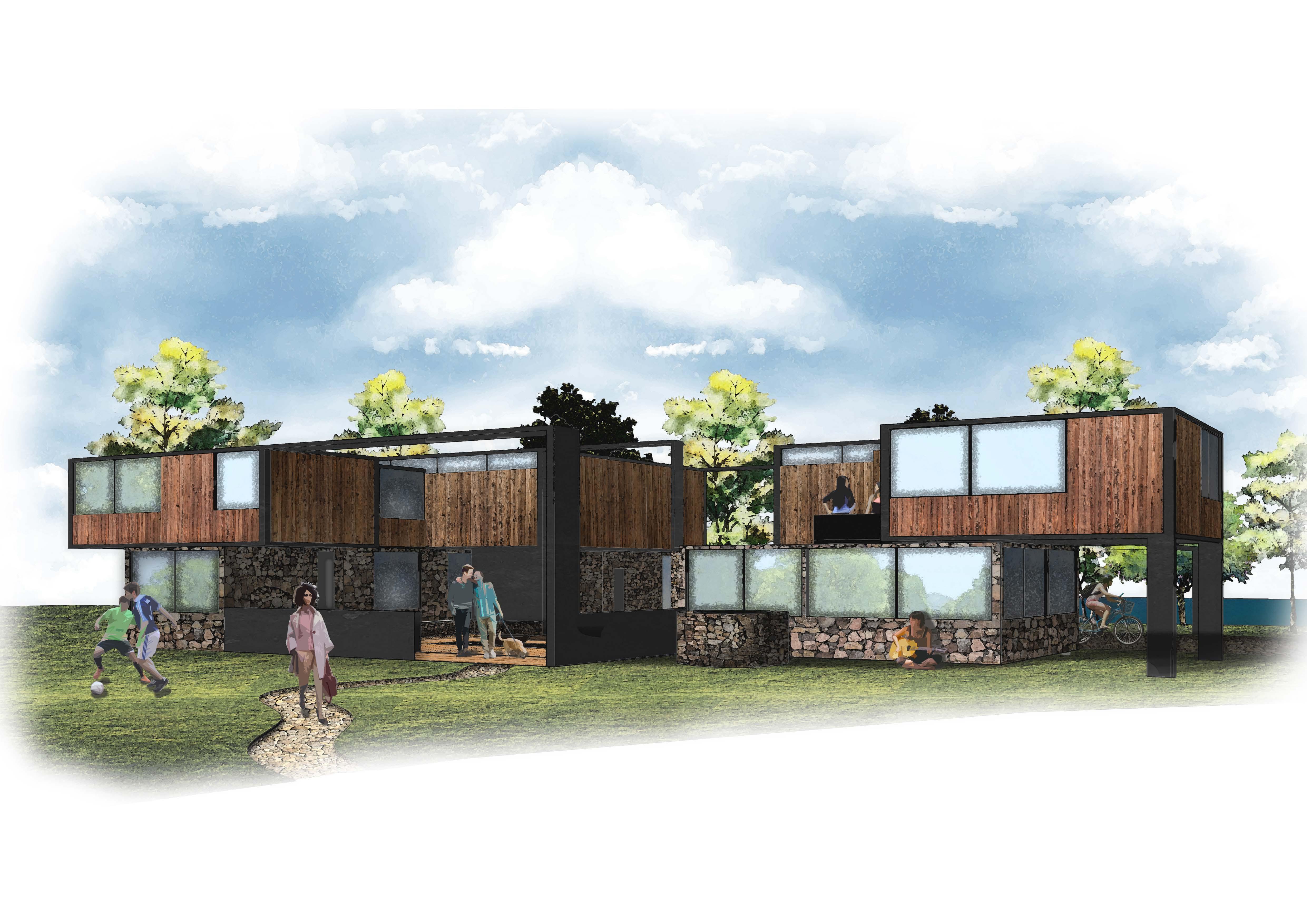
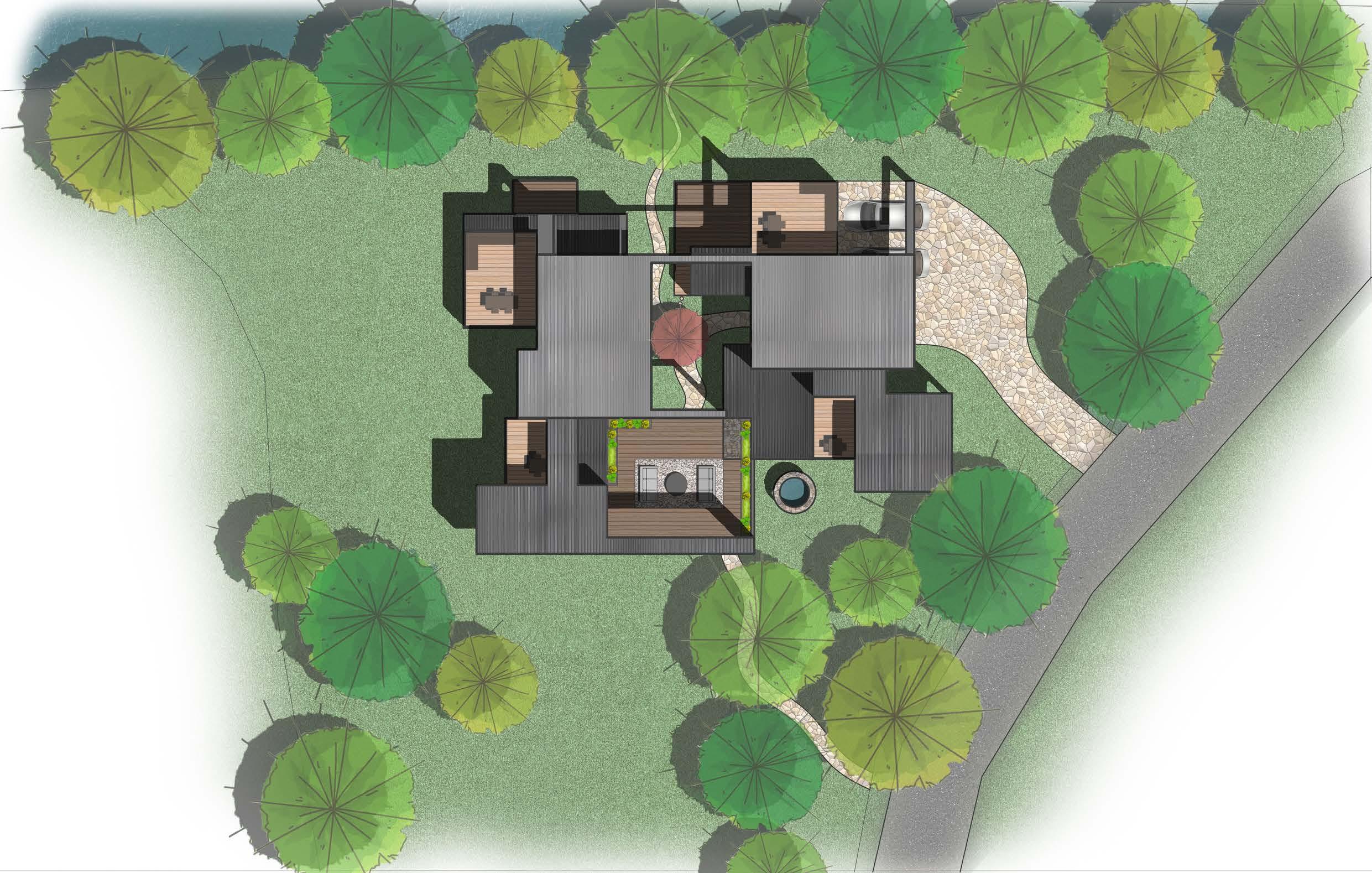
Ascension takes the opportunity of designing a Yoga House in Latvia’s rural bogs to find ways to reduce the stress and anxiety weighing on Latvia’s people. With shrinking living spaces and a mental health epidemic, it is more important than ever for people to find ways to connect with nature, their community and themselves.
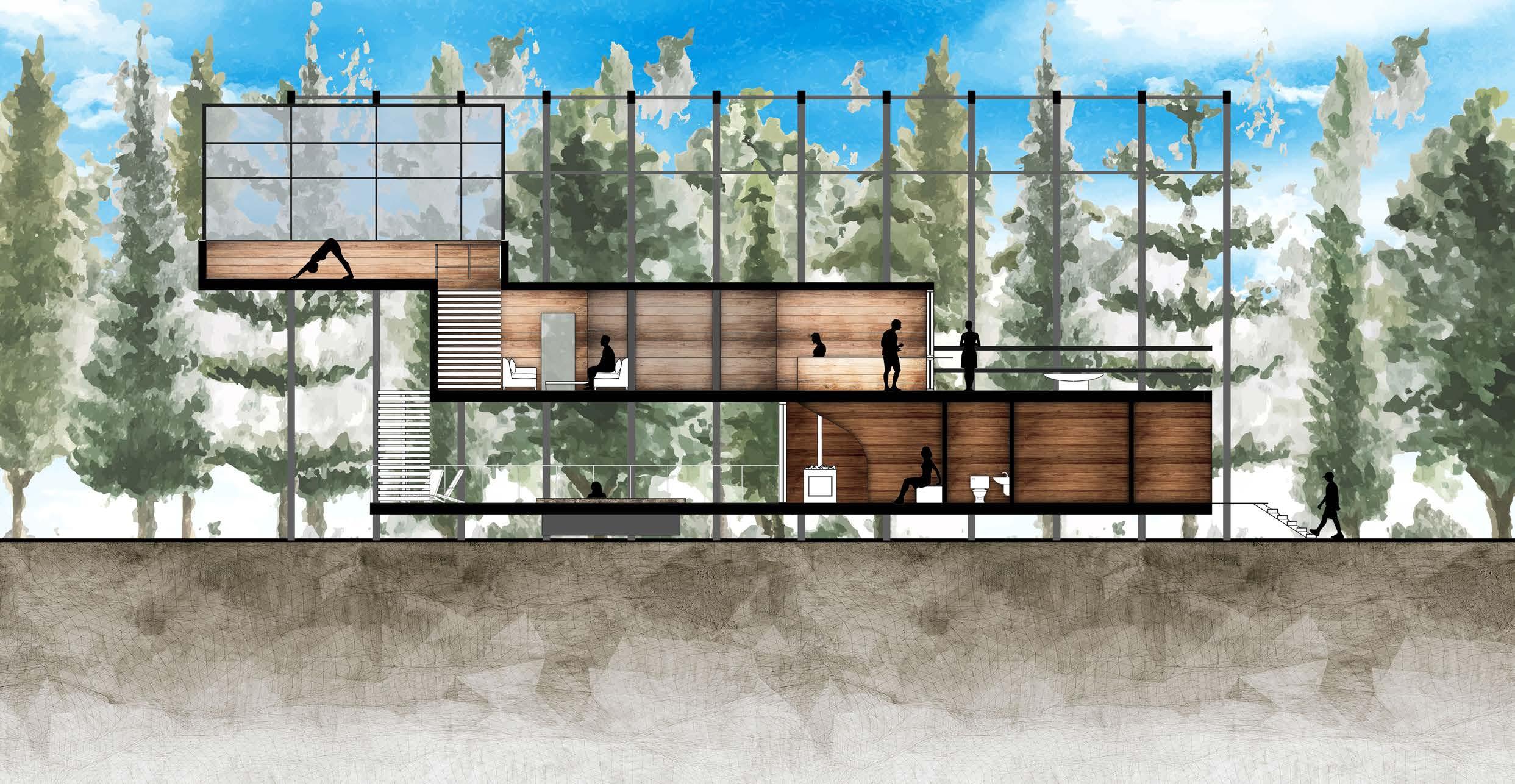
The design creates three spaces that focus on the fundamentals of Yoga and connects them with Latvian culture. To strengthen these connections. The program takes advantage of elevation to with the spaces ascending starting at the earthy comforting Latvian Sauna and ending with the open, light Yoga studio amongst the swaying treetops.
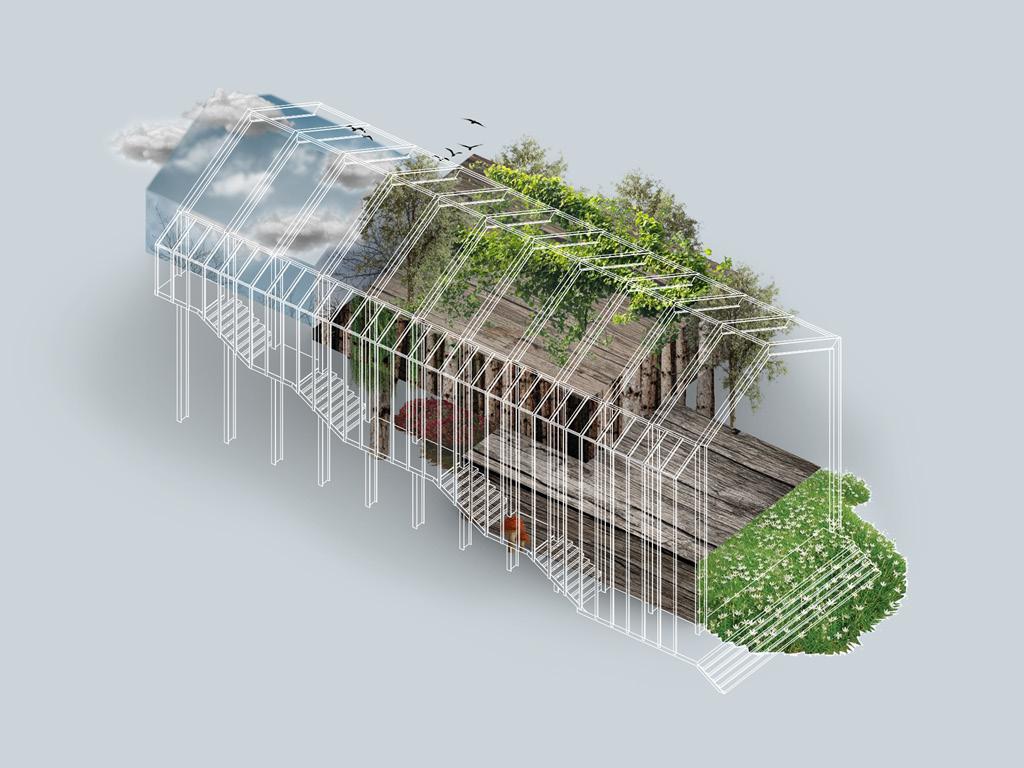
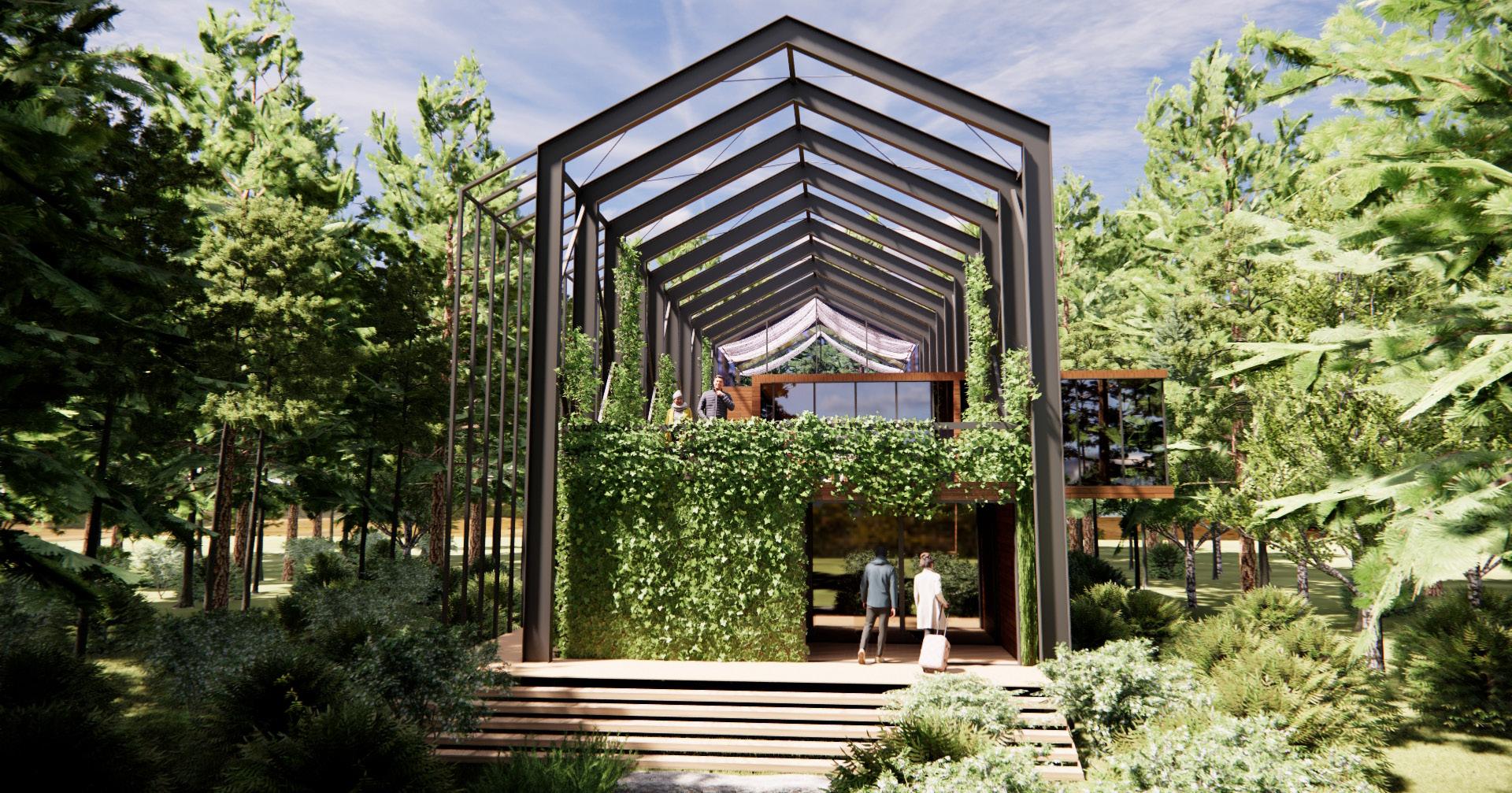
Each space is designed to use it’s surrounding to enhance the connection to it. The Yoga space at the top opens is built with windows extending over the roof, opening the entire space to nature projecting guests’ minds upwards and outwards into the surrounding world.
Whilst the sauna at the bottom uses dark, earthy materials to ground it to the forest floor and create a comforting, protected, secure and warm space; which work to suggest tranquility, peace and introspection.
The middle communal area possesses large windows to create space and light, yet has a clear centralised focus, providing a large open space for people to connect with each other through activities and learn Latvian traditions.
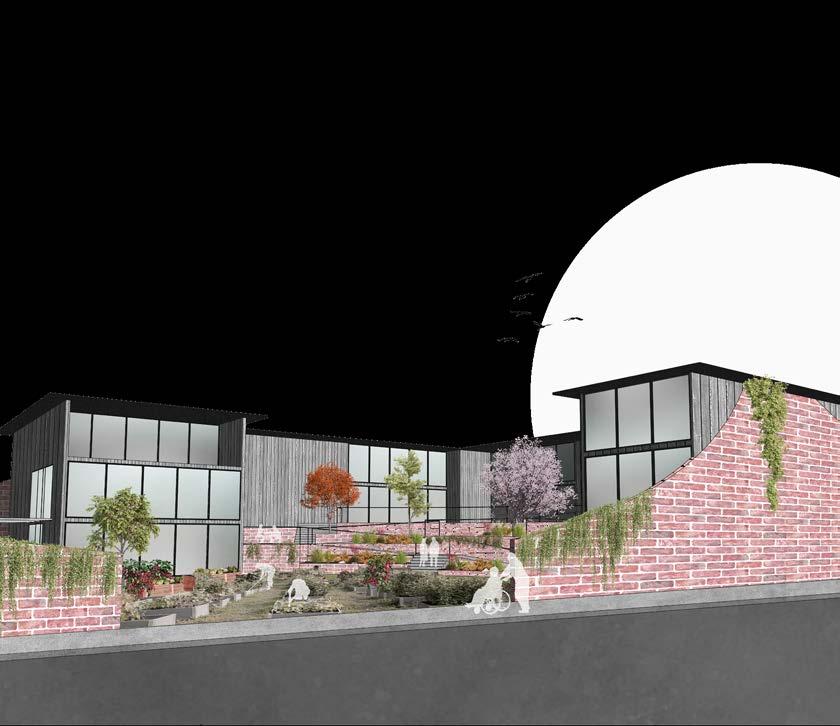
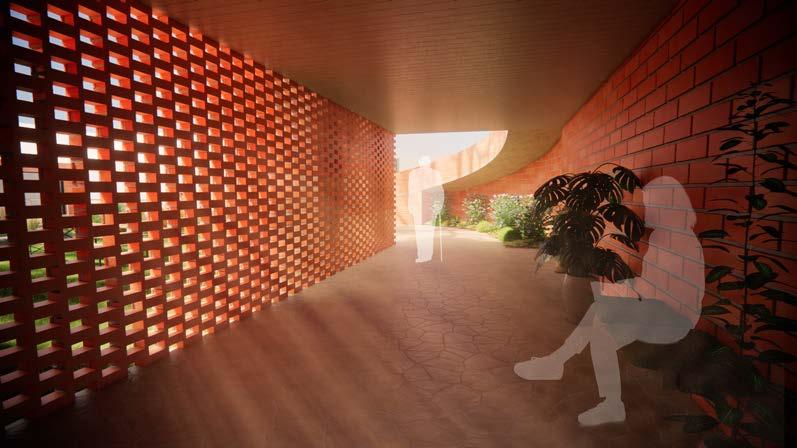
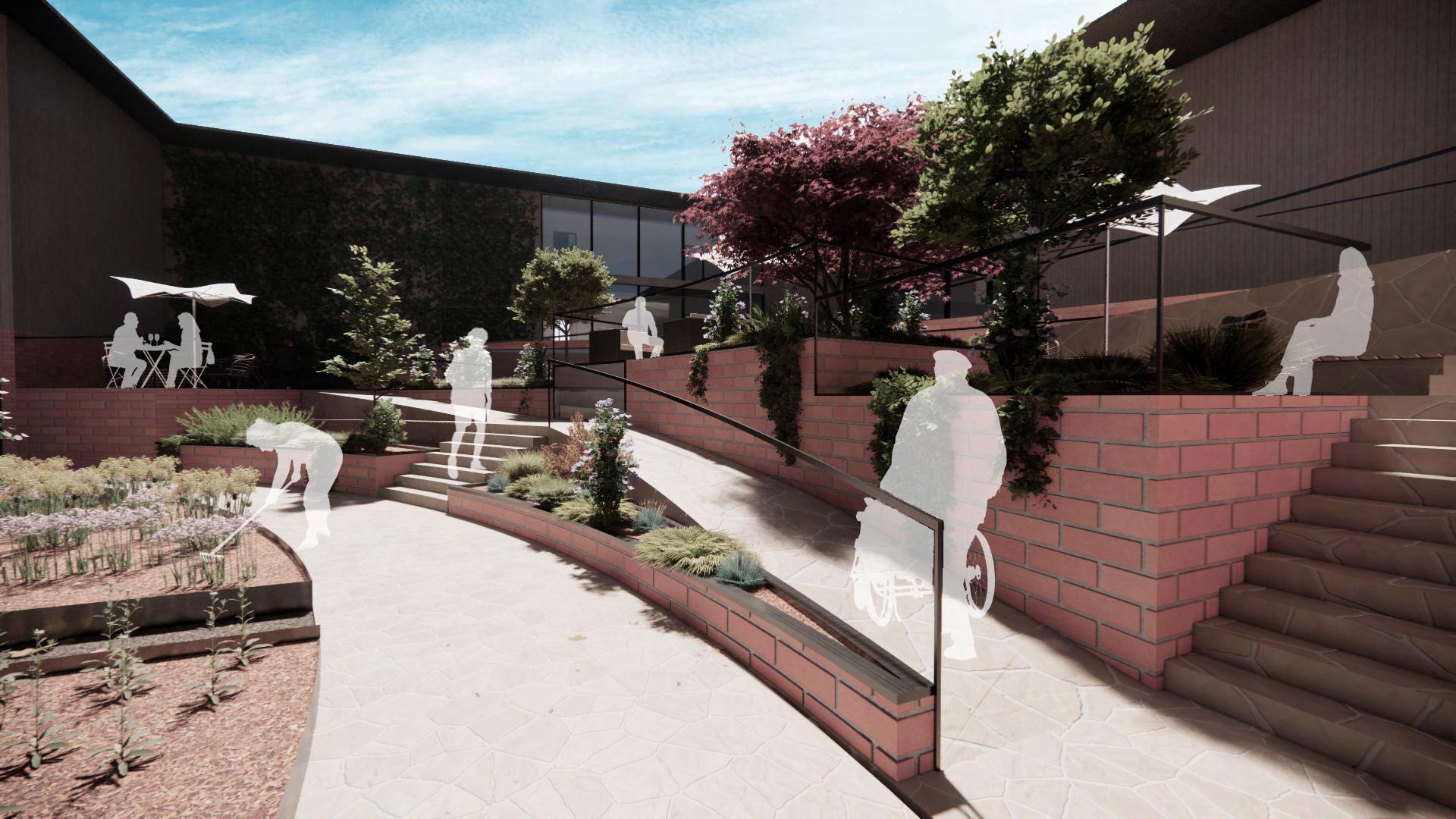
Combating social isolation in aged care by bringing workers and residents together in mutually beneficial relationships
Site. Vere St., Collingwood, Melbourne
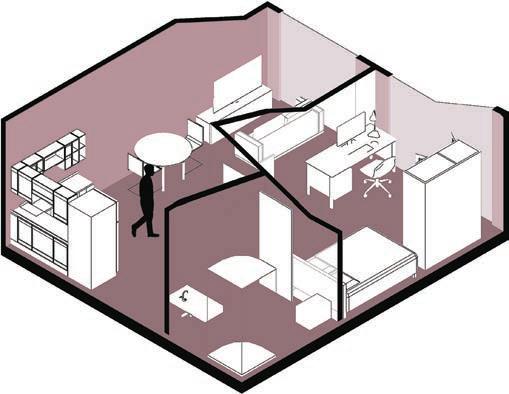
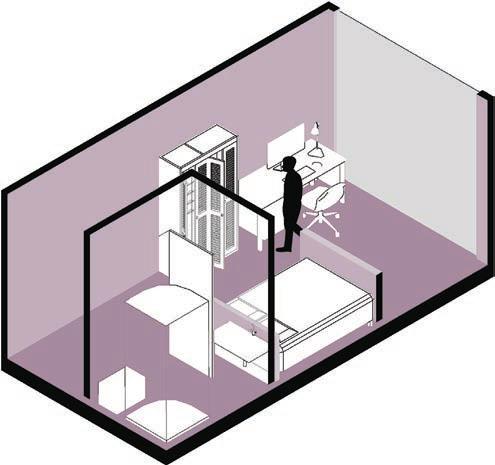
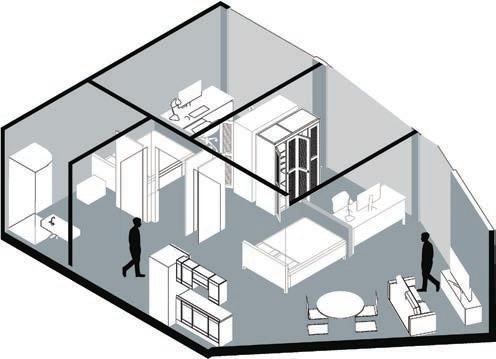
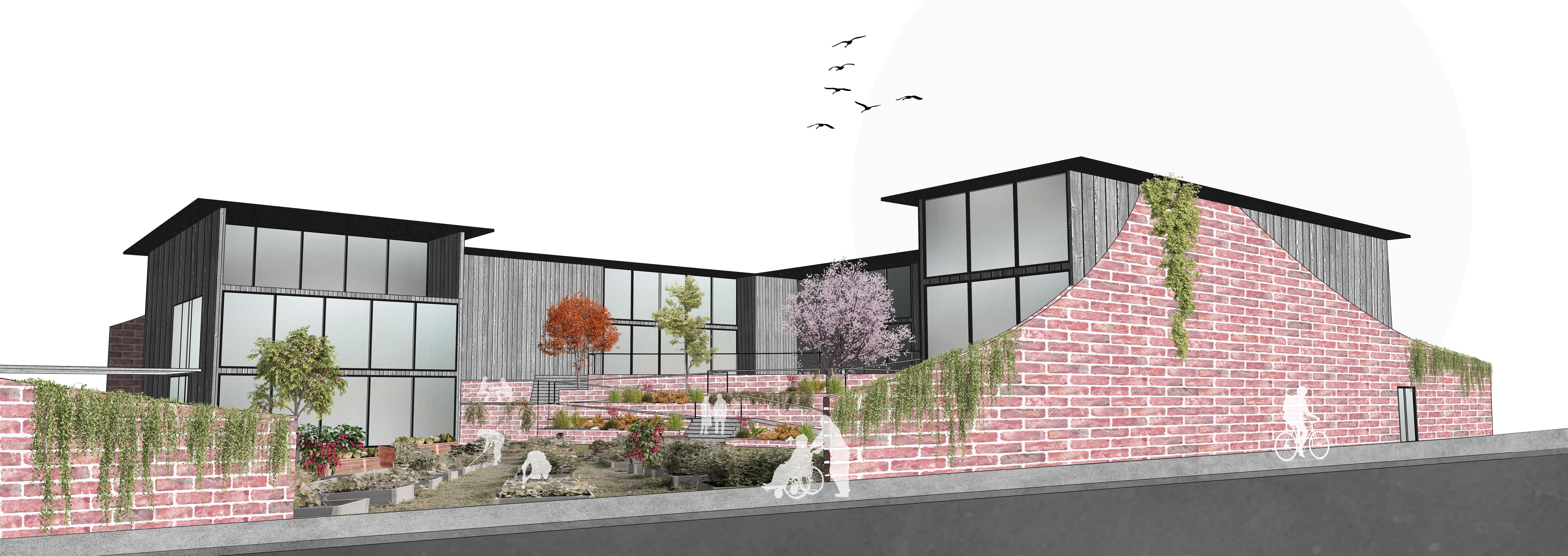
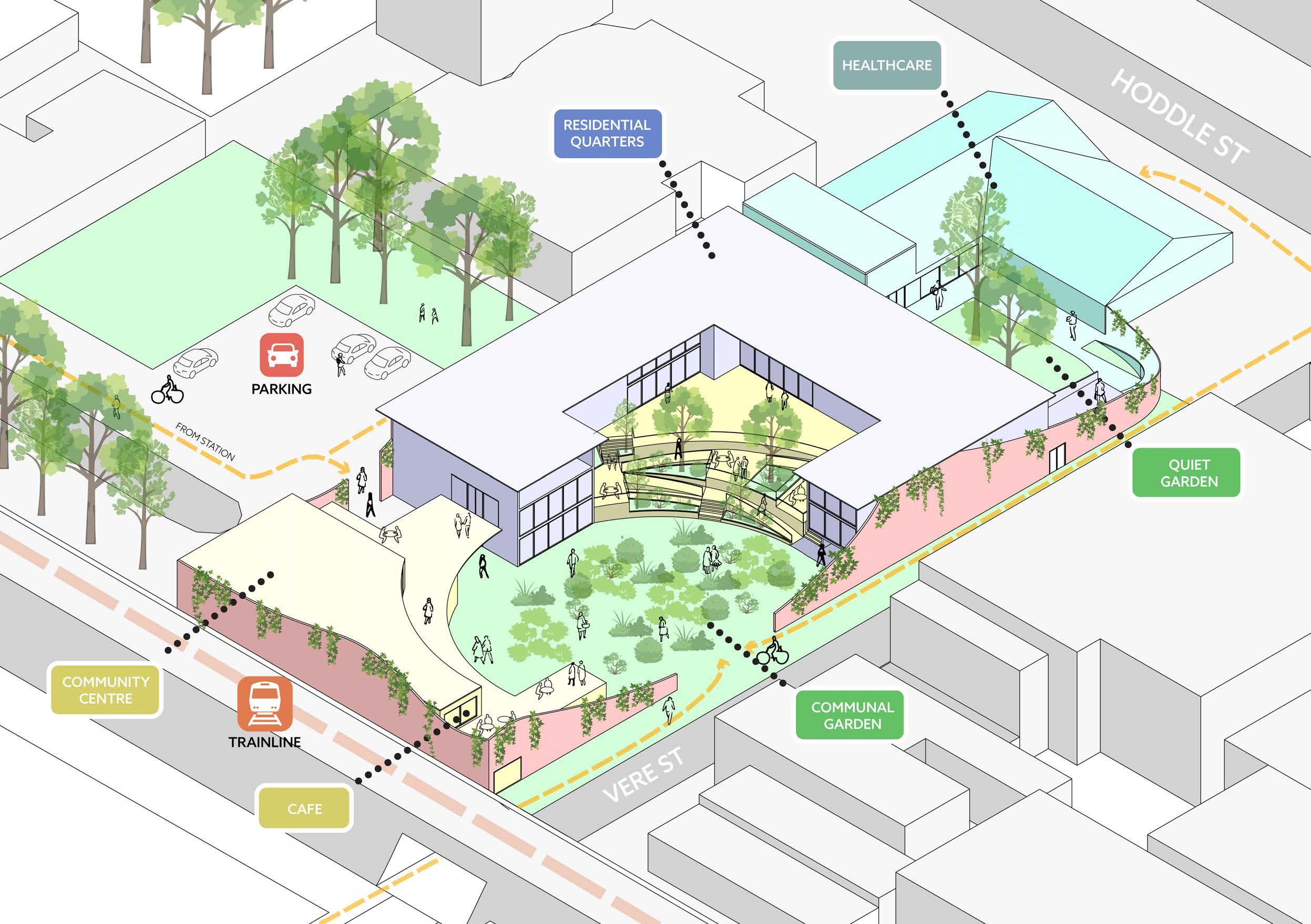
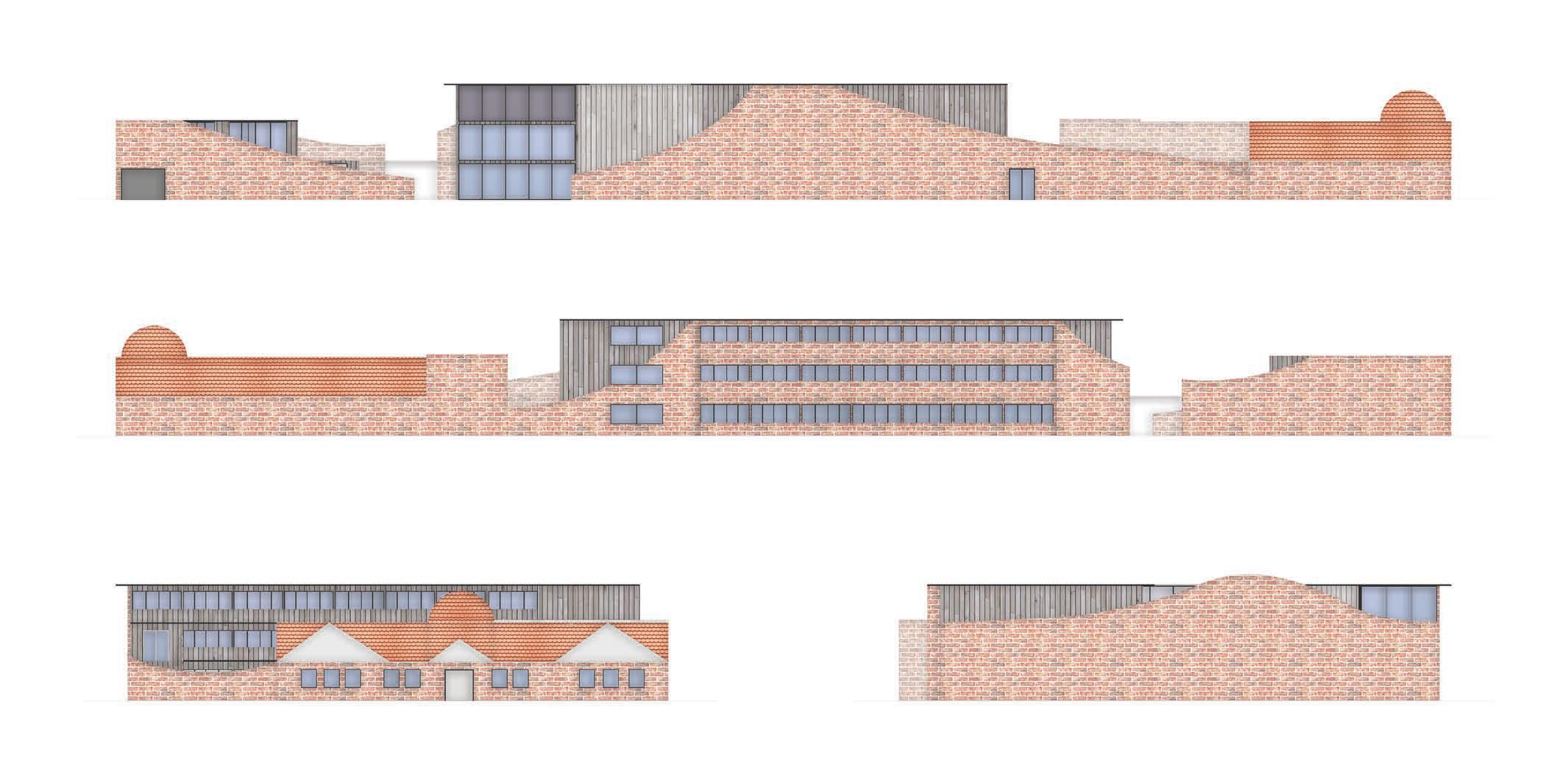
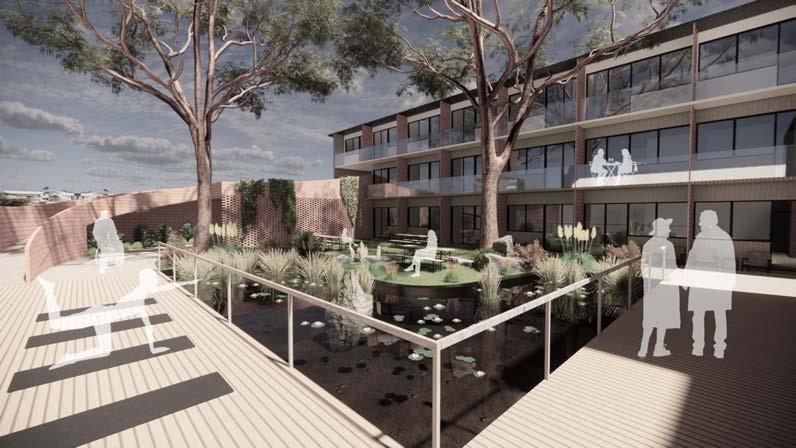
Headway house aims to address the issue of Social Isolation in Elderly Housing by breaking down the failing work environment among aged care workers and creating a more positive environment that aims to take care of both residents and workers financially, physically and socially. Currently, many aged care workers are leaving the industry because of issues such as burn-
out, stress, low-pay and financial insecurity and a lack of career progression. As a result of the failing aged-care work environment, there is a severe shortage of workers that is predicted to get much worse. This not only has an impact on the workers currently practicing but also the quality of care and the ability for workers to interact and spend time with residents socially.

“The number of people using aged care increased almost four fold over the 10 year period of 2012-2022”
- Australian Institute of Health and Welfare
“The shortage of aged-care workers will balloon to more than 400,000 by 2050 unless we take dramatic action now”
-Committee for Economic Development of Australia










painters lakehouse.
8.
-
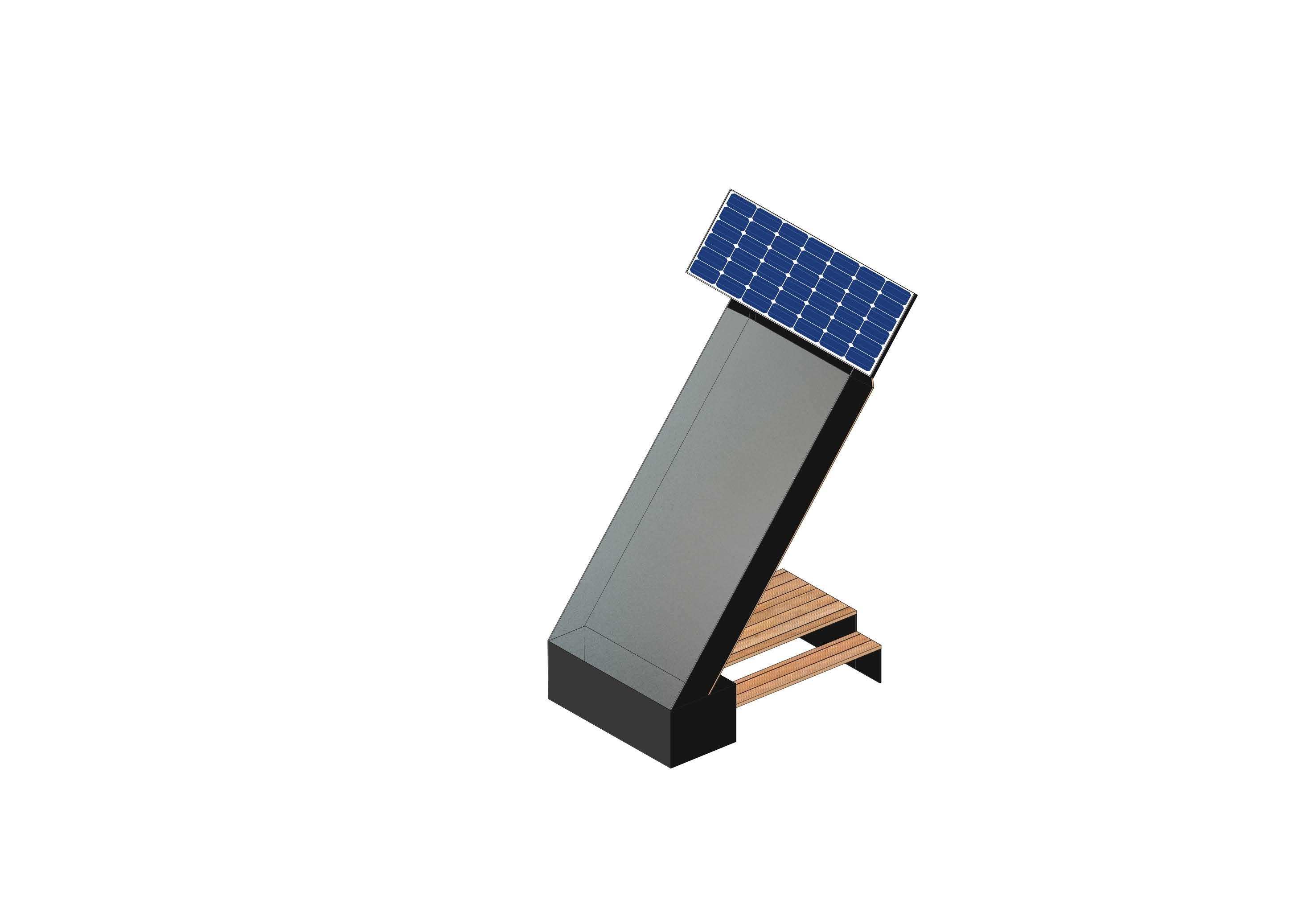
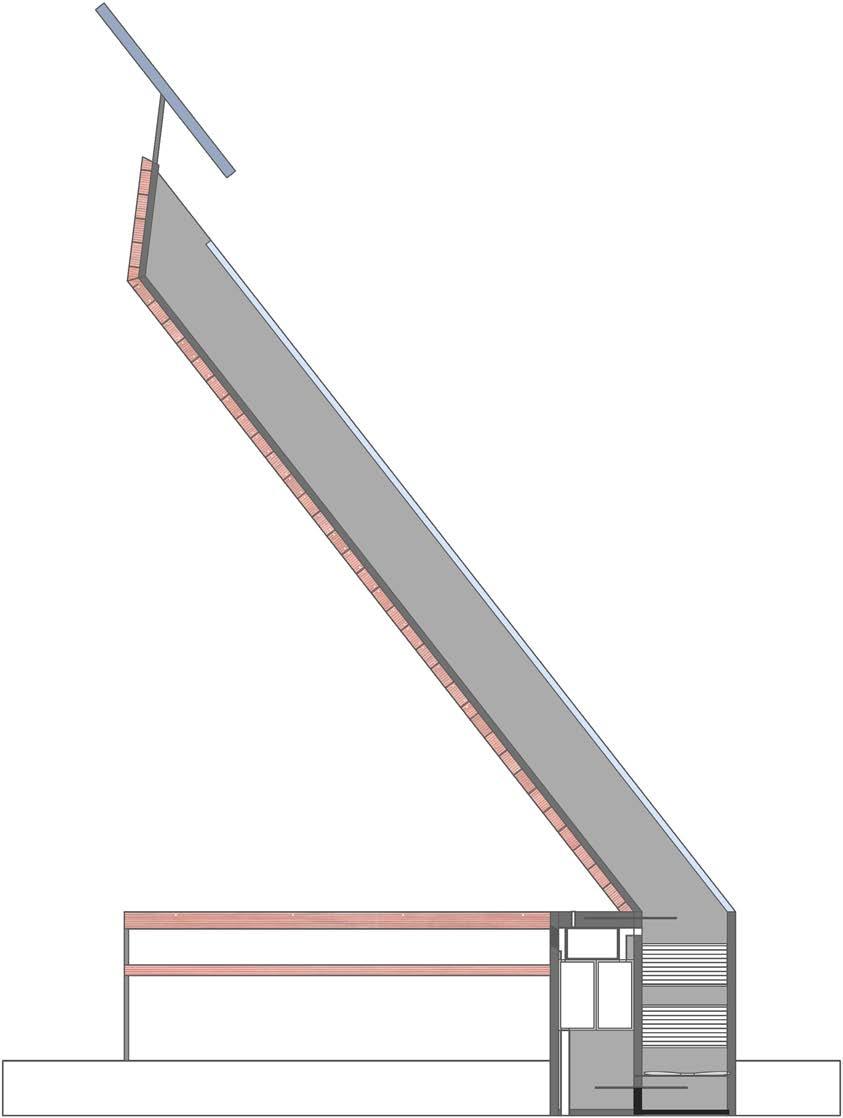
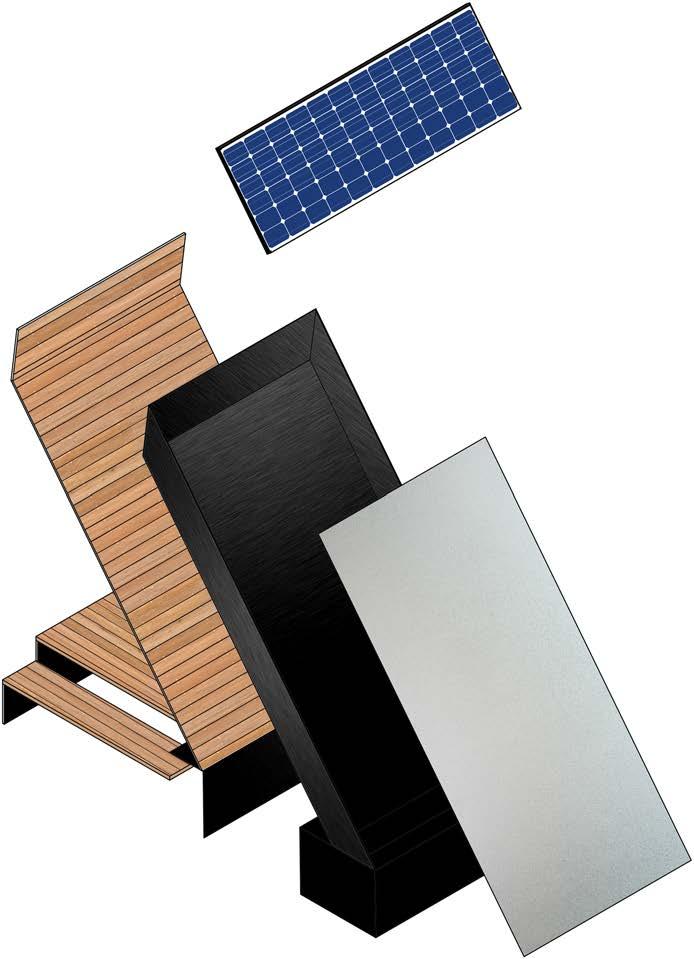
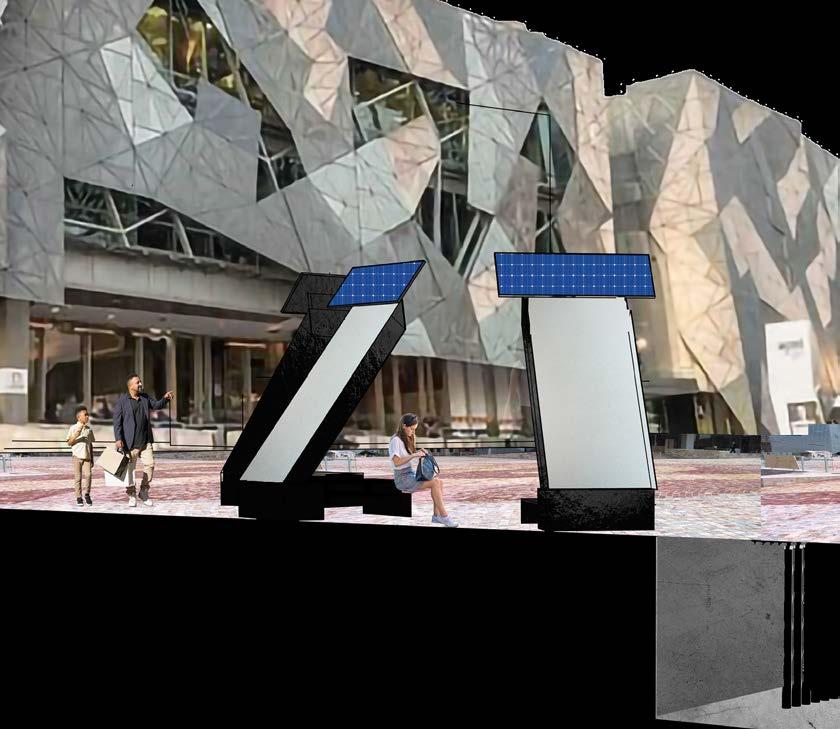
Designed for the new Melbourne Metro Tunnel project and placed in Federation Square, the Solar Revitaliser is a solar chimney that extracts Carbon Dioxide emitted from pedestrians using underground spaces by capturing it using an experimental system developed by MIT. The system then converts it to Oxygen and Acetate using the process of Artificial Photosynthesis.
Artificial Photosynthesis is a system that uses captured CO2 and turns it into Acetate and Oxygen using a two step electro-catalytic process that creates this reaction. The resulting acetate can be used to grow plants more efficiently than organic photosynthesis. Plants grown using this process are also able to grow without sunlight as the artificial photosynthesis meets their needs which can be used for the underground spaces of the Metro Tunnel Project.
The chimney angle has been optimised for the Melbourne sun path through the use of Grasshopper and Ladybug and its dimensions, through research, optimised for airflow. To operate at peak efficiency and allow for units to cycle between ventilating and reacting, a combination of 3 chimneys will be used on site.
The units will be angled according to the sun position at the busiest hours of 9am and 4pm in order to operate at peak efficiency and a unit roughly halfway between them for third stage.
The final component aims to address the issues of pollution by harvesting it and converting into something useful. The system effectively does this by capturing the most pedestrian traffic through Fed Square/Flinders st at peak operating times. Despite this specific application also believe that the system could easily be adapted to other places such as homes where residents can grow plants and revitalise their air.
MIT Carbon Capture
https://news.mit.edu/2019/mit-engineers-develop-new-way-remove-carbon-dioxide-air-1025
Artificial Photosynthesis
https://www.researchgate.net/figure/The-Carbon-Cycle-Source-Alamy-2020-The-Carbon-Cycle-8_ fig2_343185753