It is a pleasure to welcome you to the Fall 2025 edition of the Eugene J McCarthy Center for Public Policy & Civic Engagement magazine Every semester has its own character, but this one felt especially dynamic—full rooms, thoughtful dialogue, and students who show up with curiosity, civility, and a desire to understand the world around them.
We are thrilled to have CSB and SJU History Professor Dr Brittney Merritt-Nash start her tenure this semester as the Joseph P Farry Professor of Public Policy and Civic Engagement In this capacity, she and her team of students and faculty researchers are uncovering the legacy and impacts of housing and other structural discrimination in Central Minnesota. This transformative work is already featured several times in statewide media and is directly impacting local policy conversations among county commissioners and city councils.
September began with our now-signature “Politics & Pasta” series, in which Scholar-in-Residence Denis McDonough led a conversation with students from the College Republicans and College Democrats. These continued throughout the semester as Denis returned monthly for dinner discussions with students and other community members.
The McCarthy Mentor Program includes over forty participants and is boosted by exceptional student leadership Once again, our alums and community partners showed remarkable dedication in supporting student growth in what is the twentieth year of the McCarthy Mentor Program
Every week seemed to feature a different event, often with on-campus partners such as the Institute for Women’s Leadership, the Initiative for Native Nations Relations, and the Multicultural Center, or with off-campus partners such as the Minnesota Crypto Council, Mapping Prejudice, Civic Bridgers, and the City of Saint Joseph
We elevated our participation with statewide civic partners through our strong ties to the Economics Club of Minnesota, founded by our friend and alumnus Mark Kennedy Students attended every fall program and gained exposure to real-world economic debates shaping Minnesota and national policy
Across all this work—formal, informal, large, small—one constant remained: students are ready to learn, prepared to question, ready to serve, and ready to imagine themselves as contributors to public life Their presence gives me enduring hope for our institutions and our democracy. Equally important is the work of so many folks who help make the McCarthy Center, CSB, and SJU thrive Special thanks to Anastasia Nathe for her exceptional leadership and assistance in the McCarthy Center Thank you to all of our students, staff, faculty, alums, supporters, and friends for sustaining the McCarthy Center’s mission and nurturing the next generation of thoughtful, civically engaged leaders
Warm regards,

Dr Matt Lindstrom
Edward Henry Professor of Political Science and Director, Eugene J McCarthy Center for Public Policy & Civic Engagement
My first semester as Joseph Farry Professor has been a busy one, filled with research into the history and legacies of racially restrictive covenants in Central Minnesota A goal of this work is to document patterns of housing discrimination that can be used by policymakers and community partners to remedy racial home ownership gaps As co-director of the Great River Covenants Project, I work in close collaboration with partners at St Cloud State University, the Mapping Prejudice project at the University of Minnesota, and St. Catherine’s University, along with civic organizations and local governments.
At CSB and SJU, I oversee a fantastic team of seven student researchers Five students are working to piece together historical information about racial covenants and housing segregation Two students are working with Dr Whitney Court and Dr Matt Lindstrom to understand the contemporary legacies of racial covenants I intend to share this research for public use, so we will start posting the findings online next semester

Dr Brittany Merritt Nash, Joseph P Farry Professor of Public Policy and Civic Engagement, and Assistant Professor of History with CSB and SJU student researchers
I hope you will follow along at greatrivercovenants org In October, we hosted a group of faculty, administrators, and students from the Welcoming the Dear Neighbor? Racial Covenants Project at St Catherine’s University Our students and faculty shared findings from their research and discussed ideas for future urban-rural collaborations
In November, I worked with Michael Corey at Mapping Prejudice to present the results of our community mapping efforts to the Sherburne County Commissioners We identified and mapped 356 properties with racial covenants in Sherburne County, which was covered by MPR News and by Fox 9 News. The Sherburne County Commissioners were eager to hear what we found. They generously offered to collaborate with our student researchers as they work through the Sherburne County records in the spring
While I will be in London directing the CSB+SJU study abroad program next semester, our work on racial covenants and civic engagement will continue Our next step is to fully document the existence of racial covenants in Stearns County, and community volunteers can now participate in this process through the Mapping Prejudice project
Dr Brittany Merritt Nash
Joseph P Farry Professor of Public Policy and Civic Engagement
Assistant Professor of History
MattLindstronm
Director and Henry Professor
AlexandraHoehne Student Coordinator
ZoeyCoval Student Coordinator

Farry Professor
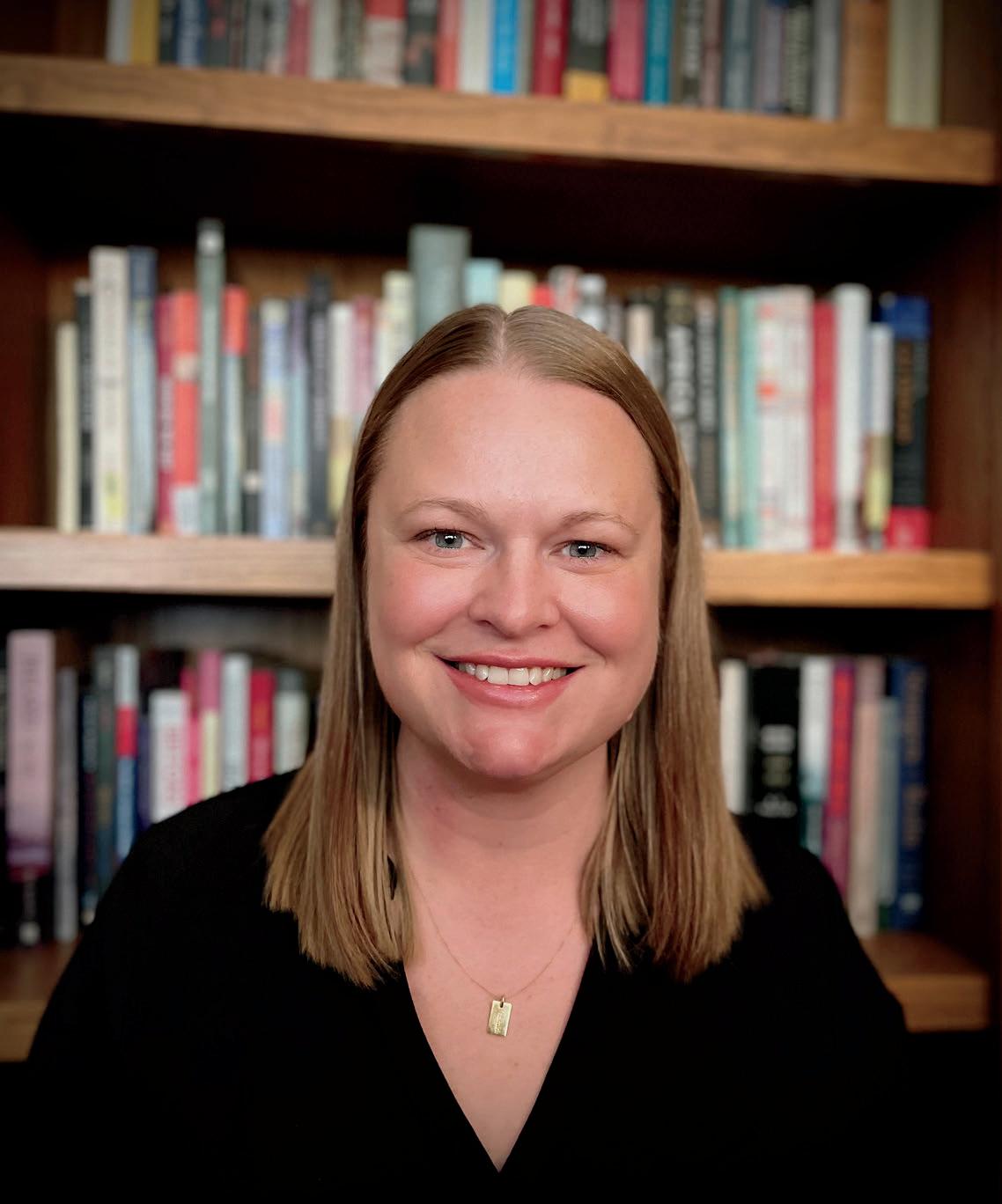
JosieLeinonen Student Coordinator
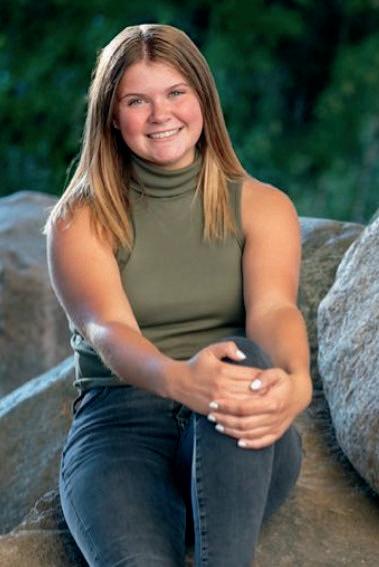
MeghanWeiss Student Coordinator

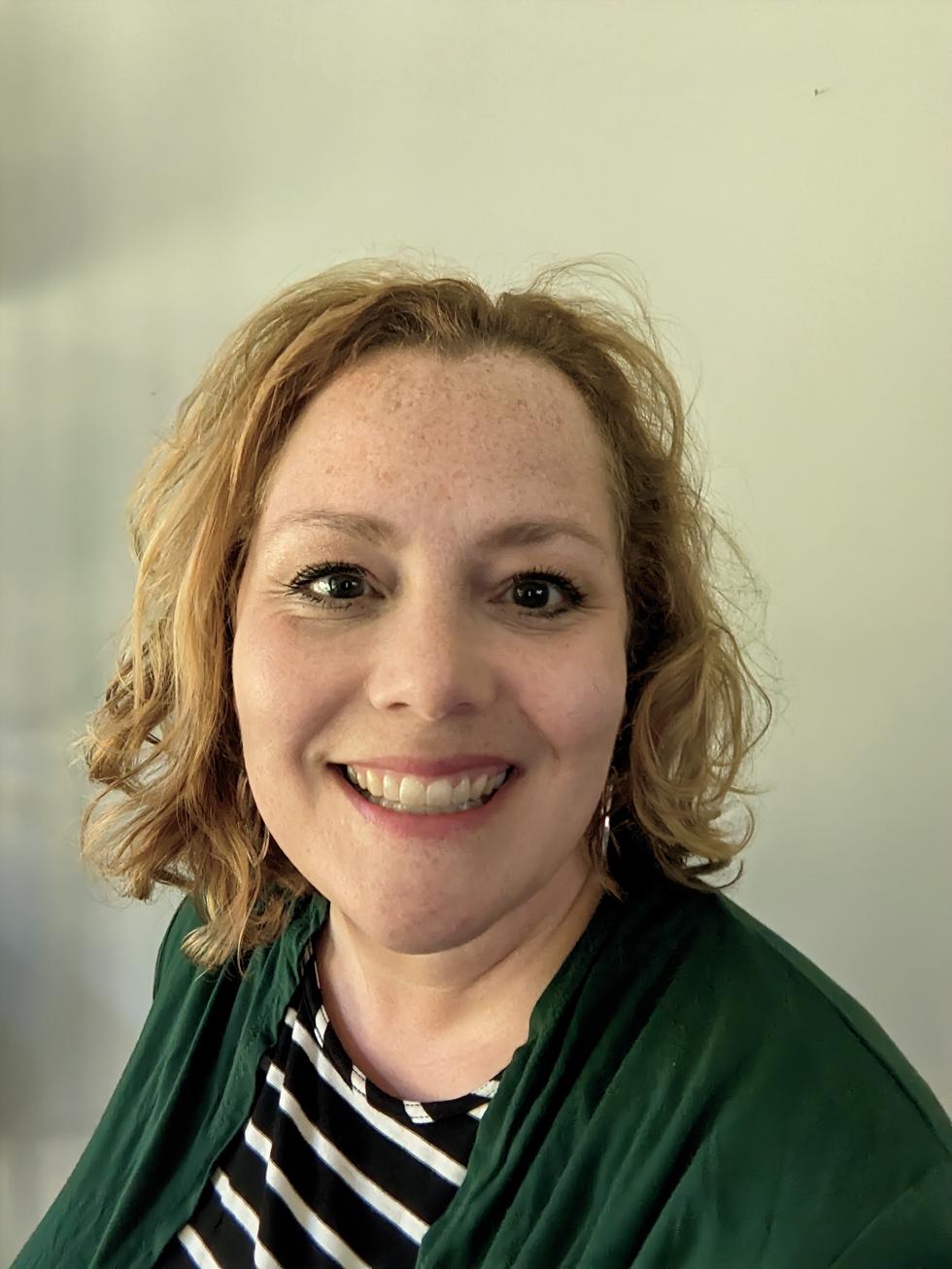
AlaynaFurman
Student Coordinator

FrancisKoll Student Coordinator

WRITTEN BY: ALAYNA FURMAN

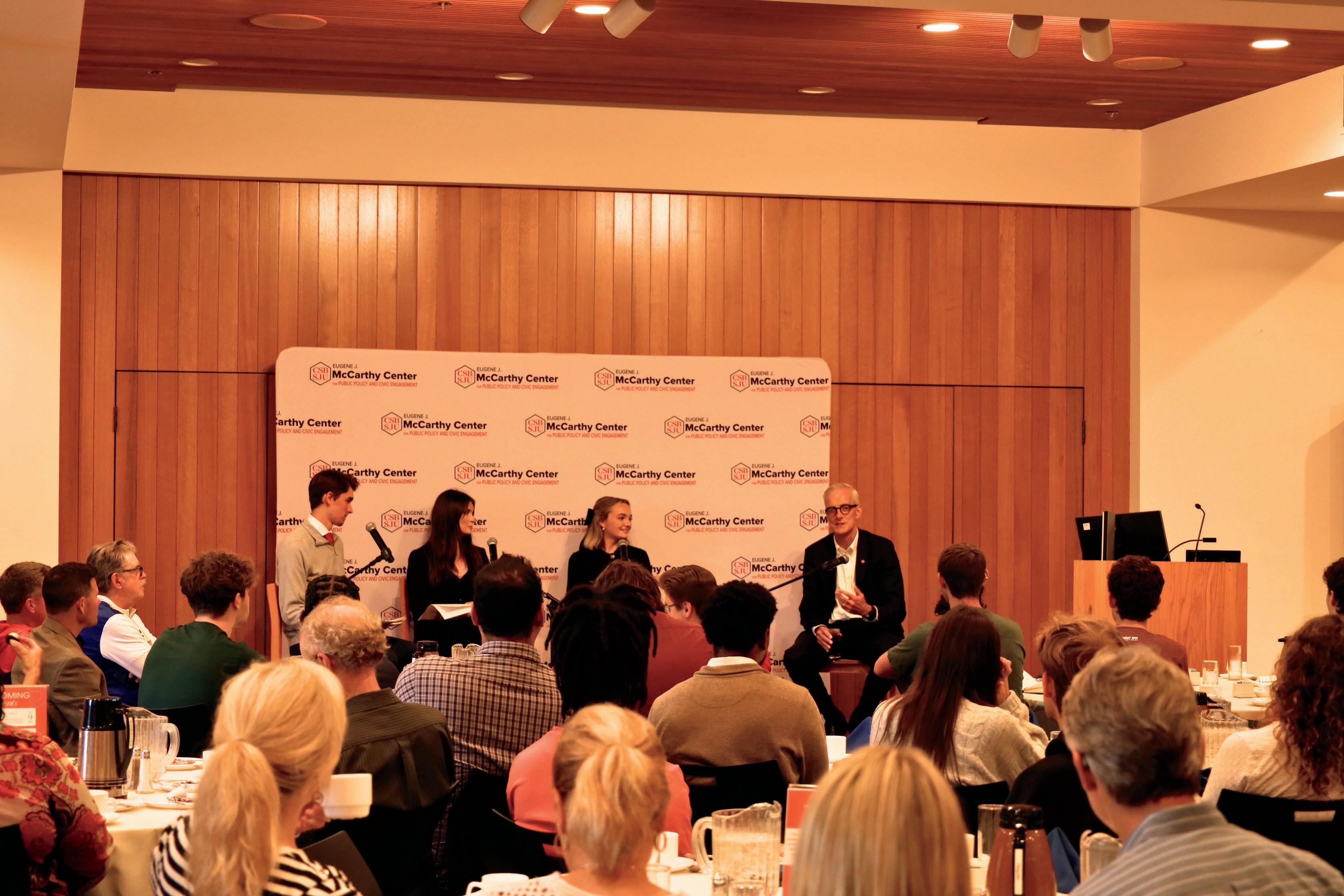
On September 19 , 2025, we welcomed former White House Chief of Staff and Secretary of Veteran Affairs
Denis McDonough back to campus with our first Politics and Pasta event of the year th
Mr McDonough spoke to an audience of more than 60 students and faculty members, eager to hear about his experience in the White House, his time as Secretary of the VA, and much more The discussion was facilitated by a panel of three students: Alayna Furman, a student representative from the CSB and SJU College Democrats; Michael Heimel, a student representative from the CSB and SJU College Republicans; and Zoey Coval, the event’s student moderator The panel asked Mr McDonough about a variety of topics, ranging from access to public versus private healthcare, how he sees Benedictine values manifest in leadership, immigration, and advice for students pursuing careers driven by service.
Around the room, students and faculty listened, engrossed, as Mr McDonough emphasized the importance of intentional discussions that allowed all parties to productively and respectfully disagree with one another - a topic that feels more and more relevant on our campuses and beyond as we all navigate a political climate wrought with contention.
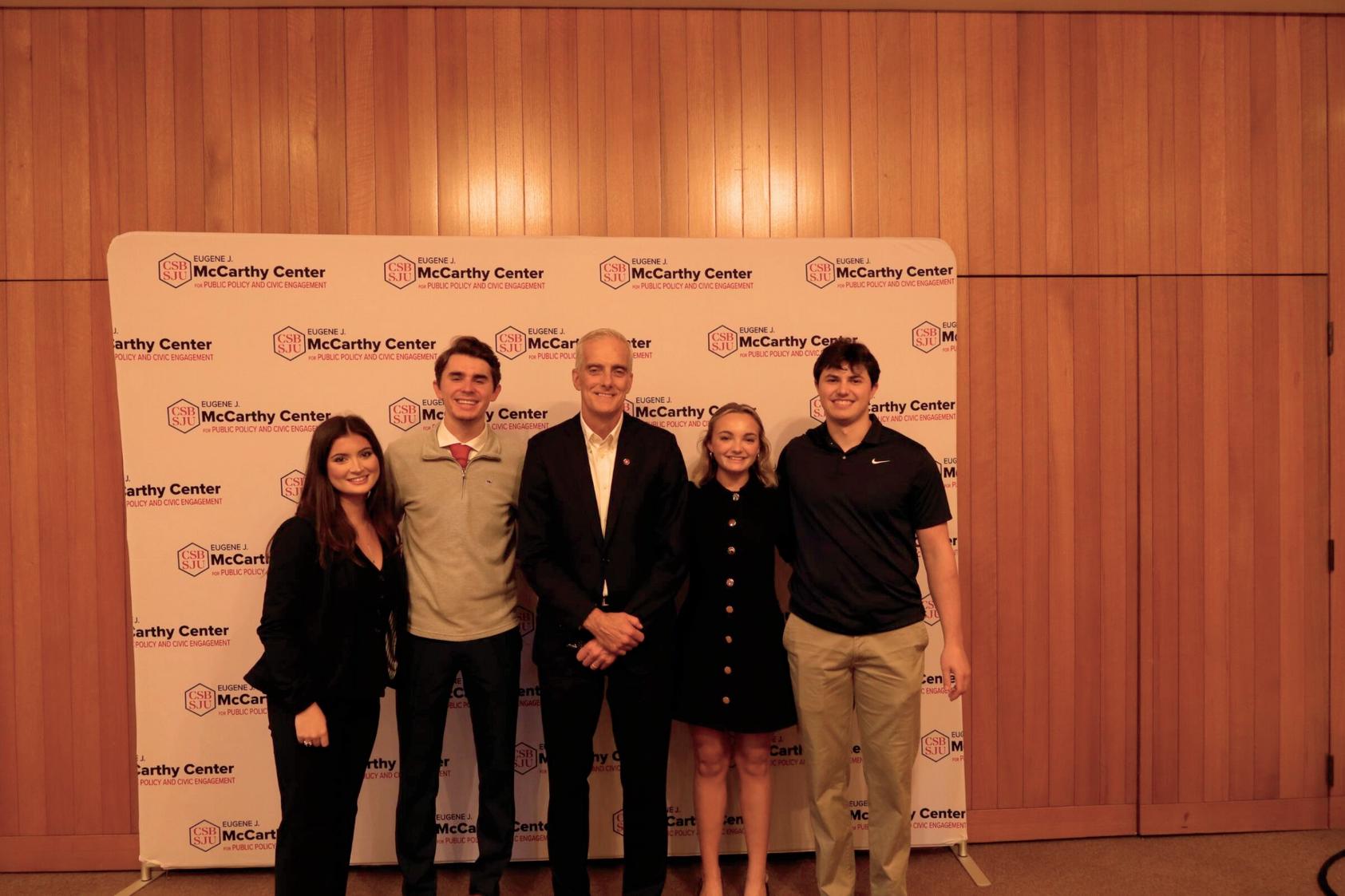
One audience member asked about the difference, in Mr McDonough’s experience, between looking at the social and political world around us through the lens of a voter and a politician. At this, Mr. McDonough paused before emphasizing that, while there is definitely a dichotomy there, politicians are struggling with the same fears, dilemmas, and concerns that voters face daily. It was a refreshing answer that spoke to the nuances of today’s political spectrum
Denis ended the discussion with a phrase that he wants students to keep in mind as they pursue their dreams: “Fortune favors the bold ”
We are endlessly grateful to have Denis McDonough on campus to share his endless insight with students As the 2025-2026 McCarthy Center Scholar-in-Residence, he will co-teach a public health course this spring We look forward to his ongoing presence on campus and to hosting more Politics and Pasta events in the future!
BY: FRANCIS KOLL
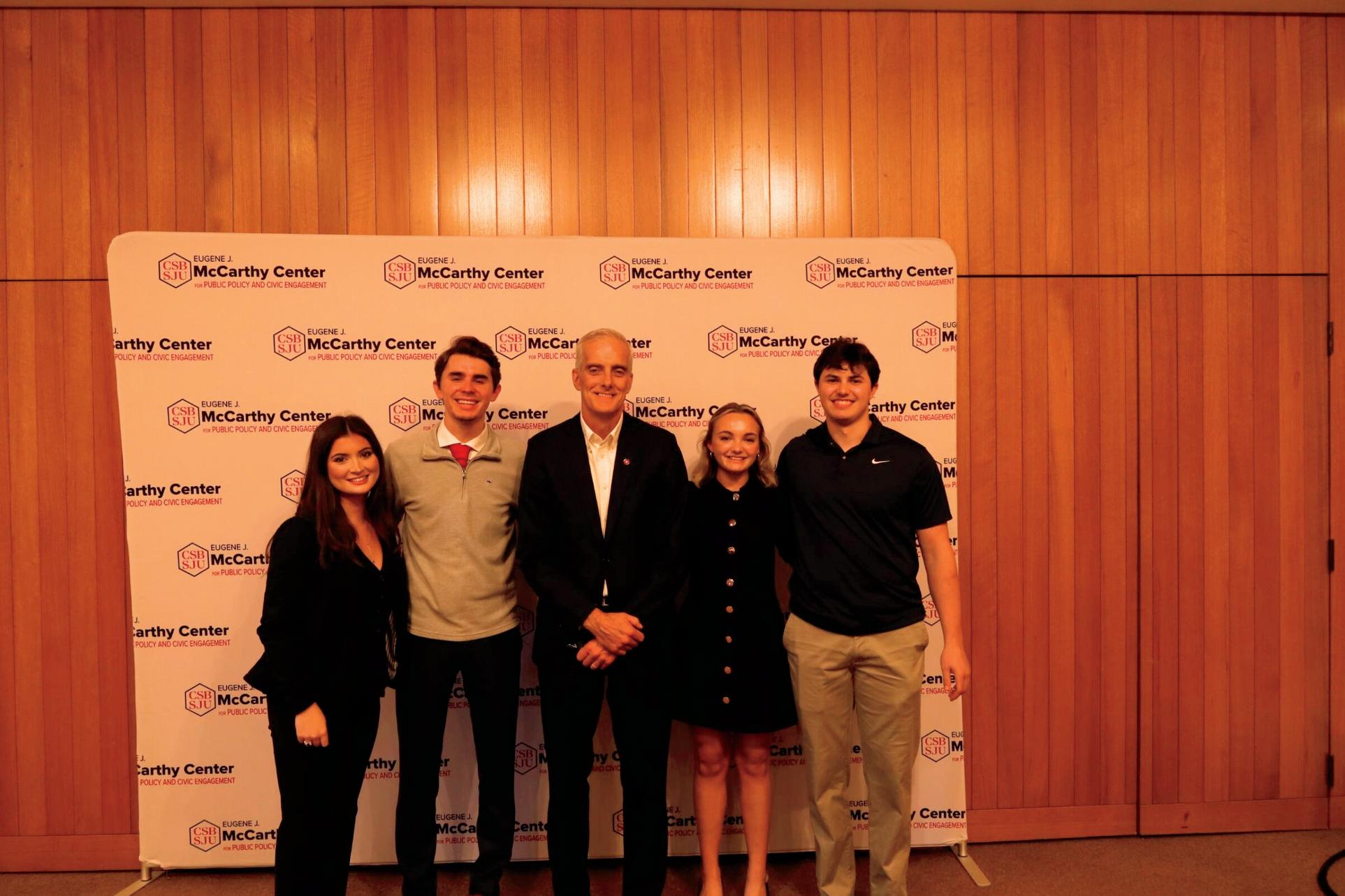
CSB and SJU students, especially those who spend time in Simons Hall, may have noticed a familiar face around campus this fall as Denis McDonough (SJU ’92), former White House Chief of Staff, made several visits to Collegeville His return to campus reflects a strong commitment to student engagement as he continues in his role as the 2025–2026 McCarthy Scholar in Residence
Throughout the semester, McDonough actively connected with students in a variety of settings. On Friday, September 19, he delivered a lunch lecture as part of the Politics and Pasta series, where he fielded student questions on executive power, healthcare, immigration, and other pressing national issues Drawing on his experience as White House Chief of Staff under President Obama and as Secretary of Veterans’ Affairs under President Biden, McDonough offered thoughtful insight on navigating the complexities of America in 2025 During the lecture, he repeatedly emphasized the influence CSB and SJU had on shaping his worldview, pointing to impactful faculty, peers, and the monastic tradition as central to his personal and professional philosophy

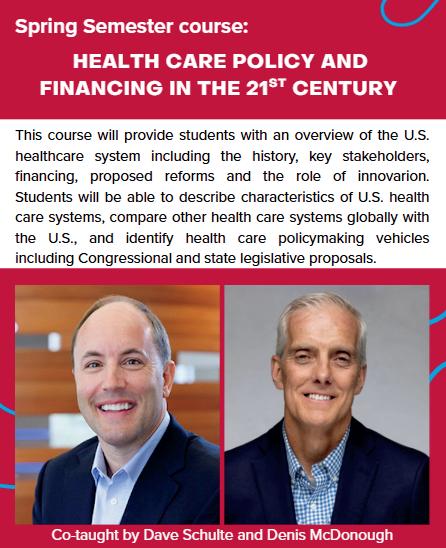
As part of his scholar-in-residence appointment, McDonough will further his involvement on campus this spring by co-teaching Healthcare Finance and Policy in the US with fellow SJU alumnus Dave Schulte The course will combine policy analysis with real-world experience, offering students a unique opportunity to explore how healthcare systems are financed, regulated, and reformed through both academic and practical lenses.
In addition to the lecture, McDonough hosted two “Discussions with Denis” dinner conversations this semester, creating space for meaningful, small-group dialogue among students and faculty. Participants prepared by reading an article in advance and then shared their perspectives during the meal The two discussions focused on the male mental health crisis and immigration reform, encouraging respectful conversation and engagement across differing viewpoints
Written by: Meghan Weiss

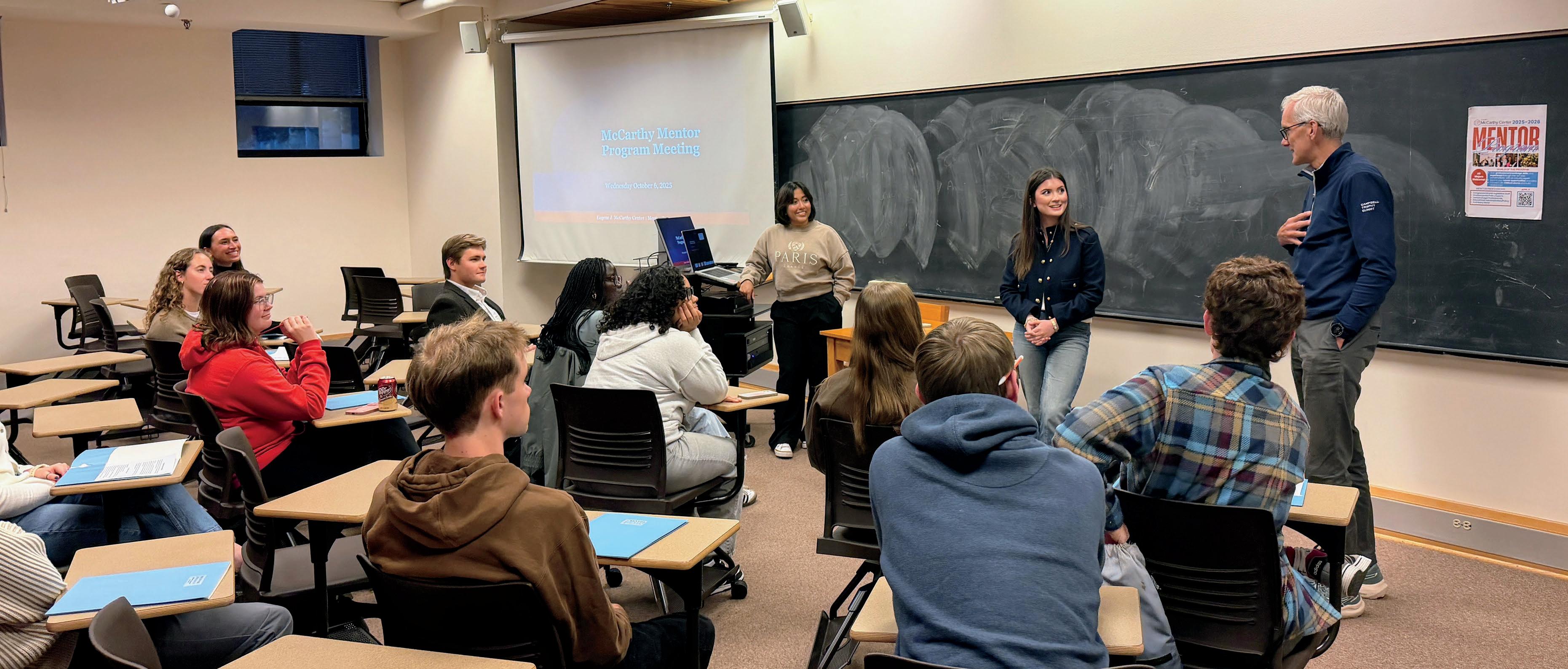
The McCarthy Center’s annual Mentor Program kicked off the academic year with tremendous energy and enthusiasm Students have formed meaningful connections and engaging in insightful conversations and learning directly from some of our most accomplished leaders
Our second meeting was something to remember! For the first time in several years, we welcomed two mentors Sean Kershaw and Kate Fenske to campus for an inperson workshop focused on resumes and interview skills building
Sean and Kate shared their own stories, from their very first interviews to their most recent professional experiences Their candid reflections offered students an inside look at the interview process from both sides of the table. The conversation flowed as mentees asked thoughtful questions, opening the door to deeper discussion about career paths, job-search strategies, and navigating the professional world with confidence
To close the event, Sean and Kate walked students through a variety of their own resumes highlighting what employers look for and what elements are truly essential when applying for positions Their transparency and guidance gave students practical tools as they prepare for future opportunities
With the first semester coming to an end The McCarthy Mentor Program is already building momentum to welcoming new students into the program next semester and continuing to help current students grow their professional knowledge alongside their mentors
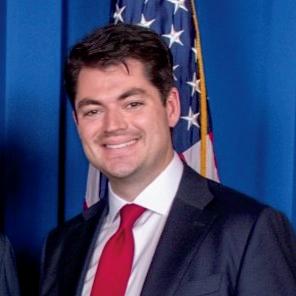
The McCarthy Center and CSB and SJU welcomed back distinguished alumnus Patrick Hester (BA '13, History and Art) for an engaging visit to the McCarthy Center for Public Policy and Civic Engagement. As Chief of Staff to Elise Stefanik, New York’s 21st congressional district representative since 2015 and served as House Republican Conference chair from 2021 to 2025. Hester shared candid reflections from his more than decade-long career on Capitol Hill, engaging students eager to understand the realities of public service.
Reflecting on his own path, Patrick emphasized that he had no clear idea where his career would lead when he graduated from the College of Saint Benedict and Saint John's University He urged students them to "put yourselves out there and take the opportunities to show up " He offered timeless advice: "Do the little things correctly and doors will open." He also stressed the enduring value of strong writing skills, encouraging students to continuously improve their ability to communicate clearly and persuasively.
Students were captivated by stories of his earlier roles including internships with then-Chairman John Kline and the Tim Pawlenty presidential campaign and his work on national security, higher education modernization, rural policy, and shepherding priorities into law through major legislative vehicles
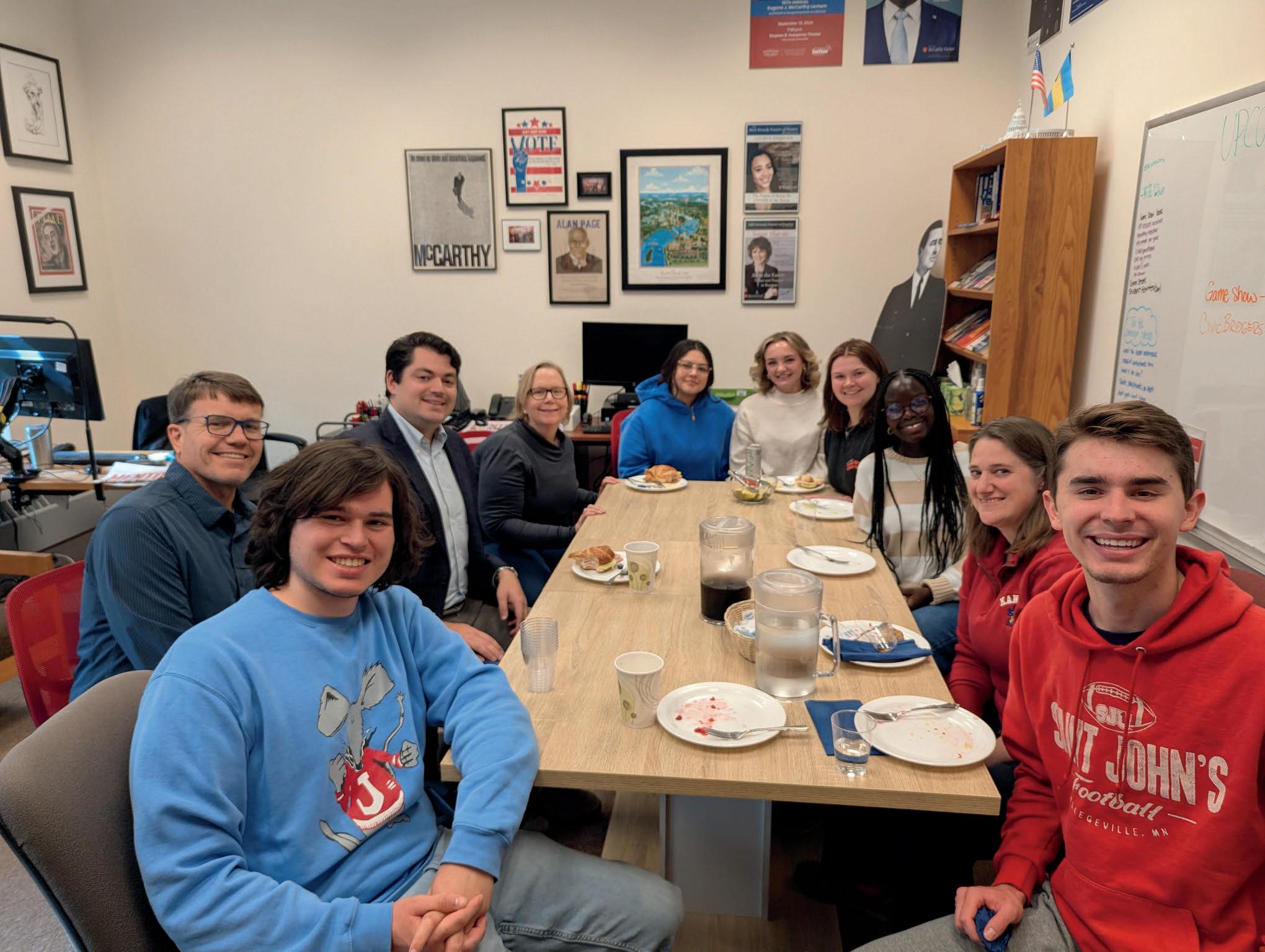
The session closed with lively Q&A, reinforcing the McCarthy Center's mission to connect classroom learning with impactful public service careers
The students loved hearing how a Saint John's grad went from staff assistant and policy advisor to being a trusted person in U.S. House leadership. The Q&A got lively, and everyone left feeling pumped about how persistence, attention to detail, and just being willing to show up can lead to some pretty amazing places
“Dothelittlethingscorrectlyand

Written by: Alexandra Hoehne
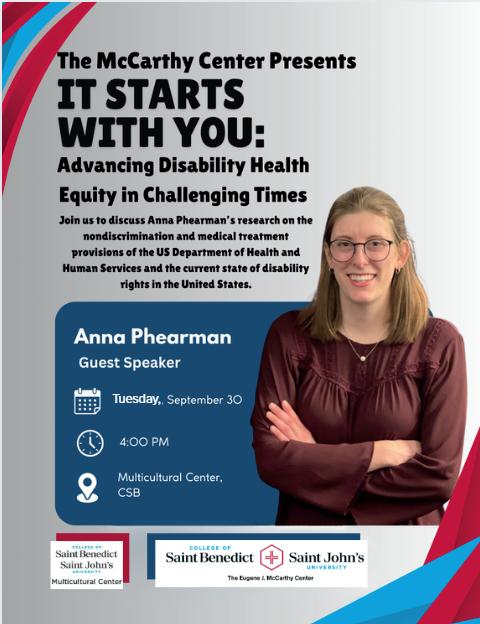
The McCarthy Center, together with the Multicultural Center, was honored to host disability advocate and speaker Anna Phearman for a powerful presentation on advancing disability health equity in challenging times. Held in the Multicultural Center, Phearman’s talk explored a wide range of issues related to the current landscape of disability equity and offered practical guidance on how attendees can advocate, raise awareness, and support meaningful change Her approach blended personal experience, historical context, and policy insight, which helped the audience understand both the human impact and the broader systemic challenges at play
The presentation opened with an overview of the long history of oppression experienced by many individuals who experience disability She traced the ongoing struggle for equity and recognition in the United States From there, Phearman shifted to the present day, outlining the difficult reality that various forms of support, funding, and essential services are being reduced or restricted as a result of recent administrative decisions. This trend poses serious consequences for people with disabilities, whose rights and access to necessary resources are being limited across numerous states She stressed that these reductions do not simply create inconvenience They shape long term health outcomes and quality of life Phearman then turned directly to the audience, offering thoughtful and actionable ways each person can help She emphasized the importance of daily respect, intentional language, and active allyship, while also reminding attendees that they have the power to advocate for both societal and political change Even when an issue does not directly affect someone in the moment, she noted, their engagement still matters and can help shape a more equitable future She encouraged students to stay attentive to the experiences of their peers, to intervene when they witness exclusion, and to understand that allyship is an ongoing practice.
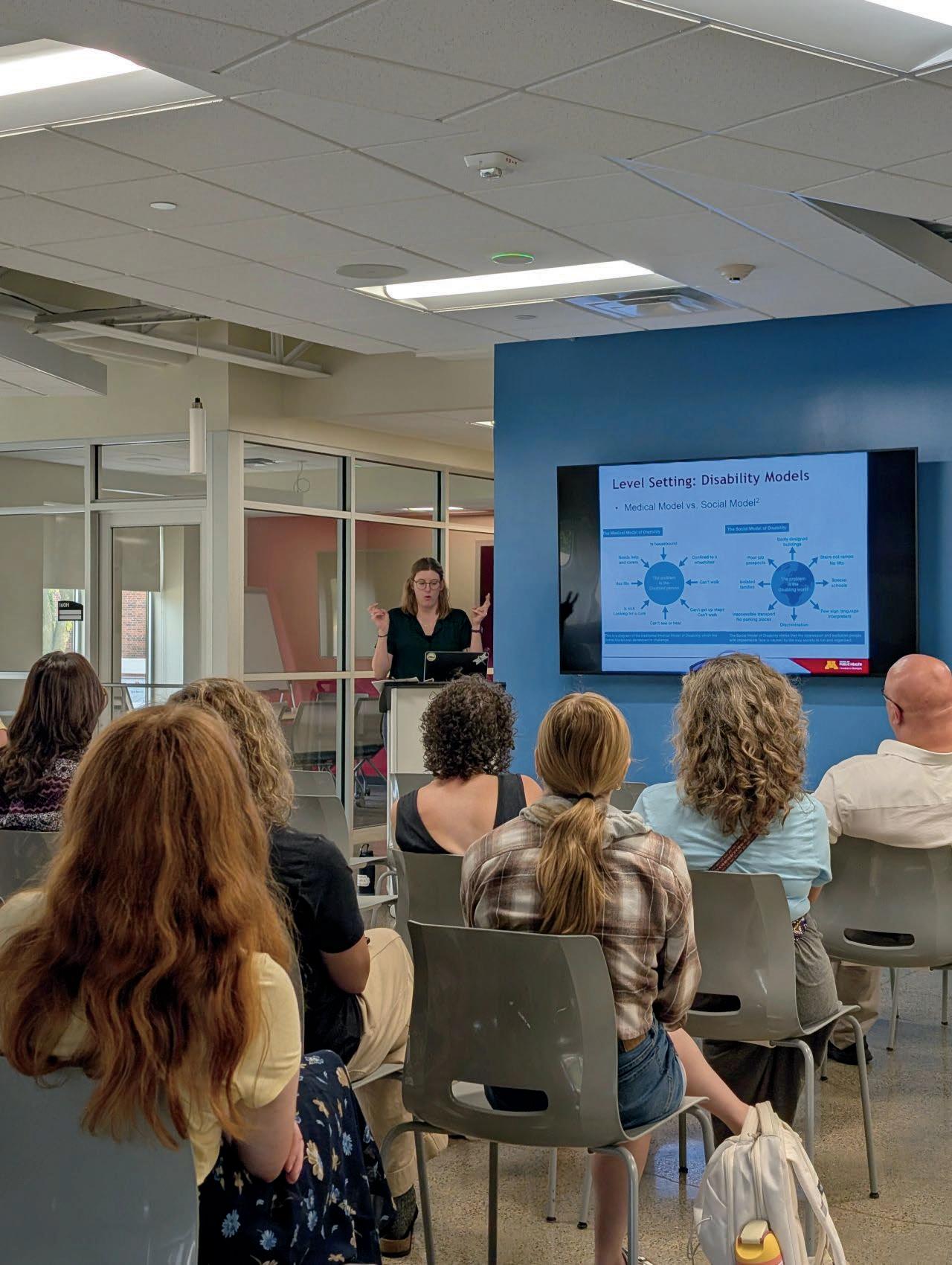
A central theme of the presentation was the critical role voting plays in protecting disability rights. Phearman underscored that no vote is insignificant. Each one represents a commitment to fairness, dignity, and the wellbeing of our broader community
This event was deeply impactful It highlighted not only the urgency of continued advocacy but also the importance of compassion, solidarity, and the shared responsibility we all hold in building a more just and inclusive society
Did you know there are racial covenants on property deeds across Central Minnesota, including in St. Cloud? Racial covenants were clauses inserted into real estate deeds that prevented anyone who was not Caucasian from owning or occupying a property, creating housing inequalities that continue today and shaping patterns still visible in many communities On October 23, the McCarthy Center hosted a luncheon in the CSB president’s dining room to discuss the progress and process of the “Mapping Prejudice” projects. The conversation highlighted ongoing work on racial covenants at CSB and SJU, as well as at St. Catherine University It offered a detailed look at how each team approaches research, collaborates with students, and engages with local communities It also laid out the goals of both programs, their current findings, and their plans for expanding racial covenants work in the months ahead As a program dedicated to examining the historical implications of racial covenants in both St. Cloud and St. Paul, the luncheon aimed to bring collaborators together, strengthen partnerships, and reflect on the importance and urgency of uncovering these histories to inform present-day understanding
RIGHT: Racial Covenant Research Team and Dr Brittany Merritt Nash
BELOW: A covenant from a property deed

Written by: Alexandra Hoehne
Afterward, the McCarthy Center and participants from the racial covenants projects took part in the Neighborhood Game led by Dr Brittany Merritt Nash, an interactive activity designed to immerse participants in the historical realities of housing discrimination This activity, created by Dr Merritt Nash and her student researchers, simulates the inequities many people were forced to navigate in America through both racial covenants and redlining It provides an educational and thought-provoking experience that deepens participants’ understanding of how these practices shaped generations of families and neighborhoods, and it helps connect the research taking place at St Kate’s and at CSB and SJU in a meaningful and accessible way
Ultimately, this luncheon was an incredibly interesting event that allowed the McCarthy Center to better understand the historical research being done in both Saint Cloud and Saint Paul

WRITTEN BY: JOSIE LEINONEN
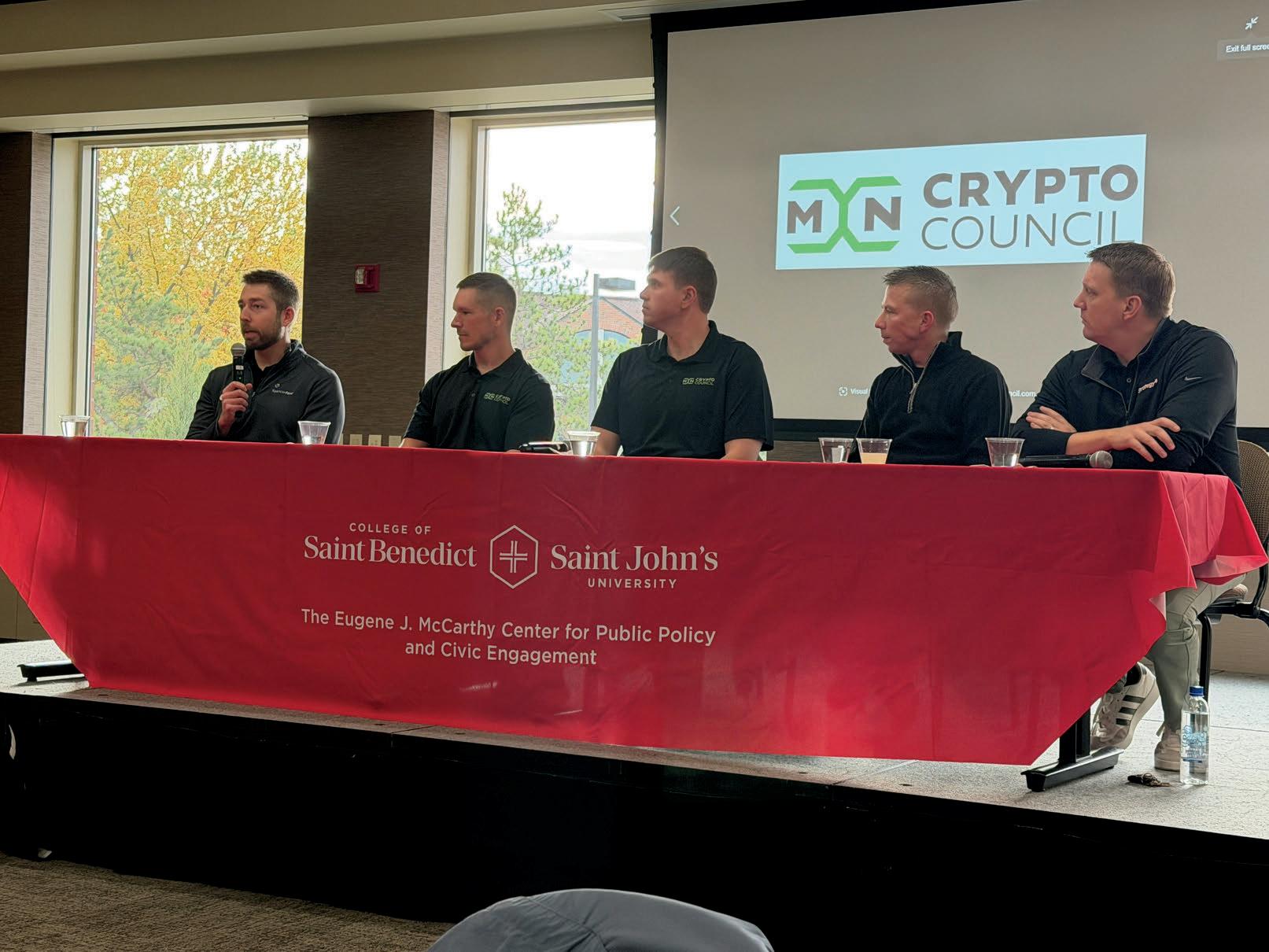
On October 28, the McCarthy Center partnered with the Economics Club to host an engaging panel discussion focused on cryptocurrency and its growing role in the future of finance The event brought together St Joseph Mayor Adam Scepaniak, SJU alumnus Alex Schoephoerster, and Chase Larson, Tony Wernsing, and Kyle Stein, all of whom serve on the board of directors for the Minnesota Crypto Council
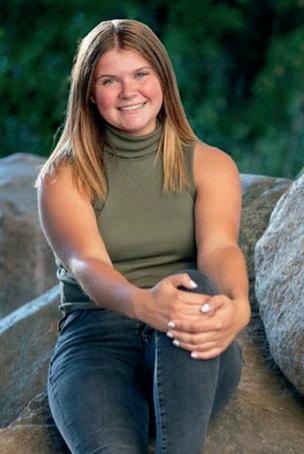
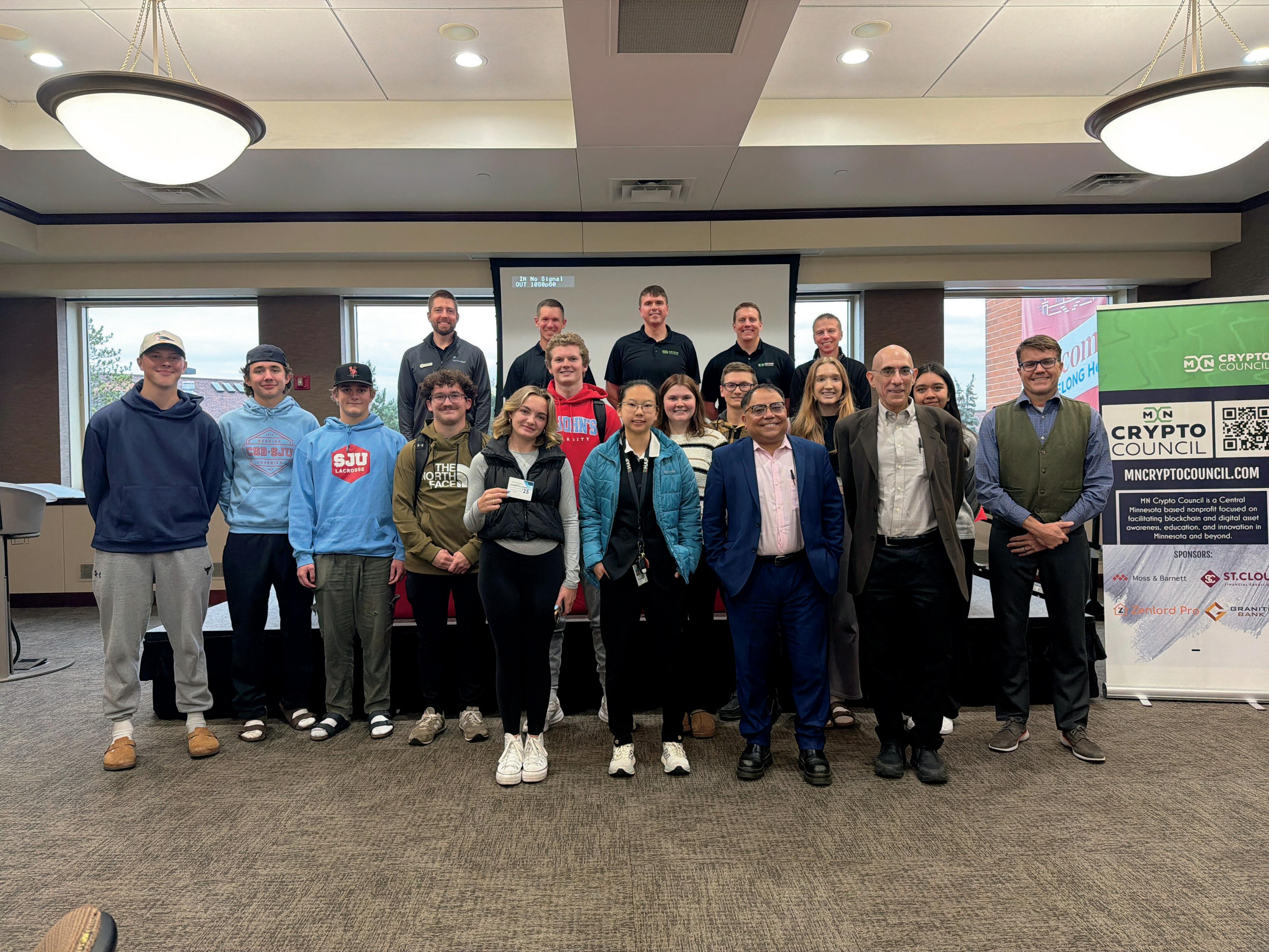
how local governments and public leaders are beginning to grapple with the implications of digital assets To further encourage hands-on learning, the McCarthy Center funded four $25 gift cards that were raffled off during the event, giving participants the opportunity to purchase cryptocurrency themselves and explore the technology firsthand.
The panelists shared the origins of their work together, which began in 2020 with the creation of “Crypto & Coffee.” What started as a casual gathering for likeminded individuals to exchange ideas about finance, investing, and emerging technologies gradually evolved into a more formal organization Today, the Minnesota Crypto Council works to educate the public and foster thoughtful conversation around cryptocurrency, blockchain innovation, and emerging financial policy Mayor Scepaniak discussed his own introduction to cryptocurrency through NFTs, or non-fungible tokens, which allow creators and buyers to authenticate and establish ownership of digital art He also reflected on
Throughout the discussion, the panelists addressed common myths and misconceptions surrounding cryptocurrency, including concerns about security, volatility, and environmental impact Students, staff, and faculty were encouraged to ask thoughtful questions about regulation, investment risks, and the long-term influence of cryptocurrency on global and domestic financial systems. By the end of the event, attendees left with a clearer understanding of how cryptocurrency works and why it continues to shape conversations about the future of finance
On Monday, Nov 10, students gathered in Simons G10 to hear from SJU alumnus Paul Binkley, EdD, a career development professional at George Washington University Hosted by the Political Science Club, Binkley gave a talk titled “Best Practices for Securing an Internship.” Several mini professional development workshops followed the talk
In addition to his degree from CSB and SJU, Binkley has two graduate degrees, 20+ years in career services, and global living experience
But on Monday, his priority was CSB and SJU students “I want to talk about what you want to talk about. What do you need help with?” Binkley said The students who presented gave a list of topics they needed help with, including tailoring resumes, job applications, interview tips, and AI use in the application process
Binkley outlined the steps students should take when applying for jobs, beginning with how to think about the application process. “You need to put yourself in the shoes of the person who is
“You’ve done all these things. You have these skills. You just need to tell them how they relate to their position.” doing the recruiting for whatever you ’ re applying for, you need to think about what they want to see What is necessary to succeed in the workforce? You’ve done all these things You have these skills You just need to tell them how they relate to their position,” Binkley said
Binkley encouraged students to use the STAR method when writing their resumes The STAR method refers to Skills, Tasks, Actions, and Results Each bullet point should start with a skill word Skill words should be followed by the tasks you were asked to complete, and what actions you took to ensure they were completed. Finally, the bullet points should end with a results section
WRITTEN
“The results section is the most important part,” Binkley said “What value did this bring? What happened after you did all of the work? How did that impact people?” Binkley also shared stories about students who faced career setbacks and explained how he helped them create actionable steps to make their experiences look more valuable.
Matt Lindstrom, CSB and SJU Political Science professor, added on to Binkley’s advice. “You need to include names, numbers, and outcomes on your resume Names are brand names, software names, or job titles Numbers are retail numbers, numbers of employees, how many hours you worked in a week, or dollar amounts Outcomes are the most important part: what happened because of the work you did?” Lindstrom said
The conversation shifted to cover how students can best prepare for interviews Binkley highlighted the importance of mock interviews — both in person and virtually — as well as preparing answers to what he called the “big three” questions “There are three questions you will always be asked in an interview: tell me about yourself, why do you want this job, what are your strengths and weaknesses,” Binkley said
Binkley left the group with parting words highlighting the importance of confidence throughout the internship and job application process “Think about your experiences as being impressive, because they are And if you don’t, nobody else will,” Binkley said

WRITTEN BY: JOSIE LEINONEN
The Economic Club of Minnesota, often called ECOMN, brings together leaders from business, government, and public policy to talk about big economic issues in a thoughtful, nonpartisan way As described on their website, the organization creates space for national and international voices to share ideas on how Minnesota can compete in the global economy and how the United States can lead on economic and strategic issues around the world
On Thursday, September 25, students from CSB and SJU had the opportunity to attend ECOMN’s Trade and Tariff Tales event The panel featured Alejandra Bologna, Consul General of Mexico in St Paul; Richard Hyde, His Majesty’s Consul General for Chicago; and Beth Richardson, Consul General of Canada in Minneapolis. Each speaker offered insights from their country’s perspective, helping students better understand how trade policies and tariffs shape relationships between nations and impact everyday life A particularly vibrant discussion focused on free trade, with panelists debating the benefits and challenges of open markets, the impact on local economies, and the role of international agreements in fostering cooperation
On February 19, 2026, students will have the opportunity to attend another ECOMN luncheon with speaker General Paul M. Nakasone


The McCarthy Center is excited to continue building its relationship with the Economic Club of Minnesota by encouraging students to attend events like this, take part in networking opportunities, and learn from guest speakers These experiences help bring global conversations closer to campus, spark curiosity about international economic issues, and give students a chance to connect classroom learning with real-world challenges By participating in these events, students gain valuable insights, develop professional connections, and explore how careers in business, diplomacy, and public policy intersect with global economic trends
WRITTEN BY: ALAYNA FURMAN
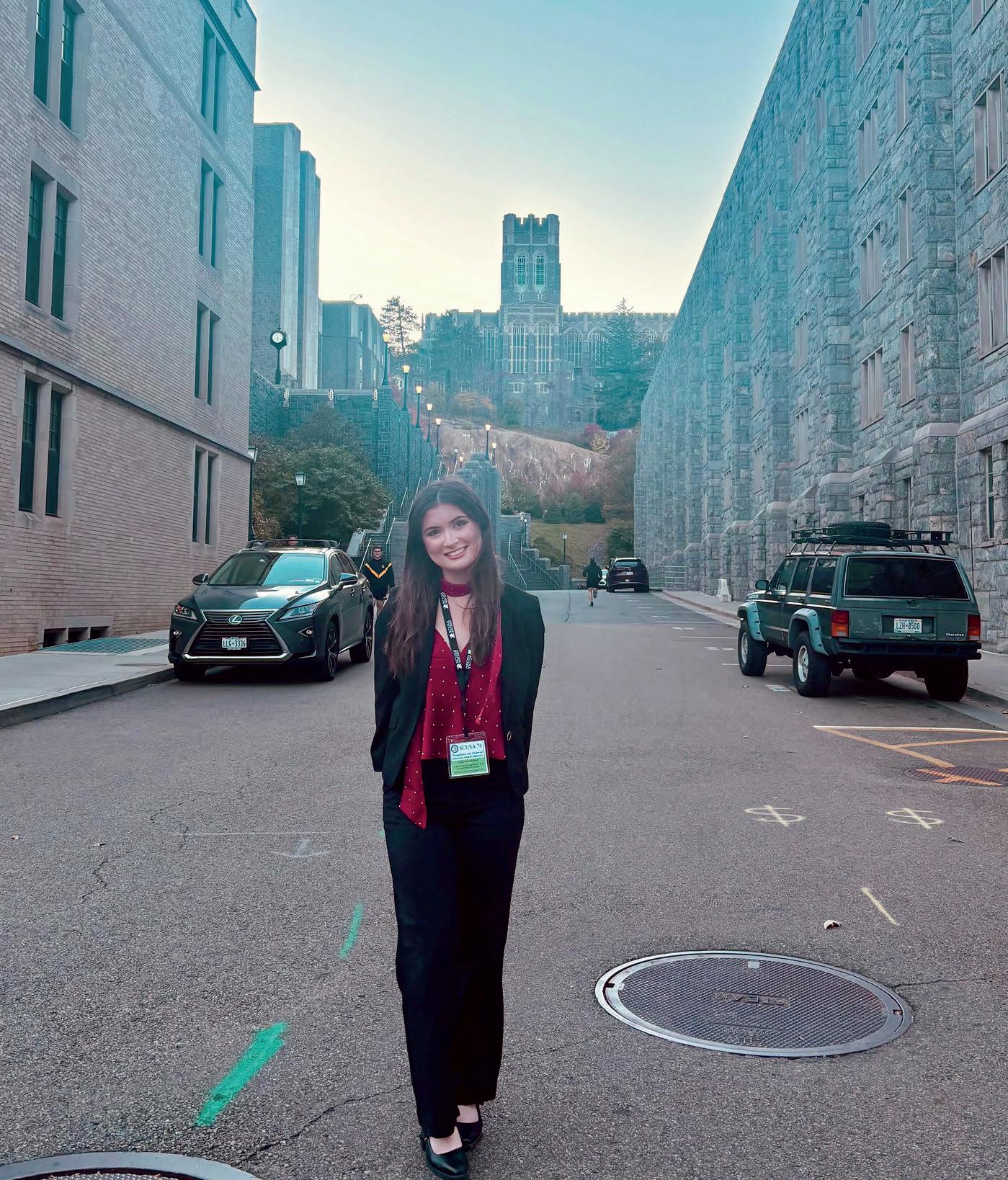
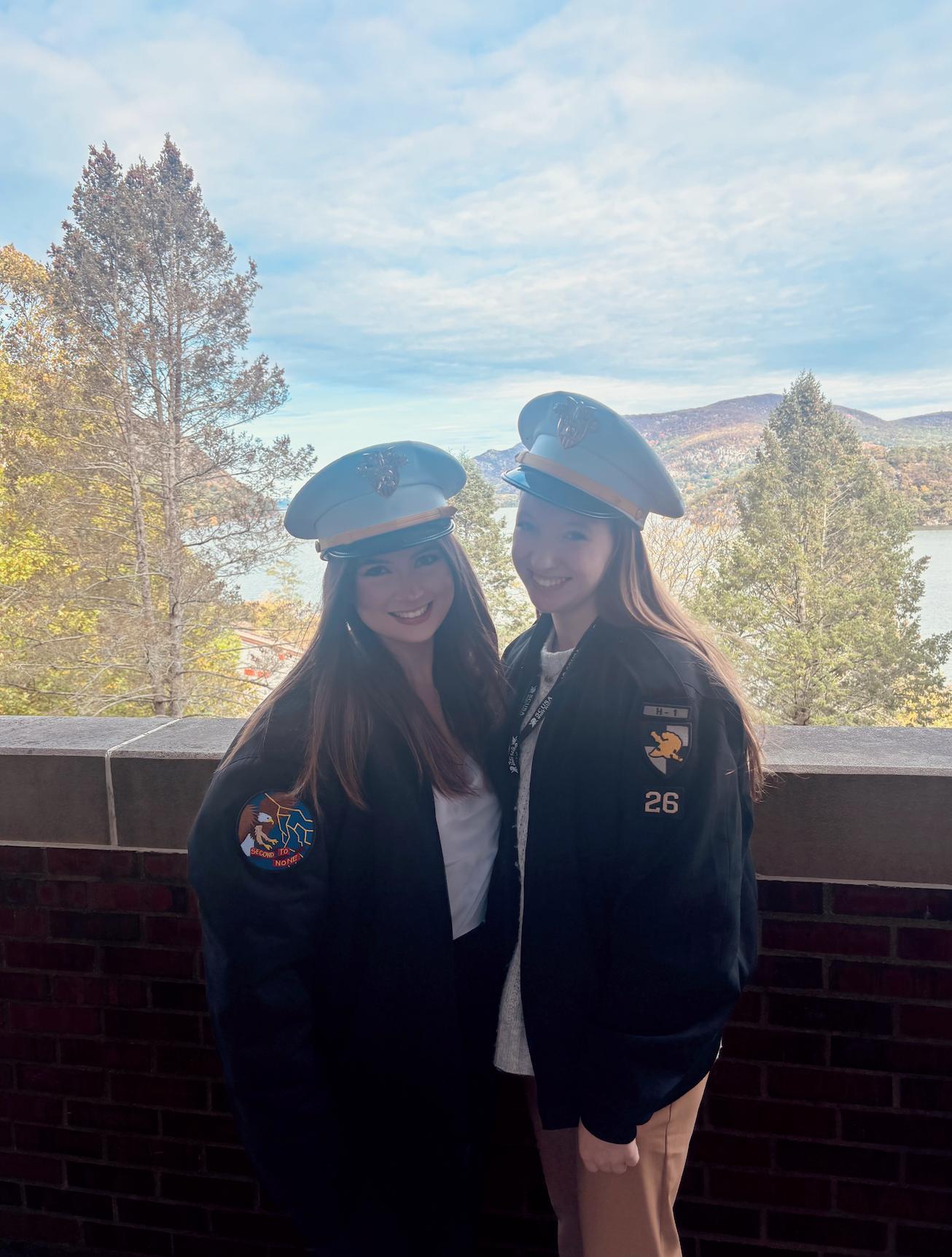
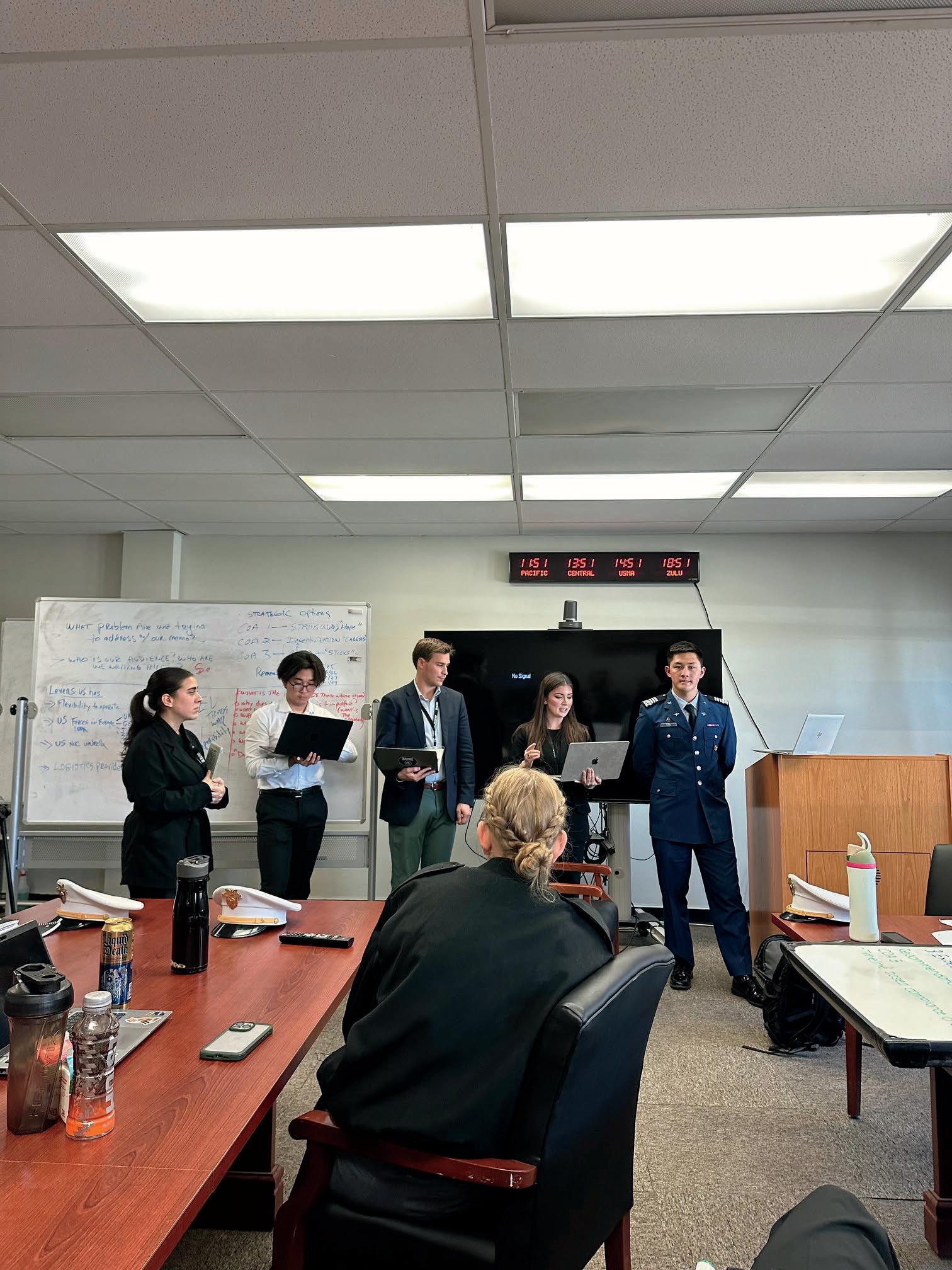
I was surrounded by an autumnal backdrop of red and yellow leaves falling softly to the ground when I stepped foot on the campus of the United States Military Academy (USMA) in West Point, New York At that point, I was unaware of the full extent to which the next few days would strengthen my resolve to pursue a career in public policy I was at West Point, a sentence I had never pictured myself saying, to attend the prestigious 76th Annual Student Conference on U S Affairs (SCUSA)
Each fall, the College of Saint Benedict and Saint John’s University send two student delegates to West Point to participate in a weekend full of conversations with students from across the world, the opportunity to engage with West Point cadets through living in their barracks and developing public policy surrounding a significant topic in domestic and global affairs This year, the conference took place from October 15th to the 18th and centered on the topic, “The Foundations and Future of America’s Global Power and Influence ”

Before we settled into the barracks, we heard from a panel of USMA professors, high-ranking Pentagon officials, and military leaders. They provided insight on the topic broadly but also narrowed its scope to focus on a few central policy areas, such as U S involvement in NATO, the Indo-Pacific region, and shifting polarity in the international system
These topics were just a few to be more thoroughly examined in roundtable discussions.
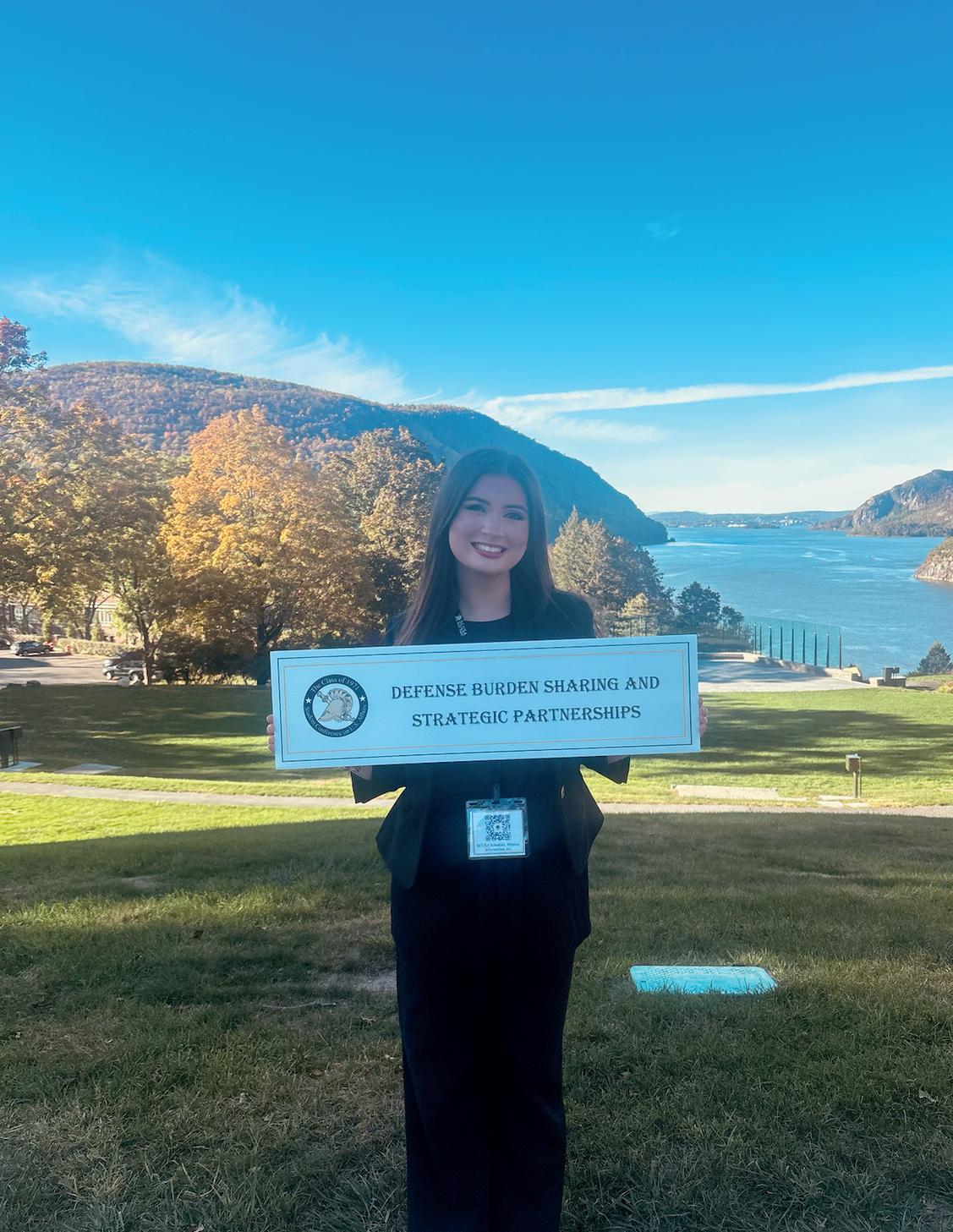
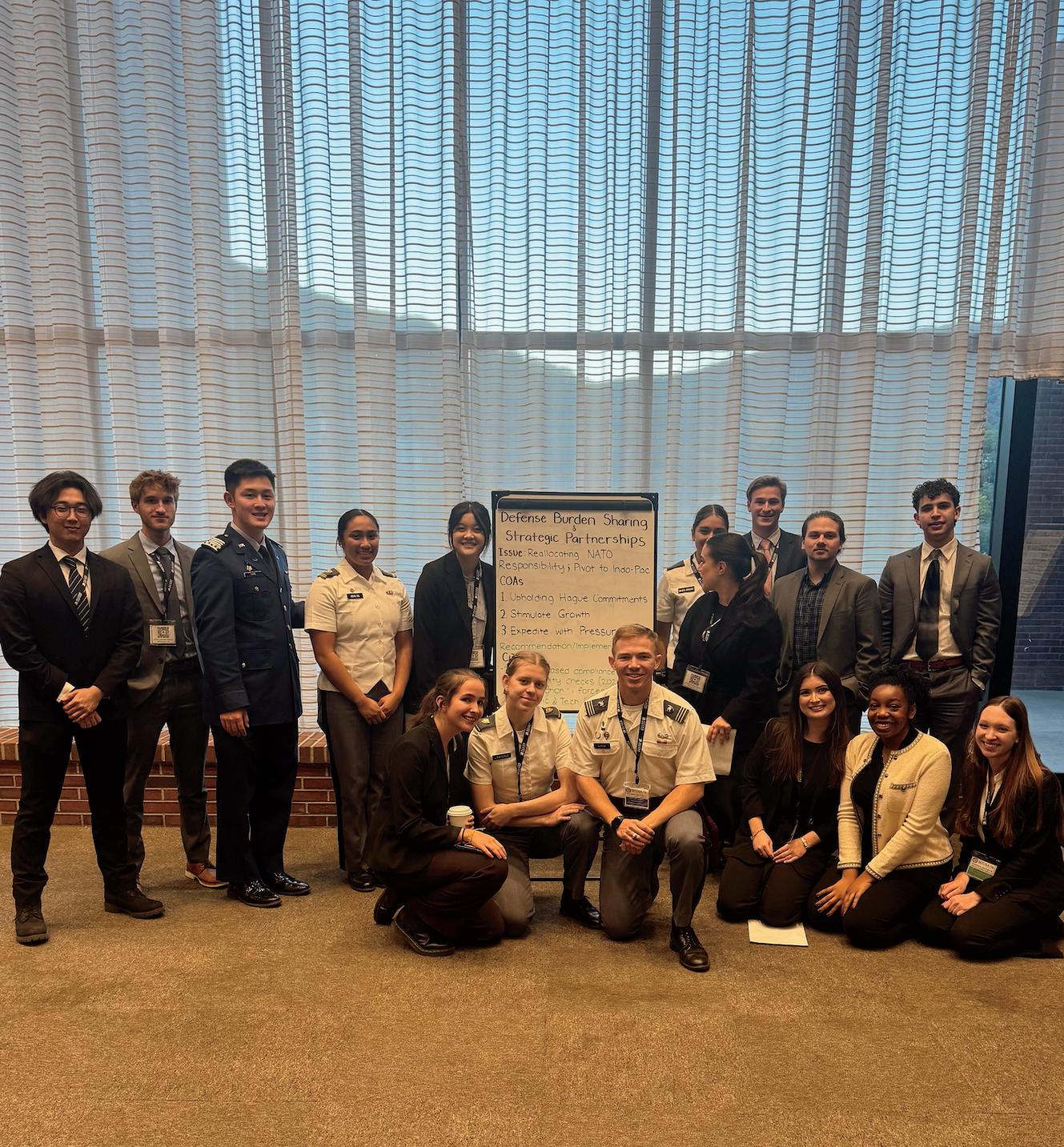
I was assigned to Roundtable 7: Defense Burden Sharing and Strategic Partnerships It was a topic, truthfully, I knew little about Despite my initial nerves surrounding this fact, I found myself grateful to dive into a topic that, though I knew little about it beforehand, has quickly become a policy area I am deeply passionate about Over the course of three days of group deliberation, we discussed NATO defense commitments under the 2025 Hague Summit, which aimed to redefine and expand these commitments to heighten accountability in the shares of defense spending by member-states
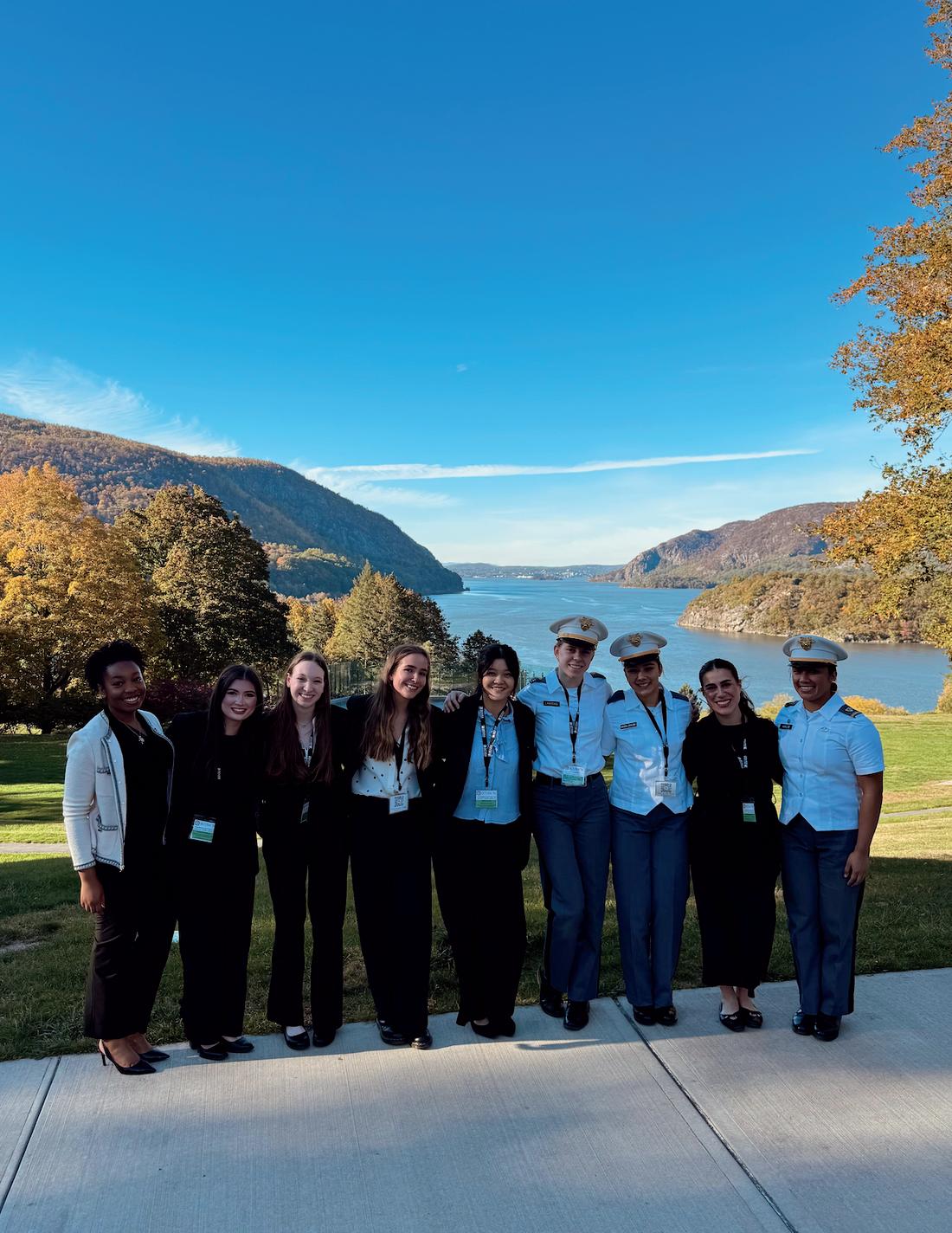
Alongside 11 students from a variety of institutions across the nation, I worked to formulate a realistic, timebound, and actionable policy memo that would ensure member states hold to their Hague commitments. It was, to put it simply, a difficult task
As a group, we heavily debated the means to which the U.S. should approach incentivizing EU-states to increase and follow through on their spending commitments We inadvertently formed three “blocs” during this debate – those in favor of an approach with heightened punishments, those seeking incentives through negotiation and positive reinforcement, and those wanting to a pursue a blend of each – that would eventually form the Courses of Action (COAs) within our memo
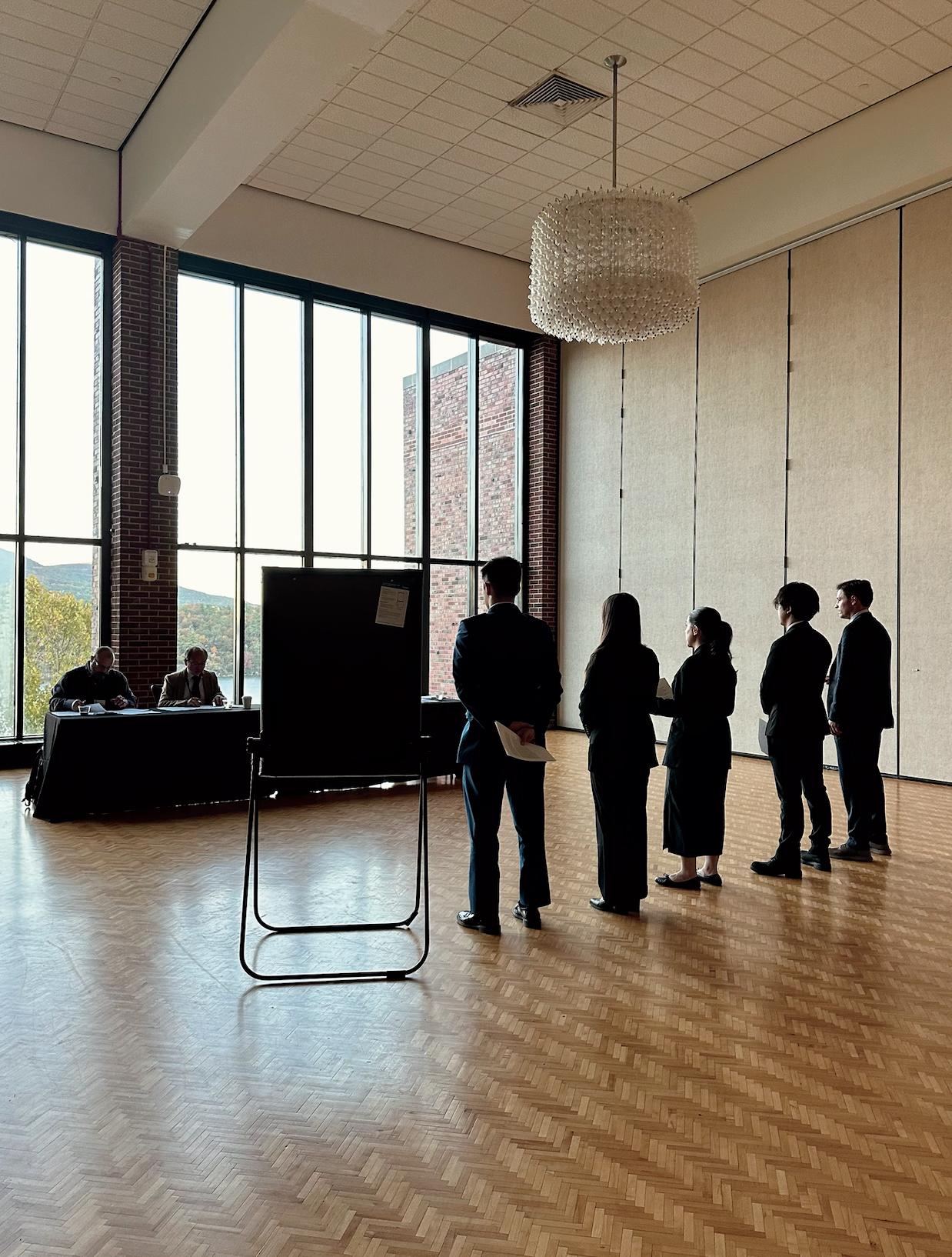
The difficulty of our task was compounded by the limited time we had to discuss our ideas, write a comprehensive memo, and formulate a presentation to share our ideas with a mock National Security Council Luckily, we were supported by Daniel Fata, who is currently the Founder and President of Fata Advisory, LLC, a strategic consulting and advisory firm, and has served as the Vice President of Government Affairs at Lockheed Martin and the Deputy Assistant Secretary for Defense for Europe and NATO for the U S Department of Defense Mr Fata shared with us his extensive experience, insight, and knowledge surrounding our topic, NATO itself, and how to write and present an effective policy memo. With his help, we finished our policy memo in the span of 10 hours, which, for students with limited experience in writing such memos, we considered an impressive feat
We ended the conference by presenting our policy memo to the mock National Security Council With slightly shaking hands and nothing but our policy memo for reference, myself and four others from my roundtable proudly presented the work we had crafted over the past three days
We did not always agree, but we found ways to channel our disagreements into productivity as we were able to consider perspectives that were not our own I developed friendships and memories I will cherish forever, a profound respect for USMA and its cadets, and a strengthened resolve to follow my passion for public policy I would highly encourage any student who is interested to consider applying to represent CSB+SJU at SCUSA next fall
WRITTEN BY CARTER JOHNSON
My experience attending SCUSA was one I will never forget I had always been interested in foreign affairs, so when the opportunity to attend the historic United States Military Academy in West Point, NY I knew it would be worth it
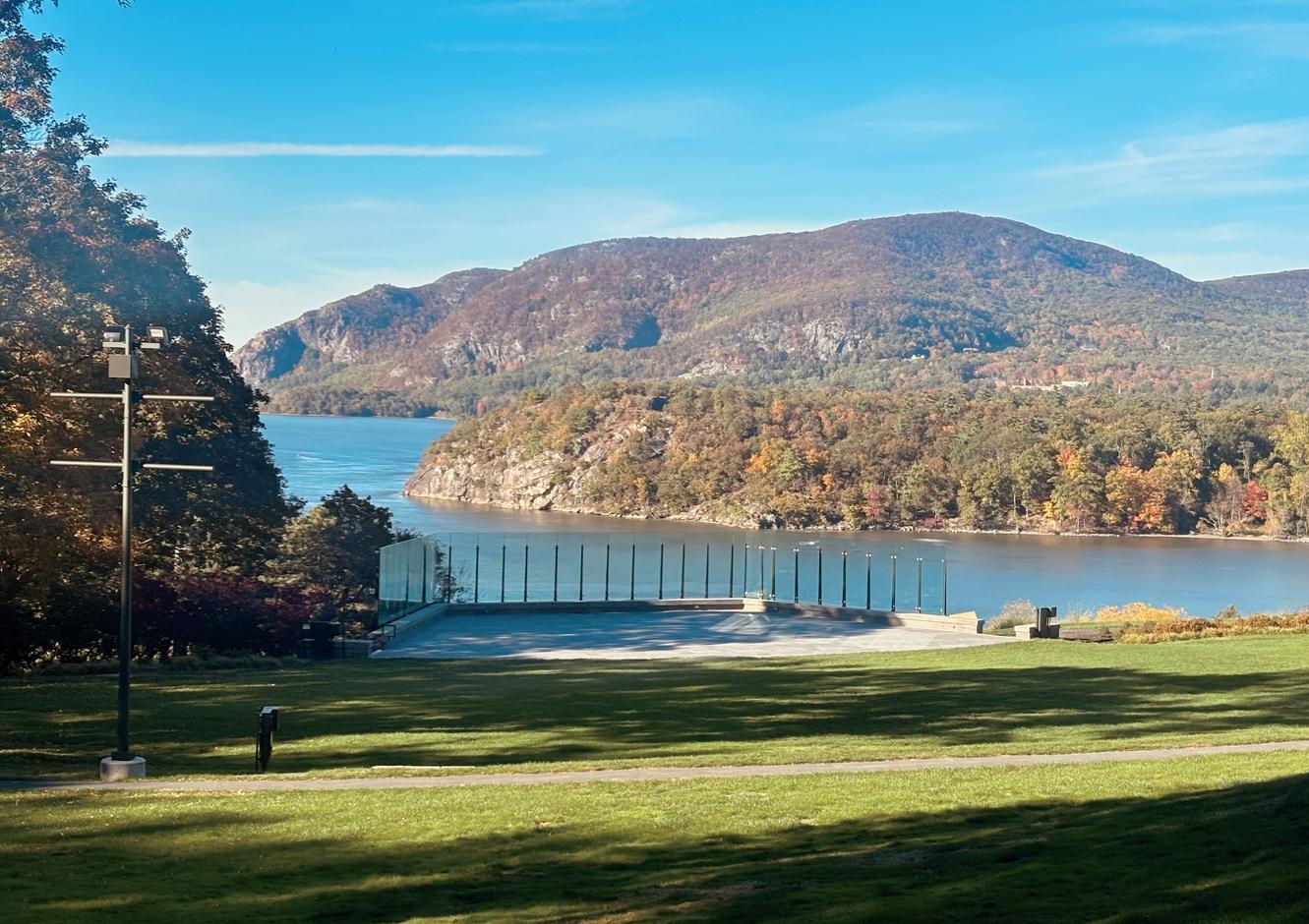
On my arrival I was immediately taken away by the beauty of the natural landscape around the campus The buildings themselves were grand but grey and blended well with the Hudson River and fall colored trees throughout the surrounding hills The campus itself is both a school and military base.
Each day, young, talented cadets prepare for lucrative military careers of service with an immediate promotion to lieutenant upon graduation I stayed with two freshman cadets, better known as plebes, from Texas and California. Their schedules are rigorous, with early mornings that follow with intensive classes, sports, and military training
All cadets eat, live, and train with their companies that have unique roles that work together Since I was a civilian, I didn’t have to partake in military training, but did follow the rigorous schedule that included being escorted throughout campus at all time I was also fortunate to not have to walk
During my time attending the conference between October 15th and 18th, I was assigned the group Trade, Tariffs, and Sanctions, where, along with fellow students from across the country established policy proposals that we believed would best support the United States in navigating the complexity of foreign affairs From our discussions, we created a policy memo that we presented to the SCUSA judges.
My group had the privilege of being selected as one of the top four groups that presented on the last day of the conference Unfortunately, we didn’t win the number one prize, but it was an honor to present and attend
I am thankful for the experience of attending this unique opportunity, and encourage any student interested in working with like-minded people from different backgrounds to discuss the rising challenges the United States faces And to West Point I say, “Go Army,beat Navy!”
19th Annual McCarthy Lecture:
Conscience & Courage in Public Life
Thursday, March 12, 2026
7:oo pm
Stephen B. Humphrey Theater
SaintJohn’s University
Jake Sullivan
Former United States
National Security
Advisor and Kissinger
Professor of the Practice of Statecraft and World Order at
Harvard Kennedy School.
A Race/Ethnicity
Co-curricular Event