Country SA PHN would like to acknowledge the Traditional Custodians of the lands across Australia and pay respects to the Elders past, present and future. We recognise and respect the unique cultural and spiritual relationships to the land, waters and seas, which continue to be important to Aboriginal and Torres Strait Islander Peoples living today.
We would like to advise Aboriginal and Torres Strait Islander people viewing this report that it may contain visual imagery of deceased people.
Image Credit: Isaac Forman
Chair of the Board Report
This past financial year has been one of both innovation and challenge for Country SA PHN. In an environment of increasing complexity, evolving expectations, and resource constraints, our organisation has continued to deliver with purpose and agility. We have strengthened our commitment to health equity, extended access to care across rural South Australia, and matured several strategic initiatives that will shape the future of primary health care in our regions.
From achieving ISO 27001 data accreditation to successfully launching a full-service headspace in Port Lincoln, our progress reflects the determination and collaboration of our Board, staff, and community stakeholders. We remain focused on connecting rural communities with the right care, at the right place and at the right time.
Country SA PHN’s Mission and Vision
Guided by our strategic plan, we strive to:
• Increase health equity across rural and remote South Australia.
• Improve the efficiency and effectiveness of primary health care services.
• Enable access to the right care, in the right place, at the right time.
Impact and Performance Highlights
During 2024-25 Country SA PHN saw marked progress in internal staff engagement and cultural development. A renewed focus on collaboration, transparency, and innovation has helped foster a more connected and resilient team.
Challenges and Lessons Learned
The health care landscape continues to present a common but persistent challenge: doing more with less. The need to stretch limited resources while maintaining quality and accessibility remains front of mind in all commissioning and operational decisions.
Additionally, we recognise the need to deepen our engagement with Community Advisory Committees, ensuring community voices are not only heard but embedded in our planning and service delivery processes. This will remain a priority into the new year.
Key Achievements 2024-25
Rural Health Innovation Fund
The Rural Health Innovation Fund has continued to evolve and deliver value, supporting pioneering initiatives that improve health and wellbeing outcomes in rural South Australian communities.
ISO 27001 Accreditation
This accreditation is formal recognition of our commitment to information security and data governance.
Port Lincoln headspace
The headspace centre in Port Lincoln successfully transitioned to a new service provider YouTurn. The new centre is now a full-service headspace - supporting youth mental health in the Eyre Peninsula region.
Digital Health and Primary Care Support
The Digital Health and Primary Care Support team have assisted general practice to implement the sustained investment in digital tools and platforms to assist primary health providers to deliver responsive, coordinated care.
Key Achievements 2024-25
Regional Board Engagements
A new initiative to invite key local stakeholder to dinner in each region that our Board meetings are held across country South Australia has proved to be a great face to face engagement opportunity. The Board has met directly with stakeholders, providers, and community leaders - reinforcing our local engagement approach and enabling us to learn more about the unique challenges and opportunities in each region.
HealthPathways SA
In partnership with SA Health and Adelaide PHN the HealthPathways SA platform has continued to develop and expand. The platform now includes 415 pages and 230 clinical pathways improving referral pathways and clinical guidance.
Primary Health Care Portal Development
The Board initiated the development of a new digital portal that is serving as a central hub for information, collaboration, and service interaction across our entire network.
Looking Ahead: Strategic Priorities for 2025–2026
Strategic Plan Review
We will commence a formal review of our strategic plan in early 2026 to ensure alignment with evolving regional health needs, national reform directions, and organisational growth.
Strengthen Digital Integration
With the launch of our Primary Health Care Portal, we aim to enhance provider access and user experience across our commissioned services.
Enhance Community Voice
Expand and reframe engagement with Community Advisory Committees to ensure more diverse, authentic input into decision-making.
Acknowledgments
The Board extends our deepest appreciation to:
• All our staff whose professionalism, care, and passion continue to drive our success.
• Our Executive Team for consistently delivering high performance in a dynamic and demanding environment.
• Our Board Members whose strategic oversight ensures we stay on mission.
• Retiring Board Member Dr Peter Rischbeith for his outstanding commitment to rural primary health and in particular the Murray Bridge community where he worked in general practice and at the Murray Bridge Hospital for nearly 40 years. His contribution was fittingly recognised with a Member of the Order of Australia in the 2025 King’s Birthday honours list.
• New Board Member Antoinette Liddell whom we warmly welcome to the organisation.
Thank you to our health partners, service providers, advisory committees, and rural communities for your ongoing collaboration and support and commitment to better health outcomes for country South Australians.
Dr Simon Lockwood Chair of the Board
Chair of Finance and Audit Report
Financial Overview
In the 2024–25 financial year, CSAPHN’s income increased by $4.8M, reflecting program growth. This also included a $204K rise in interest income. Our overall surplus rose to $720K, up from $503K in 2023–24 and $402K in 2022–23, providing further capacity to invest in community-driven initiatives through the Rural Health Innovation Fund.
Expenditure Analysis
Service commissioning remains our core focus, with contractor expenses reaching 86.9% of total expenditure, which is in alignment with our strategic benchmark of 85%. Employee expenses were maintained at 9.9%, slightly up from 9.8% last year, yet still below our 10% benchmark, demonstrating continued efficiency in workforce resourcing.
Operational costs were well managed, with notable reductions in communications and information technology (down $60K), domestic travel, and other overheads.
Audit and Assurance
Our auditors, William Buck, have once again issued an unmodified audit opinion, confirming the integrity of our financial systems and controls. No exceptions or concerns were raised.
Independent Business Review
This year, CSAPHN successfully underwent an independent performance and financial management review conducted by McGrathNicol. The review highlighted several strengths:
• Sound financial controls and governance, appropriate for our scale and complexity.
• Strong risk management practices and a well-structured Business Continuity Plan.
• Robust commissioning processes, including the innovative Independent Commissioning Committee, ensuring transparency and value for money.
• Effective data governance and cybersecurity.
Concluding Remarks
Country SA PHN continues to demonstrate a strong balance between operational efficiency and strategic investment in impactful service commissioning. Our management and governance practices have been independently validated as sound and appropriate.
I extend my sincere thanks to the Executive team, Board members, and all CSAPHN staff for their dedication and collaboration. Together, we are making a meaningful difference to the health and wellbeing of regional South Australians.
Professor Svetlana Bogomolova Chair of Finance and Audit
This year has once again demonstrated Country SA PHN’s commitment to strong business acumen, operational excellence, and strategic innovation. Our financial performance continues to reflect a high standard of governance and accountability, enabling us to deliver impactful services to regional South Australian communities.
Chief Executive Officer Report
As I reflect on the 2024-25 financial year, I am confident Country SA PHN is achieving our mission of bridging the gap in health inequity in country South Australia. Our strategic plan, revised in 2023-24, and reviewed annually, is the cornerstone of shaping our activities and signposting accountability for our organisation. It has contributed to at least two significant outcomes this year.
This is confirmed by the Australian Government’s PHN Performance and Quality Framework’s national indicators that are measured by reviewing Needs Assessments, contractual performance against commissioned service providers’ outcome measures, and determining whether national priority areas are being addressed. Across these key performance indicators Country SA PHN has continued to demonstrate outstanding achievement throughout 2024-25.
Further, Country SA PHN was one of three Primary Health Networks reviewed in 2024-25 by McGrathNicol to determine compliance with obligations under the PHN program guidelines and funding agreement. The areas of governance, financial responsibility, organisation capability and probity practices were assessed as mature and supporting transparent and ethical decision making.
These positive outcomes are made possible by strong and stable leadership from the Country SA PHN Board and Executive team. The Board is responsible for the overall governance and strategic direction of the organisation and I acknowledge their stewardship of Country SA PHN. With a strong focus on oversight, the Country SA PHN Board continues to advocate to the Department of Health Disability and Ageing on various governance and probity matters.
The Country SA PHN Executive team remains a focused leadership group. I thank them for their commitment to upholding Country SA PHN’s values: building authentic relationships, being inclusive and trustworthy in their interactions, for their transparency and their courage and collaboration in delivering outcomes to our communities.
Our strategic plan, revised in 2023-24, and reviewed annually, is the cornerstone of shaping our activities and signposting accountability for our organisation.
Country SA PHN is committed to the principles of reconciliation and working together with Aboriginal and Torres Strait Islander organisations and communities to ensure there is a culturally appropriate and person-centred health system contributing to closing the gap in health inequity. Our Reconciliation Action Plan (RAP) Working Group guides our organisation on actions to support relationships, respectful behaviours and identifying opportunities to contribute to the process of reconciliation. I recognise and appreciate the Aboriginal Controlled Community Health sector we support for their work supporting the health and wellbeing of their communities.
The Rural Health Innovation Fund (RHIF) continues to grow and thrive. During 2024-25 RHIF supported nine Round Two grant recipients’ initiatives that addressed critical community needs across areas such as mental health, chronic disease, disability access, falls prevention, cultural competence, and social inclusion. Quality improvement in the application process has led to a robust, active and innovative Round Three. I look forward to seeing these initiatives further strengthen resilience and capacity building by supporting the health and wellbeing of our rural communities.
In June 2025, Country SA PHN obtained ISO 27001 accreditation. This achievement was implemented twelve months earlier than contractually required by the Department of Health, Disability and Ageing. This accreditation formally recognises Country SA PHN’s strong information security management practices and alignment with international standards. It signals our commitment to excellence, trust and accountability in safeguarding the information entrusted to us by our stakeholders.
In 2024-25 the Mental Health and Alcohol and Other Drug sector continued to receive significant support and funding across our rural and remote communities. Country SA PHN’s Mental Health and AOD Strategy portfolio oversees a vast and diverse range of programs to support the increasing and complex needs of our communities.
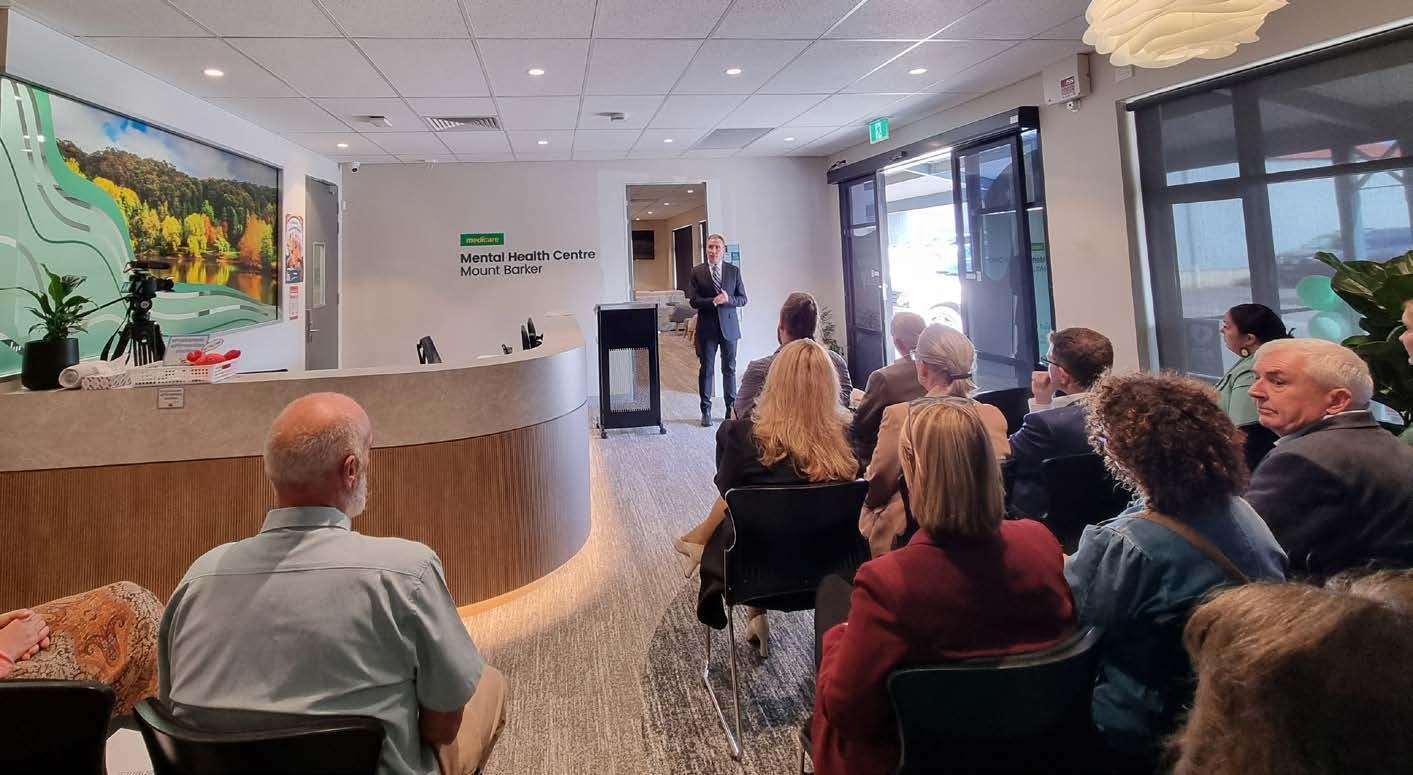
The Medicare Mental Health Phone Service provided by Neami National has recorded a significant increase in awareness and usage by community members and health professionals. It is supported in country South Australia by three Medicare Mental Health Centres. Country SA PHN established two new Medicare Mental Health Centres - in Port Pirie provided by Neami National in September 2024 and in Mount Barker provided by Summit Health in February 2025. The Mount Barker centre also offers enhanced capabilities and service access for people aged 16 plus, through co-commissioning with SA Health. The existing Mount Gambier Medicare Mental Health Centre provided by FocusOne Health has continued to provide valuable support to their community throughout 2024-25.
In youth mental health support, the Port Lincoln headspace centre successfully transitioned to a new service provider. YouTurn opened a purpose-built, welcoming and youth friendly centre on 1 July 2025. This is a fantastic resource for young people and the community in Port Lincoln. Country SA PHN has also commissioned YouTurn to operate a new headspace centre in Gawler opening in November 2025.
Country SA PHN acknowledges the challenges of primary health care workforce across our region. To this end, we continue to advocate to the Department of Health, Disability and Ageing on their workforce strategies. We are pleased to provide significant support to the primary care workforce via our Primary Care and Digital Support team in digital health: with tools and systems, compliance, initiatives, readiness, training and onboarding for digital platforms. This is complemented by support with accreditation, navigating Medicare benefits and information, along with practice data and quality improvement support. Underpinning this support is the services commissioned to provide access to primary care, particularly in the space of mental health, alcohol and other drugs, suicide prevention and chronic disease prevention and management. We continue to work with other Federal and state-based agencies who receive funding, and have responsibility for, general practice recruitment and retention activities.
Both our Health System Integration and Innovation Portfolio and Commissioning portfolios continued to design, commission and manage services and activities for country South Australians. I thank our commissioned service providers for their service provision and commitment to supporting the health and wellbeing of communities. They, along with other key stakeholders such as our Clinical Council and Community Advisory Committees enable us to collaboratively provide positive health and wellbeing outcomes for those living in our rural and remote locations.
In conclusion, I would like to extend my appreciation to all those with whom we have collaborated and engaged during 2024-25. This engagement has ranged from small community groups to key stakeholders, large organisations and grant recipients. We acknowledge the role all have played in enhancing the health and wellbeing of country South Australians.
Last but certainly not least I would like to acknowledge the Country SA PHN staff. Our people are passionate about finding innovative ways to improve the health and wellbeing of our communities. They work tirelessly, using their professional skills to make real and meaningful changes to those we serve.
I look forward to building on the significant momentum we have created to enhance the health and wellbeing of all country South Australians throughout 2025-26 and beyond.
Mark Hartigan Chief Executive Officer
Reconciliation Action Plan
Throughout 2024-25 Country SA PHN has continued our work advancing reconciliation. We are fortunate to collaborate with and form deep partnerships with country South Australian Aboriginal and Torres Strait Islander organisations and communities. This engagement enriches us as an organisation as we learn more about the importance of self-determination, living and healing on country and ensuring that primary health services are culturally appropriate.
Aboriginal and Torres Strait Islander communities in country South Australia comprise a range of different Nations and communities, each unique in its culture and history. We recognise and appreciate the rich tapestry this diversity creates. We acknowledge that no two communities are the same and that their health care requirements are as diverse as each other.
“As such, Country SA PHN recognises that providing primary health care to these communities requires an innovative and community led approach,” said Country SA PHN, Chief Executive Officer, Mark Hartigan.
“We are grateful for our relationships with Aboriginal Community Controlled Health Organisations and other service providers as they offer culturally appropriate activities for Aboriginal and Torres Strait Islander people right across rural and remote South Australia.”
As one of Country SA PHN’s seven key priority areas Aboriginal and Torres Strait Islander people’s health and well being is at the centre of our work. It underpins our day-to-day activities as we apply this lens to our decision-making right across the organisation.
Key Activities 2024-25
The Country SA PHN Commissioning portfolio, engaged with a range of Aboriginal Community Controlled Health Organisations, including those who provide commissioned services to local communities. These include Nganampa Health Council delivering the Aboriginal and Torres Strait Islander Mental Health service, and Tullawon Health Service delivering a Chronic Disease Management service.
Country SA PHN’s ongoing commitment to the development of our Innovate RAP encompassing an element of one of the processes of reconciliation’s five dimensions – institutional integrity.
We are guided and assisted in this pursuit by our Reconciliation Action Plan Working Group. During 2024-25, the working group has been reinvigorated with a new Chair, Country SA PHN Executive Manager – Strategic Engagement, Emma Young and new members – each bringing their unique experiences and knowledge to continue our reconciliation journey. This dedicated team has guided us through their work as they have focused on the next formal stage in our reconciliation journey – the Innovate RAP.
Aligned with another of the five dimensions of reconciliation- historical acceptance and race relations – Country SA PHN continued its commitment to delivering cultural sensitivity and respect training for all staff and Board members. Additionally, Country SA PHN extends funding to country South Australian general practice staff and our commissioned service providers to ensure the provision of safe, culturally appropriate primary care to the Aboriginal and Torres Strait Islander people in their individual communities.
Country SA PHN conducted a tendering process during the 2024-25 financial year for the Welcoming Environment Grants for General Practices, to help promote cultural inclusivity for Aboriginal and Torres Strait Islander Peoples in the region.
Palliative Care
Reconciliation Action Plan working group members attended the IPEPA (Indigenous Program of Experience in the Palliative Approach) month wrap-up lunch hosted by Palliative Care South Australia. This event focused on palliative care for Aboriginal and Torres Strait Islander Peoples – providing an excellent educational opportunity for stakeholders including Country SA PHN on this important topic.
National Reconciliation Week
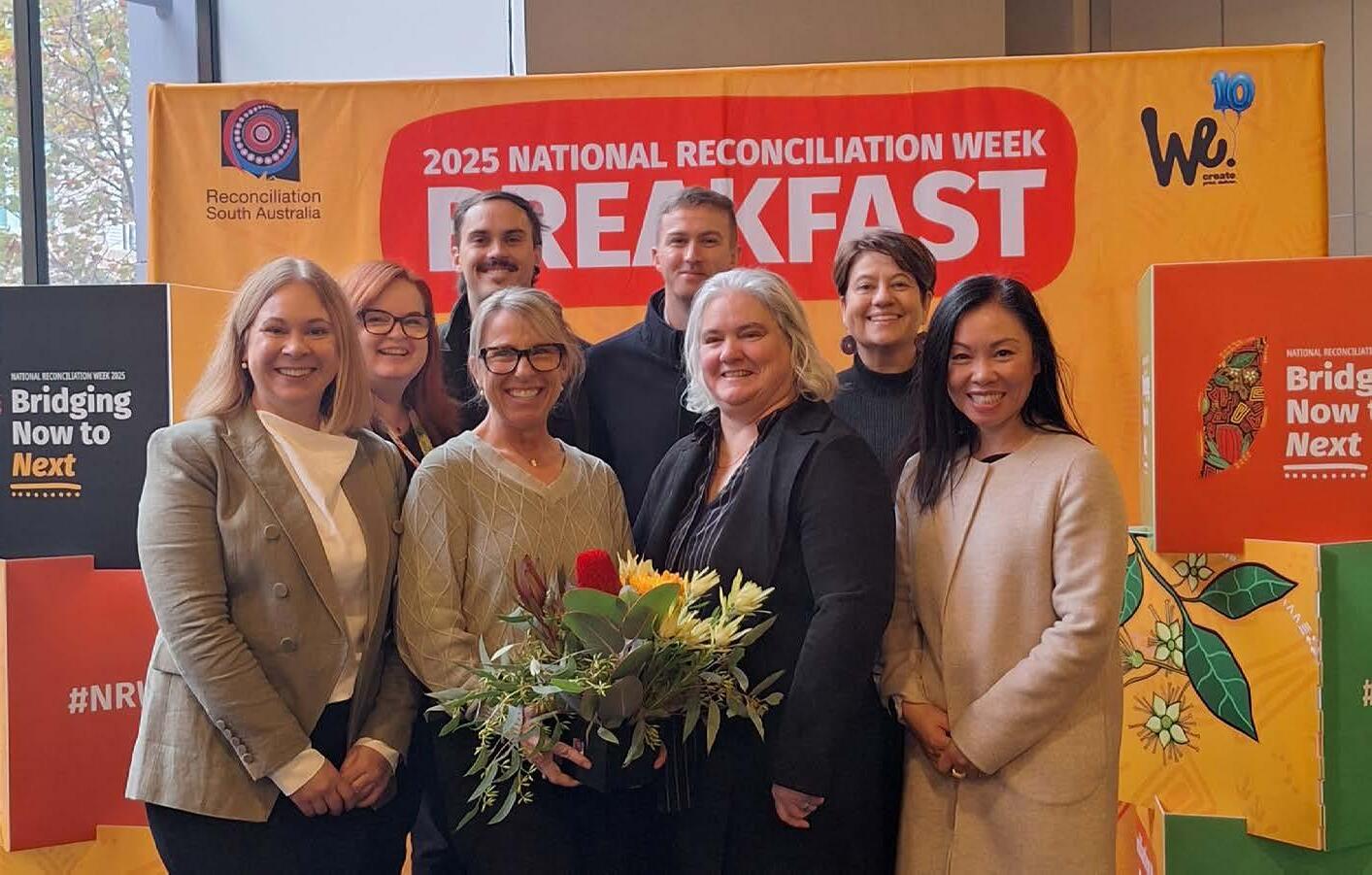
During National Reconciliation Week events were held at our offices across country South Australia including Nuriootpa and Mount Barker. On Friday 30 May 2025, Country SA PHN held a morning tea catered by Something Wild, an Indigenous-owned catering organisation. The event was enjoyed by staff who engaged in activities to promote further understanding of Aboriginal and Torres Strait Islander people.
Thank you to the Aboriginal Community-Controlled Organisations that lead the way in providing healthcare to Aboriginal and Torres Strait Islander Peoples across country South Australia.
A Place of Intergenerational Connection
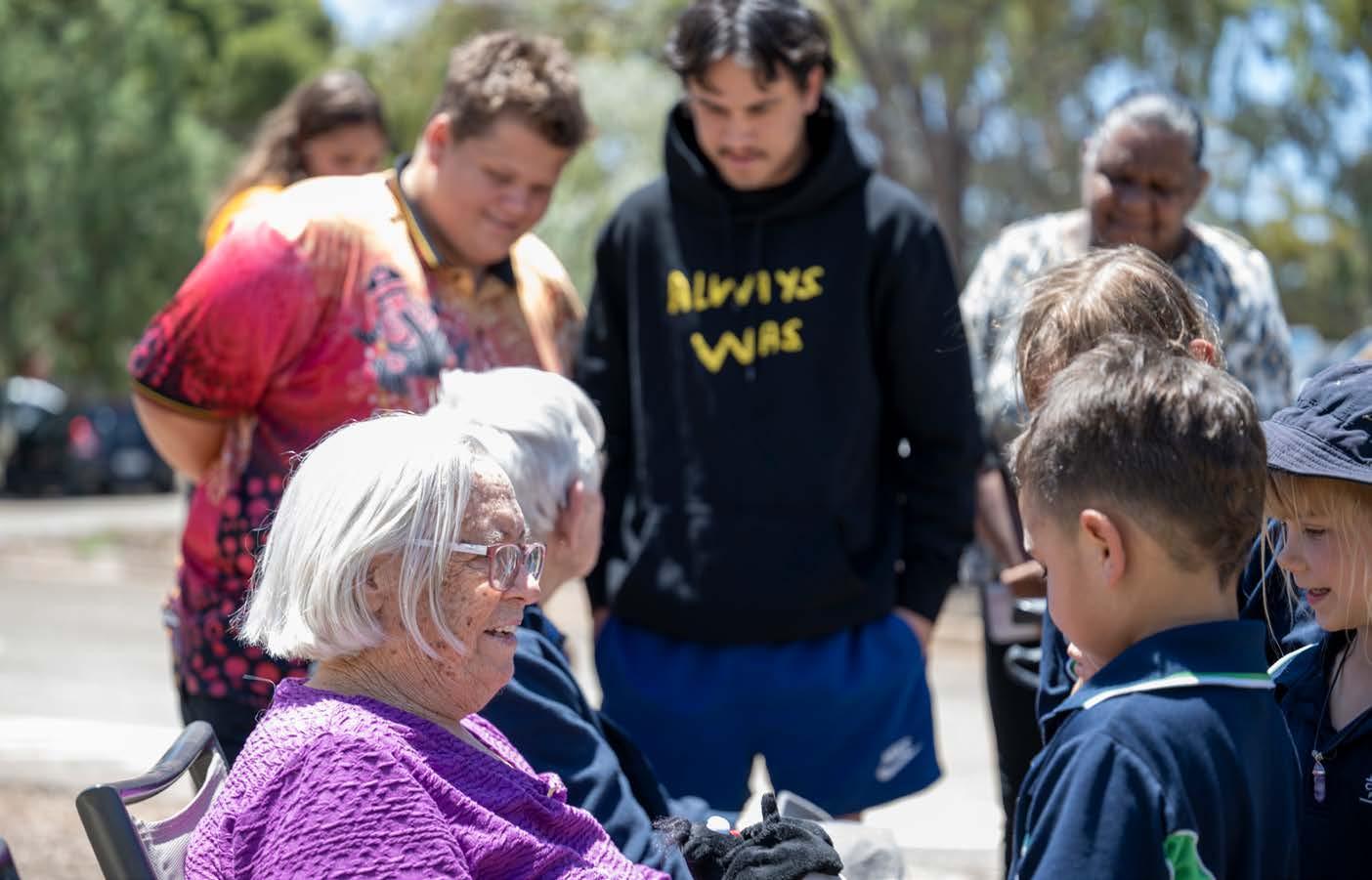
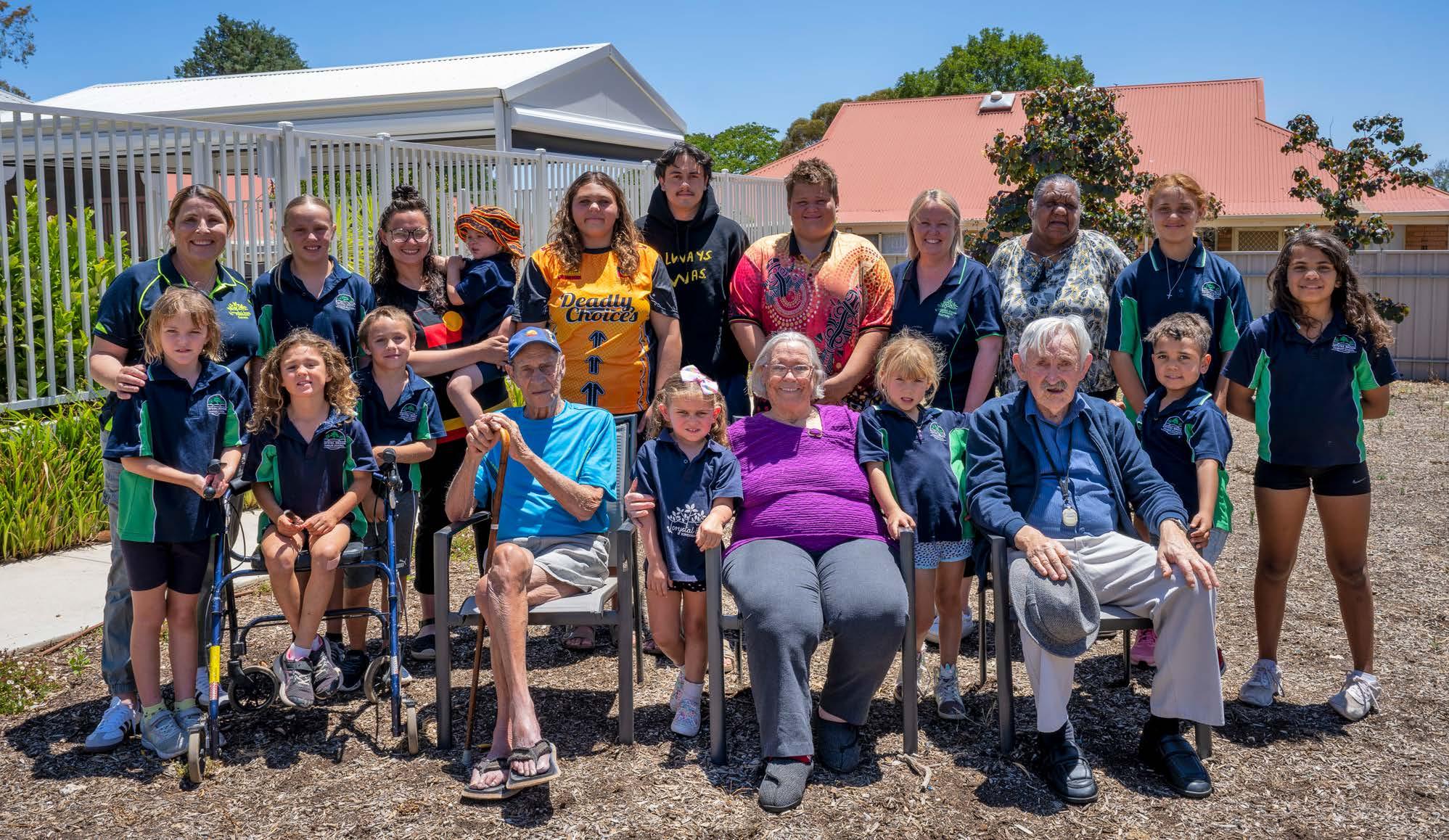
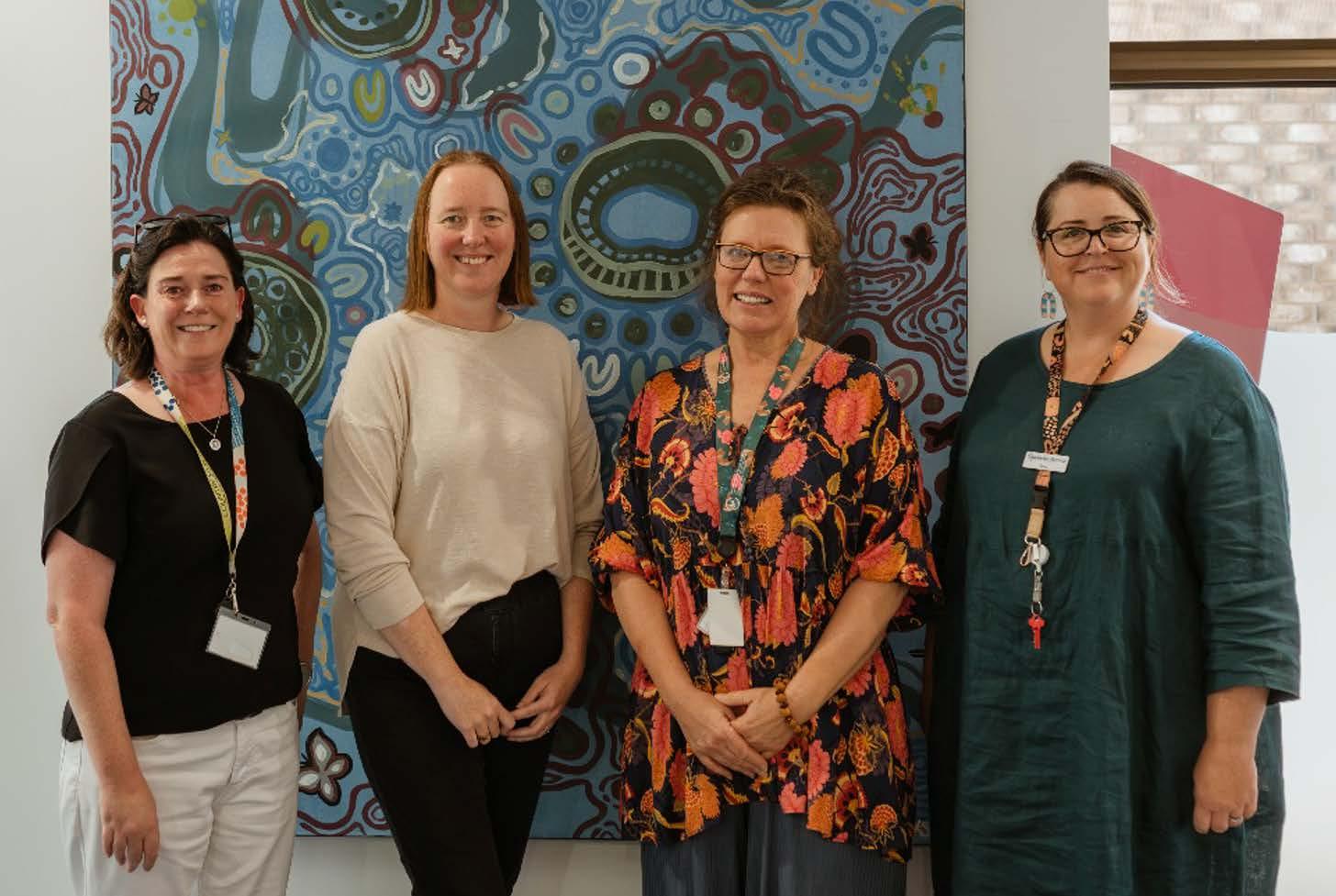
This activity by Crystal Brook Kindergarten was funded through a Rural Health Innovation Fund Round Two grant. Country SA PHN enables RHIF to achieve its vision for better health and wellbeing for all country South Australians. The initiative celebrated the Nukunu people’s cultural heritage and provided a space to strengthen social connections in the community.
Looking Forward
Country SA PHN is committed to building on this gathering momentum and striving toward our Innovate Reconciliation Action Plan goals. We are dedicated to continuing to strengthen our path toward a truly reconciled future with the aim of working in partnership to build stronger health and wellbeing for all Aboriginal and Torres Strait Islander Peoples in country South Australia.
Rural Health Innovation Fund
The Rural Health Innovation Fund (RHIF) continues to be a catalyst for community-led health and wellbeing initiatives across regional South Australia.
The 2024–2025 RHIF Round Two funding supported seven diverse community-driven initiatives across regional South Australia, each addressing local health and wellbeing priorities through innovative, place-based approaches.
Each initiative responded to local needs with creativity, compassion, and resilience. Collectively these initiatives reached more than 3,200 individuals, delivering improvements in mental health and well-being, social connection, cultural inclusion, and community resilience and capacity building.
“Leading the Rural Health Innovation Fund (RHIF) has been an inspiring journey of grassroots, community-led transformation. In 2024–2025, our seven Round Two recipients showcased the power
of local leadership, lived experience, and creative collaboration, delivering real, measurable impact across country South Australia,” said Susan Brown, Rural Health Innovation Fund Coordinator.
“RHIF continues to grow through innovation, integrity, and trusted relationships, connecting with those who share a bold vision for rural health. I’m excited to continue to deepen these partnerships as together we shape a solutionfocused future for our regional communities.”
Throughout 2024-25 the RHIF community has continued to grow and mature since the fund’s inception in December 2022. In addition to the direct impact of their initiatives the Round Two RHIF Grant recipients have cultivated valuable relationships and partnerships amplifying their capacity to deliver meaningful outcomes and lay the groundwork for future initiatives.
Round 2 recipients by region
Round 2 funding by program
Riverland Mallee Coorong LHN
Barossa Hills Fleurieu LHN
and Far North LHN
Regenerate Rural Women WoTL
WoTL’s Regenerate Rural Women program empowered 24 women, representing 2.4% of the region’s female agricultural workforce, with leadership and wellbeing tools. More than 80% of participants reported increased confidence and motivation. This initiative strengthened mental health literacy and resilience among women navigating the pressures of rural life and farming.
“The individual outcomes and benefits from participating in Regenerate Rural Women will be sustainable well beyond the project. At the completion of the second workshop the participants reported they were already integrating the new tools and theories they have learnt into their everyday life”
Kim Blenkiron Executive Officer
A Place of Intergenerational Connection Uniting Country SA
This inclusive community initiative engaged over 150 individuals in Crystal Brook through intergenerational activities that brought together children, elders, and Aboriginal community members. The project achieved significant milestones, including national recognition as a finalist in the 2025 Australian Institute of Intergenerational Practice Awards and the commissioning of a culturally significant mural by Aboriginal artist Judy Crosby Woods. Activities embedded in Reconciliation Week and NAIDOC Week fostered deep cultural understanding and strengthened community connection. With ongoing planning enabled for deeper cultural consultation and stronger community ownership, the initiative is well positioned for long-term success.
Mallee Arts and Wellness The Pinnaroo Project
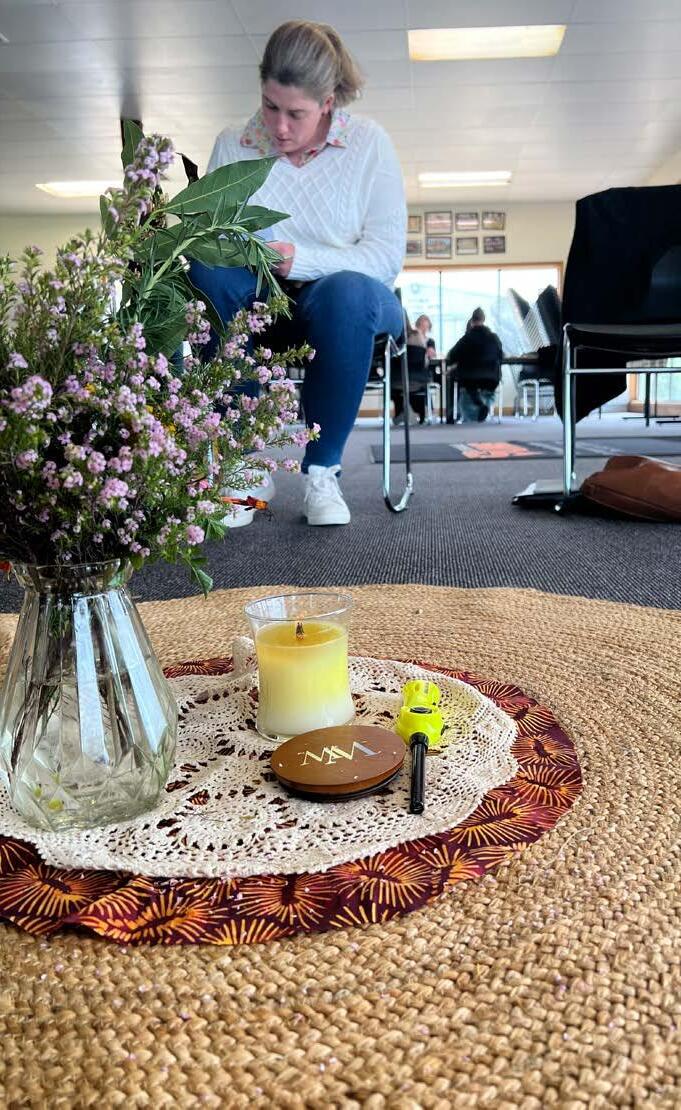
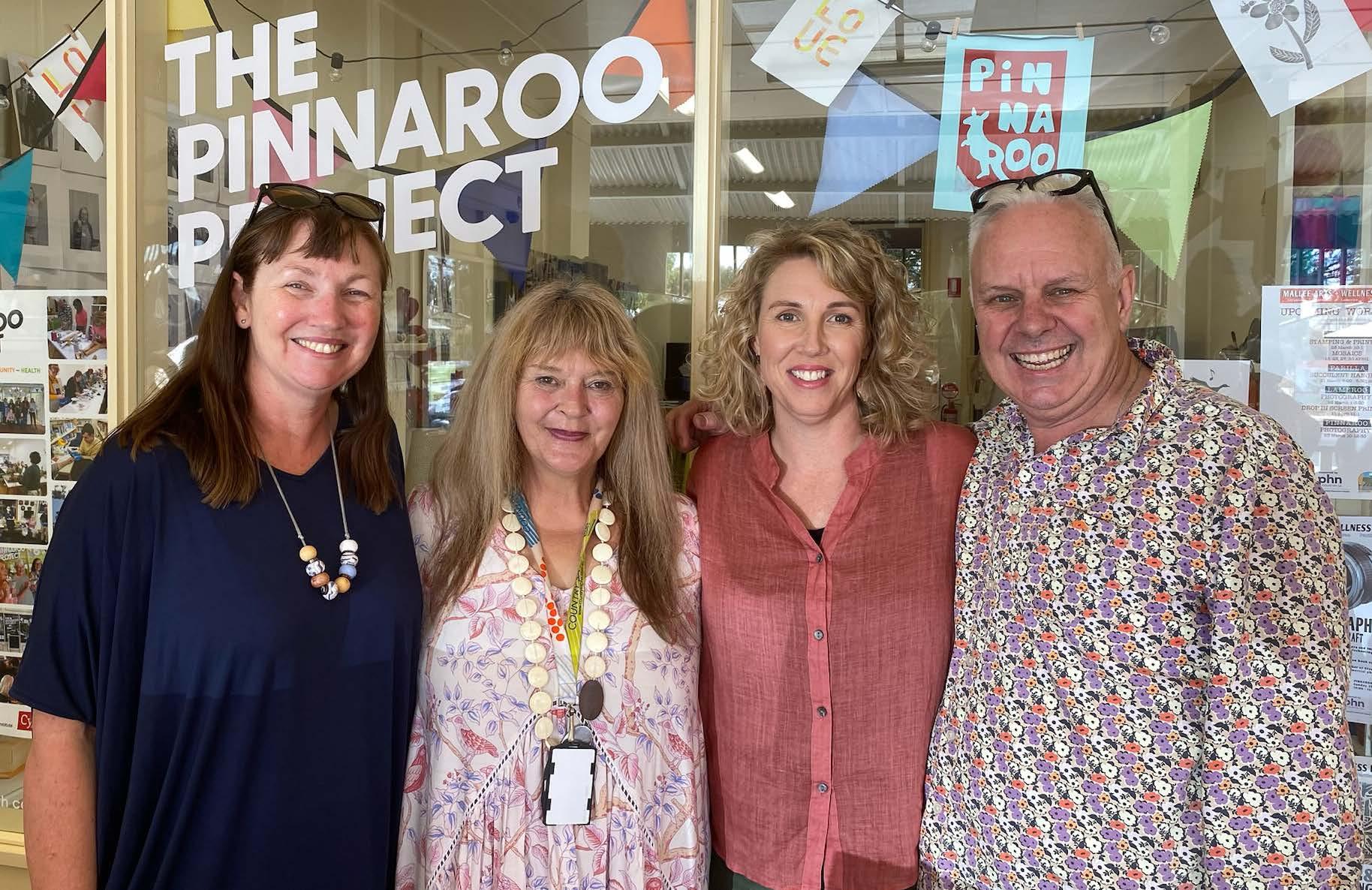
The Pinnaroo Project’s Mallee Arts & Wellness initiative spanned four regional towns reaching 1,690 residents, over 75% of the Southern Mallee district’s population, through arts-based programming. This initiative significantly reduced isolation and improved mental health with three quarters of participants reporting improvements in wellbeing. This initiative successfully established new community structures to sustain future engagement.
Intergenerational sessions have generated powerful stories, positive wellbeing outcomes, and a sense of shared ownership over the space.
Second Beginnings iReach
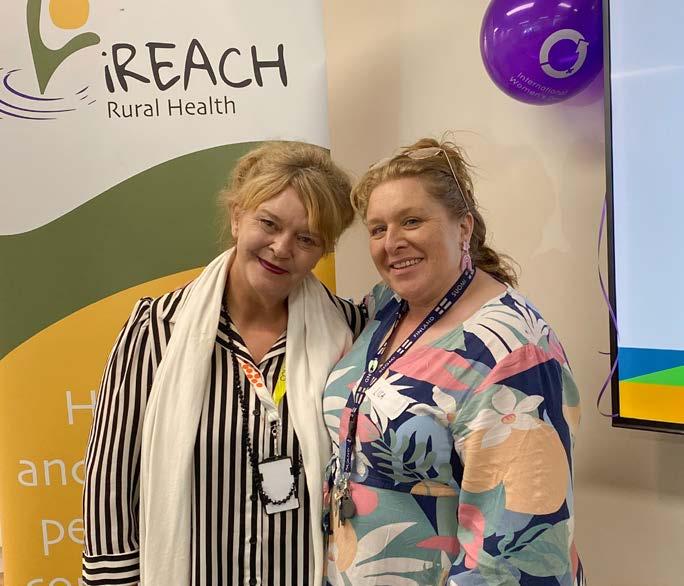
Second Beginnings by iReach delivered 60 meals, supporting 22 vulnerable individuals through community lunches and a social enterprise coffee van. All participants have remained engaged, with many reporting increased confidence, trust, and employability. This initiative continues to operate using self-generated income laying a strong foundation for future growth.
Sammy D Real Life Resilience and Job Ready Program
Willaston Football Club
The Willaston Football Club initiative engaged 440 people, including 6.7% of young people in Willaston, Gawler, and surrounds through sport-based education. Approximately 95% of participants reported improved awareness, confidence, and behavioural insight, with the program successfully addressing youth wellbeing and antisocial behaviour - reinforcing the role of community sport in early intervention.
SYP Sounds The SYP Community Hub
The SYP Community Hub launched its initiative SYP Sounds engaging twenty-one young performers and over 300 community members in a Youth Week concert, reaching nearly 10% of the local youth population. Through music and creative expression and engagement participants demonstrated improved wellbeing, resilience, and community pride.
These programs have laid an educational foundation for cultural change going forward in the club. When things don’t go so well, they are able to be used to refresh the learnings by the Wellbeing team across the clubs.
Sanctuary on Eyre Wellbeing Program
Sanctuary on Eyre
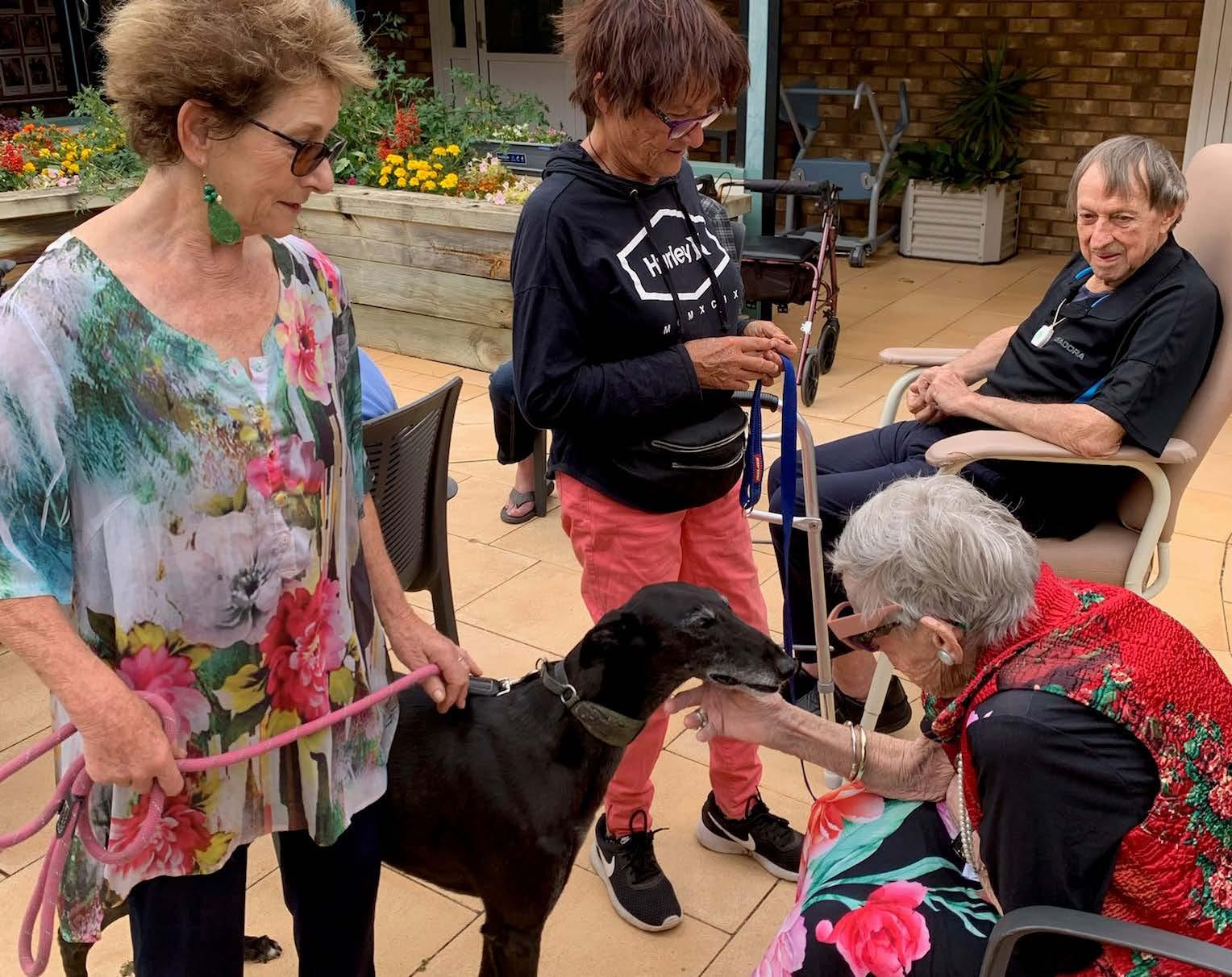
Sanctuary on Eyre delivered animalassisted outreach to 600 people across schools, residential aged care homes, and crisis support services. Therapy dogs Hope and Odin provided emotional regulation, joy, and connection, with students reporting improved attendance and staff noting enhanced morale. The initiative demonstrated scalable therapeutic impact and continues to expand its reach across the Lower Eyre Peninsula following strong community feedback and growing demand for expanded services.
Rural Health Innovation Fund’s Impact
Together, these seven initiatives exemplify the power of grassroots innovation in rural health. From leadership development and youth engagement to cultural inclusion and therapeutic outreach, RHIF Round Two has enabled communities to lead with empathy, creativity, and determination. The outcomes achieved not only align with key health priorities but also lay the groundwork for sustainable, long-term impact across country South Australia.
In addition to the direct impact of funded initiatives, RHIF Round Two delivered strategic outcomes that strengthened regional health innovation across country South Australia. The program maintained a consistent focus on mental health, chronic disease prevention, and support for vulnerable populations, including emerging solutions in aged and disability care. Funding distribution expanded across regions, with Riverland Mallee Coorong, Yorke and Northern, and Eyre and Far North receiving the highest allocations.
Strategic partnerships were cultivated through engagement with regional councils, clinical and other significant committees, and community organisations, resulting in future co-funding opportunities and a strengthened pipeline for future commissioning.
The launch of RHIF’s public Facebook page and increased regional presentations enhanced visibility and reach, while stakeholder endorsements from peak bodies such as the Mental Health Commissioner for South Australia and Diabetes SA validated the program’s relevance and credibility.
Rural Health Innovation Fund Round Three
The application process for Round Three focused on quality, accessibility, and risk mitigation. A comprehensive program review led to a redesigned application process and the introduction of a RHIF Grant Toolkit, empowering first-time and small applicants. Structured support, including one-on-one meetings, physical site visits, and milestone celebrations, improved applicant capacity and strengthened relationships. Governance improvements included pre-assessment compliance checks, succession planning through expanded panel membership, and stricter project timelines to avoid delays.
RHIF also began reframing innovation to reflect rural realities, recognising locally relevant, culturally safe, and relationshipbased solutions as transformative for regional communities. These strategic developments have positioned RHIF as a responsive, inclusive, and future-focused funding model for rural South Australia.
RHIF Round Two delivered strategic outcomes that strengthened regional health innovation across country South Australia.
We are excited to now be supporting RHIF’s Round Three Grant Recipients along their journeys, and to report on their successes in 2026. RHIF is committed to collaboration, and connection, as we continue to build the RHIF community and its capacity to support country South Australians into the future.
Country SA PHN Strategic Plan
Country SA PHN’s Strategic Plan is a roadmap for achieving better health and wellbeing outcomes for all country South Australians. It provides the foundation for everything we do, shaping our needs assessments, program design, evaluation and commissioning approaches. It brings consistency to how we operate while encouraging innovation, collaboration and continuous improvement.
Our Strategic Plan articulates our bold objectives:
• Increase health equity amongst our communities.
• Increase the efficiency and effectiveness of primary health care services.
• Work with communities to enable access to the right care in the right place at the right time.
The four priority areas guide our activities and decision making – Under each priority area are our strategies, tailored to the unique needs of communities and designed to bring us closer to our ambitious vision.
While we remain flexible in how we deliver on our priorities, our overall strategic direction remains steady and strongly aligned to our purpose. This balance of adaptability and stability allows us to stay responsive to our communities while maintaining a cohesive long-term approach.
Most importantly, the plan positions Country SA PHN to deliver meaningful change by supporting a strong, sustainable and person-centred primary health care system. It sets a clear and confident direction for how we will strengthen primary health care and reaffirms our commitment to improve the future for people across our footprint.
Objectives
Increase health equity amongst our communities
Increase the efficiency and effectiveness of primary health care services
Work with communities to enable access to the right care in the right place at the right time
Our Values
Relationships
we build genuine, strong and authentic relationships
Respect
we are inclusive, understanding and fair-minded in all our interactions
Accountability
we are transparent, trustworthy, responsible and hold ourselves to a higher standard
Innovative
we are curious, courageous and collaborative in delivering outcomes for our communities
Priority One
Commission effective and efficient services that deliver health equity
Strategies
Design, commission and evaluate services that deliver positive outcomes for our communities
Apply a health equity lens to the procurement of services that responds to the needs of our priority communities
Assess providers against agreed outcomes
Priority Two
Facilitate local capacity for the delivery of responsive, sustainable services
Strategies
Deliver a robust, contemporary, data-driven assessment of health needs and priorities in our communities
Create opportunities for collaboration and partnerships that strengthen primary health care outcomes
Deliver practical, tangible support to local primary health care services
Build skill, capability and knowledge within our primary health care providers to support their local community
Improve people’s experience of primary health care
Strategies
Support general practice as the cornerstone of primary health care
Aim to keep people well and out of hospital by supporting primary health providers
Engage with communities and embrace local voices as a conduit for advocacy and feedback
Develop and share meaningful insights to enhance evidence-based decision making
Practice responsible and effective corporate and clinical governance
Strategies
Develop a suite of performance measures that demonstrates achievement of the strategic plan
Set and maintain appropriate expectations and standards of corporate and clinical governance and oversight
Advocate for good governance to relevant stakeholders where appropriate
Priority One
Commission effective and efficient services that deliver health equity
Strategies
Design, commission and evaluate services that deliver positive outcomes for our communities
Apply a health equity lens to the procurement of services that responds to the needs of our priority communities
Assess providers against agreed outcomes
Country SA PHN’s key priority is to commission effective and efficient primary health services that close the gap in health inequity for country South Australians.
As detailed in our Strategic Plan, Country SA PHN’s strategies to achieve this priority include designing, commissioning and evaluating positive primary health services for country South Australians. This involves applying a health equity lens to service procurement, and the effective planning and support of such services.
Barossa Hills Fleurieu
PREMs capture patient perspectives of their own health and experiences to improve health outcomes and quality of care.
Person Experience – Performance Based Commissioning
When we understand people’s priorities and factors influencing their care, we can drive high-quality services and achieve better health outcomes.
Country SA PHN’s Patient Reported Experience Measures (PREMs) provide a framework for sharing health-related experiences. PREMs capture insights about the care and treatment people have received when accessing services in our region – helping us, and our Commissioned Service Providers, understand what is working well and where improvements can be made.
Measuring patient experience is achieved through questionnaires, that systematically capture the patient’s experience from their perspective. PREMs play an important role in understanding and improving primary health care.
Patient Reported Experience Measures:
• Empower patients: Patients become active participants in their care by sharing their perspectives and experiences.
• Improve care: Feedback drives service improvement and ensures care is responsive to needs.
• Data-driven decisions: Insights are combined with other data to inform decisions at the individual, service and system level.
Unlike clinical or activity data, PREMs provide a direct line of communication with patients. Through experience surveys, patients share not only what services they received, but how those services were experienced.
PREMs help us to understand whether care and treatment is perceived as equitable and inclusive. They also offer valuable feedback on accessibility, welcoming environments and cultural safety, while identifying challenges such as extended wait times, communication issue or gaps in continuity of care.
By complementing traditional performance data, PREMs provide a more complete picture of personcentred, values-based care and overall satisfaction.
Positive Experience Breakdown
97% of people experienced their values and preferences respected.
97% of people experienced relevant and understandable information.
95% of people experienced participation in care/support and shared decision making.
96% of people experienced safe and secure care.
94% of people experienced continuity of care.
Looking Forward
In 2025-26 all Country SA PHN Commissioned Service Providers will be capturing PREMs as part of their ongoing quality improvement activities. The insights will help services identify areas for change and support targeted action to enhance patient experiences and outcomes across the Country SA PHN region.
Service providers will be able to use the patient experiences captured to identify specific areas where change is required and action that change to improve the patient’s primary health care experience.
At a broader level, PREMs create an overview of specific areas requiring improvement and whether they are consistent and need addressing across region, gender, age, ethnicity, sexual orientation etc. This will assist Country SA PHN through our Needs Assessment to ensure that we are commissioning equitable, accessible and culturally appropriate primary health services and improving the patient journey for all country South Australians.
96% of people experienced coordinated/ continuous care despite transitions.
90% of people experienced clarity in ongoing care journey.
93% of people achieved outcomes that matter to them.
95% of people reported positive experience overall.
93% of people experienced culturally appropriate service provision.
33% of people experienced barriers to service access.
Strong Baseline of Trust and Satisfaction
Delivering safe, person-centred services
Target Improvements
Barriers to timely, equitable access
Waiting time and time to receive support
Communication and shared care planning
Translate Actions
Equity lens - targeted commissioning or system advocacy
Waitlist management strategies
Flexible appointment options
Stronger referral pathways
Clarity of care journey
Communication tools
Close the Loop
Share with Commissioned Service Providers and communities
Reassess via future PREM cycles to measure progress
By complementing traditional performance data, PREMs provide a more complete picture of personcentred, values-based care and overall satisfaction.
Patient Reported Experience Measures
Demonstrate accountability and commitment to quality care
Support models of care aligned with patient needs and preferences
Identify specific areas for improvement
Inform training and development programs for employees and Commissioned Service Providers
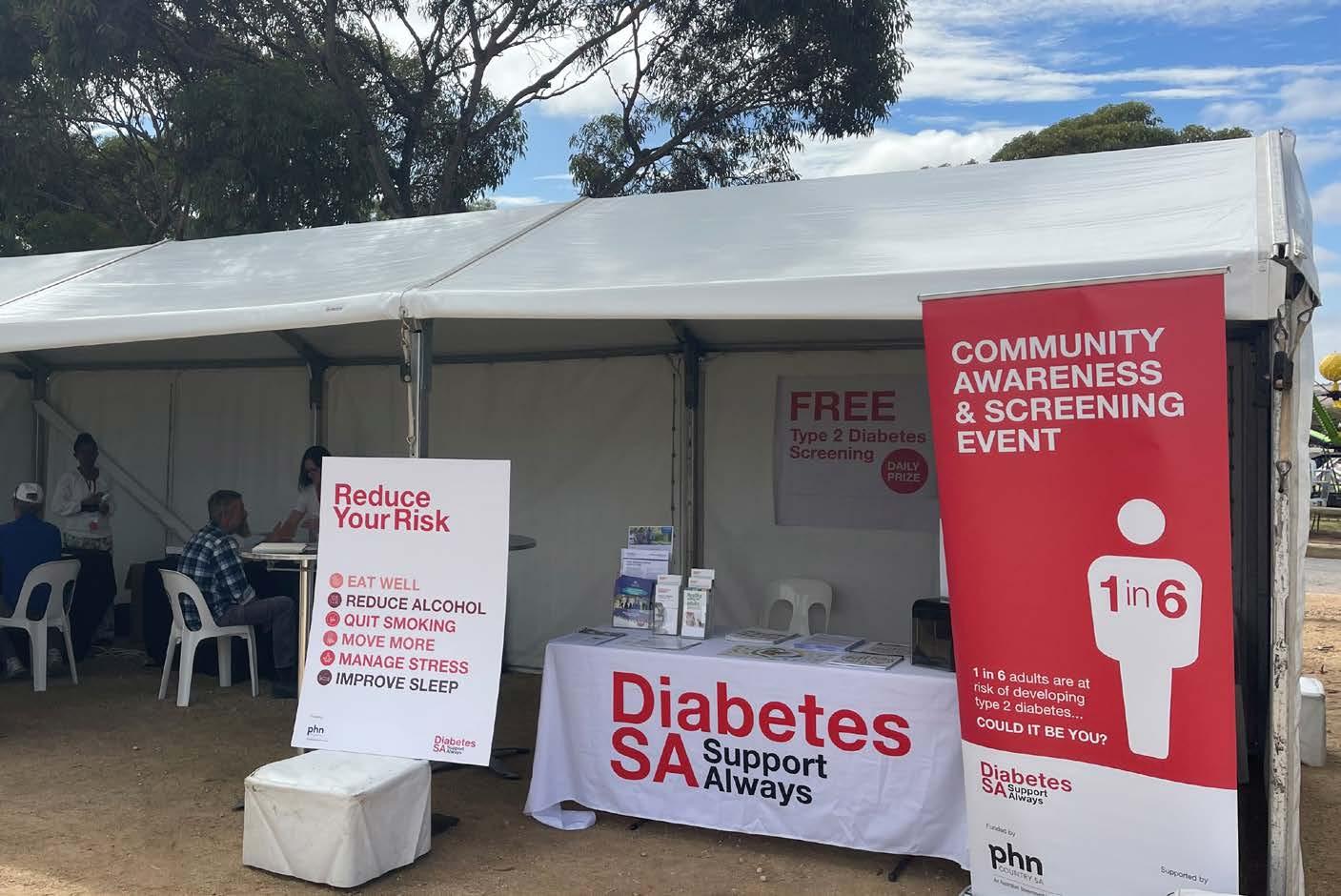
Almost 400 people completed point of care testing: 11% of were identified as having Prediabetes and 4.6% were identified as having Type 2 Diabetes.
Type 2 Diabetes Community Screening and Detection Events
South Australia has the highest prevalence of Type 2 Diabetes in the nation, with some rural and remote areas across our region experiencing an even higher rate. The contributing factors are complex and wide-ranging – Including lifestyle, socioeconomic disadvantage and limited access to screening and early diagnosis.
In 2024-25, Country SA PHN commissioned Diabetes SA to deliver a community program, aimed at improving awareness and access to Diabetes screening.
Diabetes SA hosted five community-based events in regions with higher than average prevalence:
• Karoonda Show
• Mannum Show
• Mobilong Prison
• Port Augusta Prison
• South-East Field Days in Lucindale
These events brought screening and prevention services directly to communities, connecting with people at higher risk of developing Type 2 Diabetes.
Using the AUSDRISK tool, Diabetes SA provided on the spot risk assessments, point of care testing, General Practice referrals, clinical education and healthy lifestyle advice.
This initiative demonstrates the power of targeted, community-based programs to increase early detection, enhance access to care and improve health literacy – particularly in rural and remote areas where health disparities are most pronounced.
Medicare Mental Health Centres
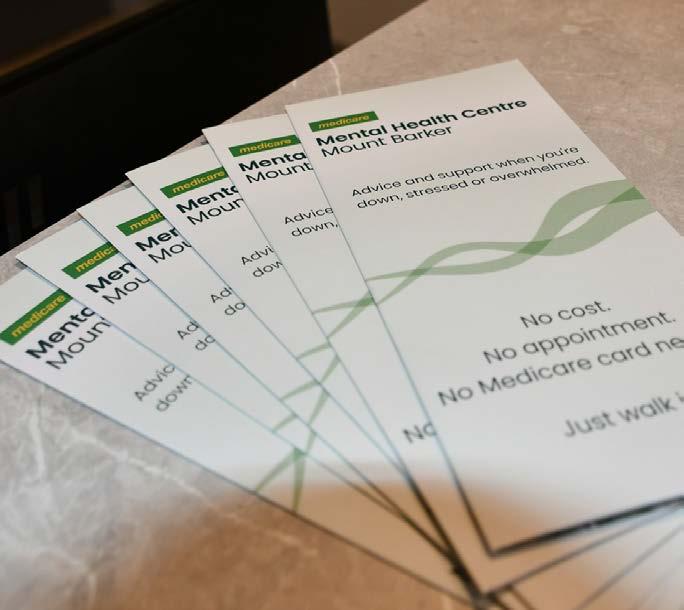
Medicare Mental Health Centres provide a welcoming and low stigma entry point for people who may be experiencing distress or crisis, or as needs emerge, to have access to on-the-spot care and advice. The centres offer immediate, short and medium term episodes of care and service navigation to connect people to ongoing services. A referral or an appointment is not needed to access the centres. Support is offered to anyone feeling the challenges and pressures of everyday life including their families and carers.
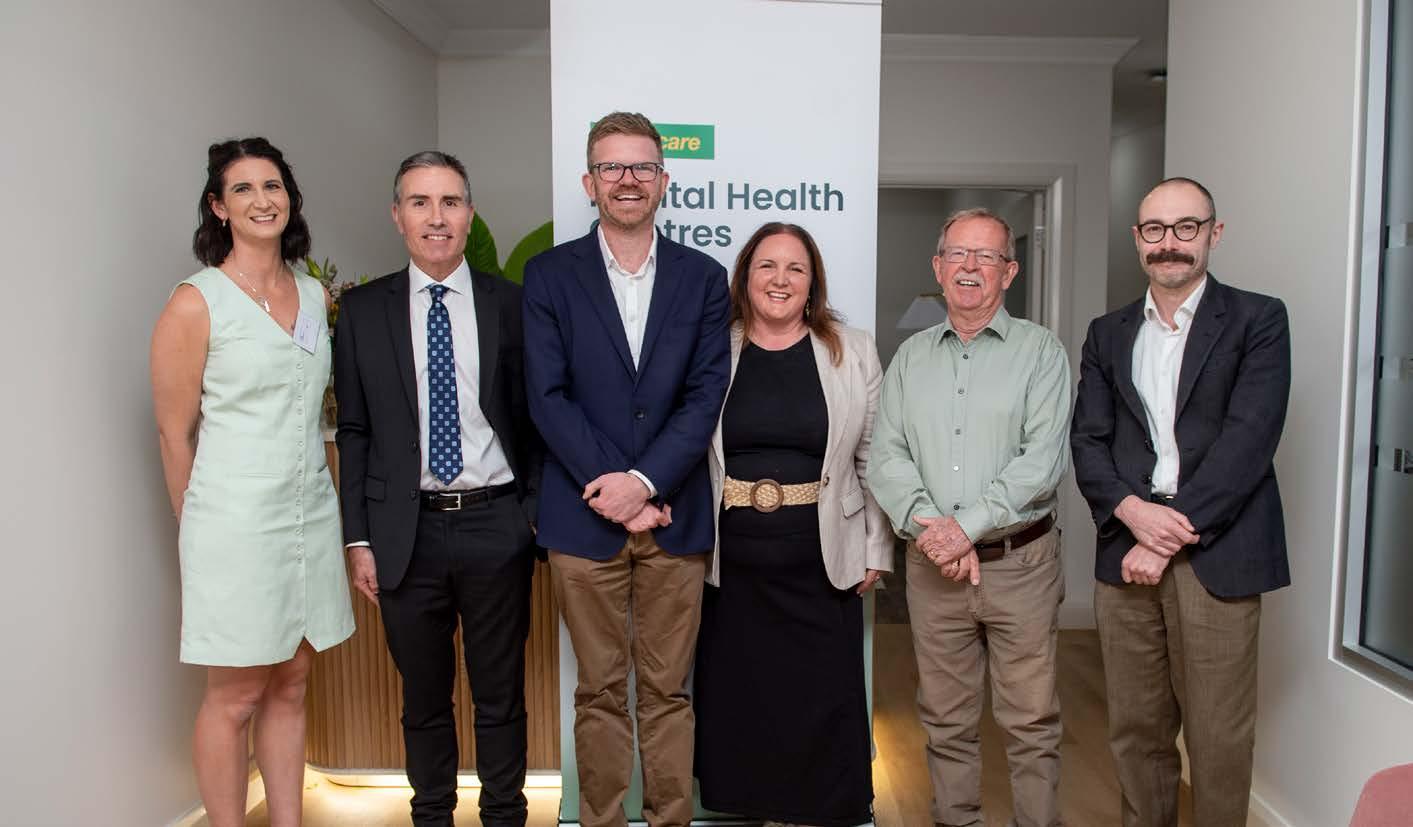
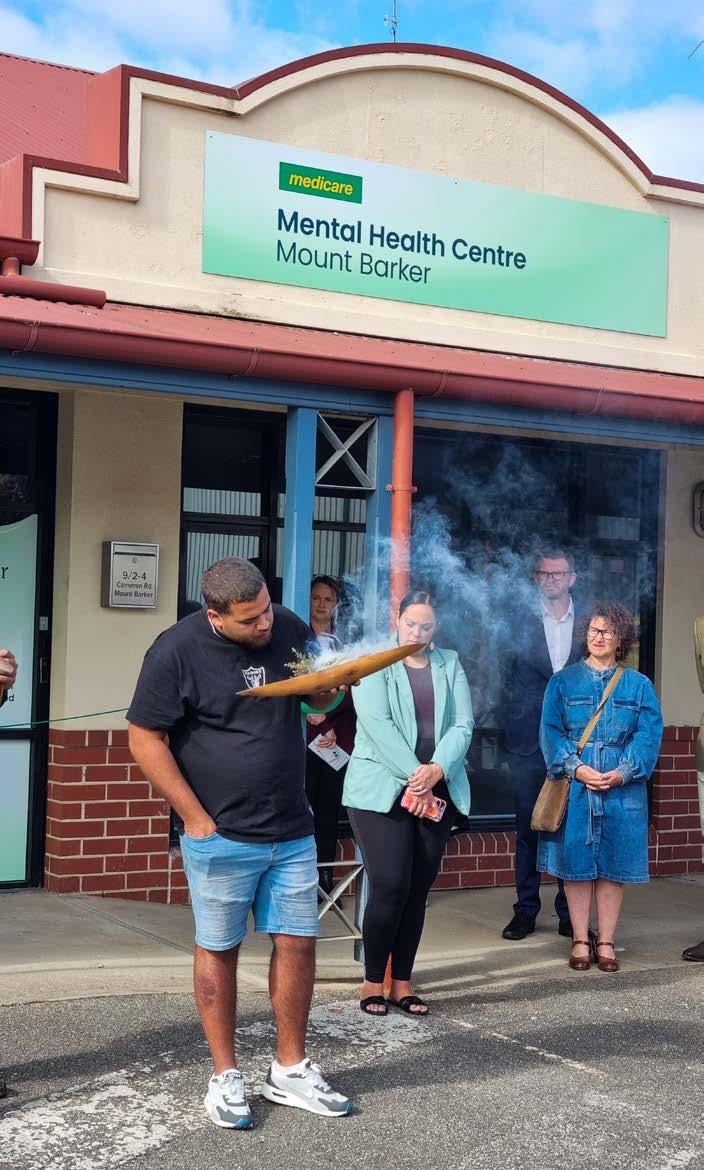
In 2024-25 Country SA PHN established two new Medicare Mental Health Centres in country South Australia - in Port Pirie in September 2024 and Mount Barker in February 2025. There are now three centres commissioned for regional South Australia, alongside the existing centre in Mount Gambier.
The Mount Barker Medicare Mental Health Centre offers enhanced capabilities and service access for people over 16 years through co-commissioning with the Department for Health and Wellbeing (SA Health). To guide the establishment of the new Mount Baker Medicare Mental Health Centre an Integrated Clinical Committee worked together
to design a service that optimises consumer outcomes, improves quality and safety of service delivery, and ensures essential clinical governance arrangements are in place. The Committee had representatives from Summit Health, local organisations, South Australian Ambulance Service, SA Police, Department for Health and Wellbeing, Country SA PHN, Barossa Hills Fleurieu Local Health Network and people with lived experience and carer representative.
All centres have a strong community focus, working to integrate the service model in the existing service landscape and co-design with community and for community to meet local needs. Community engagement has informed elements of the centres access, service design, cultural considerations, and shaped interactions with the centre. Lived Experience Reference Groups continue to inform how the services operate, with diversity of membership to reflect the local community voice and needs. Peer support and employment of people with lived experience of mental health centres are critical to delivery of the service and ways of working in the centre. People with lived experience and knowledge can provide informed training to assist people that may be in distress, through a deep understanding, compassion, and sense of hope to guide recovery.
Country SA PHN established two new Medicare Mental Health Centres in country South Australia - in Port Pirie in September 2024 and Mount Barker in February 2025.
Facilitate local capacity for the delivery of responsive, sustainable services
Strategies
Deliver a robust, contemporary, data-driven assessment of health needs and priorities in our communities
Create opportunities for collaboration and partnerships that strengthen primary health care outcomes
Deliver practical, tangible support to local primary health care services
Build skill, capability and knowledge within our primary health care providers to support their local community
Facilitating the capacity of local communities to help strengthen service delivery is a vital aspect of bridging the gap in health inequity in country South Australia.
Due to the regional and remote nature of our region, capacity building is essential for maintaining healthy communities. This is achieved by strengthening the capacity of local health services and health professionals, as well as upskilling community members to have the capacity to support their peers and increase their connections to local primary health services.
The improved opportunities for collaboration that this community awareness enables, combined with a local health workforce with strengthened capacity, supports our Strategic Plan’s objectives to:
• increase health equity amongst our communities
• increase the efficiency and effectiveness of primary health care services
• work with communities to enable access to the right care in the right place at the right time.
226
Education sessions delivered to primary health care providers
Education and training
3236
Primary care providers attending funded education and training
95% Participant satisfaction in education and training
Capacity building opportunities with primary health care partners
General Practice
Support Service
Aged Care
Committee
Primary Health Service
Hospital
Educational Services
Emergency Services
Community Services
Other Health Services
Pharmacy
Allied Health
Consumer Groups
Palliative Care
Specialist Medical Services
The
Comprehensive Needs Assessment confirms demand for health services in country South Australia continues to grow.
Comprehensive Needs Assessment 2025-2028
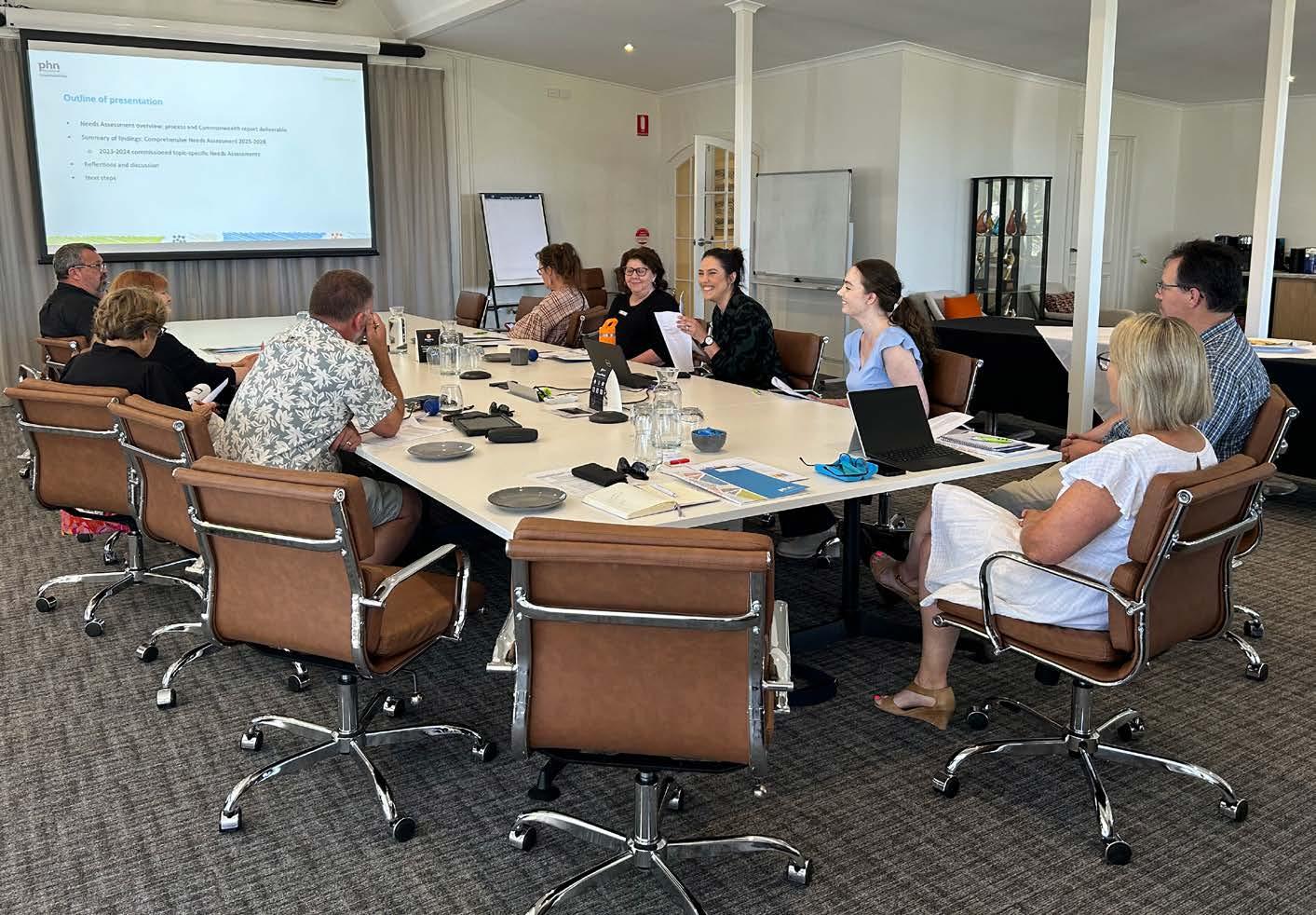
In 2024-25, Country SA PHN published our Comprehensive Needs Assessment 2025-2028. The Comprehensive Needs Assessment informs our strategic planning and commissioning over the next three years, guiding our actions to improve health and wellbeing, address access barriers and reduce health inequities across country South Australia.
The Comprehensive Needs Assessment is the culmination of extensive data analysis, research and consultation with stakeholders and communities. It reflects our understanding of the health and service gaps experienced by people living in country South Australia and highlights the opportunities we’ve prioritised to address them.
The process identified 35 priority needs across seven overarching priority areas: Population health, Aboriginal health, aged care and older people, mental health and suicide prevention, alcohol and other drugs, health workforce, and digital health.
Input from our Clinical Council, Community Advisory Committees and broader stakeholder and community consultations provided valuable insight and context to the data gathered from regional health and service statistics. These engagements helped shape the Comprehensive Needs Assessment’s outcomes and represent an essential element of both the needs assessment process and ongoing activity planning and implementation activities.
The Comprehensive Needs Assessment confirms demand for health services in country South Australia continues to grow. Contributing factors include; an ageing population, increasing prevalence of chronic conditions and mental health concerns, as well as increasing complexity of health needs.
Findings also reiterated the challenges unique to regional and remote South Australia including; attraction and retention of the health workforce, access to culturally appropriate care and specialist services, and environmental factors such as geographical isolation, living arrangements and
access to transport. Variation in rurality, population density, cultural beliefs and behaviours all influence local experiences and create differing challenges to consider.
Despite these challenges, country communities continue to demonstrate remarkable resilience, drawing strength from strong local connections and community spirit. By recognising and building on these strengths, we can ensure our findings reflect the lived experience of communities and inform locally relevant, responsive and sustainable solutions.
The full Comprehensive Needs Assessment 2025-28 report and an Executive Summary are available at countrysaphn.com.au
Education
A range of bespoke/focused education and capacity building projects have been commissioned in addition to the SAPMEA education program:
Wound Innovations – commissioned to deliver wound management education for Residential Aged Care Homes across country South Australia.
The Equality Project – commissioned to facilitate ‘Working with Rainbow Communities’ workshops for primary health professionals, including GPs, focused on improving LGBTQIA+ awareness and inclusion.
Pharmaceutical Society of AustraliaCommissioned to deliver falls prevention education accessible to all primary care professionals around reducing falls risk for people living with dementia through improving medication safety.
CDM Plus - commissioned to deliver a series of webinars focused on educating GPs and practices around updates to MBS chronic disease management and health assessment items.
In 2024-25, more than 37,000 SMS messages were sent to patients across country South Australia promoting initiatives such as the Healthy Lifestyle Program, Shingles and Pneumococcal vaccine recalls, Diabetes campaigns and Aboriginal Palliative Care.
GoShare Plus
In 2024-25, Country SA PHN continued to support General Practices to engage with patients through GoShare Plus – An innovative SMS reminder tool that combines health analytics and an extensive library of evidence-based health resources.
Through GoShare Plus, practices can easily share tailored information with patients to encourage participation in preventive health campaigns and support chronic disease management. The tool helps improve patients’ understanding, motivation and self-management, while supporting practices to meet quality improvement requirements.
In 2024-25, more than 37,000 SMS messages were sent to patients across country South Australia promoting initiatives such as the Healthy Lifestyle Program, Shingles and Pneumococcal vaccine recalls, Diabetes campaigns and Aboriginal Palliative Care.
One Adelaide Hills practice achieved an impressive 33.5% response rate in the Pneumococcal vaccine recall program, demonstrating the effectiveness of this approach in improving patient engagement and preventative care outcomes.
All program costs, including software and SMS fees, are fully funded by Country SA PHN, enabling practices to participate at no cost.
MyMedicare
MyMedicare is a voluntary patient registration model designed to strengthen continuity of care. The 2023–24 Federal Budget invested $19.7 million over four years to support its implementation.
As at May 2025, 144 country South Australian General Practices were registered with MyMedicare - A 14% increase from 126 practices at the beginning of the financial year. In addition, 79 practices are now participating in the General Practice in Aged Care Incentive (GPACI) program, improving care coordination for residents in aged care facilities.
Throughout the year, Country SA PHN has provided extensive support to General Practices with the introduction of both MyMedicare and the GPACI. Assistance included digital access support, MyMedicare registrations, accreditation and provider updates, as well as training on patient registration, report navigation and GPACI management.
To keep practices informed, Country SA PHN delivered newsletters, user guides, tools and regular updates at Practice Manager and Nurse Network meetings. Webinars and quality improvement planning sessions were also provided to prepare practices for the upcoming Chronic Condition Management Incentive.
These combined efforts have strengthened the capacity of General Practices and embedded MyMedicare and GPACI into routine operations, enhancing continuity of care, chronic disease management and aged care service delivery across country South Australia.
Improvements to Primary Mental Health Care Referral Pathways
The Australian Government is investing in improving access to mental health services in the community through establishing the Medicare Mental Health network. This network includes the national assessment and referral phone service – known as the the Medicare Mental Health phone service, to promote consistent assessment and enable warm transfer and referral to the most appropriate mental health services through a ‘no wrong door’ approach.
The Medicare Mental Health phone service is a centralised service for information and mental health advice. It offers a range of entry points to engagement, assessment and short to medium term treatment for people of all ages with a range of mental health needs through their preferred platform. Anyone can call the free phone service on weekdays from 8.30am to 5.00pm (except public holidays) on 1800 595 212 to seek advice, information and referral to local mental health services for support for themselves or carers, friends and family.
As of 31 March 2025, all referrals from GPs and health professionals to Country SA PHN-funded primary mental health care services are now directed through Medicare Mental Health as the central intake function. This redirection pathway aims to streamline access by establishing a single-entry point into and between all primary mental health care services in regional and remote South Australia. It is resulting in a steady increase in its use since implementation.
Country SA PHN is delighted with the feedback the phone service has received from service users to date:
“The team at Medicare Mental Health are amazing, making me feel supported and heard.”
“It was great. Best experience I have had compared to other services.”
“The man who rang me was so understanding. He took the time to listen to me, and had a calm and comforting voice.”
Medicare Mental Health assists general practitioners and other health professionals to support their patients mental health by offering: enhanced, accurate information on service availability and eligibility; advice and service options for patients; specialised clinical assessment and referral pathways; knowledge of local services tailored to meet local need; and follow up support and safety plans as required.
Service providers using Medicare Mental Health benefit from waitlist and demand management, connecting people to the right services, a central contact point for advice, local service navigation and integration and providing holistic needs assessment. The feedback received from service providers has also been positive:
“This is absolutely amazing and so appreciated, thank you so much! Our chat was so helpful the other day. It’s so handy to have such helpful people to chat with being new to the field.”
Care finder Housing and Homelessness Education Module
The Royal Commission into Aged Care Quality and Safety highlighted the complexity of the aged care system and the challenges people can face when trying to access services.
The care finder program helps to address this by linking vulnerable older people with a dedicated individual, who can help them navigate the system and connect them with services that enhance their quality of life.
Care finders’ in country South Australia undertake regular training and development to ensure the support they offer is contemporary and highquality. This training aims to equip them with the necessary skills and knowledge to provide tailored guidance that meets individual needs.
In 2024-25, care finders across country South Australia increasingly reported to Country SA PHN, frequent support referrals from the homeless or at risk of homelessness population. In response Country SA PHN identified an opportunity to provide care finders with training support to appropriately and effectively engage with people experiencing, or at risk of, homelessness.
Country SA PHN partnered with GPEx and the Country North Homelessness Alliance to co-design and deliver the care finder Housing and Homelessness Education Module. Developed through extensive research and consultation, the module ensures care finders can confidently identify and engage with services and connect their clients with relevant and ongoing support.
This initiative has enhanced the capability of care finders across country South Australia, enabling more responsive and effective support for those most in need.
The module has been so effective that it is now being completed by a broader cohort of health professionals in health and community settings.
Participant Feedback
I found it quite easy to use and thoroughly liked being able to follow a case study throughout the training. It helped with linking the information I was reading and how it would work for me with a client.
This is great - very comprehensive and excellent downloadable materials for future reference.
Well-designed and useful resources I can share with colleagues and people in the community based on their specific needs.
A great resource and relevant to care finder clients work in this space.
Evaluation
100% of care finders completed the module in 2024-25.
88% rated it as relevant to their knowledge needs.
32 additional health and community professionals completed the training, including nine from interstate.
“This work (Brisbane North PHN’s) complements the fantastic training package on working with homeless clients designed by Country SA PHN and shared with all PHNs on the department’s care finder SharePoint site. All PHNs are encouraged to be familiar with these resources, which provide wonderful insights that could be of use in your region.”
Department of Health Disability and Ageing (Access & Navigation Branch)
“We were delighted with the result. I believe with GPEx’s professional expertise in designing education modules, the codesign with the care finders and the valuable input from the subject matter expert, we jointly created a practical much-needed resource to address the identified knowledge gap”
Country SA PHN care finder Program Lead Helen Morley
Priority Three
Improve people’s experience of primary health care
Strategies
Support general practice as the cornerstone of primary health care
Aim to keep people well and out of hospital by supporting primary health providers
Engage with communities and embrace local voices as a conduit for advocacy and feedback
Develop and share meaningful insights to enhance evidence-based decision making
Improving people’s experience of primary health care is intrinsically linked to Country SA PHN’s vision of better health and wellbeing for all country South Australians.
We constantly strive toward this vision and priority by engaging with our communities and supporting primary health care providers. Working collaboratively across jurisdictions is essential to achieving this aim. Country SA PHN works with commissioned service providers to enhance regional South Australians’ experiences of primary health care, accounting for the challenges involved in accessing supports in South Australia’s rural and remote communities.
4291
Eligible clients
Integrating primary health care services
518
Experience measures started
382
Experience measures completed
41 Commissioned services
144
Registered for quality improvement program
156
Sharing de-identified data (with CSAPHN)
Country South Australia faces unique challenges due to its vast geography, dispersed populations, and limited access to services.
Joint Regional Mental Health and Suicide Prevention Plan 2026-2029
During 2024-25 Country SA PHN collaborated to develop the Joint Regional Mental Health and Suicide Prevention Plan 2026–2029. The Joint Regional Plan is a cornerstone initiative under the Bilateral Schedule on Mental Health and Suicide Prevention: South Australia, a collaborative agreement between the Commonwealth and State governments. This Agreement recognises the urgent need to strengthen mental health and suicide prevention systems and commits to working in partnership to improve outcomes for all South Australians.
Country South Australia faces unique challenges due to its vast geography, dispersed populations, and limited access to services. The Joint Regional Plan responds to these realities by ensuring that strategies are locally relevant, culturally safe, and designed to meet the needs of regional and remote communities across the whole of country South Australia.
Joint Regional Plan aims to:
Reflect local needs by listening to communities and tailoring solutions to rural and remote contexts.
Identify priority gaps and plan for services that address these gaps effectively.
Develop collaborative ways of working across government, PHNs, NGOs, Aboriginal Community Controlled Health Organisations, and lived experience networks.
Improve system performance through integration, coordination, and proactive care.
To inform this plan, Country SA PHN and the Department for Health and Wellbeing have undertaken extensive consultation and engagements with country South Australia’s health networks, state peak bodies, health professionals, non-government organisations, Aboriginal and Torres Strait Islander leaders, and people with lived experience. Through meeting with key stakeholders, undertaking surveys and convening a series of workshops, rich insights and practical ideas for change have been generated, which have shaped the Priorities for Action and the development of the Joint Regional Plan.
Our shared vision is that by 2029, mental health and suicide prevention in country South Australia will be connected, compassionate, culturally safe, and equitable, ensuring that every person can access the right care at the right time, no matter where they live.
Stellar Health Community Immunisation Clinics
Through commissioning Stellar Health Solutions, Country SA PHN has been able to address a critical gap in access to vaccinations in Port Augusta.
The nurse-led, flexible model established by Stellar Health Solutions, operates outside traditional General Practice and Pharmacy settings - extending through outreach to local homelessness and community corrections services. By bringing vaccinations directly to those most at risk, the service helps to prevent serious illness and protect both individuals and the wider community.
Prior to this initiative, many residents in Port Augusta, particularly children, Aboriginal and/or Torres Strait Islander people and those experiencing isolation or vulnerability, faced significant barriers to timely immunisation.
Over a three-month period, 285 vaccinations were administered to adults and children - with 27.4% of recipients identifying as Aboriginal and/ or Torres Strait Islander.
All vaccinations available through the National Immunisation Program were provided free of charge, removing financial barriers and improving equity in access.
By commissioning this initiative, Country SA PHN has been able to demonstrate the value of innovative, place-based solutions that respond directly to need and support healthier communities.
Country SA PHN Board and Stakeholder dinners
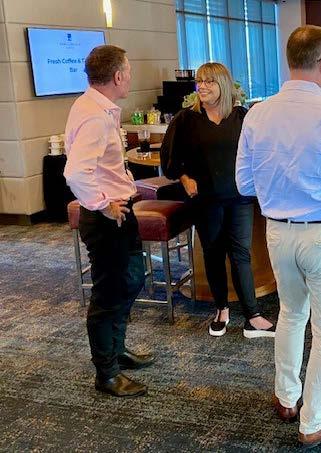
Throughout 2024-25, Country SA PHN’s Executives and Board members engaged with key stakeholders at in-person meetings to discuss local health and wellbeing. These gatherings are an informal but important opportunity for those holding senior positions at Country SA PHN to hear directly about local issues affecting people living in different regions of country South Australia.
Country SA PHN look forward to continuing to maintain, and further strengthen, our relationships with stakeholders across this wide geographic area.
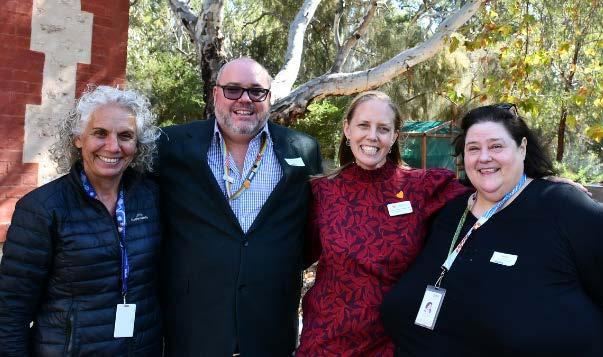
In February 2025, Country SA PHN’s Executives and Board members, including Chair Dr Simon Lockwood and Chief Executive Officer Mark Hartigan, held a gathering in Port Lincoln where they engaged with stakeholders including City of Port Lincoln Council Mayor Diana Mislov and local primary health professionals.
It is a great pleasure to be able to bring local stakeholders together and learn more from each other. Country SA PHN looks forward to a full calendar of regional engagement across country South Australia in 2025-26.
In 2024/25 other gatherings took place in:
Mount Gambier (Limestone Coast region), May 2025
Berri (Riverland Mallee Coorong region), July 2024
Wallaroo (Yorke and Northern region), September 2024
Hahndorf (Barossa Hills Fleurieu region), November 2024
“Well organised and awesome to see people face to face, lots of great information to take back to the workplace, with the goal to work together to provide best practice to and for patient care.”
Supporting Primary Health Care Providers
Practice Network Meetings
A combination of online and in person Practice Network meetings have played an important role in connecting primary care professionals across our region. These meetings provide an opportunity for practice staff to exchange information and network across the regions.
Twelve remote monthly meetings were held throughout the year, attracting over 120 Practice Managers and Practice Nurses.
As the demand for in-person connection continues to grow, our team is working towards more face-to-face engagements in 2025-26.
Medical Students
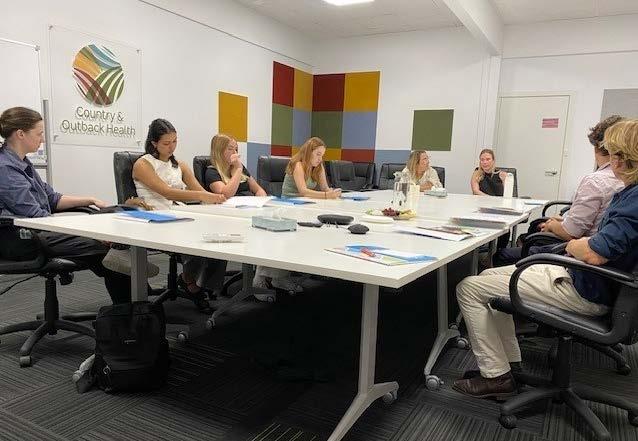
Engagement with future country health professionals remains important to us. In 2024-25, Country SA PHN met with fifth-year University of Adelaide medical students undertaking placement in our regions.
These sessions provided students with insights into local health services and the role Country SA PHN plays in supporting General Practice and regional health care. Many of these students, themselves from rural backgrounds, are developing strong community connections, both professionally and personally, as they participate in local activities and sporting clubs.
Digital Health
Country SA PHN continues to work closely with primary care providers, providing targeted support, resources and programs to enhance service delivery and access to care across rural and remote regions.
Building digital capability was a key strategy for Country SA PHN in 2024-25. We partnered with General Practices, residential aged care homes and primary health providers across country South Australia, helping them stay connected and confident to deliver optimal care for their communities.
Through webinars, face-to-face training, newsletters and regular Practice Network meetings, we have supported the use of key digital health tools including My Health Record, the My Health App and Provider Connect Australia. Our team has also provided guidance on Provider Digital Access setup, digital integration and data reporting across General Practice, allied health and pharmacy.
Alongside this, we have promoted and supported the use of telehealth and secure messaging to improve access and care coordination, while building confidence in electronic prescribing. By monitoring usage trends and barriers, we continue to identify opportunities to help primary care providers sustainably embed these technologies.
Initial Assessment and Referral (IAR) Tool
Country SA PHN has continued to deliver training and support for the Initial Assessment and Referral (IAR) Tool - An Australian Department of Health, Disability and Ageing initiative designed to help clinicians determine the most appropriate level of care for people presenting with mental health concerns.
Through training, delivered across multiple regions across country South Australia, we have supported health professionals in integrating the IAR-DST into their practice, improving referral consistency, transparency and shared decision-making across the mental health sector.
Adelaide Hills
Barossa
North
Dementia Support Pharmacist
The Dementia Support Pharmacist Program delivers best practice support to patients, pharmacists, carers, families and specialist nurses across the Country SA PHN region.
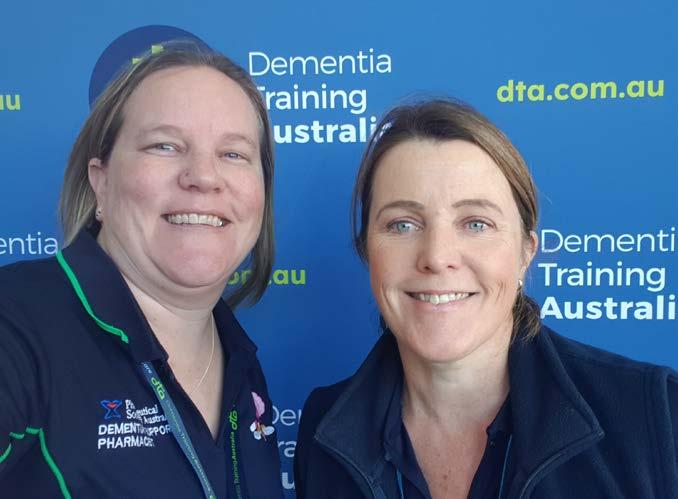
Provided by the Pharmaceutical Society of Australia the program supports two pharmacists to provide outreach to rural and remote regions. The program strives to support medication and system management, symptom management, education for health professionals, families and carers as well as advanced care planning with an emphasis on deprescribing.
Country SA PHN thanks the Pharmaceutical Society of Australia for their ongoing dedication to providing high quality care and support to our most vulnerable cohorts across rural and remote South Australia.
“I feel supported in my role by the pharmacist as I am relatively new to prescribing. The expertise the pharmacist has is invaluable to my role and has improved my knowledge and prescribing practices.”
Community Advisory Committees
Our Community Advisory Committees help us to understand community perspectives and ensure decisions, investments and innovations align with our goals of improving the primary health care experience.
The Community Advisory Committees consist of members active in their local communities including patients, consumers, carers or other community representative, who may be past, present or future users of a country health service. Members contribute a diverse mix of local knowledge and professional expertise, helping to create strong and effective committees.
Country SA PHN values the experience, perspectives and input of the Community Advisory Committees, recognising their important role in improving the health and wellbeing of their communities.
Barossa Local Health Cluster
Far West Local Health Cluster
Fleurieu Region Community Services Advisory Committee
Limestone Coast Community Services Round Table
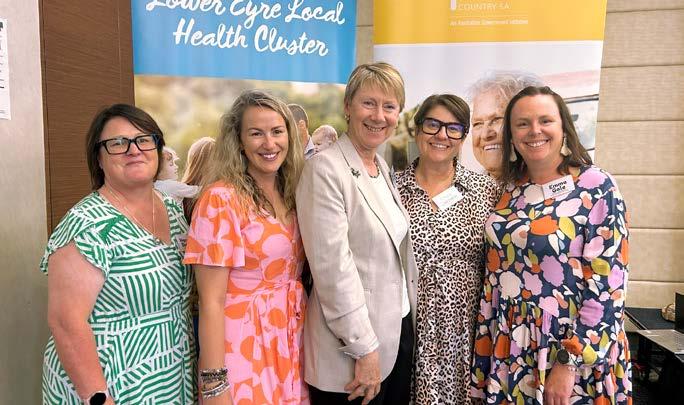
Lower Eyre Local Health Cluster
Mid North Local Health Cluster
Riverland Community Services Alliance
Roxby Downs Health Forum
Upper Eyre Local Health Cluster
In 2024-25, Country SA PHN supported our Community Advisory Committees in funding community-led, grass-roots health promotion initiatives through the Health Promotion Grants.
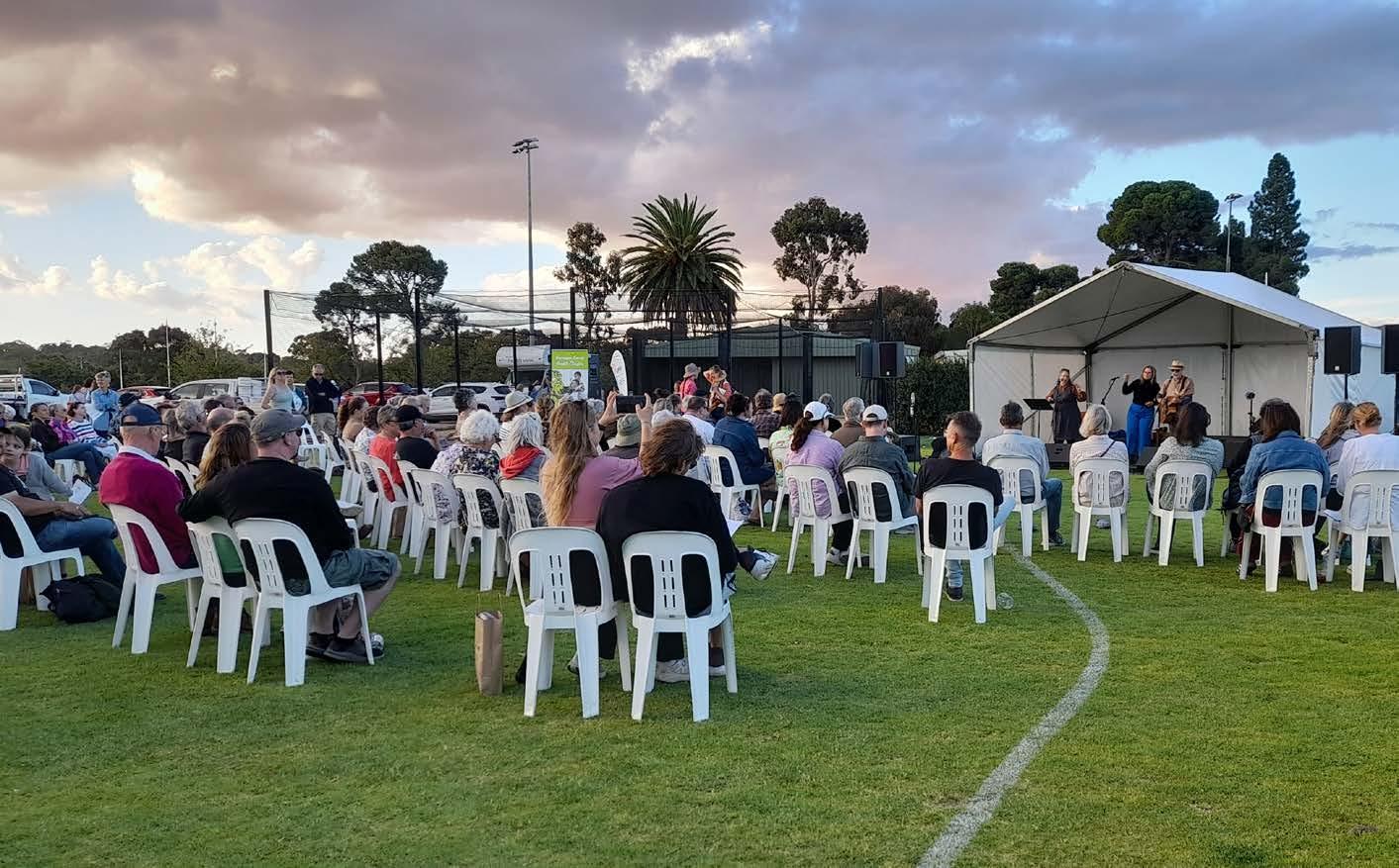
The Barossa Big Sing
A fun and inclusive community sing-along, designed to foster social connection and a healthy, fun physical activity for participants across the Barossa.
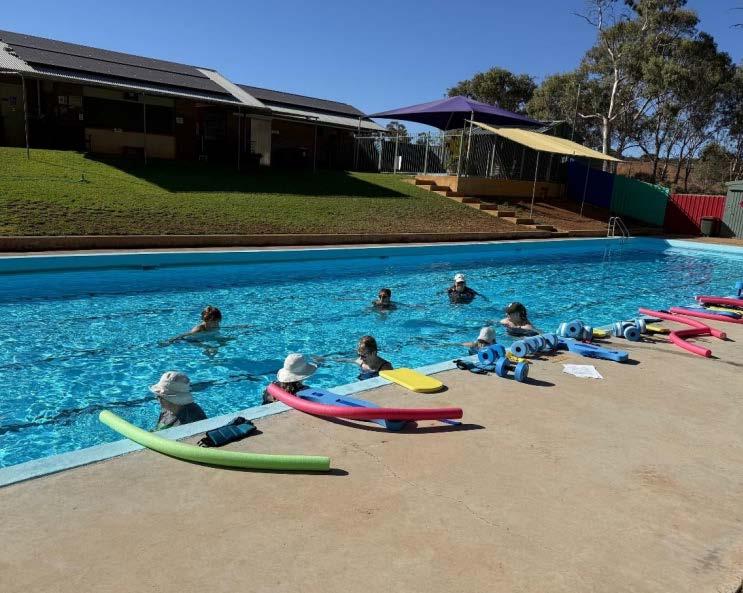
Aqua for Life
The Aqua for Life activity promotes strength training in the water as a therapeutic, low impact and highly beneficial exercise modality for people aged 50+ in the Yorke and Northern region.
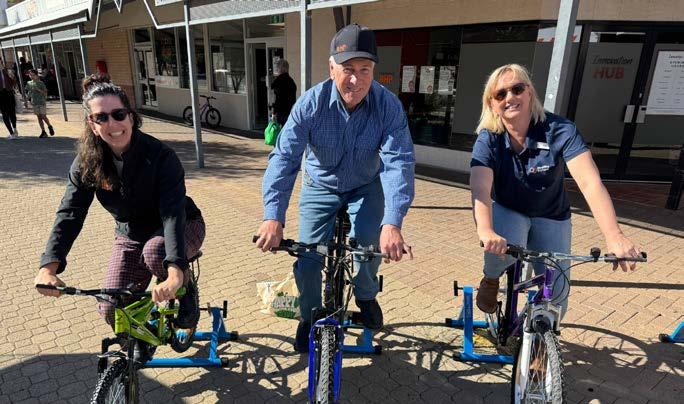
Roxby Downs Happy Healthy Expo
This one-day expo held in Roxby Downs focused on health and wellbeing and was delivered by a variety of stallholders providing service information, hosting demonstrations and offering other workshops and activities.
Mentally Fit EP 3C’s Conference
This conference gives community members from the Suicide Prevention Networks and Wellbeing Groups from across Eyre Peninsula an opportunity to come together, connect, communicate and create community driven initiatives.
Practice responsible and effective corporate and clinical governance
Strategies
Develop a suite of performance measures that demonstrates achievement of the strategic plan
Set and maintain appropriate expectations and standards of corporate and clinical governance and oversight
Advocate for good governance to relevant stakeholders where appropriate
Responsible and effective corporate and clinical governance is a central pillar of Country SA PHN’s ability to reach towards our goals and vision of increased health equity for all country South Australians.
Ensuring effective corporate and clinical governance is a key focus of our Strategic Plan. Good governance is driven through the Board, who use performance measures to monitor progress and work toward the achievement of key objectives, with the goal of bridging the gap in health inequity for all country South Australians.
Health Access and Equity Framework
Country SA PHN’s Health Access and Equity Framework sets out our commitment to giving every individual, regardless of their background, the opportunity to access safe and high-quality care in country South Australia.
Equity and access guiding principles that underpin all Country SA PHN activities:
• Addressing social determinants of health.
• Reducing systemic prejudice and discrimination.
• Fostering collaboration and partnerships.
• Promoting access to quality health care.
• Strengthening rural voices.
• Measuring and monitoring progress.
To support the pursuits outlined in the Framework, Country SA PHN has developed an Action Plan, designed to detail and guide our organisational efforts. Each action represents progress against the Health Access and Equity Framework key priorities. Many of these actions are already underway or have been achieved, while some longer-term initiatives are expected to be finalised by 2028.
The actions delivered in 2024-25, lay the foundation for continued impact in the years ahead. Examples include:
• A dedicated Work Group champions the delivery of priorities.
• Cultural awareness training is a requirement for Country SA PHN employees, representatives and Commissioned Service Providers.
• Diversity and inclusion principles are embedded in governance structures and internal processes.
• Lived experience representatives provide valuable insights into tender processes.
To support the pursuits outlined in the Framework, Country SA PHN has developed an Action Plan, designed to detail and guide our organisational efforts.
Clinical Council
Advise on safety and quality across plans, strategies and policies.
Support development of local strategies to strengthen primary health care and the local health system.
Identify opportunities for service improvement.
Provide strategic advice on quality improvement and risk management.
Monitor and advise on commission services’ clinical scope, performance and effectiveness.
Escalate clinical risks to the Country SA PHN Executive and Board.
Upholding Strong Corporate Governance
In line with the Strategic Plan, Country SA PHN remains steadfast in its dedication to practices that support transparency, accountability and effective decision-making across all activities.
To this end, Country SA PHN conducted a review of the Risk Management Framework, with a focus on management of emerging risks including those related to information security and data protection. We worked towards, and successfully achieved, ISO 27001 Information Security Accreditation, demonstrating commitment to maintaining robust information security systems and protecting sensitive data.
Quality information security practices will continue to be strengthened over time through continuous improvement activities. The attainment of ISO 27001 accreditation, alongside a revised Risk Management Framework, reinforce the commitment to proactive risk oversight, organisational resilience and the safeguarding of information assets, which is a crucial step to achieving our priorities.
Clinical Governance in Focus
In addition to corporate governance, Country SA PHN continues to focus on clinical governance to ensure the safety, effectiveness and quality of its commissioned services, cutting across both Strategic Plan Priorities 1 and 4. Our Clinical Council provides expert oversight and strategic advice, supporting evidence-informed decisionmaking and ensuring a range of perspectives are embedded in commissioning activities.
The ongoing contributions of our Clinical Council enables Country SA PHN to continue our strong clinical governance. This ensures that Country SA PHN commissioned services remain responsive, high quality, and aligned with the needs of the communities we serve.
Cyber Security and Information Security Management System
In 2024-25, Country SA PHN took action to strengthen our data security - protecting against and minimising the impacts of cyber attacks and other information breaches.
Building on the achievement of ISO 27001 accreditation, Country SA PHN has further reinforced our information security practices, with a focus on ongoing compliance and continuous improvement.
The implementation of our Information Security Management System (ISMS) reflects both Country SA PHN’s commitment to safeguarding the information entrusted to us and the ISO 27001 contractual requirements from the Department of Health, Disability and Aged Care for all PHNs.
Based on internationally recognised standards and industry best practice, our ISMS is a structured framework of policies, procedures and controls designed to govern and manage information security risks unique to the organisation. It ensures our data, systems and services remain secure, resilient and compliant with legal and contractual obligations.
Country SA PHN aims to safeguard information by:
Protecting sensitive and critical information from unauthorised access and compromise, ensuring it is available only to authorised individuals when needed.
Ensuring appropriate technical, physical and administrative controls are in place to manage and reduce information security risks.
Fostering a culture of information security awareness across all levels of the organisation through training and education.
Continuing to evaluate and improve information security measures to adapt to evolving threats and vulnerabilities.
10-Year Anniversary of Country SA PHN
On 30 June 2025 Country SA PHN celebrated our ten-year anniversary. It was a fitting time to pause and reflect on our evolution over the decade. Country SA PHN has grown, matured and adapted to align itself to the ever-changing needs of the country South Australian communities we serve. Throughout this time our commitment to enhancing our communities health and wellbeing has remained steadfast.
As part of the celebrations Country SA PHN recognised four staff members who have been at Country SA PHN for ten years. Their outstanding contributions and commitment to the organisation and the people of country South Australia was applauded.
As part of the celebrations Country SA PHN recognised four staff members who have been at Country SA PHN for ten years.