Wildfre Season Sparks Early Preparedness Initiatives
from The National Weather
Multiple Agencies Across the Valley Work to Help Residents Prepare for Wildfres
By The Crystal Valley Echo Staff
Aspen,CO- On April 16th, multiple agencies gathered at the Pitkin County Library to give a detailed presentation to members of the press on the upcoming unprecedented wildfre season in the Roaring Fork and Crystal Valleys. Preparedness was a key factor across all topics, both from the side of emergency services, and in educating the public on best practices to ensure they and their homes are well-prepared in the event of a fre in the region.
Representatives from The National Weather Service, The City of Aspen Utilities Department, The Roaring Fork Valley Wildfre Collaborative, Carbondale & Rural Fire Protection District, Pitkin County Emergency Management, Roaring
the City
Aspen, The Pitkin
Fork Fire Rescue, The Pitkin County Sheriff’s offce, and The Aspen Volunteer Fire Department each presented on key topics related to the complex and large scale realities of wildfres, and how our specifc region is situated given the warm, dry winter, drought conditions and fuel densities as summer approaches.
In keeping with the theme of preparedness, a major goal of each agency featured was to begin these conversations as early as possible which is why the talk took place on April 16th, rather than June 16th at the height of the summer season. Other themes throughout included evacuation planning, response plans and communication, water restrictions and usage, fre ban communication, weather conditions, evacuation preparation, home fre mitigation, and many conversations on how to bridge wildfre preparedness with
the infux of visitors who will be sharing our valleys this summer.
The Roaring Fork and Crystal Valleys have had their fair share of wildfres in the past, in Glenwood Springs, the Storm King fre in 1994, Coal Seam in 2002, 2002’s Panorama fre at Missouri Heights and The Grizzly Creek fre in 2020 were all major events in the collective memory of residents of the valley. Up the river in El Jebel and Basalt, the burn scar of the 2018 Lake Christine fre is still visible from Highway 82.
Our region presents a unique challenge in the process of fghting wildfres because of the mix of high density, high temperature fuels like dead lodgepole pine, scrub oak and juniper, combined with steep, remote, inaccessible terrain creates hurdles for frefghters attempting to contain these fres.
Additionally, since our valleys represent a mixture of rural wilderness and residential neighborhoods, the planning and logistical management of these emergencies is made more complex through a strategy called “urban wildland interface”. Which refers to the process of having to manage both residential and “urban” infrastructure (homes, businesses and other buildings) with rural, wildland terrain, creating a need for a plan to address both at once. Wildland or “wild fres” are very different than typical structure fres (in houses or other buildings) because unlike structure fres that take place in an isolated place, typically with some kind of access to municipal water supplies (fre hydrants or other sources), wildland fres take place in the wilderness where access to water (or access at all) is limited or not available. Wildifre Season Continued Page 4...
Representatives
Service,
of
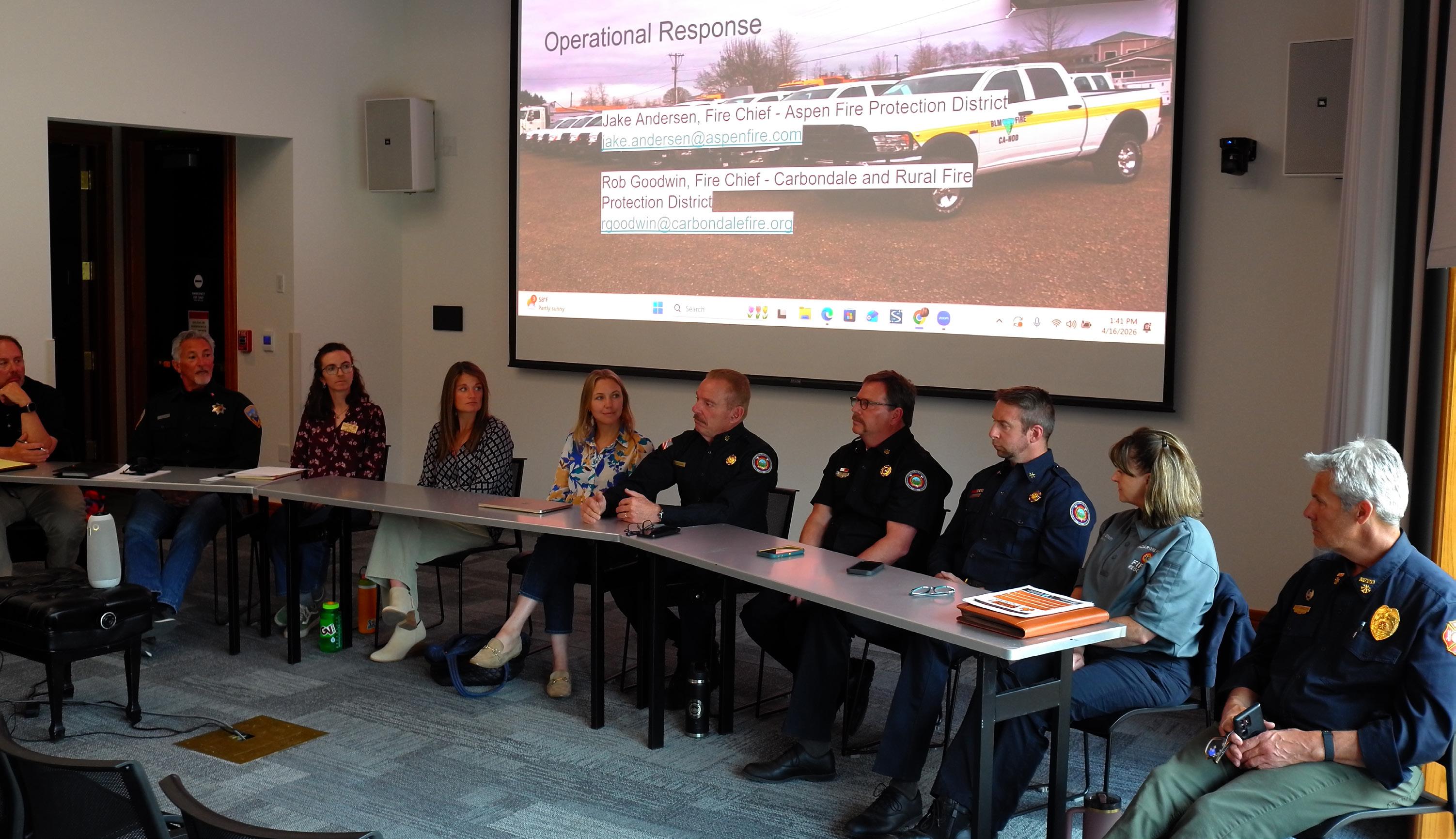
County Sheriff's Department, The Roaring Fork Valley Wildfre Collaborative, Carbondale and Rural Fire Protection District, Roaring Fork Fire Rescue, and Aspen Fire held a joint agency presentation for the press on April 16th at the Pitkin County Library detailing many facets of the upcoming summer wildfre season and talked preparedness, mitigation, and emergency response to wildfres.
2026 Community Happenings
Friday May 8th 4-7pm : Candle Making and Cocktails class with Nicole Farrell of Marble Candle company. Learn to make your own candles and enjoy an evening out. $150. Includes cocktail, charcuterie and take home 2 candles. @ Joy & Wylde
Saturday May 9th, Sopris Park, Carbondale, Dandelion Day 2026 (Begins at 10:00am)
Saturday May 9th 10:00am-1:00pm : Blooms and Brushstrokes- a Mother’s Day foral and watercolor workshop. Take home your own foral bouquet and hand painted watercolor card. $175. Includes all supplies, wine and light bites. @ Joy & Wylde

Saturday May 16th, Hands & Hearts: Celebrating Caregivers @ Sopris Lodge (2:00pm)
Saturday May 16th (10:00am) and Sunday May 17th (2:00 pm) Natural Beekeeping Workshop @ Sustainable Settings Tickets Available Here: https://shorturl.at/Kmsbl
Saturday May 16th (9:00am) Annual Plant Sale @ CRMS
Sunday May 17th (10:00am) The Human Library @ Carbondale Library Call 970-963-2889 or visit www.gcpld.org to register to attend.
Sunday May 10th, Mother’s Day Grand Buffet @ Redstone Inn (10:00am-2:30pm) Call 970-9632526 to make a reservation.
Friday May 22 (7:00pm) Women’s VOICES: An Original Theater Project @Thunder River Theater Company Tickets Available Here: https://shorturl.at/WHqI2
Thursday May 28th (7:00pm) Books in Bars @ Mountain Heart Brewing
To Submit Events for the Community Happenings Section, Email Details to: editor@CrystalValleyEcho.com






MOUNTAIN PAWS VET


House Calls & In Clinic Appointments, Surgey, Denistry & Urgent Care








The Crystal Valley Echo & Marble Times
Mission Statement: To provide a voice for the residents of the Crystal River Valley; to bring attention to the individuals and local businesses that are the fabric of the Crystal Valley region; to contribute to the vitality of our small town life.

Editor-in-Chief: Tucker D. Farris Editor@crystalvalleyecho.com
For advertising sales contact: Advertising@crystalvalleyecho.com Or call our advertising manager at +1(970)618-6812
The Crystal Valley Echo is published monthly, And is distributed throughout the Crystal Valley.
The Crystal Valley Echo is 100% Human-Created And does not condone, elicit, perform, or implement creative, Journalistic, or logistical usages of generative artifcial intelligence.

No part of this newspaper may be used in the training Of artifcial intelligence, doing so will result in legal action.





All rights of works by contributing authors and photographers Remain the sole property of their creators in perpetuity.
In Print...
A Monthly Literature Column by
Izzy Stringham
Spring is always a wonderful time to grab a book and spend some time reading. The evenings are longer and warmer and nothing is more enjoyable than sitting out in the grass in a lawn chair or next to the river, and indulging in a good story. April is often a slow month at the White River Books, as ski season winds down and people take time off to head to the desert or the coast. When retail slows down a little, I get a chance to dive into some good reads. Here’s a sampling of what I enjoyed this month.
Intemperance
On the short list for the Aspen Literary Prize, Intemperance, by Sonora Jha, tells the story of a middle age university professor who decides to hold a swayamvar, an ancient Indian custom where several men compete in feats to win her hand. The idea is a little horrifying to her grown son, but she gathers her courage to proceed, and once she posts her idea online, it begins to take on a life of its own. As the swayamvar approaches, she fnds supporters and allies who help her fnd a dress, a cake, a videographer, and take dance lessons for the upcoming marriage. What could be framed as embarrassing or uncool is portrayed with such whimsy and humor that as a reader, I was swept into the fun and sweetness of the idea.
While she is planning and scheming for the event, she experiences several visions of classic Indian goddesses that tell her of her family’s past and a curse that was cast upon any family members that didn’t conform to their strict culture. Both levity and tragedy fll her past, as she learns what really happened to her ancestors. These visions give her courage to see the plans of her contest through, and to not hold back in terms of desire, companionship and love. Her story is one of seeking and growth, as well as a lovely meditation on aging, beauty, masculinity and hope. Perhaps the road being traveled is always more important than the actual destination.
American Struggle
With 2026 being the 250th birthday of the American Constitution, much is being written about the American Revolution, and American history this spring. Historian Jon Meacham has a new anthology titled American Struggle: Democracy, Dissent, and the Pursuit of a More Perfect Union, that covers the breadth of American history from the 1600’s to the present. Meacham has compiled speeches and essays from all sorts of historical characters and politicians who have observed the American systems at work and the struggle for democracy. As Meacham says in his introduction, “Struggle is not the work of a day. It is, rather, the animating force of our history.” Works by historical fgures like Patrick Henry, Frederick Douglass, Emma Lazarus and Eleanor Roosevelt back up his claim. Meacham does not shy away from the

uglier side of American history and gives the experiences of the enslaved and suffragettes fair representation. Rather than gloss over the violence, Meacham dives deeper, and invites his readers to hear the words actually spoken by those advocating for an end to slavery and a chance for women to vote. American Struggle is an excellent collection of primary sources that shows the diffculty and also the optimism of keeping this democracy intact, and anyone looking for a thoughtful and comprehensive historical read would do well to add this title to their shelves.
This Story Might Save Your Life Joy Moore and her best friend Benny run a famous podcast called “This Story Might Save Your Life.” So when Joy suddenly goes missing, not just her friends and family have a stake in fnding her, but all her podcast fans too. Told with alternating narrators, this book is a perfect mix of whodunit mystery and a contemporary thriller. As you get more info on Joy’s past through the pages of her and Benny’s combined memoir, what seemed straightforward takes on a whole new meaning. Twists, turns and a believable cast of supporting characters made this the perfect early summer beach read. I drove home from Denver listening to this one, and would have kept right on driving to fnish it. You’ll be hooked from the start, and what really did happen to Joy…?
Copies of all the titles mentioned in this column are available at White River Books in Carbondale.



Theo of Golden by Allen Levi
Yesteryear by Caro Claire Burke
London Falling by Patrick Radden Keefe
The Correspondent by Virginia Evans
Project Hail Mary by Andy Weir
A World Appears by Michael Pollan
Strangers by Belle Burden
Witness to Water by Pete McBride

The Creative Act by Rick Rubin
Suit or a Suitcase by Maggie Smith

the Redstone Inn | RSVP: (970)920-5432
MAY 5 & 26
11:00 a.m. – Yoga ($5)
With Anna Raphael. Open to all ages and abilities. 12:00 p.m. – Lunch ($10)
RSVP by noon the Friday prior – space is limited. Plated lunch served. Gluten-free option available. 12:45 p.m. – Program
• May 5: Sound Healing Meditation
Lead by Danielle Klein. Experience a soothing sound journey designed to bring peace, relaxation, and balance to your mind and body. This immersive experience helps release emotional blockages, promote deep rest, and restore harmony within.
• May 26: Bird Calls
Join Delia Malone & the RF Audubon Society and learn to recognize the songs of our local feathered friends.
Wildfre Season Continued From Page 1...
When frefghters respond to structure fres, the goal is quick suppression and rescue of people in the building. They use a variety of strategies to knock down fames quickly to try and save as much as the structure as they can, with the most common practice being using water to suppress the fames. In structure fres, the goal is extinguishing the fames. Wildland fres require a different strategy all together. Instead of focusing on extinguishing the fames, the goal instead is containing the fre to a designated area of control.
Carbondale & Rural Fire Protection District Chief Rob Goodwin explained it as “putting a box around the fre” where instead of trying to put out the fames, the goal is to contain the spread and let the fre exhaust itself with the available fuel.
As one might imagine, with the size wildland fres can reach, this box can become a very complicated boundary to maintain. Goodwin explained that for each wildland fre, every single inch of the perimeter of that containment box needs to be worked by hand by a frefghter, to create barriers (fre lines or fre breaks) that do not allow the fre to spread. In larger fres, this can also partially be accomplished with air support dropping fre retardant (also called ‘slurry’) which is a red clay-based substance that blankets a given area and protects fuel from reigniting. Aerial fre
suppression can also be a part of the plan with single-engine air tankers (SEATS) dropping water in targeted areas to slow the spread, or helicopters using large buckets can also drop water to slow the spread.
Where management of these emergencies is further complicated is when they happen in the same place at the same time. As seen in the 2025 Palisades Fire in California, when wildland fres make the jump into urban or residentially populated places, and begin burning multiple homes, the ability to respond becomes even more challenging than it would for either a structural or wildland fre on its own. Since so many homes and neighborhoods in our region exist somewhere in the middle between urban and wilderness areas, emergency response agencies are preparing robust response plans in the urban/wildland interface sense to ensure they are able to meet the challenging needs of our communities in the event there is a bad wildfre in the area.
Due to the large area of the region and the multiple emergency agencies operating in them (Colorado River Fire Rescue, Glenwood Fire, Carbondale Fire, Roaring Fork Fire Rescue, and Aspen Fire), our local departments rely on a system of cooperation called ‘mutual aid agreements’ which means that as incidents grow in size, scope and
complexity, all of our local agencies work together to respond to the emergency to ensure a rapid response when needed, while also ensuring all other local emergencies are covered. This agreement expands even further to the entire state when big incidents occur, fre departments from all over Colorado and the Western US are able to respond very quickly to aid in the efforts. If incidents grow to very large scale emergencies (like some of the previously listed fres), the incident scales up to federal management where an interagency management team takes over the command of the incident to direct state, federal and local resources as needed. These management teams are large groups of highly trained professionals who fulfll all roles in leadership as part of the Incident Command System which includes operations, logistics, and media/public information communication, with the general idea being that as an incident grows in size and scope, so too does the team managing it.
Weather Outlook
Many conversations in the past weeks have used the words ‘extreme drought’ or ‘unprecedented’ to describe the particularly dry and hot winter experienced in the Roaring Fork and Crystal Valleys. Sharing data from the USDA and National Weather Service (NWS), Erin Walter, a hydrologist with the National Weather Service discussed the reality of the 2026 wildfre season in the region, describing conditions as a D4 “exceptional drought,” which according to the US Drought Monitor system is the most extreme form of drought from a combination of metrics from precipitation, moisture evaporation, and temperatures over time. As a result, the City of Aspen remains in a stage 2 ‘severe’ drought condition and has since September 1st, 2025. This factor combined with what Walter described as the lowest snowfall in the region since the 1930s has situated the upcoming summer months
as particularly dangerous for wildfre risk.
With recent rainy weather, the natural assumption would be that wildfre risk is reducing with renewed snowcaps on peaks throughout the valley and a rush of afternoon rain showers. Walter discussed the weather forecast for the season describing a potential for a more robust monsoon season through a fairly dry spring, but stressed that while rainstorms are good for introducing moisture into the region, the potential for lightning strikes raises risks for wildfres despite the relief of more moisture, with dry thunderstorms being a particular concern.

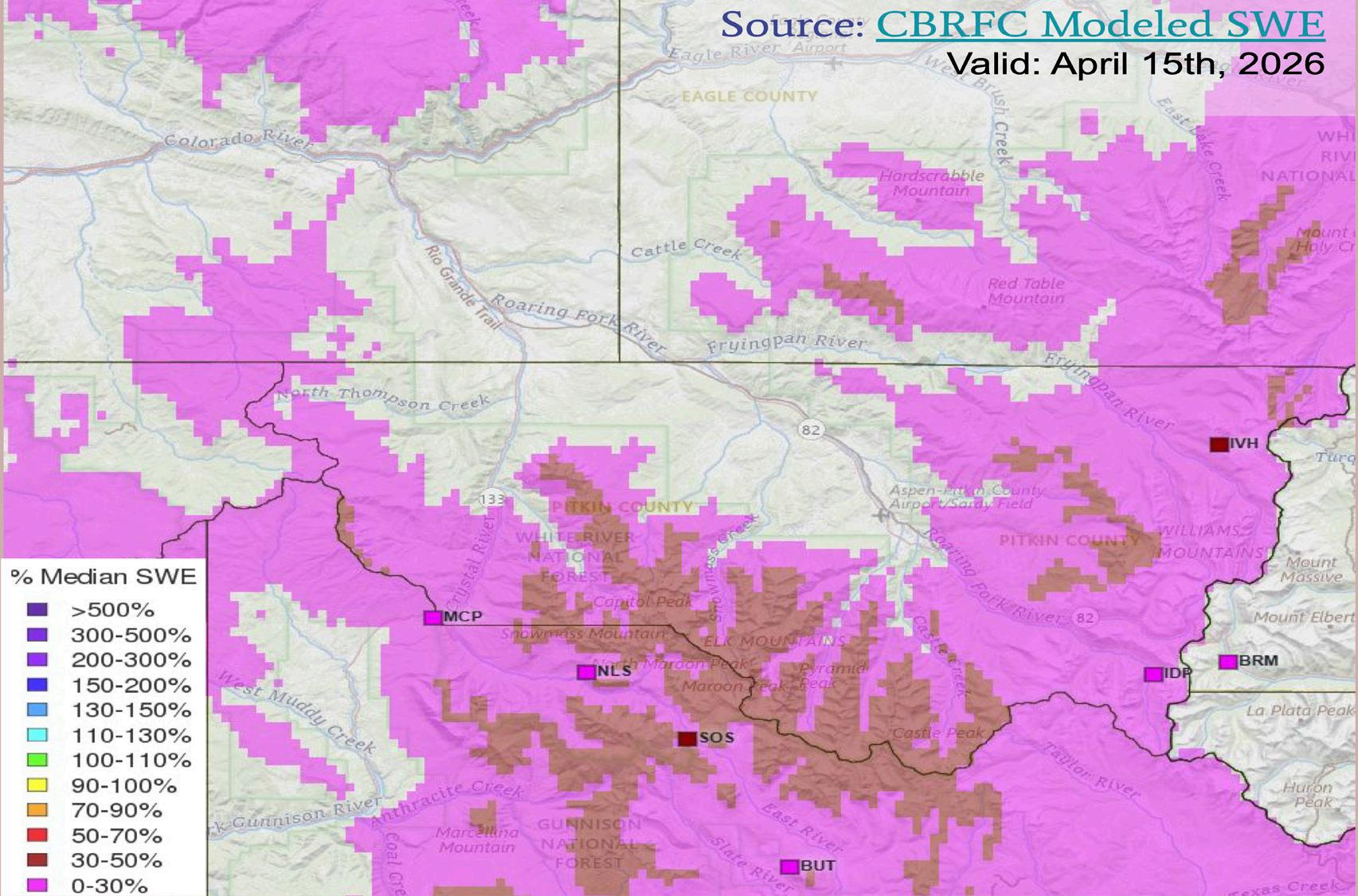
Below: A map of the Roaring Fork Watershed Region displaying median snow water equivalents showing the region at the lowest amount since the 1930s. From the National Weather Service
Wildfre Season Continued...
One of the most important measures for determining wildfre risk when it comes to weather conditions is called the Snow Water Equivalent (SWE) which refers to the total amount of liquid water held in snowpack, or the depth of liquid water in snowpack if it all were melted. Current USDA data shared by Walter shows the 2026 season lower than the recorded minimum, refecting a dire lack of snowpack in the region, even with the recent snowfall at higher altitudes, the 2026 data is still in the minimum range for SWE in the region.
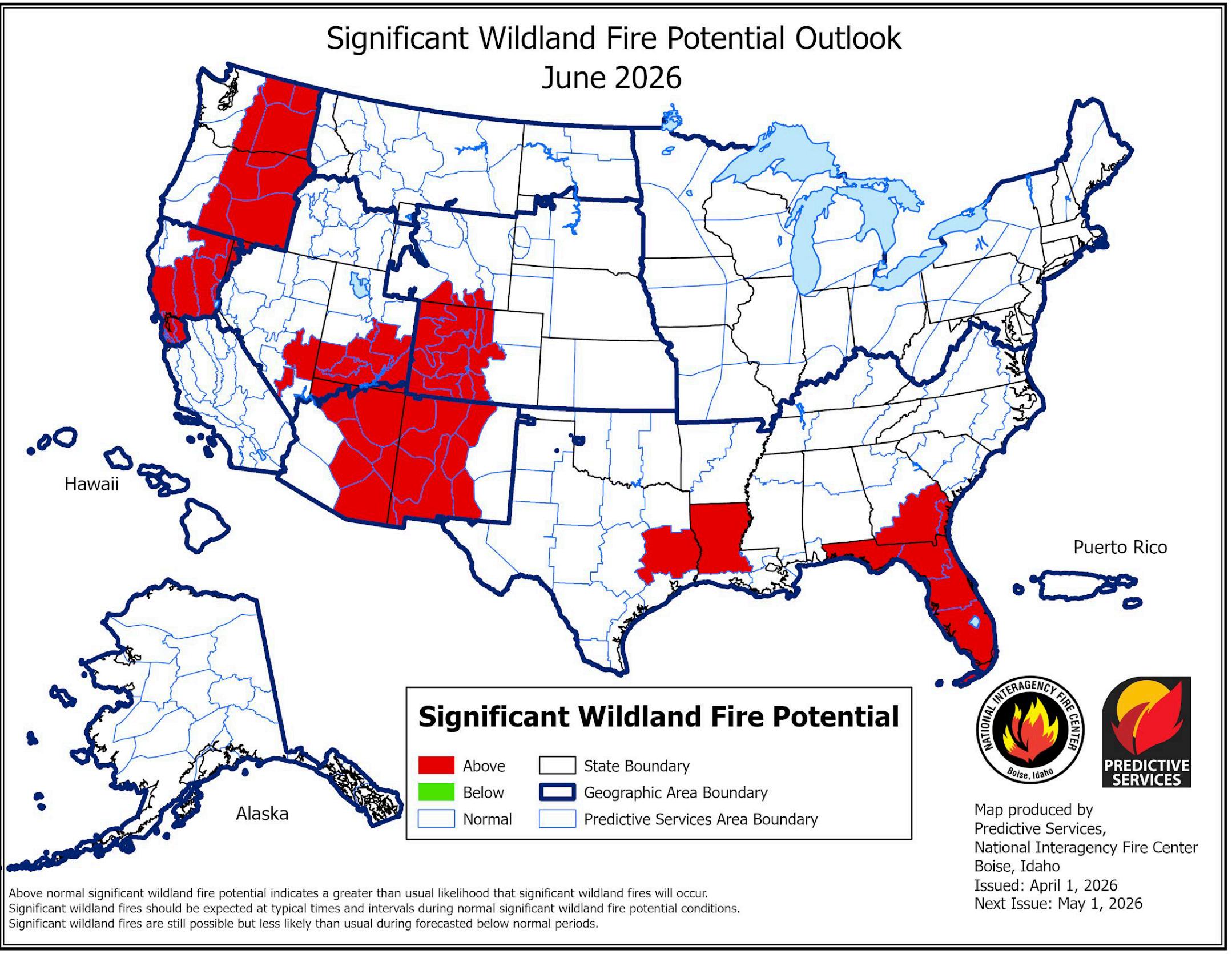
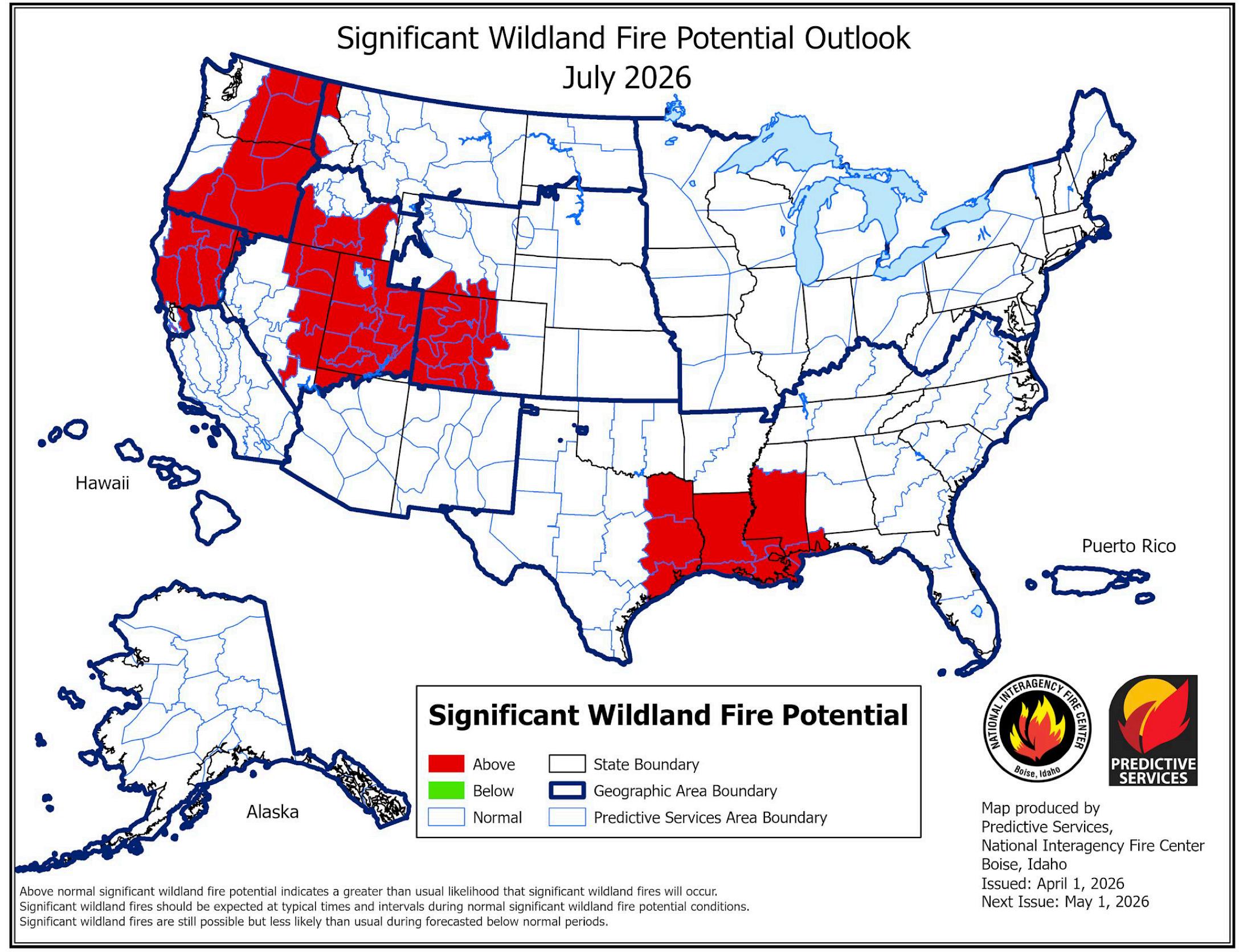
According to data from The National Interagency Fire Center in Boise, Idaho the potential wildland fre outlook most severely impacting Western Colorado will begin in June, 2026 and extend to the entire Western half of the state with July 2026 remaining similar in conditions for potential signifcant fres.
Water Usage and Restrictions
Erin Loughlin Molliconi, Director of Utilities for the City of Aspen discussed the state of municipal water restrictions in the context of this drought condition, reporting that the City of Aspen remains under stage 2 mandatory water restrictions, prohibiting the watering of lawns, gardens and other landscaped outdoor spaces between the hours of 9:00 am and 6:00 pm. This is to reduce the amount of water lost to evaporation at
peak solar exposure hours and a mandatory irrigation schedule that varies based on address.
While this section of the presentation was primarily focused on water usage in the City of Aspen, the Town of Carbondale is implementing more restrictive water conservation restrictions as a result of low snowpack to ensure less strain on municipal water sources, with the potential for stricter restrictions to come later if municipal water usage exceeds 90% of production capacity.
A key discussion point in the presentation was the sources of water in the event of wildfres, where municipal sources can be used as primary sources for water for fre suppression, but these sources have limits and are not designed to sustain a continual supply of water for fre suppression. As discussed, when it comes to fghting wildfres, the goal is containment over suppression and water, according to Wildland Division Chief of Carbondale Fire Brandon Deter, “water on a wildland fre is a luxury if you have it all.” When water is used for wildland frefghting, air support tankers refll their water tanks at the staging airport they are fying out of (Rife Airport, Sardy Field/ Aspen, or the Grand Junction Airport) which are supplied by municipal sources, where other types of air support (such as helicopters) can draw water out of lakes or
other bodies of deep standing water. When ground crews need water they can set up a system known as ‘water shuttles’ to fll large tanker trucks at municipal sources (or draw water out of other sources such as rivers or creeks if needed) and then drive these trucks to the locations where frefghting operations are taking place for crews to use (this also is a crucial system for water supply in our more rural fre district where even
structure fres can be very far from municipal water sources, forcing crews to be creative with how to ensure they have enough water for a given incident).
Water is crucial both for the reduction of wildland conditions in the wilderness, as well as ensuring a supply is enough to perform suppression efforts when and if a fre starts.
Water conservation now ensures the best chance of preserving these resources for the peak parts of the fre season when water will be a luxury in containing fres or preserving structures.
Maps from the National Interagency Fire Center in Boise Idaho Predict
Signifcant Wildfre chances for June (above) and July (below) for the entirety of Western Colorado
Wildfre
Wildfre
Mitigation
Season
Continued From Page 5...
Aspen Fire Director of Community Wildfre Resilience Ali Hammond presented the stark reality that “wildfres are inevitable, but wildfre disasters are preventable.” She spoke also of how historically forests evolved to grow alongside fre with regular wildfres serving as a natural form of fuel mitigation, but now with humans taking up residence in places where this traditional form of mitigation used to occur, we now have the responsibility to perform these actions ourselves.
Wildfre fuel mitigation refers to the practice of consciously removing potentially dangerous fuels before fres start to ensure homes are protected, or that natural fre breaks exist in wilderness regions to slow the spread of large wildfres. The plan of mitigation is not to remove all risk, but to lighten the chances of a wildfre blowing up to massive sizes. Several mitigation projects have taken place throughout the Carbondale Fire District over the past few years to prepare for a wildfre season like the one on the horizon including work done across BLM, National Forest and Private lands to reduce the density of dead trees and other forms of volatile fuels to reduce the chances of fres expanding to extreme sizes at extreme speeds.
Angie Davlyn of the Roaring Fork Wildfre Collaborative discussed the Collaborative’s focus on community resilience as a practice of “Living With Fire” meaning that it is not a question of if there will be a fre, but when there will be a fre. Davlyn explained that this process is less to do with stoking fears about fres, but preparing for them in advance so that if we need to respond as a community, we are ready to do so, a sentiment echoed by Pitkin County Sheriff Michael Buglione who stressed that the goal of these presentations is not to induce fear, but to educate and prepare communities in the event of such an incident.
Mitigation in the context of preparation for a wildfre season means proactively reducing the potential for wildfres to cause excessive damage by clearing away dead or volatile fuels from places around homes, and being aware of home construction materials and wildfre risk and taking steps to ensure the most preparation can be done. Aspen Fire Chief Jake Anderson and Ali Hammond interjected here that popular wildfre protection home sprinkler systems are strongly discouraged as both a waste of water and a less-than-effect example of a mitigation step.
To maximize the effectiveness of preparedness, the Wildfre Collaborative presented six points of community resilience which were:
1.Early detection and location of wildfre
2.Rapid, effective frefghting response
3.Safe and effcient evacuation systems
4.Reducing accidental human ignitions
5.Strategic fuels reduction near homes
6.Creation of widespread defensible space and home hardening
Points 5 and 6 represent key parts of the mitigation effort, where the reduction of fuels and the construction of defensible spaces (areas that are low-risk to burn that can be easily protected or offer safe spaces for frefghting crews to perform operational work). Mitigation begins with an assessment of
the wildfre risks of a given space which can be done by one of our local fre departments who can provide advice on fuels that ought to be reduced, or strategies to be implemented to harden homes to wildfre risk. Homeowners can then seek out contractors who specialize in wildfre mitigation to complete this work. It was stressed that the earliest possible move to reduce wildfre fuels and risk through mitigation is strongly recommended.
Preparedness and Compliance
“If you have been thinking about packing a “Go Bag” the time to do that is NOW” said Chris Breitbach, Emergency Manager for the Pitkin County Sheriff’s Offce. Preparedness both in terms of home protection and personal evacuation plans are a crucial component of the community resiliency initiative that stand to
introduce more layers of protection and safe management of incidents in the event of a wildfre.
Being aware of evacuation routes, plans and having an evacuation kit ready are steps strongly recommended for each resident of the area to begin to plan for. Wildfre go-kits are not complicated survivalist sets for sale online, but things that can be very easily assembled at home. It is recommended to pack a kit of extra drinking water, stocks of important medications, a radio (battery powered) to be able to hear important communications about the situation in places without cell service or internet, a change of clothes, some easily packable and nonperishable food, a frst aid kit, extra batteries, and a phone/charger. It is also recommended to include important documents, and important medical devices/supplies.

Right: Graphic of fre mitigation zones demonstrating the layout of ideal defensible space
Wildfre Season Continued...
In the spirit of community resilience it is also recommended for neighbors to talk about emergency plans now and get them in place so that if an emergency happens, people, pets, livestock, and property are covered. Collaboration with neighbors and a unifed plan helps to ensure the best possible outcomes for all involved.
Understanding
Evacuation Communications
Pitkin County has adopted the widespread “Ready, Set, Go” three-stage wildfre evacuation communication system. Level 1 “Ready” means to prepare for evacuation, stay informed, have your plan and go-kit ready, and act early if you or your loved ones can’t move quickly.
Level 2 “Set” means to be set to evacuate at a moment’s notice with signifcant danger in the area. Being in the “Set” stage of evacuation means following your evacuation plan (securing pets, family, etc.), grabbing your gokit, and checking for news and updates. In Level 2 conditions, things change very rapidly so be ready to leave quickly, and leave early if you feel unsafe.
Level 3 “Go” means to leave immediately as there is extreme danger in the area, under “Go” conditions, leave without delay, do not stop to gather belongings or protect your home and do not return until offcials announce that the area is safe to re-enter.
The Ready, Set, Go! System is familiar to some who have used the popular Watch Duty app and is becoming a standardized way of communicating evacuation plans in the event of a fre. A challenge in the region is that the Roaring Fork and Crystal Valleys cross multiple county boundaries and each county might employ a different notifcation system. For residents of the Crystal Valley it is strongly recommended to sign up for Pitkin Alerts on the Everbridge website to receive quick and up-to-date alerts from Pitkin County on emergency
conditions. Residents of Marble similarly should be signed up for both Pitkin County Alerts and the Gunnison County Regional Alerts system accessible on the Gunnison County Emergency Management website. In the event of evacuation plans being enacted, Pitkin County can use the 911 system to alert specifc neighborhoods or residences of evacuation conditions for specifc places.
Marble and Redstone present a more challenging addition to evacuation plans with the limited ingress and egress routes, Marble being a one-way in and out community, and Redstone’s current bridge construction project mean that evacuations of either community will be complicated by the limited ways to leave safely. These challenges are actively being prepared for by Carbondale Fire with help from the Wildfre Collaborative.
Fire Restrictions
Red fag warnings (based on a variety of factors including low precipitation, high temperatures and gusty winds) are not new to regular residents of Western Colorado, but Sheriff Buglione emphasized that wildfre season in our region is not only populated by locals, but that we host many visitors who may not know wildfre terminology or procedures, saying that “here a red fag warning means wildfre conditions, while in Florida it means a hurricane.”
Buglione expressed an “education frst, consequences second” approach in fre restriction enforcement based on the variability in knowledge of people in the region, where frst offenses of fre restriction violations are met with a community-policing forward approach to educate people in violation of restrictions of the current stage of restrictions
and the specifc violations committed, while consequences including citations or tickets would come after repeat offenses. He contextualized this approach in an example of a visitor camping in a campground engaging in burning practices against burn restrictions, where frst they would be told to extinguish their fre and the restrictions would be explained. If they repeated the actions, there would be stronger consequences for violating the burn restrictions.
Pitkin County observes two stages of fre restrictions. Stage 1 restricts fres to designated fre grates at developed recreation sites, permanent fre pits or fre rings at private residences that are enclosed in steel or concrete, or in devices that can be turned on and off with a valve such as gas grills or natural gas/propane fre pits. All forms of freworks are prohibited in Stage 1 restrictions as is smoking anywhere except within an enclosed vehicle, building or an outdoor urban area free of fammable materials. Spark producing devises are also restricted including welding equipment, torches and engines without spark arresters which may only be used when operated in a clear area free of fammable materials with a fre extinguisher nearby. Commercial operators may also apply for exemption permits online at pitkinemergency.org.
Stage 2 fre restrictions prohibit all open fres of any kind on campgrounds, private property or recreational areas. Devices that can be turned on and off may only be used in an area at least ten feet away from fammable materials. All freworks are prohibited as is off-road driving including parking vehicles in felds or other vegetated areas unless the area is thoroughly cleared of fammable vegetation. Spark producing devices such as
chainsaws, generators or grinders are only allowed in well-cleared areas with a fre extinguisher nearby and devices must have a spark arrester installed. Welding and torch use is prohibited with exemption permits for commercial activity being available online at the previously stated address.
Operational
Response
Carbondale & Rural Fire Protection District (as well as Roaring Fork Fire Rescue and Aspen Fire) have been preparing for this wildfre season for years according to Chief Goodwin, and each department has taken steps to bolster their operational response for wildland fres in anticipation for a wildfre season like the one approaching. Carbondale Fire has created a new wildfre division specifcally equipped and focused on wildland frefghting operations (lead by Division Chief Brandon Deter) which includes “Initial Attack Crews” which are frefghting crews who patrol the northern and southern most parts of the Carbondale Fire district (Marble and Missouri Heights, the regions furthest from the main station in Carbondale) to ensure quick detection of potential wildfres and an initial quick suppression attack to try to knock down wildfres before they expand in size and move into containment-oriented strategies. Carbondale Fire has also increased their seasonal staffng of wildland frefghters to increase response strength and readiness in the event of a wildfre. Carbondale Fire in conjunction with the Roaring Fork Wildfre Collaborative has hosted and plans to host more community presentations specifcally tailored to our communities. More information about these meetings will be shared as they approach.
Wildfre Season Continued From Page 7...
Operational Response
Carbondale & Rural Fire Protection District (as well as Roaring Fork Fire Rescue and Aspen Fire) have been preparing for this wildfre season for years according to Chief Goodwin, and each department has taken steps to bolster their operational response for wildland fres in anticipation for a wildfre season like the one approaching. Carbondale Fire has created a new wildfre division specifcally equipped and focused on wildland frefghting operations (lead by Division Chief Brandon Deter) which includes “Initial Attack Crews” which are frefghting crews who patrol the northern and southern most parts of the Carbondale Fire district (Marble and Missouri Heights, the regions furthest from the main station in Carbondale) to ensure quick detection of potential wildfres and an initial quick suppression attack to try to knock down wildfres before they expand in size and move into containment-oriented strategies. Carbondale Fire has also increased their seasonal staffng of wildland frefghters to increase response strength and readiness in the event of a wildfre. Carbondale Fire in conjunction with the Roaring Fork Wildfre Collaborative has hosted and plans to host more community presentations specifcally tailored to our communities. More information about these meetings will be shared as they approach.
In Conclusion
The goal of preparedness conversations between emergency response agencies, nonprofts like the Wildfre Collaborative and other local agencies is not to incite fears or other anxieties about wildfres, but to instead create plans that help communities prepare for them in the event they arrive. Wildfres may be inevitable, but they do not need to be
disasters with many homes or lives lost. With common sense and careful planning, communities can work together to ensure that when a fre does start the damage is minimal and lives and property are kept as safe as possible.
Preparedness is not a passive act, it requires conscious, thought-out effort on the part of every member of a community from fre departments to private individuals. By working together we can collectively reduce the risks for ourselves, our neighbors and our visitors by starting early, asking questions of experts and taking active steps to make sure we are ready in the event of an emergency, to evacuate if need be, or to ensure our homes are as protected as possible.
Now is not the time to procrastinate preparing, but rather it is the perfect time to put plans in place, put together a go-kit and talk to family, neighbors and friends about your wildfre plans. The emergency agencies in our communities are working as hard as they can to keep us all safe this summer, and our collaboration with one another and our pre-planning only serves to help make their jobs easier so they can focus on what they do best.
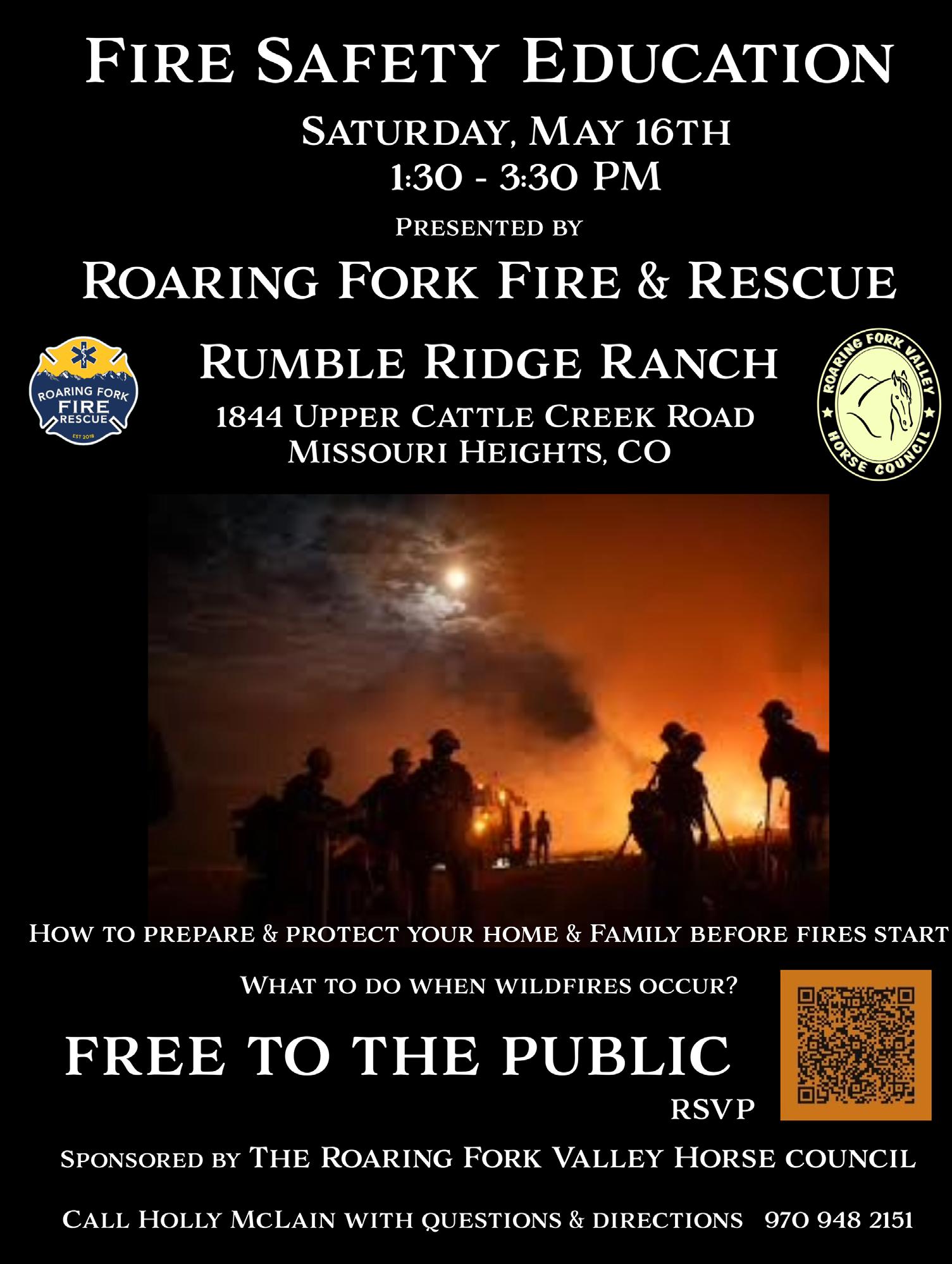
We’re entering fire season earlier, drier, and with less margin for error than almost any year on record Join us to learn how to prepare for wildfire season and protect your home, family, and community A Q&A session will follow
Dr Hussam Mahmoud will present the wildfire risk modeling results for the Marble area, showing how fire could spread and where mitigation is most needed The plan to reduce risk and how you can help will follow
Mariah Villalobos and Becka Louden, FACO-trained Neighborhood Ambassadors, are hosting drop-in go-kit classes with supplies and refreshments provided Make sure that if evacuation is needed, you're ready to go


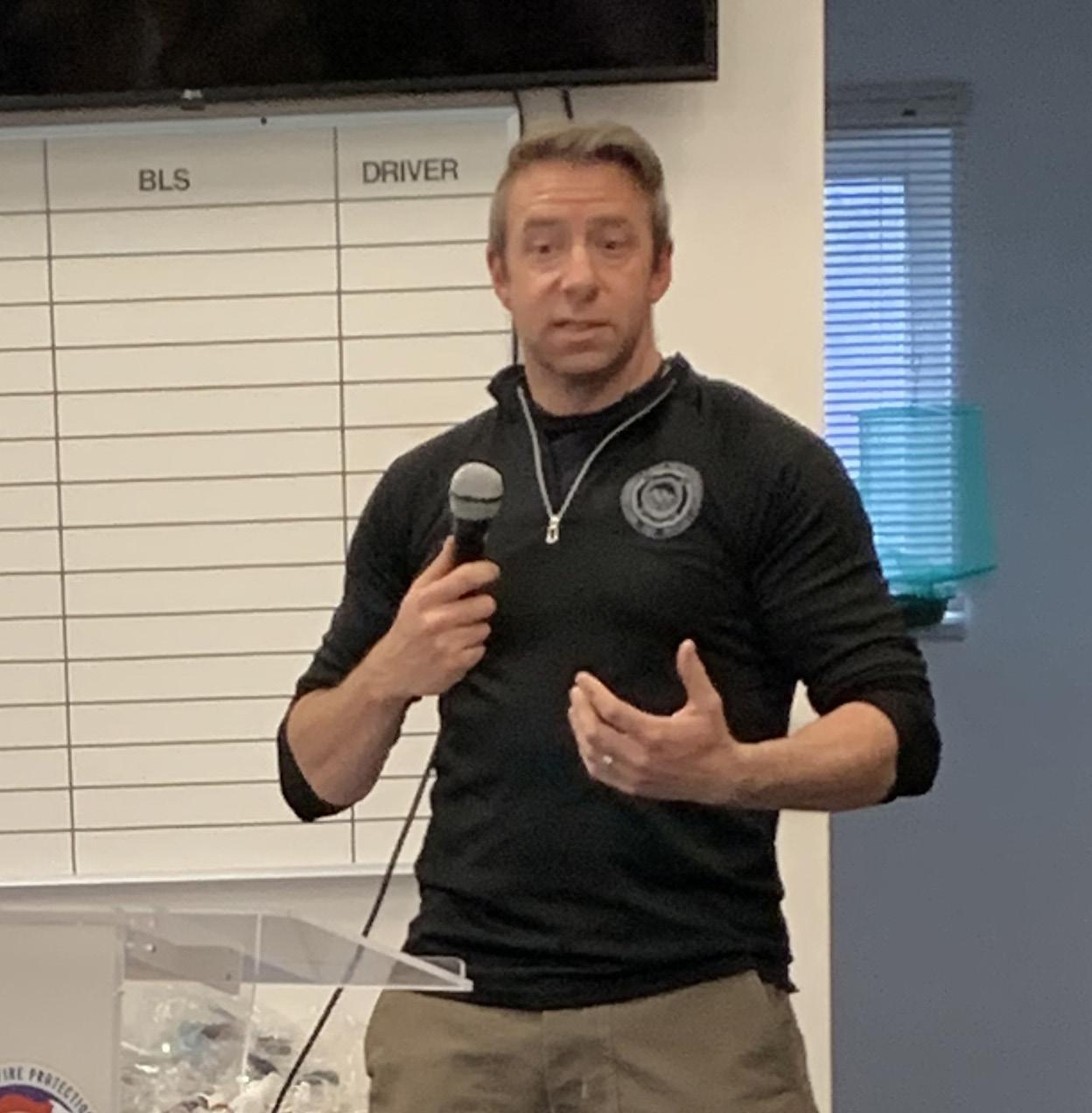
Above: Carbondale & Rural Fire Protection District Wildland Division Chief Brandon Deter addresses Redstone residents in a community information session held April 27th in Redstone. Photo by Deb Strom

Paw & Pen
A Monthly Column About Animals, and Everything Else
by Dr. Oneal Bogan, DVM
It seems like the end of the day usually brings in some of our more critical cases. Not sure if it’s a turn of fate or randomness in the universe but I felt myself anticipating a diffcult diagnosis as I watched the small cat breathe. Her owners had not had her long, a few months. She had been adopted locally, and like many of the pets left at the shelter, she has limited historical information about her health. Something was certainly wrong with the tabby cat, her respirations were fast and labored. Her owner was alarmed when she had stopped eating but the breathing was a new symptom.
X-rays were made the frst priority. Cats having diffculty breathing are considered a medical emergency, and sadly any type of stress (like an exam or blood draw) can set them into respiratory arrest. We gently carried her to the back and she allowed x-rays and an oxygen mask without complaint. Our answer was in front of us - Avy has fuid around her lungs, limiting her ability to breathe.
This pattern in a young cat typically is due to a once deadly virus - the infection creating fuid to build in the chest and abdomen, or often just one body region. The name of the condition is feline infectious peritonitis - of FIP. Once a death sentence, we now have a medication that can be curative in most cats. In these cases, the fuid is yellow and clear. I prepped Avy’s owner for this possibility, and then listed the other more unlikely reasons she might have fuid in her chest - heart failure, thoracic duct rupture, cancer or infection. I told her confdently that it was much more likely the virus - and that we could drain fuid to help her breathe while collecting a sample to give us a frm diagnosis. She readily agreed, sharing with us that this little cat had become a vital member of their family and her husband was particularly attached, despite being a dog person.
With some sedation on board, we collected fuid from her lungs and I was confused when I noted the fuid was brown in color, and had quite a foul odor. This was unexpected and once we completed the procedure, I looked for cells under the microscope. What I saw surprised me further - this fuid was full of white blood cells - she has pus in her lungs! I shared the news with Avy’s mom - and admitted that I was completely thrown off by the appearance of the fuid.
Avy’s journey had just begun that evening. She was diagnosed with a pyothorax (infected chest cavity) and spent a week in the hospital with chest tubes in place, fushes every few hours and a regiment of antibiotics and other medications to help her fght off the infection. She spent the daytime with us and evenings at the ER - and still we all racked our brains about the cause. Has she been bitten in the chest before adoption and an infection slowly festered? The mystery lingered until one evening when her owner racked her brian once again. A memory surfaced of Avy chomping on dried grass in a lovely fall bouquet her owner had received. The query was over - grass seeds, often called foxtails or grass awns can penetrate through most tissue in pets.

It’s common to see several cases each summer of grass seeds spiraling their way in between dog toes, or getting stuck in eyes. In this case, Avy has swallowed the offending seed and it had borne through her esophagus into her lungs, slowly setting up an infection that then took over months later.
Avy is completely back to normal now. She spends her days in her catio that her dog loving dad built just for her. She was able to clear the infection after weeks of antibiotics and devoted care from her owners. I saw her mom the other day with the dogs and she told me that as much as she loves cut fowers, there will never be another vase flled with them in their home. She loves fowers, but she loves Avy much more.
Dr. Bogan's Column Paw & Pen appears monthly in The Crystal Valley Echo and covers topics of pet health, pet care and the bond between humans and animals.



WEDNESDAY, JUNE 3, 2026 | 3:00PM - EVENING
‘Good’ Medicine; Life Lessons from the Coast Salish
A New Monthly Column
By Melissa Forsyth
Greetings from Vancouver Island, BC and home of the Coast Salish people. My dear friend and contemporary colleague, Tucker Farris, and I worked together at the University of Victoria from 2019-2022, so when he asked me to write a piece about decolonization and the healing work I do in trauma recovery, I was honoured and happy to share about my journey into ‘good medicine’. Over the years studying our PhD in sociology, we commiserated on the dysfunction of teaching in an institution that neglected the ‘heart of things’ due to inequitable, institutionalized processes designed to reinforce existing societal stratifcation across race, class and gender. We are comrades as rebels for a cause, the cause being that your heart matters and your life stories matter!
What precisely is the ‘heart of things, ’ you may be asking? Well, let’s journey together to answer this question, as the journey of the heart holds the key to our embodied healing, individually and collectively. While the conditioning of Western society upholds linear thinking and performativity, healing of mind, body, heart and soul is more non-linear, so answers for your own heart's healing will differ, and this is the beauty of human experience and complexity. Strength is built by embracing difference.
In my sociological journey, I applied decolonizing practices in my research and teaching, inserting marginalized voices at the center of discourse and applying storytelling as methodology. Fast forward fve years, and my academic work has pivoted to working ‘on the ground’ at an Indigenous healing house here on Vancouver Island
with Indigenous people who are in recovery from addiction, trauma, poverty, homelessness, and displacement. The people I work with comprise the most vulnerable population in Canada.
My work has moved from teaching many university courses in sociology to predominantly privileged students, to sitting in circles of healing for those who have endured more loss and trauma than can be imagined by most, those who lack family, educational and economic resources, those who have suffered cultural genocide by the Canadian government and religious institutions that sought to ‘kill the indian in the child’. Those who have lived to tell the heart wrenching stories of abuse and neglect, being taken away from their culture and families as children to residential schools set up by the Canadian government and the church. Those who turned to drugs and alcohol to drown the pain of inter-generational trauma. The social context of addiction is misunderstood, and my work now centers around shedding light on the real truth underlying addiction. “Trauma is an invisible force that shapes our lives. It shapes the way we live, the way we love and the way we make sense of the world. It is the root of our deepest wounds” (Gabor Mate from the Myth of Normal). My hope is for my stories shared here to help anyone struggling with addiction, grief, loss and/or trauma.
The circle is the medicine, and the medicine is the circle. I am a witness to Indigenous peoples' stories of pain and suffering caused by colonization and displacement, loss of familial support systems, culture and connection. My witnessing their pain allows them to heal, because as they tell their stories, I grieve with them. I hold them as they cry their tears. Their tears are collected in tissues we later burn ceremonially, giving back sacred tears to Mother Earth.
Tears and all emotions are welcomed and supported for release in the Circle, a concept foreign in the Western context I feel. We sit together in a Circle being held in ceremonies and cultural teaching by elders on healing, reclaiming identity, sovereignty and voice.
It’s without a doubt the most profound work I have been part of to date, from midwifng to teaching to healing, I am now in my sweet spot, the tender-hearted space of deep soul healing. I call it ‘Spirit Birth’ because the healing work we do allows Indigenous people to rebirth their true, authentic selves, align their heart, mind and spirit once again, reclaim their voice, reconnect with their ancestry and cultural tradition. This healing happens while being held in the safety of the medicine circle of unconditional love, grace, compassion, and non-judgment; everyone sitting in the circle bears witness to each person’s suffering via story and somatic, embodied healing practices. This is gut-wrenching work, because the stories of suffering are raw, real and horrifc; however, this work is also the most inspiring because I witness the utmost pain being turned into laughter, song and dance. The most tragic suffering is transmuted into smiles and people rebirthed to themselves, to their true, authentic self, fnding their voice again, speaking their truth and being able to move from the shadows to the light. ‘Spirit birth’ is self-awareness and reclamation. The trauma doesn’t need to be their story anymore; pain no longer needs to run their lives to destruction by addiction or death by suicide. Indigenous people in Canada have the highest rates of loss by suicide and addiction than any other group, and yet they are only 5% of the population.
Continued Page 11...
I would like to share foundational First Nations Teachings from the Coast Salish here that I feel are integral to healing for anyone experiencing loss, grief, addiction and/or who has endured trauma, either situational or relational. Living in the political and socioeconomic times we live in today causes profound uncertainty, lack of hope and despair.
I believe First Nations teachings provide a lens of hope for collective healing. I will share in this column over time, relational ideas for healing of mind, body and soul that I have learned in my work with the Coast Salish people.
The frst concept I want to share is belonging. All my life I didn’t feel like I belonged anywhere. Yet I was drawn to Indigenous stories, myths, legends and accounts since I was a small child. Learning that I am Metis on my Mother’s side, originating from Red River Cree settlement in Winnipeg, Manitoba, allowed me to fully understand who I am and fnd my sense of belonging to the ancestral roots of Cree-Metis, Scottish and English settlers. I feel ‘at home’ with First Nations people here in BC, and their teachings offer me hope for humanity and the birth of something new, a way to thrive, possibilities for ending the devastation of war, corruption and cultural chaos. So many of us don’t know where our ancestors came from, and I think this is the frst point of healing our identity, understanding where our ancestors come from, and the trials they endured.
The First Nations people have taught me that we all have blood memory, so the experiences of our ancestors pass through our bloodline, and sometimes we may not have a conscious understanding of blood memory, but we have an unconscious yearning to know why we are the way we are. Knowing who we are and where we come from is an integral part of healing from the perils of a colonial, capitalist, stratifed society. So for starters, ask yourself this question: Can you name the territory and Nation your Grandmothers were born on?
In subsequent writings, we will explore together the First Nations Mental Wellness Continuum framework, a strength-based framework that promotes mental wellness illustrated as the medicine wheel: hope, belonging, meaning and purpose. These four key elements work together and, when aligned, contribute to the mental wellness of individuals and communities. From coast to coast, First nations people have said that a connection to spirit (identity, values and belief) promotes hope; a connection to family, community, land and ancestry promotes a strong sense of belonging knowing who one is and where one comes from allows one to think and feel and understand life from an Indigenous perspective and promotes a sense of meaning; and an understanding of the unique First Nations way of being and doing in the world promotes purpose.
Melissa Forsyth is a Trauma Counsellor at a Coast Salish Indigenous healing Centre on Vancouver Island BC, and a sociologist trained in social theory, midwifery and Indigenous health. )
Amped! Magazine Update
Last month, the Crystal Valley Echo announced a collaboration with Amped Magazine to cover local youth music journalism. It was reported that Amped would appear in this issue of The Echo in a special 6 volume edition. This was reported before the Echo Staff was fully aware that the to-date collection of Amped Magazine is over 100 pages, which is an amazing feat!.
As a result, The Echo is working with Amped to produce a bound edition of their frst six months of issues that will be available for purchase this summer (with all proceeds from sales supporting the magazine). Amped will appear in the Crystal Valley Echo beginning in the June issue as a free insert.
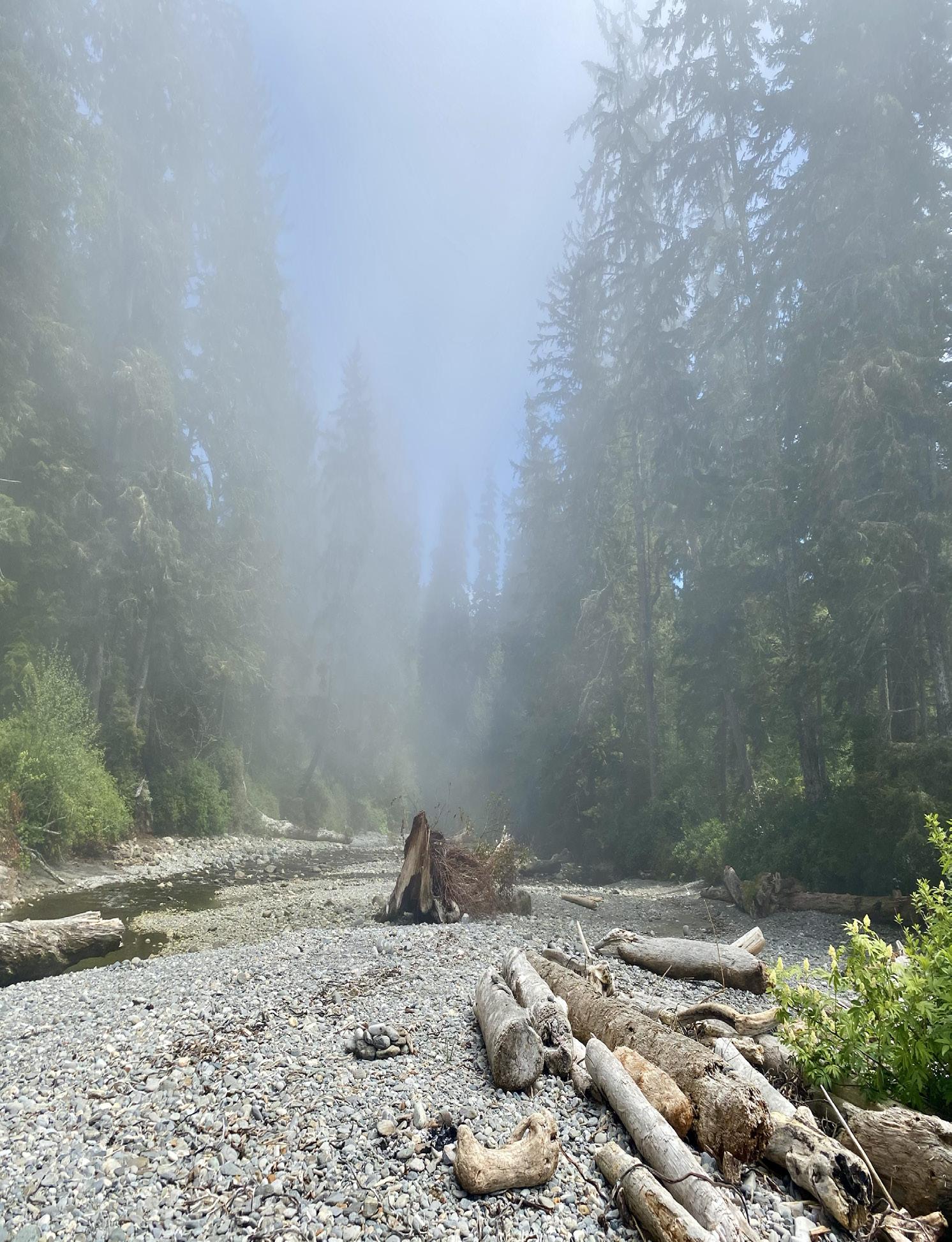
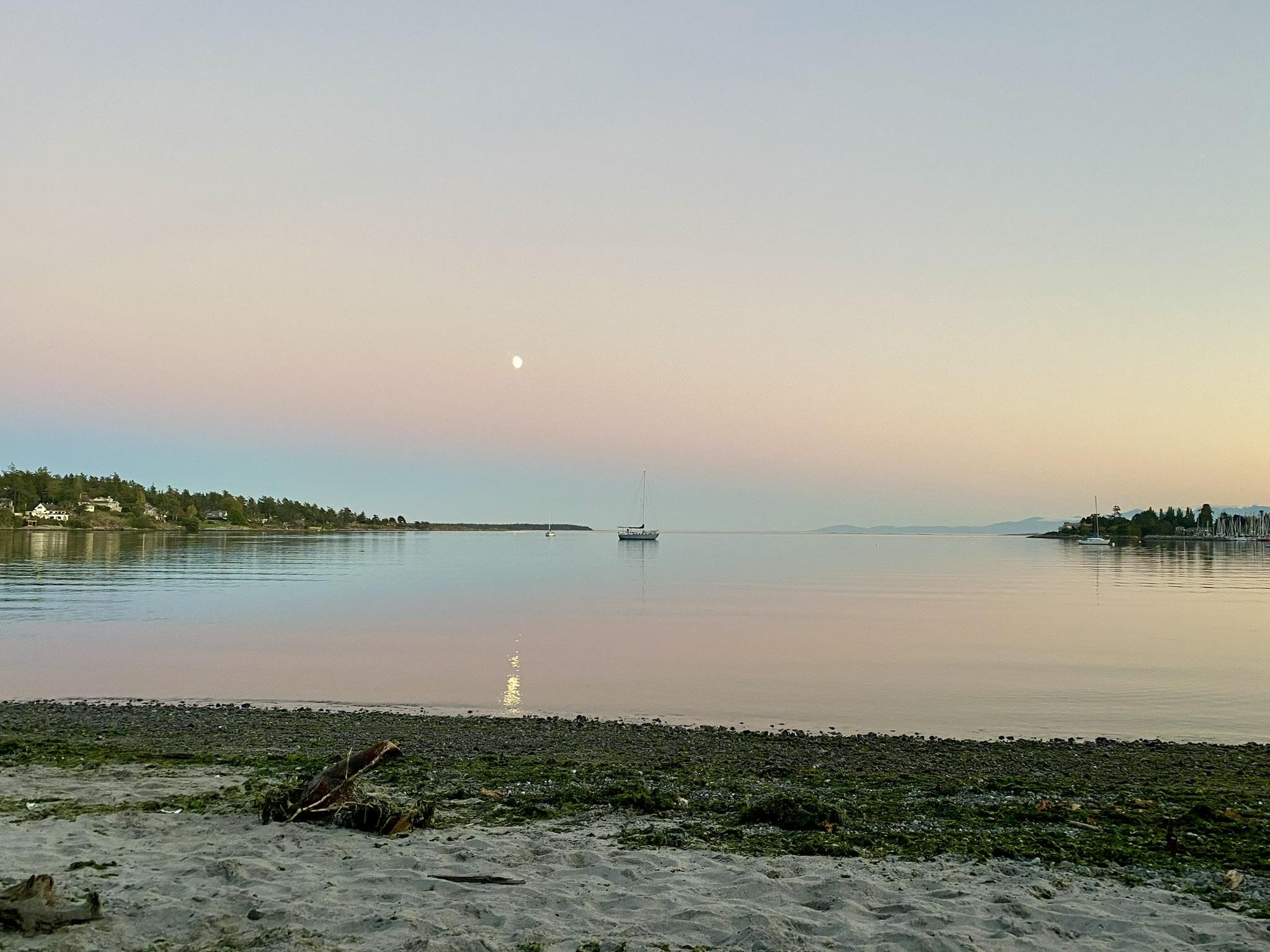
Above: An estuary on the Western coast of Vancouver island near Sooke, British Columbia. Crystal Valley Echo File Photo
THE MARBLE TIMES
A LOOK AT LIFE AT THE MARBLE CHARTER SCHOOL
Ecosystems and the Changes They Go Through
By Freya; Fourth Grade
Ever wondered why an ecosystem falls apart when you take away one animal? Well, the animals depend on each other to survive. Let's say that you take away the plankton. The plankton feed the fsh which feed the sea otters which feed the sharks which feed the killer whales which feed us. (Unless you’re a vegetarian) Basically, when you take one animal away, disaster strikes. The wetland ecosystem of the Everglades, the National Park of Yellowstone, and the Kelp forests of the Pacifc are and have been affected by human activity.
One of these is the Everglades. The Burmese python was released into the Everglades by a human who bought the python at a young age and as it grew up, the human released it because it grew too big to handle. This caused big problems in the Everglades, because they’re eating machines, the pythons ate the animals and kept breeding. In 1979, the frst Burmese python was found in the Everglades, Florida. People had two contests to see who could kill the most Burmese pythons. They eat birds, and small mammals. “They kill by wrapping their body around their prey.” Because they kept breeding and breeding, they became an invasive species.
Another one of these is the wolves in Yellowstone. When the wolves got shot out of existence in Yellowstone, the elk and deer population grew, which was bad because the elk and deer rubbed on the trees and ate them. The wolves kept the deer and elk from killing the trees. The trees were homes for the birds, bugs, and the trees and grass kept the river from erosion. 8 wolves were reintroduced in 1995. Since the wolves were introduced, the elk and deer population decreased, then the Aspen, Willow, and Cottonwood trees grew healthier. Since the wolves stopped the deer and elk, there was less river erosion, and healthier rivers for the beavers and fsh. The wolves eat deer and elk which provided food for the raptors. The wolves reduced the coyote population, so small animals (rabbits, rodents, foxes, etc.) increased.
The last environment is the sea otters in the Pacifc ocean. In the 1700s and the 1800s, sea otters were hunted for their fur. Since that happened, sea otters were almost extinct. Sea otters ate sea urchins, which ate kelp
forests. Without the sea otters, the sea urchin population grew, they ate the kelp forests, destroying them along with other animals' habitats. The kelp slowed the ocean current. Without the kelp, there was a lot more erosion on beaches and shoreline. Humans fnally fgured out what was wrong with the environment, so in 1911, sea otters became protected.
The environment is delicate, and I hope you know how fragile it is, and if you see something wrong with the environment, tell someone. Also, don’t throw trash in the ocean, because sea creatures are probably going to eat it and choke, so if you see trash, pick it up, because it could mean life and death between an animal.

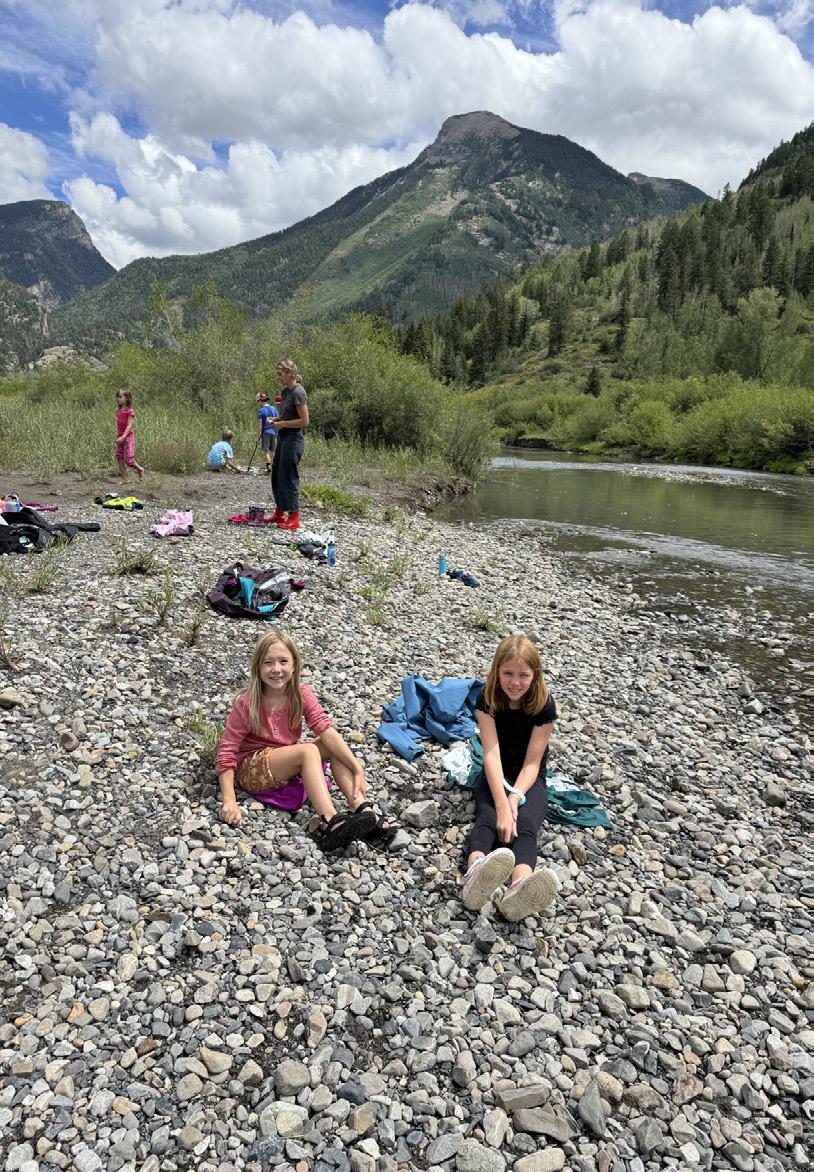
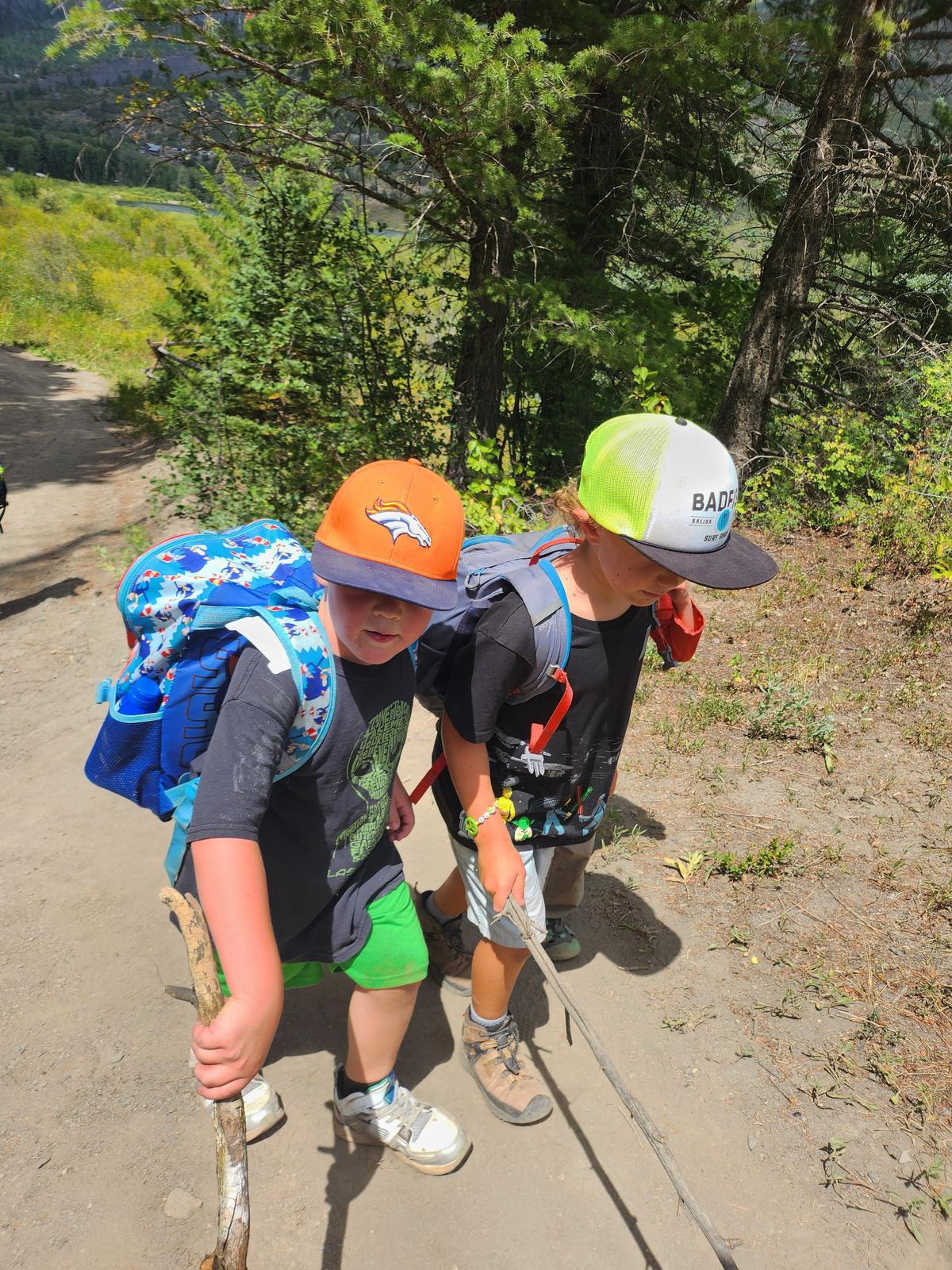
Marble Summer Program



Smokey Bear
A History of The Slogan
By Cathal Branigan; Crystal Valley Echo Correspondent
“Remember, Only You Can Prevent Forest Fires.” - Smokey Bear.
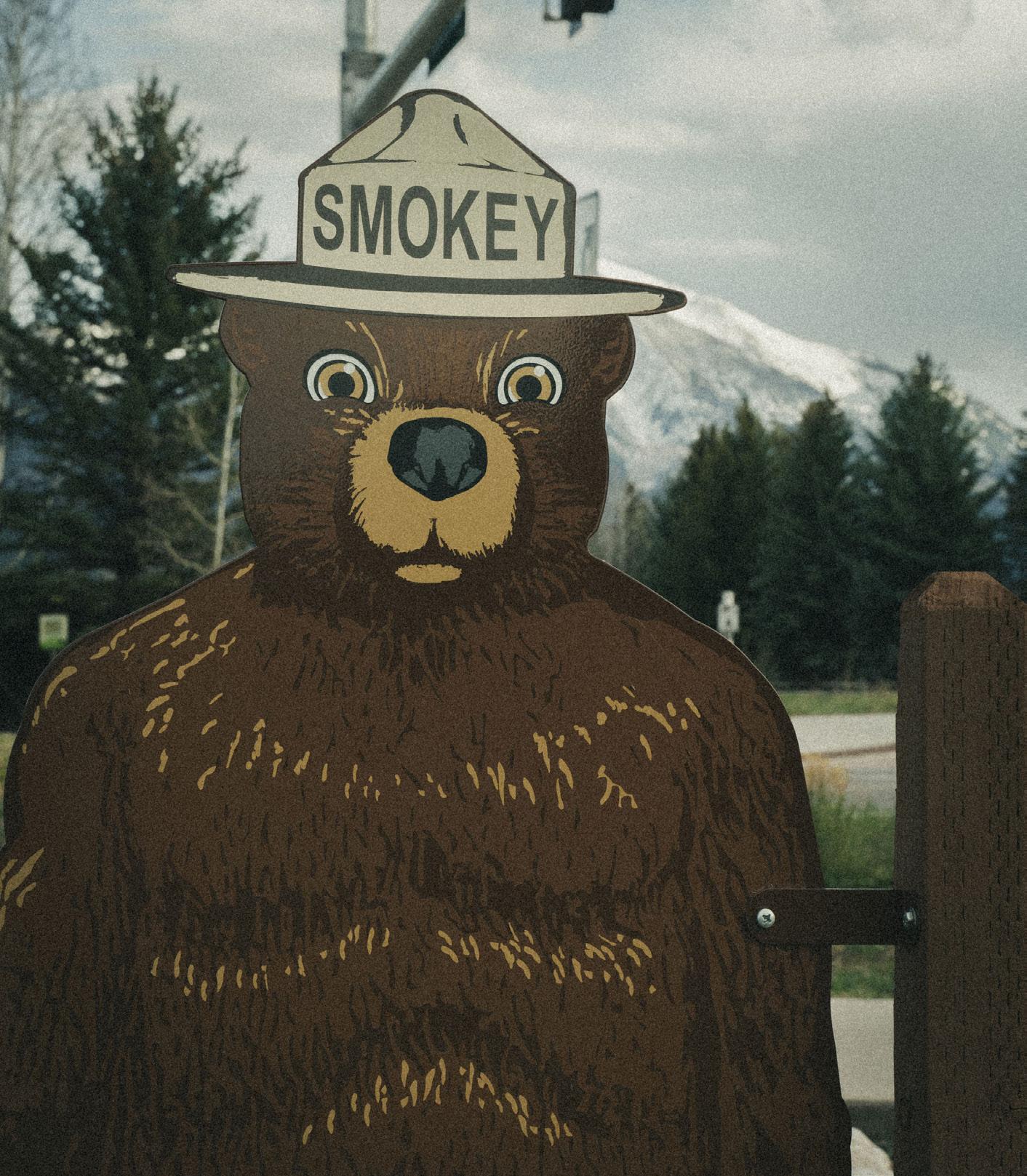
This well-renowned message, delivered often by a bear with a shovel, was coined during the mid 1940’s. The character and his slogan are accredited as the longest running environmental campaign in United States History. Made in an effort to educate the American public on the dangers of forest fres and possible preventative measures. So how did the humanoid black bear in blue jeans and a ranger’s cap become the campaign's formal icon?
On February 23, 1942, after the U.S. joined WWII, a Japanese submarine appeared off the coast of Santa Barbara, California. The submarine fred more than a dozen shells at the Ellwood Oil Field. Later known as the Bombardment of Ellwood, this historical event resulted in zero casualties and only an estimated $500 of fre-spread damages. Instead, the primary impact triggered a heightened fear of loss of land or resources amongst U.S. citizens. With the majority of the Nation’s frefghtersfre fghters fghting across seas, the American public now found themselves experiencing the frst barrage of U.S. fre prevention media. Fire prevention and forest protection had become of National importance.
The United States Forest Service began their campaign with a rather direct, dramatic approach. Common tactics depicted religious symbolism, often accompanied by phrases like “Our carelessness, their secret weapon”. Successful at raising awareness, particularly towards adults, yes. Yet they needed another big portion of the populace on board. As a result, the United States Forest Service began to acquire marketing aid from the Wartime Advertising Council - later renamed Advertising Council Inc. With their collaborative support, Walt Disney allowed the likeness of the animated character Bambi to appear in art form. The depictions of wild animals being affected by wildfre effectively transitioned the campaign towards a younger audience. The only problem being: Bambi was on temporary loan. Enter - the bear.
Artist Albert Staehle was commissioned to design what would become their mascot. Even as the design changed over the following years, the iconic blue jeans and ranger’s hat were a staple of the character. He was frst depicted stating, “Care WILL prevent 9 out of 10 forest fres!” Which has remained generally true even with current-day statistics from the USDA Forest Service and the National Interagency Fire Center, reporting nearly 85-90% of U.S. forest fres are, in fact, caused by human activity. Later, Rudy Wendelin became Smokey Bear’s offcial designated artist. Finalizing some of the more characterizing details to pronounce his overall confdence and lawful nature. Soon, he minted the popular tagline “Remember, only you can prevent forest fres.” Within a year, the phrase had earned signifcant traction. The campaign began to skyrocket, which only increased in 1947 when the voice of Smokey was broadcast on the radio. The character was offcially performed by popular actor Jackson Weever. Weever kept his role as Smokey for 45 years until his death in 1992, making him the longest-serving voice actorcast of the beloved character through both radio and television.
Meanwhile, in May of 1950, a sawmill in New Mexico burned roughly 17,000 acres of the Lincoln National Forest. A human-induced blaze from a cook stove sparking into a debris pile. Upon the salvage and cleanup stages of the site, a live black bear emerged. Orphaned and badly burned, the cub was fown to the Smithsonian National Zoological Park. After recovering, the cub remained at the zoo, offcially earning the name “Smokey Bear.” Named after New York Firefghter “Smokey Joe” Martin, who had suffered severe burn injuries and blindness after a bold fre rescue in 1922.
At the height of his fame, Smokey Bear amassed 3 million visitors annually and up to 13,000 letters a week! This resulted in Smokey being the only “celebrity” to earn his very own zip code. He was the recipient of so many donations that Congress passed the “Smokey Bear Act” (Public Law 82359), which removed the character from the public domain and placed him under the control of the Secretary of Agriculture to manage his image and royalties. Even having his own TV adventure series, “The Smokey Bear Show,” aired on the General Electric Fantasy Hour. Note: the confusion surrounding Smokey’s name originates from this show’s theme song. Smokey remained at the National Zoological Park in Washington DC, having one successor in his lifetime, before he passed on November 9, 1976, at the age of twenty-six. Having celebrated the character's 80th birthday last year, Smokey Bear still symbolizes the care and awareness an individual should have when it comes to wildfre prevention.
Cathal Branigan, is a local Nature Photographer and director of WestWild Films. Living in the Roaring Fork Valley, he intends to instill the theme of human impact both visually and in print.

Photo by Cathal Branigan
A Column by Ted Benge
Springtime Gobbles
His blue head shot forward, snood fopping, and he ripped a thunderous gobble that sounded like a loud, animate rattlecan. The curved noggin retracted and settled among glossy feathers on a bright red neck bedecked in plump, wart-like pods, called caruncles. I glanced nervously at the brighteyed person in the passenger seat; she smiled uncertainly. I was rapt as the gobbler strutted to and fro on stiff legs, feathers puffed out and tail fan spread.
“Look at that!” I said, breathless, as if she had missed the turkey display just feet off the road.
We had spent at least an hour driving around looking for turkeys, occasionally stopping so I could project a series of clucks over felds and into woods, hoping for a response. My companion seemed interested, a good sign, though perhaps she was not quite as thrilled as I was. It was one of our frst “dates,” maybe not very romantic. But take note, boys, because she has agreed to marry me.
The Merriam’s turkeys (Meleagris gallopavo merriami) that populate our high woods, shrubs and meadows are native to Colorado and are some of the most charismatic birds in the Roaring Fork Valley. In the early 1900s, unregulated market hunting and habitat loss nearly drove wild turkeys to extinction across the continent, but they now exist throughout the Lower 48 as a result of nationwide reintroduction efforts led by federal and state agencies, hunters and conservation groups supported by PittmanRobertson Act funds. Colorado Parks and Wildlife launched a reintroduction program in the 1980s; today, there are over 35,000 birds in the state, including Rio Grande turkeys on the Eastern Plains. Locally, birds roam from the Thompson Divide to the Aspen Area and the Crystal Valley.
Turkeys are territorial, and males will gobble at crows, owls, even the sound of a car door slamming. I remember venturing into the Thompson Divide area as a young boy, and my dad teaching me the barred owl’s call sequence, “who cooks for you, who cooks for you alllllllll!” We were trying to “roost” turkeys in the evening before a morning hunt. We have had back-and-forth dialogue with owls in the dewey pre-dawn.
Male turkeys, called gobblers or Toms, have bare red heads that can change to white and blue, and long, coarse feathers growing from their chests, called beards. Young males are called Jakes. Hens, females, are smaller in size, and have grey heads.
Turkeys are omnivorous, and eat seeds, acorns, grasses, leaves and other vegetation as well as insects, snails and small reptiles. They often travel in large focks, numbering up to 60 birds, but fracture into smaller groups during the spring mating season. They are capable fyers, and nightly roost in tall trees, including cottonwoods, pines and junipers, though spend most of their time on the ground. They are wary, with excellent eyesight and hearing, and are fast runners. Hens can be defensive, I once watched four Eastern Turkey hens chase a coyote from a feld in Kansas. They trailed him in a neat line, pecking and clucking, as he slunk off with his tail between his legs.
Springtime is turkey mating season, and their courtship exhibitions are among the most incredible in nature. Males attract hens by strutting, drumming and gobbling. Their iridescent bronze, blue and purple feathers stick straight out, enlarging their silhouettes, and they parade back and forth in clearings and felds, emitting raucous cackling gobbles and strumming sounds, like a car engine revving. Hens communicate with a wide range of vocalizations, including clucks, purrs, whines and loud yelps. Gobblers have long spurs on their legs, and will sometimes fght in the heat of the season.
Once hens have chosen a mate and bred, they build nests in shallow depressions away from the fock. In late May or early June, after an average of 28 days, the babies, or poults, peck through the eggs and into the world., Hens on nests can be aggressive and territorial. My brother, Roy, and father once stumbled upon a clutch of fuffy poults in the woods. From the brush charged a hen, wings spread wide and fapping, head pecking with malice. She chased the two men through the woods (uphill, even) as they scrambled and stumbled in terror. If you discover a nest or see an agitated hen lingering near an area despite human disturbance, leave and give her and her brood space.
One day when I was six years old, out in the woods with my dad and Uncle John, a 5:00 a.m. alarm, trudge through thick brush and the excitement of it all left me fatigued. Despite my best efforts, I fell asleep beneath a tree as a hot gobbler came into our calls. When I awoke, Uncle John informed me that my dad had just shot a turkey (with a 12g shotgun, which is not exactly quiet).
“No he didn’t!” I said. Uncle John is a notorious teaser.
”Well, it must have had a heart attack, then,” he said, “because it’s right there in the grass.”
Observing, listening to and hunting turkeys represents for me an important springtime ritual comprising relaxing days in the woods, long naps in the dirt, and time afeld with family and friends. It’s even a great way to secure a fancée.
Ted Benge was born and raised in the Roaring Fork Valley and is a lifelong hunter, skier, and hiker. He owns Capitol Peak Outftters and works as an AVSC ski coach. He lives in Carbondale with his fancée, Aisha Weinhold.
Reclaiming Roaring Fork Water
By Francie Jacober; Pitkin County Commissioner
Last fall several Pitkin County commissioners, representatives from the Colorado River Water Conservation District, Twin Lakes Reservoir and Canal Company representatives, and the County’s consulting water engineers spent a few hours driving and hiking around the water infrastructure systems on Independence Pass. While I have been aware of the trans-basin diversions from our rivers and streams, including Lincoln Creek and the Roaring Fork River, I had never actually visited the points of diversion. Under blazing aspens and a bright blue sky, we walked and talked.
The Colorado River Basin diverts up to 500,000 acre feet of water annually to Front Range entities. Of this total, the Twin Lakes diversion accounts for 46,000 acre feet of water annually which fows through the Twin Lakes Tunnel from Grizzly Lake over to the Twin Lakes Reservoir on the other side of Independence Pass. This is the Independence Pass Transmountain Diversion System, operated by the Twin Lakes Reservoir and Canal Company. The source water is from 45 square miles in the upper Roaring Fork, including Lost Man Creek, Lincoln Creek, and Grizzly Creek. This water was originally designated by Crowley farmers for irrigation purposes, but today it is primarily used for municipal, industrial, and domestic purposes on the Front Range. Because of this diversion, the Roaring Fork can become seriously depleted by the end of the summer. While we stood on the dam at Grizzly Reservoir looking down at the Roaring Fork, I began a casual conversation, inquiring about Twin Lakes water rights shares. I asked
the Twin Lakes people if there were any shares available for purchase. We informally discussed how many shares there are (around 20,000!!!), how much cost, and what types of entities own them. 95% of the shares are owned by Colorado Springs, Pueblo, and Aurora.
Shortly after this site visit, the Board of County Commissioners began to seriously discuss whether we could actually claw back some of the Roaring Fork River water and keep it on the West Slope – in the river itself. Both Aspen and Pitkin County have been concerned about instream fows in the Upper Roaring Fork and Twin Lakes water rights shares offered a possible solution. We hired a water brokerage company who eventually found shared for sale. The offshoot of that Independence Pass hike? Pitkin County bought 60 shares of water from the Twin Lakes Reservoir and Canal Company and 34 shares from Fountain Mutual Ditch Company. This represents about 71 acre-feet of water annually, including 45 acre feet that will no longer leave the Roaring Fork Valley and travel to the Front Range. We closed the purchase on April 2 and are hoping to leverage the Fountain Mutual water for further purchases from Twin Lakes. As far as I know, this represents the frst time the West Slope has successfully brought back our water from the Front Range.
And Progress on the Crystal River Pitkin County is also making progress on achieving protections for the Crystal River. The three subcommittees which have been working on ways to preserve the unique recreational, scenic, and historic aspects of the river are the Instream Flow group, the Intergovernmental Agreement group (IGA), and the Wild and Scenic group.
All three groups have been working for many months to fnd ways to secure the hydrology of our river. The Crystal is one of the last free-fowing rivers in Colorado and the BOCC is committed to keeping it that way. At this time, the IGA group has brought forth an agreement which is currently in the process of being approved by Pitkin County, Gunnison County, the River District, the Town of Marble, and West Divide Water Conservation District. This is a signifcant moment of cooperation between these groups. The IGA states that each and all of these jurisdictions will not support on-channel dams on the main stem nor any diversion from the Crystal River. This is an achievement that deserves celebration and the frst important step in protecting our river.
Pitkin County has also been very involved with land use issues, our public lands’ protections, and concerns about wildfre in our area. With the driest winter any of us can remember threatening our river fows, we are urging all residents to use water wisely this summer. We will have more on this in the next issue, but, in the meantime, please consider watering your lawns only once a week. They will turn brown, it’s true, but they will come back. Be careful with fre – NO FIREWORKS – and be sure your trucks are not dragging chains. Sparks from chains have started some of the West’s worst wildfres. Consider not building any campfres when you are in the backcountry this summer. Yes, it’s nice to sit around a fre, but try carrying a candle and having a symbolic tiny fre. If we all act now as though severe fre restrictions are in place, we can do our part to avoid catastrophe.
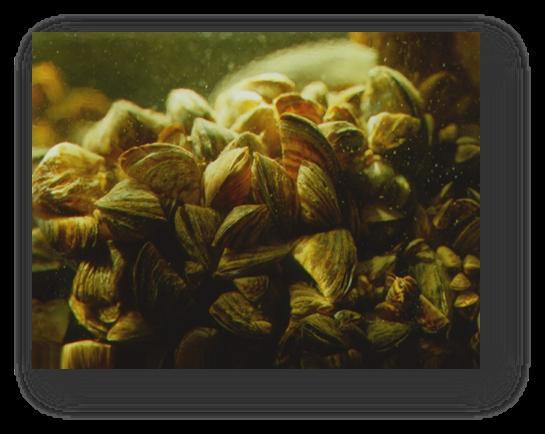
Our rivers have zebra mussels and New Zealand mudsnails. Only you can prevent their spread.
Don’t take them home with you and don’t bring any other invasive species here, either!
Protect our rivers. Clean, drain, and dry all water-related gear.

eep your distance rom storm drains and new bodies o water while cleaning all e uipment.
emove all visible plant material, animals, and mud rom the board, in, and associated plugs.
Clean all e uipment used including paddles, personal lotation devices, and leashes


nsure all water is drained rom your watercra t. ponge or towel dry areas where water is unable to drain
ind a place where the watercra t can continue to dry completely.
Photo: Colorado Parks & Wildlife
Redstone Community Association

April 6 Meeting Discussion
Easter egg hunt rec ap: 100 baskets were distributed to loc al families
Four th of July planning discussion, including road closures, traffic control, and permitting
Follow up on traffic speeding and sign placement on the Blvd
Community proper ty cleanup is set for May 2, all volunteers are welcome
May Meeting Agenda Items
July 4th finalization of timing and details, including Grand Marshal nominations
Discover y Trail 250th year event @ Redstone on August 24
Annual potluck moving to June; bridge opening celebration planning Cell tower work update on timing and community impact





Ranchers Are Environmentalists
Guest Opinion by Holly McLain
"The Earth does not belong to us: we belong to the Earth."
-Marlee Matlin
Ranchers are environmentalists. They keep open space lands by sustaining their livestock, while maintaining those lands for optimal health. In 2026, ranchers are challenged by drought, reintroduction of wolves, and they fght to maintain the ranching lifestyle for their families and for our American Western Heritage. Big money development offers millions of dollars for their family ranchland.
Once a ranch is sold to development, the land will never go back. It is lost forever! Suburbia and cities spread like a virus, flling our beautiful open spaces with humans and their needs for amenities. Wildlife is also driven out.
The Roaring Fork Valley is fortunate to have dedicated land guardians.
Aspen Valley Land Trust (AVLT) is dedicated to protecting land forever in the Roaring Fork and Colorado River Valleys. For 55 years, AVLT has been a trusted community-supported conservation partner helping to ensure the natural and community health of the region.
Pitkin County Open Space and Trails (POST) conserves nearly 30,000 acres through open space ownership and conservation easements and maintains 86 miles of trails and 60 miles of Nordic trails.
Eagle County Land Trust (ECLT) Their work is forever and the benefts are for all. They work for nature, for landowners, for wildlife and wild places, and for our community, which will last forever. The places and views we love will be here in perpetuity thanks to their efforts, inspiring awe for our children and countless generations beyond.
Holy Cross Cattlemen’s Association (HCCA) represents large land holding ranchers with approximately 105 ranching families and 35 agriculture associated businesses/supporters of ag from De Beque, Parachute, Silt, Rife, New Castle, Glenwood Springs, Carbondale, Basalt, Woody Creek, Snowmass, Aspen and Burns. They inform members of opportunities that can affect livestock productivity and proftability. They promote youth education and involvement in the cattle and ag industries, while offering scholarships. Ranchers provide high quality protein to the community. Ranchers like to say “Working Lands in Working Hands” Preserving land for future generations. Continued on Page 18...
Meetings and Legal Notices:
Town of Marble: The Marble Town Council meets the frst Thursday of each month at 7:00 PM at the Marble Community Church Fellowship Hall. This Month's Meeting will take place Thursday, May 7th.
Crystal River Caucus: Crystal River Caucus regular meeting, Thursday, May 14 beginning at 7 PM at the Church at Redstone. The agenda will be sent to those members on the caucus email list. If you are not on the list and would like to be, contact: crcaucus@gmail.com
Redstone Community Association: Meets the frst Tuesday of Each month at 5:30 pm in the Redstone Inn Library


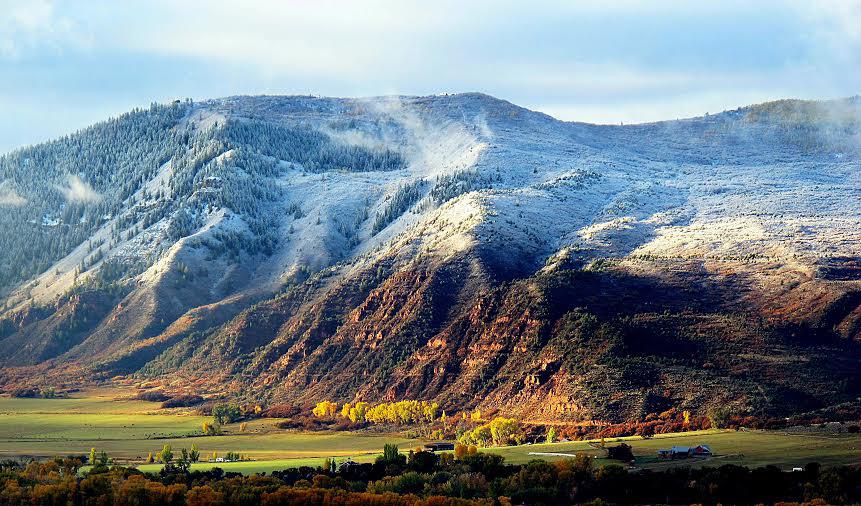
Above: Glassier Open Space, Photo by Holly McLain
Ranchers Are Environmentalists Continued...
Environmental Benefactors among local citizens fght to keep the developers at bay. Governmental support and land conservancy partnerships have made a difference.
Recently, AVLT, POST & ECLT purchased the “Three Meadows Ranch”, the 4,251-acre expanse along Cottonwood Pass in Missouri Heights, which is one of the largest remaining intact landscapes in our region. It is a haven for wildlife, a vital watershed, and now, a permanently protected open space. AVLT & Pitkin County partnered to protect Coffman Ranch, 141 acre ranch in Carbondale. Pitkin County holds the conservation easement for Coffman Ranch, which is owned by AVLT, requiring the county to be part of the application for a Great Outdoors Colorado Community Impact Grant.
Eagle County & Pitkin County partnered to protect The Glassier Open Space, comprised of two properties, which were acquired in 2013 and 2014 and total 282 acres. Both properties are located in the Eagle County section of the Emma area in the Roaring Fork Valley, where Pitkin County manages and maintains the property with consent/agreement from Eagle County.
Our valley is doing things right to protect its open space lands.
Pitkin County & The Wilderness Land Trust purchased the 650-acre Snowmass Falls Ranch for $34 million in early 2024, fnalizing a historic conservation deal in partnership with The Wilderness Land Trust. Previously, the Perry family owned the property for 80 years. Its origins date back to the early 1900s when Kate Lindvig, known as the "[Cattle Queen of Snowmass]," established it.
Garfeld County supports AVLT’s purchase of the Coffman Ranch near Carbondale for use as an educational resource for local schools that also provides public access to a remote stretch of the Roaring Fork River. The Board of County Commissioners approved $200,000 from the Conservation Trust Fund to be granted to the town of Carbondale toward the project.
More needs to be done! The BLM can restrict human recreation to protect the land and the wildlife.
Ted Benge, born and raised in Roaring Fork Valley, a lifelong hunter, skier and hiker, owner of Capitol Peak Outftters, who works at AVSC as a coach, has penned an article for the Crystal Valley Echo ( https://www.crystalvalleyecho.com/) – “Seasonal Closures Matter More Than Ever.” Protecting our wildlife is imperative. (Originally Published in the April Edition of the Crystal Valley Echo)
"I think having land and not ruining it is the most beautiful art that anybody could ever want to own."
-Andy Warhol
"We abuse land because we regard it as a commodity belonging to us. When we see land as a community to which we belong, we may begin to use it with love and respect."
-Aldo Leopold
Two different perspectives with the same message! Protect, preserve, respect and love our open space lands and the wildlife that depend upon them for survival.
Respectfully Submitted,
Holly McLain – Concerned about our planet’s future. Carbondale, Colorado
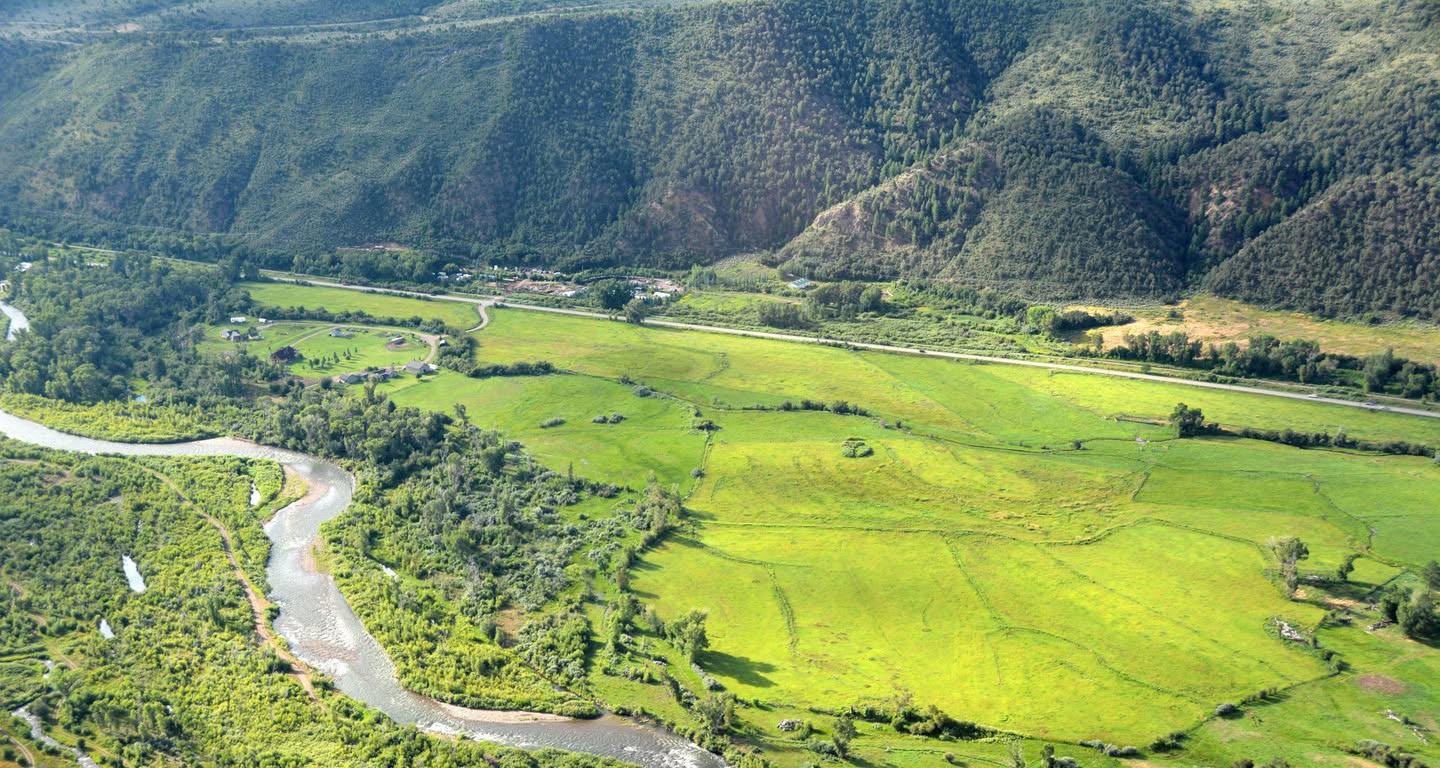
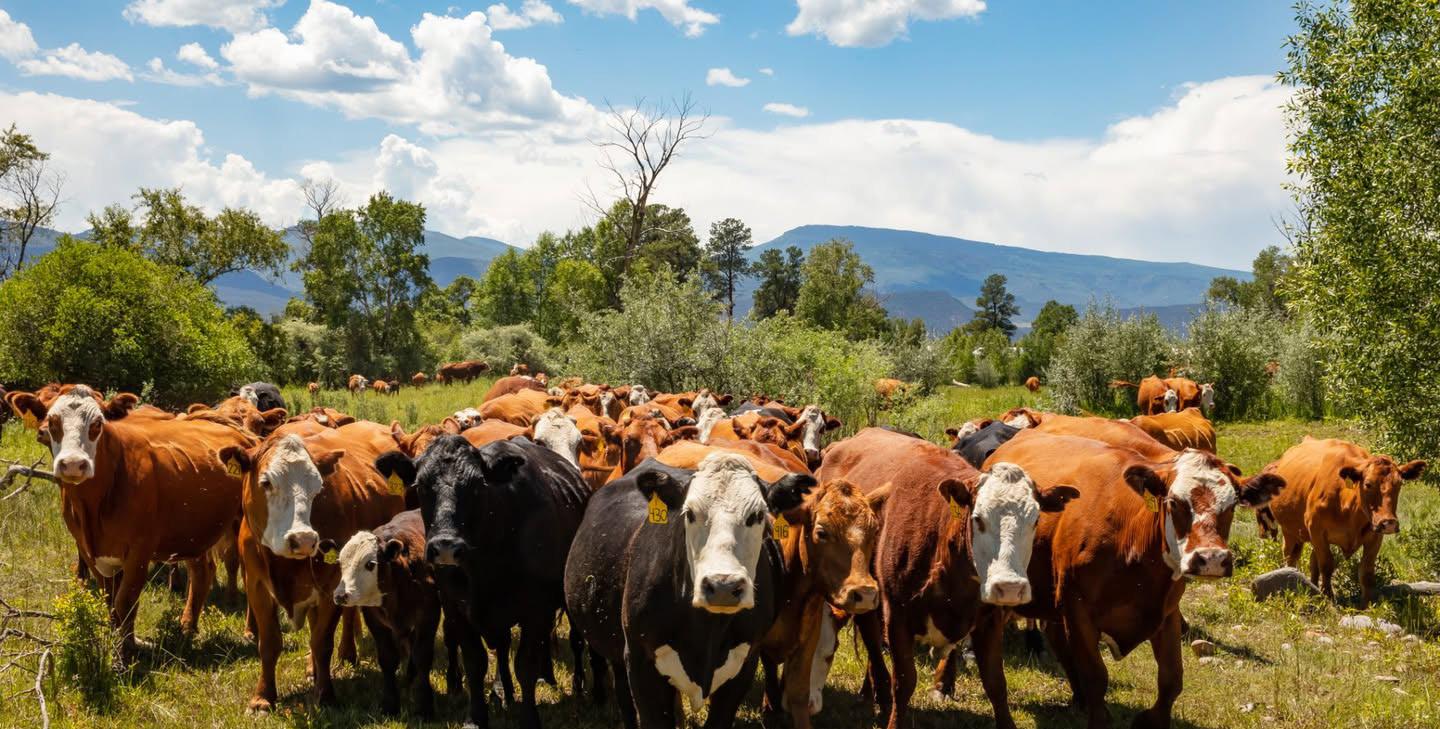
Above: An aerial view of Coffman Ranch. Below: Cattle at Coffman Ranch.
Photos by Holly McLain
By Deb Strom
INDUSTRIAL BETTERMENT
The Sociological Department
The Redstone Historical Society's Vintage Valley
In 1882, while Colorado was consumed with "silver fever," 26 year old John C Osgood scoured the state in search of Coal with his associates. In 1892, John Osgood was named the chairman of the newly formed Colorado Fuel & Iron, CF&I with his associates in key positions. This was a publicly traded company that merged General Palmer's struggling Colorado Coal and Iron Company, and Ogood & Associates growing Colorado Fuel Company. This became the largest Coal Company in the west that commanded 28 coal felds, 6 coking oven operations and the only steel mill west of the Mississippi.
CF&I successfully weathered the United Mine Workers of America's Coal strike of 1901, but there appeared to be a shift in Colorado public opinion due to the notoriously poor living and working conditions in the coal felds. Osgood understood that future efforts to unionize would upset operations. Furthermore, "Osgood calculated that a program designed to enhance the workers' moral character and physical quality of life would improve his corporation's public image." (Munsell, From Redstone to Ludlow). Osgood was the frst coal baron and among the earliest industrialists to adopt a program of Industrial Betterment as a strategy to improve labor relations. Notable examples of social betterment included Hershey, Pennsylvania (chocolate), Pullman, Illinois (railcars), and Lowell, Massachusetts (textiles). These settlements featured superior housing, schools, and parks for their workers.
CF&I General Manager Julian Kebler announced the creation of the Sociological Department on July 25, 1901. In a letter to his managers, "This department will have general charge of all matters pertaining to education and sanitary conditions and any other matters should assist in bettering the conditions under which our men live, but to put them in the way of information that will arouse their ambition and make them desirous of doing the best they can for themselves, as well as for their employer." Based in Pueblo, Dr Richard Corwin, chief surgeon and director of Gen. Palmer's CC&I medical department since 1884, was named the head of the Sociological Department. Corwin was well suited for this position with his scientifc, medical and hospital management experience.
In lightning speed, the coal camps became villages with decent housing, schools and clubhouses with reading rooms. Redstone became the showpiece of this project. The shanty housing behind the coke ovens was abandoned, 88 cottages for the married families were built, the Redstone Inn provided housing for the bachelors. A three-story clubhouse rivaling the fnest in Denver, a grand company store that included a soda fountain, and the fnest school in the valley were also built. Not to mention the 42 room Cleveholm Manor on the 500 acre estate of John Osgood that included a state-of-the art greenhouse, extravagant stable, and a game preserve with a gameskeeper's cottage. Notably, Redstone was the frst town in Colorado to be originally electrifed with a hydraulic power plant.
A massive effort to update the Steel Mill in Pueblo that began in 1899, was now also focused on the development of the Pueblo's Minnequa Hospital and its outreach to the 28 coal felds and 6 coke oven operations. Corwin appointed 18 physicians to care for the well being of the miners. Dr Taylor became the physician for the newly built Crystal Valley Railroad that connected the workers at Placita, Coal Basin, Spring Gulch, and Redstone. His offce was strategically located in the Redstone depot.
Under Corwin's leadership, the weekly Camp and Plant magazine was created with articles featuring the mining towns and the Pueblo Steel Mill with photos, maps and advertisements. Some articles were even translated to German, Spanish, Italian and Slovenian to refect the diverse workforce. Subscriptions were offered at one dollar per year. This magazine, published weekly 1901-1904, has been a gift to future historians.
Osgood and his "Social Betterment" leadership garnered national recognition when the New York Times celebrated John Osgood as "The Newest Figure in Finance" in a 3,000 word article that coined Redstone - "The Ruby of the Rockies." This 1902 article was reprinted in the April, 2026 Crystal Valley Echo and is now archived at www.HistoryRedstone/vintagevalley.org.
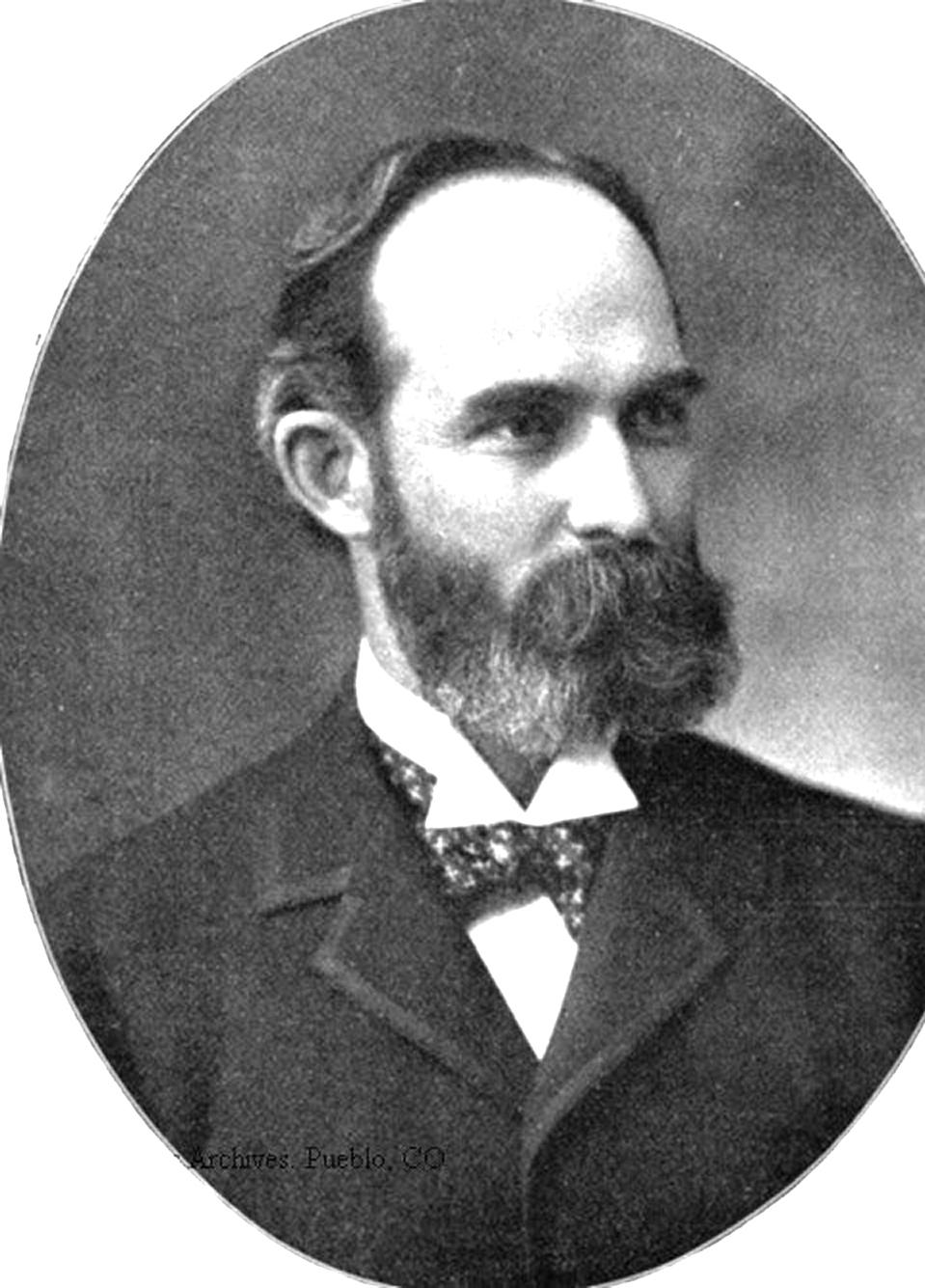
As alluded to in the New York Times article, Osgood's CF&I survived the hostile takeover by the very disliked John "bet-a-million" Gates. The truth is that Osgood was fnancially weak due to the cost of updating the Pueblo steel mill and of the massive Industrial Betterment project, followed by the cost to fght the Gates failed hostile takeover effort. In 1903 Osgood made a much more amenable deal with John Rockefeller to take over CF&I. Osgood and his associates resigned on November 23, 1903. It was a sweetheart deal for Osgood that allowed him to personally own Redstone and the surrounding 4200 acres. He also now owned the Crystal River Railroad, the Highline Railroad and his southern Colorado coal felds as private companies; But it was not so good for his associates who lost their investments
in these enterprises and were left with many debts.
Dr Richard Corwin was invited to stay on with CF&I; he remained an important fgure in the corporation until 1928 and a pillar in the Pueblo community. The dirty little secret is that Corwin's belief in Eugenics was at the foundation of the CF&I's Sociological Department. -- More to follow in next month's Crystal Valley Echo.
Research for this article was based on the defnitive study of Osgood by Darrell Munsell, FROM REDSTONE TO LUDLOW, John Cleveholm Osgood's Struggle against the United Mine Workers of America, published by the University of Colorado Press.
Vintage Valley Continued on Page 20...
Dr Richard Corwin, 1852 - 1929 - Photo, History Colorado
Vintage Valley Continued...
Dr Corwin's Background
Born in 1852 in New York, young Richard Corwin studied the science of taxidermy and then accepted the taxidermist position at Cornell University where he expanded his education. In 1874 he was appointed curator of the museum at Michigan State University where he also studied for a degree in the medical profession while supporting himself by teaching comparative anatomy and microscopy. This was followed by a two year internship at St. Lukes Hospital in Chicago. In Chicago, he became familiar with Jane Adams and her Hull House Settlement. This was a pioneering project to provide social and educational services to low-income immigrants and working-class immigrants and families. Early childhood and adult education was an important part of this movement. In 1881 he accepted a position in Pueblo as chief surgeon of Bessemer Steel Works, part of General Palmer's struggling Colorado Coal & Iron Company (CC&I). In 1892 Colorado Fuel & Iron, CF&I, was formed with Osgood as Chairman and it took control of CC&I.
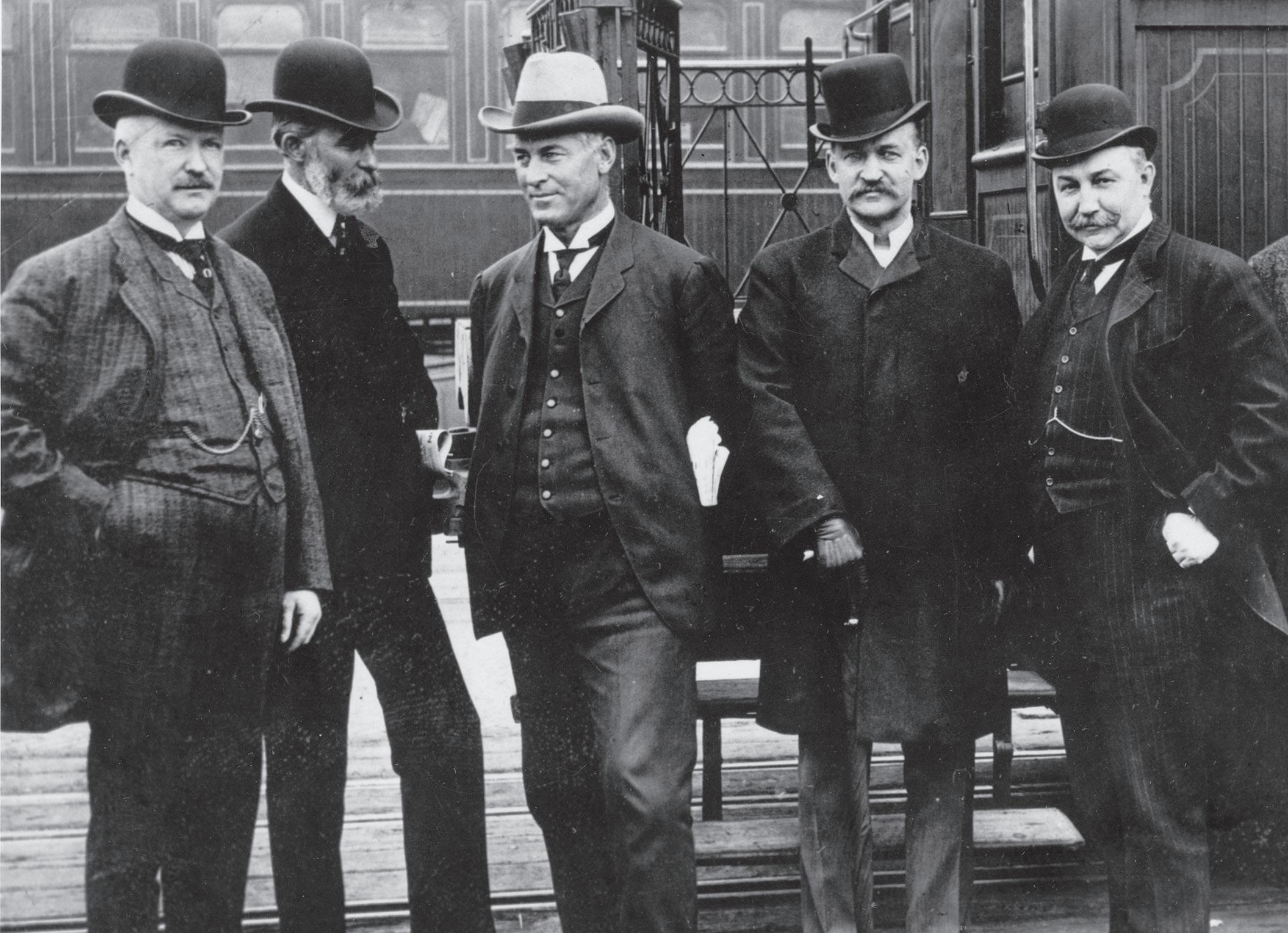
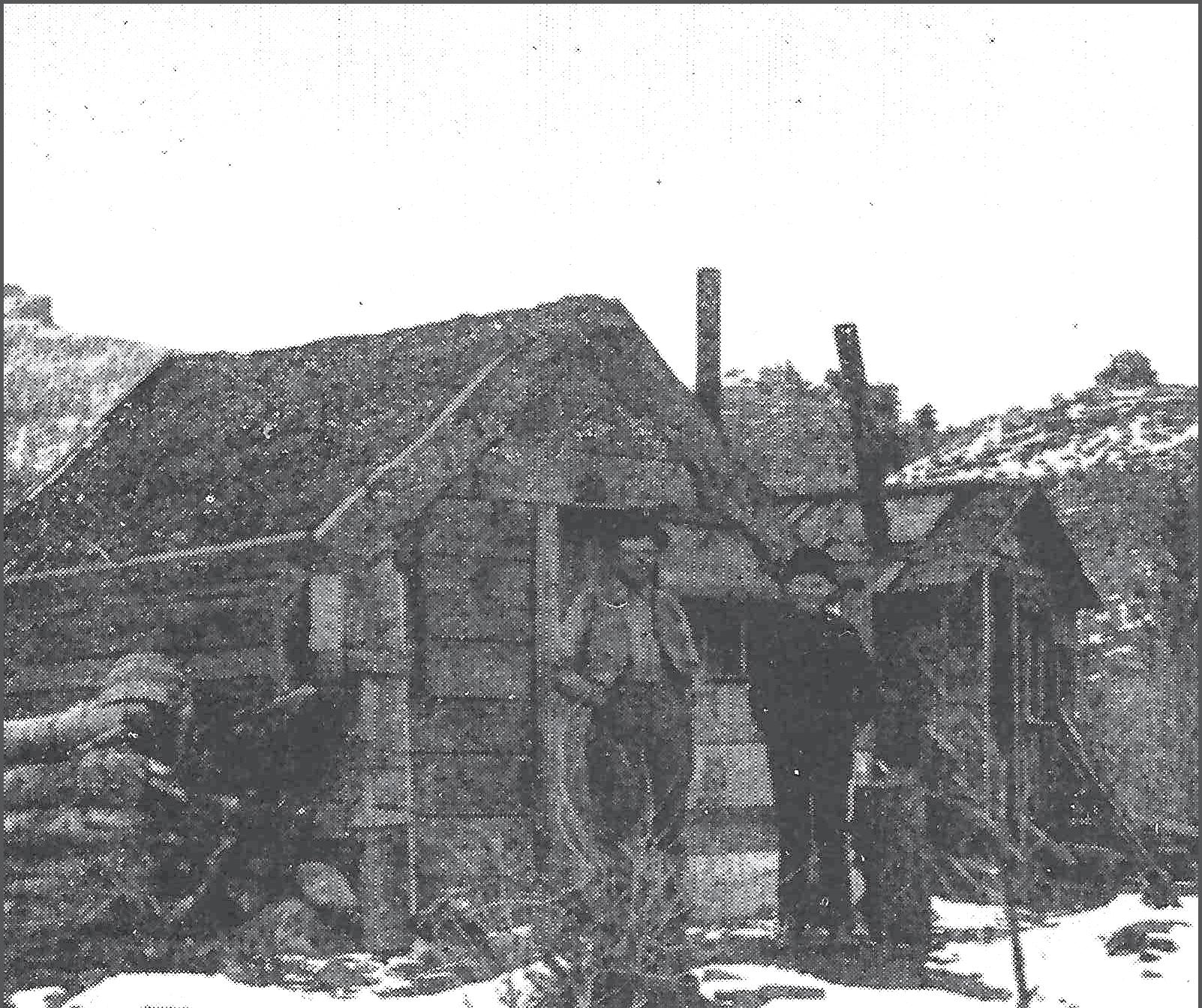
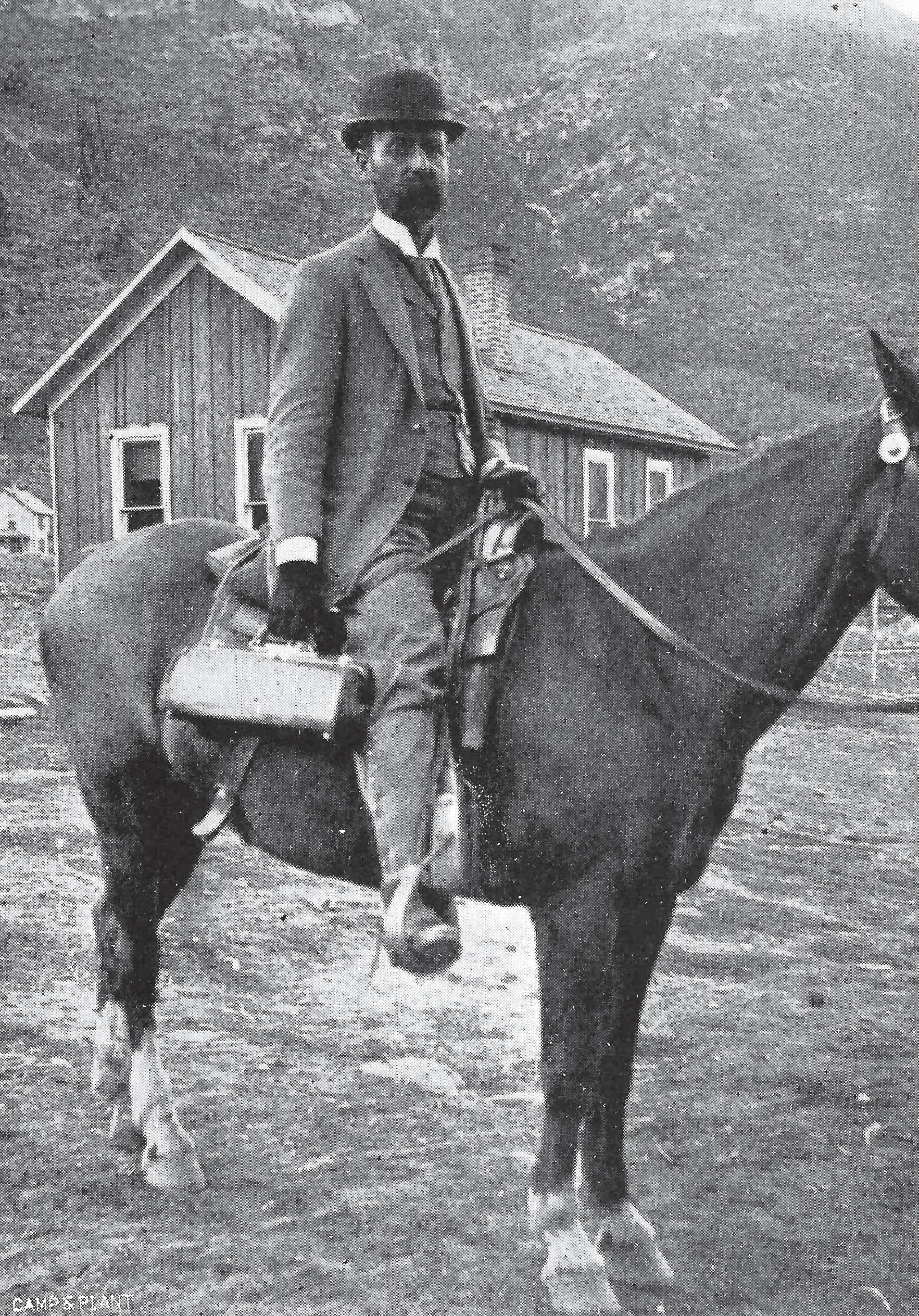
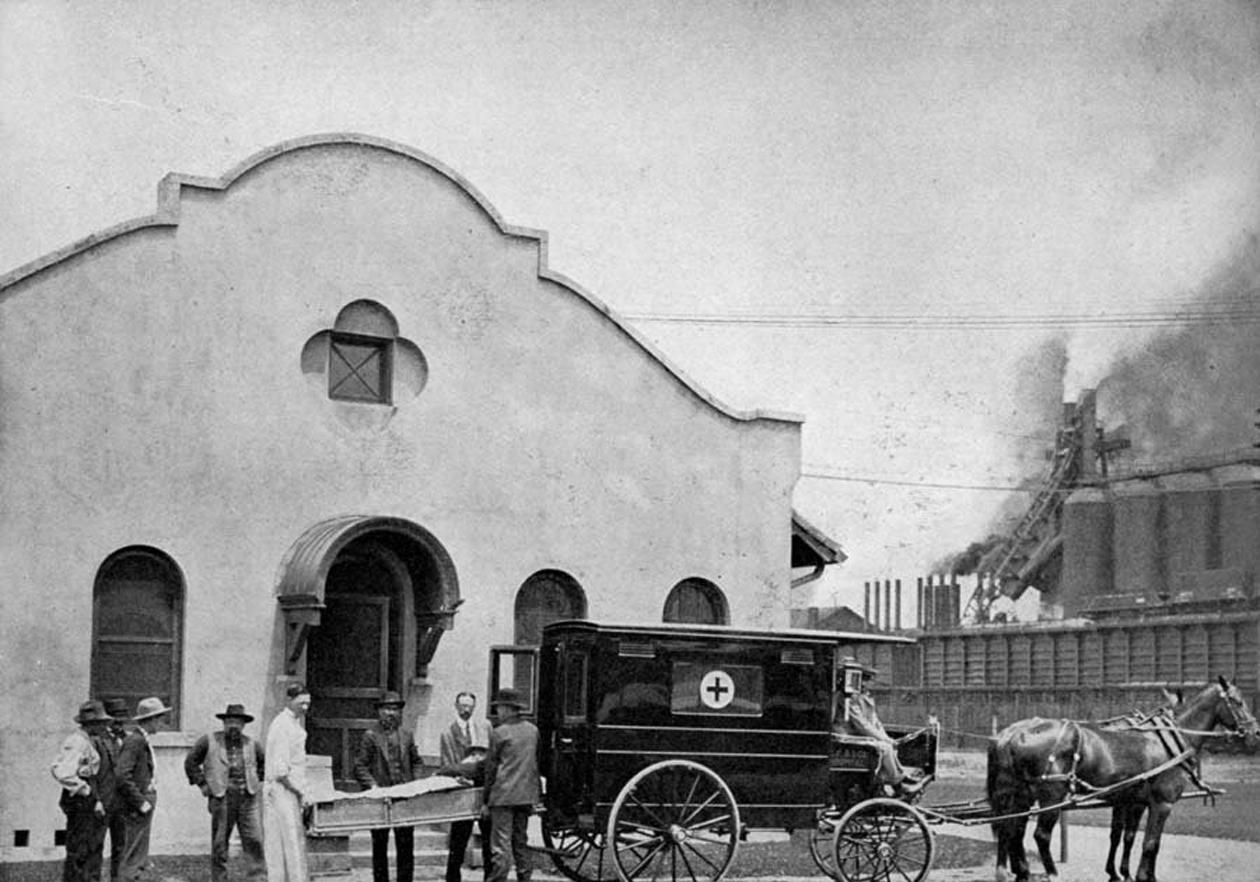

Clockwise from Above: Corwin (second from left) joins CF&I superintendent John Osgood (third from right) and Governor James Peabody (center) in an undated image. Redstone worker housing, before the village was built - Photo, Camp and Plant magazine, 1902. Original Pueblo Hospital, adjacent to the steel mill - Photo, Pueblo Steelworks Dr Taylor, physician for workers near the Crystal Valley Railroad including Placita, Coal Basin, Spring Gulch, and Redstone. His offce was conveniently located in the Redstone Depot.
An Earlier, Drier Fire Season Is Here. What We Do Now Matters.
Guest Column
By Angie Davlyn, Executive Director, Wildfre Collaborative Roaring Fork Valley
The weather conditions surrounding us this spring are unlike anything most of us have experienced. To underscore this point, I recently heard a local fre chief say he has “never before been this concerned” about our wildfre risk. That level of concern refects a clear reality: we are entering fre season earlier and drier than almost any year on record.
By now, it is widely understood that this year is on track to be the warmest in Colorado’s recorded history and one of the driest. The entire state is already in drought and our watershed is in exceptional drought, the most severe classifcation. As of April 23, the snowpack in the Roaring Fork basin sits at just 17% of normal for this time of year, and Ruedi Reservoir is not expected to fll this summer.
It is easy to become desensitized to the word “drought” after hearing it so often. But drought is not just about water shortages or restrictions. It means dry grass, dry vegetation, and soils without moisture, stressed and dying trees, and fuels that can ignite quickly and carry fre rapidly across the landscape. When a spark lands in these conditions, whether from a downed power line, a dragging trailer chain, or a lightning strike, fre does not wait.
This risk is not distant. It is here in our valley right now We should expect a longer fre season, with fres that move faster, burn hotter, and are more diffcult to control. What happens this season will be shaped by the actions already taken and those underway today. In this landscape, luck is not a strategy.
Our local fre districts here in the Roaring Fork Valley are among the best in the country at what they do. Time and again, they have responded quickly, worked across jurisdictions, and protected lives and property under incredibly diffcult conditions. But even the most skilled frefghters cannot fully control what happens in a drought-stressed landscape like the one we are facing. That is why proactive work, before a fre starts, is
Wildfre is part of living in the West, but the level of risk we face, and the impact when a fre occurs, are not fxed. Fortunately, both can be infuenced.
The Wildfre Collaborative Roaring Fork Valley is the valley’s nonproft dedicated to reducing wildfre risk through a coordinated, cross-sector approach. By bringing together fre districts, local governments, federal agencies, HOAs, and residents, the Wildfre Collaborative identifes, prioritizes, and implements mitigation projects at the scale wildfre actually operates.
To ensure we are using a science-based approach to investing resources, we are supporting advanced wildfre modeling across the valley in partnership with Vanderbilt University. This work moves us beyond generalized risk maps and toward understanding how fre is likely to move through specifc communities. It allows us to focus on mitigation where it will matter most. Early results are already available in Snowmass Village, Marble, and areas of Glenwood, with results for Aspen and Carbondale expected by November 2026.
Alongside this work, the Wildfre Collaborative is advancing landscape-scale fuels reduction projects and supporting home level mitigation through risk assessments, education, and fnancial assistance. These efforts are practical and measurable. They reduce wildfre risk, improve forest health, and strengthen community preparedness.
This work is made possible through strong partnerships across the Roaring Fork Valley so that the Wildfre Collaborative can turn shared concern into coordinated action.
That is where the Wildfre Collaborative is uniquely positioned. We are not replacing the work of fre districts, local governments, federal agencies, HOAs, or landowners. We are helping connect it. We bring the right people together, align priorities across boundaries, and help move projects from good ideas
into on the ground work.
In a valley where wildfre does not stop at city limits, county lines, property boundaries, or agency jurisdictions, that kind of coordination matters. It is how we move from awareness to action.
Organizational partnerships alone are not enough to make this work successful. To continue building momentum—and to meet the pace and scale of the risk we face—we need stronger individual support alongside institutional partnerships.
Supported by public funding, partner contributions, philanthropy, and individual investments from people who live here, this work is helping position the Roaring Fork Valley as a model for proactive wildfre resilience. This season will test our preparedness. It also gives us a clear choice about how we respond.
The conditions we face are serious, but they are not insurmountable. Meeting this moment will require the same coordination, commitment, and care that defne this community. For those who want to help move this work forward and reduce wildfre risk in our valley, now is the time to step in.
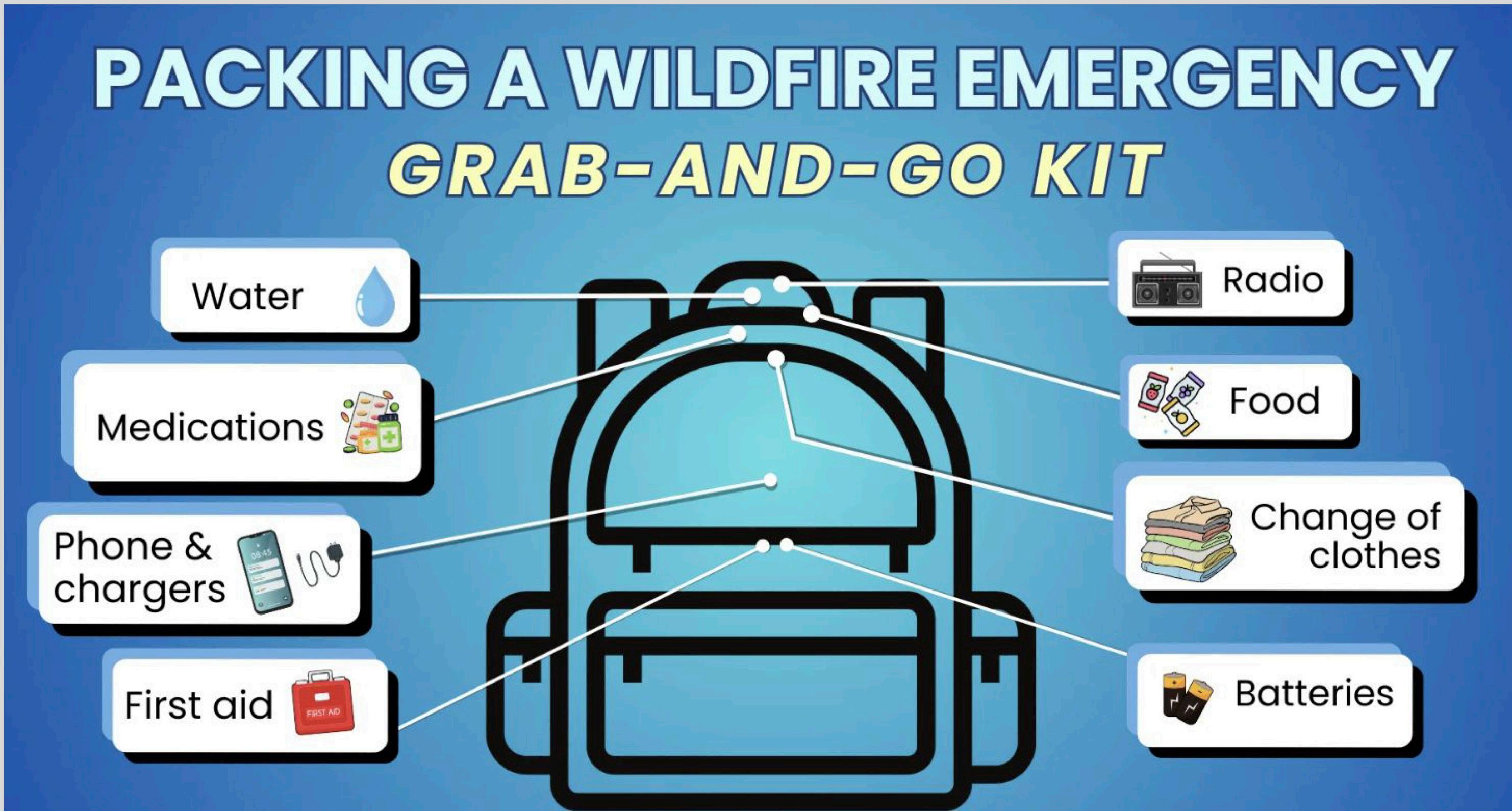
Angie Davlyn is the Executive Director of Wildfre Collaborative Roaring Fork Valley
Funnies, Features, Puzzles and Oddities
The Fog & Folly Crossword Vol. 3
Across
1. One who turns his hand to all manner of tasks
6. Dealer in candles or ship’s provisions, depending on trade 11. Cultivation of land; thrifty management of resources 14. Christian feast in late spring, once marked by rustic revels 15. Young learner bound to a master for trade instruction
Down
2. Shoemaker working in fne leather, by ancient designation
3. Dealer in small wares; ribbons, buttons, and the like
4. Labor strenuously, as in feld or forge
5. Skilled craftsman of the old guild tradition
7. Old Roman fête of blossoms, oft revived in spring revels
8. Wreathed adornment borne in seasonal celebration
9. Maker of ladies’ bonnets and fne headwear
10. Roselike circlet, worn or woven for festivity
12. Old-fashioned term for a small, sweet-scented bouquet
13. Professional penman, copier of documents in former times


Madame Wyndrose’s Patented Mystical
Meanderings
A monthly one-word horoscope to guide your hand...
Aries Mar 21-Apr 19 INCANDESCENCE
Taurus Apr 20-May 20 ADAMANTINE

Gemini May 21- Jun 20 QUICKSILVER
Cancer Jun 21- Jul 22 RECRUDESCENCE
Leo Jul 23-Aug 22 REFULGENCE
Virgo Aug 23- Sep 22 ASSIDUITY
The Inky Ledger...
This month's feature titled 'Vignettes of Life' was a monthly comic strip drawn by Frank Godwin beginning in 1924 and continuing through The Great Depression, published in the Philadelphia Ledger. The series satirized and refected on various elements of everyday life from over a century ago. This piece titled "If Dreams Came True" Was originally published in 1926

Libra Sep 23- Oct 22 EQUIPOISE Scorpio Oct 23- Nov 21 PALINGENESIS
Sagittarius Nov 22-Dec 21 PERAGRATION


Capricorn Dec 22- Jan 19 INDEFATIGABILITY
Aquarius Jan 20-Feb 18 ECCENTRICITY
Pisces Feb 19-Mar 20 LIMINALITY

To submit art, features, or other oddities to adorn this page, Kindly send word to The Echo at: Editor@CrystalValleyEcho.com
All submissions considered. Few accepted.
A Tasting of Prose:
“Storytelling reveals meaning without committing the error of defning it.” -Hannah Arendt, Men in Dark
The Inky Ledger is a monthly feature of historic comics and comic strips from the early 20th century. Each month, a new artist or series is featured as a way to refect on the timeless movements of satire, comedy, critique and caricature.
Times (1968)
Parasol
Budding
Fog & Folly April 2026 Crossword Answers:
Mother's Day Grand Buffet
10am-2:30pm on May 10th
Celebrate Mom at Redstone Inn with a Special Brunch Bufet. Reserve a table today by calling (970) 963-2526

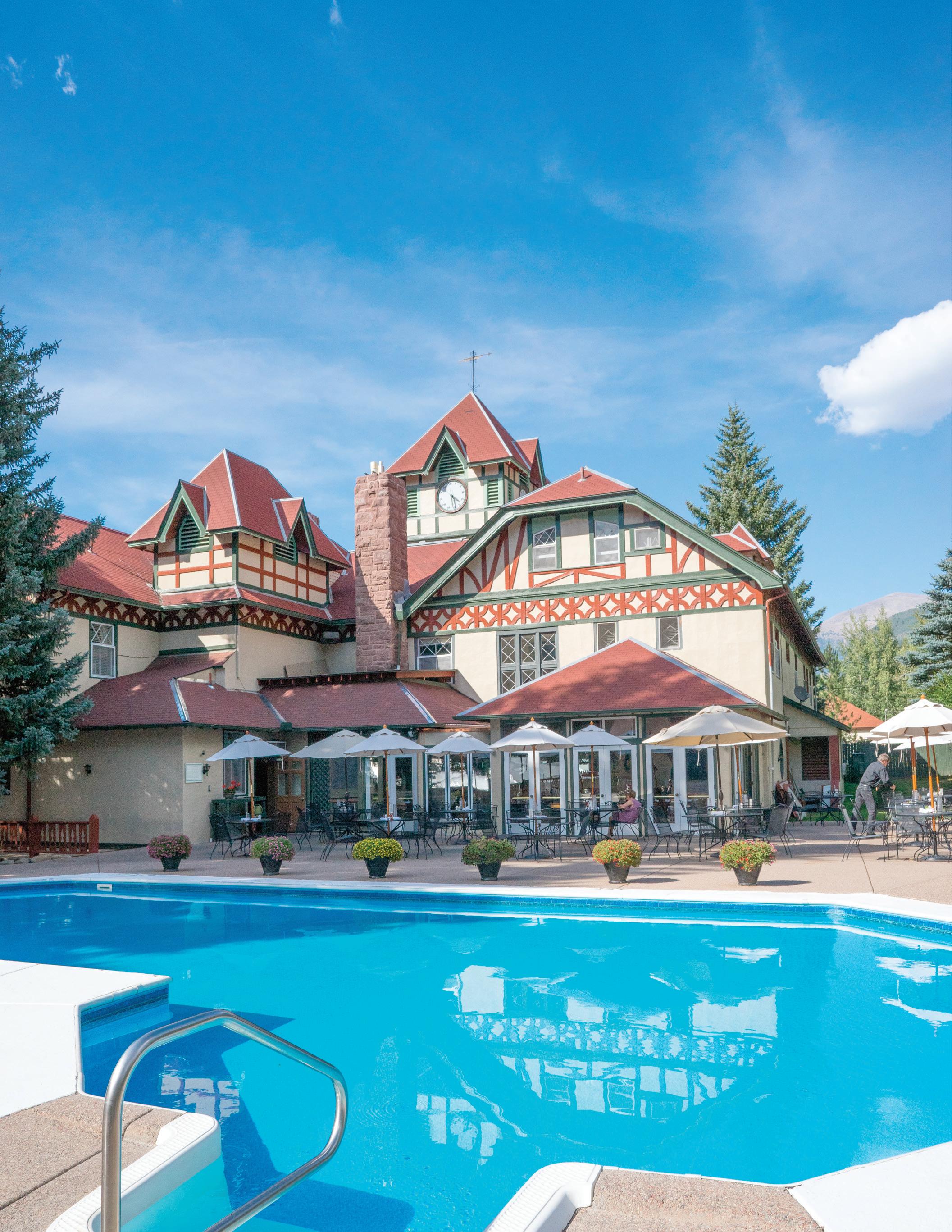

pm-6pm
Kick-of your summer fun at Redstone Inn! Every Wednesday evening locals can enjoy free swimming, pickleball, tennis, fitness center access and specials on food & drinks in the Bar & Grill!
Swimming Pool & Hot Tub Food & Drink Specials Tennis & Pickleball Courts Fitness Center