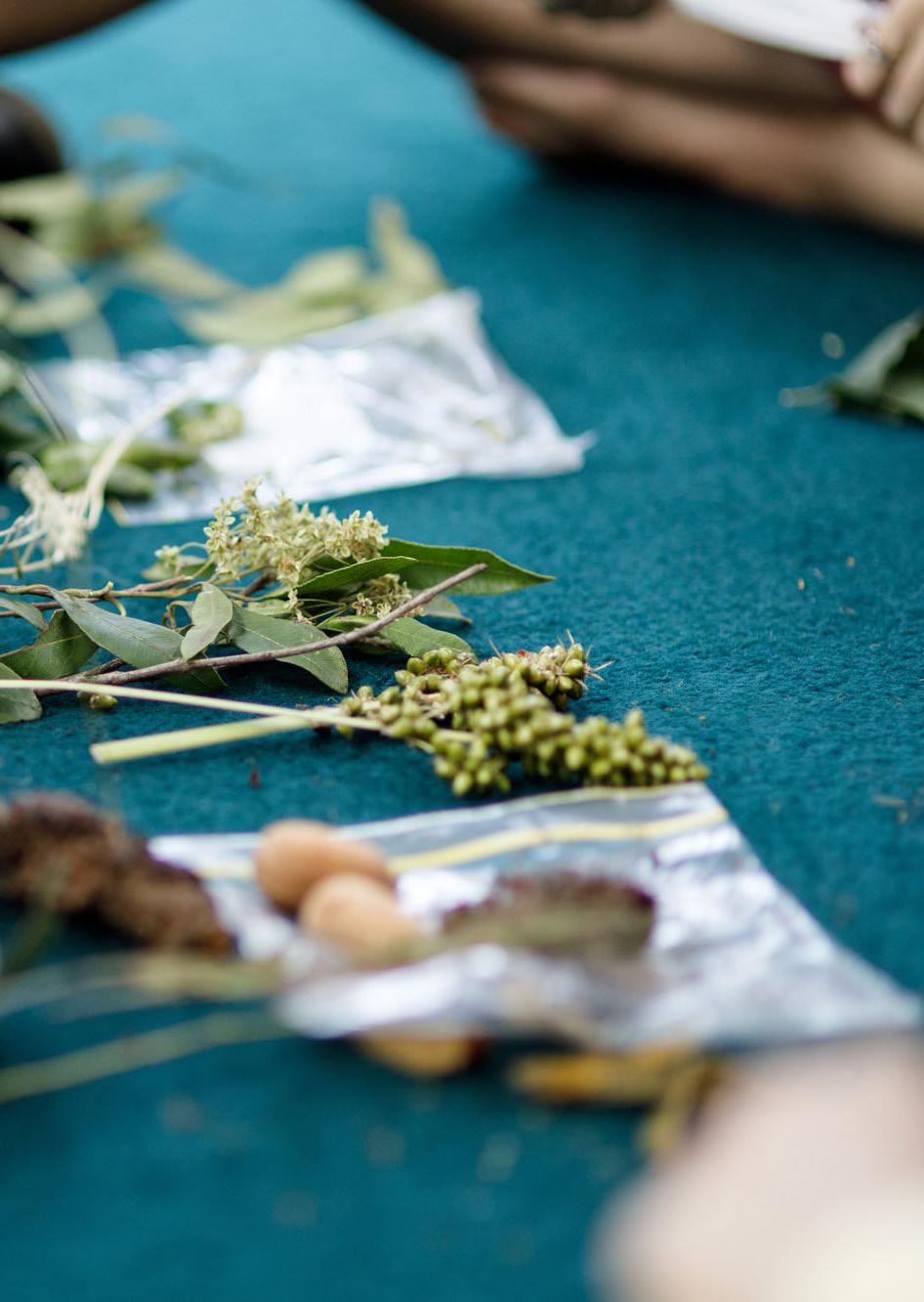
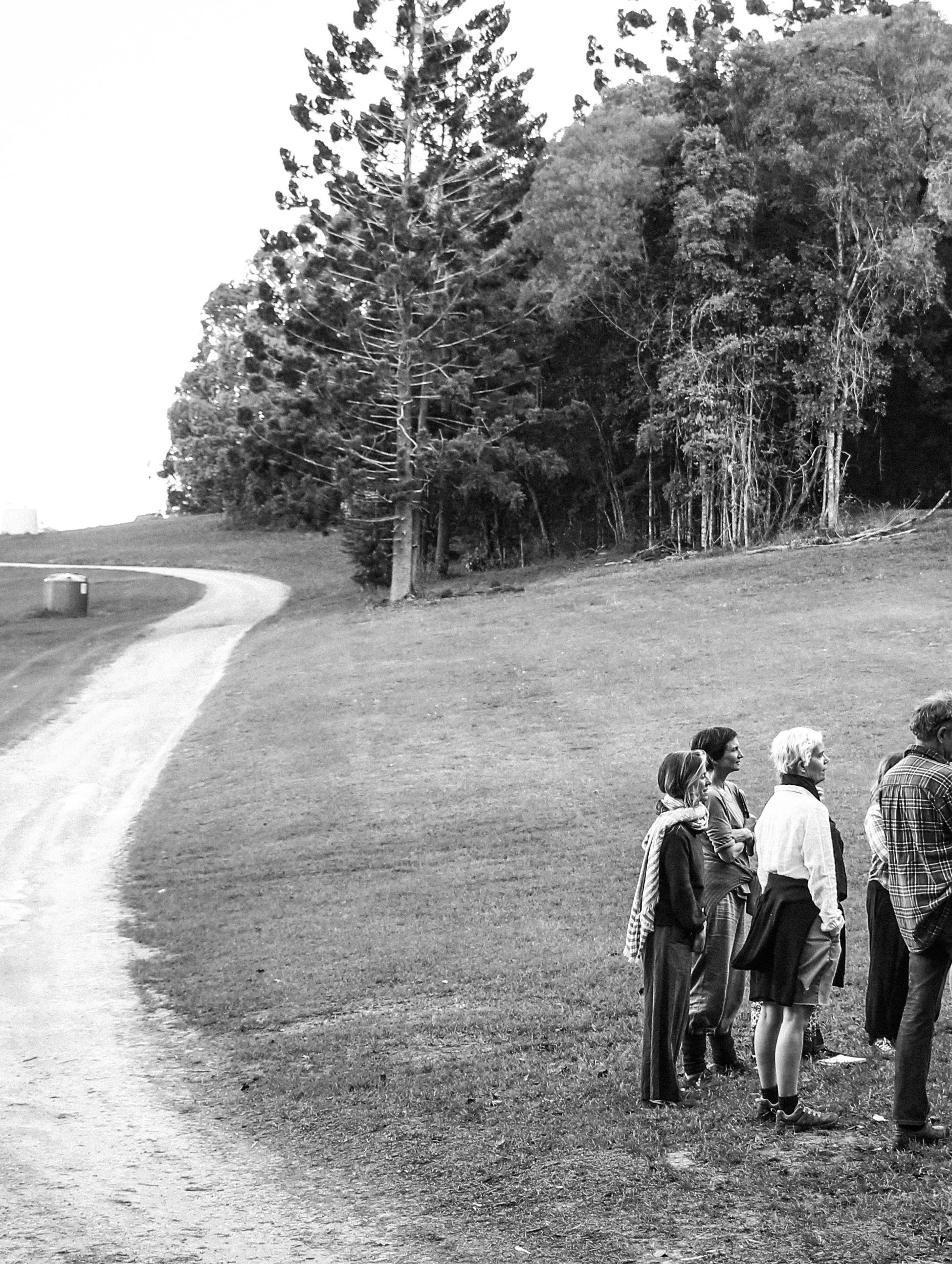
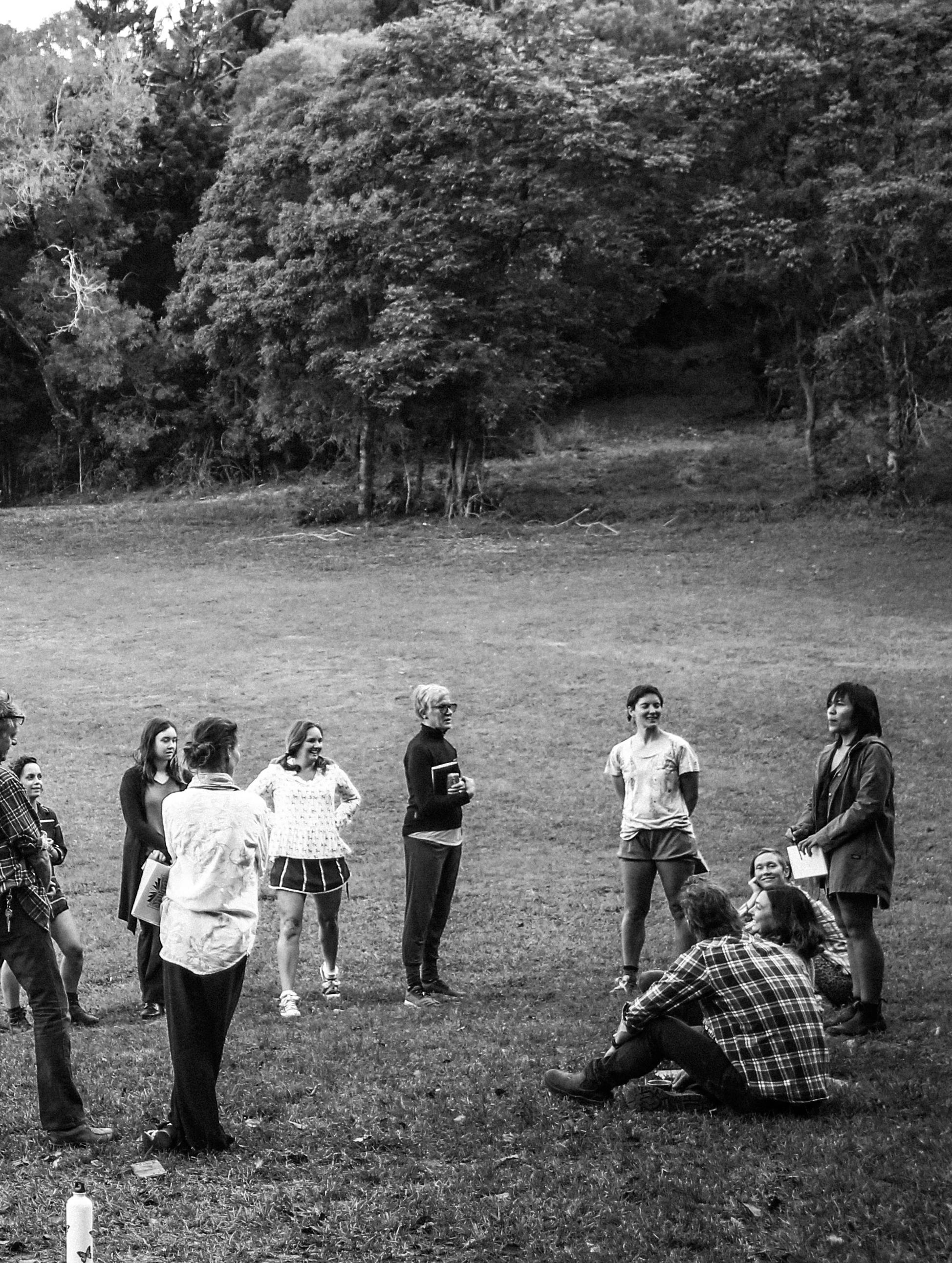
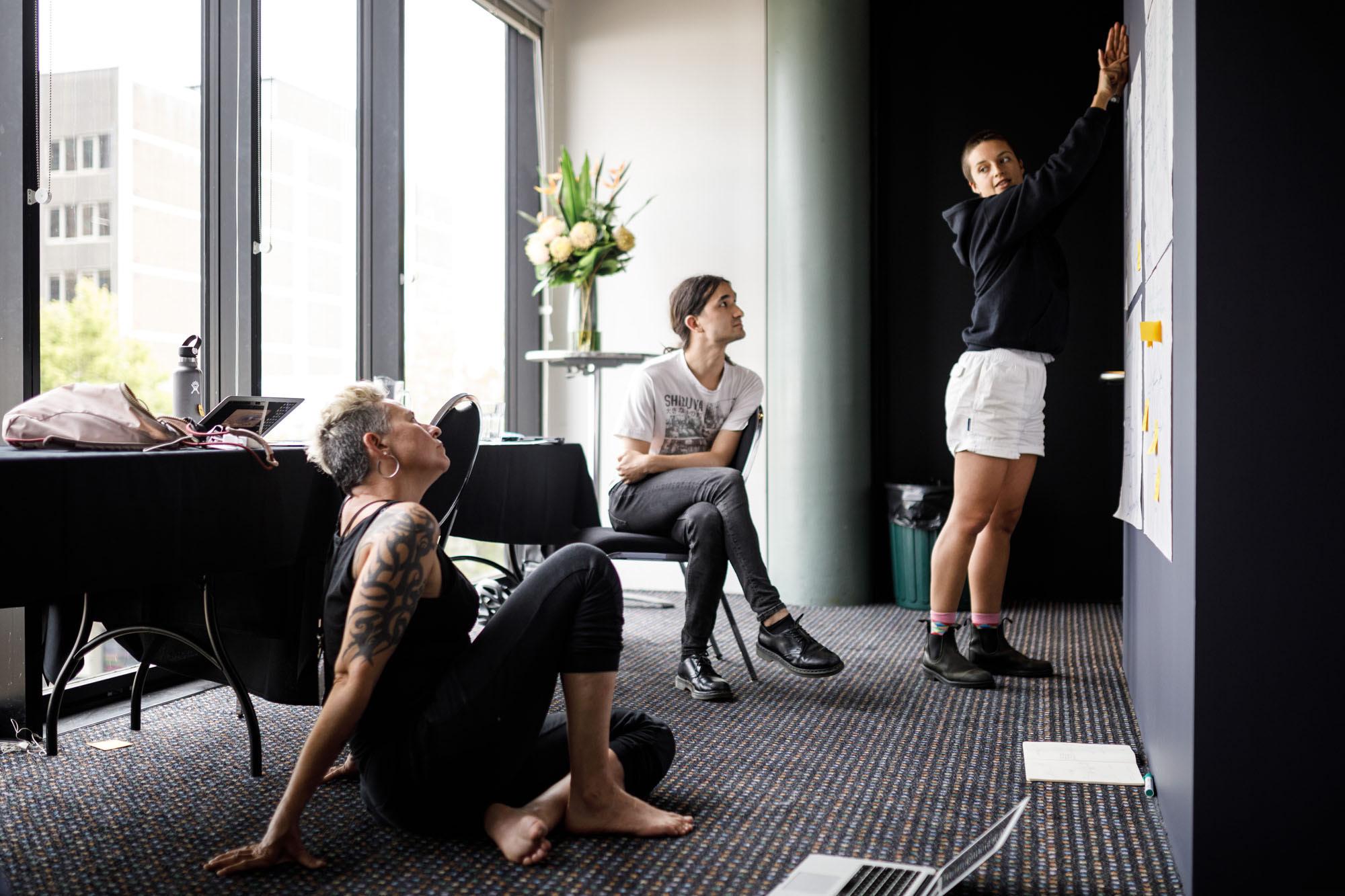
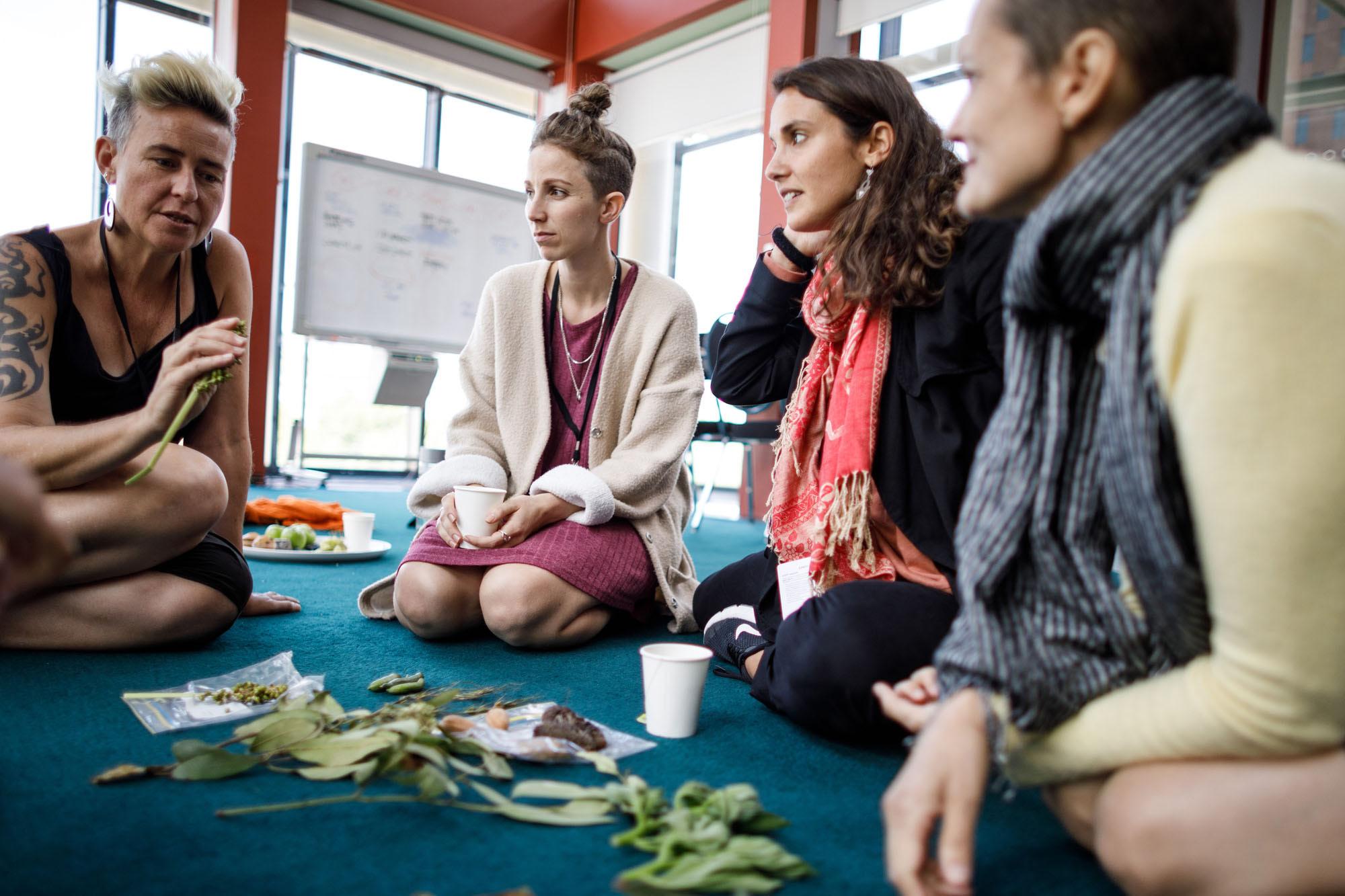
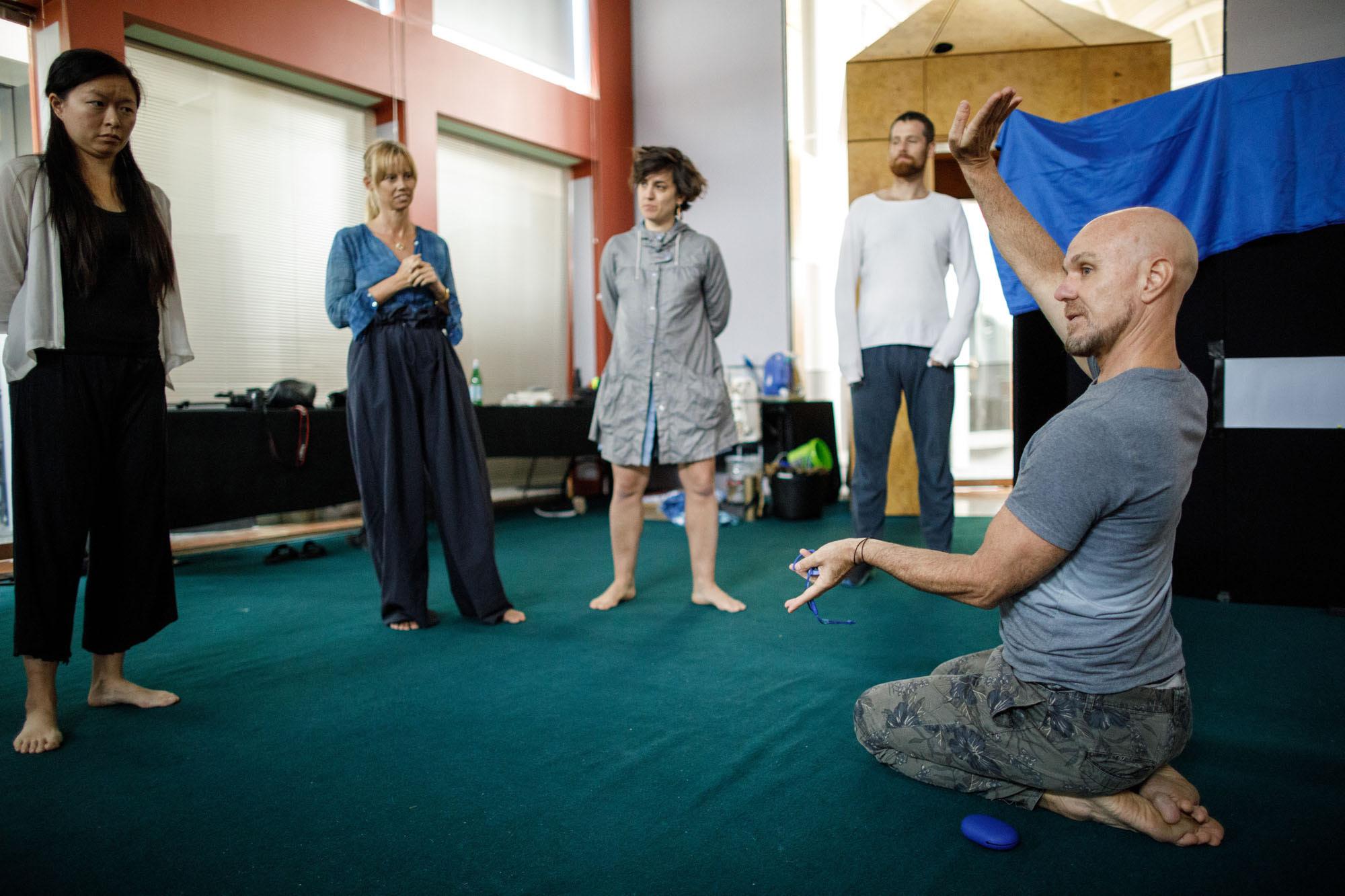
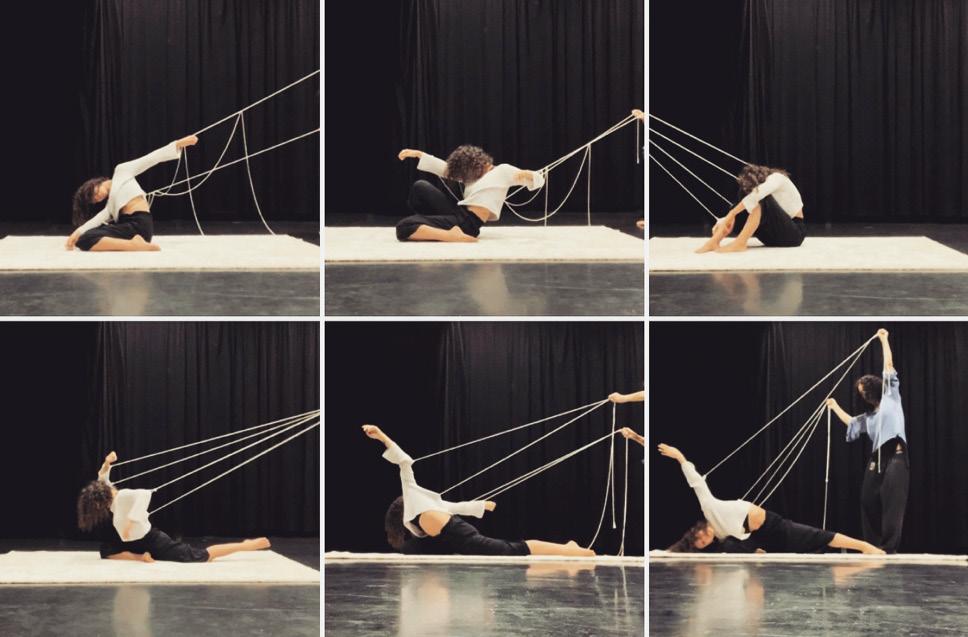
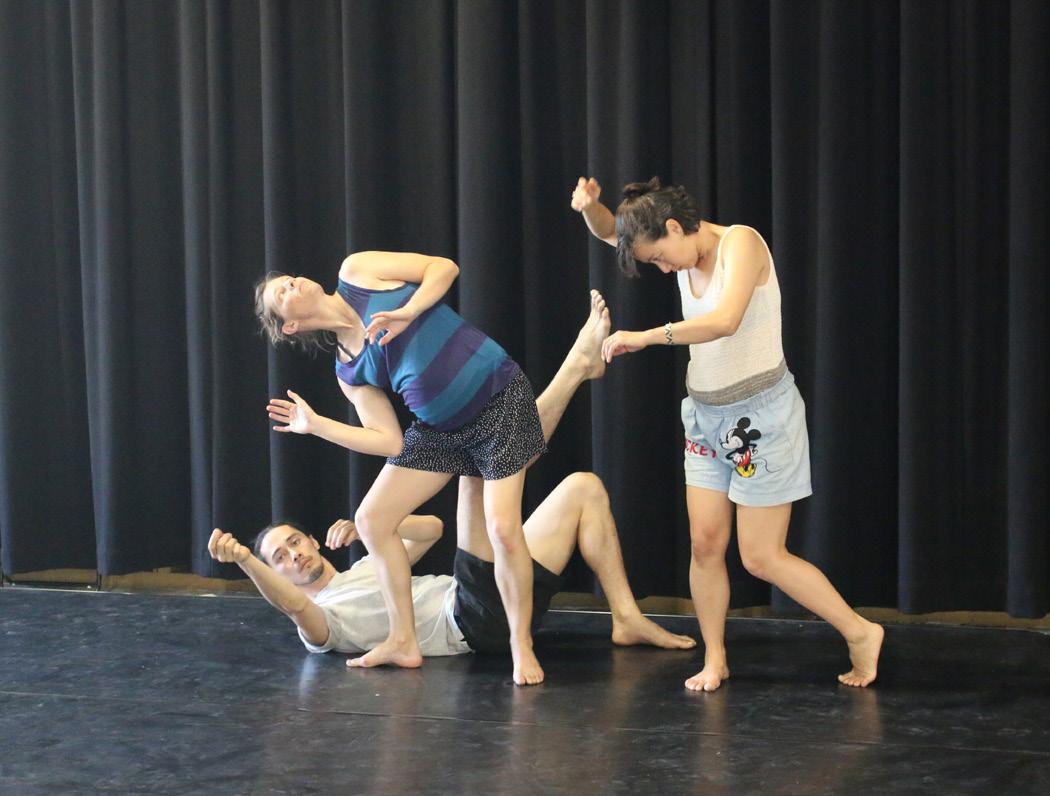
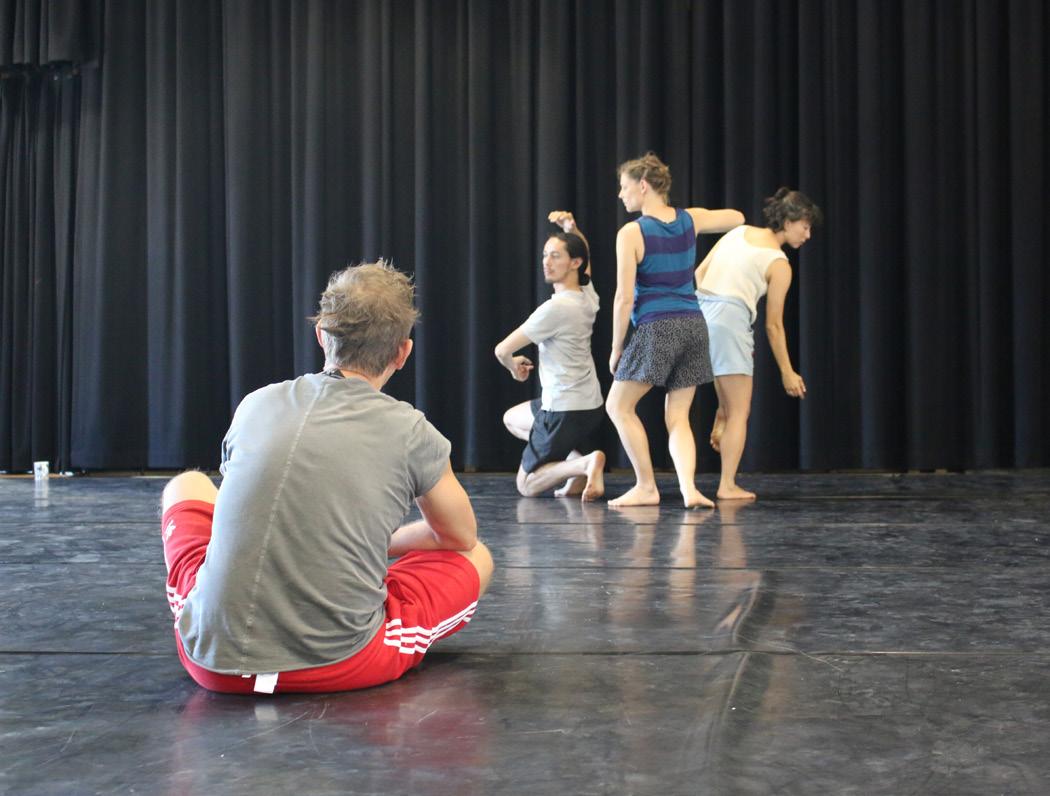
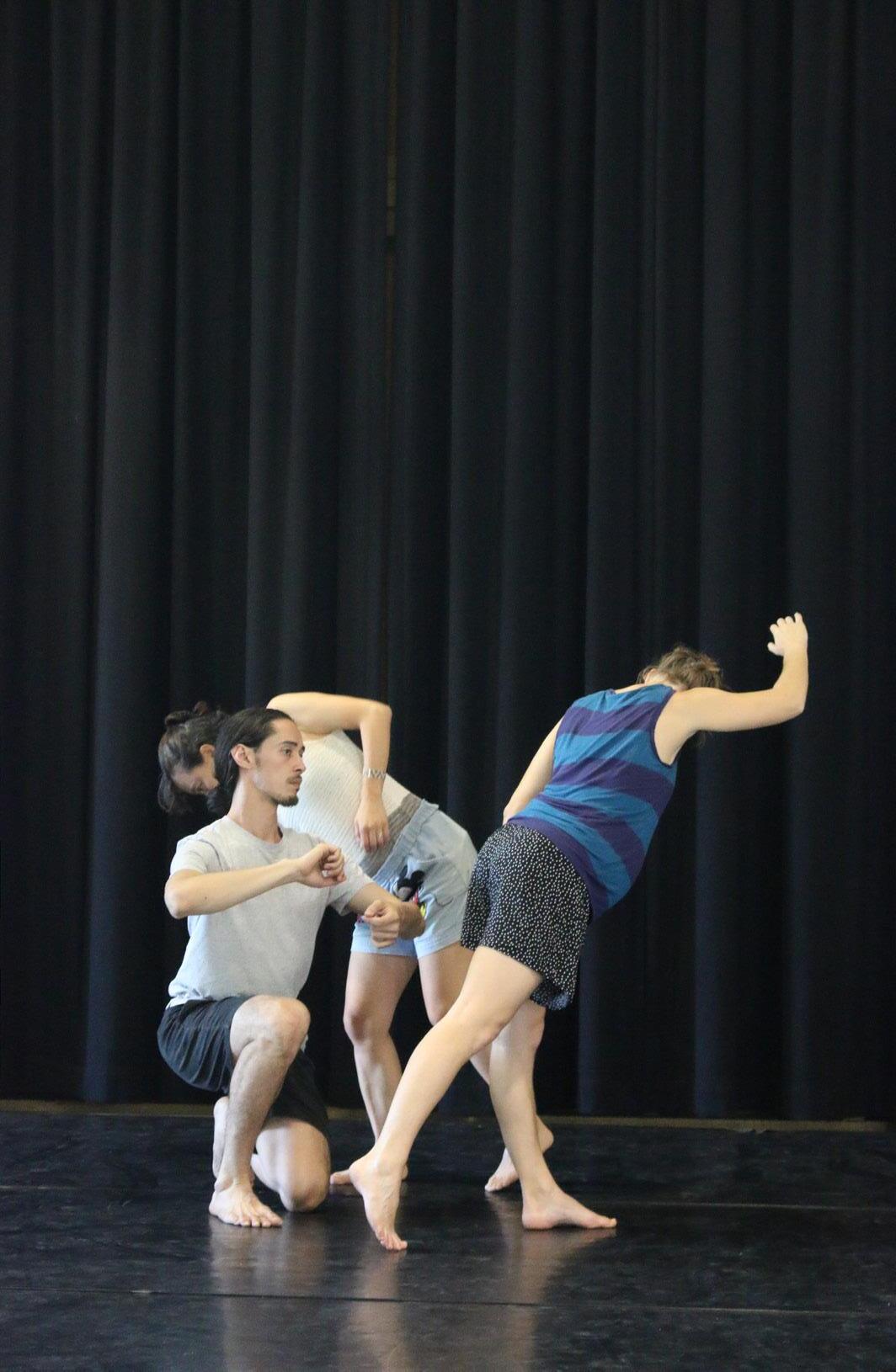
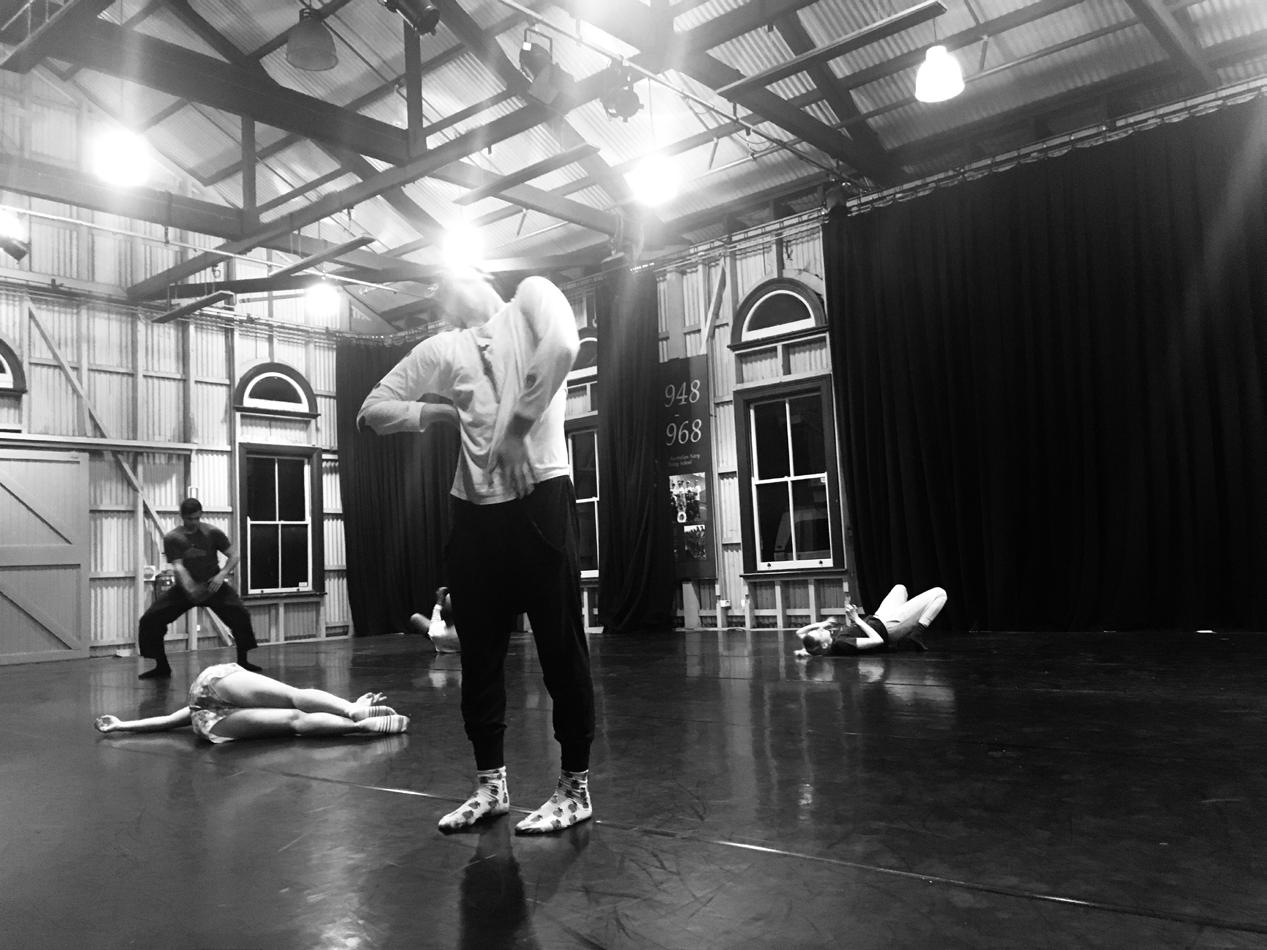
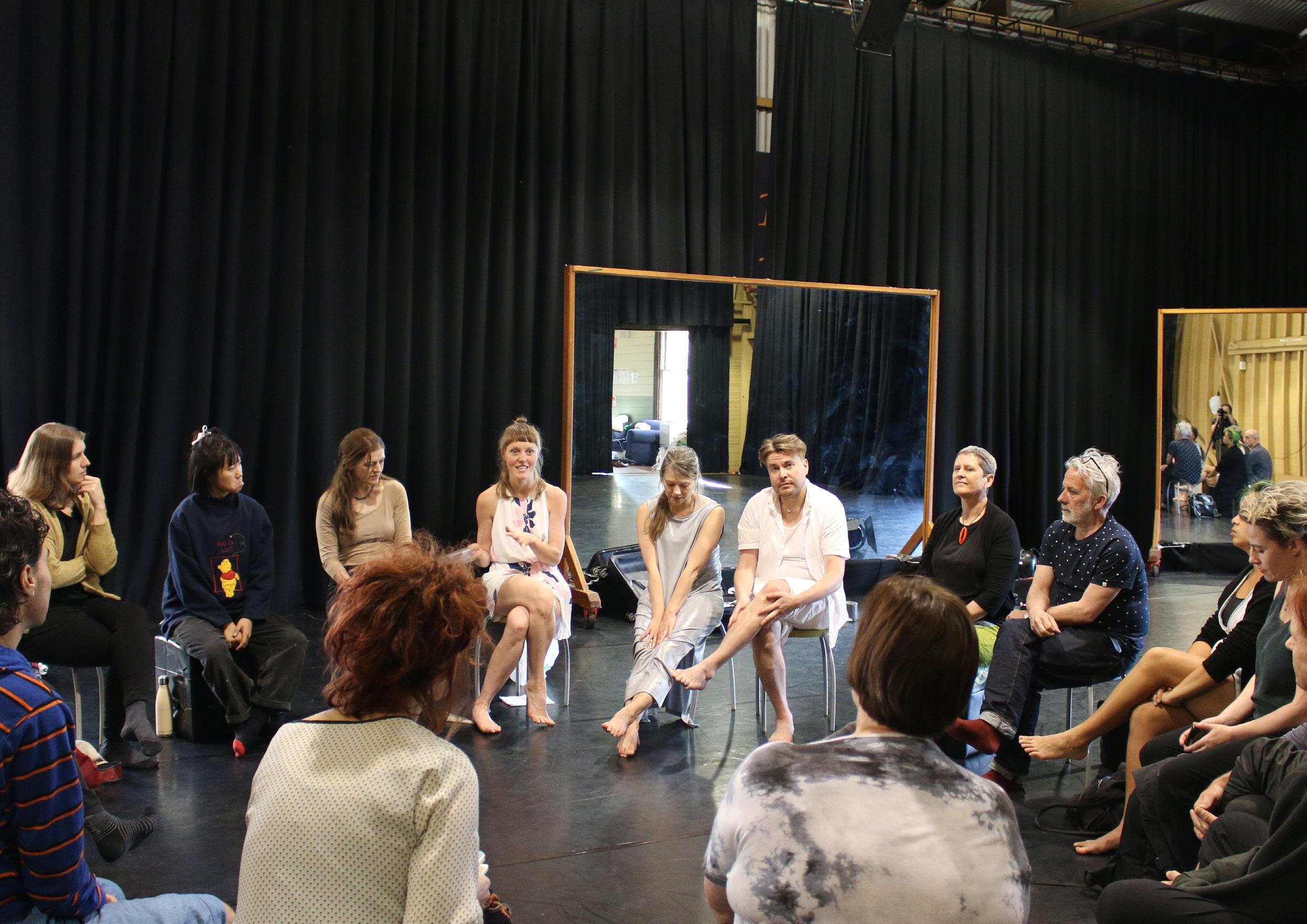
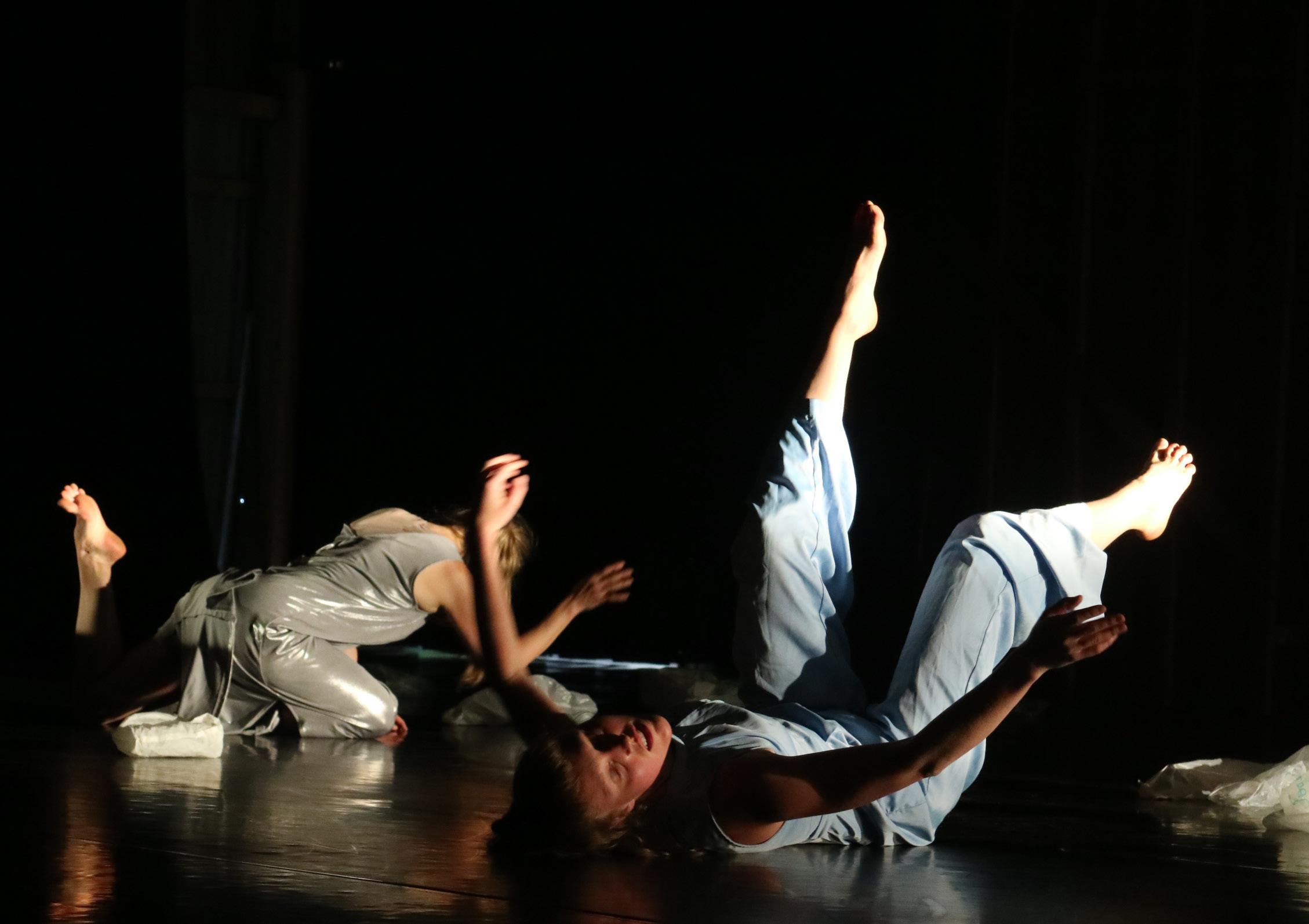
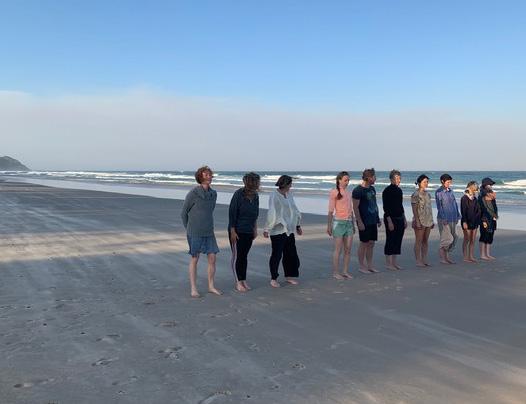
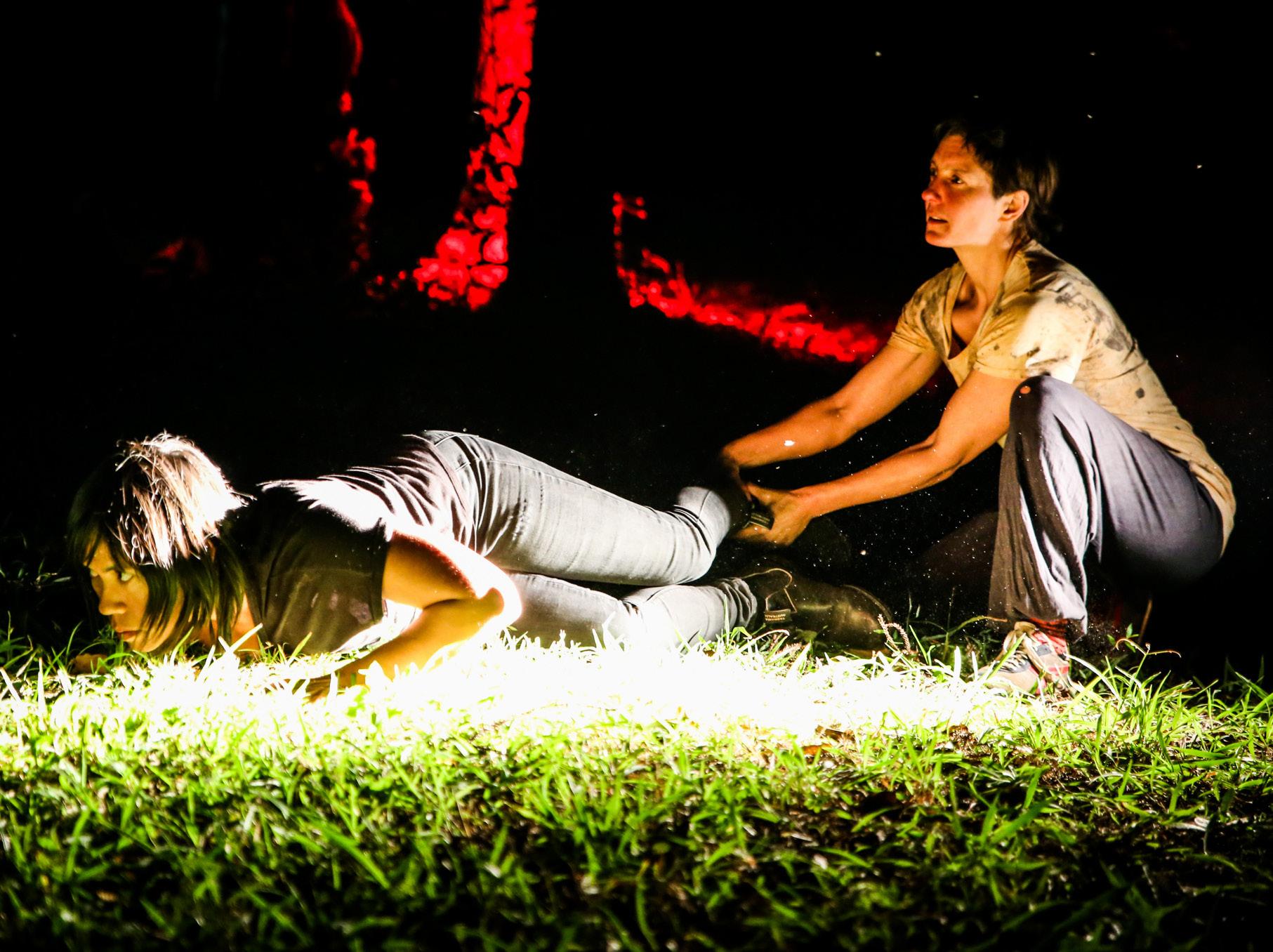
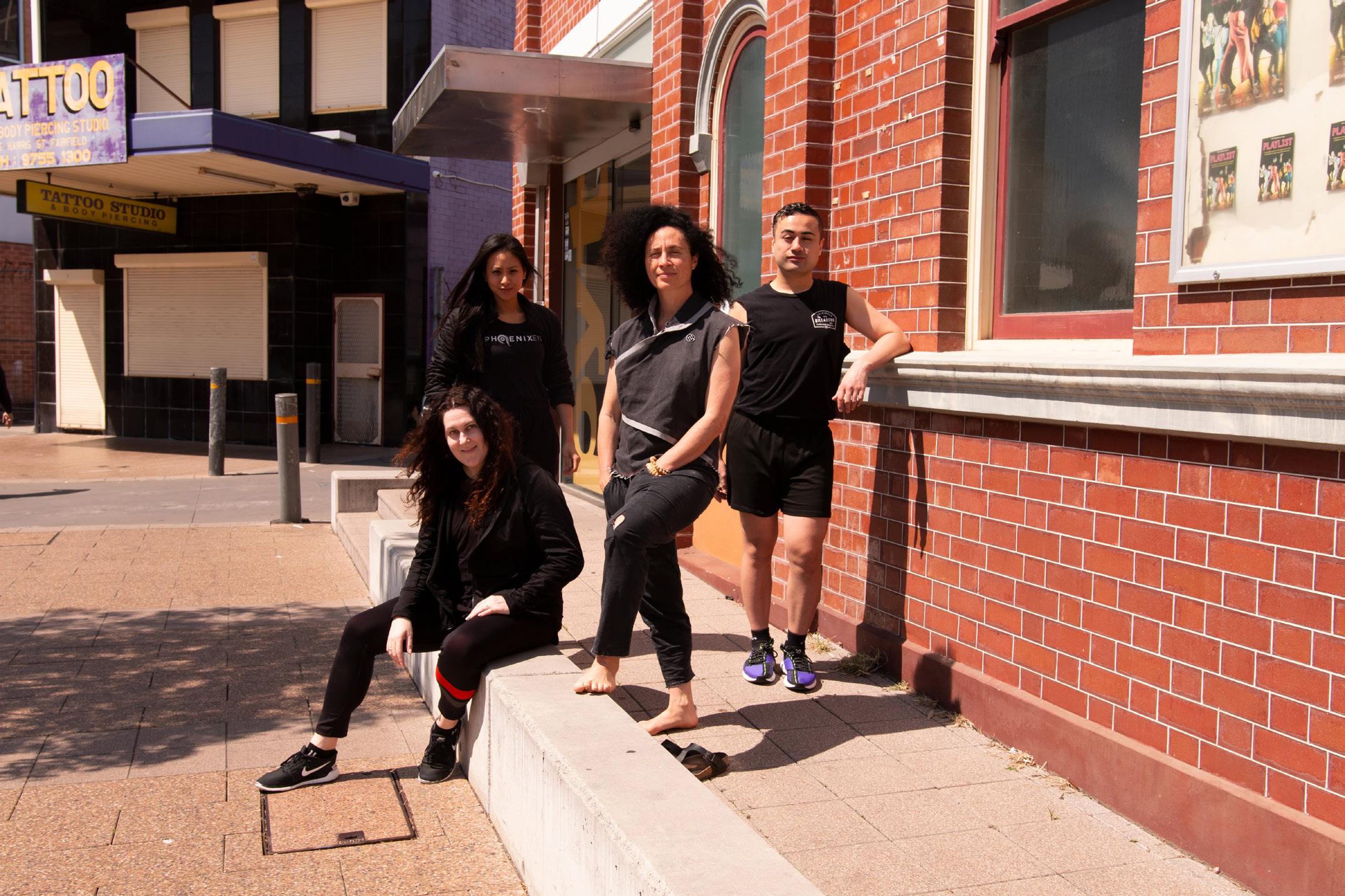
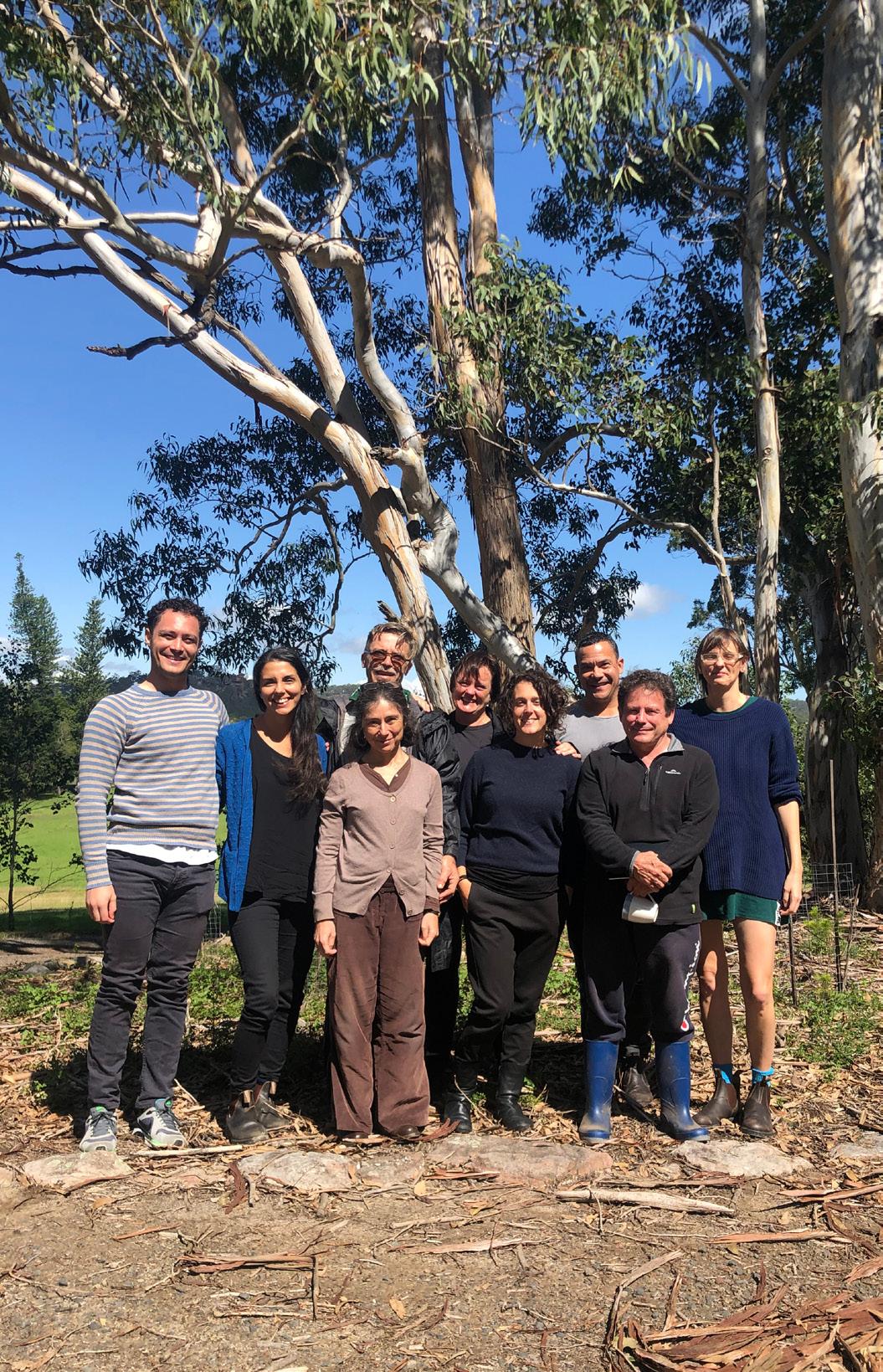
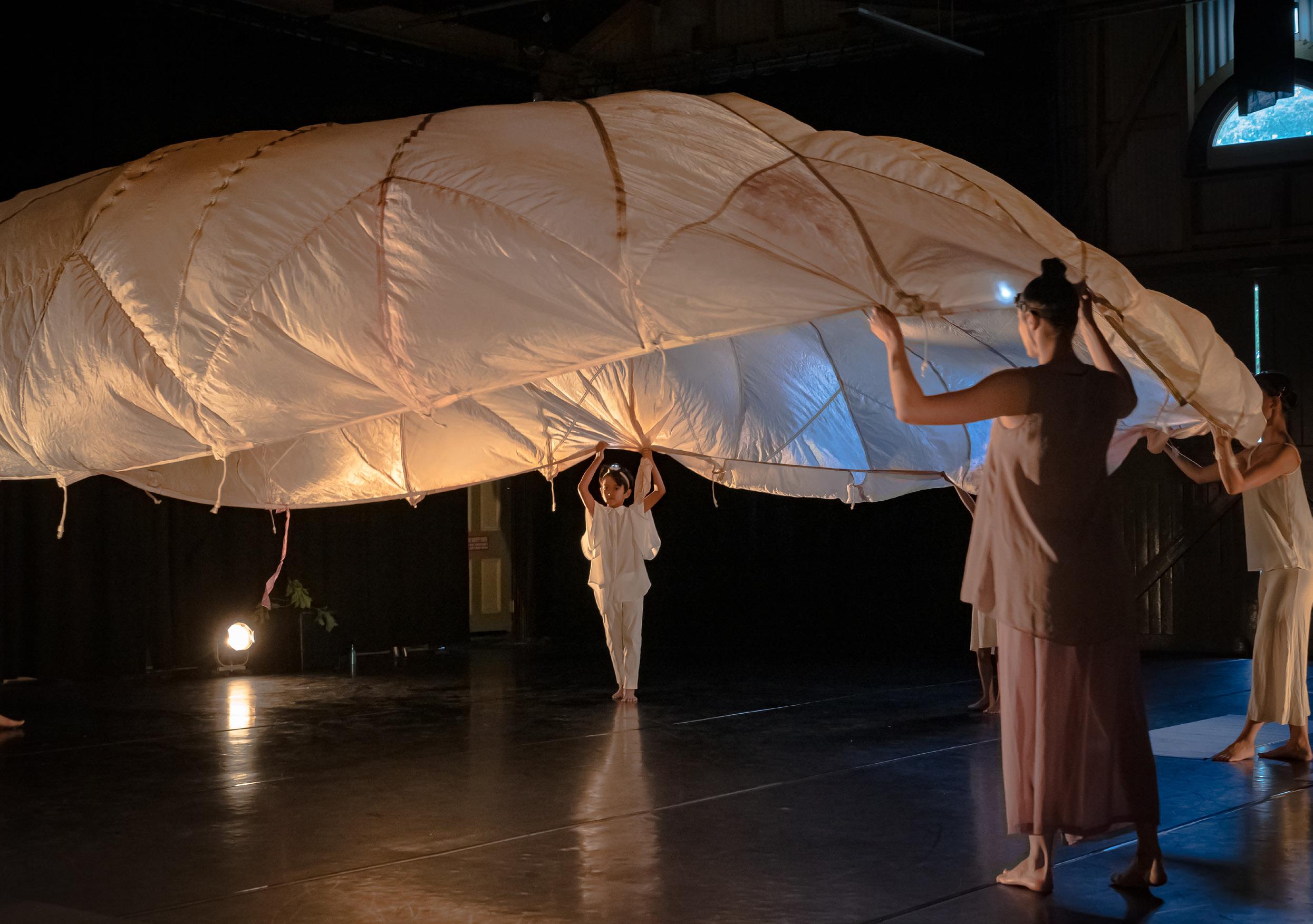
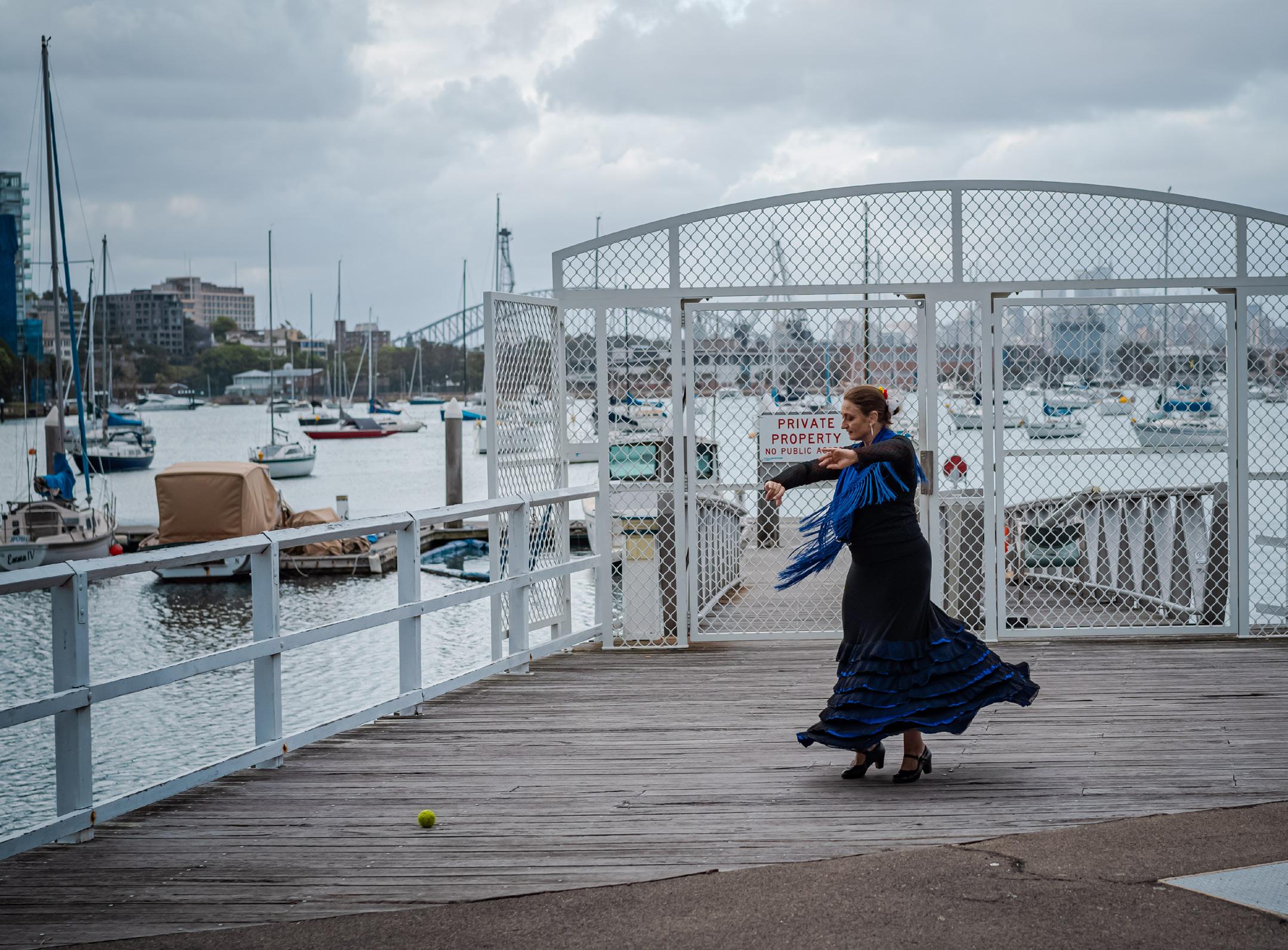
“We developed lively and fruitful ongoing conversations with dance artists of Australia and Asia regarding our shared love for abstraction and how we have felt like outsiders in this realm. It was interesting discovering the different opinions of practitioners from around the world. I love that Critical Path is becoming more open to hearing the voices of people of color particularly in regard to abstraction and postmodern dance.”
- Charemaine Seet
WELCOME
Critical Path’s Annual Report 2019 sets out the activities of the organisation over the twelve-month reporting period. To be honest, 2019 seems like a world away – a pre-Covid-19 world where we communicated and collaborated face to face, sharing and testing ideas, planning programs and generally being creative in every way possible. As we ride out this pandemic, we can’t predict how the world will come out of this, however we can be very assured that it will be art that will tell the real stories.
Looking back to 2019, it was a year of both consolidation and expansion. Existing programs continued to demonstrate the integral importance of Critical Path in supporting and facilitating research and development for the dance sector. Partnerships were strengthened to deliver more opportunities for artists in NSW and across Australia to expand the boundaries of their creative frontiers, and our extension into the digital realm showed that the ‘virtual’, is inhabited by artists just as richly and innovatively as the studio.
In 2019, Critical Path’s programs continued to reflect the ever growing diversity of artists - practice, location and socio-cultural settings that exist in our sector. New partnerships and continued
collaborations supported more artists and enabled more activities than ever before, strengthening connections and enriching the depth of artistic endeavour.
Research projects that focus on questioning and challenging the ‘big’ issues that the world faces today, galvanised a number of our artists to bring dance into the frame of these issues. The Anthropocene Research Project, including the Choreo Hack lab, and Out of the Lab saw artists examine vital aspects of our existence on this fragile planet. Critical Path also began work on developing its own Creative Response to Climate Emergency, which will be further developed in 2020.
Digital projects expanded in 2019 with Critical Path’s new initiative – Digital Drill – tackling the reality of the digital space as a ‘critical’ place for dance making, as well as philosophical and intellectual dialogue. We entered into this with new partnerships and programs including Delving into Dance which produces podcast interviews with artists that go beyond the biographical, in our collaboration we invited artists to create text/sound/image responding to the question of ‘Why Dance Matters Now’ for online distribution. Digital projects are a
valuable investment in the future. They are resources in perpetuity, and they can be shared globally.
Our physical footprint continues to reach across borders, while maintaining our Sydney location as a vital hub for the NSW and Sydney dance community. Regional partnerships with NORPA in Lismore, Catapult in Newcastle, BMEC in Bathurst and the NSW Central West have facilitated ongoing collaborations with artists and their communities. International engagement through the Critical Path’s Interchange project saw artists from the UK (England, Scotland and Wales), New Zealand, Sweden, Finland and Japan engage and collaborate with many Australian artists including several of our First Nation’s artists.
Our programs have been enhanced by multiple project funds, gained by ourselves and in partnership. In particular, we have felt the vital impact of support from Australia Council for the Arts, as well as support for discreet projects, through City of Sydney Council for the 2019 Hack Lab project and March Dance event and Woollahra Municipal Council for the Womens’ Work project. The continued support of Create NSW as our main funder is the foundation of our work as an organisation and our financial stability.
Our vision and purpose are driven to support, and also driven by, our artists.
We had 180 different artists engage with us over the year, in 276 interactions; ranging from curated and specifically focused projects, response residencies, space grants, platforms to show new works in development, ‘virtual’ creative engagements and digital projects, and several other events that happen simply because they need to, and we try our best to make them possible.
Director, Claire Hicks continues to lead the organisation with exceptional commitment. Her breadth of knowledge and experience in strategic planning drives the very effective and impactful programs and initiatives that stem from Critical Path’s vision. Running an organisation like Critical Path, means facing many challenges and finding ways to solve difficult problems, and requires extraordinary focus. Claire is the driving force of the organisation and her energy and commitment to Critical Path’s vision and the artists it serves is deeply appreciated.
Shane Carroll - Chair
ASSOCIATION INFORMATION
ABN
AND INCORPORATION NUMBER
ABN: 12 049 903 261
Critical Path Incorporated is an Incorporated Association (NSW) Incorporation Number: INC9881671
REGISTERED OFFICE & PRINCIPAL PLACE OF BUSINESS
The Drill
1C New Beach Road
Rushcutters Bay NSW 2011
RESPONSIBLE ENTITIES
Auditors
Mitchell & Partners, Chartered Accountants
Public Officer (2019)
Claire Hicks
COMMITTEE MEMBERS
The Committee members of Critical Path Incorporated present their Report together with the financial statements for the year ending 31 December 2019 and the Independent Audit report, covering those financial statements.
The following persons were committee members of Critical Path Incorporated during or since the end of the financial year. The number of meetings during the year and the number of meetings attended by each member are as follows:
A: Number of meetings the Committee Member was entitled to attend B: Number of meetings the Committee Member attended
Fenn Gordon was Acting Secretary from 20 August 2018 to 8 April 2019. Catherine Sullivan has been Secretary since 8 April 2019. Claire Hicks has been the Association’s Public Officer since June 2016.
SHANE CARROLL
Chair (from 20 August 2018)
Shane has worked in the arts sector as a performer, teacher, consultant, manager, researcher, advocate and advisor for around 40 years. Currently she supports artists through strategic initiatives to create viable careers, and contributes to arts advocacy, funding and policy development.
MARCUS BARKER
Marcus is the Chief Executive of the Sydney International Piano Competition. He has worked in the arts sector for over 20 years in Australia, the UK and the Republic of Ireland
FENN GORDON
Fenn is an independent practitioner with her own company Tandem, working between Australia and New Zealand, specialising in strategic development, producing and international touring. She has worked as producer and strategic advisor with artists including the William Yang, Gavin Webber and Grayson Millwood (The Farm), Gravity & Other Myths, ILBIJERRI Theatre Company, and Nicola Gunn.
RAGHAV HANDA
Artist Representative
Raghav is an Australian choreographer and performer of Indian heritage with training in modern and Indigenous contemporary dance, with a solid history of performances across Australia and overseas.
PATRICIA WOOD
Artist Representative
Patricia is an independent dancer, choreographer and performer. Her work draws from choreographic and ethnographic processes and takes multiple forms, including performance, radio transmission and text. She is also a teaching artist with Sydney Dance Company and a caretaker of ReadyMade Works
ANNABEL MILLET Treasurer
Annabel is a UK qualified Chartered Accountant and a senior management consultant at PwC. She has extensive experience across the private and government sector, helping clients to manage their Finance functions through business design, strategy and transformation programs.
CATHERINE SULLIVAN
Secretary
Catherine is a lawyer with extensive law firm and in-house corporate legal experience and is currently Senior Manager & Senior Legal Counsel at ASX Limited specialising in financial markets, corporate, governance and regulatory law. She is a director of Urban Theatre Projects and National Young Writers Festival and former Chair of Critical Stages and director of Brand X.
ELLE EVANGELISTA
Artist Representative
Elle performance credits include Force Majeure, KAGE Physical Theatre, Murmuration, Carriageworks and Opera Australia. Elle has collaborated with other independent artists including Matt Cornell, Joshua Pether and on multiple works by Ghenoa Gela. Elle has worked as Rehearsal Director for Force Majeure and KAGE Physical Theatre.
KIRK PAGE
Artist Representative
Kirk has worked in film, television and theatre as a performer, movement consultant. choreographer and director for more than 20 years. He has worked as NORPA’s Associate Artistic Director, with Legs on The Wall, Bangarra Dance Theatre and Force Majeure. He was Co-Director for Bathurst Circus and Physical Theatre Festival 2012. He is director of Horse’s Mouth.
CHANGES TO THE GOVERNING COMMITTEE
In 2019 changes to the Committee are as follows:
Catherine Sullivan (Secretary) and Elle Evangelista (Artist Representative) joined the board on 25 February. Kirk Page (Artist Representative) joined the board on 21 October, Raghav Handa and Fenn Gorden stepped down 12 August.
INFORM #3, Credit Hamish McCormick
OPERATIONS REPORT
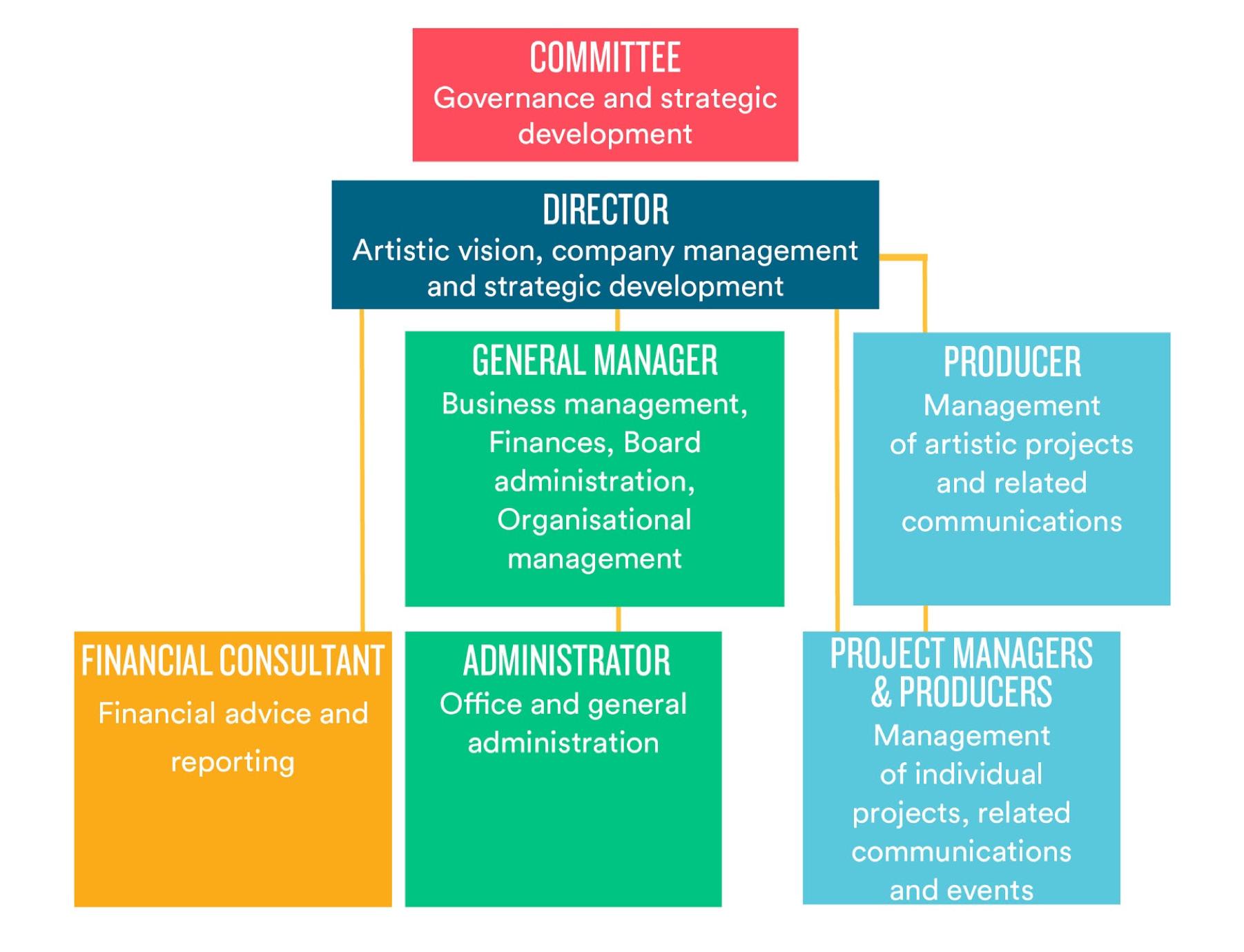
ORGANISATIONAL STRUCTURE AND KEY RESPONSIBILITIES
There were changes to staffing arrangements throughout the year, including temporary hires and changes to contracts. Please see next section for full details.
STAFFING NOTES
In 2019, Claire Hicks continued in the role of Director (full time).
Laura Osweiler continued as part-time General Manager – Finance (1.5 days per week) until taking up a new GM job description, back at 3 days a week until 19 Jun 2019. Amber Popelaars took up this role on 7 June 2019.
Kate Maguire-Rosier, completed her contract as Temporary Administrator, 9 March (2.5 days per week). Paul Walker took on a new 1 day per week Administration role 5 April.
Freya Ludowici, Project Coordinator, departed 9 March 2019 (3 days per week). Her final contract projects were taken up by Corinne Sheppard. Romy Caen was Blacktown Project Coordinator April.
Tamar Kelly filled a temporary Project Manager/Producer role 21 April to 1 June 2019. Ozlem Bekiroglou Aldogan began in the new Producer role 31 May. Tamar covered the Producer role from August during an agreed unpaid leave period by the post holder. Tamar Kelly was contracted as Project Manager Dancing the Drill (2019/20) project from October
Critical Path also continued to contract Karen Steains on a monthly basis as a financial consultant.
PRINCIPAL ACTIVITIES
Critical Path is a choreographic research and development centre based at the Drill Hall, a large rehearsal space on the harbour in central Sydney, Australia. Our mission is to cultivate a program of research and practice development opportunities for choreographers and dance makers, nurturing diversity and excellence in a supportive critical environment which fosters creative risk-taking.
With a distinct focus on research and innovation, we support Australian choreographers to incubate new ideas and experiments in our studio so that excellent new work can make it to our stages. We aim to nourish a genuinely independent dance company as they push the boundaries of existing practice in relation to local and international fields, enhancing the vibrancy of the Australian dance sector.
We emphasise our role as a hub, a space for the independent artists to congregate, cross fertilise, debate, critique. A place connected into the broader arts sector through a host of partnerships.
OPERATING RESULT
The net surplus for the year amounted to $20,321 (2018: $13,870). Critical Path has been serving the contemporary dance community for 14 years.
2019 ARTISTIC PROGRAM FUNDING
STATE
In 2019, we continued to be supported by Create NSW with an extension to our triennial funding that was originally for the period 2016-2018; $280,000 per annum to cover the period January through to December each year.
AUSTRALIA COUNCIL
LOCAL
Woollahra Municipal Council supported Critical Path with a Cultural and Community Grant, for Women’s Work ($7,500).
City of Sydney provided a grant of $9,981 for the Anthropocene Choreo-Hack Lab which was awarded in 2018 and completed in 2019 as part of the Sydney Festival in partnership with MAAS.
PARTNERS
Other partners provided in-kind support or spent cash directly on joint programs; Blacktown Arts Centre, DirtyFeet Ltd, NOPRA, Performance Space, PYT, Dance4, The Mill PDE, Sydney Dance Company, The Dance Centre Society, Tasdance and individual artists.
OTHER
Other income was generated through:
Donations
Venue Hire
In-kind rent
$11,379 (consisting of individual donations)
$15,565 (a mixture of larger rehearsal and development periods for subsidised artists/companies with independent makers and commercial arts activity)
Woollahra Municipal Council continue to offer Critical Path the Research Room at no hire cost to support our artistic program.
Other direct in-kind Various professional services and miscellaneous items
Sundries A combination of membership fees and interest income
AUSPICE
Critical Path auspiced the inaugural March Dance by the Independent Dance Alliance (an unincorporated group with a membership consisting of Critical Path, DirtyFeet and ReadyMade Works) which included a City of Sydney grant of $16,000 and substantial in-kind value of $110,148.
STATISTICS REPORT
OVERALL ENGAGEMENT
352 Total artist participation (221 Unique*)
604 Total live audience for Critical Path activities in 2019
1,266 Digital audience including reports, videos, e-journals
6,252 Online readership (including digital documents, Facebook and newsletter recipients)
18,305 Website visitors
RESEARCH
96 Unique artists participated in the research program
123 Artist engagements in the research program
197 Audience to research sharings
33 Research Projects, including 10 Research Room residencies
3 Workshops
2 Open studios
DEVELOPMENT
155 Unique artists participated in our development Program
229 Artist engagements in the development Program
15 Artists contributed to Critical Dialogues
452 audience to development presentations (including talks)
29 development programs, including 5 Regional residencies / labs
2 Editions of Critical Dialogues
2 new digital projects launched (Interchange digital festival and partnership with Delving into Dance)
PUBLIC PROGRAMS
22 Public Events
122 Artist engagements in the delivery our public program
604 Audience and Participants across Public Program
2,151 Content-driven digital audience
YEAR ON YEAR OVERVIEW
1 a number of Digital Drill projects were initiated in 2019 but are being published/ launched in 2020 and hence digital audience engagement figures for these projects will be included in our 2020 report
ARTISTS INVOLVED IN CRITICAL
PATH
2019
Adelina Larsson
Adrianne Semmens
Adrina Petrosian
Alan Schacher
Alana Yee
Alexa Wilson
Alexandra Harrison
Alexandra Knox
Alia Ardon
Alice Weber
Alison Plevey
Amaara Raheem
Amelia Zhou
Amrita Hepi
Anca Frankenhaeuser
Anna Kallblad
Anna Kuroda
Anna May Kirk
Annaleigh Moore
Anna-Louise Paul
Anny Mokotow
Audrey Rose Burden
Barbara Campbell
Ben Parangi
Benedict Carey
Bernadette Lewis
Bernice Lee
Bonnie Curtis
Boris Bagattini
Brian Fuata
Brooke Stamp
Bronwen Kamanz
Cadi McCarthy
Carl Sciberras
Caroline Garcia
Charemaine Seet
Choy Ka Fai
Clare Britton
Clare Grant
Cleo Mees
Colleen Coy
Dean Walsh
Daisy Catterall
Daniel Jenatsch
David Huggins
Dean Walsh
Don Asker
Donna Sgro
Duncan Maurice
Eddie Ladd
Eko Supriyanto
Eliam Royalness Motu
Elizabeth Burke
Elizabeth Ryan
Ella Watson-Heath
Ellen Davies
Ellen Macleary
Sevillanas
Emily Johnson
Emma Saunders
Emma Wilson
Faye Lim
Gabby Le Brun
Gabrielle Griffin
Gideon Payten-Griffiths
Helena Bystorm
Henrietta Baird
Hwa Wei-an
Holly Craig
Ileanna Cheladyn
Ira Ferris
Ivey Wawn
Jacob Boehme
Jade Dewi Tyas Tunggal
Jahra Rager Wasasala
James Brown
Jane McKernan
Jasmin Sheppard
Jay Bailey
Jennifer Eadie
Jess Paraha
Jestin George
Jill Crovisier
Jiva Parthipan
Jo Bayliss
Jo Clancy
Jodie McNeilly-Renaudie
Joel Bray
Jonathan Homsey
Jorvn Jones
Joshua Pether
Julian Louis
Julie-Anne Long
Justine Shih Pearson
Kalle Ropponen
Karen Kerkhoven
Kate Blackmore
Kate Hodgkinson
Katherine Coghill
Kay Armstrong
Kayley Palmer
Ken Feathers
Kim Deacon
Kimberley Mcintyre
Kirk Page
Kristina Chan
Laura Osweiler
Larissa McGowan
Lee Pemberton
Leisa Prowd
Lisa Frisna
Lizzie Thomson
Lu Shirley Dai
Lucca Barone-Peters
Luke Pell
Lux Eterna
Margie Medlin
Maria Nurmela
Maria Tran
Mariaa Randall
Martin del Amo
Matt Stegh
Matthew Day
Matthew Doyle
Maya Gavish
Megan Payne
Michel Heaven
Miranda Wheen
Monica Stevens
Narelle Benjamin
Nick Power
Nicole Pingon
Nigel Kellaway
Nikki Heywood
Omer
Backley-Astrachan
Noa Rotem
Olivia Hadley
Paprika Xu
Patricia Wood
Paul Walker
Philip Channells
Raghav Handa
Rakini Devi
Rebecca Conroy
Raynen O’Keefe
Rebecca Conroy
Renae Shadler
Renata Commisso
Rhiannon Newton
Riana Head-Toussaint
Robyn Godfrey
Rohan Willard
Romain Hassanin
Ryuichi Fujimura
Saki Hoh
Sally Chessell
Sarah Pini
Saru Rudah
SDC Pre Professionals
Shaun McLeod
Shona Eskine
Simon Ellis
Sinead Fell
Skip Willcox
Simo Kellokumpu
Sonia York-Price
Sophia Van Gent
Stella Chan
Sue Healey
Susan Barling
Susan Regina Suleman
Tahnee Arnold
Taree Sansbury
Tess de Quincey
Thomas Bradley
Tim Darbyshire
Ting-Ting Cheng
Tishani Doshi
Tsuki Becoming
Vanessa Goodman
Vicki Van Hout
Victoria Hunt
WeiZen Ho
Wendy Yu
Yolande Brown
Zachary Lopez
Zoe Xanadu
ACTIVITIES
Research Residencies | Interchange | Labs and Workshops | Discourse
Independent choreographic artists and responding to their requests are at the centre of all we do. The Responsive Program emphasises the value of risk–taking for future choreographic development and seeks to give choreographers an opportunity to innovate their practices in an environment that promotes open discovery and experimentation. The program encourages self–directed and collaborative proposals that reflect the particular interests and goals of participating artists. Artists come from far and near, and work with us at partners spaces across NSW, nationally and internationally. We have many artists working at the Drill throughout the year engaged in research on their own artistic practice. In the corner of the building (next to the kitchen), our Research Room artists work away exploring their ideas, reading, writing and inviting conversation.
In 2019 Critical Path delivered, often in partnership, often responding directly to or led by artist’s passions and areas of concern as well as needs;
ANTHROPOCENE RESEARCH PROJECT
We began the year with our wider reaching Anthropocene Research Project, whose research strand gave Rosalind Crisp the opportunity to build on her research residency March 2016, this led directly into presentations at Artlands 2018 and Dance Massive 2019. Alongside this the Choreo Hack Lab (see Labs below) and Out of the Lab residencies took forward research areas with Dean Walsh, Henrietta Baird, Ivey Wawn and Sarah Pini.
Credit Matthew Syres
CENTRAL WEST WITH BMEC AND CEMENTA
Our NSW regional partnerships also fed our research work, in Central West following on from a 2018 caravan exploration (Bathurst, to Orange to Cowra) Susan Barling was invited to consider her next steps in relating to local ‘place’ with her practice, subsequently take some early research steps on an idea based on a costume housed at Kandos Museum. Artist Rakini Devi who had facilitated the caravan took the opportunity to reflect on her experience.
Further to these two Central West regionally connected artists undertook two-week residencies in partnership with BMEC and Cementa. Artists were selected from previous partnership activity with BMEC and Critical Path - Alison Plevey and Susan Barling identified research areas they wished to push forward in the regional context. Alison explored ‘the Dry’ engaging with local political actions and her family’s farming experience. Susan made local artists connections to create a sharing presentation with Central West musicians and textile artists as part of Cementa 2019.
Central West - Alison Plevey, Credit Pandora Holliday
DANCING CITY / SYDNEY - ARCHIVE PROJECT
Our archive project, an ongoing partnership with UNSW and University of Sydney continued with artists Julie-Anne Long and Kay Armstrong considering the archiving of their body of work.. Rakini Devi took her 2018 archive research further with Karl Offord, exploring her body as archive through an exploration of past works, Body As Archive. She extended this through CP’s studio exchange with Catapult. Rakini spent two weeks at Catapult’s space in Newcastle. Catapult identified artists Allie Graham and Skip Willcox spent a week at the Drill and shared their current research project, with the work of Bob Fosse as a starting point.
The final tranche of our archive project 2019-20 Dancing Sydney: Dancing Histories, supported by the City of Sydney, started with Narelle Benjamin working at home exploring her ‘recorded’ archive and in the studio with her daughter, dancer Milo Benjamin, sharing her embodied archive.
Credit Narelle Benjamin
EXPERIMENTAL CHOREOGRAPHY RESIDENCY WITH PERFORMANCE SPACE
In the fourth annual iteration of Critical Path’s joint Residency for Experimental Choreography with Performance Space, Ivey Wawn undertook research in relation to a new work In Perpetuity investigating the demands of capital on bodies, human and non-human. In her residency Ivey explored a system of sensual stimulants through scent, sound, vision and physical inputs designed to “thicken the present in an attempt at liberating bodily labour and finding new value in sensation, joy and magic”.
SPACE TO FAIL
Space To Fail Vancouver, initiated a new partnership between Critical Path and Adam Hayward/Hyde Productions (New Zealand / Aotearoa) & Dance Centre Vancouver to provide space for international exchange. The driver for this collaboration was to offer artists space for an exchange of ideas to be based on process and not on product, where risk and ‘failure’ were invited as part of the process. This first phase was a five artists lab in Vancouver; Australians Alice Webber and Tim Derbyshire participated. Alongside this program CP offered a First Nations Australian artist-curator a bursary to participate at Dance in Vancouver, selected artist was Mariaa Randall.
“It was a good example of Critical Path engaging in cross-cultural and cross-partner dialogues, which I had not experienced on an international level before. It was a privilege to be part of these connections, which generate international critical dialogue and strive to aid the artists in activating experimental frameworks and initiatives.”
- Tim Darbyshire
RESPONSIVE RESEARCH RESIDENCIES
Research residencies responding directly to artist requests were offered to six artists, with a range of durations and approaches.
SUE HEALEY
In her Responsive Residency, choreographer Sue Healey delved into the current states of play; in the microcosm of her Sydney kitchen and more globally in the current Trumpian Dystopia. This exploration through movement and image making related to five notions: receptivity to what is around us, working within limitations, awareness and attention to detail, movement in confined spaces and, in contrast, movement in vast open spaces. Her residency included time at the UNSW Animation Lab, in partnership with the Creative Practice Lab, UNSW.
Credit Sue Healey
KRISTINA CHAN WITH DONNA SGRO AND CLARE BRITTON
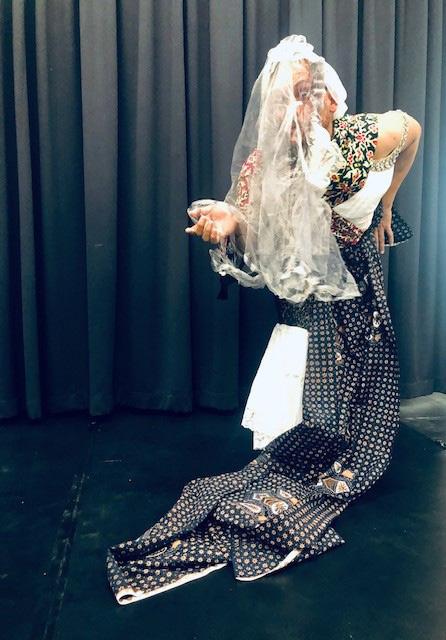
Kristina Chan, Donna Sgro (experimental fashion designer) and Clare Britton (visual artist and designer) researched the integration of the choreographed body and textiles. Developing visual and spatial outcomes that speak to environmental change, this research stems from Kristina’s dance making practice related to causality, impermanence and transformation.
KIRK PAGE AND JADE DEWI TYAS TUNGGAL
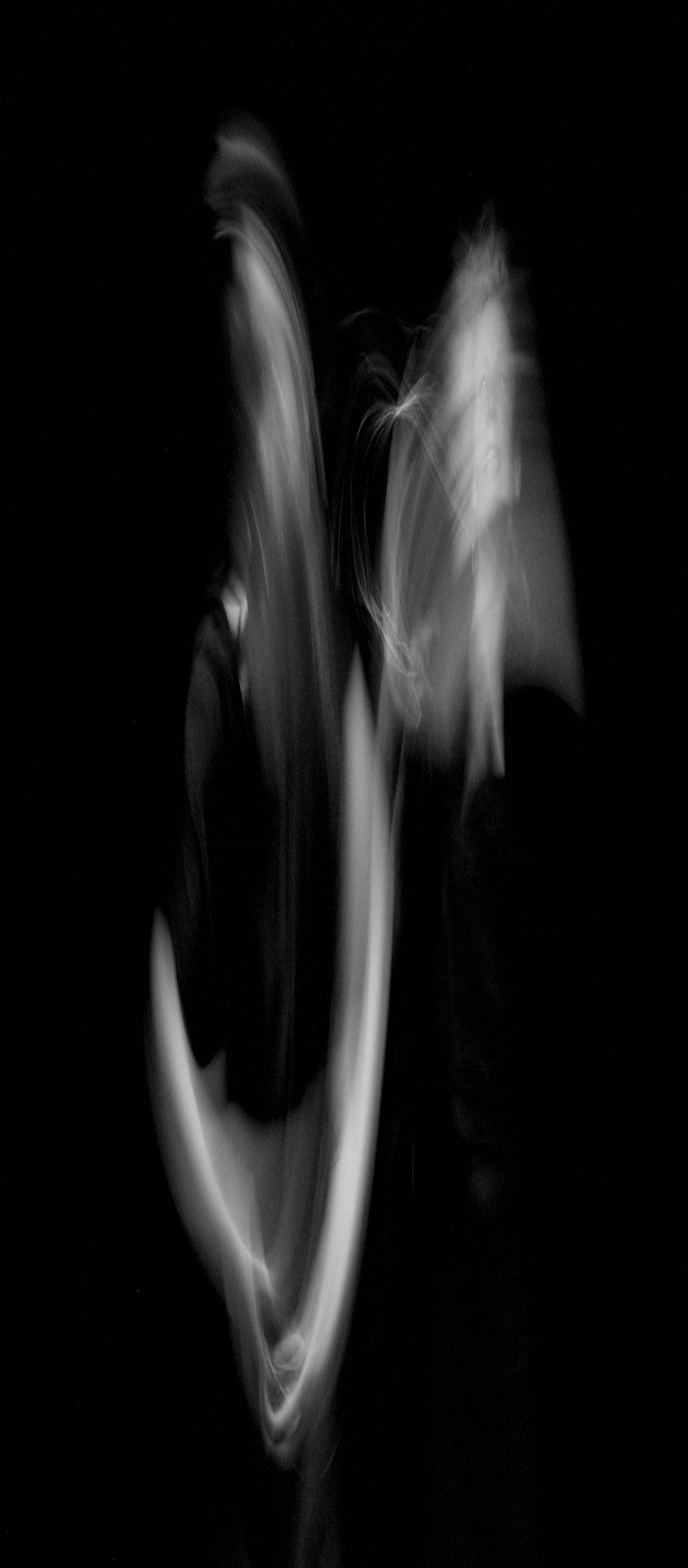
Kirk Page and Jade Dewi Tyas Tunggal spent time at Northern Rivers Performing Arts (NORPA) and the Drill asking what is the pivotal role of smoke in spiritual health –landscape, body and ritual. The research explores Indigenous approaches to wisdom and how to revive vitality, burning off the physical waste and promote finding new pathways together.
Credit Kirk Page
WEIZEN HO WITH JOSHUA PETHER
WeiZen with Joshua drew on stories, experiences and imagination on how ceremonies from traditional societies set up space as a way of accessing their sensitivities. Through using the concept of Transmission, they investigated the body as a transmittable medium and walking archive (albeit scrambled) of the fragmented past, present and future.
MATTHEW DAY
Matthew Day excavated the existing catalogue of choreographic scores, rehearsal notes, and archival records of Figures for Landscapes. While in residence at Critical Path Matthew interrogated what is at stake when a performance work is continually adapting itself to its context and environment.
Credit Critical Path
MARTIN DEL AMO WITH KRISTINA CHAN, DAVID HUGGINS, MIRANDA WHEEN AND SHIH PEARSON
Martin Del Amo conducted research into the choreographic potential of the trio form. His collaborators were dancers Kristina Chan, David Huggins and Miranda Wheen, as well as Justine Shih Pearson in the role of research consultant.
Credit Paul Walker
RESEARCH ROOM RESIDENCIES
Alongside these a number of space-only and Research Room residencies took place with artists Ivey Wawn, Jasmin Sheppard, Renata Commisso, Joel Bray, Jill Corvisier, Luke Pell and Nick Power. Critical Path also offered Open Studio space for urgent research and development at short notice.
ASSOCIATE RESEARCHER - ADELINA LARSSON
Adelina is researching her Swedish cultural heritage and in particular looking at the folklore, dance and music tradition from the village of her father and grandparents called Färila which is a village of about 500 inhabitants in the province of Ljusdal (north east Sweden).
Open Studio: Adrina Petrosian, Credit Adrina Petrosian
INTERCHANGE
Critical Path’s Interchange project facilitated a series of research projects with International artists.
PEPA UBERA (UK)
Ongoing partnership with Dance4 UK, biennial artist visit. In previous visits artists have run workshops, set up conversations, connected with other locations.
CATHY LIVEMORE (NZ) WITH ERIC AVERY
Cathy and Eric spent a week, exploring ideas around water and the relationship of their traditional practices and beliefs to the creation of new forms of ritual engagement. They opened up their studio during the week to outside artists.
JAHRA WASASALA (NZ) WITH AMRITA HEPI
Jahra and Amrita had a week looking together at their collaborative practice with each other. This was an important opportunity to reflect on this relationship outside of making time. They opened up this exploration through a workshop for other artists.
BYSTROM KALLBLAD (SWE) WITH ADELINA LARSSON
Helena Bystrom and Anna Kallblad explored the idea of what it would mean to re-imagine their recent site-based project City Horses in Australia.
MARIA NURMELA & KALLE ROPPENON (FIN) WITH RENAE SHADLER
Maria and Kalle, came to Dance Massive and subsequently spent time in Sydney exploring their Susurrus research. Renae and Maria then went on Supercell to connect with practitioners there and to lead a workshop.
EDDIE LADD (UK - WALES) WITH JACOB BOEHME
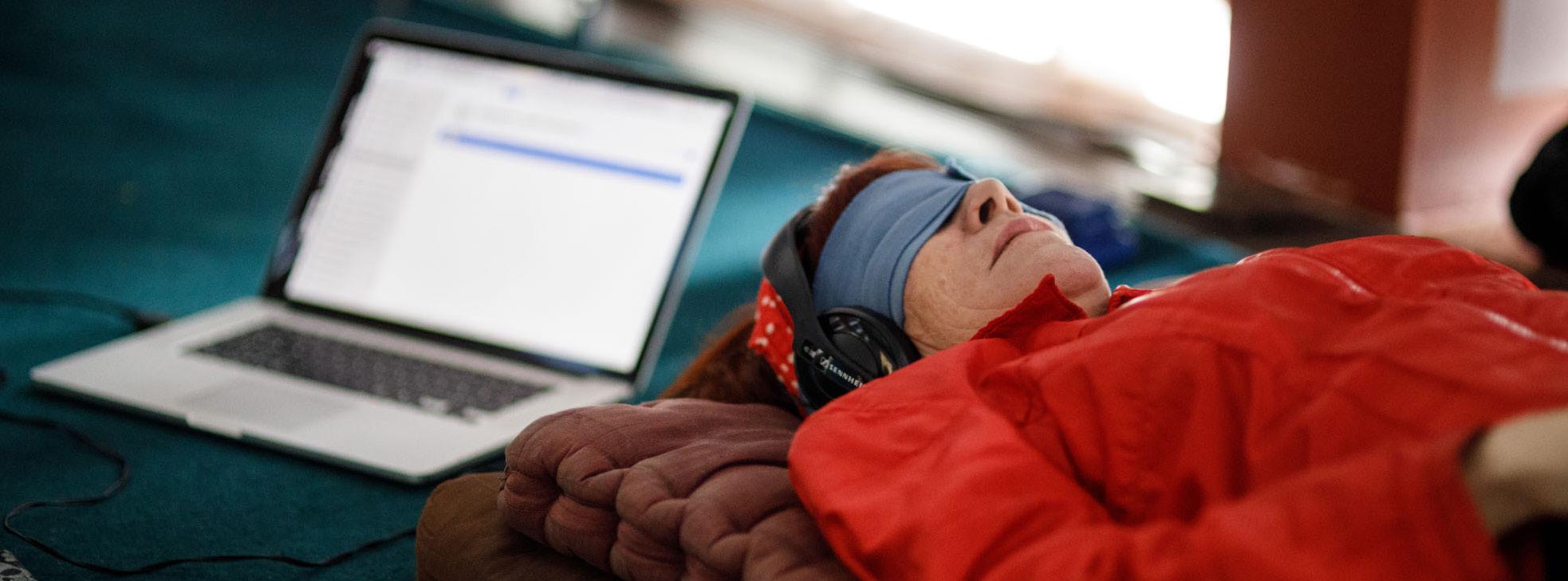
It was agreed that a digital residency experiment would test opportunities for the artists’ future joint working as well as help CP explore the idea of international residencies without long-distance travel.
Susurrus sharing – Maria Nurmela, Kalle Roppenon, Renae Shadler, Credit Wendy Yu
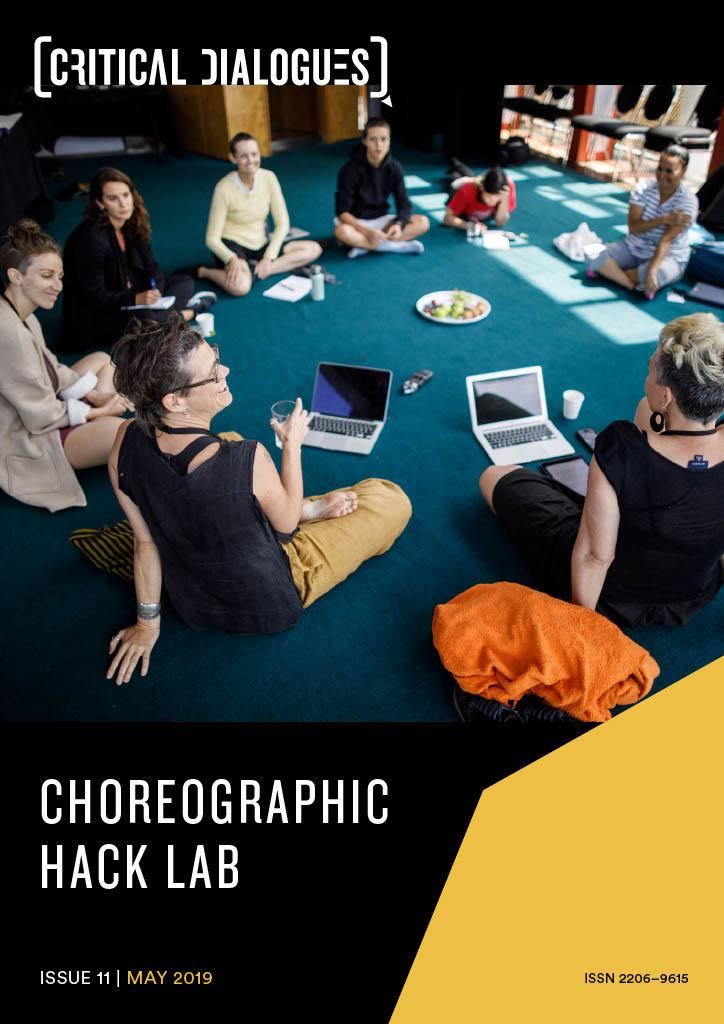
CHOREO-HACK LAB: THE ANTHROPOCENE
Back at the start of 2019 our Choreo-Hack lab: The Anthropocene invited five choreographers into a research space with practitioners from other disciplines. Artists selected were Dean Walsh, Henrietta Baird, Ivey Wawn, Jodie McNeilly-Renaudie and Sarah Pini. Partnership with MAAS, UTS, Strange Attractor. Out of the lab research took this research onto next steps for each of the artists.
INFORM #3
INFORM #3 was a Regional training collaboration with NORPA (Northern Rivers, NSW). This third collaborative workshop-lab was led by Alexandra Harrison with a guest regional NSW artist Lee Pemberton – Northern Rivers practitioners explored choreography, place and the environment.
Credit Hamish McCormick
WOMEN’S WORK
Women’s Work group gatherings & workshops supported senior female creatives to exchange and share their practice. What challenges do senior female choreographers face? This conversation between choreographic artists celebrated older women working in dance and introduced audiences, through a public talk, a workshop for young people and video content, to the process, practice and achievements of artists, encouraging different ways of looking at the creative work they produce. Regional artist Lee Pemberton received a bursary to support her connection to this Sydney based Activity.
PYT LAB
PYT lab exploring the space for different movement practices in our culture - ‘Why This Is Art’. 4 artists come together to consider how movement/choreographic practice sits in relation to contemporary art contexts; Elian Motu, Maria Tran, Larissa McGowan with facilitator Victoria Hunt.
Credit
ARTICULATING PRACTICE
In the Articulating Practice Workshop First Nations Australian Artists explored and shared where they find themselves in their practice now, their connections and responsibilities to community, and considered how they represent their work (in text, image and when speaking about it) along with what they communicate with others. Finally, they looked at how they can support each other to take their respective practices forward. Participating artists; Adrienne Semmens (supported by The Mill’s Engage program), Henrietta Baird, Jasmin Shepard, Tahnee Arnold. Guest artists; Matthew Doyle and Vicki Van Hout. This project was developed in partnership with Blakdance.
BITS RESIDENCY
BITS Residency saw NSW producer/ curators come together for three days of reflection and encounters at Bundanon. Drawn from City, Western Sydney and Regional contexts they were invited to consider their own practice and their place in supporting and nurturing the dance sector.
Credit Sally Chessell
ANTHROPOCENE RESEARCH PROJECT
Once more back to Critical Path’s Anthropocene Research Project. In January we held in partnership with Strange Attractor and MAAS, supported by the Anthropocene Transition Project a public talk between Dr Astrida Neimanis (Dept Gender and Cultural Studies, Uni Syd) and Kenneth McLeod (Research associate, UTS Business School) facilitated by independent artist and scholar Dr Rebecca Conroy.
At the end of the lab a number of the participants of the Choreo-Hack shared some of the ideas and issues they had been grappling with. A subsequent conversation at 107 Projects led by Sydney Environment Institute took forward conversations with some of the artists in the lab.
CRITICAL DIALOGUES
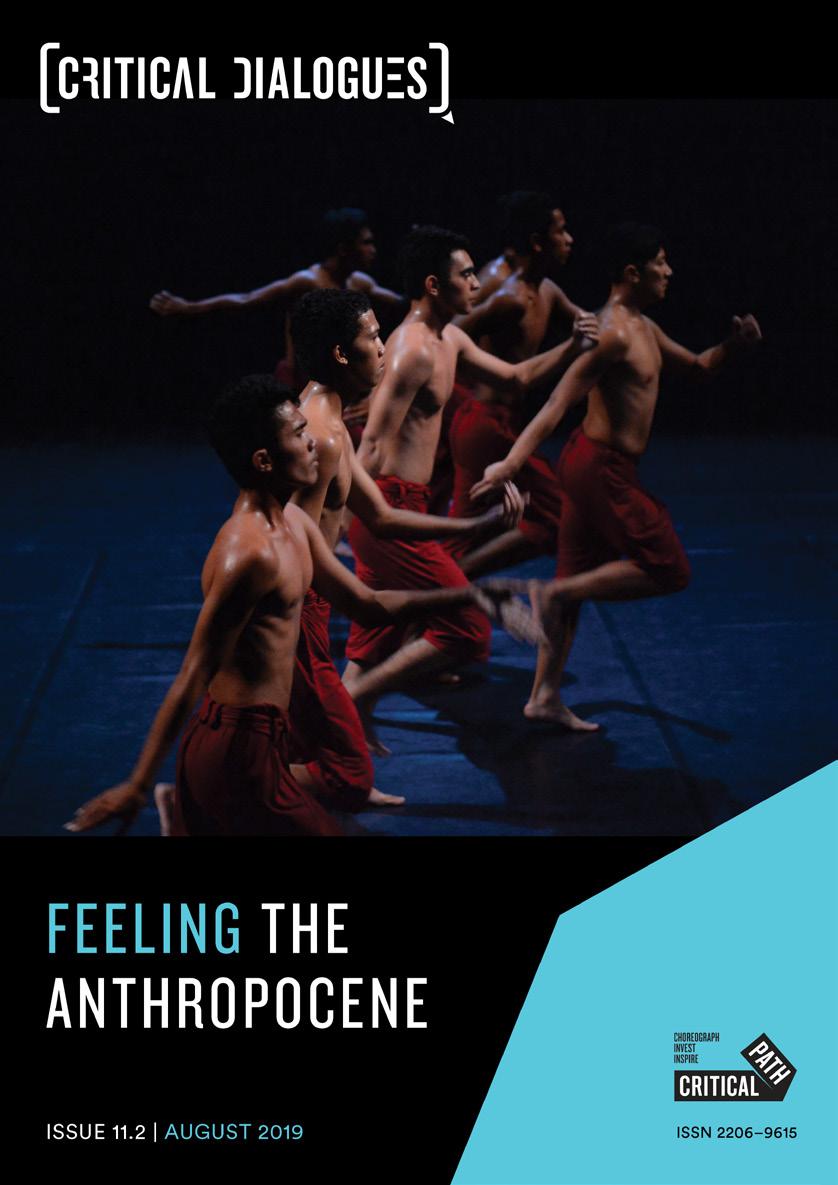
Critical Dialogues Issue 11 Edition 1 & 2 took forward this area of the Anthropocene. Edition 1 Hacking the Anthropocene was guest edited by Bec Conway and featured lab artists as well as Astrida Neimanis. Edition 2 led by the CP team, project lead Tamar Kelly, followed up Kenneth McLeod alongside local and international artists Feeling the Anthropocene.
STARTERS
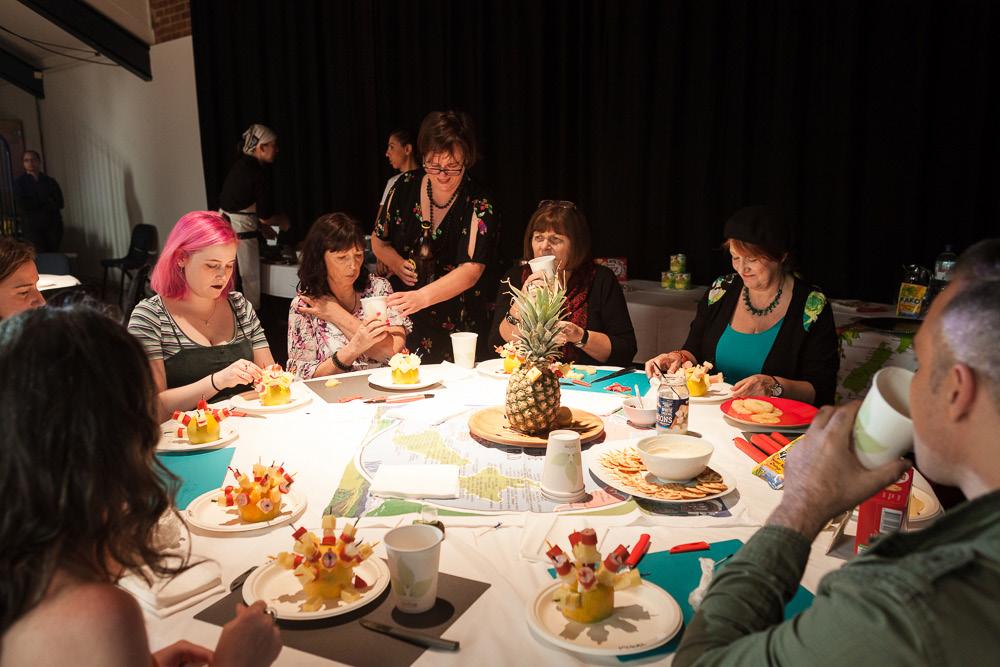
Blacktown ‘STARTERS’ was a project with Blacktown Arts Centre inviting Julie-Anne Long, Brian Fuarta, Taree Sansbury and Anna Kuroda to share their experiences and memories in starting out in dance. This informal sharing event with food invited a different performer/audience relationship. This project was followed up with an artist meeting and an extended-time residency for Anna Kuroda with regular space at the Leo Kelly Arts Centre and a bursary.
PARRAMATTA ARTIST LAB
Critical Path responded to a request to partner with Parramatta Artist Lab in hosting visiting poet and dance artist Tishani Doshi from India with a public talk chaired by Amrita Hepi.
Credit Lux Eterna
IMPACT - LOOKING BACK TO THE FUTURE
In our Impact activity Critical Path took on the task of looking back and tracking activity in different ways into the future. We took forward work to track CP artists past & present to future outcomes; with invitations to reflect and re-consider the impact of development and research projects/processes. This included artist led interviews, Rhiannon Newton with past Responsive Research participants and a narrative questionnaire to past Associate Artist Paul Gazzola.
DIGITAL DRILL - A DIGITAL HALL
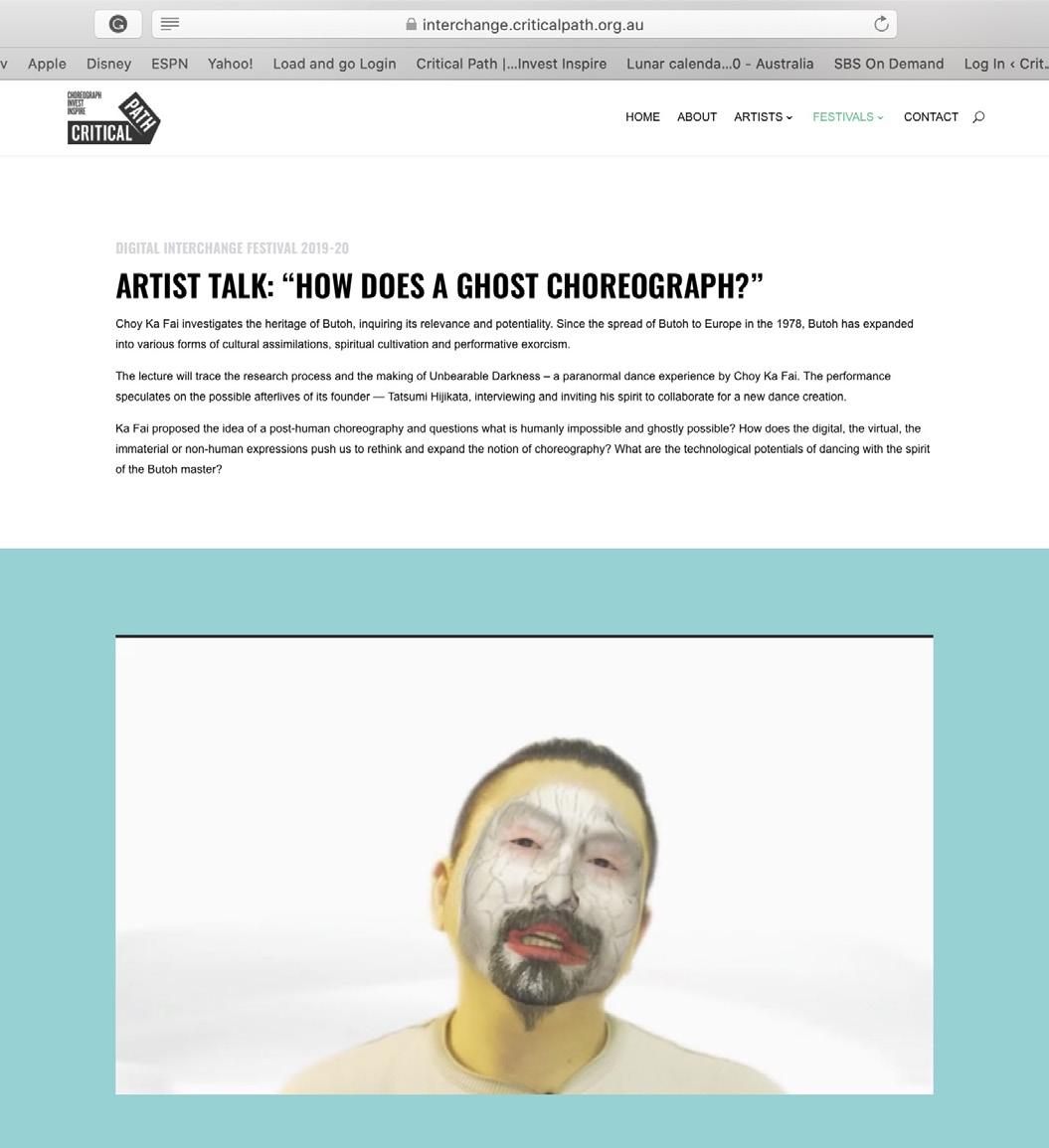
Our 2019 digital project – Digital Drill was a research phase around what a digital choreographic space might be. Following completion of a consultation by Portable digital specialists, Critical Path took forward a series of digital experiments which fed into a digital iteration of our Interchange Festival. Working with artists Matthew Doyle, Charemaine Seet, Margie Medlin and Choy Ka Fai we invited each artist to create a way to open up their work using the digital space and in the digital space. Some of these processes initiated in 2019 will have outcomes continuing into 2020.
DELVING INTO DANCE
An exciting partnership with online project Delving into Dance in 2019 gave Critical Path the chance to commission 12 artists to create some form of online text on the subject of Why Dance Matters Now. These 12 new dialogue works will be available to the public in 2020.
SHARINGS
Supported activity at Critical Path’s Sydney space included artist-initiated projects offering their peers the chance to present new ideas and collaborations. 2019 activity included First Run led by Brooke Stamp with Rhiannon Newton and On the Cusp led by Karen Kerkhoven. We also opened our doors to sharings, workshops, invitations to join artists in their studio process across the program, determined by the needs of the participating artists and their work.
AND+
CP Director Claire Hicks is part of the Asian Network for Dance core group. Their second meeting took place around Dance Massive in March 2019 taking forward conversations on dance across Asia and engage in public activity.
CREATIVE RESPONSE TO THE CLIMATE EMERGENCY
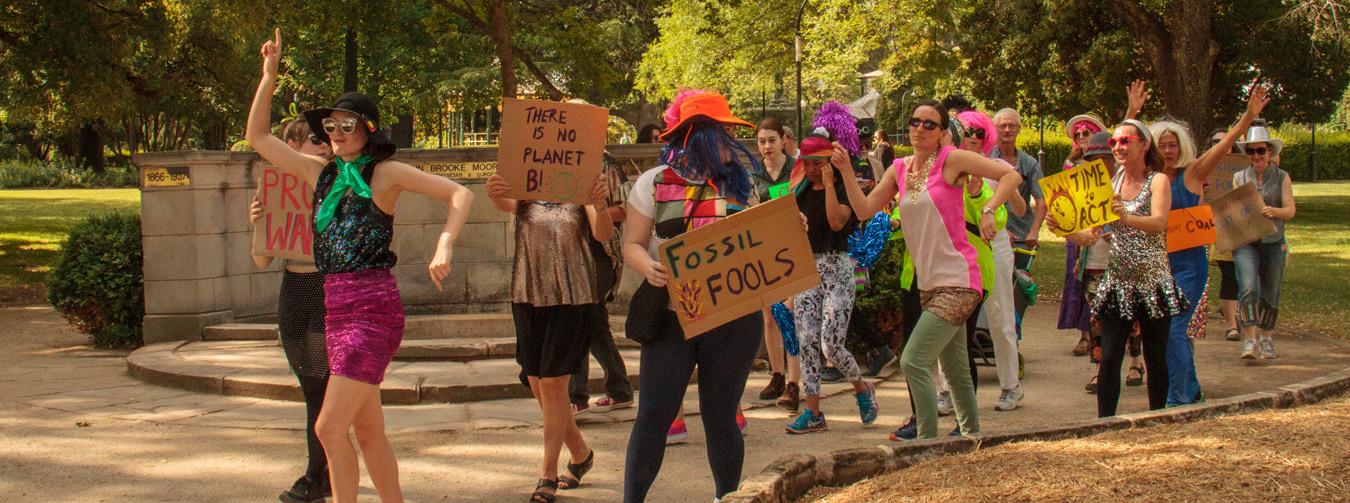
Finally, in 2019 we started an exploration around a Creative Response to the Climate Emergency with guest facilitator Pippa Bailey. Critical Path asked its team, its board of directors and our community of artists what this might mean. You can see the question in some of the explorations above. It is the start of a conversation that we will need to take forward in 2020.
On the Cusp, Credit Shawny House
“The experience has been intense, raw, confronting moments when life and art intersected in shocking and painful ways. It was profoundly supportive to have the NORPA studio and then the Drill Hall as places of cultural creativity, supporting arrival, concentration, focus and deep exploration during such a big energy time…”
- Jade Dewi Tyas Tunggal
FINANCIAL REPORT
Committee Members’ Report
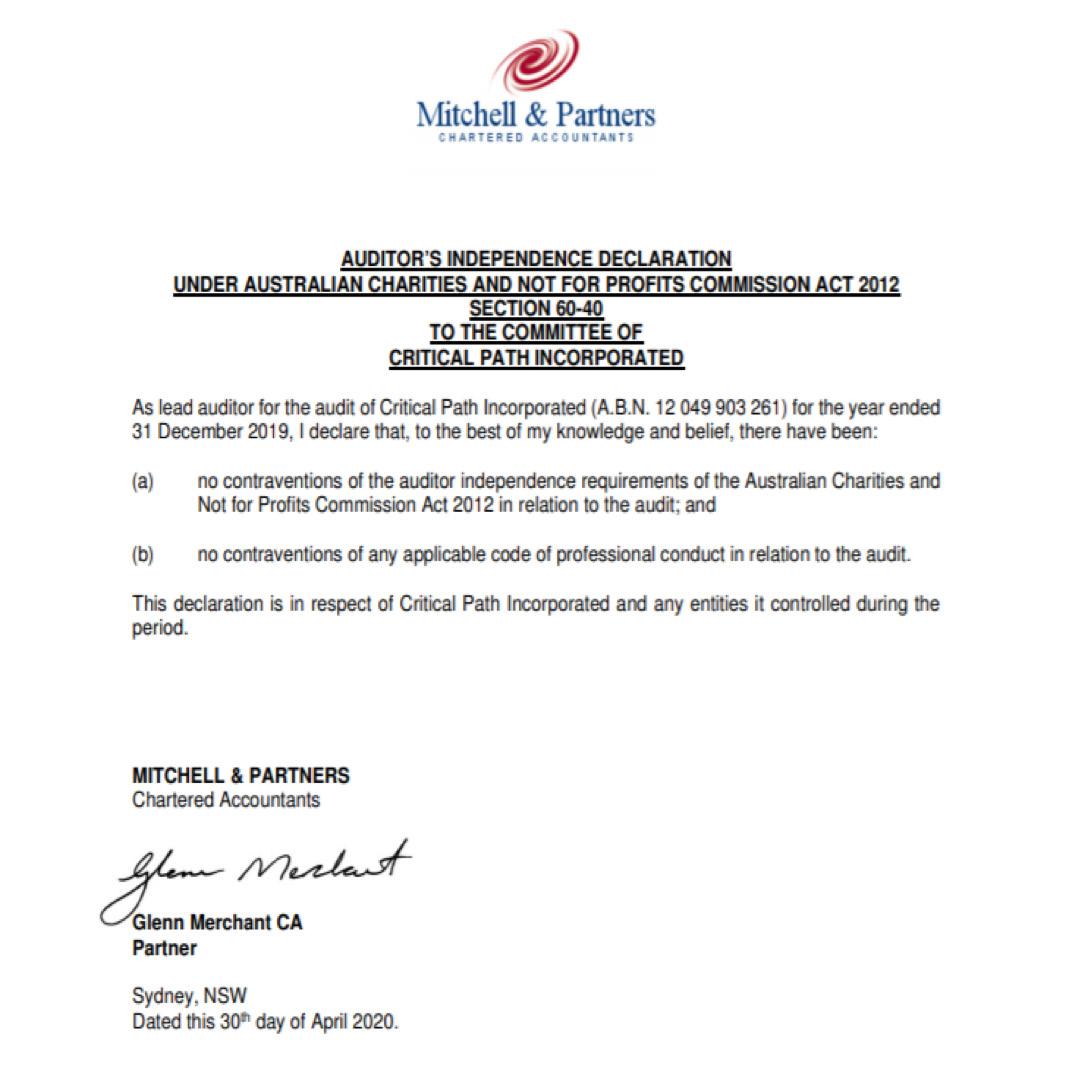
Auditor Independence Declaration
Financial Statements
Statement of Surplus or Deficit and Other Comprehensive Income
Statement of Financial Position
Statement of Changes in Equity
Statement of Cash Flows [3]
Notes to the Financial Statements
1 General information and statement of compliance 2
COMMITTEE MEMBERS’ REPORT
Contributions in winding up
The Association is incorporated under the Associations Incorporation Act 2009. If the Association is wound up, the constitution states that each member is required to contribute a maximum of $10 towards meeting and outstanding obligations of the Company at 31 December 2019, the total amount that members of the Association are liable to contribute if the company is wound up is $80 (2018: $80).
Auditor’s Independence declaration
A copy of the Auditor’s Independence Declaration as required under s.60—40 of the Australian Charities and Not–for–profits Commission act 2012 is included in page 51 of this financial report and forms part of the Committee member’s report.
Signed in accordance with the resolution of the Committee Members.
AUDITOR INDEPENDENCE
DECLARATION
FINANCIAL STATEMENTS
STATEMENT OF SURPLUS OR DEFICIT AND OTHER COMPREHENSIVE INCOME
Other comprehensive income for the year, net of income tax -Total comprehensive surplus/deficit for the year
This statement should be read in conjunction with the notes to the financial statements.
STATEMENT OF FINANCIAL POSITION
This statement should be read in conjunction with the notes to the financial statements.
STATEMENT OF CHANGES IN EQUITY
This statement should be read in conjunction with the notes to the financial statements.
OF CASH FLOWS [3]
Operating activities
Receipts from:
• Client contributions
• Government grants
• Interest income Payments to employees Payments to suppliers 418,530 390,494 1,587 (187,357) (636,156) 55,799 816,420 2,520 (173,052) (300,736) Net cash provided by operating activities (12,903) 400,951
Investing activities
Purchases of plant and equipment
Purchases of intangible assets (2,928)
Net cash used in investing activities (2,928)
Net change in cash and cash equivalents Cash and cash equivalents, beginning of year (15,831) 748,051 400.951 347,100 Cash and cash equivalents, end of year 5 732,221 748,051
This statement should be read in conjunction with the notes to the financial statements.
NOTES TO THE FINANCIAL STATEMENTS
For the year ended 31 December 2019
Critical Path Incorporated
1. General information and statement of compliance
The financial report includes the financial statements and notes of Critical Path Incorporated.
These financial statements are general purpose financial statements that have been prepared in accordance with Australian Accounting Standards Reduced Disclosure Requirements and the Australian Charities and Not-for-profits Commission Act 2012.
Critical Path Incorporated is a not-for-profit entity for the purposes of preparing the financial statements.
The financial statements for the year ended 31 December 2019 were approved and authorised for issuance by the Committee members.
2. Changes in accounting policies
2.1 There are no new and revised standards that are effective for these financial statements
3. Summary of accounting policies
3.1 Overall considerations
The significant accounting policies that have been used in the preparation of these financial statements are summarised below.
The financial statements have been prepared using the measurement bases specified by Australian Accounting Standards for each type of asset, liability, income and expense. The measurement bases are more fully described in the accounting policies below.
3.2 Revenue
Revenue comprises revenue from the sale of goods, services income, government grants, fundraising activities and client contributions. Revenue from major activities and services is shown in Note 4.
Revenue is measured by reference to the fair value of consideration received or receivable by the Association for goods supplied and services provided, excluding sales taxes, rebates, and trade discounts.
Revenue is recognised when the amount of revenue can be measured reliably, collection is probable, the costs incurred or to be incurred can be measured reliably, and when the criteria for each of the Association’s different activities have been met. Details of the activity-specific recognition criteria are described below.
Government grants
A number of the Association’s programs are supported by grants received from Federal, State and Local governments. If conditions are attached to a grant which must be satisfied before the Association is eligible to receive the contribution, recognition of the grant as revenue is deferred until those conditions are satisfied.
Where a grant is received on the condition that specified services are delivered, to the grantor, this is considered a reciprocal transaction. Revenue is recognised as services are performed and at year–end until the service is delivered.
Revenue from a non-reciprocal grant that is not subject to conditions is recognised when the Association obtains control of the funds, economic benefits are probable and the amount can be measured reliably. Where a grant may be required to be repaid if certain conditions are not satisfied, a liability is recognised at year end to the extent that conditions remain unsatisfied.
Where the Association receives a non-reciprocal contribution of an asset from a government or other party for no or nominal consideration, the asset is recognised at fair value and a corresponding amount of revenue is recognised.
Donations and bequests
Donations collected, including cash and goods for resale, are recognised as revenue when the Association gains control, economic benefits are probable and the amount of the donation can be measured reliably.
Bequests are recognised when the legacy is received. Revenue from legacies comprising bequests of shares or other property are recognised at fair value, being the market value of the shares or property at the date the Association becomes legally entitled to the shares or property.
Interest income
Interest income is recognised on an accrual basis using the effective interest method.
3.3 Operating expenses
Operating expenses are recognised in surplus or deficit upon utilisation of the service or at the date of their origin.
3.4 Intangible assets
Recognition of other intangible assets:
Acquired intangible assets
Website construction costs as well as acquired computer software licences are capitalised on the basis of the costs incurred to acquire and install the specific website and software.
Anthropocene Research Project - Credit Matthew Syres
All intangible assets are accounted for using the cost model whereby capitalised costs are amortised on a straight-line basis over their estimated useful lives, as these assets are considered finite. Residual values and useful lives are reviewed at each reporting date. In addition, they are subject to impairment testing as described in Note 3.14. The following useful lives are applied:
• Database development: 25%
• Software: 25% - 33%
• Website: 33%[4]
Subsequent expenditures on the maintenance of computer software, brand names and website are expensed as incurred.
When an intangible asset is disposed of, the gain or loss on disposal is determined as the difference between the proceeds and the carrying amount of the asset, and is recognised in surplus or deficit within other income or other expenses.
3.5 Property, plant and equipment
Leasehold improvements, plant and other equipment
Leasehold improvements, plant and other equipment (comprising office furniture and equipment) are initially recognised at acquisition cost or manufacturing cost, including any costs directly attributable to bringing the assets to the location and condition necessary for it to be capable of operating in the manner intended by the Association’ management.
Leasehold improvements, plant and other equipment are subsequently measured using the cost model, cost less subsequent depreciation and impairment losses.
Depreciation is recognised on a straight-line basis to write down the cost less estimated residual value of leasehold improvements, plant and other equipment. The following useful lives are applied:
• Leasehold improvement: 20% - 25%
• Plant and equipment: 15% - 33%[5]
In the case of leasehold property, expected useful lives are determined by reference to comparable owned assets or over the term of the lease, if shorter.
Material residual value estimates and estimates of useful life are updated as required, but at least annually.
Gains or losses arising on the disposal of property, plant and equipment are determined as the difference between the disposal proceeds and the carrying amount of the assets and are recognised in surplus or deficit within other income or other expenses.
3.6 Leases
Operating leases
Where the Association is a lessee, payments on operating lease agreements are recognised as an expense on a straight-line basis over the lease term. Associated costs, such as maintenance and insurance, are expensed as incurred.
3.7
Income taxes
No provision for income tax has been raised as the association is exempt from income tax under Div 50 of the Income Tax Assessment Act 1997.
3.8
Cash and cash equivalents
Cash and cash equivalents comprise cash on hand and demand deposits, together with other short-term, highly liquid investments that are readily convertible into known amounts of cash and which are subject to an insignificant risk of changes in value.
Central West - Alison Plevey, Credit Pandora Holliday
Short-term employee benefits
Short-term employee benefits are benefits, other than termination benefits, that are expected to be settled wholly within twelve (12) months after the end of the period in which the employees render the related service. Examples of such benefits include wages and salaries, non-monetary benefits and accumulating sick leave. Short-term employee benefits are measured at the undiscounted amounts expected to be paid when the liabilities are settled.
Other long-term employee benefits
The association’s liabilities for long service leave are included in other long-term benefits as they are not expected to be settled wholly within twelve (12) months after the end of the period in which the employees render the related service. They are measured at the present value of the expected future payments to be made to employees. The expected future payments incorporate anticipated future wage and salary levels, experience of employee departures and periods of service, and are discounted at rates determined by reference to market yields at the end of the reporting period on high quality corporate bonds that have maturity dates that approximate the timing of the estimated future cash outflows. Any re-measurements arising from experience adjustments and changes in assumptions are recognised in profit or loss in the periods in which the changes occur.
The association presents employee benefit obligations as current liabilities in the statement of financial position if the association does not have an unconditional right to defer settlement for at least twelve (12) months after the reporting period, irrespective of when the actual settlement is expected to take place.
Post-employment benefits plans
The association provides post-employment benefits through defined contribution plans.
Defined contribution plans
The association pays fixed contributions into independent entities in relation to several state plans and insurance for individual employees. The association has no legal or constructive obligations to pay contributions in addition to its fixed contributions, which are recognised as an expense in the period that relevant employee services are received.
3.10 Provisions, contingent liabilities and contingent assets
Provisions are measured at the estimated expenditure required to settle the present obligation, based on the most reliable evidence available at the reporting date, including the risks and uncertainties associated with the present obligation. Where there are a number of similar obligations, the likelihood that an outflow will be required in settlement is determined by considering the class of obligations as a whole. Provisions are discounted to their present values, where the time value of money is material.
Any reimbursement that the association can be virtually certain to collect from a third party with respect to the obligation is recognised as a separate asset. However, this asset may not exceed the amount of the related provision.
No liability is recognised if an outflow of economic resources as a result of present obligation is not probable. Such situations are disclosed as contingent liabilities, unless the outflow of resources is remote in which case no liability is recognised.
3.11 Deferred income
The liability for deferred income is the unutilised amounts of grants received on the condition that specified services are delivered or conditions are fulfilled. The services are usually provided or the conditions usually fulfilled within twelve (12) months of receipt of the grant. Where the amount received is in respect of services to be provided over a period that exceeds twelve (12) months after the reporting date or the conditions will only be satisfied more than twelve (12) months after the reporting date, the liability is discounted and presented as non-current.
3.12 Goods and Services Tax (GST)
Revenues, expenses and assets are recognised net of the amount of GST, except where the amount of GST incurred is not recoverable from the Australian Taxation Office. In these circumstances the GST is recognised as part of the cost of acquisition of the asset or as part of an item of the expense. Receivables and payables in the statement of financial position are shown inclusive of GST.
Cash flows are presented in the statement of cash flows on a gross basis, except for the GST components of investing and financing activities, which are disclosed as operating cash flows.
3.13 Economic dependence
The association is dependent upon the ongoing receipt of Federal and State Government grants and community and corporate donations to ensure the ongoing continuance of its programs and fundraising. At the date of this report Management has no reason to believe that this financial support will not continue.
3.14 Significant management judgement in applying accounting policies
When preparing the financial statements, management undertakes a number of judgements, estimates and assumptions about the recognition and measurement of assets, liabilities, income and expenses.
Estimation uncertainty
Information about estimates and assumptions that have the most significant effect on recognition and measurement of assets, liabilities, income and expenses is provided below. Actual results may be substantially different.
Impairment
In assessing impairment, management estimates the recoverable amount of each asset or cash-generating unit based on expected future cash flows and uses an interest rate to discount them. Estimation uncertainty relates to assumptions about future operating results and the determination of a suitable discount rate.
Useful lives of depreciable assets
Management reviews its estimate of the useful lives of depreciable assets at each reporting date, based on the expected utility of the assets. Uncertainties in these estimates relate to technical obsolescence that may change the utility of certain assets.
Long service leave
The liability for long service leave is recognised and measured at the present value of the estimated cash flows to be made in respect of all employees at the reporting date. In determining the present value of the liability, estimates of attrition rates and pay increases through promotion and inflation have been taken into account.
The Association’s revenue may be analysed as follows for each major product and service category:
10,489 399,312 38,7992,520 824,874 451,120
4.1 Net grant income [6]
Grants in advance – 1 January Grants received during the year 493,460 390,494 76,352 816,420 883,954 892,772 Less:
Grants in advance – 31 December
4.2 Grants received in advance – 1 January
Unexpended grants – 31 December (436,113)(493,460)Net grant income 447,841 399,312 Note
Arts NSW – Project funding
Regional Arts NSW
Create NSW Grant
Australia Council – Core funding / Project Funding
Woollahra Council Community Grant
City of Sydney Grant
City of Sydney Cultural Grant280,000 180,979 7,500 15,000 9,981 4,143 2,20753,033 6,9889,981 493,460 76,352
4.3 Grants received during the year
Create NSW
• Core funding
• Project funding
Australia Council
• Core funding
• Project funding
Regional Arts NSW
Woollahra Council
Tasdance
City of Sydney Cultural Grant 234,397 45,603 45,917 111,943-9,981 225,025 59,118 22,230 62,845 22,206 6,988 900447,841 399,312
4.4 Grants received in advance – 31 December
Create NSW 2019 Grant
Australia Council Interchange Project
Australia Council 2018 OPIT Grant
Australia Council Dance Board 2019
Australia Council Dance Board 2020
Australia Council Travel Grant
Woollahra Council Community Grant
City of Sydney Cultural Grant 2017/18
City of Sydney 2019 Grant 2019 280,00030,619 99,9947,50018,000 280,000 25,912 52,068 99,9993,000 7,500 9,981 15,000 436,113 493,460
5. Cash and cash equivalents
Cash and cash equivalents consist the following:
Cash at the end of the financial year as shown in the statement of cash flows is reconciled in the statement of financial position as follows:
6. Trade and other receivables
Trade and other receivables consist the following:
the following:
On the Cusp - Credit Shawny House
8. Property, plant and equipment
Details of the company’s plant and equipment and their carrying amount are as follows:
9. Intangible assets
Details of the company’s intangible assets and their carrying amounts are as follows:
10. Trade and other payables
Trade and other payables recognised consist of the following:
expenses
11. Employee remuneration
11.1 Employee benefits expense
Expenses recognised for employee benefits are analysed below:
11.2 Employee provisions The
recognised for employee benefits consist of the following amounts:
12. Grants liabilities Grants liabilities can be summarised as follows:
493,460
13. Other liabilities Other liabilities can be summarised as follows:
14. Leases [7]
Operating leases as lessee
The Group’s future minimum operating lease payments are as follows:
December 2018
December 2019
15. Related party transactions
The association’s related parties include its key management personnel and related entities as described below. Unless otherwise stated, none of the transactions incorporate special terms and conditions and no guarantees were given or received. Outstanding balances are usually settled in cash.
Transactions with related entities
No remuneration is paid to Committee member or their related parties for acting as Committee members. From time to time Committee members who are also independent artists may be engaged in our Research and Development program and are remunerated under normal industry terms.
Transactions with key management personnel
Key management of the Association are the Executive Members of Critical Path Incorporated’s Committee and members of the Executive Council. Key management personnel remuneration includes the following expenses:
Total key management personnel remuneration
2019: $82,179
16. Contingent Liabilities and Assets
No contingent liabilities and assets to report.
17. Subsequent Events
No significant events have occurred since the end of the reporting period which would impact on the financial position of the Company disclosed in the statement of financial position as at 31 December 20189 or on the results and cash flow of the Company for the year ended on that date.
Since the end of the financial year the entity has suffered a downturn in its business as a result of restrictions imposed to combat the Covid-19 virus pandemic spread. The entity will likely qualify for some assistance under different Government support packages that have been announced however the loss of revenue is expected to exceed these benefits. The length and depth of the downturn cannot be determined at this stage and may affect the future operations of the entity. The Committee members are mindful of the situation and are taking all reasonable steps to mitigate the damage.
18. Members’ Guarantee - Contribution in winding up
The Association is incorporated under the Associations Incorporation Act 2009. If the Association is wound up, the constitution states that each member is required to contribute a maximum of $10 each towards meeting any outstanding obligations of the Association. At 31 December 2019, the total amount that members of the Association are liable to contribute if the Association wound up is $110 (2018: $110).
19. Charitable fundraising
The association holds an authority to fundraise under the Charitable Fundraising Act, 1991 (NSW) and conducts fundraising appeals throughout the year. Additional information and declarations required to be furnished under the Act are as follows:
All funds raised from fundraising activities, net of direct costs, were applied to the association’s normal operations. The association did not conduct any appeals in which traders were engaged.
COMPANY DETAILS
Critical Path Incorporated
is a company limited by guarantee, incorporated and domiciled in Australia.
The registered office and principal place of business is:
The Drill, 1c New Beach Road,
Darling Point NSW 2027
DECLARATIONS
COMMITTEE MEMBERS’ DECLARATION
Critical Path Incorporated
In the opinion of the Directors of Critical Path Incorporated (‘the association’)
(a)
Australian Charities and Not-for-profits Commission Act 2012, including;
(b) (i) (ii)
giving a true and fair view of the Association’s financial position as at 31 December 2019 and of it’s performance, for the year ended on that date, and
complying with Australian Accounting Standards (including the Australian Accounting Interpretations) and the Australian Charities and Not-for-profits Commission Regulations 2013; and
there are reasonable grounds to believe that the Critical Path Incorporated will be able to pay its debts as and when they become due and payable. ( Refer Note 3.13)
Signed in accordance with a resolution of the Directors:
SHANE CARROLL
COMMITTEE MEMBER
Sydney, 02 June 2020
DECLARATION BY CHAIR, FINANCE & RISK COMMITTEE
in respect of fundraising appeals pursuant to the Charitable Fundraising (NSW) ACT 1991
Critical Path Incorporated
I, Annabel Millet, Treasurer of Critical Path Incorporated, declare in my opinion:
the Annual financial report gives a true and fair view of all income and expenditure of Critical Path with respect to fundraising appeal activities for the financial year ended 31 December 2019; the statement of financial position gives a true and fair view of the state of affairs with respect to fundraising appeal activities as at 31 December 2019; the provisions of the Charitable Fundraising Act 1991 and Regulations and the conditions attached to the authority have been complied with for the financial year ended 31 December 2019; and the internal controls exercised by Critical Path are appropriate and effective in accounting for all income received and applied from any fundraising appeals.
We have audited the financial report of Critical Path Incorporated (the association), which comprises the statement of financial position as at 31 December 2019, the statement of comprehensive income, statement of changes in equity, statement of cash flows for the year ended on that date, a summary of significant accounting policies and other explanatory notes and the committees’ declaration.
In our opinion, the accompanying financial report of Critical Path Incorporated is in accordance with Division 60 of the Australian Charities and Not for Profits Commission Act 2012 and the Corporations Act 2001, including:
• giving a true and fair view of the association’s financial position as at 31 December 2019, and of its performance for the year then ended ; and
• complying with Australian Accounting Standards, Division 60 of the Australian Charities and Not for Profits Commission Regulation 2013, and the Corporations Act 2001.
Emphasis of Matter – Post Balance date events
With reference to Note 17, since the end of the financial year the entity has suffered a downturn in its business operations as a result of restrictions imposed in order to combat the Covid-19 virus pandemic. At this stage it is impossible to determine the extent or length of time of the downturn and its effect on the entity’s overall operations. A prolonged downturn may affect the entity’s ability to continue as a going concern. If not, the going concern basis may not be appropriate with the result that the entity may have to realise its assets and extinguish its liabilities, other than in the ordinary course of business and in amounts different from those stated in the financial report.
Basis of Opinion
We conducted our audit in accordance with Australian Auditing Standards. Our responsibilities under those standards are further described in the Auditor’s Responsibilities for the Audit of the Financial Report section of our report. We are independent of the association in accordance with the auditor independence requirements of the Corporations Act 2001 and the ethical requirements of the Accounting Professional and Ethical Standards Board APES 110: Code of Ethics for Professional Accountants (the Code) that are relevant to our audit of the financial report in Australia. We have also fulfilled our other ethical responsibilities in accordance with the Code.
We confirm that the independence declaration required by the Corporations Act 2001, which has been given to the committee of Critical Path Incorporated, would be in the same terms if given to the committee as at the time of this auditor’s report.
We believe that the audit evidence we have obtained is sufficient and appropriate to provide a basis for our opinion.
Key Audit Matters
Information Other than the Financial Report and Auditor’s Report Thereon
The committee members are responsible for the other information. The other information comprises the information included in the association’s annual report for the year ended 31 December 2019 but does not include the financial report and our auditor’s report thereon.
Our opinion on the financial report does not cover the other information and accordingly we do not express any form of assurance conclusion thereon. In connection with our audit of the financial report, our responsibility is to read the other information and, in doing so, consider whether the other information is materially inconsistent with the financial report or our knowledge obtained in the audit or otherwise appears to be materially misstated. If, based on the work we have performed, we conclude that there is a material misstatement of this other information, we are required to report that fact. We have nothing to report in this regard.
The committee members of the association are responsible for the preparation the financial report that gives a true and fair view in accordance with Australian Accounting Standards, the ACNC Act, and the Corporations Act 2001 and for such internal control as the committee members determine is necessary to enable the preparation of the financial report that gives a true and fair view and is free from material misstatement, whether due to fraud or error.
In preparing the financial report, the committee members are responsible for assessing the association’s ability to continue as a going concern, disclosing, as applicable, matters relating to going concern and using the going concern basis of accounting unless the committee members either intend to liquidate the association or to cease operations, or have no realistic alternatives but to do so.
Auditor’s Responsibility for the Audit of the Financial Report
Our objectives are to obtain reasonable assurance about whether the financial report as a whole is free from material misstatement, whether due to fraud or error, and to issue an auditor’s report that includes our opinion. Reasonable assurance is a high level of assurance, but is not a guarantee that an audit conducted in accordance with the Australian Accounting Standards will always detect a material misstatement when it exists. Misstatements can arise from fraud or error and are considered material if, individually or in the aggregate, they could reasonably be expected to influence the economic decisions of users taken on the basis of this financial report.
As part of an audit in accordance with the Australian Auditing Standards, we exercise professional judgement and maintain professional scepticism throughout the audit. We also:
• Identify and assess the risks of material misstatement of the financial report, whether due to fraud or error, design and perform audit procedures responsive to those risks, and obtain audit evidence that is sufficient and appropriate to provide a basis for our opinion. The risk of not detecting a material misstatement resulting from fraud is higher than for one resulting from error, as fraud may involve collusion, forgery, intentional omissions, misrepresentations, or the override of internal controls. - Obtain an understanding of internal control relevant to the audit in order to design audit procedures that are appropriate in the circumstances, but not for the purposes of expressing an opinion on the effectiveness of the association’s internal control.
• Evaluate the appropriateness of accounting policies used and the reasonableness of accounting estimates and related disclosures made by the committee.
• Conclude on the appropriateness of the committee’ use of the going concern basis of accounting and, based on the audit evidence obtained, whether a material uncertainty exists related to events or conditions that may cast significant doubt on the registered entity’s ability to continue as a going concern. If we conclude that a material uncertainty exists, we are required to draw attention in our auditor’s report to the related disclosures in the financial report or, if such disclosures are inadequate, to modify our opinion. Our conclusions are based on the audit evidence obtained up to the date of our auditor’s report. However, future events or conditions may cause the registered entity to cease to continue as a going concern.
We communicate with the responsible entities regarding, among other matters, the planned scope and timing of the audit and significant audit findings, including any significant deficiencies in internal control that we identify during our audit.
We also provide the committee with a statement that we have complied with relevant ethical requirements requiring independence, and to communicate with them all relationships and other matters that may reasonably be thought to bear on our independence, and where applicable, related safeguards.
The additional financial data presented in the following pages is in accordance with the books and records of Critical Path Incorporated (“our client”) which have been subjected to the auditing procedures applied in our statutory audit of the association for the year ended 31 December 2019. It will be appreciated that our statutory audit did not cover all details of the additional financial data. Accordingly, we do not express an opinion on such financial data and no warranty to accuracy or reliability is given. Neither the firm nor any member or employee of the firm undertakes responsibility in any way whatsoever to any person (other than our client) in respect of such data, including any errors or omissions therein however caused.
MITCHELL & PARTNERS
Chartered Accountants
Glenn Merchant CA Partner
Sydney, NSW
Dated this 22nd day of June, 2020
DETAILED STATEMENTS OF SURPLUS OR DEFICIT
For the year ended 31 December 2019
SCHEDULE 1 – GENERAL OPERATIONS
INCOME Donations
EXPENDITURE 848,715 (828,394) 482,647 (468,777)
The above UNAUDITED detailed statement of surplus or deficit should be read in conjunction with the disclaimer.