DESIGNED TO MAKE YOU PROUD
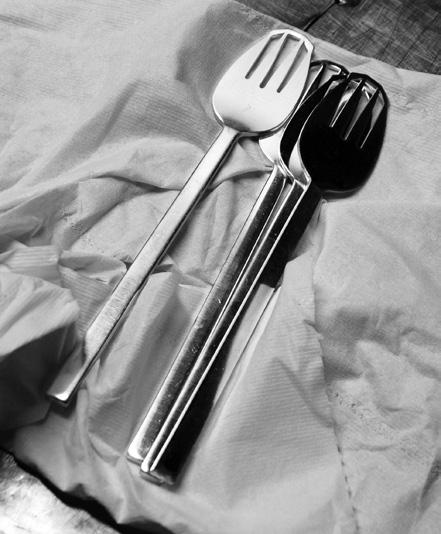
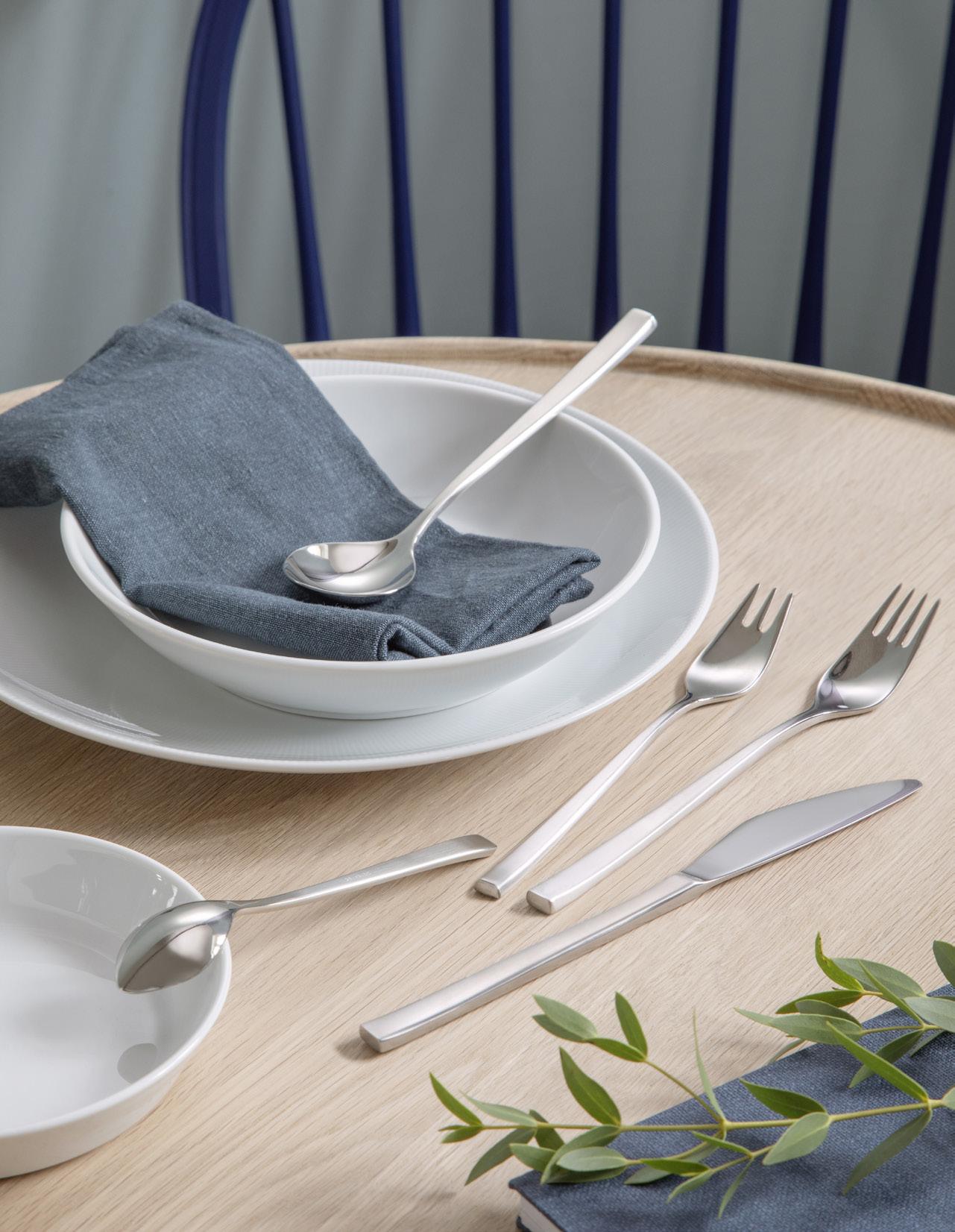
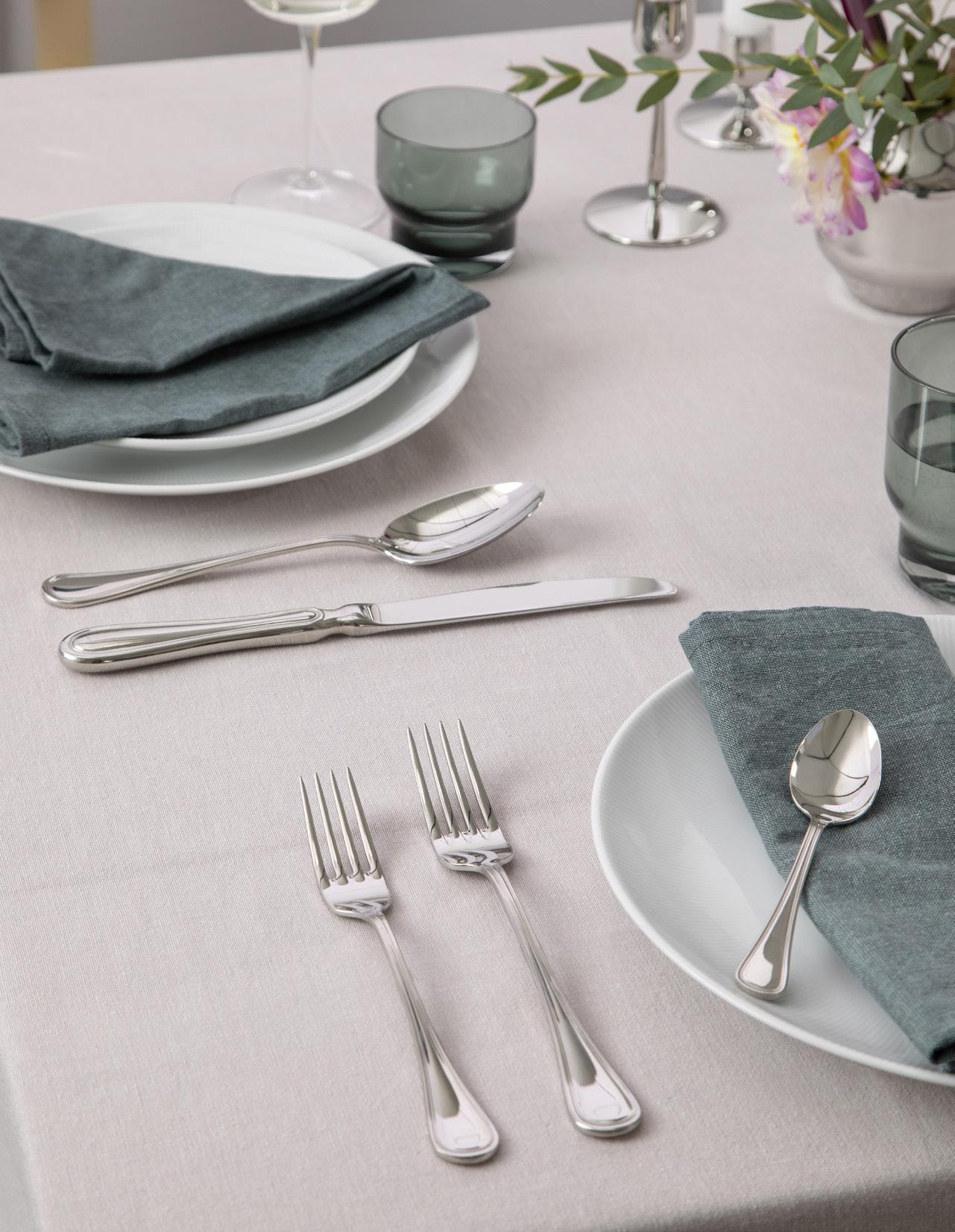
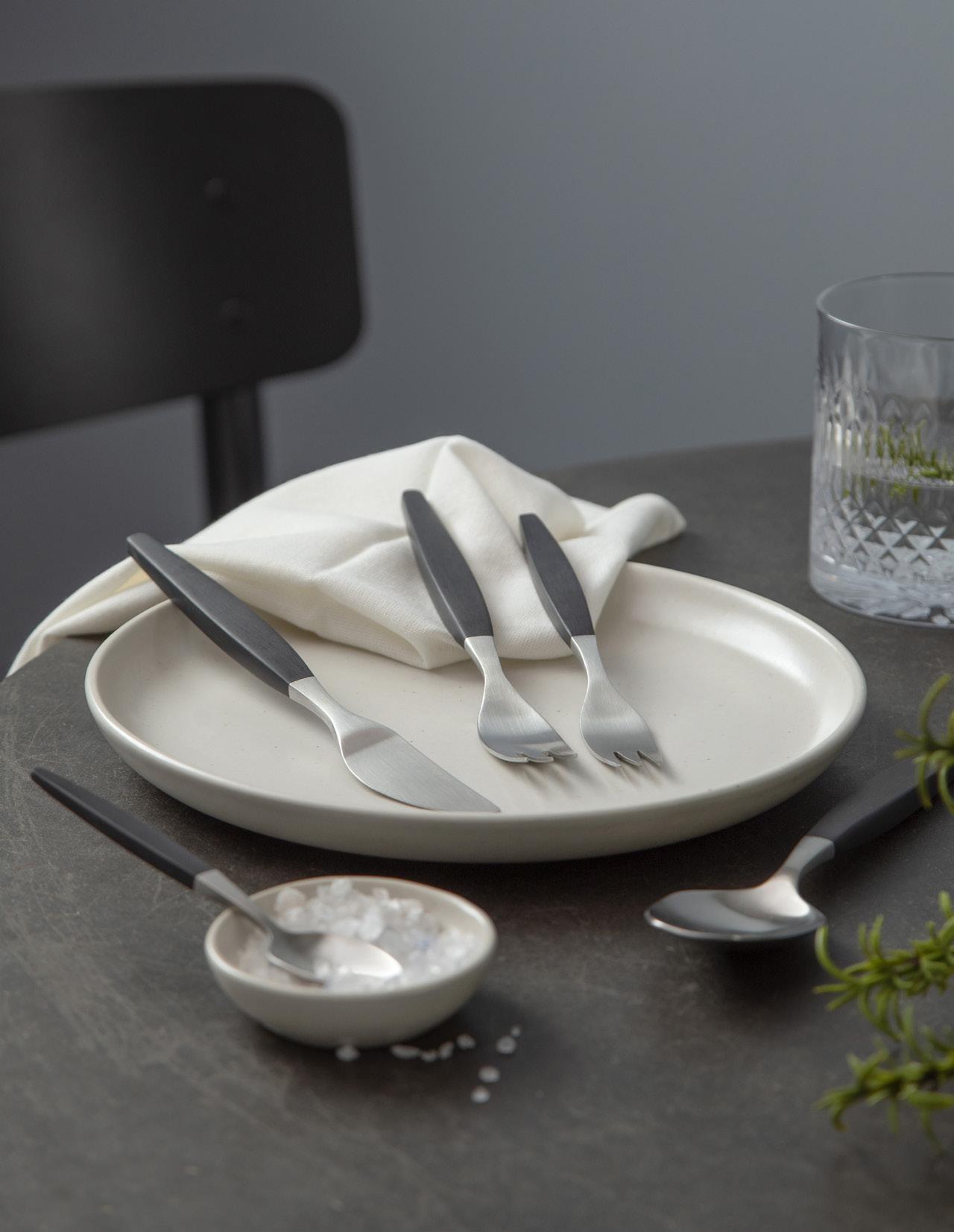
Flatware is an essential part of any table setting! Flatware is what elevates the dining experience and brings the entire table presentation together. It lends a visually pleasing, refined look to the dinner table, calls forth the best in food and table manners, and of course it helps if there’s a selection to choose from. There is often a diference between flatware intended for simple everyday gastronomy and flatware for stylish dinners with white tablecloths and crystal. Sometimes rustic and functional flatware is called for, at other times the eye is delighted by iconic classics, and sometimes something new and modern is required.
Since 1856, Gense has therefore created premium quality products in well-crafted and functional designs, and for over 100 years we have collaborated with the best designers and artists to assure continue innovation and a high aesthetic standard.
We proudly bear the title “Purveyor to the Court”, which was awarded to Gense in 1982. As Purveyor to HM King Carl XVI Gustaf of Sweden, we are on the exclusive list of selected Swedish companies that enjoy a long-term partnership with the Swedish Royal Family. The title of “Purveyor to the Court” is unmistakable evidence that we represent the very best in the country in our industry.
TIMELINE
1856
Gense is founded in Eskilstuna by Gustaf Eriksson
1859
The company produces tiled stove doors and cofee roasters
1885
Gense begins production of nickel and silver items, including cofee tableware and candlesticks
1915
Production of tableware and flatware begins
1929
The first design collaboration is initiated with Viking Göransson
1930
Gense takes part in the Stockholm Exhibition, an exhibition of architecture, design and handicrafts considered a milestone for the establishment of functionalism in Scandinavia
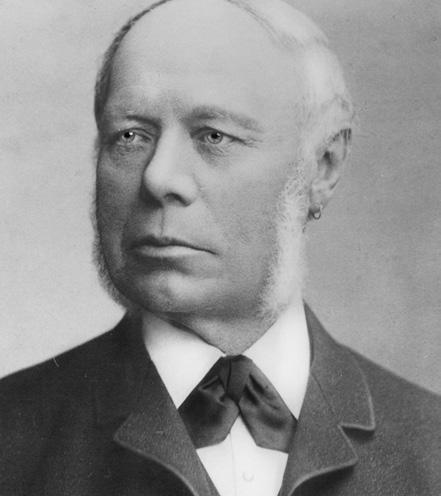
Founder Gustaf Eriksson
1936
The first stainless steel flatware is produced
1955
Gense takes part in H55 in Helsingborg, an international exhibition of architecture, design and crafts, and receives great acclaim for its stainless steel products
1955
Folke Arström designs the award-winning Focus de Luxe collection, listed by the New York Times as one of the 100 best-designed products in modern times”
1982
Gense is appointed Purveyor to the Court of Sweden
1991
Nobel flatware is designed for the 90th anniversary of the Nobel Prize
2009
New silver flatware is launched for the first time in over 30 years, CPB 2091, designed by Carl Philip Bernadotte
2015
Ehra flatware is designed for Stockholm’s Nationalmuseum by the acclaimed Note Design Studio
2022
Norm flatware wins the international Red Dot design award in the 2022 Product Design category
2024
Dorotea Living wins a German Design Award for its excellent product design
PURVEYOR TO THE ROYAL COURT OF SWEDEN
Gense received the title of “Purveyor to the Court” from the King of Sweden in 1982. To be a purveyor to King Carl XVI Gustaf means that the company represents the absolute best in Sweden in the industry. It is visible proof that our products are of the highest quality.
There have been Purveyors to the Court for as long as Sweden has been a monarchy. For more than a thousand years, artisans, merchants and other representatives of Swedish industry and trade have been providing goods and services to the monarch and the royal family. An organised system for appointing royal purveyors was introduced in the early 1800s, and today it is an essential and valuable tradition that the Swedish monarch continues to maintain and develop.
An appointment as a royal purveyor is a coveted privilege. “Purveyor to the Court” is an honorary title that is also considered a mark of quality. Today, very few companies have been chosen for this honour. About 130 Swedish companies currently hold the title of purveyor to the Swedish court. We are very proud to be one of them.
In order to qualify as Purveyor to the Court, a company must have delivered goods or services to the Royal Court for at least five years. Furthermore, the companies’ finances must be conducted without fault. Upon request, the Royal Court issues a diploma to the company, which is also allowed to use the purveyor emblem in its marketing. The emblem consists of the full coat of arms of Sweden with the text Purveyor to the Court.
STAINLESS STEEL
STAINLESS STEEL FOR LASTING DELIGHT
If you have stainless steel flatware, you have flatware for life! Stainless steel is one of the most durable materials there is for flatware production, and it is also easy to maintain.
In general, stainless steel ofers many advantages and has a wide variety of uses. It is a pure and timeless material that is easy to process, use and recycle, and for this reason it is used in many diferent contexts and for countless types of products.
Your stainless steel flatware is strong and durable, dishwasher safe, stays looking great for many years, and when it is no longer needed, the material can be recycled into new and beautiful products for future enjoyment.
BE GOOD TO YOUR FLATWARE
It’s the small, everyday care that extends product lifespan and makes your flatware stay looking its best for longer. For instance, always rinse your flatware after use, but do not leave it to soak. Flatware can of course be cleaned in the dishwasher, but remember to open the door afterwards so that the steam escapes. We also recommend that you keep your Gense flatware separate from other types of steel in the dishwasher, as rust particles can stick to the flatware if the pieces touch each other.
If you polish your flatware two or three times a year, it will stay looking as good as new. Wash with hot water before use.
STILL
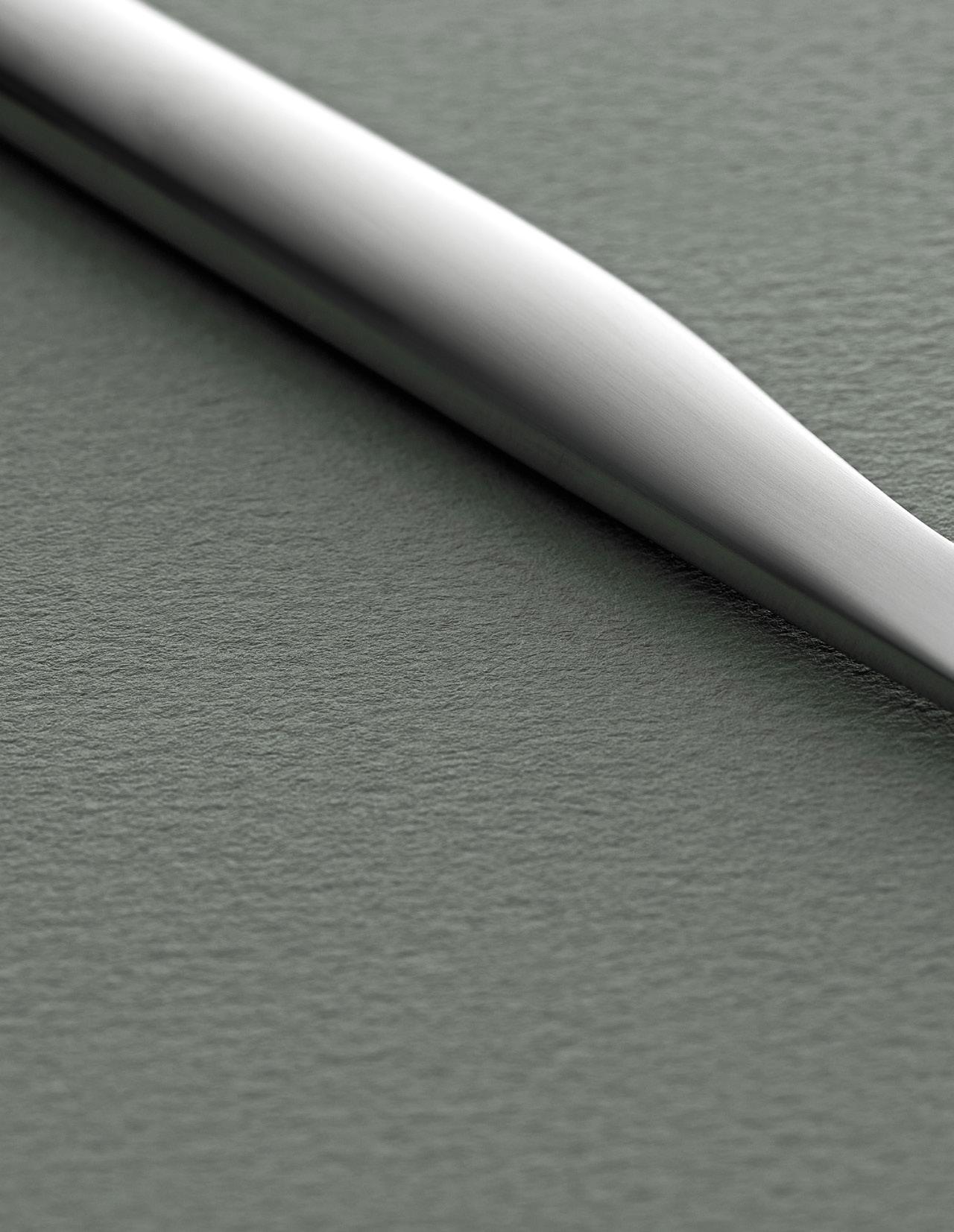
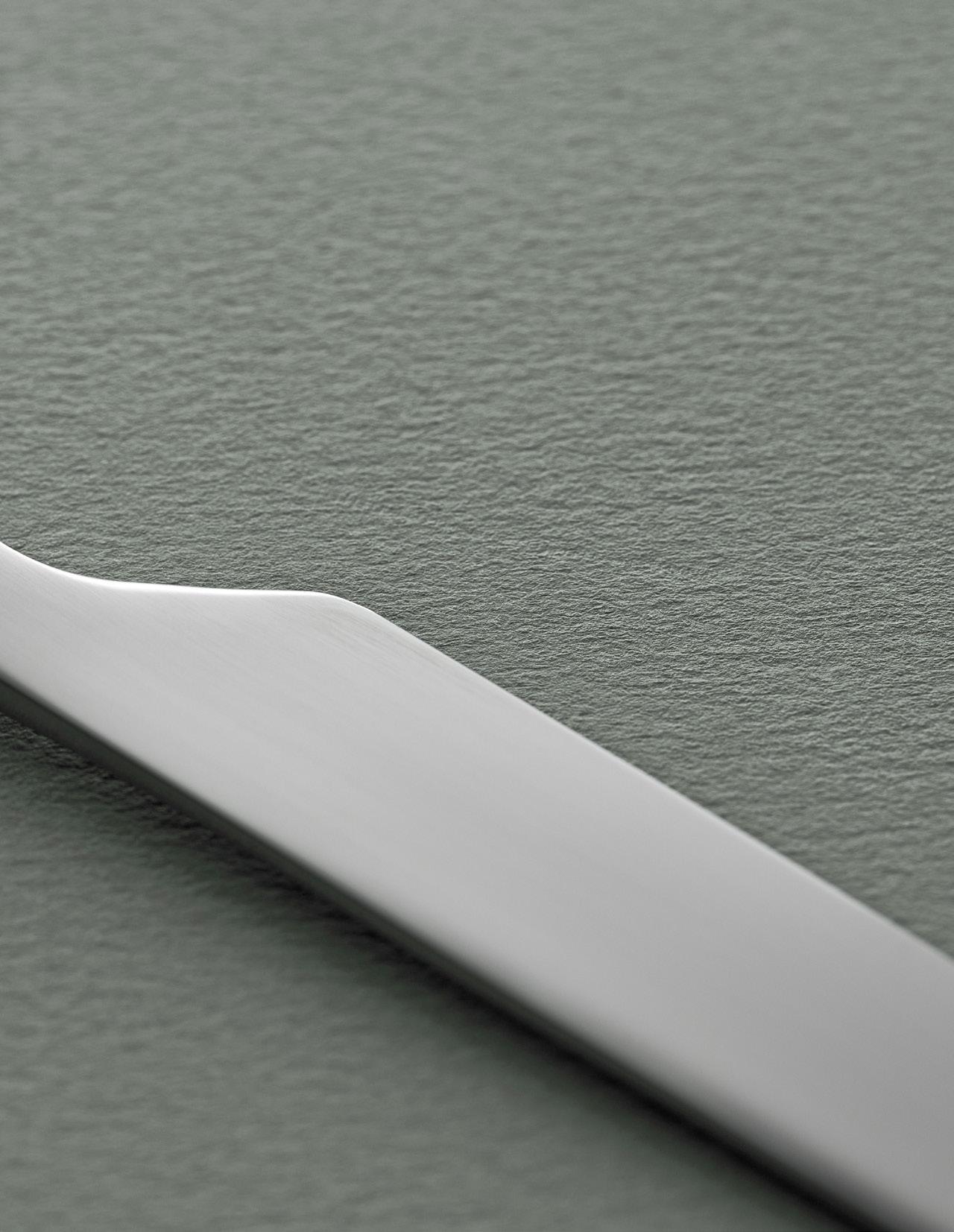
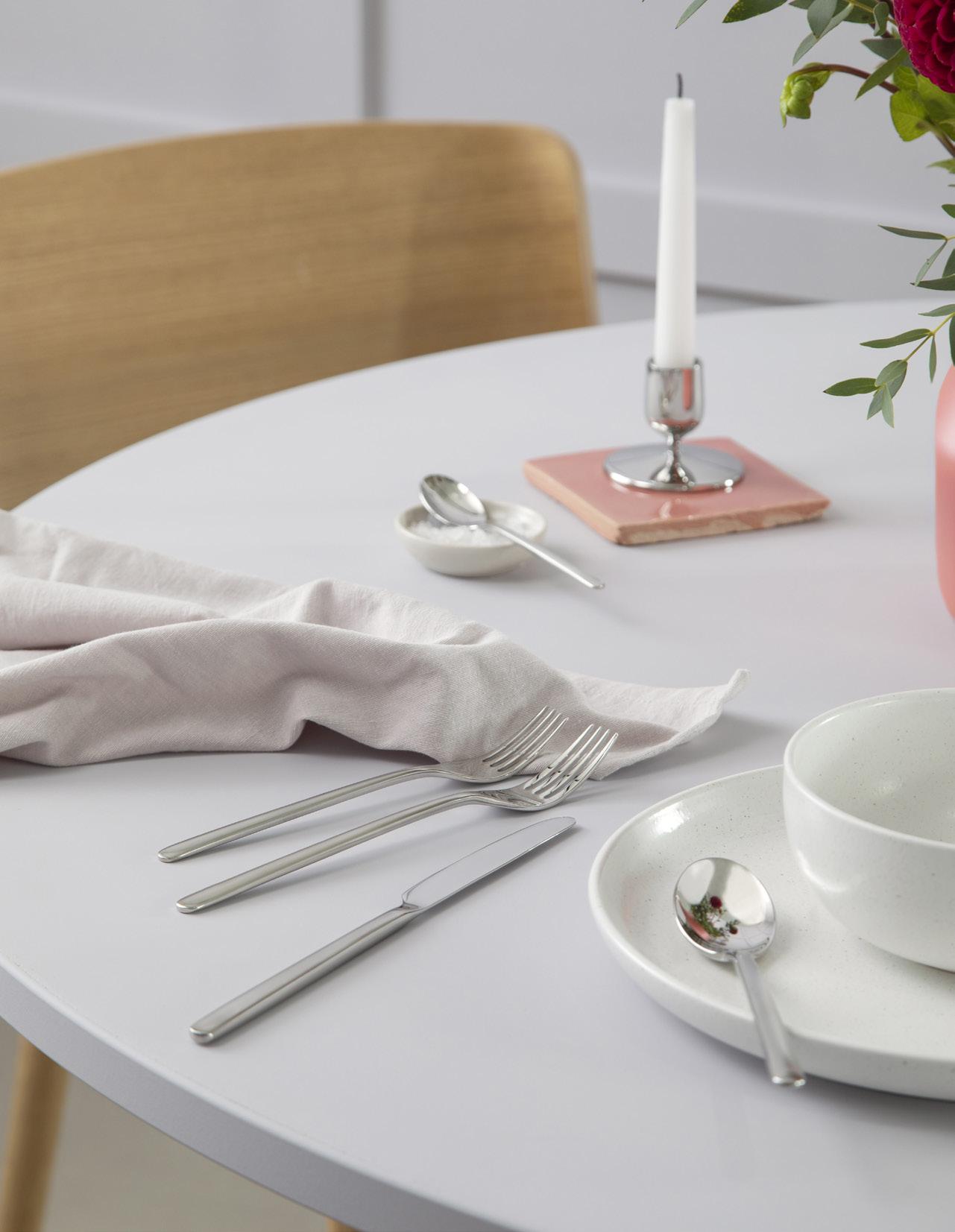
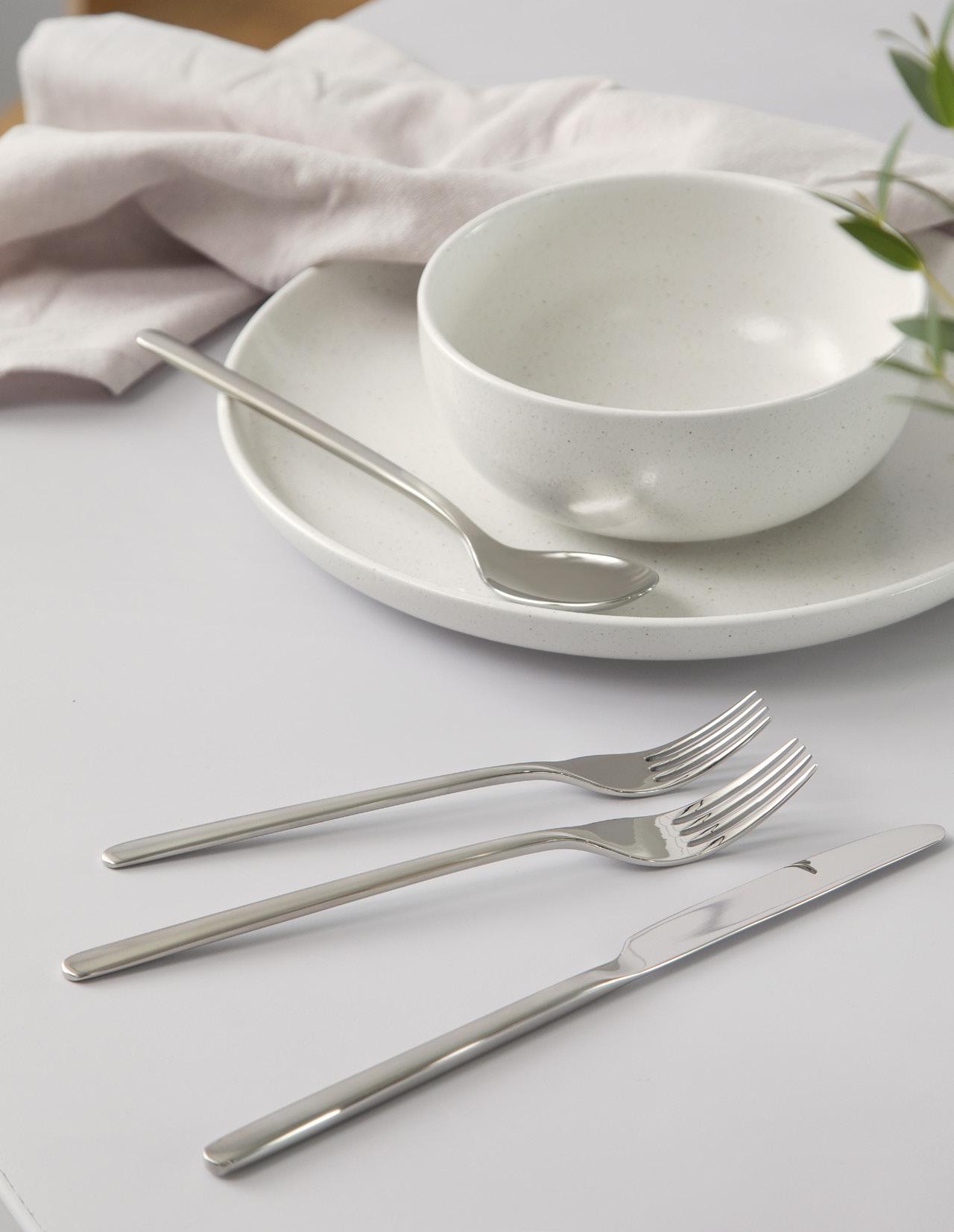
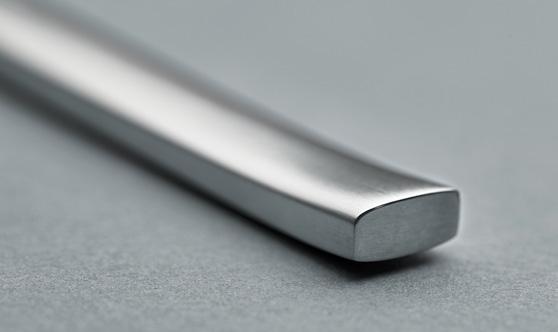
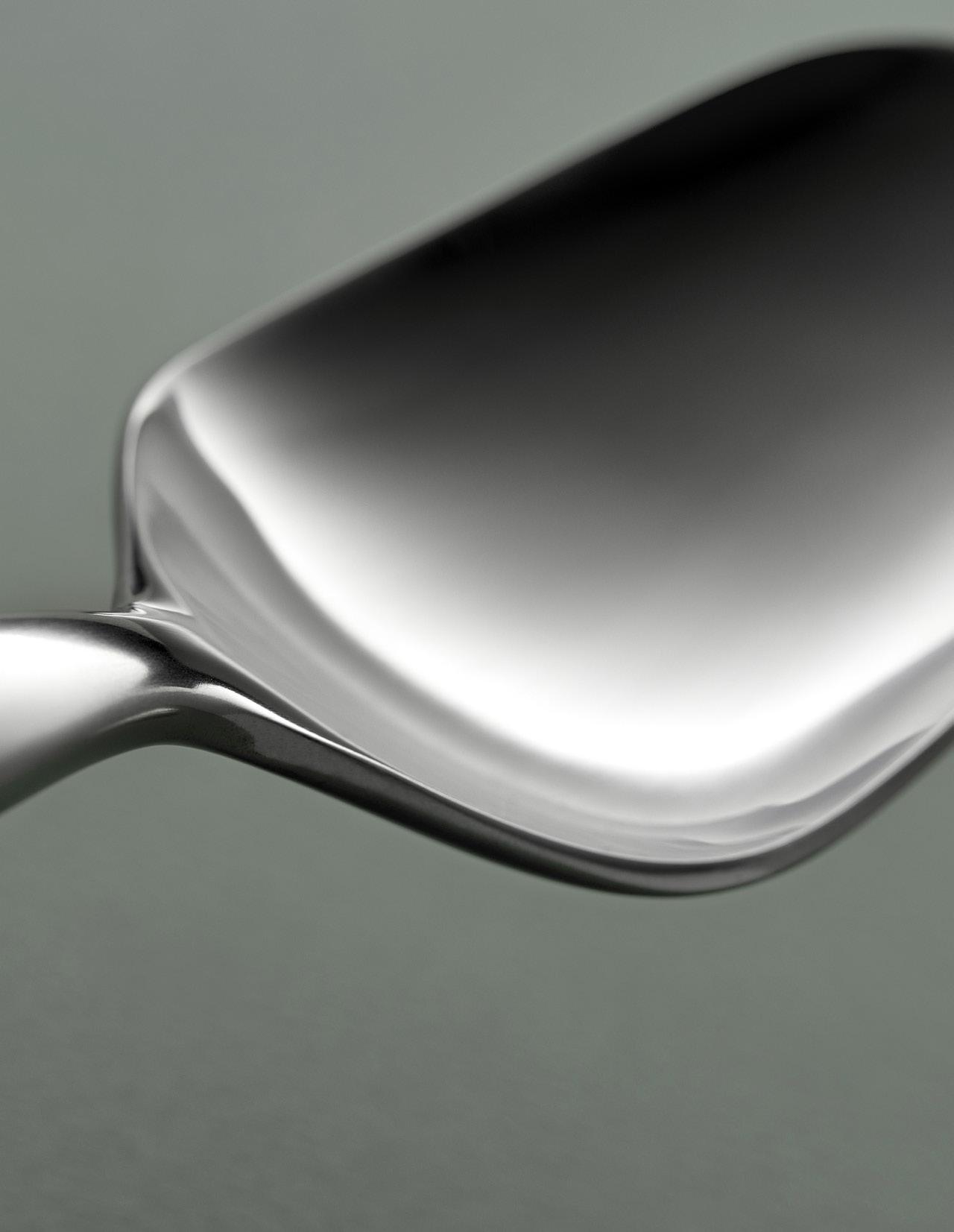
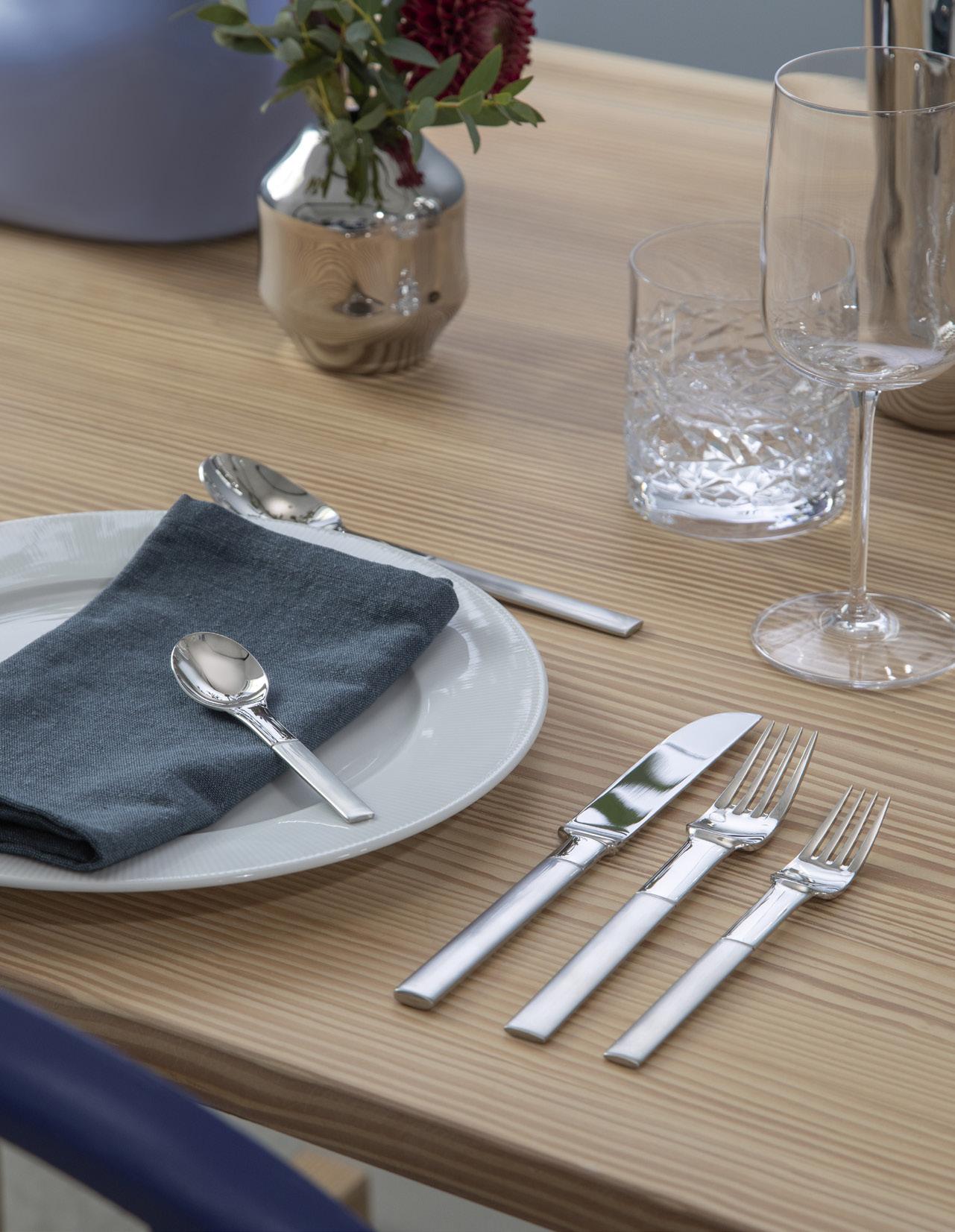
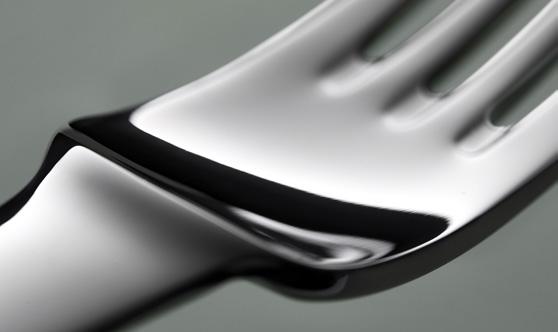
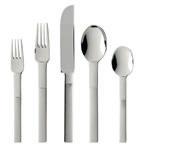
With its simplicity and long lines, the soft sculptural curves and the calmly crafted details underline the modern and Nordic look. An understated, clean design creates elegant flatware that almost floats above the table.
Design: FRANTZÉN PROJECTS
FRANTZÉN PROJECTS
Design and create tailor-made and unique products for their exclusive award-winning restaurants within the Frantzén Group. Frantzén Projects only work with the best Swedish craftspeople, artisans and designers to create authentic projects of the highest quality. Still is the result of the collaboration between Gense and Frantzén Projects. A flatware characterised by its fine craftsmanship and refined details.
FUGA
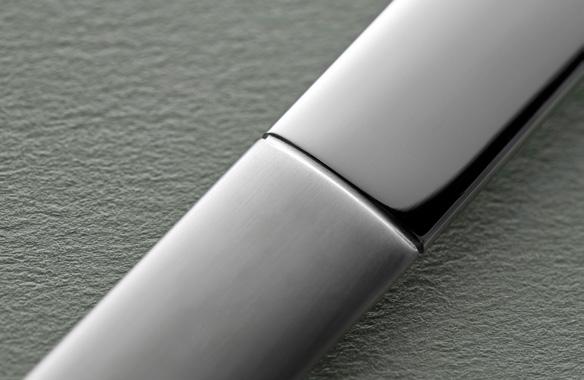
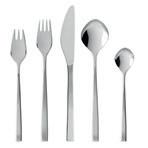
Fuga has a classic design with softly rounded lines that rest comfortably in the hand, and a refined contrast in the matte handles and polished bowls. Tias Eckhof designed the iconic flatware in 1962. Its design conveys clarity and the impression is one of subtle precision.
Design: Tias Eckhof
DESIGNER TIAS ECKHOFF
Tias Eckhof (1926-2016), one of Norway’s most versatile designers and among those who helped make Scandinavian design a world-renowned concept. His flatware is sold all over the world and is today represented in some of the world’s most famous design museums.
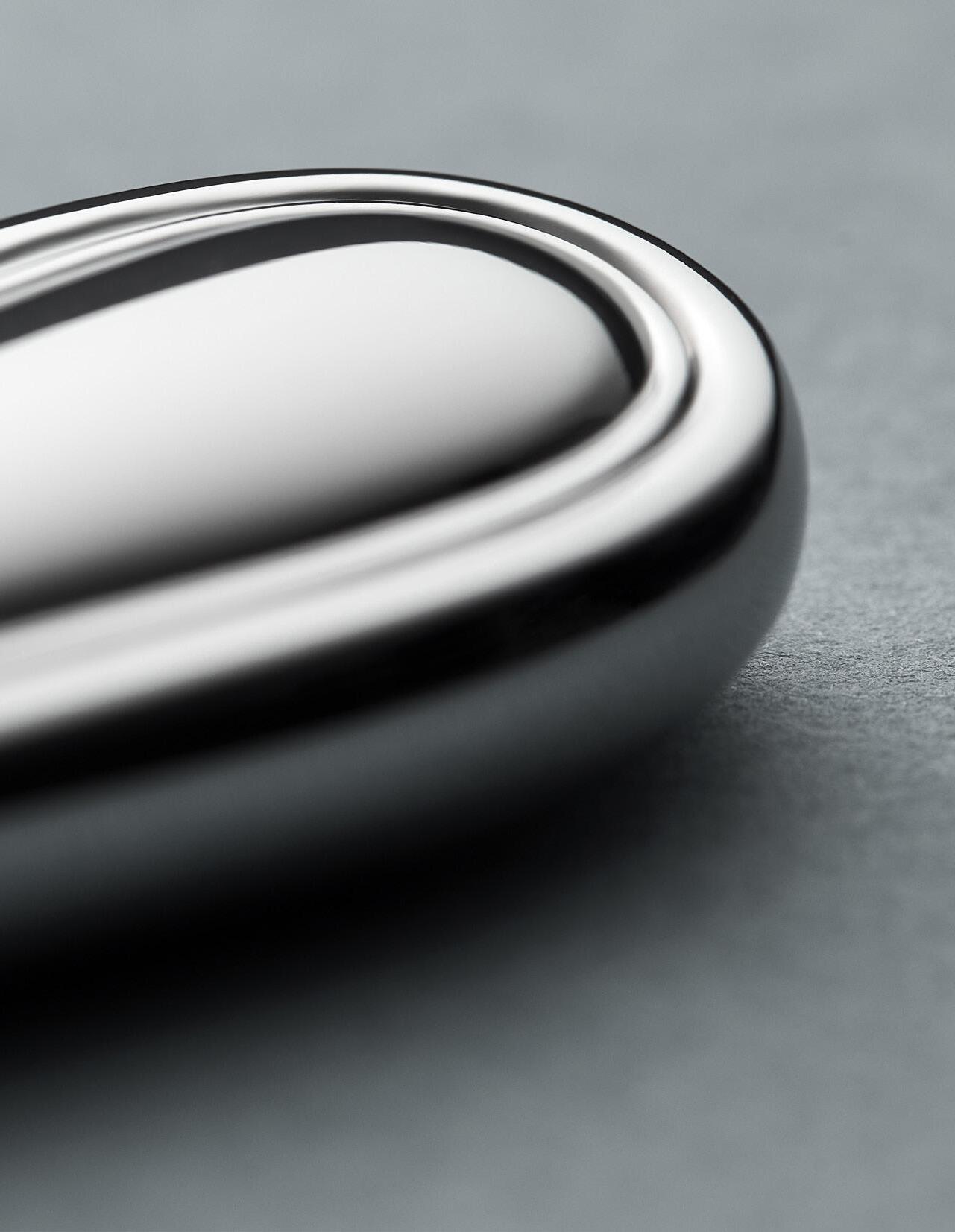
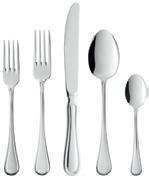
With its discreet silhouette and delicate details, Oxford makes a magnificent impression and is ideal for any table setting. Oxford is made of high-gloss polished stainless steel, and the heaviness and deep pattern lend the flatware just the right balance.
Design: Gense Studio
OXFORD
DESIGNER GENSE STUDIO
Gense Studio is the name of our in-house design products. Promising designers work with experienced artisans to develop attractive design for both the present and the future.
A GUIDE TO FLATWARE PLACEMENT
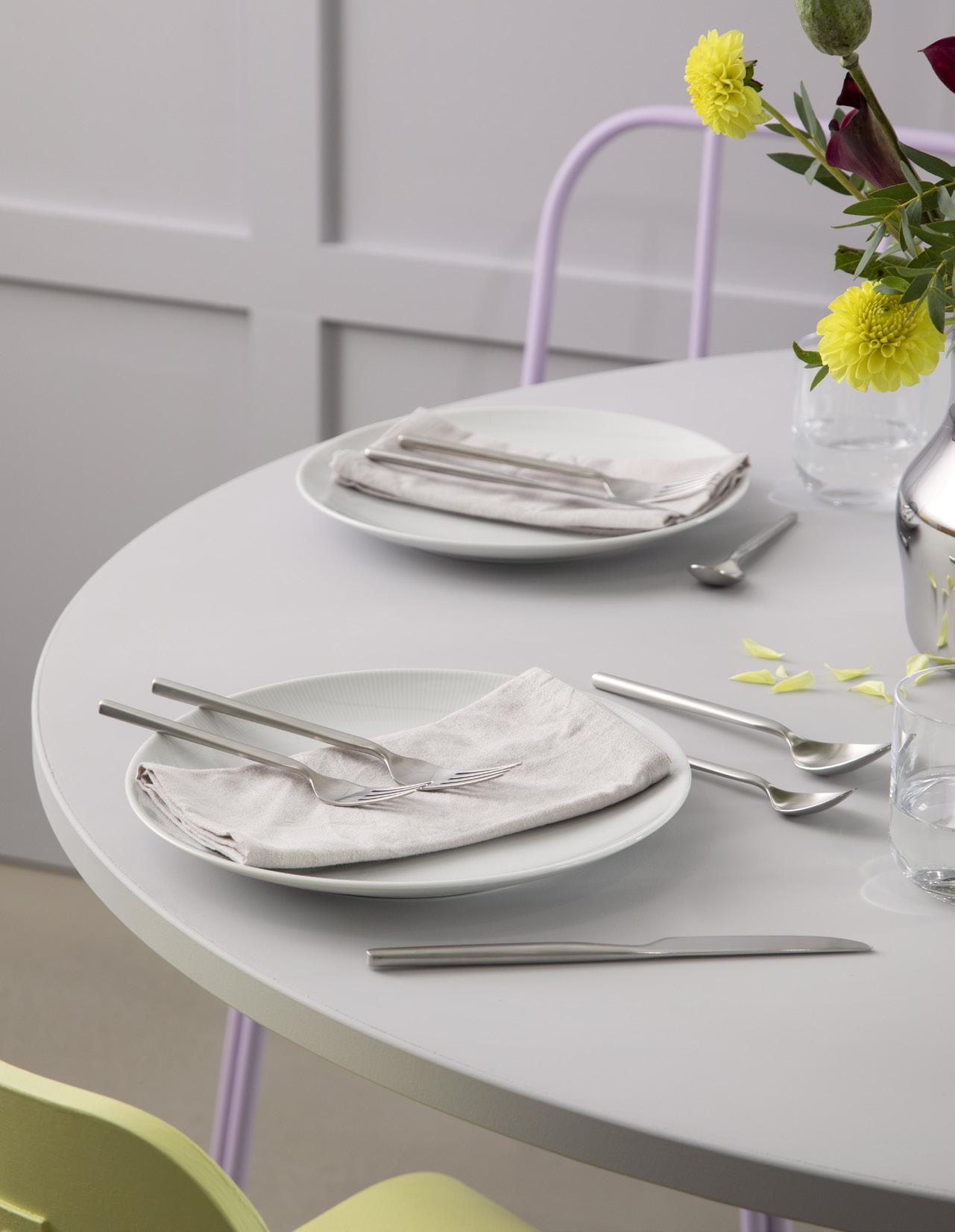
The primary rule is that flatware is placed so that the guest begins from the outside and moves in towards the plates for each course. Forks should be laid to the left and knives to the right, with the blade facing the dinner plate. If soup is being served, the spoon is placed on the right of the outside knife. The dessert fork and/or dessert spoon should be laid above the dinner plate. When both are used, the dessert fork is laid closest to the plate so the tines face right. The dessert spoon is laid above the fork in a horizontal position, handle facing right.
MAIN COURSE
SOUP / MAIN COURSE / DESSERT
SEAFOOD APPETIZER / MAIN COURSE / DESSERT
SALAD / SOUP / MAIN COURSE
SOUP / STARTER
MAIN COURSE / DESSERT
SOUP / ENTREE
MAIN COURSE / DESSERT
SOUP / MAIN COURSE
CHEESE COURSE / DESSERT
MAIN COURSE / CHEESE COURSE / DESSERT
SOUP / MAIN COURSE / CHEESE COURSE
OLD FARMER
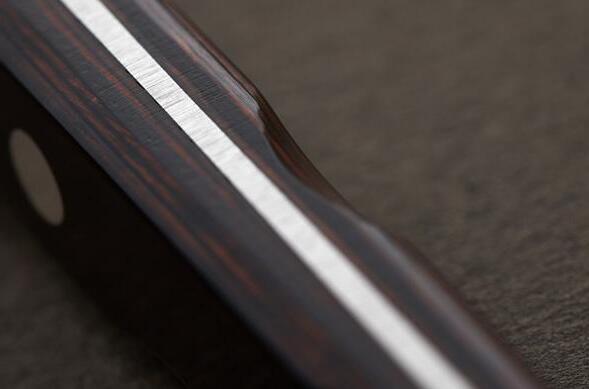
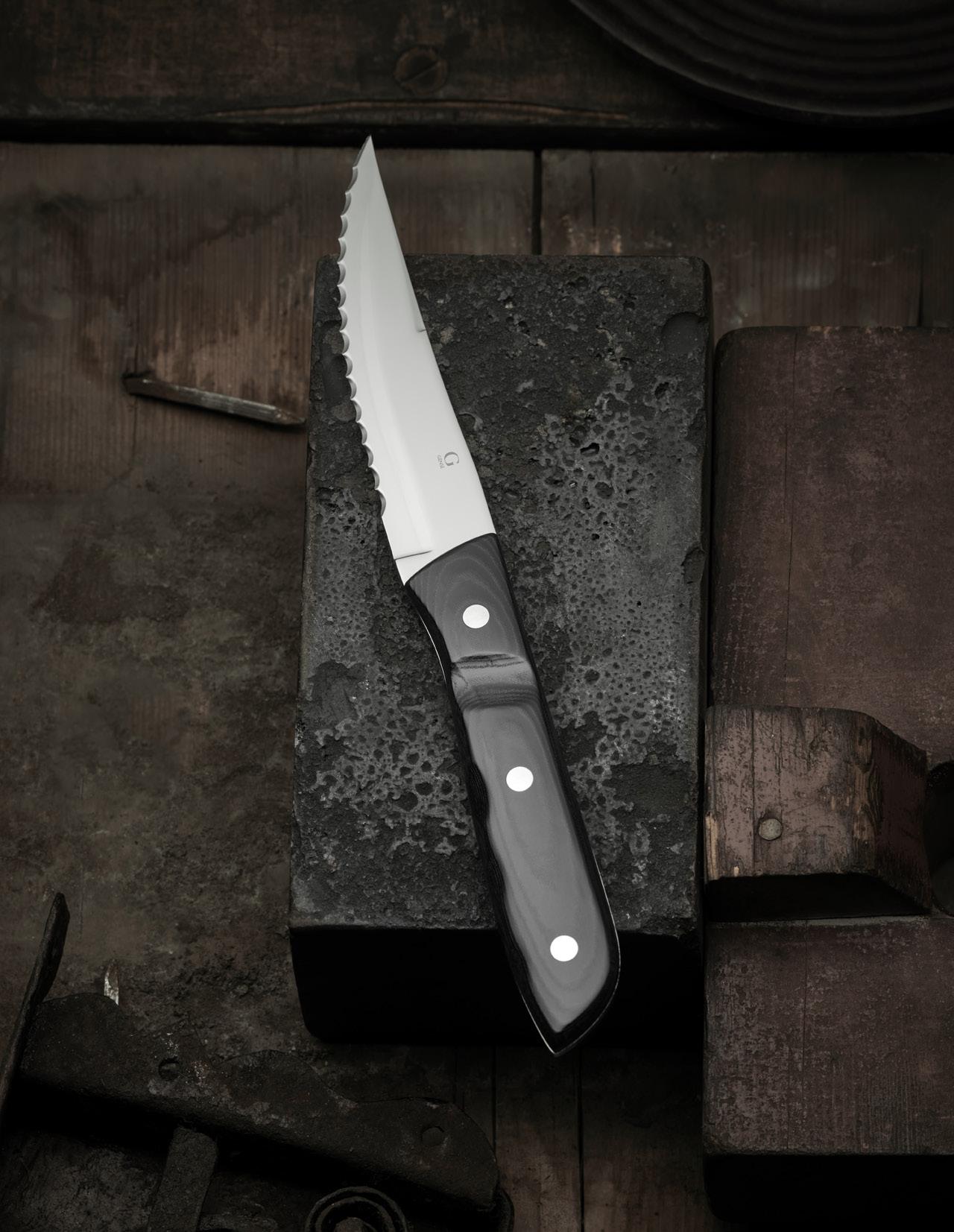
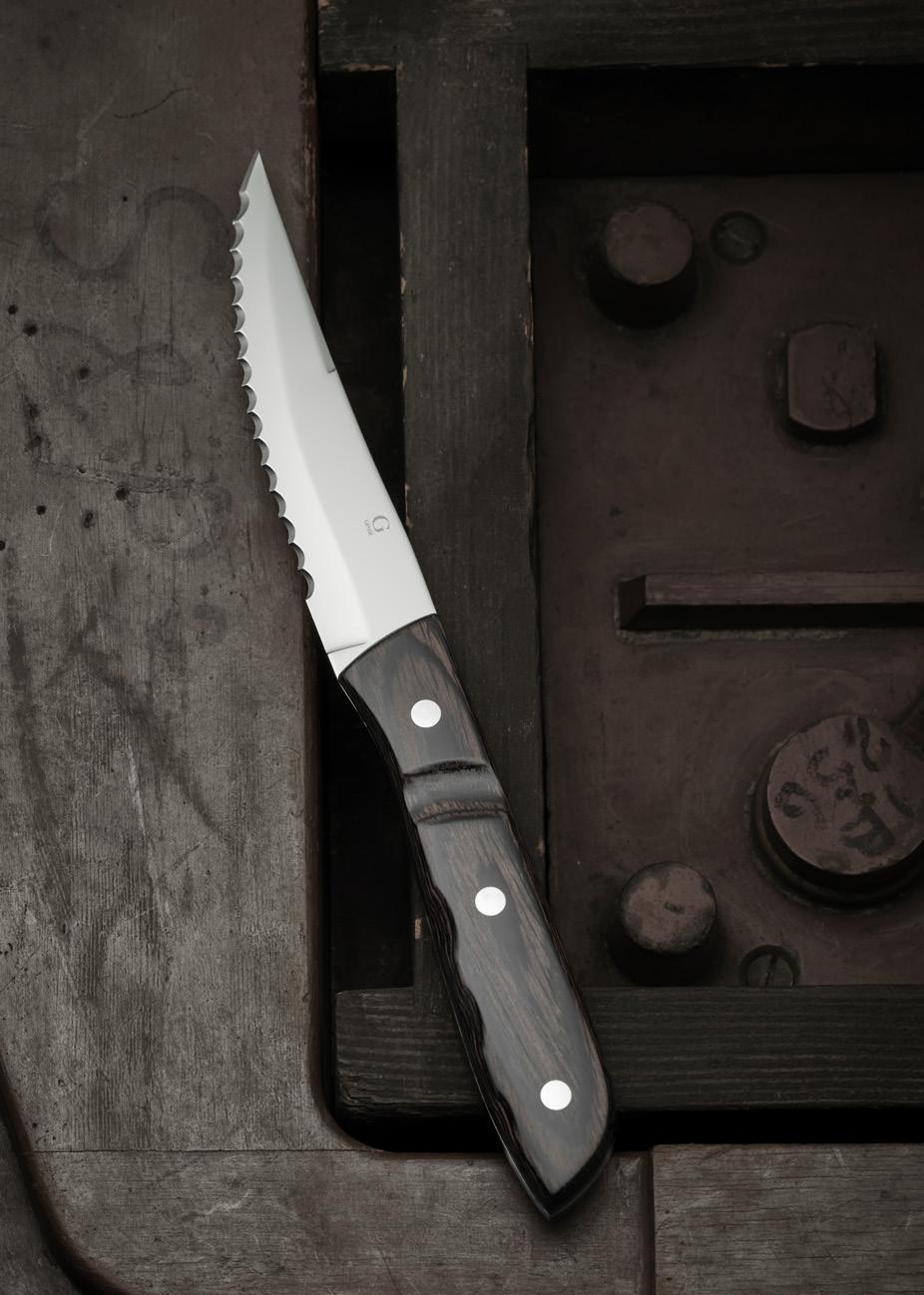
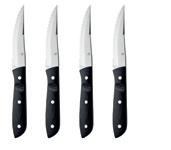
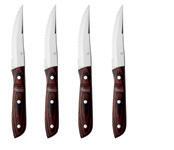
Old Farmer is a beautiful and rustic stainless steel steak flatware. Old Farmer Black has a high-quality POM plastic handle, while Old Farmer Classic features a pressed rosewood handle. The flatware is designed by Bent Severin, an industrial designer who worked with perfection in every material. He was considered one of Denmark’s leading sculptors and designers with significant influence in the creative world.
Design: Bent Severin
DESIGNER BENT SEVERIN
Bent Severin (1925-2012) is the designer behind the popular Old Farmer steak flatware. Bent Severin graduated from the Royal Danish Academy of Fine Arts, School of Architecture in 1952 and has worked with design and architecture all over the world.
OLD FARMER
NATIONAL DIFFERENCES
There is a diference between flatware preferences in Scandinavia and the rest of Europe. Scandinavians have historically preferred slightly shorter flatware, with forks measuring approx. 20 cm and knives measuring 22 cm. Further south in Europe, the knives can be up to 25 cm long.
But everyone can agree on a few simple requirements that well-designed flatware must meet. It shouldn’t be too heavy, it should fit comfortably in small and large hands, and it should be well balanced.
These seemingly simple requirements form the foundation when the actual design process of a new flatware collection begins, and there are many thoughts, ideas and techniques behind the proposed options and the final result. Even a few millimetres in a spoon’s width can make all the diference to how comfortable it is to eat with.
DOROTEA
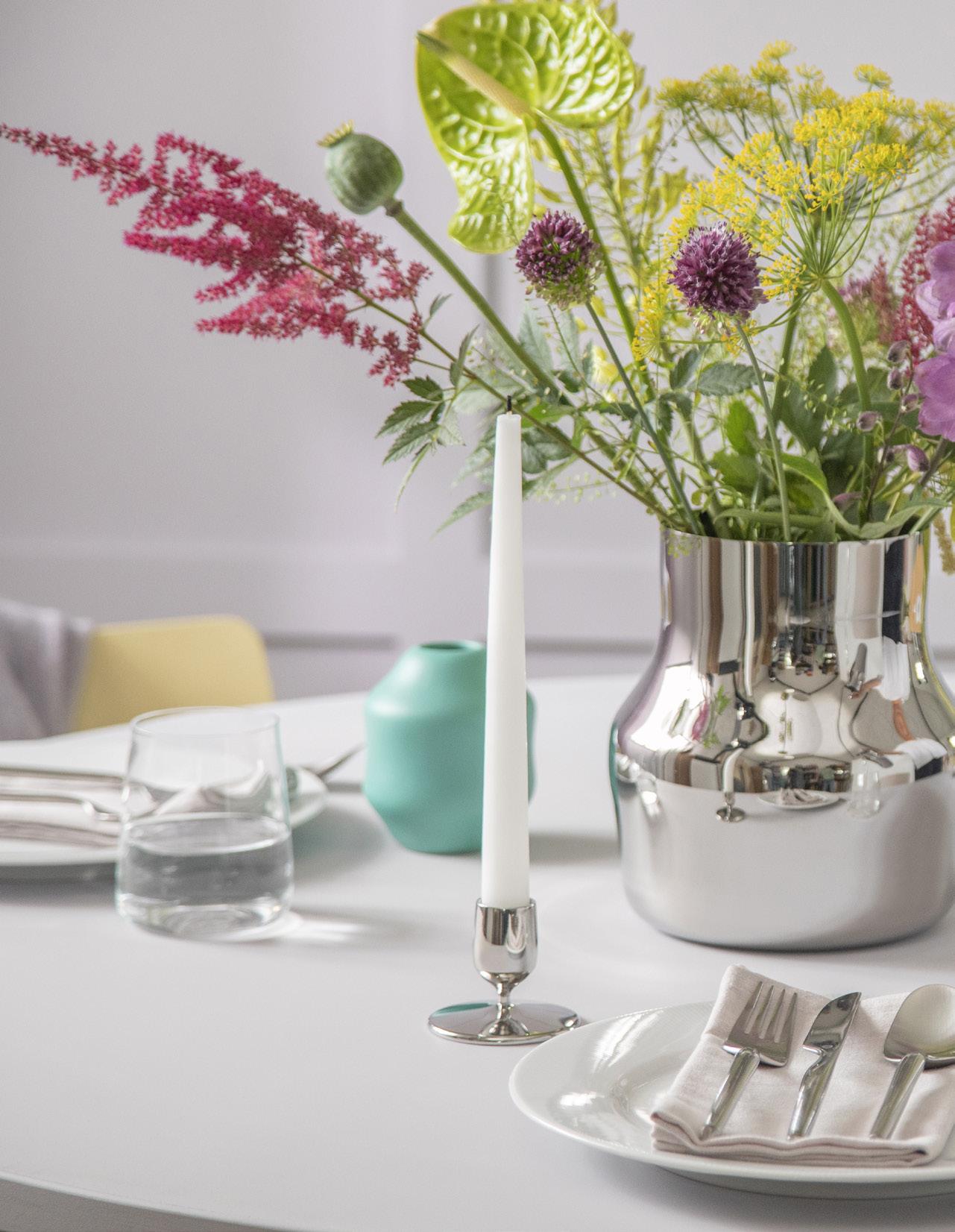
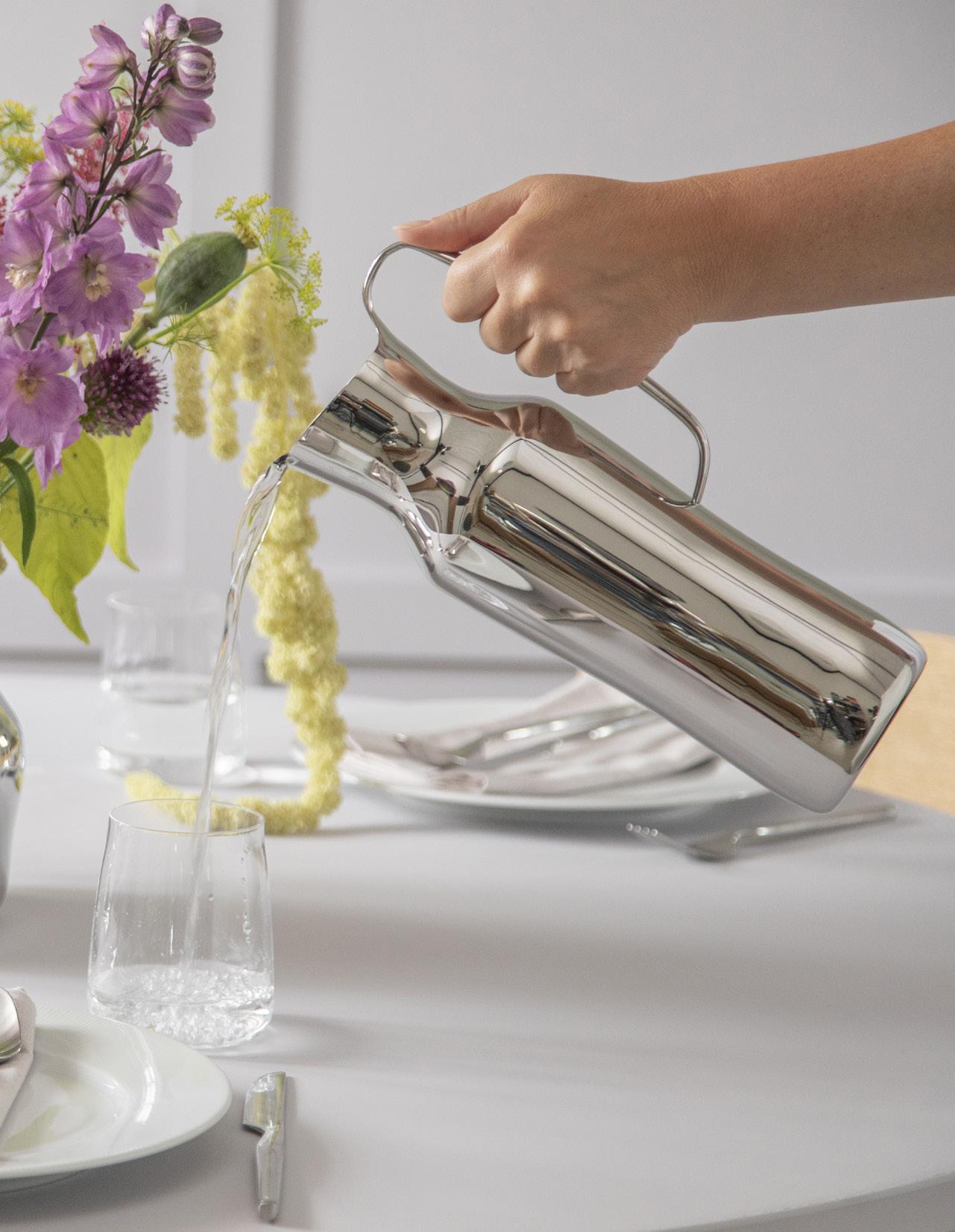
With Dorotea flatware, Monica Förster has created a modern classic in matte finish stainless steel. Dorotea is distinguished by a dramatic shape which is distinctive yet soft. The perfect balance of the flatware brings harmony to any table setting. Dorotea is a timeless flatware that combines Gense’s tradition and craftsmanship with design at an international level.
Design: Monica Förster
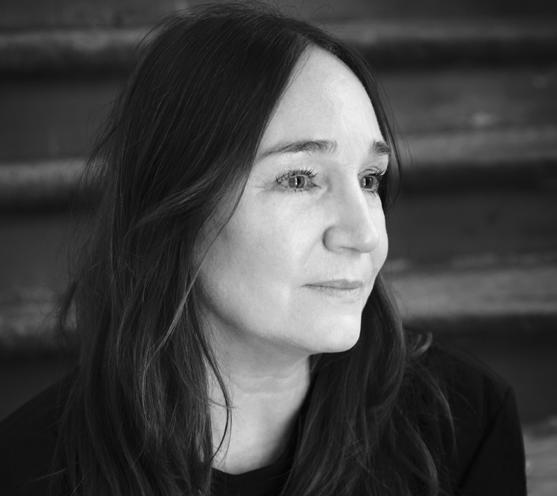
DESIGNER MONICA FÖRSTER
Monica Förster (b. 1966) is one of Sweden’s most internationally acclaimed and award-winning designers. Her upbringing in the small village of Dorotea in northern Sweden was marked by a strong interest in food and the set table, as her father was one of Sweden’s leading chefs. Monica Förster’s design is characterised by a considered simplicity that is free of unnecessary details, and she is driven by a great curiosity about new materials and manufacturing methods.
NOBEL
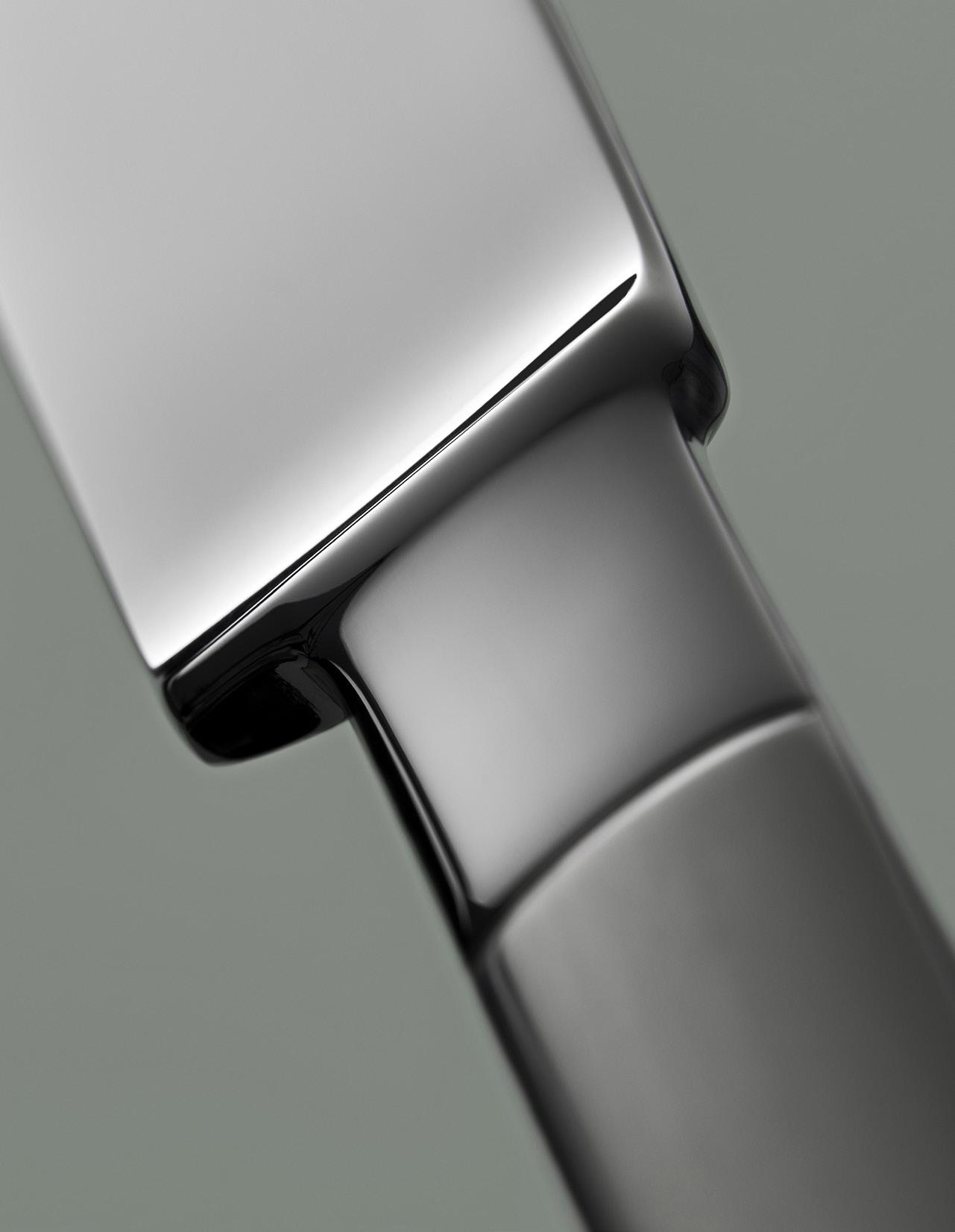
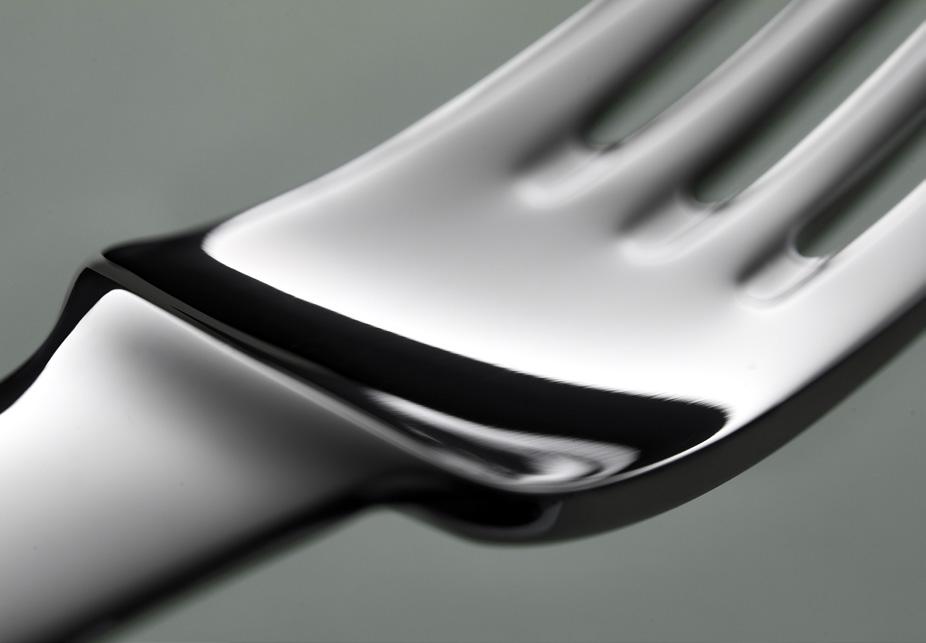
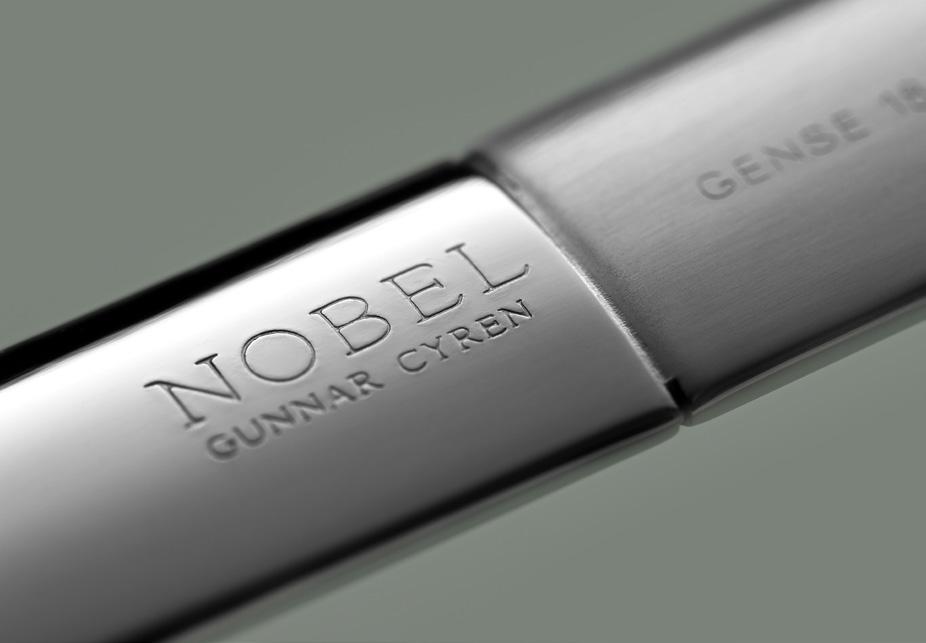
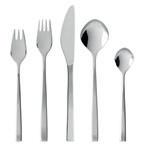
Nobel was created by Gunnar Cyrén to mark the 90th anniversary of the Nobel Prize and has already become a classic. The flatware is inspired by the beginning of the nineteenth century and the silver belonging to the King of Sweden, Karl XIV Johan. A design that is unmistakably Swedish, but with new details that surprise. Nobel adds that little something extra, whether you choose to set your table traditionally with white tablecloths and candelabra, or in a modern and trendy style with new materials and table decorations. Nobel is crafted from stainless steel with a lightly brushed handle and mirrorfinish bowl, blade or tines, and it is still used at the annual Nobel Prize award ceremonies and banquet in Stockholm.
Design: Gunnar Cyrén
DESIGNER GUNNAR CYRÉN
Gunnar Cyrén (1931-2013) was one of Sweden’s most masterful designers specialising in metal and glass. As a glass artist, silversmith and industrial designer, he was hugely important in Danish and Swedish glass art and silver work from the 1960s to the 1990s. His work is represented in museums around the world and has received multiple awards, and he was also awarded the title of professor by the Swedish government.
HOW FLATWARE HAS DEVELOPED OVER TIME
The knife is the oldest known eating utensil. People of the Stone Age knew that with a knife in one hand and fingers to help, you could eat anything. The spoon is ‘younger’, but its origins probably reach similarly back in time, since ancient peoples used oyster and mussel shells as spoons. Until about 1800, both the knife and spoon were considered personal utensils that people were expected to bring to feasts.
A 500-year journey from Southern Europe to Scandinavia
The fork is the ‘youngest’ of the eating utensils we use today. The Romans used two-pronged serving forks, but the fork only became an actual eating utensil in the Middle East in the 11th century – still only with two tines – and from here it was brought to Europe. It acquired more tines and its use slowly spread among prosperous southern Europeans who followed the latest trends, but it was not until the 1600s that it reached Scandinavia and was brought into use. When modern silverware was developed in the first half of the 1700s, the knife, fork and spoon were given an actual design, but the designs and sizes have changed many times over the years in line with general societal development. For instance, flatware has become smaller, making it easier to handle, while the cofee spoon has increased in size to match today’s larger cups and now more often resembles a teaspoon. But it doesn’t end there. In recent years, flatware has increased in size once again because our plates have become larger. Longer flatware is required to achieve a symmetrical appearance on the dinner table.
FOCUS DE LUXE
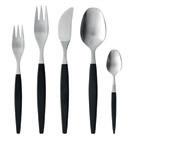
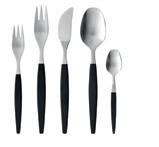
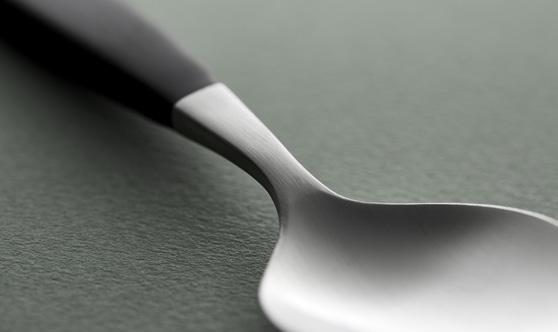
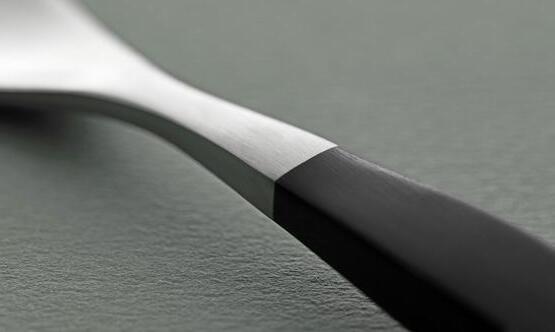
Folke Arström designed Focus de Luxe for Gense in 1955. Today, Focus de Luxe is a stylish retro classic with a timeless and functional design. The interesting feature of this flatware is the knife’s short blade and the fact that the fork, knife and spoon are the same length. Likewise, the handle is equally long on all three pieces. Focus de Luxe has been a collector’s item for many years. The flatware has been hailed by the New York Times as one of the “100 best designed products of modern times”.
Design: Folke Arström
IT BEGAN IN 1856
The name Gense is an abbreviation of Gustaf Eriksson NySilverfabrik Eskilstuna. AB Gense, one of Scandinavia’s largest producers of premium quality flatware in silver and stainless steel, was founded in Eskilstuna, Sweden in 1856 by craftsman Gustaf Eriksson and thus bears more than 160 years of tradition and craftsmanship.
A long tradition of craftsmanship
Gustaf Eriksson was trained in metalworking and specialised in the manufacture of tiled stove doors, and it was not until his son Axel Eriksson took over the company in 1885 that Gense made the momentous decision to expand the range with the addition of silver flatware.
SILVERWARE PRODUCTION
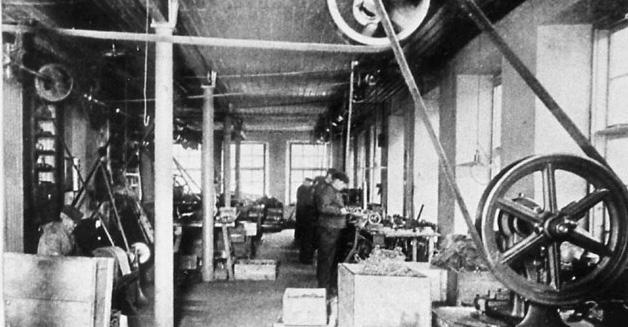
Both Gustaf Eriksson and Axel Eriksson unfortunately died just a few years apart in the 1890s, and it was not until the mid1910s, when Arvid Hedlund and his son Lars took the helm, that Gense began to evolve once again – new machines and manufacturing methods as well as a renewed product range were added, and in 1915 the production of tableware and silver flatware began, much of which was intended for the restaurant market.
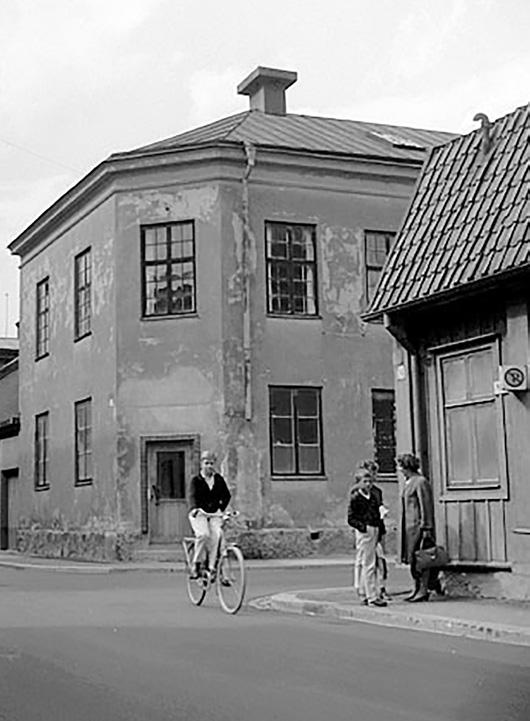
The old factory at Nygatan 26-28/Kriebsensgatan 10, 1950-1960s
The old factory at Nygatan/Kriebsensgatan 1957
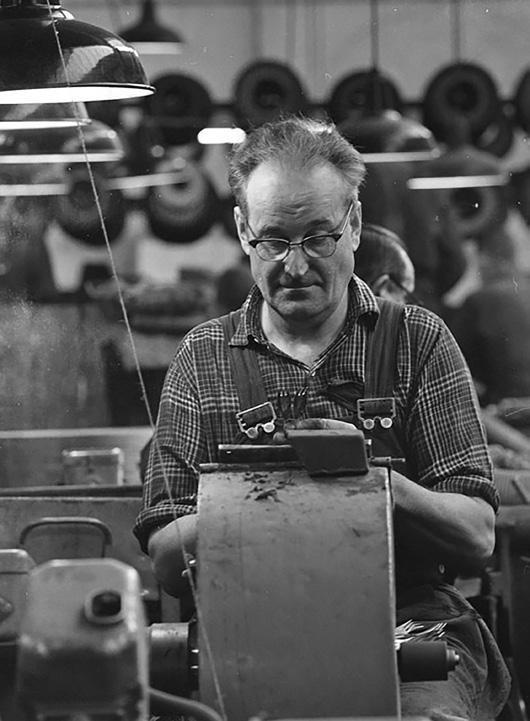
at Gense, 1950-60s
Stainless steel becomes popular
Lars Hedlund was a man of the future. He worked hard to make stainless steel as accepted in Swedish households as tableware in nickel and silver. In 1929, Gense established its first collaboration with a designer, Viking Göransson, and the 1930s saw the beginning of the production of stainless steel flatware. It was an epochal moment. Sales were strong, and subsequent years saw a number of collaborations with renowned Swedish designers. Gense had become one of the first companies to collaborate in a meaningful way with artists in terms of product design.
Synergy between arts, crafts and technique
The collaborations contributed to the company’s massive success.
The challenge lay in showing that stainless steel not only represented quality, but also had beauty. During the 1930s, the company succeeded in getting restaurants to embrace stainless steel, and after the war, interest in stainless products also began to grow in private homes.
People wanted something that was new, beautiful and modern.
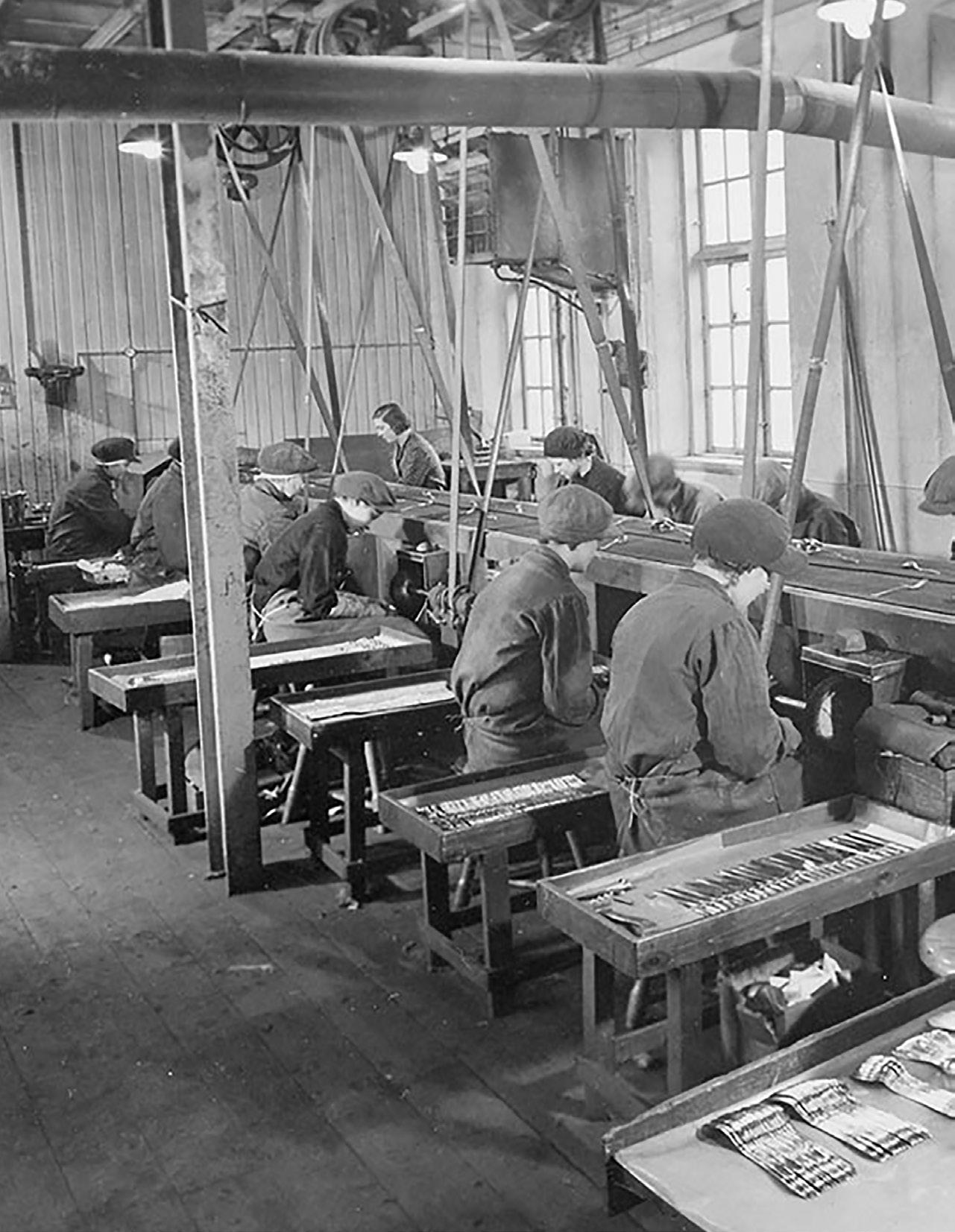
Handle assembly line in silver production
Production
SILVER FOR ALL – AND FOR THE FUTURE
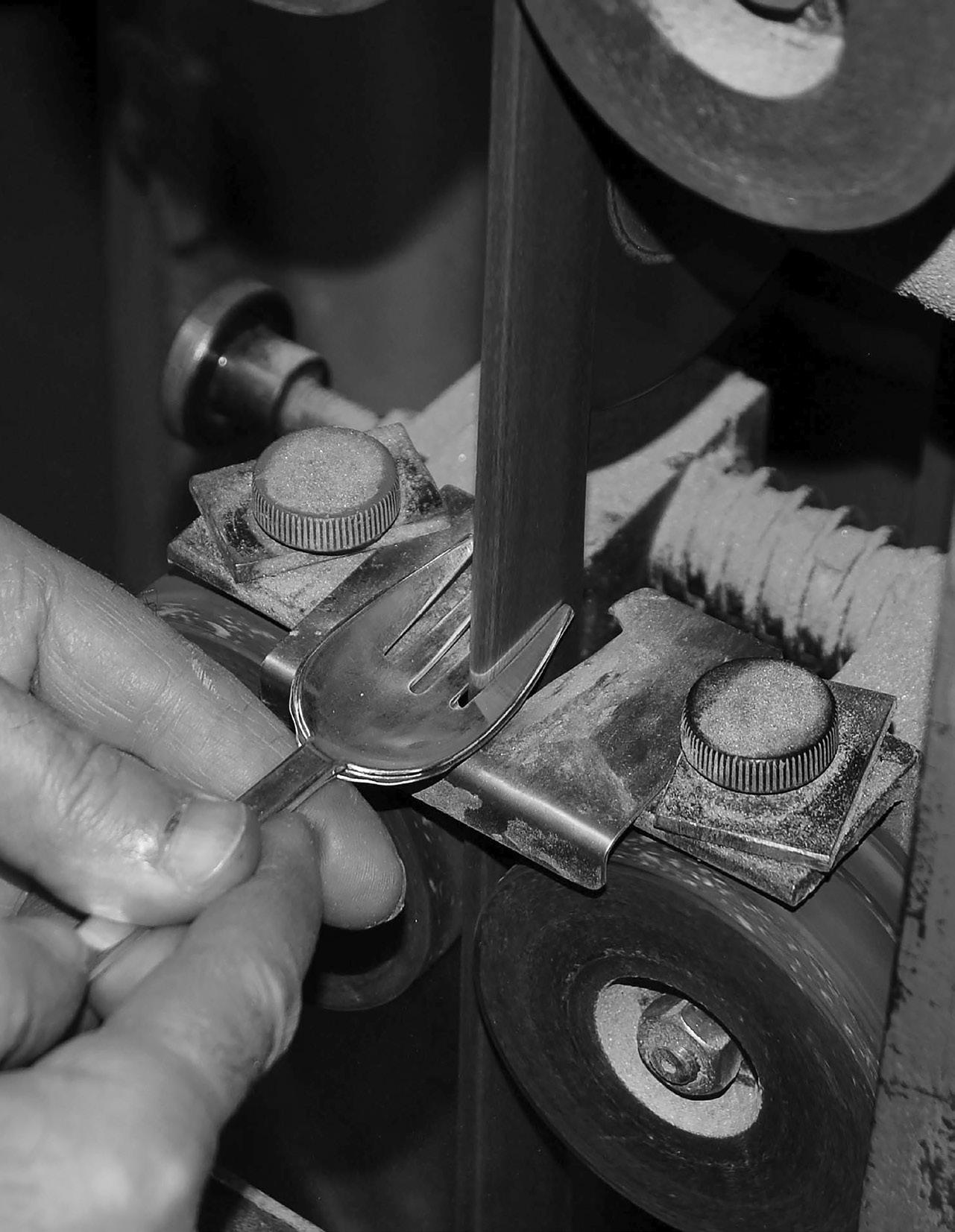
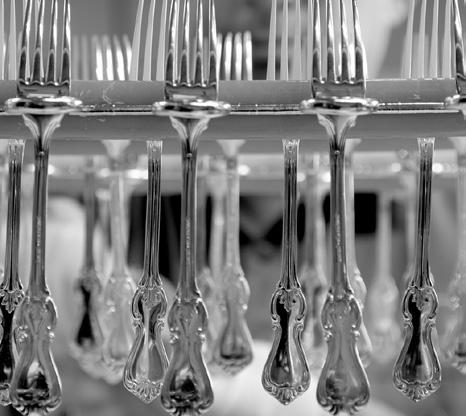
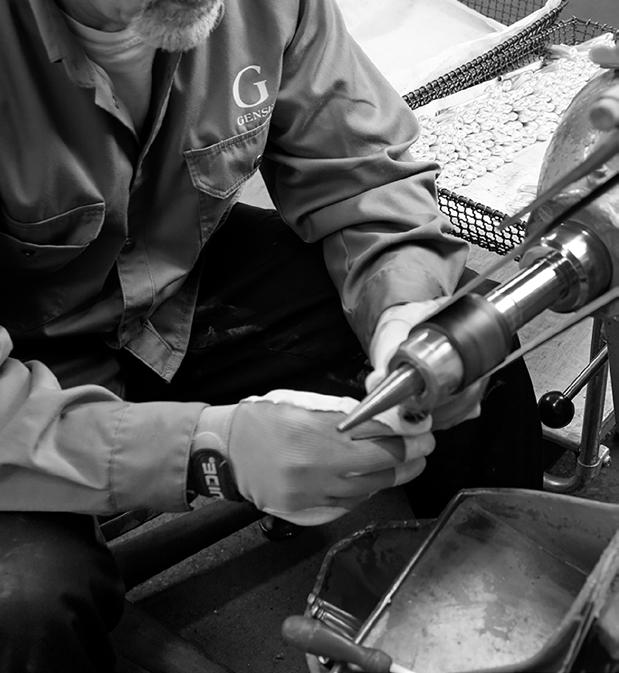
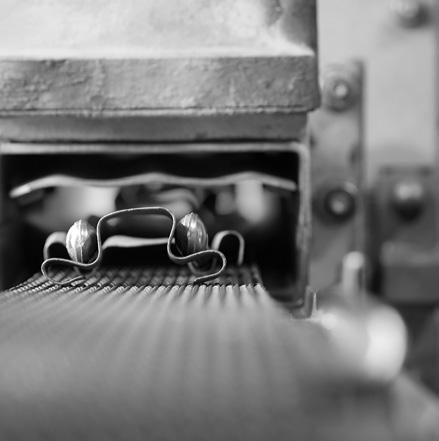
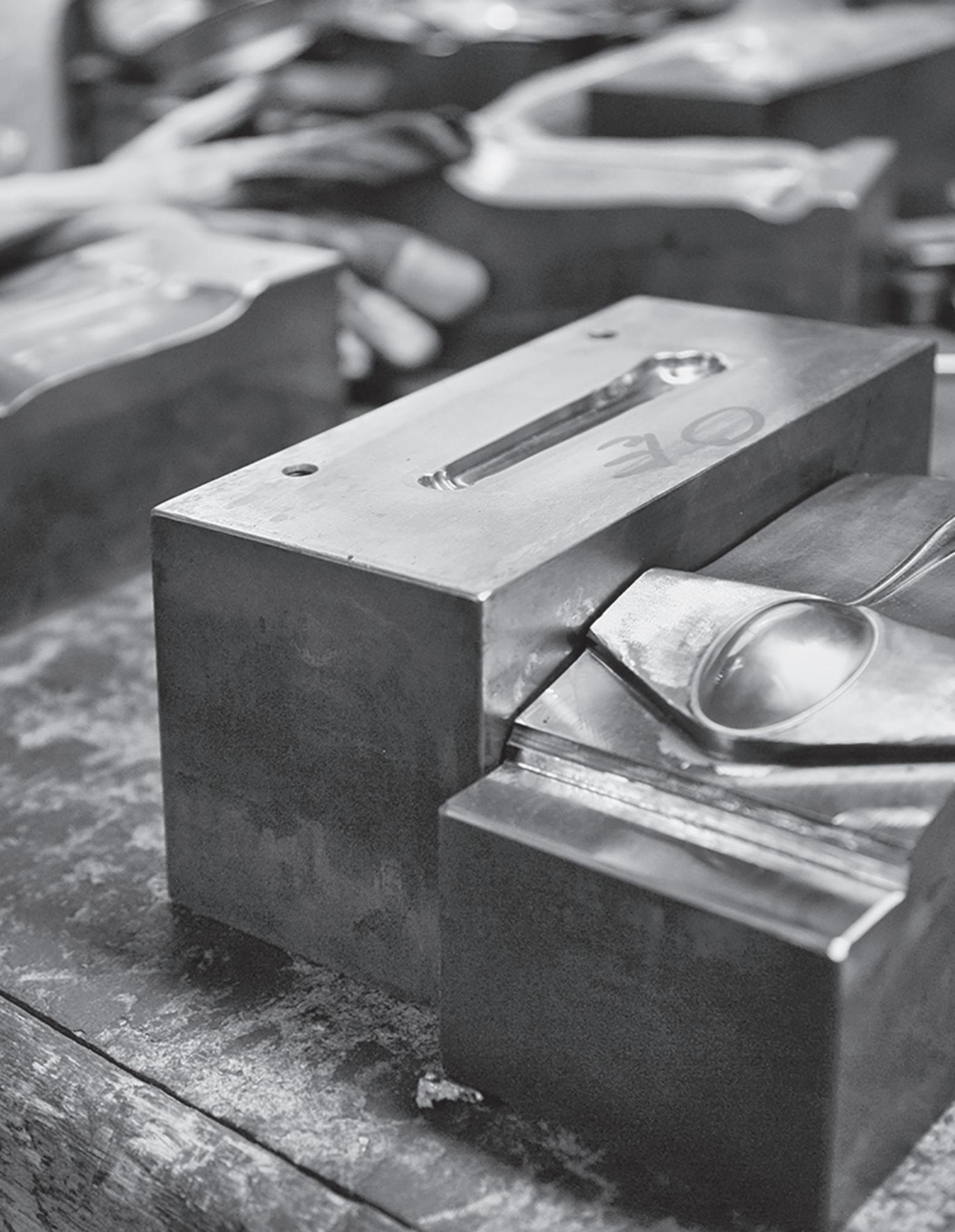
The heyday of the production of silver flatware began in the late 1800s. Prior to then, silver was only for the bourgeoisie and too expensive for average people. However, with industrialisation came the opportunity to make silverware on assembly lines, and that made it accessible to all. At the same time, silver was of enduring value and therefore something that was passed on to the next generation. Each piece of flatware passes through up to 30 diferent stages before it is considered finished. The raw material is forged, ornamented, soldered, bufed and polished, and a number of the processes are done by hand.
The handles in production
Design classics
In the intervening years up to the present day, much has taken place in the design and manufacture of flatware and silverware. However, Gense’s collaboration with the best designers is still a vital part of its DNA, and over the years, these collaborations have led to the most successful and innovative flatware classics in both silver and stainless steel. Designs that contributed to setting the standard within Scandinavian design, and of which many collections are still in production – side by side with those created by new, contemporary designers.
A glance at Gense’s range tells the story of the most popular flatware of all time. Fuga, Twist, Pantry, Steel Line, Focus de Luxe, Dorotea and Old Farmer steak flatware are some of the best-selling flatware collections that still delight diners at tables worldwide.
Gense today
At Gense, only the best materials are used in the production of silver and stainless steel, and each piece of flatware passes through up to 30 diferent stages before the final polishing. This assures that the highest quality is achieved, and whatever flatware you decide on, you can be certain that it is a combination of functional design and premium quality. This is exactly what characterises Gense and which is why we say it is “Designed to make you proud”.
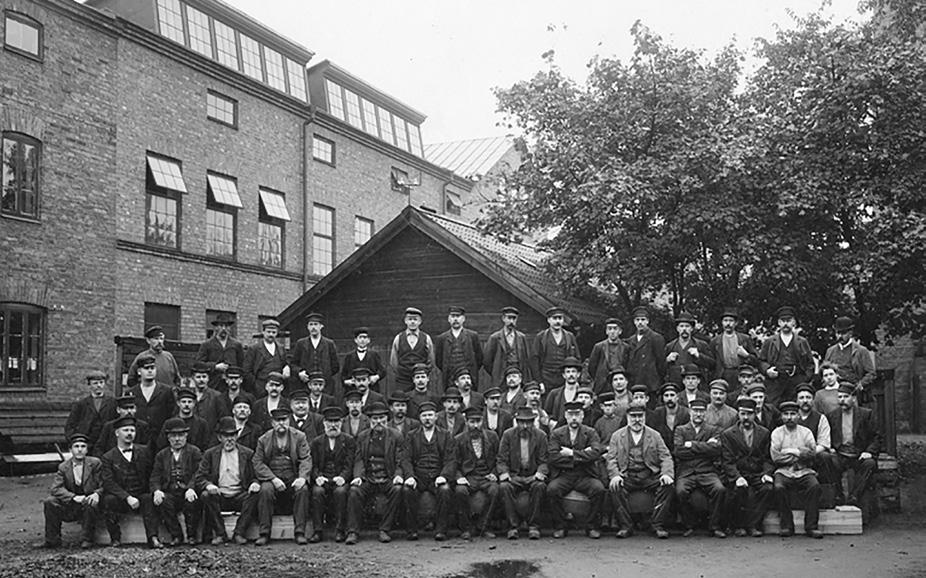
The farm side of the old factory, 1963, and staf photo, 1910
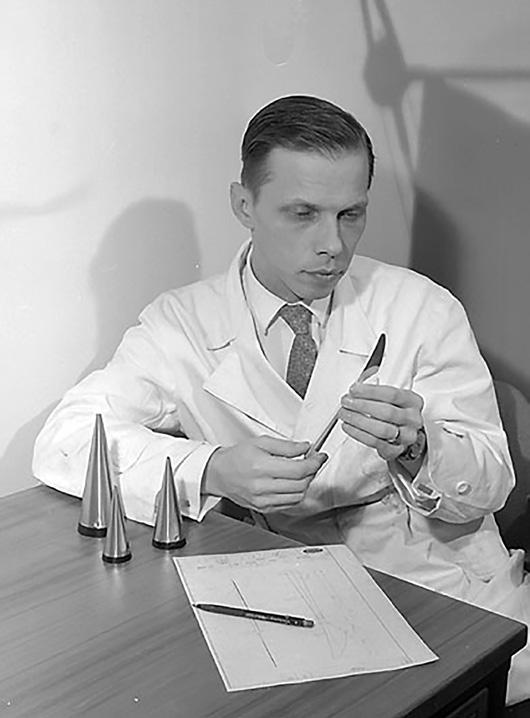
Designer Pierre Forssell with flatware and salt, pepper and sugar shakers, 1950s
PRODUCT RANGE
Dorotea
Polished steel
18/10 Stainless steel
Design: Monica Förster
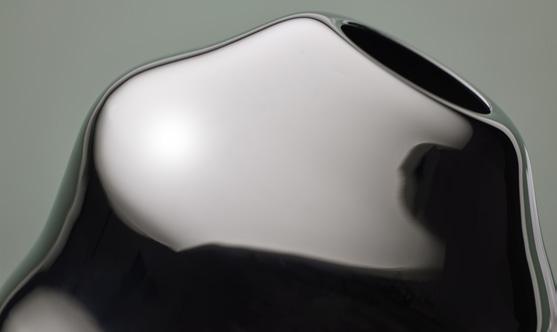
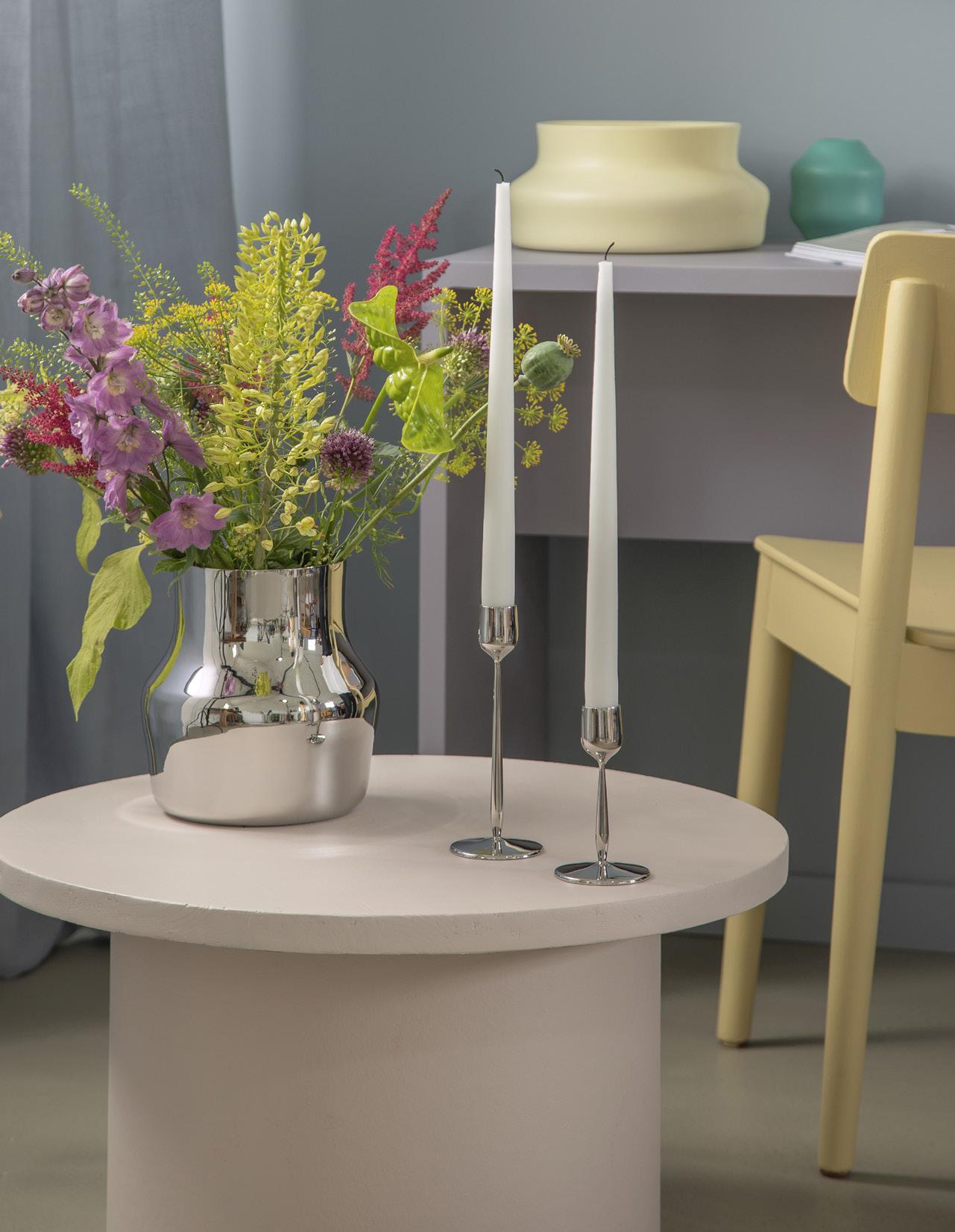
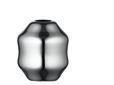
DOROTEA / VASE / POLISHED STEEL / SS304
3.5 X 3.9”
COLLI: 4 UNIT: PCS. 30084
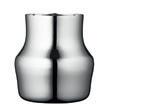
DOROTEA / VASE / POLISHED STEEL / SS304 7.6 X 7”
COLLI: 2 UNIT: PCS.
30087
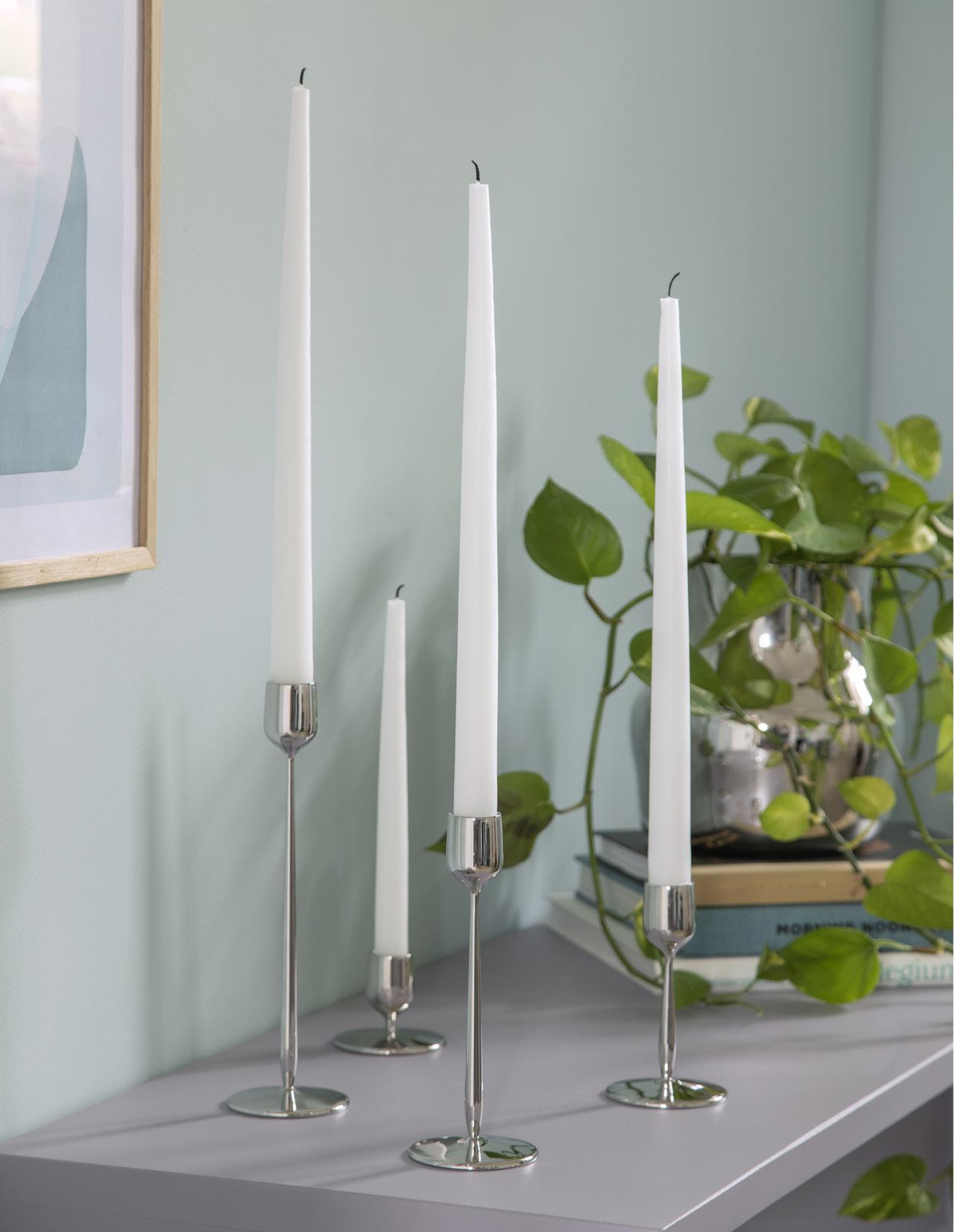
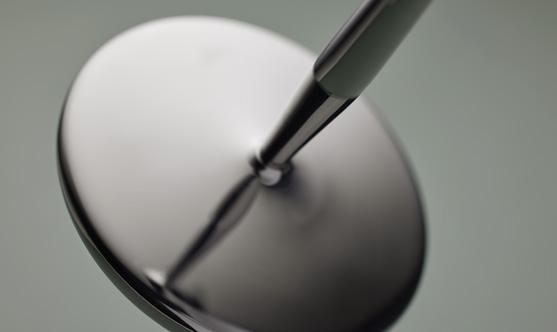
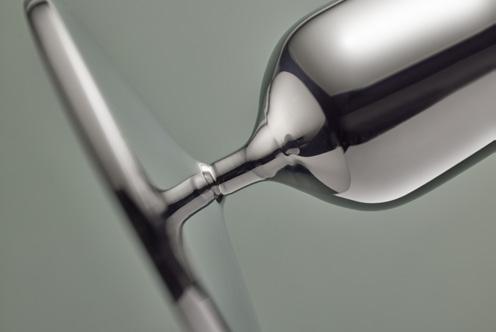
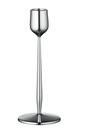
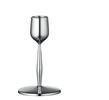
DOROTEA / CANDLESTICK / POLISHED STEEL / SS304
2.7 X 7”
DOROTEA / CANDLESTICK / POLISHED STEEL / STAINLESS STEEL 2.7 X 2.1”
COLLI: 4 UNIT: PCS.
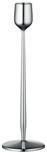
DOROTEA / CANDLESTICK / POLISHED STEEL / SS304
2.7 X 9.2”
COLLI: 4 UNIT: PCS.
COLLI: 4 UNIT: PCS.
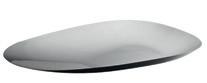
DOROTEA / DISH / POLISHED STEEL / SS304 12 X 16.5 X 1.9”
DOROTEA / CANDLESTICK / POLISHED STEEL / SS304 2.7 X 4.7”
COLLI: 4 UNIT: PCS.
COLLI: 2 UNIT: PCS. 30090
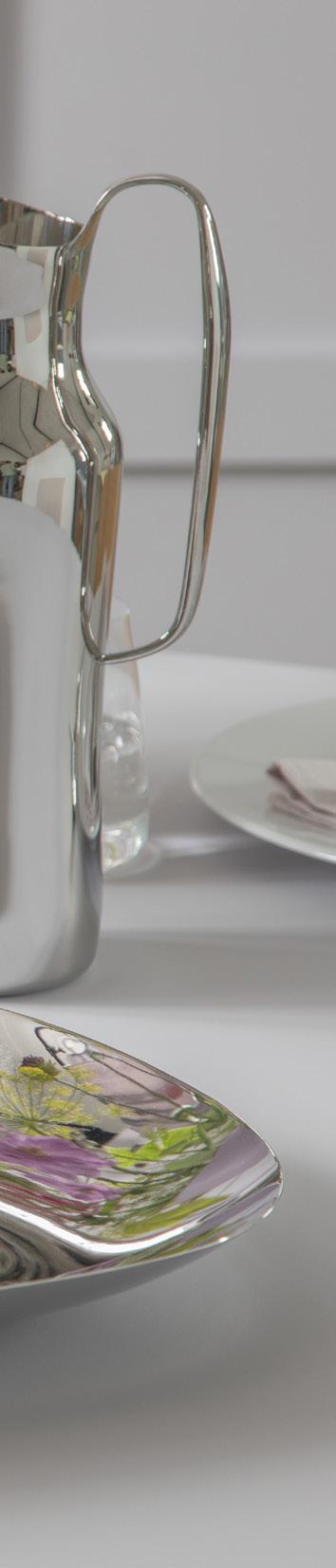
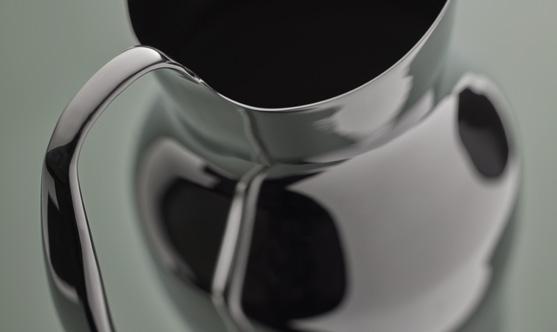
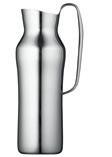
DOROTEA / CARAFE / POLISHED STEEL / SS304
4.3 X 3.5 X 11.8”
COLLI: 2 UNIT: PCS.
Ceramics
Dorotea
Design: Monica Förster
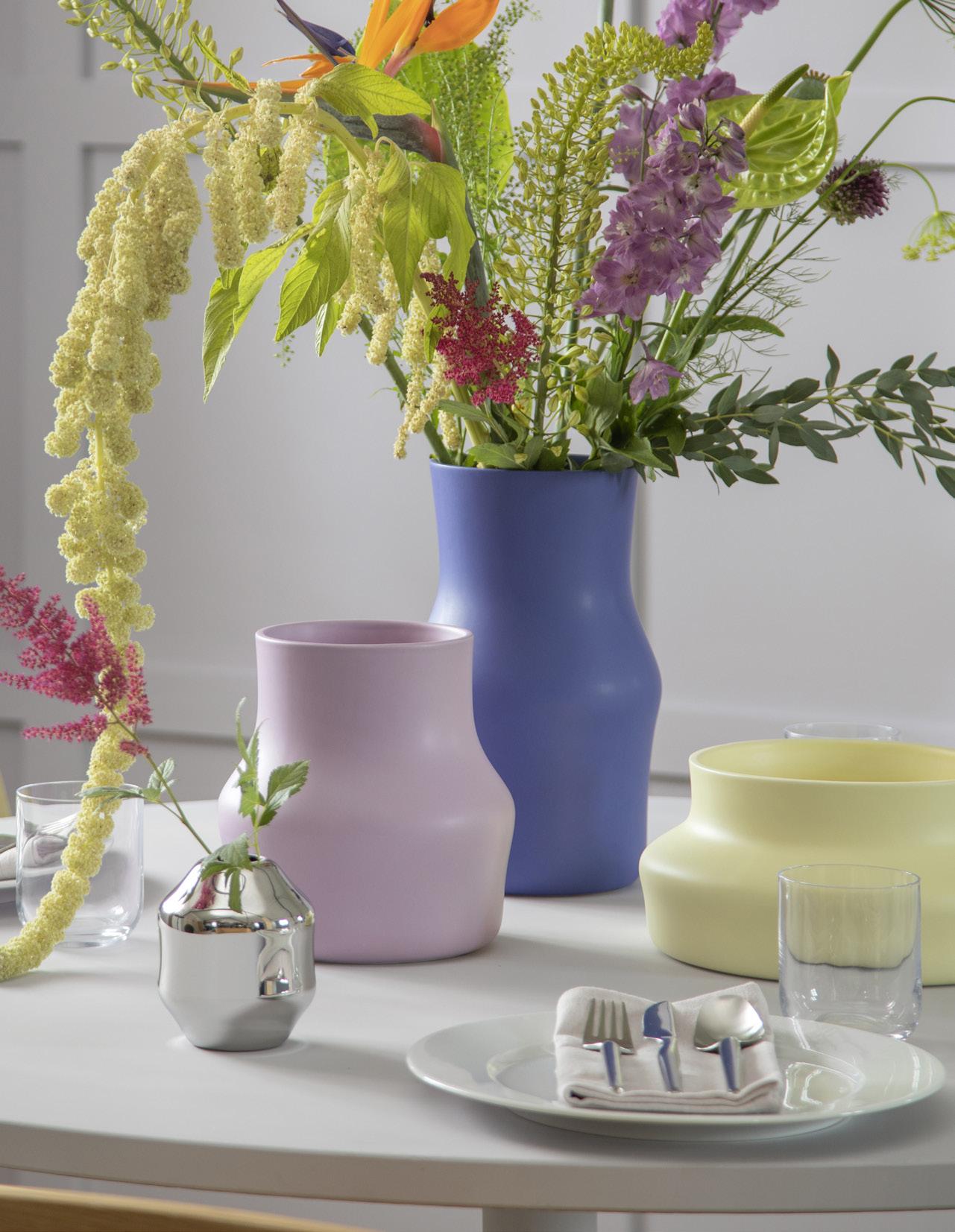
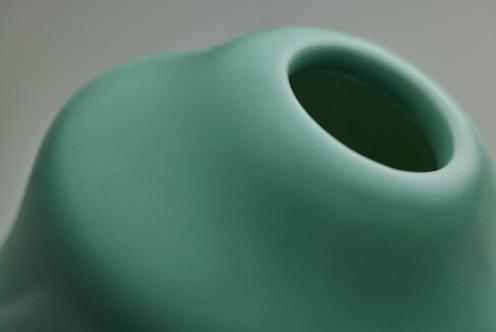
DOROTEA / VASE / SEA GREEN / CERAMICS
3.5 X 3.9” COLLI: 3 UNIT: PCS.
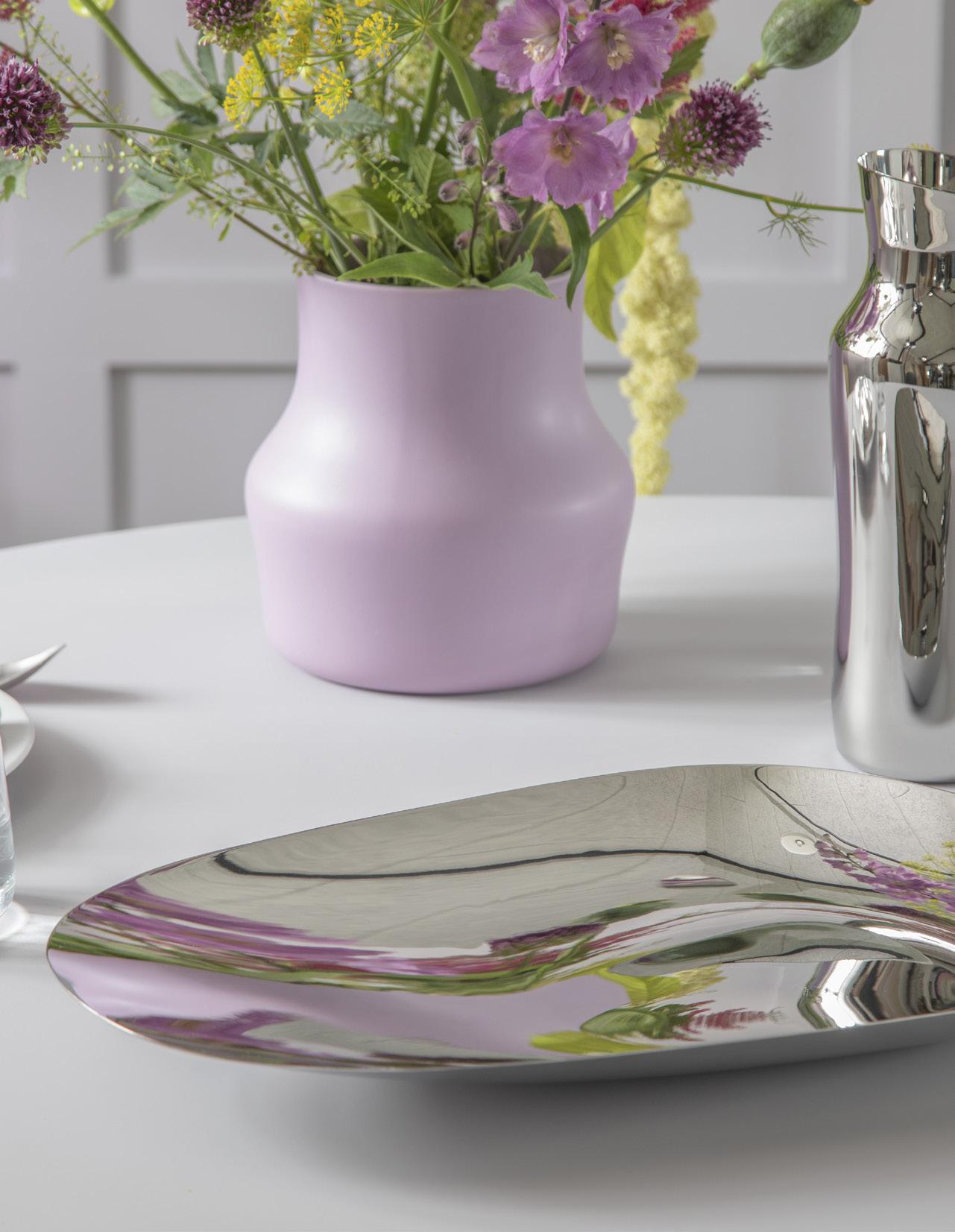
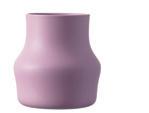
DOROTEA / VASE / LILAC PURPLE / CERAMICS 7 X 7.6”
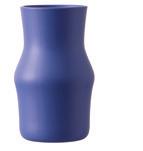
DOROTEA / VASE / IRIS BLUE / CERAMICS
X 11”
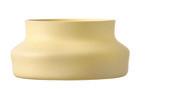
DOROTEA / VASE / MELLOW YELLOW / CERAMICS 4.7 X 9.8”
3
Focus de Luxe
Black/matte steel
18/8 Stainless steel
Design: Folke Arström
32429
FOCUS DE LUXE / FLATWARE SET
BLACK/MATTE STEEL / POM/18 /8 STAINLESS STEEL
9.8 X 6.1 X 7.5” / 5 PARTS
32430
FOCUS DE LUXE / FLATWARE SET
BLACK/MATTE STEEL / POM/18/ 8 STAINLESS STEEL
9.8 X 6.1 X 7.5” / 20 PARTS
COLLI: 2 UNIT: PCS.
COLLI: 2 UNIT: PCS.
Fuga
Matte/Polished steel
18/8 Stainless steel
Design: Tias Eckhoff
32425
FUGA / FLATWARE SET / POLISHED STEEL / 18/8 STAINLESS STEEL
9.8 X 6.1 X 7.5” / 5 PARTS
32426
FUGA / FLATWARE SET / POLISHED STEEL / 18/8 STAINLESS STEEL
9.8 X 6.1 X 7.5” / 20 PARTS
COLLI: 2 UNIT: PCS.
COLLI: 2 UNIT: PCS.
Nobel
Matte/Polished steel
18/8 Stainless steel
Design: Gunnar Cyrén
32423
NOBEL / FLATWARE SET / MATTE/POLISHED STEEL / 18/8 STAINLESS STEEL
9.8 X 6.1 X 7.5” / 5 PARTS
32424
NOBEL / FLATWARE SET / MATTE/POLISHED STEEL / 18/8 STAINLESS STEEL
9.8 X 6.1 X 7.5” / 20 PARTS
COLLI: 2 UNIT: PCS.
COLLI: 2 UNIT: PCS.
Polished steel
18/8 Stainless steel
Design: Studio Gense
32419
OXFORD / FLATWARE SET / POLISHED STEEL / 18/8 STAINLESS STEEL
9.8 X 6.1 X 7.5” / 5 PARTS
32420
OXFORD / FLATWARE SET / POLISHED STEEL / 18/8 STAINLESS STEEL
9.8 X 6.1 X 7.5” / 20 PARTS
COLLI: 2 UNIT: PCS.
COLLI: 2 UNIT: PCS.
18/8 Stainless steel
Design: Frantzén Projects
32421
STILL / FLATWARE SET / MATTE/POLISHED STEEL / STAINLESS STEEL
9.8 X 6.1 X 7.5” / 5 PARTS
32422
STILL / FLATWARE SET / MATTE/POLISHED STEEL / STAINLESS STEEL
9.8 X 6.1 X 7.5” / 20 PARTS
COLLI: 2 UNIT: PCS.
COLLI: 2 UNIT: PCS.
Old Farmer
Black/Steel
Brown/Steel
18/8 Stainless steel
Design: Bent Severin
20349
OLD FARMER MICARTA / STEAK KNIFE
XL / BLACK/STEEL / MELAMINE/18/8 STAINLESS STEEL
9.8 X 6.1 X 7.5” / 4 PCS
20351
OLD FARMER CLASSIC / STEAK KNIFE
XL / WOOD/STEEL / STAMINA WOOD/18/ STAINLESS STE
9.8 X 6.1 X 7.5” / 4 PCS
COLLI: 6 UNIT: PCS.
G L SK I VEVEJ 7 0
T + 4 5 8 928 130 0
i n fo@ f -gro u p. d k
w w w f -gro u p d k
539-6497 cribsi.com/gense
NOR W A Y
DRAMME N SVEIEN 1 4 7 B
+ 4 7 4 0 00 5 9 8 8 info@ f -gro u p n o ww w f -gro u p n o
SWED E N
FLEM I N G G ATAN 2 0 info@ f -gro u p s e ww w f -gro u p s e
GERMAN Y
K R O NE N S TR 7 1 ku n de n service@ f -g mb h d e
w w w f -g mb h d e
F RAN C E
C O U NT R Y MA N A GE R
L OU I S R I BE T
lo u i s @ f -gro u p f r T + 33 6 51 5 8 81 4 2