Submit story ideas to nombembep@cput.ac.za or mohlalaj@cput.ac.za
no later than the 15th of every month. Faculty of Informatics and Design
DVC SHELDON COMMENDS FID FOR ADVANCING VISION 2030 GOALS
MAKWAMBENI PROMOTED TO ASSOCIATE PROFESSOR
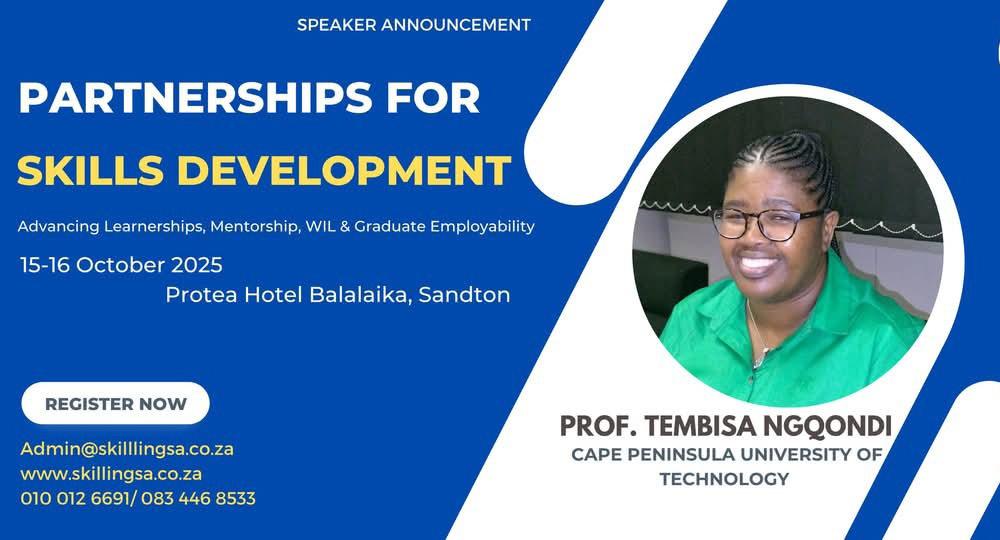
NGQONDI URGES STRONGER PARTNERSHIPS FOR SKILLS DEVELOPMENT
NCUBUKEZI SHARES LESSONS FROM HER SA LEADERSHIP ACADEMY
FID AWARDS SHINE A SPOTLIGHT ON STUDENT EXCELLENCE
STUDENT WINS TWO INTERNATIONAL INTERIOR DESIGN AWARDS
FILM STUDENTS TAKE THE CROWN AT 48-HOUR FESTIVAL
FILM STUDENT’S STAGECRAFT EARNS TOP PERFORMING ARTIST AWARD
FRENCH FLAIR LIGHTS UP IT DEPARTMENT
GERMAN STUDENTS GAIN HANDS-ON FILM EXPERIENCE AT CPUT
IT LECTURER SHARES TIPS ON CYBER SECURITY RISKS AND PROTECTION
THE SIGNS BY DR TARA SWART
LUMNUS SCREENS LOCALLY MADE SCI-FI HORROR
KOLISI TURNS FITNESS INTO A WAY OF LIFE
FILM STUDENT TURNS PHOTOGRAPHY PASSION INTO BUSINESS
Editor’s Note
DEAR READER,
In our rush to meet deadlines and keep up with innovation, we often overlook the everyday risks that come with working and studying in a digital environment. October serves as a timely reminder, as it marks Cybersecurity Awareness Month.
From unwanted calls to phishing scams, we are constantly exposed to online threats. While the internet connects us, it also opens doors to risks we cannot afford to ignore. To help us understand these challenges and learn how to stay protected, IT lecturer Rebecca Bure shared some valuable insights.
Stay alert. Stay safe.
Jim Mohlala News editor
DVC SHELDON COMMENDS FID FOR ADVANCING VISION 2030 GOALS
By Philani Nombembe
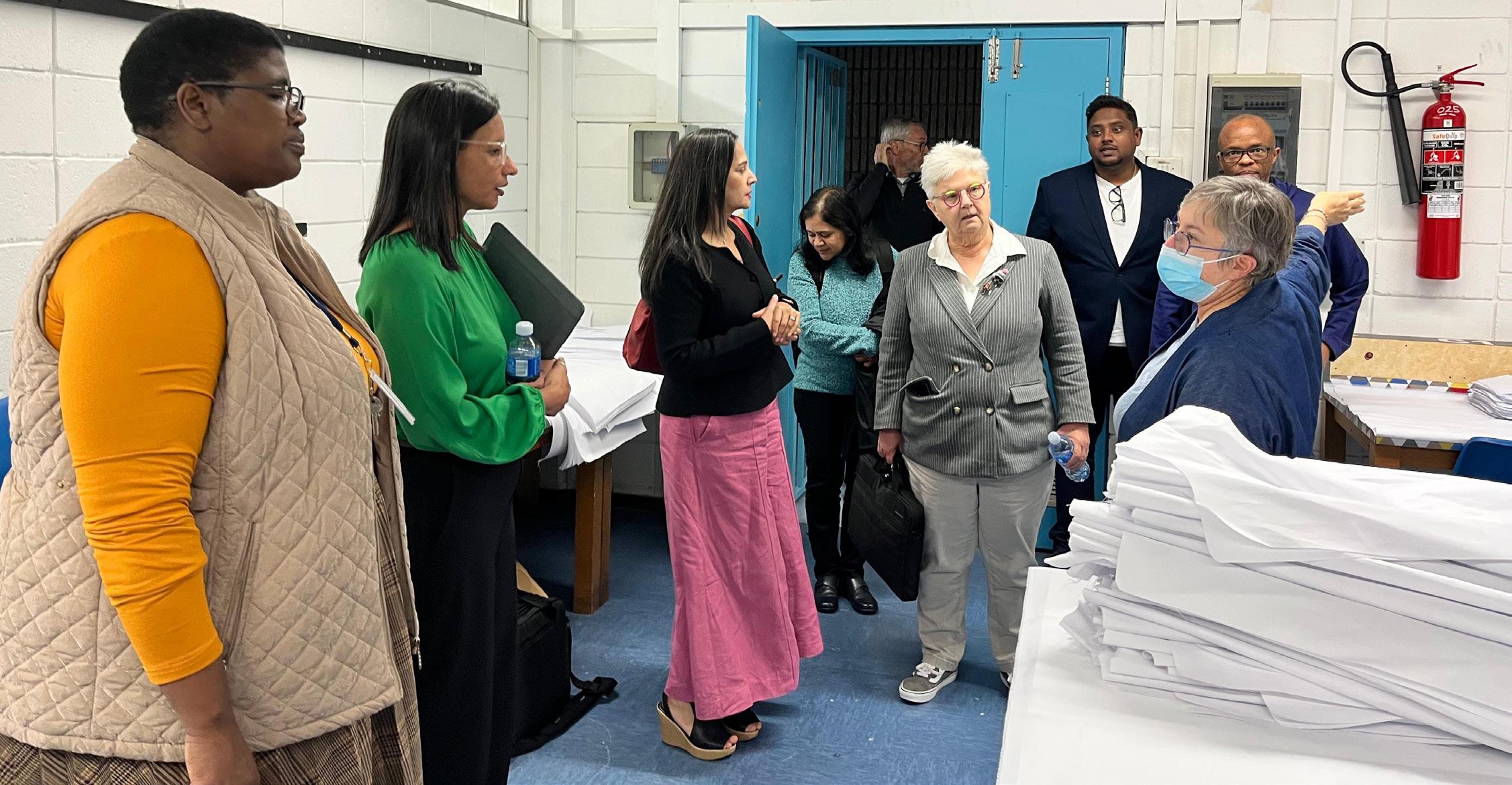
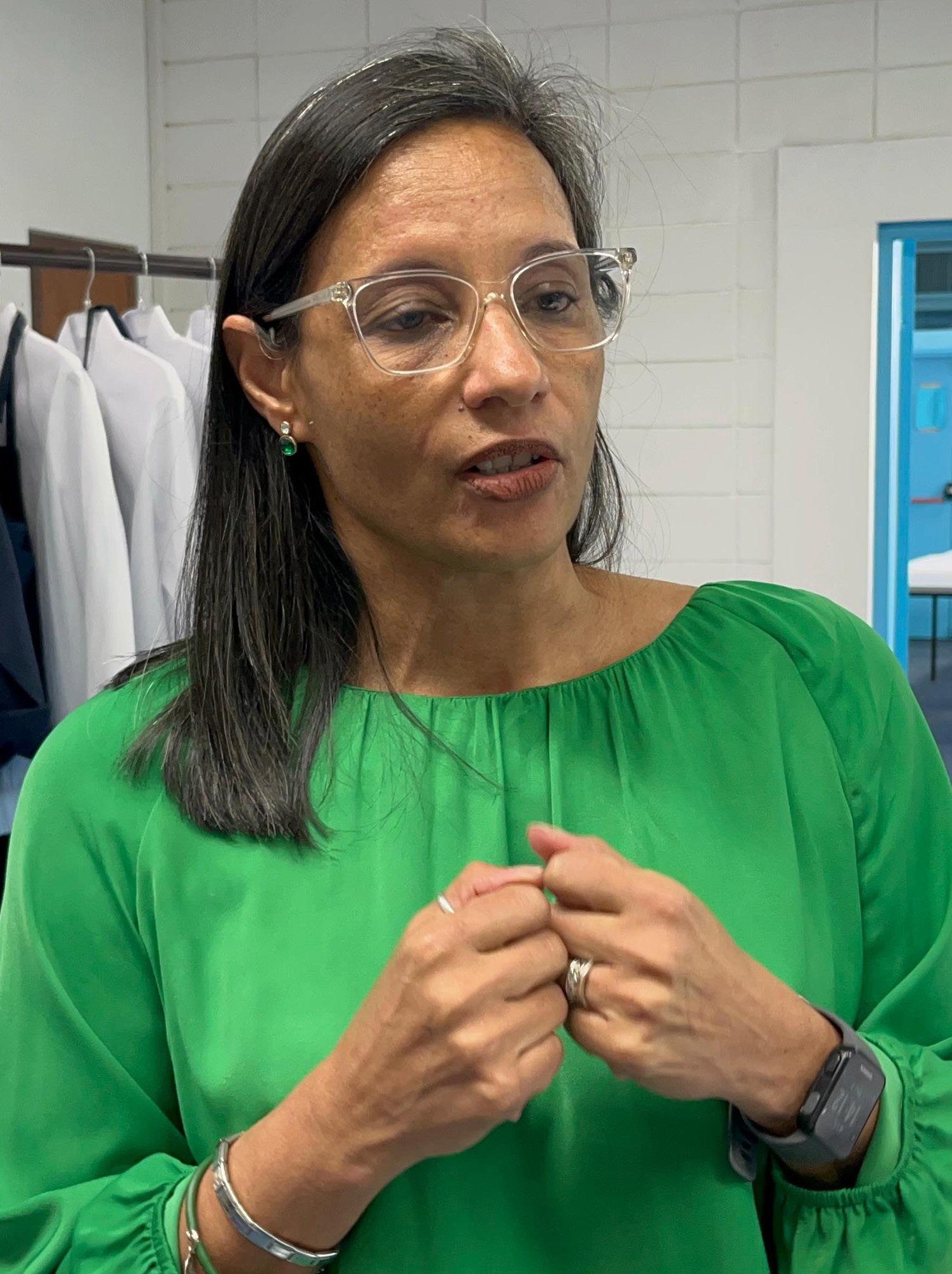
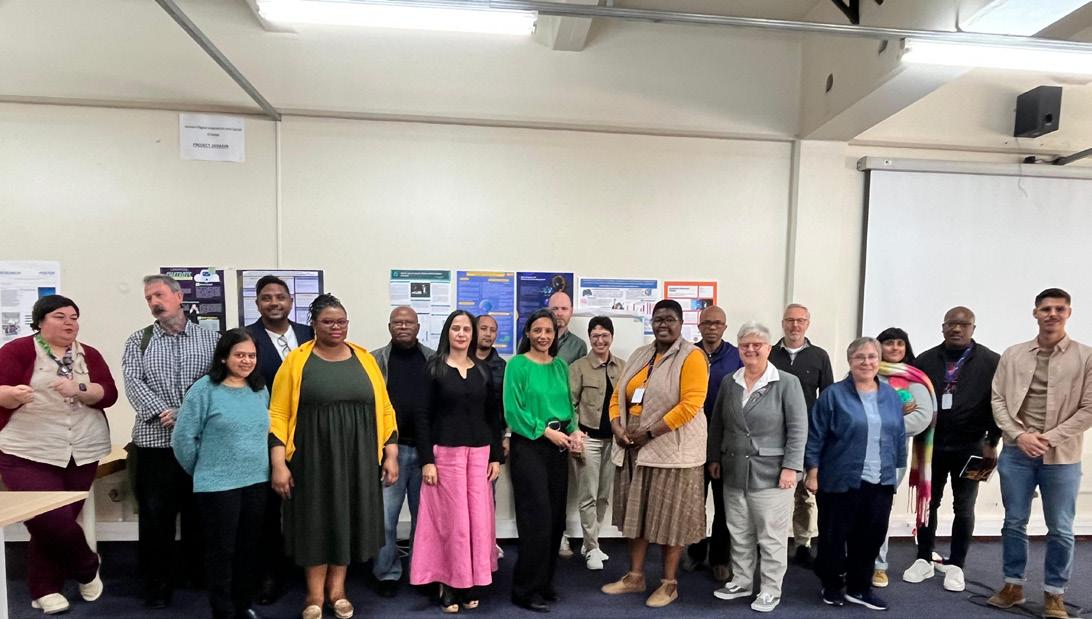
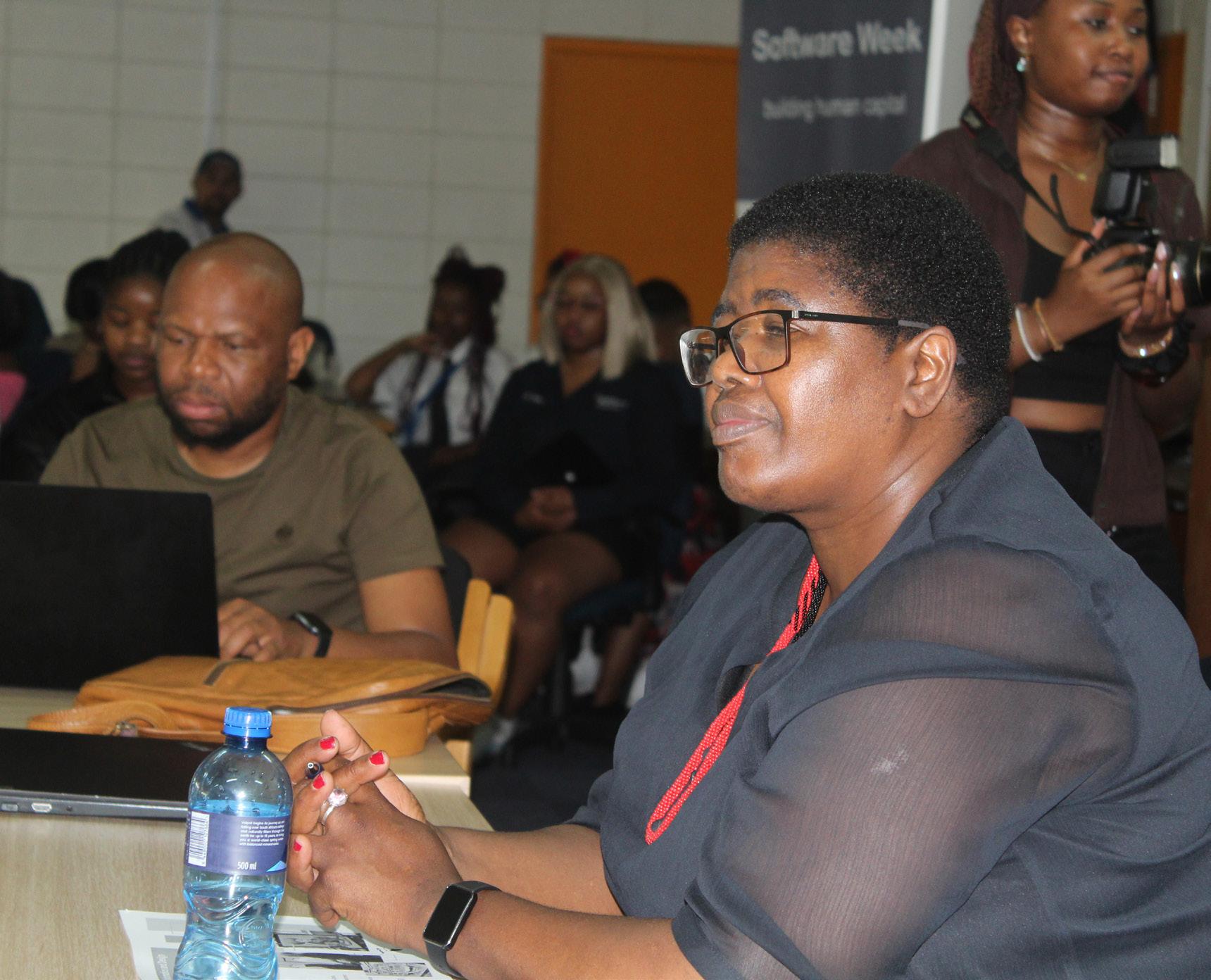
Deputy Vice-Chancellor: Research, Technology Innovation and Partnerships, Professor Marshall Sheldon, has commended the Faculty of Informatics and Design (FID) for supporting the institution’s Vision 2030 objectives.
Sheldon, appointed to the position in June, visited FID earlier this month to observe how the faculty is aligning its activities with key areas under her portfolio.
“From what we have seen, the faculty is already performing exceptionally well. We wanted to engage on how we can strengthen and support their work, while also identifying gaps and challenges in research, technology, and innovation,” she said.
Her portfolio operates under the Research, Technology and Innovation Blueprint 3.0, which aligns with Vision 2030 and its seven strategic focus areas.
Sheldon stressed the importance of strengthening the student pipeline, noting that the institution cannot focus on advanced postgraduate studies without nurturing pathways for students to reach these levels.
Senior Media and Communication lecturer Dr Blessing Makwambeni has been promoted to Associate Professor.
The university recognised Makwambeni’s academic and leadership contributions last month. Reflecting on the milestone, he described the news as “bittersweet.”
“Sweet because of the recognition for the work I have been doing over the years, and bitter because it comes a bit late in my career, when most of my contemporaries are already professors,” he said.
Makwambeni has received several awards during his academic career, including the Institutional Supervision Award, the Faculty Teaching Award, the Dean’s Merit Award for Supervision, and the Departmental Teaching Award.
“There is really a gamut of achievements to anchor this promotion. Editing two books on organisational communication in 2024 and 2025 and having 40 peer-reviewed publications in the last five years, are colossal achievements,” he said. Last month, Makwambeni was elected to the executive committee of the South African Communication Association (SACOMM), where he will chair the Communication Science stream.
“My appointment to the SACOMM executive committee was one of the greatest forms of recognition by my colleagues,” he said.
“I just hope to keep working harder and focus more on quality than quantity. I also hope to attract more research grants, especially in journalism and AI, and to foster more international collaborations.”
He offered advice to younger academics.
“For younger academics, my advice is to be humble, to keep working hard, to build networks and collaborations, and to immerse themselves deeply in the community of scholars in their field,” said Makwambeni.
Faculty of Informatics and Design Dean Professor Tembisa Ngqondi congratulated Makwambeni.
“The faculty congratulates Prof Makwambeni and acknowledges this well-deserved recognition of quality work,” said Ngqondi.
“Noting that Prof Makwambeni is the only candidate who has been promoted in the faculty is a testament to the quality of his academic work and contribution to the sector.”
SUPPORT: Professor Marshall Sheldon, Deputy Vice-Chancellor: Research, Technology Innovation and Partnerships, has committed to supporting FID in advancing its research, innovation, and postgraduate student development. Pictures: Jim Mohlala.
APPROVAL: Senior lecturer Dr Blessing Makwambeni has been promoted to Associate Professor. Picture: Supplied.
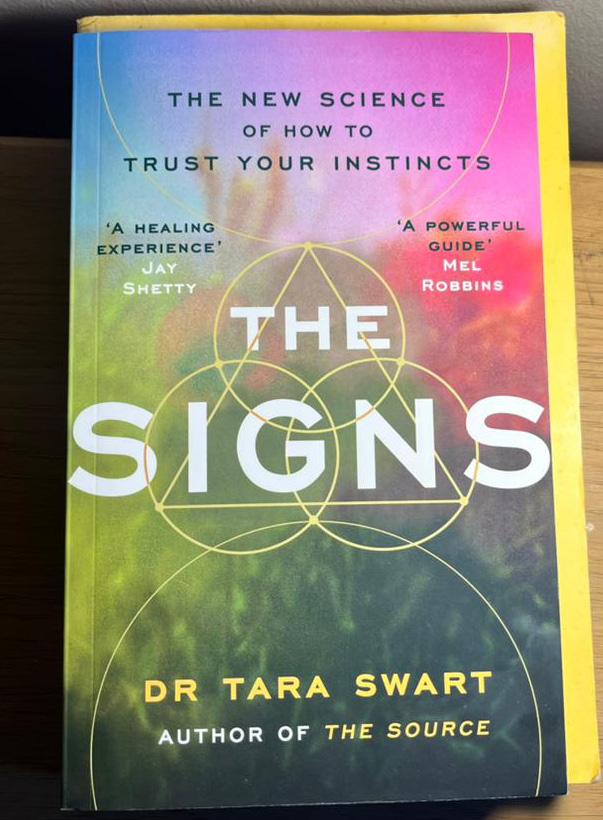
Reviews THE SIGNS BY DR TARA SWART
By Jim Mohlala
Every once in a while, a book comes along at just the right time to offer you knowledge and a new way of seeing the world.
After committing to reading and finishing The Signs by Dr Tara Swart, a neuroscientist and author based in the United Kingdom, I can already feel my perspective shifting.
The book, published last month, has completely reframed how I think about everyday coincidences that I too often ignore.
It's as if Swart's words have awakened a new level of awareness within me.
The idea that "you become what you read" is particularly real. I'm starting to realise the power of the thoughts and ideas I consume, and how they shape my reality. It's so exhilarating.
In the book, Swart invites the reader to look beyond the noise and distractions of the modern world and to tune in to a deeper intelligence that lies within each of us.
She explains why some people seem to “just know” the next best step, whether in their career, relationships, or life’s toughest moments.
The book is packed with examples showing how things that happen by chance and unexpectedly can act as a guide toward a more aligned and meaningful life.
Reading this book feels like opening a door to how I see everything around me, everything happens at the right time, and when it is supposed to happen.
If you’ve ever wondered about the patterns or coincidences run ning through your days, get a copy of this book to get an idea of why.
Once you start noticing the signs, life gets a whole lot more interesting.
NCUBUKEZI SHARES LESSONS FROM HERS -SA LEADERSHIP ACADEMY
By Philani Nombembe
The head of the IT Department has returned from the HERS-SA Leadership Academy with a clear vision to empower women leaders in academia.
Dr Tabisa Ncubukezi represented the institution at the programme in August, which brought together women from 26 universities. She returned with a renewed focus on authentic leadership.
“The programme provided valuable insights into strategic leadership, inclusive practices, and innovation,” said Ncubukezi.
She highlighted two key lessons.
“The first is self-awareness and owning your leadership journey. This means leading with authenticity by understanding your values, strengths, and weaknesses. The second is understanding the institutional context — the governance, culture, and power structures, both in South Africa and internationally,” she said.
Ncubukezi said she would apply these lessons to departmental strategies aimed at improving collaboration, innovation, and staff development.
She cited Professor Dione Rosser-Mims,Vice Chancellor of Troy University’s Phenix City Campus, as a key influence. “Her message was insightful, inclusive, and encouraging for emerging leaders,” Ncubukezi said.
“The interactions gave me insight into diverse leadership styles and strategic approaches to digital transformation. They reinforced that higher education leadership requires both local responsiveness and global awareness.”
She emphasised that women must lead with authenticity and purpose.
“Lift others as you rise and create safe spaces for others to thrive. Embrace challenges as opportunities for growth, and never underestimate the impact of mentorship and collaboration,” she said.
NGQONDI URGES STRONGER PARTNERSHIPS FOR SKILLS DEVELOPMENT
By Philani Nombembe
Faculty of Informatics and Design Dean Professor Tembisa Ngqondi has called for stronger partnerships across sectors to build a sustainable skills ecosystem in South Africa.
Ngqondi was among the speakers at the Partnerships for Skills Development summit hosted by SkillingSA in Sandton on 15 and 16 October. The summit, which was both physical and virtual, brought together stakeholders from education, industry, and government to strengthen collaboration on skills development.
According to the organisers, the aim was to foster practical partnerships that enhance graduate employability through learnerships, mentorships, and work-integrated learning, and to bridge the gap between education and the world of work.
Ngqondi’s presentation, titled Empowering Innovation through Skills Ecosystems: Universities Driving Design-Led Change, focused on the role of universities in shaping South Africa’s skills landscape.
“I was humbled to be one of the speakers,” she said.
“The skills summit provided an important platform for engagement on the national skills development mandate. Speakers shared thought-provoking insights on establishing a relevant ecosystem of skills. Collaboration, entrepreneurship, soft skills, and digital transformation were key themes.”
Ngqondi said a strong skills ecosystem depends on contributions from all parts of society — families, the education sector, private industry, government, and international collaborators.
“Skill development starts by identifying children’s interests early and nurturing them,” she said.
“This makes it easier for the education sector to build on those foundations. Developing skills should begin at the preschool level rather than waiting until students reach the stage of work-integrated learning.”
She called for stronger collaboration across sectors to ensure that South Africa produces graduates who can adapt to change and thrive in fast-evolving industries.
“The education sector cannot keep doing the same things and expect
different results,” she said.
“We need to embrace diverse models of learning and teaching, including vertical projects, service-learning projects, and work-integrated learning. Decolonising education does not mean changing everything — it means integrating local context into practical projects.”
Ngqondi added that developing a skills ecosystem requires alignment between foundational education, higher education, and the needs of the workplace.
“Foundational education should produce graduates who are dynamic and able to adapt to the fast pace of change in their sectors and to evolving technologies,” she said.
“Industry should also provide honest feedback during programme development and reviews. Work-integrated learning placements must be aligned with the specific skills required in each field of study.”
FID AWARDS SHINE A SPOTLIGHT ON STUDENT EXCELLENCE
By Philani Nombembe
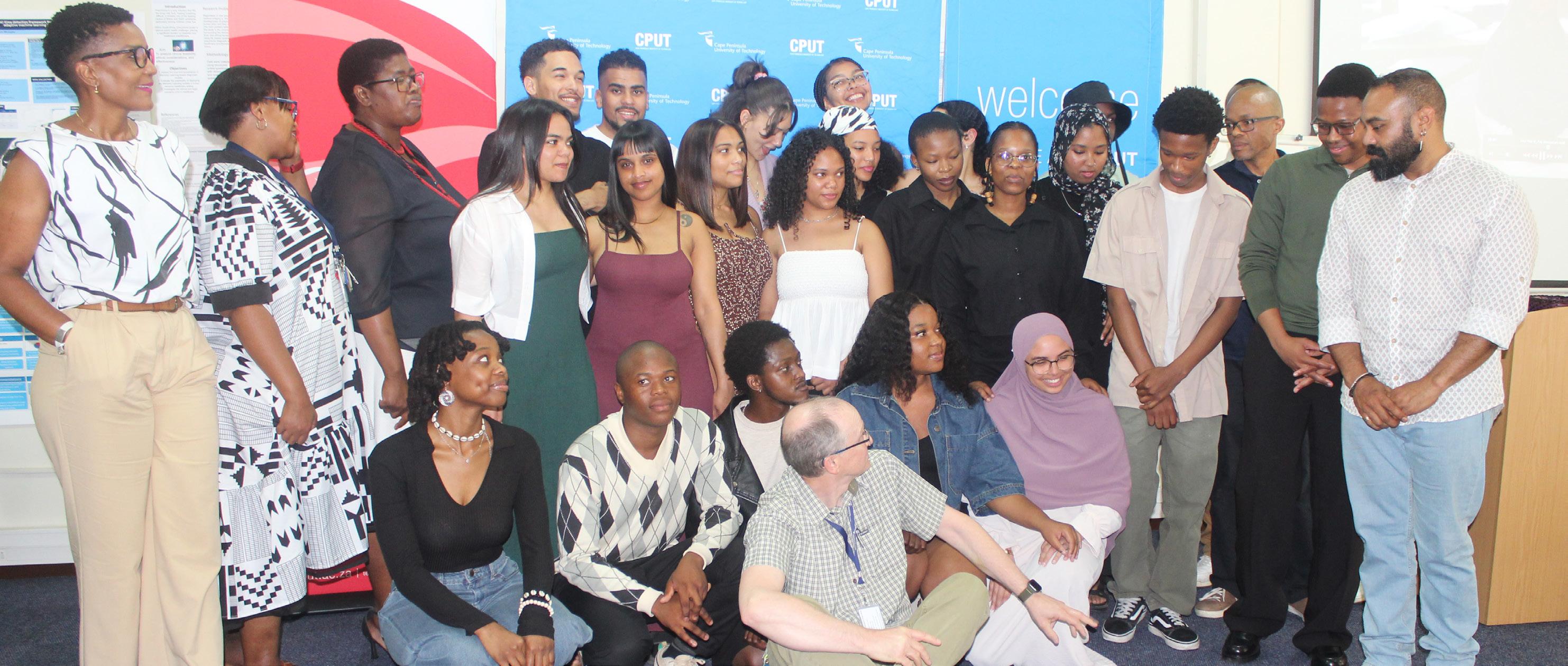
Talent took centre stage at the Faculty of Informatics and Design’s (FID) annual student awards. More than 100 students were honoured across the programmes. The event, held this month, showcased the depth of talent thriving within the faculty.
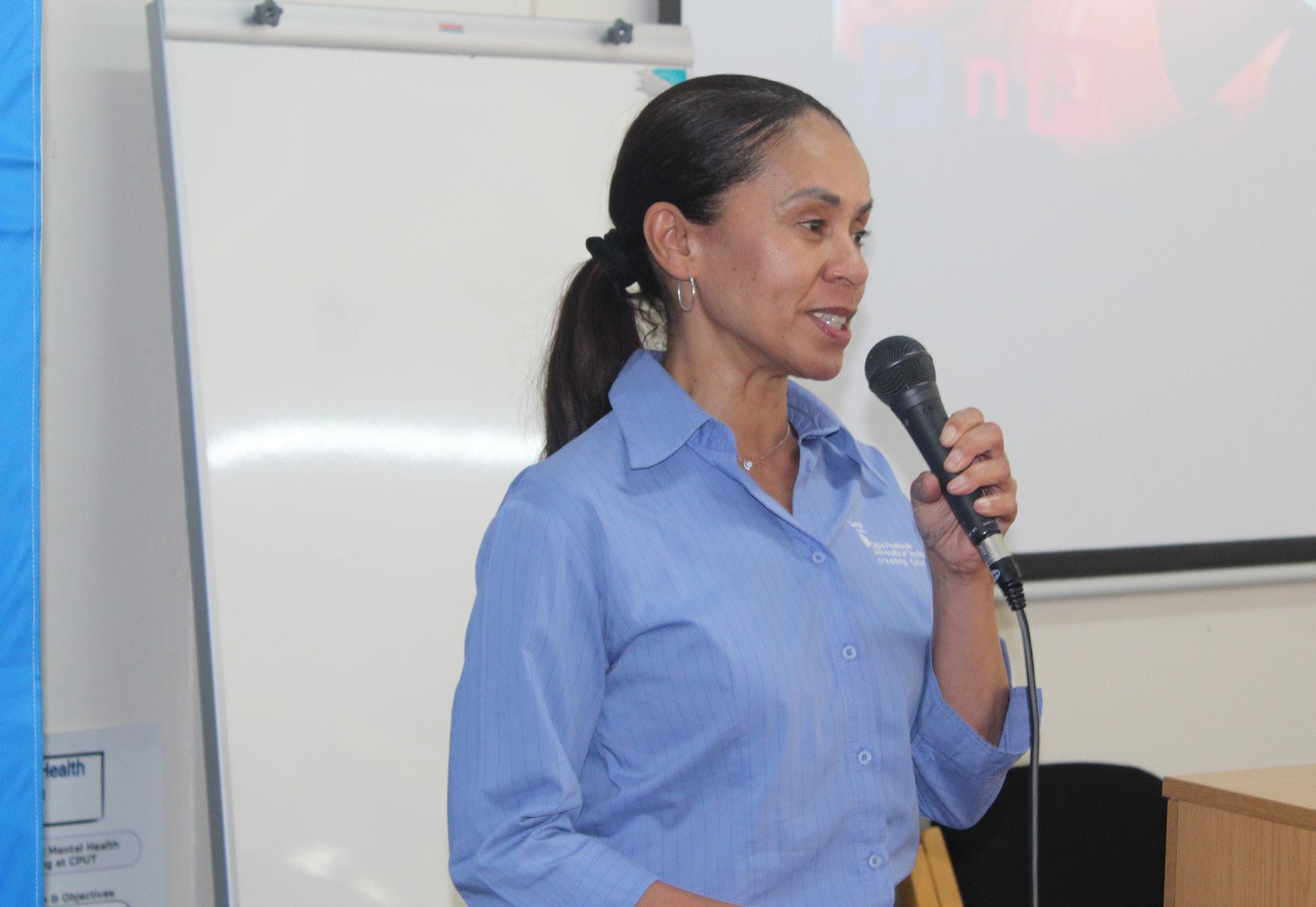
Guest speaker, architectural technology lecturer Ayanda Buwa, urged students not to hide their “gifts”. “Whether you communicate through a lens, a line of code, a crafted garment, or a carved piece of metal, your work speaks for you.“Whether you communicate through a lens, a line of code, a crafted garment, or a carved piece of metal. Your work speaks for you. Let it speak with clarity, integrity, and purpose. Design is not decoration, it’s communication. So, we encourage you to speak boldly through your creativity. Let your work say, ‘I was here, and I made something that matters,” said Buwa.
“Every project, every critique, every crashed file or failed prototype – is part of your training. The best designers, coders, and creators are not those who get it right the first time, but those who keep going until it feels right. You have learned to persist through deadlines, to push past self-doubt, and to trust your process. Persistence is what turns good into great.” Buwa urged the students to persevere.
“You are here this morning not because everything came easy, but because you kept going when it got a little hard. And I am here to encourage you to keep that spirit alive... The world rewards those who keep showing up,” he said.
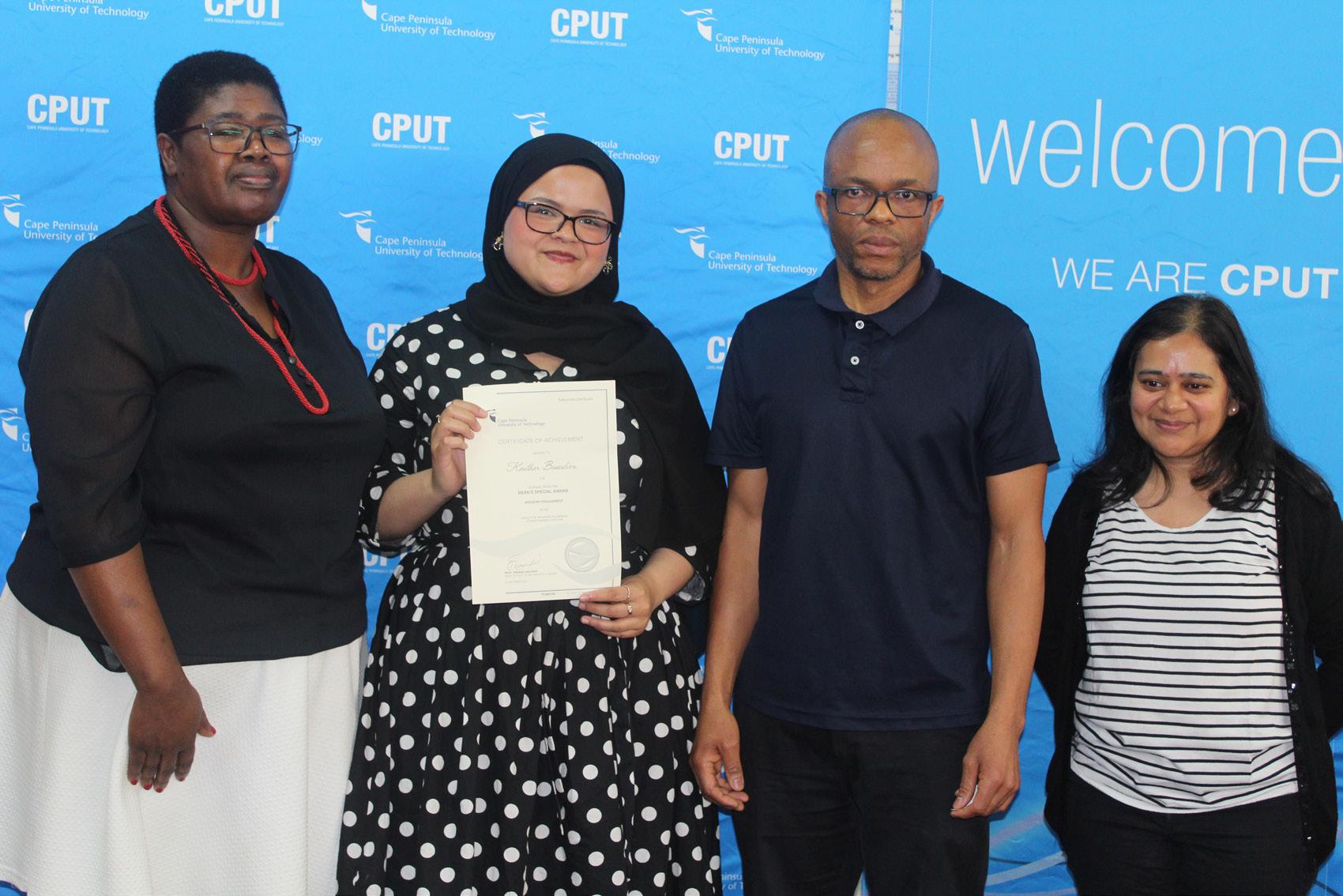
Second-year journalism student Kauthar Bassadien received a certificate for industry engagement. Last month, she was invited to cover the Mohammad Tarek Show: Harmonic Praise Tour in Cape Town — an event hosted in collaboration with Radio 786 and Africa Rise Entertainment.
“Beyond writing, this experience provides her with the opportunity to network with professionals in the media industry, further broadening her exposure to the field,” the citation reads.
“It also strengthens her practical skills in live event coverage, media partnerships, and cultural reporting — skills that complement the academic training she is receiving at CPUT (Cape Peninsula University of Technology).”
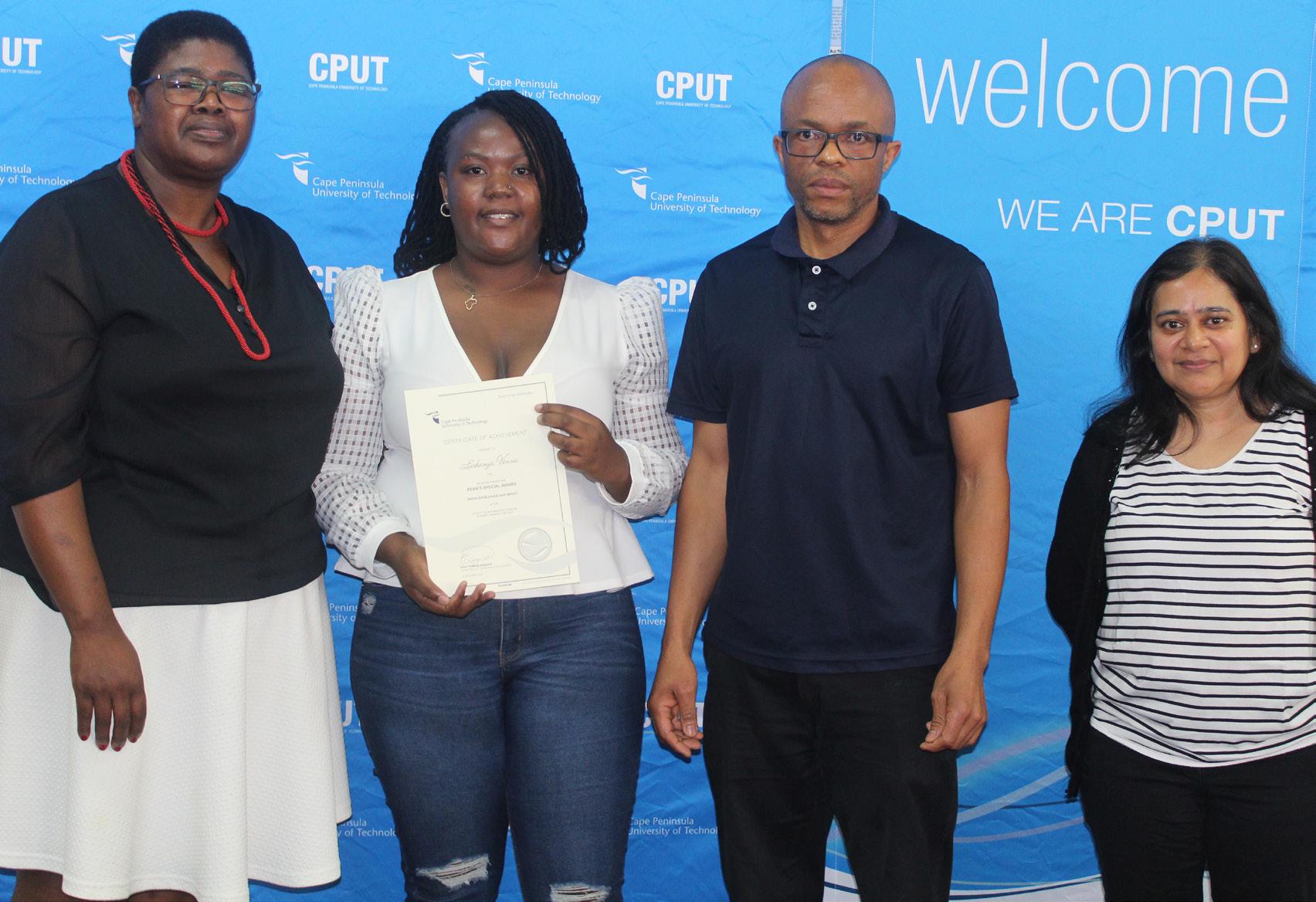
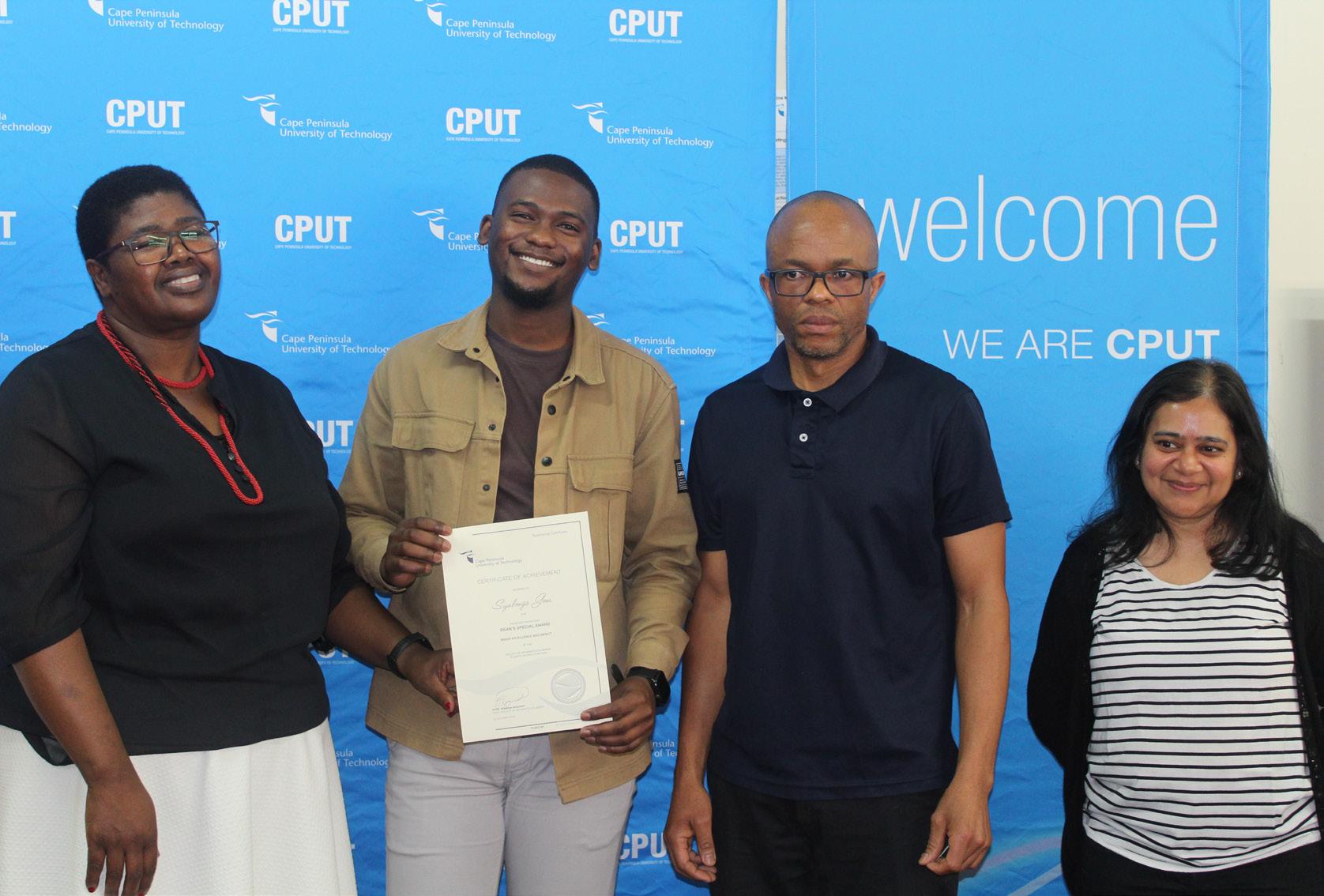
Third-year journalism student Sonwabile Luthango received a certificate for media innovation and creativity for his KAAPcast Media platform, which celebrates young creatives. Fourth-year journalism students Siyabonga Goni and Lisakanya Venna, who are already working journalists, each received a certificate for media excellence and impact.
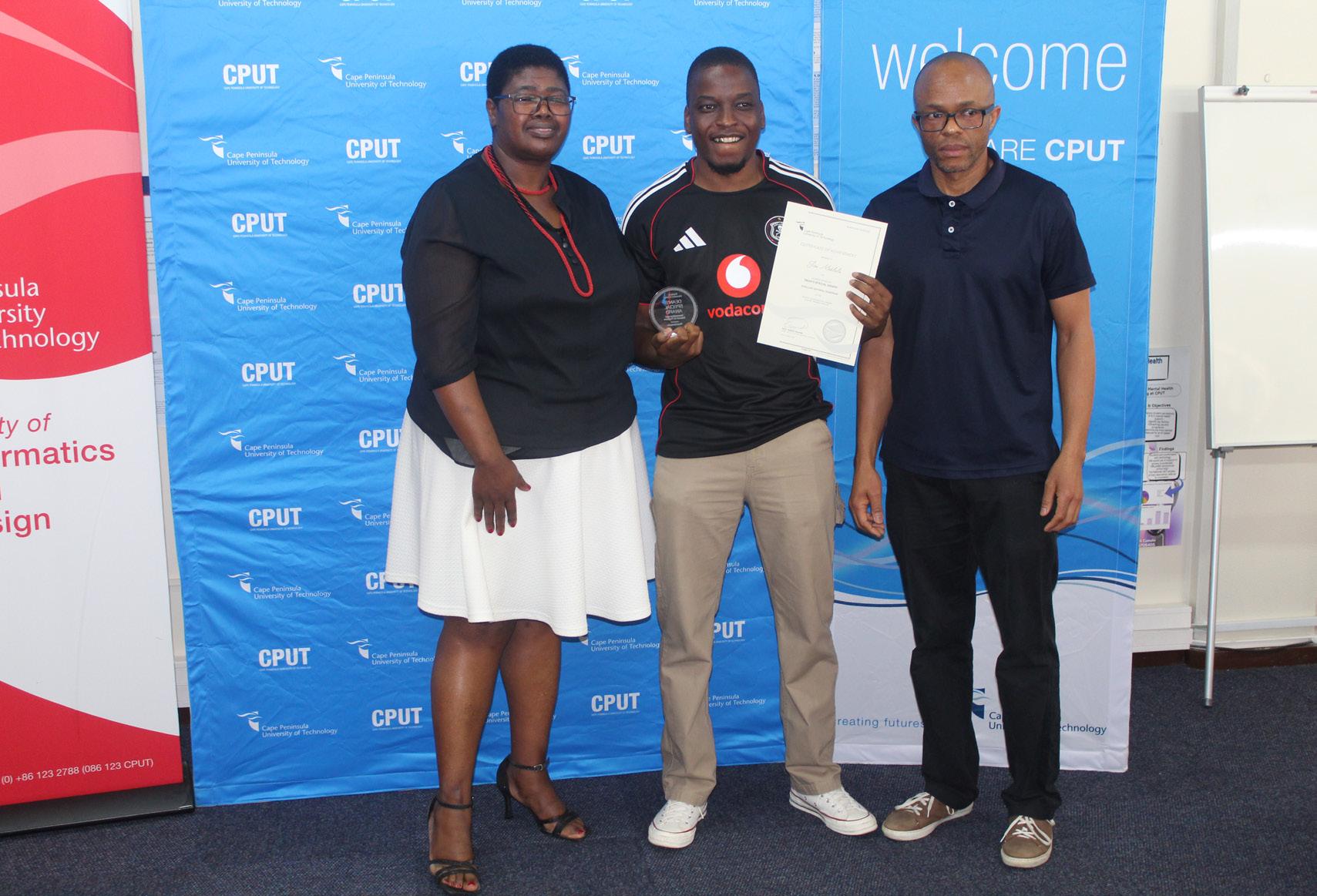
FID Pulse news editor Jim Mohlala, who is completing a Postgraduate Diploma in Media Leadership and Innovation, received a certificate for excellent editorial leadership and a trophy. Mohlala volunteered before the faculty offered him an internship. Students from different programmes in the Media and Communication Department received more than 30 awards, including for group projects.
Third-year photography student Nuhaa Isaacs received a certificate for community engagement for volunteering at initiatives that support children, people with disabilities, and pensioners in Mitchells Plain.
Anande Kuse, who is completing an Advanced Diploma in Film Production, received a certificate for excellence in extracurricular professional activities. Kuse participated in the Paramount Pictures film Children of Blood and Bone as a stunt performer.
“She has taken part in stunt and action scenes, bringing her skill and knowledge in film production into practice in front of the camera, making her a student ambassador for CPUT,” the citation reads. “She is also a national table tennis champion and will represent the South African university team at a national tournament next month in Durban.”
Three students from the Architectural Technology and Interior Design Department were also honoured. Third-year student Joel Engelbrecht, a top performer, received two awards and a trophy for his growth, talent, and active participation in the Faculty Quality Forum and Student Quality Desk.
The Applied Design Department received 13 awards. Among the recipients were Fashion Design students Dopsy Nkomo (third-year) and Rory Samuels (fourth-year), who both received certificates and trophies. According to the citation, Nkomo’s determination to showcase her “brand as a young woman entrepreneur is a testament to her talent and drive. Not only is she building her own successful brand, but she also generously mentors students at other levels.”
Samuels received the “prestigious award of Mr Price Young Designer 2026. In addition to being awarded R50 000, Mr Price will manufacture his range and sell it in their stores in 2026”. Information Technology students received 11 awards, which included group projects. Vuyisani Madlala, who is completing an Advanced Diploma in ICT Communication Networks, received a certificate for CAT applications for community engagement after volunteering to assist Grade 12 Maths and Science learners at Langa High School.
“Their initiative fostered a sense of belonging and inspired the learners to participate actively in STEAM activities during the 5-day Digital literacy training on robotics and coding,” the citation reads. Students who participated in the Pick’n Pay Project also received certificates for creative art and design. The project, a collaboration between CPUT and Pick’n Pay, tasked students with creating innovative packaging and branding concepts aimed at improving the retail experience.
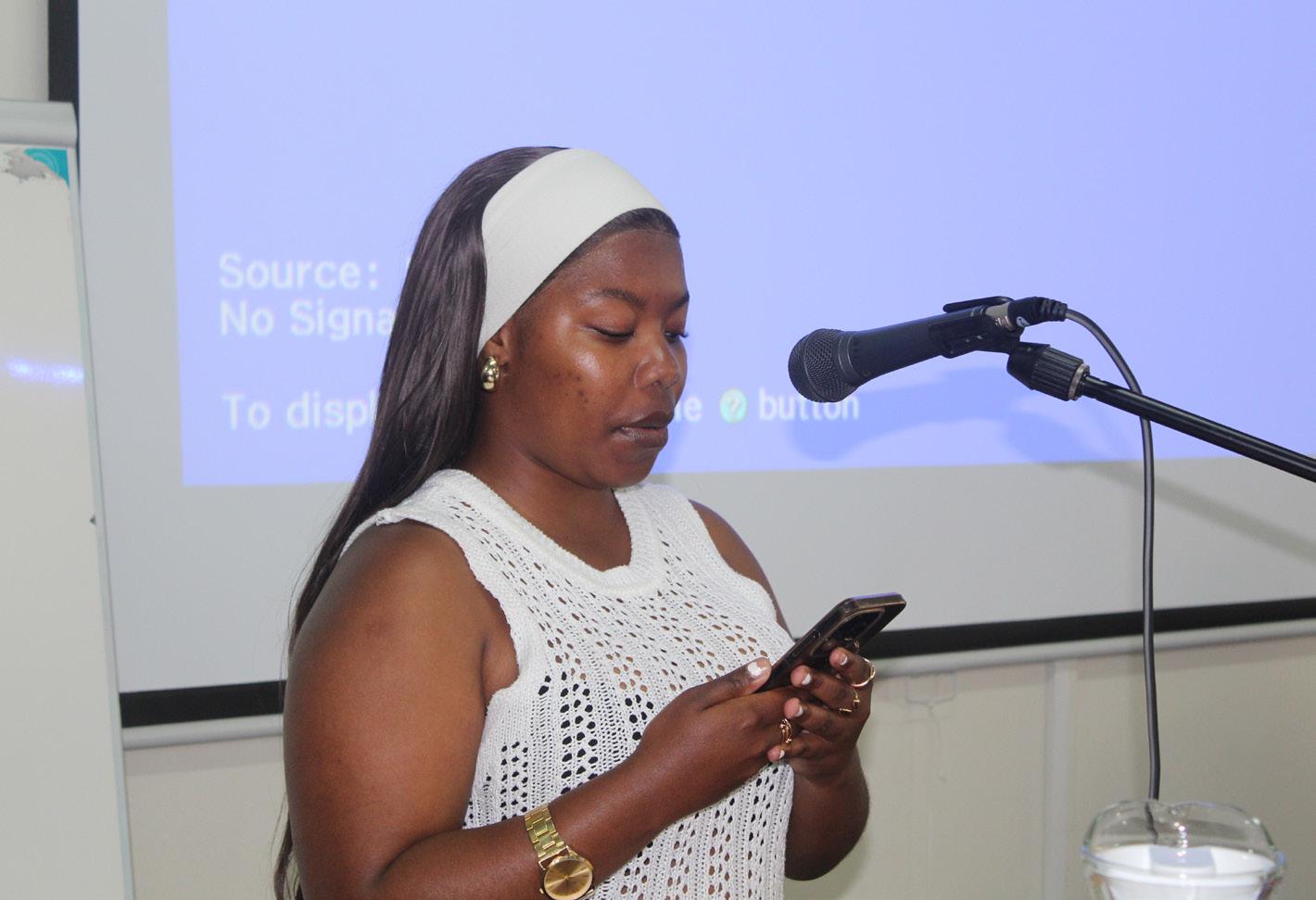
TALENT: Second-year journalism students Owentando Zantsi and Unathi Ngomana captivated the audience with their poetry performances at the event. Pictures: Jim Mohlala.
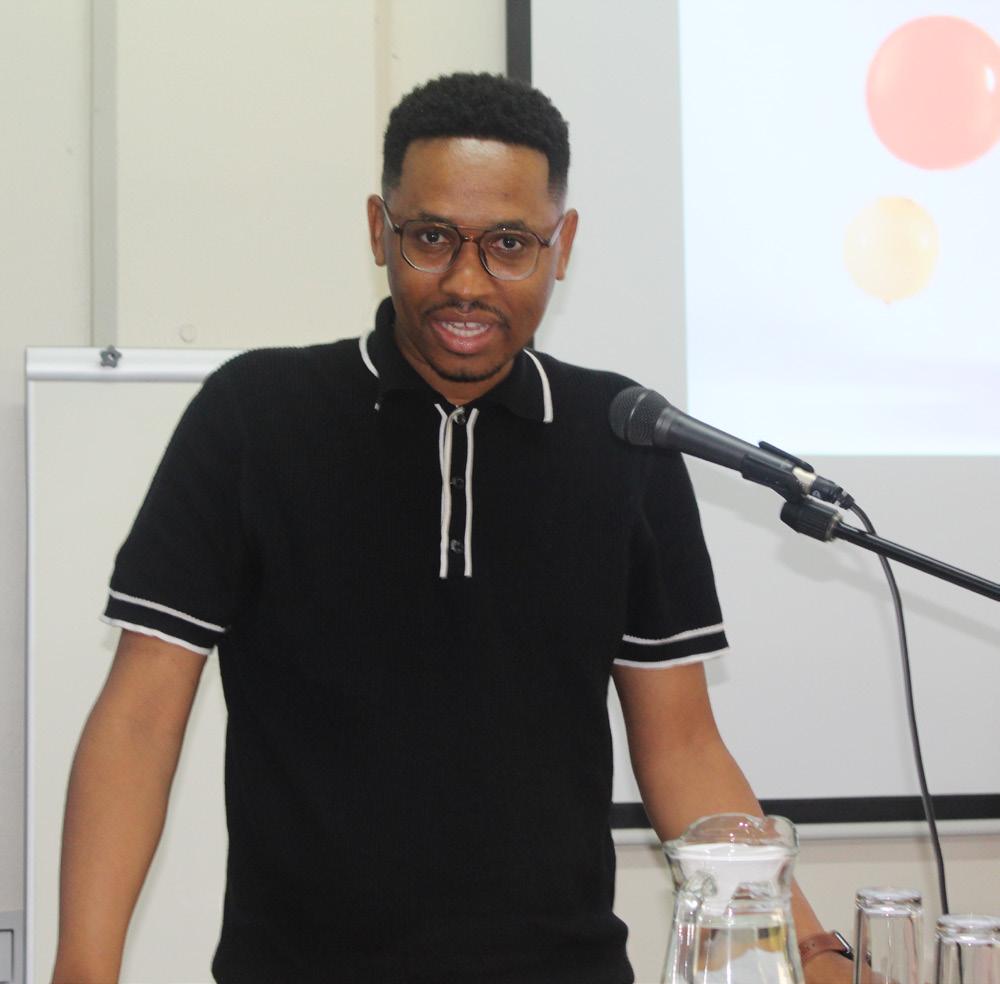
Guest speaker, Architectural Technology lecturer, Ayanda Buwa, encouraged students to embrace and share their talents openly.
Picture: Jim Mohlala.
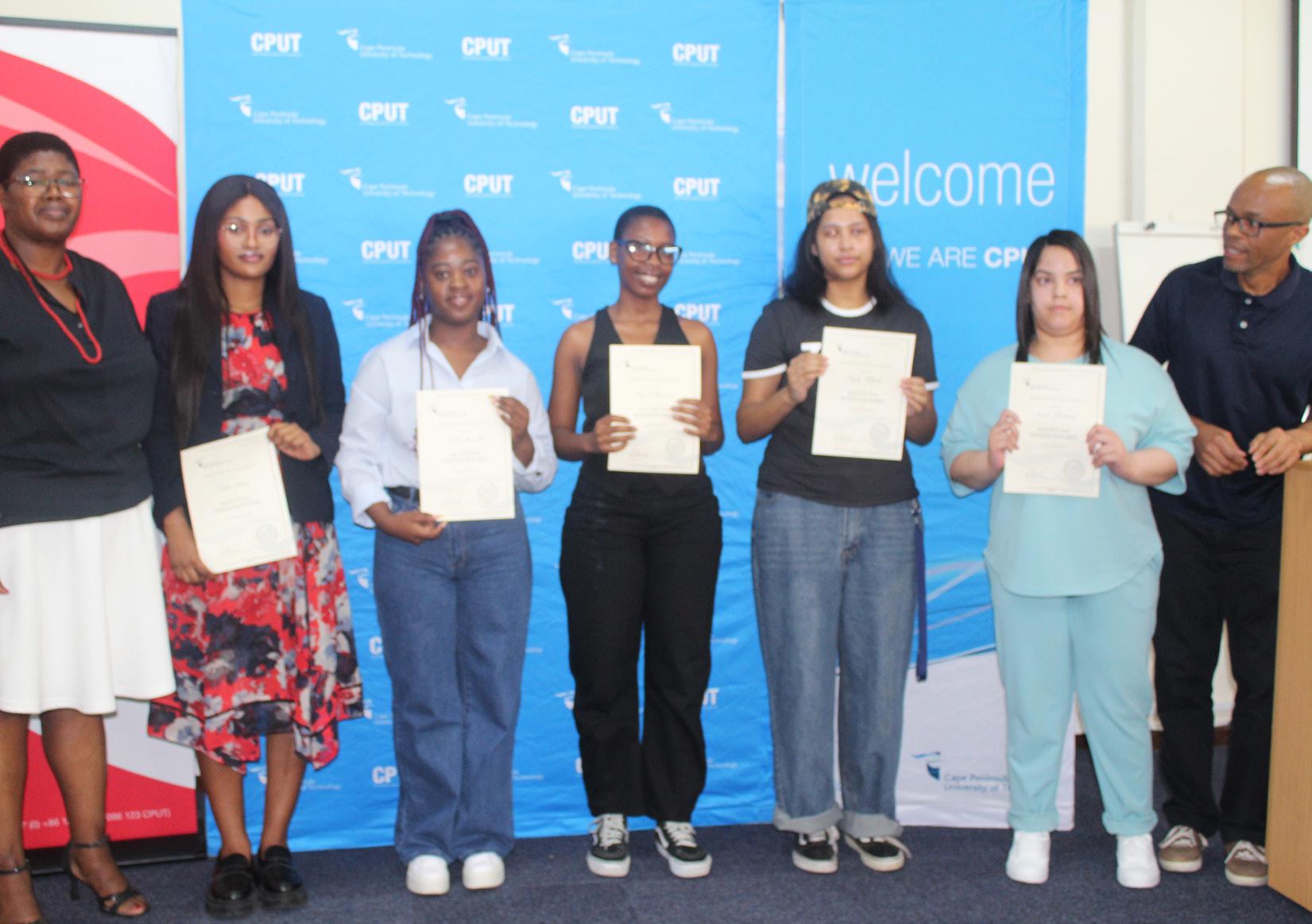
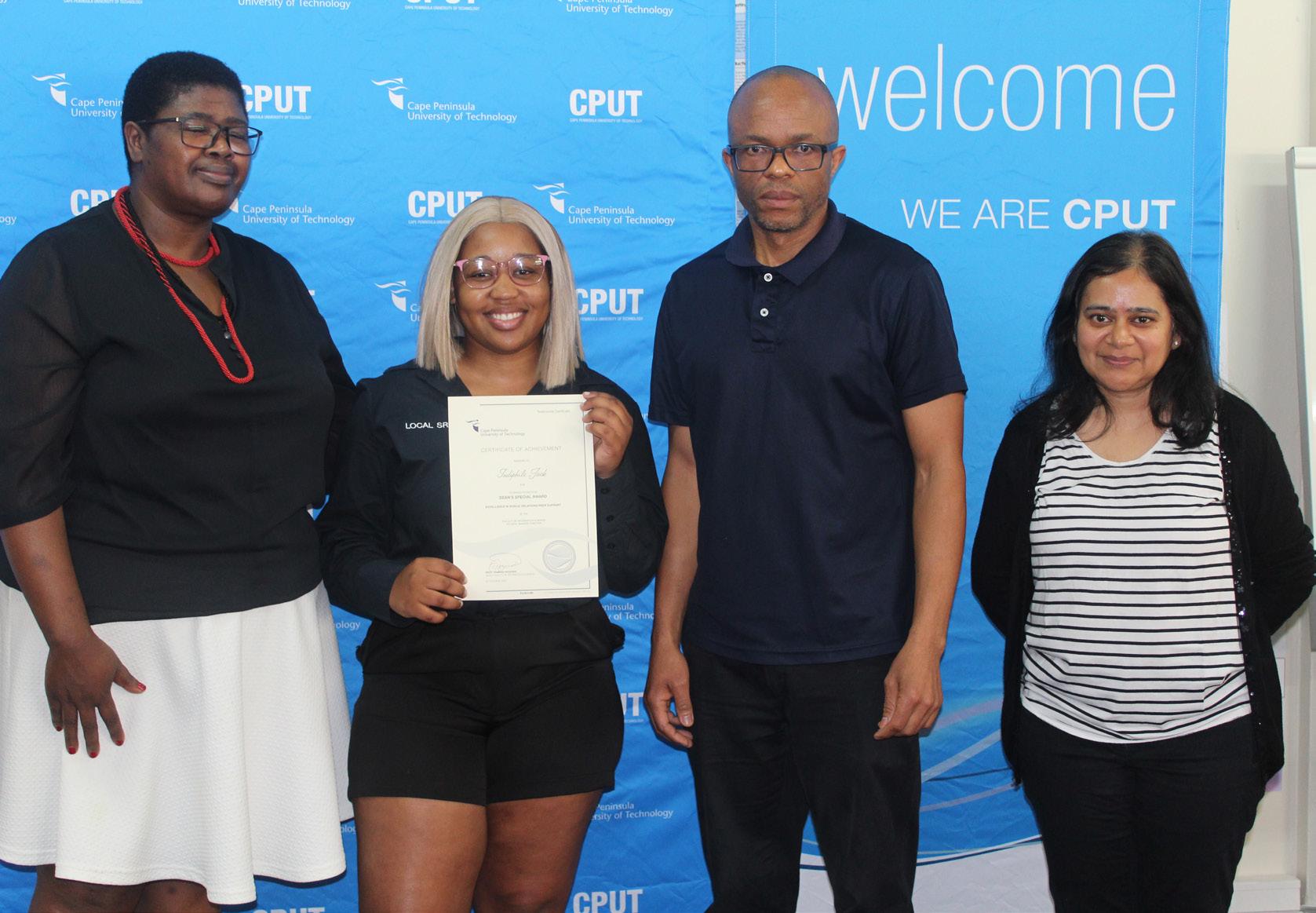
SHINING BRIGHT: FID celebrated its students’ achievements at the annual student awards ceremony, where more than 100 students were honoured for excellence across various disciplines.
Pictures: Jim Mohlala & Philani Nombembe.
STUDENT WINS TWO INTERNATIONAL INTERIOR DESIGN AWARDS
By Philani Nombembe
Fourth-year Interior Design student Lisa van Staden has made the institution proud on the international stage.
She won two top honours at the BLT Built Design Awards, which celebrate excellence in architecture, interior design, construction, and landscape design worldwide.
Van Staden, 22, was named Emerging Interior Designer of the Year and received awards in two categories — Wellness and Spa and Exhibition and Gallery. Her winning entries included Healing Hands, a clinic inspired by the Bo-Kaap’s cultural heritage, and a Language Museum developed during her third year.
“She reflected the Bo-Kaap’s heritage beautifully and integrated local artworks, giving the clinic a welcoming, homely feel,” said lecturer Colleen Cocotos.
Van Staden credited her success to persistence and discipline.
“It was hard work and constant motivation to go further. My lecturers were very supportive,” she said.
“I worked on the projects during my internship — often coming home to continue late into the night. It was a lot of work, but it paid off.”
She hopes to gain professional experience before launching her own design firm.
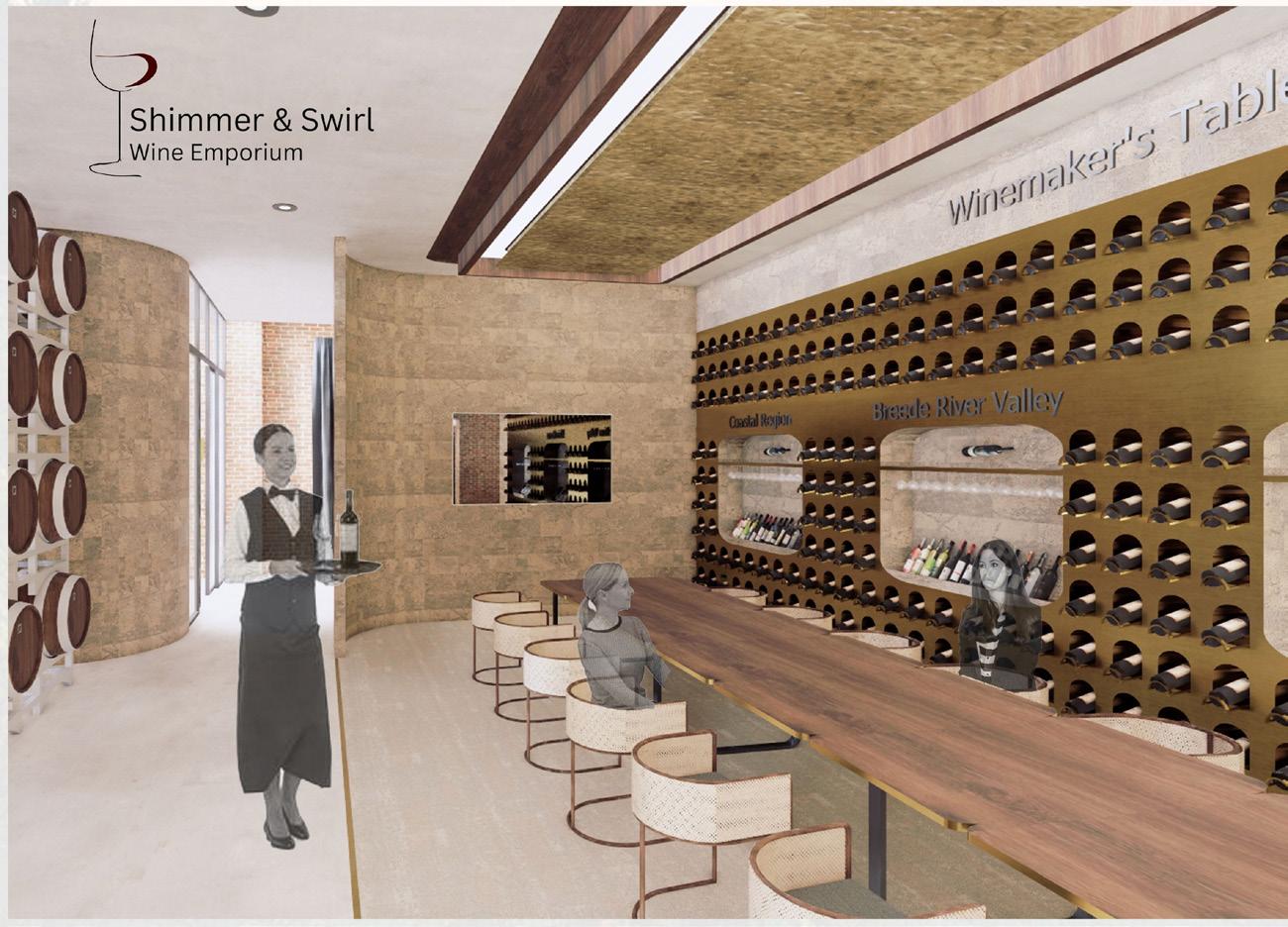
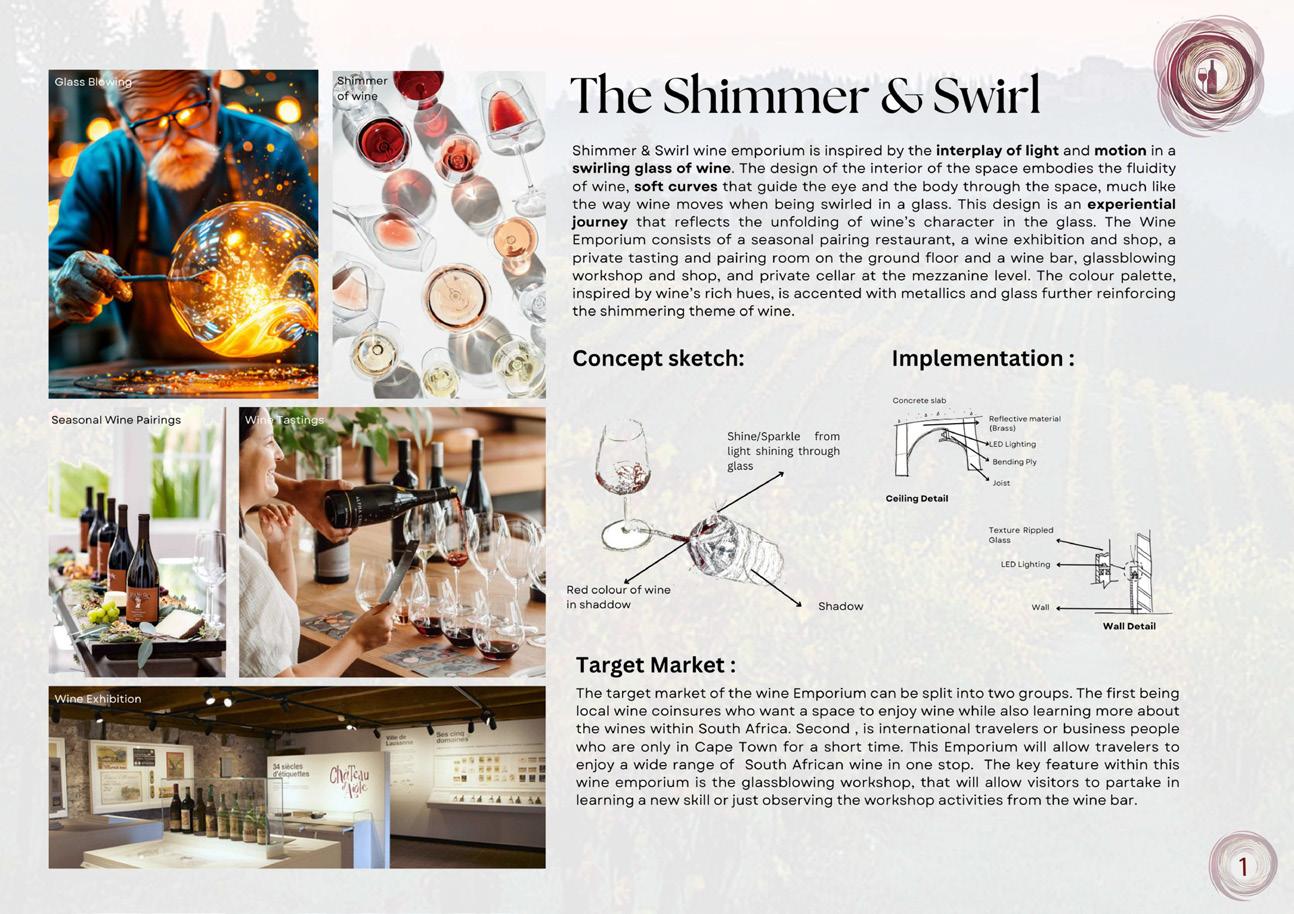
Alumna Minette Visagie also won for her project Shimmer & Shine, which celebrates South Africa’s wine industry. Her design took top honours in the
Interior Design – Hospitality: Hotel and Resort category.
Rayner Moodley, the head of the Architectural Technology and Interior Design Department, congratulated Van Staden and Visagie.
“I acknowledge the collective efforts of the department’s academic staff, whose steadfast commitment and support have been instrumental throughout their educational journey,” he said.
The awards ceremony will take place in Basel, Switzerland, on November 21.
DOUBLE HONOURS: Fourth-year student Lisa van Staden was named Emerging Interior Designer of the Year for projects including a Bo-Kaap-inspired clinic, while alumna Minette Visagie also took top honours for her hospitality design. Pictures: Supplied.
By Philani Nombembe
Phishing has become common, with communication channels flooded by fake emails and SMSes.
As October marks Cybersecurity Awareness Month, FID Pulse explored the risks, trends, and practical steps people can take to protect themselves. Research shows that cybercrime has risen sharply over the past decade as the world becomes increasingly connected through the internet. Modern threats include AI-generated attacks, deep fakes, cryptojacking, and supply chain breaches. South Africa has not been spared. The Cybercrimes Act of 2020, which criminalises hacking, data interception, cyber extortion, identity theft, and the distribution of harmful data messages is testimony to this.
The Act complements the Protection of Personal Information Act (POPIA), which governs the collection, storage, and processing of personal data. IT lecturer Rebecca Bure shared her insights.
Bure said there were several cybersecurity threats facing students and staff at universities.
“There are so many cybersecurity threats currently facing students and staff at universities. The list is long, but I think the most common ones include phishing and social engineering through fake emails or SMSs sent from malicious sources pretending to be legitimate people to trick students and staff into giving up their credentials by clicking harmful links or downloading malware unknowingly,” she said.
She said scams and financial fraud were also widespread.
“Attackers exploit students’ or staff members’ financial vulnerability by offering fake scholarships, tuition fee discounts, internships, or job offers,” she said.
“They will then lure the victim into paying by sending fake payment links, and the victim exposes their valuable information, such as banking details or identity documents, which the attacker can steal and use in cases of identity theft.”
Bure said malicious software could be installed through downloads, USB drives, or fake software updates, leading to password or data theft, viruses that slow down devices, or ransomware attacks that lock users out.
She said attackers also target users through social media.
“This happens when an attacker gathers a victim’s personal information from social media, then uses that information to impersonate the user. This is identity theft, which can lead to
FRENCH FLAIR LIGHTS UP IT DEPARTMENT IT LECTURER SHARES TIPS ON CYBER SECURITY RISKS AND PROTECTION
By Philani Nombembe
A fresh wave of French energy has hit the IT Department as 30 students from Efrei Paris University land at the District Six campus.
The international placements are part of a growing partnership between the Faculty of Informatics and Design (FID) and Efrei. Dr Tabisa Ncubukezi, IT Head of Department, said the students arrived in August.
“Thirty students have joined the IT Department thanks to our collaboration with Efrei University,” she said.
“Most are undergraduates, but two are postgraduates. They will tackle seven courses over a 16-week programme across the fall and spring semesters.” Ncubukezi said Efrei students study at Cape Peninsula University of Technology (CPUT), with courses co-designed and assessments aligned to Efrei’s academic standards.
FID Pulse caught up with Aminata Fofana and Félix Brinet, who are loving life in South Africa. Both are interning on the smart access system project. They are mentored by Ncubukezi, IT lecturer Dr Waldon Hendricks and FID Dean Professor Tembisa Ngqondi. Fofana, in her final year of Software Engineering, said the cultural experience drew her in.
“I wanted to dive into South Africa’s rich and diverse culture,” she said.
“The mix of communities, languages, and traditions, plus the beautiful scenery, made this a dream experience. I also get to practise my English in real life — it’s the perfect combo of culture and learning.”
But it is not all sightseeing.
“The best part is working on a real research project, not just sitting in lectures. I apply my technical skills and learn to work independently. I plan my tasks, set priorities, and make decisions without constant guidance. It’s a totally different vibe from France,” said Fofana. Brinet, also in Software and Information Systems Engineering, shares the same sentiments.
“A friend raved about his South African experience, so I had to check it out,” he said.
“The faculty, courses, and research at CPUT looked really interesting. The District Six campus is stunning, and I love spending time in the library. The pace here is flexible, and I’m learning loads about other cultures and ways of thinking.”
Brinet said his internship includes creating a solution to stop theft of electronics like computers and tablets on campus.
“I’m working with Arduino boards and Raspberry Pi devices, and we’re coding in Rust. The project feels meaningful because it helps the university community,” he said.
“I’ve learned a ton about IoT, Bluetooth, and Rust, plus how to run a long-term project. Sometimes you have to ditch an idea you’ve spent ages on if it doesn’t fit the project goals, and that’s all part of the learning curve.”
reputation damage or even targeted scams,” said Bure.
Bure said internet users were also vulnerable to online harassment and cyberbullying, where attackers use digital platforms to intimidate, threaten, or harm others, causing emotional distress and reputational damage.
She said people need to protect them selves from online scams, data breaches, and phishing attacks. However, Bure warned that “security is not a one-stop shop, neither is it a one-size-fits-all”.
“In order to protect themselves from online scams, data breaches, and phishing attacks, users can strengthen password security by using strong, unique passwords,” she said. Bure advised people to carefully check sender details in emails and SMSs to avoid phish ing attempts, keep their devices and software updated, limit what they share online to protect personal data, and stay informed about cybersecurity.
She said universities also play an important role in promoting cybersecurity awareness and digital safety.
“The university plays a protective and educational role when it comes to promoting cybersecurity awareness and digital safety,” she said.
“It safeguards its digital ecosystem while empowering students and staff to recognise and respond to online threats confidently.”
Bure said universities should conduct regular cyber training and provide accessible resources, such as simple cybersecurity guides, FAQs, and online training videos that explain threats in plain language. She said they should also ensure secure infrastructure, access control, and data privacy compliance.
“There needs to be alignment with national data protection laws such as the POPIA,” she said.
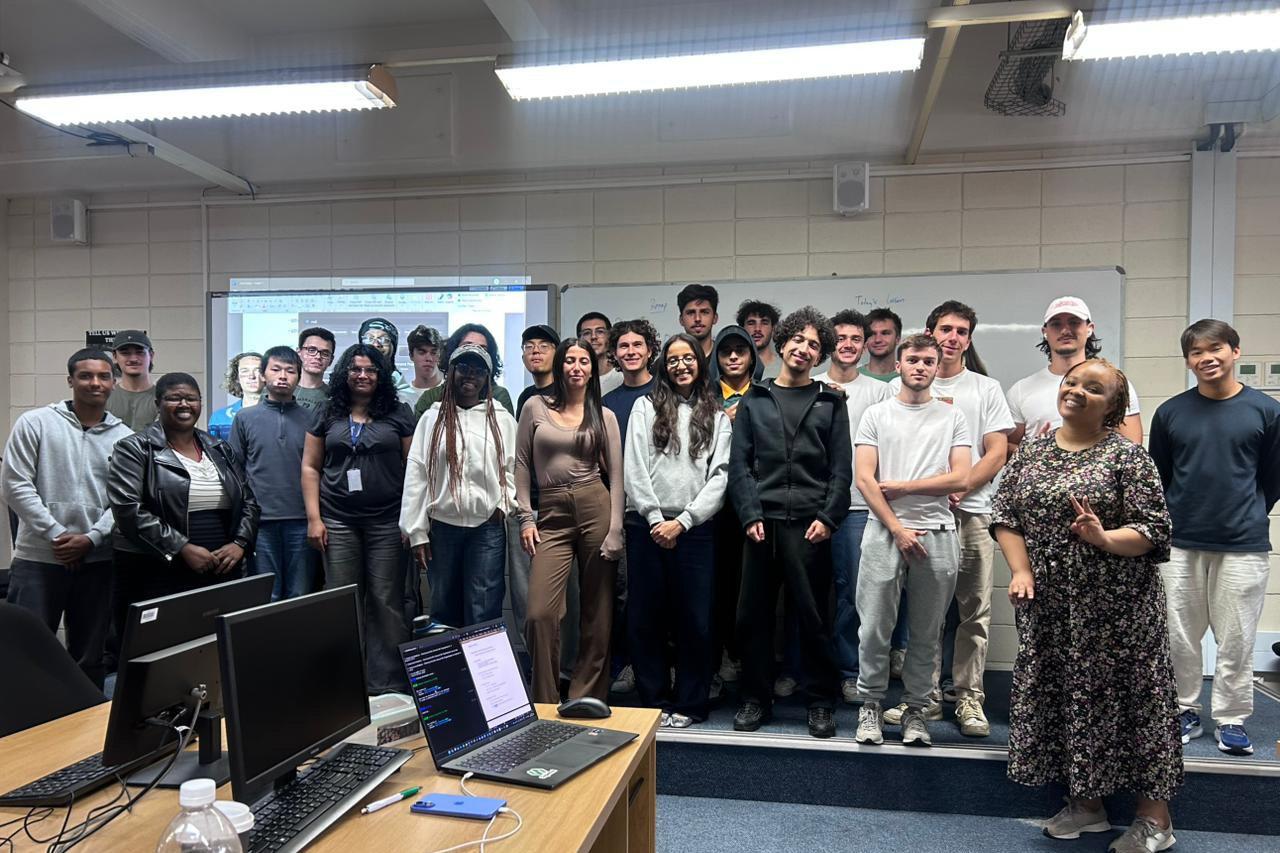
PARTNERSHIP: Thirty students from France’s Efrei Paris University have been placed in the IT Department as part of a growing international collaboration with FID. Picture: Supplied.
CYBER SMARTS: IT lecturer Rebecca Bure has warned students and staff to stay alert to phishing and identity theft, saying cybersecurity demands vigilance and ongoing awareness. Picture: Supplied.
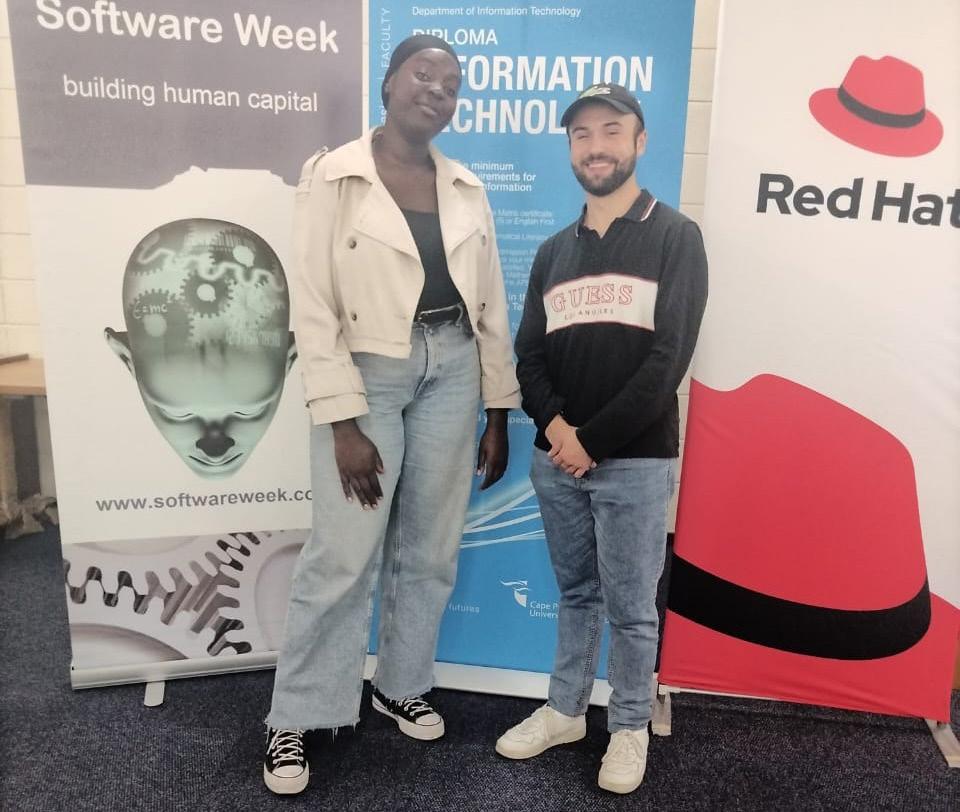
GLOBAL EXCHANGE: Efrei Paris students Aminata Fofana and Félix Brinet are enjoying life in South Africa while interning on the Smart Access System project. Picture: Supplied.
Travel & Lifestyle KOLISI TURNS FITNESS INTO A WAY OF LIFE
FROM STITCHING TO SPRINTING:
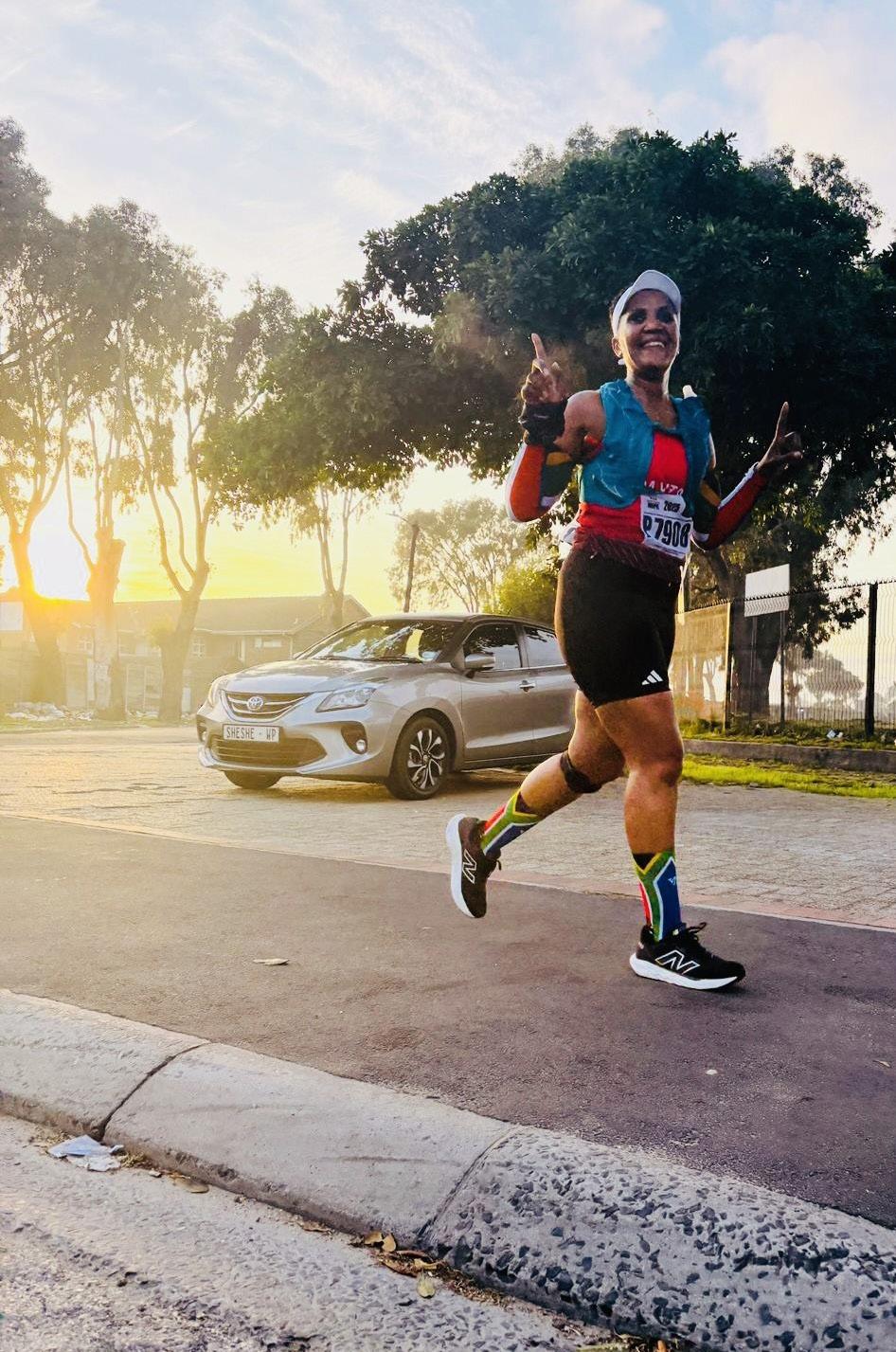
Bongiwe Kolisi, who was once teased about her weight, now finds clarity and energy by lacing up her trainers for regular runs and gym sessions, inspiring her CPUT colleagues to do the same. Pictures: Supplied.
By Philani Nombembe
They once called her “sausage” — now she is running marathons and inspiring colleagues to lace up their trainers.
From stitching garments to sprinting kilometres, Bongiwe Kolisi, the coordinator of the Fashion Design programme, has turned her wellness journey into both a coping mechanism and a movement at the Cape Peninsula University of Technology (CPUT). Kolisi, who encouraged staff to embrace physical fitness as a stress-coping mechanism during the faculty’s Women’s Day celebration, spoke to FID Pulse about her fitness journey.
She said when she began her fashion design diploma at the former Pentech (now CPUT Bellville campus), she worked part-time at a clothing store in the afternoons to pay for food, clothing, and her study fees.
“This journey was not easy, as the fashion design course was very demanding. To cope, I joined the university aerobics club and jogged casually in the university stadium,” said Kolisi.
“In high school, I was one of the bigger girls in my class and was often teased about my weight. People used to call me ‘sausage’, but at the time, I didn’t let those comments affect me. Only in recent years have I realised that it was a form of bullying. Today, I am proud to be a member of the Discovery Vitality Team running club.”
Kolisi said it was important to balance her gym routine with her professional and personal commitments.
“I prioritise my gym and running routine. I start my day very early by running at least 5–8 km twice a week, depending on my training goals. I also go to the gym in the afternoons, twice a week. This routine works well for me, as exercise makes me feel energetic at work and helps me think more clearly,” she said.
“I often discuss exercise and running with my colleagues. As a result, I have influenced some of them to adopt this lifestyle — for example, Ms Amanda Morris, Ms Nthabeleng Monyaki, Ms Siviwe Jack, and Ms Sindiswa Papa.”
She credited physical exercise for helping her cope with a busy schedule that includes family, work, and professional commitments.
“I became even more aware of this during my postgraduate studies, my Master’s and PhD. I honestly do not think I would have managed without regular exercise,” she said. Kolisi follows a structured fitness plan.
“I run races such as 10 km, 15 km, and 21 km events, so training is key. I follow a weekly planner where I run or exercise four days a week, Monday to Thursday, with Saturdays reserved for long runs. In this routine, I prioritise rest days — Friday and Sunday — to allow for recovery,” she said. Kolisi offered advice for students and staff who struggle to exercise consistently.
“It begins with mental readiness and a clear reason for starting an exercise journey. For me, it is mental vitality. Once you have adopted this mindset, a weekly or daily planner and consistency are essential for balancing your exercise routine with everyday life,” she said.
FILM STUDENT’S STAGECRAFT EARNS TOP PERFORMING ARTIST AWARD
By Philani Nombembe
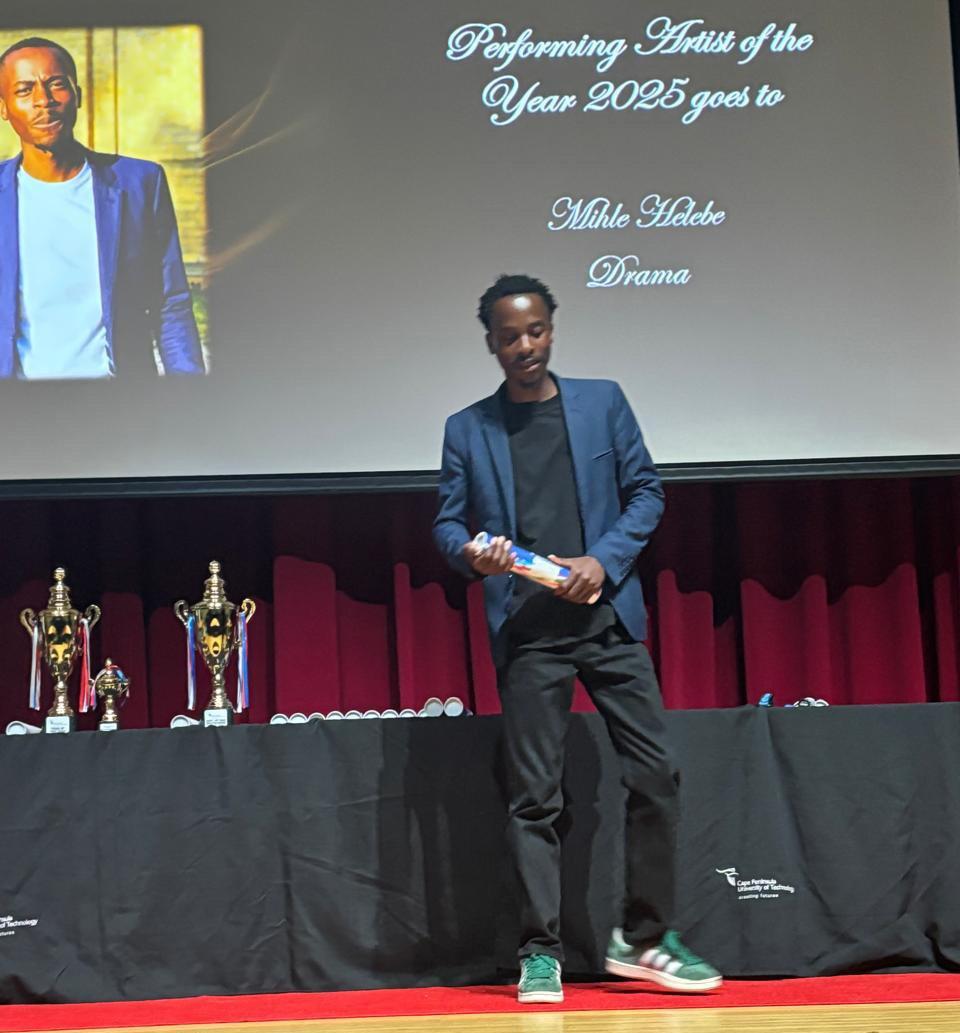
Second-year Film Production student Mihle Helebe’s dedication to acting has earned him recognition. Helebe clinched the Performing Artist of the Year 2025 award at the Cape Peninsula University of Technology (CPUT) Sports Awards held at the Bellville campus this month. He said the award, in the arts category, meant the world to him.
“This recognition means a great deal to me, as it celebrates not only my individual effort but also the collective passion and creativity of students who use performance to inspire and tell stories,” said Helebe.
“It reminds me that art has the power to move people, bridge differences, and create change, and that my work is part of something bigger than myself.”
Helebe has an extensive CV, and his acting, writing, and directing skills have taken him places. He played the lead role of Spinza in These Are Heavy on Us, wrote and directed The Voice of Freedom, in which he also played Tebello, and is a former actor with the Isango Ensemble theatre group — a journey that began in primary school.
These Are Heavy on Us was written by Thandolwethu “NT” Jikwa, the facilitator of CPUT’s Performing Arts Society Drama group. The Voice of Freedom was performed at CPUT this year. It was a collaboration among students from various faculties, aimed at celebrating the spirit of Freedom Day through drama, poetry, and music.
“My journey began in primary school, where I first joined the Isango Ensemble Theatre Group. From those early
days on stage, I discovered the joy of embodying characters and telling stories that connect deeply with audiences,” he said.
“That passion has grown throughout my studies at the Cape Peninsula University of Technology, where I continue to explore the intersection between performance and film.”
Helebe said balancing his academic work and performances required “discipline and passion”.
“I’ve learned to treat every rehearsal, shoot, or stage appearance with the same commitment I give to my coursework,” he said.
“Planning my schedule in advance, prioritising tasks, and surrounding myself with supportive peers and mentors helps me maintain that balance. I also see both sides, academic and artistic, as part of the same creative journey, which makes the balance feel more natural.”
He said the road to his recent achievement had not been smooth.
“One of the biggest challenges has been managing limited resources and time while striving to produce meaningful work,” he said.
“There are moments when balancing performance schedules, studies, and creative projects feels overwhelming. I’ve learned to overcome this through perseverance, teamwork, and faith in my vision. Every challenge has strengthened my resilience and deepened my appreciation for the craft.”
Helebe said his goal is to grow as a filmmaker and performer who tells authentic South African stories.“I plan
STAR POWER: Film Production student Mihle Helebe was named Performing Artist of the Year 2025 at the CPUT Sports Awards for his outstanding contribution to acting, writing, and directing. Picture: Supplied.
ALUMNUS SCREENS LOCALLY MADE SCI-FI HORROR
By Jim Mohlala
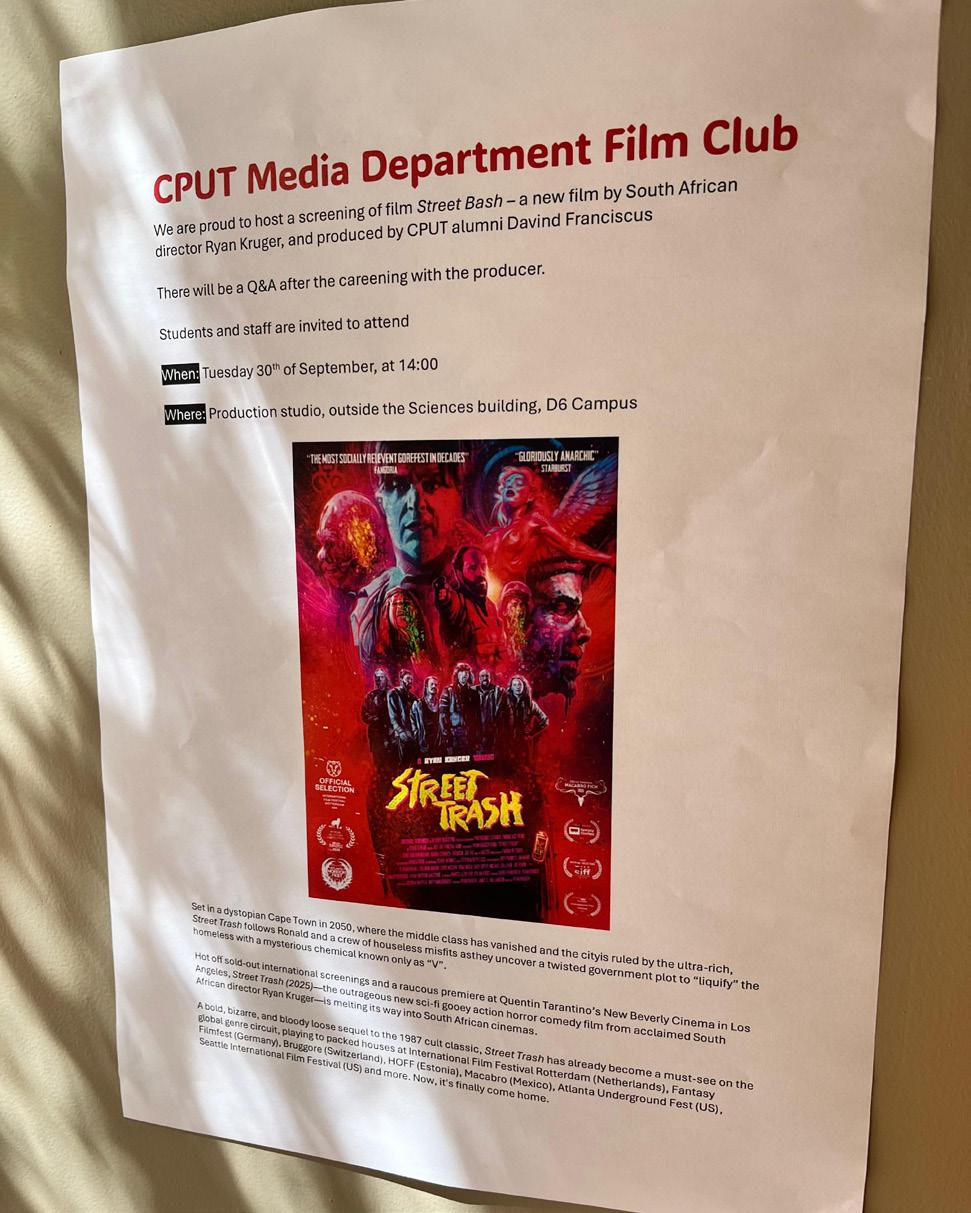
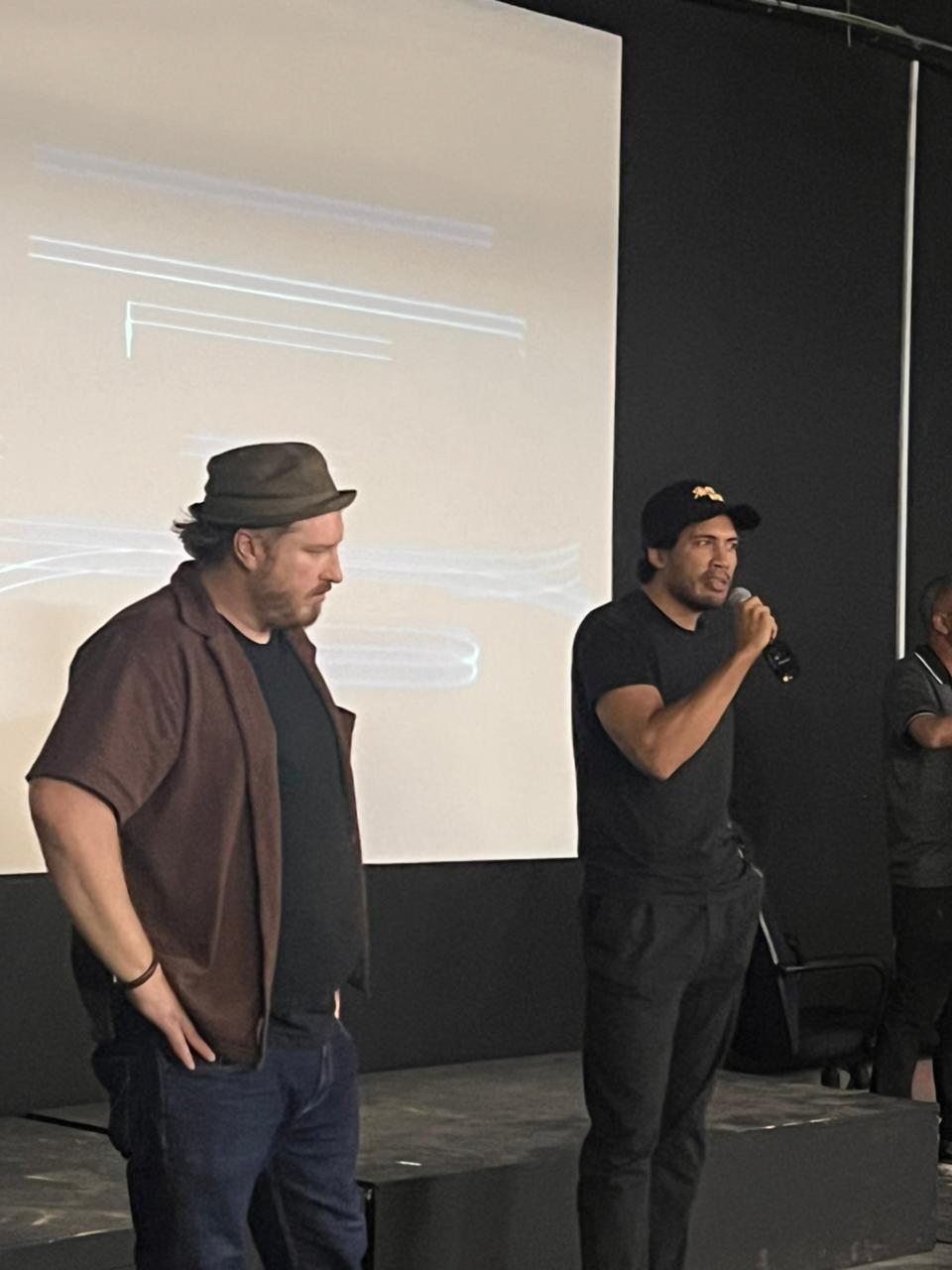
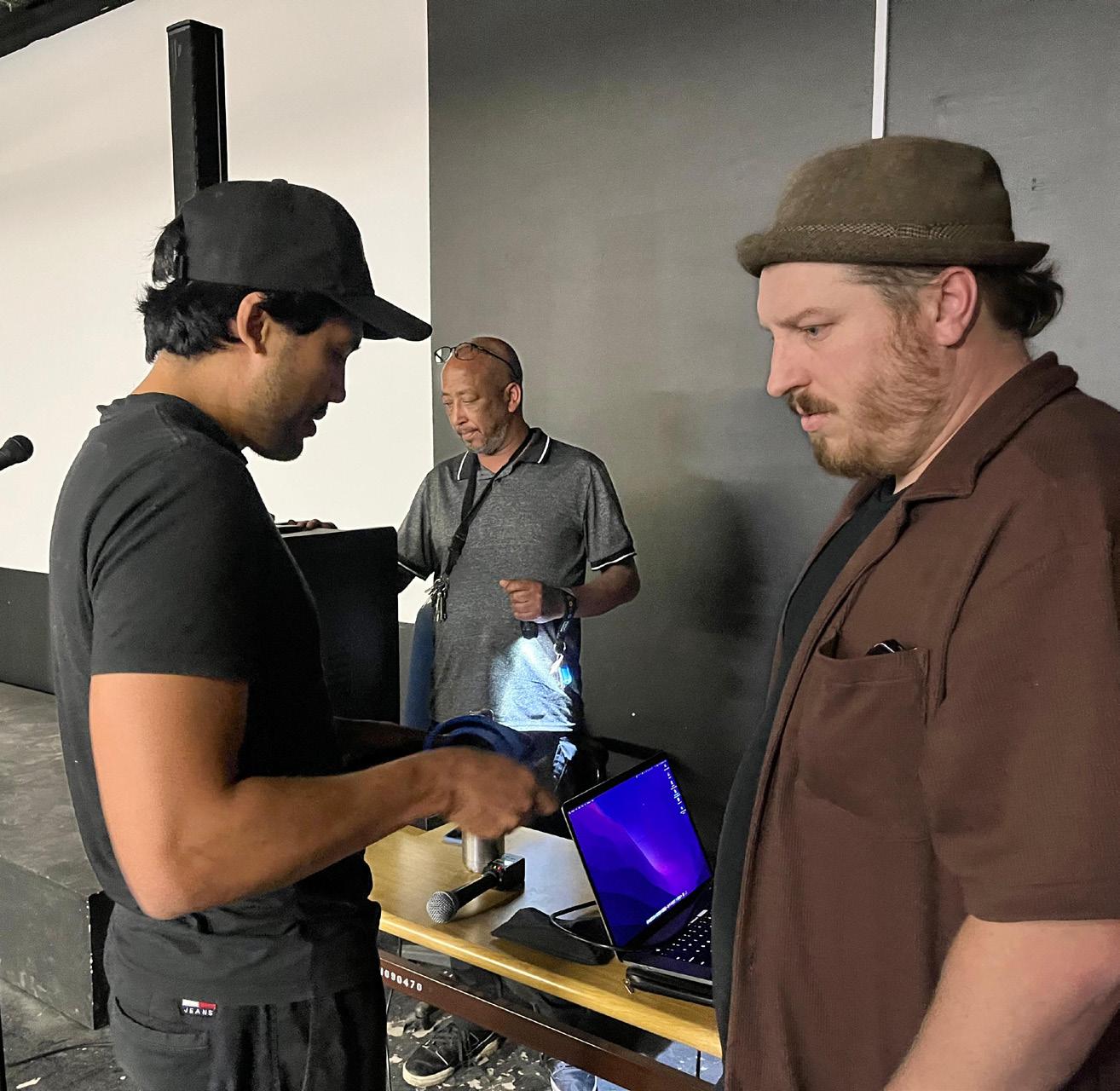
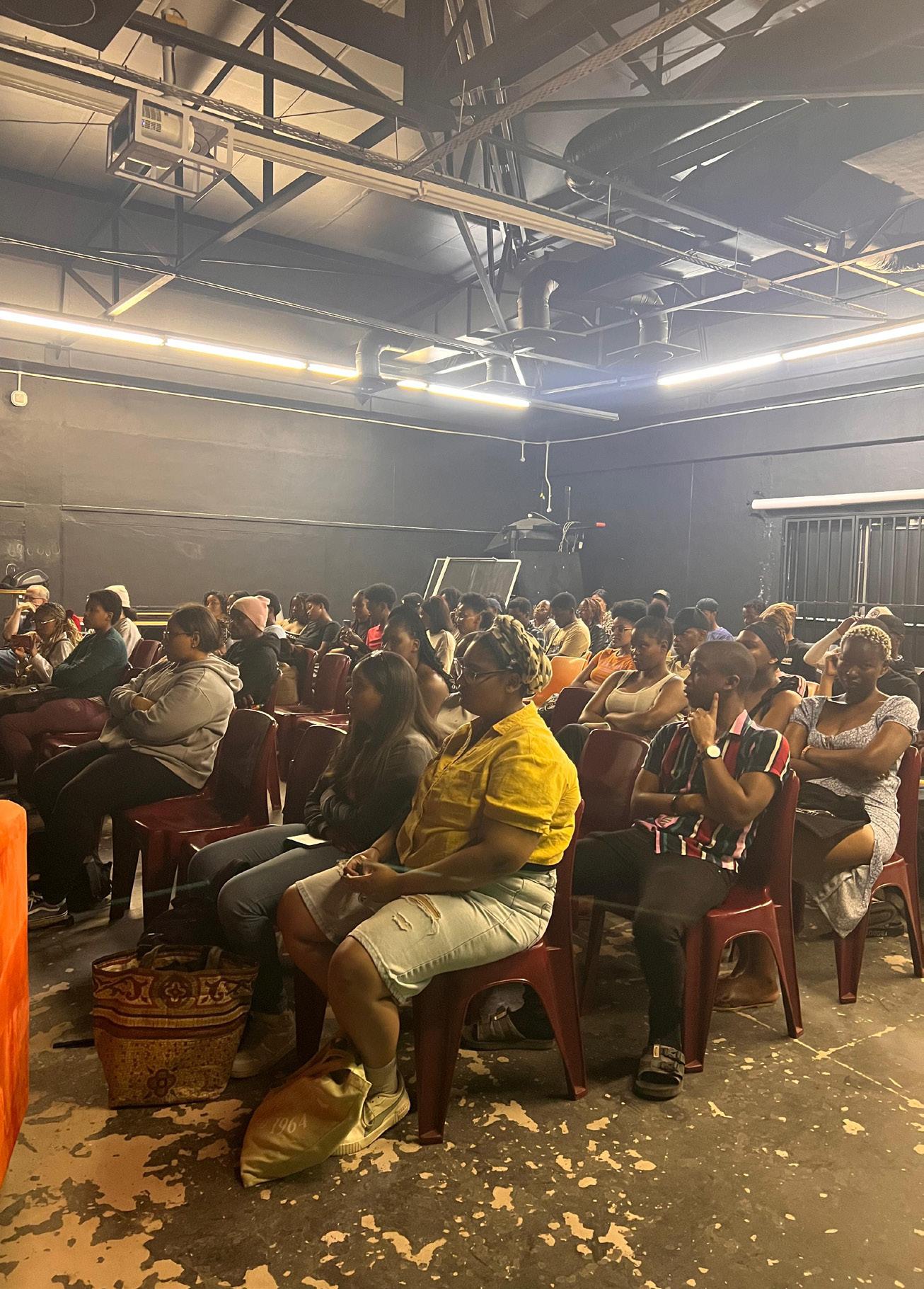
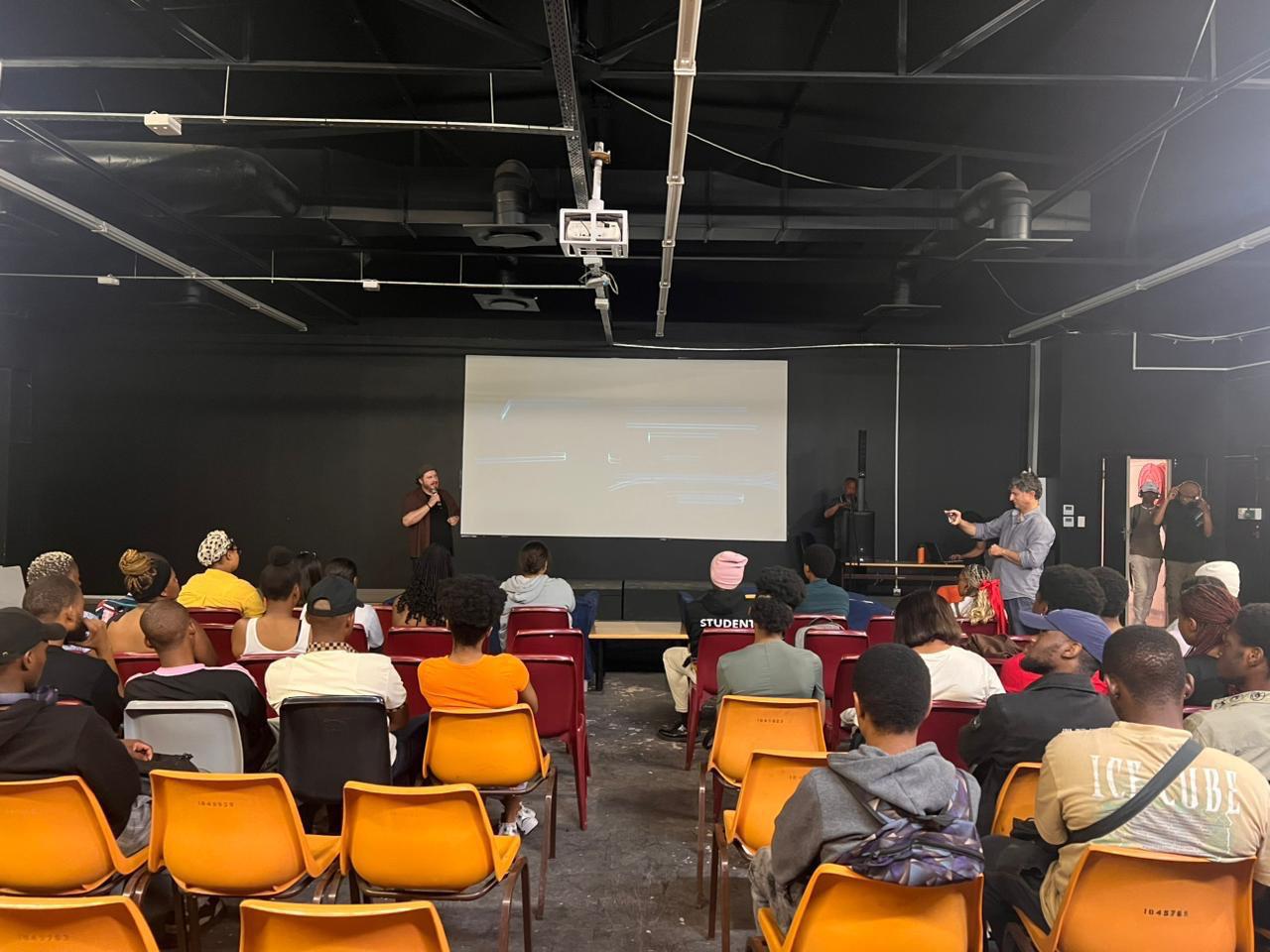
The Department of Media and Communication’s Film Club recently hosted a special screening of Street Trash. The South African sci-fi action-horror comedy was directed by Ryan Kruger and produced by Cape Peninsula University of Technology (CPUT) alumnus David Franciscus.
The screening, held on 30 September at the production studio outside the Sciences Building on the District Six Campus, was well attended.
Set in a nightmarish Cape Town of 2050, Street Trash imagines a city where the middle class has disappeared, leaving only the ultra-rich and the homeless. The film follows Ronald and a group of houseless misfits who uncover a government plan to “liquify” the homeless using a chemical called “V”.
After appearing at major international film festivals in Rotterdam, Seattle, and Mexico’s Macabro, and premiering at Quentin Tarantino’s New Beverly Cinema in Los Angeles, the film returned home to South African audiences, starting in Durban.
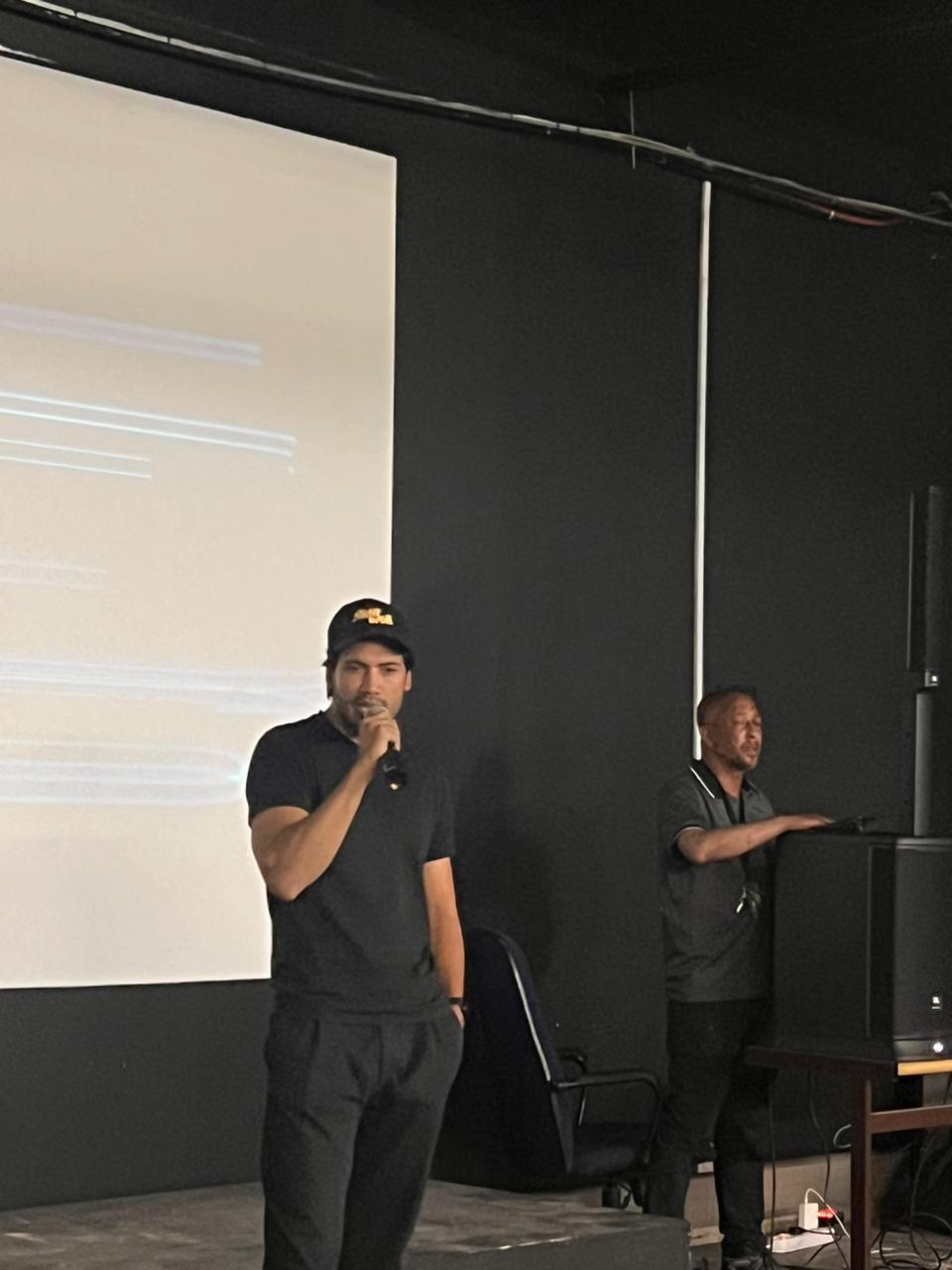
Franciscus, who studied Film Production at CPUT, said returning to his alma mater to showcase the film was a proud moment.
“I’m a CPUT alumnus. I studied here from 2009 to 2011, and I’ve done guest lectures. I’m on the advisory board and passionate about developing skills in the film industry and creating opportunities for underprivileged filmmakers and those eager to enter the field,” he said.
“The film went to about ten other festivals before coming back to South Africa, to Durban, in July. We screened at The Labia Theatre in Cape Town, and we’re now in talks to sell the film to a streaming platform in Africa. We’re very excited to show the film to CPUT students. It’s quite different — very genre,” said Franciscus.
He also spoke about his role as co-founder of the South African Independent Film Festival (SA Indie FilmFest), now in its eighth year.
“Half of our programme features African films focused on genre, while the other half includes international work. We also run a film pitching competition for students who want to get into filmmaking, and we’ll finance the production of a short film next year,” he said.
Kruger, who wrote and directed Street Trash, said he hopes to inspire young filmmakers to explore unconventional storytelling.
“We want to encourage young filmmakers to make genre movies. It’s one of those films that doesn’t usually get made in South Africa, and we want to push that because there’s a market for it,” said Kruger.
“There’s money in genre films — it’s just never been explored here. Street Trash is still the first of its kind in South African cinema. We want filmmakers to create work that can travel overseas. I think genre films have a better chance of doing that than most local productions.”
Kruger encouraged aspiring filmmakers to make use of platforms like SA Indie FilmFest.
David Franciscus returned to his alma mater to showcase the locally made sci-fi action-horror comedy Street Trash, which has featured at major international film festivals.
Pictures: Jim Mohlala.
By Philani Nombembe
GERMAN STUDENTS GAIN HANDS-ON FILM EXPERIENCE AT CPUT
The Film Production programme has earned international recognition for its practical, industry-focused approach.
Two students from Hochschule RheinMain in Wiesbaden, Germany, Lilly Jeppe and Bianca Nwaeze, are spending an exchange semester in the programme until December.
“Back at our German university, we have a large catalogue of partner universities, with CPUT (Cape Peninsula University of Technology) being the only one in South Africa,” said Jeppe.
“A major reason I chose CPUT was that I’ve always wanted to come to South Africa and especially Cape Town. The Film Production programme immediately caught my attention. Compared to similar programmes at other partner universities, CPUT’s curriculum is much more film-specific and offers courses tailored to the industry. Since I wanted to deepen my knowledge and gain practical experience, CPUT was the perfect choice.”
Jeppe described her experience as “truly a pleasure.”
“Bianca and I are already dreading having to go back home. We’ve had such an amazing time so far! Both the school and everything outside it have treated us incredibly well,” she said.
“I’ve learned so much, not only in film, where I could explore topics in greater depth than in Germany, but also culturally. My horizons have broadened. In high school, I took advanced English classes on South African history, so experiencing these things in real life has been fascinating and moving.”
She highlighted differences between studying film at CPUT and in Germany.
“At my university in Germany, classes are very broad, covering graphic design, photography, animation, and other media areas. One of the main differences is that CPUT’s programme is much more focused on film, which is great,” she said.
Jeppe said she is passionate about “being behind the camera, so the camera department is my favourite area in film production. I see myself pursuing that path in the future. I’ve played competitive sports most of my life and still play handball. Combining both passions, I would love to work for a sports club doing photography and videography.”
She waxed lyrical about the benefits of the exchange.
“I’ve learned so much about working with cameras and have become more confident using them, which will benefit me in the future. We’re also lucky to have found a great group of friends, who have been welcoming from the start. Connecting with people from South Africa has been amazing.” Nwaeze concurred.
“I was interested in the film production courses here and curious about South Africa itself. I wanted to experience the culture and nature firsthand,” she said.
“The courses here focus strongly on film, unlike Germany, where the programme is broader, covering animation, media design, and even media law.
“I love working with cameras and light, and my goal is to become a director of photography. I also enjoy photography and mixed-media animation. I wanted to see how films are made on another continent, meet new people, and build connections for future collaborations.”
GLOBAL LEARNING: German exchange students Lilly Jeppe and Bianca Nwaeze are gaining valuable hands-on experience in the Film Production programme, which is celebrated for its strong industry focus. Pictures: Supplied.
FILM STUDENTS TAKE THE CROWN AT 48-HOUR FESTIVAL
By Jim Mohlala
A house at midnight can hold many surprises — especially when a team of filmmakers is armed with a genre, creativity, and a stash of snacks.
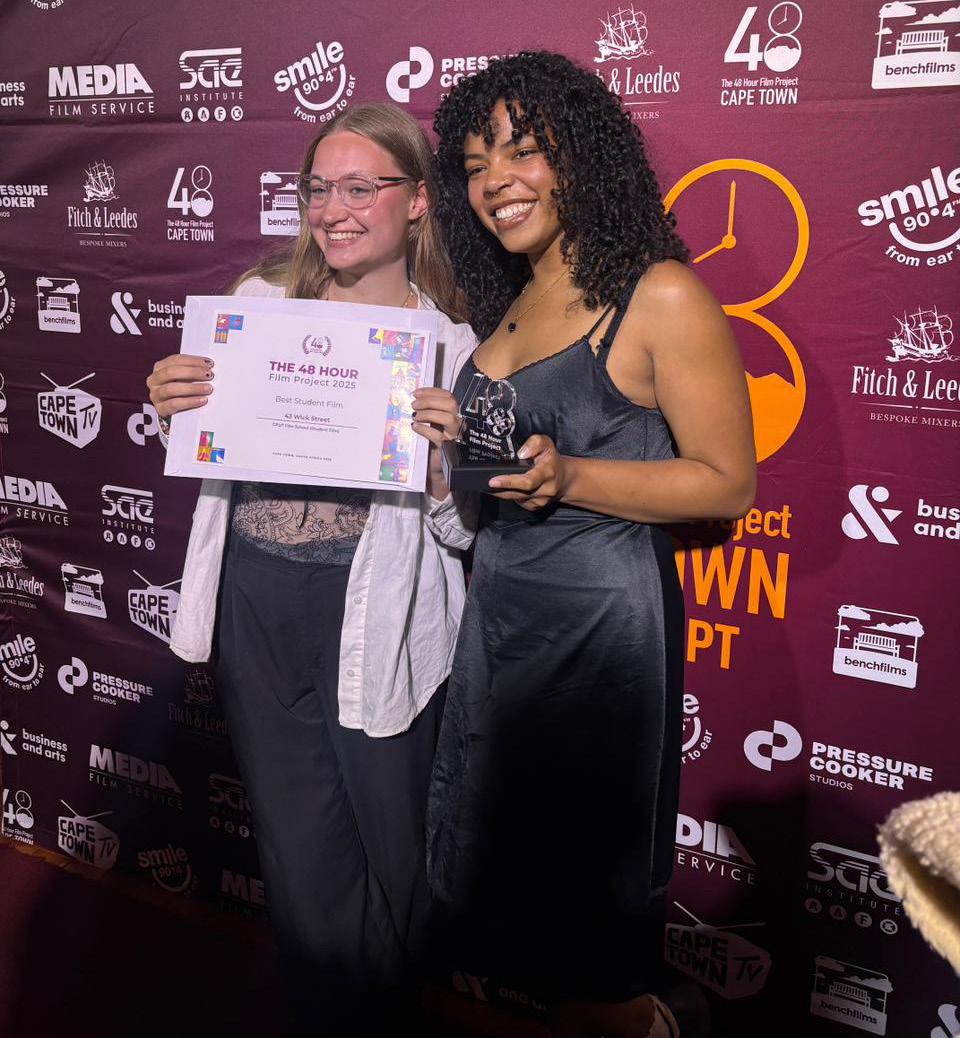
That was the scene when Film Production students took part in this year’s 48 Hour Film Festival, held from 26 to 28 September. The team returned with the Best Student Film award. For two days, sleep was not an option.
Third-year Film Production student Reilly Cloete, who produced the winning film, said the experience tested both skill and endurance.
“We wanted to challenge ourselves and see how much we could achieve under pressure. The festival pushes you to think fast, collaborate closely, and trust your instincts. It is a valuable opportunity to grow as filmmakers,” she said.
Cloete said careful planning made all the difference.
“Time management was everything. I had an excellent co-producer, and together we planned every detail to make sure the cast and crew could perform at their best. We worked to strict deadlines and kept communication open. It was intense, but teamwork and planning kept us on track,” she said.
Despite the long hours, the team pushed through fatigue and technical issues.
“There were moments when our energy dropped, but the team’s chemistry kept us going. We motivated each other, solved problems together, and turned every challenge into a lesson,” said Cloete.
Their film, inspired by the theme of being a “fish out of water”, explored the line between illusion and truth.
“Our story centred on a house, and we wanted audiences to question what is real and what lies beneath the surface,” she said.
Director Dominic Southon, also a third-year student, said the team’s goal was simple.
“We entered the competition wanting to create a film that we could be proud of, no matter what the outcome,” he said. “When we received our genre — horror — we were thrilled. It was something we had wanted to do for years.”
The team faced another challenge when they had to cut their 25-minute film down to seven minutes.
“That was tough,” said Southon. “We had to keep the film’s flow and integrity, but we managed to do it and still felt proud of the result.”
He said teamwork was at the heart of their success.
“When you work together and commit fully, you can create something special. I believe in teamwork and in trusting the people you work with,” he said.
Film Production lecturer Johan Abrahams said the win reflected the department’s commitment to preparing students for the real world.
“Opportunities like this are valuable for students. They get to experience what it is like to work under real-world conditions, which is why I always support them,” he said. “They learn more from projects like this than they ever could in a classroom.”
Abrahams said the team’s preparation and dedication set them apart.
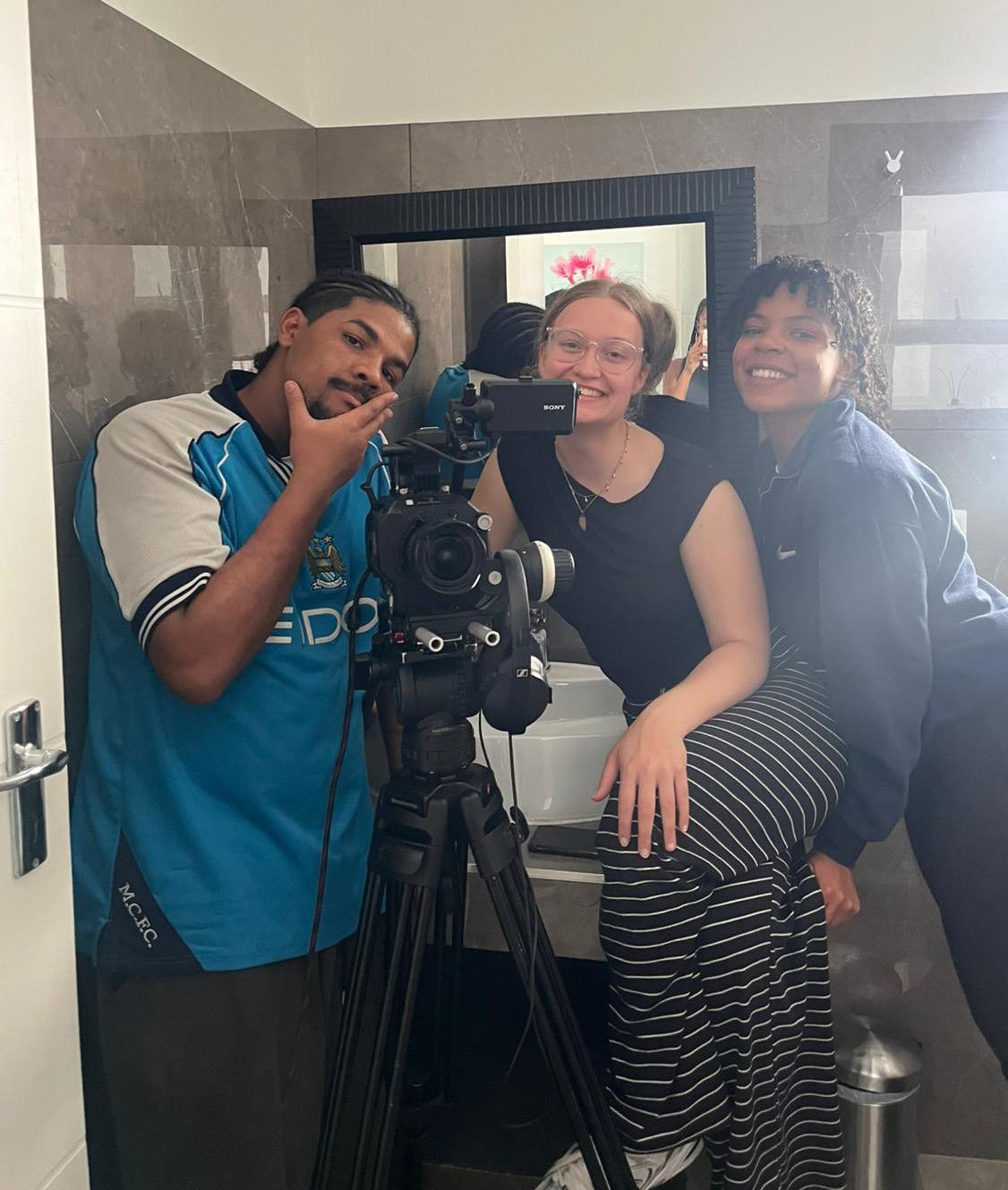
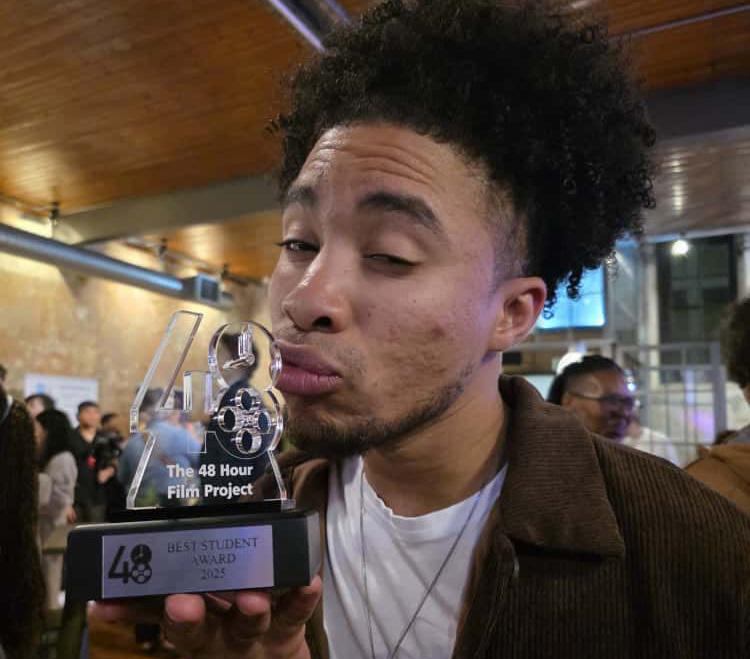
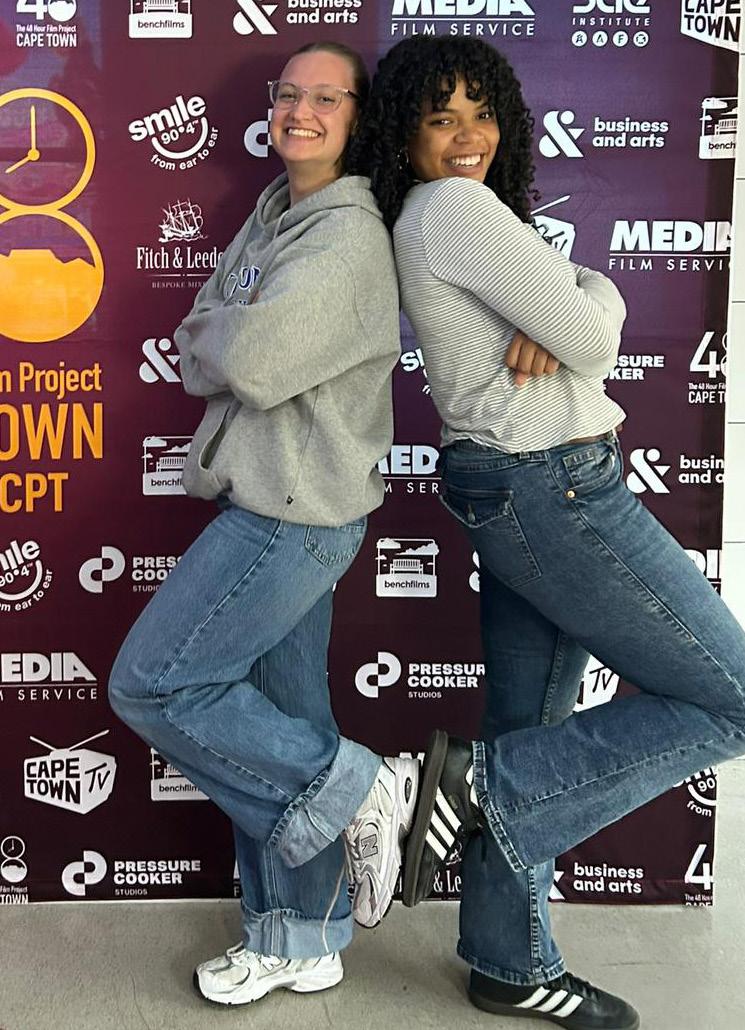
TEAMWORK: Producer Reilly Cloete and director Dominic Southon led the winning team through an intense two-day filmmaking challenge at the 48 Hour Film Festival. Pictures: Supplied.
FILM STUDENT TURNS PHOTOGRAPHY PASSION INTO BUSINESS
By Philani Nombembe
Hours spent watching YouTube photography tutorials are paying off for third-year Film Production student Vusumuzi Nyoni.
The 22-year-old, from Nkomazi in Mpumalanga, has built a thriving photography business and now counts luxury brands among his clients. Nyoni said the side hustle began after he completed matric.
“I am a freelance photographer. I am completely selftaught and have been doing photography for four years now,” he said.
“It started back home with small equipment. After finishing matric, I began taking photos professionally.”
Although he had an eye for photography, Nyoni applied to study Film Production in 2022.
“I started by shooting events such as community gatherings. Event also hired me to photograph artists at shows. I used online photo-editing software such as Adobe Lightroom and Photoshop and taught myself through YouTube,” he said.
“My clients now include luxury brands. I also cover anniversaries, private dinners, and baby showers. Most of my clients are from upmarket circles. I also shoot birthdays, graduation portraits for graduates at CPUT and nearby universities.”
Nyoni said while he had refined his photography skills, managing the business side remained a challenge.
“I have attended workshops that provided guidance on
how to handle the business aspects, but most of what I know comes from experience,” he said.
“My biggest challenge is keeping track of my income from January to December, somewhere along the line, I tend to lose count.”
He said he reinvested much of his earnings into the business and sent some money home.
“I spend the money on keeping the business running efficiently, reaching clients, and updating my equipment. I also invest in marketing,” he said.
“Outside of business, I must look after myself here in Cape Town. The cost of living is high. I also need to send money home and set aside funds for the future by making small investments to sustain myself.”
Nyoni markets his work mainly through social media and word of mouth.
“My portfolio is on Instagram. I get a lot of business from there,” he said.
He recently delivered 90 photographs and a video of an anniversary to a “satisfied client”. He credited his Nikon D3500 camera for his success.
Nyoni encouraged fellow students who want to pursue photography as a side hustle to treat it like a business.
“As much as you have the photography skills, you also need to understand the business side of it,” he said.
My portfolio is on Instagram. I get a lot of business from there ” “
ENTREPRENEURSHIP: Third-year Film Production student Vusumuzi Nyoni has turned self-taught photography skills into a thriving business, serving luxury clients and capturing events across Cape Town. Pictures: Supplied.
Applied Design
Fashion Jewellery Design & Manufacture
Visual Communication Design
Product & Industrial Design
Design Post graduate studies
Design Foundations ECP
Dr Monica Di Ruvo
diruvom@cput.ac.za
FID Assistant Dean & Acting Research Coordinator
Architectural Technology and Interior Design
Urban & Regional Planning
Information Technology & Multimedia
Architectural Technology
Interior Design
Architectural Technology & Interior Design (ECP)
Urban & Regional Planning
Higher Certificate: Information & Communication Technology Service Management
Information & Communication Technology: Applications Development
Information & Communication Technology: Communication Networks
Information & Communication Technology: Multimedia Applications
BTech and Advanced Diploma in Information & Communication Technology