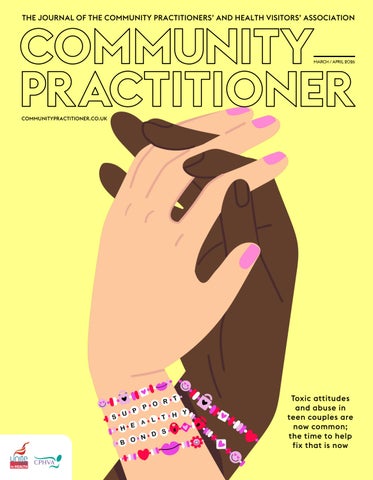
Toxic attitudes and abuse in teen couples are now common; the time to help fix that is now
If so, let us help you to provide them with the best possible start in life.
Guide Dogs My Time to Play offers fun and supportive group sessions to help children aged 0-4 develop the practical skills and confidence to explore their world - all through the power of play.
The free sessions are run by Qualified Habilitation Specialists and align with the Development Journal for Babies and Young Children with a Vision Impairment. Find out more about the service and
Guide Dogs for the Blind Association is a company limited by guarantee and a registered charity in England and Wales (209617), Scotland (SC038979) and Isle of Man (1334). B119 10/23
should HVs be about the rise in, and normalisation of, alcohol use among women?
Free access for NHS staff
WorkLife Central is a digital programme of expertise, support and inspiration for family life, work life and wellbeing.
Individual and corporate membership options are available –get in touch to ask for a free demo and trial.
All NHS staff have complementary access to WorkLife Central: simply register using your NHS email address and enjoy access to all our content for free!
REGIST E R HERE
How
A
Urinary
WELCOME
from your editor, Aviva
It’s no coincidence that the topics explored in Community Practitioner are highly relevant to society as a whole, as well as to CPs. Or that the topics are high up on the main news agenda or even ahead of it. That’s because CPs are on the frontline of public health, and that’s particularly evident this issue – in CPHVA’s 130th year, no less (page 15).
The Big story on page 10 considers if a social media ban for under 16s can really work in the UK and if it’s indeed the best way to protect young people from harm. The area is fast moving, with a government consultation under way and increasing happenings revealing why the question needs to be addressed quickly.
Related is the cover story on page 16 that asks how abuse in teenage relationships has become so disturbingly common. The feature explores the much-needed focus on teaching healthy relationships, consent and addressing harmful attitudes that lead to relationship abuse (now government strategy), plus how we can all help young people.
Other hugely topical subjects this issue include: the normalisation of alcohol use among women and the HV’s role (page 22); the latest on vaccine uptake (page 26); the importance of empowerment (page 32); and a prevalent affliction impacting women, aka UTIs (page 36).
safeguarding learning in a
Psychologist
Unite-CPHVA
Existing Unite-CPHVA members with queries relating to their membership should contact 0845 850 4242 or see unitetheunion.org/contact_us.aspx for further details.
To join Unite-CPHVA, see unitetheunion.org
Unite-CPHVA is based at 128 Theobald’s Road London WC1X 8TN 020 3371 2006
Community Practitioner
Unite-CPHVA members receive the journal free. Non-members and institutions may subscribe to receive it.
Non-member subscription rates
Individual (single use)
Institution (single use)
Unlimited
£75
£159
£249
Subscription enquiries may be made to 01580 883844, cp@c-cms.com
The journal is published on behalf of Unite-CPHVA by CPL One, 1 Cambridge Technopark, Newmarket Road, Cambridge, CB5 8PB, UK
Thanks as always to all contributors – your insights are as vital as ever. We’ve now made it even easier for members to submit work with enhanced author guidelines (page 30).
twitter.com/CommPrac
The views expressed do not necessarily represent those of the editor nor of Unite-CPHVA.
Paid advertisements in the journal do not imply endorsement of the products or services advertised.
Any Unite-CPHVA member wishing to change their contact details must get in touch with their local Unite office.
More than More than
News in numbers 15%
1/3
of cancer cases are avoidable. Nearly 40% of new cancer cases worldwide are linked to changeable factors such as smoking and alcohol consumption
Infections are a further cause, some of which can be vaccinated against
of 4044 children in Wales were overweight and nearly 12% obese by 27 months. The children studied were born in 2022
Babies fed exclusively on formula milk at 6-months-old had nearly double the chance of rapid weight gain compared with those exclusively breastfed
Low birth weight and preterm birth also significantly influenced rapid weight gain
suicide counselling sessions were delivered every day by Childline in 2025
In 1/5 of these sessions, the child was deemed to be actively suicidal
5424
people in England were notified as having tuberculosis (TB) in 2025, a drop of 1.1% compared with 2024, so broadly stable
81.6% of all TB notifications in 2025 were in people born outside the UK
For references
Professional update
Wales
PUBLIC BACKS POST-PREGNANCY SUPPORT WITH HVs SEEN AS KEY
There should be dedicated professional health and wellbeing support for women in their first year after pregnancy, a survey for Public Health Wales has revealed.
More than 78% of those questioned in the Time To Talk Public Health survey said such support was ‘very important’ for all women who had been pregnant, even if for instance they had suffered miscarriage.
More than half (58%) believed this support was best delivered in a dedicated health and wellbeing appointment, rather than as part of a child-focused meeting such as a vaccination. And nearly three-quarters thought health conversations after pregnancy should include a mix of planned topics and space for women to discuss what matters to them. Mental health was seen as a top priority.
Health visitors were seen as a key source of support for women post-pregnancy, with 80% of respondents saying they should have a major role in supporting women’s health and wellbeing. Midwives, practice nurses and GPs, were also viewed as important, alongside other community-based professionals.
‘These findings reflect a strong public backing for personalised, holistic support, rather than a generalised approach,’ said Bethan Jenkin, principal public health practitioner at Public Health Wales.
England
‘They also highlight the importance of creating space for meaningful health and wellbeing conversations at the right time.’
UPDATE TO HEALTHY CHILD PROGRAMME COULD ‘END POSTCODE LOTTERY’
The Department of Health and Social Care has published its much-anticipated update to the Healthy Child Programme (HCP). The blueprint is part of the government’s drive to create ‘the healthiest generation of children’ by improving the health and wellbeing of those aged 0 to 19.
The new HCP includes delivery and commissioning guidance as well as a high-impact area framework that helps put the principles into practice. It also aims to increase clarity and address the variation in service equity and quality – two pieces of feedback contributed by the hundreds of professionals and organisations who replied to the department’s consultation.
The guidance also now emphasises the clinical importance of face-to-face contact and reaffirms the vital role of health visitors in the UK’s healthcare.
A spokesperson for the School and Public Health Nurses Association (SAPHNA) welcomed the HCP update, but warned there is ‘still much to do’.
‘It is crucial that school nurses continue to shout out, be heard and inform ongoing development of the Healthy Child Programme.
‘If the government is to achieve its aspiration… removing the current postcode lottery is crucial’.
Public health
A look at recent programmes or campaigns launched, and reports published.
Scotland BID TO IMPROVE LIFE EXPECTANCY FROM LOWEST IN THE UK
Strategy: Together We Can, Public Health Scotland
What are the main points?
Too many people in Scotland experience preventable ill health and a ‘far too wide’ gap in life expectancy between the most and least deprived communities.
By 2035, Public Health Scotland wants to ‘improve average life expectancy by at least one year’ and ‘narrow the gap between the poorest 20% of areas and the national average’.
Strategy aims to build a prevention-focused system, improve social and economic conditions, enable healthy living, strengthen places and communities, and provide equitable access to health and care.
Multifaceted plan includes embedding health into other policy areas, ‘supporting impactful and family wellbeing interventions’, and providing evidence and data that helps partners identify local actions.
EXPERT THOUGHT
Paul Johnston, CEO, Public Health Scotland, wrote: ‘To deliver real, lasting change in Scotland, national and local action must go hand in hand. We also need strong local partnerships that tackle poverty, support children and young people, ensure fair work for all, and help us all live well as we age.’
England
LOW HPV VACCINATION UPTAKE LEAVES YOUNG PEOPLE AT GREATER CANCER RISK
Report: Human papillomavirus (HPV) vaccination coverage in adolescents in England: 2024 to 2025, UK Health Security Agency (UKHSA)
What are the main points?
A quarter of school-leavers in England are unvaccinated against HPV, leaving young women at risk of cervical cancer and both sexes vulnerable to other HPV-related cancers.
Vaccination uptake by Year 10 (age 15) has fallen from pre-pandemic levels of 90% to just 75.5% of girls and 70.5% of boys, with the lowest levels in London (61% of girls and 56.9% of boys).
However, national uptake by the time pupils reach Year 9 has risen compared with 2023/24, up 1.2% in girls and 2% in boys.
HPV is offered free to all pupils in England from Year 8, and protects against conditions including cervical cancer, some head and neck cancers, and genital cancer and warts.
The vaccine offers significantly stronger immunisation if administered before the age of 16, but a later dose still offers protection. Vaccination is available from GPs for free up to the age of 25.
EXPERT THOUGHT
DR SHARIF ISMAIL
Consultant epidemiologist at UKHSA
‘Driving up vaccine uptake will require sustained, targeted action across the NHS and wider health partners, with support in schools, to improve awareness of the life-saving importance of HPV vaccination and ensure it’s easy to get.’
UK MORE AWARENESS OF MENOPAUSE LINK TO MENTAL HEALTH CAN SUPPORT MILLIONS
Position statement: Menopause and mental health, Royal College of Psychiatrists (RCPsych)
The first RCPsych position statement on menopause and mental health reveals that many women are not aware of the link (just 21% of UK adults think a new mental illness can be associated with menopause), so are neither seeking, nor receiving, vital help.
Working women going through menopause report stigma, a lack of workplace support, reduced hours and no career progression.
Lack of knowledge about menopause among healthcare professionals means many women aren’t getting the right medical support.
The statement highlights that ‘menopause can significantly impact mental health and wellbeing, and is associated with anxiety, depression, cognitive changes and, sometimes, triggering or worsening serious mental illness’.
Society needs greater awareness of these links, better training for psychiatrists, ‘fair access to diagnosis, treatment and support’, and ‘stronger, more supportive workplace policies’.
EXPERT THOUGHT
DAVINA McCALL
RCPsych honorary fellow
‘Lack of knowledge and ingrained stigma still prevent open conversations between doctors and patients, in the workplace and among friends and family, leaving women without the crucial support they need... Together, we must make the link between mental health and menopause known across society to improve policies, care and support.’
Northern Ireland CHILDREN’S MENTAL HEALTH SERVICES FACE ‘DEEP-ROOTED CHALLENGES’
Report: A System at a Crossroads, Northern Ireland Commissioner for Children and Young People (NICCY)
This periodic review highlights the ‘deep-rooted challenges’ and barriers facing children and young people’s mental health services, and calls for immediate action.
The services face combined pressures of ‘limited policy progression, uncertainty about future delivery, and constrained financial support’.
Systemic issues highlighted include the need for more investment, planning, and monitoring of health and social care services, and direct engagement with children and young people who have used services.
Systematic pressures include tackling high numbers of emergency department referrals, supporting children with addiction and eating disorders, and waiting lists.
NICCY supports the health and social care transformation agenda, and has given 31 recommendations to the Department of Health in its mental health services review.
EXPERT THOUGHT
Commissioner Chris Quinn said: ‘There is a clear need to incorporate a comprehensive and robust child rights-based approach into governmental budgeting processes in NI. The voluntary and community sector is vital for children and young people to access safe and familiar spaces that build relationships and enhance wellbeing through social connections and support networks. Cuts to their funding should not be ignored.’
SOCIAL MEDIA BAN FOR KIDS: can it work in reality?
Following the recent banning for under16s in Australia, other nations, including the UK, are considering their options – but is the genie already out of the bottle?
Journalist Jo Waters
reports.
Aclampdown on social media, banning it for children under a certain age, is one of the options out for consultation by the UK government. This is all very recent and fast-moving, with the consultation announced at the end of January (Department for Science, Innovation and Technology (DSIT) and Department for Education (DfE), 2026), and opened to all at the start of March (DSIT, 2026a). France and Spain are set to follow Australia’s lead this year, with a full ban on social media for under-15s in France (Schofield, 2026; Wertheimer, 2026).
It follows mounting concerns about the influence of Big Tech social media platforms on children’s mental health and general wellbeing, the addictive algorithms they use and the disturbing violent and pornographic content they share.
THE CURRENT PICTURE
The House of Lords voted in January for a ban on social media for children, in an amendment to the Children’s Wellbeing and Schools Bill (UK Parliament, 2026a). Under the amendment, the government would have a year to decide which platforms should be unavailable to under-16s in the UK, and companies would be forced to put more effective age checks in place.
However, the amendment was rejected by MPs in March (UK Parliament, 2026b), with the government preferring instead its own three-month public consultation exercise to consider a range of options.
The government social media consultation is seeking views on a range of measures, including determining the right minimum age for children to access social media and exploring a ban for children under a certain age. Overnight curfews and tougher age
checks are other options on the table, as is removing or limiting algorithms that drive addictive or compulsive use of social media, such as ‘infinite scrolling’. This is alongside support for parents to help their children navigate the digital world (DSIT and DfE, 2026). AI chatbots and gaming have also been added into the mix (DSIT, 2026a).
Additionally, the prime minister and technology secretary have announced new legislative powers that would allow the government to act quickly on the consultation’s findings, with new legislation that will come into force within months, rather than years, once passed (DSIT, 2026b).
In February, prime minister Keir Starmer stressed his commitment to protecting children online on his Substack account: ‘I will take the time needed to get this right. I will ensure that the actions we take are the right ones. But once that decision has been made, I will waste no time in getting on with it’ (Starmer, 2026).
THE RIGHT APPROACH?
Andy Burrows is chief executive of Molly Rose Foundation, the suicide prevention charity set up in memory of 14-year-old Molly Russell. Andy says that parents and politicians have been presented with a false choice between a social media ban or tolerating the appalling harm caused by social media.
‘There is now a clear consensus that bold and decisive action is needed. Rather than rush to easy and simplistic solutions, we support the government’s plan to work through the full range of options and take the time to get this right,’ he adds.
‘Children and parents will benefit most from quick action to strengthen legislation, rather than the false comfort offered by bans.’
Children’s commissioner for England Dame Rachel de Souza says she supports Australia’s bold approach, but stresses a ban on social media is not an immediate guarantee of children’s safety.
‘If, after consultation, ministers put forward a clear plan to properly enforce a ban that takes account of how they [young people] access sites and see harmful content,
I would support it and I will work closely with government to ensure children are at the heart of that consultation.’
But Daisy Greenwell, founder and codirector of the Smartphone Free Childhood campaign, says social media platforms have been getting away with causing everyday harm to children’s lives.
‘There needs to be a complete reset. We shouldn’t have children on platforms designed for adults,’ says Daisy. ‘What families want is a clear boundary.’
She highlights that the current age limit of 13 is not being enforced, with 20% of children aged five using social media platforms unsupervised, according to regulator Ofcom’s figures.
‘We welcome the consultation [however]; it’s important to get this right and ensure the legislation sticks.’
THE SOCIAL MEDIA IMPACT
Daisy says children are being radicalised by extreme and violent content, including car crashes and beheadings, terrorism and extreme viewpoints amplified by social media algorithms. She says anxiety and depression cases among young people have skyrocketed with smartphone use, but
that it’s hard to prove causation for mental health problems.
‘There’s enough evidence now that children are being harmed on a mass scale and they’ve been guinea pigs in a massive experiment,’ she says.
Consultant psychiatrist Dr Priya Nathwani has witnessed the negative impact of excessive social media use on young people.
‘It can affect people’s sleep, especially if they are using it at night-time or evening. It means they can’t relax and switch off, and it can definitely affect their mood, particularly the comparison aspect, which can affect self-esteem.’
Dr Nathwani says there are concerns about children accessing violent, extreme pornographic material (as noted in the last issue of Community Practitioner), as well as self-harm and anorexia content, and dangerous challenges.
‘As adults, we have the skills to work out what’s healthy or dangerous, but children and young people don’t. Their brains are still developing and they’re very much more vulnerable, and can be drawn into the negative aspects.’
Dr Emma Sullivan conducted research at the University of York, studying the effects of a 21-day smartphone ban on children in a secondary school, as part of
‘WE CAN TRY TO MANAGE ITS IMPACT BY ACTIVELY ENCOURAGING AND SUPPORTING PEOPLE TO RECOGNISE THE VALUE OF REAL-LIFE CONVERSATIONS OVER CONSTANT PHONE USE’
a Channel 4 documentary. Her research (in pre-print at time of writing) found health benefits, including improvements in sleep, improved mood, less anxiety and depression symptoms, and better attention spans (Sullivan et al, 2025). However, young people also reported boredom and FOMO (fear of missing out).
FINDINGS SO FAR
Australia’s social media ban for under16s came into force on 10 December 2025 (Watson and Wilson, 2026) and prohibits access to 10 platforms: Facebook, TikTok, Instagram, Snapchat, Threads, X, YouTube, Reddit and the streaming platforms Kick and Twitch (so not including WhatsApp). Firms that fail to take reasonable steps to keep under-16s off their platforms face fines of up to £24.5m each.
The restrictions have been criticised for leaving out dating and gaming apps, and there are already reports of young people circumventing the ban
by downloading VPN addresses or managing to cheat age-verification checks. The Australian e-Safety Commissioner reported 4.7 million accounts had been deleted by late January 2026 (Taylor, 2026).
Zali Steggall, an independent MP in Australia’s Federal Parliament, says the UK should resist the temptation to treat the age ban as a panacea, adding that protecting children online requires a suite of measures. Writing for the UK online site Politics Home (Steggall, 2026), she said: ‘The overall aim should not be restricting social media access, but building resilience and safety for a generation growing up in a complex, high-pressure digital world.’
WHAT’S THE ANSWER?
Dr Claire Bullen-Foster, clinical psychologist, says phone bans in schools, with the use of locked magnetic pouches during school hours, have seen positive results.
‘There is evidence coming through that classroom behaviour is improving, and there’s been a reduction in absenteeism and improvements in engagement and attainment.’
Dr Bullen-Foster, who is also CEO of Eleos Group, a company that works with children and schools to deliver mental health support, says: ‘I’m more drawn to how we can better protect children who use social media and how we can better regulate what they are exposed to, rather than a blanket ban for certain age groups.’
Dr Sullivan says: ‘Rather than all-ornothing bans, our research suggests that more targeted, flexible approaches may work better, such as bedtime restriction (for example, no phones one hour before bed), rather than total bans.
‘These focused interventions appear more likely to maintain benefits over time.
‘Interestingly, 83% of students support government action to address smartphone and social media use in young people. This shows that young people themselves recognise there’s a problem and want help addressing it.’
HOW CPs CAN HELP
CPHVA president and former health visitor Yvonne Coghill says that young people are
still growing and developing, and constant attachment to smartphones and social media is not healthy.
‘HVs have an important role in advising parents about the safe use of the internet and social media. When visiting families, we can highlight the value of spending time together, talking, sharing and connecting, without always being on technology. That applies to adults as much as it does to children and young people,’ says Yvonne.
‘School nurses [SNs] also have a key role to play. They can speak to young people about the importance of face-to-face time with friends and family, and about taking part in activities that aren’t centred on phones or social media.’
CPHVA Executive member Rhian Ogden, a lecturer in child health at the University of Leeds School of Healthcare, says HVs and SNs can also share information from research with parents. This should include findings on the effects and risks of smartphone use on children’s sleep, concentration and anxiety levels, so parents and young people can make informed decisions about their social media use alongside a ban.
‘HVs can help educate parents about their child’s responsible screen use and – as their children get older – social media exposure,’ says Rhian. ‘SNs can be talking directly to young people about their phone usage and how to use their phones responsibly.’
‘83% OF STUDENTS SUPPORT GOVERNMENT ACTION TO ADDRESS SMARTPHONE AND SOCIAL MEDIA USE IN YOUNG PEOPLE. THIS SHOWS THAT YOUNG PEOPLE THEMSELVES RECOGNISE THERE’S A PROBLEM AND WANT HELP ADDRESSING IT’
MORE THAN A BAN?
Rhian believes a ban on its own, without a robust support structure to enforce it, could be counterproductive.
‘We have to be really careful about taking things away as, sometimes, that can push people to do things in a way that’s even less safe, and unregulated – that would be my concern,’ she says.
‘We wouldn’t want to inadvertently push teenagers who circumvent a ban into a more vulnerable position.’
Rhian adds that a multipronged approach is needed early in childhood. ‘We need to educate children at a young age in schools, in a proactive way – teaching them about smartphone and internet use, how to use them safely, and some of the damaging effects of social media – before they start using them.
‘Then we need to support parents on how they can have conversations with children and teens around their social media use. Part of the problem is that it’s very difficult to enforce controls on their child’s social media use as so many have similar addictions to phone use themselves.’
Yvonne also acknowledges the challenge. ‘The genie is out of the bottle when it comes to social media, and it’s going to be very difficult to put it back in,’ she says. ‘But we can try to manage its impact by actively encouraging and supporting people to recognise the value of real-life conversations over constant phone use.’
Yvonne compares this approach to other areas of preventative health, such as healthy eating and exercise. ‘It’s about enabling people to make informed, healthy choices for themselves, including about what they consume online.’
The government’s consultation on children’s digital wellbeing, which covers the potential social media ban, will close on 26 May 2026, and is seeking the views of parents, carers, young people, academics, industry and those who work with children (DSIT, 2026a). So CPs can have their say, too.
Despite the recent MP vote against the House of Lords amendment to the Children’s Wellbeing and Schools Bill, there seems to be general consensus in UK society that some sort of controls to protect
children online should be introduced, sooner rather than later.
Bridget Phillipson, education secretary, summed up the government’s position at the opening of the consultation (DSIT, 2026a): ‘Every child deserves a childhood - real experiences, real friendships, real opportunities. We are determined to make that a reality, both inside and outside the classroom.’ CP
RESOURCES
For parents: full guidance, conversation starters and safety advice from the government’s new ‘Kids Online Safety’ campaign website
‘What I wish my parents or carers knew’ a guide for parents and carers on managing children’s digital lives, from the Children’s Commissioner for England
Smartphone Free Childhood
Resources for health professionals, the EU’s Better Internet for Kids
For references
RIGHTS AT WORK
WHERE IS THE FAIR PAY?
HVs in Wales were forced to go on strike after a health board refused to honour the job matching process outcome, highlights Richard Munn, Unite’s national officer for health. What’s the impact?
ealth visitors in South Wales are being systematically underpaid for their role. This is despite internal job grading now matching them as a Band 7, which acknowledges a Master’s qualification.
The Cwm Taf Morgannwg University Health Board (CTMUHB) has refused to acknowledge its own job descriptions and pay HVs accordingly. This deliberate act of downgrading is costing HVs between £8000 and £9000 per year depending on where workers are on their pay scale.
TAKING ACTION
As a result, the HVs took strike action at the end of February (initially for four, then potentially eight further weeks). This included HVs and trade union activists marching from the Wales Millennium Centre to the Senedd. The aim was to take this matter to the heart of the Welsh Government and make their voices heard as part of their fair-pay campaign.
This dispute is heavily linked to the previous dispute with the CTMUHB, when staff had to take historic industrial action over unsustainable workloads (see the March/April 2024 issue).
WHAT’S THE BACKGROUND?
Following changes made by the NMC to the standards for post-registration programmes in 2022, and updates to HV Agenda for
Change (AfC) national profiles in 2025, Unite is campaigning for all SCPHN members to review their AfC banding and ensure they are being paid correctly.
A decision was made nationally at the UK staff council to ‘archive’ the Band 6 HV profile.
THE COLLECTIVE ACTIONS AND ETHOS OF THE HVs ON STRIKE WILL HOPEFULLY INSPIRE AND EMPOWER ALL MARGINALISED GROUPS
This means it is now impossible to match a HV job description against a Band 6 profile.
All HVs – and, indeed, all SCPHNqualified staff, including those who qualified before 2022 – are deemed to have achieved the Master’s-level qualification. You can read more about this in the NHS Job Evaluation Handbook.
UK-WIDE IMPLICATIONS
This campaign will not stop at the CTMUHB. Instead, the rally will show the Welsh Government the strength of feeling over this issue.
Every SCPHN-qualified NHS employee could make very similar arguments to the HVs in South Wales on the banding points above, and Unite will help raise these arguments and support members who want to challenge this unfairness.
Hopefully, there will be a successful outcome that will set the example for all employers to follow.
All those taking part in the strike are women, and their collective actions and ethos will hopefully inspire and empower women and other marginalised groups to organise and strive for fairness and equality. CP
TIME TO CELEBRATE
In this milestone year for CPHVA (founded 1896) and health visiting, discover the key dates that led to Unite-CPHVA as you know it today.
1896 The Women Sanitary Inspectors’ Association is founded by seven women sanitary workers, based in London. Earlier, six sanitary visitors, later known as health visitors, had been appointed in Manchester by the Salford Reform Association
1915 Association’s name is changed to The Women Sanitary Inspectors’ and Health Visitors’ Association
1917 Full membership extended to include all health visitors (previously limited to those who were also qualified sanitary inspectors), superintendents of maternity and child welfare centres, and tuberculosis visitors
1918 Association registered as a trade union, affiliated to the National Association of Local Government Officers (NALGO) and to the National Union of Women Workers (NUWW)
1921 Membership extended again, to include school nurses and others engaged in various branches of public health work
1924 Association affiliated to the Trades Union Congress (TUC)
1930 Name changed: Women Public Health Officers’ Association
1962 Organisation renamed: Health Visitors’ Association (HVA), as this was seen as more reflective of the work and function of most members, although other workers were not excluded
1992 Association amalgamated with the Manufacturing, Science and Finance (MSF) Union
1997 The HVA becomes the Community Practitioners’ and Health Visitors’ Association (CPHVA). The colours of its logo are linked to the earlier involvement of HVs with the women’s suffrage movement
2007 Unite the Union is formed: Amicus (MSF and another union) merged with the Transport and General Workers’ Union
2026 Unite-CPHVA Annual Professional Conference (November) in the CPHVA’s 130th year
HISTORICAL CONTEXT
1944 Education Act extends work of health visitors to school nursing
1948 NHS is founded
1946-8 NHS Acts: it becomes a statutory duty of local health authorities to appoint HVs for the purpose of home visiting; the scope of duties of HVs is extended to include the whole family
1979 The Nurses, Midwives and Health Visitors Act
1983 UK Central Council for Nursing, Midwifery and Health Visiting set up
2002 The Nursing and Midwifery Council is formed, replacing UKCC
RESOURCES
Health Visitors’ Association archive, Wellcome Collection
History of Unite the Union
Keep on celebrating
Look out for special features to mark this 130th anniversary year, as well as updates on CPHVA events and celebrations
Support healthy bonds
Abuse in teenage relationships has become disturbingly common. How has it got to this stage and what needs to happen to help young people now? Journalist Anna Scott investigates.
In England and Wales, almost two in five teenagers in intimate relationships experience abuse (Youth Endowment Fund, (YEF) 2025).
Just more than a quarter (28%) of 11,000 13- to 17-year-olds surveyed said they had been in a relationship in the past 12 months, and 39% of them said they had experienced some form of emotional or physical abuse (YEF, 2025). This is equivalent to more than one in 10 teenagers across England and Wales (YEF, 2025).
It’s a similarly upsetting picture around the UK. Charity Refuge reveals a disturbing rise in domestic abuse among young women and girls aged 16 to 25, particularly involving psychological abuse, coercive control and physical violence (Refuge, 2025). Young people made up 16% (2,857 out of 17,607) of new referrals to the charity’s services in 2024 and 2025 (Refuge, 2025).
The latest data for Scotland indicates that young people experience abuse at least as much as older victims, with 16- to 25-year olds more likely to have experienced physical violence at intake to a service (71% v 61%) and to be assessed as high risk (55% v 47%) (SafeLives, 2021). In Northern Ireland, 40% of 16-year-olds surveyed had experienced ‘at least one form of intimate partner violence’, with emotional abuse the most common (The Executive Office, 2022).
In a bid to truly tackle violence against women and girls (VAWG), the latest UK Government VAWG strategy for England is now focusing on healthy relationships, consent, and addressing harmful attitudes that lead to relationship abuse (Home Office, 2025a). The government has also promised to ‘deploy the full power of the state in the largest crackdown on violence against women and girls in British history’ (Home Office, 2025b). While this strategy applies to areas under UK Government responsibility, it has been informed by best practice from the three devolved governments’ VAWG strategies (see UK VAWG strategies).
HOW HAS IT GOT TO THIS?
Hypermasculinity has been idealised as a cultural norm across generations, says Dr Nicola Connolly, consultant clinical psychologist and chartered member of the British Psychological Society.
‘More significant harm has been noted during the Covid years, with easier access to and a greater dependence on digital connectivity, and the rise of manosphere forums becoming more mainstream,’ she explains. ‘These forums promote misogynistic views around rigid gender roles, the power and dominance of men, and the subjugation of women. Relationship conflict or disagreements are viewed as power struggles, where men must show that they are in charge and emotional vulnerability is not exposed at any cost.’
Young people are concerned. ‘Exposure to unhealthy relationships, including through social media influencers like Andrew Tate or online misogyny, can normalise “toxic” behaviours, or result in young people misreading these as signs of “caring”,’ says Jess Southgate, the Youth Endowment Fund’s (YEF’s) VAWG lead. YEF knows this from members of its Youth Advisory Board, aged 16 to 25 from England and Wales, who have experience of or a passion for preventing youth violence.
If young people internalise ideas that frame power, control or dominance in relationships as acceptable, or even desirable, they may use these behaviours in their own relationships, sometimes justifying possessiveness, coercion or aggression, highlights Jess. ‘In turn, young people may not spot these “red flags”, minimising or normalising unhealthy behaviours, or not seeking help when they experience abuse.’
It’s because humans are pre-programmed to seek connections with one another that they internalise these norms, explains Dr Connolly, ‘as a set of shared values in these groups, and from a need to belong to a social group’. She adds: ‘While at the extreme end of normative values, physical violence may be seen as the solution to avoid emasculation. The more subtle and insidious norms around power and control can be seen in psychological abuse and coercive control throughout the life span, not just in the adolescent years.’
WHY ADOLESCENCE MATTERS
‘Young people’s views are shaped by a range of influences, and adolescence is a key time when identities are formed,’ Jess says, pointing out that YEF’s research
S U P P O R T
UK VAWG STRATEGIES
The UK Government VAWG strategy, applying to areas under UK Government responsibility, means that commitments on health, social care, housing, transport, and education apply to England only, as these are devolved matters. Commitments on crime, policing and justice apply to England and Wales, while those on reserved areas, such as online safety and immigration, apply UK-wide (Home Office, 2025a). It states: ‘VAWG is a national and international emergency, and we will continue working with the Welsh government, Scottish government, and Northern Ireland Executive to ensure a coordinated, UK-wide response.’
The Northern Ireland Executive launched a strategy framework in 2024 to end VAWG, with a £3m investment in voluntary and community sector projects (The Executive Office, 2025). It has six outcomes, including changing attitudes, behaviours and culture, healthy and respectful relationships, and quality frontline service (The Executive Office, 2025).
Scotland’s Equally Safe Strategy to address violence against women and girls was ‘refreshed’ three years ago (Scottish government, 2023). It is delivered with £19m of annual funding, and takes a whole-society approach, focusing on early and effective intervention, such as prevention education, alongside support for survivors (Scottish government, 2023).
The Welsh government set out its four-year strategy – Violence Against Women, Domestic Abuse and Sexual Violence (VAWDASV) – in 2022, which includes consideration of the needs of children and young people (Welsh government, 2022). This has included supporting the implementation of the Relationships and Sexuality Education curriculum’s promotion of healthy relationships, as well as work to address peer-on-peer abuse (Welsh Government, 2022).
reveals a link between exposure to violence – at home, among peers and online – and relationship abuse. ‘Children who had witnessed or experienced physical abuse at home, for example, were three times more likely to have perpetrated emotional or physical relationship abuse. They were also significantly more likely to view coercive sexual behaviour as acceptable,’ Jess adds.
Viewing pornography online as a child (with the current offerings often violent) can also lead to harmful expectations in relationships for young people. Worryingly, more young people than ever are seeing it at an earlier age (Children’s Commissioner, 2025), as reported in the last issue of Community Practitioner
Adolescence is a time of rapid physical and psychological change, including greater emotional independence from parents. ‘Children and young people are still figuring out who they are and where they fit in the world,’ says Rachel Seabrook, policy and public affairs manager for The Children’s Society.
Dr Connolly adds: ‘Peer groups take on a greater influence than before and the need to belong to a group will result in the young person gravitating towards peers with like-minded interests, tastes, attitudes or activities. The need for belonging and validation is strong and, therefore, young people are more vulnerable to joining groups that provide them with that security, even if the group norm is at odds with their own personal values.’
Healthy relationships have a powerful effect on lifelong mental and physical health. Positive relationships with others are associated with fewer functional limitations and living longer (Friedman et al, 2024).
Despite all this, clear, age-appropriate guidance on what a healthy relationship looks like may be absent, and teens are fearful and embarrassed to ask for help. ‘Many young people tell us they want help to understand what is and is not okay, but don’t know where to find support,’ says Sally Steadman, head of innovation and safe young lives lead at the charity SafeLives.
‘Our research [Safe Lives, 2017] found that people aged 13 to 17 experience the highest rates of domestic abuse of any age group.
‘EXPOSURE
TO UNHEALTHY RELATIONSHIPS, INCLUDING ONLINE, CAN NORMALISE
“TOXIC” BEHAVIOURS,
OR
RESULT IN YOUNG PEOPLE MISREADING THESE AS SIGNS OF “CARING”’
However, they are only legally recognised as victims of abuse in their own relationships from 16, causing them to fall between the gaps when in need of support from statutory services,’ Sally adds.
THE GOVERNMENT RESPONSE
Clearly, strong action is needed now, so what’s being done about it? The government strategy to tackle VAWG in England includes a review of more than 2000 academic papers, to identify relevant evidence of what works to reduce VAWG and support victims and survivors (Home Office, 2025a).
With a goal of halving VAWG by the mid2030s, it includes £20m of funding to train teachers in how to talk to pupils about issues such as consent, the dangers of sharing intimate images, identifying positive role models, and challenging unhealthy myths about women and relationships (Home Office, 2025b).
All secondary schools in England will be required to have a strong offer to educate students about healthy and respectful relationships, and will send high-risk individuals to get extra care and support (Home Office, 2025a). A new helpline will also be launched to help young people concerned about their behaviours to get the help they need (Home Office, 2025a).
‘Schools are already delivering healthy relationship education, but teachers need more support if the issues are to be tackled effectively beyond the classroom – youth clubs, sports teams, and community groups,’ says Rachel.
‘We need stronger education on healthy relationships to counter these influences and promote positive, respectful behaviours.’
THE HARD TRUTH
The Youth Endowment Fund (YEF, 2025) surveyed nearly 11,000 children aged 13 to 17 in England and Wales to hear directly about their experiences of violence.
37% of girls and 35% of boys said they had experienced emotional abuse
17% of girls and 13% of boys said they had experienced physical or sexual abuse
OF THE YOUNG PEOPLE IN RELATIONSHIPS WHO HAVE BEEN THE VICTIMS OF ABUSE:
19 % experienced their partner going through their phone
11% had partners who criticised their body and appearance
10% were forced or pressured into sex
7.2% were physically hurt by their partners 5.1% had partners who shared explicit images of them online
PERPETRATORS:
28% of both girls and boys said they had emotionally abused their partner
6.5% of girls and 10% of boys said they had physically or sexually abused their partner
SO WHAT IS A HEALTHY RELATIONSHIP?
‘[All] healthy relationships are based on open communication, mutual respect, trust, equality, honesty, and independence. In these relationships, both people feel safe to express themselves, maintain their own interests outside the relationship, and have each other’s support without control, fear, or disrespect,’ says Stevie Goulding, YoungMinds.
‘Consent is respected and, in healthy intimate relationships, the young person respects their
HOW TO TEACH YOUNG PEOPLE
Schools play an important role in having open and honest conversations with young people that encourage them to reflect on their feelings, values, and boundaries through age-appropriate lessons, which include ‘communicating openly, consent, respecting themselves and others, and seeking support when something doesn’t feel right’, says Stevie Goulding, senior manager of Parent and Carers Services at YoungMinds.
‘Parents and other supportive adults also play a key role by modelling positive relationship behaviours and creating safe, non-judgemental spaces where young people feel able to talk,’ she adds. ‘Through these conversations, adults can help them identify behaviours that are unacceptable or inappropriate.’
The many portrayals of relationships in the media can also be useful starting points for discussion. They can allow adults to explore young people’s views on what they see, reinforce behaviours and call out what isn’t appropriate, in any type of relationship – both intimate and those with family and friends, Stevie explains.
‘It is important to give young people permission to take breaks from, or step back out of, relationships that are not benefiting or supporting them,’ she adds. ‘They need
partner’s choice to not take part in sexual activities, without putting their partner under pressure overtly or through covert means, such as sulking or questioning their partner’s love for them,’ says consultant clinical psychologist Dr Nicola Connolly.
‘For children to form these kinds of relationships, they need a strong understanding of their own identity, beliefs, and personal boundaries. A healthy sense of self also plays a key role in helping them become respectful, supportive partners. Just as importantly, they must learn to recognise harmful behaviours in themselves and in others,’ says Rachel Seabrook, The Children’s Society.
to know they are not obligated to stay in friendships or relationships when something doesn’t feel right, and that prioritising their wellbeing and safety is valid and important.’
Establishing trust is crucial, with professionals such as school nurses (SNs) actively listening and ‘putting themselves in the teenager’s shoes’, then checking out their understanding of what the young person has said, says Dr Connolly. ‘It is only when the young person feels “seen and heard” and “that you get them” that they are in a better position for being more open to receiving new information from the adult.’
Education that uses video-based scenarios – or tools such as “forum theatre”, where young people participate in changing the outcome of scenes – can be an impactful way to engage young people in this complex topic. ‘Sharing case studies and lived experience examples and videos from the perspective of young people can be powerful, rather than talking about it as an abstract concept,’ says Rhian Ogden, child nursing lecturer at the University of Leeds and CPHVA Executive member.
SNs can also help advise parents by ‘encouraging an open and transparent approach to discussing things with their young people, and spotting the signs that something may not be right (changes in how the relationship is, how they behave or look), so they can recognise the need to discuss this with them’, adds Rhian.
WHAT’S NEXT?
The recent government strategy for England has been broadly welcomed by experts. ‘Government also plans to test new approaches through an innovation fund, and this commitment to driving more evidencebased practice is really encouraging,’ Jess says. ‘Young people need support to identify and challenge these beliefs to prevent abuse from happening. It will only be by identifying the most effective solutions and
‘IT IS IMPORTANT TO GIVE YOUNG PEOPLE PERMISSION TO TAKE BREAKS FROM, OR STEP BACK OUT OF, RELATIONSHIPS THAT ARE NOT BENEFITING OR SUPPORTING THEM’
investing in what works that we can really start to turn the tide of these harms.’
SafeLives is also calling for strengthened multi-agency safeguarding and support structures. The charity has Young People’s Authentic Voice and Changemakers programmes, which provide 13- to 24-year-olds across the UK with a safe and inclusive environment to share their opinions and experiences.
‘Young people should be empowered to recognise abuse early, have conversations about it, and know how to seek help,’ highlights Sally.
Ultimately, it’s about multiple agencies and professionals collaborating to help young people. ‘A coordinated approach between youth services, schools, social services, health, and domestic abuse organisations is essential to identify harm early, provide support, and prevent escalation,’ says Sally.
‘Professionals who work with young people can help by spotting the warning signs of abuse and supporting young people to seek help, both for those who are victims and those who are causing harm,’ explains Jess. ‘They can also guide parents on how to have open, supportive conversations with young people about their relationships and the influences they see online.’
Jess has this advice: ‘If you are working with young people, try to learn more about how abuse features in teenage relationships and what local support is available. Consider
SHARE YOUR EXPERIENCE
What have you seen in your own work with young people? Do you think the VAWG strategies are enough? Share your insight with members by emailing editor Aviva Attias aviva@communitypractitioner.co.uk
what you could do to encourage education or youth club settings to prioritise this issue, and put in place action to prevent teenage relationship abuse.
‘We can all play our part in creating a safer, more equal society,’ adds Jess. These seem very wise words indeed. Let’s hope the new strategies start to turn the tide and, at the same time, let’s remember the difference we can all make. CP
RESOURCES
Advice for young people on healthy and unhealthy relationships, from Barnardo’s
Advice for young people on starting relationships, from Childline
Guidance for parents on how to talk to their children about relationships, sex and consent, from NSPCC
Resource pack for professionals working with young people, from SafeLives
For references
#WineMum?
How worried should health visitors be about the rise in, and normalisation of, alcohol use among women, and where does family life fit in? HV Carolyn Stapleton and senior lecturer
Dr Michelle Thomas discuss the issues.
Alcohol-related liver disease, increased cancer risks and effects on mental health are the health consequences associated with increasing alcohol consumption, and are therefore recognised concerns for government and public health programmes worldwide (Public Health Wales, 2025). Public health campaigns in the UK have historically focused on male drinking patterns, but recent statistics indicate a rise in alcohol use among women (Alcohol Change, 2025).
Conflicts may arise within families when situations challenge the traditional concept of familial roles. The term ‘mother’ is often associated with someone who nurtures, cares for and protects her children. The concept of ‘mother’ generally signifies an individual important to a child’s needs and development, but what happens when this concept is challenged by a substance that is known to lead to trauma and neglect (NSPCC, 2023), not only in the developing child, but to the health of the woman who is consuming it?
Drinking patterns among women are evolving, which is associated with a range of physical and mental health outcomes (Institute of Alcohol Studies, 2020). Current guidelines recommend that men and women limit their alcohol consumption to 14 units per week, spread over several days with alcohol-free days in between (NHS, 2024). Although some women recognise their drinking habits are increasing and not necessarily in accordance with the public health recommendations, they may balance this knowledge with the meaning alcohol plays in their lives (Lunnay et al, 2022). If alcohol
is part of their identity, it may be more difficult to abstain.
This article will examine the changing attitudes of society in relation to women and alcohol consumption; the reported role alcohol plays in the lives of women; its relationship to alcohol-related harm; and the focus health visitors should have on this emerging need.
THE ALCOHOL PARADOX
Evidence indicates that women in lower socioeconomic groups tend to consume a similar amount of alcohol overall to those in higher groups, but experience greater alcohol-related harm (Drinkaware, 2020). Known as the alcohol paradox, contributing factors such as poverty, poor diet and smoking may increase harmful health outcomes. Binge drinking is also reported to occur more frequently in disadvantaged areas (Weichselbaum et al, 2025; Drinkaware, 2021).
Historically, motherhood was seen as a protective factor for some women who drank excessively. This protective effect for hazardous drinking was seen in both disadvantaged and professional groups
HVs HAVE A DUTY OF CARE TO RECOGNISE THE CHANGING SOCIETAL NORMS, AND NEED TO BE MINDFUL OF THE CHALLENGES POSED BY SOCIAL MEDIA
(Prior et al, 2024). Yet binge drinking has increased among all middle-aged women of all social classes (McKetta and Keys, 2019), leading to thoughts that motherhood is no longer a protective factor.
CHANGING VIEWS AND HABITS
Questions surrounding motherhood may lead professionals to reflect on the changing attitudes of society in relation to women drinking in public. Until 1982, it was legal for women to be refused service in a pub if they were not in the company of a man, with separate drinking areas for women until this was successfully challenged under the Sex Discrimination Act.
Since then, it has become more socially acceptable for women to be in pubs with friends, without male company. Anecdotal evidence suggests that the ‘ladette culture’ of the 1990s brought a new wave of cultural norms, but the term ‘ladette’ gives rise to the thought that society is still lending women’s drinking patterns to a male-dominated activity – one that, it could be argued, is fuelled by testosterone and should not be associated with femininity and motherhood.
With the newfound freedom of drinking in public, the rates of alcohol-related drinking patterns have steadily increased among women. In 1998, 7% of women admitted to binge drinking, consuming six units of alcohol in one drinking session over the previous week, compared with 15% of women in 2022 (Alcohol Change, 2025). Furthermore, alcohol-specific death rates for females have doubled since 1994, with 1676 reported deaths in that year compared with 3490 in 2023 (Stewart, 2025a). This worrying trend in drinking patterns over the
CAROLYN
past 31 years has had a significant impact on the health of women and their families.
STRESS AND SOCIAL MEDIA
Stress has been reported as a contributing factor in the rising consumption of alcohol among women, as they juggle demands of family life (Reisdorfer et al, 2023). While overall alcohol-specific death rates among women have increased, there is a steady increase in deaths in individuals aged 40 to 59 (Stewart, 2025b) with a general decline in deaths after this age. This could be in relation to the rise of employment among women of ‘prime working age’ (25 to 54), from 50% in the 1970s to 71.8% in 2024 (Frances-Devine et al, 2025). Consequently women are now more likely to be juggling work-life challenges. This may account for the rise in anxiety or stress among women, with more than a quarter of women in the UK reporting high anxiety levels, and both men and women reporting a national decline in personal wellbeing (ONS, 2023).
During the COVID-19 pandemic, families were isolated (Reisdorfer et al, 2023) and therefore estranged from protective factors such as full-time work and hobbies, which may have reduced their consumption of alcohol. Social media was used to connect and stay in touch with society. More recently, research has suggested that the normality of drinking by women to cope with stress has been encouraged further by social media memes (Crawford et al, 2020; Fetters, 2020).
Social media platforms are designed to create an individual’s identity, and memes in relation to alcohol use have become very persuasive in the lives of women. It is acknowledged that they have a collective effect on normalising drinking, liberating mothers and providing a level of camaraderie (Harding et al, 2021). Public health professionals should ask if this could be one of the reasons why alcohol-related deaths increase in the age group where women are having to cope with significant familial stressors.
THE NORMALISATION IMPACT
Normalising drinking among women is a worrying trend for public health (Public Health Wales, 2025) as alcohol is known to increase the risk of health-related physical
ALCOHOL
IS KNOWN TO INCREASE THE RISK OF HEALTH-RELATED PHYSICAL AND PSYCHOLOGICAL HARMS IN WOMEN MUCH FASTER THAN IN MEN
and psychological harms in women much faster than in men (Davies et al, 2025).
Higher alcohol consumption is linked to seven cancer types (NHS, 2025), with breast cancer being one concern for women. Approximately one unit of alcohol - 10 grams of alcohol a day – is known to increase a woman’s risk of developing breast cancer by 5% in perimenopausal women and 9% in post-menopausal women (Alcohol Focus Scotland, 2017). Furthermore, complex sex-hormone changes during the perimenopause and menopause are known to be contributing factors to sleep, behaviour and mood changes in women, which may further influence drinking patterns as women self-medicate with alcohol to support this difficult transition (Davies et al, 2025).
Although social norms have become more accepting of women participating in social drinking with friends, studies show that mothers who consume alcohol to harmful levels may face more challenges from professionals than fathers when they are entering into care proceedings, particularly with regards to remaining abstinent (Boreham et al, 2019). The concern regarding children being removed from the home, and increased stigma from social care and health professionals, may lead to under-reporting of alcohol use (Gomez et al, 2022). Nevertheless, public health contacts should be aimed at discussing the challenges women face, to support the difficult conversation about alcohol use without the need to turn to social media for help (Reisdorfer et al, 2023).
UNDERSTANDING THE WHOLE PICTURE
Adverse childhood experiences are known to occur in families that misuse alcohol (NSPCC, 2023) and early adversity includes, but is not isolated to, physical, emotional and financial neglect (Ross et al, 2023). These known effects may lead to fear of disclosure, as stigma around substance misuse often prevents families from telling health professionals the truth (El Hayek et al, 2024). The effect on parenting capacity may make women worried about child protection services becoming involved (Powell et al, 2025), or being blamed if foetal alcohol spectrum disorder is
diagnosed (Abadir and Ickowicz, 2016). Shame in relation to alcohol abuse may prevent women from sharing their struggles with their support systems and could be counterintuitive, where the thought process of being ‘a bad person’ may push them further into alcohol abuse (Lamb and Kougiali, 2025).
The NMC (2022) clearly states that health professionals need to work with families, protecting and promoting health and wellbeing. HVs have a duty of care to recognise the changing societal norms. This means recognising the changing drinking habits of women and acknowledging that, although women often report low levels of drinking post-partum and for one year following the birth, drinking patterns often increase at one year and return to pre-pregnancy levels by the infant’s fifth birthday (Borschmann et al, 2019).
This means that HVs should make every contact count (Public Health Wales, 2016) to assess family health and wellbeing. This includes remembering the importance of assessing family resilience using the Family Resilience Assessment Instrument Tool (Wallace et al, 2018).
HVs’ assessment of family resilience will provide a clearer picture of the protective factors available, whether these are family support networks or psychological therapies, including the family’s motivation to change. HVs need to be mindful of the challenges posed by social media, the thoughts women have about maintaining the ‘perfect life’ often depicted with the reality of ‘having it all’ being impossible.
PUBLIC HEALTH MUST ADAPT
This article has highlighted the changing societal norms of women consuming alcohol, and, like all changes, there are positives and negative effects. The liberation of women has brought freedom and equality, but alongside this there has been an increase in mental and physical harms associated with an increase in alcohol use.
Social media has become a tool to share the stressors of modern motherhood, but this has been reported to normalise drinking and, therefore, the harms of alcohol are potentially forgotten. HVs have a duty of care to reach across the ‘stigma’ barrier to address the increase in drinking patterns and the associated harms. Future public health practice needs to change and adapt to break down barriers and prevent one of the leading causes of avoidable deaths. CP
Carolyn Stapleton is a health visitor and Queen’s Nurse at Glanrhyd Hospital. Dr Michelle Thomas is a SCPHN senior lecturer and course lead at the University of South Wales.
WHAT’S YOUR EXPERIENCE?
Have you noticed problematic drinking in the families you serve? How do you sensitively help? To share your insight, email editor Aviva Attias aviva@communitypractitioner.co.uk
For references
YOURVACCINE UPDATE
Professor Helen Bedford discusses the recent changes to the universal child and adolescent vaccination programme, and the main issues of concern.
This update focuses on vaccination programmes for babies, children, adolescents and in pregnancy. The main details of recent changes to the programme will be discussed and current issues highlighted. The UK vaccine schedule is constantly under review and major changes to the childhood vaccination schedule have been introduced in 2025/26. Such changes can sometimes cause concern for parents and carers, wondering why they have been made, particularly if their older children have had different schedules or vaccines offered. However, adjustments are often made in response to changes in the epidemiology of infections, or when new vaccines become available, and indicate that vaccine programmes are under constant review to ensure the best protection is being provided.
VACCINES FOR CHILDREN UP TO 18 MONTHS OF AGE
The MenC/Hib booster previously offered at 12 months, has now been discontinued following the manufacturer’s decision to stop making the product. This prompted a review of the whole schedule.
There have been two changes to the primary vaccines offered at 8, 12 and 16 weeks. The introduction of Meningococcal Group B (Men B) vaccine in 2015 has been successful in reducing cases of this serious infection, but the peak age for a MenB infection now occurs at one to three months of age compared with five to six months pre-vaccine, with many cases occurring before babies had their second dose of vaccine (Mensah et al, 2023). In response, timing of the second dose of (Men B) has been brought forward to 12 weeks from 16 weeks. This change in timing
of the second dose will provide earlier protection; research shows the shorter gap between doses results in a good immune response as well as fewer local and systemic reactions (UKHSA, 2025a).
To accommodate this earlier timing and spread the number of injections out evenly, the infant dose of Pneumococcal vaccine (PCV) is now offered at 16 weeks. The PCV schedule of a dose in infancy with a booster at 12 months has resulted in herd immunity with numbers of infections caused by any of the thirteen serotypes included in PCV vaccine very low in young children (UKHSA, 2025a).
Meningococcal Group C (MenC) vaccine was introduced in 1999, originally with three doses in the infant schedule. Over time, the number of doses has been reduced as it became clear that fewer doses provided adequate protection.
MenC disease is now very well controlled with the successful MenACWY vaccination programme for adolescents reducing the reservoir of disease and providing good control for the whole population. On this basis, the MenC vaccine at 12 months is no longer required. However, as it is still important to boost protection against Haemophilus influenzae type b (Hib), it was decided to introduce a new vaccine visit at 18 months when a fourth dose of 6-in-1 is offered. This has the added benefit of providing protection against other infections, bringing UK into line with many countries that offer a dose of the primary vaccines in the second year of life (UKHSA, 2025a).
INTRODUCTION OF VARICELLA VACCINE
After several considerations since 2009, the Joint Committee on Vaccination and Immunisation (JCVI), recommended in 2023 that varicella (chicken pox) vaccine should be introduced for all young children. Chicken pox is highly infectious and common and although usually mild, it can also lead to serious complications including pneumonia, encephalitis, secondary bacterial infections, and rarely stroke and even death. The infection is more serious in neonates, adults, pregnant women and the immunosuppressed.
into the US as a one-dose programme in 1995 with a two-dose programme since 2007; since the introduction of the vaccine, varicella disease incidence in the US has been reduced by 97% (Marin et al, 2022).
The new 18-month vaccine visit also provided the opportunity to bring the second dose of MMR vaccine forward from three years four months. Several London districts have already made this change resulting in an increased uptake of the second dose (Lacy et al, 2022). Those left unprotected against measles after the first dose will now not be unprotected for so long which is important given the current measles outbreaks and sub optimal uptake of MMR vaccine.
The vaccine was introduced on 1 January 2026 as measles, mumps, rubella, varicella combined vaccine (MMRV) with two doses offered at 12 and 18 months. There is a catch-up programme for children under six-years-old, who will also be offered MMRV (UKHSA, 2026a). The vaccine is highly effective, with two doses 95% effective against disease of any severity and protection long lasting (Di Pietantonj et al, 2021; Shapiro et al, 2022).
Some parents may view the vaccine as ‘new’. While new to the UK it has been used in many countries (44 in 2021)
If anything, the UK was late introducing the vaccine, but the experience from other countries was useful in informing the policy decision – demonstrating care and consideration taken over vaccination policy decisions.
As with any vaccine, parents/ carers should be advised about the possibility of side effects. For MMRV vaccine, these include tenderness at the injection site. Following vaccination, children may develop a non-infectious measles type rash (usually about a week afterwards, lasting a few days), or a chicken pox vaccine related
SCHEDULE ADJUSTMENTS ARE OFTEN MADE IN RESPONSE TO CHANGES IN THE EPIDEMIOLOGY OF INFECTIONS, OR WHEN NEW VACCINES BECOME AVAILABLE
rash at the injection site, usually within a month. Although neither should stop children mixing, it’s advised to keep the injection site covered with clothing, as it is from here that the vaccine virus may very rarely be transmitted (UKHSA, 2026a).
Parents should also be advised of the small increased risk of febrile fits following the first dose of MMRV vaccination. UKHSA has produced information describing this which should be shared with parents (UKHSA, 2026b).
Febrile fits are common in young children (and not usually serious) with about one in 25 children experiencing one by the age of five years. After the first dose of MMR vaccine, an additional 24 in every 100,000 children will have a febrile fit. The risk is similar when MMR and varicella vaccines are given separately, but on the same day. After the first dose of MMRV vaccine, the rate is 35 in every 100,000. This needs to be compared with the significantly higher rate of febrile fits of about 2300 in 100,000 with natural measles infection.
VACCINES IN PREGNANCY
These are offered to protect the baby or both mother and baby against the effects of severe infection. Discussing the benefits of vaccination in pregnancy with parents presents a valuable opportunity to not only communicate the importance of pregnancy vaccines for the health of mother and baby, but to promote vaccination for the expected baby.
Maternal pertussis vaccination was introduced in 2012, following an outbreak starting in 2011 which resulted in 14 deaths of babies (in England and Wales) too young to have been vaccinated. Initially uptake was high, but it declined in recent years
and unfortunately there was an outbreak of disease in 2023/24 which resulted in 11 infant deaths in England. Vaccine uptake has increased more recently from 59% in May 2024 to nearly 72% September 2025 in England (UKHSA, 2026c). This is in part due to improved recording of data but also due to the hard work of health professionals. The vaccine is offered between 20 to 32 weeks gestation but can be given even after the baby is born to protect the mother against infection. It is very effective in protecting against disease and is 91% effective against death in babies under three months old (UKHSA, 2026c).
Pregnancy puts women at higher risk of being severely ill with flu with a high risk of being admitted to intensive care. Flu in pregnancy is also associated with premature delivery and lower birth weight. Flu in babies under six months of age can be serious with the highest hospitalisation rates in this age group. Flu vaccine has been offered in pregnancy since 2010/11, however, uptake is sub optimal with only 35% vaccinated in England in 2024/25. Vaccine uptake varies widely by ethnicity with the lowest uptake among Black or Black British Caribbean women (12.7%) and
the highest uptake among Chinese women (45.2%) (UKHSA, 2025b).
Maternal RSV vaccine was introduced in September 2024 (August 2024 in Scotland) to provide babies with protection against RSV infection – a leading cause of hospital admission in young children. Most RSV infections cause mild cold-like symptoms, but babies under six months of age are at higher risk of severe illness such as bronchiolitis, often needing hospital admission. The vaccine is offered from 28 weeks gestation. Vaccine uptake for the first year of the programme is less than 60% in England, again with variation by geography and ethnic background. This underlines the importance of increasing efforts to ensure equitable uptake.
Reasons for not being vaccinated given by unvaccinated women include concerns about safety, lack of knowledge about RSV and difficulties accessing the vaccine (O’Hagan et al, 2026). There is already
LOW UPTAKE PERSISTS
Uptake of selected childhood vaccines at 12 months, two years and five years 2024-25 in UK countries
evidence from Scotland of the impact RSV vaccine is having, with a reduction of RSVrelated lower respiratory tract hospital admissions in newborns by over 80% (McLachlan et al, 2025).
CHILDHOOD AND ADOLESCENCE
Most vaccines are given in the first two years of a child’s life, but older children and adolescents will be offered the flu vaccine every year with HPV, MenACWY and tetanus, diphtheria and polio vaccines (Td/ IPV) offered at 12 to 14 years. HPV vaccine was introduced in 2008 with initially three doses of a bi-valent vaccine offered only to females aged 12 to 13 years. After a number of changes, a single dose of a nine valent vaccine is now offered to adolescent females and males. Data are accumulating on the effectiveness of HPV vaccine in preventing cervical cancer, particularly when given at younger ages and that its protection is long lasting (Kamolratanakul et al, 2026; Palmer et al, 2026).
Uptake of HPV vaccine in England was initially high (91.3% in 2013/14) but during the pandemic when schools were closed and the delivery of the 2019/2020 programme was paused in line with government guidance, it fell to 59%. Although there has been some recovery subsequently with uptake of 71% in 2024/25 among 12 to 13 year olds, many young people who missed the vaccine during school closures may never have caught up. Vaccine uptake is consistently lower among males compared with females and there are also stark inequities according to geography and ethnicity.
VACCINE UPTAKE CONCERNS
Uptake of the childhood vaccines does not currently reach the 95% target in any of the four UK countries (see Low uptake persists). There are two main concerning issues. The first is a continuing decline in uptake seen in UK countries since 2013 to 2014. The second is wide variation in uptake according to geography and social characteristics. Although high uptake is achieved in some parts of the country, uptake,
particularly in London districts, is low. A combination of factors are responsible for the declining uptake including difficulties with access. Parents report the frustration of making vaccination appointments for a limited number of available slots and of being advised ‘to call back next week’ often resulting in delayed vaccination (Skirrow et al, 2014). Attending appointments can also prove difficult if it requires parents to take time off work, which they may not be paid for, or when they need to accommodate care for other children.
WHAT NOW?
In this context, access also includes access to information. Many parents have questions and concerns about vaccination; the increased need for information following the pandemic should be welcomed. However, with pressure on general practice and large reductions in health visitor numbers it is not always easy for parents to ‘have a chat with a trusted person’ and, in the absence of readily accessible health professionals, parents may turn to social media or the internet for information where it is not always reliable (Skirrow et al, 2014; Chisnall et al 2025; RCPCH 2025). [See last issue for discussion on access].
MEASLES OUTBREAKS
The highly infectious nature of measles means that the current uptake of MMR vaccine makes outbreaks inevitable. Cases have been increasing with almost 3000 confirmed cases in 2024, which occurred in all areas but were mainly centred on the Midlands and London. In 2025 there were almost 1000 cases in England while Scotland, Northern Ireland and Wales reported only 28, three and one case respectively. At the time of writing, 158 cases of measles have been reported up to the end of February 2026 in England with 66% in London and 21% in West Midlands (UKHSA, 2026d). Within London, the majority of cases were reported from two north London districts, both with suboptimal vaccine uptake. Due to recent increases in measles, the UK has now lost its WHO designated measles elimination status indicating that transmission of measles has been reestablished (Taylor, 2026).
To increase the opportunities for under vaccinated children to be protected, a pilot has been funded to extend the role of HVs and their teams, as highlighted last issue. This is to enable HVs to offer vaccination in the home or other convenient settings for families who may have difficulties accessing services. This is not a universal offer but will be targeted at children who have missed out on vaccines. The pilot is to be conducted in 12 areas before wider roll out in 2027 (DHSC, 2026).
Vaccine programmes have been enormously successful in reducing disease and its complications. However, when disease levels fall and the memory of the severity of disease is lost in public consciousness, people may question the need for continued vaccination.
Current measles outbreaks in England and elsewhere are a sharp reminder of how quickly infection spreads among the under immunised and of the seriousness of ‘childhood’ diseases. Health professionals working with children and families should take every opportunity to recommend vaccination and, where appropriate, administer them. CP
Helen Bedford is professor of children’s health at University College London, Great Ormond Street Institute of Child Health.
For references
Publish your work here
If you’ve been thinking about sharing your expertise in this award-winning professional journal, now’s the time to start the process. Perhaps you’d like to explore an element of your practice, whether it’s been a success or more of a challenge you have overcome. Or maybe you have points for reflection to discuss. If it’s either of these, or a research paper you want to publish, simply email editor Aviva Attias with the article/paper for consideration. Alternatively, send in the main points first or any questions you may have, to aviva@communitypractitioner.co.uk
ENHANCED GUIDANCE
Before you submit your work, be sure to check out our author guidelines on the Community Practitioner website. The advice deals with all stages of submitting work, from the most suitable type of article and how to reference, to the correct presentation formats for your piece.
What’s more, we have now enhanced the advice to make it clearer and easier than ever to share your insights for consideration. The enhancements online include:
A summary and checklist of the full guidelines
New guidance on AI
Revised reference advice
So even if you’ve checked out the author guidelines before, be sure to take a look at them again before your write up your work for submission. We look forward to receiving your contributions, as always. Get published, inform others, raise your profile.
For the enhanced guidance, see communitypractitioner.co.uk/ author-guidelines
Empowering change
Leanne Leverton and colleagues at Lincoln Bishop University discuss their group-based intervention to foster self-esteem, selfconfidence, and healthy relationships.
This article presents the development, implementation, and initial outcomes of a health and social care university empowerment group (Voices Unheard). The course content was professionally written by a Lincolnshire Domestic Abuse Specialist Service (LDASS) trauma-informed counsellor, aiming to enhance participants’ self-esteem and self-confidence while promoting healthy relationships and boundaries.
The group aims to address personal and relational challenges through structured discussion, experiential activities, and peer support.
THE RATIONALE
The Home Office defines domestic abuse as a pattern of abusive behaviour in any relationship that is used by one partner to gain or maintain power and control over another intimate partner (Crown Prosecution Service, 2026). This abuse can be physical, sexual, emotional, economic, psychological, or involve coercive and controlling behaviours. The definition emphasises that domestic abuse is not limited to physical violence, but includes a range of behaviours that intimidate, manipulate, humiliate, isolate, frighten, terrorise, coerce, threaten, blame, hurt, injure, or wound someone.
Empowerment and personal development are integral to reducing the risk of domestic abuse, as they encompass the enhancement of self-esteem, the practice of self-care, the cultivation of assertiveness, the fostering of healthy relationships, and the strategic setting of personal goals (LDASS, 2025, for example).
High self-esteem enables young people to value themselves and recognise their worth, making them less likely to tolerate abusive behaviours. Self-care practices ensure that individuals prioritise their wellbeing, which is essential for maintaining mental and emotional health. Assertiveness training equips young people with the ability to communicate their needs and boundaries clearly and confidently, reducing the risk of being manipulated or controlled. Healthy relationships are built on mutual respect and trust and understanding these dynamics helps young people identify and avoid toxic relationships.
Finally, goal setting provides a sense of direction and purpose, empowering individuals to strive for positive outcomes in their personal and professional lives. Together, these elements create a robust foundation for young people to develop the resilience and skills necessary to help build a future free from violence and abuse. By focusing on empowerment and personal development, we can address the root causes of abuse and break the cycle of domestic abuse for future generations.
The LDASS empowerment sessions were designed with this in mind and were professionally written by a traumainformed counsellor. LDASS delivers these sessions to clients who are referred to the service and face-to-face empowerment groups in the community as part of LDASS’s early intervention strategy for ‘Ending Domestic Abuse Now’ in Lincolnshire.
CREATING A CULTURE OF PREVENTION
Understanding empowerment in the context of domestic abuse prevention is essential, especially for university students, who are at a critical life stage marked by increased independence, new relationships, and the pressures of academic and social life. Prioritising empowerment before domestic abuse occurs is particularly important for this group.
Empowerment before domestic abuse isn’t just about individual resilience; it’s about prevention, education, and cultural change. For university students, it provides the tools and mindset necessary to foster respectful relationships, avoid harmful ones, and create a safer campus community.
Our objectives were:
To establish a group for university students that enhances individual empowerment
To promote internal (self-esteem,
confidence) and external (relationships, boundaries) growth and empowerment
Explore perceived benefits from attending the sessions.
Our starting point was creating a culture of empowerment and prevention, rather than a reactive approach.
SESSION AIMS
The five sessions enabled the group to consider this in more depth, as outlined by the purpose of each session below:
Week 1: Self-esteem To explore the concept of self-esteem, understand its significance, identify the factors that influence it, recognise the benefits of maintaining healthy self-esteem, and learn practical strategies to enhance it. By the end of this session, participants should have a comprehensive understanding of selfesteem, and be equipped with tools to foster a positive self-image and improve their overall wellbeing.
Week 2: Self-care To delve into the concept of self-care, identify common barriers that prevent us from practising self-care, understand the numerous benefits of incorporating self-care into our daily lives, and develop personalised self-care plans. By the end of this session, participants should have a clear understanding of what self-care entails, recognise the importance of overcoming obstacles to self-care, and be equipped with practical strategies to create and maintain effective self-care routines.
Week 3: Assertiveness To explore the concept of assertiveness, identify the barriers that prevent us from being assertive, learn effective strategies to develop assertiveness, and understand the differences between assertive, aggressive, passive and passive-aggressive behaviours.
LEANNE INES
LAURA MOLLY
By the end of this session, participants should have a clear understanding of assertiveness, recognise the importance of overcoming obstacles to assertive communication, and be equipped with practical tools to express themselves confidently while maintaining respect for others.
Week 4: Healthy relationships To explore the concept of relationships, understand the characteristics of personal relationships, define what constitutes a healthy relationship, and examine the role of boundaries within relationships. Additionally, to discuss the benefits of establishing healthy boundaries and the overall advantages of maintaining healthy relationships. By the end of this session, participants should have a comprehensive understanding of relationships, recognise the importance of boundaries, and be equipped with practical strategies to foster and sustain healthy, fulfilling relationships.
Week 5: Goal setting To explore the concept of goals, understand their significance, learn how to identify personal goals, and recognise the importance of setting achievable goals. To delve into the five principles of goal setting and discuss strategies for breaking down large goals into manageable, smaller tasks. By the end of this session, participants should have a clear understanding of the role goals play in personal and professional development,
be equipped with practical tools to set and achieve their goals, and feel empowered to pursue their aspirations with confidence.
CONSIDERATIONS BEFORE THE SESSIONS
‘As a social environment, the classroom faces issues similar to those in the broader social community, issues such as inclusion/ exclusion and identity, where different individuals with diverse personalities and a wide range of abilities come together to create a complex web of human relationships’ (Kinnaird, 2017).
Given the quote above, guidance was taken from the students during the recruitment stage to ensure that all participants were comfortable with the advertising of the sessions. Inclusivity of the students’ preferences was of paramount importance as this space would be their community.
Another consideration central to the group’s ethos was the equitable sharing of power and decision-making among participants. From design to dissemination, efforts were made to ensure all voices were valued equally. There was a balanced distribution of power, fostering an environment in which students and staff could engage as equals, and grow collaboratively.
A ‘train the trainer’ approach enabled student and lecturer to assume co-learning roles. This dual engagement enabled
ACTIVITIES AND TOOLS USED IN THE SESSIONS
Guided discussions
YouTube clips
Affirmation cards
Reflective space between sessions
Embodiment exercises, such as breathing in through the nose and out through the mouth
Listening to calming music
‘Taking’ a ball to share thoughts (see Extracts from participants).
reflective learning, while also managing the complexities of maintaining traditional student-lecturer dynamics outside the group context.
Emotional awareness was a starting point to consider positionality of the lecturer and how they could be enabled to be part of this community. To assume the role of co-learning as a participant, the lecturer anticipated potential emotional reactions. Viewed from the perspective of the students and their own emotional reactions, preparedness to manage potential conflict that could arise was deliberated before the sessions and afterwards, using a reflective lens. This was based on the idea that ‘multiple identities and reflexivity give us the capacity for empathy and entry to another’s world of meaning’ (Muncey, 2010).
There were also considerations around modelling reflective behaviours, such as sharing a personal experience and acknowledging areas for growth. The process enabled the weaving of a collective story, based on the idea that ‘we begin to understand others when we can imagine ourselves in their world and we make sense of ourselves by weaving stories’ (Muncey, 2010). Striking the right balance with what was shared – before each session – was a must. Time was taken to consider the facilitator guide and the questions that would be asked as part of the brave spacesharing opportunity, enabling a conscious consideration around the ‘story’ that would be shared and the emotional impact this might have.
Almost instantaneously after session one, stronger relationships were formed, and a new level of respect and understanding was established. The group enabled the cultivation of a supportive and inclusive environment in which vulnerability and shared learning were encouraged.
COLLATED KEY FINDINGS
Preliminary findings suggested notable improvements in participants’ selfperception, communication skills, and relationship dynamics. The following was found:
Increases in self-reported confidence and emotional resilience
Better recognition of unhealthy patterns in relationships, improved ability to say ‘no’ and assert needs
Empowered students are more likely to intervene safely when they witness potentially abusive behaviour among peers.
The empowerment group model used illustrates the potential of structured, supportive group settings to nurture personal growth and healthier interpersonal dynamics.
These outcomes suggest that the Voices Unheard group offers a promising model for student empowerment and collaborative growth within the university setting.
To replicate these findings, we discovered that the following are needed.
Establish clear guidelines that:
Set expectations for respectful communication, active listening, and constructive feedback
Normalise vulnerability
Encourage participants to share their thoughts, feelings and experiences without fear of judgement.
Acknowledge and address power dynamics:
Recognise the inherent power imbalance between lecturer and students, and work to minimise its impact through the reflective process
Use emotional awareness as a reflective tool
Foster positive relationships between students and staff through active listening, empathy, and genuine interest in student wellbeing
Adopt inclusive practice, demonstrating equitable sharing of ‘power’
Adopt a strategy that acknowledges and celebrates diversity, ensuring all students feel valued and respected.
FINAL THOUGHTS AND WHAT’S NEXT
Our starting position for this empowerment group was centred on finding space, no matter how the person identified. The identification was multifaceted, considering gender and position within the university. Working in close collaboration with the students and LDASS enabled the structured
EXTRACTS FROM PARTICIPANTS
Experiences before the sessions
A ‘Before the empowerment sessions, I was nervous about not learning anything and that I was going to be with people I didn’t know. During the first session, I knew straight away I would enjoy it due to the host being very down to earth with kindness, and she didn’t judge anyone.’
B ‘I thought the sessions were going to be very clichéd, but we went into detail about each topic, watched short videos for learning, and went around the circle passing a ball (when you held it you were encouraged to share thoughts), but we could skip if we didn’t want to share.’
Experiences after the course finished
C ‘With the first session being self-esteem, the students within the group opened up, helping the space feel safe and respected. Most reflected negatively about how they treat themselves, making me feel I’m not alone. We learned how we can look after ourselves with a more positive outlook. By the last session, I was sharing personal experiences around healthy relationships. Everyone was respectful, listening without judgment.’
D ‘Many women do not realise how many of the good choices they will make in the future depend on this initial decision to be strong enough to leave unhealthy relationships and withstand the struggle after. Because, realistically, a struggle does follow. There is no magic that happens after you've left the abusive person to make everything perfect. It starts with setting small goals... sometimes without being sure what will come out. Determination, commitment and kindness, but also realisation that sometimes things won't be perfect. A sense of humour and contact with nature help to deal with everyday struggles.’
sessions to be delivered in such a way that everyone felt included. After each session, the supportive group setting aimed to nurture personal growth and healthier interpersonal dynamics. As ideas, space and practical tools were available, all attendees were better equipped to continue to develop ideas and work on personalised areas that they had identified.
A ‘train the trainer’ approach should be used so that this empowerment course is on a continuum. There should also be cultural adaptations to consider our international students. We plan to develop and deliver this concept for university staff, too. CP
While empowerment and personal development are integral components of domestic abuse prevention, they are part of a wider set of strategies. This article focuses specifically on
how empowerment and personal development can help.
Leanne Leverton is a senior health and social care lecturer, and Ines Tester and Molly Meads are health and social care students, all at Lincoln Bishop University; Laura Wardell is a community outreach specialist at Lincolnshire Domestic Abuse Specialist Services.
For references
BACK-TO-BASICS
Urinary tract infections (UTIs)
Affecting half of all women in the UK, this common infection can cause misery – and cost the NHS millions. Journalist Kaye McIntosh investigates the challenges and solutions.
The most common bacterial infection in women, UTIs affect around half of all females (Foxman, 2010). But they are not taken seriously enough, says Professor Jennifer Rohn, head of urological biology, infection and cancer at University College London. Worldwide 400m people a year suffer. ‘That’s a huge economic burden. It’s a huge healthcare burden. That’s a load of misery as well. And I think the vast majority of people do not understand how poor the diagnostics and treatments are.’
The UK Health Security Agency (UKHSA) says UTIs cost NHS hospitals in England more than £600m in 2023/24 (UKHSA, 2025). There were nearly 200,000 affected patients in community and hospital settings, responsible for 1.2 million bed days.
WHAT IS A UTI?
UTIs happen when bacteria enter the urethra, bladder or kidneys. They affect women much more than men, as females have a shorter urethra – easier access
SIGNS & SYMPTOMS
Typical signs of infection include:
Needing to pee more frequently or urgently than usual
Passing lots of urine at night
Pain or a burning sensation when peeing
Cloudy-looking urine
Pain in the lower tummy
Severe kidney pain or pain in the lower back
Blood in the pee
Agitation or confusion, especially in the elderly
In children, high temperature, irritability, not wanting to eat or drink. They may wet the bed or themselves or be sick.
UKHSA, 2025
for bacteria. Though up to 14% of men experience at least one UTI in their lifetime. (NICE, 2025).
Most lower UTIs cause mild discomfort and go away on their own, or with a short course of antibiotics. But some progress to upper UTIs affecting the kidneys, leading to bloodstream infections and sepsis.
There are various types of UTI:
Uncomplicated UTI is caused by typical pathogens in women who aren’t pregnant, with no abnormalities of the urinary tract (NICE, 2025).
Chronic UTIs are where symptoms persist despite short-term antibiotics.
Catheter-associated UTIs occur in people who are catheterised or within 48 hours of catheter removal (NICE, 2025).
The most commonly identified pathogen is E coli, found in up to 77% of cases (NICE, 2025).
HOW ARE UTIS TREATED?
Professor Rohn says: ‘People think UTIs are incredibly simple. You have an infection, go to your doctor, do a test, you get your antibiotic. But for many people, it’s not like that at all.’
The standard tests ‘aren’t that great [in terms of detection] and treatment failure is quite high’, she adds. The advice for UTIs to drink lots of water dilutes the sample, making it harder to detect bacteria via either a dipstick test or lab culture, she says.
‘Antibiotics coming through the urine just wash over the surface of the bladder, but they cannot get into the bladder wall.’ The bugs ‘just lurk in there for a while, and then pop out later and start over again once the antibiotics are gone,’ says Professor Rohn.
There are also concerns that the volume of antibiotics prescribed for UTIs is contributing to the growing risk of antimicrobial resistance (AMR). The National Action Plan for AMR 2024-2029 advises more targeted prescribing (Department of Health and Social Care, Devolved Governments, 2024).
WHAT’S THE OUTLOOK?
While most UTIs resolve quickly, some patients develop a serious kidney infection, pyelonephritis. Additionally, sepsis caused by UTI affects 30 million people each year globally, accounting for 42% of all cases (Choong et al, 2015).
PREVENTION
Drink 1.5 to 2 litres of water per day
Urinate regularly
Wipe from front to back after using the loo
Urinate after sex
Eat a balanced diet to support good gut bacteria.
Some patients develop chronic UTIs. Professor Rohn says: ‘Nobody knows how many because there’s no definition and no-one is counting. Typically, these people don’t test positive (the same detection issues for everyone). It means that people are often turned away by the GP.
But the NHS does now recognise chronic UTI. The advice on patient information is to speak to your GP and ask to be referred to a specialist ‘if you have been treated for a UTI but it keeps coming back’. The guidance also acknowledges that ‘chronic UTIs can have a big impact on your quality of life’ (NHS, 2025).
Even further investigations, such as ultrasound, cystoscopy, biopsy and urodynamics often fail to reveal a cause, leaving people with chronic UTI to be diagnosed with conditions such as interstitial cystitis or overactive bladder (OAB). But these are poorly understood and there are no universally agreed care pathways.
HOW CAN YOU HELP?
Offer advice on self-care and lifestyle (see Prevention). You can refer clients to pharmacists, under Pharmacy First, for uncomplicated UTIs.
Core community practitioner skills, such as listening and empathy, can help clients with chronic UTIs, says Professor Rohn. Just taking someone seriously is important.
She adds that you could ‘encourage worried patients to go back to their GP and be a bit more assertive. Arm themselves with some of the latest scientific research’ (how the menopause can be a factor for example) as well as NHS patient information.
You can also point clients to support groups such as the Chronic Urinary Tract Infection Campaign, CUTIC (see Resources).
A MORE POSITIVE FUTURE?
A vaccine, Uromune, is an under the tongue spray designed to prevent recurrent urinary tract infections. ‘It’s had some quite promising trial results,’ says Professor Rohn, ‘but doesn’t work for everyone.’ It’s only available on the NHS under compassionate use.
Her own research focuses in part on lactobacillus bacteria. She hopes to develop a probiotic to help prevent UTI. Other scientists are looking at phage therapy, using bacteriophage viruses to kill pathogenic bacteria. CP
RESOURCES
NICE Clinical Knowledge Summary
Quick diagnosis reference tools:
- For primary care, UKHSA
- For nurses, The Urology Foundation
NHS advice
CUTIC is a patient group that campaigns for research and better support
For references
The Urology Foundation, 2025
The Baby Blues and Post-natal Depression
Research digest
A round-up of research news from around the globe.
CANADA CANNABIS AND DEPRESSION
People who use cannabis frequently may be considerably more likely to suffer anxiety and depression, a study suggests.
Analysis of more than 35,000 Canadians, aged 15 and over, found the proportion of regular users reporting ‘generalised anxiety disorder’ (5.2%) and ‘major depressive episodes’ (7.6%) nearly doubled between 2012 and 2022.
In the same period – during which the country legalised cannabis in 2017 – the number of participants using the drug multiple times a week more than doubled, and by the last year of the study had reached 20.7%.
The research, which analysed data from two
surveys by Statistics Canada, found the correlation between cannabis and mental health issues ‘strengthened over time’. In 2022, those using at least twice a week were five times more likely to report anxiety, depression or suicidal thoughts.
‘It’s important for people to recognise when and how their cannabis use may be impacting their mental health, and how their mental health may be influencing their cannabis use,’ said Jillian Halliday, an assistant professor at McMaster’s School of Nursing, who led the research.
The
Canadian Journal of Psychiatry
DENMARK EARLY PUBERTY AND HEALTH IMPACT
Girls who enter puberty early are more likely to suffer poor mental health, research has found. Those whose bodies begin to change earlier than their classmates are also twice as likely to be prescribed psychiatric medication.
Analysis of questionnaires completed by 15,818 Danish adolescents revealed 12% of girls experiencing early hormonal changes reported social anxiety symptoms. The rate of official diagnoses increased 26% for each year earlier that they began puberty.
‘Early puberty is associated with an increased risk of general psychological distress,’ said researcher Anne Gaml-Sørensen. ‘The
trend is strongest for girls, but it also applies to boys.’
Further work by the authors found a link between early puberty and greater risktaking behaviour – notably earlier and more regular use of alcohol, tobacco and recreational drugs.
‘These studies show there is an association,’ said Professor Cecilia RamlauHansen, who led the research group. ‘However, further research is needed to explore the underlying mechanisms, including biological, psychological and social processes.’
Journal of Affective Disorders (Jan issue) (April issue)
US THE VALUE OF VARYING EXERCISE
When it comes to exercise and living longer, variety is key, according to latest findings.
Studies of 110,000 participants over more than 30 years found those who undertook the broadest spectrum of activities were 19% less likely to die from any cause during that time, and up to 41% less likely to be killed by cardiovascular disease, cancer or respiratory disease.
Researchers analysed data from Harvard University’s longitudinal Nurses Health Study (of women) and Health Professionals Follow-Up Study (of men), which, since 1986, have recorded
participation in walking, jogging, running, cycling, swimming, rowing, racquet sports and callisthenics.
While walking was the individual activity most likely to extend life (17% of participants), the research found people were most likely to live longer if they enjoyed a variety of exercise.
The researchers concluded:
‘Overall, these data support the notion that long-term engagement in multiple types of physical activity may help extend the lifespan.’
BMJ Medicine
RESEARCH: ABRIDGED VERSION
TEACHING SCPHN STUDENTS COMPLEX DECISIONMAKING THROUGH INTERPROFESSIONAL SIMULATION FOR SAFEGUARDING
RESEARCH SUMMARY
Many community students, including specialist community public health nurses (SCPHNs), feel ill-equipped to make complex safeguarding decisions. Interprofessional simulated education aims to build confidence in multiagency work.
A mixed-methods study used electronic questionnaires with Likert scales and Mentimeter to collect anonymous qualitative responses.
The purpose was to explore health, education, and social work students' experiences of simulated safeguarding learning and its impact on communication and professional roles.
Quantitative findings indicated a positive correlation between simulated education and confidence in collaborative decision-making. Qualitative themes identified were confidence, information sharing, communication, and interprofessional working.
Developing these skills in the classroom enhances confidence and competence in making complex safeguarding decisions in both uniprofessional and multiprofessional contexts.
Jen Menzies, Sophie Meller, Elaine Robinson, Chris Counihan, Justine Ogle, Emma Clark, and Margaret Dorward explore students' experiences of simulated safeguarding learning and
its impact on communication and professional
roles.
BACKGROUND
Historically, safeguarding education has been delivered separately to trainee professionals across various programmes, including the SCPHN. To ensure students are prepared for the complexities of practice, the Northumbria University SCPHN programme developed a simulated interprofessional practice day for primary education, midwifery, and social work students.
Safeguarding children’s welfare is central to all specialist practice and professional roles involving contact with families (Lindon and Webb, 2016). It is a challenging and complex area in which professionals often require more preparation (Hood, Gillespie and Davies, 2016).
The World Health Organization promotes interprofessional education (IPE) within healthcare curricula to help students understand different perspectives and challenge stereotypes (WHO, 2010). Effective safeguarding depends on a childcentred and coordinated approach, as no single practitioner can have a complete picture of a child’s needs (DfE, 2025). Consequently, multidisciplinary simulation supports the idea that interprofessional
education should extend beyond health education, as highlighted in international literature (Garnweidner-Holme and Almendingen, 2022).
Shared responsibility demands effective joint working, as explicitly recommended by Working Together to Safeguard Children (DfE, 2026) and Keeping Children Safe in Education (DfE, 2025). Safeguarding education must reflect this and offer opportunities for students to collaborate and develop a clear understanding of each other’s roles (Ohta et al, 2021). Working together through simulated problem-solving activities allows students to enhance their collaboration and cooperation skills, share knowledge, and see how examining issues from different professional perspectives can support safe outcomes for children (Garnweidner-Holme and Almendingen, 2022).
IPE interventions have positively impacted students’ attitudes and knowledge related to these collaborative competencies (Saragih et al, 2023; Yu et al, 2020). Simulation is the reproduction of behavioural traits through the act of pretending or enacting a situation (Meredith et al, 2021). It can facilitate risk-taking by
Pre-briefing by plenary to reinforce learning opportunities for the simulation
Formative learning within simulated session
Baseline assessment and 'scene setting' to begin the thought process for simulation
promoting a safe, structured, and supportive environment which could accommodate failure (Steinburg and Vinjamuri, 2014). This allows students to develop skills and become competent in exploring complex issues such as safeguarding (Aebersold, 2018). The primary aim of this project was to introduce simulated deliberate practice into the curriculum via an interprofessional workshop for 120 multidisciplinary students to develop their confidence and skills in collaborative decision-making.
SIMULATION DESIGN
Simulation that promotes patient safety and spans cultural healthcare organisations and interprofessional care processes is essential (Anton, Calhoun and Stefanidis, 2022). IPE involves two or more professionals who learn from, with, and about each other to enable effective collaboration (WHO, 2010). The simulation and educational model design aimed to incorporate pedagogical mastery
Design of team and simulation experience to take into account all student levels
Debrief to assimilate learning and to promote psychological safety
Each programme’s assessment in practice ascertains the mastery standard via each one’s own proficiencies
Simulation engagement in deliberate practice to reach objectives via powerful education strategy
and deliberate practice. Deliberate practice involves training or learning activities designed to improve performance (Ericsson et al, 1993). Mastery learning approaches aim to ensure that all students have mastered key concepts before progressing to the next stage in professional development (Guskey and Anderman, 2013). Both theoretical foundations served as the basis for the simulation model, bringing practice and theory together within a safe environment to align with the goals of each educational programme.
METHODS
Data collection We aimed to explore whether interprofessional simulation experience improved students’ confidence, communication, and decision-making skills in safeguarding, as well as their perceptions of professional roles. A mixed-methods approach was selected as a pragmatic one (Flick, 2020), which enabled us to focus
on what works in answering our research questions (Tashakkori and Teddlie, 2003). In a systematic review, Olson and Bialocerkowski (2014) found that studies using mixedmethod designs had higher methodological quality than those using other designs.
Data analysis An inductive thematic approach was used to ensure themes were datadriven, enabling the researchers to capture the richness of students’ experiences. This followed the six-phase framework outlined by Braun and Clarke (2006) to analyse both the Mentimeter responses and the focus group transcripts. Each member of the research team independently read the data before generating initial codes. The team then met to compare, discuss, and reach consensus on emerging themes, ensuring analytical rigour through researcher triangulation (Flick, 2020).
Surveys and focus group The project’s first section used a quantitative design with
Figure 1: A model of deliberate mastery for IPE (Menzies, 2024)
electronic questionnaires, prompting students to rate their confidence on a Likert scale at the beginning and end of the day. The qualitative element was incorporated using Mentimeter, a technology that enables students to provide anonymous responses to questions (Khan, 2025). A focus group was held two weeks after the simulation day to elicit rich qualitative data. The focus group lasted 53 minutes and was transcribed verbatim.
Ethical considerations This project gained ethical approval from Northumbria University (41092). Students were provided with participant information sheets, consent forms, and links to the electronic surveys. Participation in the research data collection was voluntary.
RESULTS
Quantitative
Forty-six students completed both surveys. Before the session, the mean confidence rating to participate as a professional in a safeguarding conference was 2.91. After our safeguarding day, this rose to 3.96, reflecting increased confidence from this episode of simulated learning. Although all students across disciplines reported increased confidence, student health visitors (increase of 1.16) and midwives (increase of 1.12) reported more significant gains than student social workers (0.89) and teachers (0.73).
Qualitative The research identified four themes: confidence, information sharing, communication, and interprofessional working.
Confidence The qualitative results revealed an improvement in confidence towards safeguarding. Previous studies have found a strong correlation between the use of simulation and students’ reported selfconfidence (Zapko et al, 2018). Students felt their confidence in potentially participating in an actual safeguarding strategy meeting had been enhanced. They reported increased knowledge of safeguarding procedures and child protection regulations. One student noted: ‘It was good to see how other professionals work together... it was interesting to see how that picture formed’ (P1). The exercise also enabled students
to appreciate the knowledge they had already gained by putting it into practice: ‘I think confidence-wise, it probably made me realise I was quite confident with my assessment’ (P1).
Information sharing Understanding information and communication of risks are essential for safeguarding cases if interventions are to positively influence family outcomes (Bouchez et al, 2024). However, interprofessional information sharing brings its challenges. Each member brings their own professional viewpoints to a situation, which often increases the uncertainty of decision-making for novice professionals (Alharbi et al, 2025). Students identified the importance of acknowledging how other people’s evidence changes your own decisions. One participant reflected: ‘All different parts of the jigsaw come together. Even if you think it is nothing, it might end up being something’ (P1).
Communication Effective communication between professionals in safeguarding is vital to ensure informed decision-making and reduce the risk of significant harm (Sharley, 2020). Mentimeter results indicated that students understood the importance of communication, with frequent comments such as ‘communication is key’. Students identified critical skills such as listening to others’ views and contemporaneous recordkeeping as vital to professional responsibilities. Through communication with other professionals, students learned their views could be influenced by others’ perspectives within the strategy meeting.
Interprofessional working Overwhelming evidence from Mentimeter indicated that multi-agency work and collaboration were key areas in which students gained knowledge. Students noted the importance of ‘the need for everyone to be there, in case of any missed information’. Participants identified the role of other agencies and the impact of sharing concerns to get the full picture. Insight was gained into how professionals come into meetings with information they presume is complete, only to realise they ‘don’t actually know the half of it’ (P1).
DISCUSSION
The results of this study suggest that interprofessional safeguarding education using a simulated learning approach has the potential to improve confidence and heighten awareness of different agency roles.
Students identified that attending the study day enhanced their confidence in potentially participating in an actual safeguarding strategy meeting and increased their knowledge of child protection regulations.
While all groups reported an overall increase in confidence, a correlation was noted between fewer students in a specific discipline and higher confidence scores. This could be attributed to the organisation of the disciplines, where larger groups had a single spokesperson. Not all members participated equally, which possibly reduced the overall confidence score (Waller and Nestel, 2019). This was also reflected in focus group comments where students preferred smaller groups.
Interprofessional working is essential for collaboration, and effective communication enables practitioners to work across boundaries and critically review collective decisions (Hewitt et al, 2014). Working interprofessionally to safeguard children’s welfare requires expert practice and a higher level of communication (Hood, Gillespie and Davies, 2016). The simulation promoted respect and a shared understanding of the differing roles among group members.
This IPE method helps dispel the invisible walls described as institutional and cultural barriers created by services being delivered as separate professional bureaucracies (Hood, Gillespie, and Davies, 2016). For future frontline practitioners, the complexity of safeguarding cases can lead to conflict and confusion in unfamiliar interprofessional networks. This highlights the need for more IPE across health, education, and social care to improve outcomes for populations (Reeves et al, 2013).
IMPLICATIONS FOR PRACTICE
Safeguarding is an interprofessional practice area (Hood, Gillespie, and Davies, 2016). Integrating IPE into the curriculum is paramount to preparing students for the workplace. Collaborative working is required to identify signs of abuse and manage areas
of risk. Institutional and cultural barriers are often created through services delivered by separate professional bureaucracies, leading to conflict in interprofessional networks (Dixon et al, 2022). Enabling practitioners to take time out to support IPE requires service managers to recognise the importance of this approach and facilitate protected time. Maintaining strong partnerships between university and practice areas is paramount to designing simulated IPE activities, which ultimately strengthen the skills of newly qualified students transitioning into their areas of specialisation.
LIMITATIONS AND CONCLUSION
Limitations included a lower response rate for the post-survey compared to the pre-survey,
REFERENCES
Aebersold M. (2018) Simulation-Based Learning: No Longer a Novelty in Undergraduate Education. OJIN: The Online Journal of Issues in Nursing 23(2): 32.
Alharbi NS, et al. (2025) Interprofessional Education: A Systematic Review of Educational Methods in Postgraduate Health Professions Programs. The Clinical Teacher 22(4): e70114.
Anton N, Calhoun AC, Stefanidis D. (2022) Current Research Priorities in Healthcare Simulation. Simulation in Healthcare 17(1): e1-e7.
Bouchez T, et al. (2024) Interprofessional clinical decision‐making process in health: A scoping review. Journal of Advanced Nursing 80(3): 884-907.
Braun V, Clarke V. (2006) Using thematic analysis in psychology. Qualitative Research in Psychology 3(2): 77-101.
Department for Education (DfE). (2026) Working together to safeguard children 2026. See: bit.ly/40CdVkJ (accessed 16 March).
DfE. (2025) Keeping children safe in education 2025. See: bit.ly/4rEQfa8 (accessed 16 March).
Dixon S, Kendall B, Driscoll J, Pope C. (2022) Supporting the ‘multi’ in multi-agency working. British Journal of General Practice 72(722): 438-439.
and the limited number of qualitative focus group participants. However, the development of this multi-agency simulation as a learning experience proved significant. Qualitative and quantitative results indicated that student confidence in making complex safeguarding decisions increased as a direct result of this day. This simulated learning experience has since been continually embedded into the pedagogy of these programmes at Northumbria University.
Interprofessional education is a wellrecognised pedagogical approach that enables academics to integrate theory and practice. In complex professional situations, IPE helps students develop confidence and competence across various aspects of care. Building on this study, future work should
Ericsson KA, Krampe RT, Tesch-Römer C. (1993) The role of deliberate practice in the acquisition of expert performance. Psychological Review 100(3): 363-406.
Flick U. (2020) Introducing Research Methodology: Thinking Your Way Through Your Research Project 3rd Ed. Sage.
Garnweidner-Holme L, Almendingen K. (2022) Is Interprofessional Learning Only Meant for Professions Within Healthcare? Journal of Multidisciplinary Healthcare 15: 1945-54.
Guskey TR, Anderman EM. (2013) In Search of a Useful Definition of Mastery. Educational Leadership 71(4): 18-23.
Hewitt G, Sims S, Harris R. (2014) Evidence of communication, influence and behavioural norms in interprofessional teams: a realist synthesis. Journal of Interprofessional Care, 29(2): 100-05.
Hood R, Gillespie J, Davies J. (2016) A conceptual review of interprofessional expertise in child safeguarding. Journal of Interprofessional Care 30(4): 493-98.
Khan MA. (2025) Mentimeter Tool for Enhancing Student Engagement and Active Learning: A Literature Review. International Journal of Changes in Education 3(1).
Lindon J, Webb J. (2016) Safeguarding and Child Protection: Linking Theory and Practice 5th Ed. Hodder Education: London.
continue using the model of deliberate practice and mastery to inform future sessions and cultivate student learning in partnership with clinical colleagues. CP
Jen Menzies, assistant professor, adult nursing/SCPHN; Sophie Meller, assistant professor, education; Elaine Robinson, assistant professor, children’s nursing/SCPHN; Chris Counihan, assistant professor, education; Justine Ogle, assistant professor, social work; – all Northumbria University; Emma Clark, lecturer in midwifery, University of York; Margaret Dorward, health visitor, Newcastle Health Care Trust.
Menzies J. (2024) Integration of interprofessional simulation for safeguarding children and families. 29th Annual Meeting of SESAM: Prague. See bit.ly/47bFPrl (accessed 16 March).
Meredith C, Heslop P, Dodds C. (2021) Simulation: social work education in a third place. Social Work Education 42(6): 917-34.
Ohta R, Ryu Y, Yoshimura M. (2021) Realist evaluation of interprofessional education in primary care through transprofessional role play: what primary care professionals learn together. Education for Primary Care 32(2): 91-99.
Olson R, Bialocerkowski A. (2014) Interprofessional education in allied health: a systematic review. Medical Education 48(3): 236-46.
Reeves S, Perrier L, Goldman J, Freeth D, Zwarenstein M. (2013) Interprofessional education: effects on professional practice and healthcare outcomes (update). Cochrane Database of Systematic Reviews 3
Saragih ID, Tarihoran DETAU, Sharma S, Chou F-H. (2023) A systematic review and metaanalysis of outcomes of interprofessional education for healthcare students from seven countries. Nurse Education in Practice 71.
Sharley V. (2020) Identifying and Responding to Child Neglect within Schools: Differing Perspectives and the Implications for
Inter-Agency Practice. Child Indicators Research 13: 551-71.
Steinberg DM, Vinjamuri MK. (2014) Activating Adult-Learning Principles Through Small Groups in Preparing Social Work Students to Achieve CSWE Research Competencies. Journal of Teaching in Social Work 34(4): 363-83.
Tashakkori A, Teddlie C. (2003) Handbook of Mixed Methods in Social & Behavioral Research. Sage Publications.
Waller S, Nestel D. (2019) Interprofessional simulation in a student community clinic: insights from an educational framework and contact theory. Advances in Simulation 4(21)
World Health Organization (WHO). (2010) Framework for Action on Interprofessional Education and Collaborative Practice WHO: Geneva.
Yu J, Lee W, Kim M, Choi S, Lee S, Kim S et al. (2020) Effectiveness of simulation-based interprofessional education for medical and nursing students in South Korea: a pre-post survey. BMC Medical Education 20(1): 476.
Zapko KA, et al. (2018) Evaluating best educational practices, student satisfaction, and self-confidence in simulation. Nurse Education Today 60: 28-34.
To view the full paper, Teaching SCPHN students complex decision-making through interprofessional simulation for safeguarding, click here
Resilience to beat stress
Psychologist
Derek Mowbray
offers invaluable guidance on the skills you need for a healthier work life.
Stress has a physical and psychological impact.
Psychologically, stress is an extreme adverse response to personal perception of uncontrollable pressure, tension and strain. In other words, you feel trapped, without any idea of how to get out of the trap. You feel out of control, and it’s the loss of control that causes the physical sensations (such as shivering, sweating, being tearful) and sometimes panic. At its worst, it can lead to serious ill health, including cardiovascular disease, some cancers and obesity.
Stress isn’t something most people experience. When people say they feel stressed, they are likely to be experiencing one of the steps towards stress – probably seemingly endless pressure, or tension or constant strain, where personal control is hijacked by events or other people’s behaviour. There is some kind of escape, even if only for a short time before the situation that triggers the reaction starts all over again or disappears.
PREVENT STRESS AS A CP
There are two ways to prevent stress (Mowbray, 2021a) – first, prevent the events,
behaviours and personal ill health (that can trigger stress) from occurring in the first place.
As community practitioners (CPs), however, you are unlikely to be able to influence the events and behaviours that may trigger stressful responses at work. The environment in which you work exposes you to the possibility of aggressive and poor behaviour within a litigious context.
Normal workplaces are controlled communities, controlled by leaders and managers. CPs, however – who largely work on their own – work in other people’s homes, over which you, and your leaders and managers, have no control. You are effectively vulnerable to anything that goes. In addition, working on your own is a potential stressor.
The second way to prevent stress is to build your resilience so you know how to tackle adversity (wherever it arises) and can turn adverse events or threats into challenges you know you can overcome and leave behind.
There is a third approach, which doesn’t necessarily prevent stress, and that is to cope with the situation. If this approach is adopted, the adversity remains and you adopt coping strategies of various kinds, hoping the adverse situation changes. It often doesn’t.
HOW TO BUILD RESILIENCE
While, as a CP, you may have no control over your working environment, and are therefore open to whatever goes, you do have control over your team and how it works for them. You also have control over yourself.
Resilience is being able to turn an adverse event or behaviour into a challenge, rising to the challenge and overcoming it
without experiencing any negative stress, leaving the adverse event or behaviour behind (Mowbray, 2008). Resilience is a choice. The benefit of being resilient must outweigh the benefit of doing nothing other than living and coping with the situation (which can lead to mental ill health).
To be able to rise to challenges, a CP needs to feel highly motivated to turn threats into challenges. This has everything to do with how individuals feel about their work, their working base environment – such as the team to which they belong – the profession to which they belong and their personal situation at the time.
The more positive each person feels about these factors, the more likely they are to want to guard against them being eroded by events. This has a direct, if only semi-conscious, impact on how strongly each person reacts to adversity.
Resilience is based on four pillars (Mowbray, 2021b). Each practitioner needs to feel they have the highest level of achievement and satisfaction for each (see Four pillars of resilience image, above).
Self-esteem is how you feel about yourself
Self-efficacy is our belief that we can tackle anything
Motivation is the marriage between being open to being enticed by something and something enticing us
Mental control is having clarity of mind to be able to think clearly about anything without mental interference
Motivation Mental control
HOW TO STRENGTHEN RESILIENCE
Ask yourself questions about four key areas of your work.
1. How do you feel about your work?
We spend about 60% of our adult awake life in work and workplaces, so they need to provide us with inputs to our lives that enhance us.
You should ask yourself: to what extent does my work enhance my self-esteem (make me feel good about myself), self-efficacy (make me feel I can tackle anything that’s thrown at me), motivation (entices me to work hard) and mental control (enables me to think clearly most of the time)?
If your answers show some doubt, you should consider discussing the issues with
your leader and/or manager to fill in any deficits you identify.
2. How do you feel about your team?
Your team provides the working base environment that should aid your working alone by being a team of support, mutual expectations and psychological safety – a ‘place’ to turn to and know you will receive genuine support, encouragement and warmth.
Does your team support tandem working, for example? For those working alone, sharing experiences and having someone (a buddy) to bounce ideas off or seek advice from – who knows the same patient or client – helps to reduce the isolation that alone working can trigger, and enhances resilience.
3. How do you feel about your profession?
Being a member of a profession or work group is central to your identity. If you feel a strong sense of self-esteem, self-efficacy and motivation by being a member, you are likely to guard that membership by choosing to turn any adversities (as a professional) into a challenge.
You should assess the extent to which the profession enhances your identity and pillars of resilience.
4. How do you feel about yourself?
The stronger your psychological wellbeing, the more confident you are to turn threats into challenges.
This is because feeling psychologically well enhances concentration. Concentration is
central to performance, making it more likely you achieve success in your work (Van der Stigchel, 2018).
You should ask yourself: to what extent do I feel psychologically well?
The Looking after yourself image below shows the items that contribute to individual psychological wellbeing. You should ask the question of each item: to what extent do I feel great about (my purpose)? If you feel you could do better, you need to work out how. CP
Derek Mowbray is a chartered psychologist with a doctorate in leadership. He is director of the Management Advisory Service (MAS), and a leading expert in organisational health and wellbeing. Derek’s many clients include governments.
RESOURCES
Find out more on the Management Advisory Service website, including books on the topics discussed by Derek Mowbray
For references
TIME TO REFLECT
To what extent have you reflected on your working situation to help you prevent stress?
Join the conversation on X (Twitter) using #Resilience via @CommPrac
Four pillars of resilience (Mowbray, 2021b)
Featuring soon… you!
Share your know-how in the award-winning Community Practitioner.
CAN YOU OFFER EXPERTISE ON ANY OF THE FOLLOWING?
The importance of integrated services for early years
Asthma research and updates
Proposed changes to the SEND system
CP practice innovations
We’re looking to cover these areas in upcoming issues of Community Practitioner and we want to include members’ voices, experiences and know-how in your awardwinning journal’s coverage.
You can share your expertise in any of these ways:
Offer to provide quotes via email or phone
Tell us about relevant projects, reports or events
Encourage colleagues or associates to get in touch
Share any insight you think may be helpful.
ISTOCK
You won’t beat us on choice and price
CosmoCol® is an osmotic laxative that is indicated for the treatment of chronic constipation in adults, the elderly and children aged at least 2 years, and the treatment of faecal impaction in patients aged 5 years or above2.
Please refer to the appropriate Summary of Product Characteristics (SmPC) before prescribing CosmoCol® powder for oral solution. CosmoCol Orange, Lemon and Lime Flavour, Orange Flavour, Lemon and Lime Flavour and CosmoCol Plain. Each sachet of powder contains 13.125 g macrogol 3350, 0.3507 g sodium chloride, 0.1785 g sodium hydrogen carbonate and 0.0466 g potassium chloride as active ingredients. CosmoCol Paediatric and CosmoCol Half 6.9 g powder. Each sachet of powder contains 6.563 g macrogol 3350, 0.1754 g sodium chloride, 0.0893 g sodium hydrogen carbonate and 0.0233 g potassium chloride as active ingredients. Products may contain orange, lemon and lime flavourings as labelled. Indications: The treatment of chronic constipation in adults, the elderly and children aged at least 2 years. The treatment of faecal impaction in patients aged 5 years or above. Dosage and administration: Chronic constipation: Adults and adolescents aged 12 years and above: CosmoCol: 1–3 sachets daily in divided doses, according to individual response. Each sachet should be dissolved in 125 ml of water. CosmoCol Half: 2–6 sachets daily according to individual response. Each sachet should be dissolved in 62.5 ml (quarter of a glass) of water. CosmoCol Paediatric for children aged 2 – 11 years: 1–4 sachets daily adjusted according to individual response. Each sachet should be dissolved in 62.5 ml (quarter of a glass) of water. Faecal impaction: Adults and adolescents aged 12 years and above: CosmoCol: 8 sachets daily all of which should be consumed within a 6 hour period. A course of treatment does not normally exceed 3 days. This dosage regime should be stopped as soon as the impaction is cleared. CosmoCol Half: 16 sachets daily. CosmoCol Paediatric for children aged 5–11 years: A course of treatment may take up to 7 days. Take the daily number of sachets in divided doses over a 12 hour period. In adults with impaired cardiovascular function and faecal impaction the dose should be divided so that no more than 4 sachets are taken in any one hour. The use of CosmoCol Paediatric to treat faecal impaction is not recommended in children with impaired cardiovascular or renal function. Contraindications: CosmoCol is contraindicated in intestinal obstruction or perforation caused by functional or structural disorder of the gut wall, ileus and in patients with severe inflammatory conditions of the intestinal tract (e.g. ulcerative colitis, Crohn’s disease and toxic megacolon). Hypersensitivity to the active substances or any of the excipients. Warnings and precautions: If patients develop any symptoms indicating shifts of fluids/electrolytes (e.g. oedema, shortness of breath, increasing fatigue, dehydration, cardiac failure) CosmoCol should be stopped immediately and electrolytes measured and any abnormality should be treated appropriately. When using high doses of this medicine to treat faecal impaction, use caution in patients with impaired gag reflex, reflux oesophagitis or reduced levels of consciousness. The lemon and lime flavour in CosmoCol Orange, Lemon and Lime Flavour sachets, Lemon and Lime Flavour sachets, Paediatric and Half products contains sorbitol (E420). Patients with rare hereditary problems of fructose intolerance should not take this medicine.
Interactions: Macrogol 3350 raises the solubility of medicinal products that are soluble in alcohol and relatively insoluble in water.
Reference
It is a theoretical possibility that absorption of these drugs could be reduced transiently. There have been isolated reports of decreased efficacy with some concomitantly administered medicinal products, e.g. anti-epileptics. Pregnancy and lactation: There is no experience with the use of CosmoCol during pregnancy and lactation and it should only be used if considered essential by the physician. No effects during pregnancy or breastfeeding are anticipated as systemic exposure to macrogol 3350 is negligible. Effects on ability to drive and use machines: CosmoCol has no influence on the ability to drive and use machines. Undesirable effects: The following adverse events have been reported at an unknown frequency. Allergic reactions including anaphylaxis, angioedema, dyspnoea, rash, erythema, urticaria and pruritus. Electrolyte disturbance particularly hyperkalaemia and hypokalaemia. Headache. Gastrointestinal disorders including diarrhoea, vomiting, nausea, dyspepsia, abdominal distension, borborygmi, flatulence and discomfort. Peripheral oedema. Overdose: Refer to the SmPC.
CosmoCol Lemon and Lime 20 sachets NHS price: £3.29
Flavour: 30 sachets NHS price: £4.72
It is a theoretical possibility that absorption of these drugs could be reduced transiently. There have been isolated reports of decreased efficacy with some concomitantly administered medicinal products, e.g. anti-epileptics. Pregnancy and lactation: There is no experience with the use of CosmoCol during pregnancy and lactation and it should only be used if considered essential by the physician. No effects during pregnancy or breastfeeding are anticipated as systemic exposure to macrogol 3350 is negligible. Effects on ability to drive and use machines: CosmoCol has no influence on the ability to drive and use machines. Undesirable effects: The following adverse events have been reported at an unknown frequency. Allergic reactions including anaphylaxis, angioedema, dyspnoea, rash, erythema, urticaria and pruritus. Electrolyte disturbance particularly hyperkalaemia and hypokalaemia. Headache. Gastrointestinal disorders including diarrhoea, vomiting, nausea, dyspepsia, abdominal distension, borborygmi, flatulence and discomfort. Peripheral oedema. Overdose: Refer to the SmPC.
Marketing Authorisation Holder: Stirling Anglian Pharmaceuticals Ltd, Hillington Park Innovation Centre, 1 Ainslie Road, Hillington Park, Glasgow G52 4RU
Adverse events should be reported. Reporting forms and information can be found at http://yellowcard.mhra.gov.uk or downloaded from Google Play or the Apple App store. Adverse events should also be reported to JensonR+ on 01271 314 320 or Stirling Anglian Pharmaceuticals on 0141 585 6352.
Further information is available at medinfo@ stirlinganglianpharmaceuticals.com or via the office number 0141 585 6352
Date of preparation: 30 November 2022
Unique Code: API-001-22-001 2.0
1. Haymarket Medical Media. MIMS.Available at: http://www.mims.co.uk/. Date accessed Jan 2023
2. Cosmocol SmPc available at https://www.medicines.org.uk/emc/search?q=%22Cosmocol%22. Date accessed June 2023
3. Movicol 13.8g sachet, powder for oral solution - Summary of Product Characteristics (SmPC) - (emc) (medicines.org.uk) June 2023
Please refer to the appropriate Summary of Product Characteristics (SmPC) before prescribing CosmoCol® powder for oral solution. CosmoCol Orange, Lemon and Lime Flavour, Orange Flavour, Lemon and Lime Flavour and CosmoCol Plain. Each sachet of powder contains 13.125 g macrogol 3350, 0.3507 g sodium chloride, 0.1785 g sodium hydrogen carbonate and 0.0466 g potassium chloride as active ingredients. CosmoCol Paediatric and CosmoCol Half 6.9 g powder. Each sachet of powder contains 6.563 g macrogol 3350, 0.1754 g sodium chloride, 0.0893 g sodium hydrogen carbonate and 0.0233 g potassium chloride as active ingredients. Products may contain orange, lemon and lime flavourings as labelled. Indications: The treatment of chronic constipation in adults, the elderly and children aged at least 2 years. The treatment of faecal impaction in patients aged 5 years or above. Dosage and administration: Chronic constipation: Adults and adolescents aged 12 years and above: CosmoCol: 1–3 sachets daily in divided doses, according to individual response. Each sachet should be dissolved in 125 ml of water. CosmoCol Half: 2–6 sachets daily according to individual response. Each sachet should be dissolved in 62.5 ml (quarter of a glass) of water. CosmoCol Paediatric for children aged 2 – 11 years: 1–4 sachets daily adjusted according to individual response. Each sachet should be dissolved in 62.5 ml (quarter of a glass) of water. Faecal impaction: Adults and adolescents aged 12 years and above: CosmoCol: 8 sachets daily all of which should be consumed within a 6 hour period. A course of treatment does not normally exceed 3 days. This dosage regime should be stopped as soon as the impaction is cleared. CosmoCol Half: 16 sachets daily. CosmoCol Paediatric for children aged 5–11 years: A course of treatment may take up to 7 days. Take the daily number of sachets in divided doses over a 12 hour period. In adults with impaired cardiovascular function and faecal impaction the dose should be divided so that no more than 4 sachets are taken in any one hour. The use of CosmoCol Paediatric to treat faecal impaction is not recommended in children with impaired cardiovascular or renal function. Contraindications: CosmoCol is contraindicated in intestinal obstruction or perforation caused by functional or structural disorder of the gut wall, ileus and in patients with severe inflammatory conditions of the intestinal tract (e.g. ulcerative colitis, Crohn’s disease and toxic megacolon). Hypersensitivity to the active substances or any of the excipients. Warnings and precautions: If patients develop any symptoms indicating shifts of fluids/electrolytes (e.g. oedema, shortness of breath, increasing fatigue, dehydration, cardiac failure) CosmoCol should be stopped immediately and electrolytes measured and any abnormality should be treated appropriately. When using high doses of this medicine to treat faecal impaction, use caution in patients with impaired gag reflex, reflux oesophagitis or reduced levels of consciousness. The lemon and lime flavour in CosmoCol Orange, Lemon and Lime Flavour sachets, Lemon and Lime Flavour sachets, Paediatric and Half products contains sorbitol (E420). Patients with rare hereditary problems of fructose intolerance should not take this medicine.
Interactions: Macrogol 3350 raises the solubility of medicinal products that are soluble in alcohol and relatively insoluble in water.
Adverse events should be reported. Reporting forms and information can be found at http://yellowcard.mhra.gov.uk or downloaded from Google Play or the Apple App store. Adverse events should also be reported to JensonR+ on 01271 314 320 or Stirling Anglian Pharmaceuticals on 0141 585 6352.