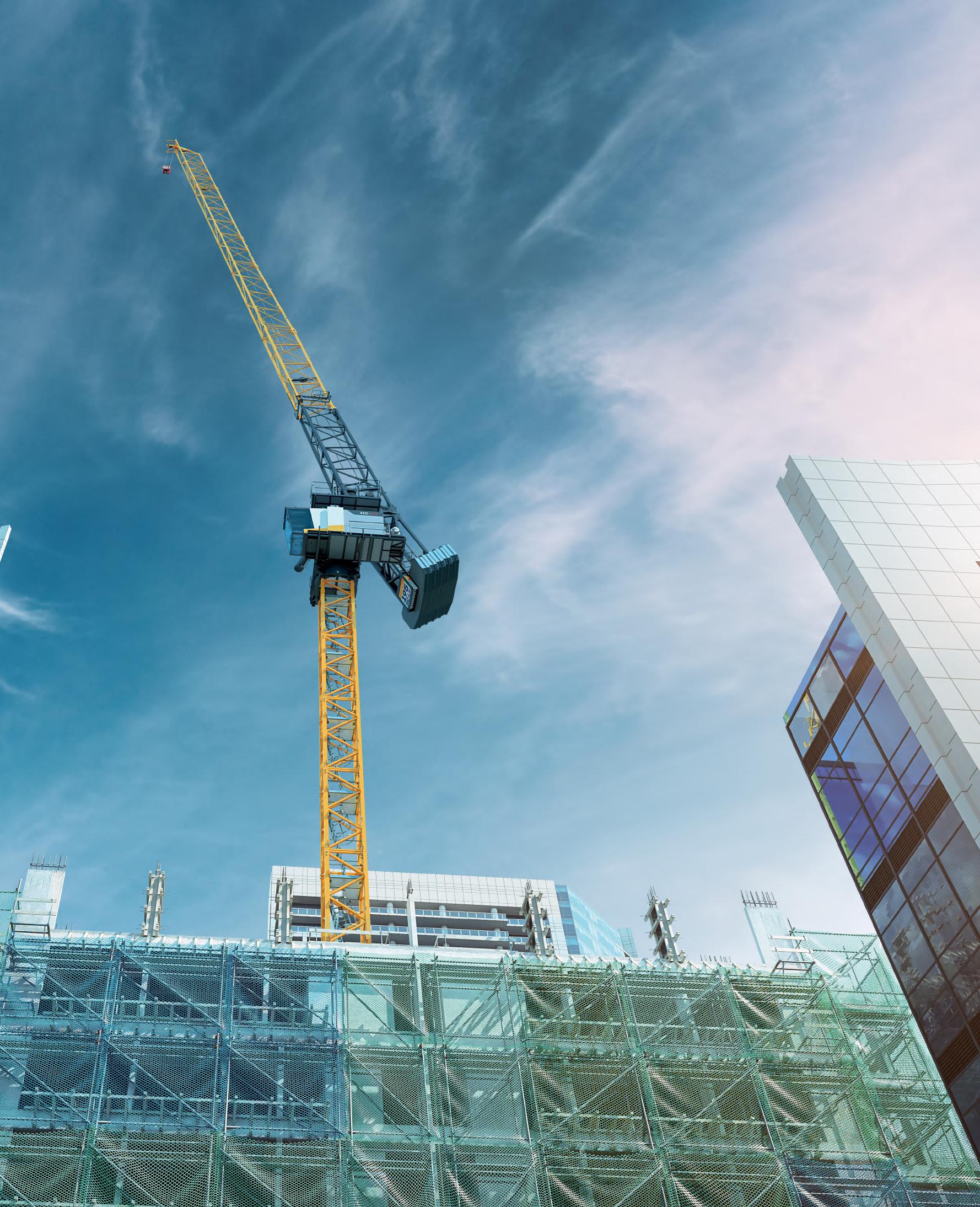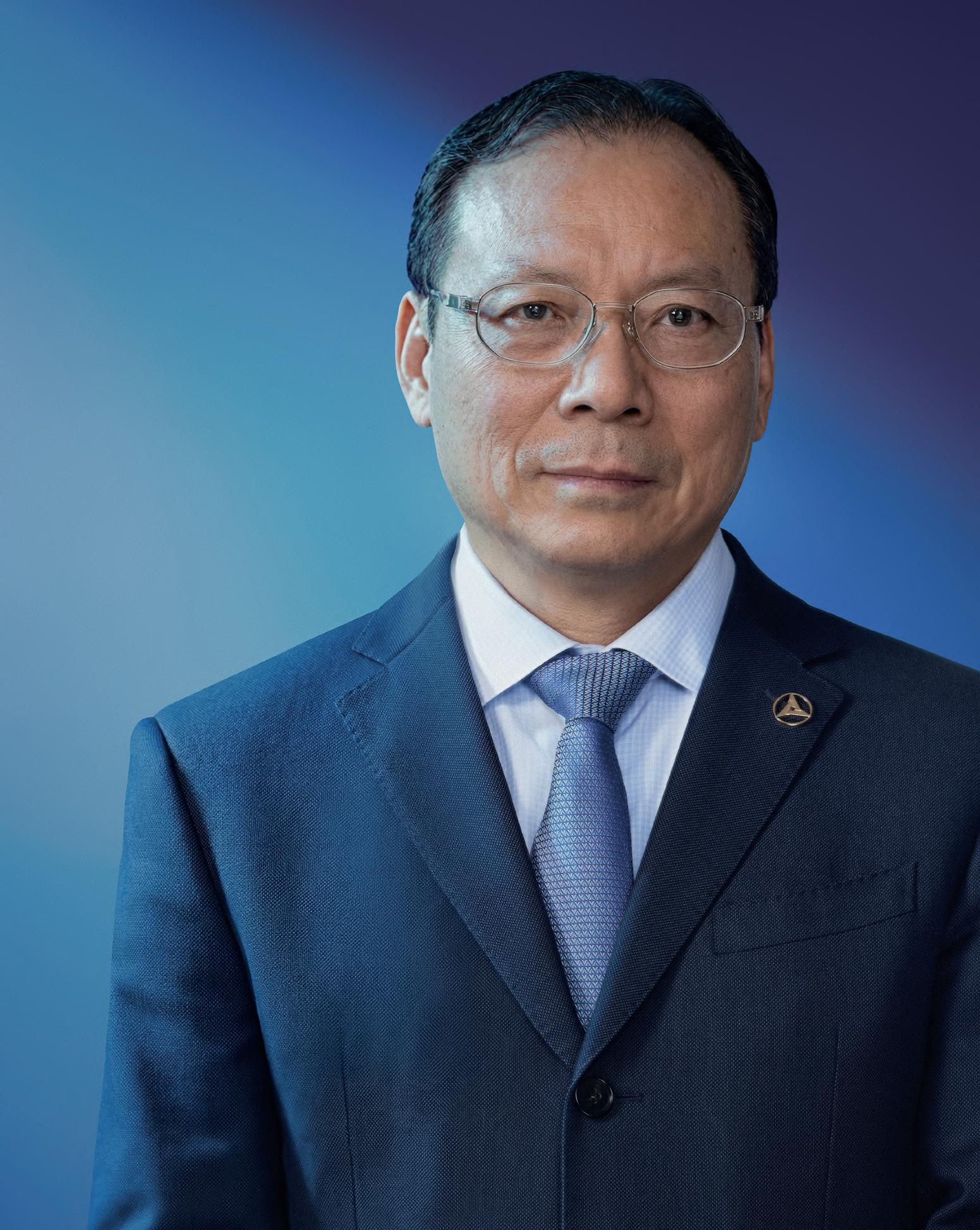
SANY’S TANG XIUGUO SPEAKS EXCLUSIVELY TO BPME ABOUT BECOMING A COMPREHENSIVE CONSTRUCTION SOLUTION PROVIDER AND ITS BUSINESS IN THE MIDDLE EAST
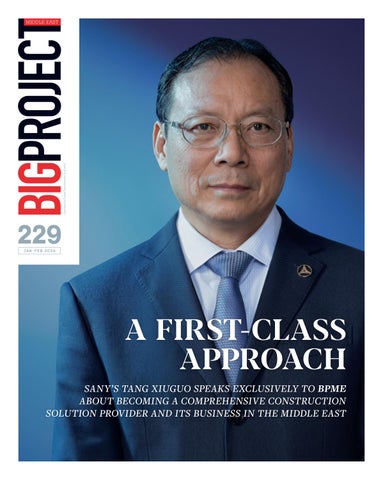
SANY’S TANG XIUGUO SPEAKS EXCLUSIVELY TO BPME ABOUT BECOMING A COMPREHENSIVE CONSTRUCTION SOLUTION PROVIDER AND ITS BUSINESS IN THE MIDDLE EAST
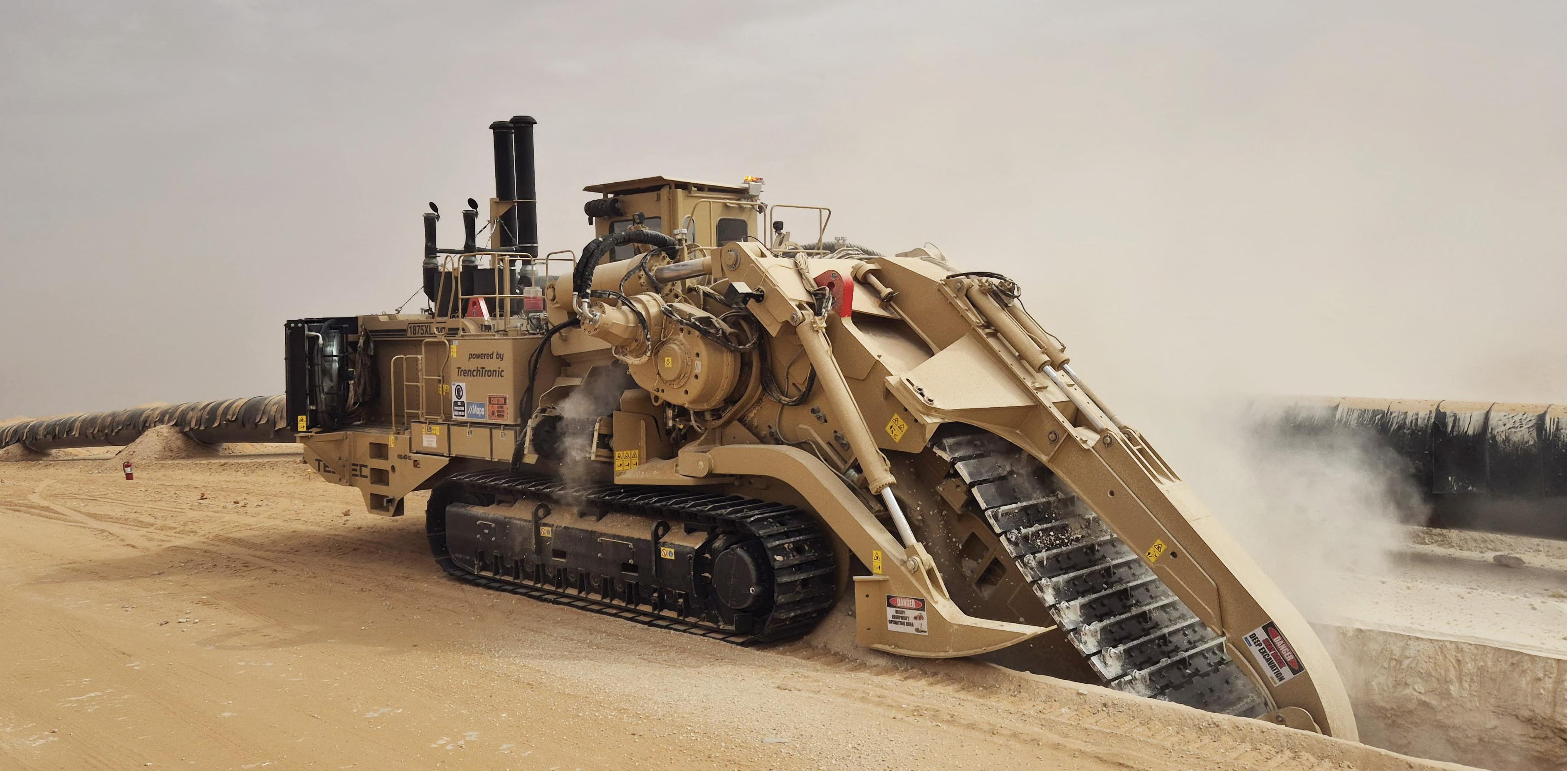
Tesmec has been producing trenchers for 70 years, with three factories located in Italy, France and Texas. Over the last 20 years, Tesmec has focused on innovation and technology. Saudi Tesmec is our local branch, supporting the pipeline industry.
Tesmec 1875XL EVO Chainsaw only solution on the market trench widths up to 213 cm Featuring an impressive 950-hp is engineered to conquer challenges, making it ideal installations in hard and
Chainsaw Trencher stands as the market capable of achieving cm and depths up to 732 cm. 950-hp engine, this machine conquer the toughest excavation for large-diameter pipeline abrasive rock conditions.



February 02-04, 2026 | Dhahran Expo, Dammam, KSA
Heavy Equipment Connect Forum & Expo 2026
Host:







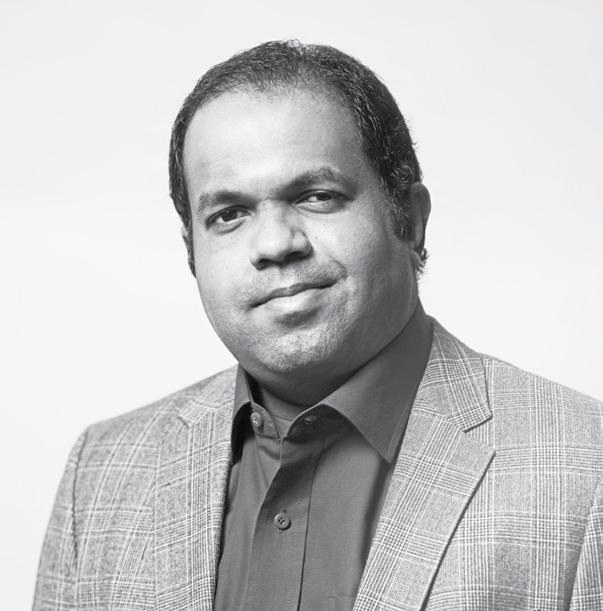
Sustainable action must be immediate and aggressive
Welcome to the first edition of 2026 dear readers - on behalf of the Big Project Middle East (BPME) team and everyone at CPI Trade Media, I wish you and yours health and success in the new year. Looking back, 2025 was an extremely busy year for the BPME team, and we have plenty to come in 2026.
The construction market in the Middle East remains the most active and vibrant in the world, and while this is great news, now more than ever, the industry must come together to decarbonise development, processes and operations.
According to a report from Copernicus, 2025 was the third hottest year on record. The firm revealed that global temperatures from the past 3-years (2023-2025) averaged more than 1.5-degrees Celsius above the pre-industrial level, and also marks the first time a 3-year period exceeded the 1.5-degrees Celsius limit.
These are alarming figures, and beyond this, there were multiple
climate-change driven extreme weather events around the globe in 2025. The writing is on the wall, the world has to accelerate its decarbonisation efforts to ensure lives, livelihoods and societal stability aren’t further impacted.
While there have been statements that say the world has ‘likely passed the point of no return’, there are also statements noting we're not yet at the ‘runaway greenhouse gas’ stage, where the worst case scenarios on our ecosystems come to pass.
The built environment has made progress decarbonising but more needs to be done immediately and aggressively, and BPME remains committed to championing this issue, as it is one that affects every living thing on this planet.

Jason Saundalkar EDITORIAL DIRECTOR
14 The Briefing
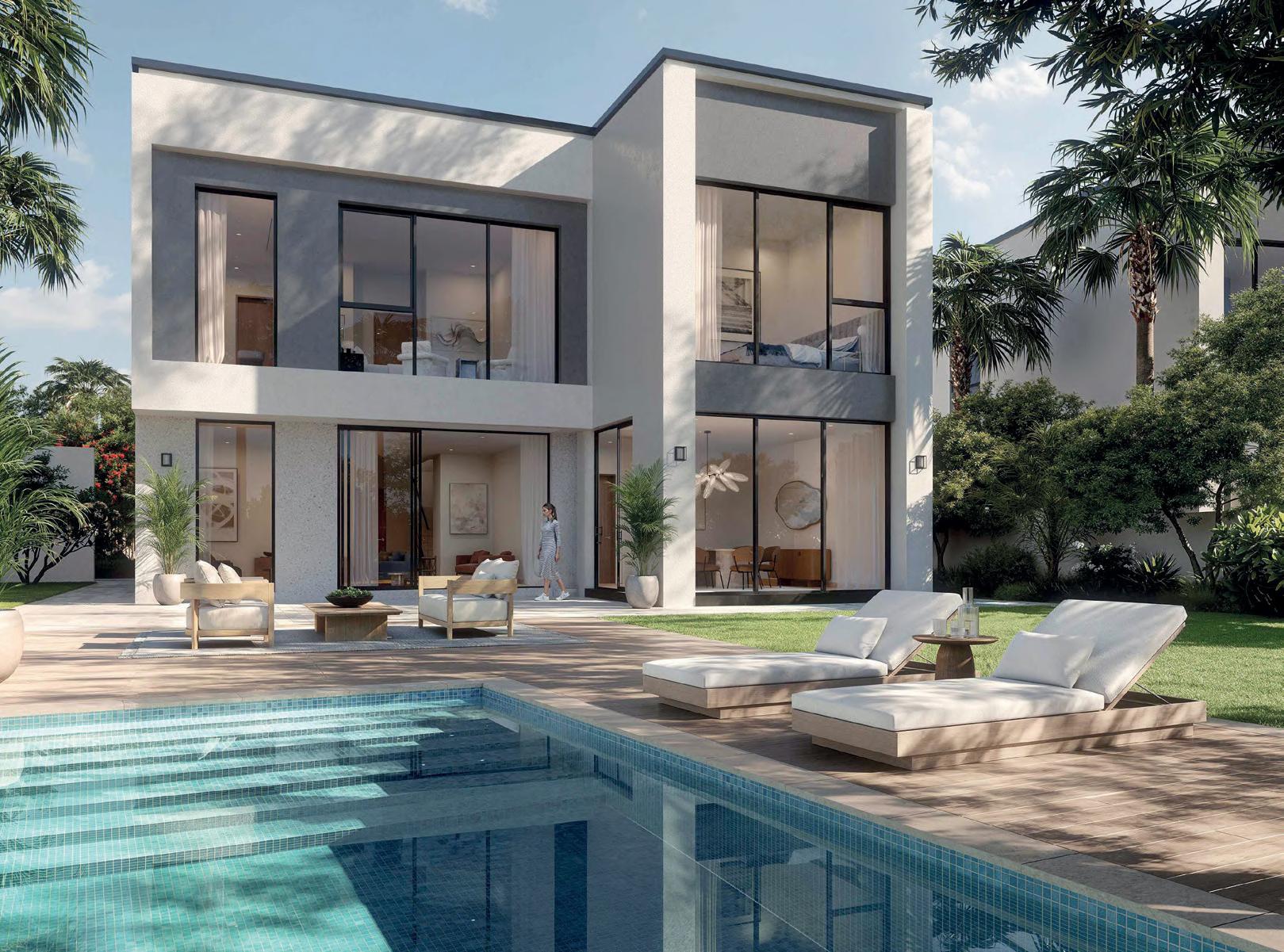
Al-Futtaim unveils Al Badia Villas
22 The Big Picture
A wrap-up of the biggest international construction news stories for the month
24 Market Report
JLL shares insights into the global data centre market, touching on anticipated growth, drivers and trends

30 In Profile A first-class approach to
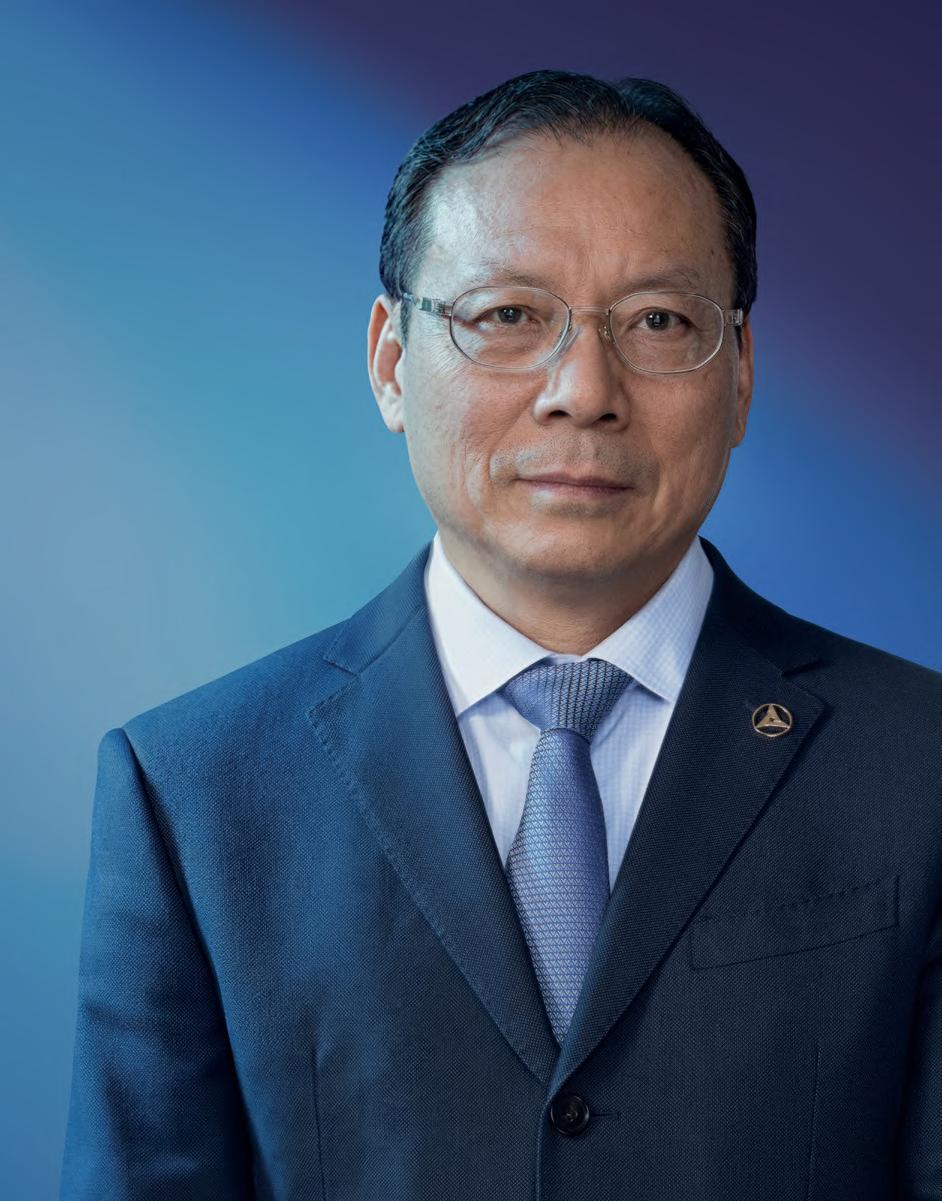
SANY's Tang Xiuguo talks to BPME's Raz Islam and Jason Saundalkar about the company's focus on becoming a comprehensive solution provider that integrates design, manufacturing and construction capabilities
42 In Profile Driven by vision
Dr. Majid Jack Hsiung, General Manager at Source of Fate Properties talks to BPME's Priyanka Raina about the company's development philosophy and the launch of Miraggio

50 In Profile
BPME's Jason Saundalkar speaks to Francis Alfred, MD of Sobha Realty about the launch of the developer's second residential cluster in the $20bn Downtown UAQ | Sobha Realty Masterplan
80 Comment
The building sector is a critical driver of change in the fight against climate change writes Heriot-Watt University's Dr. Mustafa Batikha
88 Final Update
Wynn Al Marjan Island topped out says Wynn Resorts and Marjan
GROUP
MANAGING DIRECTOR Raz Islam
DIRECTOR OF FINANCE & BUSINESS OPERATIONS Shiyas Kareem
EDITORIAL
EDITORIAL DIRECTOR Jason Saundalkar
ASSOCIATE EDITOR Priyanka Raina
ADVERTISING
SALES DIRECTOR Arif Bari
STUDIO
ART DIRECTOR Simon Cobon
GRAPHIC DESIGNER Percival Manalaysay PHOTOGRAPHER Maksym Poriechkin
CIRCULATION & PRODUCTION
DIRECTOR OF MARKETING & MEDIA OPERATIONS
Phinson Mathew George
PRODUCTION & IT SPECIALIST Jarris Pedroso
MARKETING
MARKETING & EVENTS EXECUTIVE Lakshmy Manoj
SOCIAL MEDIA EXECUTIVE Franzil Dias
WEB DEVELOPMENT
SENIOR DIGITAL MANAGER Abdul Baeis
WEB DEVELOPER Umair Khan
FOUNDER Dominic De Sousa (1959-2015)
raz.islam@cpitrademedia.com shiyas.kareem@cpitrademedia.com
jason.s@cpitrademedia.com priyanka.raina@cpitrademedia.com
arif.bari@cpitrademedia.com
simon.cobon@cpitrademedia.com percival.manalaysay@cpitrademedia.com maksym.poriechkin@cpitrademedia.com
phinson.george@cpitrademedia.com jarris.pedroso@cpitrademedia.com
lakshmy.manoj@cpitrademedia.com franzil.dias@cpitrademedia.com
abdul.baeis@cpitrademedia.com umair.khan@cpitrademedia.com
When you have finished with this magazine, please recycle it
The publisher of this magazine has made every effort to ensure the content is accurate on the date of publication. The opinions and views expressed in the articles do not necessarily reflect the publisher and editor. The published material, adverts, editorials and all other content are published in good faith. No part of this publication or any part of the contents thereof may be reproduced, stored or transmitted in any
MEConstructionNews.com
@meconstructionn
MEConstructionNews
me-construction-news





PROPERTY
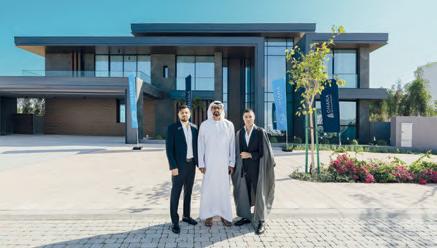
Ohana Development commences delivery Of Ohana By The Sea

TECHNOLOGY
Omnix partners with Eagle Point Software to accelerate digital construction skills
CONSTRUCTION
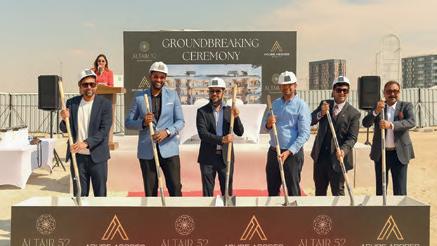
Acube Abodes Realty breaks ground on Altair 52 in Dubai South
INDUSTRY
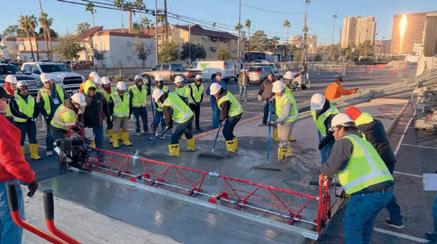
ACI and GLOBE sign MoU to promote sustainable construction practices
INDUSTRY
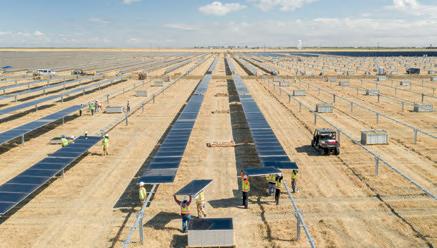
Nextpower and Abunayyan Holding incorporates Nextpower Arabia

From the Middle East to Europe: KEO’s Greg Karpinski

From blueprints to digital twins: Redefining infrastructure in Saudi Arabia
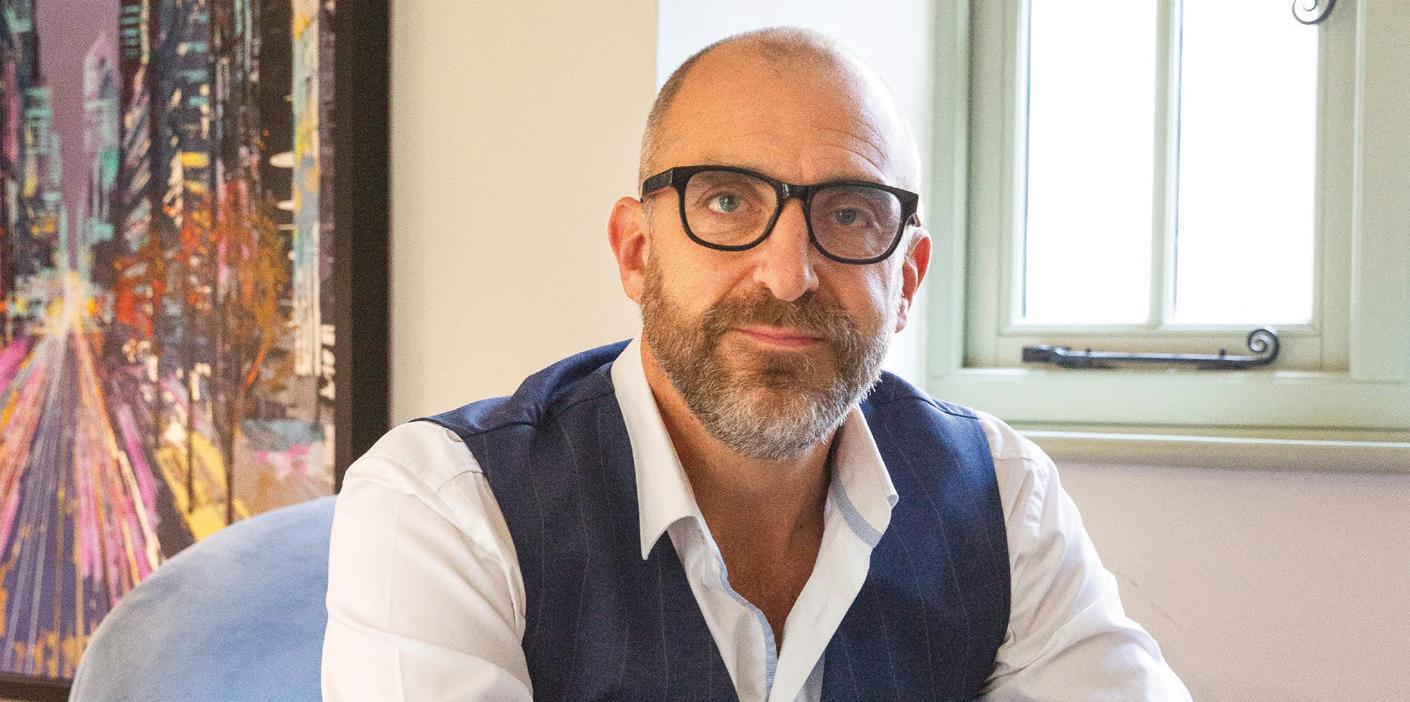
From Vision to Reality: HKA’s Tim Whealy
REPORT
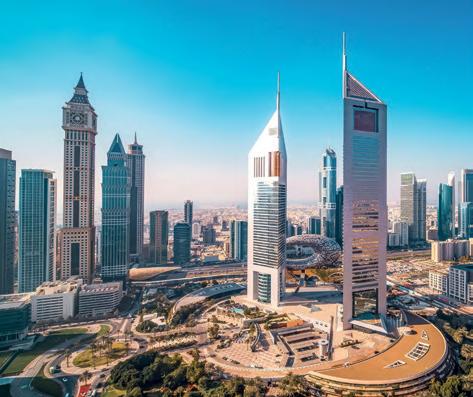
Dubai’s office market heading for major reset says fäm Properties
Dubai’s commercial real estate sector is poised for significant transformation by 2028, with the emergence of a two-tier office market
PROPERTY
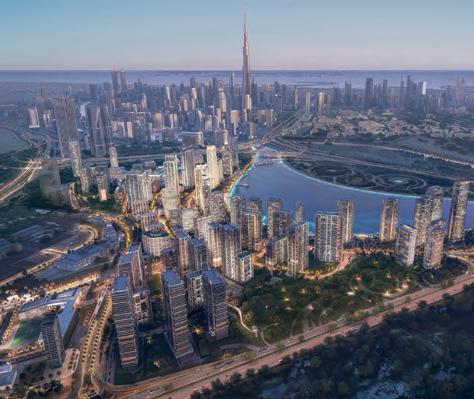
Meraas unveils Dubai Design District residential masterplan
Located between Downtown Dubai and Dubai Creek, the enhanced Dubai Design District masterplan spans 18m sqft of land
FEBRUARY
Heavy Equipment Connect Forum & Expo 2026 2-4 February 2026
Dhahran Expo, Dammam, Saudi Arabia

FEBRUARY
Big Project Awards 11 February 2026
Dubai, United Arab Emirates
INDUSTRY Cundall turns 50
The ME practice has been established for nearly 20-years, growing from a single office to 4 regional hubs in Doha, Dubai, Riyadh and Bengaluru

MARCH
Future of Architecture Summit & Awards 31 March 2026
Dubai, United Arab Emirates
INFRASTRUCTURE
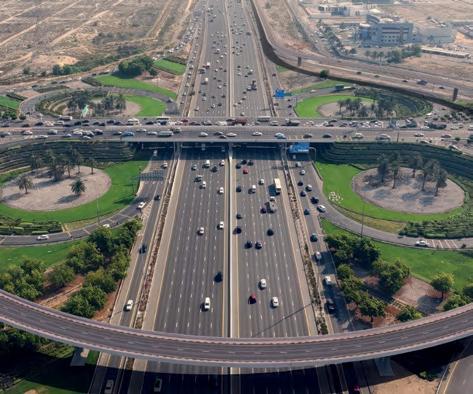
RTA opens phase 1 of Hessa Street Development Project
This opening enhances traffic flow for vehicles travelling from Al Khail Road towards Hessa Street and onwards to Sheikh Zayed Road

APRIL
Value Engineering Summit 15 April 2026
Dubai, United Arab Emirates
SUSTAINABILITY
Dr. Sultan Al Jaber plants
ADNOC’s 5-millionth Mangrove
The milestone marks the halfway point in ADNOC’s ambition to plant 10m mangroves in Abu Dhabi by the year 2030

APRIL
Real Estate Leaders Summit 29 April 2026
Dubai, United Arab Emirates
The new
community
of premium 3-
to
5-bedroom villas cater to growing demand for spacious homes in a central location says the developer
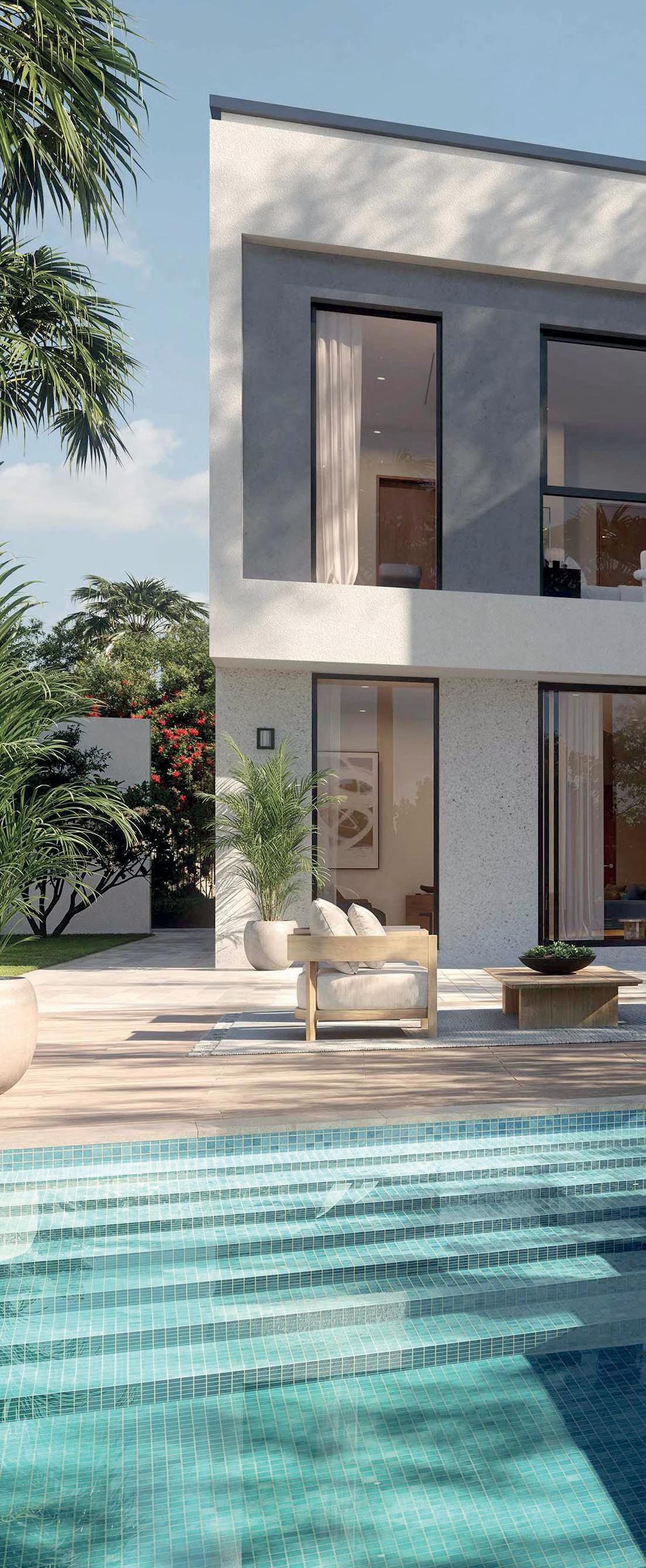
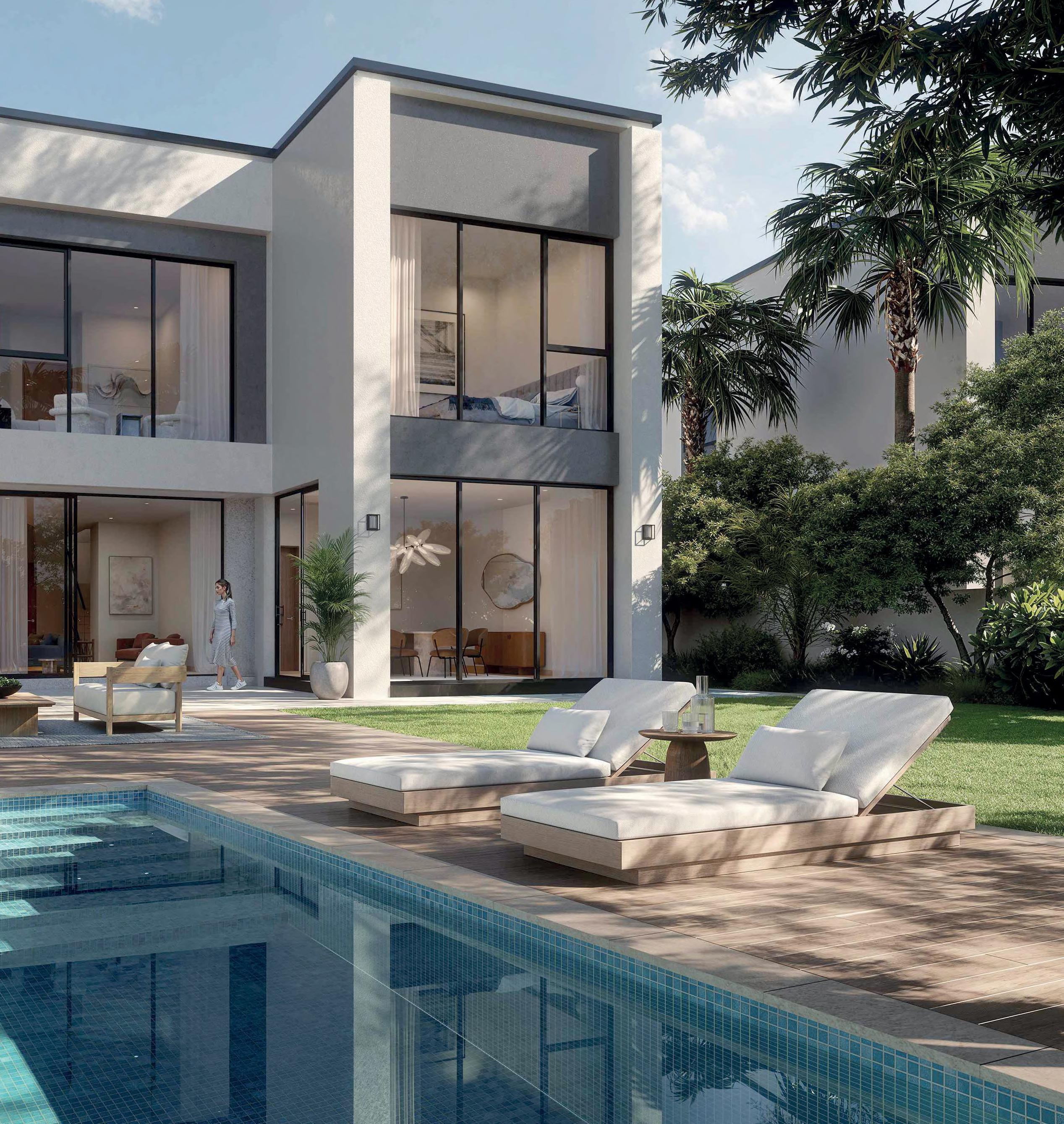
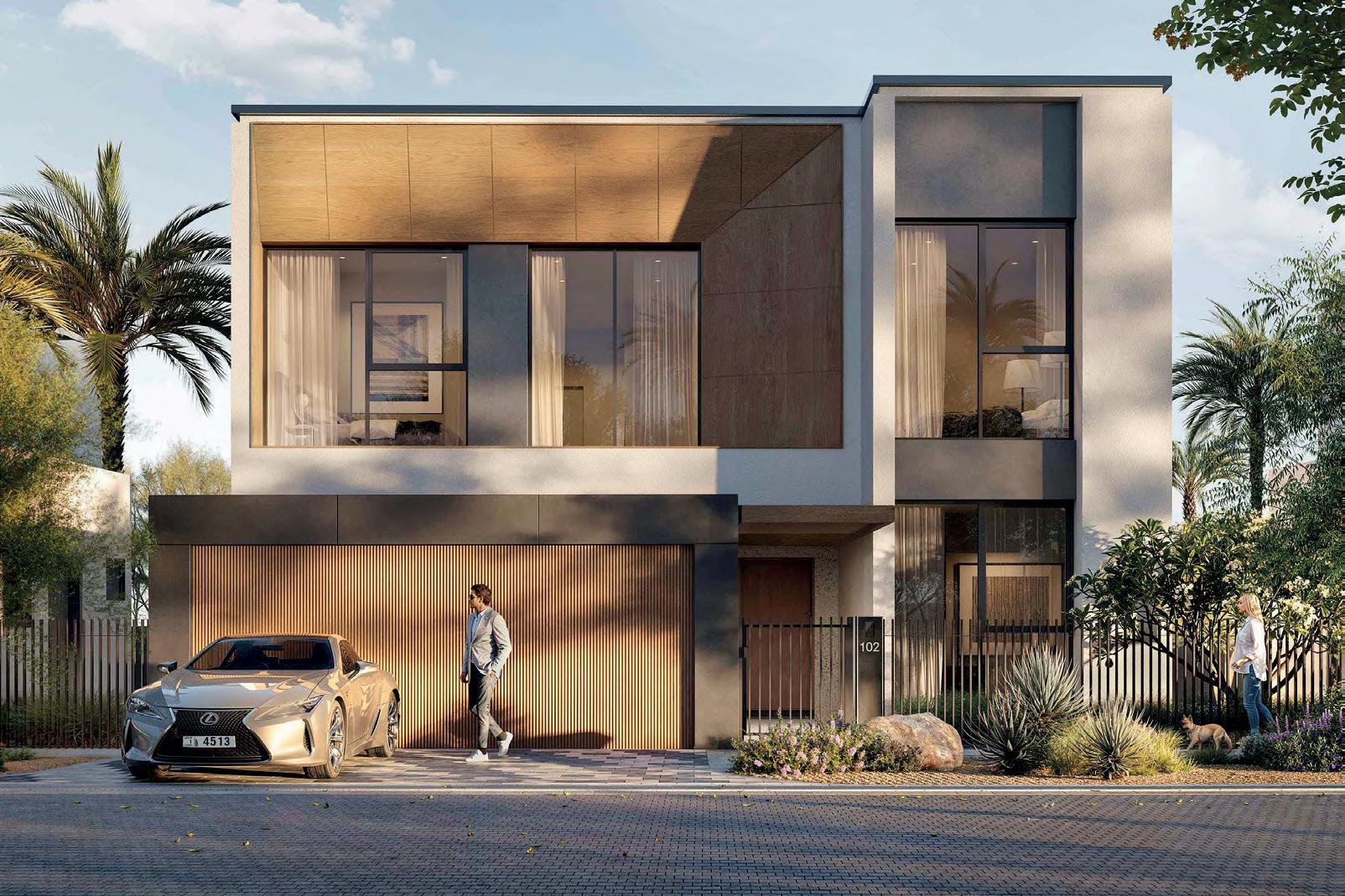
Al-Futtaim Real Estate (AFRE) has announced the launch of its new development, Al Badia Villas, which is billed as a premium new residential leasing project. It features 107 smart, modern, 3- to 5-bedroom homes.
Delivered by Al-Futtaim Contracting, the project is said to underscore Al-Futtaim Real Estate’s ability to execute developments in-house, ensuring superior quality, design integrity and seamless management across every stage of the project lifecycle.
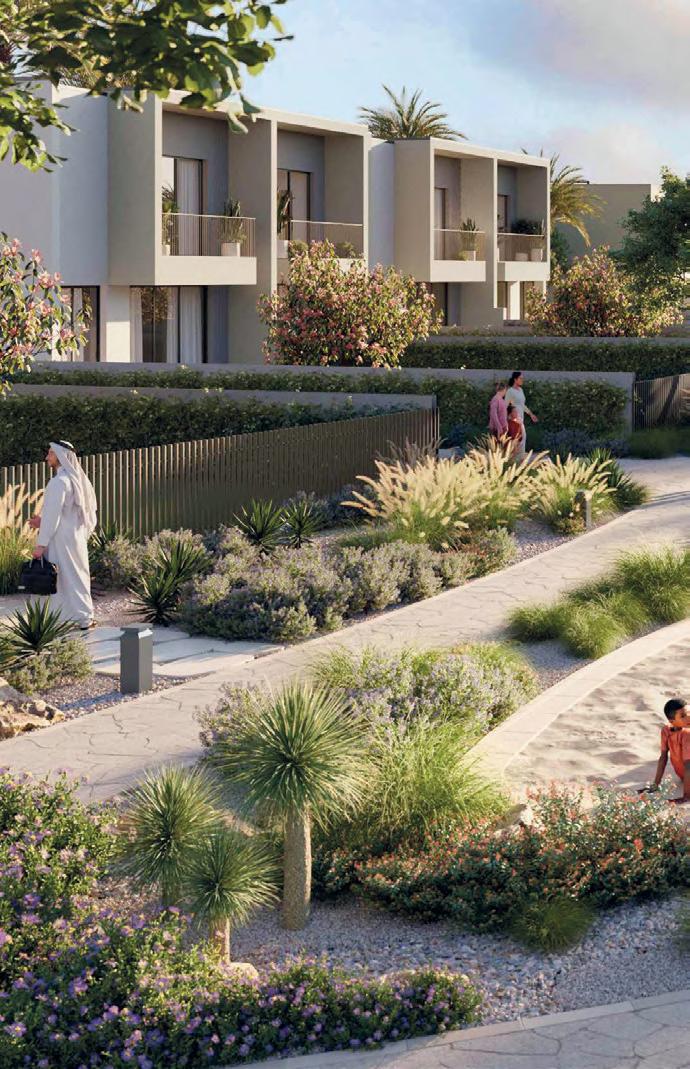
Set amidst three hectares of parks in the heart of Dubai Festival City, the new development is said to be smart by design and elegant by nature, and will redefine high-end living by combining innovative features, sustainability, and unparalleled connectivity.
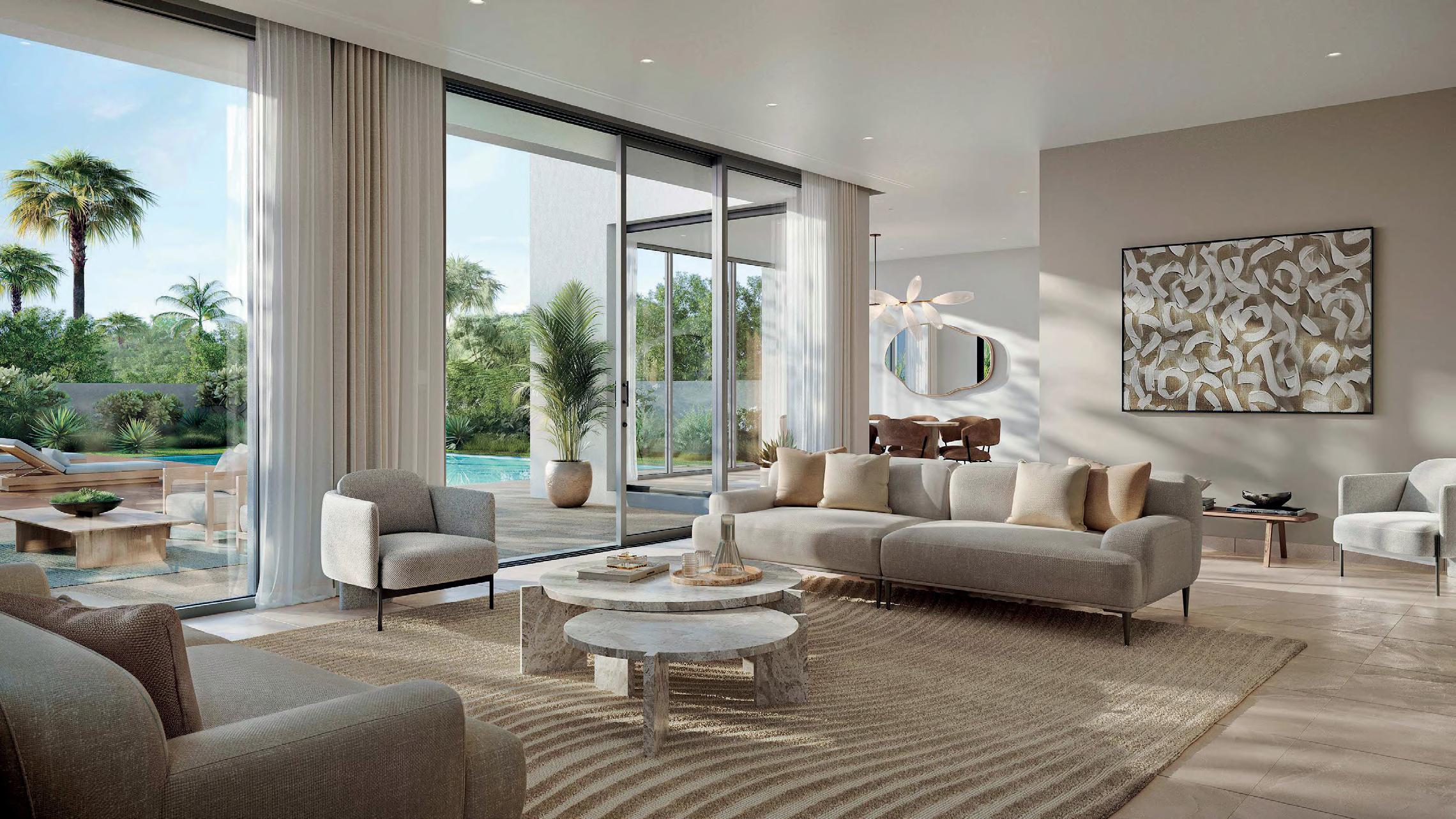
Designed with families in mind, Al Badia Villas come fully equipped with smart home technology, allowing residents to control lighting, HVAC, remote locking, video doorbells, and more, enabled by digital platforms such as Alexa, Apple Home, and Google Home. These functionalities, paired with carefully designed layouts that
optimise both interior and exterior spaces, floor-to-ceiling windows, and carefully curated high-quality finishes, mean the homes exemplify a seamless blend of functionality and design, delivering both comfort and sophistication, the developer said.
Representing a bold step towards sustainable living, Al Badia Villas features solar power systems that the developer says will offer significant savings of up to 30% on energy costs. Each villa is also equipped with EV charging provisions, allowing tenants to install their own charging stations, reinforcing Al-Futtaim Real Estate’s commitment to environmentally friendly, energy-efficient housing and electric mobility. This initiative addresses the growing demand for eco-conscious homes while providing a luxurious lifestyle for residents to enjoy, the developer commented.
“Al Badia Villas reflect our vision of delivering not just premium housing but also a lifestyle of sustainability, innovation, and connectivity. We are proud to redefine villa living with cutting-edge features and thoughtful design that meet the
DESIGNED FOR ELEGANCE
needs of today's residents,” said Spencer Lowres, Executive Director – Development at Al Futtaim.
He added, “Our focus has always been on creating communities where families thrive, and Al Badia Villas combine the best of contemporary design, smart home technology, and a deep commitment to sustainability. By integrating these elements, we offer residents a truly exceptional lifestyle in one of Dubai’s most sought-after locations.”
As part of the existing Dubai Festival City community, the developer
notes that Al Badia Villas are ideally positioned in proximity of a prime waterfront district. People who live in the new development will have access to amenities including schools, Dubai Festival City Mall, and major transport points including Dubai International Airport.
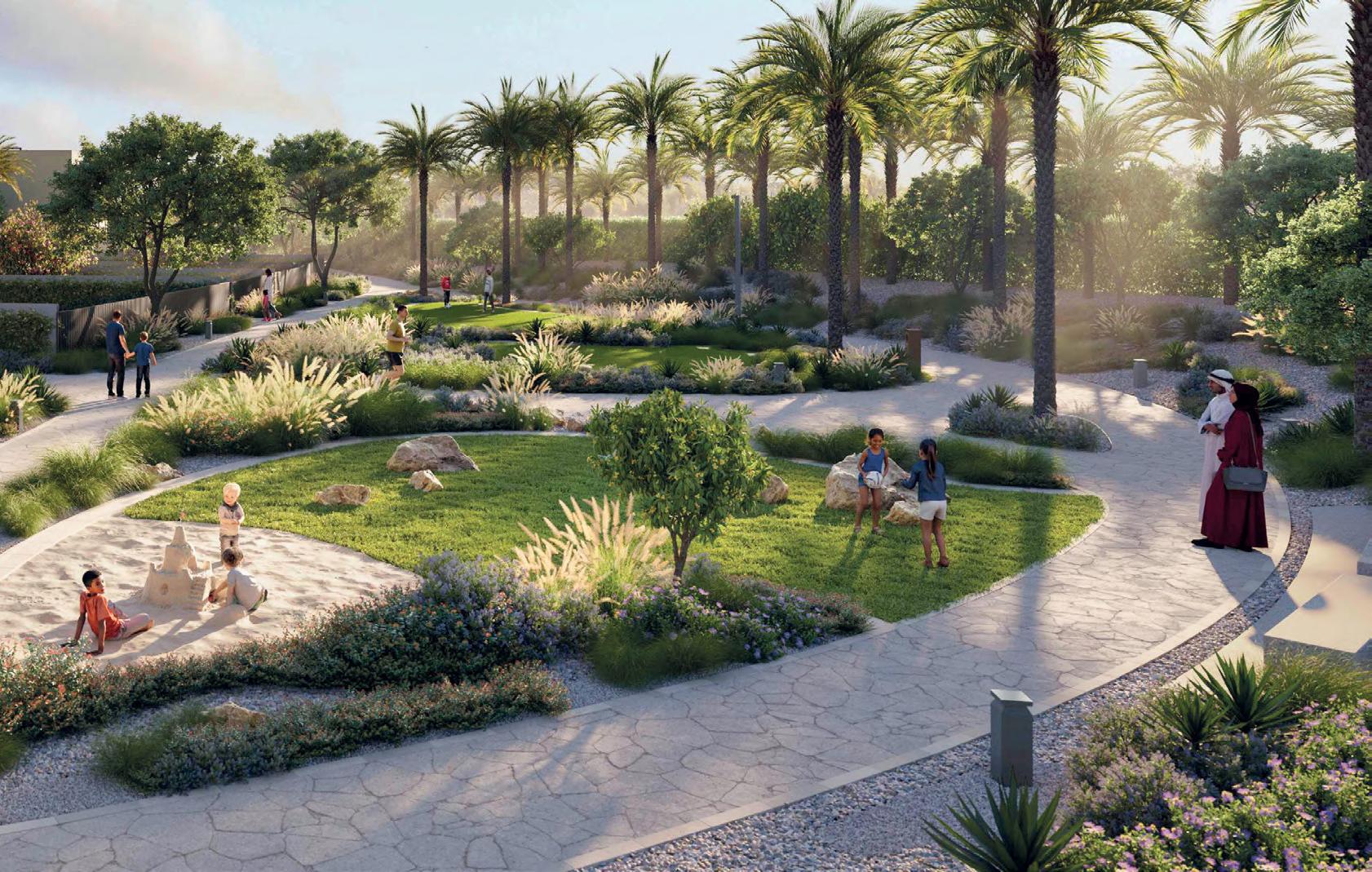
Beyond its location, the development features a variety of family-friendly amenities, such as a children’s play area, outdoor fitness park, cycling tracks, dog-friendly walking trails and 24x7 security surveillance, all designed to foster a sense of community and wellbeing, the developer pointed out.
Embodying modern living embraced by nature, the Al Badia Villas development also features an innovative nature trail along which residents and visitors can scan QR codes as they wander, to discover more about the unique flora and
fauna that thrive in the community. This initiative aligns with AFRE’s efforts to support the aims of the Dubai 2040 Urban Master Plan, and with the UAE’s ambitious Net Zero 2050 strategy, the developer stated.
“We expect Al Badia Villas to offer a transformative contribution to Dubai’s residential leasing market, adding to the already sought-after Al Badia Living by meeting the growing demand for premium villas in convenient, centrally located and well-established communities,” stated Lowres.
“Al Badia Villas are yet more evidence of Al-Futtaim’s strategic commitment to delivering premium,
Al Badia Villas come equipped with smart home technology, allowing residents to control lighting, HVAC, remote locking and video doorbells.
INTWINED WITH NATURE
The development will feature a nature trail along which residents and visitors can scan QR codes to learn about the unique flora and fauna in the community.
luxurious residential options. At Al-Futtaim, our central focus is the customer, designing every space with the occupant in mind and delivering construction quality that meets the expectations of a discerning tenant. This vertically integrated approach enables Al-Futtaim to provide hassle-free living, seamless maintenance, and exceptional service that gives every resident true peace of mind,” he concluded.
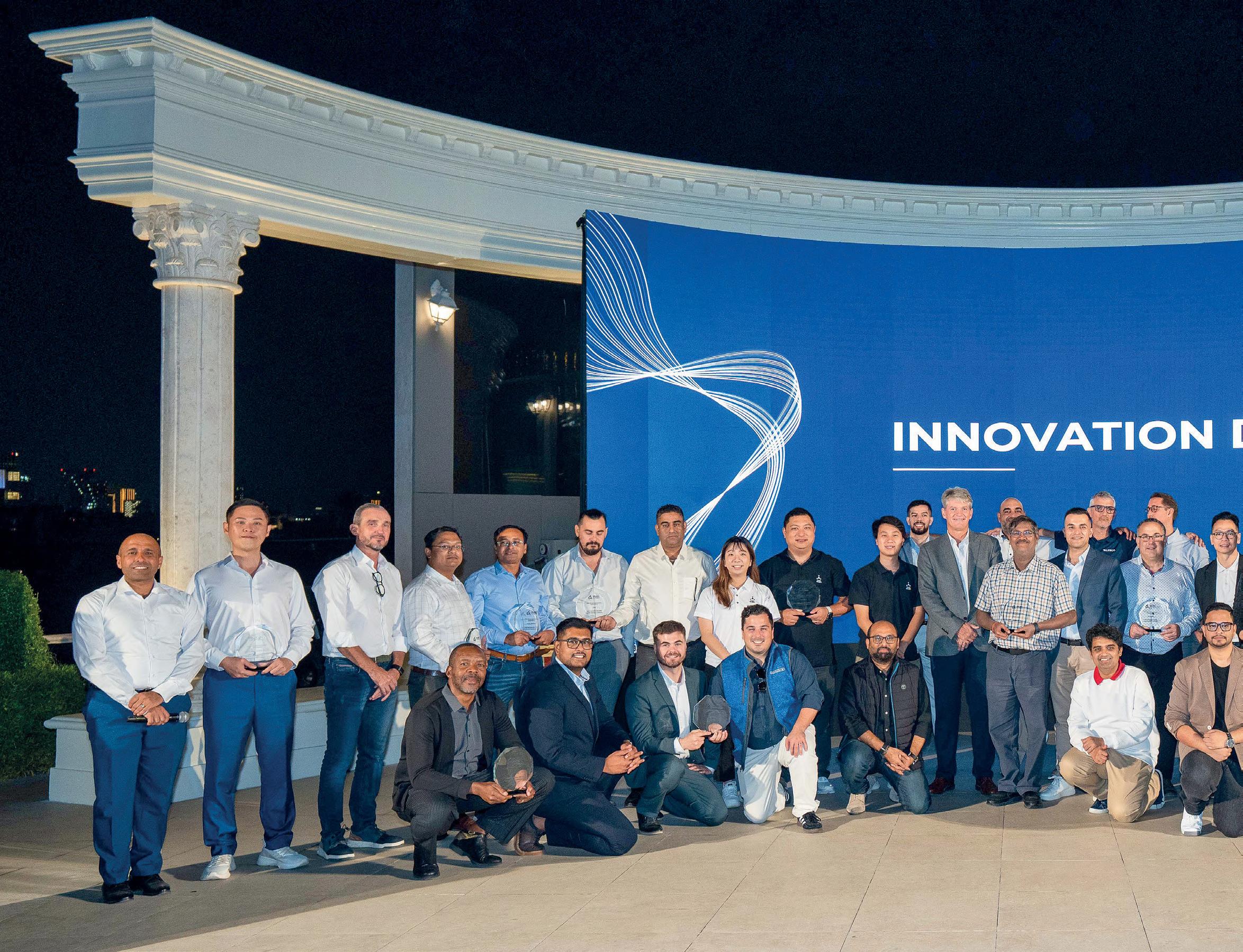
ALEC aims to become epicentre of construction innovation
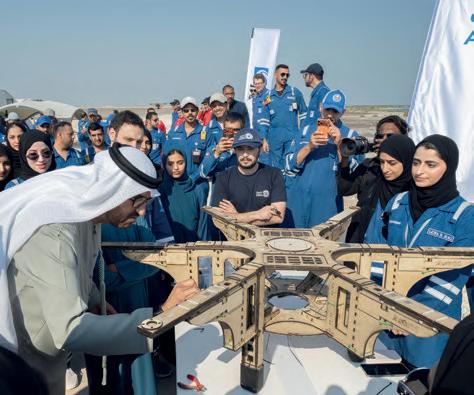
15 partners showcased their technologies at the company’s Innovation Day, which is said to reinforce ALEC’s position as a platform for global innovation solutions
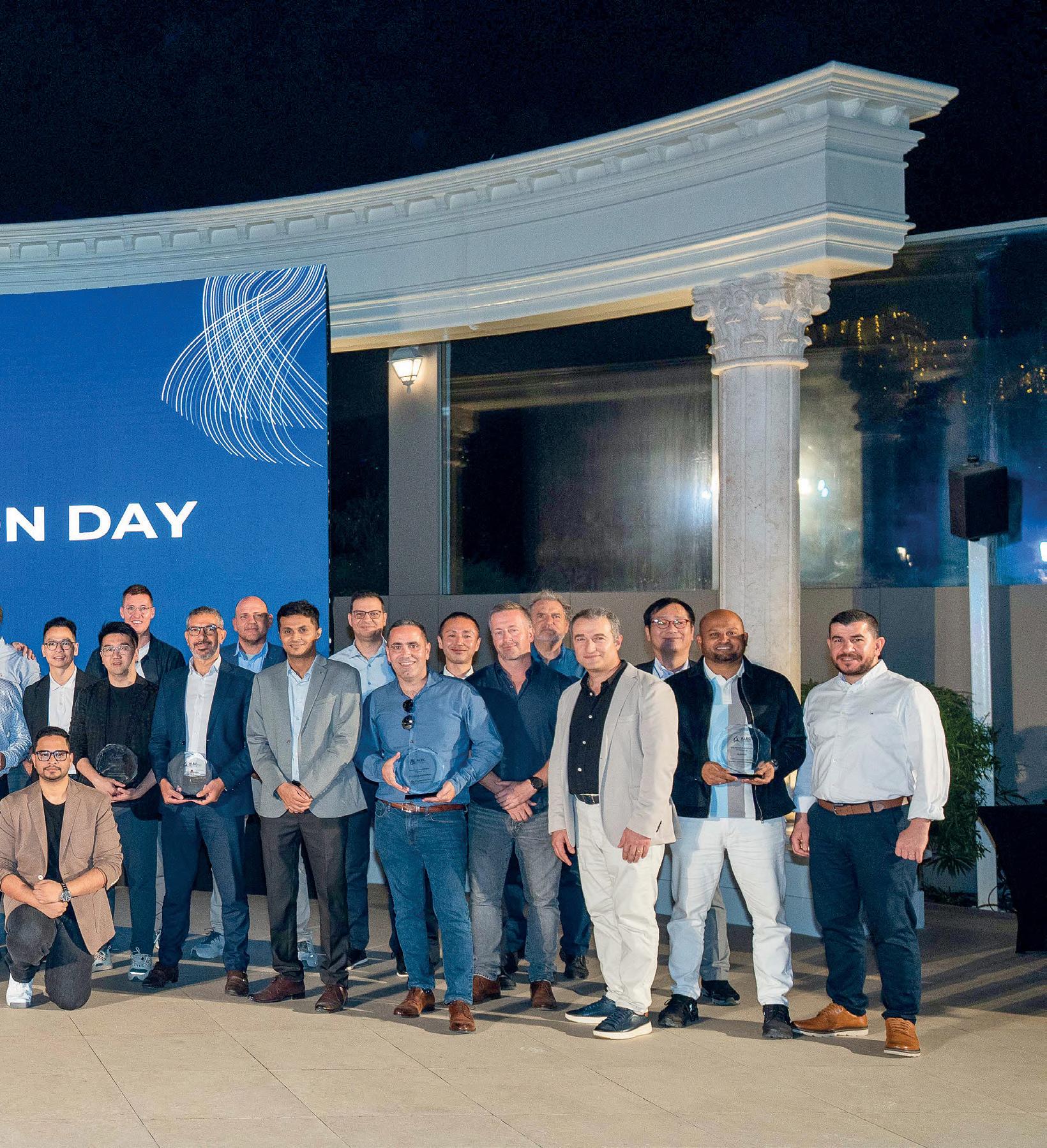
ALEC Holdings used its recent Innovation Day to showcase how it has evolved into a ‘Platform for Global Innovation Solutions’, where solutions shaping the future of construction are ideated, nurtured and scaled across the wider industry. The event took place at the Address Montgomerie Hotel in Dubai.
15 external partners showcased their technologies at the Innovation
Day, which is said to reinforce the company’s position as a platform for global innovation solutions. These companies used ALEC as a launchpad, working with the company’s specialists to mature their solutions, apply them to real-world projects, and build viable commercial models that enable industry-wide value creation.
Among the most notable examples were TENDERD, the AI-powered
equipment management platform that recently secured a US $30mn Series A round, and SOLUT, whose workforce productivity analytics technology has helped increase labour efficiency by around 30% across multiple pilot sites.
“The credibility afforded by ALEC’s validation has been transformative for us,” said Aleksander Belousov, Founder of SOLUT, which received recognition for innovation during the event.
“Since collaborating with ALEC, we have seen increased engagement from developers and contractors, as well as from customers in other industries, who now have the confidence to adopt and support our solutions. It has significantly shortened our time to market and accelerated our ability to refine and scale our technology,” Belousov stated.
ALEC said that as the GCC construction market is projected to reach US $2.7tn by 2033, the sector is under growing pressure to build faster, safer, and more sustainably.
“The region is a fertile ground for innovation, but this cannot thrive in isolation,” said Imad Itani, Head of Innovation at ALEC. “It needs an ecosystem, which allows promising technologies to be applied to the most ambitious undertakings, investors to access vetted solutions, and innovators to secure fast-track funding. At ALEC, we have made a clear and concerted effort to become that ecosystem. Today we are the epicentre of construction innovation, identifying, implementing, and scaling technologies that can transform how the region builds.”
ALEC noted that its own transformation is driven by a
Itani said that while the region is fertile ground for innovation it cannot thrive in isolation and requires an ecosystem that enables technologies to be applied to projects so they can be vetted and proven.
culture that actively encourages experimentation. It has cultivated champions who are eager to test, refine, and scale new ideas, while many of ALEC’s business units now regularly bring their own innovative products and services to market.
The Innovation Day also underscored ALEC’s commitment
to subcontractors, who the company believes play a growing role in shaping the future of the sector.
“Subcontractors play a vital role in ALEC’s project delivery, which makes their involvement in our innovation journey essential. This year marks the first time we have expanded our innovation initiatives to include select subcontractors, and we intend to broaden this across the entire supply chain in the future. By creating opportunities for shared learning and collaboration, we are building a collaboration framework that will enhance capabilities across the ecosystem and drive
collective progress,” added Itani. At this edition of Innovation Day, ALEC also introduced a new set of Collaboration Awards, recognising the partners who are helping elevate innovation across ALEC’s ecosystem. The contractor said that the awards program celebrated excellence in four key areas: Innovative Subcontractor of the Year, Technology Collaboration of the Year, Startup Engagement of the Year, and Client Collaboration of the Year.
Each category is said to reflect ALEC’s commitment to fostering stronger partnerships and driving meaningful, industry-wide progress.
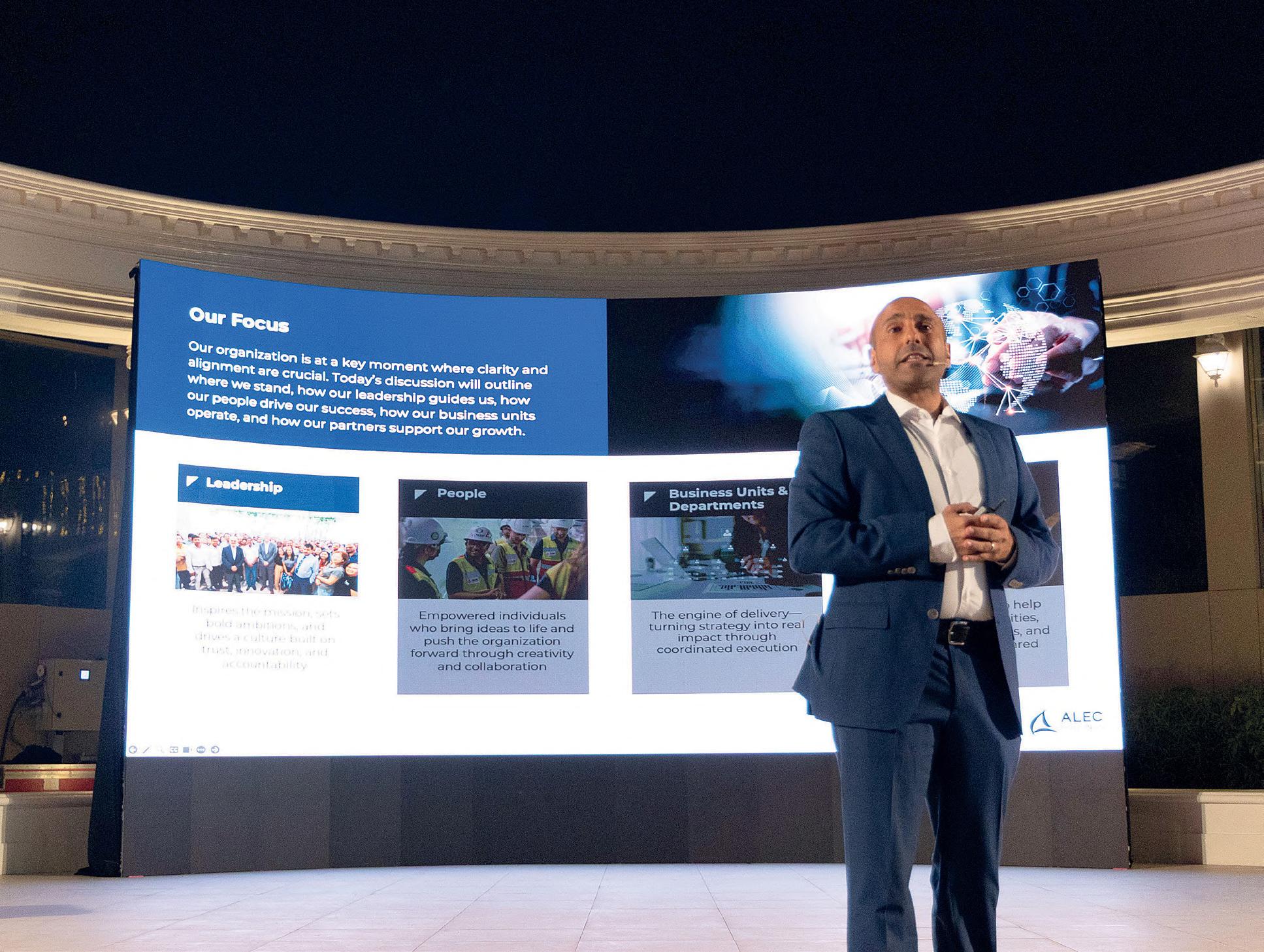
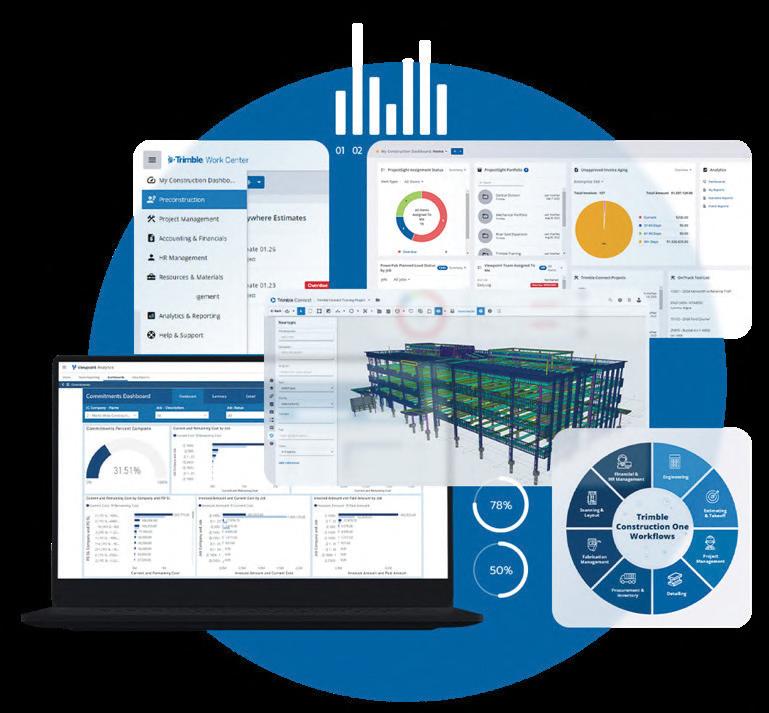
Wherever your projects take you, Trimble scales with your ambition. Whether it’s supporting new materials, handling local compliance or growing from single seats to enterprise deployments, we’ll help you deliver with confidence.
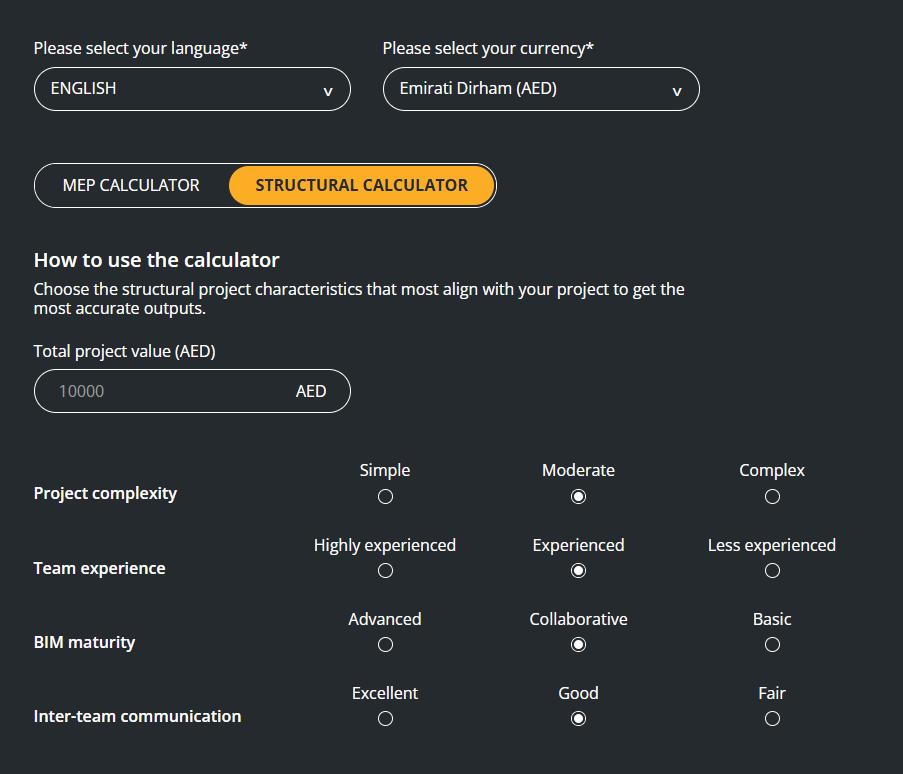
This free access tool is designed to help structural and MEP professionals visualise the financial impact of rework in a project.
By inputting a few key details and using data from the Construction Industry Institute, you can see how small oversights can escalate as the project progresses from design to construction.
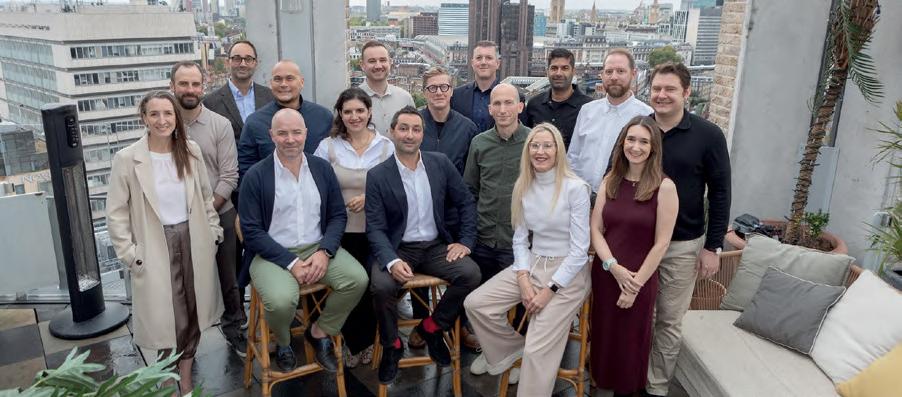
WW+P and SvN have merged their practices, unifying teams of architects, urban planners, urban designers and landscape architects into a single entity with the expertise for the delivery of complex urban projects.
Boasting a portfolio that spans continents, the new practice will integrate planning, urban design, landscape, and architecture to deliver projects that are peoplefocused, inventive, and responsible, the statement said.
By coming together, the practice will support and empower clients to be ambitious – leading the next chapter in regenerative design thinking.
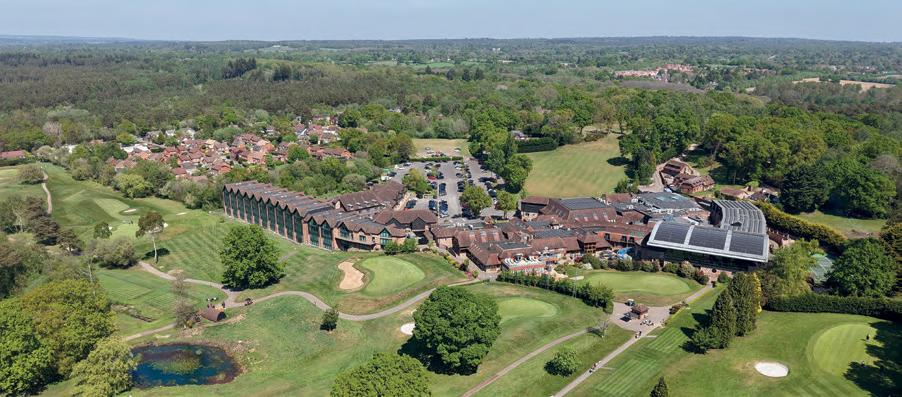
The Accor group has entered into an agreement with Select Group to introduce the Mövenpick brand to the United Kingdom.
Following an extensive renovation, the Mövenpick Hampshire Old Thorns 194-room resort is expected to re-open its doors in late 2027, bringing the brand’s distinctive and welcoming hospitality to the Old Thorns Estate, said a statement.
The partnership is said to represent a pivotal moment in the brand’s expansion strategy across Europe.
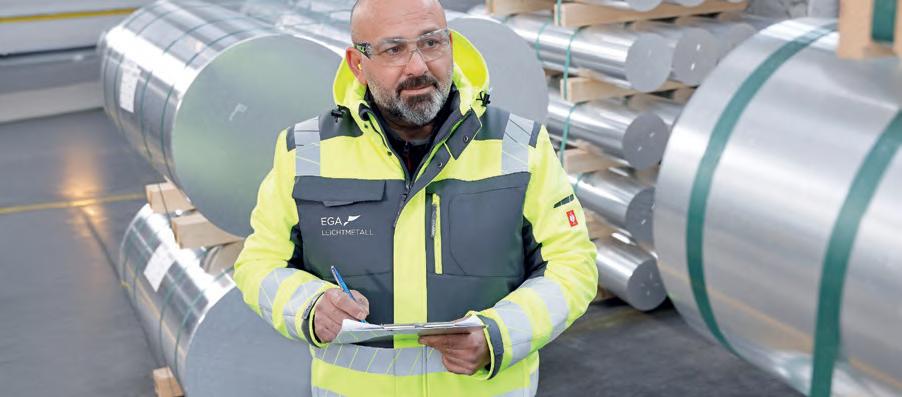
Emirates Global Aluminium (EGA) has announced the expansion of EGA Leichtmetall in Germany. The new facility, located near Hannover, will increase EGA Leichtmetall’s recycling capacity more than six-fold, adding 110,000t per year of scrap sorting capacity and 153,000t per year of melting and casting capacity. The planned new facility will be among the first in the world to combine a scrap sorting system, advanced furnace technologies, and an integrated salt recovery process in a single location.
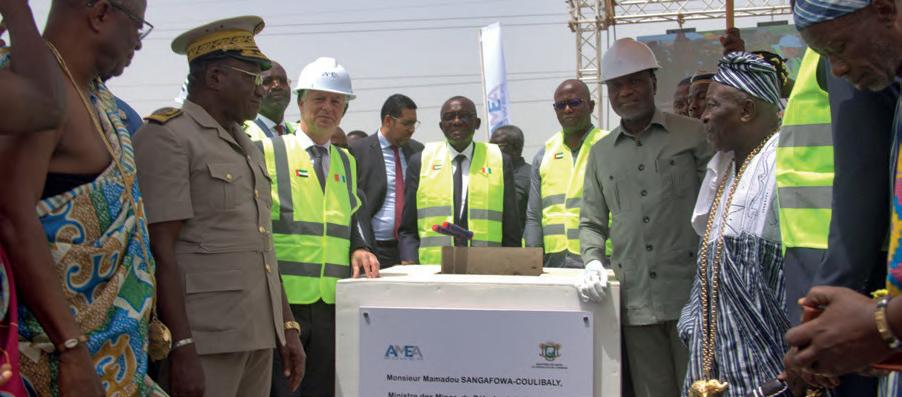
AMEA Power announced a significant milestone in the delivery of its 50MW Bondoukou solar PV project in the Ivory Coast. The financial close has been achieved, and major construction works are underway on site.
Developed by AMEA Goutougo, a project company registered in Ivory Coast and fully owned by AMEA Power, the solar PV plant is situated in the northeastern Gontougo region. It will generate 85GWh of clean electricity annually, enough to power around 358,000 households.
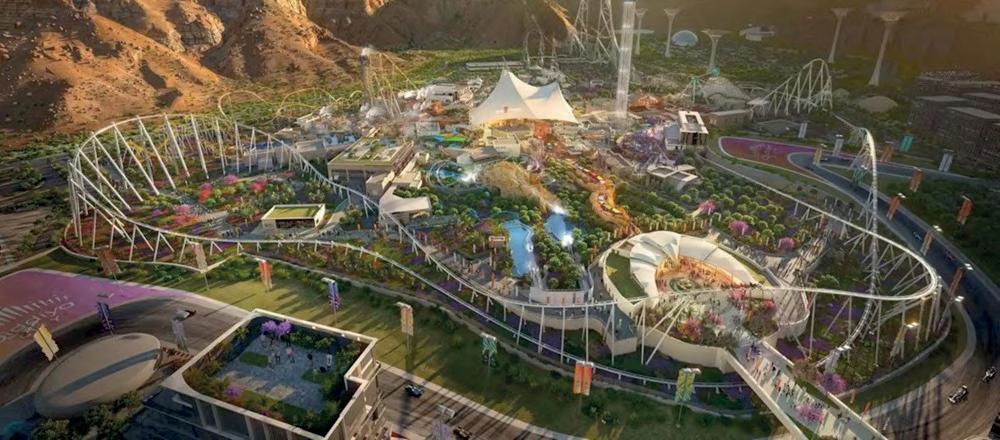
Consultant AtkinsRéalis in collaboration with the Qiddiya Investment Company (QIC) has unveiled Six Flags Qiddiya City, the inaugural Six Flags destination in Saudi Arabia, and the first Six Flags Park constructed entirely outside of North America.
The project is also said to introduce the world’s first Six Flags theme park, marking the first of 70 major assets in the Kingdom, which signifies a significant addition to Saudi Arabia's expanding leisure and tourism landscape.
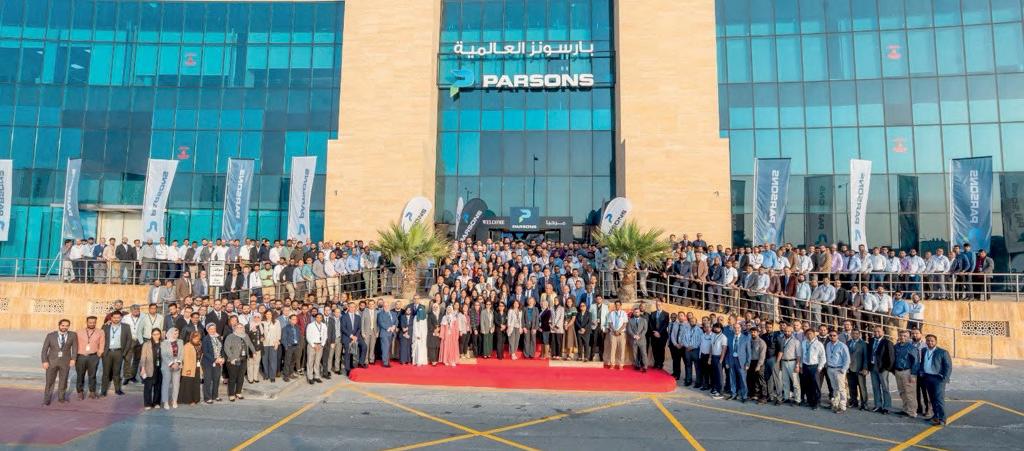
Parsons Corporation has inaugurated its new regional office in Doha, Qatar, with a ribbon-cutting ceremony attended by senior representatives from the US Embassy Doha, Public Works Authority, Qatari Diar, American Chamber of Commerce Qatar, Parsons’ regional leadership team, and employees.
This expansion signifies the company’s continued growth in the Middle East region and its commitment to supporting national development priorities, the firm said in its statement.

JLL shares insights into the global data centre market, touching on anticipated growth, drivers and trends
The data centre sector is projected to increase by 97GW between 2025 and 2030, effectively doubling in size over a five-year period. By 2030, global data centre capacity could reach 200GW. This rapid growth will be driven largely by hyperscale cloud expansion and AI demand.
The Americas is the largest data centre region, representing about 50% of global capacity. The Americas also has the fastest growth rate
of the three global regions, with a projected 17% supply CAGR through to 2030, preserving its position as the dominant data centre region. The US drives most of the activity in the region, accounting for about 90% of capacity in the Americas. APAC data centre capacity will expand from the current 32GW to 57GW by 2030, achieving a 12% CAGR. Colocation leads growth at 19%, while on-prem capacity is
projected to decline 6% as enterprises continue cloud migration.
EMEA’s 10% CAGR forecast is fuelled by government support for artificial intelligence (AI) infrastructure and strong demand for sovereign AI clouds to meet data privacy regulations. The region will add 13GW of new supply, with growth concentrated in established European hubs and emerging Middle Eastern markets pursuing digital transformation strategies.
AI could lead half of data centre workloads by 2030
While AI has been quickly gaining daily active users, it only represented about a quarter of all data centre workloads in 2025, with training driving most of the demand. However, a significant shift is anticipated in 2027, when inference workloads could overtake training as the dominant AI requirement.
While an AI model represents a one-time or periodic investment, once the model is created, inference generates ongoing revenue through
actual application usage. Looking forward, every AI model deployment creates sustained inference demand that grows with user adoption. This growth, however, depends on the emergence and rapid adoption of inference applications that don't yet exist at scale.
Inference demand requires geographical distribution to reduce latency and serve users effectively. This will drive regional deployments and embedded systems at the edge.
On-site power and battery storage
Data centre operators are expected to increase behind-the-metre power arrangements and explore collocated battery storage, as the average wait time for a grid connection in primary data centre markets exceeds four years.
Natural gas is projected to play a major role in alleviating grid constraints in the US, both for temporary bridge power and increasingly for permanent onsite power generation. This can be evidenced by surging global
turbine orders. However, it is worth noting that some of the largest data centre tenants are averse to natural gas solutions as they are not viewed as sustainable.
Natural gas as a solution is less prominent in EMEA and APAC. In these regions, renewables such as solar and wind are seeing increased utilisation. In EMEA for instance, projects combining renewables and private wire transmission can reduce the cost of power for tenants by 40% compared to the grid.
Due to utility interconnection delays, some data centre operators are moving beyond PPAs to directly fund their own energy generation. Additionally, a number of markets have implemented ‘bring your own power’ mandates (Ireland, Texas, et al.), which is fuelling this trend.
Construction costs are increasing
The industry is expanding at a relentless pace, resulting in extended lead times, limited availability of skilled trades and escalating development costs.
7% CAGR
Between 2020 and 2025, the average global data centre construction cost increased from $7.7 to $10.7mn per MW, equating to 7% CAGR. For 2026, JLL is forecasting the average global cost will increase 6% to $11.3mn per MW. Speed to power is the primary criteria driving site selection, followed by community support, latency and proximity to customers. However, as project sizes get larger, variations
in construction costs may weigh more heavily in location decisions.
$3tn in investments are required for 100 GW of new supply by 2030
The global data centre sector is estimated to grow at a 14% CAGR over the next five years, which could result in 100GW of new capacity coming online including hyperscale, colocation and on-prem facilities. This equates to $1.2tn in real estate
asset value creation and a need for roughly $870bn of new debt financing.
The figures above do not include the $1 to $2tn that tenants will spend to fit out their space with GPUs and networking infrastructure, meaning that total data centre expenditures over the next five years could approach $3tn. Taken all together, it is safe to say that we are in the midst of an infrastructure investment supercycle.
New data centre projects are getting larger and more expensive to build. As a result, the sector continues to consolidate due to the immense development costs coupled with the increasing sophistication required to build and operate modern data centres.
These expanding barriers to entry are removing some of the speculation from the development queue and accelerating viable projects backed by credible companies. For these groups, debt markets will remain open for business.
The data centre sector currently
sits at the beginning of one of the largest infrastructure investment supercycles seen in the modern era. The interconnected nature of data centres means the AIfuelled expansion is reshaping a number of sectors including power, technology and real estate. The transition from AI training to inference will redistribute workloads from centralised clusters to distributed regional
hubs, fundamentally altering capacity planning and geographic deployment strategies.
Energy infrastructure has emerged as a bottleneck constraining expansion. Grid limitations threaten to curtail growth, making behindthe-metre generation and integrated battery storage solutions essential pathways for sustainable scaling.
Investors and developers must balance speed to market with
capital efficiency, while navigating supply chain constraints and evolving demand patterns.
JLL said that industry leaders must transform these converging forces into competitive advantages. The winners of this generational investment supercycle will be those who can anticipate demand inflection points, while maintaining flexibility to adapt as AI models and use cases evolve.
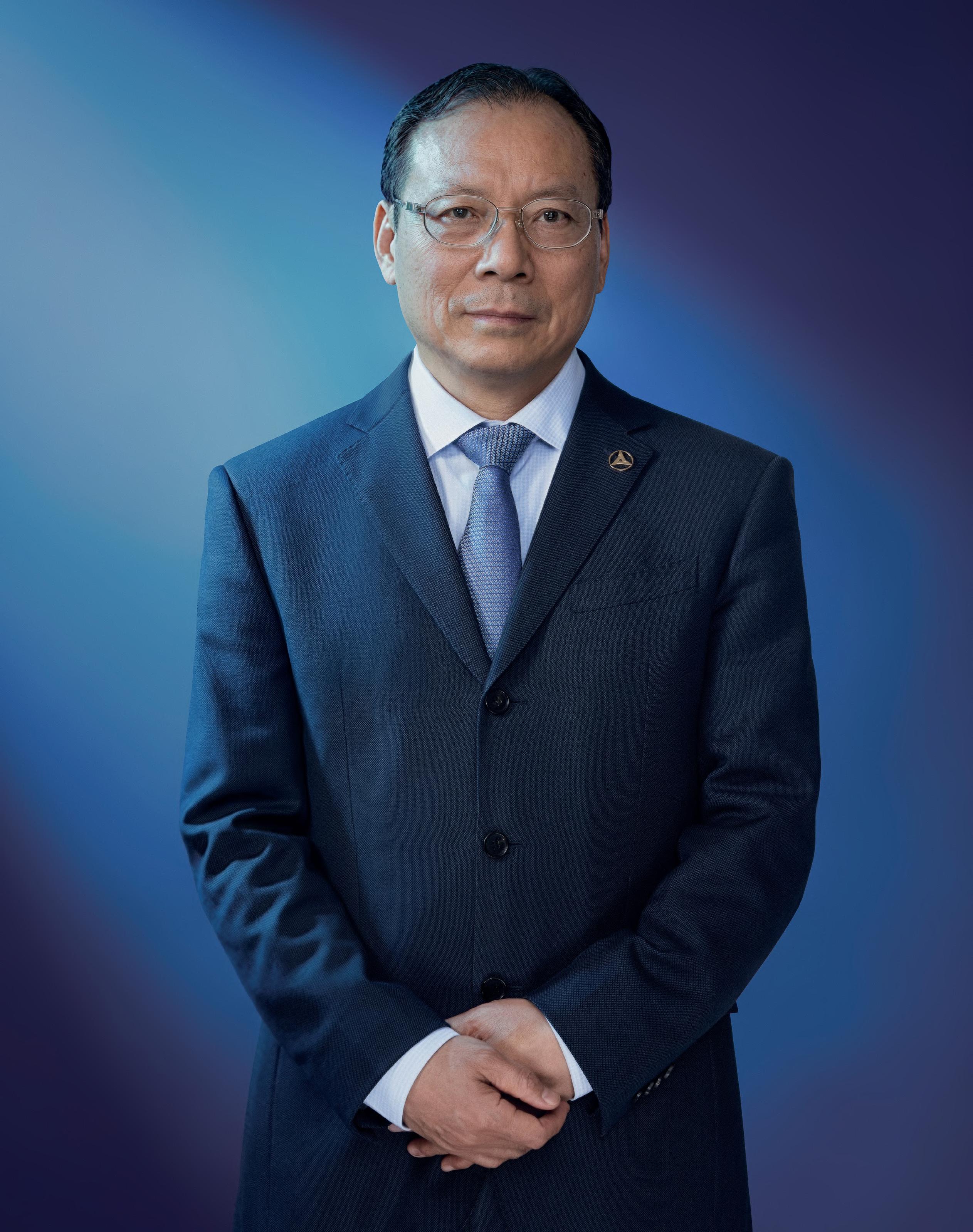
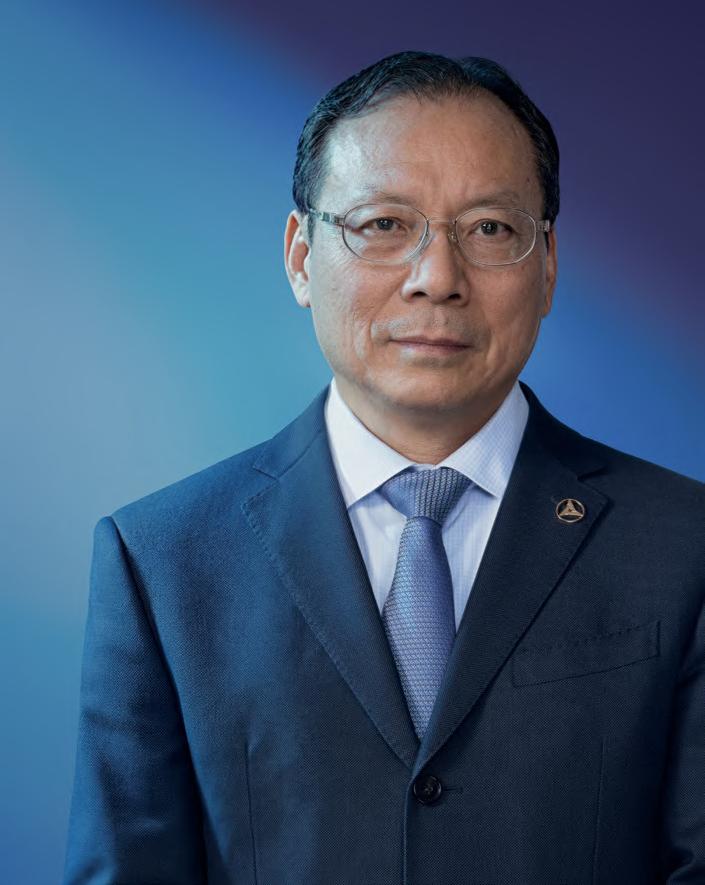
TANG XIUGUO, FOUNDER & CHAIRMAN AT SANY TALKS EXCLUSIVELY TO BPME ’S RAZ ISLAM AND JASON SAUNDALKAR ABOUT THE FIRM'S FOCUS ON BECOMING A COMPREHENSIVE SOLUTION PROVIDER THAT INTEGRATES DESIGN, MANUFACTURING AND CONSTRUCTION CAPABILITIES, ITS FUTURE ASPIRATIONS, LATEST INNOVATIONS, AND THE IMPORTANCE OF THE MIDDLE EAST MARKET
Since its inception in 1989 in Lianyuan in the Hunan Province of China, SANY Group (SANY) has had a 3-fold vision: to build a first-class enterprise; to foster firstclass employees, and to make first-class contributions to society. In staying true to this guiding vision, in the 37 years since its founding, the company has become one of China’s largest suppliers of construction equipment, and is recognised as one of the top 3 largest heavy equipment manufacturers in the world.
Today, SANY is a global enterprise with a massive footprint comprising dozens of industrial parks in China, in addition to facilities in countries such as Australia, Belarus, Brazil, Canada, Germany, India, Indonesia, Kazakhstan, Russia, Ukraine and the United States. Although the company is perhaps best known for its concrete machinery, and as a major supplier of excavators, cranes, wheel loaders and other heavy machines, SANY’s vast business also includes port machinery, oil drilling machinery, renewable wind energy systems, financial insurance, housing, and fire protection. The company says it is committed to expanding into further market segments in the coming years.
In an exclusive conversation with Tang Xiuguo, Founder & Chairman at SANY, Big Project Middle East’s (BPME) Raz Islam and Jason Saundalkar discussed SANY’s focus on becoming a comprehensive solution provider that integrates design, manufacturing and construction capabilities, as well as its future aspirations, latest innovations, and the importance of the Middle East market.
Sharing insights into SANY’s business performance and key achievements in 2025, Xiuguo revealed, “2025 was a year of bumper harvest for SANY. While the overall development speed in China's domestic market is not very fast and is yet to see a major rebound, SANY still achieved over US $22.6bn in revenue last year, with $2.9bn in cash flow and approximately $2.15bn in profit. This
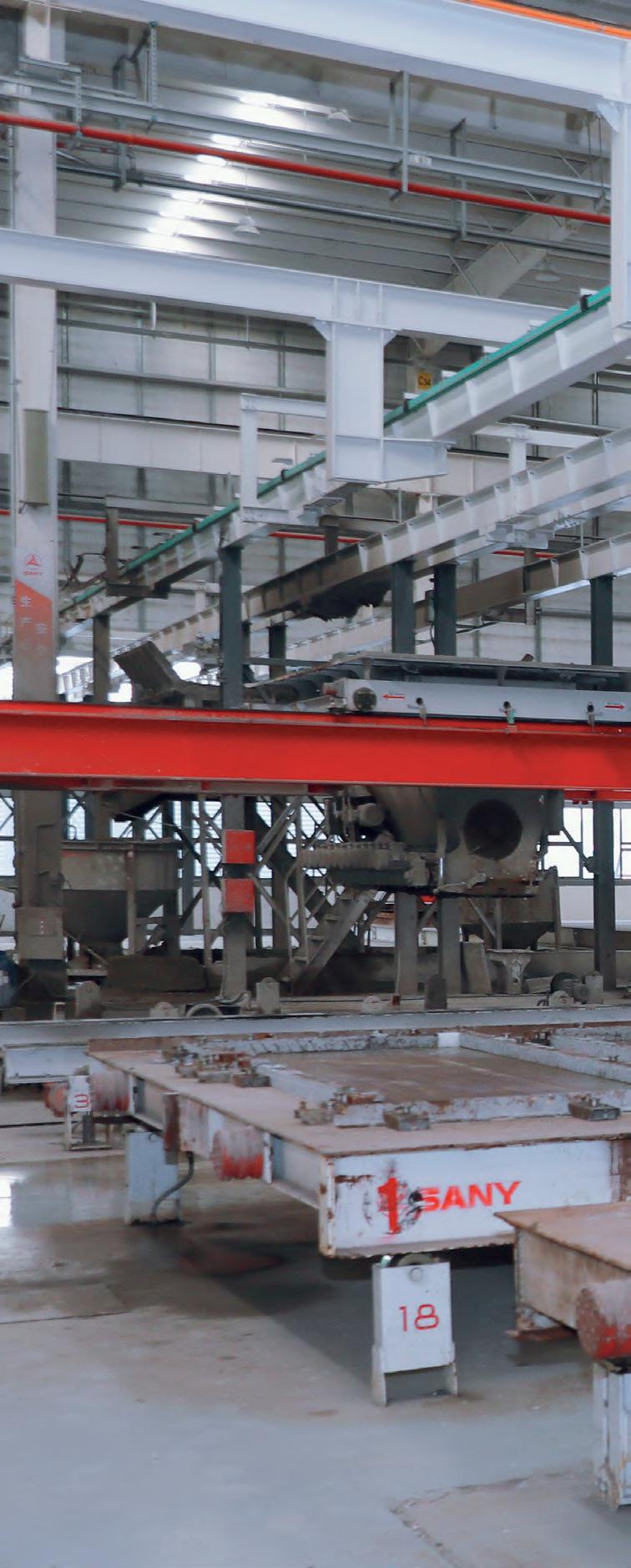
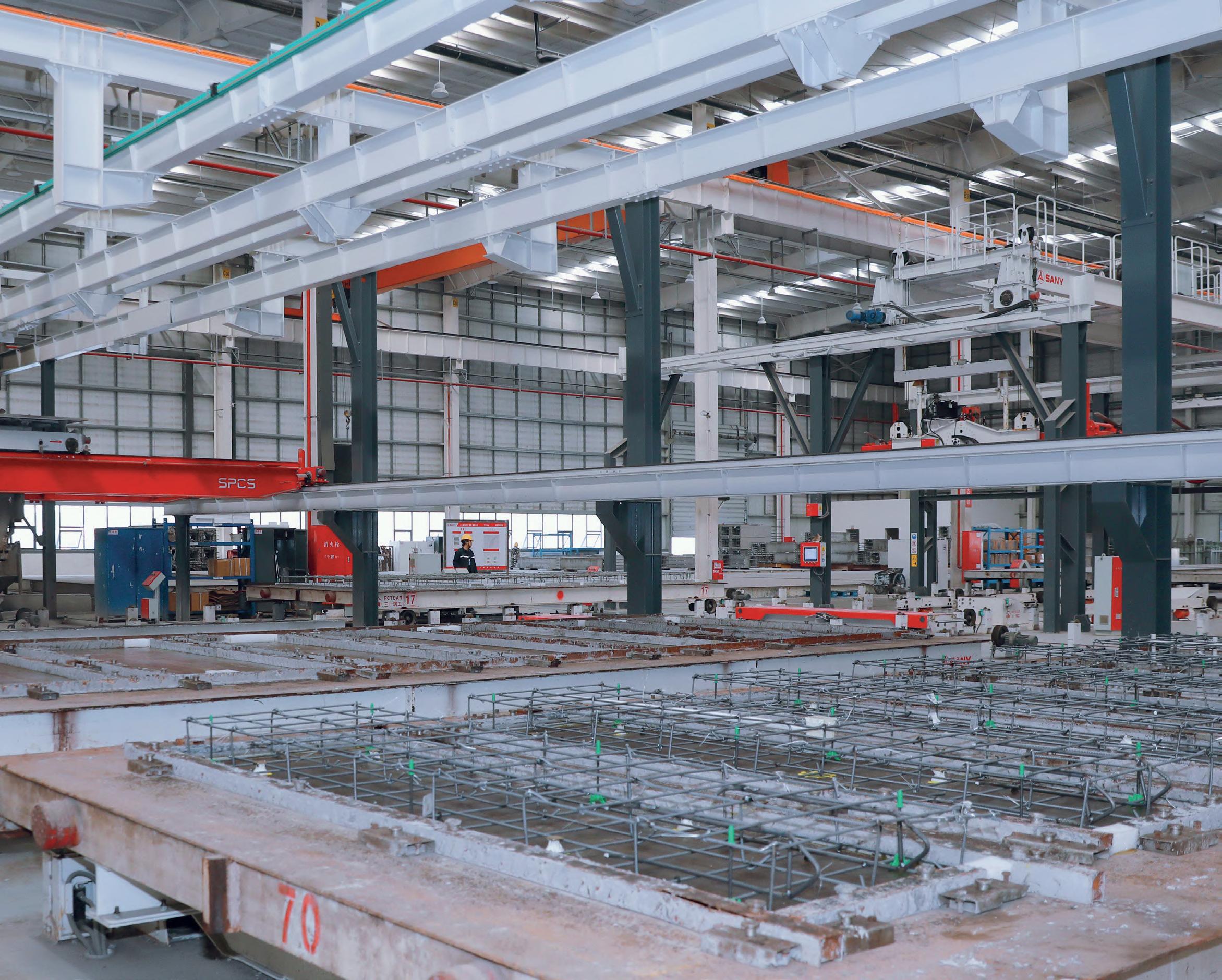
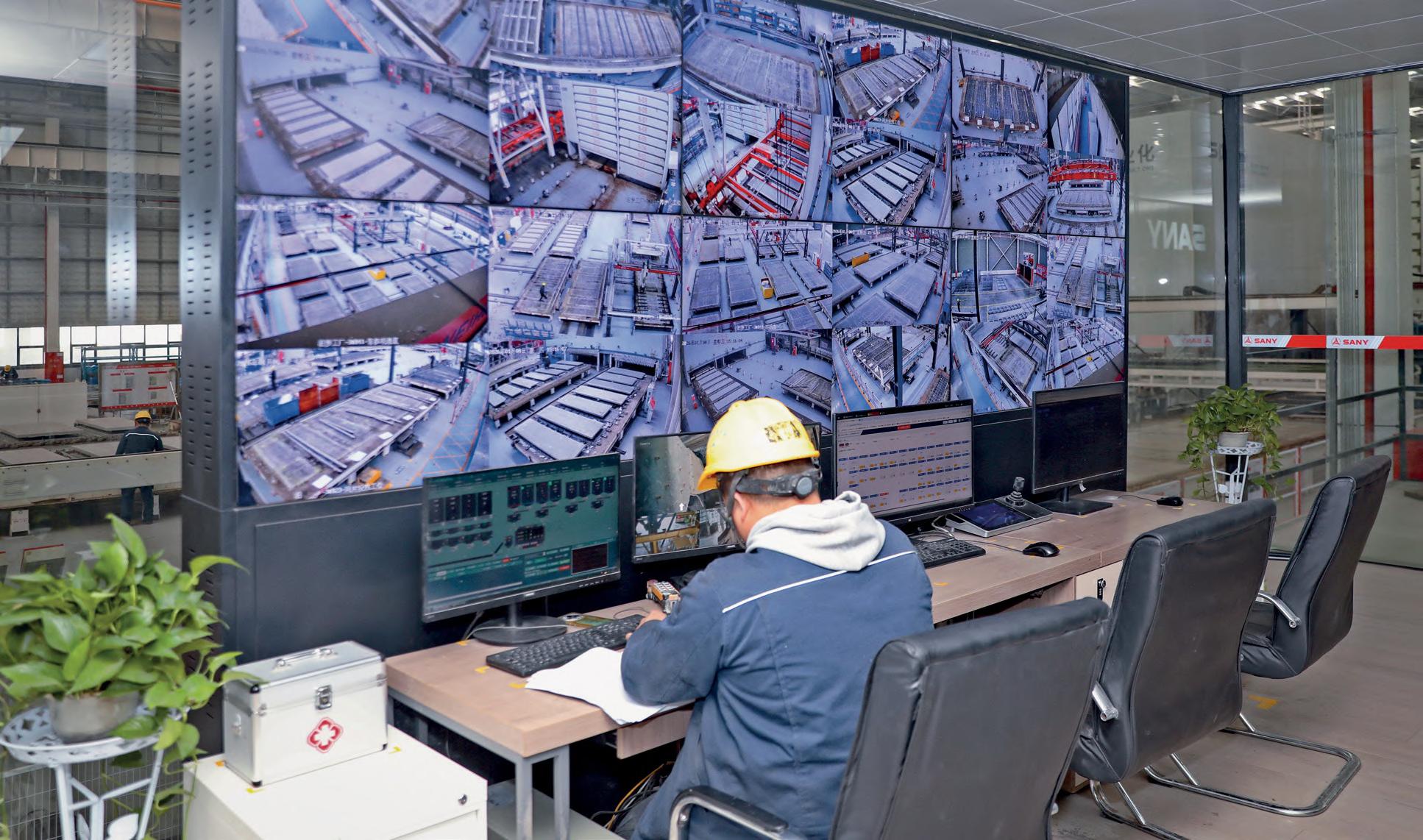
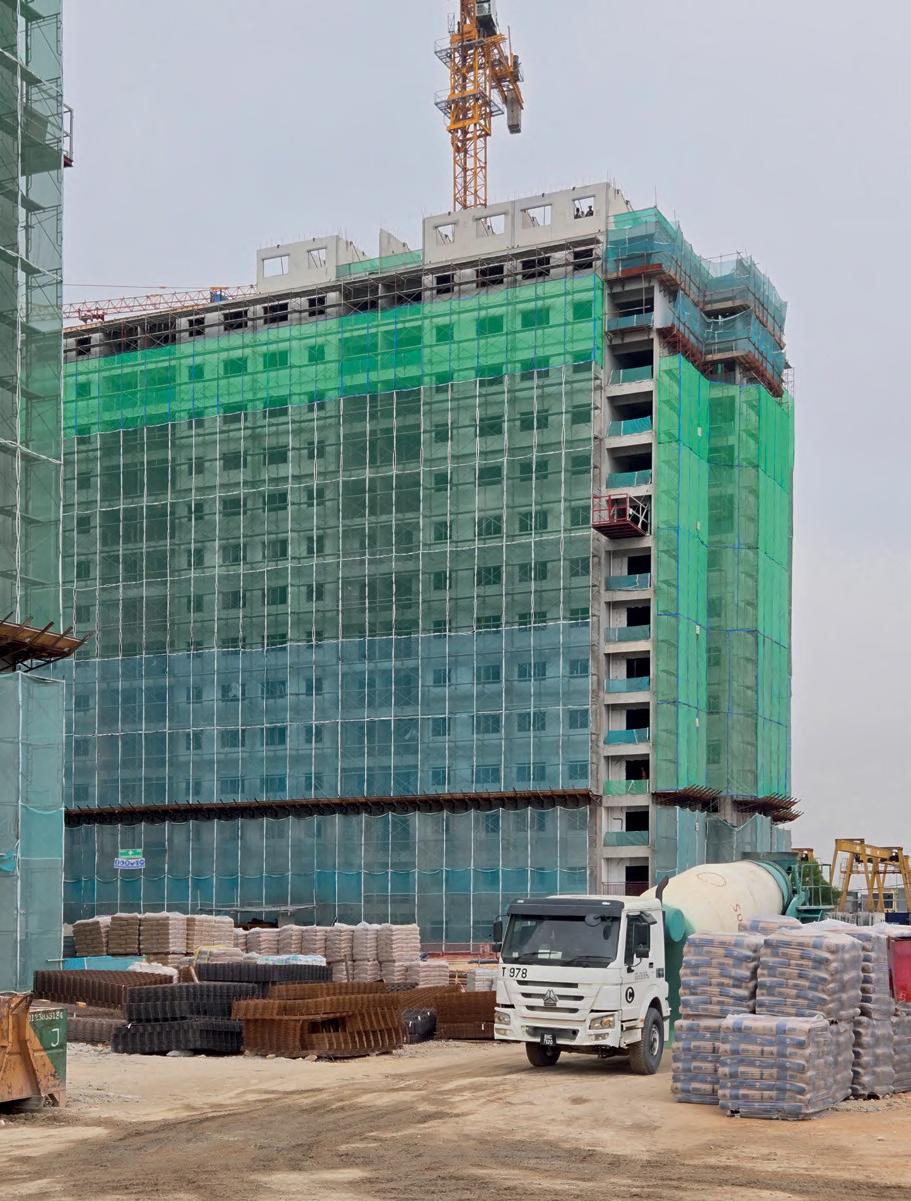
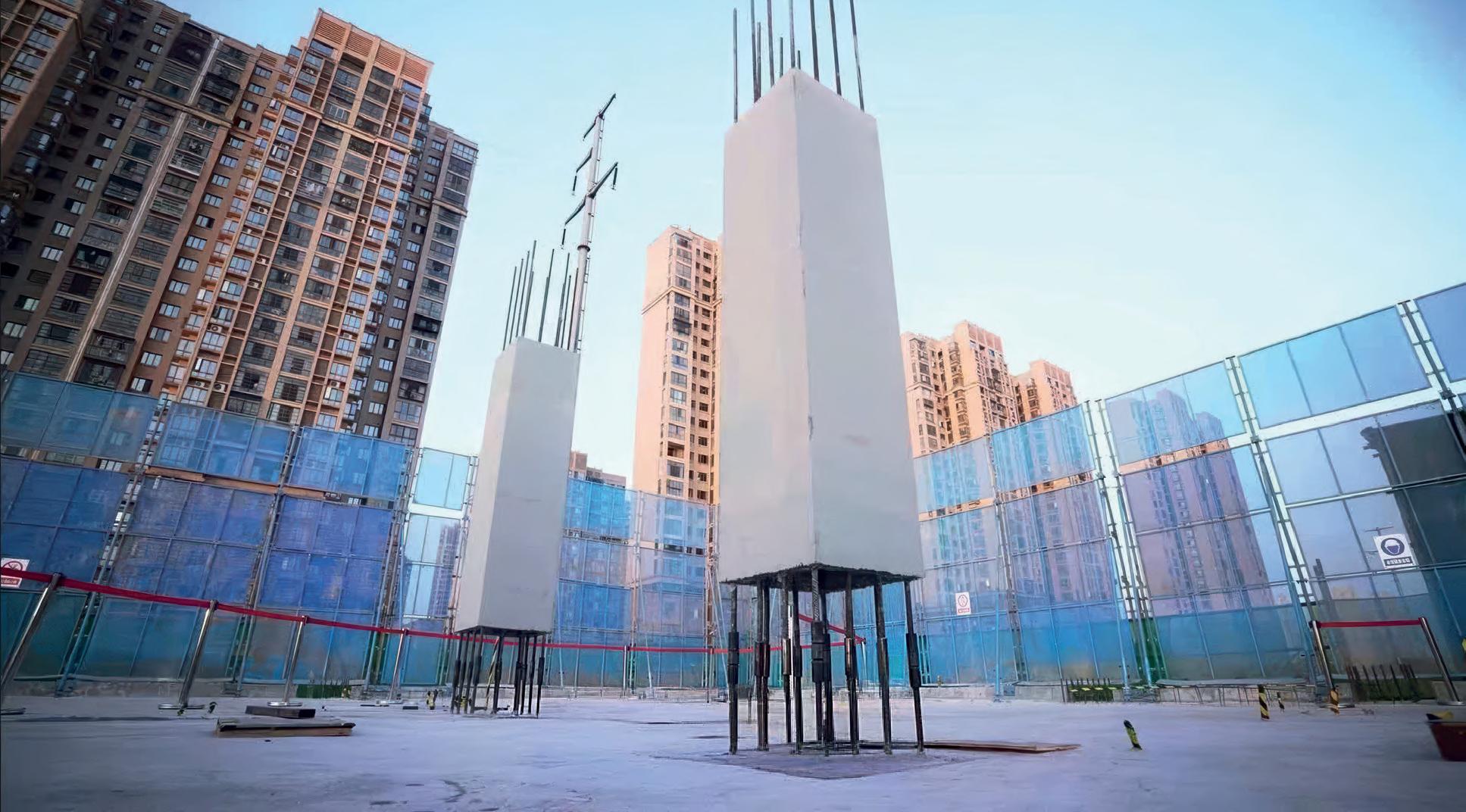
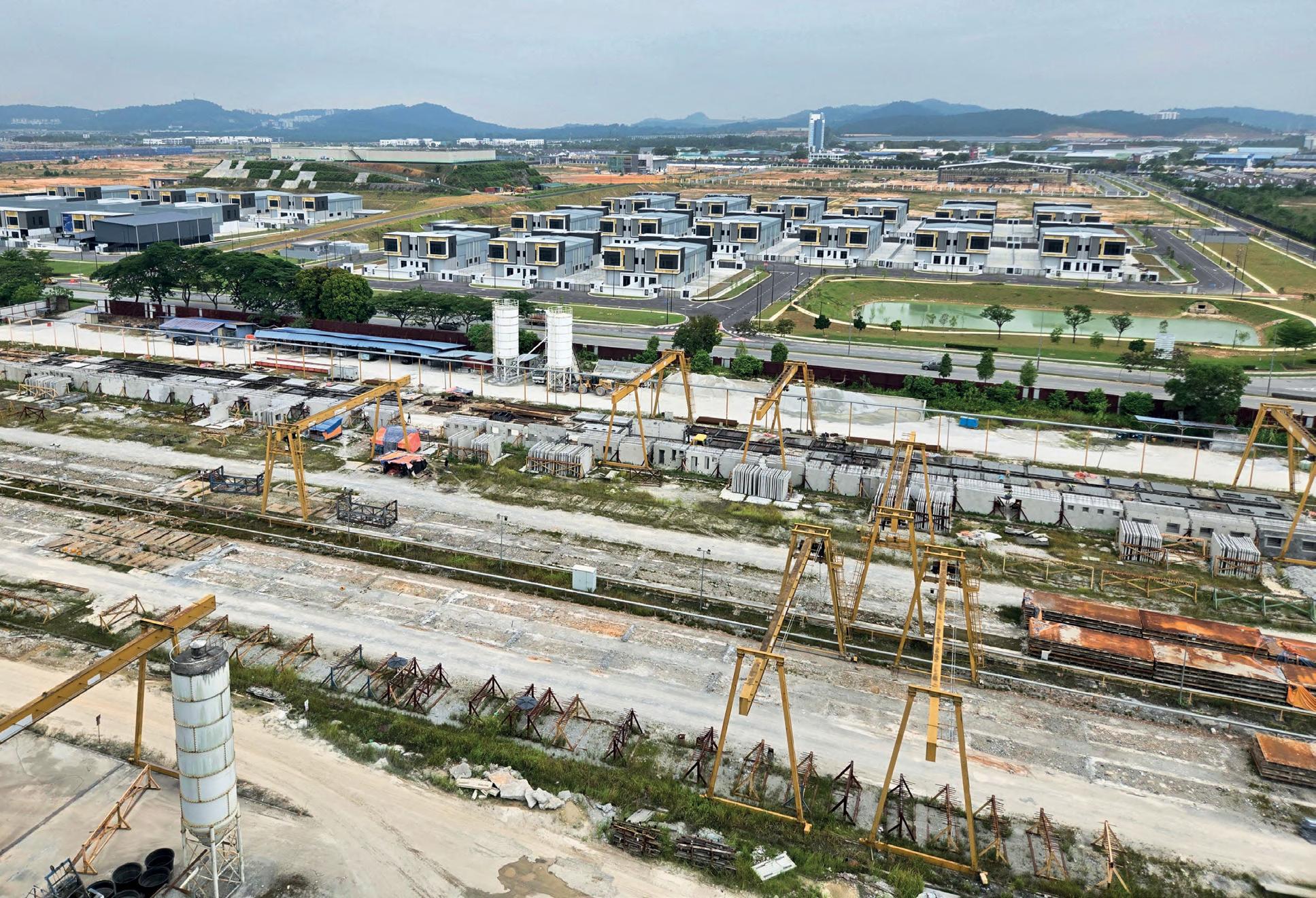
SANY believes that the future of high-precision construction begins with a fully integrated digital precast concrete line.
We must stop seeing a building as a handcrafted, onsite project and start seeing it as a product. We must move from traditional on-site assembly to a manufacturing model.
performance is a record in SANY’s nearly 40-year history, so we are very satisfied.”
He adds, “I want to take this opportunity to thank our clients and media friends for their attention and support, which has been a driving force for SANY's development.”
Xiuguo is one of SANY’s 4 Founders along with Liang Wengen, Mao Zhongwu, and Yuan Jinhua, and notes that the Middle East is a “critically important market for SANY”.
He says that the firm achieved three key achievements in 2025, stating, “First, in terms of globalisation, SANY's international revenue reached nearly $10bn last year, which is a historical high. The Middle East was a very important source of this revenue, with growth rates exceeding 20% in the region. This represents a major breakthrough in our globalisation efforts. Second, we have successfully transitioned from being just an equipment provider to becoming a comprehensive solution provider - last year, we made remarkable progress in providing not only equipment but integrated solutions. Third, we have made new contributions to low-carbon and sustainable development – we have electrified many of our products, which lowers carbon emissions. Specifically, our electric trucks registered a growth of over 100% last year.”
The figures are substantial and when pressed about his thoughts on the construction segment in the Middle East and what makes this market so important to SANY, Xiuguo responds, “All developing regions and countries have three essential and enduring needs: first, transportation and infrastructure; second, energy, and third, construction. The Middle East is no exception and while the region is rich in energy resources like oil, it requires massive industry capital and equipment for infrastructure and construction, which is
not its inherent advantage. Therefore, I believe the Middle East's construction sector must leverage globalisation and an open market to complement its energy resource strengths with equipment and technology from countries like China.”
He adds, “Given the importance of construction to people's livelihoods, I’m very optimistic about the Middle East's development. China experienced a phase of rapid construction growth over 40 years of reform, but that pace has now slowed. However, we note that the growth rate of
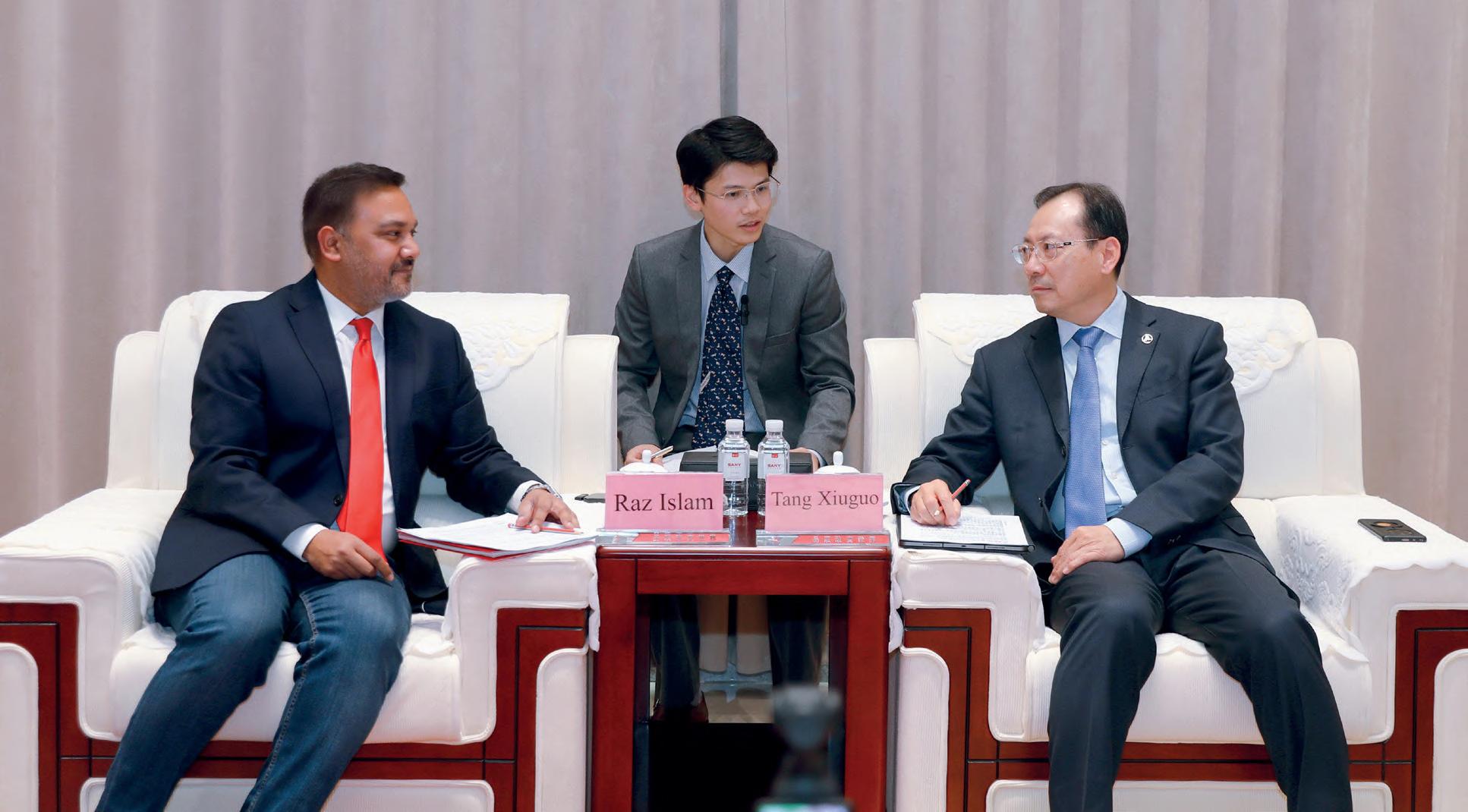
I can confidently say that for SANY, the Middle East is and will remain one of our most important markets for the next 50 to 100 years.
the Middle East construction market is nearly 2- to 3-times that of China. This is precisely what makes the Middle East so attractive to SANY. As a top-three global construction machinery company, we have a rich portfolio of equipment for housing, infrastructure, mining, and logistics - all essential for Middle Eastern development. I can confidently say that for SANY, the Middle East is and will remain one of our most important markets for the next 50 to 100 years.”
Discussing the Middle East market in terms of which of SANY’s solutions shows the most potential for growth over the next 2-years, Xiuguo notes, “It depends on which front you look at as we have competitive portfolios in construction engineering, mining, logistics, and new energy microgrids. SANY can provide very competitive products in every one of these areas.”
SPCS BENEFITS
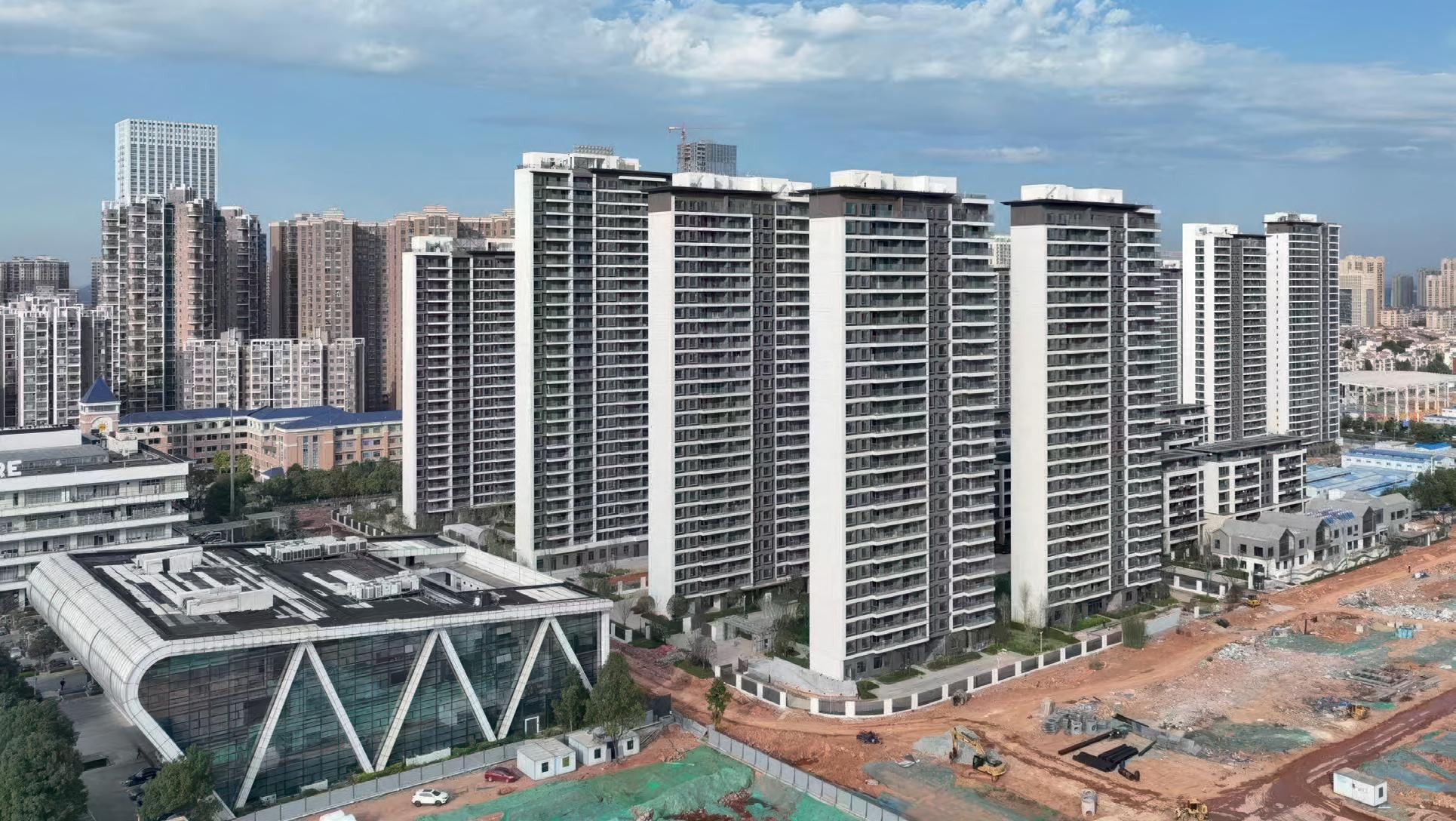
In conversation with BPME's Raz Islam, Tang Xiuguo said SPCS offers a variety of benefits to developers and contractors in the Middle East, including: high efficiency, high quality, sustainable development, lower cost, and safety.
Pressed for his thoughts on challenges the company is concerned about in the Middle East market, he outlines, “The biggest challenge, in my view, is the geopolitical situation in the Middle East. Events like the Israel-Palestine confrontation are deeply concerning. We hope the wisdom of the region's leaders can bring stability and confidence, creating a harmonious environment for development. While issues like tariffs exist, they are not the primary challenge compared to the need for political stability.”
That said, the company remains optimistic about the Middle East and has a number of strategic priorities for the region in 2026.
Xiuguo reiterates, “The Middle East is a vital market for SANY, and China's development strongly complements the region in terms of resources and economy. Our strategy has several points. First, we will continue to provide the most attractive equipment to the Middle East market and create greater value through our system solutions and electrified equipment portfolios. This includes promoting our SPCS technology for construction, mining, and energy
development. Second, we will advance localisation; this means moving beyond just selling products manufactured in China to promoting local assembly, manufacturing, and investment in the Middle East. For instance, we are actively exploring the local assembly of equipment like crushers. Last year, SANY raised significant capital, a core goal of which is to support this global localisation process.”
According to the Middle East Precast Concrete Market 2025-2033 report by Grand View Research, the Middle East precast concrete market size was estimated to be $6.73bn in 2024, and is projected to reach $12.85bn by 2033, growing by a CAGR of 7.6% from 2025 to 2033. The report notes that demand for precast concrete in the region is rising due to the region’s rapid urbanisation, infrastructure expansion, and the growing need for sustainable construction solutions. Here, SANY says it is committed to revolutionising the built environment and believes that the future of high-precision construction begins with a fully integrated, digital precast concrete line. The firm says it has moved beyond manual processes and instead relies on intelligence and automation to optimise
every stage of the precast concrete process.
The SANY Precast Concrete System (SPCS) leverages integrated technology, artificial intelligence (AI) and cloud computing to effectively address a number of important issues.
Explaining the motivation and importance of SPCS, Xiuguo says, “At SANY, our continued development of technology isn't driven solely by profit, it aims to solve societal issues. Human development always requires space, which is created by buildings. But how do we build them? Buildings have a lifespan. Every 50 years, we essentially rebuild the world. This is a massive industry, yet it is one of the last to modernise. A century ago, we built cars and houses by hand. Today, cars are built through smart manufacturing, Industry 4.0, robotics, and digital science - but not so in construction. Very few companies are tackling this innovation, which is what makes SPCS a unique solution.”
SANY boasts a fully integrated digital precast line where every stage of the process is optimised by intelligence and automation.
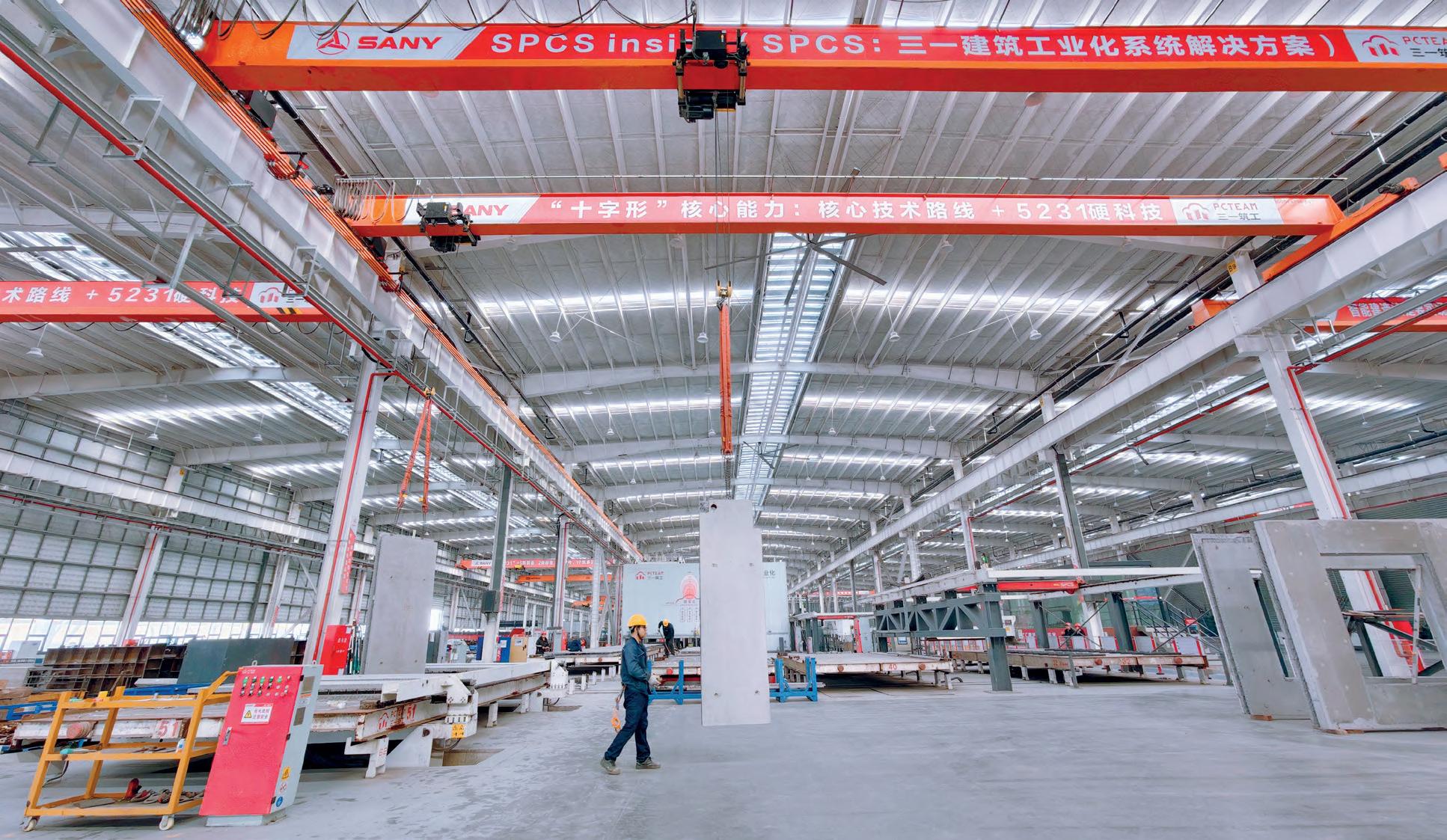
He elaborates, “Why did SPCS emerge at SANY?
Because SANY is both a top global construction equipment manufacturer and an advanced industrial internet company. On these two foundations, we see today's construction industry as scattered and messy. It's scattered with companies of vastly different sizes, technology, and capabilities. It's messy because, despite having standards, implementation is inconsistent, leading to significant waste and pollution. To change this, we propose using SANY’s global manufacturing strength and industrial internet technology to transform construction into manufacturing. We must stop seeing a building as a handcrafted, on-site project and start seeing it as a product. We must move from traditional on-site assembly to a
SHAPED BY CLIENT DEMANDS
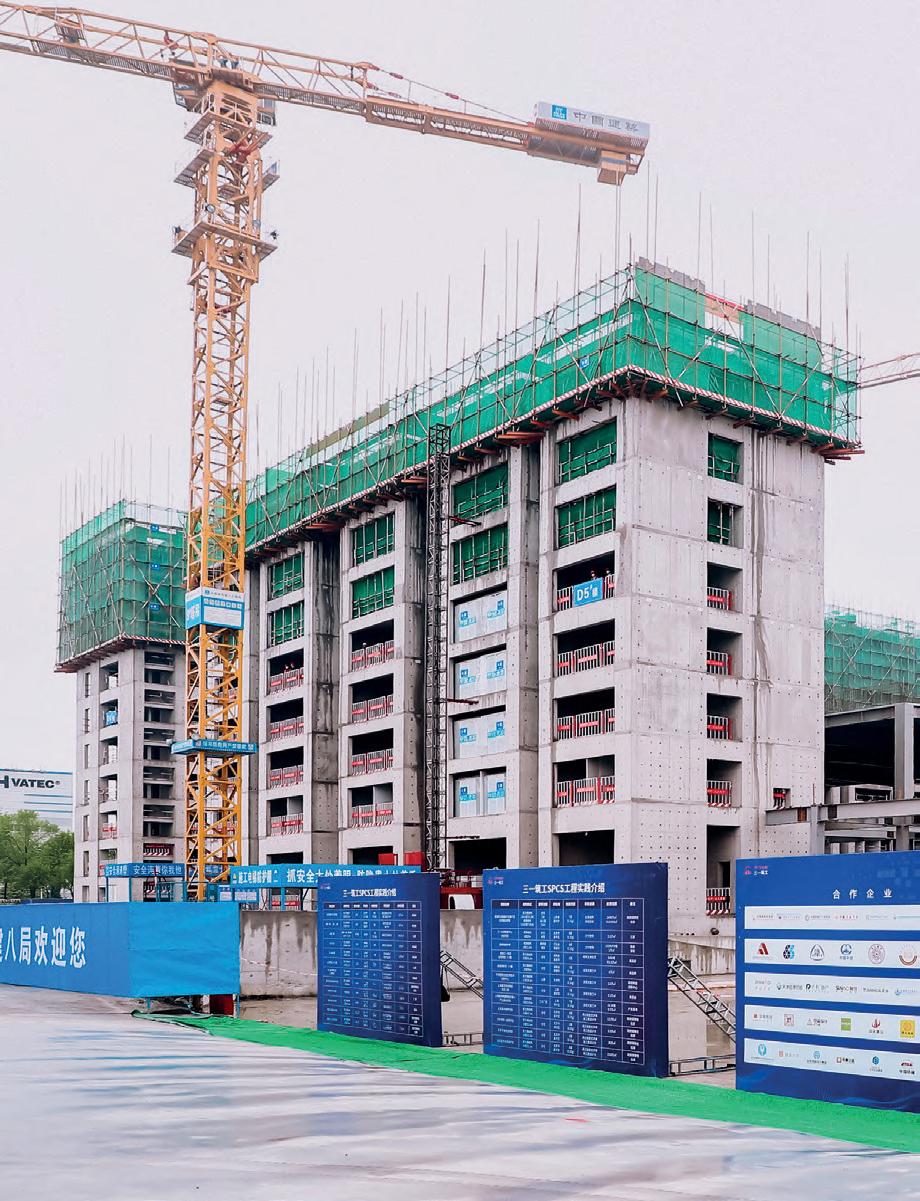
SPCS was developed in China's hyper-competitive market, where clients demand the highest seismic safety, extreme cost sensitivity, green standards, top quality, and speed.
To summarise SPCS, it's a ‘3+1’ system - smart design, smart manufacturing, smart construction, plus a cloud platform.
manufacturing model and from a disconnected, manual state to a digital platform where all operations are online.”
Xiuguo highlights that the company’s SPCS solution is unique because it integrates smart design, manufacturing, and construction, supported by a powerful digital platform.
He points out, “This gives us three core advantages. First, we possess unique, highly efficient UC technologies. Second, we have the equipment provenance as a top 3 global construction company and the only one that also provides full construction industrialisation solutions. Third, we have a cloud platform that covers the entire product
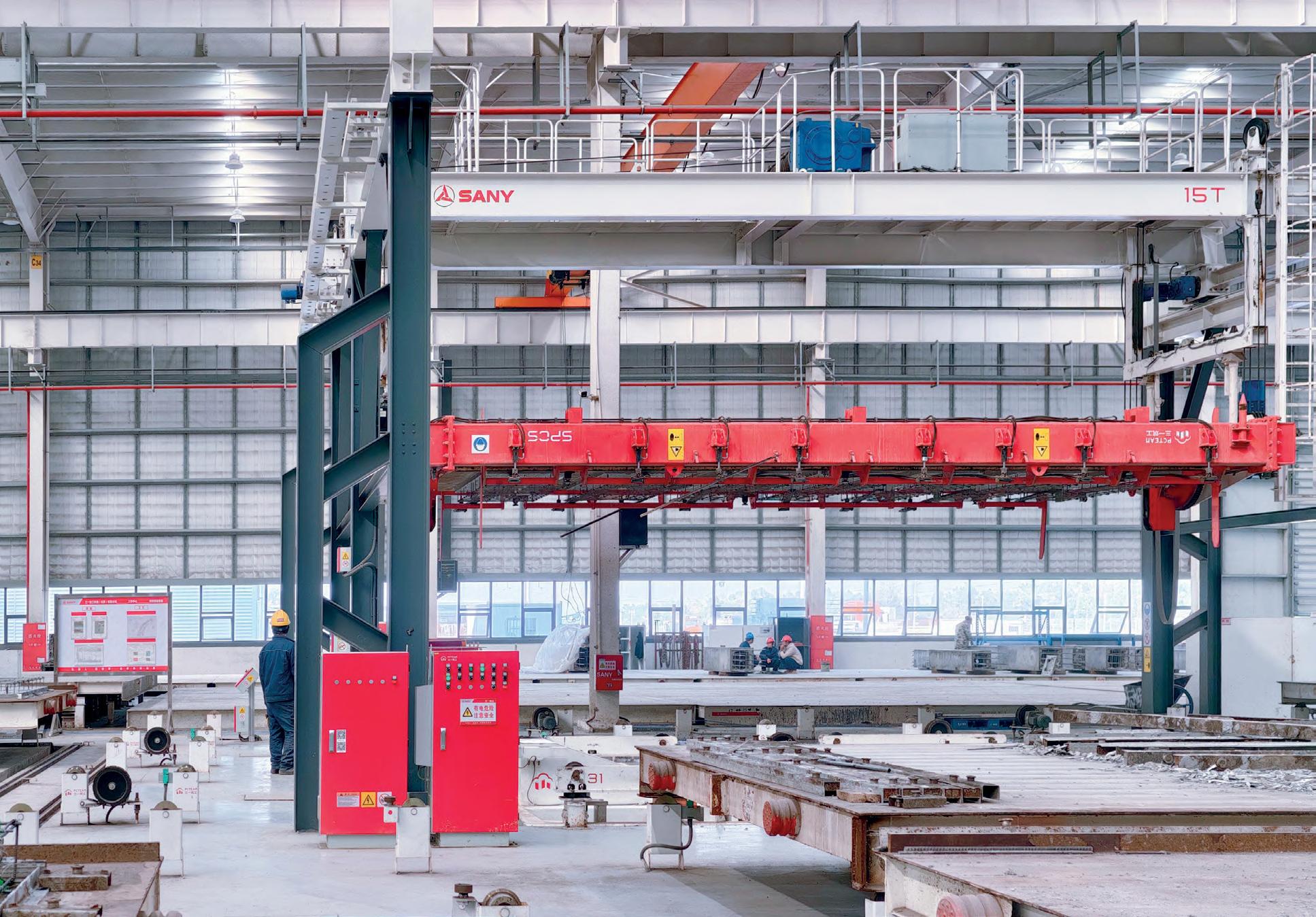
lifecycle, increasing efficiency and reducing waste. This technology allows us to cut costs, make products greener, ensure reliable quality far superior to handcrafted work, and achieve delivery times one-third faster. Furthermore, it brings transparency to a traditionally opaque process, requiring less effort from all stakeholders. In short, SPCS offers safe structures, lower cost, sustainable development, high quality, and high efficiency.”
Elaborating on the benefits developers and contractors in the Middle East in countries such as the UAE and Saudi Arabia can expect through adopting the firm’s precast concrete solution, Xiuguo responds, “To summarise SPCS, it's a ‘3+1’ system - smart design, smart manufacturing, smart construction, plus a cloud platform. It has unique advantages in technology, equipment, and platform. It achieves 6 goals: safety, costeffectiveness, green, smart, quality, and speed.”
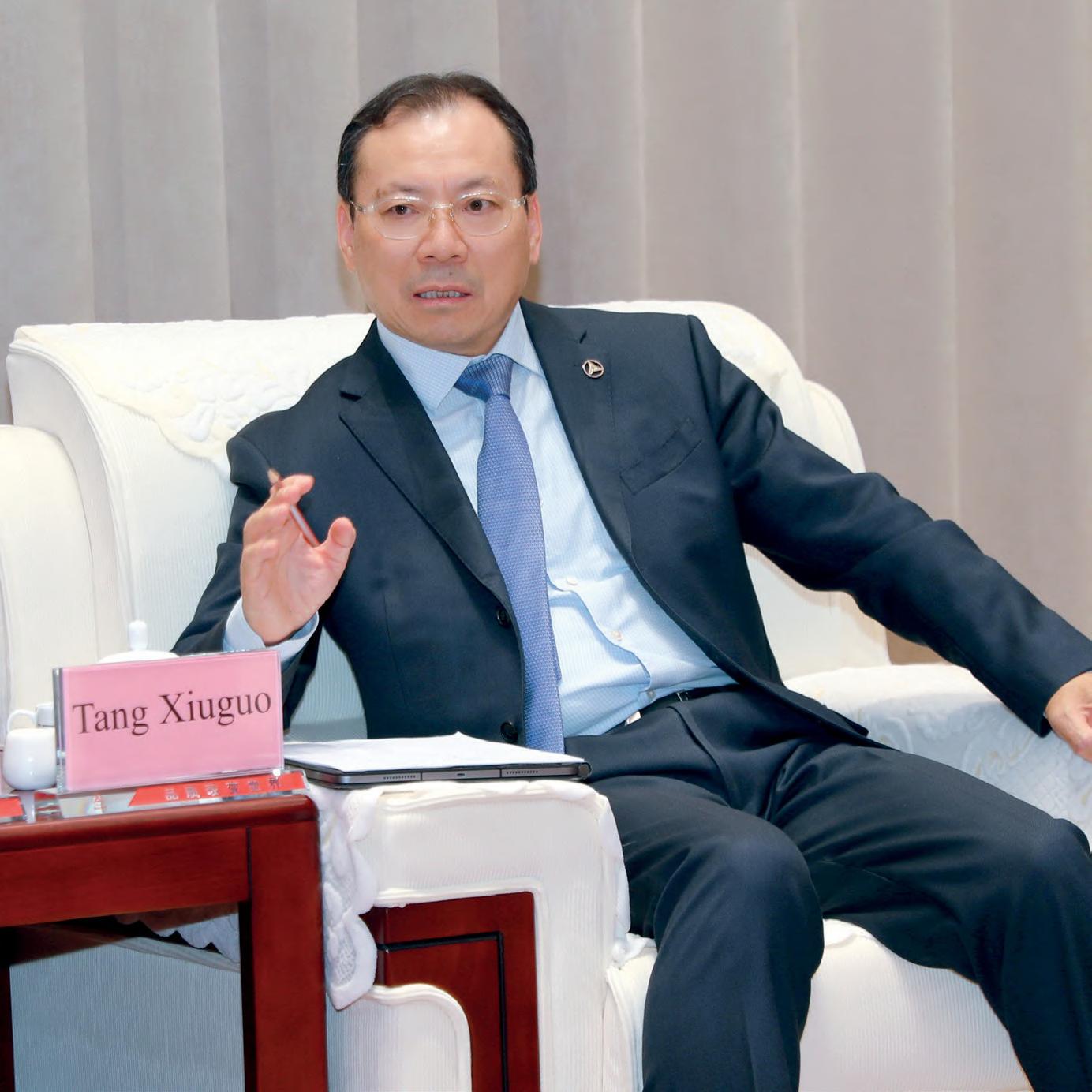
“For Middle Eastern clients, I believe the most compelling advantages are safety and cost. Different countries have different structural requirements, like seismic resistance, and our industrialised system can meet the highest standards, while ensuring safety. It also delivers significant cost advantages by leveraging SANY’s smart manufacturing and platform synergy to optimise the entire process.”
“While the green, smart, fast, and high-quality aspects of SPCS are attractive to developers and contractors, safety and cost are likely to be the primary drivers for adoption,” he states.
Summing up SPCS’ unique proposition for clients in the Middle East, Xiuguo explains, “The advantage is clear: structure-safe, cost-optimised, green, smart,
high-quality, and fast. SPCS was forged in China's hypercompetitive market, where clients demand the highest seismic safety, extreme cost sensitivity, governmentmandated green standards, top quality, and incredible speed. Surviving and thriving in that environment means our solution is uniquely positioned to win globally.”
As a company, SANY has demonstrated that it is committed to contributing to society by providing quality products and fulfilling its corporate social responsibility, which is centred on achieving sustainable development of the industry, society and individuals.
In the mining segment specifically, the firm has made a number of positive strides to reduce the impact of this
sector on the environment. Recalling a recent visit by a large mining enterprise to its facilities, Xiuguo says that the client commented that the firm could rank in the global top 10 on seeing its mining equipment. On seeing SANY’s construction machinery, the client was further impressed and here Xiuguo notes, “A mining site needs both mining equipment and construction equipment for roads and facilities. And when they then saw SANY's new energy solutions, they realised we might be the only provider globally that can offer competitive solutions in mining equipment, construction equipment, and green energy in a collaborative, optimised package.”
He continues, “I'll share a key indicator - a client was using gas to generate electricity at a cost of around 40 cents per kWh. Our green energy solution lowered that cost to less than 15 cents per kWh, so we not only significantly lowered their energy costs and carbon footprint but also made their end products more competitive.”
DIGITAL COMPONENT
SANY notes that SPCS is a unique offering because it integrates smart design, manufacturing, and construction, and is supported by a powerful digital platform.
Discussing localisation and whether the company is considering making investments into assembly plants in the Middle East, Xiuguo responds, “Regarding localisation, one project currently under discussion is for our crusher equipment, which is used not only in mining but also critically in recycling construction materials. Increasing recycling efficiency means we need to mine less, which is key for sustainable development. We are in talks regarding specific investments in Saudi Arabia.”
SANY has also made strides with the development and rollout of electric vehicles, and specifically electric heavy trucks. Sharing his thoughts on these vehicles and his vision for their use, Xiuguo says, “I have two basic judgments. First, in the future, there may be places without gas stations, but there will be electricity almost everywhereelectrification will become more universal than fossil fuels.”
“Second, the penetration rate of electric vehicles in China's passenger car market is already over 50%, and I believe the proportion of electric heavy trucks will be even higher, moving towards near 100%. The reasons are clear: future charging infrastructure will surpass gas stations; the total operating cost of electric trucks is already lower in China, and will become so elsewhere; and the driving
experience is superior - quieter, easier to automate, and potentially allowing one driver to manage multiple vehicles.”
He adds, “While the initial cost is higher, like a leather shoe versus a cloth shoe, the long-term value and lower emissions make it the inevitable choice.”
Nearly 40 years after its founding as a small welding supply company started by 4 young people who believed in building better equipment, SANY has
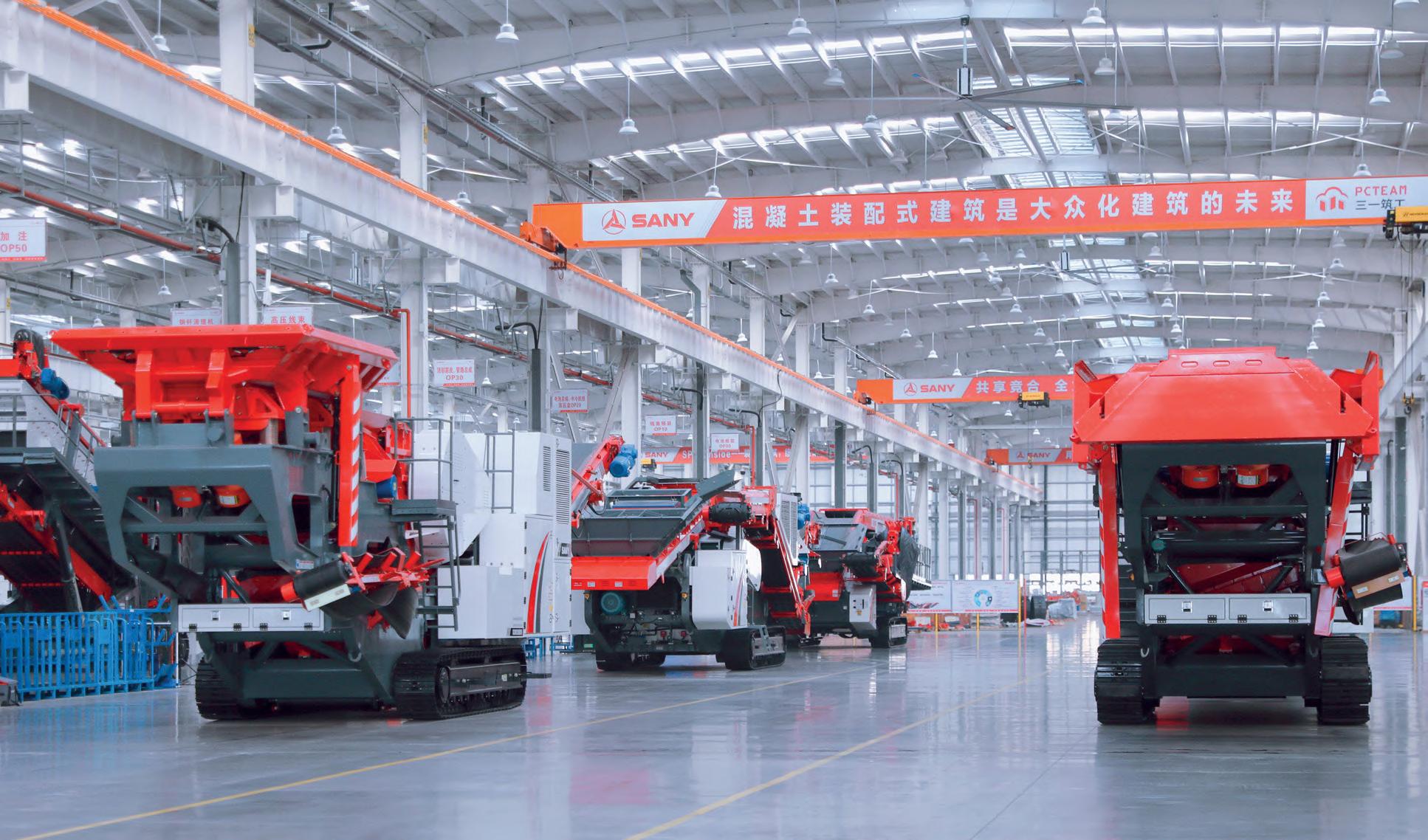
One project currently under discussion is for our crusher equipment, which is used not only in mining but also critically in recycling construction materials. Increasing recycling efficiency means we need to mine less, which is key for sustainable development.
CRUSHER USE CASES
The company's crushers have use cases outside of mining, they can also play an important part in recycling construction materials.
remained true to its vision, innovated and become a world renowned company whose presence can be seen and felt in over 150 countries around the world.
Originally founded as the Hunan Lianyuan Welding Material Factory, the company was officially renamed SANY Group just 5 years following its founding. Its current name is in fact a result of its founding aspirations, which have served – and continue to serve - as a pilot light for the company.
Xiuguo concludes, “There are many stories about our company’s name, but the truth dates back to our founding in 1986. We wrote down our founding aspirations: to create a first-class enterprise and to cultivate firstclass talent. A provincial leader saw this and added a third line: make a first-class contribution to society. Our founder, Liang Wengen saw these three firsts and decided to name the company accordingly. In Chinese ‘San’ means 3 and ‘Yi’ means 1. Thus, SANY represents our commitment to these 3 first-class goals.”
DR. MAJID JACK HSIUNG, GENERAL MANAGER, SOURCE OF FATE PROPERTIES TALKS TO BIG PROJECT ME ’S PRIYANKA RAINA ABOUT THE COMPANY’S DEVELOPMENT PHILOSOPHY AND THE LAUNCH OF MIRAGGIO DRIVEN BY VISION
As the UAE and wider GCC real estate sector matures, developers are increasingly being measured not only by scale, but by delivery discipline, design integrity, and the ability to create developments that respond to evolving lifestyle expectations. Against this backdrop, Source of Fate Properties is emerging as a developer with a clearly defined philosophy that places experience, sustainability, and long-term value creation at the heart of its projects. With a strong focus on fully-funded developments, partnerships, and attention to detail, the company says it has built a reputation for on-time delivery and high-
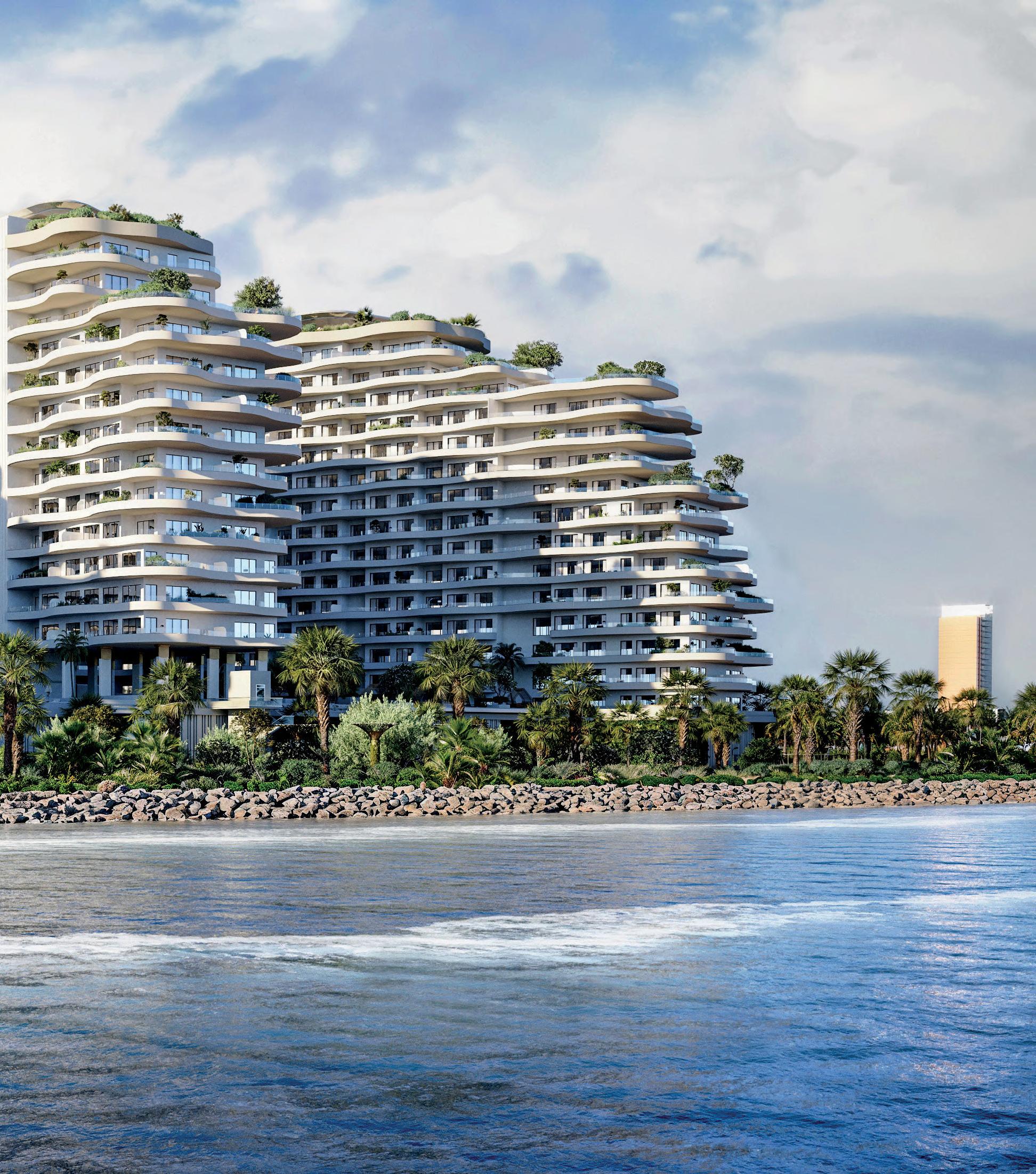
quality craftsmanship in a region where delays are often the norm. Its flagship waterfront development, Miraggio on the central islet of Al Marjan Island in Ras Al Khaimah, is said to exemplify this approach, combining resort-style living, wellness-driven design, and smart technologies within a carefully curated coastal masterplan.
Here, Source of Fate Properties shares insight into its development ethos, partner selection strategy, and how Miraggio is positioned to set new benchmarks for sustainable luxury and waterfront living, while contributing to Ras Al Khaimah’s emergence as one of the UAE’s most dynamic real estate and tourism destinations.
SETTING A BENCHMARK
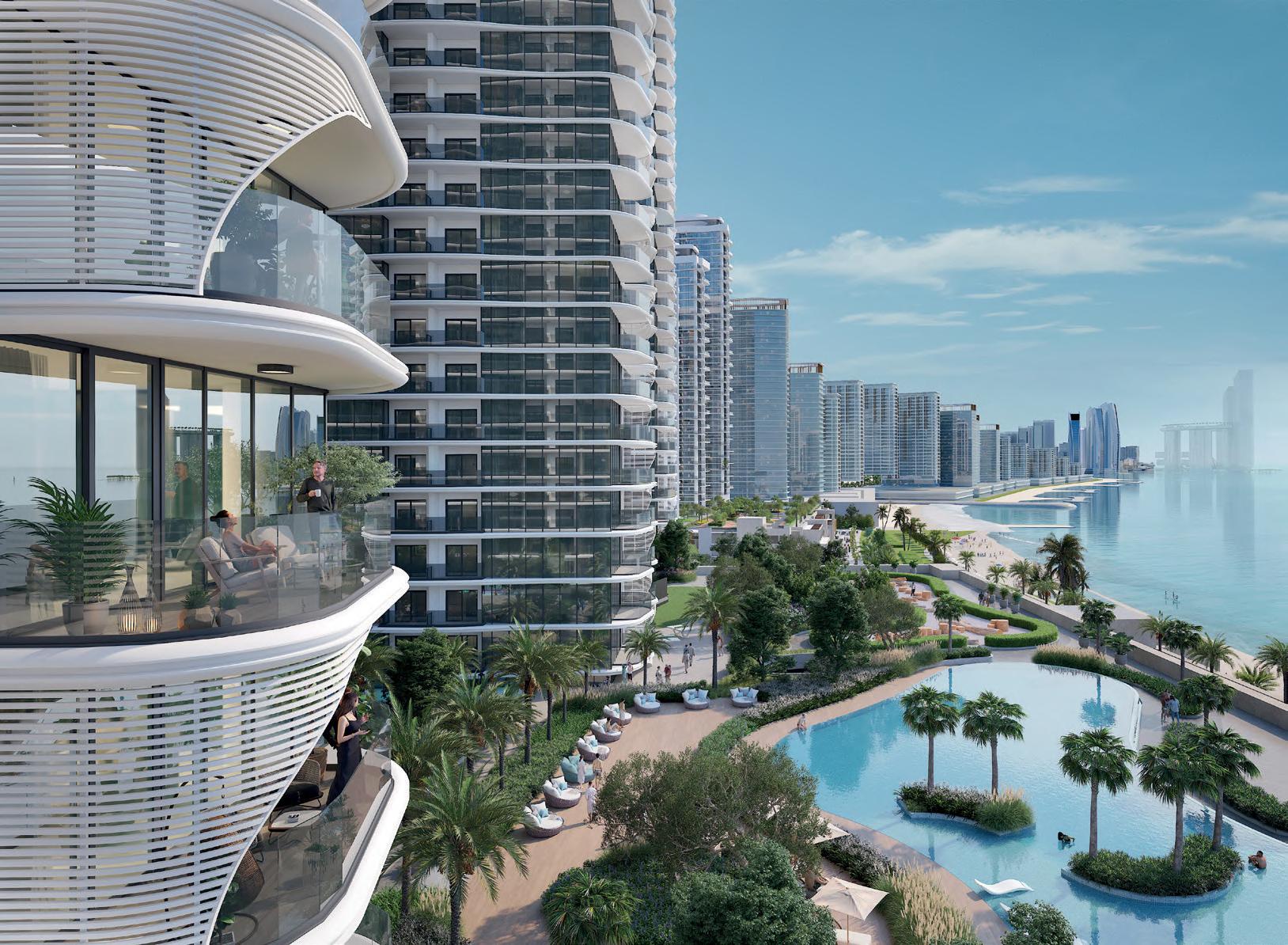
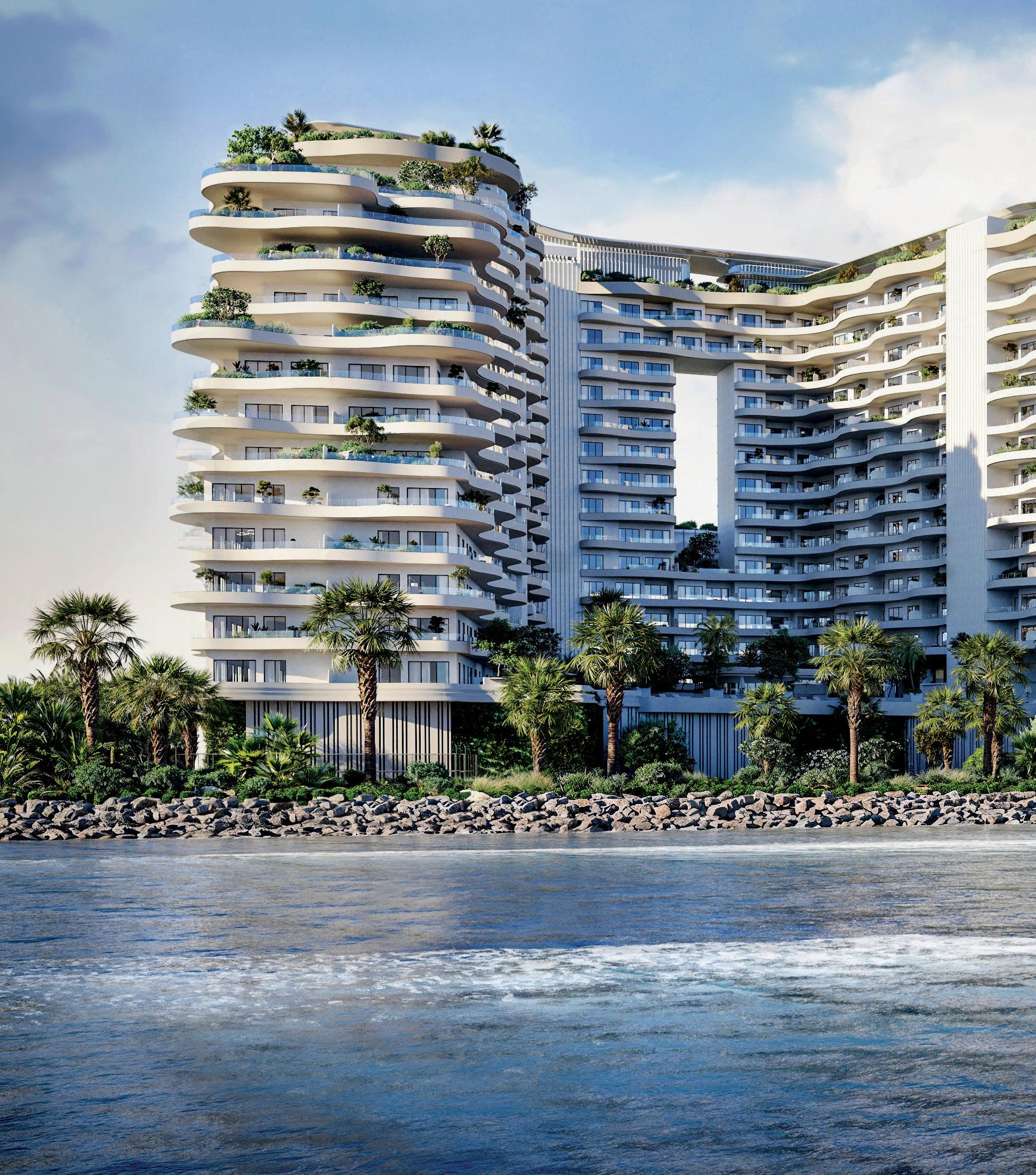
Miraggio is said to draw inspiration from the sea and natural sunlight, setting a new benchmark for contemporary coastal living.
‘Source of Fate Properties’ is quite a unique name –talk us through what it means and how it connects to the company’s vision?
The name ‘Source of Fate’ reflects our core philosophy that

MANAGER
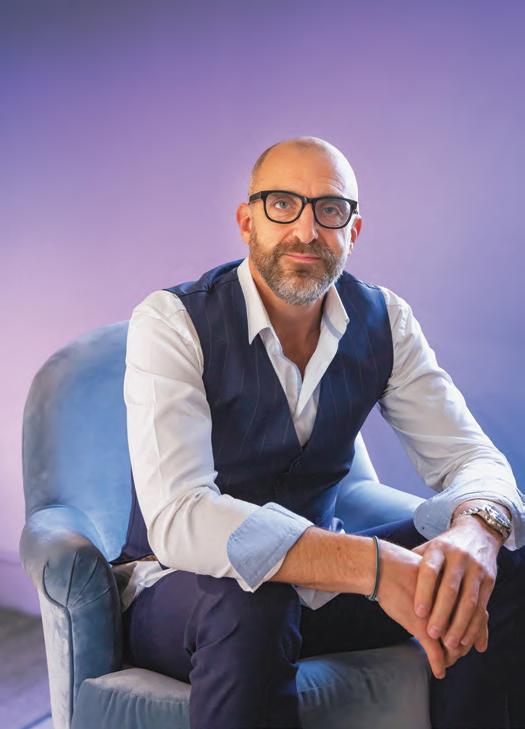
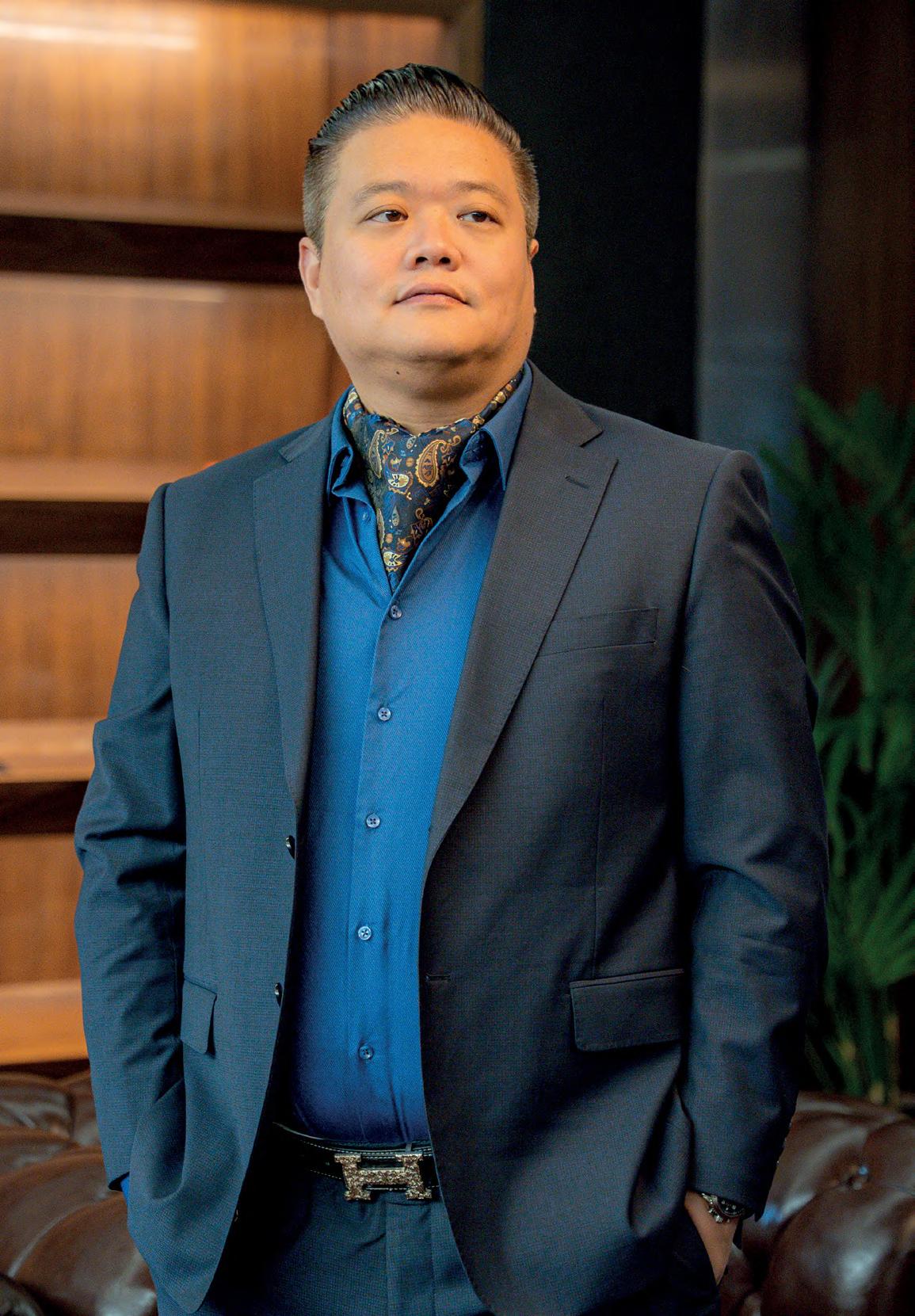
Dr. Majid Jack Hsiung, General Manager, Source of Fate Properties.
we craft extraordinary, unique, dynamic, modern and sustainable neighbourhoods with meticulous attention to detail. This idea also aligns with the avant-garde ethos of the Wheel of Fate Group. As a property developer, we consider real estate as an experience, not just a space. Through every space we design, we aim to influence how people live and feel.
Our mission is to build spaces that enhance quality of life, strengthen community identity, and create longterm value. We study human behaviour, climate, and urban change to design with intention, rather than following industry trends. At every stage, we blend architecture with emotional connection, inspired by nature, culture and modern lifestyle needs.
As a developer, you’ve highlighted your track record of on-time delivery and craftsmanship. How have you achieved this considering how often real estate projects in the region are delayed?
Our track record for on-time delivery and craftmanship is the result of a disciplined development model at Source of Fate. We fully fund every development to avoid the cash-flow delays that slow many regional projects. In addition, our team of industry experts help plan and coordinate every stage, from selecting an ideal location based on demand and growth potential.
How do you choose partners to work with on a project? What is your process of identifying companies you wish to work with?
We work closely with experienced professionals, including designers, architects, and contractors, to ensure streamlined construction processes. Open communication with all stakeholders is another factor that enables us to ensure efficiency in identifying and resolving issues promptly. Through meticulous design and attention to detail, we ensure that every project offers a true sense of opulence for buyers and investors alike.
Our professional engineering and construction team comprises seasoned experts from leading international firms. Their extensive industry experience and established networks enable us to select best-in-class partners and ensure every project meets the highest standards of excellence. Leveraging their expertise, we are able to better understand how companies work in different environments, which also helps us to choose the right partner. We only collaborate with those organisations that align with our fundamental principles of innovation, precision and sustained value creation.
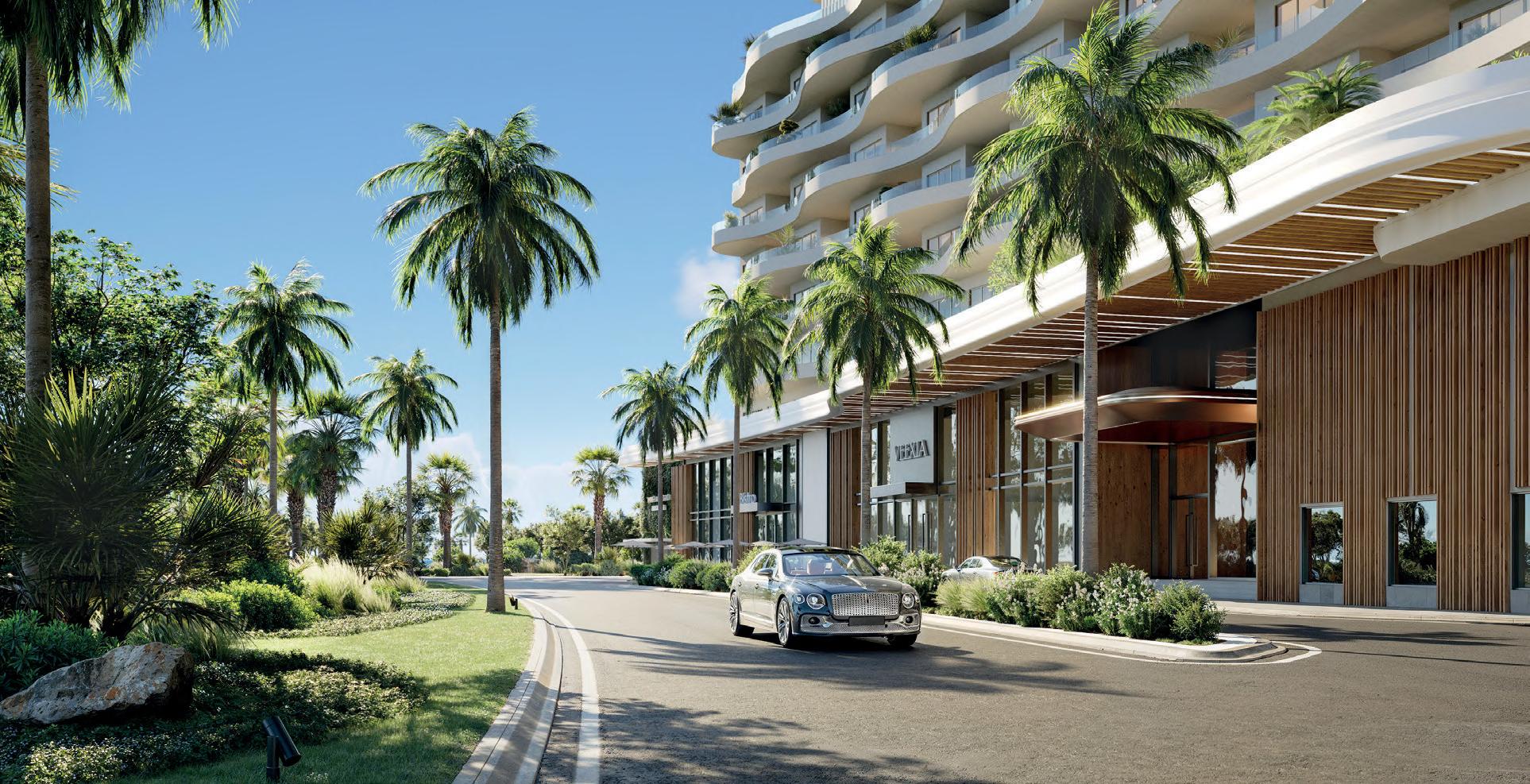
Our track record for on-time delivery and craftmanship is the result of a disciplined development model at Source of Fate.
What inspired the concept of Miraggio, and why was the central islet of Al Marjan Island chosen?
What is the project’s USP and what sets it apart from other coastal developments on the island?
Miraggio draws inspiration from the sea and natural sunlight, setting a new benchmark for contemporary coastal living. Its strategic location on the central islet of Al Marjan Island makes Miraggio stand out in the market. It is one of the limited and carefully selected projects on the exclusive island, highlighting the exclusivity of available land and developments.
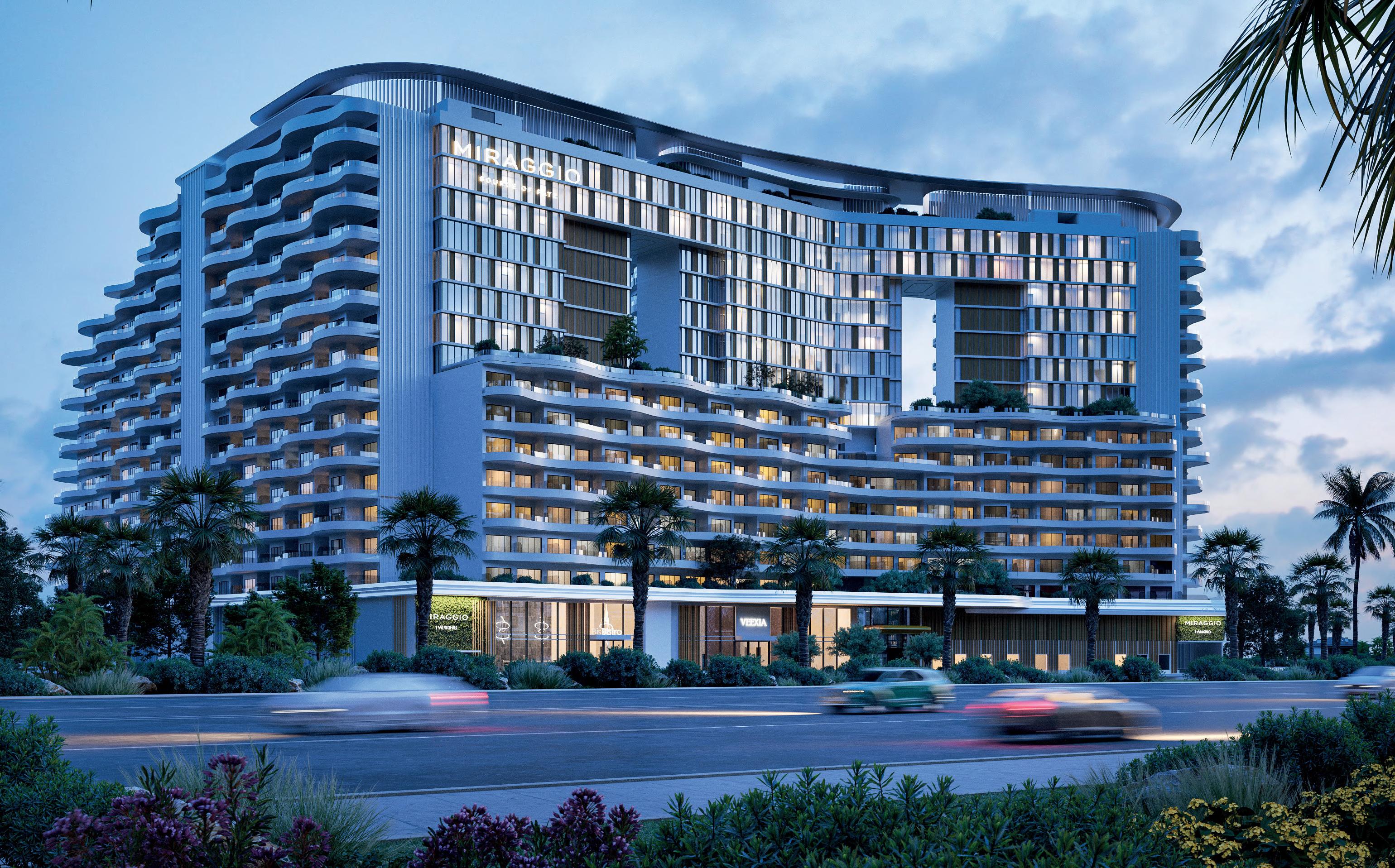
Designed as a resort-style residential community, the project features adaptable shared spaces and extensive green areas. It spans a total built-up area of 157,059.79sqm with a gross floor area of 83,132sqm, featuring 810 units including a 66.7m high tower with panoramic sea views. The masterplan also includes an infinity pool, gym and wellness centre, padel and tennis courts, private beach lounges, and a yoga deck.
Miraggio blends sea-facing layouts, cascading terraces, health and wellness features, and a
complete lifestyle ecosystem, offering robust rental returns and long-term capital appreciation.
What sets Miraggio apart as a benchmark for sustainable waterfront living in the UAE? What smart technologies have been integrated into the project to enhance energy efficiency and resident comfort?
As a first-line seaside residential, Miraggio sets itself apart by delivering what today’s buyers value the most, sustainable luxury without compromising comfort. With breathtaking infinity sea views, the project combines timeless elegance, innovation, and a thoughtful blend of wellness features. Furthermore, energy-efficient smart technologies, terraces that reduce thermal load, flexible communal spaces to foster social connection, and layouts immerse
Residents and investors can look forward to the scheduled completion and handover of the Miraggio project in Q4 of 2028 says Hsiung.
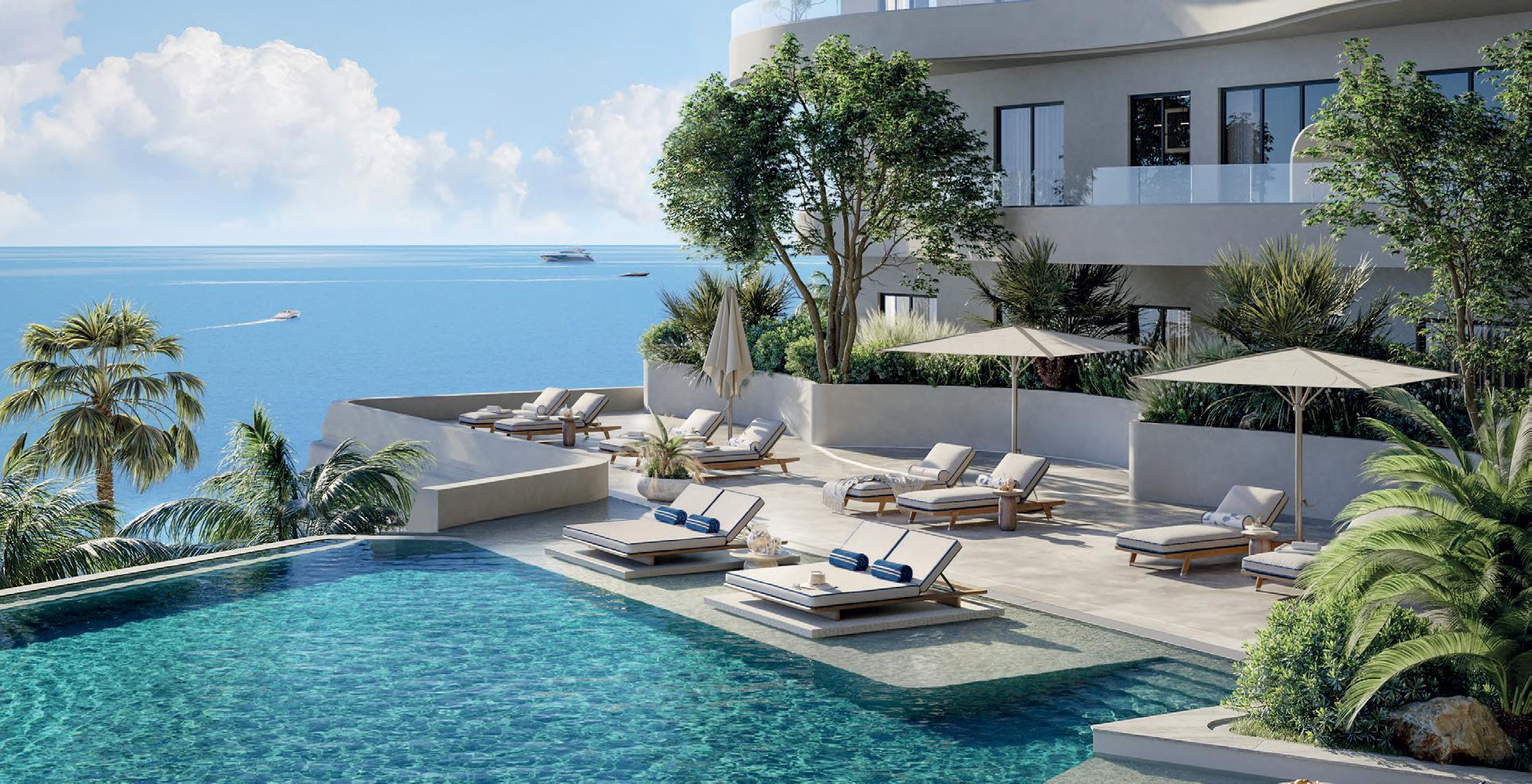
the residents in the natural beauty of the surroundings, setting a new benchmark in holistic waterfront living.
How does the partnership with Savills support your strategy to attract both local and international buyers?
Our collaboration with Savills helps ensure that our projects align with international standards. One of the benefits of this partnership is that it offers us direct access to Savill’s vast global network of high-net-worth buyers worldwide, as well as their market insights, which help optimise pricing and target the right investor profiles at the right time.
At the same time, their robust international reputation adds credibility, giving investors’ confidence in the security and transparency of their investments. Building on a proven history of successful collaboration, this partnership consistently delivers results.
Ras Al Khaimah’s real estate market is growing at a CAGR of 10.05%. What is driving this growth and how do you see the real estate market developing in the next three years?
How are waterfront developments like Miraggio shaping the future of Ras Al Khaimah’s real estate landscape?
Ras Al Khaimah’s real estate landscape is entering a strong growth phase, with residential stock projected to double by the end of 2030, fuelled by expanding tourism and hospitality sectors, rising global investor confidence, and
Miraggio is said to reflect the developer's vision by offering sea-facing residences, resort-style amenities, smart home infrastructure, all of which is designed to deliver a holistic lifestyle experience.
the emirate’s serene coastal lifestyle. This is leading the emirate’s evolution into a sustainable, luxury destination, redefining both its economic and cultural identity.
The announcement of the Wynn Al Marjan Island gaming resort significantly contributed to the surging global attention, attracting international buyers. Currently, as an ongoing transformative project, it is set to elevate the emirate’s status as a global tourism destination; by driving economic growth, creating jobs, and attracting millions of visitors. Its innovative approach to blending luxury entertainment with culture sets a new standard for the Middle East, potentially inspiring regional change.
In line with this, waterfront residential developments are also shaping this momentum and Miraggio is at the forefront leading market expansion over the next decade with its resort-style architectural design and luxurious amenities.
What are the challenges you see as a developer in the Ras Al Khaimah real estate market? How can these challenges be solved? What intervention is needed from authorities?
One of the main challenges in Ras Al Khaimah’s real estate market is that high-end supply currently lags behind highly evolving demand, however, this also opens avenues for early-stage developments. Expansion of infrastructure, including utilities, transport networks, and community amenities, is essential to support long-term growth.
The market is experiencing an urgent need for streamlined approval processes to match the pace of incoming investment and maintain the emirate’s competitiveness. One of the most effective solutions to overcome such challenges is fostering active collaboration between developers and authorities. By working together to accelerate approvals, enhance infrastructure, and maintain high-quality standards, Ras Al Khaimah can reinforce its position as a premium real estate destination and attract sustained global investment.
Outline the upcoming milestones that residents and investors can expect as the project progresses?
Residents and investors can look forward to the scheduled completion and handover of the Miraggio project in the fourth quarter of 2028. Along the way, key milestones will include phased handovers of residences, the unveiling of waterfront amenities, and the integration of resort-style facilities.
With only a limited number of apartment projects ever delivered on Al Marjan Island, Miraggio represents a rare opportunity. Its progress runs in parallel with the landmark Wynn Resort, whose construction milestones provide a clear timeline for the island’s transformation into a world-class destination.
What does this project represent for Source of Fate’s broader vision for innovative luxury developments in the UAE?
Miraggio is a defining expression of Source of Fate’s vision to reshape luxury living in the UAE through waterfront developments that deliver enduring value for investors. As a high end developer with a UAE portfolio valued at US $2.72bn, our strategy is about creating distinctive
communities in prime coastal locations that combine exclusivity, design integrity, and long-term investor value. Miraggio reflects this vision by offering sea-facing residences, resort-style amenities, smart home infrastructure, and flexible payment plans, all designed to deliver a holistic lifestyle experience. By maintaining a selective boutique approach, we reinforce our commitment to thoughtful, high-quality developments that align with investor interests, build trust through design integrity and location choice, and create enduring value beyond mass-volume construction.
As a developer, the firm's mission is to build spaces that enhance quality of life, strengthen community identity, and create long-term value.

The value of ACI membership has never been greater. Our top fi ve benefits for the region are:
• Webinars and on-demand courses
• ACI Practices (includes all ACI guides and reports)
• Concrete International and ACI Journals
• Connections with over 30,000 global concrete industry professionals
• Discounts on ACI’s Codes and Specifications (including SI Units)
ACI membership is your most valuable resource in the concrete industry. Join the premier world community dedicated to the best use of concrete.
“ACI is the premier organization for the concrete industry. Becoming an active member will enhance anyone’s professional career.”
—John F.
ACI Membership means high value.
ACI members know it.
Join now at concrete.org.
BIG PROJECT ME’S JASON SAUNDALKAR SPEAKS TO FRANCIS ALFRED, MANAGING DIRECTOR OF SOBHA
REALTY ABOUT THE US $20BN DOWNTOWN UAQ | SOBHA
REALTY MASTERPLAN, THE LAUNCH OF ITS SECOND
RESIDENTIAL CLUSTER, AND THE UAQ PROPERTY MARKET
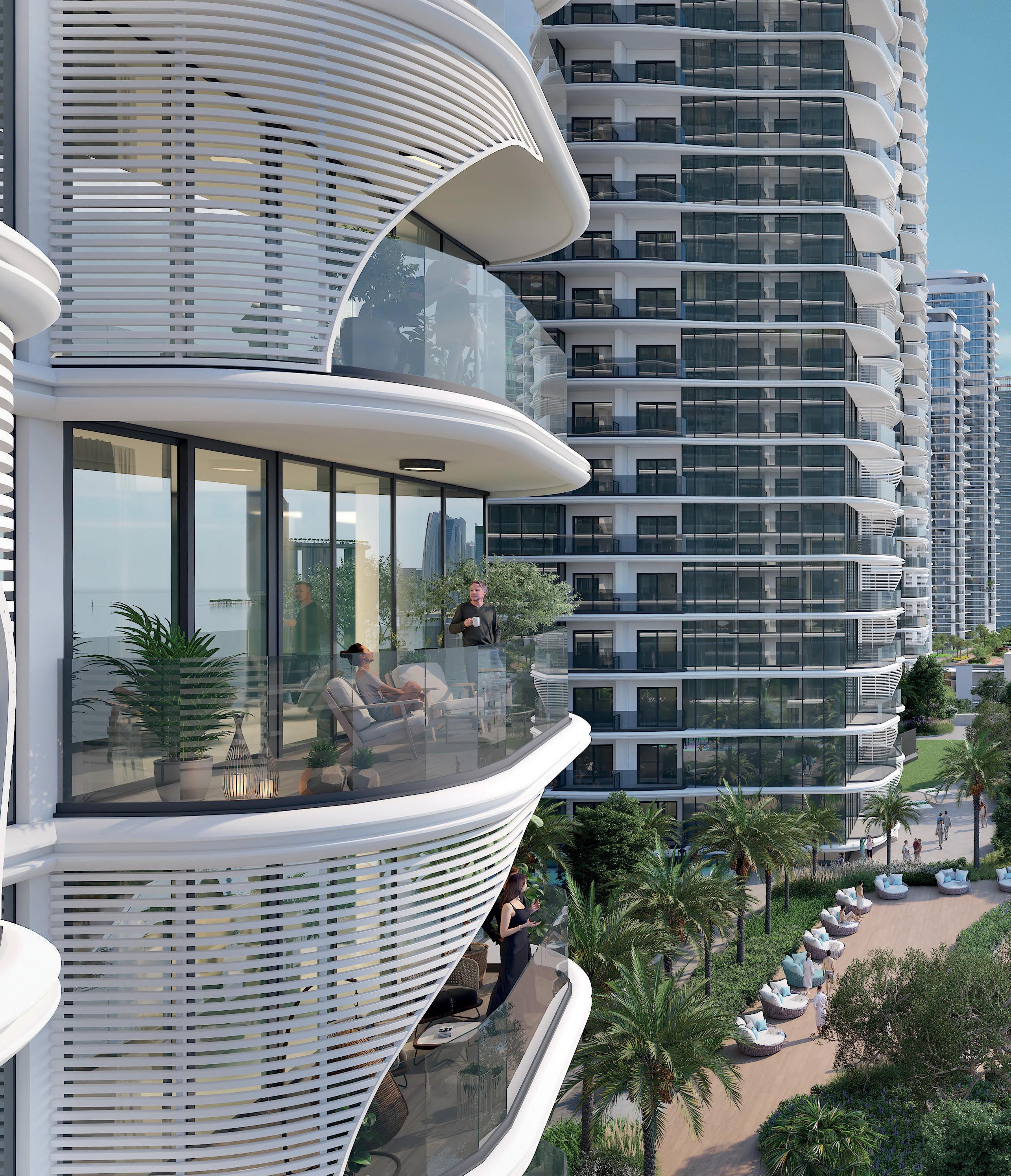
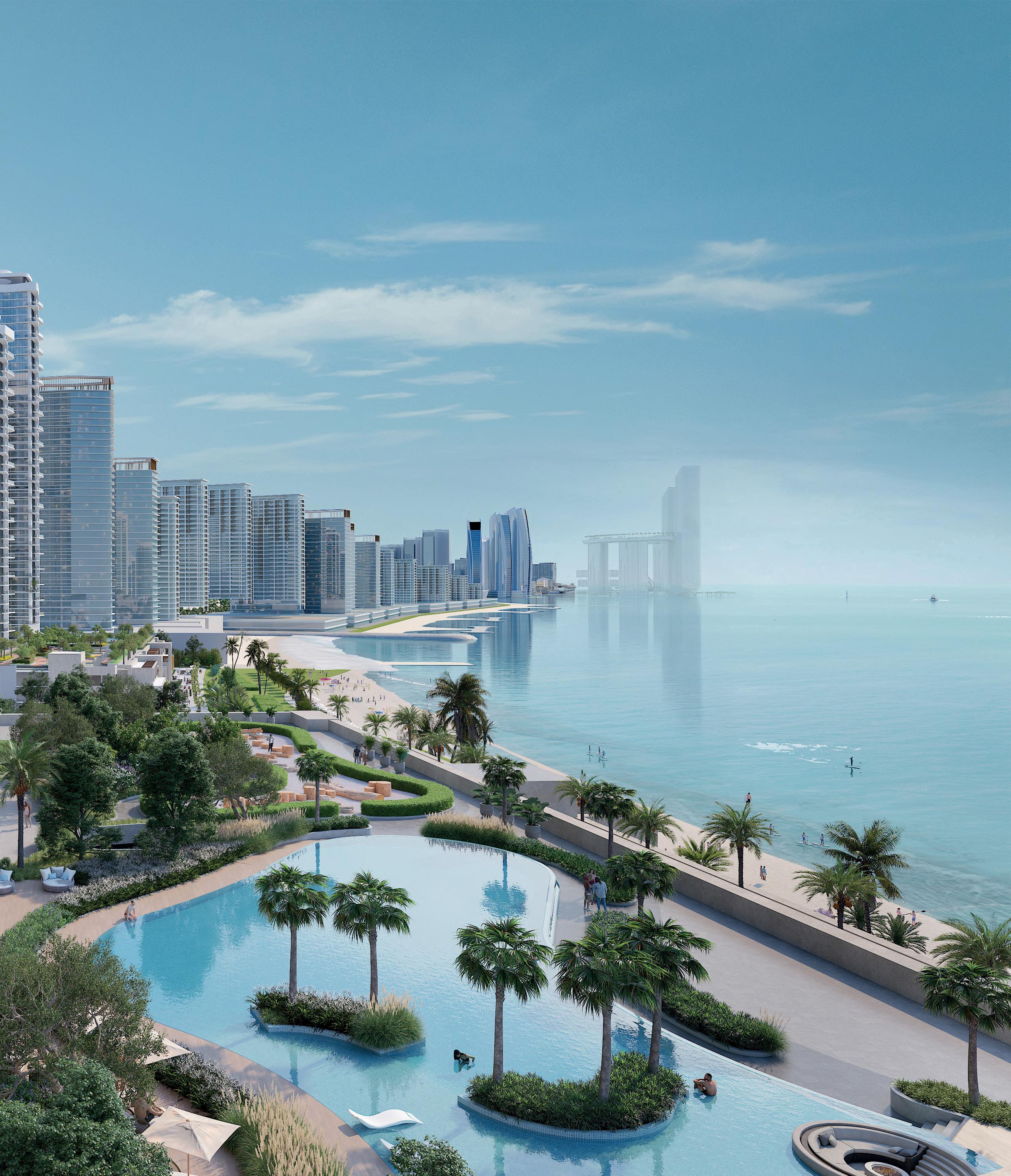
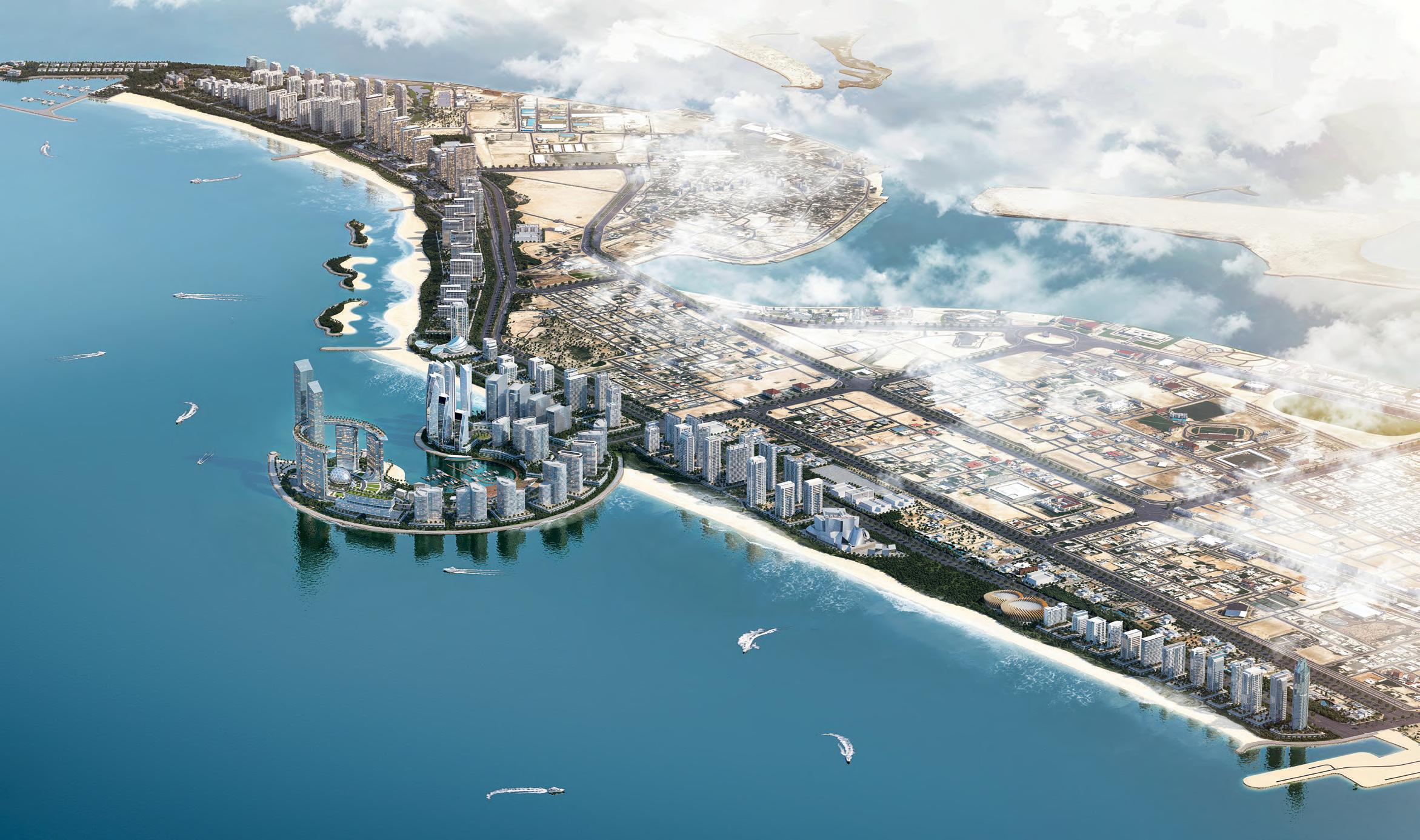
In Q4 2025 developer Sobha Realty announced Sobha AquaCrest, its second residential cluster within the US $20bn Downtown UAQ | Sobha Realty masterplan. The masterplan’s vision is to be a self-contained, wellness-focused beachfront community that will redefine Umm Al Quwain’s (UAQ) coastal skyline
The new cluster is positioned as a key residential hub, and will reinforce the development’s mixed-use appeal by complementing planned retail boulevards, marinas, and hospitality zones. It added that the cluster is expected to attract a blend of local and international investors.
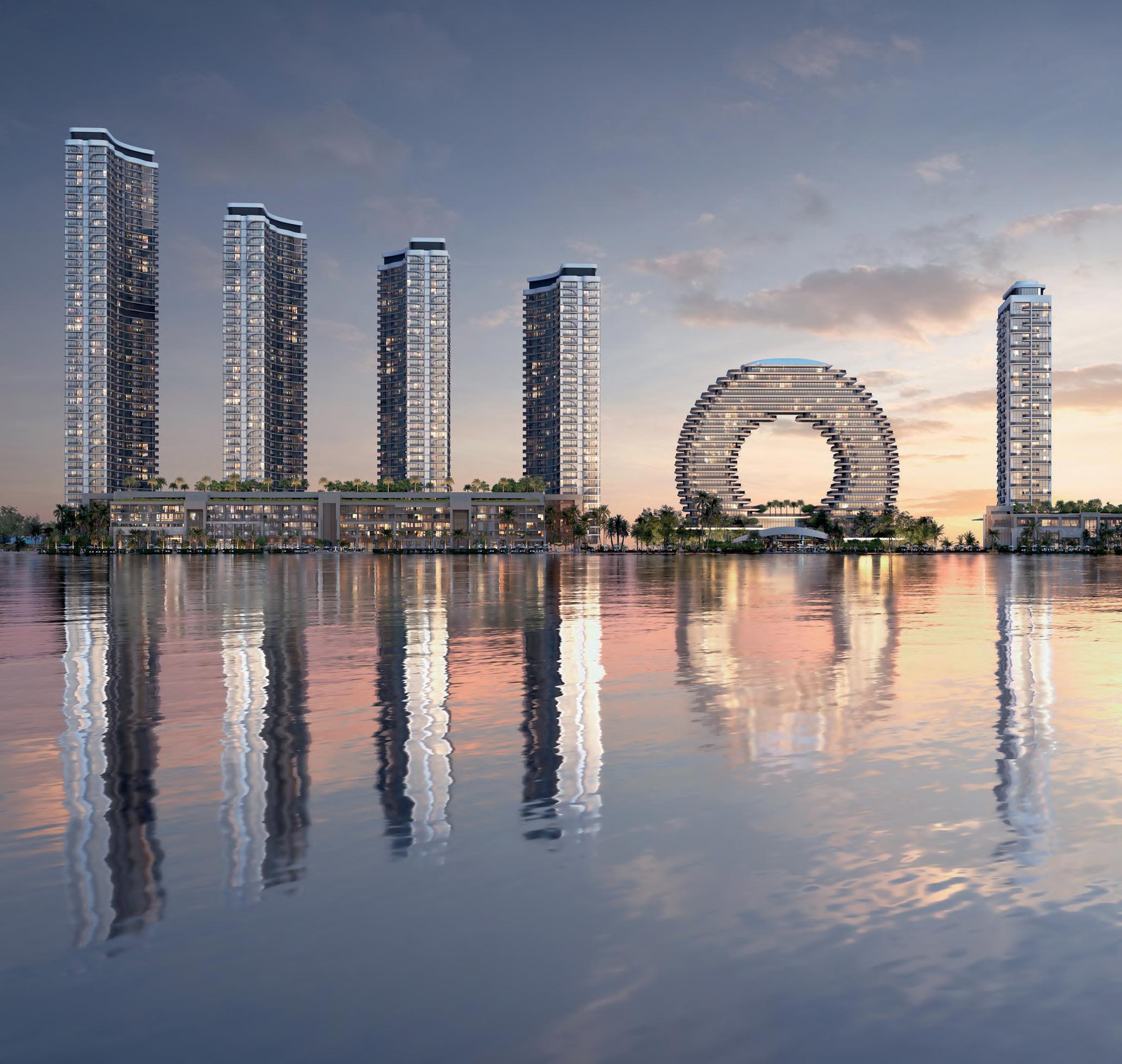
The project will comprise 4 residential towers, and will offer a mix of 1-, 2- and 3-bedroom apartments and
AT THE FOREFRONT
duplexes. The overall development is said to be designed to blend modern architectural elegance with coastal tranquility and is due for handover by June 2029, Sobha Realty noted.
In an exclusive conversation with Francis Alfred, Managing Director of Sobha Realty, Big Project Middle East’s (BPME) Jason Saundalkar discussed the overall masterplan, and the introduction of the second residential cluster.
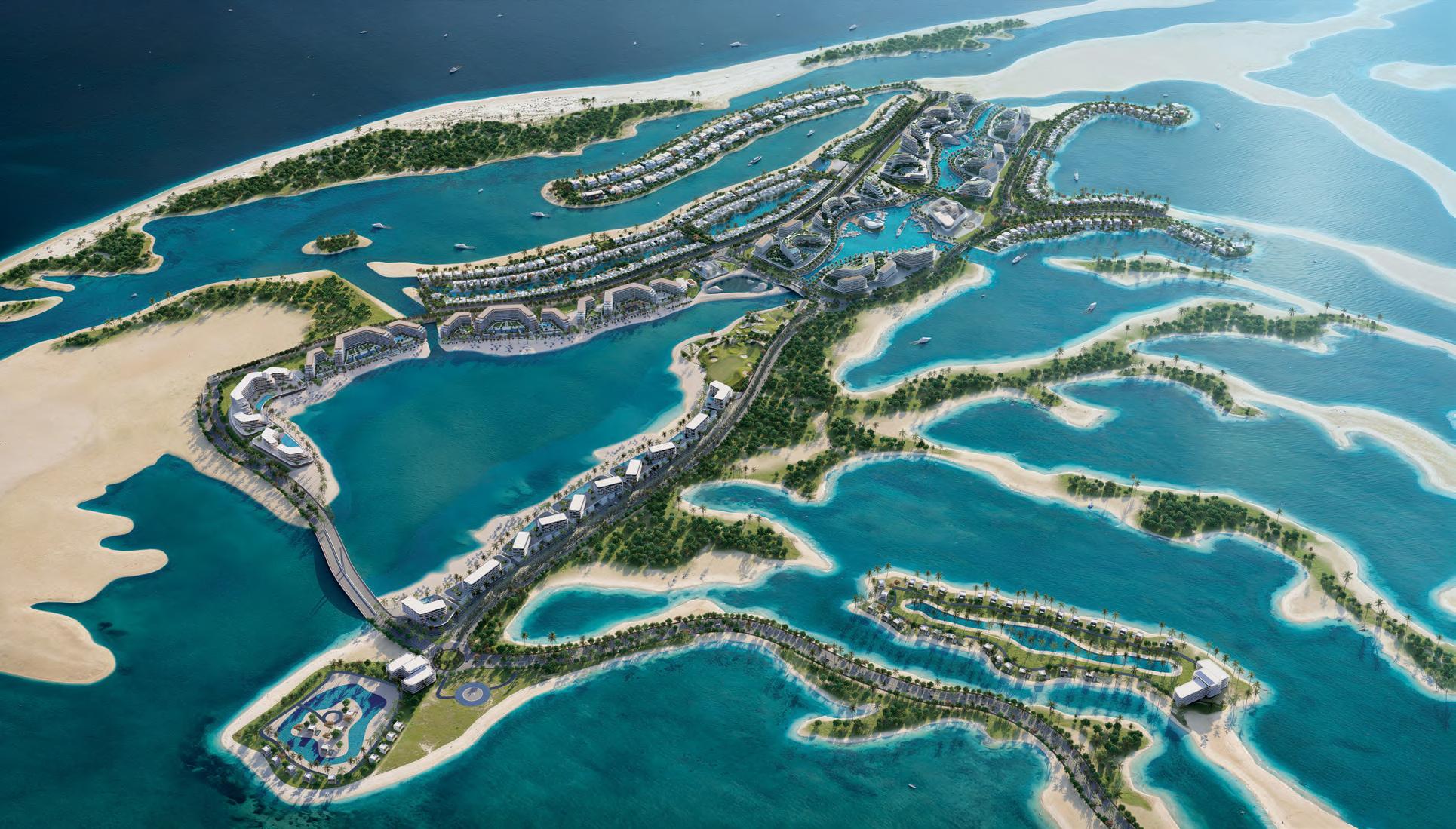
Discussing the decision behind why Sobha Realty opted to develop such an extensive masterplan in UAQ rather than other emirates such as Ras Al Khaimah or Sharjah, Alfred highlights, “Our decision to develop in Umm Al Quwain was driven by a strategic combination of location, opportunity, and partnership. UAQ offers something unique: an uninterrupted 11km coastline, including 7km of beach park and direct beach access. For a developer such as Sobha Realty, our strength lies in communities that resonate, and this presents an extraordinary canvas increasingly rare in the UAE.”
“Another major factor was the emirate’s forward-thinking leadership. The Government of UAQ has been exceptionally proactive, collaborative, and aligned with our long-term vision. Their commitment to sustainable urban development, streamlined approvals, and infrastructure readiness enabled us to plan not only a project, but literally an entire coastal city.”
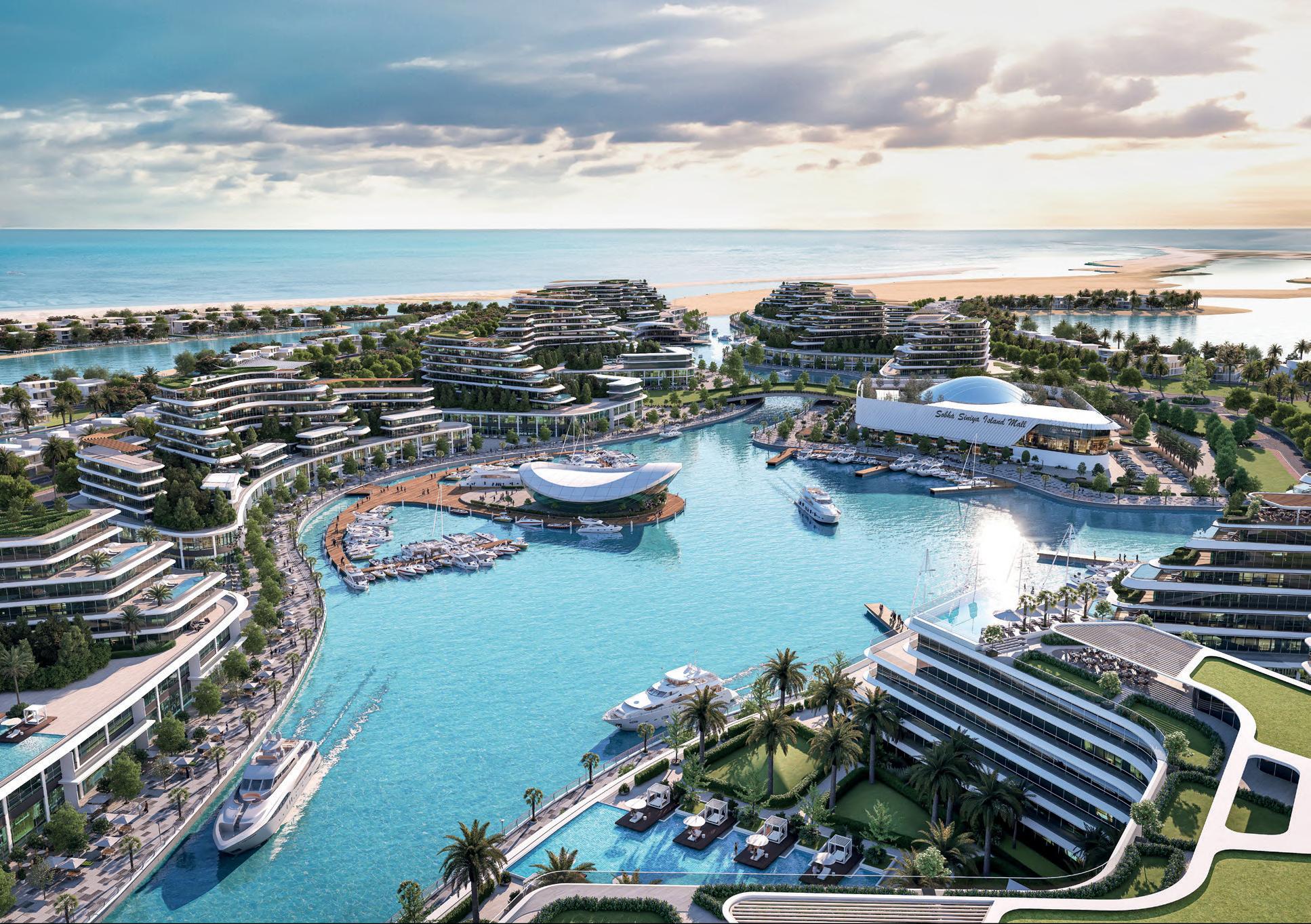
Alfred also says that UAQ is a rapidly emerging market with strong early indicators. “Sobha Siniya Island, the 23m sqft masterplan launched in mid-2024 in partnership with UAQ Properties, has already appreciated by 20–22%, reinforcing the emirate’s investment potential compared with more mature markets such as RAK and Sharjah.”
“Ultimately, UAQ provides the scale, serenity, and partnership required for a transformative development.

It allows us to apply our Backward Integration model end-to-end and build a future-ready coastal destination that sets a new benchmark for the northern emirates.”
In terms of the market and overall investor response to the Downtown UAQ | Sobha Realty Masterplan and the developer's first residential cluster in the masterplan, Alfred states that the response so far has been “overwhelmingly strong and has exceeded all initial expectations”.
He elaborates, “The masterplan has resonated with both the regional and international buyers who recognise the unique opportunity that UAQ offers in its infancy as an emerging emirate. The launch of the first residential cluster, Sobha AquaMont, saw immediate momentum, with over 50% of the first three buildings being sold within the first week of their unveiling. This follows the success of Sobha Siniya Island, further reinforcing confidence in UAQ as a prime real estate destination.”
“Downtown UAQ | Sobha Realty in partnership with UAQ Properties is a 25m sqft development, defined to be as a ‘Coastal Skyline of The Future’, and set to be home for 150,000 residents. Investor interest has been driven by the masterplan’s scale - buyers see this as a rare opportunity to invest in a coastal city that is being built with all the integrated infrastructure, sustainability, and future mobility at its core.”
Alfred points out that the delivery schedule for the masterplan is a multi-phase development that will unfold over the next 10 to 20 years. “Phase 1 handovers are expected to begin by Q2 2028, with successive
To deliver on its vision, Sobha will leverage its Backward Integration model to deliver every residence that is part of the project's masterplan.
residential, commercial, hospitality, and cultural districts delivered in a planned staged progression,” he outlines.
Contributing to the masterplan
Delving into the details about Sobha AquaCrest in terms of its key features and contribution to the overall masterplan, Alfred says that the second 4-tower cluster is both “strategic and experiential”. He notes that Sobha Realty is creating a distinguished residential cluster that plays a pivotal role in realising the wider city masterplan, while offering distinctive living experiences.
“Located within our coastal city masterplan, Sobha AquaCrest is designed to be a vibrant residential hub anchored by coastal views, wellness, and sustainable
design. Its purpose is to complement and elevate the broader masterplan by delivering thoughtfully curated homes that align with the community’s lifestyle, mobility, and green infrastructure vision.”
“Every residence we deliver is built through Sobha’s pioneering Backward Integration model, and Sobha AquaCrest is no different. Firstly, we ensure the highest level of quality by having full in-house control over the design, engineering, construction, interiors, manufacturing, and quality checks, to deliver a home that residences will see and feel the quality.”
He adds, “Secondly, the cluster incorporates advanced sustainability features: double-glazed façades, district cooling, EV charging, and eco-friendly materials, making it a benchmark for responsible luxury living. Thirdly, its design ethos is set around wellness and community: landscaped courtyards, jogging and cycling tracks, beachfront promenades, and direct access to marinas and retail zones – all integrated within the larger community fabric.”
Umm Al Quwain is already in a truly transformative phase, and over the next 3- to 5-years we believe it will emerge as one of the UAE’s most promising real estate frontiers.
In essence, Sobha AquaCrest is a destination within a destination, bringing depth to Downtown UAQ | Sobha Realty’s vision of a future-ready, live-work-play coastal city, he summarises.
Developing large-scale integrated masterplans ontime and in-line with the original vision comes with a number of challenges. Pressed about how Sobha Realty is approaching the Downtown UAQ | Sobha Realty project and the Sobha AquaCrest cluster, Alfred explains, “Every master development brings its own set of complexities, and Downtown UAQ | Sobha Realty is no exception. Sobha AquaCrest is a cluster that forms an integral part of a much larger coastal city, and with that comes the responsibility of ensuring engineering precision, environmental sensitivity, and seamless integration with the wider masterplan.”
“One of the primary challenges is building on a beachfront location, while preserving the natural character of the coastline. This requires meticulous
planning, advanced geotechnical studies, and sustainable engineering solutions that protect both the land and marine environment. Another challenge is maintaining construction timelines within a masterplan of this scale, where multiple phases, infrastructure packages, and community assets must align perfectly for us to deliver what is promised.”
He elaborates, “What gives Sobha Realty the confidence is our Backward Integration model; it is our greatest strength in mitigating these challenges that we are aware exist. By handling design, engineering, interior production, construction, and quality control entirely in-house, we eliminate dependency on external variables and dramatically reduce risks that typically delay major developments.”
POSITIVE APPRECIATION
Sobha Siniya Island is a 23m sqft masterplan that was launched in mid-2024 in partnership with UAQ Properties, and has already appreciated by 20–22%, Alfred says.
The project's design ethos is set around wellness and community; its various features are all integrated within the larger community, Sobha noted.
“Additionally, we rely on our modular construction efficiencies, and rigorous project sequencing to keep Sobha AquaCrest on schedule and consistent with our original vision. Our commitment is simple: To deliver a masterplan that embodies precision, sustainability, and the coastal lifestyle we have promised to the future residents of Umm Al Quwain,” he remarks.
According to investment management company Colliers, Umm Al Quwain is emerging as a value-led real estate destination in the UAE, offering a distinctive mix of coastal living, affordability and improving connectivity. In an overview of the emirate’s property market, it said that with steady residential demand, developing commercial activity and ongoing infrastructure investment, the emirate presents attractive opportunities for occupiers, investors and developers seeking long-term growth beyond the country’s major urban centres.
and untapped potential are converging to create a market with long-term resilience and upward momentum.”
Pressed for his thoughts on the UAQ property market and how he sees it developing in the next 3- to 5-years, Alfred remarks, “Umm Al Quwain is already in a truly transformative phase, and over the next 3- to 5-years we believe it will emerge as one of the UAE’s most promising real estate frontiers. What we are witnessing today is the beginning of a structural shift; where quality, strong government vision,
Asked about what is driving growth in the emirate’s property market, he responds, “Several forces are expected to drive growth. Firstly, as prices continue to rise in the more mature emirates, buyers and investors are looking for value without compromising on lifestyle. UAQ offers that balance, a coastal environment, strategic connectivity to Dubai and other emirates, and pricing that still allows for meaningful appreciation.”
“Secondly, the emirate’s leadership has a clear, forwardlooking development strategy. Their support for masterplans such as Downtown UAQ | Sobha Realty is accelerating
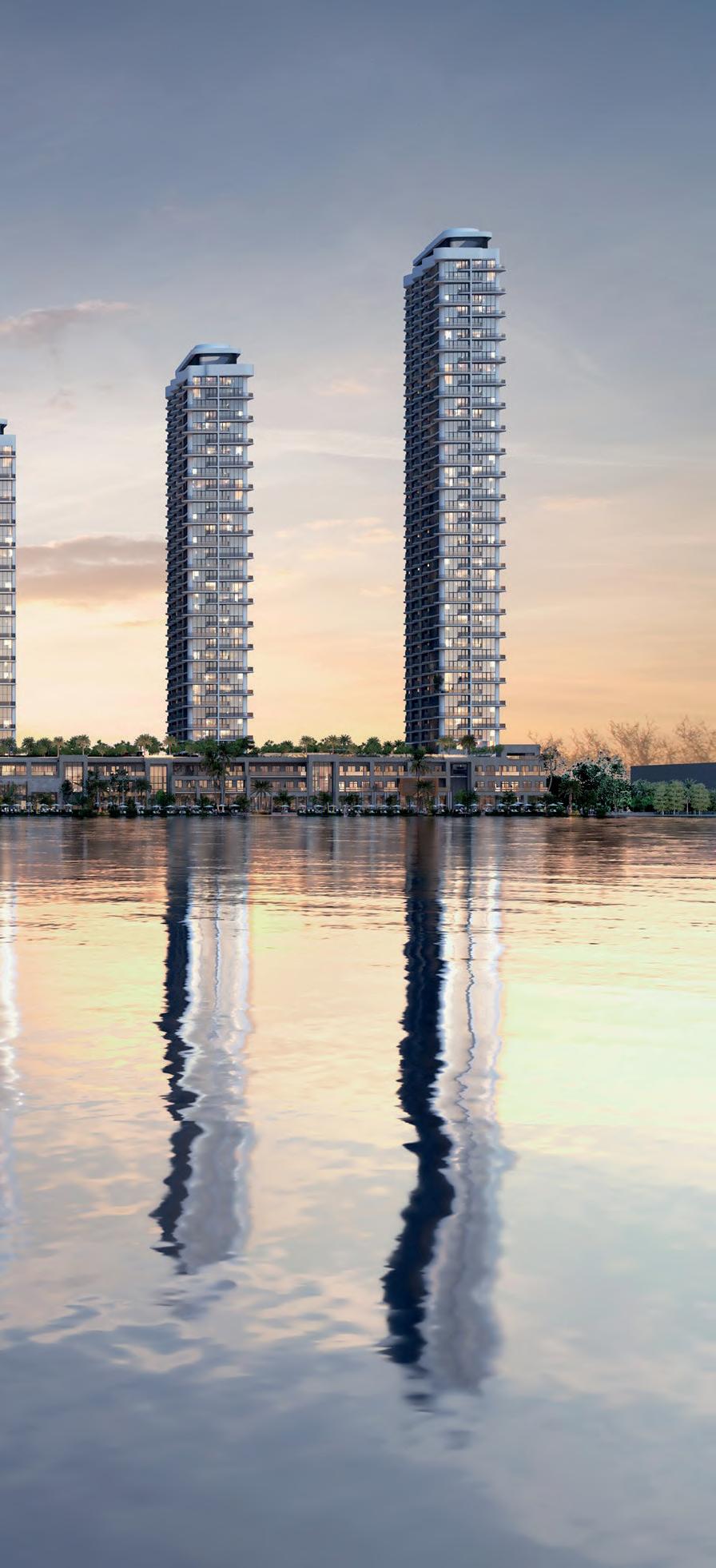
infrastructure, utilities, mobility planning, and public realm development. When government vision aligns with private sector capability, markets evolve quickly. Thirdly, UAQ’s natural landscape, its untouched coastline, 50% of open green spaces, and low-density environment, is becoming a major draw for families and global investors seeking space, wellness-focused living, and long-term value.”
At Sobha Realty, we see UAQ becoming a key pillar of the UAE’s northern growth story, a market defined by quality, sustainability, and future-ready urban planning, he emphasises.
Commenting on investors and their preferences in UAQ compared to more established markets in the UAE such as Dubai, Alfred states, “Investor behaviour in UAQ is evolving rapidly, and we are seeing both clear overlaps with other emirates, as well as distinct preferences shaped by UAQ’s unique strengths.”
“The similarities are driven by various fundamentals. Investors across all the main emirates are prioritising masterplanned communities, reputable developers who have credible results, strong infrastructure, and overall long-term appreciation potential. They are also increasingly focused on sustainability, wellness-oriented amenities, and coastal living. These have become key decision drivers regionally.”
The differences lie in intent and value. In Dubai, investors often seek high liquidity, short investment cycles, and global recognition. It is a mature market with strong rental yields and rapid resales, he points out.
He adds, “UAQ, however, is appealing to a growing segment of strategic, long-horizon investors. Here,
the value proposition is shaped by early-stage entry pricing, large-scale masterplans, and significant room for future capital growth. Buyers are drawn to the emirate’s untouched coastline, lower density, and the opportunity to be part of a developing urban ecosystem from the ground up. UAQ is increasingly seen as the next frontier, offering value today and strong potential tomorrow.”
Speaking about Sobha Realty’s plans for the future, and whether the developer is considering other emirates for potential expansion, Alfred reveals, “Abu Dhabi is naturally the next chapter in Sobha Realty’s growth story within the UAE.”
Ultimately, Umm Al Quwain provides the scale, serenity, and partnership required for a transformative development.
“While Dubai remains our home market and Umm Al Quwain is our newest frontier, Abu Dhabi offers a very compelling combination of factors: a mature, regulated market, strong economic fundamentals, a constant growing population, and a clear, long-term vision from the leadership for sustainable, high-quality urban development.”
“For us, Abu Dhabi is attractive because it rewards exactly what Sobha stands for: long-term thinking, craftsmanship, and communities built to last. The emirate is consistently investing in infrastructure, culture, and knowledge industries, which creates a strong base of end-users and investors looking for premium, well-managed developments rather than short-term speculation,” he explains.
Making his closing remarks, Alfred says, “Our upcoming expansion into Abu Dhabi is built around this thinking. We are carefully selecting locations and product typologies where our Backward Integration model and ‘The Art of Detail’ philosophy can genuinely add value to the city’s landscape. We do not want to be just another project, but rather a development that fits into Abu Dhabi’s broader vision.”
“In short, we see Abu Dhabi as a strategic, long-term market where Sobha can bring its expertise in masterplanned, sustainable communities to a new audience, while deepening our presence across the UAE,” he concludes.
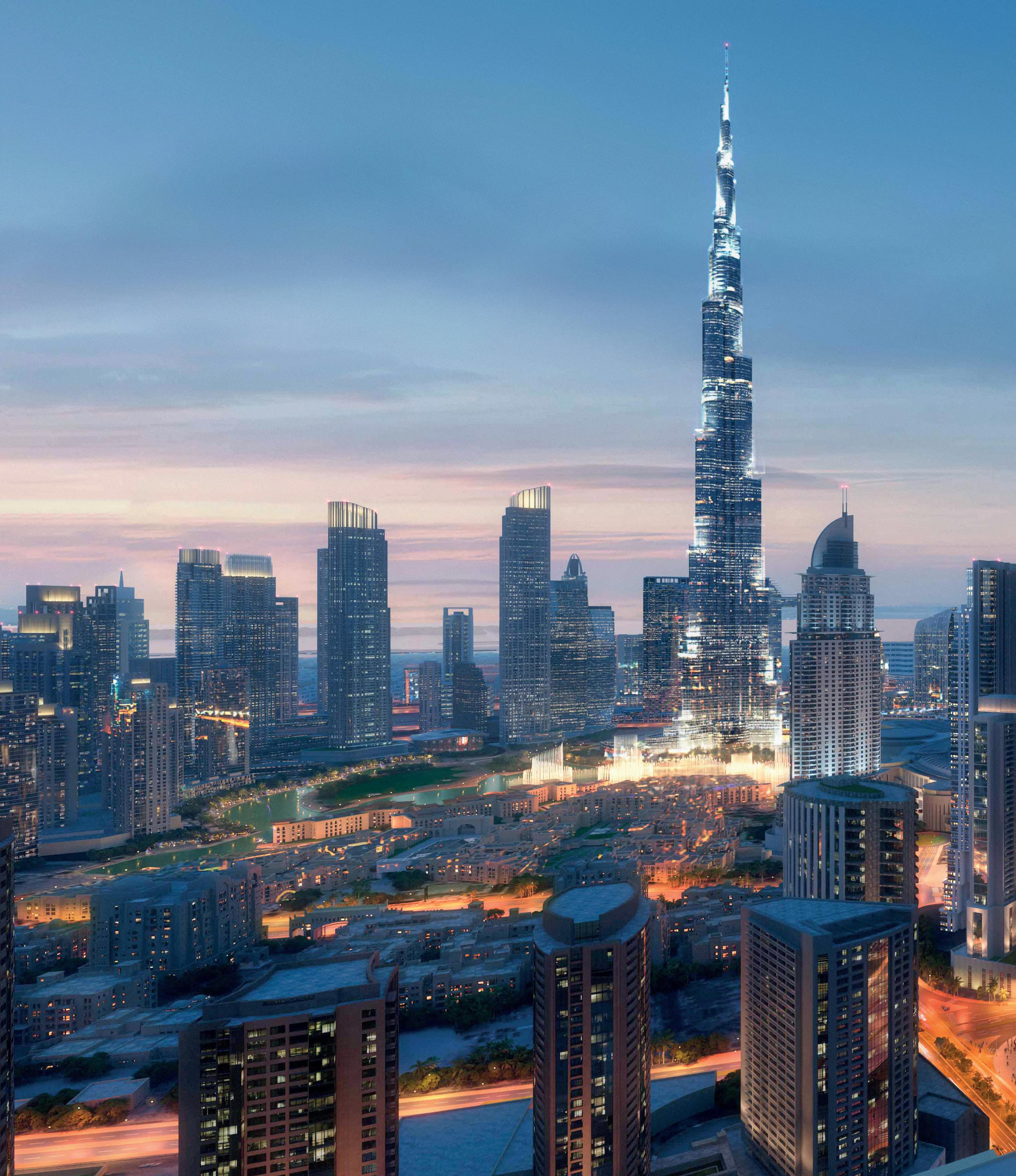
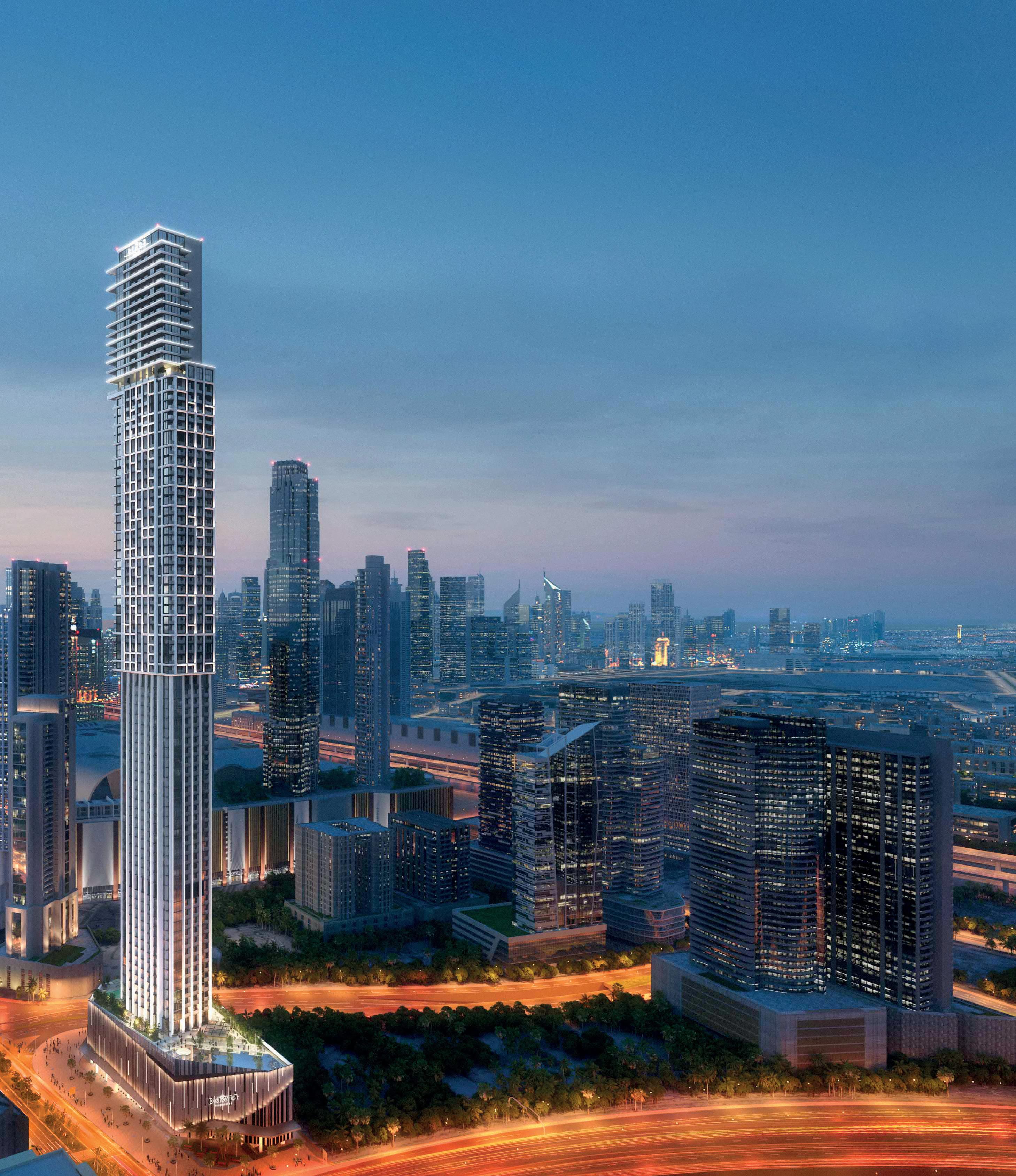
THOMAS WAN, MANAGING PARTNER AT REFINE DEVELOPMENT MANAGEMENT TALKS TO PRIYANKA RAINA, ASSOCIATE EDITOR AT BIG PROJECT ME ABOUT HOW DATA-DRIVEN DESIGN AND MODULAR CONSTRUCTION ARE REDEFINING RESIDENTIAL DELIVERY
The definition of ‘affordable housing’ in Dubai is quietly but decisively changing. What was once driven largely by price is now being shaped by efficiency, liveability, and long-term value. As construction costs rise and buyer expectations continue to mature, the city’s mid-market segment is under pressure to deliver more not through excess, but through precision. Communities such as JVC and JVT are at the centre of this shift. Buyers are no longer looking for compromises disguised as affordability; they want intelligent layouts, well-considered amenities, and homes that support the way they live and work today. For developers, this has made the balancing act more complex controlling costs, while maintaining design integrity, build quality, and timely delivery.
To understand how this balance is being achieved in practice, Big Project ME spoke with Refine Development Management about the realities shaping Dubai’s mid-market residential landscape. The conversation spans everything from construction-cost inflation and value engineering to data-led development, sustainability, evolving buyer behaviour, and what the ‘apartment of the future’ could look like by 2030. Rather than focusing on trends in isolation, the discussion explores how strategy, discipline, and integrated delivery models are redefining what attainable housing means in today’s market.
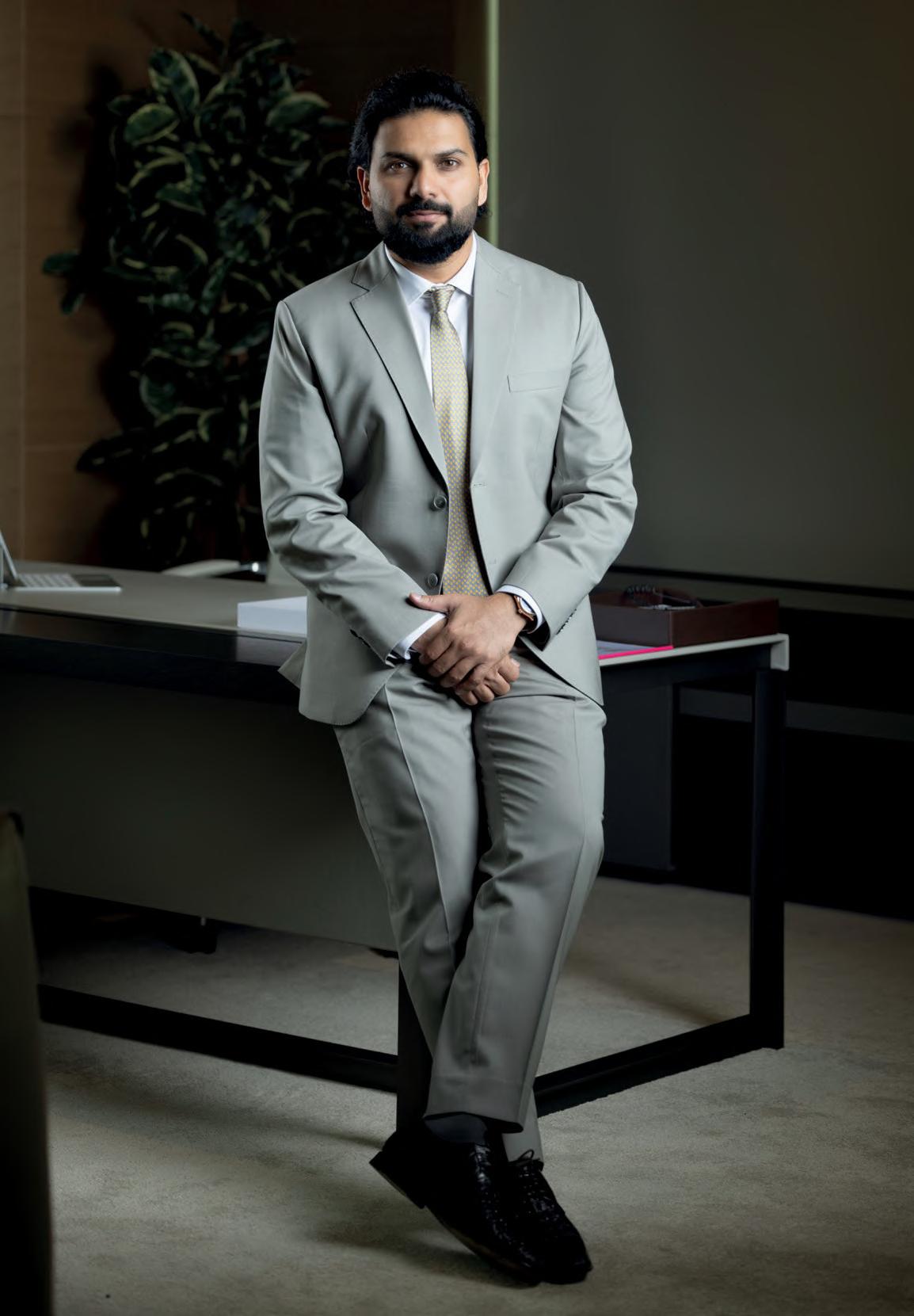
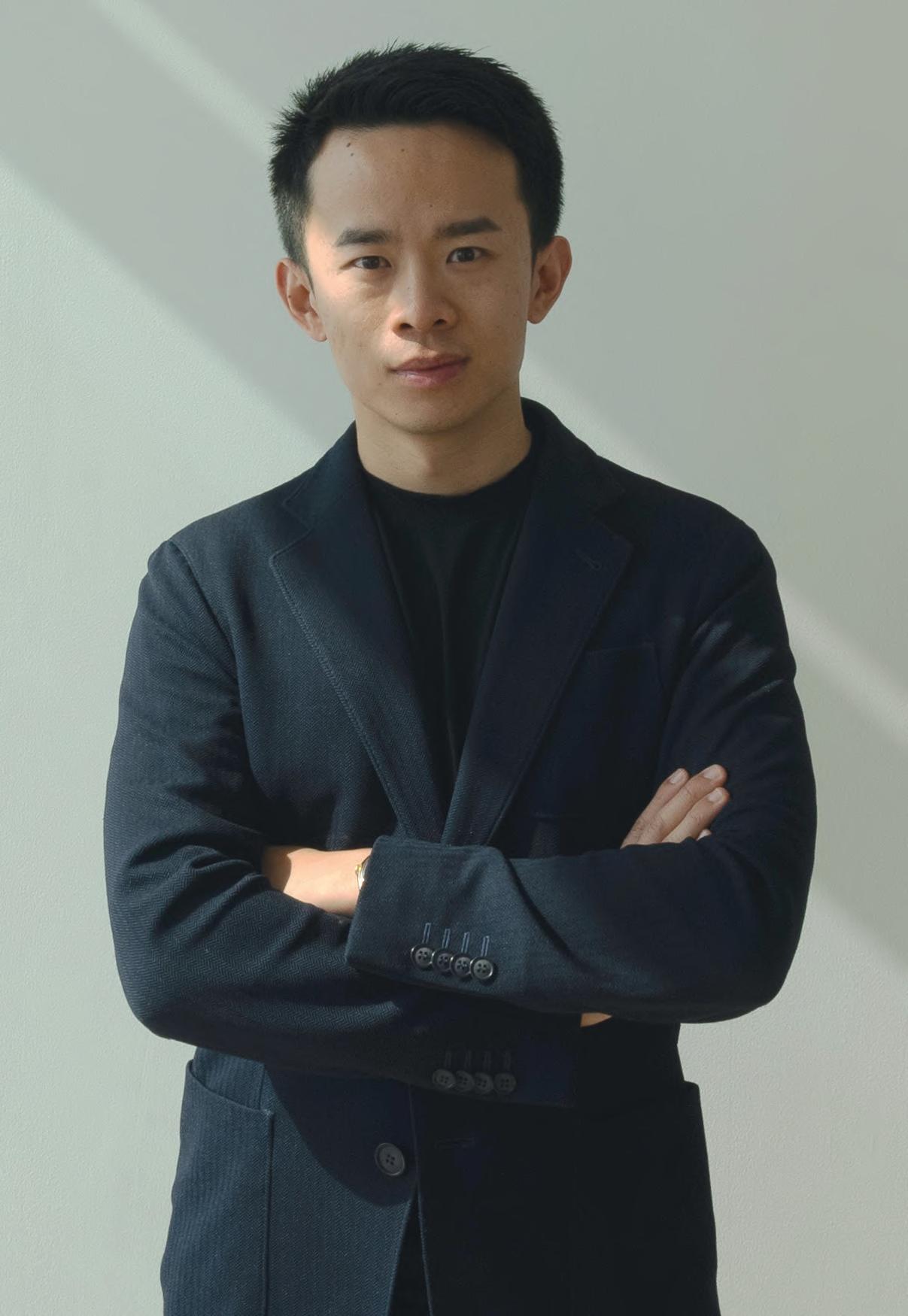
Dubai’s mid-market segment is growing rapidly, especially in areas like JVC. When asked about how developers are balancing affordability while maintaining construction quality and design appeal, Thomas Wan, Managing Partner at Refine Development Management remarks, “Affordability in Dubai’s mid-market focuses more on precision than cost-cutting. The developers that Refine partners with are striking a balance through modular design efficiencies, standardised unit types, and early-stage value engineering to safeguard both finish quality and liveability.”
“In communities such as JVC and JVT, where Refine has upcoming projects, buyers increasingly prioritise functional layouts, ample storage, and smart amenity design that enhances lifestyle value without increasing a developer’s capital expenditure (CAPEX). While mid-market housing remains price-sensitive, off-plan values in key master communities are now averaging above US $381.2 per sqft, reflecting both stronger demand and rising construction quality. This reinforces why the focus must shift from cost reduction to design discipline and execution efficiency, ensuring every element of a project delivers tangible end-user and investor value.”
In terms of the biggest challenges developers face when delivering costON THE PULSE OF

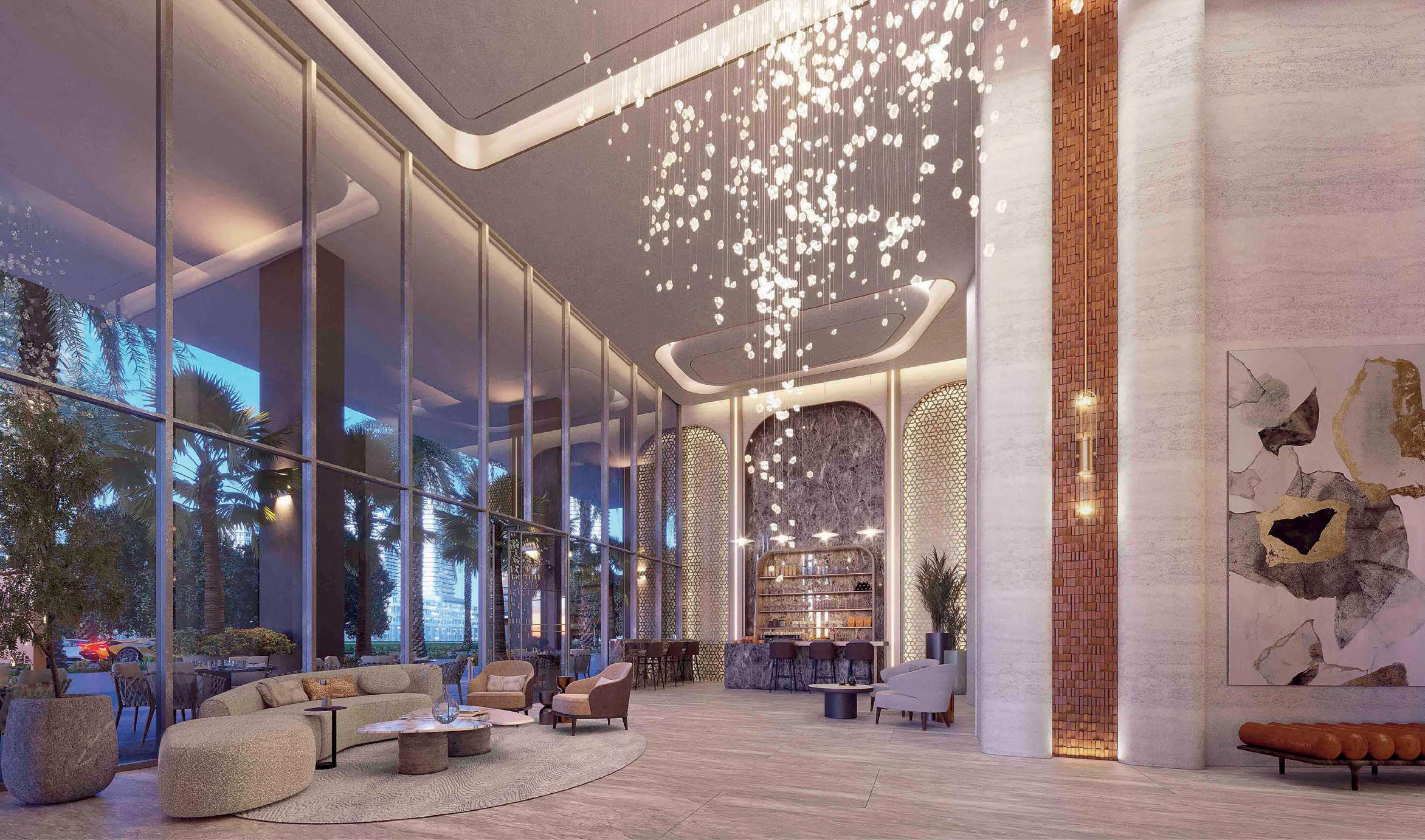
efficient yet aspirational housing in Dubai, Wan points out, “The primary challenge is aligning constructioncost inflation with end-buyer expectations that have not yet fully adjusted to today’s market. CBRE reports that average material and labour costs in Dubai rose 4–6 % in 2025 amid capacity pressures. Mitigating those pressures requires early procurement, realistic programme planning, and data-driven budget control throughout design and construction.”
“The second challenge is perception. Mid-market buyers increasingly expect lifestyle features once associated with premium segments, from co-working zones to boutique-style aesthetics, but at an attainable price. The answer isn’t replicating luxury projects; it’s redefining value through functionality, longevity and low maintenance costs. Refine’s 75% repeat-client rate shows that when quality and efficiency are balanced correctly, developers return because the model delivers clear results.”
Dubai's market is too transparent for superficial differentiation; buyers can benchmark value instantly, Wan highlights.
Here, Wan notes that alternative delivery models are a useful tool in terms of delivering value, and highlights Developmentas-a-Service (DaaS) as a solution to help developers optimise costs without compromising on value or delivery timelines.
“Refine’s DaaS model is built around delivering greater value through integrated expertise. By managing the entire development lifecycle under a single accountable framework, from feasibility and design management to procurement, construction oversight, and marketing, we ensure decisions are cohesive, data-driven, and outcome-focused.”
“The main advantage isn’t just cost efficiency; it’s the quality, consistency, and predictability that result from having
every discipline aligned under one model. It enables developers to benchmark performance, reduce risk, and uphold design integrity from concept to handover. This is why we have been able to deliver projects across various segments, from branded residences to mid-market communities in JVC and JVT, without compromising on finish or timeline.”
He continues, “Reducing fixed overheads is a natural by-product of our services. The real impact lies in how DaaS enhances project value, accelerates delivery, and gives developers the confidence that every stage of the process is being managed with the same precision and accountability as an in-house team, without the fragmentation that often slows traditional delivery models.”
DIFFERENTIATOR
Community
With cost volatility continuing to impact the market, BPME asked Wan about construction costs and land prices, and what strategies can help keep development costs under control, which in-turn affects the middle-income segment.
He notes, “It’s essential to ensure efficiency ratios are clearly defined before the final design is signed off. Most well-performing projects today achieve a net-to-gross efficiency of at least 95%, and in many cases surpass 100%, ensuring every square metre contributes to net sellable area. That level of precision requires early coordination between design, engineering, and cost management teams to remove inefficiencies and protect value from the outset.”
“Locking façade and MEP packages early in the project's development is equally important, as these categories are where cost volatility typically strikes first. According to CBRE data, steel and mechanical equipment prices have risen roughly 6 % this year, so early contracting will significantly limit exposure,” he states.
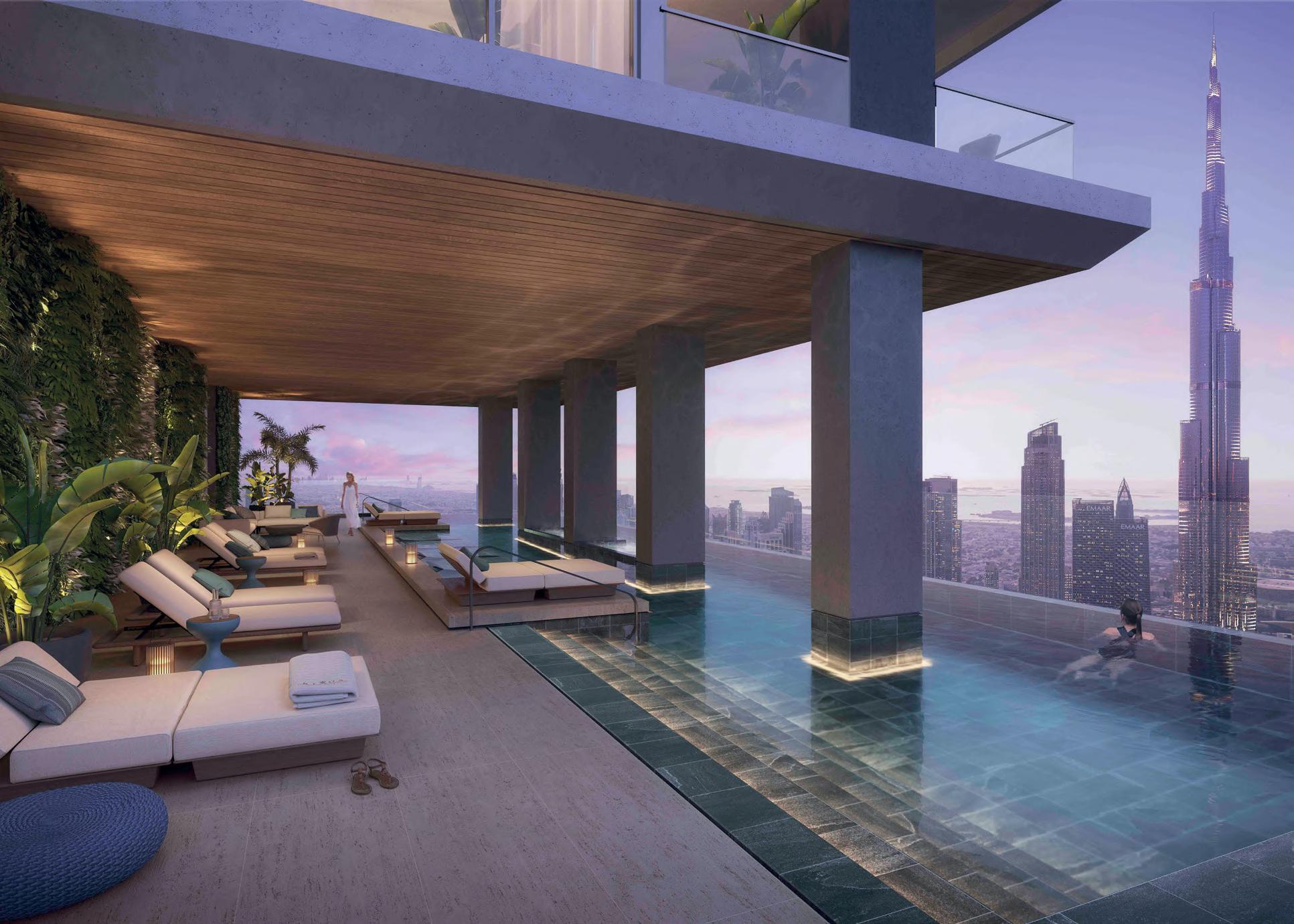
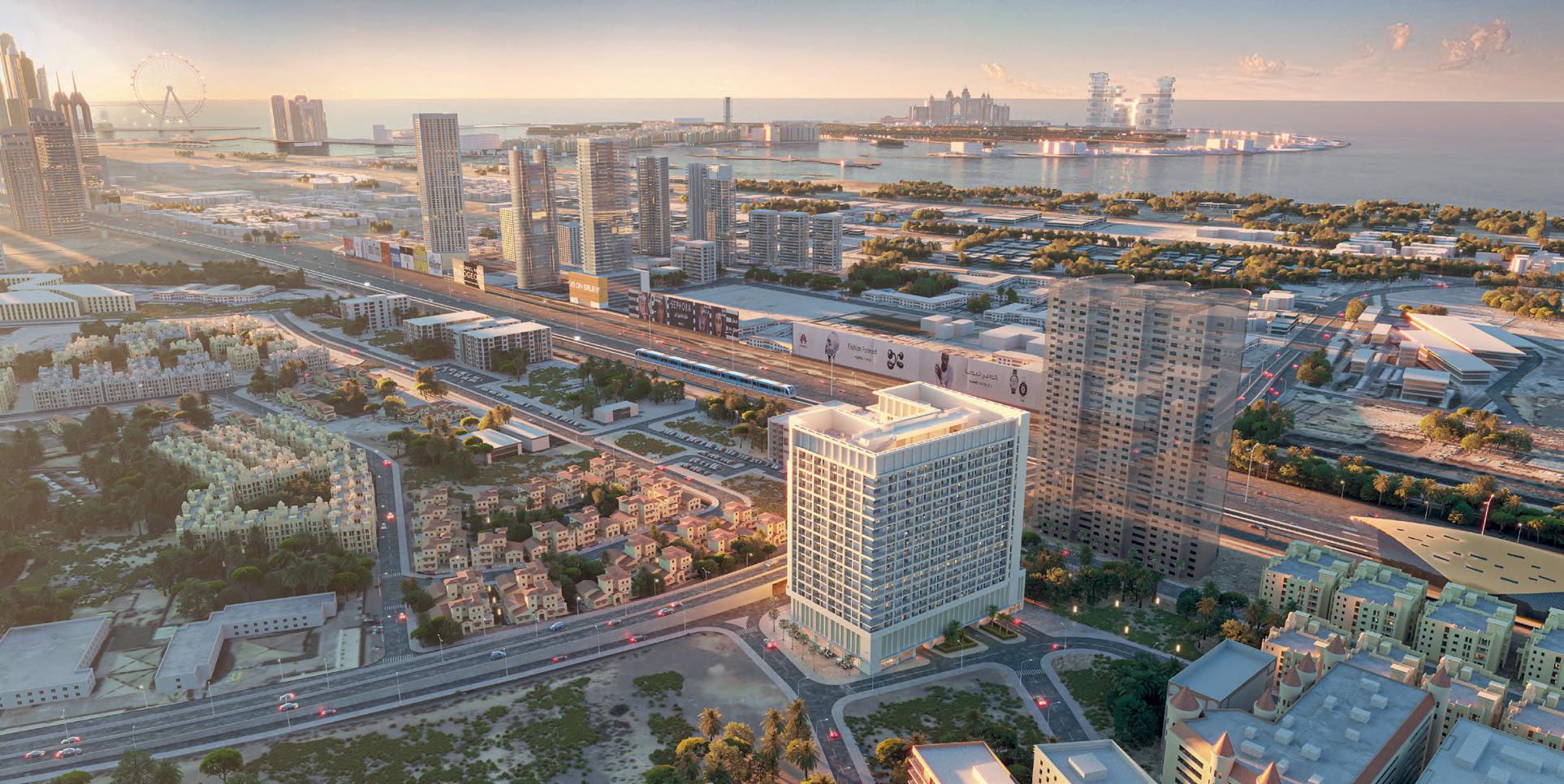
As awareness grows around how our surroundings affect physical and mental health, developers are rethinking how homes and shared spaces can actively improve wellbeing.
“At Refine, we apply this discipline through long-term supplier frameworks and hedged procurement agreements. The focus isn’t on cost-cutting but on maintaining control and predictability across the entire lifecycle. Combined with phased land drawdowns and capital-efficient partnerships, this approach helps developers sustain healthy margins as input costs stabilise into 2026.”
When delivering projects the right partners and close collaboration are vital to achieving project success. Asked about his view on this, Wan remarks, “Selective partnerships can add real value if the collaboration is strategic rather than cosmetic.”
He says, “For Refine, partnerships are evaluated by their measurable ROI. A co-branded or tech-enabled feature should improve either absorption or operating cost, not just marketing optics. Dubai’s market is too transparent for superficial differentiation; buyers can benchmark value instantly. The smartest partnerships are those that enhance efficiency and occupant experience simultaneously.”
Shifting focus to the importance of regulation and whether changes in policy or additional regulation could encourage a greater focus on mid-market developments in the emirate,
Wans responds, “Yes, particularly in planning and approvals. Streamlining permits for standardised mid-rise typologies and incentivising sustainable materials could significantly accelerate mid-market supply. There’s also room for updated guidance around parking ratios, EV readiness, and on-site renewable integration, areas that can reduce both capital and operational expenditure if applied consistently.”
“Dubai’s regulators have already advanced significantly in digitalising the approvals process. The next step should focus on encouraging sustainable density, promoting projects that optimise land use while preserving liveability and accessibility,” he comments.
Features and amenities have a significant bearing on a project’s attractiveness to today’s buyers or tenants but
NEW STANDARD FOR FEATURES
Developers should plan for at least 25% EV-ready bays, with built-in capacity to scale. These are no longer futuristic features, Wan states.
rolling out attractive features and maintaining them could potentially be a pricey proposition for the asset owner.
Pressed about how developers can address this and if amenities can be addressed to ensure livability and cost targets are achieved, Wan explains, “The focus is shifting toward ‘light-lift, high-use’ amenities, co-working spaces, rooftop terraces, shaded play zones, and multipurpose courts, rather than facilities like large pools or spas. When amenities are shared across clusters rather than duplicated in each tower, developers can achieve both cost efficiency and stronger community cohesion.”
“Amenities must work hard per square metre and stay affordable to maintain post-handover service charges, which remain a top priority for mid-income buyers,” he adds.
Discussing what units may look like by 2030, Wan says, “I’d imagine by 2030, Dubai apartments will be smarter, smaller, and more adaptable, similar to those in other parts of the world. I’d expect flexible layouts with reconfigurable rooms, modular storage, and integrated workspaces to support hybrid lifestyles. Developers will increasingly prioritise air quality, acoustics, and daylight, elements that cost less to build than to retrofit.”
“With utility costs rising, the apartment of the future is likely to perform as intelligently as it looks using energyefficient systems and real-time data platforms to manage consumption, maintenance, and the homeowner’s comfort.”
Gen Z and millennial buyers are influencing design more than any demographic before.
Design influences
Residential property buyers are diverse and have different preferences and requirements. Discussing the impact this is having on the design of new homes, Wan states that younger Gen Z and millennial buyers are influencing design more than any demographic before them.
“They’re trading pure size for experience, prioritising natural light, privacy, and social spaces over oversized living areas. The rise of hybrid work has permanently reshaped unit planning, with flexible zones and improved storage now essential features,” he outlines.
“In mid-market communities, we’re also seeing stronger interest in community life. Residents want fitness spaces, local cafés, and shaded walkways on top of private amenities. This behavioural shift is reshaping the DNA of developments in areas like JVC and JVT, where a younger resident base demands design that fits how they live and work today.”
Pressed for his thoughts on baseline expectations buyers have that are becoming ‘non-negotiable’ must-haves,
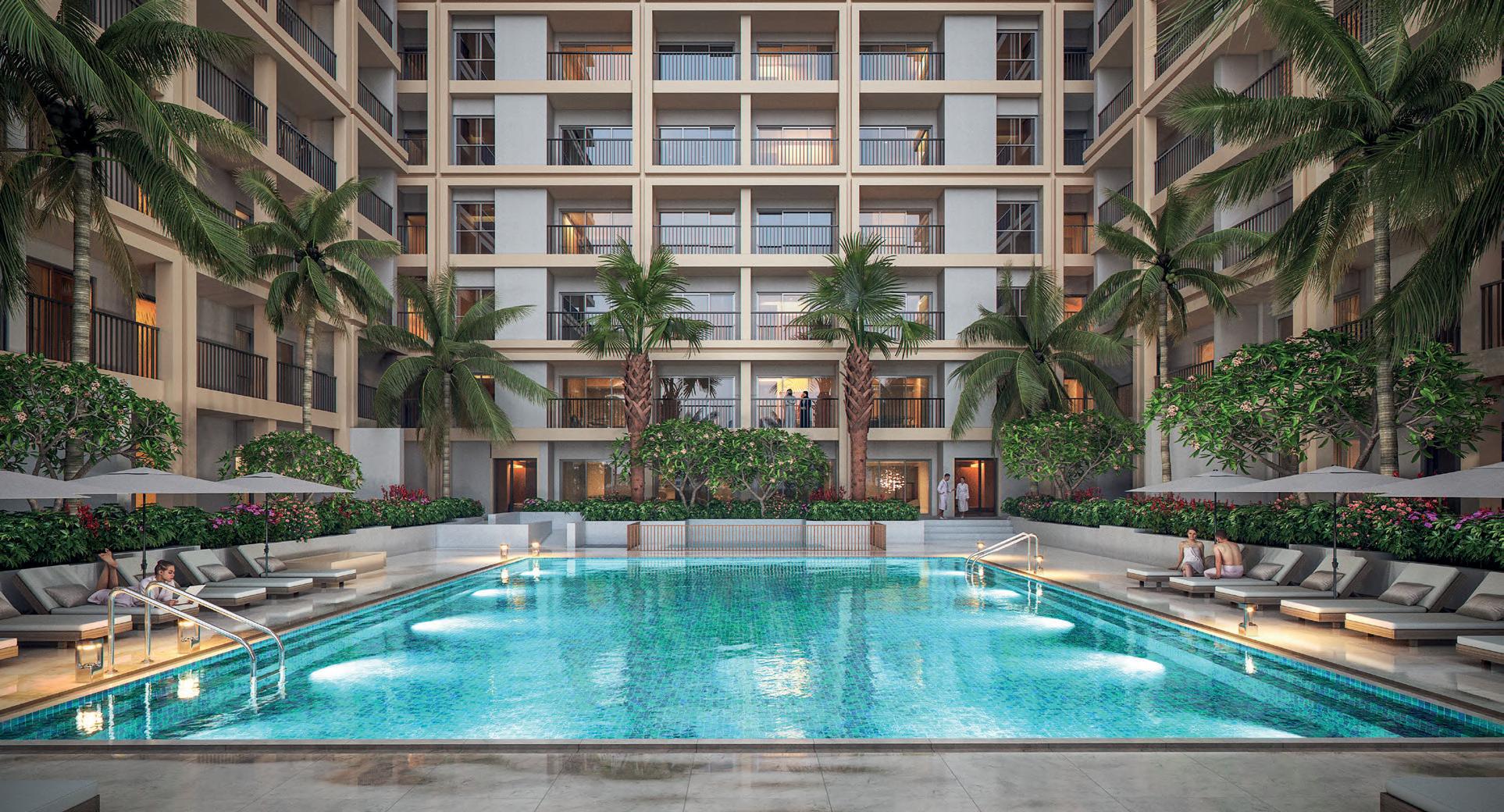
Wan highlights, “Smart thermostats, keyless access, and leak detection are now standard expectations. On the sustainability front, highefficiency air-conditioning, low-flow fixtures, LED lighting, and solar-ready infrastructure are also quickly moving from optional to standard features. Equally important is transparency; buyers expect to see quantifiable impact. Whether that’s lower DEWA bills or reduced service charges, sustainability must translate to measurable value. The developers who connect those dots build stronger buyer trust and long-term brand equity.”
Delving into sustainability and its important in driving long-term value on projects, Wan comments, “For Refine, sustainability is integrated into every stage of development, from site orientation and material choice to digital project management that minimises waste. It’s not an afterthought in design but a performance standard that boosts efficiency, reduces lifecycle costs, and enhances long-term value. We have deliberately shaped our decision-making process to ensure that every outcome not only has a commercial impact but also delivers a measurable environmental and social benefit.”
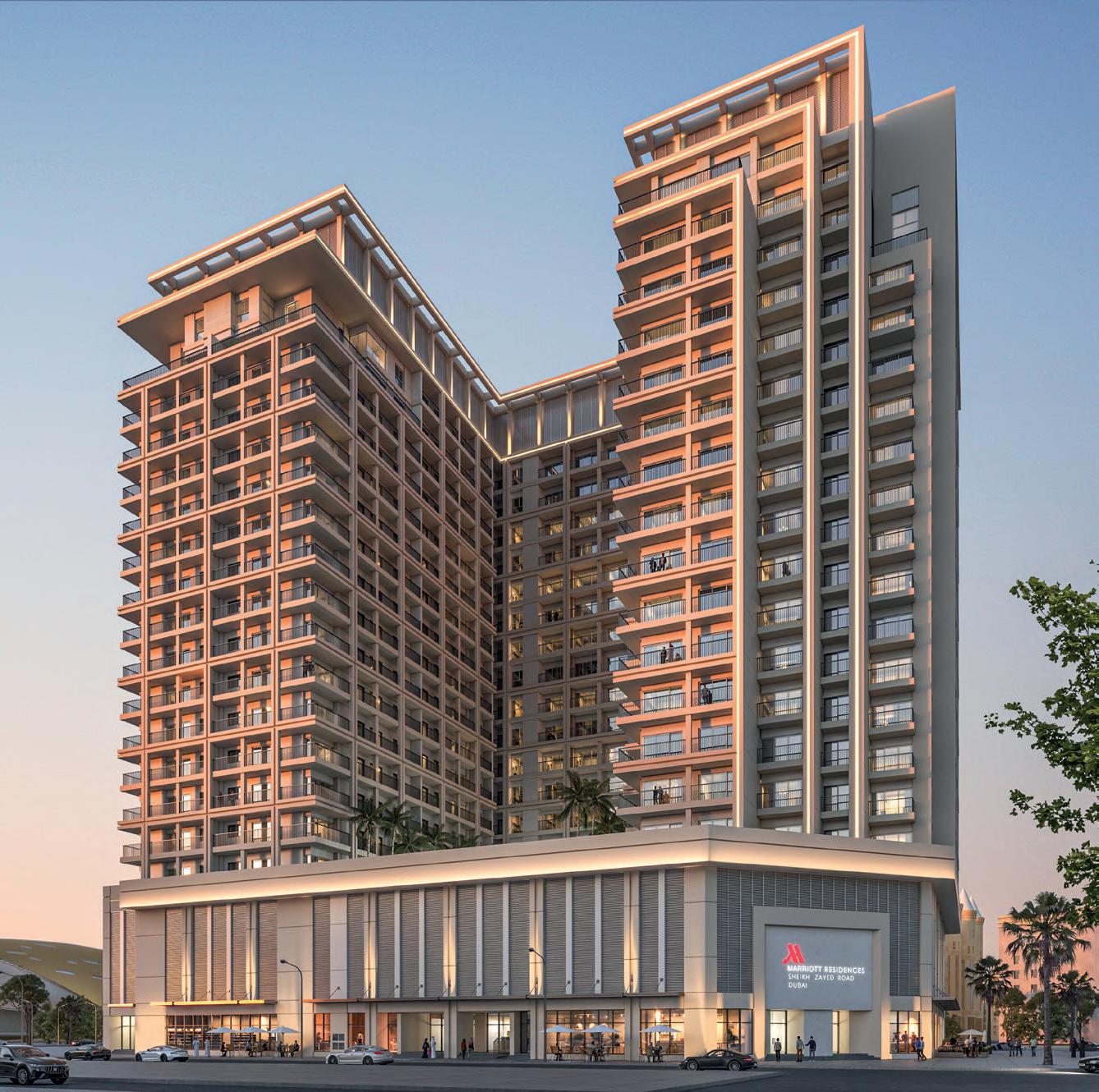
When amenities are shared across clusters rather than duplicated in each tower, developers can achieve both cost efficiency and stronger community cohesion.
With regards to long-term project resilience and Refine's role in supporting developers to future-proof their projects, Wan says future-proofing starts with data.
He adds, “Our DaaS platform continuously benchmarks pricing, absorption, and payment trends to guide design and phasing decisions. We use that intelligence to help developers recalibrate product mix, amenity strategy, and marketing in real time. The goal is to make every project resilient to change, technological, economic, or behavioural, so it stays competitive well beyond handover.”
Asked for his final thoughts on how the concept of community, wellness and shared spaces are evolving, Wan
explains, “Community and wellness features are becoming a true differentiator for buyers. As awareness grows around how our surroundings affect physical and mental health, developers are rethinking how homes and shared spaces can actively improve wellbeing rather than simply accommodate it.”
“Our clients find that investors now look for developments that foster social connection and wellbeing through their design, for example, landscaped courtyards, co-working lounges, micro-gyms, and shaded running tracks that encourage activity and interaction.
“Refine’s role is to help developers integrate these humancentred principles early in design so that wellness becomes an integral component of a project’s long-term value, rather than a marketing afterthought,” he concludes.
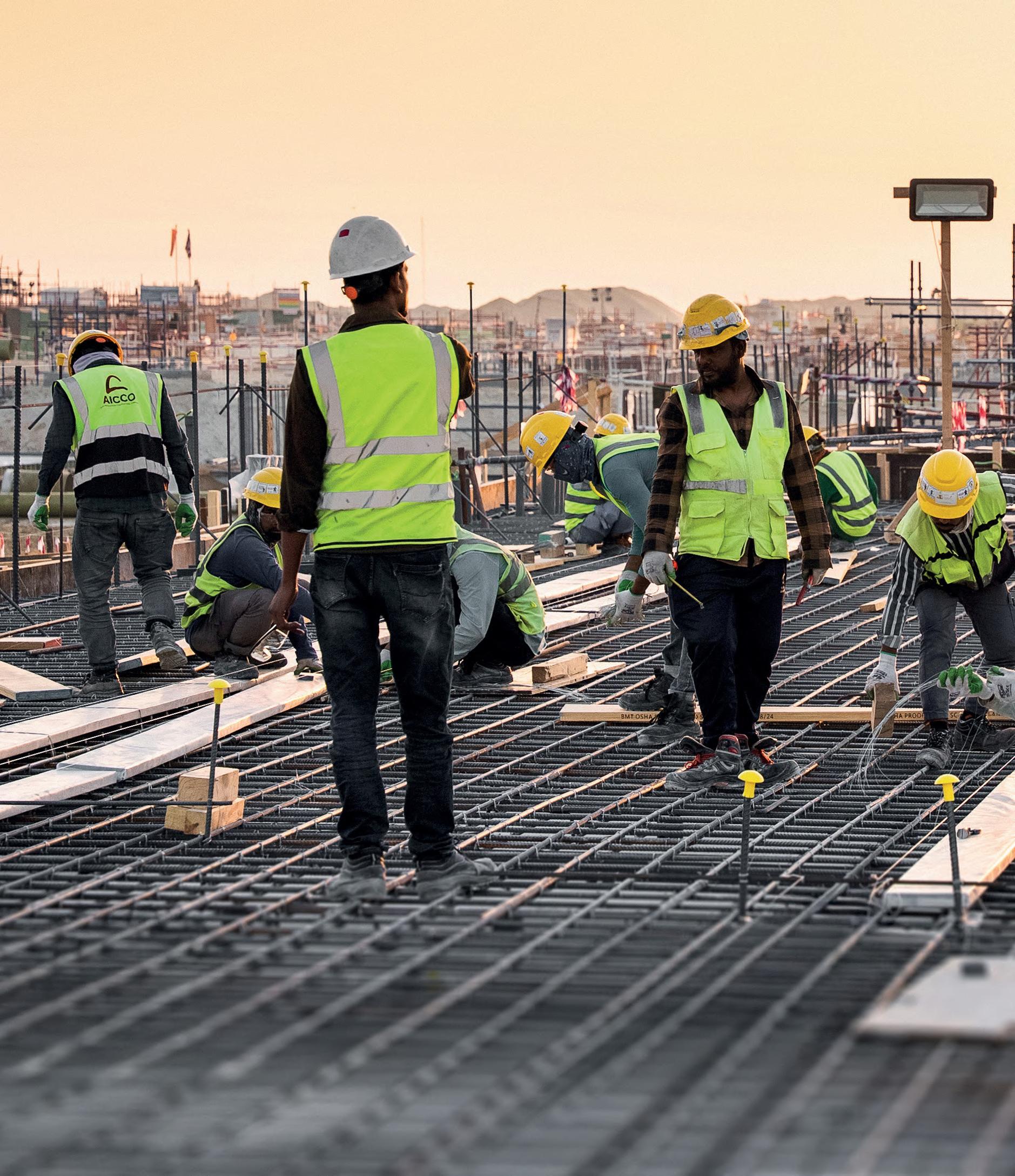
DI-ANN EISNOR, PRESIDENT OF WAKECAP SPEAK TO BIG PROJECT ME ’S JASON SAUNDALKAR ABOUT THE COMPANY’S PERFORMANCE IN 2025, THE ACQUISITION OF TRACKFY, AND OUTLINES KEY ISSUES IN THE BUILT ENVIRONMENT THAT THE COMPANY IS ADDRESSING
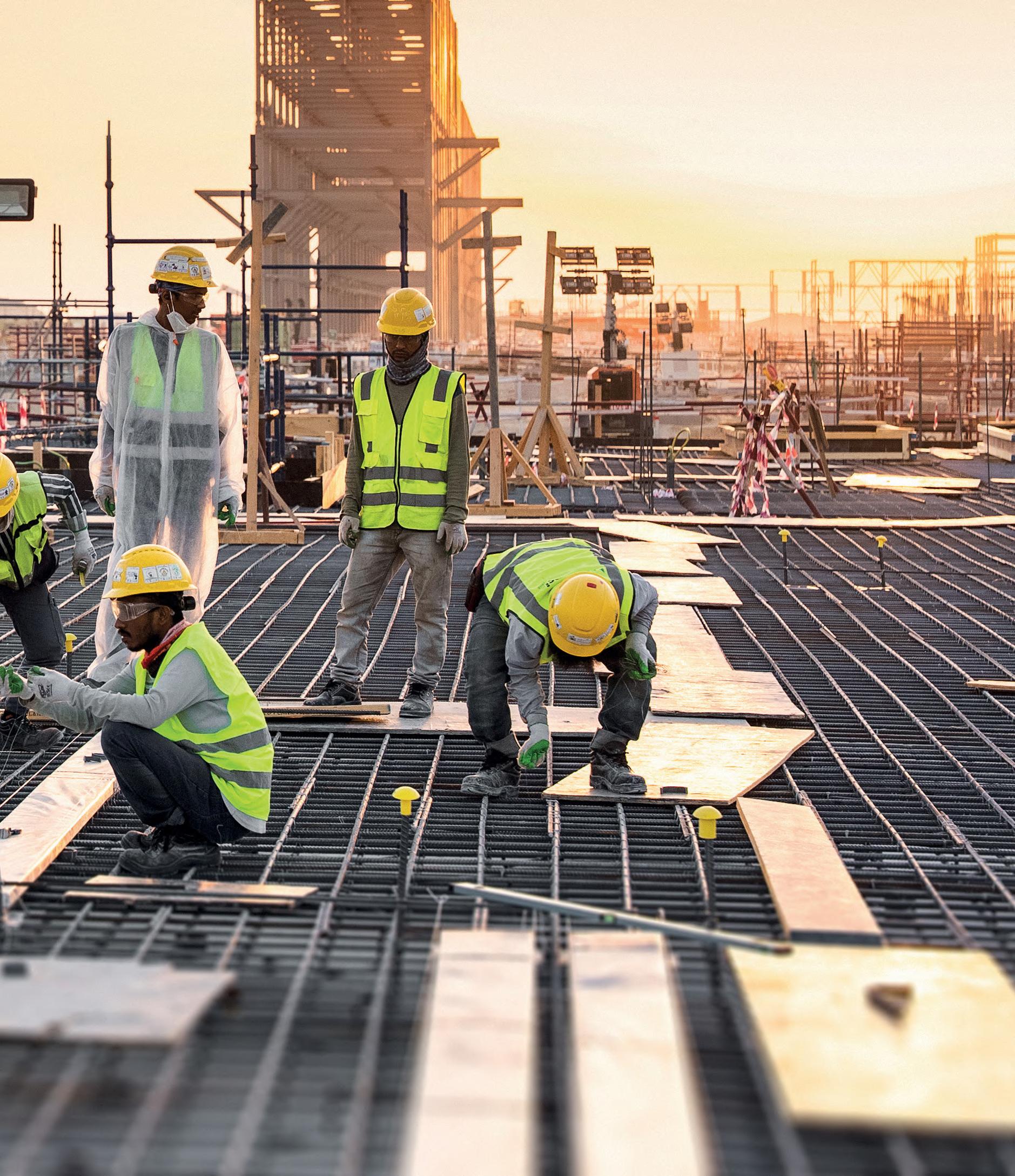
In early November 2025, WakeCap Technologies said it was expanding its global footprint with the acquisition of Brazil-based Trackfy, a worker safety and operational tracking solution for industrial companies. The acquisition was said to underscore WakeCap’s commitment to expanding its global reach, diversifying product capabilities, and deepening customer relationships across the construction and industrial lifecycle.
Beyond expanding into Latin America, with Brazil as the new LATAM HQ, WakeCap said the Trackfy acquisition allows it to support clients long after construction is complete. By adding operations and maintenance capabilities, WakeCap can stay with projects from the build phase through to daily industrial operations, offering a single connected solution across the full life cycle of a
GATEWAY TO THE KINGDOM
The company says it has become a gateway to Saudi Arabia for innovative contech companies because it can identify which problems are priorities, and how to connect them to its intelligence platform.
facility. This approach significantly increases the long-term value the company delivers to its customers, the firm said. Here, Big Project Middle East’s Jason Saundalkar talks to Di-Ann Eisnor, President of WakeCap about the company’s performance in 2025, the acquisition of Trackfy, and key issues in the built environment that WakeCap is looking to address.
Outline WakeCap’s performance to date in 2025? What were some of your main goals and achievements? 2025 was about maturity at scale. We operated our entire business to serve customers better. It centres around a single intelligence platform for progress, productivity and safety. Examples of metrics for the year include: we broke $150B in active projects which matters since we only focus on mega and giga projects - it keeps us focused; we grew our TCV by 4X. TCV is the number we use to determine how much trust we have from our customers. The more they trust us, the more business we win; we have embedded teams for every major customer which in some cases even live on site. This ensures a fast cycle from discovery

Di-Ann Eisnor, President of WakeCap.
of problems facing our customers on a daily basis to solutions from the ground up. We call it solutions coverage and we track the percentage. This embedding mentality keeps us with the best knowledge of customer needs, number of use cases and impact of the solutions.
Last but not least, on the solutions side, we have really forged ahead on the entire intelligence platform, connecting data across entire portfolios as well as within projects having progress, productivity and safety data talk to each other in RT for the best decision making. This has included expansion of our sensor powered project controls and significant advances in our computer vision.
Outside of Saudi Arabia, which markets in the GCC and beyond are of interest to WakeCap going forward? What prompted the move into LATAM specifically at this stage in your journey as a company?
We’ve been focused on Saudi and have made progress in the UAE. This will remain our focus as we plant seeds where we see the biggest opportunities. We balance intention and opportunity.

Outside of KSA, we now have customers in the US, Japan and Brazil. We saw Brazil as a leading market in Industry 4.0. One of our key investors has an office in Brazil, so we’ve spent time understanding and sizing the market opportunity.
Talk us through how the acquisition of Trackfy came about – what were the main drivers?
We had a lot of customer pull on Operations and Maintenance (O&M) and we knew it would benefit our customers. Through our investor, Graphene Ventures, we met Trackfy and realised it could be a transformative partnership. We could help them scale faster in Brazil
and across LATAM and they would accelerate our O&M offering in Saudi. Fortunately, Graphene is with us in the US, Saudi and Brazil so we could piggyback on their reach. This is what great early stage investors look like - truly adding to portfolio company growth.
What benefits does Tracky’s solution offer to asset owners/operators and construction firms?
WakeCap and Trackfy both obsess over ground truth data and we both use sensors to track real ROI for customers. Our life cycle can scale from 3 years of construction to 10+ years with operations and maintenance. Customers have a complete life cycle solution and the ability to
turn data to delivery with even less fragmentation and more intelligence. They also have operating manuals and playbooks that are seamless from one stage to the next.
How will the two companies operate post acquisition?
Will the Trackfy brand continue or will it be absorbed into WakeCap? Talk us through the next 6 months in terms of how the companies will integrate/work together.
We learned a lot from our acquisition of Crews by Core, so this time we hired a dedicated integration manager that speaks both languages and knows both cultures. We have central sales, finance, operations processes and playbooks, which should help accelerate the Trackfy business in LATAM and ensure we are operating as a unified business.
In Brazil the Trackfy brand will remain for now and in the Middle East it will be WakeCap O&M - this is the simplest for customers and markets. And that is the goal: keep it as simple as possible, minimise any negative change and keep focusing on the customer. Here are some elements from our integration plan that your readers may appreciate.
We are committed to giving everyone a voice and protect them from friction, which includes: strategic collaboration
- set goals together and create space for bonds to knit; regional execution - minimise friction to execute with local Eng, Product, UX and lean on each team’s strengths.
Our emergent responsibility and priority is for a 3-month plan and then evaluate and create a solid structure where details can be colored in over time – i.e. new customers, new products, technologies.
We’re also focused on proactive transparent communication and offer support for each team and will look for & squash signs of anxiety or territorialism. We’ll drive this home culturally and procedurally: assume best intent; trust & verify and debate & commit.
On day 1, Tulio, the TrackfyCEO was setting his OKRs alongside the rest of the executive team, so he understood the entire set of company roadmap and we have an integrated path from the outset.
What are some of the near- and long-term targets/ goals you have now that you’ve acquired Trackfy?
Solve more customer problems faster; we expect our first POCs with WakeCap O&M by Q1 2026. The demand is huge but we need to move with care to make sure we get it right. I expect a proper go to market by mid 2026. We also have goals around retention of customers and employees as well as core business growth.
How does WakeCap acquire clients – do you approach companies or do they approach you? Is technology aversion still an issue with built environment stakeholders, and if so, how do you get around that challenge?
Both - this is an industry where trust matters. Our customers are the largest owners in the world, since we work on mega- and giga-projects. Technology adoption
Our track record for on-time delivery and craftmanship is the result of a disciplined development model at Source of Fate.
remains an issue especially for ‘innovations’ with no clear business priority. We try to come in and prove the value with hard data from the beginning; time savings, data transparency, safety improvements and cost savings it helps build a deep business case that our customer can rally behind, By embedding with customers, we maintain real-time context, tight alignment with their business, and a cycle of continuous improvement.
What impact will the acquisition have on WakeCap in terms of its offerings to clients and the company’s ability to solve client problems? How will clients benefit from this acquisition? That's a great question! That is actually the intent of the acquisition. Customers are going to benefit from a single intelligence platform for the entire life cycle of their projects: build → turnover → O&M.
The cost savings and time savings between phases will come from the continuity of the sensors, the data lineage and operations.
Share an overview of the construction industry in terms opportunities and challenges forWakeCap in 2026. What are your strategies to continue thriving and mitigate risks/challenges? The opportunity for us is giga-scale delivery; safety/regulatory visibility; O&M standardisation, wile risks are contractor fragmentation, talent scarcity, and data sprawl. To mitigate this we have: embedded ops, strict KPI cadence, interoperability first, solutions coverage, AI and computer vision as standard in our platform to increase reliability and cost controls.
What are some of the main challenges your clients tend to need your support with the most, whether they are standard scale or giga-projects?
Construction is incredibly complex - on small projects it’s
The company's staff count is now 180 people from nearly 40 nationalities, covering construction, O&G, strategy consulting, software, hardware and more.
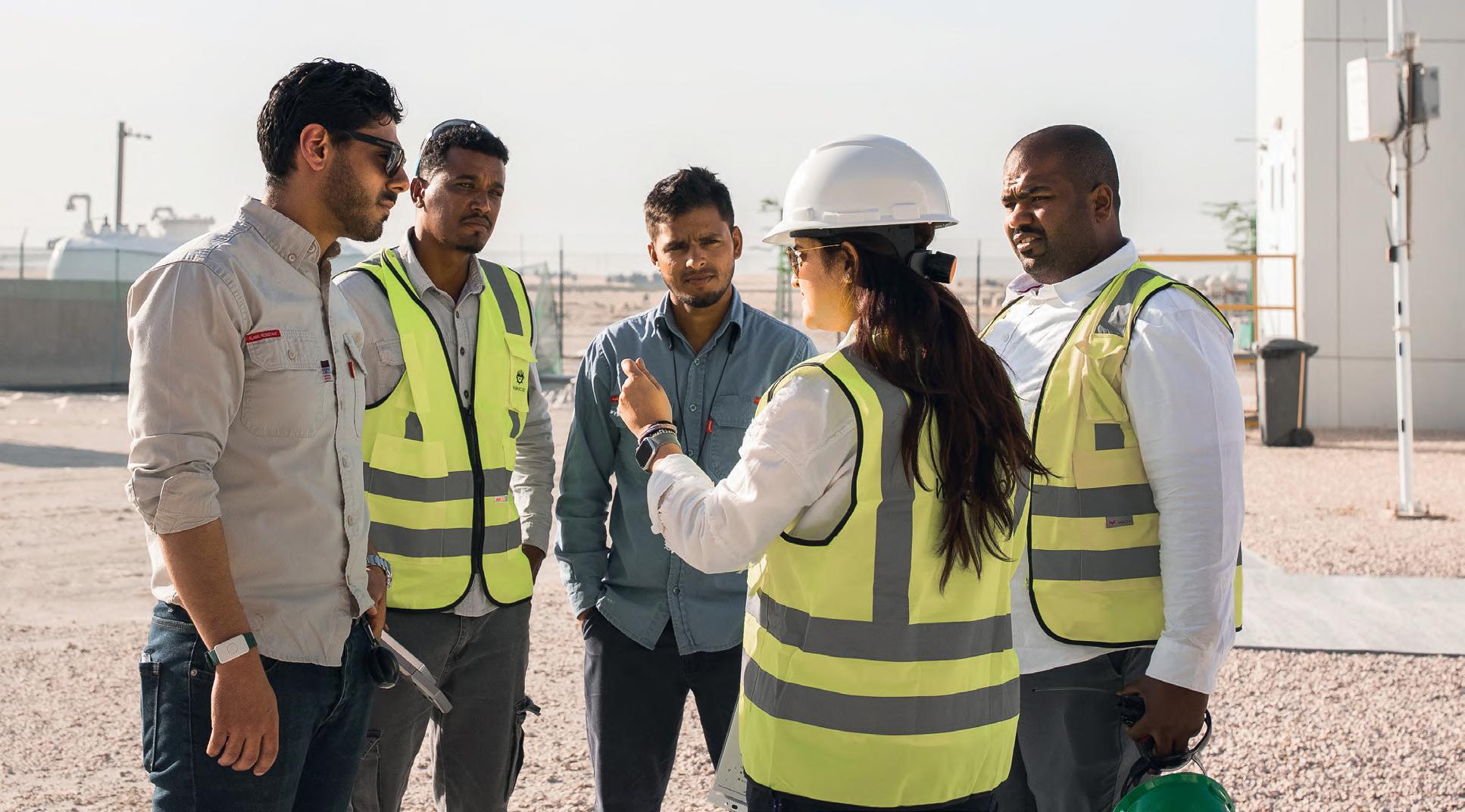
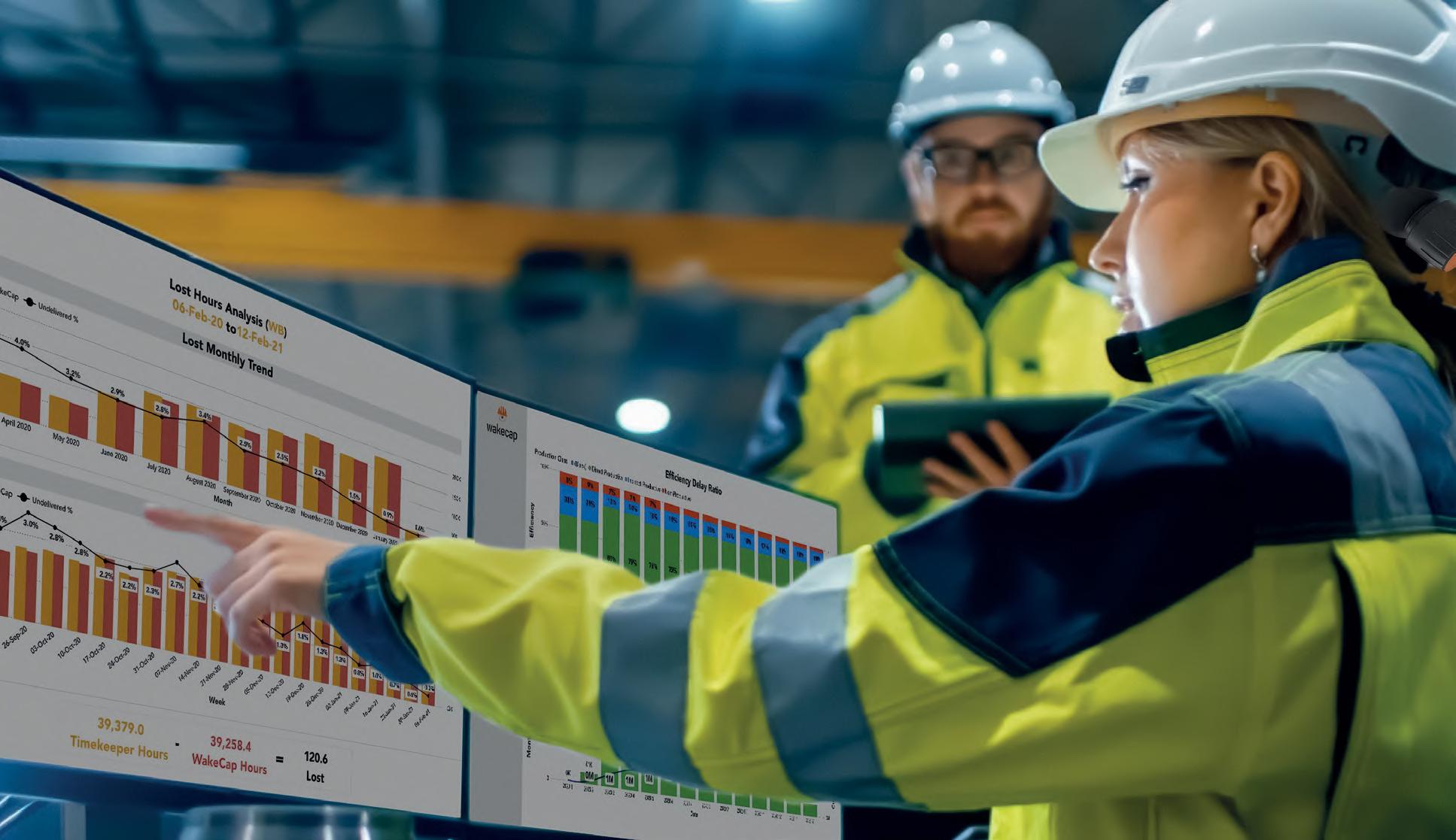
easy to hide errors but on mega- and giga-projects billions of dollars and thousands of lives are at stake. What they need most is a reliable data-driven partner that can adapt to the changing needs of the site. It’s easy to trust us because we use ground truth data from sensors and they have real time access to that data, and to our team on site.
A customer may start with progress tracking or productivity or safety and end up with us managing hundreds of use cases and connecting the entire project (or even portfolio):
• Fragmentation across 10k–100k workers and dozens of contractors (plus equipment and vehicles)
• Real-time progress variance, verified labor hours, safety leading indicators
• One intelligence layer over messy reality
• Ability to understand the business case for every solution through real ROI
• Processes and people ensure we don’t just deliver a piece of technology but a full working solution
• Given the focus on accelerated delivery of projects in the Middle East and tight budgets, can technology realistically changes existing mindsets and gives a greater focus to site safety?
DATA DRIVEN
WakeCap and Trackfy are said to obsess over ground truth data and use a variety of sensors to track real return on investment for customers.
Industrial customers are focused on safety more than civil construction. For Saudi we do see a trend toward safety investment. Because the business case is now immediate: incidents down, schedule certainty up, and public-facing events raise the bar. KSA visibility (Expo 2030, major sporting events) bring governance + reputation incentives.
Your closing statement?
It takes an ecosystem! Other ways we solve more problems for our customers can be through our partners like Oracle, Nemetschek, OpenSpace (and a lot of smaller companies from around the world). We have become a gateway to Saudi for some of the most innovative contech companies because we can know which problems are priorities and how to connect them to our intelligence platform. I’d add people to the mix as well - we’re now 180 people from nearly 40 nationalities covering construction, O&G, strategy consulting, software, hardware and more.

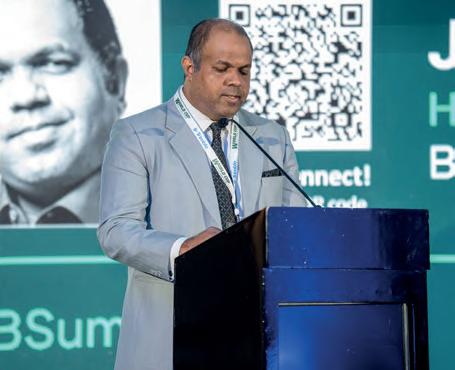
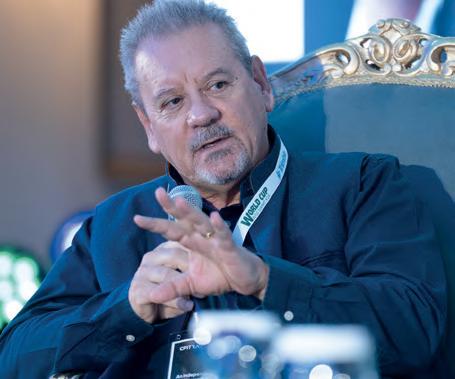
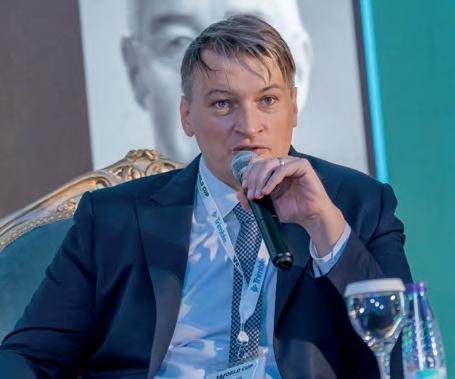
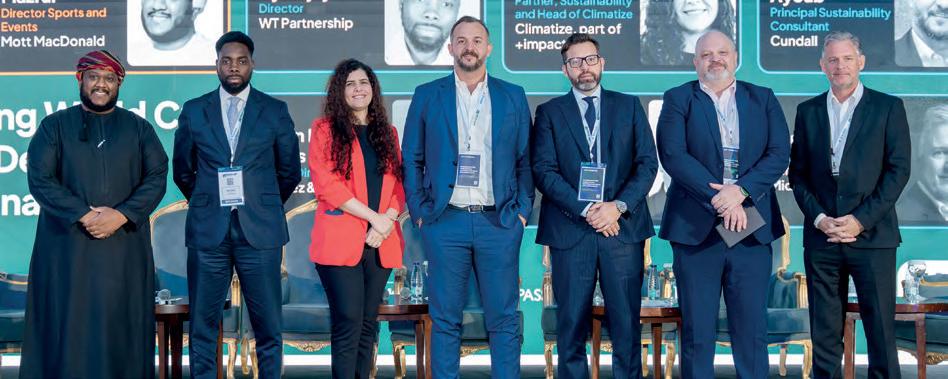
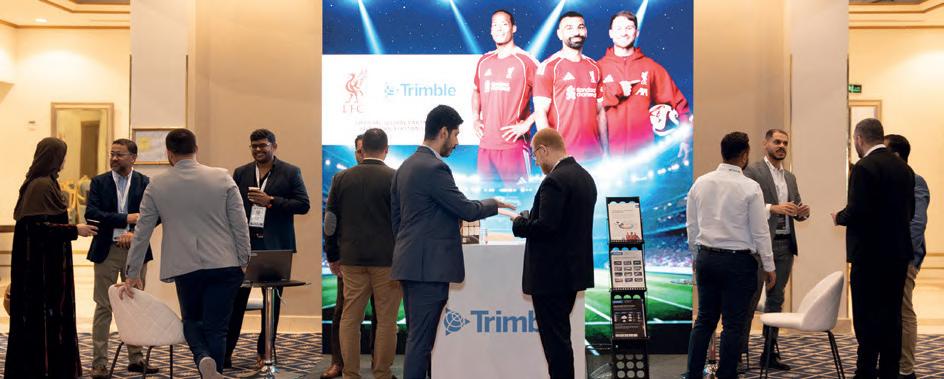
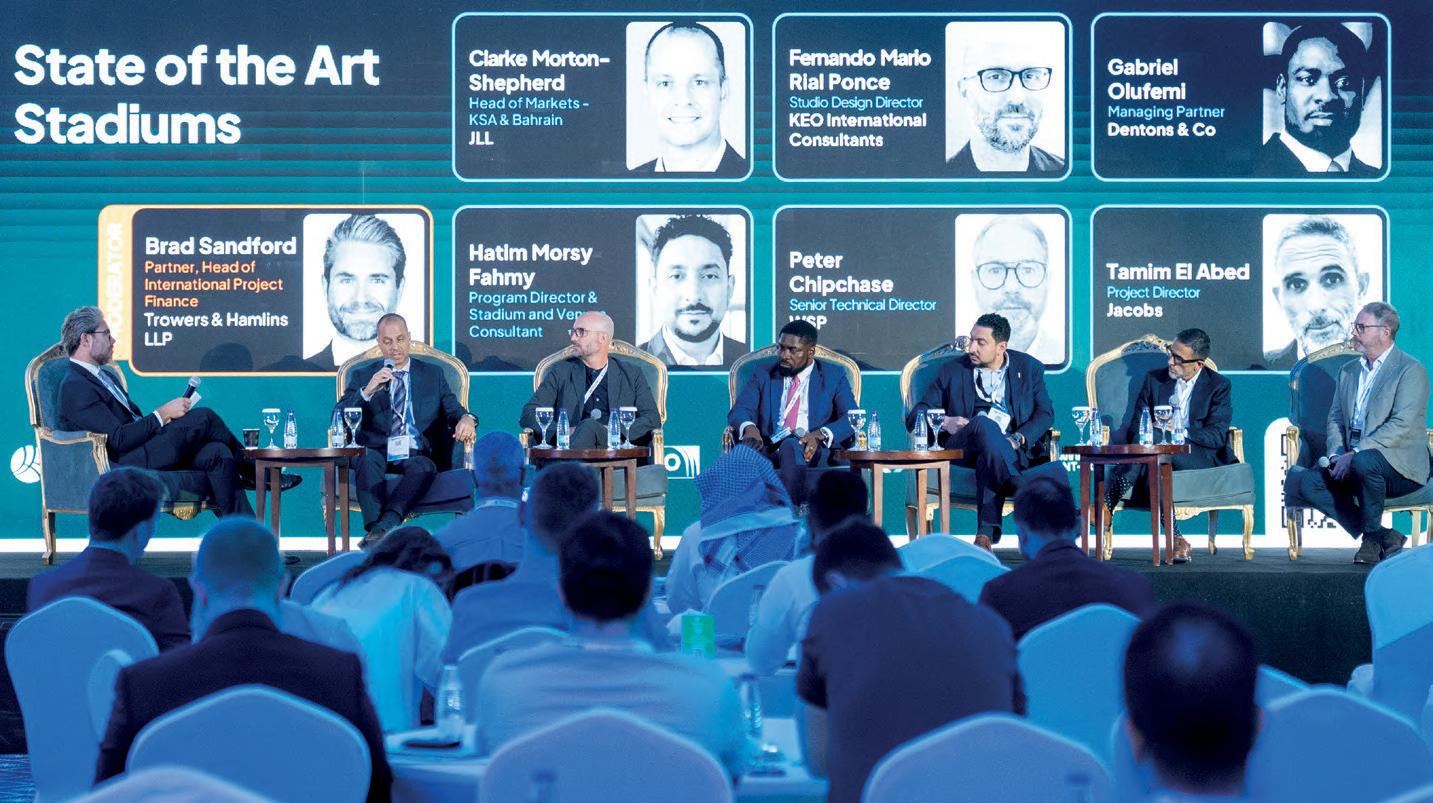
The summit featured a keynote address, three in-depth panel discussions and a number of presentations that focused on the sustainable delivery of stadiums and infrastructure necessary for the 2034 FIFA World Cup
On 18 November 2025, Big Project Middle East organised the inaugural edition of its World Cup Build Summit KSA event. The event was conceived following the announcement that the Kingdom will host the 2034 FIFA World Cup, and brought together a wide variety of stakeholders from across the Middle East to discuss a number of themes, including the development of state of the art stadiums, the importance of supporting infrastructure, putting sustainability front of mind, and future planning considerations to ensure the resilience of stadiums and infrastructure post the sporting event.
The one-day event took place at the Holiday Inn Riyadh – Al Qasr and opened with a welcome speech, which was delivered by BPME's Jason Saundalkar, who discussed the need for sustainable development in the Kingdom, and the importance of technology and close collaboration, to ensure that buildings and infrastructure are
developed in line with their original vision on-time and on-budget.
The keynote address was then given by Ammar Hina, Broadcast TV Production Consultant / independent consultant at Colorbars Consultancy. Hina said that to ensure sporting events can be enjoyed by the vast majority of fans who watch games on screens around the world, stadiums (new and old) must be able to accommodate the various technical needs of broadcasters. He recommended that broadcast experts should be bought into stadium projects early in the development life cycle, so they can advise on technical needs and specifications, so they can be integrated into a venue’s design and avoid risks and the need for last minute upgrades.
The first panel discussion of the day then took place. Titled ‘State of the Art Stadiums’, the 45-minute long session discussed the priorities (architectural, engineering, sustainable and others) that new stadiums should be designed
and built around; how can consistency of experience be secured since multiple stadiums will be delivered by several different construction partners; the considerations fan zones should be designed and built around, so that they offer the best experience, and more.
The session was moderated by Brad Sandford, Partner, Head of International Project Finance at Trowers & Hamlins LLP. He was joined on stage by: Clarke MortonShepherd, Head of Markets – KSA & Bahrain at JLL; Fernando Mario Rial Ponce, Studio Design Director at KEO International Consultants; Gabriel Olufemi, Managing Partner at Dentons & Co; Hatim Morsy Fahmy, Program Director & Stadium and Venues Consultant ; Peter Chipchase, Senior Technical Director at WSP, and Tamim El Abed, Project Director at Jacobs.
Fady Kobersy, Sales Director –MENA, RIB Software then took the stage to deliver the first presentation of the day. Kobersy noted that as Saudi Arabia prepares for the FIFA World
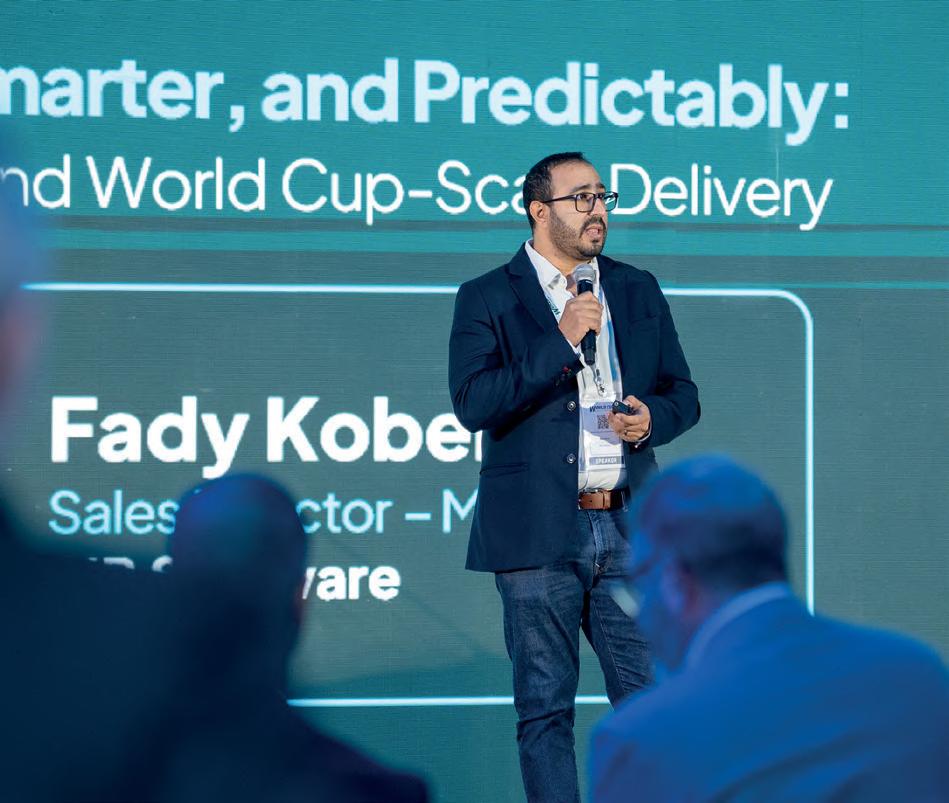
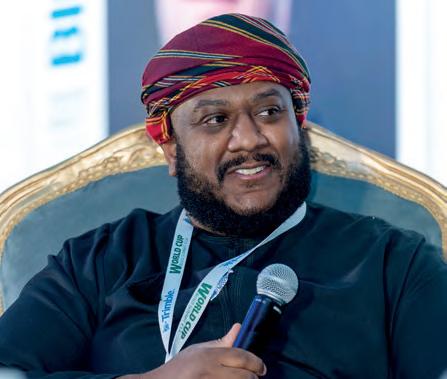
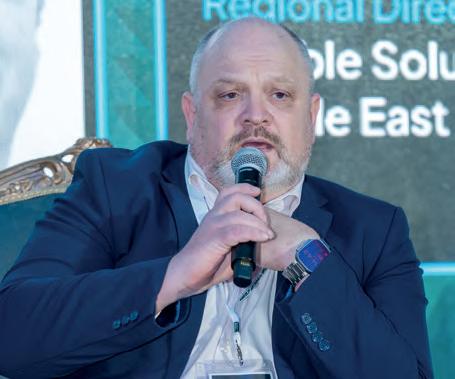
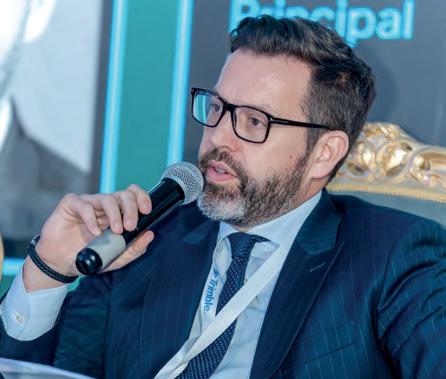
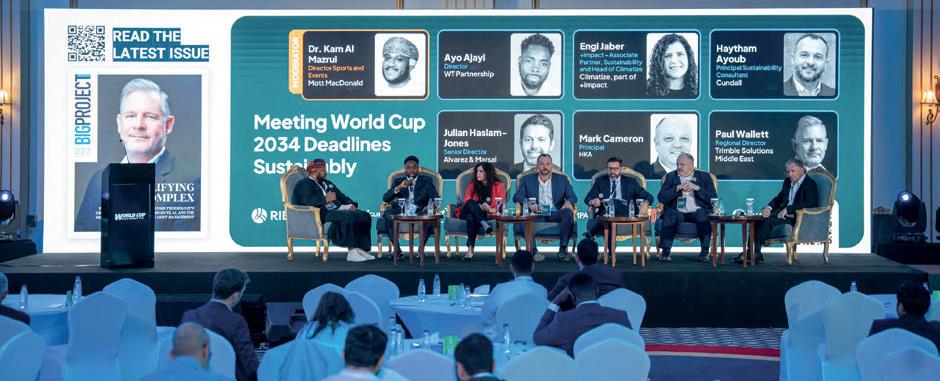
Cup 2034, the stakes for precision, speed, and cost control have never been higher. He explained that megaevent programmes demand more than traditional project management – they require data-driven construction intelligence that connects estimating, planning, cost control, procurement, and financial governance into one integrated ecosystem. His session also demonstrated how construction technologies create a unified digital workflow that empowers contractors to deliver giga-projects at global best-practice standards.
After a 20 minute coffee/networking break, the second panel discussion ‘World Class Mobility & Hospitality’ began. The session was moderated by Ermis Marques, MD KSA & ME Director of Strategy at Zutari, with panellists including: Elmer Moncada, Head of Electrical Engineering at Dar Engineering; Hrvoje Cindrić, Global Urban Strategies Lead at Buro Happold, and Ian Sinclair, Partner & Head of Programs KSA, Knight Frank. The session focused on topics including: the Kingdom’s requirements for sophisticated and interconnected transportation systems, as well as a mix of hospitality options in every city that the tournament will take place in; alternatives for hospitality in cities that may not see as many tourists post event; what infrastructure
from other global events taking place in the Kingdom ahead of the FIFA World Cup 2034 – such as EXPO 2030 Riyadh – can be re-used for the tournament without heavy investment, in addition to the options officials have to manage the usage of roads and rail systems during the tournament. The next presentation then took place, which was delivered by Tareq Al-Masri, Director of Sales at Trimble Solutions Middle East. Titled ‘Paving the Way: The Role of Digital Twins in Delivering the Saudi 2034 FIFA World Cup’, the session presented real-world case studies from around the globe, highlighting how Trimble’s technology, including Tekla Structures and Trimble Connect, helped teams overcome complexity in projects like World Expo 2020 pavilions and
several stadiums around the world.
The presentation also covered how these technologies enable seamless collaboration, streamline data from design to fabrication, and ultimately, support the delivery of complex structures on-time and within budget.
The event then paused for a networking lunch, with the third and final panel discussion of the day taking place. The ‘Meeting World Cup 2034 Deadlines Sustainably’ panel discussed the overarching sustainable

principals that all builds pertaining to the tournament should adhere to, in support of the sustainable goals of Vision 2030; it outlined the supply chain needed to successfully deliver all the construction works related to the tournament, and where major gaps exist or will exist as the event’s deadline approaches, and discussed sustainable materials that can be sourced from within the region for stadiums and infrastructure to reduce the embodied carbon of these projects.
The session was moderated by Dr. Kam Al-Mazrui, Director Sports and Events at Mott MacDonald, with panellists including: Ayo Ajayi, Director at WT Partnership; Engi Jaber, +impact – Associate Partner, Sustainability and Head of Climatize, Climatize,
The agenda for the World Cup Build Summit KSA included 3 panel discussions, 3 presentations and 2 workshops.

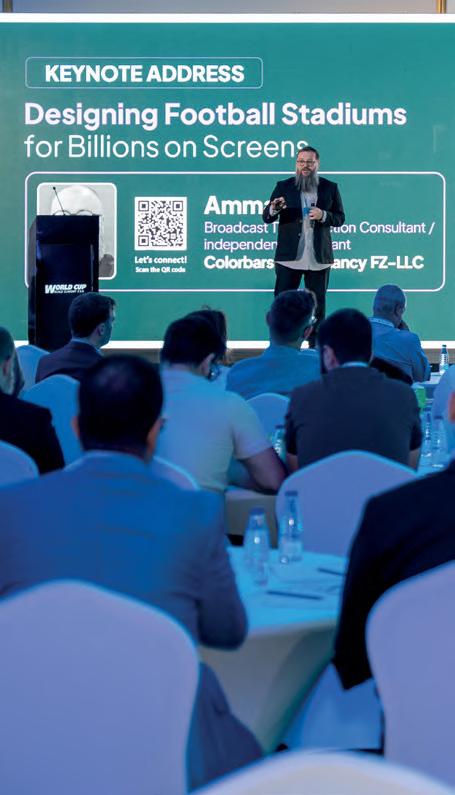
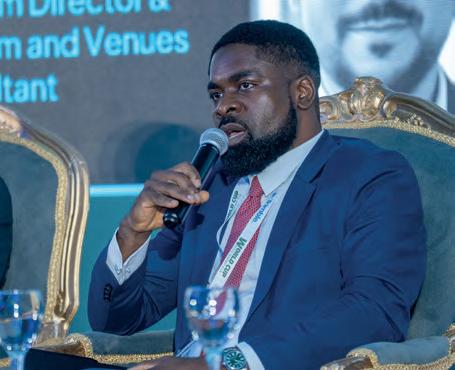
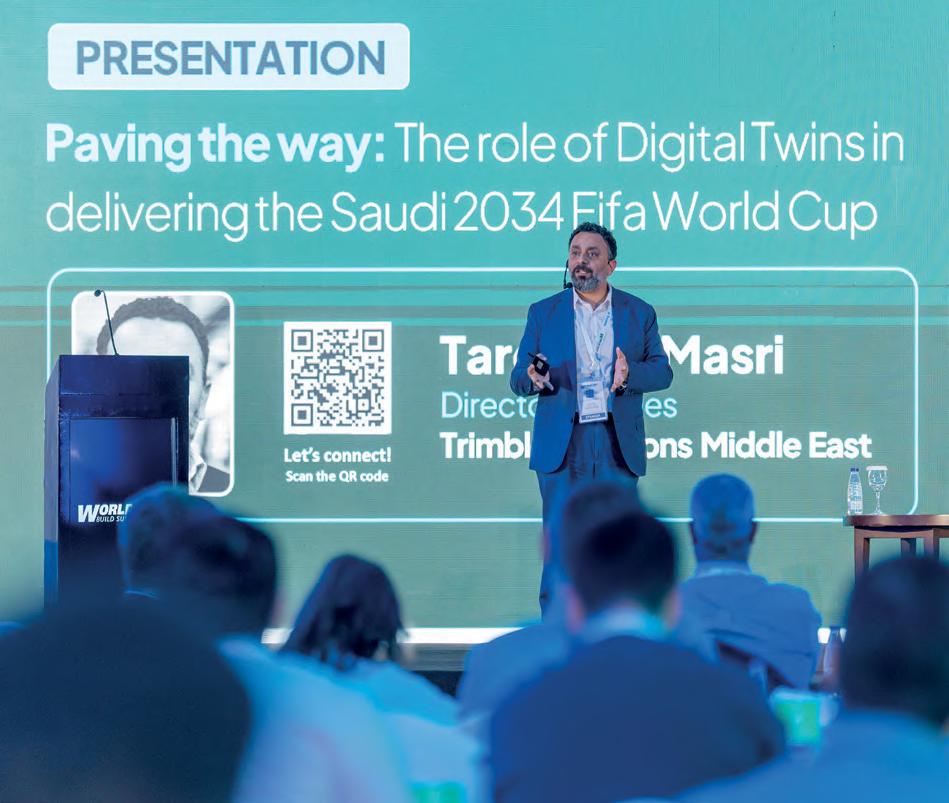


“Can you manage a project seamlessly from estimation to certification?”
Smart Estimating, Planning & Project Control Software at your Fingertips
All-in-One: Powerful features streamlined workflow.
Fast & Accurate Estimates: First Principles simplify and ensure accuracy.
Crystal Clear Data: Track data origin and calculations easily.
Reusable Estimates: Save time with adaptable project data.
Control Costs: Manage resources for optimal budgeting.


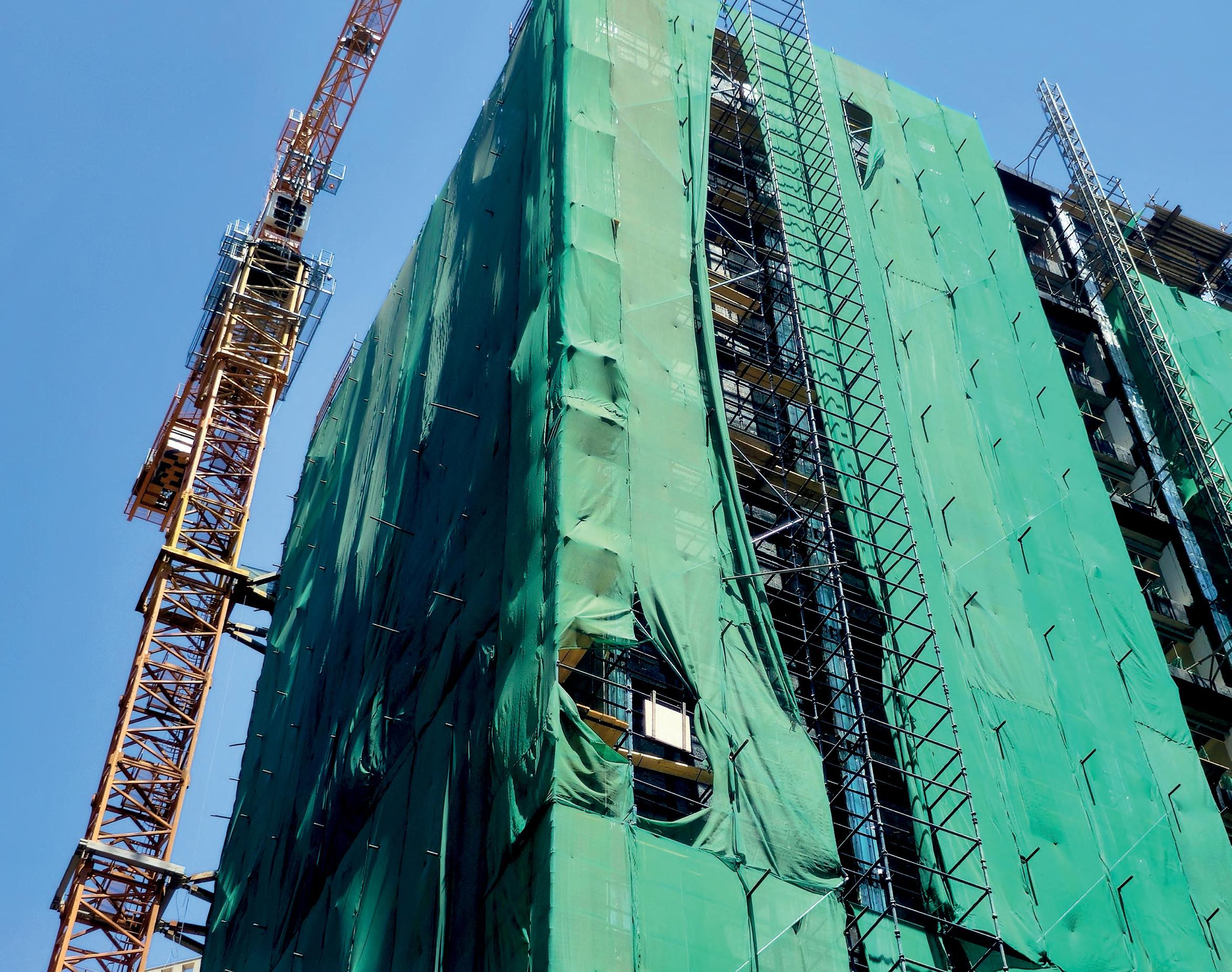
The building sector is a critical driver of change in the fight against climate change writes Heriot-Watt University’s Dr Mustafa Batikha

The seventeen United Nations Sustainable Development Goals now serve as a roadmap for the majority of countries worldwide, particularly within the Gulf region. The Gulf Cooperation Council’s 2024 report highlighted the progress made by member states in achieving these United Nations goals.
The building sector has long been regarded as a critical driver of change in the fight against climate change, as it accounts for 37% of global carbon emissions. A report by Heriot-Watt University indicates that carbon emissions from this sector are more than four times higher than those generated by transport infrastructure construction.
It is therefore unsurprising that many countries are prioritising efforts to decarbonise this sector, particularly in nations such as the United Arab Emirates (UAE) and the Kingdom of Saudi Arabia (KSA), where construction projects are projected to reach approximately $130bn and $98bn, respectively, by 2030.
Both countries are advancing the sustainability of buildings through improvements in design, construction materials, and construction technologies.
For example, the Saudi Green Initiative (SGI), launched in 2021 by His Royal Highness Prince Mohammed bin Salman bin Abdulaziz, Crown Prince and Prime Minister, introduced 77 initiatives involving an investment of $186bn to advance three key objectives: reducing carbon emissions by 278m tonnes per year by 2030, planting 10b trees, and protecting 30% of Saudi Arabia’s land and marine areas by 2030.
In line with this vision, the Kingdom is overseeing expansion of the eco-friendly building sector through the adoption of green building standards such as Mostadam, a national rating system to encourage sustainable construction practices.
Reports indicate that the number of sustainability assessment certificates
Undoubtedly, sustainable construction cannot be discussed without considering the use of materials with low embodied carbon.

issued in the first half of 2025 was 200% higher than in the corresponding period of 2024. It is also encouraging to note that projects totalling a built-up area of 700,000sqm have been registered for sustainability assessment.
Furthermore, a national programme, delivered in collaboration with the Real Estate General Authority, has been made available to university students to enhance their knowledge and skills in green construction and sustainability. The certified workforce emerging from such programmes will contribute significantly to advancing sustainability within the building sector.
Several additional factors have been identified as important for the future of sustainable building development. For example, current urban planning efforts in the Kingdom of Saudi Arabia place a strong emphasis on walkability, public transport, and the provision of green spaces.
King Abdullah Economic City (KAEC) serves as an example of integrating economic growth with sustainability. The 180sqkm city on the Red Sea coast was designed to accommodate 2m residents and generate 1m new jobs. It includes a solar farm comprising 25,000 panels, as well as a saline-water desalination plant with a capacity of 30,000m³ per day. Green spaces are planned to cover 20% of all developed residential areas.
Similar to the UAE, the KSA now considers the use of artificial intelligence (AI) in construction, such as machine learning, BIM, digital twins, and the Internet of Things (IoT), to be essential rather than optional. These technologies significantly enhance construction processes and support global objectives related to quality, sustainability, and well-being. Collectively, such digitalisation tools
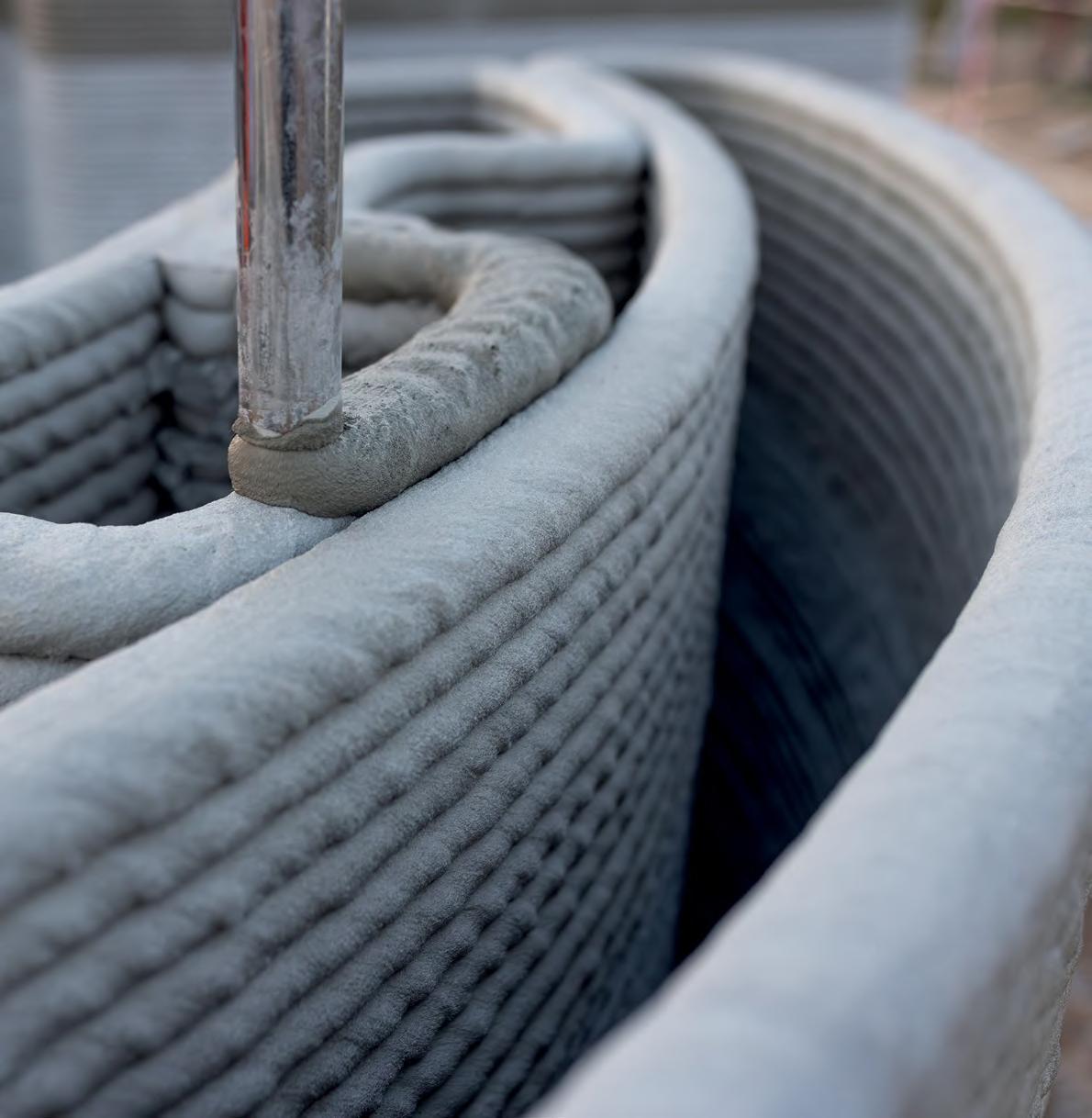
contribute to sustainability goals by enabling design optimisation, reducing waste, and improving energy efficiency.
Furthermore, new construction techniques are being introduced into the Saudi construction market, such as 3D Concrete Printing (3DCP). For instance, Dar Al Arkan constructed a 3-storey villa in Riyadh in only 26 days, in collaboration with COBOD International. Similarly, CyBe Construction was commissioned to build ‘3D Studio 2030’, an 80sqm house, in under one week.
There is no doubt that this innovative technology supports the United Nations’ Sustainable Development Goals (SDGs) 2030, particularly those related to health and well-being, and to reducing construction waste, time and cost. Research conducted by the Heriot-Watt University team in Dubai indicates that 3DCP can reduce construction
3DCP is roughly 50% faster than conventional techniques and can reduce costs by approximately 10% compared to in-situ methods.
costs by approximately 10% compared with traditional in-situ methods, and by around 20% compared with Prefabricated Modular Precast (PMP) systems.
In terms of construction duration, 3DCP is roughly 50% faster than conventional techniques such as In-Situ Reinforced Concrete (ISRC), ColdFormed Steel (CFS), and Hot-Rolled Steel (HRS). Moreover, 3DCP significantly reduces environmental impact, with CO2 emissions lowered by 30%, 20%, and 23% compared with PMP, ISRC, and HRS methods, respectively.
Undoubtedly, sustainable construction cannot be discussed without considering the use of materials with low embodied carbon. This is therefore a key priority in the Kingdom of Saudi Arabia as part of its commitment to achieving the sustainability objectives of Vision 2030.
Research at Heriot-Watt University has successfully developed high-quality, durable concrete with approximately 40% lower embodied carbon and 22% lower cost compared with conventional concrete. More recently, studies at Heriot-Watt University have investigated the incorporation of recycled plastic bottles as fibres within concrete, addressing the growing challenge of plastic waste. The findings have been promising, showing improvements in both mechanical performance and durability. Remarkably, each cubic metre of concrete can contain the equivalent of 500 water bottles (1.5 litres each).
In conclusion, the Gulf countries are advancing rapidly in their sustainability agendas, and Heriot-Watt University remains fully committed to supporting these ambitions through its ongoing research efforts.
Dr Mustafa Batikha , PhD, CEng, MIStructE, School of Energy, Geoscience, Infrastructure and Society, Heriot-Watt University, Dubai.


JANUARY-FEBRUARY 2026
The
region is entering an era where success will be defined by systems that work together, cities that function under heat and resource stress, and energy models that support industry while meeting climate commitments writes Egis Group’s Frederico Justus
Entering 2026, the Middle East will be moving into a more demanding phase of development. The past decade was defined by the scale of ambition, the next will be defined by precision, performance, and long-term value.
Across the Middle East region, infrastructure and city building are no longer treated as singular headlines, they are being assessed as portfolios that must deliver mobility, productivity, resilience, and carbon reduction in parallel. That shift will be the defining story of 2026.
In line with this transition, leading delivery organisations are already reshaping their operating models. Egis, for example, exceeded its 2026 financial targets two years early, achieving $2.5bn in turnover in 2024, up 14% year-on-year, with a record $4.6bn order book and significant advances in digital transformation and climate-aligned engineering. These results underscore a regional and global pivot from scale to measurable, high-performance outcomes.
Market momentum remains strong. Across the Middle East, infrastructure construction is forecast to grow from roughly $204bn in 2025 to about $266.7bn by 2030, equivalent to a
5.51% compound annual growth rate. In South Asia, the construction market is also expanding rapidly, valued at approximately $1.03tn in 2024 and projected to grow at a CAGR of around 5.8% through 2028. This expansion is not simply a continuation of earlier cycles, it reflects structural commitments to diversification, tourism, logistics, advanced industry, and the strategic importance of reliable infrastructure to regional competitiveness.
A similar acceleration is underway in South Asia, led primarily by India, where the infrastructure sector is estimated at about $190.7bn in 2025 and is expected to reach about $280.6bn by 2030, representing an approximately 8% compound annual growth rate.
Taken together, these trajectories reinforce a shared regional reality for 2026, infrastructure is being used not only to absorb growth, but to reshape economic models toward higher value services, deeper trade connectivity, and more resilient, climate ready urban systems. Three arenas will set the tone in 2026, mobility networks, sustainable urban development, and the energy and industry transition.
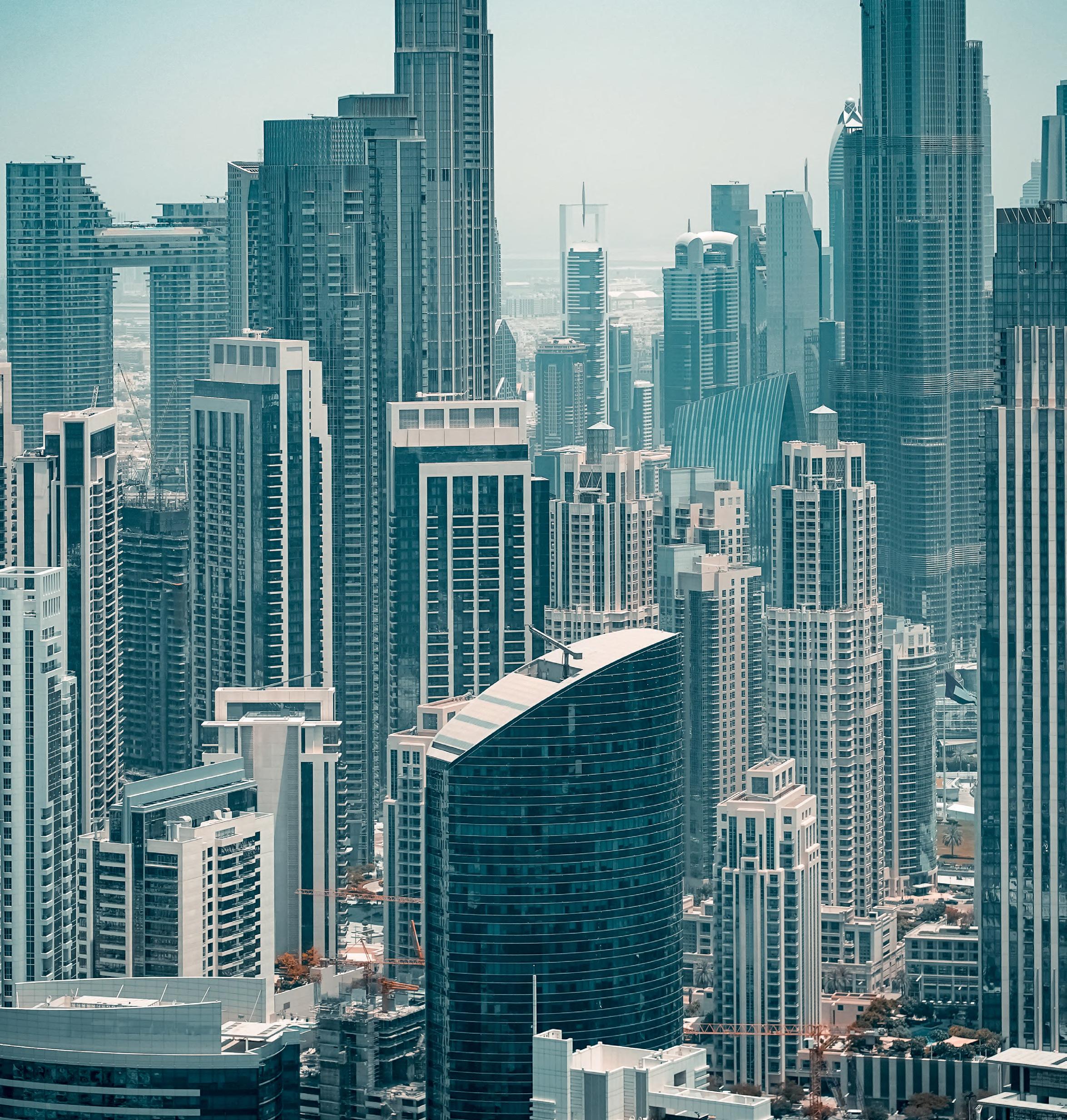
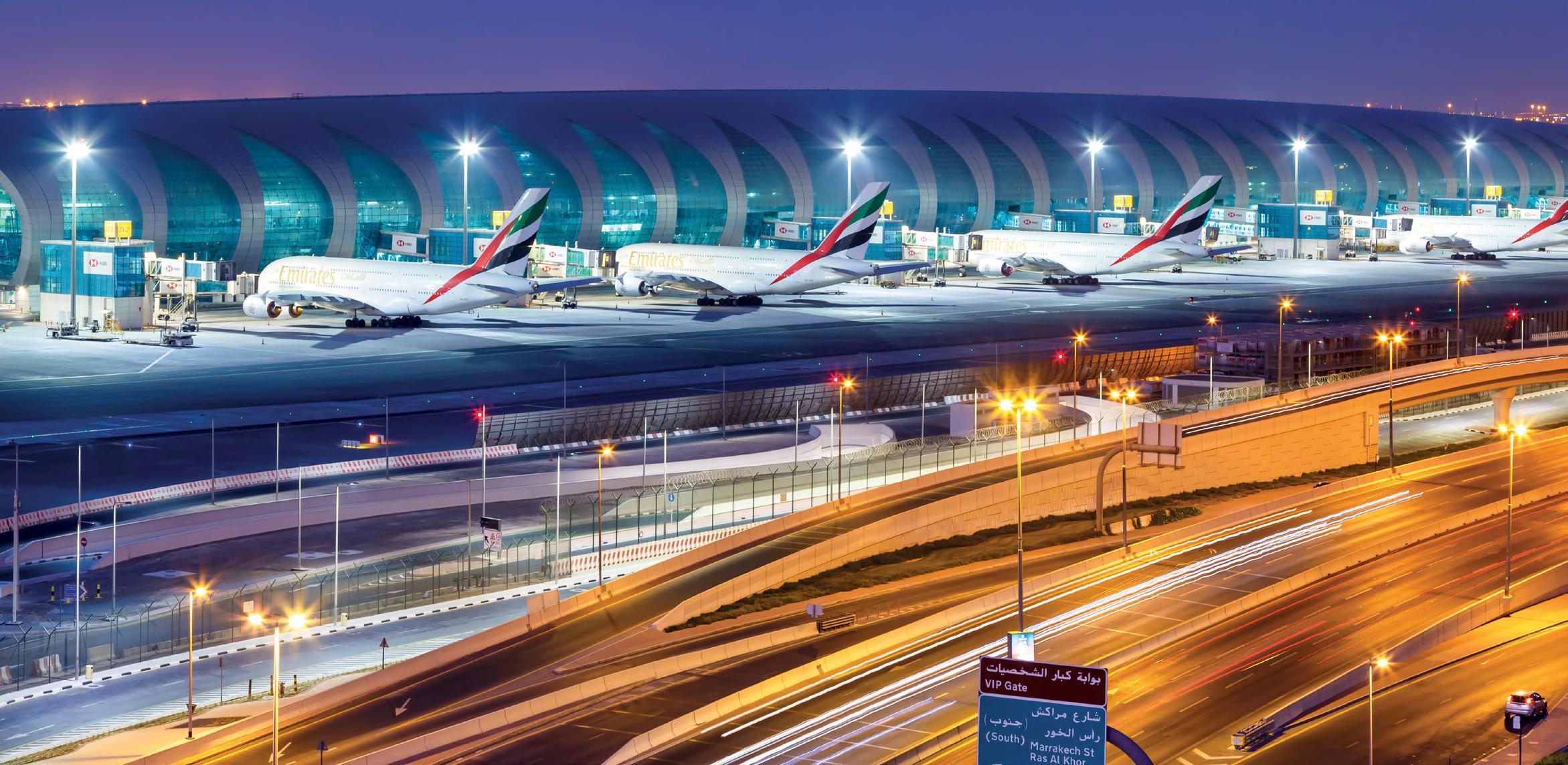
Aviation deserves a specific call out within mobility in 2026, because the region treating air transport as an economic system tied to tourism, logistics, trade, and city competitiveness. Across the GCC airport expansion, new hub strategies, and air freight capacity are increasingly linked to wider multi modal networks, free zones, and visitor economy targets.
The next phase is about operational efficiency and passenger experience as much as new terminals, with greater emphasis on digital airport management, turnaround performance, and lower carbon ground operations, all of which will shape how airports contribute to diversification goals.
Examples of this performance-led shift are visible across the region. Egis has supported the expansion of King Khalid International Airport Terminals 1 and 2 with digital and operational readiness advisory and has played a central role in Riyadh Metro - responsible for supervising the design
Across the GCC airport expansion, new hub strategies, and air freight capacity are increasingly linked to wider multi modal networks, free zones, and visitor economy targets says Justus.
and construction of 60% of the network, including award-winning stations such as Qasr Al-Hokm. The firm’s reactivation of the KAFD monorail further illustrates how mobility assets are being optimised, not only built.
What changes in 2026 is not the existence of these priorities, but the way governments and investors will demand that they interact. Mobility projects will increasingly be evaluated on integration and service quality rather than on size alone. Urban development will be judged by liveability, retrofit capability, and climate readiness. Energy and industry will be shaped by a dual mandate of transition and security, meaning decarbonisation must scale without compromising reliability.
Saudi Arabia is, undoubtedly, the region’s largest growth engine, but 2026 is likely to bring a sharper ordering of priorities. The Kingdom’s construction market is projected to rise from $104.8bn in 2024 to about $174.4bn
by 2030, an 8.7% compound annual growth rate. Infrastructure already represents a dominant share of the national pipeline, showing that transport, utilities, and city systems sit at the core of Vision 2030 delivery.
In 2026, the most important development may be methodological rather than numerical, an increasing emphasis on sequencing projects for operational readiness, tightening commercial and delivery discipline, and expanding public private partnership models to manage risk and sustain speed.
The United Arab Emirates will continue along a slightly different but equally influential path. The UAE’s infrastructure sector is expected to grow at around 5% compound annual growth rate from 2025 to 2030, supported by sustained investment in transport, energy, and urban upgrades. The wider construction market is forecast to expand at roughly 4.2% compound annual growth rate through 2030.
In 2026, opportunity is likely to tilt further toward retrofit and densification rather than pure greenfield expansion. The UAE is increasingly positioning itself as a laboratory for operational excellence, where digital asset management, predictive maintenance, and performance-based contracting are becoming normal expectations, not premium add-ons.
Qatar’s 2026 outlook will be steadier but still meaningful. The country’s infrastructure sector is estimated at about $33.4bn in 2025 and forecast to reach around $41.3bn by 2030, implying a 4.3% compound annual growth rate. The construction market overall is expected to grow at a similar pace, targeting approximately $64.3bn by 2030.
After the World Cup cycle, 2026 should be characterised by consolidation paired with targeted uplift, transport optimisation, environmental and water resilience, and diversified industrial capacity. The central challenge will be extracting maximum value from legacy assets while adapting them to new demand patterns.
In 2026, opportunity is likely to tilt further toward retrofit and densification rather than pure greenfield expansion.
This direction is already visible. Qatar’s Public Transport Master Plan, developed by Egis, is reshaping long-term national mobility strategy across all modes. Additional programmes such as landfill rehabilitation and waste-to-energy advisory represent the circular-economy dimension that will define Qatar’s next cycle of infrastructure investment.
Across these three markets, several region wide themes will matter more in 2026 than ever before. One is the rising importance of whole life performance. Governments are focusing more on whether assets will operate efficiently, safely, and affordably over decades, so the commercial calculus of projects is shifting from capital expenditure alone to operating expenditure, reliability, and adaptiveness. Another is the embedding of low carbon requirements into procurement. What was once an aspiration is now measurable, embodied carbon reporting, circular materials strategies, and climate adaptation features are becoming standard conditions of project approval. A third is productivity. Labour markets, supply chains, and specialist skills are pacing items. In 2026, digital engineering, modular construction, and smarter phasing will be less about novelty and more about necessity. The Middle East has already proven it can deliver world scale transformation. A crucial action for 2026 is to rapidly develop delivery models in order to match ambition. The region is entering an era where success will be defined by systems that work together, cities that function under heat and resource stress, and energy models that support industry while meeting climate commitments. Those are not engineering challenges alone, they are governance, sequencing, and operational challenges. In 2026, the projects that matter most will be the ones that are not only built but built to perform.
Frederico Justus is Chief Executive Officer, Middle East and South Asia, Egis Group.
*Full-page Advertisement
ruck & Fleet ME Full-Page Specification
Artwork size: 240 mm (w) x 300 mm (h) - +10mm
Mode : CMYK
Resolution: 300 dpi
RAS AL KHAIMAH
format : High-Res PDF
Wynn Al Marjan Island topped out
Construction Machinery ME
Full-page Specification
Bleeds: 5 mm
Mode: CMYK
Resolution: 300 dpi
format: High-Res PDF
*Newsletter Banner
toward its planned Spring 2027 opening, Wynn Resorts noted.
Artwork size: 240 mm (w) x 300 mm (h)
728px x 90px, 500px x 80px, 420px x 350px
/ JPG / GIF
Hyperlink
*Email Campaign – Truck & Fleet
Approved mailer designed by the client plus the following. FROM (usually the client’s Company name)
Wynn Resorts and Marjan have said that the Wynn Al Marjan Island project in Ras Al Khaimah has achieved a major construction milestone as it has officially been topped out. The region’s first fully integrated resort rises to 283m across 70 floors, Wynn Resorts said. The tower achieved its highest structural concrete point 27 months after foundation works began. Upon the spire's installation in 2026, the building will reach its full architectural height of 352m, becoming the tallest man-made structure in Ras Al Khaimah by over 100m. This milestone underscores the exceptional scale, pace, and engineering precision driving the development
Max Tappeiner, President, Wynn Al Marjan Island, commented, “Standing at 352m and, as the highest building in the Northern Emirates, Wynn Al Marjan Island is reshaping the skyline of Ras Al Khaimah and anchors a destination designed for guests who expect the very best. Reaching the tower’s highest structural concrete point in just over two years is more than a construction achievement; it is a defining moment for Wynn Resorts and a powerful testament to the talent and dedication of the teams bringing this vision to life.” Progress continues across every facet of the resort. All
1,530 guest accommodations have now reached full structural completion, with interior fit-outs actively underway across 1,504 rooms and suites. The tower’s structural concrete frame is complete, façade installation is advancing at pace with 79% now in place, and the surrounding low-rise buildings have achieved 99% structural completion, the company confirmed.
SUBJECT (the subject line that should appear on the e-mail)
With the main structure finished, the project has transitioned into the full interior build-out phase, which spans the resort’s extensive collection of rooms, suites, enclave accommodations, food and beverage venues, and signature public spaces.
e-mailers must be in HTML format where images are coded with 'Absolute URL'.
The width of the designed mailer must not be more than 700 pixels and at 72DPI. restrictions on the mailer ’s height.
CSS and form fields are not allowed as most e-mail clients don't recognize them. cases like these, a dedicated landing page must be provided by the client and linked on the HTML mailer.
banners are included make sure that they are NOT in flash/SWF format
ebsite MPU Banners
300px x 250px, 600px x 500px
/ JPG / GIF
Hyperlink October
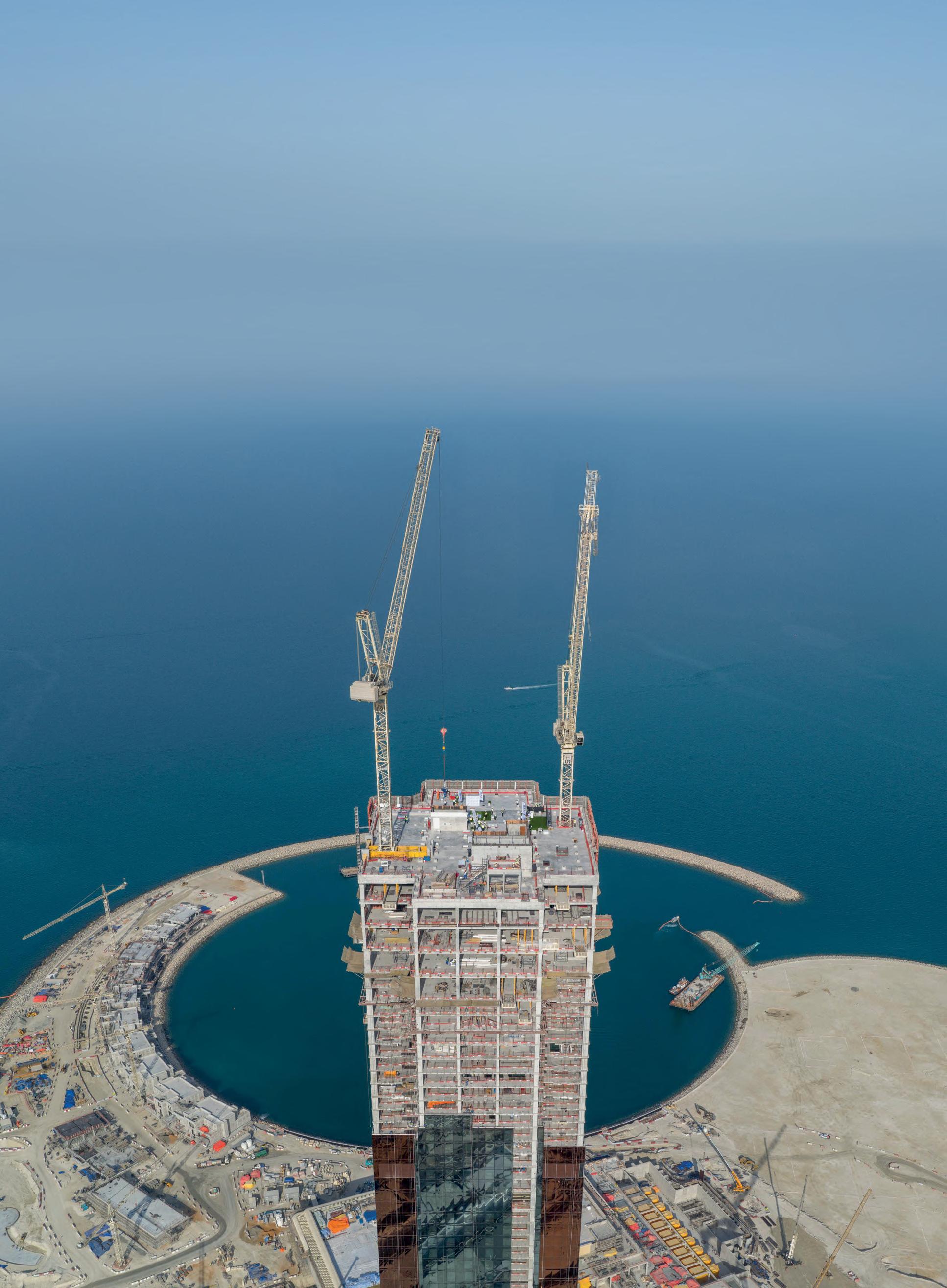





AVAILABLE CAPACITIES: 18 | 23 | 32 | 36 | 48 CBM
TRANSPARENT SPECS AND PROVEN DURABILITY
BUILT FOR THE HEAVIEST LOADS, WITH NO RECONFIGURATIONS
ENGINEERED FOR UPTIME: FEWER BREAKDOWNS, FEWER DELAYS
77th Street, DIP 2, Dubai, UAE nazindustries.ae
info@nazindustries.ae sales@nazindustries.ae +971 48107777