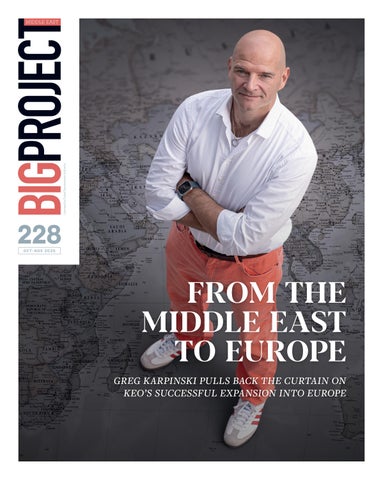
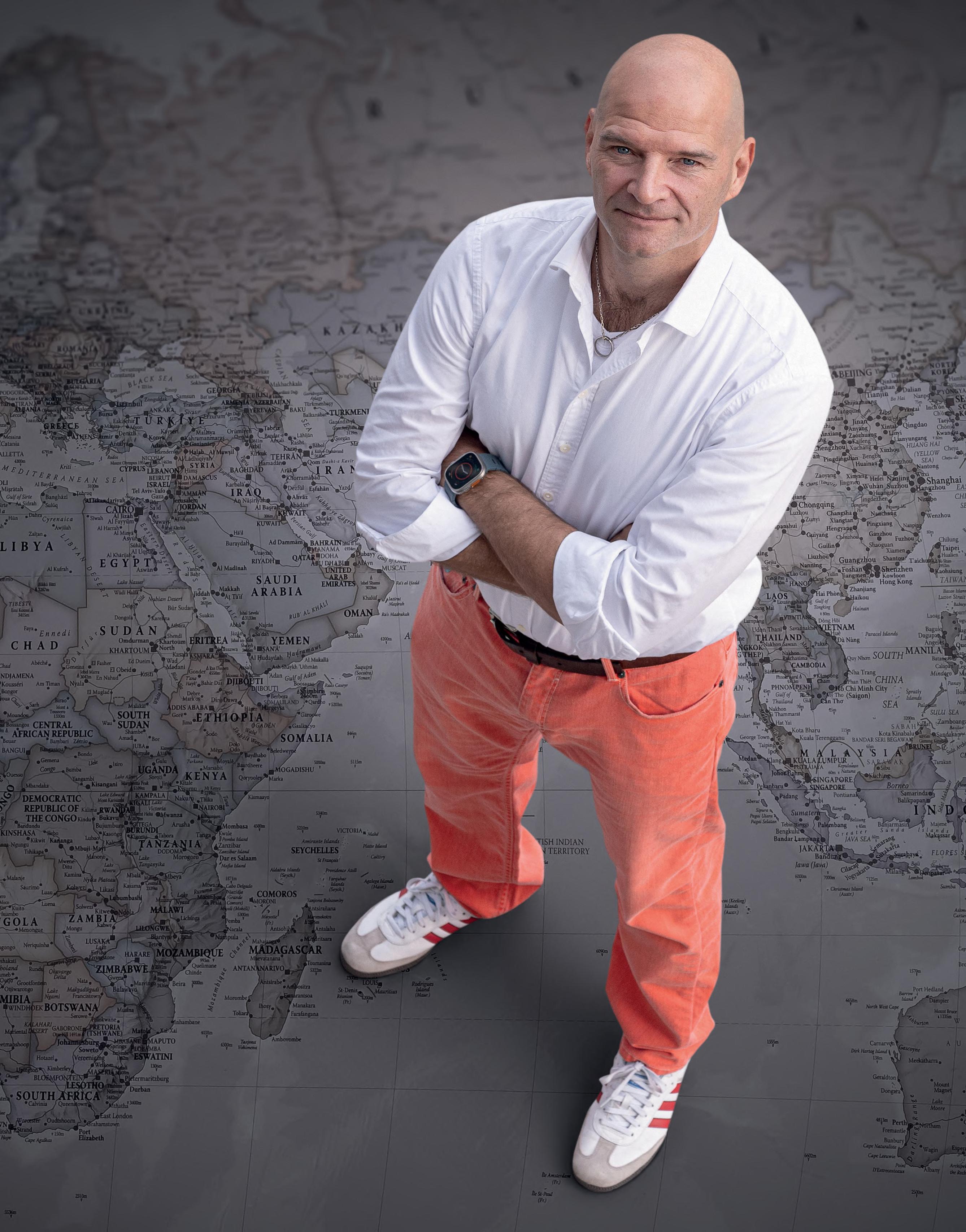
FROM THE MIDDLE EAST TO EUROPE
GREG KARPINSKI PULLS BACK THE CURTAIN ON KEO’S SUCCESSFUL EXPANSION INTO EUROPE
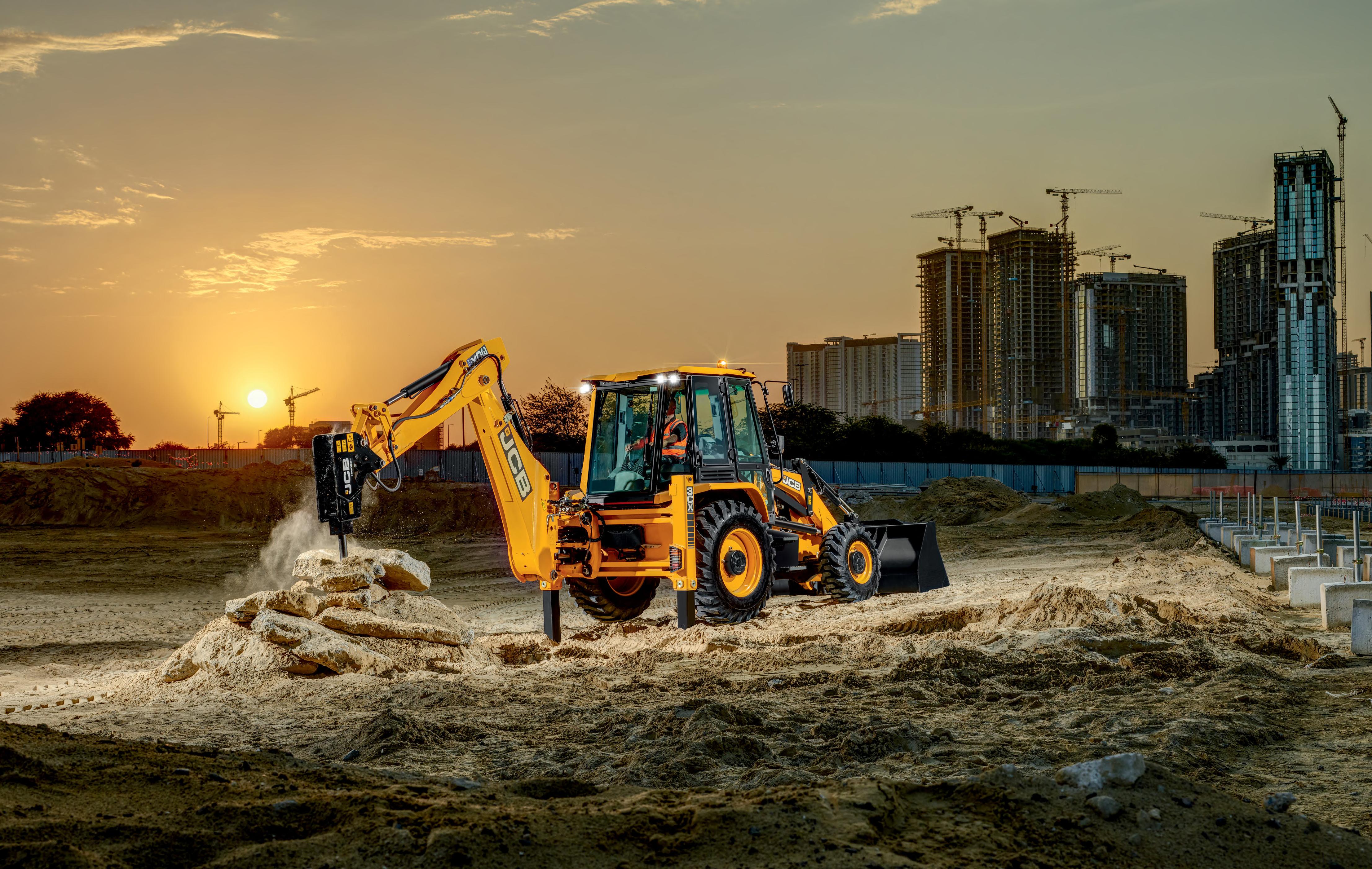
BACKHOE LOADER ALWAYS COPIED NEVER BETTERED



Onwards and upwards for Dubai in 2026
2025 has been a busy year for the BPME team because of the incredible activity in the construction industry. In the past few months alone, dozens of new developments have been announced, millions of dollars worth of contracts have been awarded, multiple handovers have taken place, and so much more. Going forward, I think the UAE is well positioned to maintain its standing as one of the most vibrant construction markets in the world.
Dubai is likely to be a significant contributor to this standing, as just recently His Highness Sheikh Mohammed bin Rashid Al Maktoum, Vice President and Prime Minister of the UAE, and Ruler of Dubai, announced the emirate’s largest budget cycle in history for 2026 to 2028. A total expenditure of US $27bn has been allocated for 2026.
The allocation includes: 28% for the social development sector; 18% for the security, justice and safety sector; 48% for the infrastructure and construction
projects sector, and 6% for the government development sector. With nearly half of the expenditure earmarked for infrastructure and construction, and over one-fourth going towards social development, it’s clear the city is committing to achieving its various strategic objectives.
I’m confident the significant investment by Dubai’s public sector will drive private sector investment, particularly as the city’s population continues its growth trajectory - the city is on track to hit 5m residents by 2030. What this means is the emirate is going to need more buildings and infrastructure, and given the appetite for the extraordinary, I’m positive the best is yet to come for Dubai. See you out there!

Jason Saundalkar HEAD OF CONTENT
ANALYSIS
14 The Briefing
Al Ghurair launches Al Ghurair Collection residential portfolio and unveils Wedyan
30 The Big Picture
A wrap-up of the biggest international construction news stories for the month
32 Market Report
Knight Frank takes stock of the Kingdom of Saudi Arabia's commercial market, highlighting key trends and property performance
36
In Profile From the Middle East to Europe
BPME's Jason Saundalkar talks to KEO's Greg Karpinski about the company's successful expansion into Europe and how the firm ensures ideas, talent and digital intelligence flows seamlessly between regions
46
In Profile Luxury beyond aesthetics
REEF Luxury Developments' Samer Ambar talks to BPME's Priyanka Raina about the company’s latest residential launch, its patented outdoor living offering, and long-term plans
56 On Site
BPME's Priyanka Raina talks to Kalpesh Kinariwala, Founder, Pantheon Development about how 'VOXA' aims to redefine urban living in Dubai
76 Comment
Delivery, accountability, and valueadded capability are what transform a blueprint into a world-class experience writes +impact's Patrick Hallgate
92 Final Update
Dar Global announces handover of DaVinci Tower in Dubai
GROUP
MANAGING DIRECTOR Raz Islam
DIRECTOR OF FINANCE & BUSINESS OPERATIONS Shiyas Kareem
EDITORIAL
HEAD OF CONTENT Jason Saundalkar
ASSOCIATE EDITOR Priyanka Raina
ADVERTISING
SALES DIRECTOR Arif Bari
STUDIO
ART DIRECTOR Simon Cobon
GRAPHIC DESIGNER Percival Manalaysay
PHOTOGRAPHER Maksym Poriechkin
CIRCULATION & PRODUCTION
DIRECTOR OF MARKETING & MEDIA OPERATIONS Phinson Mathew George
PRODUCTION & IT SPECIALIST Jarris Pedroso
MARKETING
MARKETING & EVENTS EXECUTIVE Lakshmy Manoj
SOCIAL MEDIA EXECUTIVE Franzil Dias
WEB DEVELOPMENT
SENIOR DIGITAL MANAGER Abdul Baeis
WEB DEVELOPER Umair Khan
FOUNDER Dominic De Sousa (1959-2015)
raz.islam@cpitrademedia.com shiyas.kareem@cpitrademedia.com
jason.s@cpitrademedia.com priyanka.raina@cpitrademedia.com
arif.bari@cpitrademedia.com
simon.cobon@cpitrademedia.com percival.manalaysay@cpitrademedia.com maksym.poriechkin@cpitrademedia.com
phinson.george@cpitrademedia.com jarris.pedroso@cpitrademedia.com
lakshmy.manoj@cpitrademedia.com franzil.dias@cpitrademedia.com
abdul.baeis@cpitrademedia.com umair.khan@cpitrademedia.com
When you have finished with this magazine, please recycle it
The publisher of this magazine has made every effort to ensure the content is accurate on the date of publication. The opinions and views expressed in the articles do not necessarily reflect the publisher and editor. The published material, adverts, editorials and all other content are published in good faith. No part of this publication or any part of the contents thereof may be reproduced, stored or transmitted in any
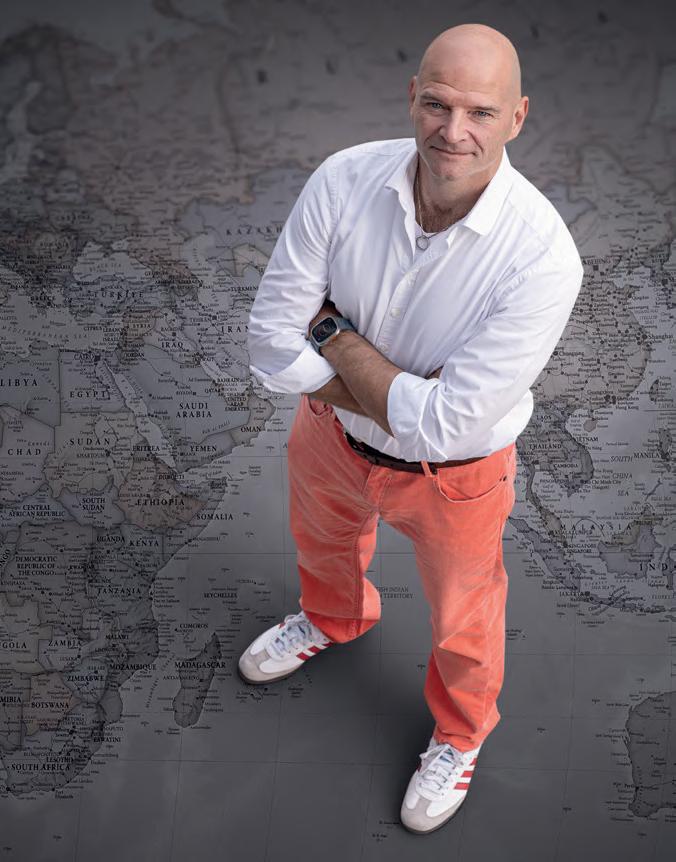
ON THE COVER
KEO's Greg Karpinski talks to BPME about the firm's expansion into Europe, and how its defining principle continues to drive competitive advantage and fuel its international growth
MEConstructionNews.com
@meconstructionn
MEConstructionNews
me-construction-news




PROPERTY
CONSTRUCTION
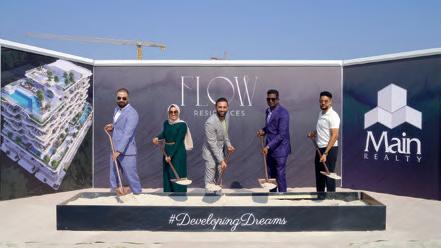
Main Realty breaks ground on Boutique Flagship Flow Residences at Dubai Islands
CONSULTANT
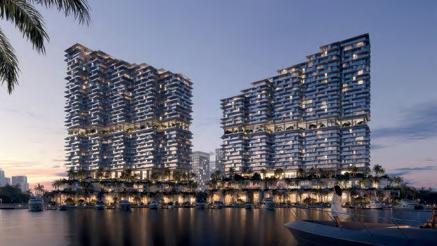
MERED and Herzog & de Meuron to launch Riviera Residences on Al Reem Island
INDUSTRY
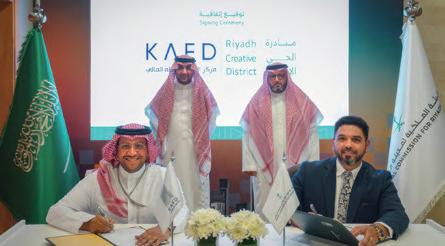
RCRC and KAFD sign agreement to launch Riyadh Creative District’s first phase
PROPERTY
the
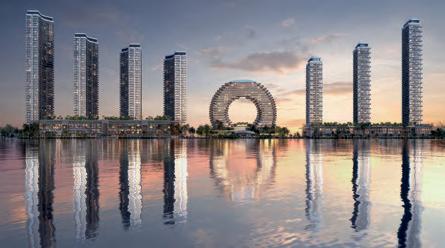
Tissoli and Pininfarina announce the launch of Palazzo Tissoli on Al Marjan Island
Sobha Realty launches Sobha AquaCrest in Downtown UAQ | Sobha Realty masterplan
FEATURED
REPORT
Rental increases frozen in Riyadh for five years
The total rental value of properties –whether in existing or new contracts – cannot be increased for five years within Riyadh’s urban boundary
PROPERTY
Majid Al Futtaim unveils Maravelle at Ghaf Woods
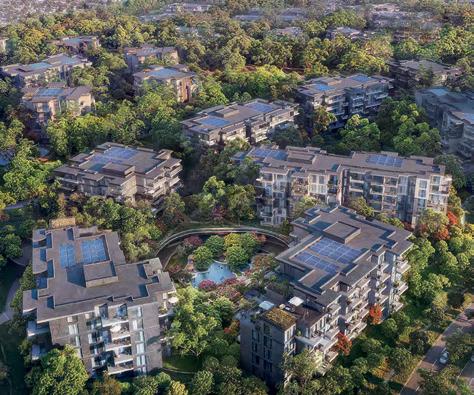
The master plan of Ghaf Woods serves as a foundation for Maravelle to create a new standard of sophisticated forest residential experience
INDUSTRY
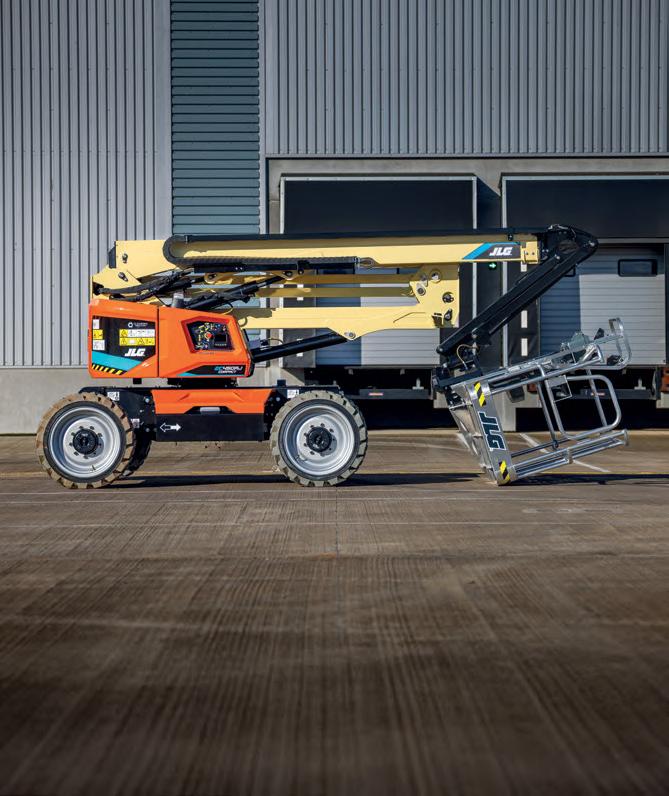
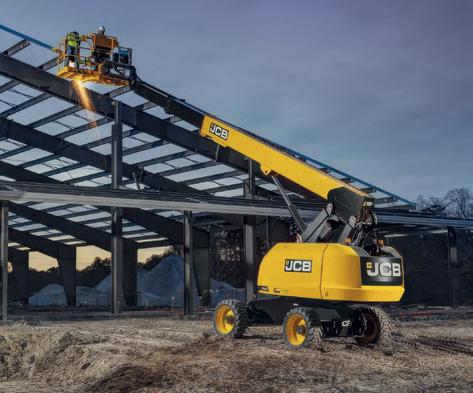
JCB set to unveil the all-new JCB T65D Telescopic Boom at Access and Handling Confex
Visitors to the Access and Handling event will be among the first to experience the JCB T65D up close in the region
PROPERTY
Nakheel unveils Palm Central Private Residences on Palm Jebel Ali
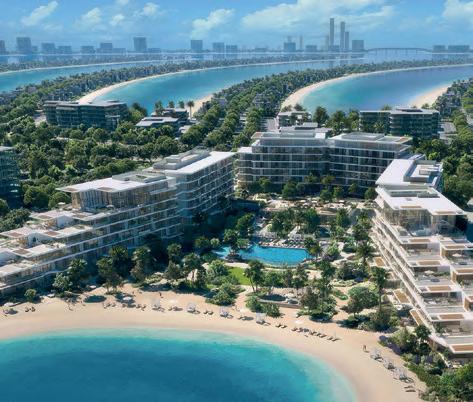
The master plan aligns with the Dubai 2040 Urban Master Plan and Dubai Economic Agenda D33 and integrates smart design principles, sustainable infrastructure, and walkable public spaces
FINANCE
Red Sea Global secures $1.73bn funding for AMAALA
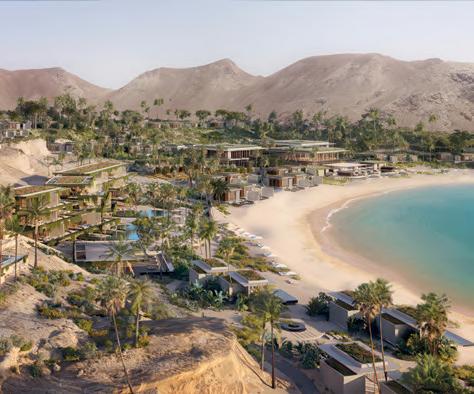
The loan agreement incorporates a blend of conventional and Islamic financing, aligning with RSG’s Green Loan Framework
UPCOMING


DECEMBER
ME Consultant Awards 9 December 2025
Ritz Carlton JBR, Dubai, United Arab Emirates


JANUARY
Construction Golf Day Dubai 21 January 2026
JA The Resort Golf Course, United Arab Emirates
FEBRUARY
Heavy Equipment Connect Forum & Expo 2026 2-4 February 2026
Dhahran Expo, Dammam, Saudi Arabia
FEBRUARY
Big Project Awards 11 February 2026
Dubai, United Arab Emirates
FEBRUARY
Truck&Fleet Awards 12 February 2026
Dubai, United Arab Emirates
Al Ghurair launches Al Ghurair
Collection residential portfolio
Wedyan is the first residential project in the portfolio and marks architect Kengo Kuma’s first project in the UAE

Al Ghurair has introduced the Al Ghurair Collection, which is said to be the super-prime residential portfolio of Al Ghurair Development, the freehold real estate division of the company.
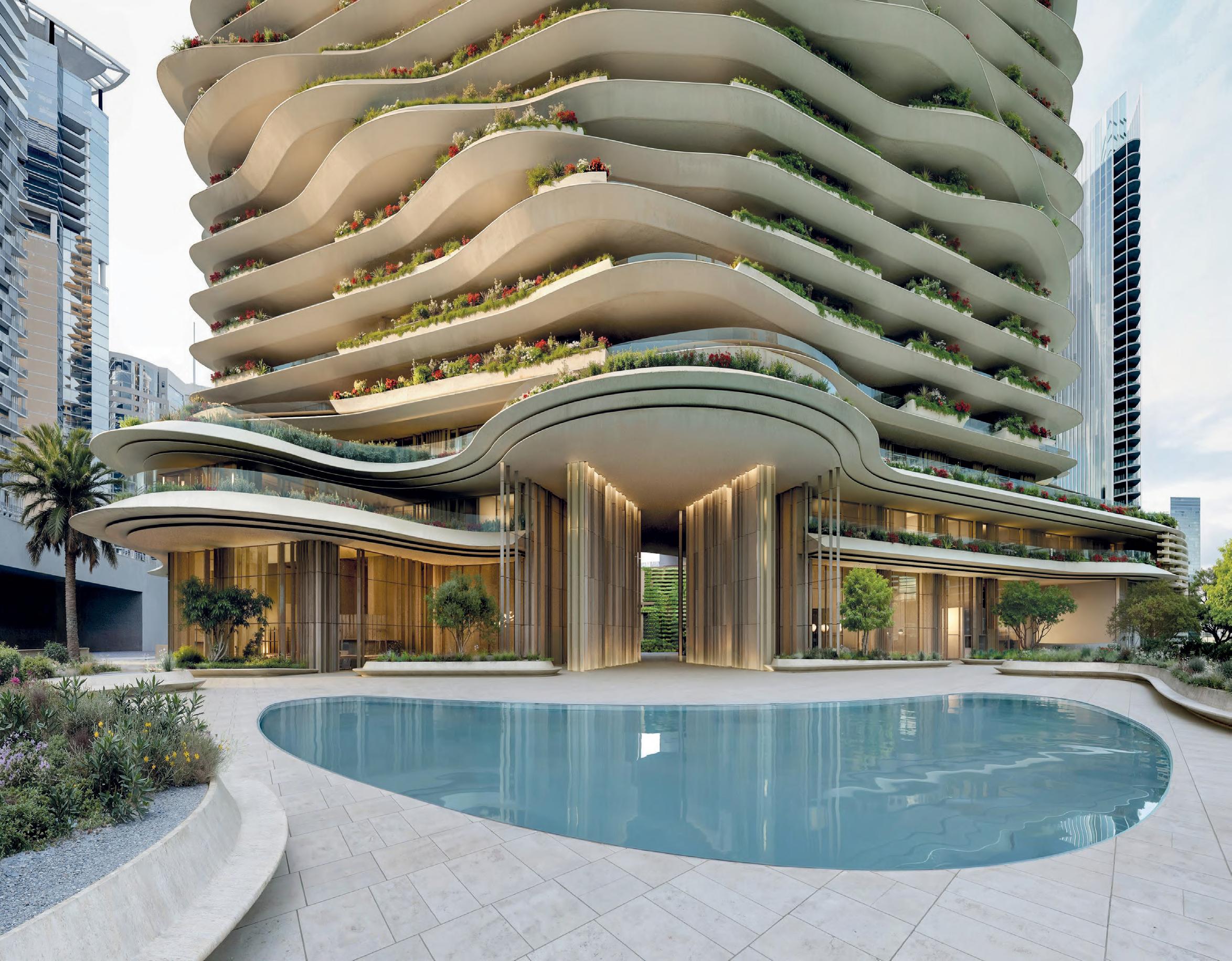
Created to represent the pinnacle of Al Ghurair’s six-decade legacy, the Collection makes its debut with Wedyan, a waterfront residence that will take shape along the Dubai Canal. Designed by architect Kengo Kuma, in his first project in the UAE, Wedyan delivers on Al Ghurair Collection’s commitment to originality and craftsmanship to create something never seen before in Dubai, said the firm.
The Al Ghurair Collection is positioned as the most exclusive expression of Al Ghurair Development, reserved for residences of rare character in sought-after locations. Anchored in Al Ghurair's track record in contributing to the evolution of Dubai, the company has active interests in banking, development, foods and mobility. The Al Ghurair family established the region's first mall and mixed-use concept in 1981, the first private insurance company in 1975 and the first private bank in 1967. The company has also been involved in major infrastructure projects such as Dubai Metro and the façade glazing of Burj Khalifa. To date, Al Ghurair has built and managed more than 20,000 residential and commercial units in Dubai, alongside nearly 1,000 hotel rooms and serviced units.
“Al Ghurair Collection marks a new chapter for us. It is a natural evolution of our commitment to the progress of the city. As Dubai has grown into one of the world's most dynamic and successful destinations, and is increasingly drawing sophisticated
residents from all over the world, the time felt right to introduce what we feel is the ultimate expression of exceptional living to be found here. We created Al Ghurair Collection to develop buildings that don't exist elsewhere. Our search for an architect that shares our commitment to originality and obsession with detail led us to Kengo Kuma, a visionary with a truly unique design perspective," said Sultan Al Ghurair, CEO of Al Ghurair Development.
The launch of Wedyan comes as demand for ultra-luxury property in Dubai reaches unprecedented levels. In the first half of 2025, the city recorded $117.3bn in transactions, a 25% increase year-on-year, with sales of homes above $2.7mn growing more than fourfold in recent years. This
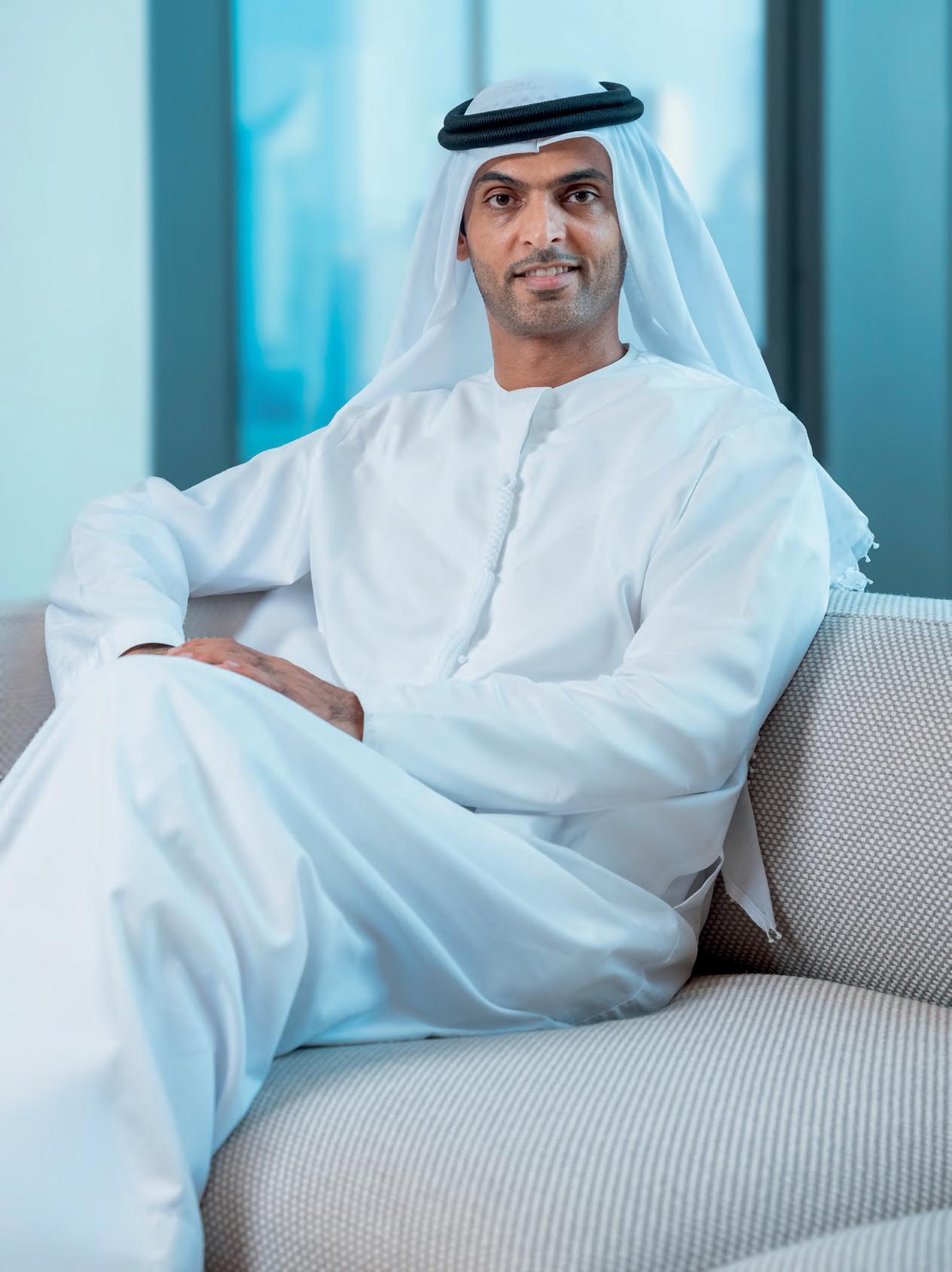
LEADING THE WAY
Sultan Al Ghurair is the CEO of Al Ghurair Development.
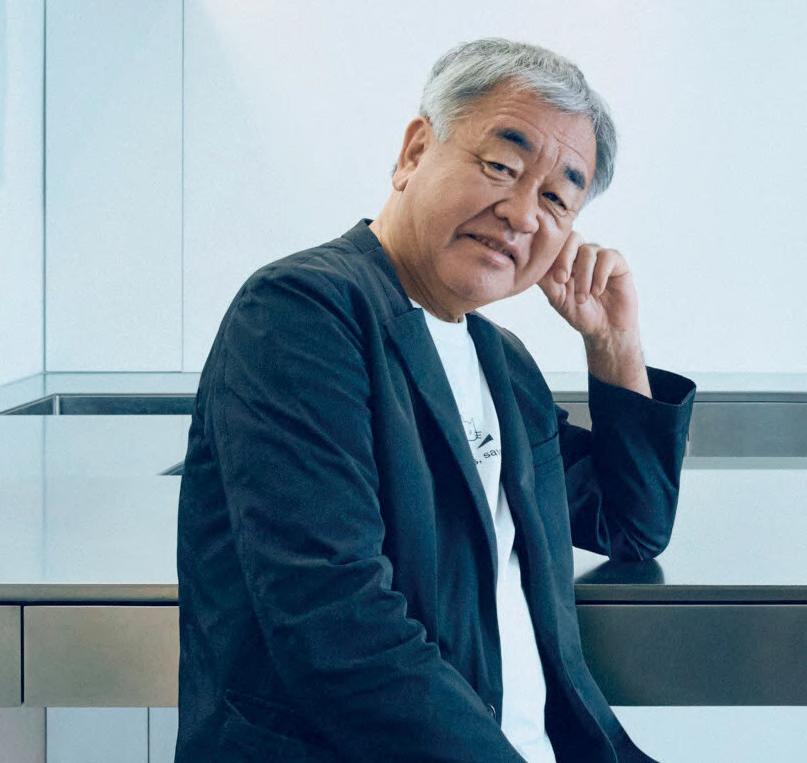
ARCHITECTURE
market evolution reflects the interest discerning families from around the world have in making Dubai their permanent home, the firm explained. John Iossifidis, Group CEO of Al Ghurair added, "The launch of the Al Ghurair Collection represents a defining milestone for Dubai’s real estate sector and reflects Al Ghurair’s future-focused strategic vision. We enter this space with the strength of a legacy built over six decades, anchored in trust, innovation, and an uncompromising commitment to quality and excellence. Al Ghurair
Collection will bring a fresh perspective to the market, powered by the integrated capabilities of our diversified business. Our mission is clear: to create visionary projects, build with purpose, and deliver spaces that provide enduring value, financially, socially, and culturally, for generations to come."
Future landmark
Designed by architect Kengo Kuma and with its name meaning ‘valleys’, Wedyan is designed to be a future landmark and marks Kuma's first project in the UAE. Kuma, who is celebrated for cultural works such as the Japan National Stadium in Tokyo and the China Academy of Art's Folk Art Museum, is said to be recognised globally for an approach that harmonises architecture with nature.
At Wedyan, he has applied this approach by shaping a façade inspired by the movement of water and sand. Its layered profile and textured exterior, echoes the rhythm of the desert and valleys, creating a building without precedent in the city, the firm said.
Kuma said, “Wedyan is a dialogue between Japanese aesthetics and the context of Dubai. Our design philosophy is to connect and create a conversation between architecture, nature and people. In this project, our purpose is to bring softness to the design and to create quietness through shadows that cascade and reflect across the façade, terraces and amenity spaces. Collaborating with Al Ghurair has been exciting. They understand the value of design, and we share a mutual respect that naturally led to a positive harmony in bringing Wedyan to life.”
Designed to be 46 storeys high, Wedyan will feature 149 residences with a mix of three-, four-, and five-bedroom layouts, two fullfloor penthouses and a threestorey sky villa. Some of the key features include outdoor living spaces purposefully designed to be multifunctional, for maximum comfort and liveability; additional back-of-house kitchen with separate access alongside the main kitchen (for hosting catered dinner parties), and specialised glazing that protects owners' artworks from UV rays.
A selection of residences also come with standalone Japanese teahouseinspired pavilions; easily adapted to suit residents' needs, they could make the perfect setting for morning meditations or serve as a one-of-a-kind recording studio, the firm noted.
Kengo Kuma is a Japanese architect and emeritus professor in the Department of Architecture at the University of Tokyo.
Al Ghurair Collection said that it worked with more than 30 specialists to consider every aspect of how to live well, including lighting, kitchen, façade and parking consultants.
The landscaping is being realised in collaboration with Gustafson Porter + Bowman, integrating greenery and water features into every level of the building.
Deep-planted terraces and shaded promenades create gardens in the sky, enhancing privacy. The planting palette includes species selected for their resilience, aesthetics and compatibility to Dubai's climate, such as aloe vera, Bismarck palm and trailing ice plants. At ground level, a landscaped promenade and shimmering water accents
contribute to the beauty of Dubai Canal, the company explained.
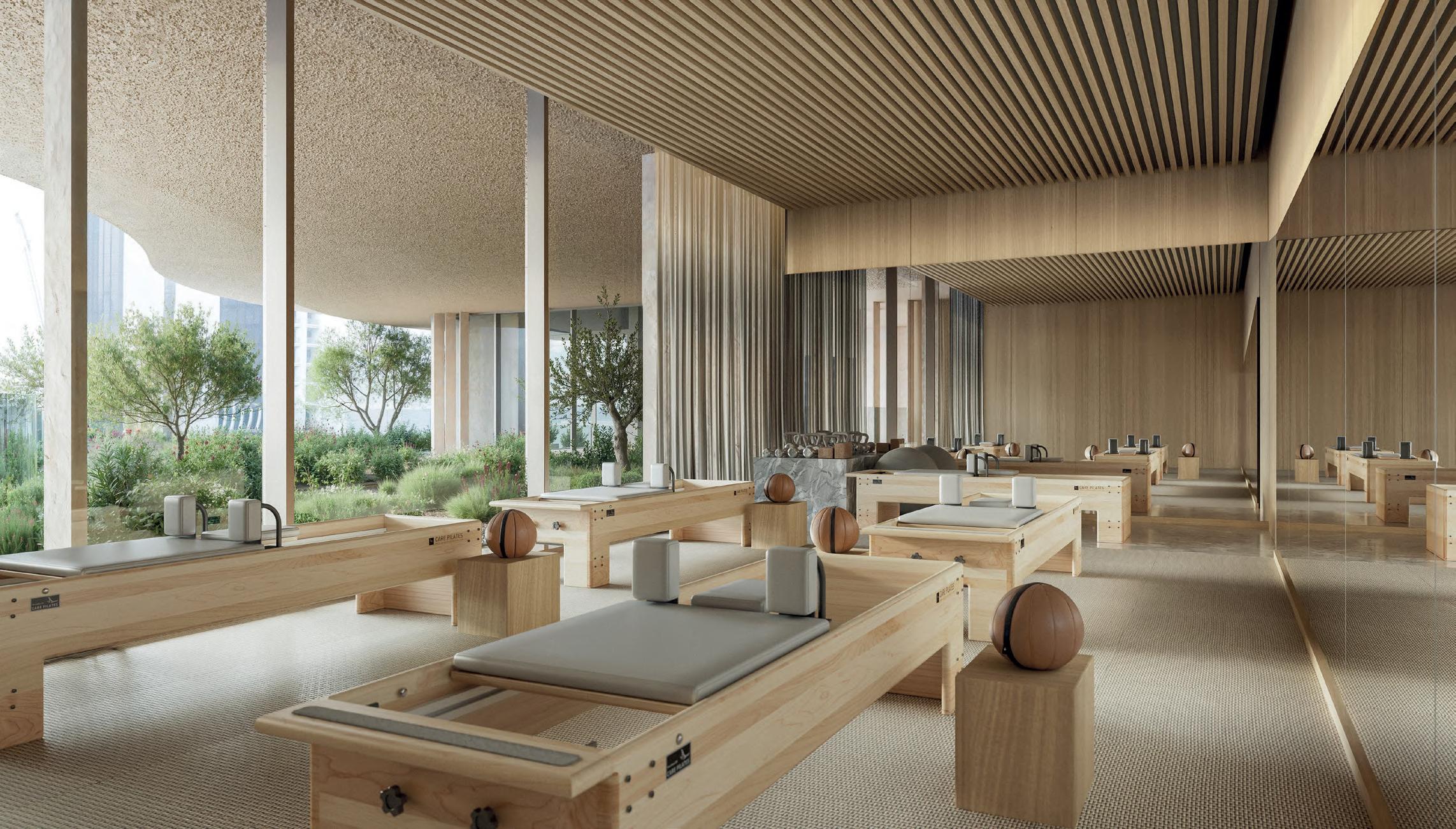
The residential project is said to boast "every possible convenience a resident might need to live well". The developer said that Wedyan will offer over 65,000sqft of amenity space, carefully distributed across distinct levels in the building.
Just below ground level, The Oasis arrival experience is lined with greenery and water features that lead into a luxury car stacker which is humidity- and temperate-controlled.
The Shore and The Valley on Levels 2 and 3, are dynamic spaces for active living and leisure time with family and friends, as well as for hosting and entertainment. The Cave is a curated wellness cocoon situated on
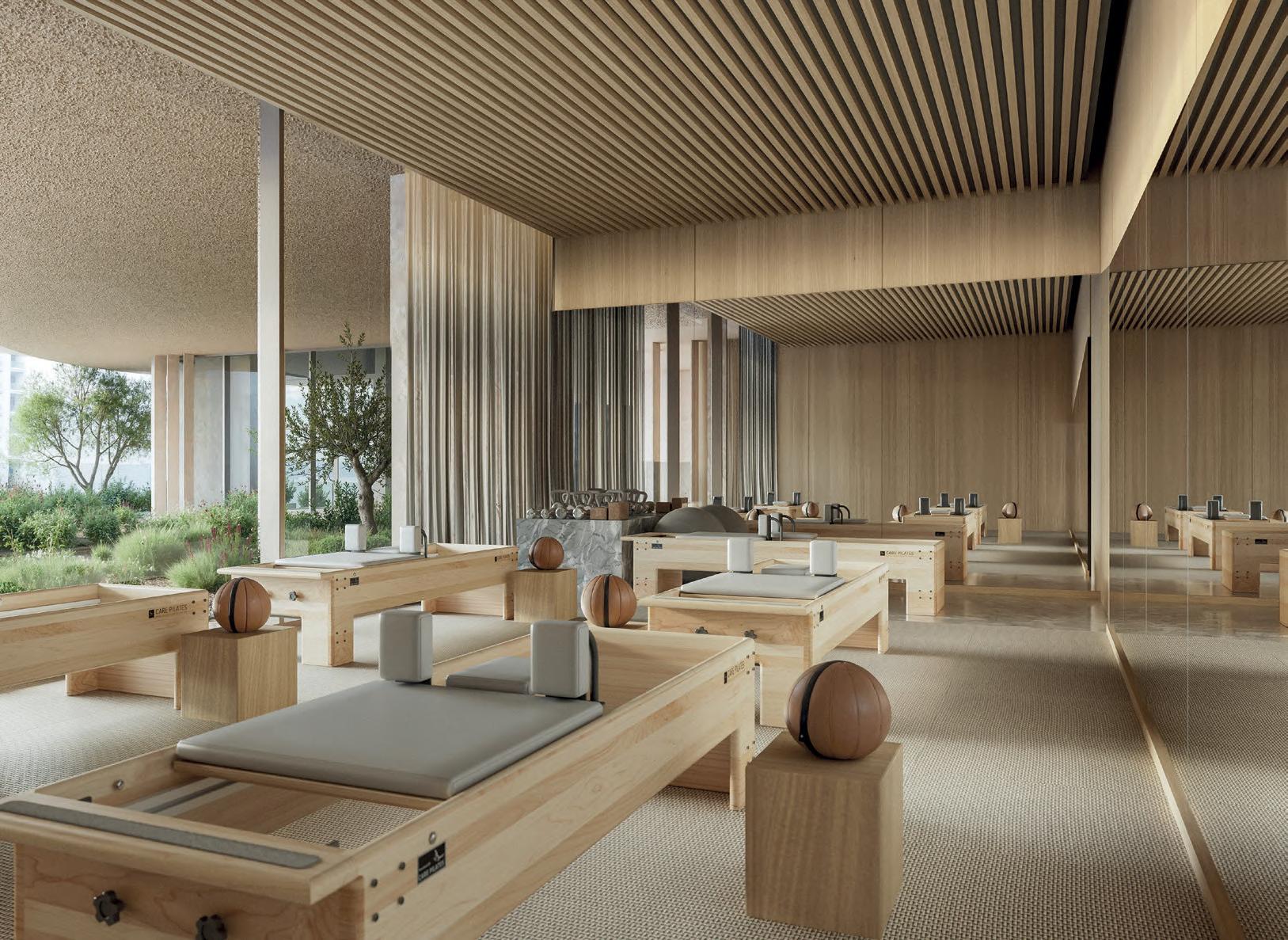
Level 17 and The Mountain located on the 36th floor is a dedicated space for private meetings. Some of the project's key amenities include private treatment rooms allowing residents to bring their own trusted therapists, reformer Pilates studio, a podcast room, and boxing facilities. Filtered air and water systems are integrated throughout the building to support overall wellbeing, the developer concluded.
RESIDENTIAL OFFERING
Designed to be 46 storeys high, Wedyan will feature 149 residences with a mix of three-, four-, and five-bedroom layouts, two full-floor penthouses and a three-storey sky villa.
DAMAC expands regional footprint with the launch of Phase One of DAMAC Hills Baghdad
Phase One comprises three residential clusters: Misk, Fayrouz, and Lamar
Real estate developer DAMAC International has officially announced its entry into the Iraqi real estate market by launching Phase One of its new master community, DAMAC Hills Baghdad, featuring three clusters: Misk, Fayrouz, and Lamar.
According to a statement from the developer, DAMAC Hills Baghdad is part of a larger development that spans 6.2m sqm. The community is situated in a prime location facing Abbas Ibn Firnas Square, just five minutes by car from Baghdad International Airport and nearby universities, 10 minutes from the Green Zone and Al-Mansour district, and 15 minutes from the city’s leading hotels.
As DAMAC International’s first project in Iraq, the development aligns with the National Investment Commission’s drive to attract greater foreign investment, the firm said.
“We are proud to launch the first phase of DAMAC Hills Baghdad, which marks a new starting point for DAMAC in Iraq. This project reflects our ambitious vision to deliver luxury real
estate that elevates quality of life and supports the national development efforts, in line with Baghdad's Comprehensive City Development Plan 2030,” said Majid Al Ghazali, Senior Vice President of Projects at DAMAC International and Managing Director of DICO International – Iraq.
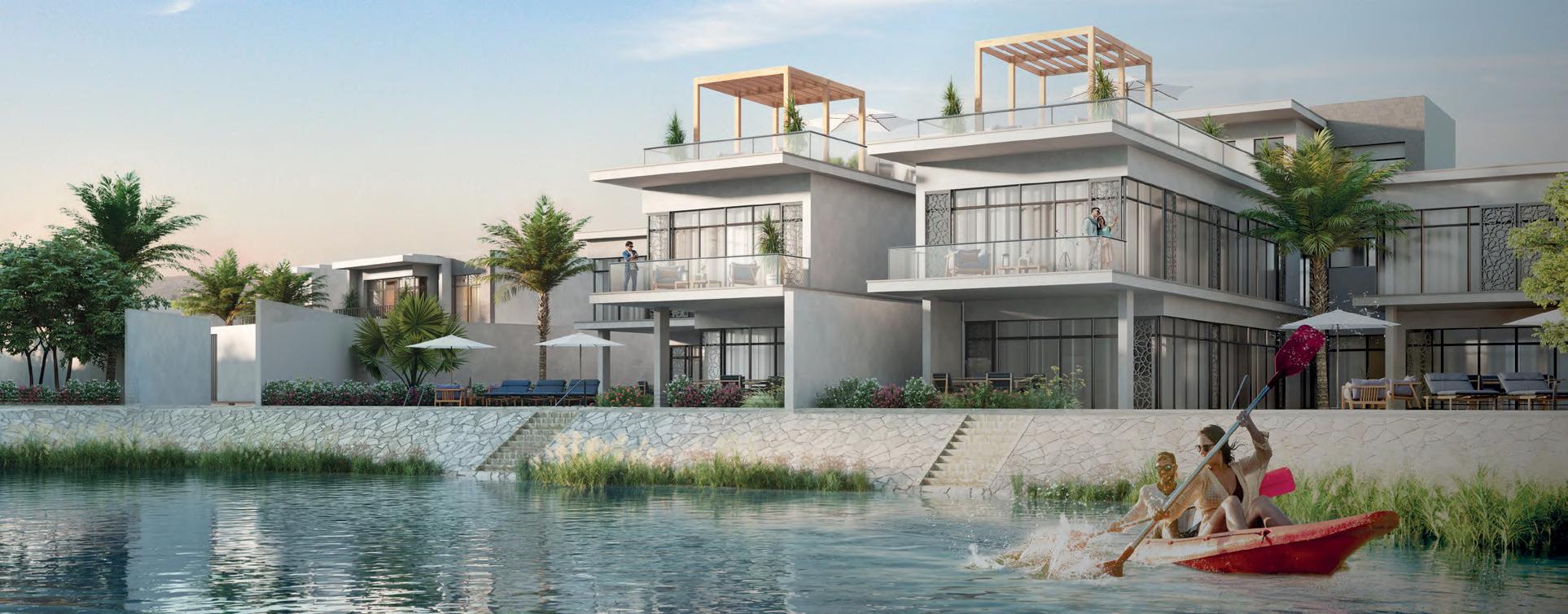
He added, “As one of the largest real estate developments in the capital, Baghdad, this project offers a diverse selection of elegantly designed luxury villas in various sizes, offering four- and fivebedroom layouts, with architectural styles that celebrate Iraq’s timeless and refined design heritage.”
According to DAMAC, the project also supports ongoing efforts to enhance infrastructure and accelerate urban growth in Baghdad. Strategically,
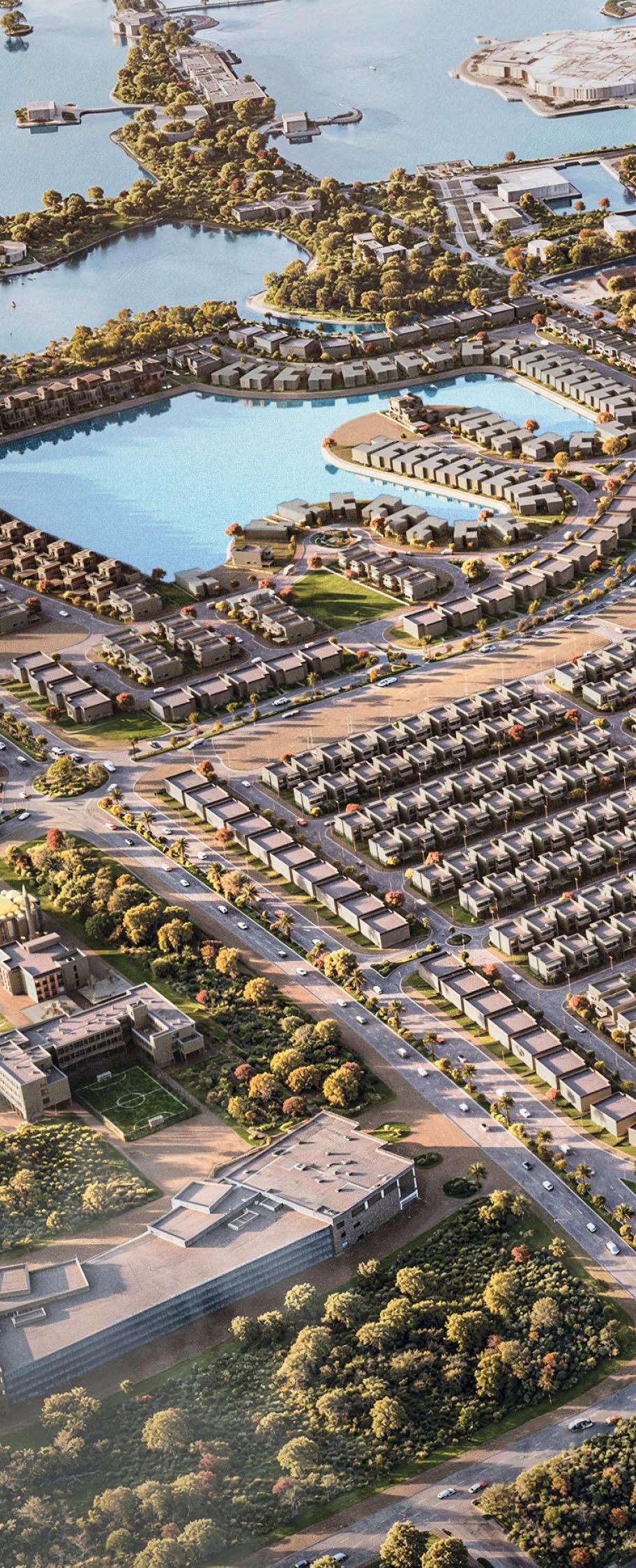
NEW MARKET
The project is said to embody DAMAC’s strategy to enter the Iraqi market in alignment with Baghdad’s urban development goals.
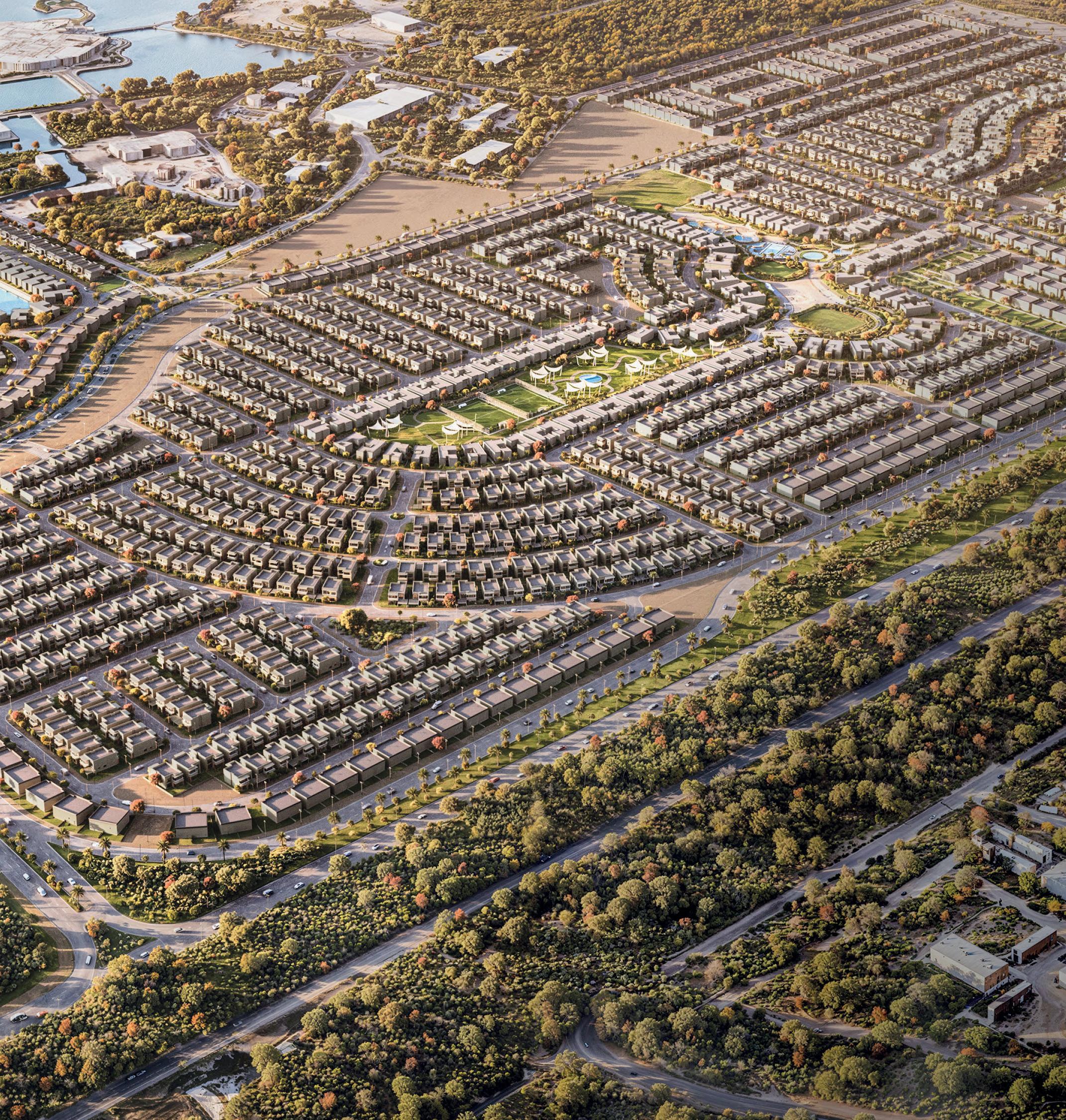
it represents a key step in DAMAC's vision to expand its portfolio across the Middle East by entering the Iraqi market through the capital.
The residential project underscores the company’s commitment to offering contemporary homes that blend Iraqi authenticity with world-class standards, meeting the aspirations of both residents and investors, the firm said.
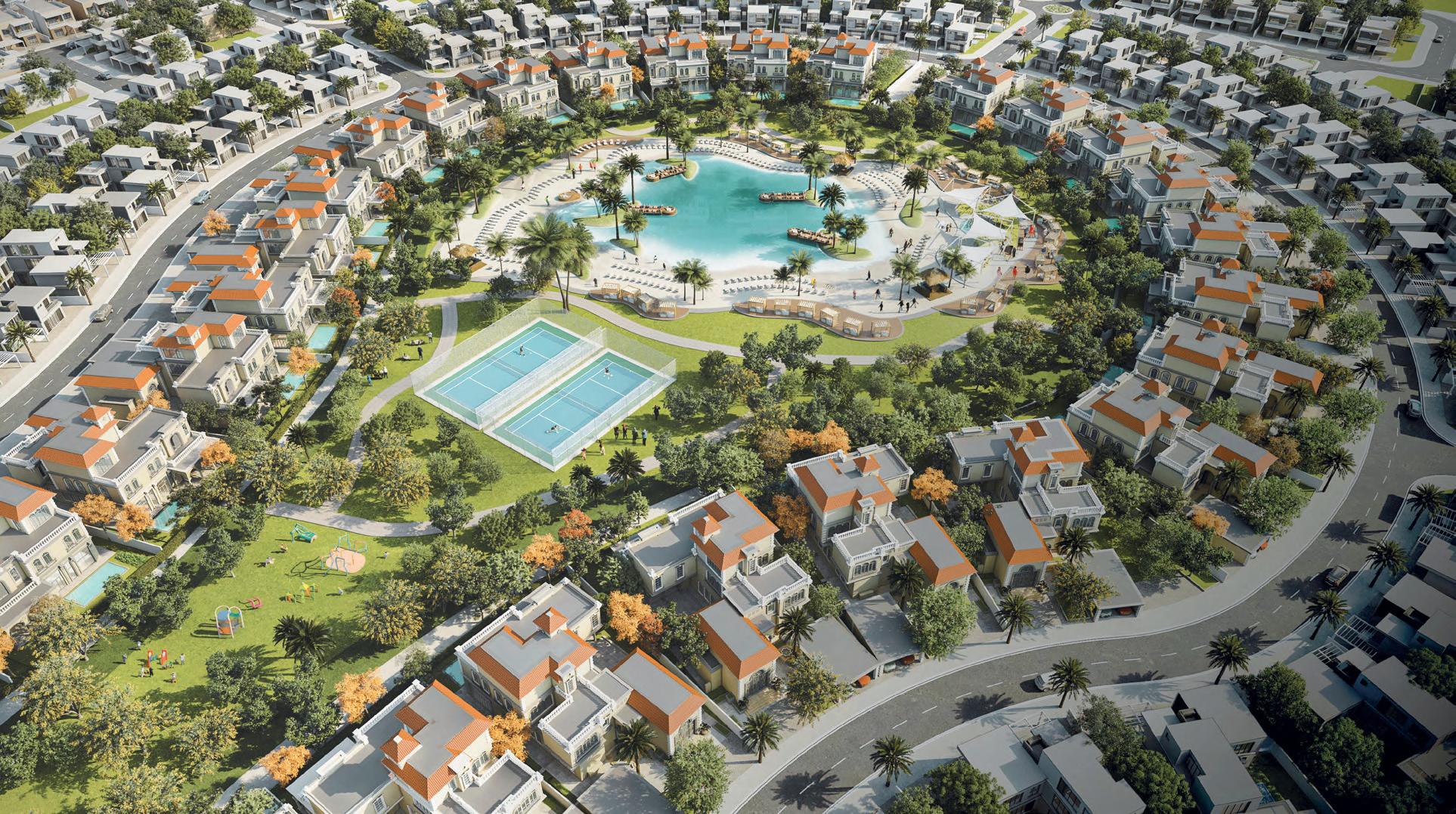
The gated community project will feature a comprehensive array of integrated amenities, including
central parks, a health club, leisure spaces, contemporary restaurants and cafés, as well as advanced utilities such as a modern water supply system, an on-site power substation, and solar-powered heating.
Residents will also benefit from regular maintenance services and 24/7 security and surveillance, the developer explained.
EXPANSION
The project will offer an array of elegantly designed luxury villas in various sizes, offering four- and five-bedroom layouts.




JOB SITE



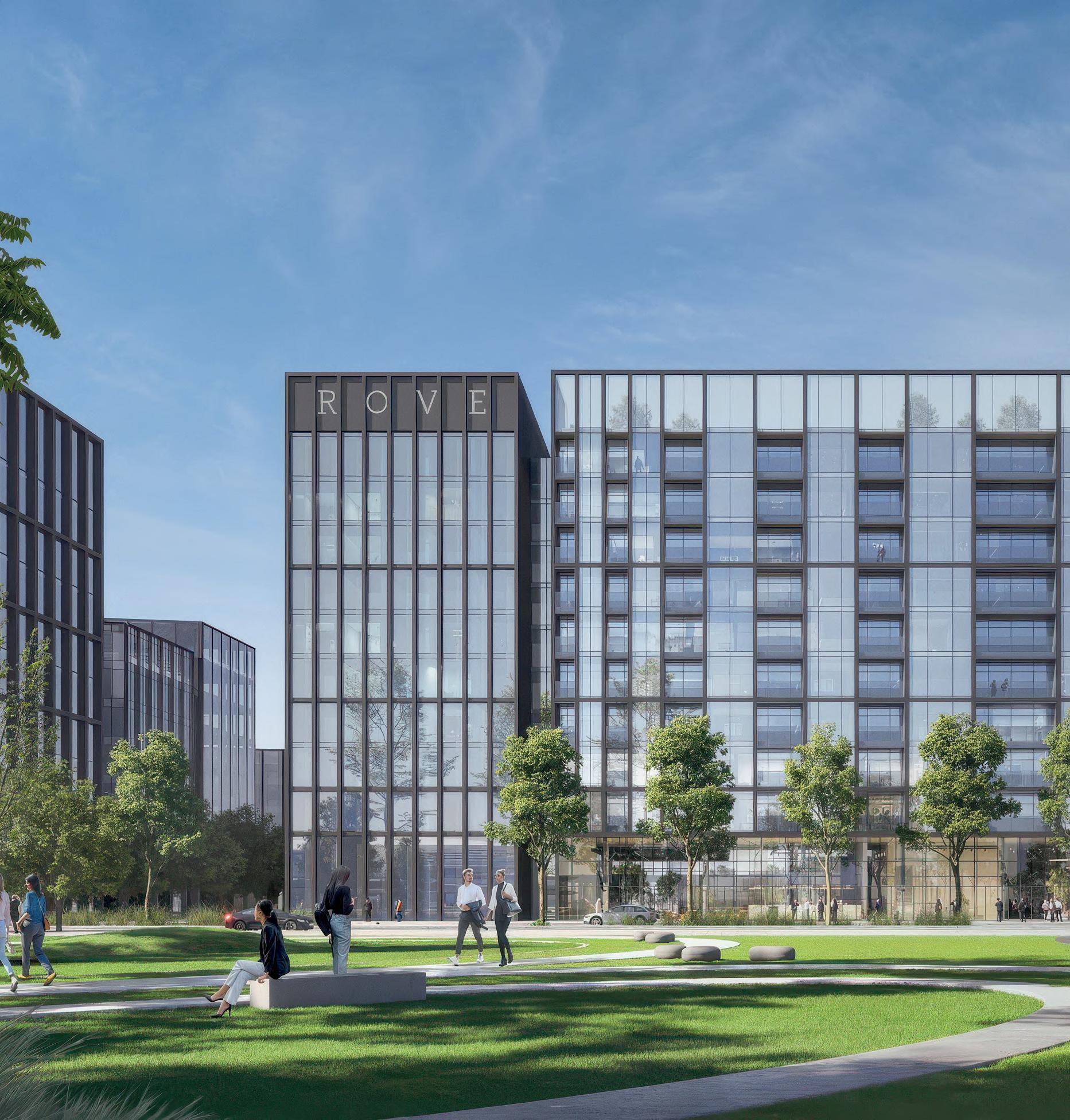
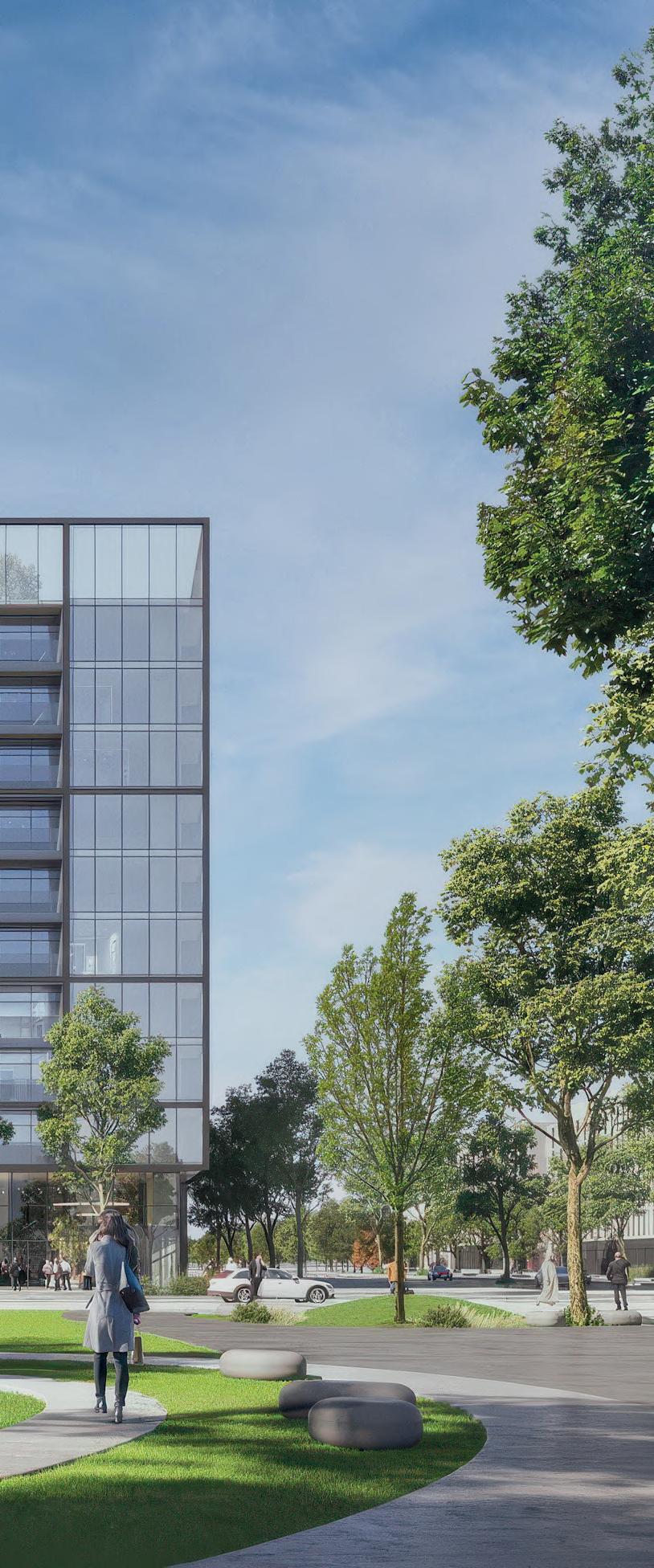
Arada awards contract to MBCC for Rove Aljada Complex
The complex comprises four blocks, featuring the Rove Aljada hotel and Rove Home Aljada branded residences
Developer Arada has awarded a construction contract worth US $108.1mn to build the Rove Aljada hotel cluster within its Sharjah megaproject (Aljada). The cluster comprises four blocks, featuring the Rove Aljada hotel and Rove Home Aljada branded residences. These buildings are located next to the upcoming commercial district, Arada CBD, and Madar Mall.
Modern Building Contracting Company (MBCC) has been awarded the contract and will commence construction immediately. The project is expected to be completed by December 2027.
The Rove Aljada hotel will boast 192 hotel rooms, a rooftop swimming pool, co-working spaces, a 24-hour gym, and all-day dining restaurant, among other amenities. The Rove Home Aljada will consist of 306 high-end branded residences and serviced apartments, including one-, two- and three-bedroom layouts, within a building featuring colourful and contemporary design. Facilities include exclusive access to a gym and swimming pool, a café, restaurant, co-working and meeting
spaces, and ground-floor retail, said a statement from the developer.
Ahmed Alkhoshaibi, Group CEO of Arada said, “We are absolutely committed to delivering world-class amenities to support the growth of this transformational new destination and this contract award is further evidence of that. With the introduction of Rove’s fresh and dynamic hospitality concept, we are responding to rising demand from both business and leisure travelers seeking smart, connected and design-led experiences in Sharjah.”
The Rove Aljada contract award is said to mark a milestone in the development of the master community. Construction is already underway on Arada CBD, a 40-building commercial district, both the mall and the business park are conveniently located adjacent to Rove Aljada.
HOSPITALITY
The Rove Aljada hotel will boast 192 hotel rooms, a rooftop swimming pool, co-working spaces, a 24-hour gym, and all-day dining restaurant, among other amenities.
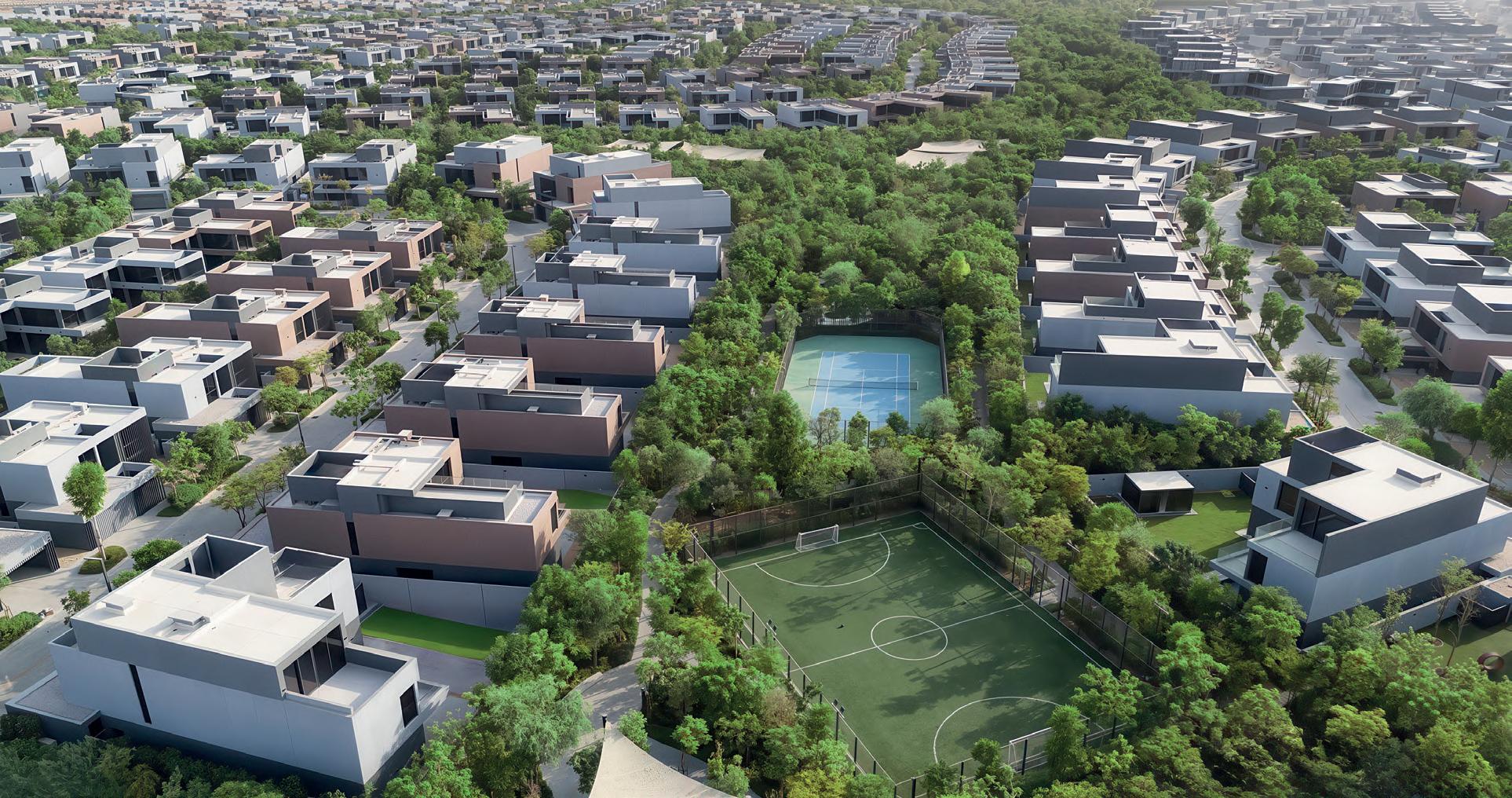
GATED COMMUNITY
Once complete, Rove Aljada will enhance the hospitality options available in the community. Nest Hotel, Arada’s innovative hospitality brand is expected to open before the end of this year, while the four-building Vida Aljada complex is scheduled to open in the first quarter of 2026. Both Vida Aljada and the upcoming The Address Aljada will be owned by Arada and operated by the Emaar Hospitality Group.
Aljada, already home to 20,000 residents, boasts over 25,000 homes and extensive retail, entertainment, sports, education, wellness, hospitality, and commercial assets. With access to Sheikh Mohammed bin Zayed Road, Al Dhaid Road, Sharjah International Airport,
and the upcoming Etihad Rail station, Aljada is transforming Sharjah’s urban landscape, the developer pointed out. Earlier, the developer also launched the newest phase of its forest community – Masaar 3. The latest and largest master plan of its forest community, the phase will comprise 4,000 villas and townhouses spread across eight gated neighborhoods. The developer said that Masaar 3 is set to raise the benchmark once again with its blend of expansive woodlands, immersive wellness facilities and the promise of smart, active living.
Ahmed Alkhoshaibi, Group CEO of Arada remarked, “Masaar 3 builds on our experience and ongoing design refinement, as well as a deep understanding of what residents and investors want. The success of the Masaar brand is emblematic of growing buyer demand for sustainable, family-friendly living environments that also deliver capital appreciation and long-term value.”
Based in the Rowdat district of Sharjah, Masaar 3 is located between Masaar 2 and a fast-growing schools district, already home to two operational large-scale schools. Masaar 3 is also close to the original Masaar community, Tilal City and Sharjah Mosque, and offers excellent connectivity, with direct access to Khorfakkan Road, and proximity to Emirates Road (E611). Sharjah International Airport is 15 minutes away and Dubai International Airport is just 30 minutes away by car, the developer outlined. The first two Masaar communities, which together amount to 5,000 villas and townhouses are both sold out. More than 1,500 homes have already been delivered in the first Masaar community, with the remainder scheduled to be completed by the end of 2026. The first homes in Masaar 2 are on track for delivery in 2027, with the entire community set for completion by the end of 2028, the developer concluded.
Masaar 3 will comprise 4,000 villas and townhouses spread across eight gated neighborhoods, the developer said.
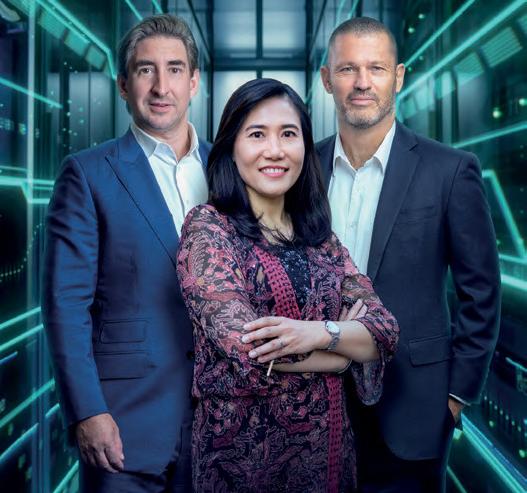
Khazna Data Centers to add over 1GW hyperscale capacity by 2030
More than 400MW of new capacity is to be delivered in international markets such as Saudi Arabia, Italy, and others


Khazna Data Centers (Khazna) has announced plans to expand its operational capacity by over 1GW over the next five years. This scaleup solidifies Khazna’s position as the UAE’s national digital infrastructure champion and marks a significant acceleration of its international expansion, the firm said.
More than 400MW of new capacity is to be delivered in international markets such as Saudi Arabia, Italy, and others, contributing to Khazna’s vision of establishing the infrastructure backbone for AI-driven digital economies.
“As the world enters an era defined by artificial intelligence (AI) and digital economies, infrastructure is becoming the catalyst for national transformation. At Khazna, we are proud to be building the foundation layer for AI-native nations, combining regional leadership with global ambition,” said Hassan Alnaqbi, CEO of Khazna Data Centers. “Our expanded capacity roadmap reflects both the urgency and the opportunity ahead, as we partner with governments and enterprises to deliver resilient, sustainable infrastructure purpose-built for the next generation of compute.”
Khazna said that it is laying the groundwork for AI-native nations, in this, digital transformation becomes an integral part of the design process. Khazna’s facilities are engineered for the next generation of compute, capable of supporting high-density, low-latency AI workloads at scale, while adhering to sustainability standards, the statement explained.
The company is currently developing several new projects, including hyperscale facilities in Abu Dhabi, Dubai, and Ajman. In addition
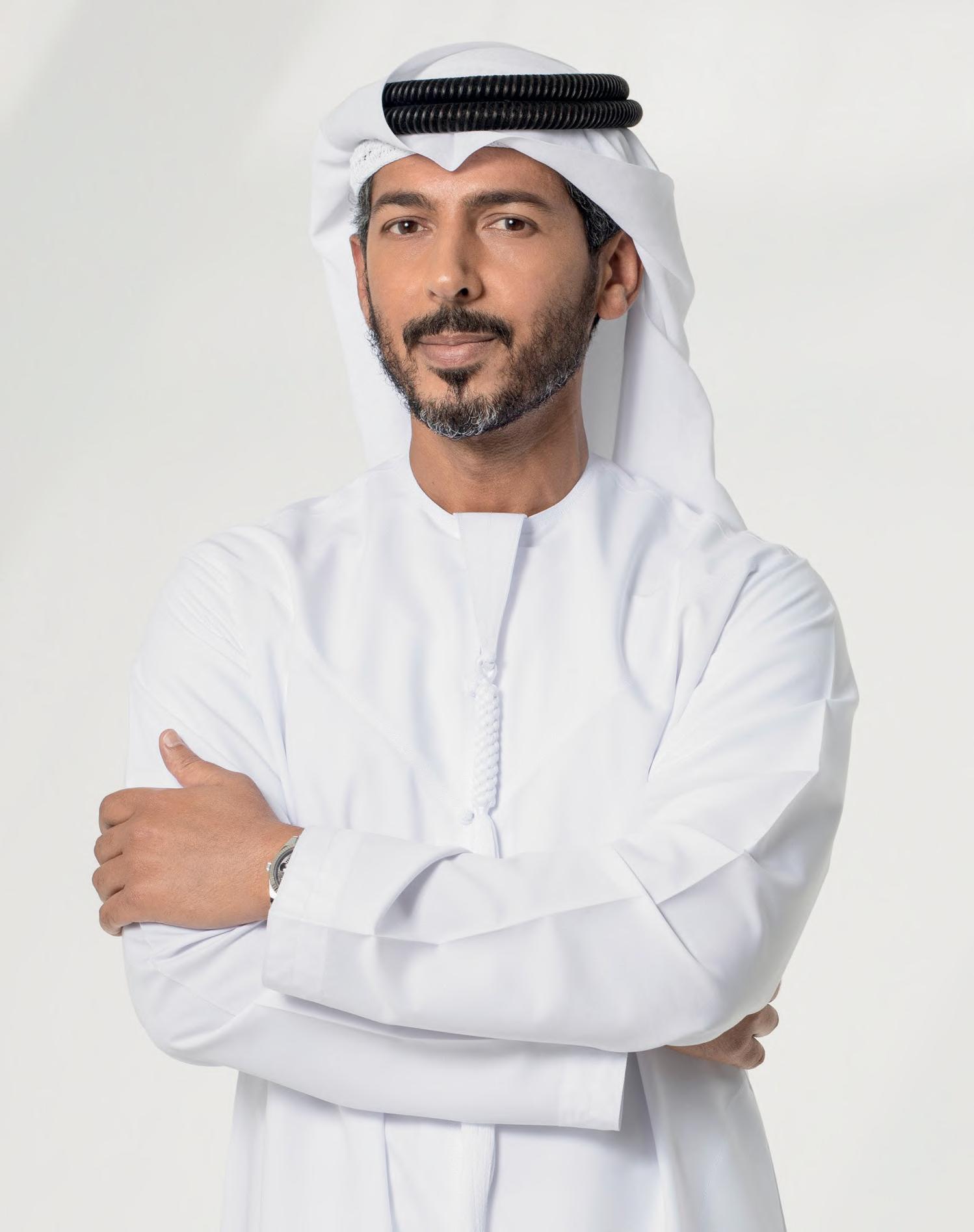
CHIEF EXECUTIVE
to these projects, Khazna is also delivering the infrastructure layer for Stargate UAE, a next-generation AI infrastructure cluster that will operate in the newly established 5GW UAE–U.S. AI Campus in Abu Dhabi. Khazna’s capacity pipeline, both domestically and internationally, is said to be supported by a newly secured
financing facility that will expedite deployment and enhance long-term resilience. By leveraging its proprietary, scalable design approach, Khazna can significantly reduce the time, cost, and environmental impact associated with traditional data centre construction. This enables faster time-to-value without compromising operational excellence, the statement said.
Sustainable expansion
Khazna’s expansion is also said to be underpinned by a commitment
Hassan Alnaqbi is the CEO of Khazna Data Centers.
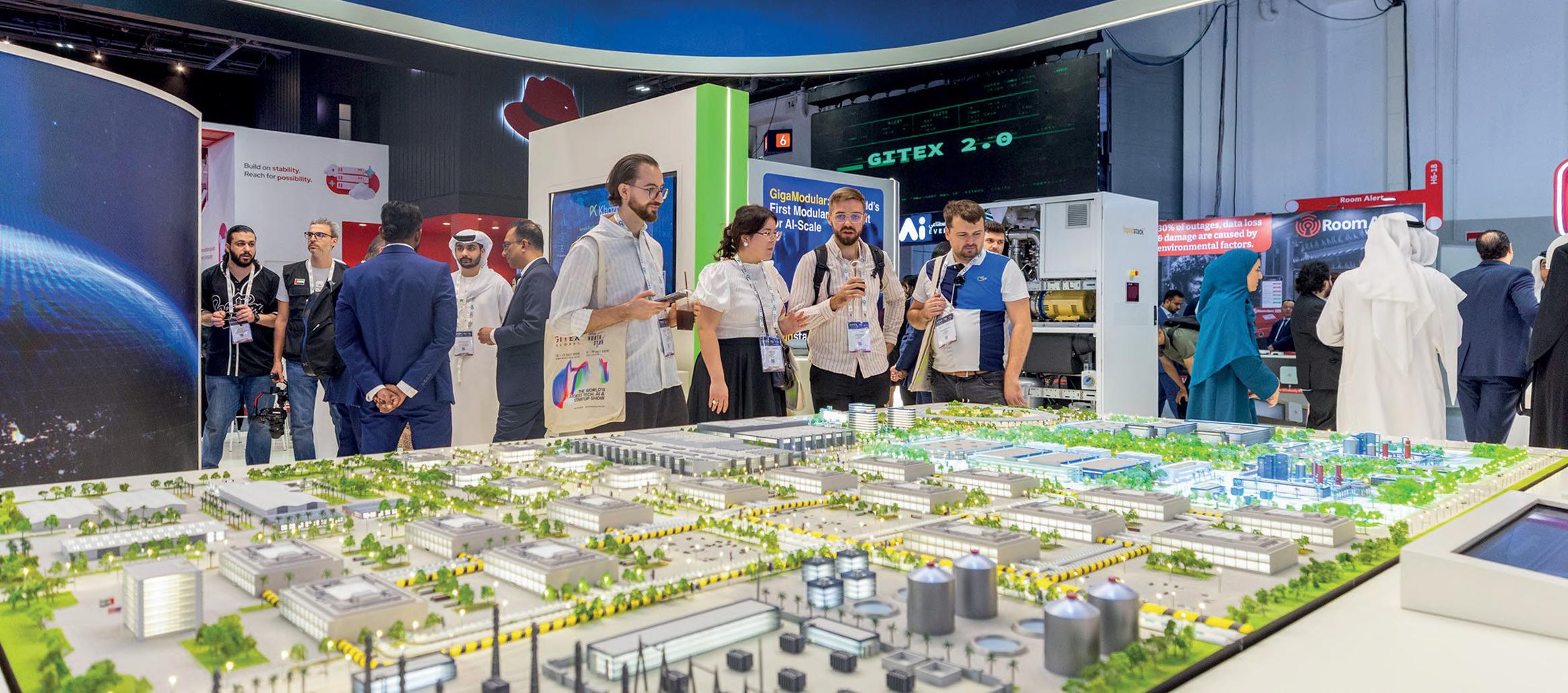
NEW PROJECTS
The company is currently developing several new projects, including hyperscale facilities in Abu Dhabi, Dubai, and Ajman.
to sustainability at every stage of design, build, and operation. All new facilities are engineered to LEED Gold standards, utilising advanced cooling systems, high recycled material content, and energy-efficient design principles. The company’s modular construction methodology enables faster deployment with significantly reduced embodied carbon, construction waste, and potable water use accelerating both climate impact reduction and time to market.
In Italy, Khazna’s upcoming data centre campus will be powered by ‘Blue Power’, Eni’s low-carbon energy solution. This approach reflects Khazna’s broader strategy of aligning with local clean energy ecosystems, integrating alternative sources, where possible, to power the infrastructure of the AI economy responsibly.
The firm said that it is also actively investing in the human capital that is required to operate the infrastructure of the future. Each new facility brings with it local job creation, from construction and engineering to long-term operational roles.
Each Khazna facility is said to generate more than US $320mn in GDP contribution and enables over 1,150 jobs, with indirect benefits to suppliers, contractors, and service providers across the ecosystem. Khazna said it is committed to ensuring these opportunities build lasting economic value in the regions it serves.
To meet the growing demand for specialised skills in digital infrastructure, Khazna confirmed that it is introducing programs designed to equip early-career professionals and re-skill workers with the technical, operational, and safety competencies needed in modern data centre environments. Through a combination of hands-on training, industry certifications, and global best practices, these initiatives
will help develop a new generation of talent capable of supporting hyperscale infrastructure at scale.
In September, Khazna said it secured a US $2.62bn financing facility to support its growth ambitions in the UAE and in international markets. The financing deal, said to be amongst the largest in the MENA region, was secured in partnership with two UAE banks – Abu Dhabi Commercial Bank (ADCB) and First Abu Dhabi Bank (FAB). With a tenor lasting up to 10 years, the financing facility will enable Khazna to progress on the build-out of its operational expansion across the MENA region.
According to Mordor Intelligence, the MENA region’s total data centre capacity is set to double over the next five years. With the capital unlocked through this recent financing deal, Khazna will be at the forefront of regional data centre market growth, preserving its 73% market share in the UAE and growing its share in other markets, the firm said.
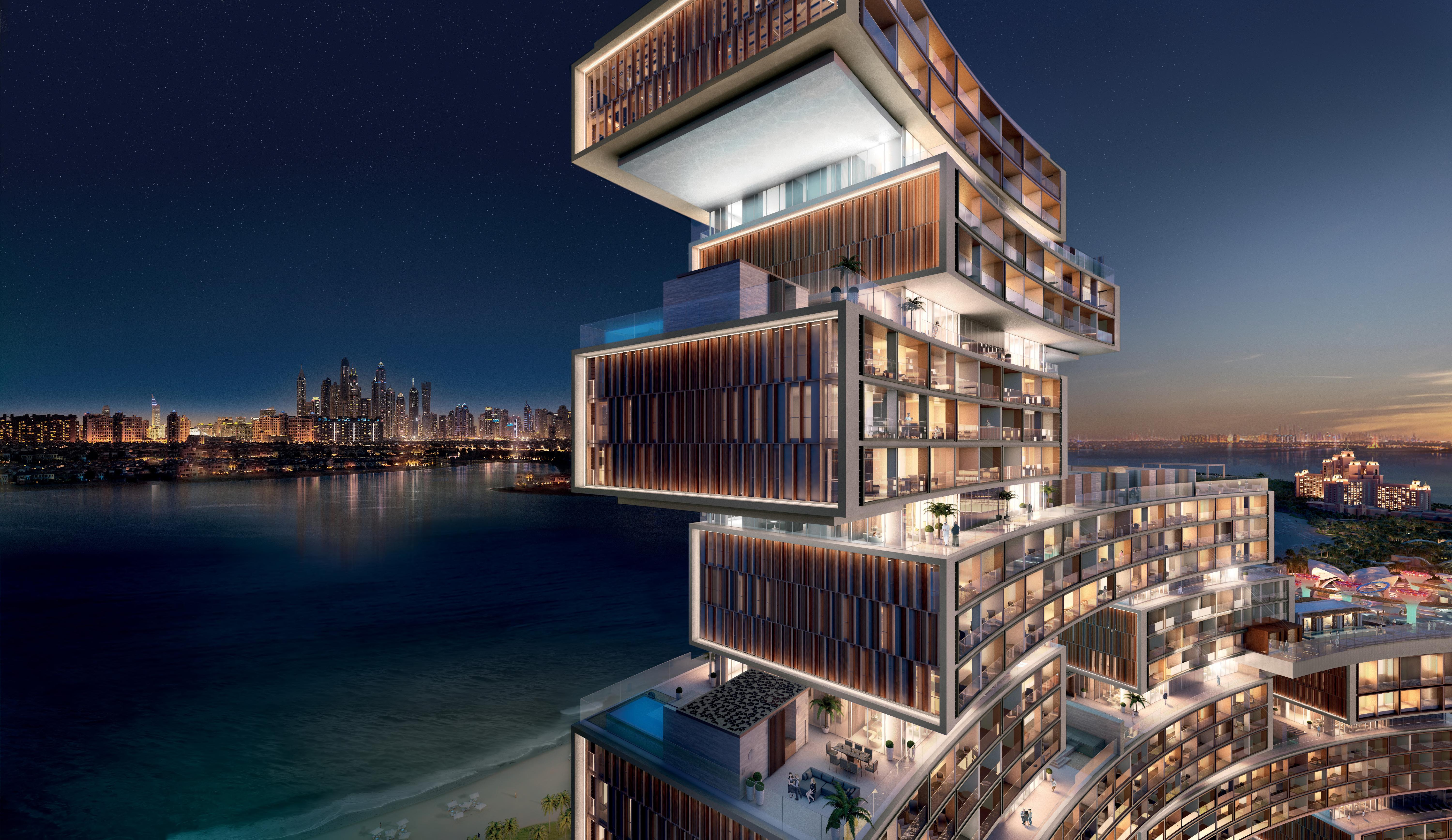
AD Ports Group begins modernising Noatum Ports Luanda Terminal
AD Ports Group has collaborated with Unicargas and Multiparques to lay the foundation stone for the Noatum Ports Luanda Terminal at the Port of Luanda. The project’s commencement is one of the most significant port modernisation and expansion initiatives in Angola, the firm said in its statement.
The project, with an initial investment of US $250mn over the initial three years, is projected to reach a total investment of up to $380mn over the 20 year concession period, which can be extended to 2055.
AESG inaugurates brand new office in Cape Town
AESG has appointed Kez Taylor and Roger Nickells as Non-Executive Directors to the business. The move is said to mark an important milestone with the company’s international growth strategy.
The establishment of the board coincides with the opening of its new office in Cape Town, following the recent launch of operations in Cairo and Melbourne.
According to the firm, its Board of Directors comprises Saeed Al Abbar, Scott Coombes, Adam Muggleton, Kez Taylor and Roger Nickells.
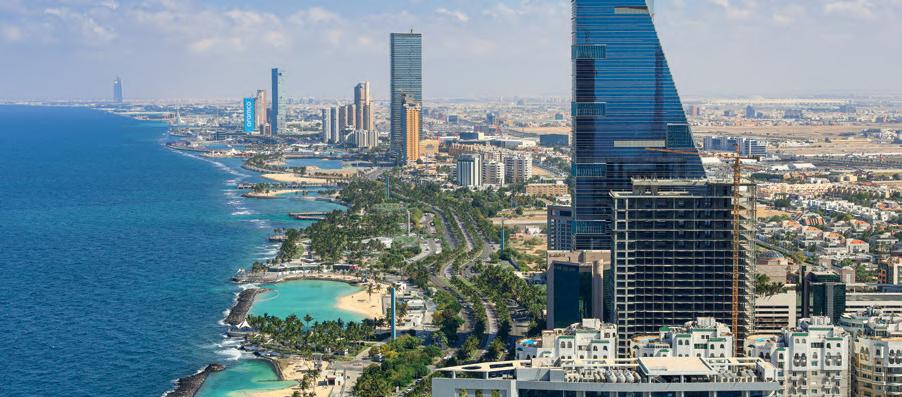
Dar Global acquires plot in Jeddah for mixed-use development
Dar Global has announced the acquisition of a prime 28,800sqm plot within one of Jeddah’s forwardthinking masterplans. The developer said that it plans to develop a mixed-use project on this site, featuring premium residences, serviced apartments, retail, and offices. This project will be a significant addition to Jeddah’s ongoing transformation.
The project is said to align with Saudi Arabia’s Vision 2030 by contributing to the country’s evolving urban landscape.
UNITED KINGDOM
SOUTH AFRICA
01 ANGOLA
03 SAUDI ARABIA
04
i/o atelier appoints new Regional MD
i/o atelier has announced the appointment of Craig Lambert as Regional Managing Director for Saudi Arabia. Based full-time in Riyadh, Lambert will oversee the firm’s operations in the Kingdom, strengthening client partnerships and expanding i/o atelier’s innovative presence across the region.
With over 25 years of experience, Lambert has delivered workplace, commercial, and development projects for global organisations. His career spans senior roles at JLL, Goldman Sachs, the London Stock Exchange, BT, and Lloyds Banking Group.
ICC strengthens standards
The International Code Council (ICC) participated in Urban October 2025 during which the Ministry of Housing and Urban Planning (MoHUP) Oman launched the National Building Requirements and Standards Guide.
This framework consolidates safety, quality, and sustainability standards across Oman’s governorates. Organised by MoHUP, Urban October brings together local, regional, and international experts to promote sustainable urban development and address the challenges and opportunities of urbanisation.
in Manila Bay
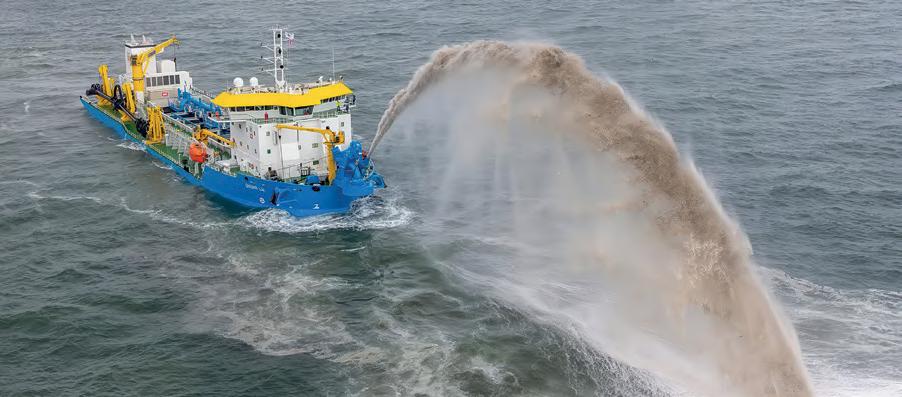
NMDC Group has signed a contract with the Pasay Harbor City Corporation to undertake large-scale dredging and land reclamation activities in Manila Bay.
This development project aims to build a new ecofriendly, waterfront city. NMDC Group will undertake a thirty-month project with a total value of US $610.1mn. The project will encompass 130ha of island reclamation. The scope of work includes sand supply, dredging and reclamation, vertical drains installation, vibro compaction, and rock placement.
05 OMAN
SAUDI ARABIA
KSA Commercial Market Overview
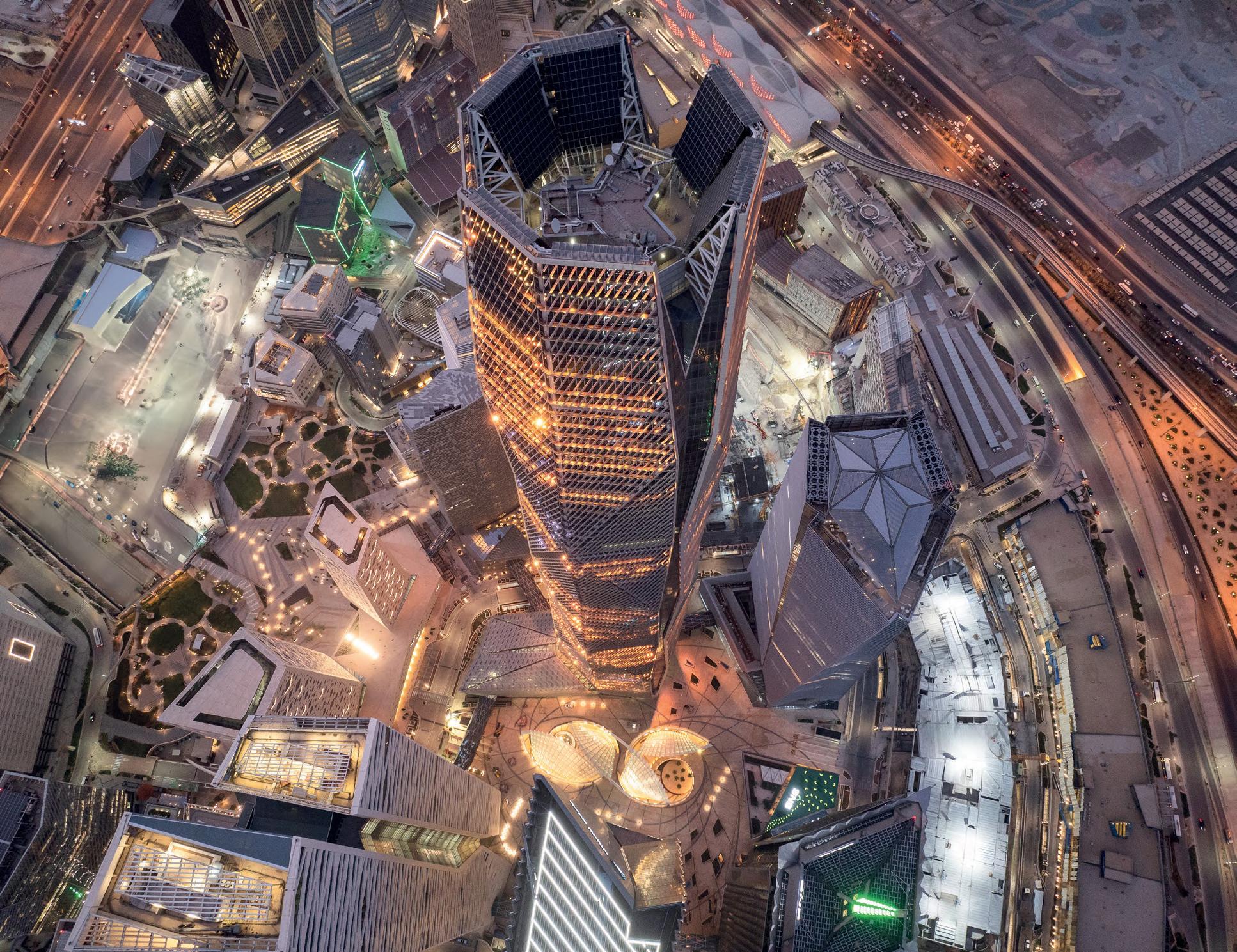
Knight Frank takes stock of the Kingdom of Saudi Arabia’s commercial market, highlighting key trends and performance
Saudi Arabia’s economic momentum continued to strengthen in 2024, underpinned by rising private sector activity. While the pace of new foreign direct investment (FDI) softened by 11% amid global economic headwinds, foreign investor interest remained strong.
A total of 14,303 foreign business investment licences were issued during 2024, a 67% increase from 2023, marking the highest annual
figure on record and underscoring the sustained appeal of Saudi Arabia to global corporates and investors alike. This significant growth has been fuelled by a wide range of government initiatives, including the Regional Headquarters Programme, tax and regulatory incentives, such as a 30-year tax relief package offering a 0% corporate income tax and 0% withholding tax on approved RHQ activities. Other initiatives
include the establishment of Special Economic Zones, the Investor Visa Programme, and easing foreign ownership restrictions across key sectors such as retail and healthcare.
Alongside substantial government investment in giga-projects such as NEOM, Qiddiya, King Salman Park and Diriyah Gate, these measures have made the Saudi market increasingly attractive to international businesses.
Riyadh remains at the centre of this transformation, supported by strategic efforts to bolster the capital’s position as the Kingdom’s economic engine and a leading commercial hub in the region.
Office sector
Government initiatives, particularly the Regional Headquarters Programme, are driving strong demand for office space in Saudi Arabia, with Riyadh seeing the most pronounced impact.
As of February 2025, around 600 companies have announced plans to establish their regional headquarters in the capital, significantly boosting demand for prime office space and reshaping the quality, services, and amenities offered in the market.
Vacancy rates in Riyadh remain low, with Grade A stock averaging occupancy levels of 98% and Grade B offices not far behind at 97%. Grade A rents rose by 23% year-on-year in Q1 2025, reaching a new all-time high of $720 psm.
Grade B rents also increased by 24% over the same period, as a lack of prime space led businesses to seek alternatives. Some relief is expected over the next two years, with the Kingdom likely to see the completion of 2.7m sqm of new office space.
Data centres
Saudi Arabia is positioning itself as the Middle East’s leading data hub, with its data centre market projected to grow in value to US$ 2.3bn by 2029, supported by a compound annual growth rate (CAGR) of approximately 8.1% between 2024 and 2029.
Growth is being driven by strategic government initiatives and large-scale investment in digital infrastructure. The Kingdom plans to increase its total IT capacity from around 250-300MW in 2024 to over 1,000MW by 2030.
In May 2025, the Public Investment Fund launched Humain, a company
focused on developing advanced data centres, cloud infrastructure, and AI capabilities, reinforcing Saudi Arabia’s ambition to become a global technology leader.
Riyadh, Jeddah and DMA office markets
Commercial activity across Saudi Arabia continues to accelerate, with Riyadh remaining the key hub for office demand. The capital’s strategic importance, bolstered by government initiatives and strong corporate expansion activity has driven Grade A office rents to a record $720 psm, a 23% in Q1 2025 year-on-year increase. Grade B office space has followed a similar trajectory, with rents rising by 24% over the same period.
Occupancy levels remain exceptionally high, with Grade A offices recording a 98% occupancy level, up by one percentage point over the past 12 months. Grade B offices (97%) have registered a three percentage point increase over the same period. These figures underscore the strength of underlying demand and limited availability of quality office stock in the capital.
The key driver has been the government’s Regional Headquarters Programme (RHQ). Designed to encourage multinational companies to establish their regional operations in the Kingdom, the programme has rapidly surpassed expectations. As at February 2025, more than 600 companies had announced their plans to set up regional headquarters in Riyadh, exceeding the original target of 480 companies set for 2030.
In response, developers are accelerating supply pipelines to meet
market needs. As a result, by the end of Q1 2025, the total office stock in Riyadh had climbed to 5.5m sqm. By 2027, we expect a further increase to 9.8m sqm.
Jeddah is also experiencing a steady increase in office rents, supported by growing demand and ongoing investment from major private sector players such as Emaar and Al Nahla Group. Over the past 12 months, Grade A rents have risen by 4%, reaching an average of $340 psm in Q1 2025. Grade B office rents have increased by 6% over the same period, now averaging $225.
Occupancy levels have also strengthened in Jeddah over the last 12 months. Grade A office occupancy levels rose by two percentage points to 95%. Grade B occupancy rates experienced a notable increase of six percentage points over the same period, reaching 95%.
As more companies expand their footprint across Saudi Arabia, Jeddah is attracting a growing number of regional and local firms. This rising interest is being supported by a healthy office development pipeline.
Key upcoming projects include Jeddah Gate, which is expected to deliver 230,000sqm of office space between 2025 and 2028, and Jeddah Rose, a mixed-use development that will bring 25,000sqm of office space by the end of 2025. The city’s total office stock is forecast to reach approximately 1.8m sqm by 2027, up from 1.6m sqm today.
The Dammam Metropolitan Area’s (DMA) office market continues to follow a distinct trend compared to other major cities in the Kingdom, with
varied performance across segments. Over the past 12 months, Grade A office rents have remained broadly stable, while Grade B rents recorded a 6% increase, reaching $273 psm and $175 psm in Q1 2025, respectively.
Occupancy trends further reinforced this split in office rent performance, with Grade A offices rising to 87%, a two percentage point increase over the past year, while Grade B occupancy remained stable at 72%, reflecting continued tenant interest across secondary
stock despite rising preference for higher-quality space.
Total office stock in the DMA currently stands at approximately 1.5m sqm, with a projected increase to 1.65m sqm by 2027. We expect around 120,000sqm of new office supply to be completed over this period, with Grade A developments accounting for 80% of the pipeline. This trend will likely continue to drive a flight-to-quality, with developers focusing on premium offerings to meet evolving occupier expectations.

FROM THE MIDDLE EAST TO EUROPE
BIG PROJECT ME ’S JASON SAUNDALKAR TALKS TO KEO’S GREG KARPINSKI ABOUT THE COMPANY’S SUCCESSFUL EXPANSION INTO EUROPE AND HOW THE FIRM ENSURES IDEAS, TALENT AND DIGITAL INTELLIGENCE FLOWS SEAMLESSLY BETWEEN REGIONS
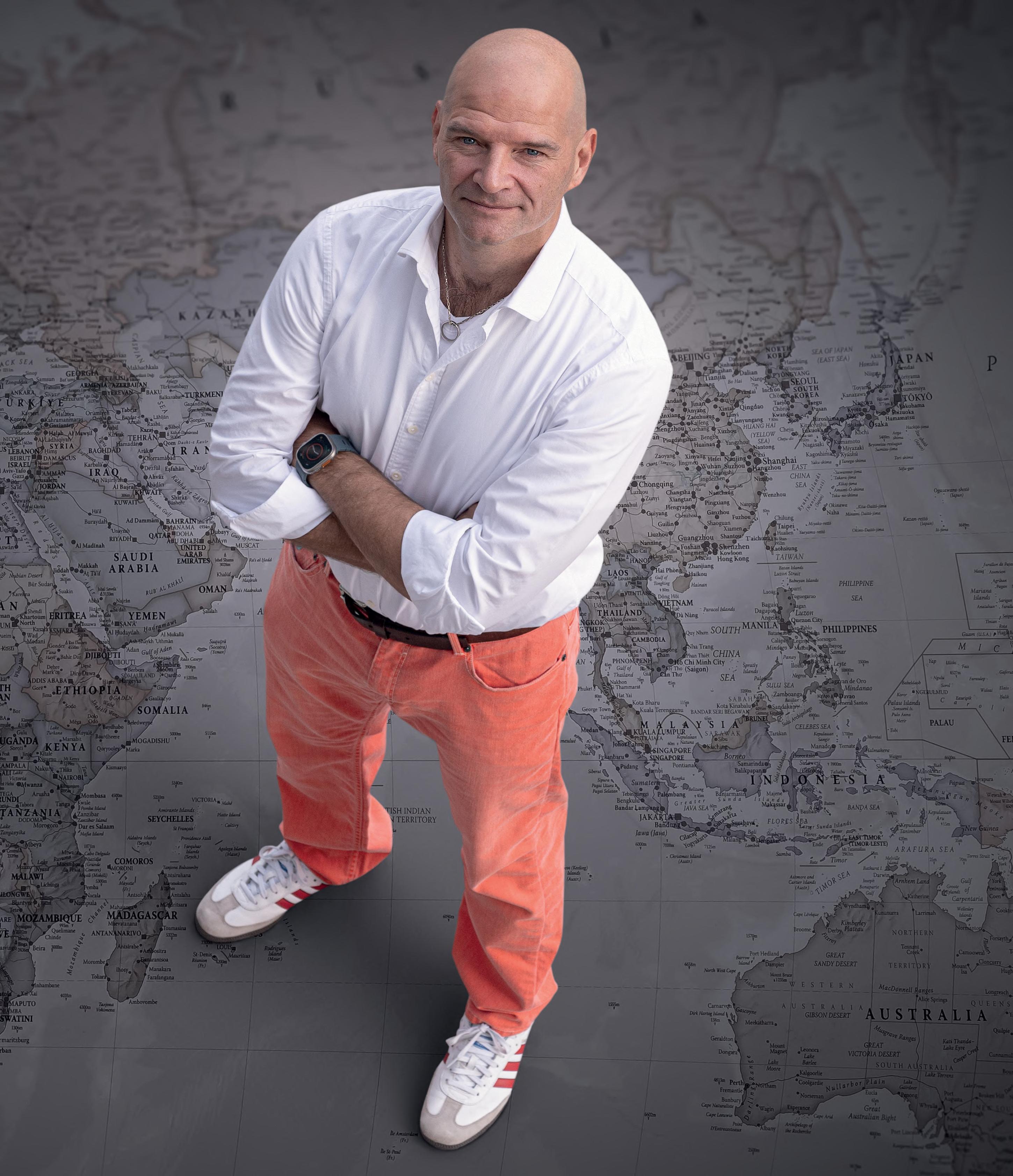
In 2025, the consultancies shaping the built environment no longer define themselves by region or headquarters, but by how intelligently they connect ideas, talent, and data across borders. Few firms embody this evolution better than KEO International Consultants (KEO).
Founded in 1964, KEO has grown into a distributed enterprise of more than 2,600 professionals across 12 offices, from the Gulf to Europe, unified by a shared belief that design excellence, sustainability, and digital intelligence transcend geography. Its expansion across Europe is not about scale for its own sake. As Greg Karpinski, Chief Operating Officer and Partner, puts it, “The future of our industry isn’t defined by territory. It’s defined by how effectively we connect expertise, cultures, and ideas.”
In 2020 while the world was grappling with uncertainty due to the outbreak of the pandemic and a raft of related issues, the company pushed forward with its ‘KEO 4.0 Strategy’ and began its international expansion into Europe.
“KEO’s European journey began with the opening of our offices in Portugal in 2020, which were initially set up to support KEO’s large portfolio of projects in Saudi Arabia and the UAE. As the Portuguese team matured and grew in size, the company naturally sought to win work in
LEADING THE WAY
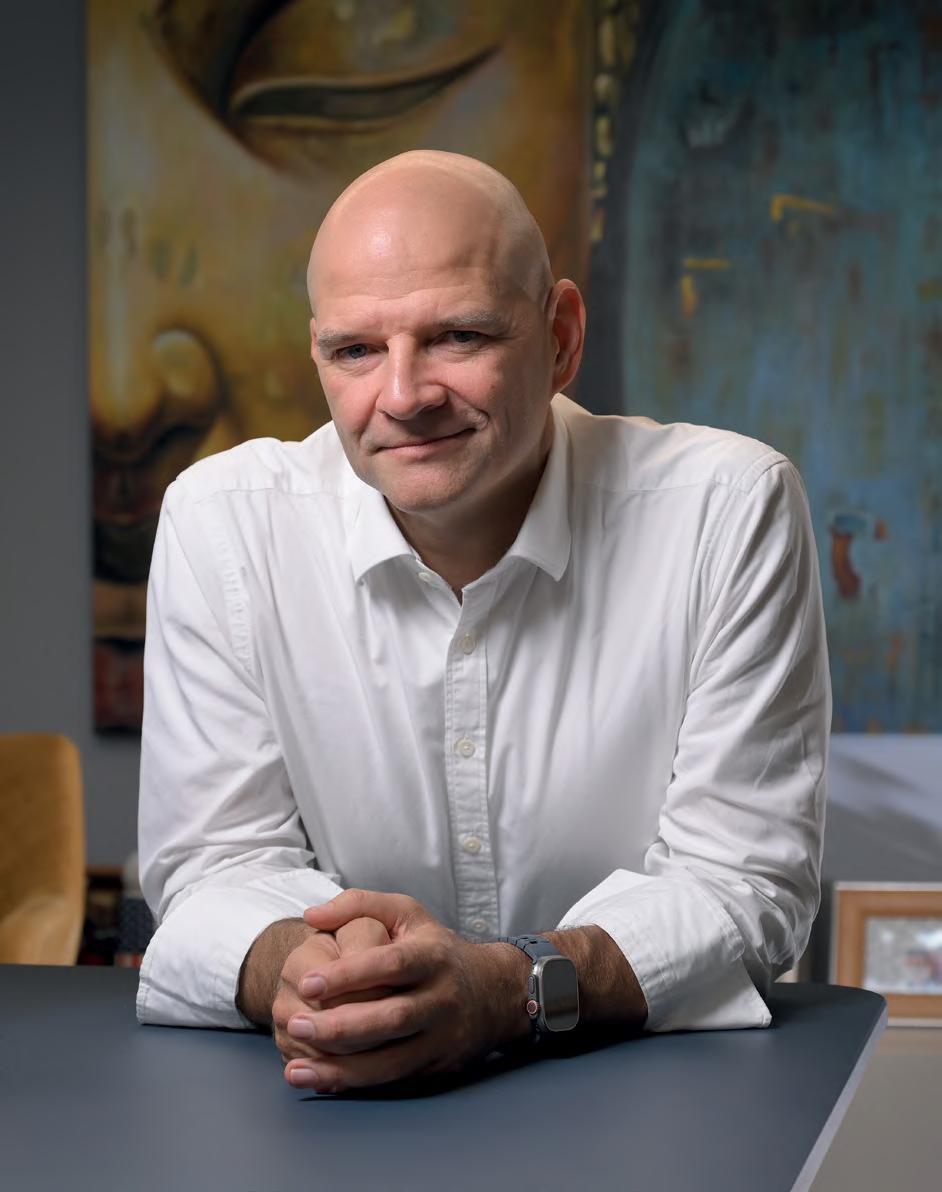
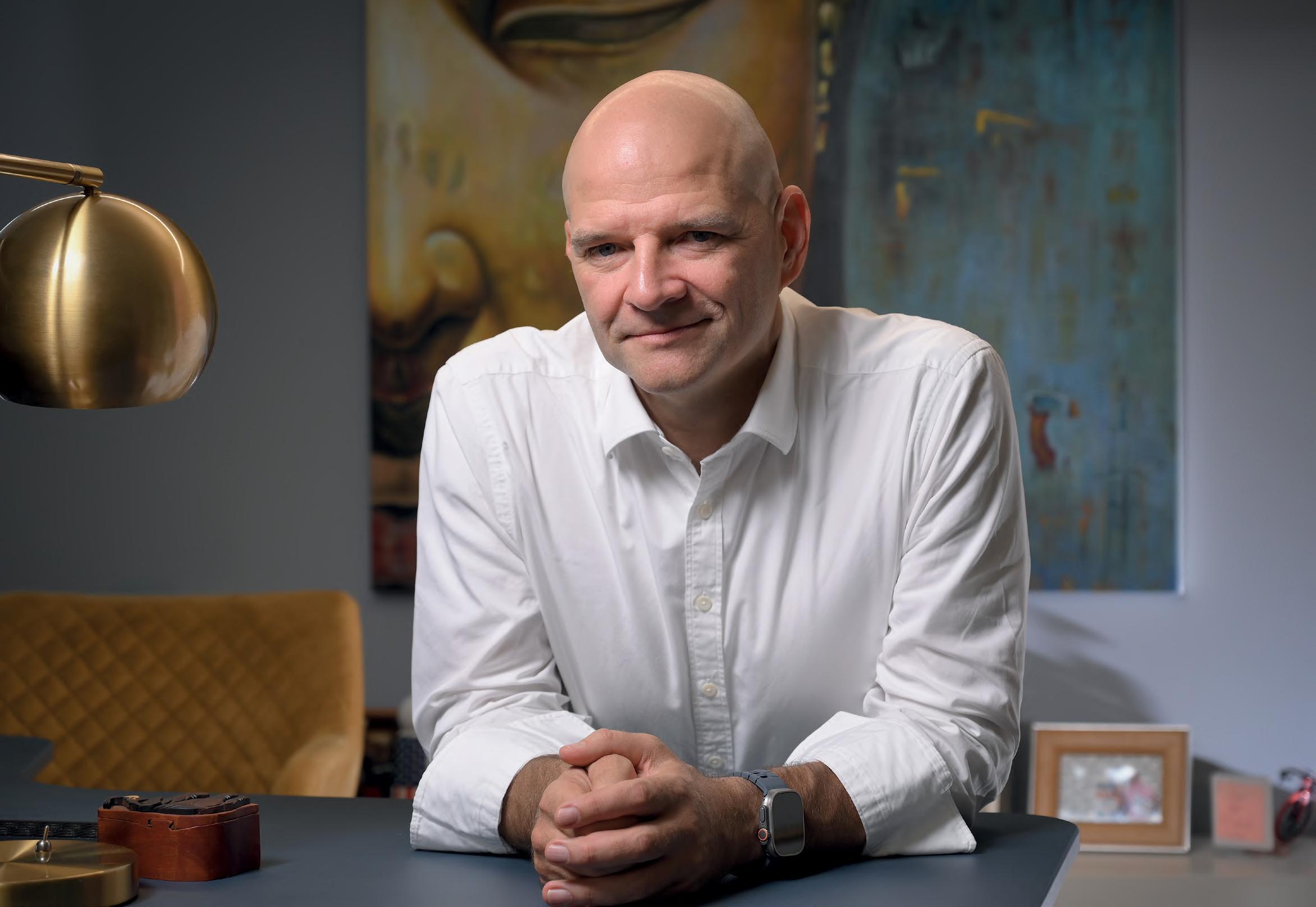
Greg Karpinski, Chief Operating Officer and Partner, KEO International Consultants.

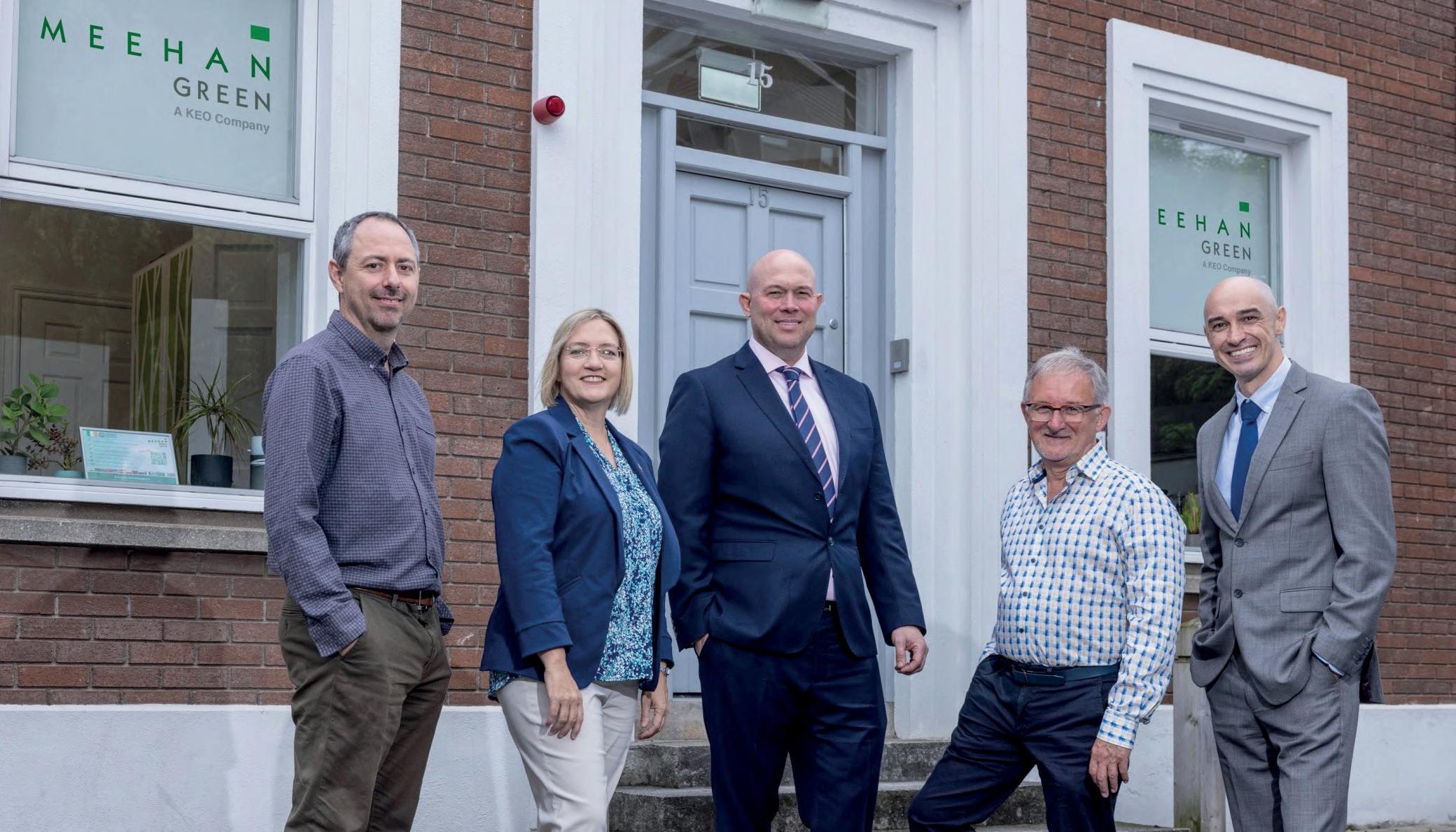
Meehan Green emerged as a natural fit - not only fulfilling KEO’s expansion goals but also strengthening its sustainability and environmental consultancy capabilities.
Europe. One of the main pillars of KEO’s 4.0 Strategy is to expand and diversify the business beyond the firm’s core markets in the Middle East. KEO’s expansion into Europe is thus part of our long-term ambition to increase our international footprint even further,” explains Karpinski.
Since that initial foray into Europe, the company has pressed forward and made a number of strategic moves, including the recent acquisition of Dublinbased Meehan Green earlier in 2025. Meehan Green was founded in 2016 and over its nine years in operation, the firm has established itself as a recognised leader in sustainability consulting in Ireland and has built up a significant brand, client list and reputation.
In 2019, the firm achieved status as the only LEED Proven Provider based in Ireland. More recently, the company’s service offering expanded and now includes HPI, Fitwel, BREEAM, Embodied Carbon Lifecycle Assessments (LCA) and Zero Carbon.
Karpinski adds, “Since our highly successful foray into Portugal, we have continued to expand further across Europe. We opened an office in London in 2024, acquired Meehan Green in Dublin earlier in 2025, and have followed that up with the opening of the Madrid office last month.”
Talking about the mechanics behind the Meehan Green acquisition, Karpinski states, “Following the strategic decision to broaden our international presence by expanding into Europe, the next logical step was to determine the most effective approach for further expansion - whether through organic growth or a targeted acquisition. After a comprehensive assessment of the market, KEO management concluded that an acquisition would provide the most effective and efficient path to scale up the already highly successful Sustainability Division of the firm.”
“Ireland was identified as a key market in part because of the number of high-quality sustainability/ environmental practices operating in the country.
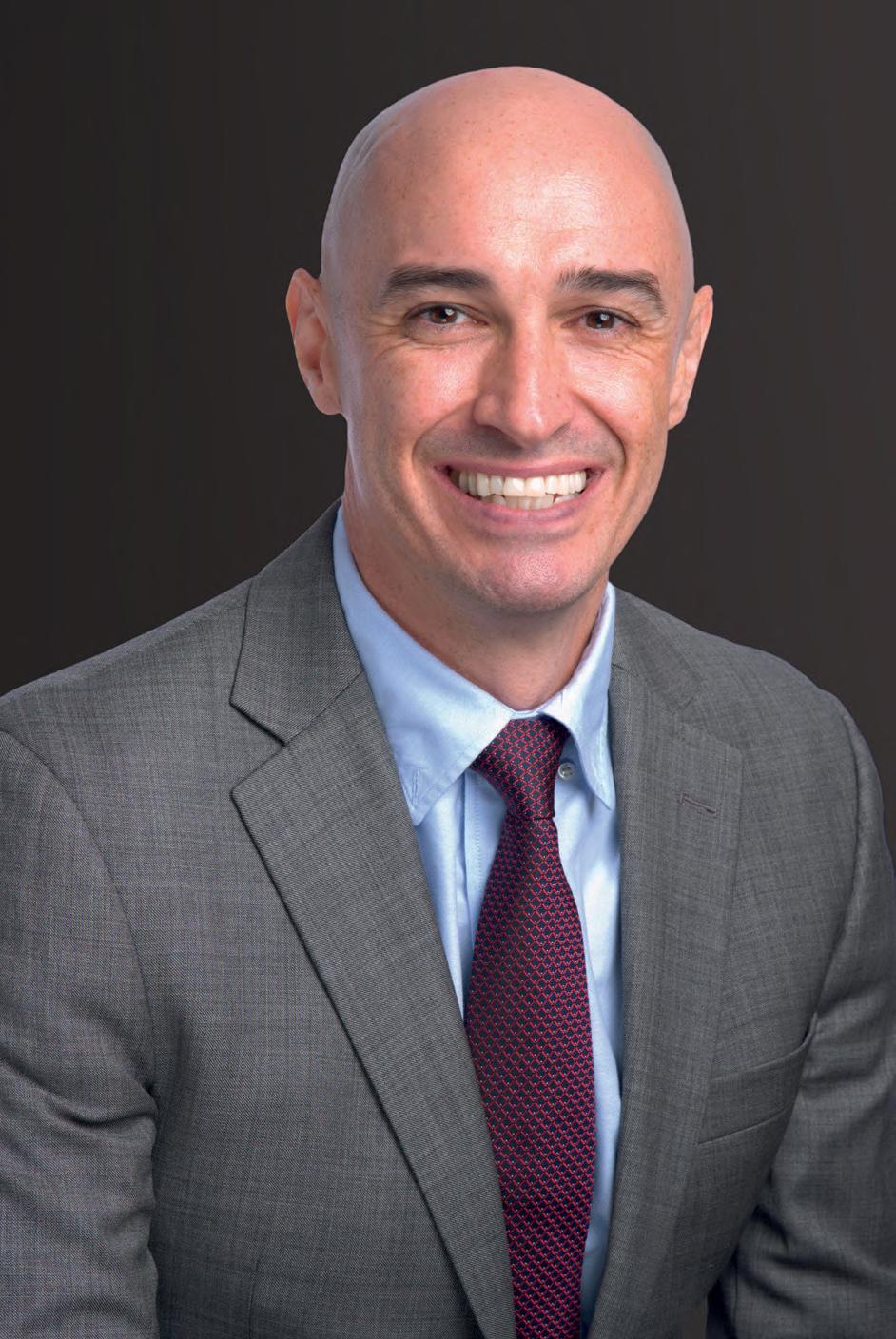
Eoin Sheridan, Director of Environment and Waste, KEO Sustainability + Environment.
Ireland’s macro-economic advantages as a base for further expansion in Europe were also clear to the KEO team. As an English-speaking nation within the European Union, it offers a seamless business environment and access to a highly skilled, educated workforce. This made the choice both strategic and straightforward.”
Eoin Sheridan, Director of Environment and Waste, KEO Sustainability + Environment elaborates sharing, “KEO undertook a rigorous market study, identifying over 200 potential firms in Ireland as acquisition candidates. This list was refined to a shortlist of 20 firms that met KEO’s strategic criteria, and ultimately narrowed that list down to four that truly stood out. These firms represented the right combination of scale,
FOCUS ON ENVIRONMENT & WASTE
The future of our industry isn’t defined by territory. It’s defined by how effectively we connect expertise, cultures, and ideas.
Distributed Capability, Shared Intelligence
MUTUALLY BENEFICIAL PARTNERSHIP
The partnership with Meehan Green gives KEO access to a highly qualified pool of professionals in ireland, while Meehan Green benefits for KEO's multidisciplinary expertise says Sheridan.
service offerings, and key talent. Among them, one company clearly distinguished itself: Meehan Green.”
“Meehan Green emerged as a natural fit - not only fulfilling KEO’s expansion goals but also strengthening its sustainability and environmental consultancy capabilities. Recognised as a market leader in Ireland, Meehan Green’s reputation is built on a strong portfolio of projects, a respected client base, and above all, its people.”
He continues, “At KEO, people are at the heart of everything we do. We believe that the strength of any organisation lies in its talent, culture, and shared purpose. It was the people of Meehan Green — their expertise, ethos, and alignment with KEO’s values — that ultimately made the partnership an outstanding match.”
Meehan Green says it has maintained its upward trajectory in 2025, accelerating growth in project volume and team strength. Since joining KEO, the practice has retained 90% of the team and expanded its footprint across Europe – the firm says this shows seamless integration, a thriving culture and strong market performance. The company’s momentum is said to also reflect a shared vision with KEO: delivering high-impact sustainability leadership at scale across the built environment.
Over the last 18 months, Meehan Green has partnered with organisations that are shaping Europe’s tech, life sciences and commercial real estate landscapes. It has advanced major sustainability and wellness programmes for global tech leaders, driven high-performance certification strategies for nextgeneration life-science campuses, and enabled landmark commercial developments to pursue ambitious ESG commitments. The company works with a broad array of clients including Google, Lilly, Merck and Stryker.
Asked about what impact the acquisition of Meehan Green will have on KEO’s service lines and competitiveness Sheridan responds, “The acquisition represents far more than an expansion of KEO’s geographic footprint - it’s a strategic alignment of two organisations with a shared commitment to excellence in sustainability and the built environment. KEO is among a select group of LEED Proven Providers in the Middle East, while Meehan Green holds that same distinction as one of only two such providers in Ireland. The integration of these two firms creates a unique synergy: uniting market-proven expertise across two key regions and reinforcing KEO’s position as a global leader in sustainable design and consultancy.”
As far as how both companies will benefit from the acquisition from a knowledge and services standpoint, Sheridan explains, “This partnership immediately strengthens KEO’s capacity in both directions. KEO gains access to a highly qualified pool of professionals in Ireland, further enhancing delivery capabilities across its Middle East operations. Conversely, Meehan Green now benefits from KEO’s deep multi-disciplinary expertise - encompassing sustainability, environmental and waste management consultancy, digital advisory, cost consultancy, landscape design, master planning, infrastructure, project management, architecture and engineering.”
“The goal of this acquisition goes beyond simply combining or maintaining existing strengths. It establishes a platform for growth, innovation and knowledge exchange. KEO’s regional experience in large-scale, complex developments complements Meehan Green’s specialised sustainability and certification expertise, enabling the combined entity to expand its capabilities and deliver greater value to clients across diverse markets,” he points out.
“With KEO’s resources, experience, and strategic vision, Meehan Green is positioned to accelerate its growth and broaden its service offerings within Ireland and beyond. At the same time, KEO gains a second strong base in Europe base to extend its influence and reinforce its reputation for excellence in sustainable development,” he confirms.
Since its initial foray into Europe, KEO has already enjoyed success across segments. Detailing the company’s achievements to date, João Sales, Director, KEO Europe states, “In Europe, KEO has built a
diverse portfolio across infrastructure, architecture, sustainability, and the energy sectors. Our teams have been involved in major public and private developments, from transportation and urban development programs to high-end residential projects, reflecting the region’s strong focus on sustainable design and regeneration.”
“We have also supported large-scale environmental and energy transition initiatives, including projects related to renewable energy and mobility infrastructure. Together, these efforts highlight KEO’s ability to combine technical depth, design excellence, and multi-disciplinary coordination, reinforcing our reputation as a trusted partner capable of delivering complex projects across Europe and beyond.”
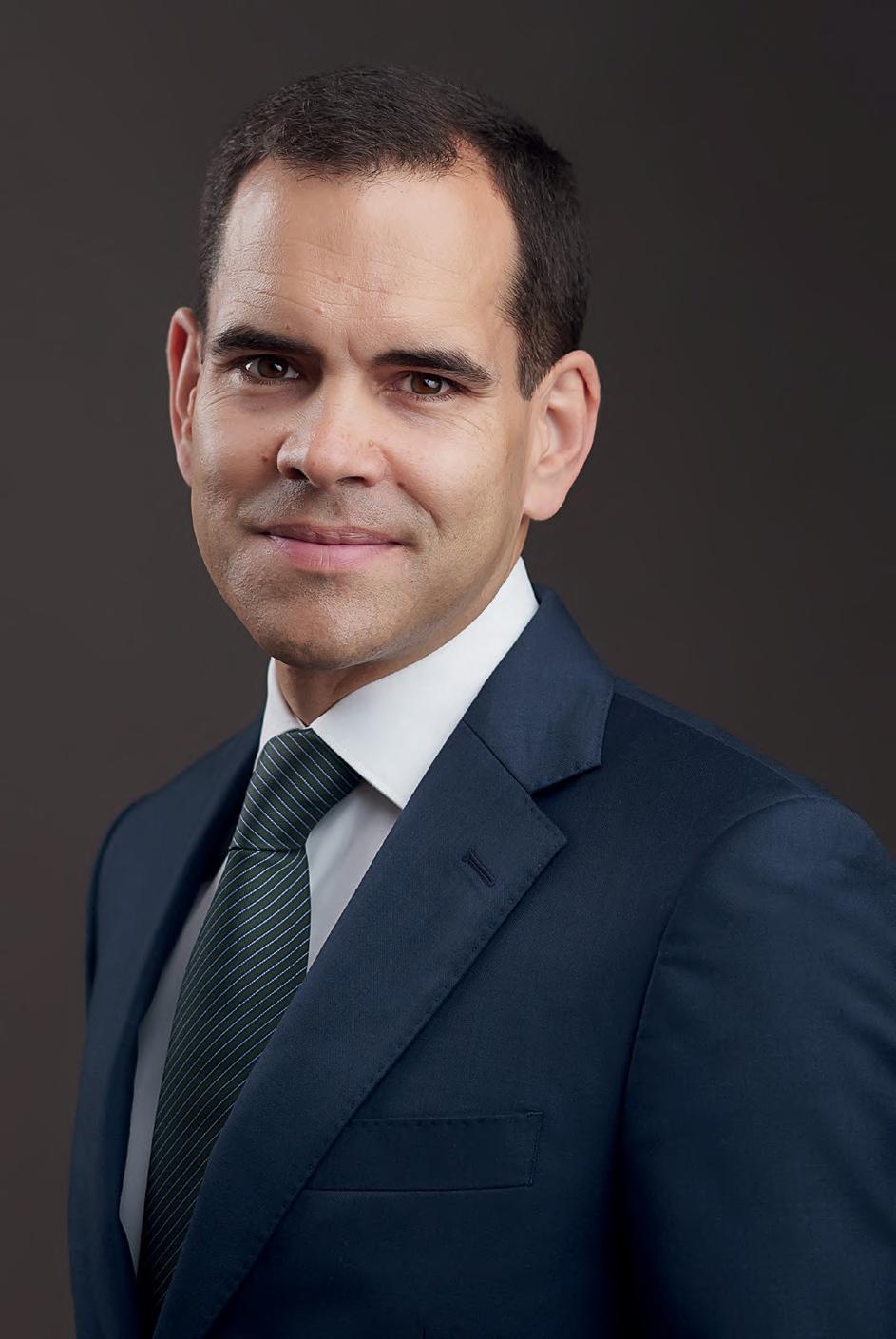
DIRECTOR IN EUROPE
João Sales, Director, KEO Europe.
Europe in focus
KEO has made significant progress on its expansion journey into Europe since 2020. Here, Sales says that across KEO’s offices in Portugal, London, Dublin and Spain, the company employs over 120 professionals covering architecture, engineering, planning, real estate development services and sustainability.
Sharing a brief about how services and services lines are structured, Karpinski explains, “Portugal serves as a key delivery hub for European and Middle Eastern projects. In the UK and Ireland the focus is on the delivery of consulting and sustainability services in those jurisdictions. Spain is our newest addition, and we see incredible opportunities - Spanish investors are expected to invest considerable sums in the next five years to deliver much needed new housing and commercial projects. With that rise in investment will come a need for a large amount of A&E consulting services.”
Outlining the company’s near- and long-term goals, he states, “In the short term, our goal is to consolidate the operations we have established in Portugal, Ireland, the UK and Spain. We will also focus on expanding our digital design and sustainability offerings in Europe because we believe they are best suited to help the group grow across the Eurozone.”
“Over the long term our objective is to make Europe a significant portion of the group’s top line revenues and earnings,” he emphasises.
Pressed for insights into the challenges the company has faced as it has accelerated its European expansion, and the strategies it has in place to mitigate those issues, Sales says, “At KEO we say that culture eats strategy for breakfast. Our leadership team
Beyond our current markets, we are exploring selective opportunities in Central and Northern Europe, where we see strong momentum in infrastructure renewal, energy transition, and sustainable urban development.
A FOCUS ON TALENT AND CULTURE
understands that it is vital to maintain cultural and operational alignment as we bring new offices online.”
“Each market brings different regulations, client expectations, and business contexts. To address this, we’ve focused on leadership integration, unified systems, and shared professional development programs that reinforce one KEO culture across all regions. We’ve also invested in talent mobility and hybrid collaboration tools, ensuring teams from Europe and the Middle East can work together seamlessly.”
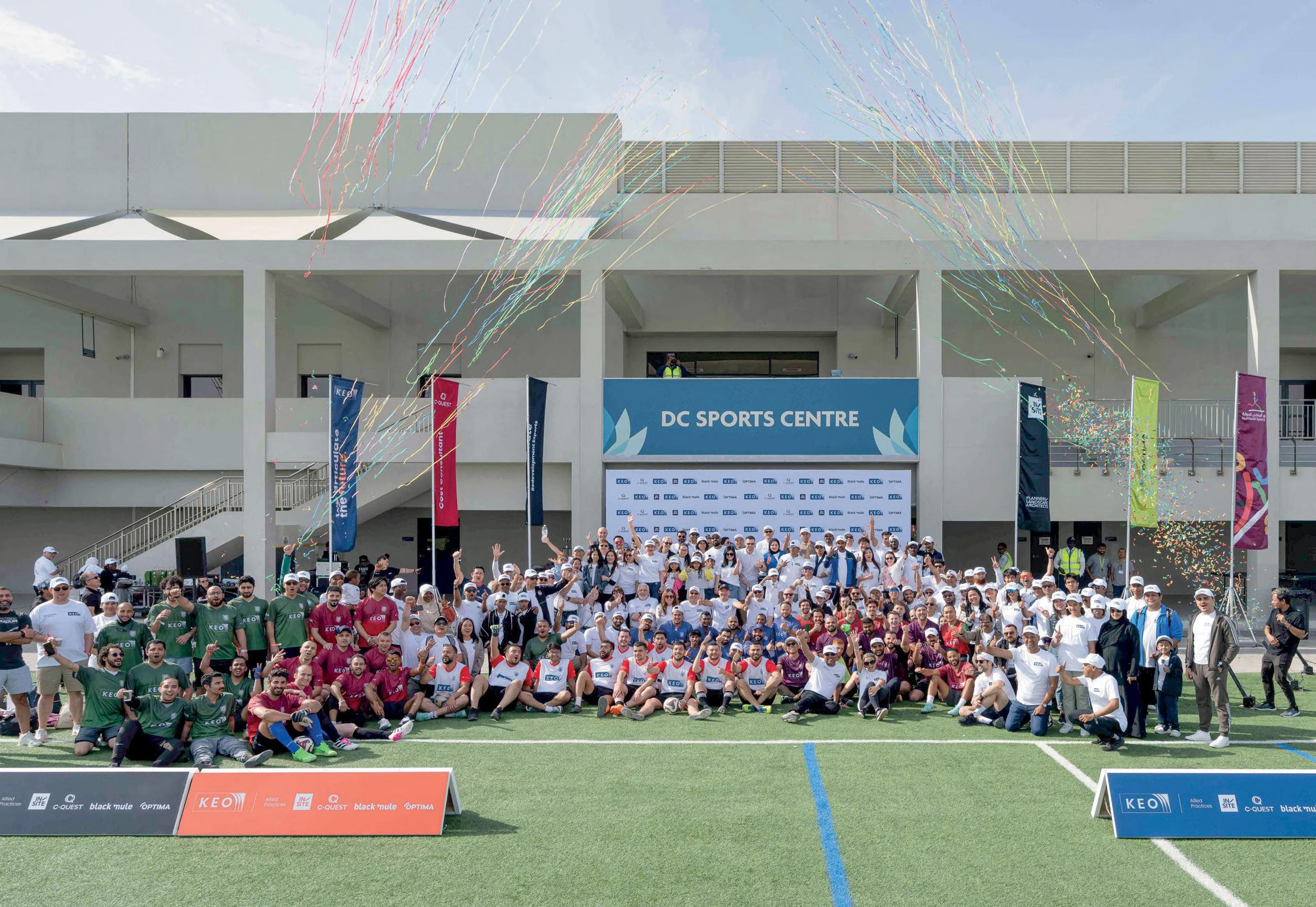
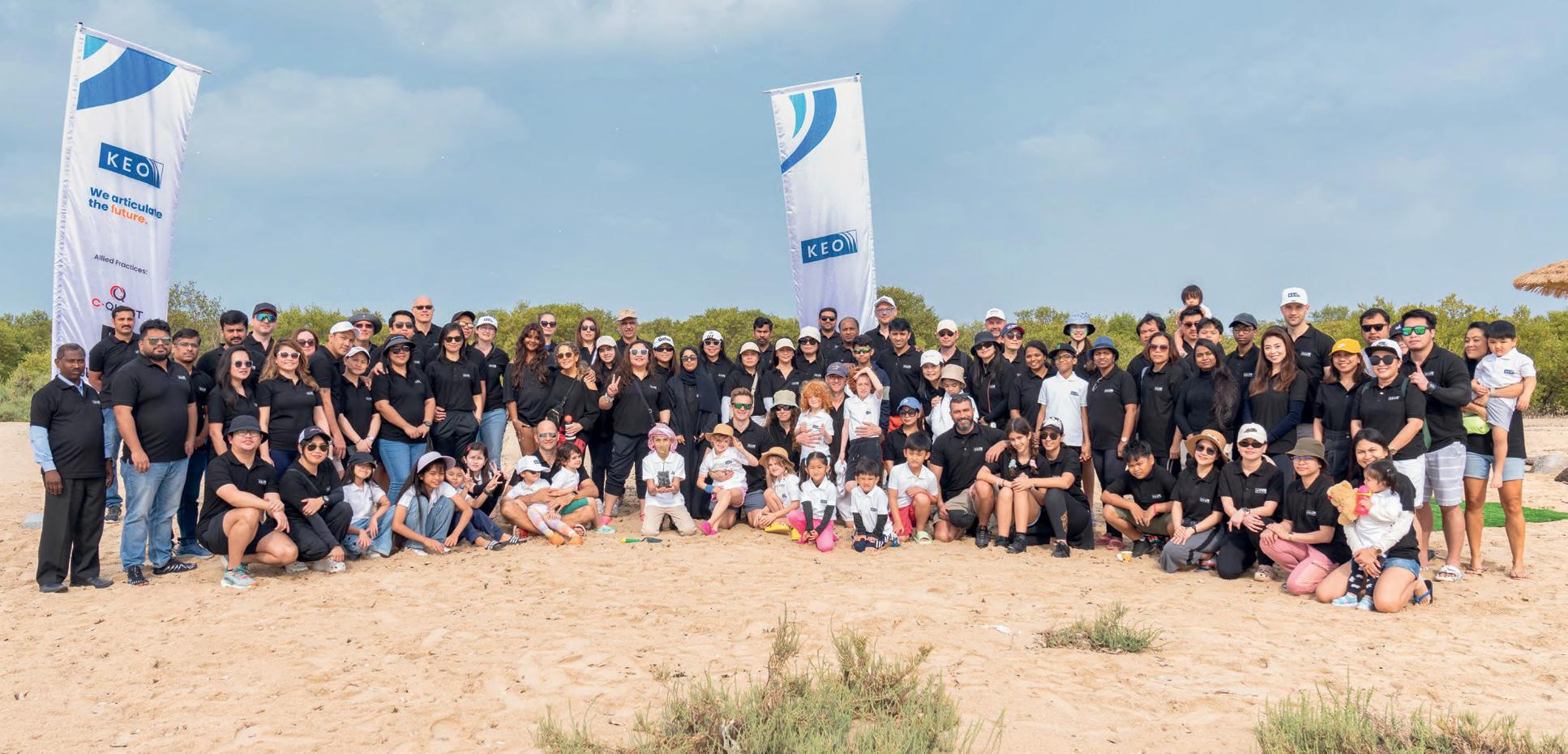
He adds, “Equally important have been our employee engagement programs, such as the annual ‘KEO Europe Summer Sessions’, which bring together colleagues from across countries to strengthen relationships, share experiences, and align around our common vision. These gatherings have proven invaluable in building trust, cohesion, and a strong sense of belonging, as our European operations continue to expand.”
Europe is a large and diverse market with a number of opportunities and Sales says the firm has identified key areas of focus. “In Europe we are particularly focused on three areas: sustainability & environmental consulting, architecture and urban development, and digital advisory services. These sectors align closely with Europe’s priorities in climate transition, infrastructure modernisation, and digital transformation,” Sales states.
“Our approach is to partner with public and private clients, combining our technical expertise with our Middle Eastern delivery experience. This allows us to successfully compete in large, complex programs where integrated consultancy services provide a clear advantage,” he notes.
The company is also actively looking at other European geographies where opportunities align with its expertise. Sales shares, “Beyond our current markets, we are exploring selective opportunities in Central and Northern Europe, where we see strong momentum in infrastructure renewal, energy transition, and sustainable urban development. These are areas that align closely with KEO’s multi-disciplinary expertise. We believe in a partnership-based approach, entering new markets only when there’s a clear strategic fit, strong client demand, and local collaboration potential.”

KEO's leadership team believes that the strength of any organisation lies in its talent, culture, and shared purpose.
Working cohesively across regions
With multiple offices, thousands of staff and a vast portfolio of projects, KEO’s teams possess vital skills and invaluable knowledge that can shape best practice, and ensure projects are delivered in-line with growing client expectations and government stipulated mandates and regulations. It’s therefore vital that knowledge be shared effectively, and a collaborative mindset be embedded across the organisation. Sales asserts that knowledge sharing and collaboration are “absolutely embedded in the way KEO works”. He explains, “Teams across Europe and the Middle East collaborate daily through shared digital platforms, project management systems
and cross-regional task forces that connect design, engineering, and project management disciplines.”
“We also host global technical forums to capture lessons learned and promote innovation across our markets. We supplement the technical forums with company-wide learning programs such as the wildly successful ‘Summer of Innovation’ teaching sessions. These collaborative programs enable us to transfer large-scale delivery experience from the Middle East to Europe, while also applying European sustainability and regulatory best practices to projects in the GCC.”
Elaborating on how KEO’s teams interact and collaborate on projects, Karpinski outlines, “KEO is a highly integrated multi-disciplinary consultancy with ten distinct operating units. Each part of the firm contributes
its specialist expertise to a shared pool of projects. Most of the operating units have staff across multiple geographies. It is true that the UK and Irish operations are primarily focused on the delivery of sustainability services but the other offices have the capacity to deliver a wide range of services to clients in their respective locales.”
“That being said, it is quite common to have teams and professionals from different offices collaborate on projects. We may have specific talents in Portugal or Jordan that are required to support a project located in the UAE for example. Or we may have a specialist group in Abu Dhabi working on an exciting opportunity in Riyadh. Our collaborative structure allows us to combine local insight with global reach. Our digital tools and project coordination systems ensure consistent quality and efficient delivery across all KEO offices.”
Commenting on the crossover between Europe and the Middle East, Sales says, “European expertise in sustainable design, energy efficiency, and regulation is increasingly sought after in the Middle East, while clients from the region bring vision, scale, and investment to Europe.”
EMPLOYEE ENGAGEMENT
The firm says its employee engagement programs such as the annual 'KEO Europe Summer Sessions' are important, and bring together colleagues to strengthen relationships, share experiences and align around a common vision.
He points out, “The main difference lies in project pace and regulatory context. European developments tend to be more policy-driven and sustainability-led, while Middle Eastern projects move faster and often on a grander scale. KEO’s dual presence allows us to blend the best of both, combining ambition and innovation with technical rigor and long-term value creation.”
As KEO’s leadership reflects on the journey so far, what stands out is how effectively its integrated model is translating into real results. The teams in Portugal, Ireland, the UK and Spain are not only supporting Middle Eastern delivery, they are driving their own momentum, securing significant project wins across Europe and strengthening KEO’s presence in markets where sustainability, innovation and technical excellence are paramount. This growing European footprint reinforces a broader shift: Europe is no longer a satellite to KEO’s Middle Eastern operations, but an integral part of a unified enterprise where ideas, talent and digital intelligence flow seamlessly between regions.
In that sense, the firm’s European story isn’t a diversion from its roots, but a continuation of the same principle that has defined KEO for over 60 years: that excellence is created when diverse perspectives meet, when teams collaborate without borders, and when a shared purpose connects people. As KEO continues its expansion, this will remain the foundation, and the competitive advantage, that drives the next chapter of its global growth.


SAMER AMBAR, CO-FOUNDER & CEO AT REEF LUXURY DEVELOPMENTS SPEAKS TO BIG PROJECT ME ’S PRIYANKA RAINA ABOUT THE COMPANY’S LATEST RESIDENTIAL LAUNCH, ITS PATENTED OUTDOOR LIVING OFFERING, AND LONG-TERM PLANS
Developer REEF Luxury Developments’ mission is to “transform everyday life by integrating innovative and seamless design into every home we build by setting the highest standard of living”. As part of this, it has outlined four priority pillars: customer first mindset; elevate daily living; drive growth & returns, and build with expertise.
In line with its focus on elevating everyday living, the company has incorporated unique amenities into its residential projects, including its patented Climate Controlled Sunken Balcony and Winter Garden with integrated outdoor cooling technology. The developer says that by transforming unused outdoor spaces and enhancing them with integrated cooling technology, it is redefining the possibilities of luxury real estate in
POINTING THE WAY
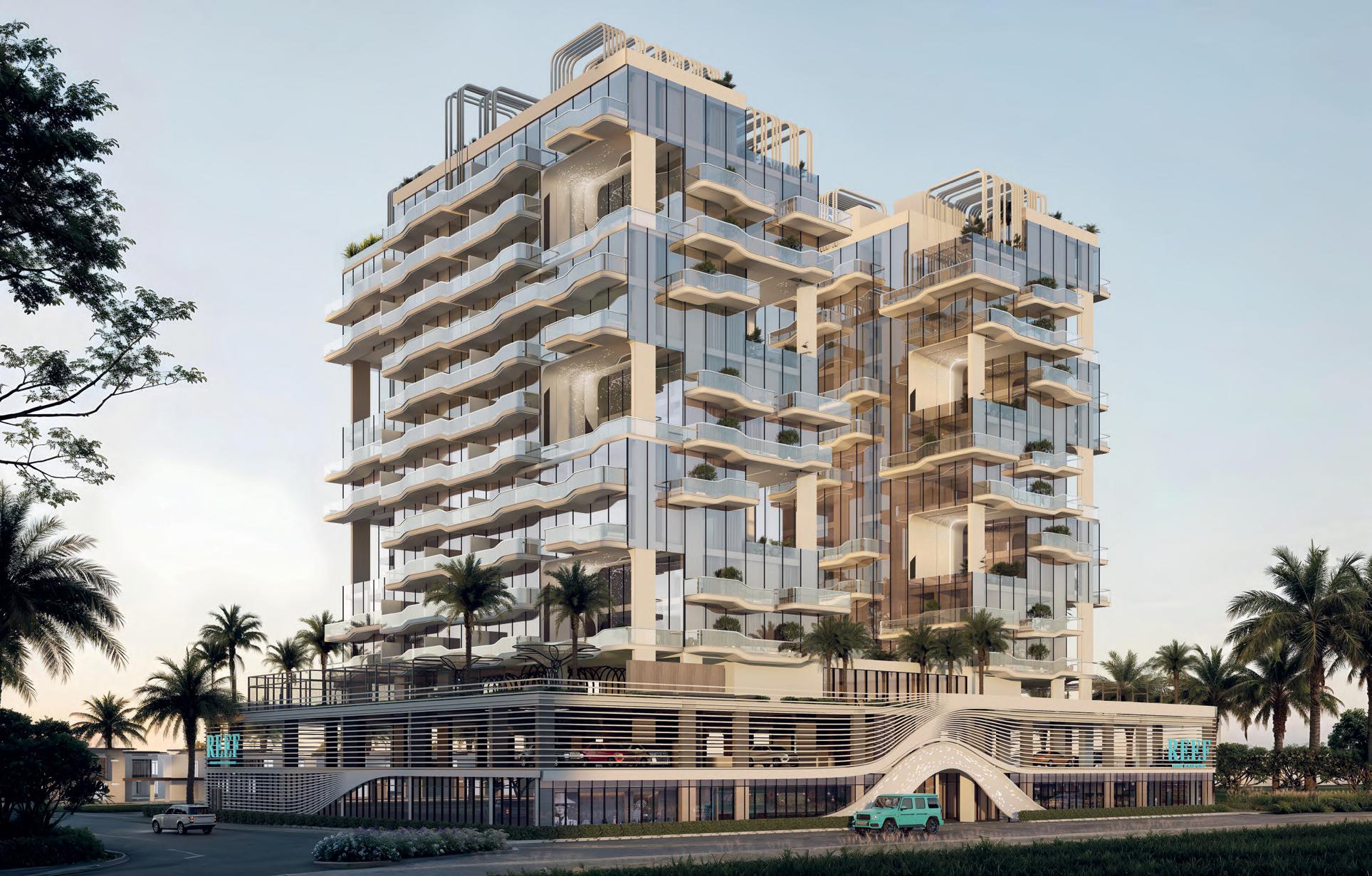
the region. Here, Samer Ambar, Co-Founder & CEO at REEF Luxury Developments speaks to Big Project ME’s Priyanka Raina about the company’s long-term plans, its patented outdoor amenities, and the introduction of REEF 999 – a residential project which is taking shape in Al Furjan and due for completion in Q2 2027.
What guided the launch of REEF 999 in Dubai and what are some of the unique features?
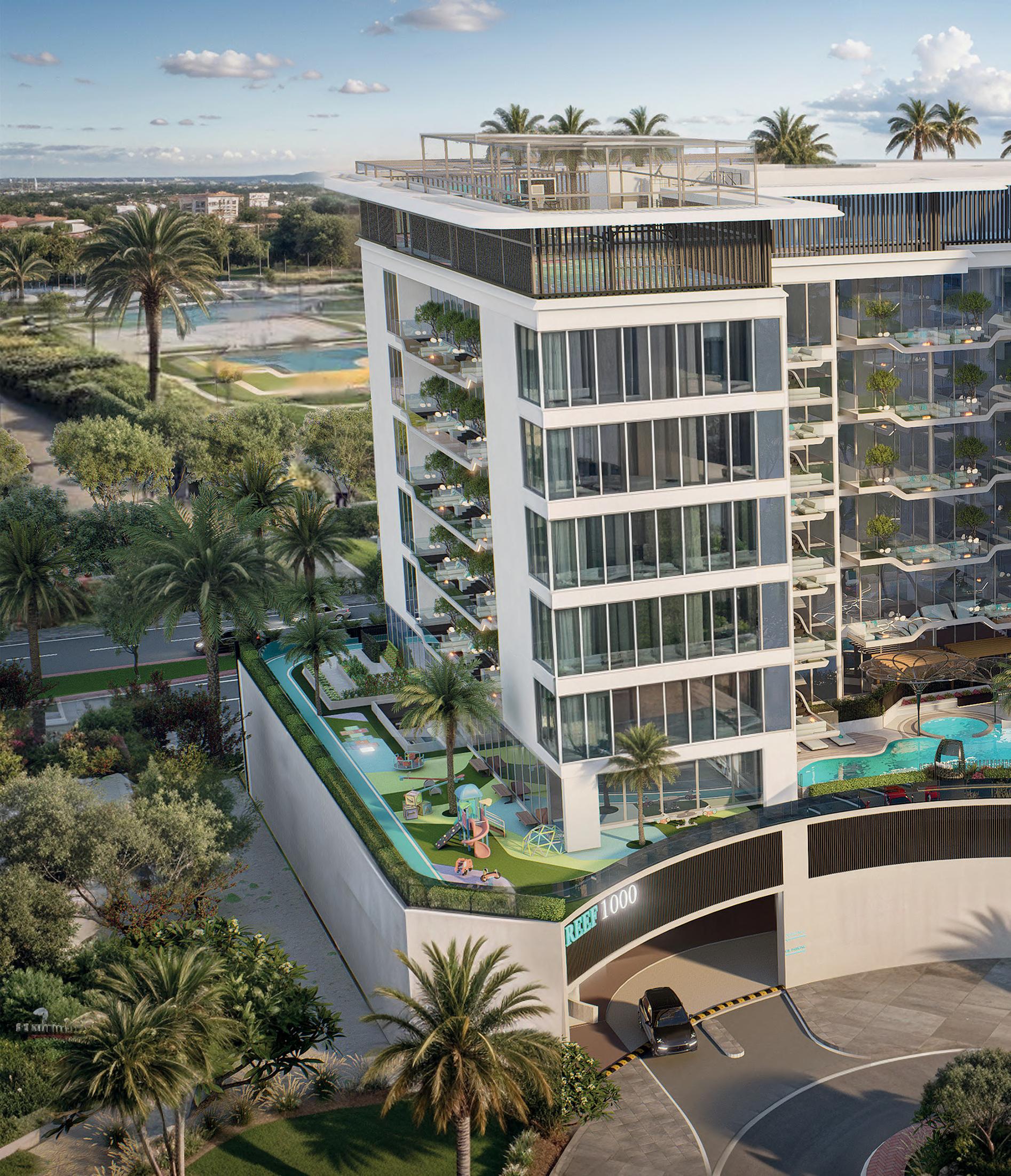
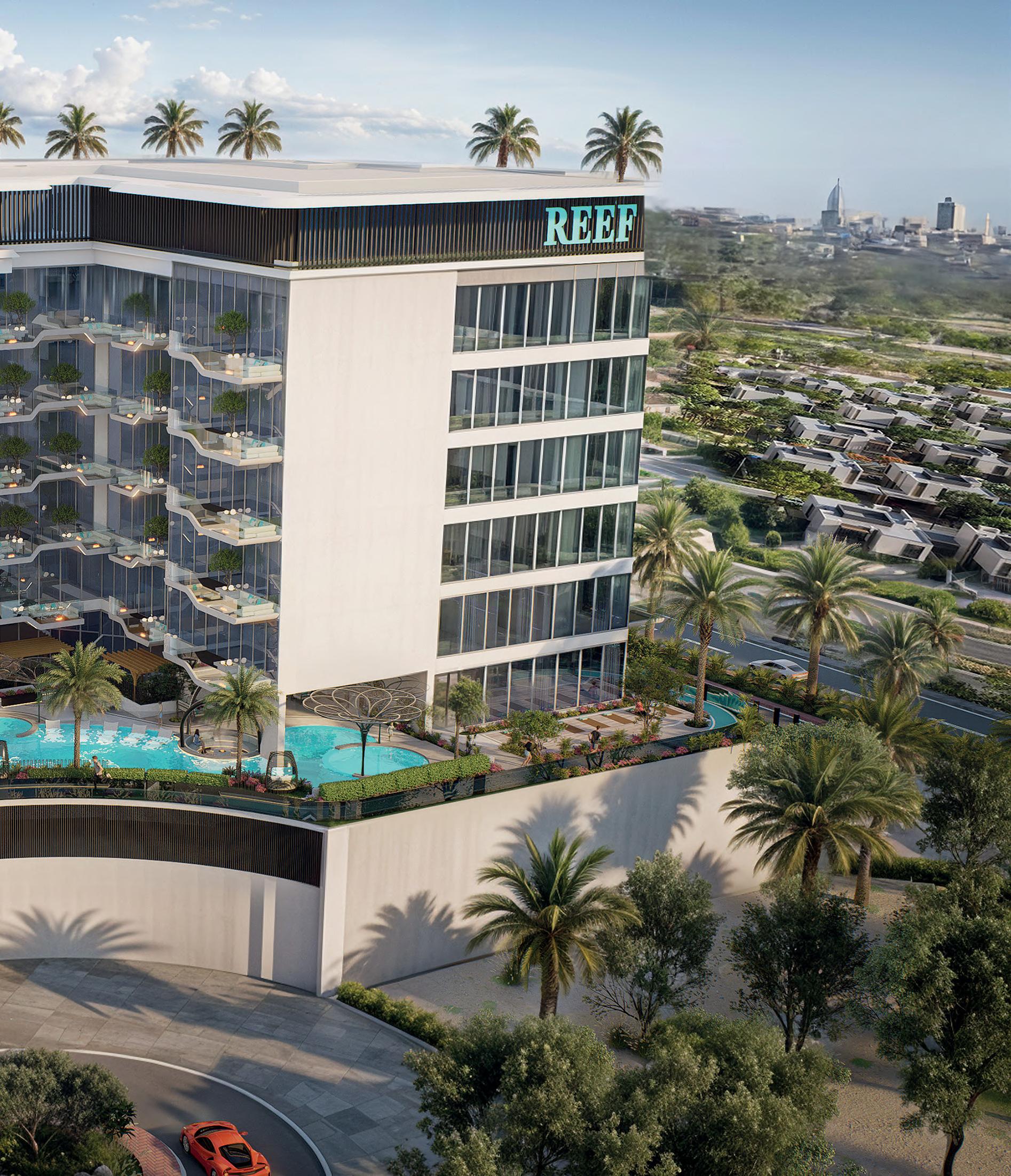
Following the remarkable success of REEF 1000, which introduced Dubai’s first-of-its-kind patented Sunken Balcony with outdoor cooling technology, we were inspired to take that innovation even further with REEF 999.
With REEF 999, we expanded on the concept of year-round outdoor comfort. This time not only are we bringing back the innovative sunken balconies, but we are also introducing our second patented feature: the Winter Garden with outdoor cooling technology. These gardens, attached directly to each Sky villa, create serene, outdoor spaces that offer comfort and livability throughout the year—even in peak summer.
The location of REEF 999 in Al Furjan was also a key factor in shaping the vision. It’s a well-established, familyfriendly community that places residents within close reach of Dubai’s major attractions, business districts, and leisure destinations. With easy access to schools, nurseries, wellness centres, and hospitals, REEF 999 was designed with families and proffesionals in mind, blending innovation, practicality, and a deeply livable environment.
What lessons from REEF 1000 influenced REEF 999?
REEF 1000 was a defining milestone for us, not just in terms of sales and recognition, but in the deeper insights we gained from our customers. One of the most valuable lessons we took away was a clearer understanding of how today’s new generation of homeowners and investors think.
Luxury, as we’ve learned, is no longer just about aesthetics. The new definition of a luxurious lifestyle is evolving to include functionality, efficiency, and monetary value.
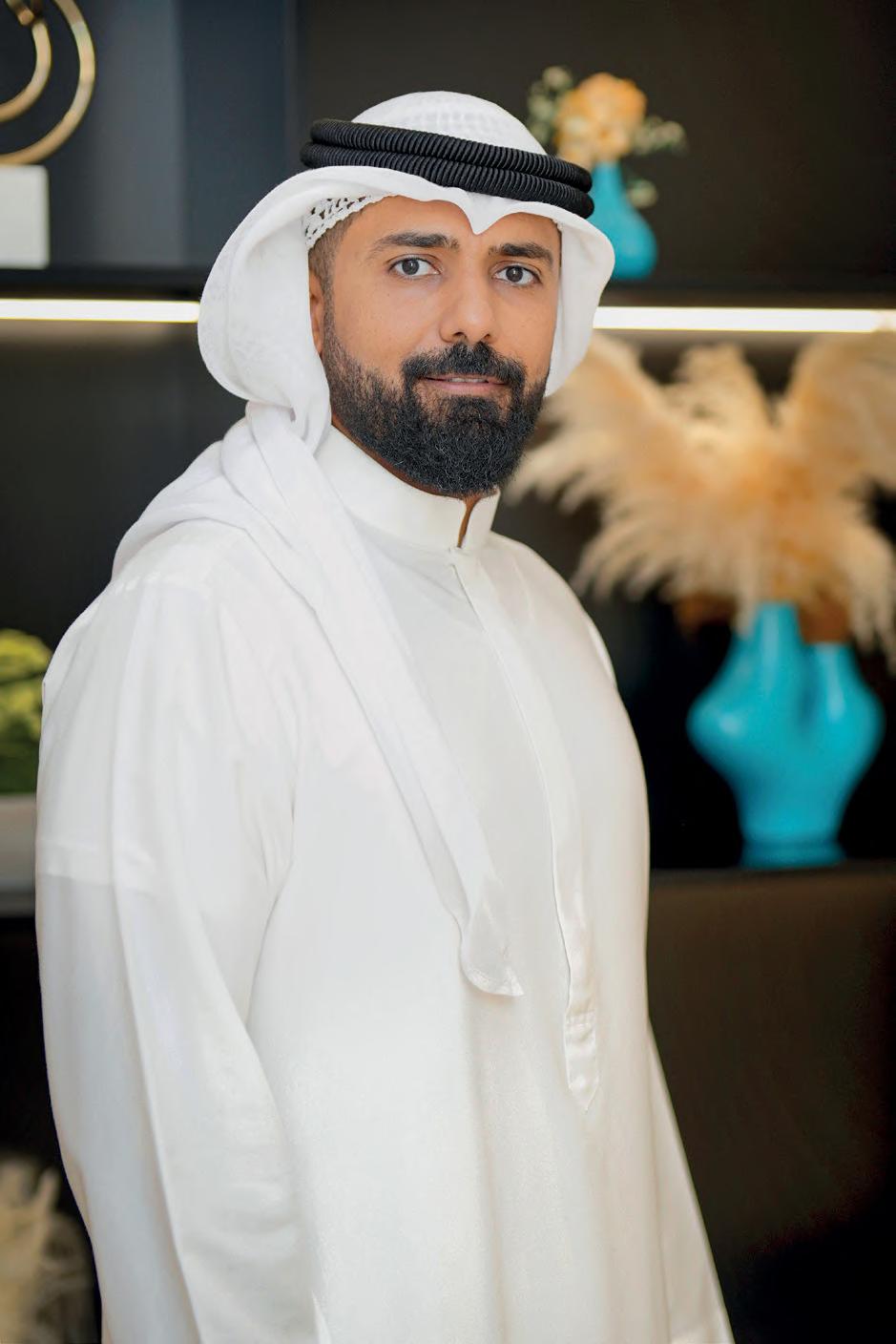
Samer Ambar, Co-Founder & CEO at REEF Luxury Developments.
Luxury, as we’ve learned, is no longer just about aesthetics. The new definition of a luxurious lifestyle is evolving to include functionality, efficiency, and monetary value. People are more conscious about how every space in their home is used and how it performs. They’re looking for real solutions to real challenges, and for smart design that seamlessly fits into their lifestyle. Every corner of a home should serve a purpose - whether it's comfort, flexibility, or future value.
We also saw a growing demand from investors for properties that can deliver real, sustainable returns, not just in terms of appreciation, but also in terms of liveability and desirability in the rental or resale market - this feedback directly shaped REEF 999. Every feature, from the patented Sunken Balconies to the Winter Gardens to the wide range of amenities were designed for practicality, comfort, and daily enjoyment, from sports facilities and wellness spaces
REDEFINING POSSIBILITIES
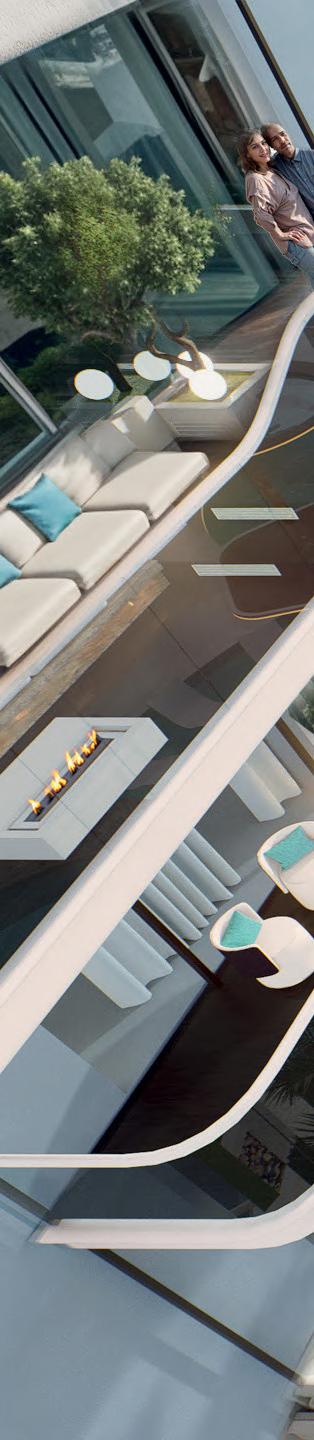
By transforming unused outdoor spaces and enhancing them with integrated cooling technology, REEF says it is redefining the possibilities of luxury real estate in the region.
to kids’ areas and social zones - all thoughtfully integrated to support and elevate every aspect of modern living.
What are some of the key challenges with executing the sunken balconies into your projects and how are they being addressed? How do you ensure energy conservation, while delivering year-round comfort?
Being the inventor of the Sunken Balconies and Winter Gardens concept with outdoor cooling in Dubai comes with its share of engineering challenges. One of the most critical is maintaining consistent cooling in a partially
We approach technology from a visionary perspective - it must serve a real purpose and enhance how people live every single day.
open space, while protecting it from humidity, heat, winds and direct sunlight. This demands precision in airflow dynamics, performance modelling and thermal analysis.
These studies extend further to consider every balcony and garden orientation, sun exposure and external winds flow throughout every hour of the year, to ensure the outdoor solution’s effectiveness and efficiency.
This innovation is the result of extensive R&D by our engineering team, who invested time and expertise to develop a system and technology that delivers both real comfort and functional value, while enhancing comfort, efficiency, sustainability, and the overall luxurious lifestyle experience.
Can you elaborate on some of the key materials being used to ensure your project achieves its luxury and durability requirements considering Dubai’s climate?
We have taken a meticulous approach to material selection at all REEF projects, ensuring that every element reflects both luxury and long-term durability. We have incorporated high quality wooden tiles that offer the warmth and sophistication of natural timber, while standing up to heat and humidity with minimal maintenance. UV-protected paint is also used throughout the exterior and in high-exposure areas to ensure that surfaces retain their colour and integrity over time.
Speaking of balconies, REEF’s projects feature balconies from reusable steel-structure architecturally designed to ensure sustainability, stability, and strength. Adding to the standard of excellence, all REEF residences are equipped with
LEARNINGS
The developer says the launch of REEF 1000 enabled it to get a clear understanding of how today’s generation of homeowners and investors think.
premium Grohe sanitaryware, known for its design precision and enduring performance. Kitchens are also fitted with highquality Bosch appliances, combining functionality, innovation, and sophistication to meet the needs of modern living.
We have also introduced heat-insulating glass, which plays a critical role in maintaining indoor thermal comfort, while reducing energy consumption. Furnishings and finishes have also been chosen with longevity in mind. Outdoor furniture, for example, is UV-protected to prevent fading and wear, allowing residents to enjoy their balconies and terraces without worrying about seasonal damage.
How are the outdoor sports and leisure amenities helping the development standout from other projects in the area? What sets REEF 999 apart is that our amenities were designed with every family member in mind - and with a focus not just on entertainment, but on supporting a balanced lifestyle. For example, women can enjoy our wellness spaces, while their kids are safely entertained in the swimming pool or play areas. We’ve also integrated co-working spaces to support professionals seeking a healthy work-life balance.
In addition, we’ve incorporated thoughtful spaces that reflect how people’s priorities are evolving. From outdoor cinemas and shaded seating areas to a vegetable garden, our goal is to foster wellness, family connection, and a bit of escape from the city buzz, all without ever leaving the community. In short, REEF 999 isn’t just a place to live, it’s a place to thrive, recharge, and feel at home in every sense.
REEF 999 is said to be embracing smart tech and communityfocused amenities, what role does technology play in shaping lifestyle, convenience and building efficiency?
We approach technology from a visionary perspective— it must serve a real purpose and enhance how people live every single day. It’s not about simply integrating smart home systems or app-based services that can be installed at any stage. For us, technology is embedded from the very beginning.
We’ve designed and implemented technology that solves real challenges, like creating livable outdoor spaces in Dubai’s extreme climate. Our patented cooling innovations, such as the Sunken Balconies and Winter Gardens, are not just design elements, they are technology-driven solutions that transform everyday moments into comfortable, elevated experiences.
Even with smart home systems and concierge services, our focus remains on impact and intention.
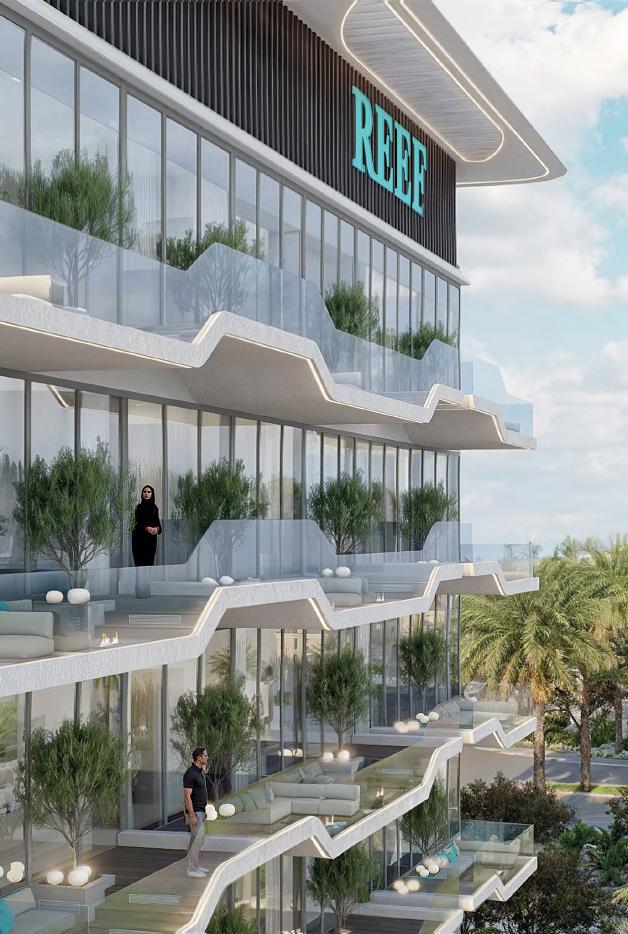
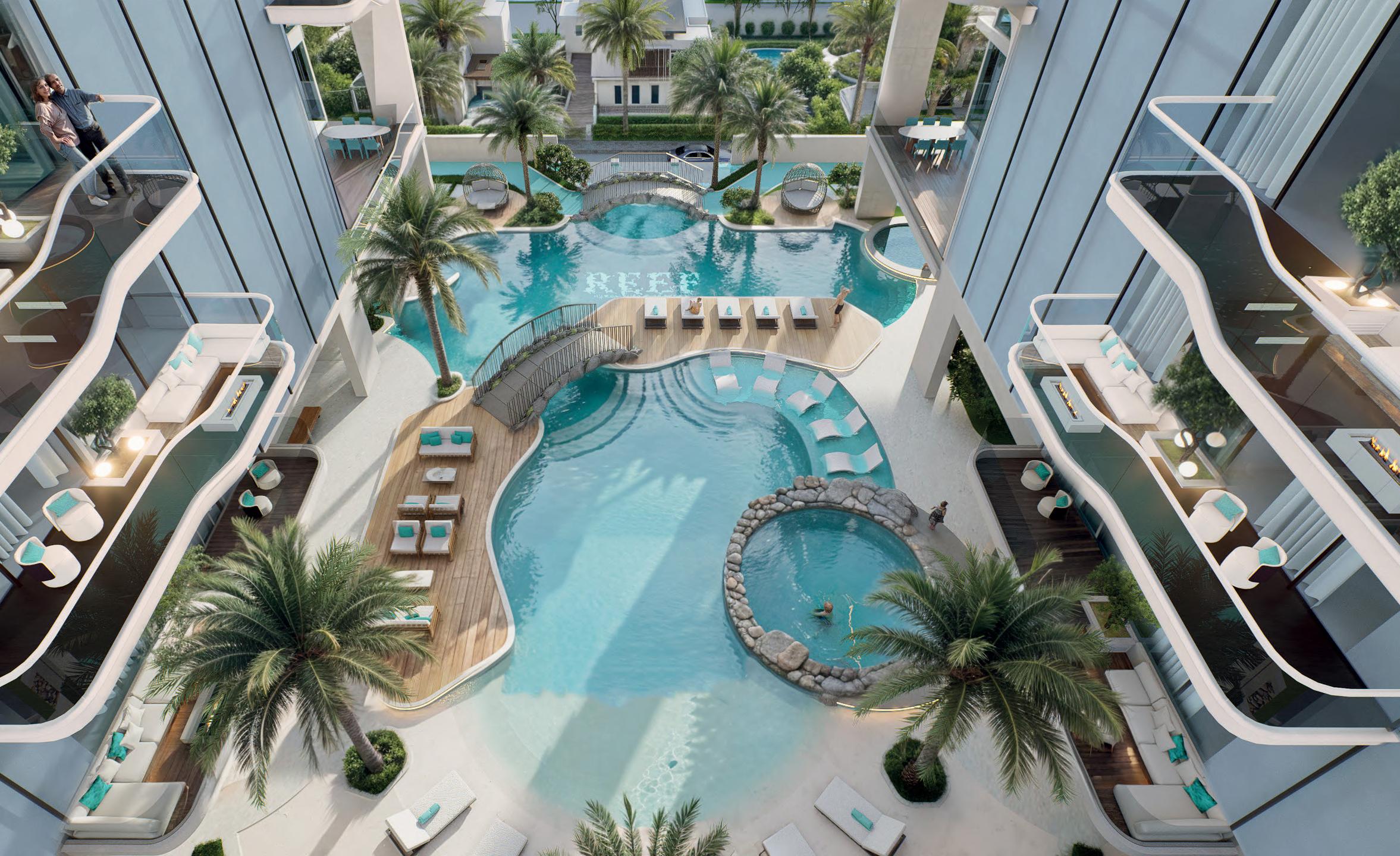
The developer says REEF 999’s amenities were designed with every family member in mind - and with a focus not just on entertainment, but on supporting a balanced lifestyle.
From temperature control to smart lighting, security, and automated systems, these features are there to simplify daily routines, increase energy efficiency, and provide peace of mind - seamlessly blending into the resident’s life.
The interiors of REEF 999 are said to be inspired by coral reefs and nature. Walk us through how that concept shaped the architectural and design language of the development? We wanted to create a sense of calm and harmony the moment you enter the space, and that meant leaning into the organic elegance and layered textures that exist in nature. Residents will notice soft, undulating lines throughout the
BALANCED LIFESTYLE
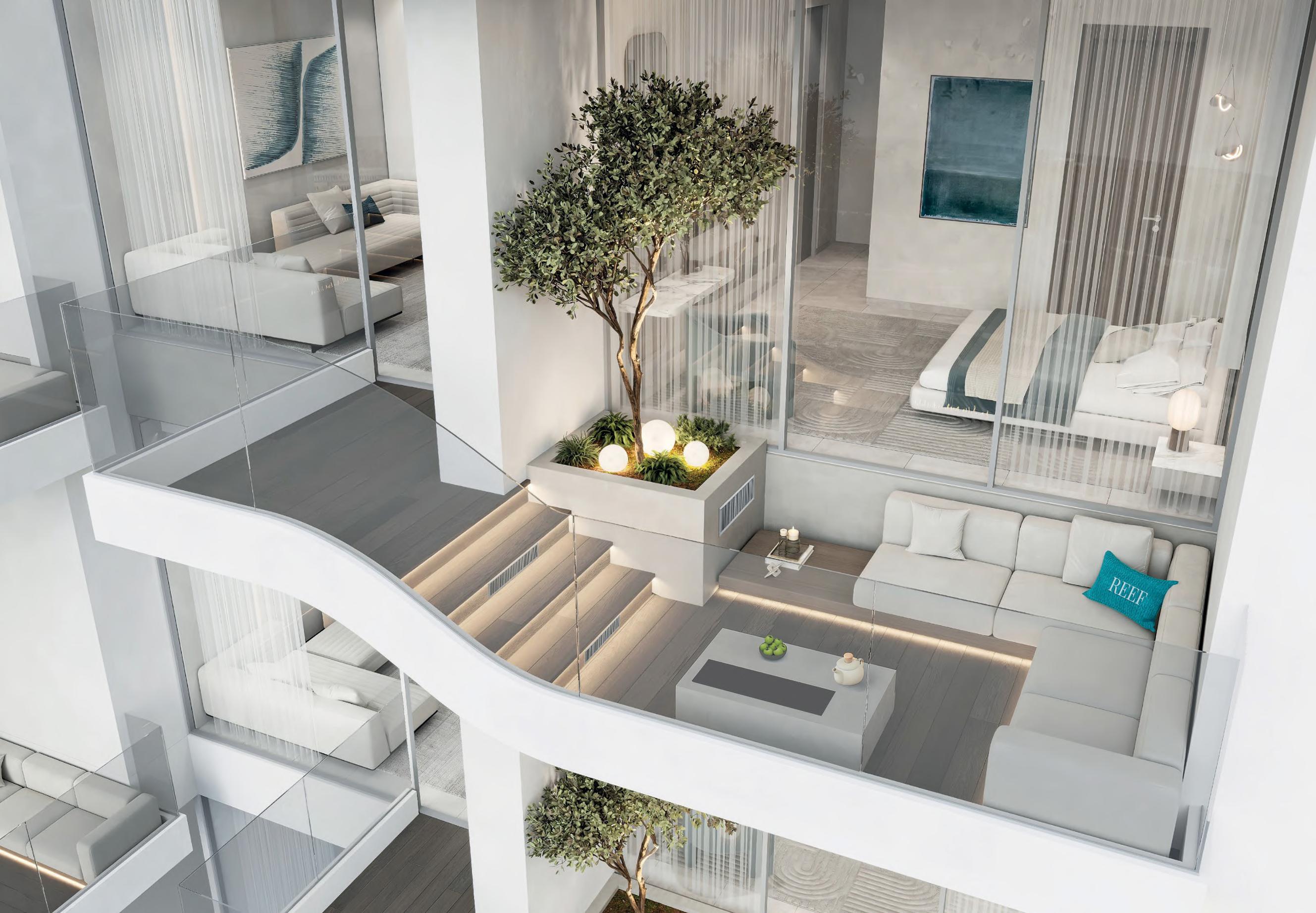
The company believes that cities around the globe that are facing climate challenges similar to those observed in Dubai can benefit from its patented technologies.
interiors – echoing the curves and contours of reef formations. The material palette draws from sandy neutrals, coastal stone, and warm wood accents to evoke a grounded, natural feel. Even the way that light is filtered into the spaces in the property was carefully considered by our team – spaces were designed to have soft, ambient illumination that actually mimics the underwater stillness you’d find below the surface of a reef.
At a broader level, the idea of a reef ecosystem –interconnected, fluid, constantly evolving – also informed how we approached the layout and shared spaces. This led to a focus on openness, natural flow between zones, and the integration of wellness and leisure amenities that encourage movement and connection.
Dubai’s real estate market is highly competitive, how do you expect REEF 999 will compete in terms of luxury, long term value and rental yield potential?
Dubai’s real estate landscape is undeniably competitive, which is why REEF 999 was designed not just to stand out in the short term with luxury features, but to offer sustained value and strong investment potential for years to come.
GLOBAL PLANS

We have taken a meticulous approach to material selection at all REEF projects, ensuring that every element reflects both luxury and long-term durability.
REEF 999 benefits from a highly strategic location in Al Furjan - one of Dubai’s fastest-growing and most well-connected residential hubs. The community’s proximity to Sheikh Zayed Road, Expo City, and especially the nearby metro station significantly enhances accessibility, making it extremely attractive to end-users and tenants alike. Easy access to public transportation in a city like Dubai is a major value driver that directly impacts both occupancy rates and rental yields.
Beyond location, REEF 999 is engineered with innovation at its core - from our Sunken Balconies with outdoor cooling to Winter Gardens that extend the livable space throughout the year. These are not just luxury features - they are differentiators in a saturated market, adding both lifestyle and monetary value.
As more buyers and renters prioritise energy efficiency, livability, and community-centred design, REEF 999 is poised to meet that demand. Coupled with the comprehensive set of amenities for families, wellness seekers, and professionals, the project offers a highly compelling value proposition with long-term appreciation potential and robust rental income opportunities.
Outline the profile of people interested in REEF 999?
REEF 999 is attracting a diverse mix of buyers, but the strongest interest is coming from end-users seeking a long-term home that supports their lifestyle, and international investors who recognise the strong rental potential and long-term value of the Al Furjan area.
End-users particularly families and young professionals are drawn to REEF 999 because it offers and delivers livable innovation, comfort, and community. The proximity to schools, nurseries, wellness centres, and the metro makes it a highly practical choice for everyday life, while the integration of features like the Sunken Balconies and Winter Gardens ensures that the home experience feels elevated and unique.
At the same time, investors see REEF 999 as a compelling investment. With Dubai’s ongoing population growth, rising demand for quality rental properties, and the project’s strategic location just minutes from key business districts and transport links, REEF 999 offers strong rental yield potential and long-term appreciation. In short, the project resonates with a new generation of buyers who seek both value and financial return - whether they plan to live in the property or leverage it as an asset.
Elaborate on the role of green spaces and how they enhance not just aesthetics but environmental impact?
Green spaces are central to our sustainability vision and lifestyle approach. From landscaped zones and shaded walkways to community gardens, these areas act as natural buffers - reducing heat, improving air quality, and encouraging healthier, more active living. They reflect our commitment to smarter, greener communities that benefit both people and the environment.
At REEF, we are committed to sustainable and environmentally conscious development. In every project we undertake, 10% to 20% of the total area is thoughtfully dedicated to green spaces — including landscaped gardens, trees, and open natural zones — to promote biodiversity, enhance livability, and contribute to a healthier environment for our communities.
What is your long-term plan for your residential developments and your company as a whole?
REEF’s developments are intentionally designed as a signature series - beginning with REEF 1000 and counting down with each project (REEF 999, REEF 998, and so on) representing our patented innovation.
Our ultimate long-term vision is to launch 1,000 different REEF projects around the world, unified by a common goal: redefining the way people experience and interact with their homes, especially in climates where outdoor living is often compromised.
It all started in Dubai, where the challenge of extreme heat limits the usability of outdoor spaces. With our patented technologies we’re not only solving this challenge locally but laying the groundwork for global expansion. These innovations aren’t limited to just one market. We believe cities worldwide that are facing similar climate challenges can actually benefit from our patented technologies.
EXCEL IN PIPELINE PROJECTS WITH TESMEC 1875XL EVO
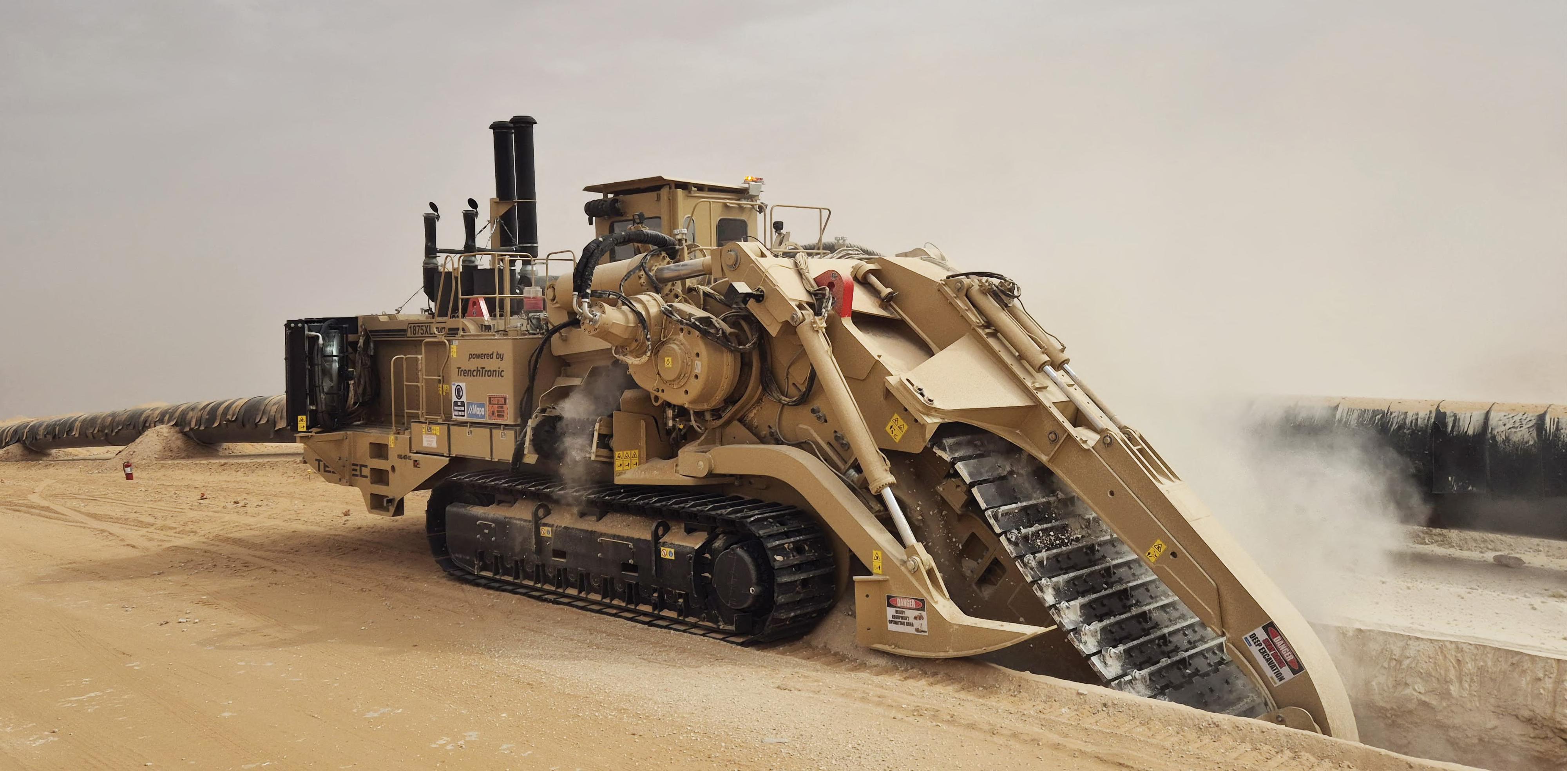
Tesmec has been producing trenchers for 70 years, with three factories located in Italy, France and Texas. Over the last 20 years, Tesmec has focused on innovation and technology. Saudi Tesmec is our local branch, supporting the pipeline industry.
Tesmec 1875XL EVO Chainsaw only solution on the market trench widths up to 213 cm Featuring an impressive 950-hp is engineered to conquer challenges, making it ideal installations in hard and



REDEFINING URBAN LIVING
BIG PROJECT ME ’S PRIYANKA RAINA TALKS TO KALPESH KINARIWALA, FOUNDER, PANTHEON DEVELOPMENT, TO EXPLORE HOW ‘VOXA’ AIMS TO REDEFINE URBAN LIVING IN DUBAI THROUGH INNOVATION, SUSTAINABILITY, AND LIFESTYLE-CENTRIC DESIGN
The Gulf’s real estate market is undergoing a transformative growth phase, propelled by rapid urbanisation, ambitious infrastructure projects, and an increasing demand for integrated, lifestyle-focused communities. In the United Arab Emirates, Dubai continues to lead the way, attracting global investors and residents with its forward-thinking urban planning, liberalised policies, and commitment to sustainability. Against this backdrop, developers are reimagining the concept of living, working, and playing in a single, connected environment that seamlessly blends luxury with functionality and innovation with environmental responsibility.
MATERIAL FOCUS
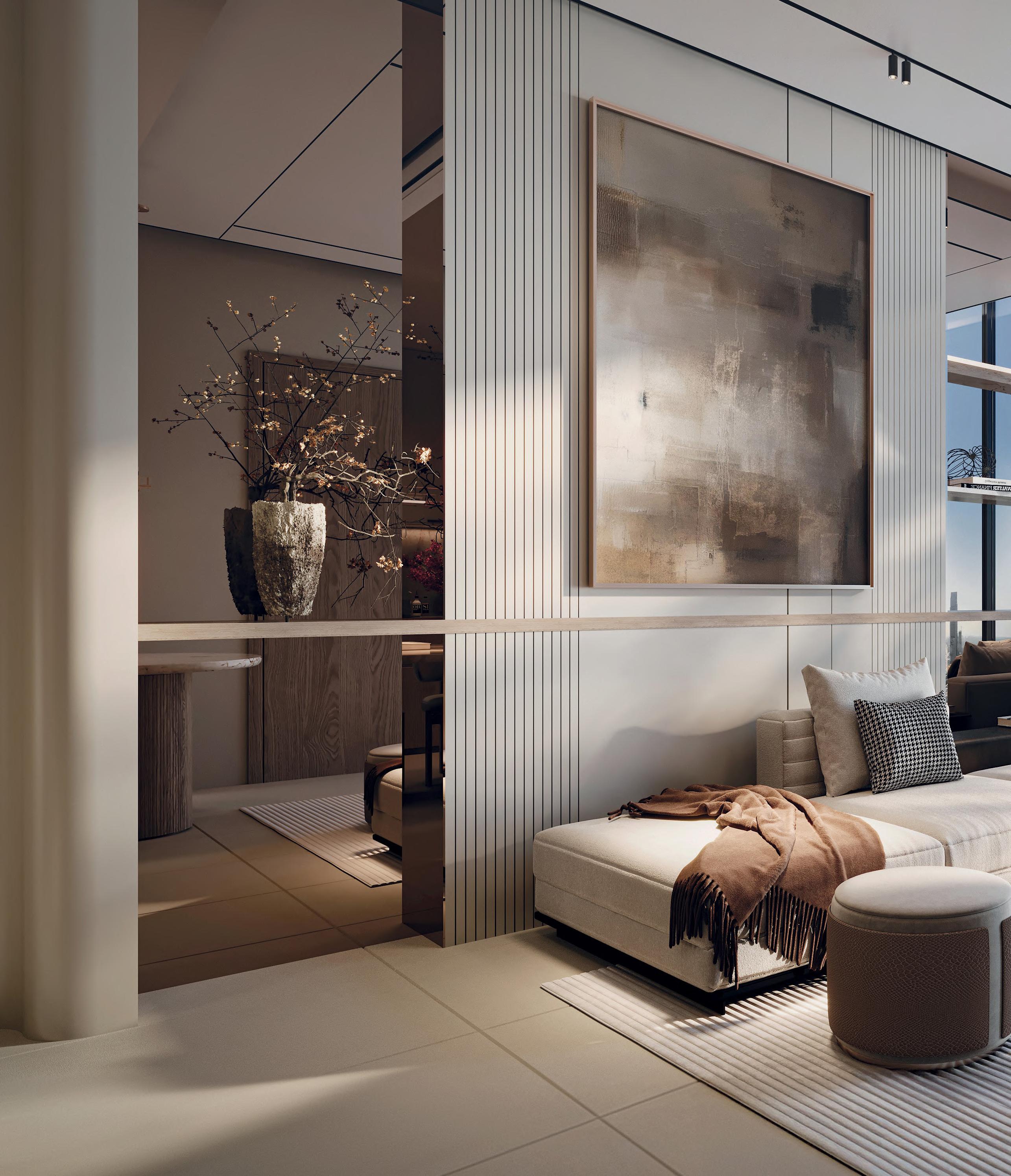
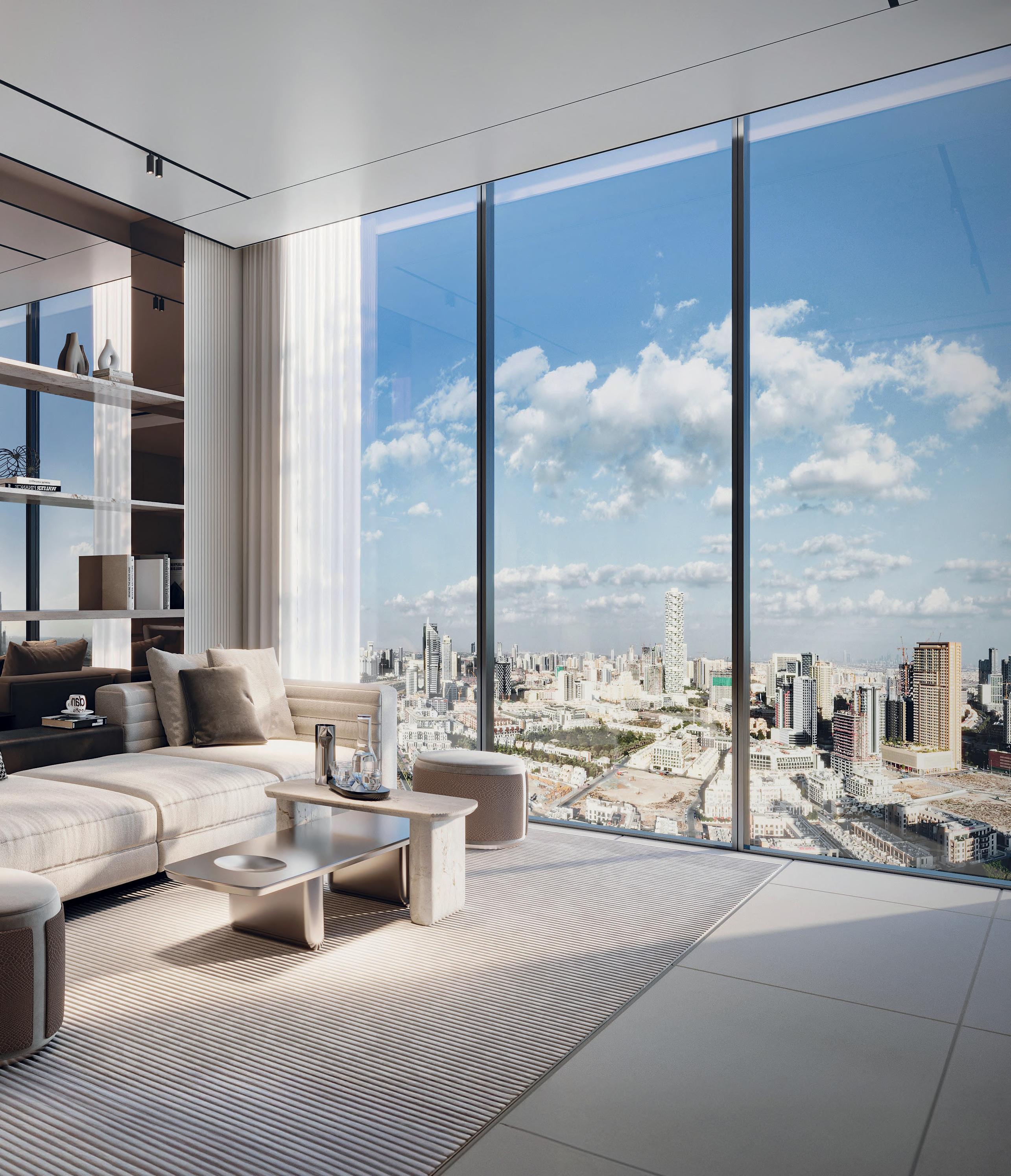
Premium materials such as large-format porcelain tiles, textured panels, marble accents, and designer fittings will be used to harmonise aesthetics with durability.
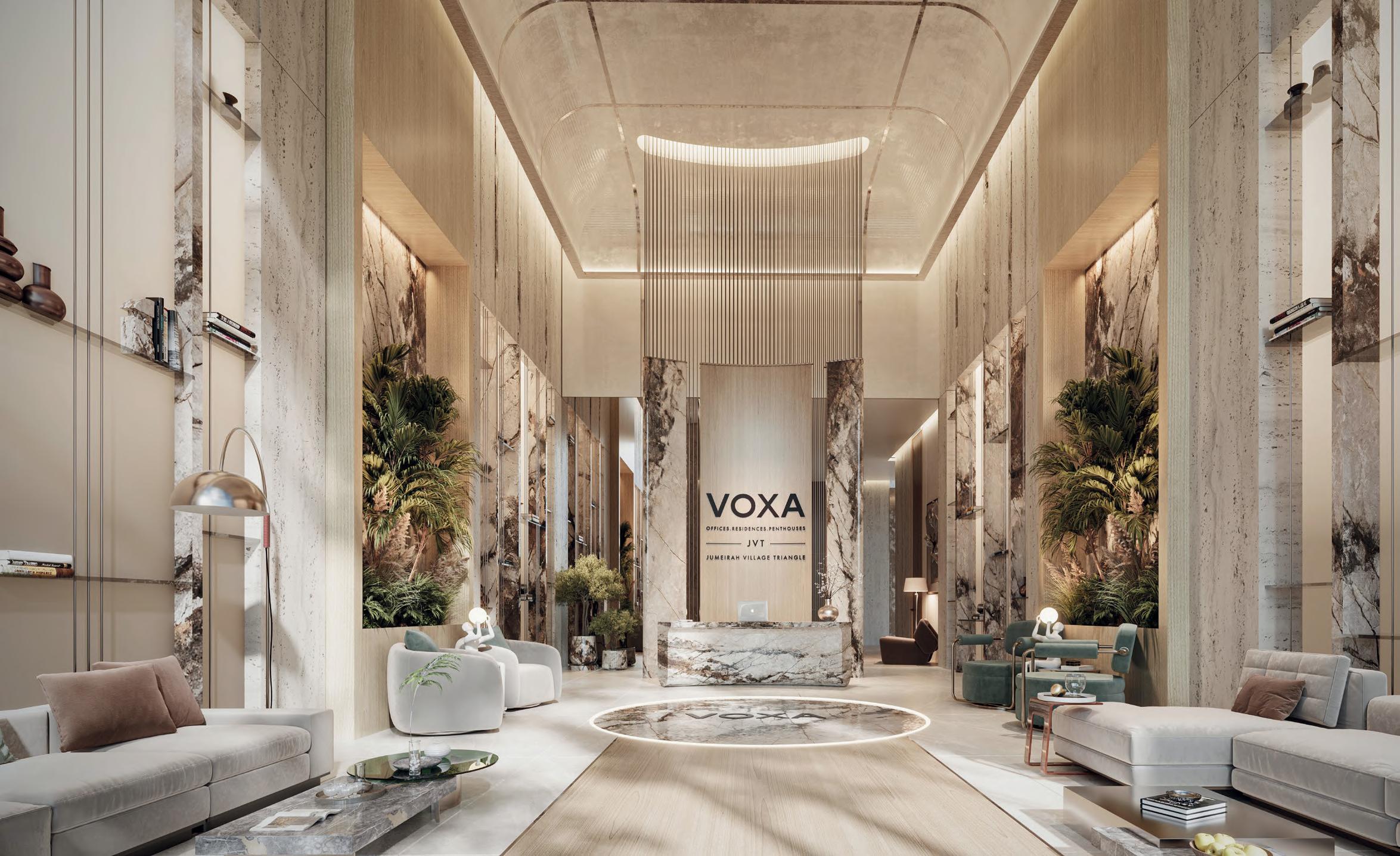
In this evolving landscape, ‘VOXA’ has emerged with a vision that aligns with a number of modern real estate trends. Located in Jumeirah Village Triangle, the mixeduse development promises to redefine modern urban living through its wellness-centric design, resort-style amenities, and sustainability-first approach. By integrating residential, co-working, and retail spaces, VOXA is said to embody developer Pantheon Development’s ethos of accessible luxury without compromising on sustainability. Here, BPME’s Priyanka Raina talks to Pantheon Development Founder Kalpesh Kinariwala about how VOXA is redefining urban living in Dubai.
What was the core vision behind VOXA, and how did it shape your approach to design, construction strategy, and sustainability? The core vision behind VOXA was to create a lifestyle-driven, wellness-centric community that redefines modern urban
At VOXA, we’re pioneering innovative construction techniques and materials to ensure superior quality, faster delivery, and long-term value.
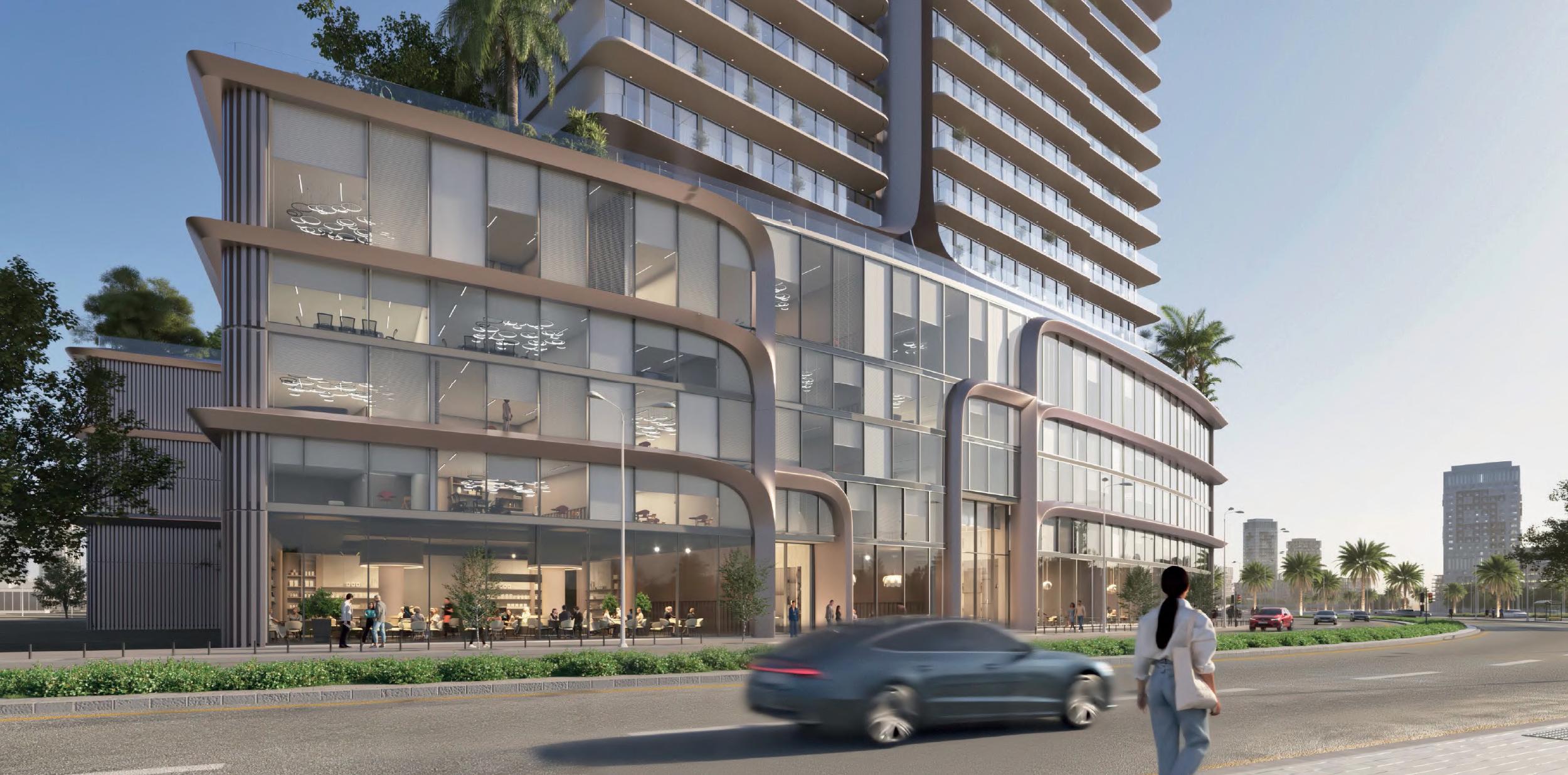
living in Dubai. Our aim was to blend luxury, functionality, and sustainability in a way that feels both aspirational and accessible. This vision informed every aspect of the projectfrom its architecture to its amenities. VOXA was conceptualised as a mixed-use development that brings together residential, co-working, and retail spaces, fostering a true ‘live-work-play’ environment. We placed a strong emphasis on wellbeing, incorporating features like a beach-style pool with cabanas, a yoga deck, indoor gym, jogging track, padel court, outdoor cinema, kids’ play areas, dog park, and communal quiet zones.
Our construction strategy was designed for excellence and transparency, with real-time dashboards, AI-assisted quality audits, drone monitoring, and rigorous QA/QC protocols. Sustainability was deeply integrated through biophilic design elements, solar rooftops, EV parking, smarthome technology, and water recycling systems. Ultimately, VOXA reflects Pantheon’s commitment to delivering timeless, high-quality living experiences that align with the evolving needs of residents in a fast-paced city like Dubai.
How does VOXA align with Pantheon Development’s long-term vision and brand philosophy?
VOXA is our first branded residence, and is a natural extension of our vision and philosophy of delivering accessible luxury with uncompromised quality, purposefully designed for modern urban living. Since launching our first projects in Jumeirah Village Circle in 2016, Pantheon has focused on creating vibrant, community-centric environments that blend elegant design with smart functionality and VOXA builds on that legacy. With its mixed-use concept comprising residences, co-working offices, co-located retail, and rich amenity offerings, VOXA encapsulates Pantheon’s trademark ‘live work play’ model, which has been demonstrated through multiple developments and a growing regional footprint.
The development’s prime location in Jumeirah Village Triangle, easy connectivity to key Dubai hubs, and high
yield investment proposition neatly align with Pantheon’s stated goals: capturing market share in affordable luxury, scaling responsibly, and delivering superior customer value. In essence, VOXA not only reflects Pantheon’s promise to craft personal, timeless, and attainable luxury it propels its long-term ambition to redefine urban living across the UAE.
What is the planned construction timeline and what key milestones are expected between now and Q3 2028?
Our construction timeline for VOXA has been meticulously planned to deliver on promise and quality. With enabling works already underway. We will begin full construction immediately thereafter. The project spans 29 floors and approximately 596 fully furnished units split between
POINTING THE WAY
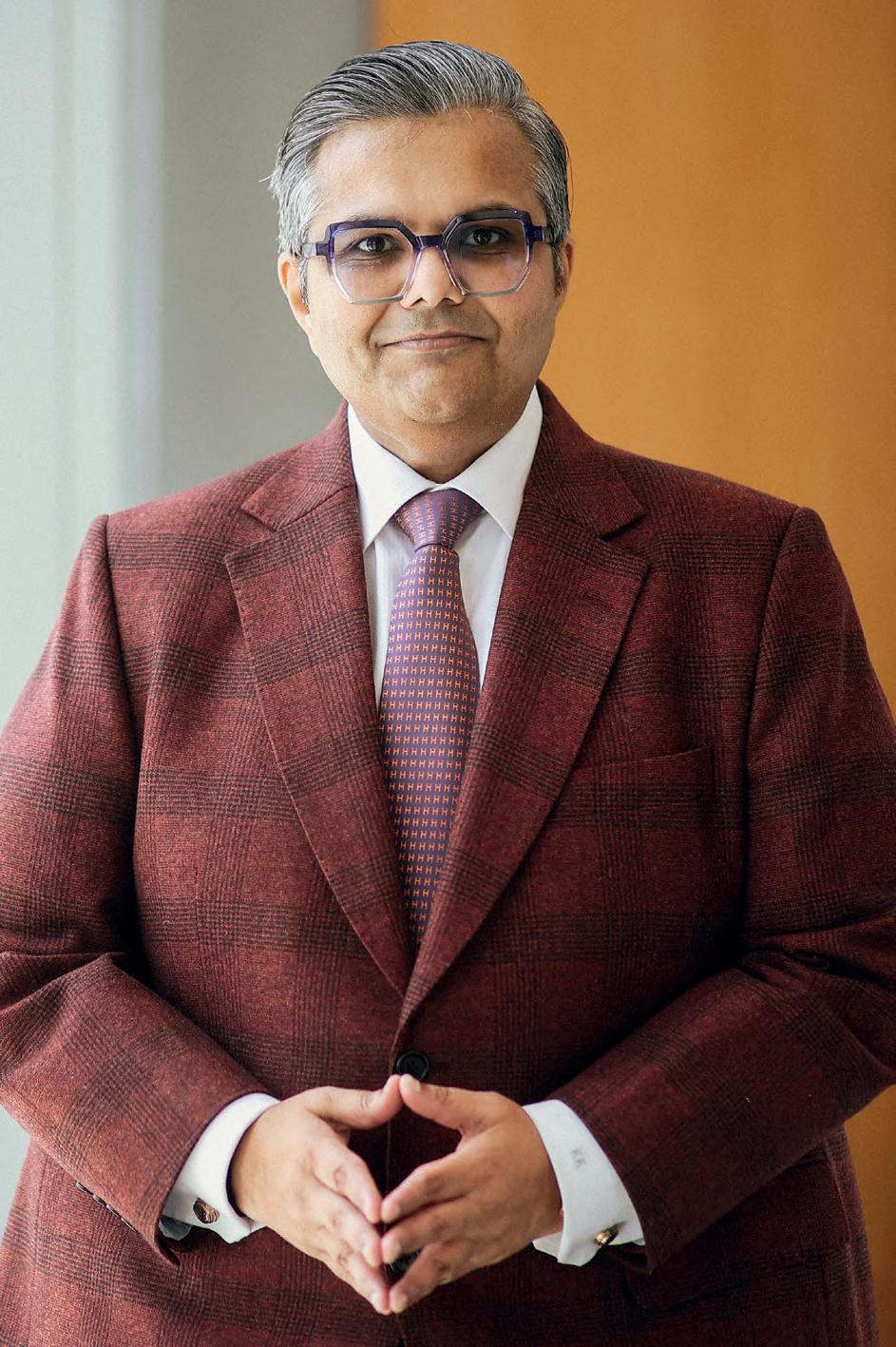
Kalpesh Kinariwala, Founder, Pantheon Development.
Our construction strategy was designed for excellence and transparency, with real-time dashboards, AI-assisted quality audits, drone monitoring, and rigorous QA/QC protocols.
studios, one- and two-bedroom apartments, duplexpenthouses, offices, and retail outlets. Key milestones include groundbreaking and piling by mid-2025, podium and superstructure progress throughout 2026–2027, followed by interior fit out and façade works in early 2028.
Alongside structural milestones, we’ll be rolling out sustainable systems such as solar rooftops, EV parking, grey water recycling and smart home integration in tandem with the finishing phase. Our QA/QC framework including real time dashboards, drone monitoring, AI assisted audits and investor site visits will track these phases to ensure on time handover in Q3 2028, consistent with Pantheon’s track record of delivering communities right when they’re promised.
Who are your main construction partners for VOXA and what plans are in place to manage potential challenges?
The architectural firm appointed is Al Khawaja Engineering Consultancy. At the outset, a comprehensive execution strategy was established, which included a detailed project schedule and manpower deployment plan. This is being closely followed through the duration of the project to ensure timely delivery.
To manage potential delays, labor shortages, or material supply issues, our project team has implemented proactive risk mitigation measures. Any deviations from the schedule are immediately flagged, and contingency plans are activated to address the issue swiftly, whether through resource reallocation, supply chain adjustments, or re-sequencing of activities.
Our primary goal is to maintain progress and ensure the project is delivered smoothly and on time, without compromising on quality.
What innovative construction techniques and materials are you using to enhance quality and reduce build time?
We’re pioneering innovative construction techniques and materials to ensure superior quality, faster delivery, and long-term value. Our model incorporates real-time construction dashboards, drone-fed site monitoring, and
PROJECT SCOPE
The project spans 29 floors and approximately 596 fully furnished units split between studios, one- and two-bedroom apartments, duplex-penthouses, offices, and retail outlets.
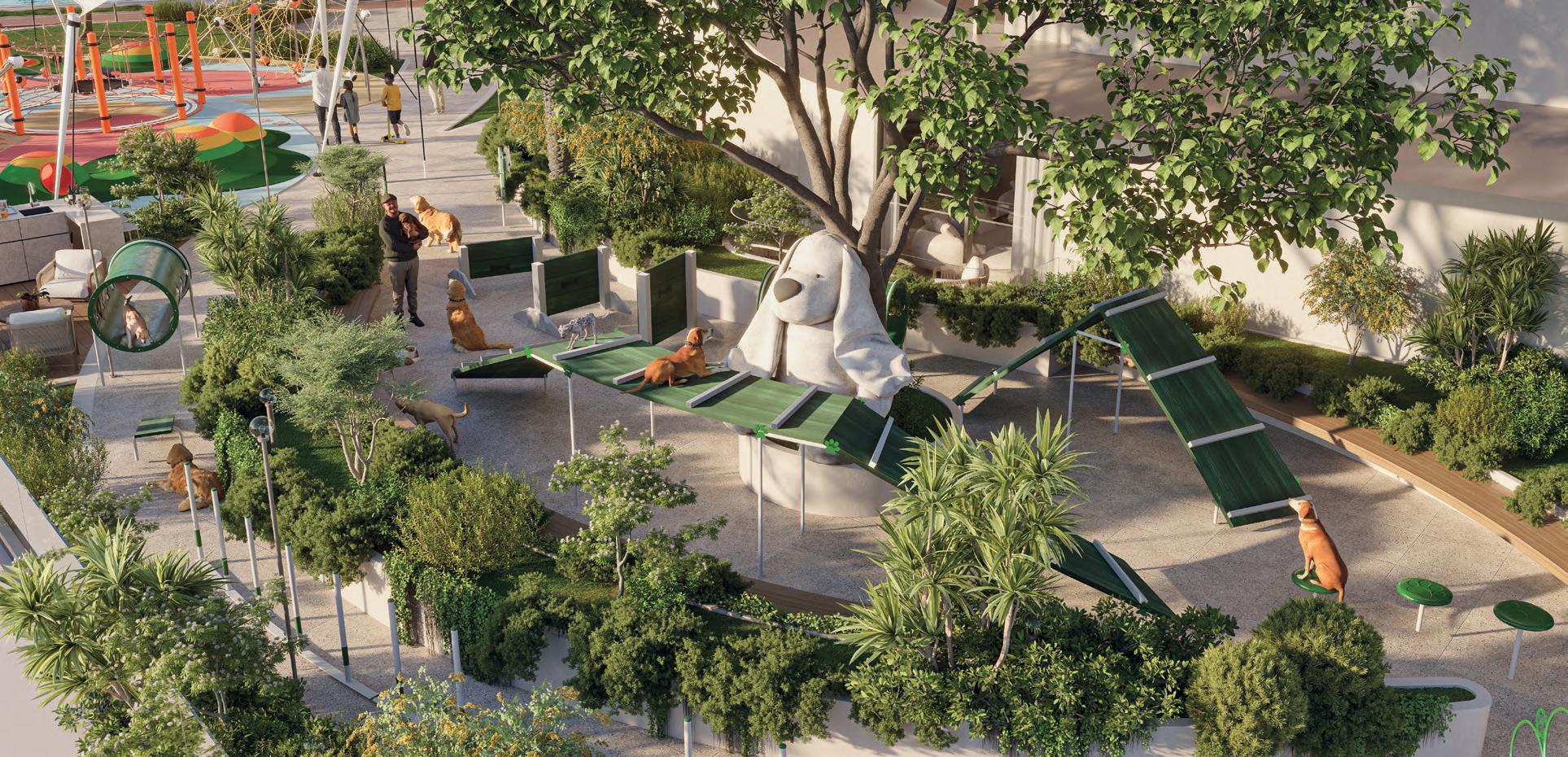
AI-assisted quality audits, overseen by dedicated QA/ QC teams ensuring attention to every structural and finishing detail. Structurally, we leverage high-performance concrete and strategic steel procurement through long-term supplier partnerships, allowing us to safely accelerate progress, while managing cost fluctuations.
We also prioritise prefabricated elements and modular construction for key zones like podiums and façade systems cutting build time without compromising precision. Across finishing stages, premium materials such as large-format porcelain tiles, textured panels, marble accents, and designer fittings harmonise aesthetics with durability.
Meanwhile, our sustainability-first mindset drives the integration of solar rooftops, EV charging infrastructure, greywater recycling, and smart-home automation layered into construction rather than retrofitted. This holistic approach reflects Pantheon’s promise: to elevate quality, efficiency, and experience with every square meter built.
How is VOXA addressing environmental impacts during the construction phase?
We’re taking proactive steps to minimise environmental impacts throughout the construction phase, and ensured sustainability was embedded from day one. During groundwork and enabling works, we enforced strict waste management protocols segregating, recycling, and responsibly disposing of materials with close on-
REDEFINING URBAN LIVING
The core vision behind VOXA was to create a lifestyle-driven, wellness-centric community that redefines modern urban living in Dubai says Kinariwala.
site monitoring. Dust suppression systems and waterefficient cleaning methods significantly reduce airborne particulate emissions. Our procurement strategy emphasises responsibly sourced, low-carbon materials, complemented by modular prefabricated components that not only improve build quality but also cut down waste and energy use.
In alignment with our green ethos, VOXA’s construction phase also features smart site controls to monitor energy and water usage using real-time dashboards, enabling early detect-and-correct actions. With biophilic site planning, protective measures for existing green zones, and immediate implementation of erosion control, VOXA transcends conventional build practices. These rigorously integrated environmental strategies demonstrate Pantheon’s commitment to delivering responsibly crafted communities a model we intend to replicate across future developments.
What sustainability certifications is VOXA aiming to achieve?
All project drawings and design documentation have been developed in accordance with the latest green building requirements, ensuring integration of energy efficient systems, water conservation measures, sustainable material
Our focus remains on creating sustainable, high-quality living spaces that meet the needs of residents and investors alike, ensuring long-term value and resilience in a competitive market.
selection, and enhanced indoor environmental quality.
By adhering to both DM and Trakhees standards, the project demonstrates a strong commitment to environmental responsibility and sustainable development .
How will energy-efficient systems be incorporated, and will renewable energy sources be integrated into the project?
At VOXA we’re elevating energy efficiency and integrating renewable systems right into the building’s DNA. The design incorporates cutting-edge, energy-efficient HVAC systems and LED lighting throughout, controlled by advanced smarthome automation for real-time energy optimisation. On the sustainability front, VOXA features solar photovoltaic panels on rooftop areas to harness Dubai’s abundant sunshinethis renewable energy will offset electricity demand and reduce the overall carbon footprint of the building.
Plus, we’re installing greywater recycling systems to reclaim water from showers and sinks for irrigation and sanitation, reducing potable water consumption. EV charging stations will also be provided to support electric mobility among residents, aligning with broader green transport initiatives.
Finally, VOXA’s biophilic design integrating landscaped gardens, courtyards, and green zones to enhance passive cooling and air quality across communal spaces. In essence, VOXA delivers a holistic, future-ready living environment by seamlessly blending energy efficiency, renewable technology, smart systems, and nature-focused design.
What water conservation strategies are being implemented for landscaping and amenities like the pool and Jacuzzi?
At the VOXA project, water conservation is a key priority, especially in landscaping and amenity design such as the pool and Jacuzzi. For landscaping, we have adopted a low-water-use strategy that includes the use of drought-tolerant and native plant species, efficient drip irrigation systems, and smart controllers that adjust watering based on weather conditions.
Hardscaping is also used strategically to reduce water demand without compromising the aesthetic appeal of outdoor spaces.
In amenities like the pool and Jacuzzi, advanced watersaving technologies are being implemented, including high-efficiency filtration systems and water recirculation mechanisms to minimise wastage. Pool covers are also considered to reduce evaporation losses.
Together, these strategies ensure responsible water use, while maintaining a high standard of comfort and sustainability throughout the development.
Where are the construction materials for the VOXA project being sourced from?
Wherever possible, materials are procured from local or regional suppliers to reduce transportation-related carbon emissions and support the local economy. Additionally, materials are carefully evaluated for their environmental performance including factors such as recycled content, low VOC (volatile organic compound) emissions, energyefficient manufacturing processes, and long-term durability.
This approach not only aligns with our sustainability goals but also contributes to achieving high construction quality, while minimising the project’s ecological footprint.
What takeaways from previous JVC projects are being applied to improve VOXA’s design and execution?
Drawing on insights from our successful track record in Jumeirah Village Circle where we delivered over 10 mixeduse communities such as Maison Élysée I-III and Elysee Heights, VOXA integrates lessons learned to elevate design, quality, and execution. From JVC we realised the critical importance of spacious, flexible floor plans with open layouts and generous natural light, which enhance long-term appeal.
We’ve also refined our amenity strategy: feedback underscored that integrated co-working zones, dedicated pet areas, and resort style facilities are major differentiators in vibrant residential communities.
On delivery, our JVC projects taught us that transparent communication via live drone feeds, immersive site visits, and real time dashboards builds trust and ensures on
REFINED AMENITIES
Feedback from the developer's earlier projects in Dubai is said to have shaped the amenity strategy on VOXA. The project will feature resort style amenities, dedicated pet areas and integrated co-working zones.

schedule handovers. We’ve also enhanced procurement and modular construction techniques to mitigate cost volatility and speed up delivery without sacrificing finish quality a direct response to past material price fluctuations.
In short, VOXA is a refined culmination of our JVC experience where design excellence, lifestyle-led programming, delivery transparency, and procurement discipline come together to set a new benchmark for urban living in Jumeirah Village Triangle.
How do you see Dubai’s real estate maket shaping up in the next six to 12 months? How long do you expect the current demand to last?
Dubai's real estate market in the next six to 12 months presents a dynamic landscape shaped by robust demand, strategic supply expansion, and evolving investor confidence. The city's appeal remains strong, driven by favorable tax policies, liberalised visa regulations, and a growing population. These factors continue to attract both international investors and residents, sustaining demand across various segments.
In response to this demand, Dubai is set to introduce approximately 73,000 new homes in 2025, contributing to a cumulative goal of 300,000 new residential units by the end of 2028. This expansion aims to accommodate the city's projected population growth and economic development. However, the influx of new residential supply may lead to a moderation in price growth, with some analysts forecasting a potential decline of up to 15% in real estate prices over the next 12–18 months. Despite this possible outcome, the Dubai property market's fundamentals remain strong, supported by continued demand and strategic urban planning.
At Pantheon Development, we view this upcoming period as an opportunity to deliver thoughtfully designed communities that align with evolving market trends. Our focus remains on creating sustainable, high-quality living spaces that meet the needs of residents and investors alike, ensuring long-term value and resilience in a competitive market.
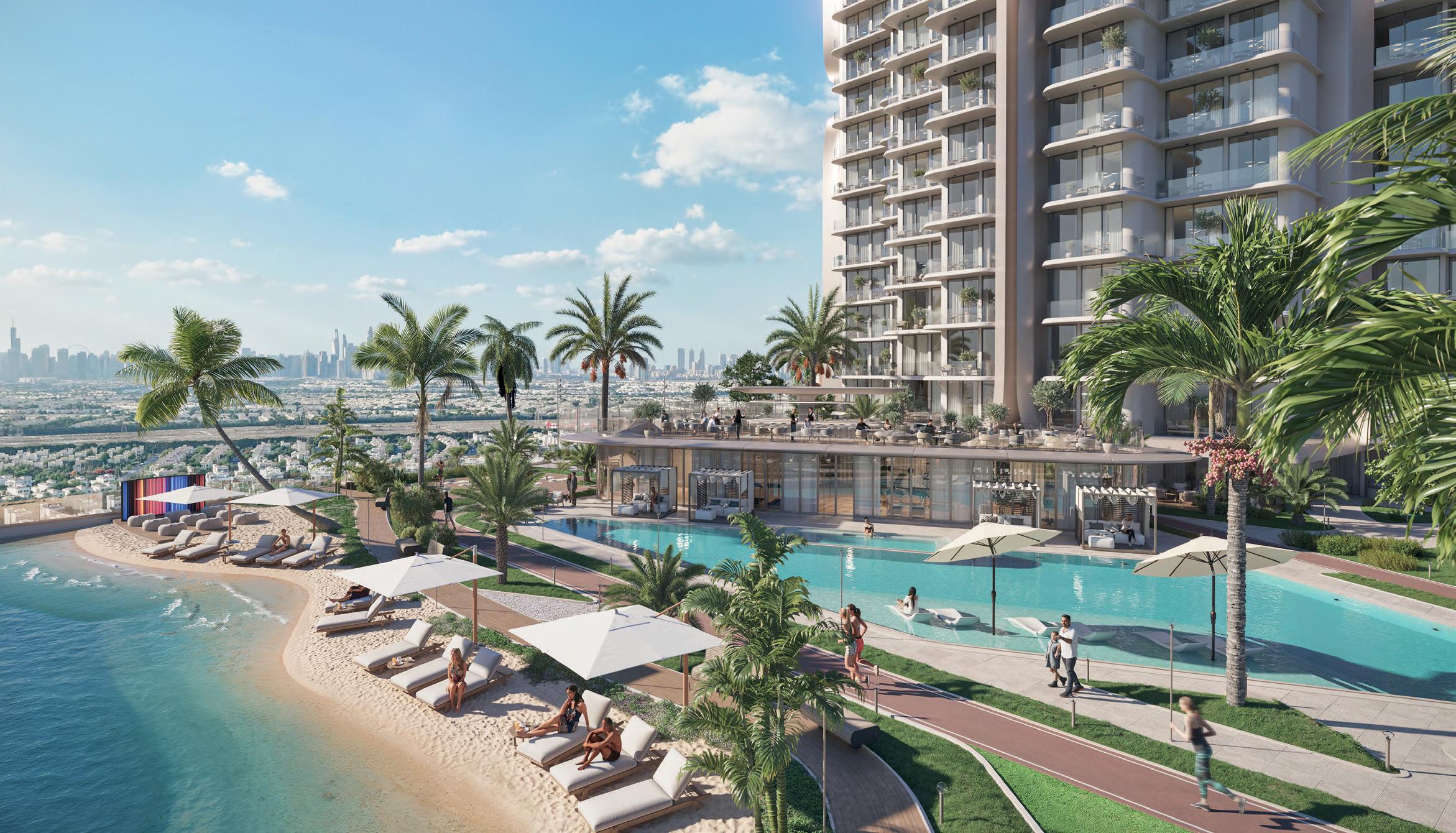
EYEING NEW GROWTH OPPORTUNITIES
BIG PROJECT MIDDLE EAST TALKS TO MOKSH GARG, MANAGING DIRECTOR OF CENTURION PROPERTIES ABOUT THE DEVELOPER’S FOCUS ON COMMERCIAL REAL ESTATE AND THE VISION BEHIND BURJ CAPITAL BUSINESS BAY
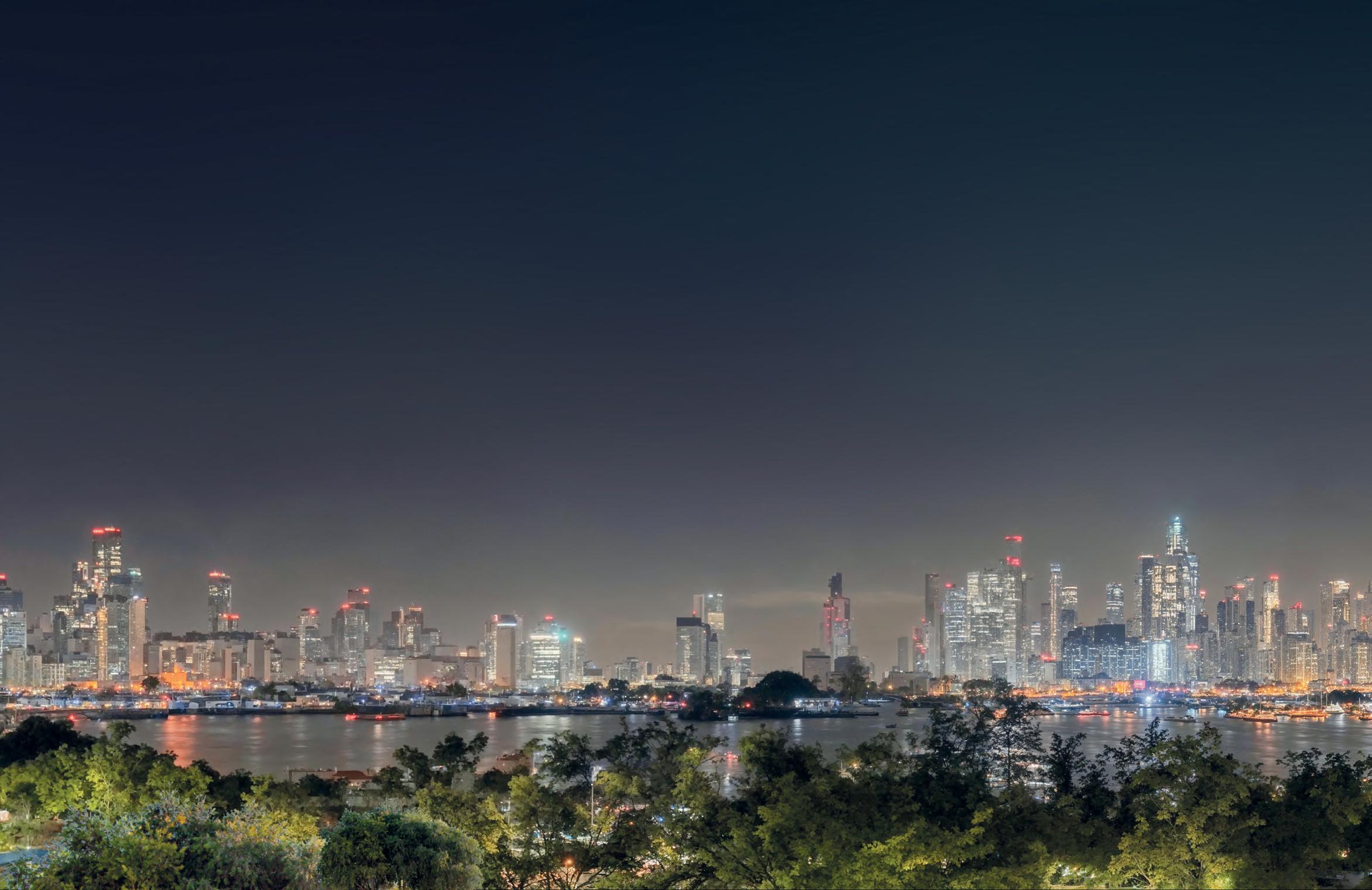
Developer Centurion Properties was launched in 2013 with a commitment to ‘transforming Dubai’s skyline with exceptional architecture and by elevating the essence of urban luxury living’. Since it began operations, the developer has delivered over 10 projects, and is said to have a pipeline comprising 15 developments.
In late September 2025, the developer launched a new commercial tower – Burj Capital Business Bay – and said that the tower will be built in close proximity to the Burj Khalifa, The Dubai Mall, Dubai Design District and DIFC. The developer said the tower reflects the spirit of Dubai as a global hub of innovation and enterprise.
The project’s lead architect and consultant are HKS and Datum Engineering Consultants respectively, and the tower is expected to be completed in March 2029, the developer said.
Here, BPME's Jason Saundalkar sits down with Moksh Garg, Managing Director of Centurion Properties to discuss the vision behind the tower and the developer’s push into commercial real estate.
What's the inspiration behind Burj Capital Business?
The inspiration behind Burj Capital Business Bay comes from our belief that Dubai is entering a new era of business growth that demands world-class, future-ready workspaces. We envisioned creating more than just an office tower – we wanted to build a landmark that reflects ambition, innovation, and sustainability at the very core of Dubai’s business hub.
Designed with sleek lines, bold architecture, and a modern, minimalist aesthetic, Burj Capital embodies a straight-forward, growth-driven mindset that aligns with the aspirations of today’s leaders.
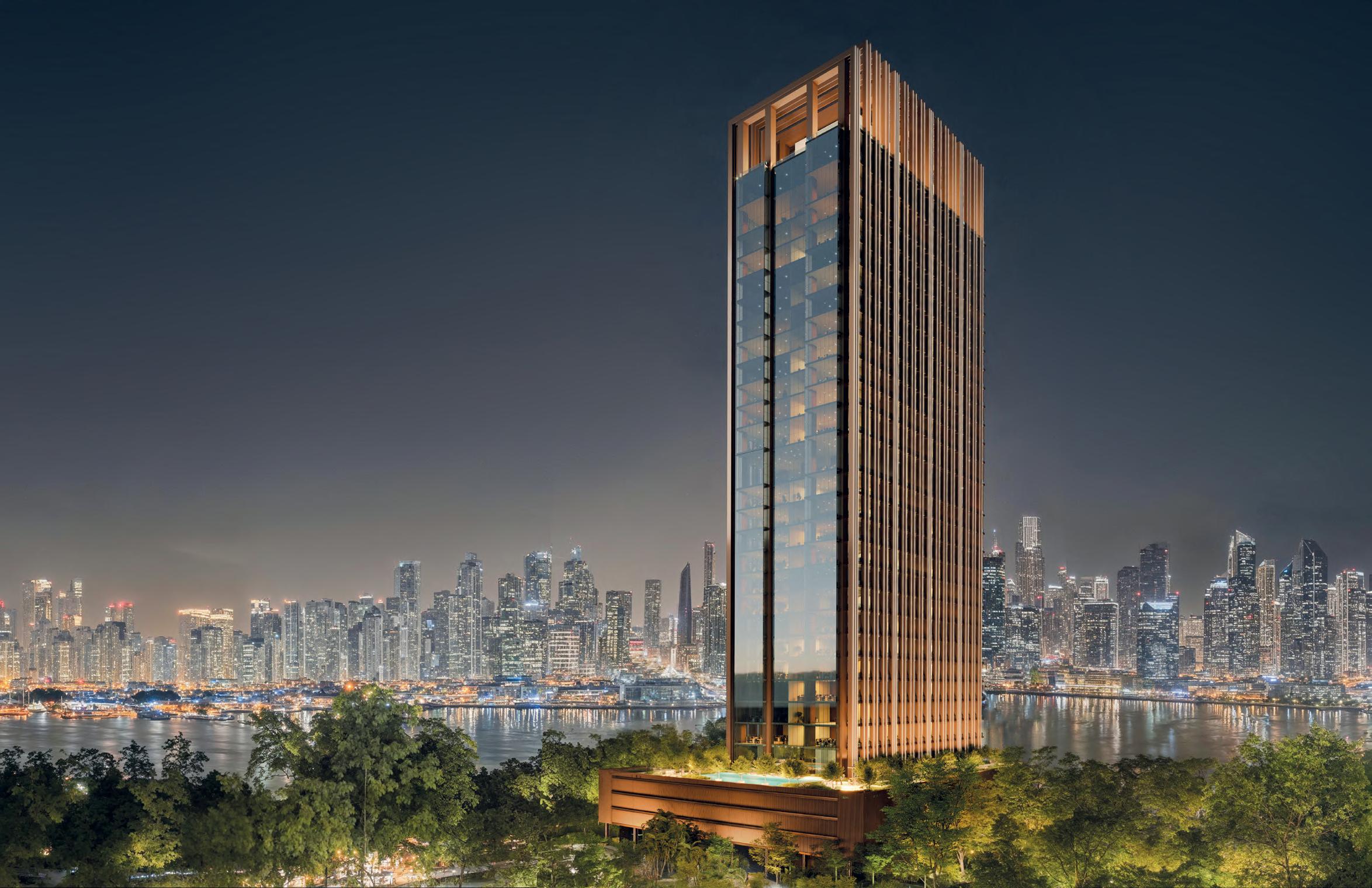
Its name itself – Burj – signifies stature, presence, and the next level of distinction, reinforced by its iconic views of Burj Khalifa and the Dubai Canal, and its location just steps away from the upcoming urban park.
Beyond its Grade A+ commercial standing, the tower integrates residential-like amenities – from wellness facilities to lifestyle spaces – to create an environment where individuals can achieve balance, blending productivity and success with comfort and well-being.
What does the launch mean to Centurion Properties?
For Centurion Properties, the launch of Burj Capital is a defining milestone that underscores our commitment to excellence and innovation in commercial real estate. It represents not only our further expansion of our portfolio into Grade A+
commercial spaces in the city but it also highlights our role in shaping Dubai’s future business landscape.
For our leadership, this project reflects our vision of creating landmarks that stand for growth, sustainability, and progress – and reinforces our dedication to delivering value for all stakeholders, from investors to end-users.
What sets Burj Capital apart from other Grade A commercial offerings in Dubai? What is the tower’s unique selling point?
Burj Capital is defined by three distinct factors: its prime location in Business Bay (an address that matters), its scale and flexibility, and its amenities designed for modern professionals.
With more than 238 office units, five curated retail spaces, a rooftop viewing lounge, wellness facilities, and lifestyle-driven offerings, the tower provides an integrated
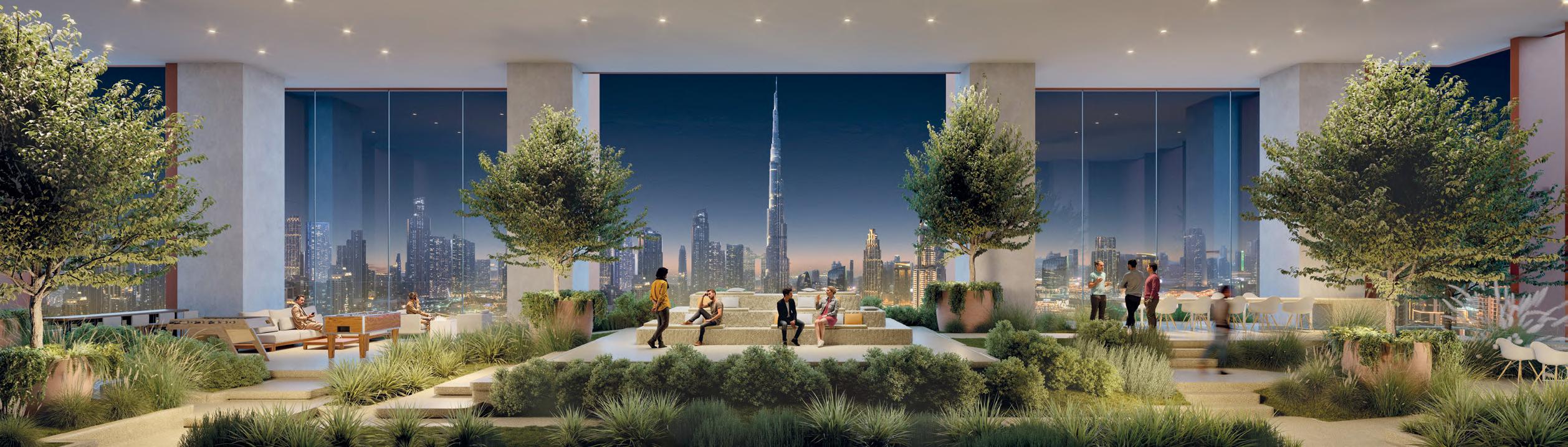
AMENITIES
The tower integrates residential-like amenities to create an environment where individuals can achieve balance, blending productivity and success with comfort and well-being said Garg.
ecosystem where business, health, and networking coexist seamlessly.
The tower’s USP lies in its distinctive design, sustainability integrations, and the introduction of luxury lifestyle amenities within a commercial setting – a rare proposition in Dubai’s office landscape. Moreover, most office units have balconies, offering an elevated sense of openness and a sophisticated indoor-outdoor ambiance that enhances the prestige of the workspace.
Featuring extensive layouts with flexible floor plates ranging from 750sqft to 14,100sqft, every space has been thoughtfully designed to be well-lit, open, and conducive to collaboration and productivity. This architectural approach fosters a growth-driven, successoriented mindset for businesses of all scales, from SMEs to multinational corporations. Burj Capital is not only an efficient workplace but also a statement of prestige, innovation, and forward-thinking design that sets a new benchmark for Grade A+ towers in the region.
Residential real estate has been booming in the UAE for the last couple of years, what prompted Centurion Properties’ focus on commercial real estate, with the launch of Burj Capital, and Capital One Motor City earlier in the year?
While the residential market has seen remarkable growth, we recognise that a thriving residential sector
must be complemented by high-quality commercial infrastructure. Dubai is evolving into a global business hub, and the demand for premium, sustainable, and well-positioned office spaces continues to grow.
By launching Burj Capital and Capital One Motor City, we are strategically addressing this demand, while diversifying our portfolio to ensure that Centurion Properties plays a key role in shaping both the living and working environments of tomorrow.
With all the development currently underway in the UAE, what are some of the challenges you anticipate in the delivery of Burj Capital? What is your strategy to address these challenges, ensure quality is top notch and your delivery schedule is achieved?
Large-scale projects naturally face challenges such as supply chain dependencies, labor availability, and regulatory compliance. At Centurion Properties, our approach is proactive, and solutions driven. We have engaged with experienced contractors and consultants who share our commitment to quality and timely delivery.
We envisioned creating more than just an office tower –we wanted to build a landmark that reflects ambition, innovation, and sustainability at the very core of Dubai’s business hub.
Through stringent project management systems, sustainable construction practices, and transparent communication with stakeholders, we are confident in our ability to meet deadlines while upholding the highest standards of quality and safety.
How did you choose construction partners to support the delivery of this project?
We carefully evaluated partners based on their proven track record, alignment with our vision, and ability to deliver on complex, large-scale developments. Our selection process prioritised innovation, sustainability expertise, and operational excellence. By working with top-tier architects, engineers, and contractors, we have assembled a team that can translate our vision into reality, while ensuring durability, functionality, and timeless appeal for Burj Capital as well as our other projects.
How do you see the commercial real estate segment developing in the UAE in the next two-to-three years?
The commercial real estate sector in the UAE is poised for strong growth as Dubai continues to attract multinational corporations, entrepreneurs, and investors.
KEY LOCATION
Over the past five years, the market has seen consistent growth in sales and transaction volumes, underscoring rising investor confidence. With the influx of people and businesses, demand for office spaces that support productivity, collaboration, and networking is only set to increase. Yet, the market faces a supply crunch, especially in the Grade A segment, where limited high-quality space has created fierce competition.
Much of this demand is driven by expanding financial services firms and global businesses that are choosing Dubai for its strategic location and resilient economy. This is where Burj Capital comes into play – designed with foresight to meet these very needs. By offering modern layouts, flexible floor plates, sustainability features, and lifestyle-driven amenities within a Grade A+ commercial tower, Burj Capital not only addresses current market gaps but also positions itself as a benchmark for the next generation of business hubs in Dubai.
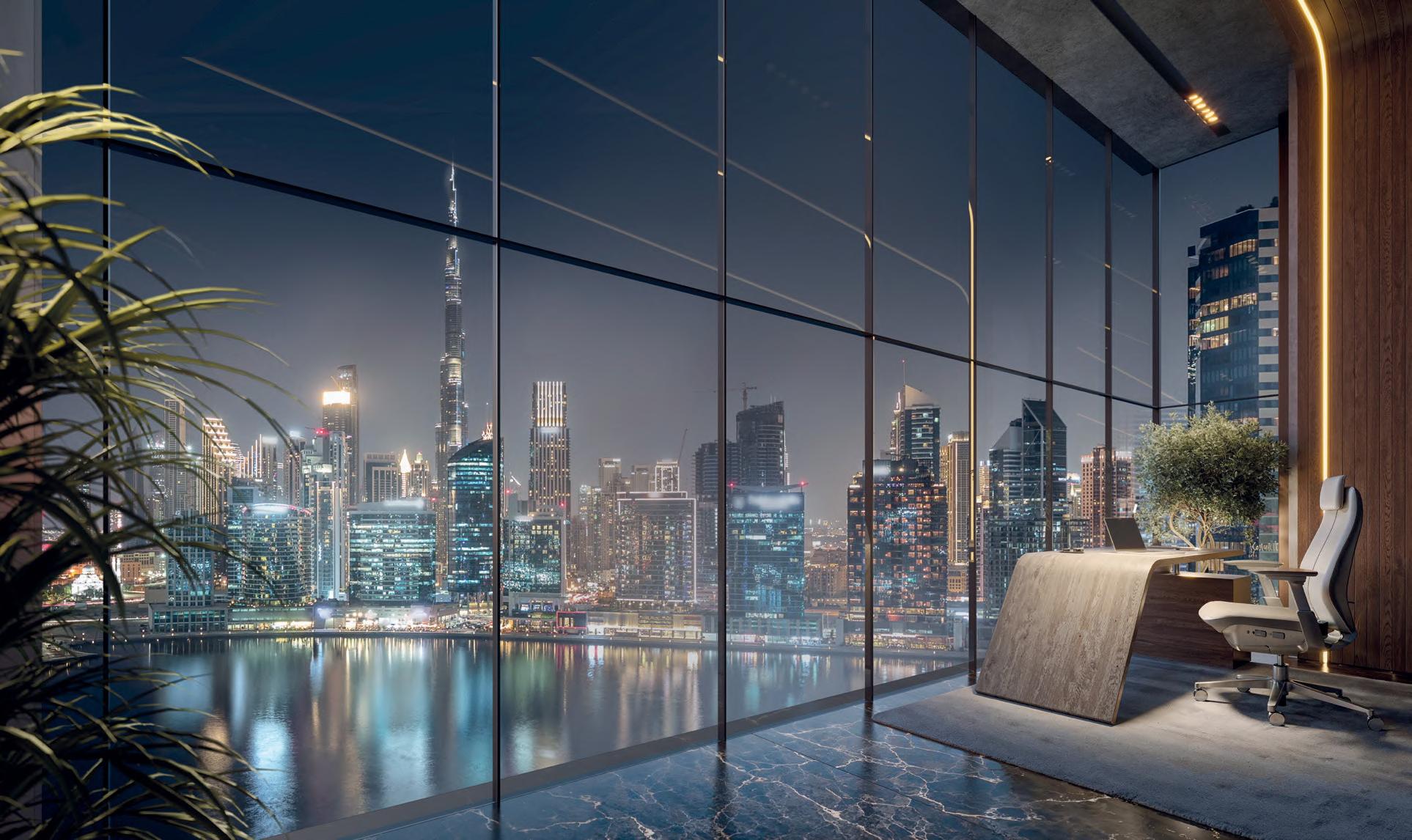
The tower will offer views of the Burj Khalifa and the Dubai Canal, and is located just minutes away from an upcoming urban park.
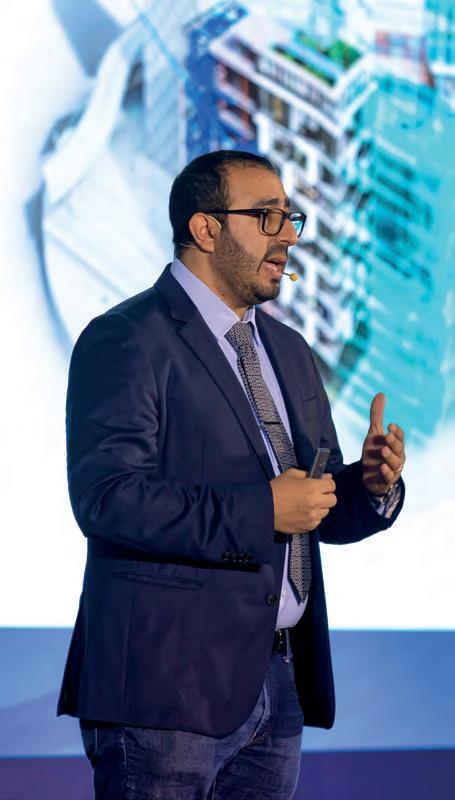
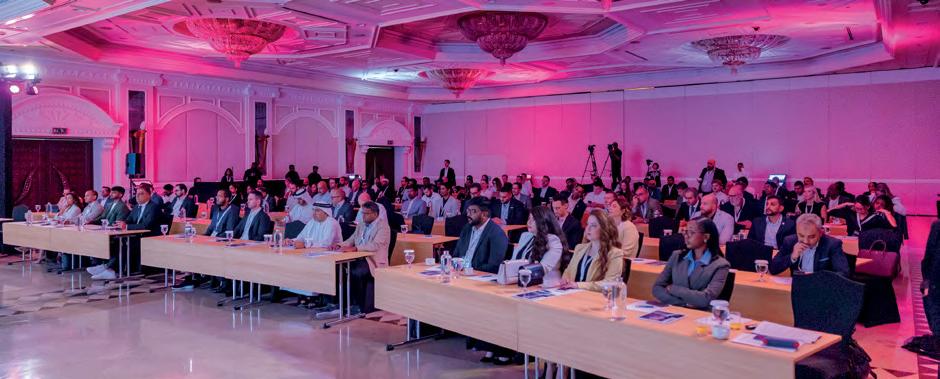
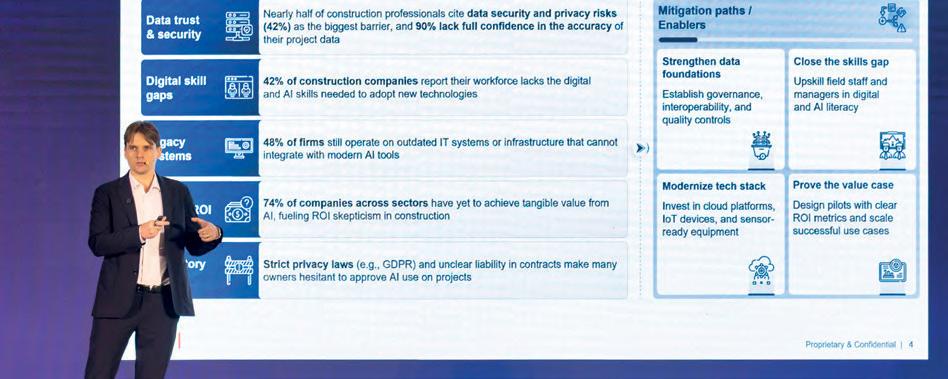
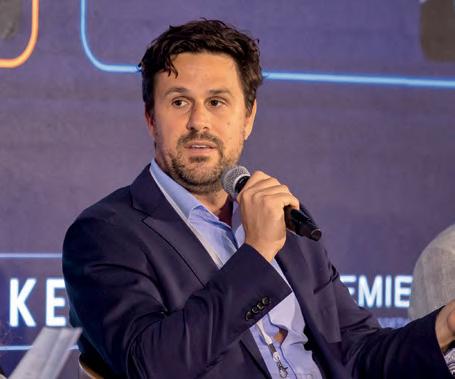
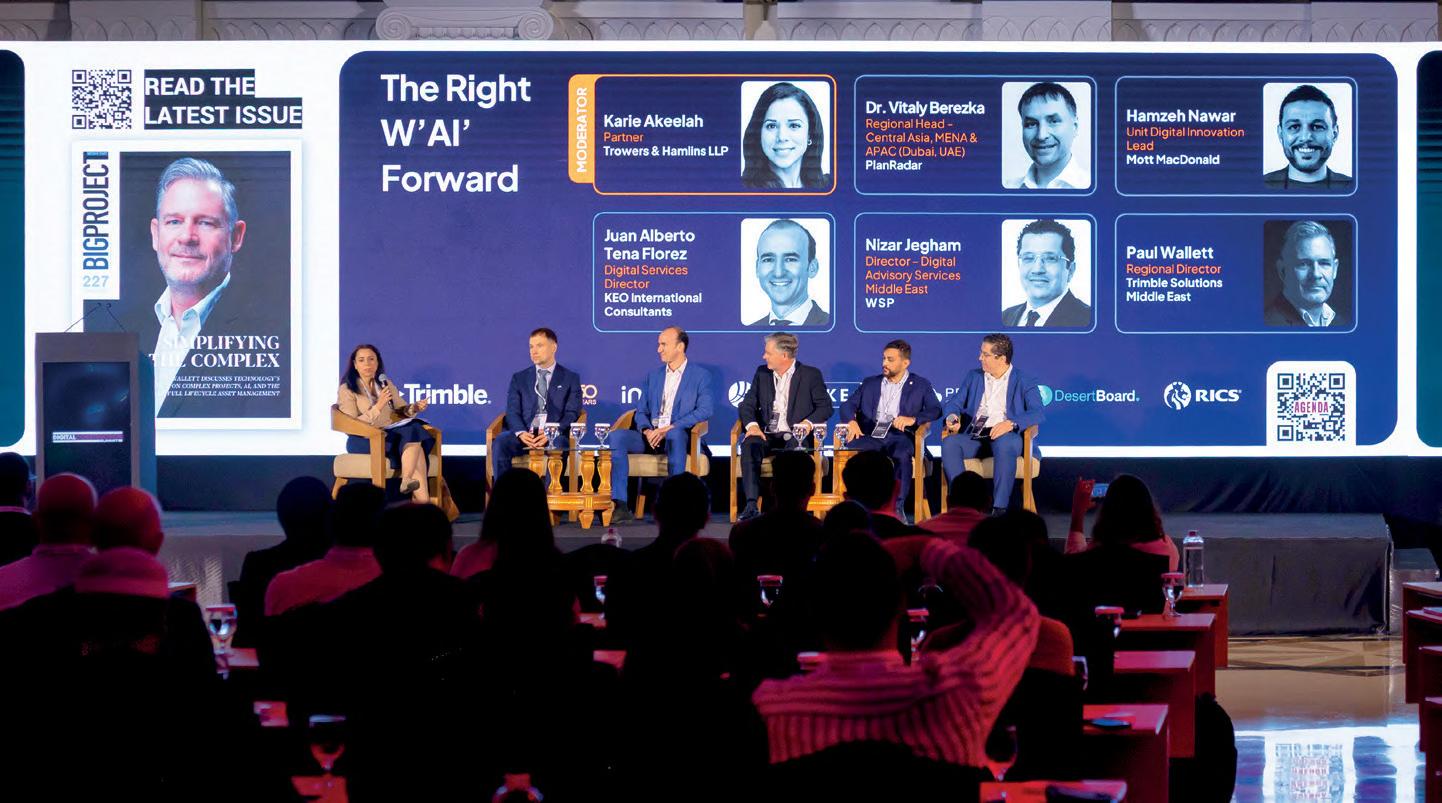
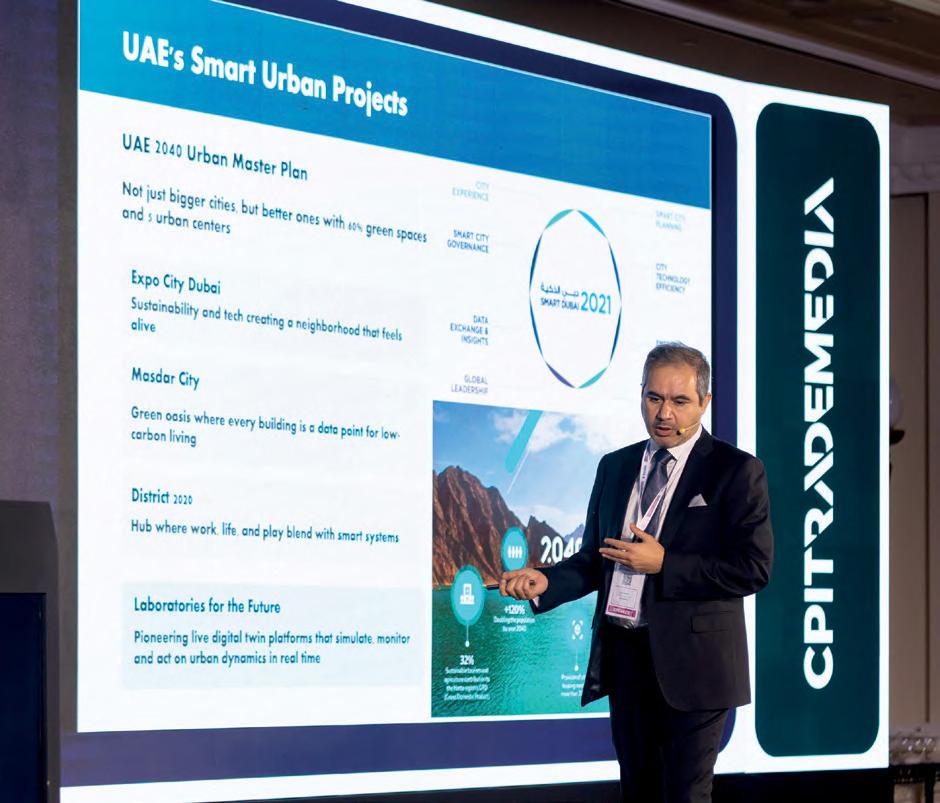

2025 Digital Construction Summit Wrap
The annual construction technology event featured a keynote address, three panel discussions and several presentations and had a significant focus on artificial intelligence within the context of the built environment
The 2025 edition of the Digital Construction Summit took place on 25 September at the Habtoor Grand Resort JBR, Dubai, and recorded in excess of 160 delegates in attendance from across the region. The event included an exhibition component, which saw construction software companies demonstrate their newest solutions and innovations.
For this year, the annual event had a significant focus on artificial intelligence, smart buildings, robotics and automation, connected construction, as well as next generation digital twins for smart cities. The event opened with a keynote address from Klemensas Mecejus, Executive Director at AI71.
The session, titled ‘From blueprints to intelligence: How AI is rebuilding the future of construction’ examined how AI is revolutionising construction, from design optimisation and digital twins to safety, compliance, and sustainability. It also showcased
how AI can be used to drive faster, safer, and smarter project delivery across the built environment.
The session was followed up by a presentation delivered by Fady Kobersy, Sales Director – MENA, RIB Software. The session titled ‘Intelligent Construction Ecosystems: Building the Cities of Tomorrow’ discussed how AI-driven decisionmaking, predictive digital twins, and integrated data ecosystems are reshaping the construction lifecycle. Kobersy noted that by embedding sustainability metrics, automating risk detection, and applying lifecycle intelligence, projects can evolve into efficient, resilient, and future-ready assets that support long-term urban growth.
The first panel discussion of the day then took place, titled ‘The Right W’AI’ Forward’. The session touched on a variety of issues and topics including: AI governance in construction firms and at the
government level; the importance of quality data to ensure the successful training and long term use of AI in the built environment; the impact of AI and cloud-based infrastructure on companies’ Scope 3 emissions; the potential of AI algorithms to perpetuate existing biases and more.
The session was moderated by Karie Akeelah, Partner at Trowers & Hamlins. She was joined by several speaking comprising: Dr. Vitaly Berezka, Regional Head – Central Asia, MENA & APAC (Dubai, UAE), PlanRadar; Hamzeh Nawar, Unit Digital Innovation Lead, Mott MacDonald; Juan Alberto Tena Florez, Digital Services Director, KEO International Consultants; Nizar Jegham, Director – Digital Advisory Services Middle East, WSP, and Paul Wallett, Regional Director, Trimble Solutions Middle East. Kinan Sulaiman, Head of Smart Cities at Innovo Group presented the next session ‘When Buildings Start
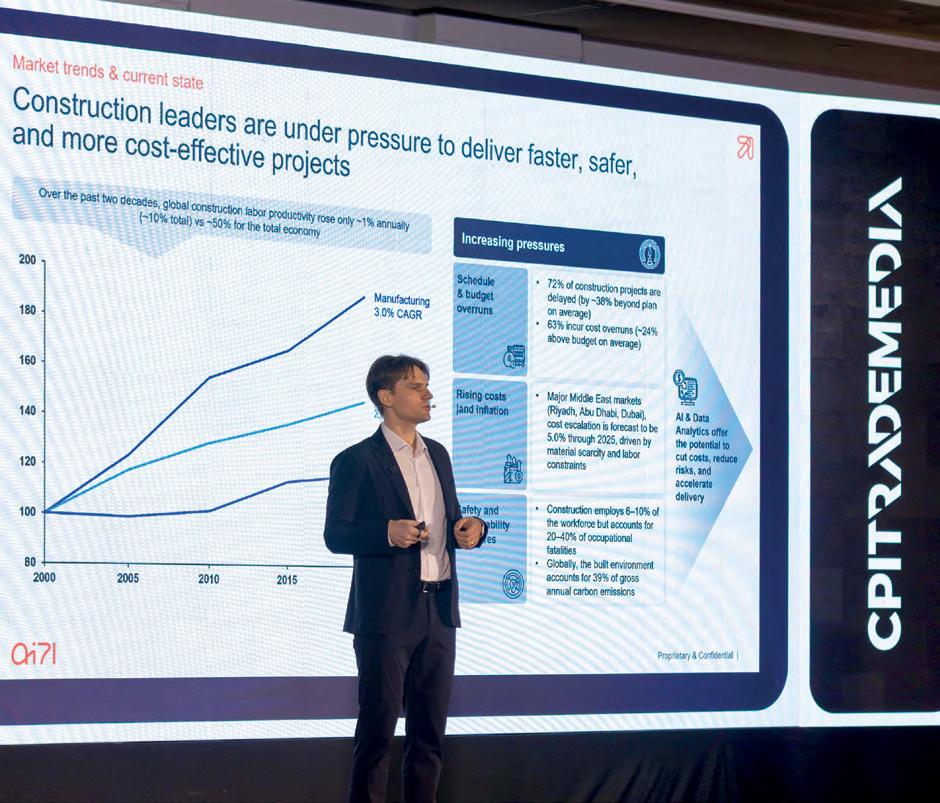
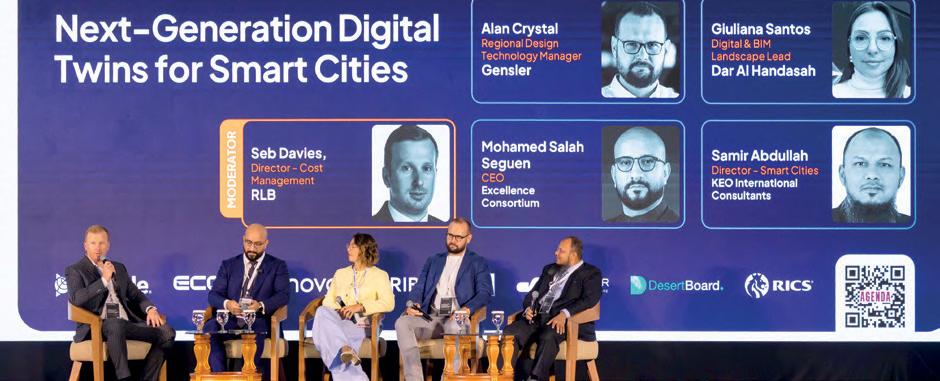
KEY FOCUS
The topic of artificial intelligence was a main theme at the event and featured prominently across multiple sessions at the event.
to Listen’. The session examined how AI, digital twins, and connected infrastructure are reshaping construction and enabling the UAE’s next generation of smart cities.
The session was followed by a networking break, following which the second panel took place. The panel titled ‘Robotics & Automation’ shone a spotlight on new innovations that are now available for construction companies to deploy, and upcoming innovations that have the potential to offer significant benefits to companies; what type of contracting
work/construction activities can realistically be robotised in the region on a large scale between now and 2030; cost considerations and the potential return on investment for construction companies investing in robotics or dedicated facilities to automate repetitive tasks and several other issues.
Anas Ayoub, Founder & CEO at XD House moderated the session; he was joined by Dr. Yasemin Nielsen, Associate Professor, HeriotWatt University Dubai; Douglas Zuzic, Chief Digital Officer, Innovo Group; Ihab Ramlawi – Managing Director & Co-Founder, DuPod, an AMANA Company and Pratik Dalai, Senior Consultant, TBH.
The next presentation was delivered by Sabarikrishnan
Thirunavukkarasu, Regional Head of Sales, Trimble Solutions Middle East. Thirunavukkarasu's presentation gave critical insights, and examined how accurate ground-level data, when integrated with cloud platforms, can transform project delivery by improving quality, reducing rework, and enabling smarter, more resilient infrastructure.
Following a break for lunch, Ahmed Balawi, Engineering Manager at Engineering Contracting Company took to the stage for a dedicated presentation. He shared strategies on Digital Construction Twins and AI in BIM, ranging from simple daily tools to advanced solutions, and showed how technology can reshape the AEC industry for greater efficiency, quality, and innovation.
The final session of the 2025 digital construction event then took place, titled ‘Next-Generation Digital Twins for Smart Cities’. The session was moderated by Seb Davies, Director – Cost Management at RLB, with panellists including: Alan Crystal, Regional Design Technology Manager, Gensler; Giuliana Santos, Digital & BIM Landscape Lead, Dar Al Handasah; Mohamed Salah Seguen, CEO, Excellence Consortium, and Samir
Abdullah, Director – Smart Cities, KEO International Consultants.
The panel discussion highlighted: new innovations in city digital twin systems; vital features that should be incorporated within the context of delivering true value in terms of planning, design, delivery, operations and decision-making; the integration of various technologies and level of interoperability between systems, as well as security and privacy concerns can impact the performance of a
digital twin; the impact poor quality and/or inaccurate data can have on the performance of a digital twin and decision-making; the dangers of relying heavily on technology to make decisions and overlooking important social and human factors, and more.
QUALITY DATA IS ESSENTIAL
Several speakers noted that quality data is essential to train AI systems as well as to build accurate digital twins of buildings and cities.
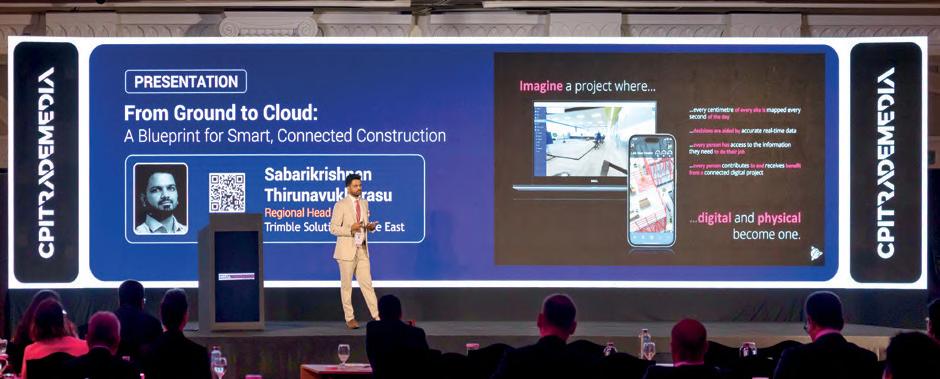
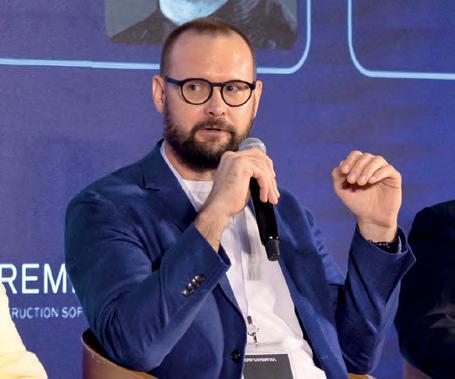
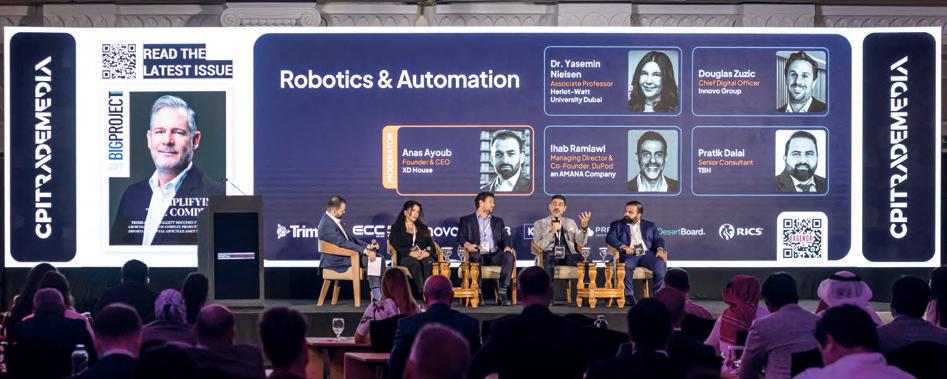
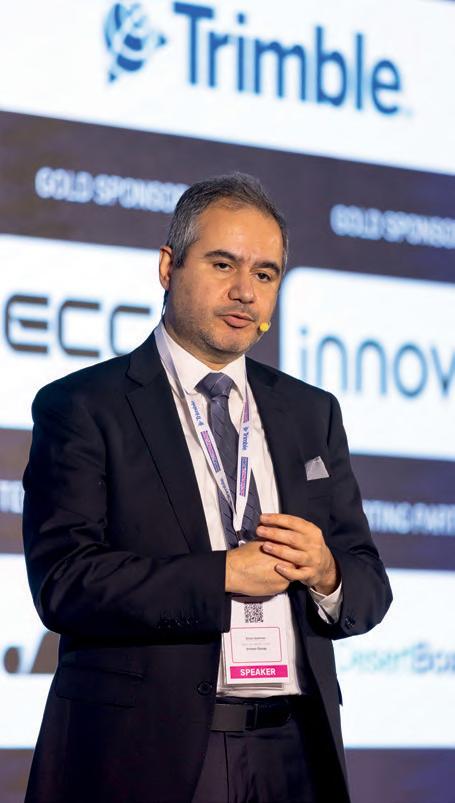
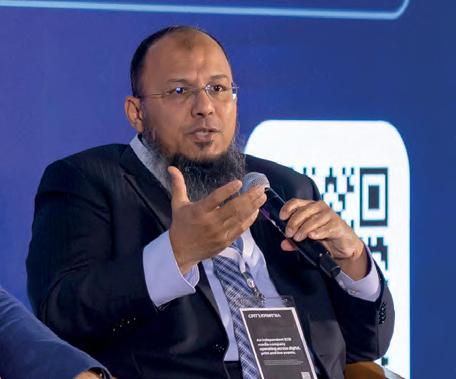
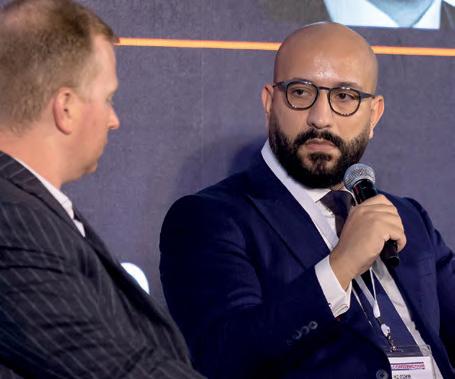
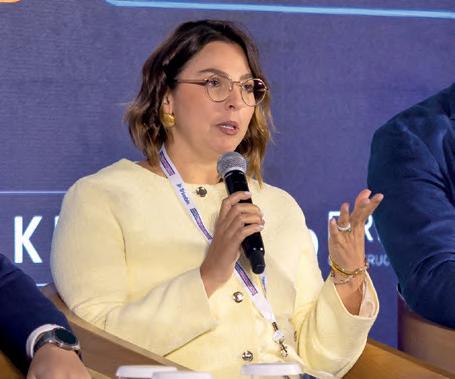
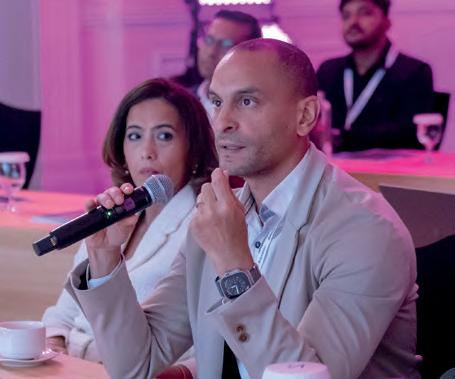
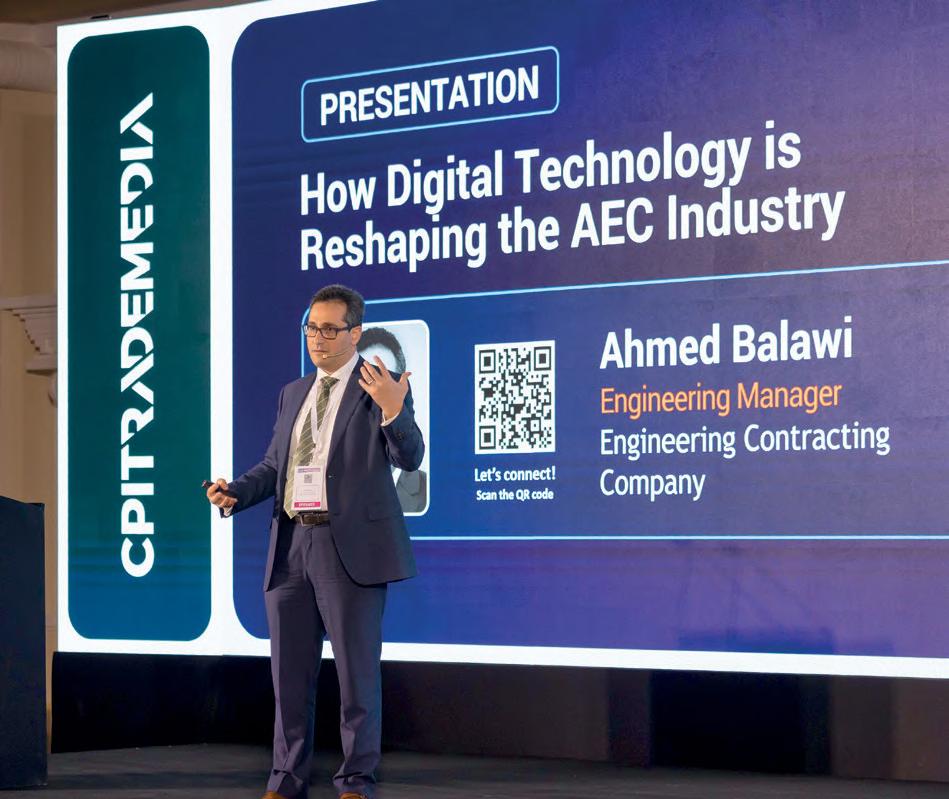


“Can you manage a project seamlessly from estimation to certification?”
CANDY CAN!
Smart Estimating, Planning & Project Control Software at your Fingertips
All-in-One: Powerful features streamlined workflow
Fast & Accurate Estimates: First Principles simplify and ensure accuracy.
Crystal Clear Data: Track data origin and calculations easily.
Reusable Estimates: Save time with adaptable project data
Control Costs: Manage resources for optimal budgeting.



From blueprints to digital twins: Redefining infrastructure in Saudi Arabia
As Saudi Arabia forges ahead with its megaprojects, it’s clear the blueprint for success lies in embracing digital innovation
writes Muayad Simbawa, Managing Director, Nemetschek Arabia
Saudi Arabia is in the midst of a historic infrastructure revolution, a cornerstone of its visionary journey toward Vision 2030. The Kingdom’s bold ambition is to build not just new cities and economic hubs, but to create truly future-ready, intelligent urban environments that will stand as global benchmarks.
This monumental undertaking demands a fundamental shift away from traditional, fragmented construction methods toward an integrated, data-driven approach. It is not just about building smarter; it’s about building with foresight, efficiency, and sustainability.
For decades, the global architecture, engineering, construction, and operations (AEC/O) industry has relied on static blueprints - two-dimensional plans that, while essential, offer a limited, siloed view of a project. They represent a single moment in time, a snapshot that quickly becomes outdated as changes, unforeseen
challenges, and new data emerge. This traditional approach creates friction and inefficiencies across the project lifecycle, leading to costly delays, budget overruns, and a lack of transparency.
The future of infrastructure in Saudi Arabia cannot be constrained by these limitations. The scale and complexity of megaprojects like NEOM, The Red Sea, and Qiddiya require a dynamic, living model that reflects the asset’s reality in real time. This is where the concept of the digital twin becomes not just a buzzword, but an absolute necessity. They allow decision-makers to visualise outcomes before construction begins, anticipate challenges, and manage operations with unmatched precision.
The scale of transformation
The numbers tell a remarkable story. According to Knight Frank, the value of total contracts awarded for the construction, industrial, and transport sectors between 2020 and 2025 has reached a staggering US $215.4bn. Riyadh alone accounted for $135.2bn of awarded contracts since 2020, representing 63% of the Kingdom’s total.
This pace of development is being powered by Vision 2030, which is reshaping the Kingdom into a global hub for tourism, commerce, and trade. This transformation aims to deliver over one million homes, more than 362,000 hotel keys, over 7.4m sqm of retail space, and more than 7.7m sqm of new office space by the end of the decade. In total, more than $1.3tn is set to be invested in real estate and infrastructure projects.
These figures highlight the sheer scale of opportunity, as well as the pressing need for digital-first approaches that ensure efficiency, accountability, and long-term value creation.
Enter the AI-powered digital twin
A digital twin is a virtual replica of a physical asset, be it a building, a bridge, or an entire city. It is built upon a foundation of rich,
The Kingdom is not just building infrastructure; it is crafting a new paradigm for urban living.
multidisciplinary data from a BIM framework and is continuously fed with real-time data from sensors and IoT devices. This creates a live, interconnected ecosystem that provides a single source of truth for all stakeholders, from initial design and construction through to a project’s longterm operations and maintenance.
This isn’t just about visualisation; it’s about intelligence. By integrating AI and machine learning into the digital twin, we can transform raw data into actionable insights. AI can analyse vast datasets to predict maintenance needs, optimise energy consumption, and simulate various scenarios to improve performance. Most importantly, it elevates operational excellence, allowing city managers and operators to make data-backed decisions that ensure the safety, security, and seamless functioning of a community.
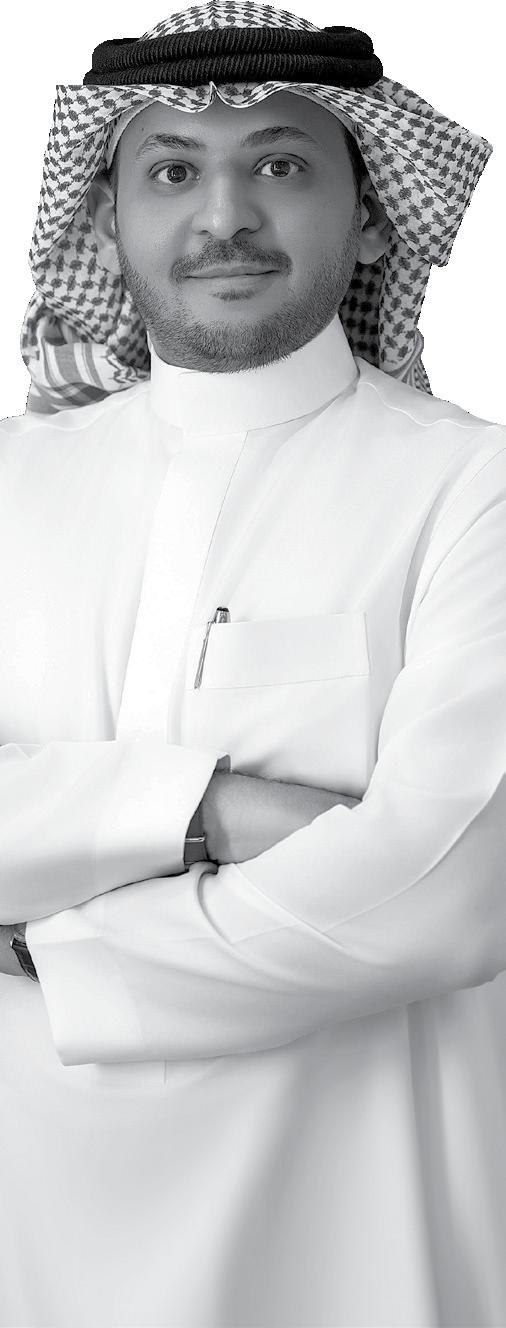
For a project like The Line, which will rely on a seamless, interconnected system, AI-driven digital twins are the only way to ensure optimal operation and a world-class quality of life for residents. This convergence allows us to build with a lifecycle approach, ensuring decisions made in the design phase have positive, long-term impacts on a project’s efficiency and sustainability.
Embracing digital innovation
As Saudi Arabia forges ahead with its ambitious megaprojects, it’s clear that the blueprint for success lies in embracing digital innovation. The Kingdom is not just building infrastructure; it is crafting a new paradigm for urban living. It falls to digital transformation enablers to empower the industry to move from static blueprints to dynamic, intelligent, and sustainable digital twins. This isn’t just the future of infrastructure – it is the future of a smarter, more resilient Saudi Arabia.
Muayad Simbawa is Managing Director at Nemetschek Arabia.
Why managing agent services shouldn’t
be overlooked by
mixed-use developers and event organisers
Delivery, accountability, and value-added capability are what transform a blueprint
into a world-class experience writes +impact's Patrick Hallgate
As Saudi Arabia creates destinations that blend culture, commerce, leisure, and entertainment, the complexity of managing these multi-layered environments is intensifying. Nowhere is this more visible than in large-scale mixed-use developments, greenfield projects and world-class event organisation, where the visitor journey is shaped by countless moving parts behind the scenes.
Here, the role of the managing agent, or vendor management agent, is no longer ‘nice-to-have’ - it is a strategic necessity.
The rising demand for managing agents
Across global markets, the demand for professional managing agent services has surged. Mixed-use precincts, cultural parks, and major event venues depend on vendors and operators, each responsible for a slice of the experience. Without a single point of accountability, service gaps emerge, customer journeys falter, and reputations suffer.
We’ve seen this dynamic play out across major international events.
Where coordination is strong, visitors’ experiences run seamlessly; but where vendor alignment is lacking, even wellplanned occasions can quickly unravel.
Early feedback from the Osaka Expo 2025 in Japan has highlighted frustrations with reservation systems, signage, and pavilion access - issues that spread rapidly across social media. The lesson is clear: behind every celebrated event or landmark destination lies an often-invisible layer of management that ensures the entire ecosystem functions as one.
Another lesson is the social media point. In today’s hyper-connected world, the stakes are even higher. A single poor visitor experience rarely stays private, social media ensures frustrations are amplified instantly. Research shows consumers are far more likely to share a bad experience than a good one, and nearly nine in ten say they would be deterred from attending an event if they saw negative comments online.
Success is measured not just in iconic skylines, sqm of green space or visitor numbers, but in how seamlessly those
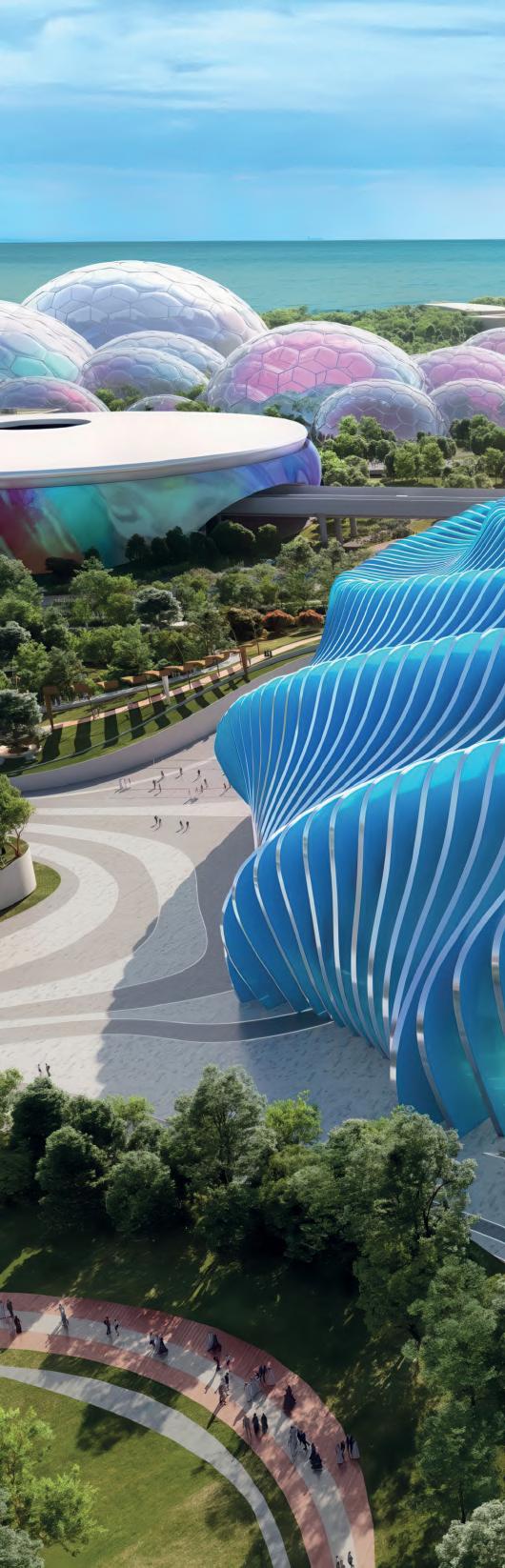
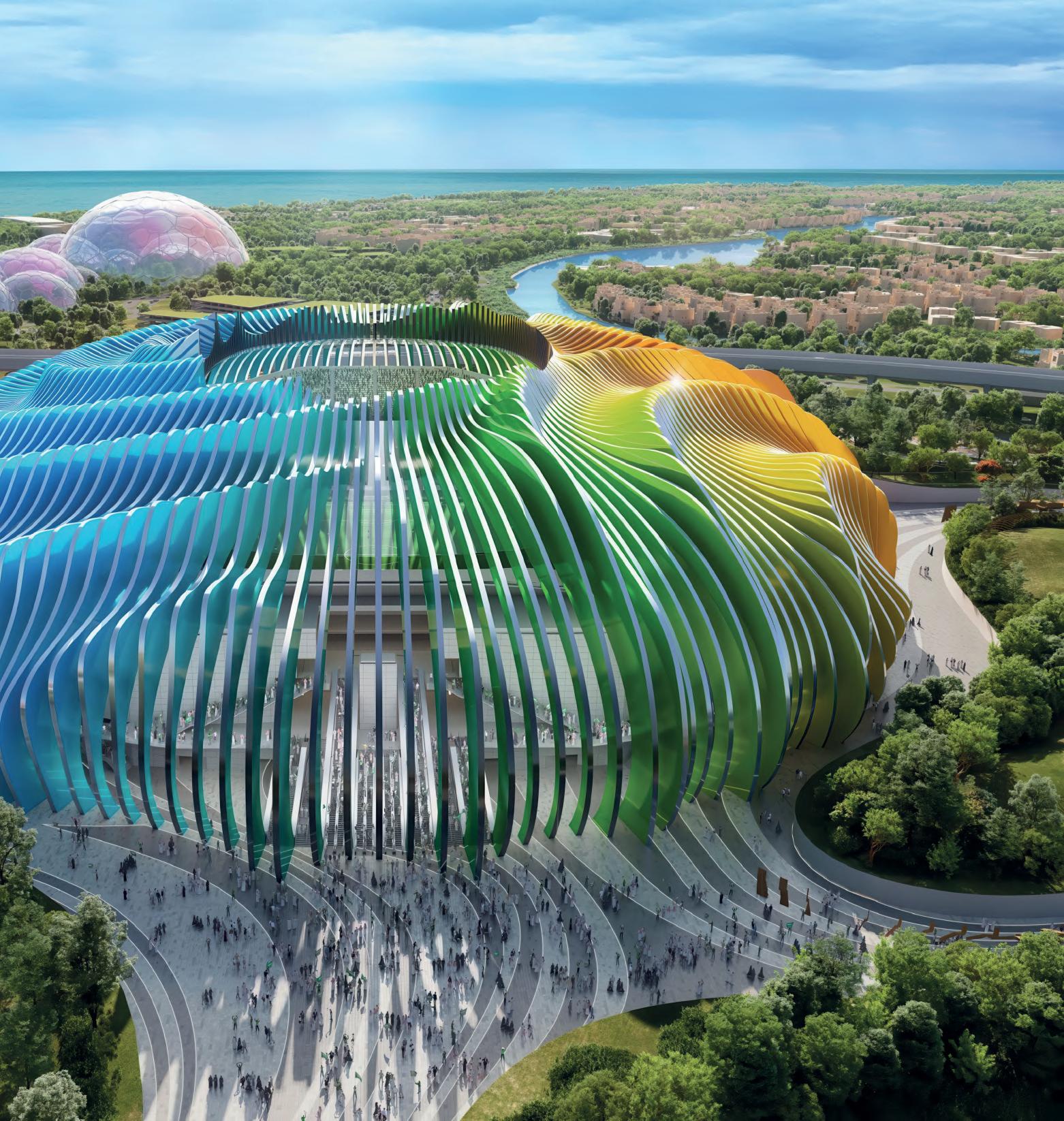
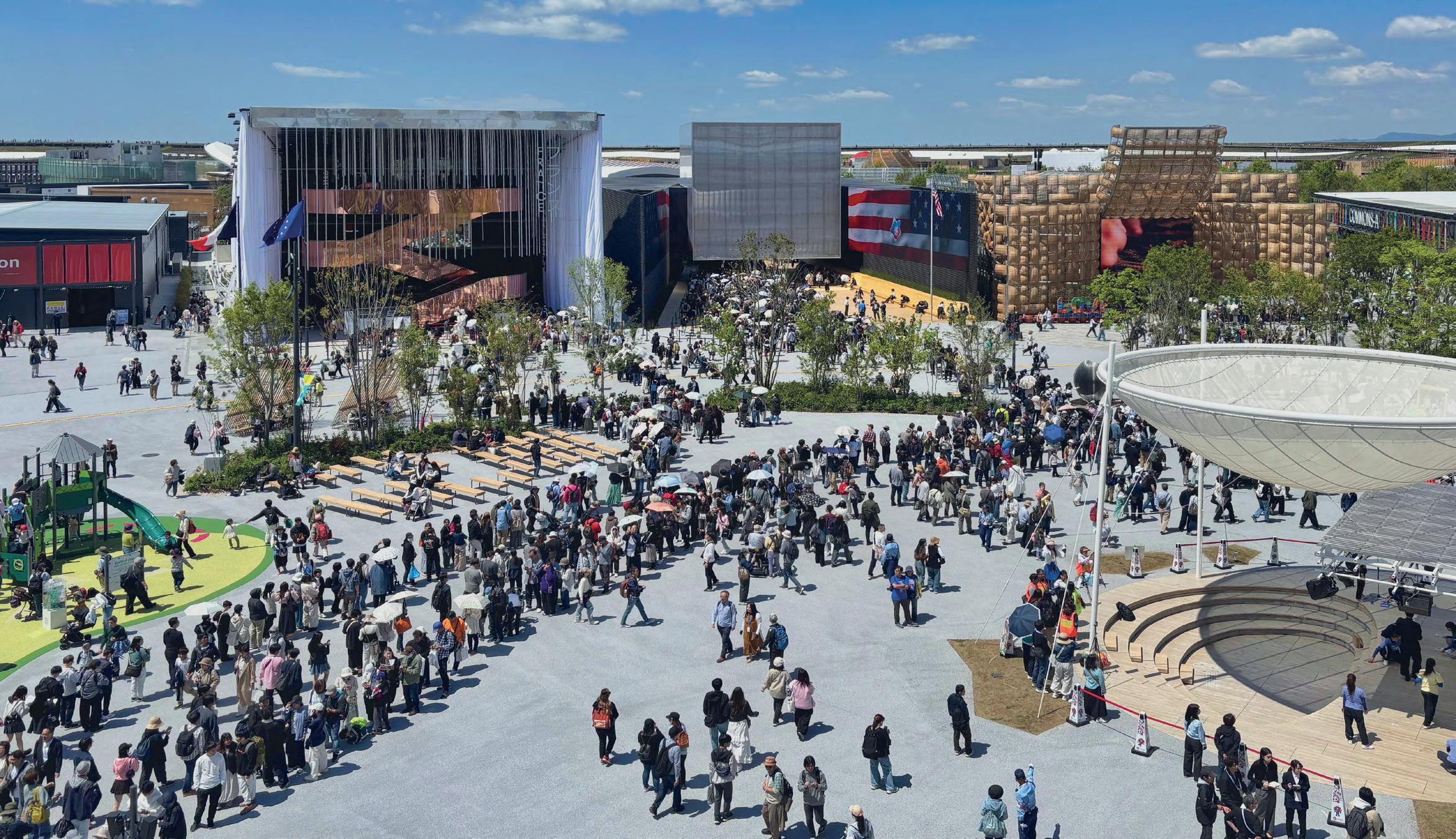
visitors are welcomed, engaged, and inspired. A well-structured managing agent ensures that operational excellence underpins every landmark moment - protecting reputation, maximising return on investment, and delivering the ‘wow factor’ that global audiences and residents now expect.
A strategic enabler of national visions
Developments on the scale of King Salman Park, Qiddiya and Diriyah Gate or mega-events such as Expo 2030 Riyadh and the FIFA World Cup 2034, are symbols of national progress for Saudi Arabia to showcase itself on the global stage, attract investment, boost tourism, and create cultural impact. It is an opportunity to create a better quality of living for residents. Delivering on that promise requires meticulous coordination. It means ensuring
ACCOUNTABILITY
Without a single point of accountability, service gaps emerge, customer journeys falter, and reputations suffer says Hallgate.
crowd management, facilities oversight, vendor services, technology platforms, and customer experience design all work in harmony. It means having a single accountable entity that can anticipate risks, resolve issues quickly, and guarantee that nothing slips through the cracks.
What to look for in a managing agent
Choosing the right agent can be the difference between operational friction and a flawless visitor journey. Five qualities stand out:
• Operational expertise: More than strategic oversight, the right managing agent understands on the ground realities of facilities management, asset management, transportation and logistics. They know how systems, vendors, and people interact and how
to keep them aligned under pressure
• Customer experience focus: Visitors rarely remember the mechanics of an event, they remember how it made them feel. Managing agents must go beyond compliance to create seamless and positive experiences. That means aligning vendors, training frontline staff, and embedding customer-centric thinking
• End-to-end management: Megadevelopments and events involve dozens of suppliers, contractors, and service providers. A managing agent must provide a single point of accountability, orchestrating across disciplines, so developers and organisers can focus on outcomes rather than firefighting
• Continuous improvement: Standards cannot be static. Look for managing agents that go over and above, putting in place CX hubs and using data-driven insights, and performance monitoring to track delivery in real time, identify gaps, and raise the bar continuously
• Knowledge transfer: Too often, large projects are left dependent on external expertise long after launch.
A progressive managing agent builds capability locally, ensuring that nationals and client organisations are equipped to sustain excellence themselves
The rise of value-add services
The best managing agents are defined not just by how they keep operations running but by the value they add. The expectation is no longer limited to vendor oversight, it is about driving growth, enhancing reputation, and building long-term capability. There is a clear departure from the traditional consultancy model in the Kingdom. Companies can no longer afford to appoint advisory firms to devise expensive strategies and glossy playbooks only to leave operators to struggle with implementation. The future belongs to managing agents who combine
Delivery, accountability, and valueadded capability are what transform a blueprint into a world-class experience.
advisory insight with operational delivery. Examples of value-add services include:
• Capability building and knowledge transfer: Using Transform-Train–Transfer approach, managing agents train and empower client teams, so within a four-year cycle, responsibility is handed back with sustainable skills embedded
• Experience design and training: Beyond service management, progressive agents help shape how visitors interact with a place, ensuring every touchpoint is consistent with the destination’s brand promise
• CX hubs and insight-driven improvement: Creating platforms to capture, analyse, and act on performance data, ensuring standards evolve with visitor expectations
• Vendor ecosystem development: Raising the quality of the entire supply chain by aligning and upskilling vendors to common goals
A catalyst for experiences that last Managing agent services may be invisible to most visitors, but their impact is central to the experience. For mixeduse developers and event organisers, appointing the right managing agent is about more than operational efficiencyit is about creating memorable journeys that reflect ambition, embody national vision, and leave a lasting legacy.
As mixed-use destinations become more ambitious and expectations climb higher, overlooking the managing agent role is a risk that few can afford to take.
Developers and organisers who succeed will be those who recognise strategy is not enough. Delivery, accountability, and value-added capability are what transform a blueprint into a world-class experience.
Patrick Hallgate is Advisory Services Director at +impact, Serco's advisory business.

Why traditional approaches to fire safety are failing
The industry has to move from checklist compliance to system performance, and run buildings as living assets rather than static installations writes Amantra Facilities Management’s Sangeetha B

High-rise cities have changed the fire problem. Traditional programs like periodic inspections, component signoffs, and tidy paper trails were built for simpler buildings and milder climates. In today’s towers, they leave gaps that only appear when an alarm tests the entire system at once. If our goal is predictable behaviour when it matters, we have to move from checklist compliance to system performance, and run buildings as living assets rather than static installations.
Vertical cities changed the problem statement
Rapid vertical growth has multiplied the interfaces where fire and smoke can travel. Where combustible materials exist - within the envelope, at interfaces, or simply in accumulated contents - the outcome depends on how the whole system holds together. A single certificate tells you little about that interaction. In practice, doors and stair pressurisation decide whether people move through cool, clearable air or meet heat and resistance. Dampers and control logic shape the path of smoke as conditions change floor by floor. Compartment integrity decides whether a small event stays local or becomes a building problem. Traditional regimes focus attention on individual parts: the detector that responds to spray, the pump that meets nameplate, the door that closes when nudged. They do less to confirm how those parts behave together under load. That is why integrated system testing must become routine. End-toend exercises that measure pressure differentials, door forces, fan response, damper positions, and clearance times provide evidence that sequences work in the building as it is, not as it was drawn. The numbers matter. A stair that cannot hold target pressure with two doors
GULF BASELINES
Extreme heat and persistent dust are a baseline in the Gulf and change how plant and equipment perform writes Sangeetha B.
open during a drill is an operational risk even if every device carries a stamp. Facades need the same level of stewardship. Product assurance at install is only the first step. Interfaces evolvesignage fixings, balcony retrofits, windowcleaning anchors, cable penetrations for new tenants. Smoke control interacts with these details in ways drawings never fully capture. Keeping an as-built register, documenting repairs with photographs, and inspecting interfaces on a defined cycle turns facade safety into a managed process instead of a one-off pass.
Climate is an operating condition
Many portfolios still run on snapshots like a stack of certificates or a periodic report. Real events do not happen at report intervals. They develop minute by minute, and their precursors live in everyday signals.
Extreme heat and persistent dust are the baseline in the Gulf. They change how plant and equipment perform. Detector sensitivity drifts, filters load faster than maintenance schedules expect, fan curves shift with temperature, and seals that were tight in the lab may lose their bite after a season. In this environment, drift is the norm, and drift erodes performance quietly. Programs need to acknowledge that reality. Set-points should be climate-aware. Filtration is not a housekeeping line item, it is a safety parameter. Rebalancing should be measured work, not an occasional favour after a complaint. Where differential pressure is the safety mechanism, measure it, record it, and correct it before it slips below target. Align preventive maintenance with the months that stress equipment most, not with procurement anniversaries. None of this is exotic. It is the discipline of operating a complex asset in a demanding environment. It is also the reason generic maintenance contracts can fall short. Towers deserve programs that recognise climate as an input, not a backdrop. When the plant is tuned to local conditions, the building holds its shape under stress instead of surprising the teams who run it.
Close the data gap
Many portfolios still run on snapshots like a stack of certificates or a periodic report. Real events do not happen at report intervals. They develop minute by minute, and their precursors live in everyday signals. Without clean, continuous data, these patterns stay invisible.
The solution is less about buying tools than about treating information as part of the plant. Start with inventory hygiene: consistent device names, location tags that match reality, and current cause-andeffect matrices. Without that, analytics chase ghosts and operators lose trust in the panels. Feed faults and impairments directly into work orders with response time expectations, closure notes, and simple root-cause tags. Review the data weekly with the people who close those tickets. Look for repeat offenders by device and by location. Retire the idea that faults are background noise. A panel that sends a hundred troubles a month is describing how the building might behave when the system is under load.
When coverage is sufficient and the signals are clean, real-time analytics earn their place. Models can link minor, recurring panel troubles to a subtle drift in stair pressure, or show that nuisance alarms spike whenever a certain layout or seasonal condition appears. Remote monitoring adds speed. The value is not the dashboard but the cycle time between detection and remedy, and a steady reduction in false alarms that dull operator response.
Artificial Intelligence (AI) helps when mechanisms are sound, data is clean, and teams act on what the models reveal. It does not replace the fundamentals. Doors must still latch and dampers must still move on command. Fans must hit targets. Drills should reflect the building you actually operate: nightshift exercises, a muted PA zone, one
Towers deserve programs that recognise climate as an input, not a backdrop.
stair temporarily out of service. Capture lessons and update SOPs the same week.
What good measures can look like

In portfolios that cope well under alarm, acceptance is treated as a starting point. Change must be handled as part of operations. Fit-outs, retail turnovers, and small MEP tweaks create drift. The better teams keep simple controls that surface it early and close the loop quickly. When repeat alerts cluster on a riser or at a single floor, they’re read as signals about reliability and, by extension, about how the system might perform under load. Procurement and budgeting follow the same logic. Where contracts reward stability and responsiveness, reliability tends to improve without theatrics. Targeted adjustments - door hardware kept in calibration, dependable damper actuation, panels that produce clean data, fan resilience at critical nodes - often deliver greater stability than headline replacements. Climate shows up in the numbers. Filtration and seasonal rebalancing are funded as operating needs, not afterthoughts. And the information layer is treated as part of the plant. When those basics are in place, analytics help teams act sooner and drills teach the building as it is, not as it was drawn.
Traditional approaches are failing because they were designed for a different kind of building and a different climate. Towers ask us to think in systems and operate with evidence. The answer is routine discipline, done well and done often. It calls for steady work. When those habits are in place, fire safety becomes a property of the whole, and behaviour in an alarm becomes predictable. That is the standard vertical cities deserve.
Sangeetha B is CEO of Amantra Facilities Management.
Turn growth challenges into competitive advantages.
Wherever your projects take you, Trimble scales with your ambition. Whether it’s supporting new materials, handling local compliance or growing from single seats to enterprise deployments, we’ll help you deliver with confidence.
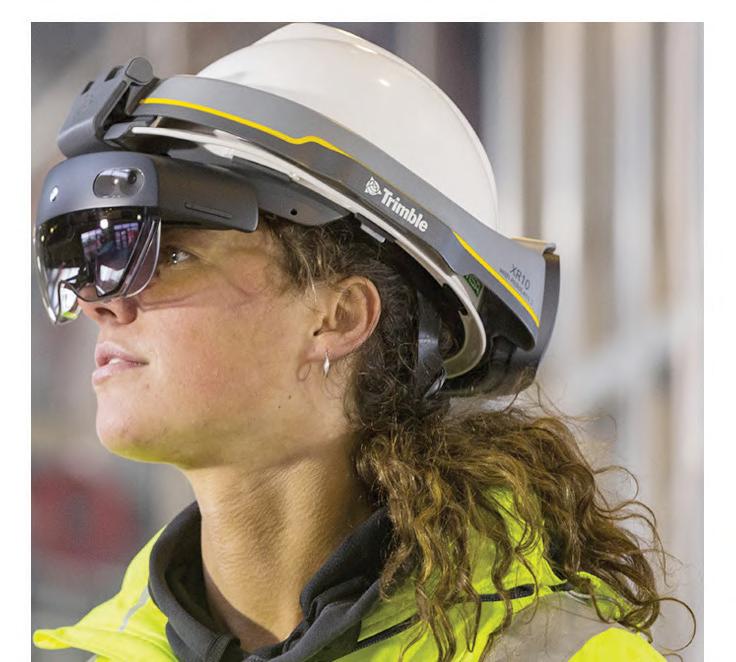
REWORK CALCULATOR
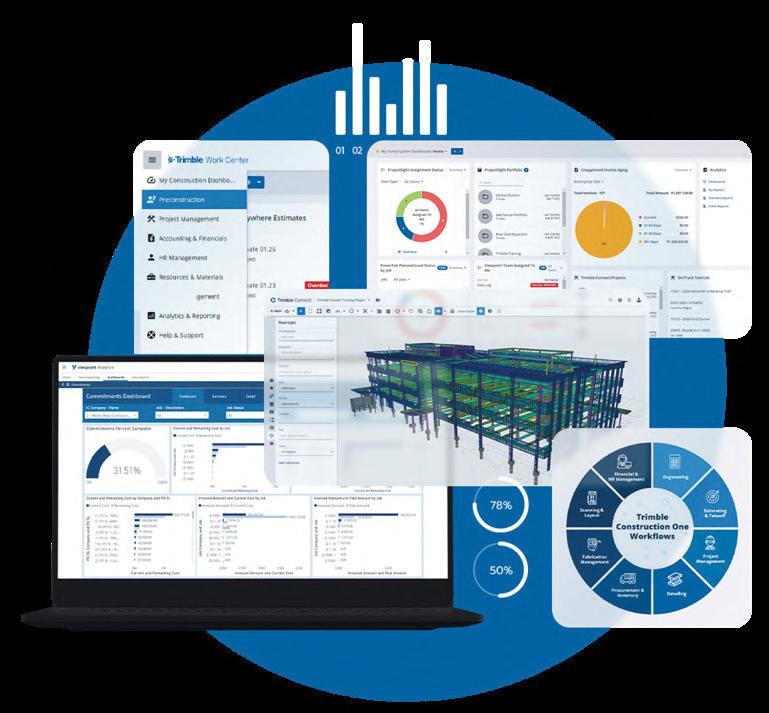
This free access tool is designed to help structural and MEP professionals visualise the financial impact of rework in a project.
By inputting a few key details and using data from the Construction Industry Institute, you can see how small oversights can escalate as the project progresses from design to construction.
The Role of Smart Water Management
As Saudi Arabia advances toward Vision 2030’s sustainability goals, reducing water loss is as critical as expanding desalination and reuse says AVK SVMC’s Mads Helge


Water is Saudi Arabia’s most precious resource, yet its demand is growing rapidly. As the Kingdom expands its cities, industries, and population, water demand continues to rise - placing greater pressure on desalination plants and distribution networks as well.
To keep pace with rising demand, Saudi Arabia - like many nations - is working to improve the management and delivery of its water, concentrating on reducing unnecessary losses and enhancing system performance. Given the Kingdom’s substantial reliance on desalinated water - accounting for approximately 65% of its of its drinking water supply - these efforts are particularly crucial, ensuring that every drop produced through energyintensive processes is utilised efficiently.
They are also essential for controlling operational costs and speeding progress toward long-term sustainability. To achieve lasting water resilience, Saudi Arabia must go beyond simply expanding water supply to minimising waste and creating smarter delivery networks.
As Saudi Arabia advances toward Vision 2030’s sustainability goals, reducing water loss is as critical as expanding desalination and reuse. Smart pressure management, real-time monitoring, and high-quality system upgrades are essential for improving resource allocation and preventing losses. Solutions, including pressure control technologies, flow regulation, and robust infrastructure, will assist the Kingdom in reducing non-revenue water and ensuring long-term sustainability.
Improving water networks to reduce loss
Saudi Arabia’s dependence on desalination necessitates transporting large quantities of treated water over considerable distances to reach consumers. However, ineffective flow control within the distribution network can cause excessive pressure fluctuations, resulting in heightened energy consumption and operational costs.
As water demand continues to rise, ensuring the resilience of essential networks is crucial for maintaining a continuous supply.
These uncontrolled pressure changes not only strain pumping systems but also place significant stress on the pipeline infrastructure. Over time, unregulated pressure variations become a leading cause of leaks, bursts, and structural damage - major contributors to non-revenue water (NRW) losses. Without proper control mechanisms in place, excessive pressure can weaken pipelines over time, leading to structural failures that result in unnecessary water wastage.
To address these challenges, advanced pressure management valves and district metered areas (DMAs) systems provide a proactive solution. These technologies stabilise pressure levels within the network, reducing strain on pipelines and extend their lifespan. Additionally, by optimising flow control mechanisms, utilities can regulate water movement more effectively, alleviating stress on pumping stations and preventing the overuse of energy resources.
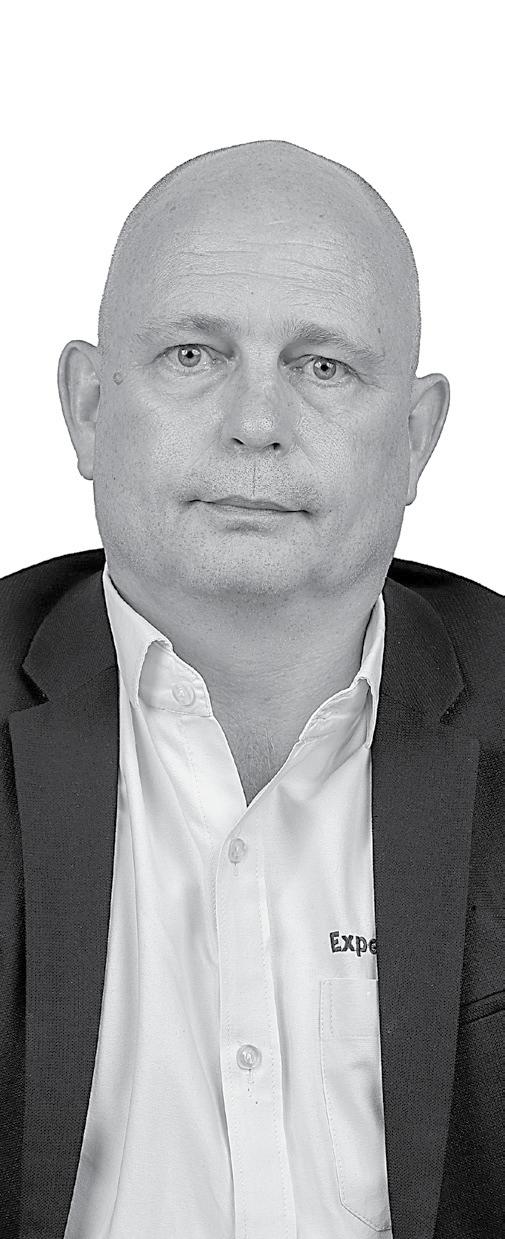
By maintaining a controlled and balanced flow, utilities can reduce unnecessary leakage, enhance service reliability, and improve overall network longevity. When combined with real-time monitoring systems, pressure control solutions facilitate predictive maintenance, enabling utilities to detect and address potential failures before they escalate into costly disruptions.
In the long run, addressing inefficiencies in pipeline management also reduces the overall energy footprint of water transportationensuring that more treated water reaches consumers without excessive resource use.
Strengthening infrastructure resilience
Saudi Arabia’s harsh climate presents further challenges for water systems. Elevated temperatures, corrosion, and material fatigue accelerate the deterioration of pipelines, increasing the risk of leaks and service interruptions. As water demand continues to rise steadily in the Kingdom, ensuring the
resilience of essential networks is crucial for maintaining a continuous supply.
Investing in durable, precision-engineered pipeline materials and valves can significantly reduce maintenance needs and extend asset longevity. These systems, designed to withstand the harsh environmental conditions of the region, will help utilities maintain efficiency and reliability, while minimising costly repairs and replacements. Furthermore, adopting predictive maintenance technologies
TRANSPORTING WATER
Saudi Arabia’s dependence on desalination necessitates transporting large quantities of treated water over considerable distances to reach consumers says Helge.
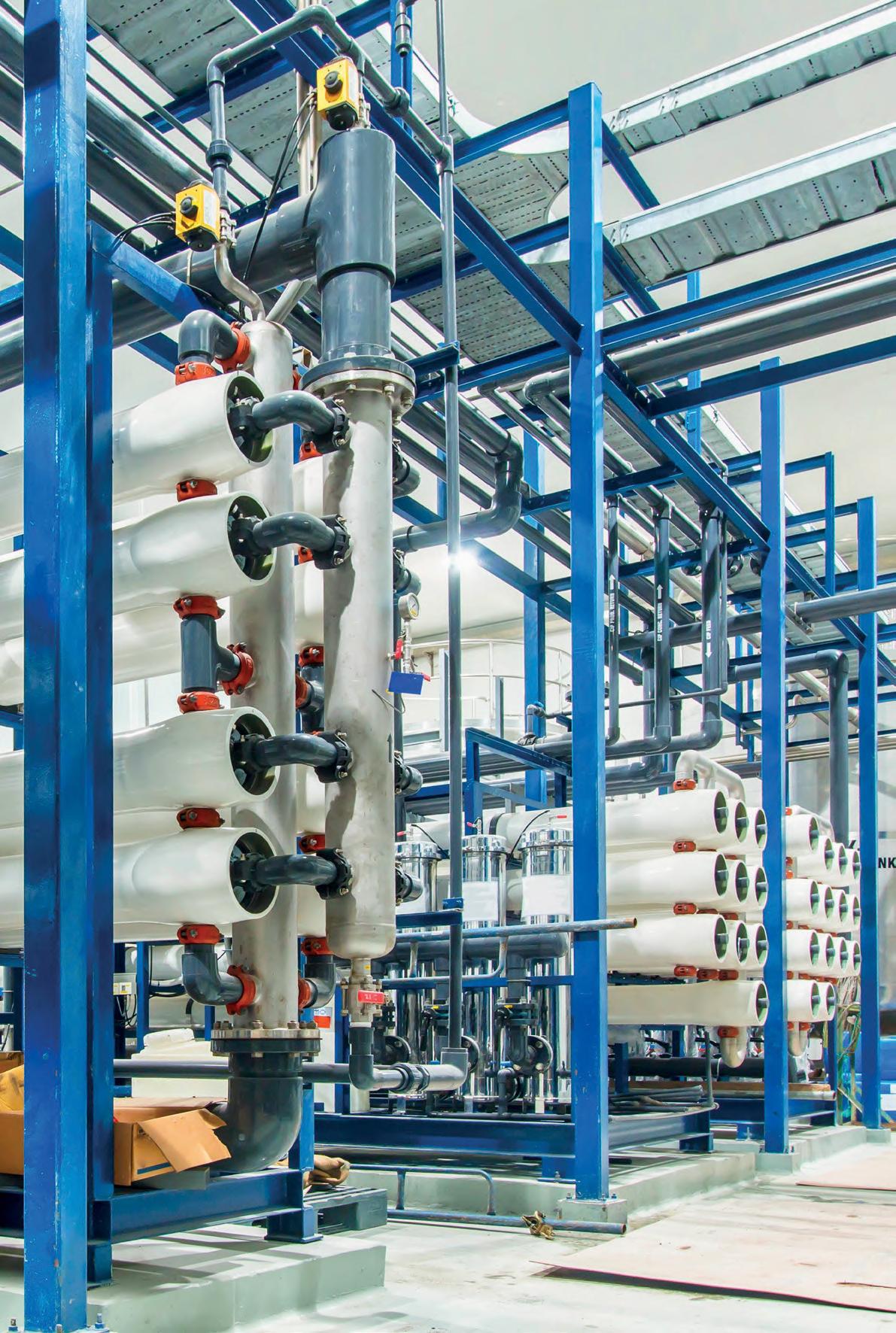
- such as AI-powered sensors that detect early signs of wear - can further enhance the resilience of water networks and support long-term sustainability.
For example, at AVK, we have developed the VIDI Positioner, an IoT sensor that monitors the position of valves in real-time. This device transmits data regarding valve status, enabling utilities to promptly detect and address potential issues, thereby enhancing operational efficiency and reducing water loss. These innovations demonstrate what’s achievable when smart technology meets resilient infrastructure - especially in a region where every drop counts.
Ultimately, water security is nonnegotiable. Saudi Arabia, like any other nation, cannot afford to lose significant amounts of treated water due to operational gaps, especially since energy-intensive desalination remains the backbone of its supply. Smart pressure management, optimised flow control, and durable pipeline systems are not merely improvements - they are essential.
Focusing on minimising water loss, enhancing energy efficiency, and bolstering distribution systems, the Kingdom is wellprepared to support its expanding population and thriving industries. The future of water goes beyond mere adaptation; it is about leading the way with innovation and sustainability as central themes, a vision that the Kingdom is fully committed to pursuing.
Building local expertise for sustainable progress
Technology and infrastructure are only part of the solution. Saudi Arabia’s longterm water security will also depend on the people who operate, manage, and maintain these complex systems. As the Kingdom accelerates its investment in smart water management, parallel efforts must focus on training and upskilling a new generation of water professionals.

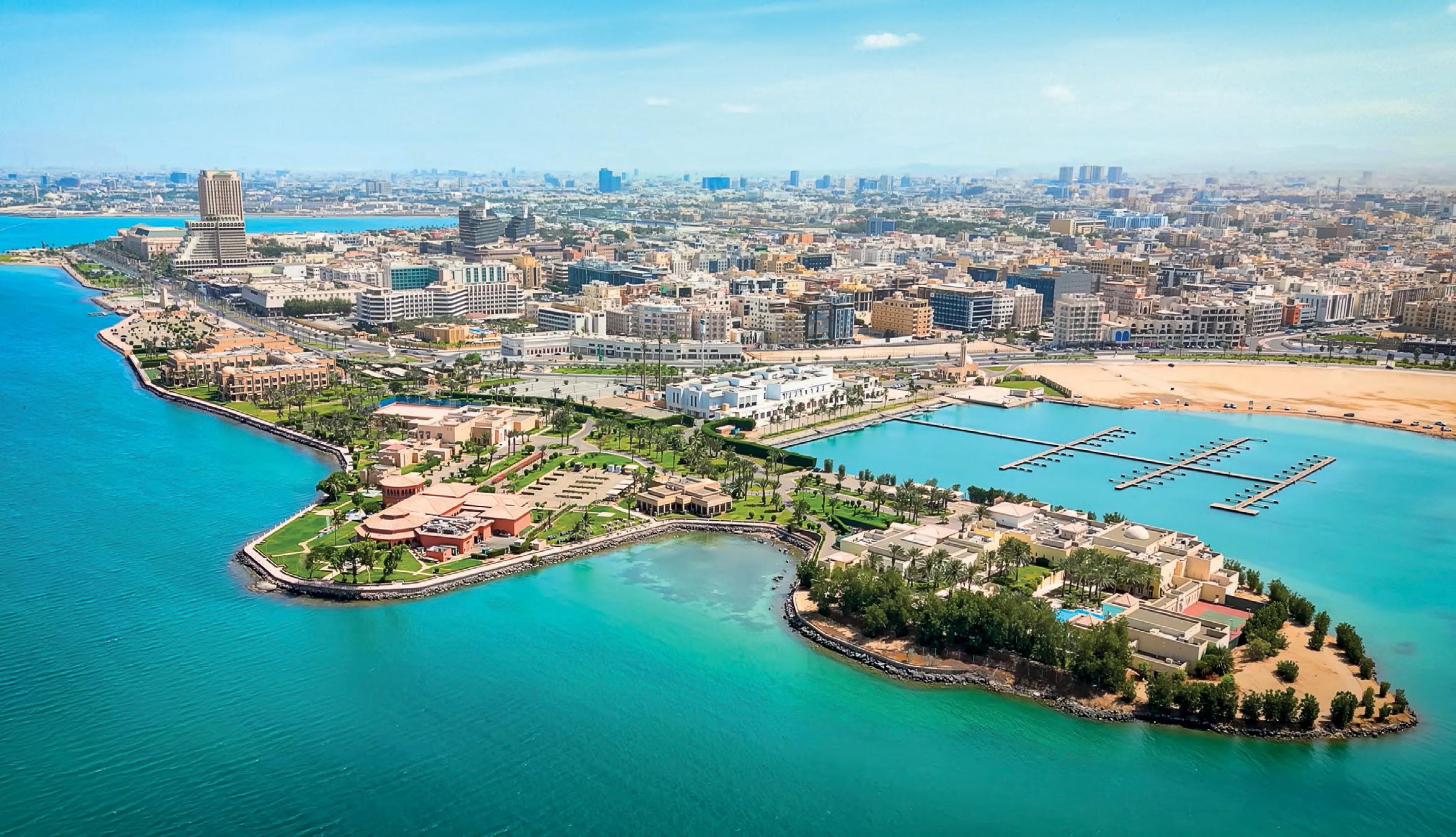
Developing local expertise through education, technical training, and knowledge transfer is critical for ensuring that digital systems are used effectively and maintained over time. Programs that foster collaboration between international technology providers and local utilities, such as joint workshops, field-based learning, and mentorship, can fast-track operational readiness and drive long-term capacity building.
In addition, partnerships with universities and vocational institutions can help create a robust talent pipeline tailored to Saudi Arabia’s unique water challenges. Whether it’s understanding the intricacies of pressure zoning, mastering digital monitoring tools, or implementing predictive maintenance, a wellprepared workforce is essential for achieving the full benefits of smart water infrastructure.
WATER SECURITY
The Kingdom's longterm water security will also depend on the people who operate, manage, and maintain the gamut of complex systems says Helge.
By investing in both infrastructure and human capital, the Kingdom ensures that innovation is not just installed, but understood, optimised, and sustained well into the future.
As the Kingdom continues this journey, collaboration will be key. Partnerships with global technology leaders, knowledgesharing platforms, and regional alliances can accelerate innovation and help Saudi Arabia remain at the forefront of sustainable water governance. The challenges ahead are complex - but by combining smart solutions with visionary planning, the Kingdom has the opportunity to redefine what’s possible for water management in the 21st century.
Mads Helge is General Manager at AVK SVMC.
Robots in construction: a new frontier for the Middle East
Robots in construction are no longer science fiction: they’re tools that, when used intelligently, can save time, cost, improve safety, and help meet sustainability targets says ACCIONA's Pilar Blanco


Construction has long been one of the pillars of economic development in the Middle East. Towering skyscrapers, sprawling infrastructure, high-capacity hospitals…these are the symbols of growth. Yet with ambition comes complexity: labor shortages, harsh environments, tight deadlines, cost pressures, and rising demands for safety, sustainability, and quality. To meet these challenges, the region is now looking at robotics not as sci-fi, but as practical, high-impact tools.
Several factors are converging in the Middle East to make robotics in construction more than just a novelty:
Scarce labor/high labor cost: Many projects rely on both locally skilled and migrant labor. Recruiting, housing, and safely managing workers is expensive, and shortage of certain skilled trades is real. Robots can help alleviate bottlenecks, especially in repetitive or dangerous tasks
Environmental & safety conditions: High temperatures, dust, remote sites, tunnel works, and risk of accidents - all pose risks. Robotics can operate in hazardous or hard-to-access places, reducing human exposure Deadline & cost pressures: Megaprojects are the norm, but delays are very costly. Precision, speed, and reduced rework all matter
Sustainability, quality, digitalisation: Governments and clients increasingly demand 'smart', sustainable, efficient builds. Building information modeling (BIM), prefabrication, and robotics are all parts of that ecosystem.
As the Middle East seeks smarter, safer, and more efficient ways to build, real-world examples of robotics in action become especially valuable. We have already put theory into practice, deploying two innovative robots that showcase how automation can transform construction workflows.
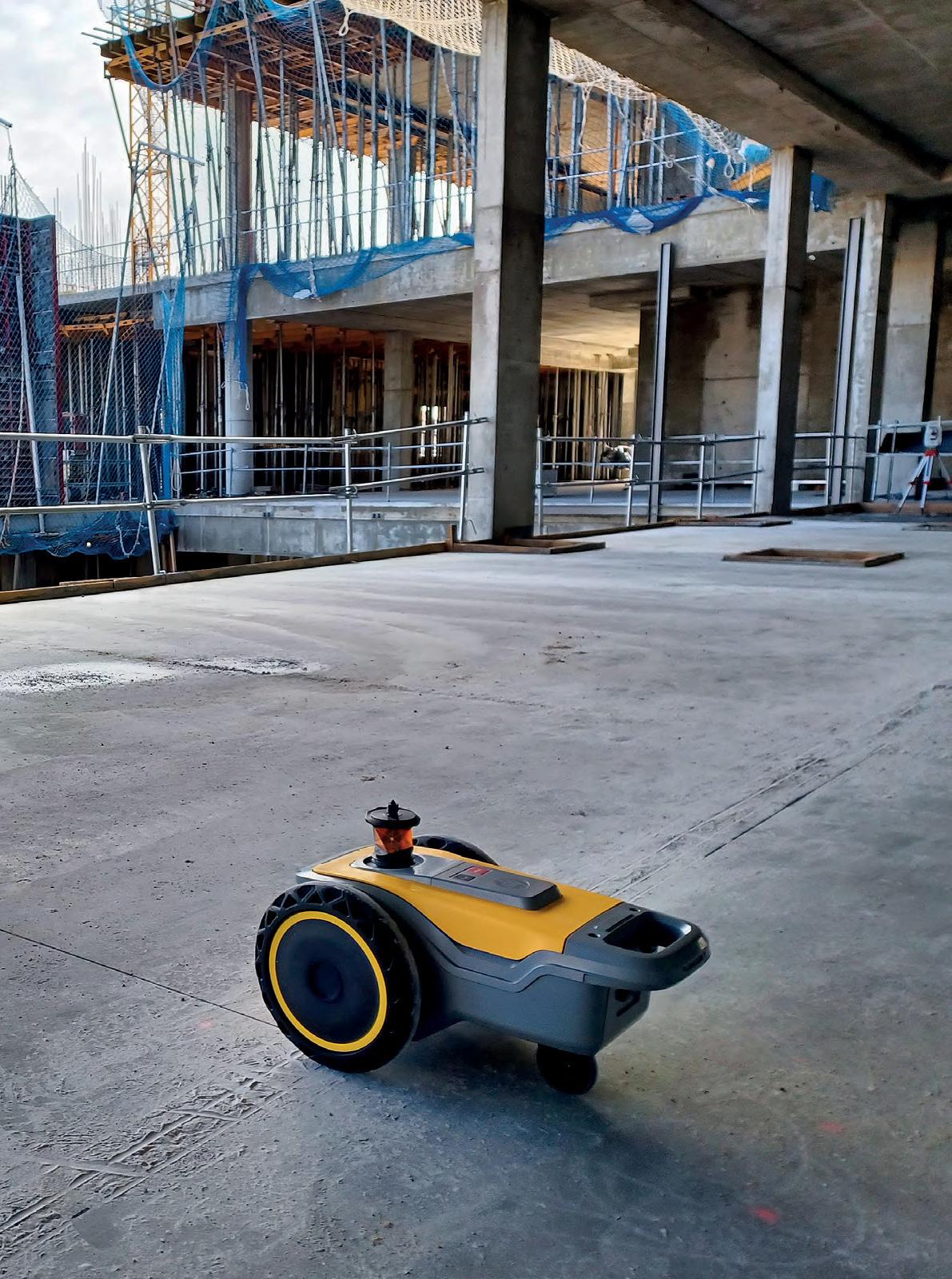
SPOT, the Robotic Dog
Developed originally by Boston Dynamics, SPOT is a four-legged robot adapted by ACCIONA with custom hardware and software to work in challenging, often subterranean environments.
Some of its capabilities are:
• Operating underground (e.g. tunnels, mines), doing inspections, scanning
The autonomous mobile printing robot uses digital plans and can draws out lines and text directly onto floor slabs/surfaces, marking out partition wall locations.
• Using LiDAR, 3D cameras, thermal sensors, photogrammetry to detect structural weaknesses, monitor concrete curing, measure thickness, compare profiles of excavated vs. finished surfaces
• Speed and safety: tasks that used to
HP SITEPRINT ROBOT ACCIONA used the HP SitePrint robot in the construction of the Alentejo Central Hospital in Évora, Portugal.
take many times longer manually can be done much faster; human risk is reduced. For example, in early trials in the Chuquicamata mine in Chile, Spot cut inspection/measurement times dramatically, sparing humans from entering unstable or dangerous zones.
HP SitePrint robot at Alentejo Hospital, Portugal
The second example is a newer robot used in ACCIONA’s construction of the Alentejo Central Hospital in Évora, Portugal: the HP SitePrint robot. This is an autonomous mobile printing robot (wheeled unit) that, based on digital plans, draws out lines and text directly onto floor slabs/surfaces, marking out partition wall locations.
Key benefits in that project:
• Speed: ACCIONA reports that using SitePrint sped up the layout of internal partition walls by about six times compared to traditional surveying and manual marking
• Scale: The hospital project involves more than 25,000 m² of layout markings over a 140,000 m² slab area
• Accuracy & worker relief: The robot reduces physical burden on surveyors, improves accuracy, and helps ensure that the build proceeds with fewer layout mistakes. Also, human operator involvement remains critical (for blueprint preparation, for running the robot), so it’s not fully replacing people, but augmenting capacity And how might can we translate these technologies to the Middle East? I see several strong opportunities (and some challenges).
Opportunities:
Tunnel/underground works: Robots like SPOT could be used for inspections, safety monitoring, structural scanning during the underground works. Using them could improve safety (fewer people in risky zones), reduce delays caused by
Robots in construction are no longer science fiction: they’re tools that, when used intelligently, can save time, cost, improve safety, and help meet sustainability targets.
human access, and improve maintenance. Large-scale hospital and infrastructure developments: Governments across GCC and neighboring countries are investing heavily in health infrastructure. Projects like Alentejo show that layout marking and partitioning tasks benefit tremendously from robot deployment. In large slab constructions, hotels, residential towers, etc., having robots that can do marking/ layout could save weeks on schedule.
Harsh climates and remote sites: In many Middle Eastern countries, job sites are exposed to extreme heat, sandstorms, remote deserts or mountains. Robots can be less affected (assuming they are designed/ adapted) and might operate in hours when human labor must rest. Also, the cost of mistakes (due to environmental conditions) is higher, which makes robotics more attractive. Digital transformation & forward-looking policy: Many governments have strategy documents (Vision 2030, UAE Centennial, etc.) that push for innovation, sustainability, smart cities. Robotics in construction aligns with those goals. Investment incentives, regulation, codes & standards may evolve to promote robotics adoption.
Challenges:
Initial investment & cost: Robots like SPOT, or the HP SitePrint robot, are expensive. Uptake requires capital investment, training, maintenance, possible importation, spare parts. For many smaller contractors, this could be a barrier.
Skilled operators and integration: Robots don’t work in isolation. They need digital plans, BIM, trained people to operate sensors, feed data, interpret results. There is often a skills gap. Also, integrating robot outputs into the rest of construction process (surveying, finishing) requires changing workflows. Regulation & standards: Laws and building codes in many parts of the Middle East may not yet envisage robotic

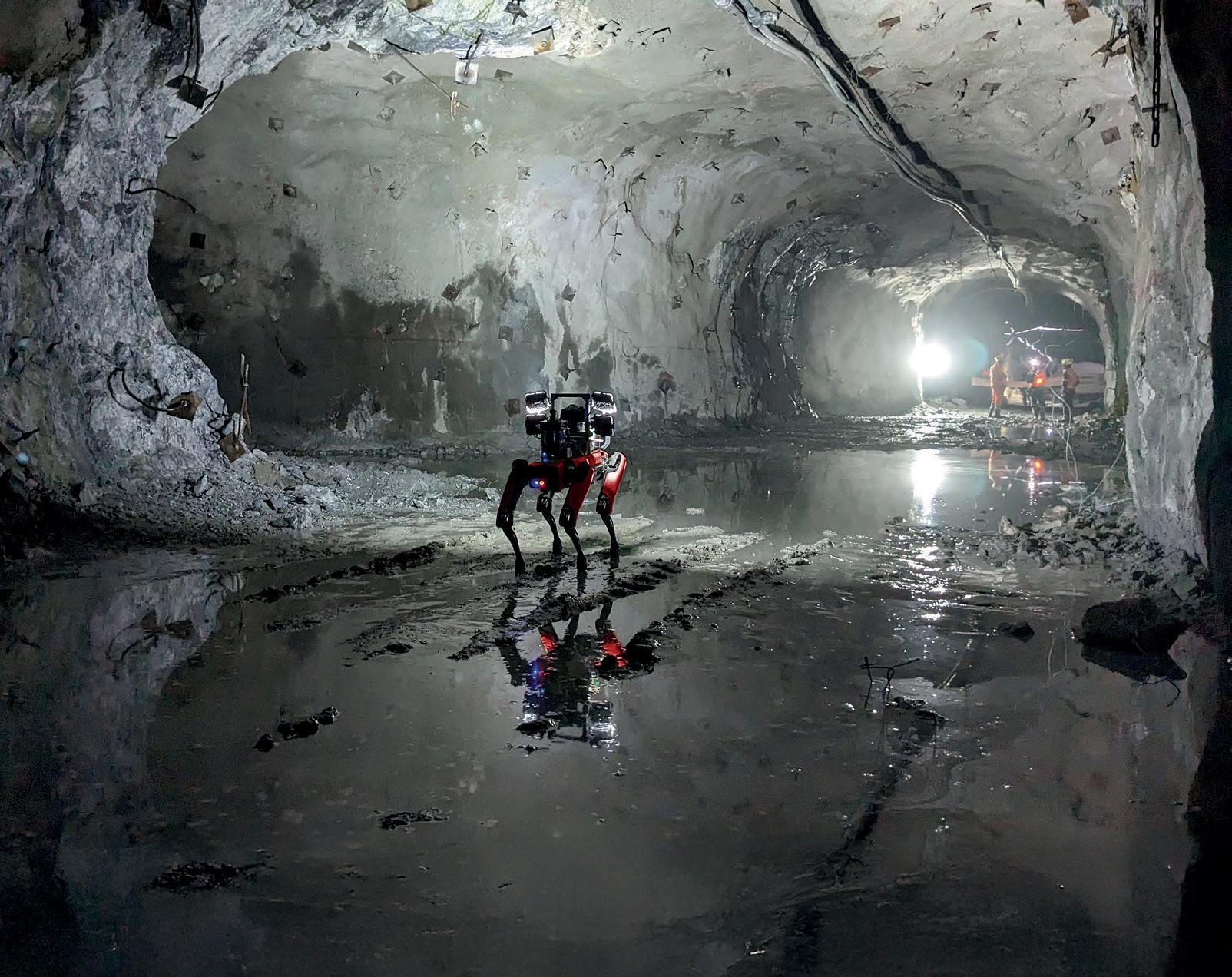
survey tools or automated layout or autonomous machines on site. Regulatory clarity around safety, liability, inspection acceptance, etc., will need development.
Adaptation to environment: Robots built/trained in temperate climates may struggle with extreme heat, dust, humidity. Maintenance and reliability under such conditions must be proven.
Given the promise and the challenges, I believe the Middle East can make the best use of robotics in construction by taking several coordinated steps. Pilot projects are a good start (such as using robots for partition wall marking, tunnel inspections, or hospital interiors) to demonstrate return on investment, collect data, and adapt technologies to local conditions.
Building partnerships with robotics manufacturers, or with experienced
companies already deploying these tools, will also be essential to accelerate knowledge transfer and fine-tune equipment for the region’s extreme heat, dust, and terrain. At the same time, it is always a good idea to invest in training and workforce development, so operators can manage, maintain, and interpret robotic data, with universities and vocational schools integrating robotics and automation into their curricula.
Clear regulatory and contractual frameworks will be equally important, ensuring robotic outputs are formally recognised in inspections and that responsibilities are well-defined if errors occur. Finally, stakeholders must be pragmatic: not every project requires robots, especially smaller builds or where labor costs are low, but for large-scale, repetitive, hazardous, or precision-driven works, the case for robotics is already compelling.
SPOT, THE ROBOTIC DOG
Originally developed by US-based Boston Dynamics, SPOT is a fourlegged robot that has been adapted by ACCIONA with custom hardware and software to work in challenging environments.
Robots in construction are no longer science fiction: they’re tools that, when used intelligently, can save time, cost, improve safety, and help meet sustainability targets. ACCIONA’s deployment of SPOT underground scanning/tunneling and the HP SitePrint robot for layout at Alentejo Hospital are sharp illustrations of what works: combining automation with human oversight; achieving speed and precision; and tackling large, complex projects.
For the Middle East, the case is compelling. The region’s scale of infrastructure investment, its labor and environmental challenges, and its ambitions for technology and sustainability make it ideal for robotics. If contractors, governments and regulators move decisively (running pilots, investing in skills etc), we’ll see robotics shift from 'nice to have' to 'must have' in construction workflows across the Gulf and beyond.
Pilar Blanco is Civil Works Specialised Business Units and Engineering & Design Management Global Director at ACCIONA.
*Full-page Advertisement
ruck & Fleet ME Full-Page Specification
size: 240 mm (w) x 300 mm (h)
+10mm
Mode : CMYK
Resolution: 300 dpi
UNITED ARAB EMIRATES
format : High-Res PDF
Dar Global announces handover of DaVinci Tower in Dubai
Construction Machinery ME
Full-page Specification
size: 240 mm (w) x 300 mm (h)
Bleeds: 5 mm
Mode: CMYK
Resolution: 300 dpi
Developer Dar Global has announced the commencement of the handover of DaVinci Tower, which is billed as the world’s inaugural residential development to be branded by Pagani Automobili.
format: High-Res PDF
*Newsletter Banner
a unique sensory experience. Custom interiors, advanced smart systems, and premium finishes combine to create an unparalleled living environment, the developer explained.
that will stand as a benchmark for branded residences worldwide.”
90px, 500px x 80px, 420px x 350px
JPG / GIF
Hyperlink
Nestled along the Dubai Water Canal, DaVinci Tower offers views of the Burj Khalifa and the Downtown skyline. Each of the 80 exclusive residences is crafted with the design philosophy and signature detailing that epitomise Pagani’s aesthetic, the developer said.
Campaign – Truck & Fleet
This handover is a landmark achievement that emphasises Dar Global’s role in bringing the exclusive luxury brands into real estate, continuing to elevate Dubai and the region as a global destination for design driven living, the developer explained.
DaVinci Tower redefines highend living by blending architecture, art, and automotive-inspired luxury. With only 80 units across its sculptural structure, each residence is designed to provide
Approved mailer designed by the client plus the following. FROM (usually the client’s Company name)
SUBJECT (the subject line that should appear on the e-mail)
Ziad El Chaar, CEO of Dar Global said, “Today marks a defining moment for Dar Global and in the evolution of luxury living. The handover of DaVinci Tower is the realisation of a bold vision – to bring the soul of Pagani’s design identity into residential architecture. We are delivering not only homes, we are delivering a legacy of creativity, performance, and emotional connection. With DaVinci, we are not just handing over keys; we are handing over an experience
As a developer, DarGlobal says that it specialises in exclusive luxury developments across the world’s cosmopolitan cities, and caters to global citizens seeking prime investments, second homes, and luxury living. The firm said it transforms real estate into economic catalysts, unlocking opportunities for both investors and the countries it enters.
e-mailers must be in HTML format where images are coded with 'Absolute URL'.
width of the designed mailer must not be more than 700 pixels and at 72DPI. restrictions on the mailer ’s height.
and form fields are not allowed as most e-mail clients don't recognize them. like these, a dedicated landing page must be provided by the client and on the HTML mailer.
banners are included make sure that they are NOT in flash/SWF format
ebsite MPU Banners
250px, 600px x 500px
JPG / GIF
Hyperlink October
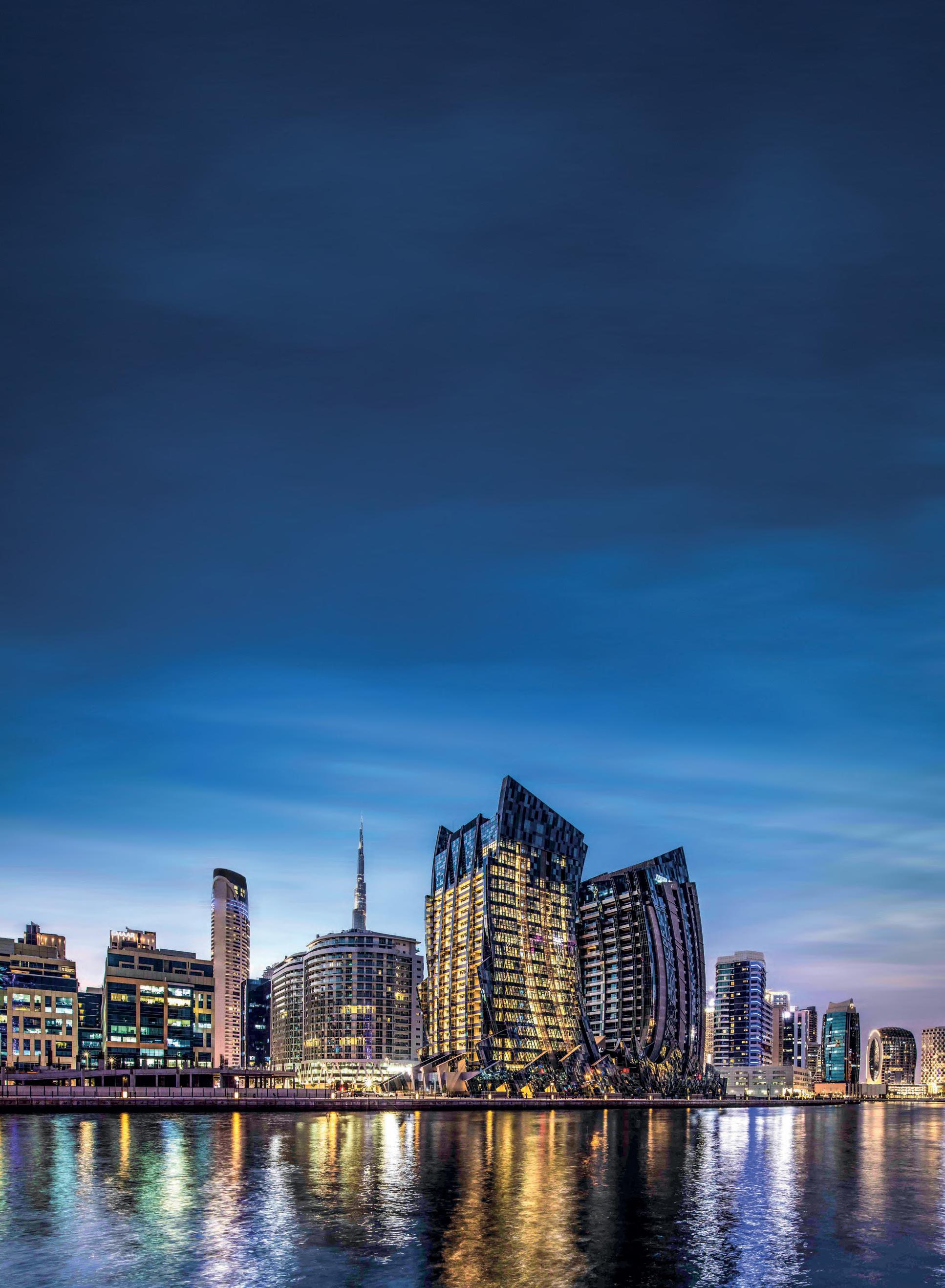




TIPPER TRAILERS
AVAILABLE CAPACITIES: 18 | 23 | 32 | 36 | 48 CBM
TRANSPARENT SPECS AND PROVEN DURABILITY
BUILT FOR THE HEAVIEST LOADS, WITH NO RECONFIGURATIONS
ENGINEERED FOR UPTIME: FEWER BREAKDOWNS, FEWER DELAYS
77th Street, DIP 2, Dubai, UAE nazindustries.ae
info@nazindustries.ae sales@nazindustries.ae +971 48107777

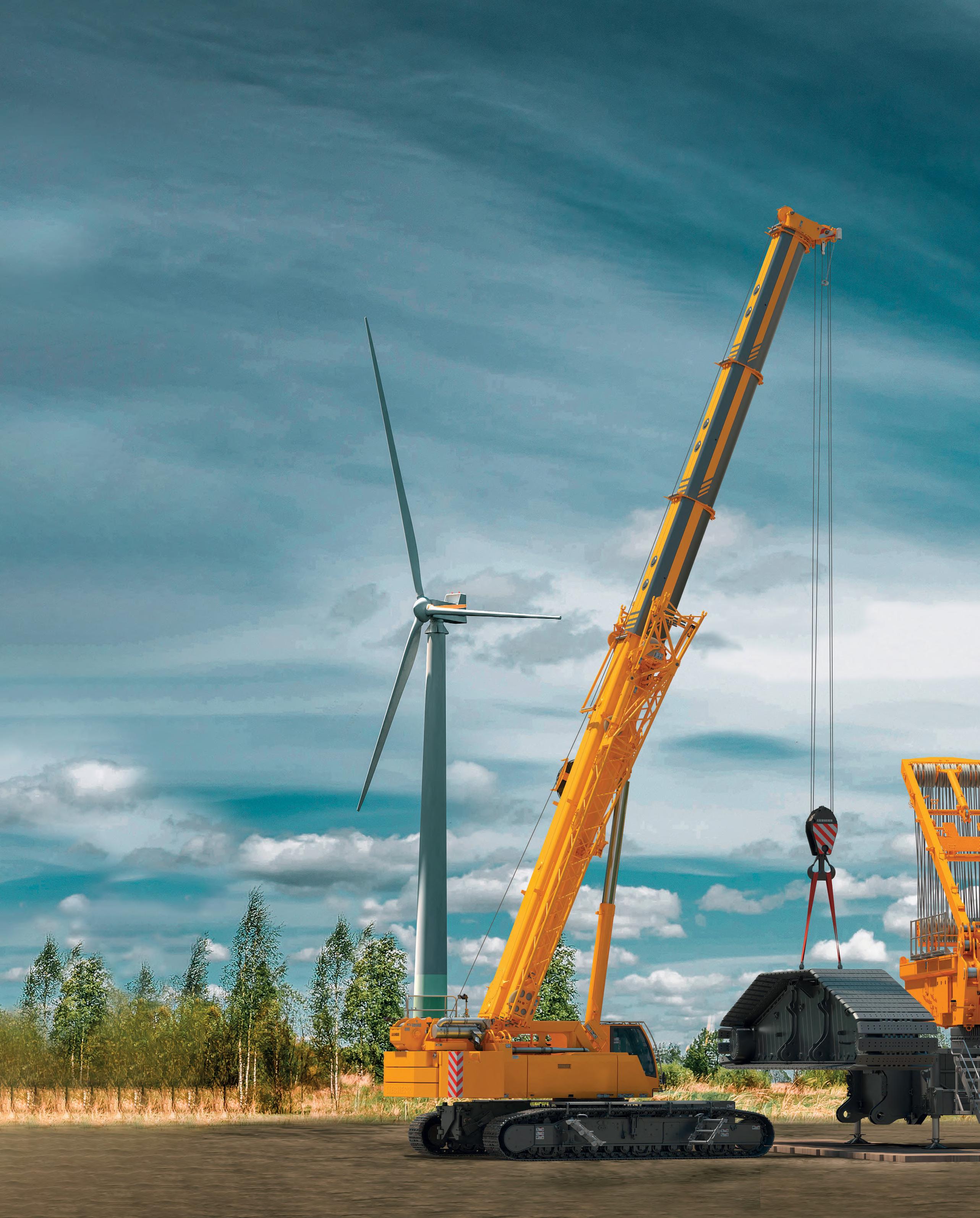
Compact and strong, transport in one
LTR 1150
The most economical transport concept in its class! No other telescopic crawler crane in this lifting capacity class can be transported in full with its crawler carriers on one low loader. All the counterweight can be ballasted on the crane with just four hoists. And for the first time: the well-trusted VarioBase® lifting capacity calculation now on a crawler crane, for three fixed track widths. www.liebherr.com
Mobile and crawler cranes