






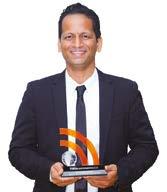

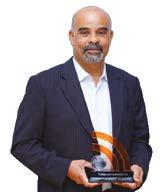

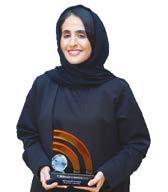
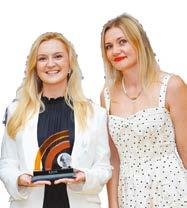



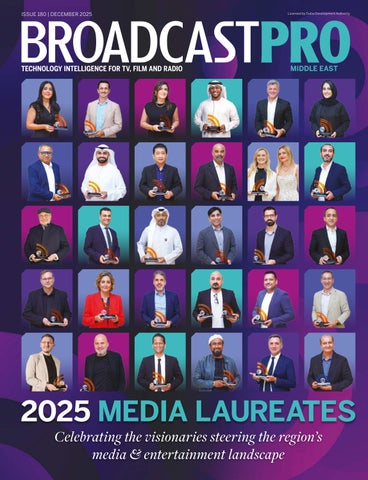
Celebrating the visionaries steering the region’s media & entertainment landscape
Managing Director Vijaya Cherian vijaya.cherian@cpipromedia.com
+971 (0) 55 105 3787
Editorial Director Vijaya Cherian vijaya.cherian@cpipromedia.com
+971 (0) 55 105 3787
Editorial Contributors
Kalyani Gopinath
Nusrat Ali
Urooj Fatima
Sub Editor Aelred Doyle
Group Sales Director Sandip Virk sandip.virk@cpipromedia.com
+971 (0) 50 929 1845 / +44 (0) 7516 993 862
Finance Executive Yonwin D’souza finance@cpipromedia.com
Art Director David Fraser design@cpipromedia.com
EVENTS & MARKETING events@cpipromedia.com
Web Developer Hafiz Muhammad Waqas IT@cpipromedia.com
Dominic De Sousa (1959-2015)
PARTNER
Maria De Sousa
Published by
The ASBU BroadcastPro Summit and Awards last month reminded me why this industry moves at a pace that is uniquely its own, a pace that revealed itself in the intensity of ideas, discussions and exchanges packed into a single day. Five panels and two fireside conversations unfolded across that one day, each brimming with ideas that felt like a preview of where the next twelve months are heading. With limited space in this issue, we have chosen to stretch our coverage over two editions, which feels right for this moment in the editorial calendar. The close of one year and the start of the next is when the market begins to show its hand, when perspectives sharpen and new ambitions take shape.
The discussions reminded us just how quickly the ground is shifting under this industry, while the networking allowed meaningful connections to be made between suppliers and end users, and provided a valuable catch-up opportunity just before the close of the year. In this issue, we spotlight two conversations that captured the mood of the day, particularly the renewed global attention on Arabic content. The rise of regional storytelling is no longer just a hope; it has become a force to be reckoned with both regionally and globally, with Arab dramas and films offering a window into Arabic culture and talent.
We also heard from Peter Mrkic of TOD, who walked us through the platform’s move into its 2.0 iteration in partnership with Livelike. The shift from a one-dimensional streaming environment to an active, participatory experience came through clearly. Engagement now sits at the centre of the product, with several additional features designed to reduce churn and build loyalty in a market where attention is volatile and competition grows sharper by the month.
And of course, the heartbeat of this issue is the celebration of the industry winners, whose achievements defined the year and set new benchmarks for excellence. Here’s to all of us. I wish you all a blessed Christmas season. Happy holidays.

VIJAYA CHERIAN, EDITORIAL DIRECTOR

5
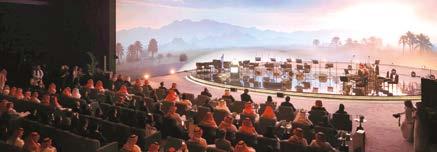
Madbridge and Animotion to establish new entertainment hub in Abu Dhabi; JAX Studios unveils new virtual production soundstage; Dubai sets up new film and gaming committees; New CEO at SBA; and more
20
EVENT - QATAR
MEDIAFUSION25: A ROADMAP TO CLOUD-NATIVE SOLUTIONS
Broadcasters must embrace cloud-native solutions and AI-driven workflows to stay competitive, agreed participants at the recent MediaFusion25 event in Qatar
BROADCASTPRO SUMMIT - CONTENT
ARABIC CONTENT IN FOCUS
Spurred by authentic stories, mobilefirst audiences and vertical micro dramas, Arabic content now resonates globally, say industry experts
BROADCASTPRO SUMMIT - TOD CASESTUDY A NEW ERA OF STREAMING
A deep dive into how TOD 2.0 is using LiveLike’s interactive tools to boost engagement and redefine fan-first digital experiences
10
12
24
TECH UPDATE UNLOCKING SCALE
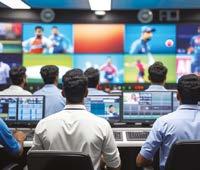
Skandha Media’s Neha Modi explores how MCCs offer faster turnaround, lower costs and smarter, scalable content operations
38 GUEST COLUMN MASTERING THE 9:16 FRAME
BROADCASTPRO AWARDS 2025 REIGNING CHAMPIONS
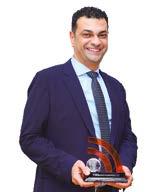
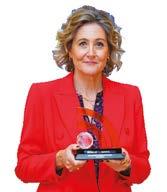
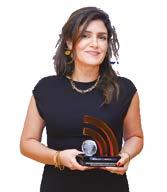
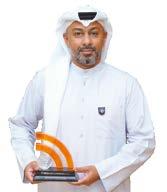
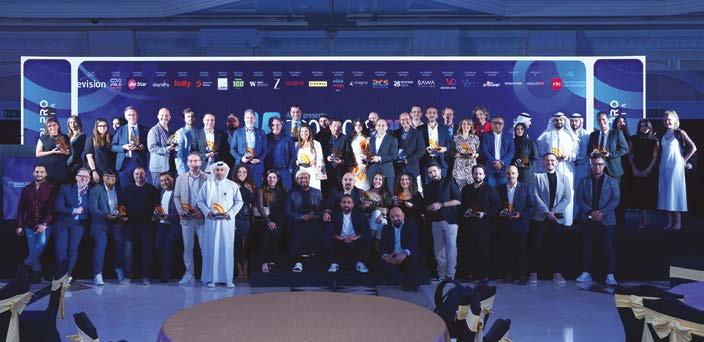
The 15th ASBU BroadcastPro ME Awards shone a spotlight on 30 outstanding talents shaping the future of the region’s media and entertainment industry through compelling content, tech advancements and innovative contributions
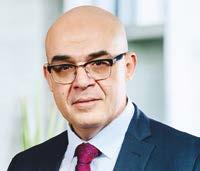
Vertical isn’t just a trend, it’s a seismic shift in storytelling, says EMPC’s Ayman Radwan 40



12/25
Emirati investment company Madbridge Commercial Investment has partnered with Animotion Media Group to develop a fully integrated entertainment ecosystem encompassing animation, live-action content, digital channels and local distribution platforms. Based in Abu Dhabi’s Creative Hub, the initiative will focus on producing engaging and culturally resonant content that appeals to MENA audiences while maintaining strong
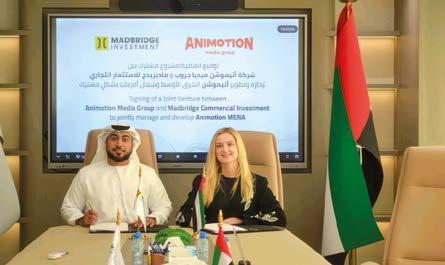
international potential. The company is also preparing to launch a new slate of live-action series aimed at
Spacetoon has acquired a strategic equity stake in Cairobased animation house Samaka Studio. The companies will work together to build globally scalable
animation franchises designed for multiplatform audiences. They will collaborate to accelerate IP creation, expand production capacity and establish a regional
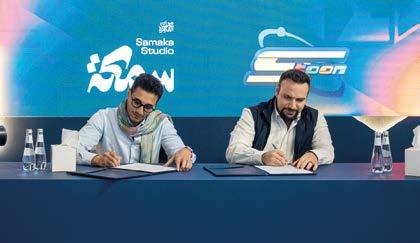
hub for animation innovation. Samaka Studio will retain its creative independence while developing exclusive animated titles for Spacetoon. Kamel Weiss, Director of Business and Content at Spacetoon, said: “This is about building franchises that last. It reflects our longterm commitment to creating original IPs that matter and stories that stay.”
children and teenagers.
Mohammed Al Dhaheri, CEO of Madbridge Commercial Investment, said: “Our partnership with Animotion reflects our commitment to investing in industries that combine creativity, technology and impact. Abu Dhabi offers the ideal ecosystem to develop world-class entertainment for regional and international audiences.”
Snap Inc. has inaugurated its new office in Doha’s Msheireb district. The ceremony was attended by founder and CEO Evan Spiegel and Sheikh Jassim bin Mansour bin Jabor Al Thani, Director of the Government Communications Office. In the Gulf region, Snapchat users open the app an average of 45 times a day. In Qatar, it has become one of the most popular platforms for social connection and digital communication.


The Abu Dhabi National Exhibition Centre will host the Creator Economy Track at BRIDGE Summit 2025 from December 8-10. Over 80 global experts, from among the Summit’s 400 speakers, are expected to convene for the Track, where they will explore how the rapidly expanding creator economy, presently worth more than $250bn, is being monetised, governed and reshaped by audience-led creators.
One of seven content tracks guiding the Summit,

the Creator Economy Track will examine how influence has become a form of capital, how personal identity is increasingly being treated as intellectual property, and how attention has emerged as one of the world’s most valuable commodities.
The Track will host more than 50 sessions on diverse topics such as the rise of creator-led conglomerates, the impact of digital storytelling, digital fatigue and wellness, how algorithms determine
visibility and economic reward, technical and policy challenges, the shift from short-form virality to longform world-building, and the resilience, ethics and the psychology of online exposure. Critical questions of accountability, culture and creative freedom will be addressed in sessions on cancel culture, global aesthetics, and the rising importance of personal intellectual property. Youth empowerment and cultural connection will also feature prominently, with
panels examining creativity as a universal right and exploring food as a medium of identity and shared digital experience. The programme aims to advance the Summit’s mission of accelerating systems that enable the growth of creative enterprises.
The Creator Economy Track also reflects BRIDGE Summit’s broader vision of reinforcing the UAE’s emergence as a global hub for the creator economy, digital entrepreneurship and cross-cultural innovation.
Abu Dhabi’s Creative Media Authority (CMA) has signed a strategic partnership with Scenario Production House, a creative studio founded by actor and director Abed Fahed. Under the agreement, Scenario Production House will produce at least one major project each year in Abu Dhabi, capitalising on the emirate’s advanced media infrastructure and growing pool of creative professionals. Each production will include a minimum of 50% Abu Dhabi-based licensed freelancers, directly support the local creative
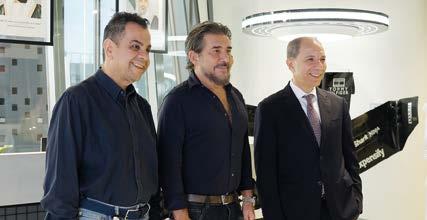
economy and nurture homegrown talent. Fahed will also play a mentorship role, offering workshops and long-term knowledge sharing programmes. These efforts will build sustainable talent pipelines across filmmaking, reinforcing CMA’s commitment to empowering local storytellers.
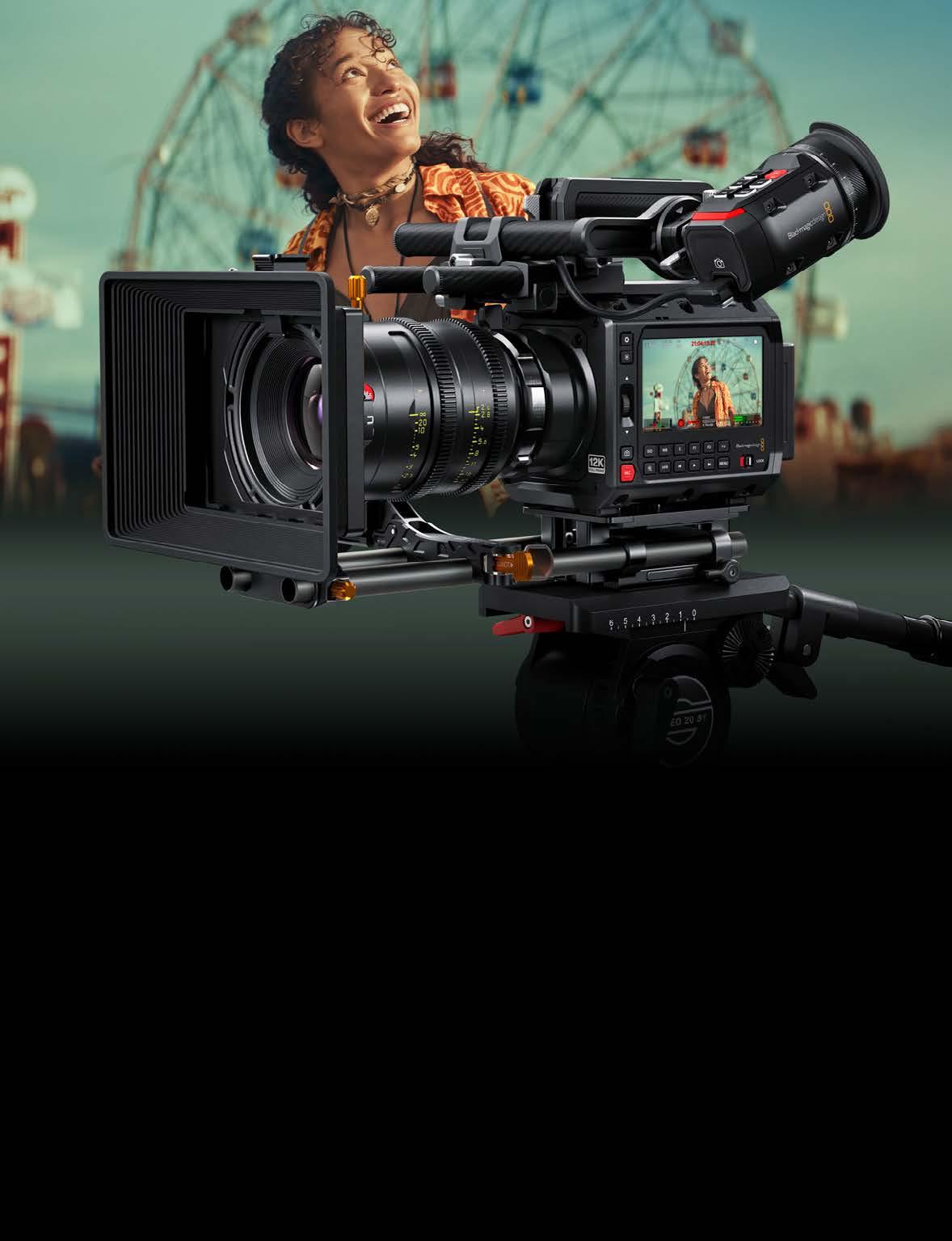
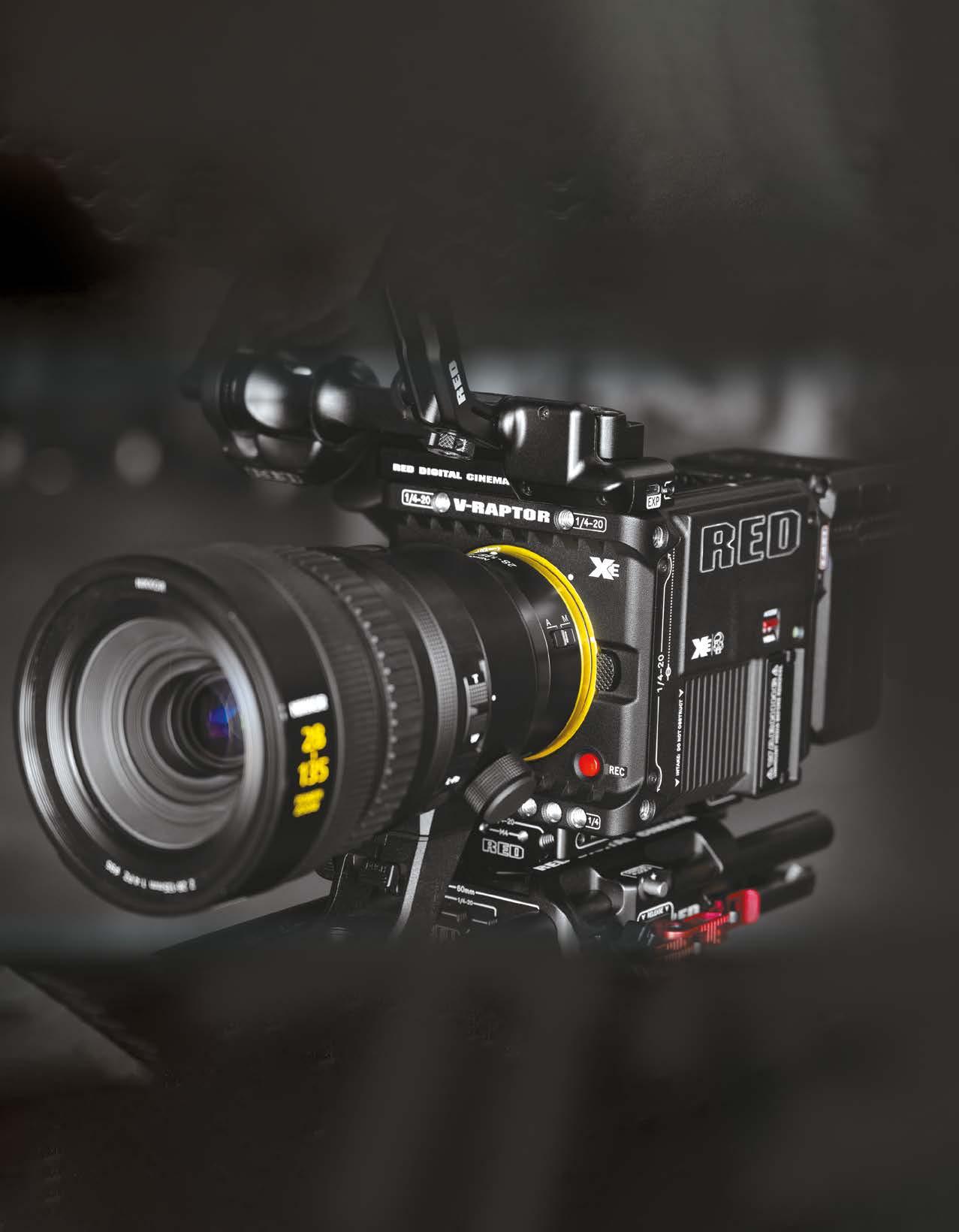
Get URSA Cine’s large format sensor with 16 stops of dynamic range recording into Blackmagic RAW!
Introducing the next generation customizable cinema camera!
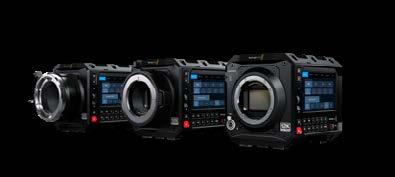
It features an extremely versatile design that lets you build the perfect camera rig for your production! You get a full frame 36 x 24mm 12K sensor with wide dynamic range and a built in optical low pass filter that’s been designed to perfectly match the sensor. Plus there are 3 models available in either EF, PL or L-Mount.
With multiple mounting points and accessory side plates, it’s easy to configure Blackmagic PYXIS into the camera you need it to be! PYXIS’ compact body is made from precision CNC machined aerospace aluminum, which means it is lightweight yet very strong. You can easily mount it on a range of camera rigs such as cranes, gimbals or drones!
Get the “Hollywood Look” with Digital Film
Blackmagic PYXIS has the professional features you need for feature film, television programming and documentaries, however now this same quality can be used to create cinematic content for social media, YouTube videos and more. Imagine shooting with large format digital film on low budget independent films, TV commercials or even corporate video!
Blackmagic PYXIS 12K features a large full frame sensor with a native resolution of 12288 x 8040. That’s almost three times larger than a Super 35 sensor and lets you shoot with a shallow depth of field or use anamorphic lenses uncropped for a true cinematic look. This amazing sensor combined with Blackmagic color science gives you the same quality as the most expensive digital cinema cameras.
Blackmagic RAW is a revolutionary format designed to capture and preserve the quality of the sensor data from your camera. It also saves camera settings as metadata so you can set ISO, white balance and exposure in camera or override them later while editing, all without any loss of quality! Blackmagic RAW files are also small and fast to use making them easy to work with.
Blackmagic PYXIS 12K
US$4,995
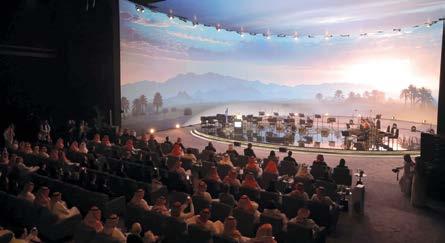
The Saudi Film Commission (SFC) has announced the launch of a virtual production soundstage at JAX Film Studios, the Kingdom’s flagship production complex in Riyadh. Designed by global VFX company Pixomondo and powered by Sony’s VERONA
LED technology, the facility is designed to cater to ambitious productions.
The newly operational virtual production stage features 2,720 Sony VERONA Crystal LED panels, using Sony’s 2.3mm pixel pitch technology. Its dimensions allow for high-resolution,
photorealistic environments created to meet the demands of major Hollywood projects. The space integrates camera tracking, real-time rendering and in-camera VFX workflows, promising filmmakers a fully integrated production experience.
Abdullah Al-Qahtani, CEO of the Saudi Film Commission, said: “JAX Film Studios represents a new landmark for film production in Saudi Arabia. The investment ... is a key milestone in realising the Kingdom’s ambition to build a dynamic, globally competitive film industry.”
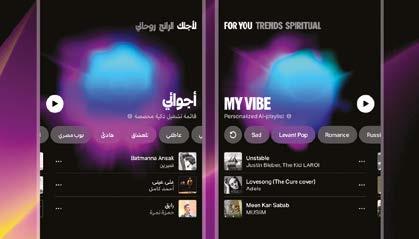
Yango Play has unveiled an upgraded version of its AI Playlist Generator, a core feature within its My Vibe music recommendation system. The latest update marks a major leap in the app’s personalised music discovery. The updated system now places greater emphasis on a user’s recent listening patterns to provide more accurate and relevant music suggestions, enhancing
personalisation.
It also allows users to preview a complete 30-track playlist, refresh it instantly for a new AI-generated mix, and apply preset filters to suit their mood or generate
playlists inspired by specific artists. The enhancement is part of the broader rollout of YangoAI, a suite of advanced AI technologies that enable seamless user experiences.
STARZPLAY IS MENA’S MOST POSITIVELY RECEIVED STREAMING SERVICE: DATAEQ
StarzPlay has been rated the most positively spoken about streaming service in the MENA region, according to the MENA Streaming Services Flash Report 2025 by DataEQ. The independent study analysed more than 109,000 public online conversations across 17 countries, ranking StarzPlay first with a Net Sentiment score of +22%, ahead of both regional and global competitors. The report assessed consumer sentiment across several key performance areas, including content quality, platform reliability, marketing effectiveness, sports coverage and payment experience. StarzPlay emerged the top performer in overall customer satisfaction. Viewers particularly praised StarzPlay for its wide international catalogue, Arabic originals and dependable livestreaming during major sports events.
Saudi Arabia’s Minister of Media and Chairman of the Saudi Broadcasting Authority (SBA), Salman Al Dossary, has appointed Ali Alzaid as the new CEO of SBA. With over two decades of experience in media and journalism, Alzaid has held several prominent leadership and training roles across leading Saudi media institutions. He has been
instrumental in advancing media content and strengthening the overall presence of Saudi media on both national and regional levels.
Throughout his career, Alzaid has served in key editorial positions, including at Al-Watan newspaper from 2000 to 2011, Asharq Al-Awsat from 2012 to 2014 and Makkah newspaper
Dubai has announced the creation of two specialised committees dedicated to advancing the emirate’s film and gaming industries.
The move is part of Dubai Media Council’s broader mission to strengthen media innovation, support emerging creative sectors and cement Dubai’s status as a global centre for media development.
The Dubai Film Development Committee will be chaired by DMC member Issam Kazim, while the Dubai Gaming Committee will be led by DMC member Khalfan Belhoul.
The Dubai Film Development Committee will focus on supporting the industry through tailored services, close coordination with stakeholders and expanded collaboration with production studios worldwide. It will also promote talent development through specialised training programmes and platforms designed to help young and emerging filmmakers.
The Dubai Gaming Committee will work to establish strategic partnerships, boost services and facilitate the growth of the gaming sector. Its efforts will include identifying and nurturing emerging talent through training and professional development opportunities, supporting start-ups and encouraging innovation.
between 2014 and 2018, before joining the Saudi Press Agency (SPA).
Beyond his editorial contributions, Alzaid has played a vital role in shaping media strategies and implementing policies aimed at boosting operational efficiency and driving institutional transformation within the sector. He has led various initiatives to enhance
radio, television and digital content development, supporting the Kingdom’s goals of modernising its media landscape.
Alzaid has replaced Mohammed Fahad AlHarthi. Al-Harthi, who was CEO of the broadcast network since August 2020 and the President of the Arab States Broadcasting Union (ASBU) since December 2021.
MusicNation
Copyrights Management, the UAE’s collective rights management organisation, has appointed intellectual property attorney Aisha Y. Salem-Howey as its General Counsel.
In this newly established position, Salem-Howey will guide MusicNation’s legal, regulatory and governance efforts as the organisation continues to build the UAE’s first fully integrated rights management infrastructure for music creators and rights holders.
Based in Abu Dhabi, she will play a key role in advancing the company’s international outreach. SalemHowey is widely regarded for her expertise in intellectual property law. She most recently served as the US Patent and Trademark Office’s IP Attaché for Middle East and North Africa.

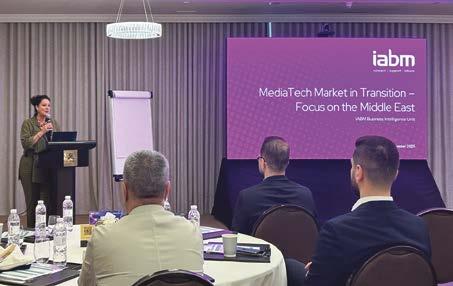
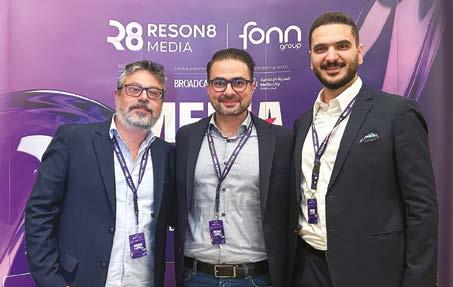
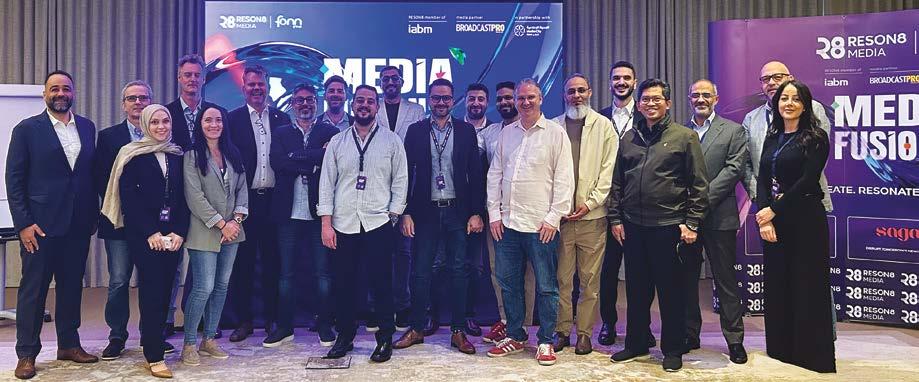
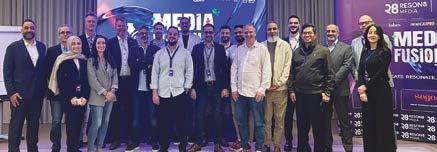
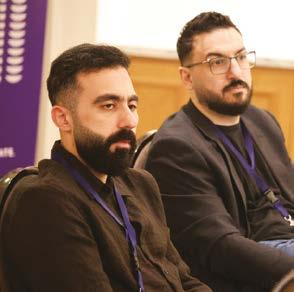
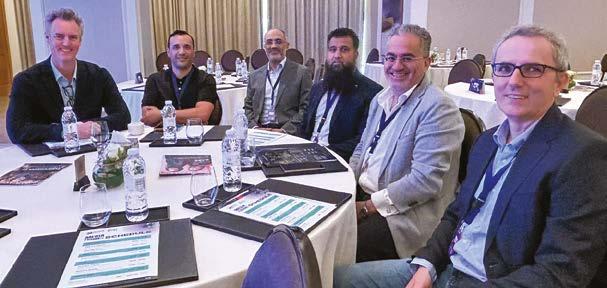
Reson8 hosted MediaFusion25, its annual flagship industry event, in Doha, Qatar, in partnership with Fonn Group. The event brought together nearly 70 high-profile players from the broadcast industry.
IABM CEO Saleha Williams delivered the keynote address, where she set the tone for the day, which was focused on cloud adoption, collaboration and the evolution of IP across the MediaTech landscape. Throughout the day, speakers explored real use cases, exchanged ideas and showcased solutions aimed at building a future in cloud-native
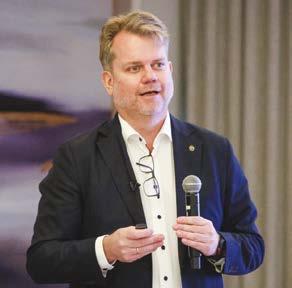
production, AI-led workflows and next-generation newsroom operations. While Fonn Group took attendees on a journey of the company and a demo of some of its solutions, speakers discussed setting out a comprehensive roadmap for how modern broadcasters can finally move beyond legacy infrastructure and adopt a scalable, cloud-first, data-driven operational model. Ali Husseini, co-founder and CTO of Reson8, acknowledged the pressures facing newsrooms and engineering teams with high OPEX tied to outdated systems, fragmented workflows, limited editorial speed and
growing demand for multi-platform output with fewer resources. Hybrid newsrooms, remote collaboration and AI-driven decision support are now baseline requirements rather than future ambitions, he pointed out.
The core argument centred on the convergence of three forces – cloud, IP and AI – within a unified operational framework. Cloud adoption was positioned as an overhaul of the entire production fabric, enabling elasticity during major events, resilience across regions and browser-native collaboration for distributed teams. This is where the partnership between
Reson8 Media and Fonn Group has been declared strategic. Fonn’s cloudnative NRCS and MAM architecture offers real-time planning, rundown management, metadata intelligence and remote editing, forming the backbone of a modern newsroom.
Reson8’s ORA ecosystem complements this with real-time data ingestion, validation, structuring, graphics automation and AI augmentation. Products such as R8 Election, R8 Business, R8 Sport
and the Syncro AI suite introduce predictive modelling, automated graphics, metadata enrichment and editorial assistance. Together, Fonn and ORA create an end-to-end broadcast intelligence environment from ingest to playout, from data to graphics, and from human decisionmaking to AI-supported workflows.
Husseini’s presentation framed Qatar as the region’s natural leader in this transformation, backed by strong infrastructure, national
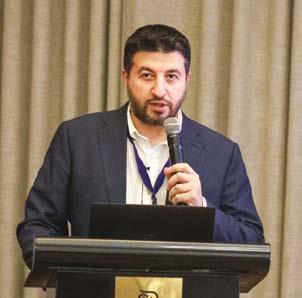
digital ambitions and an appetite for innovation. The work delivered across the 8 Group – Reson8 Media, ID8 Media, Cre8 Studios and Pixel8 Media – demonstrates this through nationalscale projects in data, design, AI, production, newsroom modernisation and on-air intelligence. The overarching message was that the broadcasters who succeed in the next five years will treat cloud as core infrastructure, data as a competitive asset and AI as an indispensable operational layer.
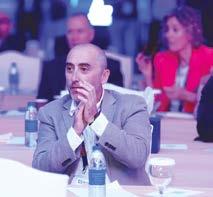
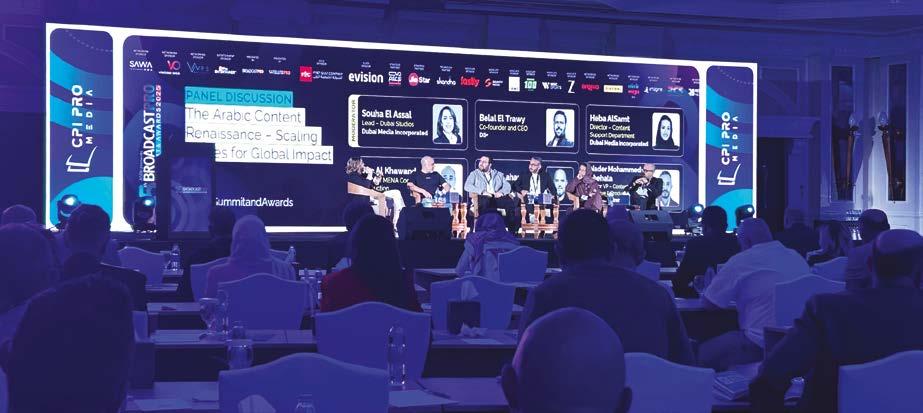
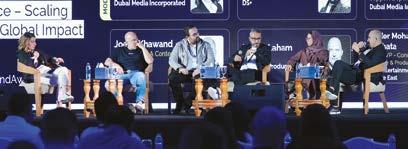
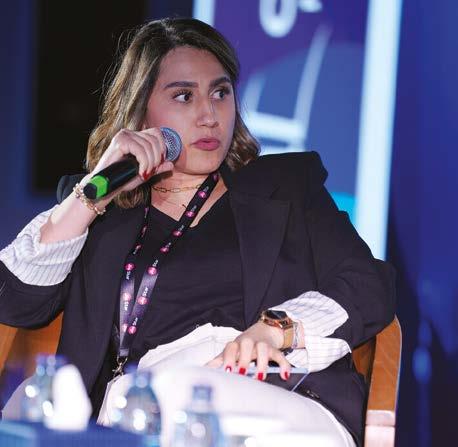
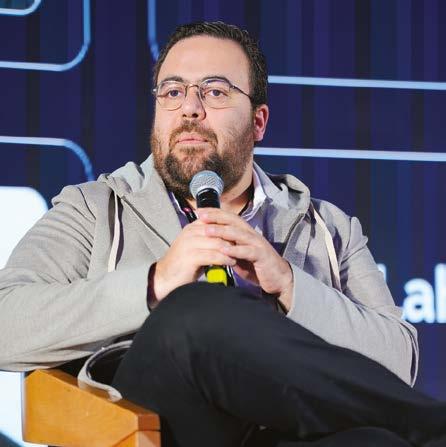
At the ASBU BroadcastPro ME Summit last month, a panel of experts and innovators deliberated over how Arabic content is scaling in volume, vision, reach and creative impact
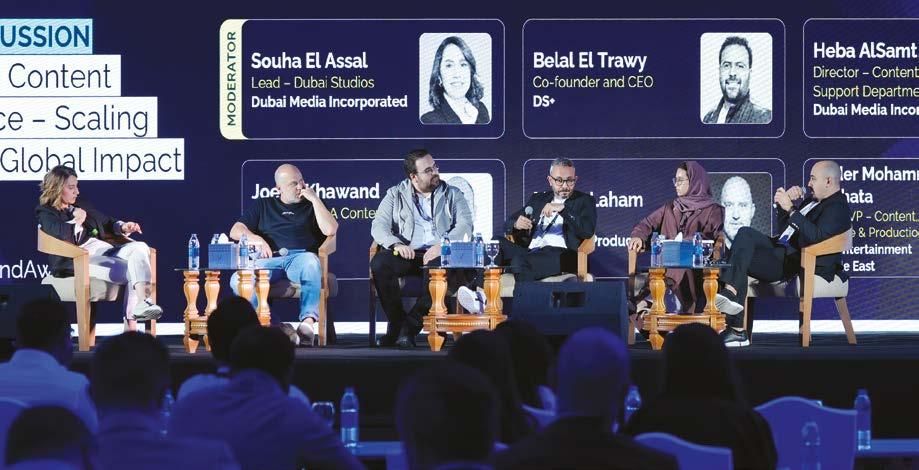
Arabic storytelling is entering a new golden age, bringing with it a rush of opportunities. Content stakeholders are seeing its viability as demand for culturally relevant Arabic content continues to resonate around the globe. Bolder storylines, bigger ambitions and regional platforms are spearheading this progression. The opening panel at the ASBU summit sought answers to questions like: As Arabic content soars, who’s driving the momentum? Are we producing more, or are we producing smarter?
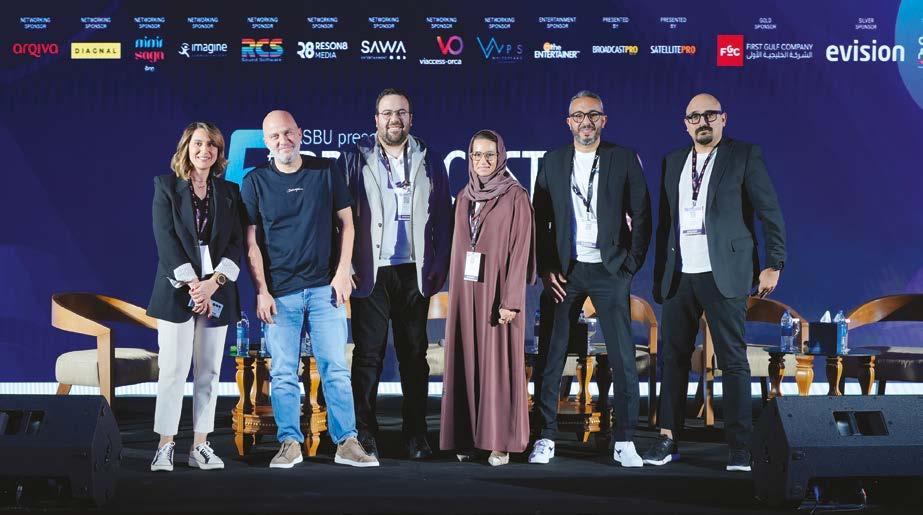
Moderated by Souha El Assal, Lead – Dubai Studios, Dubai Media
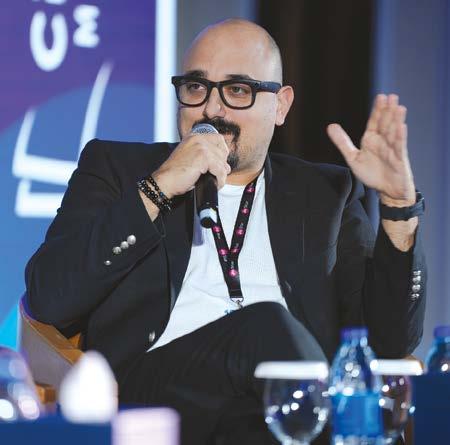
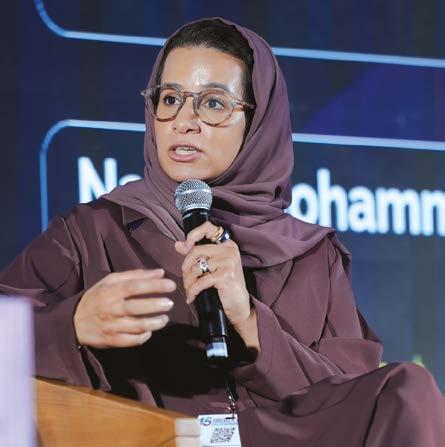
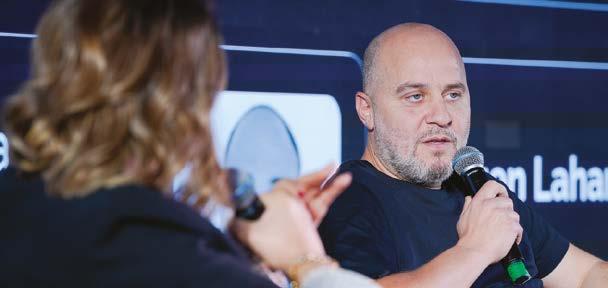
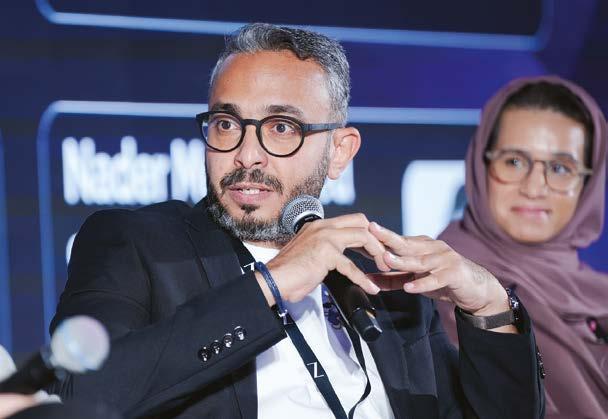
Incorporated, the panel consisted of Belal El Trawy, co-founder and CEO, DS+; Heba AlSamt, Director –Content Support Department, Dubai Media Incorporated; Joe Al Khawand, Head of MENA Content Production, Yango Play; Mazen Laham, CEO, Different Productions; and Nader Mohammed Shehata, Senior VP –Content, Creative & Production, Zee Entertainment Middle East.
Edging into a global space, several projects travel outside the MENA region. This phenomenon set the tone for the discussion, with El Assal asking how operators are scaling Arabic
drama for regional and global markets.
“Our biggest challenge is we have many territories, but this is good because we then know how to create authentic content that can travel; we can experiment,” said Joe Al Khawand, Head of MENA Content Production, Yango Play.
“It is all in the details of dialogue, costume, locations. Start with the local audiences; you can’t create global content unless it’s very popular within the territory. We start here and then look outside. It’s trial and error.”
“The rise and surge in demand reflects a combination of factors:
The difference today is that [Arab creators] have better tools, richer data and deeper insight to scale their impact
BELAL EL TRAWY, CO-FOUNDER AND CEO, DS+
local audiences are demanding better content, and global platforms are recognising the potential of regional storytelling,” said Belal El Trawy, co-founder and CEO of DS+. “Creatives have always been ahead; what’s happening now is that the business is finally catching up. Arab creators love making content, and they create brilliant work. The difference today is that they have better tools, richer data and deeper insight to scale their impact.”
Creativity and business propositions can only move ahead
if platforms or investors are willing to spend on the market and on collaborations. “The region’s creative output was always strong, and businesses and creatives must move together in sync. This will help us enter the bigger arena,” said Nader Mohammed Shehata, Senior VP –Content, Creative & Production, Zee Entertainment Middle East.
The rise in demand is also seeing a shift in mindset among local audiences. One of the indicators is how archived content is moving with the younger generation. “We are restructuring and reproducing our old content, and seeing how the younger generation is resonating to that is interesting. The content journey today moves from linear to digital to social media, and we must ensure our content continues to live across all these channels,” said Heba AlSamt, Director –Content Support Department, Dubai Media Incorporated.
Digital content takes audiences from one moment to a completely different one in an instant. This shift is being led by Gen Z. Operators vie
for fleeting attention spans as this audience plays a piece of content on double speed on their mobiles. “The easy content availability is not even taking them from one episode to another,” said Khawand, “but rather from a certain moment in the beginning, and then hooking them throughout all the moments to create the whole. They are used to moving from a hilarious video

to a thrilling one in a swipe, it’s a rollercoaster of emotions.”
While the audience remains the engine that drives content, content remains king. The risk lies in choosing what can attract all kinds of viewers.
“We try to interact with the viewer and ask him what the finale should be or how a character should pan out. It is a tough one to produce, but we are attempting that mode,” said Shehata.
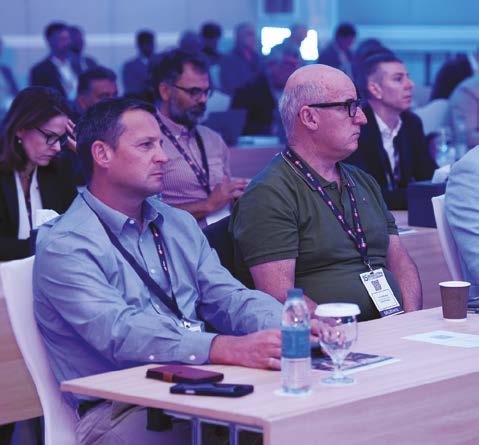
When Zee entered the market as a foreign investor, it was challenging, but it has produced 17 dramas in seven years amidst tough competition. “We believe leadership is not only about the quantity of content but also about vision, and this is what we are trying to do.”
Talking of scale involves budget as well as audience reach. In general, the market is not mature and still has a long way to go when compared to other regions and territories, said Mazen Laham, CEO, Different Productions. “I don’t believe there is real business in the region just yet. For us in the scripted segment, we suffer more. There are about five main platforms that we work for, and the scale of production is low. We are flooded with creativity but there are no platforms to put this content on.”
El Assal highlighted that with sub-regions such as the Levant, Egypt, GCC and North Africa, it is difficult for content to travel within the region. For instance, Egyptian content travels to most regions, while North African content struggles to find its way into the same Arab region.
However, Arab creators have also been successful in creating dramas that appeal to global audiences through Netflix and other platforms. It is reaching more people in more places.
“The game is now to create strong storytelling that can open the doors to more production. The Indian model has been tested in the Middle East. A merger of this successful version with local creativity can hope to cross borders
We are restructuring and reproducing our old content, and seeing how the younger generation is resonating to that is interesting
HEBA ALSAMT, DIRECTOR – CONTENT SUPPORT DEPARTMENT, DUBAI MEDIA INCORPORATED
to have global reach,” said Shehata.
Arabic viewers are young, and the micro-drama phenomenon permeates this landscape. Three of the top 10 most downloaded apps in the MENA region are those with short dramas. “The young Arab viewer has access to international content. So, now, we need to incorporate bolder storytelling when attempting verticals or micro dramas to attract this young audience,” said Khawand. “Micro drama is a format in itself, and it should be planned and executed for vertical, not something that we edit or shorten – it must be full of hooks and be bold.”
Vertical formats resonate more
We try to interact with the viewer and ask him what the finale should be or how a character should pan out
NADER MOHAMMED SHEHATA, SENIOR VP – CONTENT, CREATIVE & PRODUCTION, ZEE ENTERTAINMENT MIDDLE EAST
and can cross borders. “If we want our stories and series to travel beyond our region, this is the way forward,” said AlSamt. “We connect with such content more because we watch it on our phones and the consumption on our phones is high.”
Short-form content has become a starting point for monetising vertical and micro dramas, as more producers and creators embrace the trend. It offers freedom that long-form formats, restricted by traditional windows, simply can’t. With the right focus and investment, short-form can evolve into an incubator for bigger IPs and story worlds, and a fast gateway for new talent to reach wider audiences.
We are flooded with creativity but there are no platforms to put this content on
MAZEN LAHAM, CEO, DIFFERENT PRODUCTIONS
“The pace is accelerating because anyone with a mobile can create vertical drama. It doesn’t need a crew or premium equipment. Creators everywhere are using only their phones and achieving global reach. It has become the quickest passport for local talent to travel,” said El Trawy. In the reality segment, short drama productions may be a bit trickier to achieve. “Scripted will require more skill when doing micro dramas,” said Laham. “Micro dramas require strong cliffhangers. Every minute must be a turning point so that it leads you to pay and watch more. So micro dramas are tricky but would be an interesting challenge. Given a choice, I would
prefer long-form content because it is a proven standard. With short-form, we are still in the exploratory phase.”
Co-productions can also help content scale, and within this segment there are multiple financial models. “There is no standard working business model that can match everyone’s demands,” noted Shehata. “Each company looks for the model that best suits them. We started seven years ago, and we created more than 17 dramas working with over 13 producers from Egypt, Levant and the GCC. We work with all kinds of producers, startups, mid-range companies and the big production companies. I believe the strength of our model is about trust and belief, and if we have the vision and adaptability, the content will sustain.”
A certain amount of risk-taking is necessary when choosing unique stories within the regional concepts. “We started with the Indian formats but delved into dramas that were offbeat, such as second chances after divorce or autism, so we are trying to
be open with subjects. We are looking at profitability for both partners in all projects,” added Shehata.
Earlier producers sold their content to platforms when there was the chance for a buyout. However, with platforms entering productions, everyone is looking to IP for valuation and assets. “It has different extensions in terms of monetisation for building up on a story and taking it over a
We need to incorporate bolder storytelling when attempting verticals or micro dramas to attract this young audience
JOE AL KHAWAND, HEAD OF MENA CONTENT PRODUCTION, YANGO PLAY
number of years,” said Shehata.
Just as every renaissance gives way to a new wave of thought, young Arab storytellers have the access, the tools and the confidence. “They are faster than us and they can ask anyone across the world about any new information. They’re very creative and contemporary. We are seeing their output and ingenuity every day, and platforms are further enabling them with the latest tools and insight,” said El Trawy.
Now, with vertical drama, upand-coming storytellers are looking at exciting times. “We are not just witnessing a moment; what we are doing is shaping a new movement for Arabic content where stories are not just rising but they are connecting, travelling and staying true to where they come from,” concluded El Assal.
By balancing culture and authenticity with crossover appeal, Arabic content has become the biggest attraction today and is increasingly part of the wider conversation.
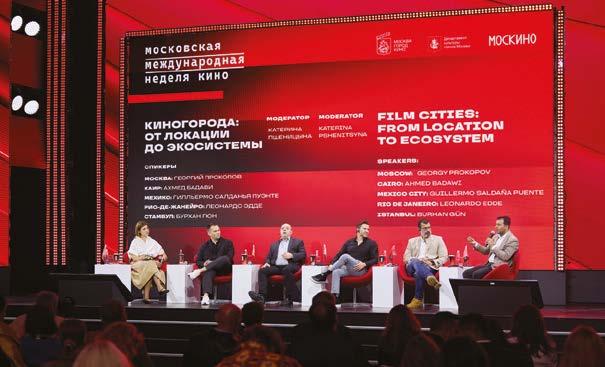
Georgy Prokopov, CEO of Moskino, outlines Moscow’s mission and ecosystem for film production, and opportunities for MENA filmmakers
For readers discovering Film in Moscow for the first time, how would you describe the company and your overall mission?
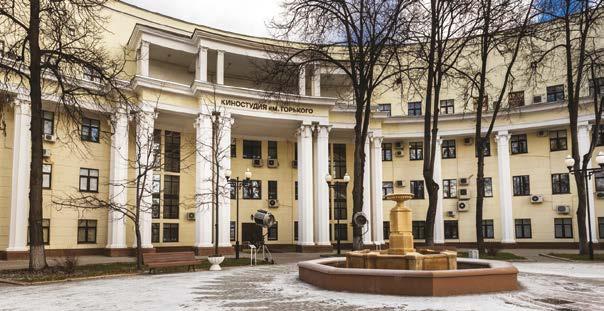
Film in Moscow is the official international brand and gateway for filming in the Russian capital. Operating under Mayor Sergey Sobyanin’s “Moscow - the film city” project, it receives comprehensive state support. Our mission is to position Moscow as a globally competitive filming destination, backed by a powerful 45% production rebate. This financial incentive is supported by a full ecosystem that unites Film Commission, Gorky Film Studio, Film City, Film Factory, Digital Platform and Cinema Chain. By uniting these key players, we ensure international productions are not only attracted by financial benefits but also guaranteed a seamless and efficient filming experience, fully showcasing Moscow’s potential.
Why is the Saudi and wider Middle Eastern market a strategic priority for Moscow Film Cluster, and what
potential do you see in attracting productions from this region?
The Saudi and MENA film industry is one of the most dynamic and rapidly growing in the world, marked by a bold vision for storytelling and strong international partnership ambitions. We greatly admire the region’s groundbreaking developments, including the ambitious film hubs in AlUla and NEOM, along with the Creative Media Authority’s unique experience - all setting new global benchmarks. We believe our strengths perfectly complement MENA filmmakers’ ambitions, offering a compelling new canvas for their stories.
What message are you bringing to the Red Sea Film Festival specifically aimed at Saudi and MENA filmmakers who may be exploring new international filming destinations?
Our message is simple: Moscow is a competitive destination offering both financial advantages and a highly organised workflow. We have come with a large delegation representing the key players of the Moscow Film Cluster ecosystem to fully showcase opportunities we offer and are proud to be participating for the first time at the MENA region’s key events - the Red Sea International Film Festival and the Red Sea Souk. This underscores our commitment to building bridges with your creative community.
How does Moscow Film Cluster
tailor its services, support, and communication to meet the expectations and working styles of production teams from KSA and the Middle East?
Our approach adapts to the region’s working culture through flexible partnership. We connect you with trusted local producers as your on-ground liaisons for seamless communication.
Our Film Commission provides concierge-level service, managing complex logistics like permits and road closures so your team can focus on creativity. Additionally, our Digital Film Platform streamlines applications and permissions, ensuring the transparency and efficiency international producers value.
Gorky Studio is one of Moscow Film Cluster’s flagship facilities - can you tell us more about it and how it enhances the production experience for international filmmakers?
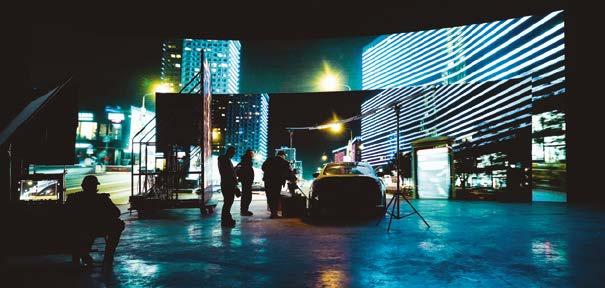
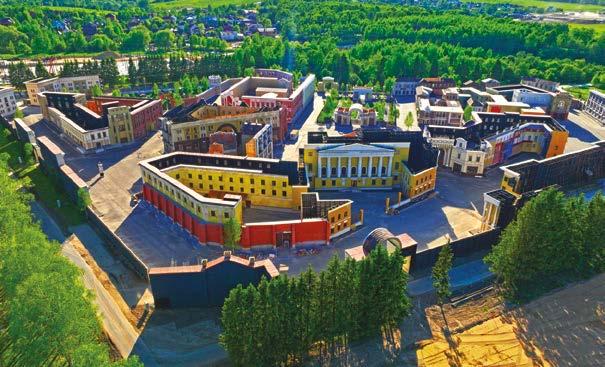
Celebrating its 110th anniversary, the Gorky Film Studio is a pillar of Russian cinema and a full-cycle, turnkey solution for international filmmakers. A recent modernisation by the Moscow Government has seamlessly blended its historic legacy with state-of-the-art facilities. These include sixteen sound stages (with ten new ones by 2026), a virtual production studio, extensive workshops, and a legendary archive of over 200,000 costumes and props.
What aspects of Moscow - whether locations, culture, infrastructure, or incentives - do you believe will resonate most strongly with producers and directors from the region?
Producers will be most drawn to our financial package: a 30% cash rebate, plus an additional 15% in discounts on local services, making high-quality
production remarkably cost-effective. Directors and location scouts will be captivated by diversity and scale. At Film City it’s possible to shoot a scene in an Ancient Russian city and the next day on a modern European street without leaving the complex. Furthermore, Moscow’s real urban fabric offers a stunning backdrop. Combined with our professional crews and infrastructure, it creates a compelling proposition for any ambitious production.
Can you share examples of collaborations or inquiries you’ve already received from Saudi or MENA clients, and how those experiences have shaped your approach to the region?
While specific projects are confidential, we have already engaged in promising dialogues with producers from the
region. These initial conversations have been incredibly valuable, highlighting a strong interest in our large-scale backlots and virtual production capabilities. This interest is further amplified by the active collaborations we are building with key regional film commissions and clusters, such as Egypt Film Commission and TESIYAP in Turkiye, which are creating a powerful network for co-production.
What would be your final message to Saudi and Middle Eastern filmmakers who are intrigued by the idea of filming in Moscow but haven’t yet taken the step to explore it?
Do not let the unknown hold back your creative vision. We’ve built a transparent system to ensure your success in Moscow. Allow us to arrange a virtual tour or host your visit to experience our capabilities firsthand. You’re also invited to the Moscow International Film Week, our flagship event which recently welcomed major MENA delegations. We’ll provide a detailed project proposal and connect you with producers who can attest to our professionalism. Take the first step to discover Moscow not just as a filming location, but as your committed creative partner.
MEET MOSCOW FILM CLUSTER AT RED SEA SOUK (DECEMBER 6-10) AT BOOTHS 78 AND 79
The latest iteration of TOD, built in partnership with LiveLike, tackles shrinking attention spans by transforming passive viewing into an immersive, interactive, community-driven experience

Gone are the days when tuning into a channel guaranteed attention. Today’s viewers jump between screens, conversations and apps. In a world full of choice, creating experiences that pull audiences in and keep them involved through realtime interaction, gamification, and community engagement is key. With this goal in mind, TOD partnered with LiveLike to deliver immersive experiences that represent the next generation of interactive streaming.
LiveLike’s interactive technologies help transform experiences for sports and entertainment fans around the globe.
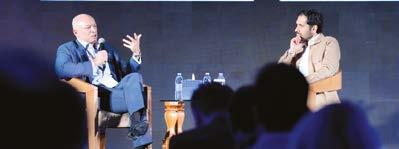
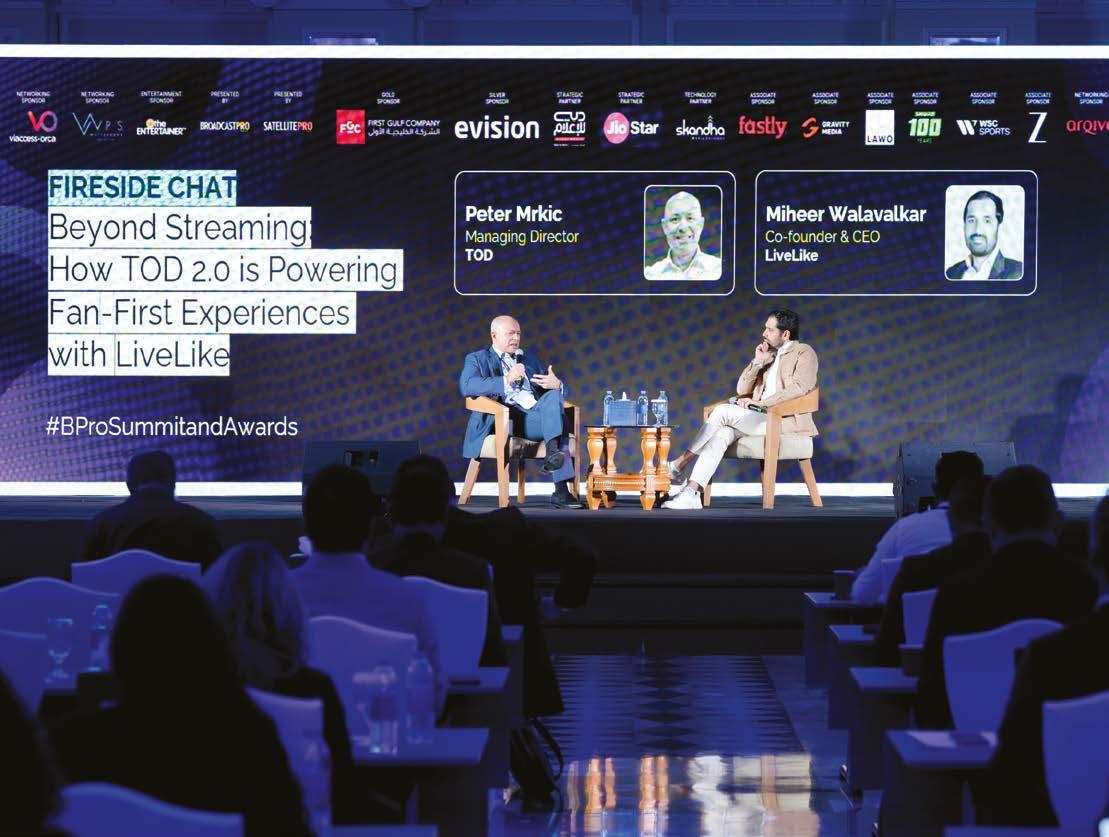
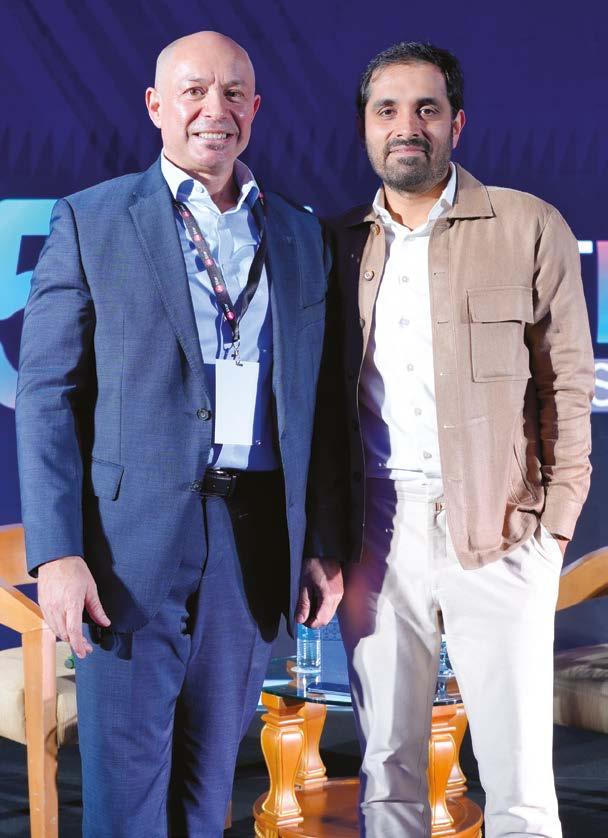
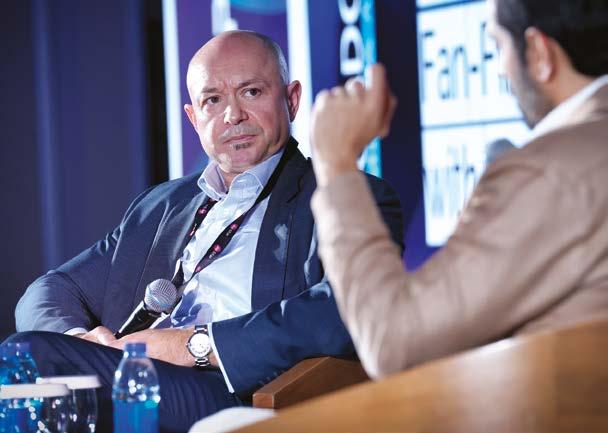
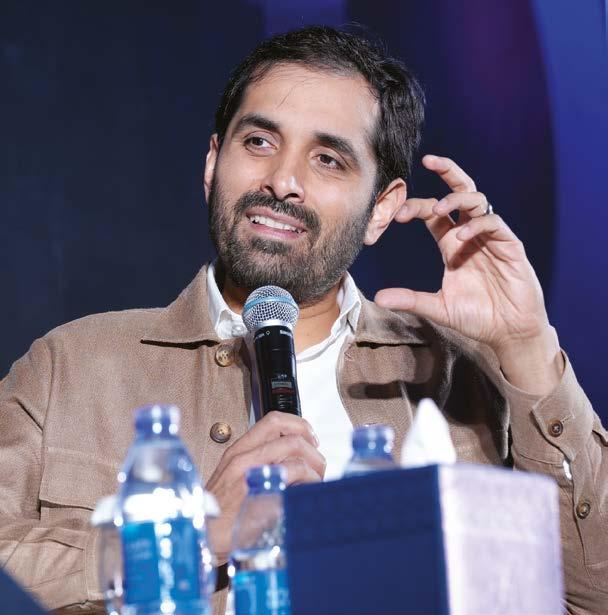
At a fireside chat during the ASBU BroadcastPro ME Summit, Peter Mrkic, Managing Director of TOD - MENA, and Mihir Walavalkar, co-founder and CEO of LiveLike, explored how additional functionalities are elevating interactive viewing on the TOD platform.
“We evolved from a onedimensional viewing experience to a dynamic ecosystem that keeps fans connected before, during and after the game. Sport has always been a powerful acquisition engine for us, but the real opportunity lay in transforming that initial excitement into ongoing engagement. Our focus shifted toward creating an environment where subscribers don’t just watch and drop – they interact, explore and stay,” said Mrkic.
By partnering with LiveLike, TOD introduced tools that enabled subscribers to be part of the experience in real time. Fans could watch games live, comment on events such as goals or penalties, and invite friends and family to join the conversation.
“Improving engagement meant viewers weren’t just watching, they were enjoying the experience.
We evolved from a one-dimensional viewing experience to a dynamic ecosystem that keeps fans connected before, during and after the game
PETER MRKIC, MANAGING DIRECTOR, TOD - MENA
And when people have fun, they come back. They explore more content, stay longer, and return because that level of interactivity isn’t available elsewhere. And that helps us address MENA region’s core challenge – nearly 60 operators competing for the same audience. Ultimately, it’s about creating experiences that feel meaningful and enjoyable in a landscape full of alternatives,” said Mrkic. MENA audiences are young and socially savvy, often on two devices at once, watching sports while
browsing social media. By introducing gamification, including quizzes, trivia and polls as a part of its fan zone experience, TOD has encouraged fans to comment, invite others and be part of the action. “We have noticed that viewers start pulling others in by sharing, commenting and reacting in real time. It keeps the energy alive and makes them feel part of the journey,” Mrkic said.
Walavalkar drew a parallel to his own experience as a long-time New York Times subscriber. “I find myself gravitating more towards the games New York Times provides. There is a lot of behavioural psychology behind this – competition with friends, showing off knowledge, feeling part of a community.” This insight informs TOD platform’s upgraded approach to engagement, particularly as the 2026 World Cup approaches.
“Watching the World Cup is one thing. It will be available in MENA through TOD and beIN Media Group. But keeping fans engaged and ensuring they can participate is crucial,” said Mrkic.
“We want viewers to feel immersed, not just watching from the sidelines, and these elements help create that
deeper connection,” added Walavalkar. Exclusivity alone is no longer enough. Piracy and instant access to scores via Google or ChatGPT mean fans have little incentive to visit official platforms. “This is why
we pivoted our approach when we revamped the TOD platform. It is not just about the game or the live experience. With a raft of real-time statistics, detailed match highlights, and additional data, we equip fans with the tools to discuss, share and stay connected on the platform, and that is not something pirated sites can ever offer,” said Mrkic.
Delivering this experience requires collaboration across internal teams.
“The customer is at the heart of everything we do. We listen to what they want and integrate that feedback into our product lifecycle planning. Our product, technology, marketing and sales teams work together to develop any new features or functionality our viewers are seeking,” Mrkic explained.
Community is a cornerstone of the new revised TOD. “With the enhanced interactivity, more people
return to discover more of what we offer. And when they share that experience with family or friends or on social media, our community grows with them,” said Mrkic.
AI will further enable real-time interaction, creating digital water cooler moments that replicate the conversations traditionally sparked by sports and entertainment events. In a streaming landscape where the advantages of cable and fixedbundle packages are gone, retention is key, the duo agreed. “A one-sport fan might churn in the off-season, but digital allows us to know our
We want viewers to feel immersed, not just watching from the sidelines, and these elements help create that deeper connection
MIHIR WALAVALKAR, CO-FOUNDER AND CEO, LIVELIKE
viewers better and cross-pollinate them across different content,” said Walavalkar, highlighting the opportunity for growth through interactive experiences.
The latest TOD platform revamp is a step toward making streaming more immersive, participatory and social, giving fans reasons to stay invested, engage more deeply and invite others into the experience. With LiveLike’s technology and a clear focus on understanding their audience, TOD is reportedly setting a new benchmark for fan-first digital viewing in the MENA region.

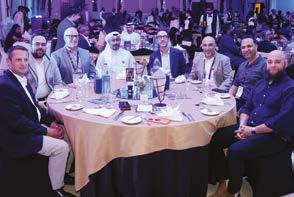
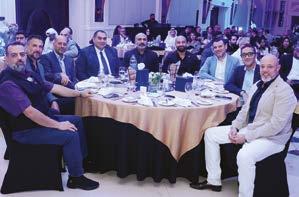
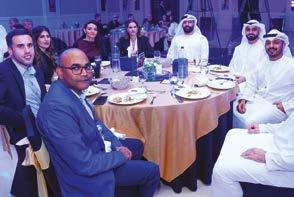
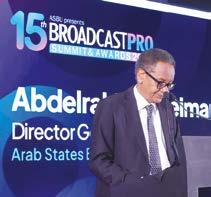
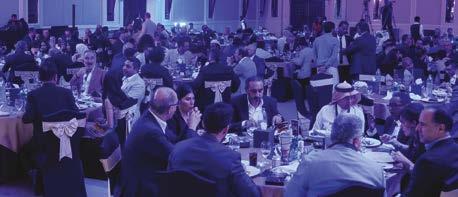
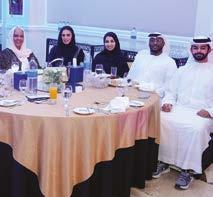
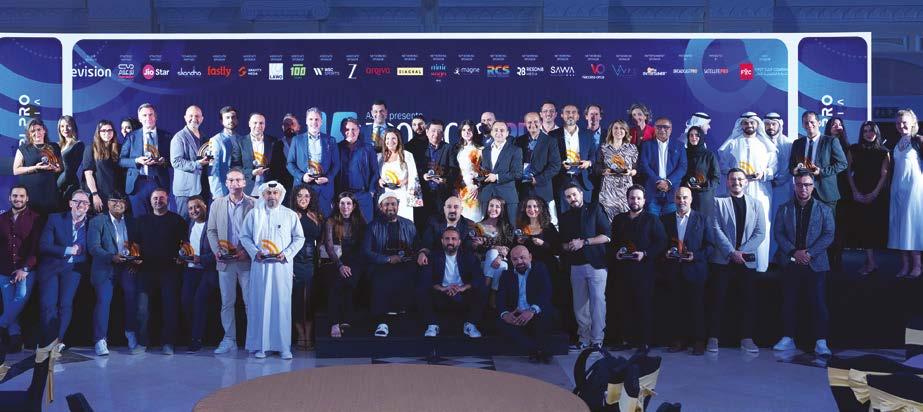
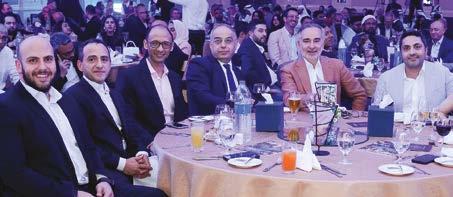
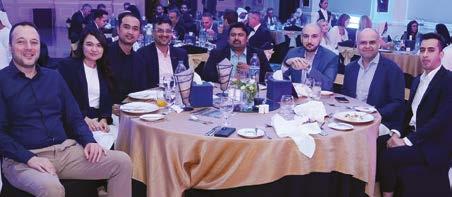
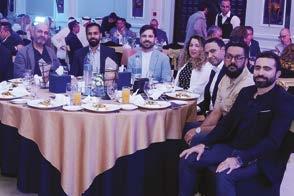
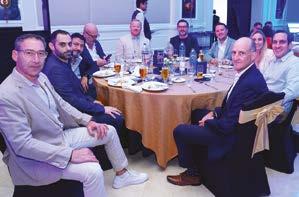
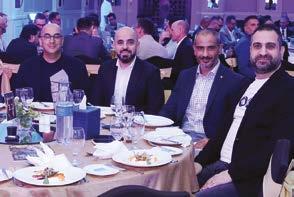
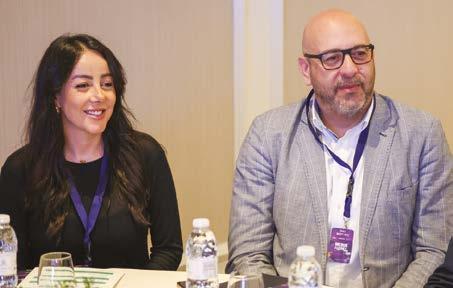
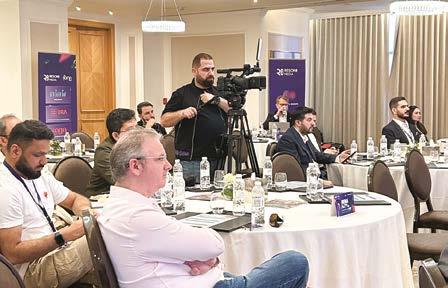
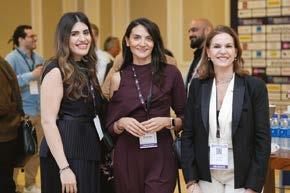
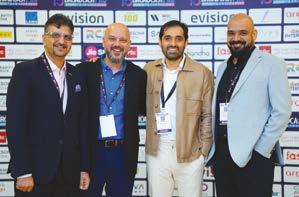
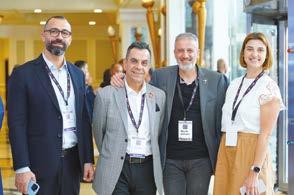
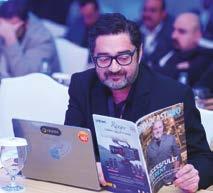
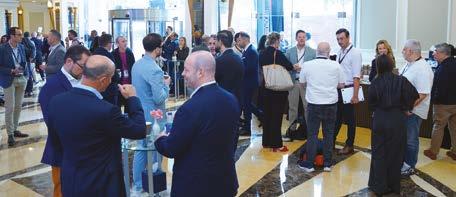
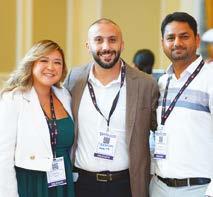
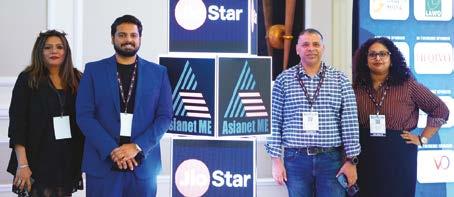
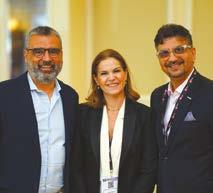
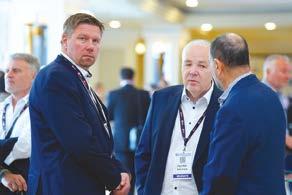
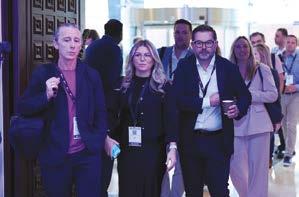
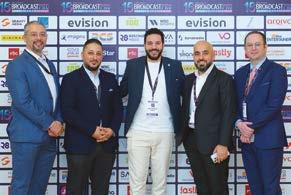
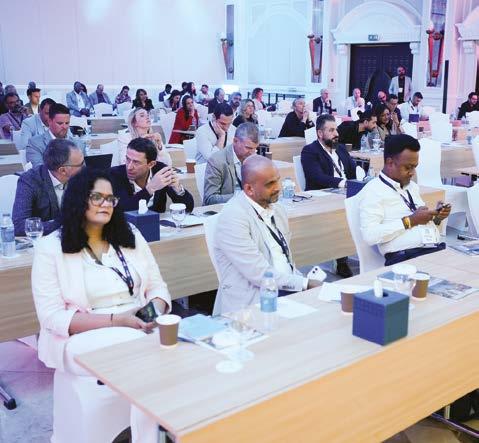
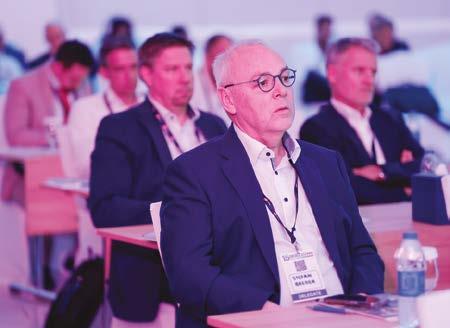
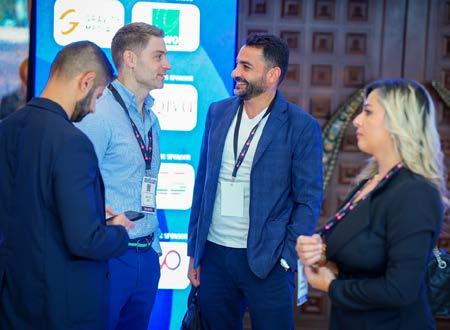
The 15th edition of the ASBU BroadcastPro ME Summit and Awards lit up Dubai on November 11, bringing together leading figures from the Middle East’s media and entertainment industry at Al Habtoor Grand Resort, Dubai Marina, for a day of networking, discussion and market recognition.
Over the past 15 years, the summit has become a cornerstone of the regional broadcast calendar. Attended by nearly 300 participants this year, it continues to serve as a hub for high-level networking and dialogue, offering attendees a
platform to exchange ideas and explore new technological and creative frontiers.
The ASBU BroadcastPro ME Awards, attended by 250 guests later in the evening, put a spotlight on the industry’s game changers. Our expert judging panel had a tough time selecting the winners, eventually presenting 30 awards in the Broadcast category and one in Satellite.
Vijaya Cherian, Managing Partner and Editorial Director at CPI Pro Media, organiser of the event, remarked: “The industry is moving at an extraordinary pace and it is more
important than ever to recognise the people who are driving that momentum. Talent needs to be celebrated because every breakthrough pushes the market forward. When we acknowledge excellence, we not only honour those who have earned it, we also inspire others to raise the bar and keep the region’s creative and technological energy alive.”
None of this would have been possible without our sponsors showcased below. A big thank you to them for extending their support to this event.










BEST CONTENT STRATEGY OF THE YEAR
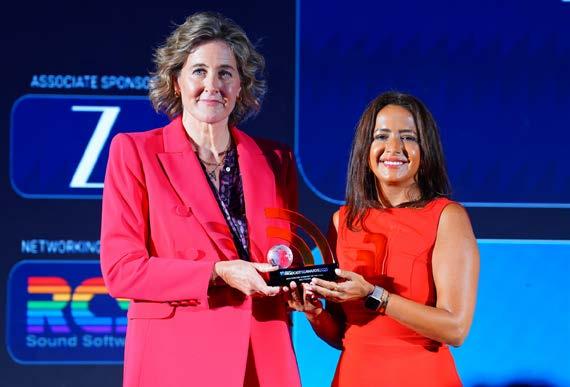
Rise Studios has excelled in backing content that blends regional authenticity with global appeal. Through strategic investments in award-winning films and content, it has amplified voices, supported talent and brought regional stories to international audiences. Amanda Turnbull (l), CEO and founder of Rise Studios, received the award from Shaymaa Awad, Head of Marketing, SAWA Entertainment.
BEST CONTENT STRATEGY OF THE YEAR
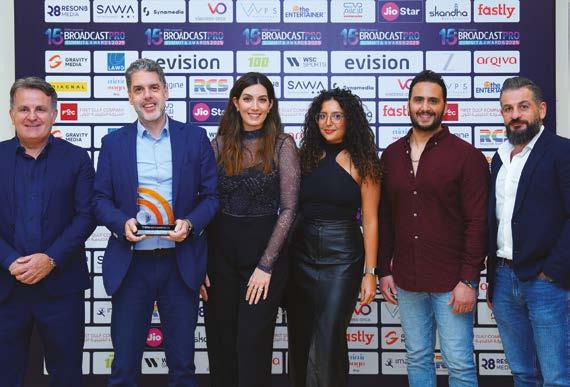
Viu MENA has designed an exquisite content ecosystem, pioneering Arabicdubbed K-dramas and localising Turkish and global titles, while championing Arabic originals. It has redefined relevance, making global stories feel homegrown. Viu MENA’s insightful strategy has transformed a niche into a cultural movement across the region. Pictured with the award is the Viu Middle East team.
BEST KIDS’ INITIATIVE OF THE YEAR
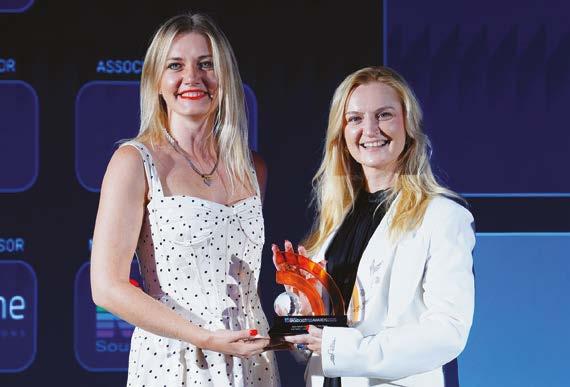
The Fixies has turned STEM adventures into a cultural phenomenon. By infusing the beloved animated series with regional humour, language and values, Animotion succeeded in creating a series that resonates across the Arab world. Pictured with the award is the Animotion Media Group team.
BEST KIDS’ INITIATIVE OF THE YEAR
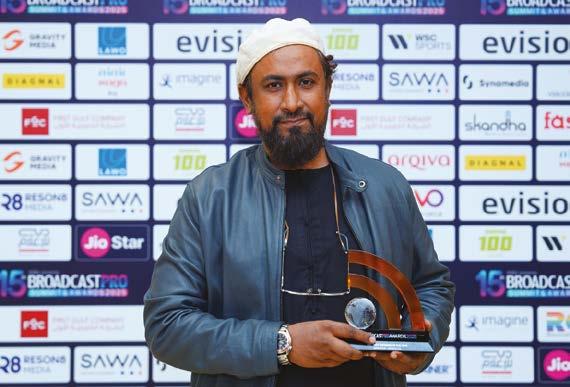
A dazzling fusion of fun and learning, Brightpop by XPanse CGI has used cuttingedge VFX and AI to create immersive, high-quality edutainment experiences. These sparked curiosity and wonder while also championing Gulf-focused content, setting a new benchmark for children’s media in the region. Pictured with the award is Ashraf Ghori, CEO of Xpanse CGI.
BEST OTT PRODUCTION OF THE YEAR – FICTION
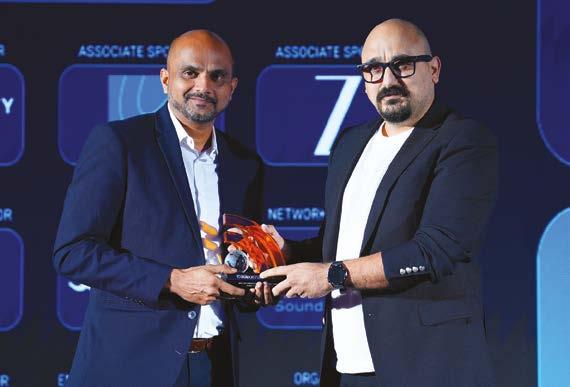
With a concept that felt instantly fresh, this series broke new ground in Arabic streaming. Driven by a dynamic young cast and authentic storytelling, Faqret el Saher is bold, local and unapologetically original. Yogesh Salian, CEO of Skandha Media Services, presented the award to Joe Al Khawand, Head of MENA Content Production, Yango Play.
BEST OTT PRODUCTION OF THE YEAR – FICTION
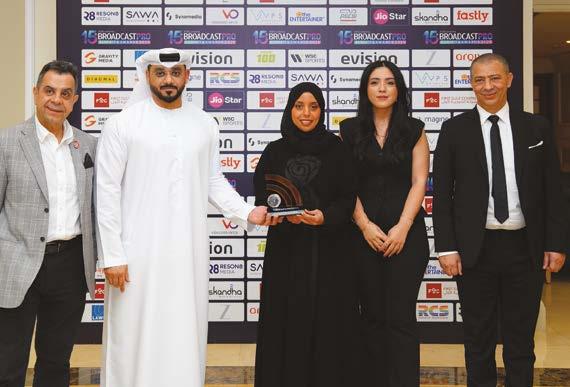
This series’ powerful storytelling and standout performances as well as meticulous sets and stunning period detail made it one of the most-watched Ramadan dramas of the year. Pictured with the award are the teams from Clacket Media and Creative Media Authority, Abu Dhabi.
BEST OTT PRODUCTION OF THE YEAR – DOCUSERIES
Ya Ghayeb pushed the boundaries of Arab documentary storytelling through its courageous journalism and powerful reenactments. Gripping, brave and thoughtprovoking, it unravelled the story of one of Lebanon’s most complex public figures, Fadel Chaker, proving that real life can be more dramatic than fiction. Pictured with the award is the Shahid VOD team.
BEST PRODUCTION HOUSE OF THE YEAR
Unscripted reality demands courage and impeccable storytelling – both of which Different Productions has aced. From Netflix blockbusters that shaped cultural conversation to hit reality formats, Different Productions has raised the bar with its polished and fearless productions. Pictured with the award is Mazen Laham, CEO of Different Productions, and his team.
BEST REGIONAL ORIGINAL DRAMA PRODUCTION
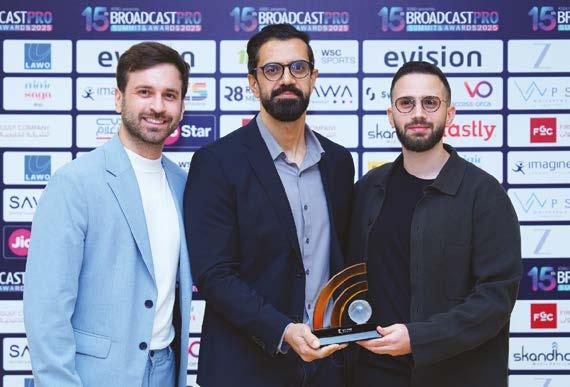
Daring and emotionally charged, this drama explores loyalty, guilt and moral conflict with rare honesty. Outstanding in its layered storytelling and nuanced characters, and its strong production values, Khateya Akhera is a masterclass in storytelling. The Yango Play team are pictured with their two awards.
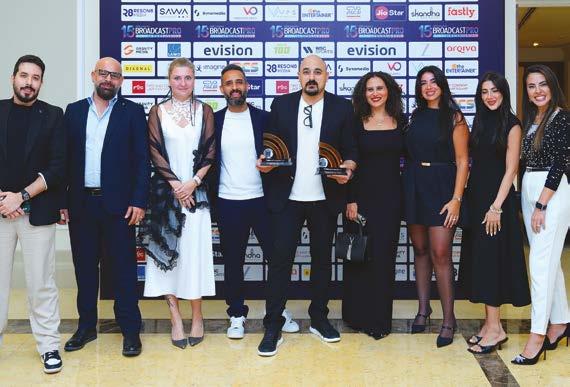
BEST REGIONAL ORIGINAL DRAMA PRODUCTION
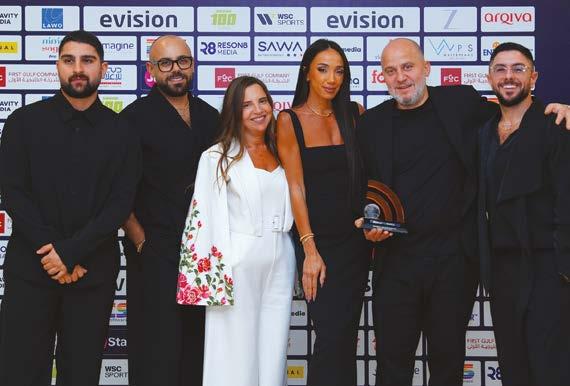
Nostalgic Egyptian storytelling gets a facelift in this high-stakes drama. Driven by compelling performances and incisive direction, the series channels the spirit of a classic while reshaping it for contemporary viewers. The Zee team received the award from Dev Patel (c), GM of TCM Sports.
BEST REGIONAL ORIGINAL DRAMA PRODUCTION – SPECIAL RECOGNITION
This series distinguished itself with its sharp writing, gripping mystery and layered character dynamics. Combining crime, romance and psychological tension, The Clown from Drama Shelve kept audiences guessing through every twist, earning it recognition as one of the year’s standout dramas. Pictured with the award is Tammam Salamah, Chairman of Drama Shelve.
BEST UNSCRIPTED PRODUCTION OF THE YEAR
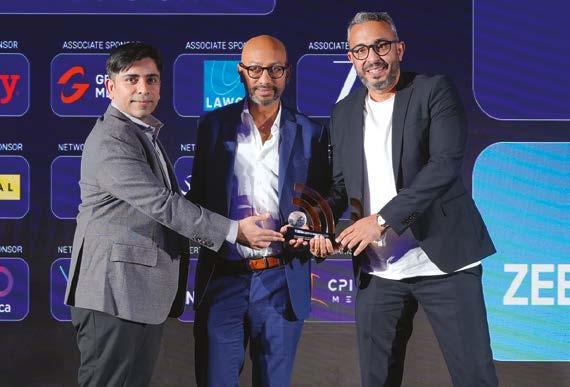
Taxi Killer blends interviews, reenactments and expert analysis to deliver a gripping docuseries that revisits Beirut’s 2011 taxi murders. Its high-quality cinematography and meticulous attention to detail enhance the storytelling, creating a compelling and culturally resonant true-crime narrative. Reuben Verghese (r), CEO Diagnal Limited, presented the award to the Shahid VOD team.
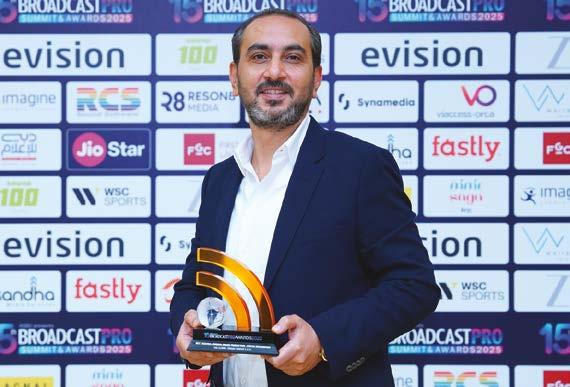
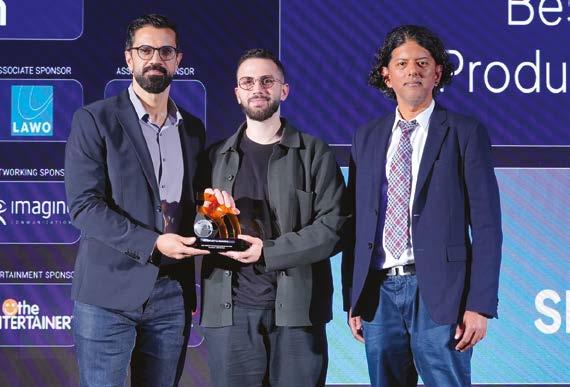
BEST UNSCRIPTED PRODUCTION OF THE YEAR – ANIMATED Coffeecature
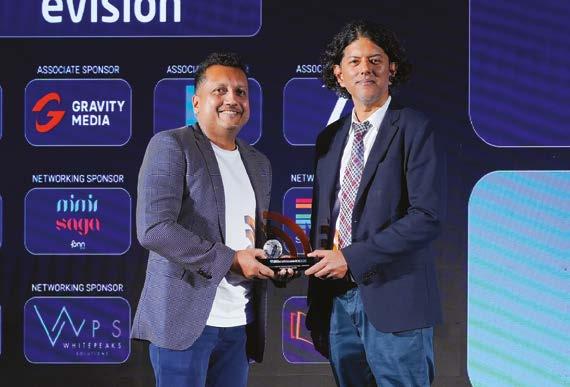
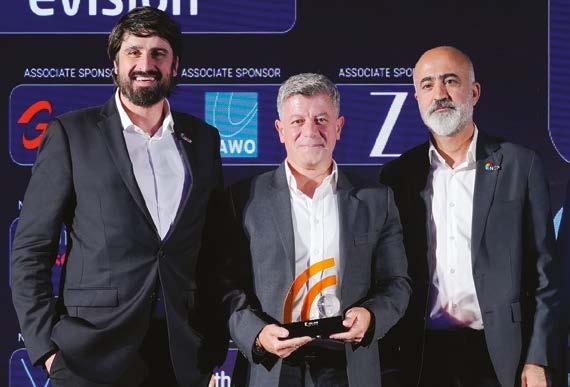
Short, witty and deeply rooted in the region’s culture, Coffeecature dared to completely reimagine Ramadan storytelling. By turning the everyday café experience into sharp, one-minute bursts of humour and reflection, it was fresh, relatable and impossible to surf past. Sunil Joy (l), Head of Content, evision, received the award from Reuben Verghese, CEO of Diagnal Limited.
BROADCASTPRO ME INNOVATIVE PROJECT OF THE YEAR
SBAI has implemented advanced AI to instantly reformat videos for any platform without losing detail. With Arabic-first design, one-click publishing and strong privacy, it delivers fast, secure, highquality video adaptation for creators.
Pictured with the award is the SBA team.
BROADCASTPRO ME INNOVATIVE PROJECT OF THE YEAR
Delivering the world’s first fully cloud-based live sports broadcast, this project redefined live production through the power of the cloud. Delivering seamless feeds across borders, it showcased what’s possible when technology, talent and vision align. Anas Hantash (l), MD - MENA, GCC & South Asia at Imagine Communications, presented the award to the teams from SRMG and Qvest.
OUTSTANDING TECH IMPLEMENTATION OF 2025
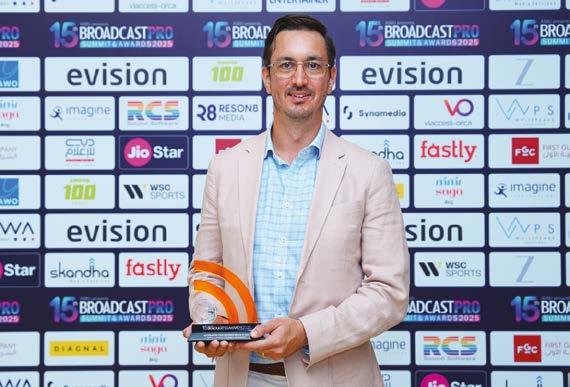
With richer personalisation, sharper streams, faster playback and measurable audience gains, TOD’s newest upgrade proves what engineering excellence can deliver for viewers. Pictured with the award is James Walmsley, Director Technology, Analytics and Product, TOD.
OUTSTANDING TECH IMPLEMENTATION OF 2025 – BEST AI PROJECT
Al Mashhad TV modernised its entire broadcast workflow with AI. It deployed an in-house language model and multimodal AI system to supercharge production and elevate content quality, while keeping ethics and creativity at the core. A pioneering, secure and human-centred step toward intelligent broadcast transformation. Pictured with the award are CTO Srinivas Kuppa and the Al Mashhad team.
SYSTEMS INTEGRATOR OF THE YEAR FIRST GULF COMPANY
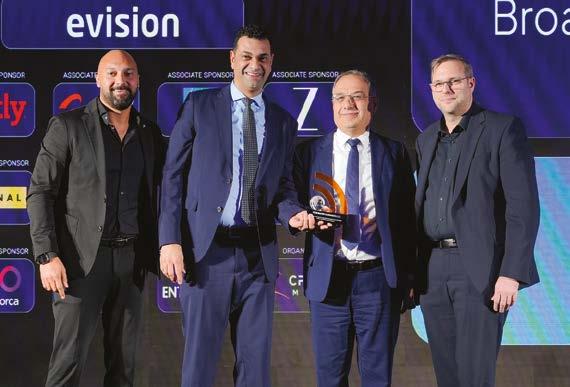
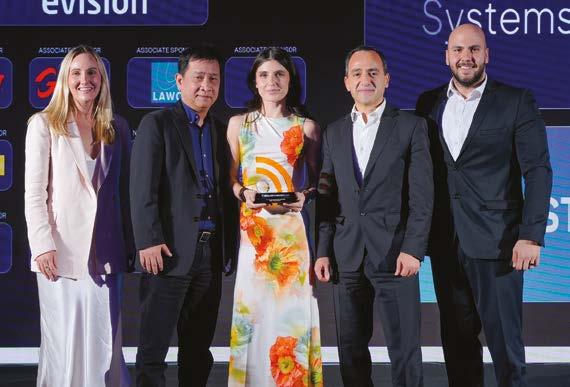
FGC delivered two of the most ambitious and technically demanding broadcast projects in Saudi Arabia: migrating a 24/7 newsroom from Dubai to Riyadh without downtime, and leading the nation’s first IP ST 2110 project. A masterclass in precision, innovation and seamless execution. Alaina Hall (l), Director of Global Media at Arqiva, presented the award to the FGC team.
BEST SPORTS INITIATIVE OF THE YEAR
The UAE Pro League has built a fully immersive VR experience that transports fans straight into the heart of the match, setting a new benchmark for interactive sports viewing. Martyn Edwards (r), MD – Middle East, Gravity Media, presented the award to Jamal Abdulnaser Ali, Director of Broadcast & Television Production at the UAE Pro League.
STUDIO OF THE YEAR
Sky News Arabia set a new regional standard for innovation and efficiency when it shifted to a fully IP-based workflow, integrating AR/VR graphics and enabling simultaneous multi-format and multilingual output. Its team successfully doubled content output without a second of downtime. Ali Amazouz, Business Development Director MEA at Viaccess Orca, presented the award to Wissam Ayoub, Studio Operations Director at Sky News Arabia.
BEST STUDIO SET OF THE YEAR
A masterful blend of precise medical environments and the polish of television, the set of The Doctors draws inspiration from hospitals and surgical theatres. Its aesthetics evoke trust and credibility through clean lines, clinical lighting and subtle medical motifs. Fadi Ismail (r), Partner at Goldfinch, presented the award to Reem Alieh, Director of Creative and Promotion House, Dubai Media Incorporated.
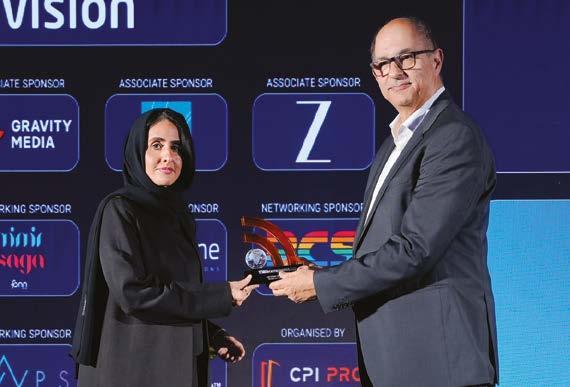
BEST OB VEHICLE OF THE YEAR
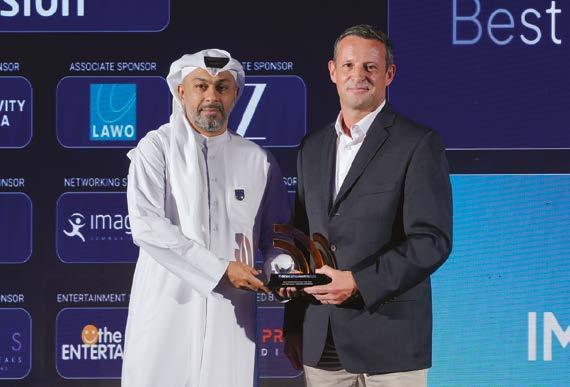
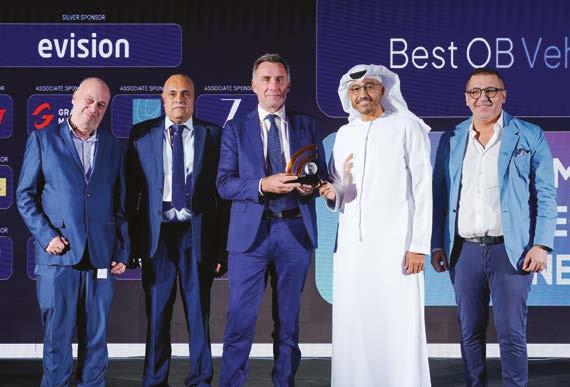
ADM’s UHD OB trailer won for its great design, resilient infrastructure and best-in-class technologies designed to empower production teams and enhance efficiency. The teams from ADM and ARET received the award from Baher Al Zaher (r), MD at RCS MENA.
BEST OB VEHICLE OF THE YEAR
NEP’s ME-01 won for its outstanding TFC-powered IP backbone, seamlessly orchestrating multi-vendor systems and automating complex routing, control and workflow tasks. With UHD/HDR readiness, high-capacity processing and deep integration capabilities, it delivers a great platform for live production. Waleed Isaac (c), President of NEP Middle East and Asia, is pictured with the team.
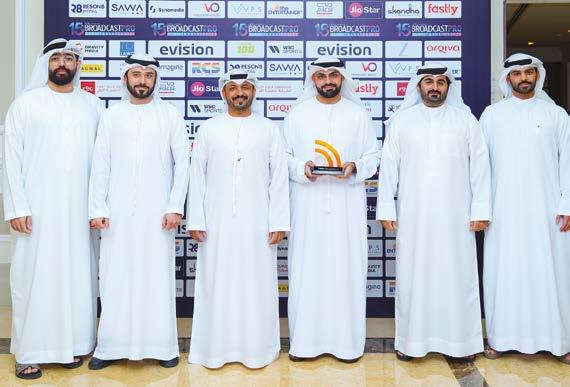
Combining AI-driven personalisation, fantasy sports, adaptive streaming and a vast library of global content, UAE streaming service StarzPlay has long been a regional favourite and has proved its mettle once again by leading the MENA streaming market. Through a pioneering hybrid SVOD–AVOD model, it now serves more than five million subscribers across 20 countries. Pictured with the award is the StarzPlay team.
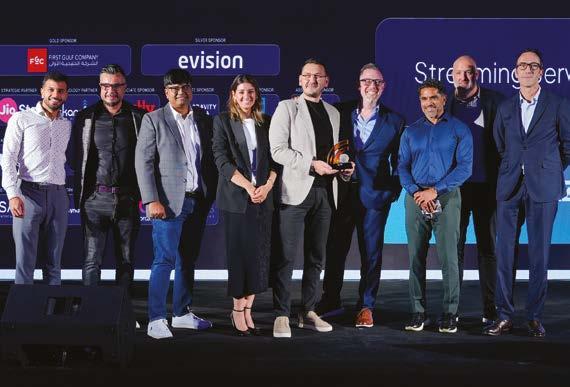
In just two years, Dubai Studios has delivered a prolific slate of diverse productions, forged global partnerships including with the International Emmys, and positioned the UAE as a creative hub symbolic of a more connected, ambitious Arab content industry. Further, its largescale, high-budget productions have become catalysts for cultural exchange. The team from Dubai Studios and DMI are pictured with their awards.
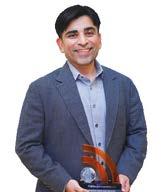
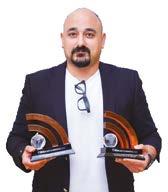
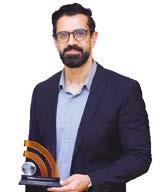
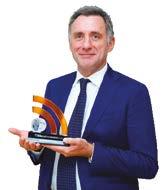
Fayez Al Sabbagh led the development of a children’s brand into a multiplatform powerhouse, driving premium originals, global expansion and creator empowerment. He fused TV, digital and live experiences to shape a generation’s childhood while demonstrating unparalleled cultural and operational leadership.
Younis AlKanzy has several feathers in his cap: he has grown the UAE’s largest podcast platform, oversees global-scale events, including the 1 Billion Followers Summit and World Government Summit, and his latest cinematic project ranks among the top 10 highest-grossing films in GCC history.
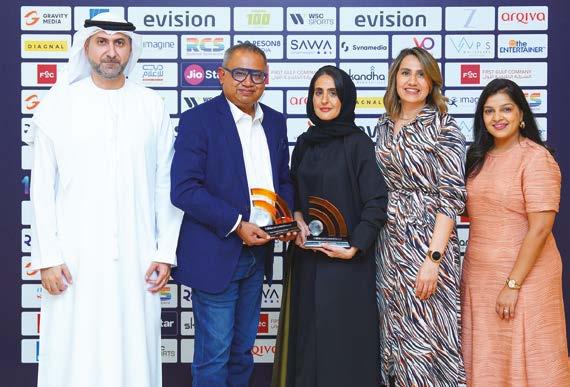
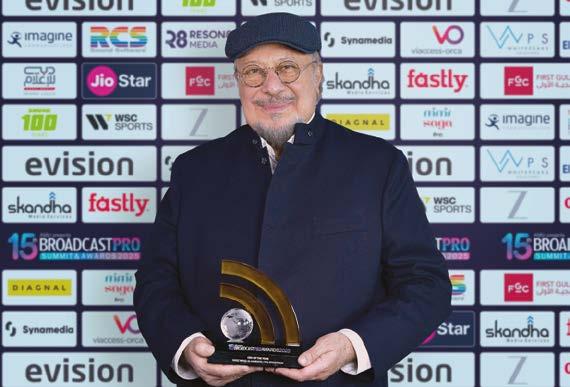
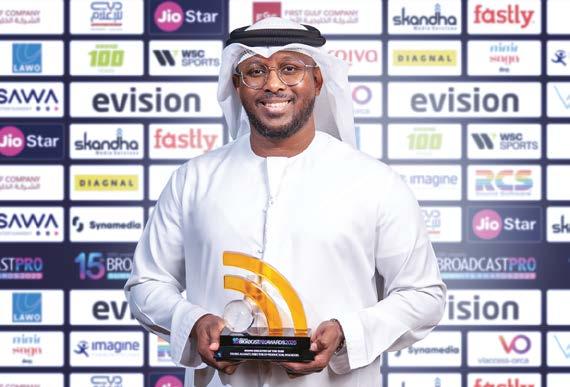
TECH EXECUTIVE OF THE YEAR
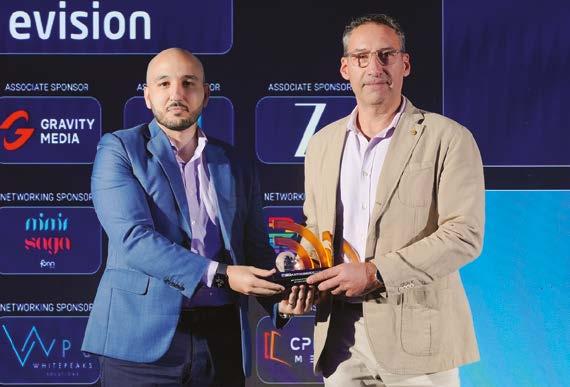
By aligning Technology and Product into a single innovation engine, Saldanha delivered seven projects in seven months, from AIpowered recommendations and creative automation to self-serve apps and MAAS, setting new regional benchmarks. Saldanha (r) received the award from Jessy Abou Habib, COO of White Peaks Solutions.
OF THE YEAR – SPECIAL RECOGNITION
Castro has quietly transformed FGC from a regional SI into an industry benchmark. As CTO, he has led groundbreaking projects, including the world’s largest control room in Makkah, Saudi Arabia’s first ST-2110 IP transition and the KFCC opera venue. Castro (r) received the award from Dev Patel, GM of TCM Sports.
OUTSTANDING CONTRIBUTION TO THE MENA CONTENT MARKET
Korayem has reshaped MENA’s fragmented content landscape into a unified, collaborative ecosystem. Through her CoProduction Salon, she blends financial rigour and strategic matchmaking, elevating cross-border content innovation.
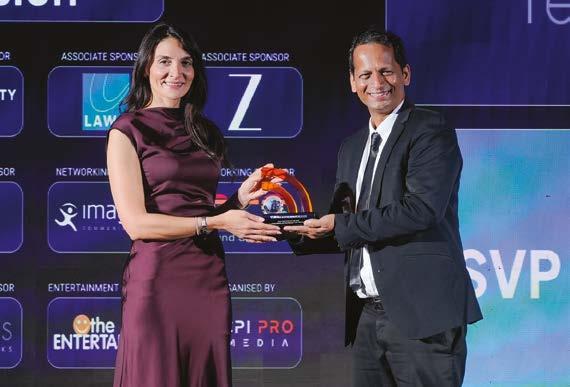
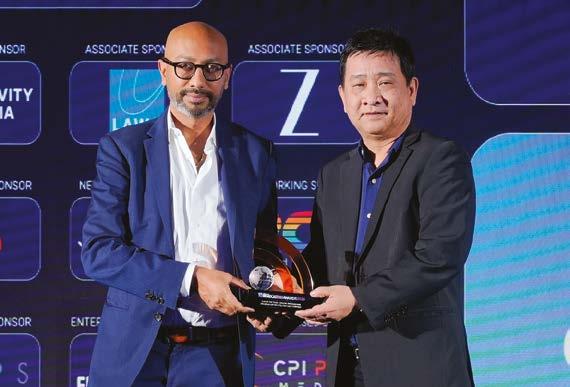
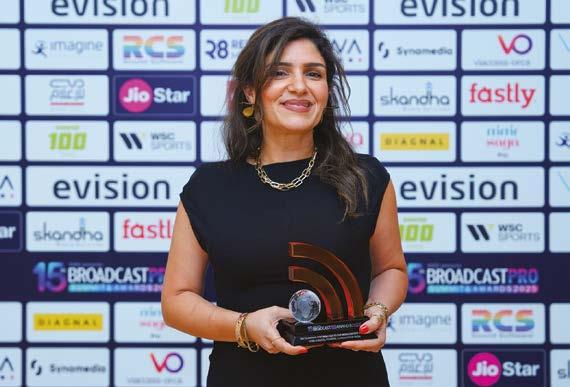
iKO Media Group’s unified, future-ready ecosystem blends teleport, cloud playout, IP delivery, OTT distribution and real-time monitoring, thereby empowering broadcasters with global reach, reliability and end-to-end monetisation. Its infrastructure supports more than 450 active channels across over 20 satellites. Rashmin Abhani (l), SVP Pre-sales and Satellite Resource Management, iKO Media Group, received the award from Sanjay Raina, VP of Times Television Network.
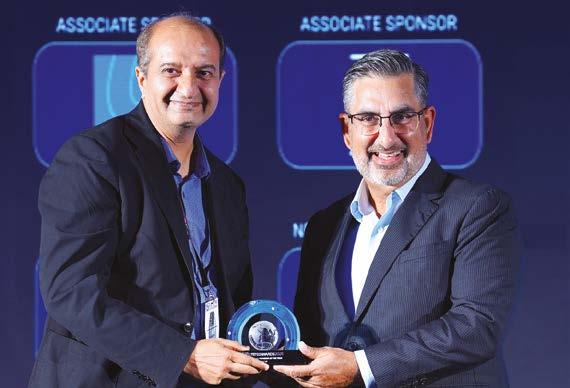
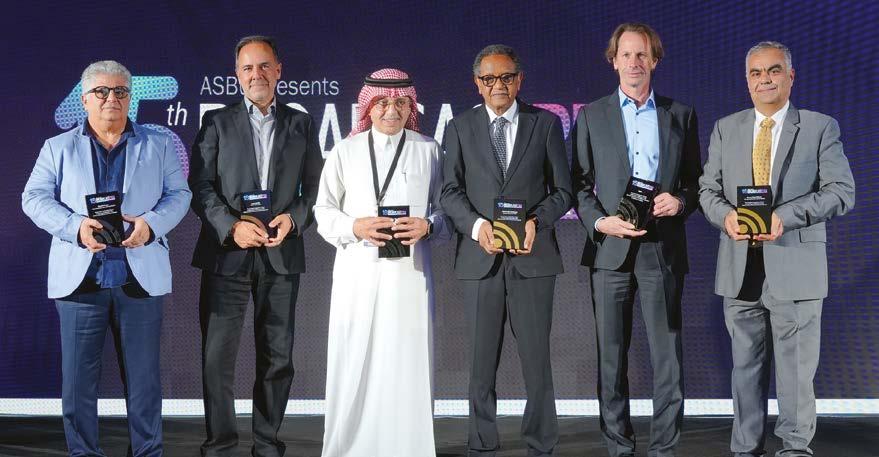
KAVEH FARNAM, FOUNDER, ADVANCED MEDIA
KARIM SARKIS, PARTNER, STRATEGY&
DR RIYADH NAJM, CEO, SHASHAH WORLD
ABDELRAHIM SULEIMAN, DIRECTOR GENERAL, ARAB STATES BROADCASTING UNION (ASBU)
ANDREAS HILMER, CMO, LAWO
HASAN SAYED HASAN, MD, MASTER MEDIA

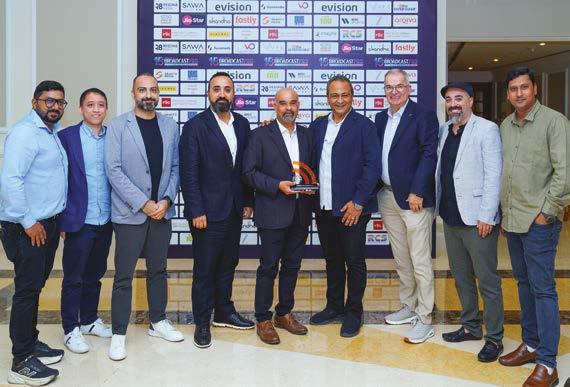
For 15 years, the ASBU BroadcastPro Summit & Awards has championed the region’s media and entertainment industry. From modest beginnings to a platform of regional influence, our journey has been shaped by the unwavering support of those who invested in us, guided us and shared their expertise. Marking this milestone anniversary, it was a privilege to honour these stalwarts whose commitment has been instrumental to our growth.

Media capability centres are emerging as a strategic alternative to traditional models and fragmented outsourcing, offering an integrated approach to scaling media operations, says Neha Modi
With MENA’s streaming market projected to surpass $1.5bn in 2025 and SVOD subscriptions expected to top 27m across the region, demand for seamless multi-platform consumption is surging. As live event production and VOD workflows grow in scale and complexity, broadcasters, OTT platforms and regional media players are looking for reliable, scalable, automated solutions to more quickly launch, manage and monetise content.
MENA’s operators face significant hurdles in scaling across a fragmented, multi-regional market. These include high innovation costs and operational inefficiencies and complexities. Maintaining on-prem infrastructure and managing several vendor partners drains budgets, leaving fewer resources for expanding channel offerings or launching new business models (like ad-supported tiers or exclusive events). Further, broadcasters and streaming platforms grapple with barriers to quality and reliability, including issues like technical downtime, inconsistencies in stream quality and service interruptions, especially during live events. With infrastructure often spread across multiple vendors and legacy systems, meeting consumer expectations for seamless, uninterrupted viewing is an ongoing challenge. Challenges also emerge in content
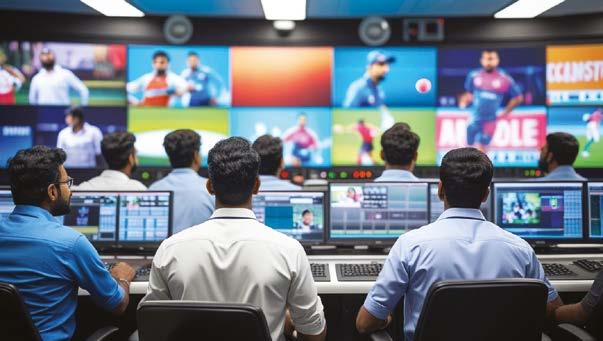
turnaround and localisation. Bringing new content to market – especially localised, multi-language or catchup VOD versions – can be slow and resource-intensive. Manual workflows, compliance backlogs and regional adaptation often mean viewers wait longer for the content they want, impacting loyalty and engagement. Fragmented data and weak personalisation impact scalability too. Siloed analytics and fragmented audience data make it difficult to understand viewer preferences and deliver personalised experiences. It can be a struggle to effectively segment users or serve relevant content and recommendations, especially for younger, digital-first MENA audiences. Additionally, delivering a unified user experience across mobile,
smart TV and other devices remains challenging. Content preparation and branding are frequently inconsistent, and users encounter friction moving between platforms or formats. By centralising and automating digital operations – from ingest and playout to localisation and analytics – Skandha’s media capability centres (MCCs) are helping broadcasters and OTT platforms overcome these operational hurdles. So, where does the model come from?
MCCs build on the global capability centre (GCC) model and are specifically tailored to support content operations and media workflows. Today’s GCCs drive AI automation, cloud computing and analytics solutions for global enterprises across industries including pharma, finance and manufacturing.
The MCC lowdown
Media capability centres are set to bring serious economies of scale, handling massive content volumes, speeding up turnaround times and fine-tuning go-to-market strategies to boost user engagement, expand reach and operate more profitably at scale. They function as specialised hubs that help coordinate and scale media operations across sectors such as broadcasting, digital platforms, sports, gaming, publishing and advertising. They support a range of workflows – including localisation, compliance, post-production, VFX, ad-tech, programmatic media buying, news production and audience analytics – by improving process consistency and reducing operational friction. Moreover, MCCs are designed to reflect the blend of creative, technical and logistical demands typical of media and entertainment businesses. Rather than operating as external vendors, they take a more embedded role in content operations, spanning ingest, metadata tagging, postproduction, monitoring and playout. Organisations can choose between fully managed MCCs or hybrid models, depending on which functions they prefer to retain in-house and which are better suited to external support.
They also incorporate AI tools, cloud-based media management systems and automated quality control to reduce manual effort and improve workflow reliability. Offering ‘pay-as-you-grow’ flexibility during periods of increased activity – whether that’s a production surge, market expansion or seasonal content demand – MCCs enable teams to scale without overextending core resources. This model is inspired by IT infrastructure whereby customers tap manpower and resources on demand, reducing resource drain
and unlocking agility. With cloud production, MCCs also open new possibilities for mixing, switching, dubbing and remote commentary.
For live sports and events, MCCs provide real-time scalable playout, AI-driven highlights and remote production, critical at a time when both established pay/SVOD platforms and emerging FAST players in MENA are pursuing exclusive rights (local football, cricket, pan-Arab leagues, global franchises, etc). Skandha currently provides services to a range of sports rights holders to enable them to deliver their content on OTT platforms, for example serving encoding vendors like MediaExcel to help their customers with level 1 and 2 support.
Knowing your audience
VOD library expansion, multi-language/ localisation and niche channel launches (kids, lifestyle, OTT-first originals, etc) are in high demand, with platforms constantly seeking workflow scalability and operational streamlining. Platforms like Shahid, StarzPlay, YouTube Premium and Netflix increasingly offer local language options, niche VOD channels and targeted FAST rollouts in response to growing demand for Arab, South Asian and sports content.
As content strategies diversify, many OTT platforms are turning to MCCs to support functions like metadata tagging, adaptive distribution, real-time monitoring, audience analytics and ad-tech integration.
Holistic hubs
By offloading infrastructure and services to MCCs, broadcasters, OTT platforms, and live sports and event producers can skip the heavy CAPEX associated with massive infrastructure and hardware upgrades. In-house OPEX can shrink by 30-
50% over time when offloading key but non-core tasks like content ingest, quality control and metadata management to an MCC, and playout costs can be slashed by up to 40% By investing in AI-driven automation, virtualised production and cloud-based playout, MCCs enable agile responses to shifting market demands.
competitive necessity
The MENA market is forecast to grow more than fivefold to $8.4bn by 2029, fuelled by expanding digital infrastructure, high mobile and internet penetration, and a very youthful, engaged demographic. For media organisations navigating the pressures of scale, complexity and streaming demand, media capability centres offer a practical way forward, keeping operations lean and budgets predictable. Beyond operational efficiency, MCCs help teams respond faster, work smarter and stay aligned across increasingly fragmented workflows. As the content ecosystem grows more complex, those already leveraging MCCs are better placed to adapt and compete. For others, the question isn’t whether to adopt, but how soon.
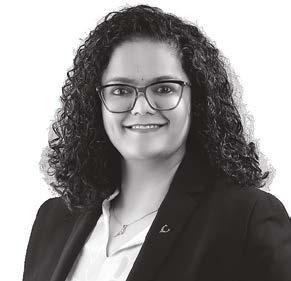
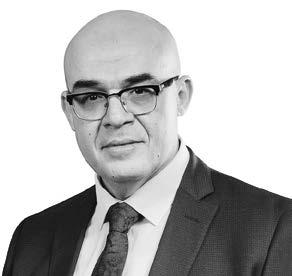
AYMAN RADWAN
We have to unlearn spatial storytelling and embrace proximity storytelling
The broadcast industry built its empire on the horizontal frame. For decades, widescreen’s expansive and immersive format defined cinema. Today, this assumption is obsolete. With smartphone consumption skyrocketing, vertical viewing dominates, prompting streaming platforms to commission vertical content at scale. The question is not whether broadcast professionals should engage with 9:16 storytelling, but whether they can afford not to.
I’ll be frank: three years ago, I dismissed vertical video as social media gimmickry. Then I watched a 90-second vertical drama from China rack up 200m views in a week. We weren’t missing a trend. We were missing a fundamental shift in how audiences connect with stories.
Motion becomes foundation
Vertical changes storytelling: motion becomes the main tool. In horizontal cinema, movement goes across the frame. In vertical, movement goes toward or away from the audience, making emotional impact central.
A vertical micro drama is a single emotional event expressed through motion. A character steps forward and confesses. A hand reaches but hesitates. A face turns into shadow. One deliberate motion can carry the weight of your entire narrative.
Shoot native, not cropped
As a thumb rule, always shoot in 9:16. Cropping from the horizontal format in post-production doesn’t work. I’ve seen many broadcasters attempt to future-proof by shooting wide and reframing later. The compositions feel wrong, depth collapses and they lose the intentionality that makes vertical compelling.
Position subjects along the Z-axis so they can move naturally through space. Use soft, directional light to shape emotion as they move. In this format, faces become landscapes: a raised eyebrow can replace dialogue. This, however, applies to both formats. We just notice it more in the vertical format because there’s nowhere to hide.
In vertical formats, camera movement should be natural, breathing with the performer, not dictating. At the same time, the importance of sound design cannot be underestimated: the creak of a floorboard, fabric rustling, a sudden inhalation. In vertical storytelling, the audience isn’t just watching; it’s eavesdropping.
Write and edit differently
Great vertical content begins before you roll the camera. Write for motion, not space. Find that one gesture that reveals character change. Storyboard for depth, not width. Visualise layers of foreground,
subject and background. Every frame must advance the emotional journey. This is harder than it sounds. In traditional production, we’re trained to shoot multiple angles to cover the scene and protect against mistakes. Vertical storytelling demands a different discipline: design one decisive motion, commit to it, trust it to carry the emotional truth.
A mindset shift
The challenge isn’t technical – our gear all works in 9:16. The challenge is conceptual. We have to unlearn spatial storytelling and embrace proximity storytelling. It’s worth remembering that a 90-second vertical drama can hold more emotional truth than a 30-minute traditional segment.
At EMPC, we’re seeing formats converge rapidly. Vertical storytelling sits at the intersection of craft and culture. It’s cinematic but immediate, intimate but scalable. Broadcast professionals who master the 9:16 frame won’t just stay relevant. They’ll redefine what cinematic storytelling can be, one micro drama at a time. And that excites me more than any technical specification ever has.
AYMAN RADWAN IS GM OF STUDIOS AT EGYPTIAN MEDIA PRODUCTION CITY (EMPC).